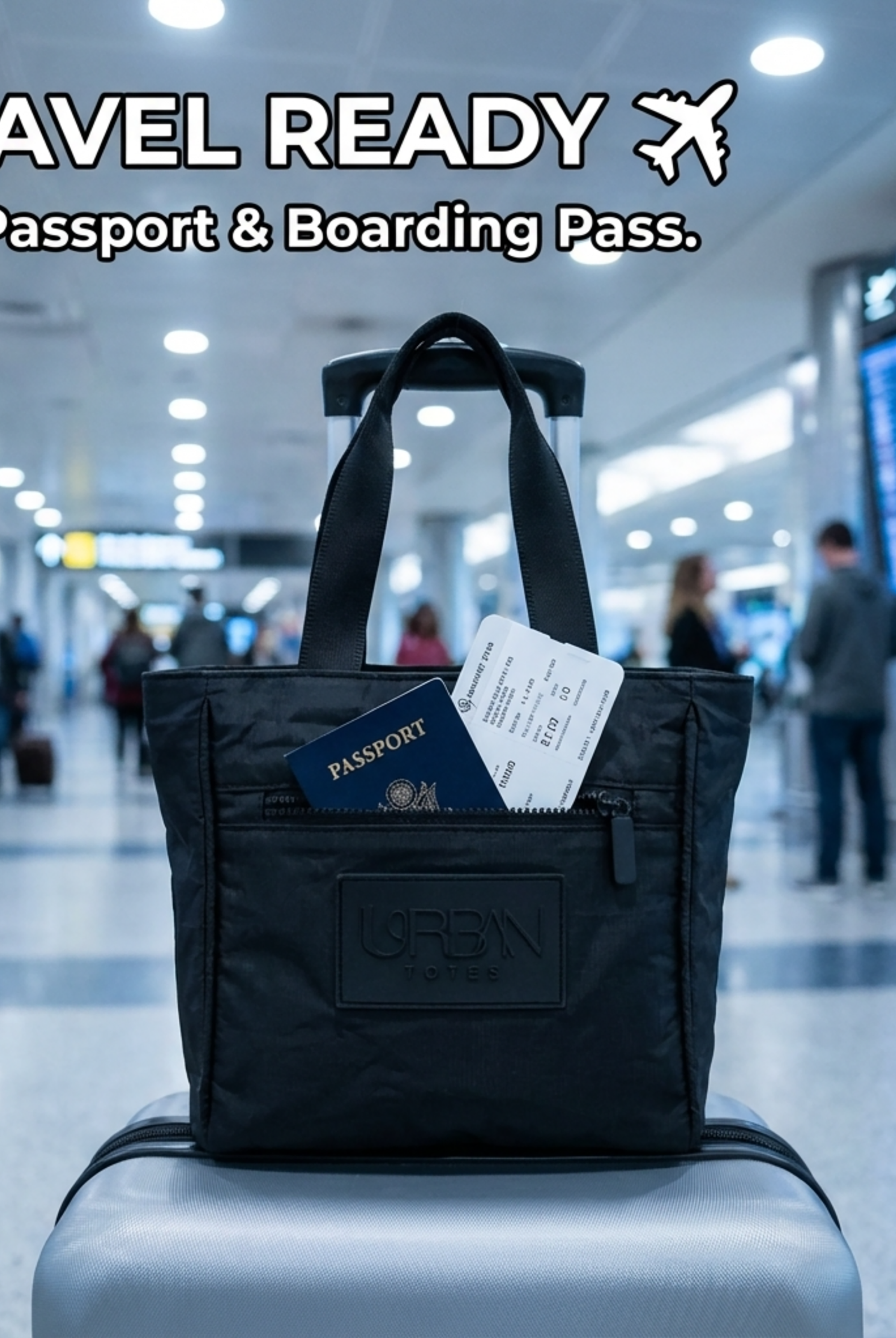
School drop-off, airport security, the farmers market, a long walk to brunch, the shoulder bag can turn on you fast if it sits wrong. One minute it feels polished and easy, the next it's sliding off a coat, bumping your hip, and tugging at your neck like it has a grudge. The fix is usually not a new bag, it's how to wear a shoulder bag so the strap, load, and body position work together.
Table of Contents
- The Carry Moment That Made You Grab This Guide
- Finding the Right Strap Length and Bag Position
- Five Carry Styles to Switch Between Throughout the Day
- The Weight Math and Side-Switching Habit That Saves Your Neck
- Security and Transit Habits That Keep Your Stuff Where It Belongs
- Outfit Pairings and Layering Fixes That Change Everything
- Packing and Organization Tips and Your Try-Today Checklist
The Carry Moment That Made You Grab This Guide
You know the moment. You're juggling a coffee, a kid's lunchbox, and a bag that keeps sliding off your coat while the line moves at school drop-off. Or you're in an airport queue, twisting to reach your phone, and the strap has already sunk into one shoulder by the time you reach the gate. That's when people start blaming the bag, but usually the problem is the way it's being worn.
A shoulder bag should feel like part of your daily rhythm, not a stubborn extra task. When it hangs too low, swings away from the body, or carries all the weight on one side, it gets annoying fast. A better fit makes commuting, errands, and travel feel cleaner, faster, and a lot less fussy.
That's where the useful stuff starts. The right strap length, the right side to wear it on, the right way to pack the pockets, and the right carry style for the moment all matter more than any trend cycle. If you want a practical starting point for what belongs in your everyday carry, this everyday carry bag essentials guide is a smart place to compare notes with what you already haul around.
Finding the Right Strap Length and Bag Position

Start with where the bag sits
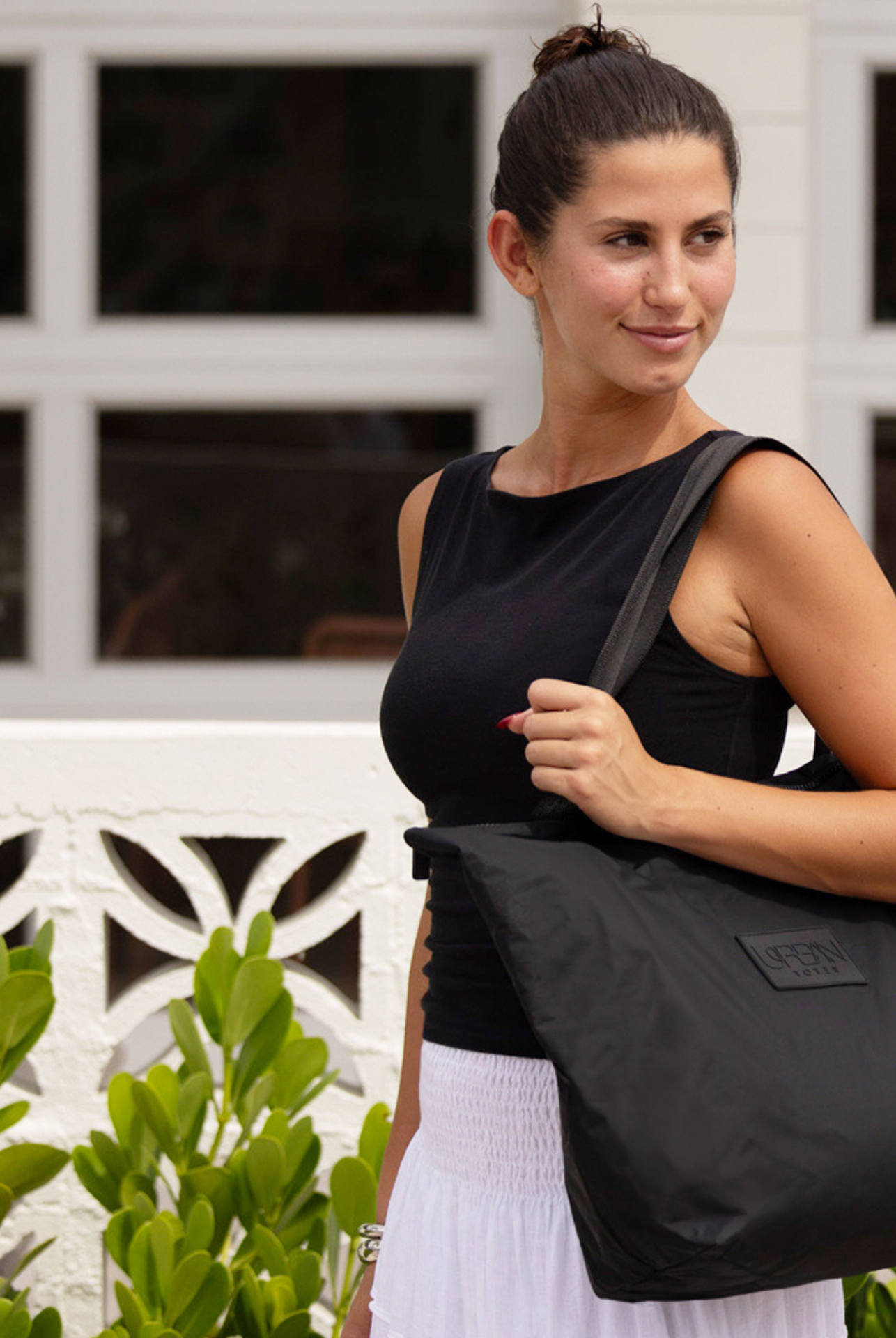
A shoulder bag works best when it sits between the shoulder and waist for small to medium bags, or at hip level for larger bags, with the opening facing the body and heavier items packed closest to the frame for stability and security, according to this fitting guide. That placement keeps the bag from becoming a moving target every time you walk, reach, or turn.
The height check should be simple enough to do without overthinking it. For small and medium bags, aim for a position about 10 to 12 inches above the hip bone. For larger bags, set it roughly 2 to 4 inches above the knee. Those ranges give you a real target instead of the usual vague advice to just “make it look right.”
Practical rule: if the bag feels like it's swinging, it's probably too low.
Use the strap to test the fit
The strap should stay snug enough to keep the bag from drifting while you move, but not so tight that it bites into your shoulder. A good check is the one-finger gap under the strap. If you can slide one finger between the strap and your shoulder, you're in the right neighborhood. For a fuller adjustment walkthrough, see the adjustable shoulder strap guide.
The top of the bag should line up with the natural resting point of your arm when you stand relaxed, a fit check also described in Charles & Keith's shoulder bag guide. If the top rides too high under the arm, it gets awkward fast. If it sits too low, the bag starts to feel like dead weight instead of something you can carry without thinking about it.
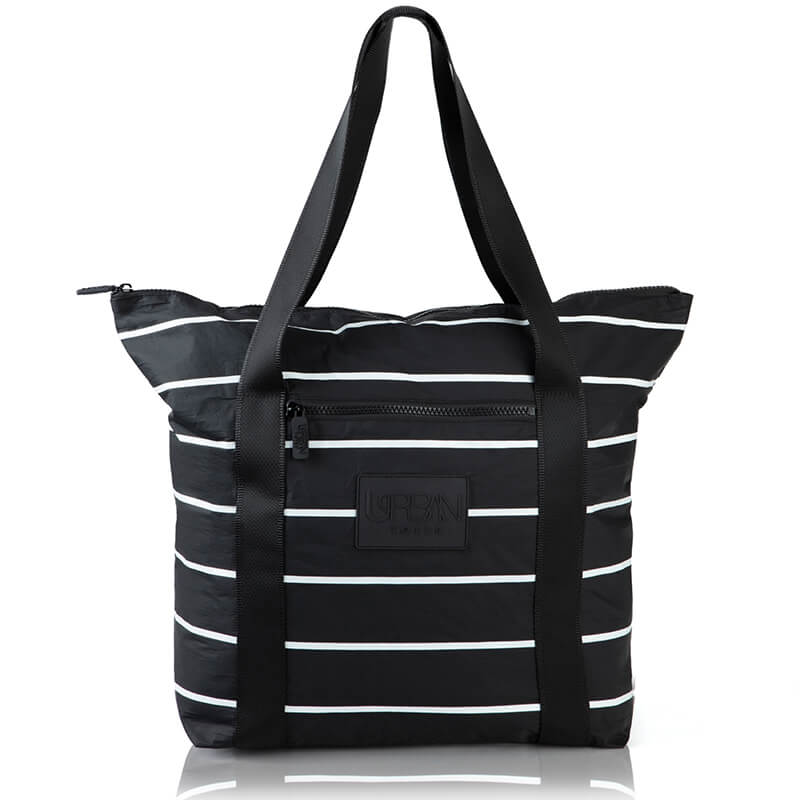
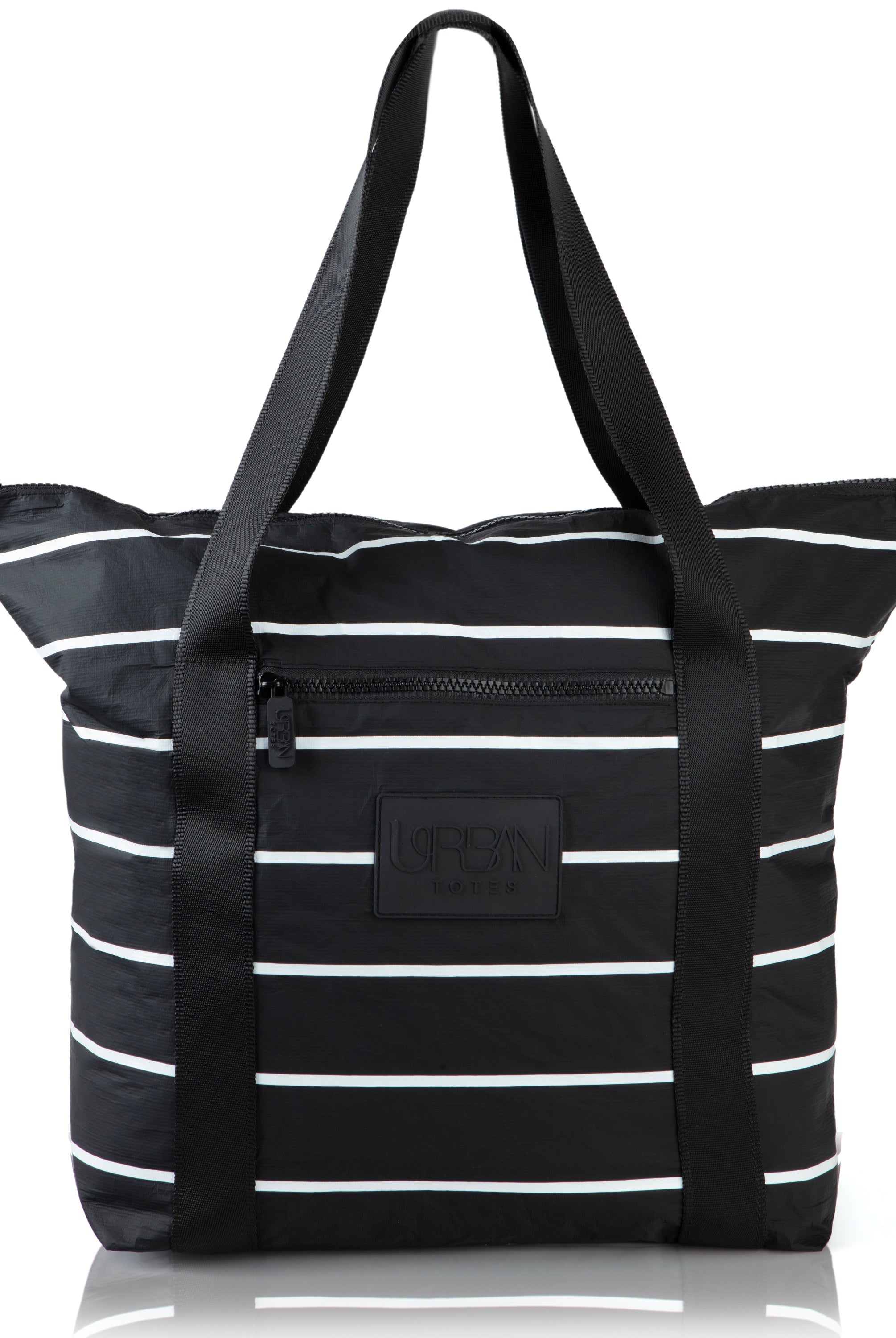
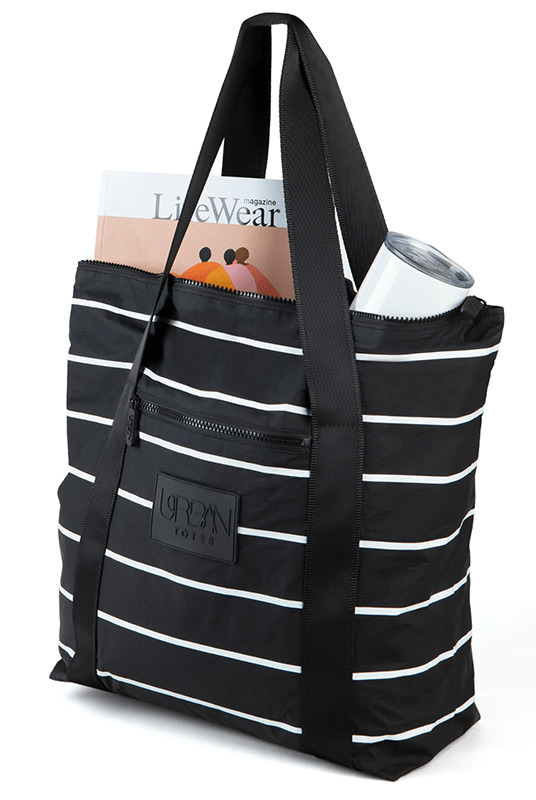
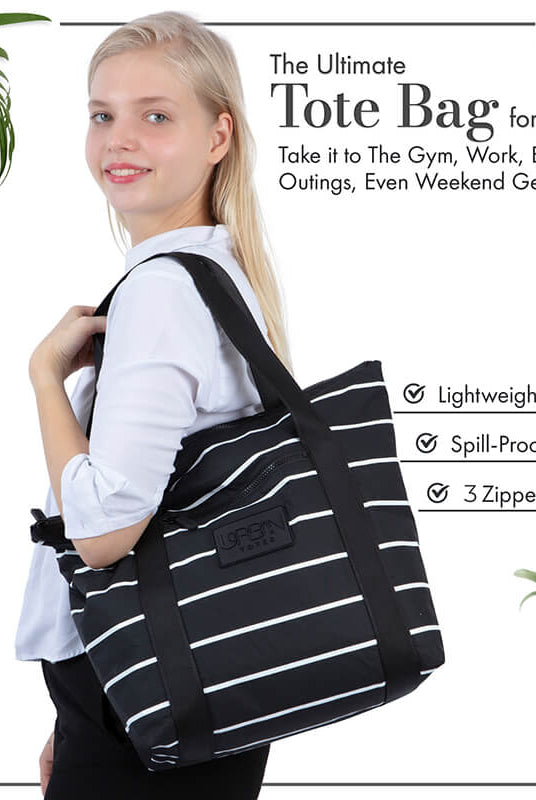
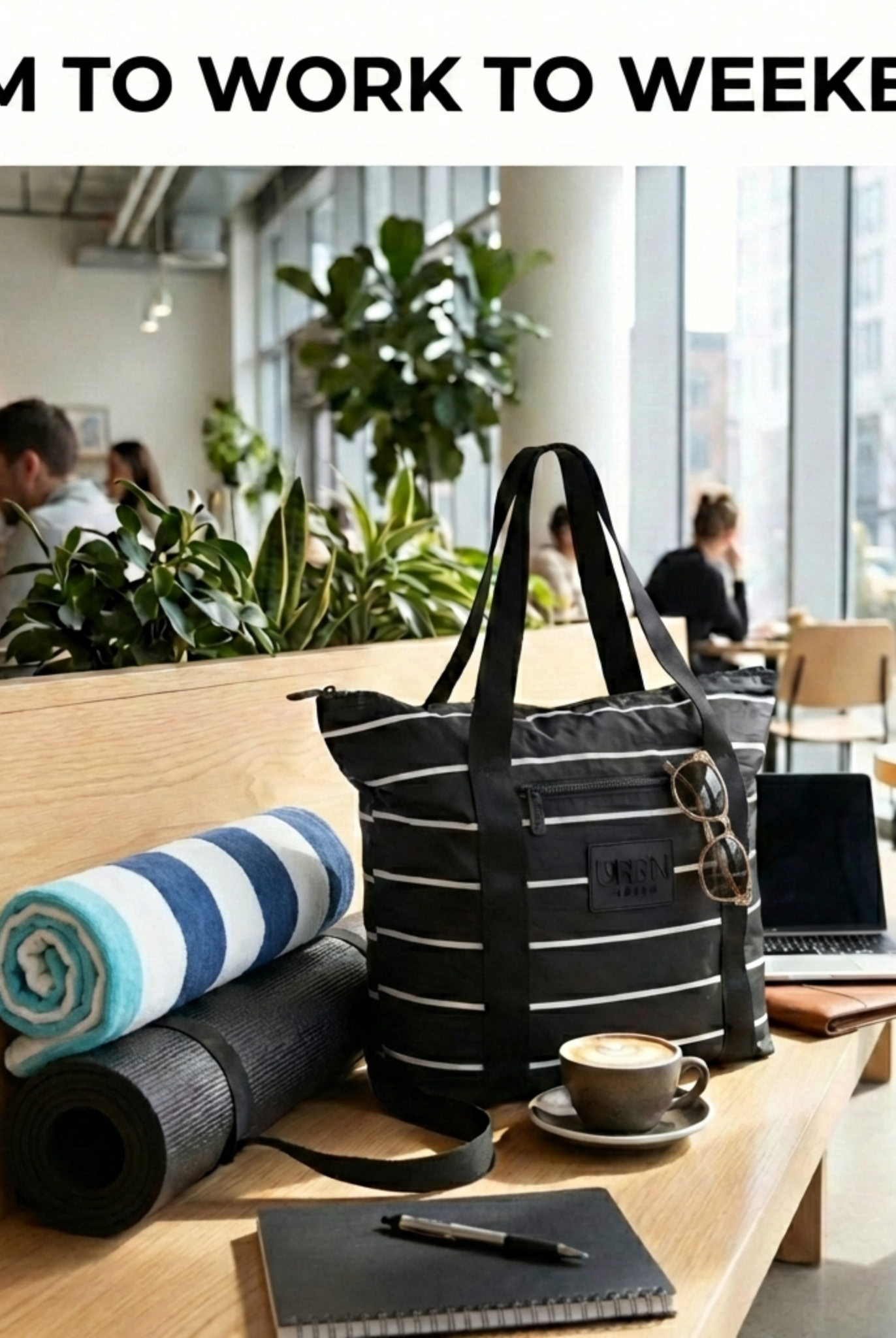
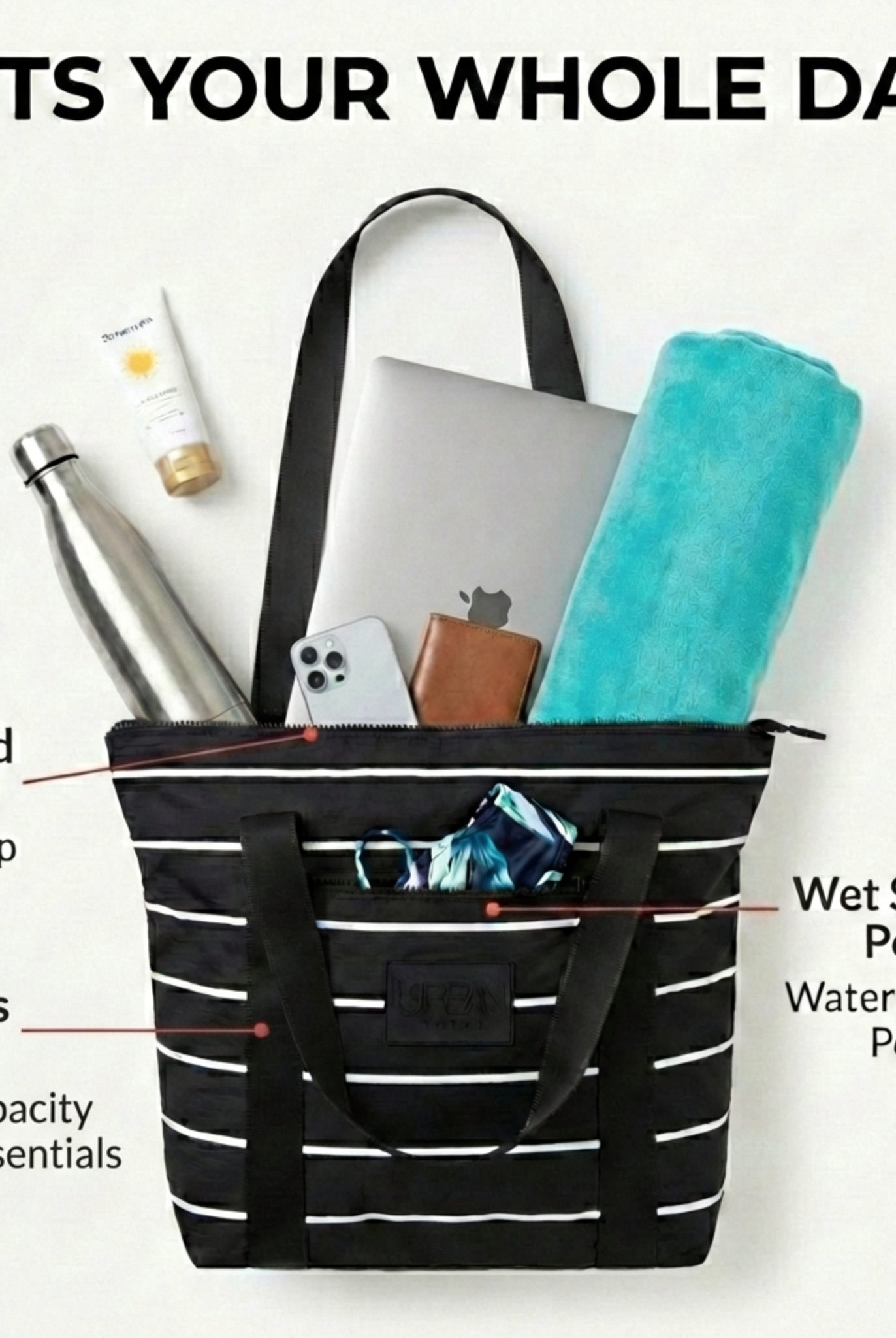
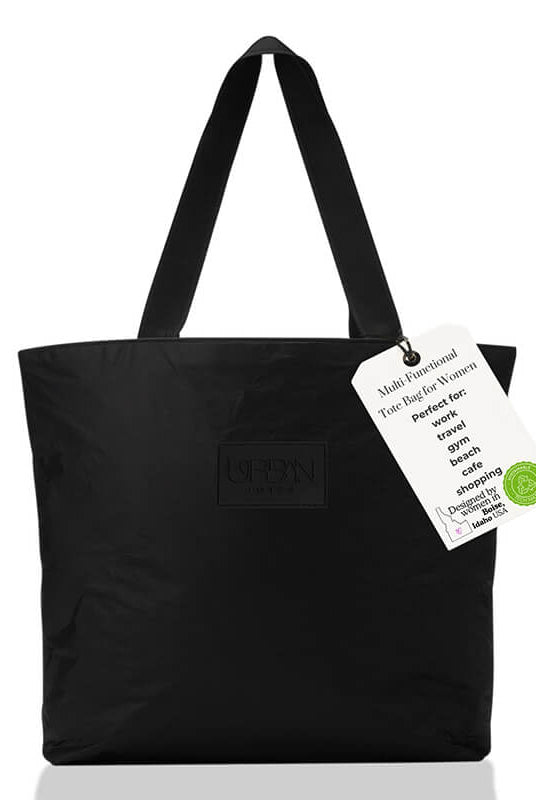
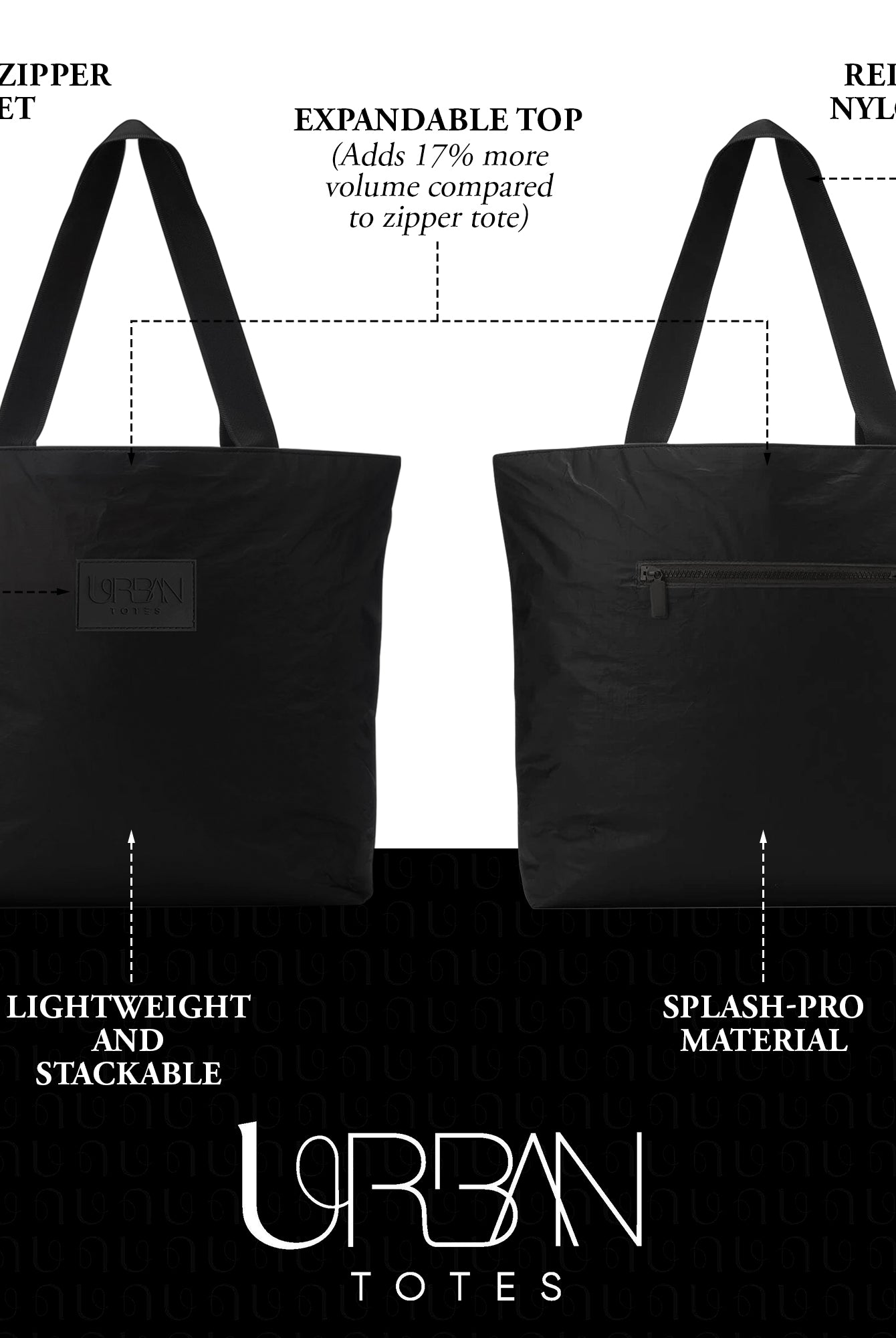
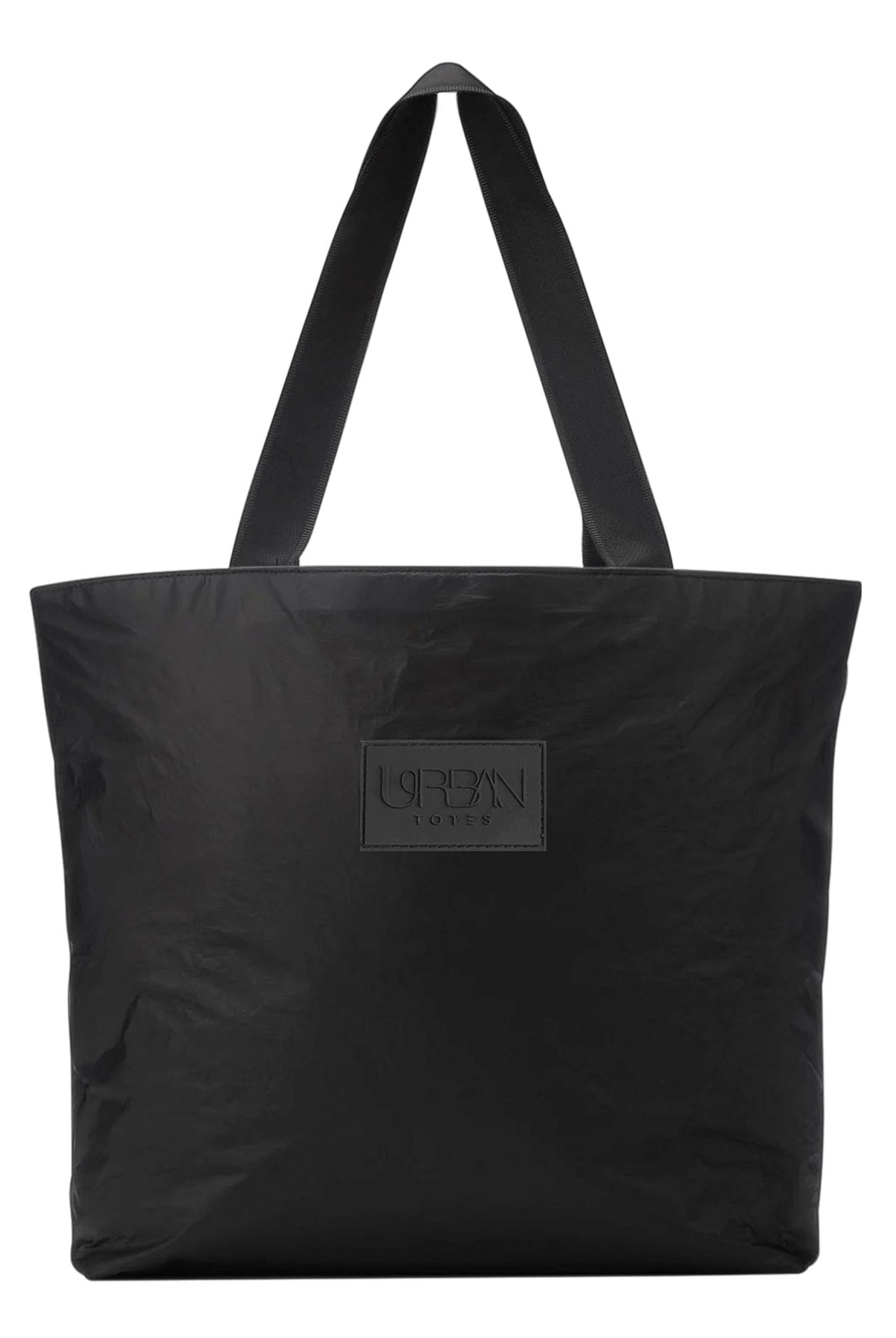
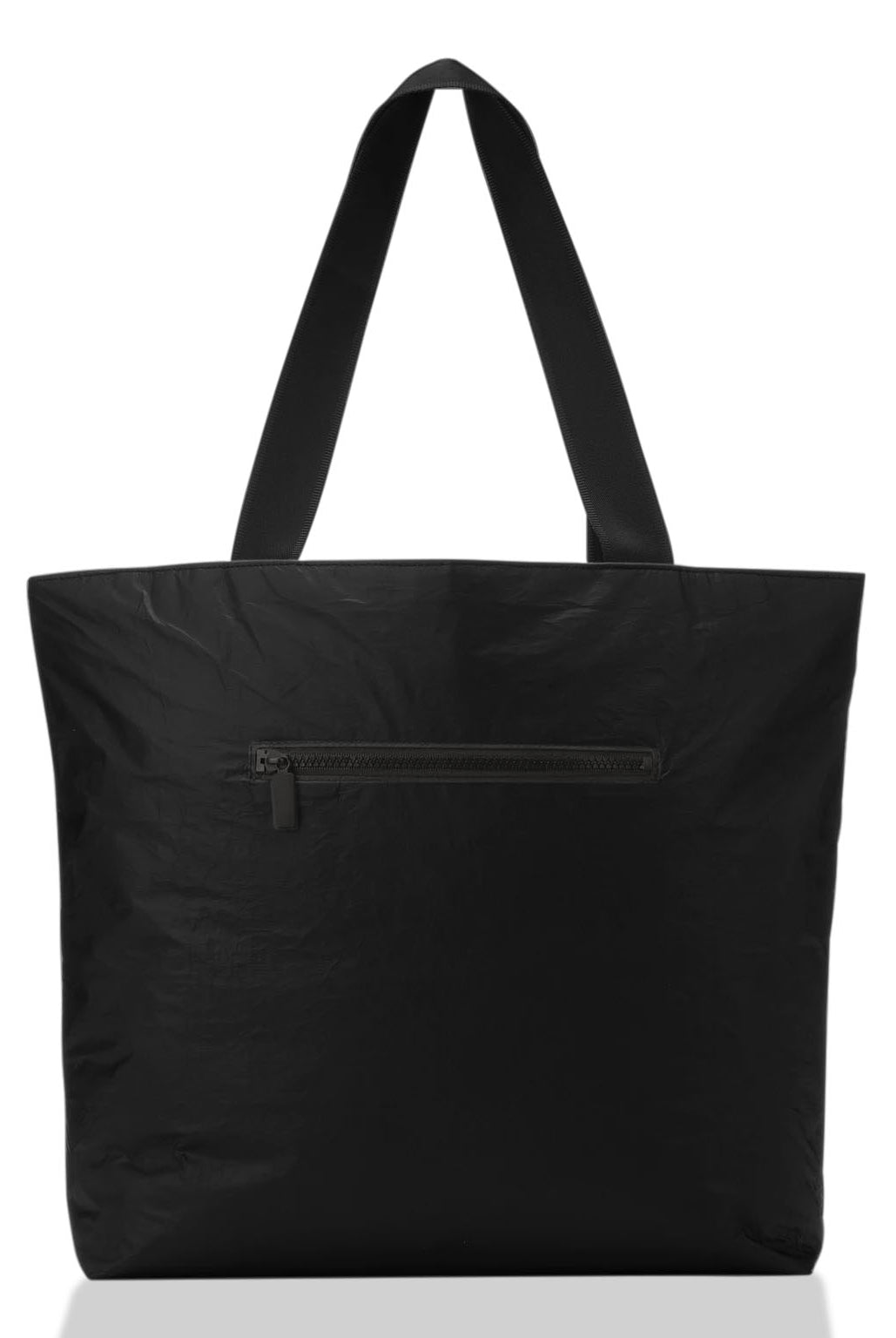
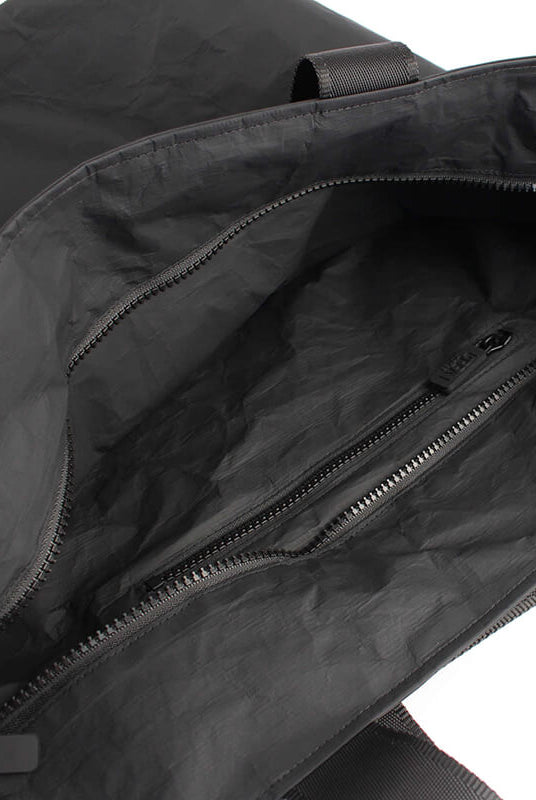
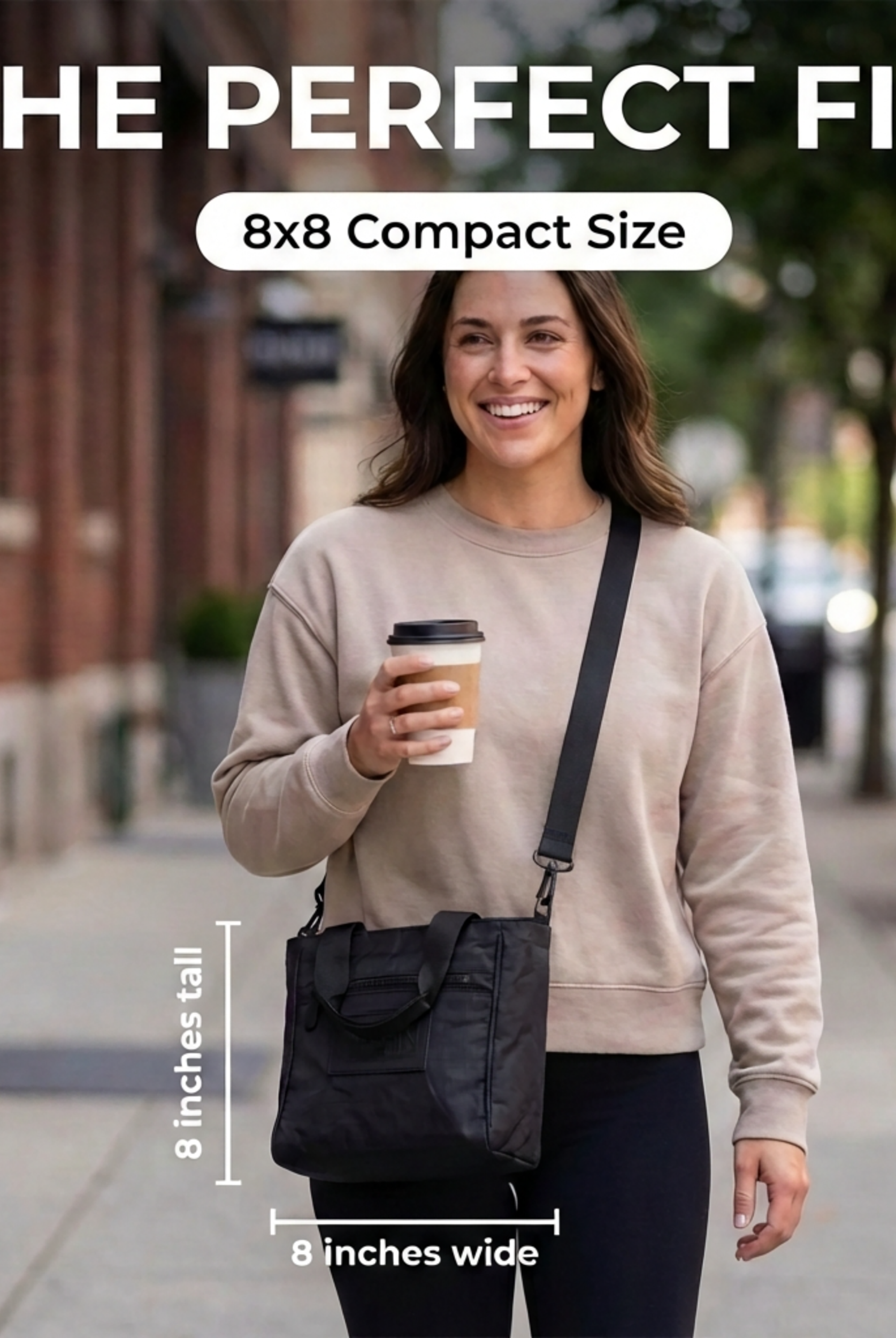
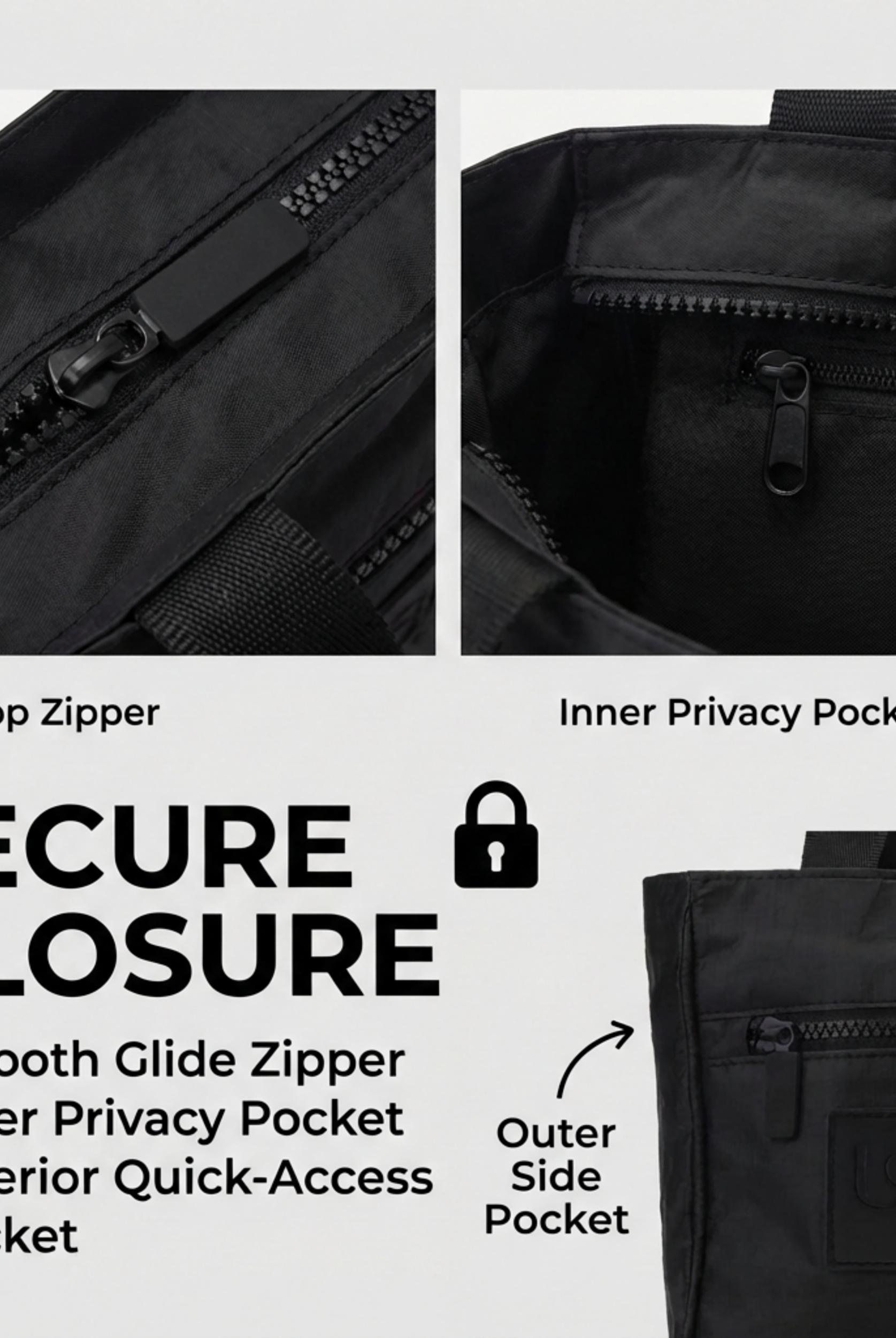
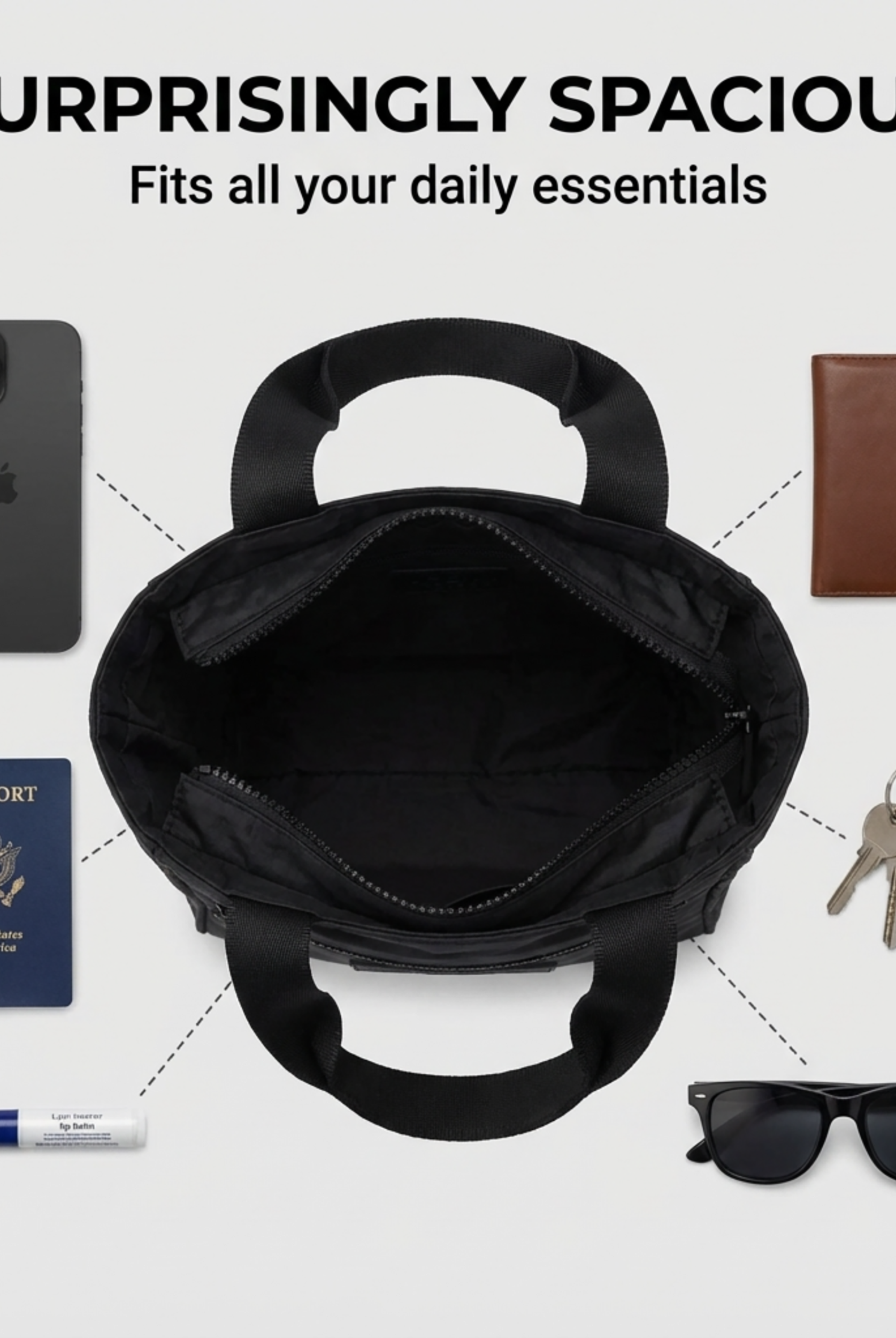
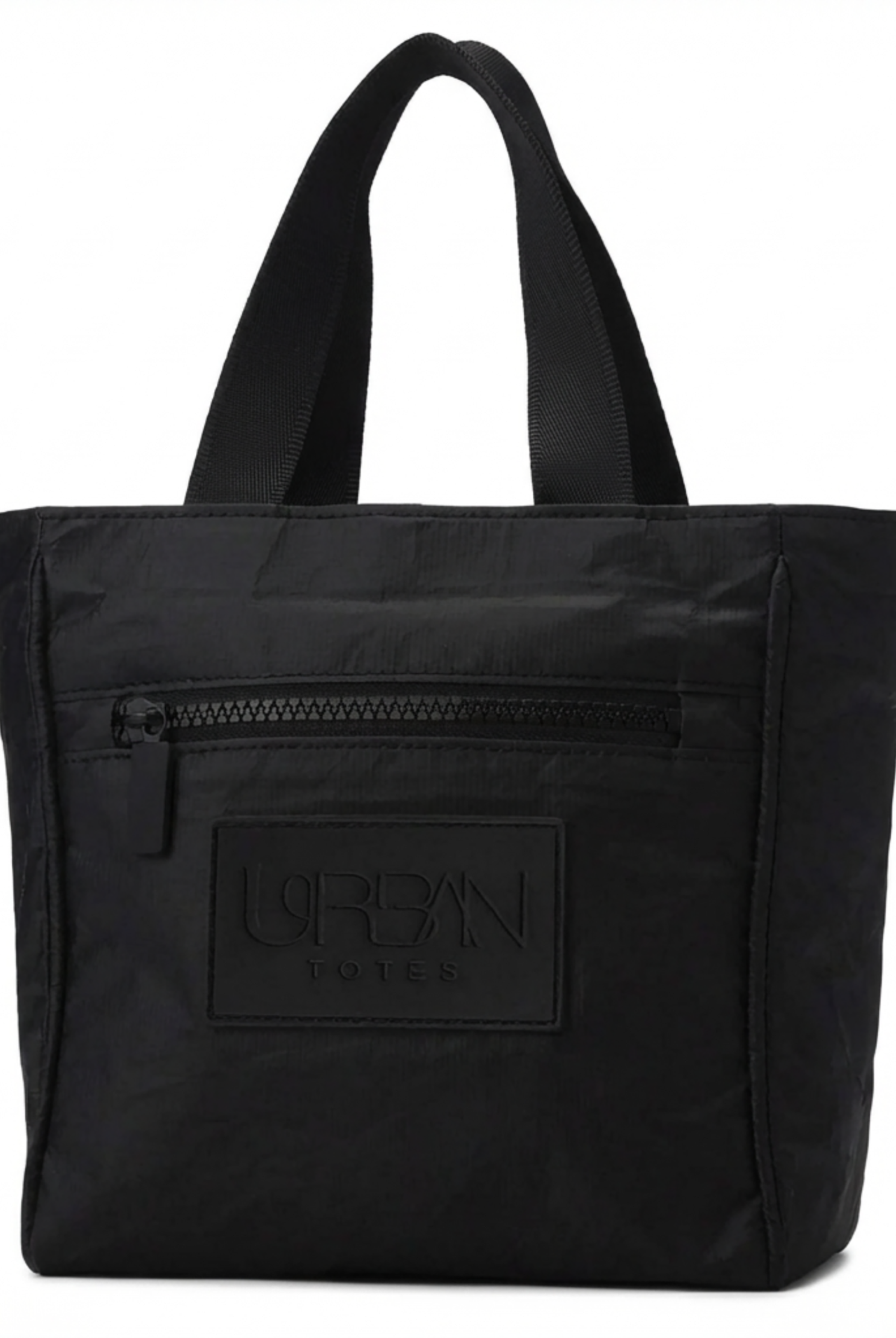
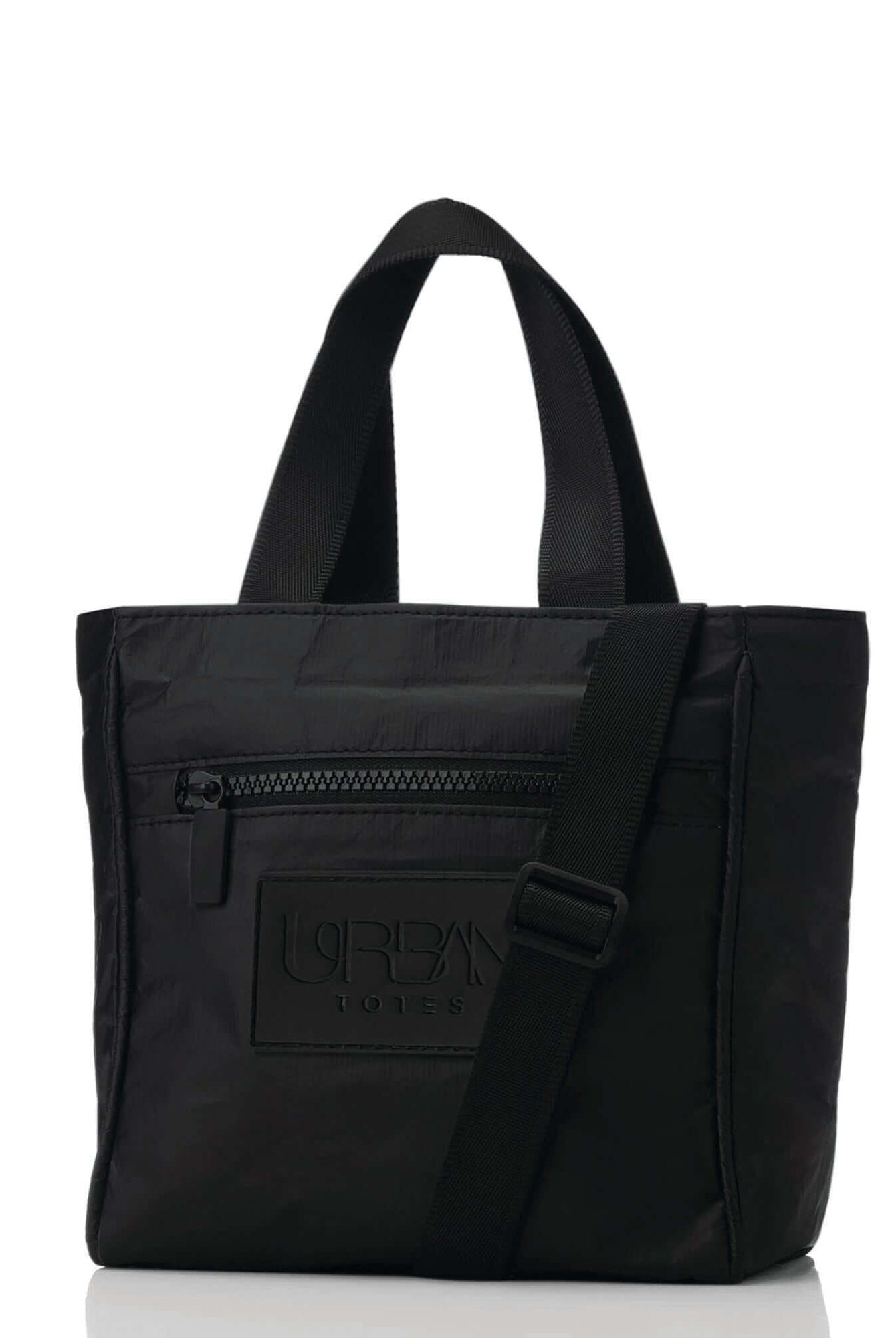
A practical option for this kind of wear is The Go Anywhere Day Trip Tote Bag by Urban Totes, which is described as having three large zippered compartments, specific pockets for iPhone and keys, and a 11.5-inch handle length for shoulder carrying or hand holding. That kind of setup only helps once the strap length is set correctly.
Make the adjustment once, then keep it consistent
Small strap changes can make the same bag feel completely different. Shorten it a little if it keeps slipping, and do not let it hang low just because a looser fit looks relaxed. The fit is the base, and the rest of this article works better once that piece is sorted.
If you wear outerwear often, keep one length for lighter layers and another for coats or blazers. A shoulder bag that sits well over a tee can feel sloppy over thicker clothing if you never reset the strap.
Five Carry Styles to Switch Between Throughout the Day

Shoulder carry for the quick in-and-out moment
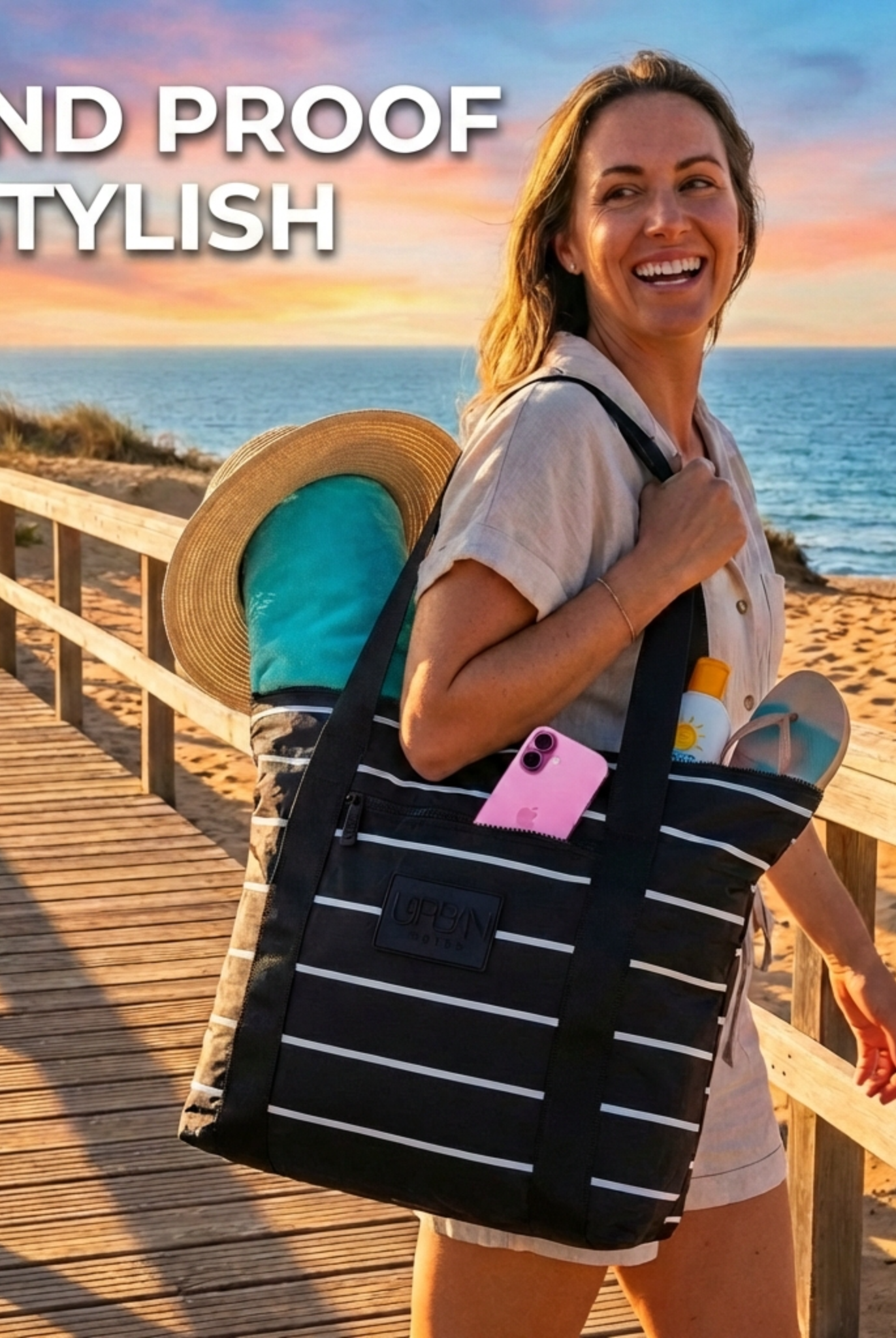
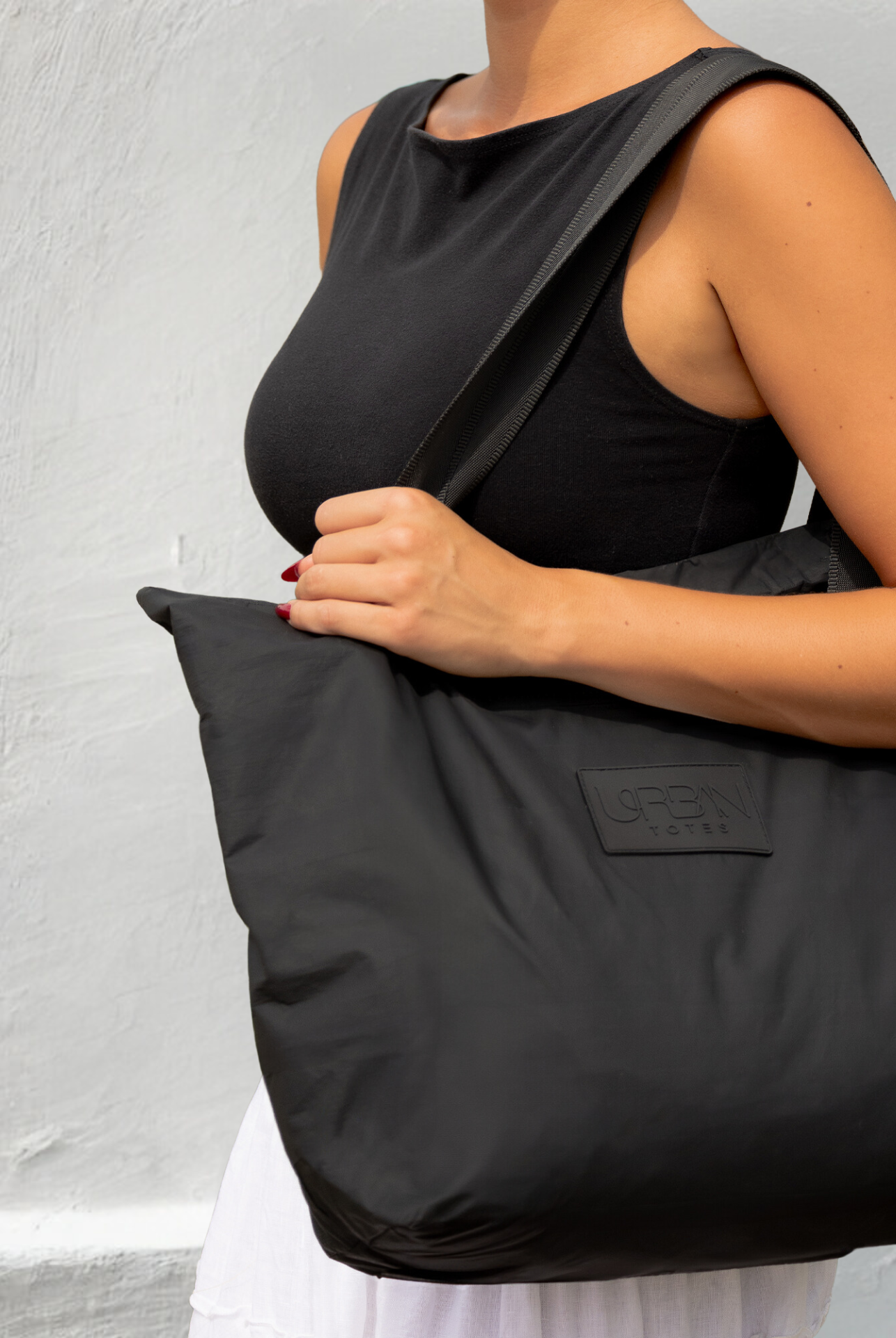
The default shoulder carry works best when you need the bag close, fast, and easy to grab. Keep it slung over one shoulder and tucked under the arm, with the strap settled so the bag sits flat against your side. That setup is exactly what you want for a coffee run, a parking-lot dash, or any stop where you are in and out before the bag has time to annoy you.
Wear it on the shoulder opposite your dominant hand. Your strong hand stays free for keys, doors, carts, and the general nonsense of getting through a normal day. It also keeps the bag from swinging away from you every time you turn.
Real-life rule: if you are going to open the bag three times in ten minutes, keep it under the arm and close to the body.
High messenger and front-tote for hands-free movement
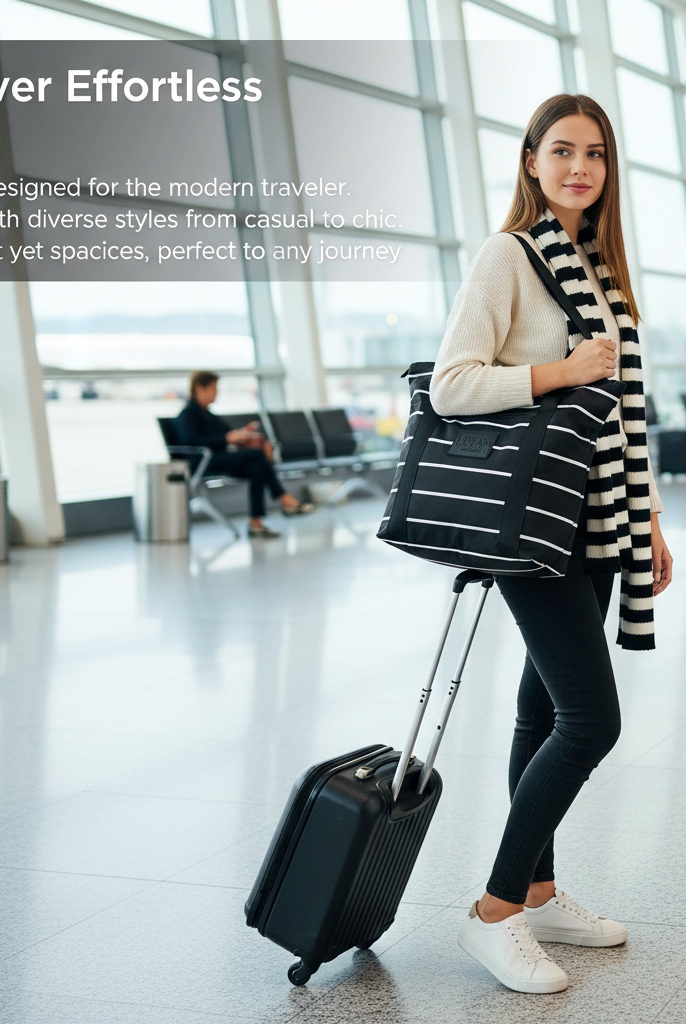
When you are pushing a stroller, hauling a carry-on, or moving through a crowded terminal, raise the bag and bring it in tighter. A high messenger carry keeps the load from dropping into your stride, and a front-tote carry keeps the opening in view so the bag does not drift off your hip or disappear behind you.
These are the moments when a shoulder bag stops being a style piece and starts doing real work. If you want a clean comparison between shoulder wear and crossbody wear, this crossbody bag guide breaks down the difference clearly.
Tucked under the arm for structure and control
A tucked-under-the-arm carry works best when the bag has enough shape to stay put. It feels controlled, and it keeps the outfit line tidy with a blazer, tee, or simple sundress. If the strap is too long, the bag starts hanging, then the whole carry looks lazy instead of intentional.
This is also the carry that keeps you from fidgeting. Once the bag settles under the arm, it stays where you put it instead of wandering across your torso every time you move.
Crossbody for the long walk
Crossbody wear is the smartest choice when the day gets long and your shoulders are already doing too much. It spreads the feel of the load differently and gives you the kind of hands-free movement that matters for commuting, travel, and errands. If you know you will be on your feet for a while, this is the carry that saves your neck, and it can help you cure neck pain fast by taking pressure off one shoulder.
Use it when the day turns messy. Grocery bags, kids, train platforms, sidewalk stops, crossbody handles it better than a bag you keep shrugging back into place.
Switch styles instead of forcing one all day
The smartest bag wearers do not lock themselves into one position from morning to night. They change the carry with the moment. Coffee run, shoulder carry. Airport walk, crossbody. Stroller push, front-tote or high messenger. That kind of switching keeps the bag useful instead of turning it into another thing you are fighting all day.
Your shoulder bag should move with your routine, not against it. If one carry starts to pinch, slide, or throw off your posture, swap it. That is the whole point of having more than one way to wear it.
The Weight Math and Side-Switching Habit That Saves Your Neck

Keep the load lighter than your instincts want
The simple rule is to keep a shoulder bag under about 10% of body weight. One example used in health coverage says that a 150-pound person is looking at roughly 10 to 15 pounds maximum, and spinal strain rises significantly as bag weight approaches 15% of body weight. That's the point where the bag stops feeling like carry and starts feeling like a problem, as noted in this health-focused bag article.
That doesn't mean you need to obsess over every item. It means you should notice the bag when it gets heavy enough that your shoulder starts shrugging up without permission. That's your cue to remove the extras.
Put the heavy items closest to the body
Keep the heaviest items centered and closest to the frame or back of the bag. Water bottles, chargers, and anything dense should not swing around in the outer pocket just because they fit there. When weight sits near the body, the bag feels steadier and pulls less.
If your bag starts feeling like a one-sided workout, you're carrying it wrong. That's also the point where an honest neck-pain resource can be useful, and MEDISTIK's neck pain guide is the kind of practical read people look for when a strap has already done its damage.
Build the side-switching habit into the day
Long walks are easier if you switch shoulders every 30 minutes, which is the rhythm recommended in the health guidance cited above. I like to pair that with a phone check, because it turns the habit into something automatic instead of another thing to remember.
- Phone out, switch sides: every time you reach for your phone, move the bag.
- Heavy errand first, lighter shoulder later: use the stronger side if the bag is full, then swap once the load drops.
- Stop the lean early: if you notice yourself tilting, change sides before the ache shows up.
The point isn't perfection. The point is not spending the entire day with the same shoulder taking all the work.
Security and Transit Habits That Keep Your Stuff Where It Belongs
Crowded spaces expose bad bag habits fast. A bag that hangs low, opens outward, or puts valuables in the wrong pocket makes you work harder than you need to. The cleanest habit is boring and effective, which is exactly what I want from a bag on a train platform or in a checkout line.
Keep valuables in inner compartments, not exterior pockets, and rotate weight so the heavier objects sit near the center or closest to the body, as noted in Bonaventura's shoulder bag guide. The opening should face your body. That keeps the bag from shifting and swinging, and it also makes it harder for someone else to reach in without you noticing.
A real zipper closure matters more than a decorative flap when you're moving through an airport or standing shoulder to shoulder in a market queue. Exterior pockets are fine for quick grabs like keys or your phone, but the stuff you'd hate to lose belongs inside, zipped away. That is the difference between a bag that looks organized and a bag that protects your routine.
Turn the bag forward in tight spaces. Do it on escalators, in bus aisles, at concerts, and anywhere bodies get close. That small move makes the opening harder to access and keeps the bag from swinging into strangers, which is good manners and good sense.
If your current bag has to be babysat every time you leave the house, stop pretending that's normal. A shoulder bag should support the day, not add another layer of vigilance.
Outfit Pairings and Layering Fixes That Change Everything
A shoulder bag doesn't dress the same way over a tee as it does over a winter coat. That's where a lot of people get frustrated, because the bag is fine in one outfit and miserable in another. The answer is to treat the strap like part of the outfit, not an afterthought.
For a tee and jeans, keep the bag close and simple. For a blazer, give yourself a little more room so the strap doesn't fight the shoulder seam. If you want a helpful reference for outer layers, the winter vest style guide gives a useful example of how layers change the way a silhouette sits on the body.
Petite frames usually do better with shorter strap drops and a bag that doesn't overwhelm the hip line. Taller frames can usually carry a slightly longer drop without losing proportion. The same bag can look neat on one person and sloppy on another just because the strap wasn't adjusted to the body.
Layering is where a lot of shoulder bags slide off coats or catch on thicker fabric. Shortening the strap helps. So does switching to crossbody under a coat when the outer layer is slippery or bulky. If the bag has a wider strap, even better, because it tends to sit more cleanly on fabric that would make a skinny strap wander.
For a style-friendly reference, Urban Totes' tote bag aesthetic guide fits naturally with the idea that function and outfit can live in the same bag. That matters for real life, especially for postpartum dressing, beach cover-ups, and those in-between outfits that don't want a fussy bag interrupting the line.
Packing and Organization Tips and Your Try-Today Checklist

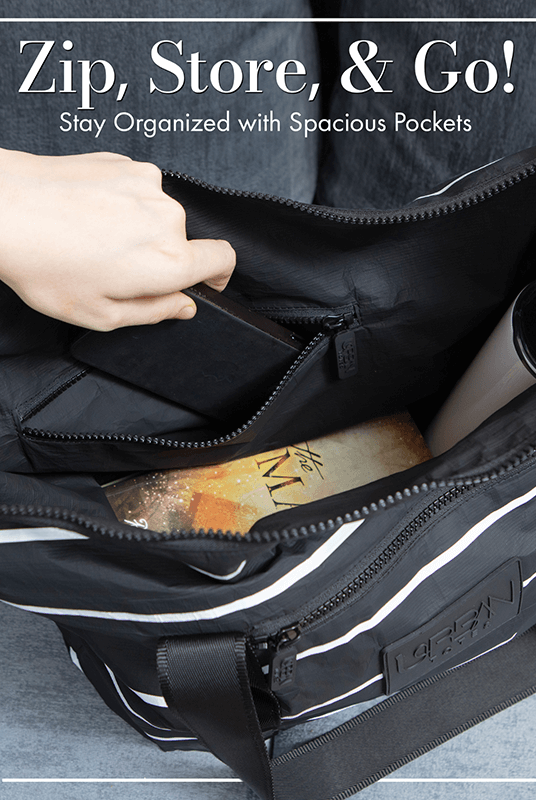
Pack the bag the way you want to reach for it. Keep phone and keys in the quick-access pocket, put daily essentials in the outer zippered compartment, and place heavier items like a water bottle or laptop closest to the body. If you want a bag with that kind of compartment logic, multiple compartment purse tips line up neatly with the way a real day works.
A good shoulder bag routine is simple enough to repeat without thinking:
- Pick one carry style first, then change it only when the moment changes.
- Set the strap once, using the one-finger check.
- Default to the lighter shoulder and switch sides on longer walks.
- Keep the load under 10% of body weight when you can.
- Zip valuables inside, and leave only the fast-grab items outside.
If you're browsing for casual bags that can keep up with a busy day, Thread Theory's collection of casual bags for women is a useful comparison point. Then check whether the bag you already own supports your commute, your kids, your layers, and your travel days, because that's the test.
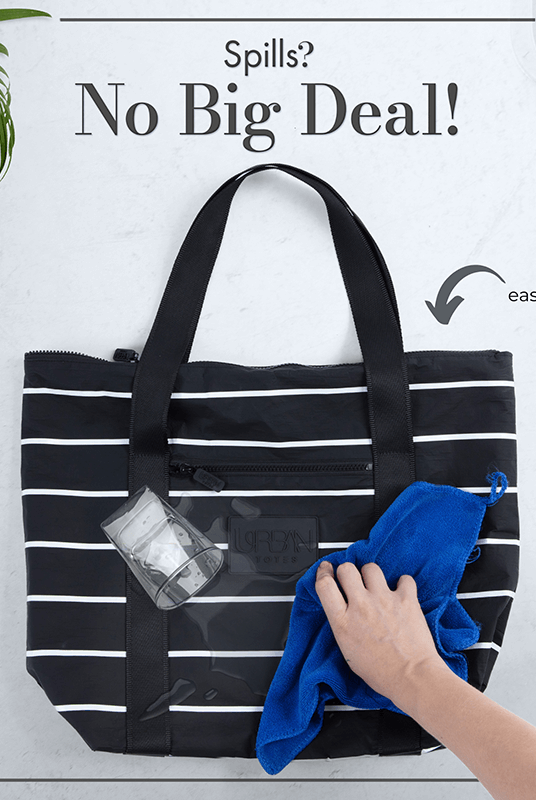
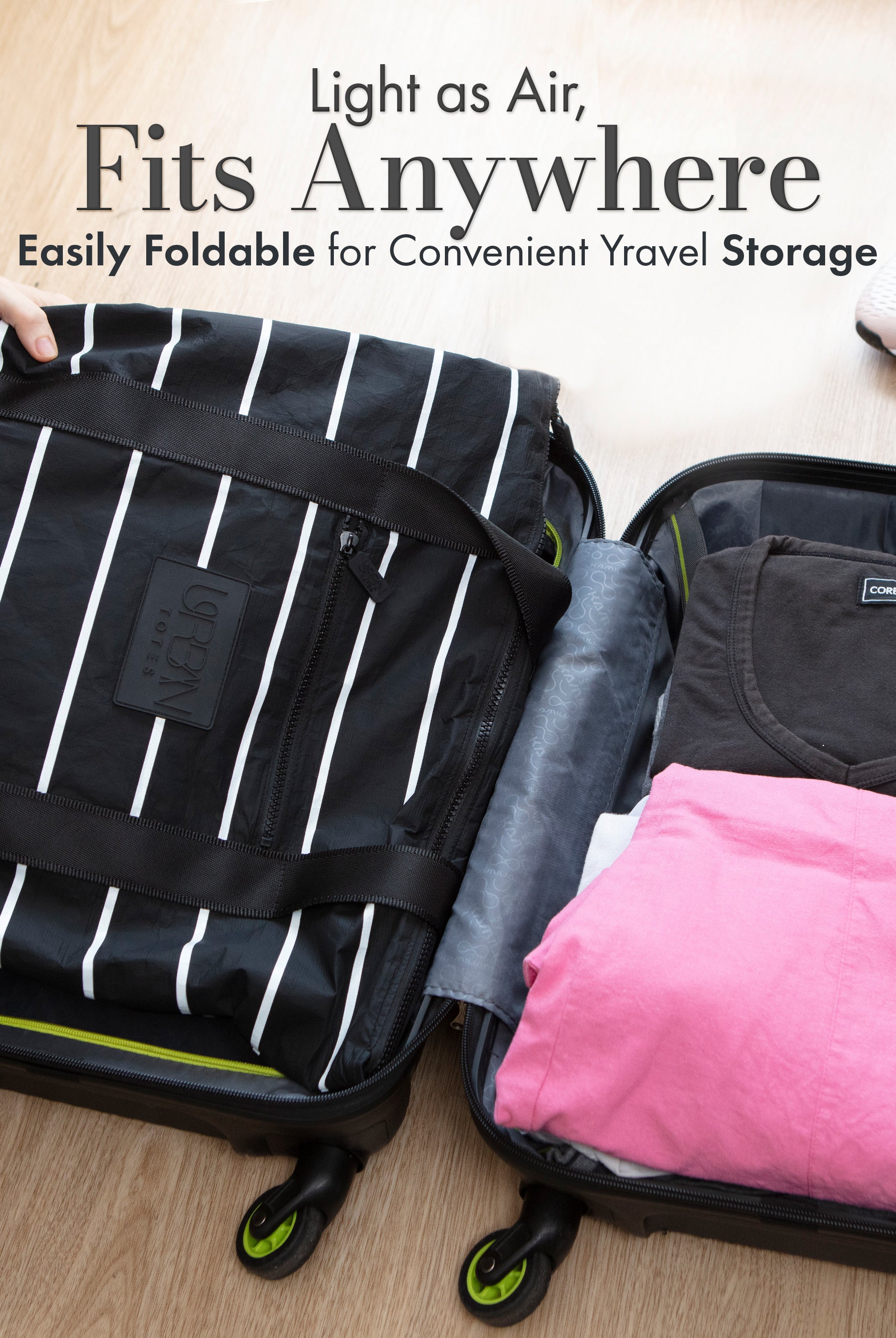
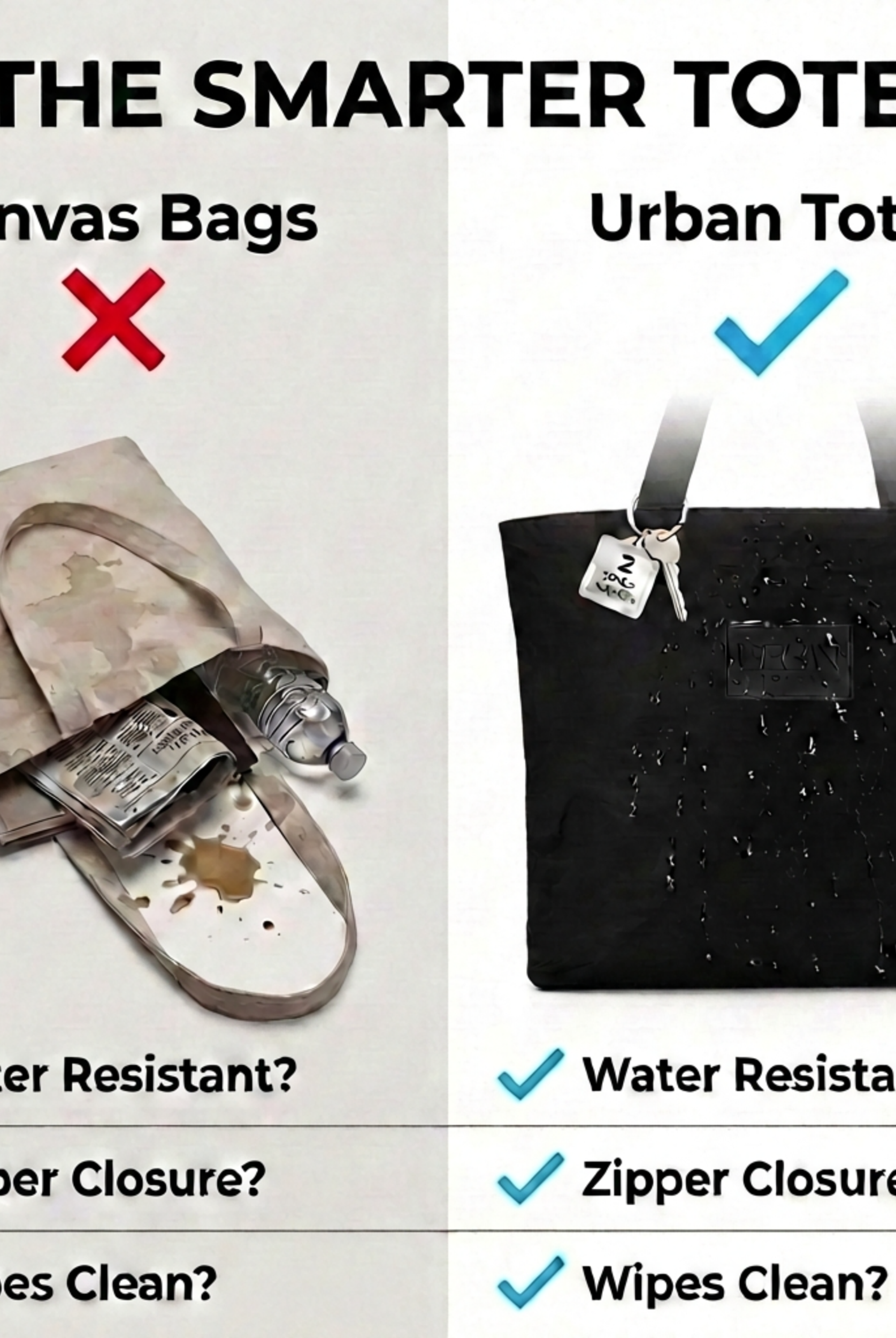
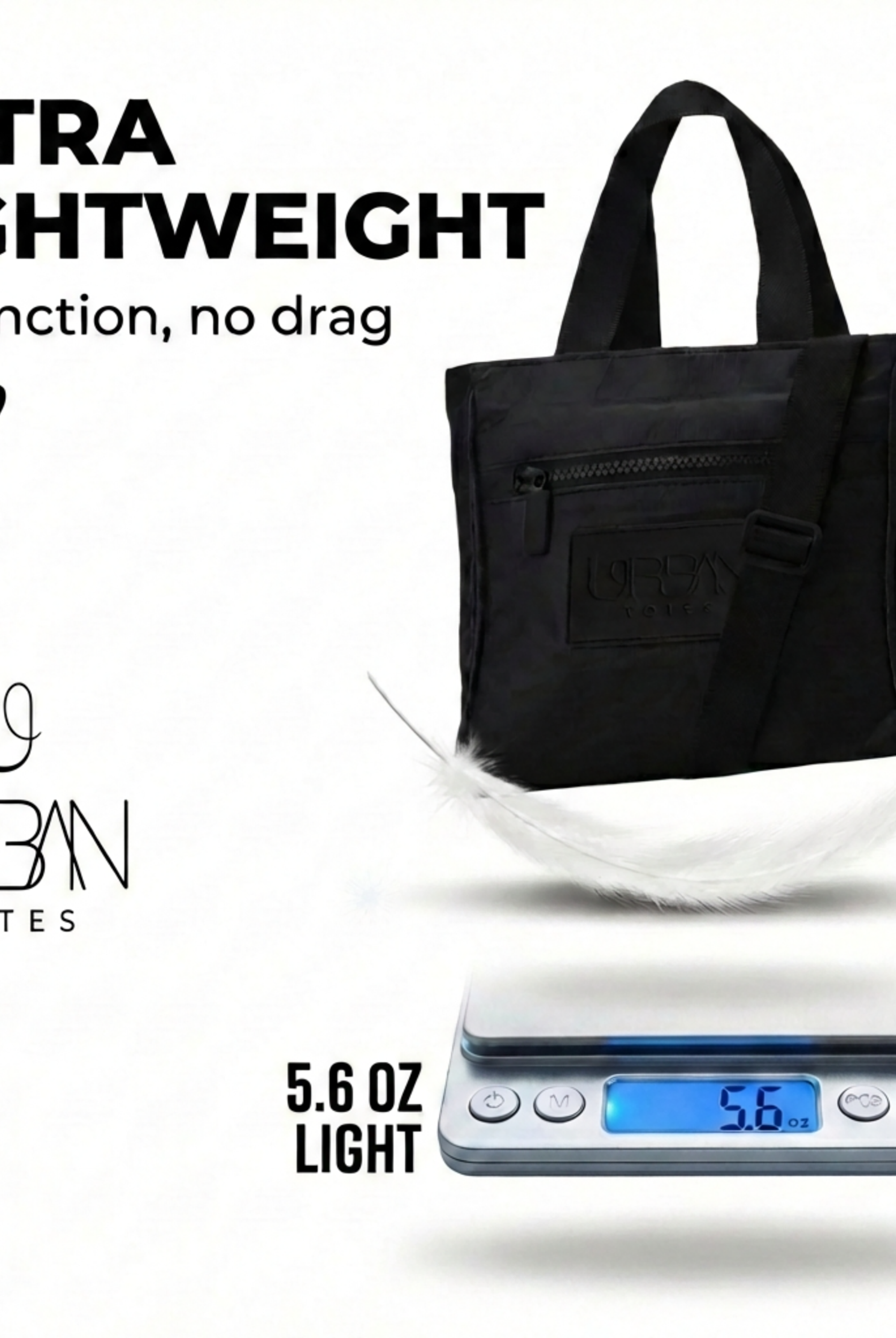
Urban Totes makes water-resistant, lightweight, packable, and foldable bags with organized compartments and zipper closures for real daily carry. If you want a bag that works for school drop-off, market runs, airport lines, and the rest of the day, take a look at Urban Totes and find the carry that fits your life.