You know that bag you've carried everywhere, the one that's been to the farmers market, the airport, school drop-off, and probably a few beach days too? A Longchamp bag can look effortless for a long time, but once the nylon picks up everyday grime or the leather trim starts showing wear, it needs a gentler kind of care. The good news is that cleaning longchamp bag styles at home doesn't have to feel risky if you treat each material the way it wants to be treated.
A well-loved tote tells the truth about your life. It holds receipts, sunscreen, snacks, chargers, and all the little moments in between, so refreshing it can feel a bit like giving your favorite jacket a proper steam and a reset. The brand's Le Pliage line was launched in 1993 and became the signature nylon-and-leather tote, and because that construction is lightweight and foldable, the care routine stays firmly in the gentle, low-moisture lane rather than the harsh-wash lane (cleanerprofy.com).
Table of Contents
- Bringing Your Go-To Bag Back to Life
- Gathering Your Gentle Cleaning Toolkit
- The Everyday Refresh for Nylon and Lining
- Tackling Stubborn Stains and Leather Trim
- Drying and Reshaping for a Perfect Finish
- Keeping Your Longchamp Ready for Anything
Bringing Your Go-To Bag Back to Life

There's a particular kind of charm in a bag that's clearly been used, not just admired. A tote that's carried wet swimsuits, grocery flowers, a laptop, and a lipstick pouch has earned its marks, but it also deserves a refresh before the next outing. That's especially true for Longchamp Le Pliage styles, where the nylon body and leather trim behave differently and need different handling.
Practical rule: treat the bag like two materials living together, not one uniform surface. The nylon can take a gentle wipe, but the leather trim wants far less moisture.
That's the mindset that keeps the whole process calm. Emptying the bag first, then cleaning in a controlled way, protects the shape you want to keep. It also keeps you from overworking the fabric, which is where a lot of at-home cleaning mistakes start.
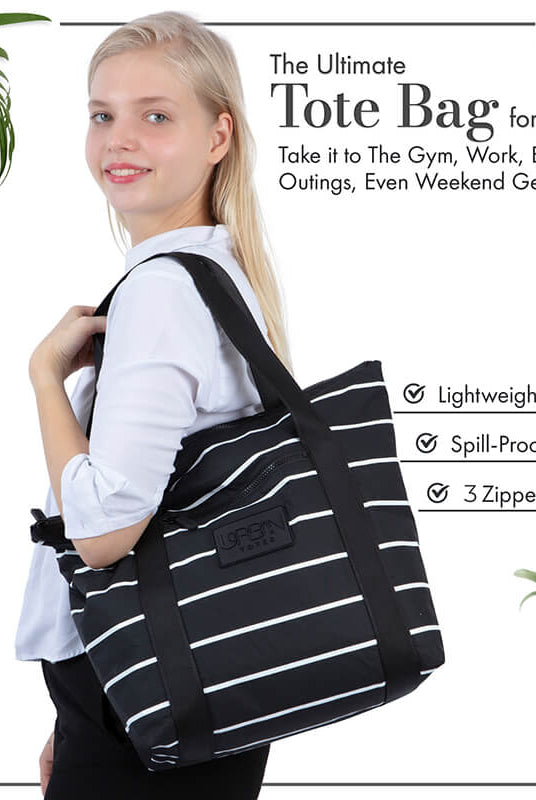
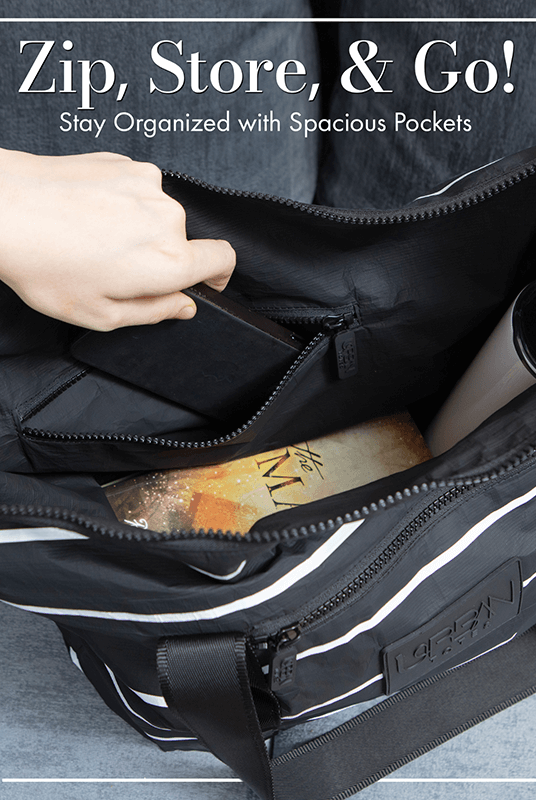
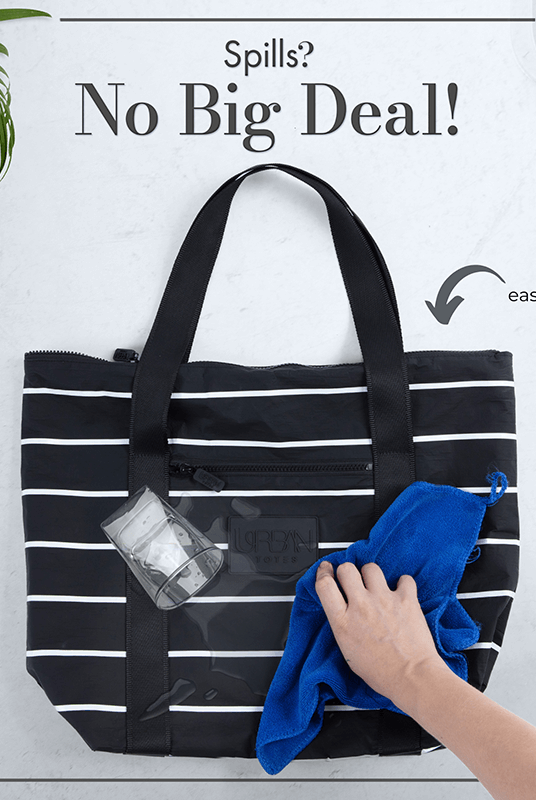
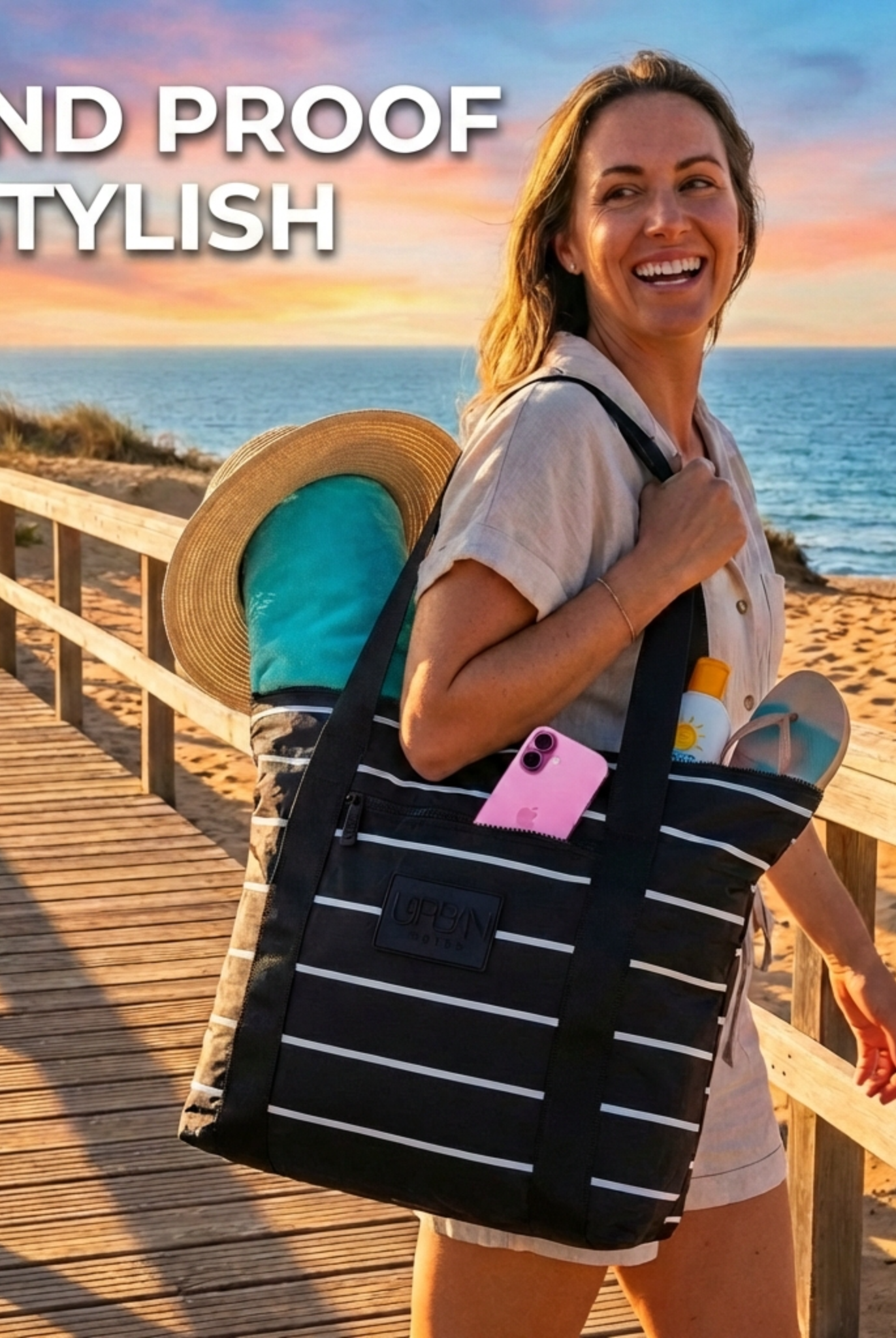
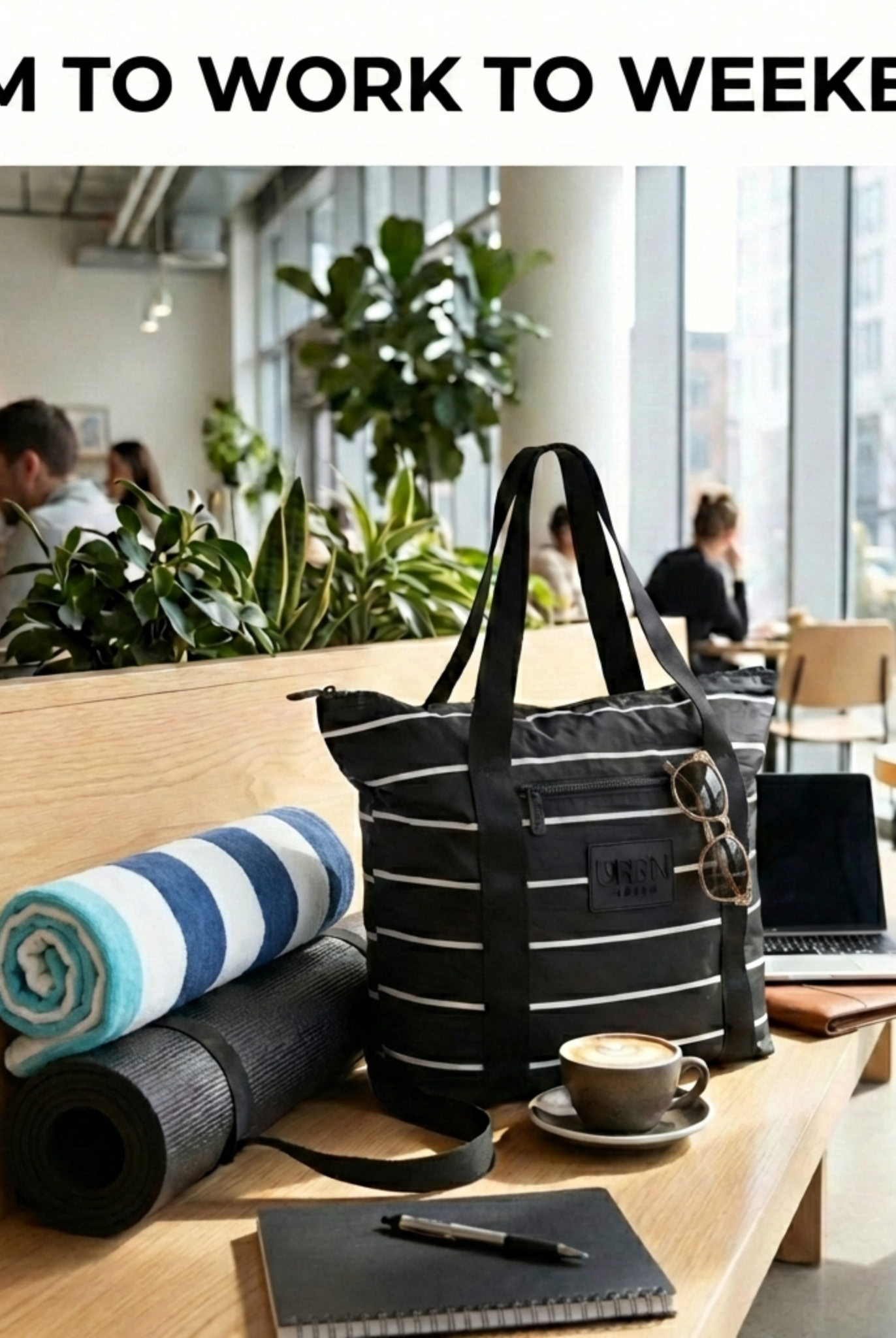
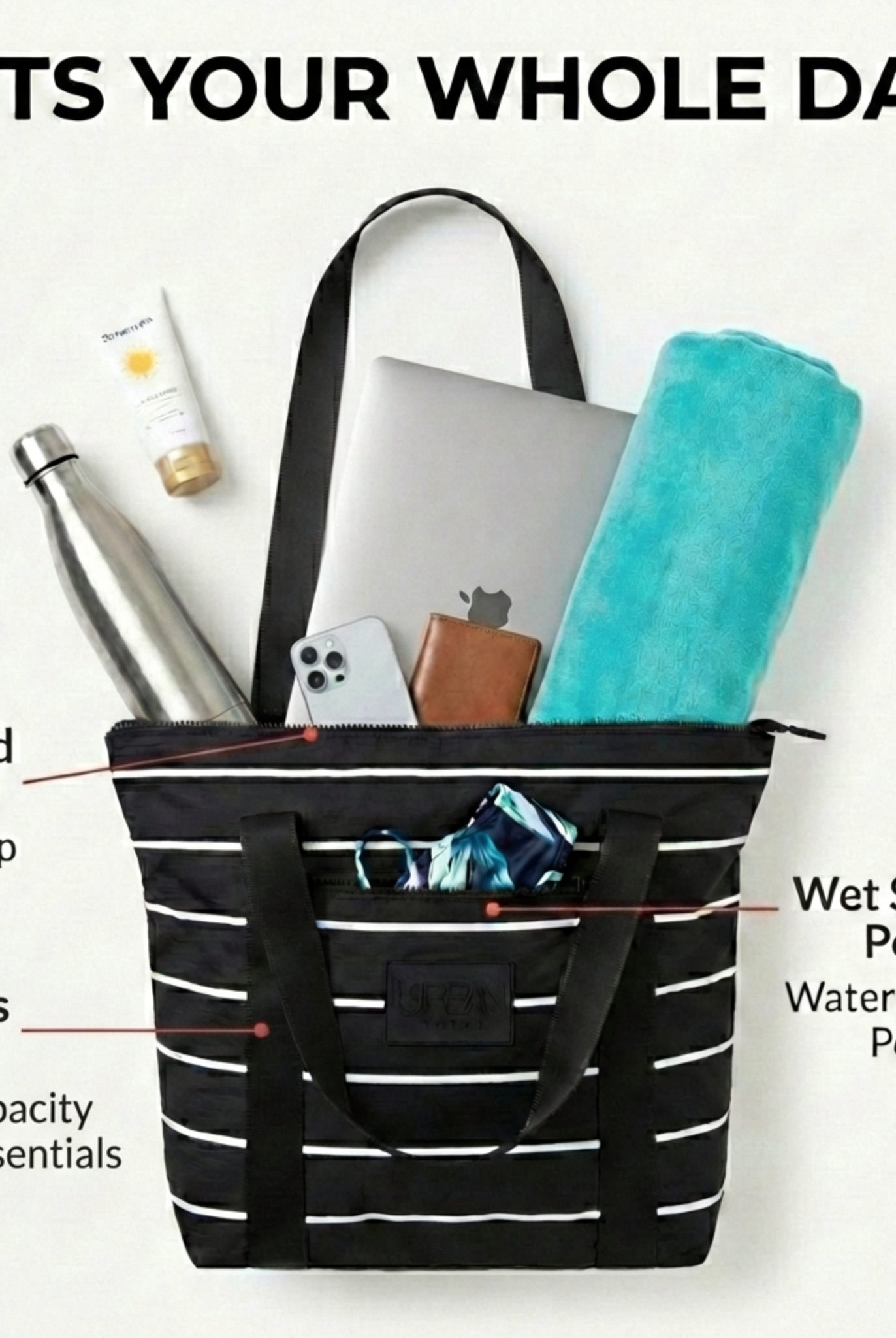
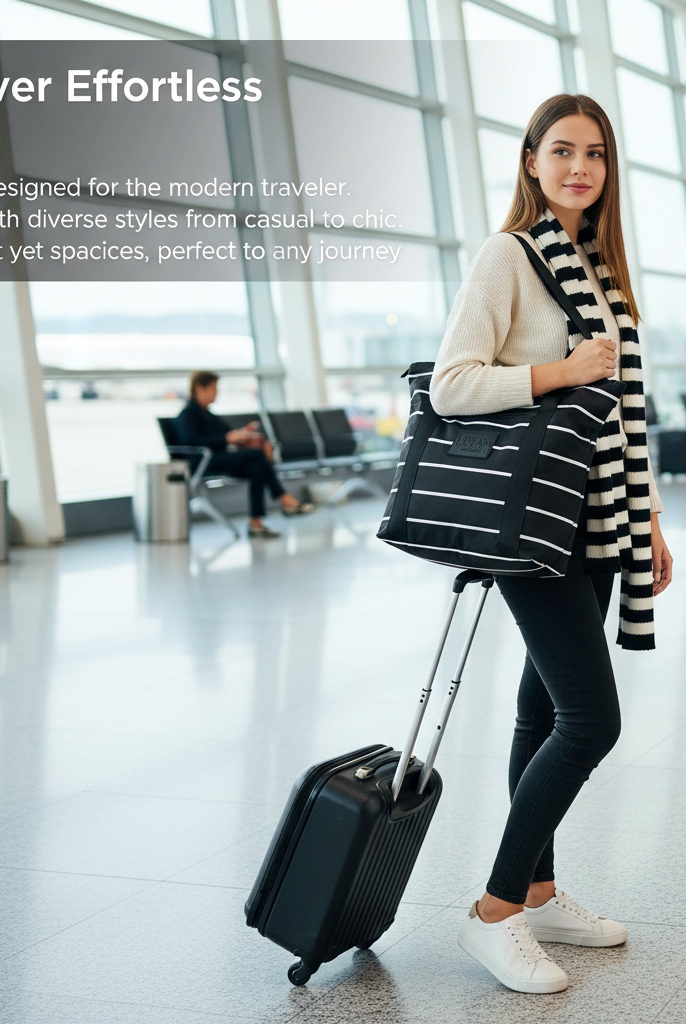
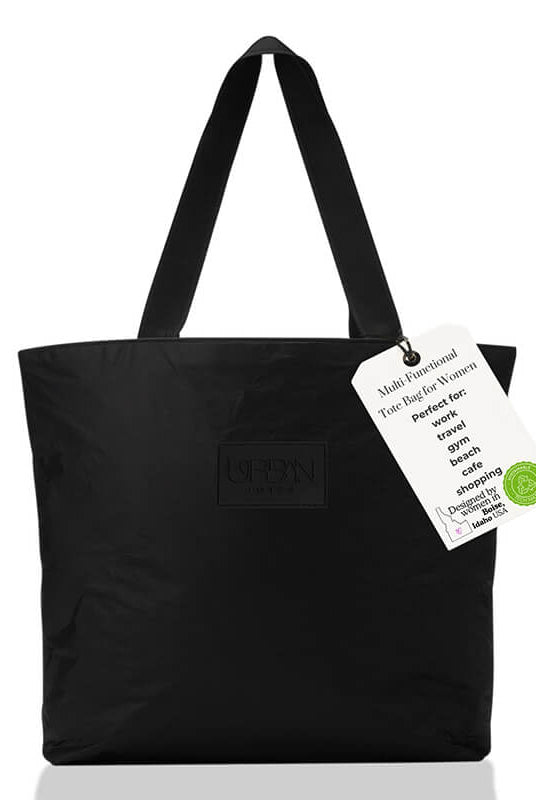
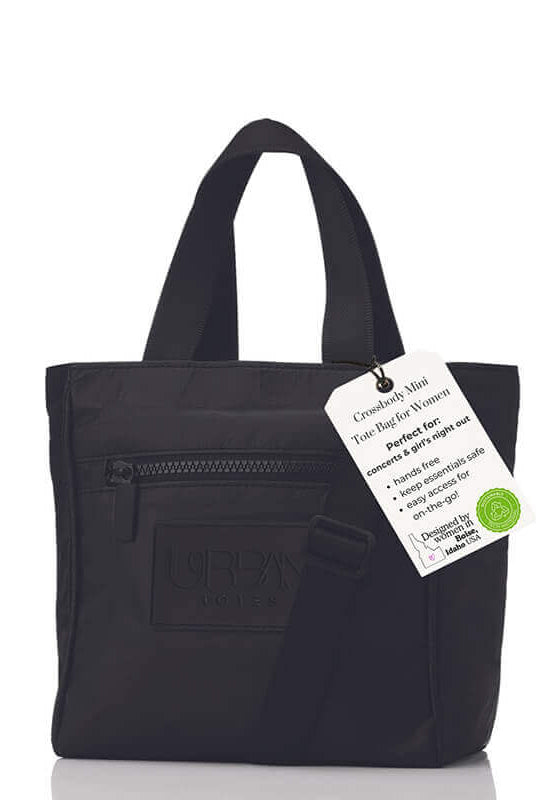
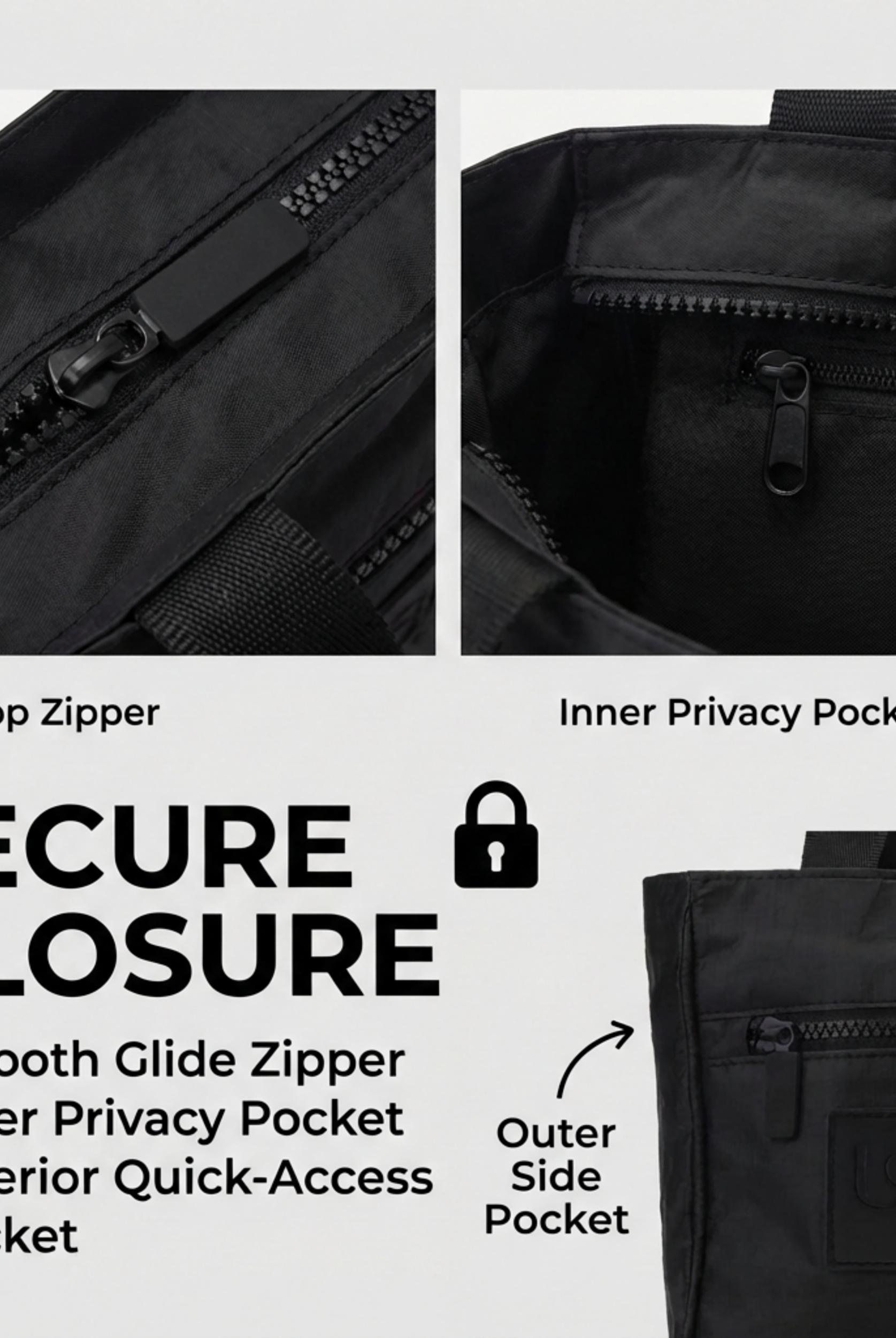
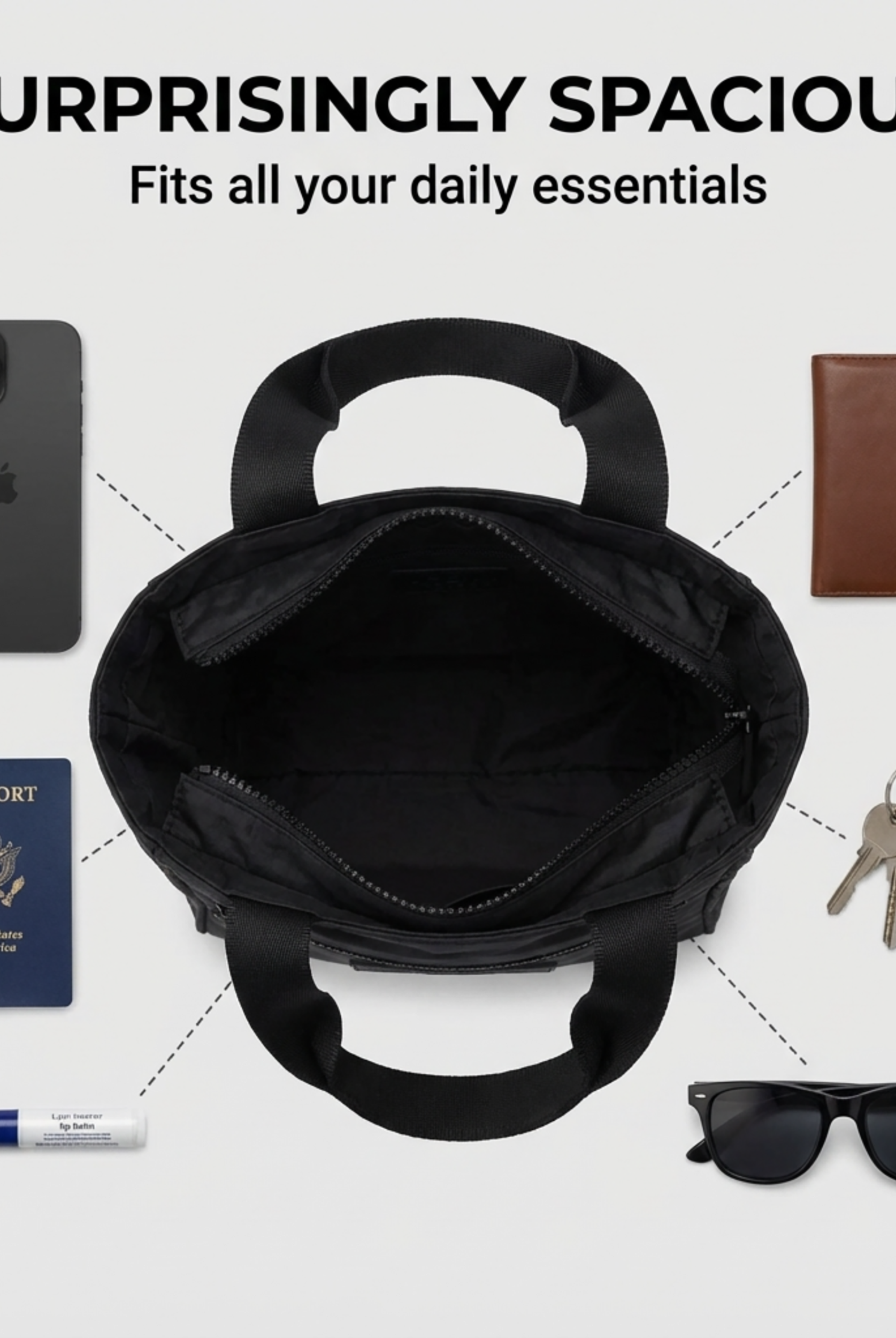
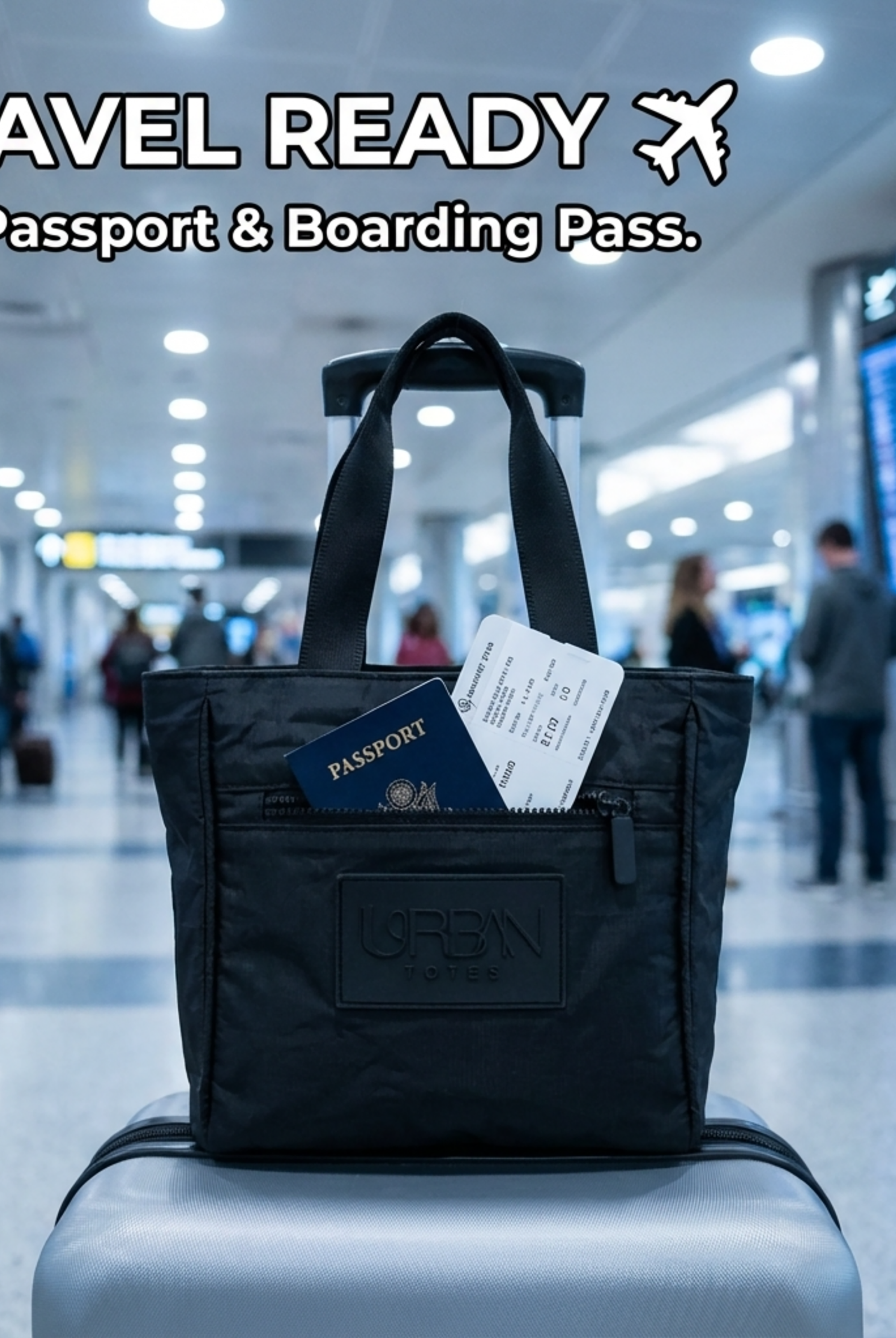
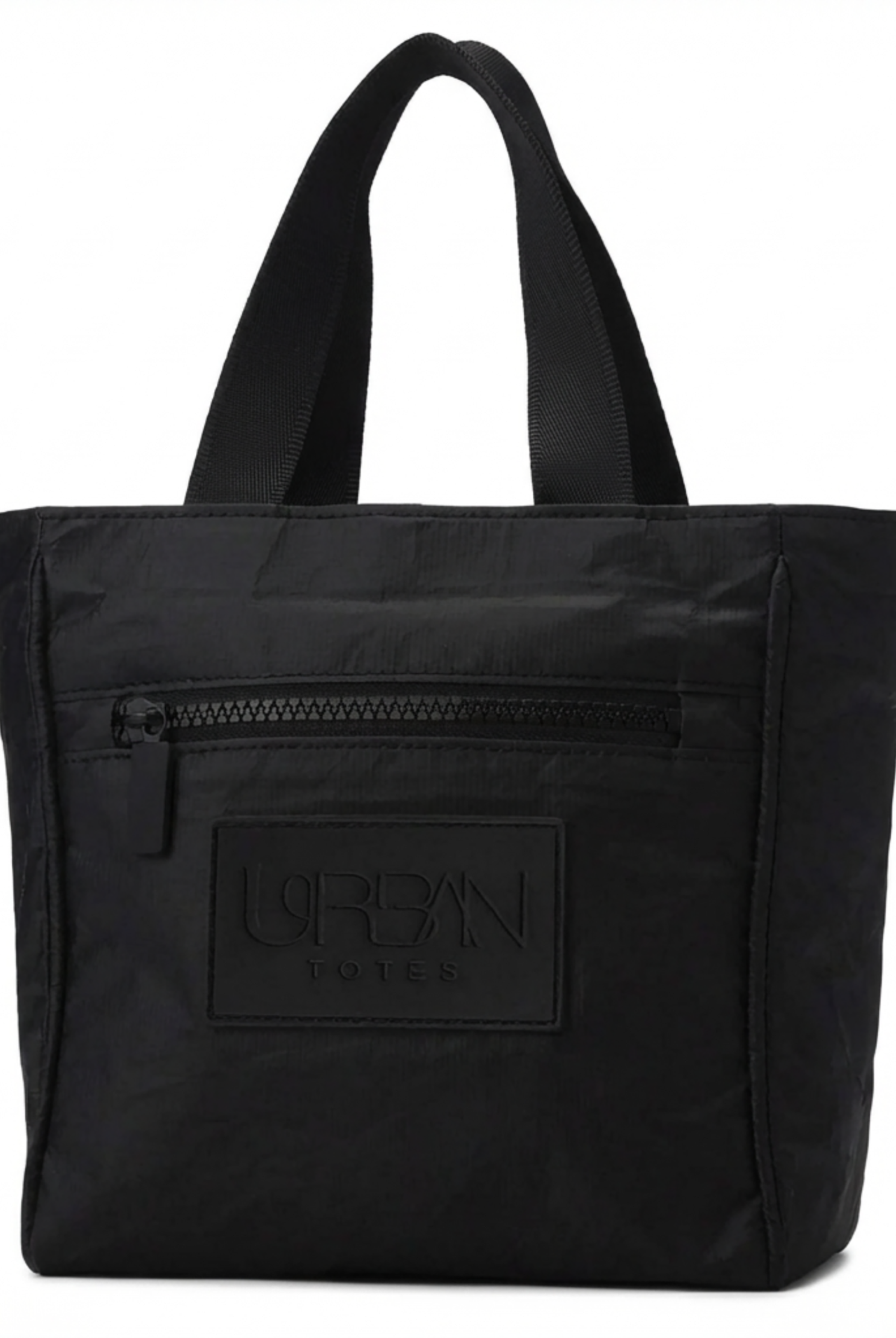
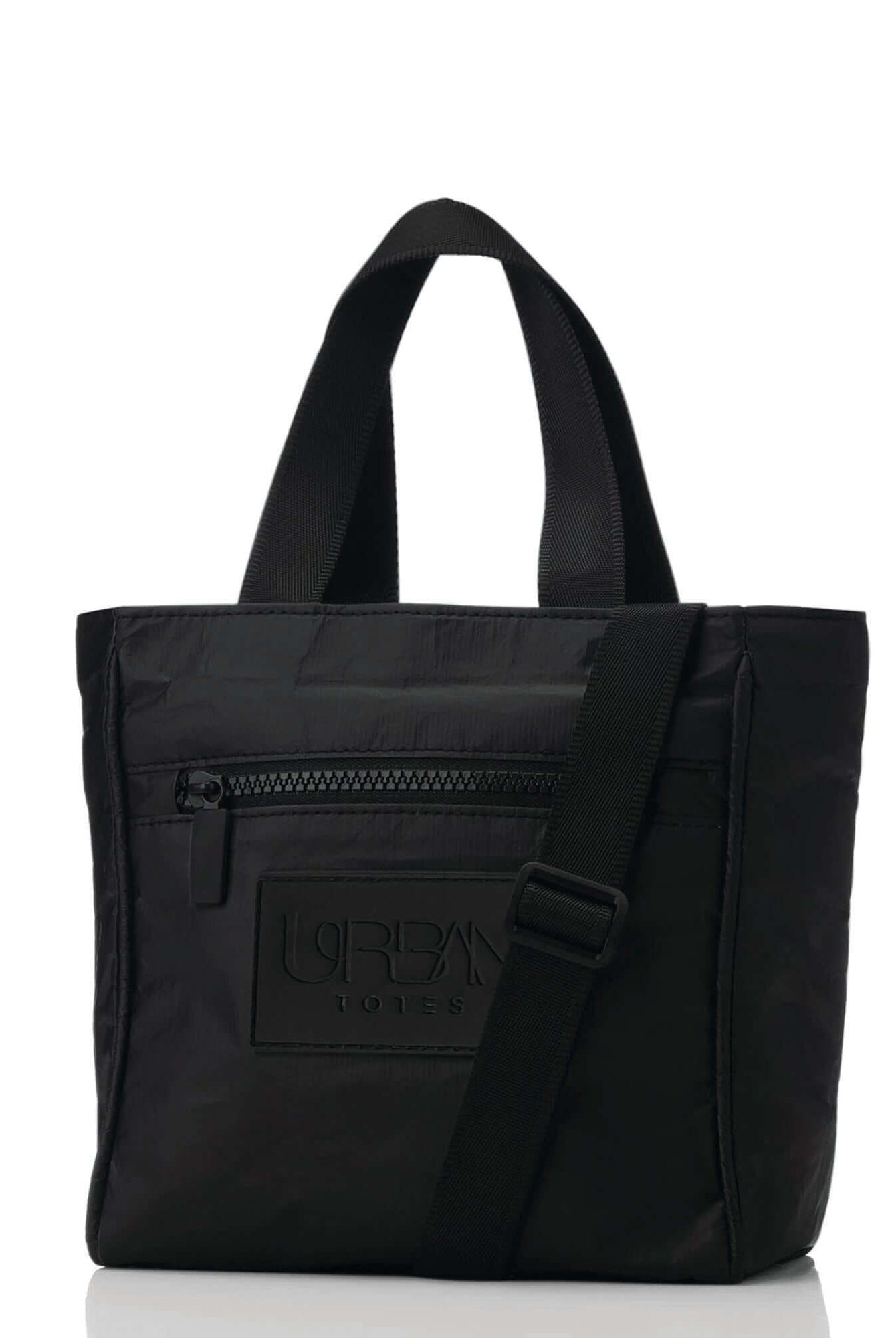
If you like bag systems that make daily life easier, the same logic shows up in thoughtful carryall design. Urban Totes' Crossbody Tote Bag Mini Purse uses a zip-top closure and organized compartments, which is a different style of everyday carry but the same idea, keep what you need accessible and the rest contained. For a broader look at how materials behave, the brand's own tote bag material guide is a useful reference point.
The emotional part matters too. A bag you reach for constantly should feel like it can come back from real life, not collapse after it. That's why a careful refresh feels less like maintenance and more like bringing a trusted companion back into rotation.
Gathering Your Gentle Cleaning Toolkit

Your toolkit for this job should be simple and gentle. Longchamp care guidance points to mild soap, a soft cloth, and low moisture, because the nylon body and leather trim respond best when you avoid rough handling. The goal is a careful refresh at your kitchen counter, not a heavy-handed scrub.
Keep the setup small and specific:
- Mild soap or mild detergent: Use only a little, since the point is to lift dirt without flooding the fabric.
- Soft cloths: One for applying the solution, one for wiping away residue, and one for blotting dry.
- Small brush: Use it only for corners and seams where dust and grit settle.
- Lukewarm water: Warm enough to help the soap work, never hot enough to stress the materials.
Temperature matters more than people expect. Care guidance points to cool water that does not exceed 104°F (40°C), which tells you how carefully this bag should be handled. Harsh cleaners, abrasive sponges, and stiff scrub pads work against that approach.
The same light-touch rule shows up in other fabric care too. If you want a straightforward comparison, tote bag material guide shows how different materials respond better to careful cleaning than to force. For another practical parallel, find car seat care on WipesBlog and you will see the same idea, use the least aggressive method that still clears the mess.
Don't try to win against a stain with more force. On this kind of bag, control beats pressure every time.
A simple test helps before you start. If the tool bends, wipes, or dabs, it belongs in your hand. If it scrubs, scratches, or soaks, leave it in the drawer.
The Everyday Refresh for Nylon and Lining
Start by emptying the bag completely and giving it a gentle shake. That little bit of prep matters more than it sounds, because crumbs, sand, and pocket clutter get in the way of a clean surface and can grind into the fabric while you wipe. A soft brush or handheld dusting brush can help clear the interior corners before any moisture touches the bag.
Mix a small amount of mild or neutral soap with water, then dampen a soft cloth instead of soaking it. The most reliable workflow for a Le Pliage-style bag is to clean the nylon body with that cloth, while avoiding direct water exposure on the leather trim and keeping the leather part separate throughout the process (nwWqrrHoXIg). Work in smooth passes, not aggressive swipes, and keep the cloth only damp enough to lift surface dirt.
For the lining, the same principle holds. Wipe what you can reach with the damp cloth, then use a second clean cloth with plain water to lift any soap residue. That residue step matters because leftover detergent can leave the interior feeling tacky or dull.
If you like seeing how organized, lightweight bags are built for everyday movement, Urban Totes' lightweight nylon backpack shows the same practical attitude in a different silhouette. The point is the same, keep the material easy to carry and easy to maintain.
Practical note: if the surface looks clean after one pass, stop there. Over-cleaning can be more damaging than a little leftover everyday character.
Once the soap is off, blot the bag with a towel rather than wringing it, twisting it, or trying to rush it with heat. That's the difference between a refresh and a cleanup that leaves the bag looking tired.
Tackling Stubborn Stains and Leather Trim

Some marks need a little more focus, especially coffee splashes, makeup smudges, and the mystery spots that show up after a busy week. For those, a soft-bristled toothbrush is the right kind of precision tool, because it lets you work the fabric gently instead of dragging dirt around with a bigger cloth (bolsino.com). Use a mix of a few drops of mild detergent or mild soap with water, then move in small circular motions only where the stain lives.
A separate spot-clean approach works better than soaking the whole bag. One tutorial on deeper cleaning used roughly 3 capfuls of stain remover in about half a gallon of water, then soaked the fabric portion for 3 to 4 hours, with overnight soak reserved for tougher stains (YouTube). That's useful when you're dealing with a stubborn patch on the fabric body, but it's still a fabric-only move, not a leather-safe one.
The leather trim needs its own lane. Keep water off it as much as possible, and clean it separately with a leather-safe product. If you're looking for a broader leather-care reference, J.G. Carpet Cleaning's leather guide is a helpful example of how leather likes careful, minimal-moisture treatment.
Here's a simple approach:
- Fabric body: targeted cleaner, soft brush, gentle circles.
- Leather trim: separate cleaner, minimal moisture, no scrubbing.
- Seam lines and corners: dab, don't flood.
For another compact bag example with a similar mixed-material mindset, Urban Totes' cognac crossbody bags are a reminder that finishes matter just as much as function. With Longchamp, respecting that finish is what keeps the bag looking polished instead of tired.
Keep the zipper open while you work on the fabric so moisture doesn't pool where it shouldn't.
If you're unsure whether a spot needs another pass, wait. Letting the area dry a little between treatments helps you see what is left, instead of overworking a stain that was already lifting.
Drying and Reshaping for a Perfect Finish
Drying is the point where careful cleaning can still go wrong. Let the bag air-dry slowly in a shaded spot, and give it enough time for the nylon body, leather trim, and interior lining to dry without being rushed. Fast heat can harden the leather, warp the shape, and leave the lining damp in places you cannot see right away.
Keep it away from direct sunlight, radiators, and dryers. Those shortcuts can flatten the bag in awkward ways or make the trim feel stiff, so steady airflow is the better choice.
A bit of support helps the bag keep its shape while it dries. Lightly stuff the interior with clean paper or towels, then set it down flat or in a stable position. Hanging a wet bag can pull at the fabric body and distort the lines that make a Longchamp look crisp.
Use a few simple drying habits:
- Air-dry: place it in a shaded area with gentle airflow.
- Stuff lightly: use soft, clean material to support the body.
- Lay flat: keep the shape even while moisture leaves the bag.
A few things are better avoided:
- No direct heat: skip dryers, radiators, and strong sun.
- Don't hang it wet: the weight can stretch the bag.
- Don't wring it out: both the nylon and leather take a hit.
Once the bag is dry, shape it with your hands if the sides need a little help settling back into place. If you want a simple way to keep that finish intact after cleaning, the practical tote bag storage tips are useful for giving a bag enough space and support instead of letting it get crushed in a closet.
Keeping Your Longchamp Ready for Anything
The easiest way to avoid constant deep cleaning is to build a few small habits into your week. Empty crumbs and receipts before they settle, keep pens capped, and don't toss wet items straight into the bag unless they're wrapped or separated. That simple routine cuts down on the mess that turns into real work later.
Storage matters too. Keep the bag in a cool, dry spot, and don't crush it under heavier items in a closet. A little shape support goes a long way, especially for a foldable design that's meant to be practical but still deserves a polished profile. If you've got a system for rotating bags, the same logic applies to any everyday carry, whether it's a classic tote or something more compact.
For more long-view upkeep ideas, Urban Totes has a useful maintenance tips and tricks guide that fits right into a real-life bag routine. It's the kind of approach that keeps a favorite piece working hard without making care feel like a second job.
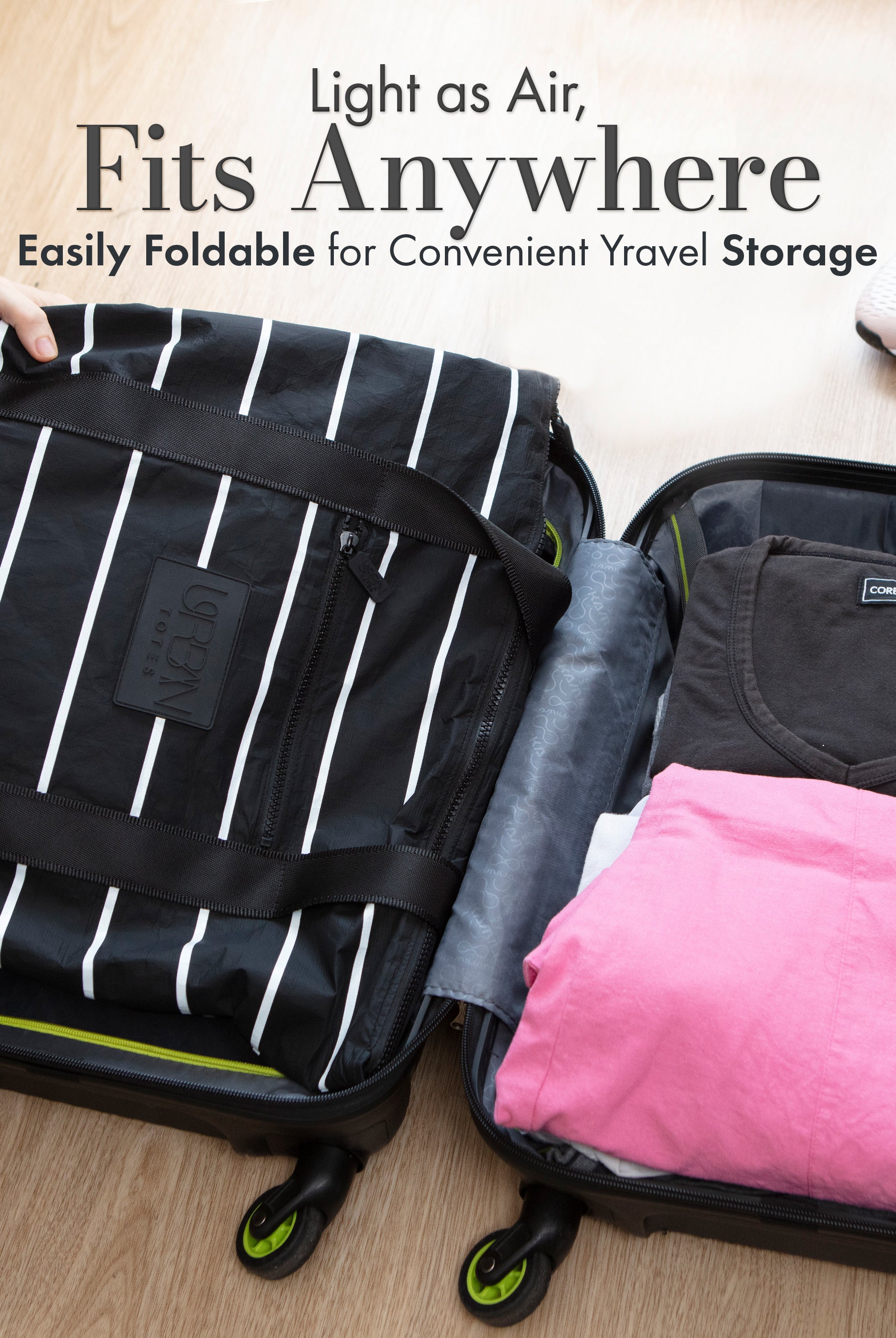
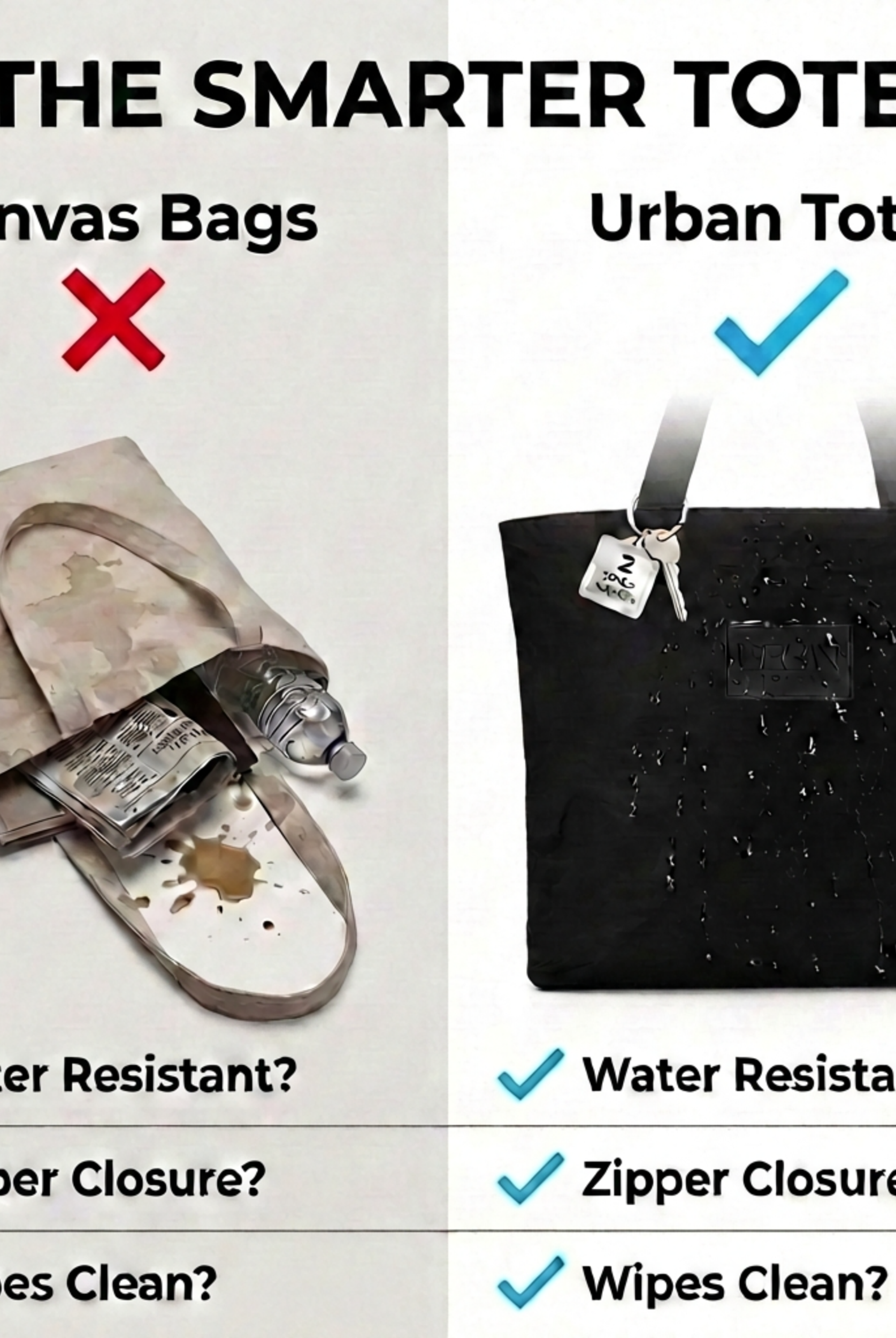
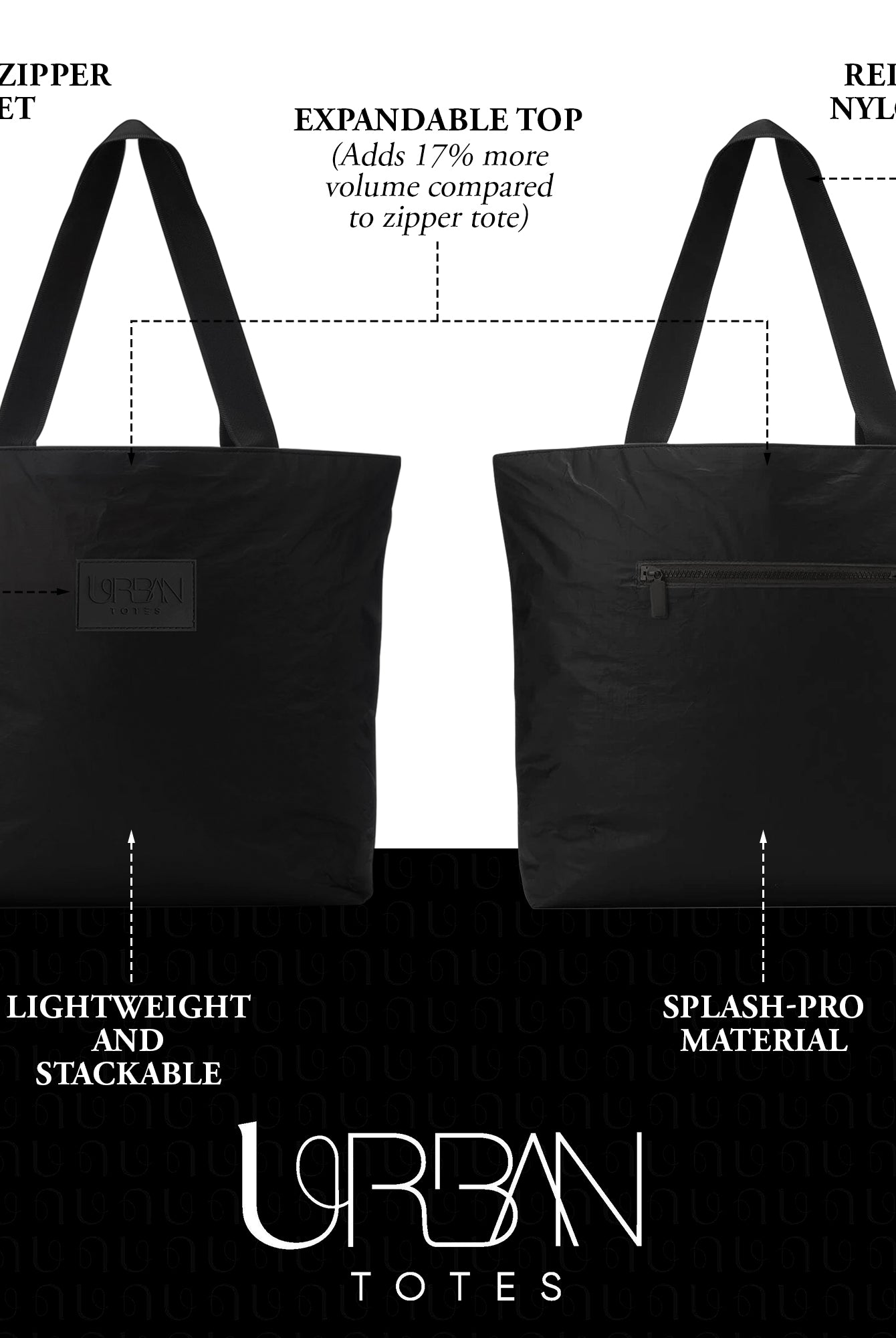
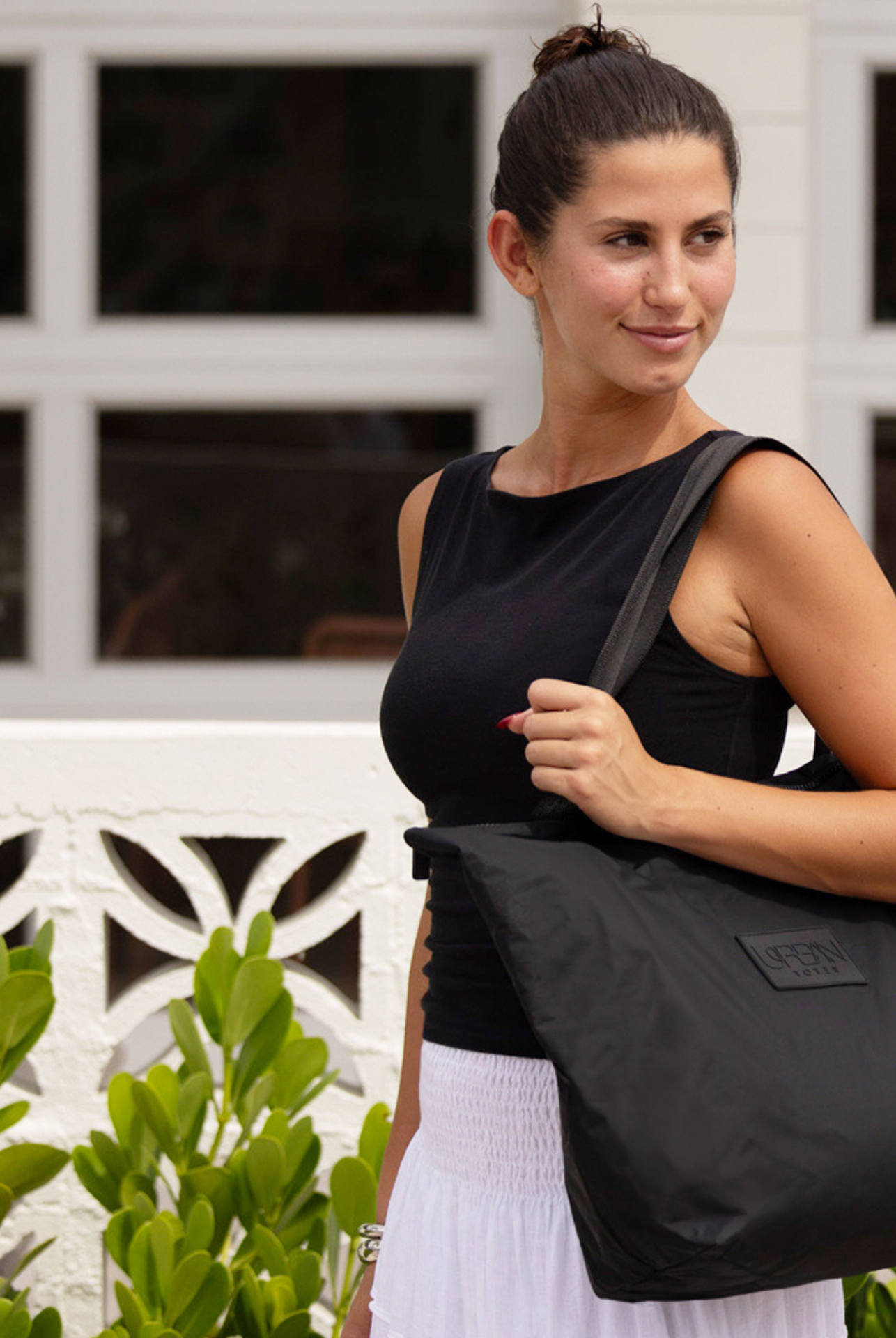
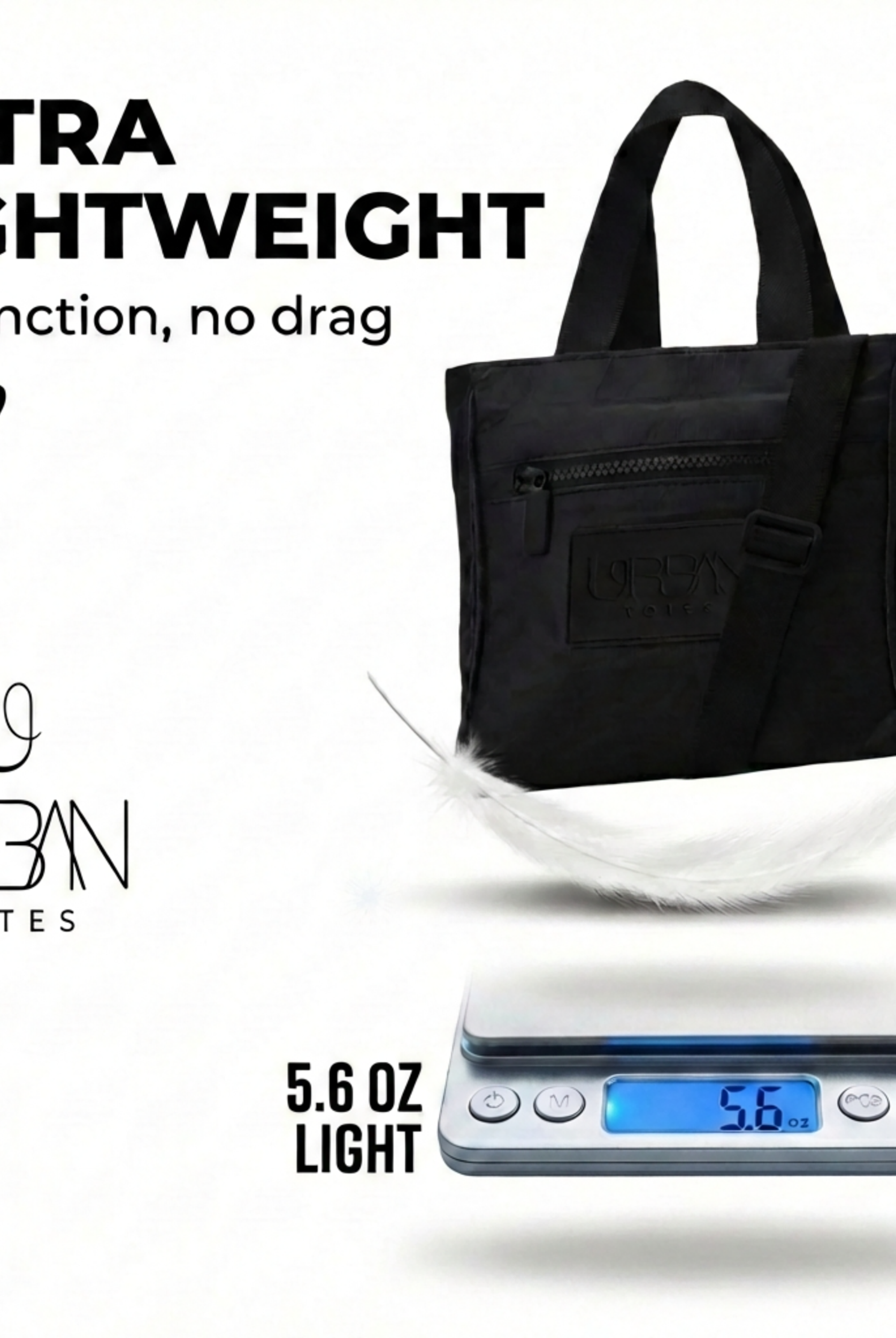
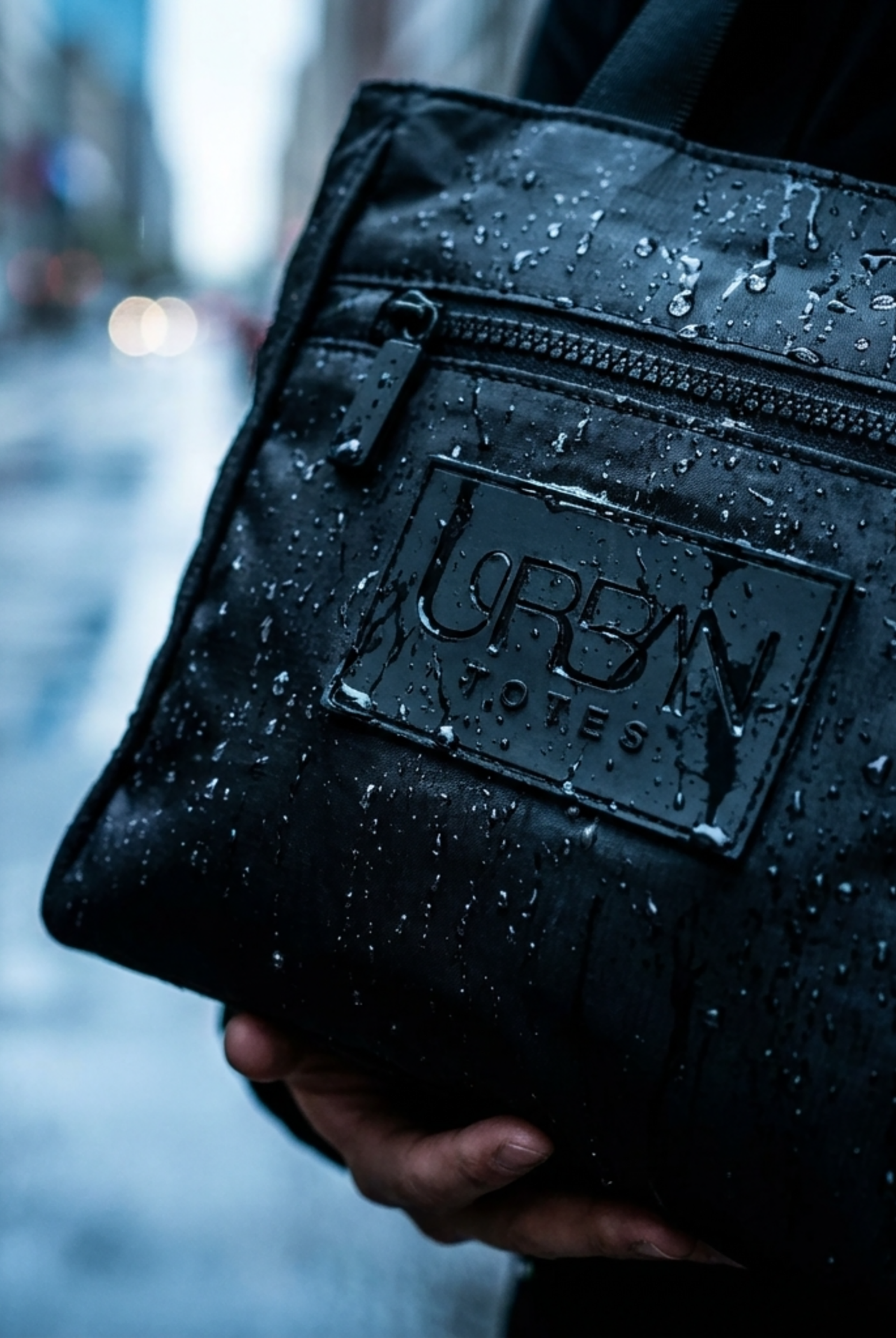
The nicest part of all this is that a well-cared-for bag keeps up with you. It can go from coffee run to beach chair to gate check without looking like it's been through a battle, and that's exactly the energy Urban Totes leans into, water-resistant, lightweight, packable, and made for a life that doesn't sit still.
A CTA for Urban Totes.