You're already doing the tote shuffle. One hand has coffee, one hand has a phone, and the bag you loved in the store is sliding off your shoulder before you even hit the parking lot. That's usually the moment women realize how to wear a tote bag is not a cute styling detail, it's the difference between looking pulled together and spending the whole day annoyed.
The good news is that tote carry is learnable. A bag sits better, feels lighter, and looks sharper when you pay attention to strap length, load placement, and how long you stay on one shoulder. That matters even more now, because the tote market is big enough that daily wear has become a practical design issue, not just an outfit choice. Fortune Business Insights valued the global tote bags market at USD 2.38 billion in 2025 and projected it to reach USD 3.78 billion by 2034, with a 5.31% CAGR, and it estimated the daily use/casual wear segment would hold 44.80% of market share in 2026 (luxyora.co.uk). In other words, this bag has to work for real life, not just look cute from across the room.
Table of Contents
- The Real Way to Wear a Tote Bag
- Four Carry Styles and When to Use Each
- Strap Length, Weight, and the Side-Switch Trick
- Outfit Pairings for Commute, Travel, Gym, and Beach
- Fit for Your Body, Height, and Personal Style
- Packing and Organization That Make the Bag Feel Lighter
- Quick Do's and Don'ts for Comfort, Safety, and Durability
The Real Way to Wear a Tote Bag
The mistake is easy. You hang the tote too low, let it swing, and keep carrying it on the same shoulder until your neck and upper back start doing the bag's job for it. A tote can look sharp at breakfast and feel irritating by lunch.
Comfort first, style second
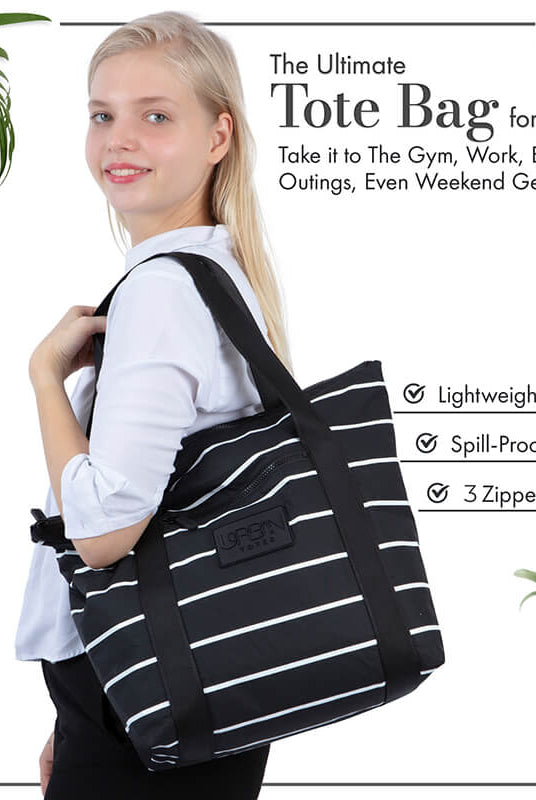
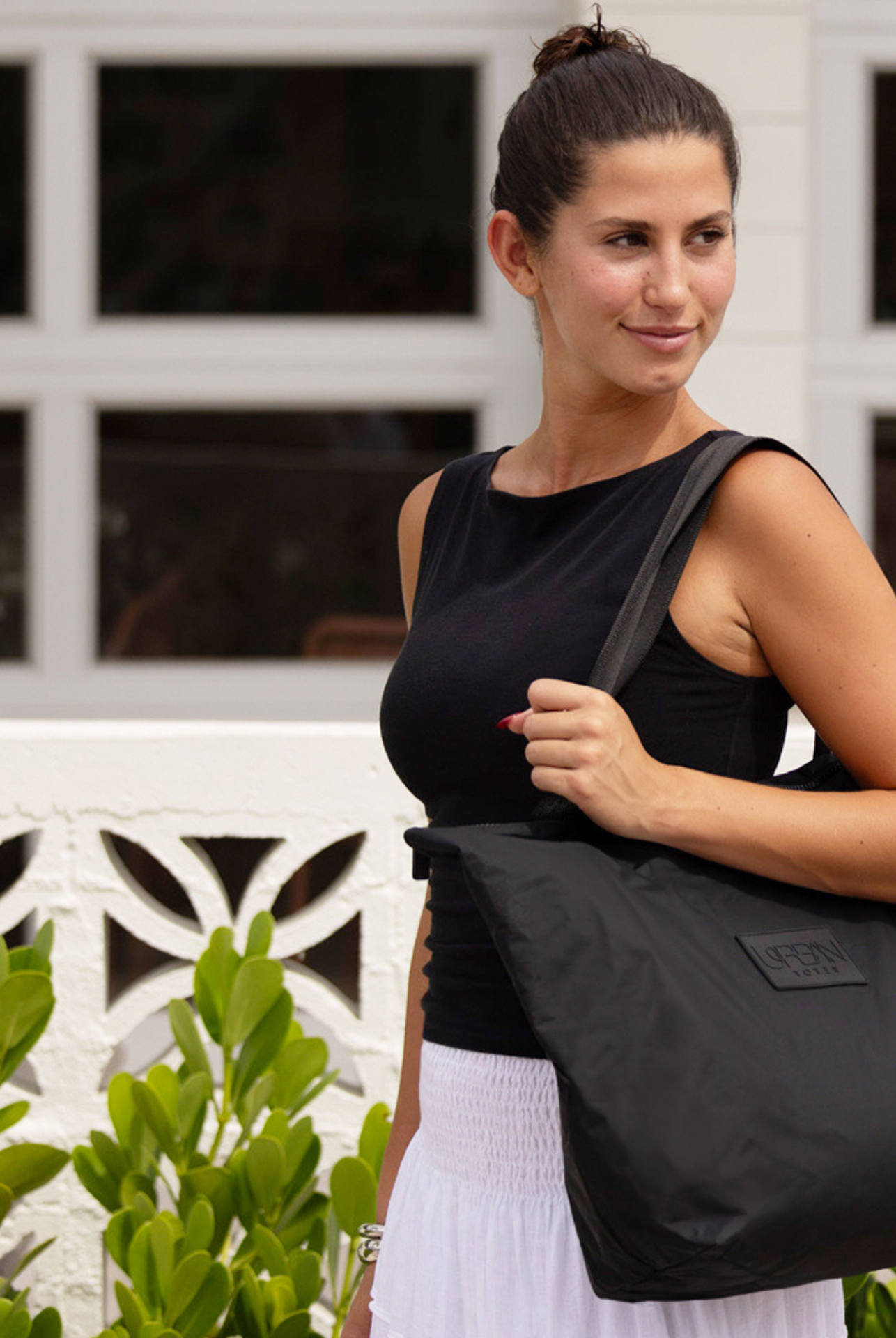
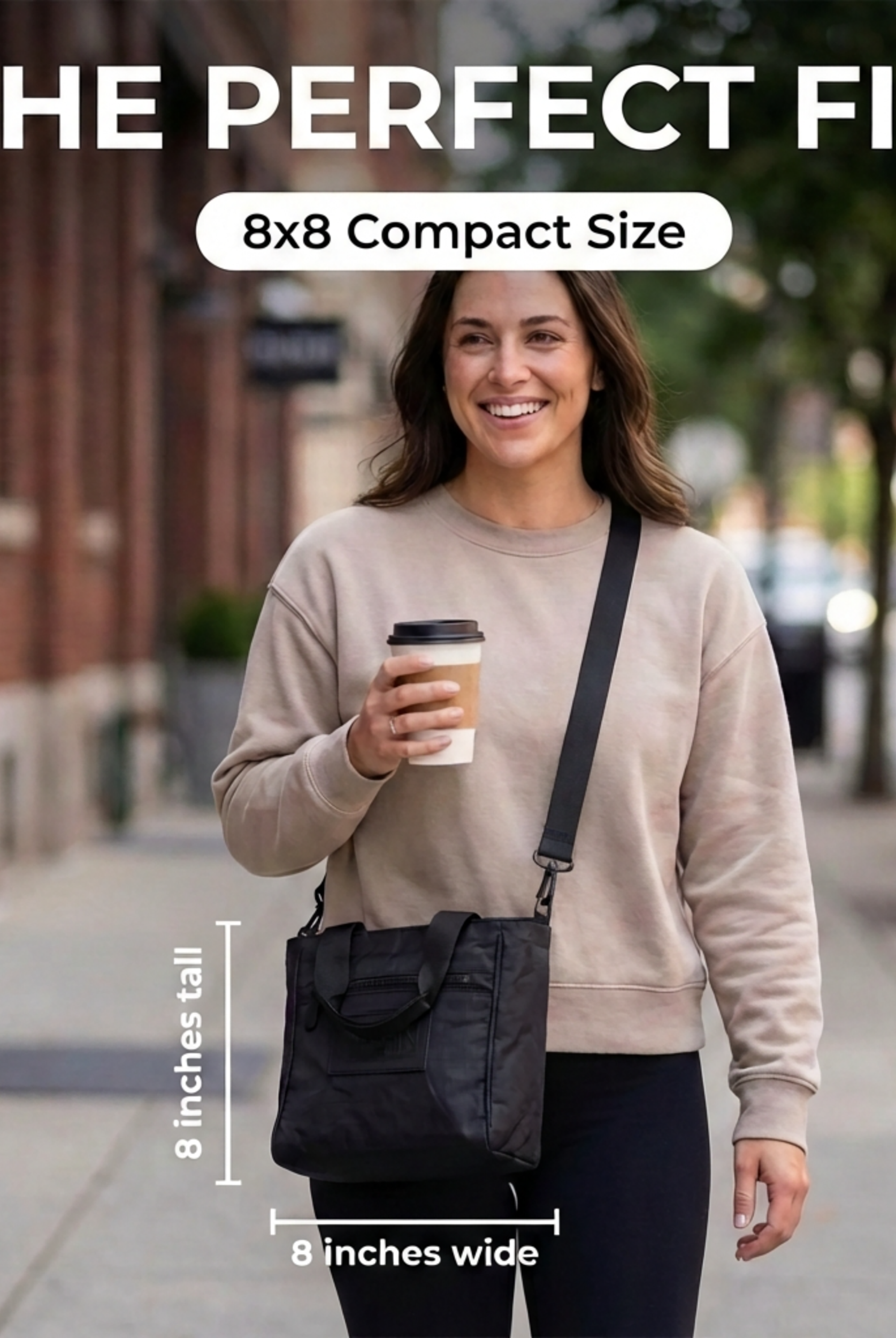
A tote looks polished when it sits close to the body and lands around hip level. Styling guidance for workwear says the bag should sit at or just above the hip, not below it, because that placement cuts down on swinging and keeps your arms free while you walk (zede-paris.com). Keep it controlled. If it pulls your posture forward, it is sitting wrong.
Practical rule: if the bag feels like it's wearing you, it's too low, too heavy, or both.
That is the part many people miss. A tote that looks beautiful on the chair beside you can still feel terrible after a train ride, a grocery run, and a school pickup line. Totes are used as everyday carry more often now, so the gap between good-looking and good-feeling gets obvious fast (bagzdepot.com).
Read the bag, not just the outfit
If the tote is stuffed and sagging, the outfit stops carrying the look. A clean shoulder line, a controlled bag height, and a shape that holds itself do more for polish than any trend trick. I tell women to treat a tote like gear that also happens to look good, because that is exactly what it is.
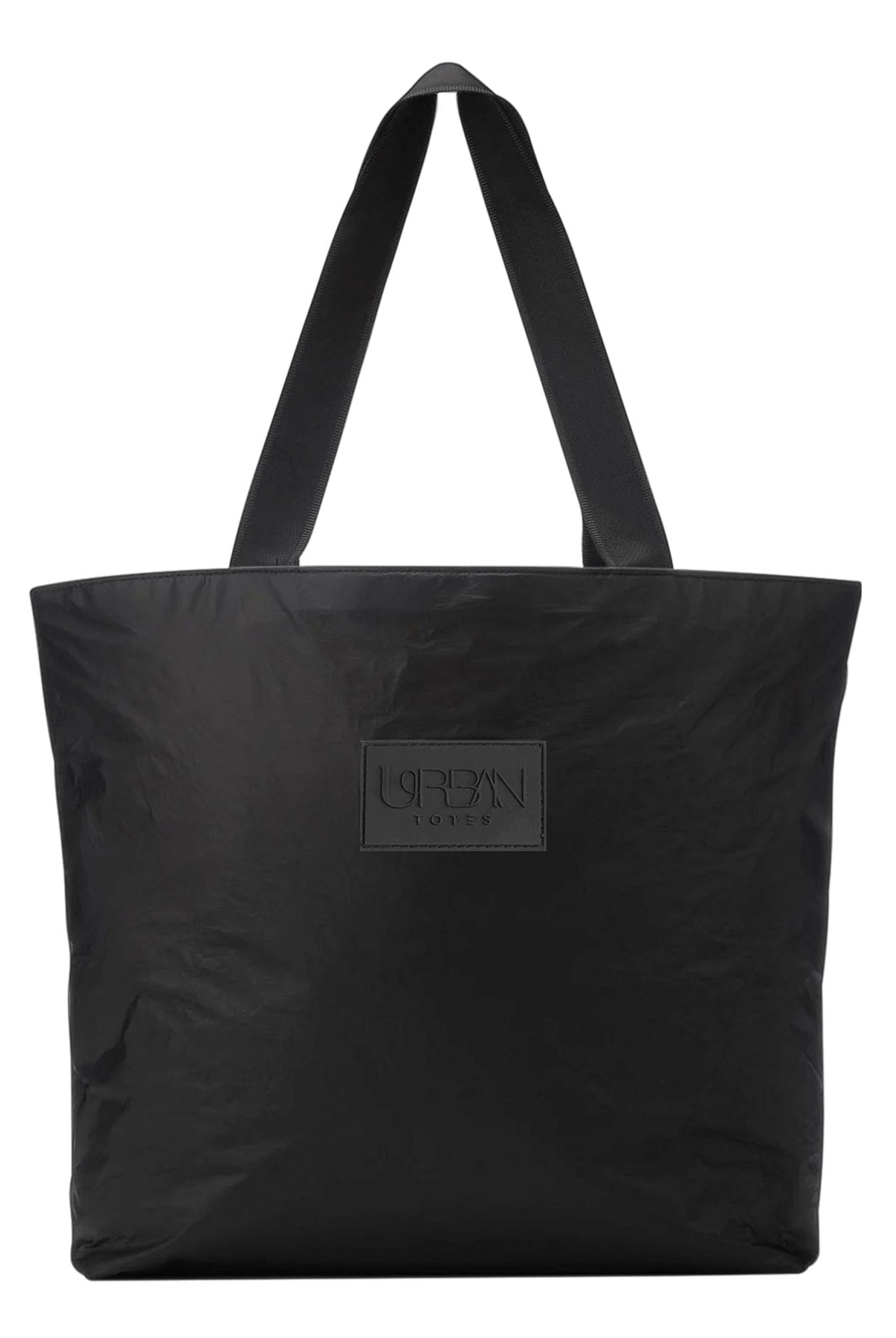
The tote also has to suit the moment. For commuting, office days, and airport movement, it needs to stay calm against the body. For errands or a quick coffee stop, you can relax the rules a little, but the main one stays the same, keep the tote compact to your frame and easy to manage. If you want a bag that gives you that option without fuss, a HYDAWAY convertible tote bag makes that kind of carry much easier.
Four Carry Styles and When to Use Each

Not every tote needs the same carry. If you force one method on every bag, you end up with sore shoulders, awkward arm movement, or a silhouette that looks too bulky for the outfit.
| Carry Style | Best For | Comfort | Look |
|---|---|---|---|
| Short-hand carry | Tight spaces, quick transfers, heavier loads you want to control | Strong control, less swinging | Clean, practical |
| Shoulder carry | Errands, commuting, hands-free movement | Good when the strap sits well | Easy, polished |
| Crook-of-the-arm carry | Dressier outfits, short outings | Fine for brief wear, not for long hauls | Intentional, styled |
| Crossbody conversion | Long days, travel, crowded streets | Best for stability and freedom | Casual, modern |
Shoulder carry does the daily work
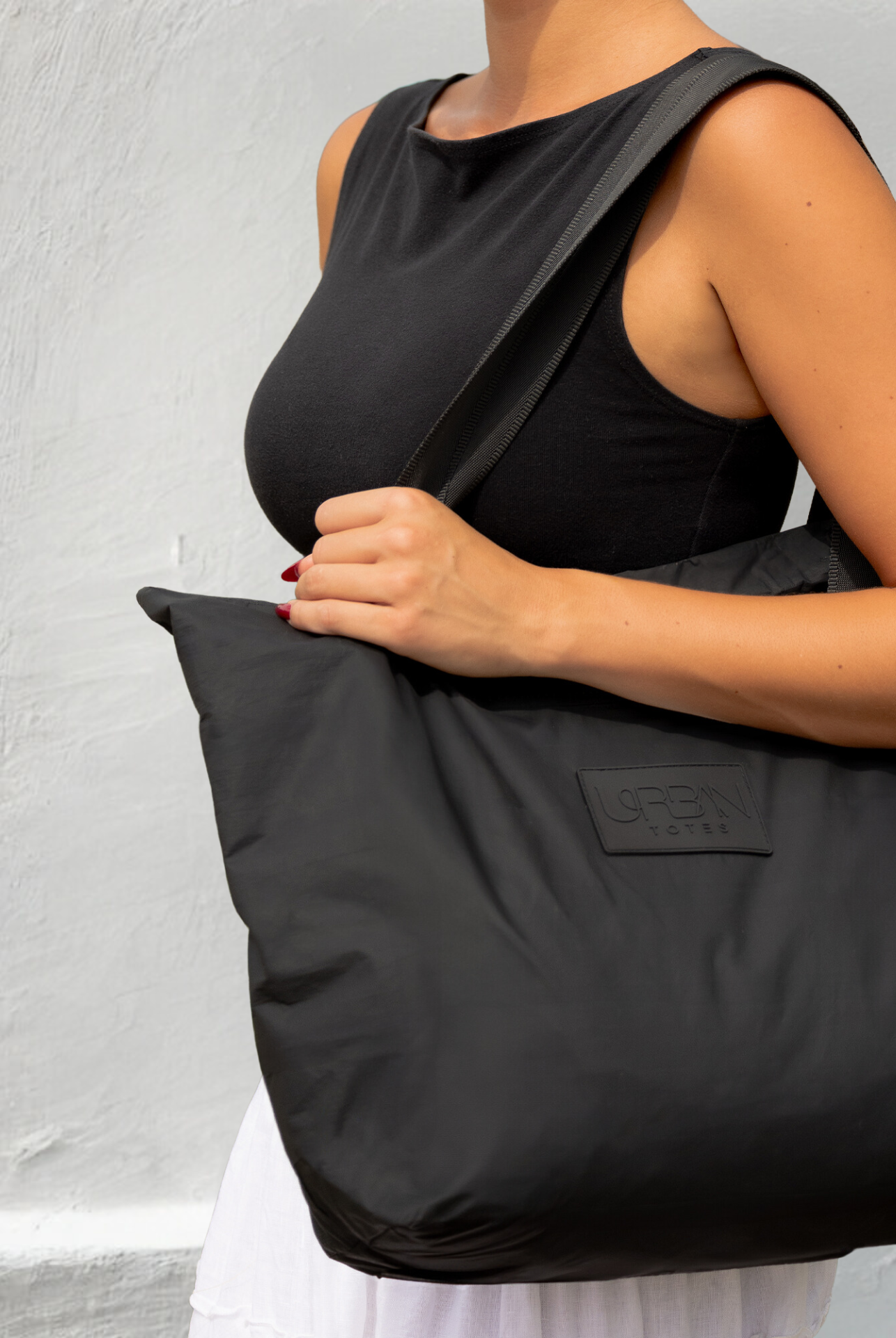
Shoulder carry wins when you want your hands free and the bag isn't overloaded. It's the mode that suits commuting, grocery runs, and the stop-and-go rhythm of real life. If the tote drops too far or bounces every time you walk, it stops being a helper and starts being a nuisance.
Hand carry gives you control
Use hand carry when the tote is heavy or you need more control in tight spaces. It keeps the load steady and stops the bag from swinging into your coat, coffee, or leg. A polished commuter bag can do this well, and a practical resource like HYDAWAY convertible tote bag is a useful reference point if you're comparing carry modes and want to think beyond one fixed strap position.
Crook of the arm is for style moments
The crook-of-the-arm carry is the one you use when the outfit wants structure. It reads more intentional with a blazer, a crisp shirt, or a dress that needs a little shape next to it. It does ask more from your arm, so I wouldn't make it the default on a day that already has too much movement.
Crossbody conversion saves long days
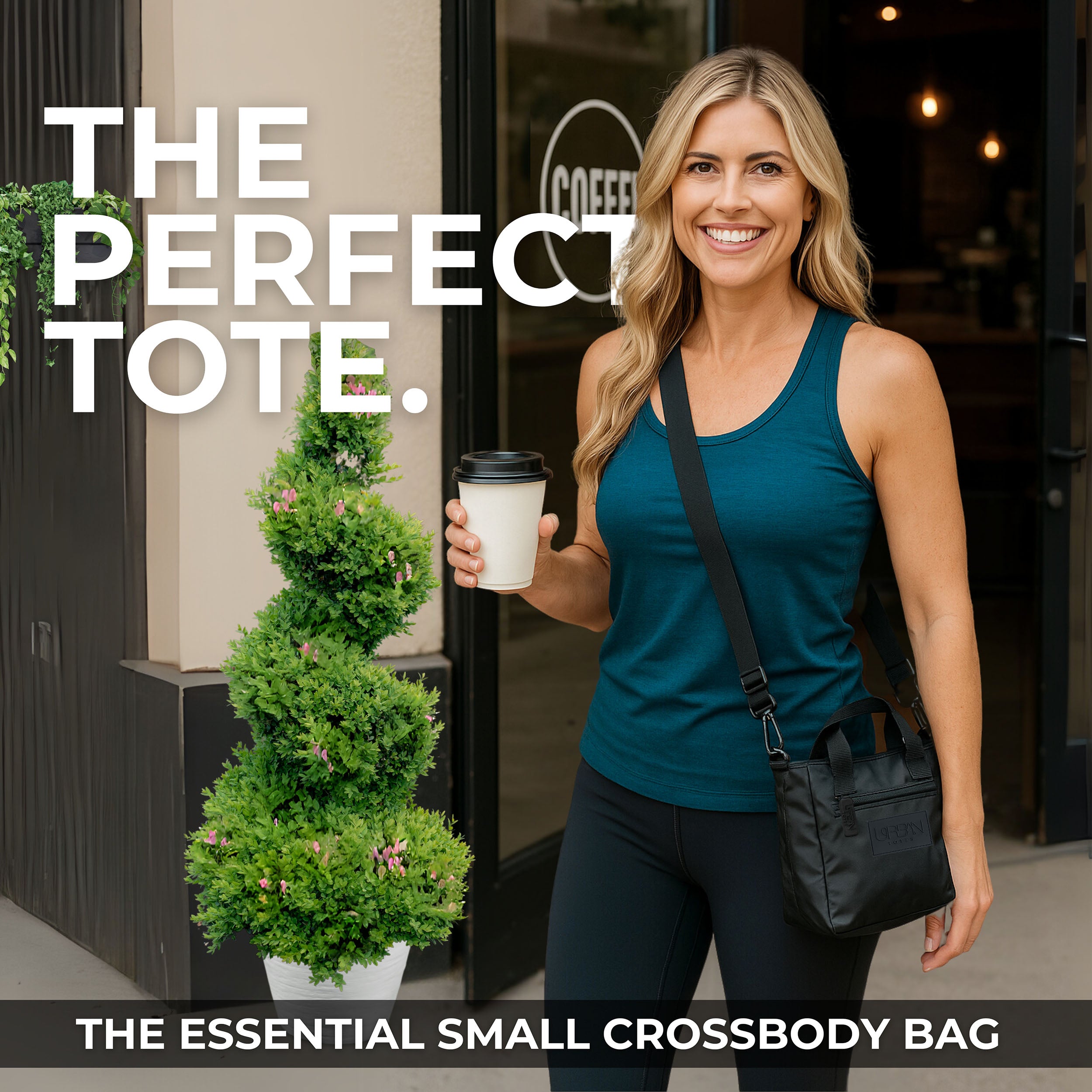
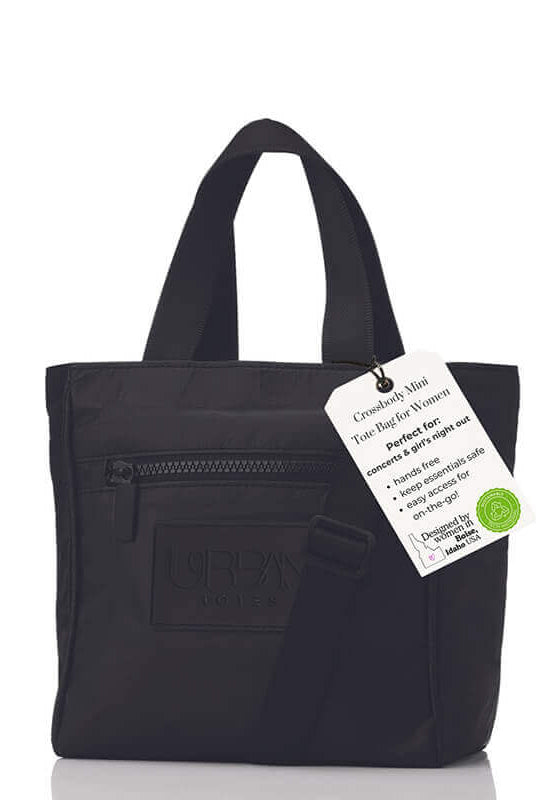
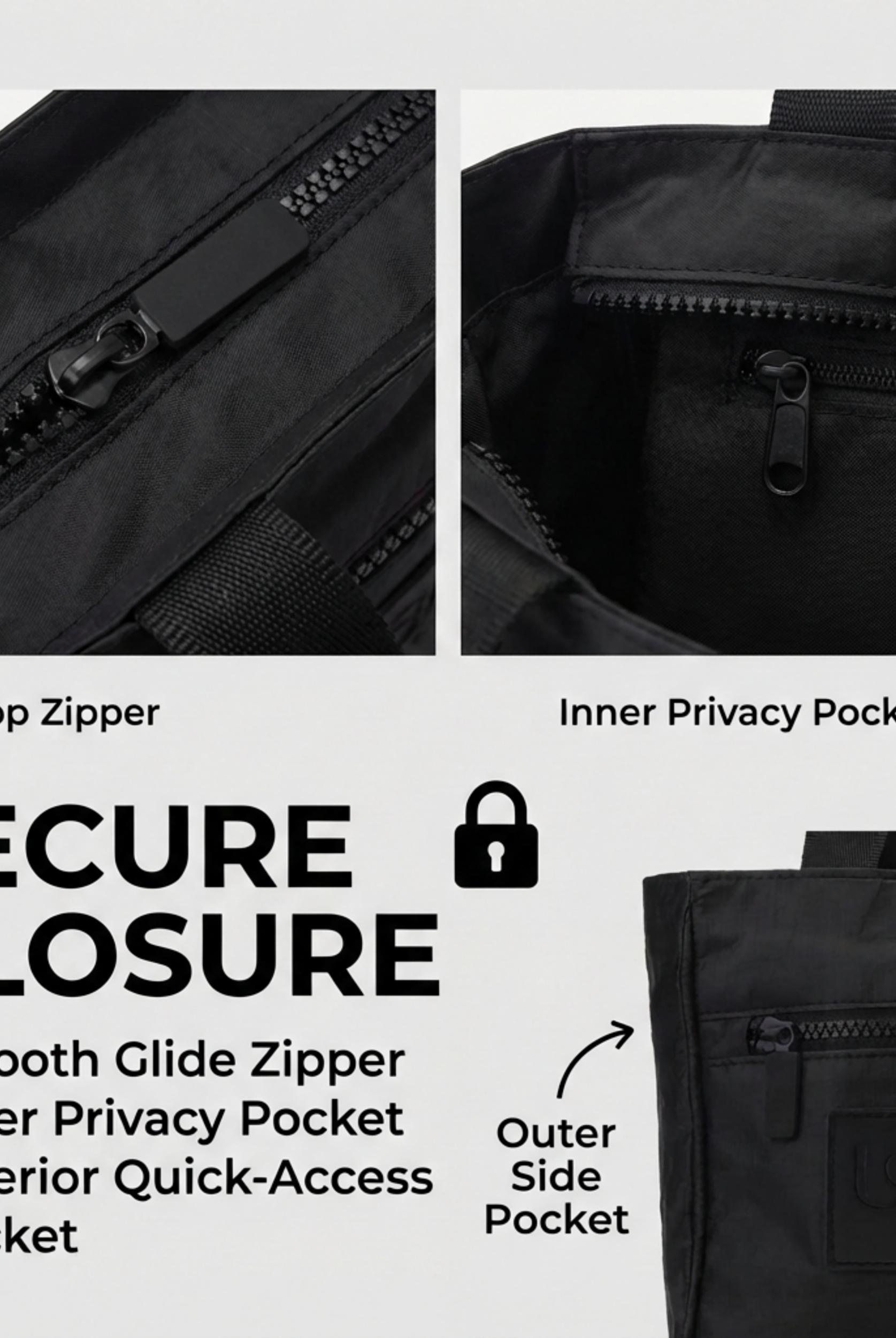
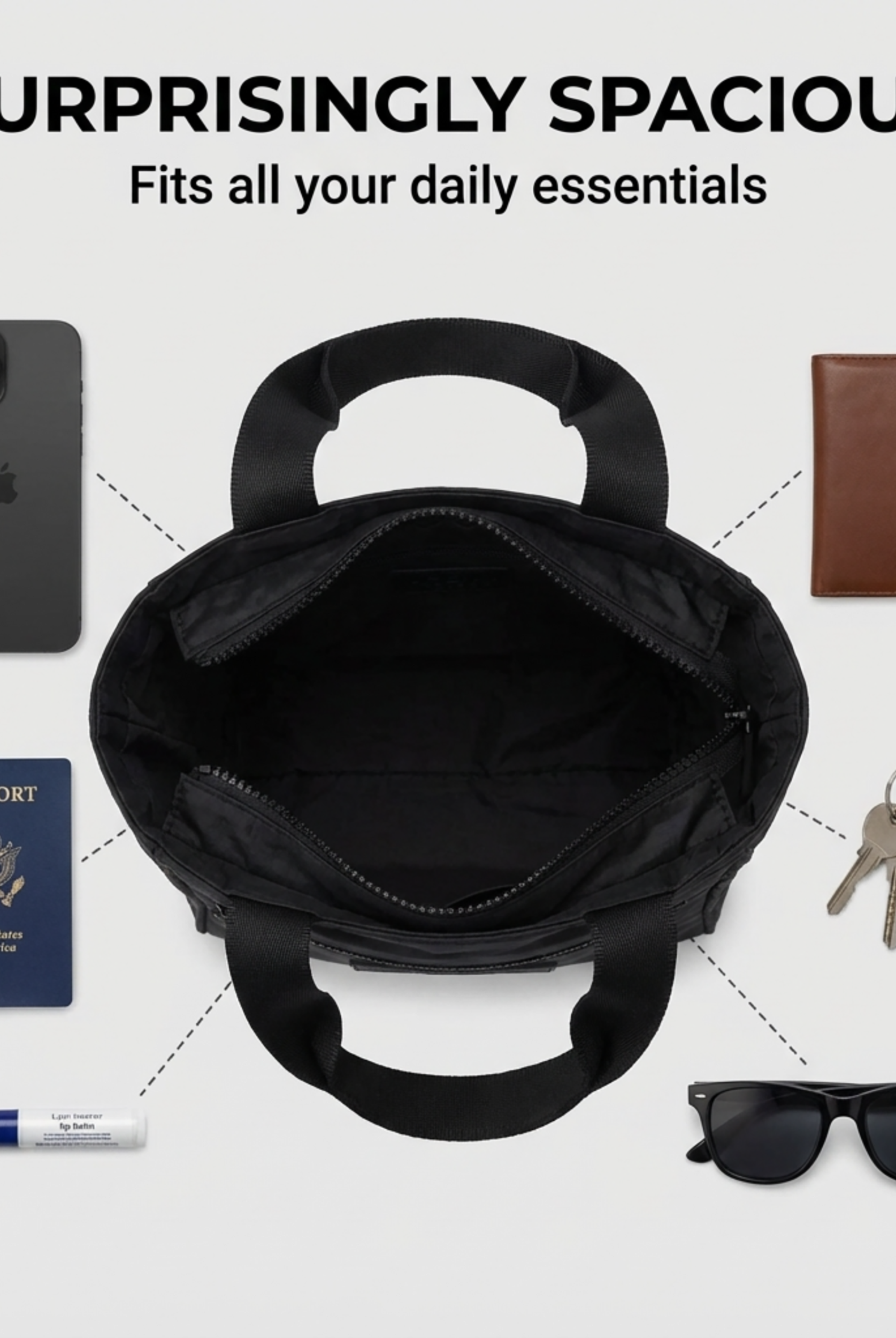
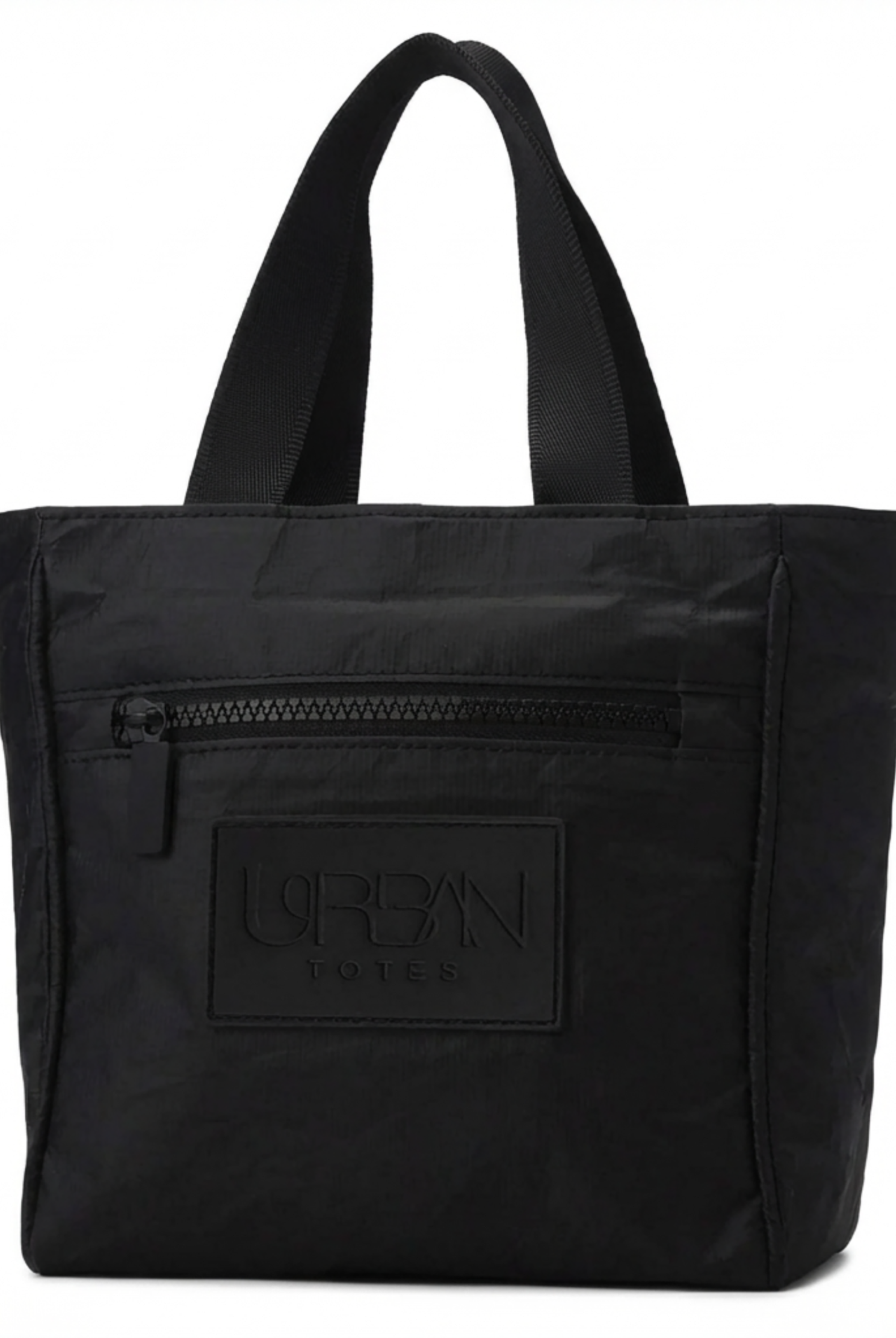
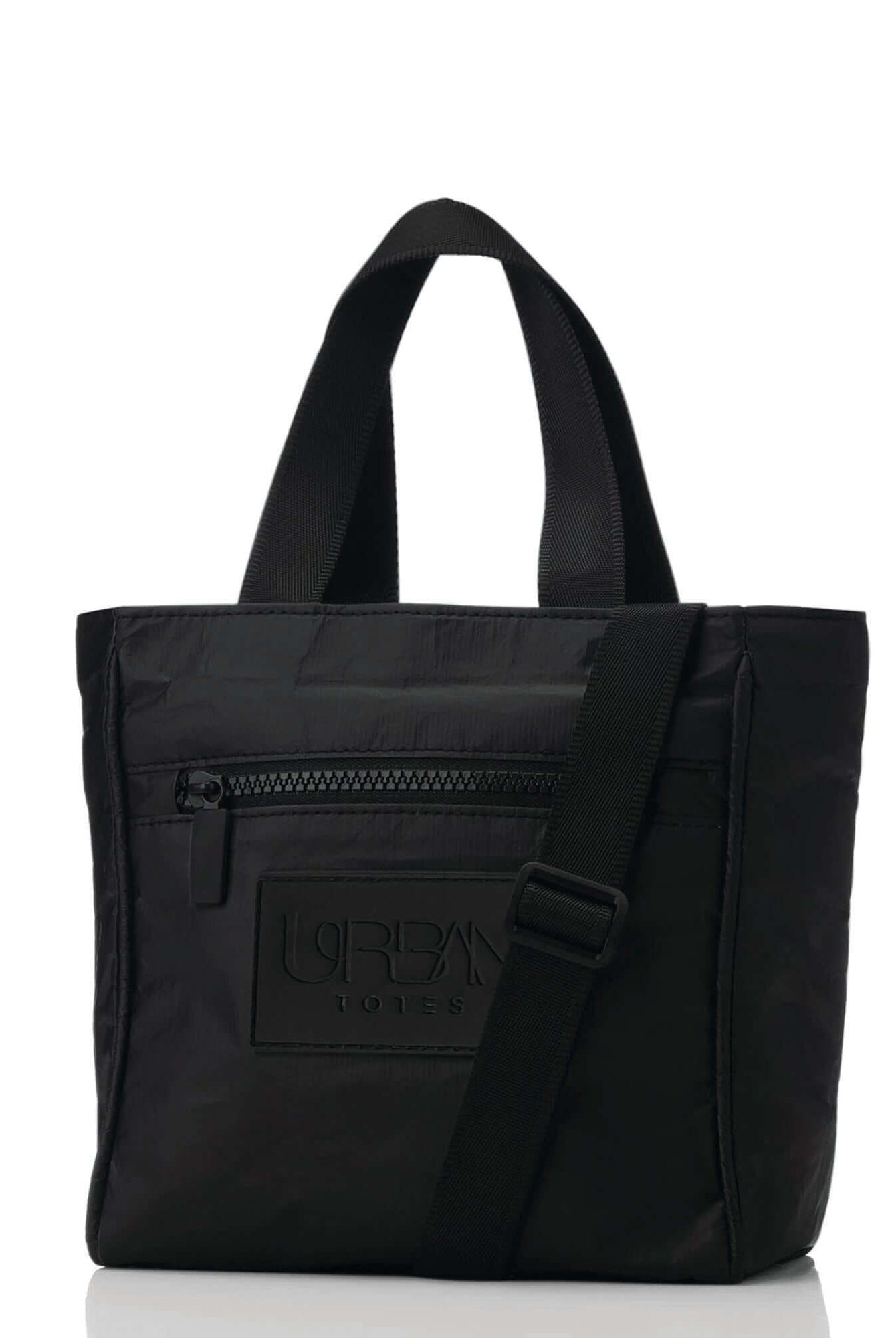
If your tote has a conversion option, use it when the day turns long or crowded. A bag like the Crossbody Tote Bag Mini Purse shows how a compact design can stay organized with a zip-top closure, outside zipper pocket, and easy-access pocket for phone and keys, while its 1-inch wide nylon straps and removable crossbody strap make it easier to wear hands-free. That kind of setup is not about dressing up the bag, it's about making the carry less annoying.
Strap Length, Weight, and the Side-Switch Trick
Strap length is the first thing I check because it tells you almost everything about whether a tote will behave. If it hangs too low, it swings. If it sits too high, your shoulder bunches up and the bag starts acting like a problem you have to manage all day.
Get the strap drop right
The cleanest benchmark is simple. The bag should sit at or just above hip level, and the shoulder or crossbody strap should land around the hip, not mid-thigh. That position keeps the tote close to the body and leaves your arms free to move without knocking the bag into everything around you.
Keep the tote where your body can move naturally. The lower it hangs, the more it fights you.
If the strap is fixed, work with that reality instead of pretending it is fine. Tuck the bag a little tighter under the arm, switch to hand carry for part of the day, or reserve that tote for lighter loads. Comfortable carry also comes down to strap design and where the weight sits, so wider straps usually feel better than thin ones, and the heaviest items centered or toward the bottom center help the bag stay steady. For a practical reference on fit and carry options, see this guide to an adjustable shoulder strap, and keep zede-paris.com in mind as a reminder that the bag should stay close enough to the body to avoid awkward swing.
Load the bag like you mean it
A tote feels lighter when the weight is balanced. Put the heavy stuff low and centered, not jammed into one corner. That keeps the bag from tilting, and tilting is what makes a tote feel worse than it is.
If you are carrying a real load, switch sides during the day. That is not a style flourish, it is how you cut shoulder strain before it builds up. I would rather see you change shoulders and look a little practical than stick with one side and pay for it later.
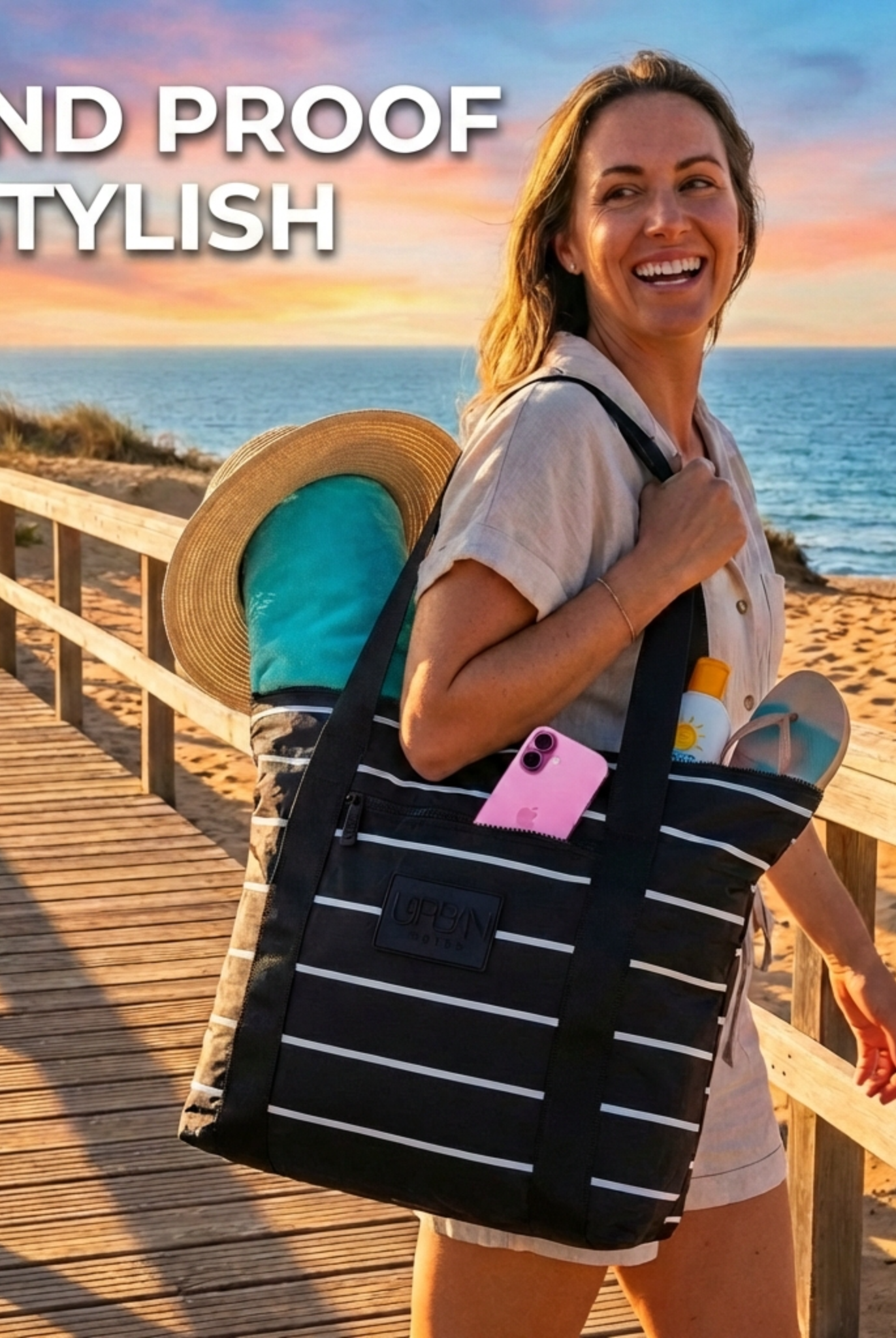
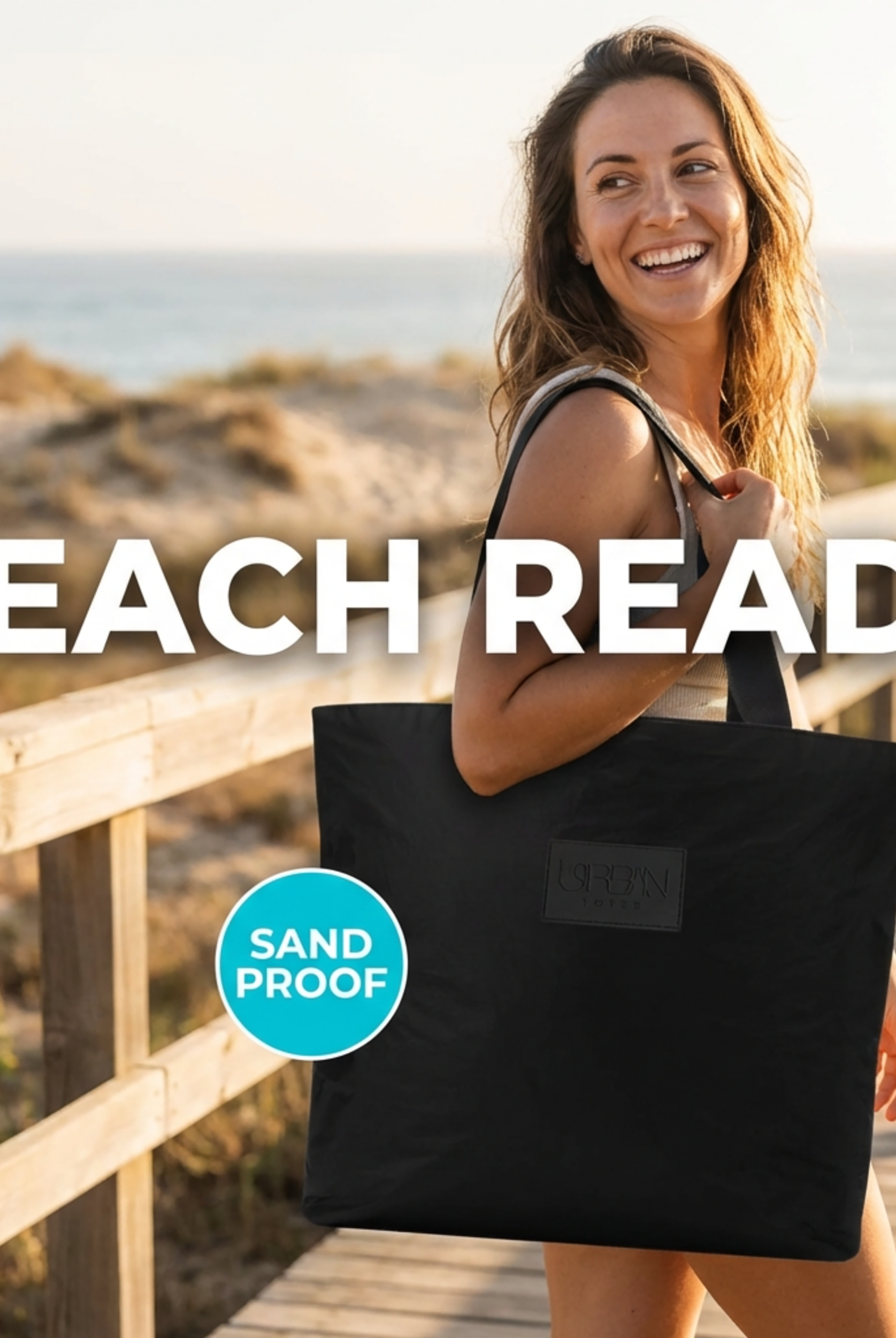
Beach days are the one time I want a tote to behave like a proper hauler. Sand, water, sunscreen, and a towel all add up fast, so the bag needs to carry weight without sagging or twisting. For that kind of setup, the best gear hauler for sandy trips is the standard I would use when comparing roomy carry options.
Outfit Pairings for Commute, Travel, Gym, and Beach
The same tote can look completely different depending on where you're taking it. That's the whole point. A good bag doesn't lock you into one lifestyle, it shifts with the day.
The Monday commute
A blazer, straight-leg jeans, loafers, and a structured tote always read as deliberate. Keep the bag close to the body and let the tote echo the clean lines of the outfit instead of fighting them. If your work clothes are mostly neutral, the bag should blend with the most repeated color in the outfit, not scream louder than the clothes.
The Saturday market run
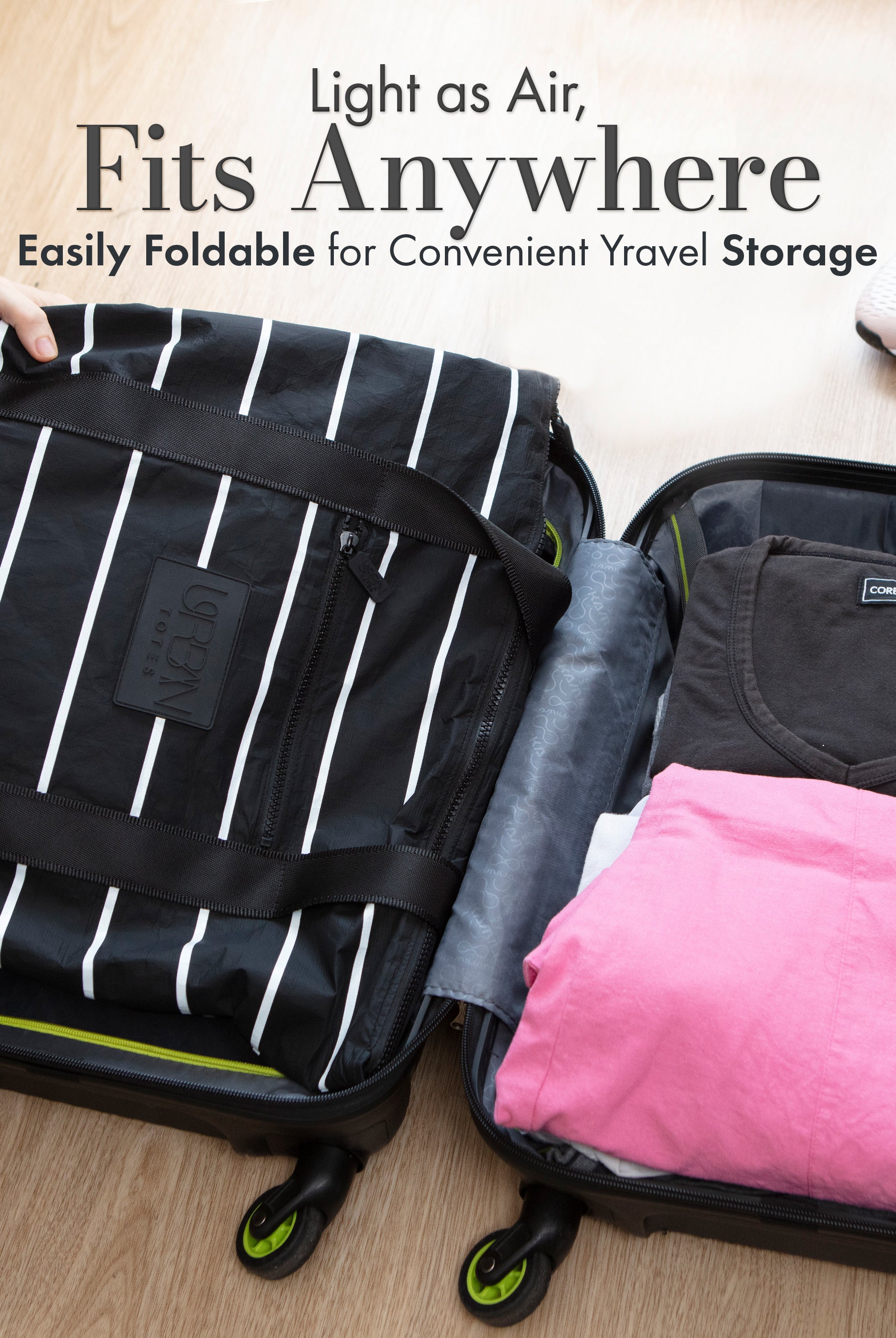
Lightweight, packable, and organized matter more than anything else. A tote that folds down and opens quickly is perfect for produce, flowers, and one last coffee stop. I'd rather carry a practical bag in a relaxed sweater-and-legging outfit than force a bulky purse into a day that clearly needs room.
Gym to office pivot
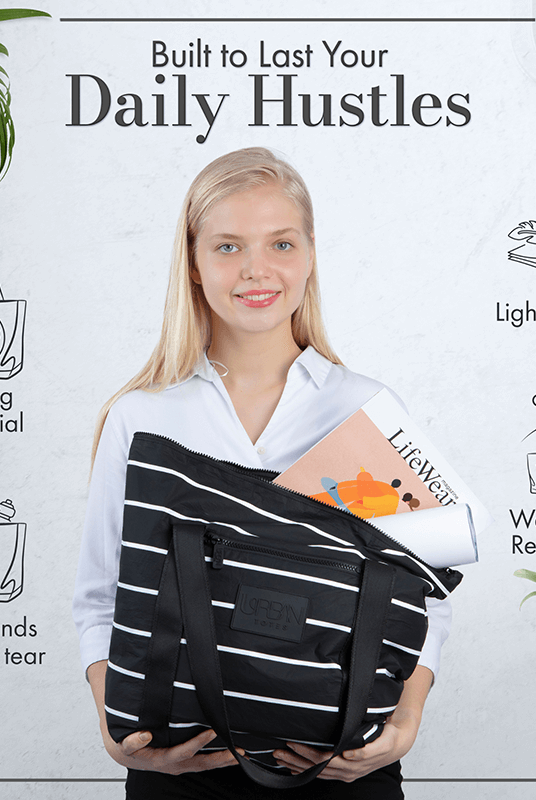
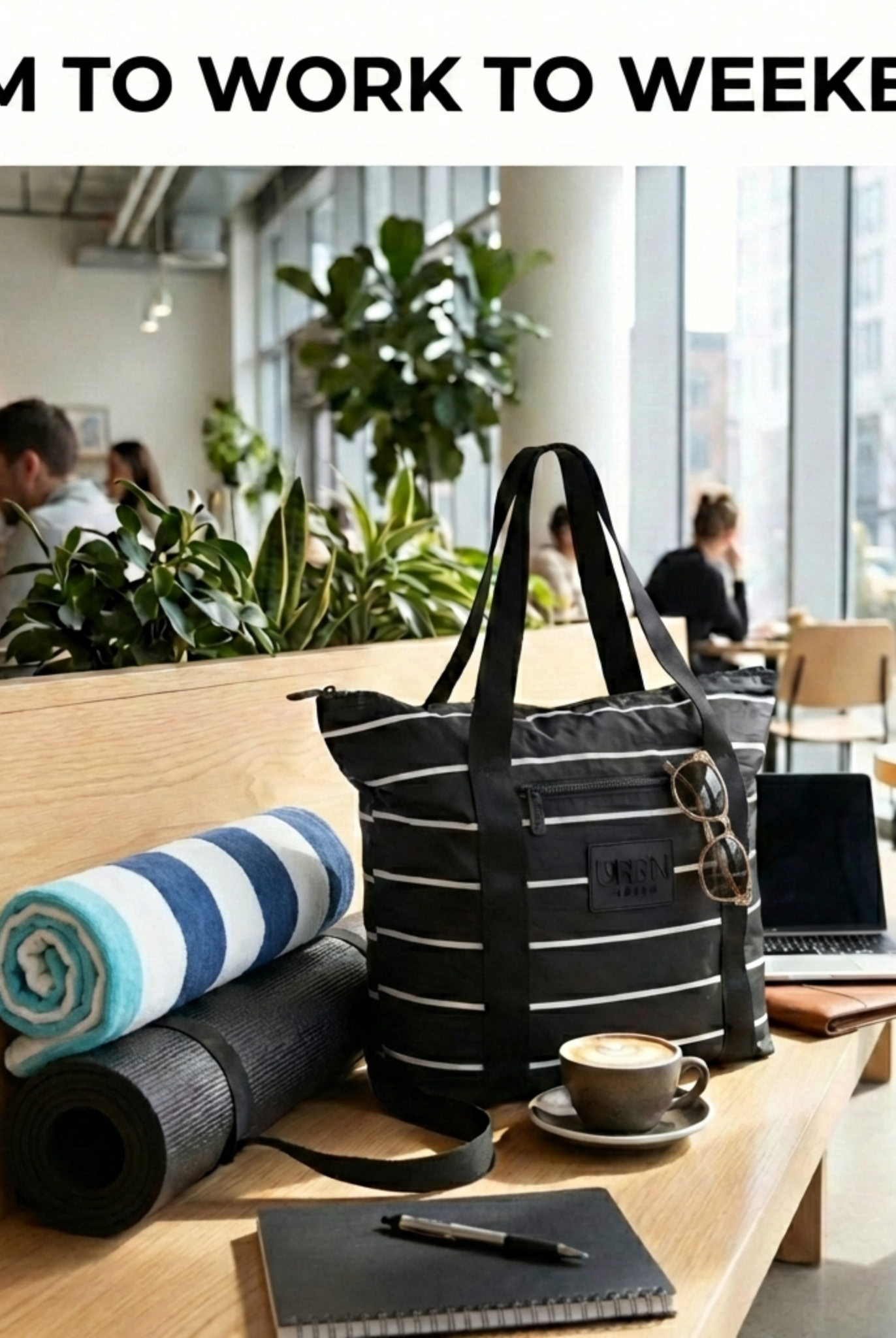
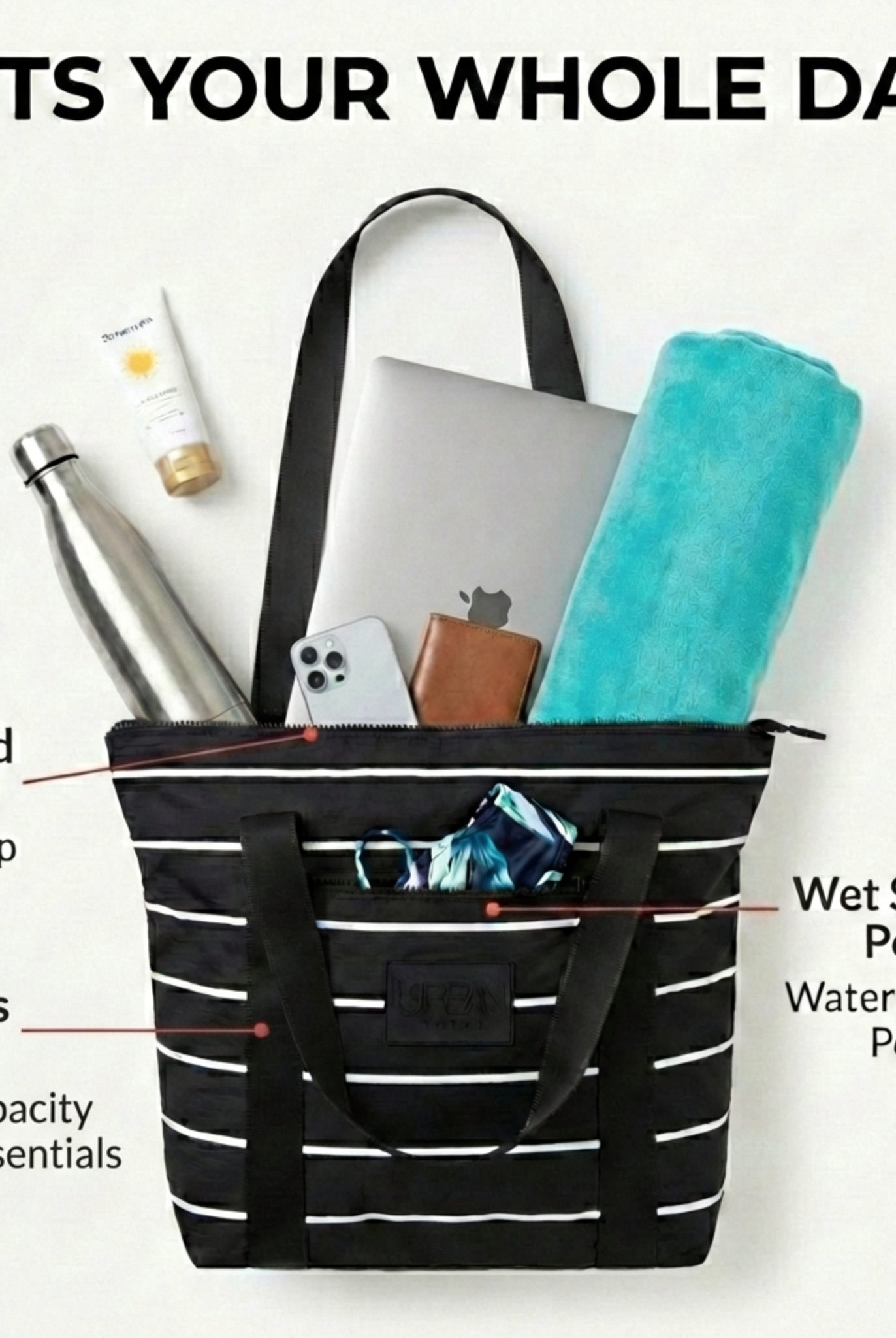
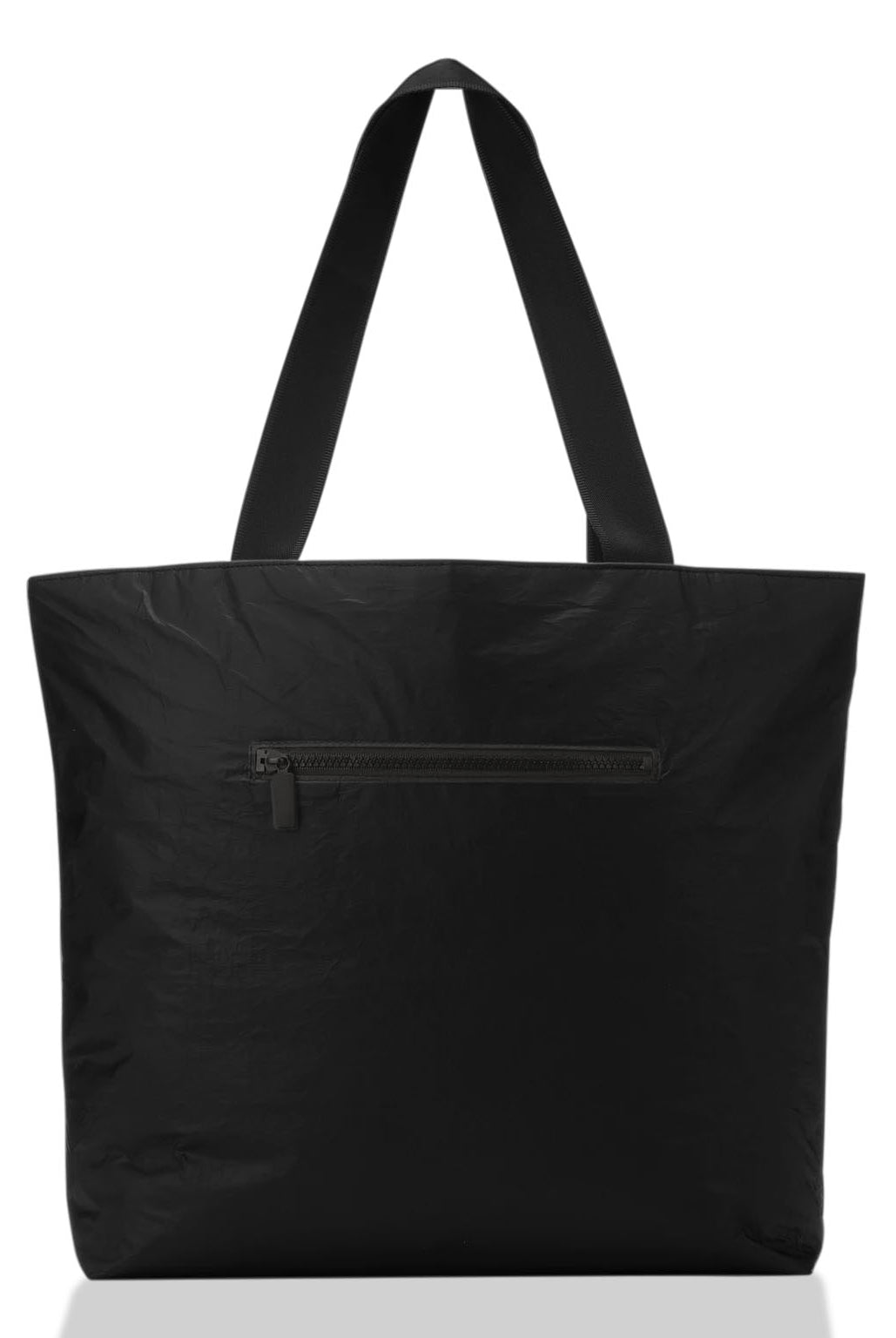
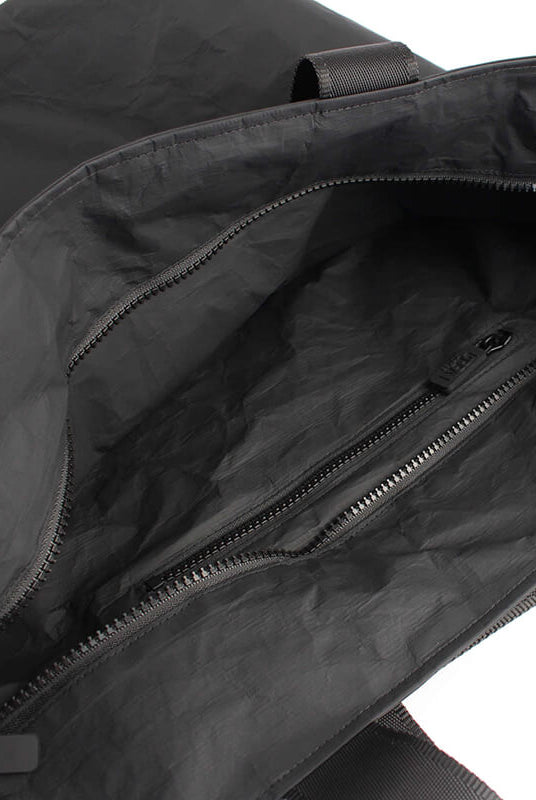
This is the moment when organization saves you. Keep clean items away from sweaty ones, and don't let the bag balloon because you tossed everything in without a system. A tote with zipper closure and compartments makes the changeover feel smoother, especially when your day runs from a workout to a laptop.
Airport sprint
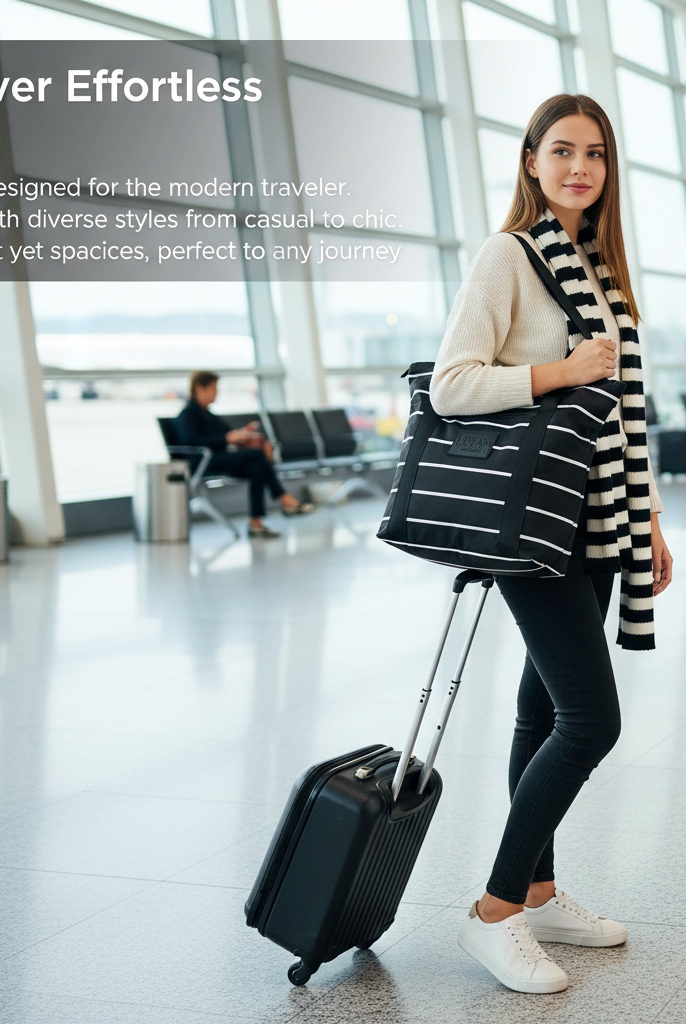
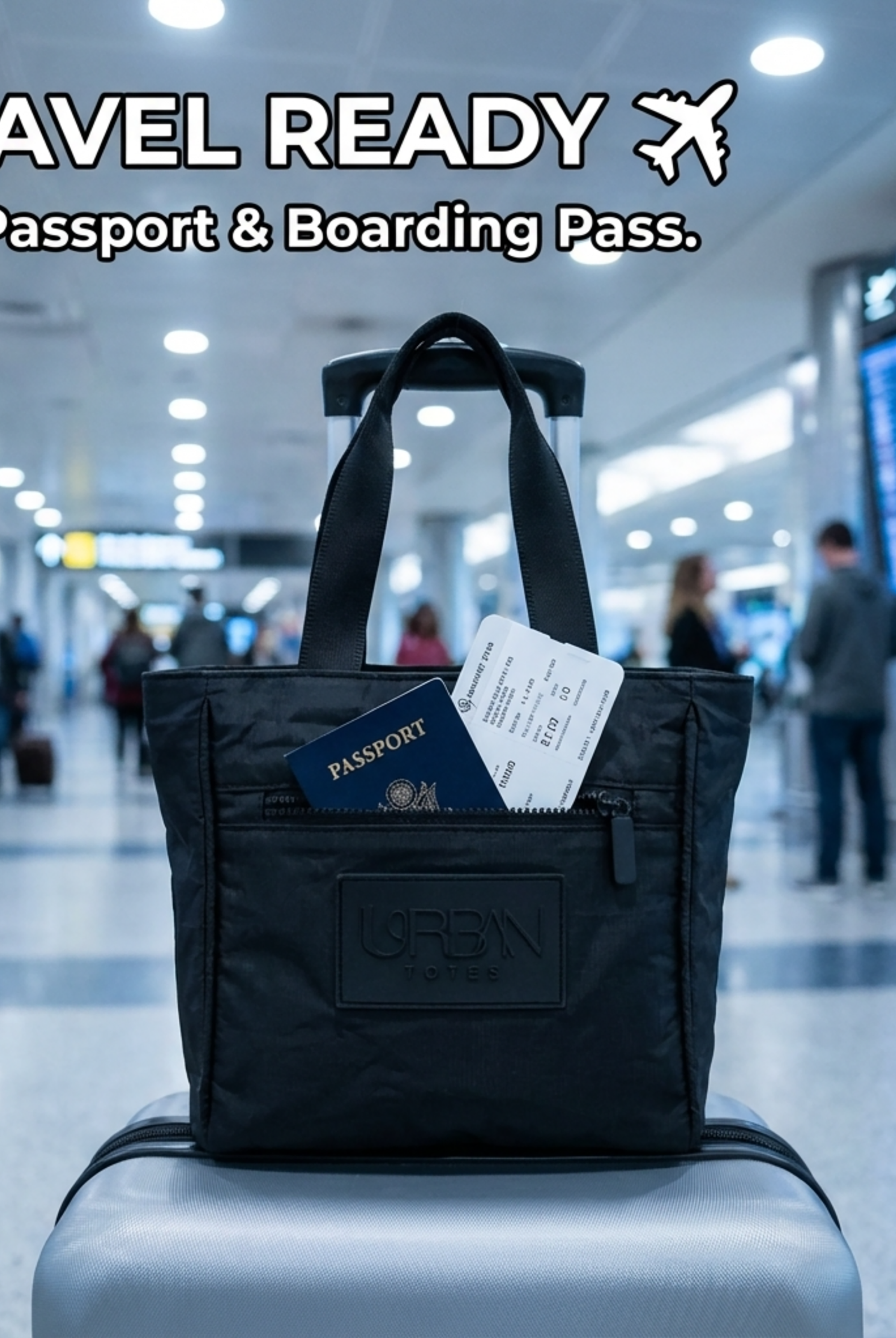
For travel, the tote has to sit securely and stay easy to reach. That's why the internal guide on best tote for travel belongs in your bookmarks. The best airport look is simple, a long coat or jacket, slim trousers or jeans, and a tote that stays tucked in close instead of flopping into everybody else's personal space.
Beach chair unload
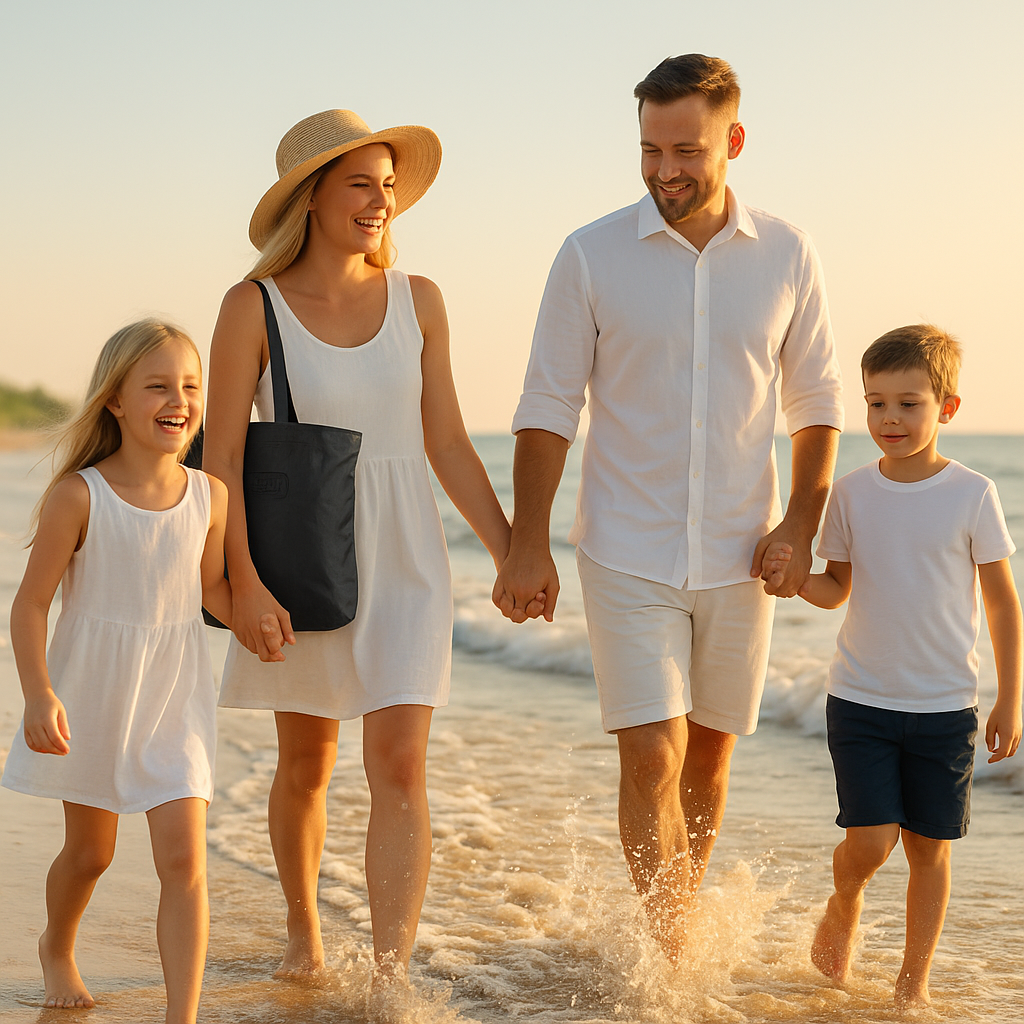
For sandy trips, you want something that handles the mess without turning into a mess itself. A helpful reference on best gear hauler for sandy trips fits naturally here, because beach carry is really about ease, not fuss. Pair the tote with a cover-up, sandals, and a hat, then keep the bag's shape as clean as possible so it still looks like part of the outfit, not the aftermath of the trip.
Fit for Your Body, Height, and Personal Style
A tote should work with your frame, not against it. That means paying attention to where the bag lands, how much visual weight it adds, and whether the strap drop makes your proportions look balanced or off.
Match the bag to your height
Petite women usually do better with a tote that sits higher and closer to the body, so the bag doesn't swallow the outfit. Taller women can carry a slightly longer drop without losing proportion, as long as the bag still stays controlled. Curvier women often look best when the tote follows the body line instead of cutting across it at a harsh angle.
A structured tote reads sharper on a softer silhouette, while a softer bag can mellow a very put-together outfit. Neither is wrong. The true test is whether the bag looks intentional when you catch your reflection from the side.
Let style do some work
- Minimalist: Choose clean lines, a neutral palette, and shoulder carry that keeps the look crisp.
- Classic: Stick with balanced proportions and a tote that looks at home with loafers, denim, or a trench.
- Boho: A slouchier tote can work here, but only if it still holds shape enough to look chosen.
- Sporty: Crossbody or shoulder carry keeps the outfit active without looking messy.
- Polished: Use hand carry or crook-of-the-arm carry for short stretches when the outfit needs a sharper finish.
If you want a deeper visual map for this, the internal guide on tote bag aesthetic is a smart next stop.
Simple rule: the more tailored your outfit, the more controlled your tote should look.
Packing and Organization That Make the Bag Feel Lighter
A heavy tote often starts with bad packing, not bad shoulders. If the weight keeps shifting, digging, or bulging, the bag will feel bigger than it is.
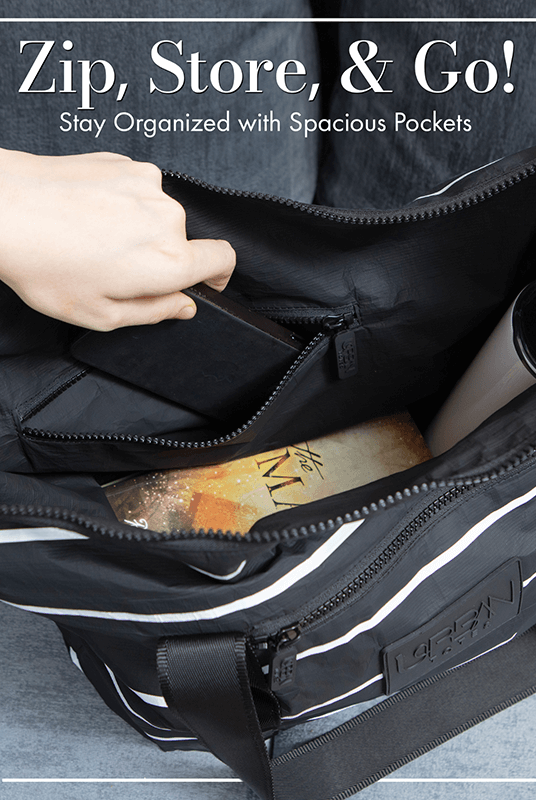
Use the pockets on purpose
Put phone and keys in the easiest-access outside pocket. Keep the items you grab all day, like wallet, lip balm, and transit card, near the top. Rarely used things belong lower down, where they won't make the tote feel crowded.
Build the load from heavy to light
The heaviest items should sit low and centered, while fragile things stay on top. Liquids need their own sealed side pocket or a separate pouch so they don't wander through the rest of the bag. That structure makes the tote feel steadier in your hand and on your shoulder.
For a good reference on systemized bag packing, the internal guide on how to organize tote bags pairs well with the practical logic in how to organize school backpacks. The same basic truth applies in both cases, when everything has a place, the bag carries better.
Keep a tiny reset routine
- Use a slim pouch: Charger cords, gum, and loose change stay contained instead of drifting around.
- Carry a foldable backup: A packable overflow bag keeps impulse purchases from wrecking your tote's shape.
- Empty it once a week: That's how you stop receipts, wrappers, and random extras from turning a neat bag into a brick.
A well-packed tote looks lighter because it is lighter in the ways that matter. That's the whole trick, less digging, less shifting, less shoulder regret.
Quick Do's and Don'ts for Comfort, Safety, and Durability
Stop doing the slouchy overstuff. It warps the bag, strains the strap, and makes the whole thing look tired before lunch. Keep the load contained, especially if the tote is meant to do double duty from errands to dinner.
Don't default to one shoulder all day when the bag has real weight. Switch sides, use the handles, or change carry positions before your body starts protesting. The side-switch habit is a small move with an outsized payoff.
And don't shove a wet swimsuit or damp towel straight into the bottom of the tote. That creates a mess, throws off the balance, and makes the rest of the bag feel heavier than it should. If you want the bag to last, respect the fabric and the stitching, and read the internal care notes on how to care for your tote bag before you abuse the thing.
A couple more common-sense moves matter too. Keep zippers closed in crowds, make bright or reflective items easy to spot in low light, and don't hang the tote on the back of a café chair where it can get kicked, bumped, or forgotten. A tote that lasts is one that isn't constantly fighting the load.
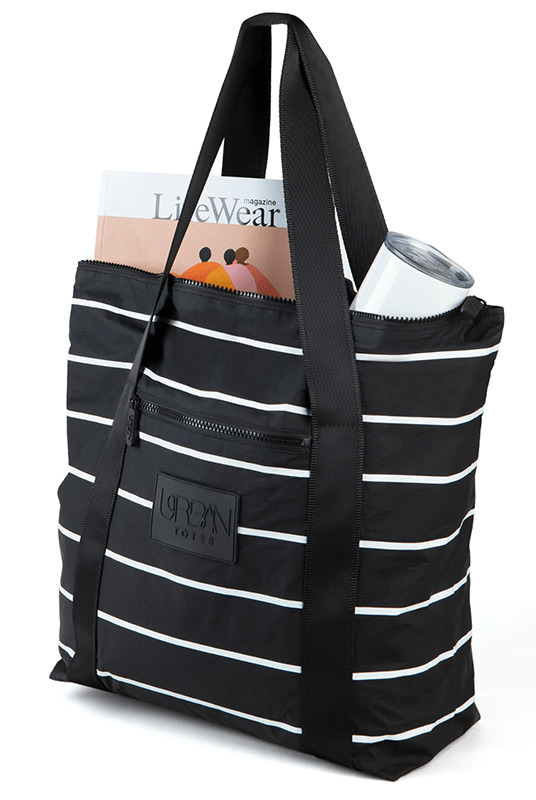
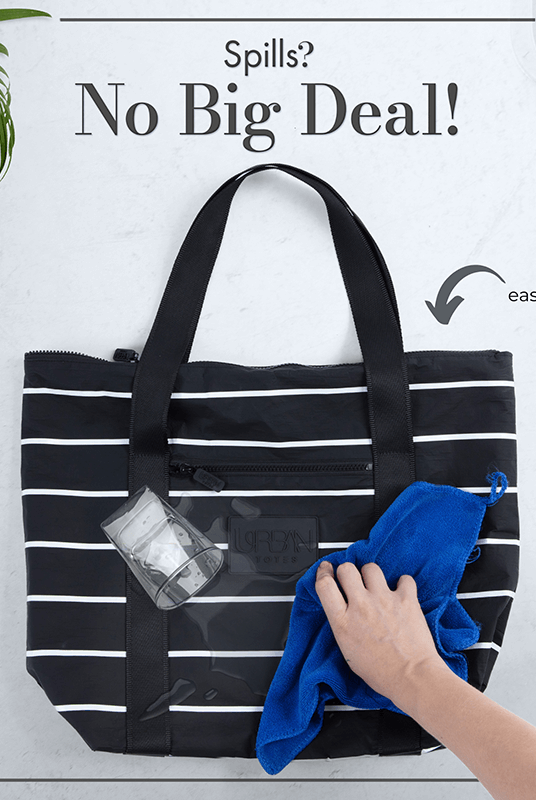
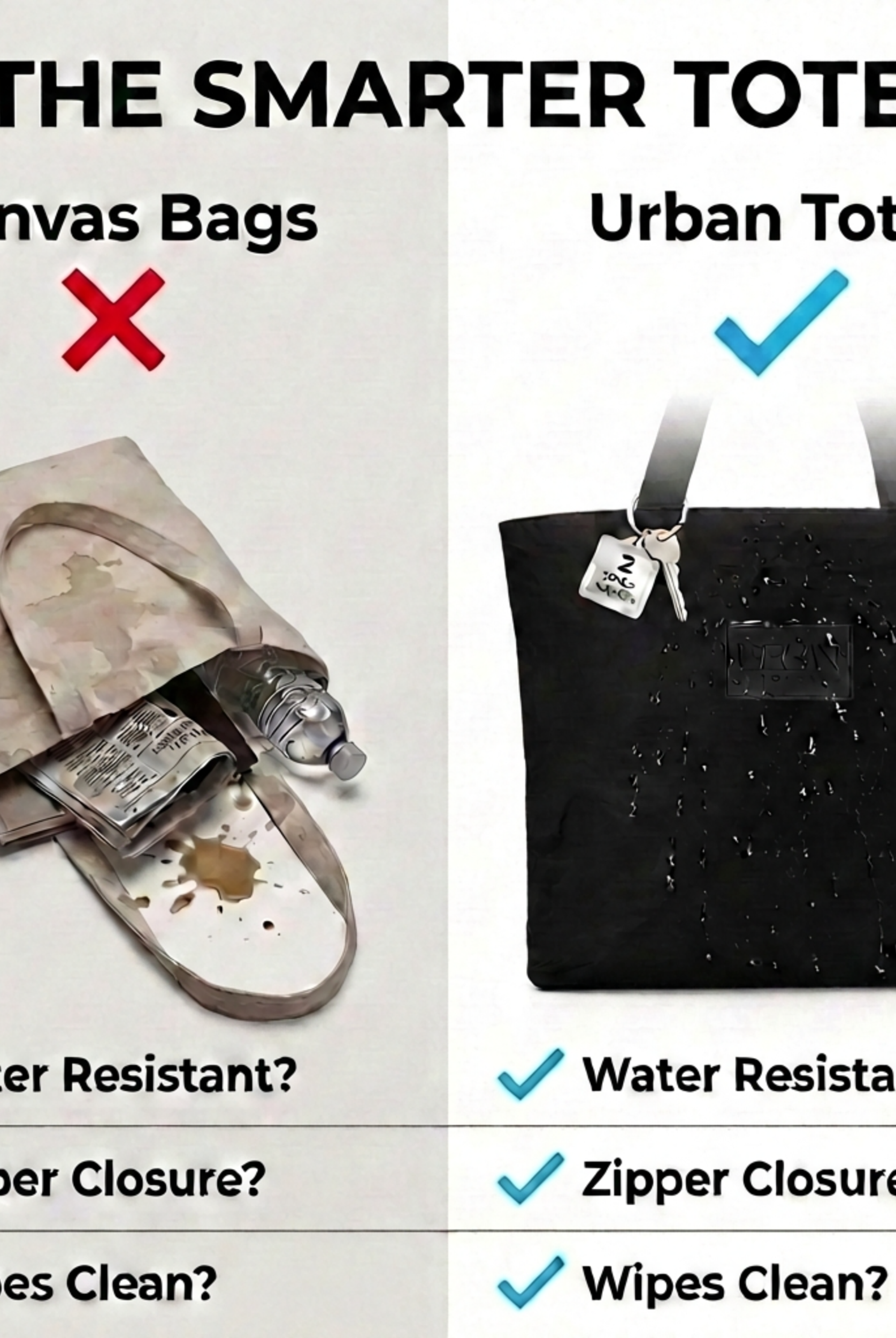
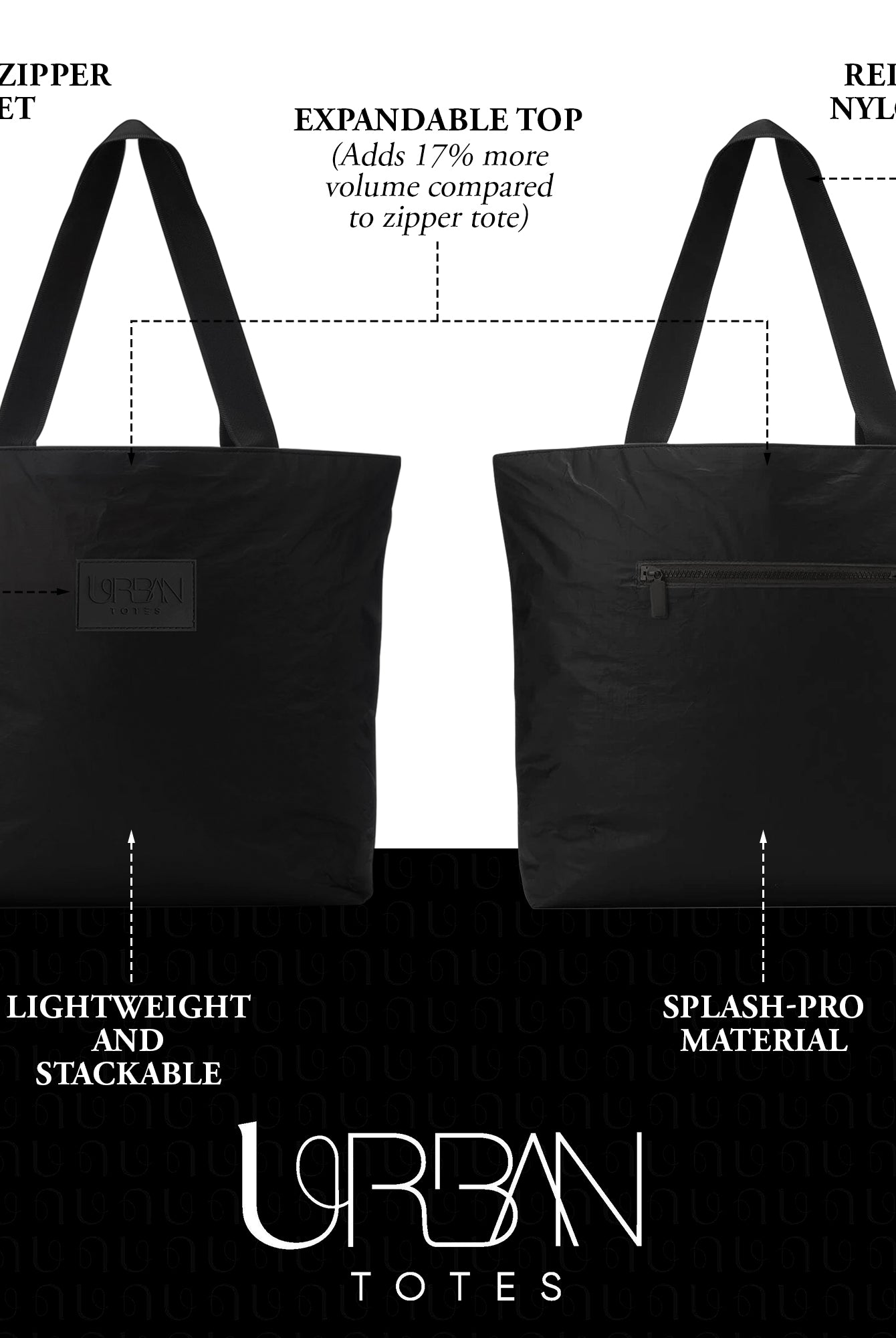
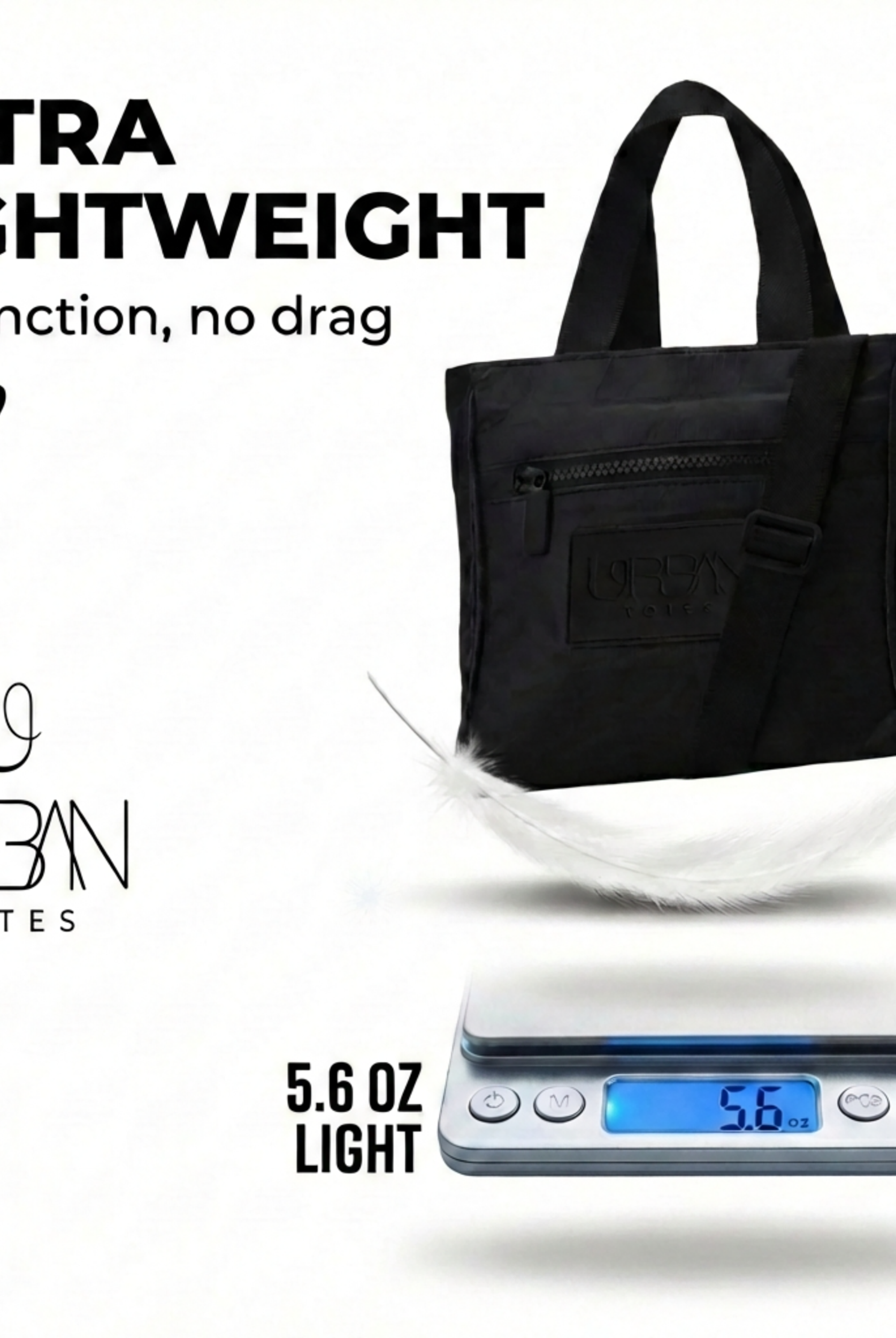
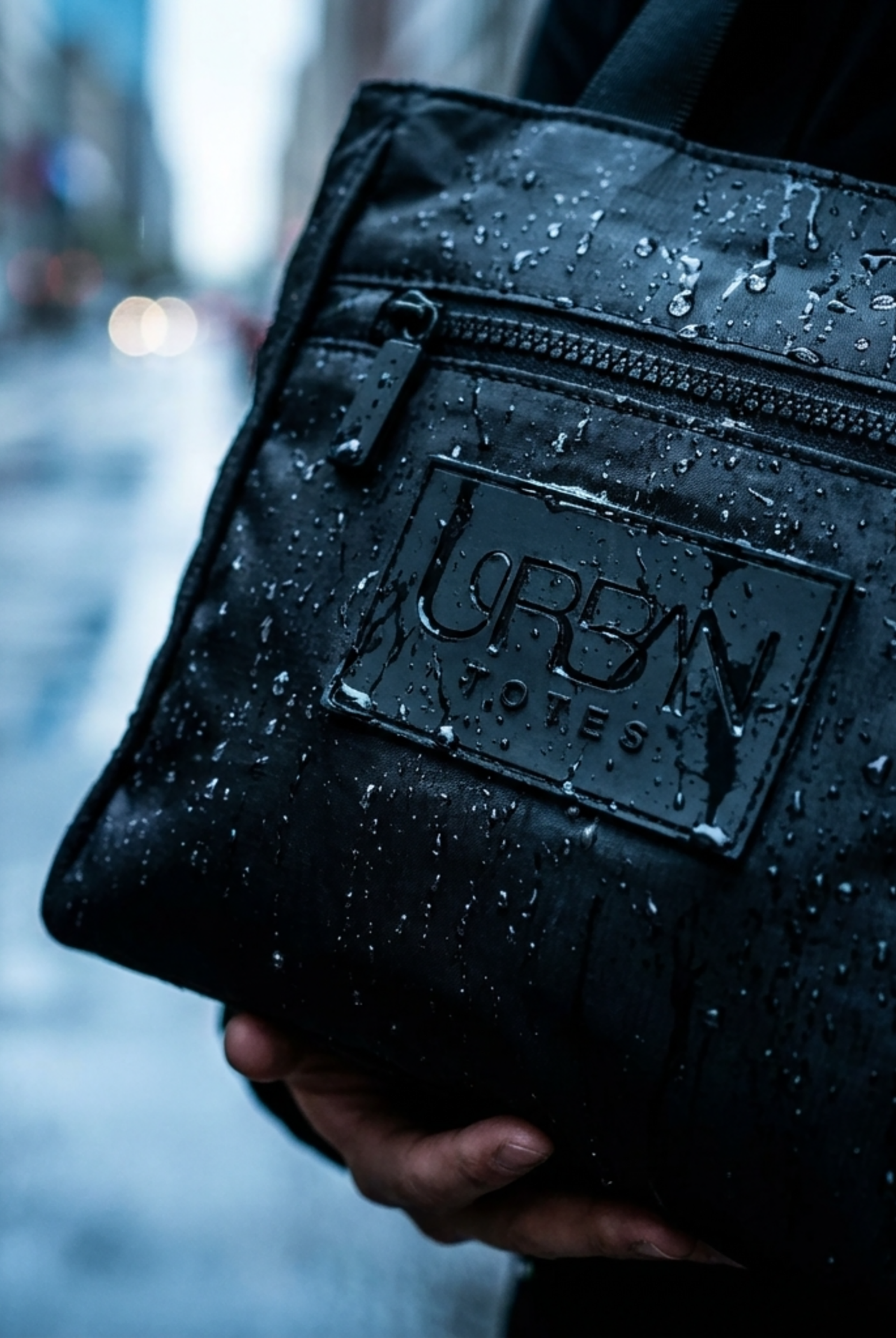
Urban Totes is a woman-owned, Boise-made brand built around exactly this kind of real-life carry. The collection is designed to stay lightweight, water-resistant, packable, foldable, organized, and travel-ready, so your bag works with your day instead of against it. Shop the full Urban Totes collection and choose the tote that fits your shoulder, your schedule, and your style at Urban Totes.