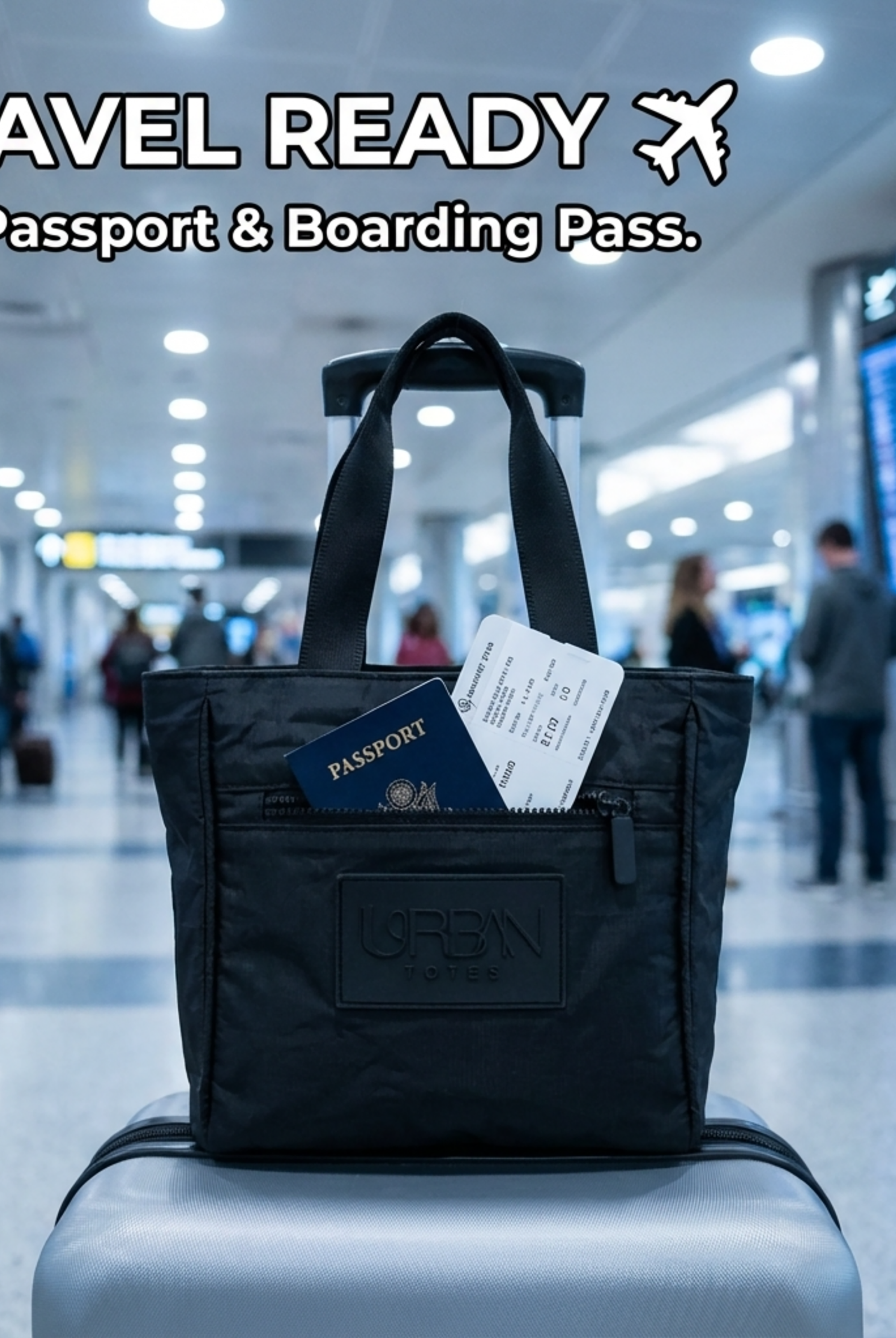
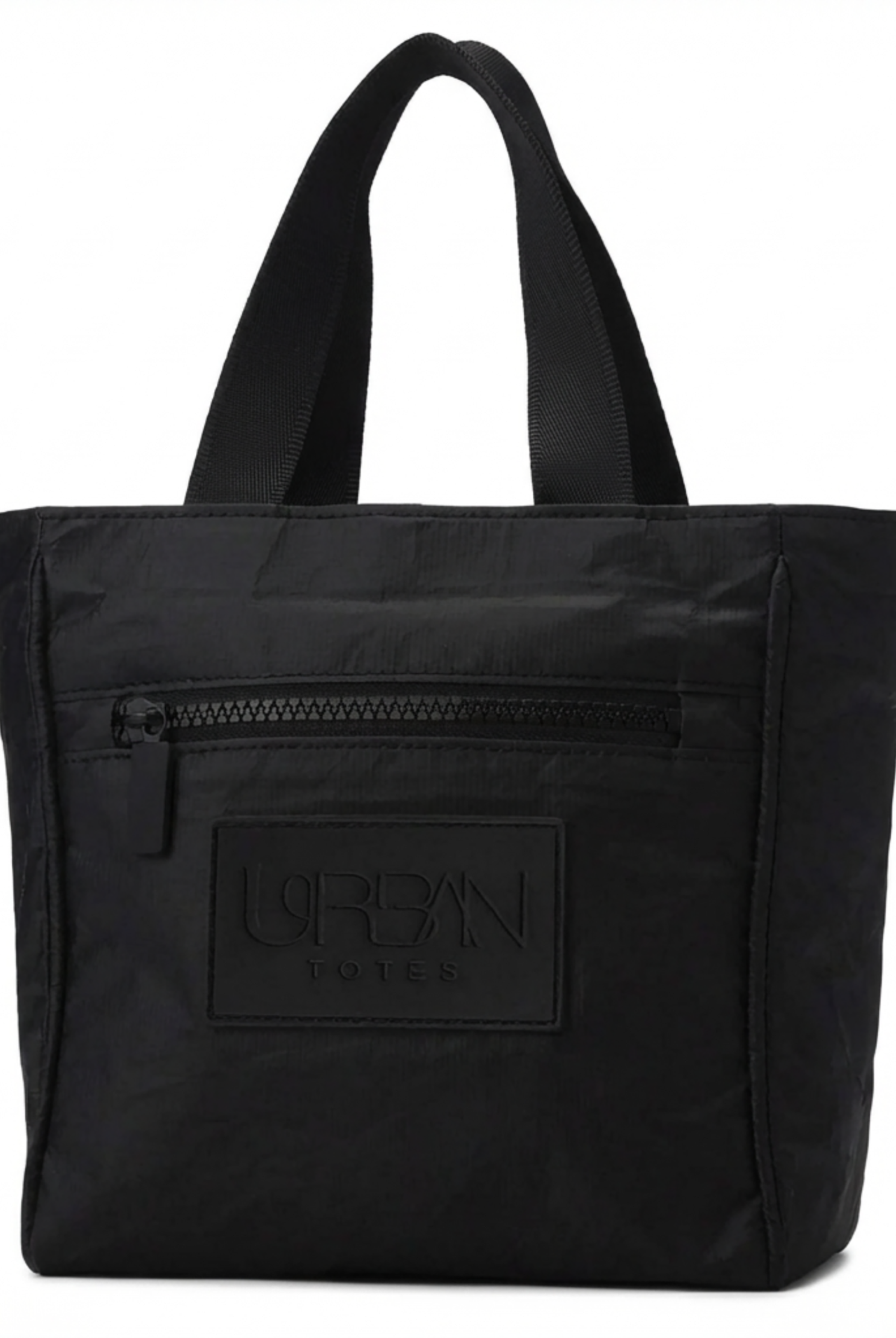
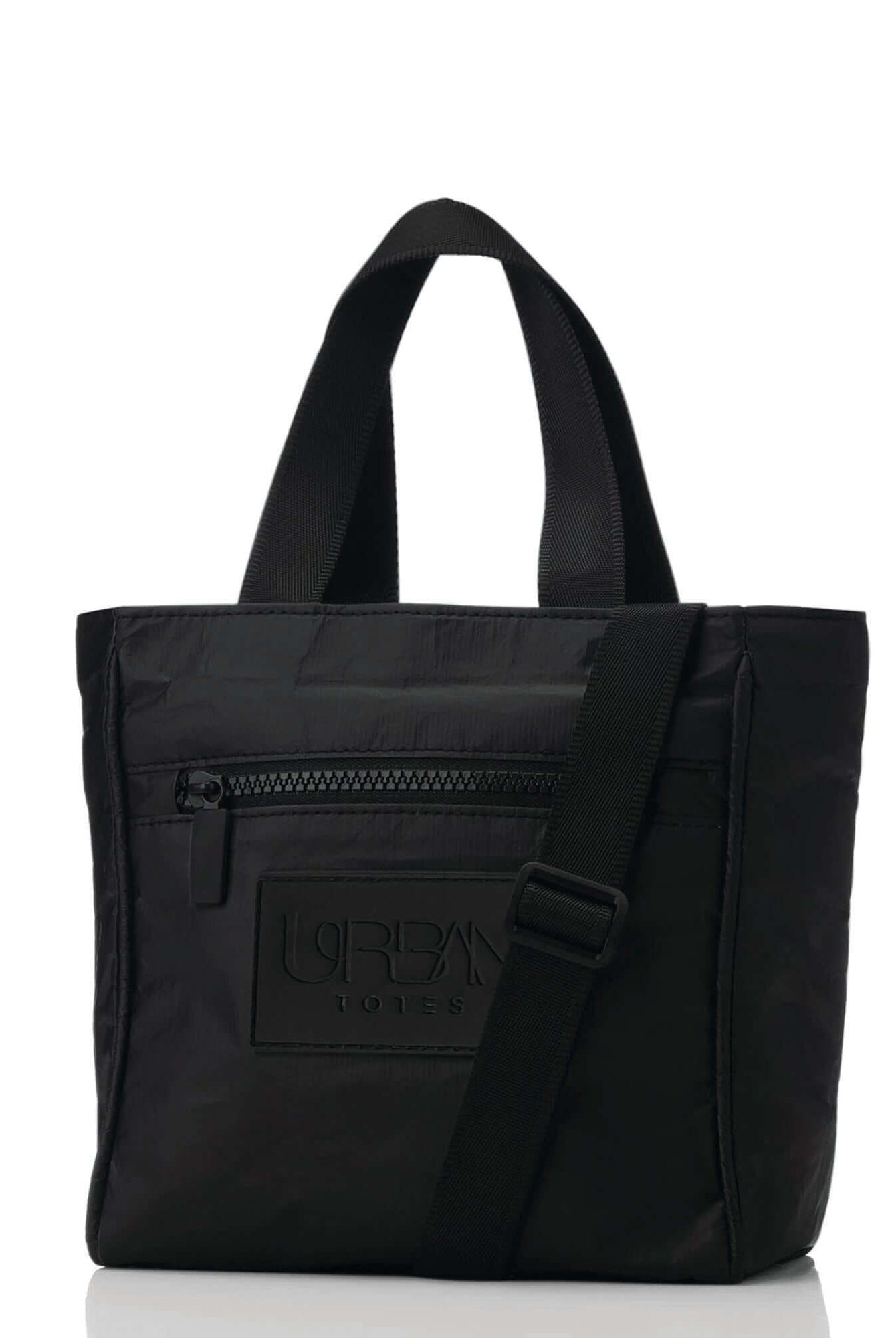
You know the feeling. One hand has a coffee, the other is fishing for keys, and your bag is sliding off your shoulder while you're halfway through a school drop-off, a train platform, or an airport line that never seems to move. A convertible travel backpack exists for days like that, when you need one bag to shift with you instead of making you stop and repack your life.
For women who move between work, errands, travel, and family logistics, that flexibility isn't a cute extra. It's the difference between a bag that looks good on a hanger and one that keeps up. A good convertible design can soften the small daily friction of changing plans, and the category is growing because more people want bags that switch between shoulder, tote, and backpack carry modes for commuting, weekend travel, and everyday carry. The broader market picture backs that up, with one report valuing the convertible backpack tote market at $1.25 billion in 2024 and projecting $2.87 billion by 2033 at a 9.5% CAGR from 2025 to 2033, while a separate report on convertible bags & totes forecasts 20.7% CAGR from 2025 to 2033. ResearchIntelo's market report shows how much demand is building around practical, multi-use carry.
Table of Contents
- Why One Bag That Does More Just Makes Sense
- What Makes a Travel Backpack Convertible
- The Main Types of Convertible Travel Backpacks
- Seven Features That Actually Matter When You Compare Bags
- Matching a Convertible Backpack to Real Days
- Packing, Care, and Keeping Your Bag Working Like New
- Finding the Convertible Bag That Fits Your Life
Why One Bag That Does More Just Makes Sense
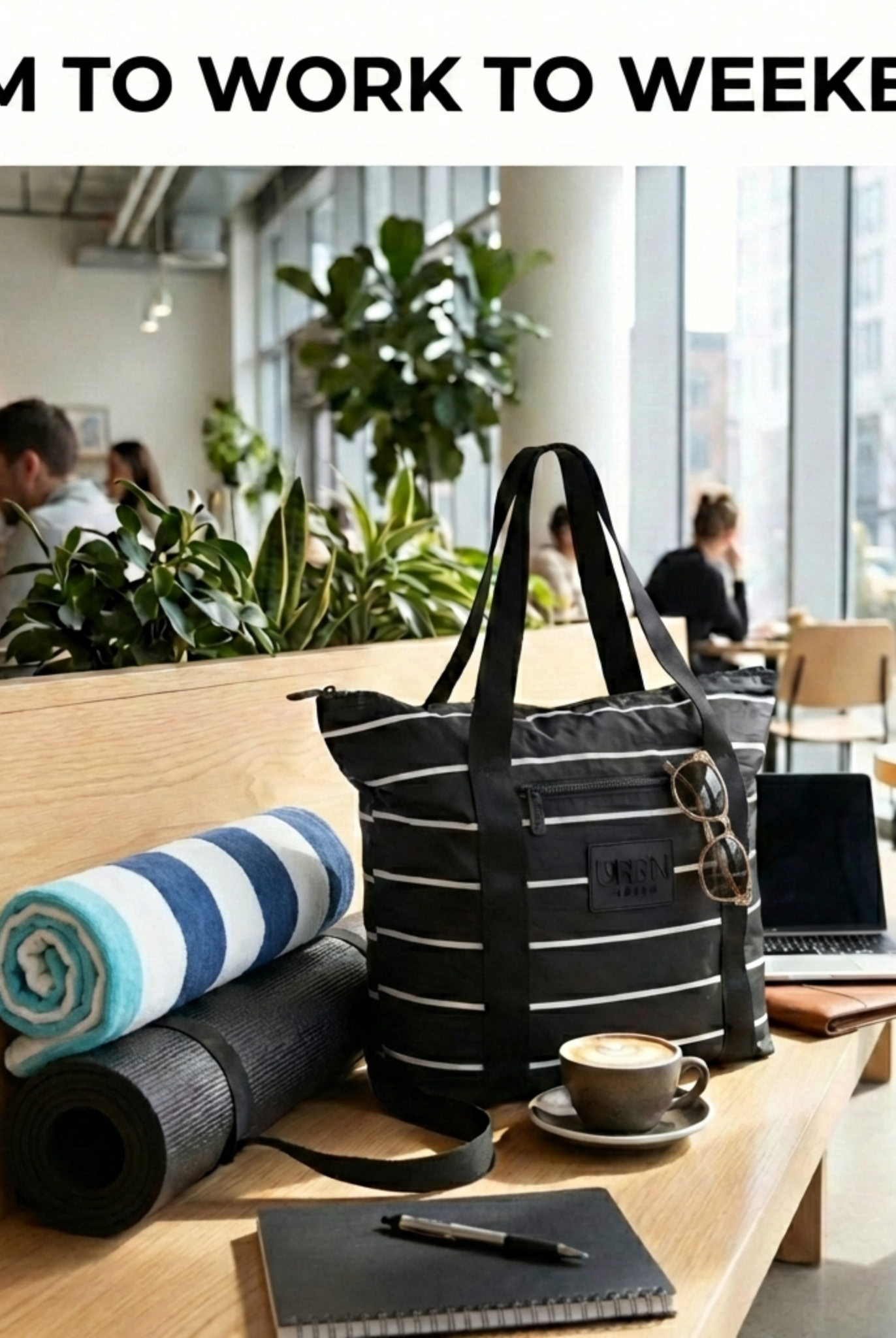
The clearest case for a convertible travel backpack shows up in an ordinary day that keeps changing shape. You leave with a tote for work, stop for coffee, help with school drop-off, and then realize the same bag needs to handle an airport hallway on Friday and a gym bench on Saturday. Each switch usually means another bag, another strap, and another moment of standing there with your hands full.
A convertible bag cuts down that handoff. Instead of packing for every stop as if it were a separate trip, you carry one bag that can shift from shoulder carry to backpack carry or hand-carry as the day changes. That matters because the core issue is rarely storage alone, it is how quickly the bag gets out of your way when your plans change. If you want a simple place to start thinking about what belongs in a carry system like this, Urban Totes' everyday carry bag essentials is a useful reference point.
Why the conversion matters in real life
The main benefit is less repacking. If a bag switches modes quickly, you do not need to unload it in the car before a train ride or sort it again in a hotel lobby before heading back out. That kind of pause matters for commuters, moms, weekend travelers, and anyone trying to move through the day without doing bag surgery in public.
A good convertible bag works like a chair that adjusts without making you stand up and reset the whole room. The bag stays packed, the weight shifts, and your body changes how it carries the load. What matters is not just that the option exists, but whether the switch feels fast enough to use when you are already late, already juggling coffee, or already corralling a child and a boarding pass.
Practical rule: if a bag cannot change modes quickly enough for the pace of your day, the extra features will not help much.
A lot of modern carry gear is moving in this direction. In the broader travel bag market, backpacks already account for 52.02% of luggage market revenue in 2025, which shows how common backpack-style carry already is for travelers. The same market research says the travel bag market was $24.0 billion in 2023 and is projected to reach $48.3 billion by 2033 at a 7.3% CAGR, so demand for travel-ready bags that adapt instead of staying fixed keeps growing. Allied Market Research's travel bags report helps explain why people keep reaching for bags that can change with the day.
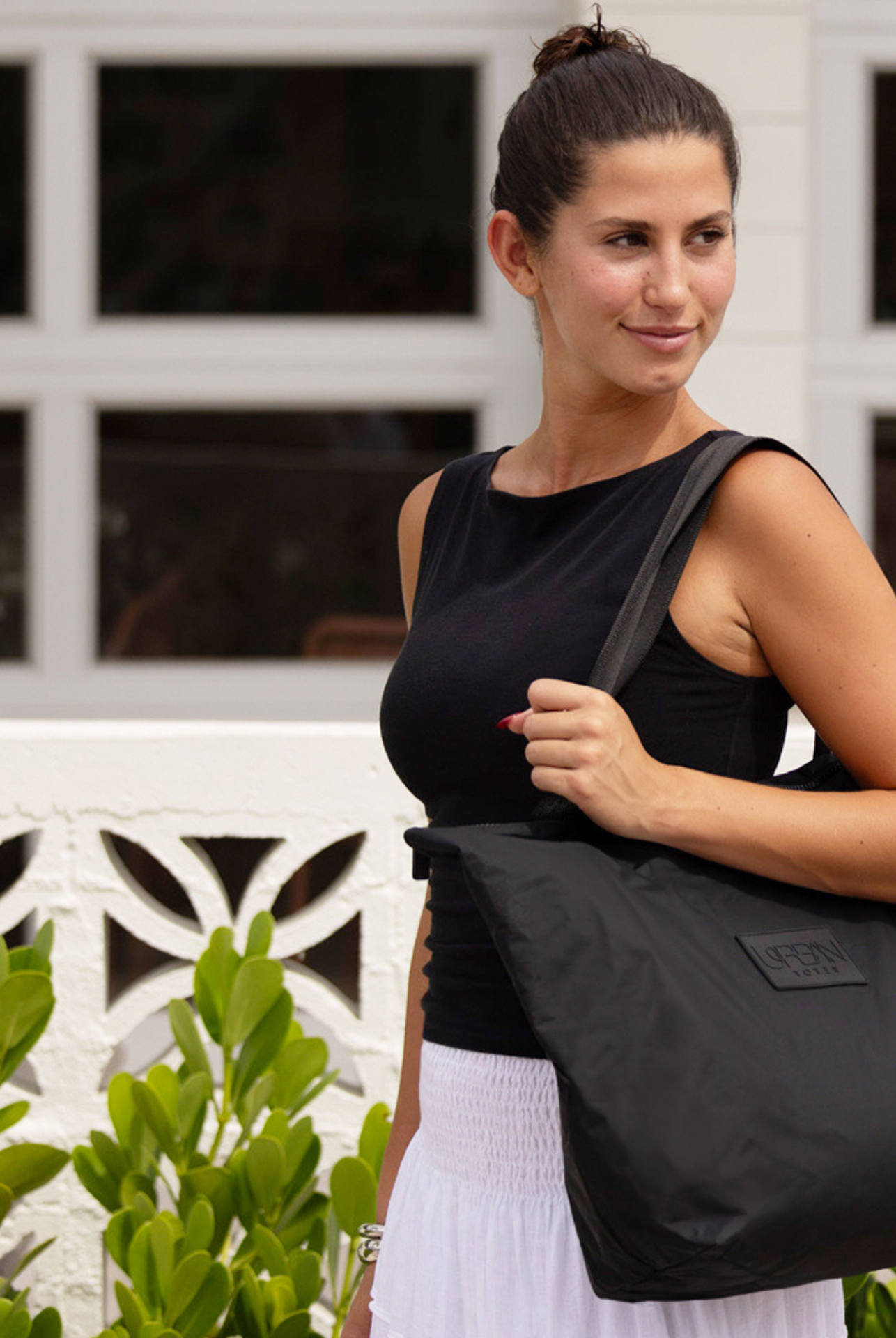
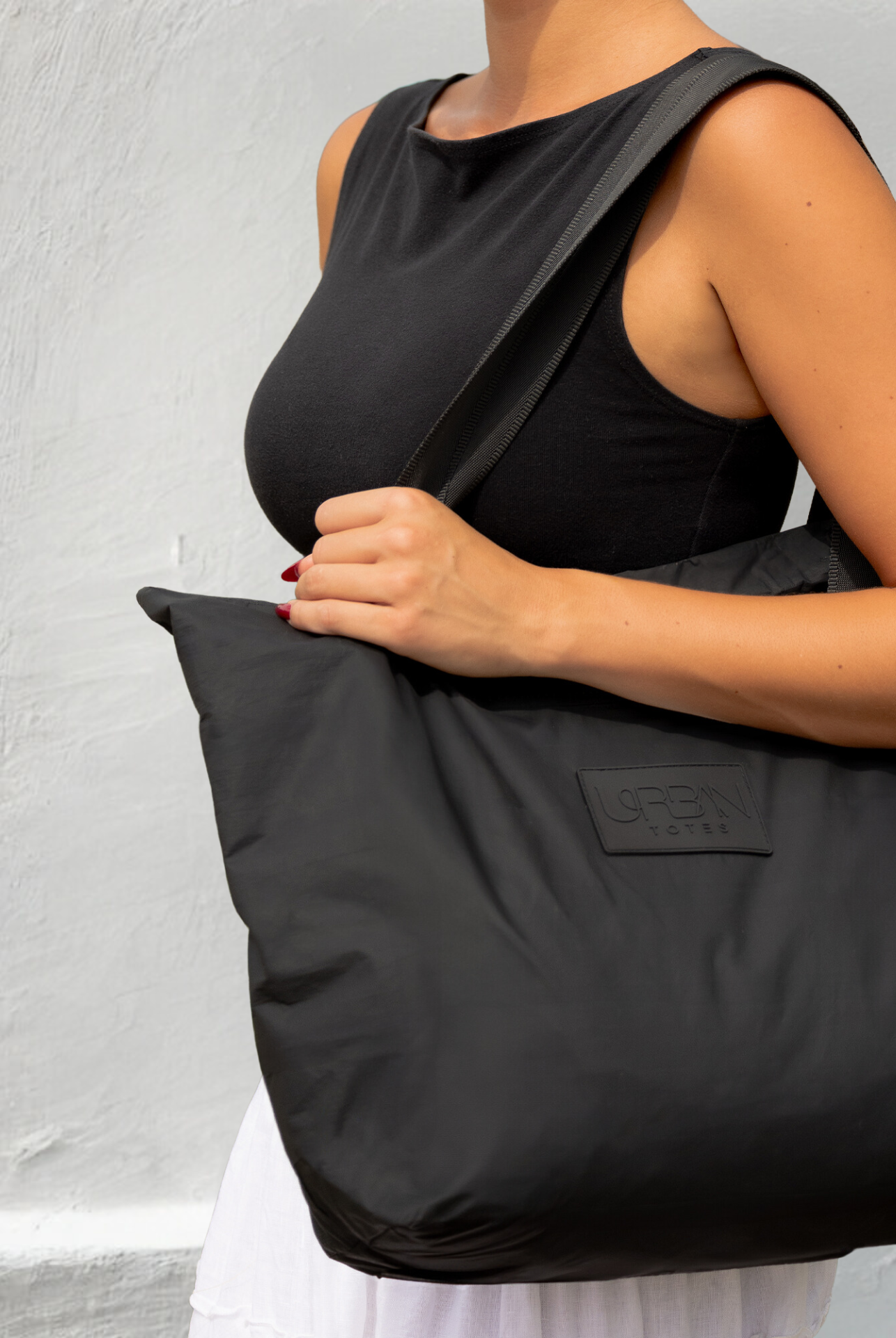
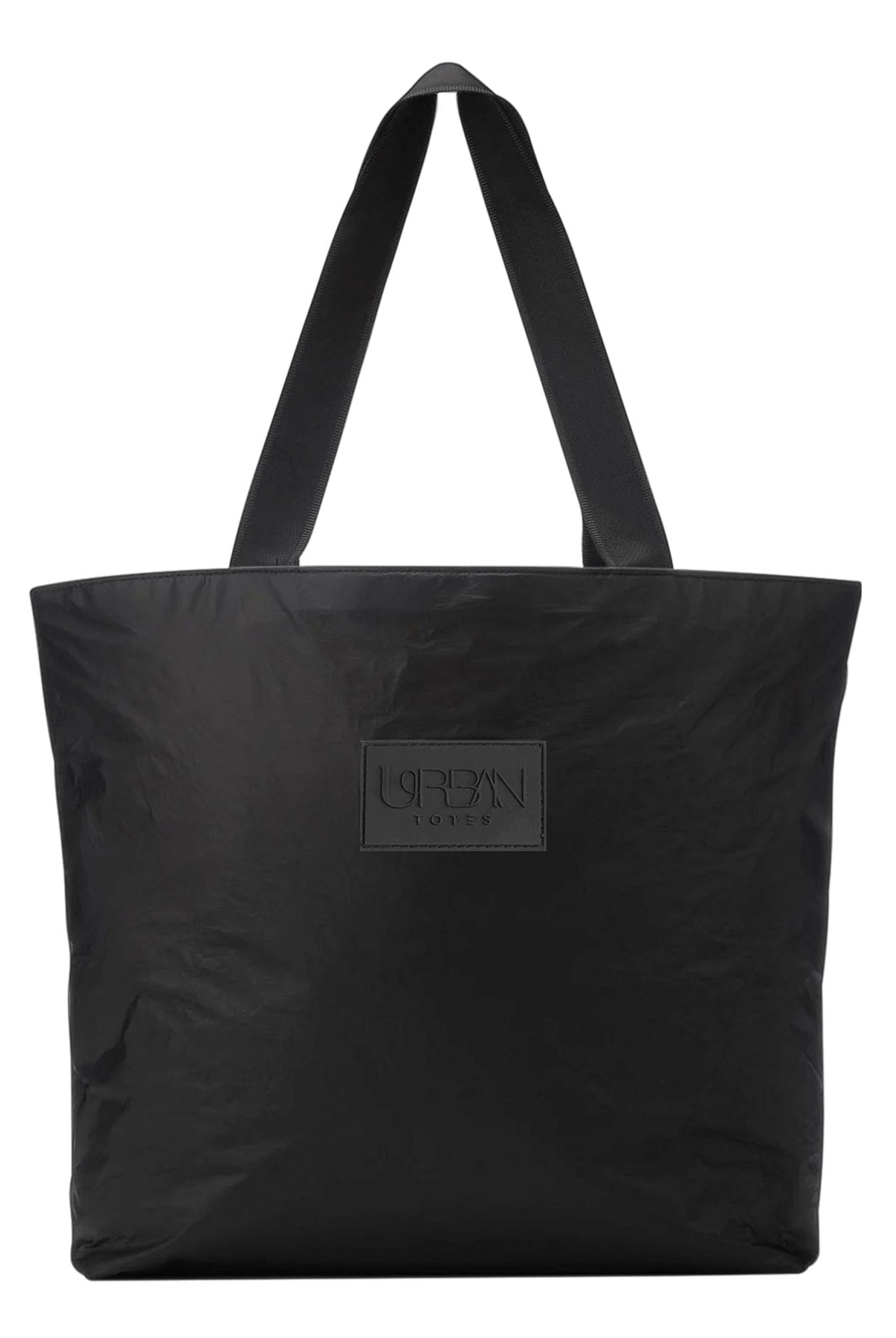
That is also where Urban Totes makes sense as a design example. A bag that is meant to convert should not ask you to wrestle with straps or stop and reorganize your load every time you leave one setting and enter another. It should make the switch feel quick, steady, and natural, the way a well-placed grab handle or an easy shoulder strap does when you are crossing a terminal or heading in from the car at school drop-off.
For anyone balancing weekday errands with weekend plans, that is the main appeal. A convertible bag does more than carry your things, it reduces the number of decisions you have to make before you leave the house. That kind of relief is quiet, but on busy days, it is the part you notice first.
What Makes a Travel Backpack Convertible
A convertible travel backpack works because it changes carry styles without making you stop and fight the bag. That matters in real life. At an airport gate, in a train aisle, or when you are walking from the car into school drop-off, the switch has to feel quick and natural. A bag that only looks adaptable on paper is not doing much for you if the change takes two hands and a few minutes of fiddling.
The right design starts with an engineered strap system. That usually means the bag can move between backpack, shoulder or crossbody, and hand-carry setups through hardware that supports each carry mode cleanly. The goal is not just more options. The goal is a bag that fits the moment you are in, whether your load is light or you need to keep both hands free.
The mechanics that make the switch work
The small parts do a lot of heavy lifting here. Clip buckles, D-rings, hidden strap sleeves, and zip-away panels keep the bag from turning into a tangle when you change how you carry it. A well-designed system lets you shift the bag on your body without first reshuffling what is inside.

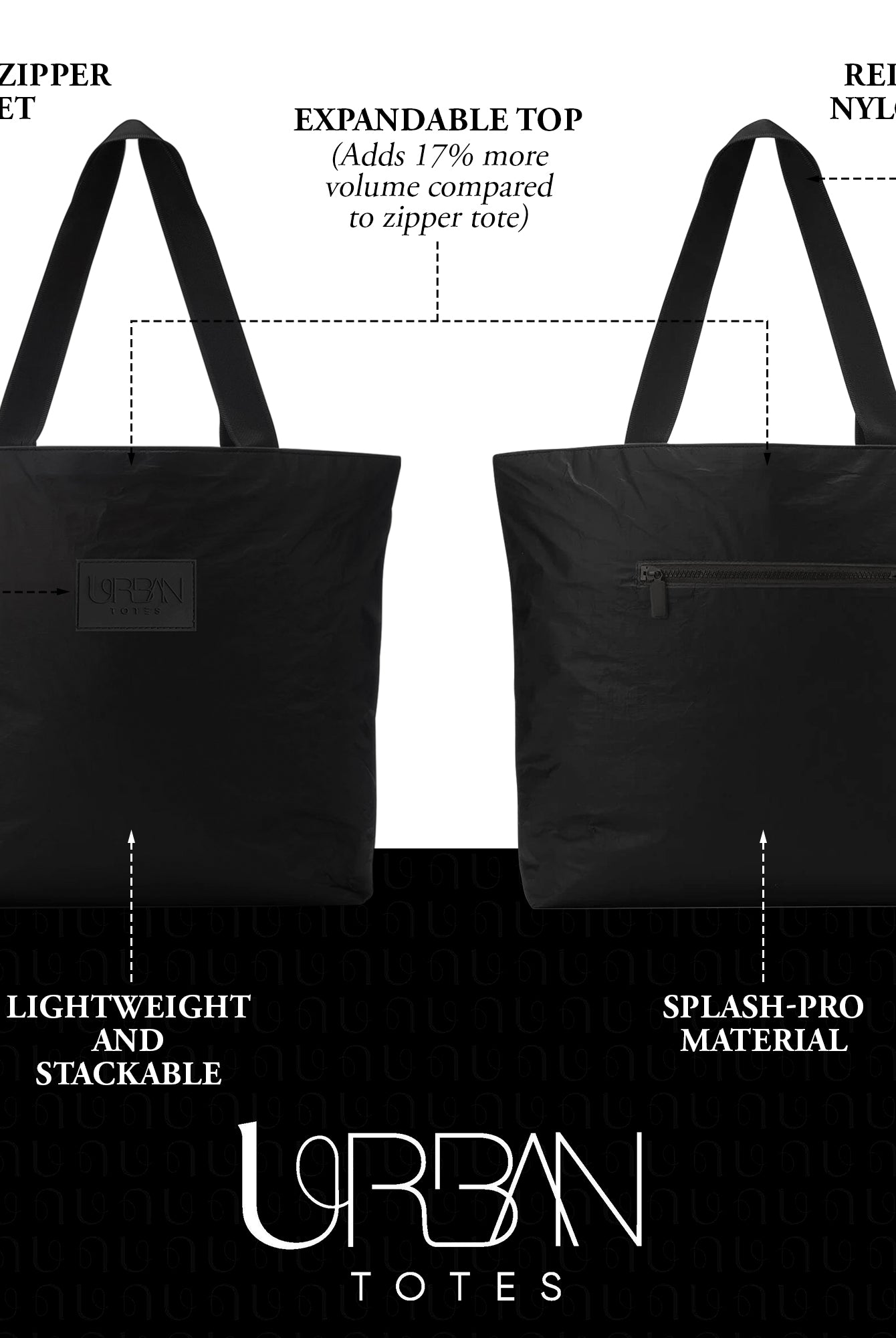
A useful way to judge a design is to ask how it handles motion. Can you move from one carry style to another while still keeping the bag organized, or do you have to pause, unzip, and rework the straps every time? Urban Totes points toward the first approach with details that support quick switching, like an adjustable shoulder strap that lets the bag sit correctly instead of pulling awkwardly on one side.
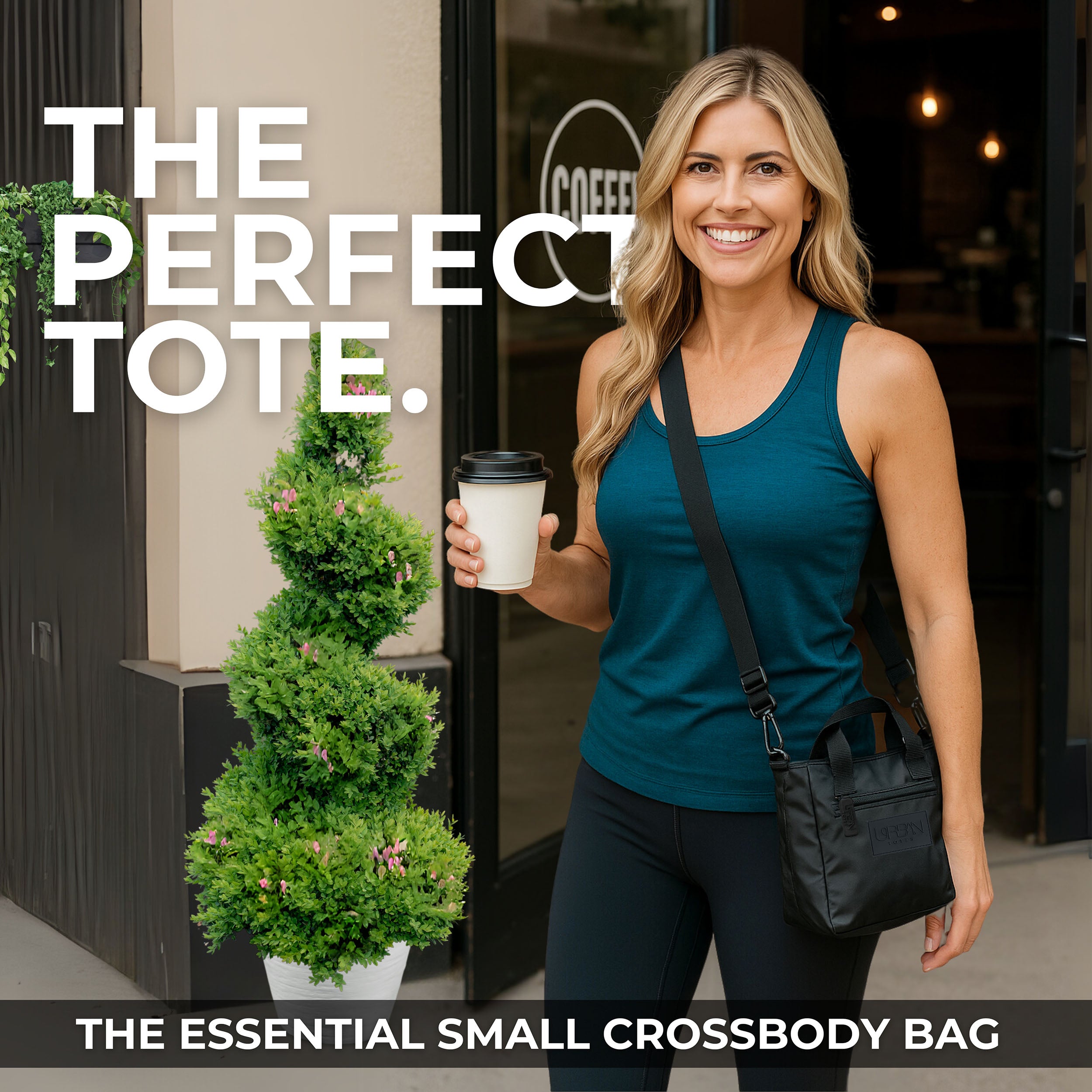
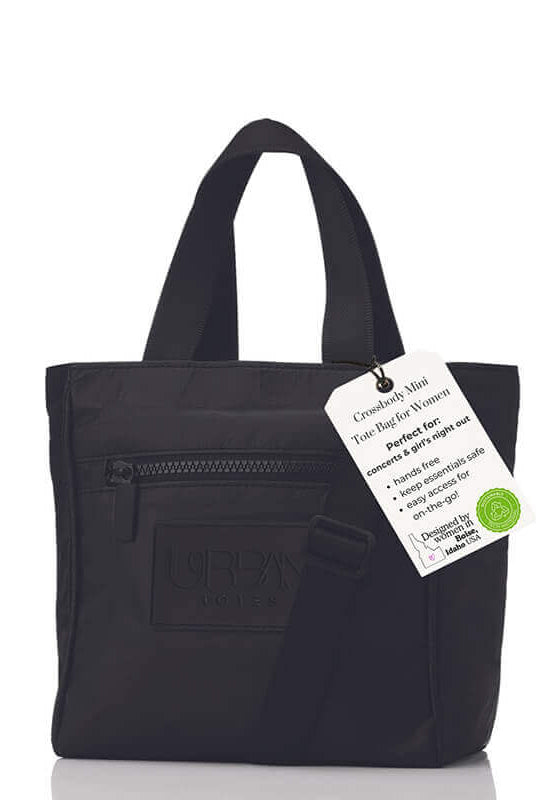
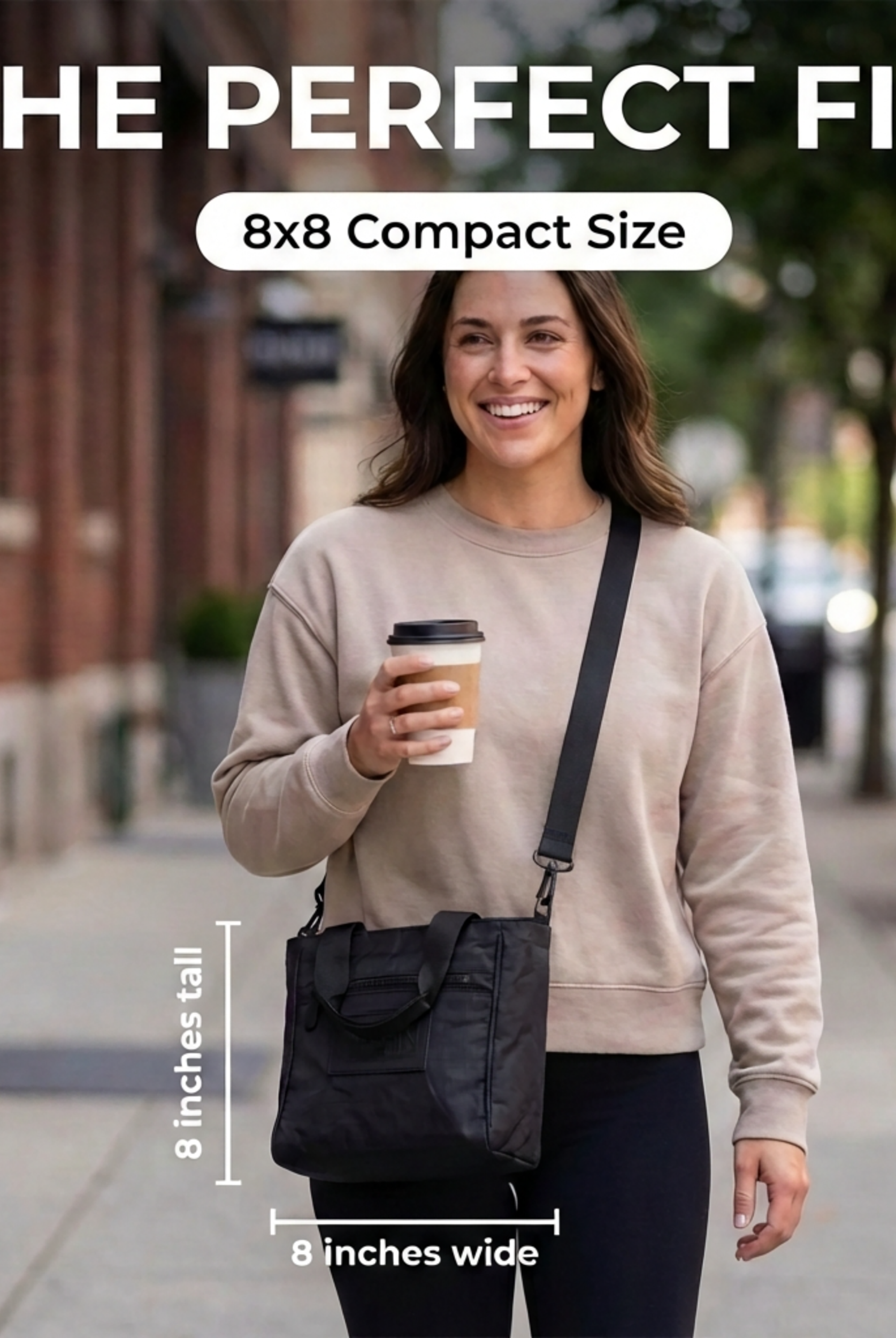
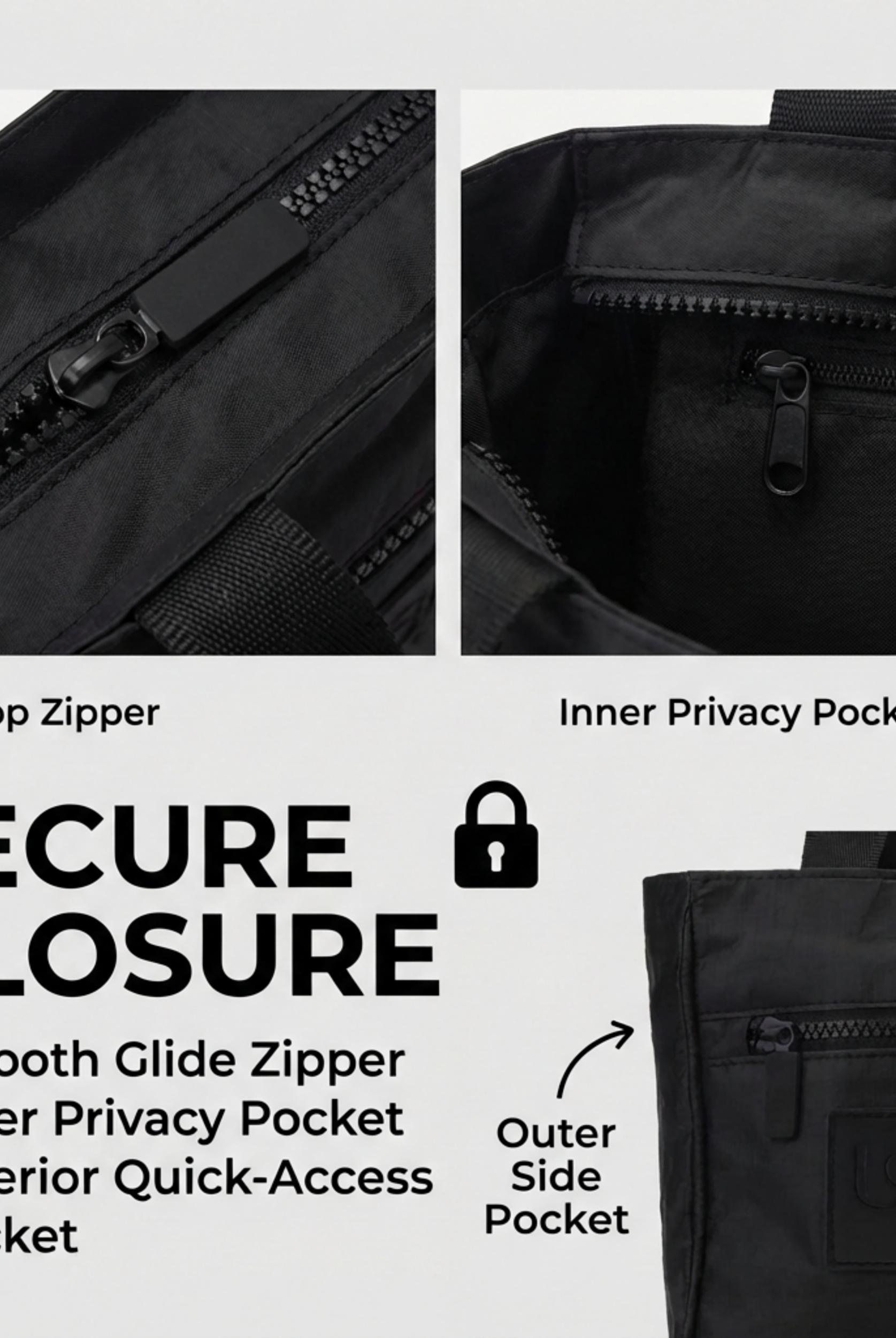
The same idea shows up in other convertible bags too. The Crossbody Tote Bag Mini Purse uses a zip-top closure, outside zipper pockets, a removable crossbody strap, and structured piping to help the bag keep its shape. It is a smaller format than a full travel backpack, but it still shows how conversion hardware and access details have to work together if the bag is going to feel useful instead of fussy.
The trade-offs you should expect
Convertible hardware adds connection points, and connection points add stress. That means durability depends on webbing strength, stitch reinforcement, and zipper quality as much as it depends on the shape of the bag itself. A bag can look versatile in photos and still feel awkward if the straps flop around, the weight lands badly on one shoulder, or the conversion takes too many steps.
A good conversion system feels invisible when you are using it. If you keep tucking, tightening, or redoing straps, the bag is asking you to do too much.
The cleanest systems are designed around motion first, styling second. That is the part people notice after a few real uses, because the difference shows up in your shoulders, your pace, and how often you have to stop. A convertible bag should save effort, not create a new routine every time you leave the house.
The Main Types of Convertible Travel Backpacks
A convertible travel backpack only feels useful if the switch matches the way you move. In an airport line, on a school drop-off, or while threading through a train station with coffee in one hand, the best design changes shape quickly and without a fight. That is the true test. The bag should save motion, not ask for extra steps every time you change how you carry it.
Tote to backpack for work and everyday errands
This style fits the person who moves between polished and practical in the same day. It can read like a tote at a meeting or a market run, then shift into backpack mode when both hands need to stay free for a stroller, groceries, or a laptop tucked into the rest of the load.
The appeal is speed. If the straps are easy to deploy and just as easy to hide again, the bag feels natural in a busy routine. If the conversion takes too long, it starts to feel like a project instead of a bag.
Duffel to backpack for trips and gear
Duffel-to-backpack conversion works well when the load is soft, bulky, or a little messy. Weekend getaways, overnight stays, and gym runs all fit that pattern, because clothing and shoes often stack better in a roomy tube than in a rigid shape.
It also makes sense for people who pack in chunks rather than in neat categories. You can drop everything in, zip it up, and change carry modes when the walk gets longer than expected. The value here is not just extra carrying options, it is how quickly the bag adapts when your hands are full and your pace changes.
Crossbody to backpack for busy, hands-free days
Crossbody-to-backpack styles are useful when the bag needs to stay close to your body and out of the way. That matters in crowded concerts, downtown errands, or a transit commute where you want quick access without swinging the bag around every few minutes.
The smaller format often helps with that. A compact bag is easier to bring forward, open, and close while you are still moving, which is why this style can feel quicker in motion than a larger one. For a reference point on how bag categories are named and grouped, Urban Totes' detailed bag type glossary is useful when the labels start to blur.
The broader market reflects that same need for flexibility. ResearchIntelo's category report points to strong interest in the convertible backpack tote category, and the regional demand it describes lines up with dense urban travel routes where a bag has to be easy to carry, easy to store, and quick to switch. In that setting, speed matters as much as the carrying mode itself.

If you are trying to figure out which type fits your week, start with the scene you repeat most often. Maybe it is work to dinner, maybe it is travel days, or maybe it is errands that turn into transit hops and school pickups. That answer tells you more than a long list of modes ever will.
Seven Features That Actually Matter When You Compare Bags
Marketing pages love to pile on features, but the comparison comes down to a short list of questions. Will it fit your day? Will it stay comfortable? Will it keep your things organized when you're moving fast? If the answer is no, the bag is probably solving the wrong problem.
Size, compartments, and materials
Start with capacity and then look at how the bag uses that space. Independent review data shows convertible bags ranging from 14 L at 1 lb 10 oz to 24 L expandable to 40 L at 2 lb 9 oz, which gives you a sense of how much the shape can change depending on the design. Backpackies' convertible bag reviews also note fabrics like recycled mélange, ballistic nylon, high-density nylon, and antimicrobial polyester lining, and that material spread matters because it affects abrasion resistance and how the bag feels under daily use.
What to ask before you buy
- Will it fit my routine? If you're mostly carrying underseat items, the smaller range is easier to live with.
- Can I separate my stuff? Multiple compartments matter if you're splitting laptop, snacks, chargers, and a change of clothes.
- Does the hardware feel stable? If the straps or clips look flimsy, conversion friction shows up fast.
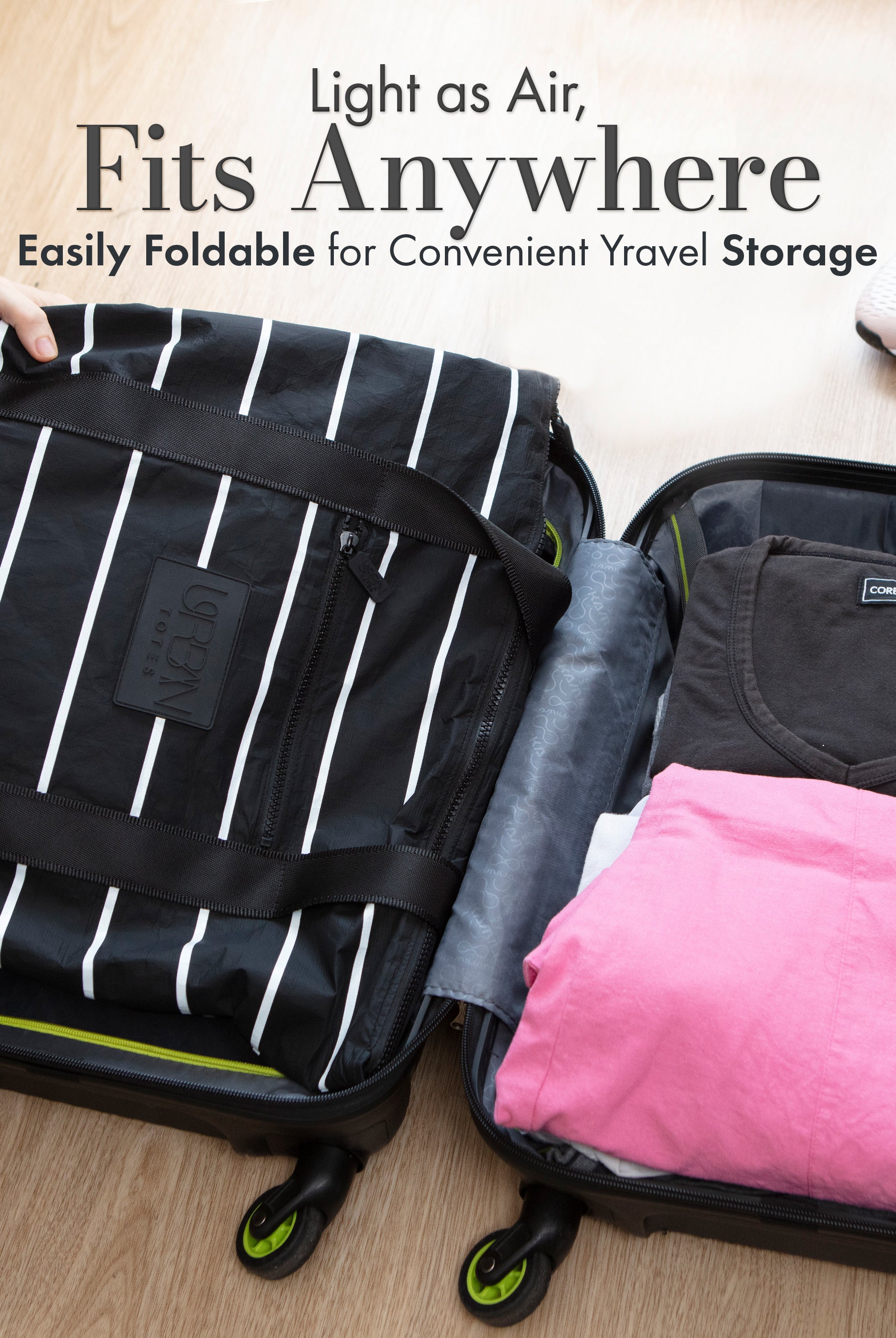
- Is the bag easy to stash? Packable designs are useful when you want a backup carry option.
Quick filter: if the bag can't separate clean items from activewear or tech, it's not really helping you simplify.
Security, weight, and packability
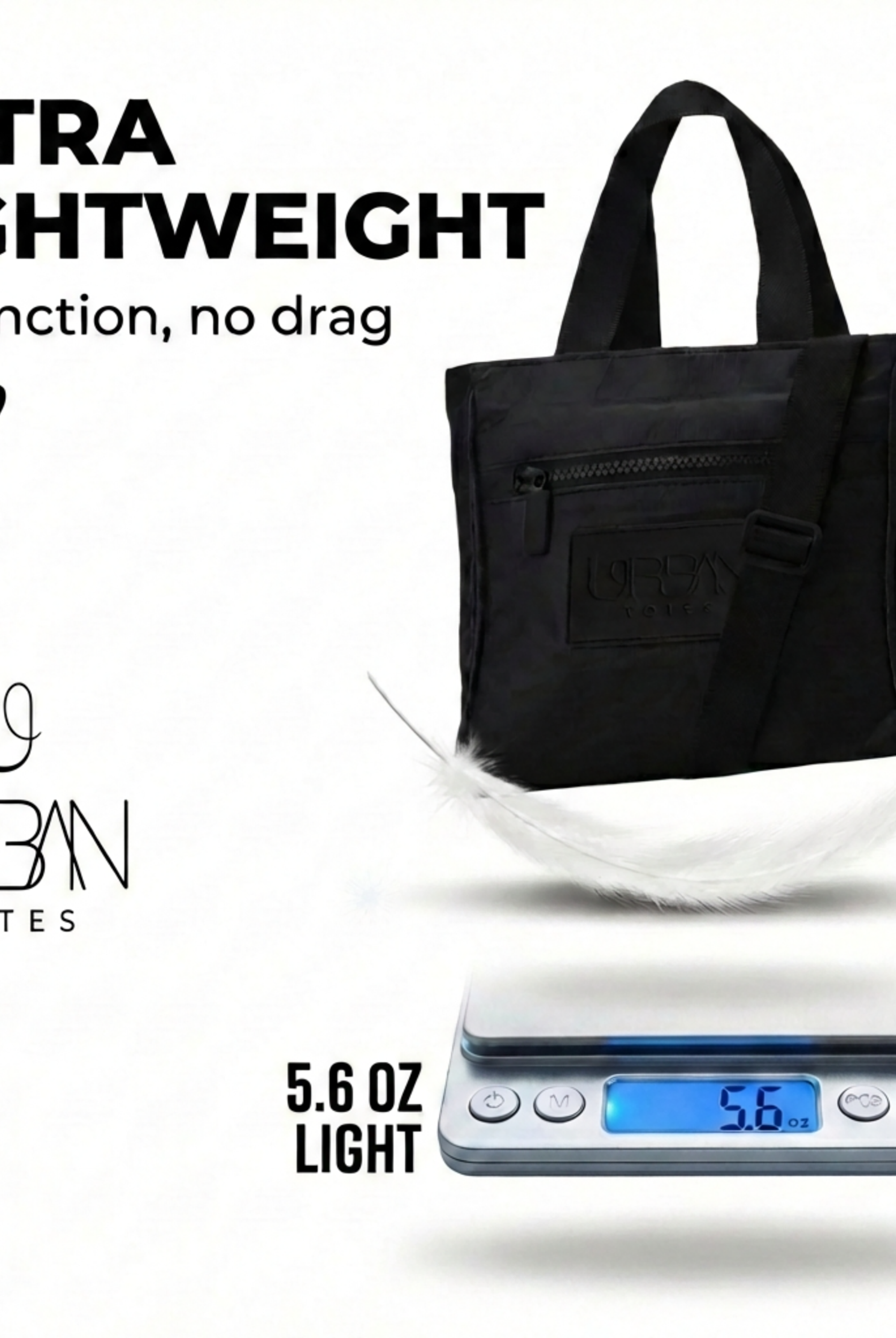
The rest of the checklist is just as practical. Look for zipper quality, hidden pockets, padded laptop sleeves, and water-resistant fabric. Then check the empty weight, because a bag that starts heavy doesn't get better once it's full. If you're comparing options, the question is not just what the bag holds, but what it feels like at 8 a.m. in an airport terminal or at 5 p.m. in a parking lot.
| Feature | What to Look For | Why It Matters |
|---|---|---|
| Size and capacity | A size that matches your usual day, not your rare overpack | Keeps the bag easy to carry and less likely to overwhelm you |
| Internal compartments | Separate pockets for tech, documents, and daily essentials | Reduces digging and keeps the bag organized |
| Materials and water resistance | Fabrics that suit travel and daily wear | Helps the bag handle messes and busy use |
| Strap comfort and hardware | Padded straps, secure clips, smooth conversion points | Makes switching carry modes less annoying |
| Security | Zipper closures, hidden pockets, strong closures | Helps keep essentials contained |
| Empty weight | A bag that feels manageable before you pack it | Prevents the bag from starting out tiring |
| Packability | A shape that can compress or stow easily | Useful for travel, backups, and storage |
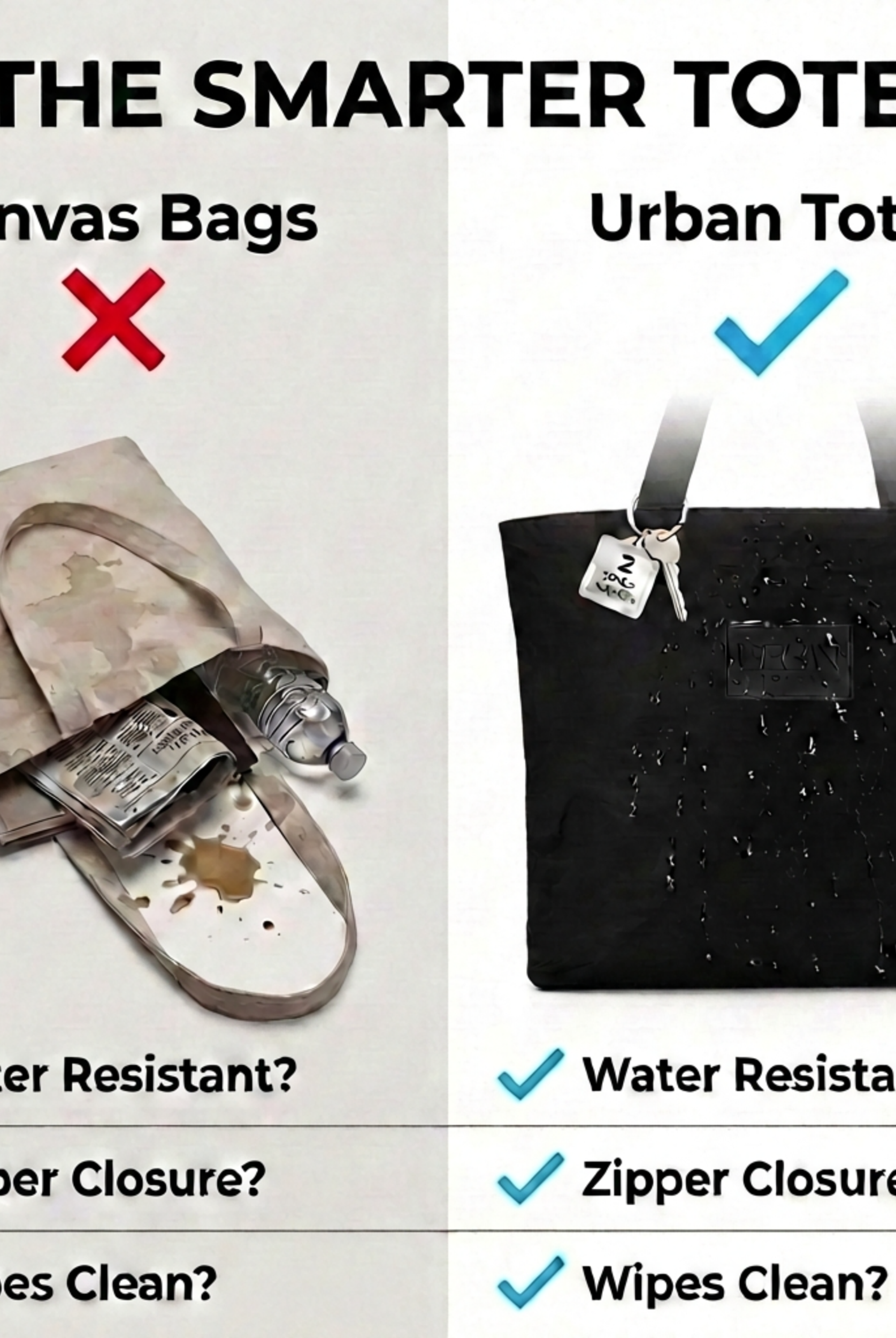
For one more practical language check, Urban Totes' guide to water resistance is worth reading if you've ever wondered what that label means in daily life. The short version is simple. A travel bag should be easy to carry, easy to organize, and easy to trust when the day turns messy.
Matching a Convertible Backpack to Real Days
A convertible bag only earns its place if it works in the moments you already live. That means looking at the ordinary scenes first, not the polished product photos. Commutes, flights, sweaty gym stops, and overnight stays are where the design either disappears into the day or becomes a nuisance.
Commute and city movement
For a commuter, the useful version is the bag that shifts from shoulder carry to backpack mode before you step onto the platform. That keeps your hands free for your phone, a coffee, or the door handle when you're weaving through a crowded bus stop. The image of a business traveler boarding a city bus fits that use case well, because the bag has to move with the body instead of dragging behind it.

Weekend flight and short-trip packing
On a flight, the bag has to do more than look neat. It needs to store travel documents, keep chargers easy to reach, and sit comfortably through the long airport shuffle from curb to gate. If you're planning to use in-flight connectivity or work while you travel, a good resource on portable wireless routers can help you think through the tech you might want to keep accessible in your carry-on.
Gym-to-errands and spontaneous overnight
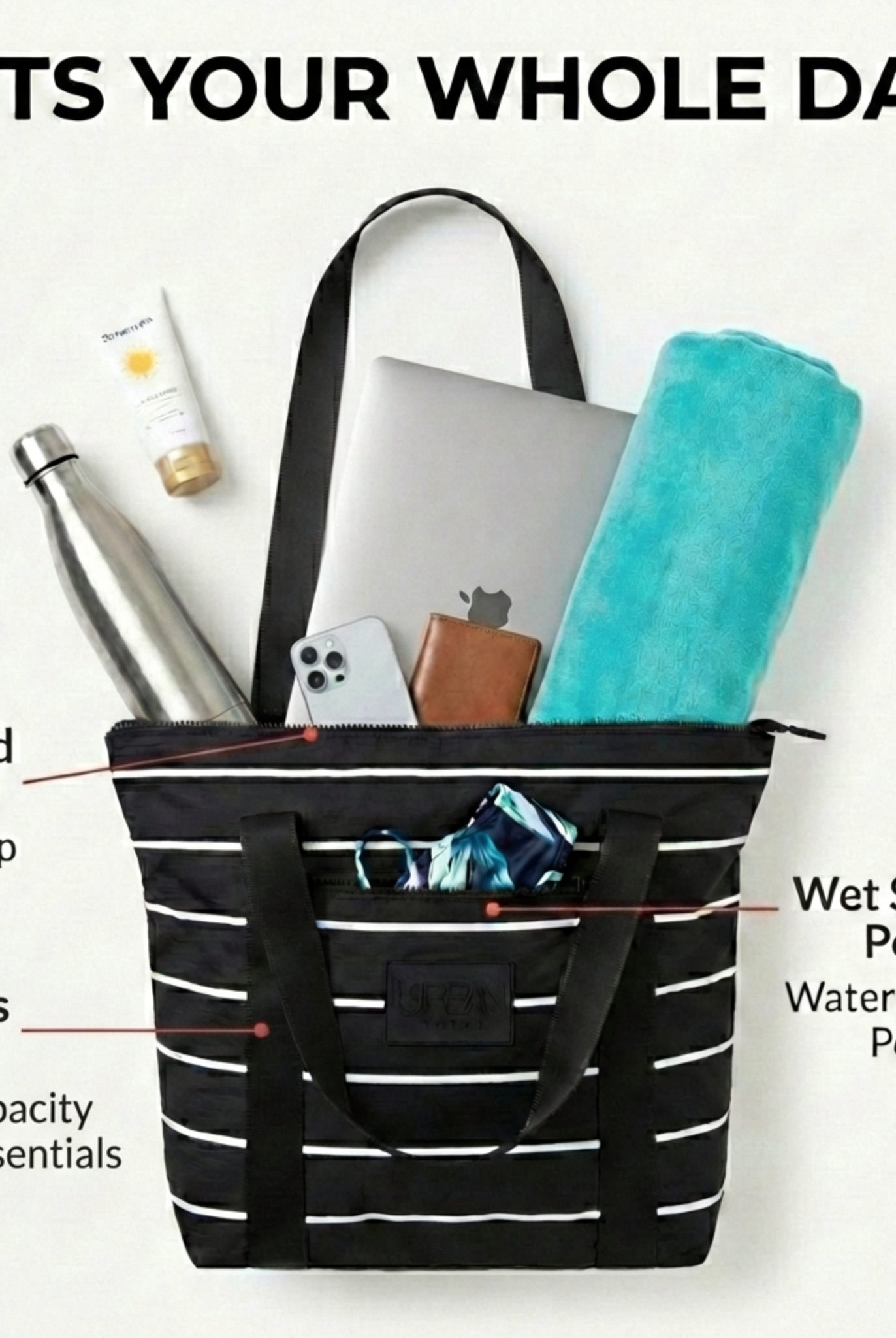
Organization matters most. A bag with large zippered compartments can keep clean clothes away from shoes or used gym gear, and lightweight construction helps the bag feel less like a burden when you're already carrying something else. If you're running from the gym to the grocery store, or leaving for an unplanned night away, the bag should move from one context to the next without making you empty it out on the front seat.
The broader travel-backpack market is also being shaped by the features people keep asking for. One market report says 59% of new launches in 2024 used sustainable or recycled fabrics, and 46% included smart tracking or USB-charging capabilities. Those numbers don't tell you how a bag will feel in your hand, but they do show where product design is heading. Allied Market Research's travel bags report makes the pattern clear.
A bag that works well across these scenes doesn't need to feel flashy. It just needs to stay organized, move easily, and avoid the little annoyances that slow you down.
Packing, Care, and Keeping Your Bag Working Like New
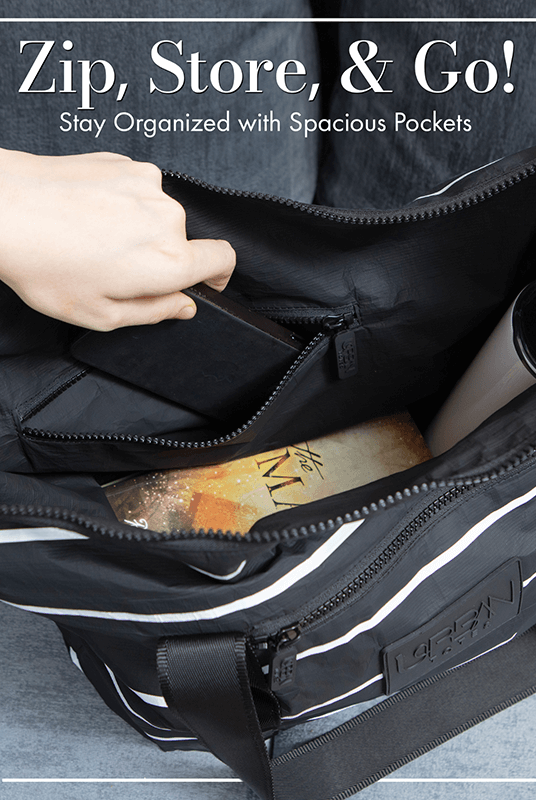
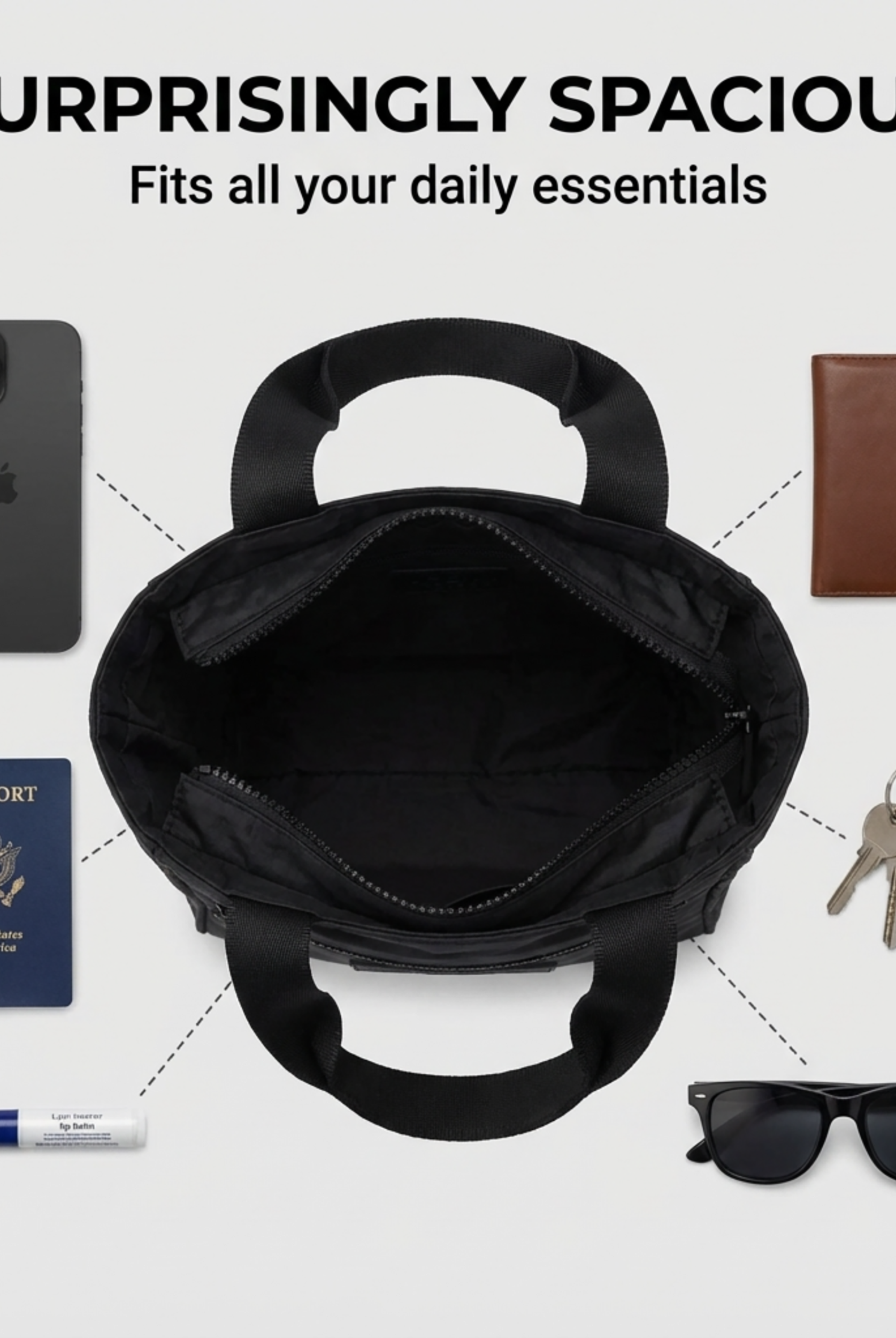
The easiest way to make a convertible bag feel good is to give everything a place. Start by dividing the bag into life zones. Put phone and keys in a quick-access pocket, laptop and charger in a padded sleeve, gym gear in a side or main compartment, and travel documents in the pocket that's easiest to reach without opening everything else.
A simple packing routine
That setup keeps you from digging through the bag every time you need one small item. It also makes conversion easier, because the bag stays balanced when the contents are already sorted by purpose instead of thrown in randomly. If you've ever spent five minutes hunting for a charger in a parking lot, you already know why this matters.
Care that keeps the shape and finish intact
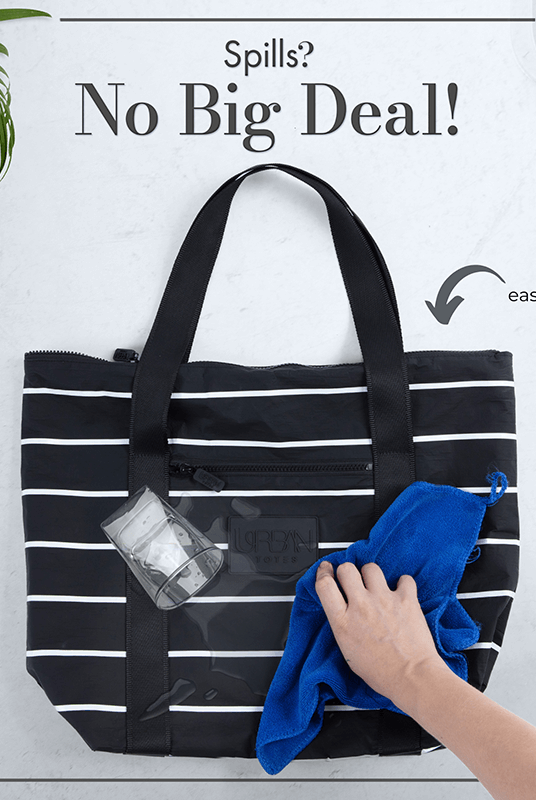
For fabric care, wipe down water-resistant material after messy use and let it dry fully before stowing it. If the bag is machine washable, use a gentle cycle and skip anything harsh so the structure and finish hold up longer. When you're flying, stow loose straps so they don't snag on handles, armrests, or conveyor belts.
Packing habit that saves time: if you can grab your passport, wallet, or keys without opening the entire bag, the interior is doing its job.
A simple care routine also helps the bag stay travel-ready after months of use. Urban Totes' maintenance guide is a good reminder that regular wiping and smart storage go a long way, especially for bags that get pulled into daily life instead of staying pristine in a closet.

The goal isn't perfection. It's a bag that still feels organized after a long week of transit, errands, and overstuffed mornings. When the inside has a system, the outside feels easier too.
Finding the Convertible Bag That Fits Your Life
The easiest decision rule is also the most honest one. Start with your most common day, pick the conversion style that matches it, and then compare bags by the features that will matter in motion. If your life is mostly school drop-offs, client meetings, or short travel hops, you'll want something that changes quickly and stays comfortable while you're moving.
Look for the details that support real use, not just the ones that sound impressive on a product page. Size, organization, strap comfort, security, and packability tell you more than a long list of modes ever will. The right bag should fade into the background once you've packed it, because you're already managing enough.
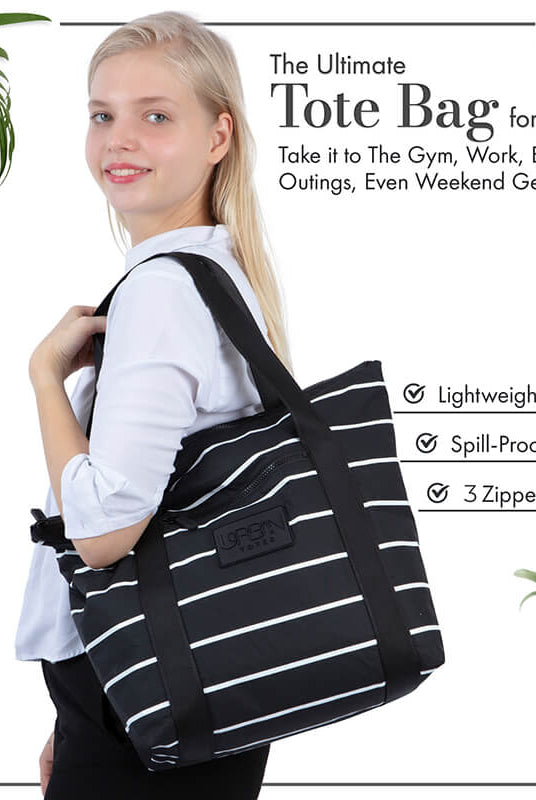
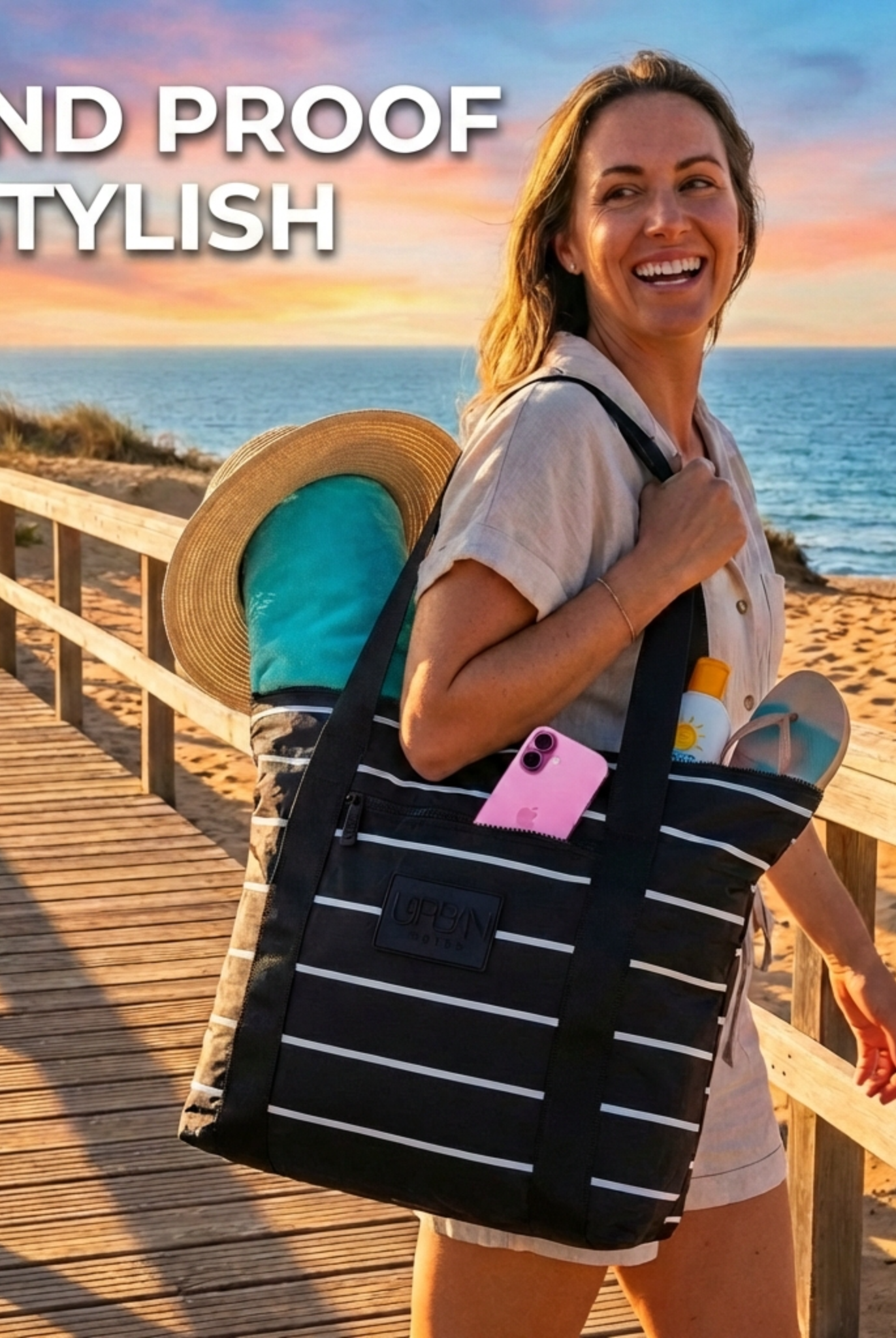
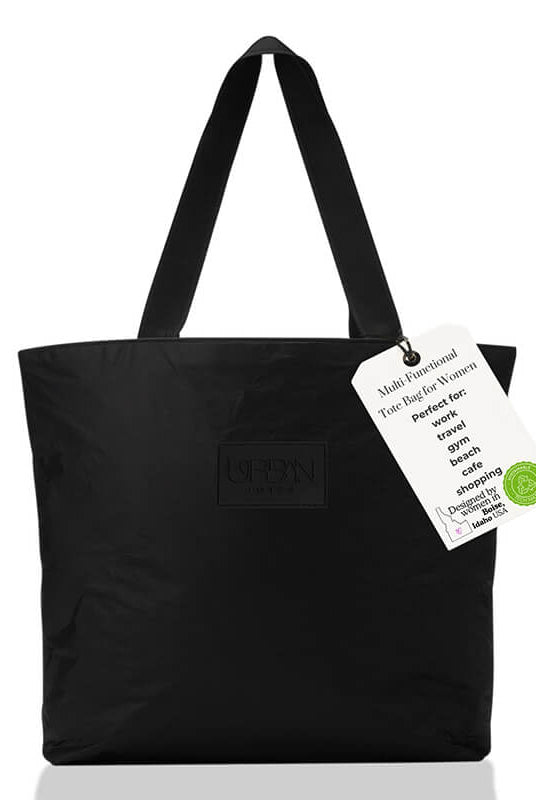
For shoppers who want a simpler starting point, a woman-owned bag brand like Urban Totes builds around that same everyday logic, with water-resistant, lightweight, packable, and thoughtfully designed carry options that fit commuting, errands, beach days, and travel. If you've been trying to replace three bags with one that keeps up, that's the kind of place to begin.
If you're ready for a bag that can move from school drop-off to airport gate to dinner out without making you repack your whole day, take a look at the collection at Urban Totes. You'll find go-anywhere carry with smart organization, secure zip closures, and the kind of everyday flexibility that makes busy days feel a little lighter. Shop the full lineup and choose the bag that fits your routine, not the other way around.