You're headed to the beach with too much in your hands already, a towel slipping off one arm, sunscreen rattling around in a pocket, and a phone that absolutely cannot get buried under wet flip-flops and sandy receipts. That's usually the moment people start searching for a clear beach bag, but the question is bigger than transparency. You need a bag that can handle sand, wet fabric, heat, a quick security check, and the rest of your day without turning into a soggy mess.
Table of Contents
- The Beach Bag Moment That Made You Start Searching
- What a Clear Beach Bag Actually Is
- Materials and Construction That Hold Up at the Beach
- Sizing, Compartments, and Closures That Work
- Visibility Versus Real Beach Functionality
- Stadium Rules, Airport Rules, and the Bag That Goes Everywhere
- Packing and Styling a Clear Beach Bag for a Real Day
- Your Clear Beach Bag Checklist and Final Word
The Beach Bag Moment That Made You Start Searching
The bag usually fails at the worst possible second. You're at the car, the beach chair is already in the back, one kid is asking where the goggles are, and your open tote has become a black hole for keys, lip balm, and a half-crushed granola bar. By the time you find the sunscreen, the bottom of the bag is already gritty with sand.
That's why the clear beach bag category keeps getting attention. It promises visibility, which sounds great until you realize the beach does not care about product-page aesthetics. The beach cares about whether your bag can separate wet from dry, wipe clean fast, and stay organized after a long, messy morning.
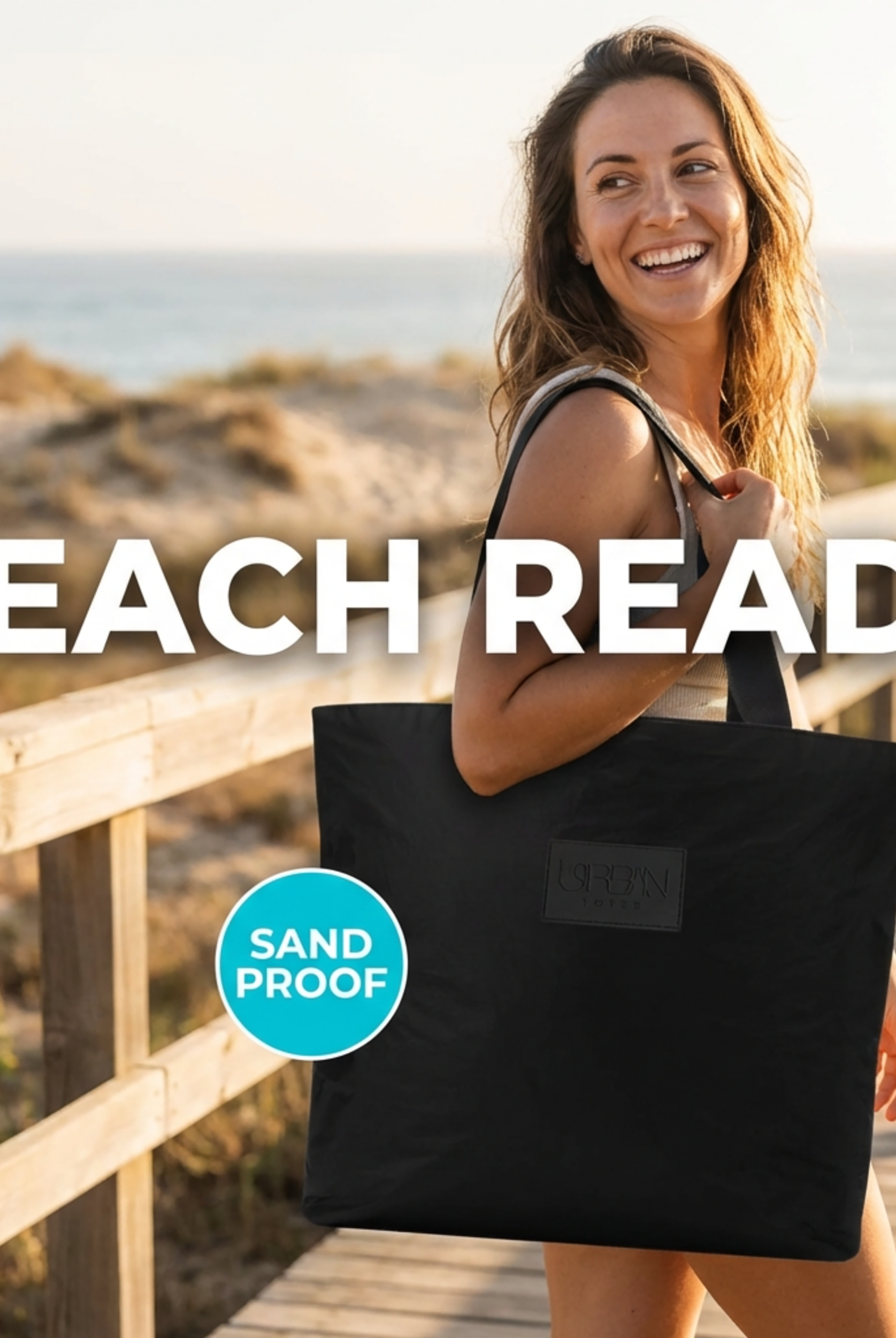
The mistake is shopping for “cute” first and practical second. A bag that looks fine in a flat lay can still fail the test, which is whether you can carry a damp towel, a water bottle, your phone, and the random extras every woman ends up hauling. Neutral beach-bag guidance puts more weight on sand resistance, water resistance, easy cleaning, and pockets than on transparency alone, and that's the right priority for everyday life (beach-bag organization advice).

Practical rule: If a bag can't survive wet swimsuits, sandy hands, and a fast lunch stop, it's not a beach bag. It's just a tote with a marketing photo.
If you've ever stood there juggling a child, a foam noodle, and a strap that keeps sliding off your shoulder, this guide is for you. The goal is to find the one bag that doesn't make the beach day harder.
What a Clear Beach Bag Actually Is
A clear beach bag is a category, not one product. It can be a fully transparent tote, a hybrid bag with clear panels and solid fabric, or a clear organizer that sits inside a larger carryall. You need to know which version you are looking at, because each one solves a different problem.
Start with the visibility question
A fully transparent bag gives you the most direct view of what's inside. That helps when you need to find your keys fast or move through a venue check without digging around. Clear-panel beach totes split the difference, giving you visibility without turning the whole bag into something that reads like stadium gear.
Clear organizers are the least showy option, and they are often the smartest. Put toiletries, sunscreen, hair ties, and small valuables into separate pouches, then drop them into a larger tote. You get the see-through convenience without forcing every item to sit in one exposed compartment.
Know what the bag is supposed to do
A beach bag has a real job list. It needs to hold towels, water bottles, sunscreen, a paperback, and all the little things that disappear the second you set them down. It also needs to handle sand, salt, and repeated flexing without falling apart at the seams.
That's why the details matter more than the trend label. Materials, closures, pockets, and structure decide whether the bag helps you or just looks good in a product shot. A solid reference point is this tote bag material guide from Urban Totes, which is useful for understanding how different materials behave when a bag needs to carry more than a few light items.
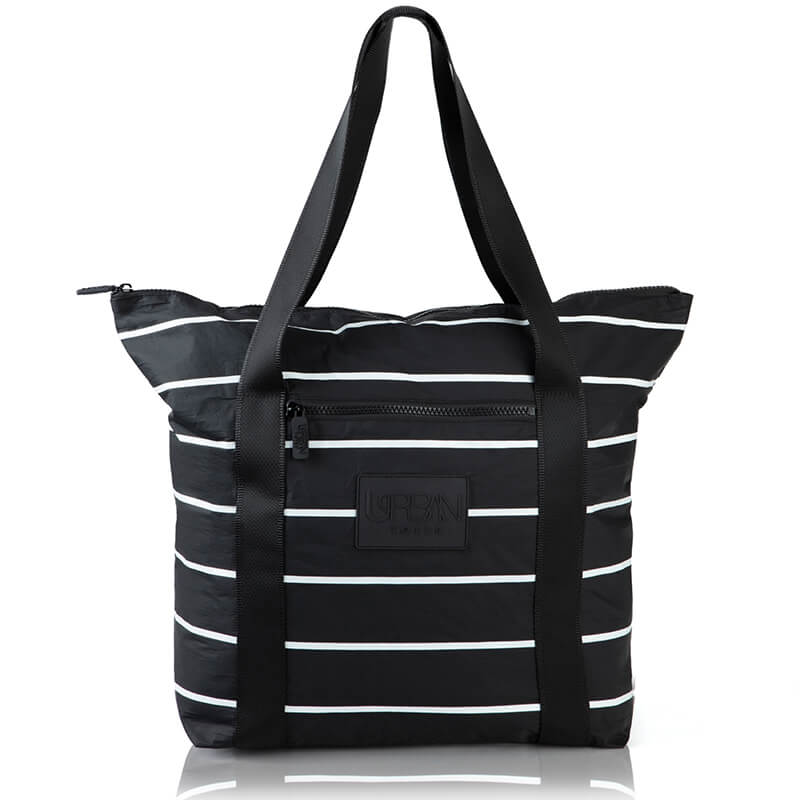
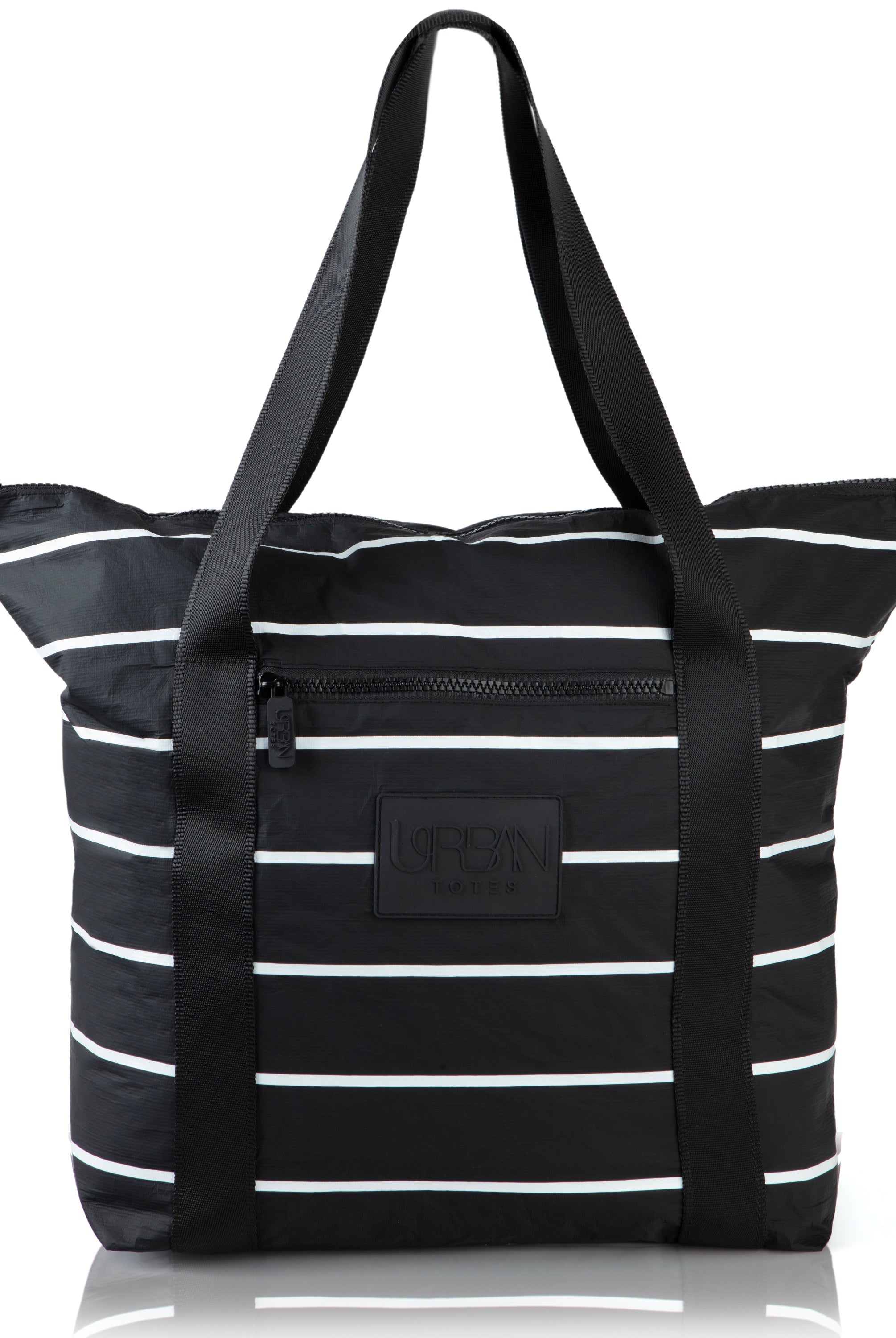
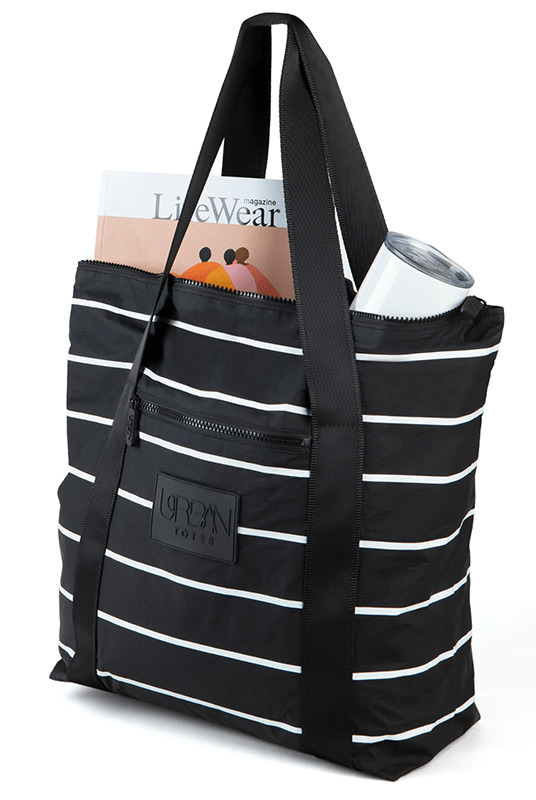
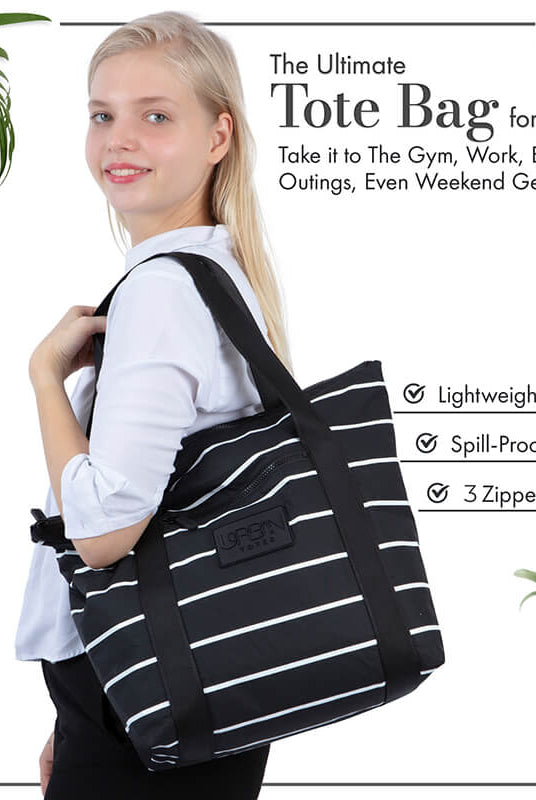
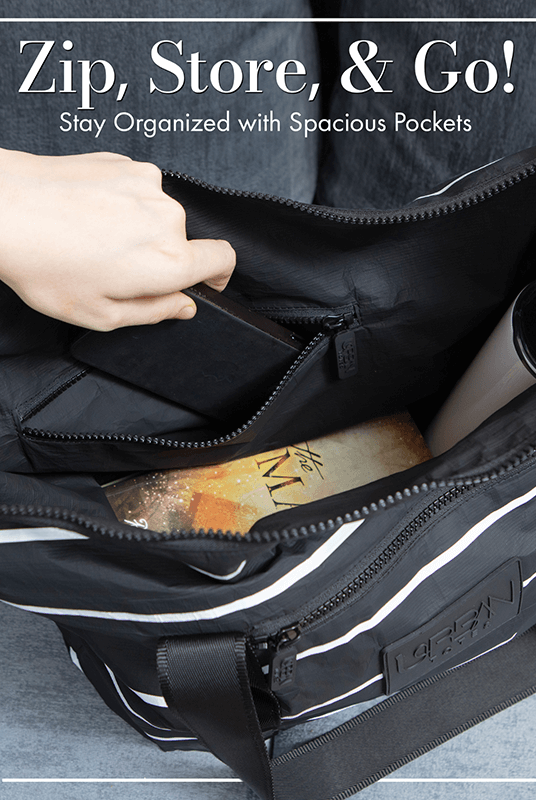
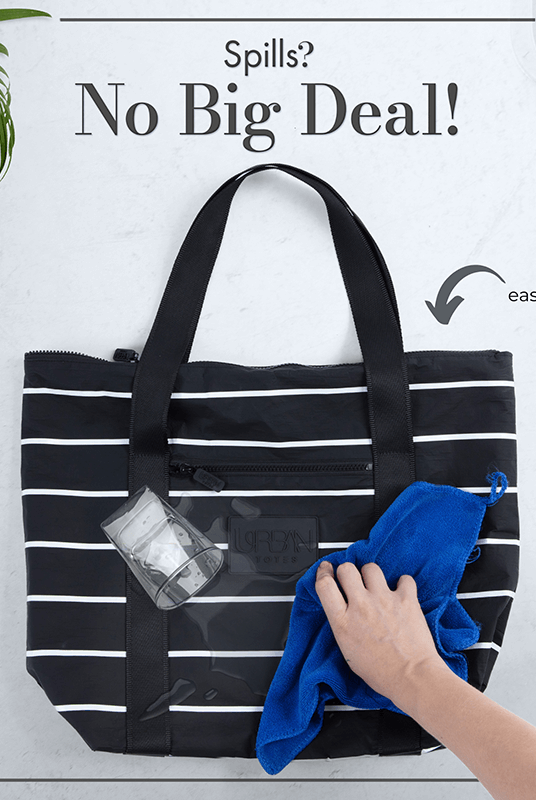
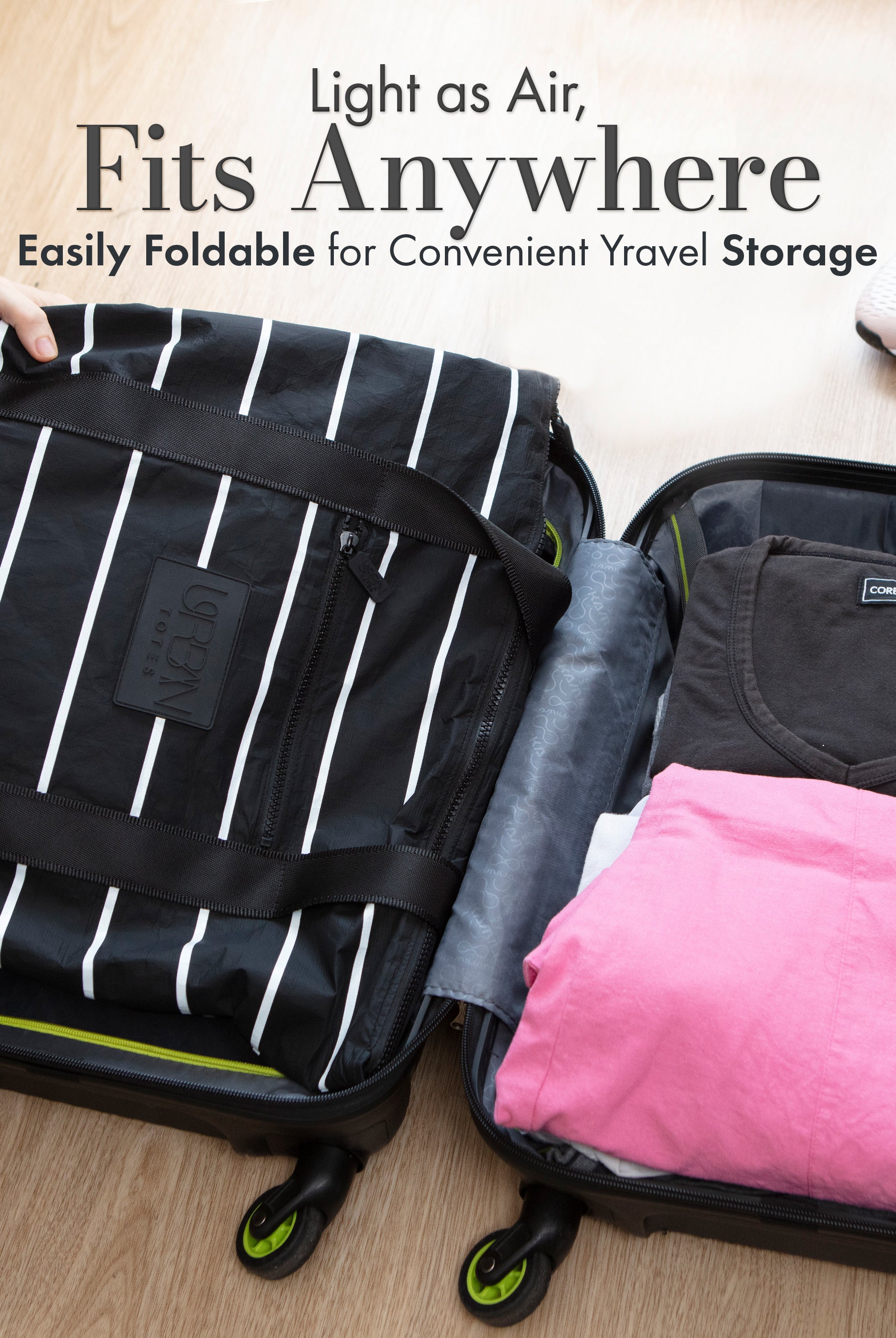
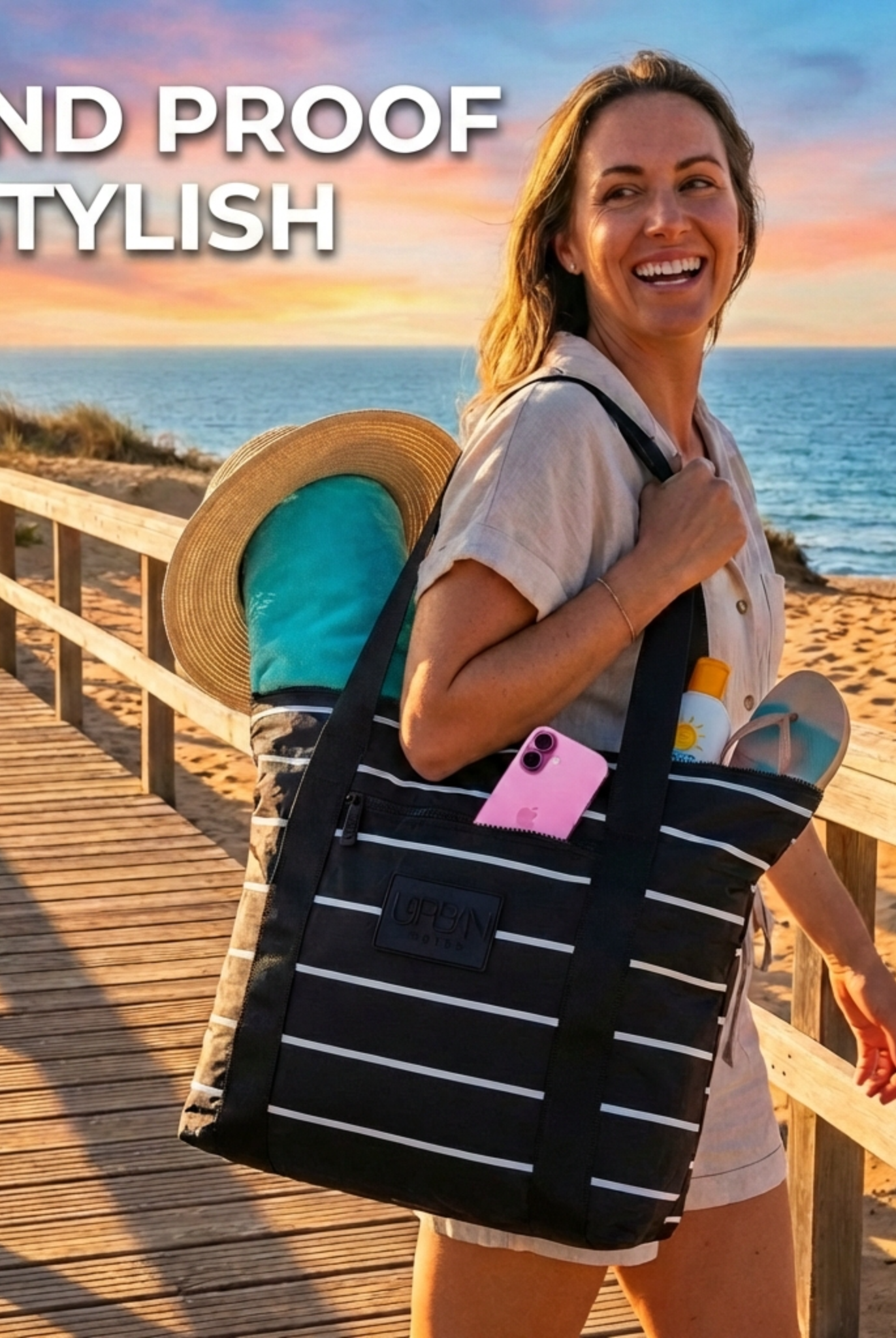
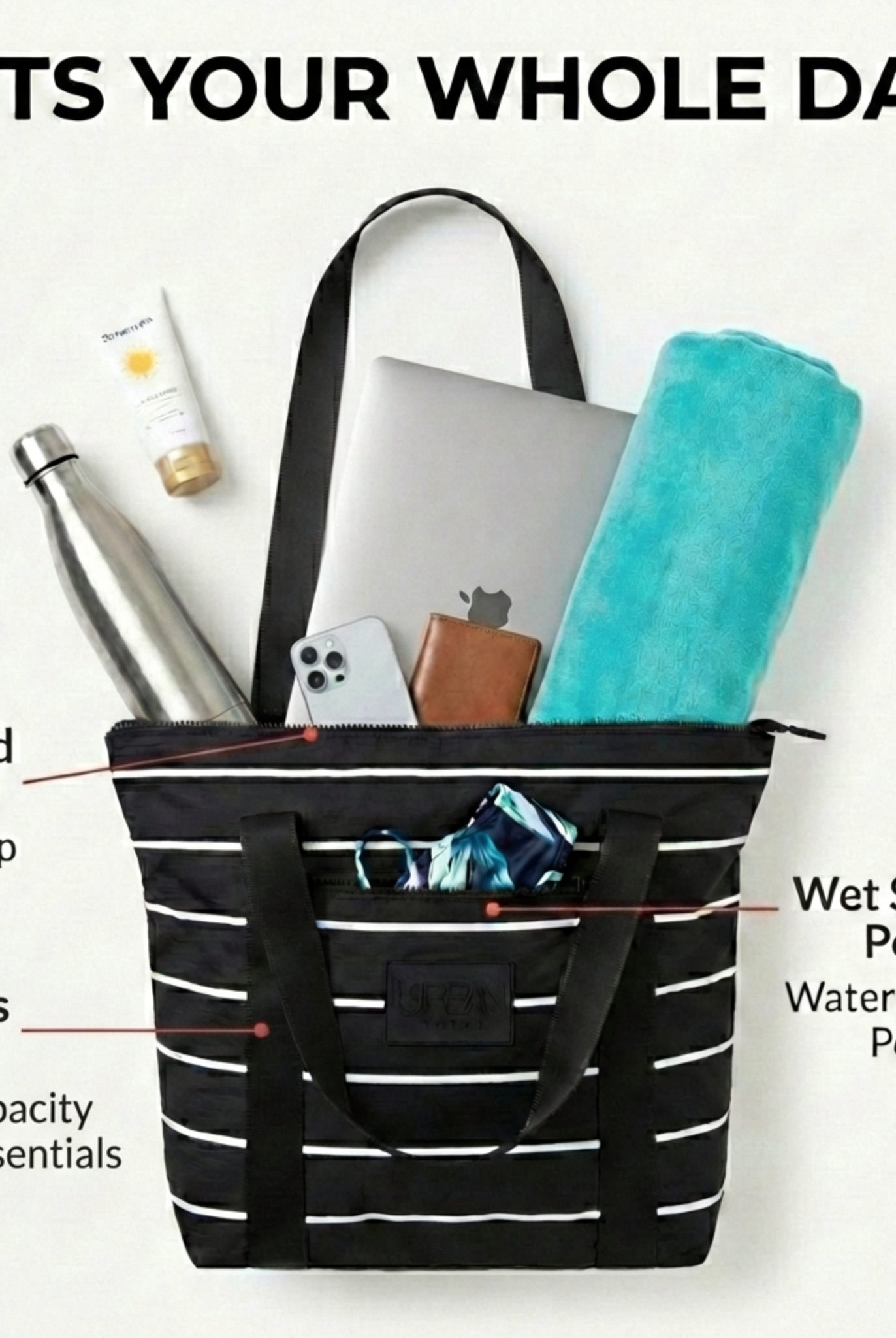
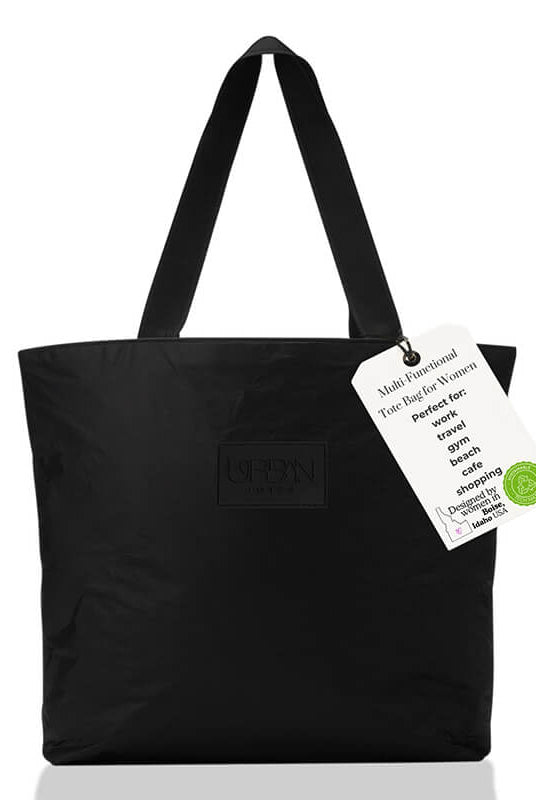
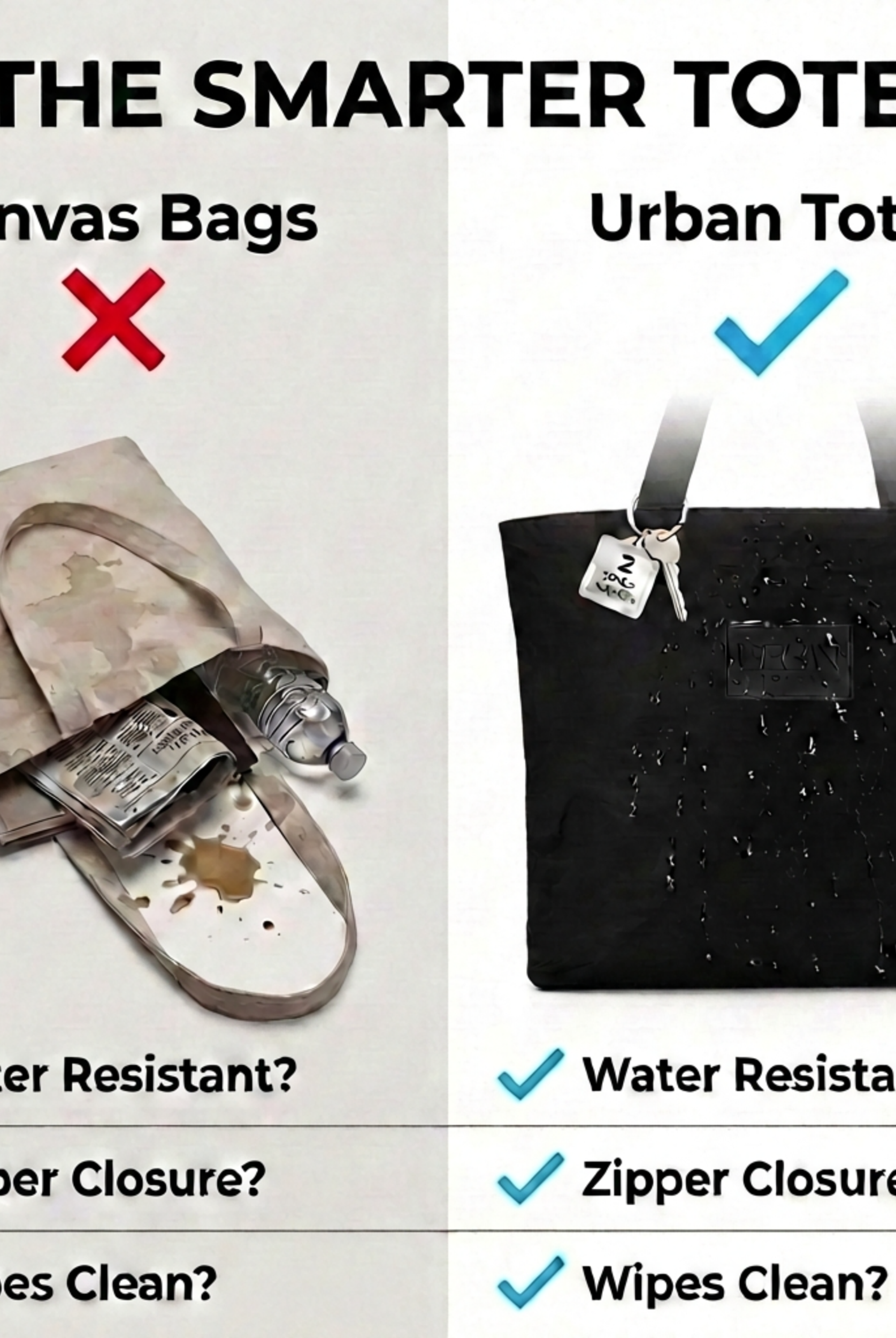
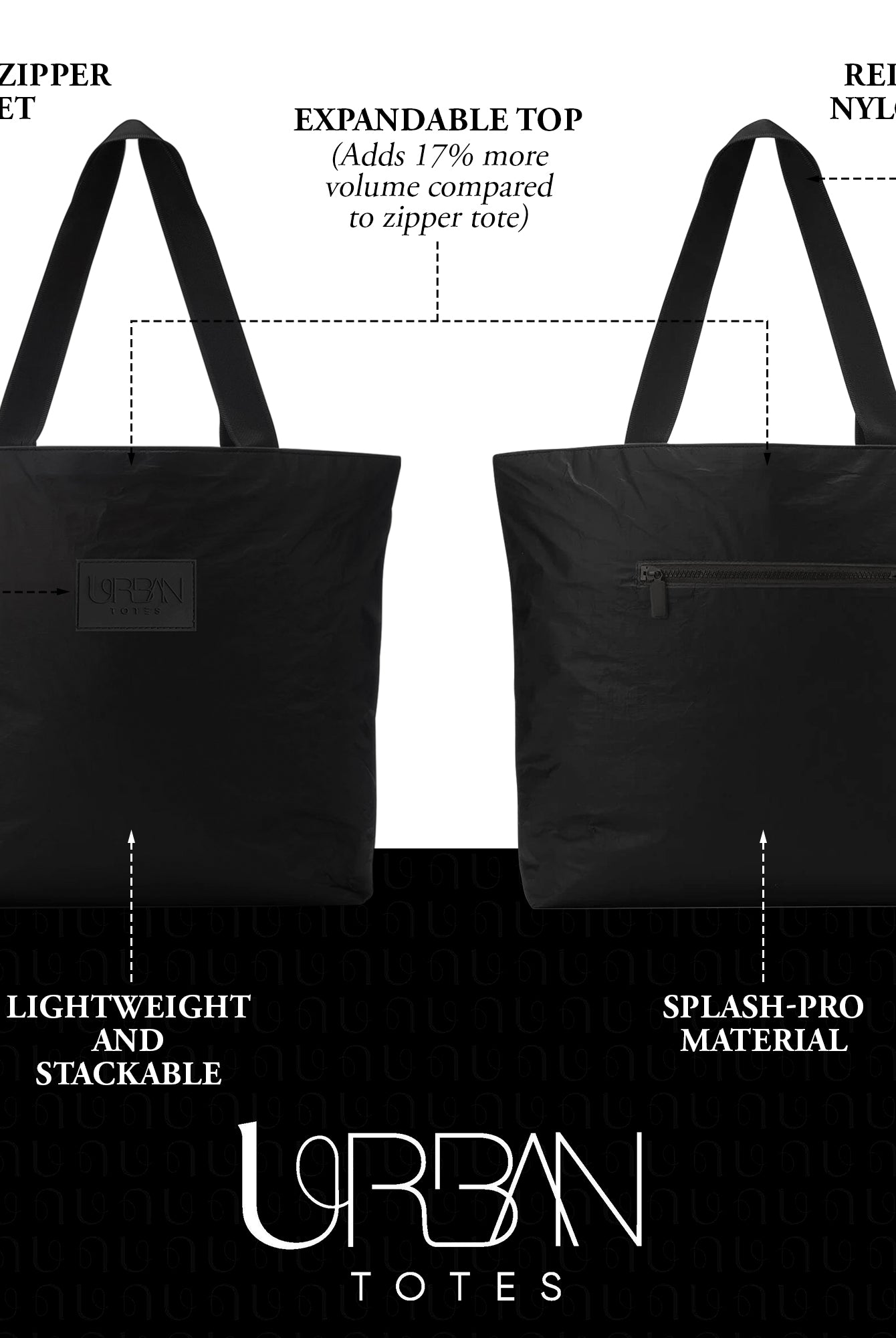
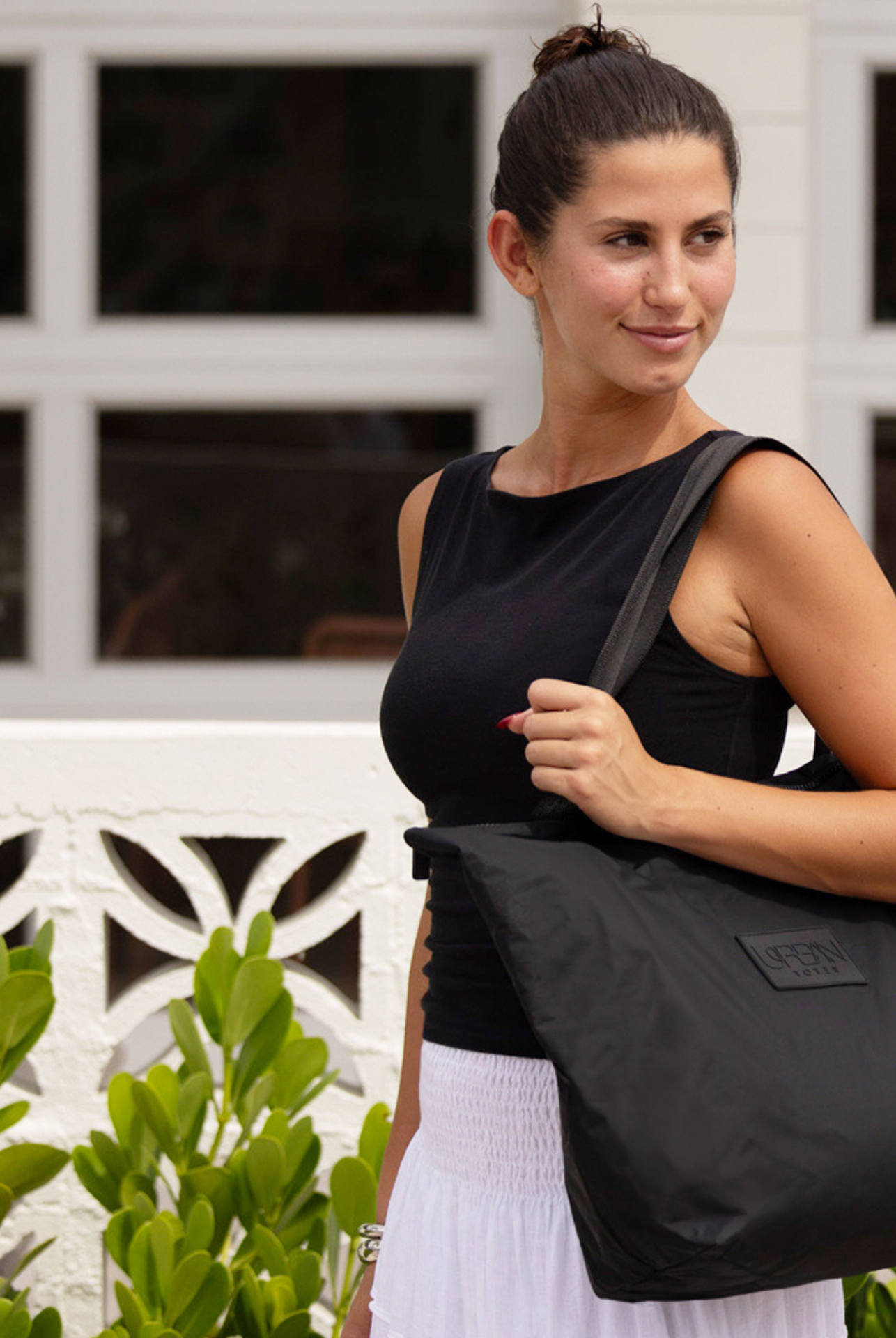
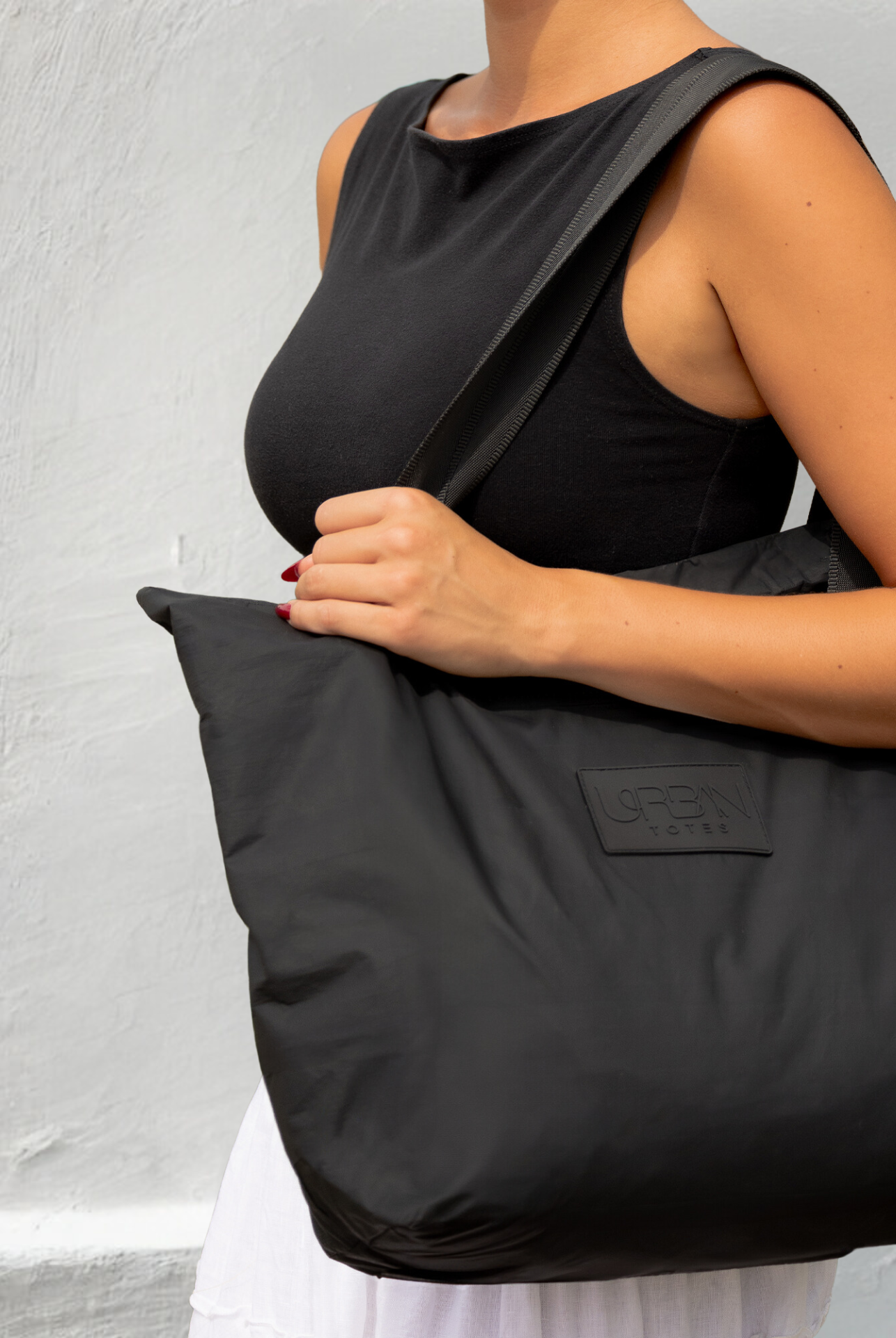
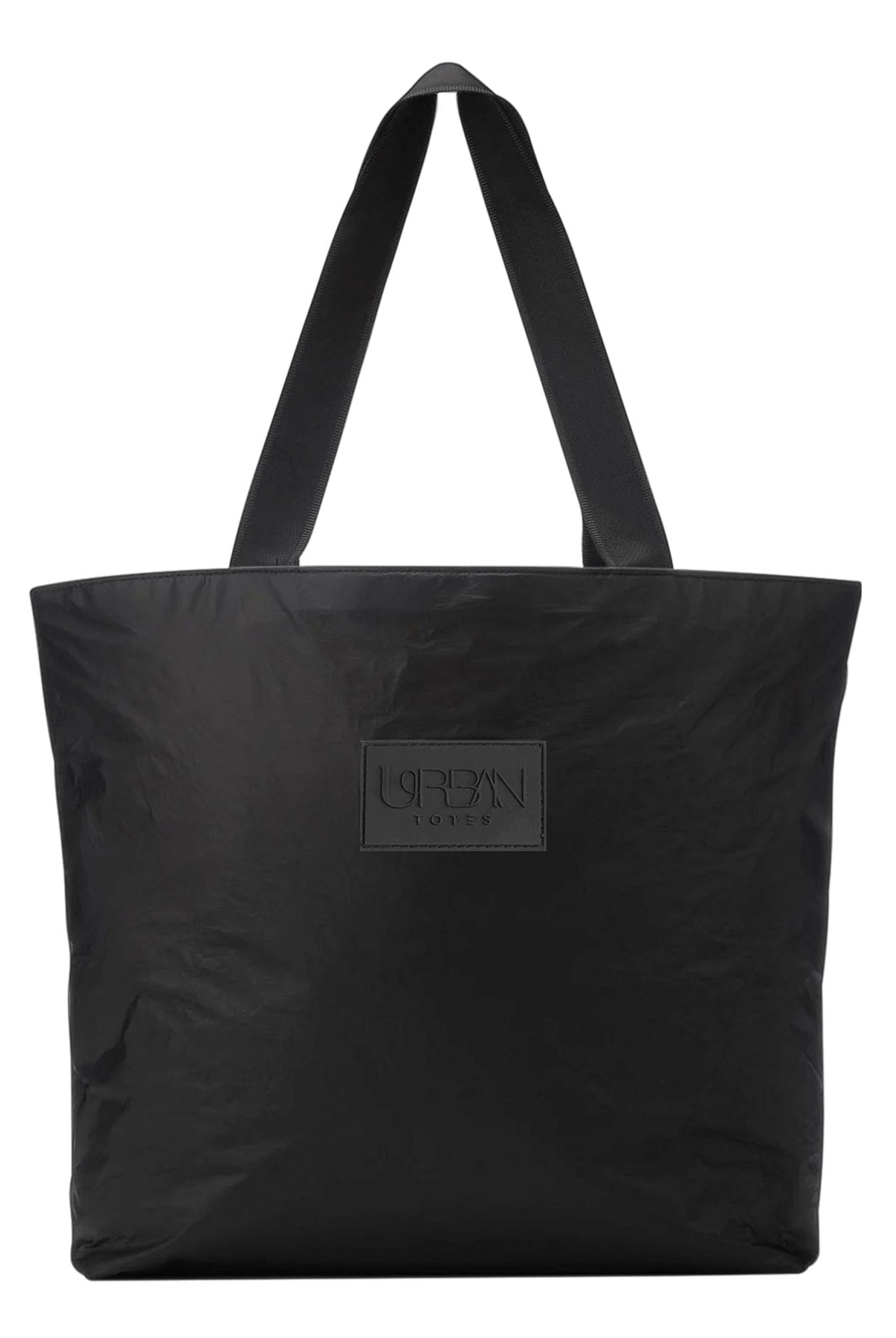
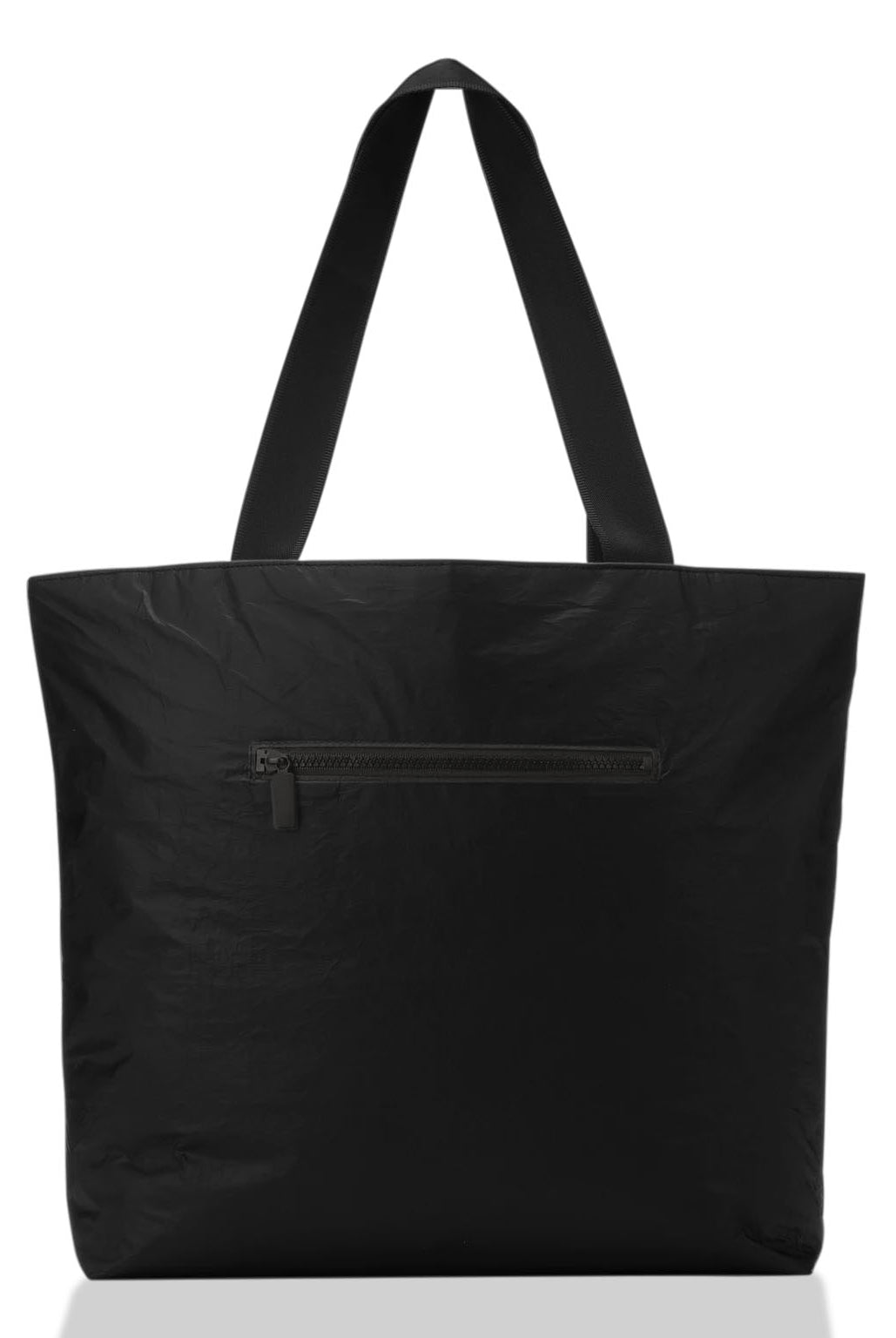
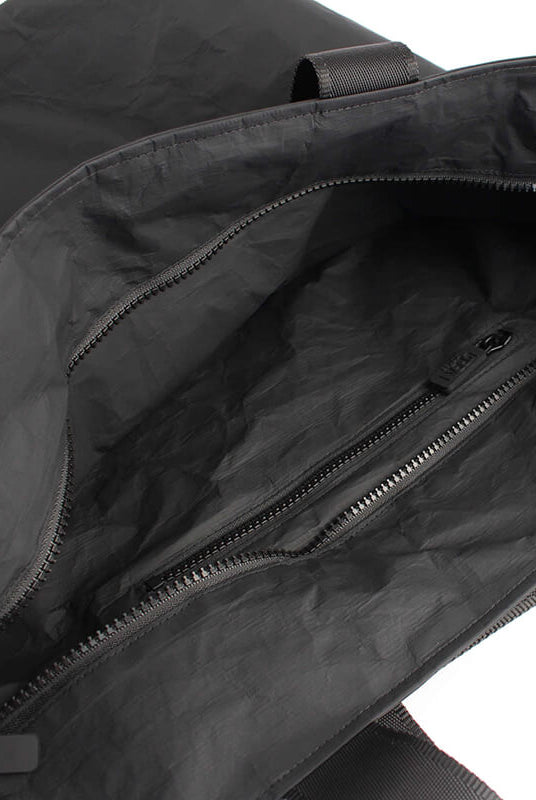
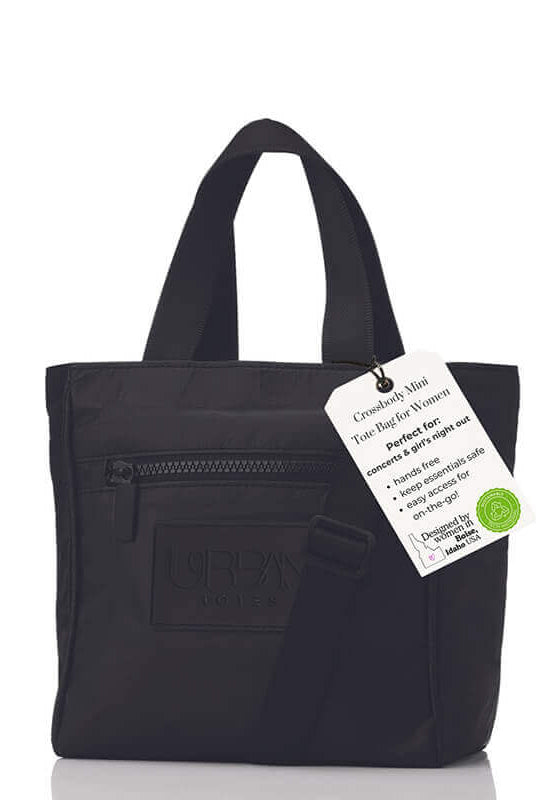
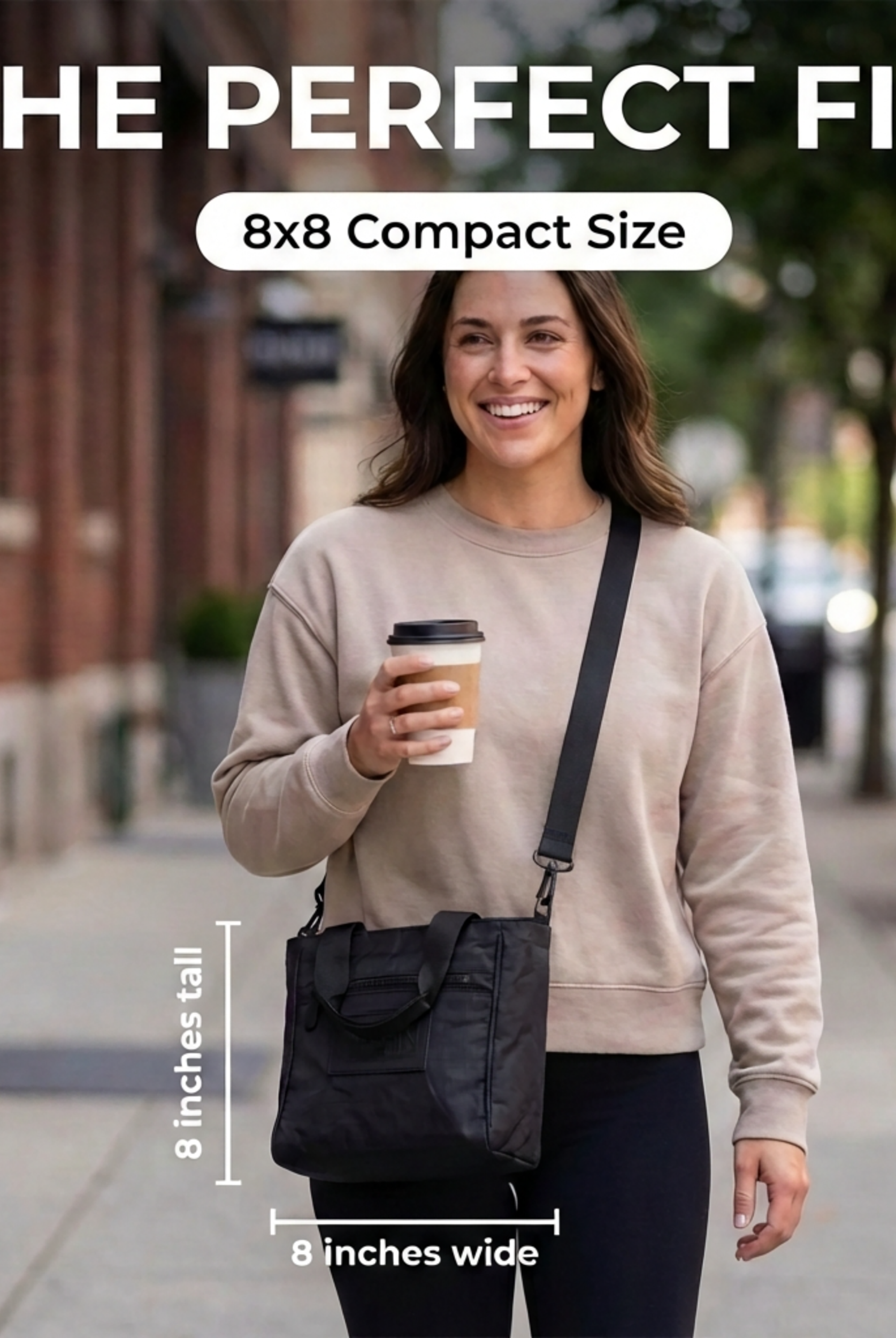
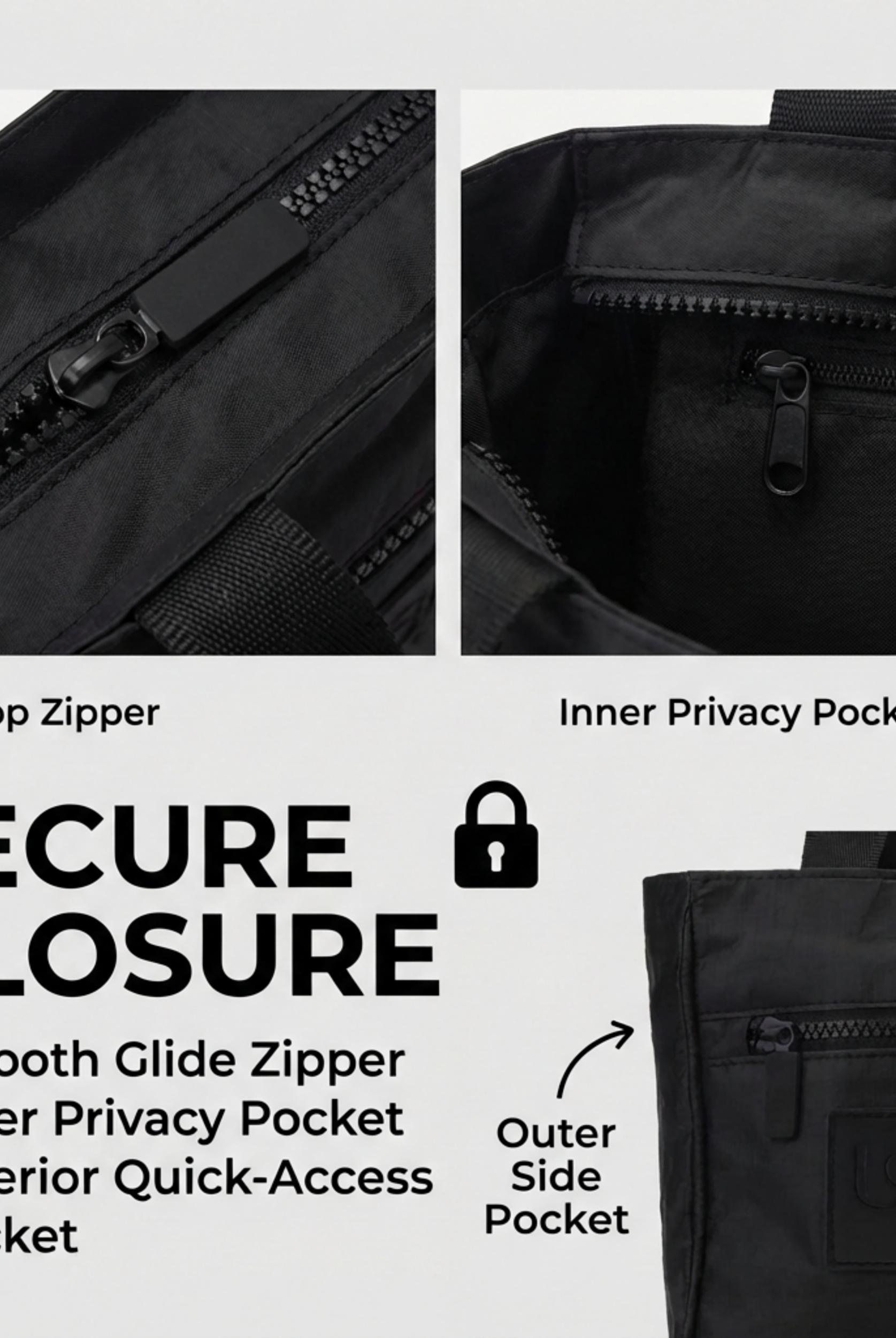
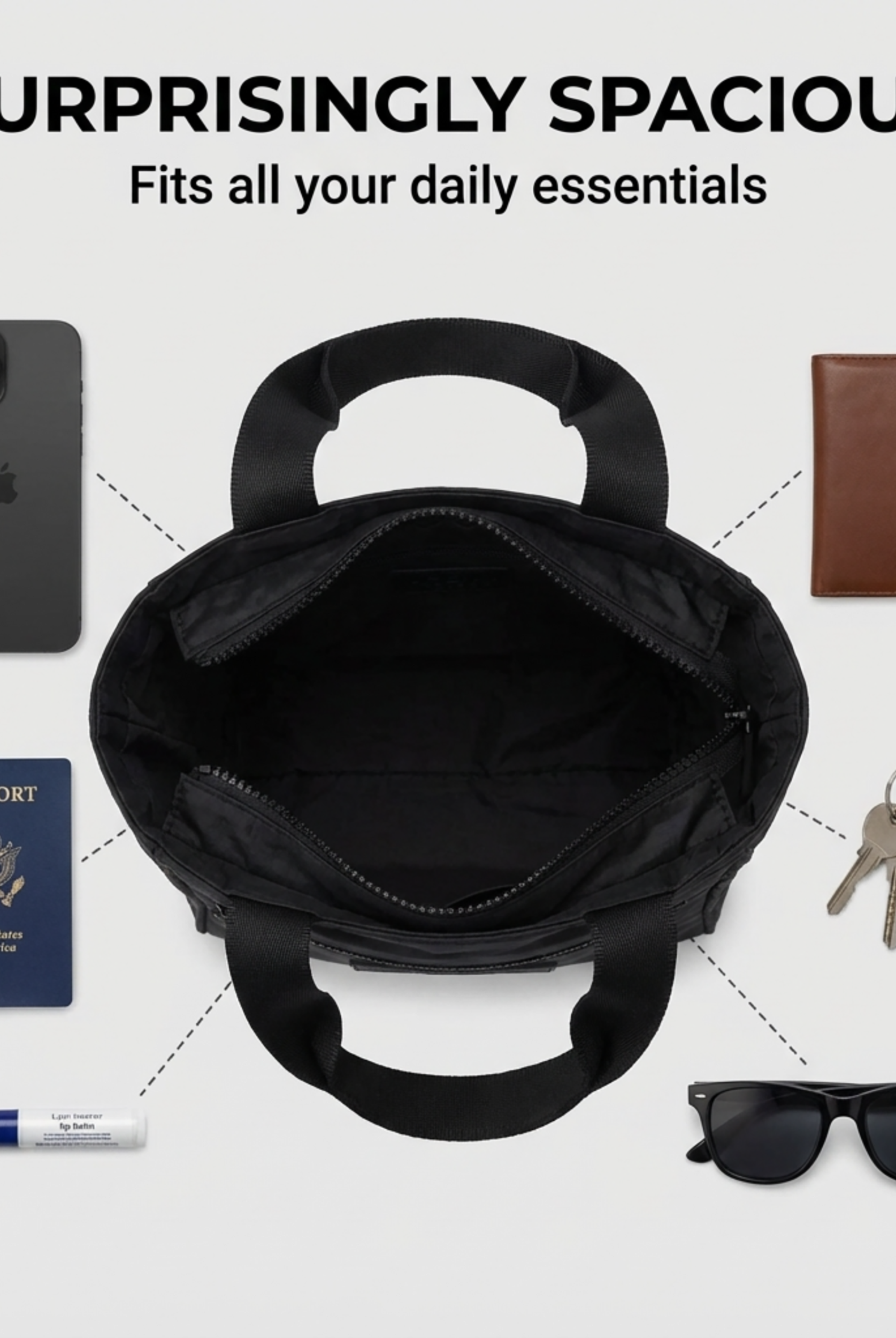
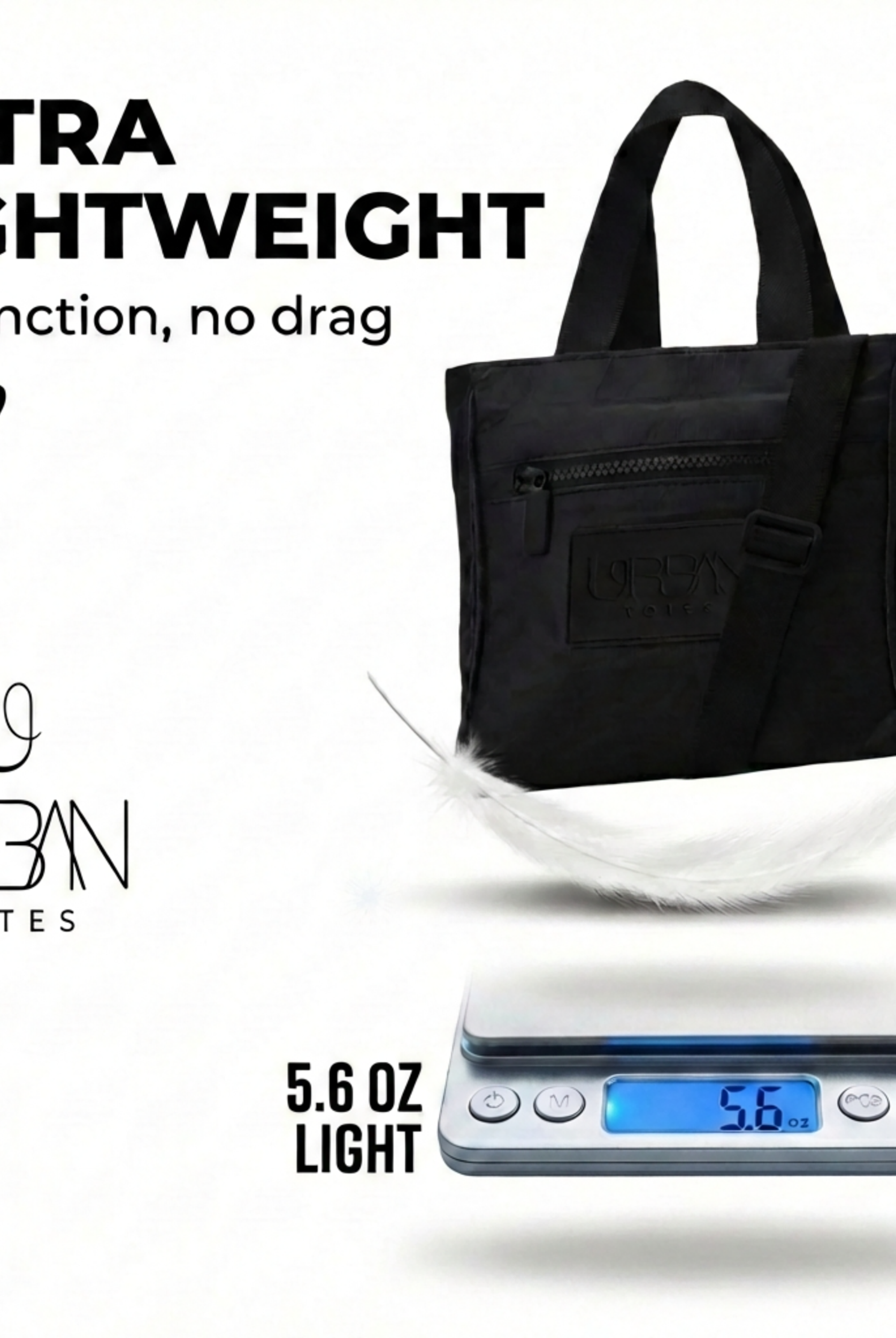
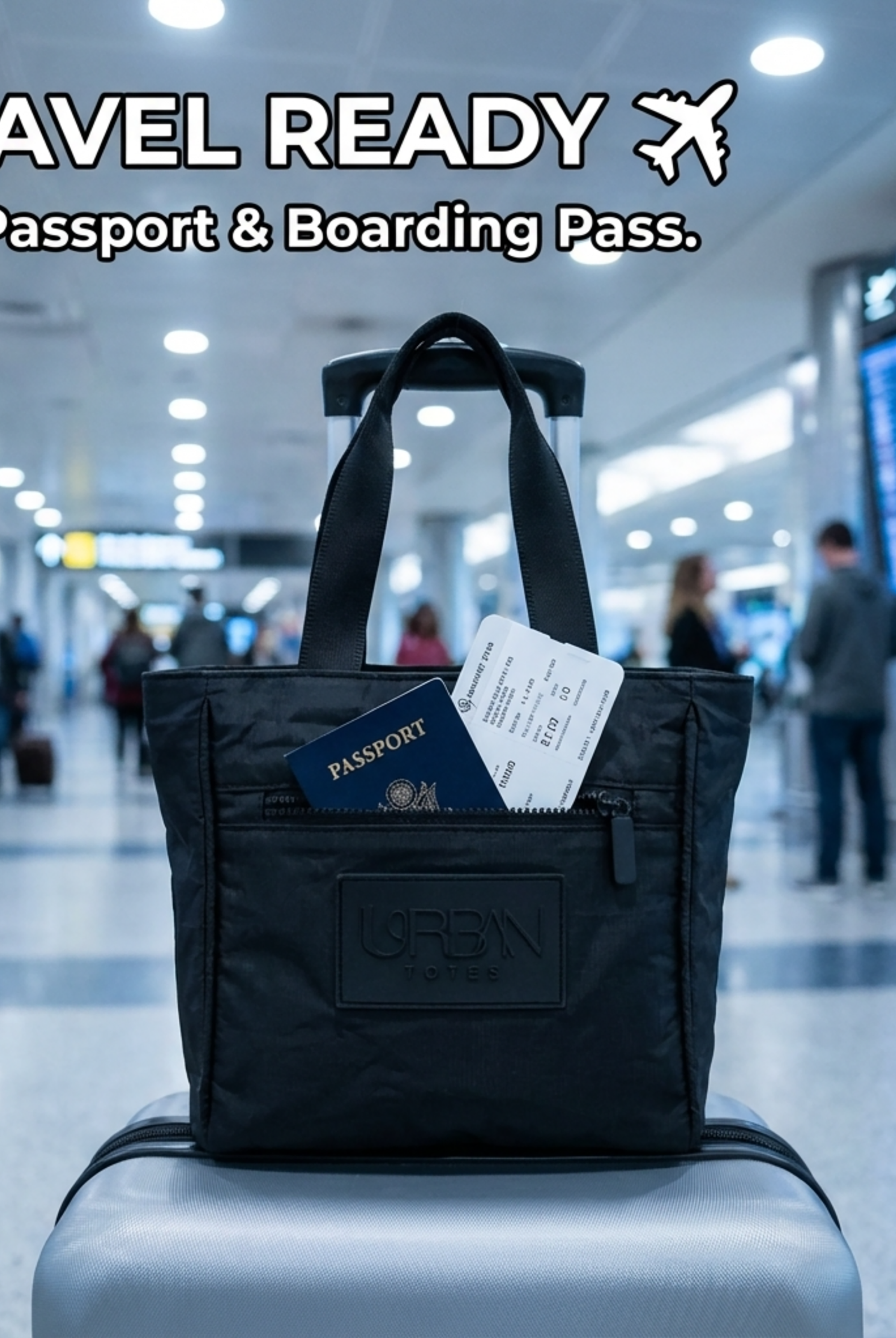
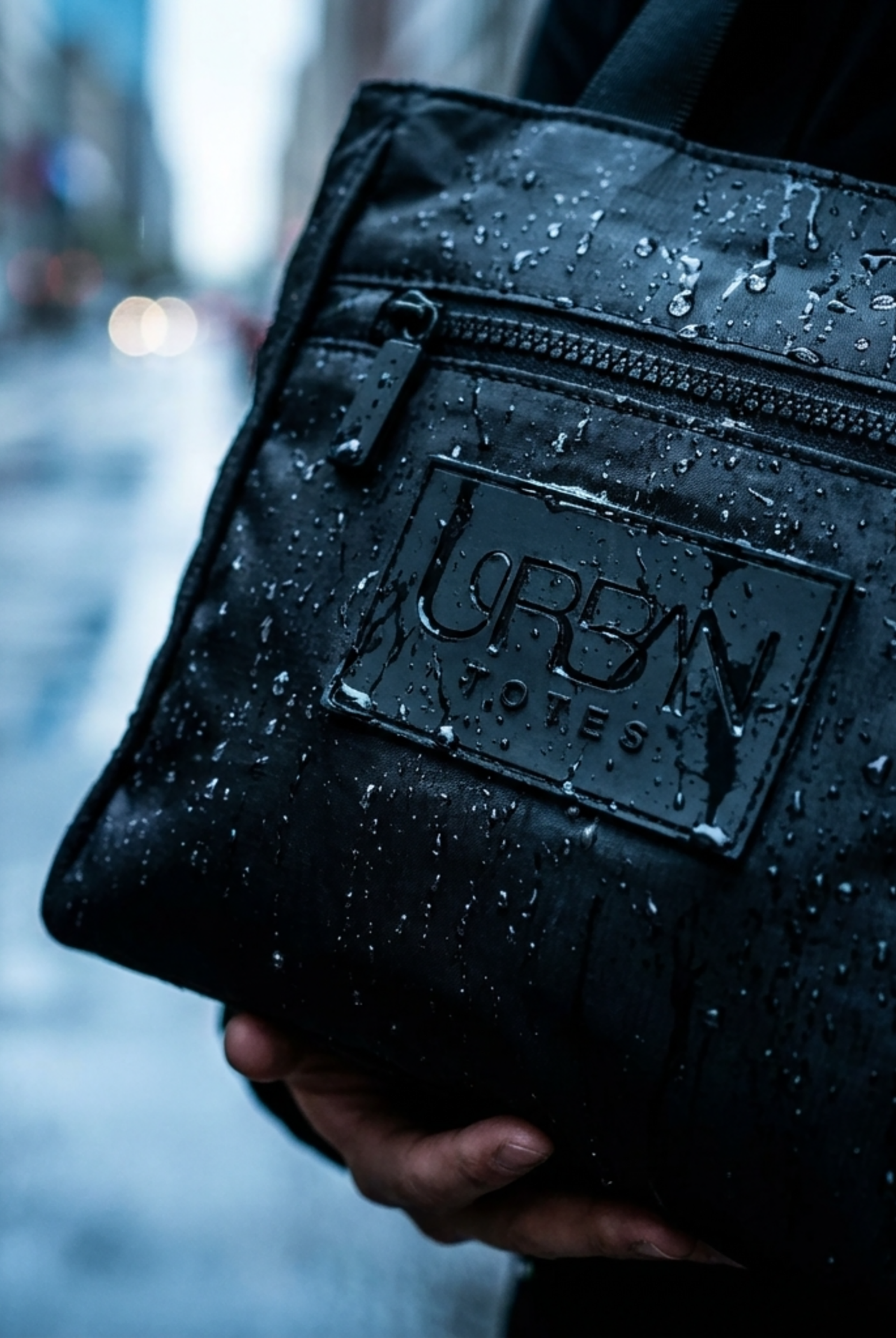
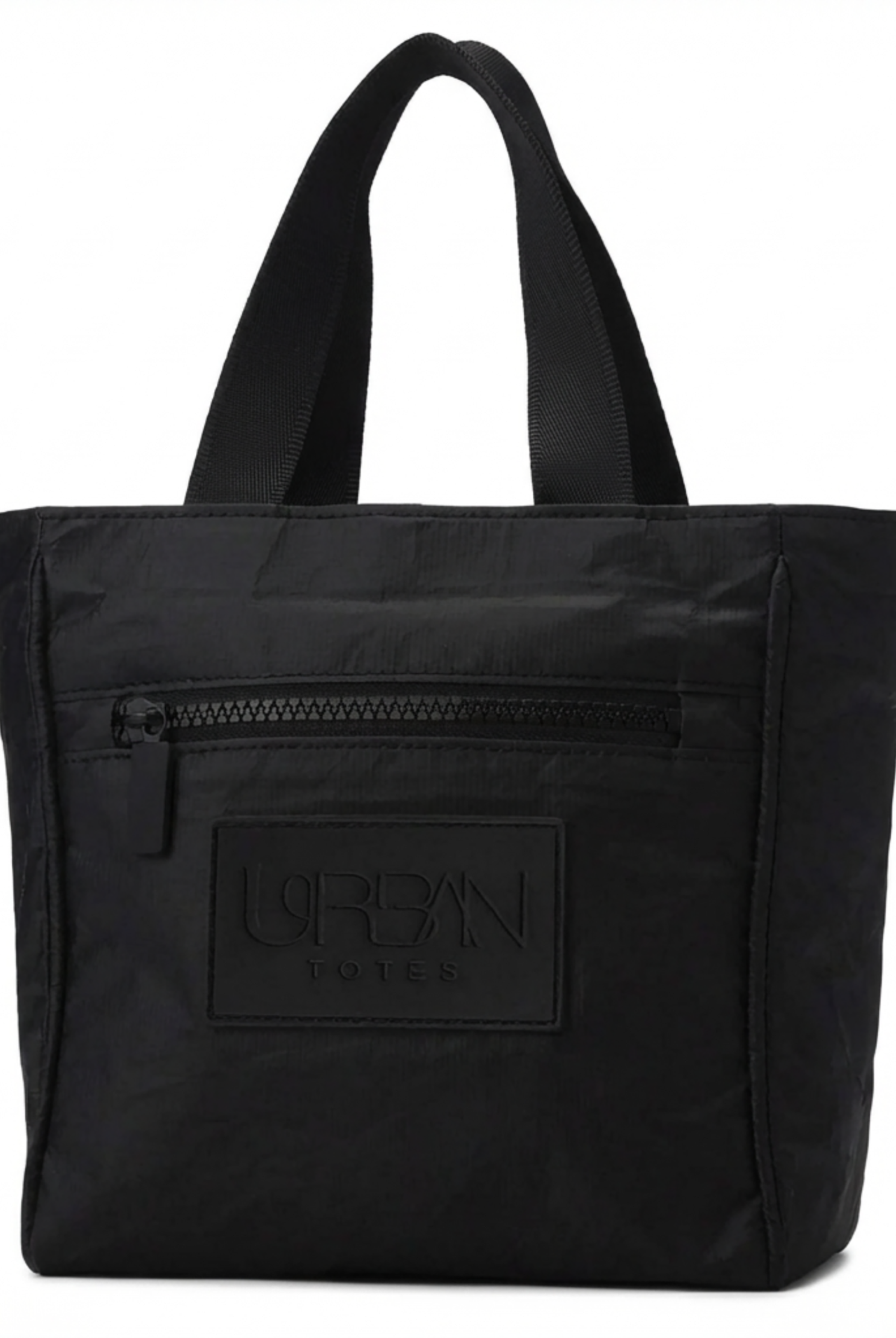
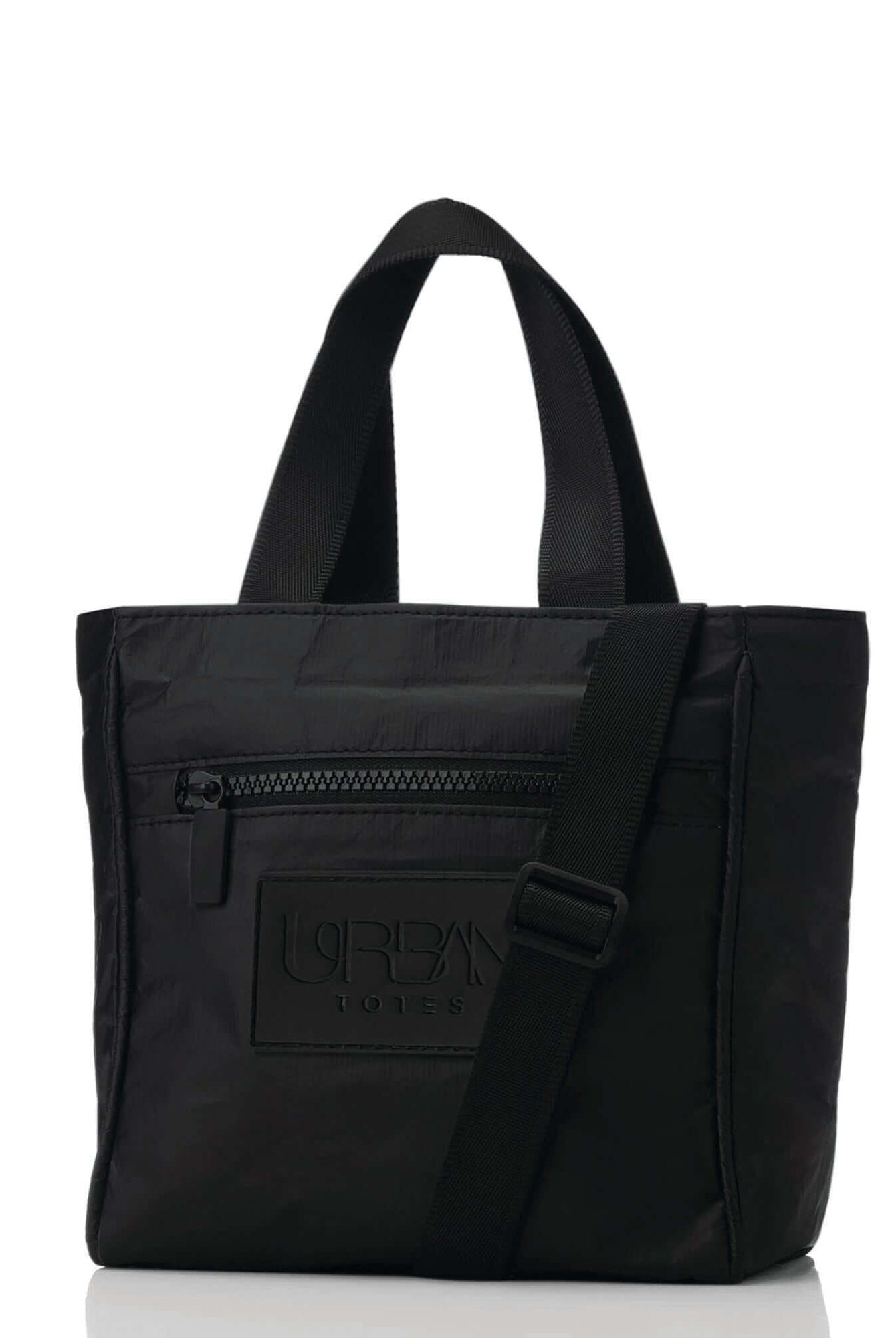
The OG Zipper Tote Bag by Urban Totes is a good example of a tote that prioritizes function over show. It is described as lightweight, packable, water-resistant, and built with inside and outside zipper pockets. The product snapshot also notes three large pockets, side pockets for wet swimsuits or sweaty workout gear, and a size of 19" W x 14.5" H, which makes it a straightforward example of a bag that behaves more like an organized carryall than a simple open tote.
A good way to judge the category is simple. If you want fast visual access, transparency helps. If you want a bag that works like a real carryall, the pockets, closure, and structure matter more than whether you can see your sunglasses through the side.
Materials and Construction That Hold Up at the Beach
The material name on a listing matters, but it doesn't tell the whole story. For a clear beach bag, the most useful material is transparent PVC with reinforcement at the stress points, because the beach exposes weak construction fast. The bag has to stay visible, resist water, and hold up under repeated flexing and abrasion.
PVC is useful. Reinforcement is nonnegotiable.
PVC gives the bag its clear, structured look, and that rigidity helps it keep shape when it's carrying more than a pair of flip-flops. Market listings for clear beach totes also point to larger-volume builds, including 26 L capacity, which shows that clear bags are often engineered as semi-structured carriers rather than soft pouches (reinforced PVC clear beach tote listing). That's good news, because a beach bag that collapses on itself isn't helpful when you're trying to dig out sunscreen with one hand.
What really matters, though, is not the shell. It's the seams, handle anchors, and closure points. Those are the spots where cracking and tear propagation start under load. If a listing talks about clear plastic but stays vague about stitching and reinforcements, keep moving.
Read construction like a person who actually uses bags
Practical rule: A beach tote should be judged by where it's stitched, bound, and anchored, not by how transparent it looks on the shelf.
A neutral sourcing guide on beach-bag specifications says the useful buying details are exact dimensions, material composition, hardware, closure, pocket layout, handle drop length, stitching standards, and quality-acceptance criteria, because “standard” varies by manufacturer (beach bag specifications guide). That's the right lens here too. Don't buy “clear” and assume the bag is beach-ready.
If you're comparing a full PVC tote to a hybrid design, the hybrid can be easier to live with if it gives you some structure and a few hidden pockets. Soft pouches are fine inside the bag, but as the outer shell, they usually feel less stable once a wet towel goes in. If the bag is going to flex, flexing should happen in the right places, not at the handles.
For a deeper look at materials across tote styles, Urban Totes has a useful overview in its tote bag material guide. The bottom line is simple. Transparent PVC works when the construction is deliberate. Without reinforcement, it just looks clear while wearing out faster than you want.
Sizing, Compartments, and Closures That Work
Size gets oversimplified all the time. People say they want “a big bag,” then they end up with something so oversized it becomes impossible to find a phone in under a minute. Shop by size band, carry list, and whether the bag closes.
Match the bag to the day
B2B beach-bag guidance commonly breaks sizes into Small 12 x 10 x 4 in, Medium 16 x 12 x 6 in, and Large 20 x 14 x 8 in, with typical load capacity ranging from 10 to 30 lb depending on the size (size bands and load guidance). Those numbers matter because a beach bag that's too small forces overstuffing, and overstuffing is what destroys seams and handle comfort.
Use the smallest practical size for a solo beach stop, the middle size for a normal family afternoon, and the large size when you're carrying towels, snacks, and the extra layers everyone insists on bringing. Exact dimensions also affect handle drop length and whether the bag sits comfortably on your shoulder or keeps bumping your elbow.
Compartments beat a giant open cavity
A good beach bag isn't just about volume. It's about separation. Beach-bag packing advice consistently recommends clear pouches or larger baggies to split up toiletries, sunscreen, keys, and wallet so everything is visible and easy to grab (packing advice for beach bag essentials). That's why multi-pocket layouts matter so much. One pocket for valuables, one for wet items, one for the random little stuff that otherwise vanishes into the bottom.
A useful interior plan matters more than a pretty shell. Urban Totes' tote bag compartments guide gives a clean breakdown of how pockets, dividers, and side slots change the way a bag works once it leaves the product page.
Choose a closure that protects the day
Open-top bags look relaxed until wind, sand, and curious hands get involved. A zipper closure changes the bag from “catchall” to contained. It also helps when the same tote moves between the beach chair, the car seat, and the lunch table, because nothing spills out every time you set it down.
A smart beach bag has a main compartment big enough for a rolled towel, plus smaller zones for essentials. Side pockets are especially useful for a water bottle or a damp item you do not want touching your sunglasses. A bag with a secure top and a separate pocket for wet gear does more real work than a bag that only looks organized from the outside. For a broader view of how a zippered, organized tote can earn its keep beyond the sand, the ultimate NZ beach tote guide covers the same practical balance well.
Visibility Versus Real Beach Functionality
A clear beach bag looks smart on a product page. At the beach, transparency is only one part of the job. The real question is whether the bag handles wet swimsuits, gritty sand, sunscreen spills, and the mess that comes with a full day outside.
Where clear wins
Clear bags are useful when you want to check what's inside without emptying everything onto a towel. Keys, wallet, phone, lip balm, and the small items that disappear at the bottom are easier to spot right away. They also make venue checks faster, because staff can inspect the contents without rummaging through the bag.
That visibility saves time before you even leave the car. If you can see the sunscreen, hair tie, and sunglasses at a glance, you're less likely to walk off without them. For rushed mornings and shared outings, that practical shortcut matters more than the novelty of a see-through shell.
Where clear quietly loses
The beach is rough on bags. Wet swimsuits, damp towels, sunscreen residue, and sand all pile up fast, and transparency does nothing to contain the mess. It can also make clutter feel louder, especially if you're carrying kids' gear alongside your own.
Beach-specific advice points in a different direction. The better bags are the ones that handle sand, wipe clean easily, and separate wet items from dry ones, while lifestyle roundups of clear bags tend to focus on visibility alone (clear bag style coverage). That gap matters. A clear shell with no real organization is still a bad beach bag.
Hybrid designs solve more than they show. A clear front panel with solid pockets, or a transparent tote paired with inner pouches, keeps the visibility benefit without forcing everything into one exposed cavity. For another angle on that same trade-off, the mesh beach bag approach shows how partial visibility can work without making the whole bag an open display.
A simple decision rule
Choose clear if inspection, quick checks, or venue rules are the main reason you're carrying the bag. Choose a more organized beach tote if the bag has to do real work in sand, spray, and wet gear.
Useful shortcut: If a bag has zip pockets, a wipe-clean surface, and room for wet and dry separation, transparency is a bonus, not the main selling point.
For a broader beach-specific reference, the ultimate NZ beach tote guide keeps its focus on actual carry needs instead of treating see-through material like the whole story. That is the standard to use when you shop.
Stadium Rules, Airport Rules, and the Bag That Goes Everywhere
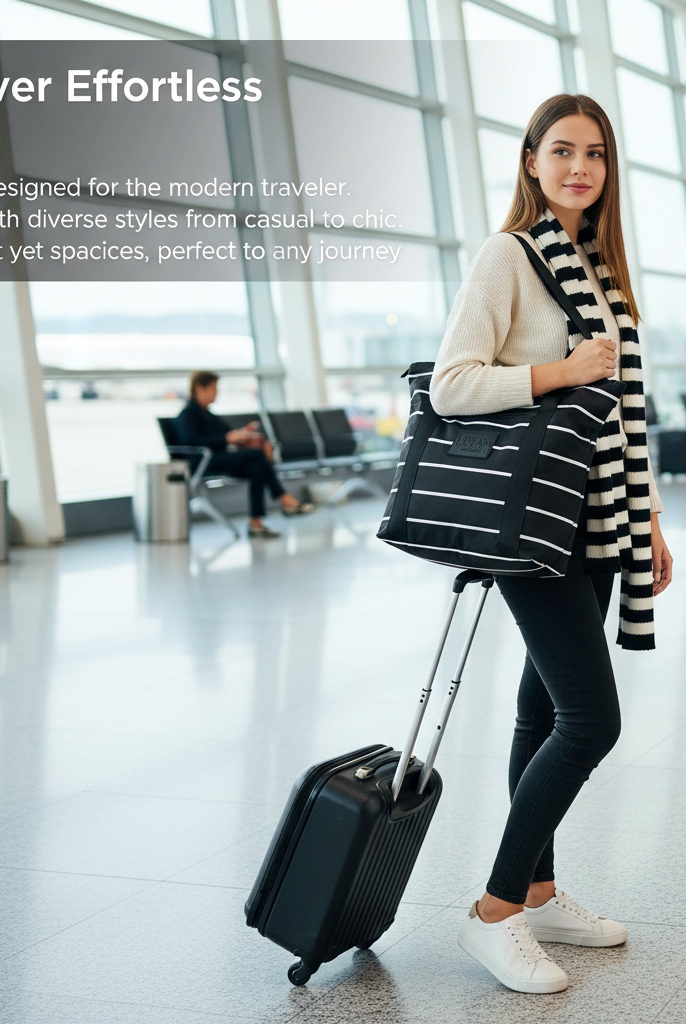
A lot of women want one bag to do three jobs, the beach, the stadium, and the airport. That's not lazy. That's efficient. The good news is that the overlap is bigger than people think, especially if you start with a transparent or clear-panel tote that already leans organized.
Venue rules tend to favor transparency
At many venues and stadiums, the core rule is that the bag has to be fully transparent, often made of clear plastic, vinyl, or PVC, so security can inspect contents without opening everything up. A commonly cited size limit is 12" x 6" x 12", and some policies also allow a small non-clear clutch around 4.5" x 6.5" alongside the clear bag (venue bag rule example). If you already have a beach tote in that visual lane, it may serve double duty more easily than a traditional fabric bag.
Airport rules change what goes inside
Airport screening is a different game. Brisbane Airport says liquids, aerosols, and gels must be in containers no larger than 100 mL or 100 g and placed in a resealable transparent plastic bag measuring approximately 20 cm x 20 cm. The same guidance also says inorganic powders such as salt, talcum powder, and sand are limited to 350 mL or 350 g per passenger, while organic powders like food and baby formula have no quantity limit but still need to be presented at screening (Brisbane Airport screening rules).
That means your beach bag doesn't need to mimic a TSA liquids pouch, but it should make packing one easy. A dedicated clear cosmetic case keeps sunscreen, lotion, and other liquids under control without forcing them into the main compartment.
One bag, fewer compromises
Urban Totes' clear cosmetic case fits neatly into that travel pattern, because a smaller transparent organizer can live inside a larger tote and keep liquids separate from the rest of the bag. That's the kind of setup that works for people who move from sand to terminal without changing everything they carry.
If you build around venue-compatible visibility and smart interior organization, the bag starts to behave like a real go-anywhere piece. The beach is just one stop on the route.
Packing and Styling a Clear Beach Bag for a Real Day
A clear bag only looks polished if what's inside is organized on purpose. Otherwise, it reads as clutter. The fix is simple. Treat the inside like a system, not a pile.

Pack by category, not by mood
Start with a clear pouch for toiletries and sunscreen, because those are the items most likely to leak or get sticky. Put your phone, keys, and wallet in a zippered pocket so you're not fishing for them under a beach towel. Drop a water bottle into a side pocket, then keep the rolled towel and paperback in the main compartment.
That category-based method lines up with beach-bag packing advice that recommends one pouch per category, plus separate places for snacks, wet wipes, and trash bags (packing essentials guide). It sounds fussy until you're standing in sand with one hand full and a child asking for snacks.
Build the look around the bag, not against it
A clear tote works best when the rest of the outfit feels easy and clean. Neutral cover-ups, simple sandals, and a printed scarf tied to the handle keep the bag from looking overly technical. A strap that sits comfortably on the shoulder matters too, because a bag you have to carry awkwardly stops feeling stylish fast.
The simplest styling trick is to let one accent item do the work. A scarf, a pouch, or a sunglasses case can soften the transparency without hiding the whole bag. That keeps the look intentional instead of accidental.
Use one example and follow it
A practical beach day might look like this. You pack sunscreen and lotion into a clear cosmetic case, slide it into the main bag, then tuck keys and phone into a zip pocket. The rolled towel goes in last so it sits near the top, and the water bottle stays upright on the side.
Clear works when the inside looks edited. If the contents are random, the bag looks random too.
If you want a fuller packing reference before your next beach weekend, Urban Totes' beach bag must-haves guide is a useful companion piece. It pairs well with a bag that already has the pockets and zipper closure to support that kind of setup.
Your Clear Beach Bag Checklist and Final Word
Don't buy a clear beach bag because it's trending. Buy it because it solves the right problems for your life. If it doesn't, you'll end up with a bag that looks neat and behaves badly.
Use this checklist before you click buy
- Material and reinforcement: Look for transparent PVC or a comparable clear build, but only if the seams, handles, and closure points are reinforced.
- Closure type: Pick a zipper closure if you care about keeping sand, wind, and loose items under control.
- Compartment layout: Choose a bag with pockets or pouches for phone, keys, sunscreen, and wet items.
- Size band: Match the bag to your actual carry load, not your wishful thinking. The common beach-bag size bands are Small 12 x 10 x 4 in, Medium 16 x 12 x 6 in, and Large 20 x 14 x 8 in (beach bag specifications guide).
- Venue compatibility: If you also use the bag for stadiums or concerts, make sure the dimensions and transparency line up with typical venue rules.
- Care and cleaning: Choose a bag you can wipe down easily, and store it flat or supported so it keeps its shape.
Don't ignore care
Clear materials need a little respect. Wipe them down after sandy use, and don't stuff them with sharp objects that can scratch or cloud the surface. If a bag is foldable or packable, keep it stored in a way that doesn't crease the same spot over and over.
A smart travel bag can also pull double duty far beyond the beach. If you're planning a warmer trip and want a broader packing reference, the how to pack for Tulum guide is a useful example of how one carryall can handle resort days, outings, and the in-between moments. That's the test of a go-anywhere bag, not whether it looks good in a cart photo.
If you want a bag that keeps up with beach chairs, school drop-off, weekend errands, and last-minute getaways, choose one with real organization and easy-clean design. Urban Totes makes lightweight, water-resistant, packable styles with zipper closures and smart compartments for the days that refuse to stay simple. Shop Urban Totes and pick the bag that can move from sand to street without missing a beat.