You know the moment. One hand has a coffee, the other has a school folder, your shoulder's carrying yesterday's tote, and your phone is buzzing because the gate changed again. By the time you reach the car, the bag on your shoulder already feels like a bad decision, and that's exactly when bag on wheels luggage starts looking less like a travel extra and more like a sane choice.
For women who live in the space between errands, airport terminals, beach parking lots, and quick work trips, the right rolling bag can change the feel of the whole day. It doesn't erase the chaos, but it can move the weight off your body and onto the ground, where it belongs. If you're comparing carry styles for the first time, a good starting point is this travel bag guide for women, especially if you're trying to match function with a schedule that never sits still.
Table of Contents
- Why Bag on Wheels Luggage Belongs in Your Life
- What Bag on Wheels Luggage Really Means
- Essential Bag on Wheels Luggage Features
- Bag on Wheels Luggage Versus Other Carry Styles
- Choosing Bag on Wheels Luggage for Your Routine
- Packing and Caring for Your Rolling Bag
- Find Your Go Anywhere Bag with Urban Totes
Why Bag on Wheels Luggage Belongs in Your Life
A Thursday can turn into three different kinds of transportation before lunch. You drop one kid at school, carry a diaper bag through a wet parking lot, then hurry through a terminal with a weekend outfit, chargers, snacks, and maybe a laptop that has no business sharing space with juice boxes. A bag on wheels does not make the morning glamorous, but it does make the heavy part of it less personal.
That is the core appeal. The load moves from your shoulder to the floor, which matters on long hallways, curb cuts, and the walk from the car to the check-in desk with one hand on a coffee and the other on a backpack or stroller. For a lot of women, the question is not whether a rolling bag looks polished. It is whether the bag can keep up without asking your body to do all the work.
Practical rule: if your bag regularly leaves you adjusting one strap, hunching one shoulder, or setting it down every few minutes, the carry style may be fighting your routine.
A rolling bag also changes the kind of day you can handle. A teacher heading to an after-school trip, a caregiver carrying extra layers and medications, or a commuter who has to move from train to office to daycare all run into the same problem. Weight that feels fine for five minutes starts to feel louder by the second block. That is where a practical guide to a travel bag for women starts to make sense, because the right bag is the one that fits the route you live, not just the trip you hope to take.
The history backs up that everyday shift. Bernard D. Sadow is widely credited with the first practical wheeled suitcase, patented in 1972 after developing it in 1970, and Robert Plath's 1987 Rollaboard added the upright two-wheel layout and retractable handle that became the template for modern rolling luggage, according to Forbes' history of the roller bag and the Travelpro history of rolling luggage. That long adoption curve matters because it shows rolling luggage did not stay a niche workaround, it became a mainstream travel standard.
The market size tells the same story. Forbes cited one industry source at about $11.4 billion in 2017 Forbes' history of the roller bag, with a projection to reach $23 billion by 2022, while another independent review put the global luggage market at $22.78 billion in 2020, rising to about $25.7 billion in 2024. That kind of scale is what happens when a once-specialized convenience becomes part of ordinary life.
What Bag on Wheels Luggage Really Means

Think of bag on wheels luggage as a suitcase that learned how to stand up and move with less effort from you. The body holds your clothes and essentials, the wheels take the friction, and the telescoping handle gives you a mechanical advantage so you're guiding the bag instead of carrying it. That's why it feels different from a backpack, a tote, or a standard duffel with a strap.
The modern shape comes from two key design jumps
The earliest wheeled luggage ideas go back much further than the bags most of us use today, with early patents existing as far back as 1921 in the 2022 review of wheeled-luggage usability from Taylor & Francis. But the modern upright bag is tied to the later leap that made rolling luggage practical for airports and sidewalks, not just clever on paper. Bernard D. Sadow's 1970 concept and 1972 patent came first, then Robert Plath's 1987 Rollaboard refined the format with the upright two-wheel layout and retractable handle.
That distinction matters when you're shopping. A wheeled bag isn't just “a suitcase with add-ons.” It's a system built around balance, external dimensions, handle length, wheel placement, and how the bag behaves when it's full. If those parts don't work together, the bag feels awkward fast.
The concept is simple, but the mechanics are specific
The bag body stores your items. The handle gives you control. The wheels decide whether the bag glides or drags. When those three parts line up, the bag becomes easy to pull through a garage, a hotel lobby, or a school pickup line without loading your shoulder again and again.
A rolling bag works best when its structure serves your stride, not the other way around.
If you want a broader vocabulary for comparing carry styles, this comprehensive glossary of bag types from traditional to trendy can help separate rollers from backpacks, totes, and hybrid options. That mental model makes shopping clearer, especially when the bag itself looks similar but the carry experience is completely different.
Essential Bag on Wheels Luggage Features

The first thing to check is size, and not just the bag body. Airlines usually measure the external envelope of a carry-on, which means the wheels and handle count too, and a common domestic target is about 22 x 14 x 9 inches. TravelPro's carry-on size guide makes the point plainly, because a few extra centimeters from protruding hardware can push a bag out of overhead-bin range. If you shop by body size alone, you can miss the part that gets measured.
Wheels and handles are part of the footprint
That external-envelope rule explains a lot of disappointing purchases. A bag can look slim on the shelf, then become awkward once the wheels, shell, and handle are fully extended. Designers respond by shaving volume from the frame, compressing the handle housing, and keeping wheel housings as tight as possible.
For shoppers, the test is simple. If the bag only fits when you imagine the handle tucked away and the wheels ignored, it may not fit in the actual world you're traveling through.
Materials change weight, structure, and how the bag wears
Real product benchmarks show the tradeoff clearly. A 2-wheel carry-on roller can weigh about 6.5 lb with a 100 lb load rating and water-resistant nylon construction, while expandable 22-inch carry-on rollers commonly range around 39–51 L at 9.7 lb or 49–61 L at 8.36 lb, depending on shell and material architecture, according to the Target product benchmark in the brief. That's the tension every buyer faces. Hardside builds usually keep their shape and protect contents well, but they tend to add mass. Soft-sided builds often stay lighter and may offer more usable packing space through expansion.
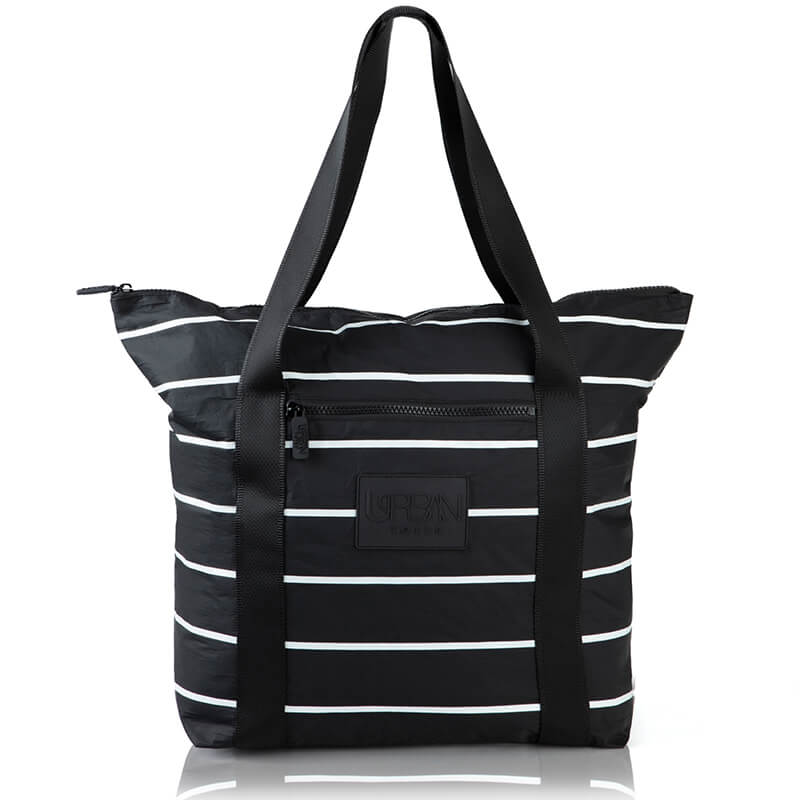
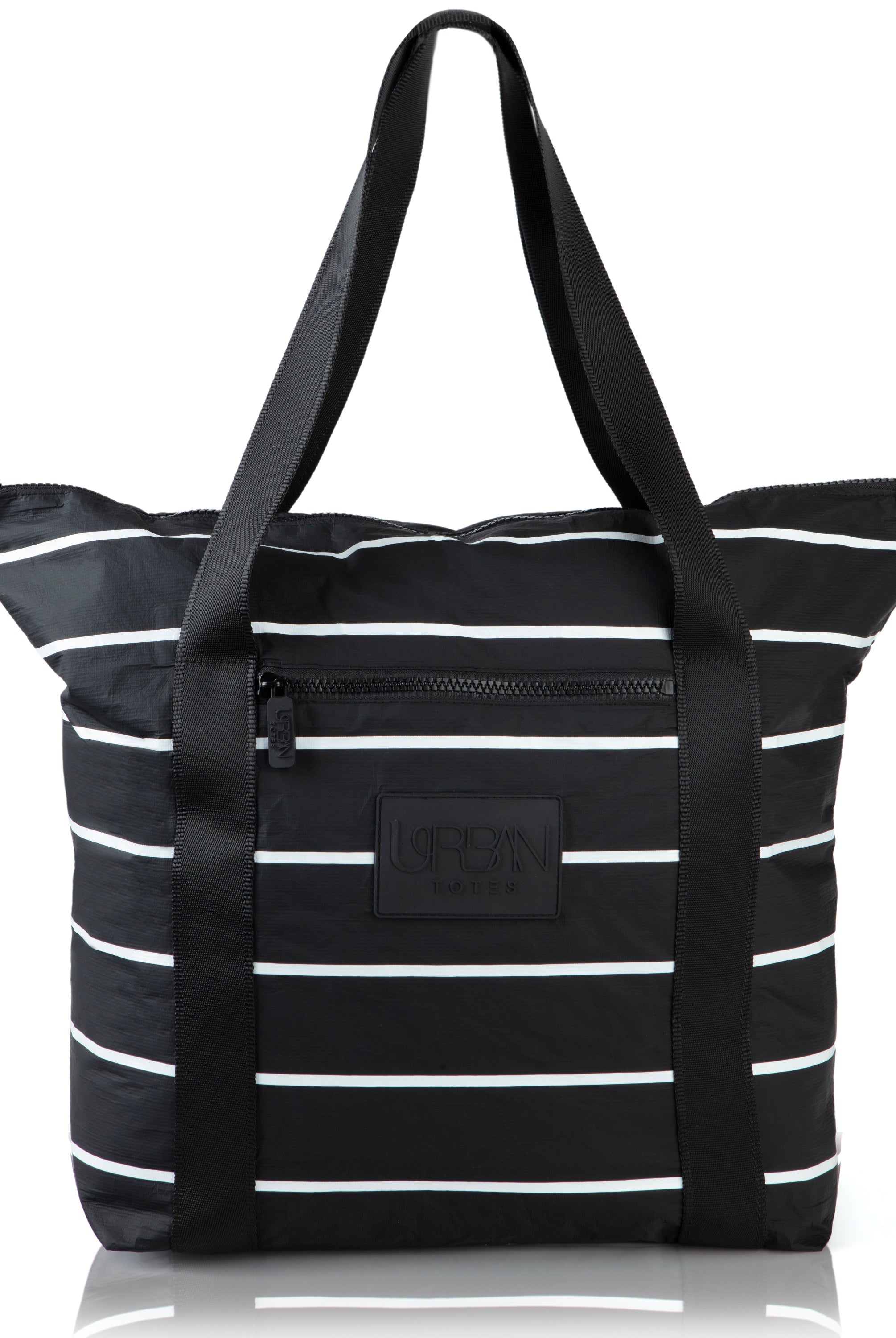
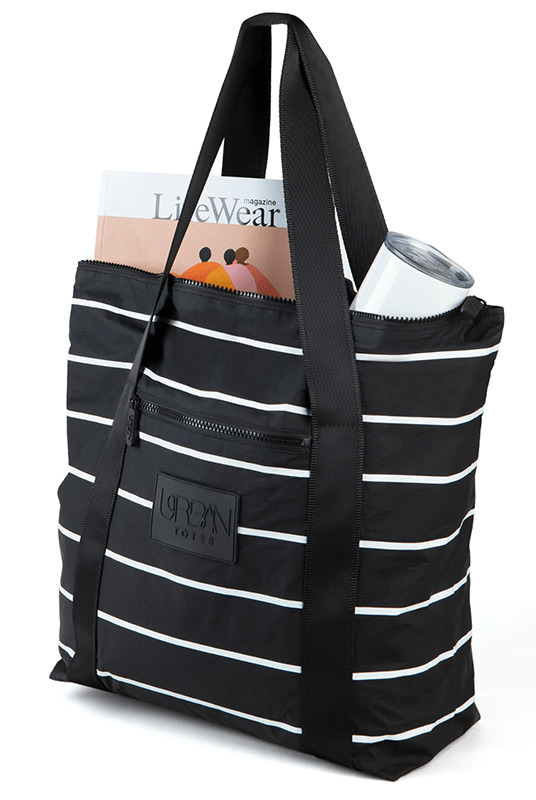
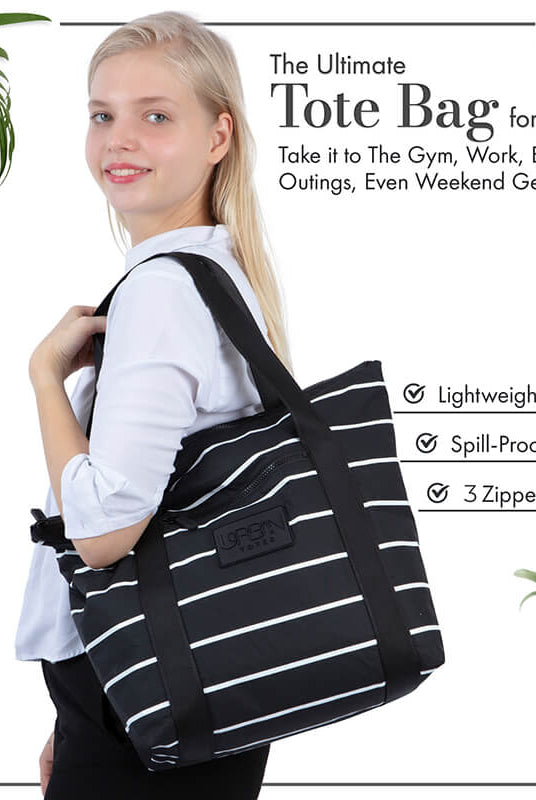
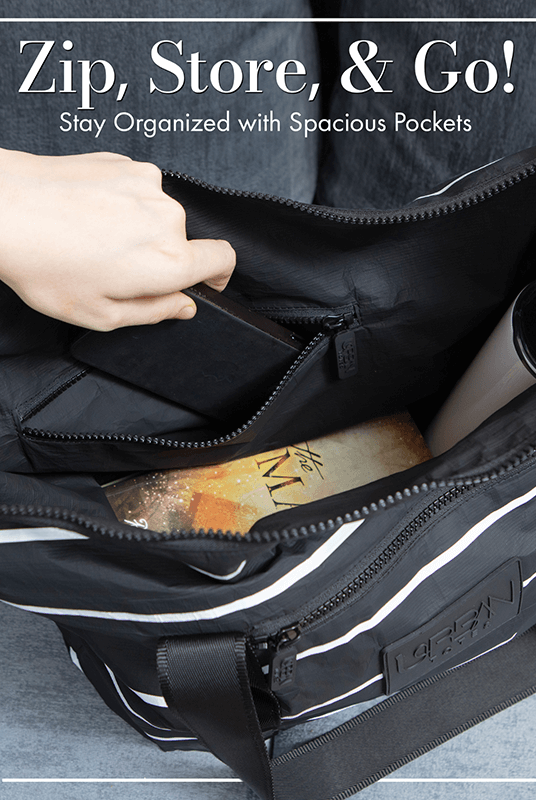
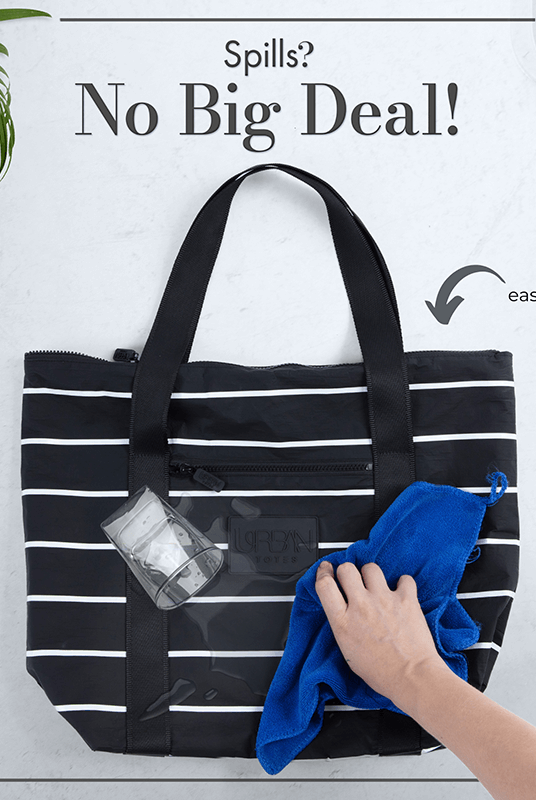
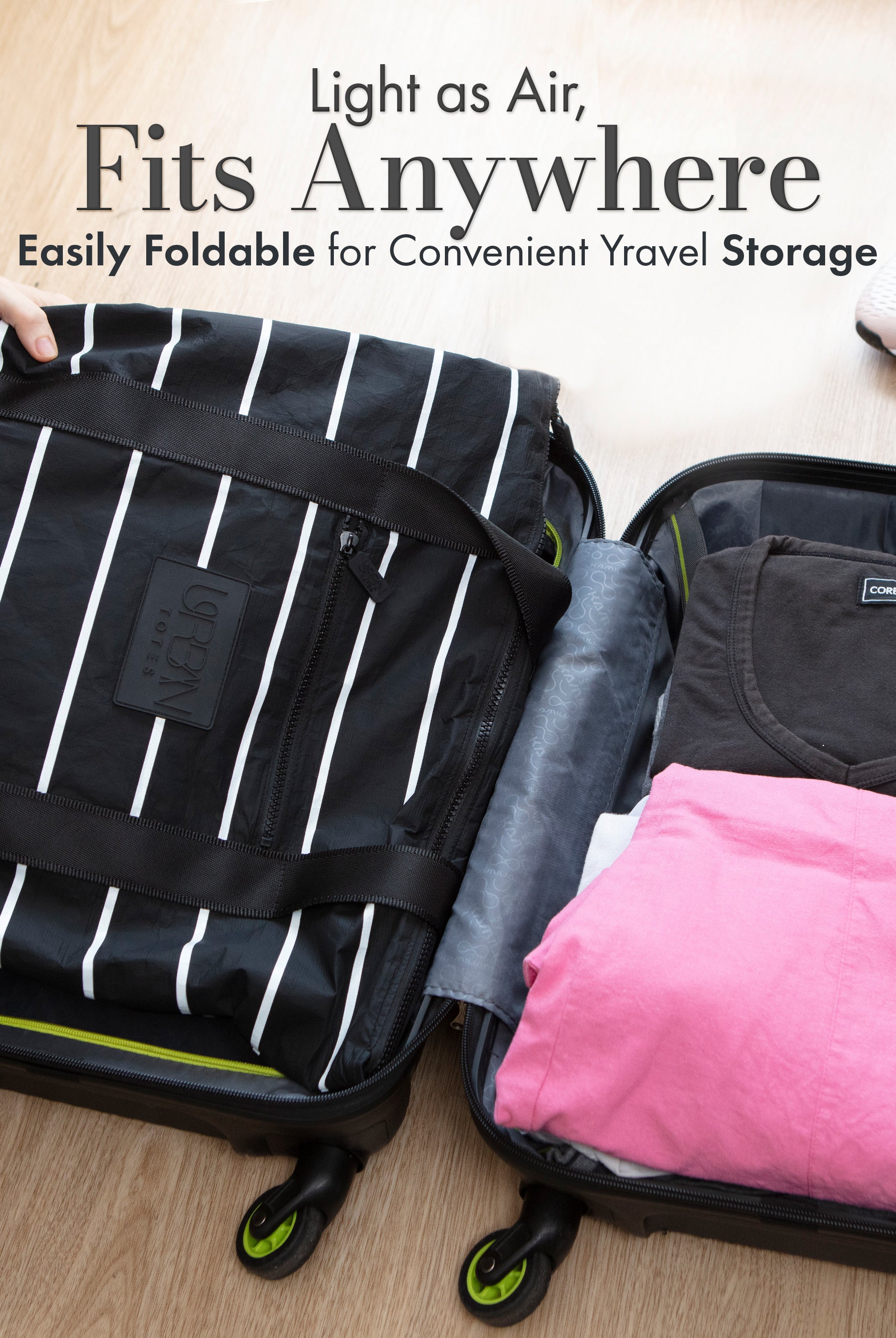
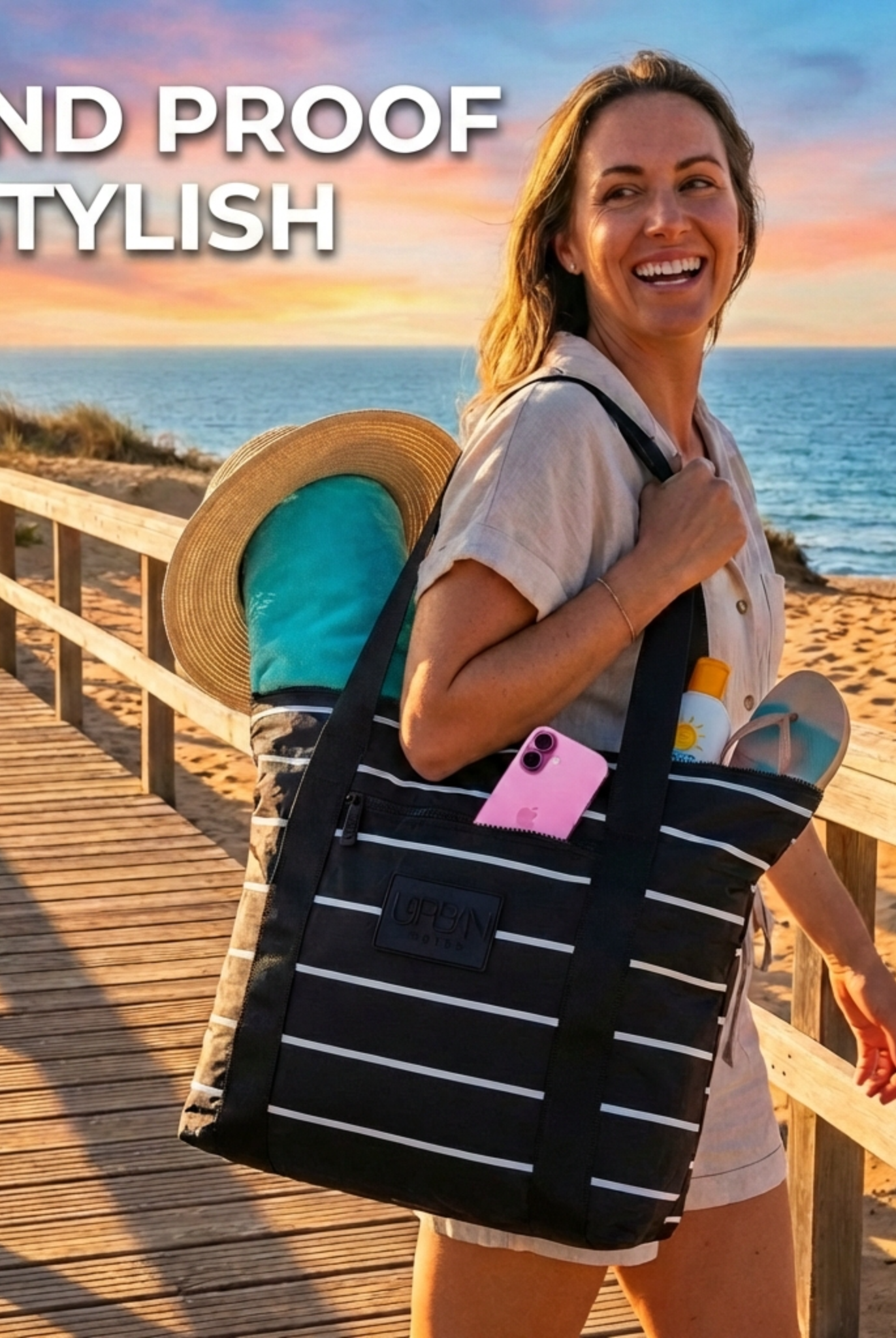
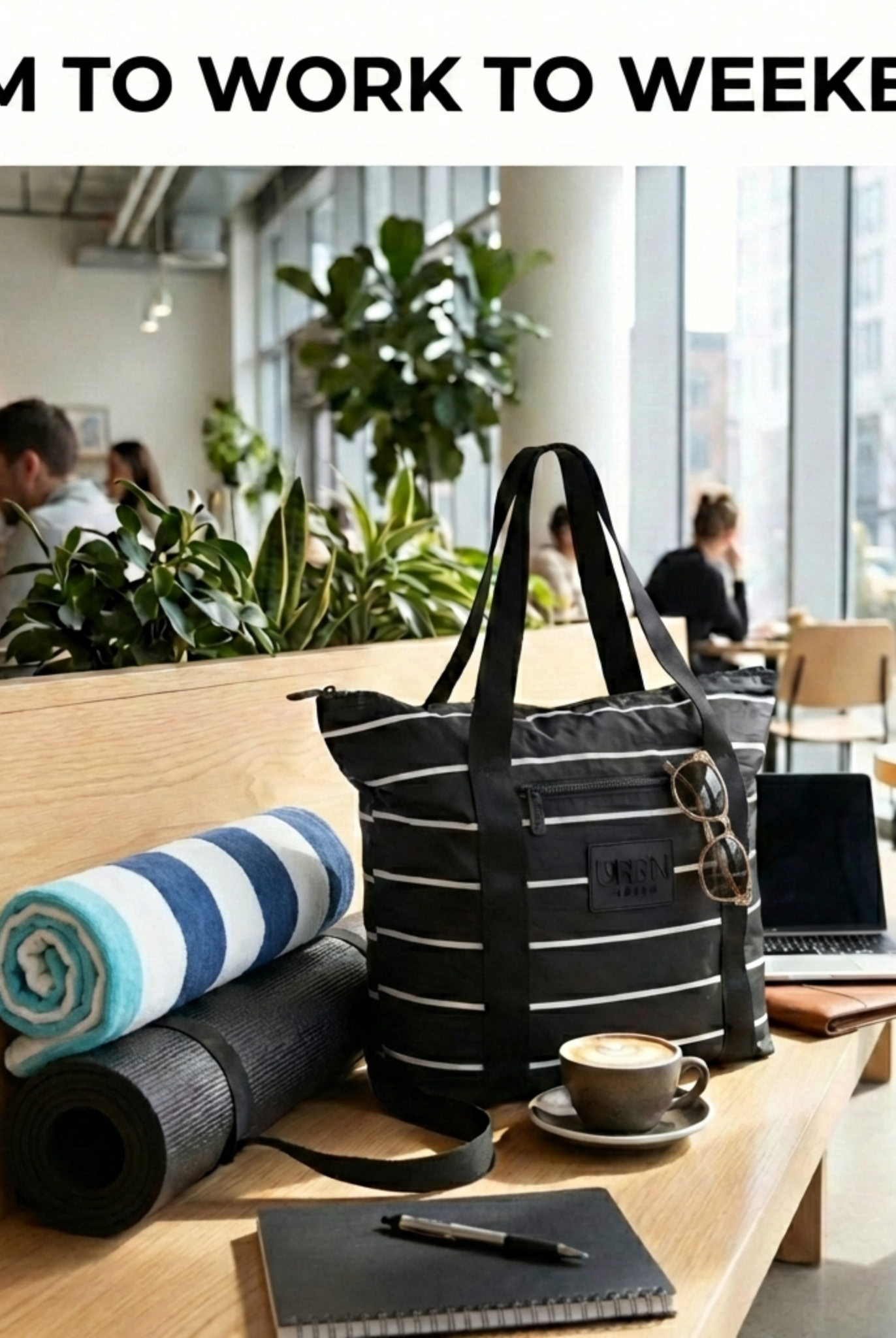
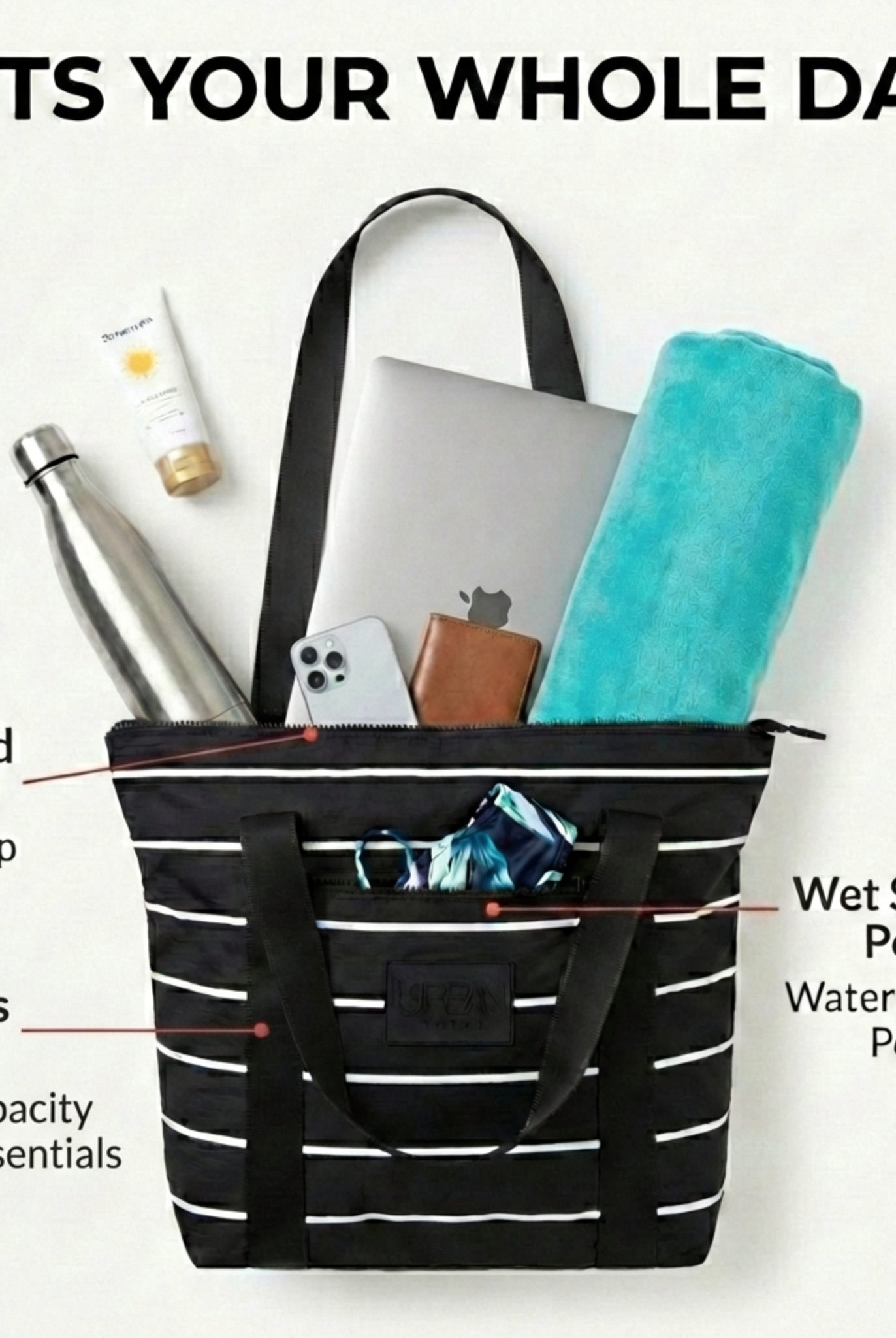
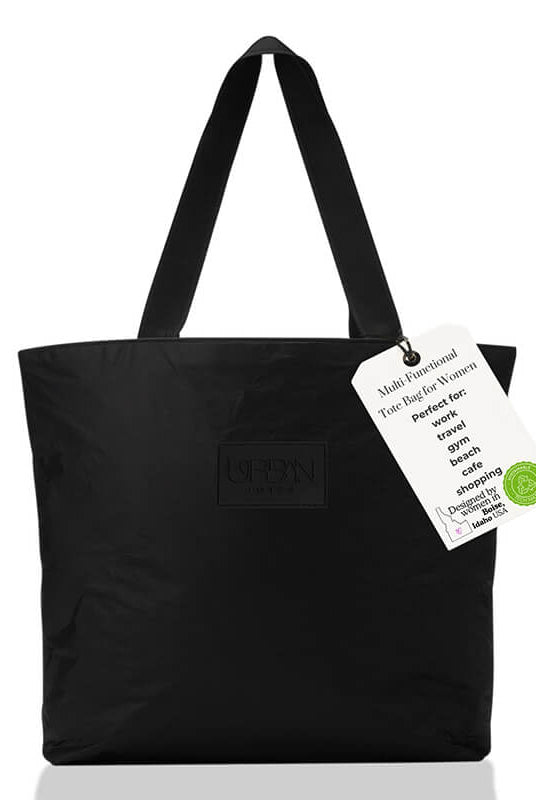
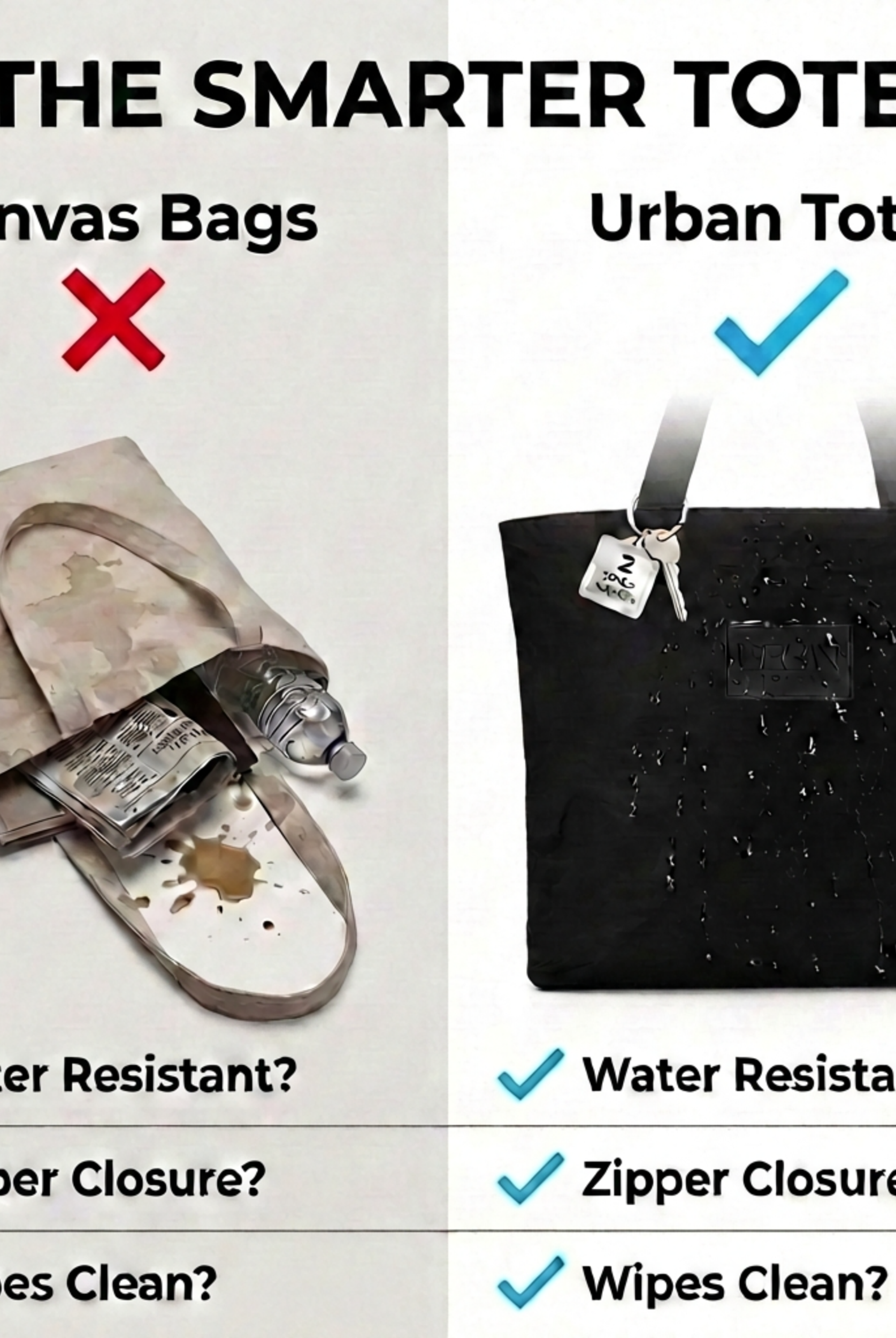
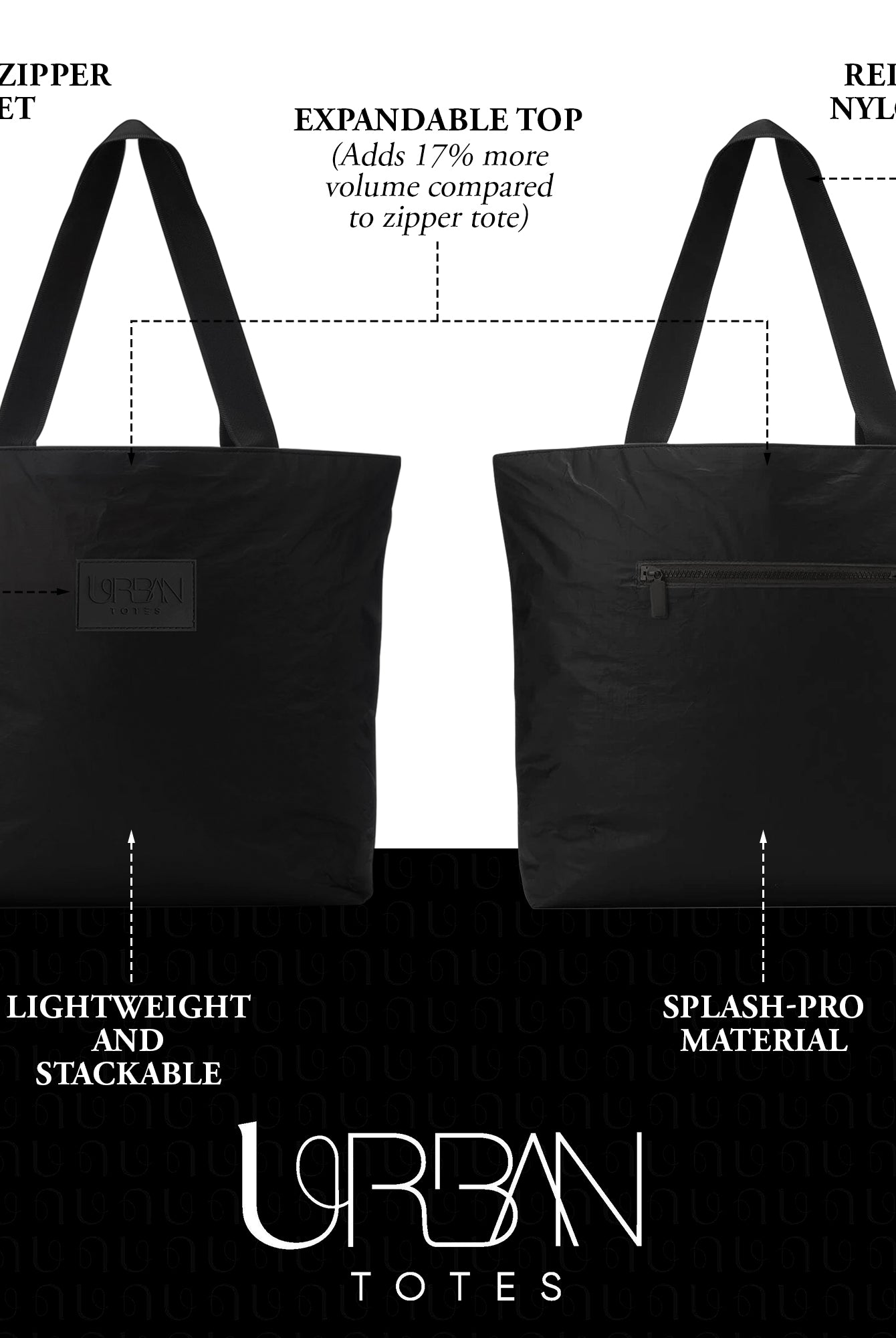
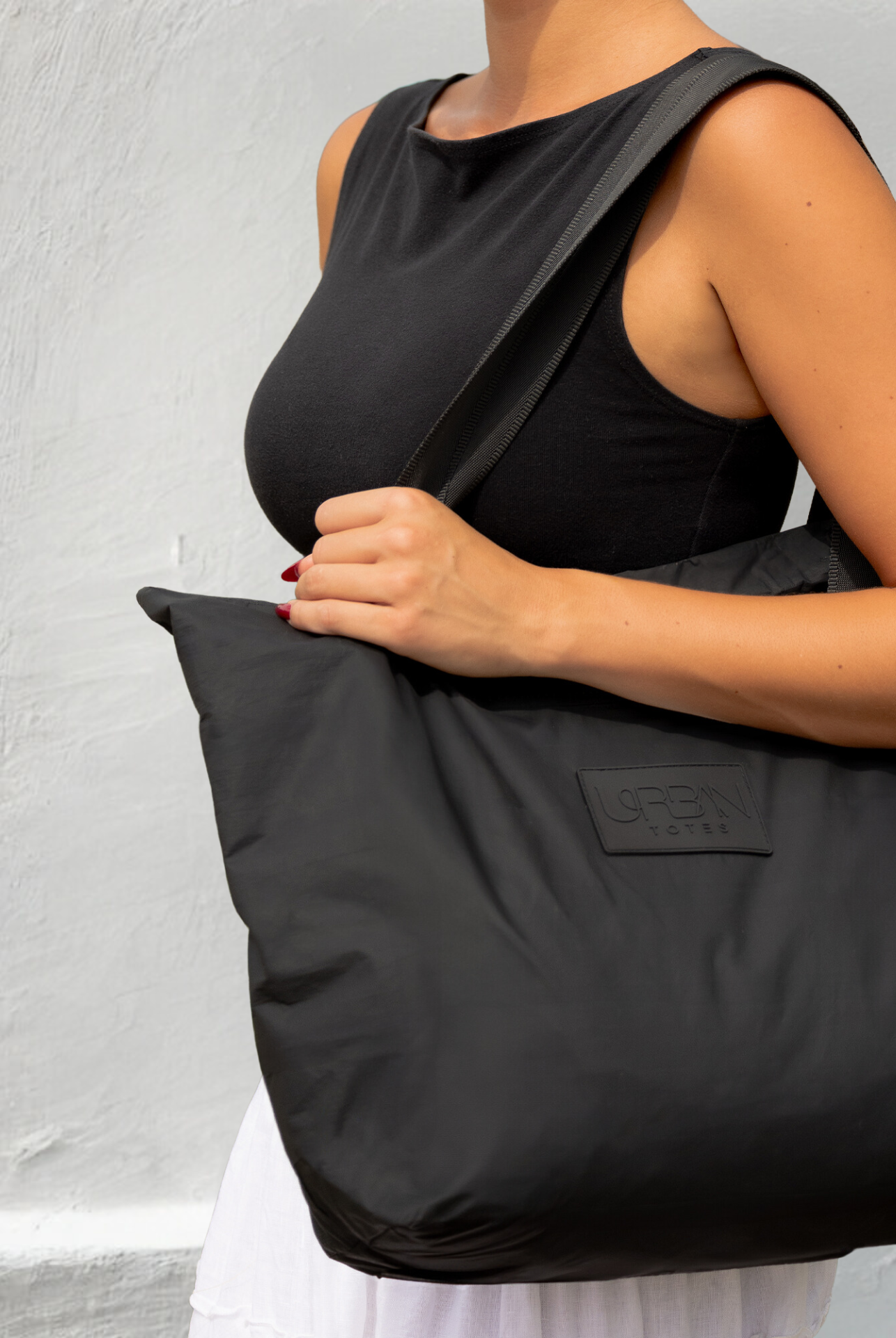
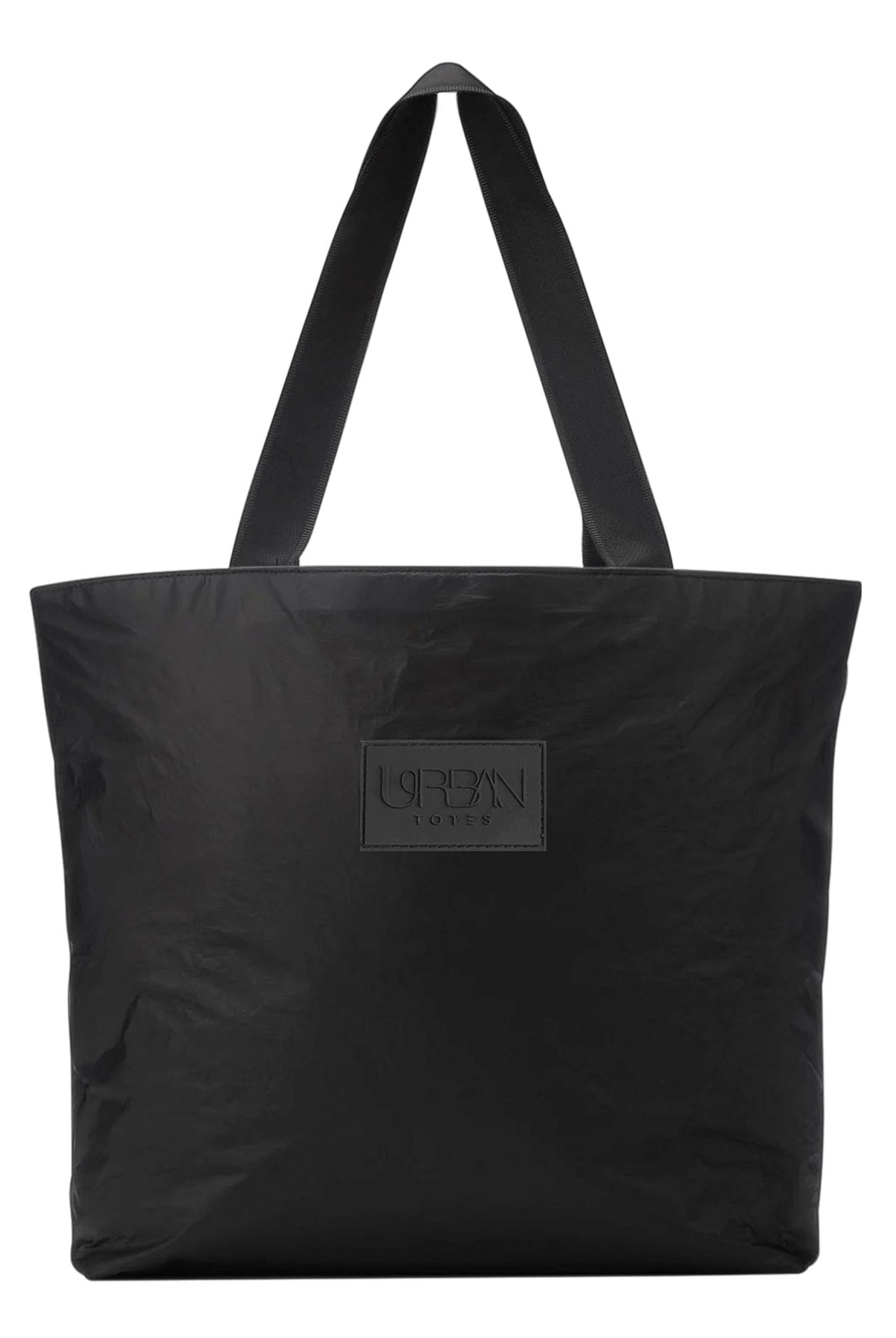
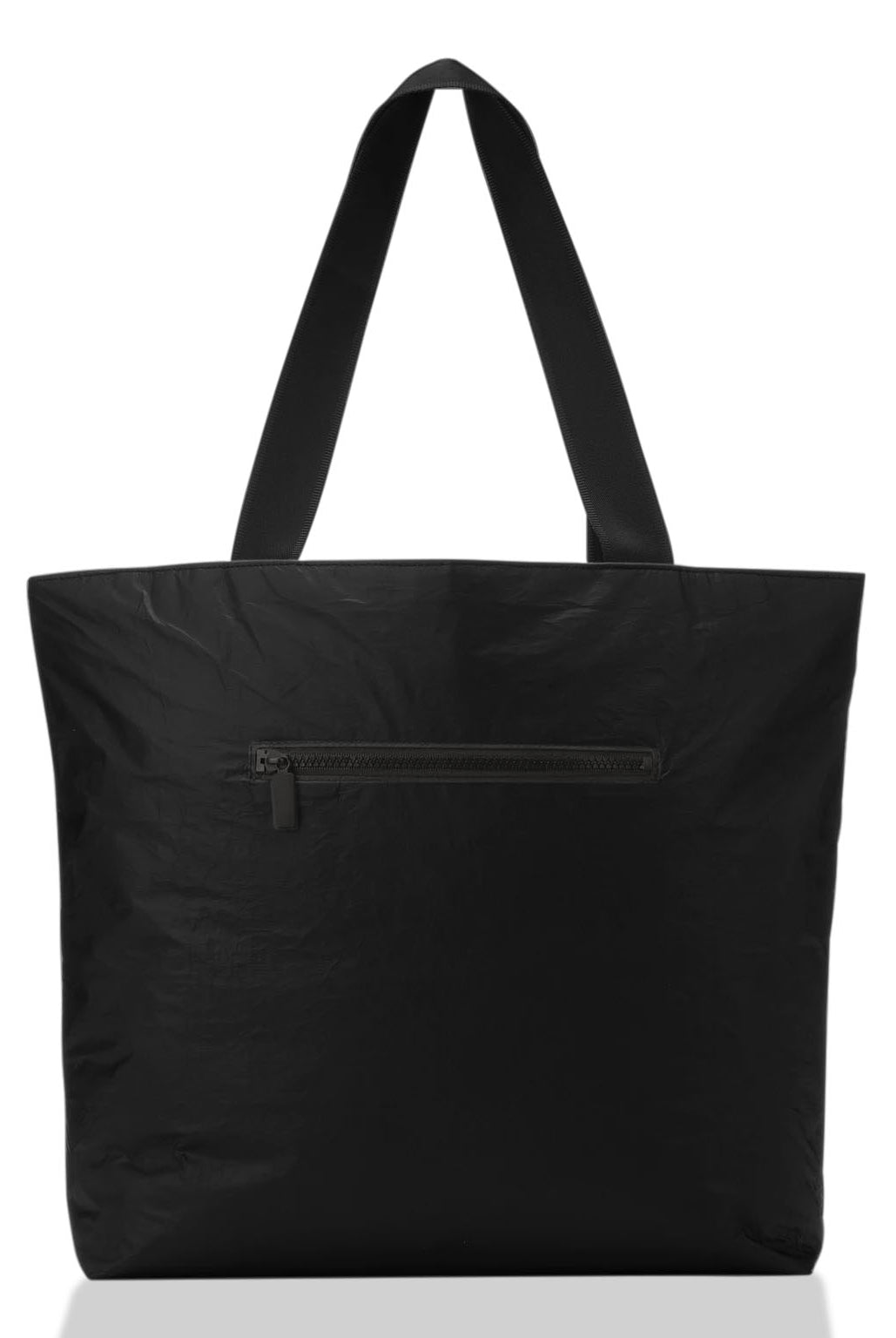
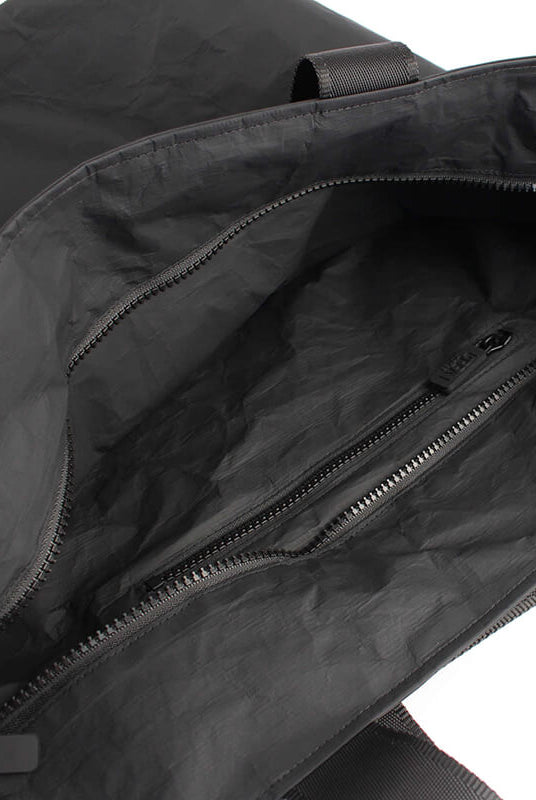
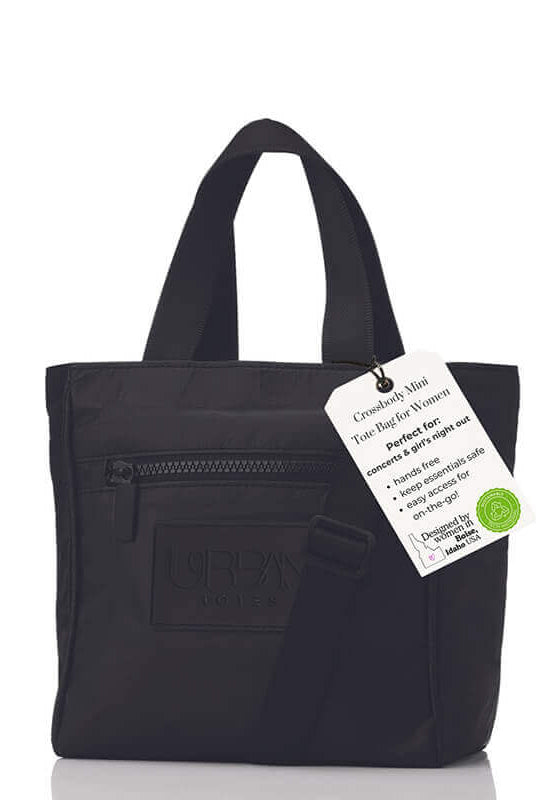
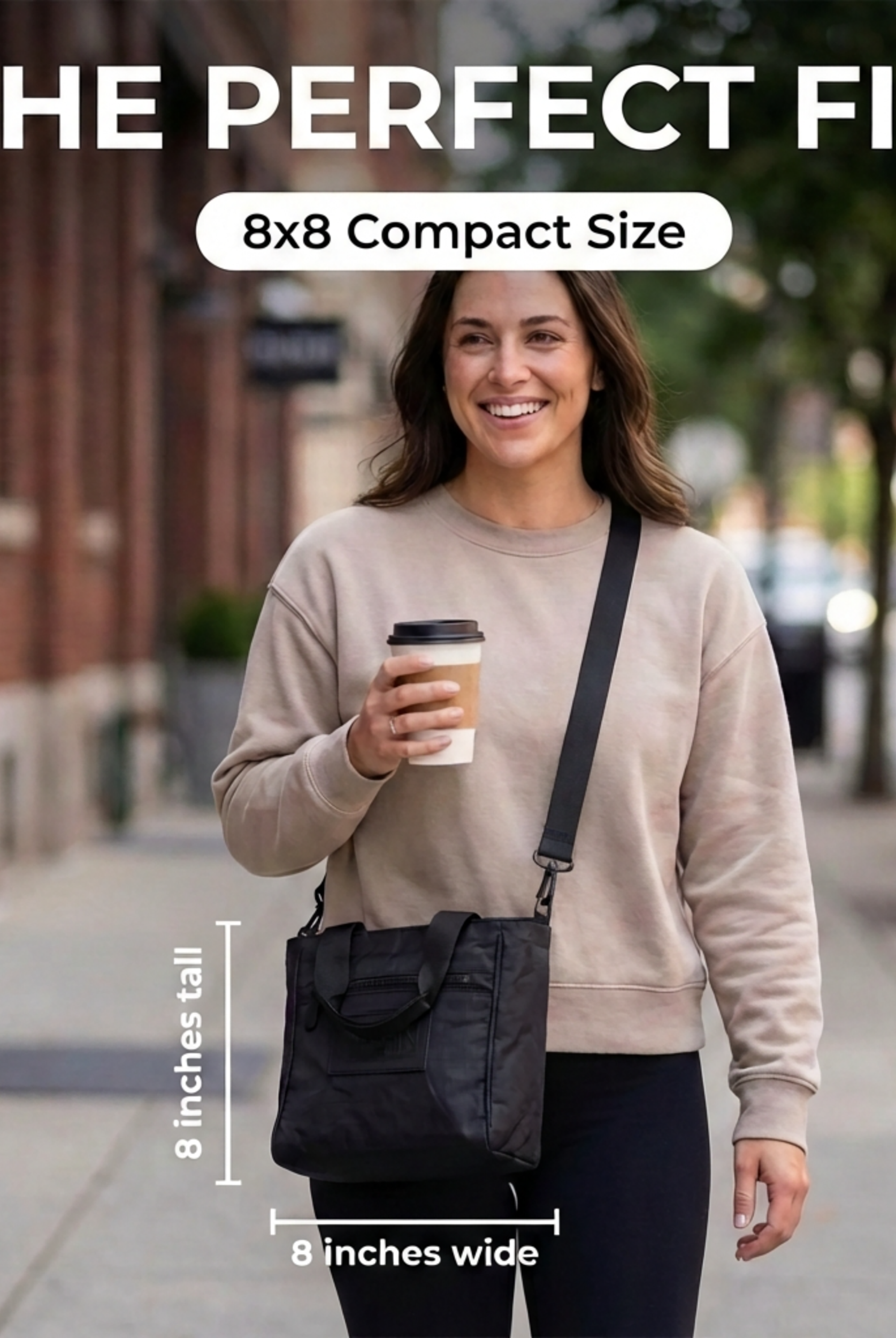
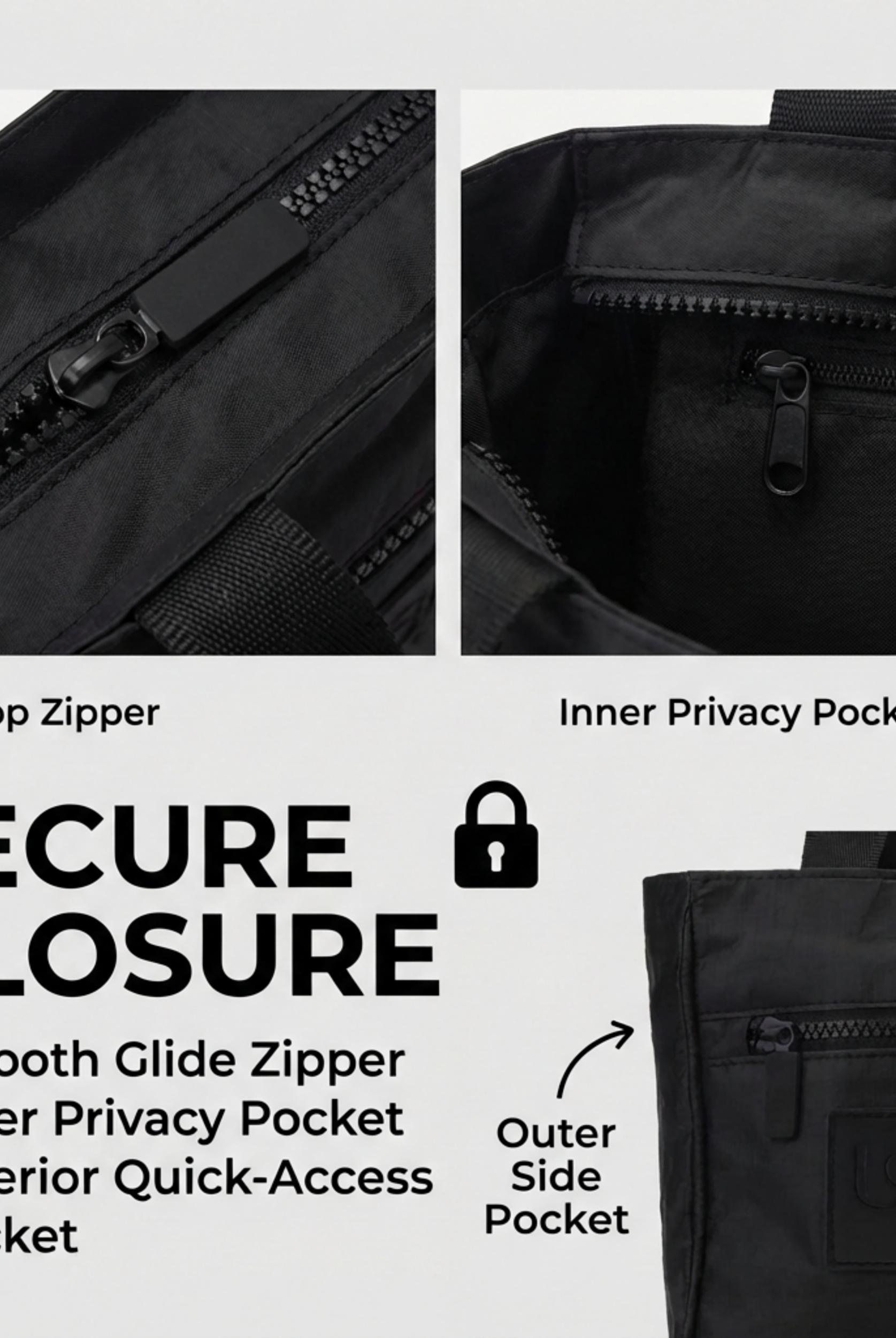
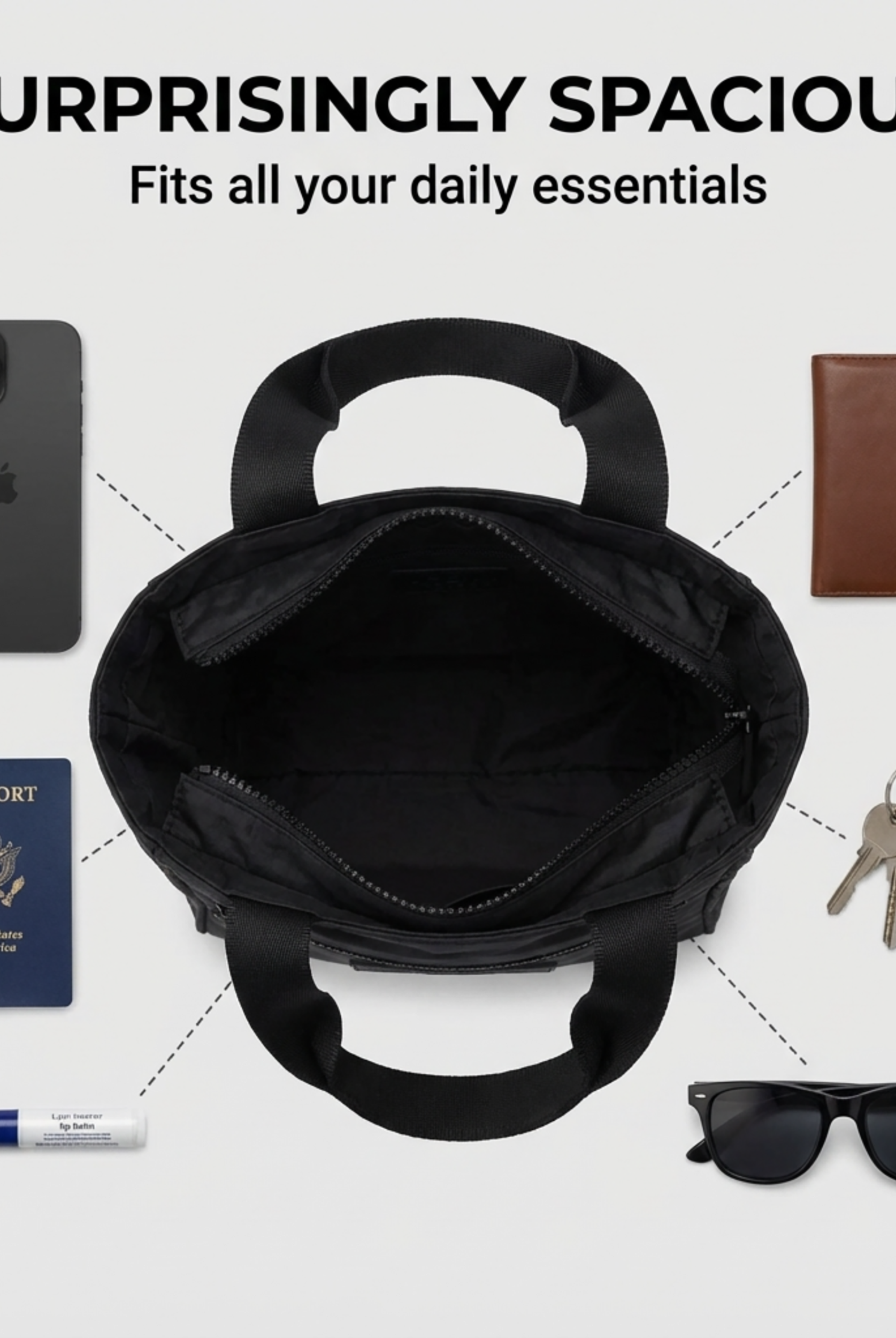
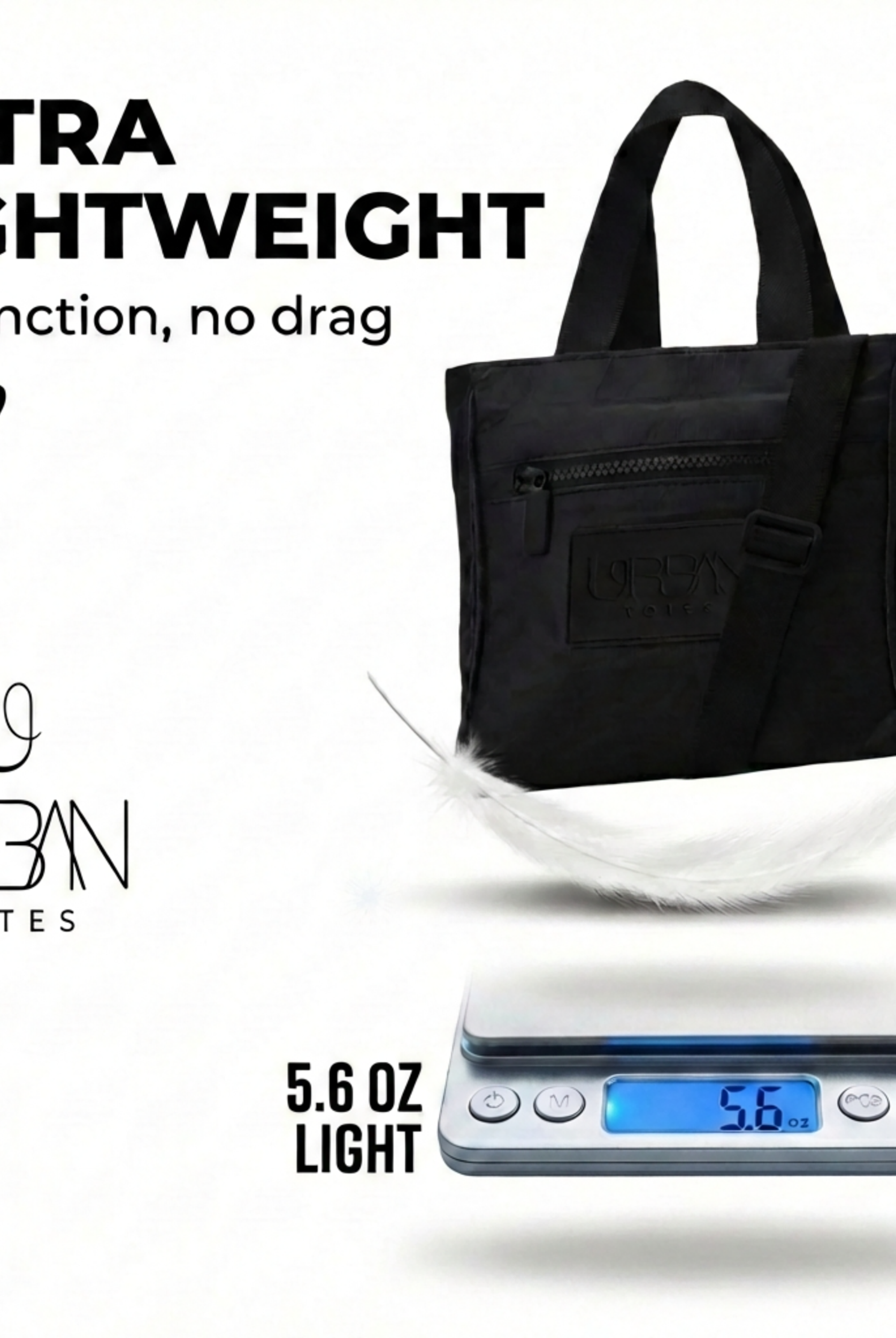
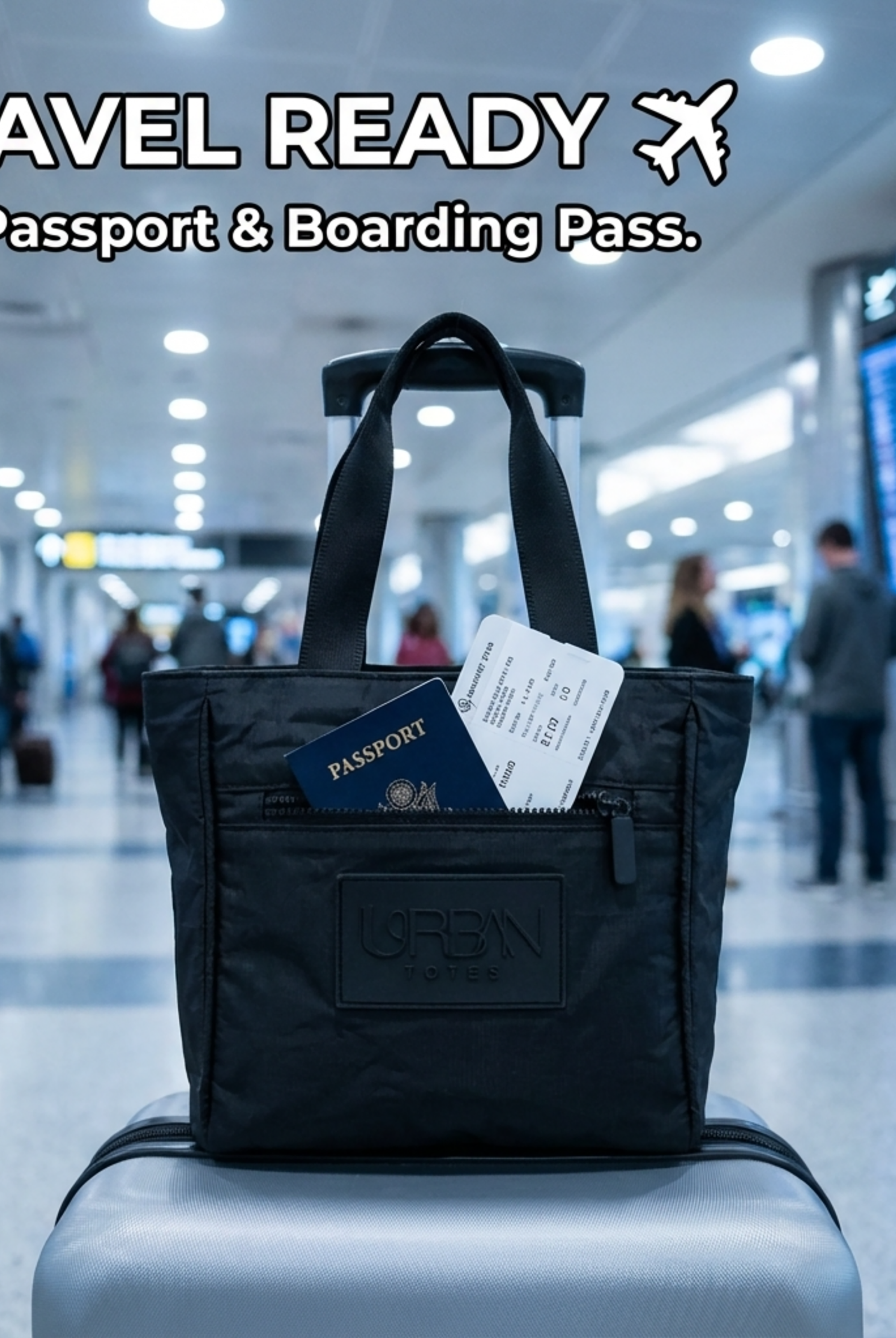
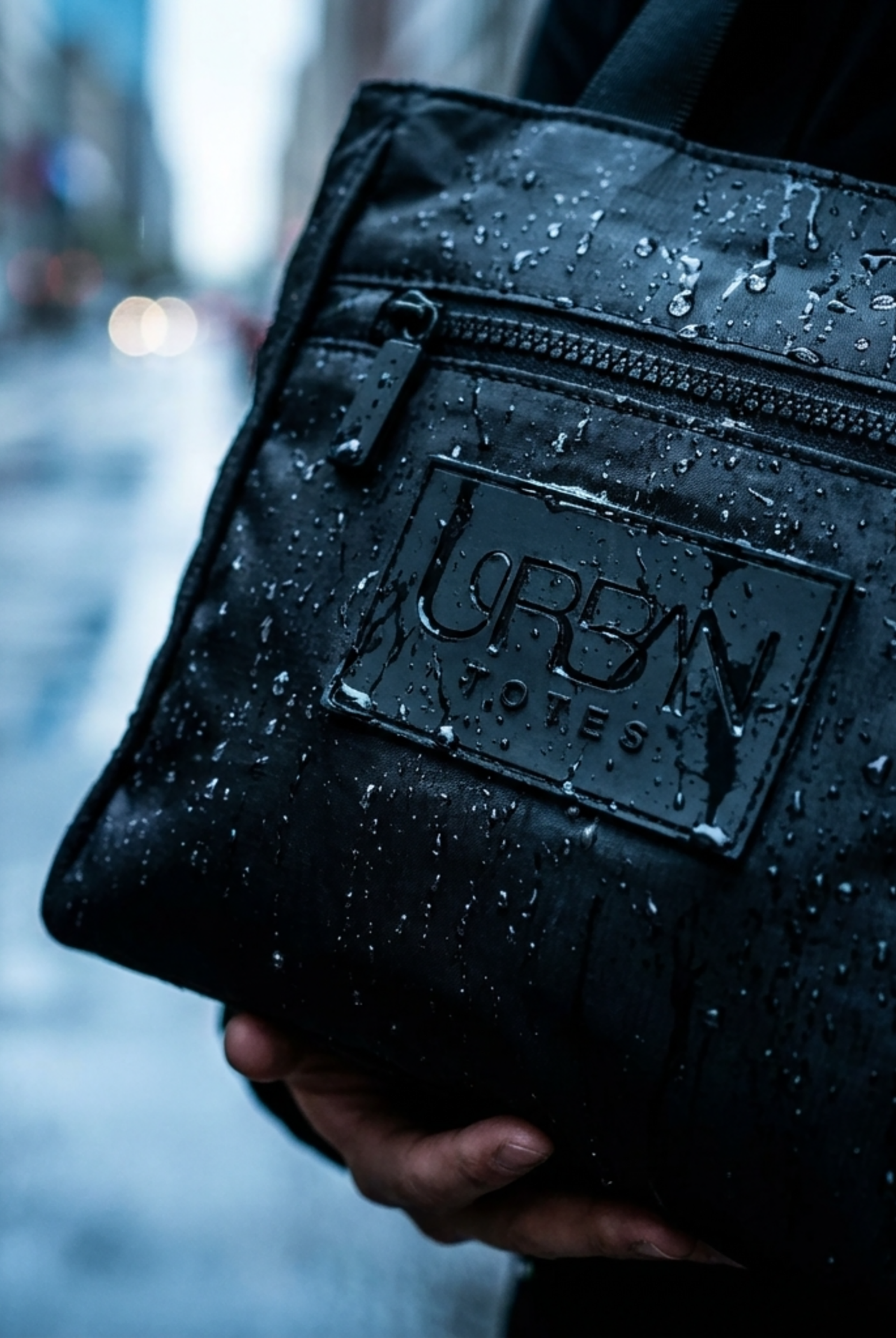
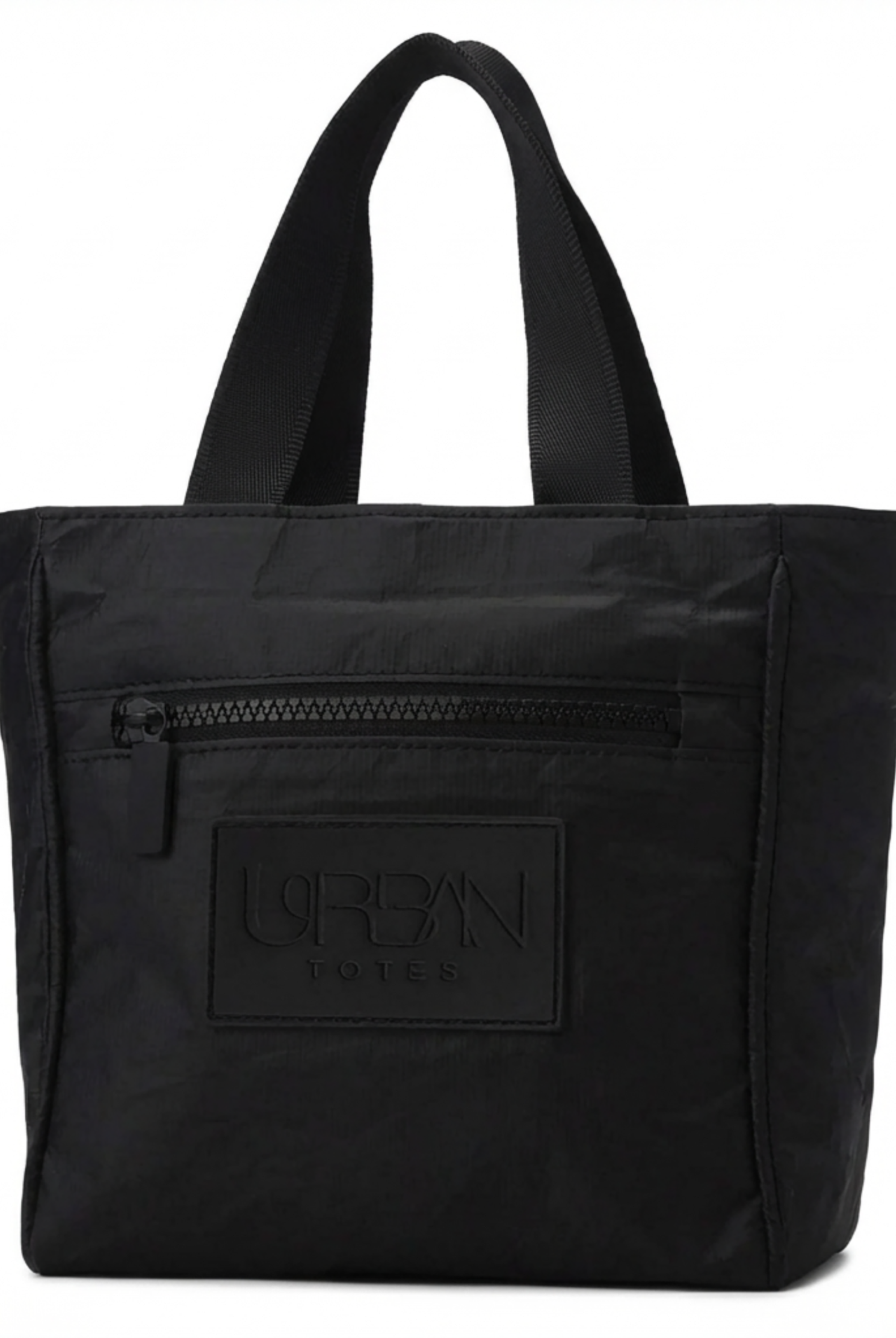
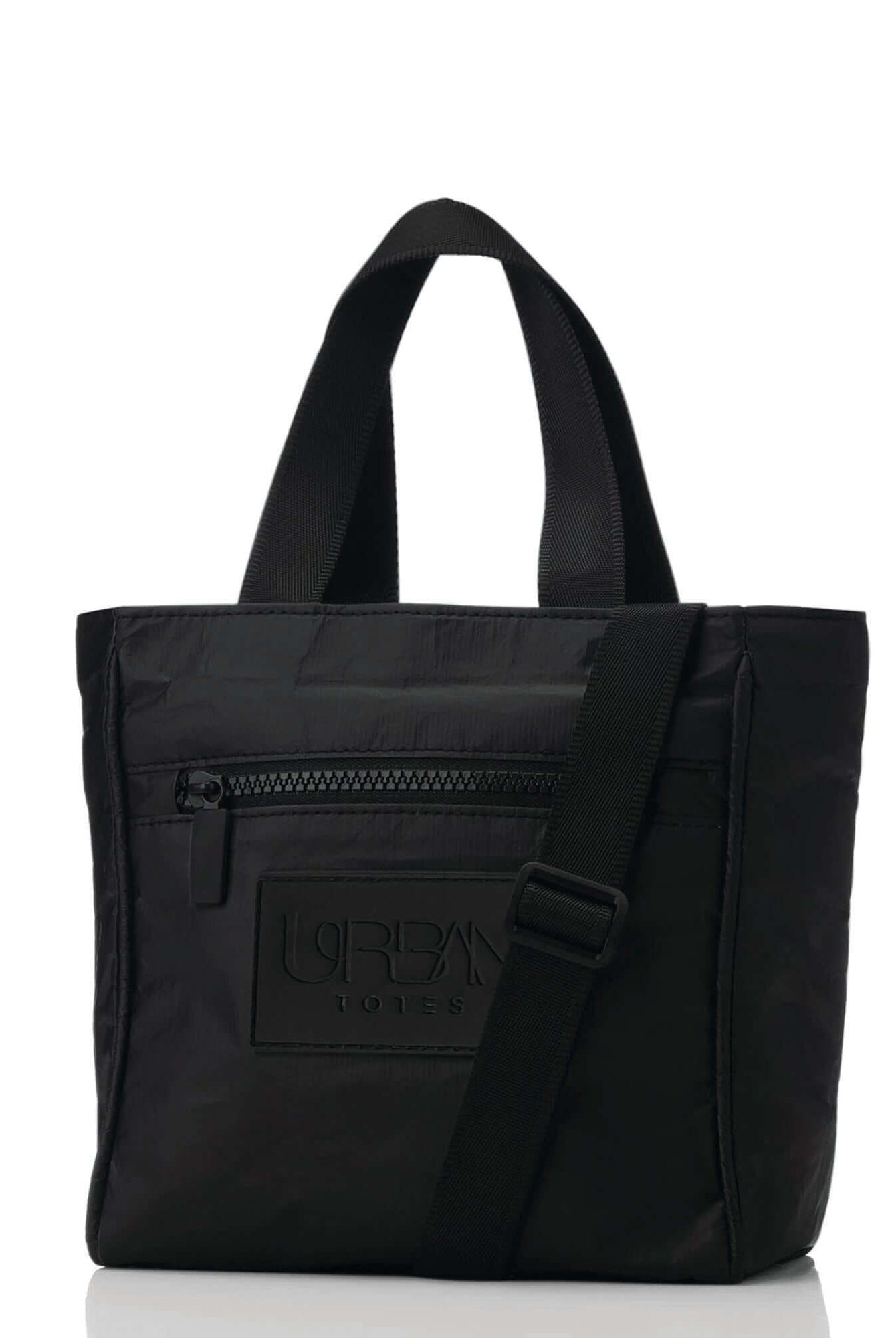
The same logic shows up in everyday carry bags too. The Go Anywhere Day Trip Tote Bag by Urban Totes is described in the catalog snapshot as lightweight, water-resistant, packable, foldable, and organized with three large zippered compartments plus pockets for an iPhone and keys. That kind of structure is useful context because it shows how a non-wheeled bag can still be built for travel-ready organization when a roller isn't the right fit.
Organization matters more than people expect
A good roller isn't only about capacity. It also needs places for the things you reach for in motion, like keys, chargers, a boarding pass, or a child's snack pack. Zipper closures, multi-pocket layouts, and accessible compartments keep you from digging at the curb while people line up behind you.
If you're comparing gear beyond the bag body itself, this travel bags security guide is a useful companion. It's the kind of detail people usually skip until something disappears into the bottom corner of the main compartment.
Bag on Wheels Luggage Versus Other Carry Styles
A roller looks appealing until you put it next to a backpack or tote and ask what your day looks like. That's where the tradeoff becomes clear. Travel guidance from Rick Steves notes that wheeled bags usually cost more, weigh substantially more, and offer a little less capacity than backpacks of similar dimensions because wheel wells and retractable handles consume internal space, according to Rick Steves' packing-light advice.
Rolling bag, backpack, or tote
Here's the simplest way to think about it.
- Rolling bag: best when your route is mostly smooth, your load is heavier, and you want to save your shoulders for the parts of the day that need them.
- Backpack: better when stairs, uneven sidewalks, or long walking stretches are part of the plan.
- Tote: useful when you want quick access, lighter packing, and a shape that moves easily between work, errands, and the car.
The body mechanics matter too. The 2022 review of wheeled-luggage usability summarized NEISS injury data from 2003–2017 and reported an average of 1,811 luggage-induced injuries per year treated in U.S. emergency departments, with a 95% confidence interval of 1,123–2,499. In that same analysis, 70% of shoulder injuries were linked to lifting luggage rather than rolling it, and 62.3% of the injured were women, according to the Taylor & Francis review. That doesn't make every rolling bag safer in every situation, but it does explain why reducing lift burden matters in real life.
Good fit, bad fit: a rolling bag can feel brilliant in a terminal and frustrating on stairs, cobblestones, or curb-heavy city routes.
For readers comparing rollers with a more flexible carry style, this carry-on travel backpack guide is a smart next stop. It helps you decide whether you want wheels, back support, or a bag that can slide from commute to weekend away without taking over your whole stride.
Choosing Bag on Wheels Luggage for Your Routine
The right rolling bag depends on the kind of day you live, not the one you wish you had. A commuter who moves from parking garage to elevator to office floor needs something different from a beach-day mom who crosses sand, stows snacks, and then heads to dinner with wet towels in the mix. A student who moves through campus steps has different pain points again.
Match the bag to the terrain
A woman rolling through an airport terminal can use wheels almost the entire time, which is where the category shines. A parent hauling a bag from car trunk to school drop-off to weekend soccer fields may love wheels on Tuesday and hate them by Saturday if the route includes grass, curbs, or a flight of stairs. The question is not just spinner versus roller, it is whether the bag will move cleanly across the surfaces in your life.
A roller can become a liability when the path is rough, the walk is long, or you keep lifting it in and out of transit. A packable, foldable tote can make more sense than a rigid roller in those moments, because it disappears into tight spaces and does not ask you to manage wheel alignment on every surface. That tradeoff matters for women who bounce between buses, trains, trunks, sidewalks, and elevators in the same afternoon.
Think in use cases, not categories
Family travel planning gets easier when every bag has a job. If you are building out a trip, the guide for family travel planning from Approved Experiences Traveler is a helpful resource to keep nearby while you sort through carry-on limits, packing choices, and the realities of moving through airports with more than one person's stuff.
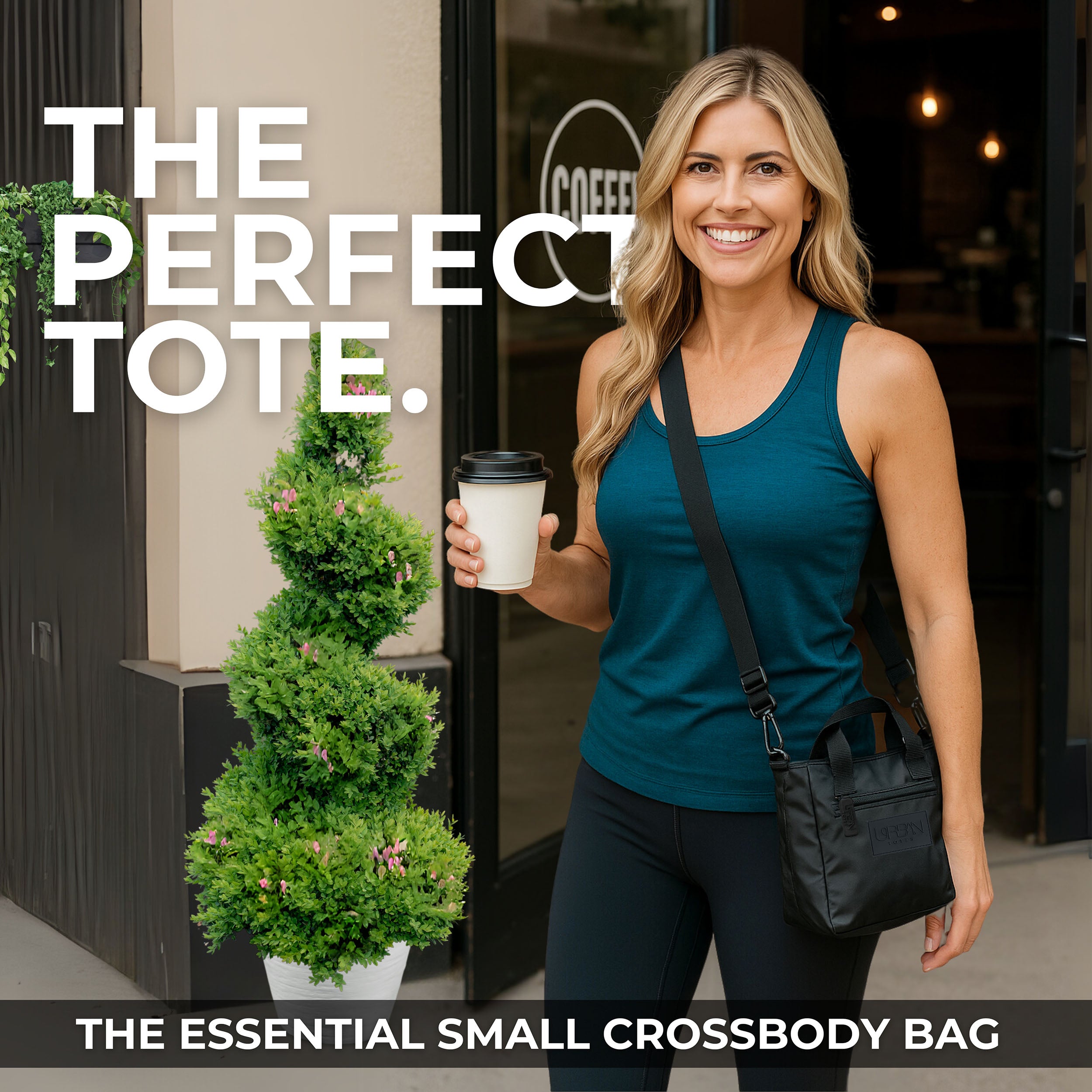
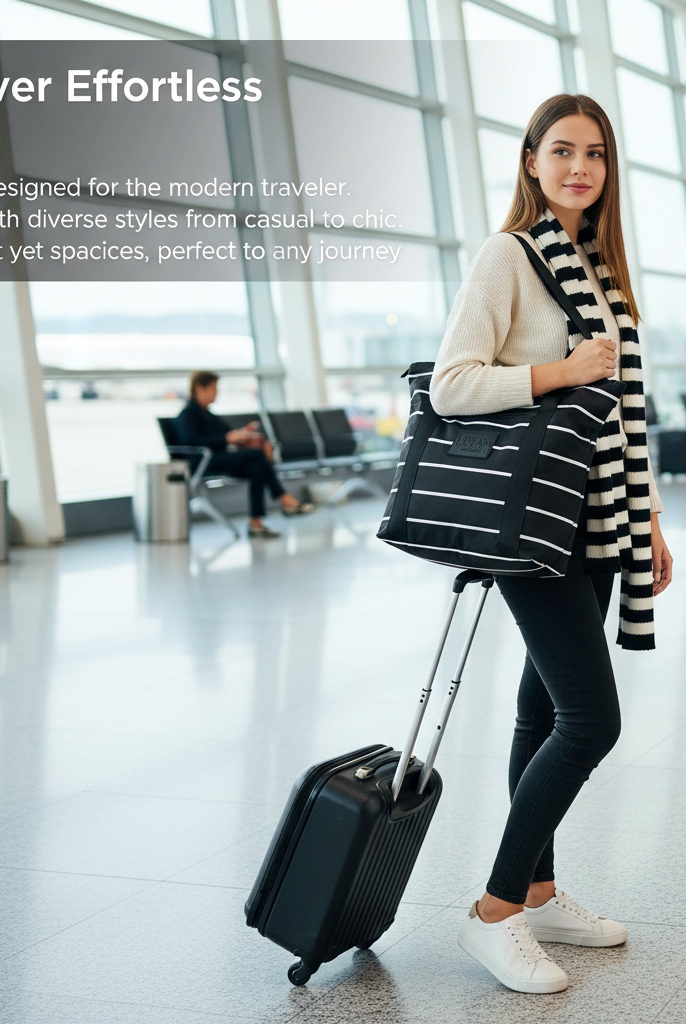
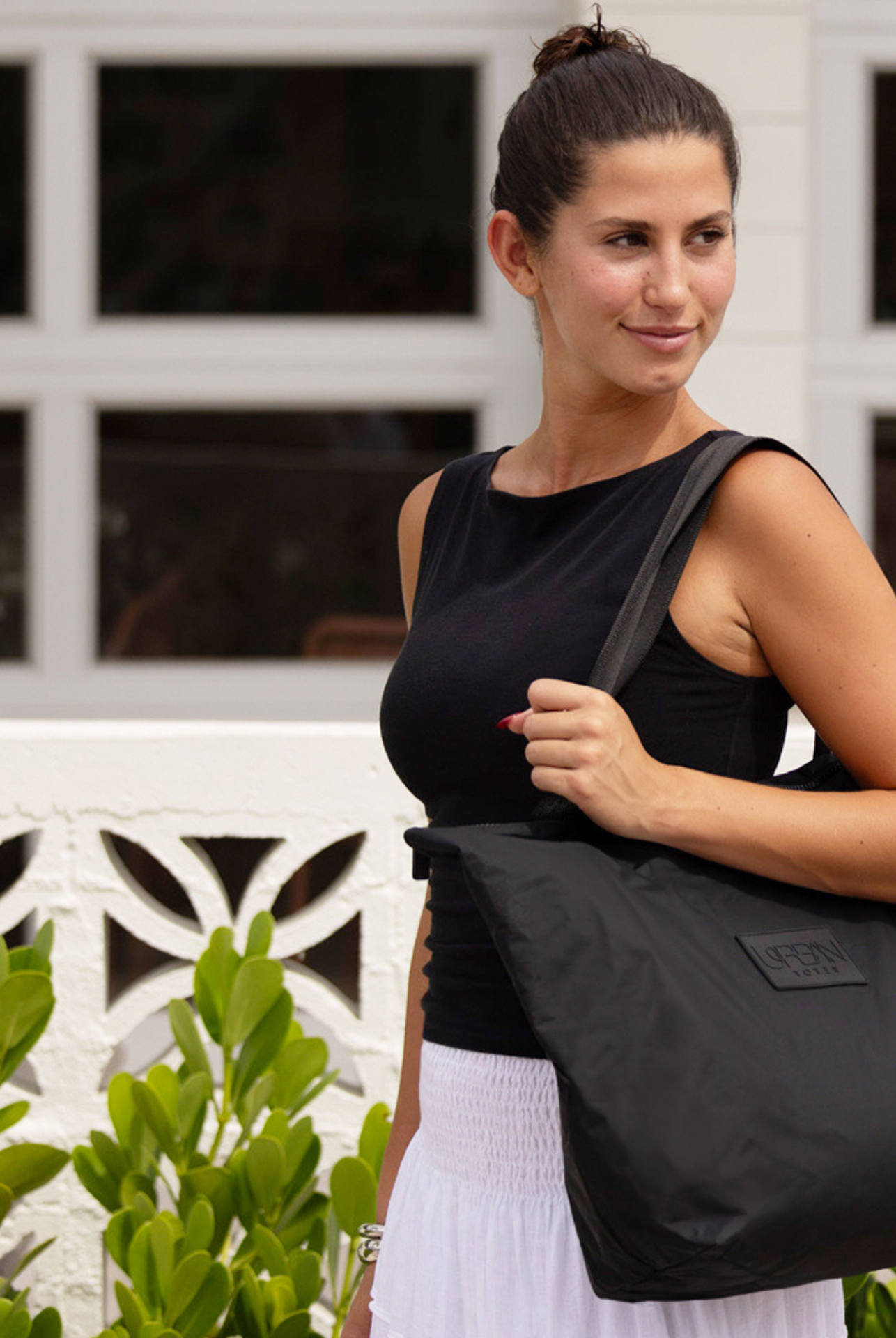
Urban Totes fits into that same practical mindset. As a woman-owned, Boise-made brand, it is built around everyday carry, not just special-trip packing. For readers comparing compact options, the best carry-on tote bags guide lays out what to look for in a tote that can handle workdays, errands, and short trips without adding extra bulk. The catalog snapshot for the Go Anywhere Day Trip Tote Bag by Urban Totes describes a lightweight, water-resistant, packable, foldable tote with zipper closures and multiple compartments, which makes it a useful alternate option when wheels would be more hassle than help.
Use the routine test before you buy
Ask three plain questions before you pick a roller.
- Where do I walk most often? Smooth floors reward wheels, rough ground does not.
- How often do I lift the bag? Stairs and trunk loading make handle comfort matter.
- What do I need to reach fast? If you are always hunting for keys or a phone, pocket layout matters as much as capacity.
That kind of self-check keeps you from buying a bag that only works on one kind of trip.
Packing and Caring for Your Rolling Bag
A rolling bag works better when you load it with intention. Keep heavier items low and close to the wheel side so the bag tracks more steadily, and use compartments so you're not stacking everything into one shifting block. When the weight sits well, the handle feels calmer in your hand and the bag is less likely to tip when you stop.
Wheels also need a little respect. Sand, grit, and sidewalk debris can collect fast, especially if your day includes beach paths, parking lots, or transit platforms. A quick wipe after use helps more than people think, and water-resistant fabrics are easier to keep looking clean when you're moving between errands and travel.
Repairability matters more than most buying guides admit
Consumer guidance from Consumer Reports on common luggage problems points out that luggage trouble often shows up in the handles, wheels, zippers, and weight management, and it notes that users should test whether a bag can be lifted into overhead bins with both handles. The same guidance also underscores a bigger ownership issue, because a bag can look fine on day one and still fail later in the exact places you touch most.
Replacement wheels are not usually a casual fix. Guidance in the brief says replacement wheels should be identical to preserve stability, and once a wheel is broken it generally has to be replaced rather than repaired. That makes wheel quality and parts availability real long-term factors, not afterthoughts.
If a wheel module can't be matched or replaced cleanly, the cheapest bag can become the most expensive one to keep.
For wrinkle-prone packing, this is also where smart layering helps. If you're packing clothes for a trip or a family weekend, the tips for preventing clothes wrinkles when packing are worth a look before you zip everything shut. A tidy interior keeps the contents easier to find, and a well-packed bag is less annoying to live with.
Find Your Go Anywhere Bag with Urban Totes
The best bag is the one that fits the way you move. Some days, that means a rolling case that glides through a terminal and saves your shoulder for the baby carrier, the grocery run, or the hotel stairs. Other days, it means choosing a packable, foldable, water-resistant tote that slips into daily life without adding bulk or forcing you to think about wheel clearance.
That's why the choice deserves more than a quick spinner-versus-roller question. Look at your terrain, your lifting habits, your need for organization, and how often your bag has to switch roles between commute, caregiving, and travel. If your life is mostly smooth sidewalks and airport floors, bag on wheels luggage can feel like a relief. If your days are a mix of stairs, uneven paths, and constant in-and-out movement, a lighter carry style may serve you better.
Urban Totes is a woman-owned, Boise-based brand built around that same real-life rhythm, with thoughtfully designed bags that are lightweight, water-resistant, packable, and made for everyday carry. The brand's go-anywhere spirit fits busy mornings, weekend escapes, and the long list of small stops in between.
If you're ready to choose a bag that fits your day, visit Urban Totes and explore the collection with your commute, travel plans, and real-life errands in mind. You'll find go-anywhere carry that's designed to keep up when your schedule doesn't slow down.