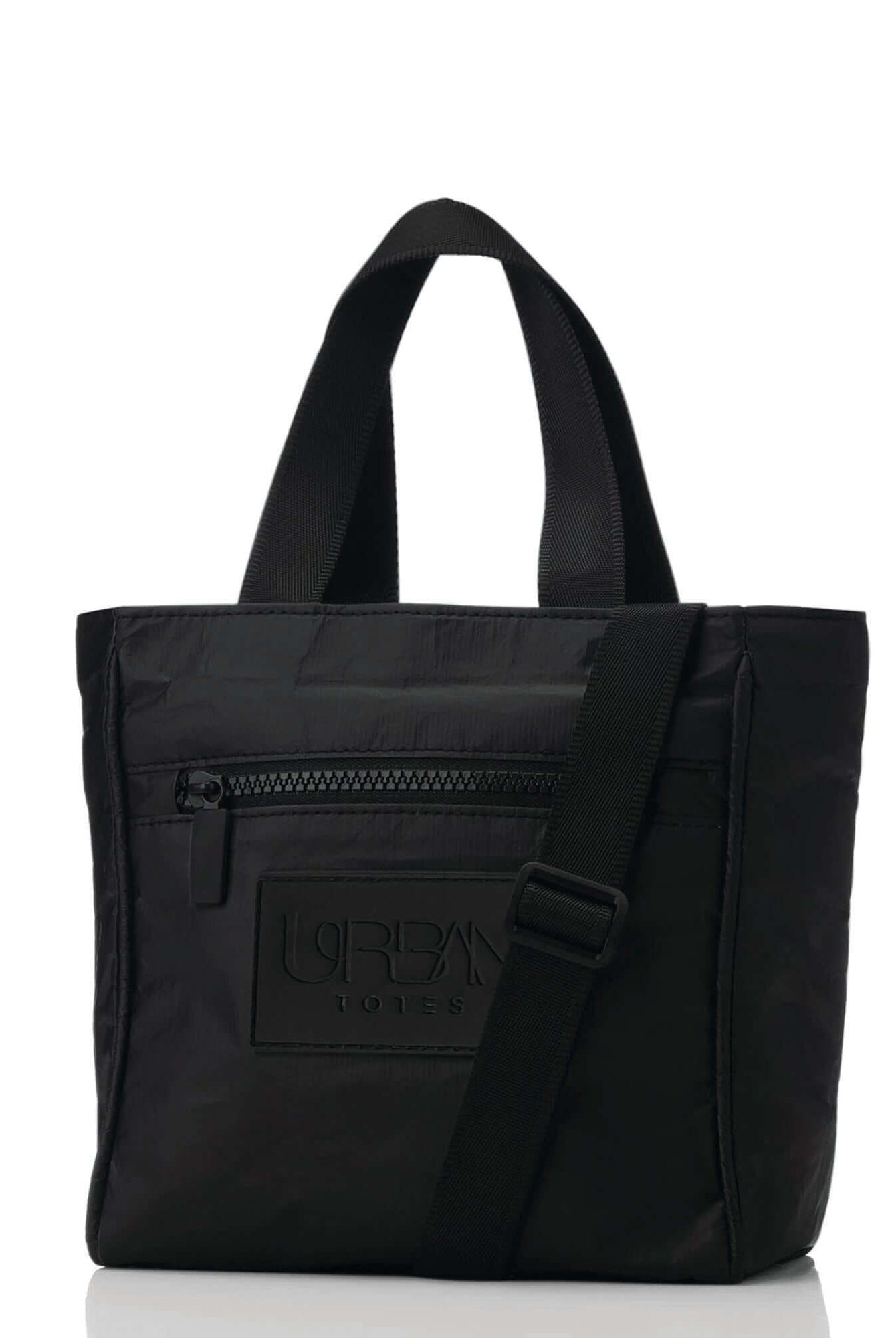
You're probably here because you're staring at an upcoming trip and thinking the same thing so many women think before they fly: I do not want to drag a clunky suitcase through a parking garage, an airport terminal, a hotel lobby, and then a full day of exploring. You want one bag that feels polished, works hard, and doesn't make you look like you're headed off on a rugged expedition when you're juggling boarding passes, snacks, a charger, and maybe a child's sweatshirt you somehow ended up carrying too.
That's exactly why the carry on travel backpack matters so much. The right one doesn't just hold your things. It changes the pace of the whole trip. You move faster, stay more organized, and stop wasting energy on a bag that fights you every step of the way.
Table of Contents
- The Freedom of One-Bag Travel
- What Makes a Backpack a Travel Backpack
- Navigating Confusing Airline Carry On Rules
- Key Features of a Travel-Ready Bag
- Choosing the Right Bag for Your Trip
- How to Pack Your Carry On Like a Pro
The Freedom of One-Bag Travel
The slow shuffle around baggage claim is enough to convert almost anyone to one-bag travel. You land tired, your phone battery is lower than you'd like, someone needs a snack, and you're stuck watching the same carousel circle while everyone hopes their bag appears. That part of travel feels normal until you skip it.
Walking off a plane with everything you need already on your shoulder feels different. You're not waiting, not worrying, and not rerouting your whole arrival around luggage. You head straight to the rideshare line, the train, the rental car, or the hotel and keep the day moving.
That shift is bigger than convenience. It's freedom. A carry on travel backpack gives you real mobility when your itinerary includes stairs, cobblestones, crowded streets, quick gate changes, and the constant stop-and-start rhythm of modern travel. If your trip mixes airport time with city exploring, school-break family travel, or a spontaneous overnight extension, that kind of flexibility matters.
The change isn't niche, either. The global backpack market is projected to grow from USD 22.12 billion in 2026 to USD 44.76 billion by 2034, and the travel backpack segment accounted for 46.54% of the market in 2026, reflecting a broader shift toward simpler, more efficient travel gear, according to Fortune Business Insights on backpack market growth.
Why women keep coming back to one-bag travel
A good one-bag setup cuts friction in ways that sound small until you live them:
- No baggage claim delay: You leave the airport faster.
- Less physical hassle: You're not dragging wheels over curbs, cracks, or crowded sidewalks.
- Cleaner decision-making: Fewer items means fewer places to lose essentials.
- More room for real life: Hands stay freer for coffee, a phone, a child's hand, or travel documents.
A travel bag should make your day lighter, not give you one more thing to manage.
If you're deciding between a backpack and a softer weekend option for shorter trips, it helps to compare shapes and use cases. This guide on what a weekender bag is is useful when your trip leans more hotel-and-car than airport-and-foot-travel.
What Makes a Backpack a Travel Backpack
A regular backpack carries things. A travel backpack carries a trip.
That difference shows up fast when you pack for more than a single workday. School bags and basic daypacks tend to be top-loading, floppy, and frustrating once you add clothes, shoes, toiletries, and electronics. You end up digging from the top, losing track of smaller items, and overstuffing the shape until it stops feeling manageable.
A true carry on travel backpack is built around movement, access, and packing efficiency. It needs to hold enough for several days, open in a way that makes sense, and stay comfortable from curbside to gate to hotel check-in.

Start with size, not marketing
The cleanest benchmark is capacity. The maximum recommended capacity for a carry-on travel backpack is 40–45 liters, because that size generally fits standard overhead bin dimensions on most major airlines and helps reduce the chances of a gate check, as noted by Eagle Creek's carry-on backpack guidance.
That range matters because it gives you enough room for a real trip without tipping into the oversized, overpacked territory that makes airport travel miserable.
Here's the practical breakdown:
| Trip style | What usually works |
|---|---|
| Overnight or light weekend | Smaller, more compact carry |
| Long weekend or work trip | Mid-size organized bag |
| Week-long one-bag travel | 40 to 45 liters is the useful benchmark |
Features that change how the bag works
The best travel backpacks don't just hold more. They hold things in the right way.
Look for these details first:
- Clamshell-style access: You can see what you packed instead of excavating layers.
- Structured shape: The bag keeps its form better when full.
- Convertible carry options: Some travel-focused bags include backpack straps plus other carry modes.
- Exterior quick-access zones: Passport, phone, and charger shouldn't disappear into the main compartment.
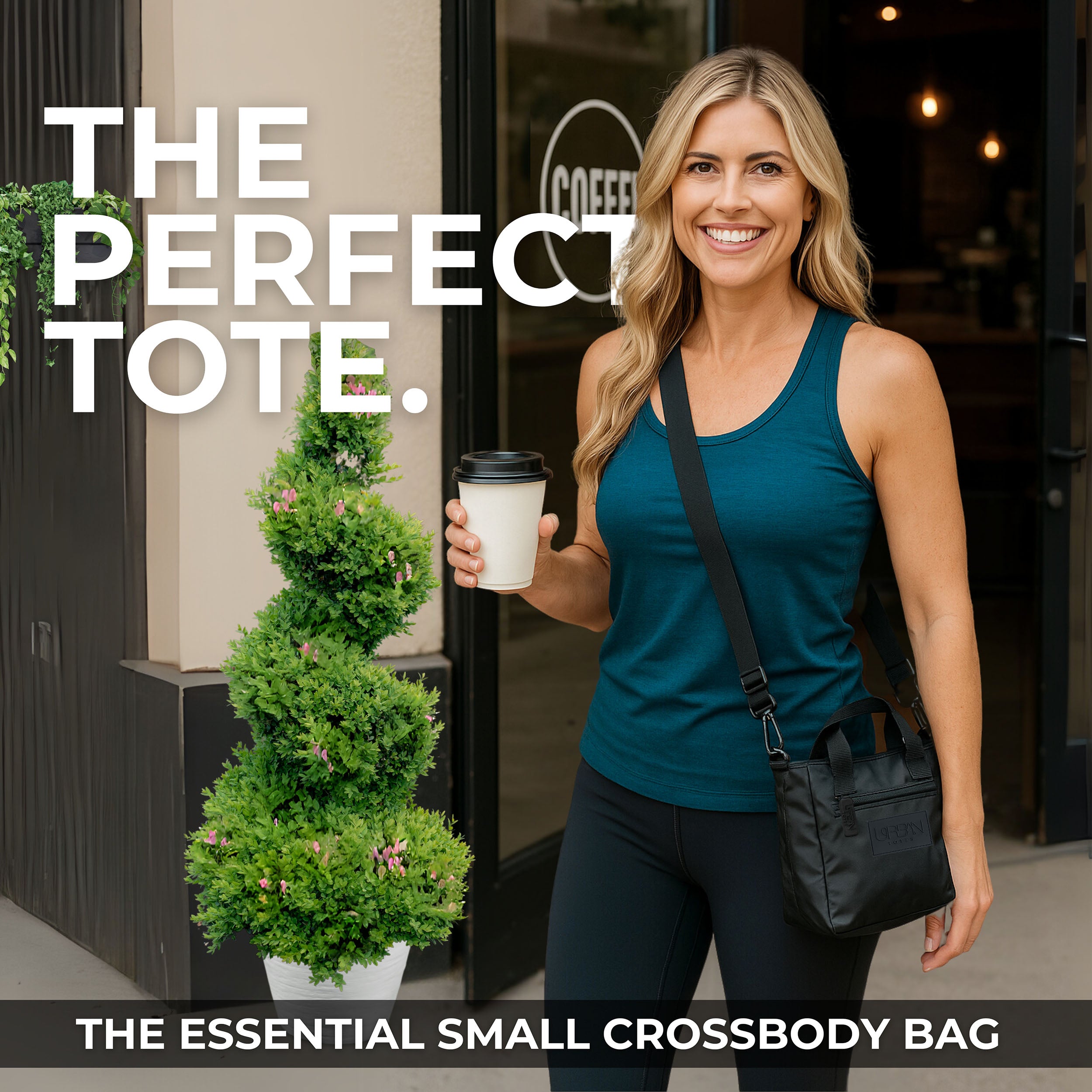
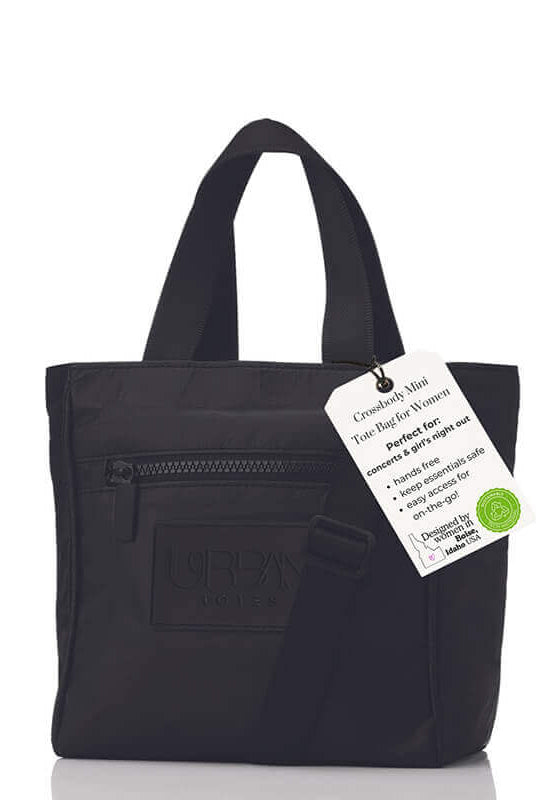
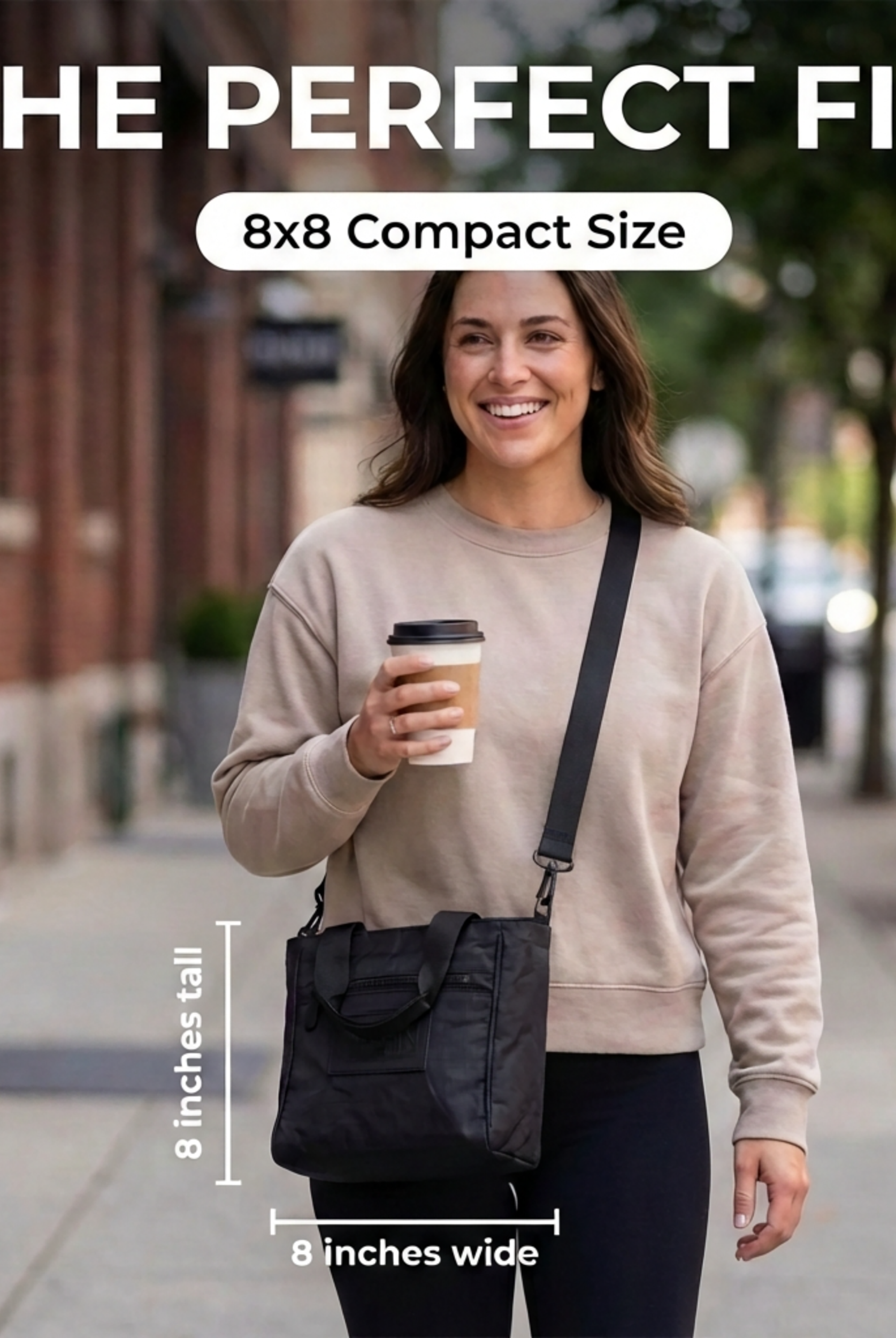
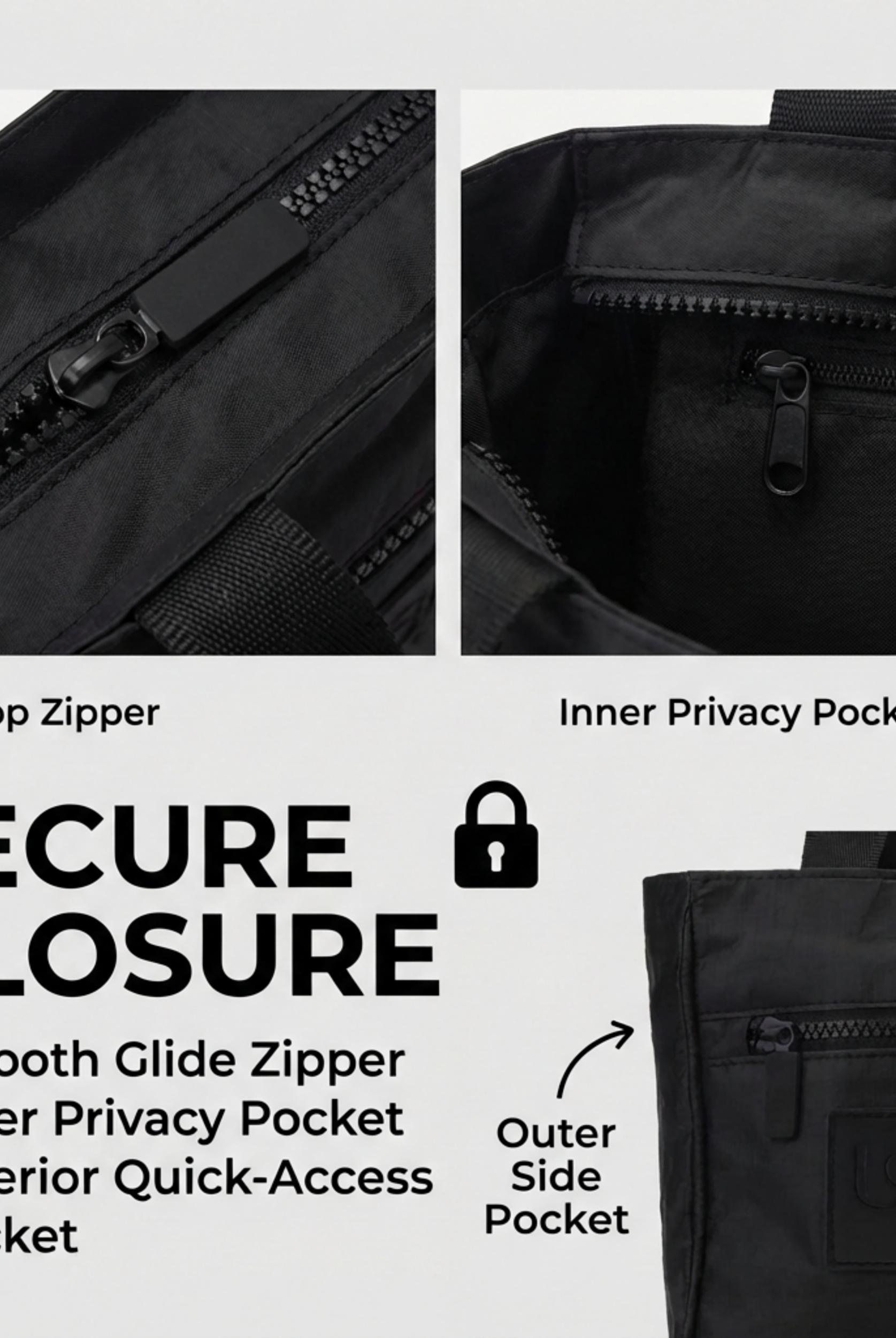
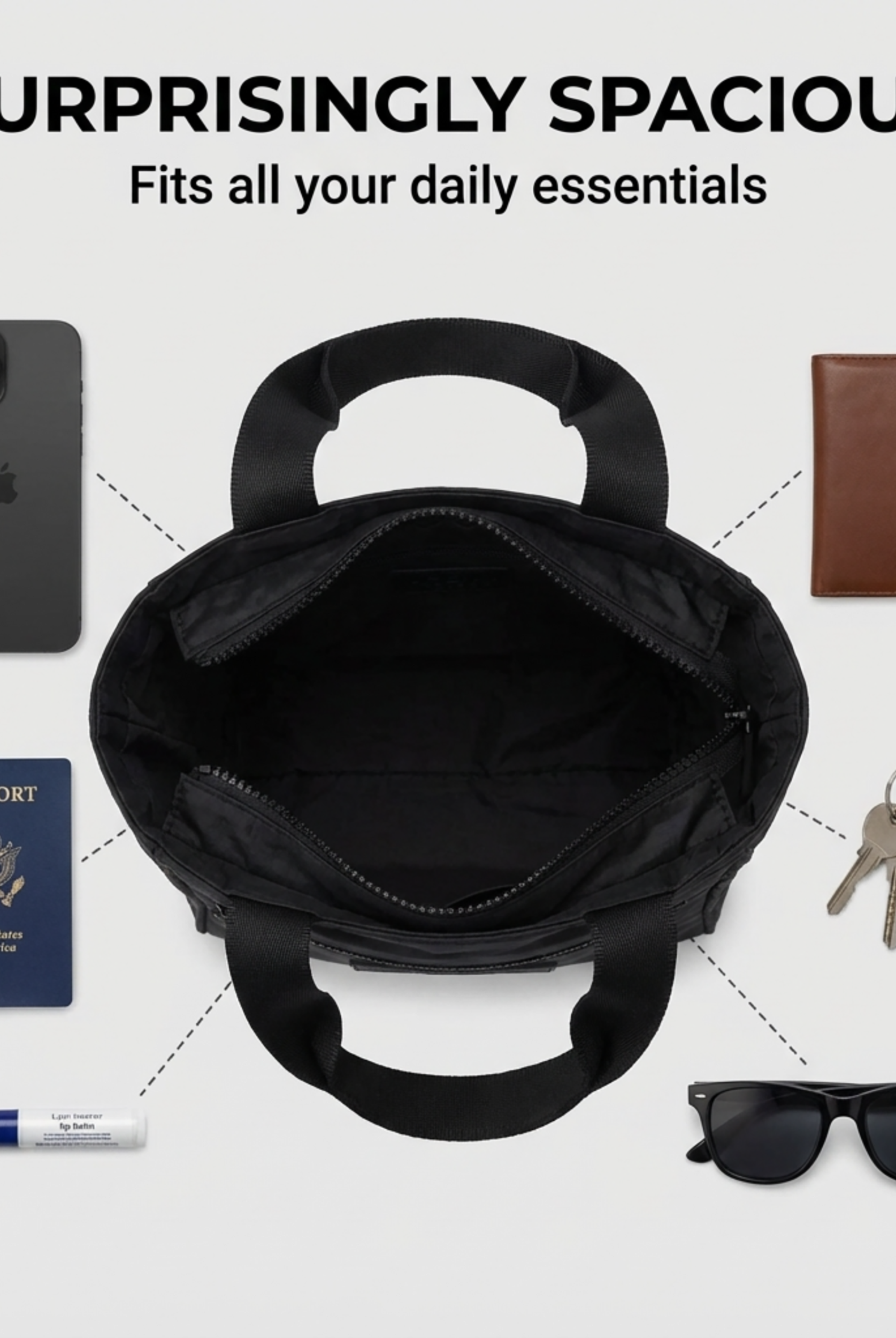
One detail that often gets overlooked is how your smaller companion bag works with your main setup. A compact option like the Crossbody Tote Bag Mini Purse can handle essentials separately with a zip-top closure, an outside zipper pocket, and an easy-access outer pocket for a phone or keys. That kind of setup is practical when your larger bag goes overhead and you want the important items close at hand.
Practical rule: If a bag only feels functional when it's half empty, it's not a strong travel bag.
If you're comparing shapes and materials before buying, this guide to a lightweight nylon backpack is a helpful next read.
Navigating Confusing Airline Carry On Rules
Most travelers learn one airline rule and assume it applies everywhere. That's where expensive mistakes start.
In the United States, the carry-on standard many people know is 22 x 14 x 9 inches. That's the number repeated in countless blog posts, packing videos, and product listings. It's useful, but it's not universal, and treating it like a global rule is where trouble begins.
The bigger issue is what many travelers never get told. A bag that passes in the U.S. may not pass with an international carrier. Some airlines in Europe or Asia use stricter limits such as 55 x 35 x 23 cm, which means a bag marketed as carry-on compliant can still trigger a gate-check problem abroad, as explained in this breakdown of the Global Compliance Myth for carry-on bags.

Carry-on and personal item are not the same thing
This is another point that trips people up. Your carry-on usually goes in the overhead bin. Your personal item goes under the seat in front of you. A backpack can be either one, depending on size.
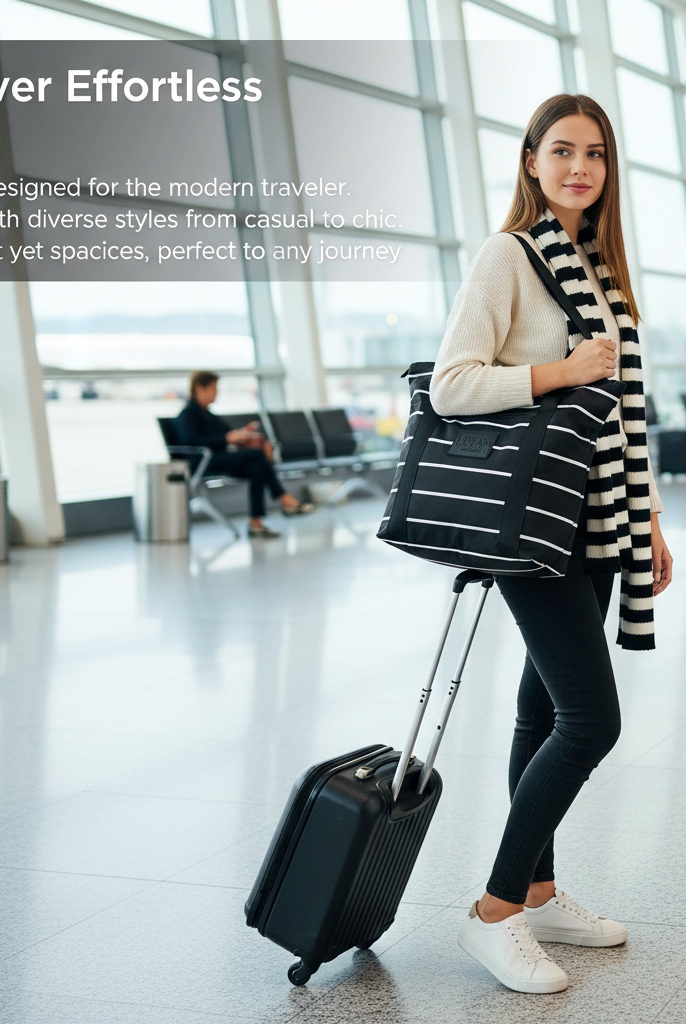
That distinction matters because some women travel best with a two-part system. One larger carry on travel backpack overhead, one smaller organized bag under the seat for the items you need in flight. That setup is often easier than trying to cram every single travel essential into one compartment and reopening it at every stage of the trip.
A smarter way to check before you fly
Don't rely on a product label alone. Check the airline's actual baggage page for the route you're taking, especially if there's a connection or an international leg.
I'd use this quick checklist:
- Check the operating carrier: Codeshare flights can follow the operating airline's bag rules, not the one you booked through.
- Compare dimensions, not category names: “Cabin bag” and “carry-on” don't always mean the same thing.
- Think about depth: Soft bags can bulge when full, which is often what gets them flagged.
- Separate flight essentials: A smaller bag or pouch keeps passports, medications, and headphones accessible.
For travelers bringing specialized gear, this article on navigating TSA with outdoor equipment is worth bookmarking because it shows how quickly “allowed” can become complicated when equipment enters the picture.
The bag dimensions on a product page are only the starting point. The airline has the final say.
If you want a clearer baseline before comparing bags, this guide on weekender bag dimensions helps frame what fits where.
Key Features of a Travel-Ready Bag
A travel-ready bag earns its place before the trip even starts. You notice it while packing, while moving through security, while pulling out your passport one-handed, and while walking through a surprise drizzle with electronics tucked inside.
The easiest way to evaluate a bag is to stop looking at style categories and start looking at function. Four things matter most: organization, materials, comfort, and security. If one is weak, you'll feel it.

Organization that saves you from digging
Good organization isn't about having endless tiny pockets. It's about creating an intuitive system.
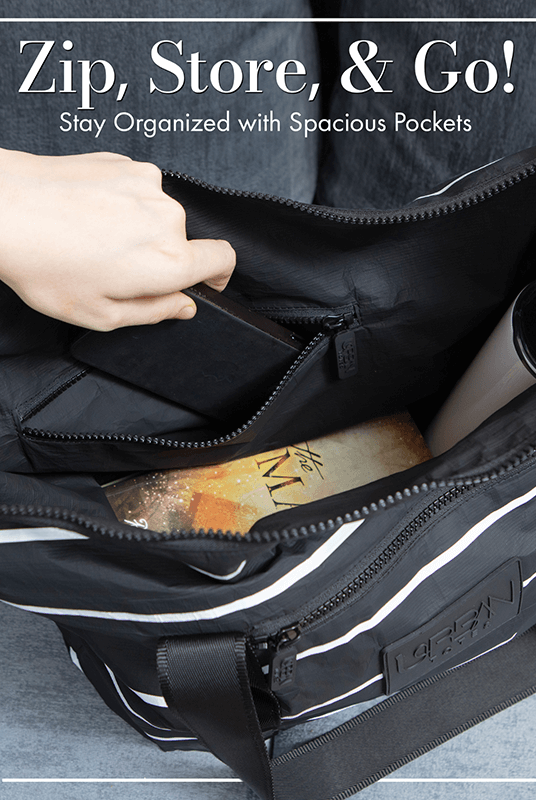
A useful travel bag should have a place for the items you reach for often and a separate place for the things you only need once you arrive. Multi-pocket layouts help, especially when they include a secure zipper closure and at least one quick-access compartment for essentials.
What works well:
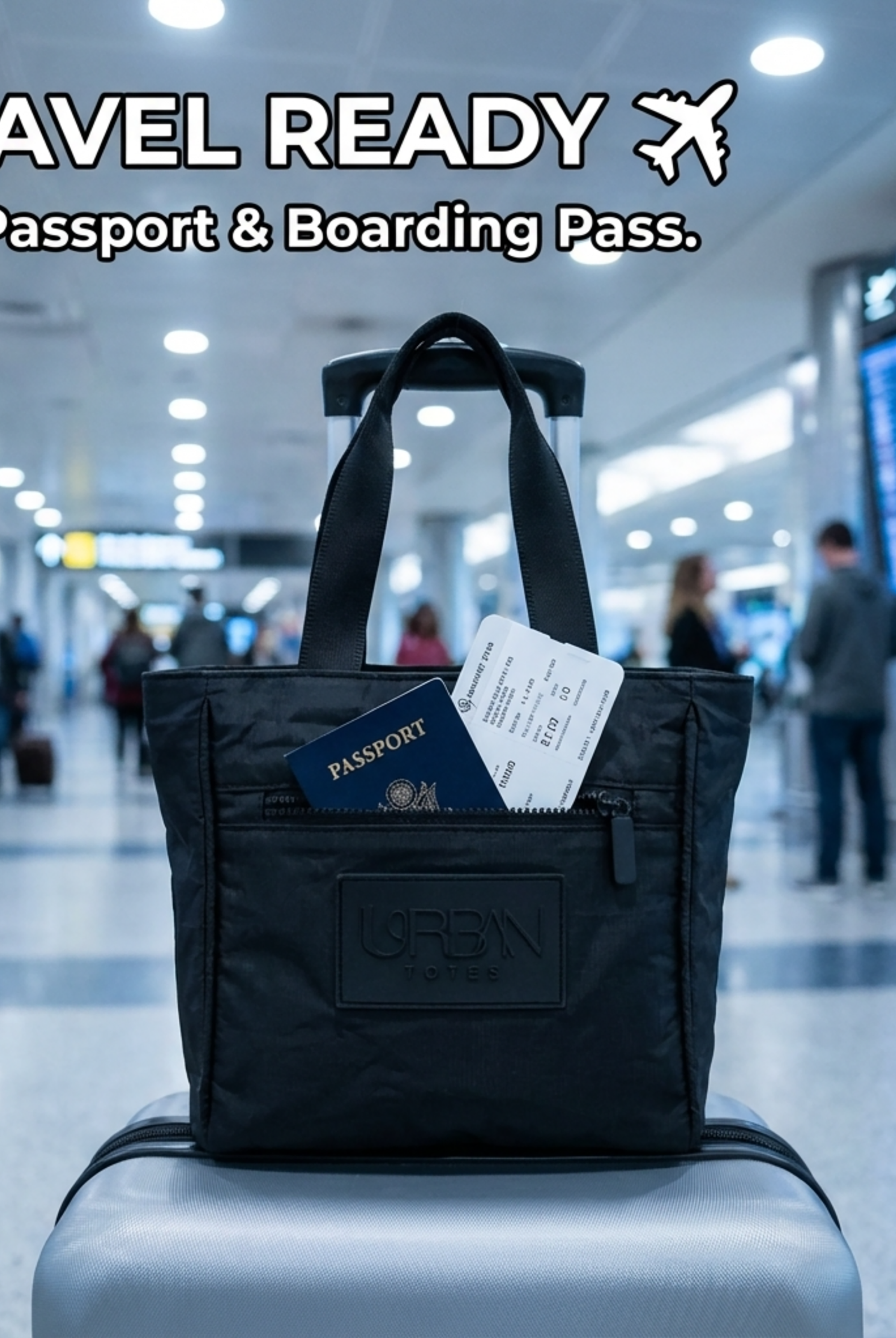
- Top or front quick-access pocket: Good for passport, boarding pass, and lip balm.
- Separated interior zones: Helps keep clean clothes away from cables or shoes.
- Dedicated small-item storage: Better than tossing chargers and pens loose into the bottom.
What doesn't work is a giant open cavity with no structure. Stylish bags can still be organized. They just need thoughtful layout.
Materials that balance weight and wear
Many bags reveal whether they're built for real travel or just made to look the part. Fabric matters.
The durability of a travel bag depends heavily on material engineering. Fabrics are measured in denier, and 900D fabric offers three times the abrasion resistance of 300D fabric. High-performance travel bags often use 400D to 900D recycled polyester with TPU laminates to balance lighter weight with rugged, water-resistant protection, according to OutdoorGearLab's travel backpack material analysis.
That doesn't mean every traveler needs the burliest possible fabric. It means you want a sensible balance. A bag that's lightweight but flimsy won't age well. A bag that's durable but heavy before you pack it can become annoying fast.
Comfort and security in actual use
Comfort gets overlooked until you're hustling to a gate. Look for straps that sit well without cutting in, and a shape that carries close to the body instead of swinging around.
Security is less dramatic than people make it sound. In practice, it comes down to simple things:
| Feature | Why it matters |
|---|---|
| Zipper closure | Keeps contents contained in transit |
| Multiple compartments | Reduces frantic searching in crowded places |
| Structured silhouette | Helps the bag keep shape while moving |
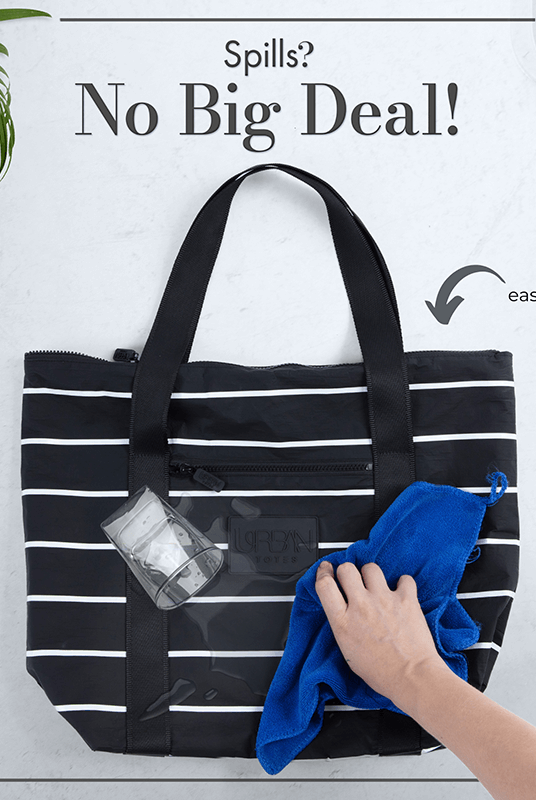
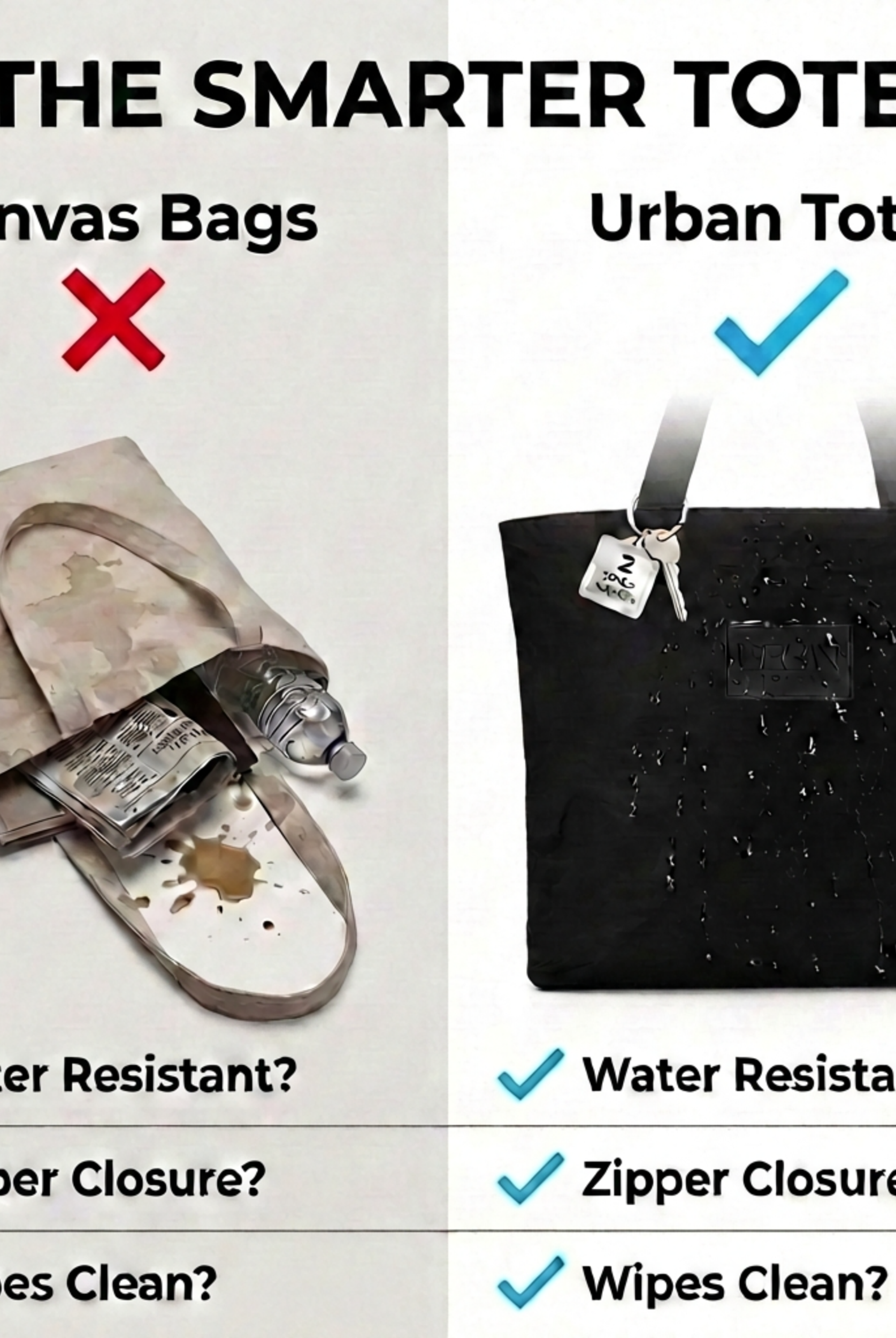
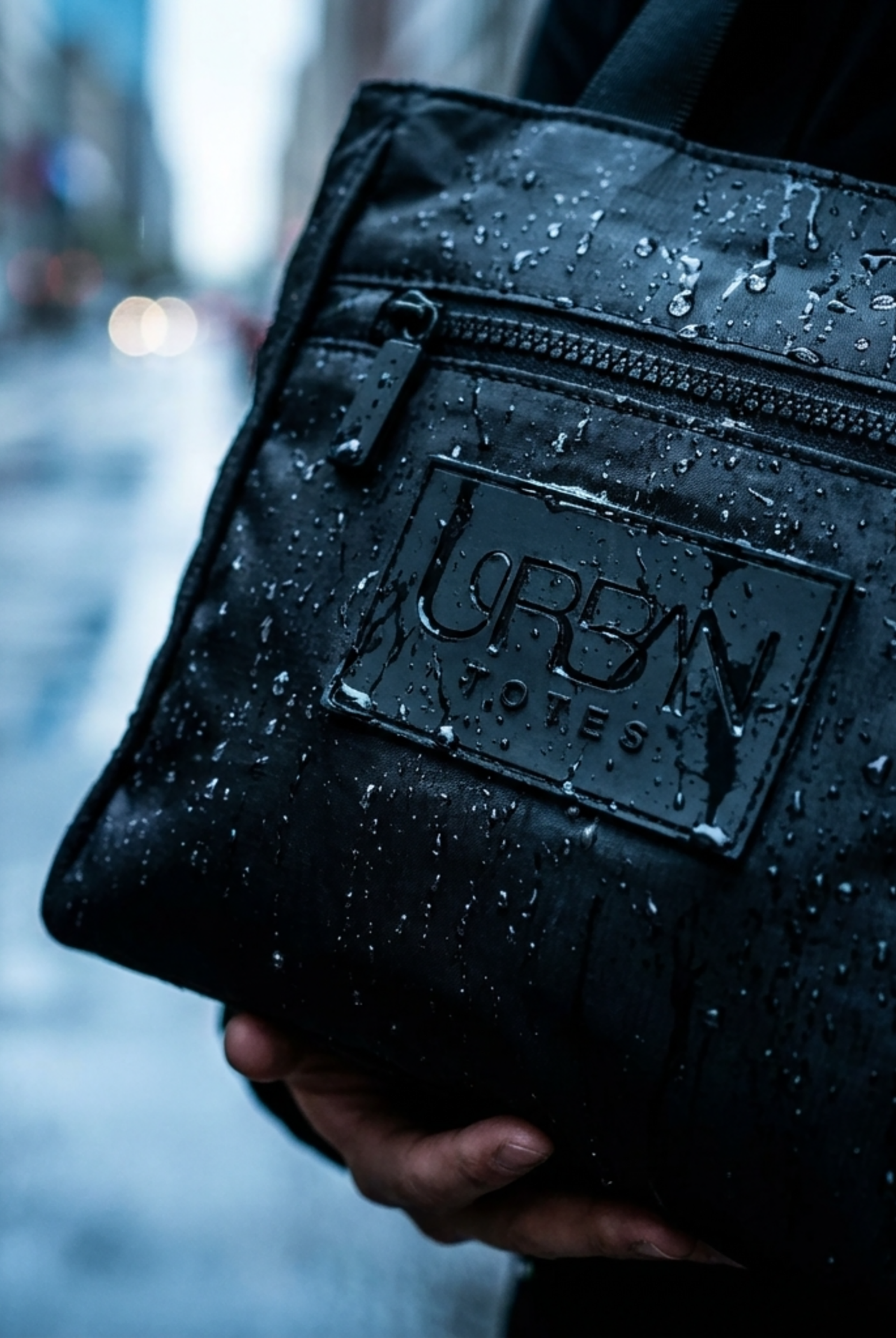
| Water-resistant fabric | Adds everyday protection in changing weather |
For more practical habits around secure travel setups, this article on travel bag security covers the details that help when you're in motion.
Choosing the Right Bag for Your Trip
The right bag depends less on what's trending and more on what your day looks like. A woman flying out for a two-night city break needs something different from a mom navigating a gate change with snacks, wipes, and a child who suddenly needs a sweatshirt right now.
That's why “best travel bag” advice can feel off. It often assumes one traveler, one purpose, and one style of movement. Real life doesn't work like that.
The weekend traveler
For a quick getaway, the bag needs to feel polished enough for a hotel check-in and practical enough for transit. If your trip is short, a bulky technical backpack can feel like overkill. An efficiently designed bag, with zipper closure, organized compartments, and a lightweight build, often makes more sense than a heavily outdoorsy design.
You want enough structure to keep clothes tidy and enough style to move from airport to dinner without changing your whole look.
The one-bag mom
Most travel guides miss this completely. They talk about laptops, camera cubes, and packing lists for solo travelers. They rarely deal with the woman carrying her own essentials plus snacks, wipes, toys, chargers, and the random child-related extras that appear out of nowhere.
That's a real gap. Most travel guidance ignores the One-Bag Parenting challenge and doesn't address the need for a hybrid carry-on setup that holds diapers, snacks, toys, and personal essentials while still keeping passports and phones easy to reach, as discussed in this one-bag parenting travel conversation.

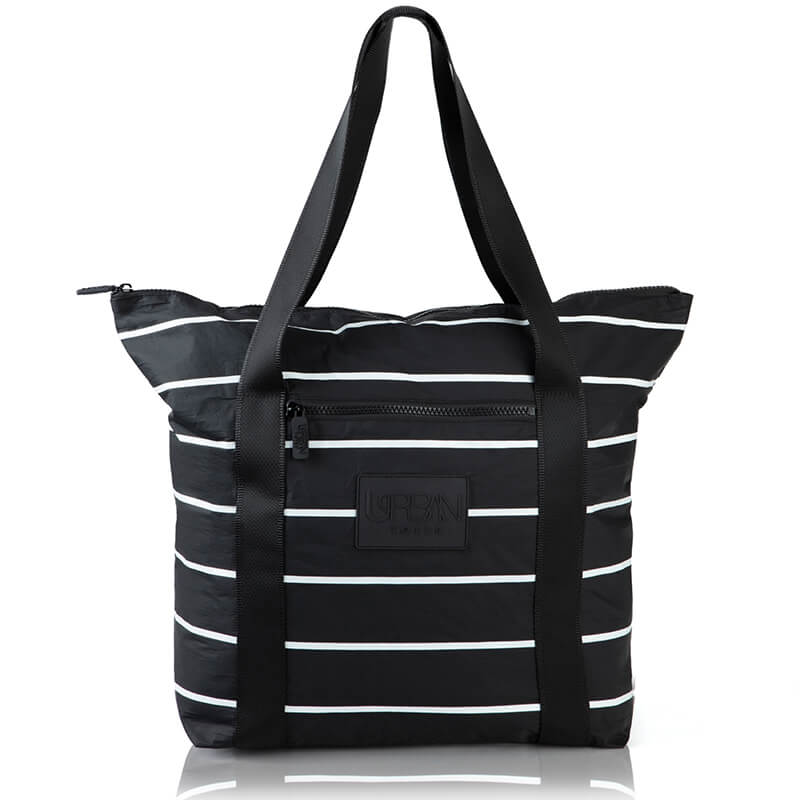
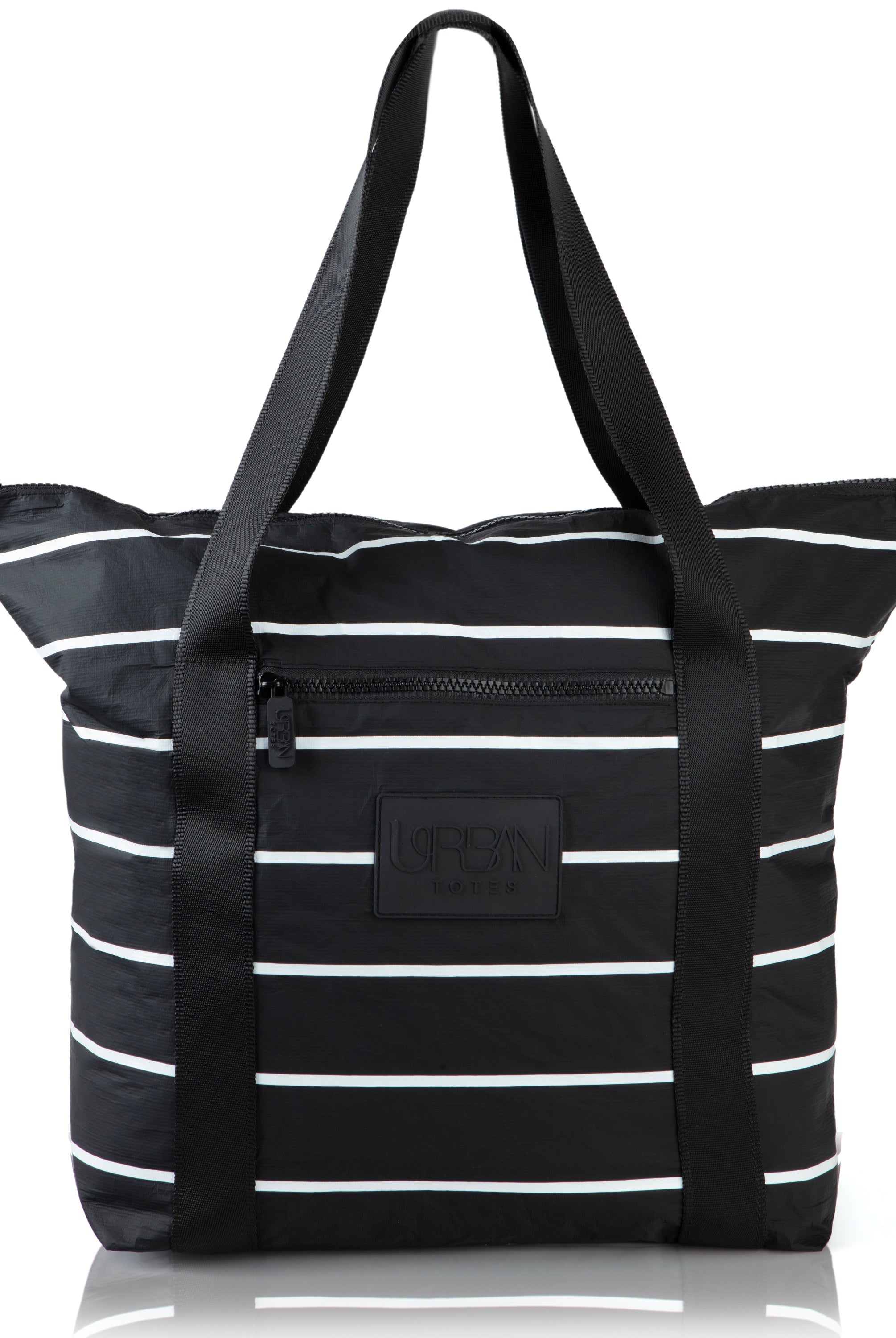
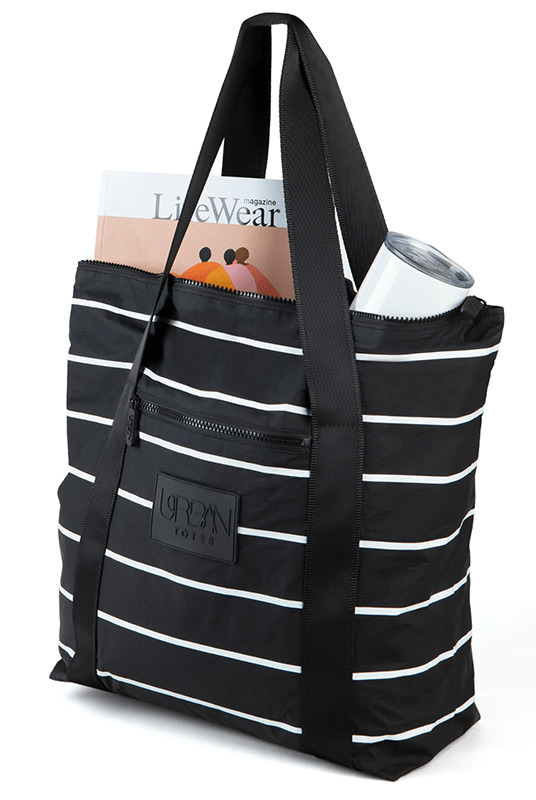
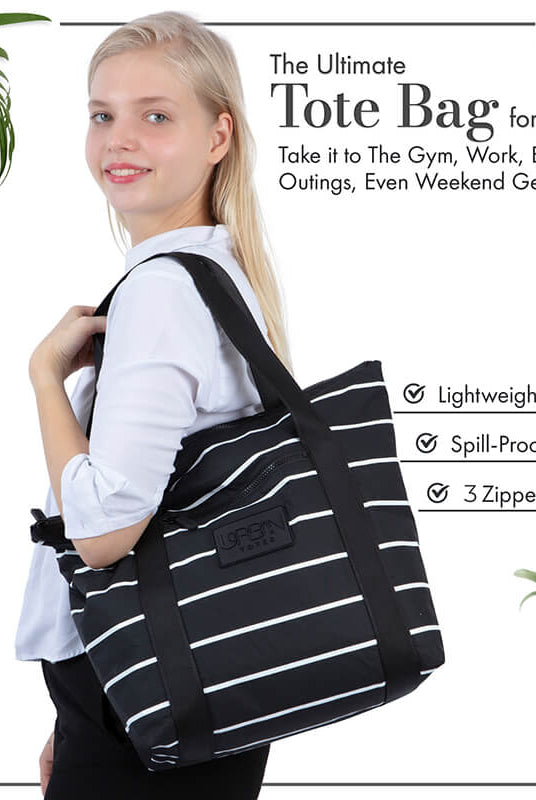
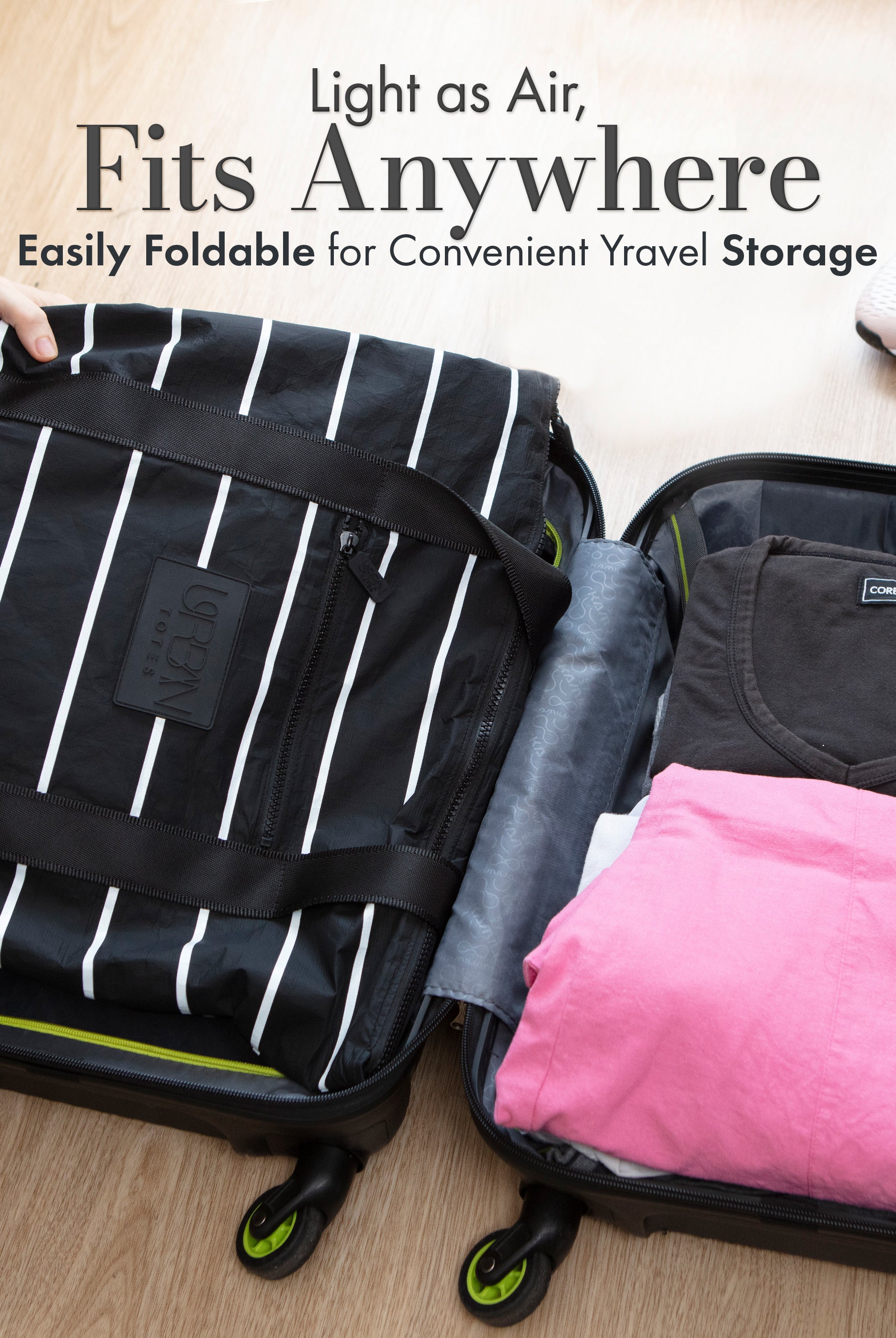
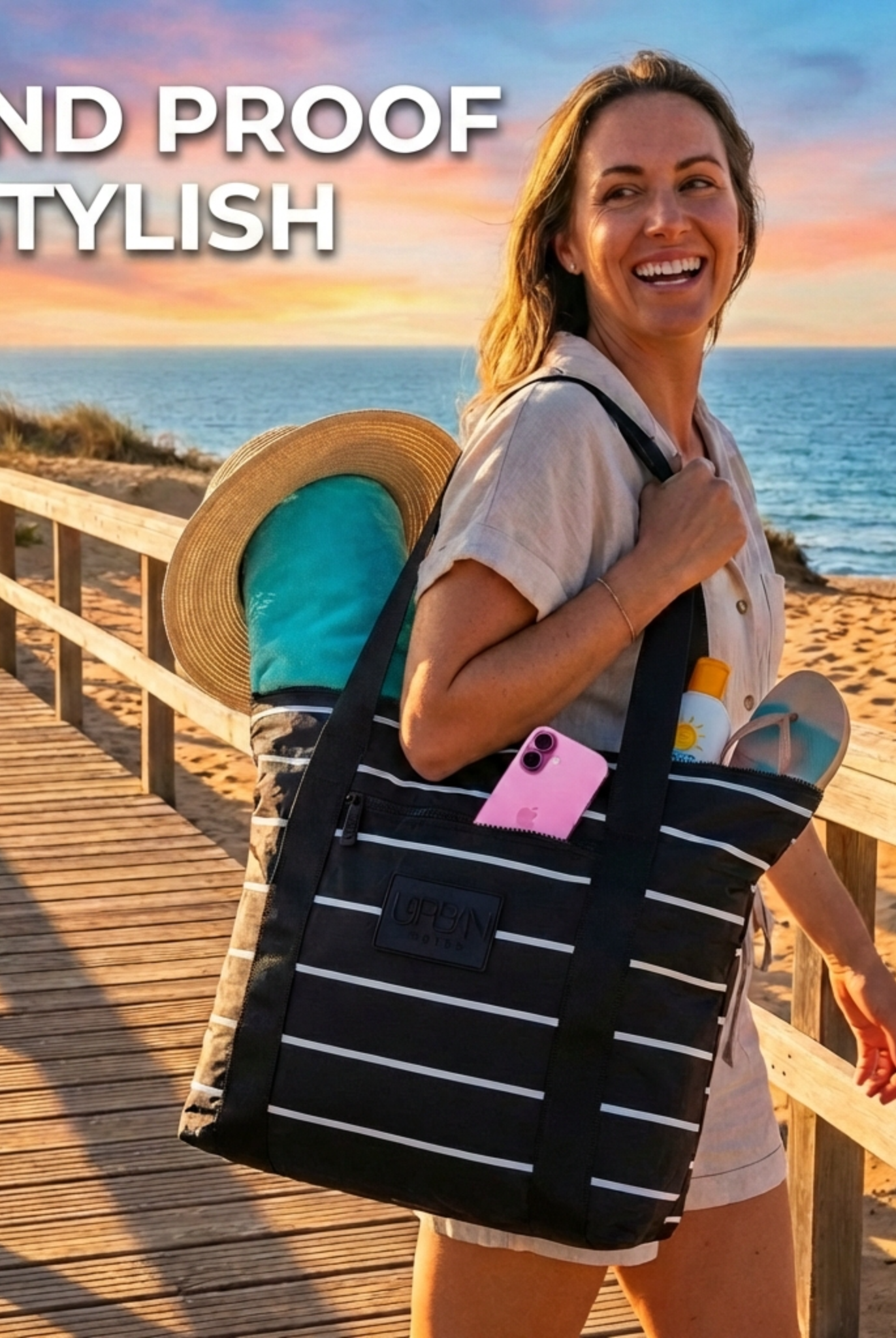
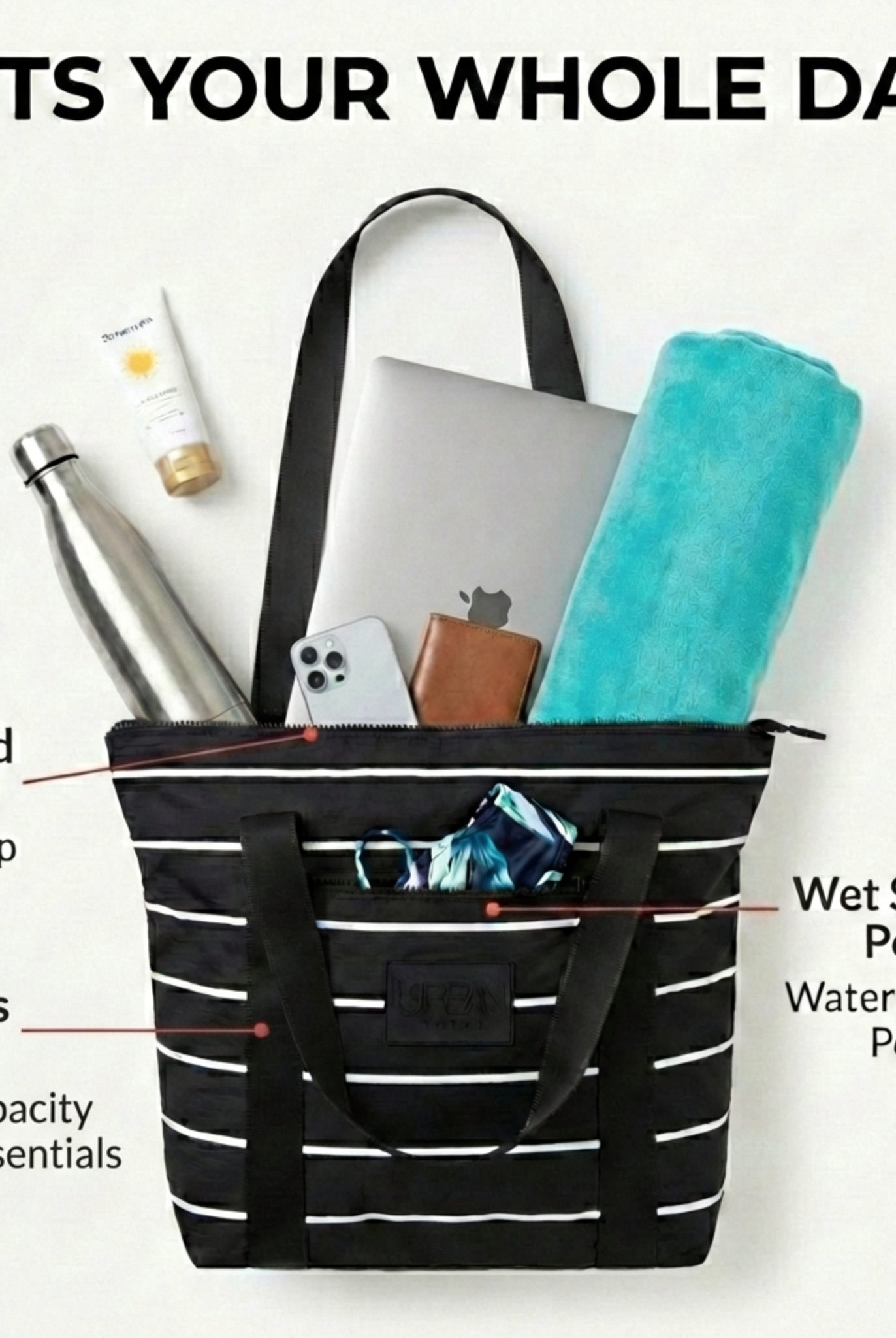
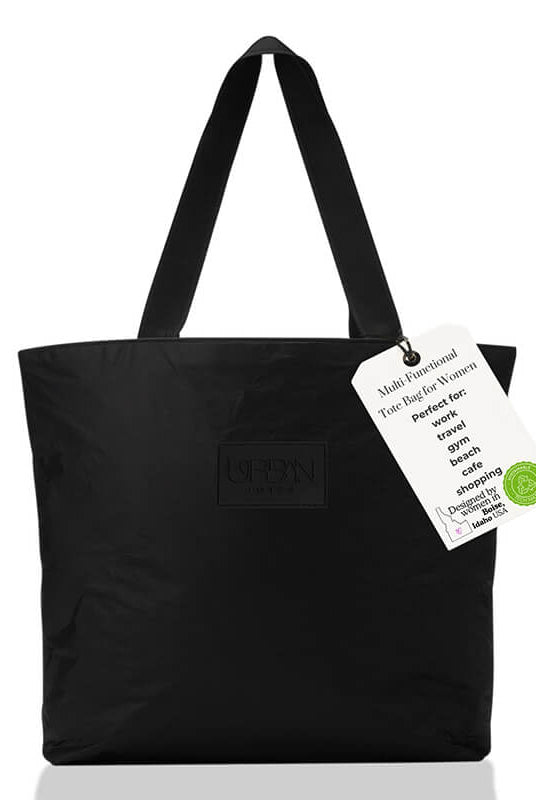
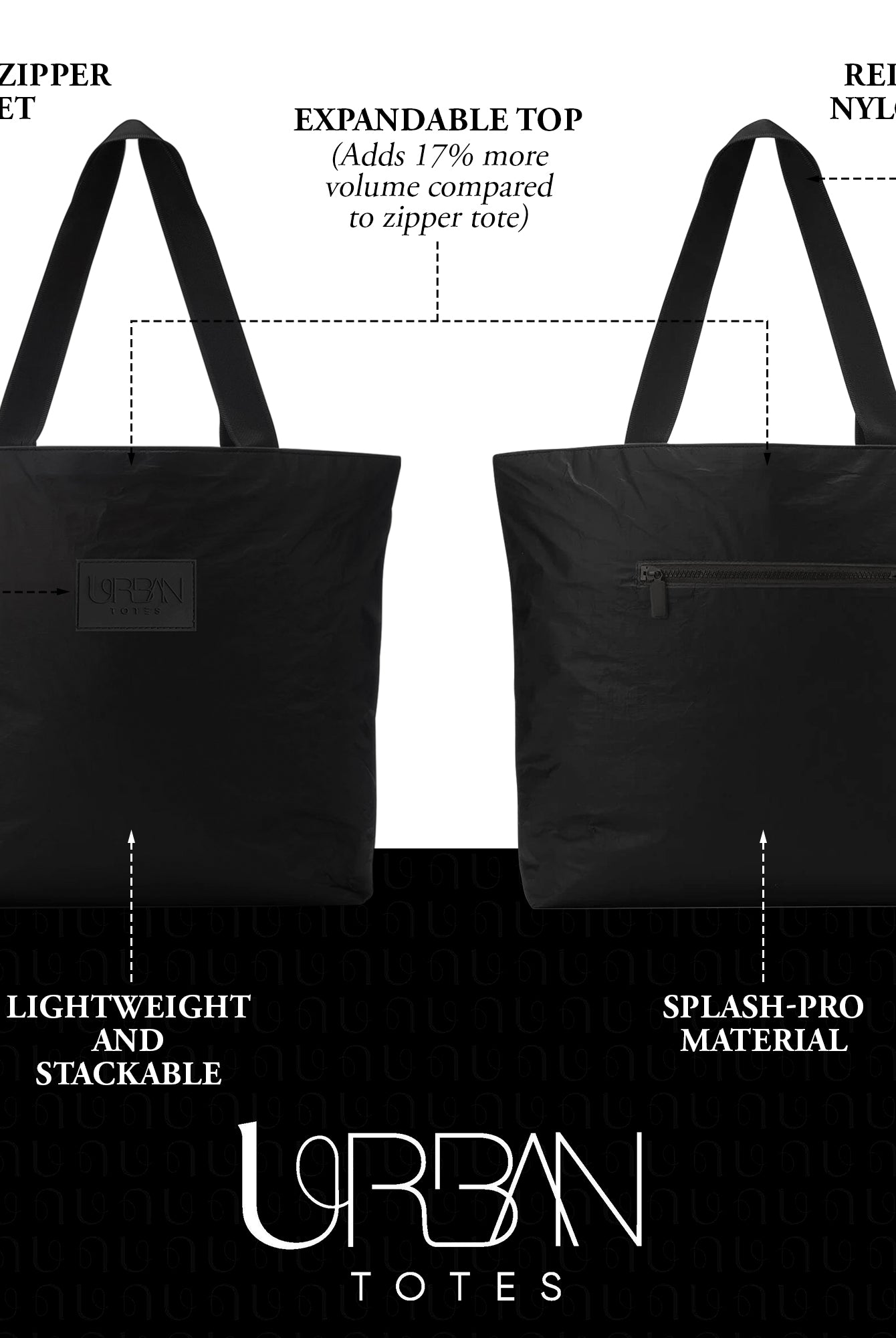
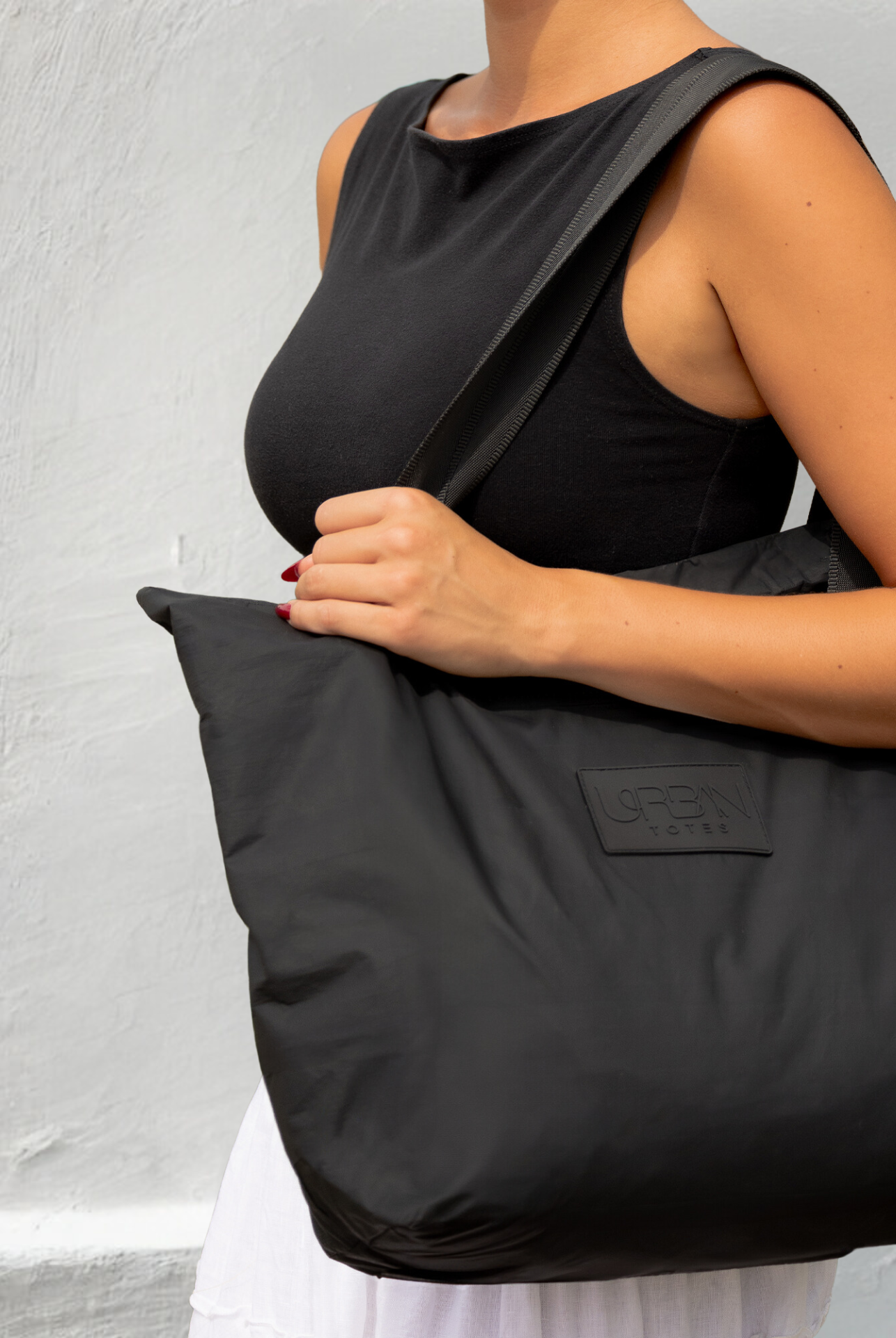
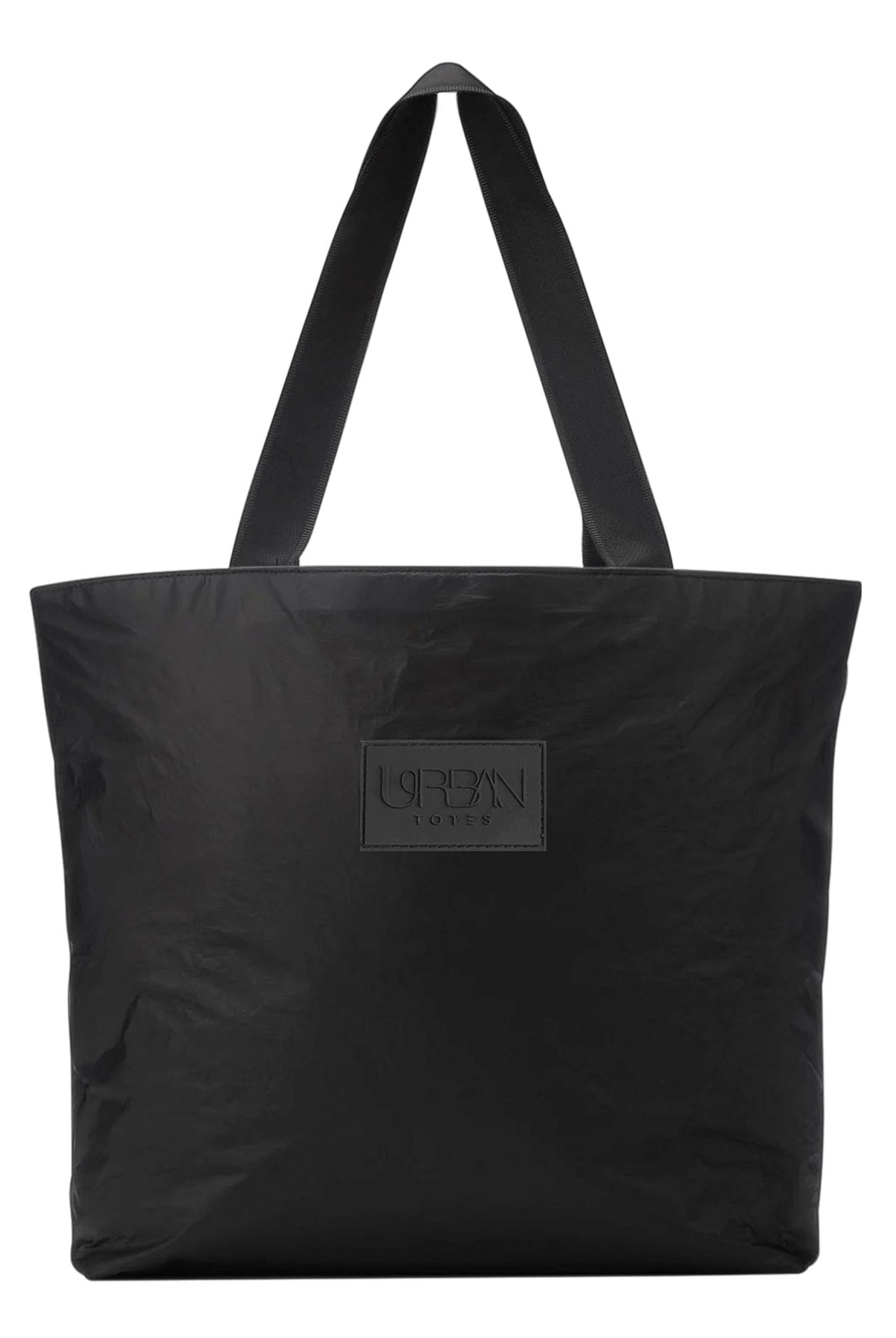
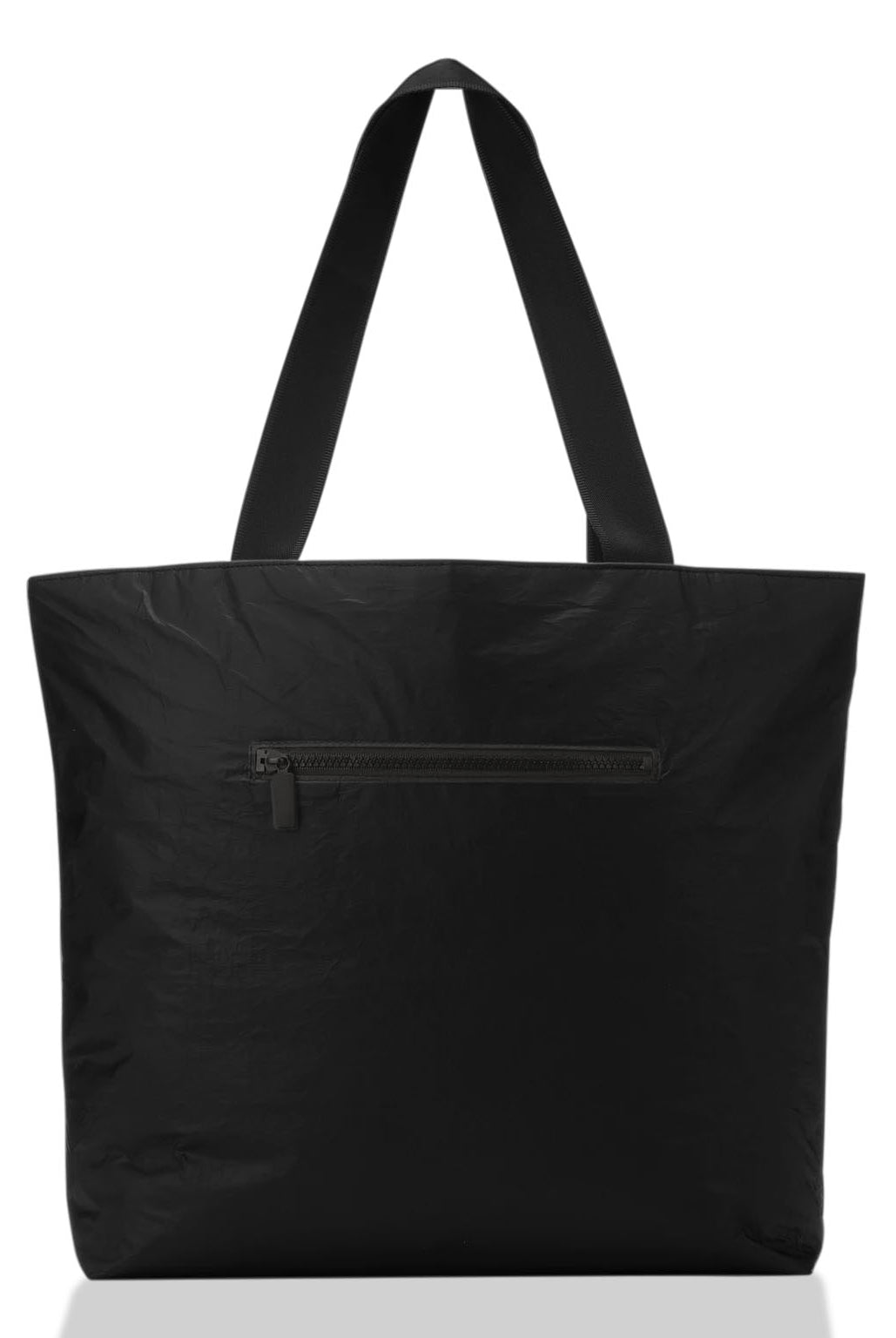
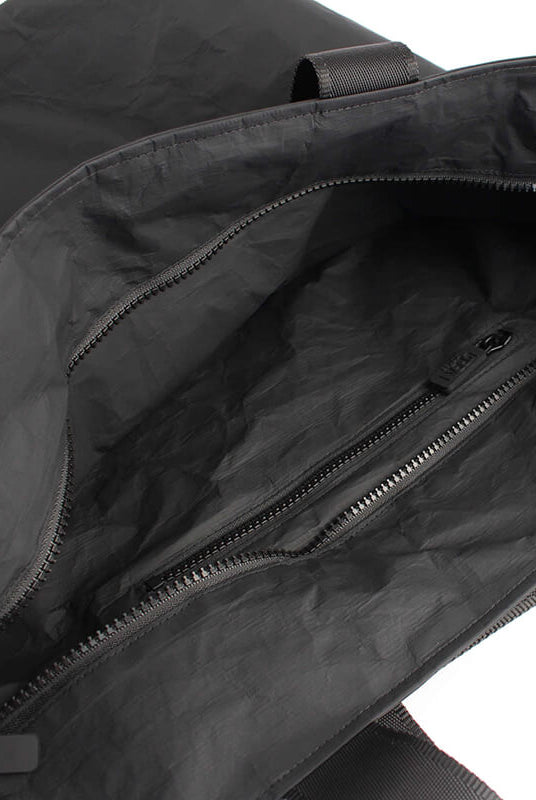
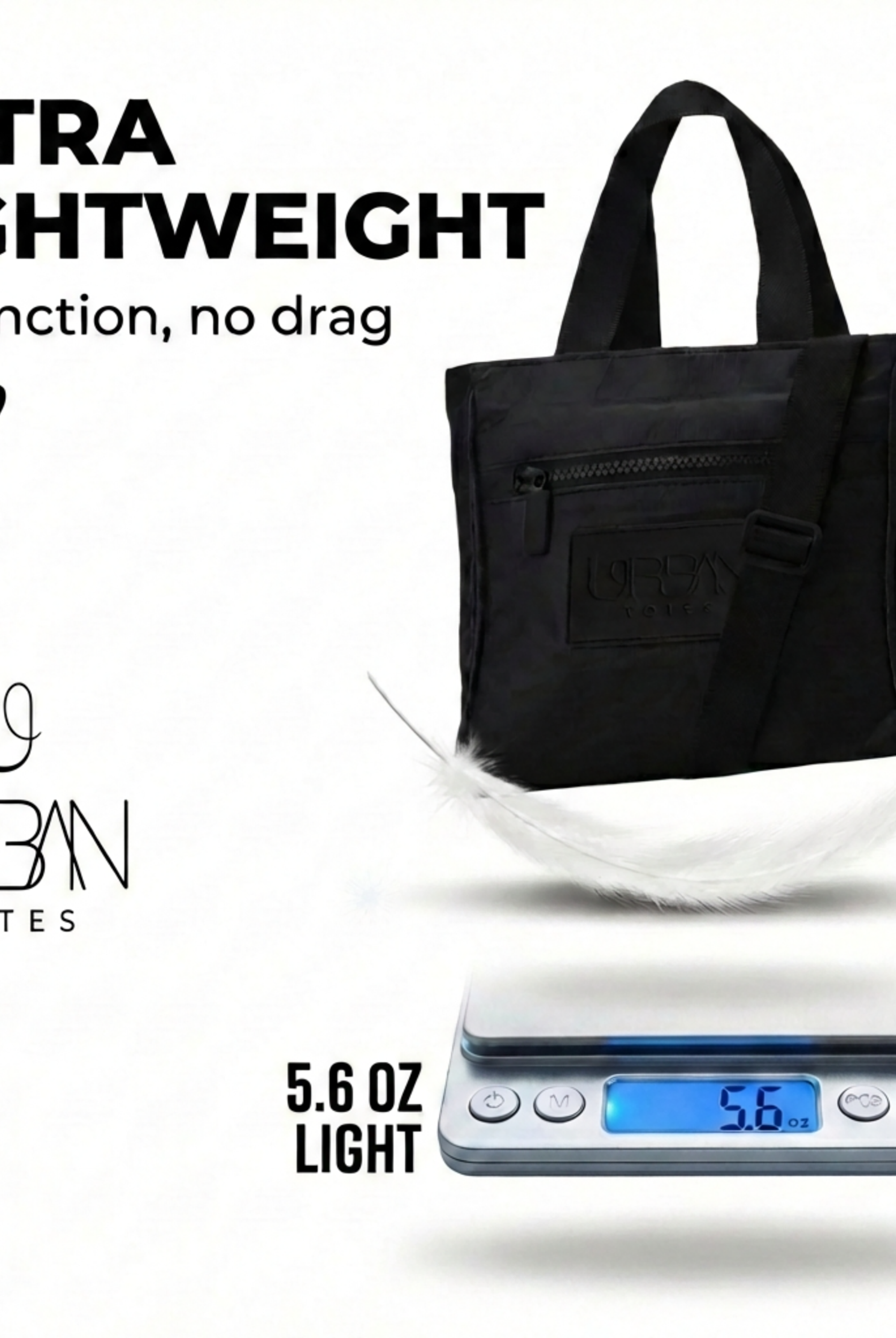
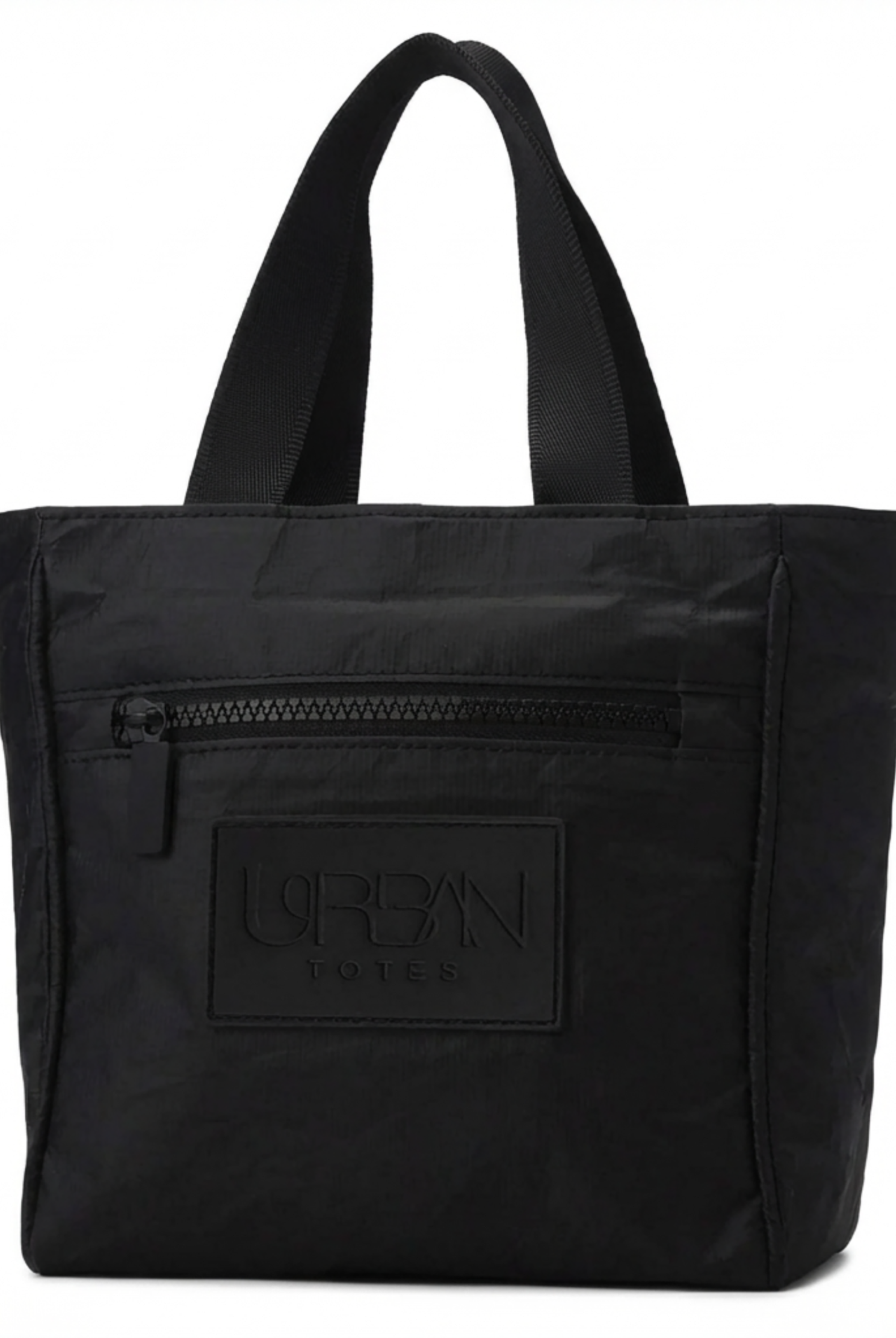
For that kind of trip, an organized tote can be more practical than a traditional backpack. The OG Zipper Tote Bag is one example of a more lifestyle-forward option. Based on the catalog details, it includes inside and outside zipper pockets, side pockets, a lightweight and packable design, and dimensions of 19" W x 14.5" H. Those details are useful when you want one stylish, functional bag that can handle travel essentials, kid gear, and everyday carry without looking overly technical.
If a bag can't let you grab your passport in seconds while keeping snacks and chargers contained, it's not helping enough.
The commuter who also travels
Some women don't want separate bags for every category of life. They want one bag for workdays, train platforms, coffee runs, and occasional flights.
That usually points to a bag with these traits:
- Stylish enough for daily use
- Durable enough for repeated travel
- Multi-pocket and organized
- Lightweight and easy to stow
- Travel-ready without looking sporty
The smartest choice is often the one you'll use beyond the trip.
How to Pack Your Carry On Like a Pro
Packing well matters almost as much as buying the right bag. Even a thoughtfully designed carry on travel backpack can become a black hole if you pack it without a system.
The goal isn't to cram in more. The goal is to make every item easy to find and easy to carry.
Use a simple packing structure
I'd keep it to three zones:
- Core clothing in the main section: Keep your outfits together and compressed.
- Must-reach items in an outer pocket or top area: Passport, phone, wallet, pen, charger.
- Messy or irregular items in their own pouch: Snacks, cords, kids' extras, toiletries.
That structure prevents the constant airport repack where you open the whole bag to find one thing.
Roll soft items and contain the small stuff
Rolling works well for casual clothing because it keeps pieces compact and easy to stack. Pouches or cubes matter even more for the little items that love to migrate to the bottom of a bag.
If you're building a more contained setup, this guide to compression packing cubes for travel is a practical place to start.
Pack for access, not just capacity
A lot of overpacking is really bad-access packing. You can fit enough for a trip and still make the bag miserable to use if the wrong items end up buried.
Keep these priorities in mind:
- Flight essentials stay near the top: You shouldn't need to unpack at your seat.
- Heavy items go closest to your back: The bag carries better that way.
- Leave a little breathing room: An overstuffed bag is harder to zip, harder to lift, and more likely to lose its shape.
Pack the bag for the moment you're tired and in a hurry. That's when good systems pay off.
A stylish, functional travel setup doesn't have to feel complicated. Choose a bag that matches your real routine, keep it organized, and let it do its job.
Urban Totes designs thoughtfully organized, lightweight, water-resistant bags for women who need one bag to move through real life with them. If you want a go-anywhere option that feels polished enough for everyday carry and practical enough for travel days, find your perfect bag at Urban Totes.