You're rushing out the door, coffee in one hand, phone in the other, and your gym bag is still half on your shoulder while your kid asks where the permission slip went. That's the exact moment a crossbody gym bag stops being a cute accessory and starts acting like real life gear. It keeps your essentials close, your hands free, and your morning from turning into a shuffle of separate bags.
For women who move from workout to school drop-off to office or errands, the point isn't to carry less just for the sake of it. The point is to carry smarter, with a bag that stays organized, wears comfortably, and doesn't make every transition feel clumsy. A well-designed crossbody can do that without looking like you borrowed a bag from the locker room.
Table of Contents
- Why a Crossbody Gym Bag Changes Your Daily Routine
- Crossbody Gym Bags vs Duffels and Totes
- Must-Have Features That Matter
- How to Pack a Full Gym Loadout Without the Bulk
- Real-Life Scenarios for Every Type of Woman
- Smart Buying Tips and Long-Term Care
Why a Crossbody Gym Bag Changes Your Daily Routine

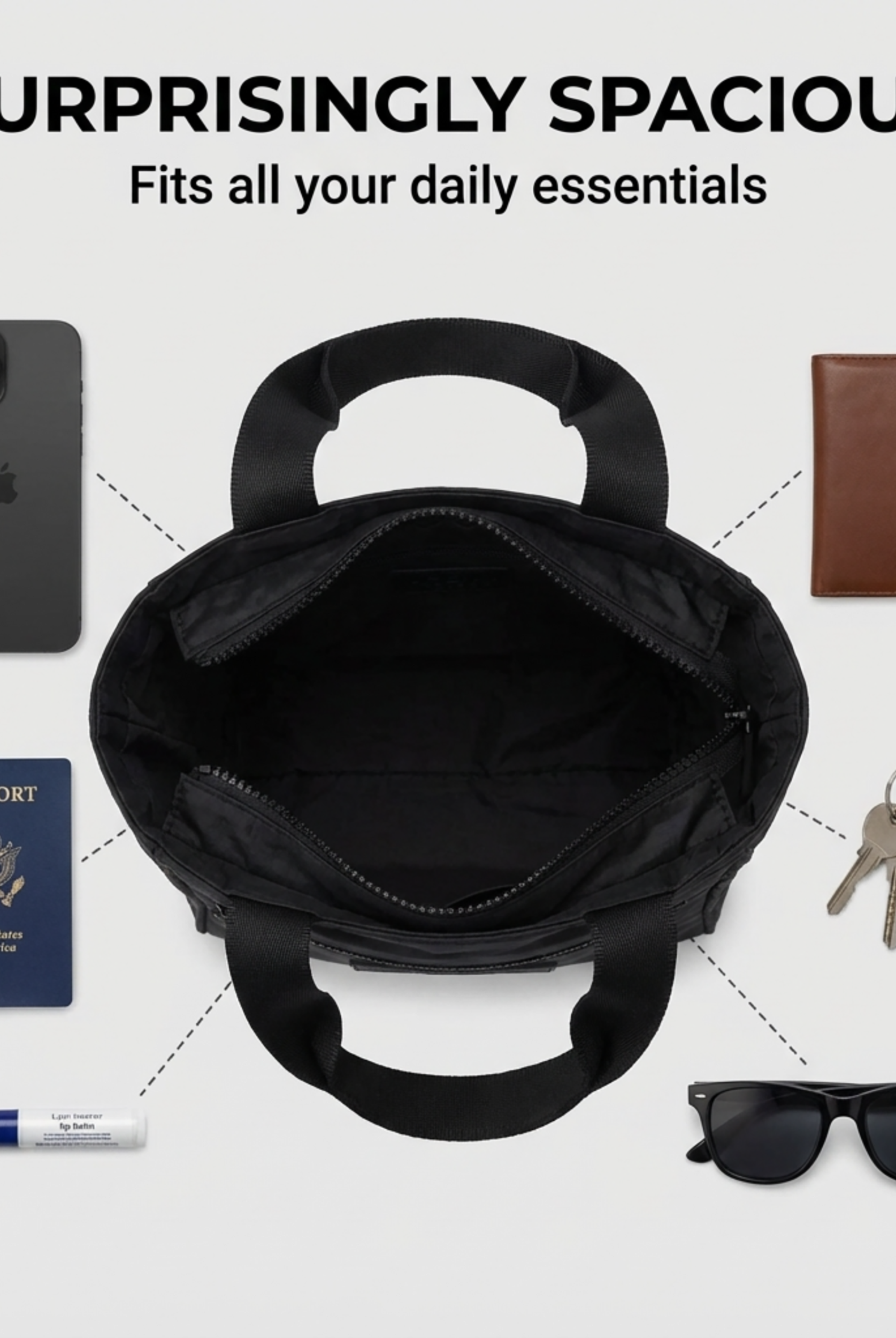
The morning goes faster when you don't have to juggle a bulky duffel, a separate purse, and a water bottle in each hand. That's the value of a crossbody gym bag. It pulls the basics into one carry, so you can leave the house fast and still have your phone, keys, wallet, earbuds, and a few workout essentials organized in one place.
That convenience is part of why compact carry solutions keep gaining ground in the broader gym-bag market, which was valued at USD 1.49 billion in 2023 and projected to reach USD 2.56 billion by 2030 in one estimate, with an 8.1% CAGR from 2024 to 2030 Grand View Research. Another forecast put the market at USD 1.61 billion in 2024 and USD 3.25 billion by 2034, also at 8.1% CAGR Grand View Research. The signal is clear, people want gym carry that fits real schedules, not just gym floors.
Why the format works in daily life
A crossbody works because the carry itself is practical. Hands-free wear and adjustable straps matter more than people think, especially when you're walking into a studio, loading a car seat, or carrying a smoothie and a phone at the same time. Athletic crossbody shopping guides describe the format as built for on-the-go use with that exact kind of comfort and mobility DICK'S Sporting Goods.
Practical rule: If your bag makes you stop and readjust it every five minutes, it's working against your day.
That's also why the search intent around this category is so strong. Women don't want a bag that only looks polished. They want something lightweight, organized, and easy to move with when the day keeps changing. If you're trying to understand the shape itself before buying, this guide on what is a crossbody bag is a useful starting point, and pairing that design logic with athlete-focused body composition insights for athletes can help frame what a realistic workout routine demands from your carry.
Crossbody Gym Bags vs Duffels and Totes

A crossbody gym bag earns its place when your day is split between the gym, errands, and everything in between. Duffels still make sense for a full gear haul. Totes still work for open, easy access. A crossbody is the better pick when you need mobility, security, and a bag that stays close instead of swinging around your body or getting in the way of your hands.
That logic matches how the category has grown. One market report valued the global crossbody bag market at USD 10.5 billion in 2024 and projected growth to USD 15.2 billion by 2033 DataHorizzon Research. The point is simple, this shape is already a mainstream carry format, and it fits people who want gym function without hauling a full-size bag all day.
What each format does well
Be honest about your loadout. If you carry shoes, clothes, toiletries, and maybe a few extras after class, the bag has to do more than look good. Wirecutter's gym-bag review focuses on a bag that can handle shoes and clothing while still moving easily between home, work, and the gym without feeling bulky The New York Times Wirecutter. CN Traveler makes the same point in a different way, separate sections for shoes, water bottles, toiletries, and phones make transitions faster and keep the bag from turning into a mess CN Traveler.
| Feature | Crossbody Gym Bag | Duffel Bag | Tote Bag |
|---|---|---|---|
| Carry style | Hands-free, worn close to the body | Handheld or shoulder carry | Open carry, usually on the shoulder |
| Best use case | Commutes, errands, studio classes, travel days | Heavy gear loads, team sports, full-change workouts | Beach days, open-access carry, casual daily use |
| Organization | Usually compact but structured, with pockets for essentials | Often roomier, good for separated gear | Easy access, but can get messy fast |
| Carry comfort | Strong for short to medium transitions | Best when packed heavily and carried short distances | Comfortable for casual use, less secure in motion |
| Security | Zipper closures and body-hugging wear help | Usually secure, but bulkier | More exposed, depending on design |
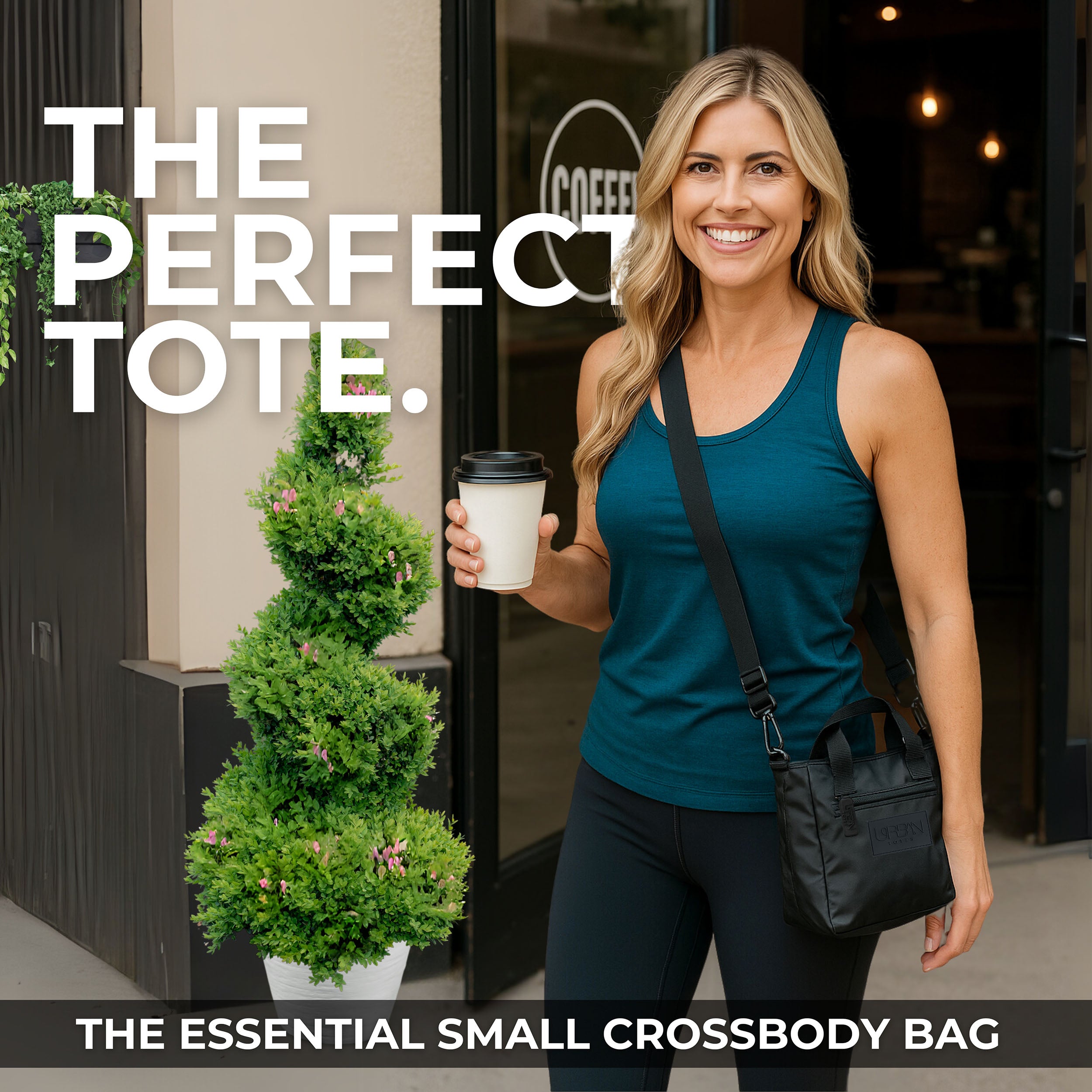
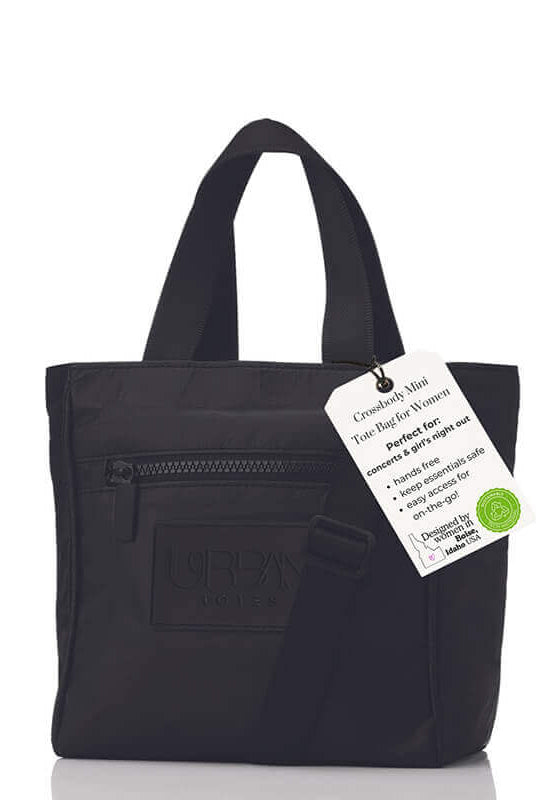
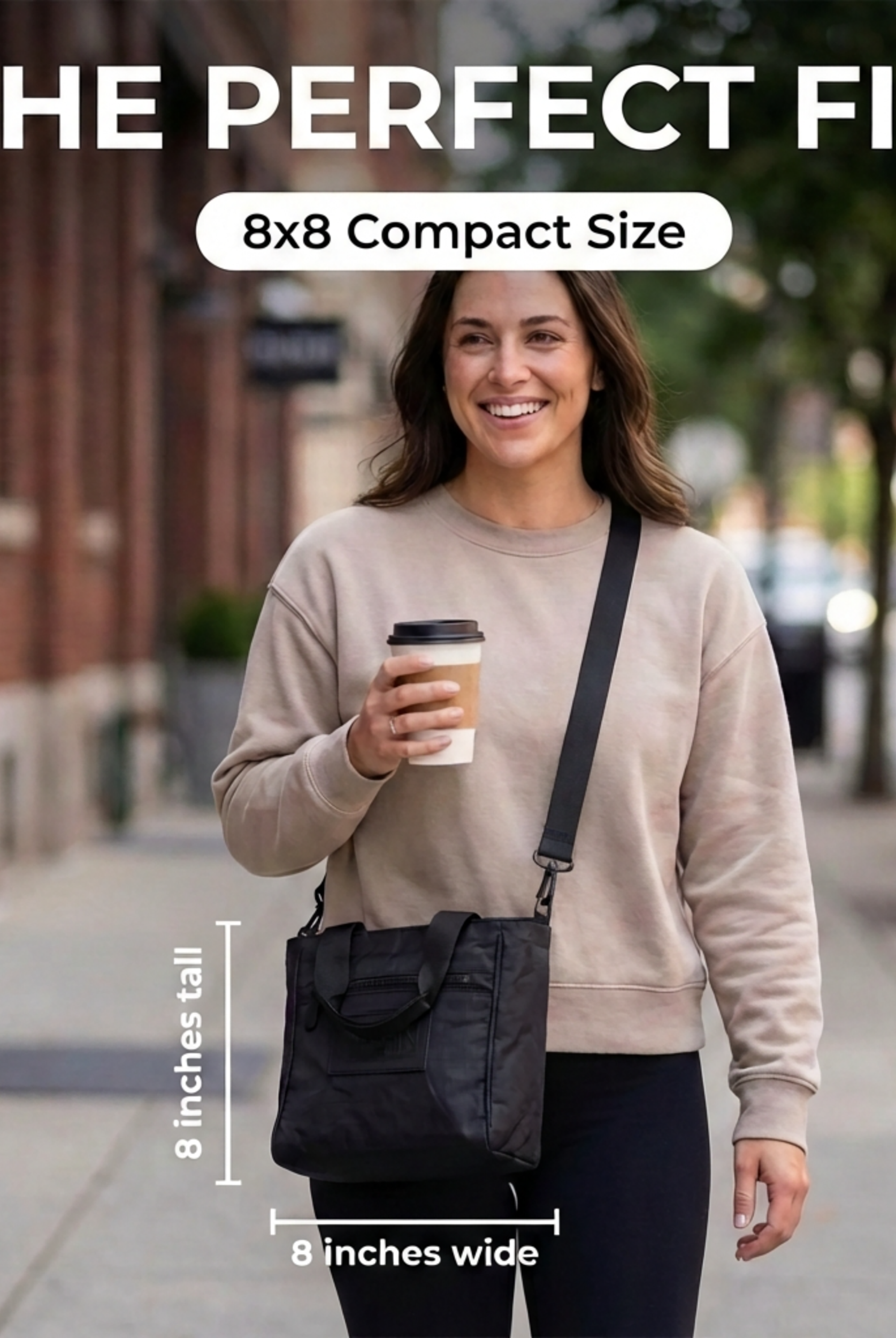
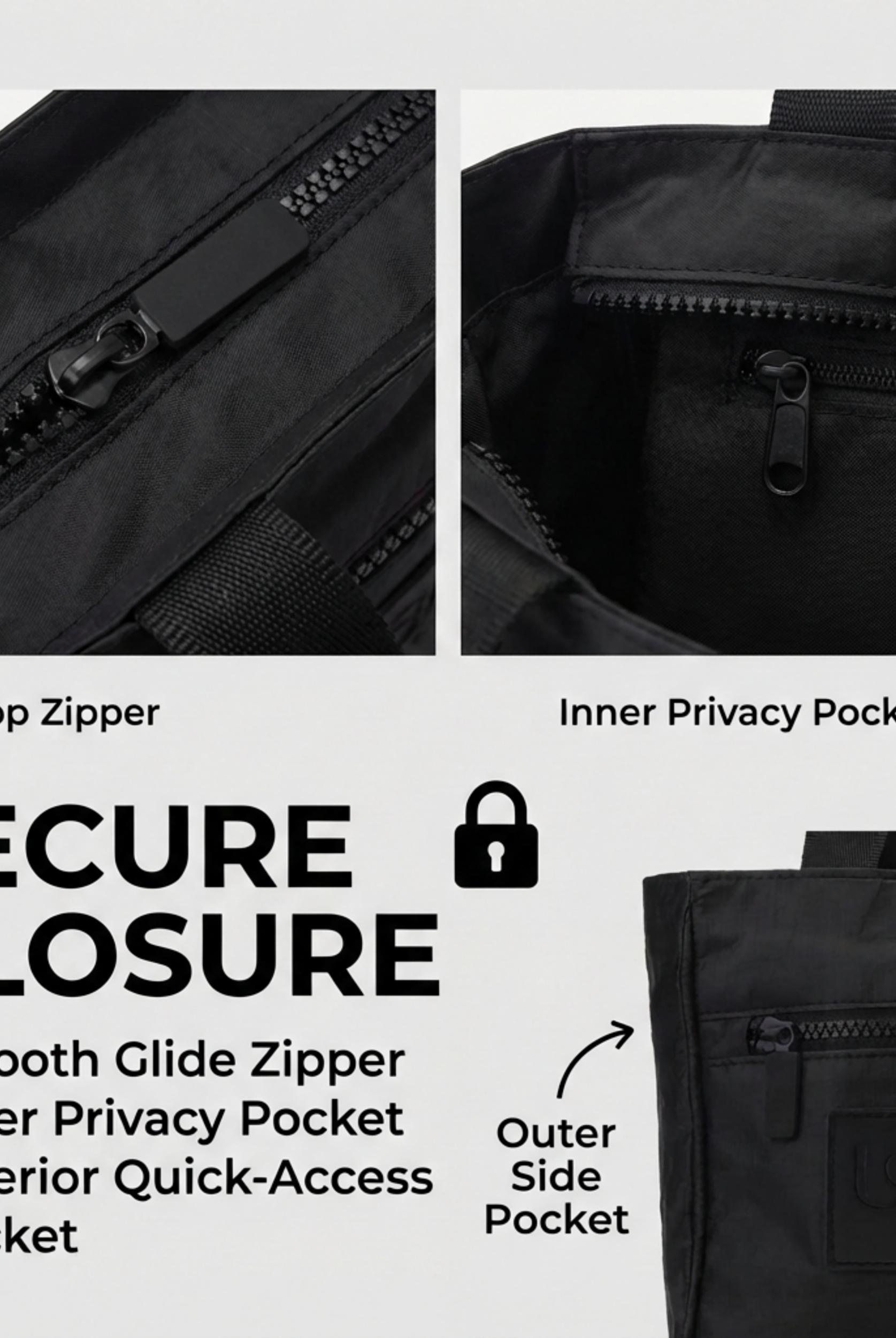
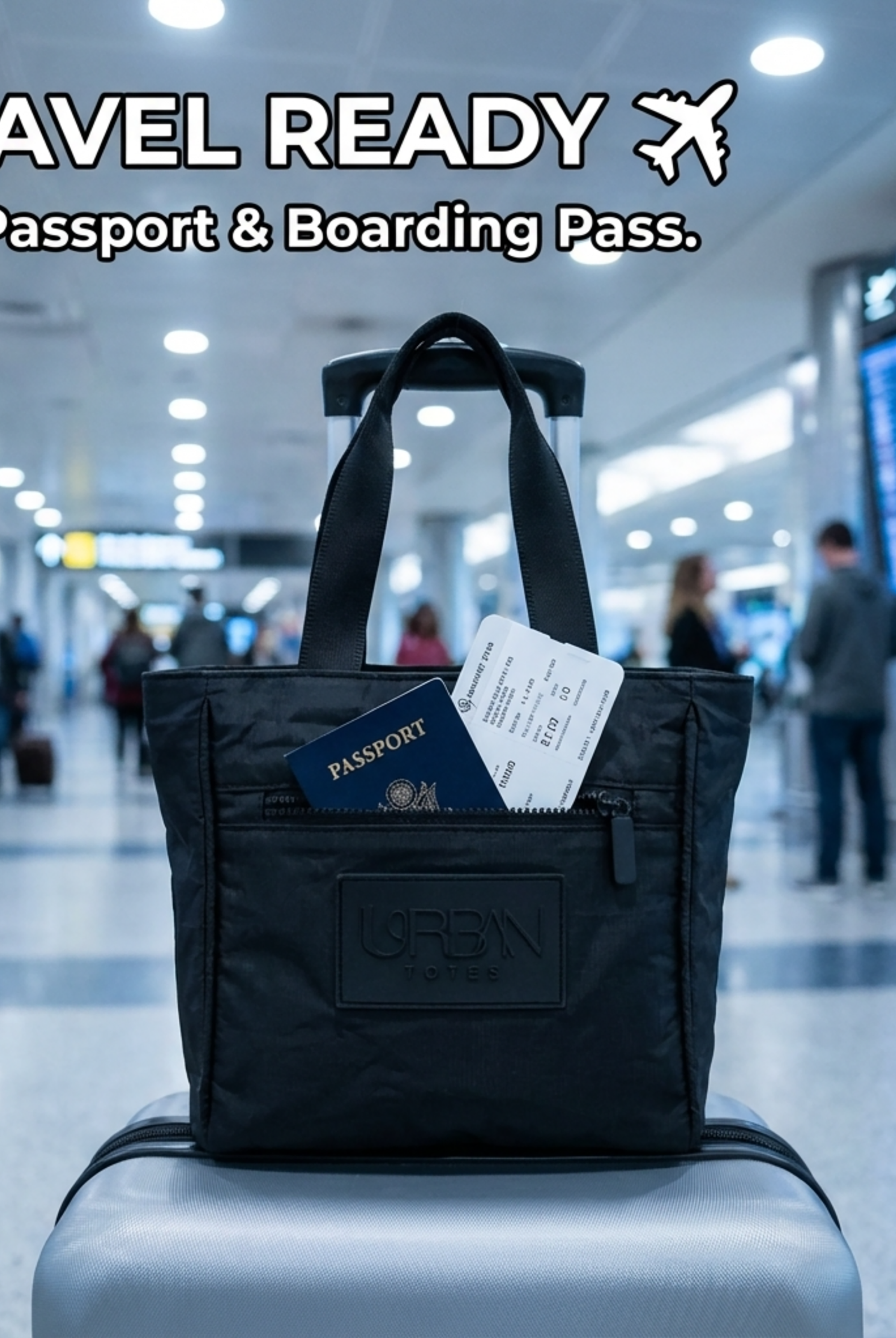
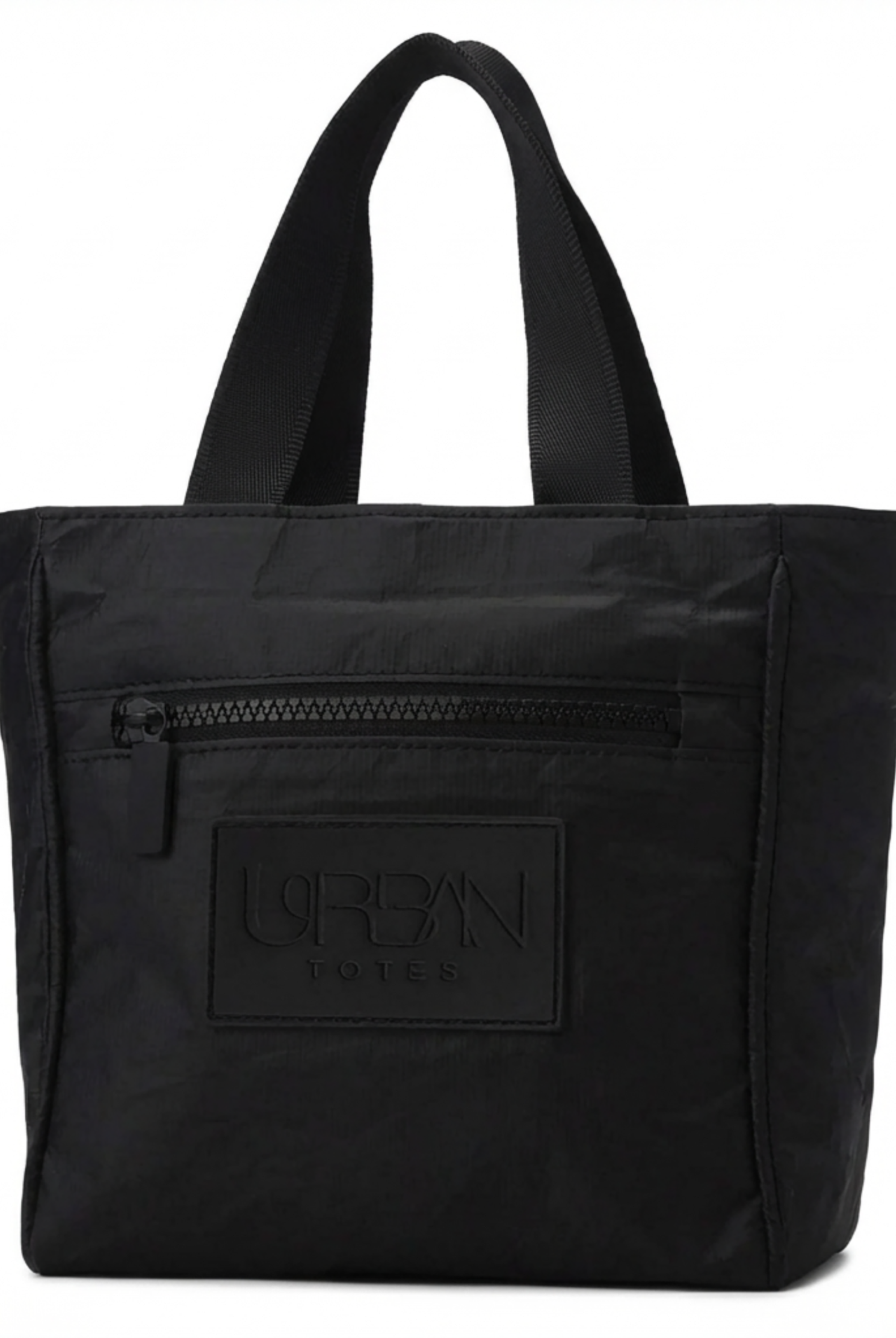
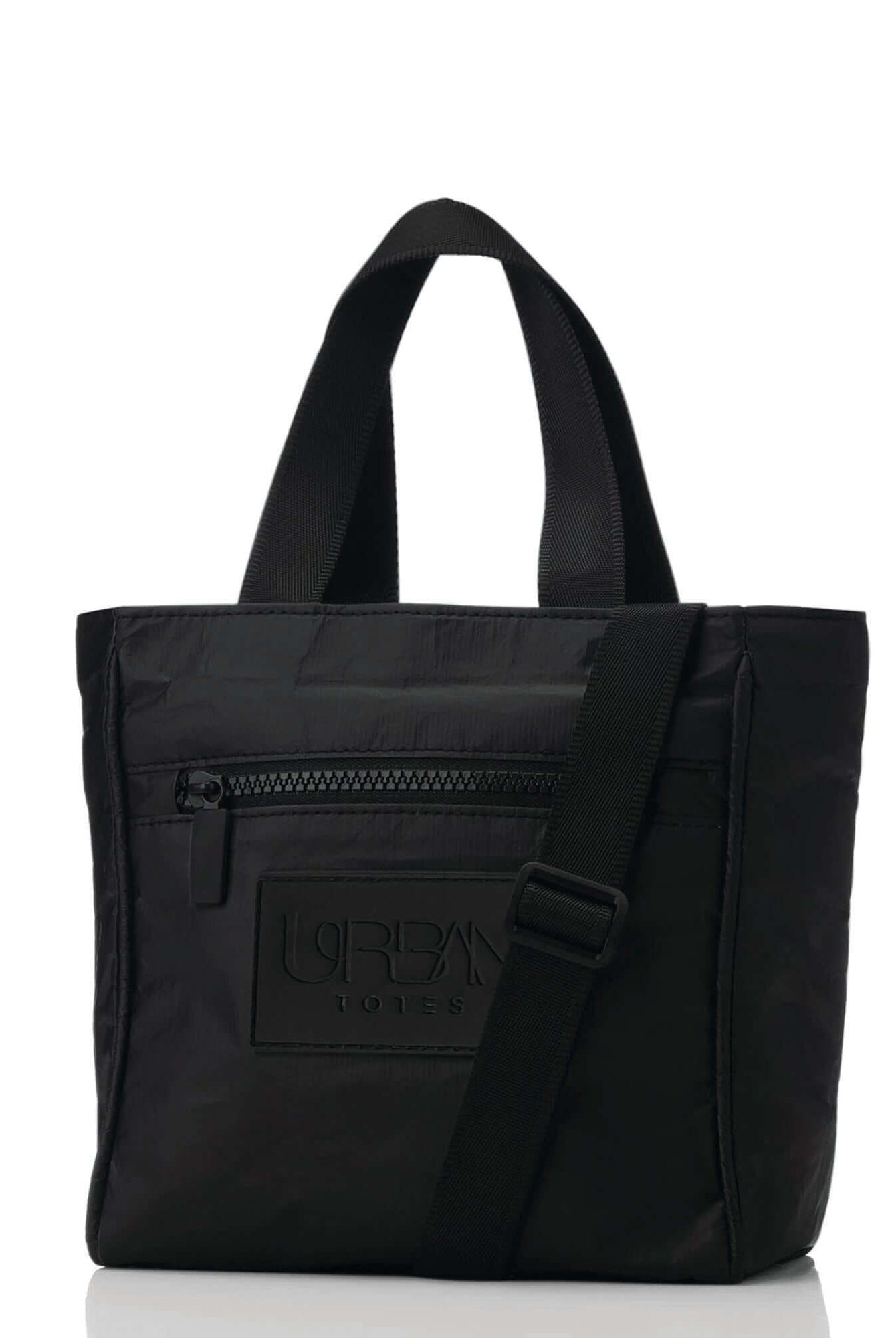
A compact option like Crossbody Tote Bag Mini Purse shows how a small silhouette can still stay practical. The zip-top closure, outside zipper pocket, and quick-access pocket for phone and keys matter more than extra bulk. Its listed size, 7.5 x 4 x 7.75 inches, is a good reminder that crossbody gym carry is about smart load management, not stuffing everything into one oversized compartment. For a closer comparison with a more open carry style, this guide on a gym tote bag is worth reading before you buy.
A duffel fits a locker-room transfer. A crossbody fits a commute with a workout in the middle.
The test is simple. If your bag can hold a full workout loadout, shoes, clothes, toiletries, and the small things you reach for, without pulling on your shoulder or throwing off your stride, it works. If it slides around, digs in, or turns every transition into a reset, it is the wrong format for your day.
Must-Have Features That Matter
A good crossbody gym bag does three jobs at once. It has to carry what you need, keep the load balanced, and stay comfortable when you move from the gym to errands, work, or travel. If one of those breaks down, you get the same problem every time, a bag that swings, pulls at your shoulder, or turns into a clutter trap.
Size should match the load, not the fantasy
Small compact styles in the 1.1 to 1.6L range work when you only need a phone, keys, cards, and earbuds. Larger sling-style designs can go much bigger, up to 40 to 45L and 50 x 30 x 30 cm for shoes, towel, and apparel Gym Reapers. Pick the size that fits your real day, not the one that only works when you pack it once in a while.
Useful test: If the bag feels great empty but chaotic once packed, the layout is wrong.
A roomy main compartment helps, but crossbody design needs more than one open space. You want pockets that keep shoes, clothing, bottle, phone, and toiletries from shifting into one heavy lump. Strong gym-bag reviews point to that kind of separation as a practical win The New York Times Wirecutter. CN Traveler also points to the value of distinct zones for shoes, bottles, toiletries, and phones, which matters even more in a crossbody bag because the load sits against your body and moves with you CN Traveler. If you want a bag that handles wet gear without turning the rest of your carry into a mess, a water-resistant crossbody bag is the right place to start.
Materials and strap design do the heavy lifting
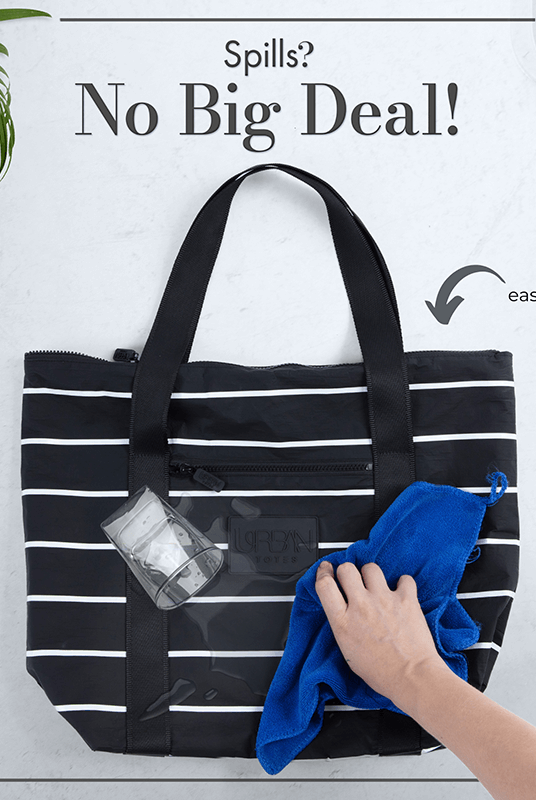
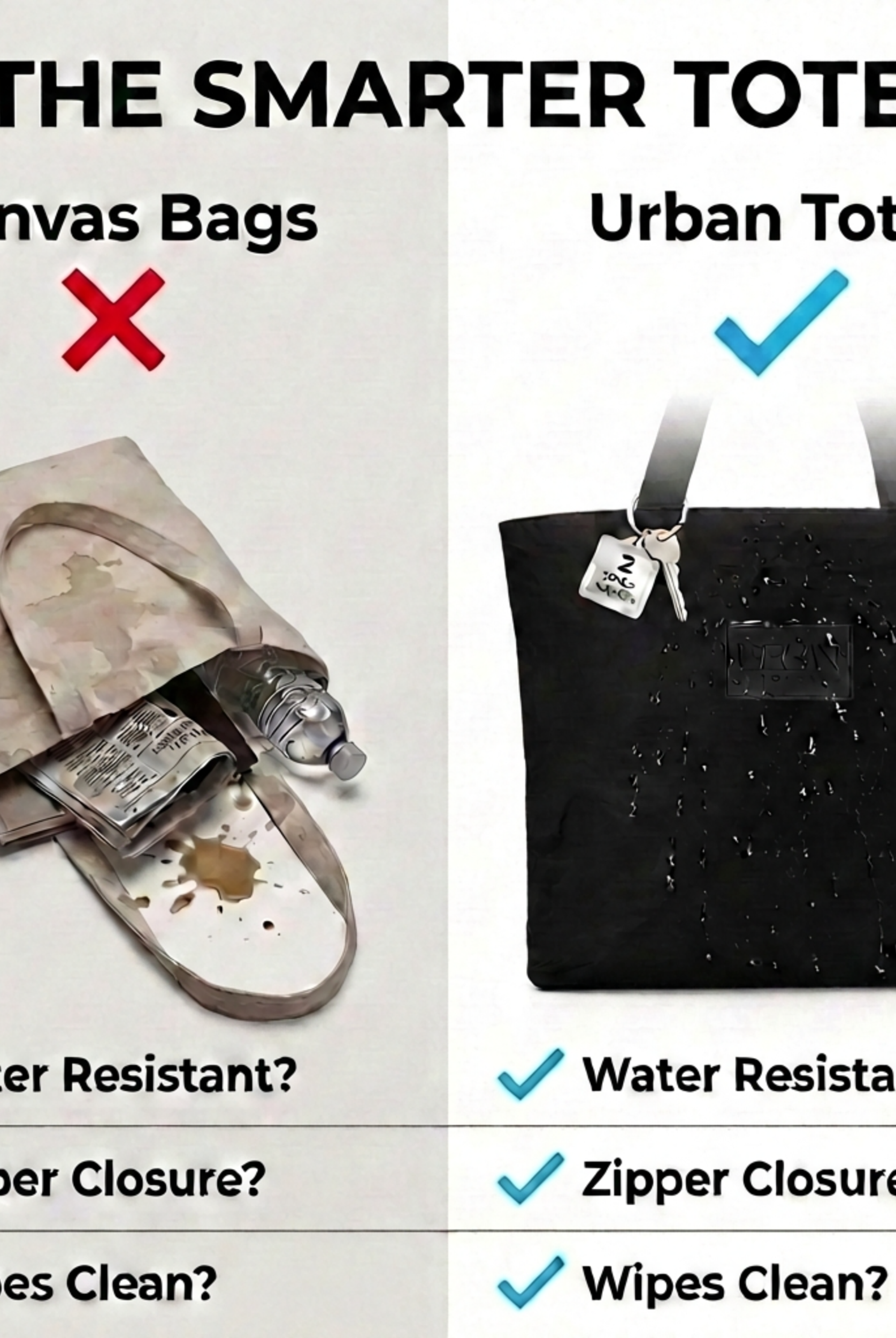
Choose water-resistant, lightweight, easy-to-clean materials. Sweaty gear, spilled coffee, and wet sidewalks are normal life, not rare problems. The bag also needs a strap that stays put when you walk fast, climb stairs, bend down, or switch from shoulder to hand carry.
The best crossbody setups pay attention to strap placement, not just strap length. Look for attachment points that sit well when the bag is full, because the wrong anchor points let the bag swing across your torso instead of staying close to it. A secure zipper closure matters too, especially for commuting and travel, since you do not want the bag opening up while you move.
For women who want a simple checklist, use this:
- Strap fit first: Adjustable straps should let the bag sit close enough to reduce swing, but not so tight that it digs in.
- Structure second: Look for a body that holds its shape, with reinforced sides or piping so the bag does not collapse into a lump at the bottom of your seat or trunk.
- Closure last, but necessary: A zipper closure beats an open top every time when you are on the move.
- Pocket logic: Put the phone where you can reach it without taking the bag off, keep keys in a separate pocket, and use another slot for toiletries or wet items.
- Motion-friendly access: Side or front pockets that open while the bag is still worn make quick stops easier, which matters when you are bouncing between the gym, the car, and the office.
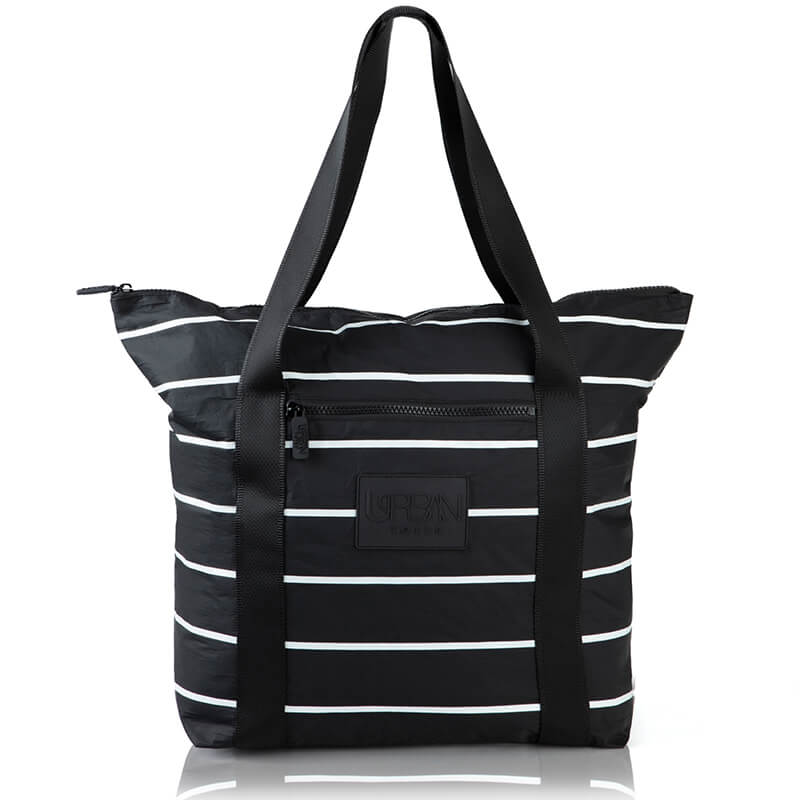
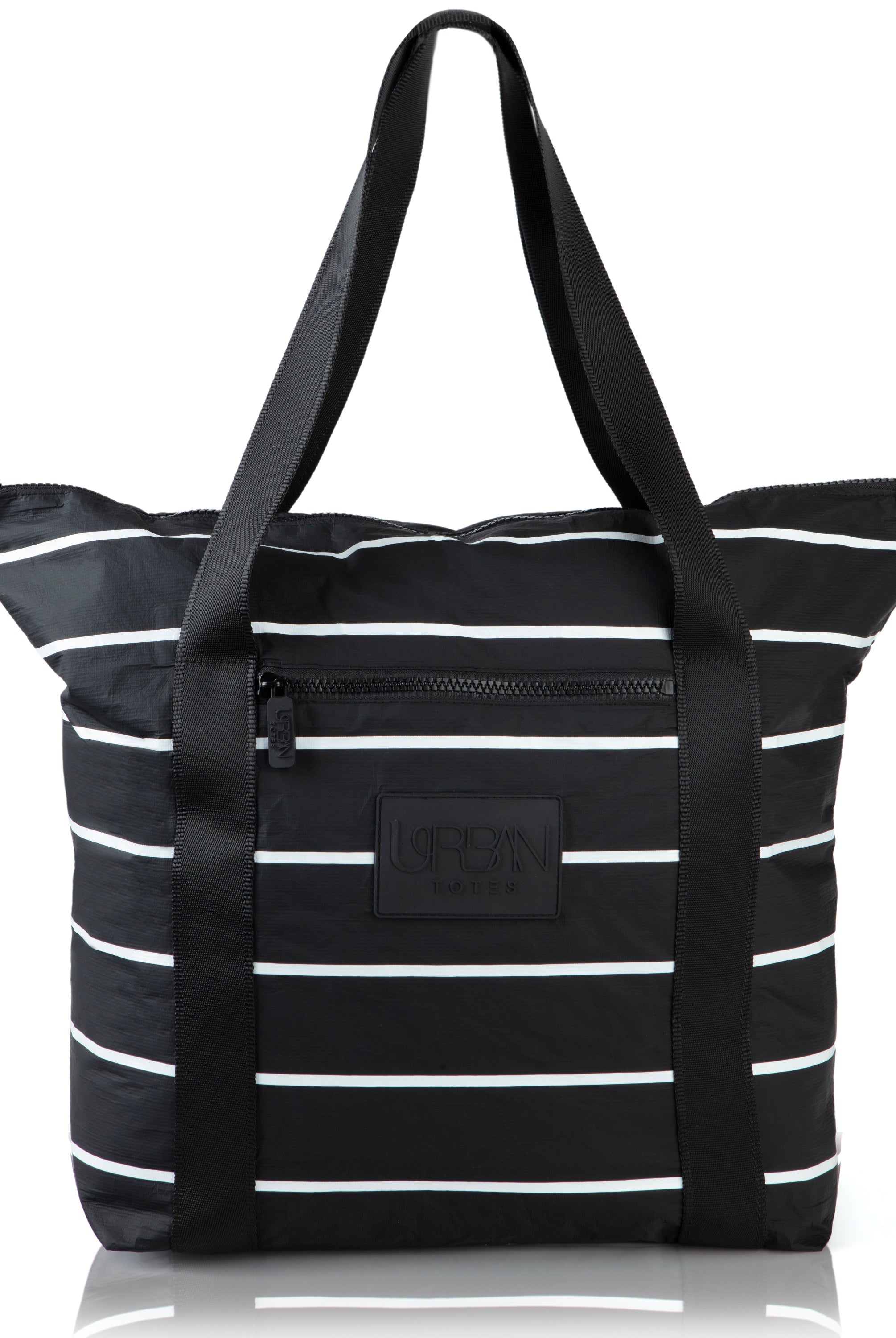
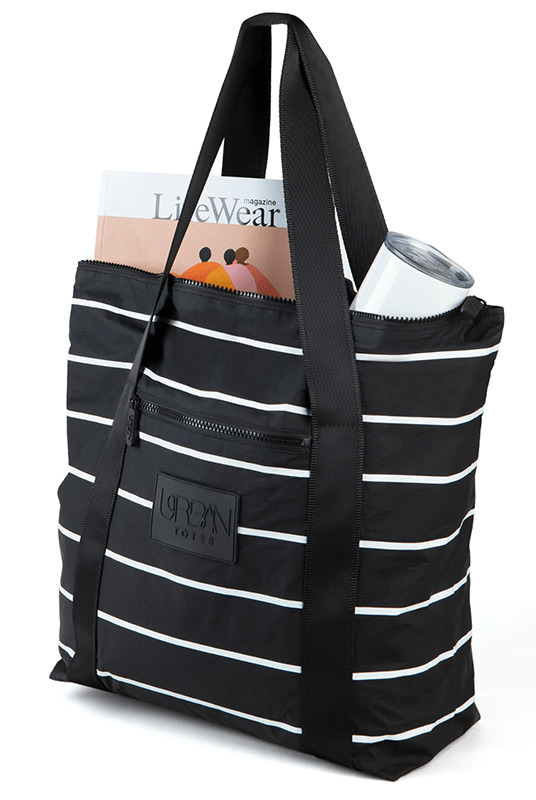
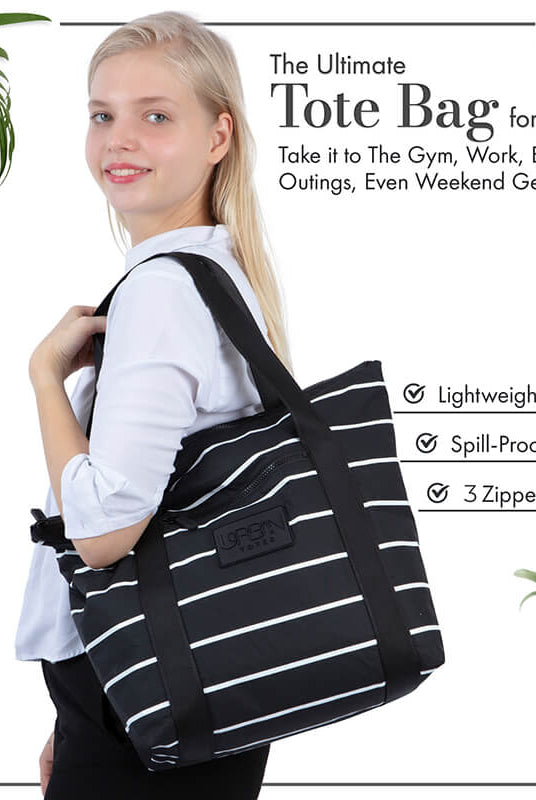
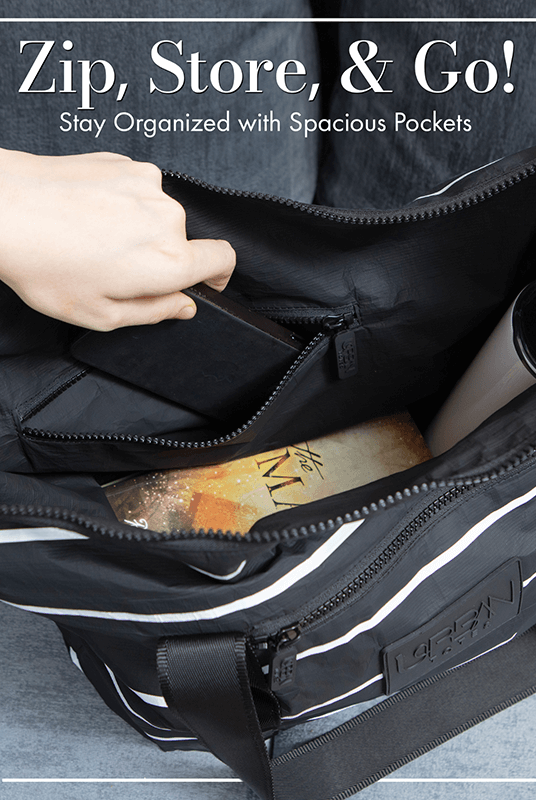
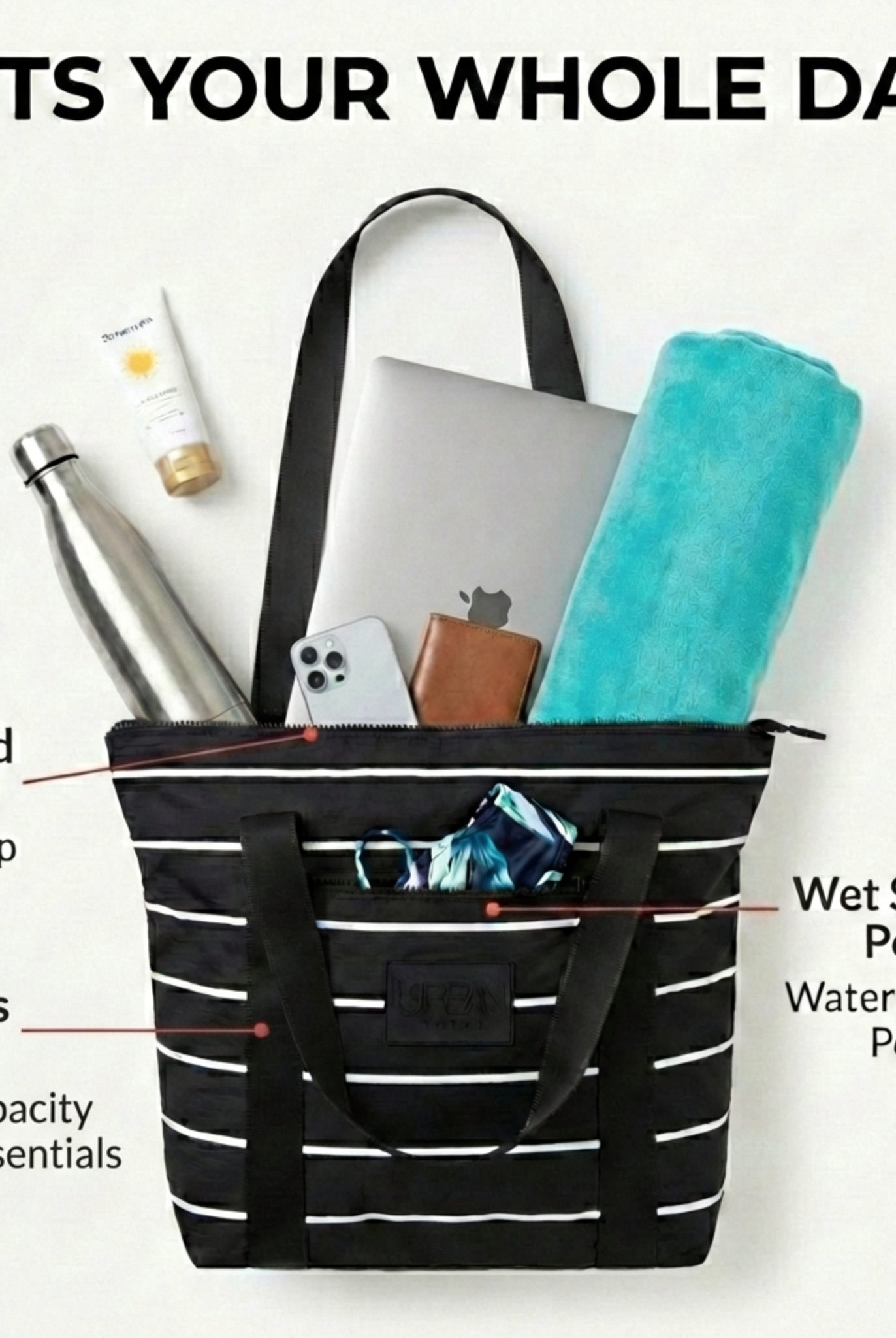
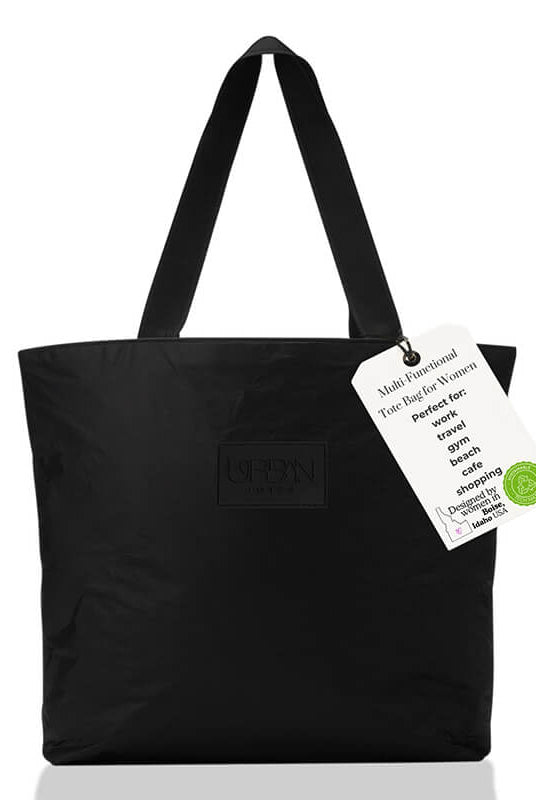
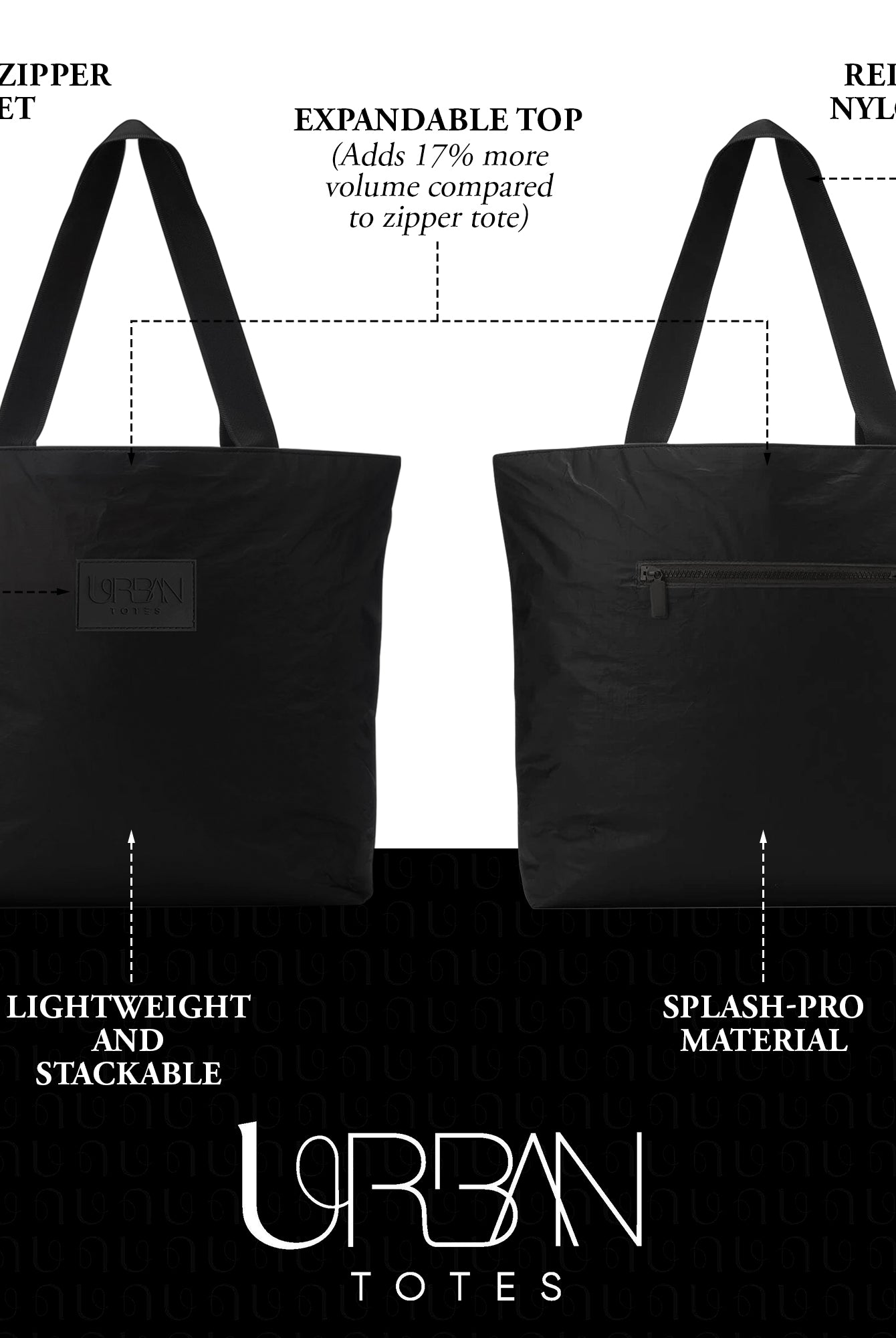
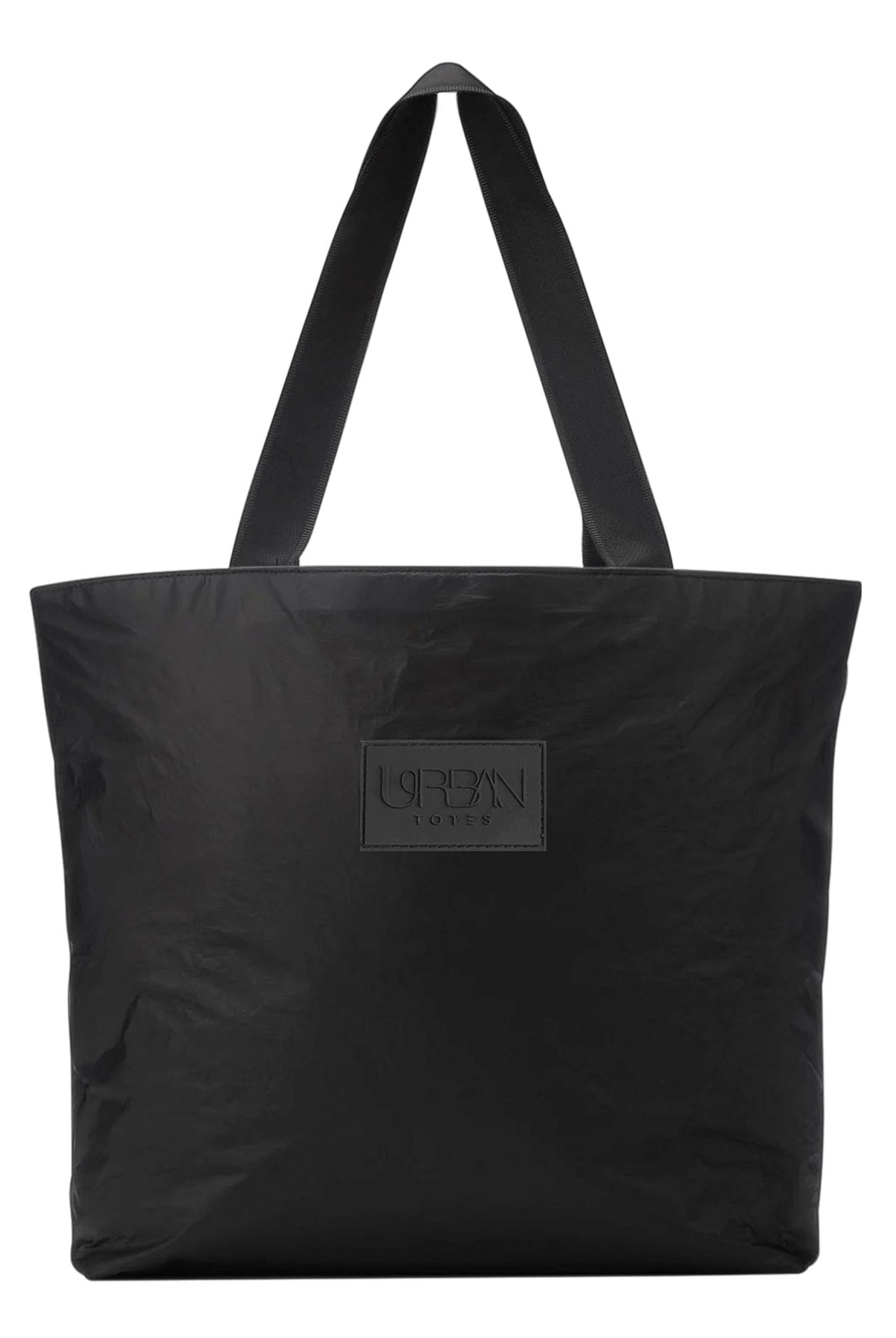
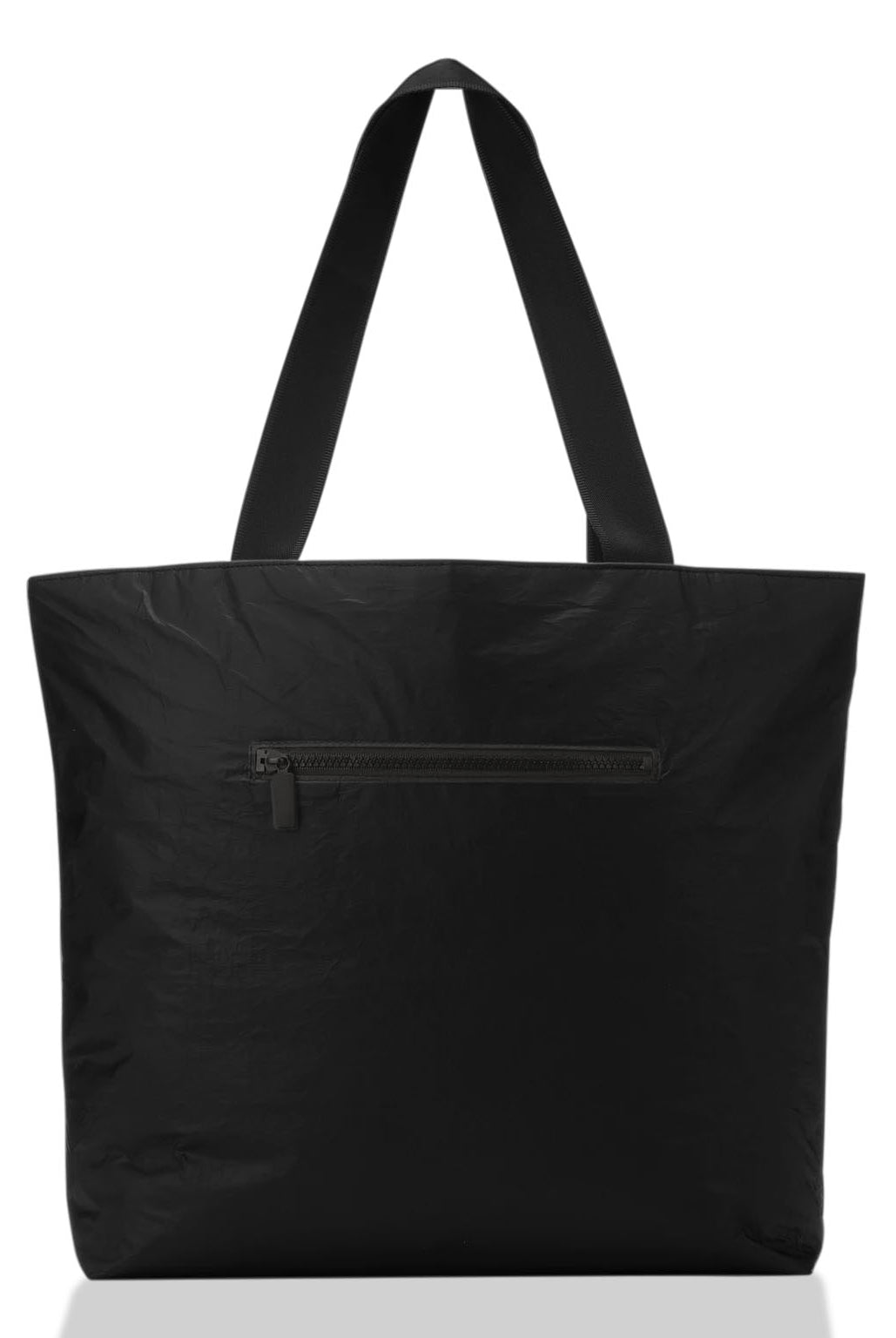
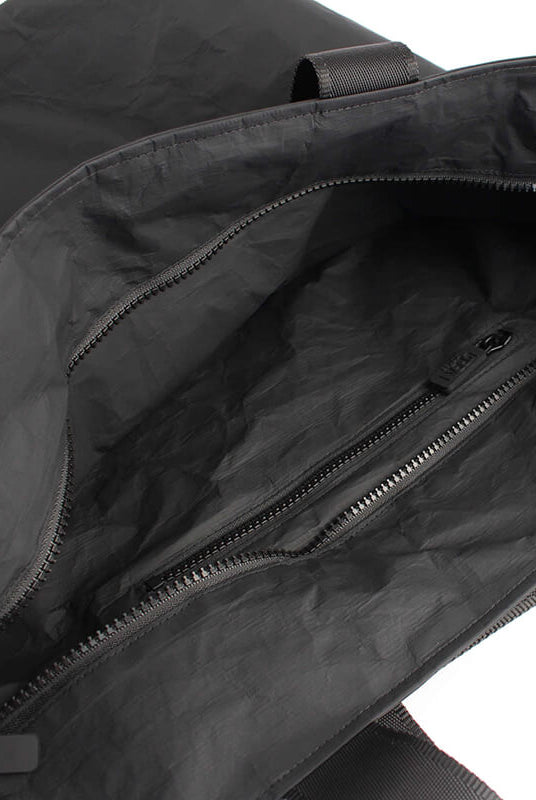
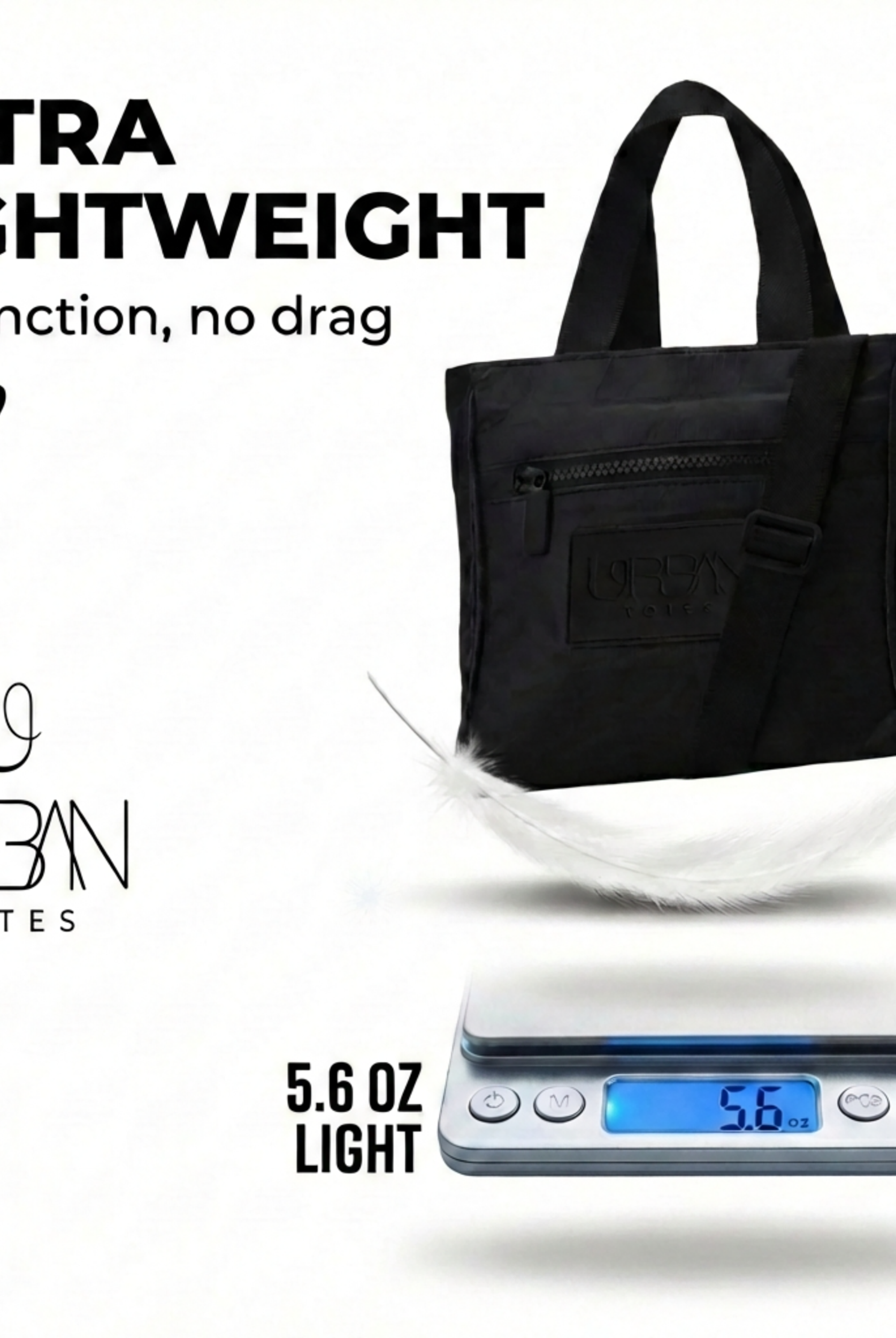
Urban Totes fits that use case well. The brand's crossbody snapshot points to a zip-top closure, a single outside zipper pocket, an easy-access pocket, water-resistant material, and a lightweight, foldable build. That mix keeps the bag organized without adding dead weight, which is exactly what you want when one bag has to handle a full workout loadout and still feel fine on the walk after.
How to Pack a Full Gym Loadout Without the Bulk
The loadout problem is the test that matters. A crossbody gym bag only works if you can pack it without creating a shoulder ache or a lopsided, swinging mess. Start with the assumption that every item needs a job and every inch needs to be earned.
Pack in the order your body feels
First, put the soft stuff at the base. Rolled workout clothes flatten better than folded stacks, and they create a more stable floor for the rest of the bag. The internal structure matters here, because a bag with shape holds its load closer to your body instead of letting everything collapse to one side.
Then separate footwear. If the bag has a dedicated compartment, use it. If not, put shoes in a bag of their own so dirt, odor, and odd shapes don't overwhelm the rest of the interior. That's the same logic behind the organizational split seen in stronger gym-bag designs CN Traveler.
Keep weight where the strap can handle it
Next, layer the middle with a towel, toiletries, or a light change of clothes. Don't stack all the dense items on one side, because that's what creates swing when you walk. The goal is to keep the load centered and close to the body, which is exactly where a crossbody format earns its keep.
Packing rule: The more often you reach for an item, the closer it should sit to the top or outer pocket.
Finally, use the quick-access spots for phone, wallet, and keys. That saves you from digging through sweaty clothes or opening the main compartment in a parking lot. If you need a packing system that works across multiple bag types, this how to pack with packing cubes guide helps you think in compartments, not chaos. For weather and seasonal changes, the idea behind gear for heat cold rain is the same, your carry should be adaptable enough to match the day without making you rebuild your whole routine.
Real-Life Scenarios for Every Type of Woman
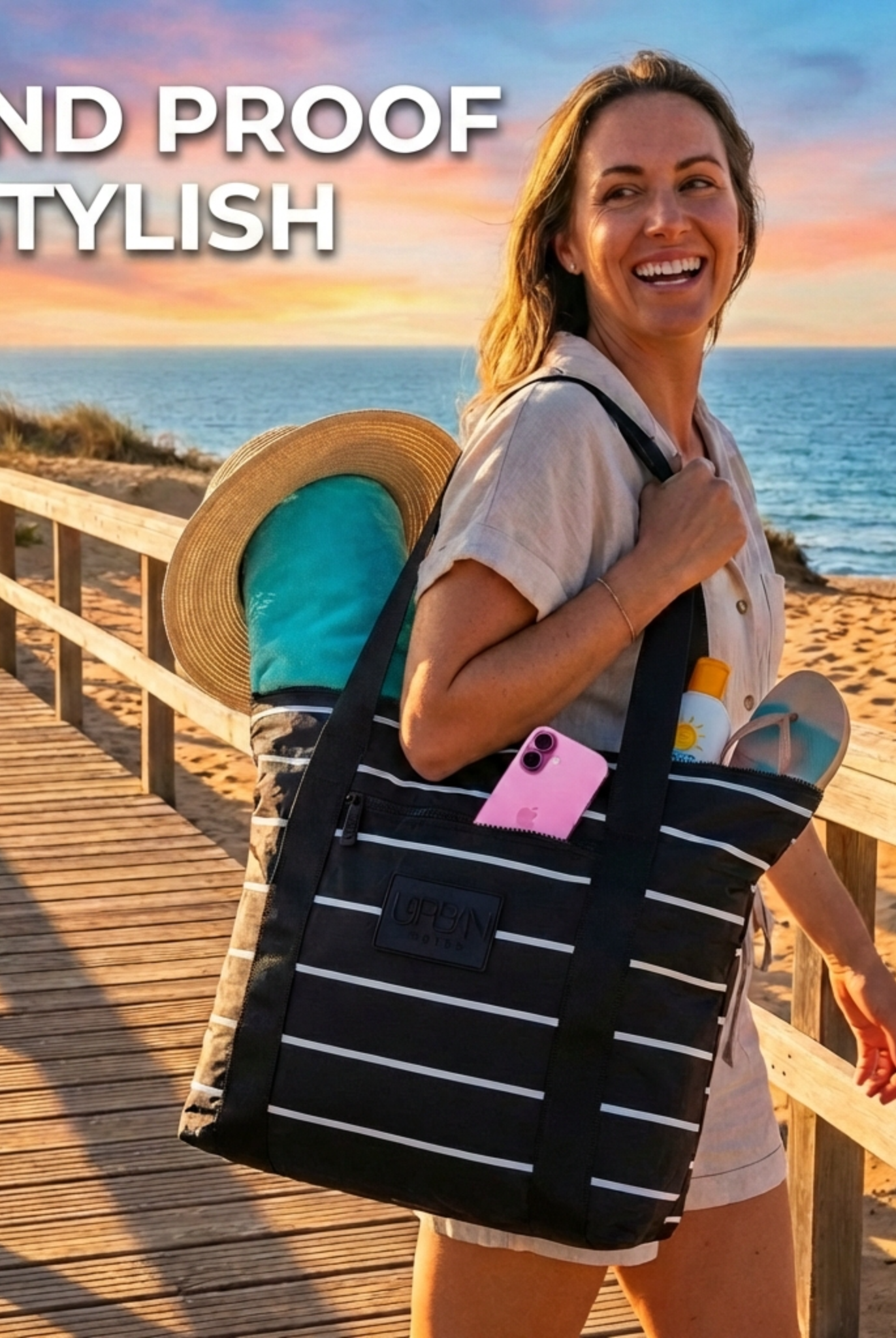
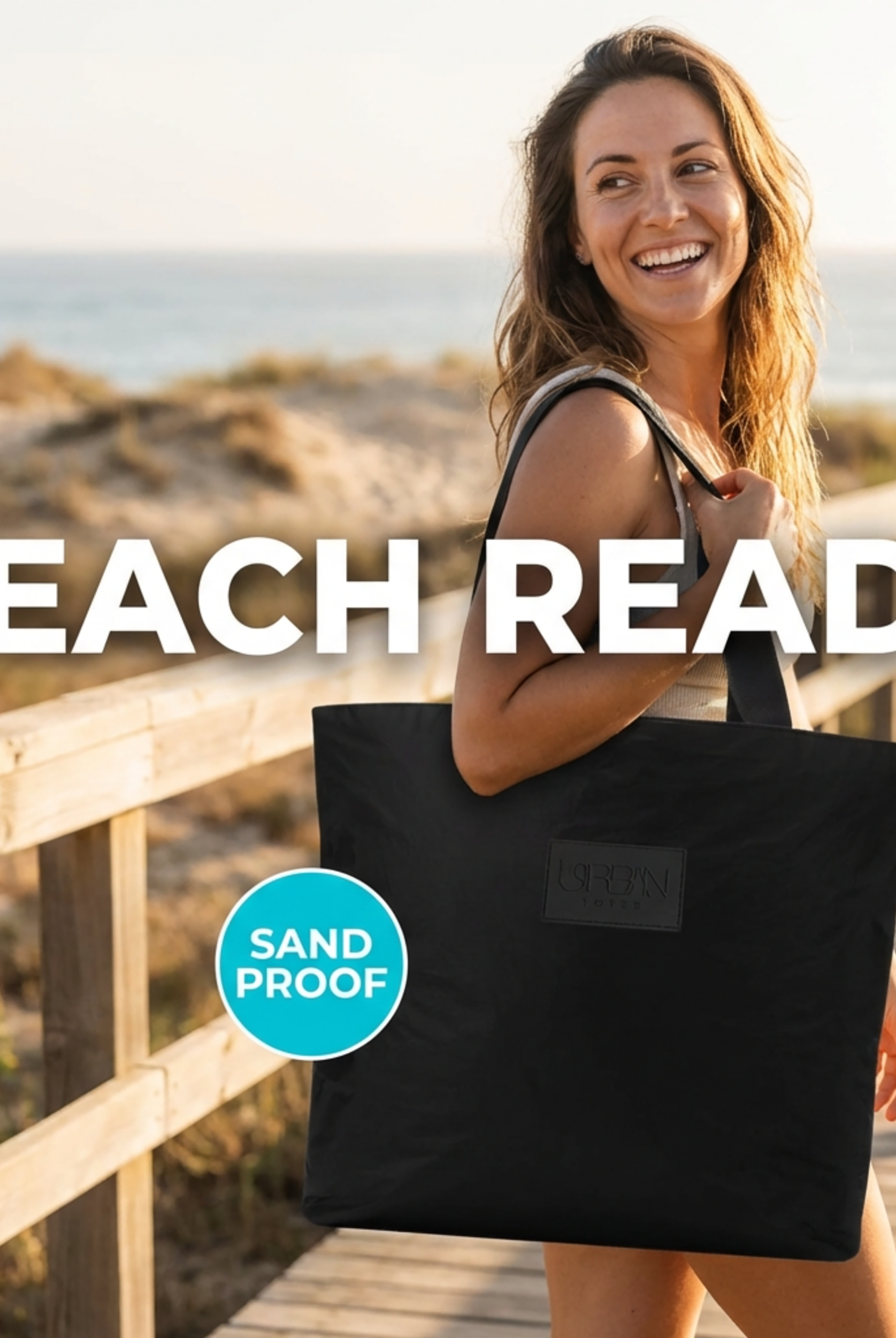
A beach-day mom is usually carrying more than gym clothes. She's juggling a yoga mat mindset, produce bags, a damp towel, and whatever her kid handed her on the way out the door. A crossbody gym bag with a water-resistant finish and zipper closure keeps that mess under control, so wet items stay contained and the bag stays closed instead of spilling open in the car.
A daily commuter needs a bag that stays put. She is moving fast, one hand on coffee, the other on her phone, and the last thing she needs is a strap slipping off her shoulder while she crosses a sidewalk or heads into class. A crossbody style keeps the weight close to the body and gives her quick access to the things she uses between the train, the office, and the studio.
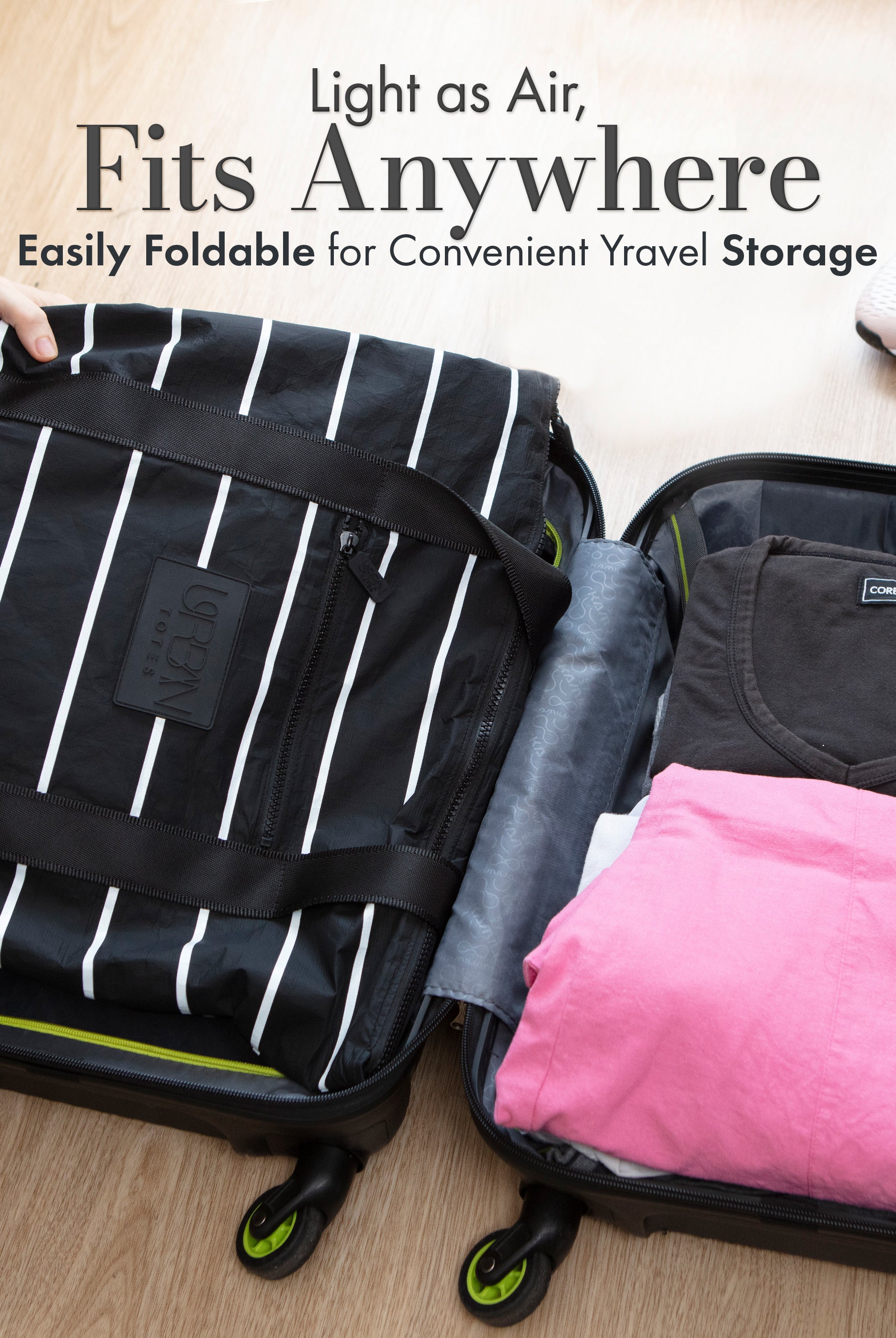
A weekend traveler has a different load to manage. She wants one bag that can serve as a personal item, a gym carry, and an errand bag after check-in, without turning into extra bulk in her suitcase. Lightweight, packable, and foldable features matter here because the bag should tuck away cleanly when she does not need it. That kind of setup also helps on hotel workout days, when she wants shoes, clothes, and toiletries close by without dragging out a full duffel for a short session.
The test is whether the bag holds a full routine without getting awkward. Shoes, clothes, and toiletries should stay organized, the strap should sit comfortably, and the bag should not swing against your hip every time you speed up, slow down, or bend to grab something. A good crossbody gym bag handles the transition from workout to errands to travel without making you think about it.
If one bag can handle the gym, errands, and a travel day, that is efficient, not extra.
Smart Buying Tips and Long-Term Care
Start with the stitching. If the seams look weak, skip it. Strap reinforcement matters just as much, because a bag can only stay comfortable if the strap attachment points are built to handle daily movement without loosening over time. Zip quality matters too, since a broken zipper turns a simple carry into a constant annoyance.
Choose materials that fit your routine, not just your aesthetic. Urban Totes describes its bags as made with recyclable and non-toxic materials, and that kind of thoughtful material choice pairs well with a bag that's also water-resistant, lightweight, and easy to clean. If you want broader care guidance, this internal maintenance resource on how to care for your tote bag gives the same kind of simple, practical mindset.
Keep the bag usable for years
Maintenance should be boring, quick, and consistent. Wipe down the exterior after sweaty sessions. Spot clean grime before it settles. If the bag is machine-washable, use that option only when the care instructions allow it, then let it dry fully before storing.
Avoid the two biggest buying mistakes. The first is choosing style over function and ending up with a bag that looks polished but can't handle a full session. The second is buying too small and then trying to force in shoes, clothes, and toiletries anyway. That's how straps start pulling and the bag starts feeling awkward before you've had it a month.
Urban Totes is a woman-owned, Boise-made brand built around that exact balance of fashion and function, and its crossbody carry fits the daily reality of women who want one bag that can handle workouts, errands, and travel without fuss. If you want a bag that keeps pace with real life, shop Urban Totes and choose the crossbody that fits the way you move.