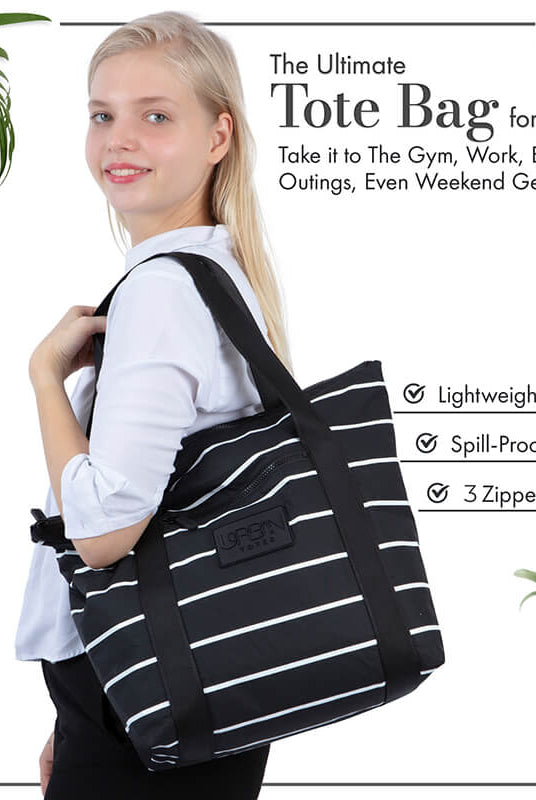
At 7:42 a.m., your coffee is reheated, the permission slip is still unsigned, and someone has packed half a banana into the lunch bag without a container. Your current tote is already bulging, yet the day hasn't started. You need room for a laptop, snacks, a water bottle, and whatever gets handed to you at the front door, but you don't want to carry a rigid box that looks awkward with jeans and a sweater.
That's where a slouchy tote bag earns its place. The soft body flexes around real life, the shoulder straps settle against you, and the silhouette can absorb one more thing without feeling like office luggage. A structured tote may stand perfectly upright while empty, but that doesn't help much when your morning is spilling in every direction. The right soft tote gives you movement without giving up control. This guide to tote bag benefits is a useful companion if you're deciding whether a flexible carryall fits your routine.
Table of Contents
- A Tuesday Morning That Demands a Softer Bag
- What Exactly Makes a Tote Slouchy
- The Four Engineering Decisions Behind Every Great Slouchy Tote
- Who the Slouchy Tote Was Made For
- Packing and Organizing a Bag With No Rigid Frame
- Slouchy Versus Structured Totes and What to Look For
- Finding Your Go-Anywhere Tote
A Tuesday Morning That Demands a Softer Bag
The rigid tote is sitting by the door, looking composed and completely unhelpful. Its narrow opening rejects the child's sweatshirt, its hard corners catch on the kitchen chair, and its upright shape leaves no room for the odd-shaped things that appear between breakfast and school drop-off.
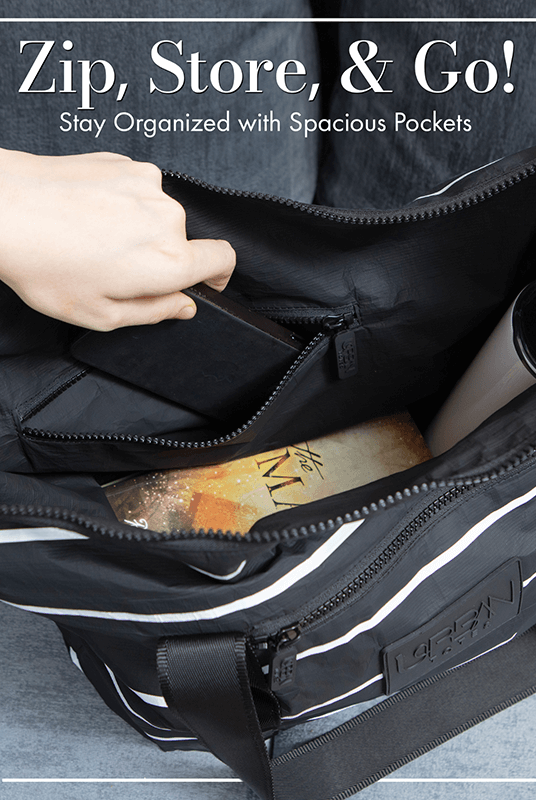
A slouchy tote behaves differently. You slide in the lunch pouch, tuck the permission slip against the back, drop your keys into a zipper pocket, and still have space for the sweater you know someone will refuse to wear until the temperature drops. The bag flexes instead of arguing with every item.
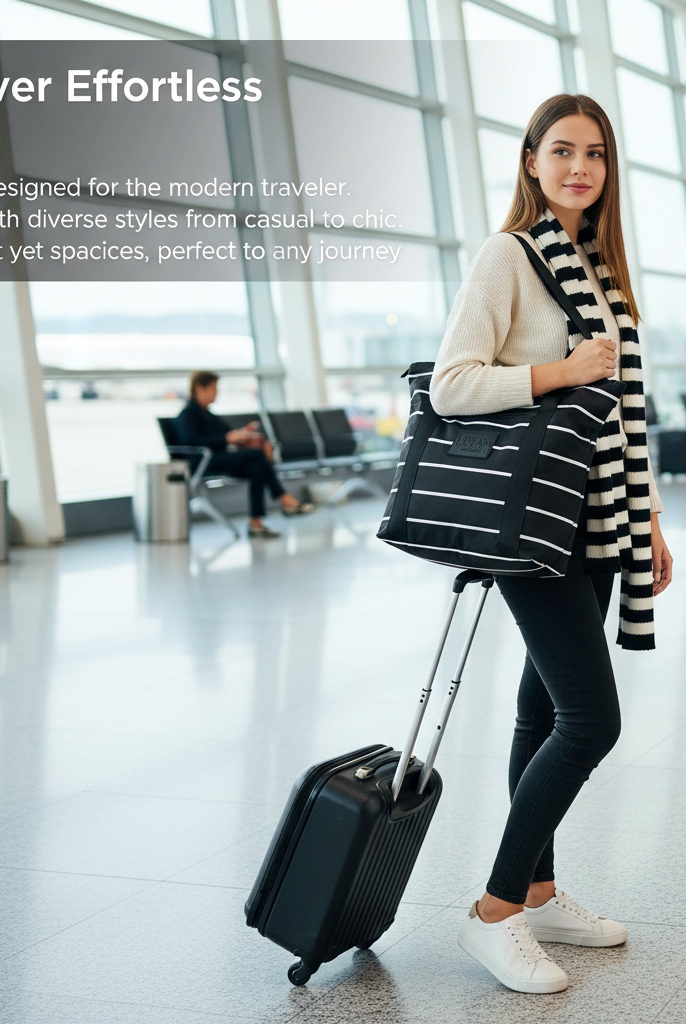
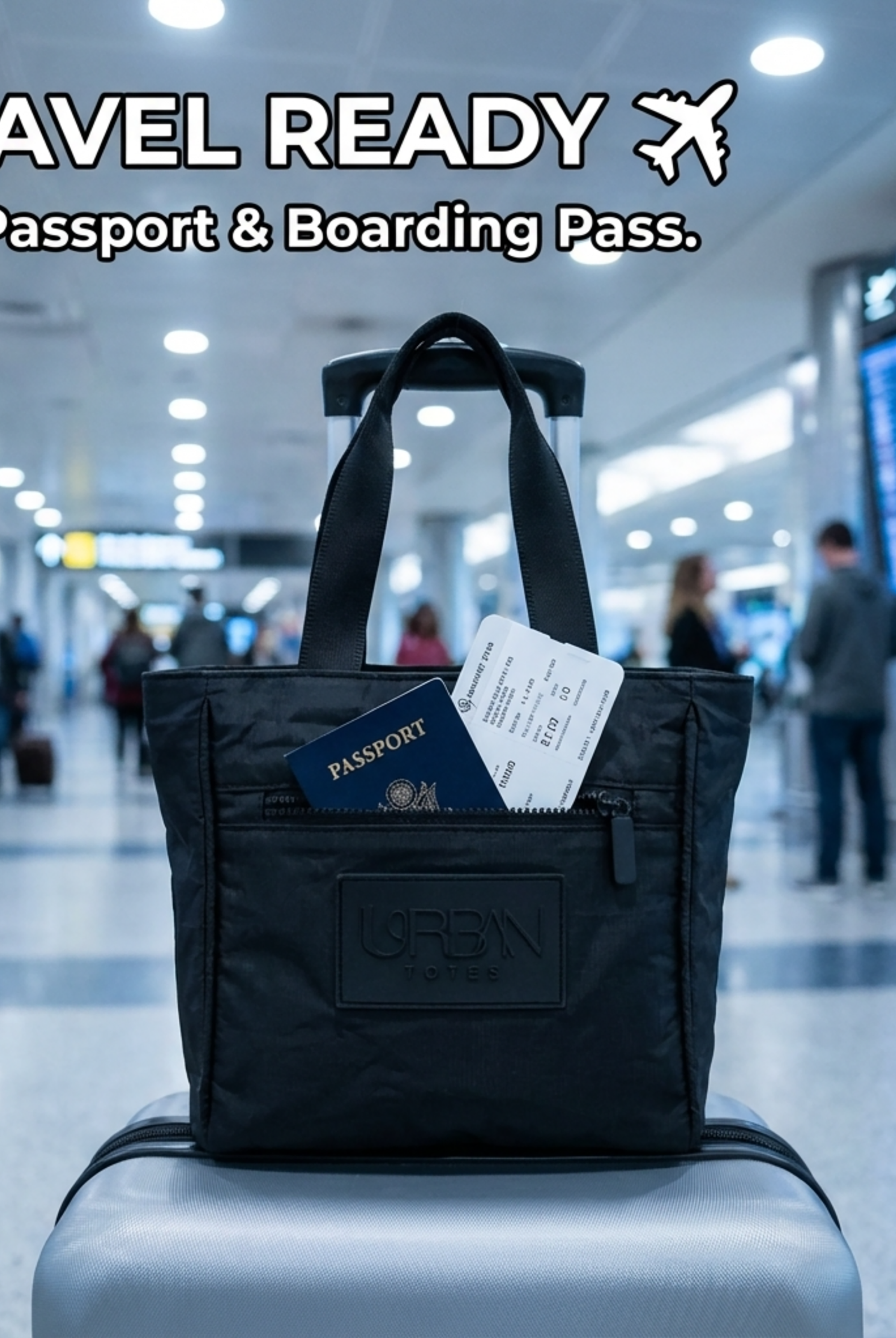
That flexibility matters most on ordinary days, not glamorous ones. At school pickup, you might need a water bottle and a snack stash. At the farmers market, the tote needs to accept produce without making you rearrange everything. At the airport, it needs to collapse under the seat or sit comfortably against your hip while you search for your boarding pass.
The honest test: A tote earns daily status when it handles the last-minute item without making the first items impossible to find.
Soft construction also changes how the bag feels against your body. A rigid side can press into your waist or bump your arm as you walk. A supple side follows your movement, especially when you wear the tote over a coat or carry it close under your arm.
That doesn't mean every slouchy tote works. A bag with no closure can turn into an open invitation on a crowded train. A floppy base can let a laptop sink beneath snacks. A narrow strap can make a moderately packed tote feel unpleasant long before lunch.
The front door closes. Your coffee is still warm enough to drink, the bag is on your shoulder, and the shape has softened around the day without collapsing completely. That balance, relaxed but dependable, is what makes the slouchy tote worth examining more closely.
What Exactly Makes a Tote Slouchy
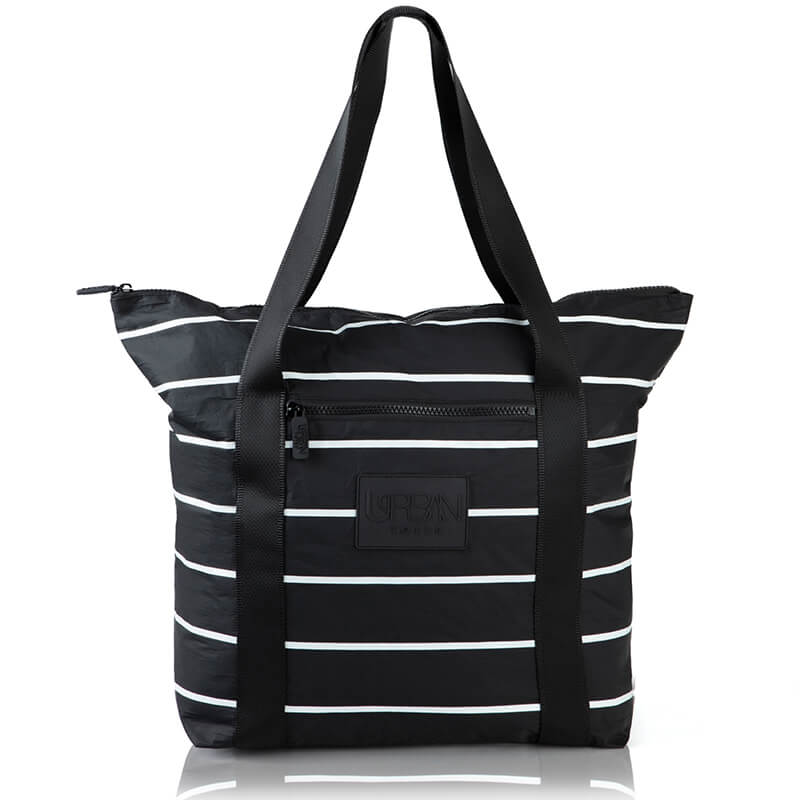
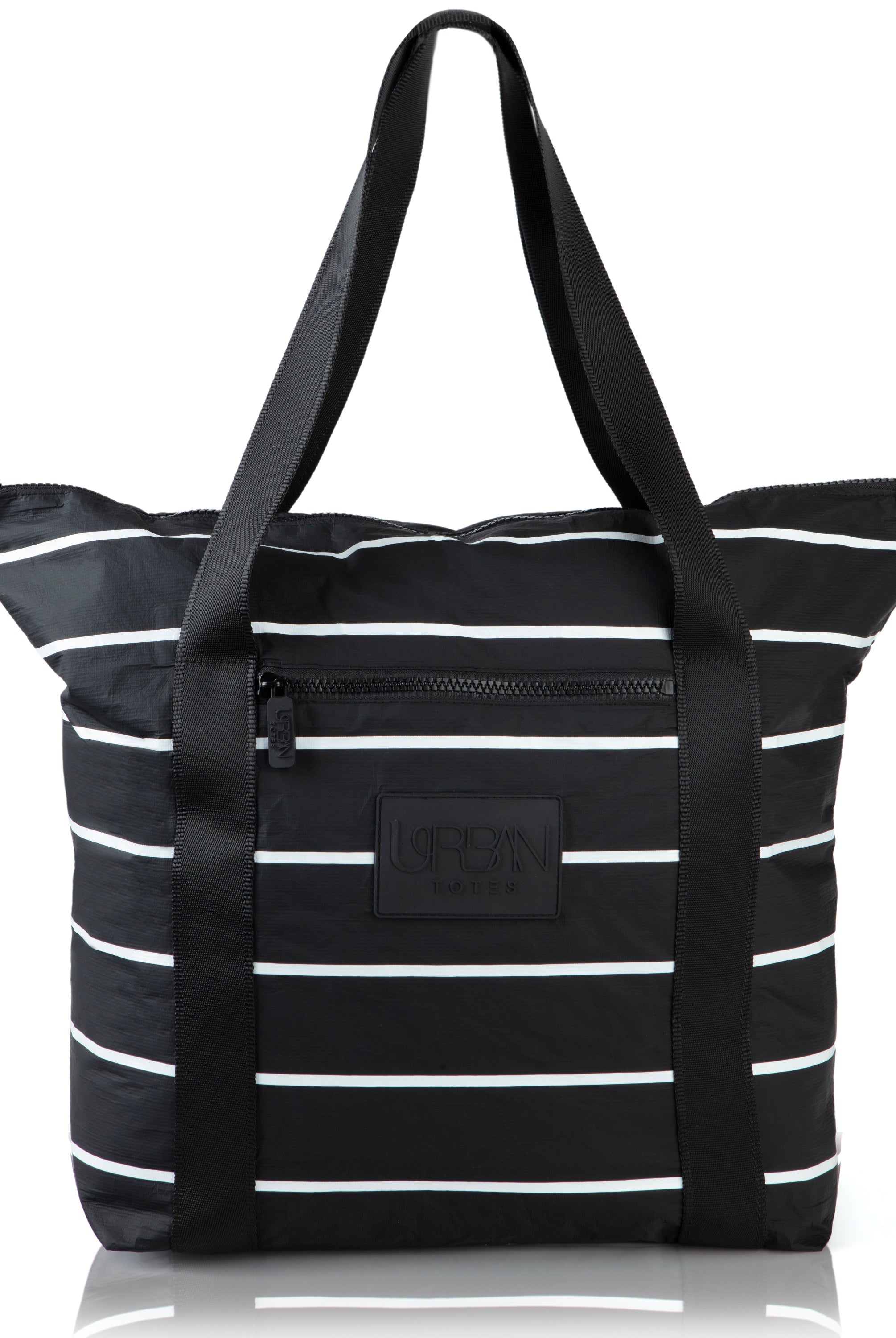
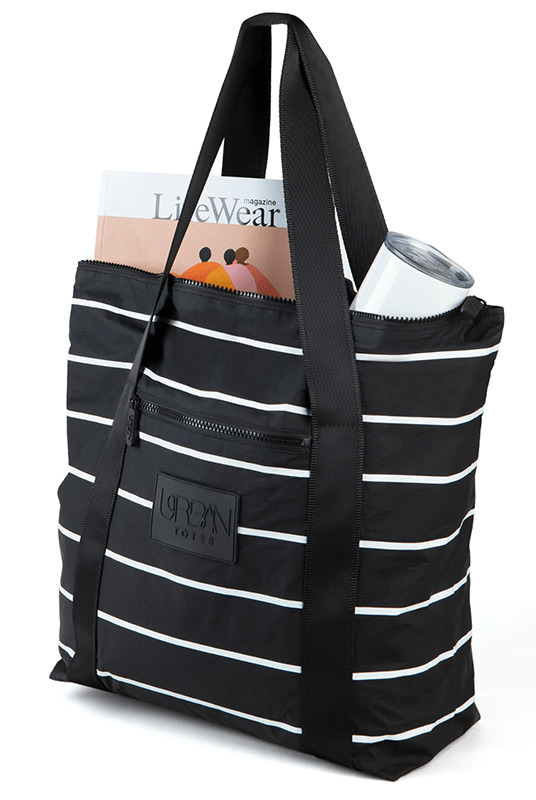
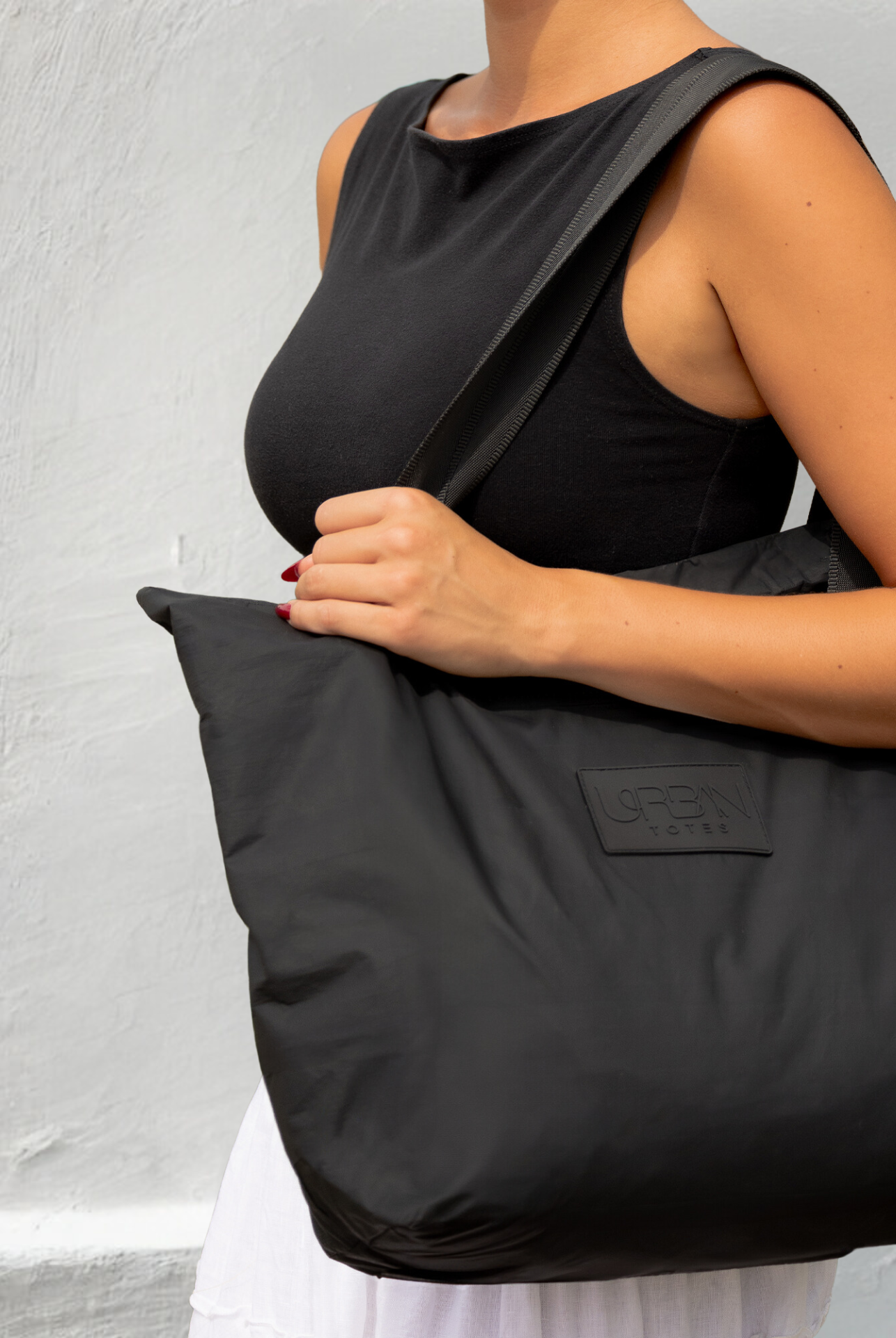
A slouchy tote bag is defined by its behavior more than its label. It usually has a soft-sided or semi-structured body, supple fabric or leather, a broad opening, and straps designed for shoulder carrying. When you add a laptop or a sweater, the sides follow the load instead of forcing every item into a fixed rectangle.
A structured tote takes the opposite approach. Interfacing, reinforced panels, a firm base, and boxed corners keep the bag upright whether it's full or empty. That shape looks polished and makes retrieval easier, but it can feel less forgiving when your load changes throughout the day.
Three quick construction tells
You can identify the difference in a store without knowing the designer, material specification, or marketing language. Set the bag down, fold it, and watch the opening.
- Set-down test: A structured tote stands on its own. A slouchy tote usually leans, folds, or settles into the surface.
- Empty test: A soft tote often folds flatter and takes less room in a suitcase or closet. A structured tote keeps its volume.
- Top-edge test: A rigid opening stays straight under weight. A slouchy opening dips and drapes as the contents shift.
The best version isn't a shapeless sack. It has intentional give. A reinforced base, stable strap attachment, and useful internal pockets can preserve function while the exterior remains relaxed. That's the design sweet spot for a woman who wants an easy silhouette but still needs to locate her phone without emptying the bag.
The tote silhouette has a long utilitarian history. L.L. Bean's ice carrier, introduced in 1944, is widely cited as an early ancestor of the modern tote, and one historical account says its heavy canvas construction could withstand 500 pounds. This historical tote guide places today's softer shapes in a longer evolution from durable carry gear to fashion-focused everyday bags.
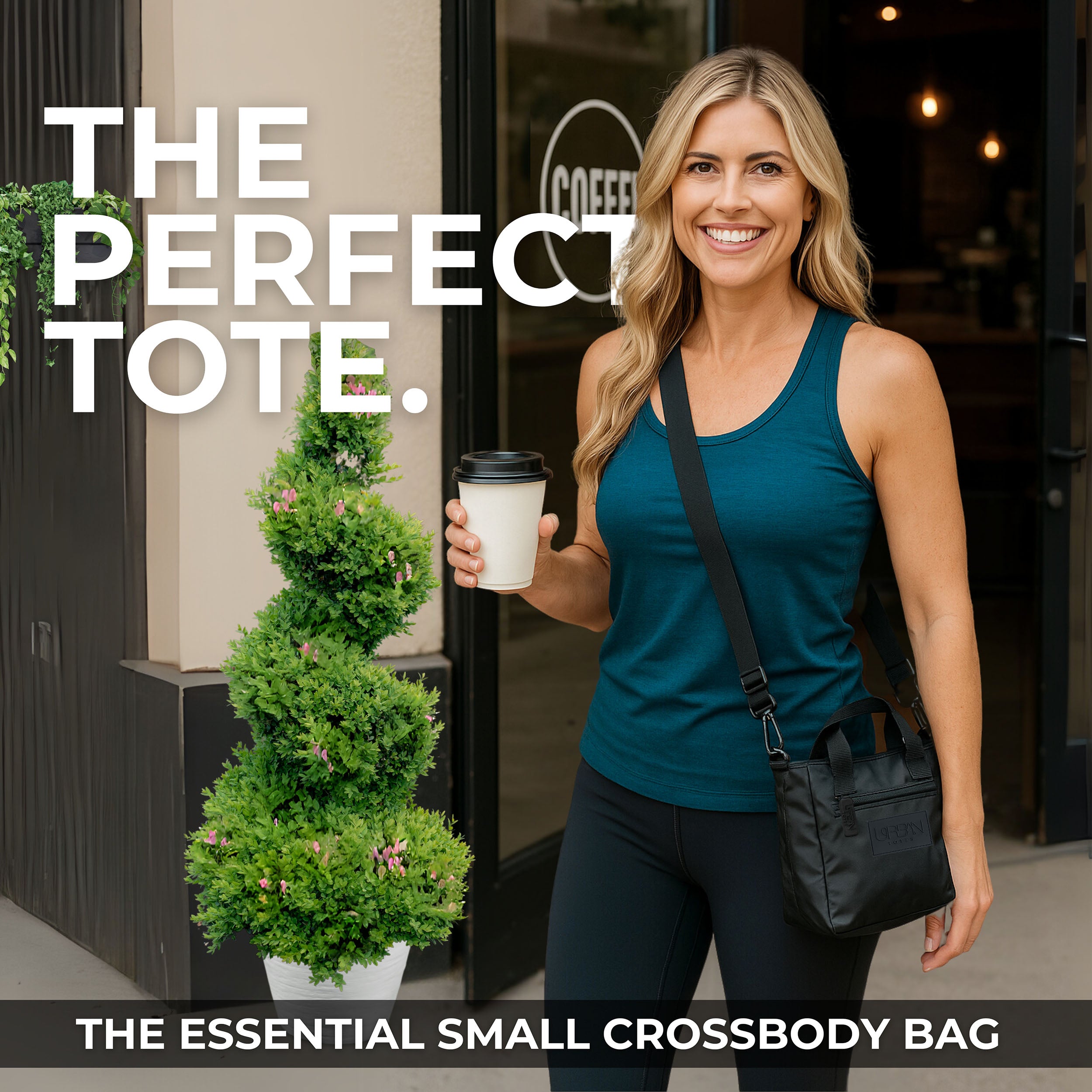
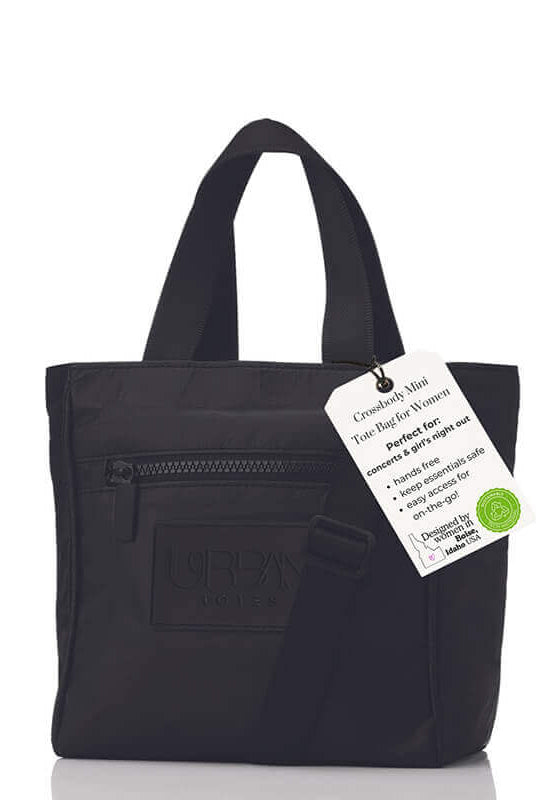
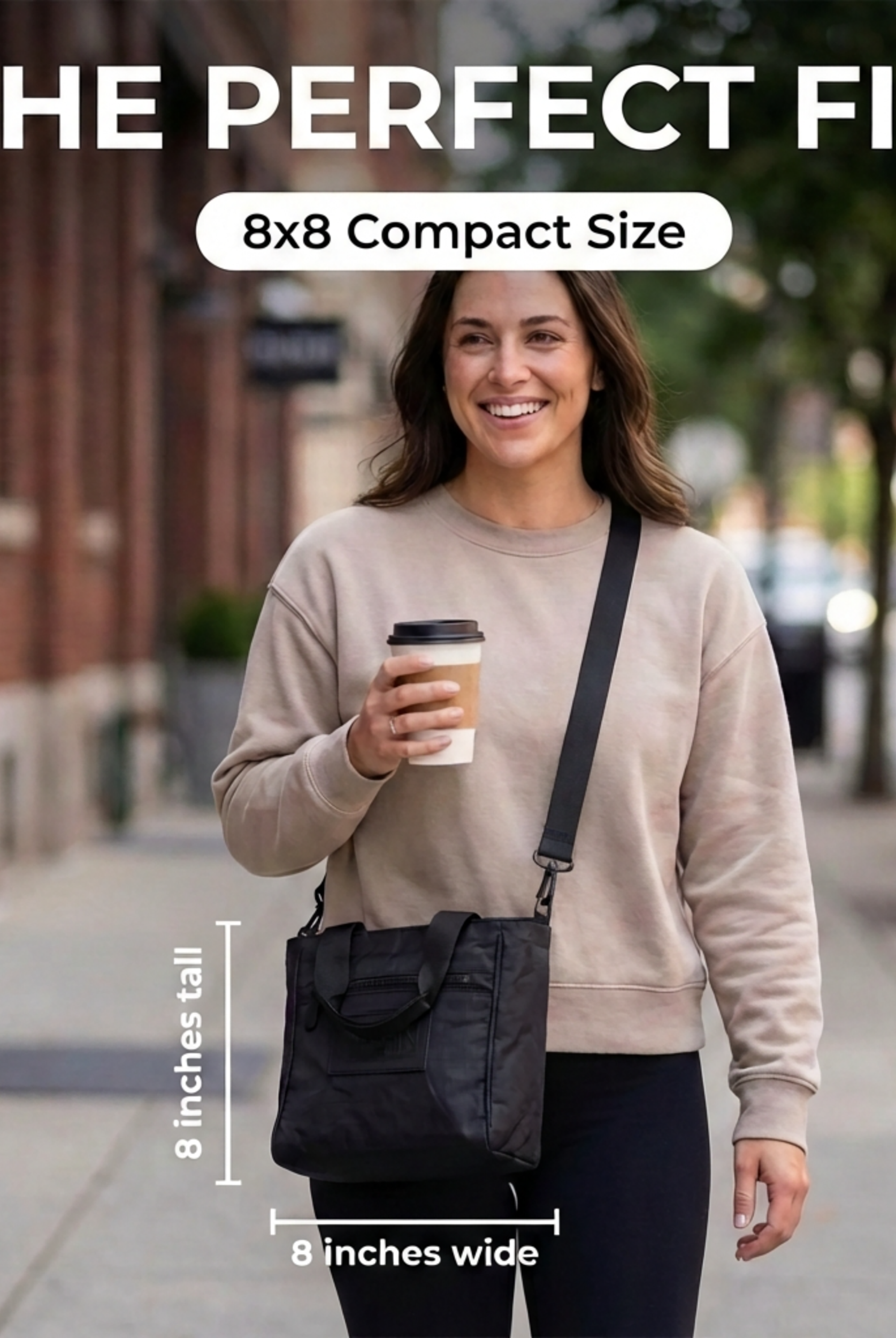
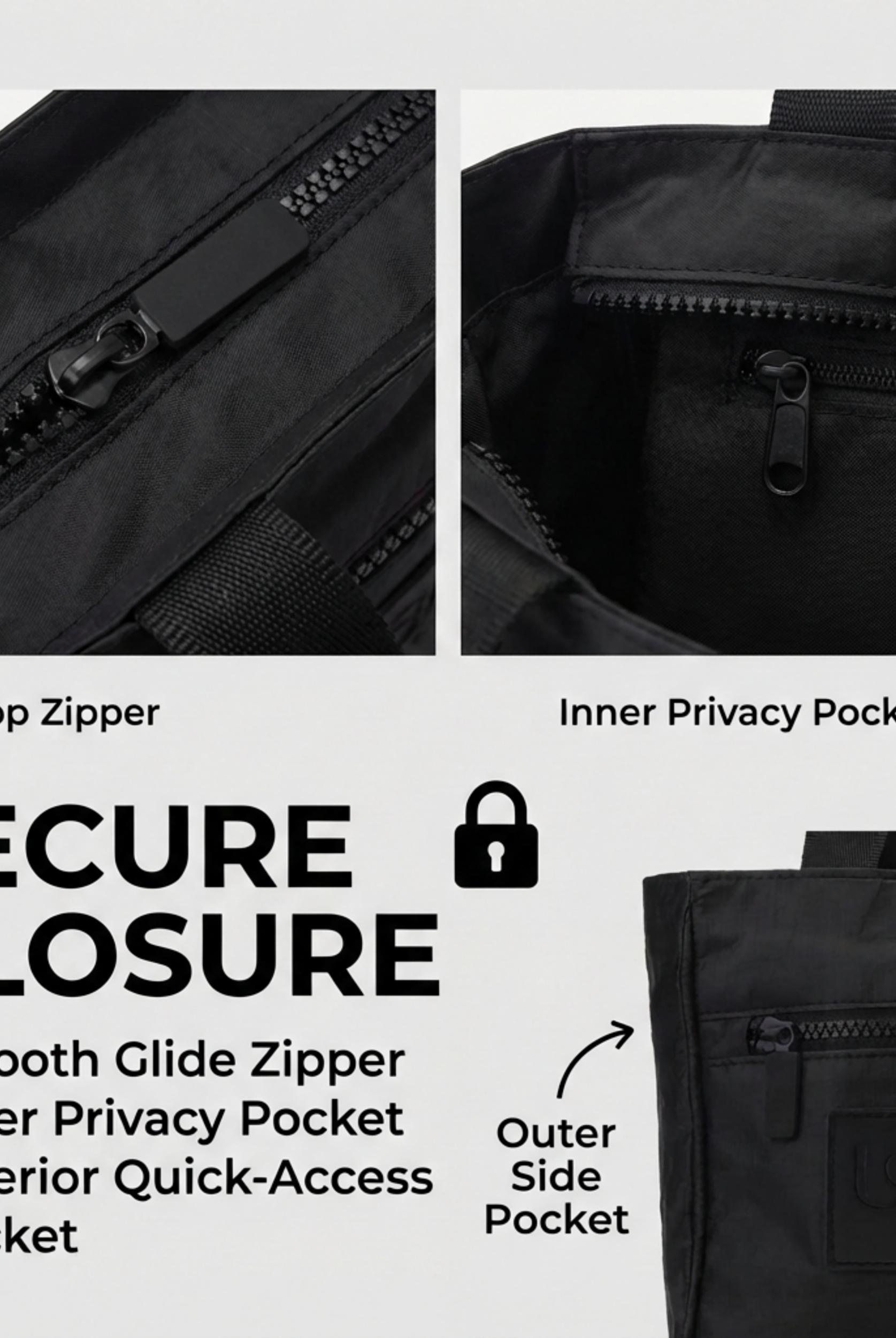
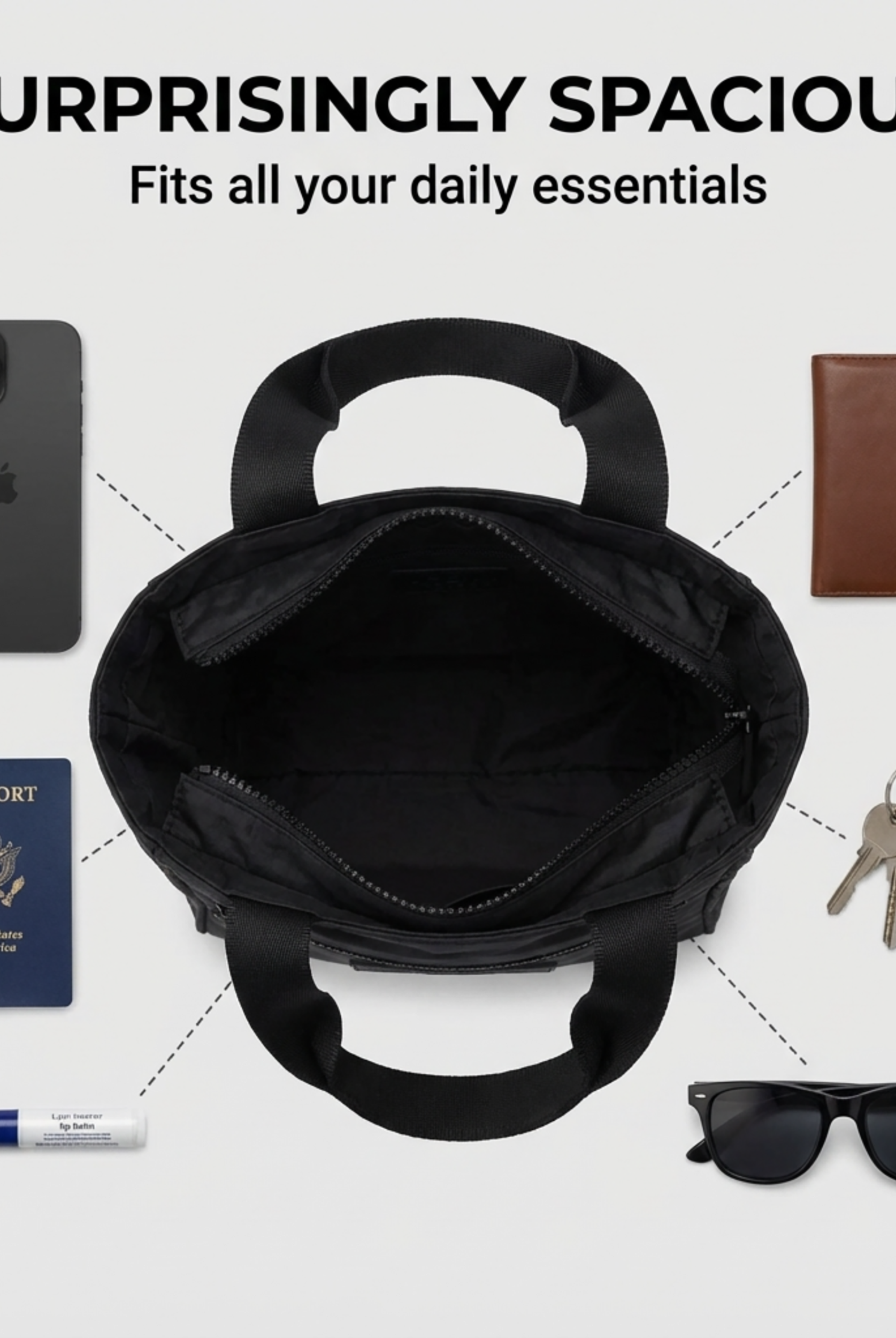
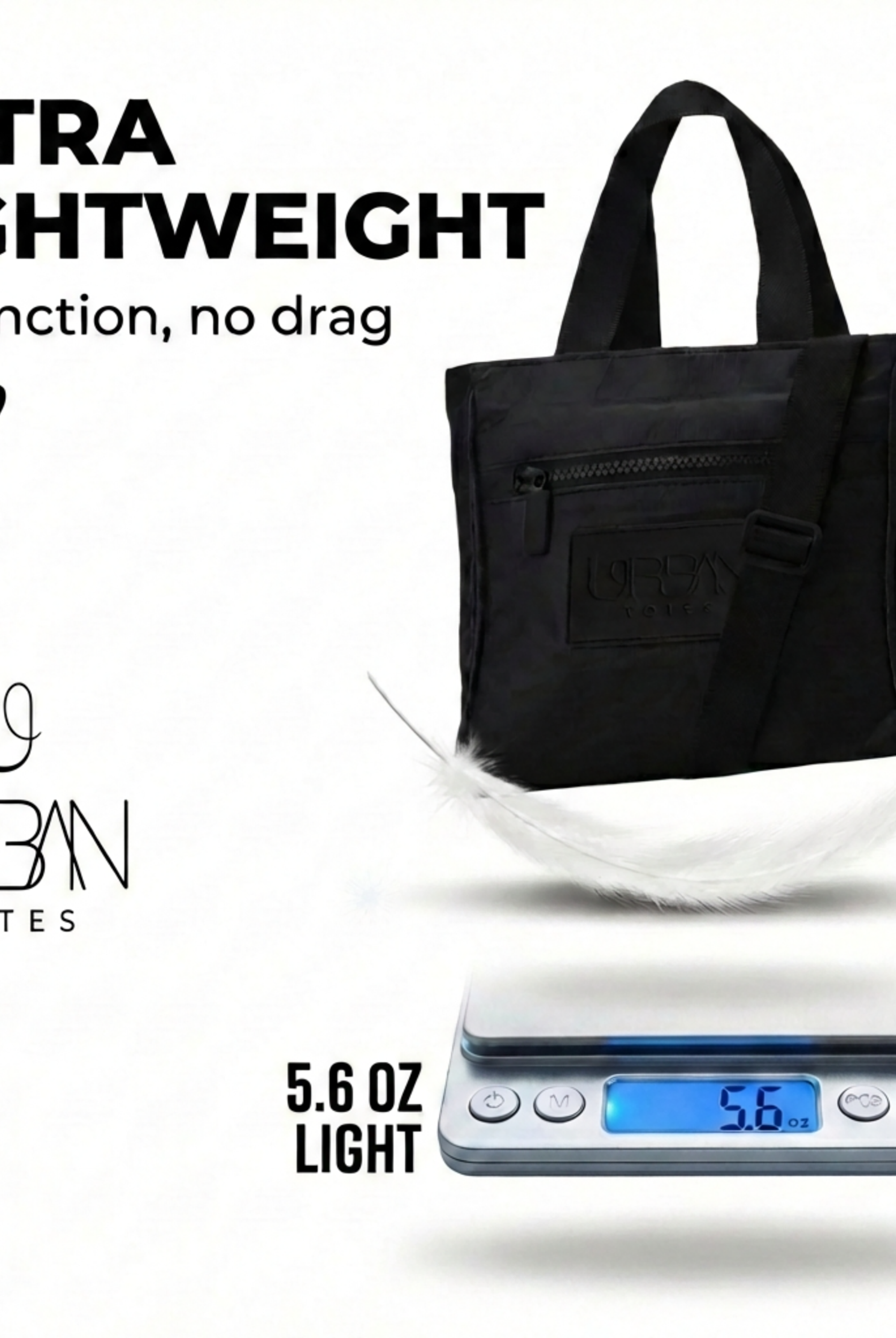
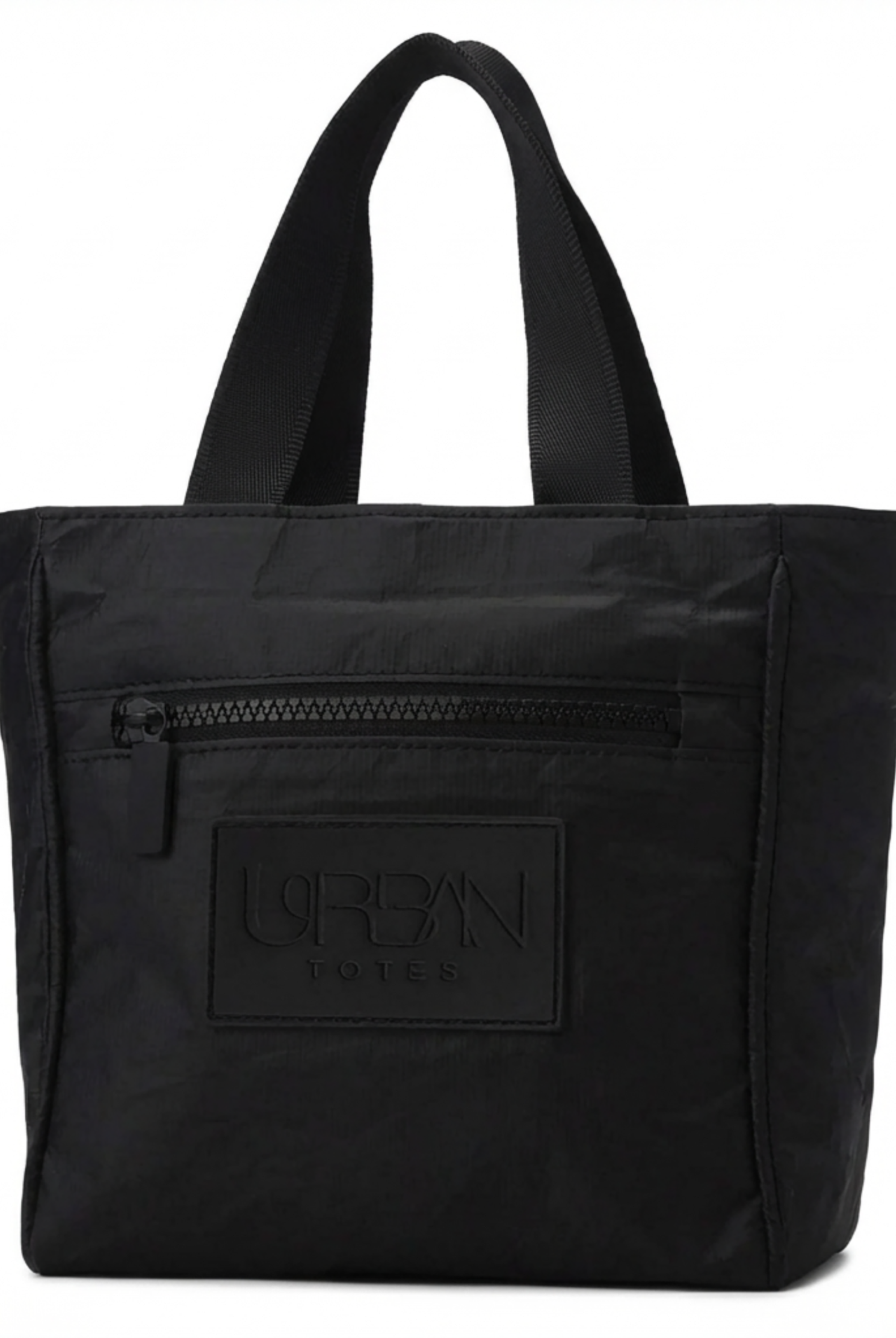
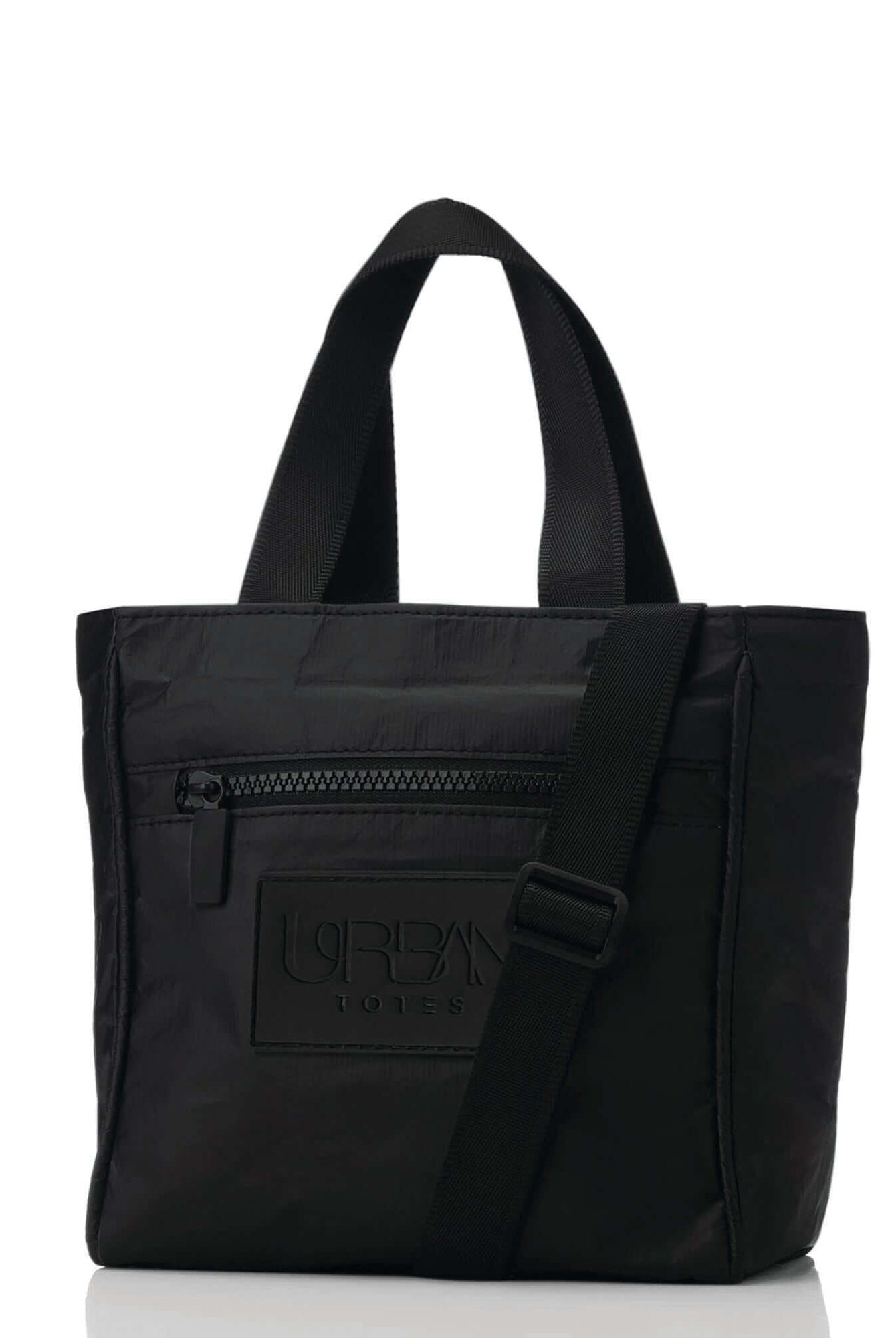
A compact option such as the Crossbody Tote Bag Mini Purse shows how a softer carry philosophy can also work at a smaller scale. Its zip-top closure, outside zipper pocket, easy-access pocket, black interior, foldable construction, and removable strap make it suited to essentials rather than a full carryall.
For more terminology, the comprehensive glossary of bag types helps separate a slouchy tote from related shapes such as hobos, bucket bags, and crossbody styles. The important point is simple: slouch is a design choice, not a quality downgrade. The right amount of softness is what lets the bag move with you for hours.
The Four Engineering Decisions Behind Every Great Slouchy Tote
A soft tote feels luxurious only when its construction choices support the way you carry it. Material, closure, strap, and interior organization decide whether the relaxed silhouette feels effortless or turns into a frustrating heap by midday.
Material sets the mood and the maintenance
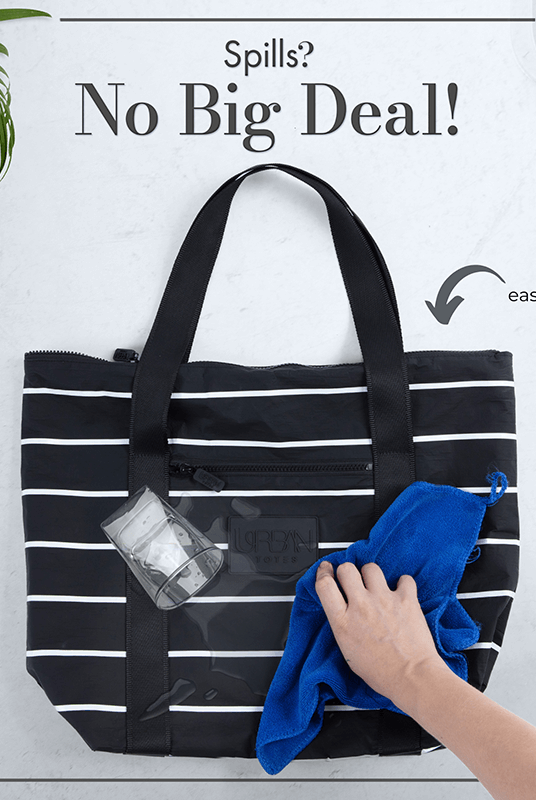
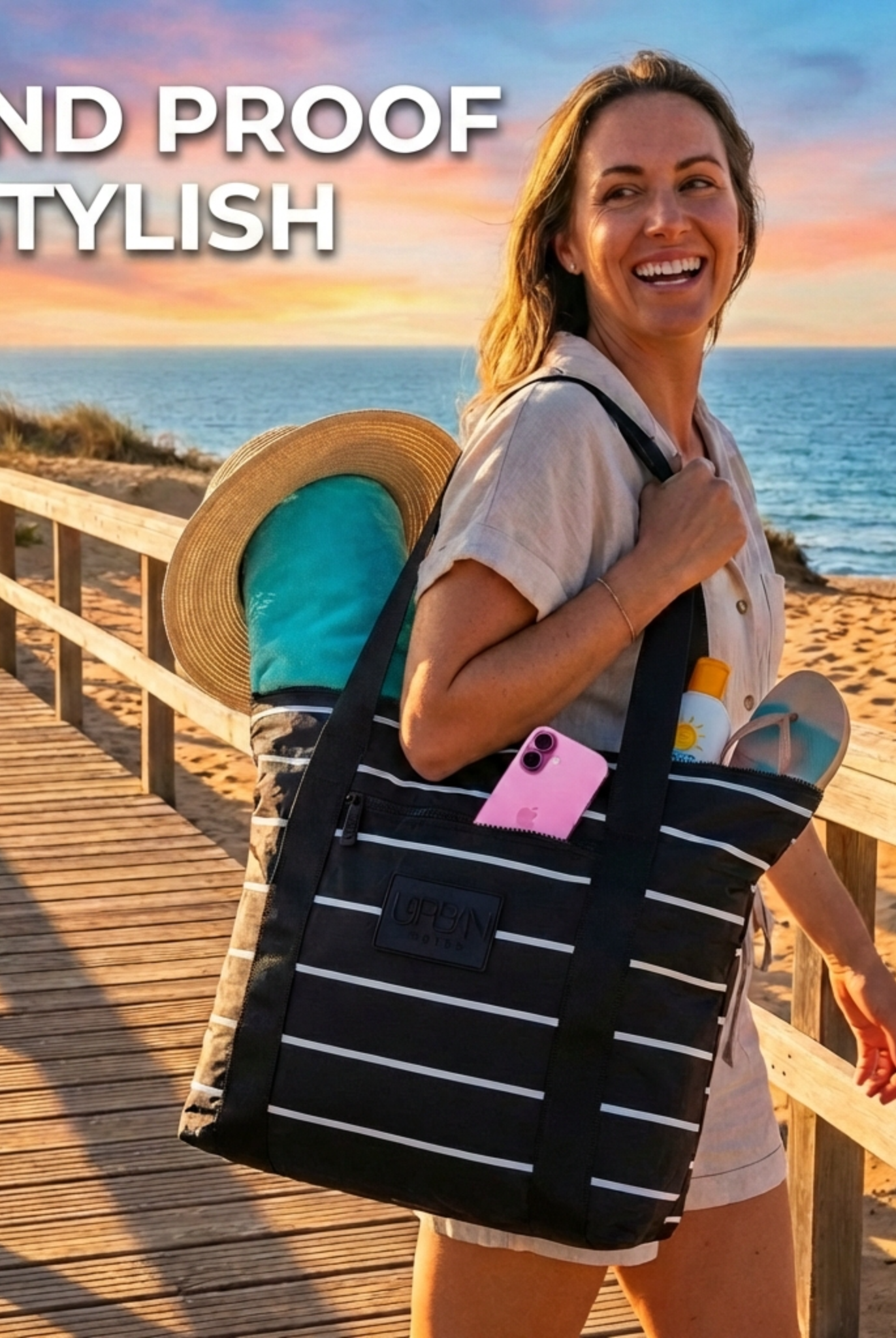
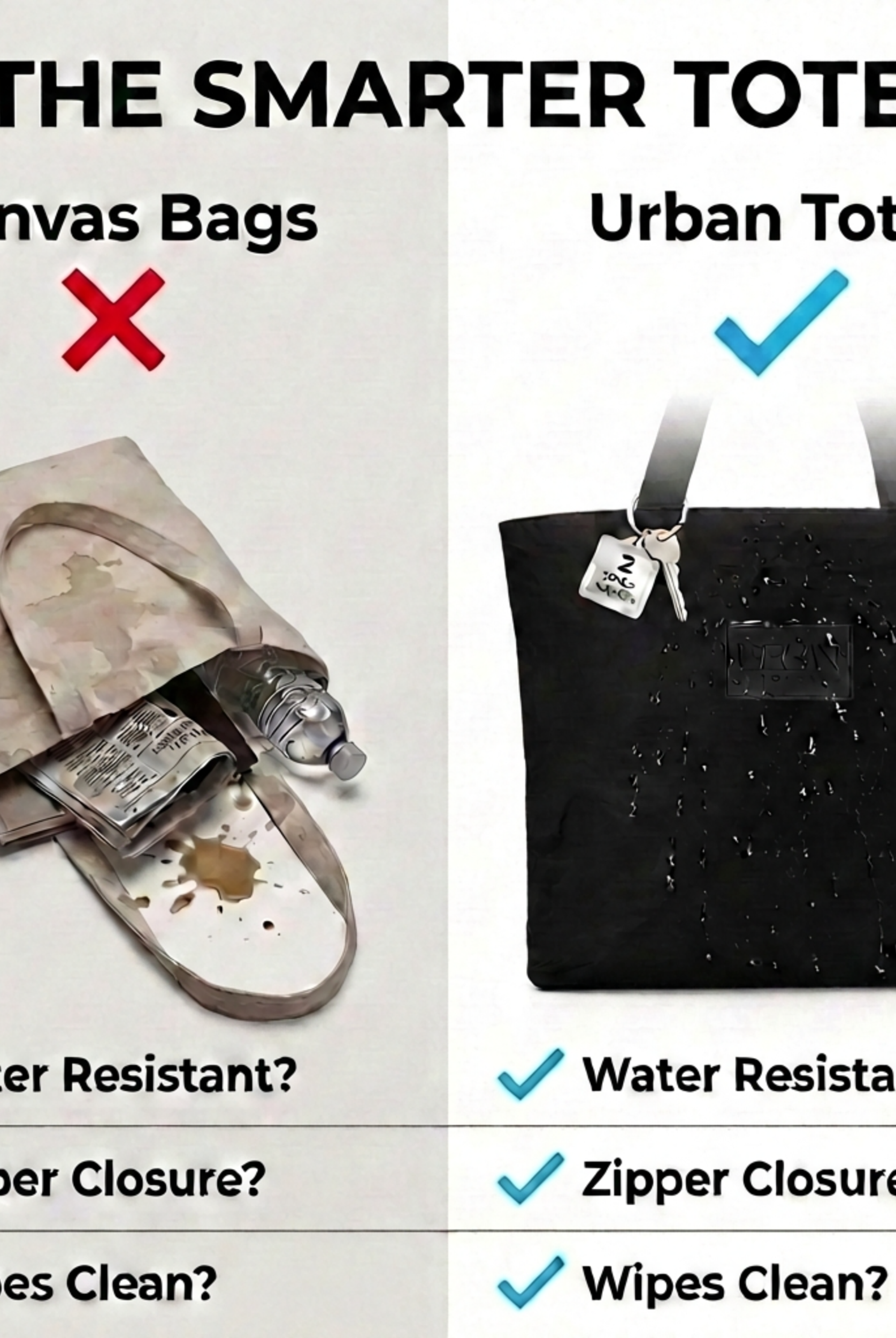
Pebbled leather brings texture and can develop a lived-in character. Suede has beautiful drape but asks for more attention around rain, stains, and ground contact. Canvas feels familiar and casual, while nylon is often the practical choice for a lightweight, water-resistant, packable bag.
The broader tote category has steady momentum. One forecast values the global tote bag market at US$3.1 billion in 2026 and projects US$4.4 billion by 2033, an implied increase of US$1.3 billion over seven years, with a projected 5.2% CAGR from 2026 to 2033. The same forecast reports historical growth of 4.6% CAGR from 2020 to 2025. These figures describe the broader tote market, not slouchy totes alone, but they help explain why repeat-use carryalls remain relevant. See the tote bag market forecast.
Closure determines confidence
An open top gives the fastest access, but it also exposes your contents. Magnetic snaps are convenient for casual errands. Drawstrings add flexibility, though they can slow down retrieval. A zipper closure is my default recommendation for commuting, airports, and crowded streets because it keeps the main compartment contained.
Straps deserve more attention than hardware. Flat webbing spreads contact more evenly than a narrow strip, while rolled leather can feel refined but may concentrate pressure. Reinforced shoulder points matter because a soft bag still experiences concentrated force where the straps meet the body.
Research on load-carrying systems found average shoulder pressure fell from 23.6 kPa with 5 cm straps to 12.5 kPa with 8 cm straps, showing that strap width and load placement affect comfort. Read the controlled strap-width research.
Organization is structural support
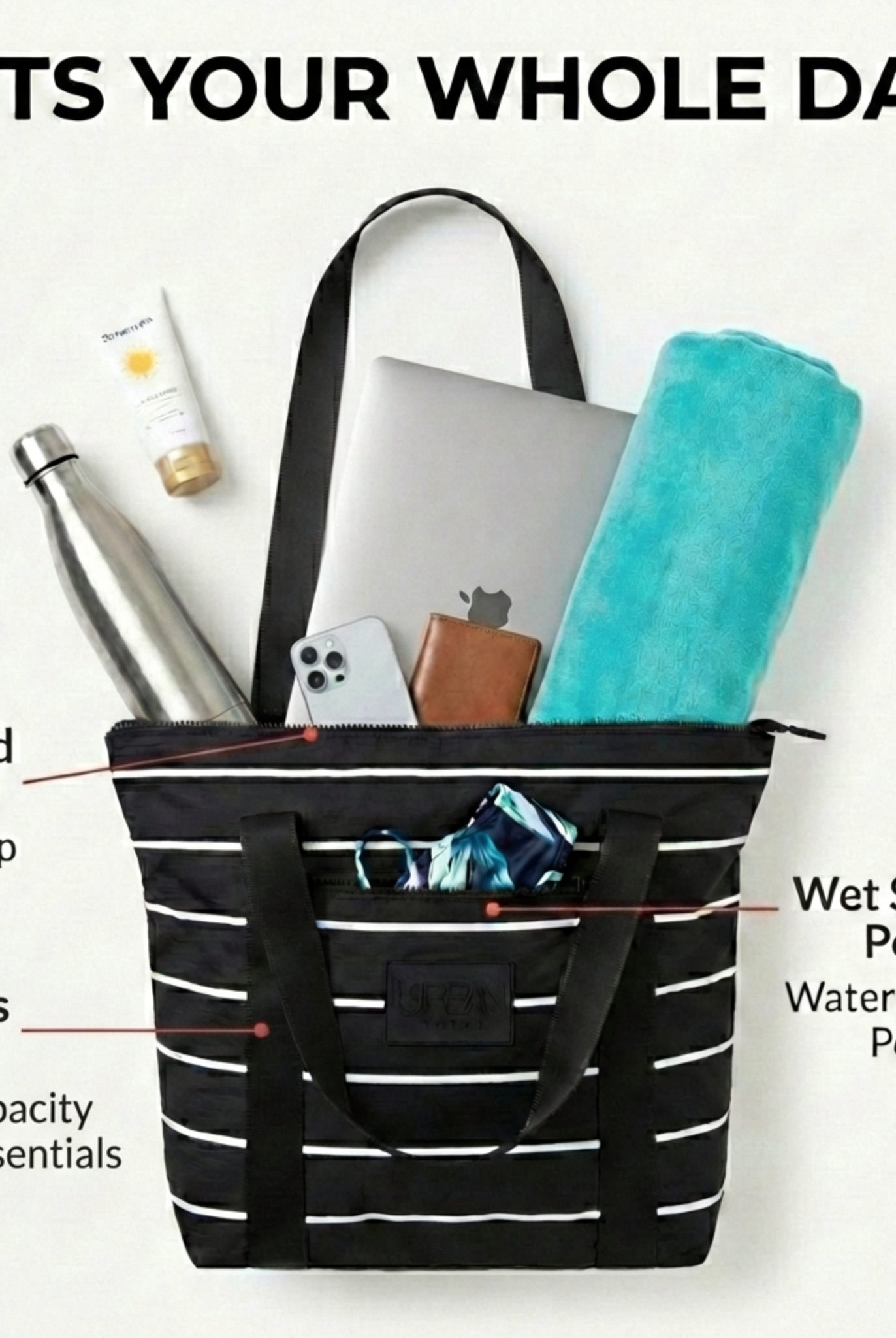
A soft body needs more organization, not less. Interior zip pockets, a phone sleeve, a key leash, and a divider stop flat items from sliding into the bottom and keep the fabric from sagging around a chaotic load. If you prefer an open interior, use pouches to create your own structure.
| Decision | Best for Soft Luxury Feel | Best for Heavy Daily Use | Trade-Off to Watch |
|---|---|---|---|
| Material | Supple leather or suede | Coated canvas or nylon | Drape can require more maintenance |
| Closure | Open top or magnetic snap | Full zipper closure | Security can reduce instant access |
| Strap | Rolled leather or soft webbing | Wider reinforced webbing | Wider straps may look more casual |
| Interior | Minimal lining and one pouch | Multiple zippered compartments | More pockets add weight and visual complexity |
The tote bag material guide is useful when you're comparing feel against maintenance. My recommendation is clear: choose the material for your weather and habits, then spend your compromise budget on the closure and straps. A beautiful fabric won't rescue a tote that slips off your shoulder or leaves your laptop exposed.
Who the Slouchy Tote Was Made For
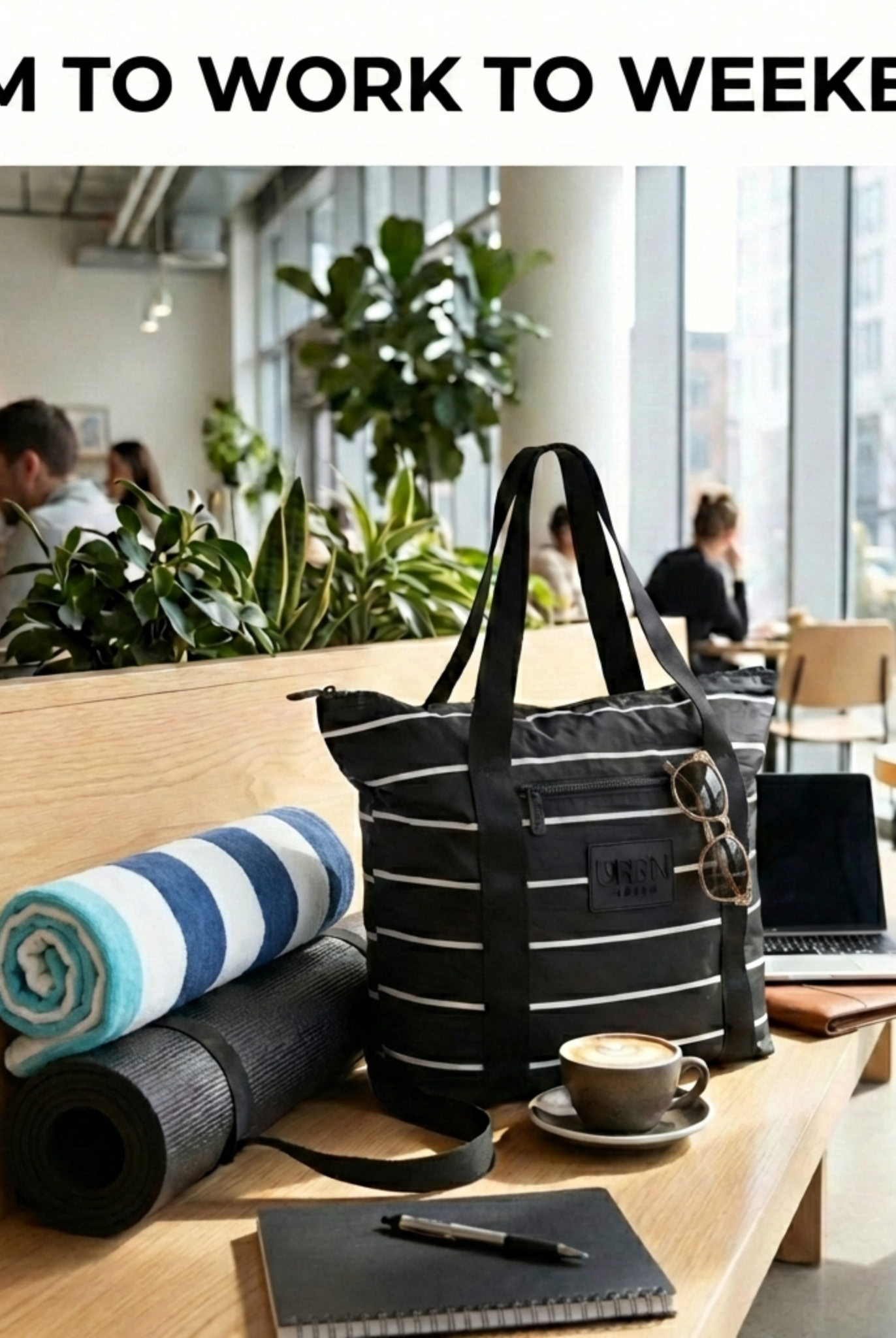
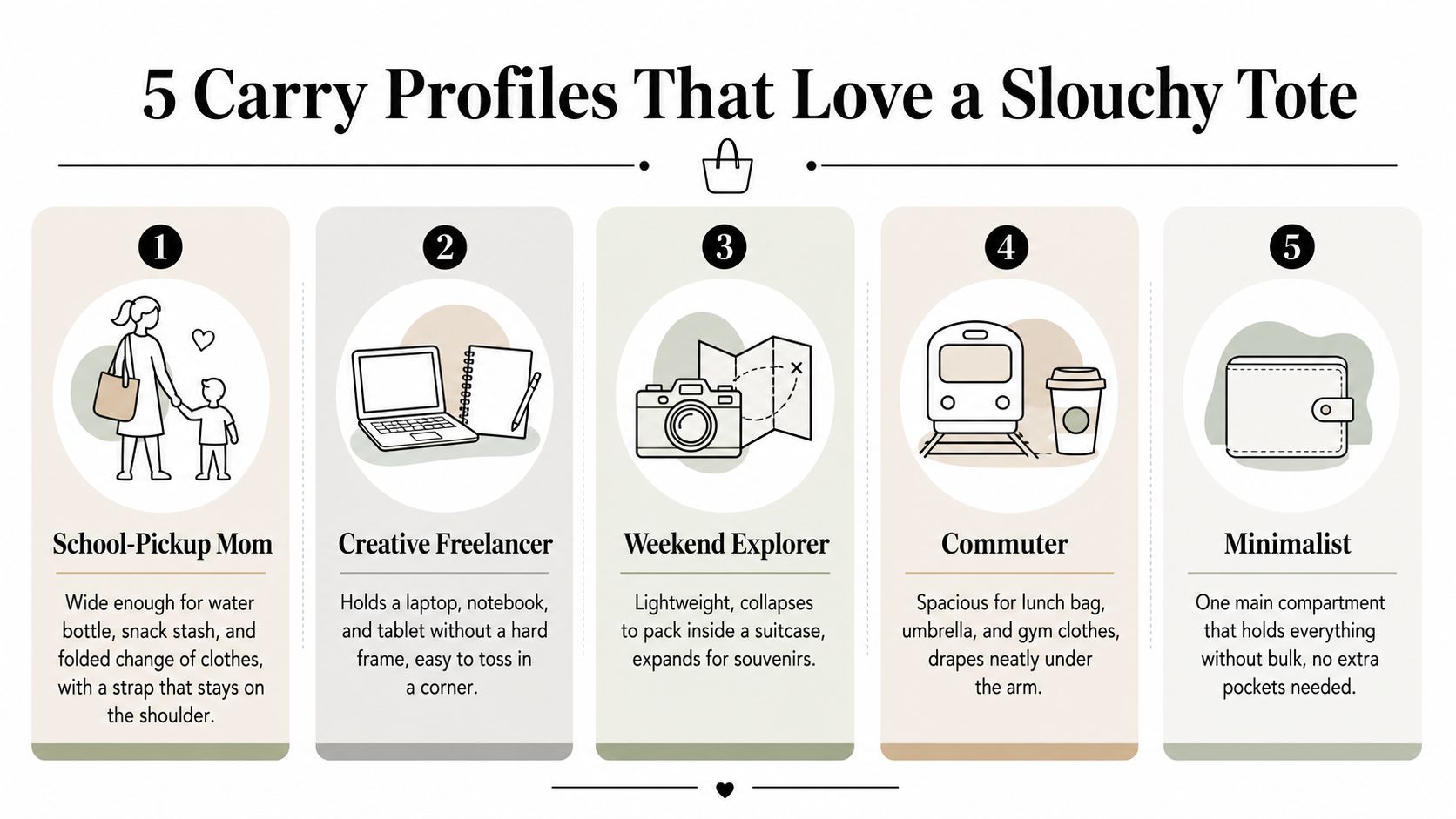
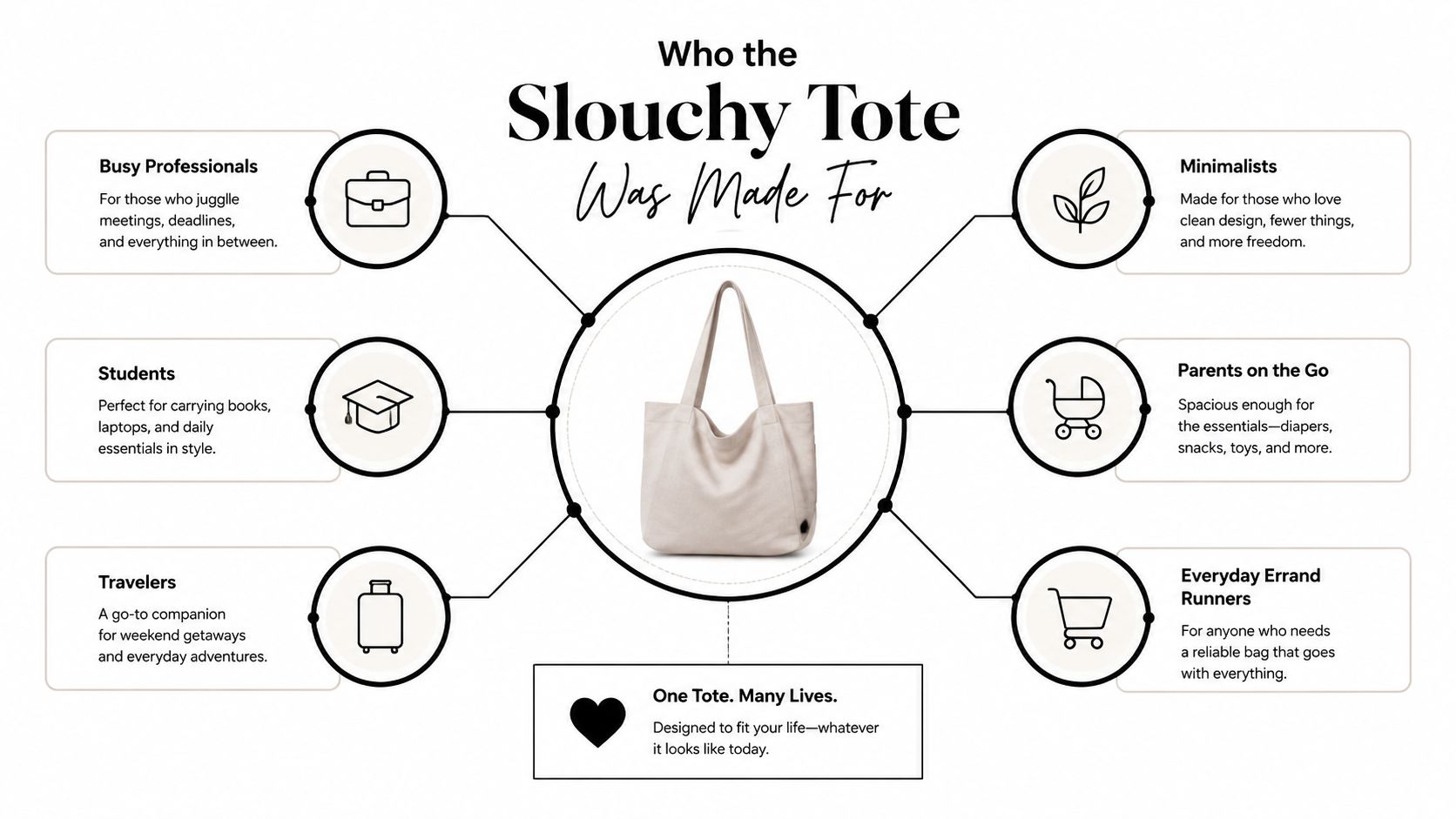
The right slouchy tote bag isn't for one personality. It's for women whose days refuse to stay in one category. A school run becomes a grocery stop. A workday ends at the gym. A weekend trip begins with a coffee and ends with an extra layer, a paperback, and something picked up at a market.
The school-pickup mom
Choose a wide opening, a stable base, and straps that stay put when you bend toward a car seat. The body should accommodate a water bottle, snack stash, and folded change of clothes without forcing you to carry a second bag. A zipper closure is especially useful when the tote shares a back seat with crayons, wrappers, and small toys.
The daily commuter
A commuter needs the softness of a relaxed exterior with the protection of a padded laptop sleeve inside. Add a quick-grab pocket for transit cards, lip balm, and earbuds. The bag should sit close under the arm and remain comfortable when you move between train platforms, office elevators, and an after-work appointment.
Load management matters here. Carrying a handbag continuously at more than 10% of body weight can cause musculoskeletal problems, so an everyday shoulder tote shouldn't become a portable storage unit. Review the load-related research.
The weekend traveler
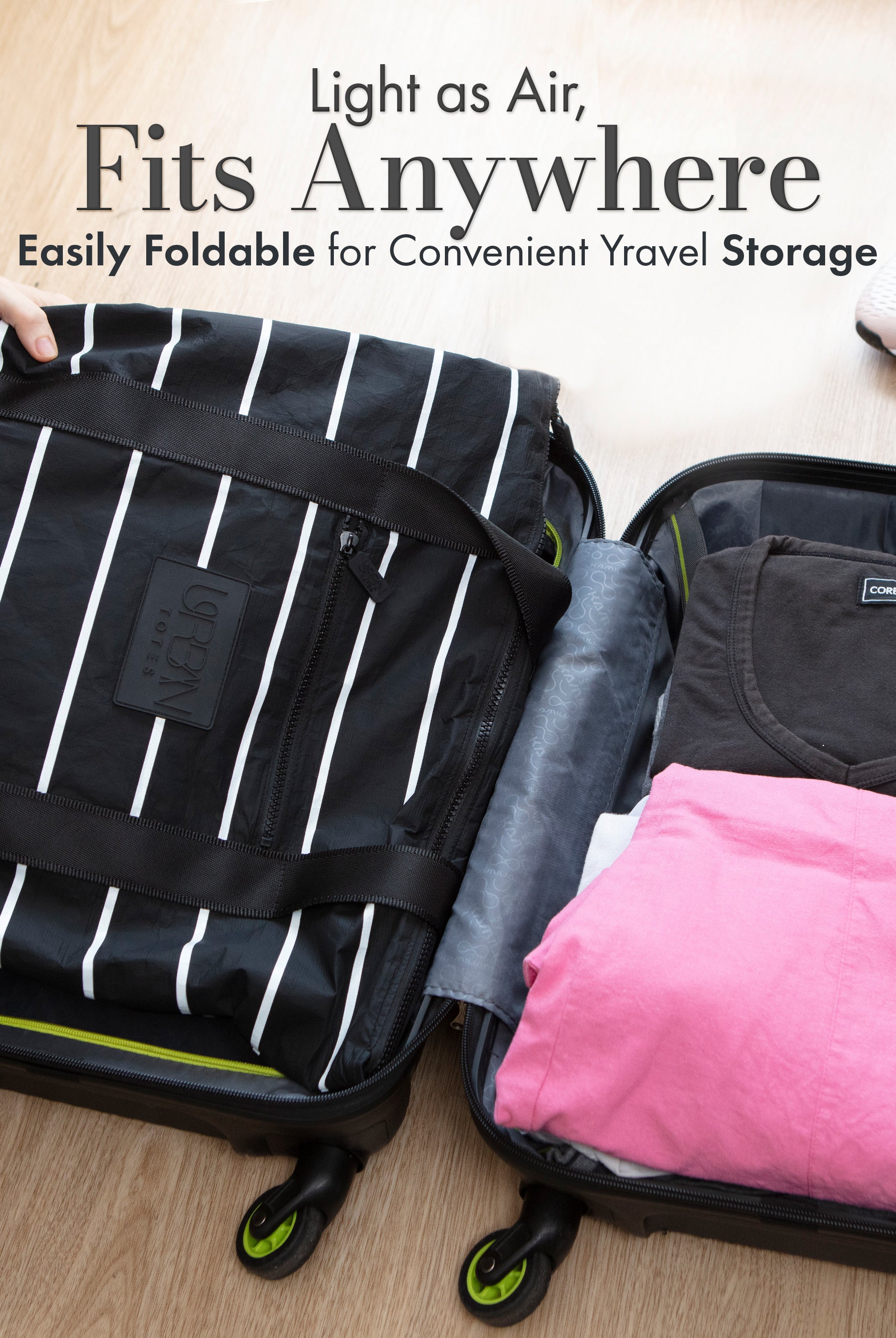
A travel-friendly tote should wrap around a sweater and paperback when full, but fold down when you're not using it. Nylon, coated canvas, and other water-resistant materials make more sense than delicate finishes if the bag will meet airport floors, car trunks, and changing weather.
The gym-goer
Look for a wipeable lining, a dedicated shoe pouch, and enough space for a towel, clothing, and toiletries. A slouchy body makes sense because gym gear rarely has a neat shape, but the interior still needs boundaries so clean clothes don't disappear beneath shoes.
The student
A campus tote has to hold a notebook, charger, and umbrella without looking boxy. A flexible silhouette works well beside casual clothing, and a secure closure helps when the bag rests beside a chair or moves through a crowded hallway. Students should prioritize lightweight materials because the contents already carry their own weight.
The common thread is adaptability. Softness solves the outfit problem and the odd-shaped-item problem, but only when the interior prevents the bag from becoming a fabric-lined drawer.
Packing and Organizing a Bag With No Rigid Frame
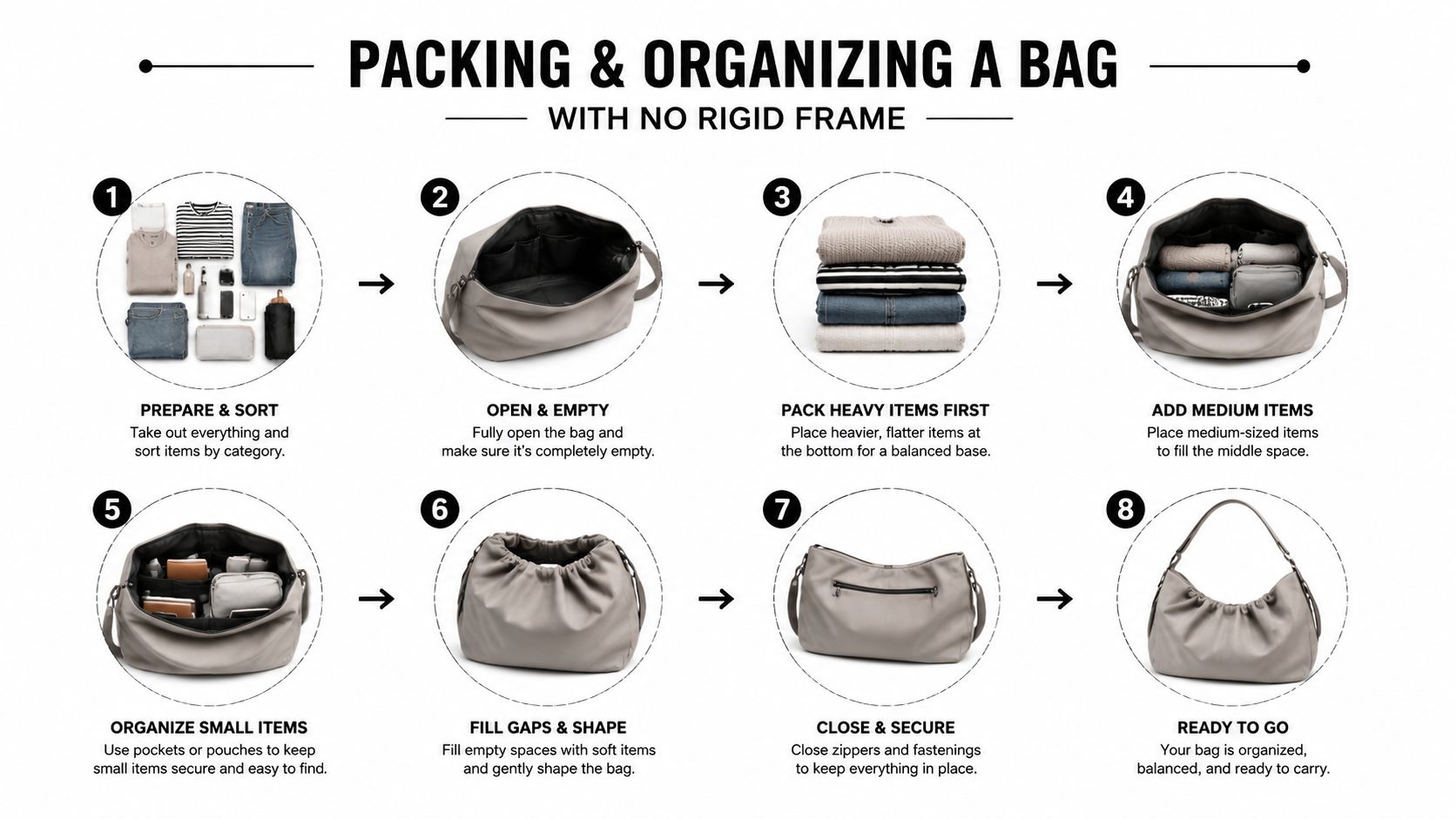
A soft tote becomes a black hole when every item enters loose. The fix isn't to buy a stiffer bag immediately. It's to create a simple internal system that gives the fabric something to support.
Start with three pouches. Use one for tech and chargers, one for daily essentials such as your wallet and keys, and one for unpredictable items that migrate through the day. Keep the pouches visually distinct or choose different textures so your hand can identify the right one without searching.
Build the base first
Flat items should sit against the back panel. Slide the laptop, notebook, or tablet into that position before adding anything soft. The flat panel gives the tote a usable shape and prevents your electronics from settling beneath the rest of the load.
Roll sweaters and scarves into tight tubes. Wedge them along the side walls, where they cushion the contents and help the bag retain its silhouette. Don't fold bulky knits into a loose square. That creates an unstable mound that shifts every time you put the tote down.
The heaviest items belong low and centered. A water bottle, book, or packed lunch should sit near the middle of the base rather than at one side, where it can pull the bag off your shoulder.
Keep fast items separate
Use one outer pocket for anything you'll need within a minute, such as your phone, transit card, keys, or a toddler's snack. That pocket should have a clear limit. If it becomes a second main compartment, you'll lose the speed advantage.
Liquids belong in one zip pouch. It's a small habit with a large payoff when a bottle cap loosens or hand cream opens. For a tote that needs to look more polished between meetings, add a slim insert organizer or shaper. It can give the base more support without changing the exterior's relaxed character.
The guide to organizing tote bags offers another way to think about compartments and access. My nightly rule is even simpler: remove receipts, wrappers, and yesterday's extras, then reload only what tomorrow requires. That five-second reset protects the softness from becoming disorder.
Slouchy Versus Structured Totes and What to Look For
The choice between slouchy and structured isn't a style quiz. It's a decision about how you move, what you carry, and how much visual polish you want when the bag is half-empty.
| Criterion | Slouchy Tote | Structured Tote |
|---|---|---|
| Empty weight | Often feels lighter and folds more easily | May feel more substantial because of reinforcement |
| Usable capacity | Expands around irregular items | Keeps a predictable shape |
| Security | Needs a reliable closure to contain shifting contents | Usually gives easier access to defined compartments |
| Formality | Relaxed, tactile, and easy with casual clothing | Polished and deliberate for professional settings |
| Stuffed versus half-empty | Adapts to changing loads | Maintains its silhouette in either state |
A slouchy tote wins when you want packability, softness against the hip, and an outfit that looks lived-in rather than overly formal. A structured tote wins when you need the bag to stand upright, protect its shape, and project a sharper office impression. Neither silhouette is automatically more functional.
Your fitting-room checklist
Take five minutes before buying. The right bag should pass these checks without special pleading.
- Check the strap drop: Wear it over the clothing you use, including a coat or blazer. Make sure the opening stays reachable without pressing into your armpit.
- Weigh the empty bag: Anything over two pounds is too heavy for a daily carry, in my view. The bag should leave room for your belongings, not consume your carrying budget.
- Count the pockets: Look for at least three pockets, with one placed for quick access and another secured for valuables.
- Test the closure: Zip, snap, or draw it with one hand. An open-top slouchy tote is a poor choice for crowded public transport if you're carrying anything you'd hate to lose.
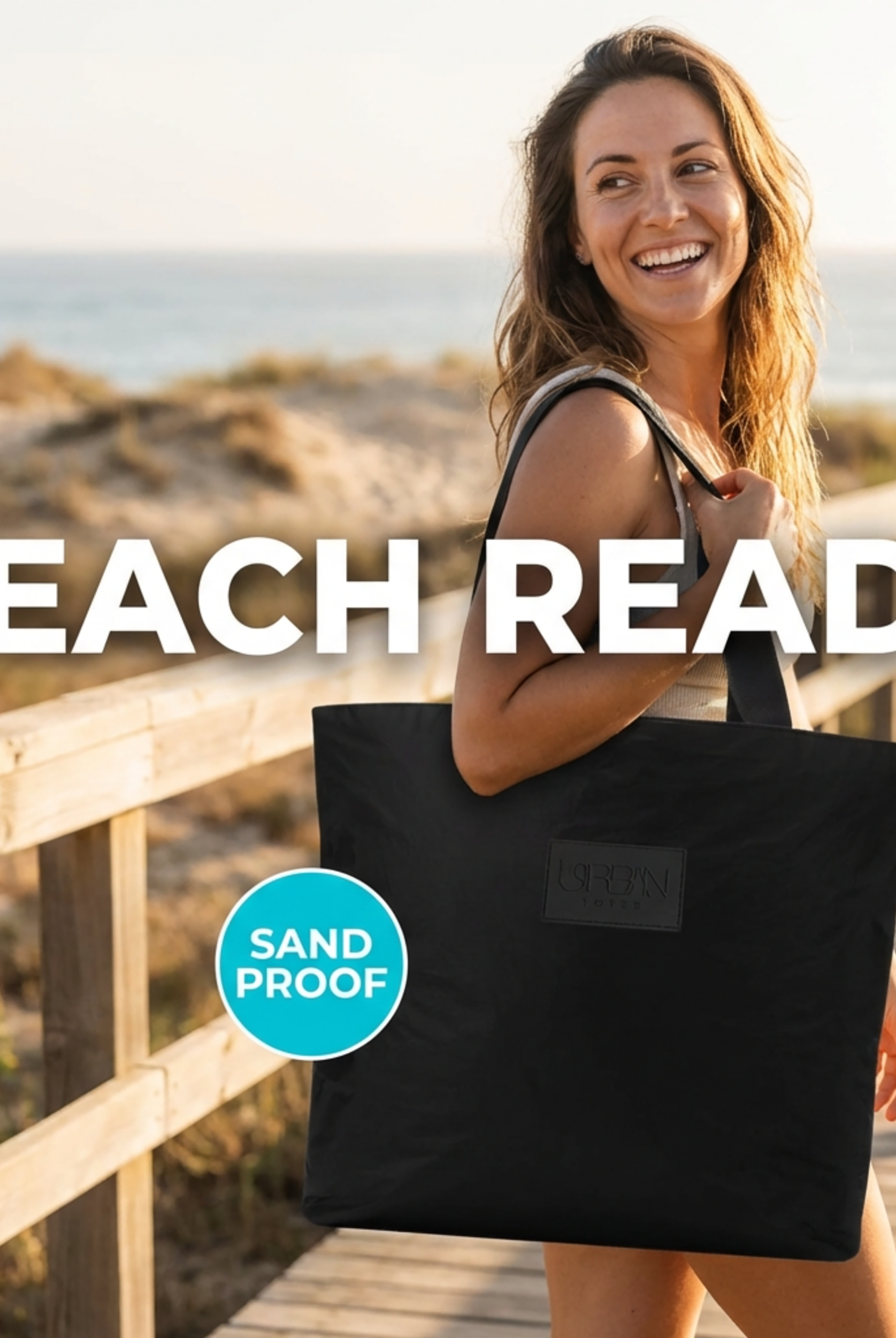
- Inspect the lining: A wipeable interior makes more sense for snacks, gym clothing, and beach days than a delicate lining.
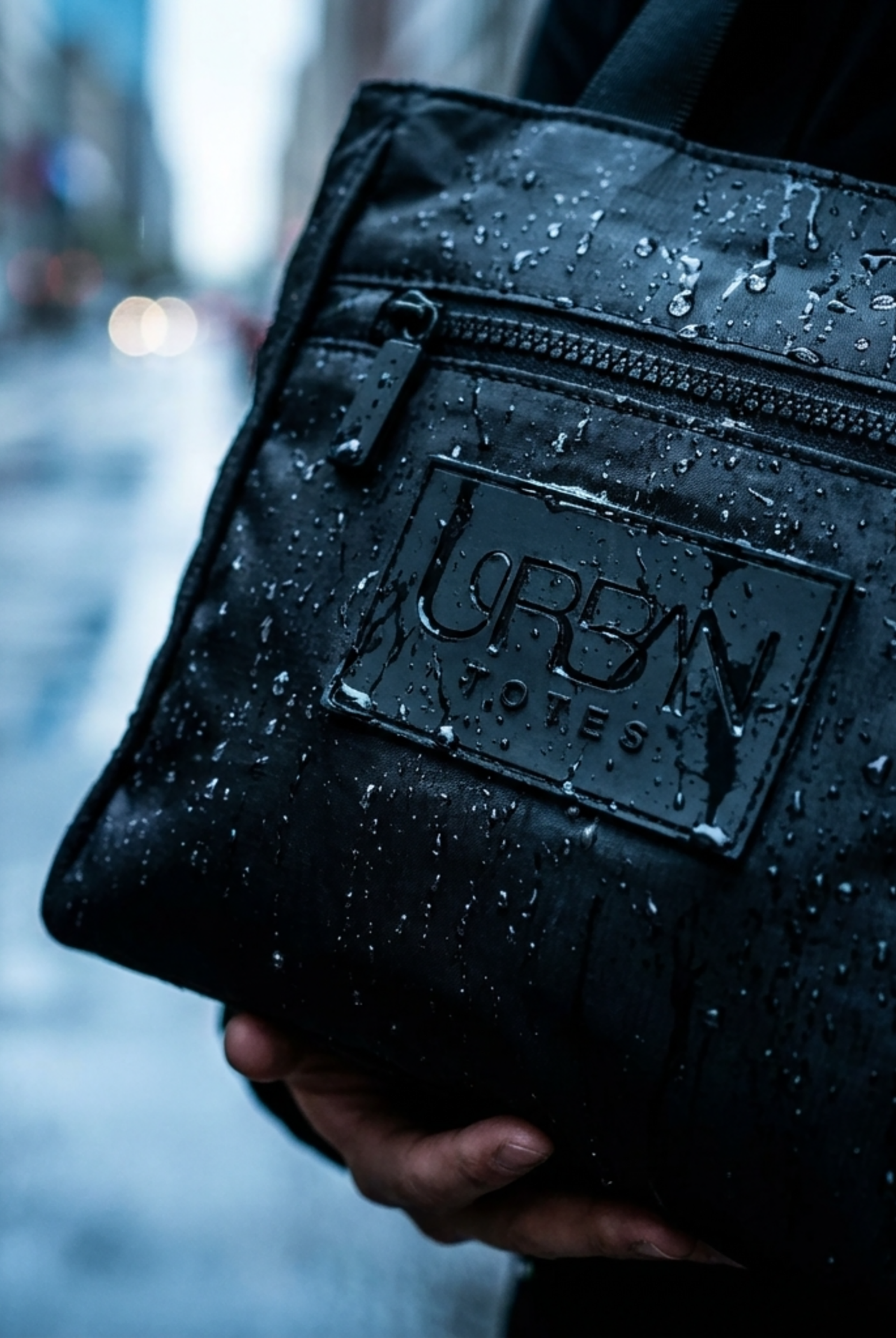
- Check weather readiness: Treated leather and coated canvas can be more practical than absorbent fabric when rain and coffee spills are part of your routine.
The structured tote bag guide is helpful if you're leaning toward a more architectural shape. My own buying rule is to choose the silhouette that matches your most demanding ordinary day, not the rare occasion when the bag looks perfect while empty.
Finding Your Go-Anywhere Tote
Your ideal tote comes down to four decisions: material, closure, strap, and interior organization. Material determines how the bag handles weather and wear. The closure controls access and security. The strap decides whether the load feels manageable. The interior determines whether softness feels elegant or chaotic.
Ask yourself three questions before you shop.
- What does Tuesday look like? School pickup, train platforms, a desk, the gym, or a mix of all four?
- What gets thrown in at the last minute? A laptop, snacks, a sweater, shoes, or market produce?
- How soft should the silhouette look? Do you want a relaxed carryall that folds flat, or a mid-soft shape with a reinforced base that reads more polished?
For travel, choose an oversized unstructured carryall that's lightweight, packable, foldable, and water-resistant. For commuting, look for a mid-soft tote with a reinforced base, padded laptop protection, and a zipper closure. Students usually need a compact weekday tote with room for a notebook, charger, and umbrella. For dressier days, a polished pebbled-leather option can bring texture and shape without becoming rigid.
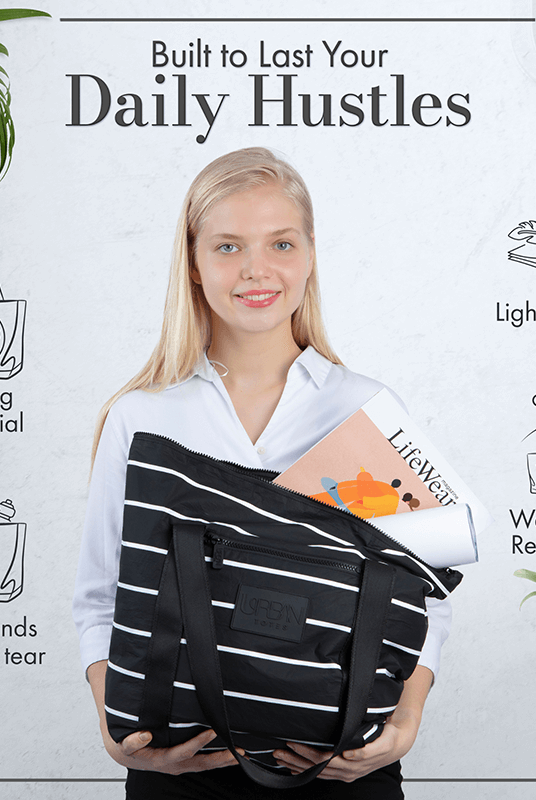
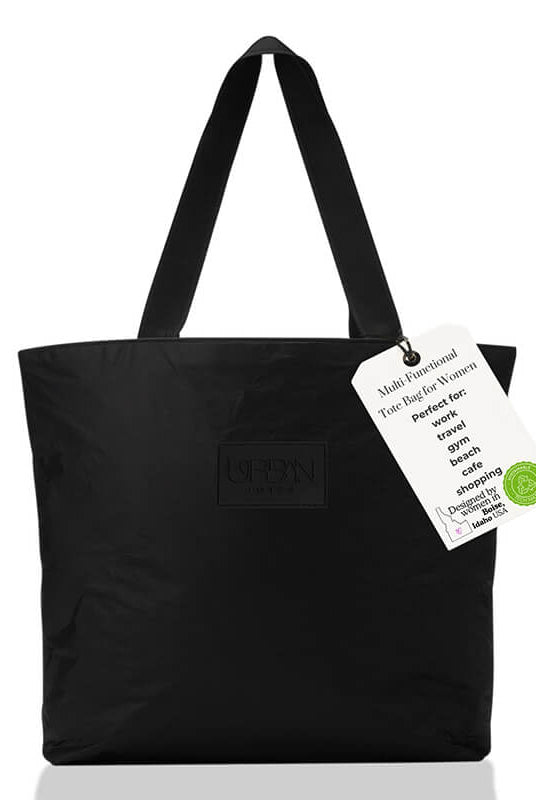
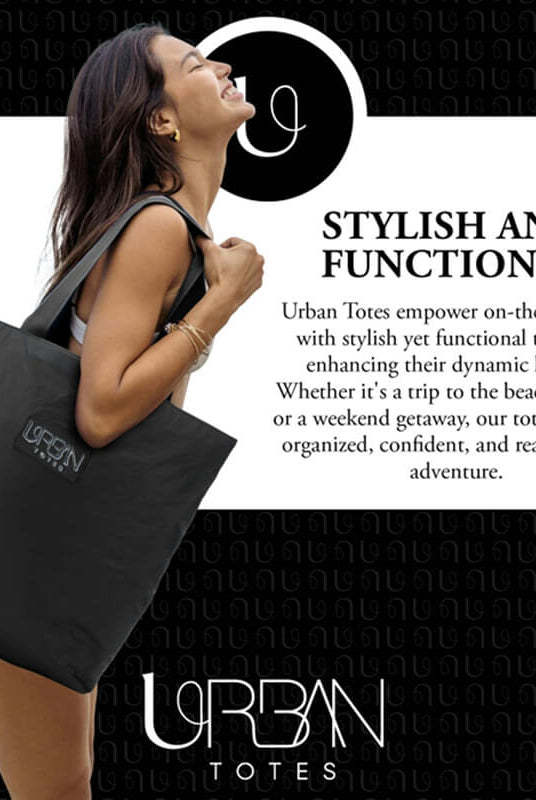
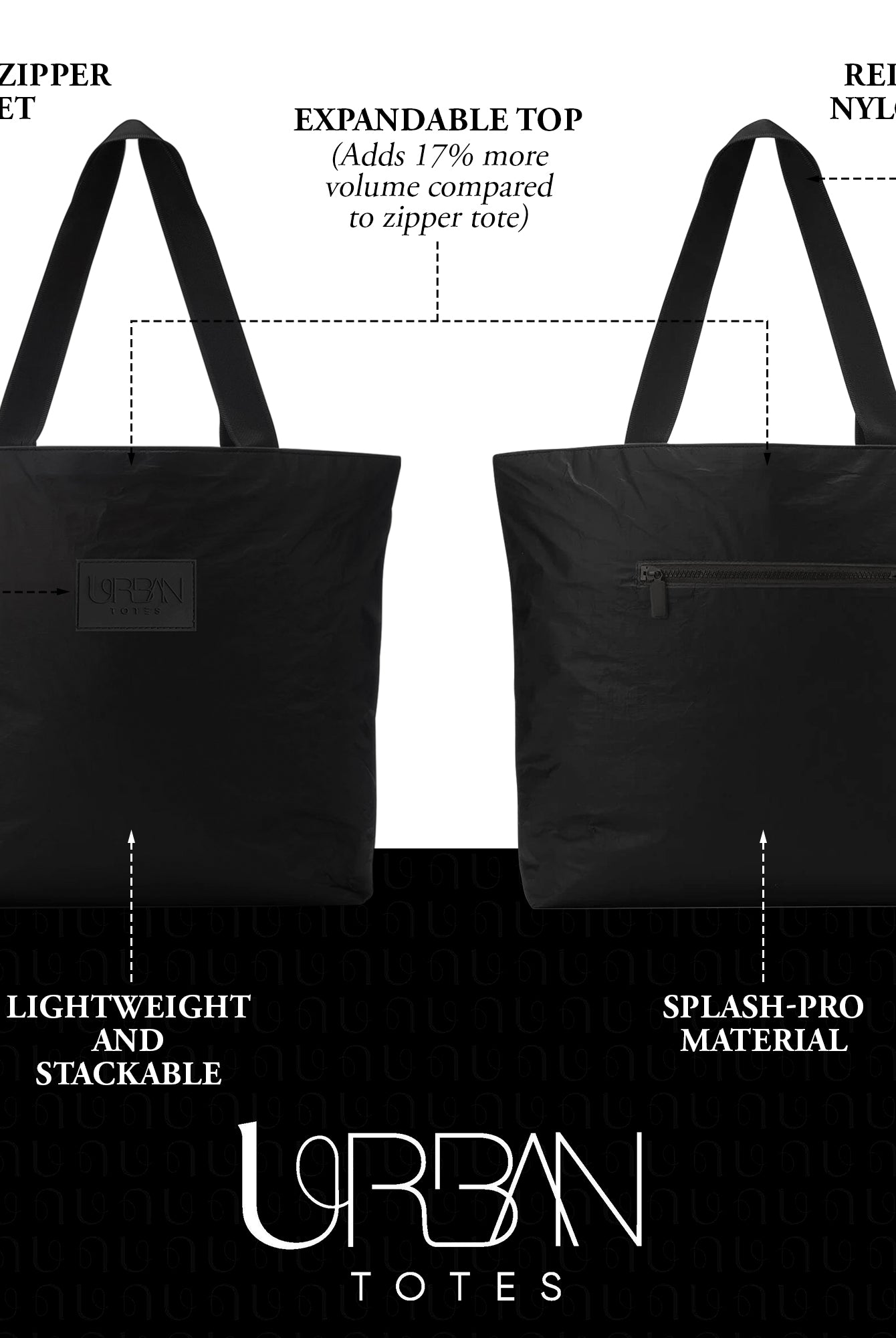
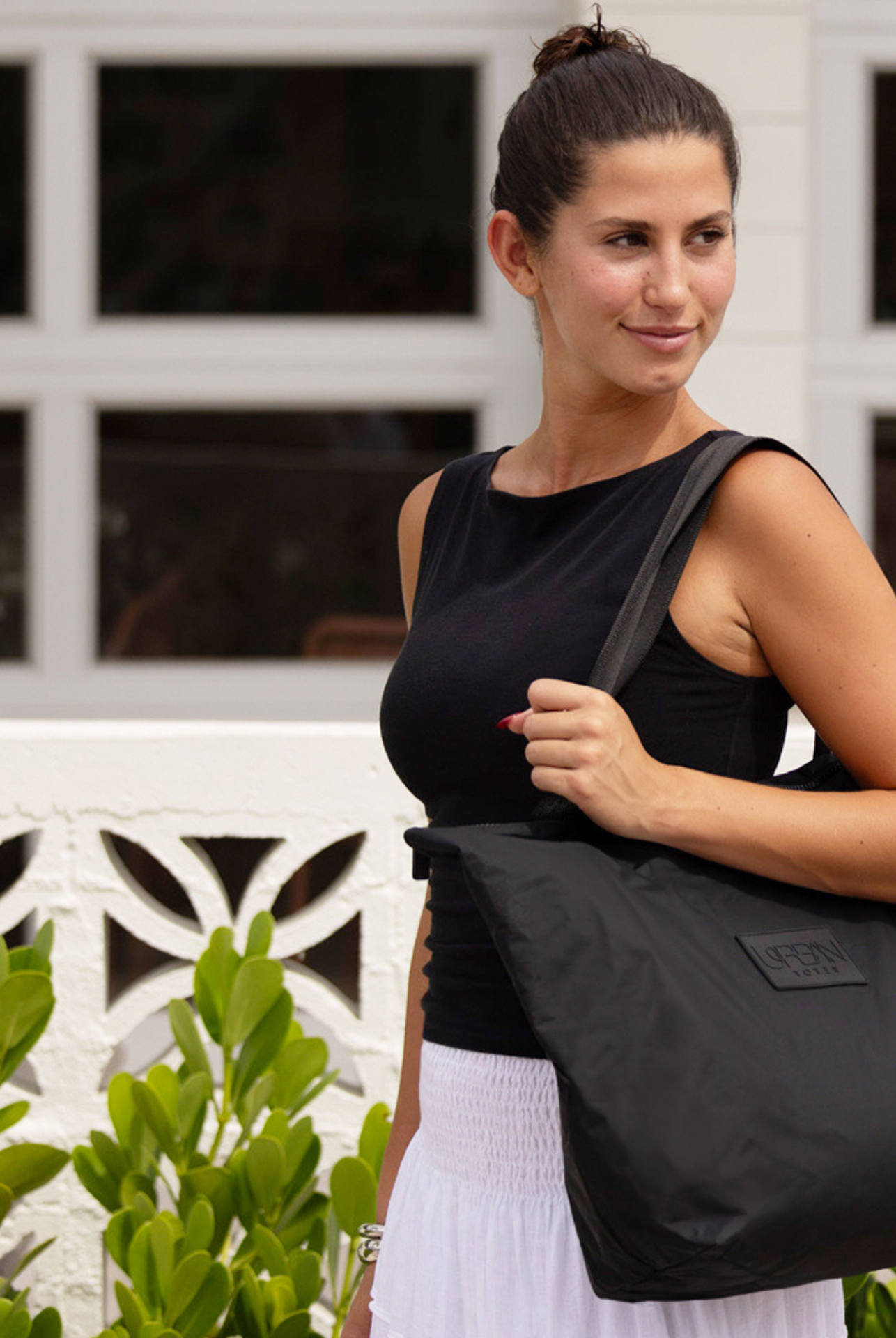
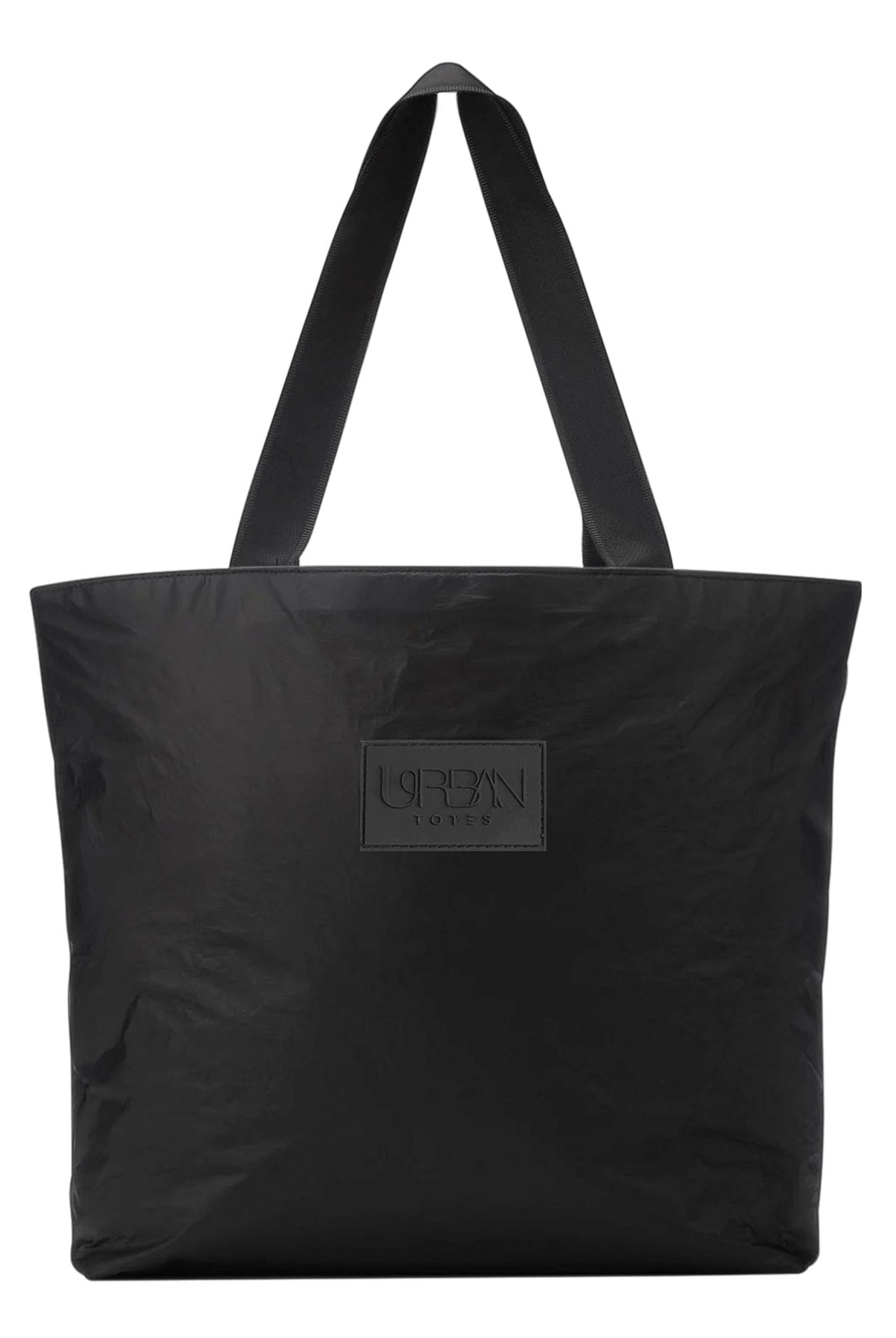
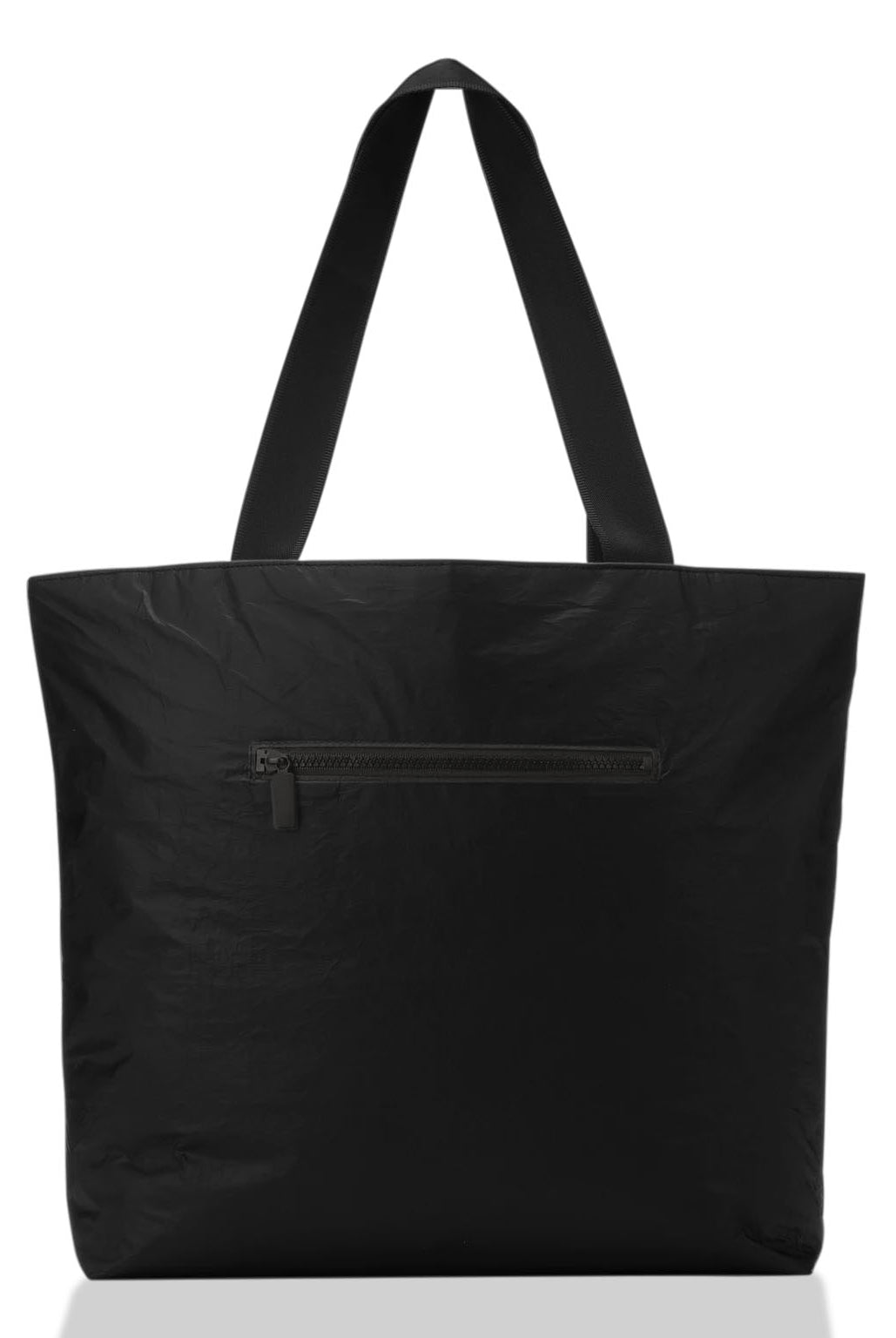
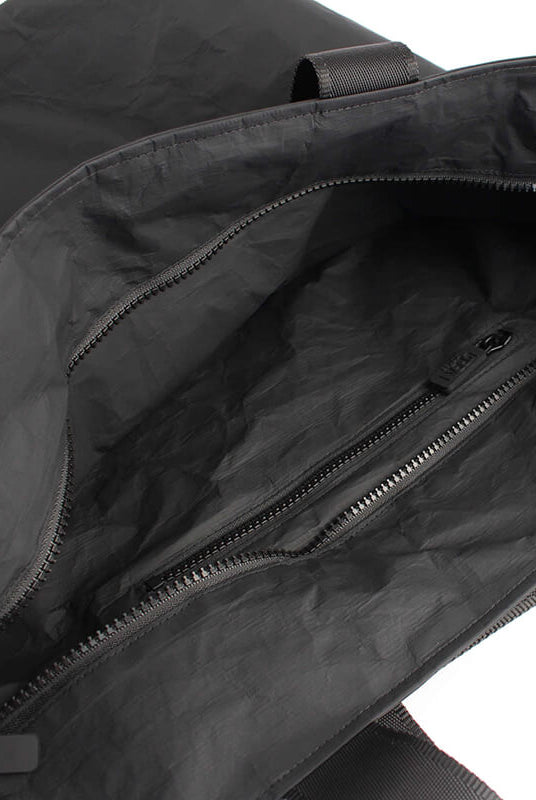
Urban Totes offers water-resistant, lightweight, packable, and foldable tote and crossbody styles with practical organization such as zipper closures and multiple compartments. As a woman-owned Boise-made brand, it speaks naturally to the go-anywhere routine, from beach days and errands to commuting and weekend travel.
Choose your bag by load, not by mirror appeal alone. Put the items you carry most often on a table, then find the slouchy tote that can hold them with a secure closure, comfortable straps, and enough internal order to keep your day moving.
Visit Urban Totes to explore stylish, water-resistant, lightweight, and travel-ready carryalls designed for real days in motion. Choose the silhouette that fits your commute, school run, beach day, or weekend escape, then go anywhere and tote everything.