Your phone is buzzing before you've made it out the door. Keys press into your palm, coffee occupies one hand, and your tote keeps sliding off the shoulder you're trying to reserve for a laptop bag or a stroller. By the time you reach the corner, the strap has twisted, your elbow is tired, and you're wondering why carrying a few ordinary essentials feels like a full-body negotiation.
A crossbody tote bag solves that specific friction. It combines useful tote capacity with a long strap that keeps the bag close while your hands stay free for coffee, children, transit cards, or an airport boarding pass. The style has also moved well beyond a niche accessory. One 2024 handbag analysis placed crossbody bags at 21% of the category, while a broader market forecast estimates the crossbody bag market could rise from USD 10.5 billion in 2024 to USD 15.2 billion by 2033, with a projected 4.9% CAGR (market analysis of crossbody bag demand).
This guide treats the bag as a sizing and comfort decision first, and a style decision second. You'll match capacity, strap drop, closure, and organization to the day you have, not the outfit you wish you had time to plan.
Table of Contents
- The Moment Every Woman Knows Too Well
- What a Crossbody Tote Bag Actually Is
- Key Features and Materials That Matter
- Matching the Bag to Your Real Day
- Styling and Packing a Crossbody Tote
- Care, Durability, and What Sets Urban Totes Apart
- Choosing Your Next Go-Anywhere Bag
The Moment Every Woman Knows Too Well

The morning starts in fragments. A child needs one more thing for school, your phone vibrates with a work message, and the coffee lid feels less secure than it should. You grab your tote, but the handle slips down your coat sleeve as soon as you reach for the door.
That shoulder-only carry works until it doesn't. Walk several blocks with a laptop, water bottle, wallet, keys, and a few personal items, and the bag begins to swing away from your body. You adjust it constantly. You switch shoulders. You hold it by the handles, which leaves no hand for the stroller, grocery basket, or train pole.
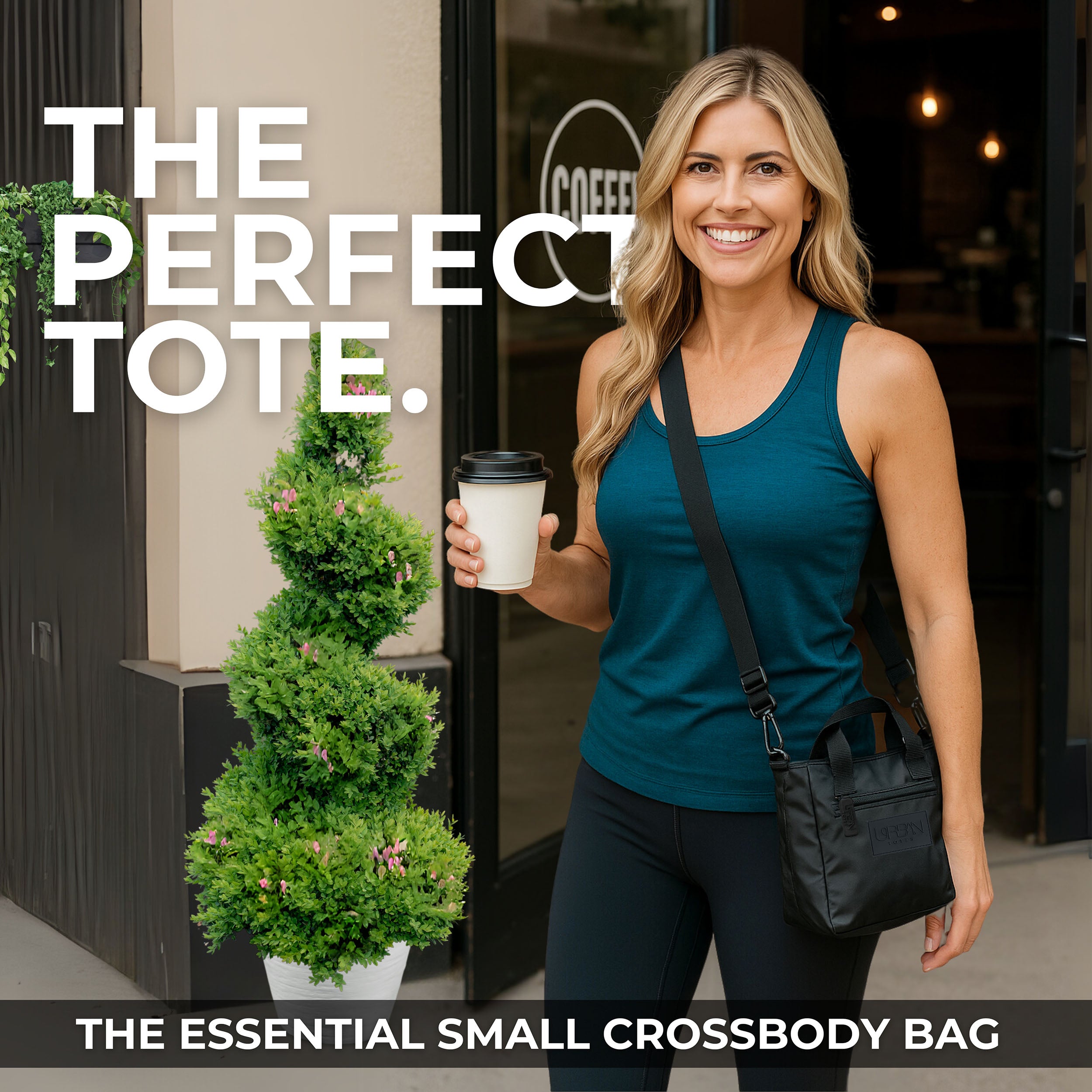
A crossbody tote changes the movement. Its long strap runs diagonally across your torso, anchoring the bag around your hip or lower hip instead of letting it drift from one shoulder. You can reach into it with one hand, keep your other hand available, and move through a crowded terminal or school pickup without performing a small balancing act every few minutes.
Practical rule: If your bag keeps sliding, the problem may be the carry position, not your posture or your outfit.
The comfort advantage has a practical basis. In a controlled walking study, cross-body carrying produced less upper-trapezius and erector-spinae activity than same-sided carrying, while another gait study found the cross-body method had the least effect on spinal joint motion among the carrying methods examined (controlled study of bag-carrying methods). That doesn't make every crossbody comfortable. An overfilled bag, a narrow strap, or a poor strap length can still pull and bounce.
The right choice starts with your real load. This guide will help you decide how much space you need, where the bag should sit, and which features earn their place before you spend time judging color or hardware.
What a Crossbody Tote Bag Actually Is
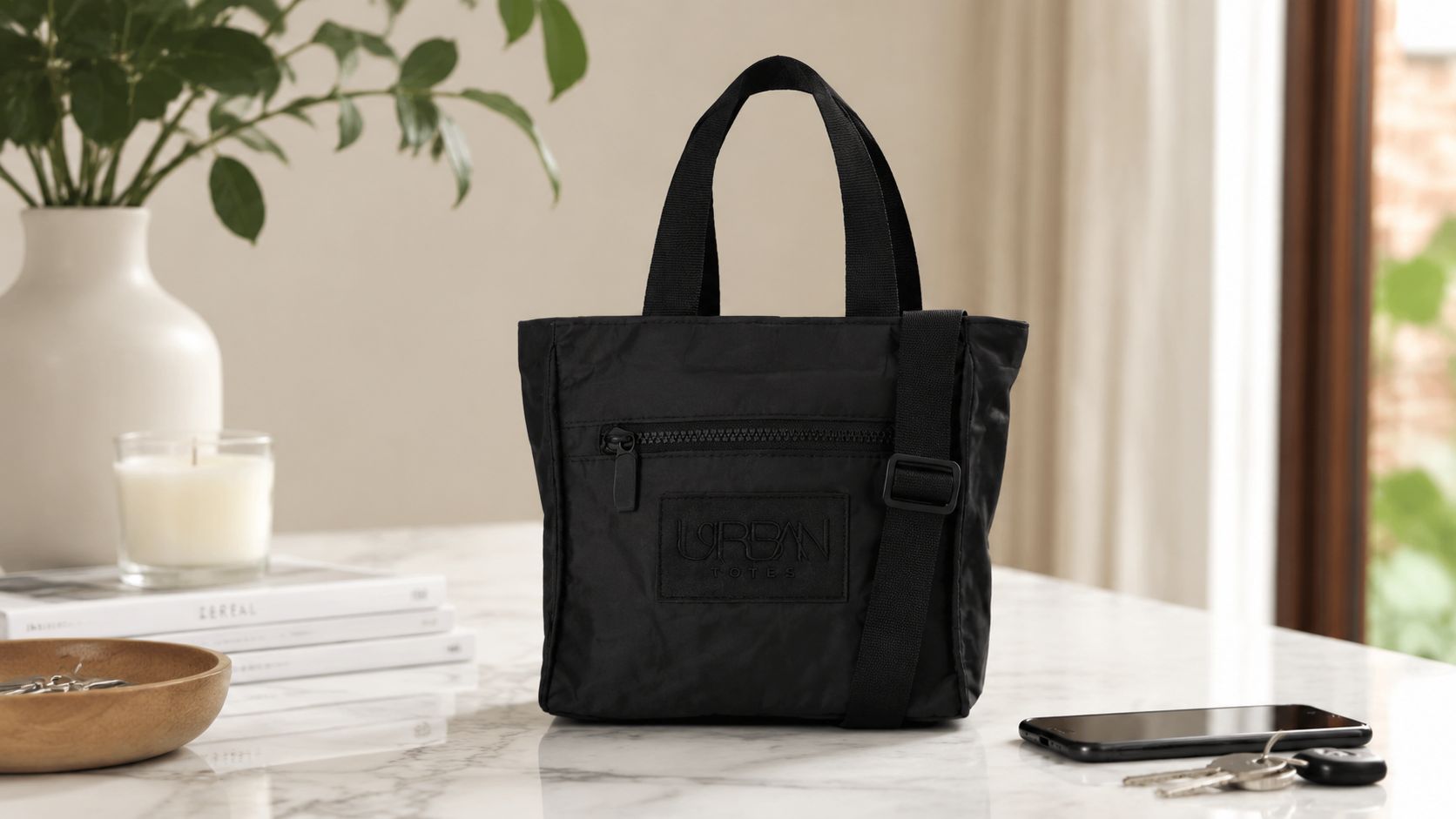
A standard tote is usually an open-top bag with short handles for hand or shoulder carry. It's excellent for bulk, quick loading, and office materials, but it asks one shoulder or one hand to do all the work.
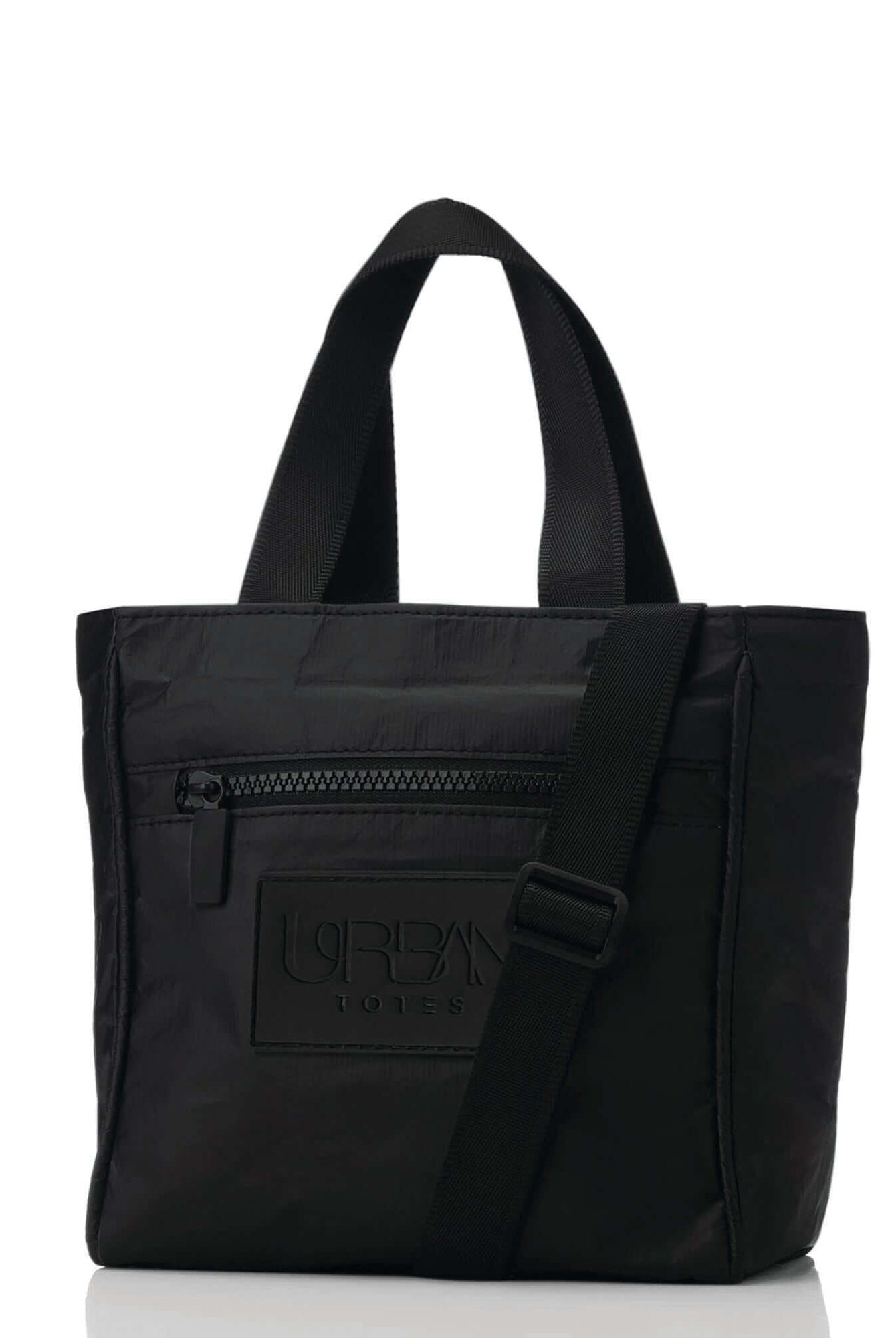
A standard crossbody is smaller and more focused. Its long strap supports hands-free movement, but the compact body often limits what you can carry to a phone, wallet, keys, sunglasses, and a few personal essentials. The crossbody tote sits between those formats. It gives you a tote-like body and opening, then adds a long, usually adjustable strap designed to run diagonally across your torso.
The key is proportion. A useful strap should let the bag rest around the hip or lower hip without forcing the body to sit too high under your arm or too low against your thigh. Adult crossbody straps commonly measure about 100 to 150 cm, or 39 to 59 inches, and adjustable straps work best when you want to change between shoulder and crossbody positions (crossbody strap length guide).
| Feature | Standard Tote | Standard Crossbody | Crossbody Tote |
|---|---|---|---|
| Body shape | Open, roomy, often upright | Compact and structured or soft | Tote-like, with a wider daily-carry body |
| Strap length | Short handles or shoulder handles | Long strap | Long, often adjustable strap |
| Capacity | Bulk-friendly | Essentials-focused | Essentials plus selected work or family items |
| Ideal use | Office, shopping, hand carry | Walking, events, light travel | Commuting, errands, travel, and hands-free daily carry |
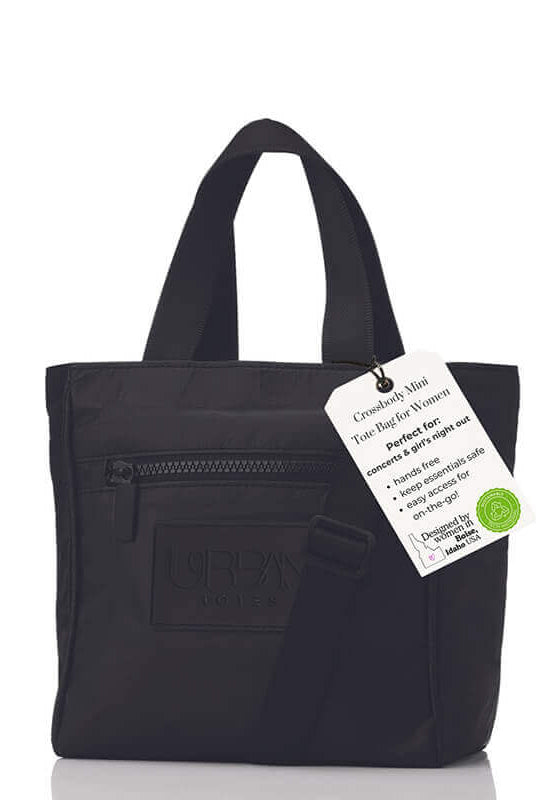
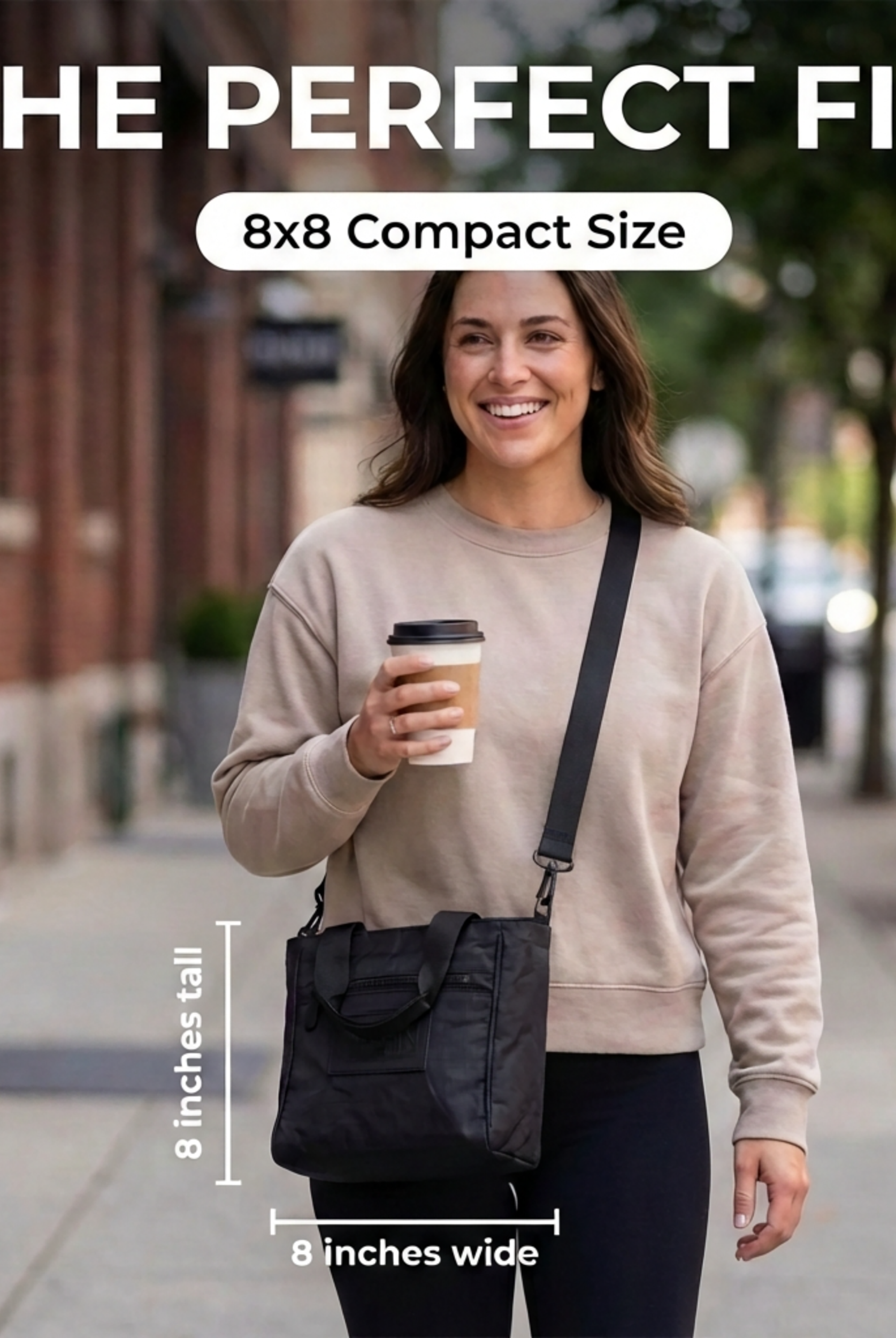
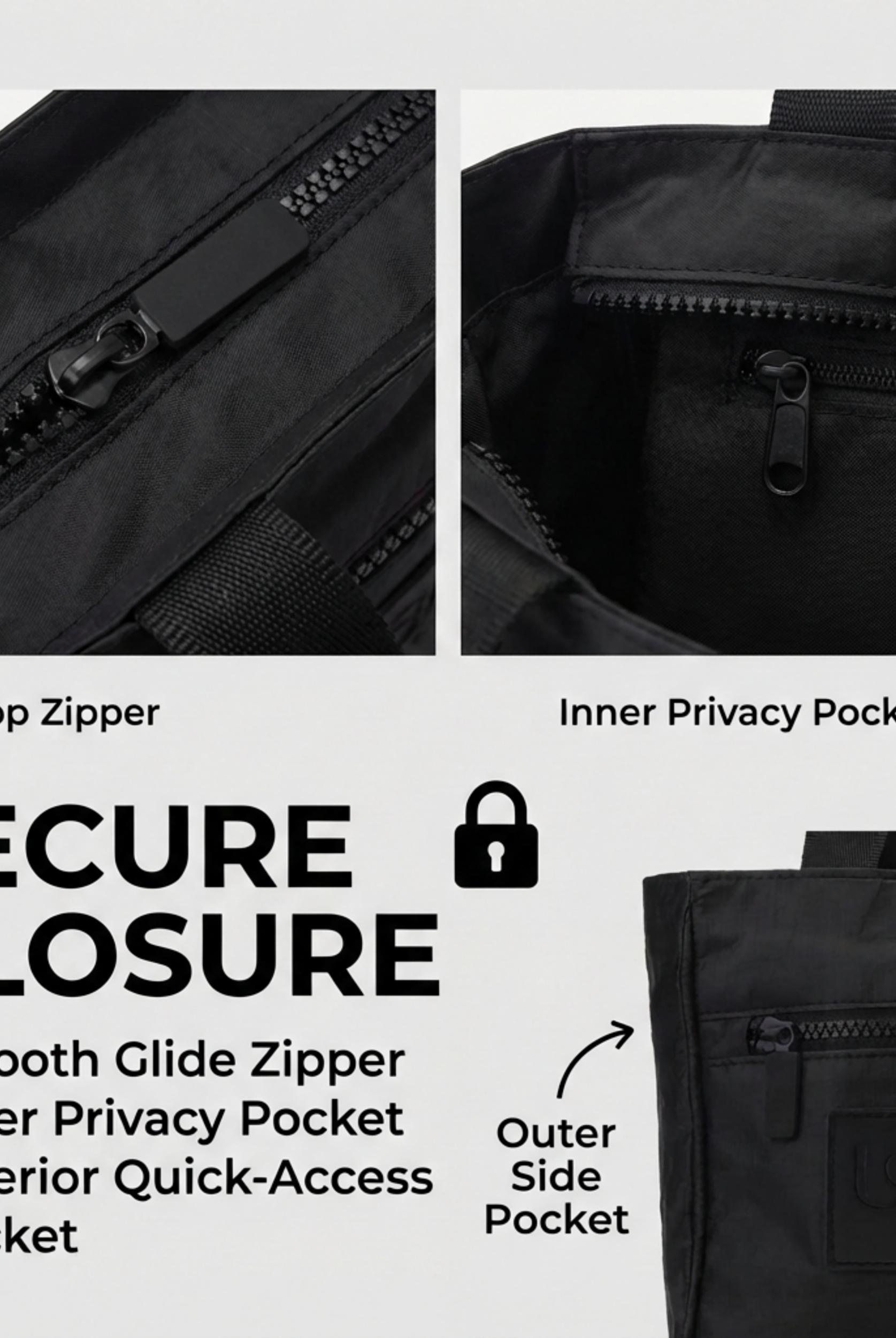
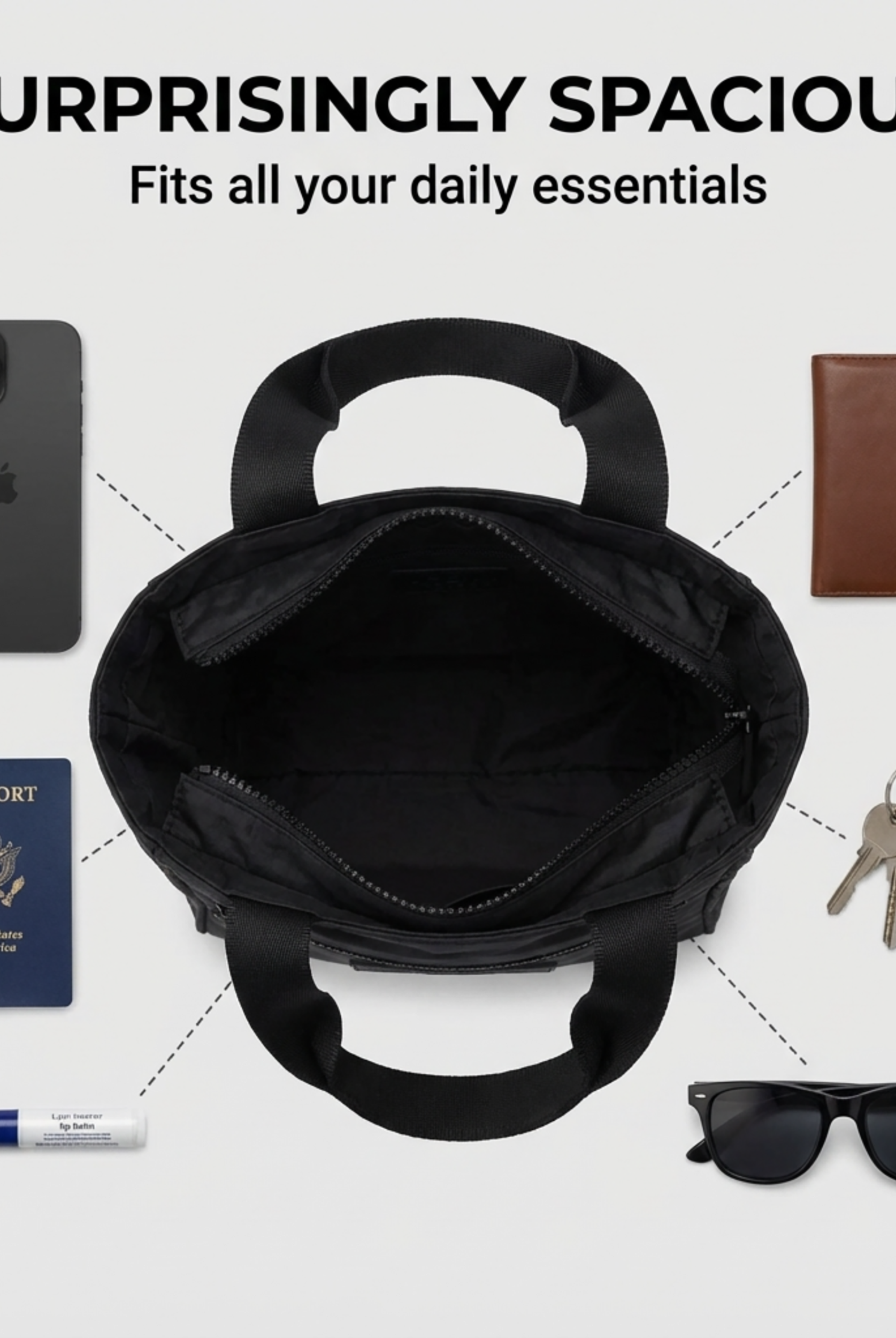
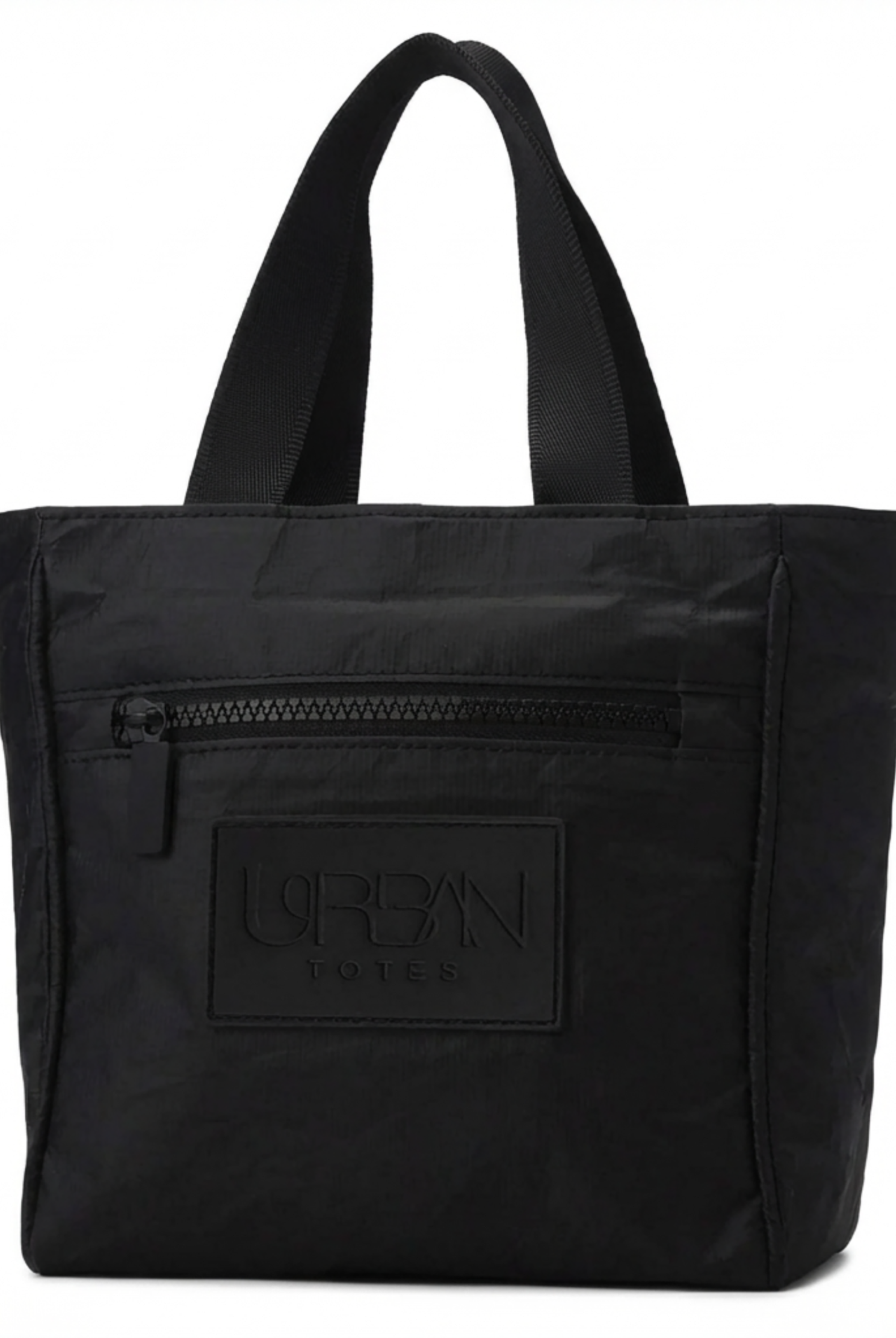
Crossbody tote bags also appear in different scales. The Crossbody Tote Bag Mini Purse measures 7.5 x 4 x 7.75 inches, includes a zip-top closure, an outside zipper pocket, an easy-access pocket, 1-inch-wide nylon straps, 11-inch handles, and a removable strap extending to 53 inches. That's a compact format for phone, keys, wallet, and small personal items, not a substitute for an overnight bag.
A crossbody tote beats a backpack when you want quick one-strap access and don't want to remove the bag to reach inside. A shoulder bag still wins in formal settings, especially when a cleaner, more traditional silhouette matters more than hands-free movement. For ordinary commuting, school runs, and travel days, the hybrid usually earns its keep.
For a broader vocabulary of handbag shapes, use this bag-type glossary before comparing silhouettes.
Key Features and Materials That Matter
The fabric label doesn't tell you enough. A bag's daily performance depends on the complete system, including the shell, coating, seams, lining, hardware, and strap attachment.
Full-grain leather is the longevity choice when you want natural texture and a patina that changes with use. Coated canvas offers a lighter, more casual feel with some protection from light weather. Recycled nylon and ripstop polyester make sense for travel, gym sessions, and bags that need to fold without fuss. Vegan leather can suit a lower-maintenance or budget-conscious choice, but its surface quality and edge finishing matter more than the label alone.
Water resistance also comes from the fabric system, not just from whether the fiber is polyester. Recycled polyester can be paired with PU or C0 DWR finishes, and independent material guidance identifies 10,000 mm H2O as a meaningful waterproof benchmark for bag textiles while warning that unsealed seams can still leak (recycled polyester and waterproof coating guidance).
Closures and organization
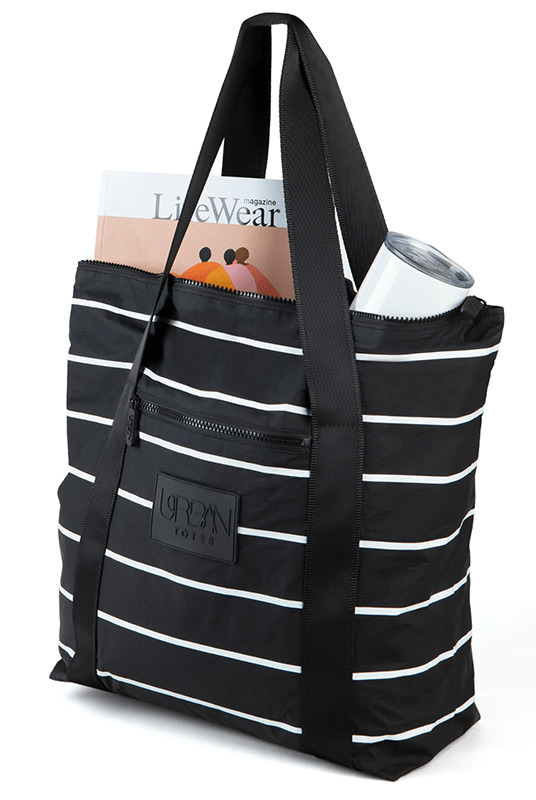
Open tops are convenient, especially when you're loading a snack, scarf, or notebook in a hurry. Add a magnetic snap when you want a little more control. For public transit, airports, and busy sidewalks, choose a zipper closure. Drawstrings and fold-over flaps add another layer of coverage but may slow down access.
The interior should reflect your routine. A commuter may need a padded laptop sleeve, while a parent may care more about wipeable lining and a bottle pocket. Multiple compartments, internal organization, adjustable straps, and secure closures are repeatedly highlighted in practical travel-bag guidance (everyday travel bag feature guidance).
| Use Case | Best Material | Closure Type | Strap Style | Key Organization |
|---|---|---|---|---|
| Commuting | Coated canvas or nylon | Zipper | Adjustable, reinforced | Laptop sleeve, key pocket, phone slip pocket |
| Travel | Water-resistant nylon or ripstop polyester | Zipper or fold-over | Wide and adjustable | Passport pocket, secure interior zip pocket |
| Gym | Ripstop polyester | Zipper | Reinforced, easy to clean | Wet/dry separation, bottle space |
| Parenting | Coated canvas or nylon | Zipper | Comfortable and adjustable | Insulated bottle pockets, wipe-clean lining |
| Campus | Canvas, nylon, or leather | Zipper or magnetic snap | Wide, adjustable | Padded device sleeve, notebooks, quick-access pocket |
A strap around 1 to 1.5 inches wide generally feels more comfortable than a narrow cord when the load grows. Look for reinforced zones and clean bar-tacked stitching at the attachment points. Then inspect the less glamorous details: straight edge paint, a lining that doesn't bunch, and seams that stay flat. Those details tell you more about durability than a polished product description.
For a closer look at how fabric choices affect use, read this tote bag material guide.
Matching the Bag to Your Real Day
Choose for your heaviest ordinary day, not your lightest one. A bag that feels perfect with a phone and sunglasses may become awkward once you add a laptop, water bottle, charger, or children's supplies.
Strap drop gives you a useful starting point. Crossbody drop measures from the top of the bag to the top of the strap at your shoulder, and a rough calculation puts total strap length at about 2.3 times the drop (strap drop measurement guidance). Use the measurement as a reference, then test the bag with the clothes you wear.
| Use Case | Capacity | Strap Drop | Closure | Key Features |
|---|---|---|---|---|
| Commuting | 12 to 15L | 20 to 22 inches | Zipper | Laptop space, charger pocket, secure keys section |
| Travel | 15 to 20L | Adjustable for layers | Zipper | Luggage sleeve, passport pocket, water-resistant shell |
| Gym | Separate daily-carry space with wet/dry compartments | 18 inches, sitting high | Zipper | Wet/dry separation, bottle pocket, wipe-clean lining |
| Parenting | Enough room for personal essentials and child-care basics | Adjustable to stay close | Zipper | Insulated bottle pockets, easy-clean lining |
| Campus | Sized for a 15-inch laptop | 20 to 24 inches over layers | Zipper or secure snap | Padded sleeve, notebook space, internal organization |
Commuting and campus
For a commuter, 12 to 15 liters is the useful middle. It handles a laptop, notebook, wallet, lunch, and water bottle without becoming an oversized carryall. Keep the bag close to the body, with the strap drop around 20 to 22 inches, especially if you move between sidewalks, trains, and office elevators.
Campus demands a little more vertical room. A bag sized for a 15-inch laptop needs a padded sleeve that holds the device securely instead of letting it slide into the bottom. A 20 to 24-inch strap drop gives you room to wear the bag over a hoodie or jacket without placing the body too low.
Travel and gym
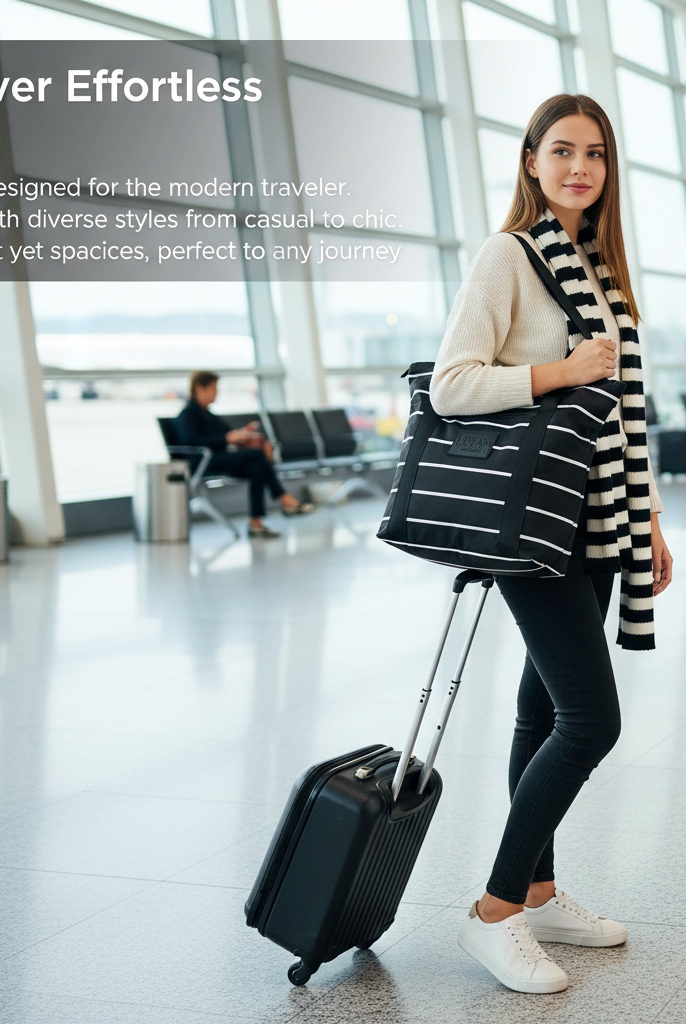
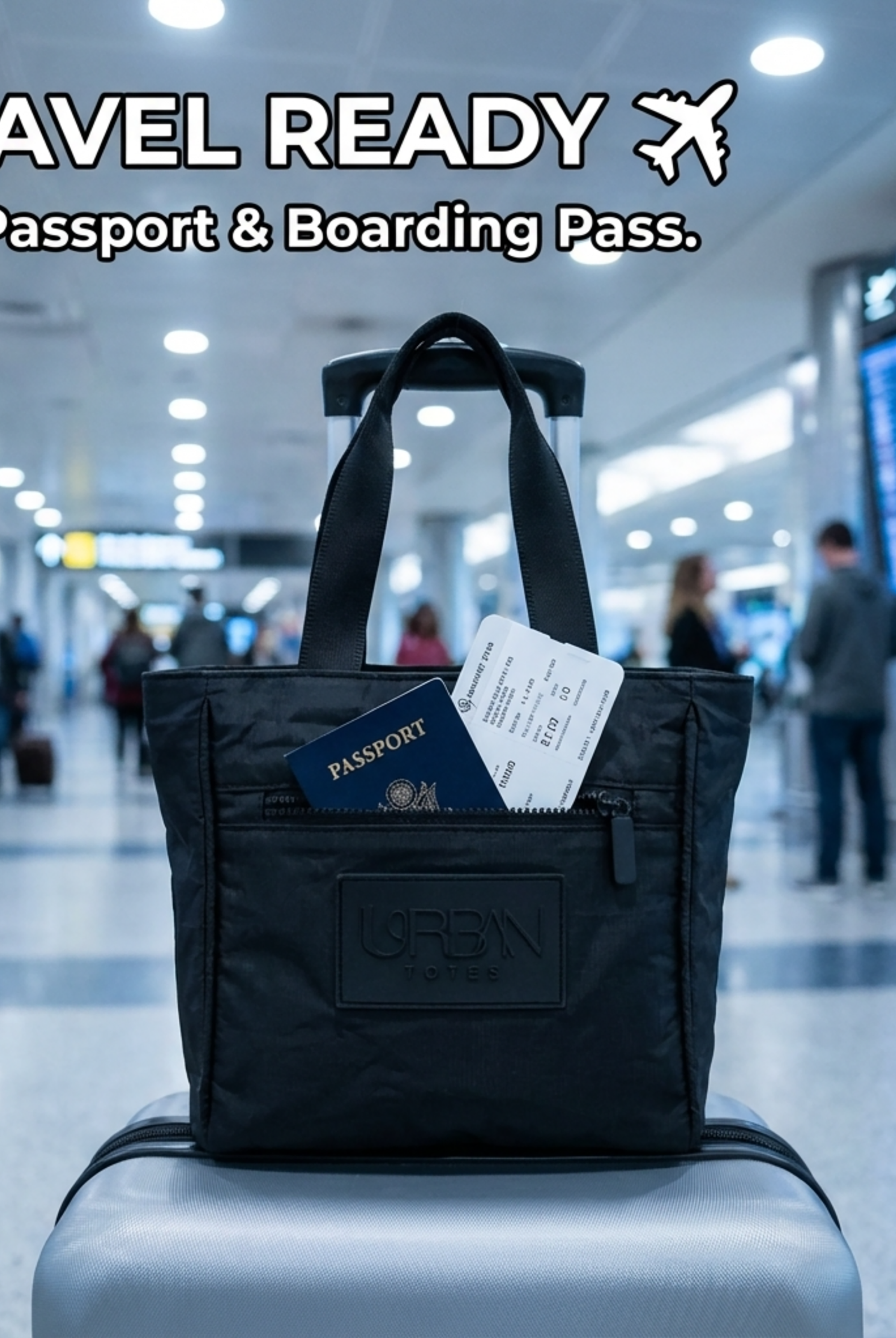
Travel versions should sit securely against the body and include a luggage sleeve. That feature matters when one hand is already pulling a suitcase, and a zippered opening helps keep small items contained while you move through an airport.
Gym carry needs separation, not just volume. Wet and dry compartments earn their space because they keep a damp layer or towel away from your wallet and technology. An 18-inch drop that sits higher on your torso makes sense for active movement, provided the strap is reinforced and doesn't slip.
Decision rule: Match capacity to your heaviest load, then check the strap math. Don't reverse those steps because a pretty bag can't compensate for missing space or an unstable carry.
Use this bag strap adjustment guide to fine-tune the fit after you've packed the bag.
Styling and Packing a Crossbody Tote
A crossbody tote doesn't need to look sporty to be practical. The silhouette changes with the strap position, so you can make one bag feel relaxed, polished, or transitional without rebuilding your wardrobe.
Start with three dependable outfit formulas:
- Fitted trousers and a soft sweater: Wear the bag at the hip for an easy office-to-coffee look. A neutral body keeps the outfit clean while the diagonal strap adds movement.
- Weekend denim, a tee, and white sneakers: Choose a slightly longer strap for a casual line. The lower position works with an open jacket or lightweight coat.
- Slip dress and a denim jacket: Shorten the strap so the bag sits closer to the waist or upper hip. The higher placement keeps the look intentional without competing with the dress.
Longer straps generally read more casual because they let the bag sit lower and move more as you walk. A shorter drop creates a neater silhouette and keeps the body closer to the torso. Adjust the strap after you're dressed, not before, because a sweater or coat changes the space between your shoulder and hip.
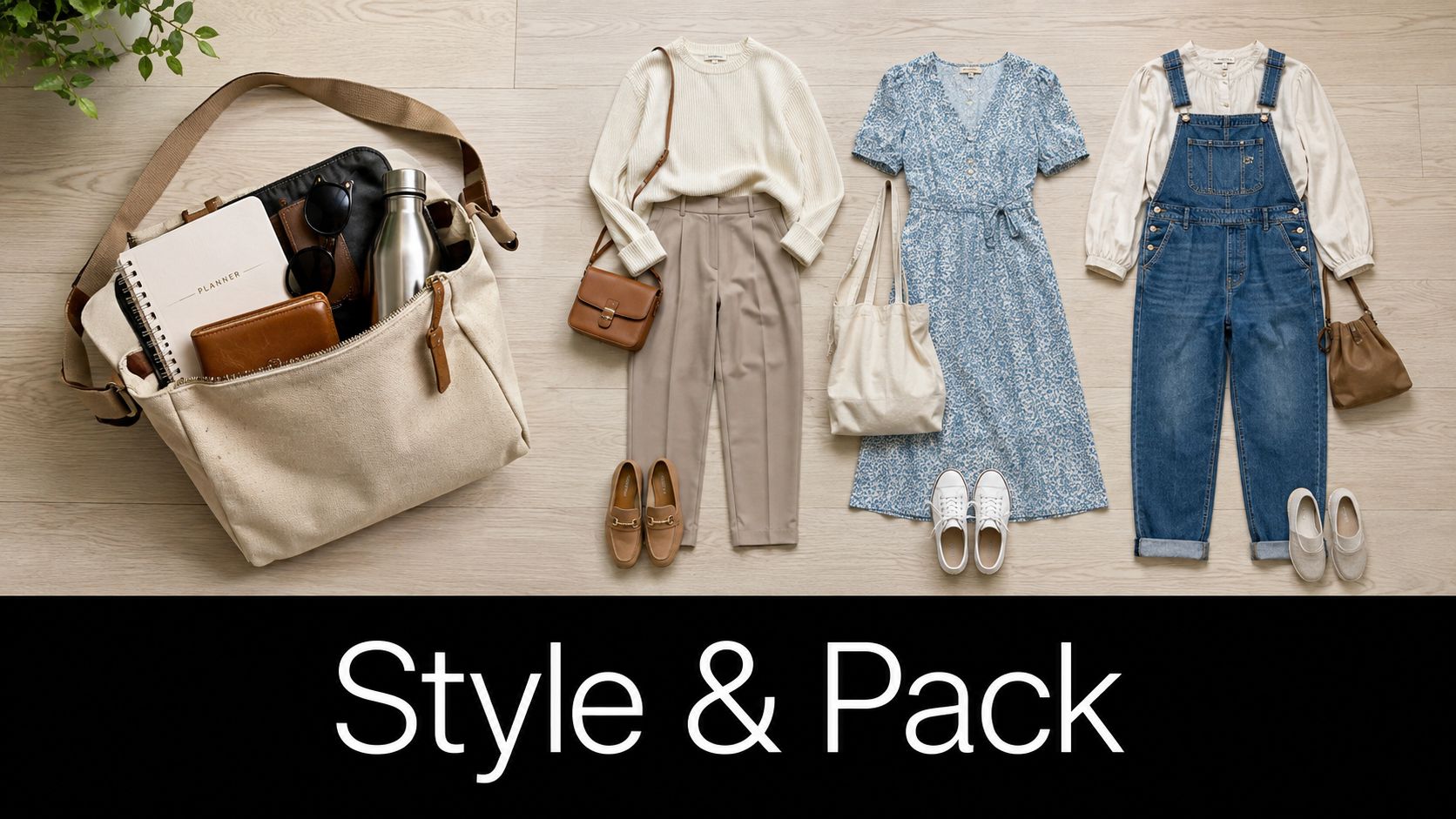
Pack by access, not by category
Use the bag in layers. Put items you won't need until later at the bottom, then reserve the quick-access areas for the things you reach for repeatedly.
- Tech pouch: Keep charging cables, earbuds, and adapters together in a structured pouch.
- Slim wallet: A compact wallet gives you the cards and cash you need without wasting the bag's depth.
- Foldable backup tote: Clip a packable reusable tote inside for farmers market overflow, a beach layer, or an unexpected purchase.
- Dedicated zip pocket: Place keys and lip balm in one zip pocket so they don't disappear beneath everything else.
A multi-pocket interior helps only when each pocket has a job. Use this tote compartment guide to assign spaces before you start adding extras.
Seasonal material choices can make the same silhouette feel more natural. Suede or canvas works well in spring, water-resistant nylon handles winter errands and unpredictable weather, and leather adds warmth to fall outfits. Leave out anything that doesn't earn its space daily. If you haven't used it recently and it isn't essential for the day ahead, it stays home.
Care, Durability, and What Sets Urban Totes Apart
Care starts with the material you bought. Canvas responds well to gentle spot cleaning or the care label's washing instructions, while nylon usually needs only a damp cloth and mild soap for ordinary marks. Vegan leather should be wiped with a damp cloth rather than saturated, and full-grain leather benefits from a suitable balm or conditioner applied according to the maker's guidance.
Store the bag upright or lightly filled so the body keeps its shape. Don't hang a heavily loaded bag from one strap for long periods, because the attachment can stretch and the strap can warp. Let a damp bag dry fully at room temperature before storing it, away from direct heat.
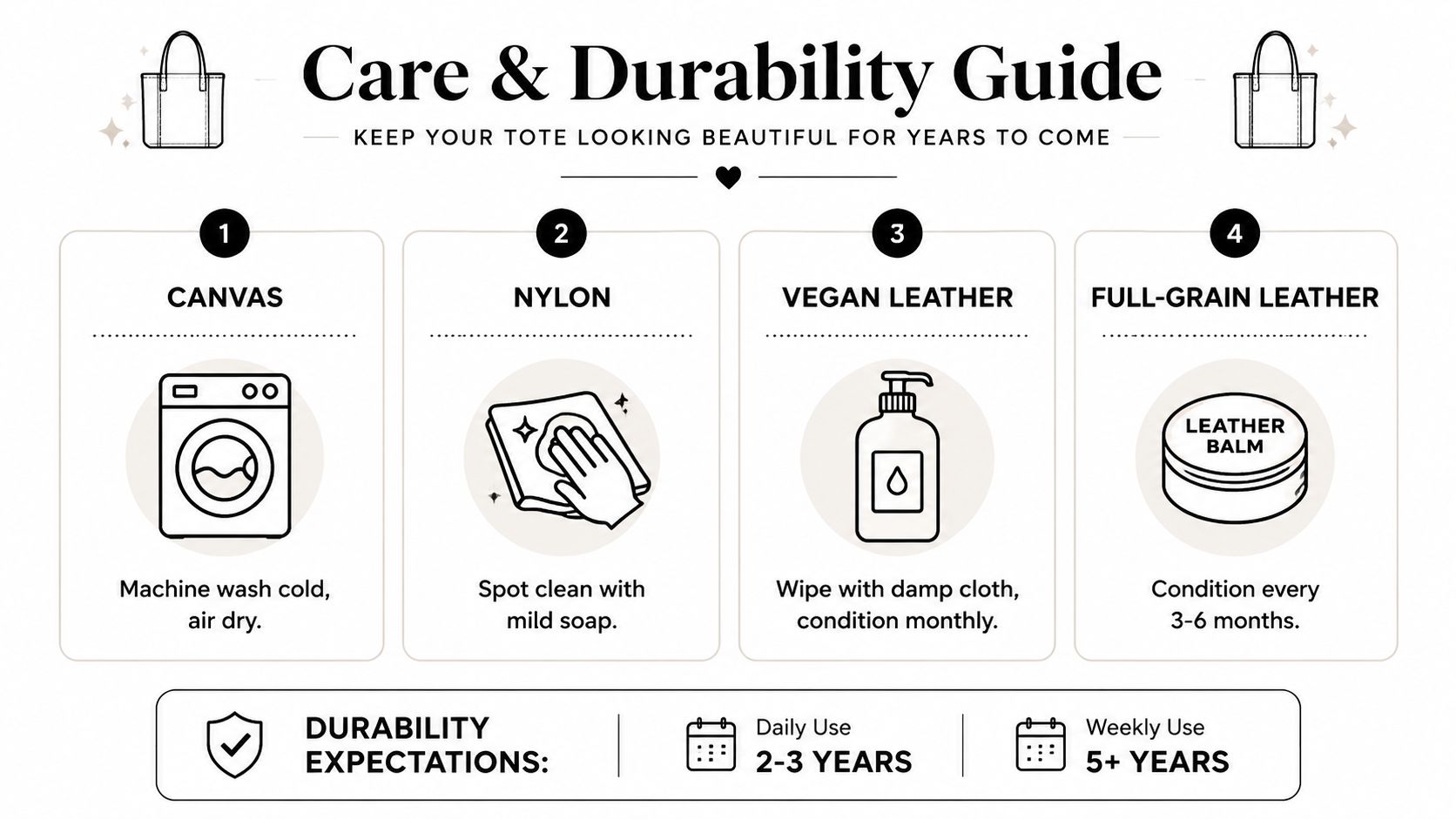
Read the construction, not just the material name
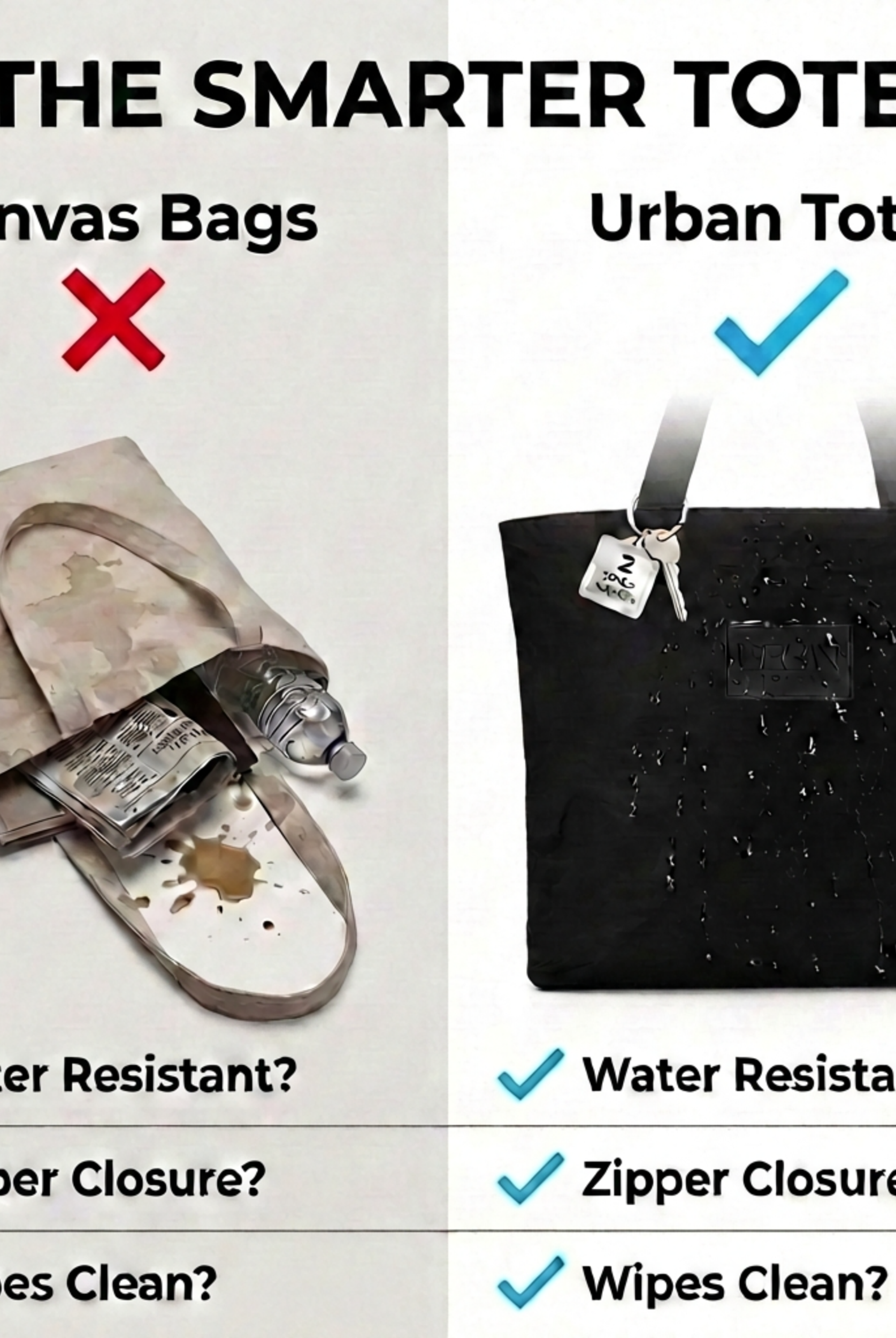
Nylon straps can handle demanding daily loads well when the attachment points are properly reinforced. Leather can develop character beautifully, but it needs appropriate care and can show moisture or abrasion more visibly. Water-resistant finishes also need realistic expectations. Fabric resistance doesn't protect stitch lines unless seams are taped, bound, or otherwise constructed to reduce leakage.
For commuting or travel, look for:
- Reinforced strap stitching: The strap attachment should have visible, even reinforcement rather than a single fragile seam.
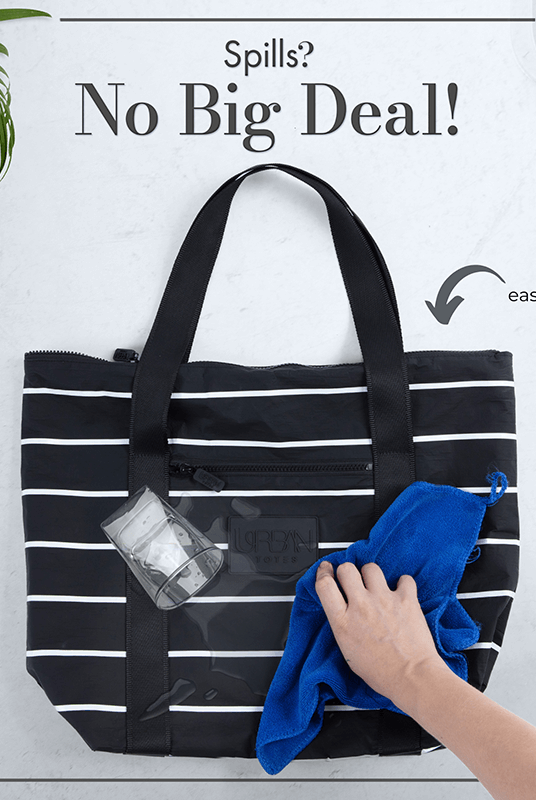
- Water-resistant lining: A coated outer shell helps, but the interior should also give you a practical barrier against ordinary spills.
- Padded laptop sleeve: Padding keeps a device from shifting against the bag's contents.
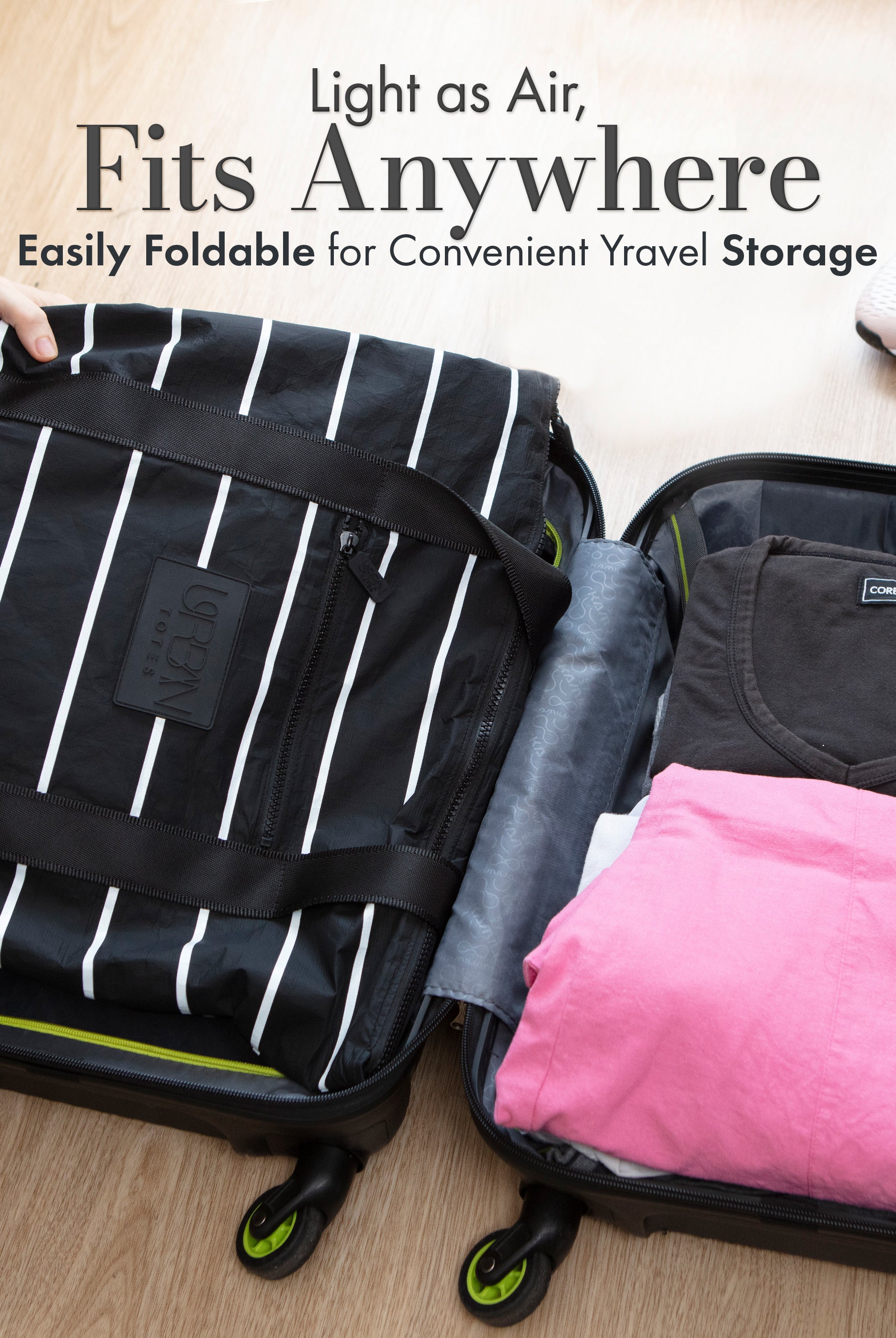
- Packable construction: A foldable body is useful when the bag needs to fit inside luggage or a larger tote.
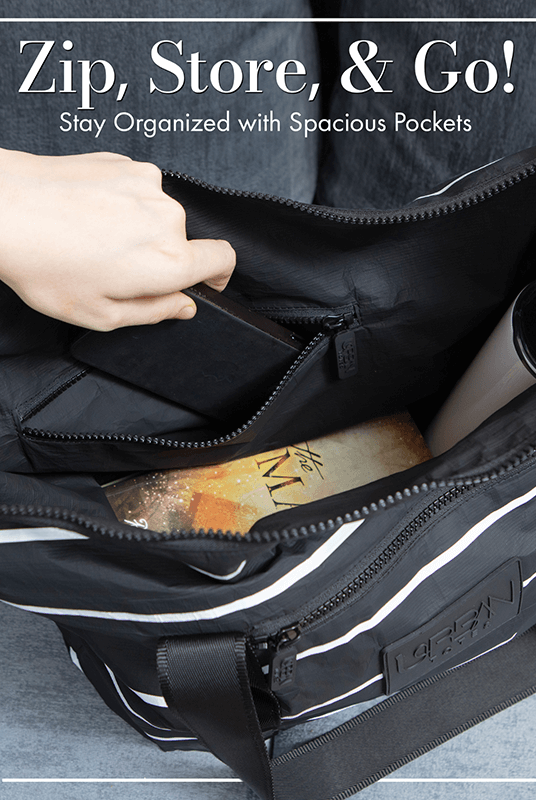
- Secure compartments: Zippered sections keep keys, cards, and small electronics from settling into the bottom.
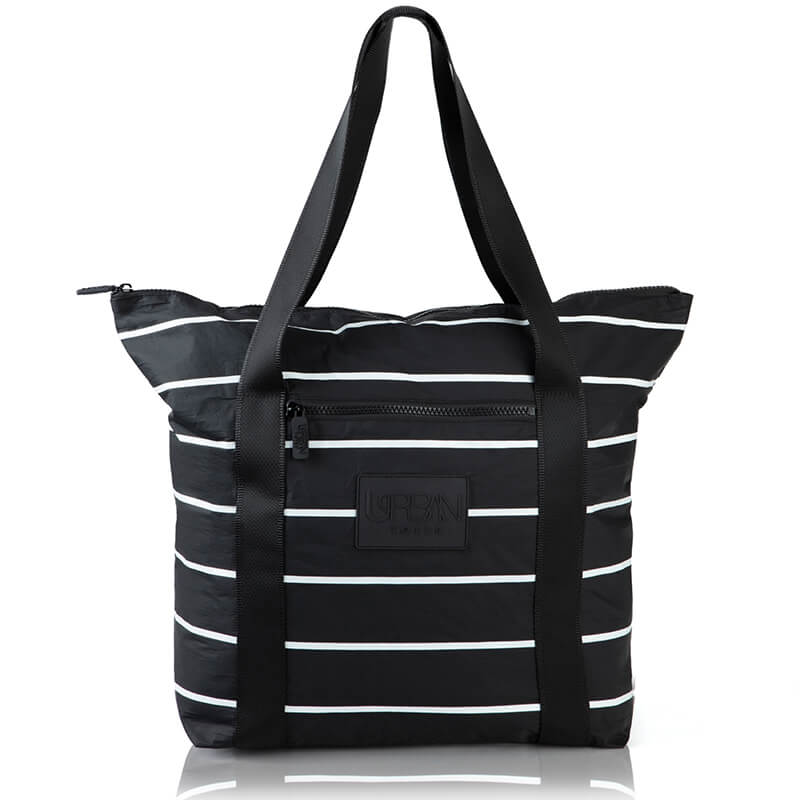
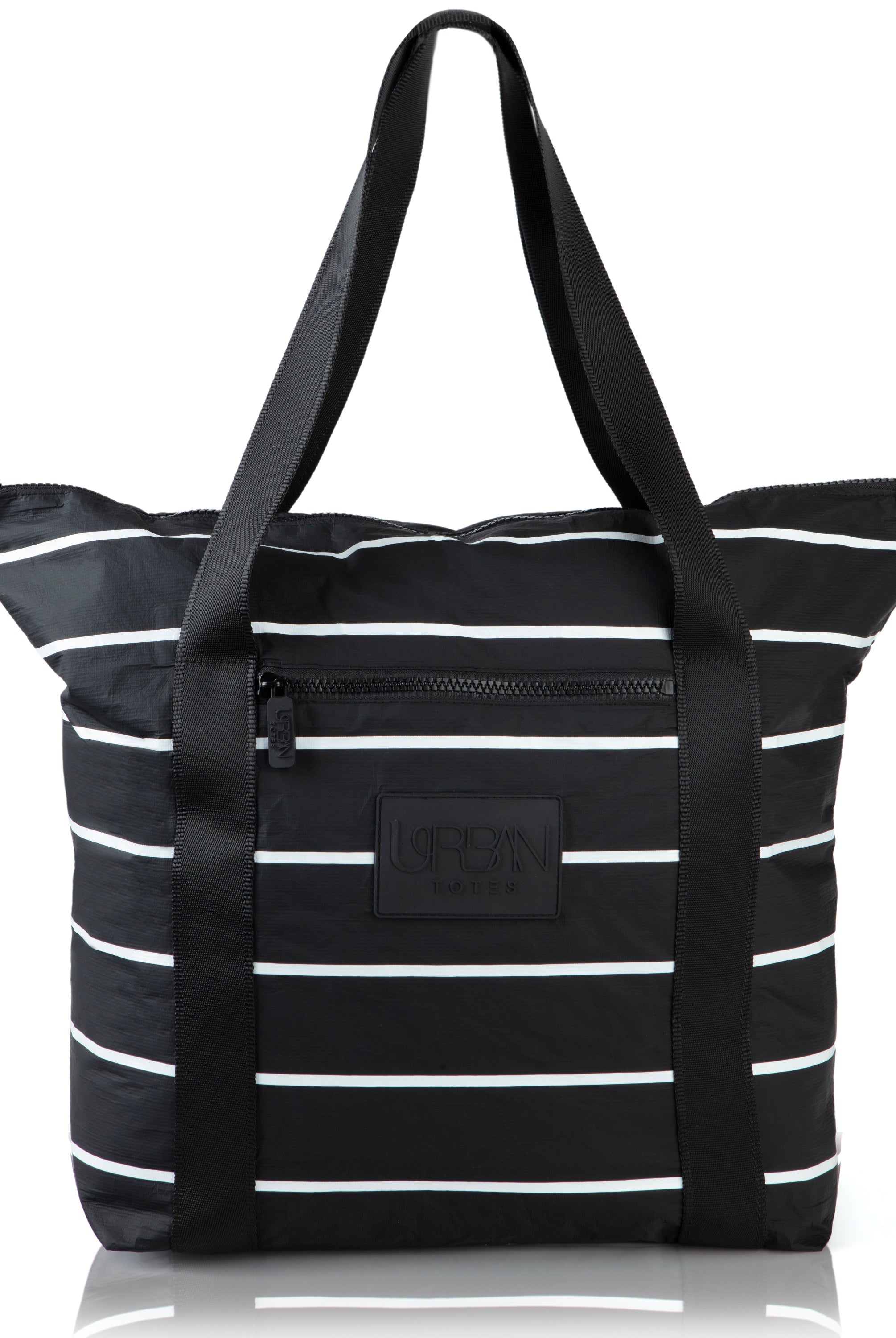
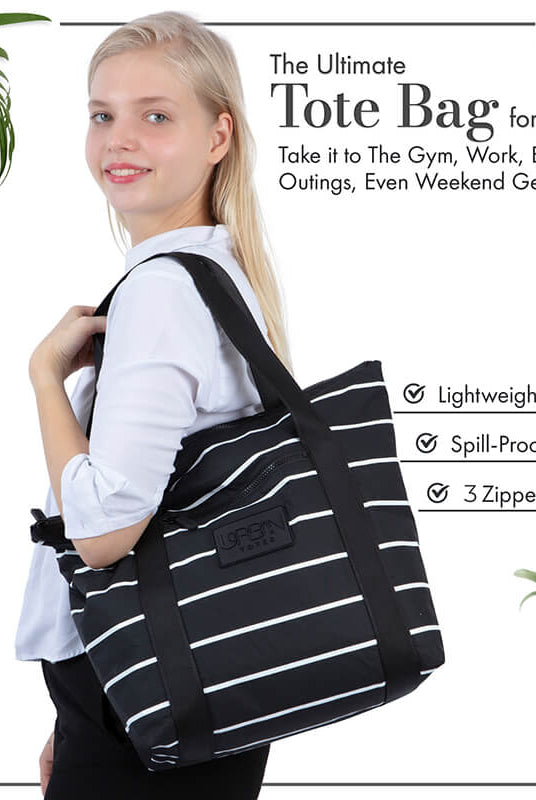
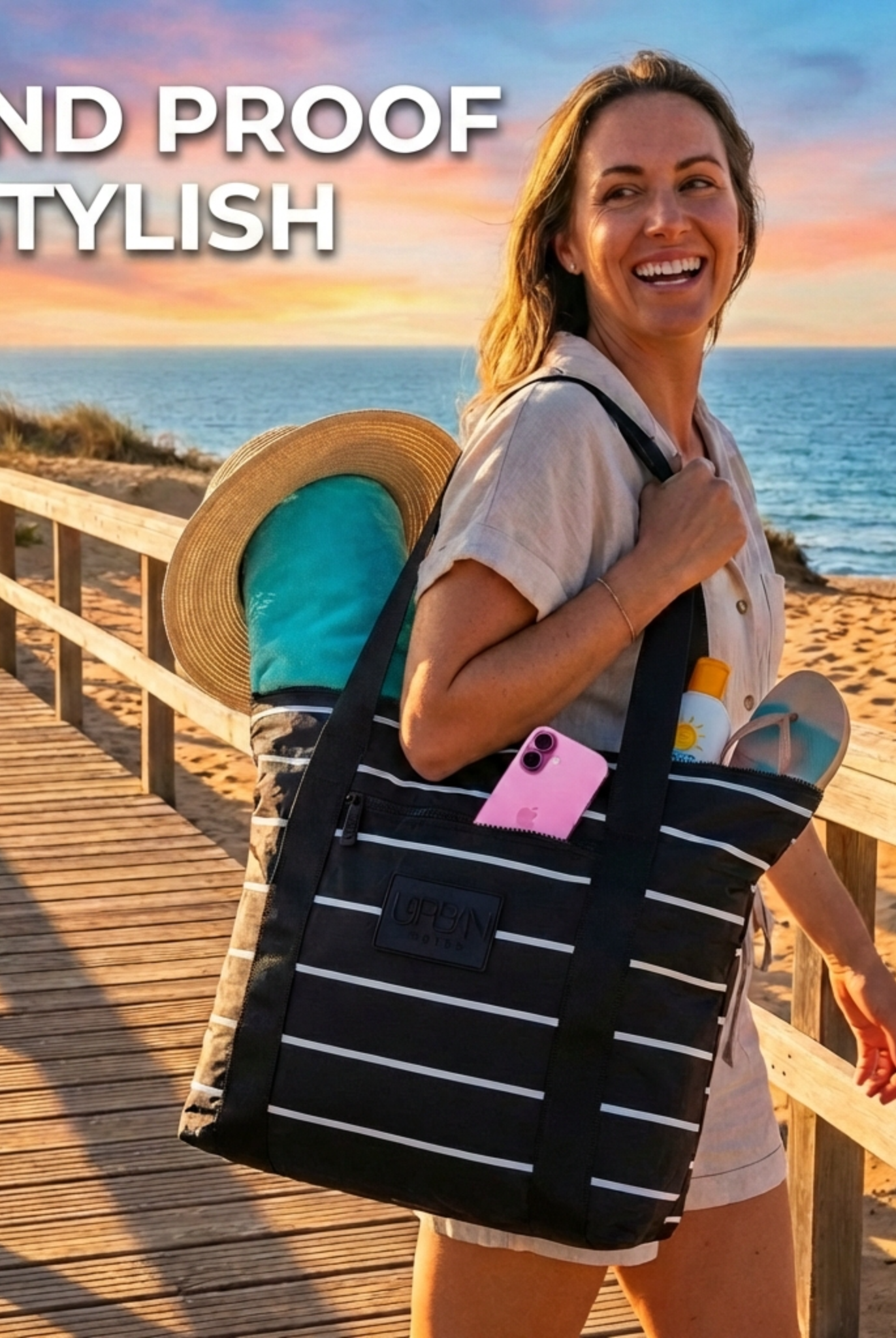
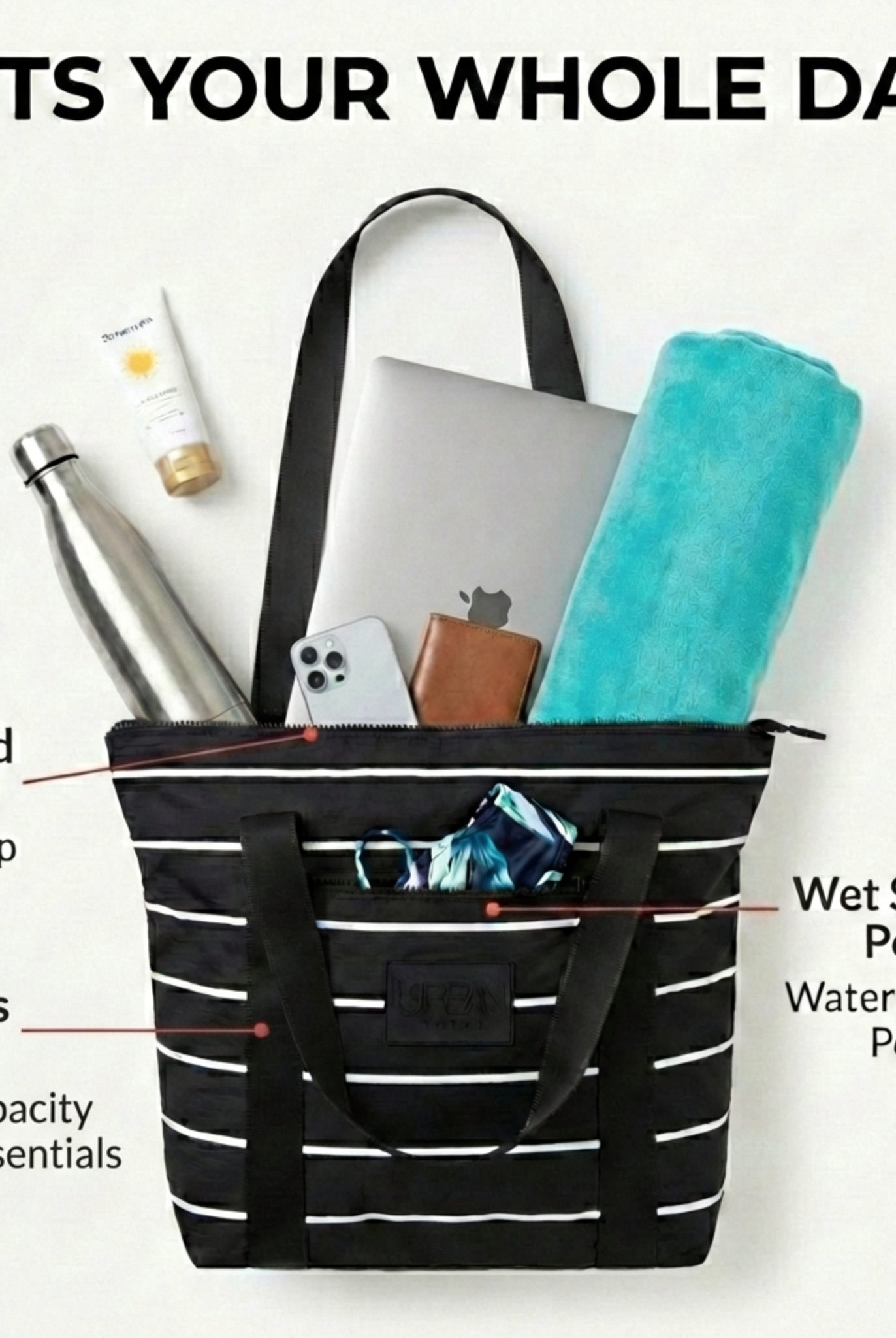
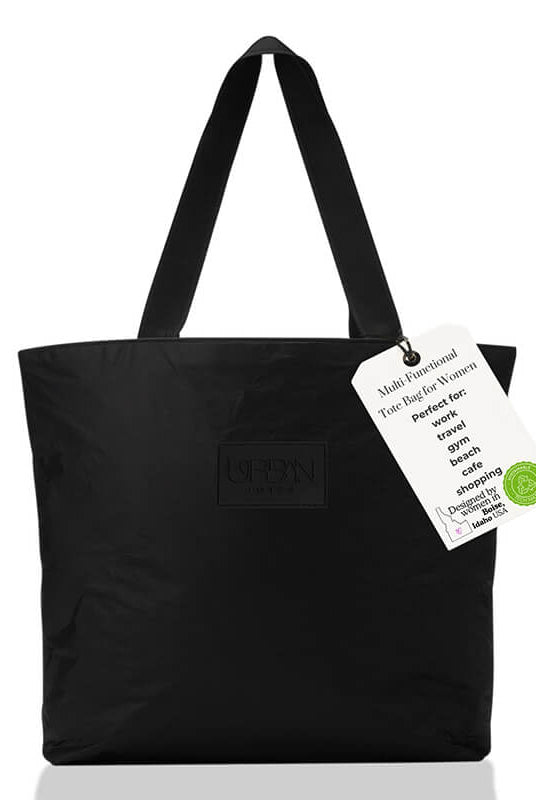
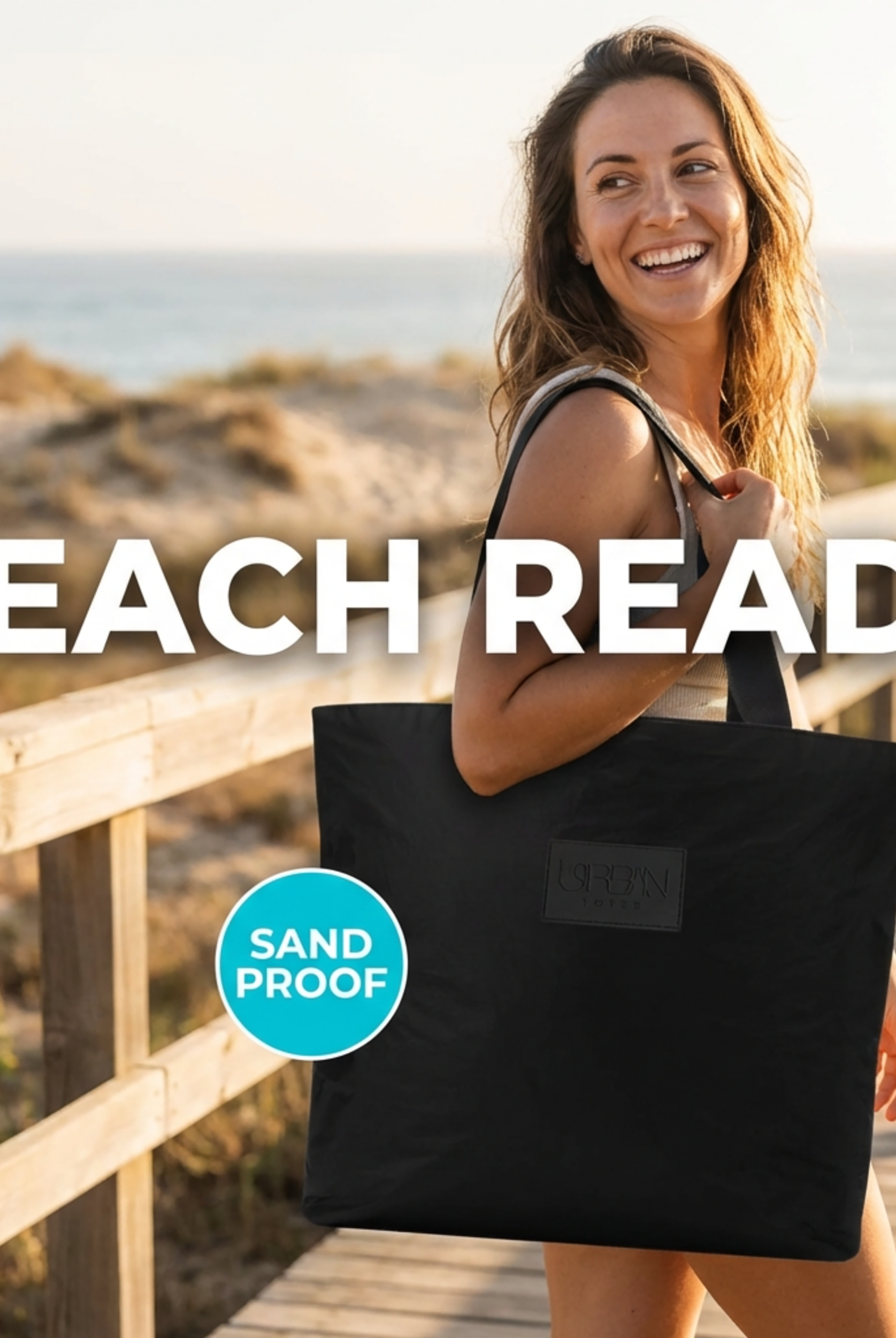
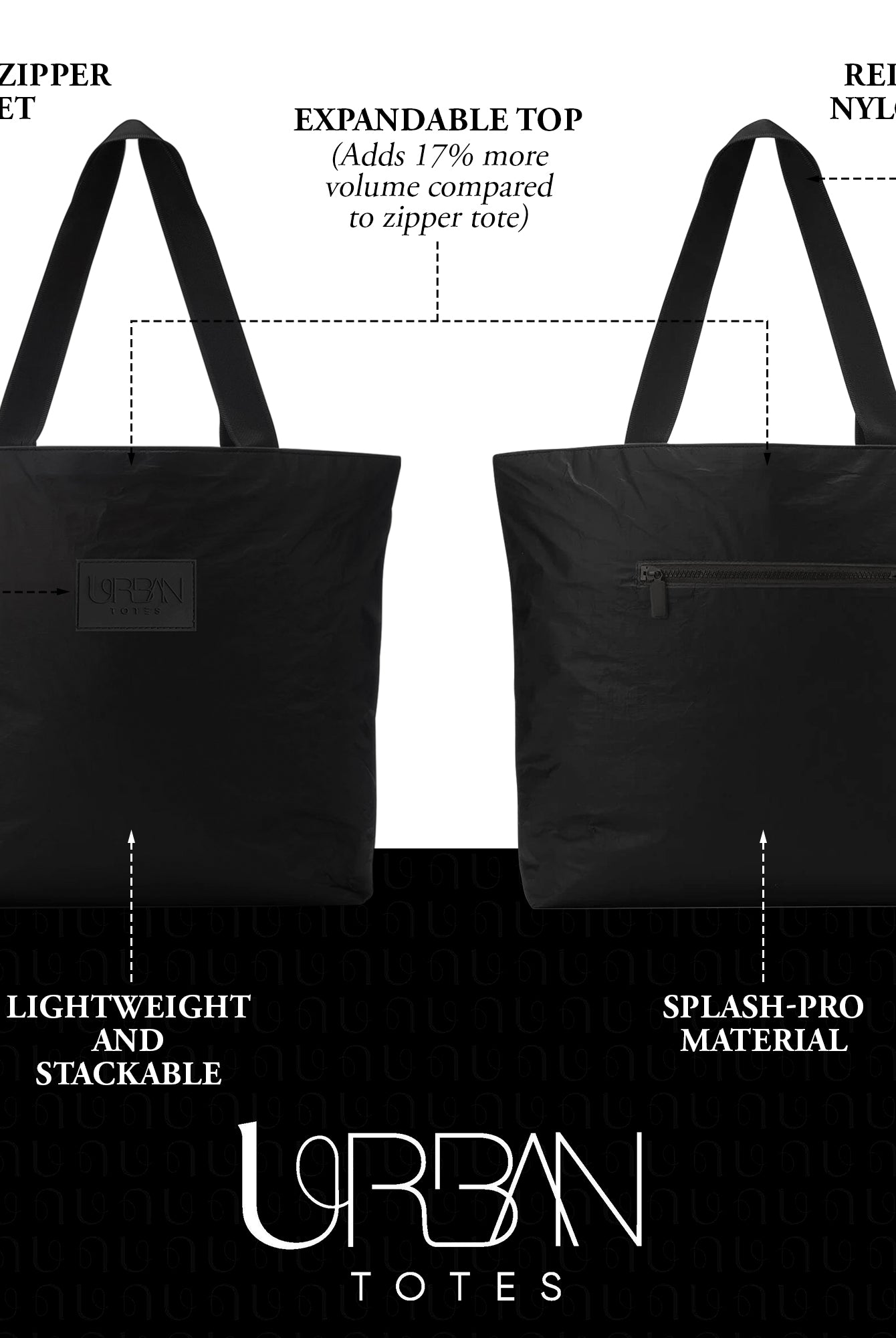
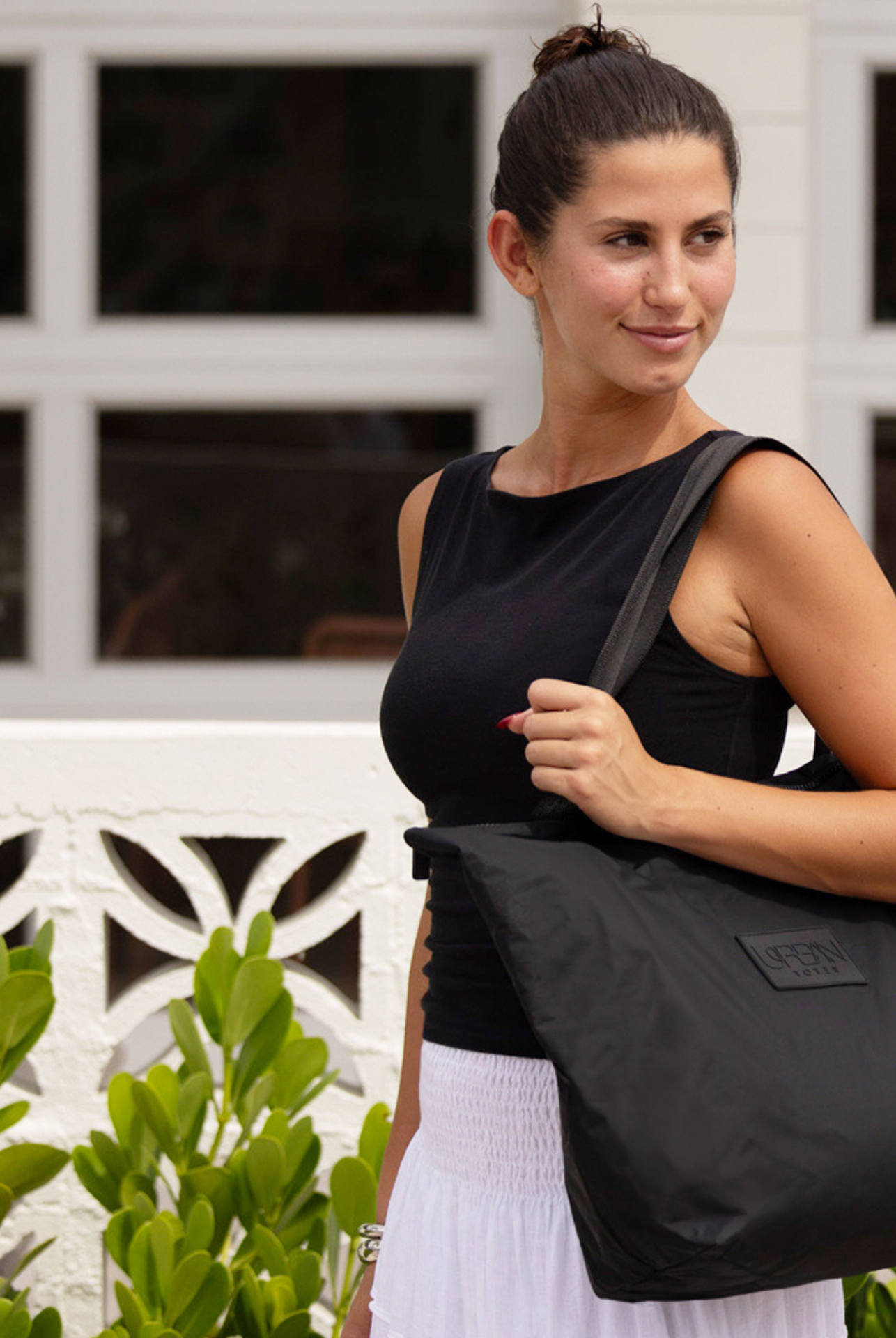
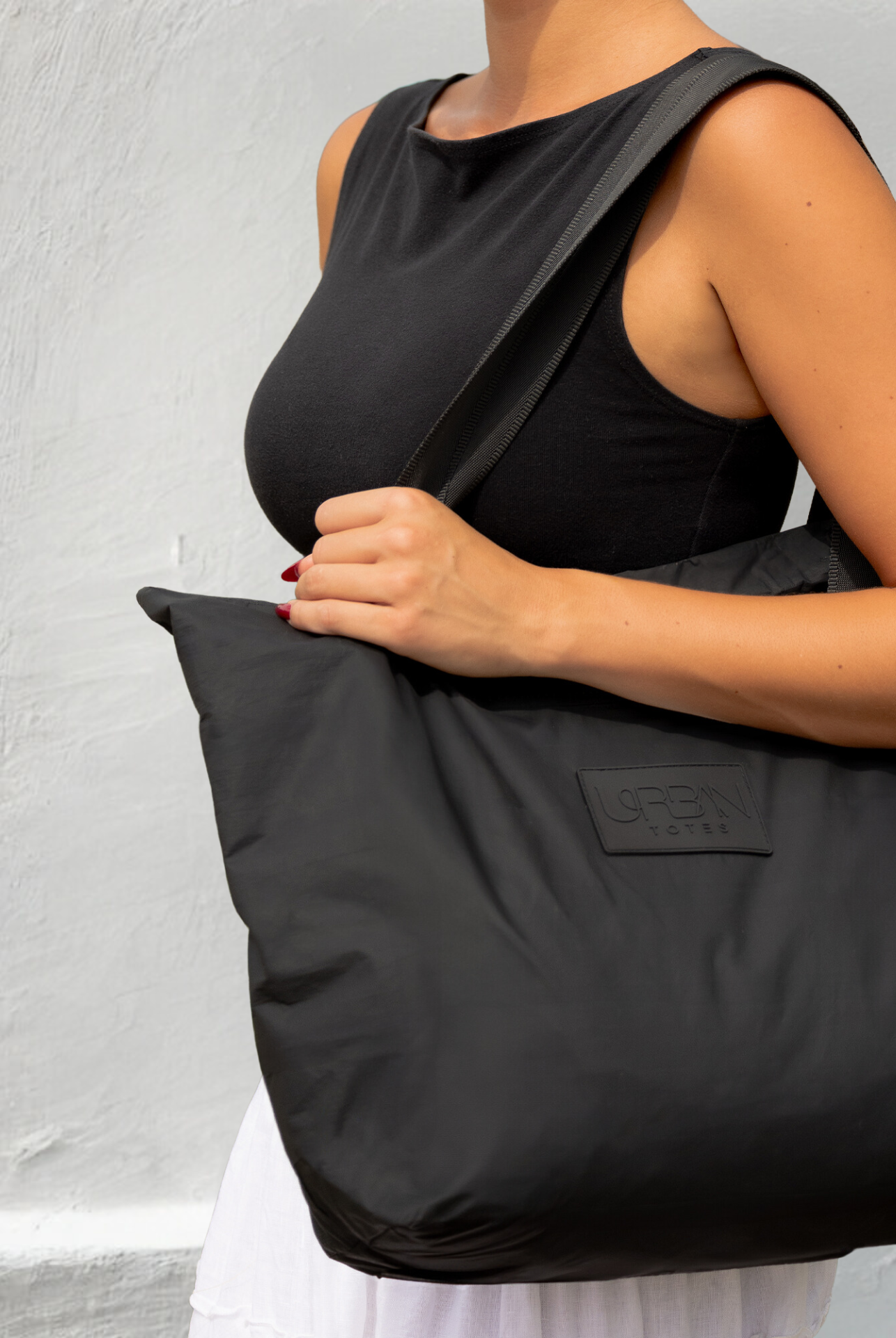
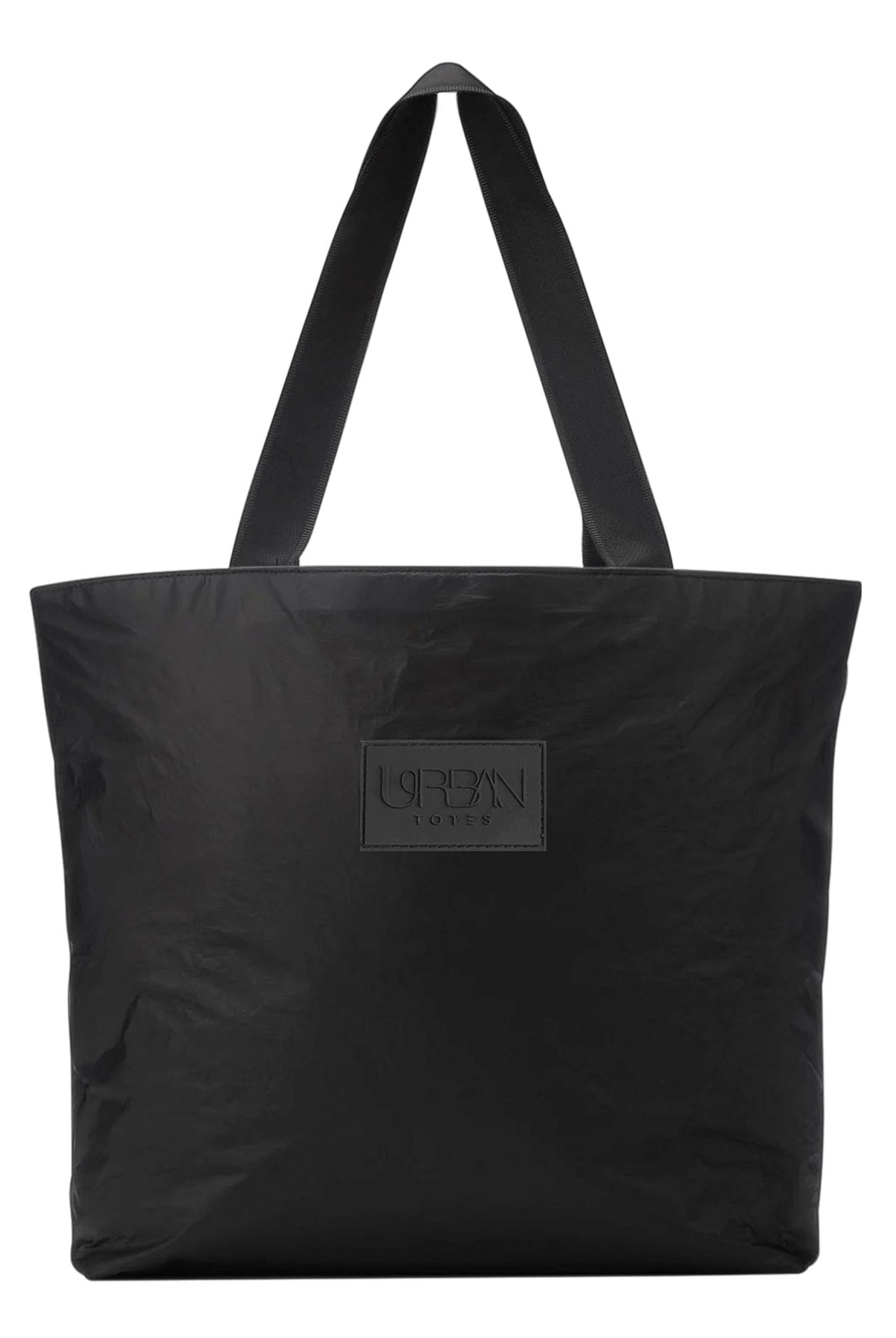
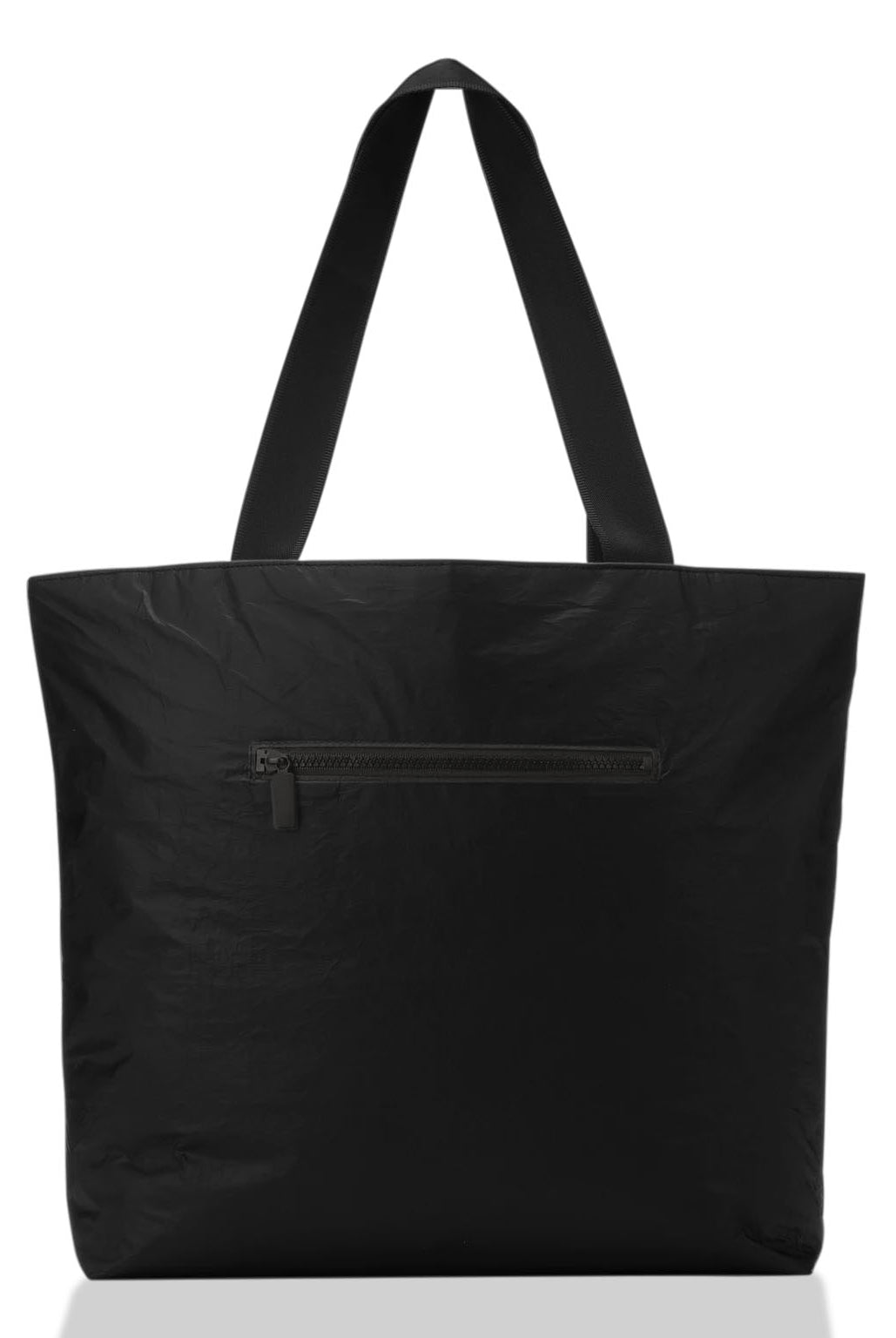
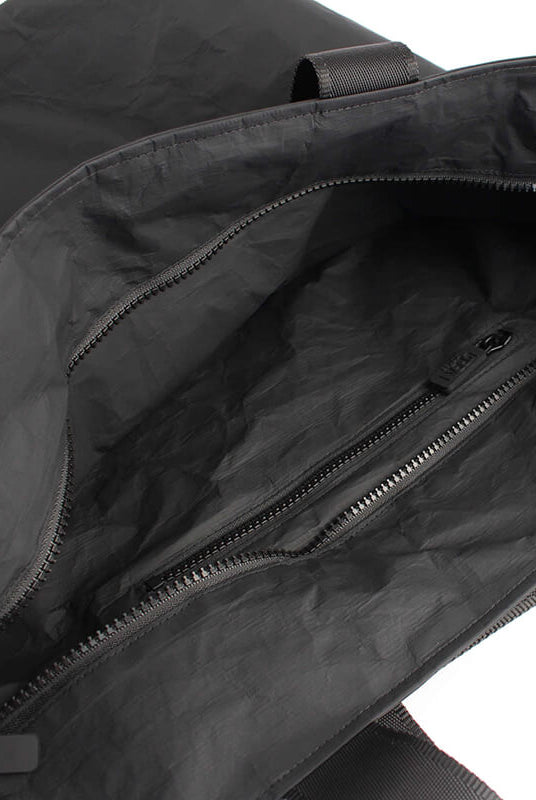
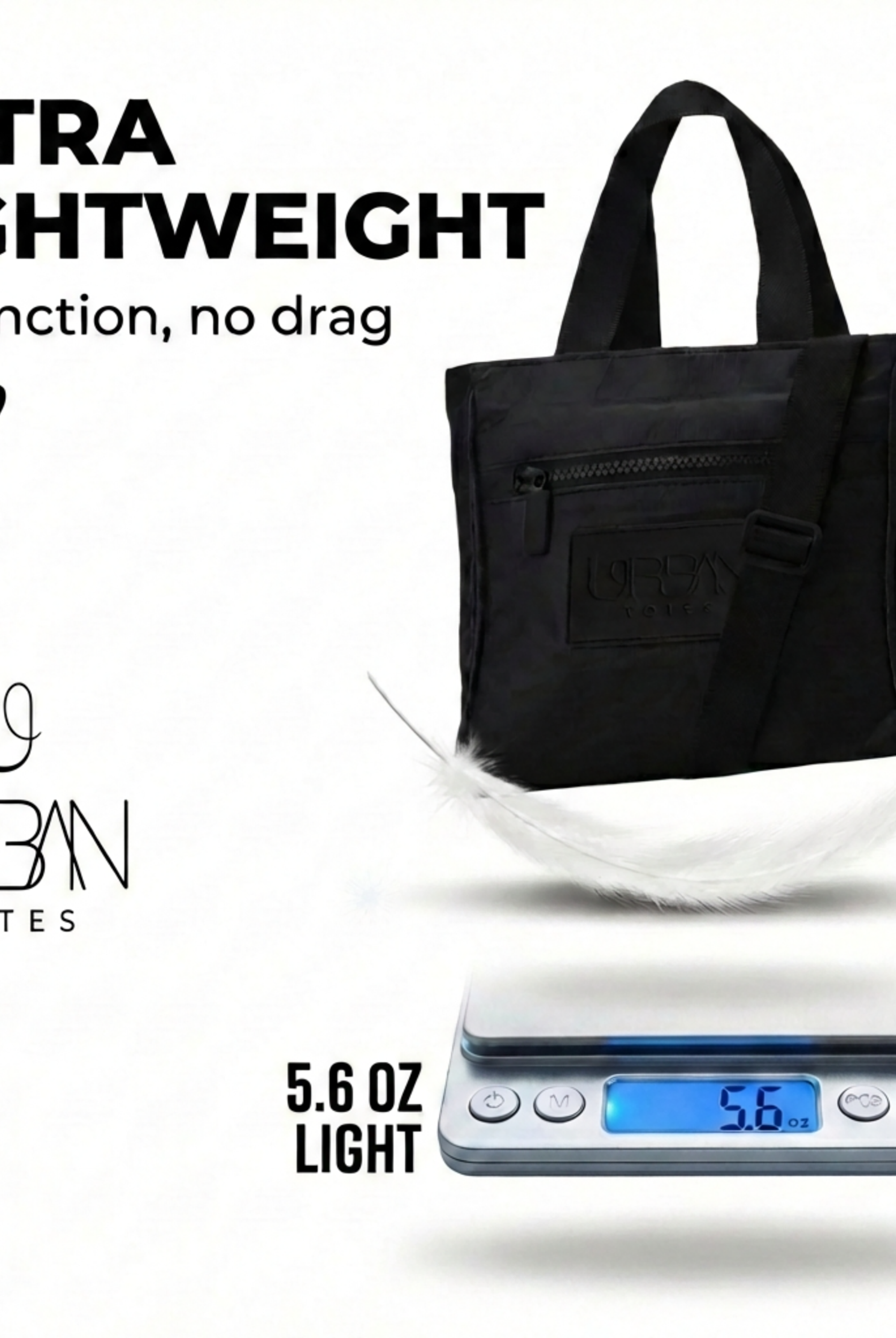
Urban Totes is a woman-owned, Boise-made brand whose bags use lightweight, recycled technical materials and practical features such as water-resistant construction, zipper compartments, dedicated phone and key pockets, and packable, foldable designs. Treat those as buying criteria rather than slogans. The useful question is whether the features match your airport, beach, commute, or errand routine.
For practical cleaning and storage habits, follow this tote bag care guide. A few minutes of regular attention is more useful than expecting any fabric to stay untouched through years of coffee spills, wet sidewalks, and overstuffed weekends.
Choosing Your Next Go-Anywhere Bag
A good crossbody tote bag should pass five filters before style enters the conversation.
- Strap drop: Measure your torso and test where the bag lands over your usual layers. A drop in the 18 to 22-inch range may suit many daily carries, but your body and clothing determine the final answer.
- Capacity: Measure tomorrow's heaviest normal load. A light essentials bag and a work-plus-gym bag are different tools, and forcing one to do both usually creates discomfort.
- Material: Choose canvas when you want a sturdy everyday feel, nylon when weather resistance and packability matter, or leather when patina and polish are central to your wardrobe.
- Closure: Select a zipper for commuting and travel, a magnetic snap for fast access, or a fold-over or drawstring design when you want more coverage.
- Organization: Count the pockets against your actual items. A phone pocket, key section, interior zip pocket, and device sleeve are more valuable than decorative compartments you'll never use.
The best bag is the one that solves your recurring friction. Recycled fabrics, water-resistant linings, padded crossbody straps, smart interior pockets, and packable silhouettes can work together, but only if the proportions fit your day. If you prefer a more playful direction for occasional outfits, a novelty option such as this 2025 cartoon corner creature handbag can add personality, but it shouldn't distract you from checking strap placement and usable space.
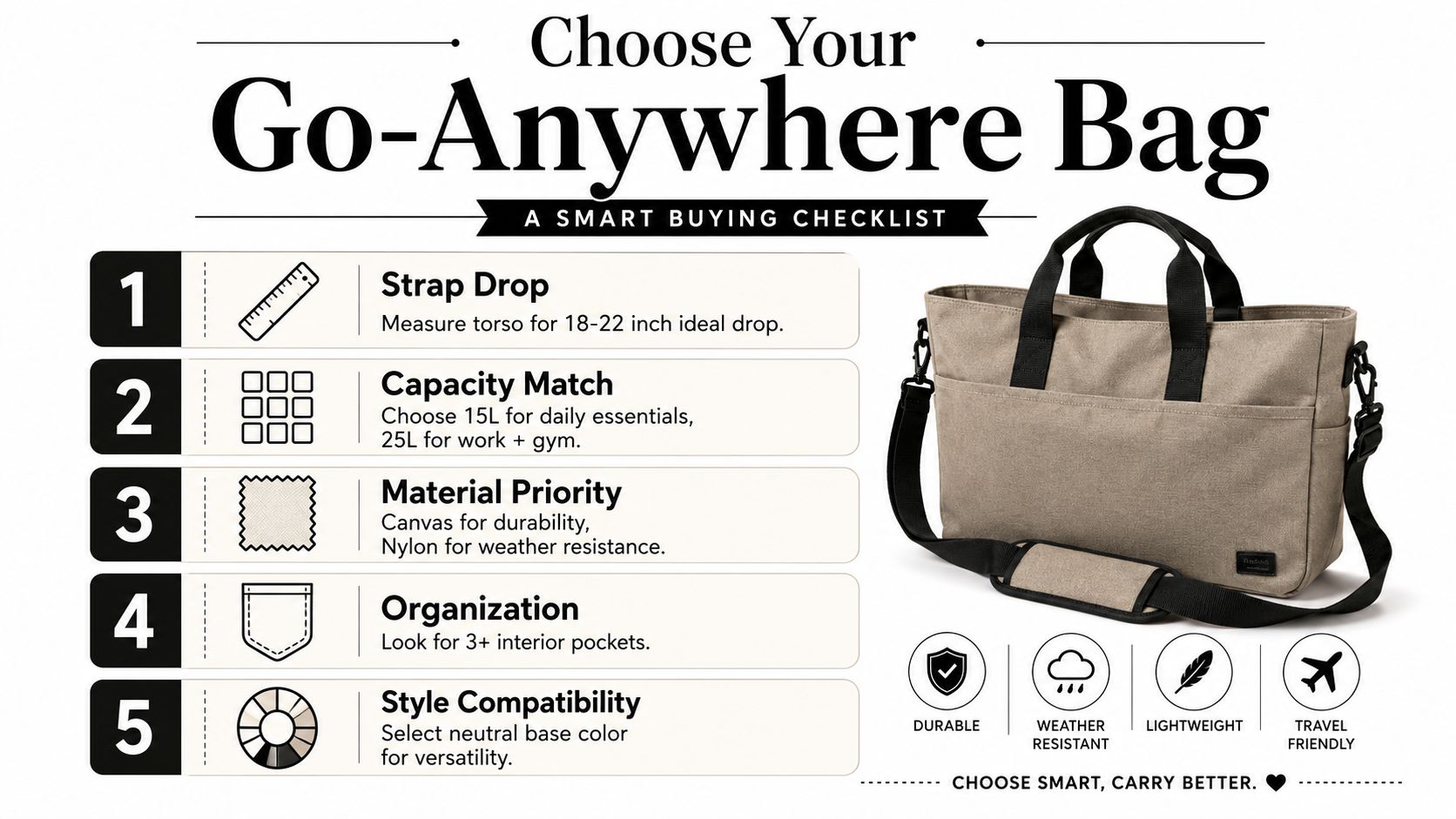
Before you click, put your laptop, water bottle, wallet, keys, charger, and the one extra item you always carry on a table. That pile is your honest capacity test. Measure it, choose the closure and material that fit your routine, then adjust the strap so the loaded bag rests close instead of swinging away.
Urban Totes offers lightweight, water-resistant, packable bags with zipper closures and thoughtful pockets for phones, keys, and everyday essentials. Visit Urban Totes to find a go-anywhere crossbody tote that fits your real schedule, from school drop-off and commuting to beach days and spontaneous travel.