You're halfway through a grocery run when your toddler bolts toward the next aisle. You reach for their hand, but your crossbody bag swings into a shelf, twists under your arm, and lands at the wrong height. A few minutes later, you're still hiking the strap back onto your shoulder.
That frustration usually isn't a bag problem alone. It's a fit problem. The right crossbody bag adjustable strap can change where the bag rests, how it moves as you walk, and whether your hands stay free for coffee, tickets, groceries, or a child's hand. This guide breaks down length, width, hardware, materials, and daily use so you can set up your bag by your actual outfit and routine, not by guesswork.
Table of Contents
- Why Your Strap Length Matters More Than You Think
- How Adjustable Straps Work
- Strap Width, Materials, and Comfort
- Dialing In the Right Length for Your Day
- When a Crossbody Strap Shines and When to Switch Carry
- What to Check Before You Buy
- Adjusting, Cleaning, and Caring for Your Strap
- Your Strap, Your Day, Your Move
Why Your Strap Length Matters More Than You Think

A strap that's too long lets the bag drop toward the hip. That lower position can make the bag bounce, swing into nearby objects, and pull your shoulder forward as you move. It may look relaxed, but it often feels awkward during school drop-off, a crowded market, or a fast walk between airport gates.
A strap that's too short creates a different problem. The bag rides high across the chest, may press near the neck, and can limit how naturally you reach, bend, or turn. You might get a secure fit, but not a comfortable one.
A quick overview of what a crossbody bag is helps clarify the basic idea. The bag sits across your body while the strap runs diagonally from one shoulder toward the opposite side. The adjustable section lets you change that diagonal path without replacing the bag.
One bag, several carry heights
Think of the strap as a dial rather than a permanent setting.
- Errand mode: Keep the bag close enough to your torso that it doesn't swing when you reach for produce or push a cart.
- Transit mode: Shorten it slightly for crowded trains, buses, and busy sidewalks, then bring the bag toward the front when you need quick access.
- Caregiver mode: Choose a position that stays clear while you bend, lift, buckle, or hold a child's hand.
Your clothing changes the setting, too. A light shirt needs less length than a winter coat, and a loaded bag behaves differently from an empty one.
Practical rule: Adjust the strap with the bag loaded and the clothes you'll actually wear. A perfect fit on a flat bag may feel completely different once you add keys, a wallet, a water bottle, and a jacket.
The goal isn't to find one magical length. It's to find a useful range that lets your bag move with you while staying close enough to feel controlled.
How Adjustable Straps Work
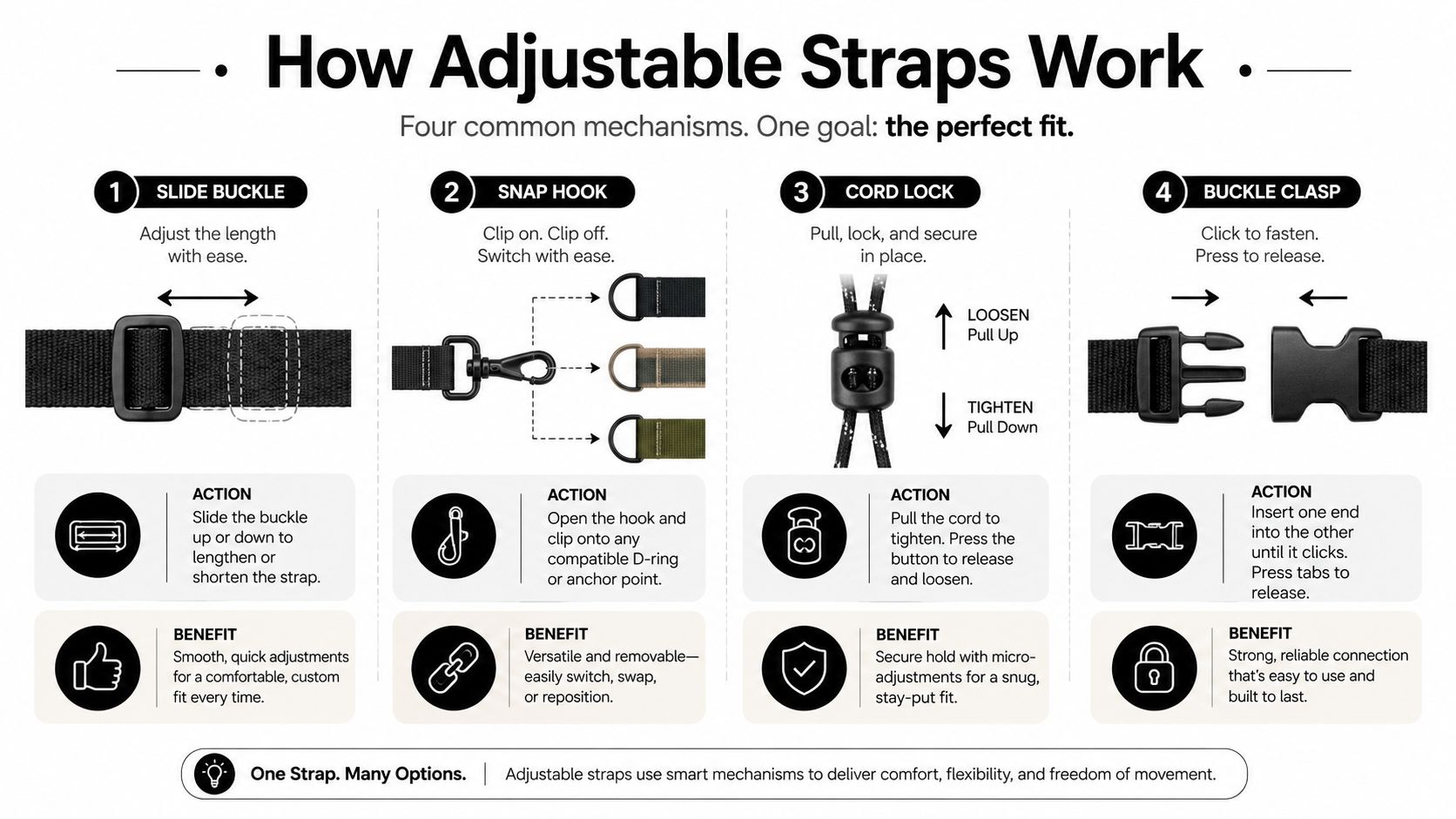
An adjustable strap changes the bag's position through a movable hardware point. Feed the webbing, leather, or another strap material through the fitting, then set the length that matches your clothing, load, and walking pattern. There is no need to retie the strap or alter it permanently.
The main adjustment mechanisms
A slide buckle, also called a tri-glide, is the small rectangle or oval found on many nylon and cotton straps. The webbing loops through it and stays in place through friction. Pull the free section to shorten the bag. Feed it back through the buckle to lengthen it. This design suits quick changes during a commute or while moving through a station.
A snap ring, such as an O-ring or D-ring, changes the loop by clipping part of the strap back onto itself. Leather and chain styles often use this arrangement. It gives the bag a neat appearance, although changing it may require both hands and a closer look.
A ladder lock has stepped sections and a spring-like release. Its teeth grip the strap under load, while lifting the release allows repositioning. This firm hold helps when a bag must stay at one height as you walk, bend, or care for a child.
Removable clips, including swivel hooks and lobster clasps, connect to D-rings on the bag. They may not shorten the strap, but they let you replace it with another strap for a different outfit, load, or carrying preference.
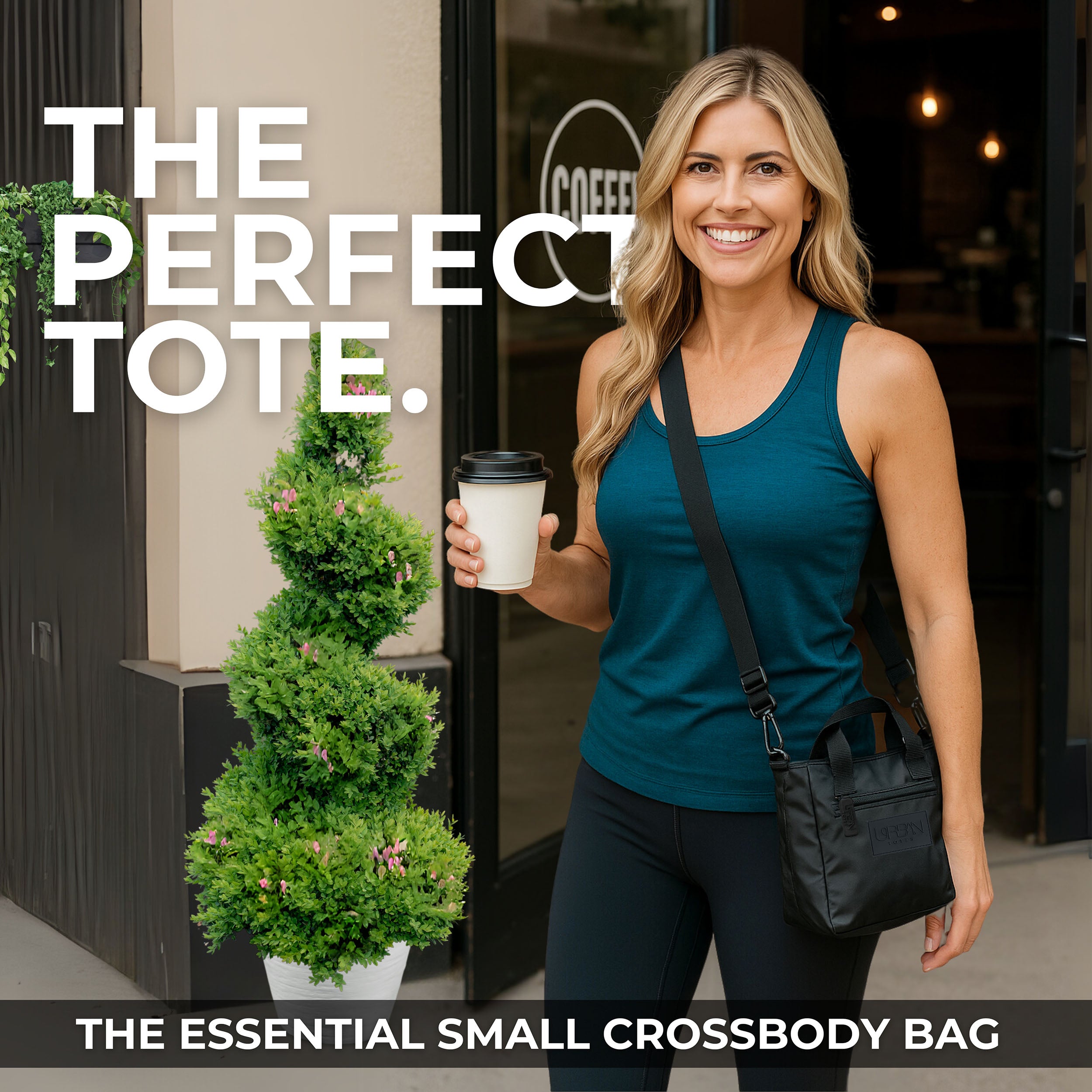
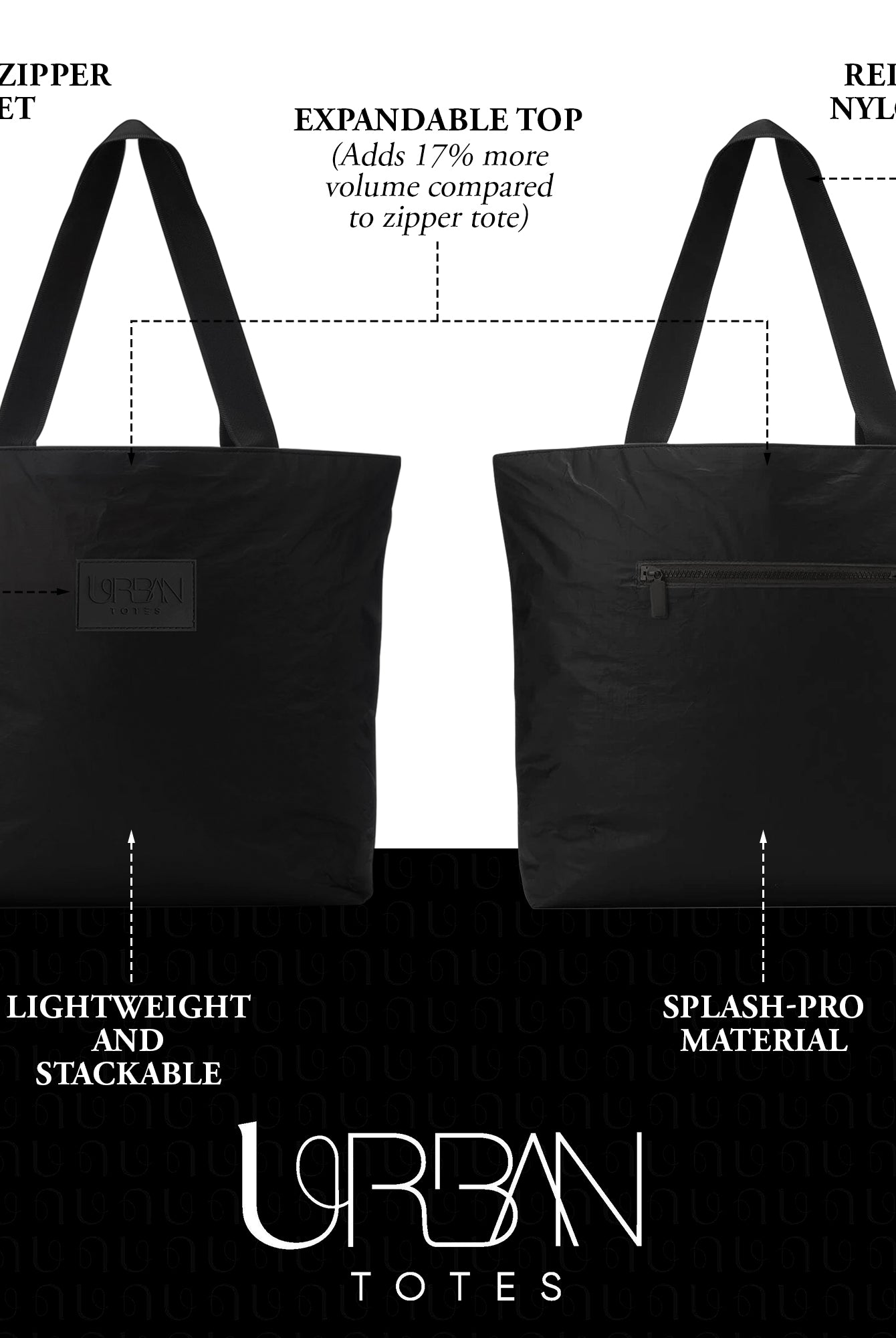
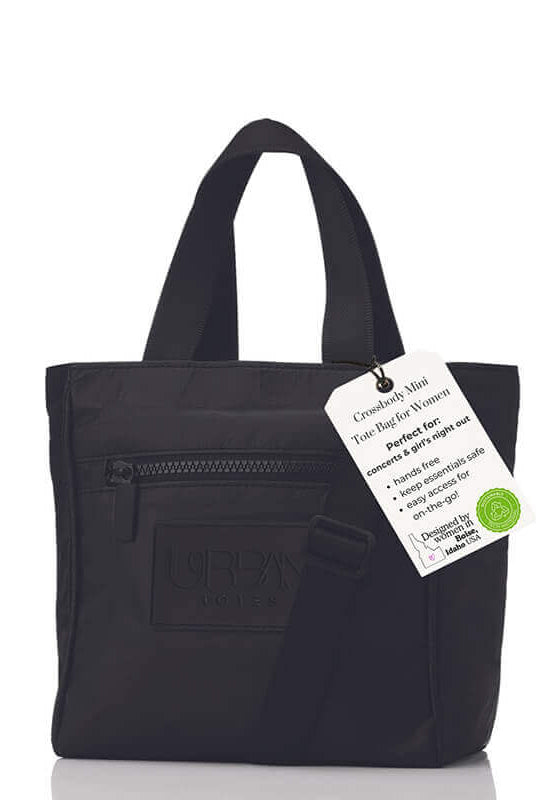
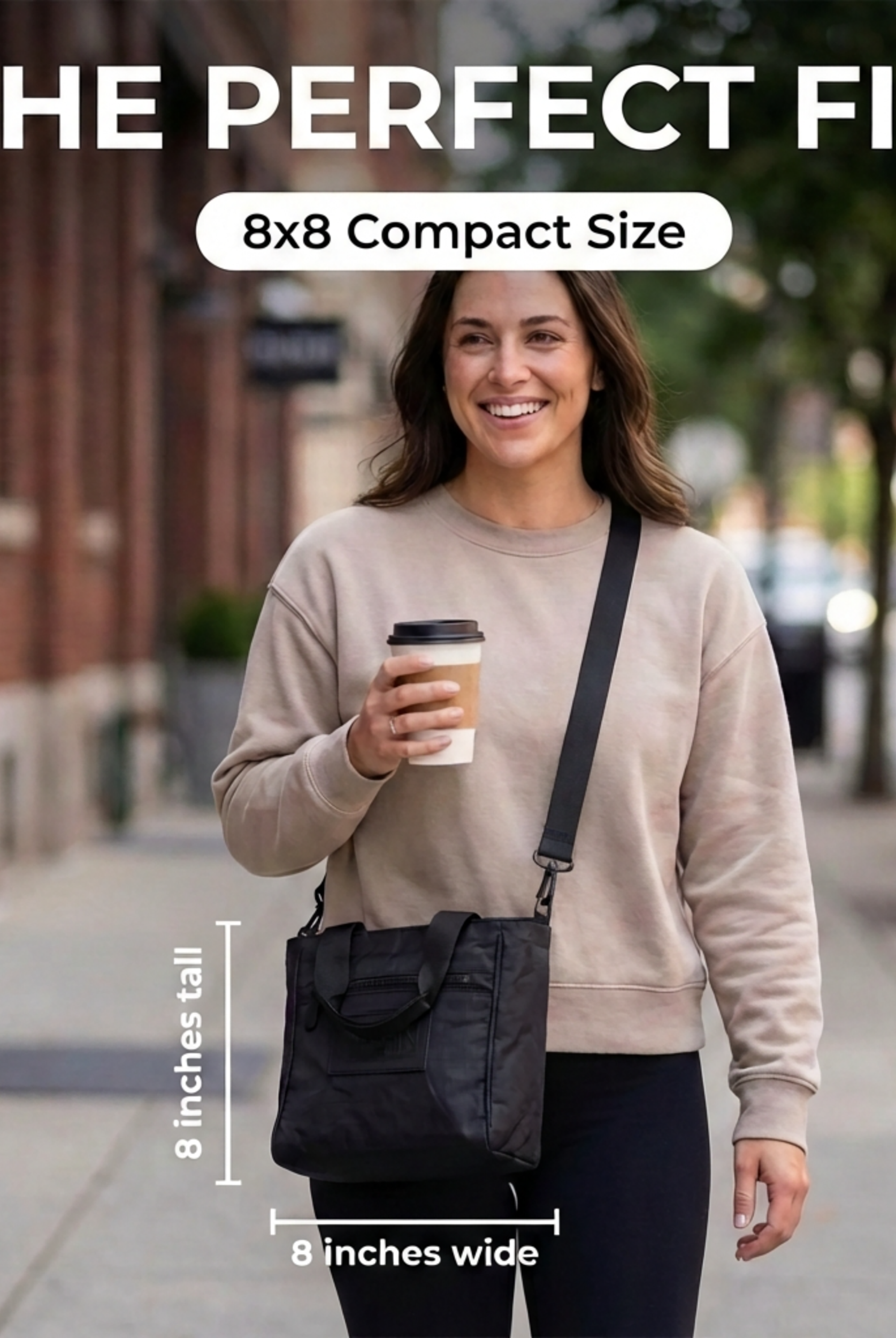
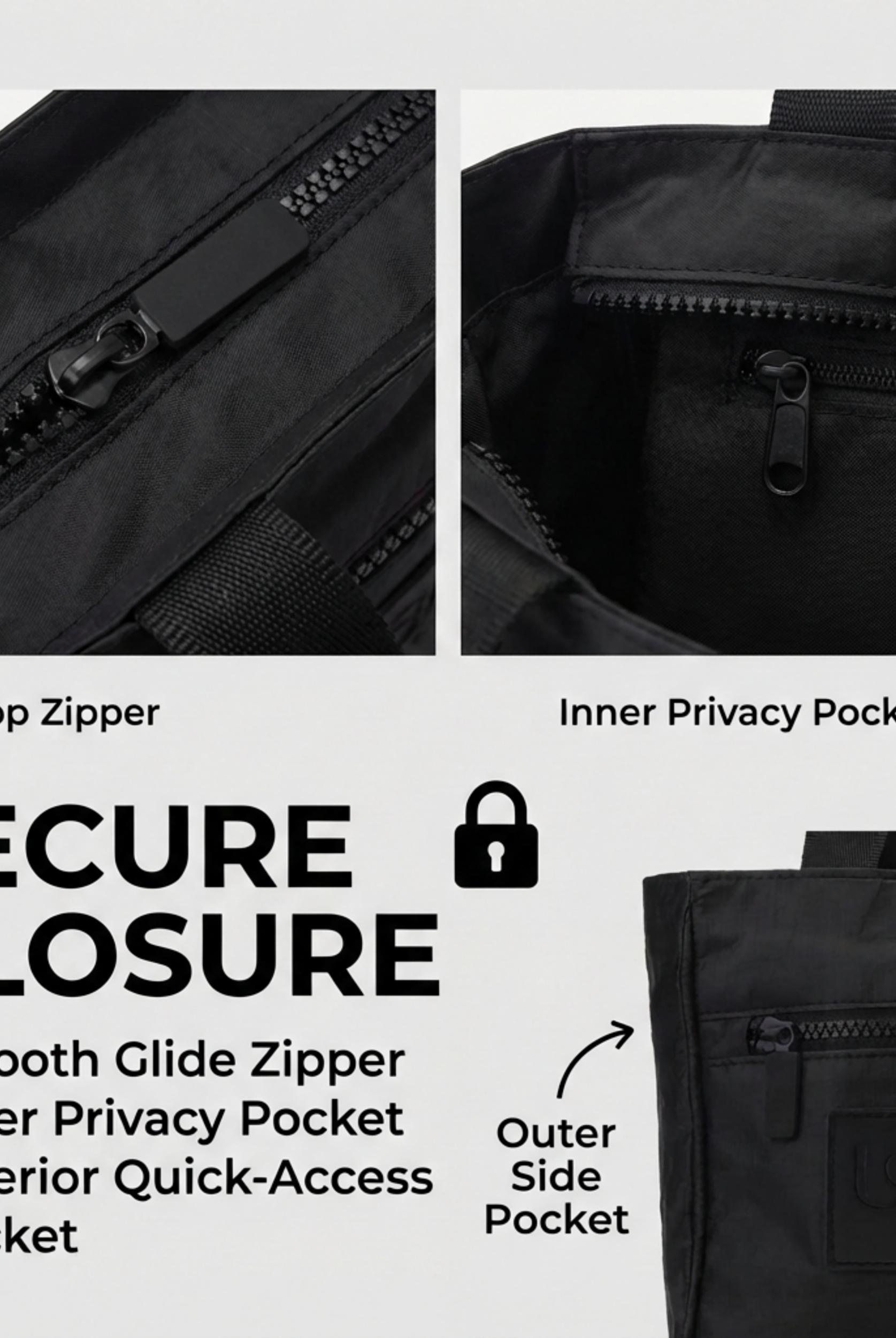
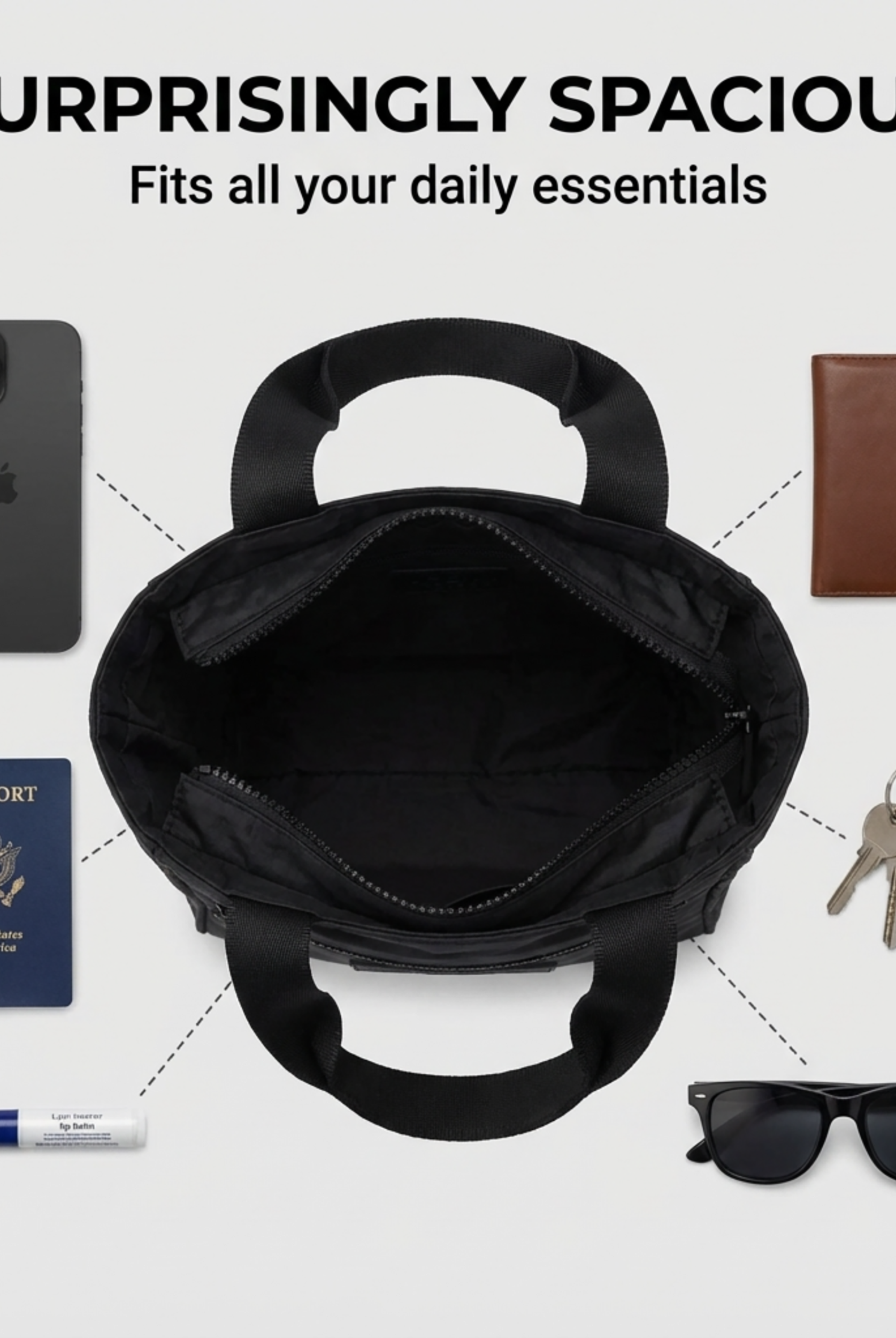
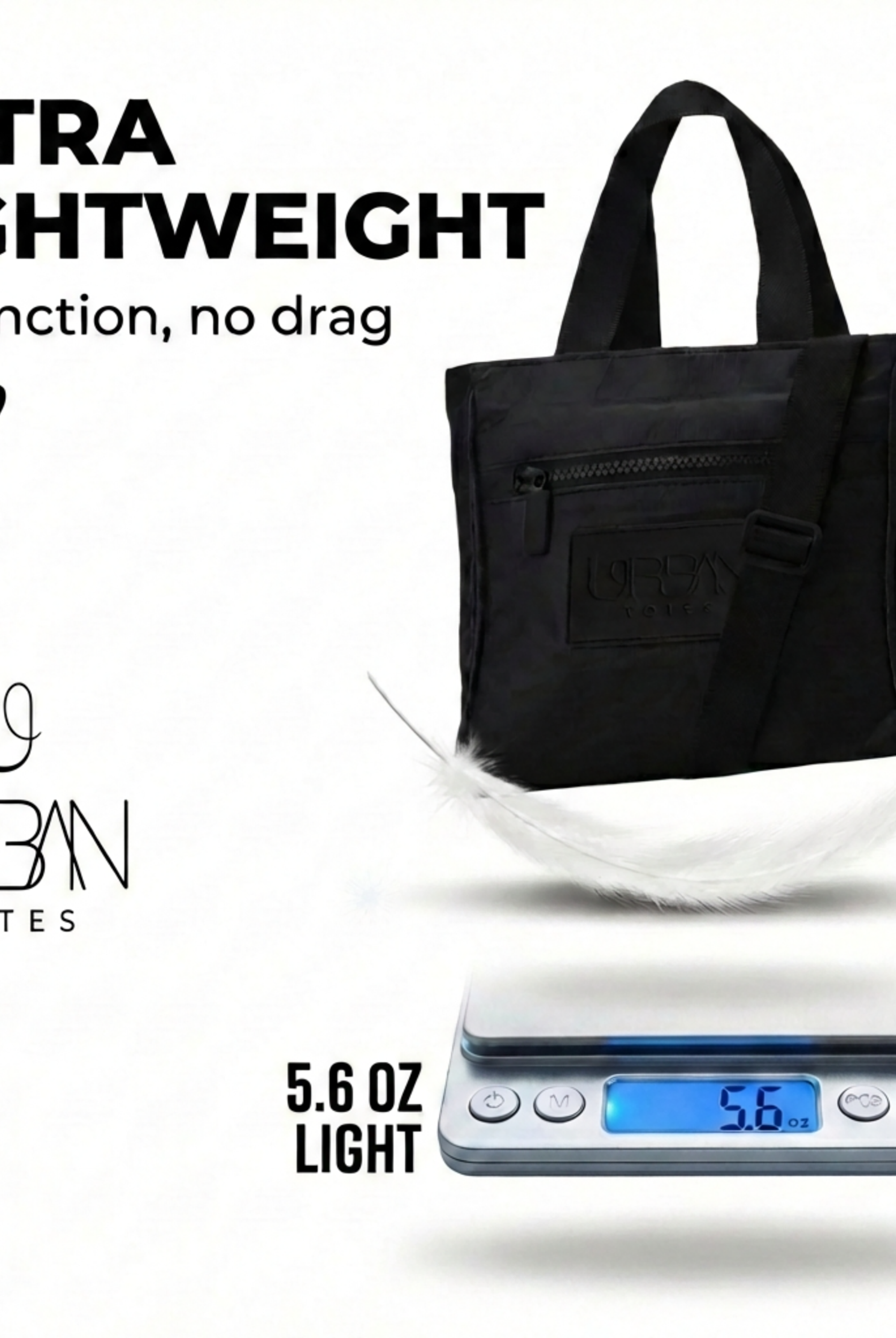
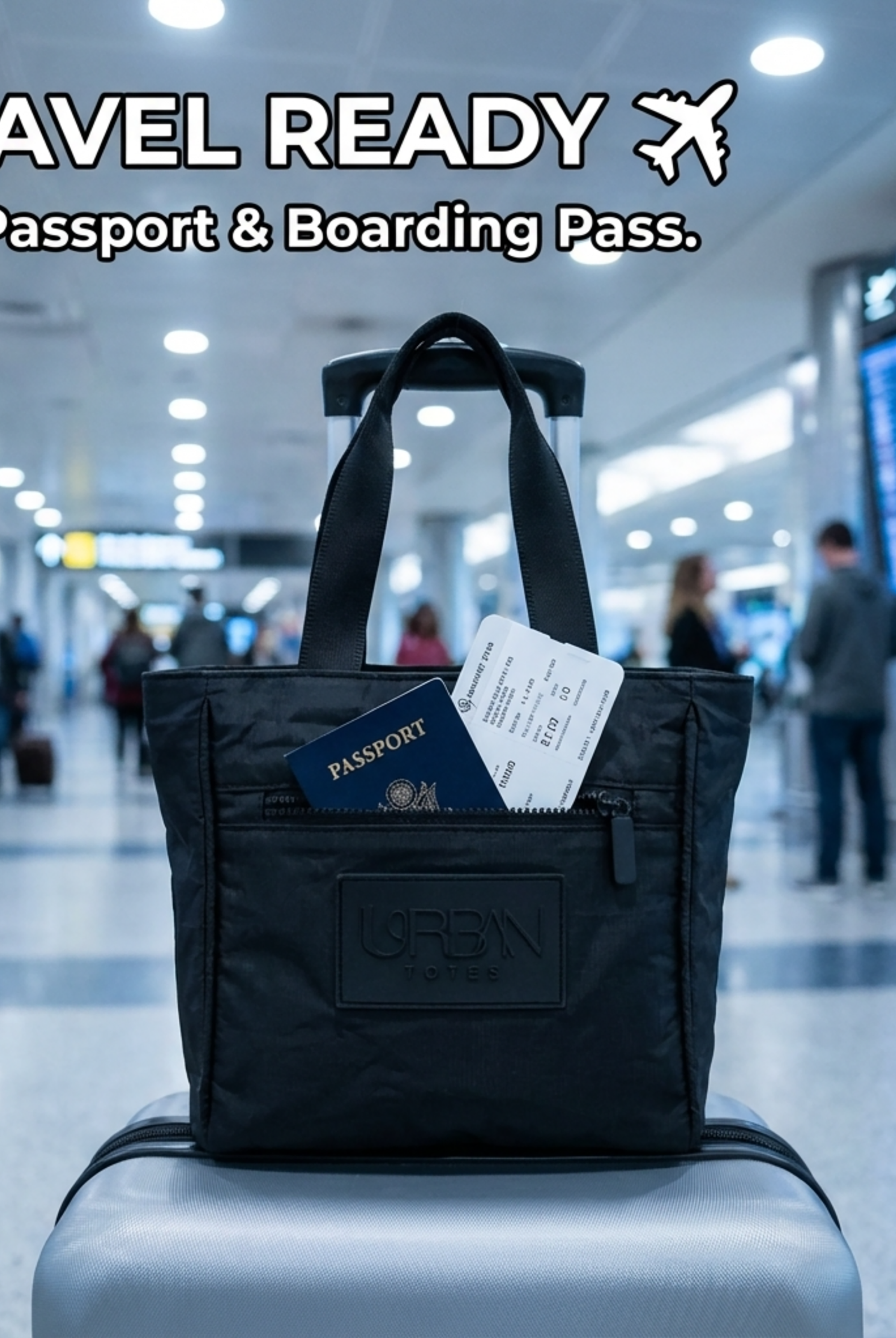
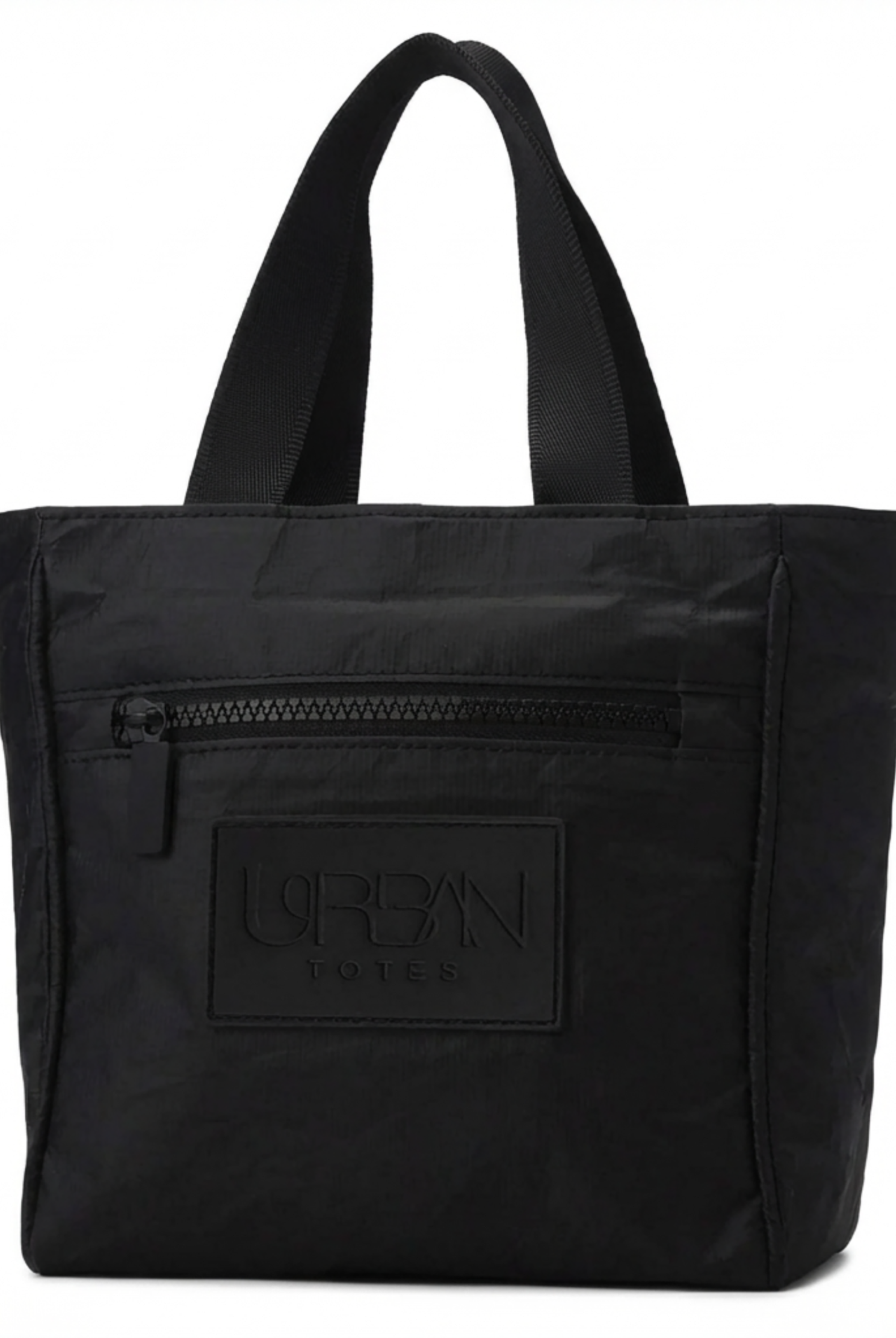
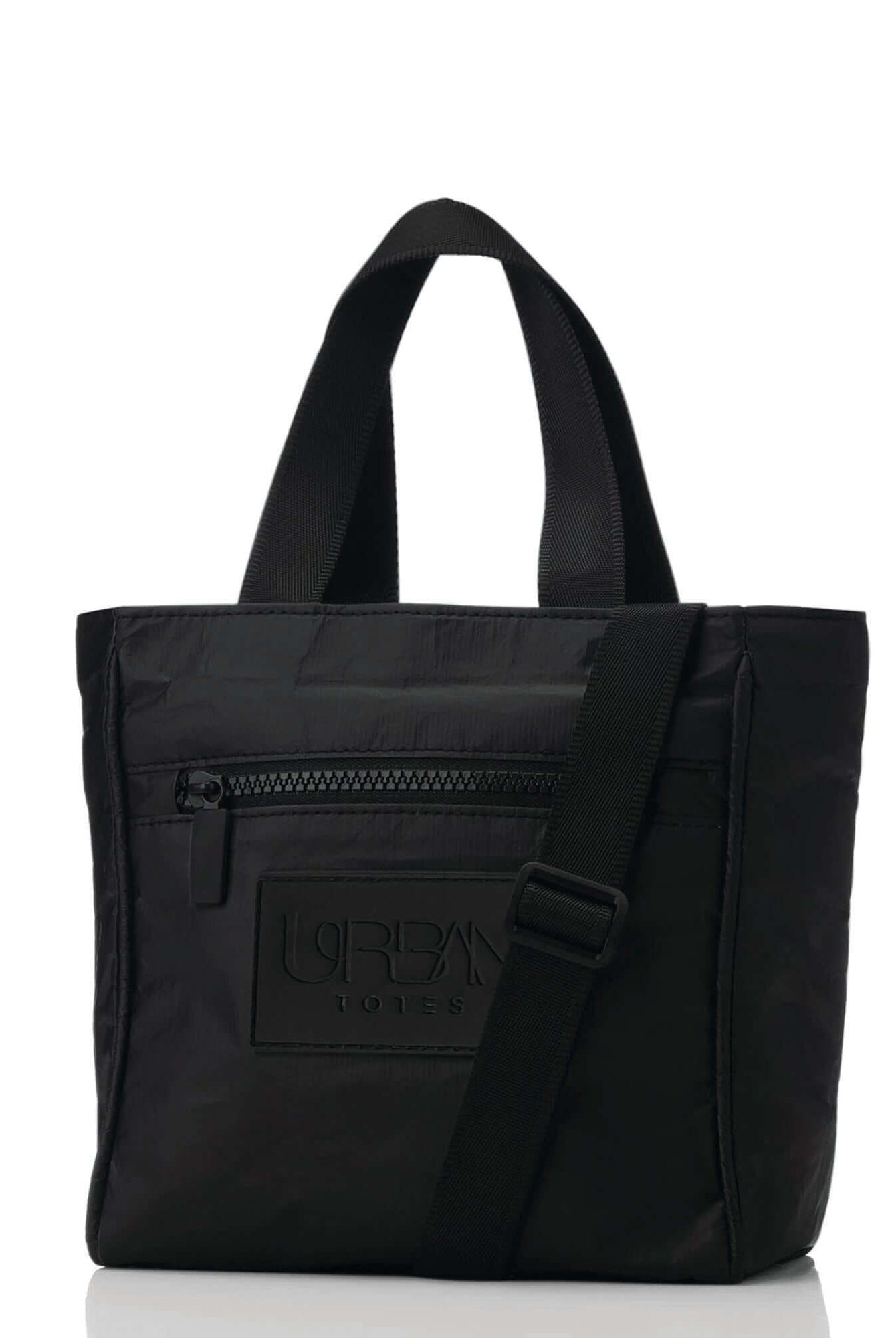
The Crossbody Tote Bag Mini Purse has a removable crossbody strap extending to 53 inches, with 1-inch-wide nylon straps. It also includes a zip-top closure, an outside zipper pocket, an inside zipper pocket, and an outer easy-access pocket. Its compact body measures 7.5 by 4 by 7.75 inches, so strap length can affect whether it sits comfortably during casual use, travel, or hands-free errands.
Material changes the experience
- Nylon webbing is light and tends to grip clothing.
- Polyester feels smoother and usually slides easily through adjusters.
- Cotton canvas starts soft and becomes more flexible with wear.
- Leather looks polished and develops character over time.
- Chain keeps its shape, though its added weight can feel tiring during long carrying periods.
Set the strap with the bag loaded, then test it in the clothes and movement you expect. A smooth strap may pass easily over a coat, while grippy webbing can stay steadier against a T-shirt.
Strap Width, Materials, and Comfort
Strap width affects how the load meets your shoulder. In a controlled study, mean shoulder pressure fell from 23.6 kPa with a 5 cm strap to 12.5 kPa with an 8 cm strap, while 7 cm measured 13.7 kPa and 6 cm measured 20.9 kPa (Work study on shoulder pressure and load placement). Wider contact can spread the load instead of concentrating it along a narrow line.
The same research found that high load placement produced average shoulder pressure of 13.8 kPa, compared with 21.6 kPa for low load placement (the study's findings on bag position). In practical terms, a loaded crossbody bag usually feels more settled when it rides higher and closer to your torso rather than hanging loosely near the hip.
A separate pressure-mapping study found that only about 50% of the strap surface transmitted load, which helps explain why a strap can create small, intense hotspots instead of distributing pressure evenly. That study recorded a mean static contact pressure of 6.5 kPa and a mean peak pressure of 55 kPa, with regional values of 10.1 kPa at the trapezius, 4.5 kPa at the subclavian region, and 4.3 kPa at the axilla (biomechanical pressure mapping research).
| Width / Material | Pressure on Shoulder | Grip on Clothing | Best For |
|---|---|---|---|
| Narrow nylon or thin cord | More concentrated contact | Varies by weave | Small, light essentials |
| Wider nylon webbing | More distributed contact | Usually steady | Daily commuting and active errands |
| Smooth polyester | Depends on width and load | Slides more easily | Quick adjustments and outer layers |
| Cotton canvas | Softer feel as it wears | Moderate grip | Casual everyday carry |
| Leather-lined or padded strap | Can soften contact | Moderate to strong | A polished look with added comfort |
| Chain | Can feel concentrated and weighted | May shift on slick fabric | Short outings and style-led carry |
For a useful self-check, measure your current strap width, load the bag, and notice where it rests. Choose the widest comfortable strap that fits the bag's hardware, while also checking that it doesn't bunch, twist, or restrict movement. Material matters, too. Explore common tote bag materials when comparing a smooth technical strap with cotton, leather, or other finishes.
Dialing In the Right Length for Your Day
Height can offer a starting point, but it isn't enough. Your coat, bag contents, shoulder shape, and walking pattern all change the fit, so test the strap in the conditions you'll face.
A practical fitting routine
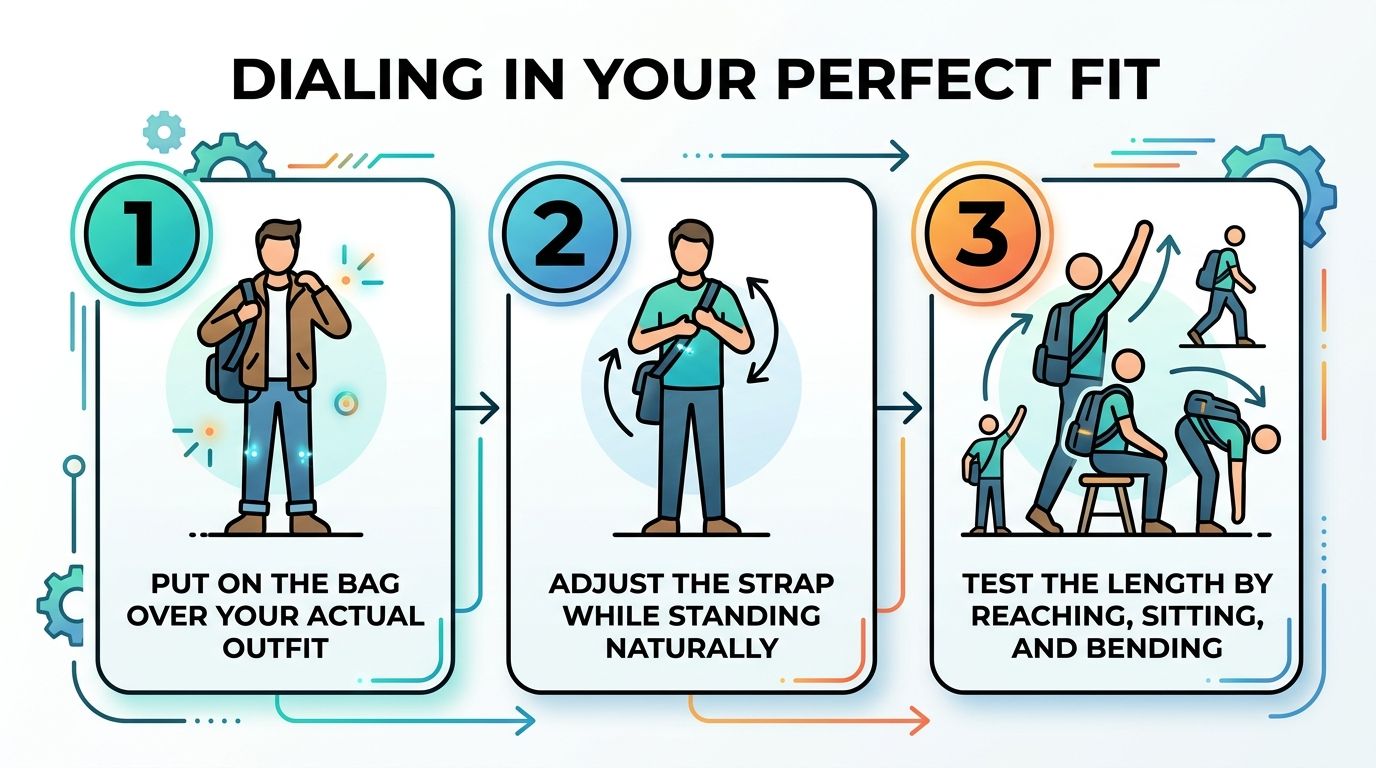
- Dress for real life. Put the bag on over your usual outfit. Try it over a winter puffer if that's how you'll commute, or over a light shirt for summer errands. Load the bag with your regular essentials and a water bottle.
- Set the starting height. Loosen the adjuster until the bag rests around your hip, then shorten it until the strap forms an angle of roughly 45 to 60 degrees from the shoulder to the bag body, consistent with a design guide's fitting recommendation (crossbody strap width and angle guidance).
- Walk and test movement. Walk 50 paces at your normal commuting speed, then check the trapezius ridge, the front of the shoulder, and the opposite hip where the bag rests.
Tune it for the activity
For a travel day with a heavier load, shorten the strap slightly so the bag sits closer to your ribcage and swings less. For caregiving, lengthen it enough to keep the bag clear while you bend or lift, but not so much that it knocks against a stroller or hangs far behind you.
A design guide gives a reference range of about 125 to 140 cm for a 170 cm person, with the strap resting around the natural waist area (adjustable strap length guidance). Treat that as a reference, not a rule. Your loaded outfit test is more useful than height alone.
For more ideas about positioning, see how to wear a shoulder bag, then make the final adjustment while standing, sitting, reaching, and bending.
When a Crossbody Strap Shines and When to Switch Carry
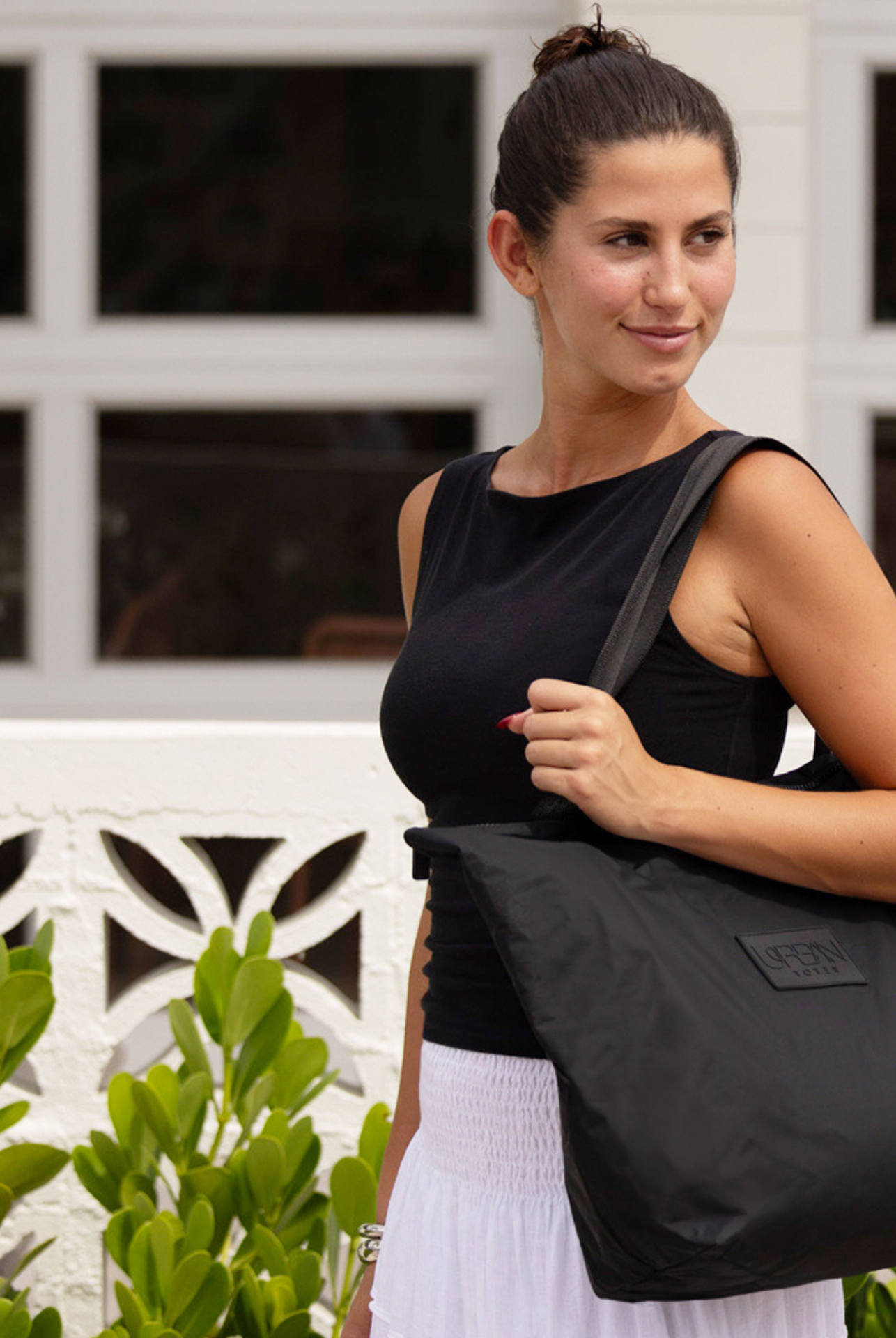
An adjustable crossbody works best when mobility and quick access matter. You can keep both hands available for a phone, ticket, coffee, market basket, or toddler, then swing the bag forward without taking it off. It also adapts well when your outfit changes from a thin top to a jacket.
The format has limits. A heavier bag carried for hours can place too much demand on one shoulder, especially when the strap is narrow or the bag hangs low. Research on carrying styles links long-strap carrying with increased trunk lateral bending and gait asymmetry, while broader carrying-style research reports more discomfort with one-strap configurations than with options that distribute the load more evenly (conference research on carrying style and gait).
| Carry Style | Best Load | Best Duration | Access Speed | Best For |
|---|---|---|---|---|
| Adjustable crossbody | Light to medium | Short to extended active periods, depending on comfort | Fast, especially when swung forward | Commuting, errands, caregiving, travel |
| Shoulder bag | Light | Short outings | Fast from one side | Polished lunches, brief appointments |
| Backpack | Medium to heavier loads | Longer wear | Moderate | Extended travel, work gear, outdoor days |
A crossbody can also be more convenient than a backpack when your passport, wallet, or phone needs to be available quickly. For a more style-focused example of a flower-shaped crossbody, you can read the Lavender Lobster's flower bag guide. For crowded places and travel, review anti-theft crossbody design features before choosing your carry setup.
What to Check Before You Buy
A strap can look adjustable and still be awkward to use or prone to slipping. Before buying, inspect the parts that take the load and the places where the strap changes direction.
Six checkpoints that matter
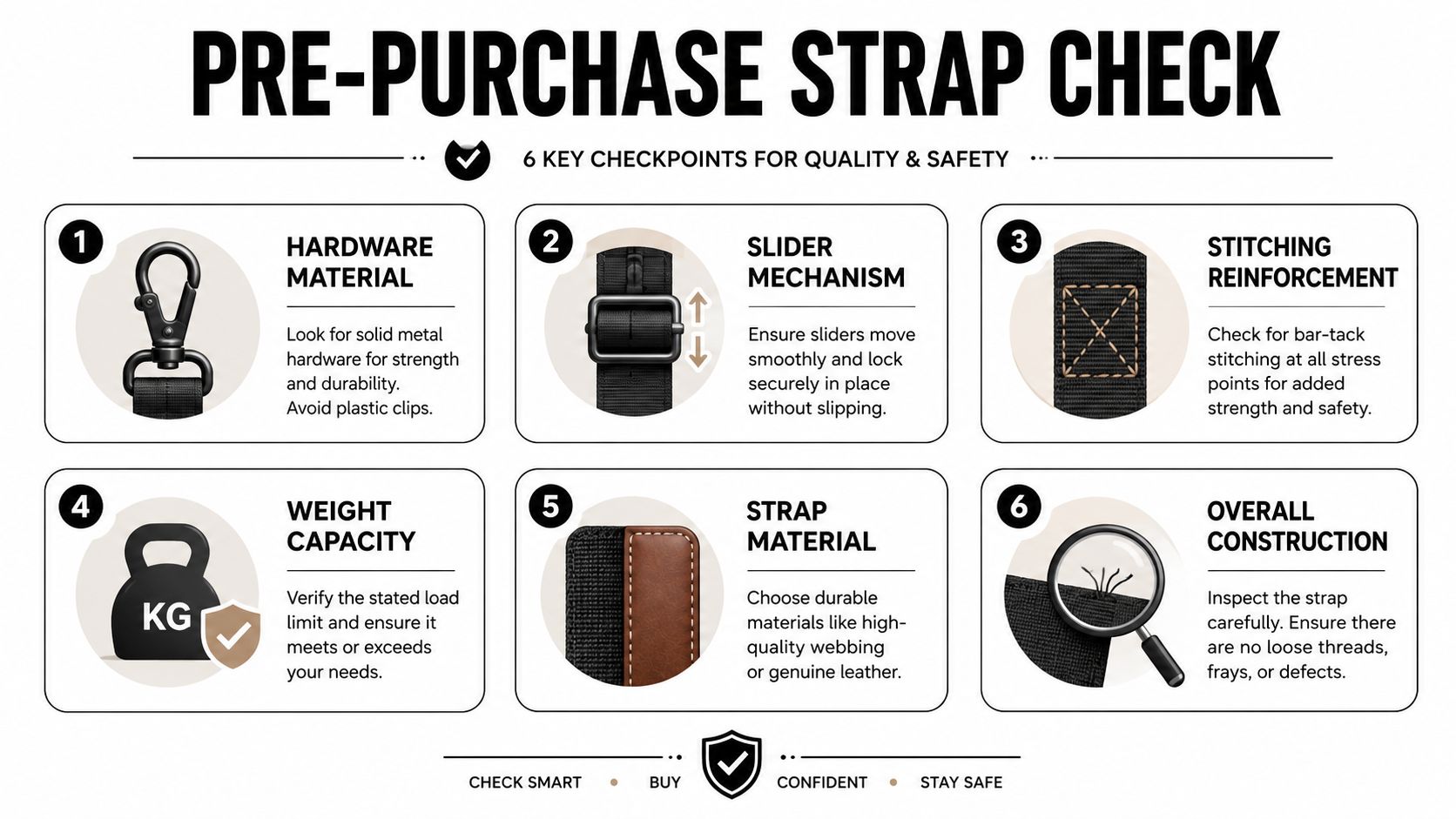
- Hardware: Solid metal sliders and D-rings generally offer a more substantial construction than plastic. Pressed zinc alloy is a common mid-tier option, while stamped steel or brass can provide a more solid feel.
- Stitching: Look for bartack reinforcement near the slider and at the points where the strap attaches to the bag. Straight rows of stitching alone may not provide the same reinforcement at stress points.
- Width: A 25 mm strap gives more contact area than 15 mm ribbon, which can matter as the bag becomes heavier. Match the strap width to the hardware so the webbing doesn't fold inside the adjuster.
- Adjustment range: Look for at least 15 cm of usable travel if you want the same bag to work over a winter coat and a thin shirt.
- Attachment style: Removable swivel hooks or gated carabiners let you change straps. Sewn-in ends can feel more fixed and secure, but they commit you to that strap.
- Edge finish: Heat-sealed or woven selvedge edges resist fraying better than raw cut edges that have been folded and stitched without a clean finish.
Match the strap to your actual carry
A compact everyday carry needs different hardware from a bag that holds work supplies, travel documents, or caregiving extras. Check whether the slider moves smoothly but stays put once loaded. If the strap twists at the adjuster, the bag may rotate or create a narrow pressure point.
Also inspect the connection between the strap and bag body. D-rings should sit flat, clips should close fully, and sewn ends should show clean reinforcement rather than loose threads. These details don't guarantee a perfect fit, but they make adjustment easier to trust during daily movement.
Adjusting, Cleaning, and Caring for Your Strap
Treat the strap as working gear, not a decorative afterthought. Start by setting the length with the bag loaded to its usual weight, then mark your preferred position with a small dot of nail polish on the webbing or a thin piece of tape. That simple marker makes it easier to return to your everyday setting after wearing the bag over a different layer.
Slide buckles and ladder locks can shift gradually under sustained load, especially with flexible webbing. Recheck the setting every few weeks and retighten it when the bag begins to hang lower than usual.
Cleaning by material
- Nylon and polyester: Wipe the webbing with mild soap and water, then use a soft toothbrush for dirt near the adjuster.
- Cotton canvas: Clean gently and avoid rough scrubbing that can disturb the weave.
- Leather: Apply a small amount of leather cream every three to six months, testing it first in an inconspicuous area.
- Metal hardware: Dry sliders, rings, and clips after rain so moisture doesn't encourage tarnish.
Let the strap dry fully before storing the bag. Don't trap damp webbing against the bag body, especially after a beach day, workout, or unexpected drizzle.
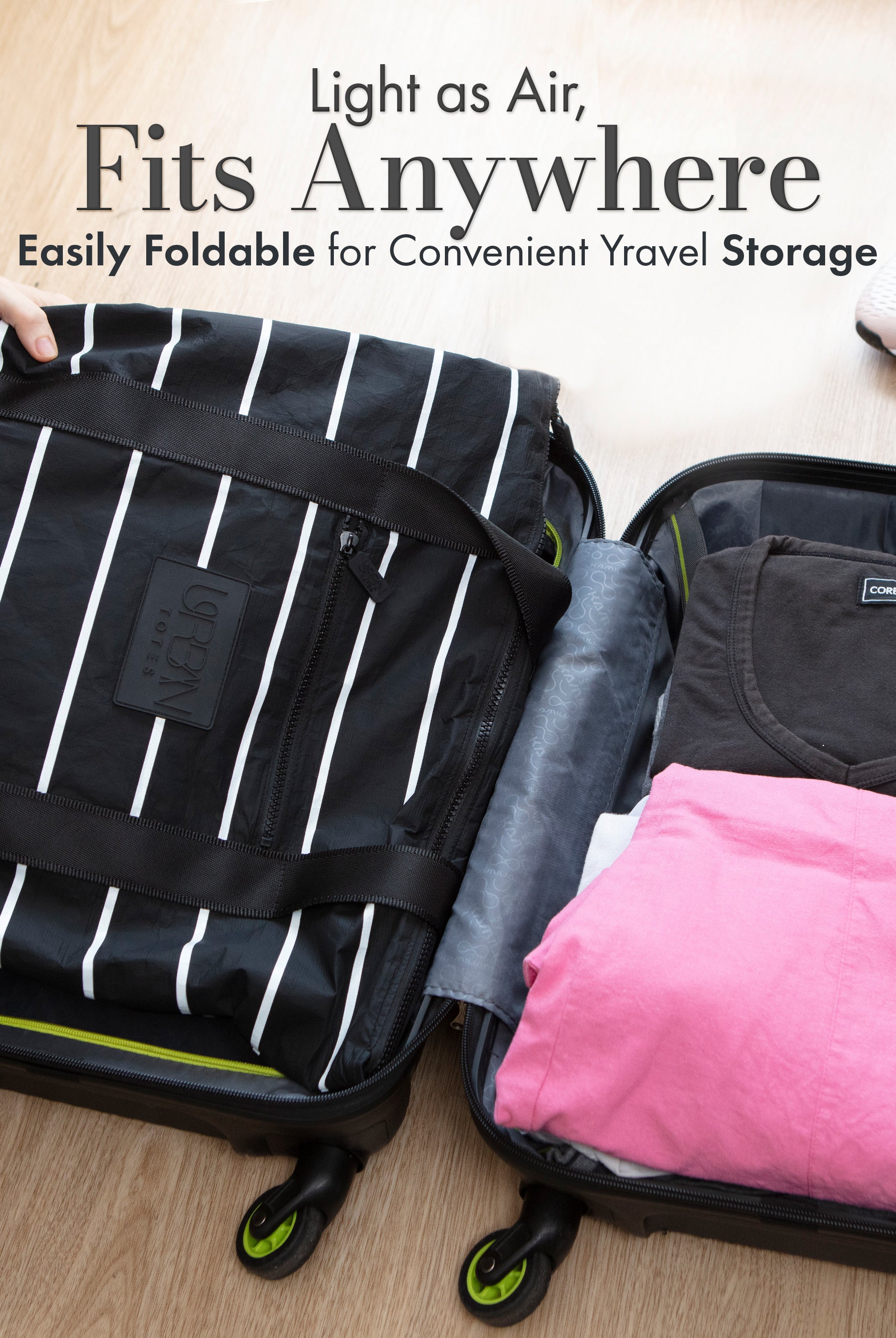
Store the bag flat or hang it by the strap loop. Avoid folding the strap sharply for long periods, because creases can make future adjustments less smooth and may encourage the webbing to hold an unwanted shape. If the bag is packable or foldable, loosen the strap before folding it, then reset your marked position when you're ready to use it again.
Your Strap, Your Day, Your Move
The right adjustable strap disappears into your routine. You move through a packed train, pick up a toddler, reach for a boarding pass, or carry groceries without thinking about the bag every few steps.
The wrong strap keeps announcing itself. It slips, twists, swings, digs into one spot, or leaves you constantly pulling the bag back into place. That's why the best setting depends on your real day, including the coat you wear, the items you carry, and the amount of walking you do.
Build your personal carry setting
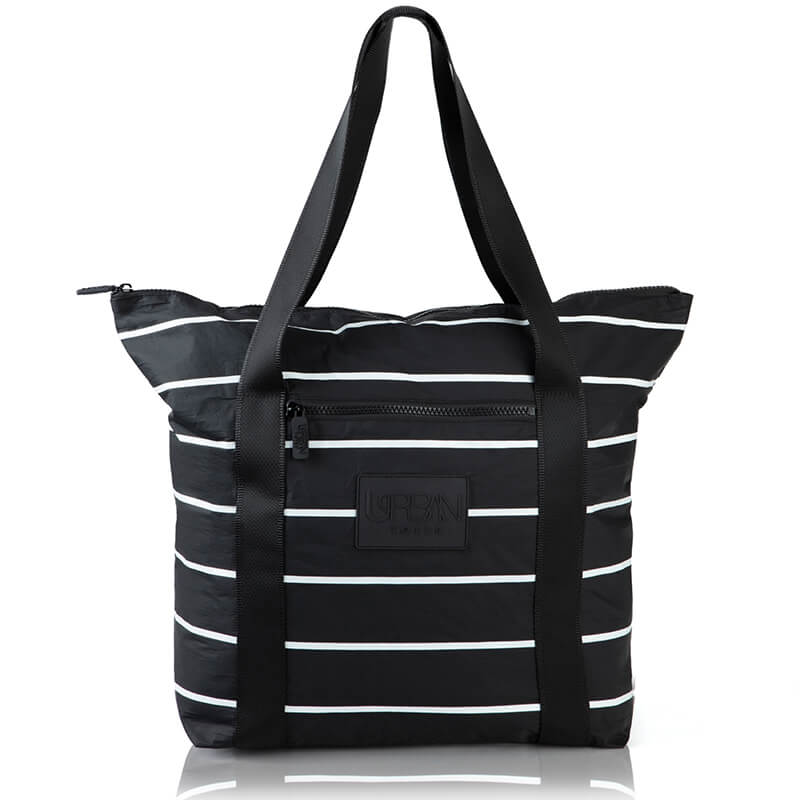
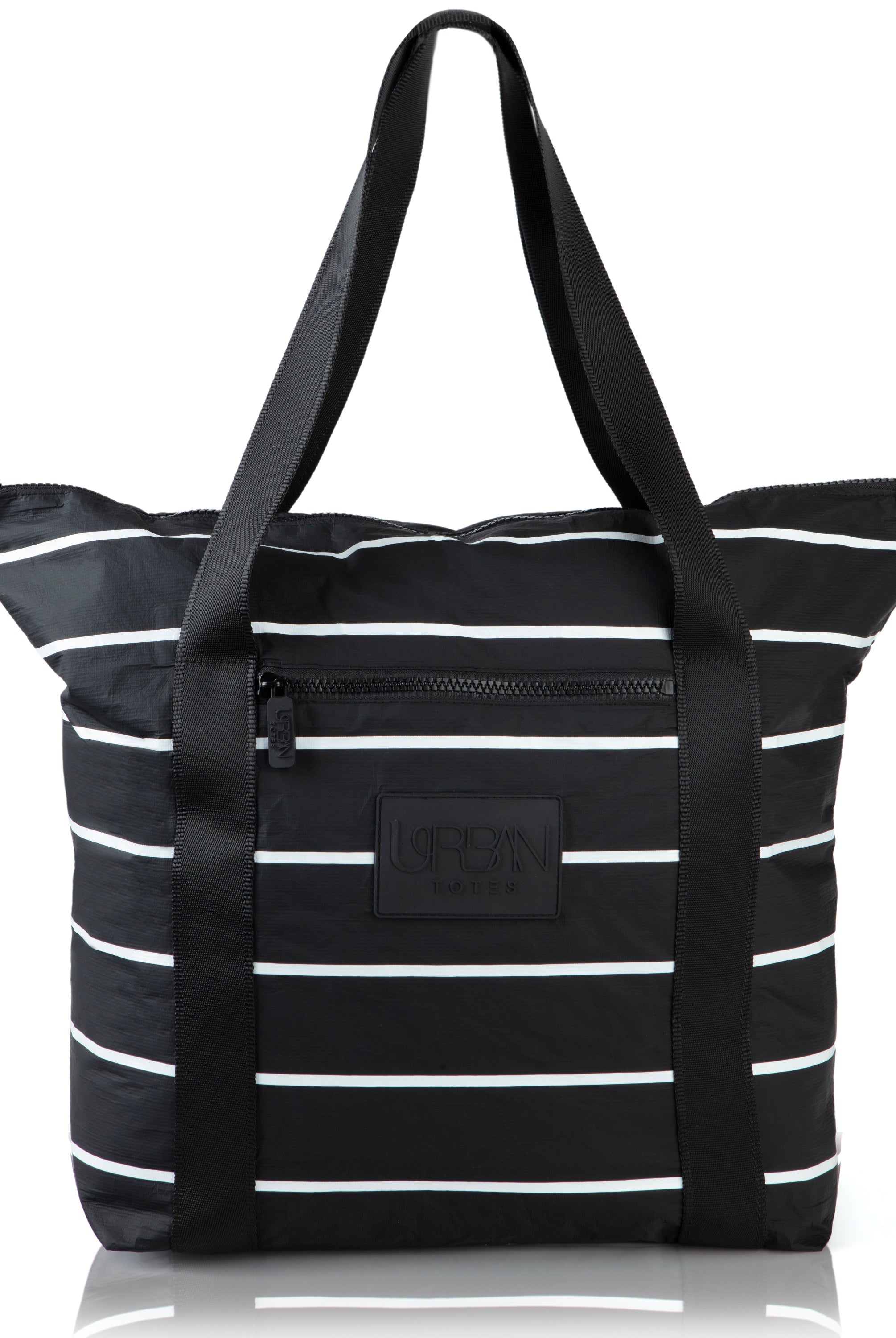
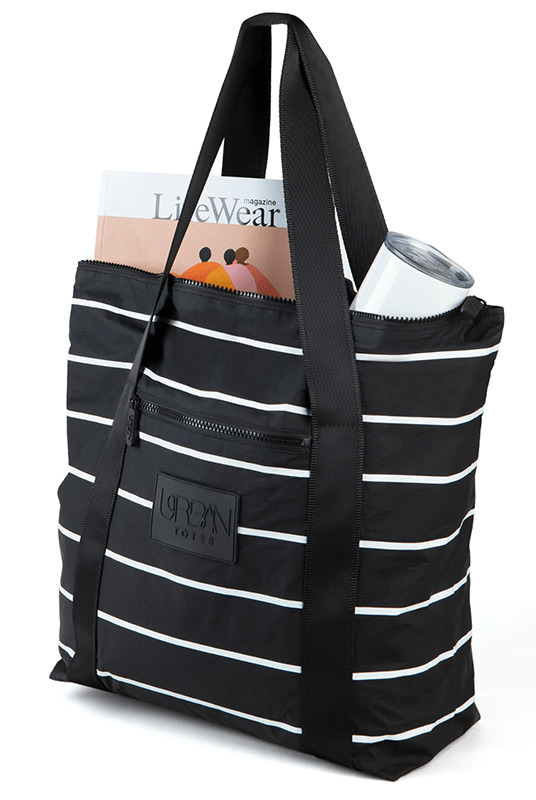
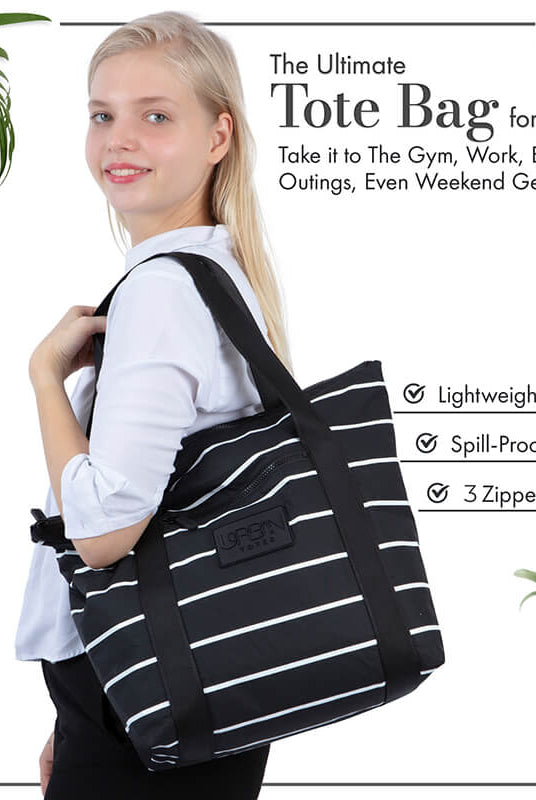
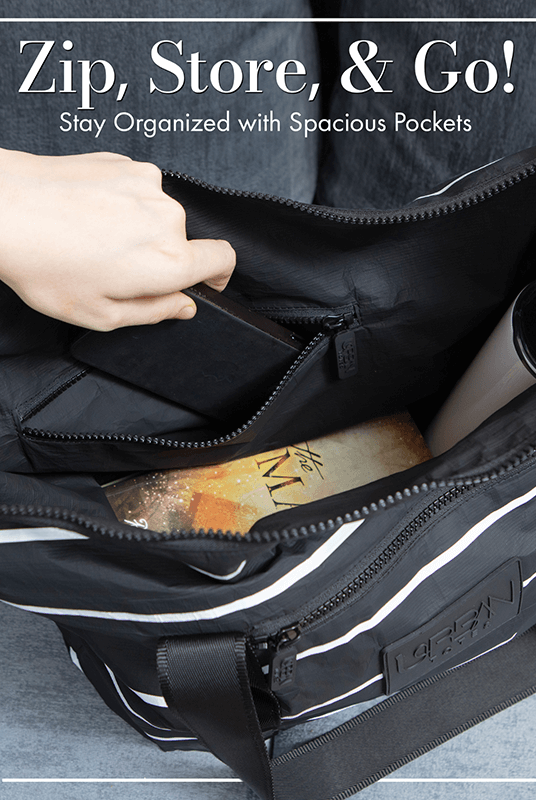
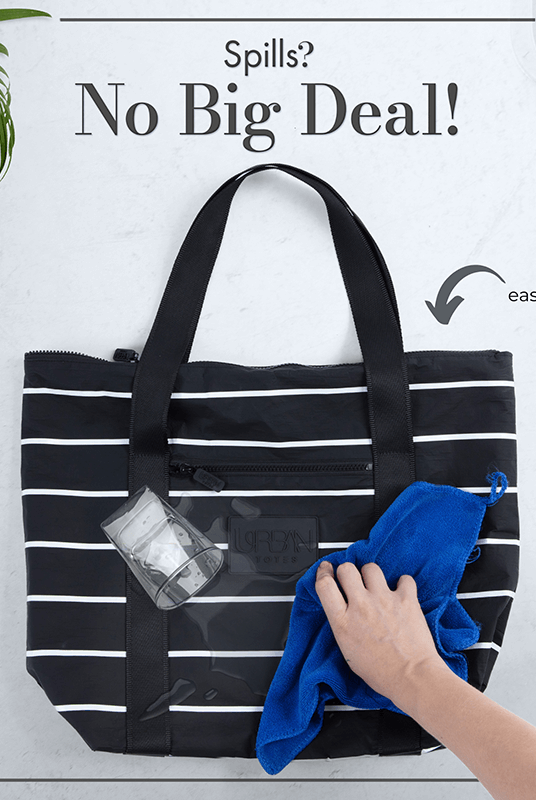
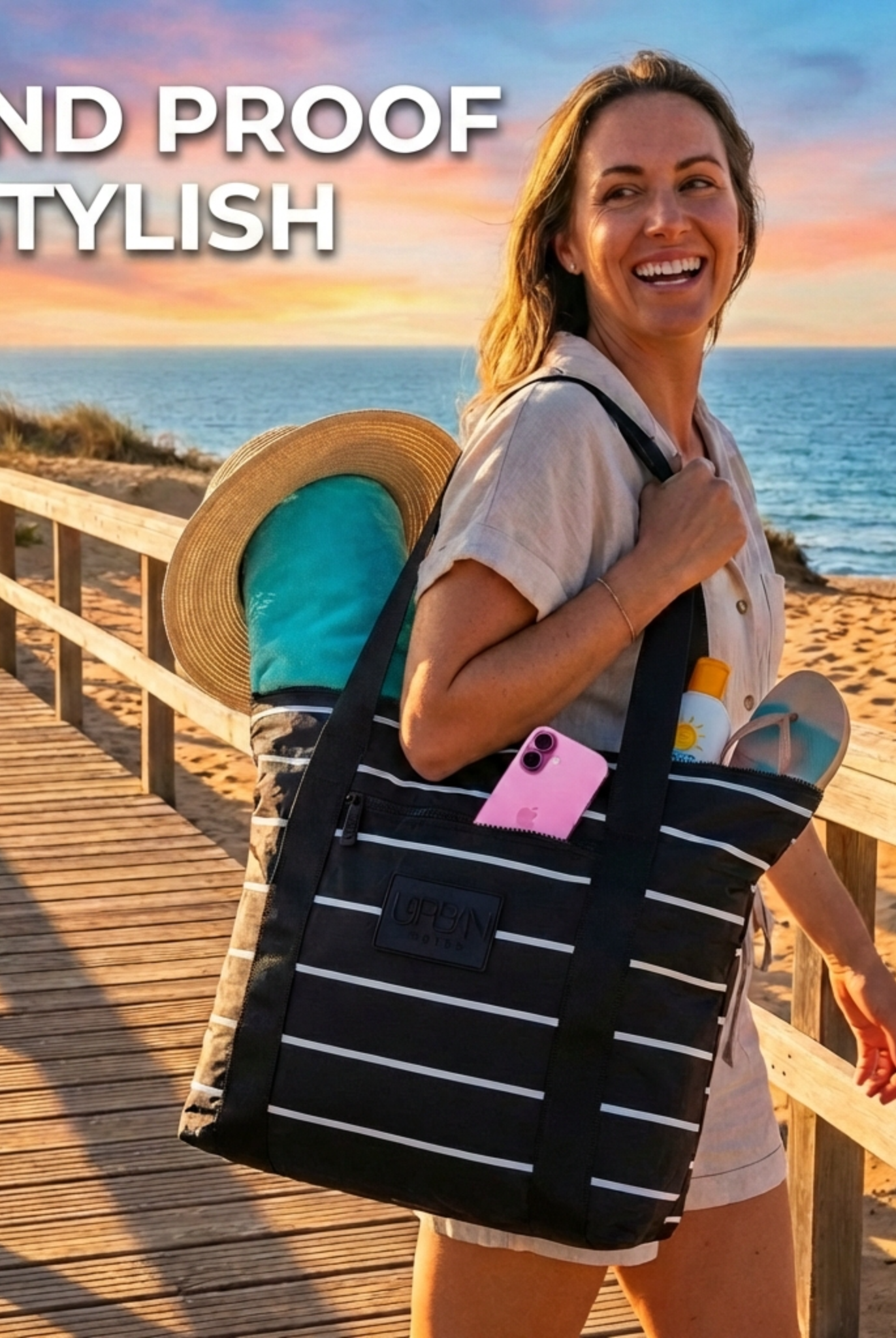
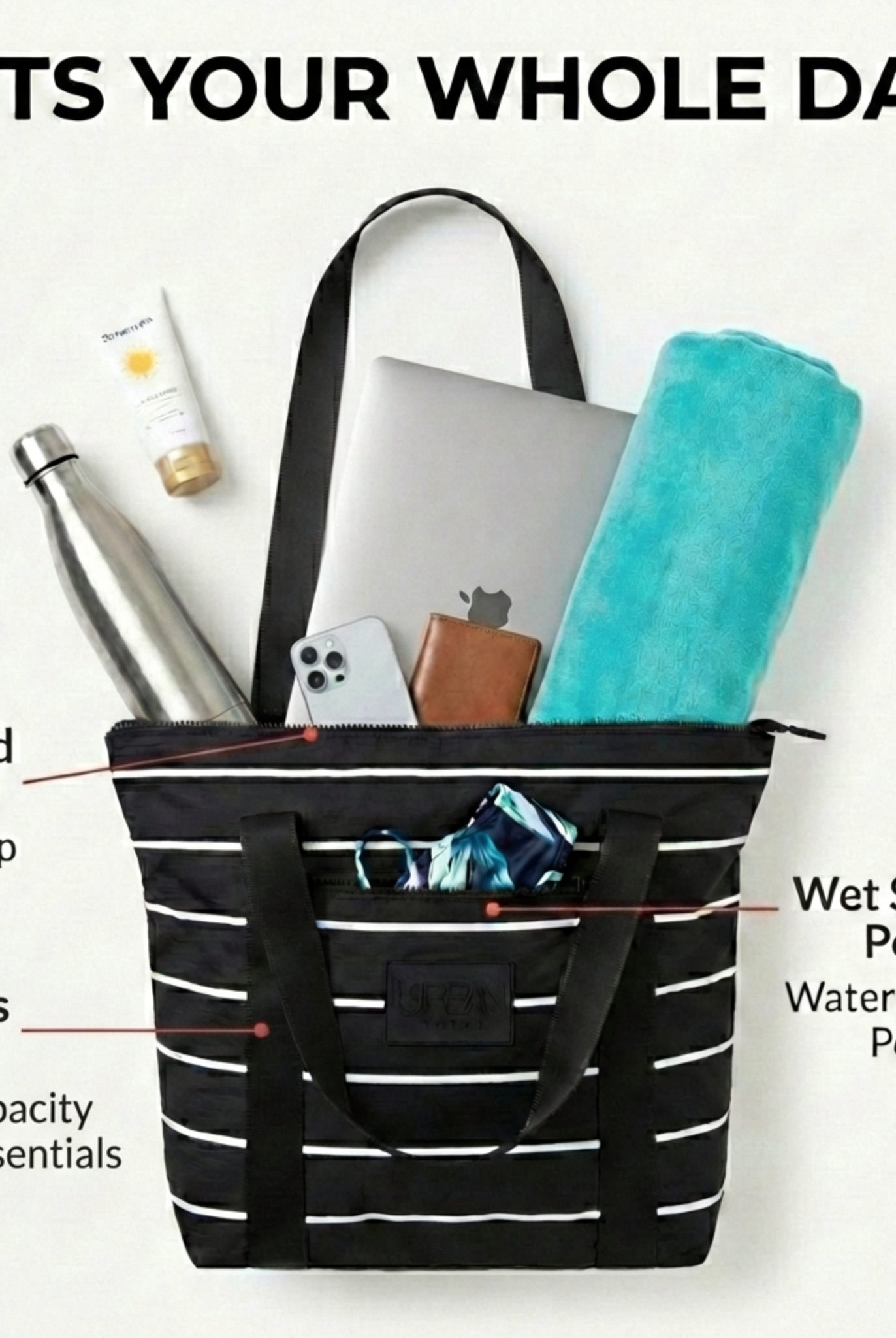
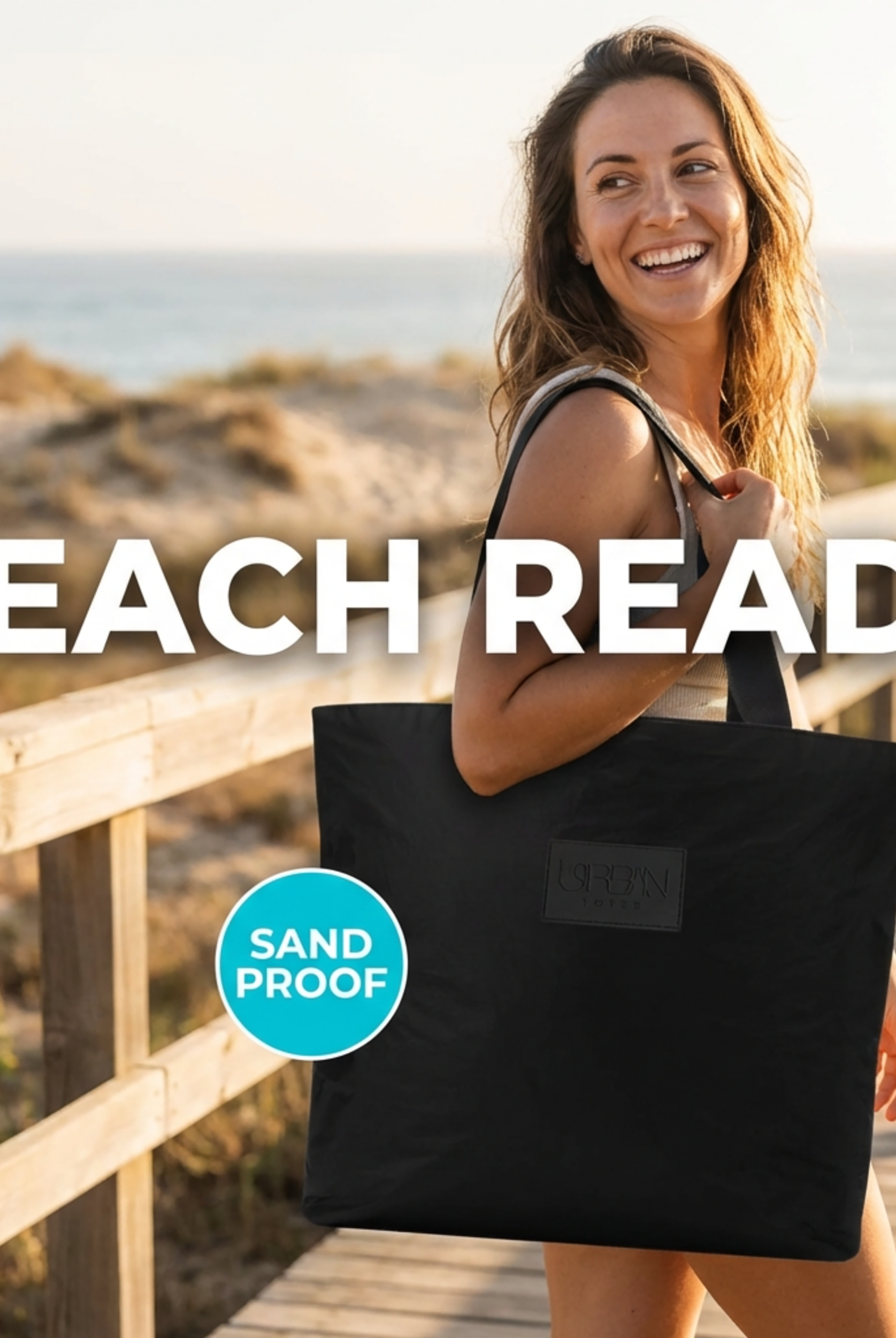
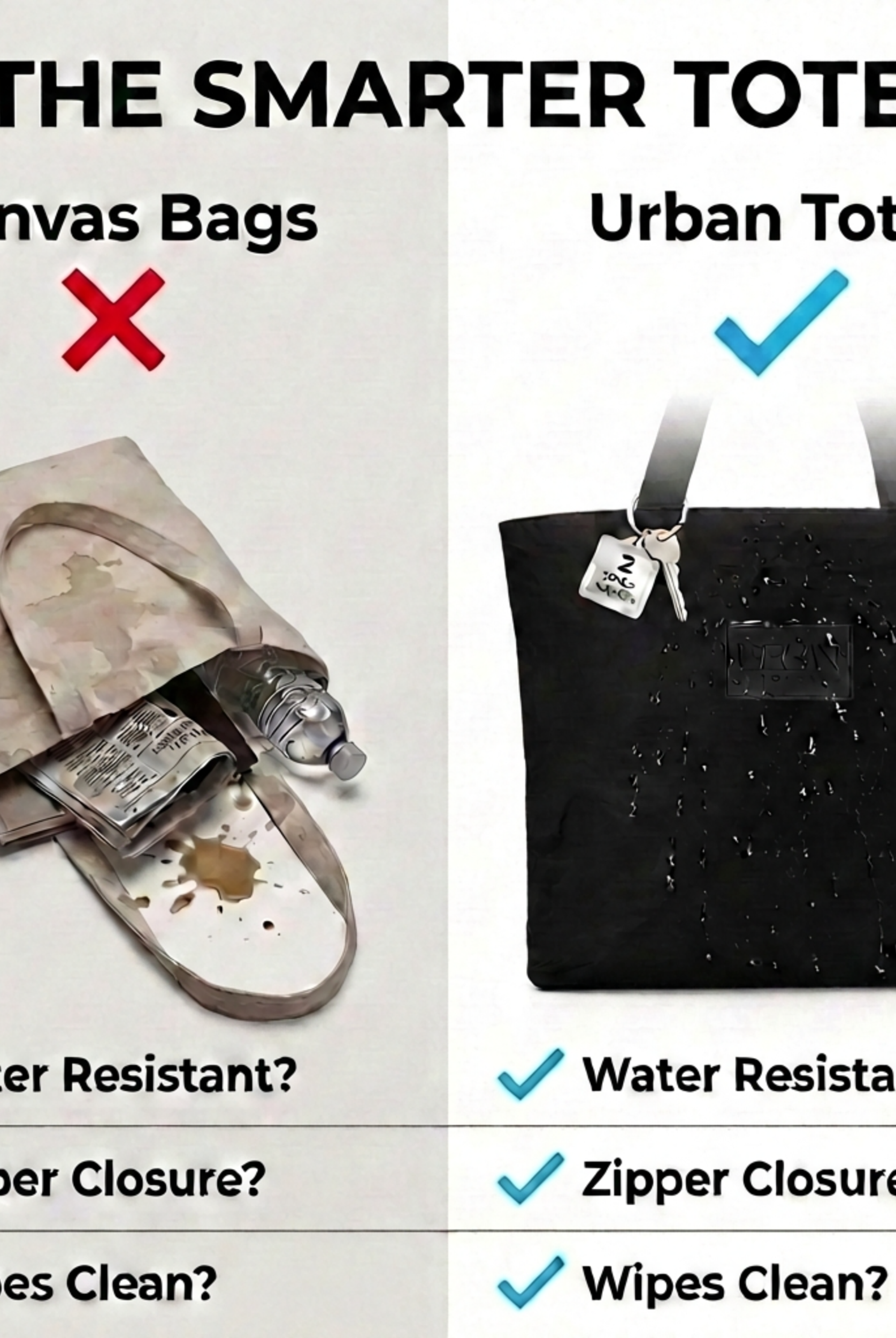
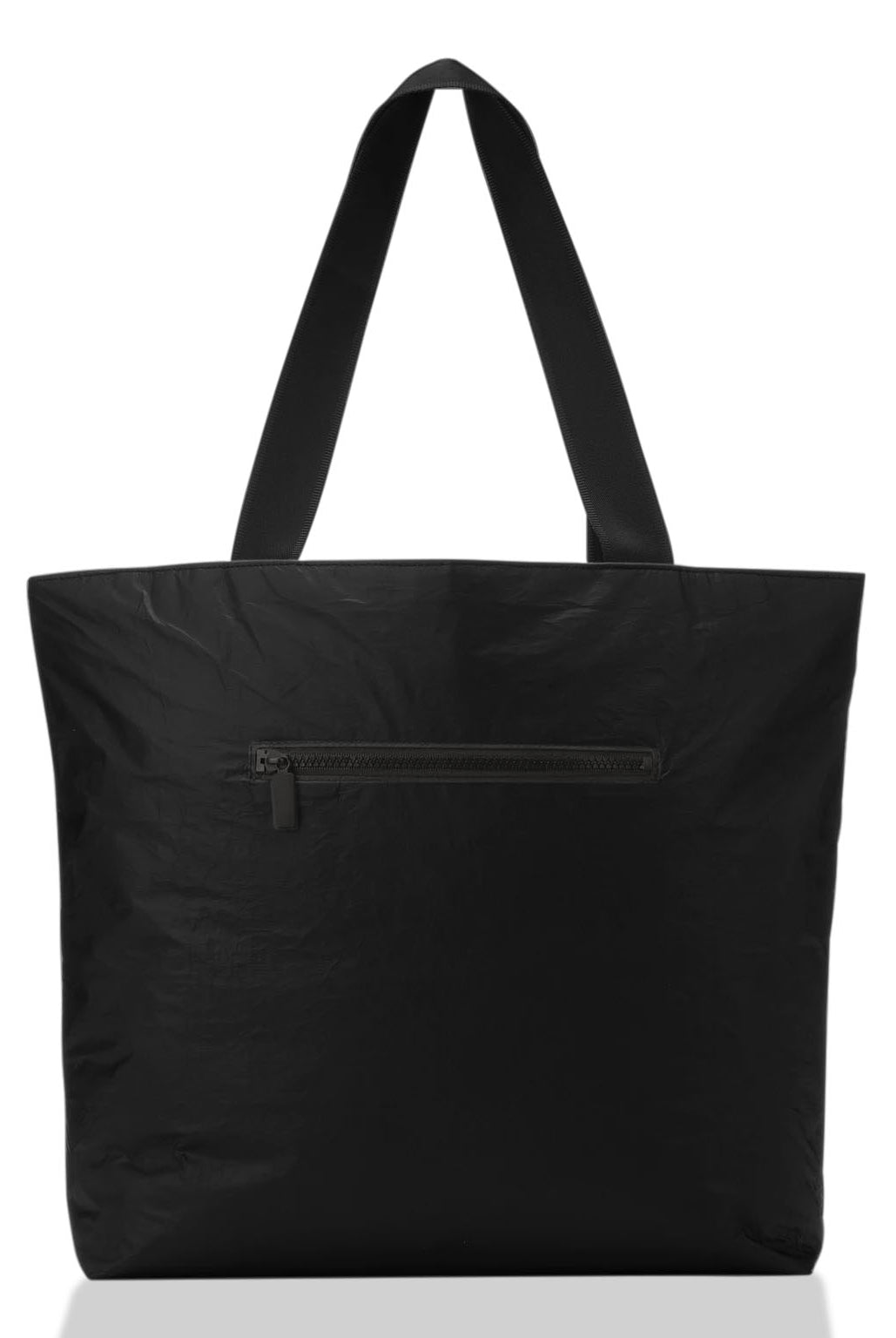
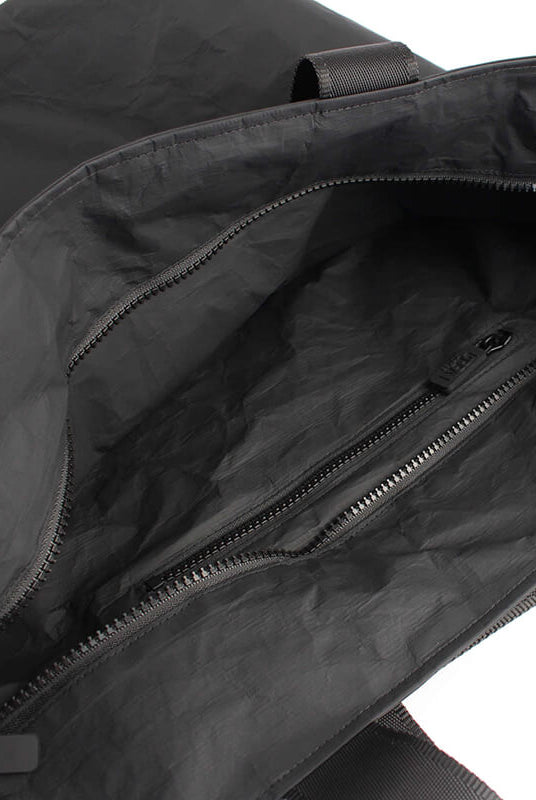
Test the strap over your actual layers and with your actual essentials inside. A water-resistant, lightweight, packable, foldable bag with a zipper closure and multiple compartments can make daily organization easier, but the strap still needs to sit at a height that feels stable as you move.
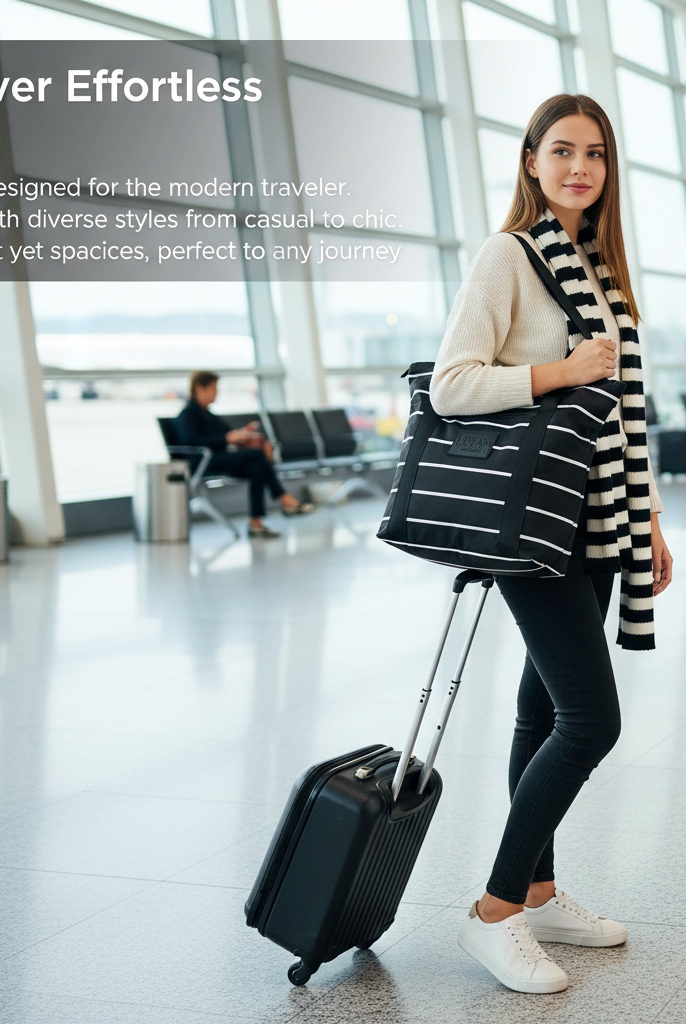
A commuter may prefer a closer setting for a crowded train. A beach-day mom may want room for a cover-up or light layer. A weekend traveler may prioritize a smooth adjustment that works from an airport terminal to a café. The same bag can serve each moment when its strap range supports those changes.
Use everyday carry bag essentials as a final packing check, then walk, sit, reach, and bend before deciding that the length is right. Your goal is a versatile everyday carry that feels organized and travel-ready without demanding constant correction.
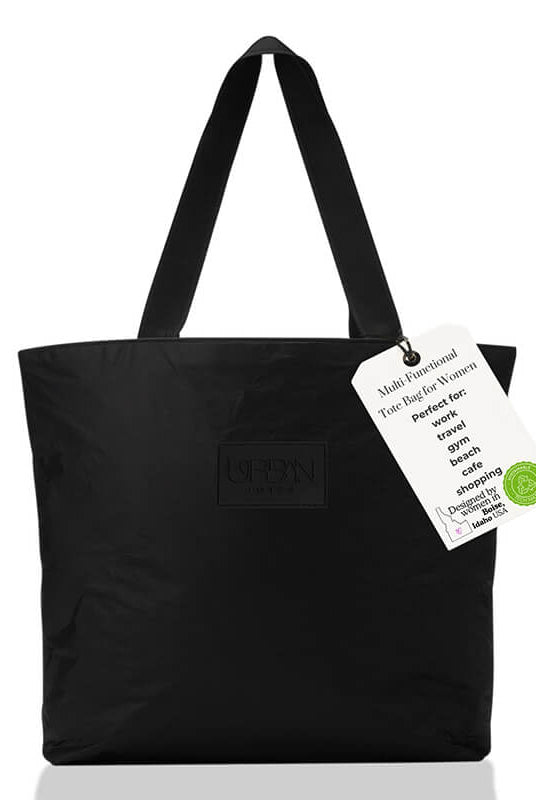
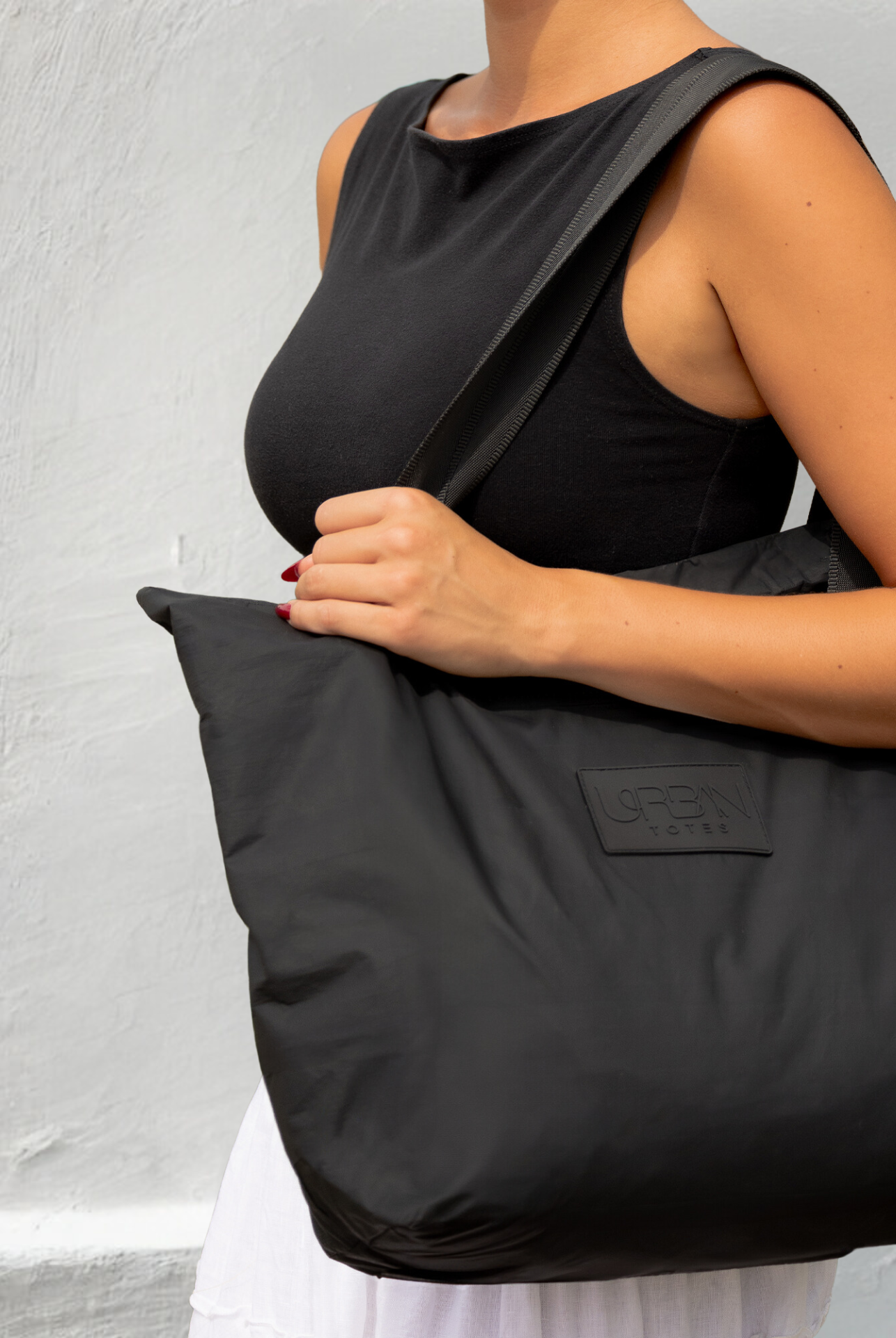
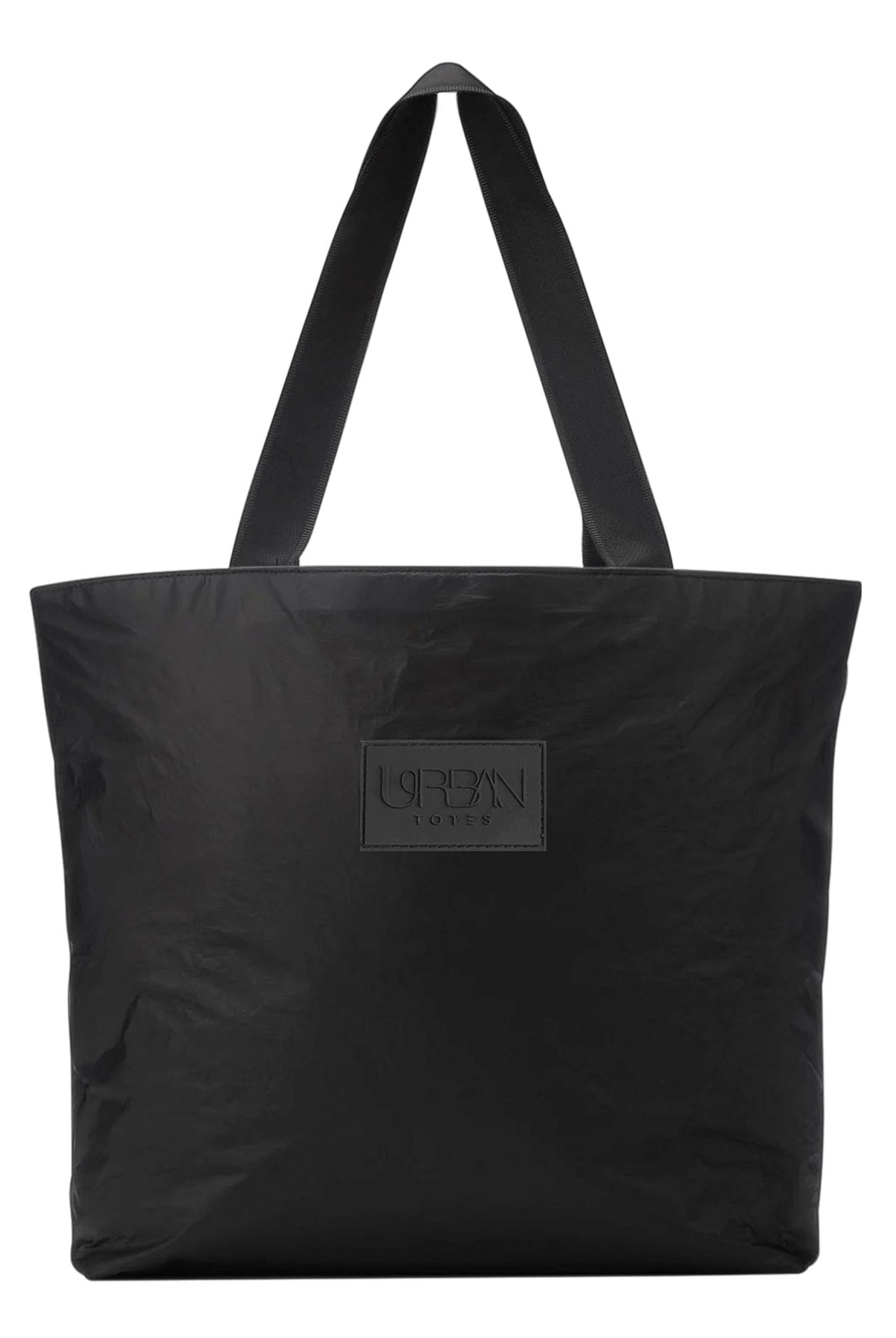
Urban Totes is a woman-owned, Boise-made brand offering water-resistant, lightweight, packable, and foldable tote and crossbody styles with thoughtful organization features, including zipper closures and multiple compartments. Choose a bag that fits your routine, set the strap for your actual clothes and load, and let “Go Anywhere. Tote Everything.” become a practical part of your day.
Explore the stylish, functional, and travel-ready Urban Totes collection for a crossbody or tote designed around everyday movement and organized carry. Visit Urban Totes to find a lightweight, water-resistant bag that can move from school drop-off to commuting, beach days, errands, and weekend travel.