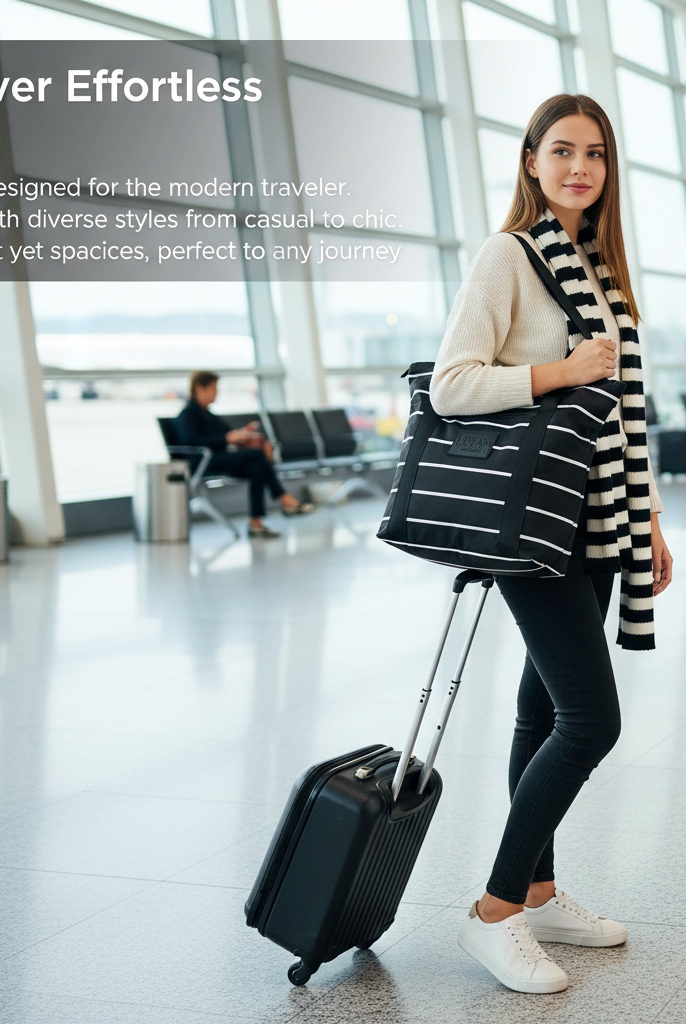
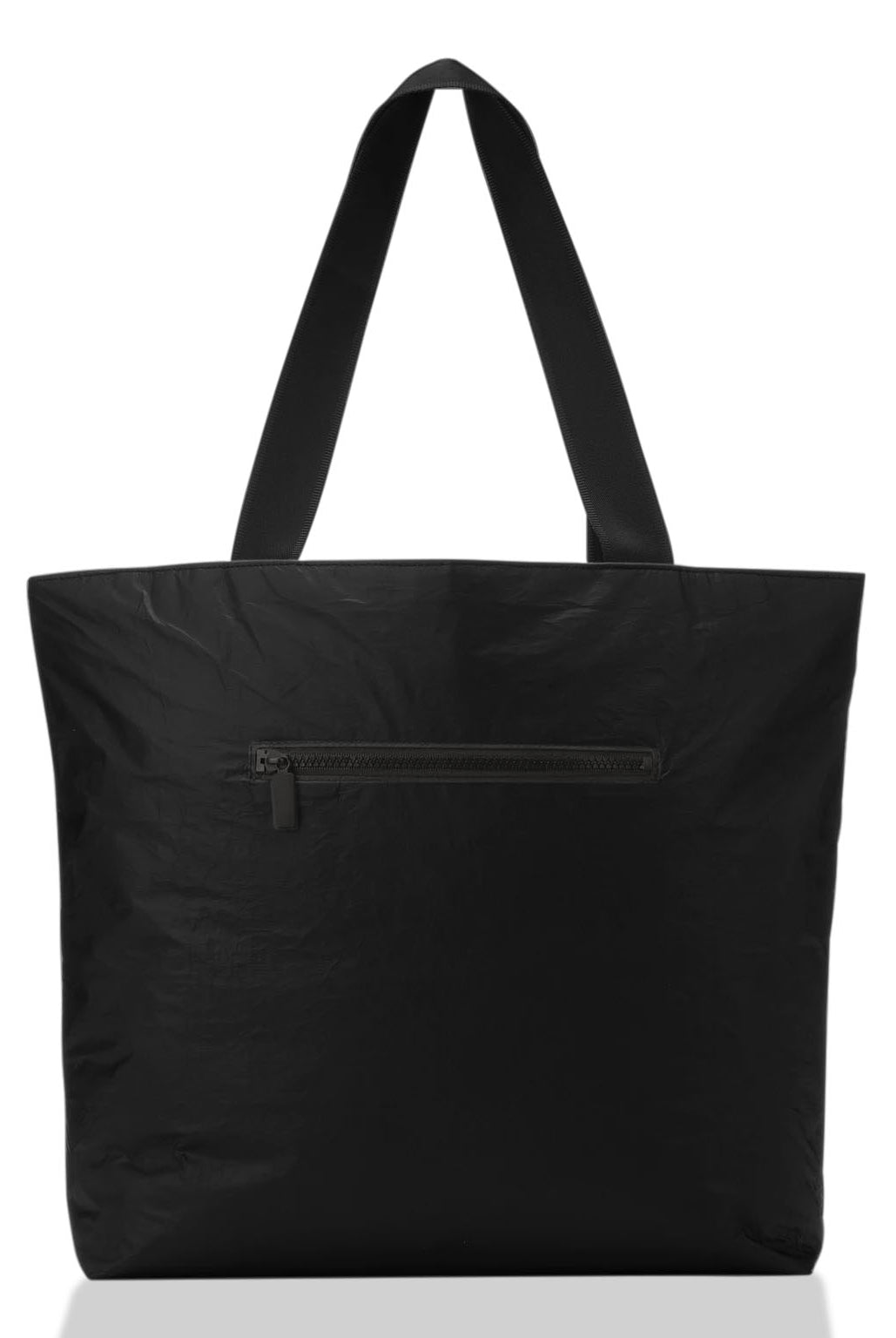
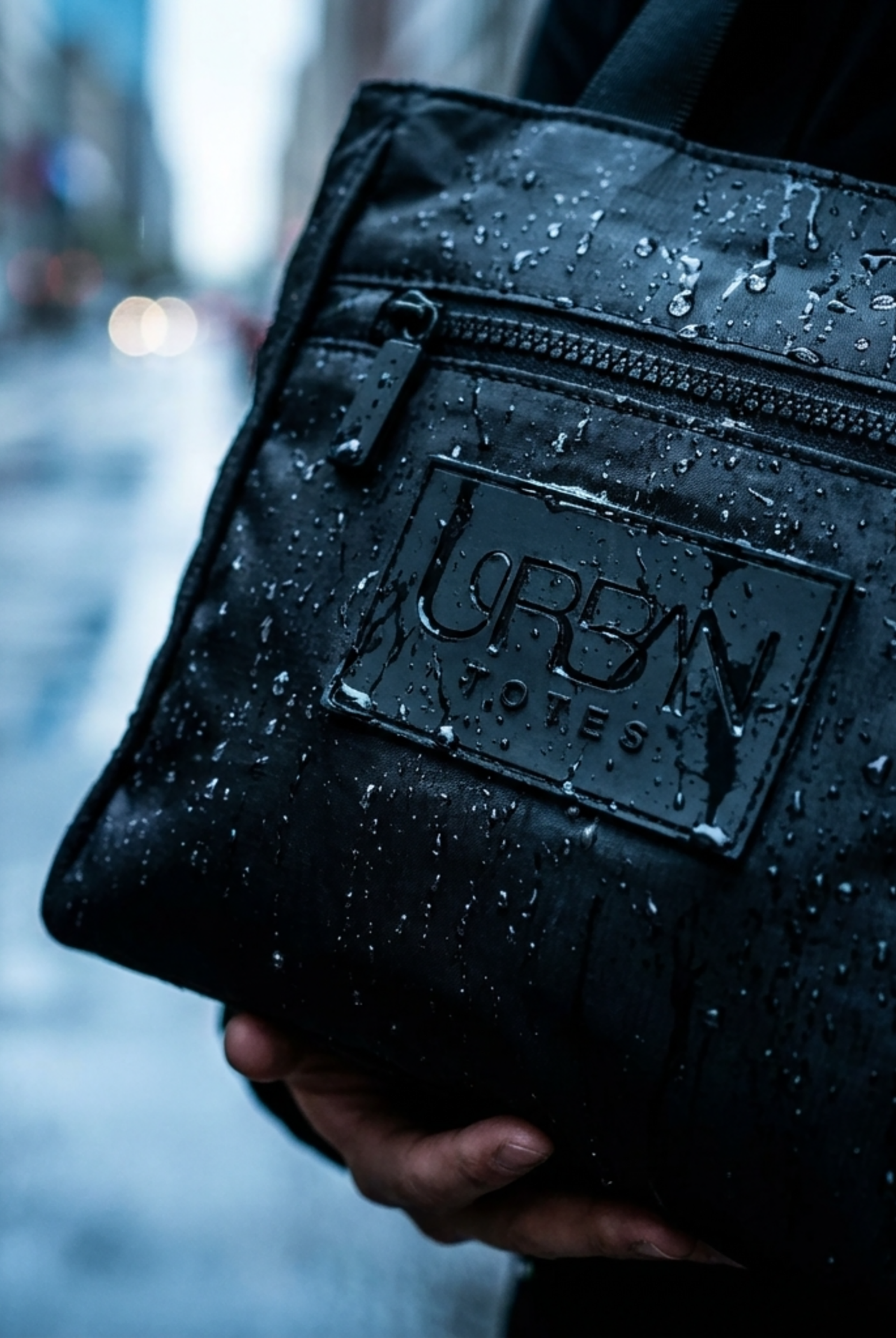
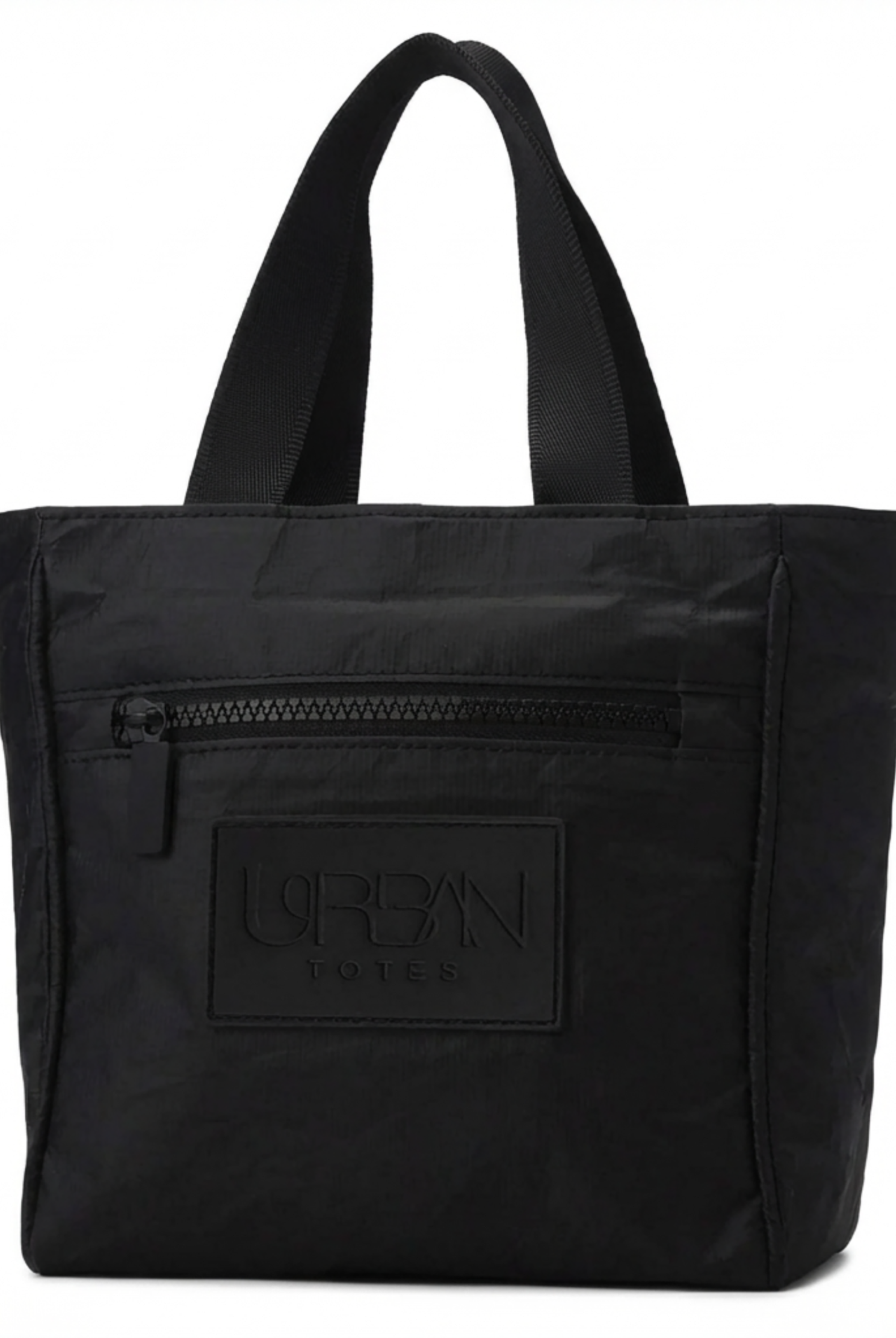
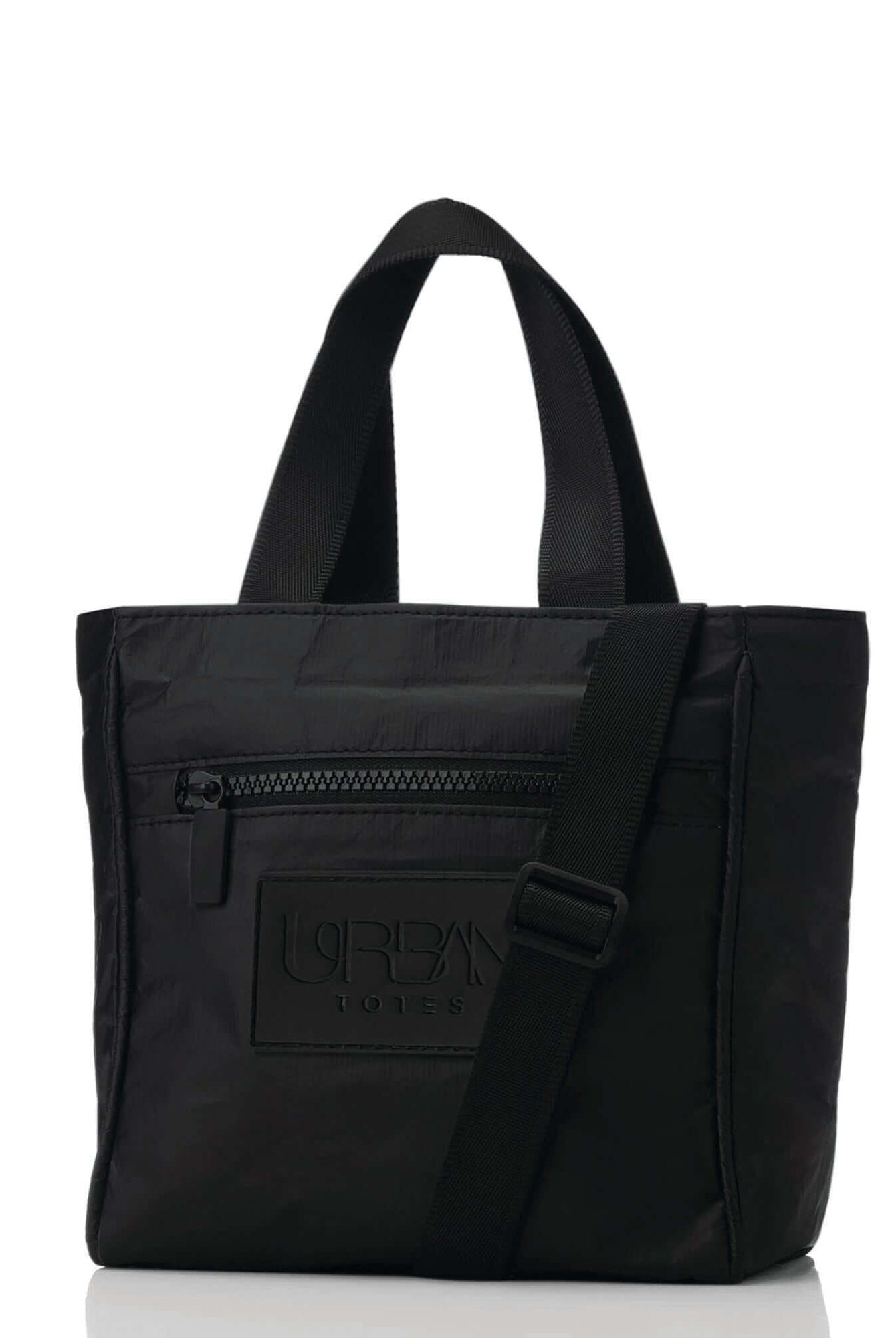
You're at the gate with coffee in one hand and your bag on your shoulder, and the airline agent is looking straight at it like it's about to make or break your boarding pass. That's the moment the carry on bag vs personal item question stops being theoretical. If you've ever wondered whether your favorite tote is going under the seat or getting tagged for the overhead bin, you already know the stakes, the wrong choice can mean a surprise fee, a gate-check headache, or a bag that's suddenly too big to count.
The smart move is simple. Treat the personal item as your under-seat anchor, the bag that keeps your passport, phone, charger, snacks, and one full day's worth of life within reach. Treat the carry-on as the larger overhead-bin option, the one that buys you more room but also more scrutiny. That difference matters even more now that baggage fees have become a major revenue line for airlines, with global airlines generating $33.3 billion in 2023 from bag fees, overweight penalties, and related charges, according to an industry summary cited in the background research linked throughout this piece.
For travelers trying to stay light, organized, and fee-free, a well-sized tote or compact crossbody can be the difference between breezing through boarding and doing math at the gate. If you want a practical planning mindset beyond the bag itself, the airport shopping guide from The Algarve Experience shopping guide is a helpful travel resource, and if you're deciding whether a laptop should ride with you or get packed away, Urban Totes has a useful internal guide on laptop in checked luggage. The point is not to pack more. It's to pack smarter, so your bag fits your airline, your trip, and your real life.
Table of Contents
- The Airport Moment That Changes Everything
- Carry On vs Personal Item Size and Storage Rules
- The Real Cost of Choosing the Wrong Bag
- Which Bag Works Best for Your Travel Style
- Packing Strategies That Maximize Every Inch
- How Urban Totes Styles Fit Each Role
- Your Decision Framework for Every Trip
The Airport Moment That Changes Everything
The gate agent barely looks up, then asks the question every traveler dreads, is that your carry-on or your personal item? If you travel often enough, you know that one answer can change the whole mood of the trip. The bag you loved in the car or at the hotel suddenly has to prove itself against an airline's ruler and a strict under-seat footprint.
Why the distinction matters now
Airlines didn't always make this feel so high-stakes. As cabin-bag policies became more standardized across dense domestic and international networks, the personal item turned into a practical rule, not a vague suggestion. In major U.S. markets, the common carry-on limit is 22 x 14 x 9 inches including handles and wheels, while a personal item is often around 18 x 14 x 8 inches or must fit an under-seat footprint such as 17 x 13 x 8 inches. American Airlines says a personal item like a purse or small handbag must fit under the seat and shouldn't exceed 18 x 14 x 8 inches, while carry-ons can't exceed 22 x 14 x 9 inches.American Airlines baggage rules
That split is why a tote can sometimes qualify as a personal item and a larger weekender usually can't. It's also why so many travelers get caught off guard. A bag that feels “small enough” in your bedroom can look very different when a gate agent compares it to airline policy and under-seat space.
The real consequence of choosing wrong
On a basic economy ticket or a budget fare, the wrong bag can cost you money you didn't budget for. Independent travel guidance notes that some airlines treat the personal item as the only guaranteed onboard bag, while any oversize carry-on can trigger check-in or gate fees, often around $25 to $35. That's exactly why a stylish, organized under-seat bag isn't just a nice accessory, it's a practical travel tool.
Practical rule: If the bag is borderline, assume the airline will measure it.
I'd rather board with a clean, compact personal item than gamble on a larger bag and hope the agent doesn't care. Hope is not a boarding strategy.
Carry On vs Personal Item Size and Storage Rules

A gate agent does not care how cute your bag looks in the hotel room. The only thing that matters is whether it fits the airline's rules and the space you get on board. A carry-on bag goes in the overhead bin. A personal item goes under the seat in front of you. That difference decides what stays within reach and what gets shoved into shared bin space.
| Airline | Carry-On Size | Personal Item Size | Storage Location |
|---|---|---|---|
| American Airlines | 22 x 14 x 9 inches | 18 x 14 x 8 inches | Overhead bin, under the seat in front of you |
| Southwest | 24 x 16 x 10 inches | Airline-specific under-seat item | Overhead bin, under the seat in front of you |
| Common U.S. standard | 22 x 14 x 9 inches | About 18 x 14 x 8 inches or under-seat footprint | Overhead bin, under the seat in front of you |
Southwest is the one that catches people off guard. Its carry-on allowance is larger than many other U.S. airlines, but it still counts wheels, handles, and attachments in the measurement.Southwest carry-on policy A bag that clears one airline can fail on another, even if it looks almost identical.
Weight matters more for carry-ons
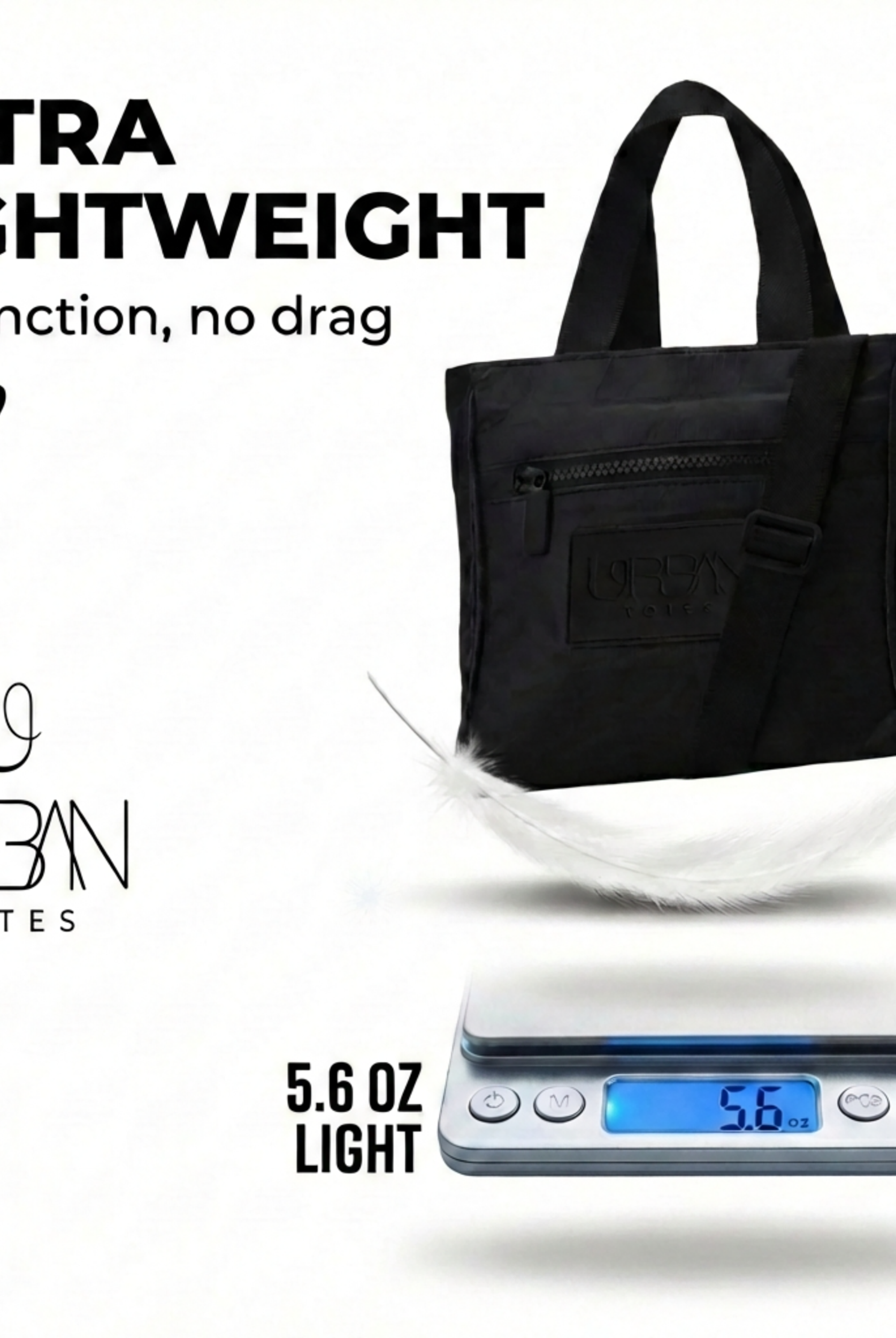
Carry-ons get judged harder because they have more moving parts. Some airlines set weight caps around 15 to 22 lb (7 to 10 kg), while personal items are often not weighed separately or may not have a strict published weight limit.Carry-on vs personal item weight guidance That is why soft-sided totes and compact crossbodies make so much sense. They hold what you need without making the bag itself feel like a burden.
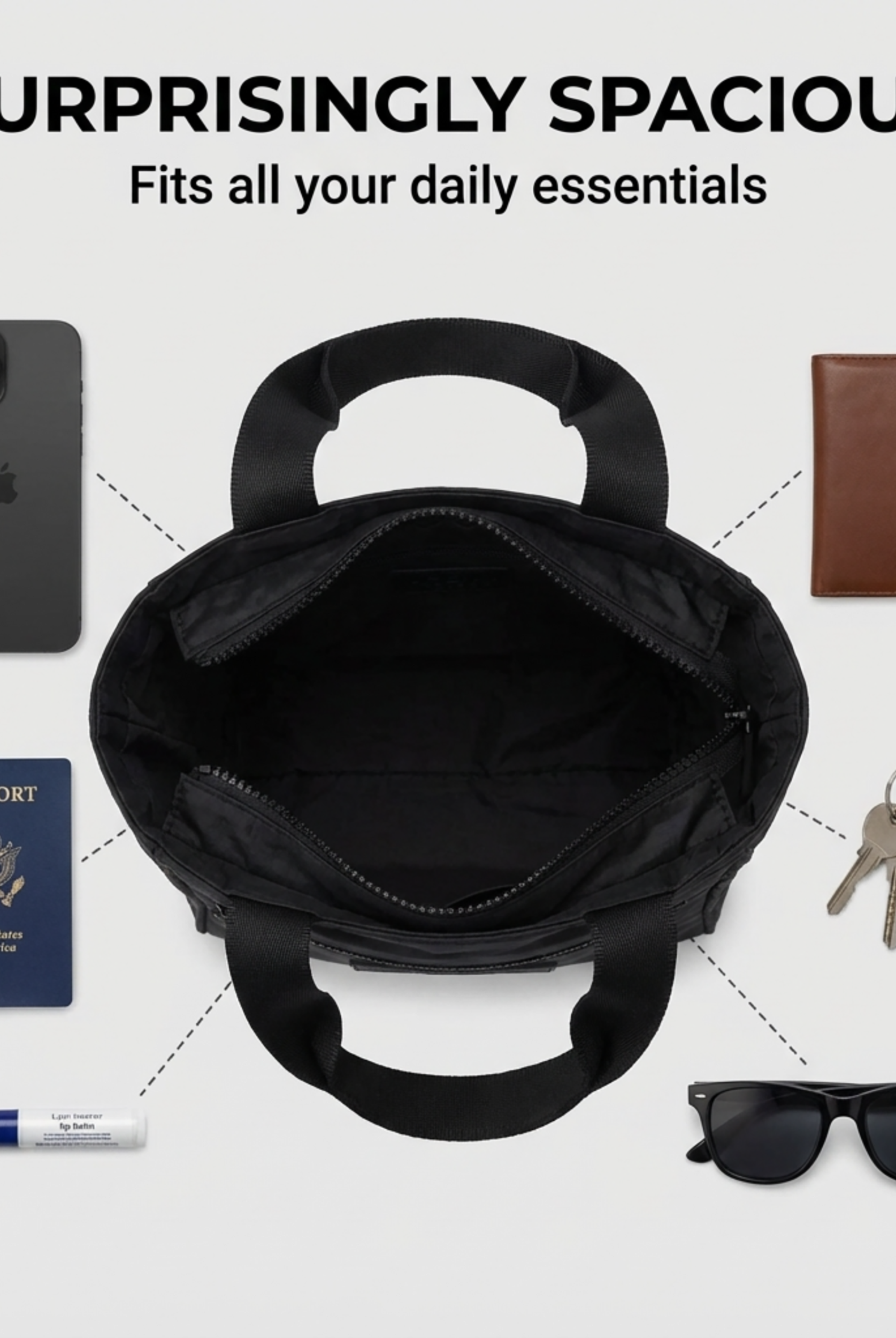
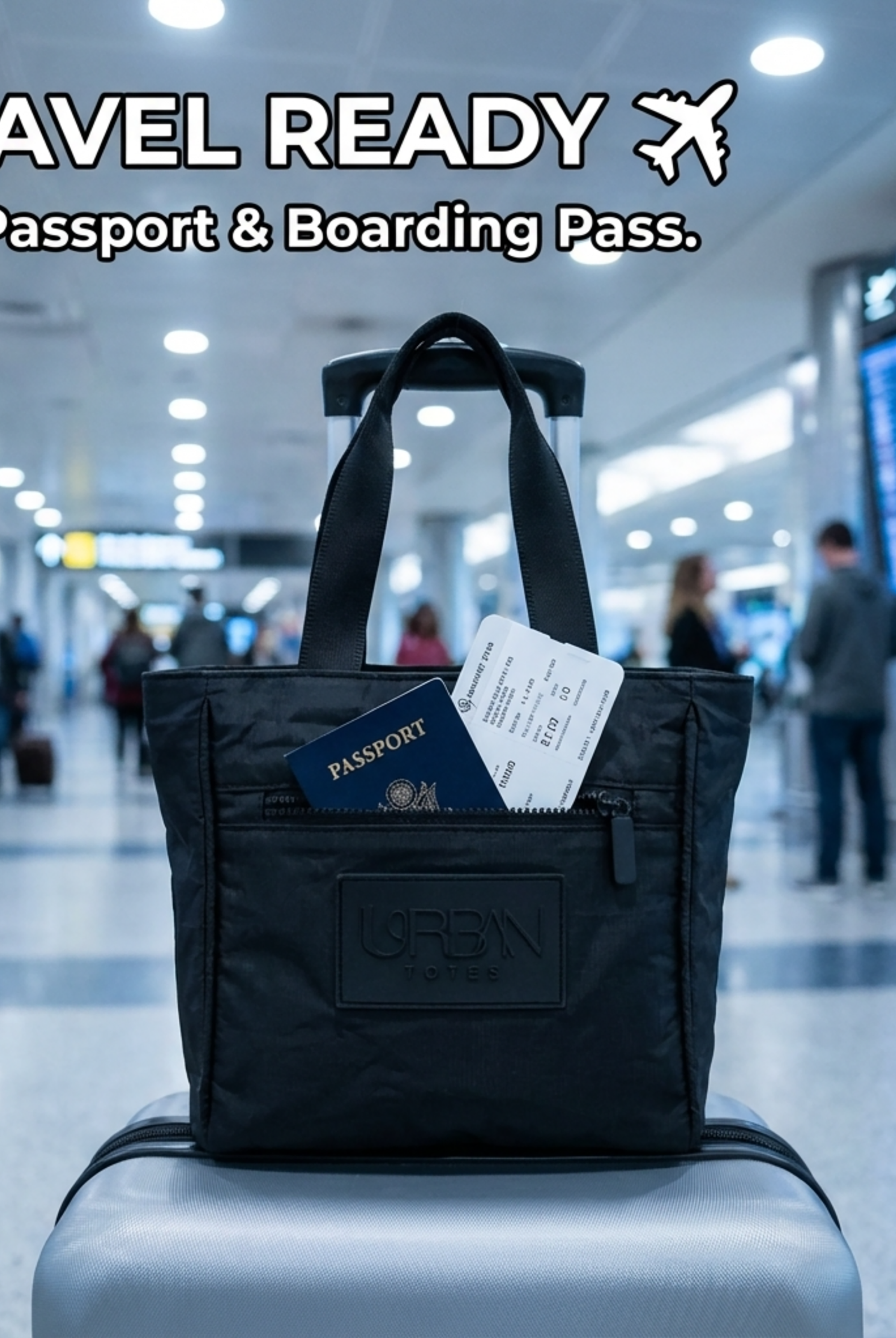
A personal item also keeps your essentials where you can use them. Phone, boarding pass, lip balm, headphones, snacks, and the charger you always reach for during boarding stay under your seat instead of overhead. If you hate standing in the aisle while everyone waits and you dig through the bin for one small thing, you already know why this matters.
If you want a quick overview of boarding flow and how bin access changes the experience, the guide to priority boarding for flyers helps put the storage question in context. Early boarding can reduce stress, but it does not change the size rules.
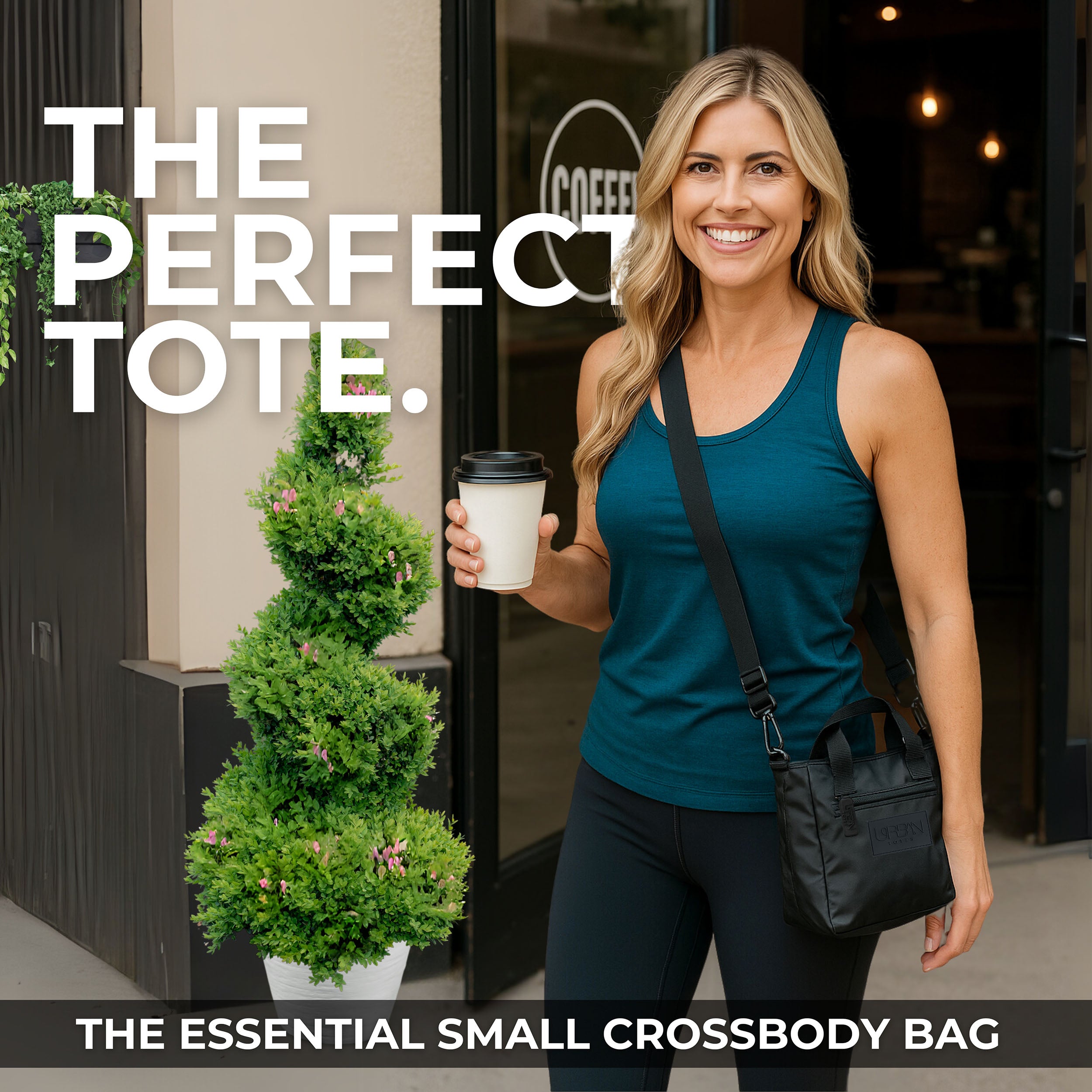
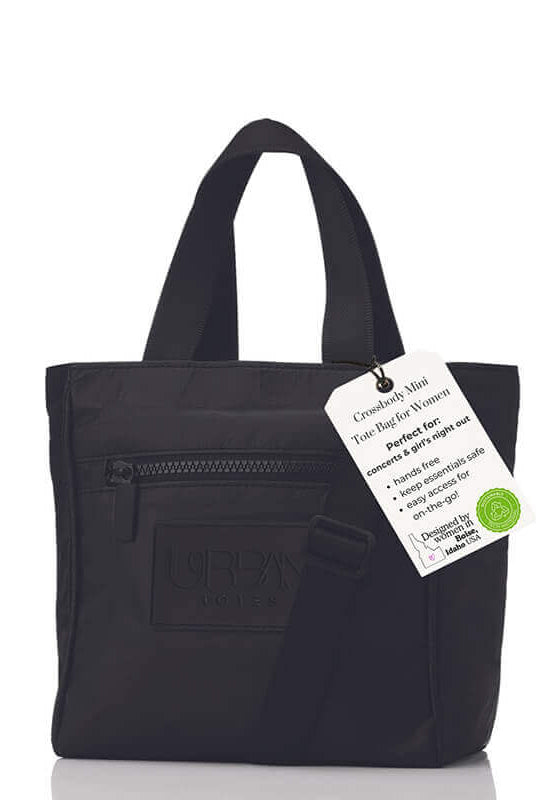
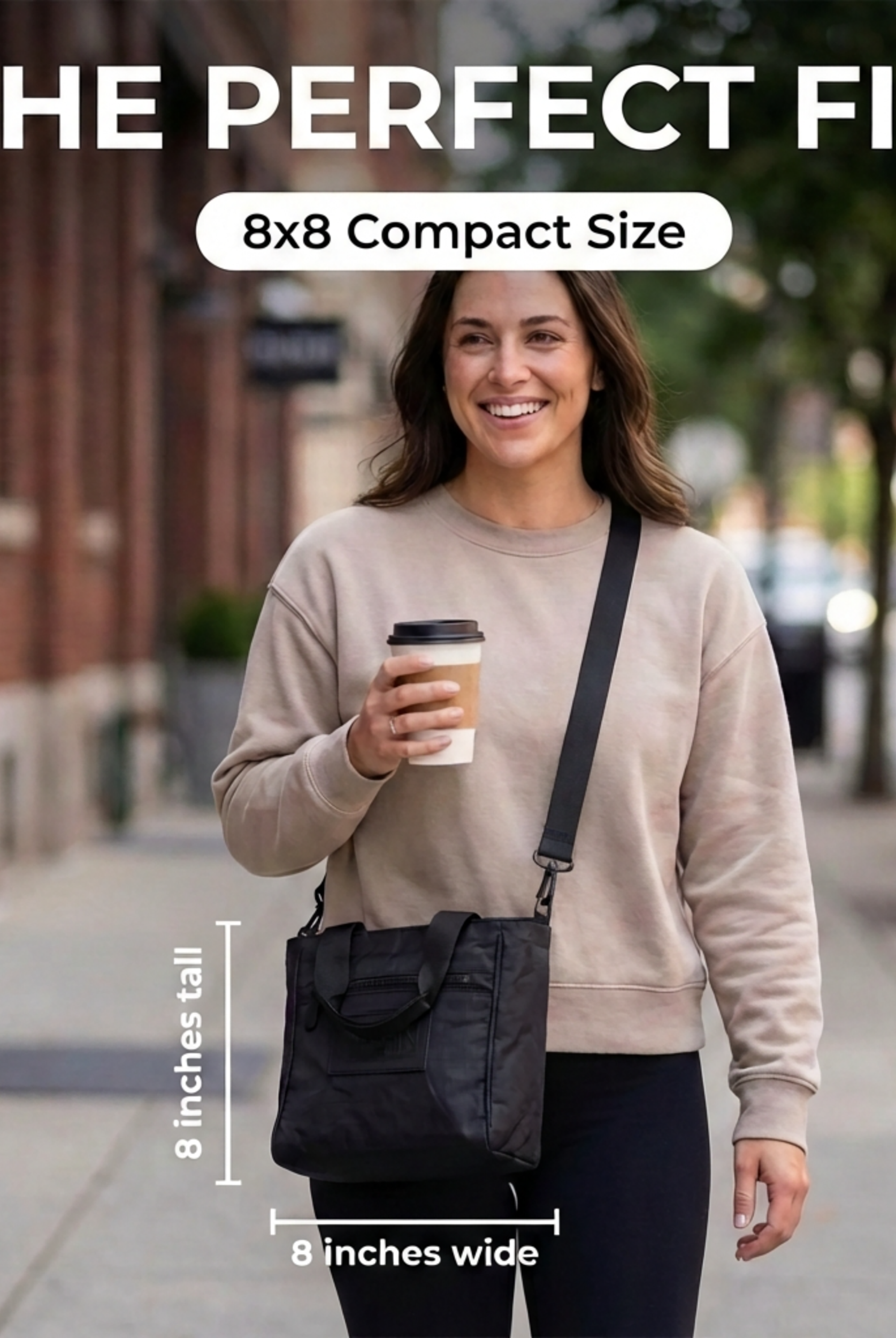
A compact option like the Crossbody Tote Bag Mini Purse measures 7.5 x 4 x 7.75 inches, has a zip-top closure, one outside zipper pocket, a large easy-access pocket, and a removable crossbody strap that extends to 53 inches. That shape works because it stays structured without wasting space, which is exactly what you want in a personal item. For a bigger frame of reference, the Urban Totes weekender bag dimensions page is useful if you are deciding whether a larger bag is carry-on sized or just looks that way.
Quick comparison at a glance
A tote that fits under the seat saves you money and keeps your essentials close. A bag that pushes the limits can turn into a gate problem fast.
- Carry-on: Overhead bin, larger, more likely to be checked at the gate.
- Personal item: Under-seat space, smaller, easier to reach, and often the free bag that matters most.
- Borderline bags: Measure them at home, not at the airport.
A carry-on bag gives you more room, but a personal item gives you more certainty. If a tote can hold your day's essentials and still slide under the seat, it is the smarter choice for most trips.
The Real Cost of Choosing the Wrong Bag

Airline baggage policy is not just about packing, it's about pricing. A recent industry summary reported that global airlines generated $33.3 billion in 2023 from carry-on bag fees, higher checked-luggage prices, and overweight-bag fines. That number makes the point bluntly, airlines have turned the cabin bag into a revenue lever, and travelers pay when they misread the rules.
The personal item is the cheap seat of cabin bags
On many tickets, the personal item is the only free onboard bag you can count on. That's especially true on low-fare tickets, where a larger carry-on can be treated as an add-on or can trigger a fee if it doesn't fit the airline's dimensions. Independent travel guidance notes that surprise fees commonly run about $25 to $35 when a bag goes over the line.Underseat luggage and personal items
That's the hidden cost most travelers miss. A weekender that “mostly fits” doesn't just risk embarrassment, it can erase the savings of a cheap ticket. If you fly a few times a year, the wrong bag choice starts to feel expensive fast.
Basic economy changes the math
The decision gets very real for commuters, parents, and short-trip travelers. Some airlines treat the personal item as the only guaranteed onboard bag, which means the larger overhead-bin option can become a paid upgrade. In that environment, a properly sized tote or crossbody is not a fashion choice alone, it's a travel cost strategy.
I'm opinionated about this one. If your trip is short and your bag is borderline, pick the smaller bag every time. The peace of mind is worth more than the extra pair of shoes you probably won't wear anyway.
I'd rather have one organized under-seat bag than pay to carry chaos.
A lot of travelers think the question is whether they can squeeze more in. The better question is whether they should. If your tote keeps your essentials close and stays within airline limits, you've already won.
Which Bag Works Best for Your Travel Style
Travel style matters because the right bag for a 6 a.m. commuter train is not the same bag you want for a beach weekend. The trick is matching the bag to the day, not the fantasy version of the day. You do not need one bag to do everything badly.
For commuters and city days
If you're running from school drop-off to the office, a personal item is the smarter move. You want quick-access pockets, a zipper closure, and straps that don't dig into your shoulder when you're carrying coffee, a phone, and a laptop sleeve. A bag with internal organization keeps the day moving because you're not rooting around at the bottom of a tote during a crowded train boarding or a checkout line.
For this kind of rhythm, the best carry-on tote bags guide can help you judge size and structure before you commit. I'd still lean toward a bag that works under the seat if you value easy access over maximum volume.
For weekend travelers and parents
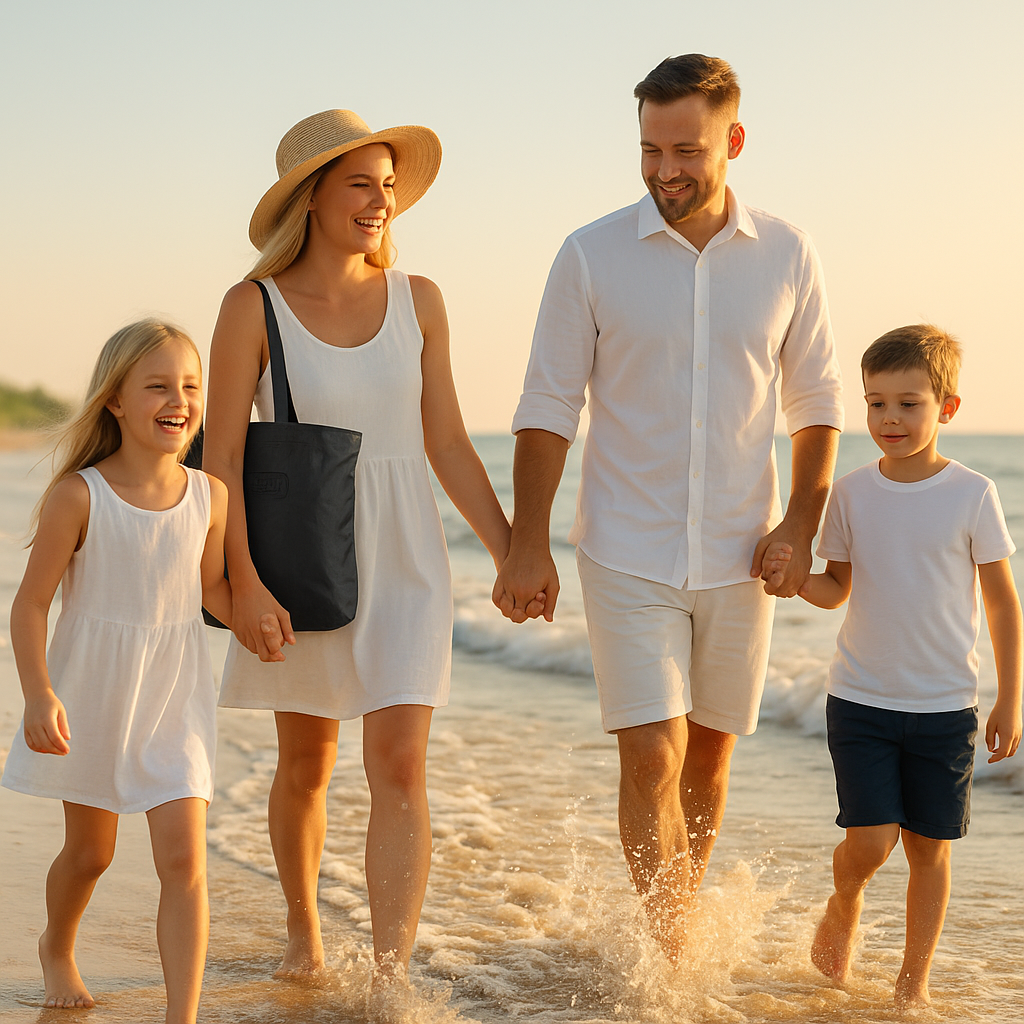
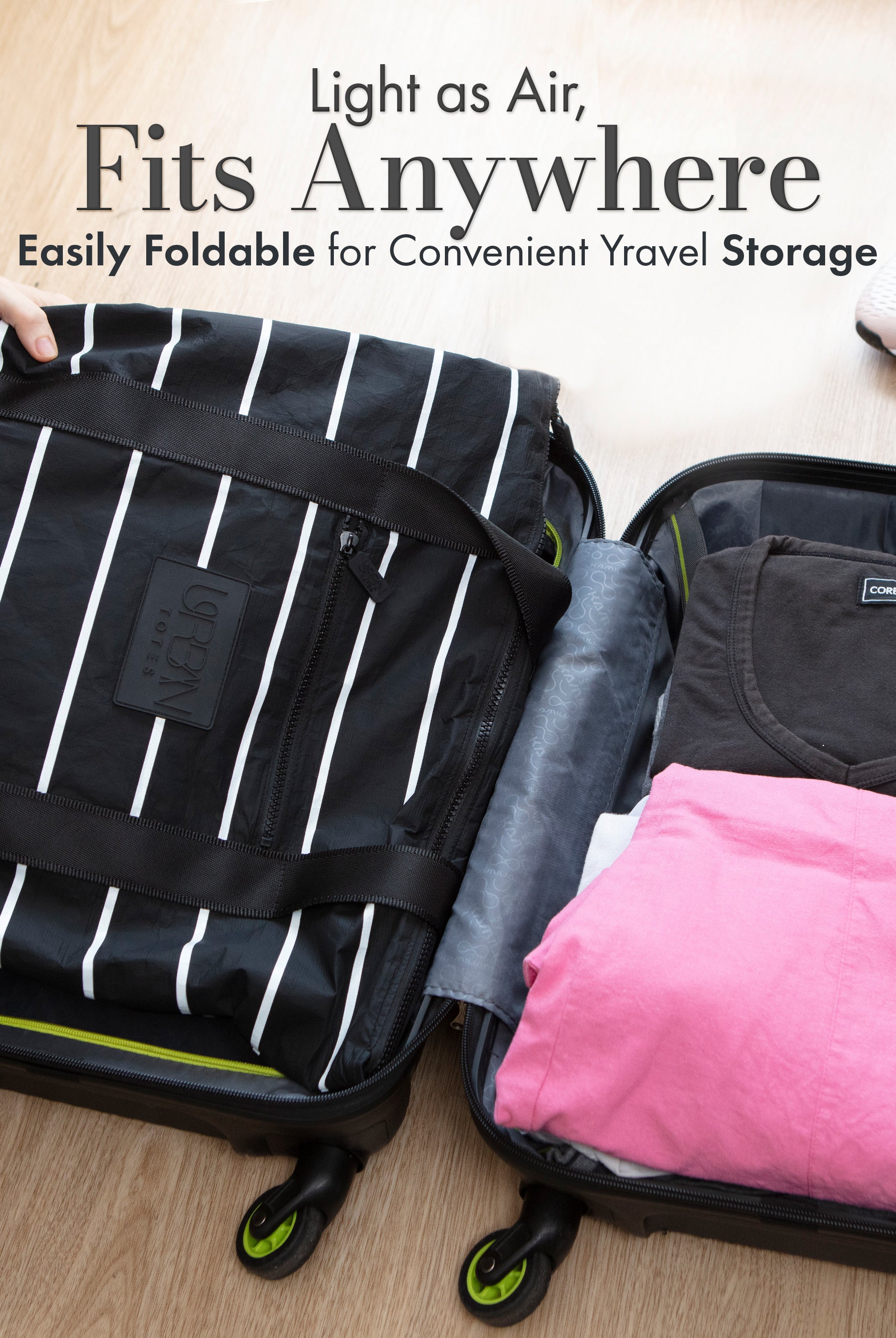
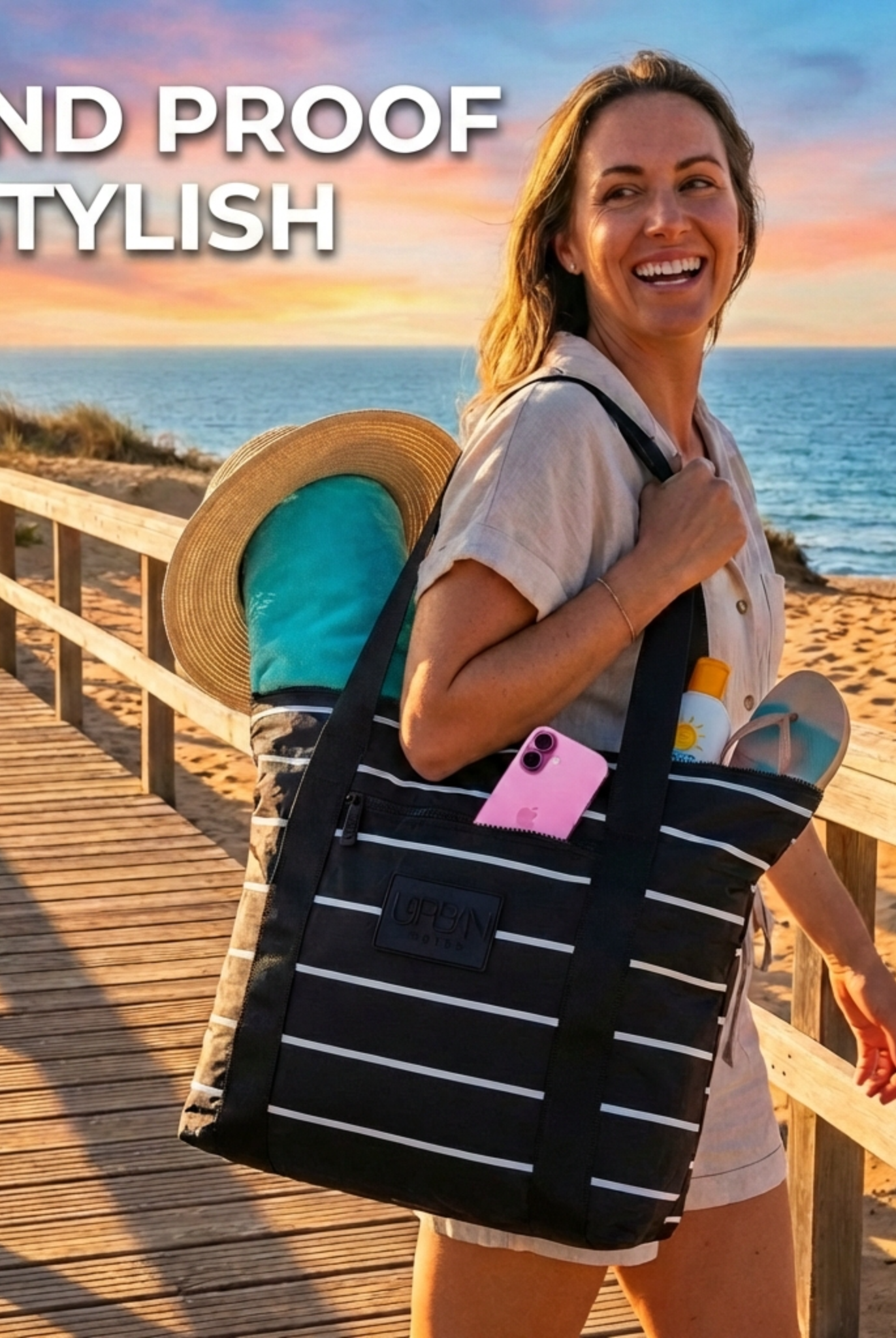
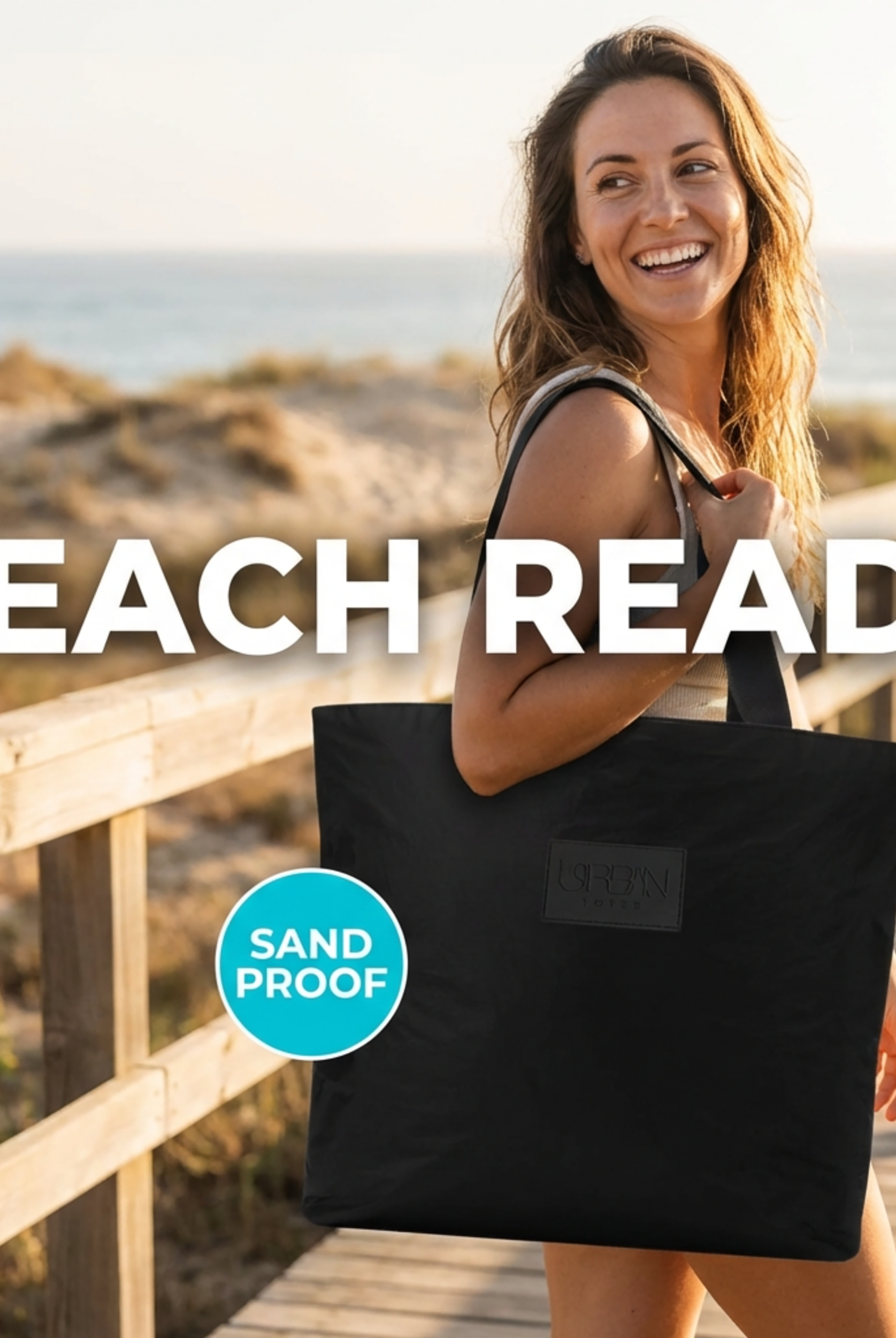
A weekend traveler wants enough room for a change of clothes, toiletries, and a backup layer, but not so much bag that it becomes a burden. If you're a beach-day mom, look for water-resistant materials, easy-clean surfaces, and a wide opening that doesn't swallow sunglasses, snacks, and sunscreen in one dark abyss. A bag that's lightweight, packable, and foldable earns its keep when your hands are already full.
For gym-goers and students
Gym bags need separation. Shoes, clothes, water bottle, headphones, and keys should not be piled into one open compartment, because that's how everything gets messy by 8 a.m. College students need the same discipline, but with textbooks and tech in the mix. In both cases, a larger carry-on can make sense for a long day, but a structured personal item is usually better for daily use because it stays easier to manage.
Here's the honest shortcut:
- Choose a personal item if you need everyday access, easy boarding, or a fee-free under-seat bag.
- Choose a carry-on if you need more packing room and your airline includes it.
- Choose a compact tote or crossbody if you want one bag that handles errands, commuting, and short travel without drama.
The best bag is the one that matches your actual routine, not your aspirational packing style.
Packing Strategies That Maximize Every Inch

Packing well changes everything, because even the right bag feels wrong when it's stuffed poorly. The goal is not to cram. The goal is to make every pocket do a job and every item earn its place.
Use structure, not panic
Start with categories. Clothes go together, toiletries go together, chargers go together, and the things you'll need at the gate stay easy to reach. Packing cubes help with that kind of sorting, and a dedicated pouch for cords keeps you from digging through your bag like you lost a charger in a purse black hole. If you want a reference point for cord storage, handcrafted cord storage cases show the kind of compact organization that makes travel calmer, not cluttered.
Rolling clothes is still the cleanest way to save room when you're working with a compact bag. It also keeps outfits more visible, which matters when you're deciding between a day dress and jeans at 11 p.m. in a hotel room.
Make the flight easier on yourself
Liquids deserve their own system. For carry-ons, the TSA liquids rule still shapes how you pack toiletries, so decanting the essentials into smaller containers makes far more sense than hauling full-size bottles. Heavy items belong closest to your body or lower in the bag, so the bag feels balanced instead of top-heavy.
A few practical habits make a huge difference:
- Roll, don't fold: Saves space and keeps the bag visually organized.
- Use packing cubes: Separate outfits, family items, or work gear.
- Wear bulkier items: Boots, jackets, and heavier layers belong on you, not in the bag.
- Keep essentials in outer pockets: Phone, boarding pass, lip balm, and keys should never live at the bottom.
The How to pack with packing cubes guide is a solid companion if you want to build a repeatable system instead of reinventing your suitcase every trip.
My rule is simple. If I can't find it in five seconds, it doesn't belong in the top layer of the bag. Travel gets easier when your bag behaves like an organized drawer, not a laundry basket.
How Urban Totes Styles Fit Each Role

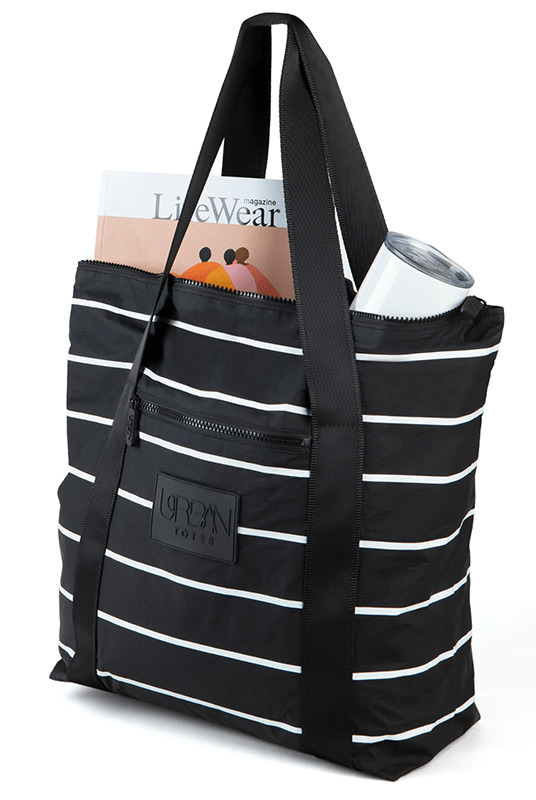
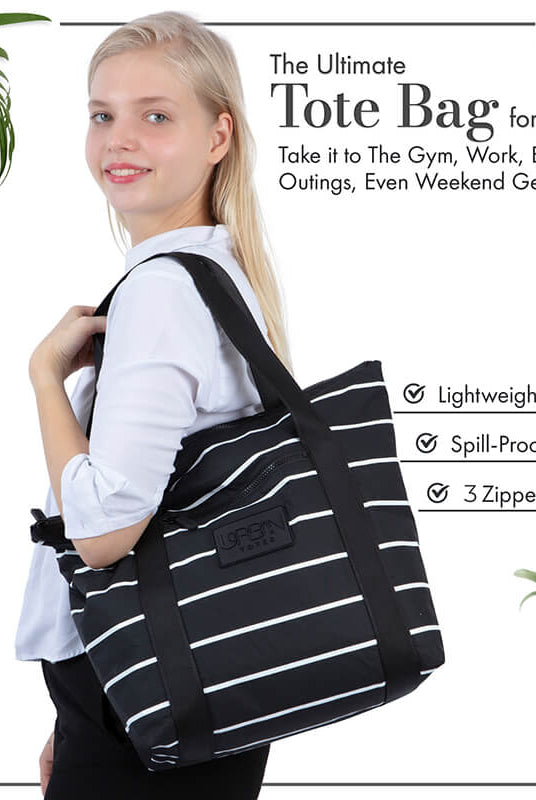
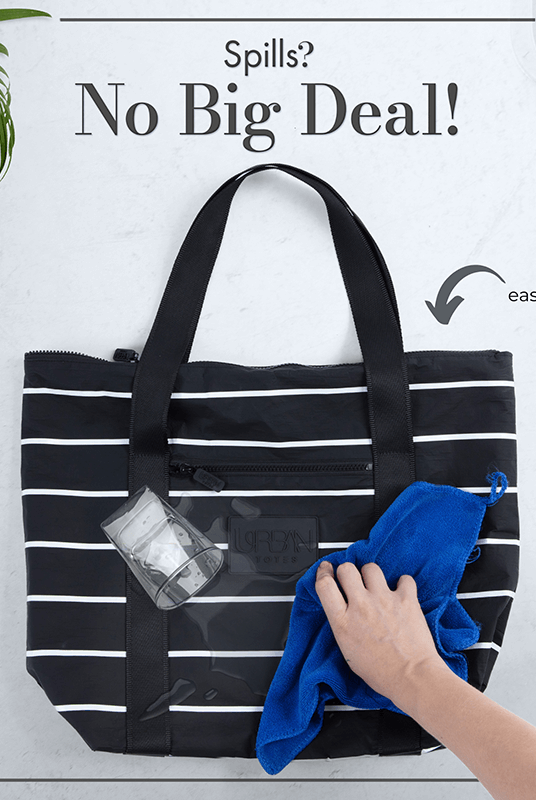
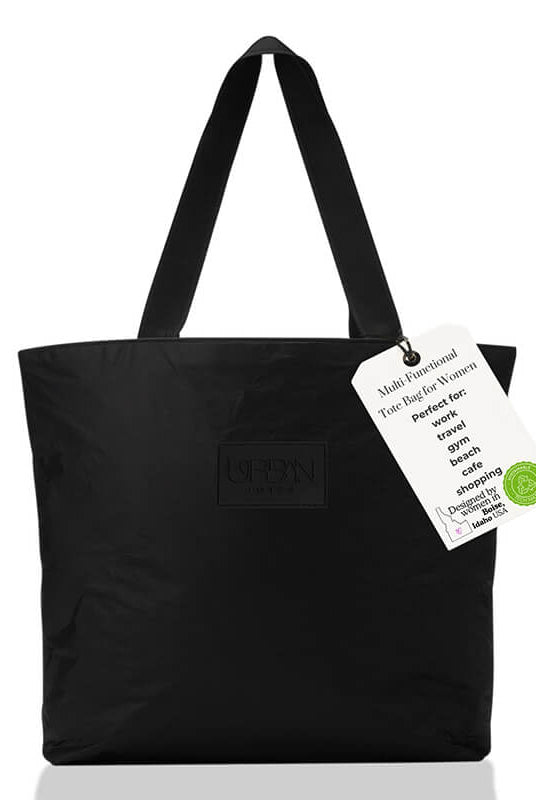
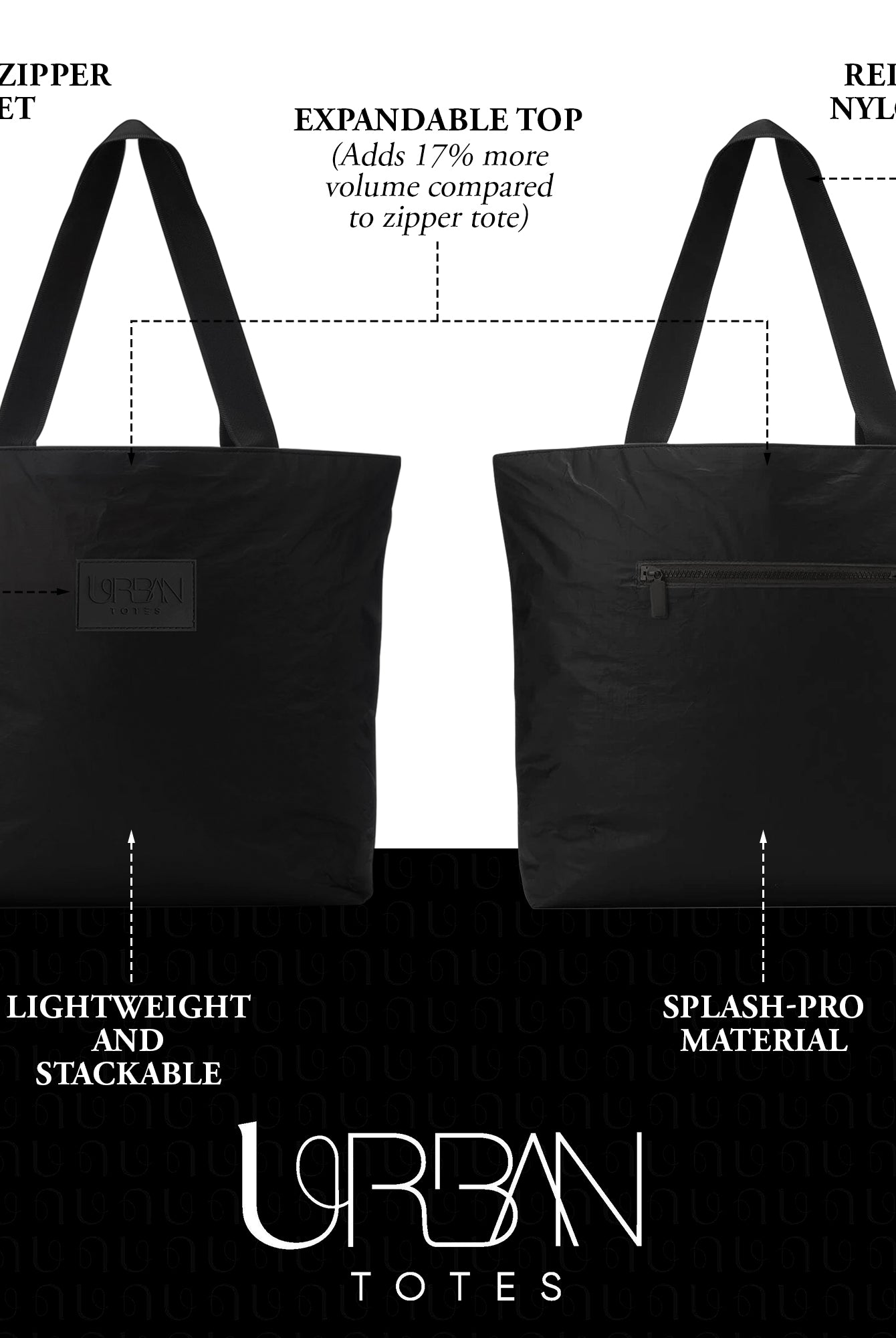
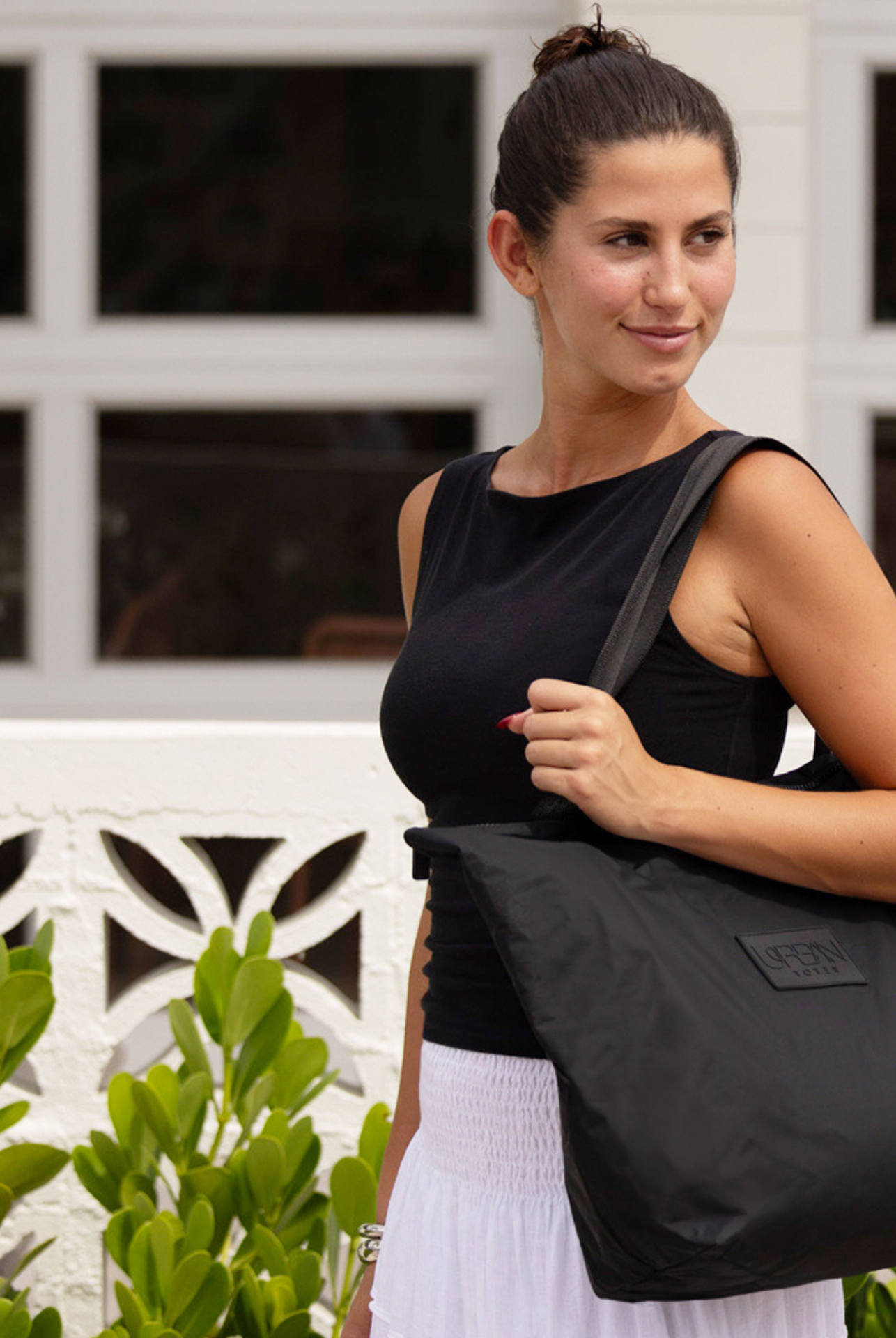
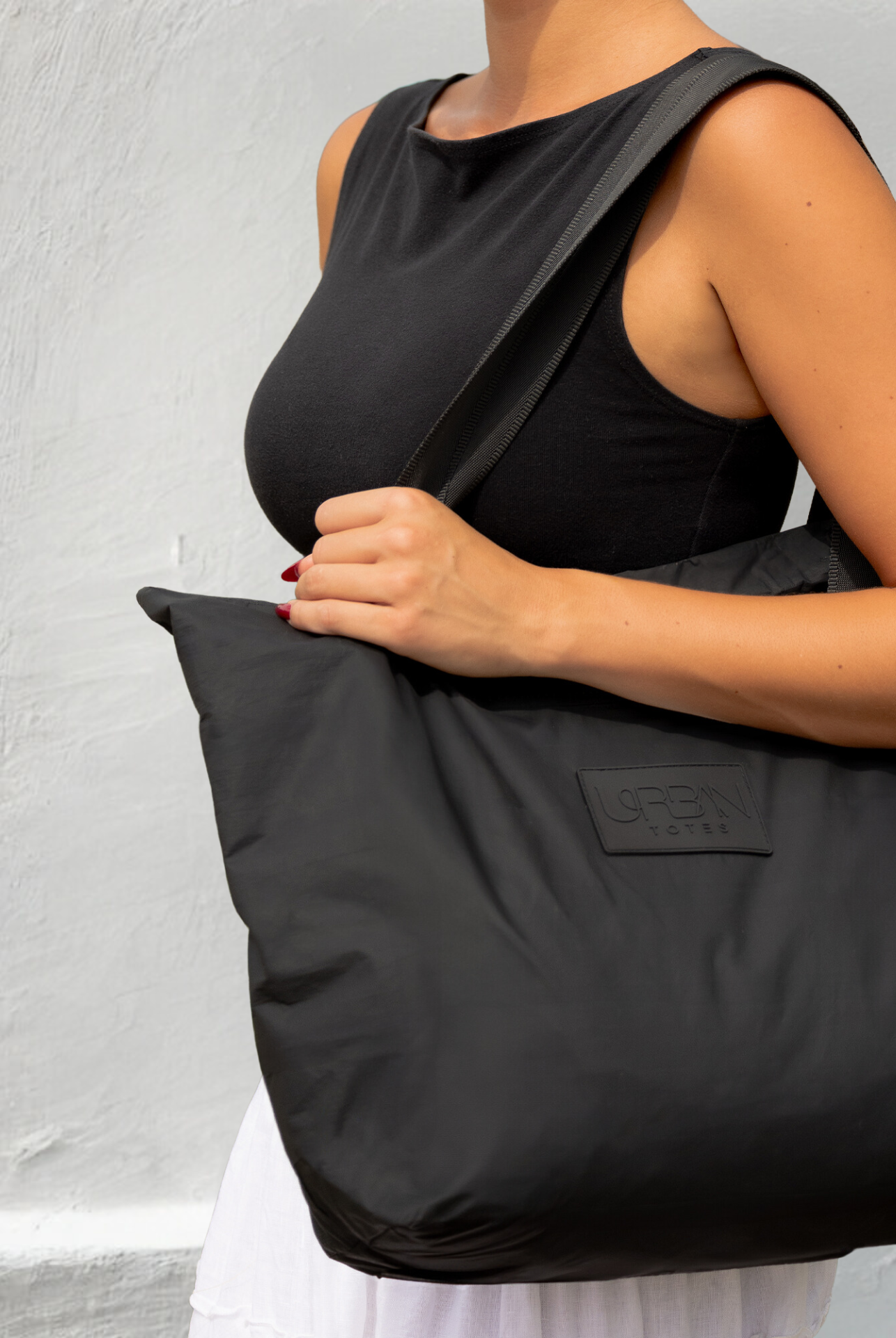
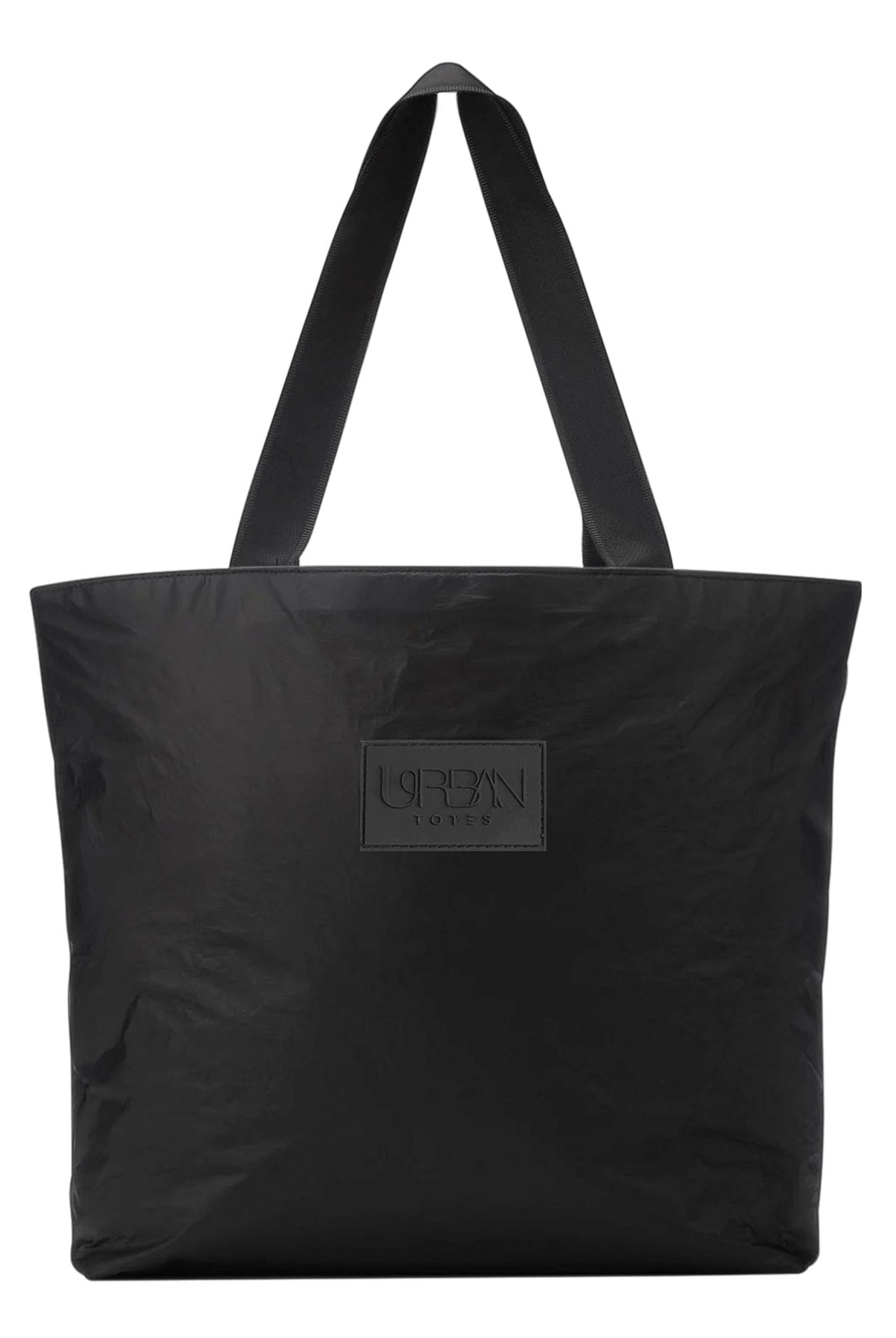
Urban Totes fits the personal-item side of this decision because the brand is built around real travel, not just a nice shape. The bags are water-resistant, lightweight, packable, and foldable, which is exactly what you want when a bag has to slide under a seat, keep essentials in order, and still look polished at the airport, the farmers market, or the school pickup line. That combination matters because a personal item should save you from gate stress, not add to it.
The tote that works like a travel anchor
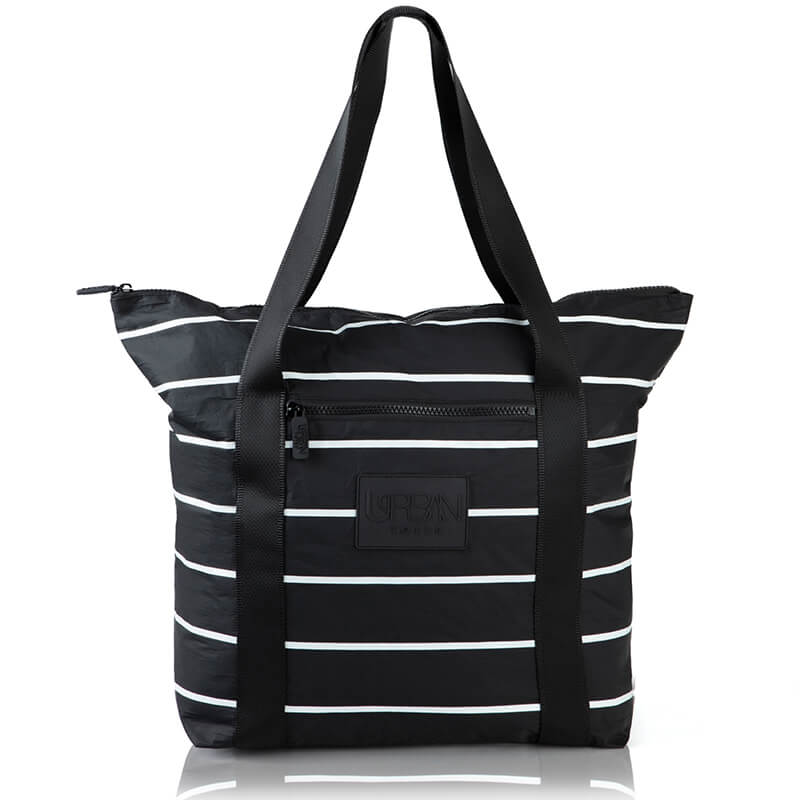
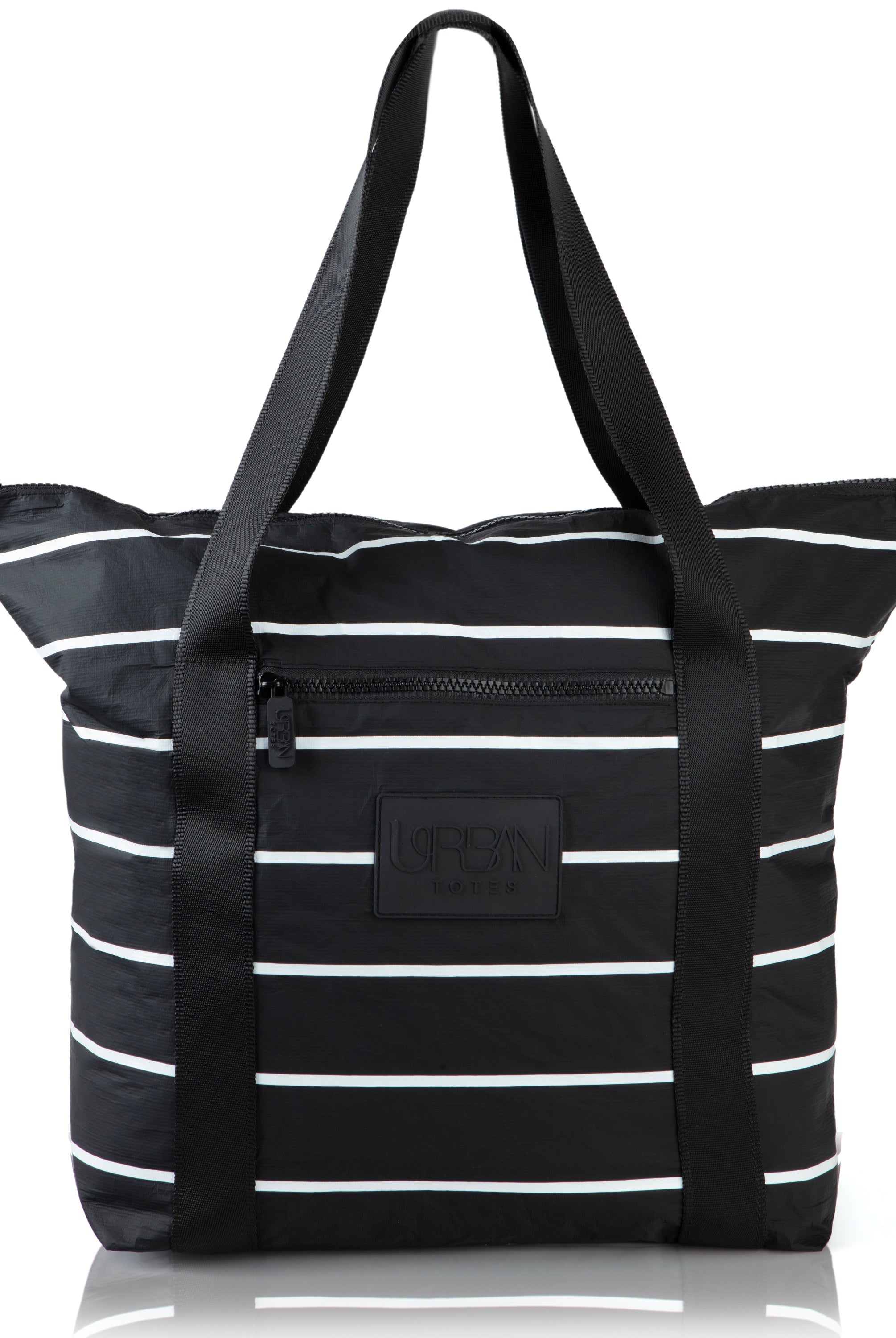
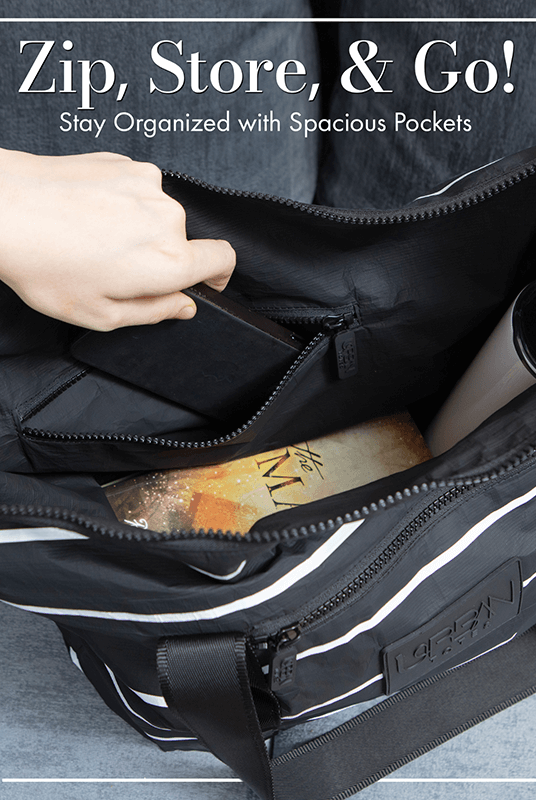
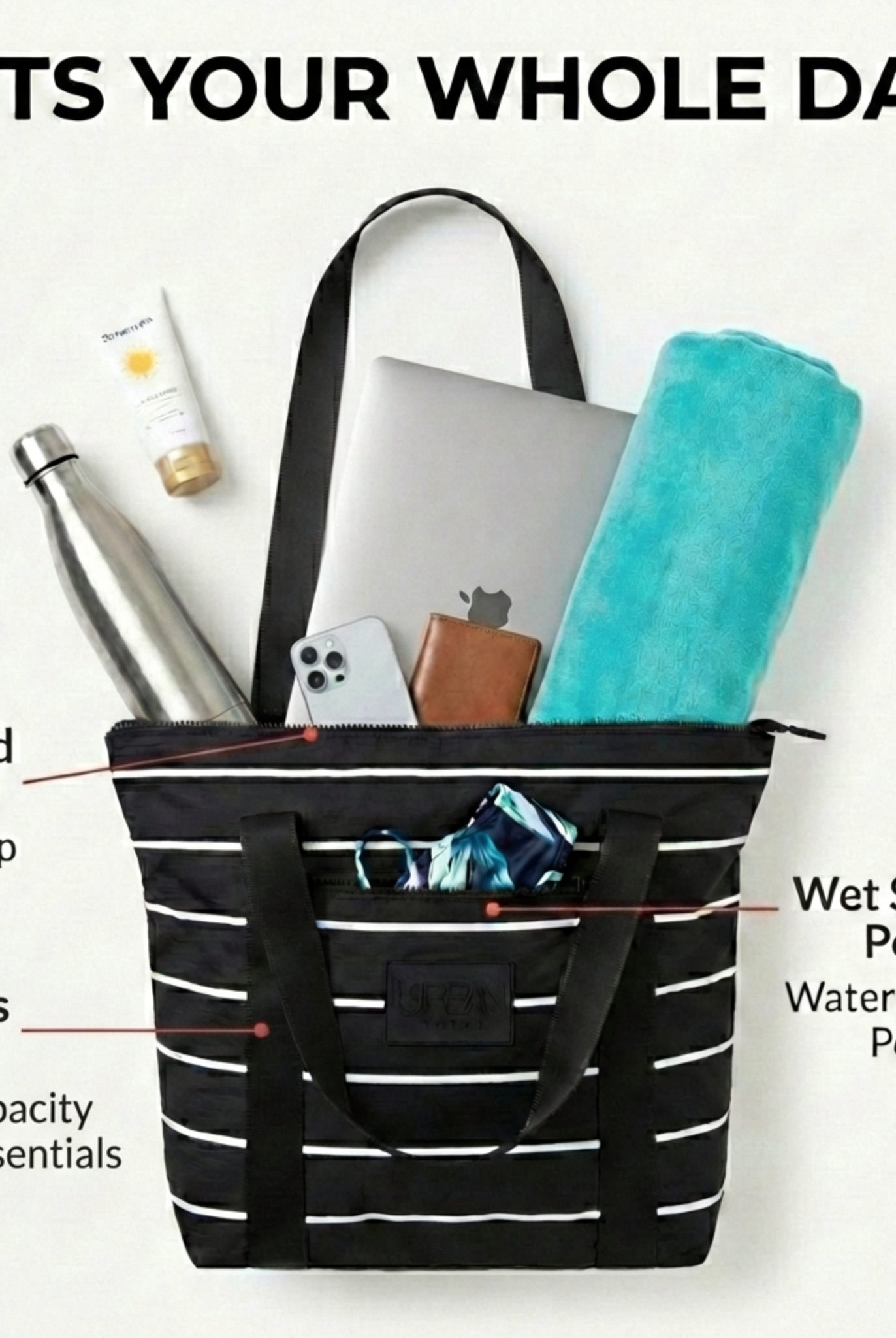
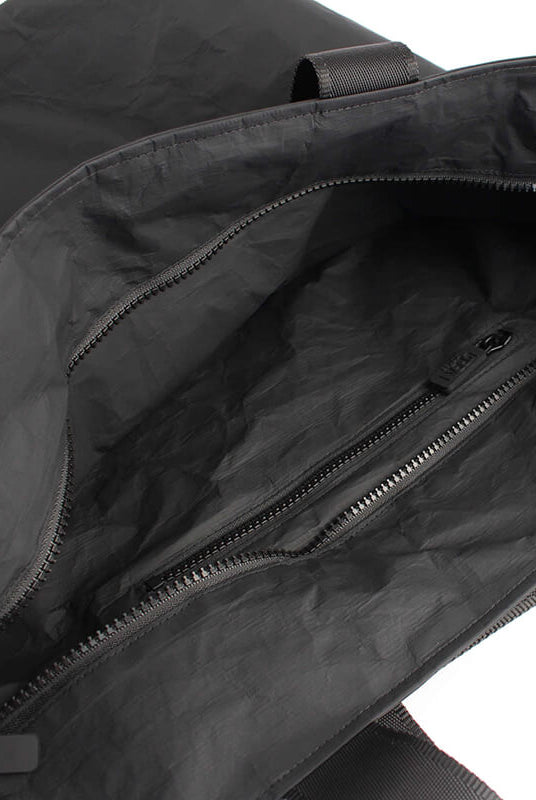
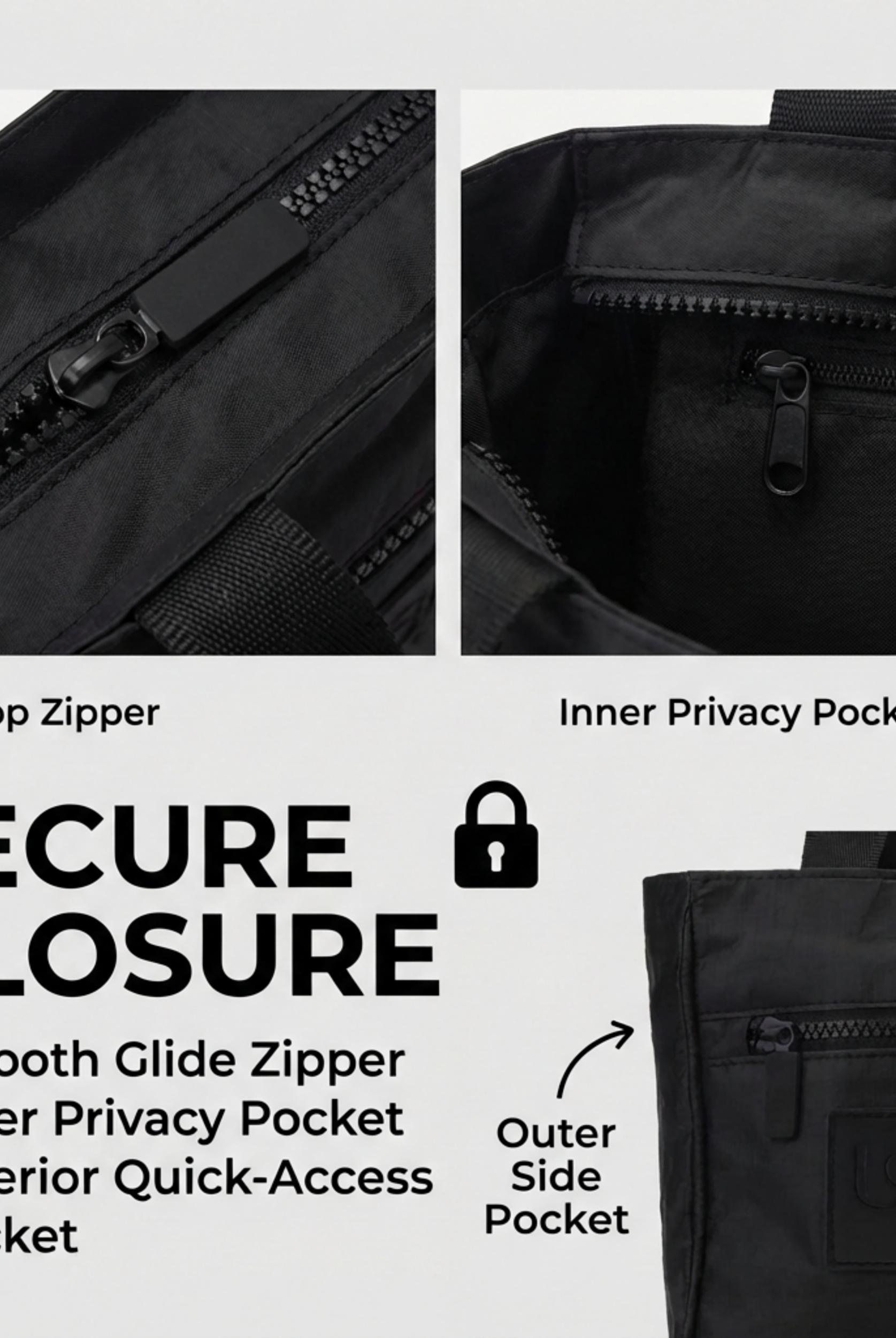
The Go Anywhere Day Trip Tote is the bag I'd grab when I want one organized place for the day's essentials. It gives you multiple large zippered compartments, dedicated pockets for phones and keys, and a secure zipper closure, so the bag stays sorted instead of turning into one big catch-all. For a traveler trying to stay within personal-item limits, that kind of structure is the difference between fumbling at boarding and knowing exactly where everything lives.
The travel tote bag with pockets is the kind of layout that makes that possible. It keeps the small stuff from sinking to the bottom, which is what you want when you are grabbing a charger, a lip balm, or a boarding pass in a hurry.
The Crossbody Tote Bag Mini Purse is the slimmer answer. With its 7.5 x 4 x 7.75 inch size, removable strap, and compact layout, it works well for commuters and day-trippers who want hands-free movement and a bag that tucks neatly under the seat. The outside pocket for a phone or keys is the sort of detail that saves you from opening the whole bag every time you need one thing.
Why the design matters in real life
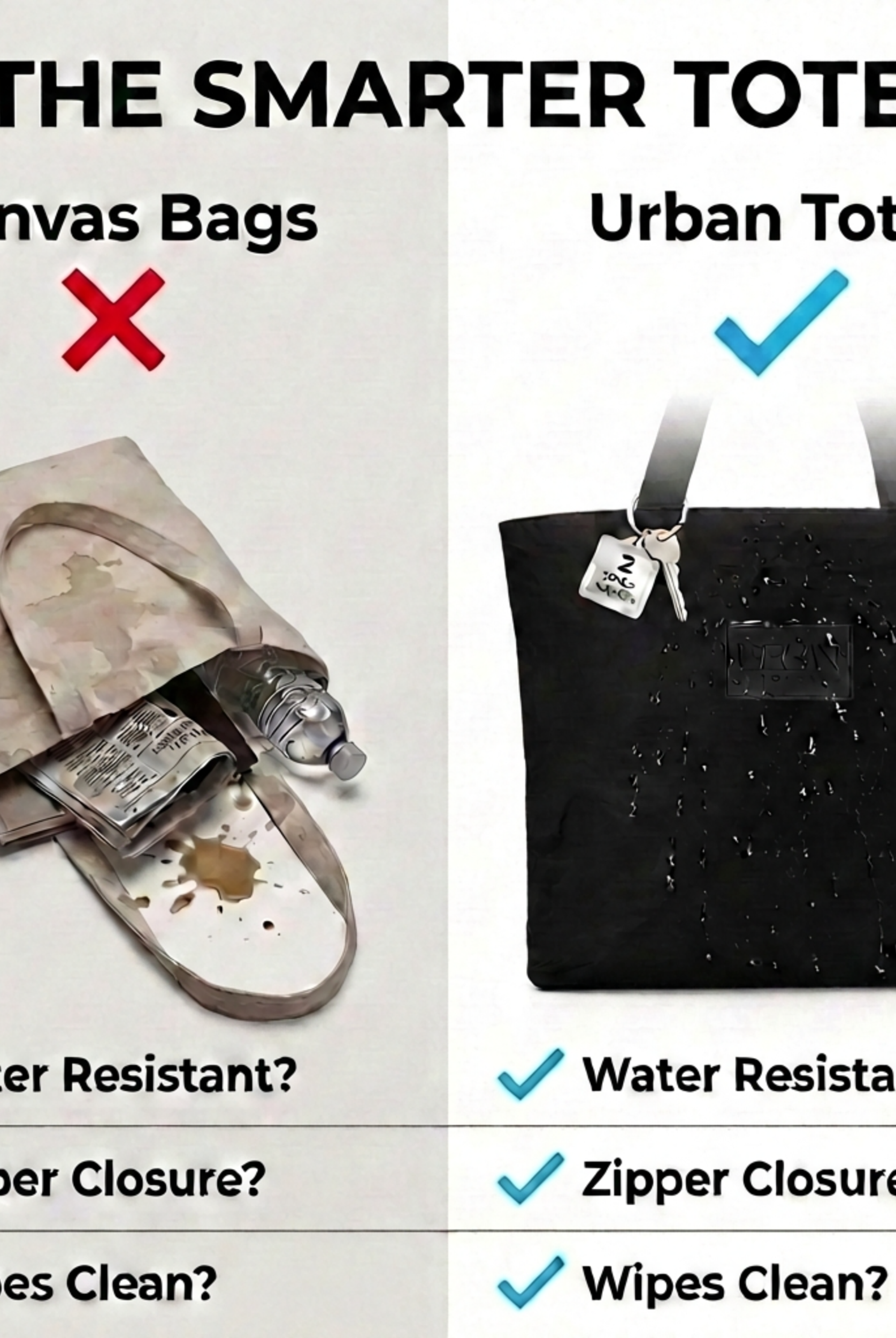
Secure zippers matter because they keep the contents together when the bag gets shoved under a seat or into a tight overhead space. Comfortable straps matter because the same bag that looks fine at curbside can feel awful after two terminal transfers. Easy-clean materials matter because coffee spills, sand, and snack crumbs are part of real travel, not rare accidents.
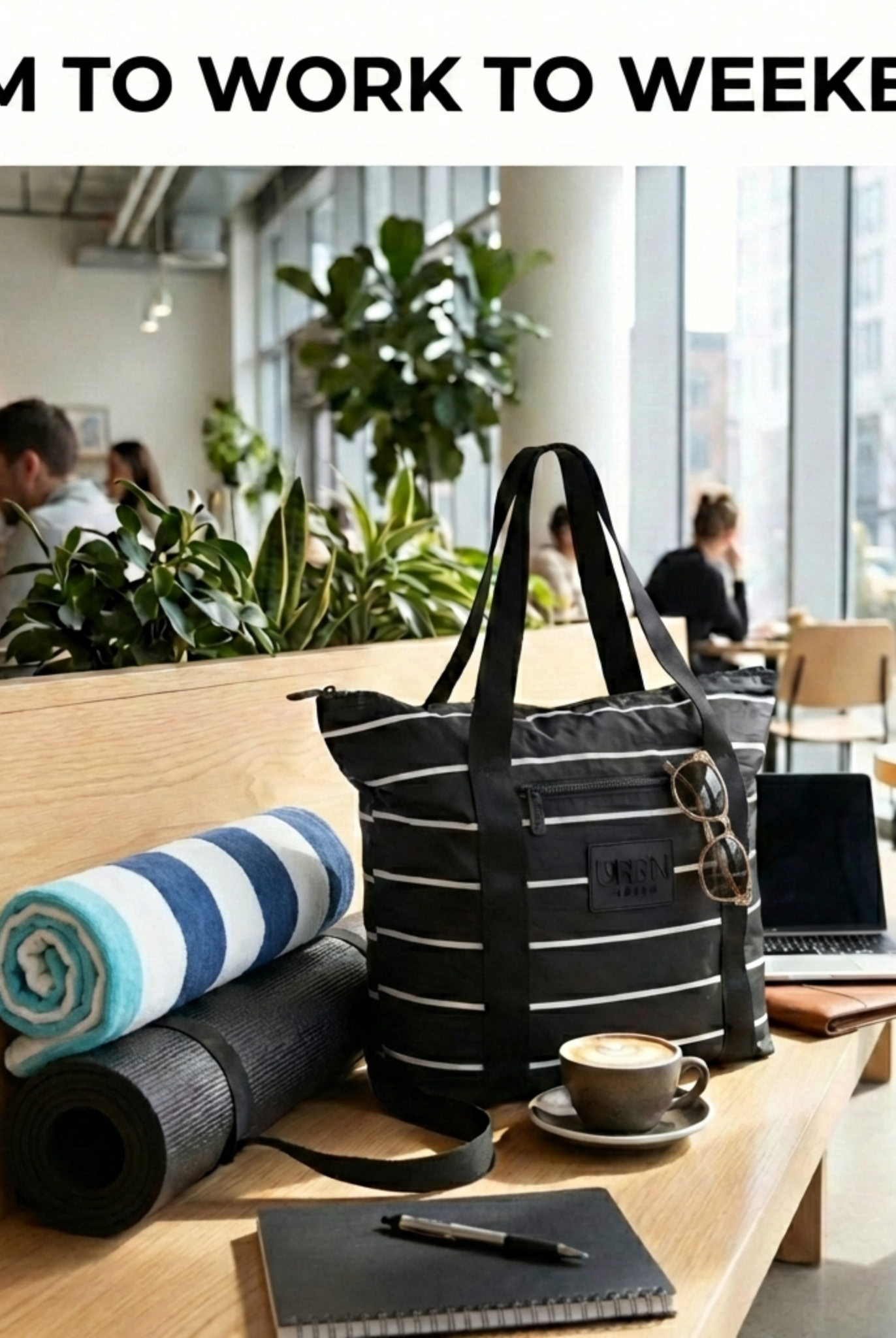
Urban Totes is a woman-owned, Boise-made brand, and that shows in the practical details. The collection feels made for women who want a bag that can move from commute to conference to beach chair without needing a wardrobe change. That is the point of a go-anywhere tote. It should keep up.
If your travel bag has to serve as both an everyday carry and a personal item, choose one that stays organized, folds away when needed, and still looks like something you picked with intention.
Your Decision Framework for Every Trip
The decision gets easy once you stop asking which bag holds more and start asking which one protects your time, money, and sanity at the airport. That is the standard I use. If a bag choice creates stress at the gate, it is the wrong bag for that trip.
Use this filter before you pack
- Check the airline first. Look up the exact carry-on and personal item dimensions before you leave home, because the rules are not the same from one carrier to the next. American's published limits and Southwest's carry-on policy show how fast a bag can go from acceptable to problematic depending on the airline.American Airlines baggage rules Southwest carry-on policy
- Match the bag to the trip. A short trip, a budget fare, or a strict boarding process usually calls for a personal item. A longer trip, or a fare that includes overhead space, points to a carry-on.
- Think about access. If you want your charger, wallet, snacks, or boarding pass during the flight, keep them in the under-seat bag.
- Avoid borderline bags. If a bag only works when it is half empty, it is not dependable for travel.
What I'd choose in real life
For a work trip with a laptop and a change of clothes, I would choose a compact personal item with a clear packing system and easy access to the things I need fast. For a beach weekend or a family trip, I would want a tote with structure, pockets, and easy-clean material so the bag does not turn into a black hole. For a budget airline fare where every inch matters, I would go smaller on purpose and leave the larger bag at home.
The smart setup is not the one that lets you carry the most. It is the one that gets you through the gate without drama and keeps your essentials exactly where you need them. A stylish, organized tote that fits under the seat across most airlines is often the better choice, especially if you want to avoid fees and still keep a full day's essentials within reach.
Urban Totes makes lightweight, water-resistant, packable bags that fit that kind of travel decision. If you want a tote or crossbody that can handle errands, travel days, and everything in between, visit Urban Totes and choose a bag that keeps up with how you move.