Most bag advice gets this wrong. If a bag is made from recycled fabric, that doesn't automatically make it a responsible purchase, especially if the zippers fail, the seams fray, and the whole thing gets replaced next season. A real eco friendly travel bag has to earn its keep on airport floors, beach days, school drop-off, and the random Tuesday when you're carrying snacks, chargers, and a wet swimsuit at the same time.
That's the standard that matters: repairability, reuse, and lifespan, not just the label on the shell. The market is clearly moving in that direction, with the global sustainable bag market projected at USD 24.35 billion in 2024 and rising to USD 85.04 billion by 2035 in one forecast, while a related eco-friendly backpack market is projected to grow from USD 2.54 billion in 2023 to USD 7.08 billion by 2033 (Market Research Future). Demand is broad, covering totes, backpacks, and travel carry solutions, which is exactly why the lifecycle question matters.
Table of Contents
- Why Most Eco Friendly Bags Are Not Actually Sustainable
- Materials and Construction That Reduce Waste
- Your Eco Friendly Travel Bag Buyer Checklist
- Choosing the Right Bag for Your Lifestyle
- Care and Packing Habits That Extend Bag Life
- The Real Environmental Impact of One Good Bag
- Find Your Perfect Go Anywhere Bag
Why Most Eco Friendly Bags Are Not Actually Sustainable
A pretty recycled bag can still be a wasteful bag. If it falls apart fast, if the hardware can't be repaired, or if the brand gives you no path for end-of-life care, you're back in the store replacing it, which defeats the whole point. That's the hidden problem with a lot of green marketing, it celebrates the material and ignores the lifespan.
Recycled content is not the same as circularity
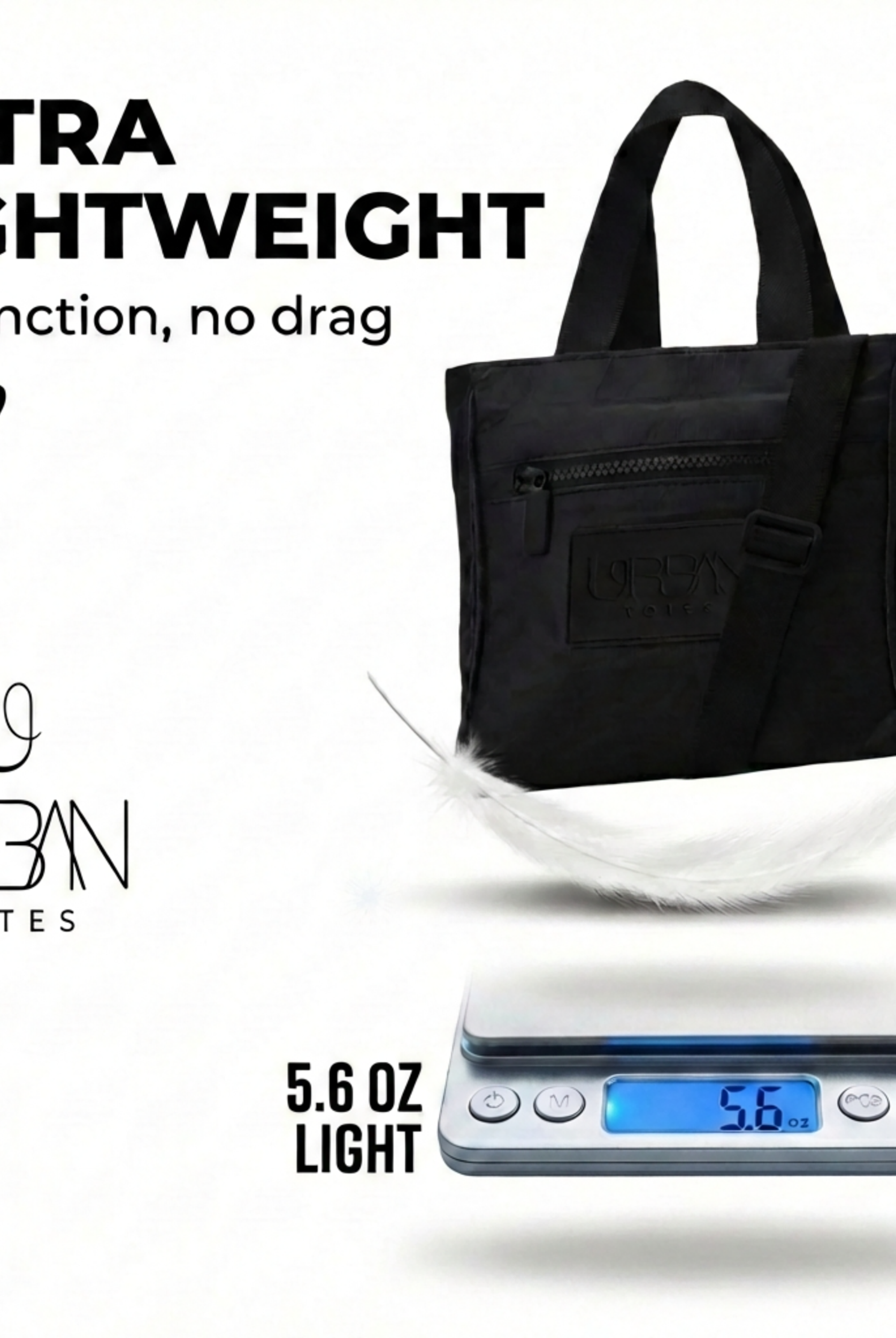
Recycled polyester is a real improvement over virgin plastic input, but recycled content alone doesn't guarantee a low-waste outcome. A traveler survey summarized by LuggageHero found that 87% of travelers want to travel more sustainably, but only 39% always manage to do so, while 43% said they never, rarely, or only sometimes succeed (LuggageHero). That gap is exactly why practical design matters more than slogans. Travelers need bags that are lightweight, reusable, easy to clean, and durable enough to stay in rotation.
The material story also needs context. The same source notes that recycled polyester can use 33% to 53% less energy than virgin polyester in manufacturing (LuggageHero). That's meaningful, but only if the bag lasts long enough to pay back its footprint. A bag that looks responsible on a product page and ends up in a closet after one season isn't doing the job.
Practical rule: ask what happens after the first zipper failure, not just what the shell is made from.
The real question is how long the bag stays useful
A life-cycle assessment of shopping bags found that reusable PET or polypropylene bags generally have lower impacts than single-use bags, but only if they're reused enough times to offset production (RMIT). That same logic applies to travel bags. A bag that is used hard for commuting, gym runs, and weekend trips has a better chance of making a real dent in waste than a flimsy tote that needs replacing every few months.
The overlooked issue is end-of-life. Many “eco” guides stop at recycled fabric and never ask about repair support, spare parts, or take-back policies. That's the part I look for first now, because a bag can be made from responsible materials and still create waste if nobody can repair it when the handle or zipper goes.
For readers shopping carefully, Urban Totes keeps a useful internal guide on fabric trade-offs in recycled material bags, and that's the right place to start before believing any vague sustainability claim.
Materials and Construction That Reduce Waste
The bags that hold up in real life are the ones built to take abuse. That usually means post-consumer recycled polyester, recycled TPU or PU laminates, and construction details that protect the spots where bags fail first. If you have ever watched a strap give out at the airport curb or a zipper split before boarding, you already know the fabric is only part of the story.

Fabrics matter, but the weave and laminate matter too
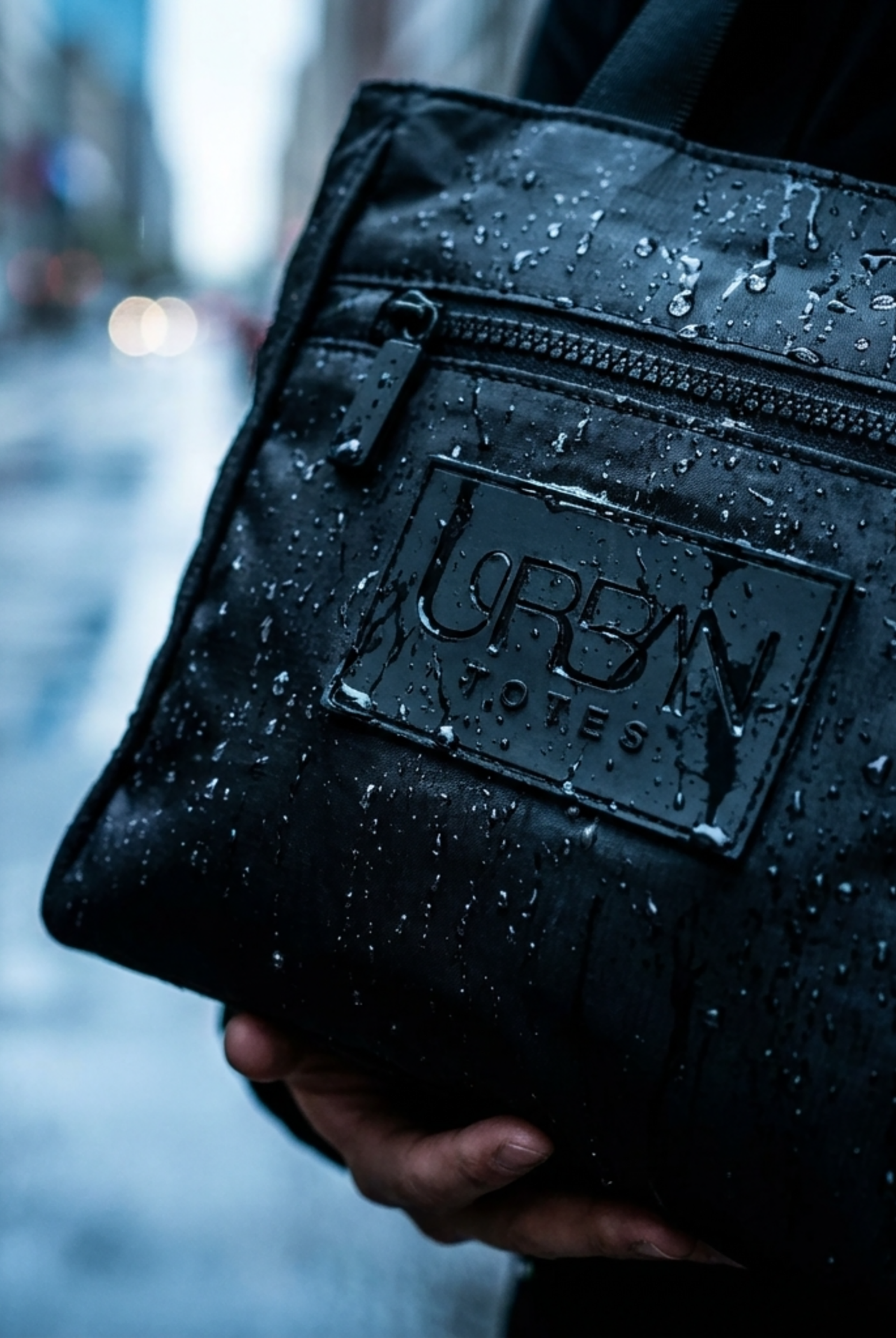
Patagonia's Black Hole MLC 45L uses 8.7-oz 300-denier 100% postconsumer recycled polyester ripstop with a recycled TPU-film laminate, plus 100% recycled polyester lining and recycled nylon webbing (Patagonia). That is a good example of recycled-content design done with use in mind. The ripstop weave helps limit tear spread, and the TPU laminate adds toughness and water resistance, which matters when a bag gets dragged through wet sidewalks, crowded terminals, or sandy beach parking lots.
I pay attention to whether a bag feels structured without feeling stiff. A textile that is too soft can collapse under load and wear unevenly. A well-built shell keeps its shape longer, and that helps the whole bag stay usable instead of starting to break down at one weak seam.
Hardware and stress points decide whether the bag survives real life
An eco-conscious luggage guide points out that verified recycled feedstock should be paired with load-critical details such as bonded frames, durable wheels, and replaceable modular parts, because recycled fabrics alone do not stop failure at the handle, zipper, or wheel interface (Alibaba product insights). That is the mechanical truth many shoppers miss. If stress concentrates in one cheap connector, the bag fails early, no matter how good the shell looks.
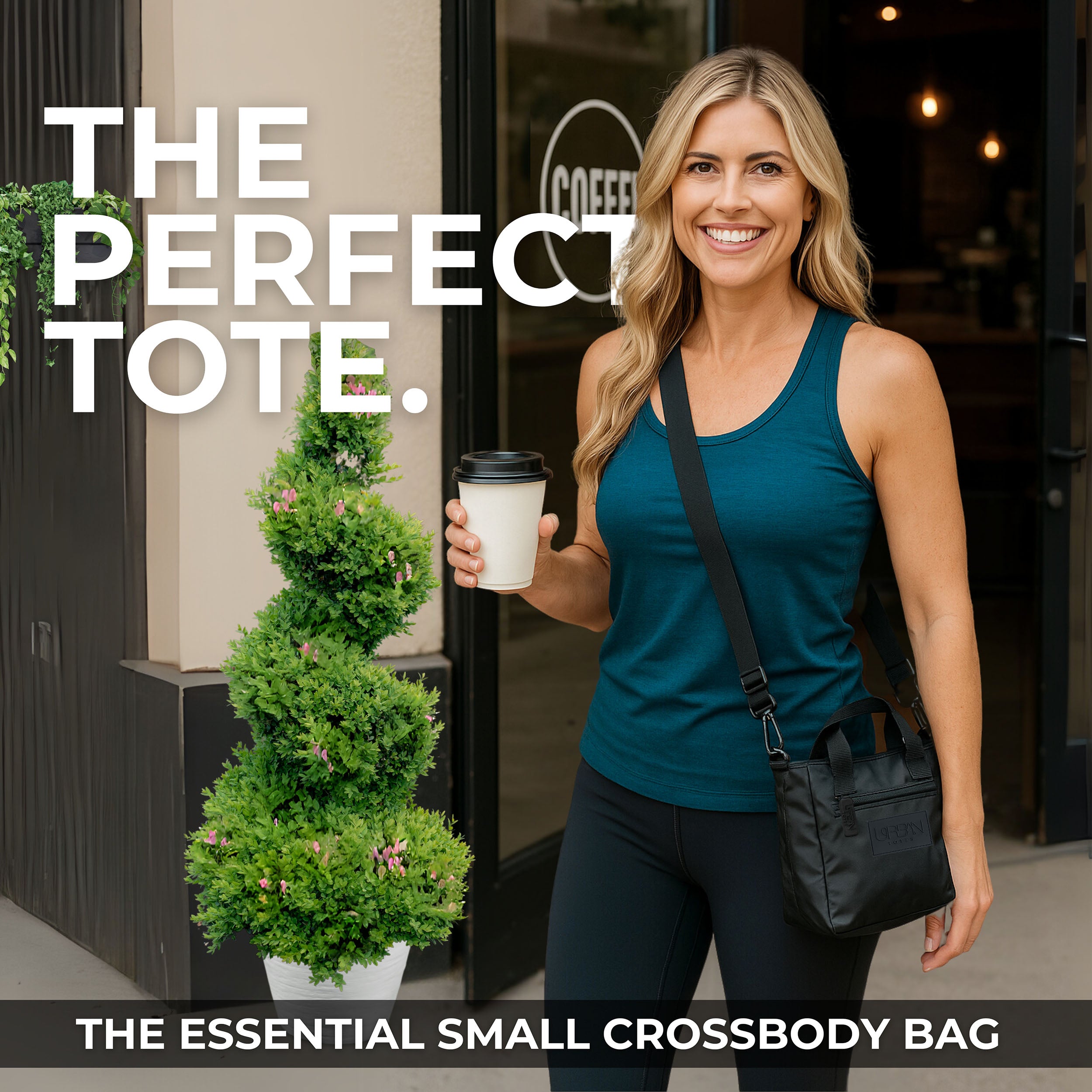
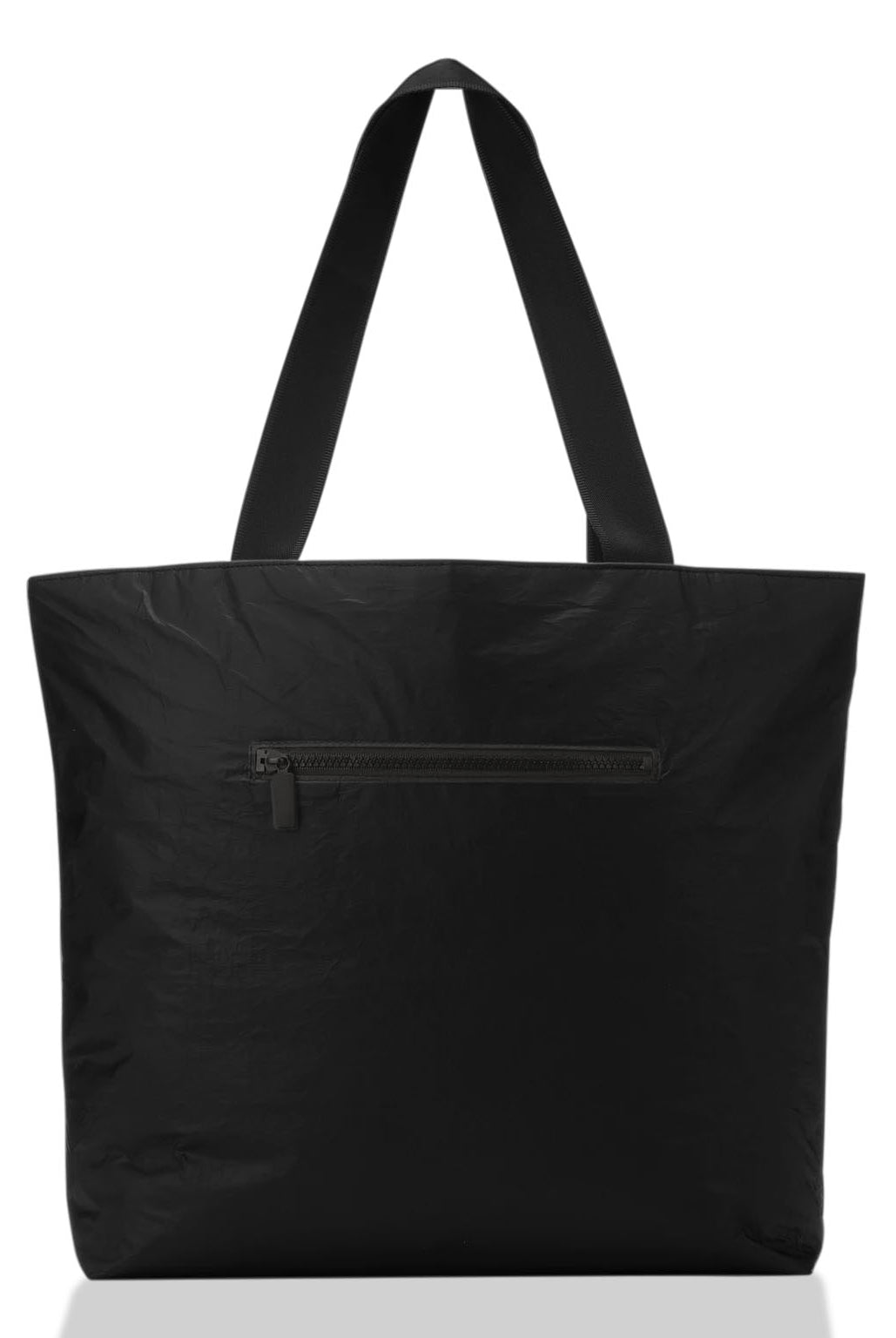
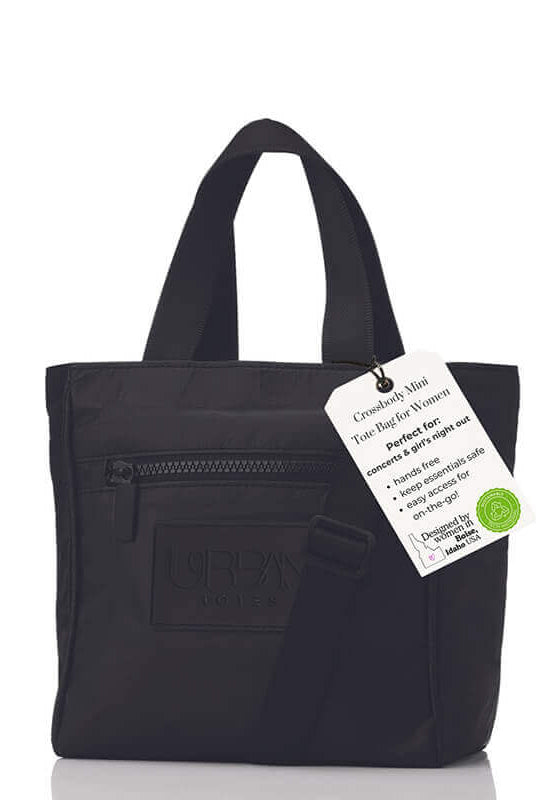
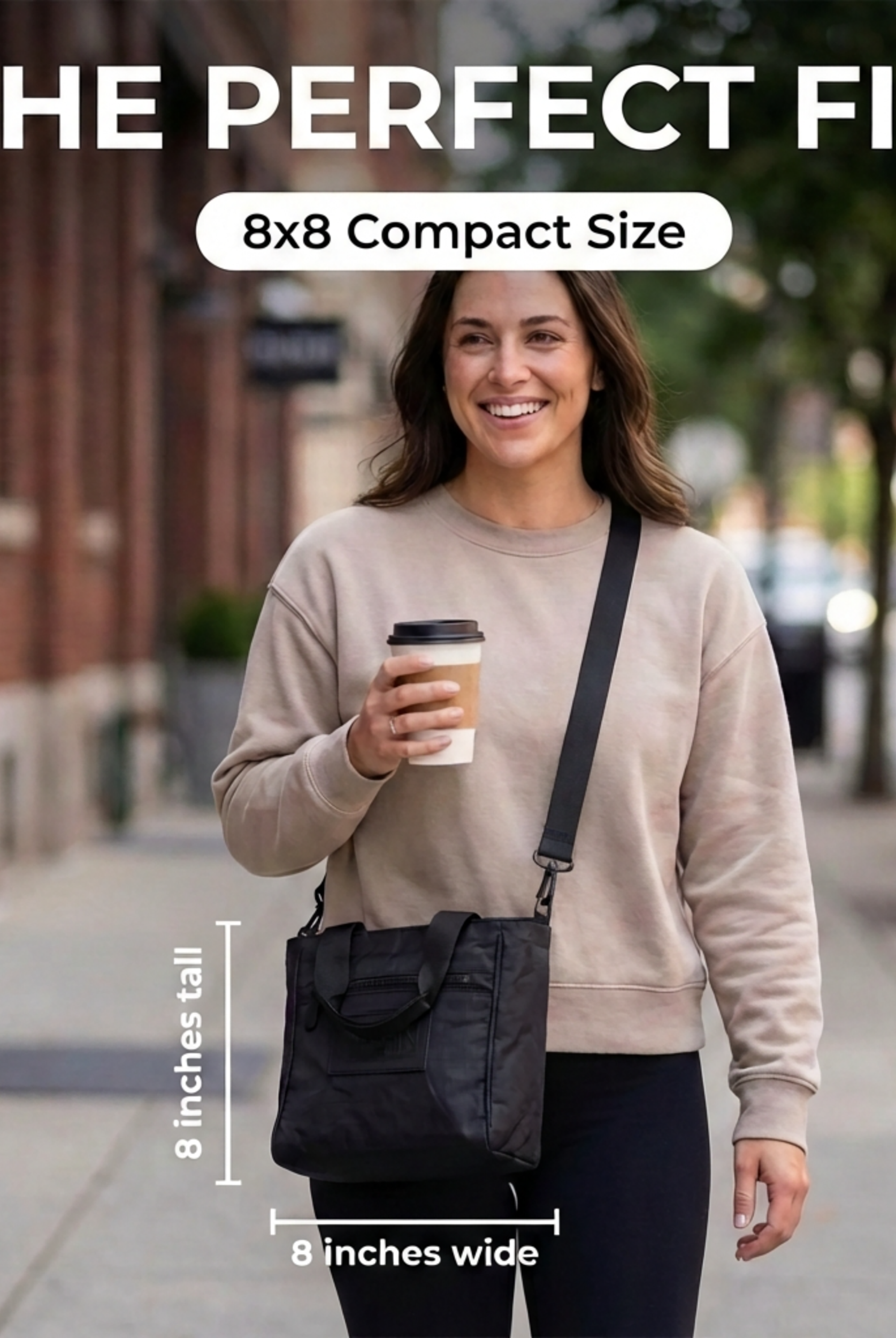
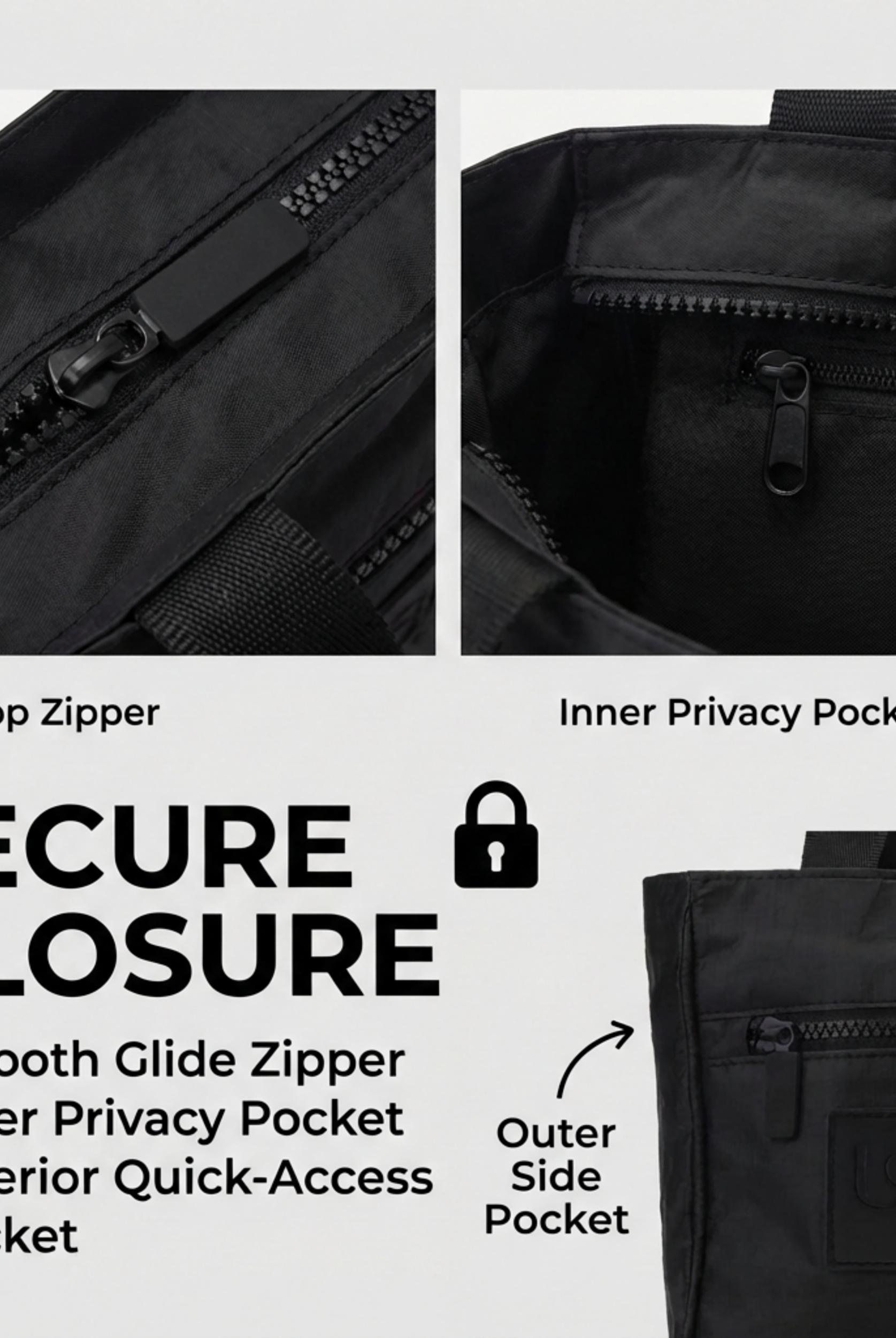
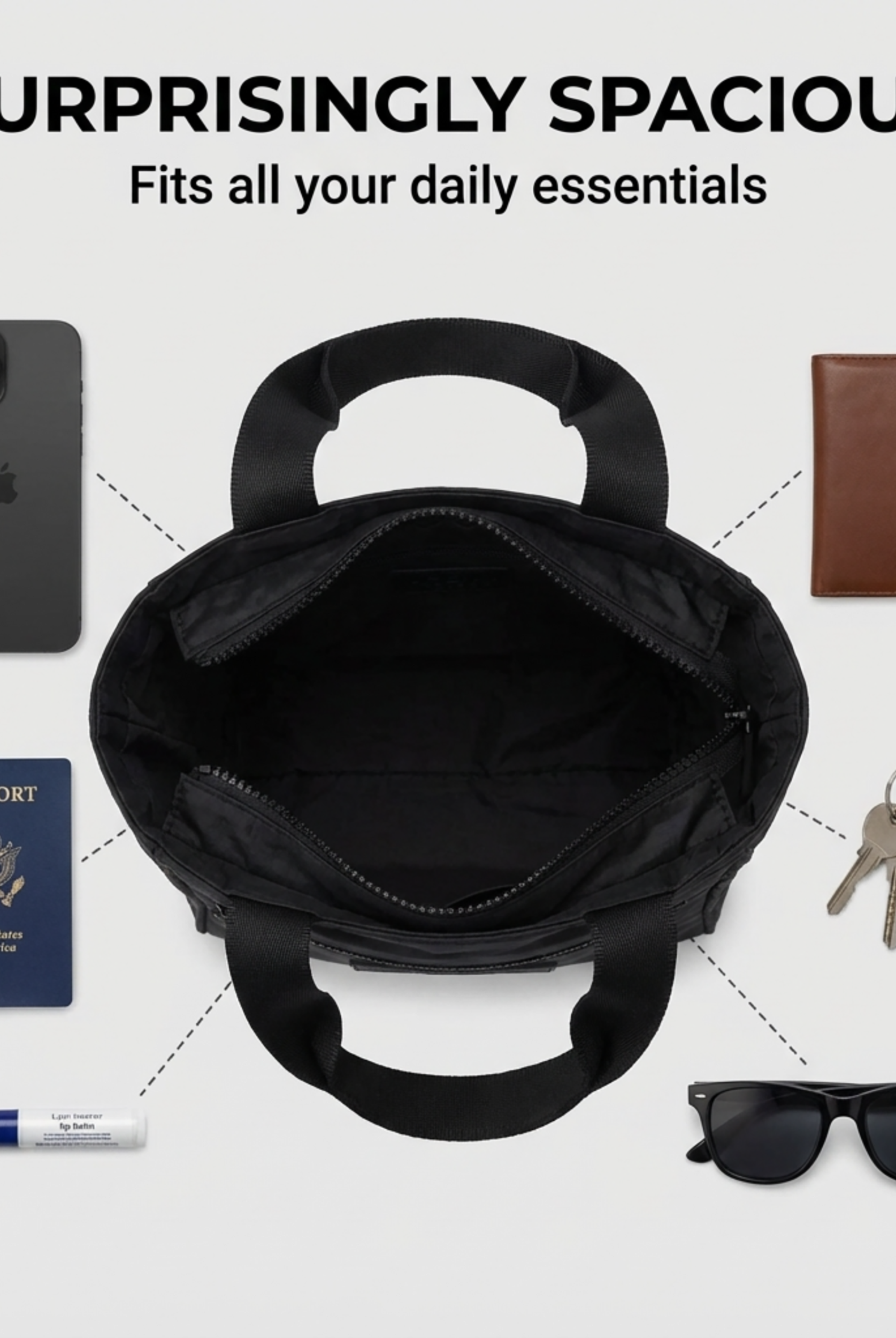
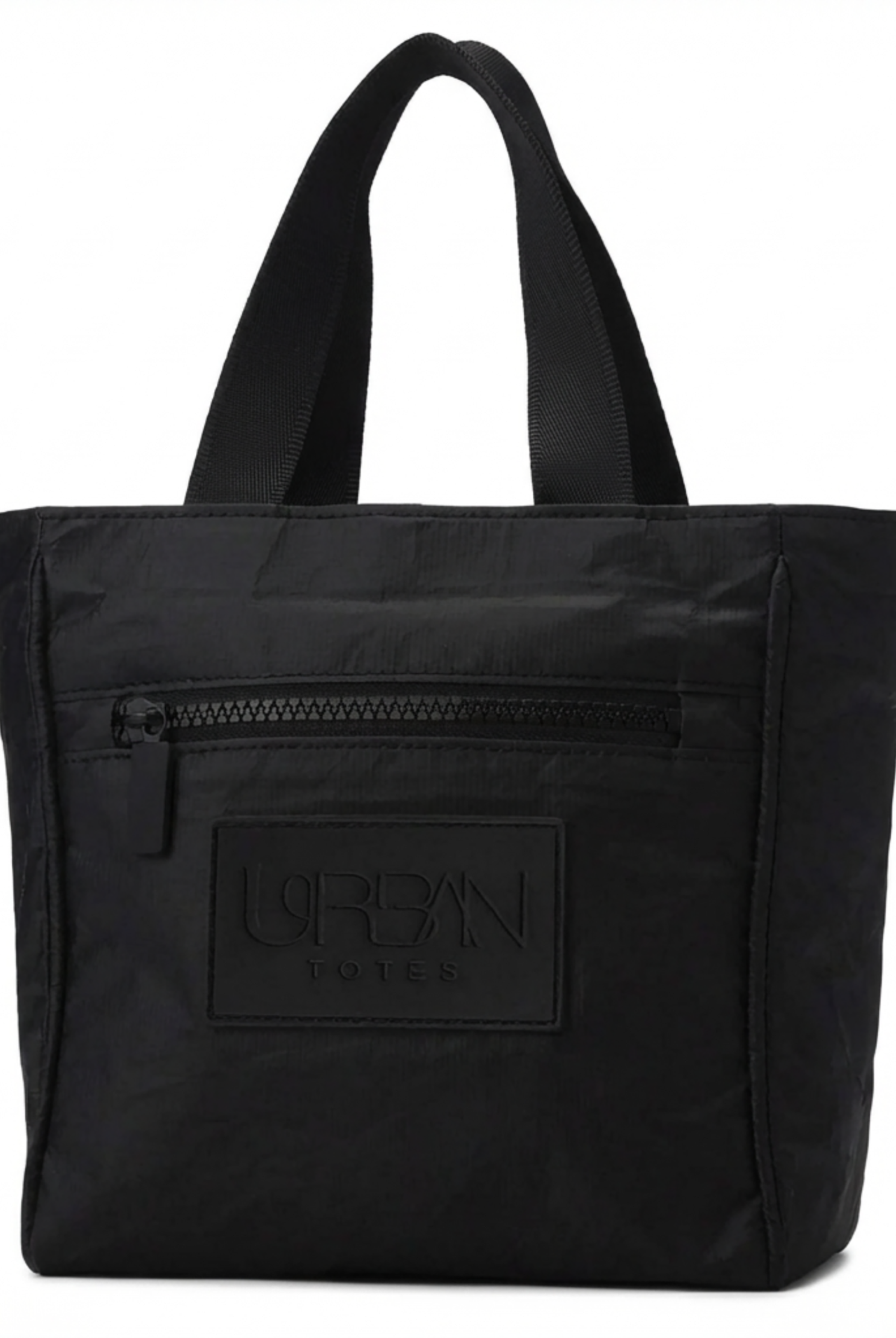
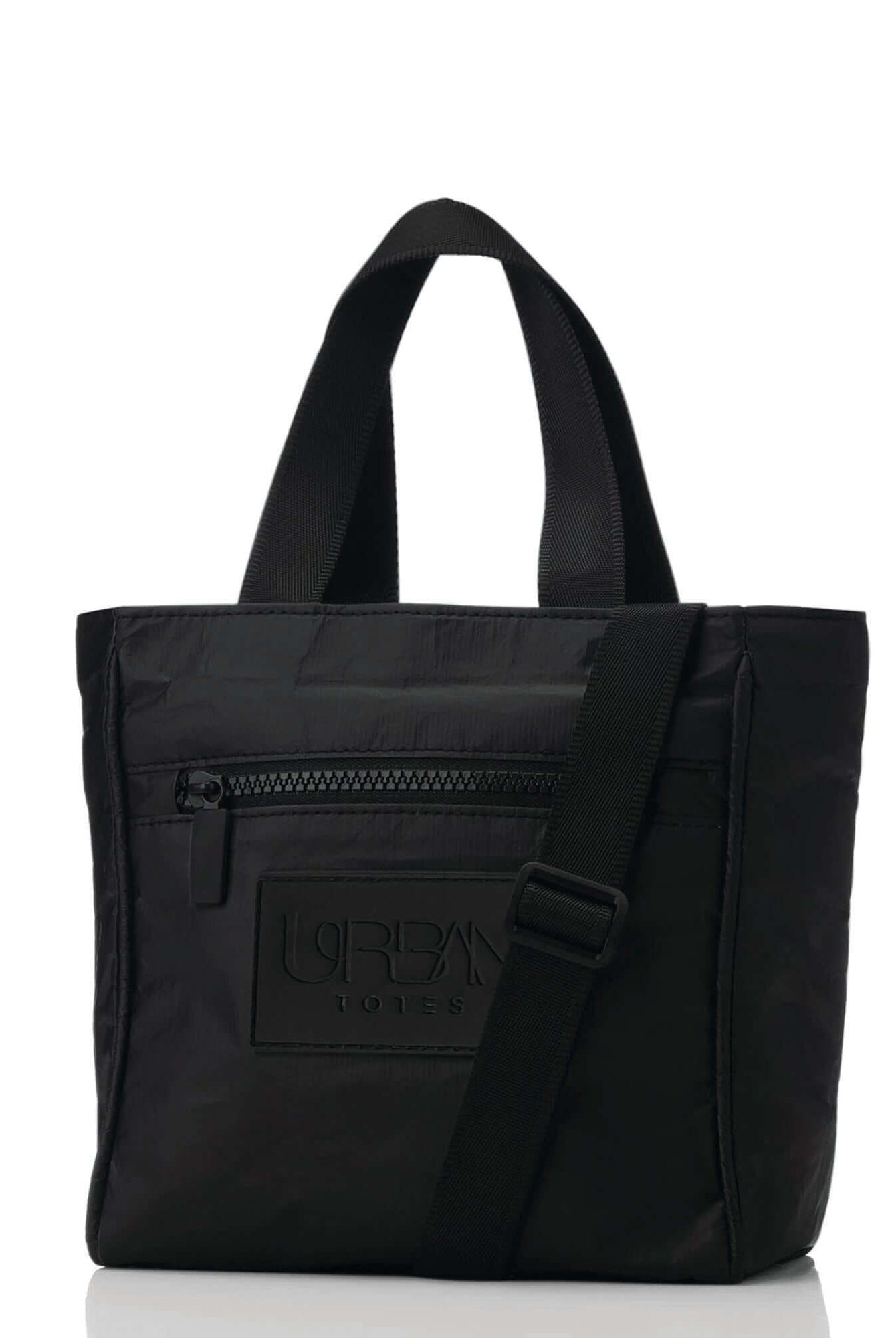
For a smaller everyday option, the Crossbody Tote Bag Mini Purse uses a zip-top closure, single outside zipper pocket, easy-access pocket, water-resistant materials, and structured piping to hold its shape. Those details make a bag easier to live with, because organization cuts down on rummaging and structure helps the bag avoid looking crushed after repeated use.
A bag that stays organized is often a bag that stays in service longer, because people do not abandon it out of frustration.
The internal material guide at tote bag material is worth comparing against any product description that claims to be thoughtfully made. I trust specifics over buzzwords every time.
Your Eco Friendly Travel Bag Buyer Checklist
A good bag doesn't just look responsible, it answers hard questions. When I'm shopping, I want to know where the fabric came from, whether the hardware can handle daily abuse, and what the brand says about repair or recycling after the bag reaches the end of its run. If a product page is vague, that vagueness is the answer.

Start with material transparency
Look for clear language about post-consumer recycled content, recycled polyester, recycled aluminum, or reclaimed textiles. If a brand says “eco-inspired” but never tells you what the shell is made of, move on. The strongest products are the ones that explain the material choice without making you decode marketing copy.
Check the parts that break first
Zippers, handles, seams, and wheel mounts are the usual failure points. A durable bag should show reinforced stitching, sturdy closures, and hardware that doesn't feel flimsy when you pull or twist it. If a bag has a lot of hardware but no discussion of replaceable parts, that's a red flag.
Look for brand transparency beyond the product page
The end-of-life question matters most. Some of the best consumer guidance on sustainable luggage points out that repair, reuse, and take-back systems are part of the environmental picture, not an optional extra (Blue Dot Living). I'd rather buy from a brand that admits what it can and can't do than from one that makes everything sound perfect.
A few quick checkpoints help cut through the noise:
- Material origin: Can the brand trace the fabric to recycled or responsibly sourced inputs?
- Hardware quality: Do the zippers, straps, and connectors feel built for repeated use?
- Repair path: Is there any mention of repair, replacement, or take-back support?
- Use-case fit: Does the bag match your actual routine, or just a marketing mood board?
For a practical shopping pass, the internal guide on best tote for travel is a smart companion read before you buy.
Choosing the Right Bag for Your Lifestyle
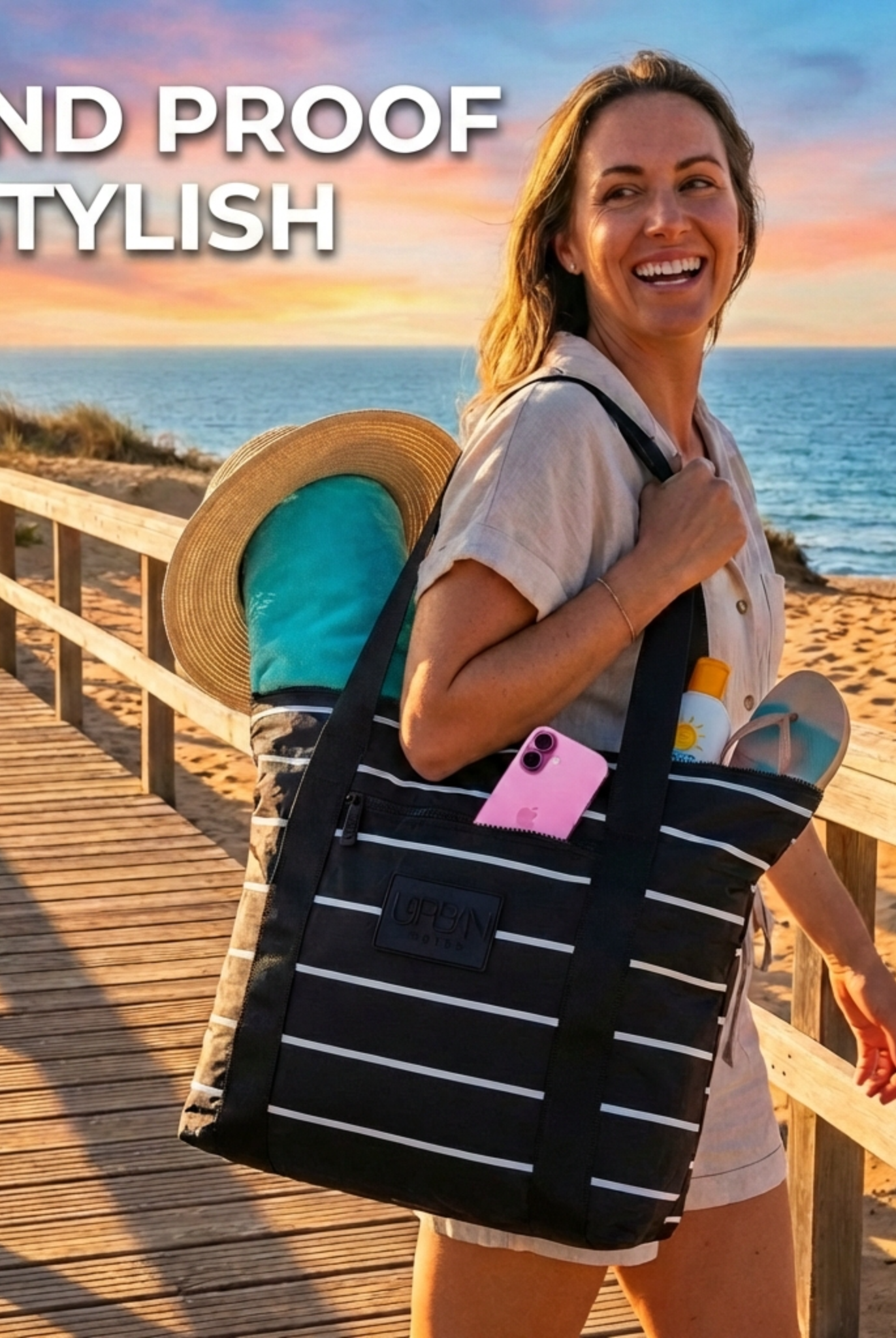
The right bag for a school run is not always the right bag for a long weekend, and that's where a lot of shopping goes sideways. A commuter needs a bag that keeps a laptop, lunch, and keys from turning into a mess. A beach-day mom needs something that won't mind damp towels, sunscreen, and sand. A weekend traveler needs packability first, because the bag has to disappear into luggage when it's not in use.
Daily commute and errand life
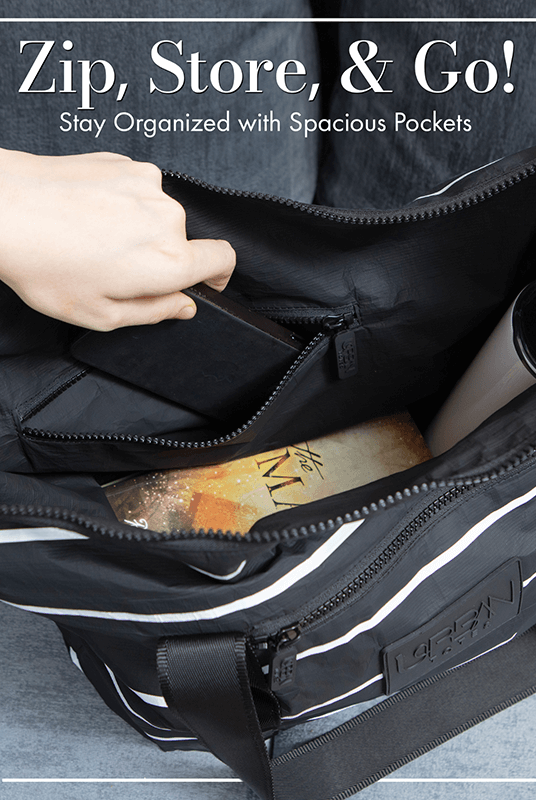
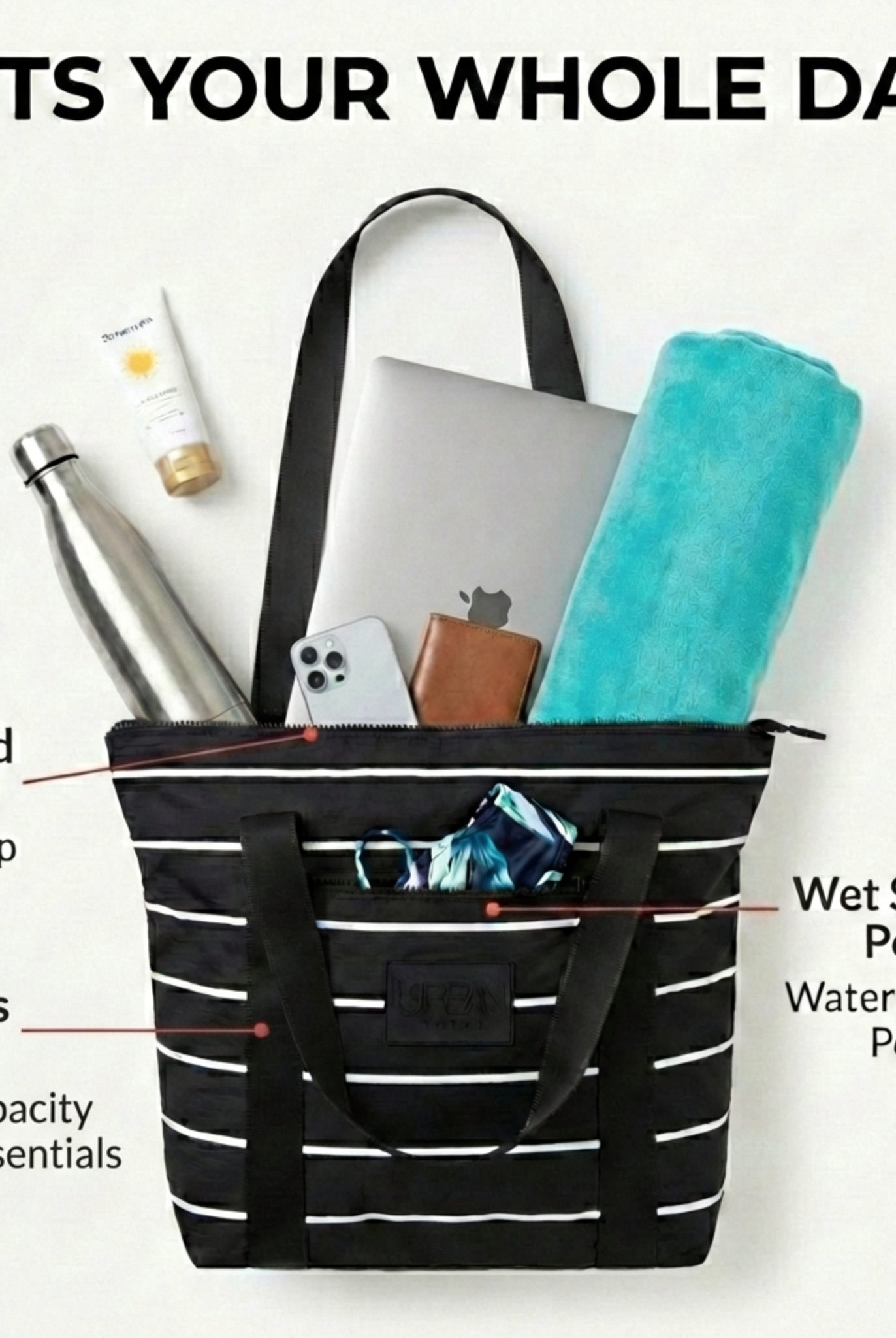
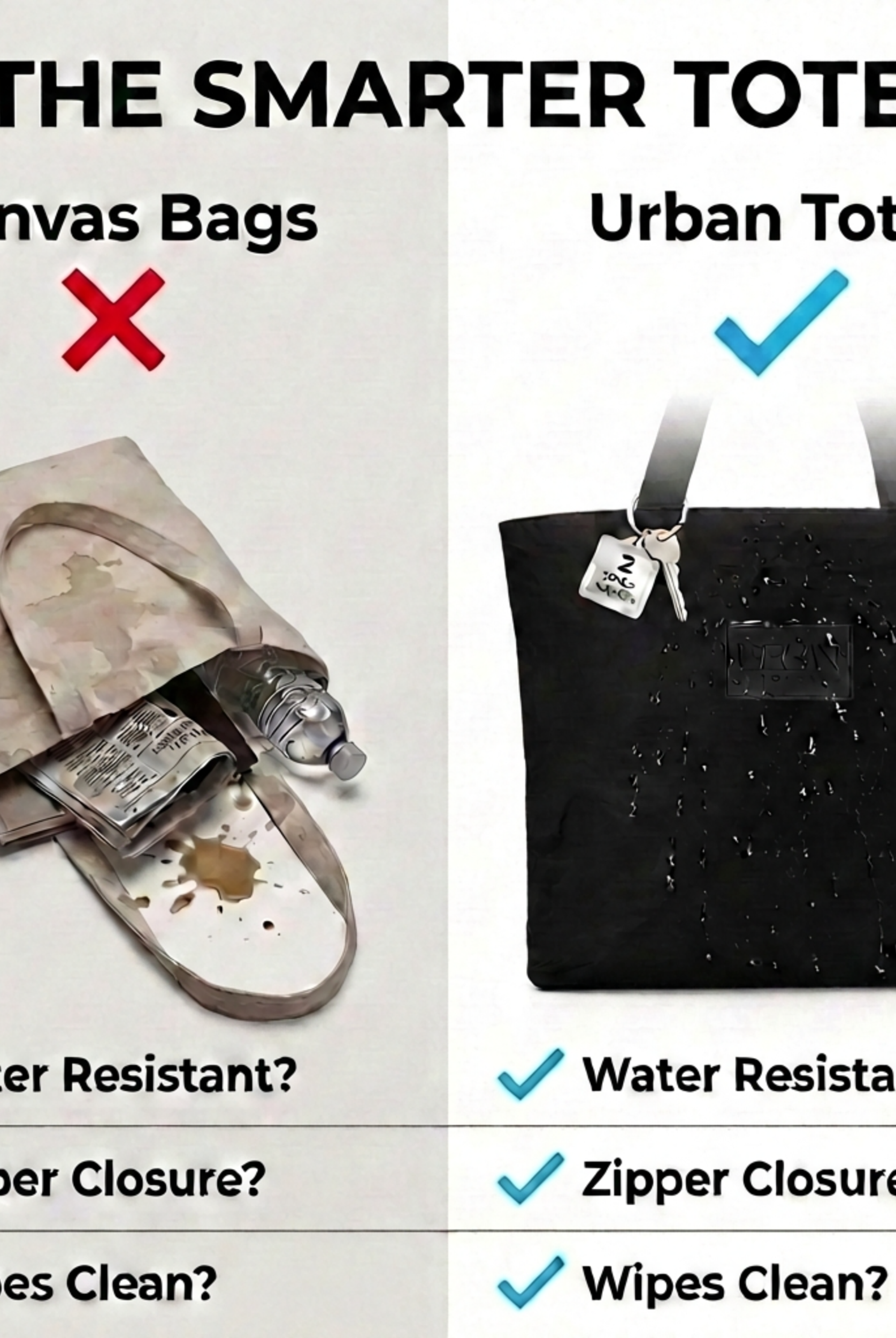
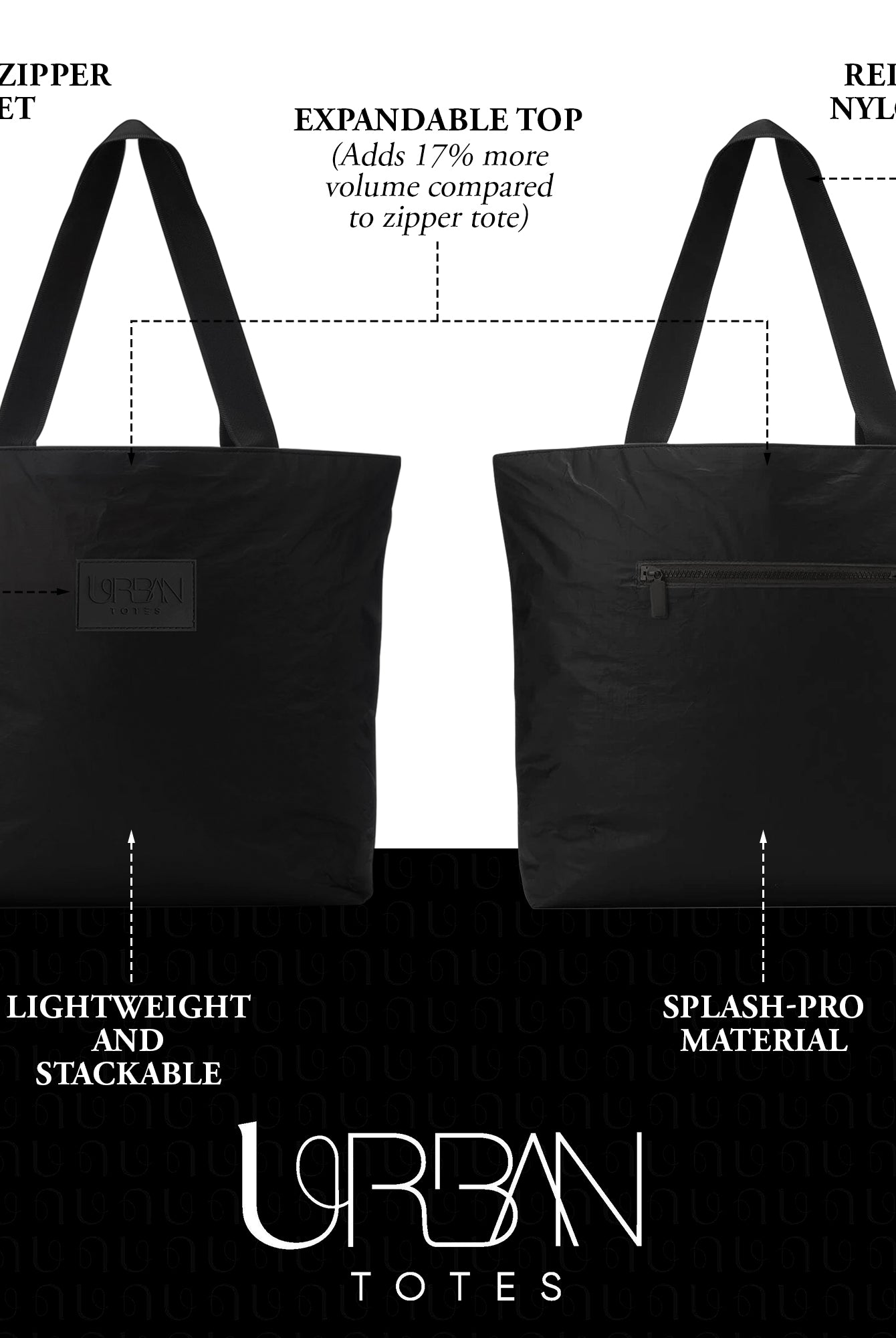
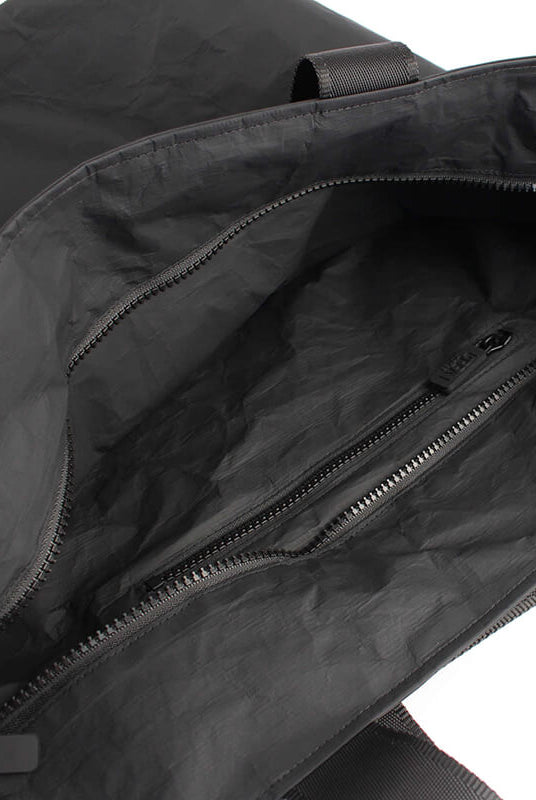
For commuting, I look for zipper closure, multiple compartments, and enough structure that the bag doesn't cave in under a charger, notebook, and water bottle. A bag that's easy to organize gets used more often, which matters because daily carry is where durability gets tested. The less time you spend digging for keys, the more likely the bag stays part of your routine.
Weekend trips and carry-on days
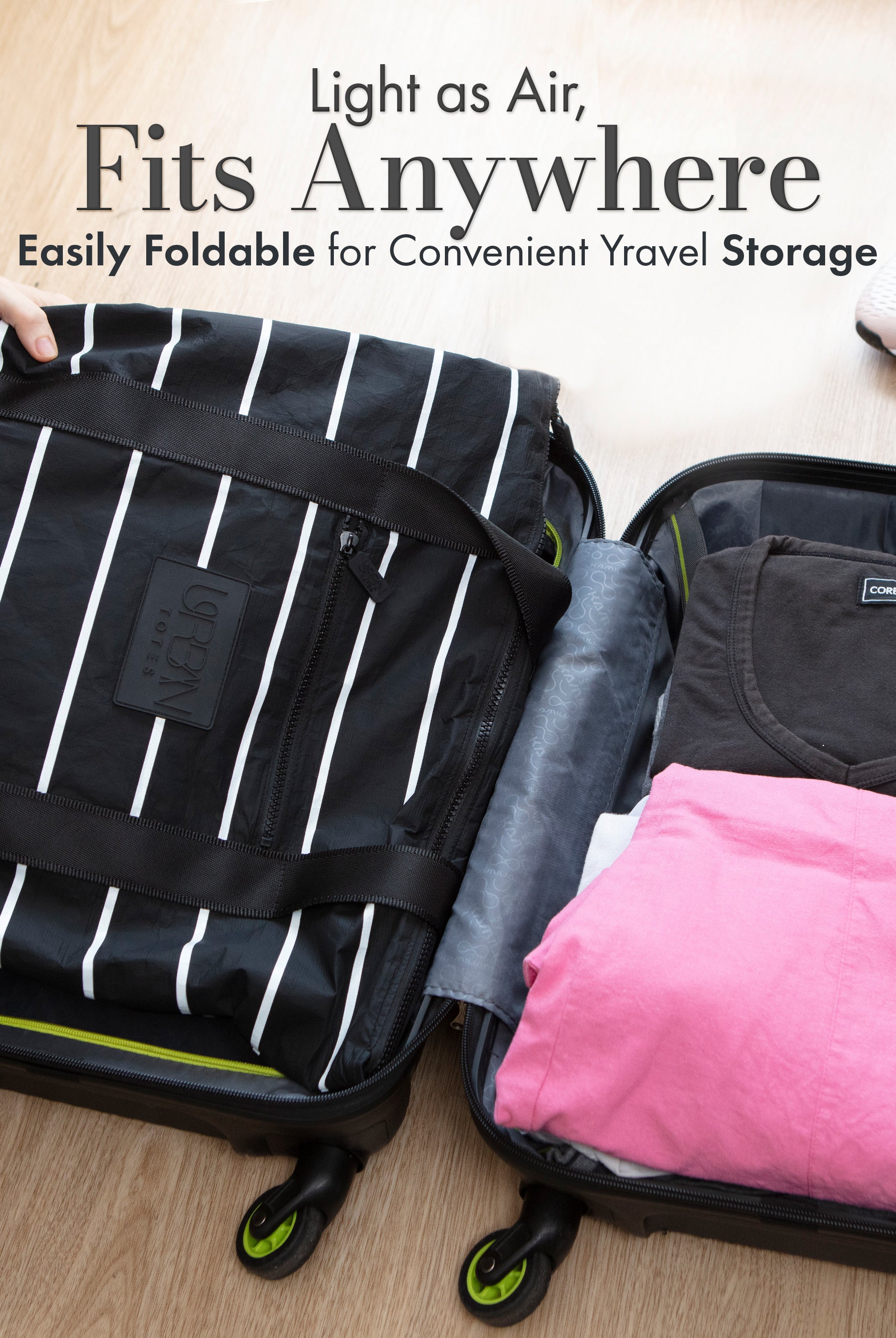
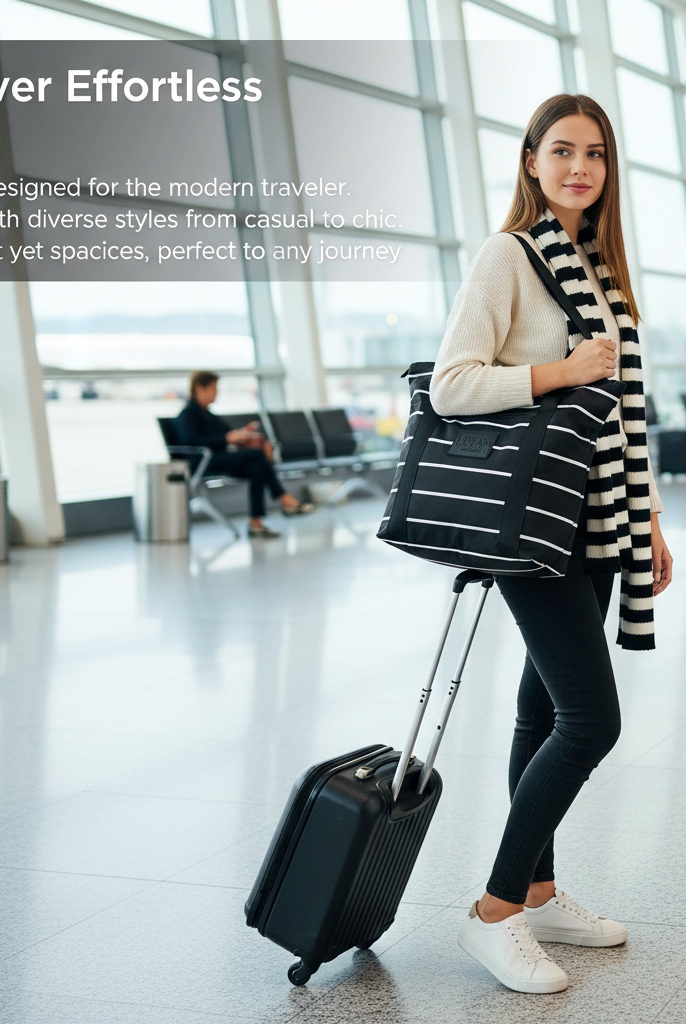
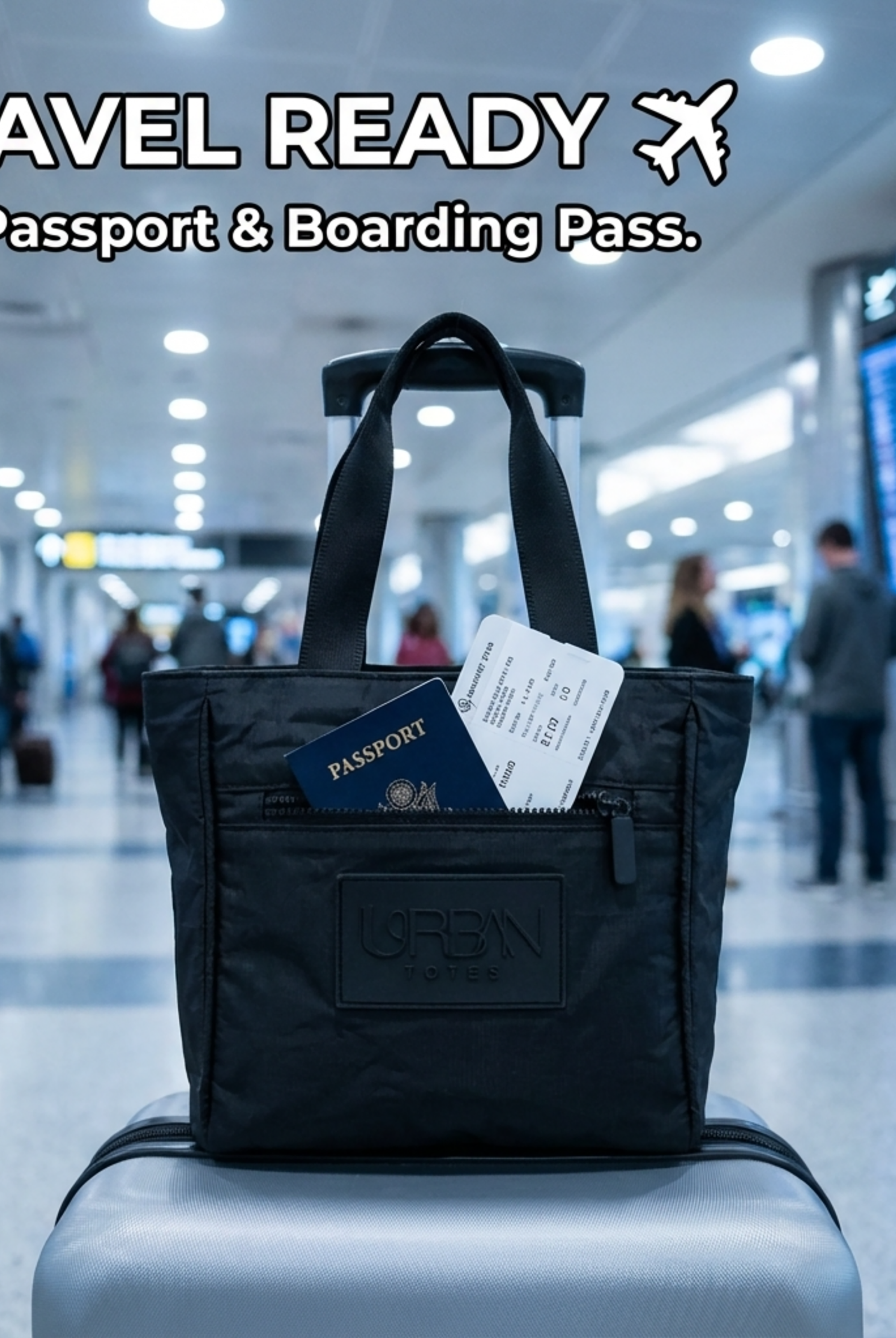
Packable and foldable designs make sense when you need a second bag that doesn't hog space. A lightweight tote or crossbody tucked into your suitcase can handle souvenirs, beach gear, or last-minute groceries without adding bulk on the way out. That's where travel-ready really means something, because the bag works both in transit and after arrival.
Beach, gym, and messy-life days
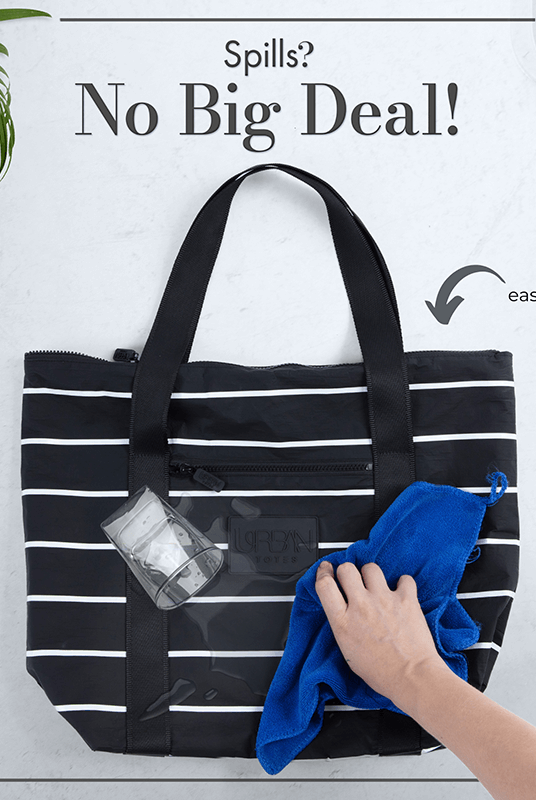
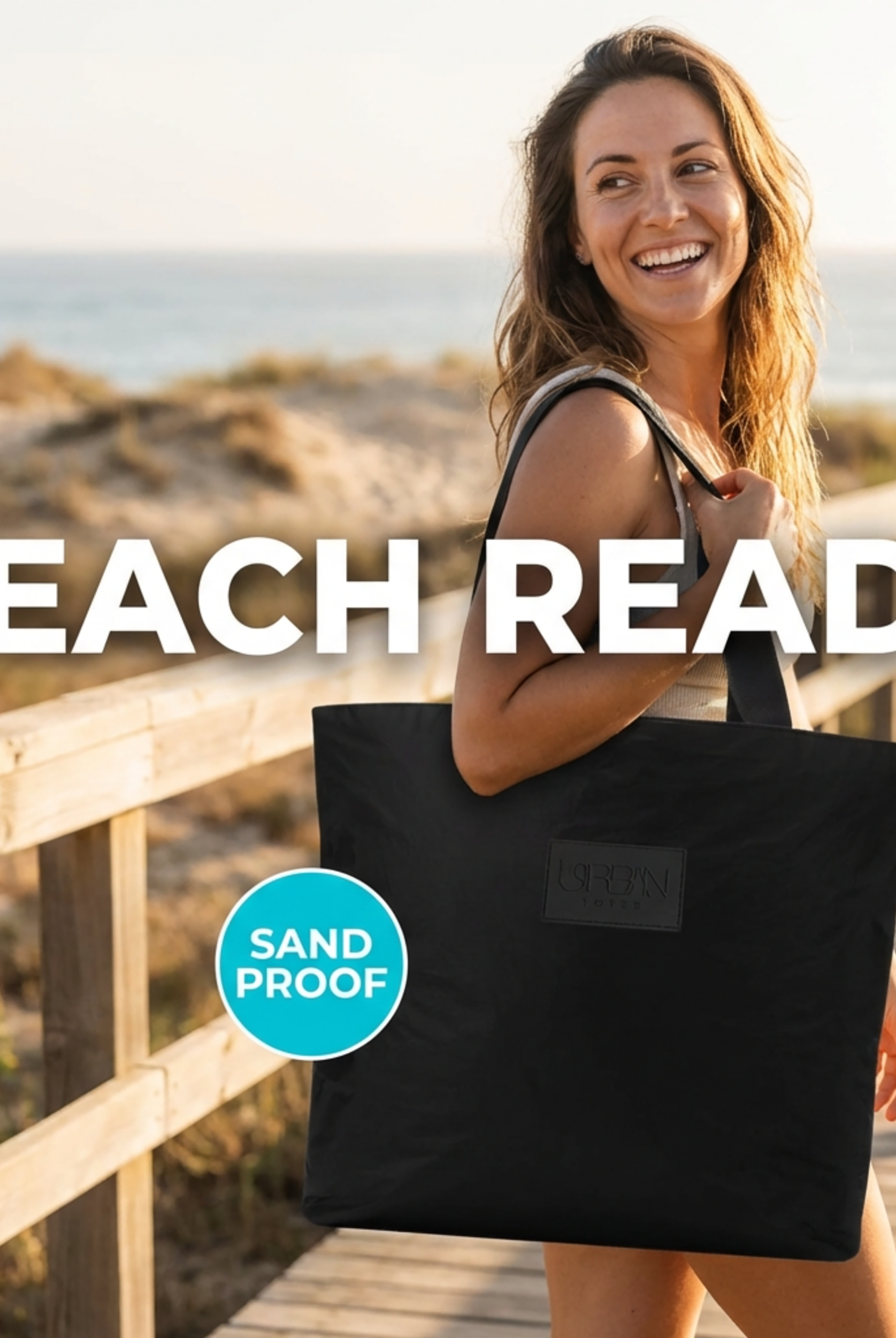
Water-resistant fabrics are the difference between a bag you baby and a bag you use. Sand, wet swimsuits, and sweaty gear are brutal on delicate textiles, so I want a bag that's easy to wipe clean and doesn't hold onto grime. An organized interior also helps, because separate pockets keep clean items away from wet ones.
The internal collection note on everyday carry bag essentials fits this decision-making process well, especially for readers who want one bag that can move from carpool to coffee shop without drama.
The most versatile bag usually isn't the biggest one. It's the one you can pack fast, clean fast, and trust in the back seat.
Care and Packing Habits That Extend Bag Life
The most sustainable bag is the one you keep using. That sounds simple, but it changes how you pack, clean, and store your everyday carry. A good bag can still wear out early if you stuff it past its limit, ignore a sticky zipper, or leave it baking in a car trunk for months.

Clean gently and keep the finish intact
A lot of recycled polyester bags can be wiped clean, and some are machine washable, but the safest habit is gentle care first. Use mild soap, avoid harsh scrubbing on coated surfaces, and let the bag air dry fully before storing it. That keeps water-resistant finishes from getting abused faster than necessary.
Pack smart so the seams don't take the hit
Overstuffing is a fast way to strain zippers and warp shape. Packing cubes help distribute pressure, and they keep the load from shifting into one corner of the bag. If you travel with kids, snacks, or both, that sort of structure saves everyone a headache.
Store it like something you want to keep
A bag in long-term storage should stay in a cool, dry place away from direct sun. Sunlight and heat can age fabrics and hardware faster than many realize, especially for bags that live in cars, closets, and garages. I also check zippers and buckles before trips, because a small issue is easier to fix at home than at a gate.
The care tips in how to care for your tote bag maintenance tips and tricks are a good reminder that maintenance isn't fussy, it's practical. The bag you look after is the bag that stays in circulation.
The Real Environmental Impact of One Good Bag
One durable bag can do more than a stack of cheap replacements ever will. That's because the impact of a bag isn't just in what it's made from, it's in how often it gets used, repaired, and kept out of the trash. Mississippi State University Extension reports that global plastic bag consumption is between 500 billion and 1 trillion bags per year, Americans recycle only 1 in 200 bags, and a properly maintained reusable bag can last at least 4 years and prevent more than 600 single-use bags from entering the environment (Mississippi State University Extension).
Reuse beats novelty every time
That reuse logic is the backbone of better bag buying. A bag you keep in your rotation has a far better environmental profile than a pretty one that sits unused. This is why I care so much about pockets, shape, and easy cleaning, because bags that are simple to live with get used again and again.
The same reuse principle shows up in broader bag research. A review of eco-conscious luggage materials notes that most suitcases sold today are made from petroleum-derived polycarbonate, ABS plastic, or polyester, and that each suitcase requires about 8 to 15 pounds of raw plastic plus another 2 to 3 pounds for wheels, handles, and internal components (Duravo). Recycled-content materials, especially post-consumer recycled plastics, recycled aluminum, and reclaimed textiles, are identified there as the most eco-friendly options.
Durability changes the math
A bag that survives repeated airport trips, beach weekends, and commuter use starts replacing more than just one cheaper bag. It replaces the habit of buying again and again. That's the win, because waste drops when the product stays useful long enough to matter.
Cotton tote math makes the point even sharper. Research summarized by the University of Edinburgh notes that one Danish study found a cotton bag needed 7,100 reuses based on life-cycle environmental impact, while another UK study found cotton bags needed 131 uses to have lower global warming potential than single-use plastic bags (University of Edinburgh). The exact material threshold varies, but the lesson doesn't. Reuse count matters as much as material label.
Find Your Perfect Go Anywhere Bag
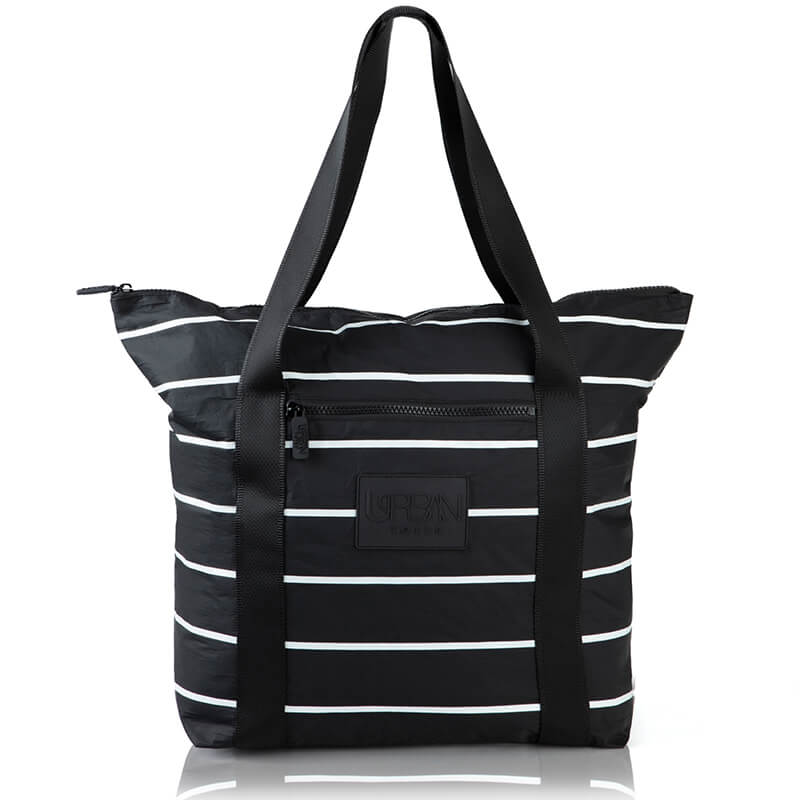
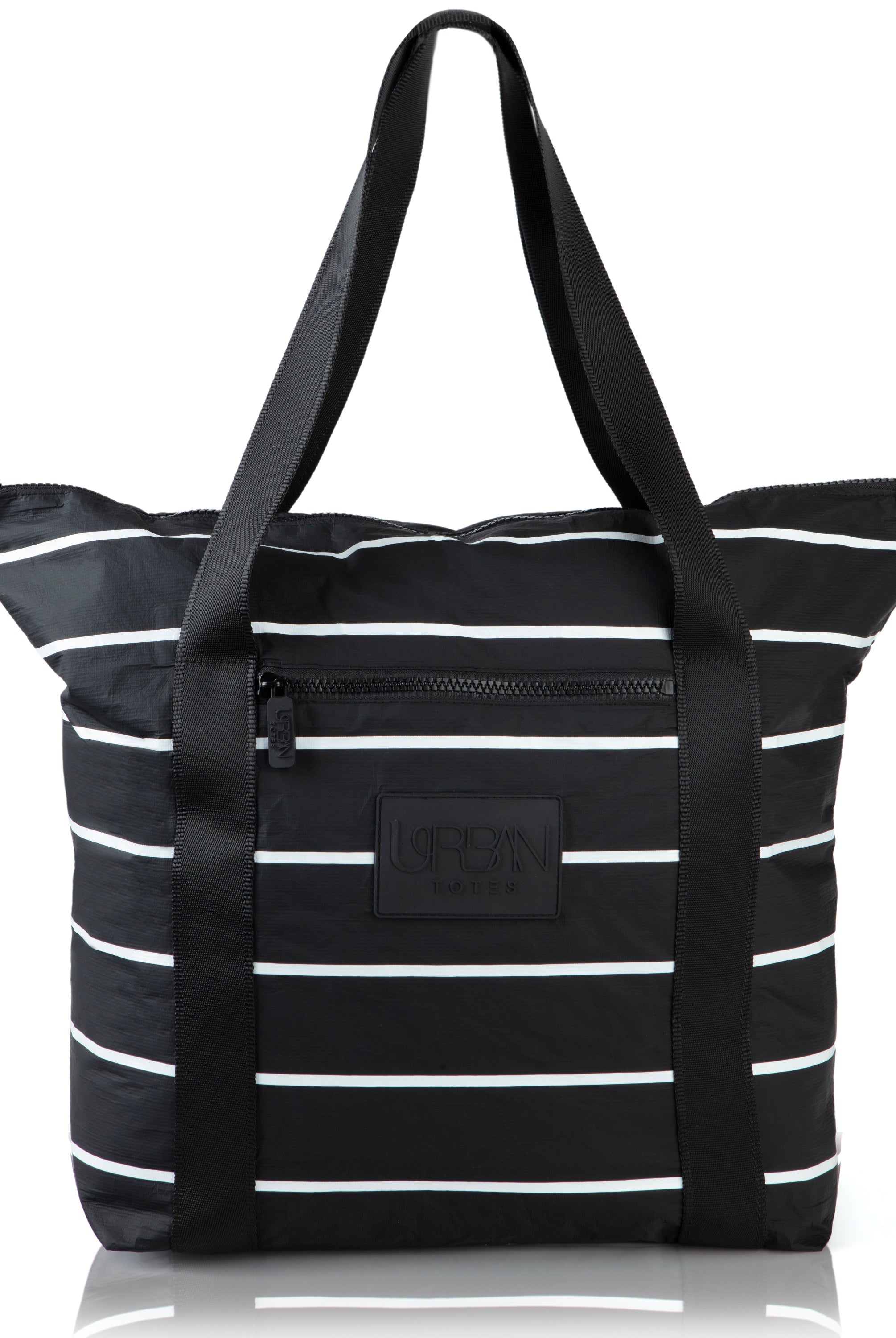
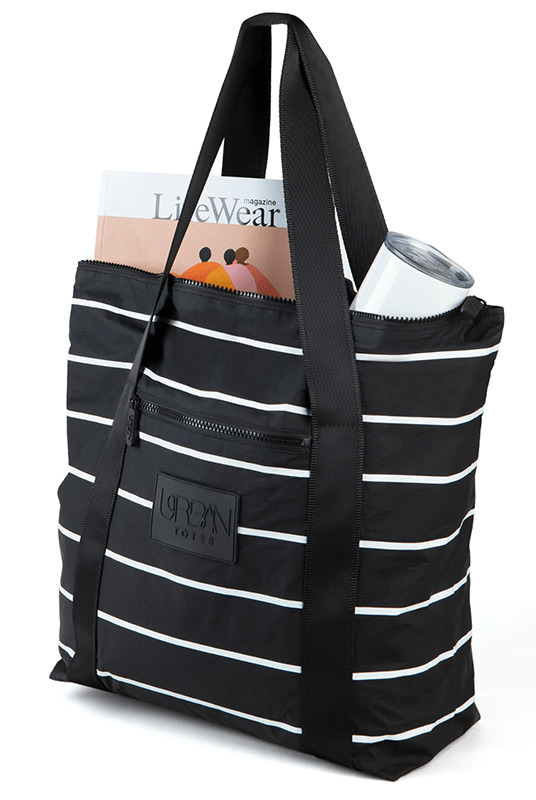
If you want a bag that fits real life, look for the stuff that lasts, the stuff that organizes, and the stuff that's easy to keep using. That means water-resistant, lightweight, packable, and foldable designs with zipper closures and multiple compartments, not just a nice exterior and a vague promise. It also means thinking about lifecycle, because a bag that can't be repaired or reused well doesn't belong in the eco conversation.
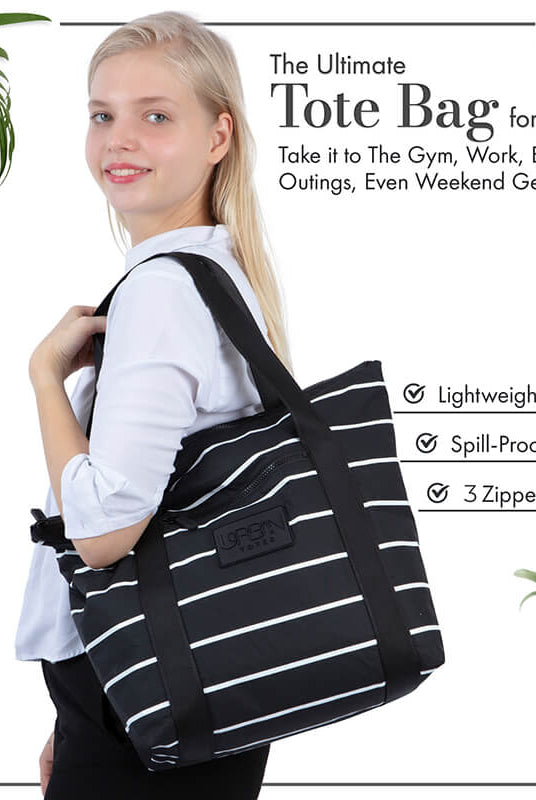
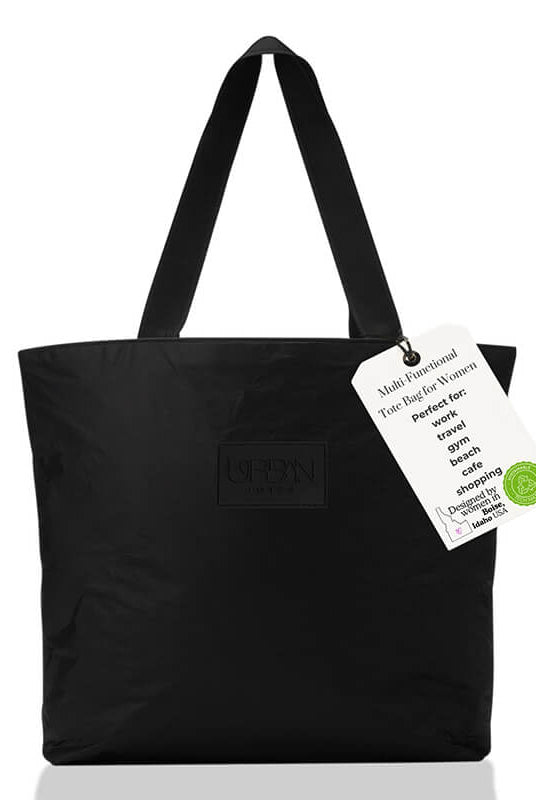
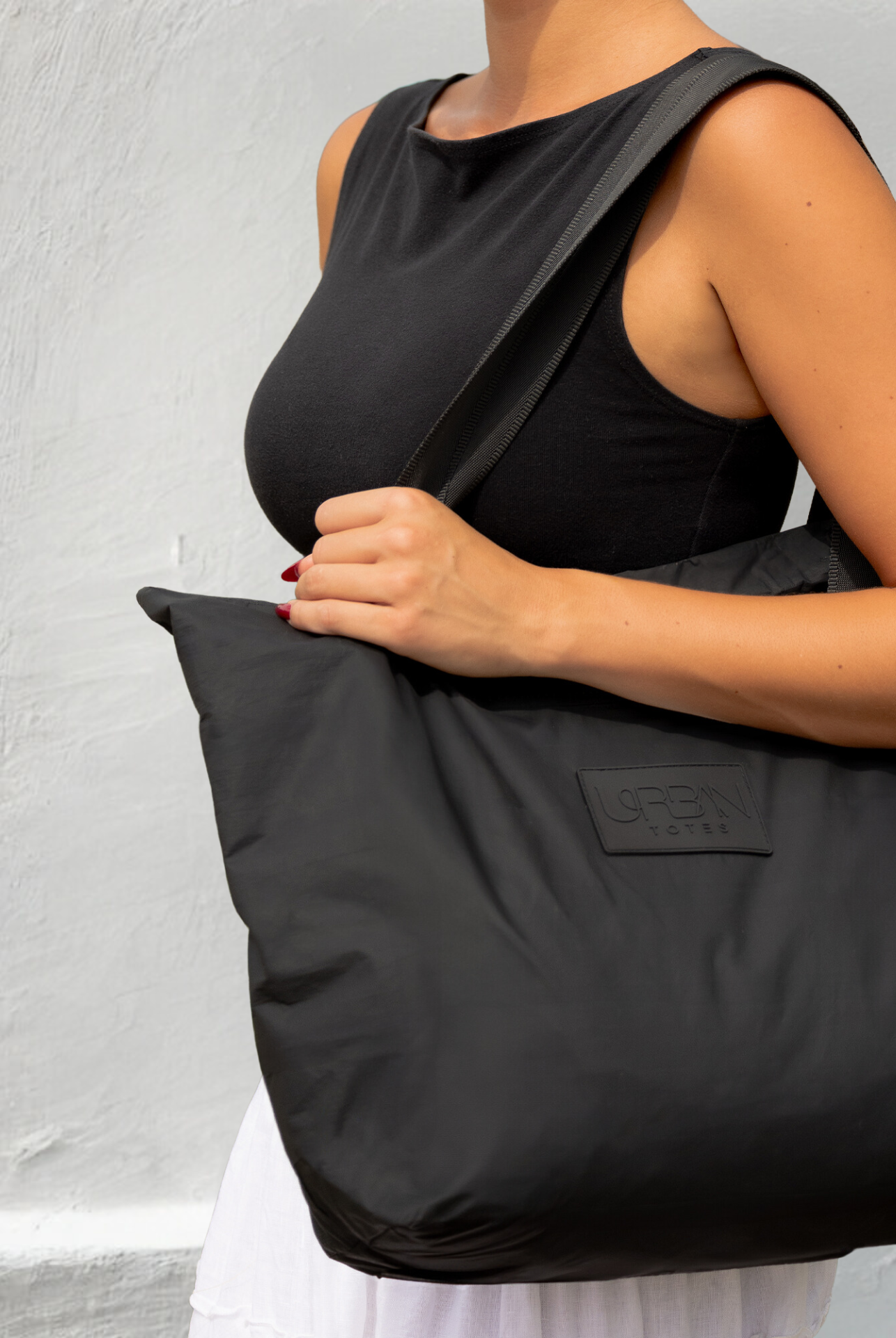
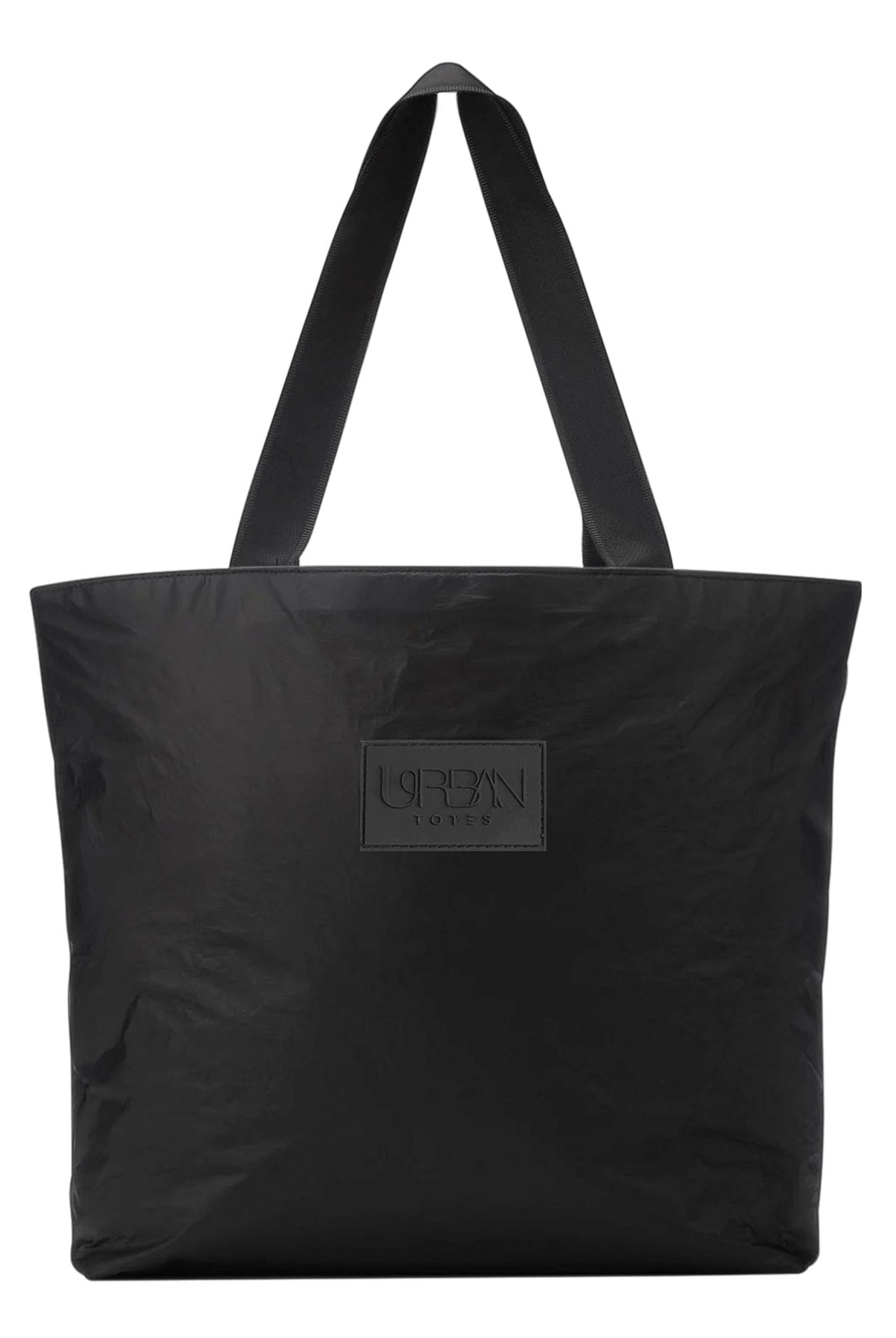
Urban Totes is a woman-owned Boise-made brand built around that practical approach, with thoughtful everyday carry options designed for commuting, errands, beach days, and travel. The collection includes organized, travel-ready bags with secure closures and easy-care materials, which makes them a sensible fit for women who need one bag to do a lot of jobs without falling apart halfway through the year.
If you're tired of buying bags that don't survive the season, choose one that's built for real use. Shop the full collection, compare the shapes that fit your routine, and pick the carry that keeps up with your day.
Find your next go-anywhere bag at Urban Totes, and choose a style that's ready for commuting, weekend trips, and everything in between. If you want a bag that stays organized, wipes clean easily, and works as hard as you do, start with the full collection and see what fits your life best.