The standard carry-on liquid limit is 3.4 ounces (100 milliliters) per container, and everything has to fit into one clear, quart-sized bag. If a bottle is bigger than that, it doesn't matter how little is left inside.
You feel this rule most when you're already juggling a stroller, a laptop, a coffee, and a boarding pass at the checkpoint. One loose shampoo bottle can slow the whole line, so the smart move is to pack like you mean to keep moving.
Table of Contents
- Understanding the TSA 3-1-1 Rule
- The Packing Math and Container Size Reality
- International Liquid Limits and Transit Rules
- Exceptions for Medical Needs and Baby Care
- Organizing Liquids in Your Urban Tote
- Common Mistakes to Avoid at Security
- Your Go-Anywhere Travel Checklist
Understanding the TSA 3-1-1 Rule
The carry on luggage liquid limit lives and dies by the TSA's 3-1-1 rule. That means 3.4 ounces (100 milliliters) or less per container, 1 clear quart-sized bag, 1 bag per passenger. TSA applies that standard to liquids, gels, aerosols, creams, and pastes, and it gives common examples like toothpaste, shampoo, conditioner, mouthwash, and lotion in its own guidance. TSA liquid rules

The checkpoint agent isn't trying to guess what's in your bag. They're looking for containers that are too large, bags that are overstuffed, or items that don't fit the liquid category at all. That's why a neat quart bag, packed before you leave home, saves time and keeps you out of the side line.
What to pack before you leave
Practical rule: If you'd spill it, spray it, spread it, pump it, or pour it, pack it as a liquid.
That simple test catches the items travelers miss most. It's also why a bag of lip gloss, setting spray, and hand lotion can turn into a checkpoint problem if you treat them like solid makeup. For a clean, ready-to-grab solution, a clear pouch like the clear cosmetic case keeps everything visible and easy to pull out.
The rule is popular because it's easy to screen and easy to remember. But the key benefit is preparation, not memory. Put the quart bag in the same pocket every time, and you stop rethinking the rule every time you fly.
The Packing Math and Container Size Reality
The biggest mistake is assuming TSA cares about how much liquid is left in the bottle. It doesn't. The TSA applies the liquid limit to the container size, not the amount left inside the container, so a half-empty bottle can still be refused if the bottle itself is larger than 3.4 ounces (100 milliliters). Away Travel on TSA liquid rules

That matters more than people think. A 6-ounce lotion bottle with just a little product left in it still fails the rule because the bottle is oversized. If you want to avoid tossing something expensive at security, decant it into a travel-size container before you leave the house, not at the checkpoint.
Borderline items that trip people up
Some items sit in that annoying gray zone because they don't look like liquids at first glance. Peanut butter can behave like a spread, mascara can count as a cosmetic liquid, and other creamy or pumpable products get treated the same way when security screens them. The safest assumption is simple, if it can smear or flow, pack it with your liquids.
For trip planning, the practical math matters more than a perfect bottle count. One travel guide notes there's no fixed bottle count for the quart bag, only a space limit, and estimates the bag can hold about 25 liquid ounces if the containers fit. That's not a guarantee, just a useful packing target when you're trying to fit enough essentials for a short trip. Compression packing cubes for travel
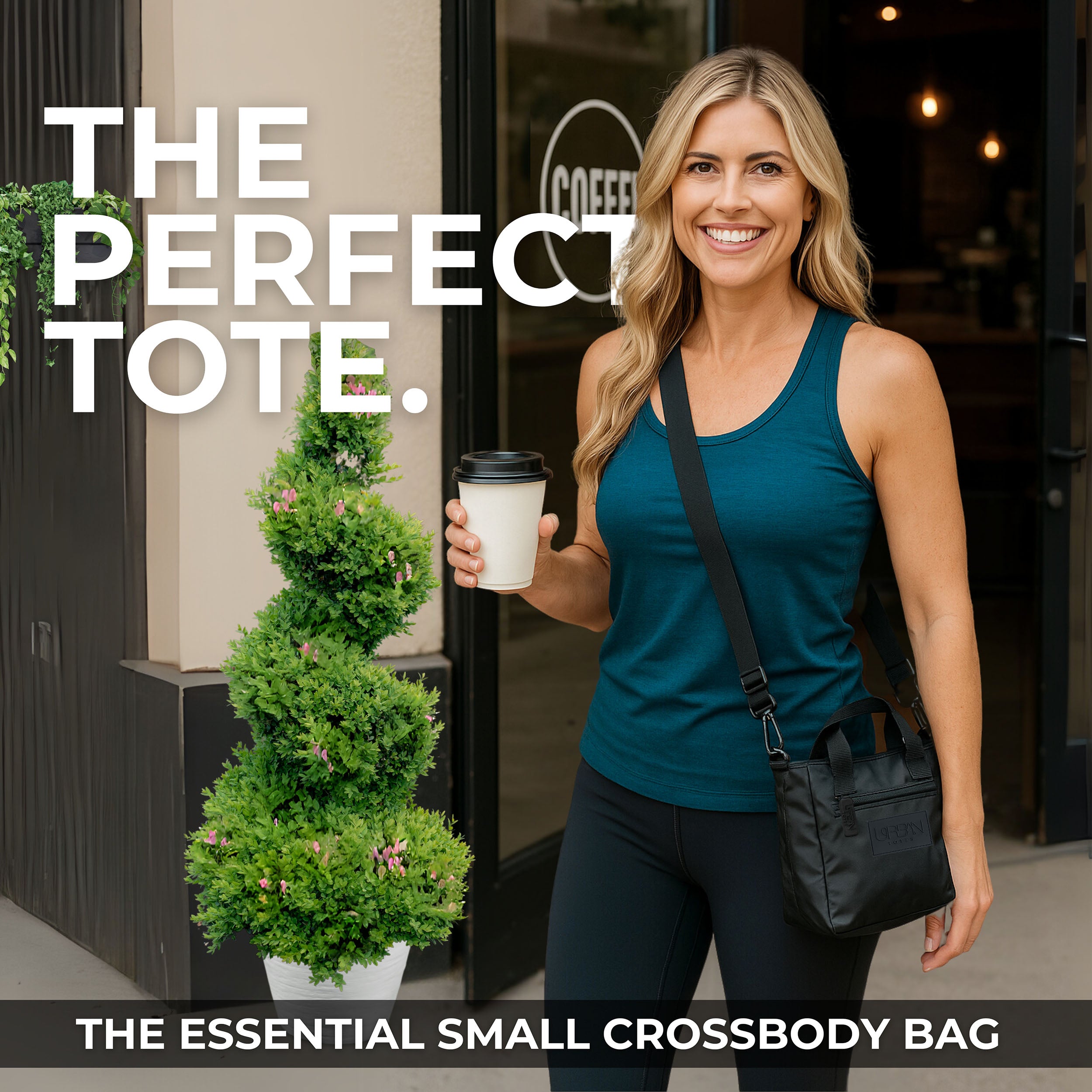
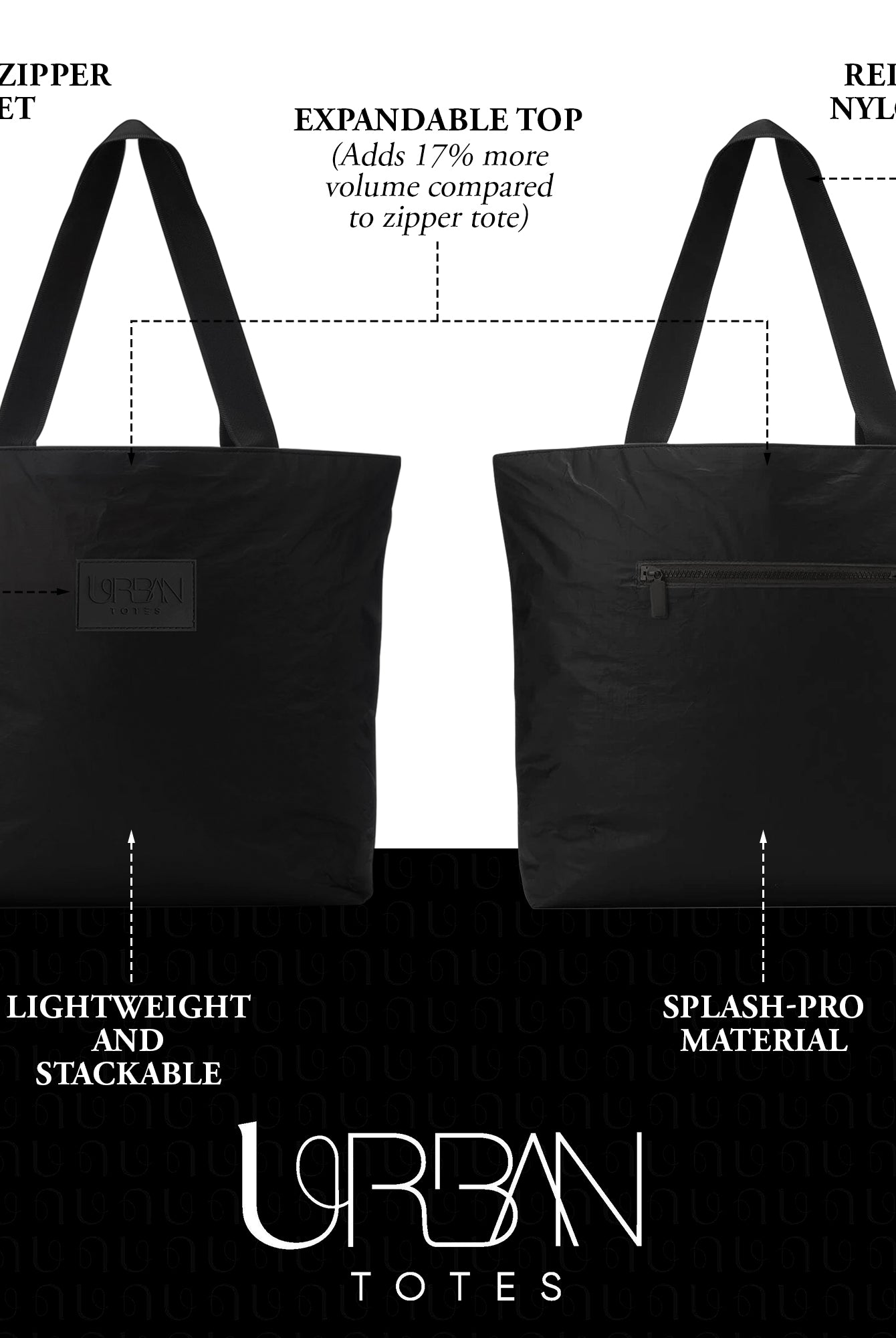
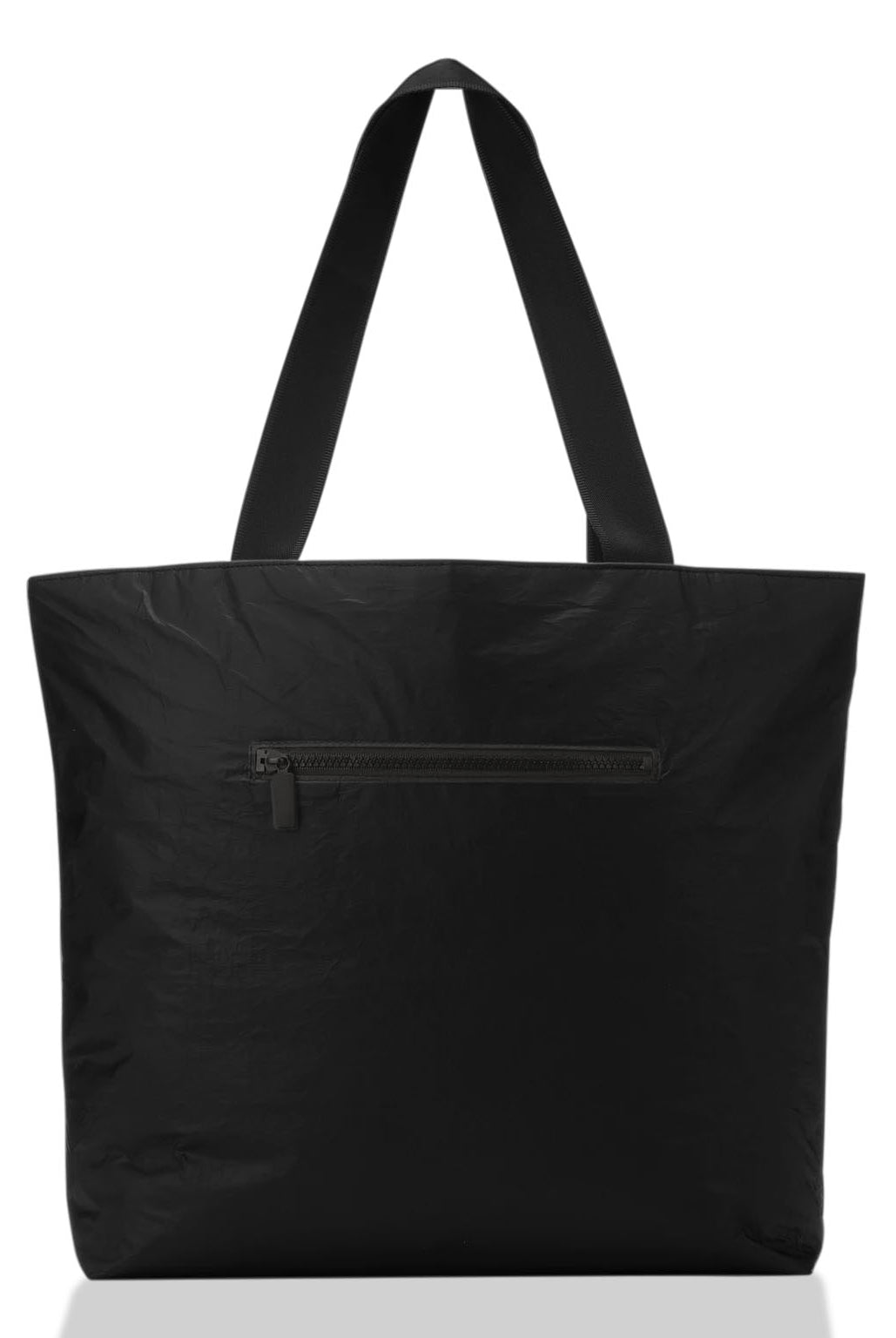
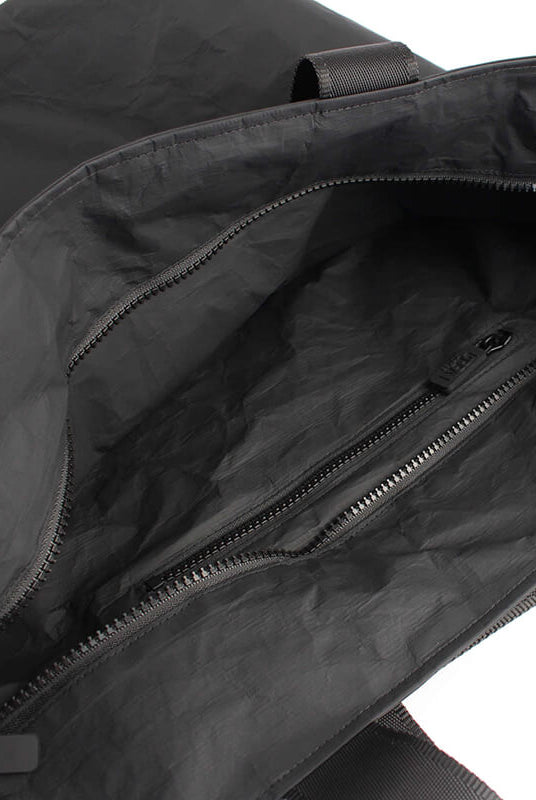
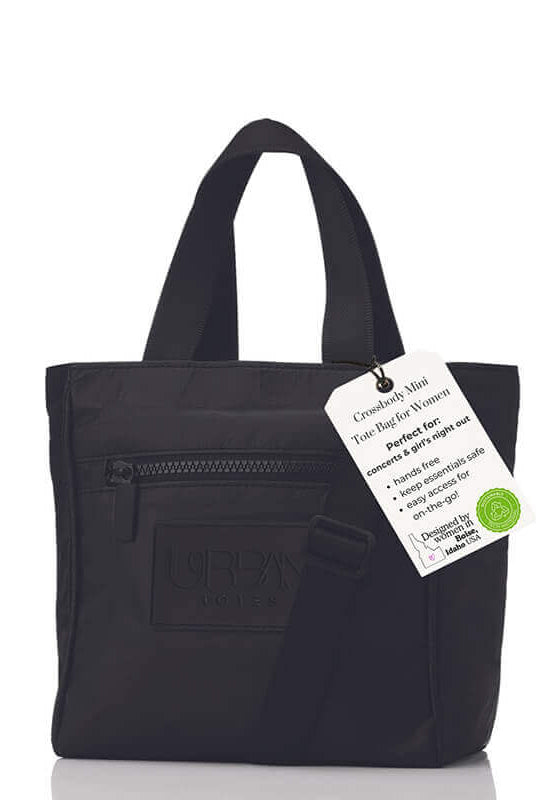
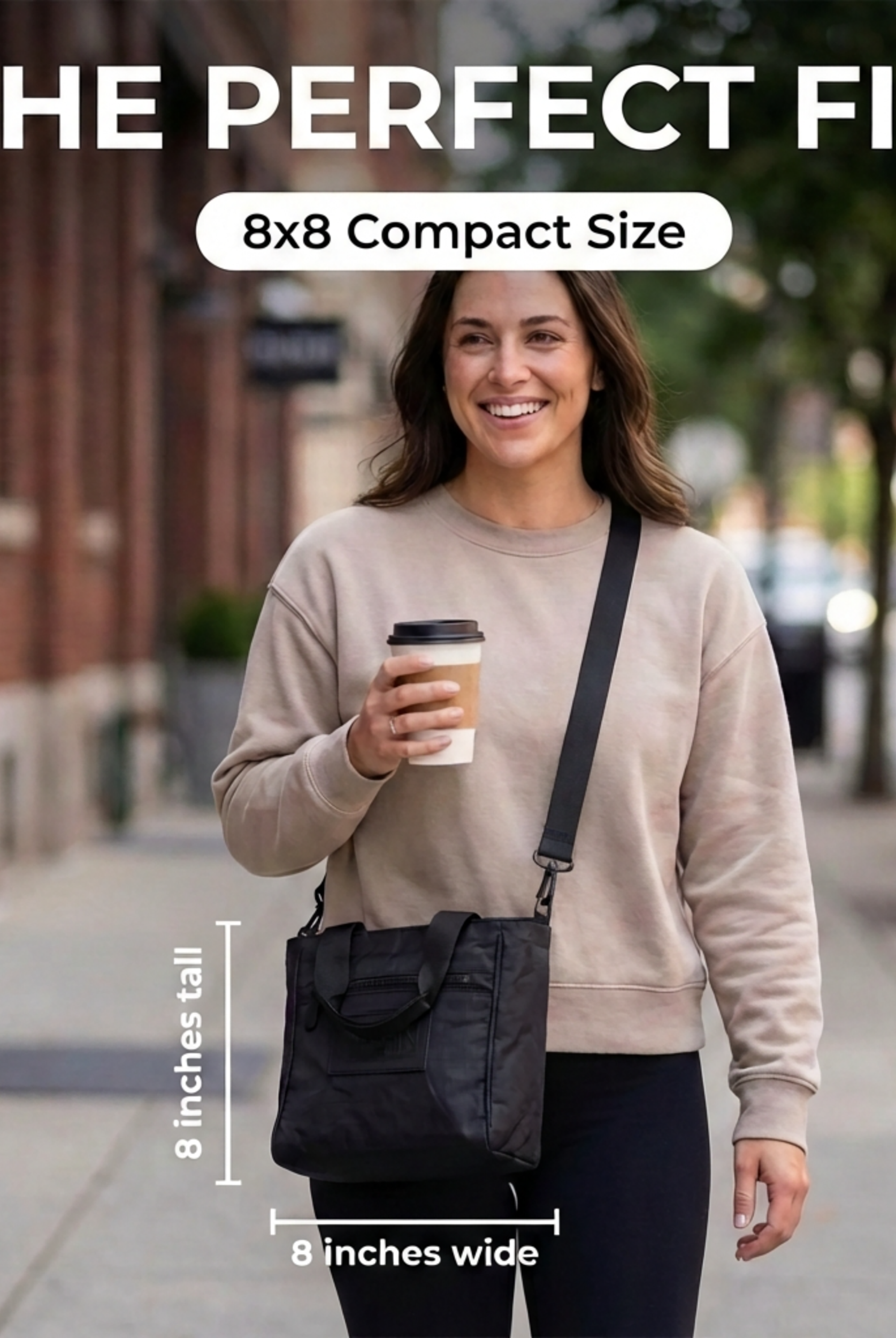
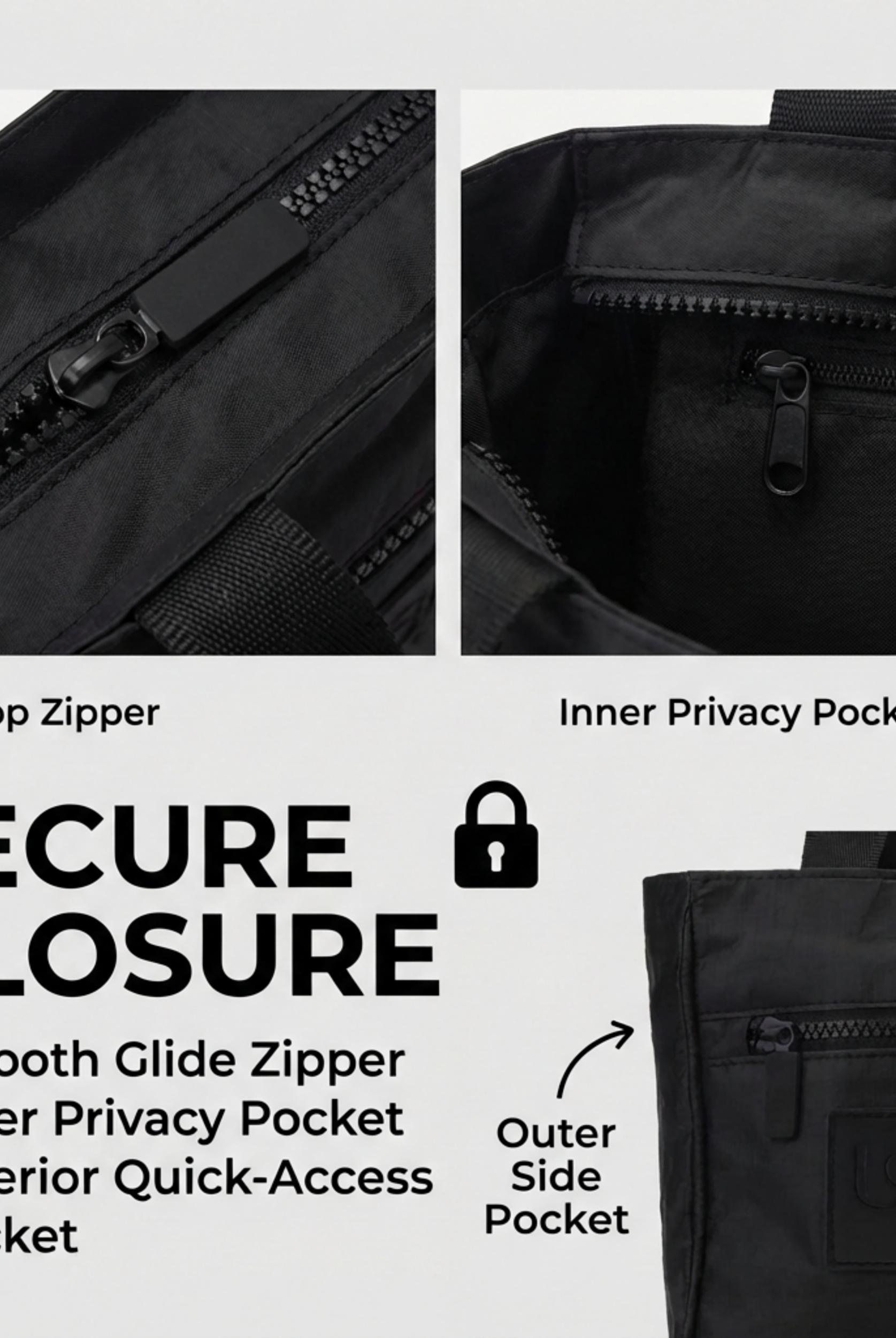
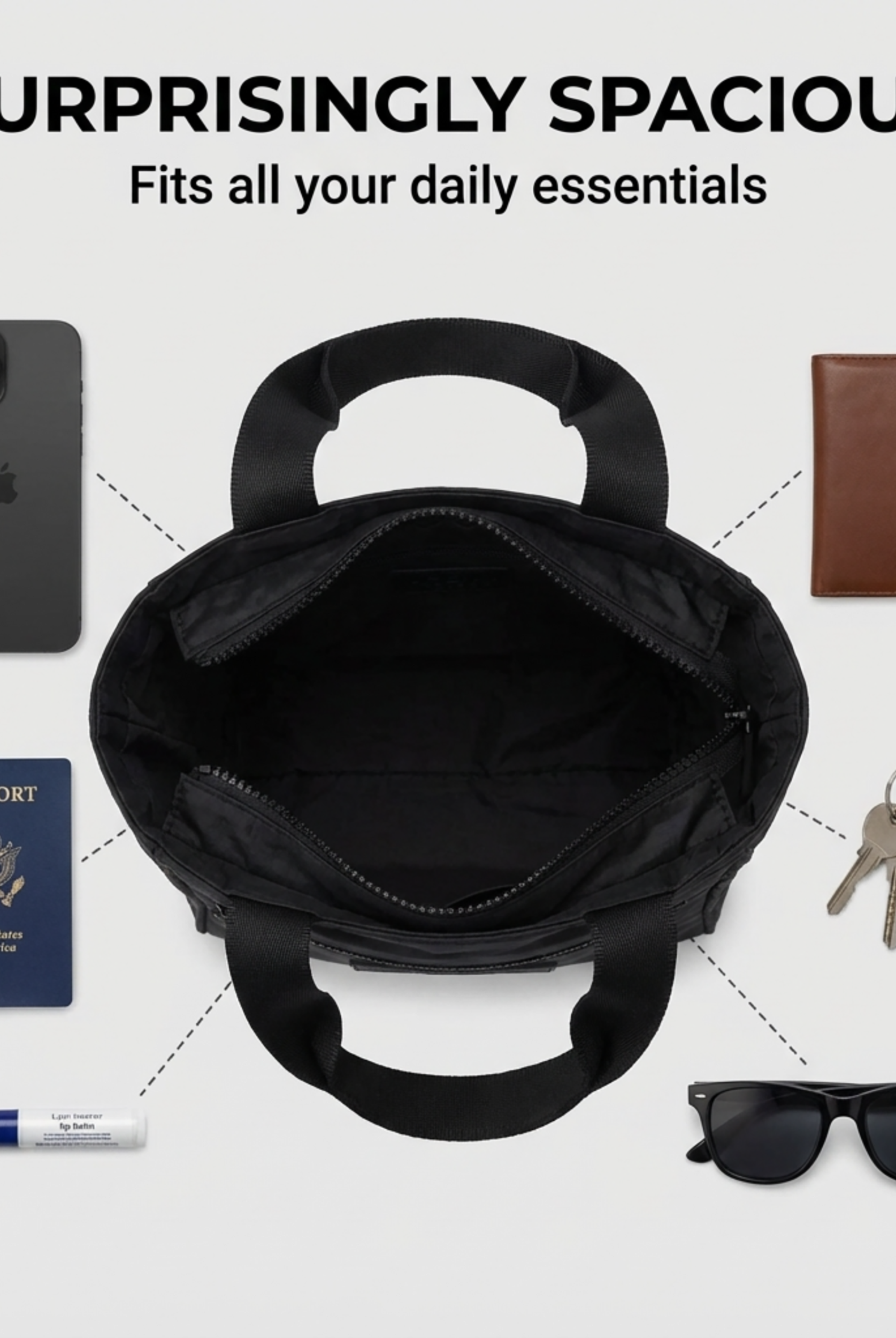
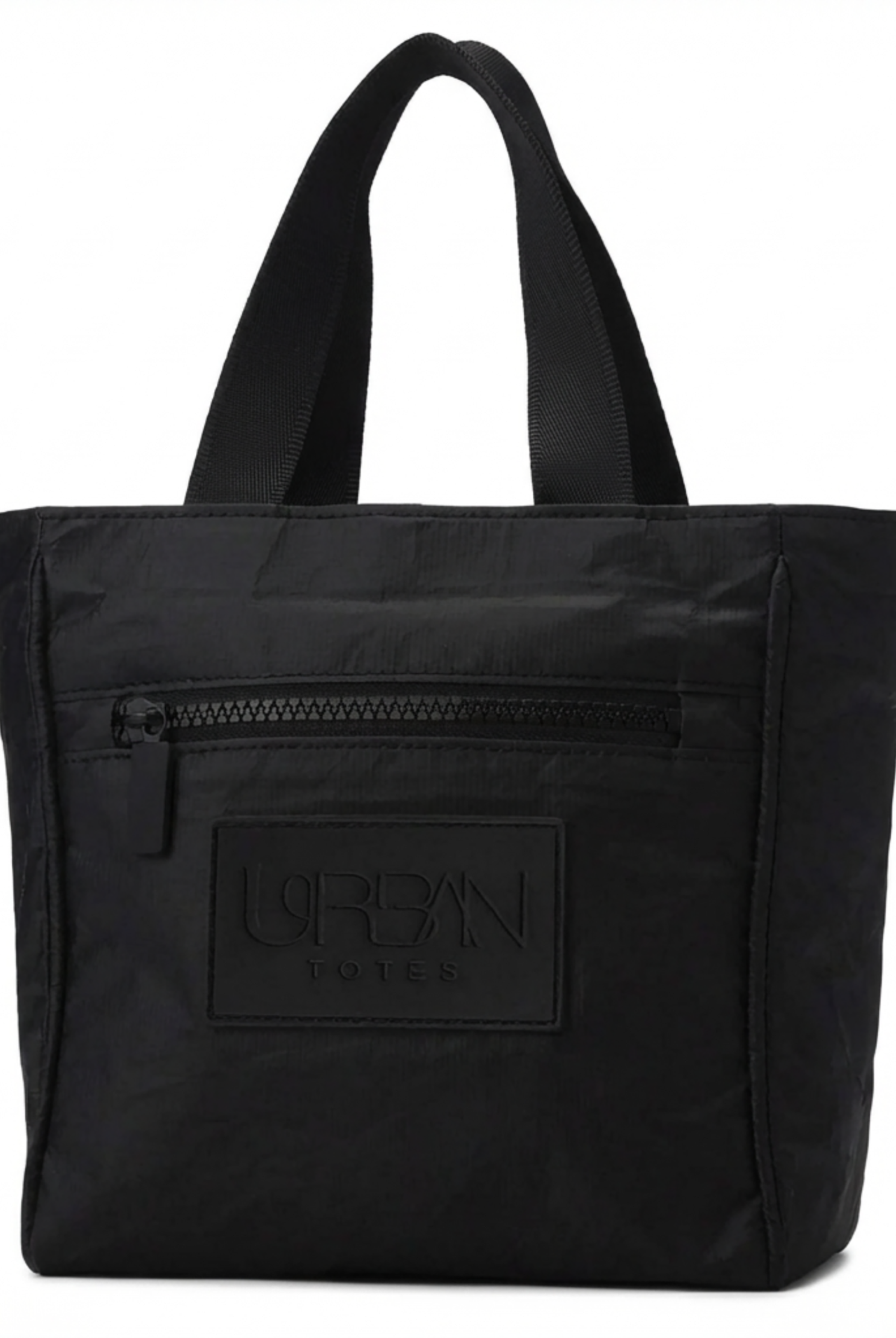
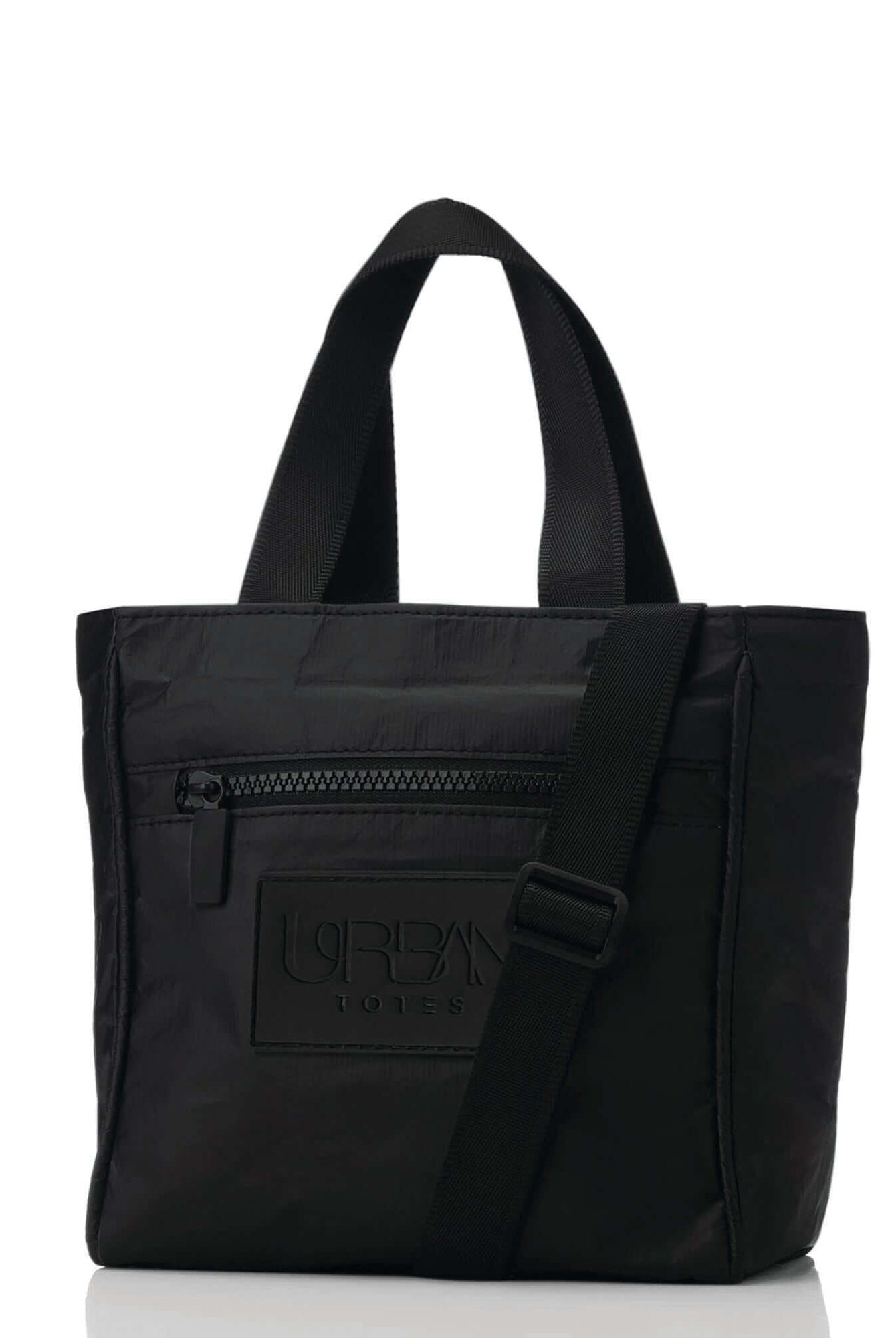
The Crossbody Tote Bag Mini Purse is listed with a zip-top closure, a single outside zipper pocket, and a spacious easy-access pocket, which makes it a practical carry option for the things you need before and after the security bin. That kind of organized layout helps when you want your quart bag separate, visible, and fast to remove.
Keep the quart bag small, visible, and easy to grab. If you have to unpack your whole tote to find it, you've already made airport life harder than it needs to be.
International Liquid Limits and Transit Rules
Outside the U.S., the standard is familiar but not identical in form. After the August 2006 transatlantic aircraft plot, the UK and much of Europe adopted a very similar limit, usually stated as 100 milliliters in a 1-liter transparent resealable bag. UK hand luggage liquids guidance

That sounds close enough to ignore, until you're on a layover and the airport asks for a different bag format or a sealed duty-free bag. The U.S. uses the quart-size standard, while the UK and EU commonly refer to a 1-liter transparent bag, so don't assume your airport toiletry pouch will pass everywhere just because it worked at home.
What changes on a layover
The core issue is not the liquid itself, it's the way the airport wants it packaged and screened. If you bought liquids airside and you're connecting through another airport, keep receipts and sealed packaging intact until you're certain you won't need to rescreen. That detail can save a bottle you'd otherwise lose.
For comparison planning, keep this straight. The TSA standard is 3.4 ounces (100 milliliters) in one quart bag, while UK and much of Europe commonly use 100 milliliters in one 1-liter transparent resealable bag. Carry on bag vs personal item
My blunt advice, pack for the strictest checkpoint on your route, not the easiest one. That's how you avoid surprises when a domestic trip turns into an international connection.
Exceptions for Medical Needs and Baby Care
Traveling with a baby or with medication changes the packing plan fast. Airports and national authorities commonly exempt medically necessary liquids, baby food and milk, and some special dietary items, and some regimes allow larger containers if screening or verification checks out. CATSA liquids and personal items
A parent at security is usually trying to do three things at once, soothe a child, keep the bag organized, and get through the line without opening every zipper. In that situation, the right move is to separate the exempt items from the regular toiletries before you leave home. That way, if an officer asks for inspection, you're not digging through diapers, snacks, and a wallet at the same time.
Tell the officer what the item is before it becomes a problem. Clear, calm communication goes further than arguing over a bottle cap.
If you're carrying medication or baby nourishment, don't hide it in with your shampoo and lotion. Keep it accessible, keep it labeled if that helps you stay organized, and be ready to explain why you need it. The point is not to fight the rule, it's to make the exemption easy to verify.
Organizing Liquids in Your Urban Tote
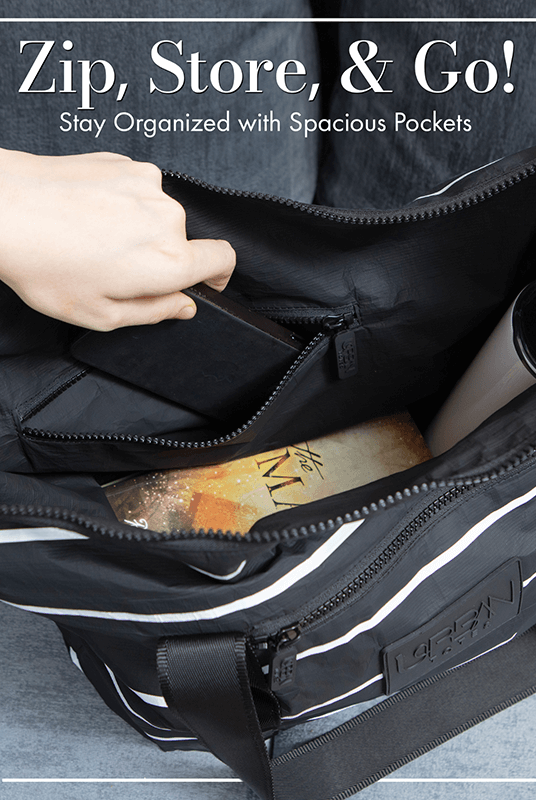
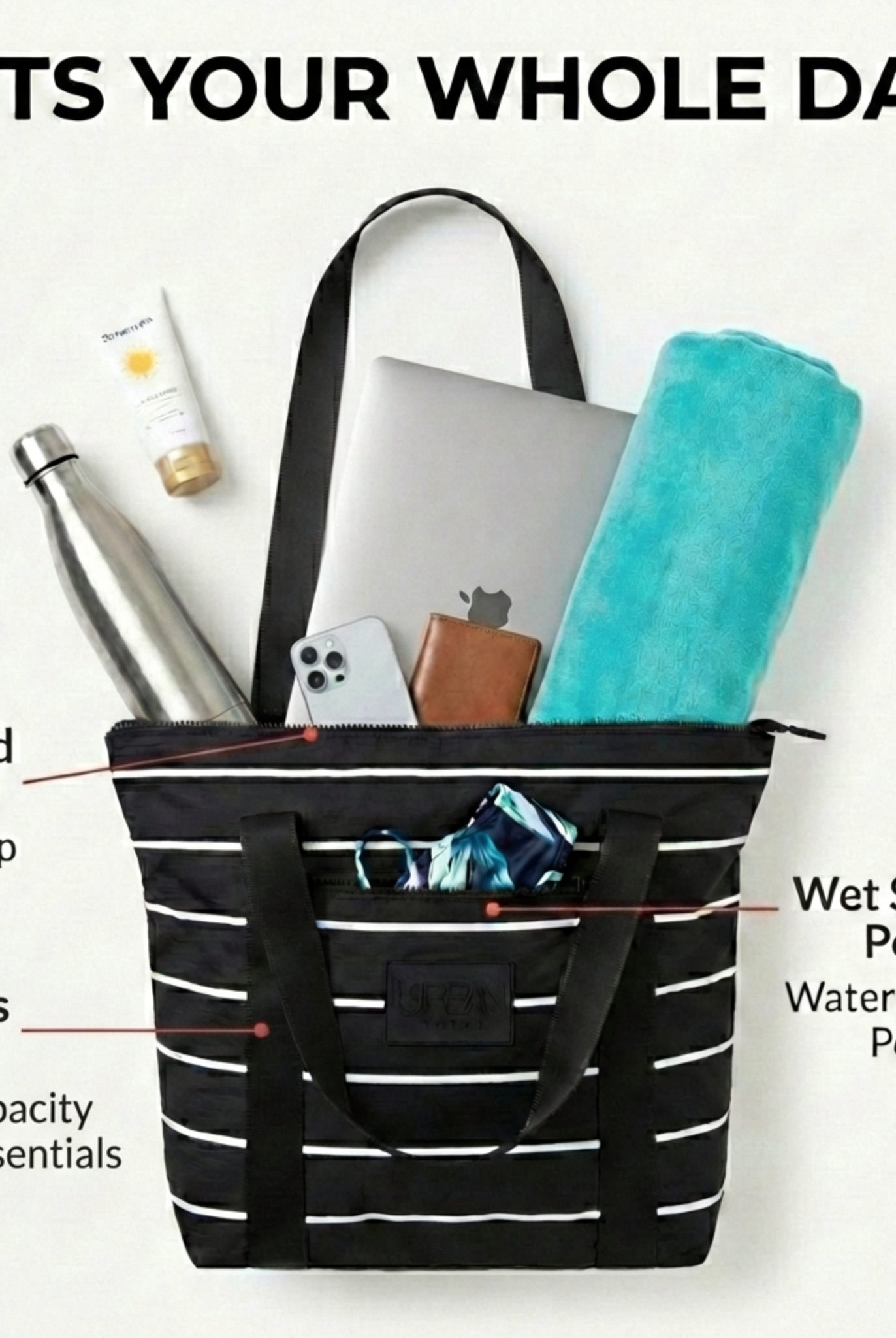
Pack your liquids in layers, not piles. Put the quart-sized liquids bag in an outer pocket or at the top of your tote so you can pull it out without emptying the whole bag onto the bin. Then keep your other travel items, like charger, sunglasses, and wallet, in separate compartments so one little leak doesn't spread everywhere.

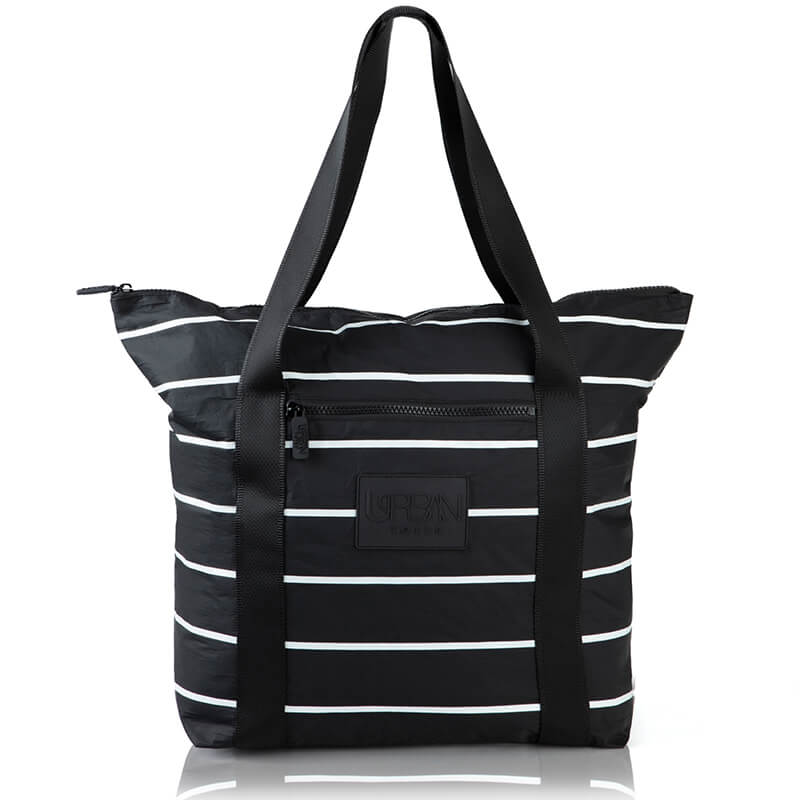
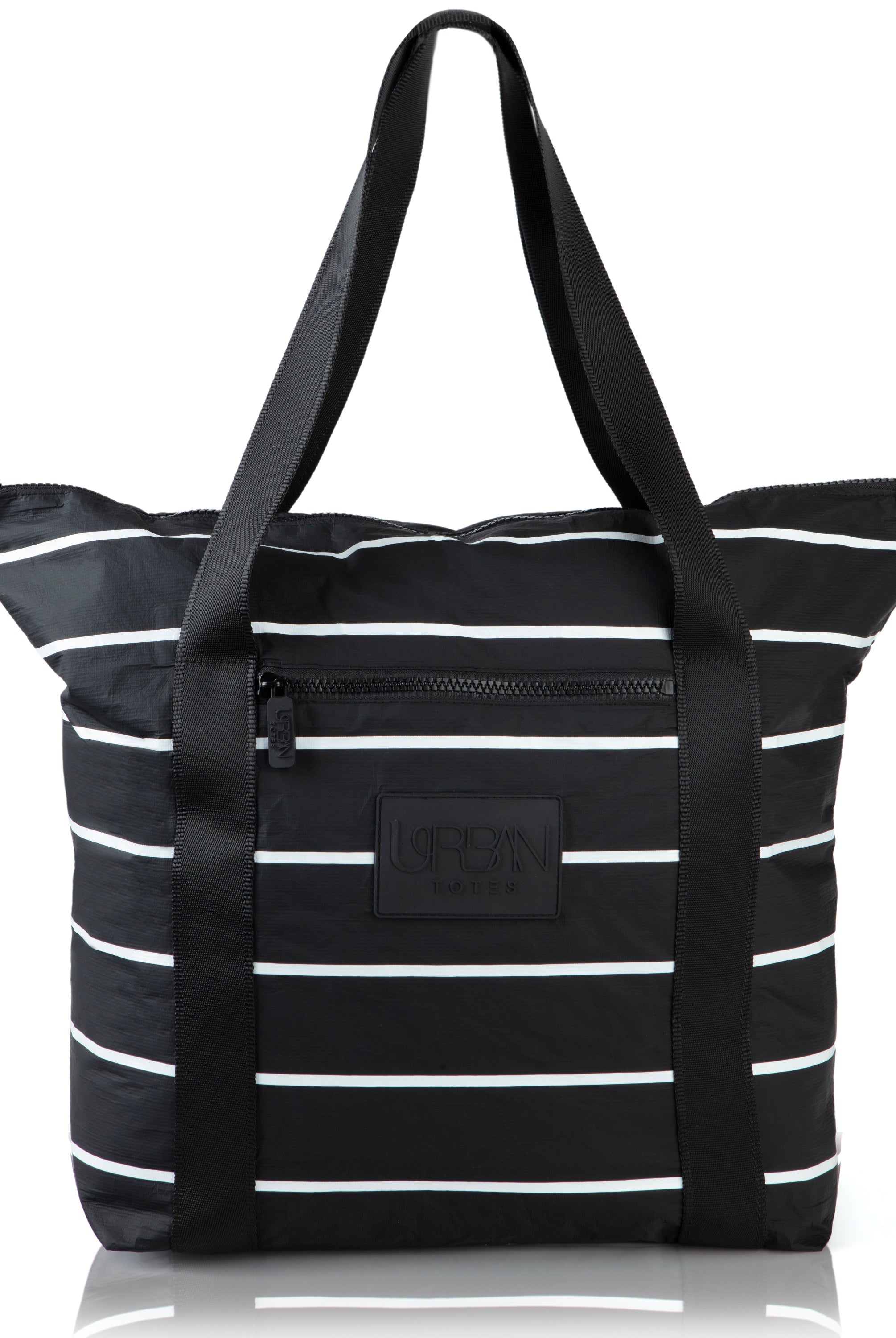
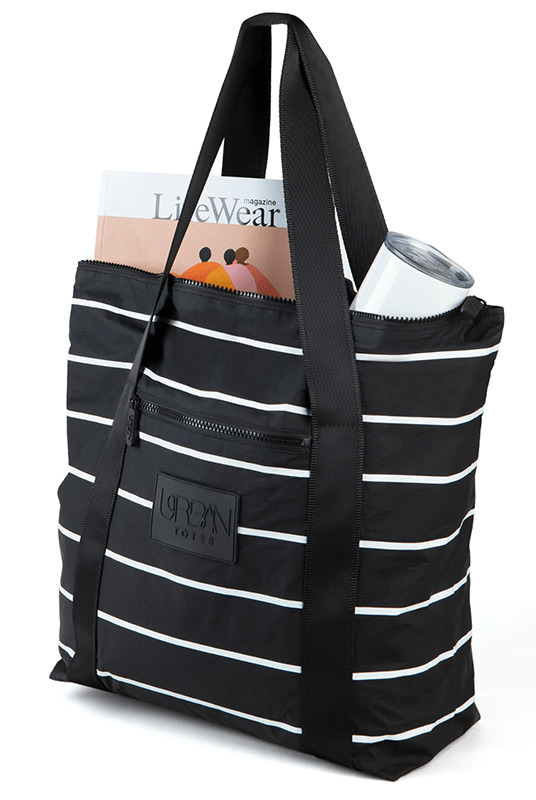
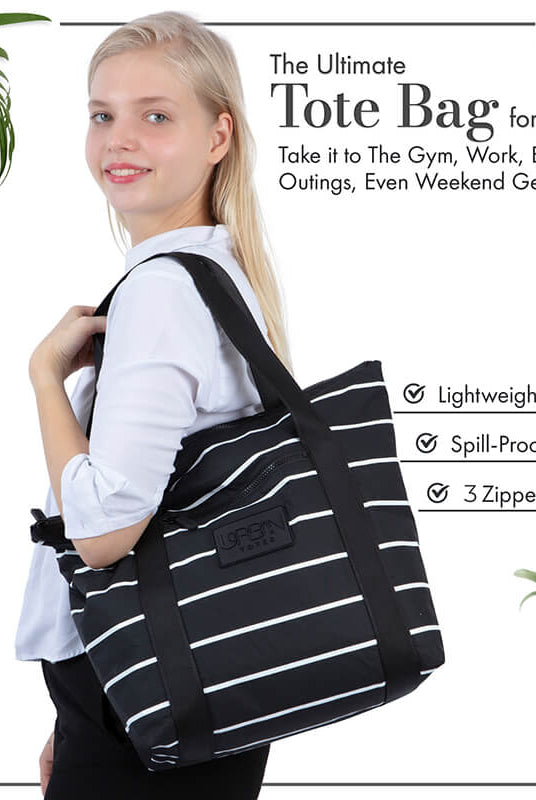
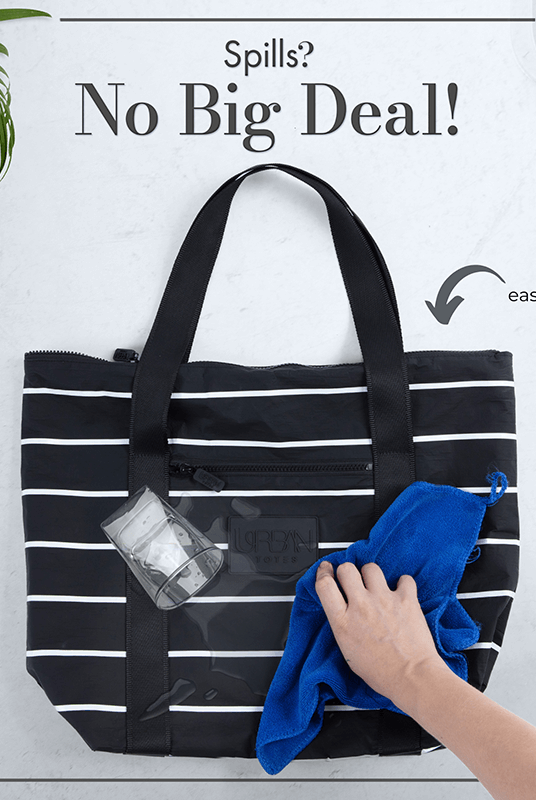
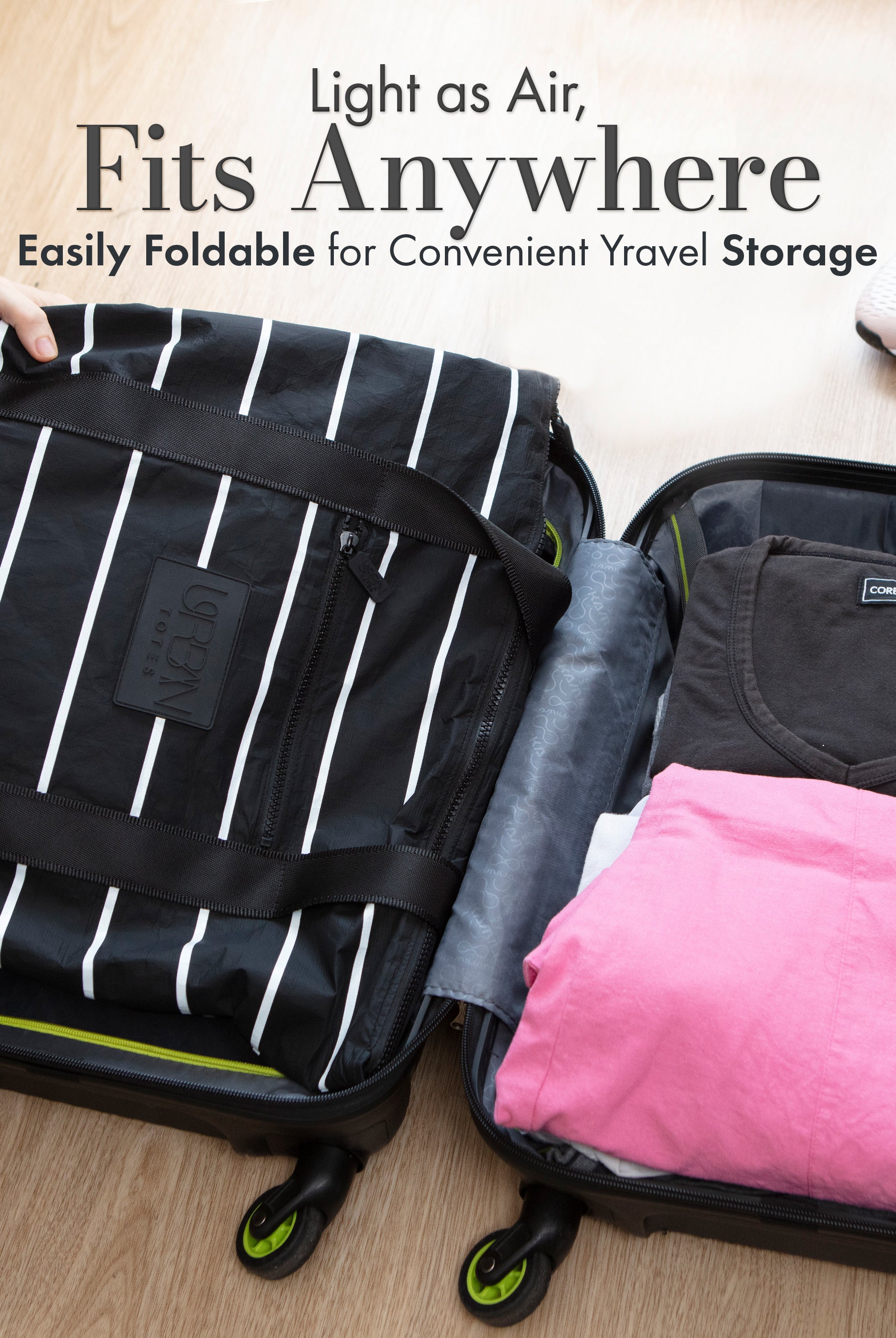
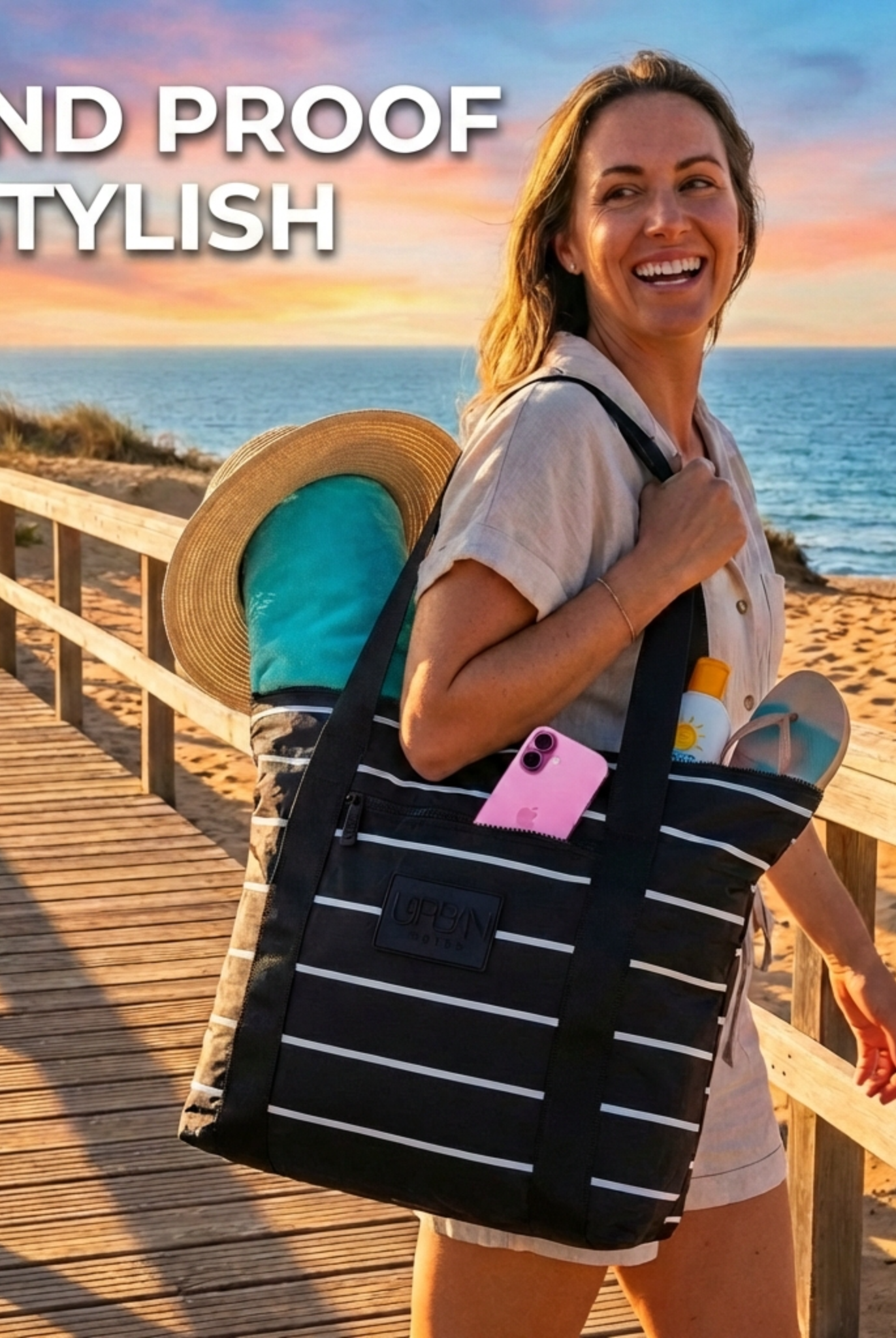
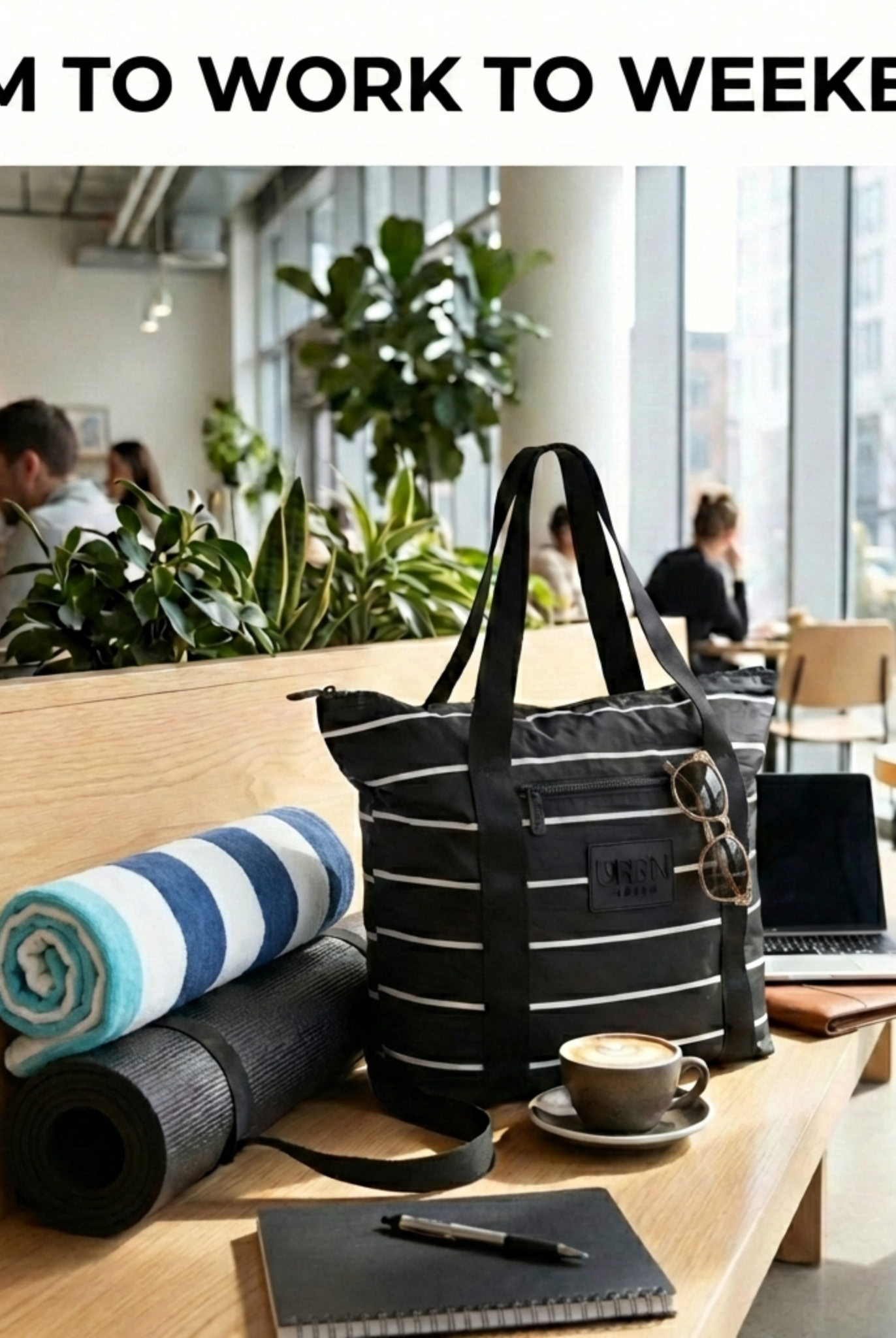
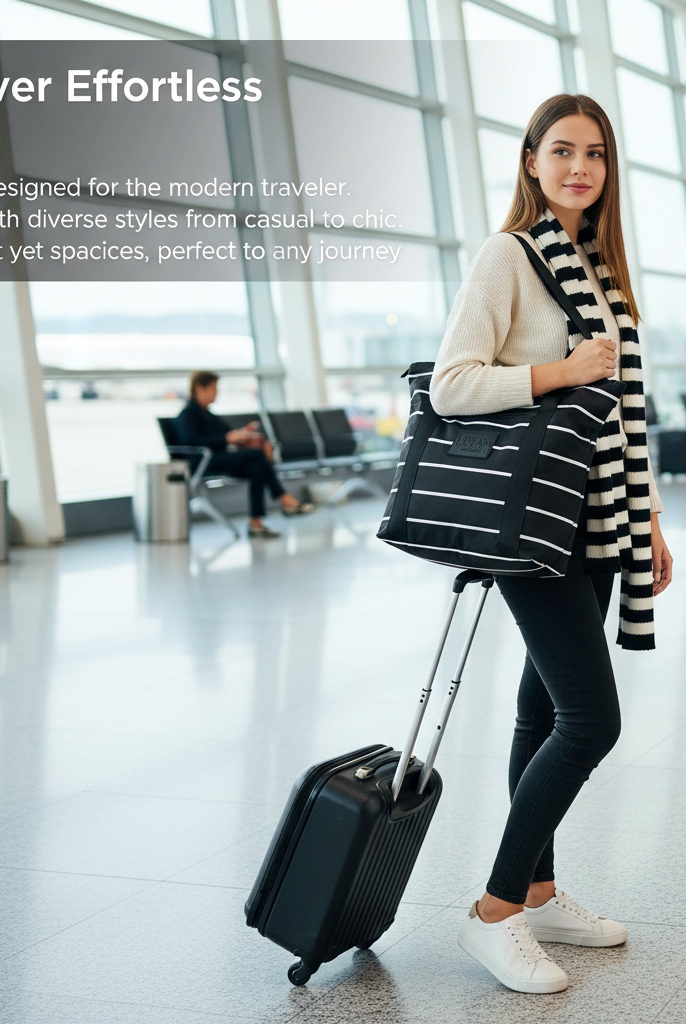
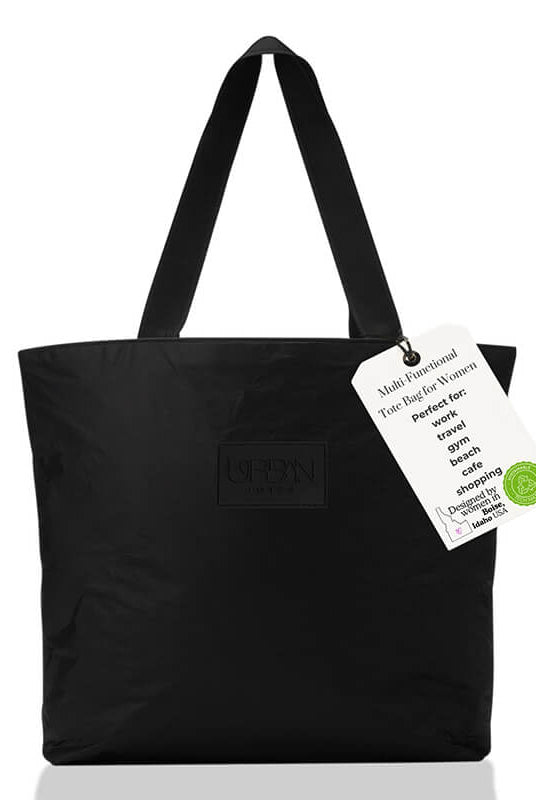
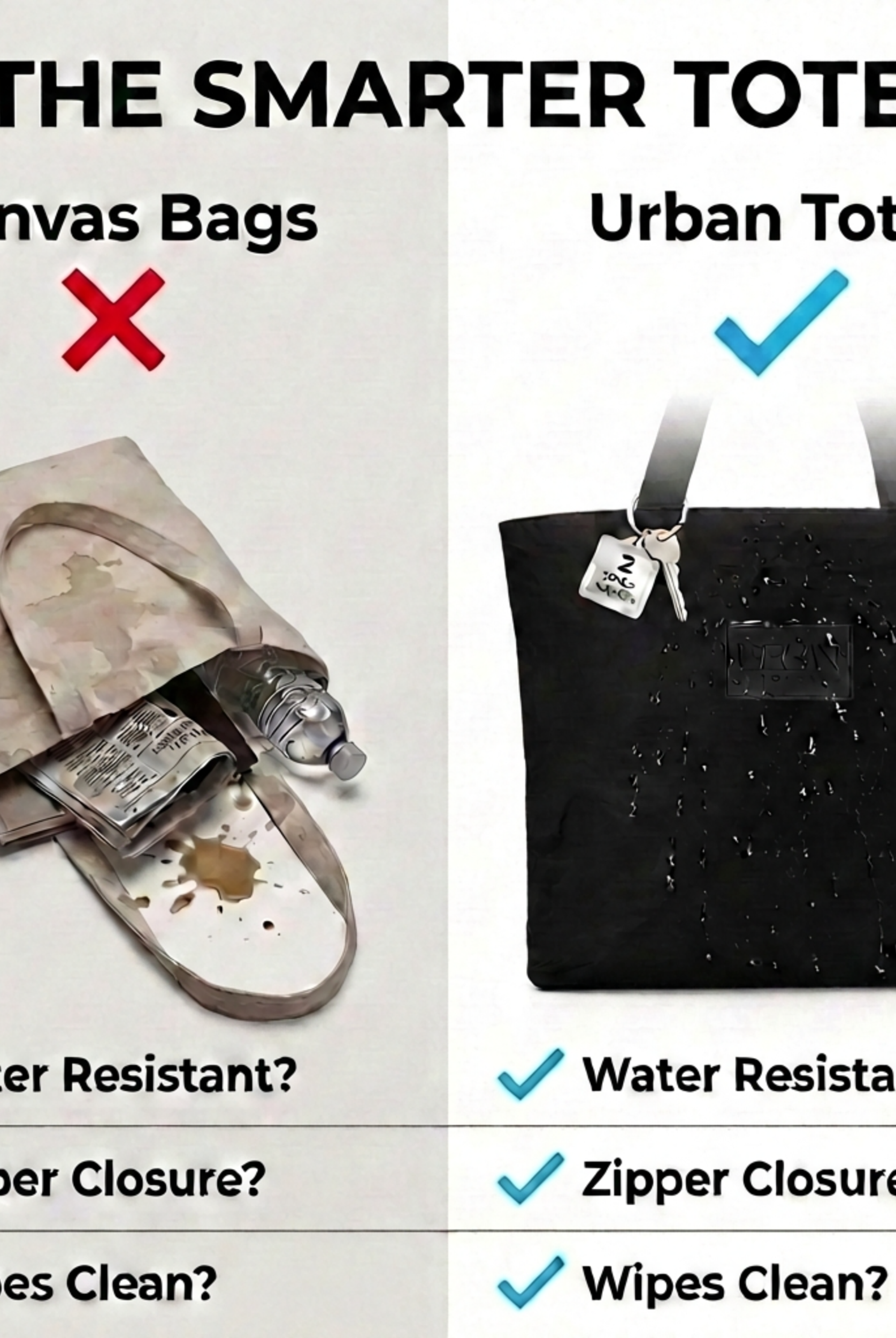
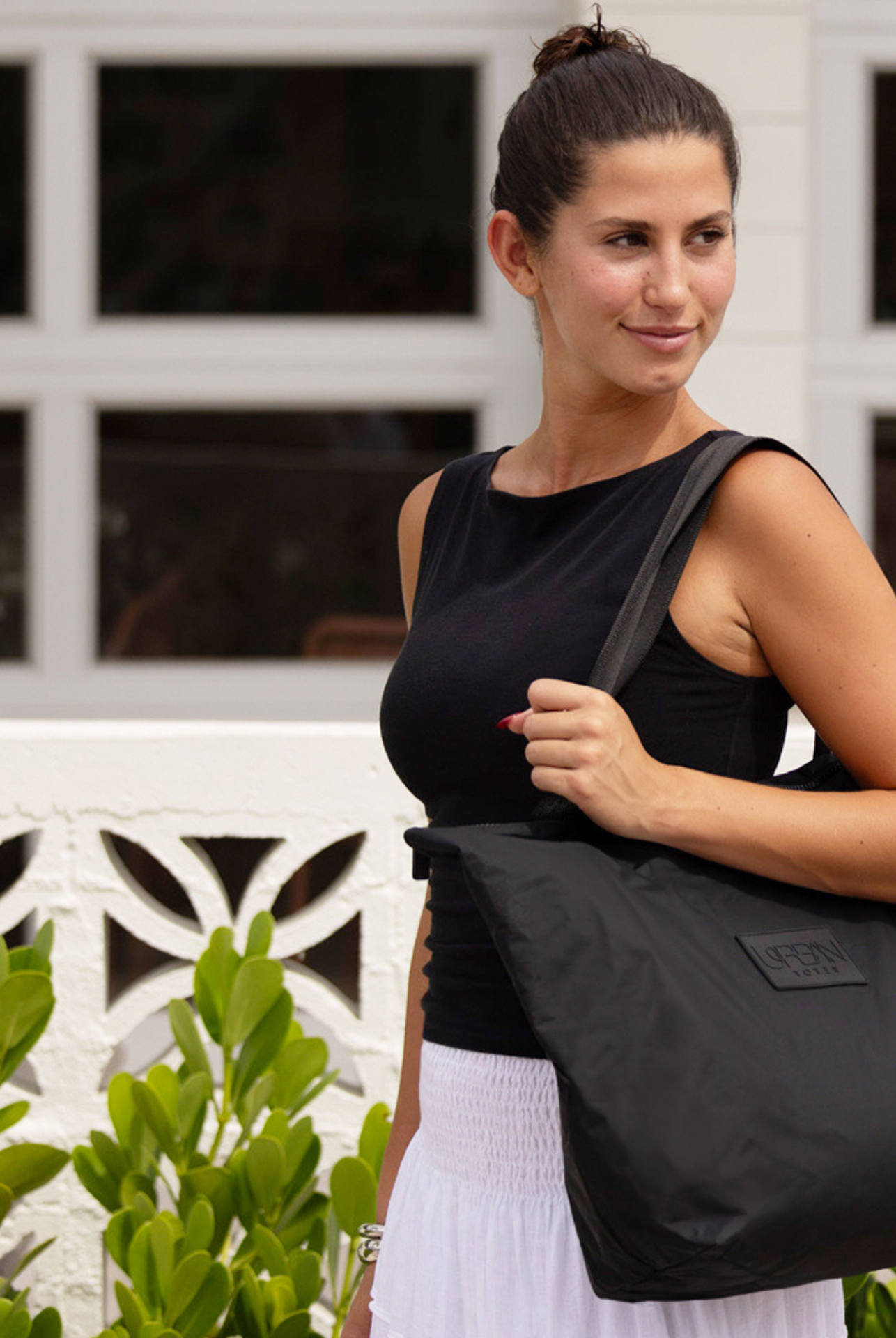
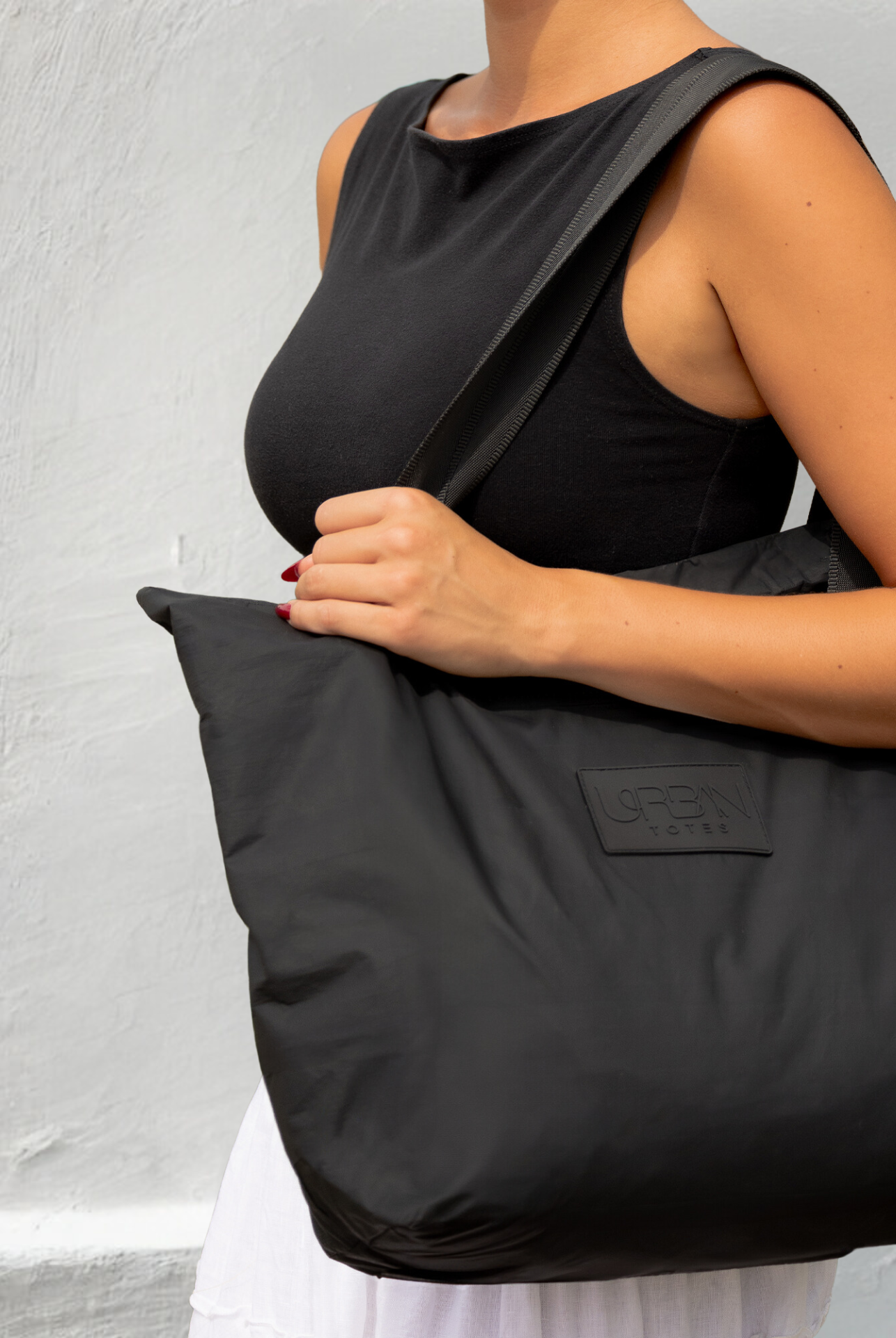
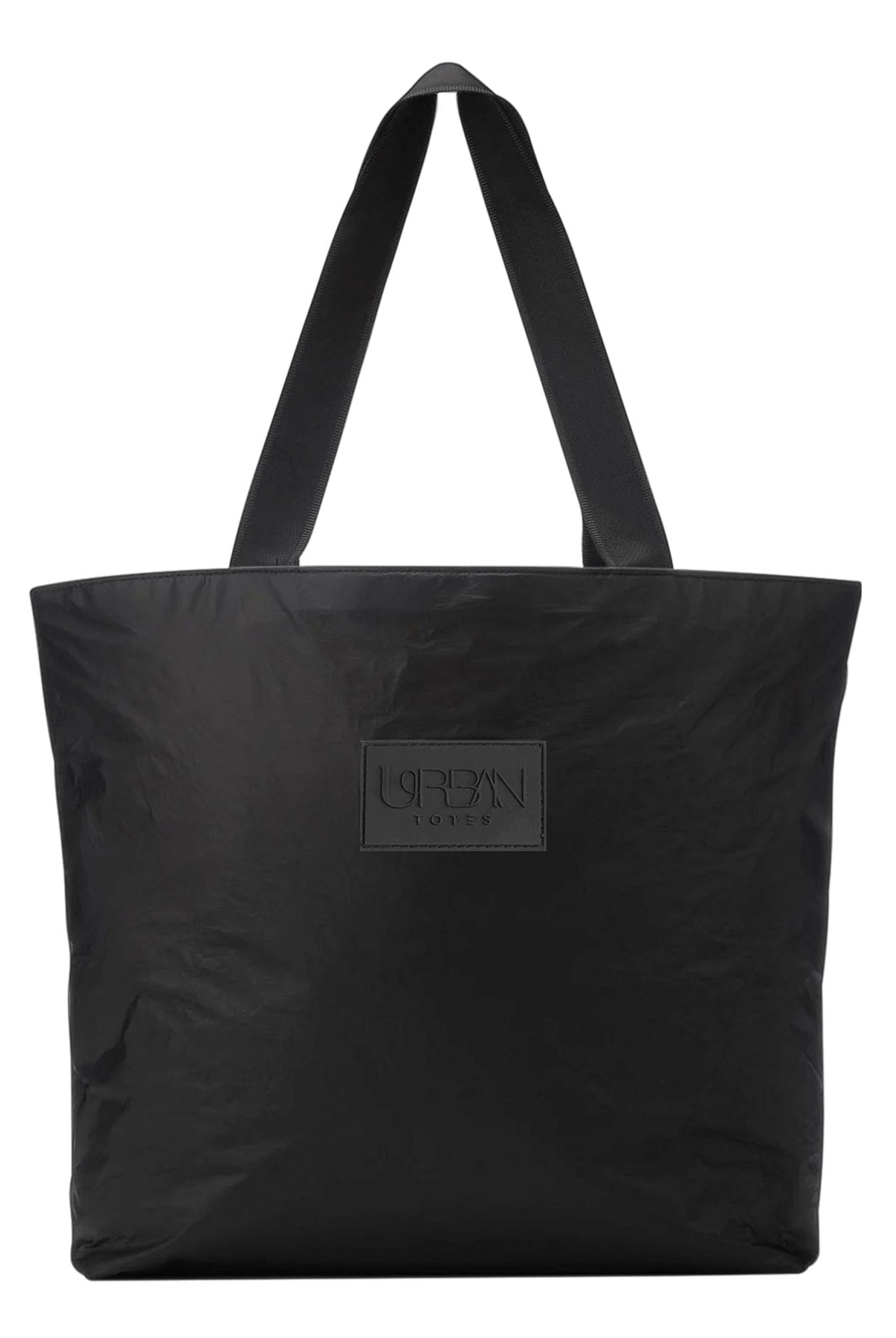
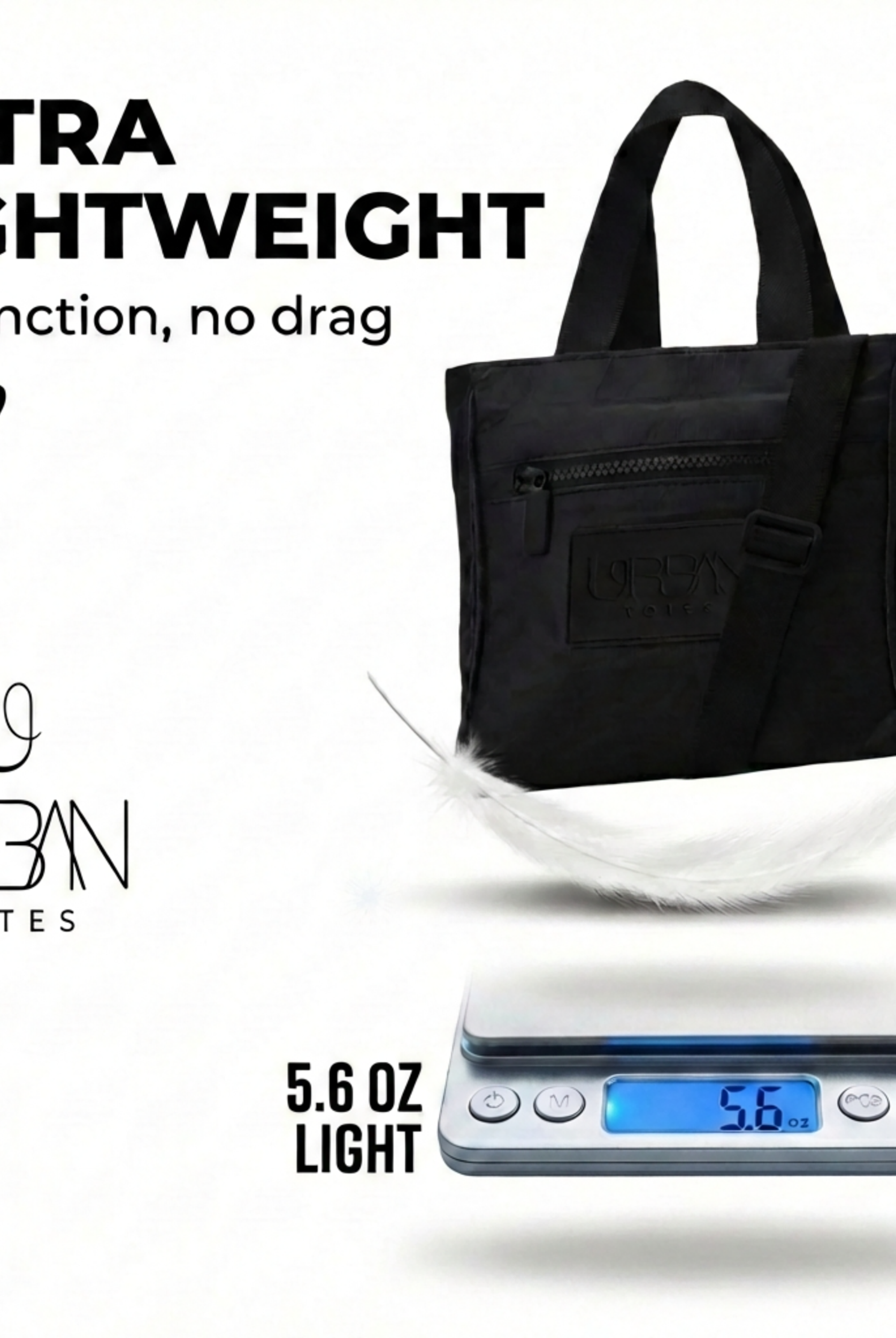
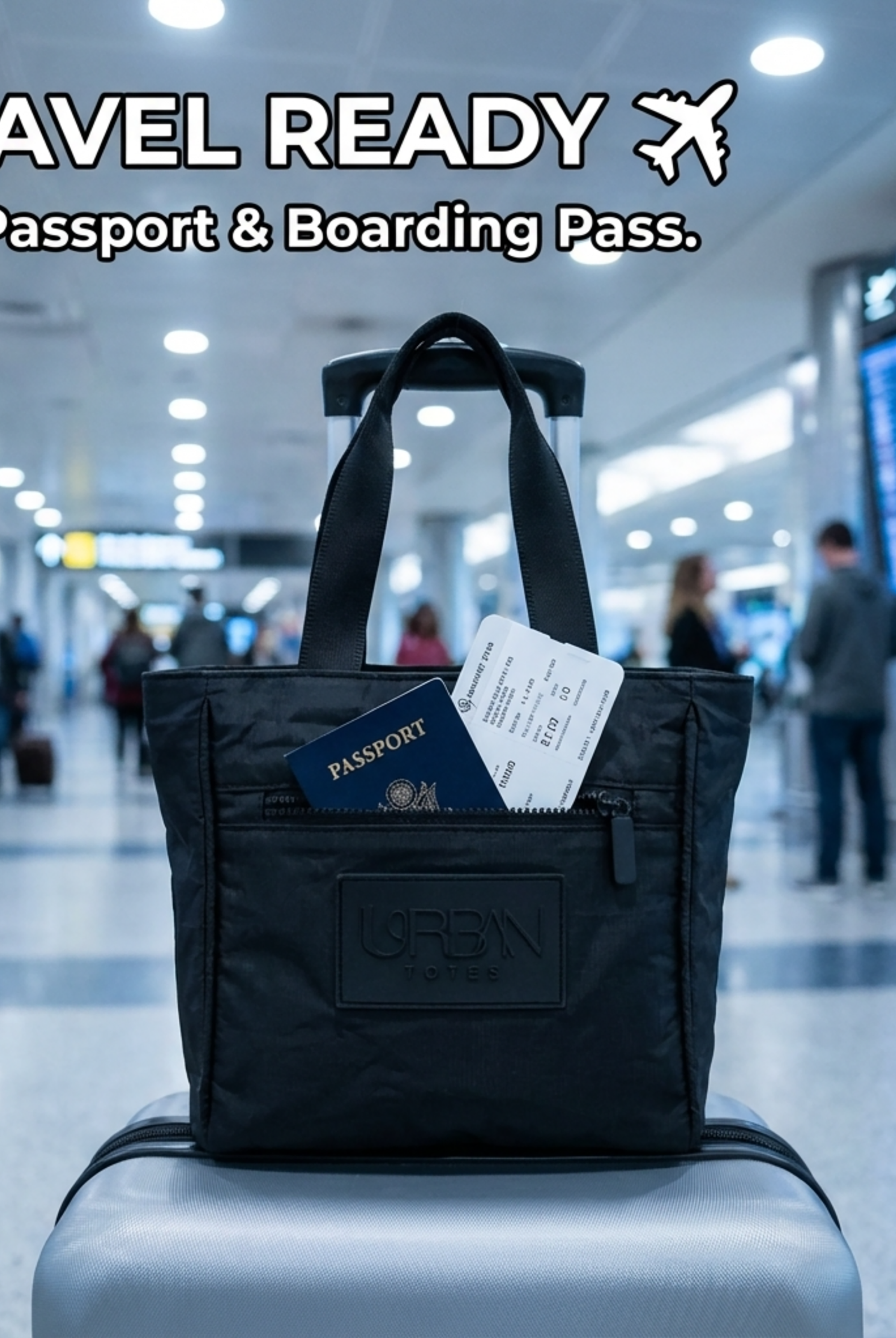
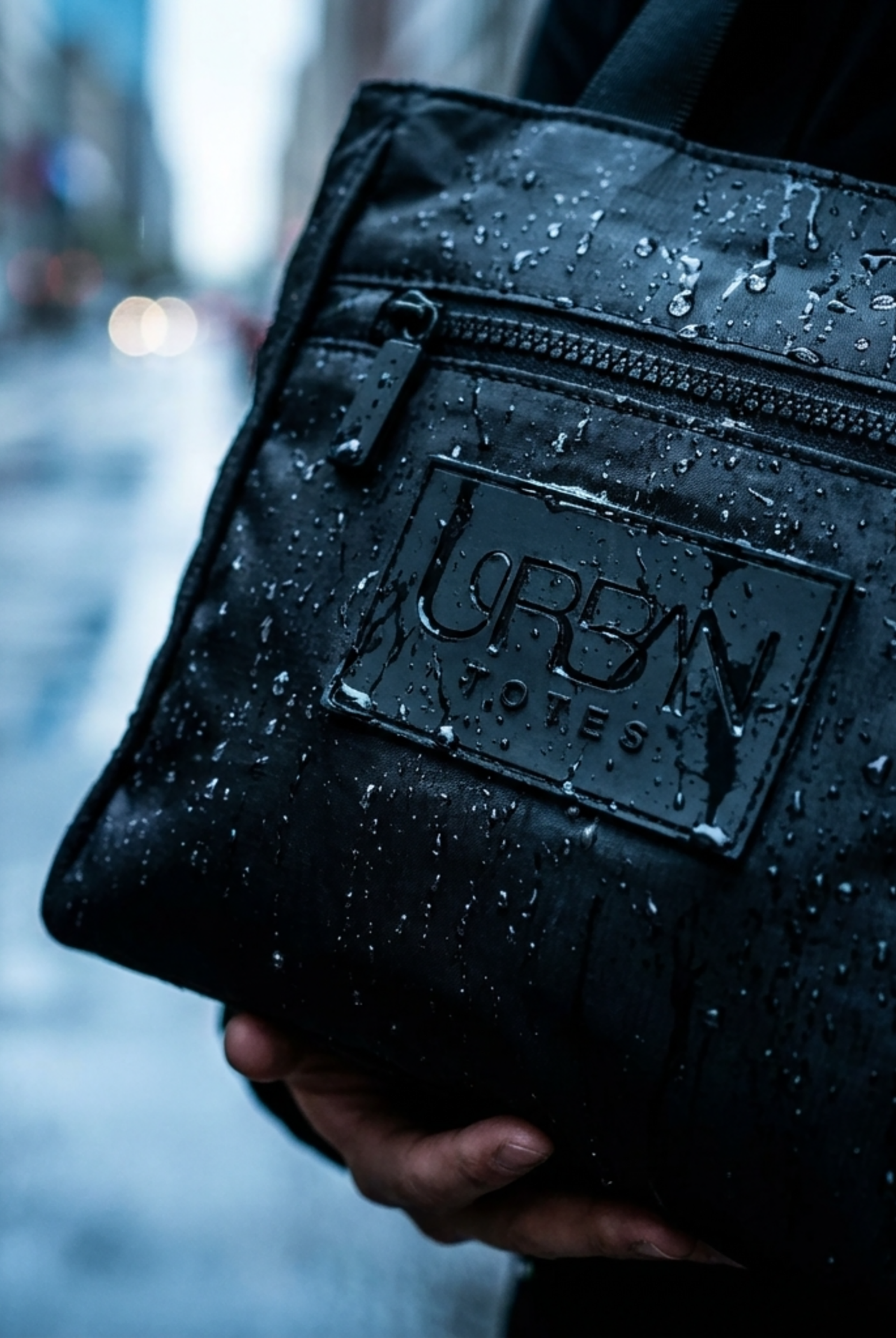
A water-resistant, multi-pocket tote with a zipper closure gives you breathing room when your day starts at school drop-off and ends at the gate. Urban Totes designs fit that real-life rhythm, with lightweight, packable structures that don't add drama to your carry-on. If you like a tidy setup, the tote bag organizer with zipper is the kind of internal system that makes airport mornings much less chaotic.
Here's the practical routine I'd use every time:
- Group liquids first: Put toiletries, makeup, and creams together before they ever touch your main tote.
- Use one dedicated pouch: Keep all liquid items in one visible bag so security doesn't force a search.
- Protect the rest of your bag: Put that pouch inside a compartment away from electronics, paper, and snacks.
- Separate parent essentials: If you're carrying baby items, keep those in their own spot so you can declare them fast.
- Keep a backup plan: For a longer trip, stash duplicates in checked luggage so your carry-on stays simple.
If you're traveling with kids, a helpful packing reference like find your perfect diaper bag can give you ideas for organizing wipes, snacks, and bottles without turning your tote into a black hole.
Common Mistakes to Avoid at Security
One of the easiest ways to slow yourself down at the checkpoint is using the wrong bottle lid. Skip twist-off caps on travel bottles. They leak under cabin pressure and get messy fast. Use flip-top or screw-cap bottles with an inner seal, then test each one by squeezing it in a sink before you pack it.
A second mistake is tossing borderline items into the liquids bag without checking the texture first. Creams, gels, paste-like makeup, and spreadable skincare all belong in the same category, even if they do not feel like a classic liquid. If you are guessing at the line between solid and liquid, security may not guess the way you do.
Don't make the checkpoint guess. Make your bag obvious.
The fastest fix is simple. Keep your liquids pouch easy to reach, choose containers that close tightly, and use only items that belong in that pouch. If a bottle feels flimsy, a lid pops open too easily, or a product can smear, it belongs in a better container or a different bag.
Your Go-Anywhere Travel Checklist
Use this before you leave the driveway, not after you reach the bin. Pack 3.4-ounce (100 milliliter) containers, keep them in one clear quart-sized bag, and remember that the container size matters more than what's left inside. If you're bringing exempt items, separate them early and keep them easy to explain. Day trip packing list
A well-organized, travel-ready tote saves time every single trip. A bag with a zipper closure, a few smart compartments, and a spot for your liquids pouch keeps your morning smooth whether you're flying, commuting, or heading out for a weekend.
- Check container size: If the bottle is over 3.4 ounces (100 milliliters), leave it out of your carry-on liquids bag.
- Use one clear bag: Keep all liquids together so security can see them fast.
- Separate exceptions: Baby and medically necessary liquids should stay easy to reach.
- Pack for the route: Use the strictest liquid rule on your itinerary, not the loosest.
- Keep your tote organized: A good layout cuts stress at the checkpoint.
Urban Totes is built for women who want one bag that keeps up with real life, from airport lines to school drop-off to a weekend escape. If you want a lightweight, water-resistant, thoughtfully organized bag that makes carry-on packing simpler, visit Urban Totes and find the tote or crossbody that fits the way you move.