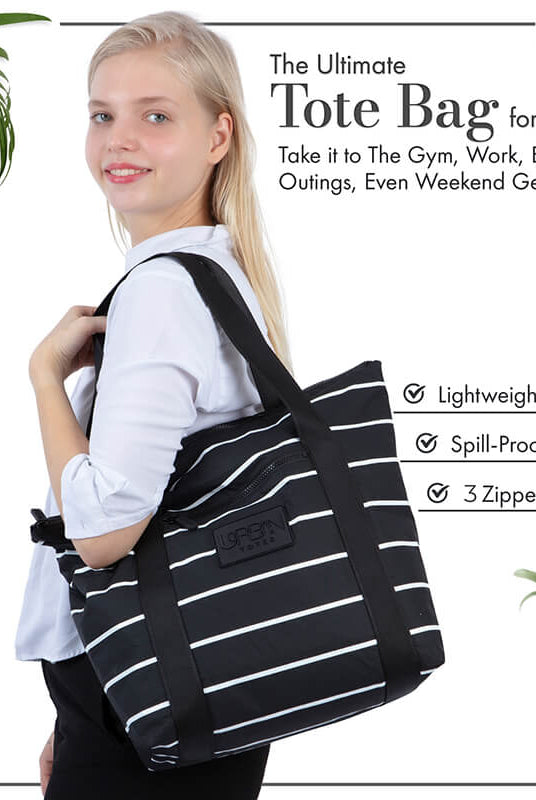
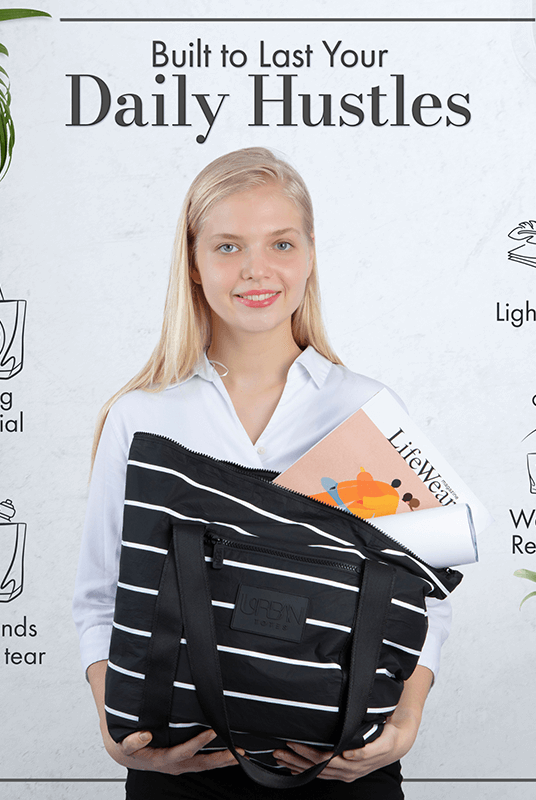
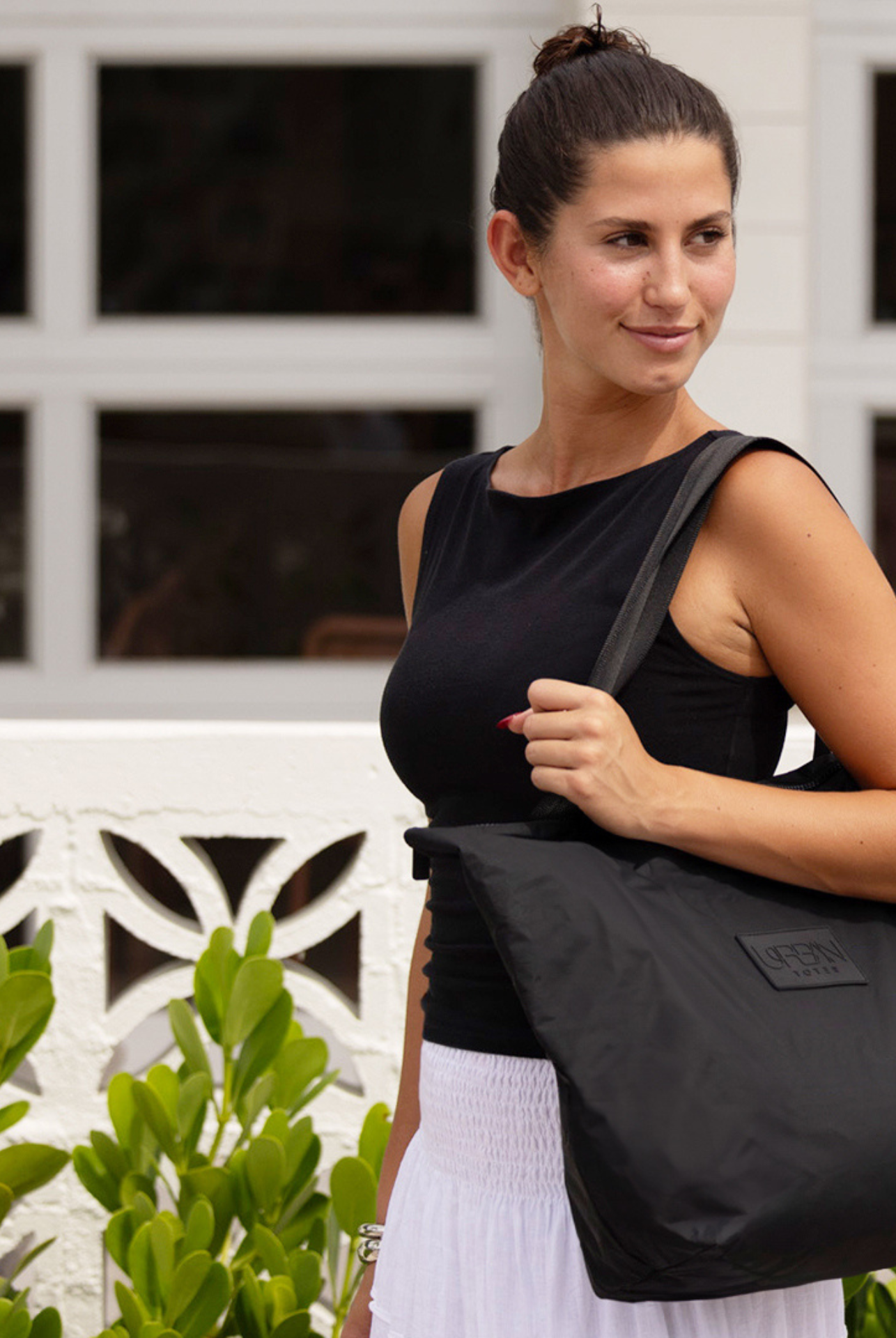
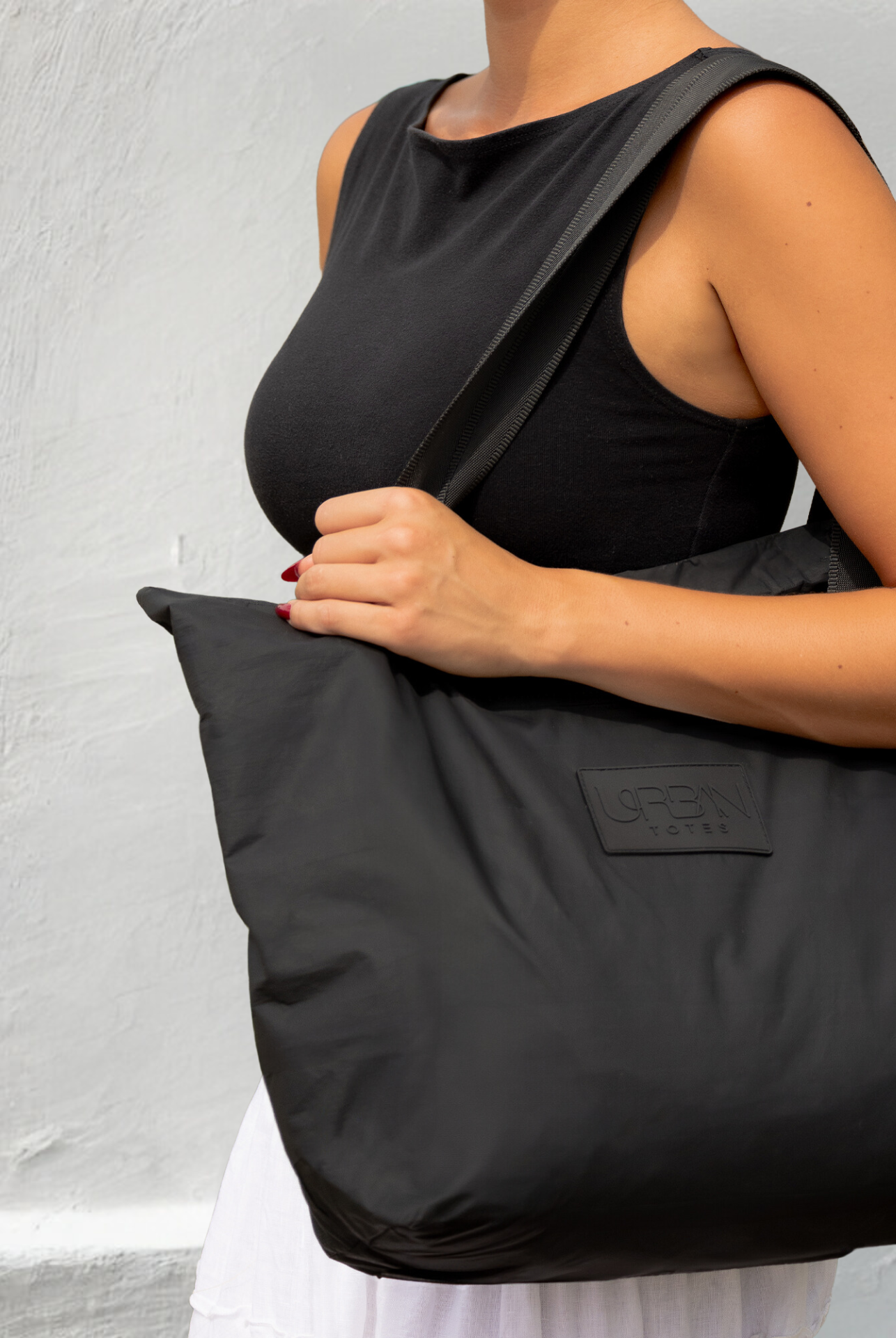
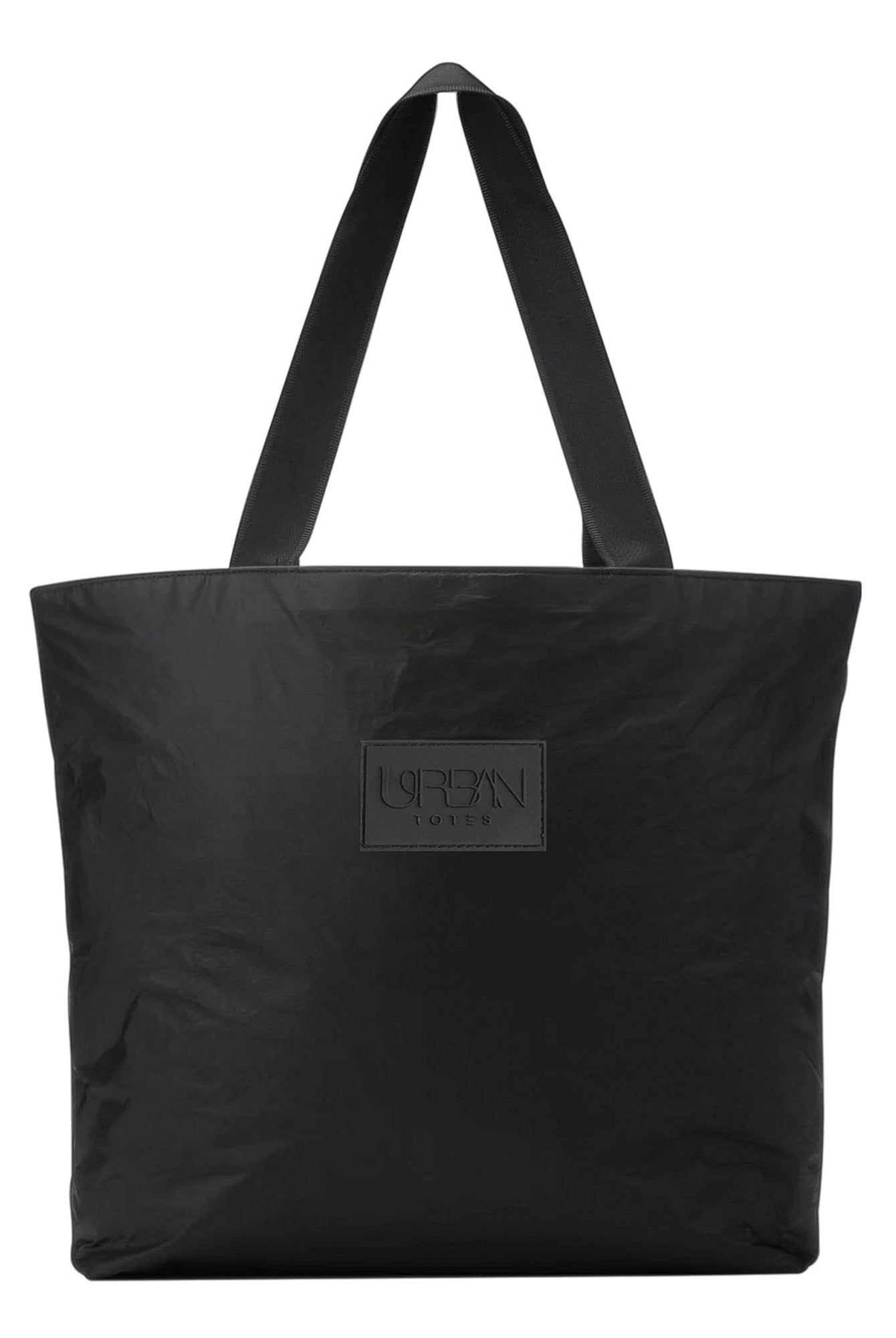
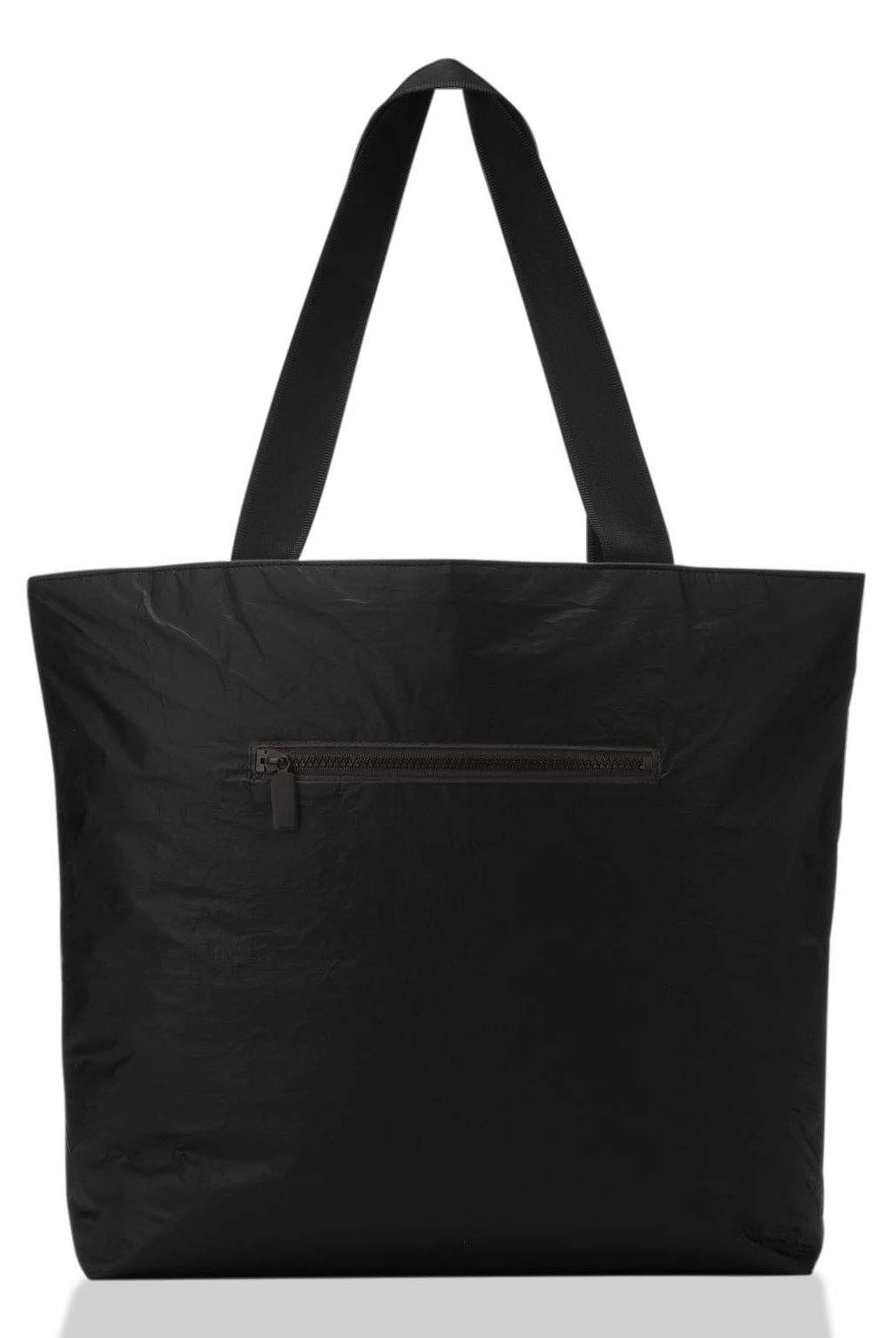
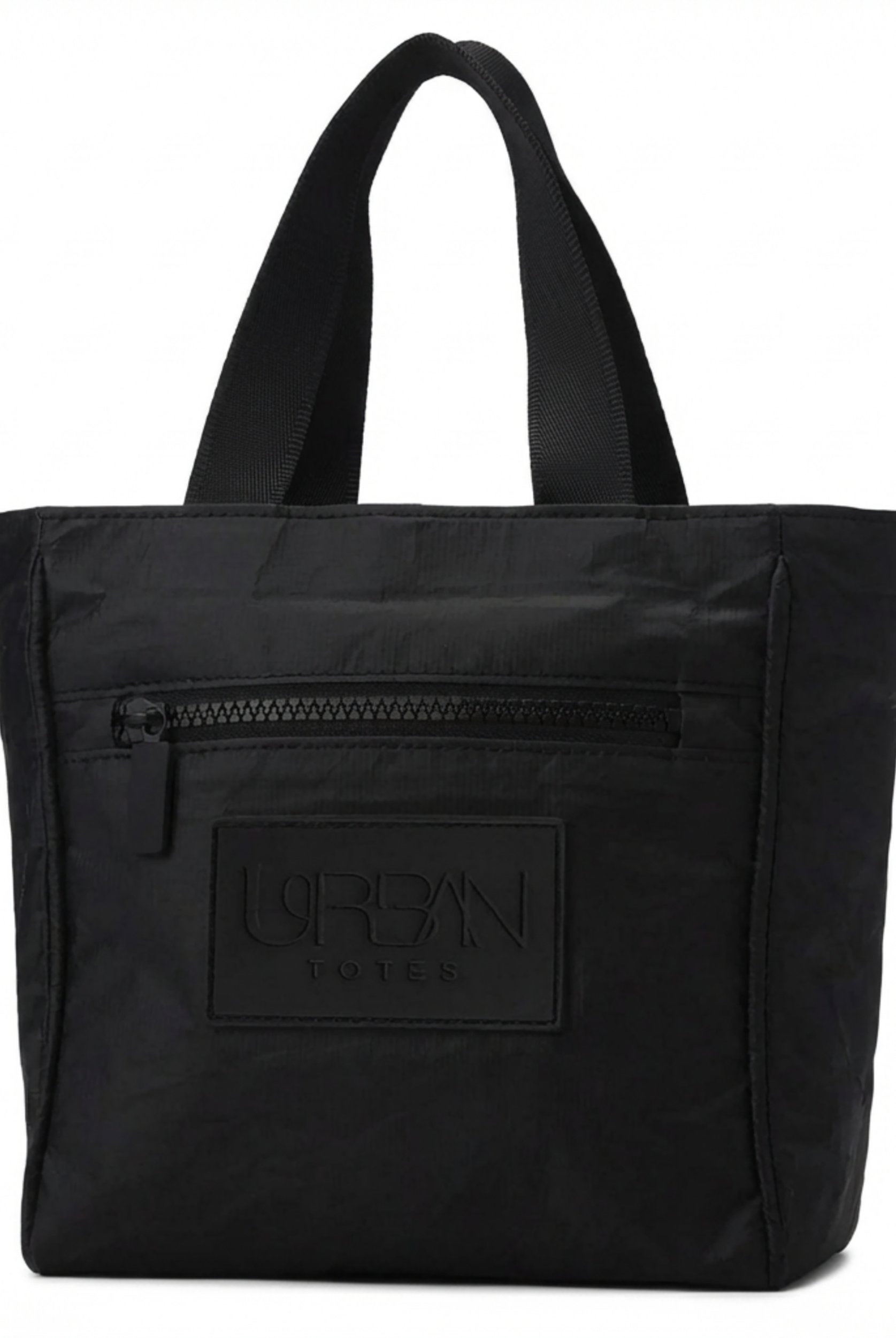
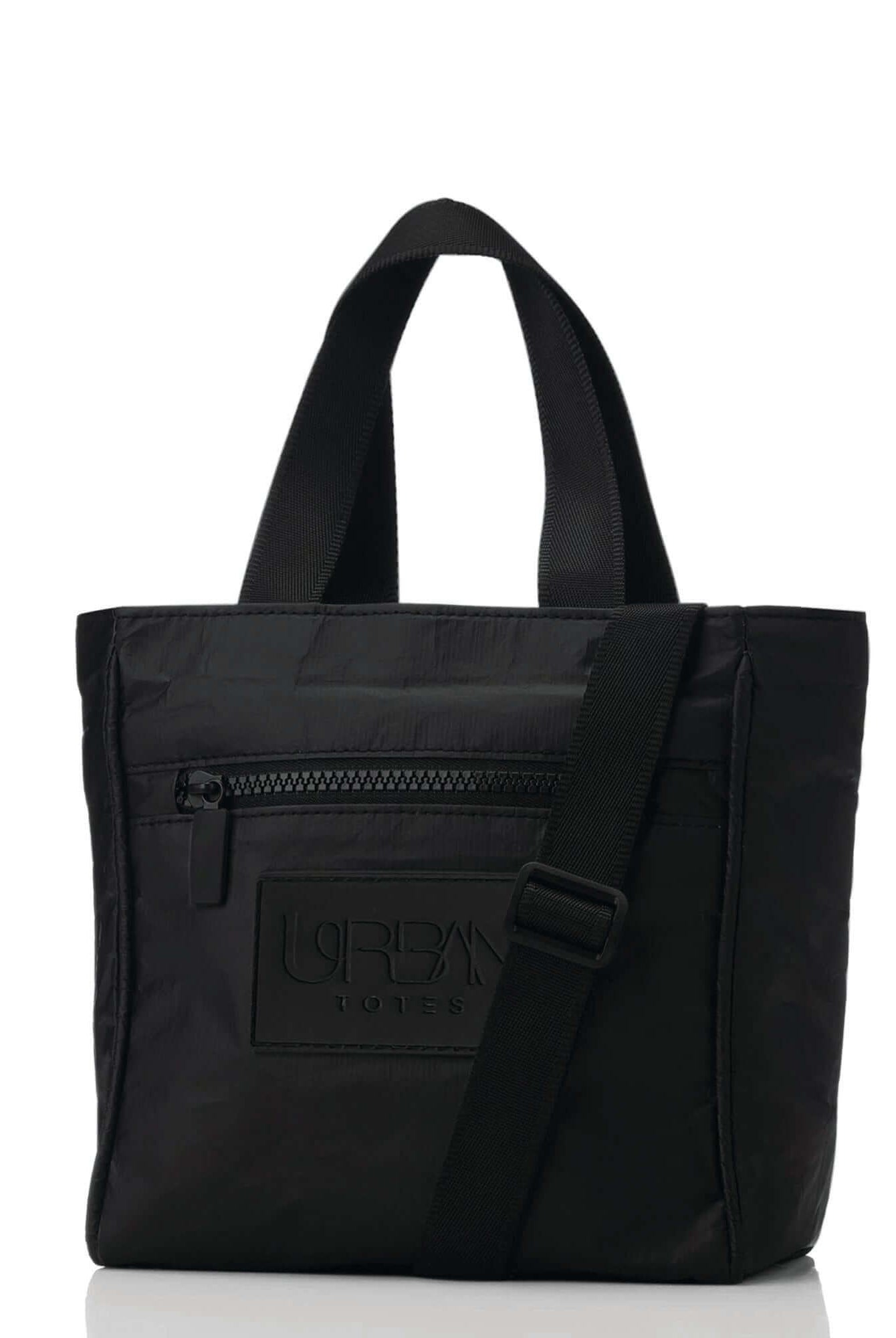
A business casual bag is a polished everyday carry that suits office clothing and still handles commuting, errands and travel. The usual forms are a structured tote, crossbody and satchel, with the right choice depending on what you carry and how you move.
You're dressed for work, but your day won't happen entirely at a desk. There's a school gate before the station, a grocery stop after your last call, and perhaps an airport departure before the week is over. Your bag needs to look comfortable beside a blazer without becoming awkward the moment you're carrying coffee and reaching for your phone.
Table of Contents
- Why One Bag Now Has to Cover the Whole Week
- What a Business Casual Bag Is and Where It Fits
- Size and Compartments to Check Before You Buy
- Straps, Closures and Materials That Hold Up
- Choosing a Bag for Your Role and Routine
- How to Pack a Hybrid Workday, Step by Step
- Frequently Asked Questions About Business Casual Bags
- Keep Your Bag in Shape and Confirm Your Pick
Why One Bag Now Has to Cover the Whole Week
It's Tuesday morning. A laptop charger, lunch container, gym top and child's water bottle are waiting by the door, while your phone needs charging and the train won't wait. Everything needs a place, preferably somewhere you can find again while standing.
A sleek bag can look right at your desk and fail at the crosswalk. A roomy tote can hold everything but sag against your hip, swallow your keys and leave you fishing for your phone while someone waits behind you.
The useful test isn't whether a bag holds your day. It's whether you can use it throughout your day. That means opening it without putting it on the pavement, finding a transit card without exposing your wallet, and removing lunch without dragging a charging cable along with it.
A bag that works only when it's sitting open on a desk isn't ready for your whole routine.
Think in transitions, not destinations
Office days, home-working days and travel days don't need identical packing. They do need a consistent home for the things you always carry, with room to add or remove work gear without rebuilding the entire interior.
That's why shape alone won't settle the decision. Exterior measurements, usable pockets, strap position and cleaning instructions deserve as much attention as color.
Choose for the moments between settings: stepping onto a train, leaning over at school drop-off, or reaching for identification at the airport gate. Before buying, you should be able to demonstrate how the bag handles those moments, not just picture it beside your outfit.
What a Business Casual Bag Is and Where It Fits
A business casual bag complements blazers, knit tops, chinos and midi dresses while holding work, personal and commuting essentials. It isn't necessarily a formal briefcase, and it shouldn't require the loose packing of a gym duffel, though it borrows useful features from both.
Casual office dress became mainstream in the United States during the 1990s, creating the foundation for accessories that bridge professional appearance and everyday practicality, as documented in this history of casual business attire.
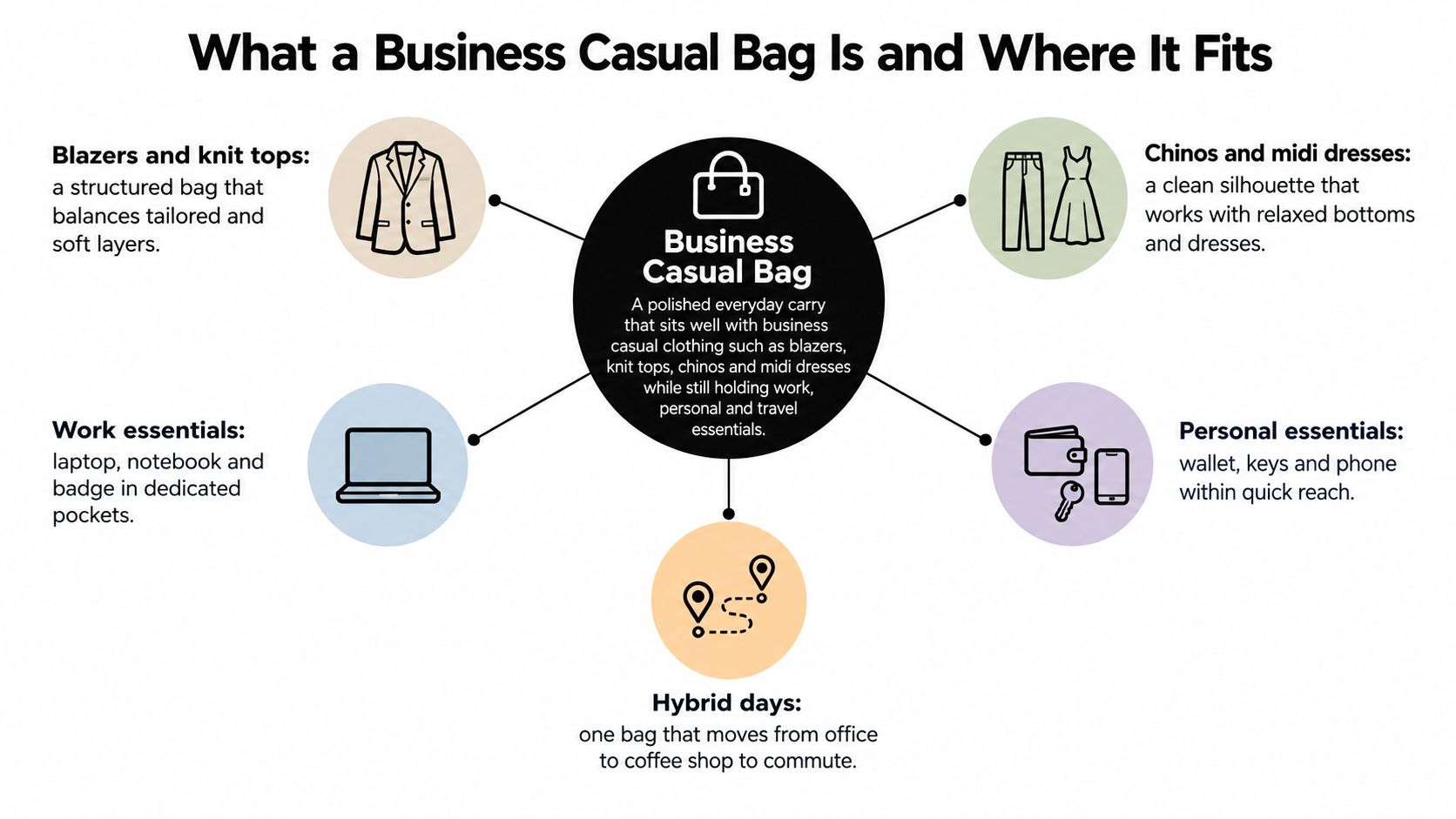
Business casual bag forms compared
These are practical fit judgments, not product ratings. Actual comfort and capacity depend on the bag's construction and your load.
| Form | Office fit | Commute comfort | Travel use |
|---|---|---|---|
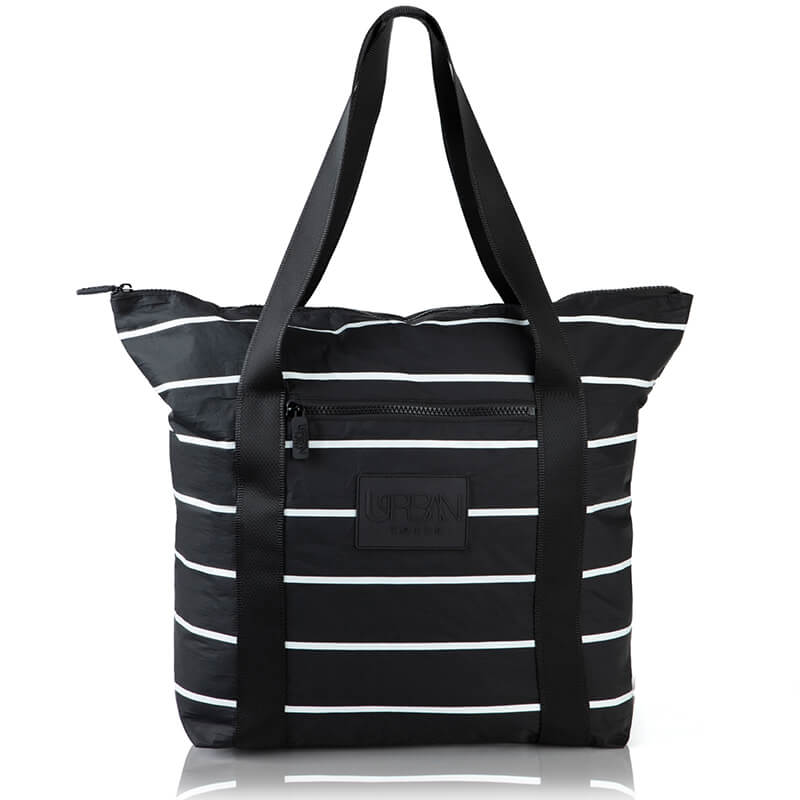
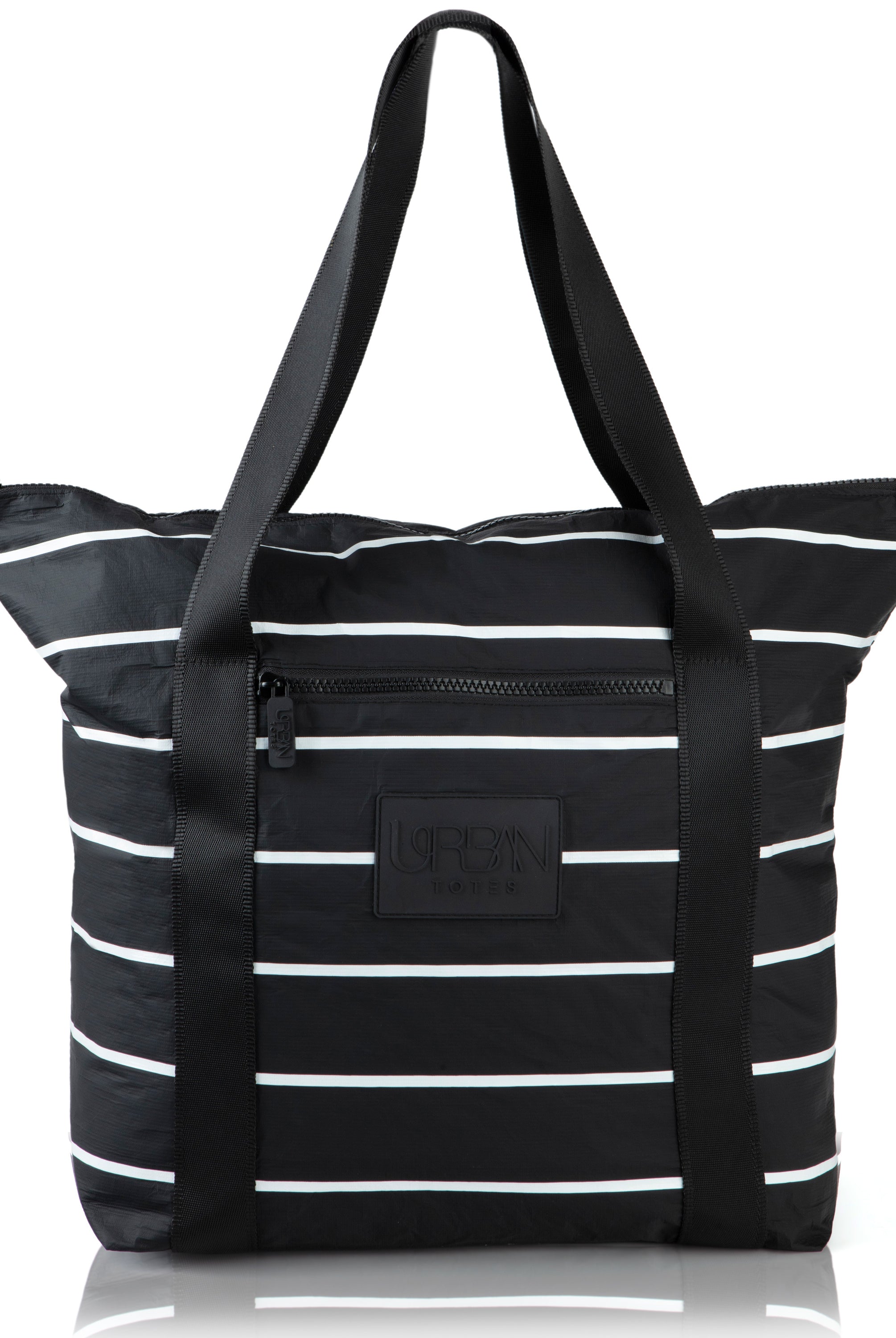
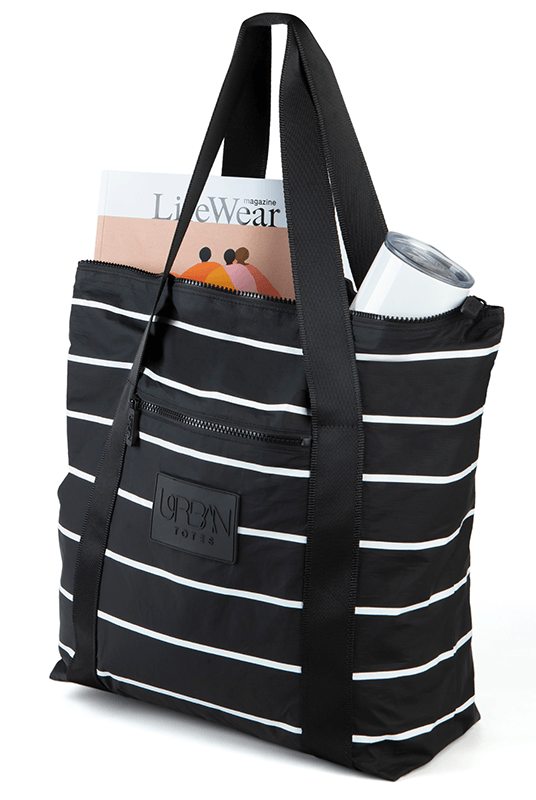
| Structured tote | Strong, can hold a laptop and folders upright when sized appropriately | Convenient on one shoulder; an open top needs attention | Useful for overnight or weekend packing if capacity allows |
| Structured crossbody | Moderate, suits phone, wallet and a tablet in larger versions | Hands-free while walking; check how it rests at the hip | Useful for short outings and personal essentials |
| Satchel with top handle | Strong, with a polished profile | Hand or shoulder carry; test carefully when full | Limited for multi-day packing |
| Backpack | Moderate, with practical laptop options | Hands-free, with weight carried across the back | Useful for flights, though visually less formal |
A tote gives you easy access but can become cumbersome when heavily loaded. A crossbody frees your hands but won't replace a laptop bag unless it's specifically sized for that job. A satchel offers a crisp outline, while a restrained backpack may be the more functional choice for a longer walk.
The glossary of bag types can help distinguish silhouettes when product names get confusing.
Keep styling uncomplicated
- Match structure to structure. Pair a crisp blazer with a firm-shaped tote or satchel.
- Start with a neutral palette. Black, navy, camel and cream are straightforward styling options.
- Limit competing accents. Let the bag supply an accent color rather than adding several competing details.
- Coordinate hardware deliberately. Similar tones in shoes, jewelry and bag hardware can make an outfit feel considered.
Choose the outfit first, then hold the bag beside it. You're looking for a silhouette that belongs with your clothes, not an accessory that needs its own wardrobe.
Size and Compartments to Check Before You Buy
Start with the outside measurements, especially if your business casual bag will fly with you. American Airlines publishes a personal-item maximum of 18 × 14 × 8 inches (45 × 35 × 20 cm), so compare the actual exterior against its personal-item requirements; labels like compact or travel-ready tell you nothing you can measure.
A bag that bulges when packed can exceed its empty measurements, and each carrier sets its own limit. Check the airline operating your specific flight before you rely on any single number.
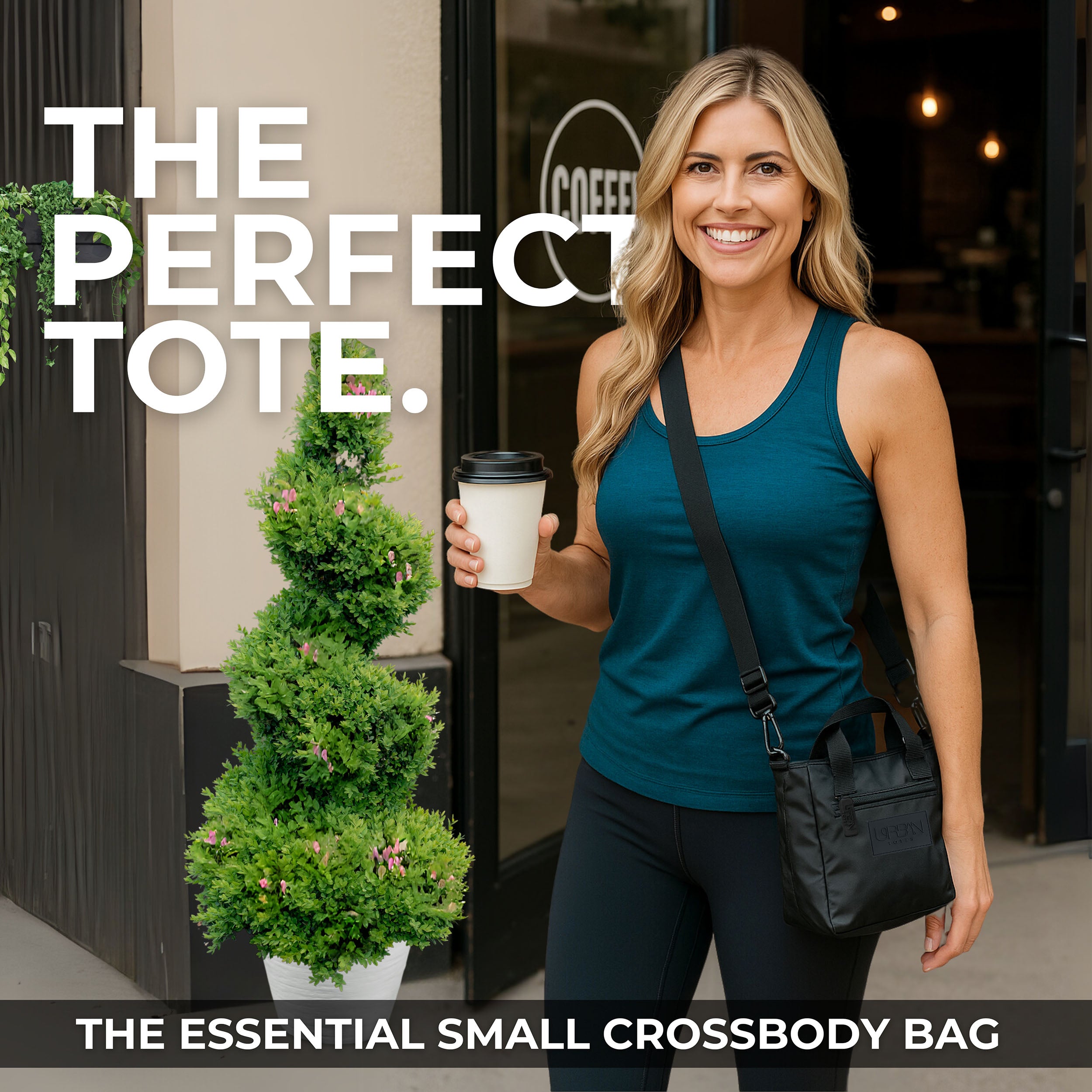
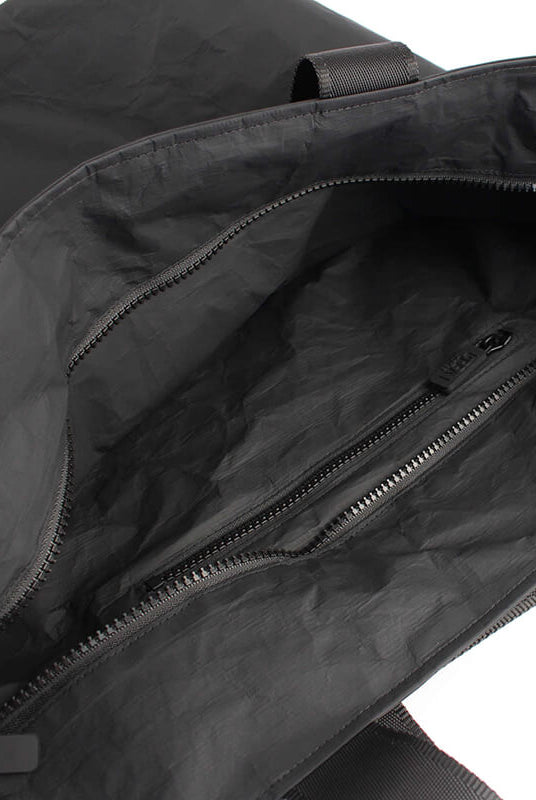
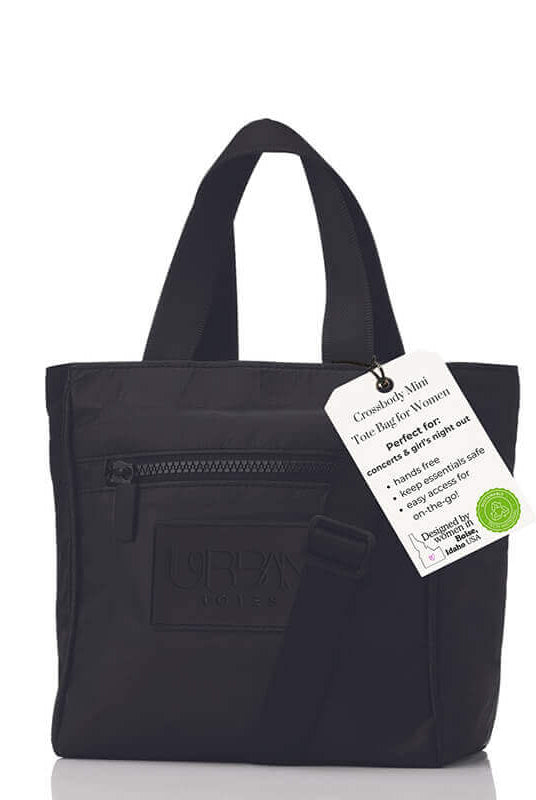
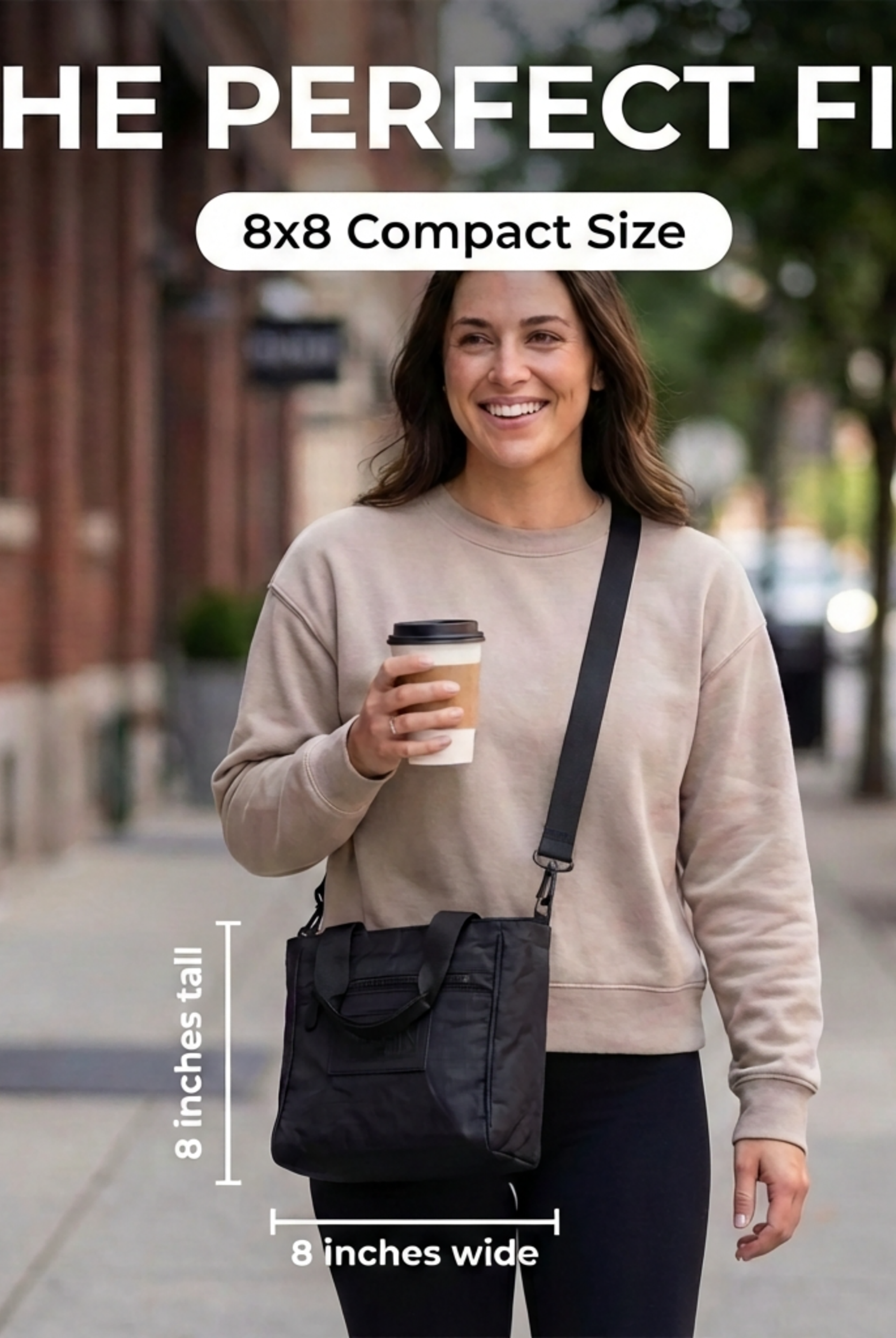
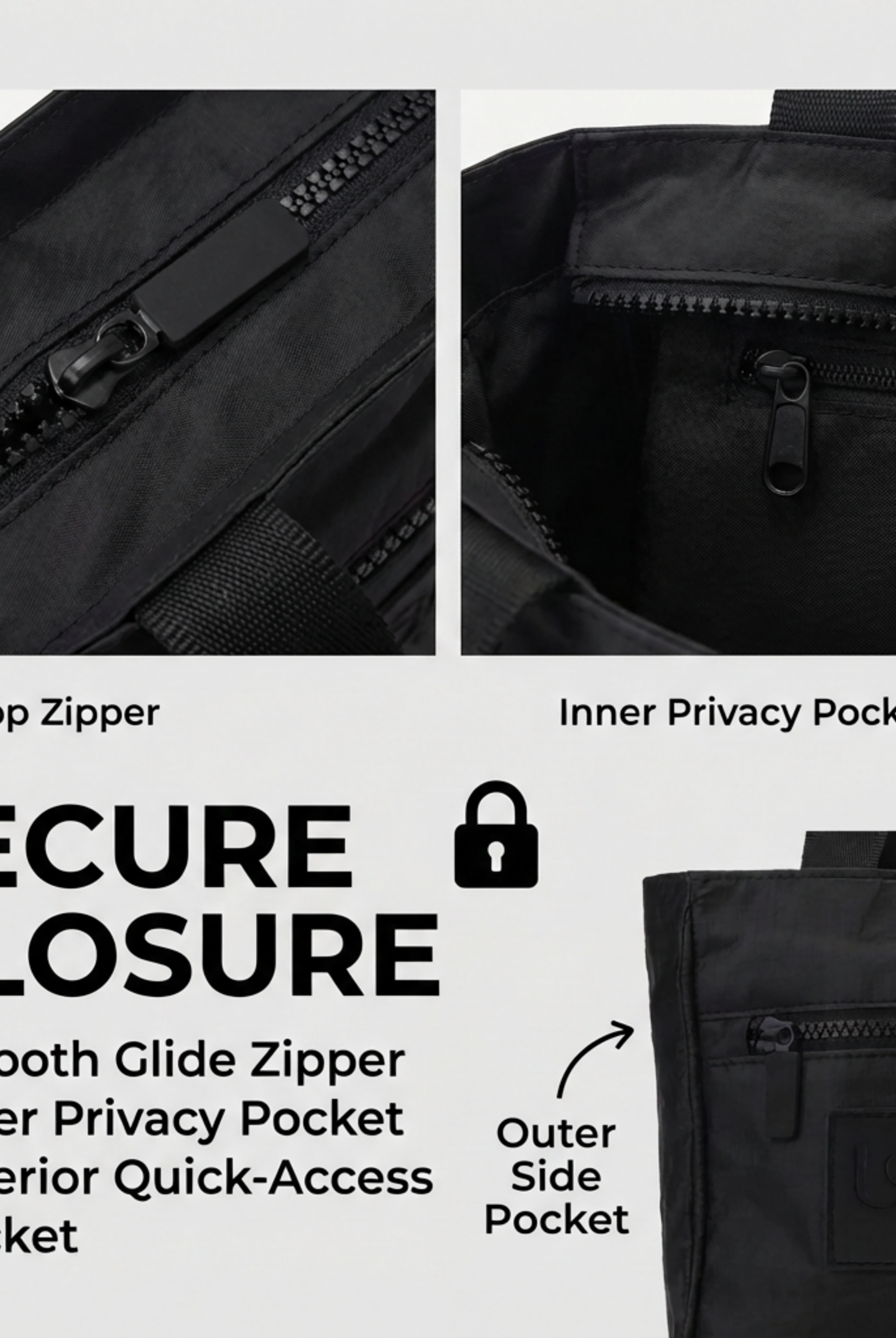
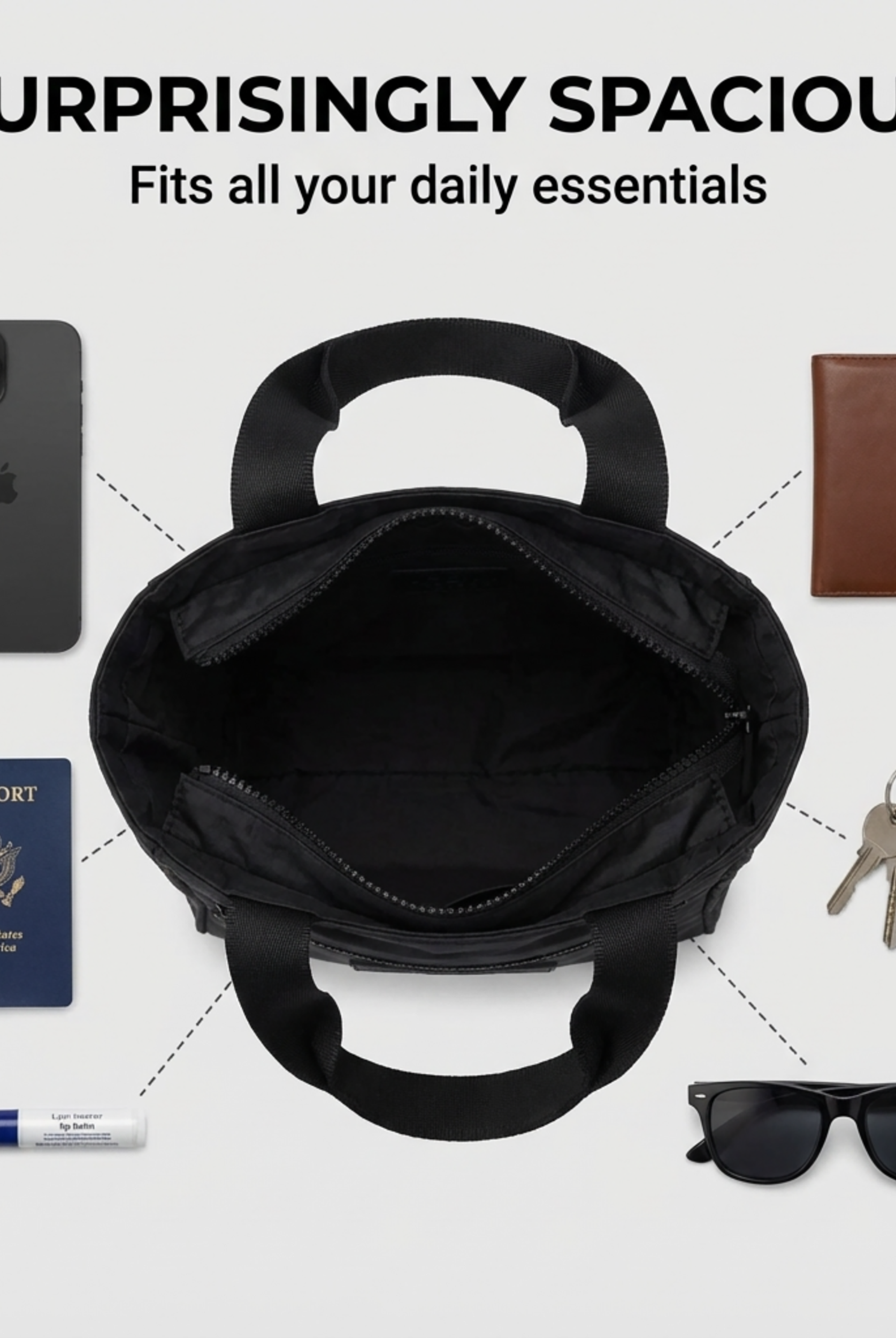
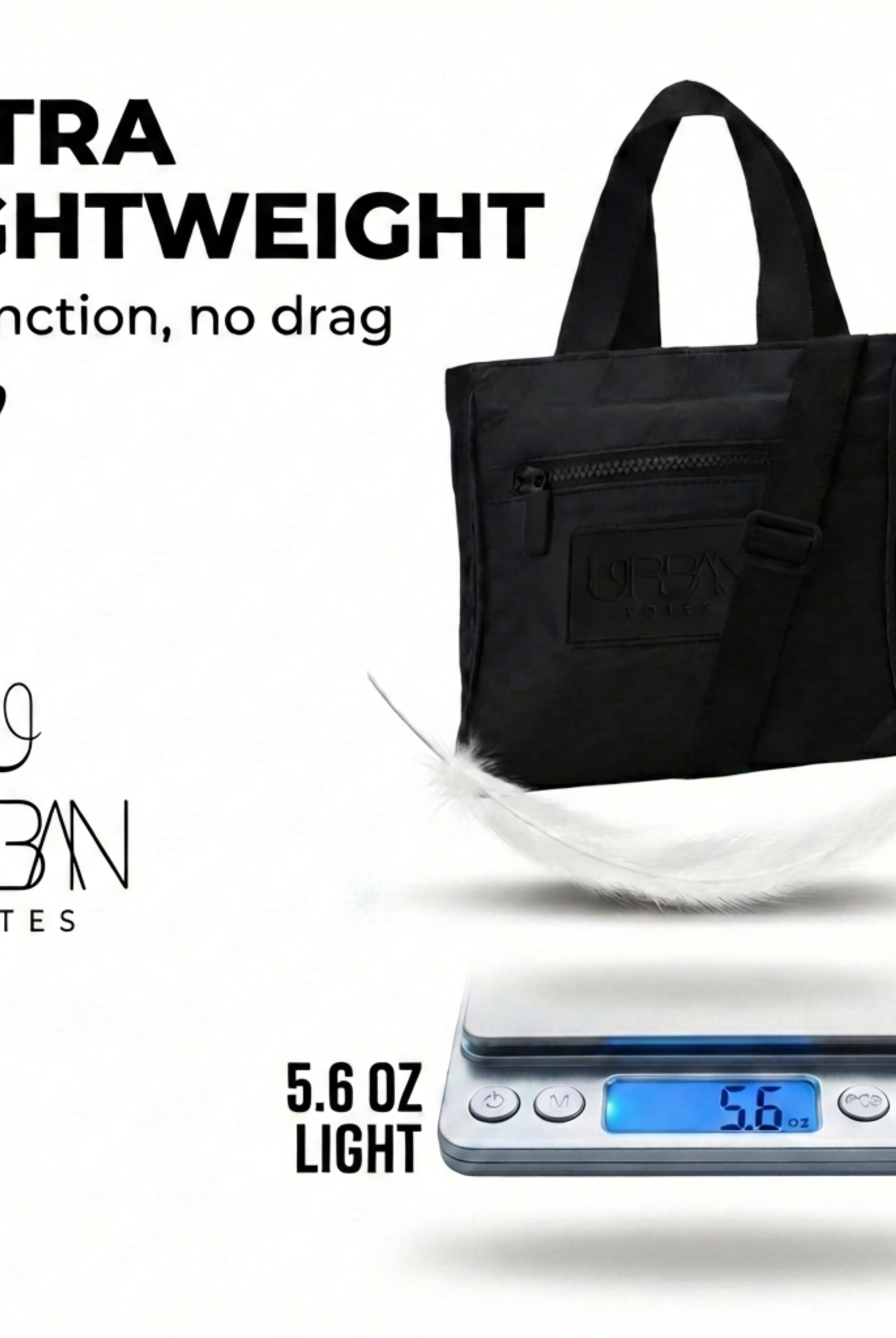
For a smaller point of reference, Urban Totes lists the Crossbody Tote Bag Mini Purse, a mini-format carry for days when phone, cards and keys are the whole loadout. It sits at the other end of the scale from a work tote, so judge it against your lightest days, the ones where a full-size bag would ride half empty.
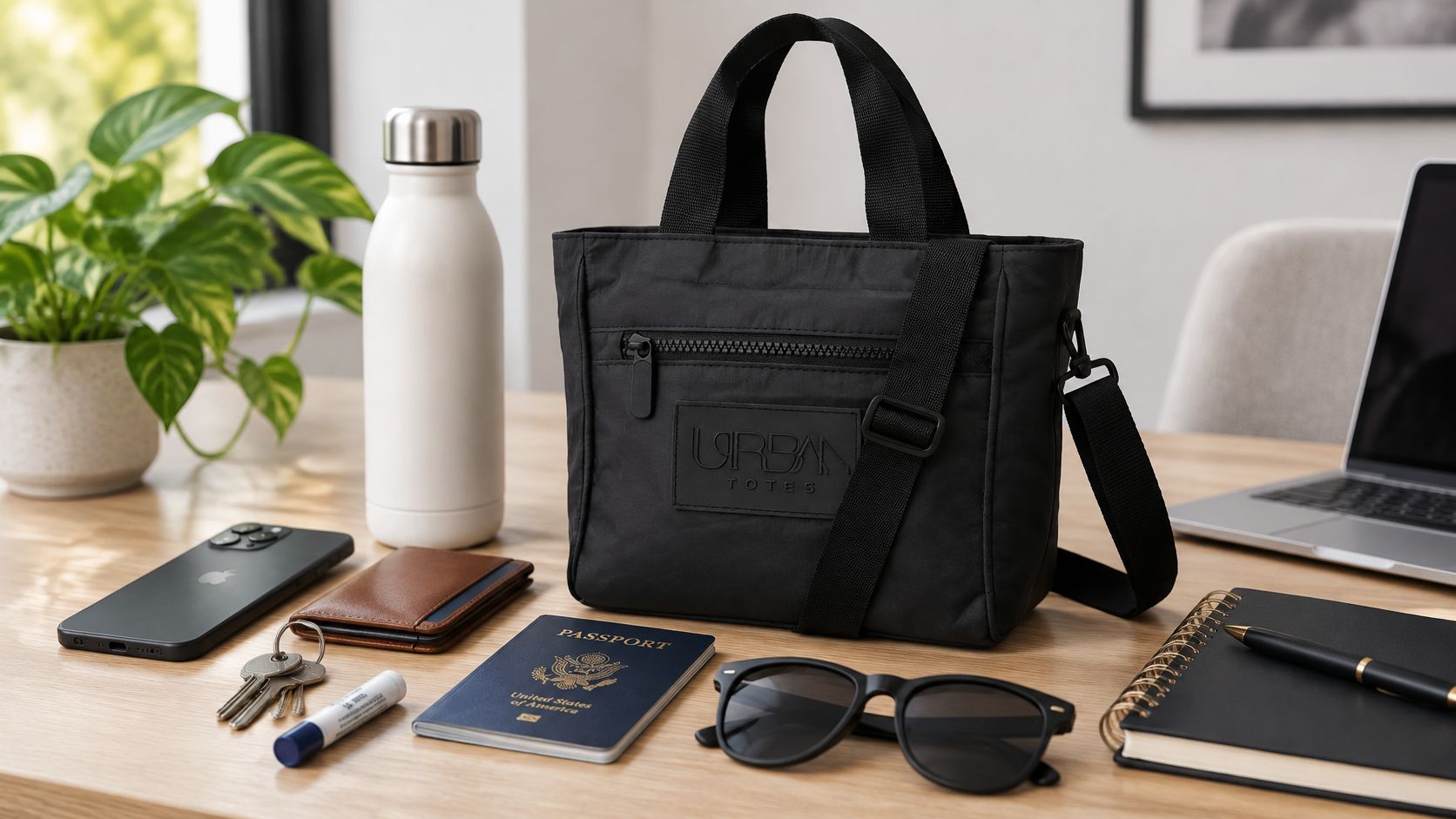
Size and compartment checks for a business casual bag
| Feature | Target or check | Why it matters | Red flag |
|---|---|---|---|
| Exterior size | Within your airline's published personal-item allowance when packed | Gives you a concrete travel benchmark | Compact wording with no measurements |
| Laptop sleeve | Padded and measured against your actual laptop, including its case | Separates the device from loose contents | A tablet pocket presented as laptop storage |
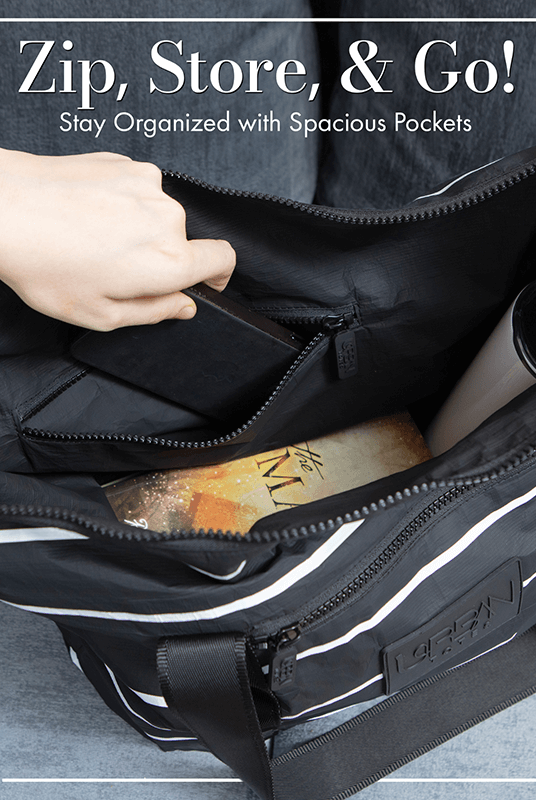
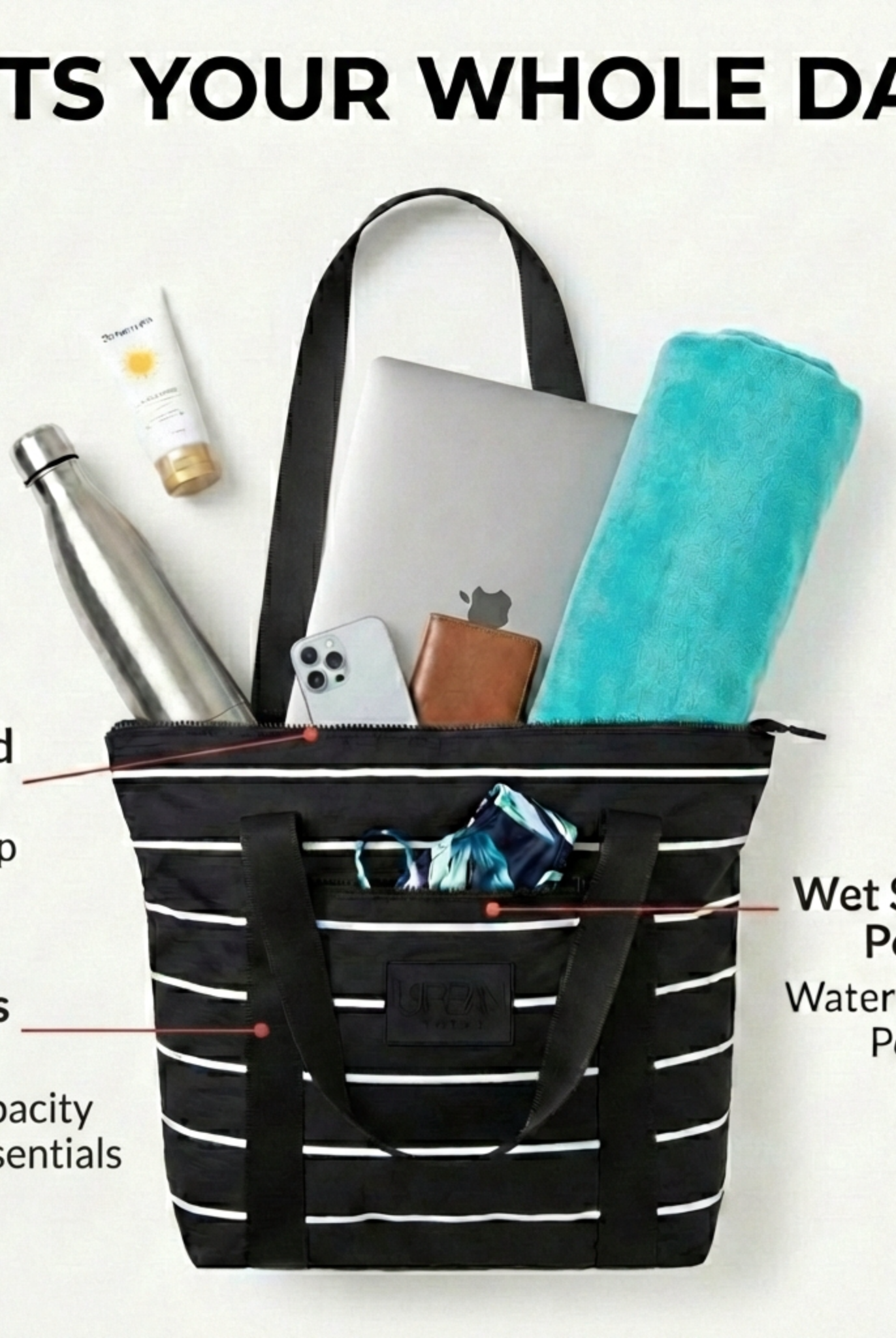
| Phone pocket | Reachable without opening the main compartment | Makes commuting and school pickups less fiddly | Phone buried beneath other belongings |
| Interior zip pocket | Closes fully around wallet or passport | Adds a separate closure for valuables | Open pockets only |
| Side bottle pocket | Holds your usual bottle upright | Separates the bottle from papers | A narrow pocket that leaves the bottle unstable |
| Main opening | Wide opening with a closure you can operate easily | Helps you see and remove contents | A narrow mouth above a deep, dark base |
Measure the laptop body itself, since screen size doesn't describe width. Compare the device, case included, with the sleeve opening rather than the bag's overall dimensions. A generous exterior can still hide a tight interior pocket.
Reach matters more than pocket count
A multi-pocket interior only helps if each pocket has a useful job. Too many small sections can leave a charger stranded in the main compartment while narrow pockets stay empty.
This guide to a multiple-compartment purse offers another way to think about separating daily essentials.
Load the bag with your actual belongings, then stand up and walk with it. Reach for your phone, keys and wallet without setting it down, the way you would at a school gate or a security line. If the lining catches your hand or the opening collapses under movement, more capacity won't solve the problem.
Straps, Closures and Materials That Hold Up
A beautiful handle isn't automatically a comfortable shoulder strap. Check the strap drop, meaning the space between the handle's highest point and the bag opening, and try it over the coat you wear most often.
The bag should sit where you can reach it without lifting your shoulder or pinning your elbow against your side. Wider straps and padding are worth trying with a heavier load, but the true test is whether they stay flat instead of twisting or sliding.
Inspect the points you'll use constantly
An adjustable strap lets you change the carrying position between a light errand load and a fuller workday. A detachable version adds flexibility, though the hooks become another component to inspect; this adjustable shoulder strap guide explains what to consider.
Run the zipper around the opening while the bag is loaded. It shouldn't require you to squeeze the sides together, and the pull should be easy to grasp without catching the lining.
A zipper closure is useful when the bag hangs at your hip or tips during travel. A magnetic snap is quicker to open but leaves gaps, while an open top offers immediate access with less containment.
Look closely at strap anchors, rivets and swivel hooks. Uneven stitching, loose threads or hardware that binds during movement deserve attention before purchase.
Materials for a business casual bag and what to watch
| Material | Strengths | Watch for | Best fit |
|---|---|---|---|
| Nylon | Can offer a lightweight, smooth finish | Inspect seams, lining and strap-anchor stitching | Daily carry, errands and travel |
| Polyester, virgin or recycled | Versatile fabric construction options | Ask for abrasion and tensile evidence rather than relying on the recycled label | Commuting and adaptable everyday use |
| Coated canvas | Can provide a firm shape and help shed light spills | Inspect folds, coating condition and seams | Office totes with a defined outline |
| Leather or faux leather | A polished appearance for dressier outfits | Compare empty weight and material-specific care instructions | Office-to-dinner satchels |
Material names alone don't establish whether a bag is durable. In a comparative textile study, recycled and virgin polyester fabrics both passed 70,000 abrasion rubs without yarn breakage under the tested conditions, according to the recycled-polyester performance research. That's evidence about those fabrics, not a guarantee for every finished bag.
Practical rule: Judge the fabric, seams, hardware and lining together. You'll carry the finished bag, not a material sample.
Understand the weather wording
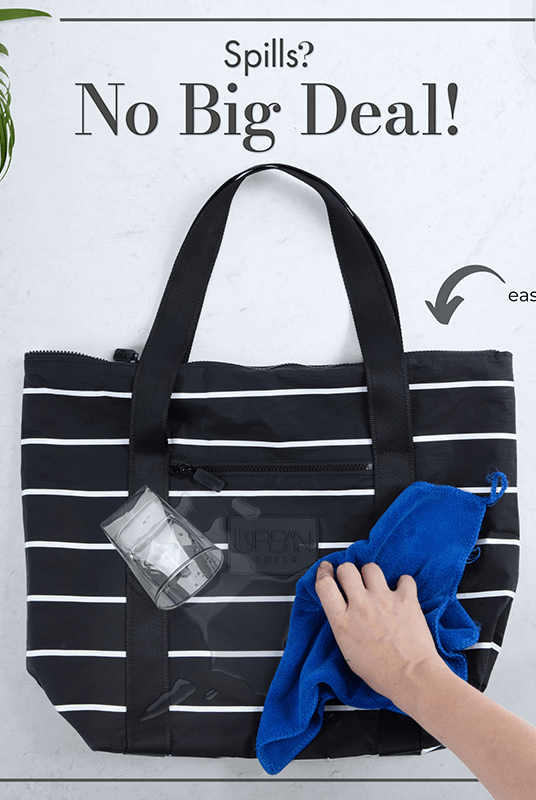
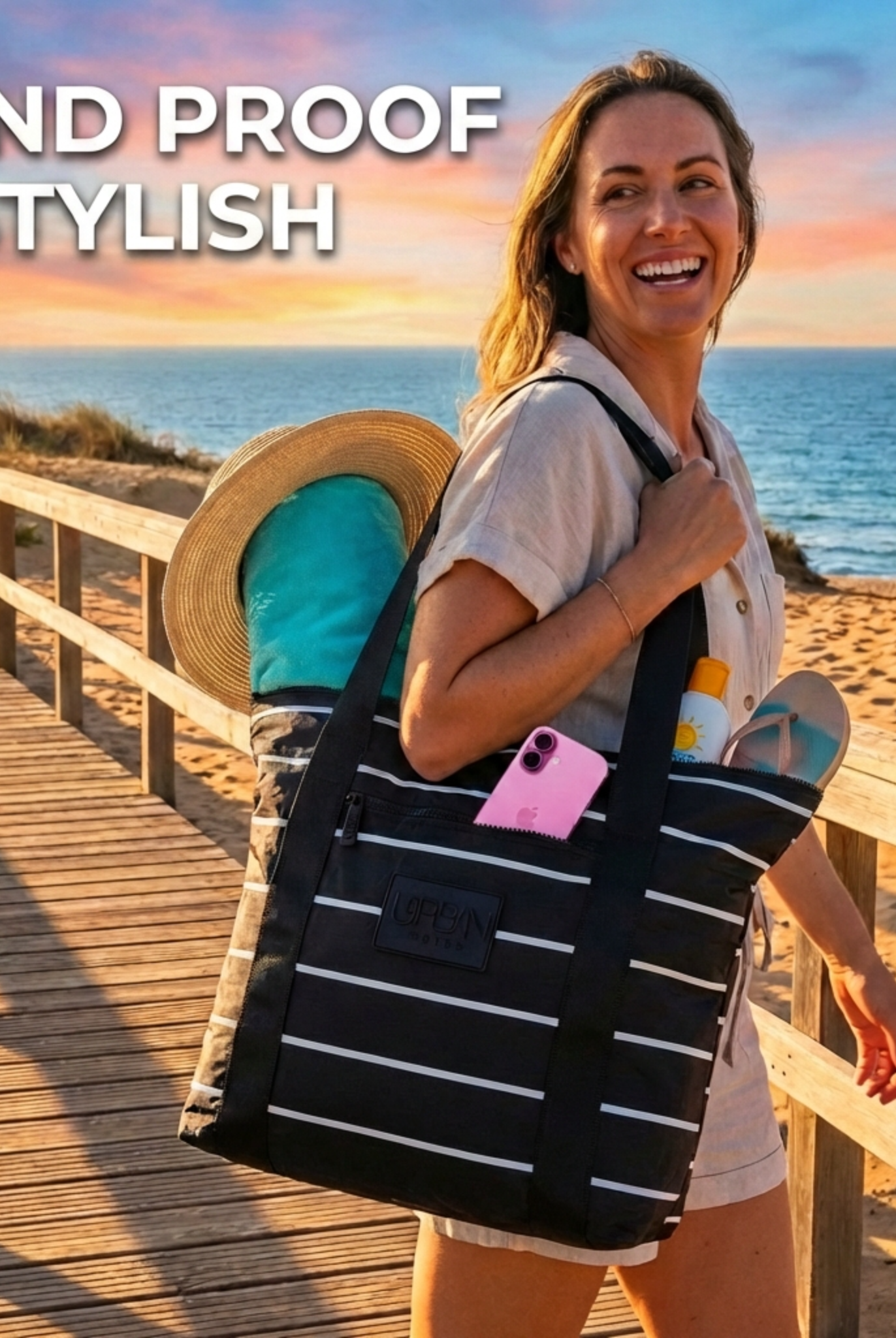
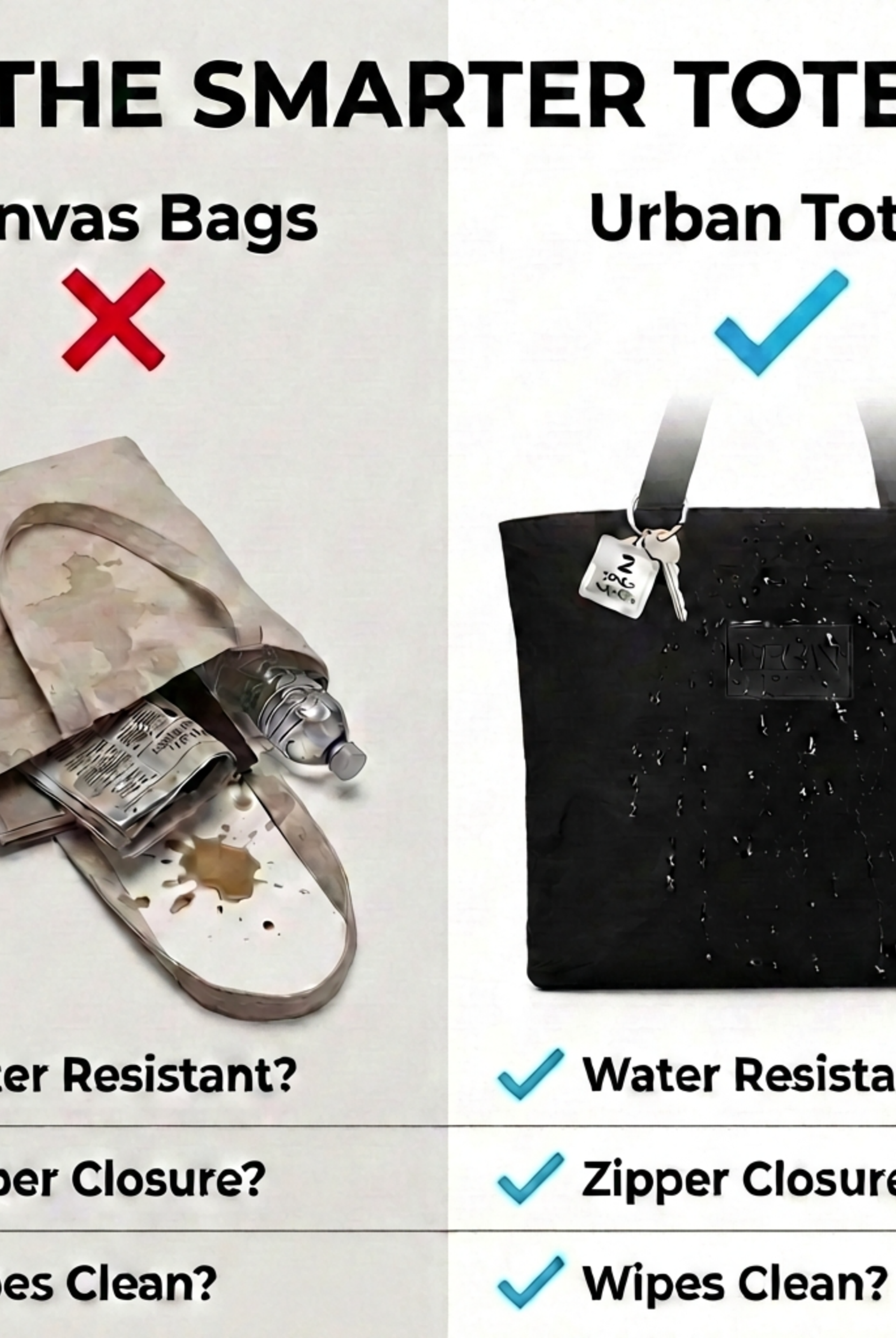
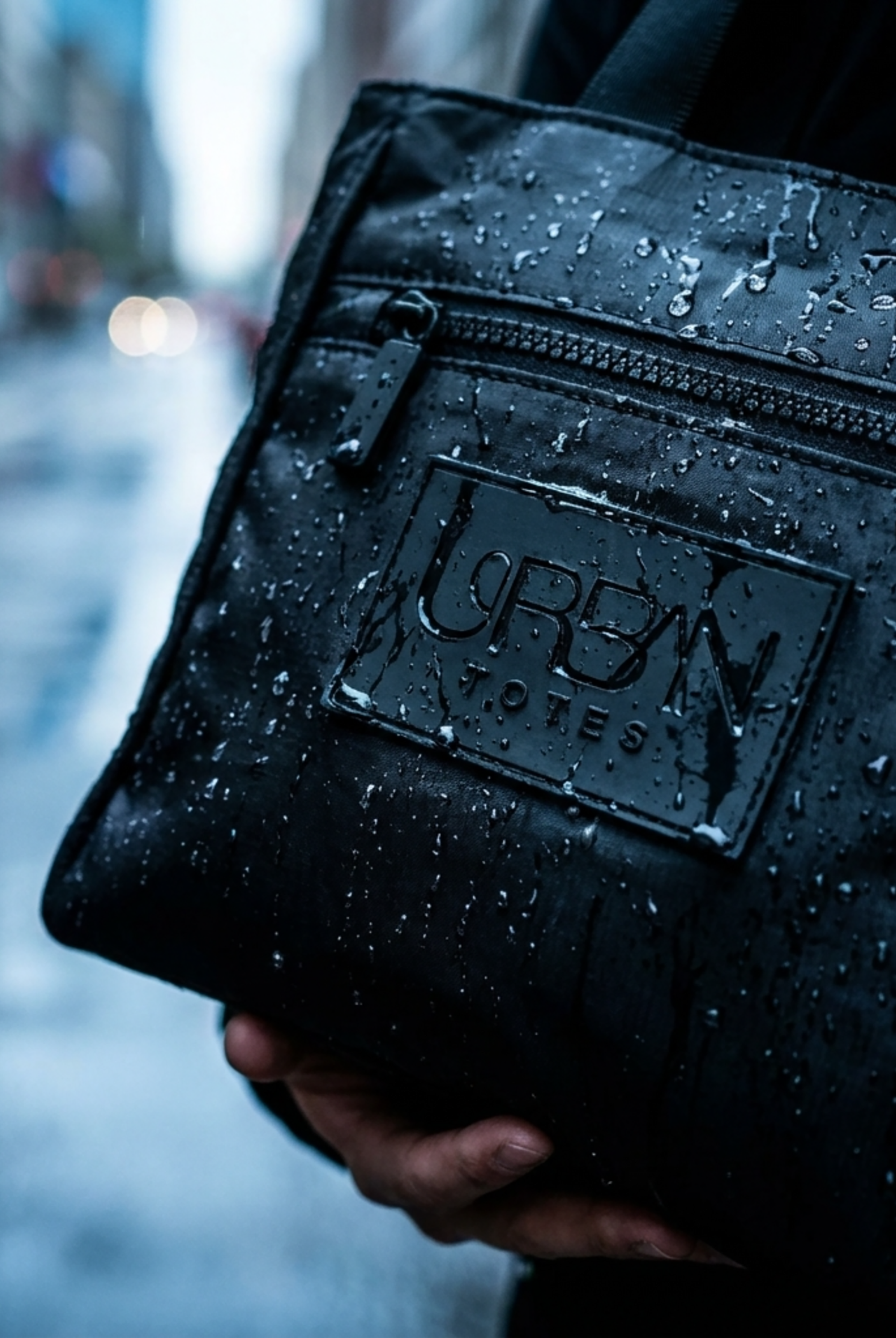
Water-resistant doesn't mean waterproof. ISO's hydrostatic-pressure testing method measures fabric resistance to water penetration, but a finished bag also has seams, needle holes and zipper tracks.
A suitable exterior may help with light rain or spills while those openings still allow leakage during sustained exposure. For a wet commute, ask what was tested and keep electronics in a separate protective sleeve rather than treating a fabric claim as whole-bag protection.
Choosing a Bag for Your Role and Routine
Choose for the part of your day that's hardest to manage. If that's standing on transit with a laptop, prioritize carry comfort; if it's school drop-off, prioritize access while your other hand is occupied.
The most stylish option won't feel versatile if you're constantly rearranging it to do an ordinary task.
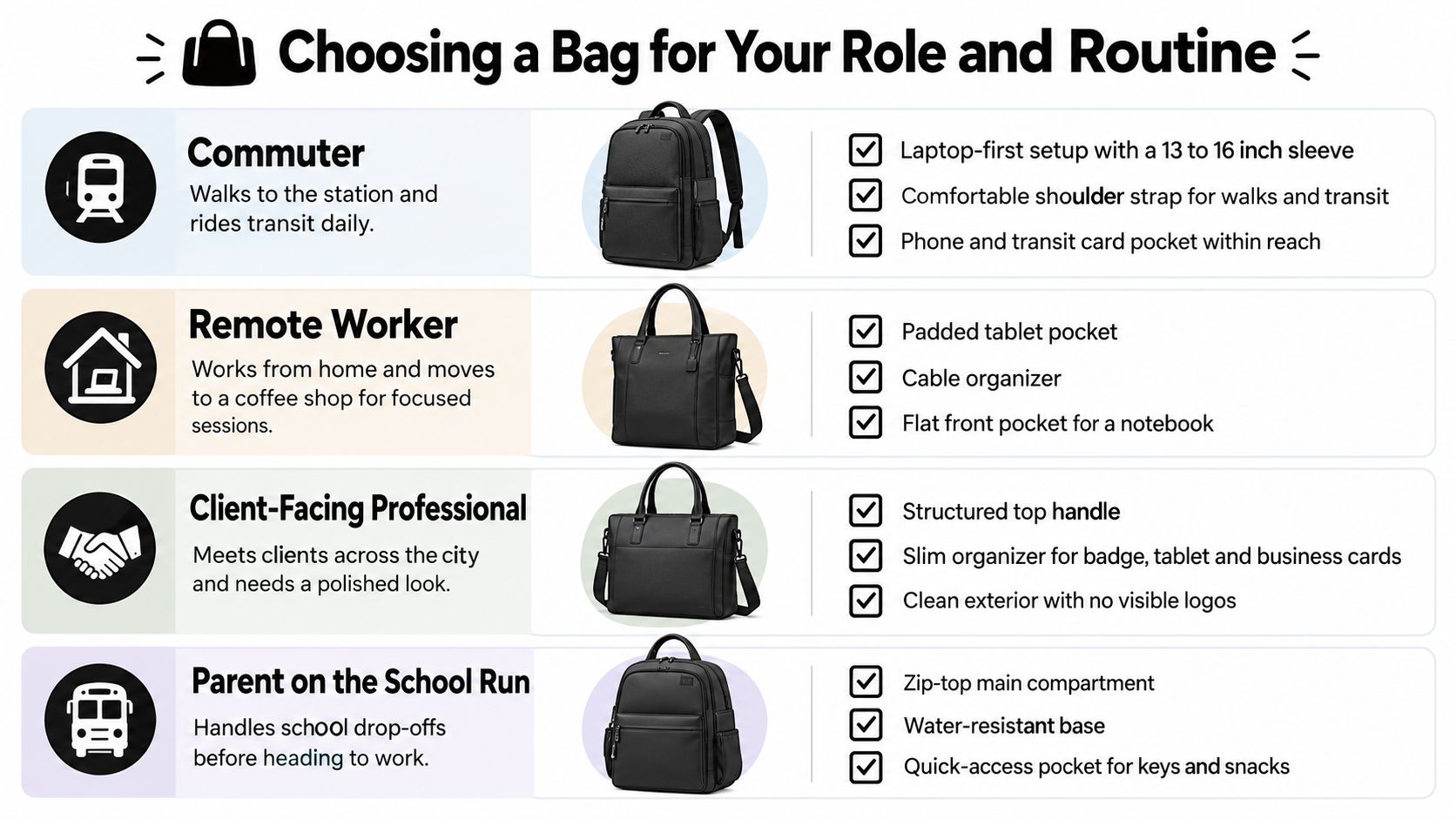
The commuter and the parent
At the turnstile, you need your transit card, not a view of your entire bag. Choose a laptop-first arrangement with the device separated from lunch and a phone pocket you can locate by touch.
For the school run, test the bag while bending and reaching. A shoulder tote that slides down your arm every time you help with a backpack may be less useful than a crossbody arrangement, even if it holds more.
A roomy tote plus a slim essentials bag can work for parents who leave work gear behind during outings. The trade-off is another item to keep track of, so give each bag a distinct purpose rather than dividing keys, cards and phone unpredictably.
The traveler and the hybrid worker
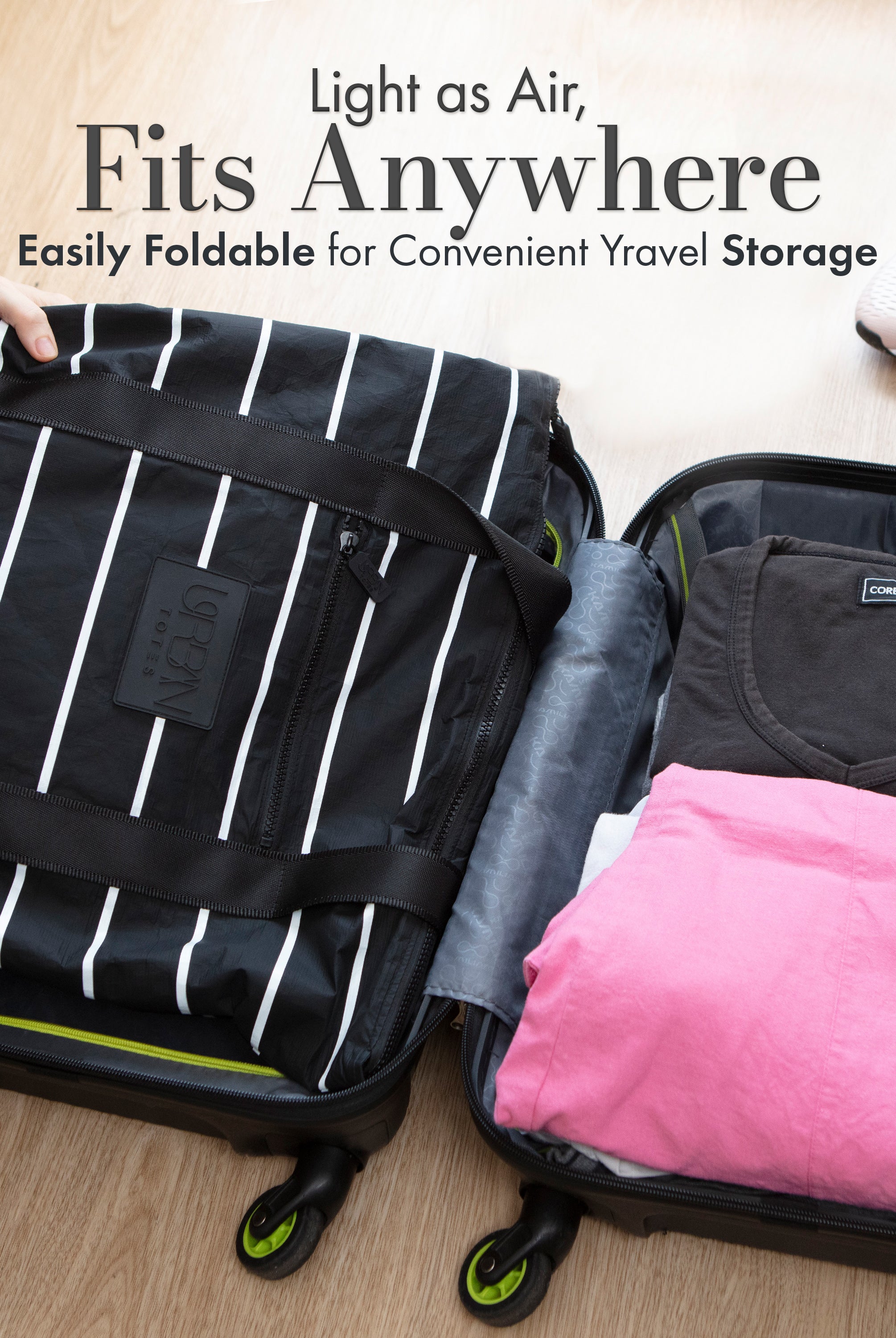
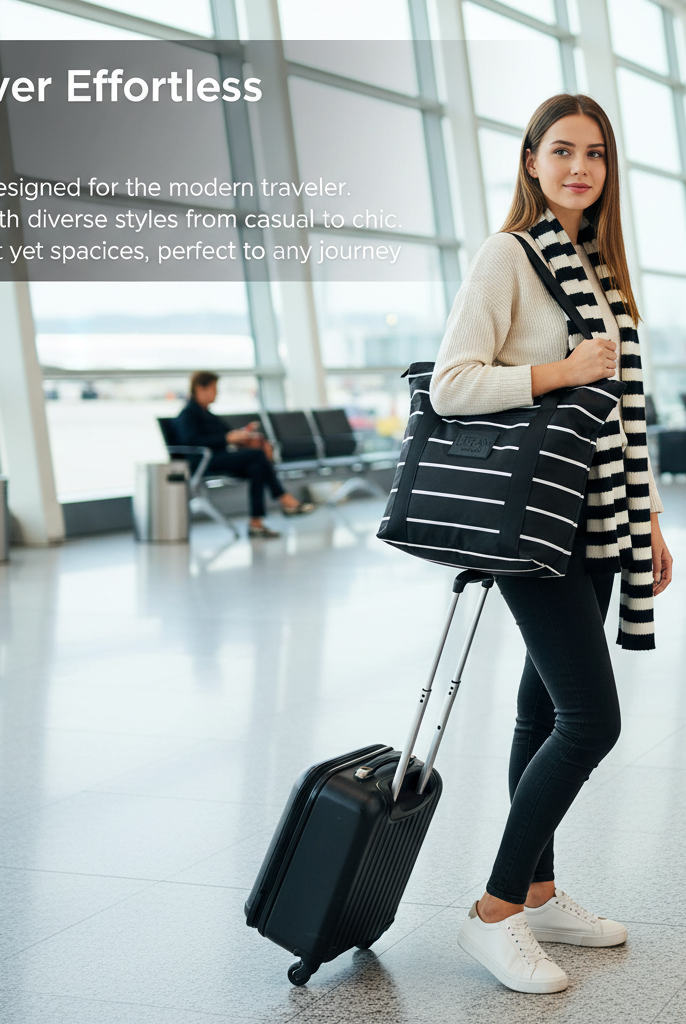
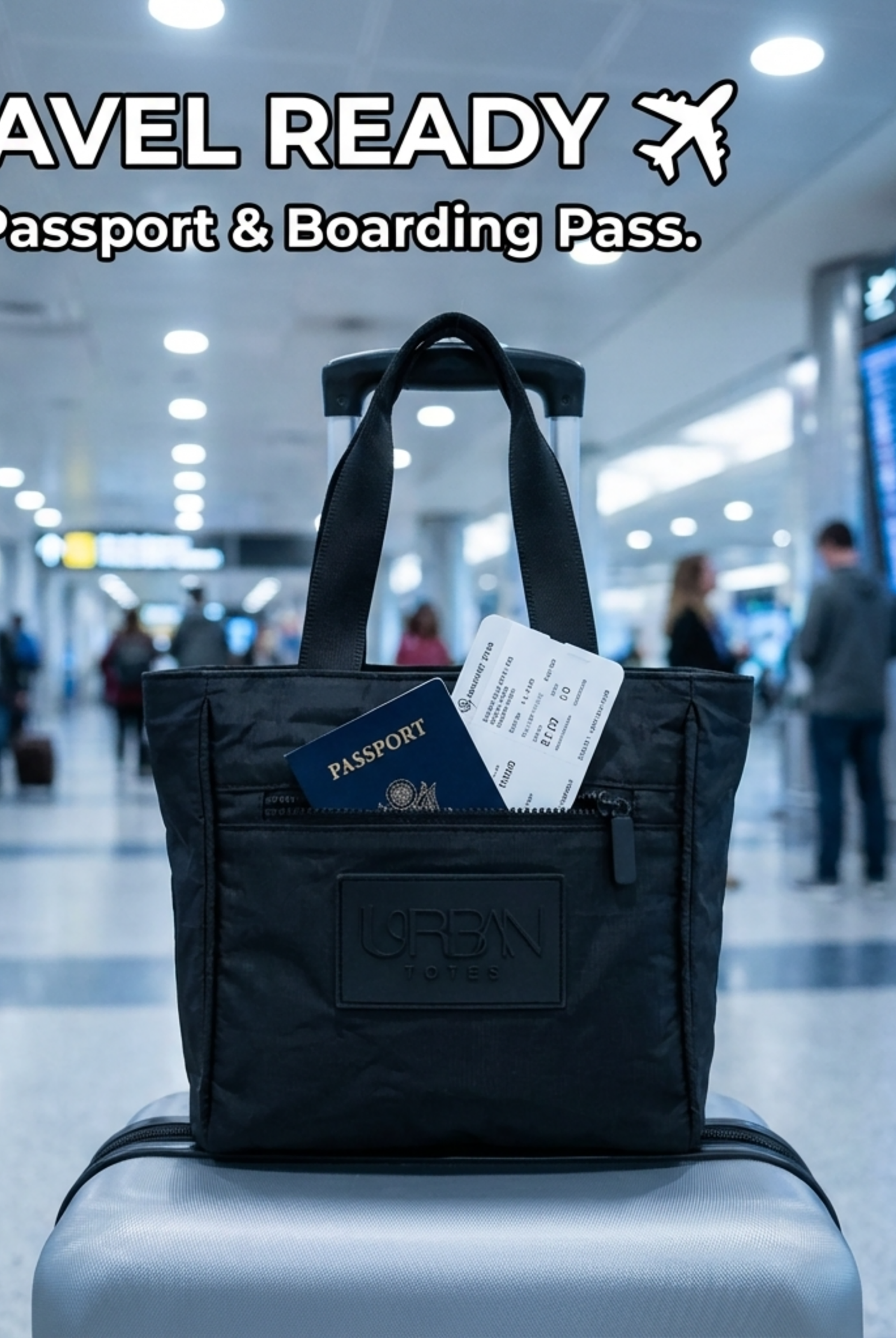
At an airport terminal, a packable, foldable bag earns its place by being easy to stow when you don't need it. Check for a passport-sized interior zip pocket and, if you want attachment to rolling luggage, a purpose-built pass-through that fits your handle.
Don't assume ordinary shoulder handles provide the same attachment. Try the setup with the bag loaded and see whether it rotates or slips as you roll the suitcase.
Hybrid workers have a different challenge: repeated partial packing. Owl Labs reports that 28% of full-time knowledge workers are hybrid, with 39% of hybrid employees attending the office three days weekly and 34% attending four, alongside an average commute of 31 minutes, in its hybrid-work findings.
My practical recommendation is to keep personal essentials in fixed locations and make work gear removable as a group. That way, a home-working day doesn't require carrying yesterday's meeting materials to the farmers market.
Bag priorities by role
| Role | Size priority | Strap priority | Organization priority |
|---|---|---|---|
| Commuter | Fits the actual laptop, charger and daily documents | Adjustable and comfortable for shoulder carry | Phone, keys and transit card within reach |
| Parent | Roomy tote, with a slim crossbody when useful | Hands-free option for drop-offs | Cleanable interior and accessible keys and snacks |
| Traveler | Packable and foldable, within the relevant airline allowance | Purpose-built luggage pass-through if needed | Interior zip for passport and boarding pass |
| Hybrid worker | Enough room for changing loads without unnecessary bulk | Lightweight strap suited to transit days | Separate removable work and personal zones |
A large tote isn't automatically the answer to a complicated week. Unused space can invite extra packing, while a smaller bag can become frustrating if every removal requires rearrangement.
Choose the capacity you can manage while moving. For hybrid work, the deciding feature may be how quickly you can remove work gear at home and restore it before the next office morning.
How to Pack a Hybrid Workday, Step by Step
Pack in a repeatable order rather than fitting objects wherever there's a gap. The point is to preserve familiar locations even when the day's larger items change.
The sequence below works for a tote or backpack with suitable compartments. Adapt the pocket locations to your bag, but keep liquids separate from electronics and valuables.
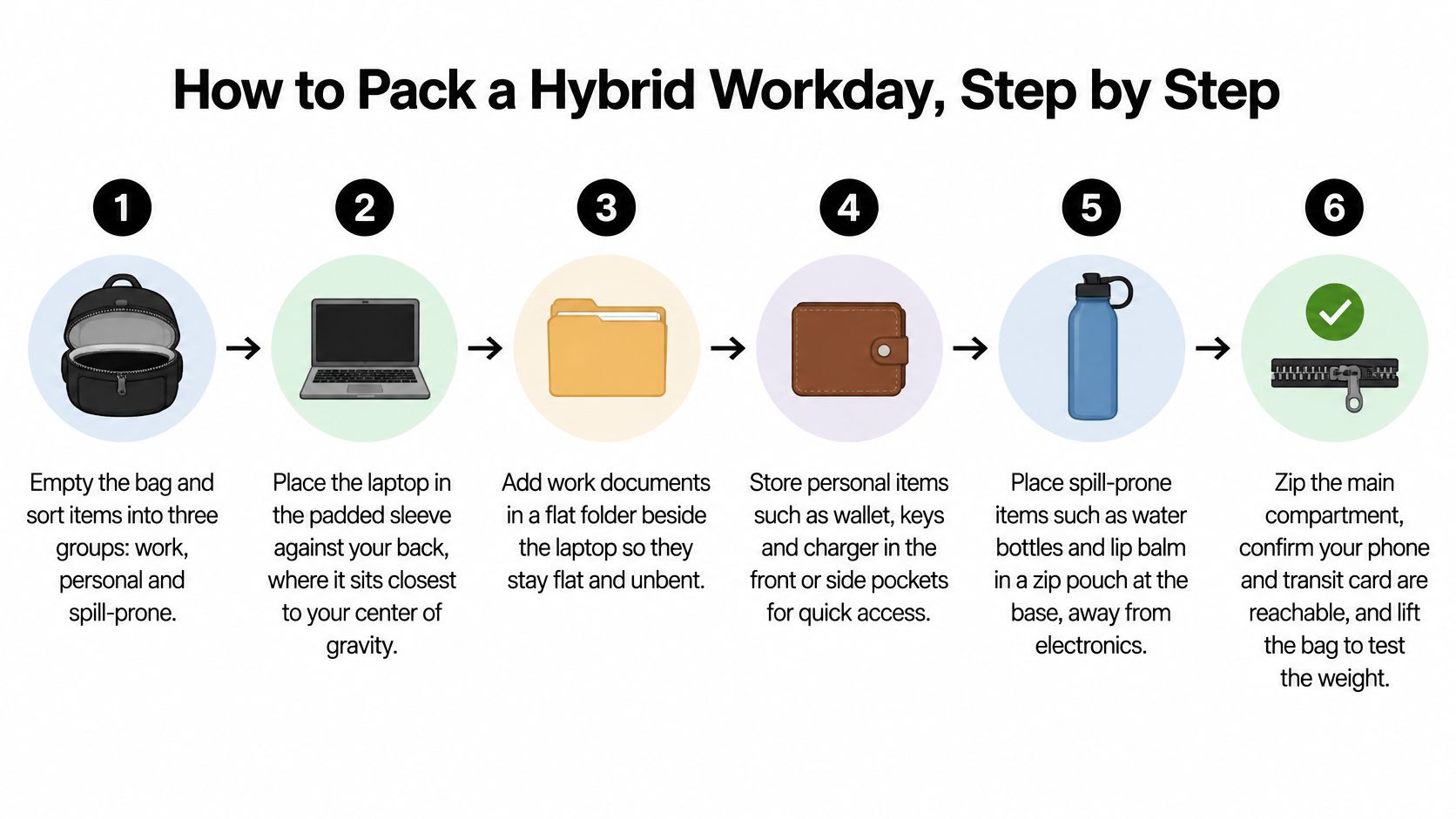
Build the load, then test it
- Empty and sort. Group everything into work, personal and spill-prone items before repacking. The common slip is adding today's belongings on top of yesterday's receipts, wrappers and unused cables.
- Place the laptop in its padded sleeve on the side closest to your body. This keeps a dense, flat item from pulling outward; leaving it loose at the outer edge is the arrangement to avoid.
- Give frequent-use items fixed homes. Put your phone, keys and transit card in accessible pockets, separating keys from the phone where possible. Don't reserve the easiest pocket for something you rarely need.
- Stand the bottle upright in its designated holder and check the lid before packing. A loose bottle balanced between a notebook and lunch container can shift as soon as you start walking.
- Contain small liquids separately. Seal lotion or lunch dressing inside a small zip bag, then place it in a separate compartment away from your laptop and documents. Don't share the valuables pocket unless liquids are securely contained and there's no better location.
- Add folders flat beside the laptop, then fit the gym top or snack pack into the remaining space. Keep denser items low and close to your body without allowing hard objects to press against the device.
- Run the reach test. Close the bag, put it on and retrieve each daily essential in a smooth motion. If you need to remove lunch to find your wallet, change the arrangement before leaving.
A work bag with a laptop compartment helps define the work zone, but you still need to decide where everything else belongs.
Keep the things you reach for in place. Change the things you carry around them.
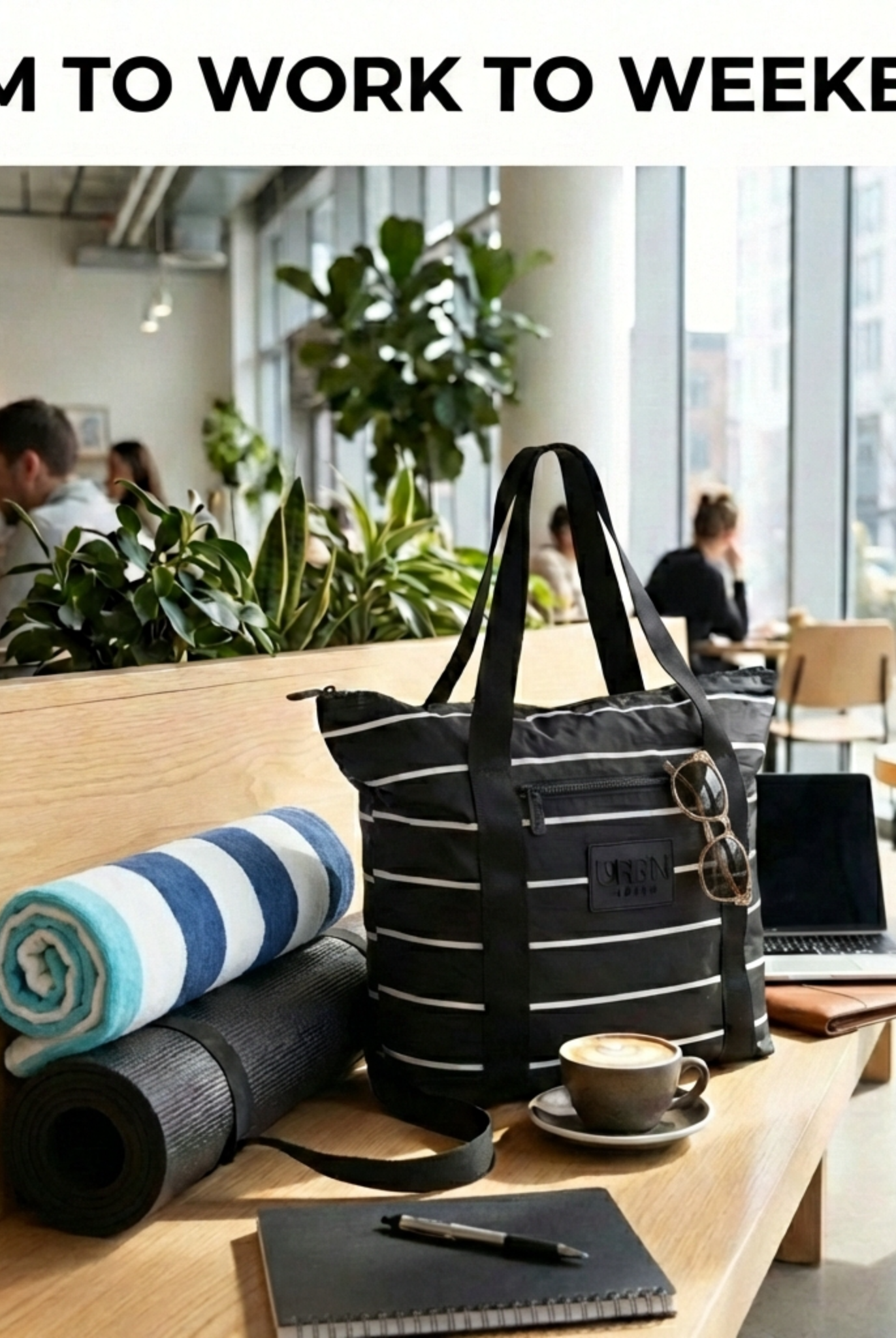
On a gym-and-client-meeting day, use a separate folding pouch for clothing instead of compressing everything into the main compartment. Moving that pouch out should leave your work setup intact, without loose items spilling onto a meeting-room chair.
Frequently Asked Questions About Business Casual Bags
What should I do when a downpour soaks the bag?
Treat the label as a limit, then protect the load. A surface-wetting result such as the ISO 4920 spray test describes the fabric face; zips, seams and a packed base can still take water. On arrival, pull the laptop and papers first, move the phone and wallet to a dry pocket, leave the bag open, and keep the wet umbrella outside the work zone.
Which repair question is worth asking before I buy?
Ask for the part-level path: replacement pulls, strap anchors, lining patches and who can do the work. In a 2025 European dataset, 95% of 3,157 textile items were repaired successfully at 168 repair cafés across eight countries, while separate household research found 3.3% of 3,211 items leaving use had been repaired or altered, according to the European Environment Agency's textile-repairability review. Those figures cover textiles generally, so confirm real repair access for the exact bag.
How can I rehearse under-seat fit before travel day?
Pack the flight load, then test it where boarding gets tight: set the closed bag on the floor in front of you and slide it under the seat edge with one hand. If it needs a knee, two hands or the laptop removed, lighten the load before you queue.
Can one bag cover a laptop, gym kit and a client stop?
Yes when the work kit stays closed and standing. Do a one-hand swap while wearing a coat: pull the gym layer out, reclose, and the laptop should stay flat with nothing rolling onto a meeting-room chair.
Are totes the default for hybrid work?
Totes represented 41% of the global handbag category in 2024, compared with 21% for crossbody bags, in JOOR's transaction analysis. That share shows what people already carry; pick tote access for desk-to-meeting days and crossbody carry when platforms and pavement dominate.
Keep Your Bag in Shape and Confirm Your Pick
Read the care label before cleaning. If the instructions allow it, wipe the interior with a damp cloth and mild soap, then let it dry fully before repacking.
Machine wash only when explicitly permitted, following the stated cycle and zipper instructions. Air dry away from direct heat unless the manufacturer specifies otherwise; leather and faux leather need their own cleaning guidance, and conditioner should only be used where recommended.
Maintain the parts that get handled most
Inspect stitching around strap anchors, check the lining for small tears and notice when a zipper starts catching. Ask about replacing a worn pull or strap before deciding the whole bag is finished.
The repair findings in the FAQ make that question worth asking, without promising that every component will be repairable. Keep the tote-bag maintenance guide alongside the care instructions for your particular bag.
Your pre-purchase decision checklist
- Measure the packed exterior. Compare it with your airline allowance and the spaces where you'll store it.
- Load a real day. Walk with the bag and retrieve your essentials while standing, without setting it down.
- Try the straps over outerwear. Confirm the drop, width and padding work with your usual coat.
- Operate the closure while wearing it. You shouldn't need a tabletop to close the bag.
- Read the care and water-resistance wording. Match those instructions to your weather and tolerance for maintenance.
- Confirm repair options. Ask about replacement straps, hardware, warranty terms and available service.
A business casual bag should make an ordinary week easier, not require you to become a more careful version of yourself. Choose the one that stays organized when you're moving, then give every frequently used item a reliable home.
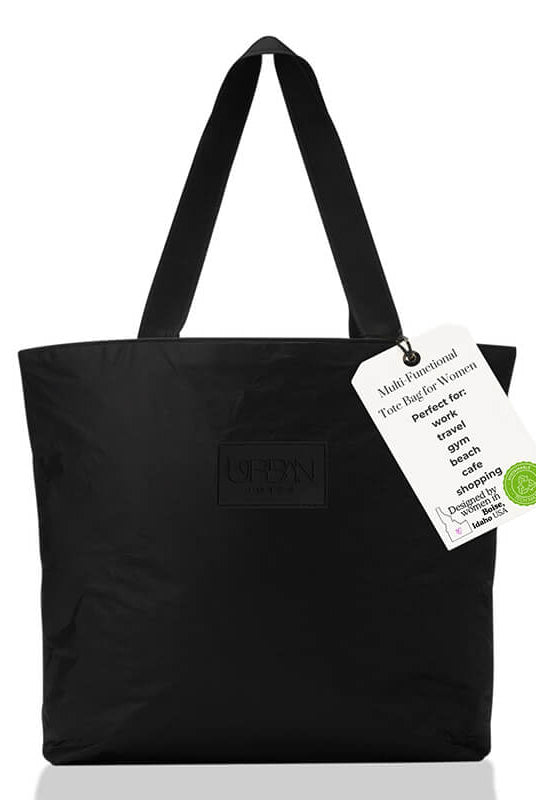
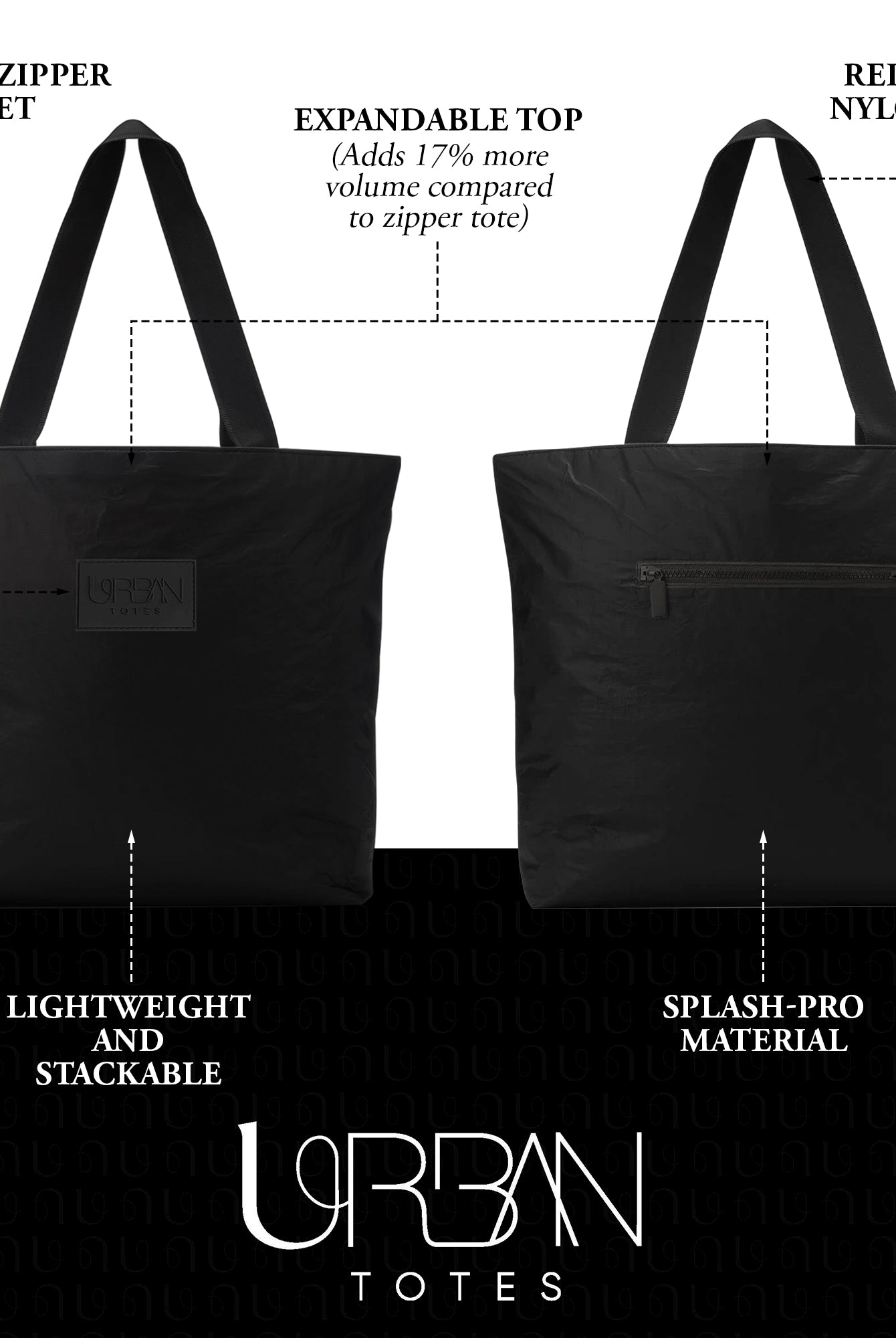
Urban Totes is a woman-owned small business based in Boise, Idaho, offering lightweight, water-resistant, packable and foldable tote and crossbody styles with thoughtful organization. Visit Urban Totes to explore the full collection and choose an everyday carry for your office mornings, school runs and airport departures. Go Anywhere. Tote Everything.