You're halfway through the school run when your bag starts bumping your thigh. Yesterday, the same strap felt snug over a sweater. Today, you're tugging it back into place while holding your coffee and searching for your keys.
The right fit shouldn't take that much attention. This crossbody bag strap length guide starts with a height-based chart, then helps you find a setting that works with your body, your clothes, and what you carry.
Table of Contents
- Crossbody Strap Length Chart by Height
- Strap Drop Versus Total Strap Length
- How to Measure Your Strap Drop Step by Step
- How Body Size and Layers Change Your Fit
- Why Strap Length Affects Posture and Comfort
- Fit Problems and How to Fix Them
- Pick Your Strap Length and Test It Loaded
Crossbody Strap Length Chart by Height
A bag that hangs too low by lunchtime or tucks itself under your arm needs a better starting setting. Find your height below, use the suggested drop, and judge the result on your body rather than treating the number as a requirement.
Starting strap drop by height
| Height | Starting strap drop | Fit note |
|---|---|---|
| 5 ft 2 in and under | About 18 in (roughly 46 cm) | Keep the bag near the hip; shorten if it sits low |
| 5 ft 3 in to 5 ft 6 in | About 20 in (about 51 cm) | Common starting point for many adults |
| 5 ft 6 in to 5 ft 8 in | About 20 to 22 in (derived between bands) | Check the loaded fit before settling |
| Above 5 ft 8 in | 22 in or more | Longer drops suit taller wearers and thick layers |
The published bands in this table come from a 2026 leather-goods fit guide, which recommends approximately 18 inches for people 5 ft 2 in and under, 20 inches for people up to 5 ft 6 in, and 22 inches or more above 5 ft 8 in. The intermediate row is an interpolation between those published bands, not a separately tested recommendation; the centimeter values are rounded conversions.
Read the chart as a starting point
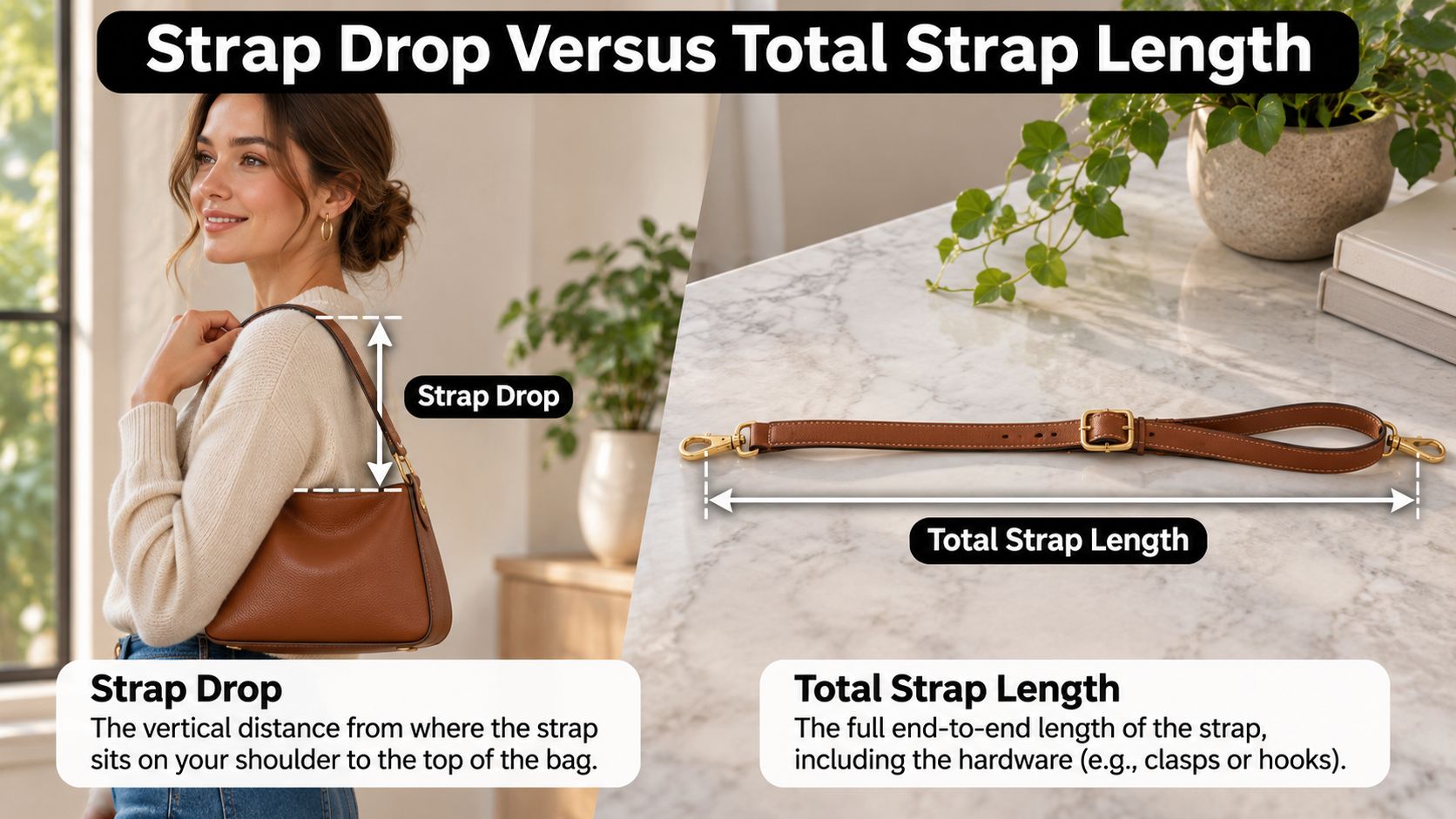
Strap drop means the vertical distance from the shoulder contact point to the bag's top edge. It describes where the bag hangs, not the full length of material running around your body.
That distinction matters because you're choosing a resting position, not buying the longest strap available. A compact bag at your upper hip can feel quite different from a taller bag whose base reaches farther down your leg.
Other fitting guidance uses broader ranges: a handbag strap-length guide recommends 19 to 24 inches of drop for crossbody bags resting between the natural waist and upper hip. A separate crossbody fitting guide suggests 20 to 24 inches, or 51 to 61 cm, as a practical starting range for hip-level placement.
Let your hand help judge the fit
Stand naturally instead of lifting your shoulder to hold the bag in position. If it hangs straight around your hip and your hand falls comfortably onto it, you've found a useful starting setting.
Quick fit check: You should be able to reach your bag without shrugging your shoulder, bending sideways, or pulling the strap away from your neck.
If the position feels wrong, try small adjustments, about an inch at a time. Your preferred fit matters more than matching the chart exactly.
Strap Drop Versus Total Strap Length
You spot a bag online, check its long-looking strap measurement, and assume it'll reach your hip. Then it arrives and sits much higher than expected. Often, the problem isn't your measuring tape. It's that the listing and your expectations describe different measurements.
Total strap length covers the entire strap from end to end. Many crossbody bags have total strap lengths of approximately 45 to 55 inches, according to this crossbody strap measuring guide, which recommends measuring the straightened strap including clasps or buckles.
Measure the strap, then consider the bag
Lay the bag flat and extend the strap straight without stretching the material. Measure between its ends, including the hardware, and record which endpoints you used so you can make a like-for-like comparison.
Don't halve that measurement and assume you've calculated your drop. A crossbody strap follows a diagonal route around your torso, while the drop is a vertical measurement.
The bag's construction also changes the result. Wide attachment spacing uses the strap differently from closely spaced connections, and attachment points below the opening change where the top edge rests.
Check these details before buying
- Total strap length: Confirm whether the measurement includes clips and other hardware.
- Adjustment range: Look for both the shortest and longest usable settings, not just the maximum.
- Attachment spacing: Notice how far apart the connections sit and whether they're on the sides or near the opening.
- Bag height: Consider where the base will land, not just where the zipper sits.
An adjustable strap gives you more flexibility when your clothing or preferred carry position changes. A removable strap is a different feature: it can detach, but that alone doesn't tell you how much it adjusts.
For a fixed strap, compare the listed drop with your intended shoulder-to-bag position and confirm how the seller measures it. Keep your diagonal body measurement separate from the vertical drop. If a listing provides only total length, an adjustable option is more forgiving than trusting that number alone.
How to Measure Your Strap Drop Step by Step
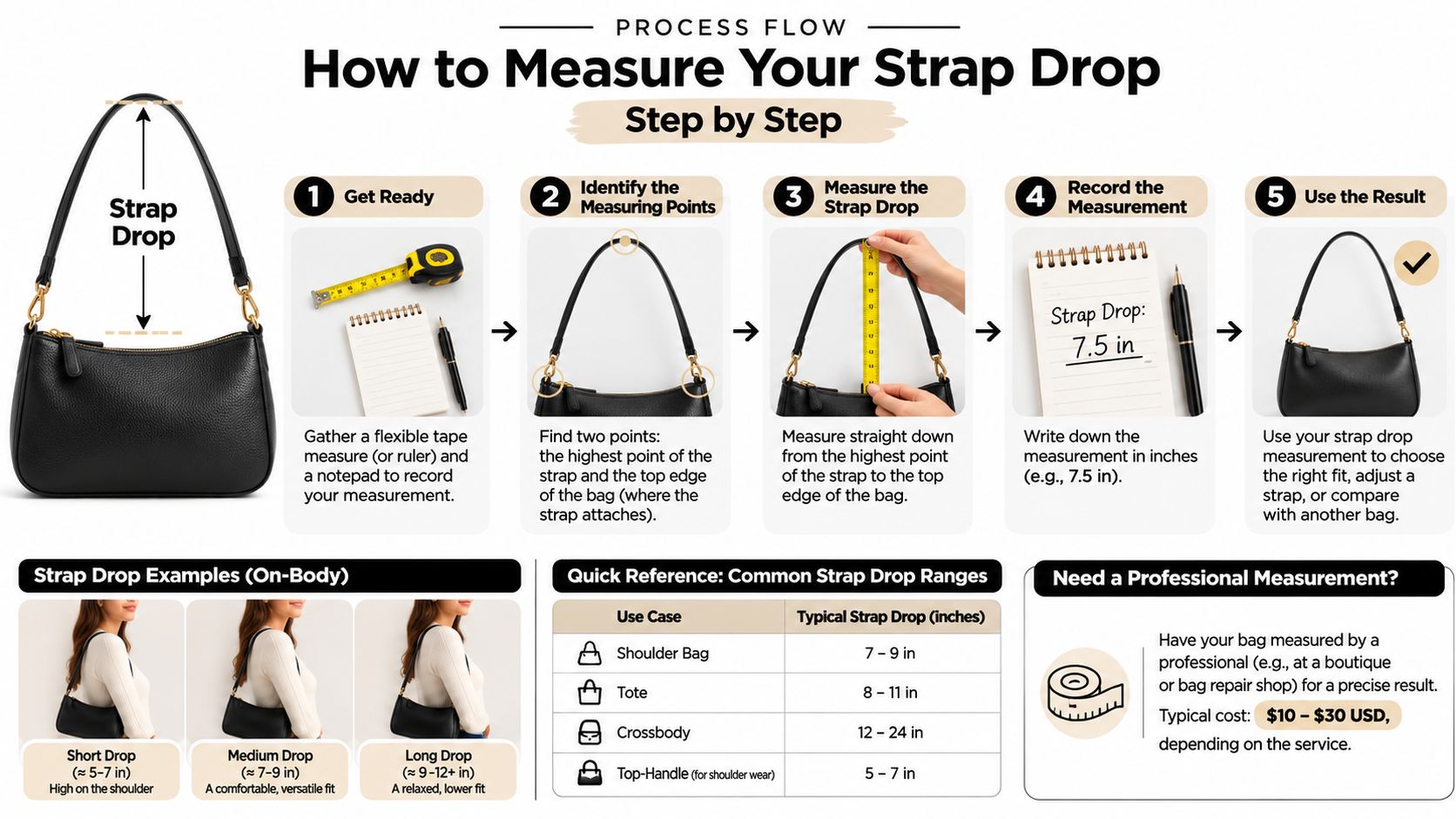
Grab a soft measuring tape, your usual everyday essentials, and the clothing you expect to wear with the bag. A mirror helps, and someone holding the tape can make the shoulder measurement easier.
The approach in this leather crossbody fit guide starts at the shoulder and follows the intended diagonal carrying route. Use that diagonal measurement to plan your fit, then verify the actual vertical drop with the bag on, since those measurements aren't interchangeable.
Follow a real-life fitting routine
- Put on your usual layer. Choose the sweater, light coat, or top you'll wear most often with this bag. Measuring over clothing you rarely wear gives you a setting for the wrong day.
- Find the shoulder contact point. Place the tape at the top of the shoulder where the strap would naturally rest. Keep your shoulder relaxed rather than raised toward your ear.
- Trace the diagonal route. Run the tape across your torso toward the intended position of the bag's top edge, usually near your hip. Let it follow your clothing without pulling it tight against your body.
- Record the measurement and leave adjustment room. As a fitting trial, allow an extra inch or two for movement or a thicker layer, then test rather than assuming you need all that allowance. Don't add extra length automatically if you've already measured over your bulkiest coat.
- Compare like with like. Check the bag's listed drop or adjustment range, remembering that your diagonal route isn't a direct substitute for a vertical drop measurement. If only total strap length is listed, measure a removable strap that already fits you instead of using a universal conversion.
- Pack it and move. Add your phone, keys, wallet, glasses, and other usual items, then walk, sit, and reach into the opening. Make the final adjustment while wearing the loaded bag, not while holding an empty one in front of a mirror.
Save the setting that actually works
Once you've found a comfortable position, measure vertically from the shoulder contact point to the bag's top edge. Record that drop separately from the diagonal fitting measurement and the end-to-end strap length.
For help moving a slider or buckle without twisting the webbing, use our guide to adjusting bag straps. Keep the strap flat before assessing the result, since a twist can create an uncomfortable edge.
Measure for the day you'll have, not just the outfit you're wearing in front of the mirror.
The common slip is fitting an empty bag over a thin top. A better result stays close to your side, rests around your preferred hip position, and doesn't swing or knock against you with every step.
How Body Size and Layers Change Your Fit
The same bag won't necessarily sit in the same place over a thin cotton shirt and a January puffer coat. Extra fabric changes the route the strap takes around your torso, so your summer setting may feel restrictive over winter layers.
Body measurements matter for the same reason. A 2024 Indonesian anthropometric study of women aged 17 to 45 translated body measurements into reference strap lengths of 60 cm for smaller users, 85 cm for medium-sized users, and 100 cm for larger users in a shoulder-bag design context.
Design reference lengths by body size group
| Body size group | Reference strap length | Approx. inches | What to check |
|---|---|---|---|
| Smaller users | 60 cm | About 24 in | Design reference only; check drop on the bag |
| Medium users | 85 cm | About 33 in | A workable starting reference for many average builds |
| Larger users | 100 cm | About 39 in | Design reference only; check drop on the bag |
These are the study's design reference lengths, not universal crossbody drop values or guaranteed end-to-end specifications for another bag. The approximate inch values are rounded conversions of those references.
What height alone can't tell you
Two women of the same height may need different strap settings because their torso lengths, bust or chest volume, and preferred carrying positions differ. Neither woman has an incorrect fit because she needs a setting outside a height chart.
For plus-size shoppers, an extended adjustable strap can provide useful room to fit the bag without pulling it tightly across the chest. Crossbody fashion guidance recommends extended adjustable options for plus-size users and recognizes different waist, hip, and higher carrying positions.
Bag height, attachment spacing, and diagonal versus shoulder wear also change the outcome. Think of a strap measurement as a design input, not a promise about where every bag will land.
Choose the position that suits your outfit
Waist placement can work neatly with a short jacket. Hip placement may leave the opening easier to reach beneath a longer outer layer, while higher chest-level wear offers a different look but shouldn't feel constricting.
When sharing a bag, fit it to each wearer rather than leaving the previous setting in place. Our guide to unisex crossbody bags can help you think through adaptable styling without relying on gender labels as a sizing system.
An adjustable range covering roughly 60 to 100 cm reflects the spread of the study's design references. For a particular crossbody, though, confirm that its actual range accommodates your body and chosen position rather than treating that span as sufficient for everyone.
Why Strap Length Affects Posture and Comfort
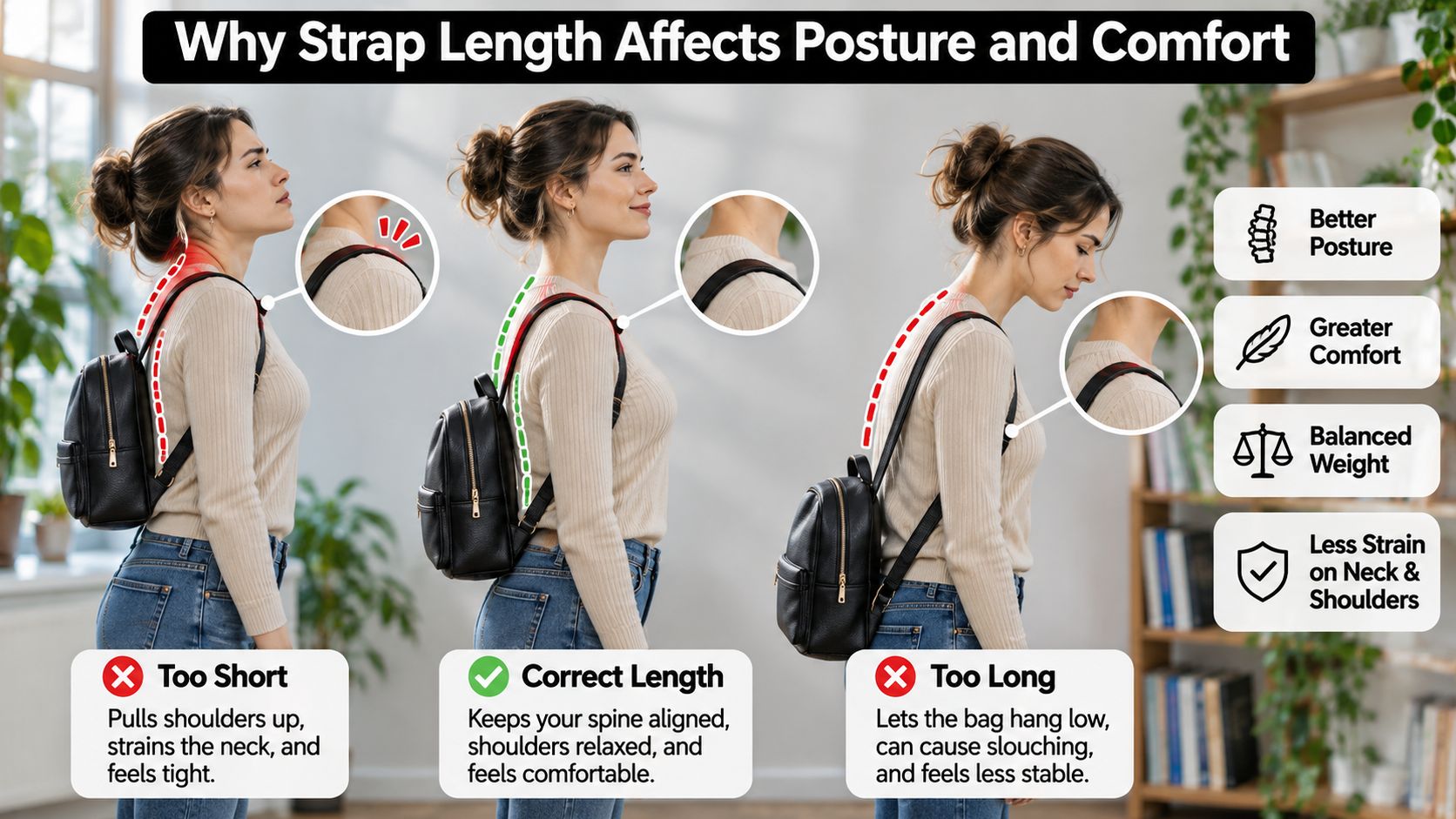
A longer strap isn't automatically more comfortable. Giving the bag more room can also leave it hanging farther from your body, where you may have to work harder to keep it steady.
A controlled study of backpack strap length associated longer straps with altered neck-posture measures and a lower upper-trapezius pressure-pain threshold compared with shorter straps or no backpack. The authors recommended keeping a loaded pack relatively close to the trunk.
Keep the comparison in perspective
A backpack has a different strap arrangement from a crossbody, so those findings don't establish an ideal crossbody length. They do offer a useful mechanical principle: carrying weight farther from your trunk increases the force your muscles must counter.
In everyday terms, a bag floating away from your side takes more effort to control than one resting nearby. That doesn't mean you should tighten the strap until it presses into your neck.
A separate controlled study of 20 healthy students found lower activity in the right upper trapezius and left erector spinae during crossbody carrying than during same-sided shoulder carrying. That supports considering carrying method, but it doesn't prove crossbody wear is strain-free or identify a universally comfortable setting.
Fit for freedom of movement
- Bring the weight closer: Adjust until the bag rests against the side of your torso, with its weight around waist-to-hip level.
- Check your arm swing: Walk naturally and make sure your elbow doesn't have to steer around the bag.
- Leave neck clearance: The strap should sit on your shoulder rather than pull against the side of your neck.
- Vary the carry: Switch sides periodically and avoid loading the bag with things you won't use.
If you alternate between diagonal and shoulder carry, our guide to wearing a shoulder bag offers styling considerations for that different position.
These are small or indirect studies, and this is fit guidance, not medical advice. If discomfort continues, lighten the load or change how you carry it rather than repeatedly tightening the strap.
Fit Problems and How to Fix Them
A bag below your hip that swings with every step is a familiar frustration. Before replacing it, identify what feels wrong and change only the setting most likely to address that symptom.
Use these pairings as starting diagnoses, not guarantees. A neck-digging strap, for example, may involve its angle or your load as well as the bag's height.
Fit problems, causes and fixes
| Symptom | Likely cause | Fix |
|---|---|---|
| Bag sits below the hip and swings | Drop is too long for your torso | Shorten one notch, then retest loaded |
| Bag rides up under the arm | Drop is too short or strap is too tight | Lengthen slightly and check with your coat on |
| Strap digs into the neck | Bag sits too high on the chest | Lower the bag and loosen the strap |
| Bag bumps the hip on every step | Bag hangs too far from the body | Shorten so it rests against the side |
| Bag sags more by afternoon | Load is heavier than planned | Weigh the load, remove items or shorten the strap |
Change one thing, then give it a proper test
Try a notch or about an inch of adjustment rather than moving straight from the shortest to the longest setting. Leave the contents unchanged during that test so you can tell whether the strap adjustment helped.
As a practical trial, spend ten minutes walking, sitting, and reaching into the bag before deciding. Include the movement that bothered you, such as climbing stairs or leaning toward a stroller, rather than judging only your reflection.
Our guide to shortening a crossbody strap can help when there's more strap length than you need. Don't knot or alter the strap before checking how its intended adjustment hardware works.
Troubleshooting rule: Change the strap setting or change the contents, then test. Changing both at once makes it harder to know what helped.
Check what changed during the day
If the bag felt fine at breakfast but sags after errands, empty it onto a table. Receipts, a water bottle, a child's snack, or a purchase tucked inside may have changed the load considerably.
Weigh the packed bag if you want an objective comparison with your morning load. Remove unnecessary items before shortening the strap to compensate, since raising extra weight doesn't make it disappear.
Also notice whether the adjuster stayed where you set it. If the strap has slipped, resetting the length without checking the hardware won't resolve the underlying problem.
Sometimes the bag's attachment points, height, or strap design don't suit your proportions. A different shape may fit better, and there's no reason to force an uncomfortable bag into your routine. Comfort is the goal, and persistent discomfort is a reason to carry less.
Pick Your Strap Length and Test It Loaded
At school drop-off, you've got keys in one hand, coffee in the other, and a bag sliding off your shoulder. A diagonal strap can free you from that particular juggling act, but its setting still needs to suit what you're doing next.
Choose a position for your routine, not just for the outfit photo. You may want a different setting for a crowded commute than for a slow stroll around the farmers market.
Match the setting to your day
- Daily commuters: Try a shorter drop that holds the bag close to the ribcage, provided you can still reach the opening without lifting your shoulder.
- Weekend travelers: Leave enough length to wear the bag over a sweater or jacket and access your essentials in an airport terminal.
- Busy moms and caregivers: Hip-height placement can keep your phone and keys within a natural reach while you manage everything else.
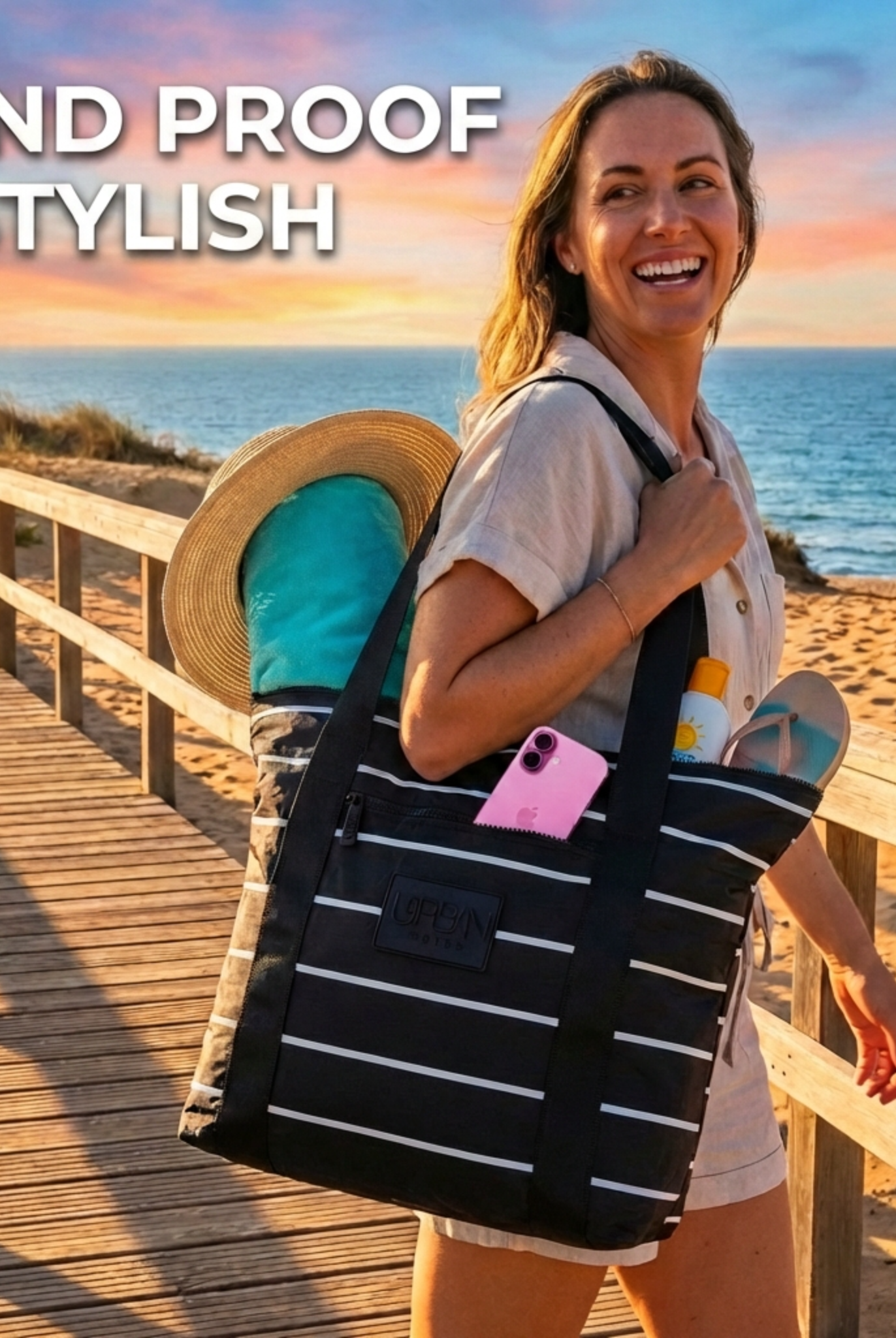
- Gym-goers and beach-day carriers: Aim for a steady position that doesn't swing while you move between the car, locker, or beach chair.
If you're choosing between silhouettes, our guide to everyday crossbody bags can help you weigh everyday access against the amount you want to carry. A larger capacity isn't useful if it encourages you to pack things you don't need.
Put product measurements into context
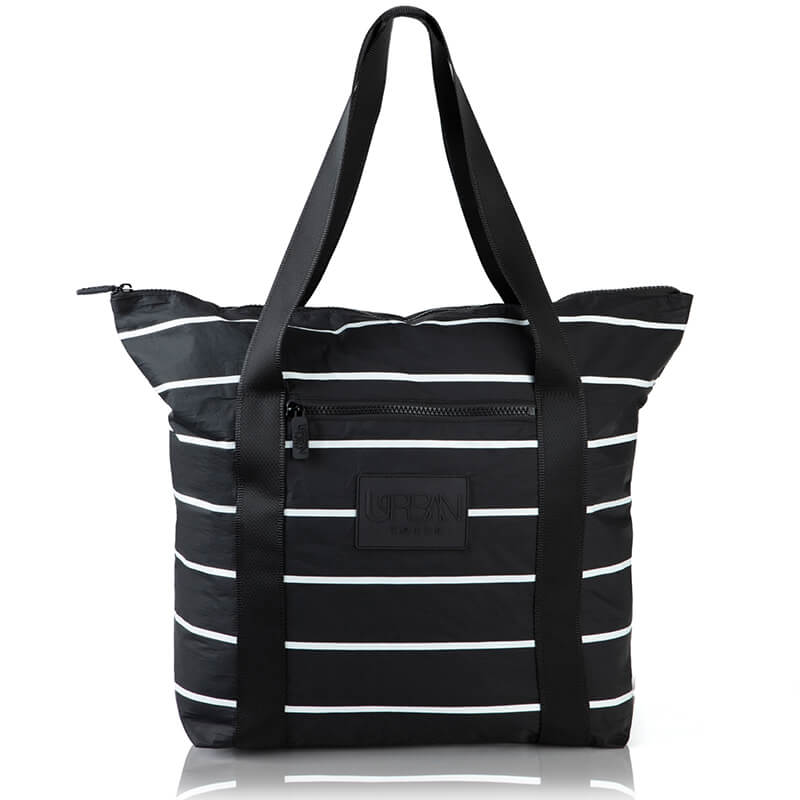
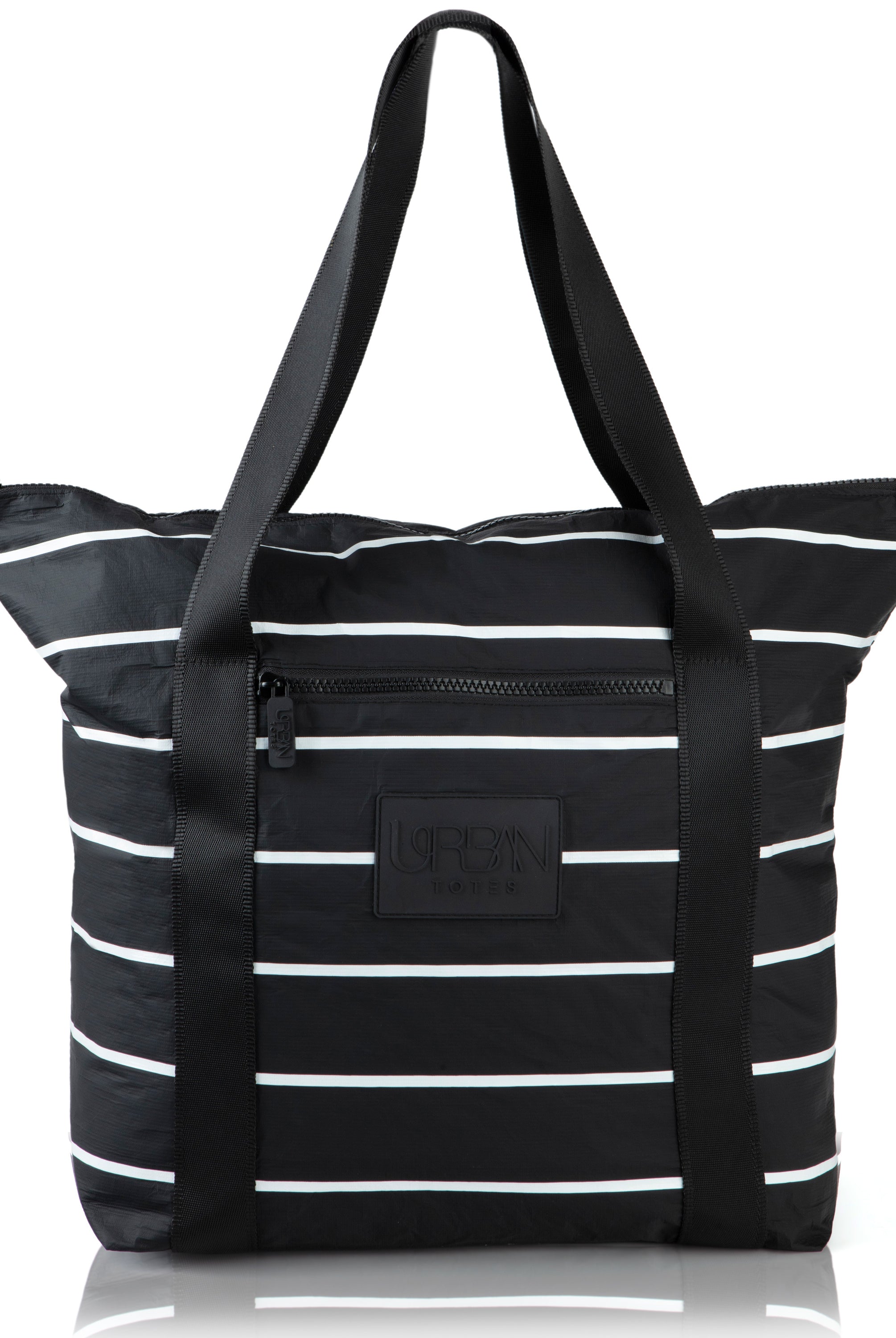
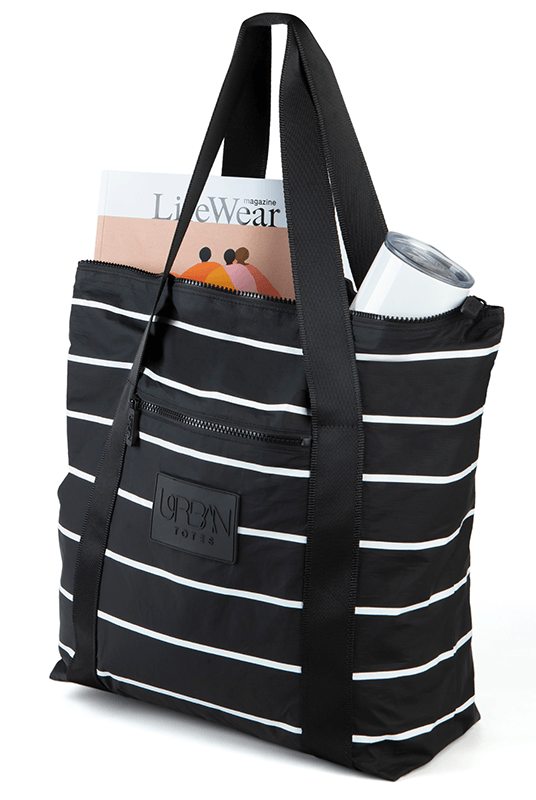
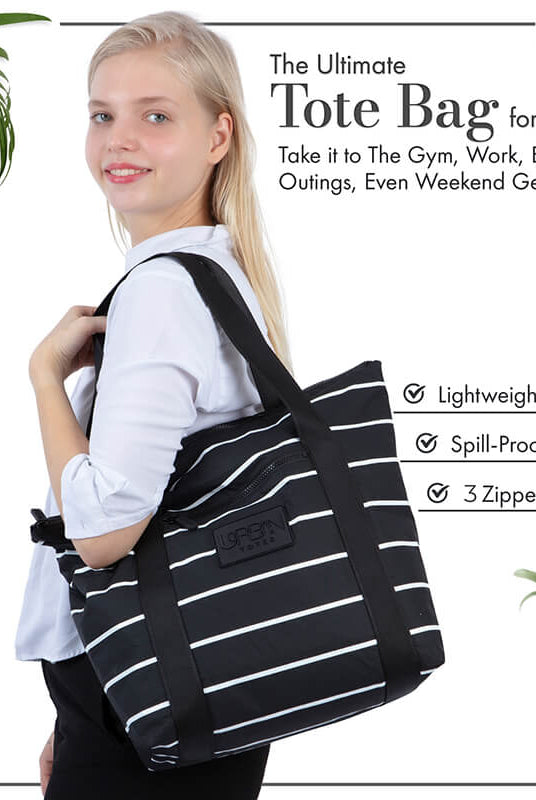
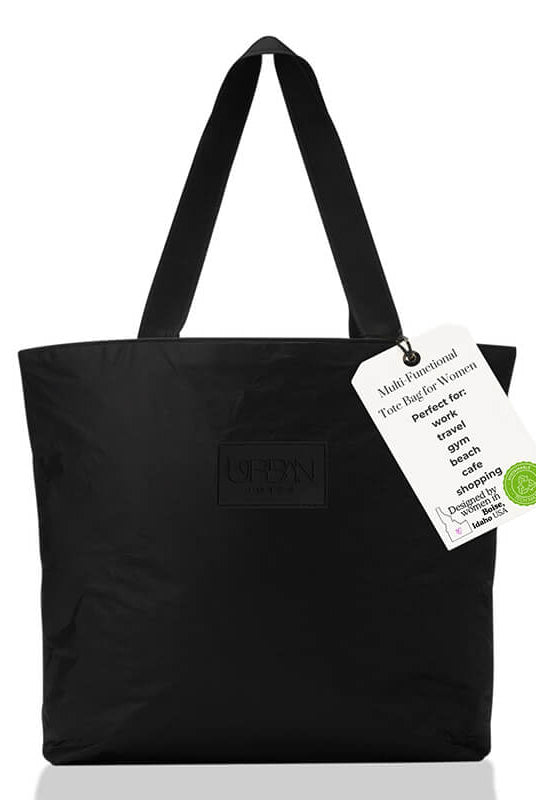
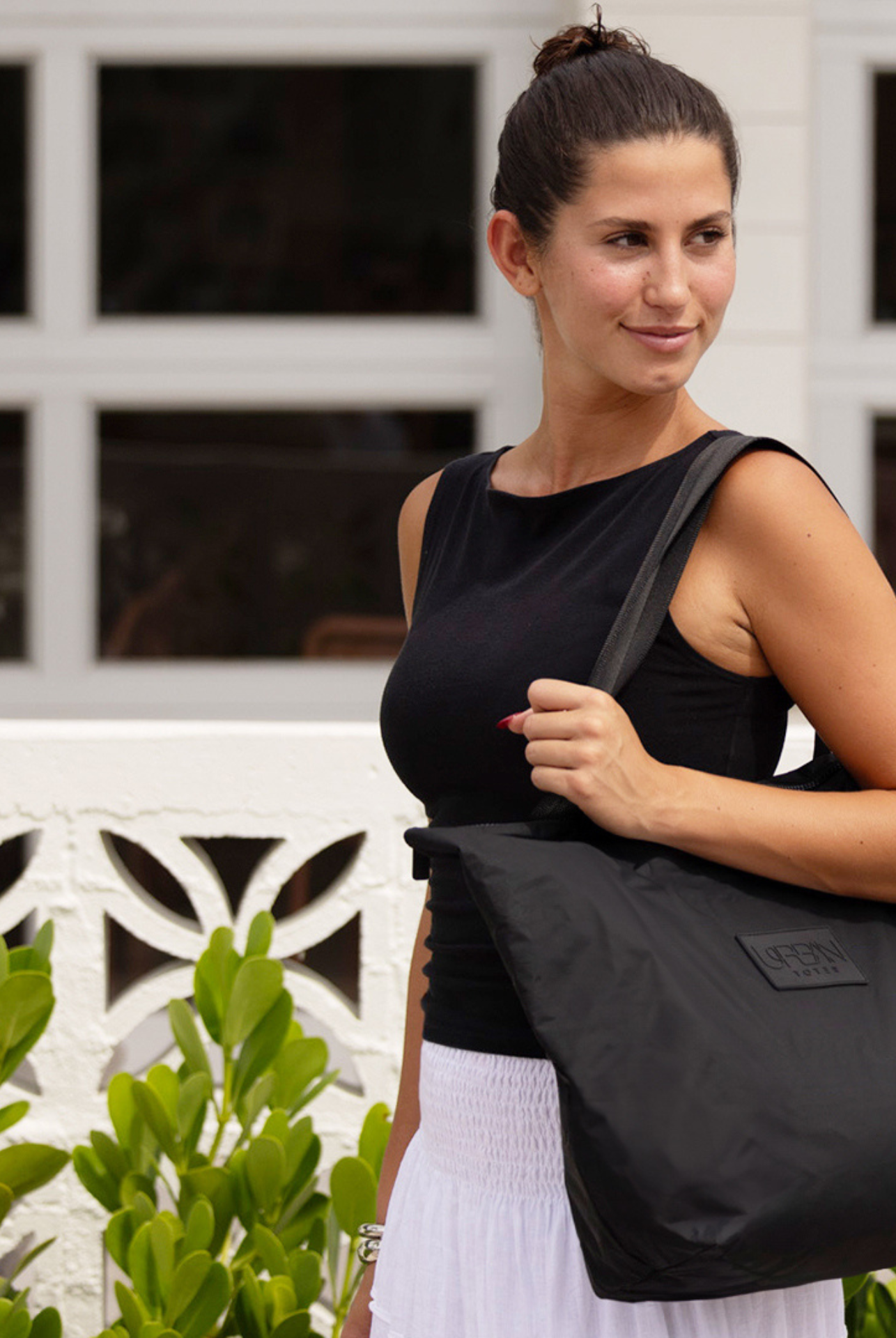
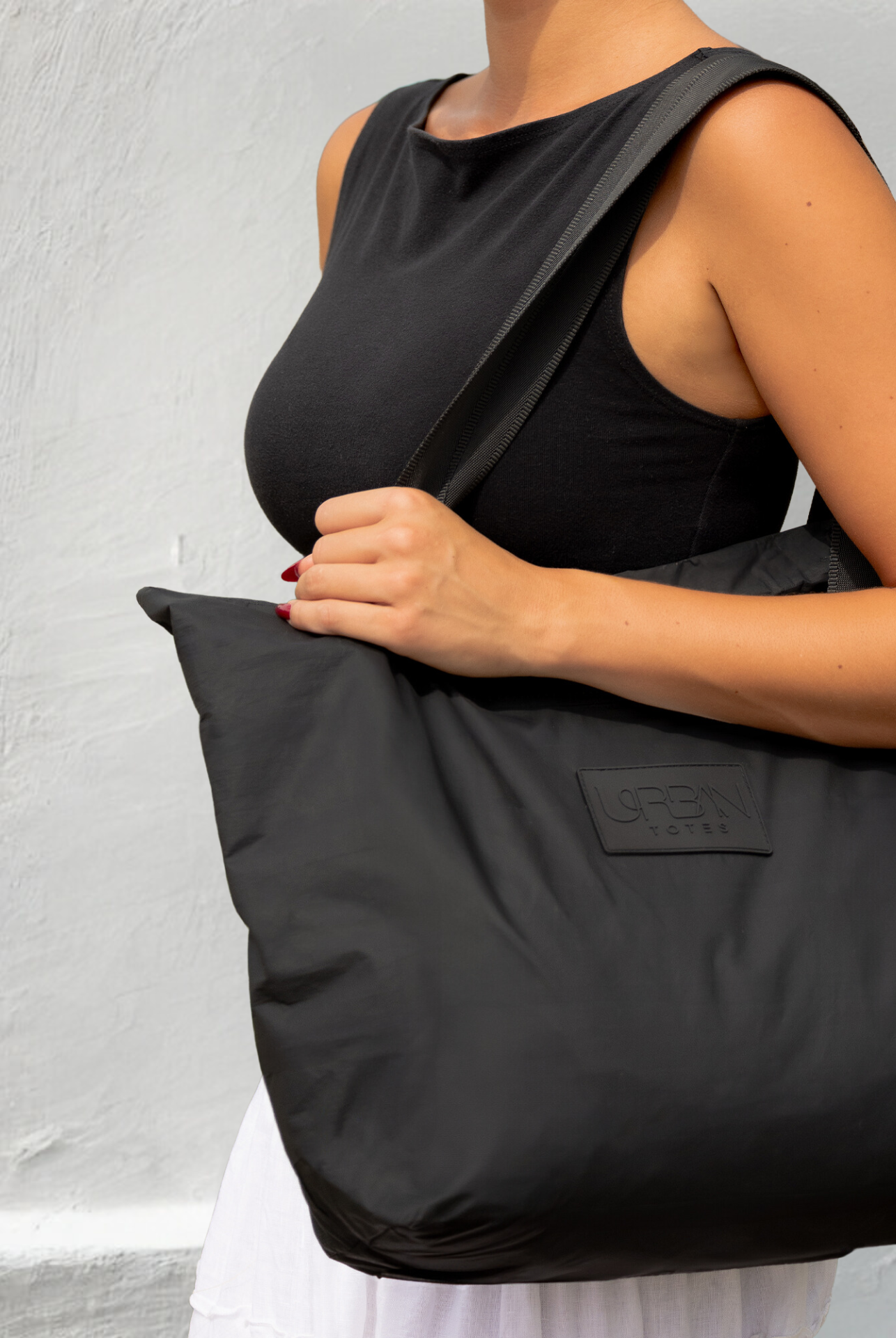
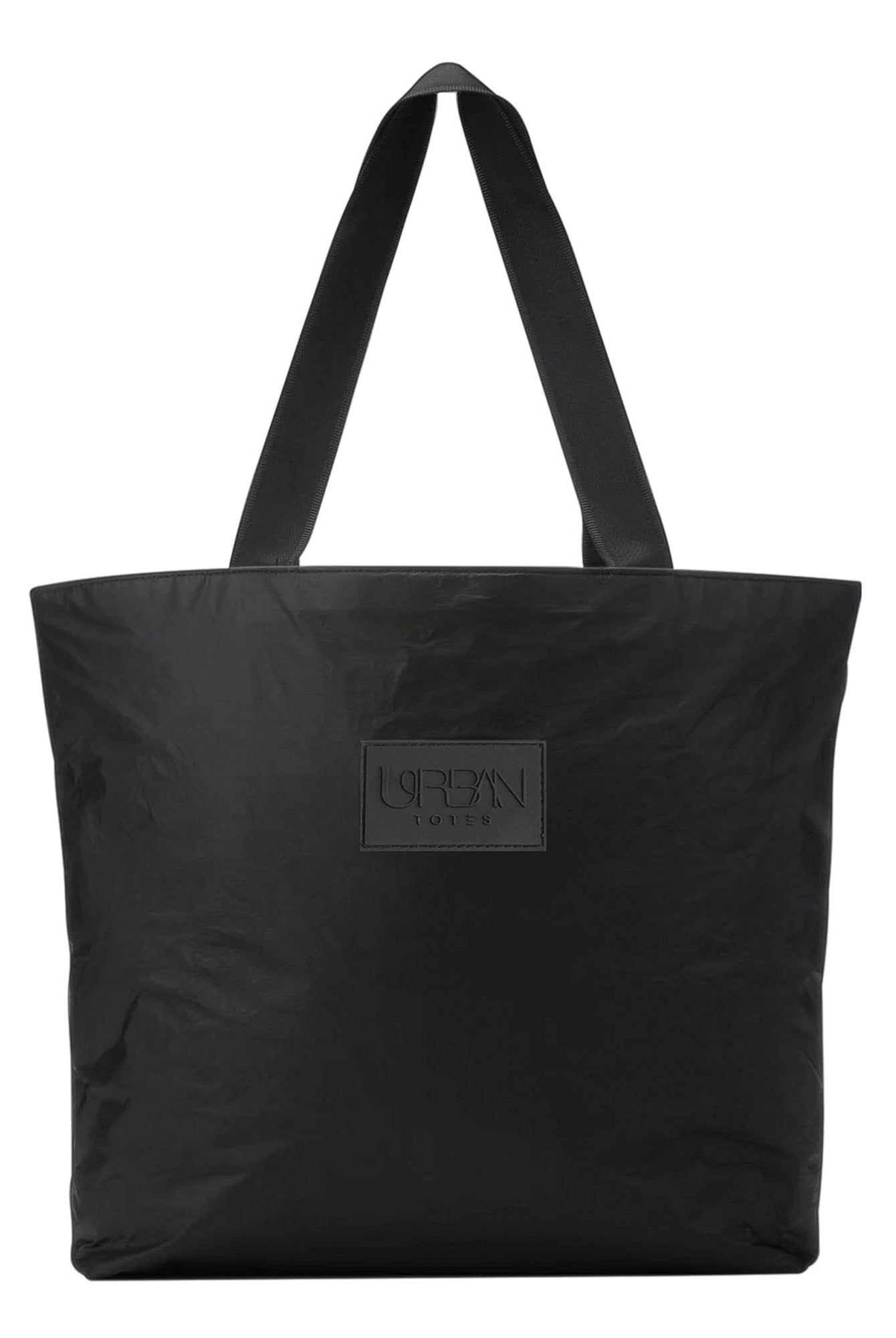
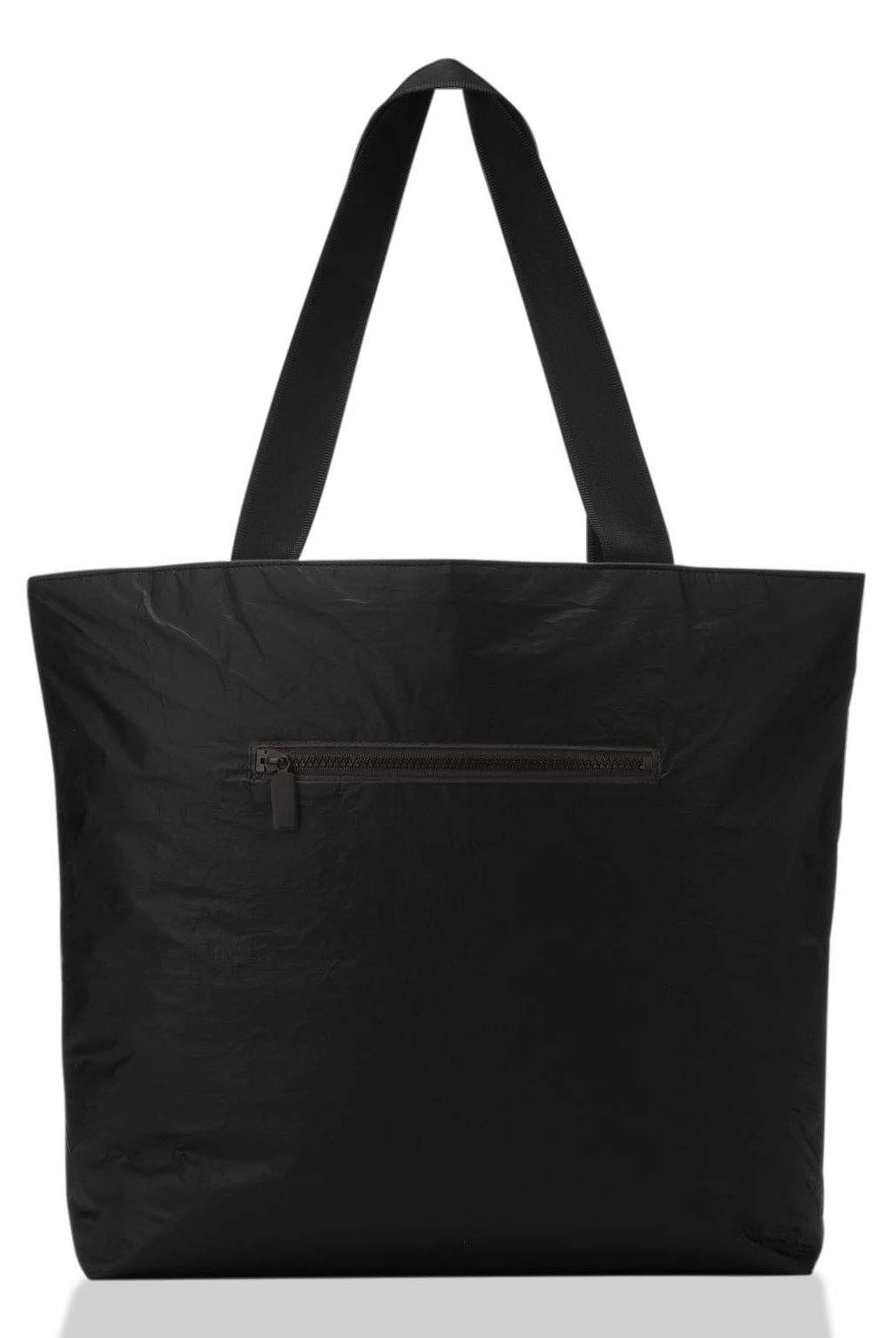
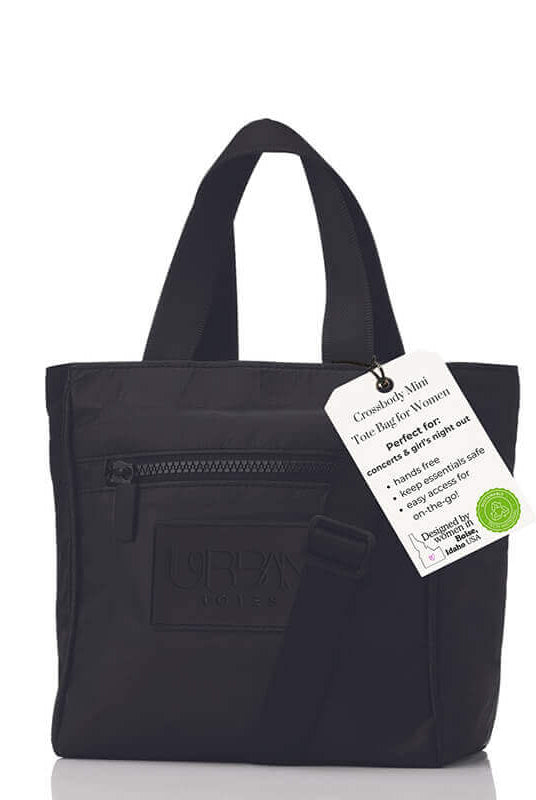
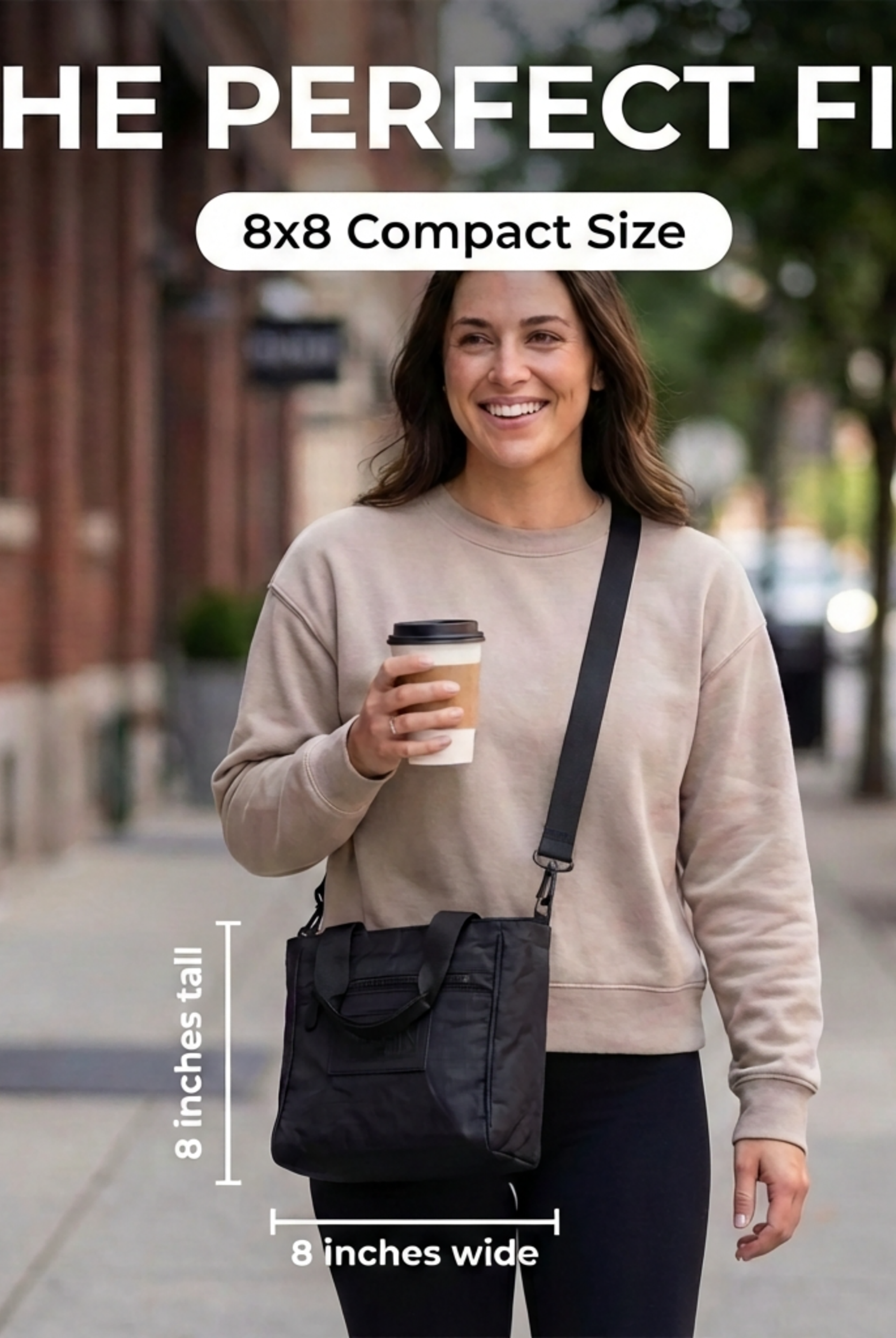
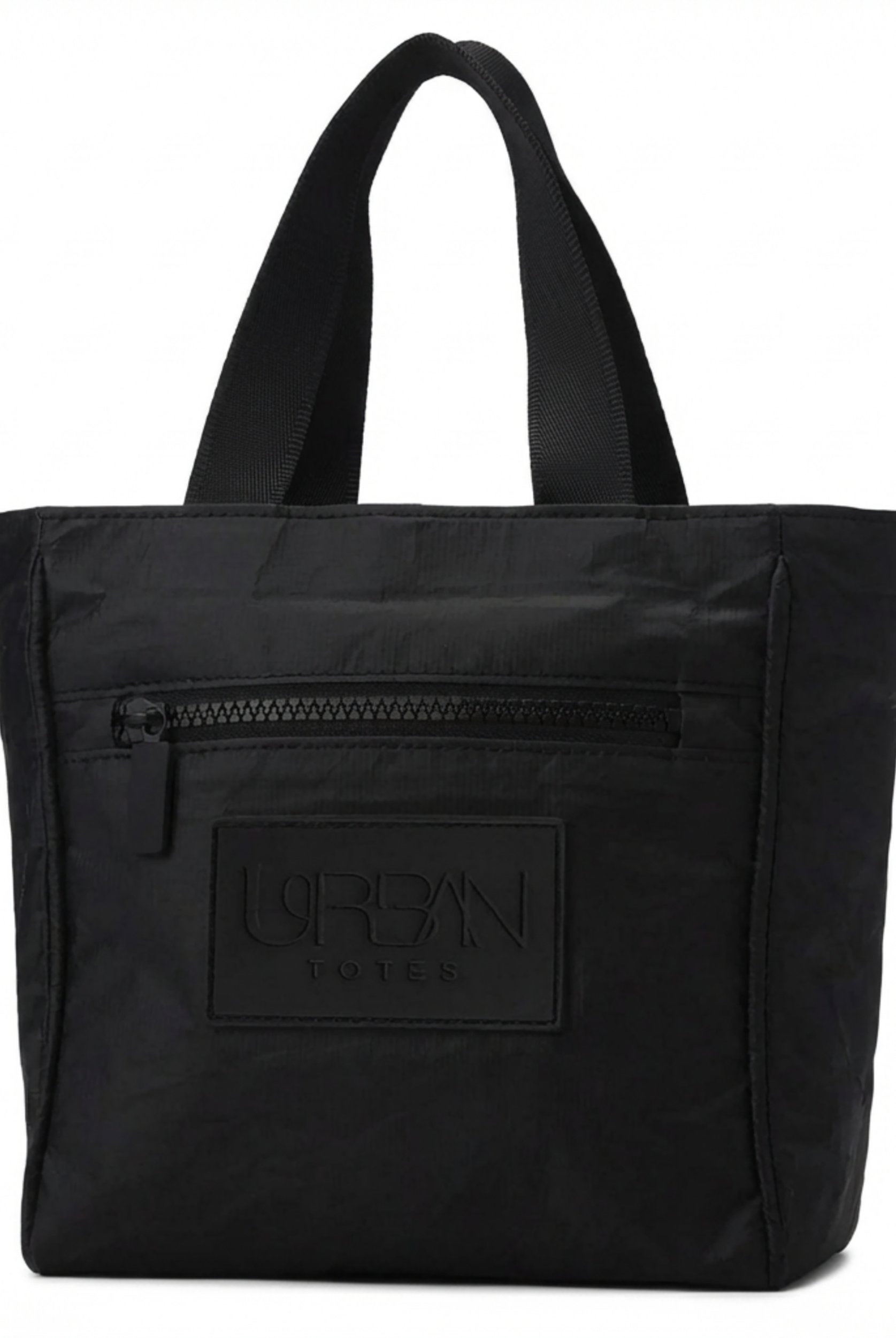
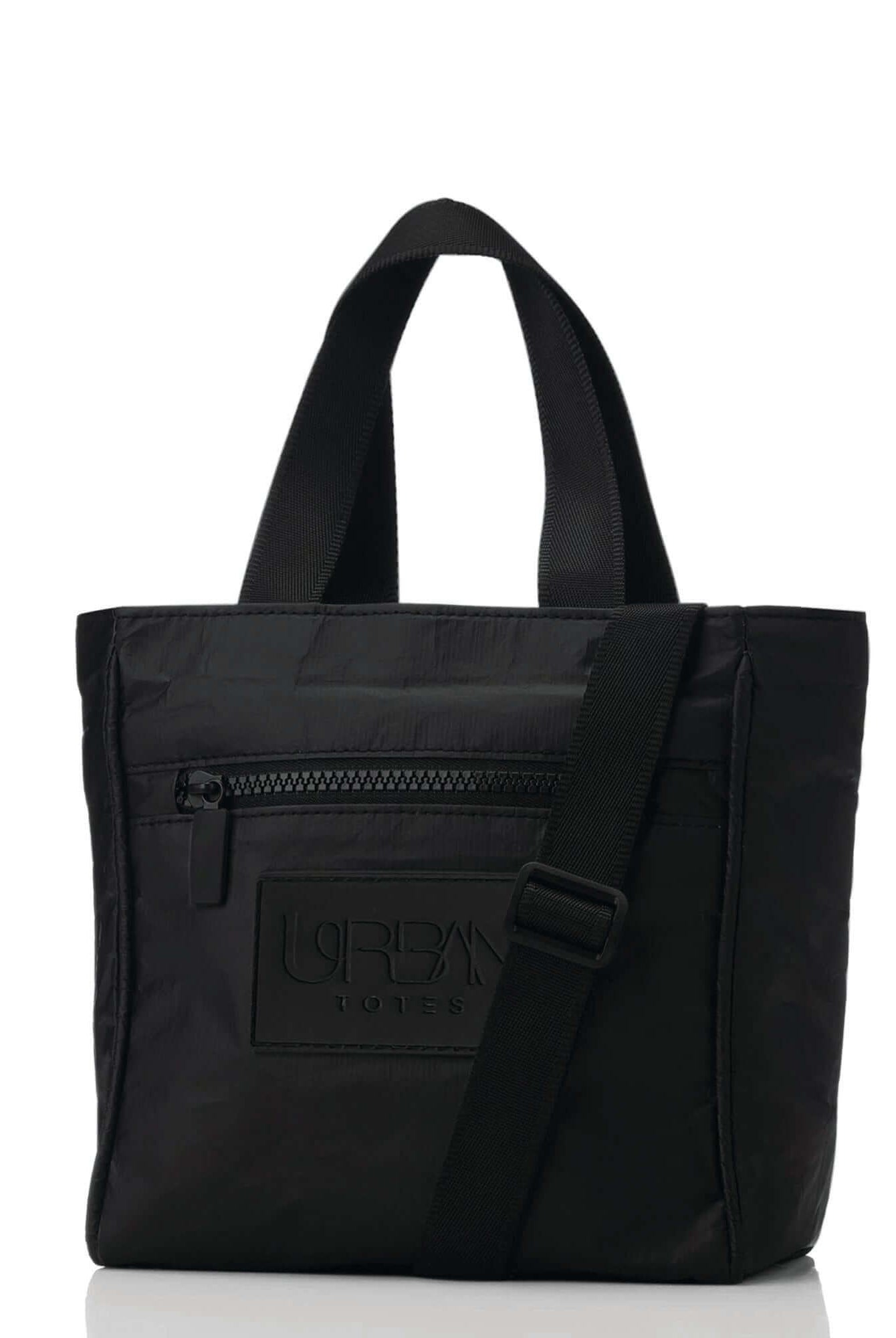
Our Crossbody Tote Bag Mini Purse provides a concrete example: its removable crossbody strap extends to 53 inches, it has 1-inch-wide nylon straps and 11-inch handles, and the bag measures 7.5 x 4 x 7.75 inches. Those specifications describe the components, not a guaranteed shoulder-to-hip fit.
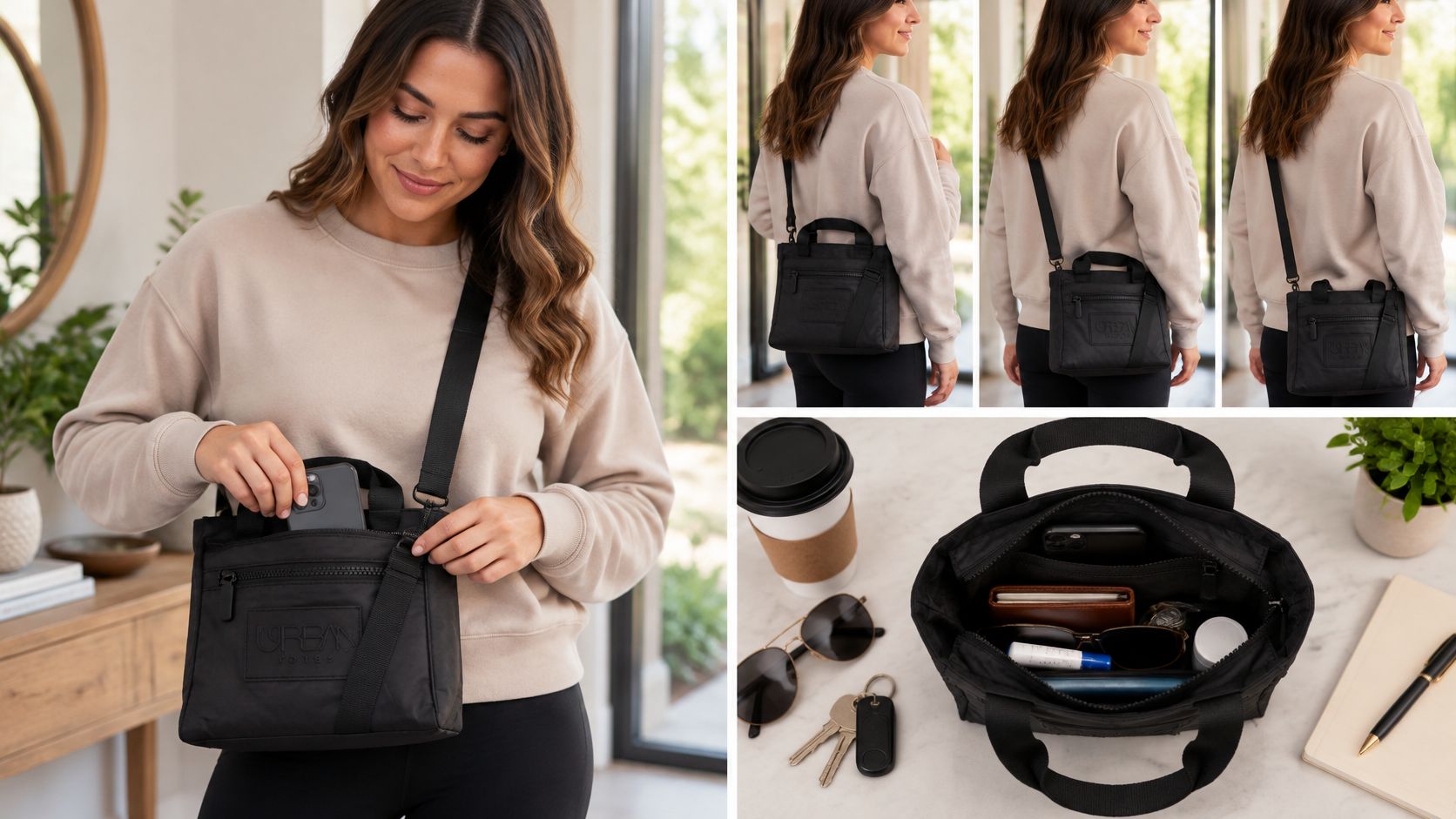
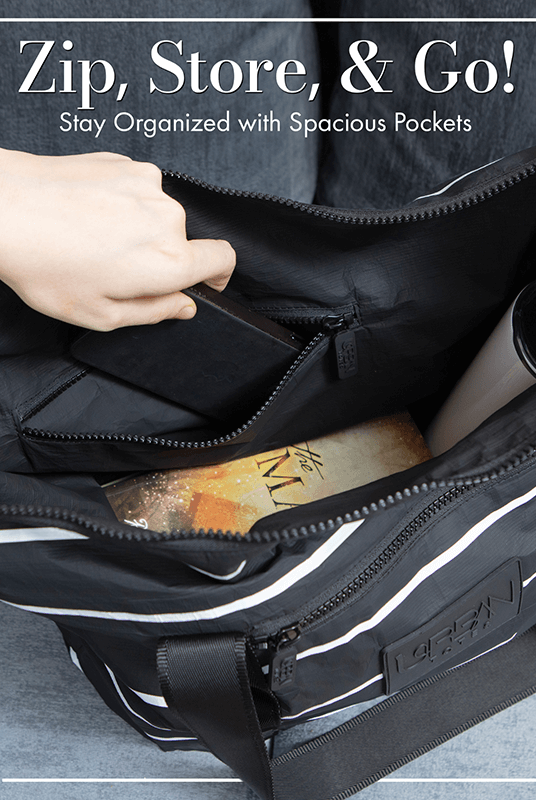
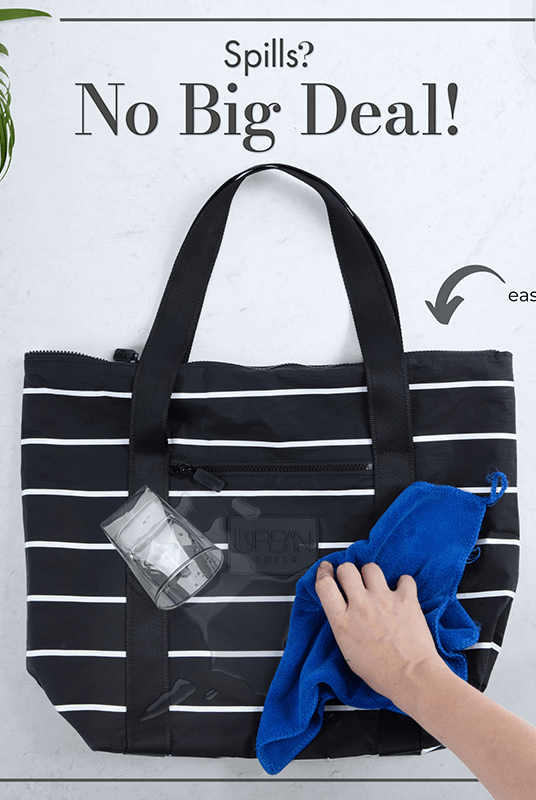
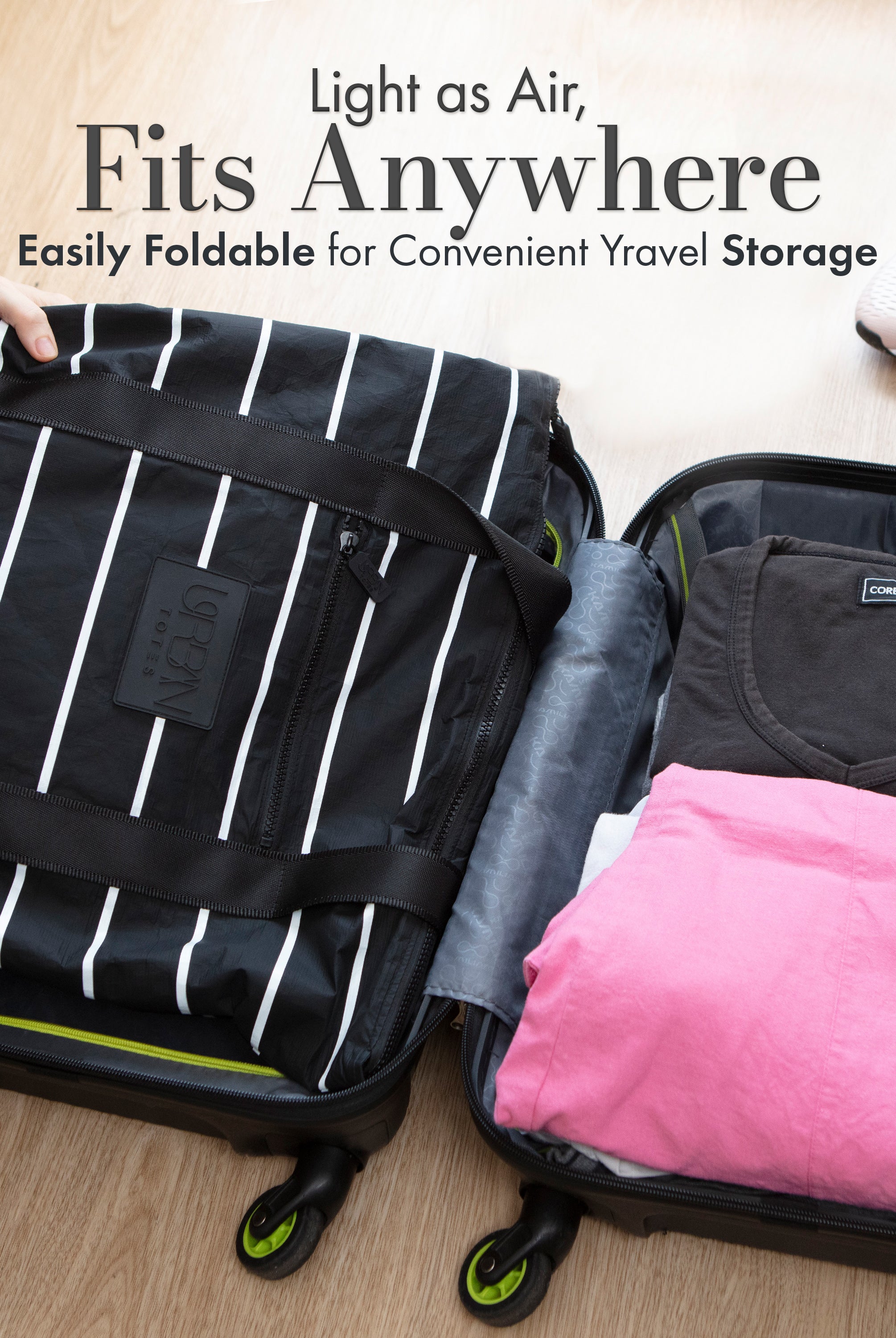
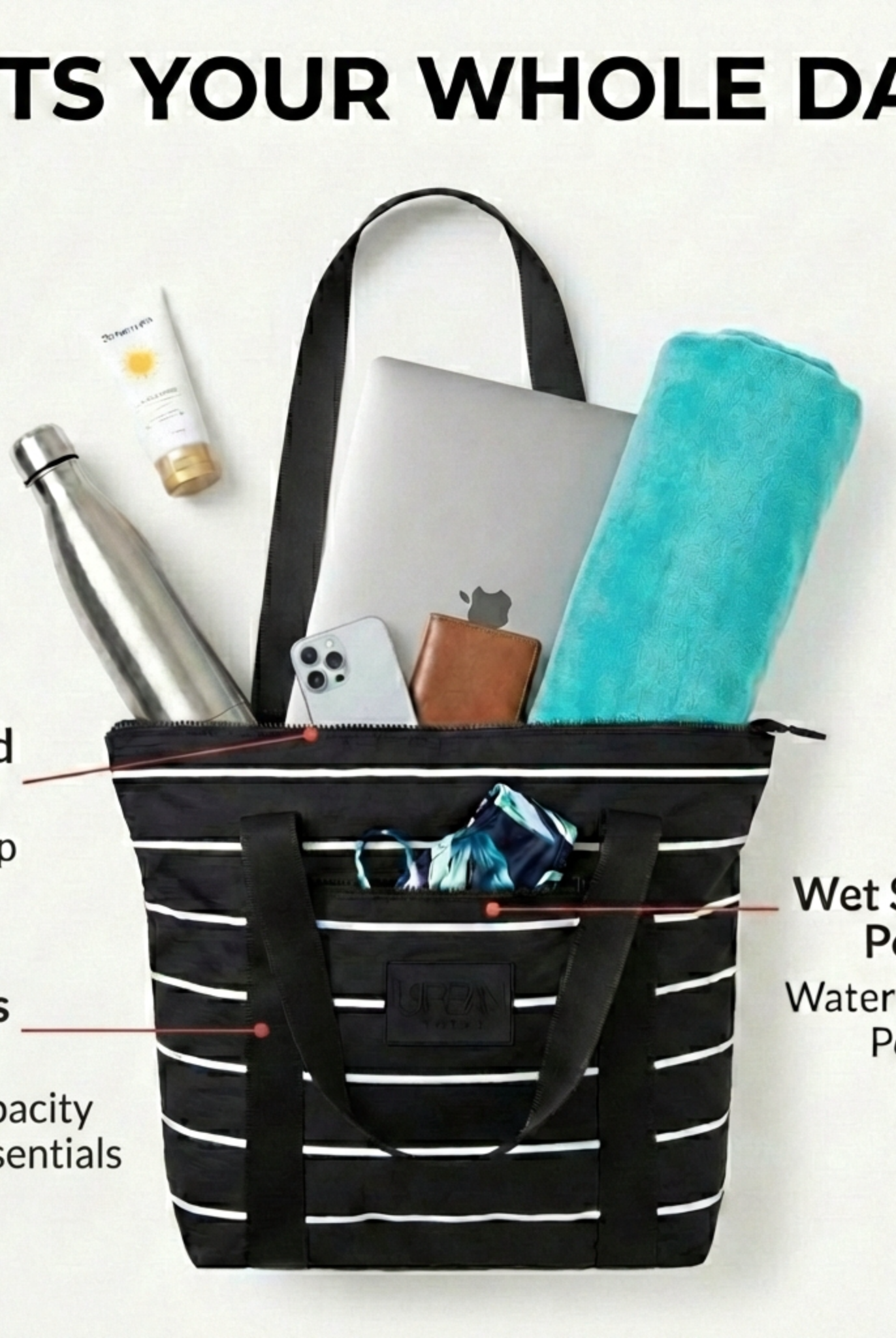
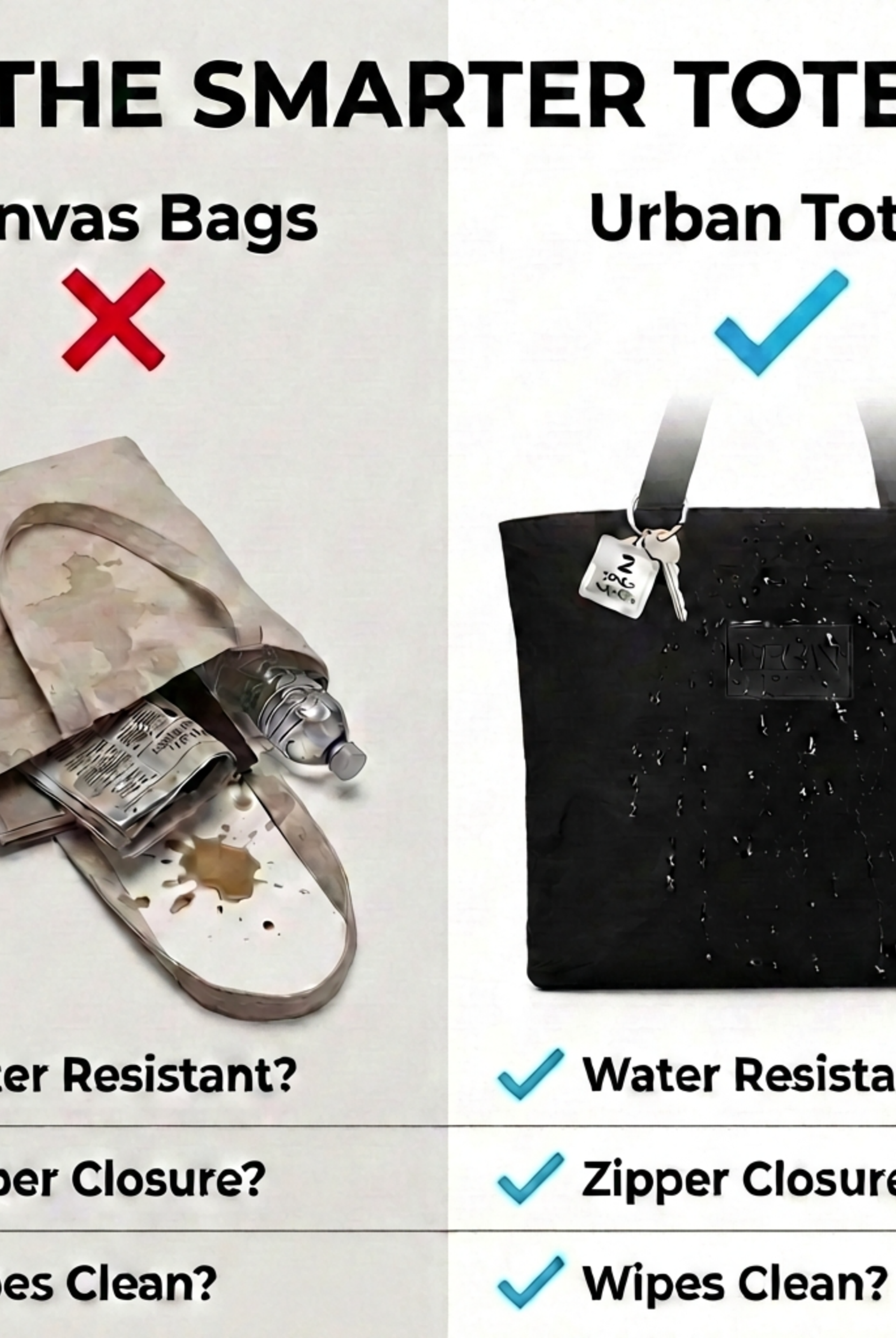
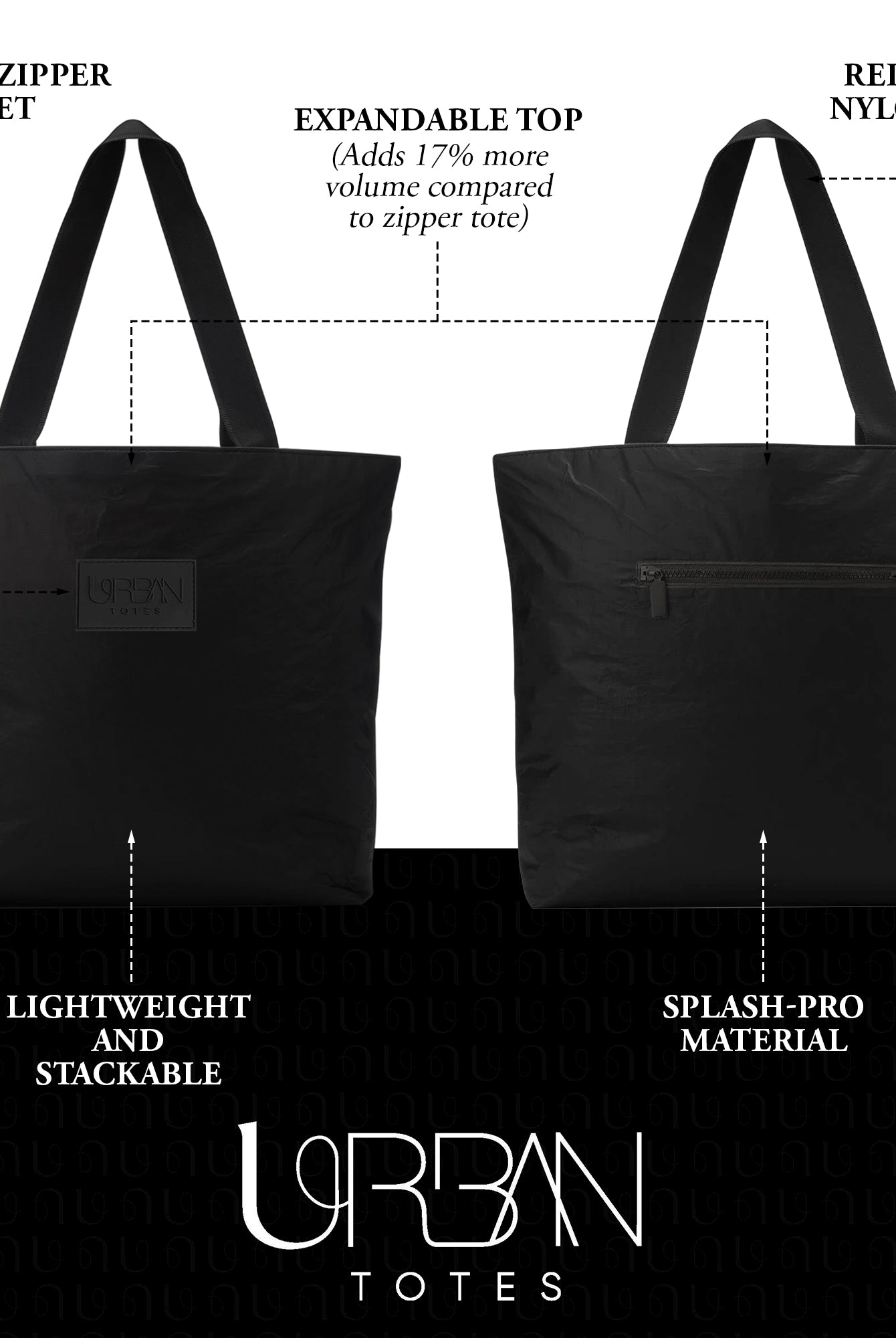
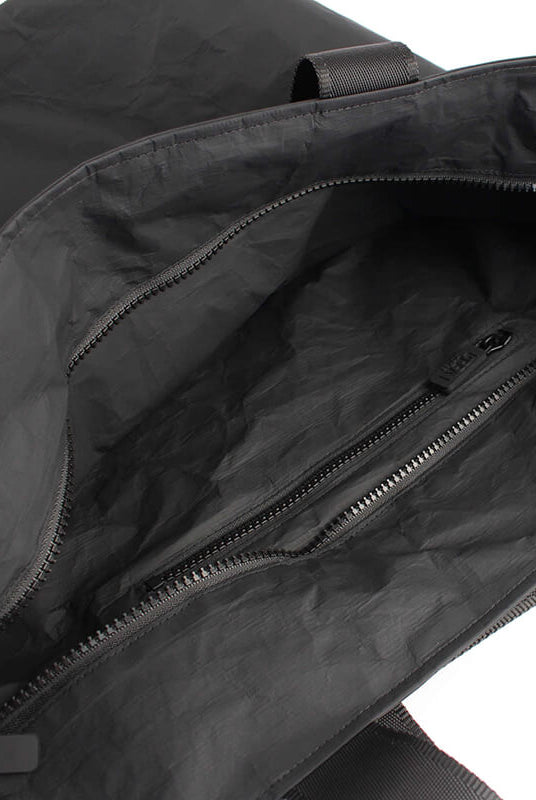
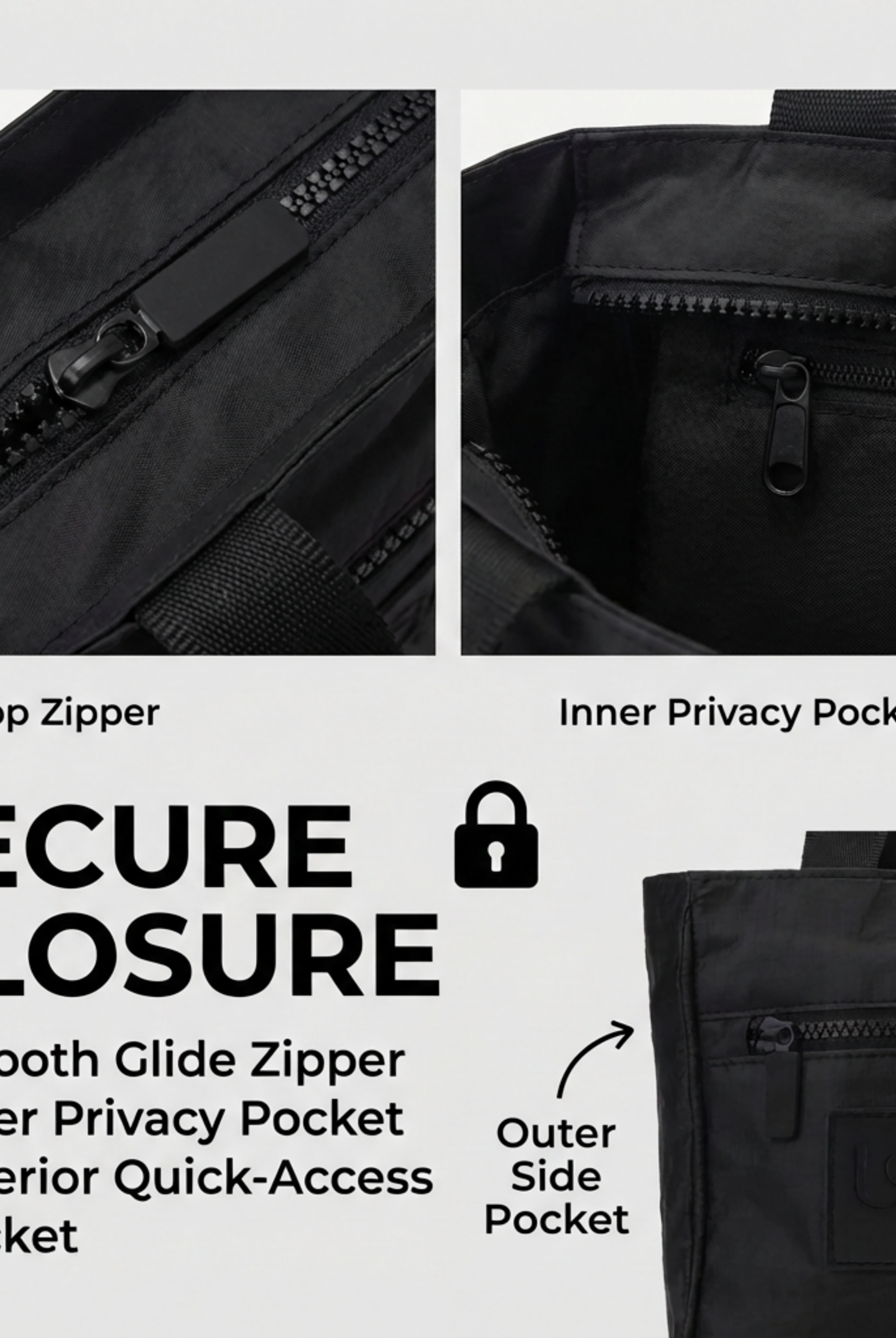
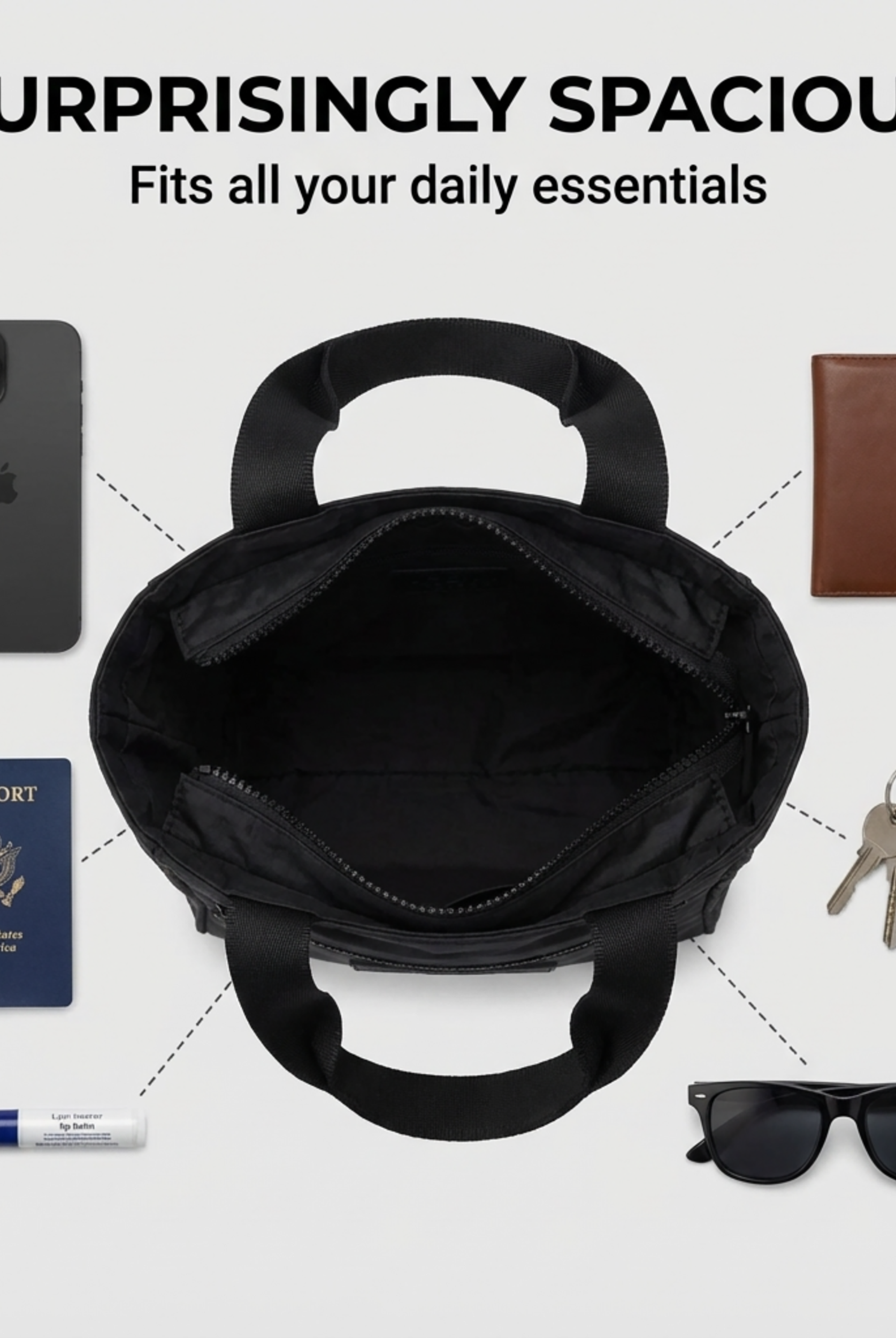
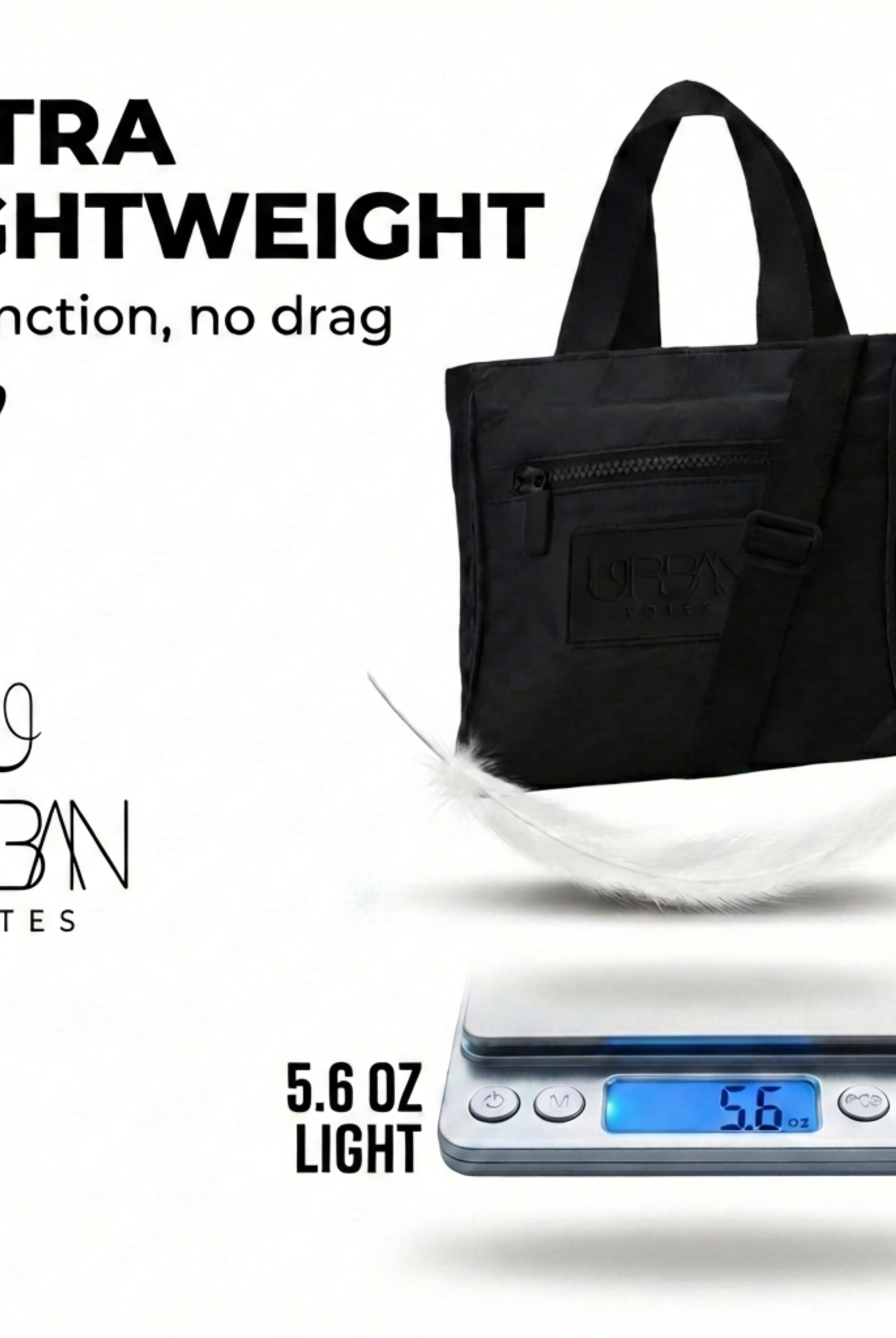
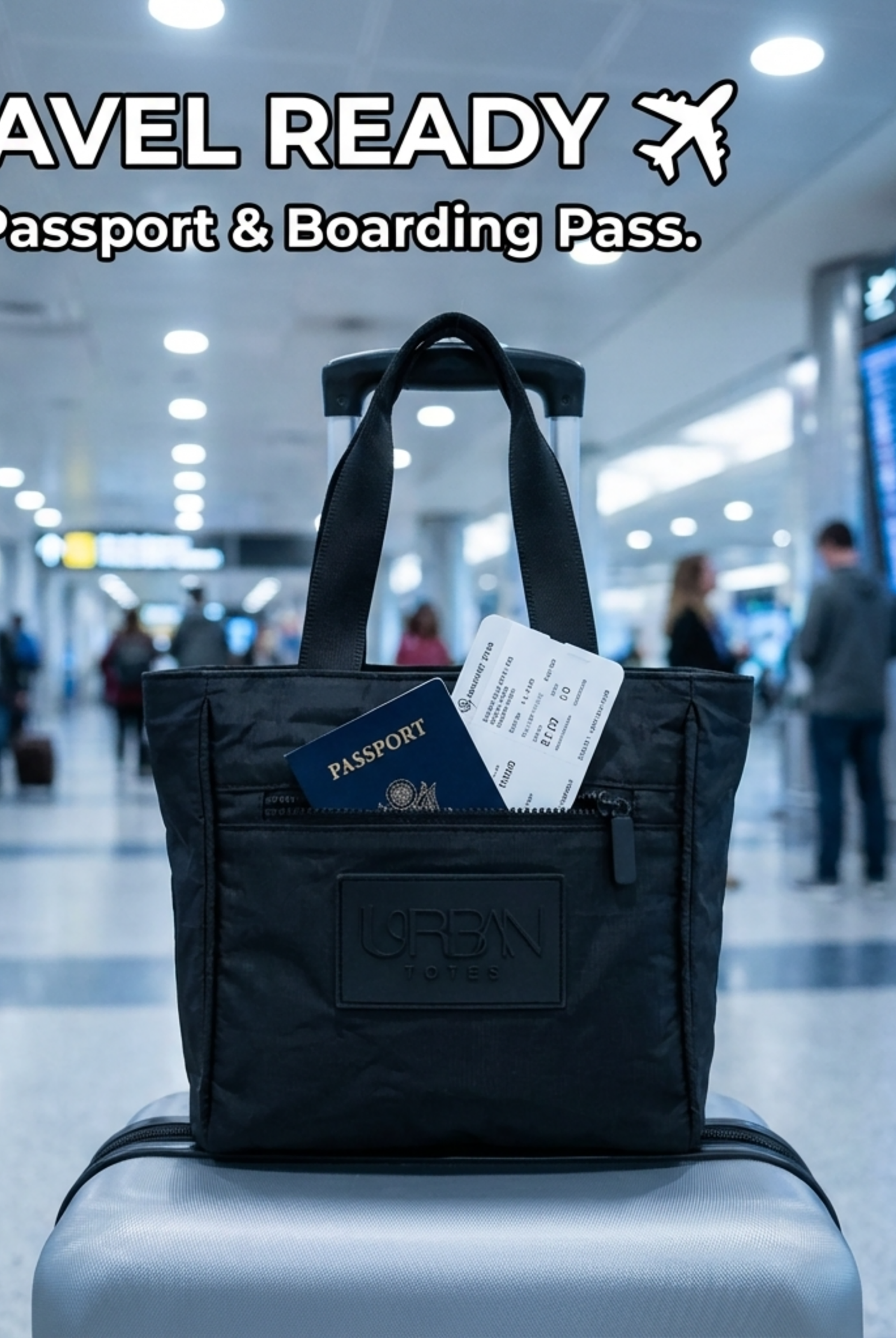
The zipper top closure, outside zipper pocket, inside zipper pocket, and large easy-access outside pocket give phone and keys designated places. Its water-resistant fabric, lightweight construction, and foldable design make it a packable option for everyday carry or travel.
Urban Totes is an independent, woman-owned small business based in Boise, Idaho. Our approach pairs stylish, functional shapes with organized interiors for real-life routines, whether you're heading to work or packing for a weekend away.
Make the final decision with your essentials
Before buying, compare your own measurement with the listed drop or adjustable range. A maximum strap length alone won't tell you whether the shortest setting works for you, so confirm that detail if it isn't listed.
When you can try the bag, pack your actual essentials and check the opening while standing and seated. Walk at your normal pace, reach for your phone, and notice whether you're carrying naturally or constantly correcting the bag. The useful setting is the one that lets you get on with your day.
Urban Totes offers lightweight, water-resistant bags with thoughtful pockets and zipper closures for busy everyday routines. Bring your measurements to Urban Totes, shop the full collection, and choose a go-anywhere bag that fits the way you move. Go Anywhere. Tote Everything.