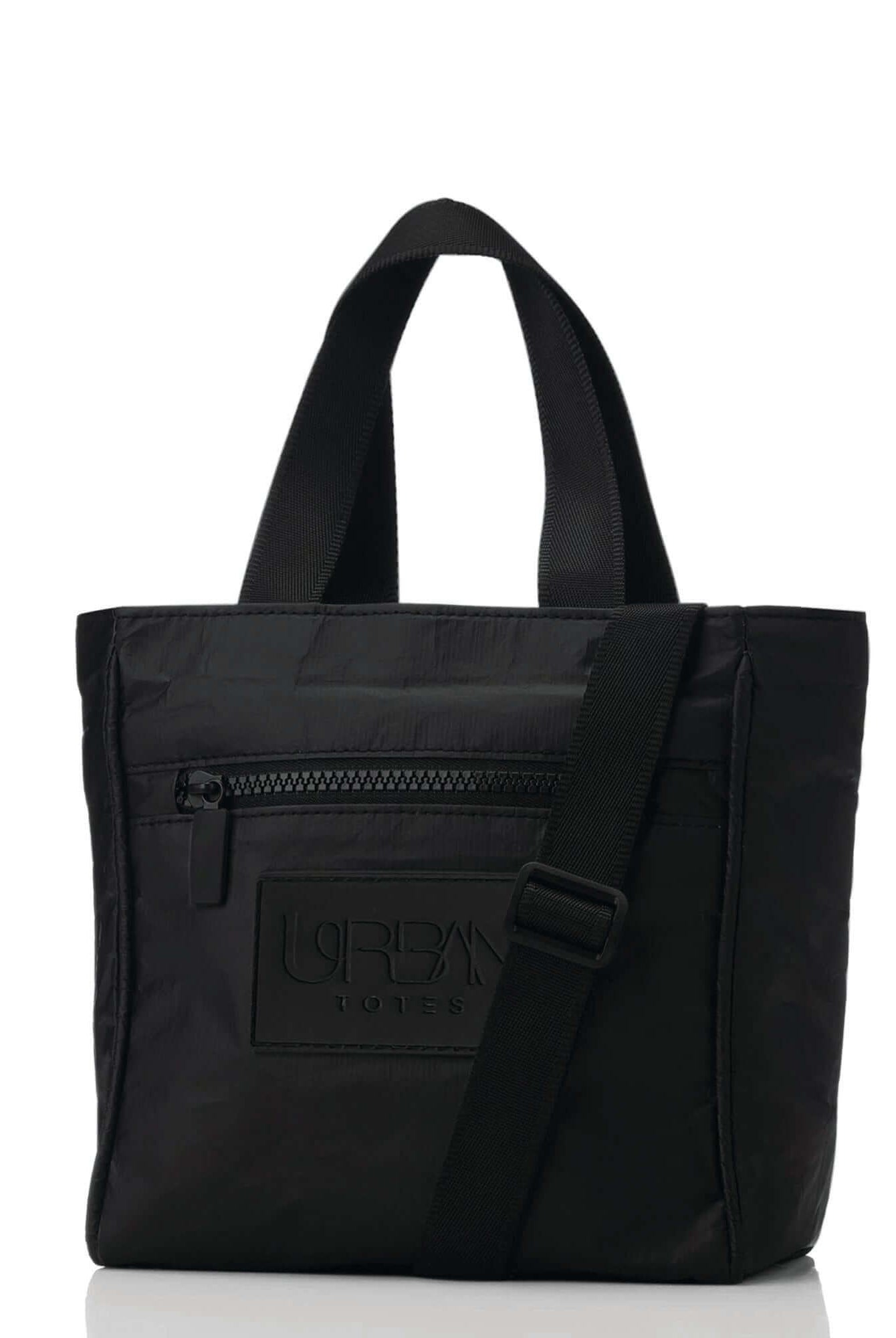
The bag looked right in the photo. Black, clean lines, no hardware shouting for attention. Then you wore it over a winter coat and the strap sat so high the bag wedged under your arm, or you're 5 foot 2 and the shortest setting still drops it past your hip so it thumps your thigh with every step.
That gap between how a crossbody looks and how it carries is the whole subject here. Unisex crossbody bags get sold on styling, but what makes one work across body types, wardrobes and seasons is ergonomics: strap range, bag placement, load, and how the closure behaves when the bag is full. A neutral color doesn't fix a strap that's four inches too short.
Treat it as a fit problem and the decisions get simpler. You'll get a five-point design checklist, a materials comparison, a strap-setting table by body type and coat, airline size benchmarks for under-seat use, and the scenes where a crossbody earns its keep. Then a verdict.
Table of Contents
- Why Unisex Crossbody Bags Are Having a Moment
- Design Principles That Make a Crossbody Truly Unisex
- Materials and Water Resistance Compared
- How to Get a Crossbody to Fit Your Body
- Sizing a Crossbody for Airports and Under-Seat Use
- Matching a Unisex Crossbody to Your Daily Scenes
- Pick the Bag That Already Passed
Why Unisex Crossbody Bags Are Having a Moment
Second coffee in one hand, car keys in the other, and a small person's hand in yours. You lean down to check a shoelace and the bag slides off your shoulder, the zip gapes, and the phone you need for the gate code disappears somewhere near the bottom.
The everyday bag that keeps failing you is usually failing in one of three ways: too heavy by 10 a.m., too small for a phone, keys, wallet and a snack, or fraying at the strap seam by the end of a season.
A unisex crossbody isn't a men's bag or a women's bag with the label filed off. It's a plain color, a clean silhouette, a long adjustable strap and hands-free carry that reads the same over a hoodie, a blazer or a puffer.
The market already leans this way. Statista's chart of a 2022 Klarna and Dynata survey reports that 36% of U.S. consumers had purchased fashion outside their gender identity, with 33% in Sweden and 31% in the United Kingdom. Among Gen Z online shoppers globally, roughly 50% had done so and about 70% said they were interested in buying gender-fluid fashion in the future. Those figures cover fashion broadly rather than crossbody bags, so read them as direction, not a product forecast.
Hold any candidate bag to five checks before you fall for it: neutral shape, a strap that switches shoulders, a size that holds essentials without bulk, zip organization, and a light packable build.
Weather materials, body-and-coat fit, airline size and your actual day come after that. If theft worries you more than fit, the guide to an anti-theft crossbody covers closures and wear points in detail.
Design Principles That Make a Crossbody Truly Unisex
Run these five in order on any bag you're considering. Each one has a reason behind it and a specific trap that separates a well-made crossbody from a good photograph.
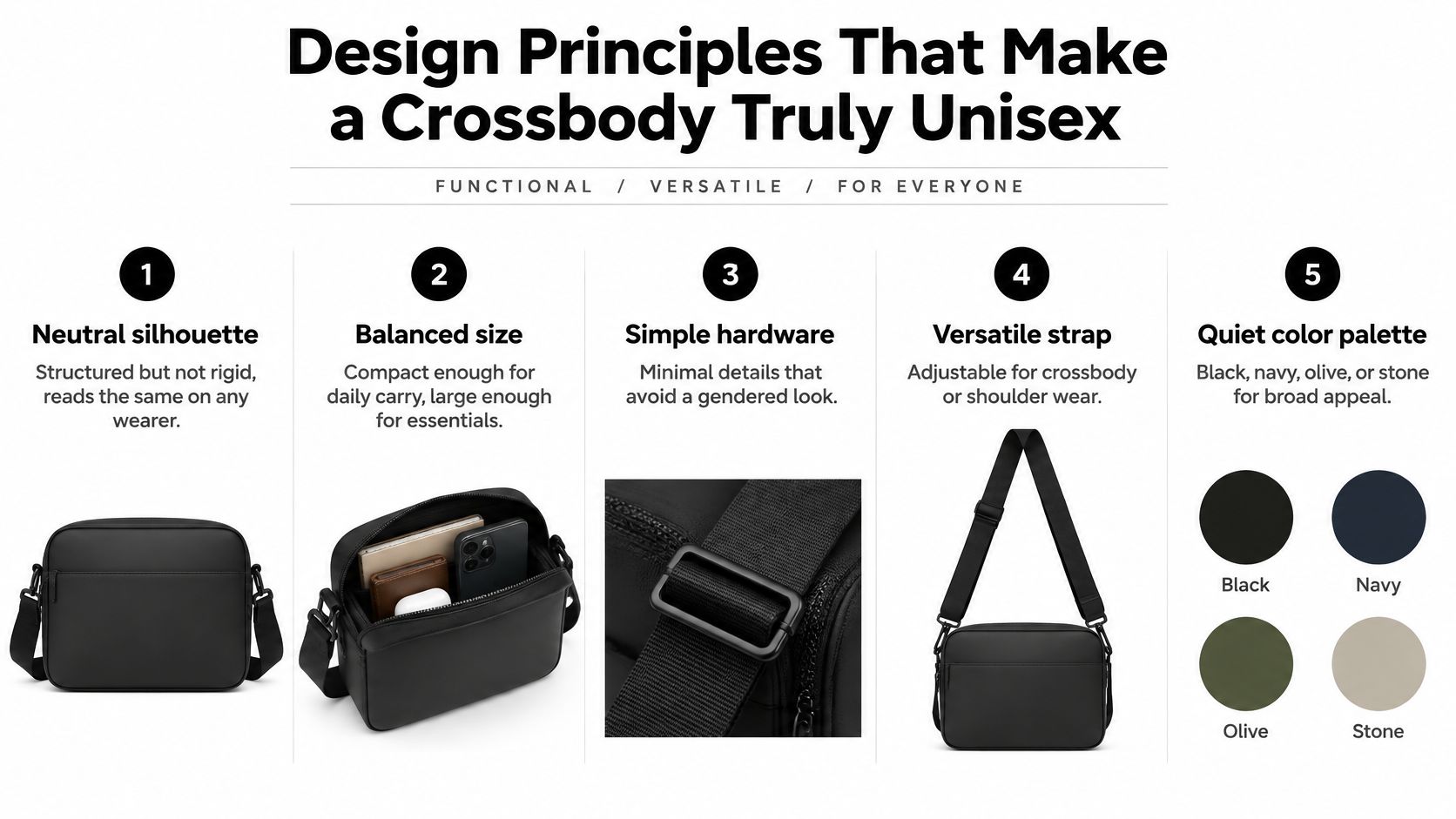
- Neutral silhouette. Structured but not rigid, in black, navy, olive or stone. It reads the same on a petite frame and a tall one because nothing about it is coded to a gender. The trap is a shape that only holds its look when empty; if the sides collapse the moment you open it, your hand searches by feel.
- An adjustable strap. You want a long strap with enough range to move from hip height to across the torso, plus hardware that lets the bag swap from the left shoulder to the right. The trap is a strap described as adjustable whose shortest setting still drops the bag below your waist, or one so short it wedges under your arm in a coat.
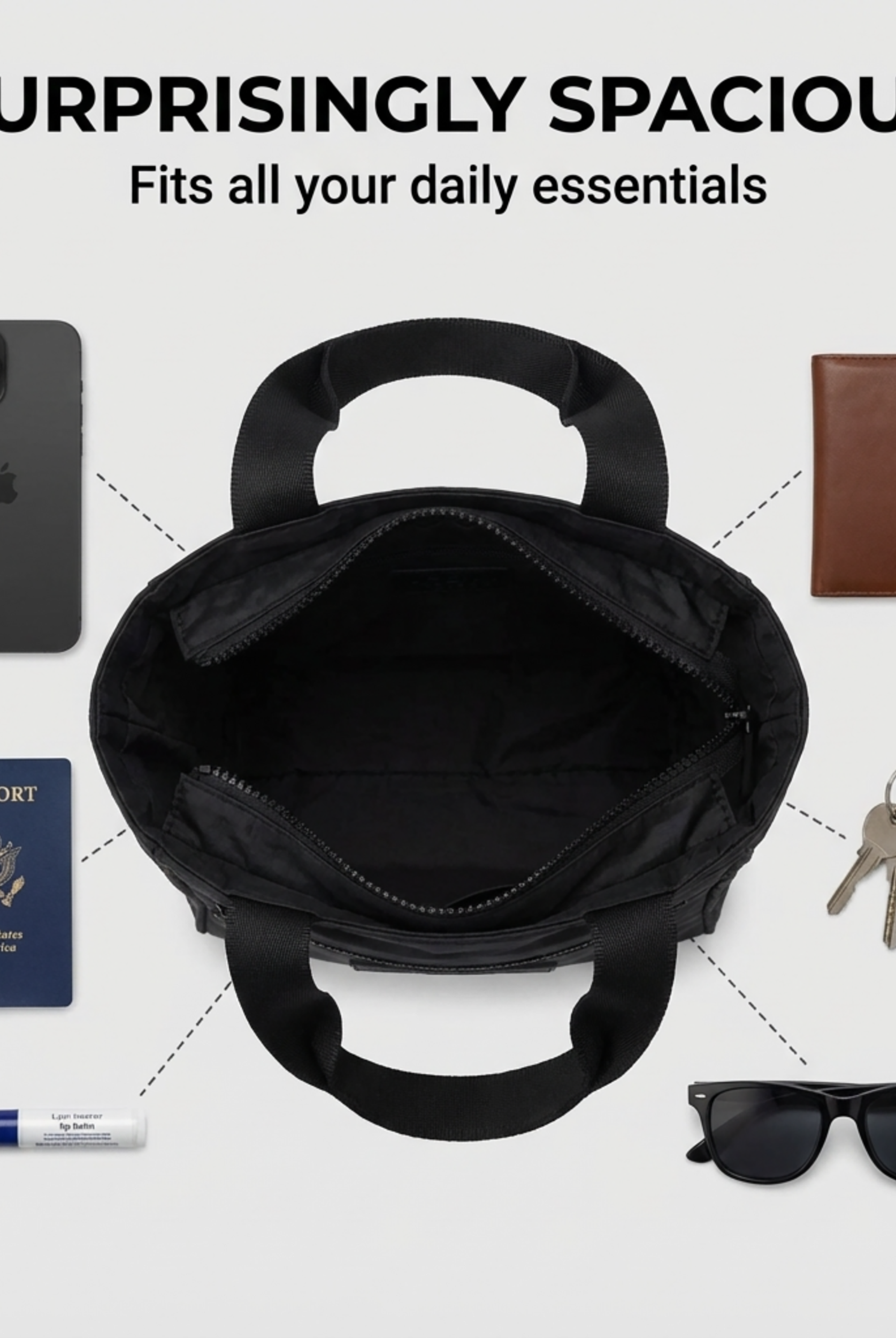
- Balanced size. Compact enough to sit against the body, roomy enough for a phone, wallet, keys and a small pouch. Compare outside measurements with usable interior depth, because structured piping and a padded panel consume the space you thought you bought.
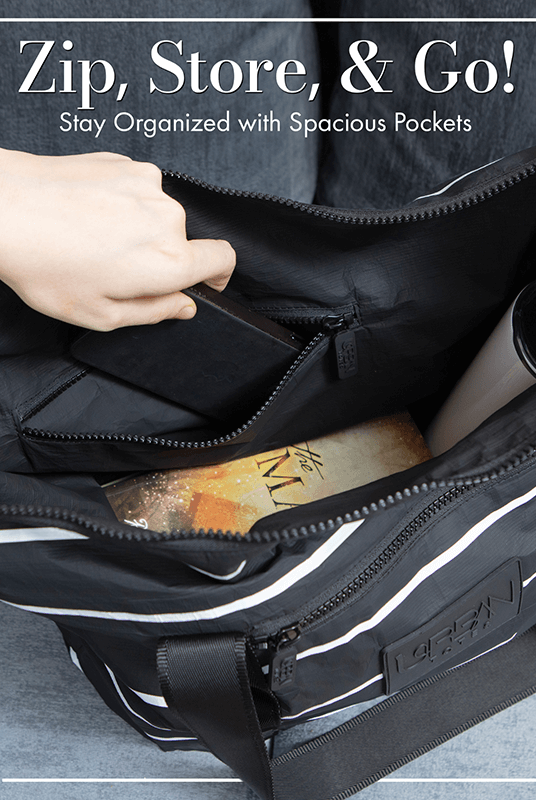
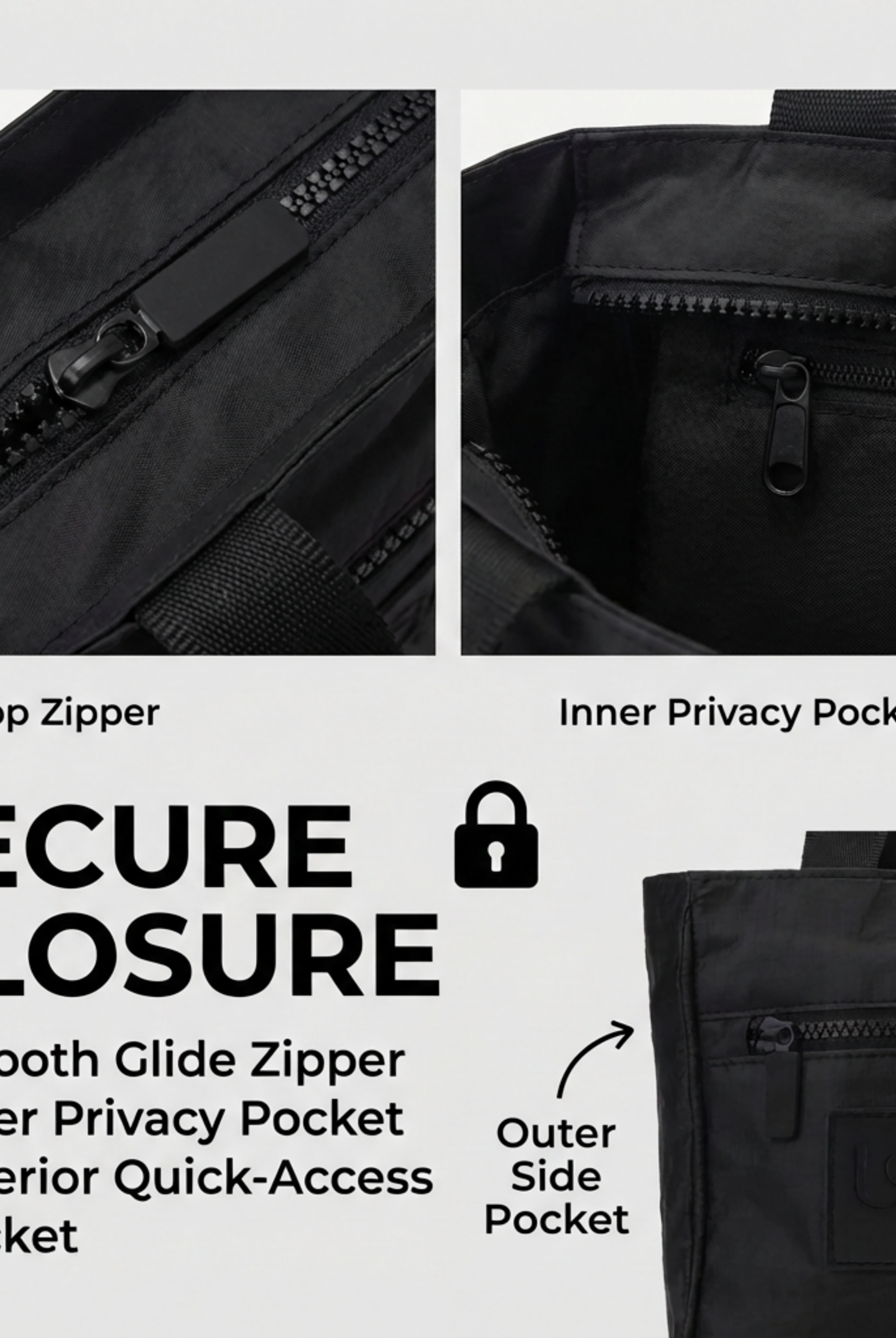
- Organization that matches real use. A zip-top closure, an inside zip pocket for cards and cash, a quick-access outside pocket for the phone, and a divider so nothing migrates to the bottom. The trap is a phone pocket sized for a handset from five years ago, or a zip that catches the lining on every pull.
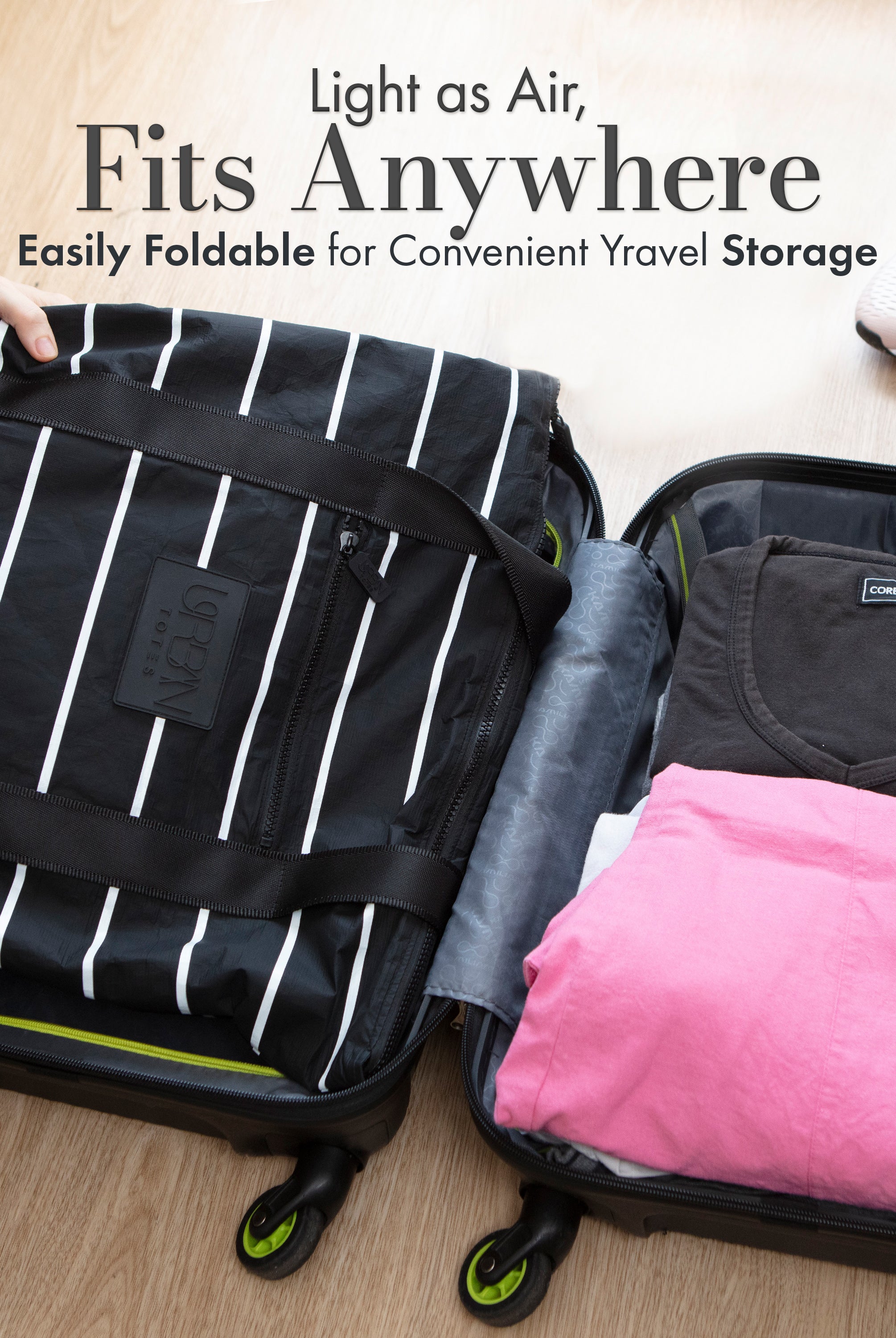
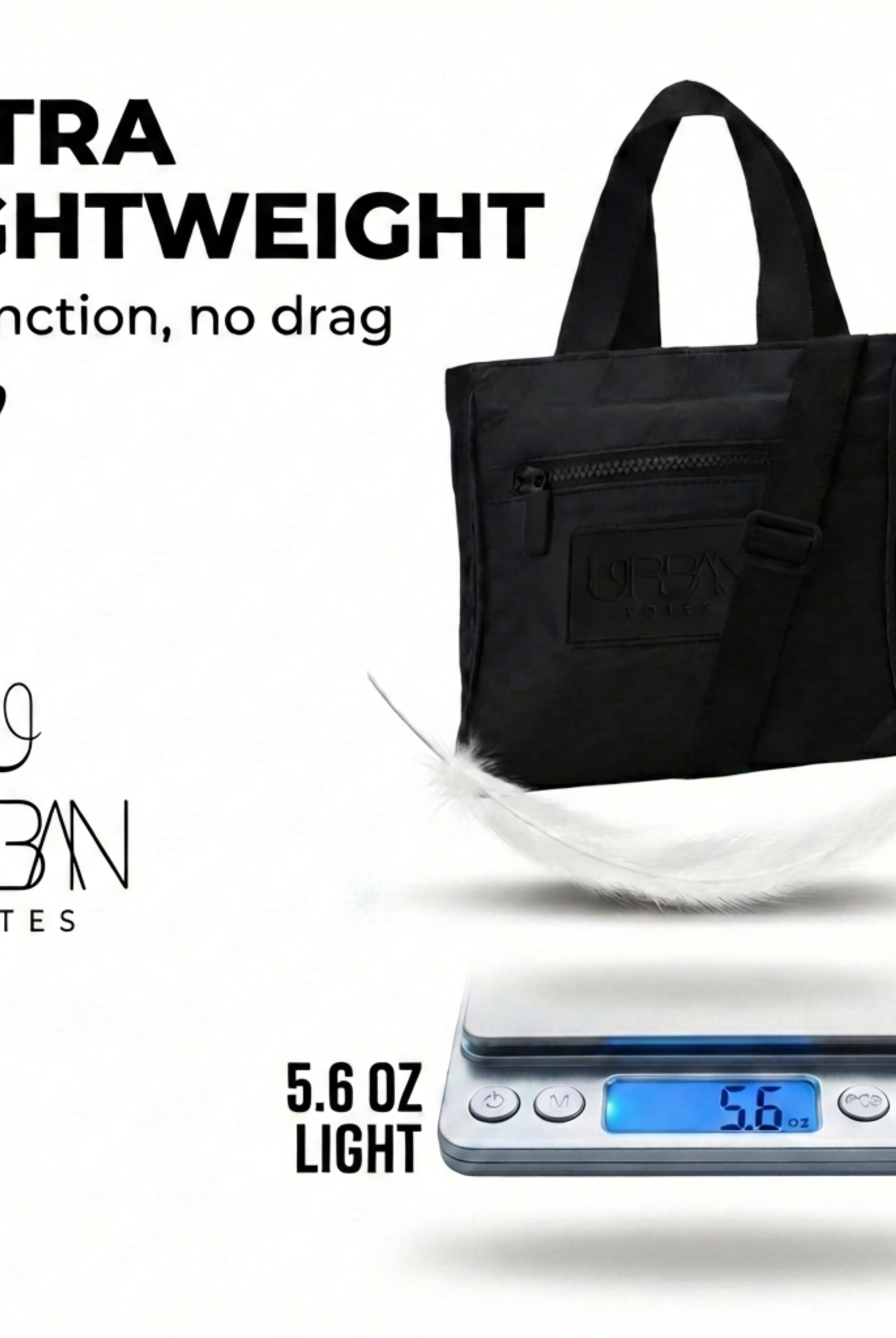
- Weight and packability. A light body that folds or compresses flat so it adds almost nothing to the tote you're already carrying. Heavy hardware and thick straps look premium on a shelf and pull on one shoulder by lunchtime.
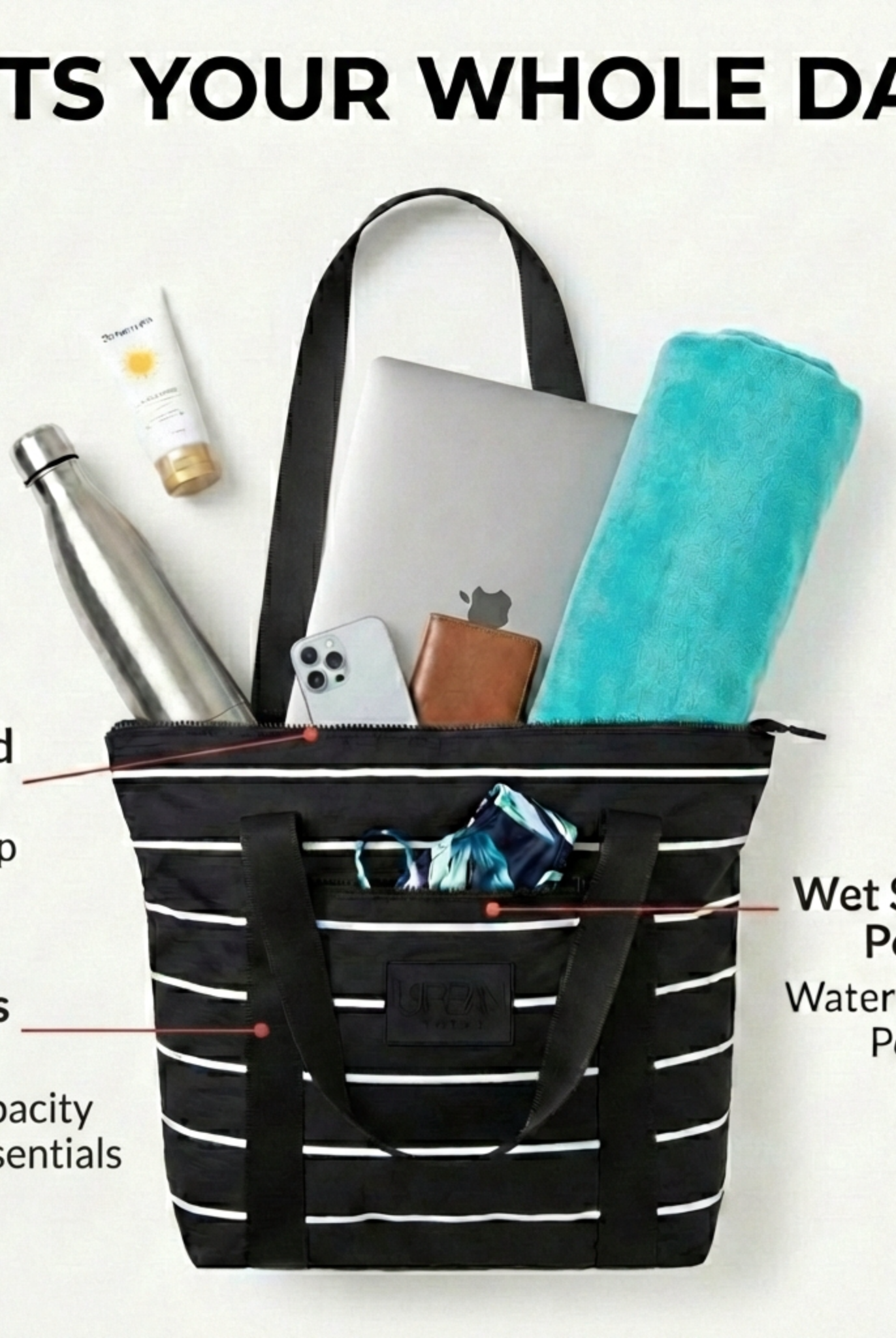
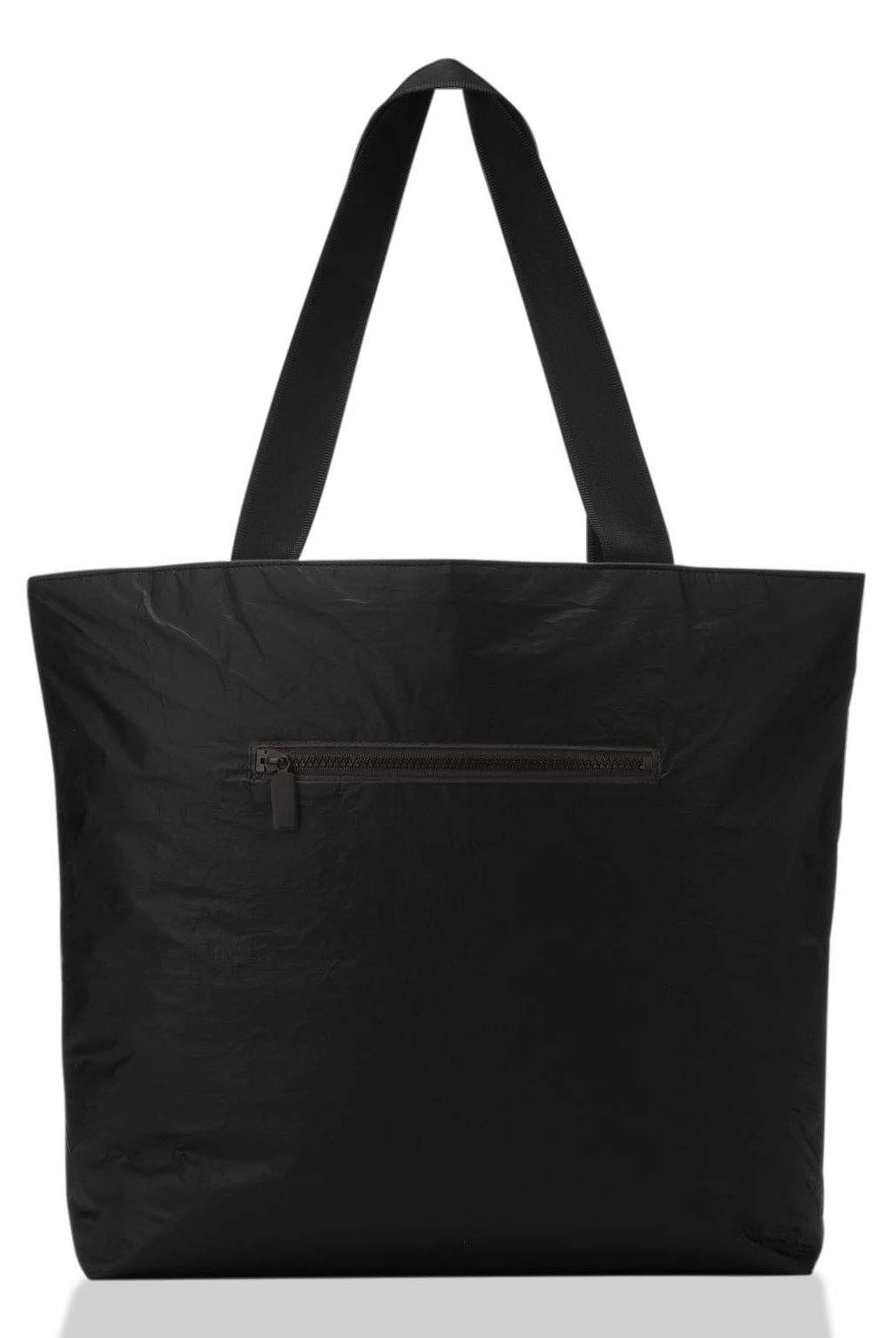
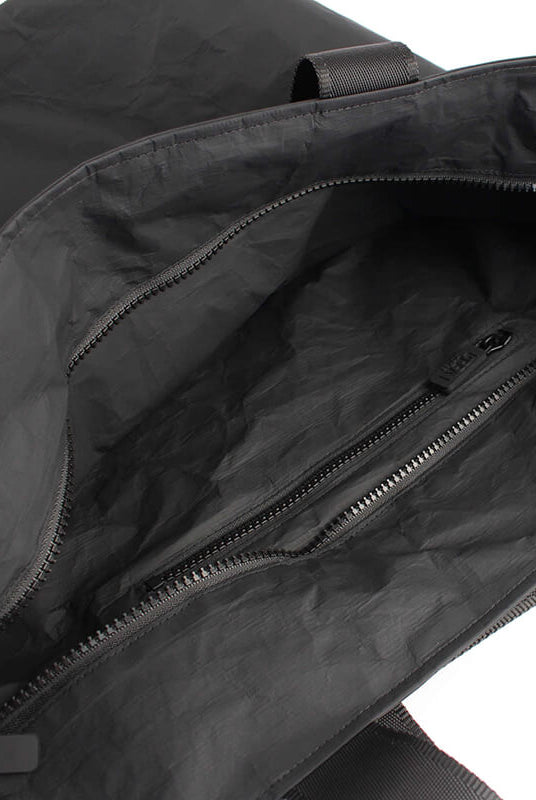
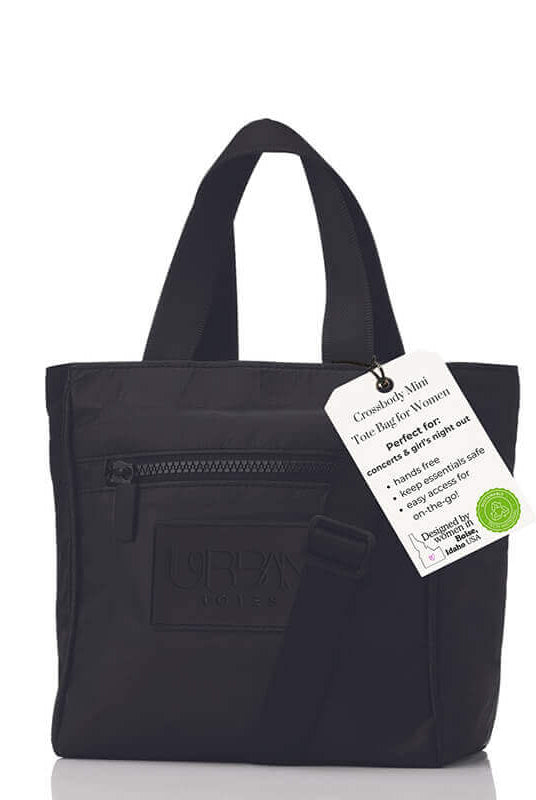
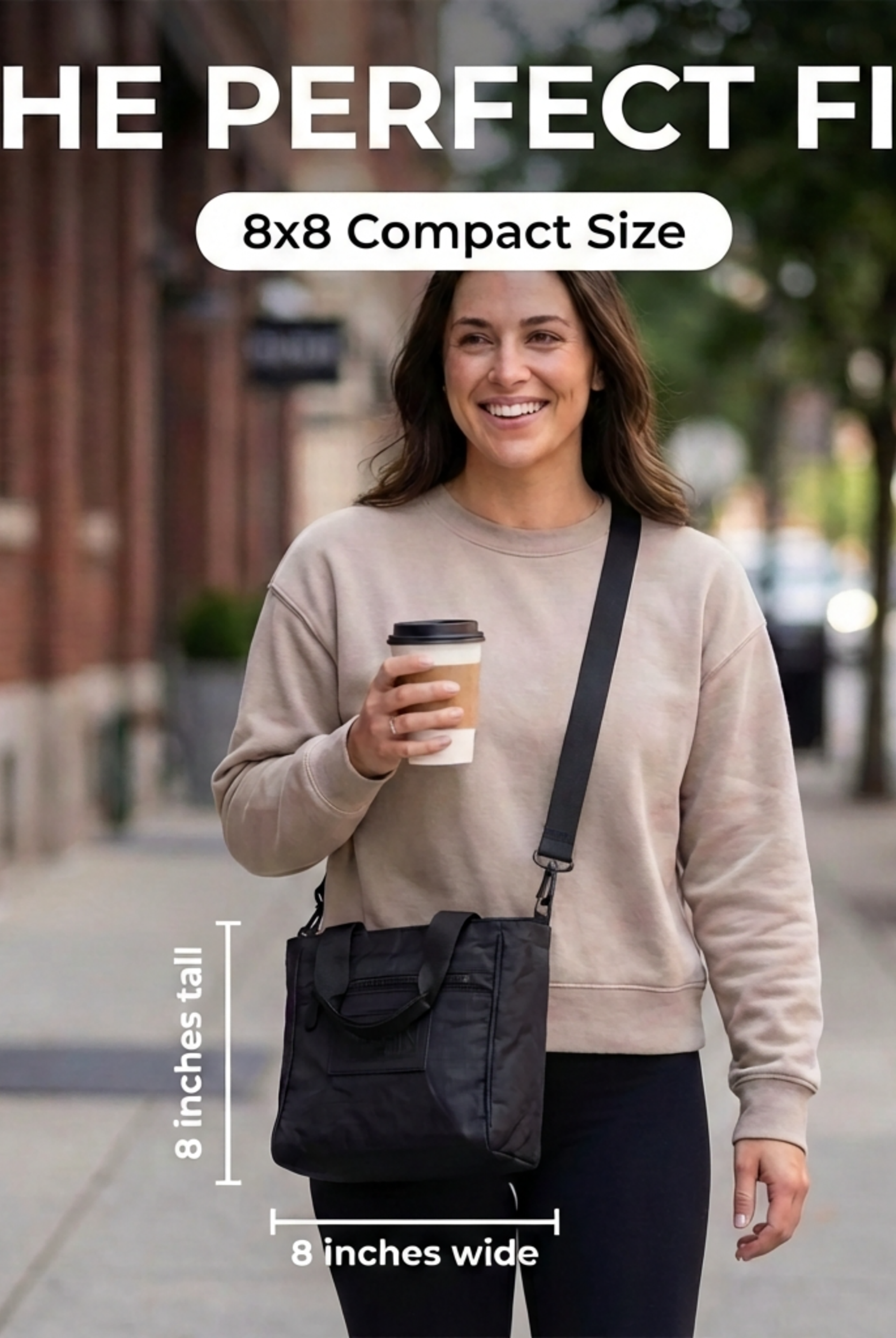
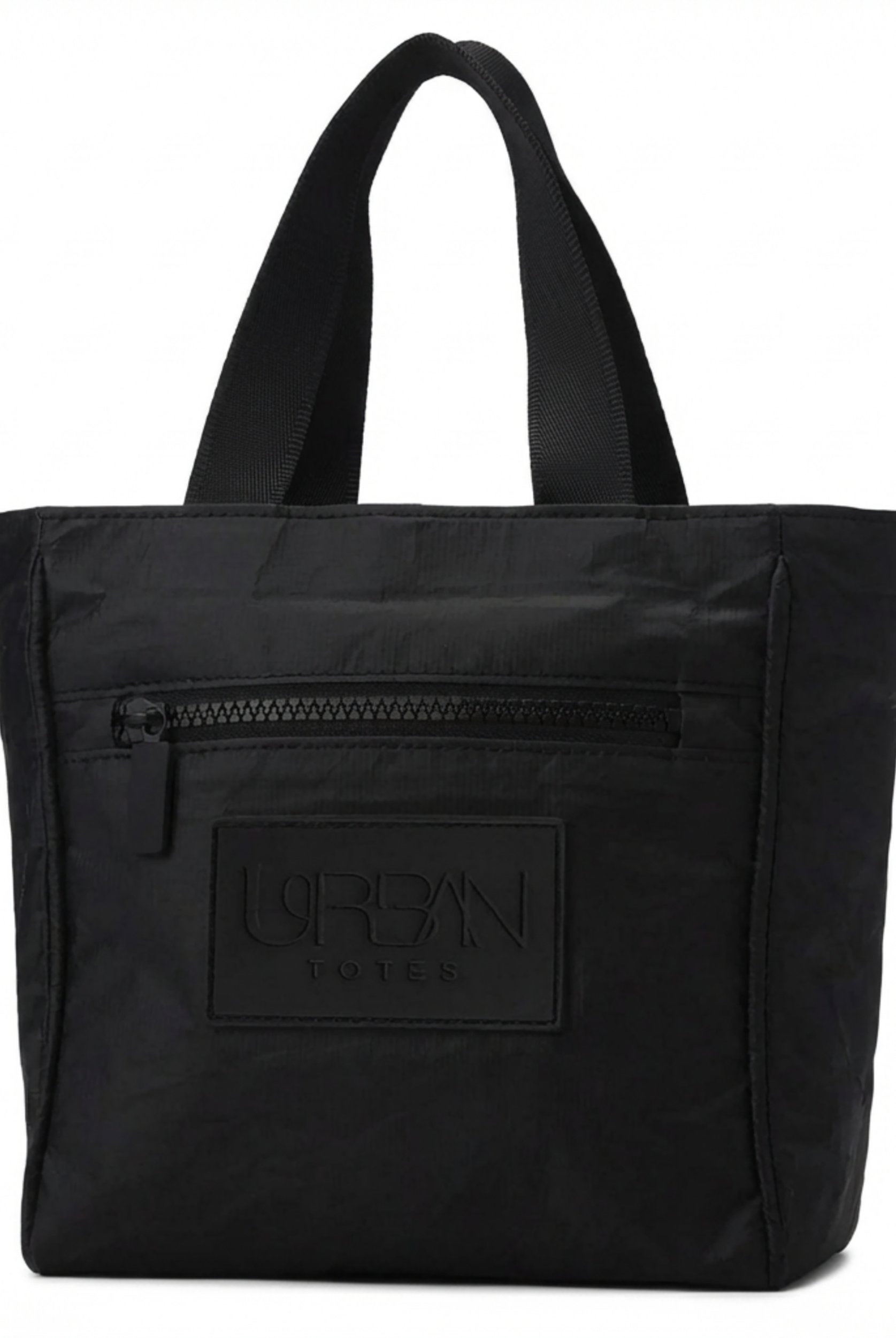
The Crossbody Tote Bag Mini Purse shows how those numbers read in practice. It measures 7.5 x 4 x 7.75 inches, with a zip-top closure, a single outside zip pocket, an inside zip pocket, and a large easy-access outside pocket sized for a phone and keys. The removable strap extends to 53 inches, which is the number that matters if you're tall or you wear a coat eight months a year.
The two-fail rule: if a bag misses two of the five, walk away. One compromise you can live with. Two and you'll be shopping again by spring.
Materials and Water Resistance Compared
Material sets everything else: how the bag feels on your shoulder in July, whether it wipes clean after a sunscreen spill, and what it looks like after a season of daily use.
| Material | Water Resistance | Weight and Feel | Best For |
|---|---|---|---|
| Nylon | Good surface protection, especially coated | Light, slightly crisp | Travel and daily carry |
| Polyester | Good surface protection when coated | Light and soft | Commuting, errands and beach days |
| Coated canvas | Good surface protection when coated | Medium weight, structured | Farmers markets and outdoor errands |
| Untreated canvas | Low, soaks through in heavy rain | Medium weight, relaxed | Dry-weather daytime use |
| Leather | Varies by finish, wipes clean but may mark | Heavier, softens with wear | Office and dressier days |
What a water resistance rating actually measures
Fabric tests measure the cloth, not the bag. ISO 811:2018 raises water pressure on one side of a fabric specimen until penetration occurs at three locations, and records the pressure at that third penetration. It's a repeatable number, which is why it's worth more than any adjective on a hangtag, and it lets you compare a recycled polyester, a nylon and a laminated construction on the same scale.
What it can't tell you is how the finished bag behaves. Zipper tracks, thread holes, panel joins and unsealed seams are the routes water takes, so a bag can shed drizzle across the body panels and still soak a notebook at the seam where the strap attaches. Any honest specification separates the tested fabric result from the assembled bag's performance and names the intended exposure: light rain, commuting, brief splashes.
The spray test tells a similar story from the outside. AATCC TM22 sprays water onto a taut fabric and compares the wet pattern against a rating chart, from 100 for no sticking or wetting of the upper surface down to 0 for complete wetting of both surfaces. That's surface behavior. It doesn't predict whether rain pushes through to your phone.
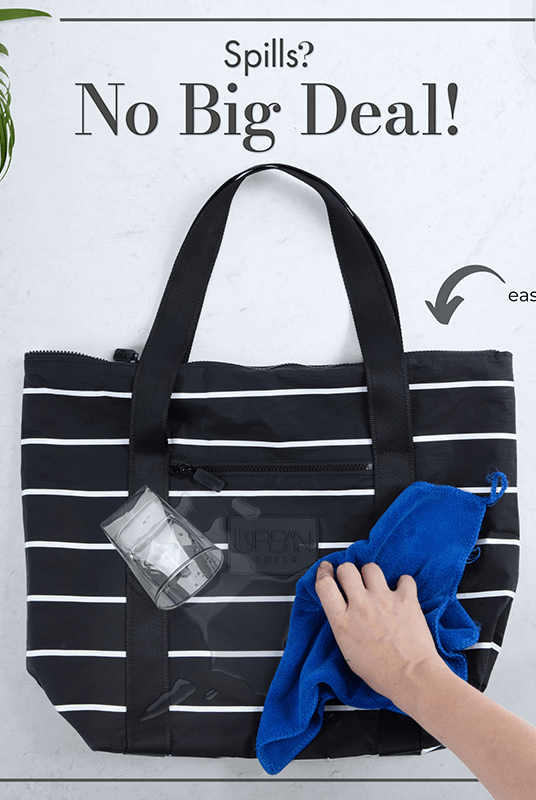
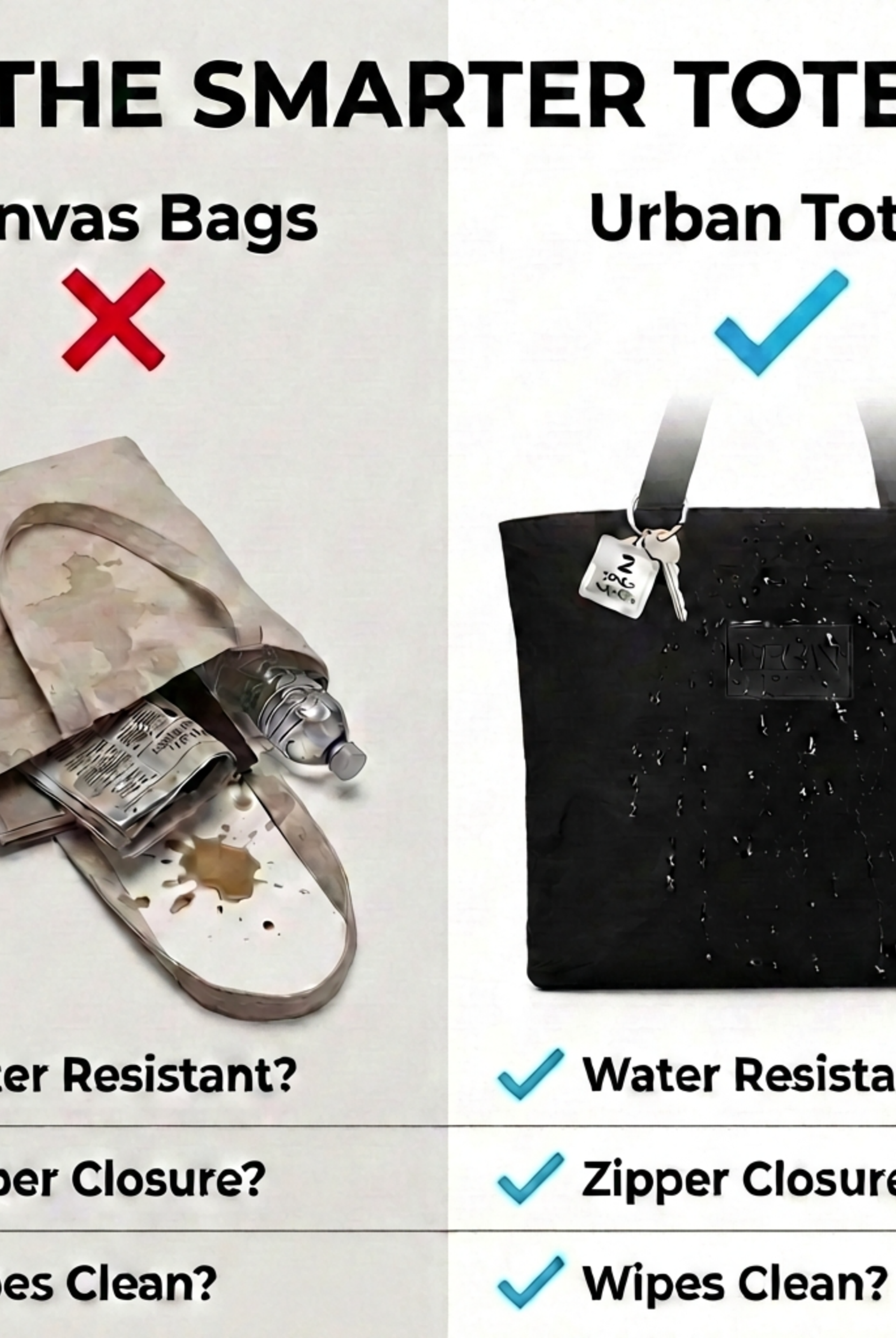
In daily use, water-resistant should mean the bag handles a spill, a drizzle and condensation from a cold drink. It should not be read as protection for electronics in a downpour, and it never means the bag can be submerged.
Beach day versus office day
A beach chair, a farmers market and a splash at the drinking fountain all favor a coated synthetic you can wipe down and fold into a tote. An office day favors leather or coated canvas that keeps its shape on the back of a chair and looks deliberate in a meeting.
Pair the material with the weather you actually go out in, not the weather you'd like. Most people need one coated bag and one that dresses up.
For care, cleaning and what a label should tell you, the guide to a water-resistant crossbody bag goes deeper.
How to Get a Crossbody to Fit Your Body
A unisex label describes styling. It says nothing about where the bag sits on your torso, whether the strap clears a puffer, or whether the zip still faces forward when you switch shoulders. Fit is the part you test, and it takes about one block of walking.
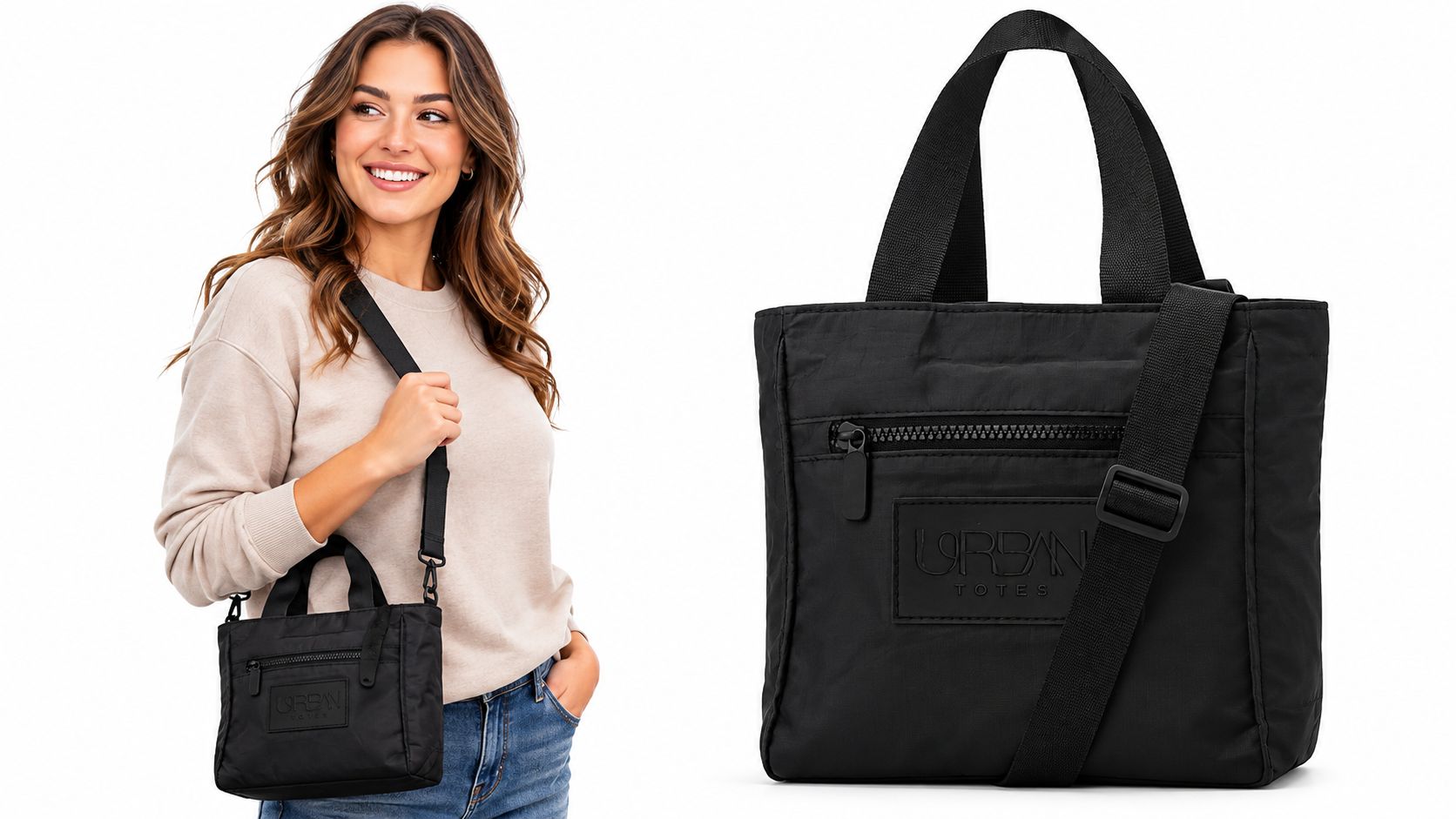
Accio's bag trend analysis notes that adjustability and multi-functionality are emerging purchase drivers, and that marketplace feedback on travel-oriented crossbody bags shows recurring complaints about strap design flaws affecting 11.3% of negative feedback. The strap, not the fabric, is where these bags fail.
| Situation | Strap Setting | Bag Placement | What to Check |
|---|---|---|---|
| Petite frame | Shorter adjustment | Sits at the hip | Strap does not drop below the waist |
| Tall frame | Longest setting | At the hip or just above | Strap does not ride up the ribs |
| Puffer or winter coat | Lengthen one notch | Outside the coat | Zip stays reachable |
| Moderate daily load | Length that keeps the bag close | Against the back or side | One shoulder is not pulled down |
| Laptop or other heavy load | Do not force a shorter strap | Move it out of the crossbody | Bag stays light enough for one shoulder |
| Switching shoulders | Re-set length after the swap | Zip faces forward on both sides | Bag stays level while walking |
Six steps to a fit you can walk in
- Put on the layer you wear most. A winter coat, not a T-shirt. If the strap only works over a thin top, it doesn't work.
- Set the strap so the bag rests at the hip or just above it. Higher than the hip and it crowds your ribs and elbow; lower and it swings into your thigh.
- Walk a few steps and watch the swing. The bag should settle, not pendulum. If it drifts forward, the strap is too long for your torso.
- Load it and recheck. A phone, keys, wallet and a small pouch change the drop by an inch or more. Adjust while it's full.
- Move it to the other shoulder. Confirm the zip faces forward and the quick-access pocket still lands under your hand.
- Walk a full block before you decide. A bag that photographs well in a doorway can be annoying by the end of the driveway.
Try it loaded, not empty. A crossbody that hangs level in the shop can pull sideways once there's a phone, a wallet and a water bottle inside.
Load matters as much as strap length. A peer-reviewed review of carrying mechanics found that carrying a load on one shoulder at 10% or 15% of body mass produced significant differences in shoulder and scapular asymmetry compared with an unloaded condition. A traditional backpack showed no significant difference from unloaded at loads up to 15% of body mass, while loads of 25% reduced transverse-plane shoulder range of motion during inclined walking. There's no universal safe weight for a crossbody, so keep this bag to the essentials and move a laptop to something with two straps.
A good fit has a signature: hands free, the bag in reach without looking, and no ache in one shoulder by lunch. If you feel a pull by mid-morning, the fix is less load or a strap re-set, and the guide to a crossbody bag adjustable strap covers the hardware side of that.
Sizing a Crossbody for Airports and Under-Seat Use
Build travel sizing around the tightest personal-item rule you might meet, not the average carry-on. American Airlines states that a personal item such as a purse or small handbag must fit beneath the seat and should not exceed 18 x 14 x 8 inches (45 x 35 x 20 cm), according to the American Airlines carry-on baggage policy.
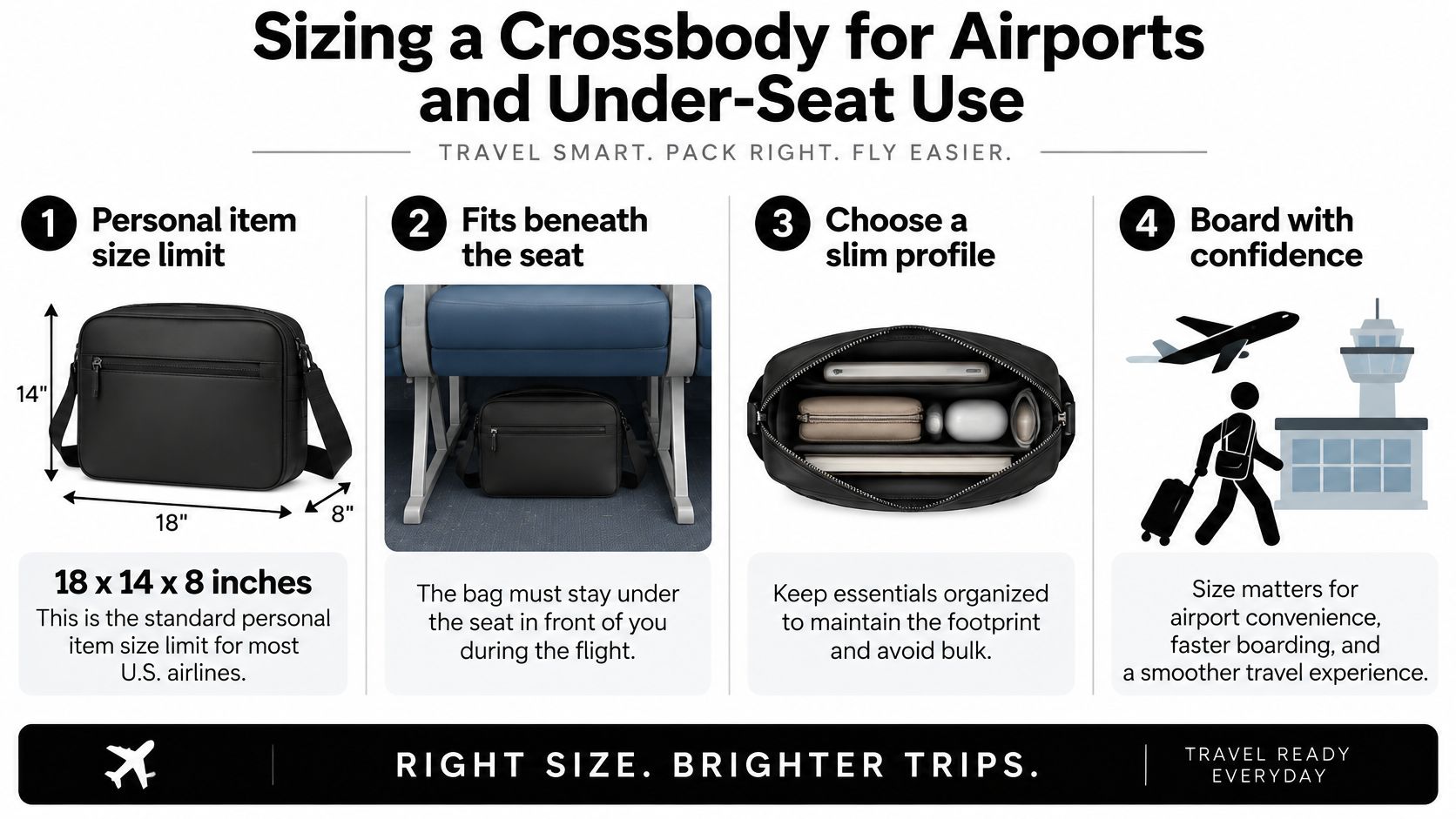
Carry-on limits run larger and are counted differently. Southwest's carry-on baggage policy allows one carry-on bag and one personal item, with a stated carry-on limit of 24 inches long by 16 inches wide by 10 inches high, and wheels, handles and attachments count toward those dimensions. Those are carrier-specific numbers. Check the airline you're flying, because a bag that boards smoothly on one is a judgment call on another.
What eats your clearance
Exterior pockets, zipper pulls, strap hardware and an overstuffed main compartment all consume the envelope even when the bag body looks compliant. Treat the 20-cm depth figure as a ceiling, not a target, because soft goods bulge under load and a structured-but-compressible shape fits under a seat more reliably than a rigid box.
Internal organization changes your real capacity too. Spreading a phone, charger, passport and documents across dedicated compartments reduces bulging and keeps the packed bag closer to its stated dimensions.
If you time your boarding group rather than fight for bin space, the Passport Premiere priority boarding explainer covers how that works and why it changes the airport math.
A four-step pre-flight routine
- Look up the personal-item size for the airline on your booking.
- Measure the bag packed, not empty, including the outside pockets.
- Move loose items into dedicated compartments so nothing bulges the silhouette.
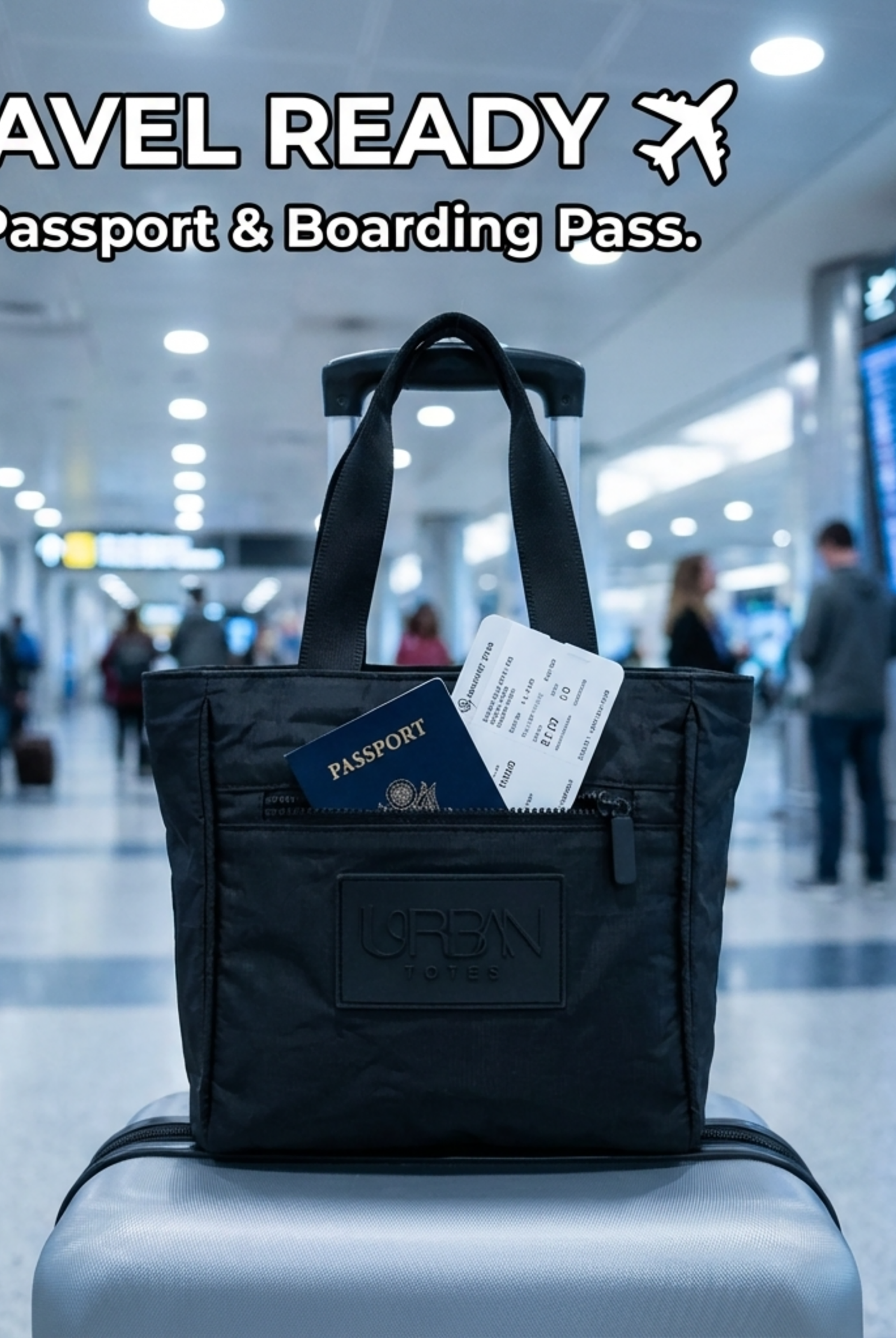
- Keep passport, boarding pass and phone in the pocket your hand finds without looking.
For the longer version of this calculation, the guide to what size bag fits under an airplane seat walks through the measurement.
Matching a Unisex Crossbody to Your Daily Scenes
A bag either fits your week or it doesn't, and the week is usually a mix of six scenes.
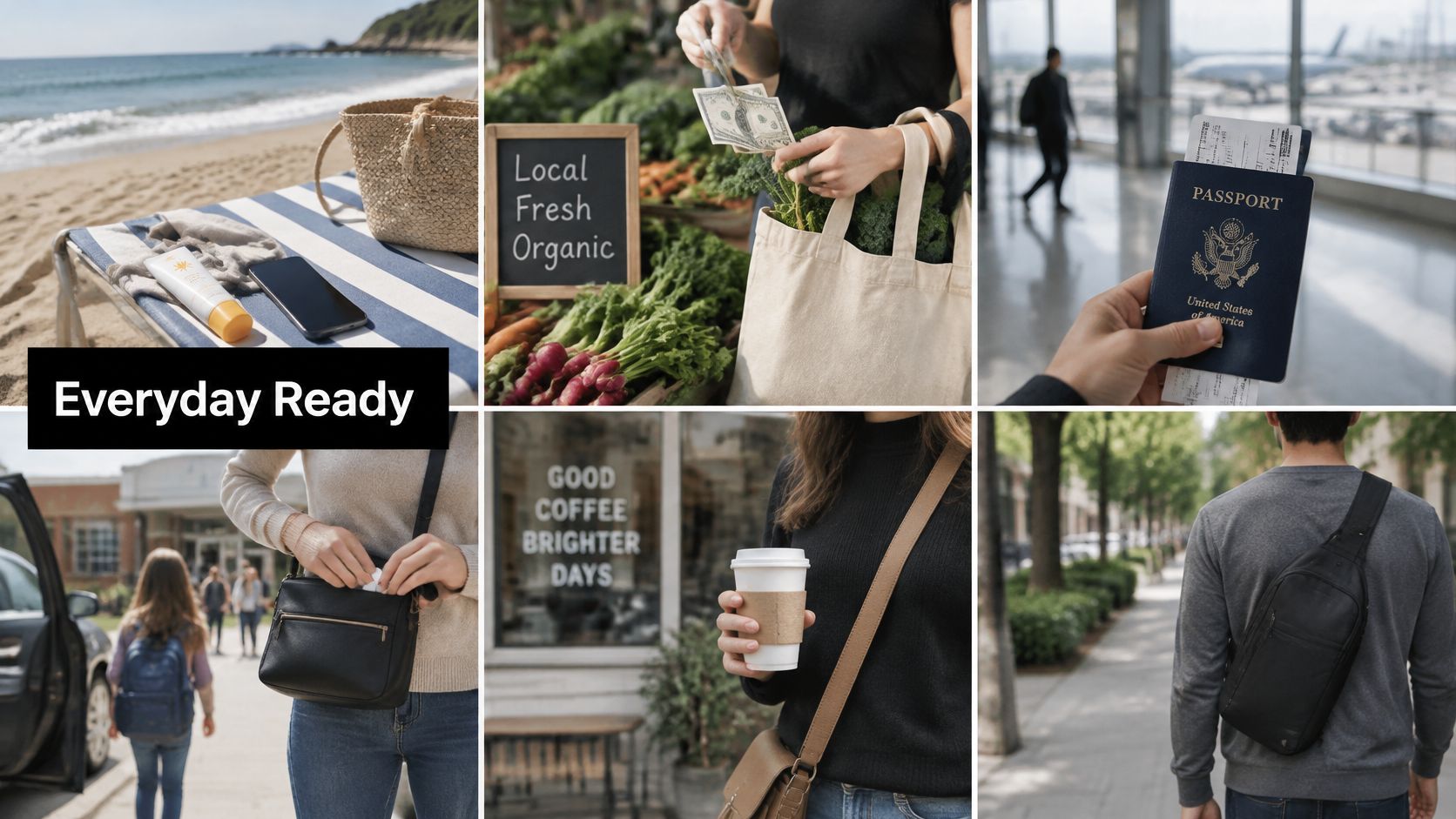
A folding beach chair, sunscreen with a sandy cap, a phone you're not going to leave in a tote on the sand. A farmers market on a Saturday where cash, a card and a folded reusable bag are all you need. An airport terminal where the passport and boarding pass have to be reachable in four seconds. A school drop-off where keys and a snack matter more than anything else in the bag. A commute with a laptop you should probably stop carrying on one shoulder. A gym run with a water bottle that leaks a little.
| Scene | What it carries | Feature to prioritize |
|---|---|---|
| Beach chair | Phone, sunscreen, keys, a card | Coated fabric that wipes clean |
| Farmers market | Cash, cards, a folded reusable bag | Quick-access outside pocket |
| Airport terminal | Passport, boarding pass, phone, charger | Under-seat footprint and a zip top |
| School drop-off | Keys, snacks, phone | Hands-free strap and one-hand closure |
| Daily commute | Phone, wallet, transit card, small pouch | Close-to-body fit |
| Gym or errands | Water bottle, keys, phone | Light body and a wipeable lining |
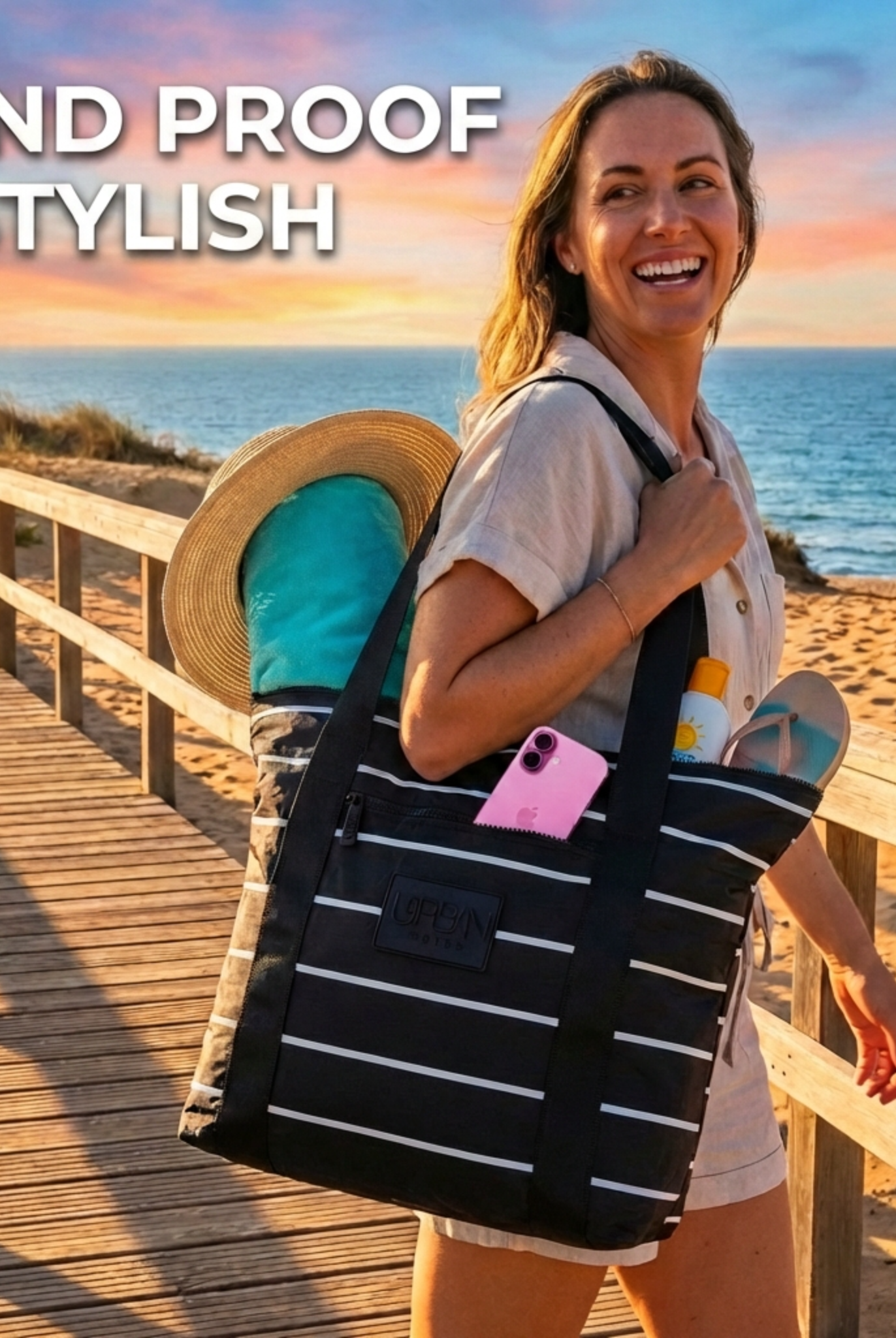
The beach-day mom needs a bag she can wipe down and fold into a tote when the sand gets in everything. A poor choice here is a pale untreated canvas that stains the first weekend. The weekend traveler needs under-seat size and a zip that stays shut in an overhead bin; too large a bag fails at the gate. The daily commuter needs the bag to sit close against the body so it doesn't swing into a turnstile or a stranger, and the wrong pick is anything with a strap short enough to crowd the ribs. For the office end of that, the guide to a crossbody work bag covers it.
The errand-runner wants one outside pocket for the phone and one inside zip for cards, and her failure mode is a single deep compartment where the keys sink under a receipt. The style-conscious minimalist wants a quiet palette and a clean shape, then discovers the bag is too heavy before it's too ugly.
If a trip is on the calendar, the 2026 Spain packing edit from Northern Spain Travel is a useful cross-check on what a travel-day bag has to hold.
Pick the scene you live in most often and let it set your priority list. If three of your days look like school drop-off, buy for that, not for the vacation you take twice a year.
Pick the Bag That Already Passed
The bag worth buying has already cleared your checks, so run the verdict in one pass. It passes the five design principles. Its material matches the weather you go out in. The strap sits level on your torso in the coat you wear most, with the bag at the hip and the zip facing forward on both shoulders. And the packed bag fits the personal-item limit you measured for your airline.
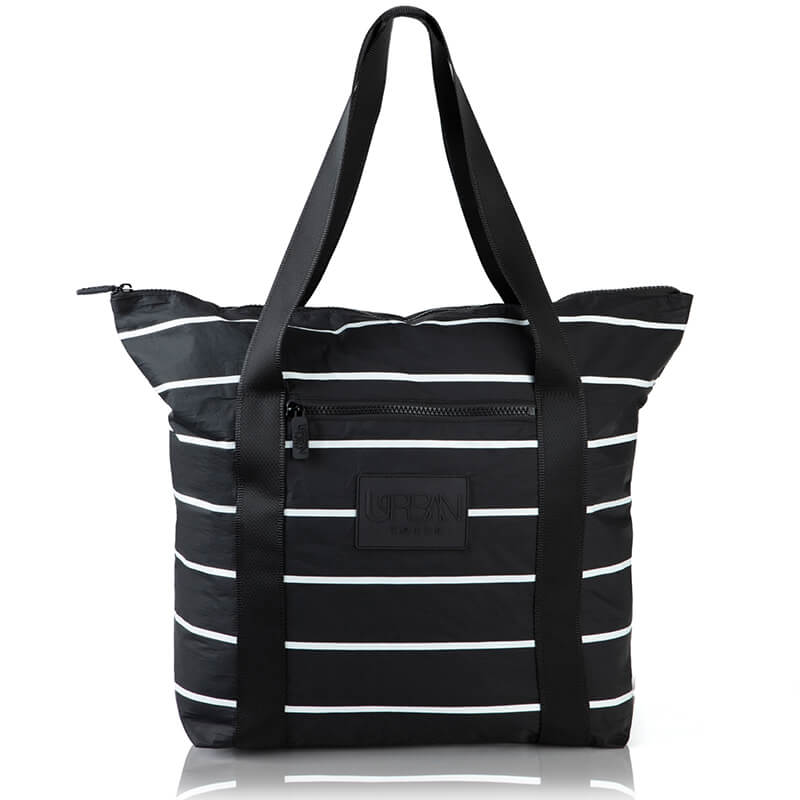
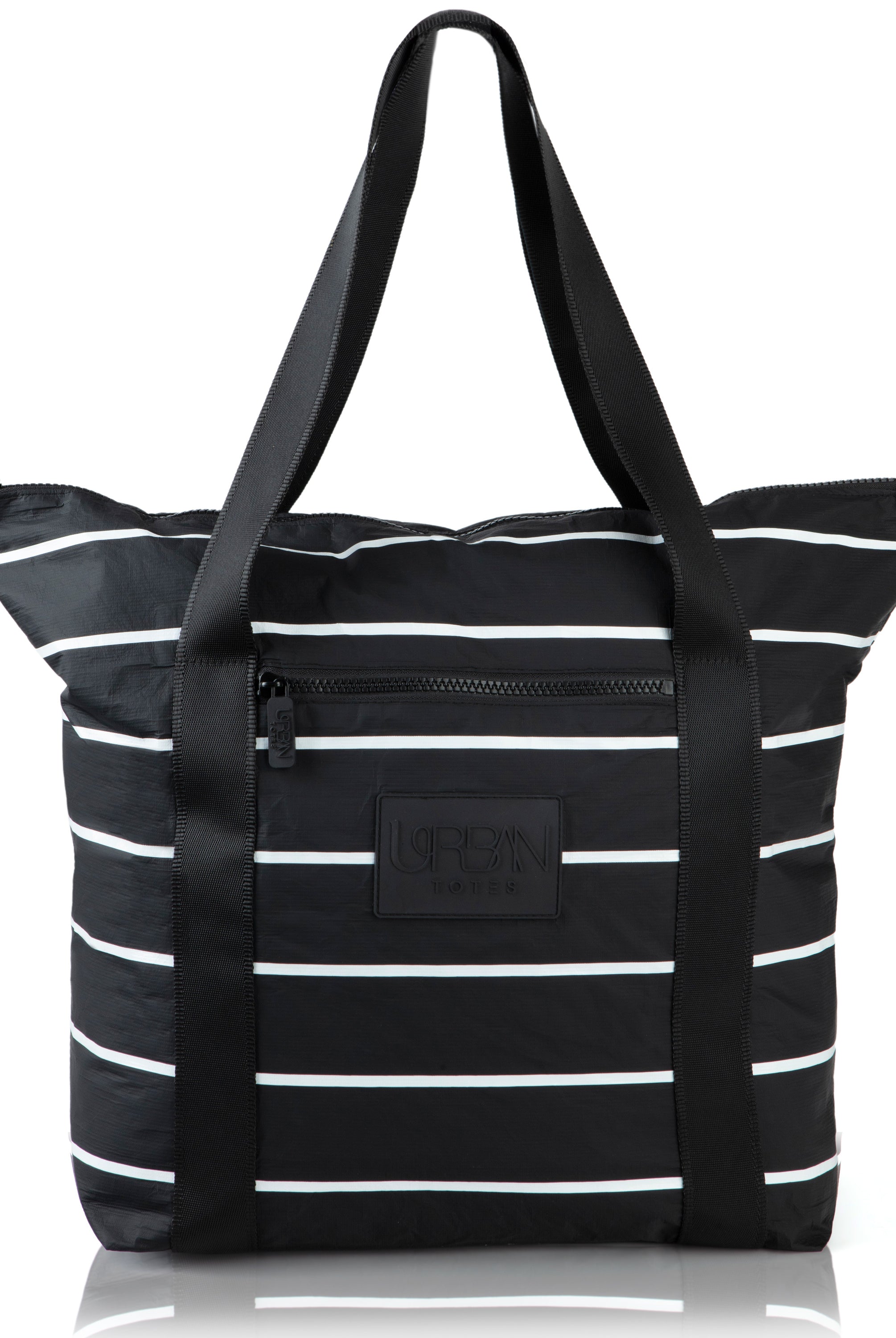
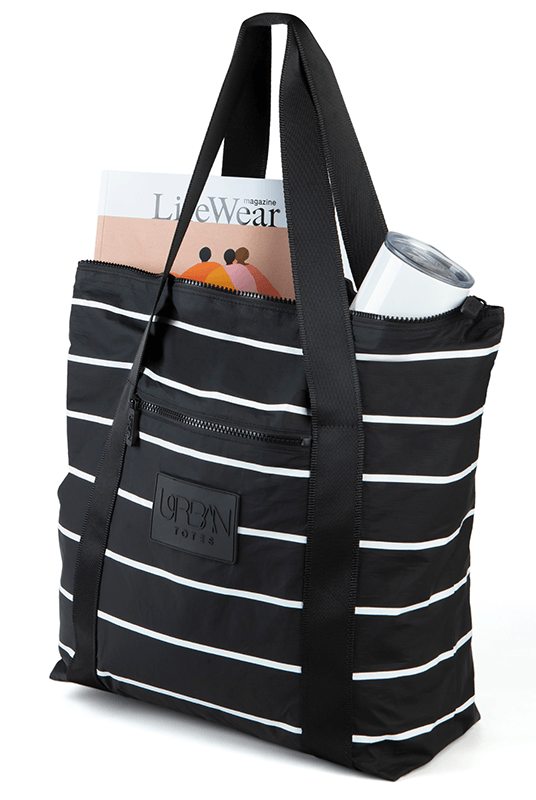
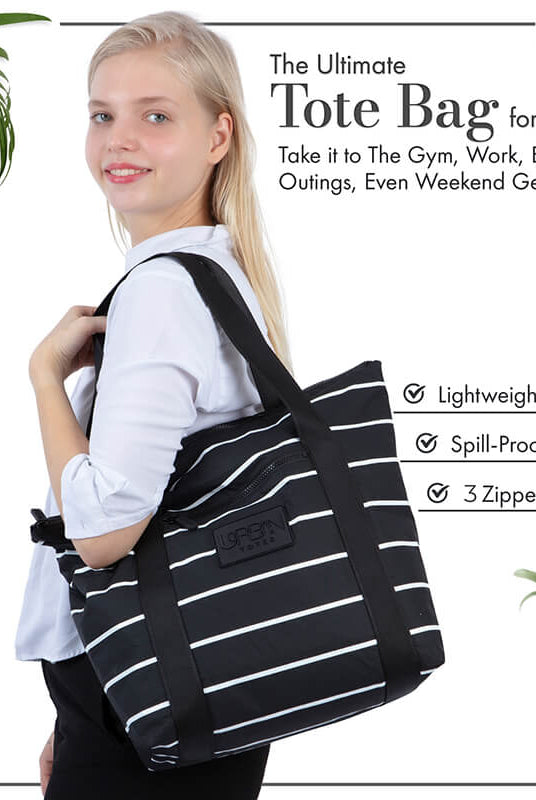
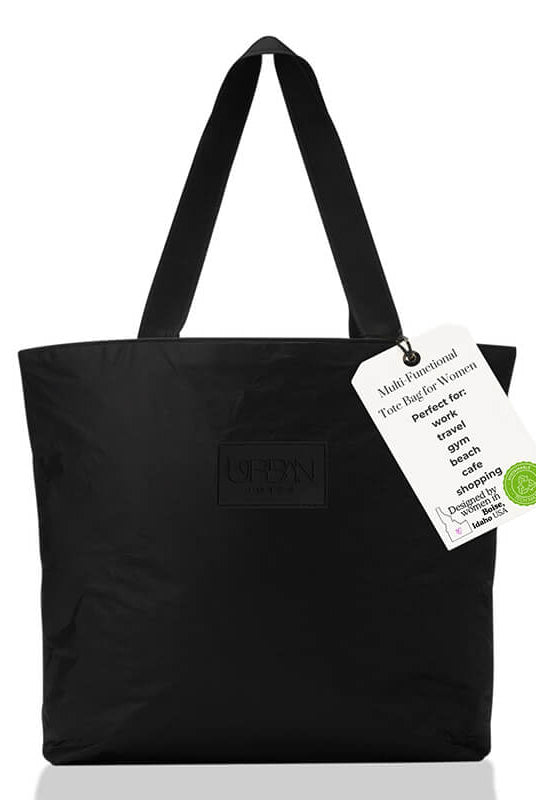
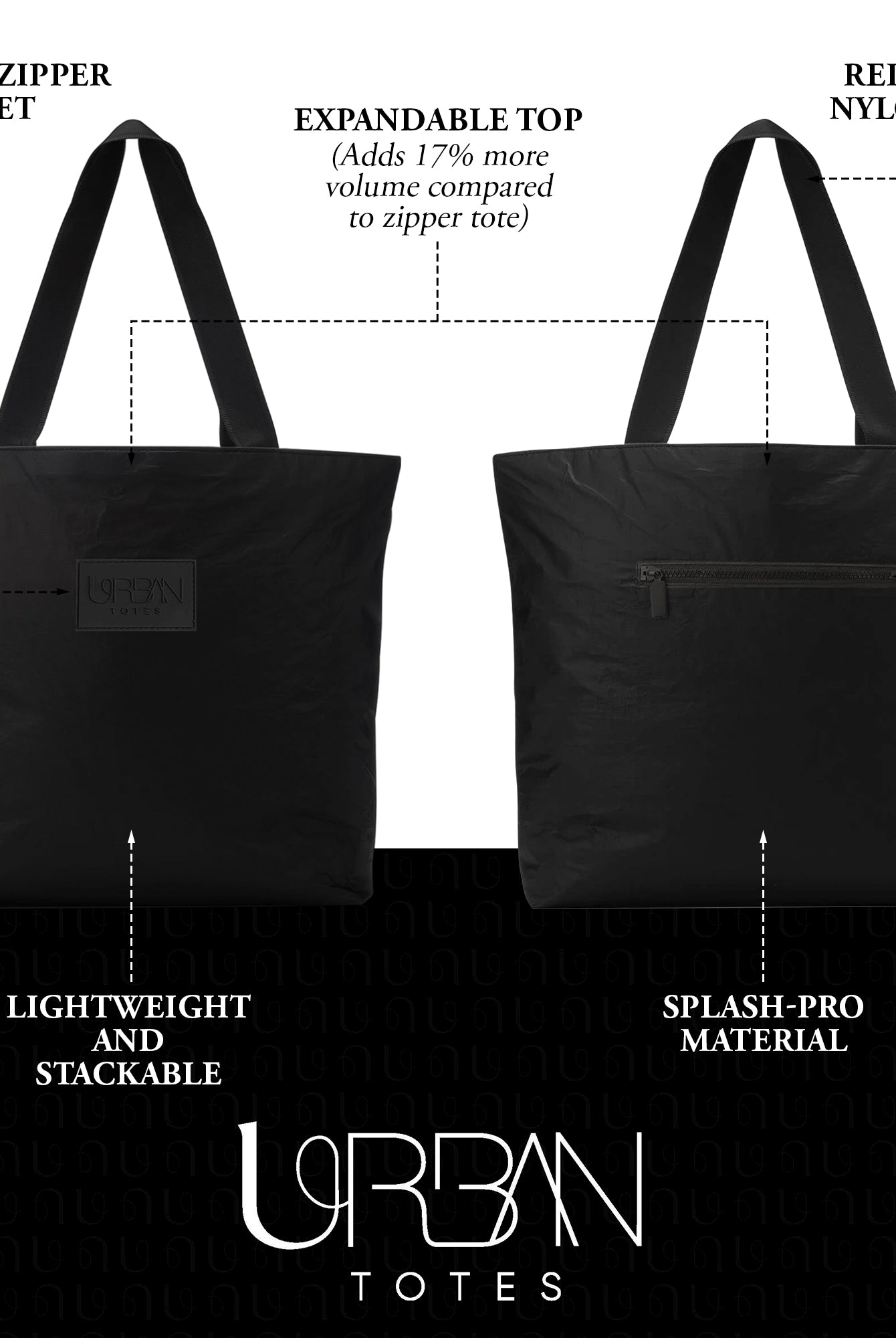
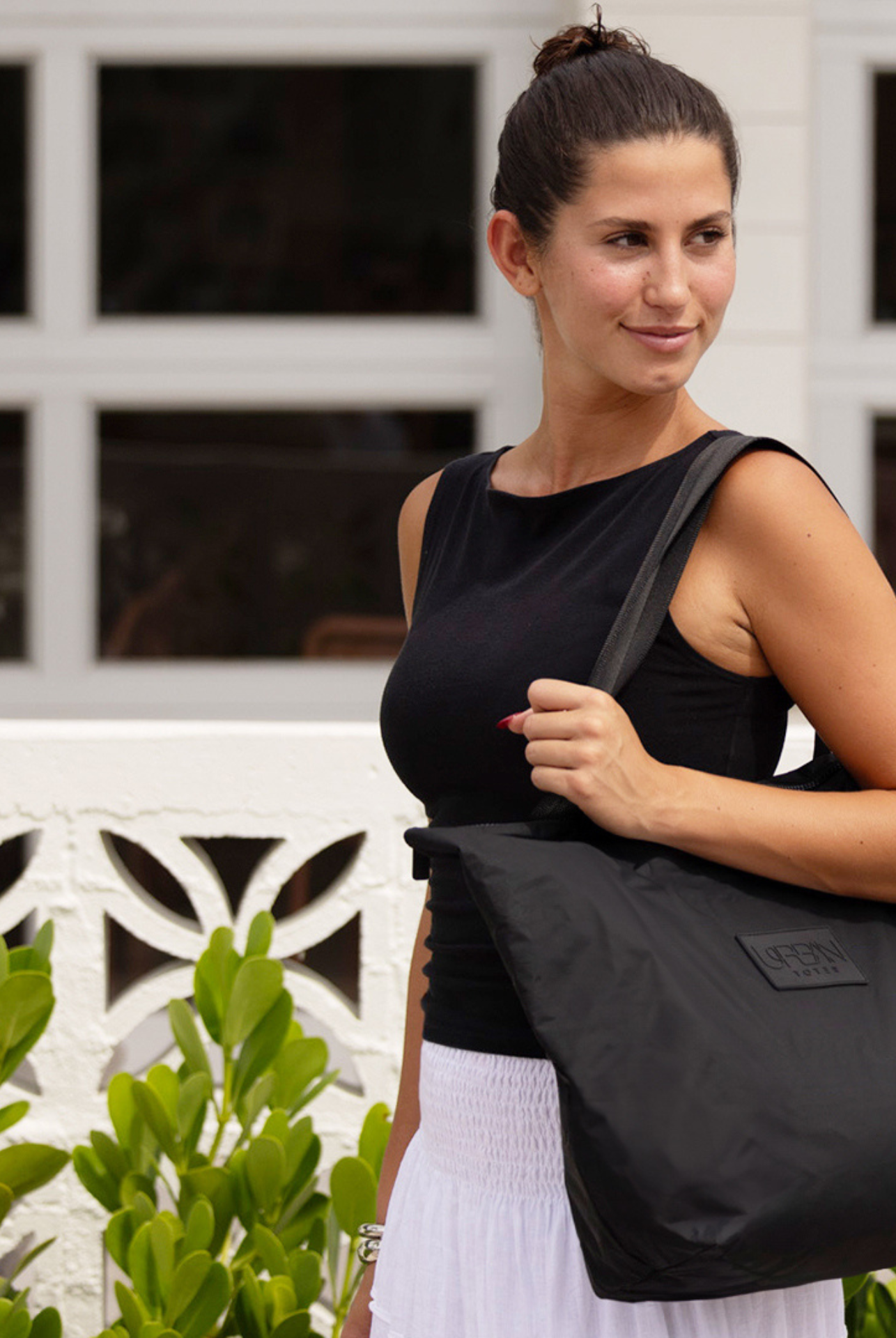
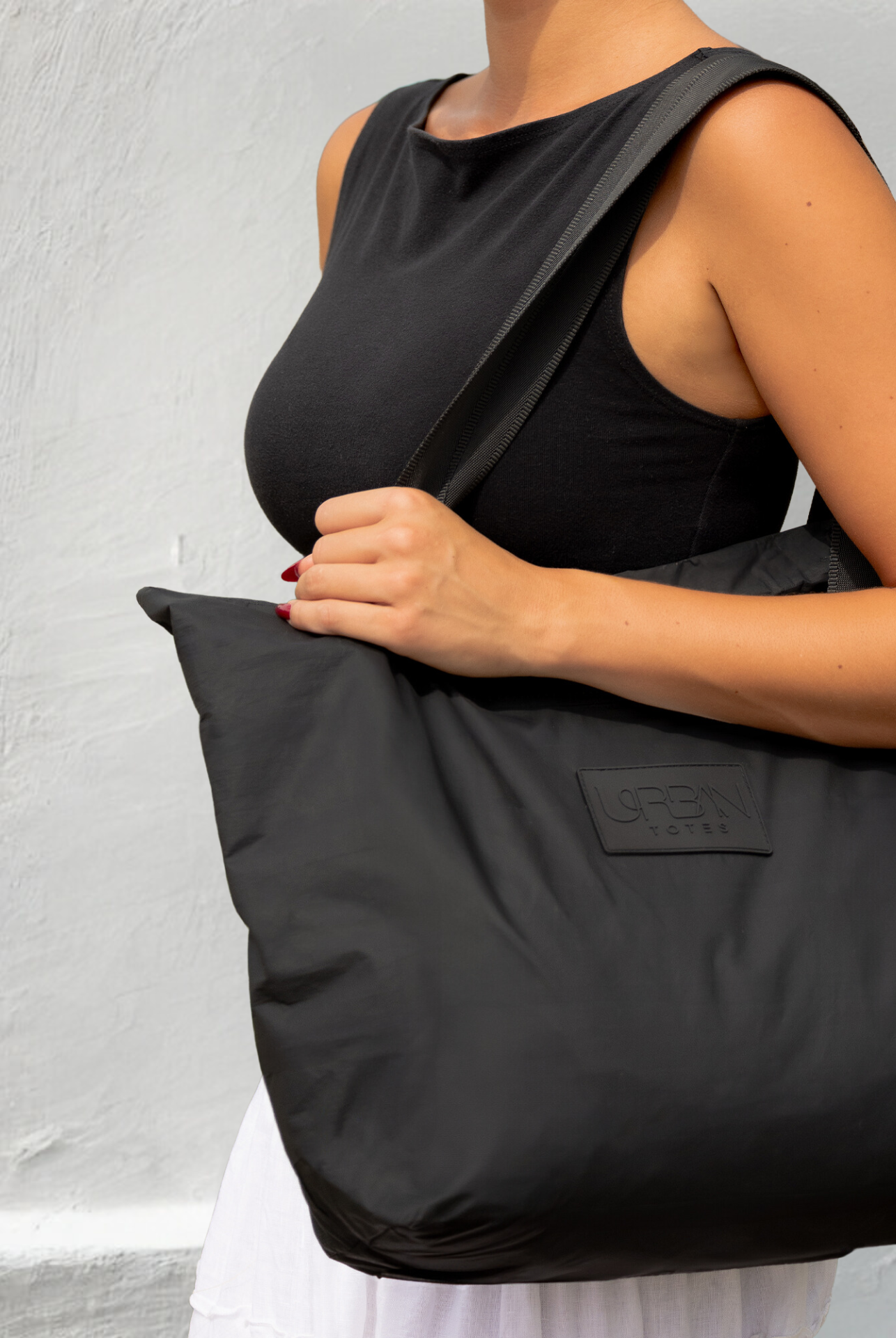
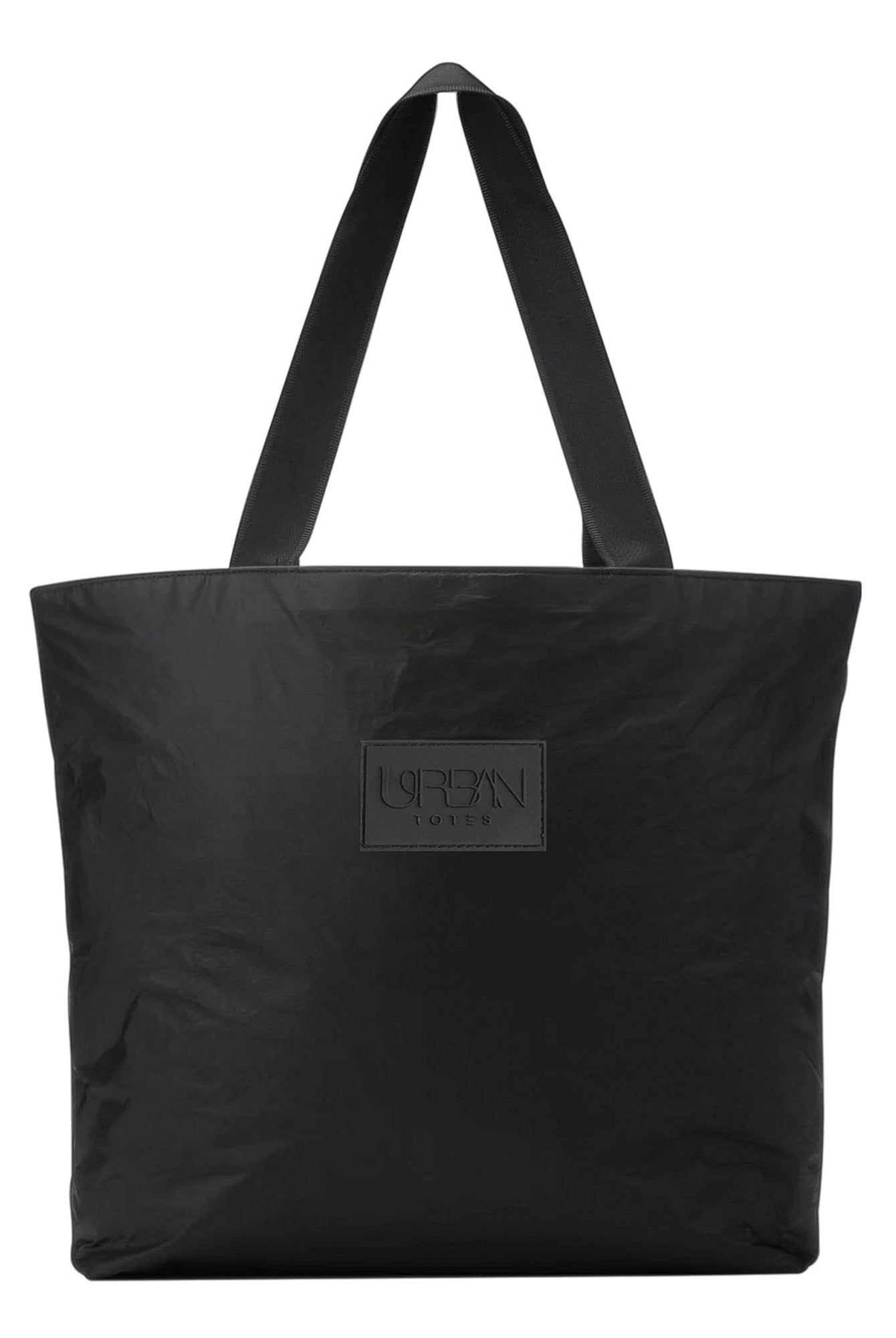
Urban Totes is a woman-owned brand in Boise, Idaho, built on the idea that everyone deserves a bag that fits their lifestyle. The crossbody pieces use water-resistant fabric for spills and drizzle, a lightweight body that's packable and folds flat, zipper closures, and smart compartments that give a phone, keys, wallet and a small pouch their own place. The same bag handles school drop-off, a market stall, an airplane seat and a beach chair.
One honest limit: water-resistant covers light rain and surface moisture. It doesn't mean the bag can be submerged, and it doesn't promise your electronics stay dry in a downpour. Another: no crossbody fits every body until you set the strap for yours, with the bag loaded, on both shoulders. Do that once and the bag stops being a variable in your morning.
Shop the full Urban Totes collection and take on whatever the day brings.
Urban Totes designs lightweight, packable totes and crossbodies in Boise, Idaho, with water-resistant fabric, zip closures and compartments that keep a phone, keys and wallet exactly where your hand expects them. If this guide left you with a checklist, bring it to Urban Totes and match it against the full collection, then reset the strap with the bag loaded before your first morning out. Go anywhere, tote everything.