Cold mornings make outerwear decisions feel more important than they should. You're loading the car, balancing coffee, answering a text, and trying to zip a coat that keeps you warm without turning every movement into a small wrestling match. The wrong coat looks polished on the hanger, then fights you the second you reach for a tote, climb subway stairs, or buckle a child into a car seat.
That's why long quilted coats for women keep showing up as the coat people live in. They offer coverage, insulation, and a cleaner silhouette than many bulkier winter options. Done well, they feel light enough for a real day in motion and refined enough to wear from school drop-off to a work meeting to a weekend train platform.
The challenge is that not every long quilted coat is practical. Some feel roomy until you add a sweater and a bag. Some look sleek until you sit down. Some handle cold air well but lose their shape in damp weather. The sweet spot is a coat that stays warm, moves easily, and still looks intentional.
Table of Contents
- The Search for a Warm and Workable Winter Coat
- The Anatomy of a Perfect Quilted Coat
- Finding a Fit That Moves With You
- From Commute to Weekend Your Go-Anywhere Coat
- Effortless Styling with Your Quilted Coat
- Caring for Your Investment and Final Thoughts
The Search for a Warm and Workable Winter Coat
The coat problem usually starts before sunrise. You step outside and want full coverage, but you also need to drive, walk, carry things, and sit down like a normal person. A lot of winter coats handle one part of that list well. They're warm, or they're stylish, or they're easy to move in. Finding one that does all three is where the search gets frustrating.
Long quilted coats for women sit in that useful middle ground. They feel more polished than purely sporty outerwear and less fussy than structured wool when the day includes real movement. You get warmth without the visual heaviness of a giant padded shell, and you can usually build an outfit around one without overthinking it.
The biggest mistake is choosing a coat for the mirror instead of your routine. If your mornings involve lifting groceries, carrying a laptop, pushing a stroller, or weaving through a crowded train platform, the coat has to cooperate. It can't just look sleek standing still.
A good winter coat should help your day run smoother. It shouldn't ask you to move differently.
That's part of why quilted outerwear has lasted. It feels classic, but it also solves a practical problem. If you like a softer, more textural winter wardrobe overall, it's also worth browsing luxury faux fur styles for contrast, especially if you're deciding what role your quilted coat should play beside dressier outerwear.
When a coat starts working harder
A workable long coat usually does a few quiet things right:
- It layers without a fight. You can wear a knit underneath and still zip it smoothly.
- It carries well with a bag. The shoulder area doesn't bunch the second you add a tote.
- It sits well in motion. Walking, driving, and stair climbing don't feel awkward.
- It keeps its shape. The coat still looks composed halfway through the day.
That combination is what turns a coat from a seasonal purchase into a daily uniform.
The Anatomy of a Perfect Quilted Coat
A long quilted coat earns its place by balancing insulation, weather protection, and movement. Good construction usually comes down to three working parts: the outer shell, the insulation, and the lining. Quilting stitches those layers together so the fill stays distributed instead of sliding into cold, uneven patches.

Why quilting works in the first place
Quilting gives a coat shape, but the bigger benefit is control. The stitched channels or diamond pattern help hold insulation in place, which keeps warmth more consistent across the body. That is why a well-made long coat can feel warm without turning stiff or oversized.
Materials decide how that warmth shows up in real life. Nylon and polyester shells are common because they handle abrasion well and can offer light weather protection. Lining fabric affects how easily the coat slides over sweaters and whether the sleeves feel comfortable by midday. Fill matters most for wear pattern. Synthetic insulation is usually easier to live with for commuting, daily errands, and regular washing. Down feels lighter for the warmth, but it can be less forgiving in damp conditions unless the shell and finish are doing their part. Wool blends add polish and texture, though they often change the drape and add weight.
Practical rule: If the shell, fill, and lining are not working toward the same purpose, the coat will feel off no matter how good the quilting looks on the hanger.
How to read materials without getting distracted by marketing
Start with the shell. It sets the tone for both weather performance and how the coat looks with the rest of your wardrobe. A matte shell usually reads cleaner and more understated. A slight sheen often feels sportier. Both can work. The better choice depends on whether your coat needs to spend more time over office clothes, denim, knit sets, or weekend sneakers.
It also helps to know the difference between water-resistant and waterproof fabrics. That distinction matters with long coats because extra length means more exposure to wet benches, car doors, slushy hems, and surprise drizzle. For dry cold, light water resistance may be enough. For a stop-and-start day that includes transit, school drop-off, and errands, better shell protection saves a lot of annoyance.
Use this quick check when comparing coats:
| Component | What to look for | What can go wrong |
|---|---|---|
| Outer shell | Smooth finish, comfortable hand feel, weather protection that fits your climate | Stiffness, noisy fabric, quick wet-out |
| Insulation | Even fill, reliable warmth, bulk level that matches your routine | Too much volume, cold spots, bunching over time |
| Lining | Easy layering, sleeves that glide over knits, no cling | Twisting layers, static, friction through the arms |
| Quilting pattern | Consistent stitching that keeps fill in place | Lumpy sections, flat areas, uneven wear |
Closures deserve more attention than they usually get.
On a long coat, a two-way zipper is often the more practical choice because it gives you room to sit, drive, or take stairs without fighting the hem. Snaps look neat and can be useful for quick on and off, but they do less on their own to block wind if the placket is thin or poorly finished. A storm flap, knit cuff, or high collar can matter just as much as the insulation when the weather turns sharp.
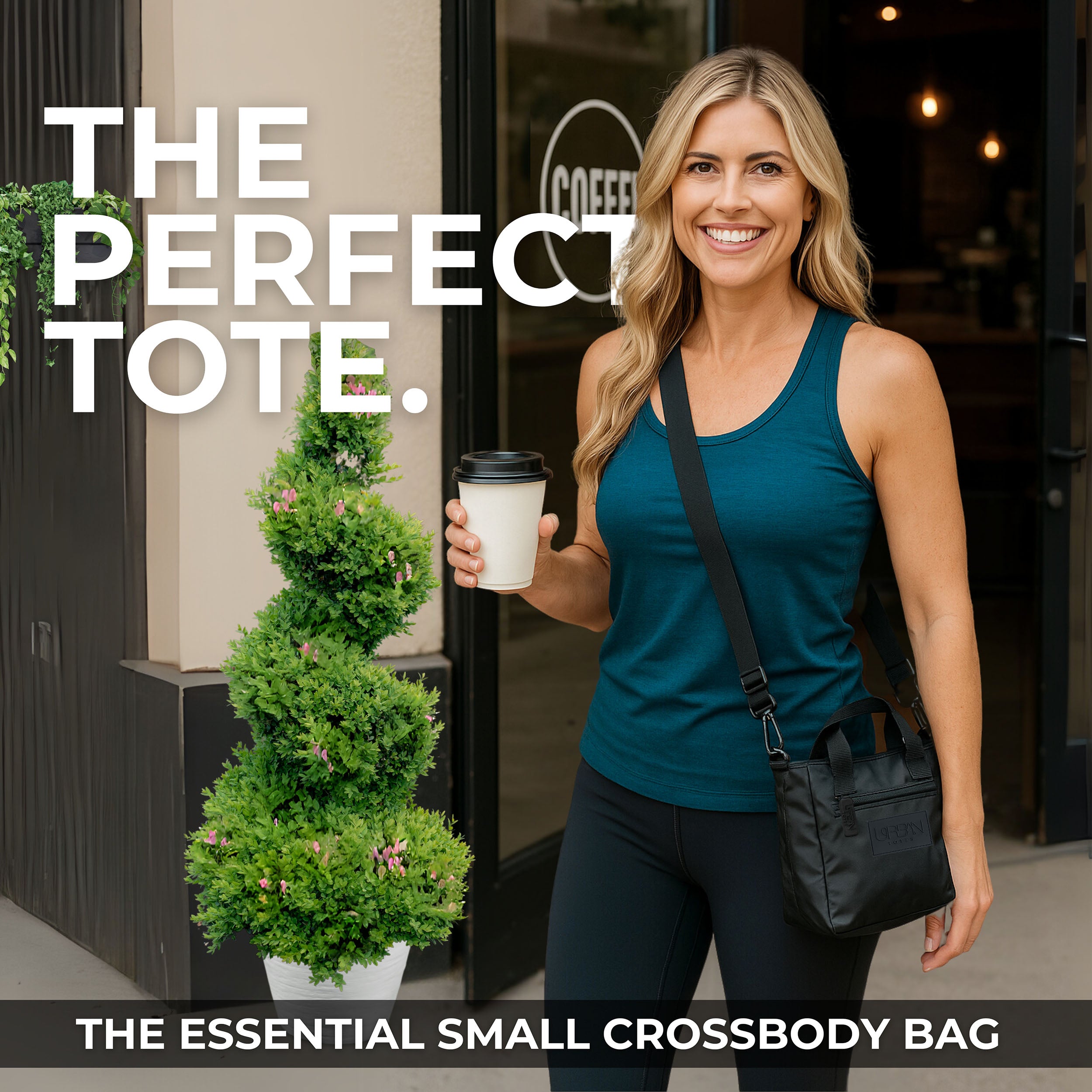
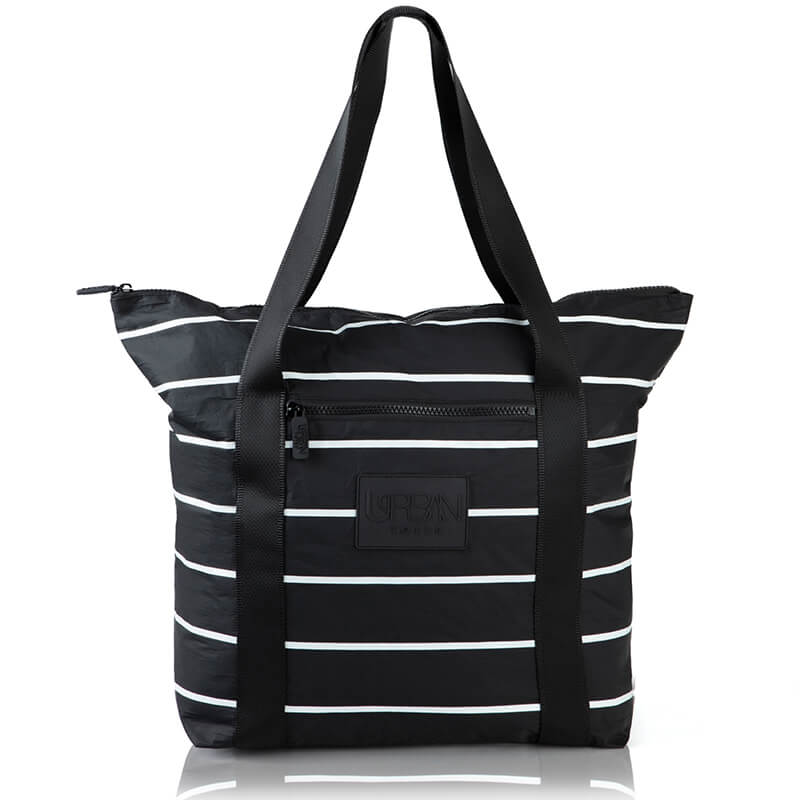
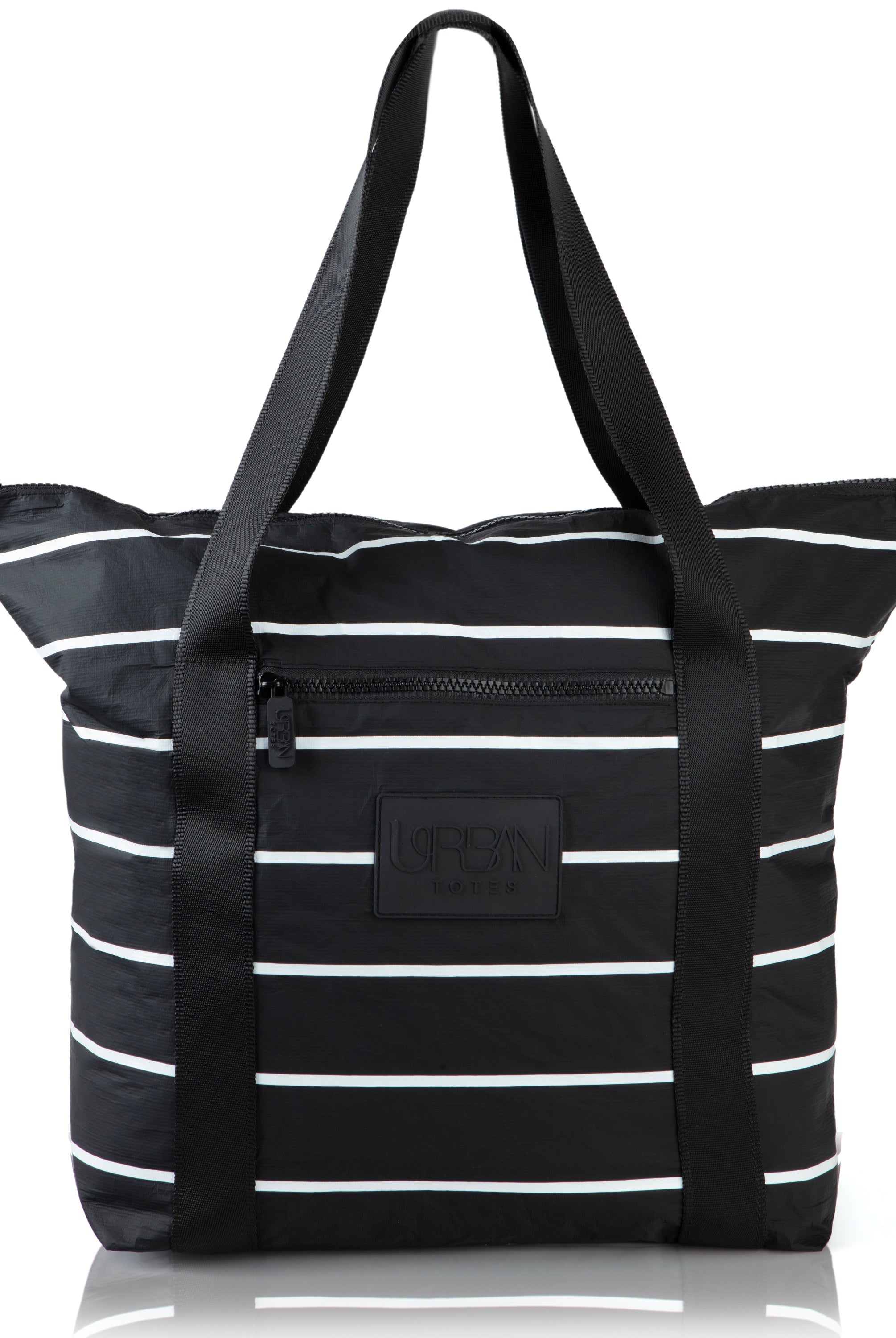
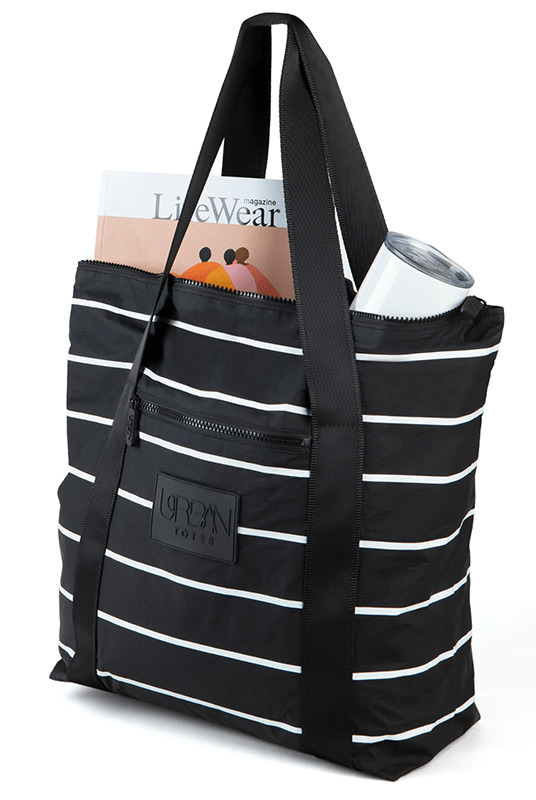
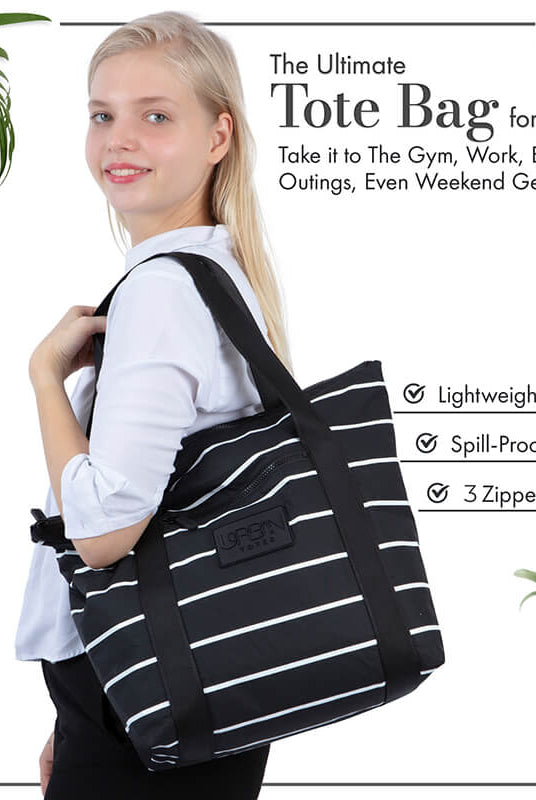
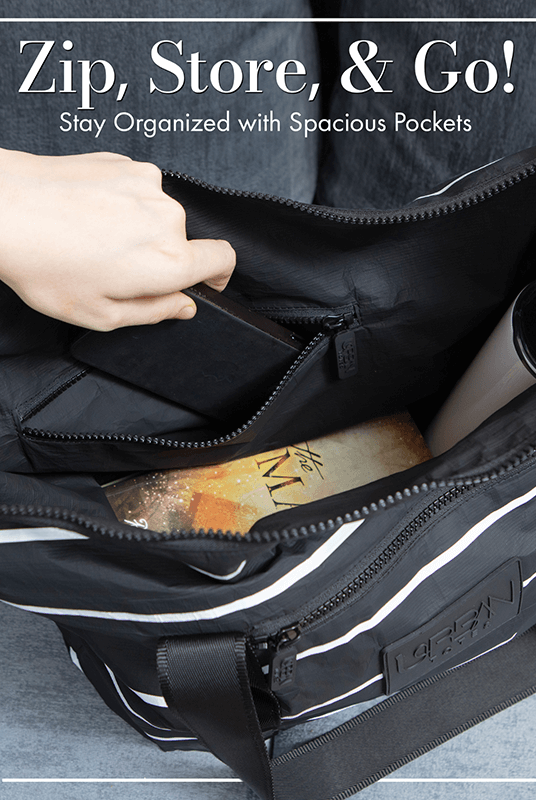
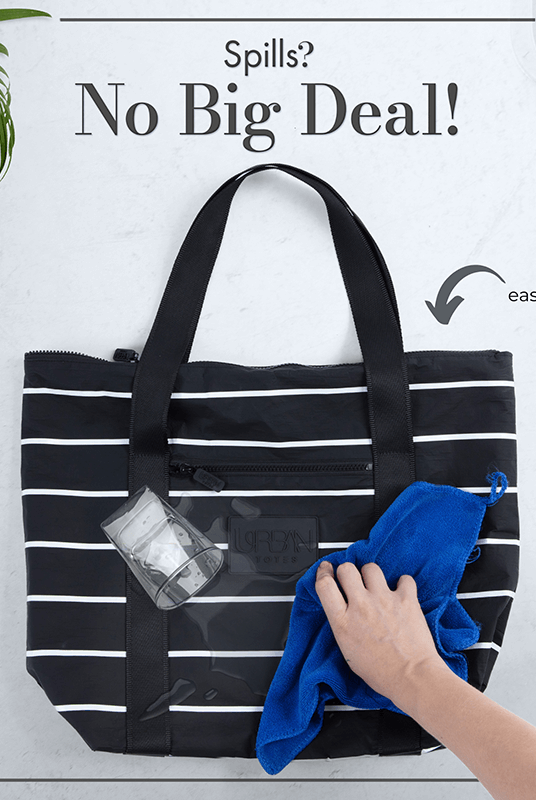
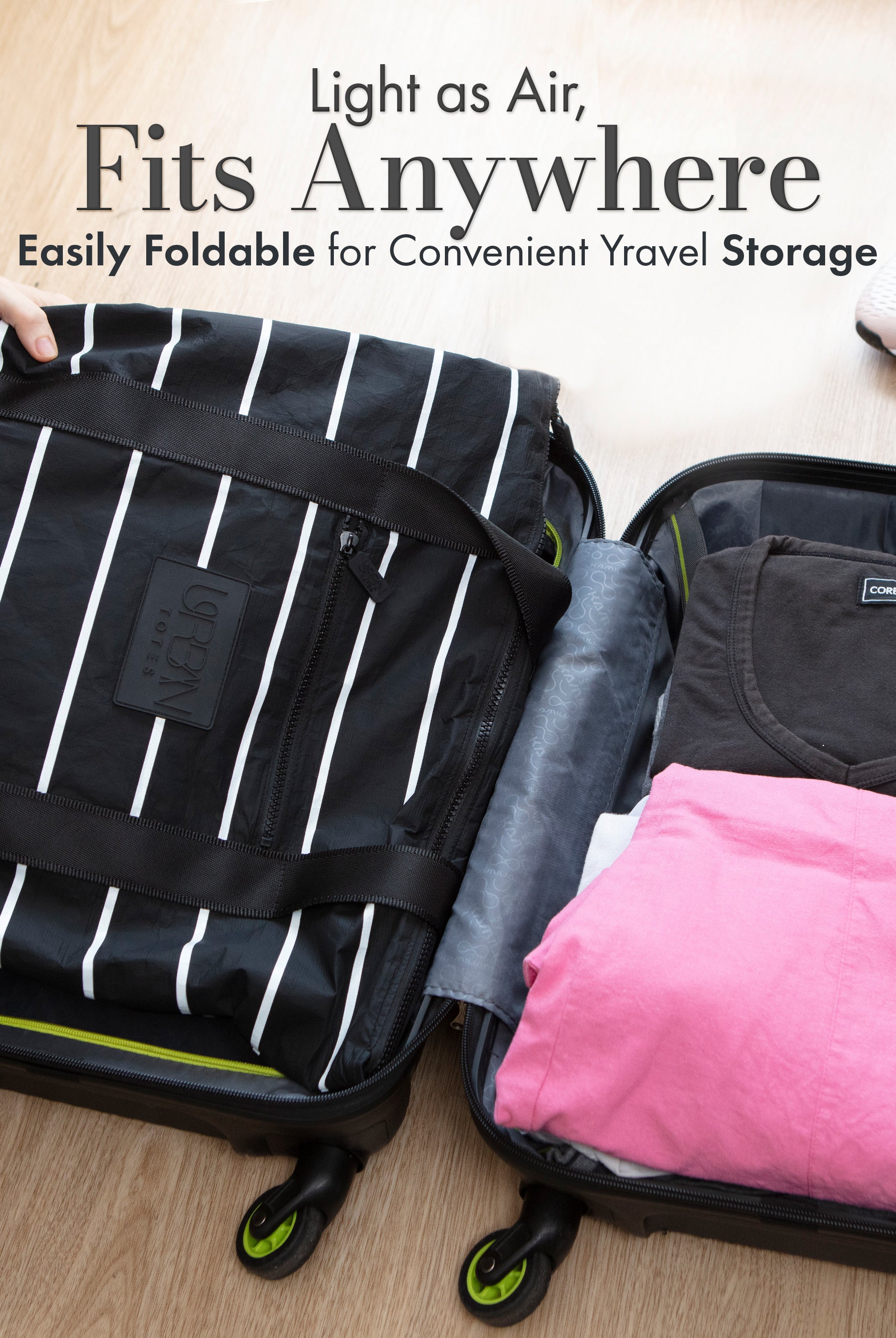
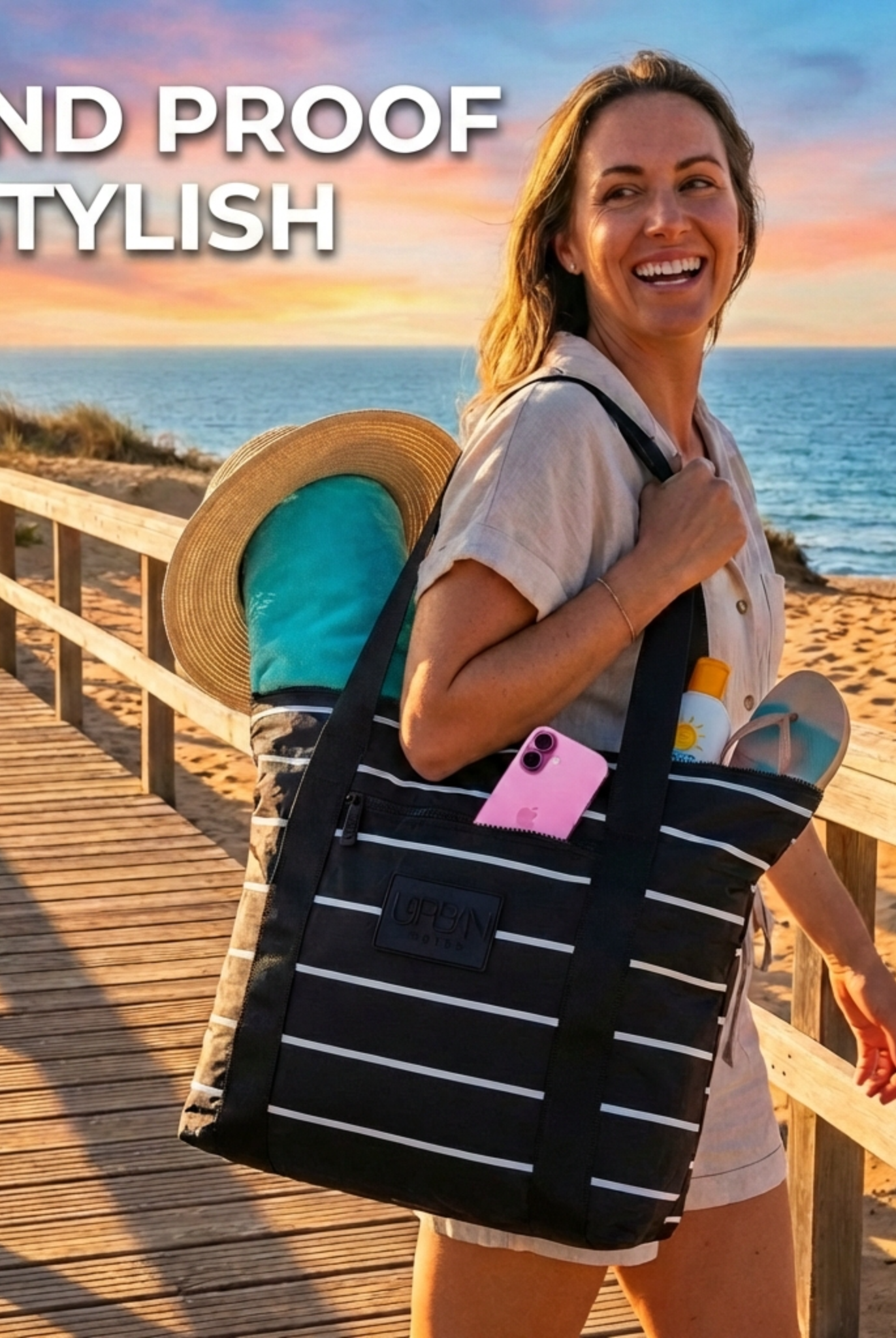
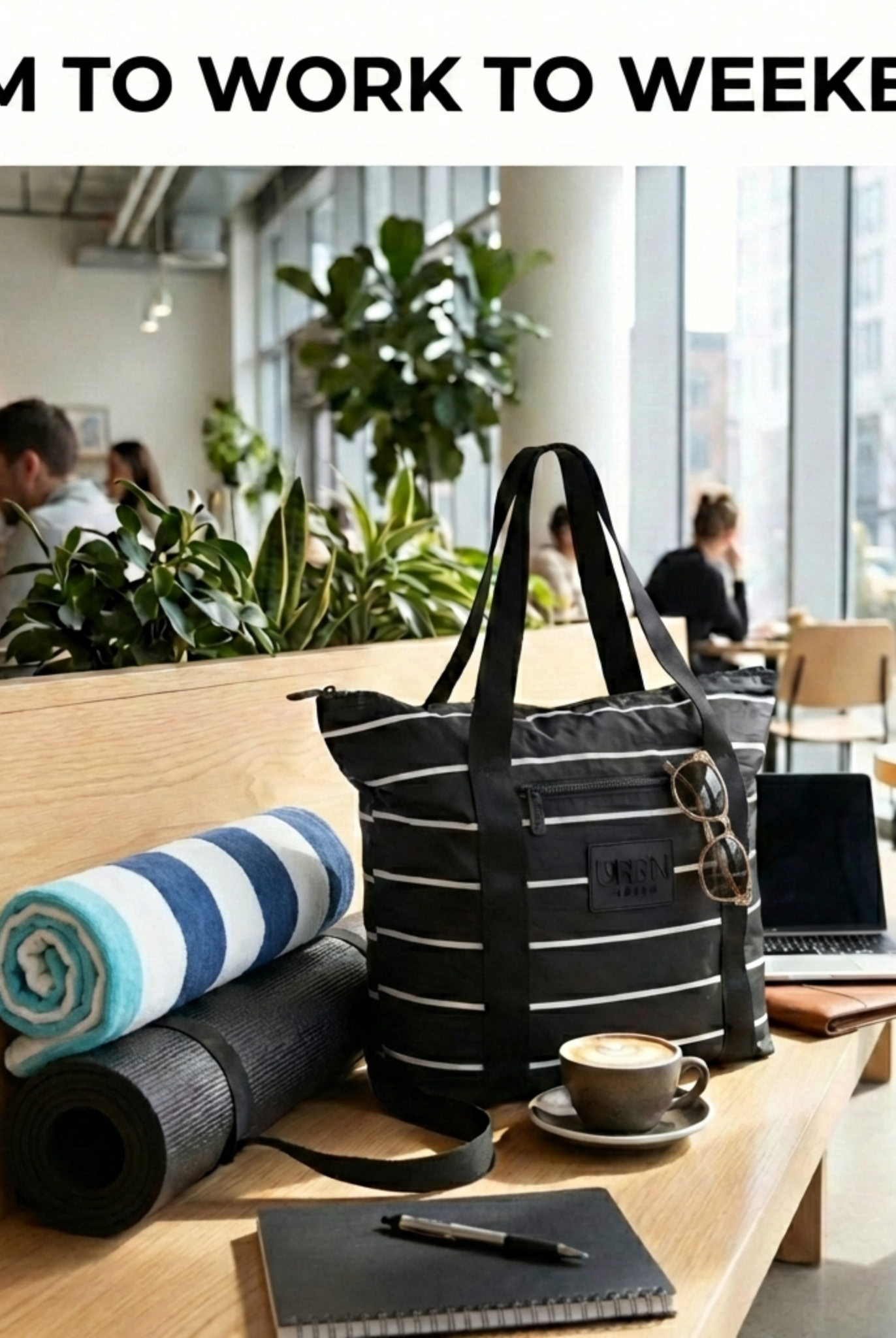
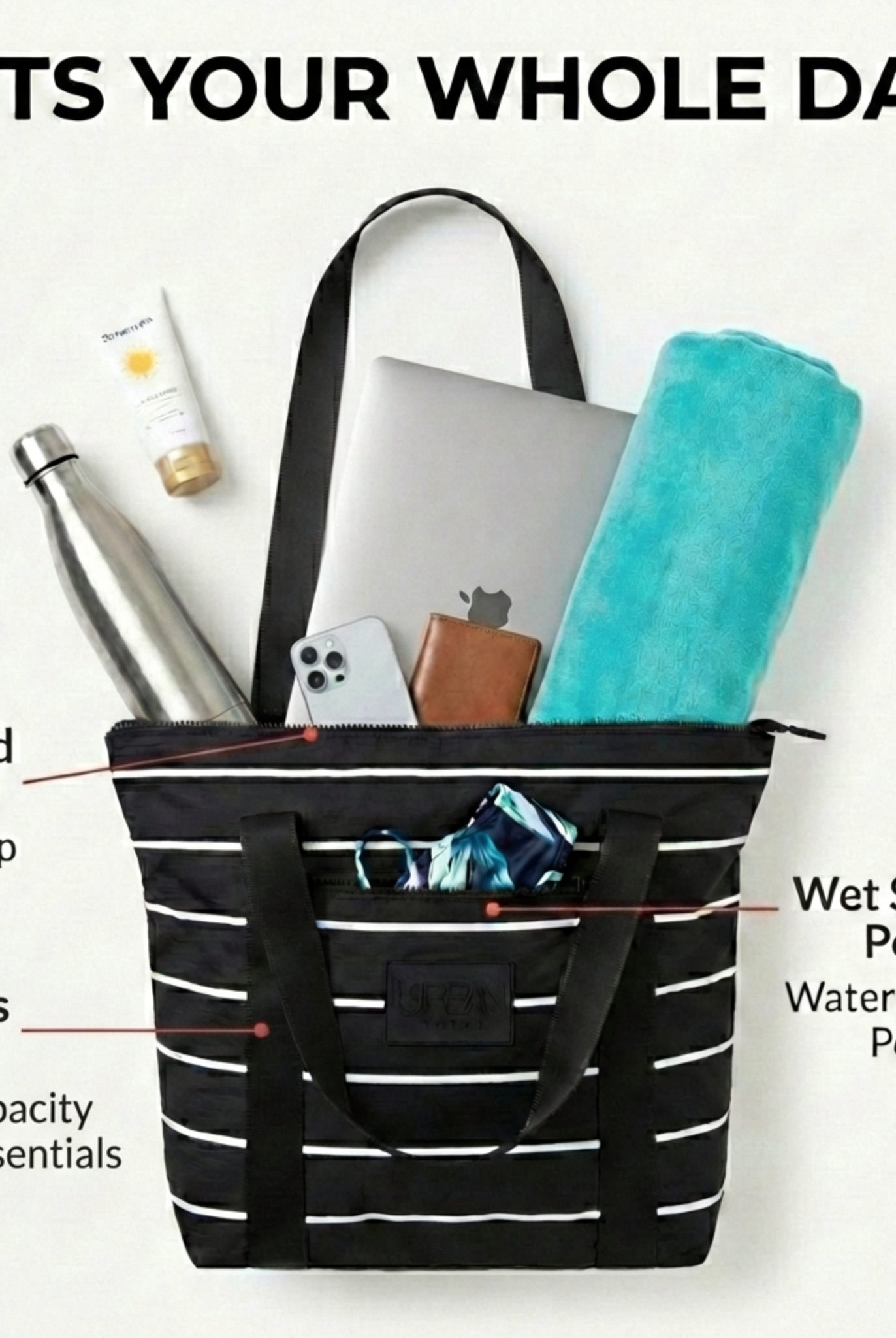
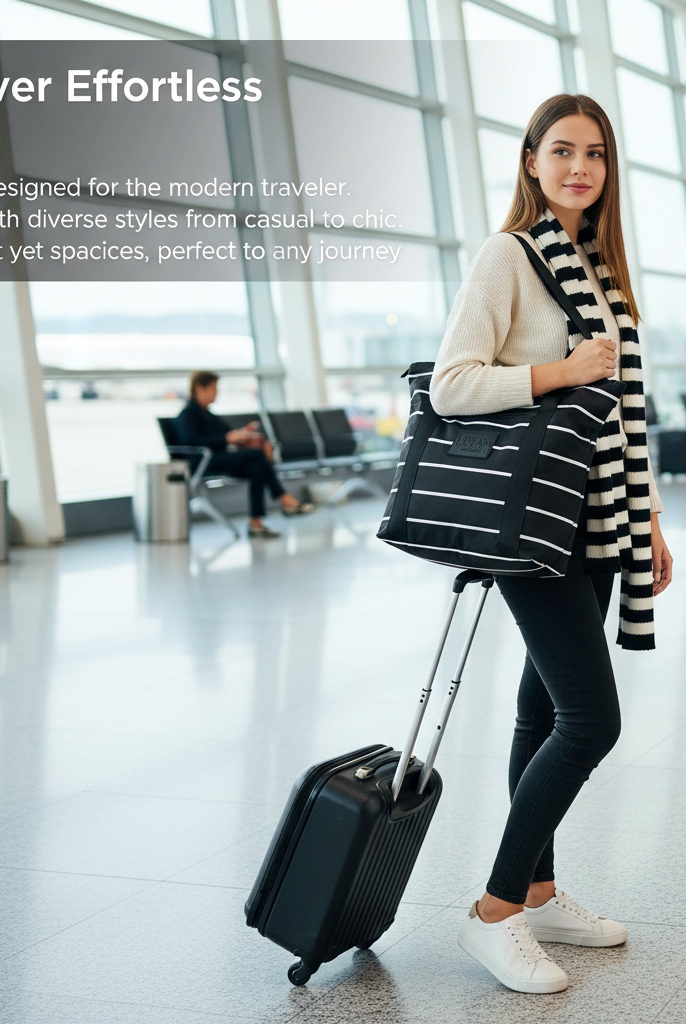
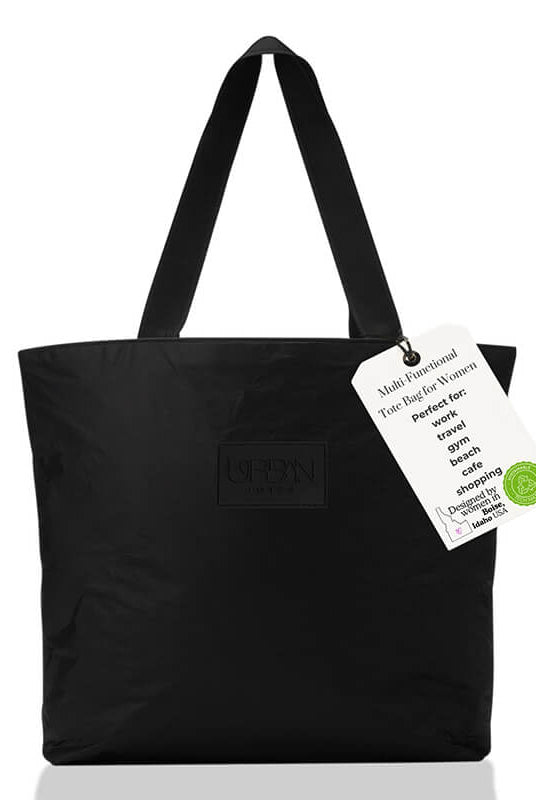
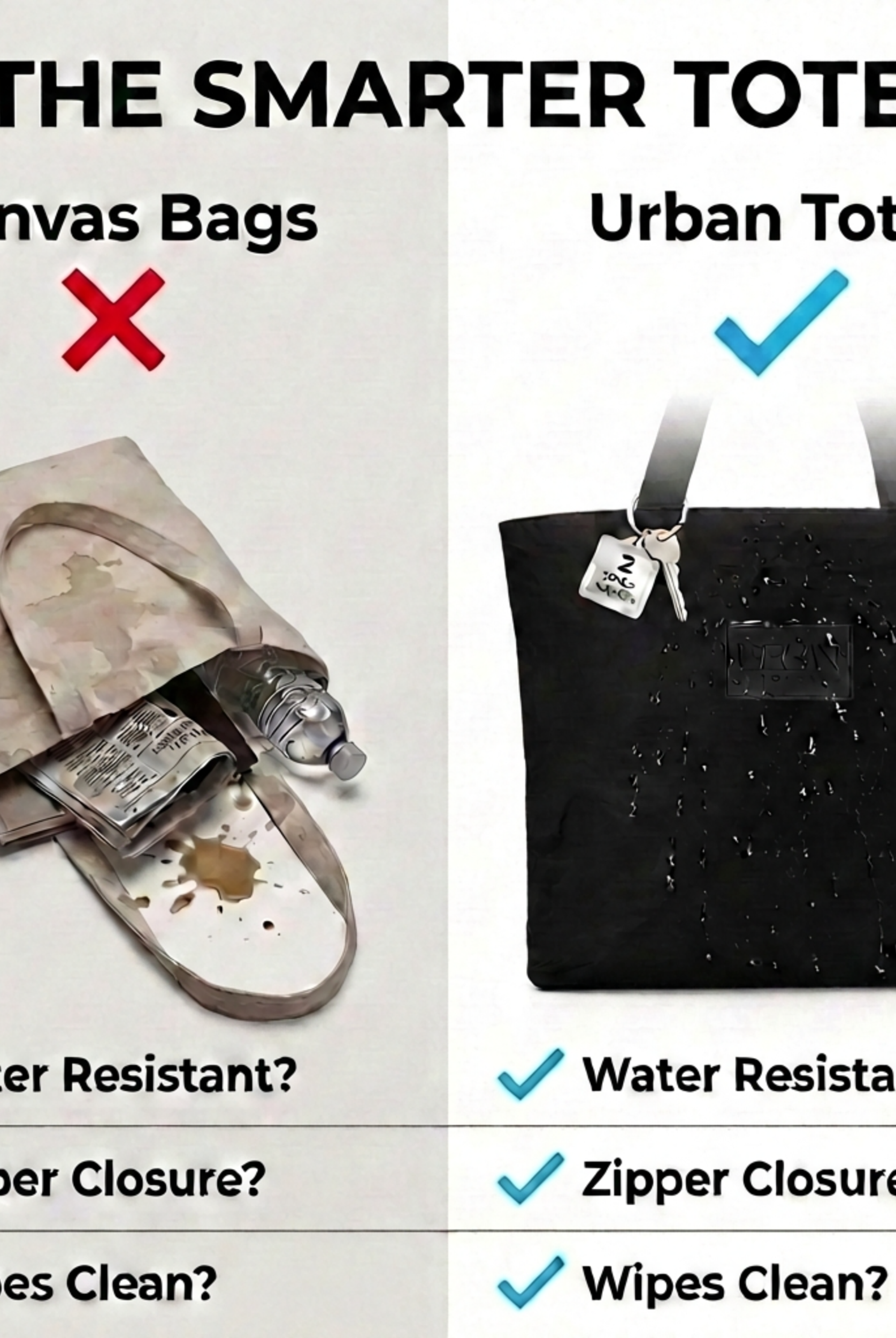
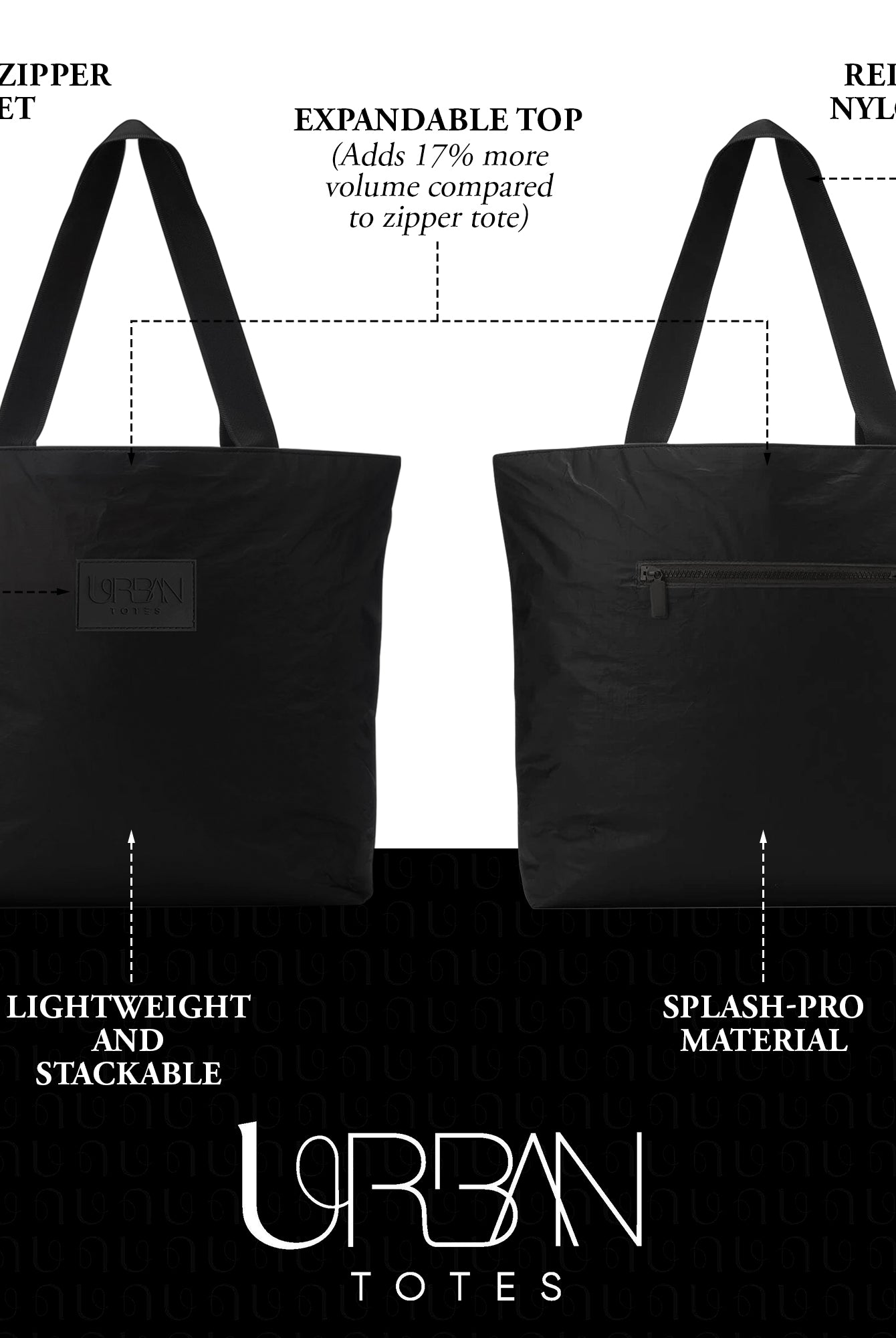
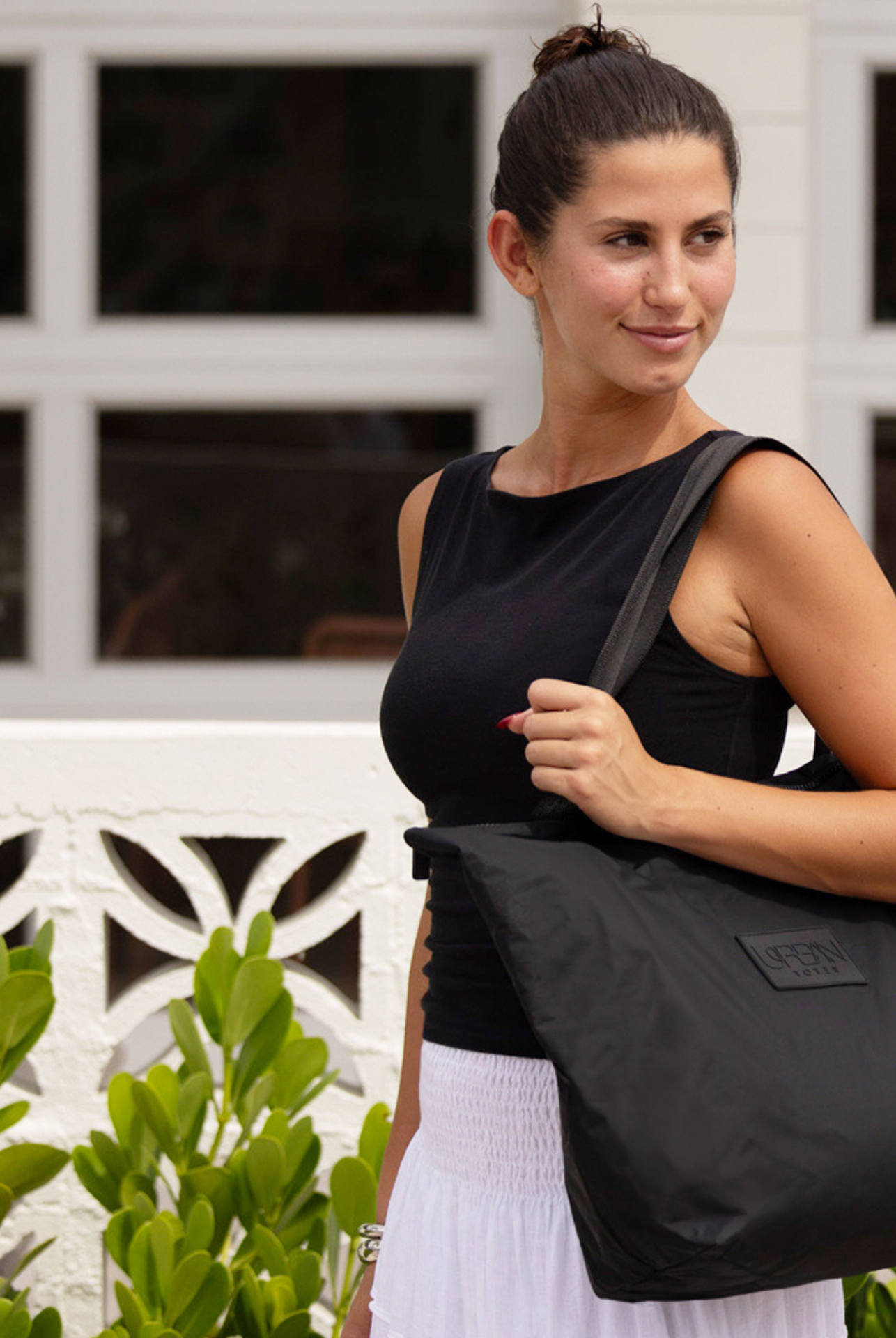
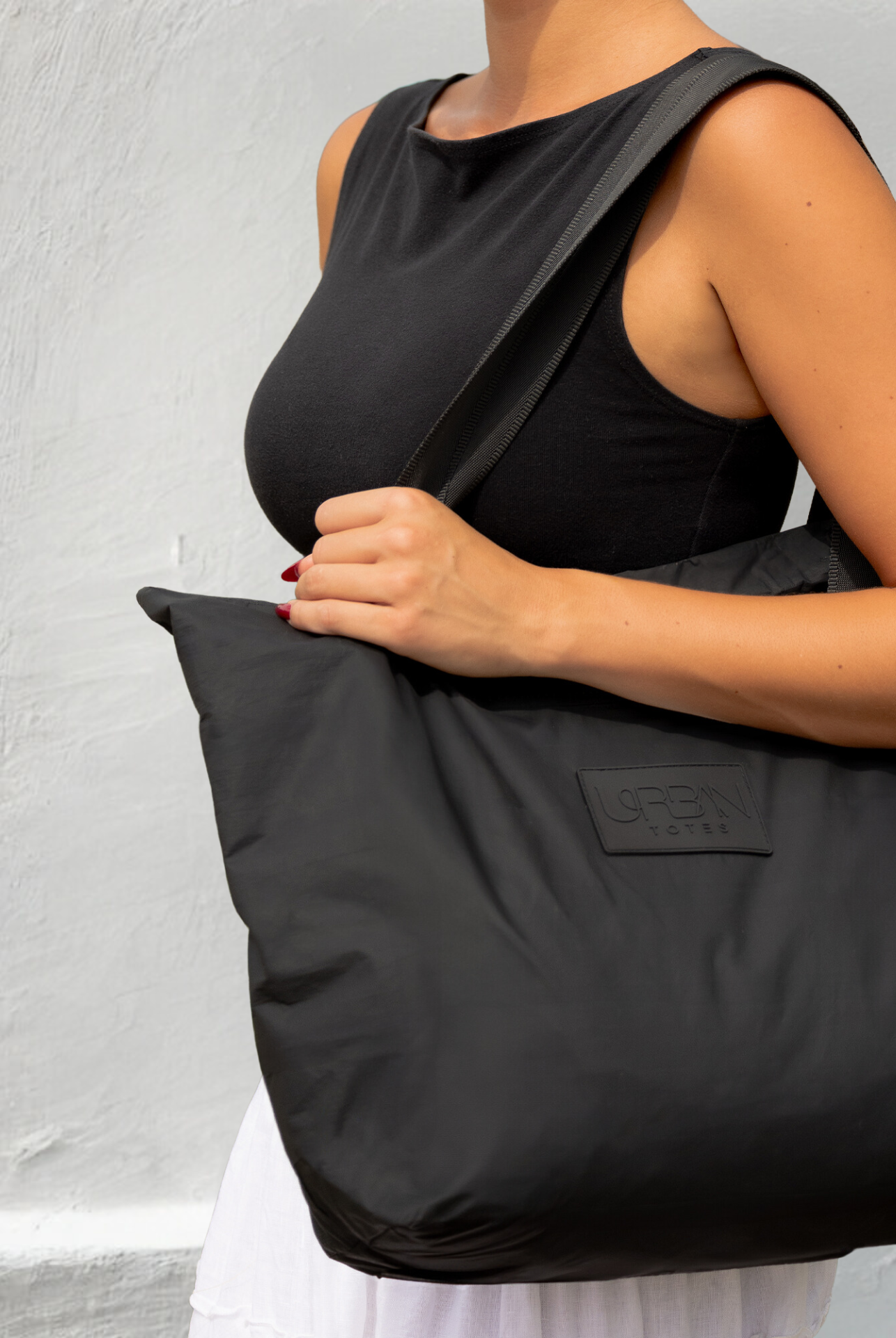
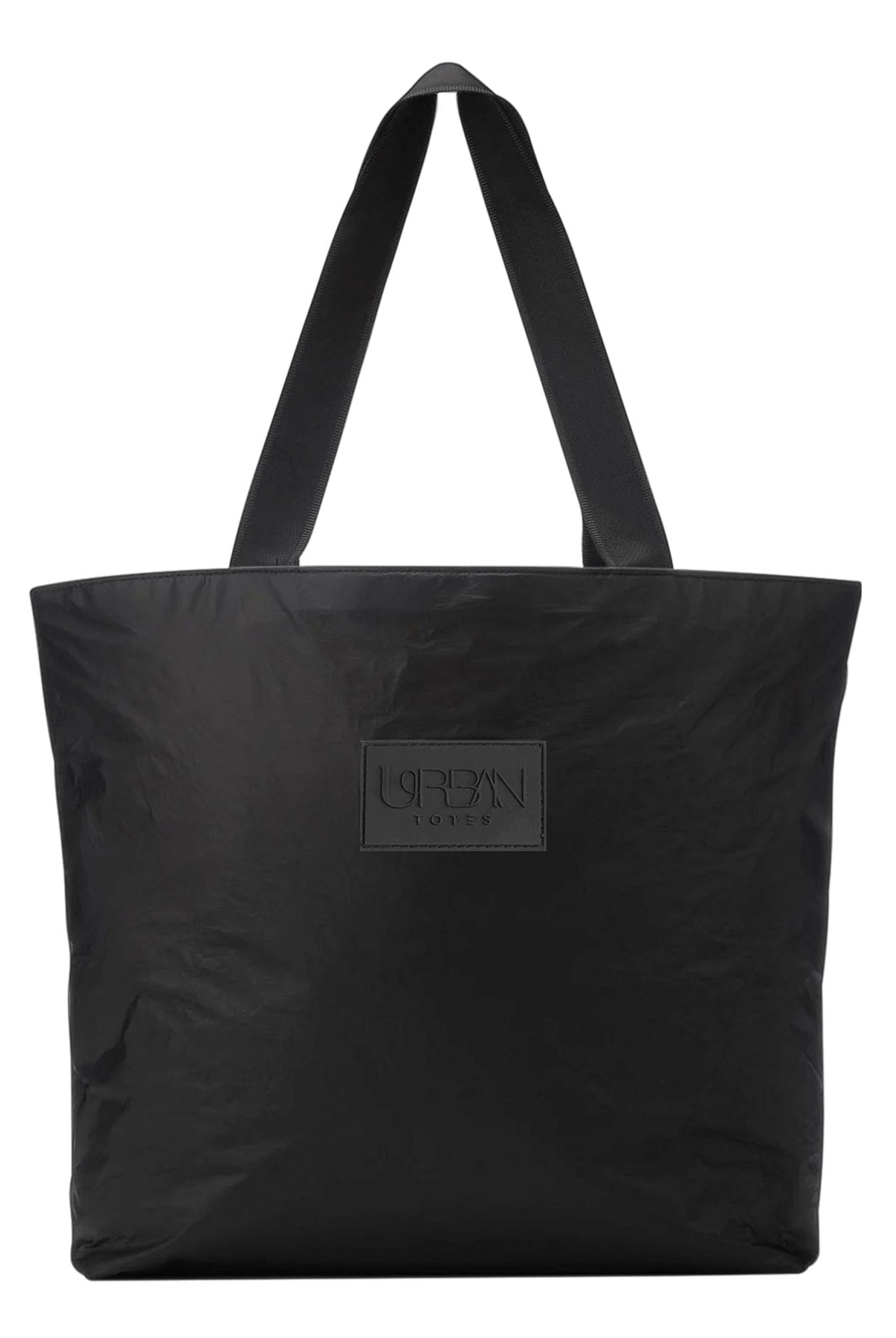
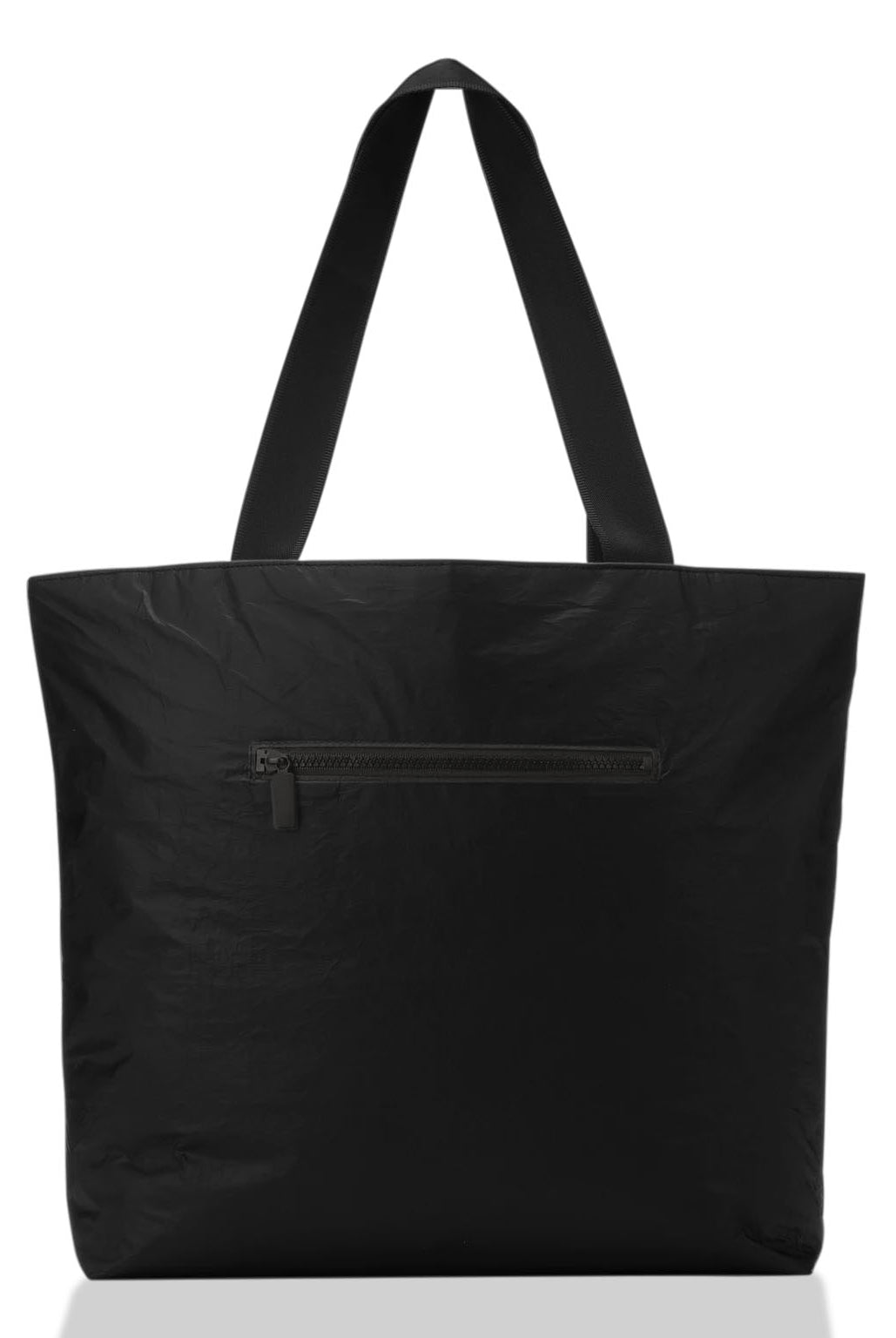
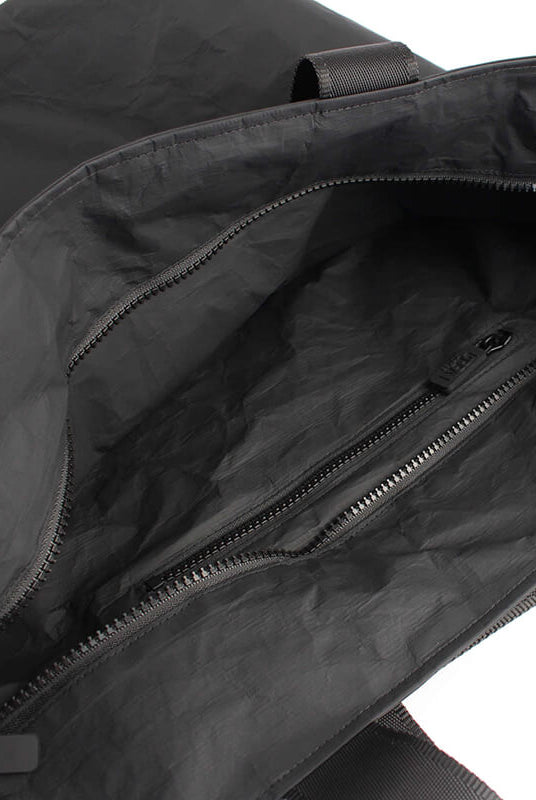
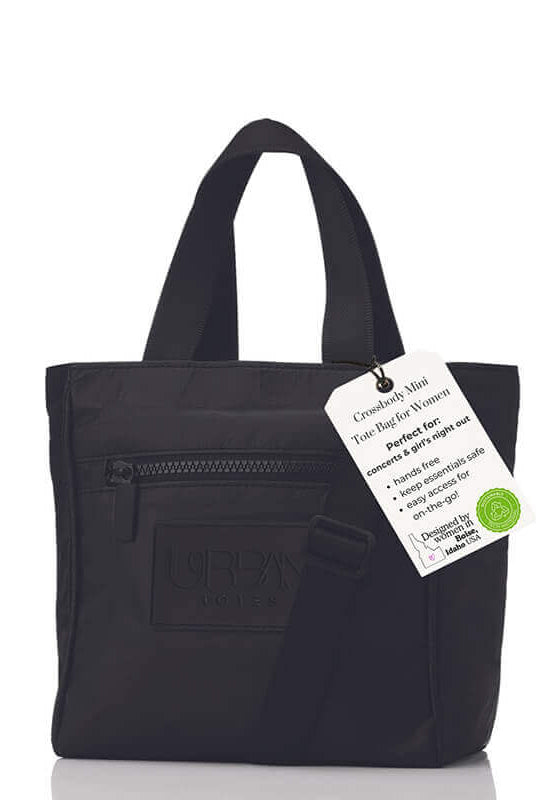
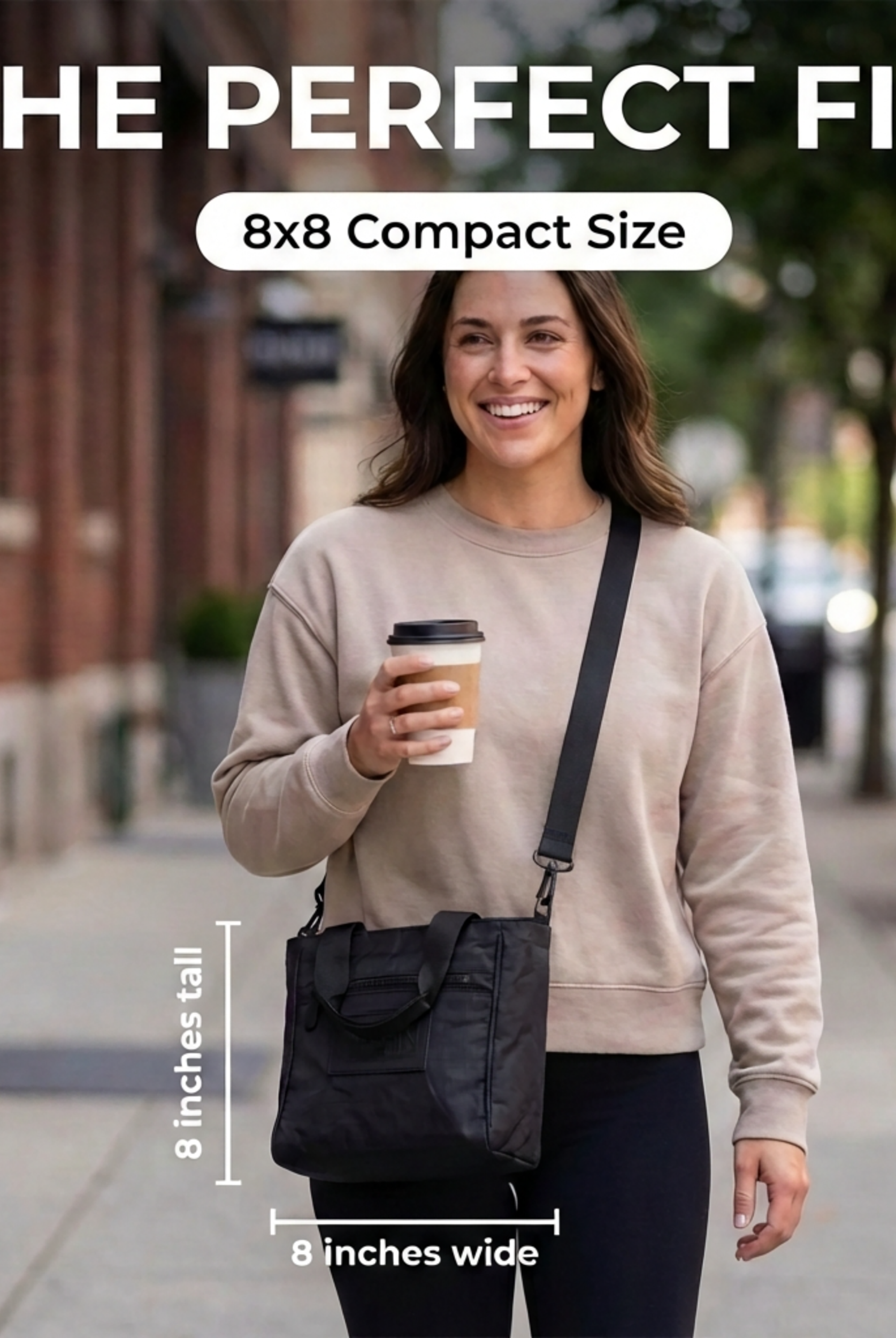
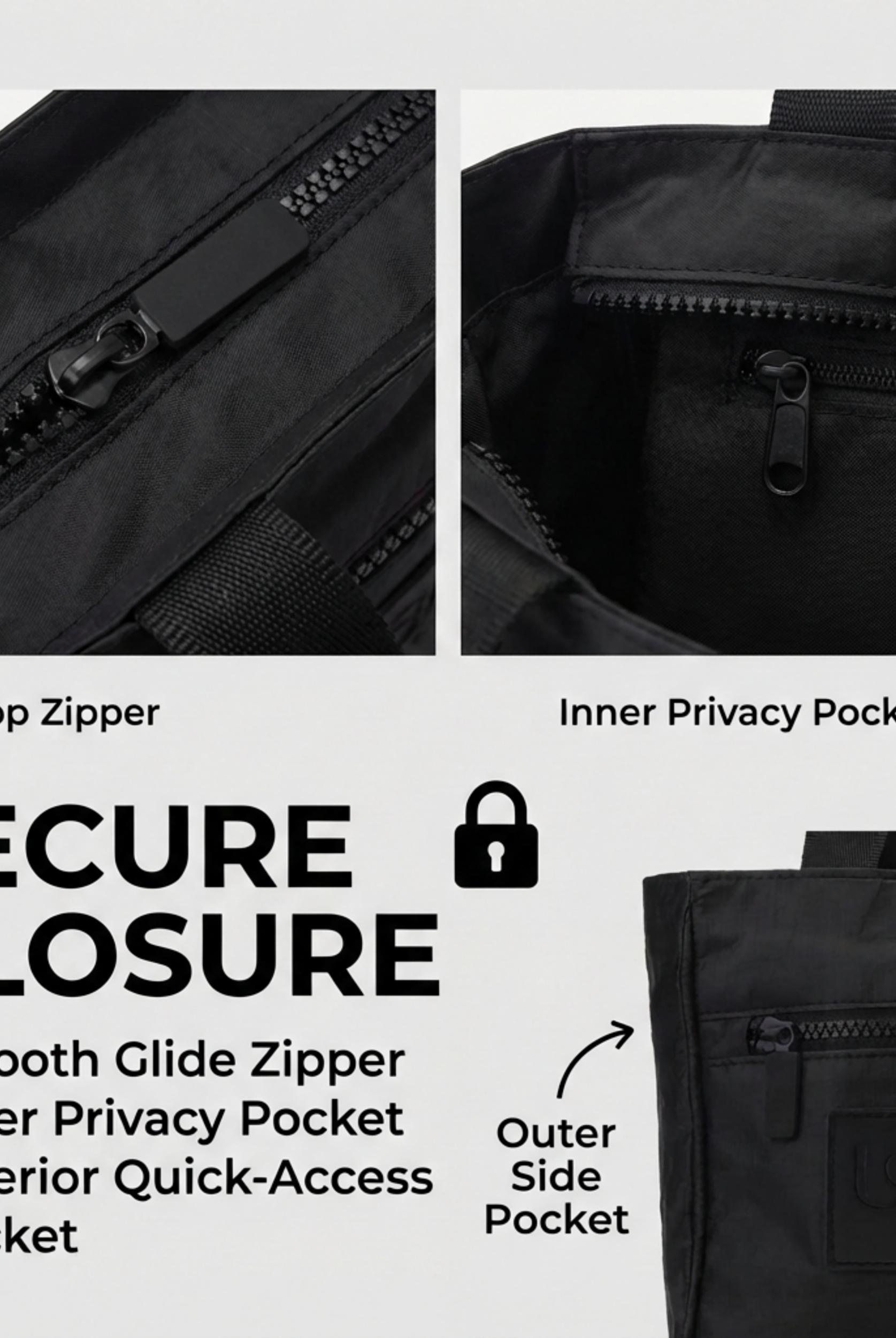
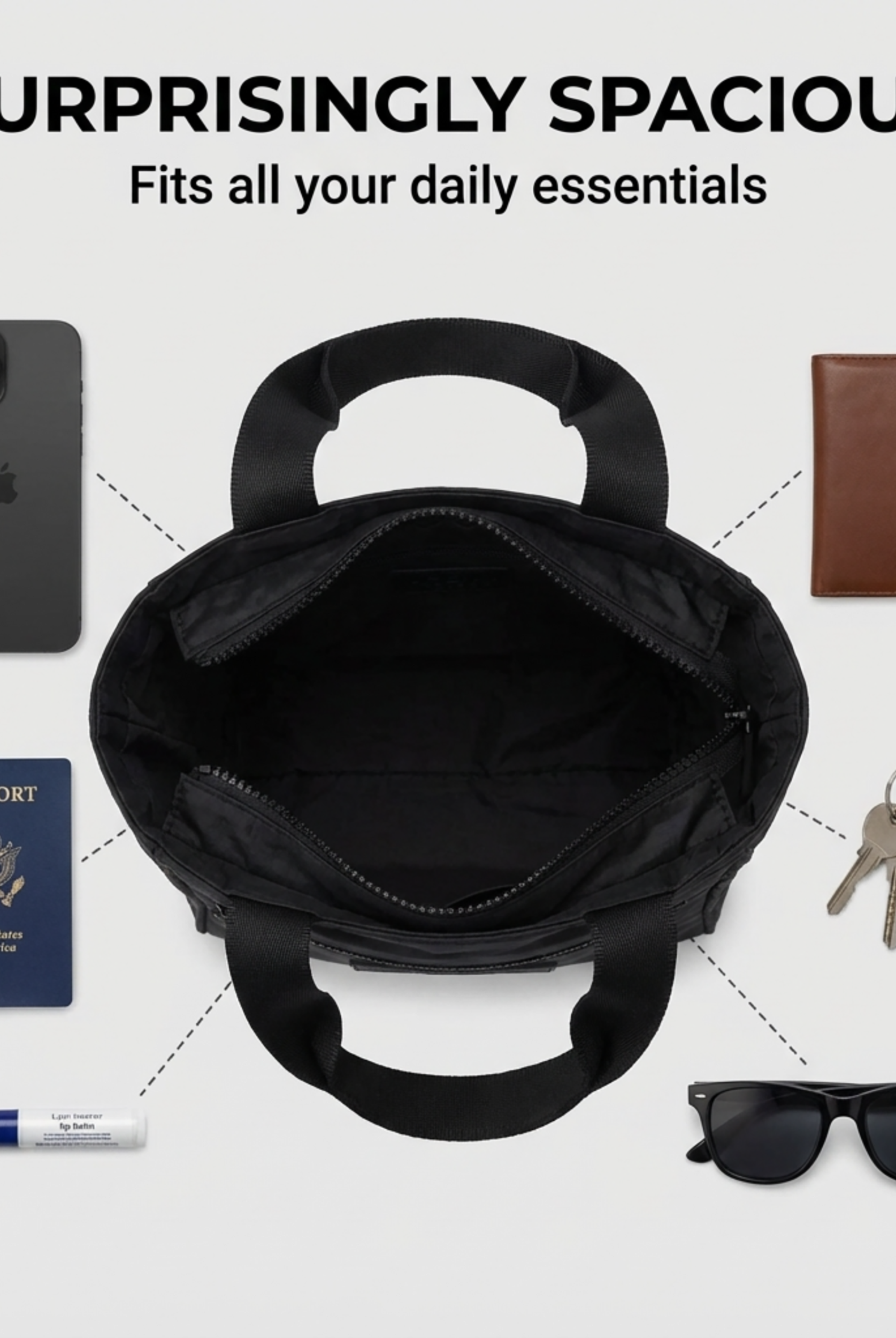
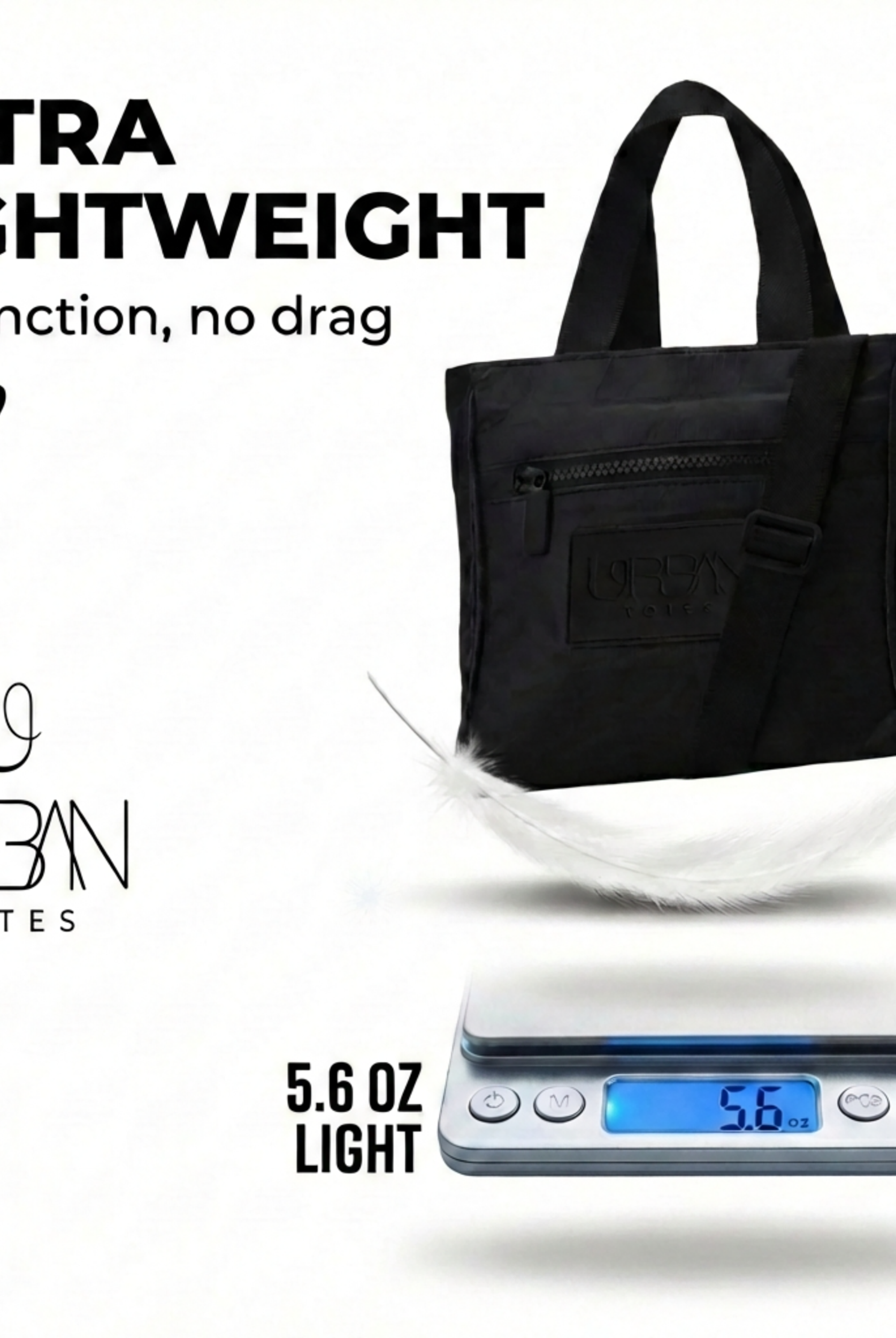
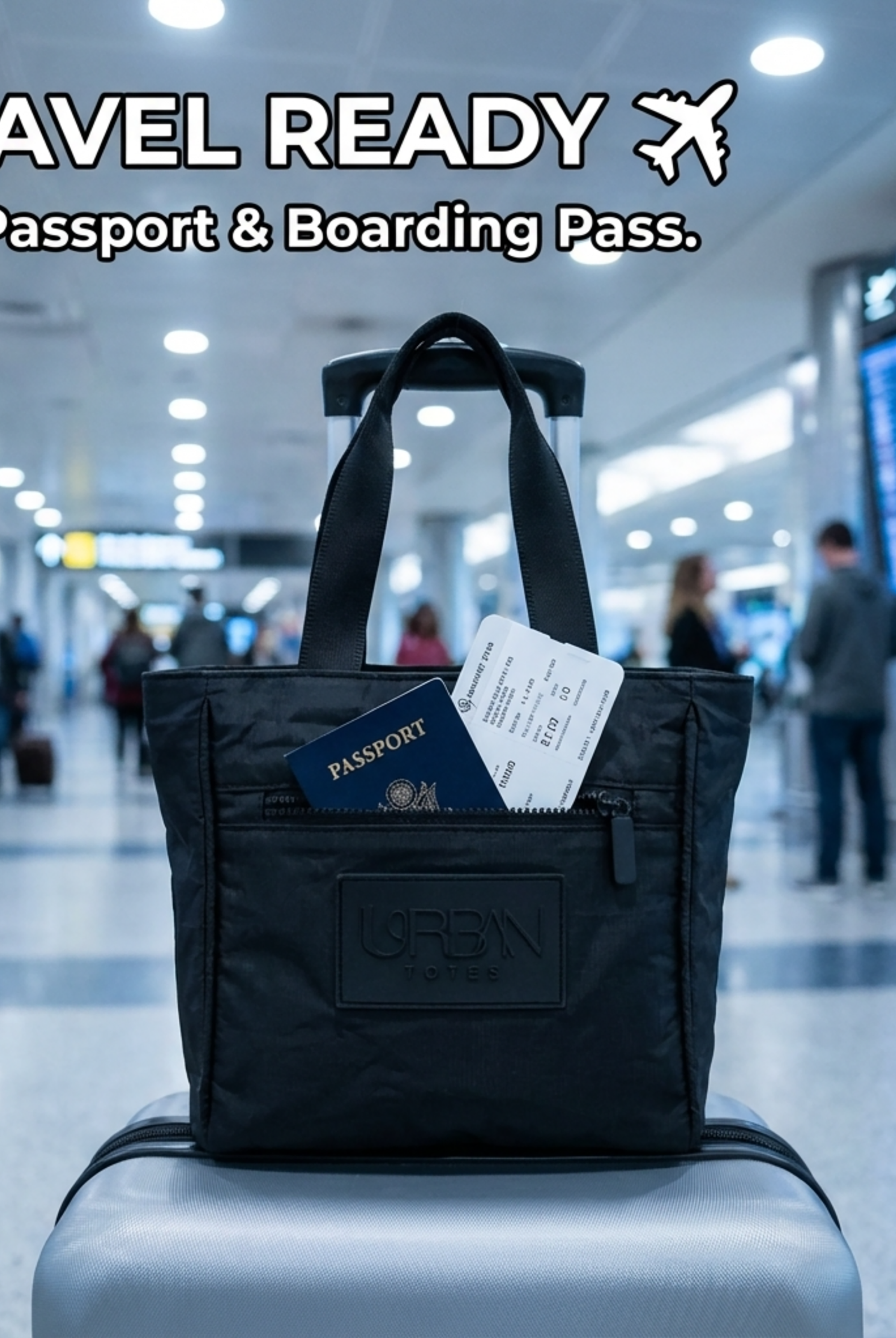
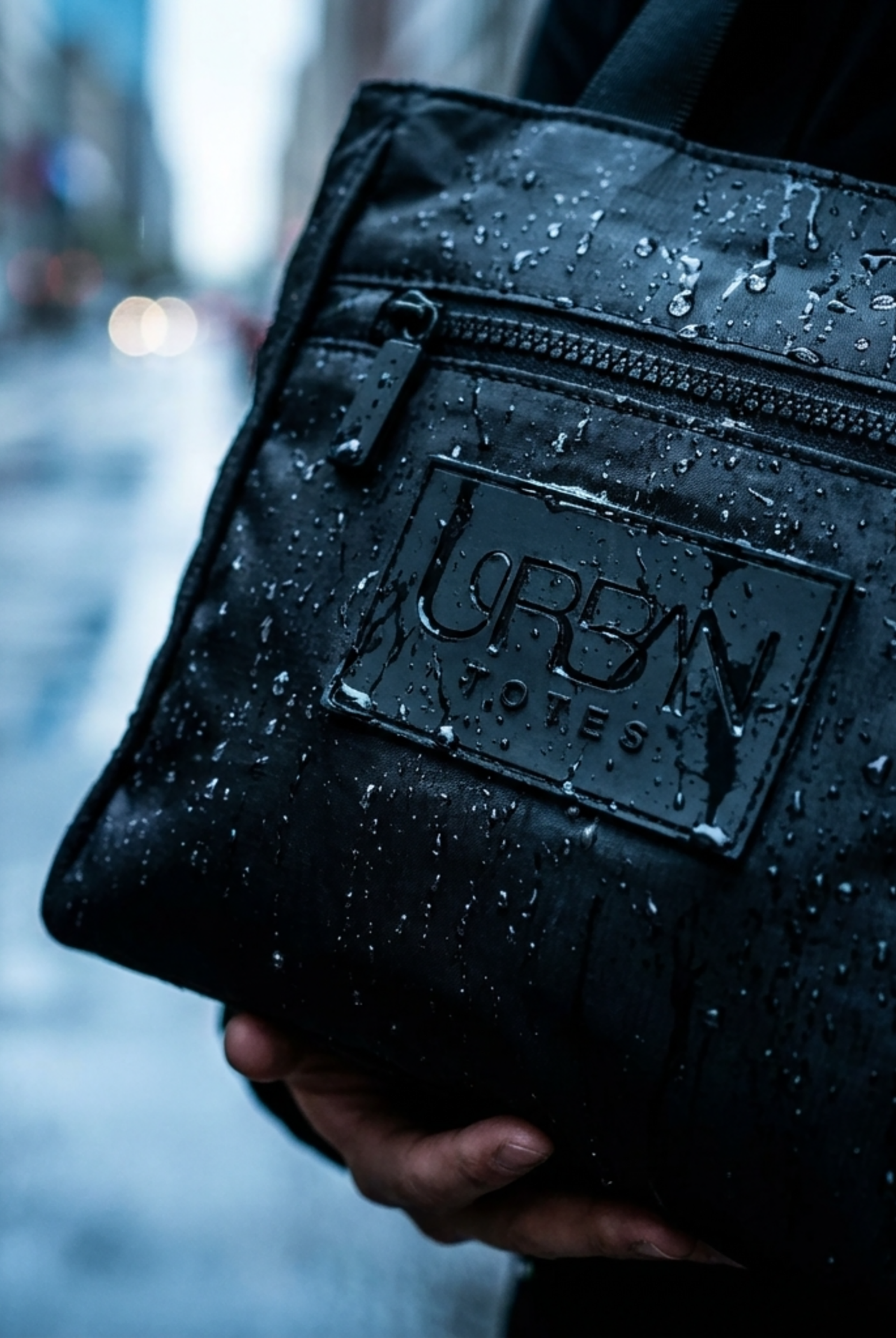
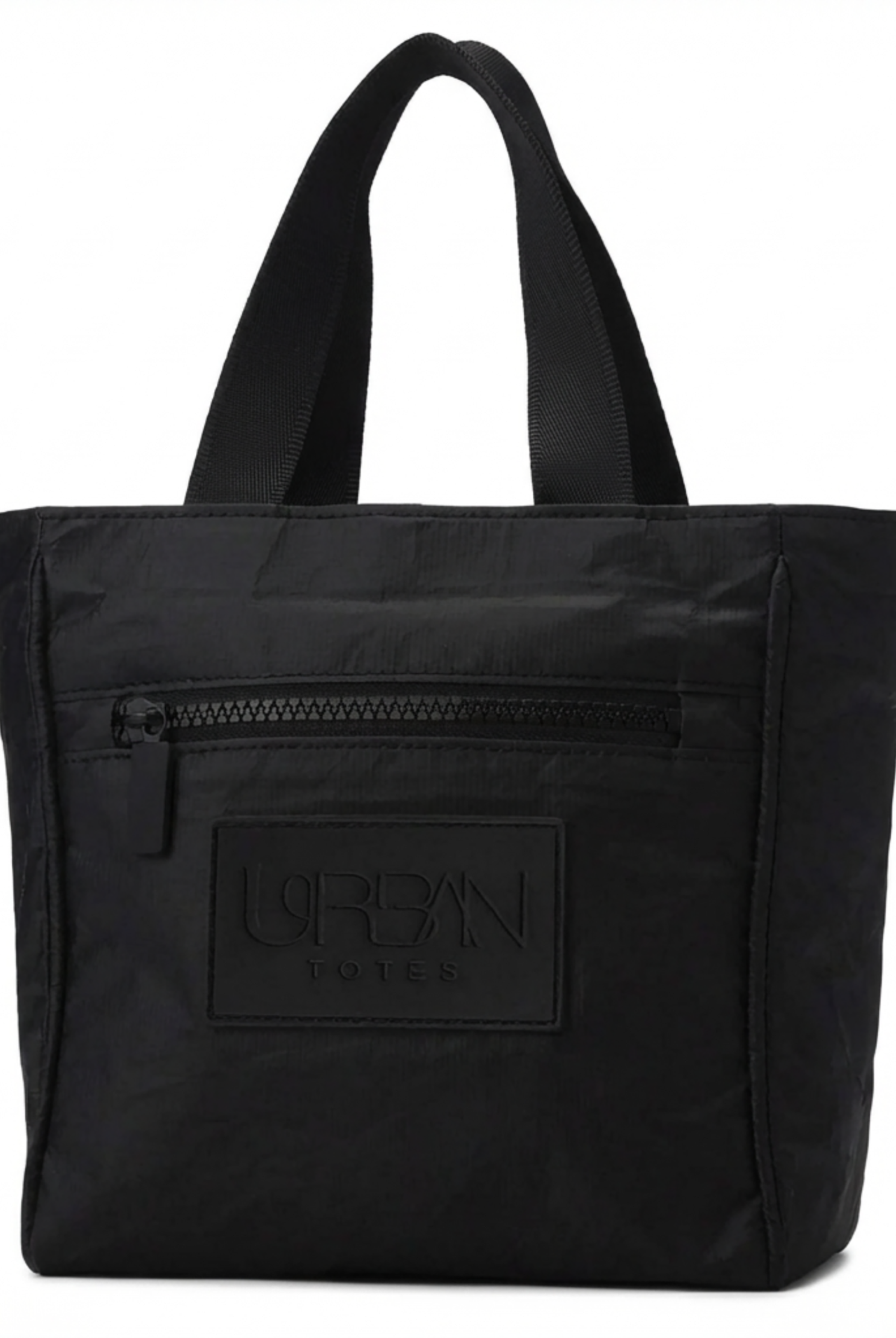
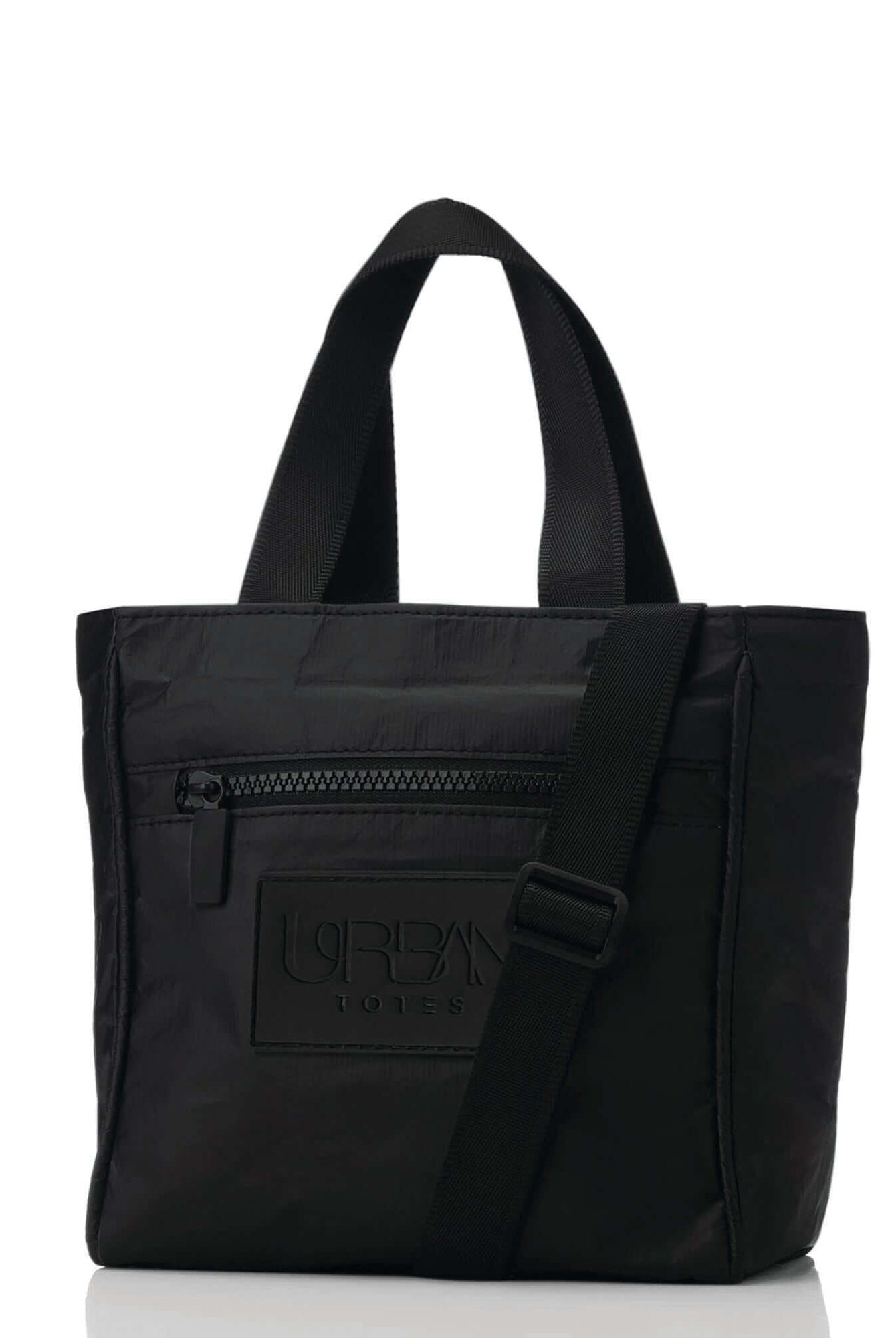
Bag carry is another test that gets ignored until the coat is already in rotation. Too much fill through the shoulder and upper chest can make a tote slip, bunch the sleeve, or pull the coat out of line. That is why a smooth shoulder line matters if you carry an everyday bag. Pieces like The Go Anywhere Day Trip Tote Bag by Urban Totes are easier to wear with coats that keep the upper body clean and not overbuilt. Its three large zippered compartments, dedicated phone and key pockets, zipper closures, and lightweight, packable, foldable build help with organization, but the coat still needs enough ease at the shoulder to carry it comfortably.
Finding a Fit That Moves With You
You feel the difference in the first five minutes. A coat can look polished in the mirror, then turn irritating the moment you hurry for the train, climb stairs, buckle a seat belt, or carry a tote on one shoulder. For a long quilted coat, warmth only solves half the problem. The better question is whether it lets you move through a normal day without pulling, riding up, or getting in your way.

The fitting room usually makes restrictive coats look better than they wear. Standing still with your arms at your sides does not show what happens when you reach across your body, sit on a crowded commute, or walk fast with a full bag. Test motion first, then decide whether the shape still feels worth it.
Mobility matters more than the size label
Start with the shoulders and armholes. If that area feels even slightly tight, the annoyance builds through the day. You will notice it when you grab your phone, swipe into a building, or carry weight on one side.
Then test the coat like you would wear it.
- Carry test. Put your usual tote on your shoulder. The coat should stay balanced instead of twisting at the side seam or digging under the arm.
- Seat test. Sit down with it zipped. If the hem pushes up hard or the zipper bows, the cut is fighting your routine.
- Stride test. Walk quickly and take a few longer steps. A good long coat gives coverage without shortening your stride.
- Reach test. Lift your arms, then cross them in front of you. If the lining catches or the back feels tight, it will get old fast.
If you also want your bag to sit better over bulkier outerwear, this guide to adjustable shoulder strap length and fit helps with that part of the equation. Strap drop changes how a tote rides over quilted coats, especially fuller styles.
A simple rule helps here. If you have to change how you walk, sit, or carry your bag to accommodate the coat, it is the wrong fit.
The lengths and cuts that work in real life
Length changes how useful a coat feels.
A mid-thigh coat usually gives the least friction for driving, school runs, errands, and quick in-and-out stops. It covers more than a short puffer but rarely interferes with stairs or car doors.
A knee-length coat often hits the best balance for daily wear. It looks finished, feels warmer on windy days, and still works for commuting if there is enough room through the hips and a vent or two-way zip to relieve tension when you sit.
A mid-calf coat gives the most coverage, but the trade-off is real. It can feel great in cold weather and look striking, yet it needs careful design to stay practical. Without enough sweep at the hem, a back vent, or hardware that opens from the bottom, it can slow you down more than you expect.
Cut matters just as much as length:
| Cut | Best for | Watch out for |
|---|---|---|
| Straight | Clean lines, office outfits, minimal styling | Can feel tight over hips and thicker layers |
| A-line | Easier movement, errands, walking, travel | Too much flare can look bulky with large bags |
| Belted | Shape and polish | Can add fuss if you're always in and out of the car |
| Boxy oversized | Heavy layering and casual looks | Easy to overwhelm petite frames or feel sloppy |
The most wearable option is usually the one with the fewest interruptions. It keeps you warm, clears your stride, and works with the pace of your day instead of asking you to slow down for it.
From Commute to Weekend Your Go-Anywhere Coat
You leave the house before 8, catch a draft at the station, sit through a cold office, then stop for groceries on the way home. A coat that only looks good on the sidewalk is not enough. A long quilted coat earns its place when it keeps you warm without making the rest of the day harder.

A weekday coat has to work at full speed
The best weekday version handles constant transitions. You should be able to zip it with one hand, sit down without fighting the hem, and reach your phone or transit card without digging through shallow pockets. I always look for details that save time in real use: a secure inside pocket, a hood that stays put, and hardware that does not snag knitwear.
For office days, long quilted coats look strongest over clean, simple layers. Straight-leg trousers, dark denim, fine knits, and ankle boots give the coat structure without adding bulk. If you carry your laptop and daily basics by hand, a practical guide to lightweight tote bags for work helps you choose one that sits comfortably against a fuller coat.
The trade-off is simple. More length gives you more coverage in wind and cold. It can also become annoying if the coat twists when you get in a car, catches on a stair, or bunches across your lap. That is why the best go-anywhere coats are not just warm. They are cut for motion.
Weekend wear should lower the effort
Weekend coats do different work. They need to handle a coffee run, a farmers market, a park bench, and lunch without asking for an outfit change. A long quilted coat does that well because it adds polish fast, even over leggings, denim, or relaxed trousers.
Travel is where this category proves itself. A good quilted coat packs warmth without the stiffness of a structured wool coat, and it feels easier to wear for long stretches. For fit-related reading beyond this guide, see the latest articles on apparel fit.
Three situations where a long quilted coat proves its value:
- Errand-heavy mornings when you need warmth that still feels easy getting in and out of the car
- Outdoor family time when you are standing still for stretches but still want a pulled-together look
- Weekend trips when one coat needs to cover walking, transit, and casual meals
The coat you wear most is usually the one that asks the least of you.
Effortless Styling with Your Quilted Coat
A long quilted coat does a lot of visual work on its own. That's good news. It means the easiest outfits are often the best ones. You don't need to pile on trend pieces. You need shape, texture balance, and a bag that makes sense with the coat's volume.
Three outfit formulas that always work
The first formula is errand-run chic. Start with slim or straight-leg denim, a knit crewneck, clean sneakers or flat boots, and a knee-length quilted coat. Add a soft scarf only if the neckline needs it. This look works because the coat adds texture while the rest of the outfit stays simple.
The second is office commute polish. Go with well-fitting trousers, a lightweight sweater or button-down, loafers or sleek ankle boots, and a straighter long quilted coat in a neutral tone. Keep the base layer fitted so the outerwear looks refined, not bulky.
The third is weekend travel ease. Use stretchy trousers or relaxed jeans, a long-sleeve tee, a half-zip or fine knit, and a mid-thigh to knee-length quilted coat. This combination moves well and still looks put together when you stop for lunch or check into a hotel.
A quick reference helps:
| Occasion | What to wear under it | What makes it work |
|---|---|---|
| Errands | Denim, knit, sneakers | Easy movement and a casual clean line |
| Work commute | Trousers, button-down or sweater, boots | Streamlined base keeps the coat polished |
| Travel | Soft layers, flexible pants, flats or sneakers | Comfortable enough for long stretches in motion |
How to pair your coat with the right bag
The bag matters more than people think. A structured coat and a disorganized bag create friction fast. You feel it when you're searching for keys with gloves on or when the strap keeps sliding off a quilted shoulder.
For everyday use, look for a lightweight, multi-pocket bag with a zipper closure and enough shape to stay organized without adding bulk. If you want to compare silhouettes and daily-use options, these latest articles on apparel fit are helpful for thinking about how clothing proportions and accessories work together.
For women who like a minimalist coat-and-bag formula, an organized everyday carry can do a lot of heavy lifting. This guide to the best everyday bags for women is useful when you're matching outerwear to real routines rather than just styling photos.
A few pairing principles make life easier:
- With fuller coats, choose a bag that sits close to the body so the outfit doesn't feel crowded.
- With straighter coats, a larger tote can work well because the silhouette stays clean.
- With slippery shells, wider or softer straps usually behave better than stiff narrow ones.
- With travel outfits, zip closures matter. They keep the whole setup calmer and more organized.
Style gets easier when every piece has a job. The coat gives warmth and shape. The bag handles the rest.
Caring for Your Investment and Final Thoughts
A long quilted coat earns its keep when it still looks good after a wet commute, a packed train ride, and months of repeat wear. Warmth is only part of the value. The other part is how well the coat holds its shape, dries, and stays comfortable to move in when real life gets busy.
Good care starts before laundry day. If a coat is always shoved into the backseat, wedged under a suitcase, or hung on a crowded hook, the quilting can flatten faster and the hem can start to look tired. That matters with long lengths because there is more coat to manage. A style that covers more of the body gives better warmth, but it also needs a little more space and attention between wears.
Start with the care label. If the coat is machine washable, use a gentle cycle, cold water, and enough room in the drum for the coat to move without getting twisted up. Zip closures and empty pockets first. That small step helps the coat wash more evenly and cuts down on pulling at the seams.
Drying is where many coats lose their polish. Let the insulation fully recover before you put the coat back in the closet. If the label allows tumble drying, keep the heat low. If it needs to air dry, hang it where air can circulate and give it time. Rushing this part can leave the fill clumped and the shell creased.
A few habits make a noticeable difference over a full season:
- Hang the coat after wear so moisture from light rain, snow, or body heat can release
- Spot clean early because fresh marks are easier to remove than set-in grime around cuffs and pockets
- Store it with breathing room so the quilting does not stay compressed for weeks
- Pack it loosely for travel and hang it up as soon as you arrive
If you like your coat and everyday carry to age well together, this guide on tote bag maintenance tips and tricks is a useful companion.
Water resistance also deserves a more honest read than it usually gets in product copy. A quilted coat can handle cold beautifully and still be annoying in damp weather if the shell holds moisture or takes too long to dry. For women who commute, travel, or spend part of the day going in and out of buildings, that trade-off matters. A coat that feels great for the first twenty minutes can feel heavy, limp, or restrictive later if the fabric is not suited to your climate.
That is why the right long quilted coat is not just the warmest one on the rack. It is the one you will keep wearing because it works with your day. It needs enough coverage to keep you comfortable, enough structure to stay presentable, and enough mobility to handle stairs, car seats, coffee runs, and airport lines without constant fussing.
Long quilted coats for women are at their best when they solve both sides of the winter-coat problem. They keep warmth in, and they let you get through the day without feeling wrapped up in something precious or impractical. From our perspective as a woman-owned brand in Boise, that balance is what makes a piece worth buying and worth maintaining.
If you're building a wardrobe that's stylish, organized, and ready for real days on the go, find your perfect go-anywhere bag at Urban Totes.