You're probably in that familiar five-minute scramble right now. Phone on the counter, keys nowhere obvious, a half-full water bottle rolling around in yesterday's tote, and that nagging feeling that the bag you grab is either too big, too small, or somehow both.
A good one day trip bag fixes more than clutter. It gives your day structure. It turns school drop-off, a coffee run, a work block, a gym class, and a grocery stop into one smooth loop instead of a string of small annoyances. The difference isn't packing more. It's packing with a system that flexes.
Table of Contents
- How to Choose the Perfect Day Trip Bag
- Your Ultimate Day Trip Essentials Checklist
- Organize Your Bag for Stress-Free Access
- Quick-Pack Blueprints for Any Outing
- How Urban Totes Solves Everyday Packing Pains
- Go Anywhere and Tote Everything with Confidence
How to Choose the Perfect Day Trip Bag
A bad bag always reveals itself at the worst moment. You're digging for lip balm at checkout, your keys have slipped to the bottom, and the strap is already cutting into your shoulder before noon.
That's why choosing a one day trip bag starts with function first. Looks matter, of course. But the bag has to earn its place in your routine.

Start with your real day
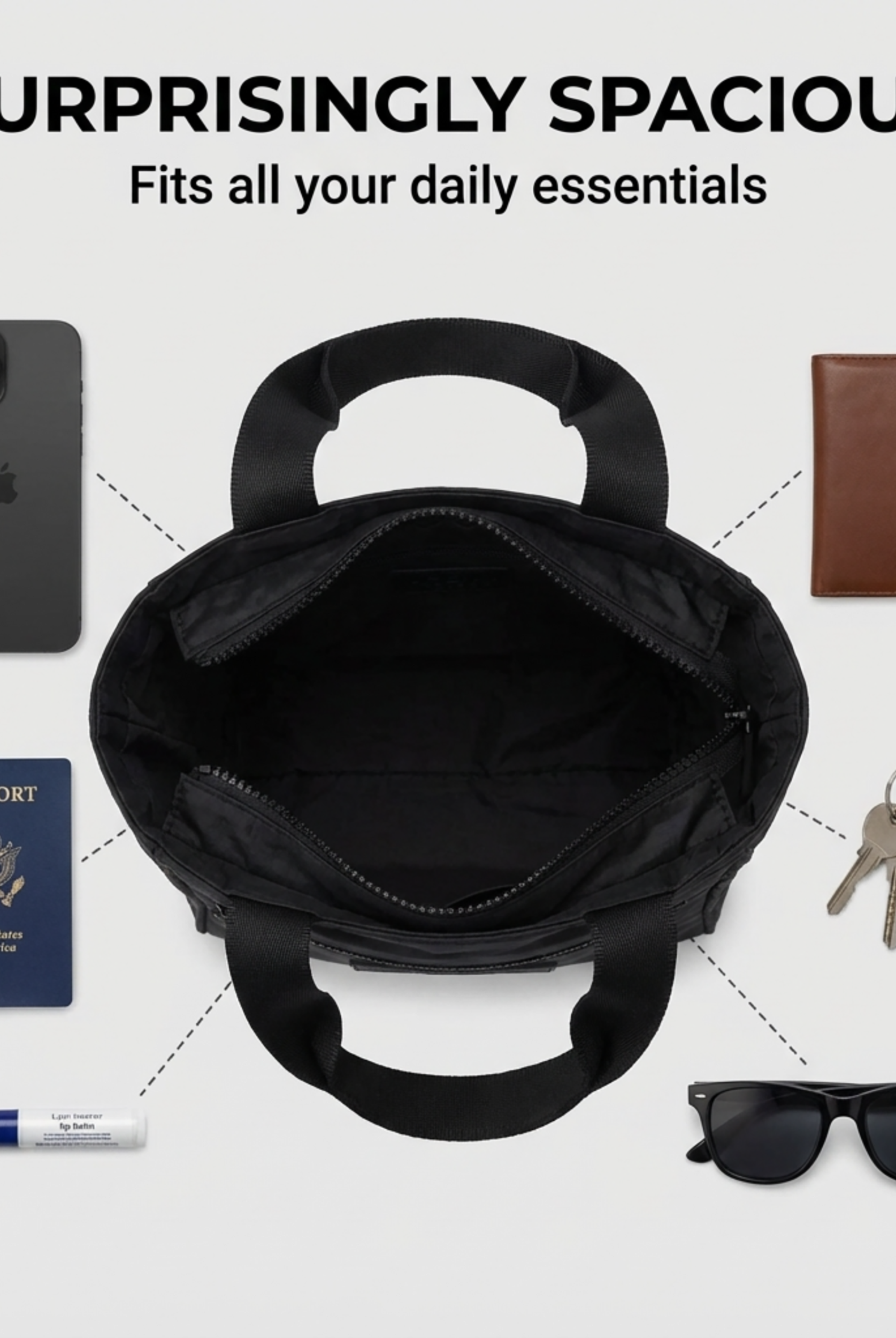
Think in terms of your longest normal outing, not your fantasy life. If your day usually includes a planner, water bottle, sunglasses, a snack, chargers, and one extra layer, you need enough room for that setup without turning your bag into a catch-all.
A quick gut check helps:
- If you carry tech and extras: choose a roomy tote with a zipper closure and defined compartments.
- If you stay light and move fast: a compact crossbody or mini tote often makes more sense.
- If your schedule changes mid-day: look for a versatile shape that can handle errands, commuting, and one spontaneous stop.
Practical rule: Choose the smallest bag that comfortably fits your real essentials. Extra empty space gets filled with things you didn't need.
Weight matters more than people admit
A bag can be beautiful and still be a burden. That's why lightweight materials matter so much for daily carry. Nearly 40% of travelers cite luggage weight restrictions as a major purchasing barrier, which pushes designers toward lighter, more compact carry options even for everyday bags, as noted in this travel bags market report.
For a one day trip bag, that translates well to real life. If the bag feels heavy before you've added anything, it won't get easier once you load it with your day.
Look for structure without stiffness
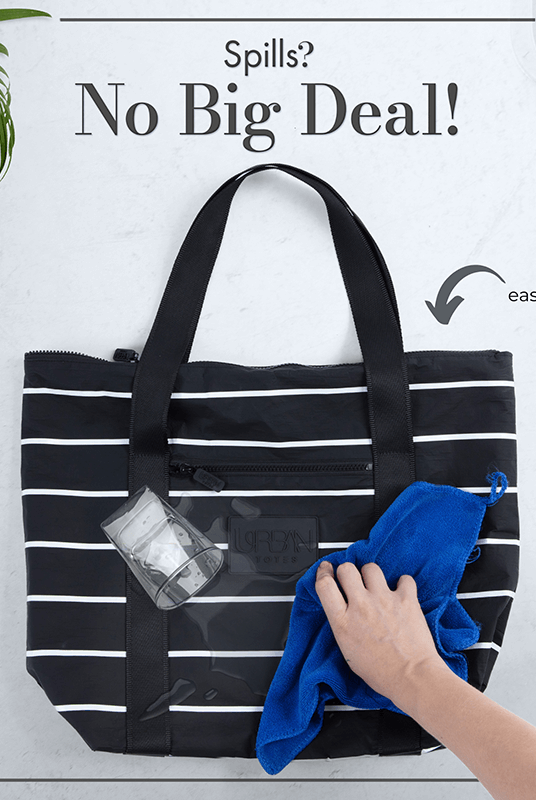
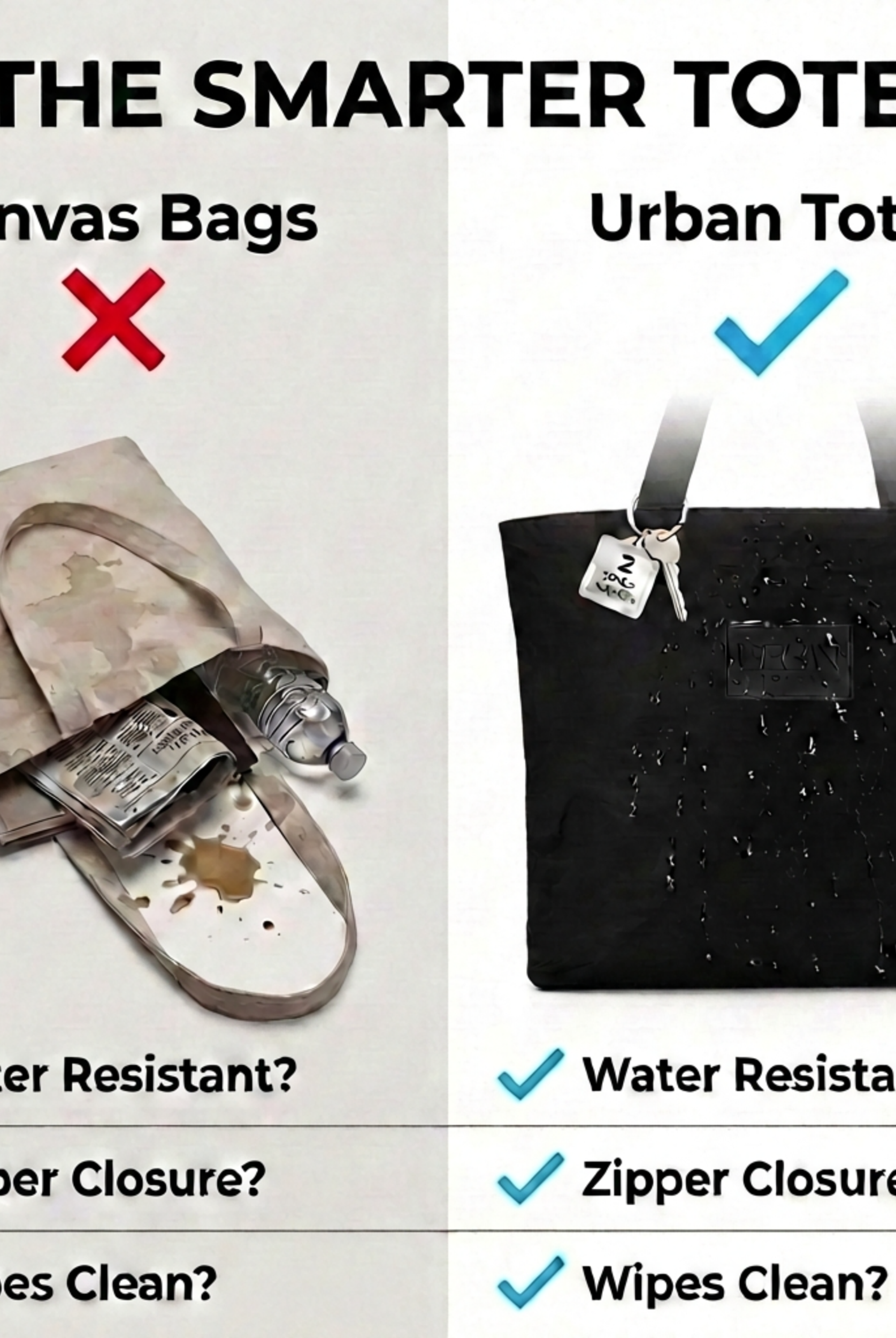
The sweet spot is a bag that holds its shape enough to stay organized, but still feels packable and easy to carry. Water-resistant fabric is especially useful for real-world messes like a damp pool deck, a coffee splash, or a quick walk through drizzle.
A few features consistently work well:
| Feature | Why it helps |
|---|---|
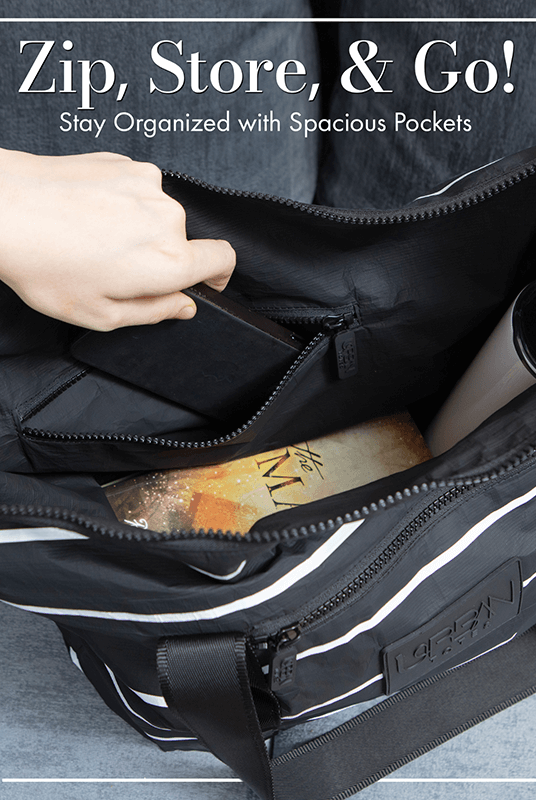
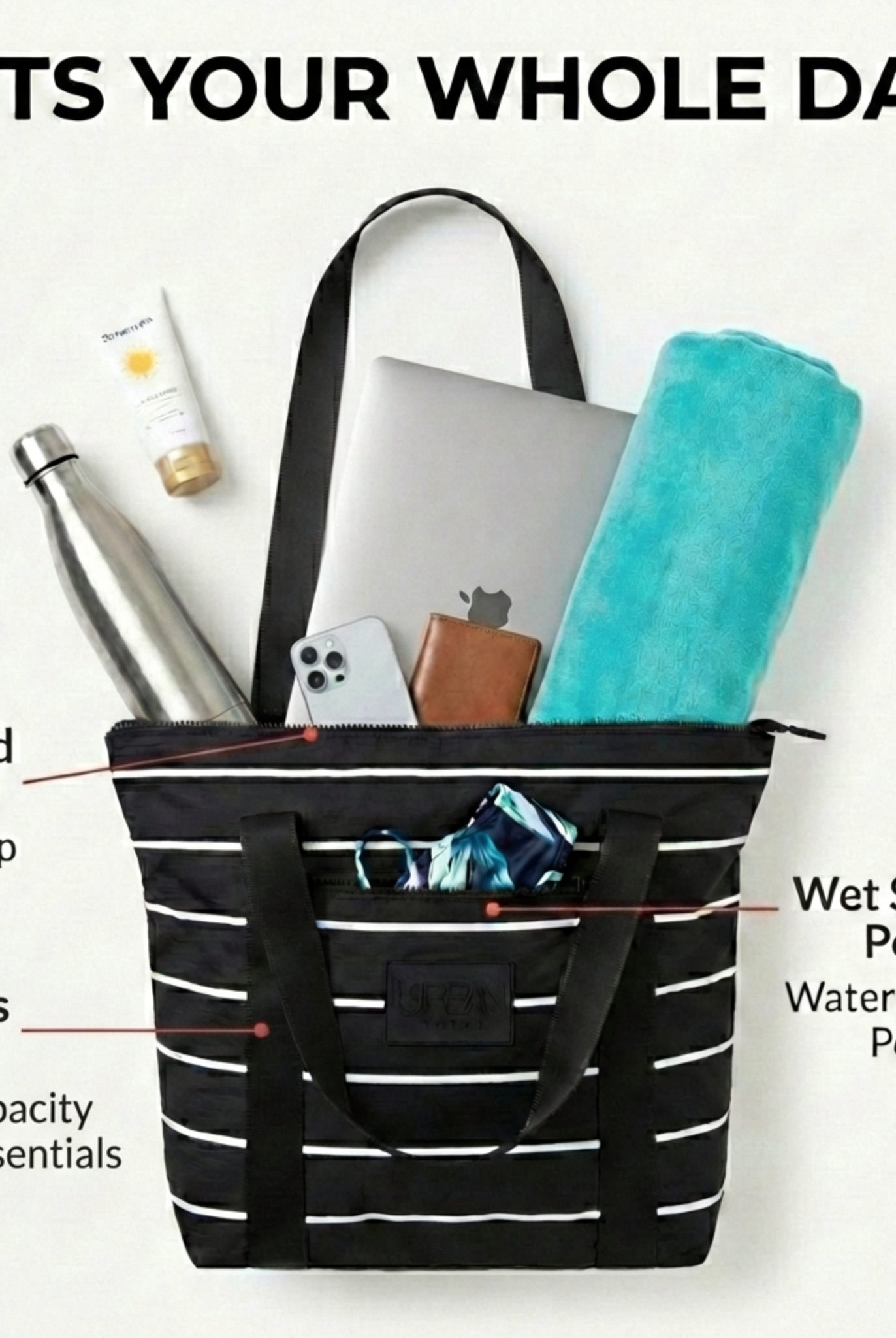
| Multi-pocket interior | Keeps phone, wallet, and small items from disappearing |
| Zipper closure | Adds containment when you're moving quickly |
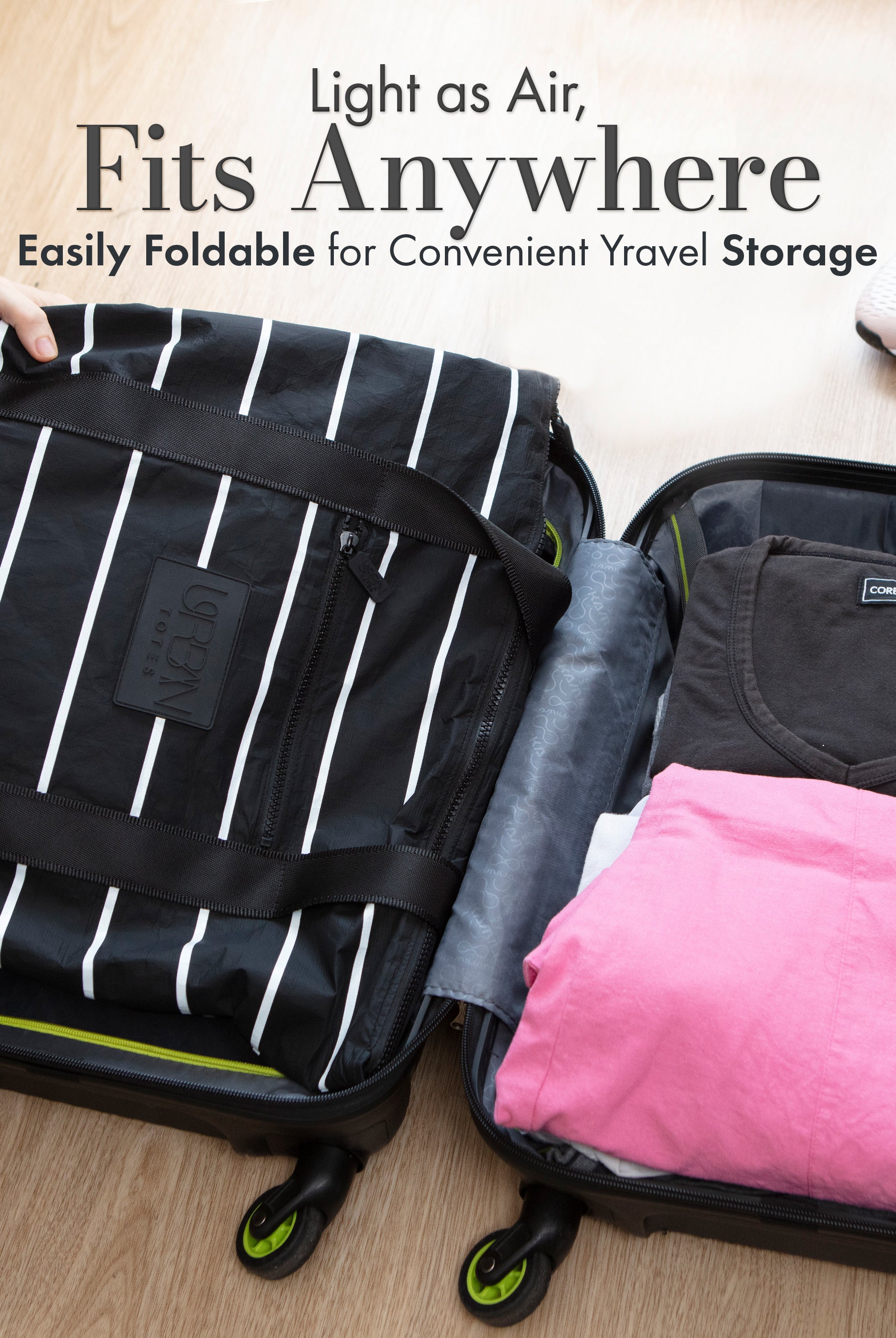
| Foldable body | Makes the bag easier to stash or travel with |
| Comfortable handles or strap | Reduces shoulder fatigue over a full day |
If you commute by bike sometimes, it's smart to compare how other carry styles distribute weight. This guide to frame, handlebar, and pannier bags is useful for thinking through access, stability, and what should stay on your body versus on your gear.
For tote-specific layout ideas, this breakdown of tote bag compartments is worth a look before you buy.
Your Ultimate Day Trip Essentials Checklist
Packing well isn't about carrying everything. It's about carrying the few things that save your day over and over again.
Static lists usually fall apart because they treat every outing the same. Real life doesn't. School pickup, a work session, a beach afternoon, and a grocery run all need slightly different versions of the same core setup.

Build a core kit that stays packed
Many people want to pre-organize a day trip bag for spontaneous outings without over-packing. A smarter approach is to keep small modular kits ready, instead of rebuilding from scratch every morning. This idea is highlighted in this day trip packing guide.
The easiest version looks like this:
- Bare minimums: phone, keys, ID, payment method
- Personal upkeep: lip balm, tissues, hand sanitizer, hair tie
- Tech basics: charging cable, earbuds, compact power bank
- Just-in-case items: bandages, pain reliever, stain wipe, sunscreen
- Energy support: snack that won't melt or crumble everywhere
Keep the “save the day” items in the bag full-time. Only swap in outing-specific extras.
Use categories instead of one long list
A single giant checklist feels productive, but it's hard to maintain. Categories are easier to scan and easier to restock.
The non-negotiables
These are the things that stop your day cold if they're missing. Phone. Keys. ID. Payment. If your bag doesn't give these items a dedicated home, you'll waste time searching for them.
The small comforts
This is the category people skip until they need it. Lip balm on a dry afternoon, tissues in the car line, sunglasses when the day gets brighter than expected. Tiny items carry a lot of practical weight.
The rescue kit
Bandages, sunscreen, and a few small health-and-comfort basics belong together in one pouch. You don't need a giant emergency setup. You need the handful of items that solve minor problems fast.
The flex items
These change based on the day. A protein bar for errands. A paperback for waiting rooms. A reusable shopping bag for the market. A compact layer for over-air-conditioned spaces.
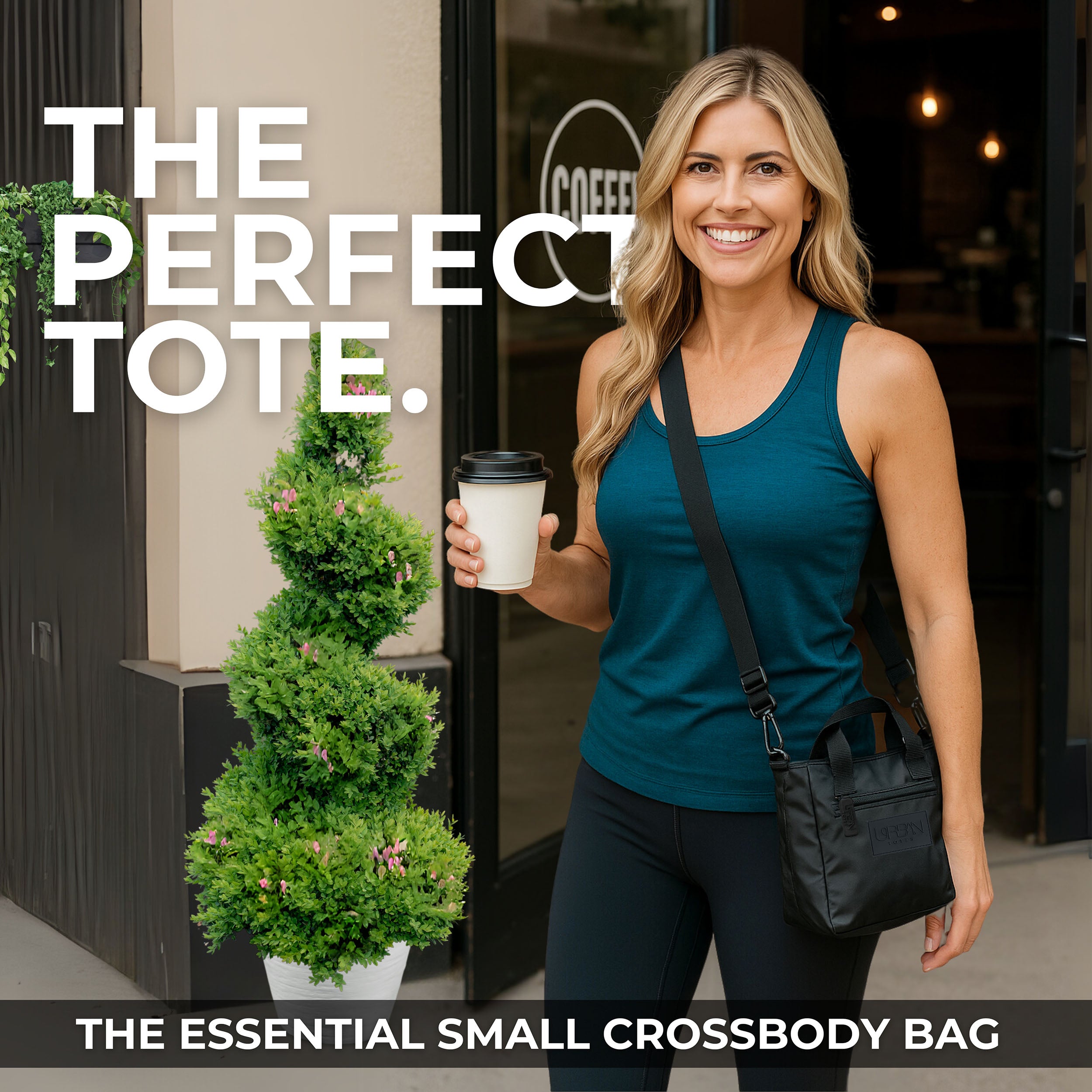
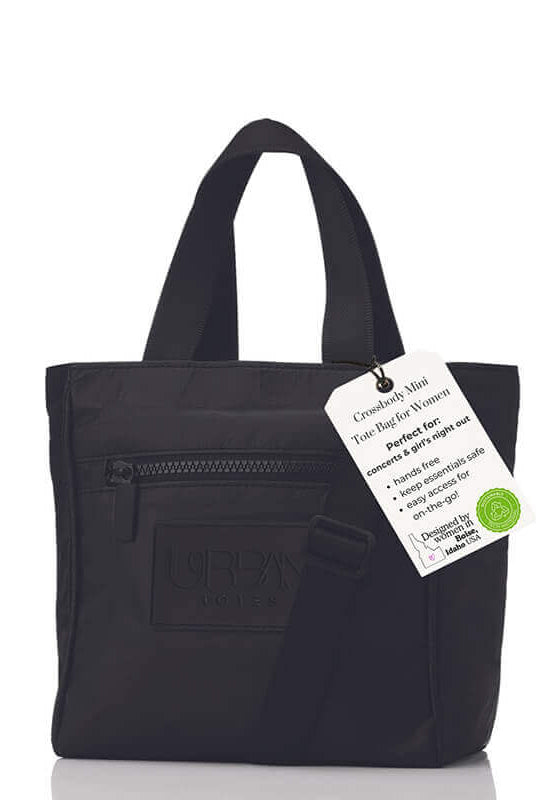
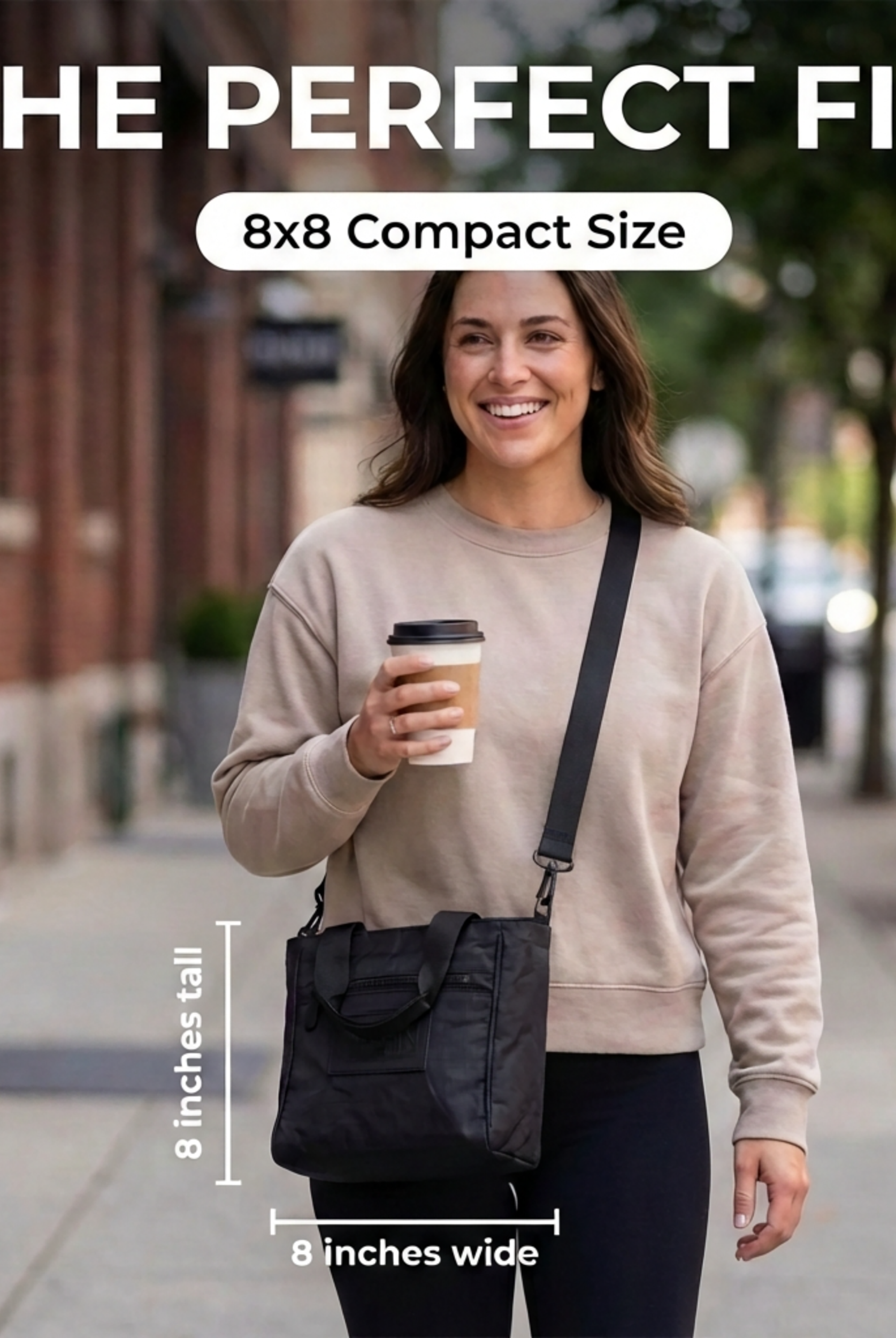
If you prefer a smaller hands-free option, the first mention worth noting is the Crossbody Tote Bag Mini Purse. It has a zip-top closure, an outside zipper pocket, a large easy-access pocket for items like your phone and keys, and measures 7.5 x 4 x 7.75 inches, which makes it a practical format for pared-down essentials.
For a fuller refresh on what belongs in each category, this day trip packing list lays it out in a way that's easy to customize.
Organize Your Bag for Stress-Free Access
The difference between an organized tote and a chaotic one usually comes down to one habit. People either assign every item a home, or they drop things in loose and hope for the best.
Hope is not a packing strategy.
Pack in zones
I like to think of a one day trip bag as a small apartment. Every item needs a room. When you create zones, you stop rummaging.
Try this simple layout:
- Top zone: phone, keys, sunglasses. Things you grab constantly.
- Middle zone: wallet, snack, small notebook, cosmetics pouch.
- Bottom zone: bulkier or less-used items like a layer, reusable shopping bag, or charger pouch.
That setup works especially well in a multi-pocket tote because it matches how your hand naturally searches. Frequently used items should never live under backup items.
A bag feels lighter when you can reach what you need on the first try.
Build modular kits
Many people look for ways to pre-organize a day trip bag without over-packing. A practical fix is to create modular essentials kits, such as a small zipper bag with sunscreen, bandages, and pain reliever, so minor problems stay solved instead of becoming disruptions.
You don't need fancy pouches. Small zip bags work. So do slim cosmetic cases, mini zip wallets, or dedicated organizers.
A good starter set:
| Kit | What goes inside |
|---|---|
| Tech kit | cable, earbuds, power bank |
| Care kit | lip balm, tissues, hand sanitizer |
| Quick-fix kit | bandages, stain remover, sunscreen |
| Snack kit | one tidy, shelf-stable snack |
If your cords always tangle with everything else, cable organizer bags are useful for keeping chargers contained and easy to move from one bag to another.
Use the bag's architecture
A bag with built-in pockets should do some of the work for you. Don't waste the exterior pocket on random receipts if it's the ideal place for keys. Don't bury your wallet in the middle if you tap for transit or coffee all day.
A structured insert or dedicated pouch proves useful, particularly in open interiors. For a practical setup, this guide to a tote bag organizer with zipper gives a useful framework for turning one roomy bag into a calm, sorted system.
Quick-Pack Blueprints for Any Outing
A reliable one day trip bag should change with your day without making you start over. The core stays the same. The extras shift.
That's the part most women miss. You don't need five separate packing habits. You need one repeatable method.

The daily commuter setup
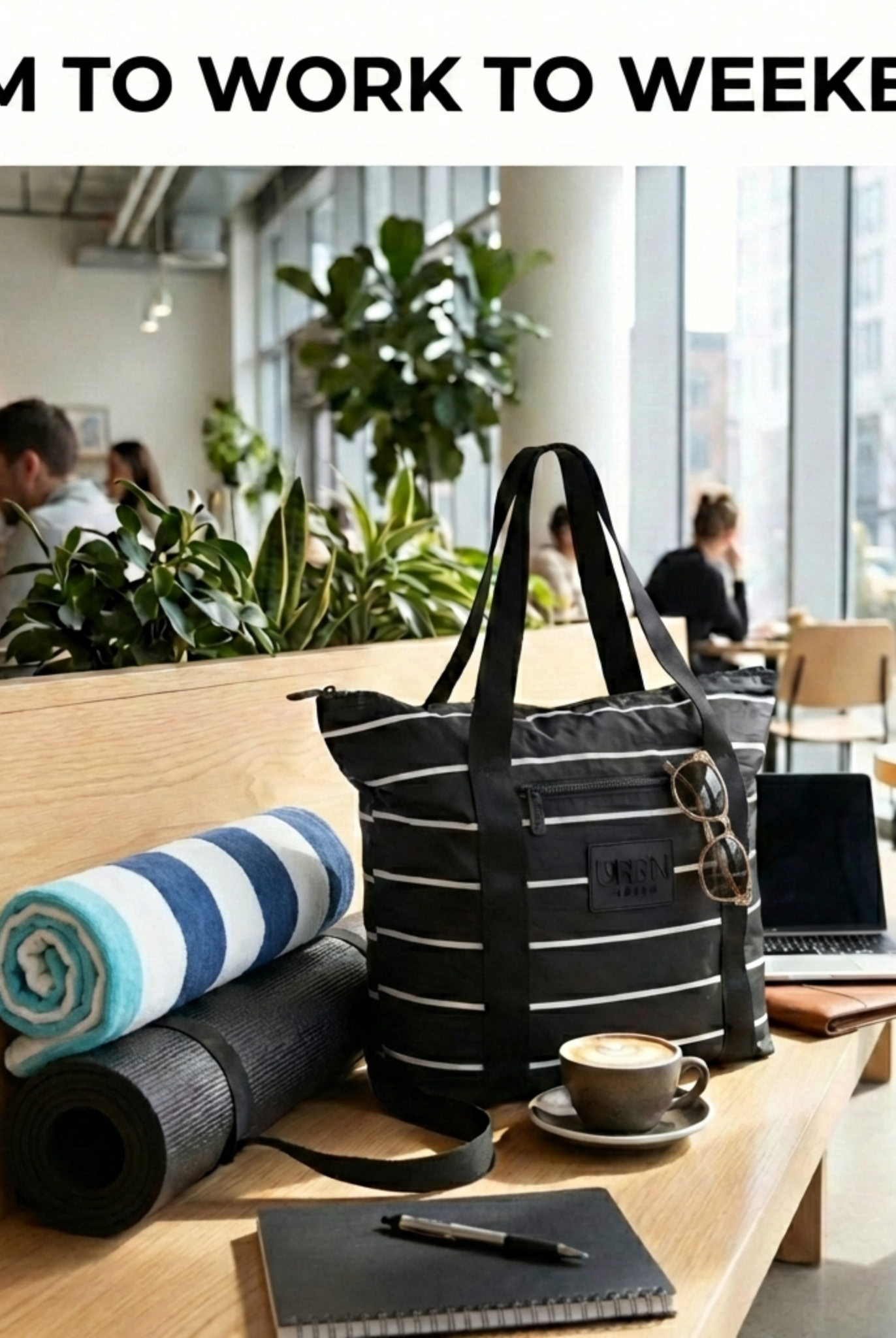
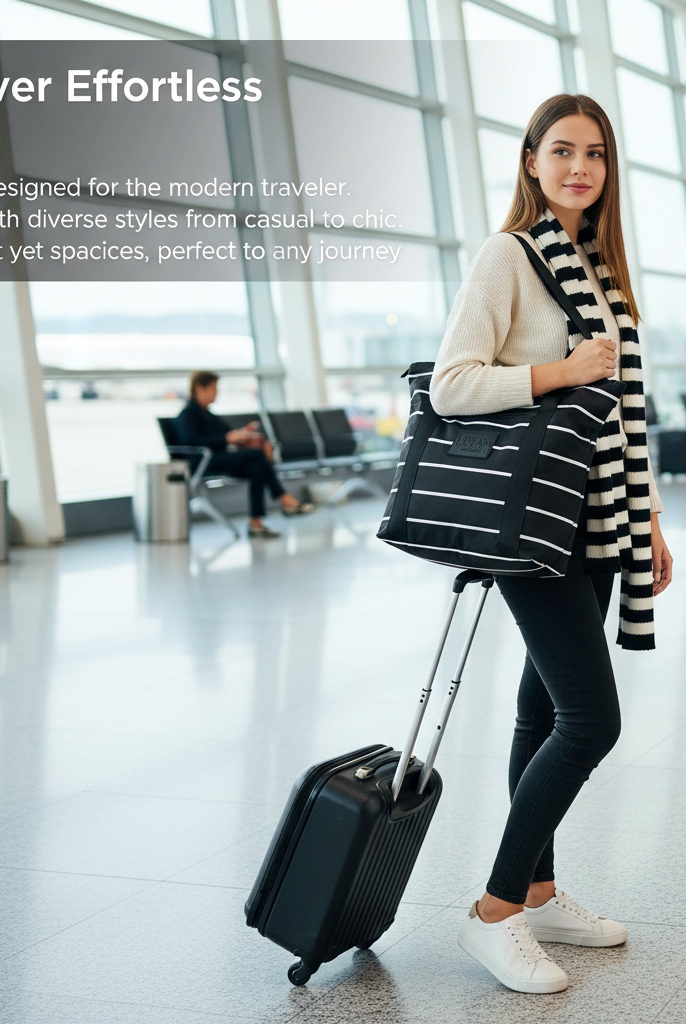
This version has to look polished and behave well under pressure. Think laptop, charger, notebook, phone, wallet, water bottle, lunch, and one personal pouch.
The trick is to protect your work rhythm. Tech stays together. Personal items stay in one small pouch. Food sits upright and separate if possible. You want to be able to reach for your earbuds or charger without exposing the whole contents of your bag on a conference table.
A good commuter setup usually includes:
- Work core: laptop or tablet, charger, notebook, pen
- Personal basics: wallet, keys, lip balm, hand sanitizer
- Comfort layer: compact cardigan or scarf for office chill
The beach day mom setup
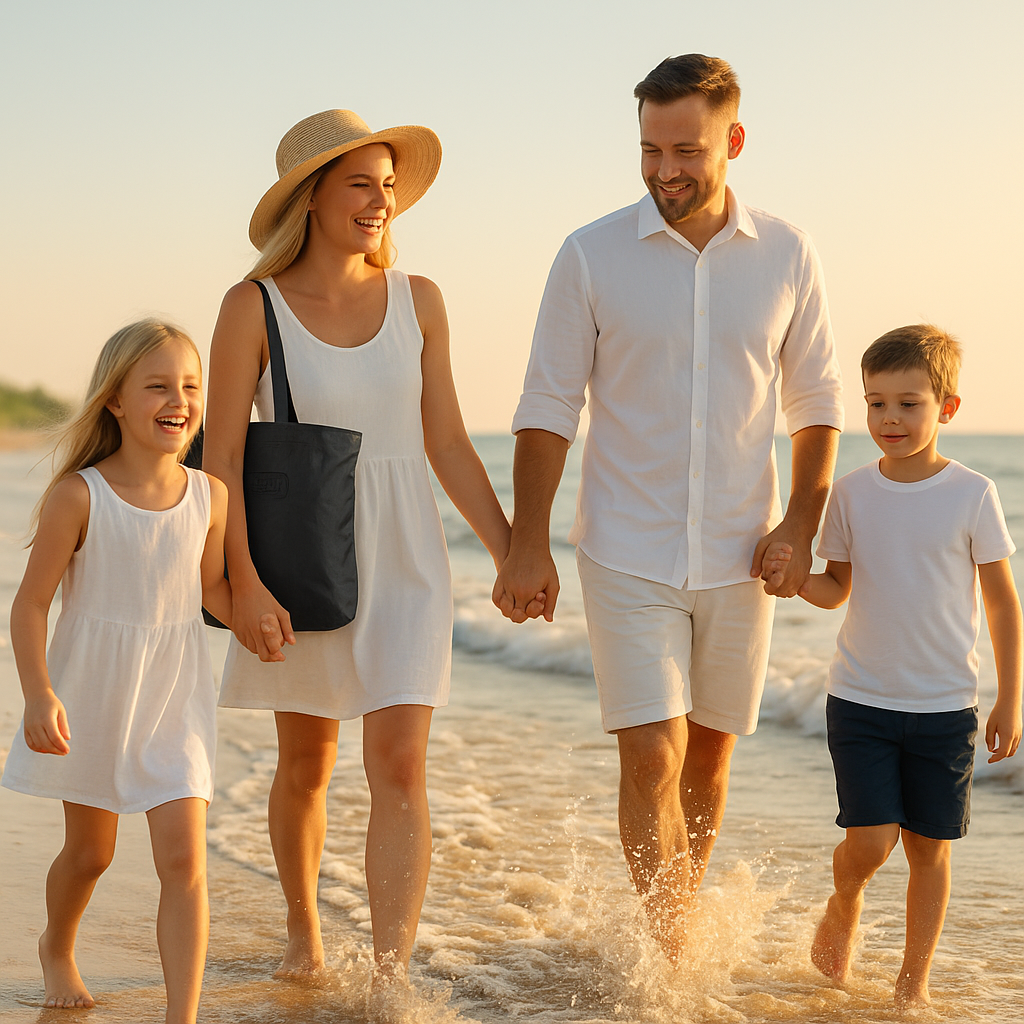
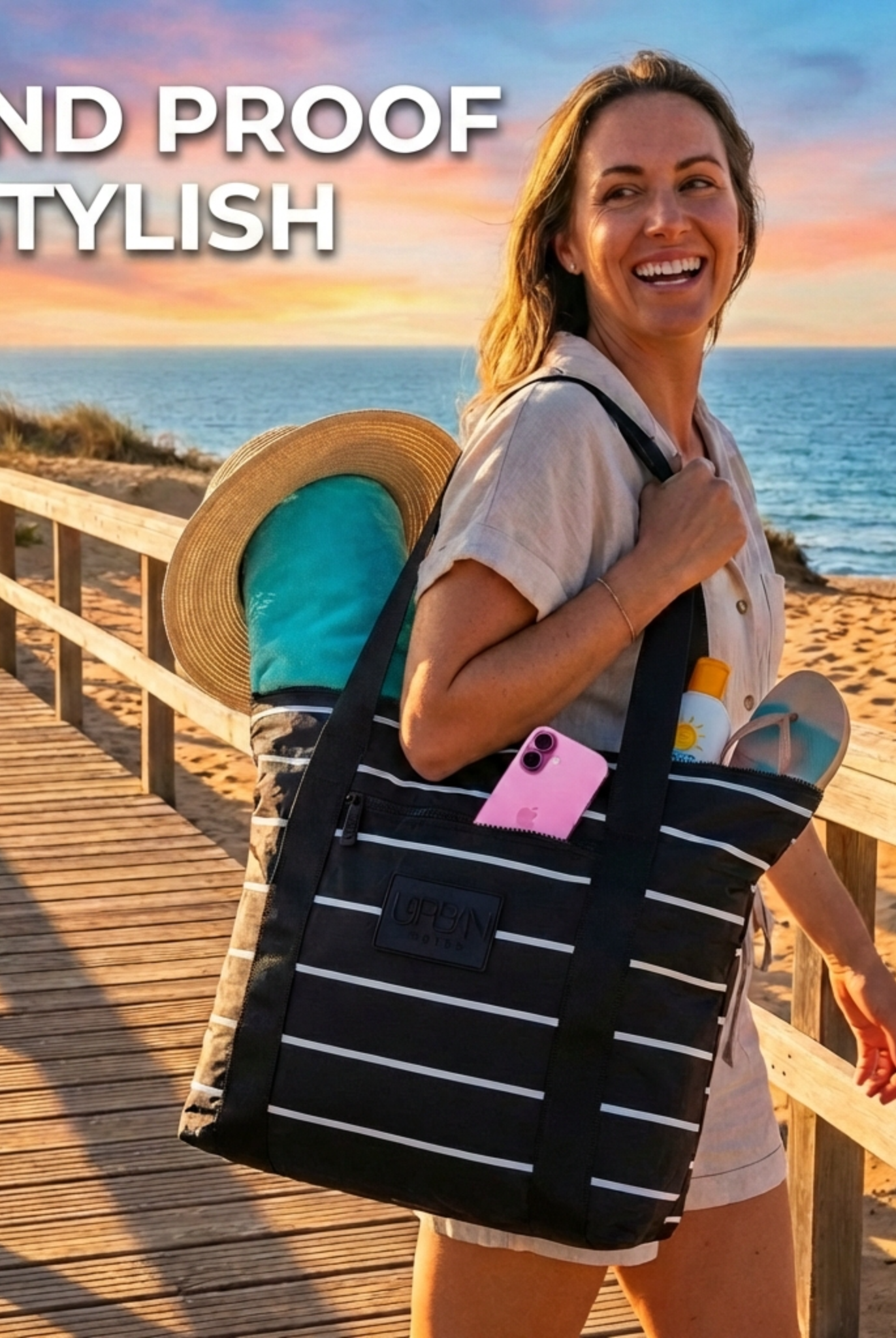
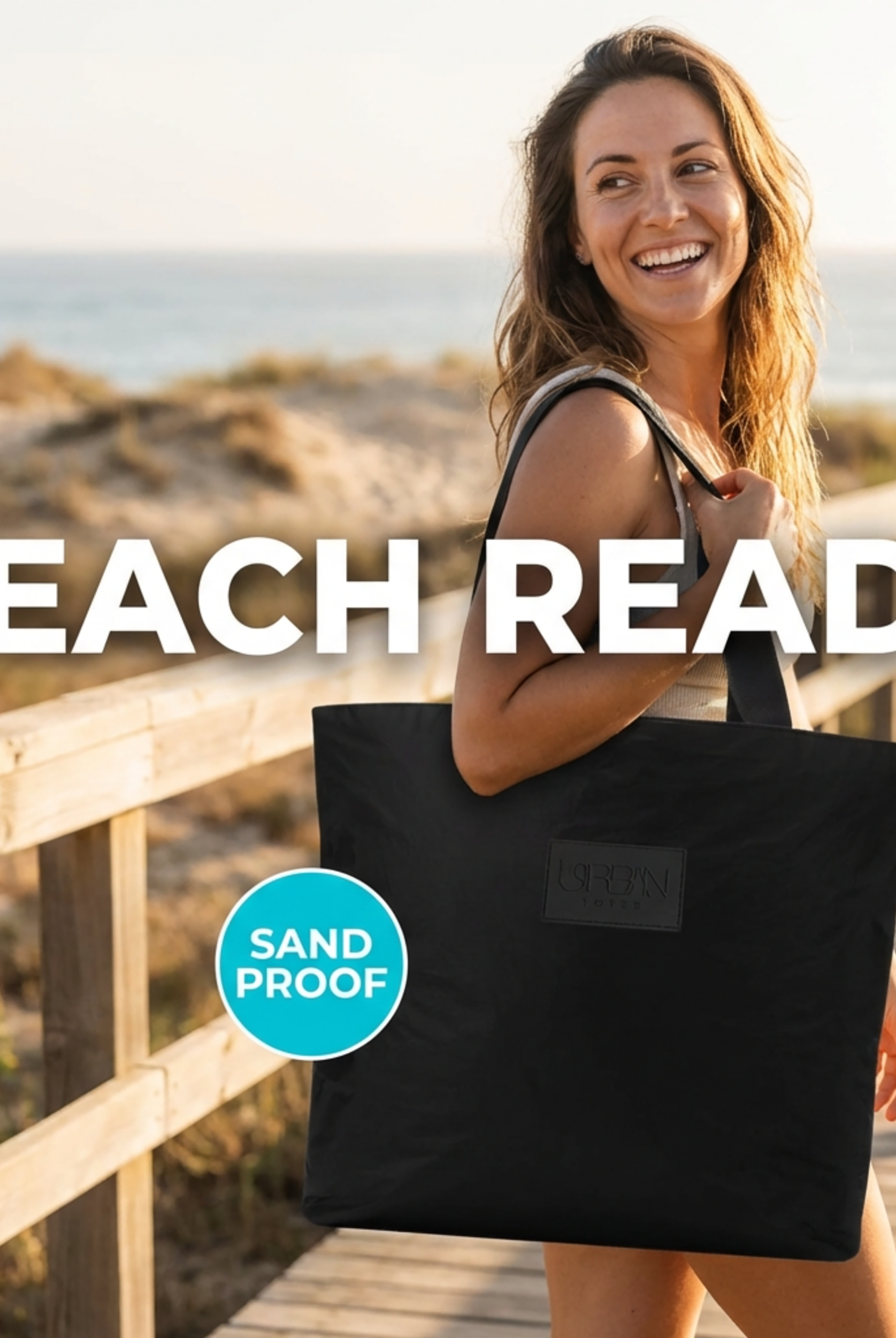
This bag works hardest. It needs to handle sunscreen, snacks, wet items, sunglasses, wipes, and the little extras that make the outing feel easy instead of chaotic.
Here, grouping matters more than anything. Keep sunscreen and wipes together. Keep snacks in their own pouch. Use one separate bag for damp items so the rest of your things stay dry and organized.
The best beach bag isn't the biggest one. It's the one that separates messy things from clean ones.
A simple beach blueprint:
- Sun kit: sunscreen, sunglasses, hat
- Snack zone: drinks, easy snacks, napkins
- Cleanup pouch: wipes, tissues, spare bag for wet clothes
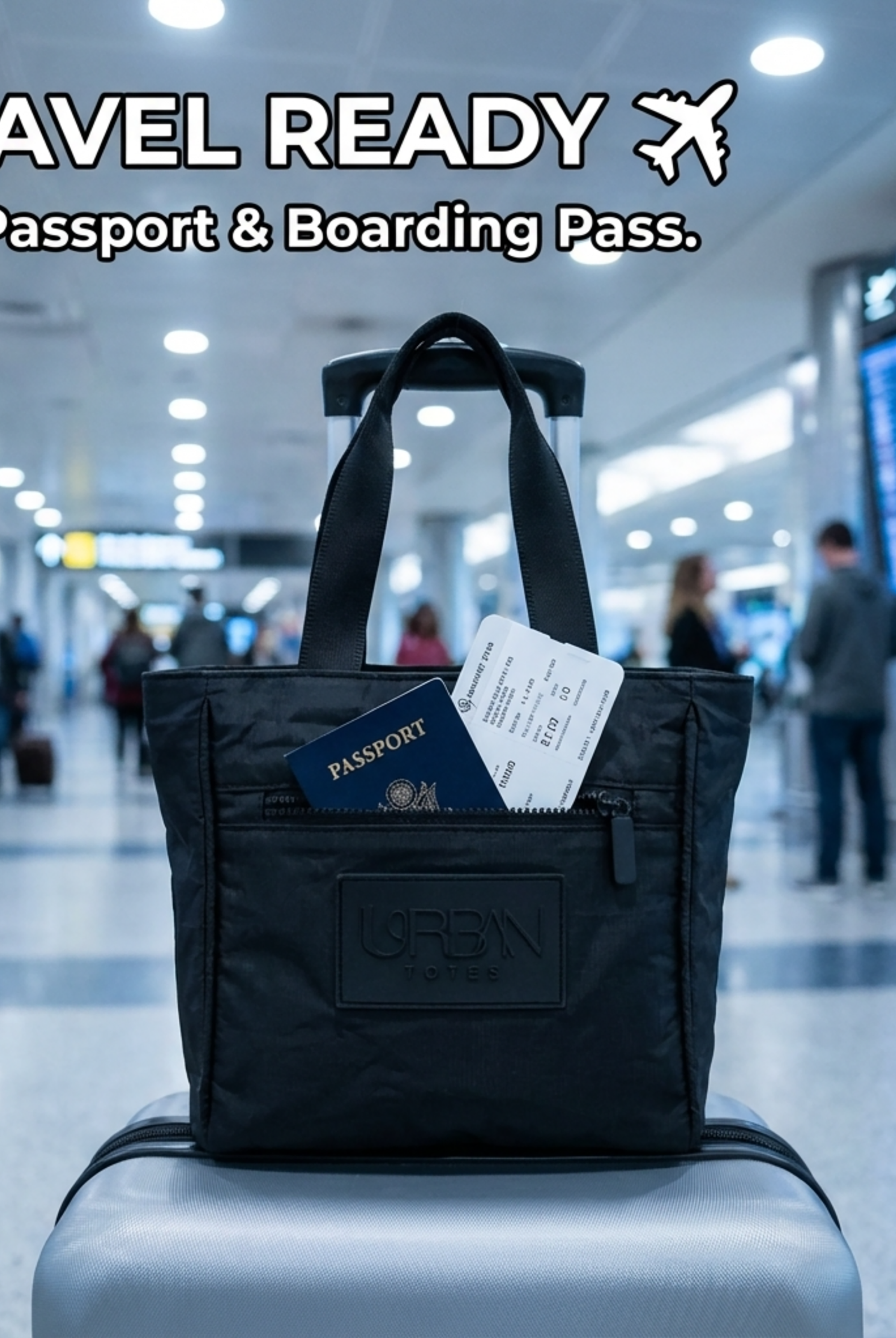
- Personal essentials: phone, ID, payment, keys in a secure pocket
The after-work gym or errand setup
This is the most underrated use case. You leave for one thing and end up doing three. Your bag needs enough flexibility to handle a water bottle, deodorant, a small towel or top, and still keep your daily basics easy to find.
This is where packable accessories shine. A foldable tote inside your main bag can save a surprise grocery stop. A slim pouch for toiletries keeps that category contained. Compression tools can also help if you're carrying a change of clothes or want to keep soft items compact. This article on compression packing cubes for travel offers ideas that translate surprisingly well to short, busy outings too.
How Urban Totes Solves Everyday Packing Pains
Most women don't need a bag that looks impressive on a shelf. They need one that behaves well at 8:15 a.m., at checkout, in the pickup line, and on the walk back from one last errand.
That's where thoughtful design matters. Urban Totes is a woman-owned small business headquartered at 1043 E Park Blvd #100, Boise, ID 83712, with Kari Thomas managing operations from that Boise location, which gives the brand a grounded, local identity through its about page.

Comfort shows up in the details
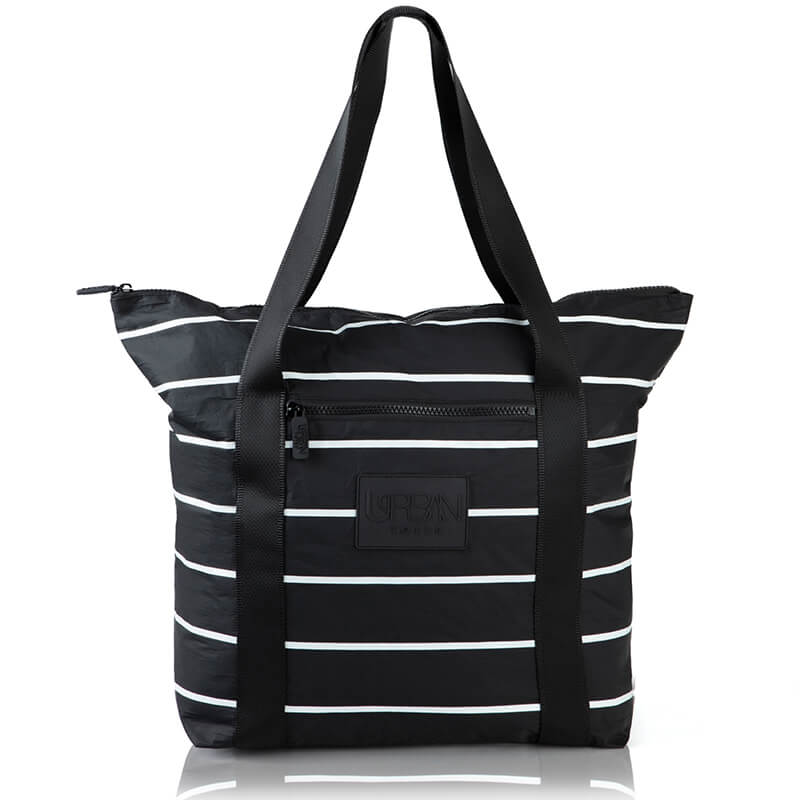
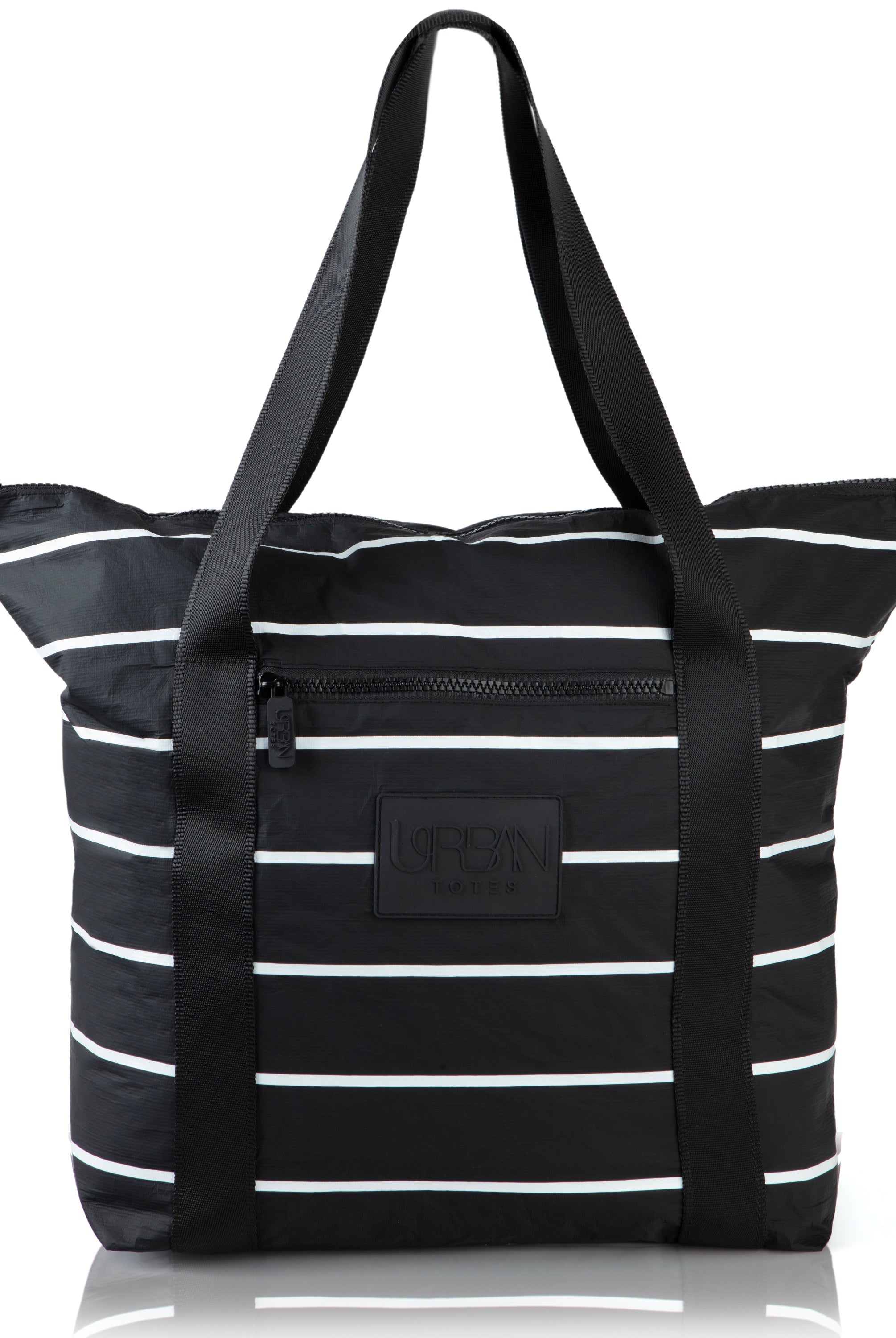
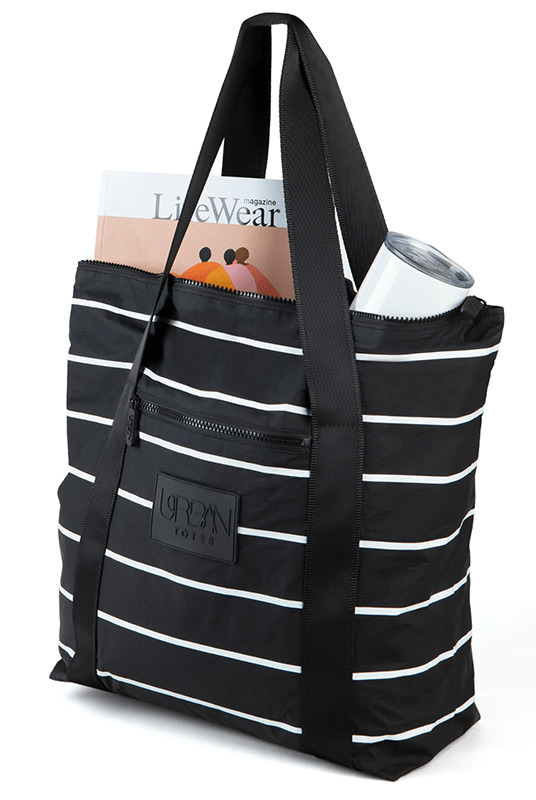
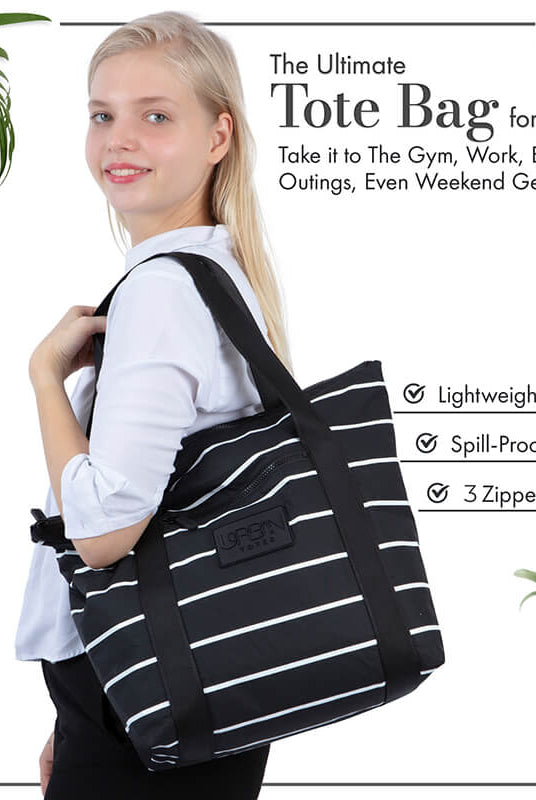
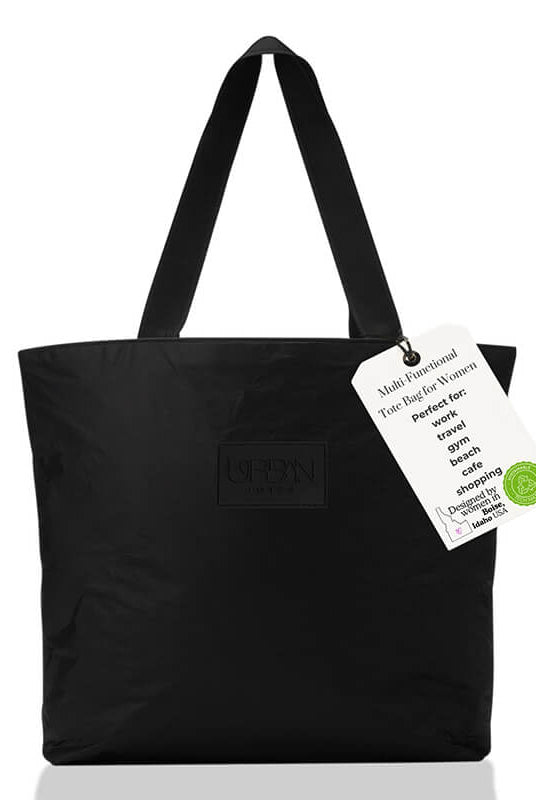
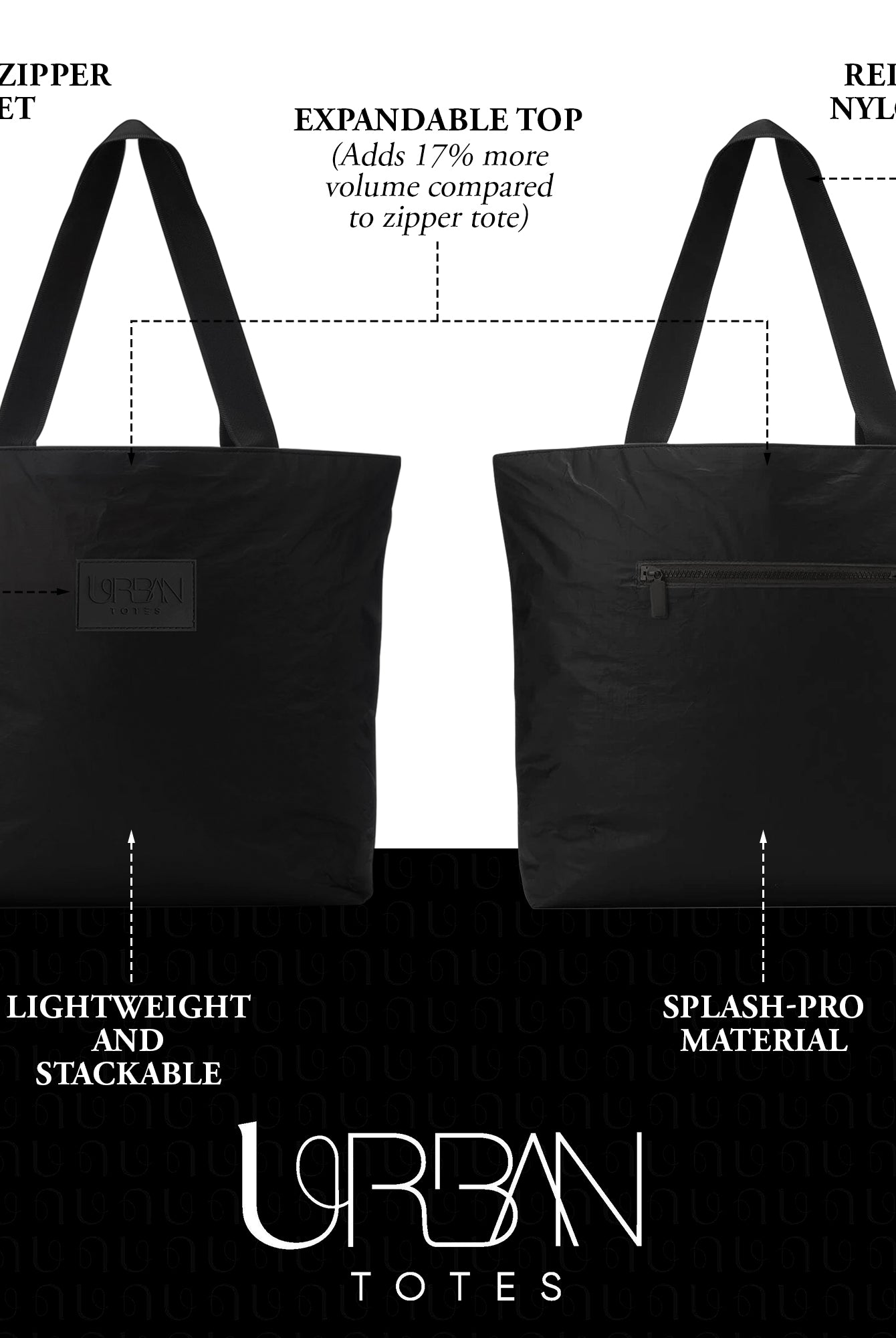
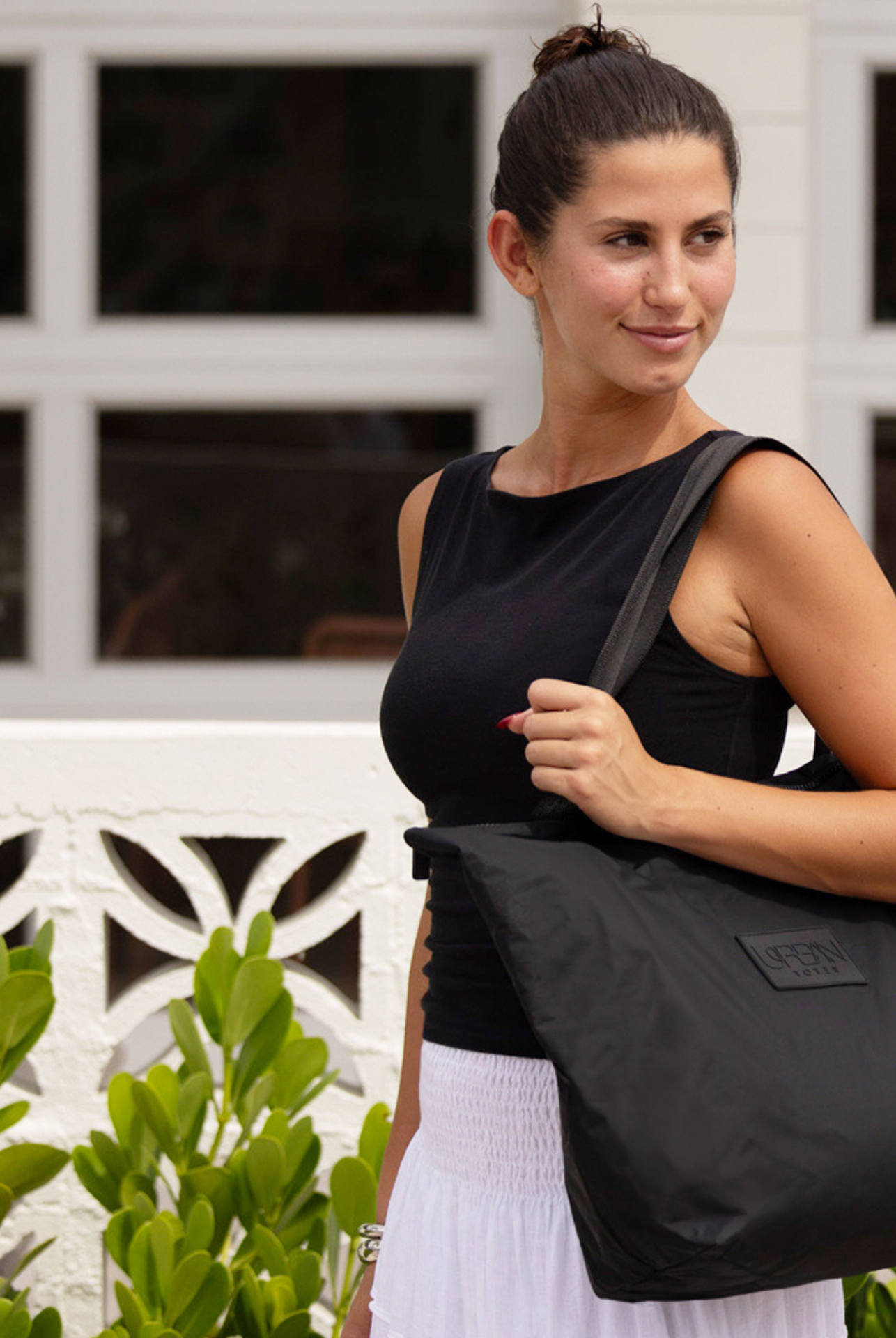
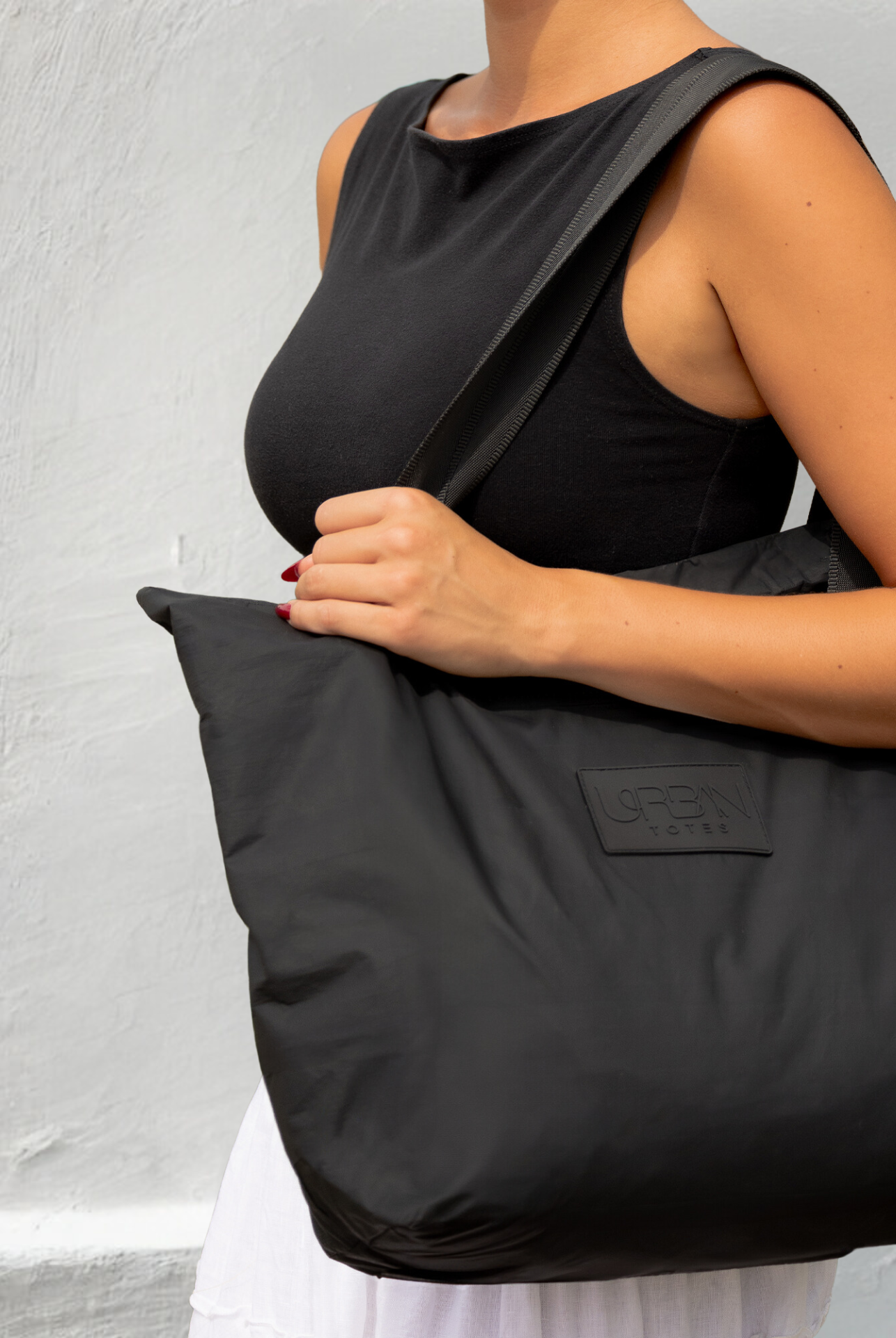
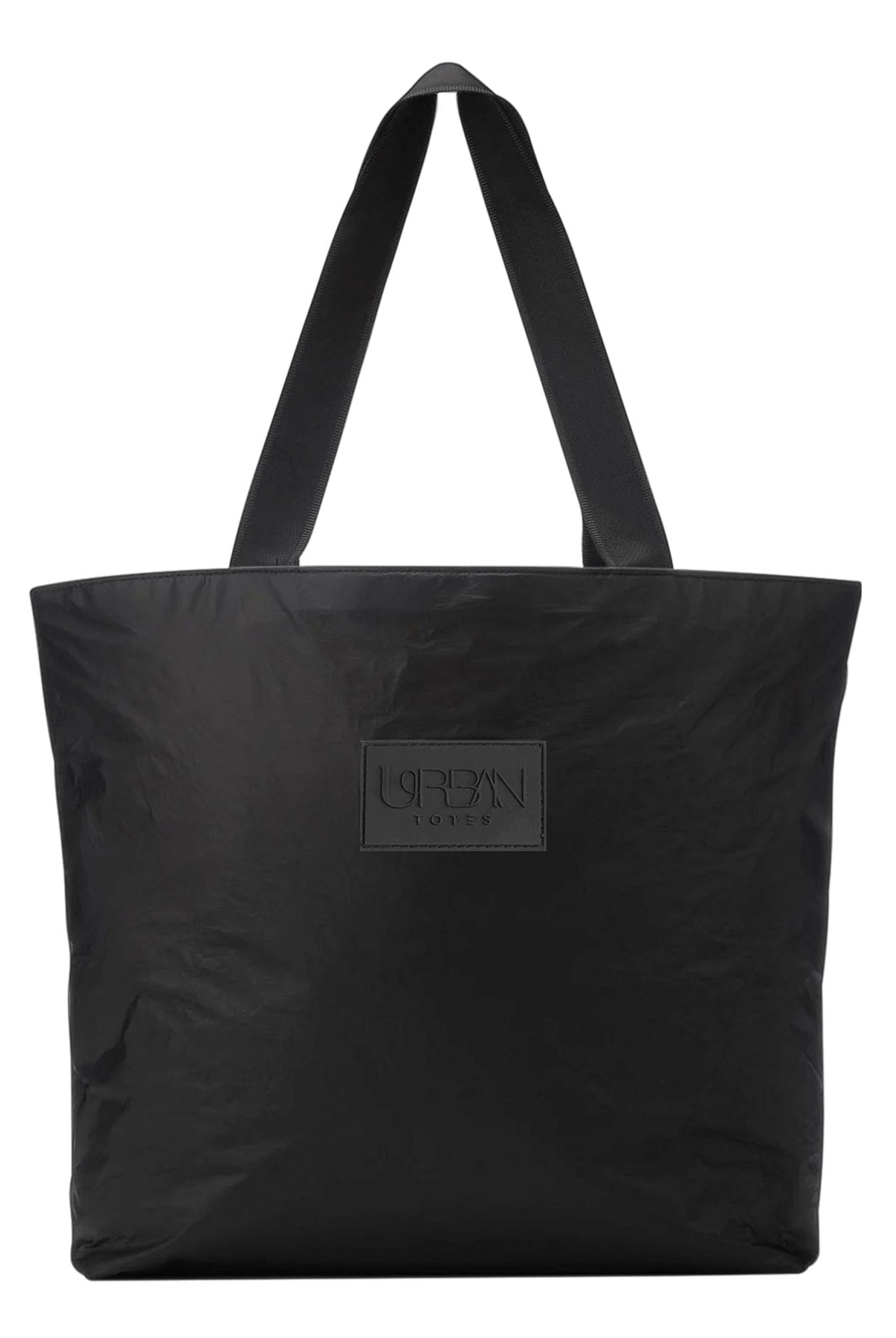
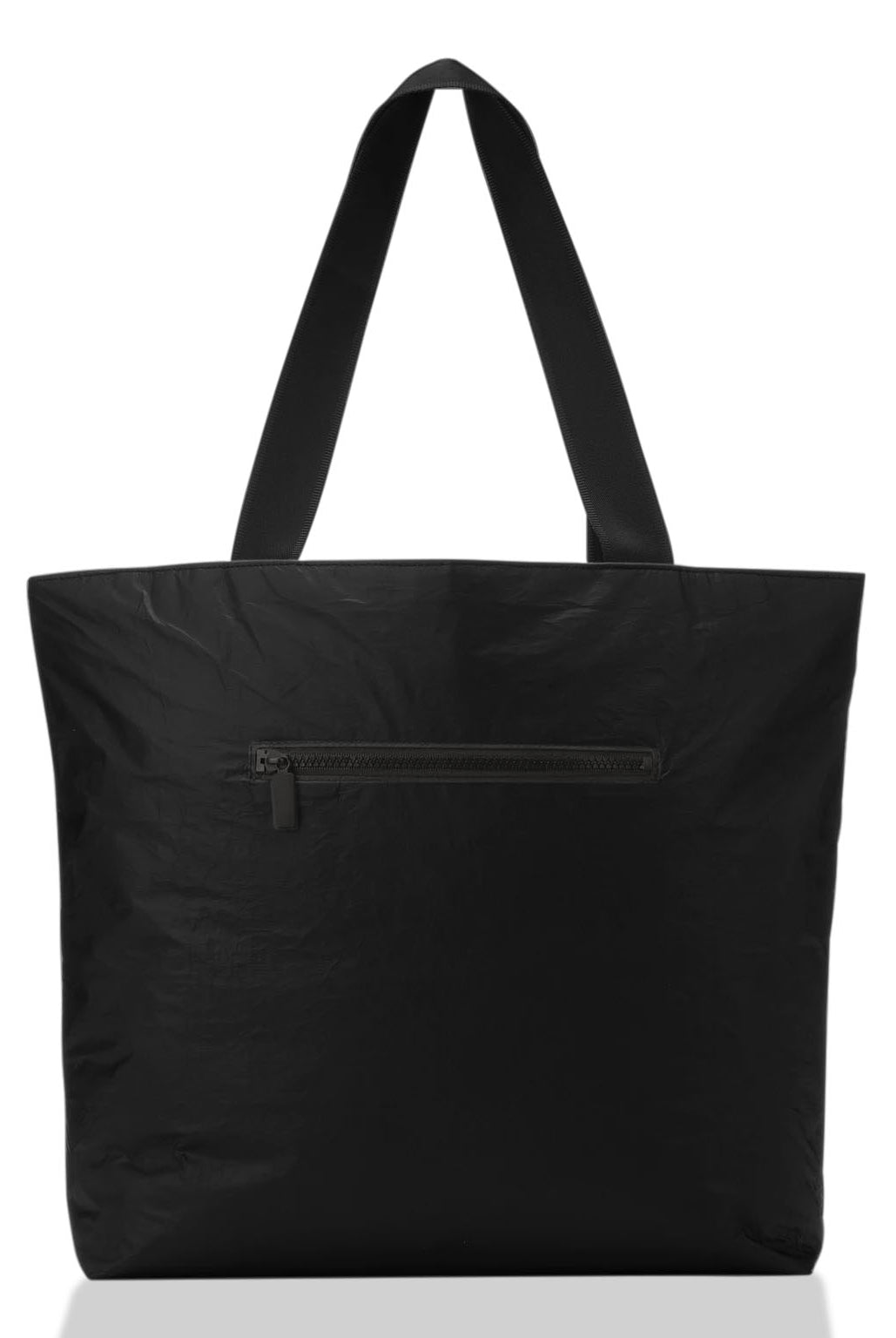
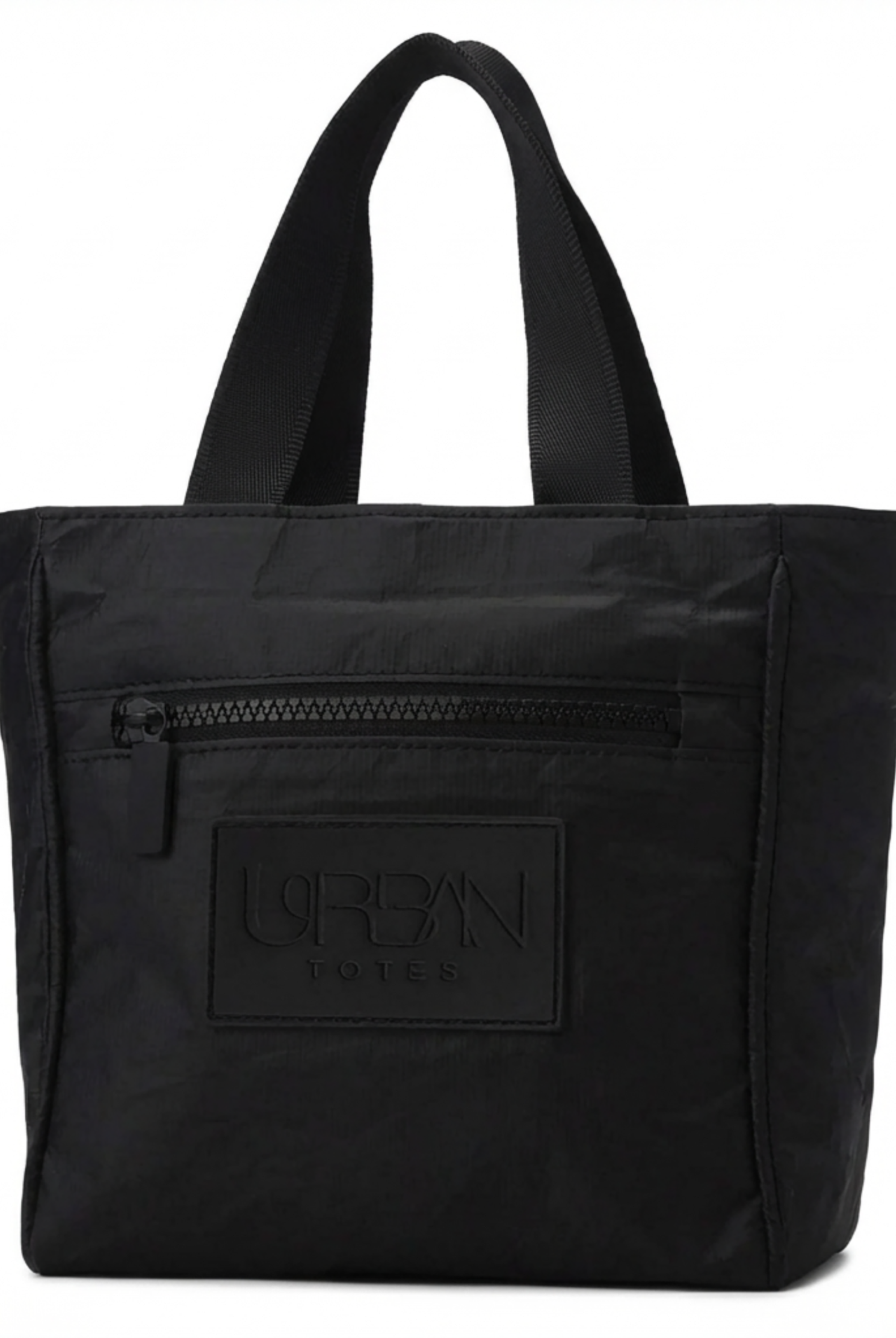
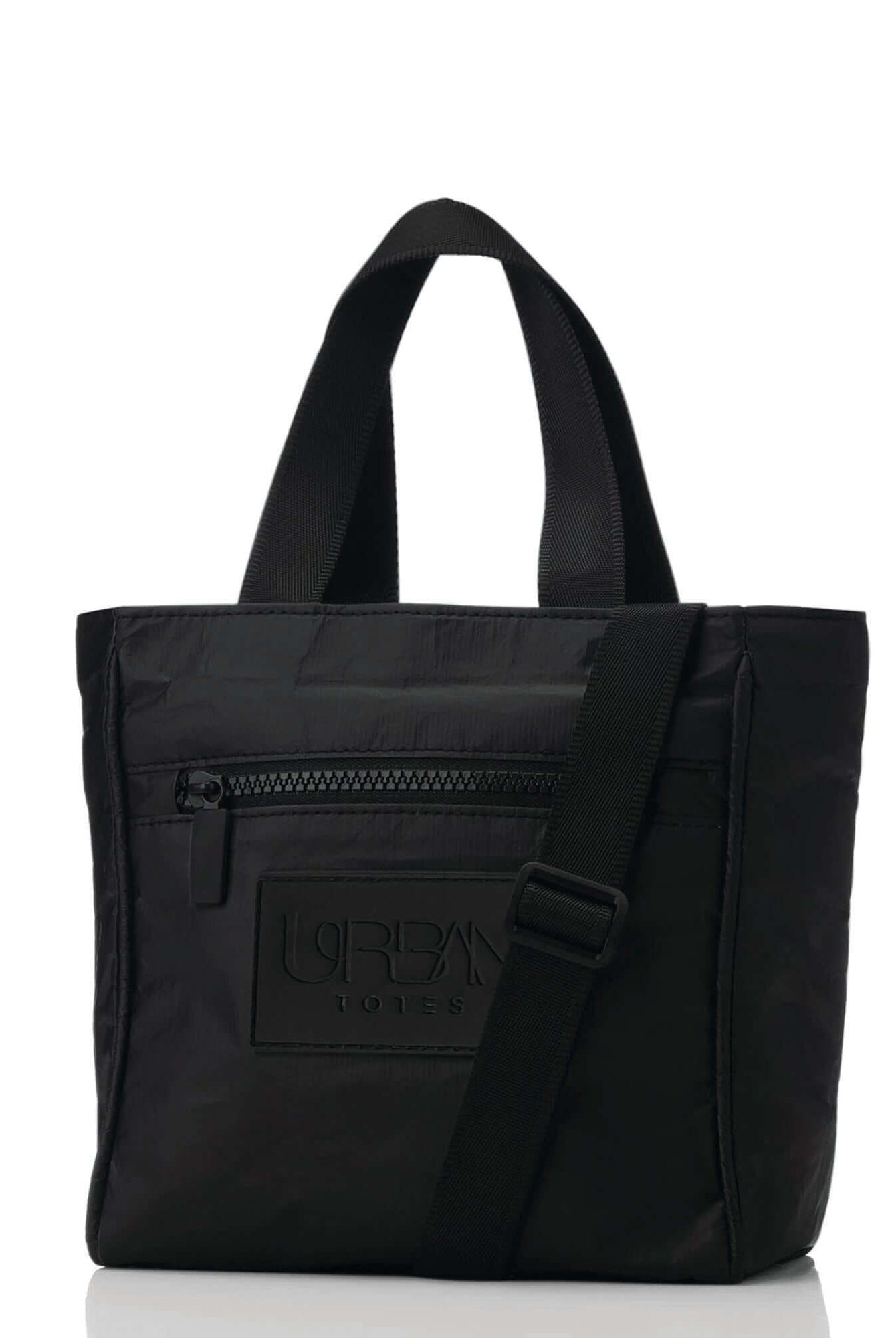
One of the easiest ways to tell whether a bag was thoughtfully designed is how it carries after a few hours. The Day Trip Tote Bag has an 11.5-inch handle length, a specific measurement intended to support comfortable shoulder carrying or hand-holding for women ages 25 to 55, according to the Urban Totes product details.
That kind of detail sounds small until you've spent a day with straps that slide, dig, or sit awkwardly under a coat.
Features that support a flexible system
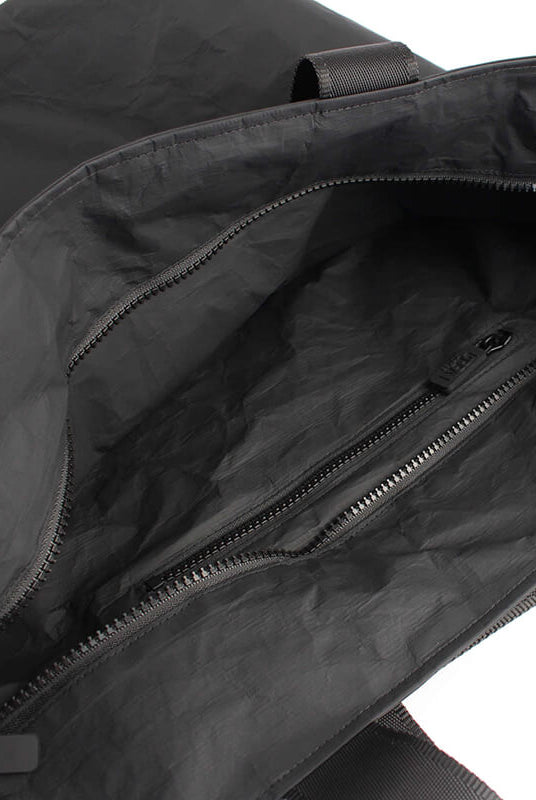
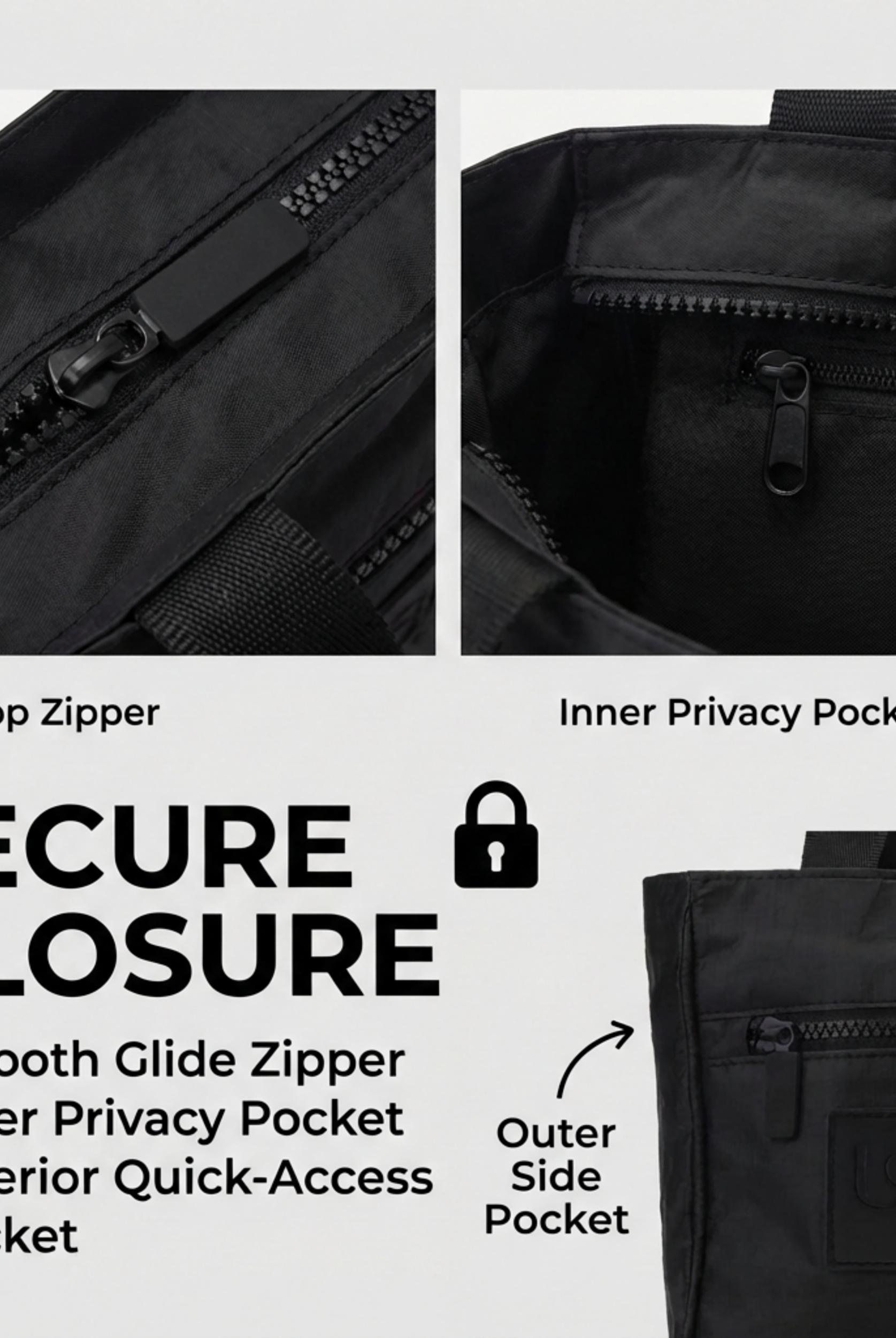
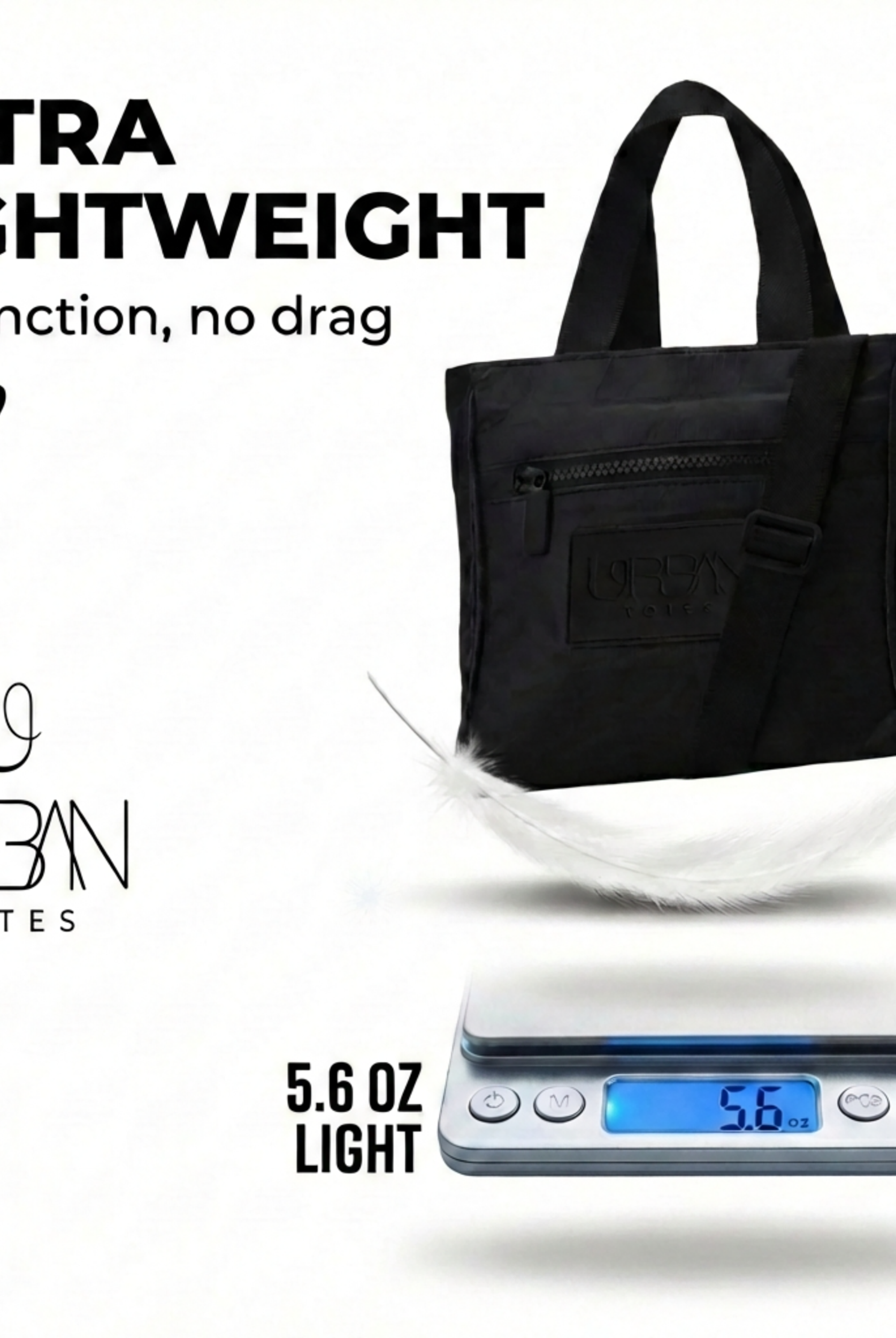
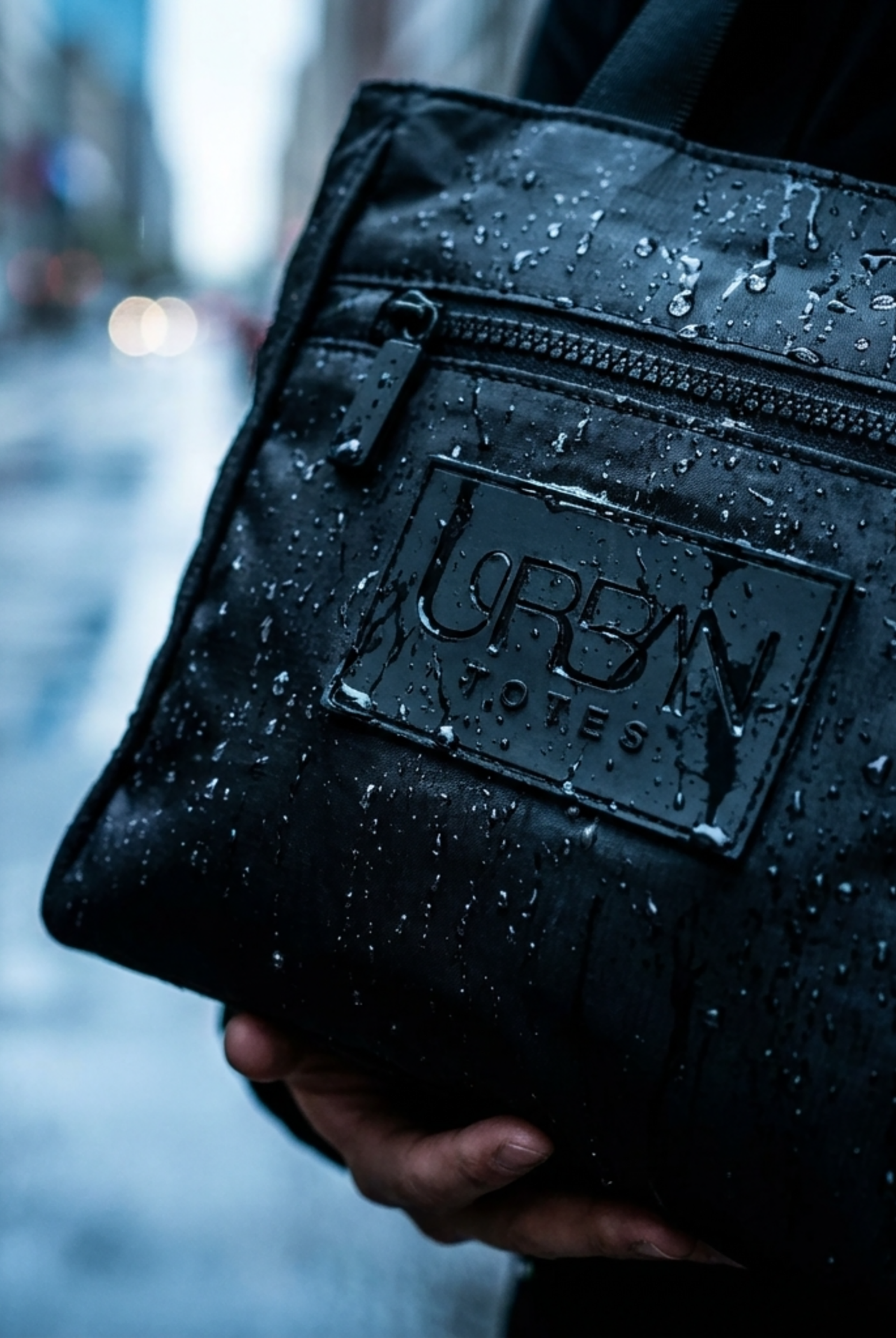
For a one day trip bag, the useful features are practical and visible. Lightweight construction matters because it keeps your everyday carry from becoming a chore. Water-resistant fabric helps with spills and changing weather. A zipper closure keeps loose essentials contained when your day gets busy.
Soft-sided luggage, which includes most day-trip bags, accounted for 60% of global travel bag sales in 2023, and expert-recommended features for sling and tote styles include slash-resistant materials, RFID-blocking layers, and lockable zippers, according to these travel sling bag feature insights. Not every woman needs every feature for every outing, but the trade-off is simple. More structure and security usually mean easier access and less mid-day frustration.
If you want to see the tote format directly, the Day Trip Tote Bag is the clearest example of a bag built around organized daily carry.
Support matters too
A bag brand also shows itself in what happens after purchase. Urban Totes maintains a 24-hour customer inquiry response window and offers live chat Monday through Friday, 9 AM to 5 PM in the user's time zone, which is useful for women trying to solve practical questions during a normal workday through the brand's contact page.
That kind of reliability fits the same philosophy as a good bag. Keep things clear. Keep them easy to access. Keep the day moving.
Go Anywhere and Tote Everything with Confidence
The right one day trip bag should fade into the background in the best possible way. You're not thinking about where your keys went, whether your sunscreen leaked, or why your shoulder already hurts. You're just moving through the day.
That's what a flexible packing system gives you. A core kit for daily life. A few quick swaps for the beach, work, or errands. A bag that stays organized instead of becoming one big mystery pocket.
If your next outing is an actual day adventure, a practical planner like this Slovenian day trips guide for 2025 can help you think through what to bring when the day has more movement, weather changes, and stops built in.
Your bag doesn't need to do everything. It just needs to support the life you already have, with less friction and more ease.
Find your perfect go-anywhere bag at Urban Totes. Shop the full collection and take on whatever the day brings.