You know the moment. You're at school drop-off, the airport gate, or halfway through a grocery run, and the one thing you need is buried under receipts, snacks, lipstick, earbuds, and a charger you swear was right there five minutes ago. A tote bag pouch fixes that kind of chaos fast, because it gives every small thing a home instead of letting your bag turn into a black hole.
That matters when your tote is already doing the heavy lifting. Nobody wants a bag that's too heavy, too small, or impossible to search with one hand while carrying coffee in the other. The right pouch keeps the load organized, makes your carry feel lighter, and helps you get from “Where is it?” to “Got it” without the full rummage-and-dump routine.
Table of Contents
- The Chaos of the Bottomless Bag
- Core Features of a Quality Tote Bag Pouch
- Choosing the Right Size and Material
- Organization and Packing Strategies
- Care, Maintenance, and Longevity Tips
- Final Tips for the On-the-Go Woman
The Chaos of the Bottomless Bag
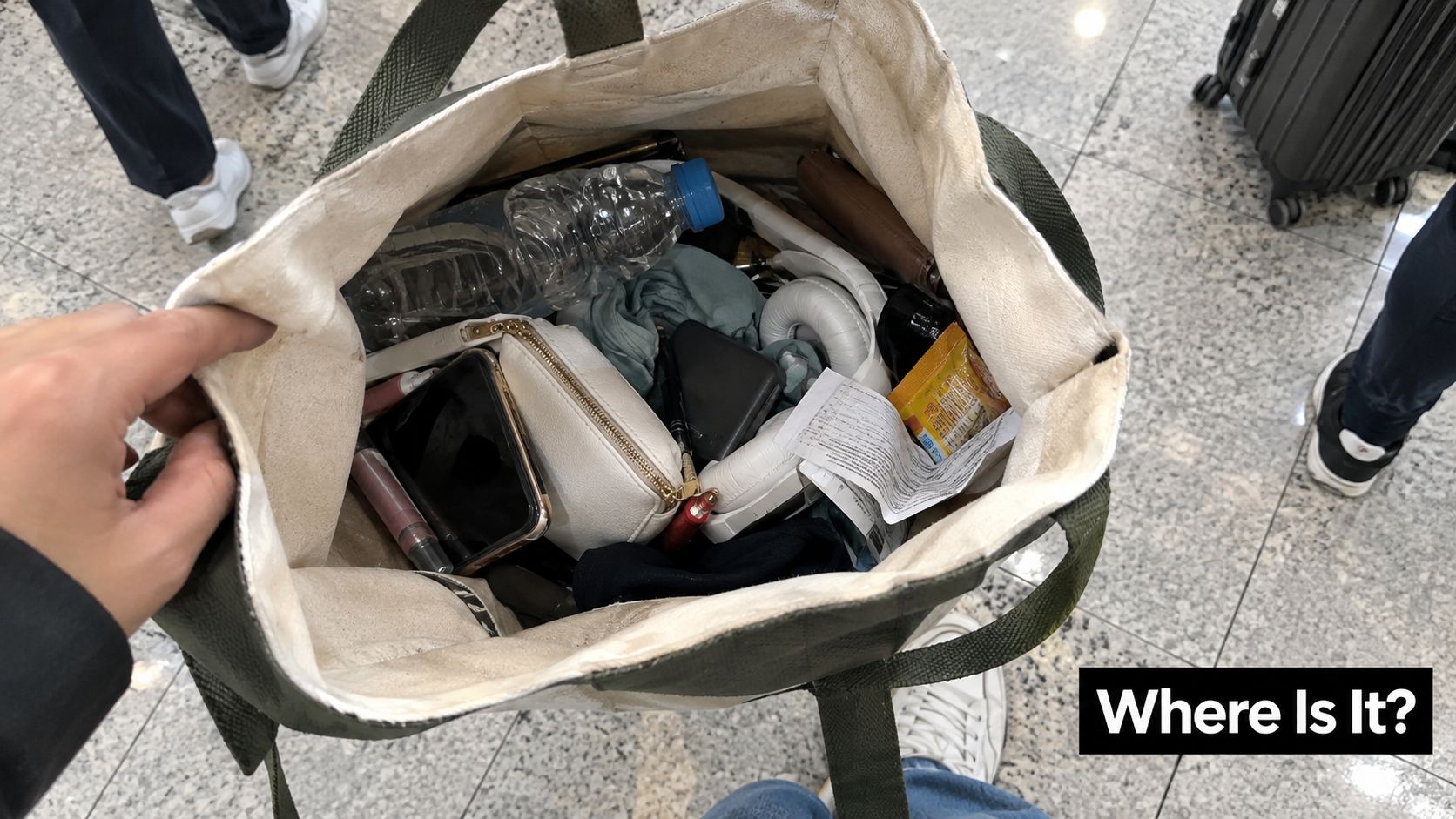
You know the drill. One minute your tote feels roomy, and the next you're fishing past a water bottle, a sweater, and a pouch of snacks just to find your keys. That's the exact moment a tote bag pouch stops being a cute accessory and starts acting like your sanity saver.
A good system turns a messy carry-all into something you can use in real life. I've seen the difference most clearly on mornings when I'm already juggling a kid's backpack, my own coffee, and a bag that's somehow gained five extra items overnight. When everything has a place, the bag feels smaller in the best way, because you're not wasting time moving things around just to reach one small item.
Practical rule: if you reach into your tote more than once a day, the pouch should make access faster, not more complicated.
That's why I like thinking about organization before I think about style. The right setup doesn't just look neater, it makes a heavy day feel less clunky and a small tote feel more capable. For a simple framework on the basics, this guide to organizing tote bags is a helpful companion.
Core Features of a Quality Tote Bag Pouch
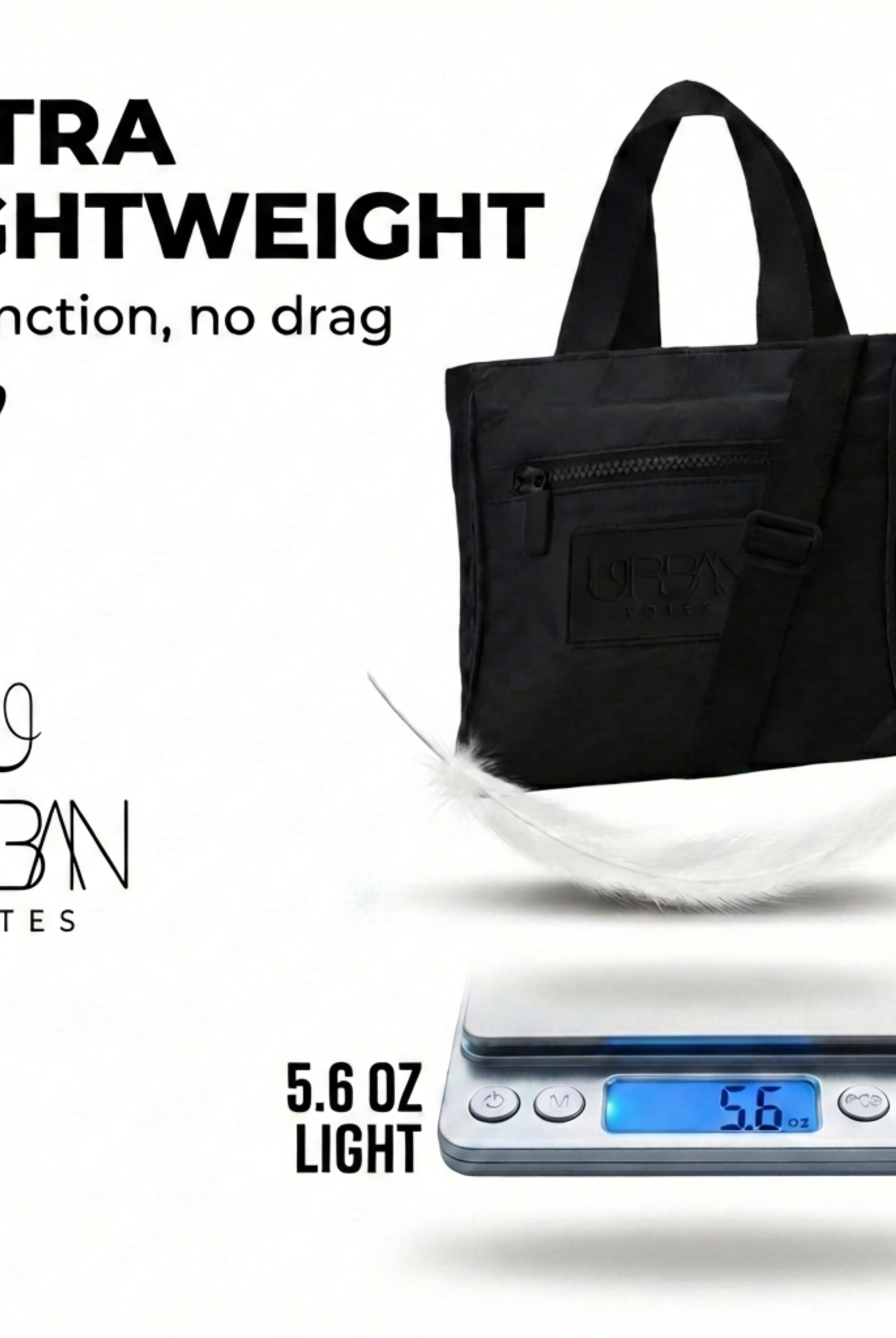
A pouch works when it earns its spot inside the tote. That means it should be lightweight, structured enough to hold its shape, and easy to open without wrestling with it at the checkout line or in the airport queue. A zipper closure matters because loose openings invite spills, lost items, and that annoying moment when everything slides out at once.
What actually matters most
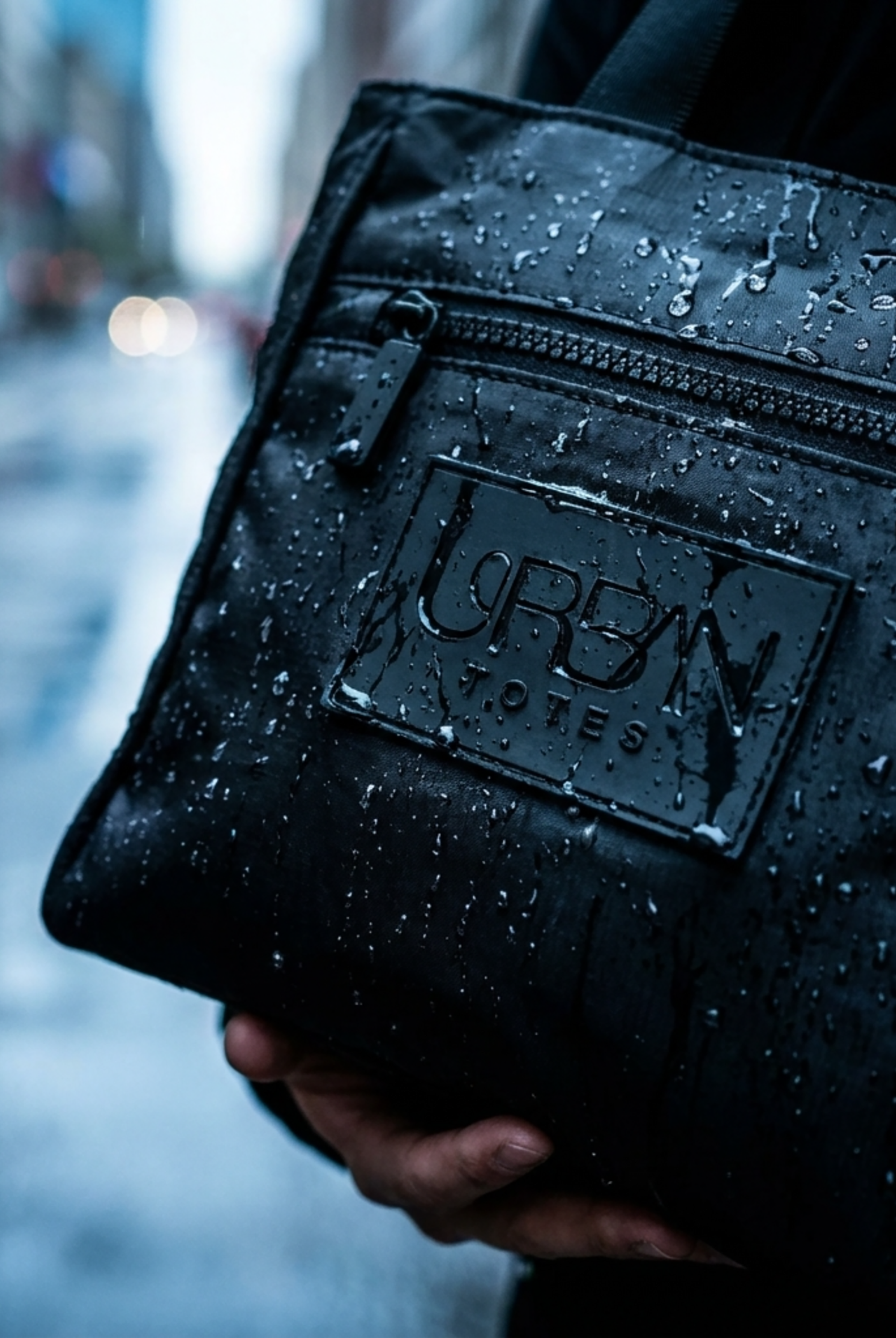
The first thing I look for is material that can handle daily contact. For water exposure, the useful question isn't whether a pouch is merely called water-resistant, it's how that resistance is measured. Standards such as ISO 811:2018 and ISO 1420:2016 use hydrostatic-pressure methods to check water penetration, which is a more useful way to talk about protection than vague marketing language (ISO 811:2018, ISO 1420:2016).
The next thing is separation. I want a pouch that can keep cords away from snacks, or skincare away from documents. If you like making or modifying your own bag system, a practical sewing walkthrough like the beginner's guide to sewing a tote can help you think through seams, structure, and pocket placement before you commit.
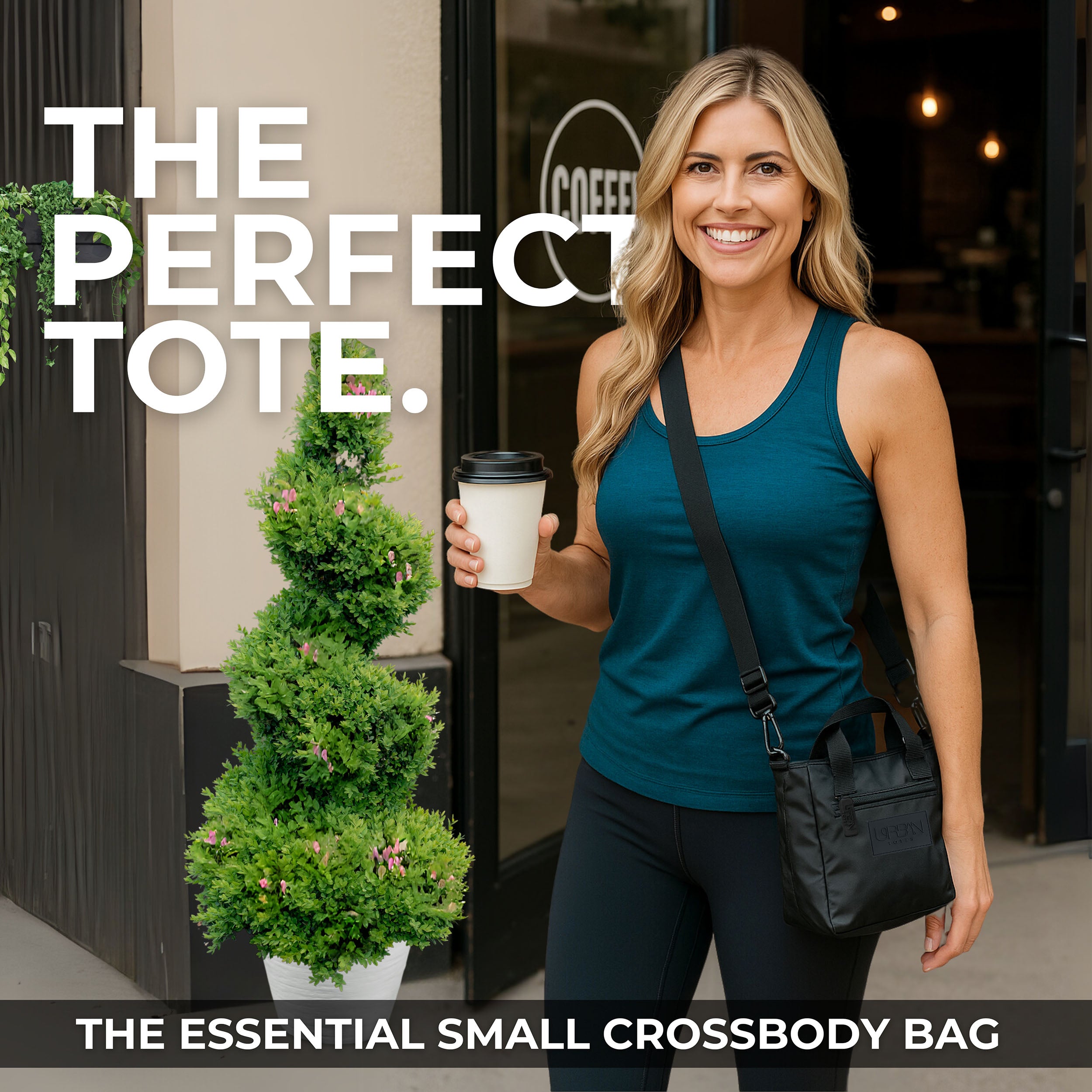
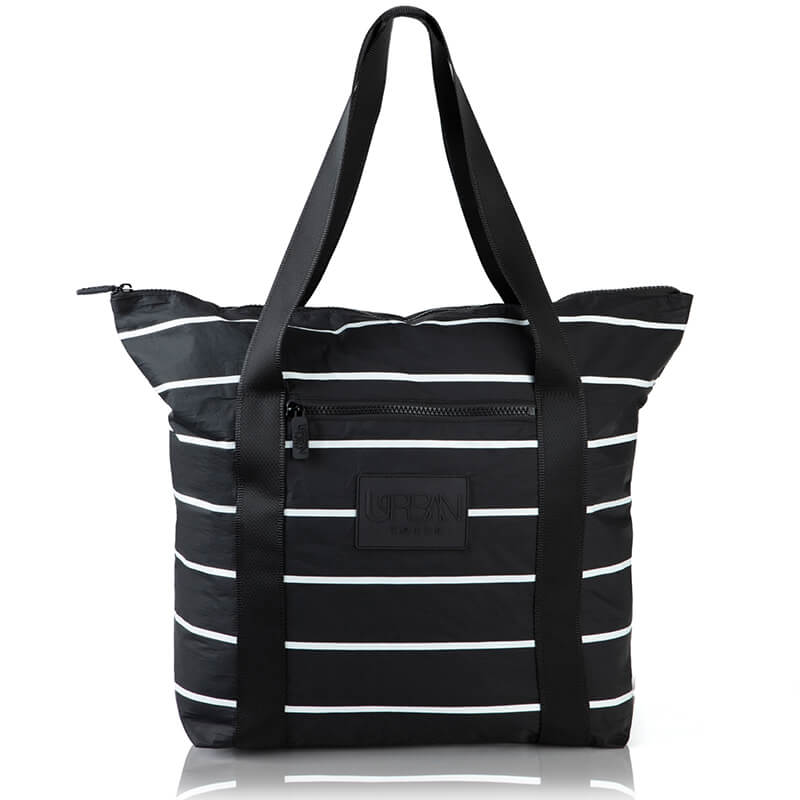
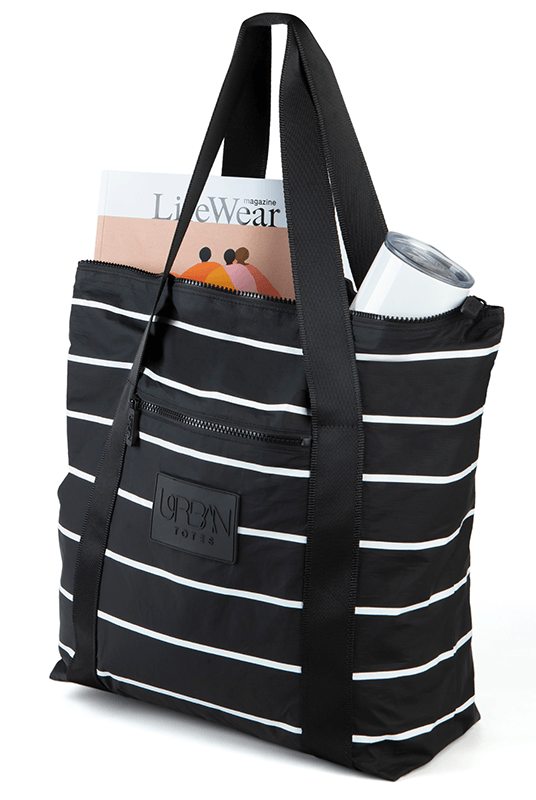
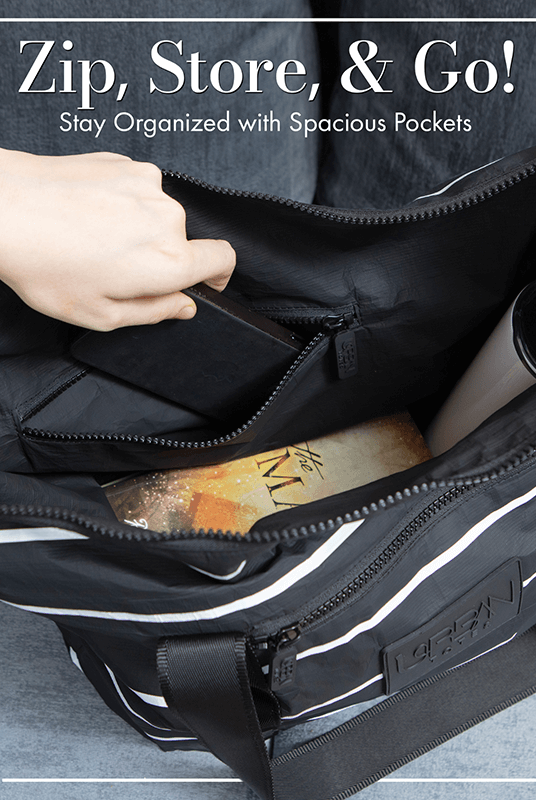
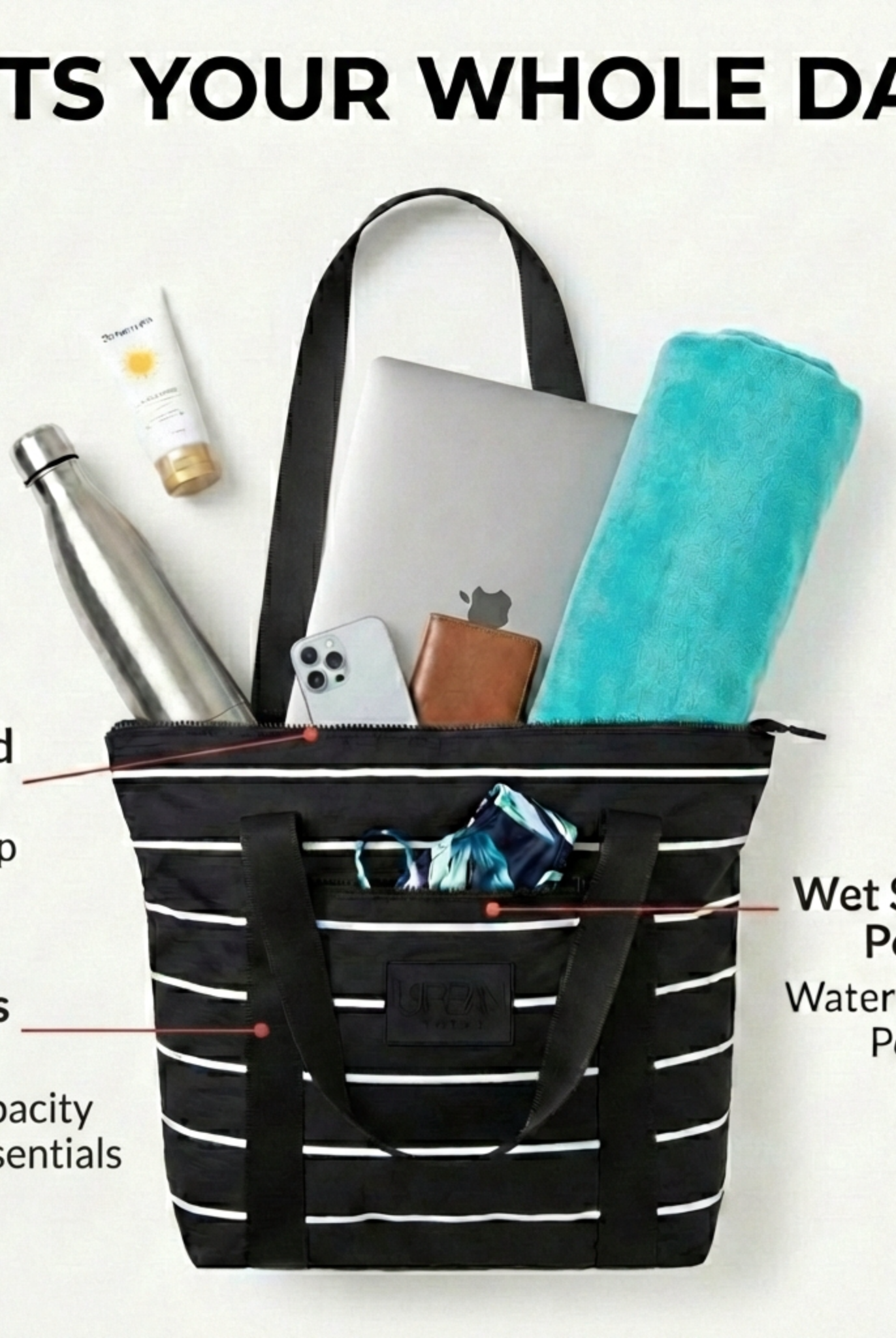
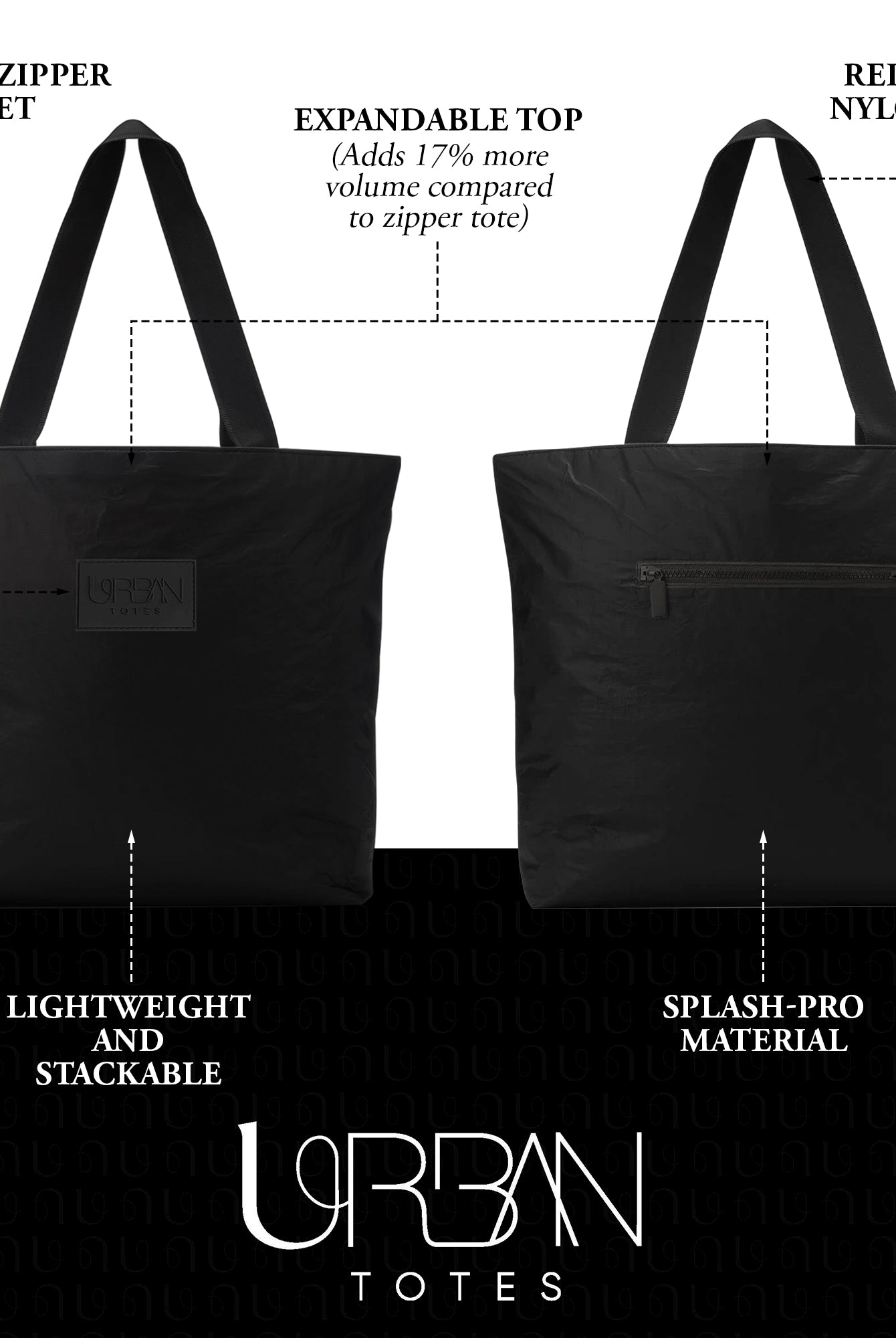
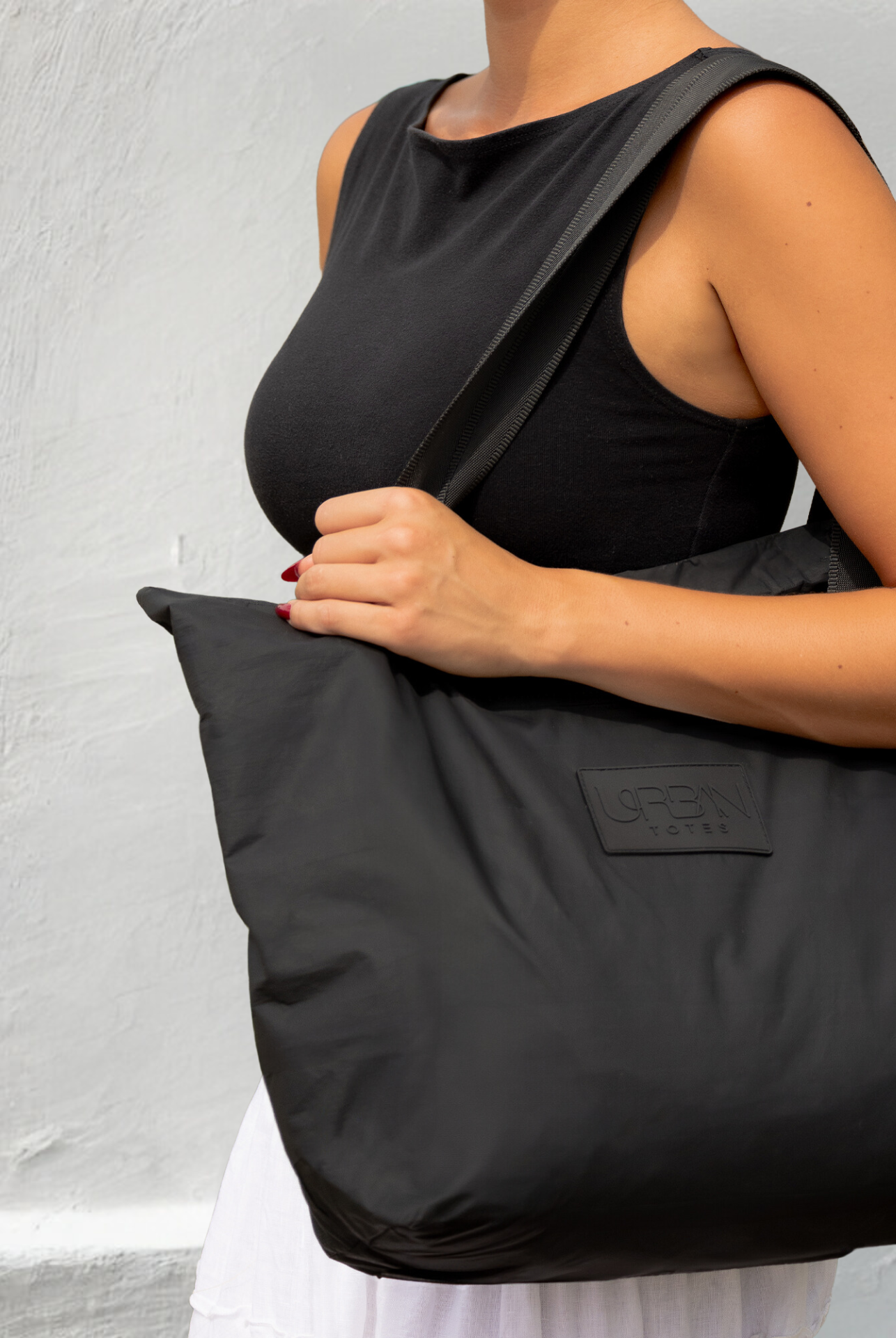
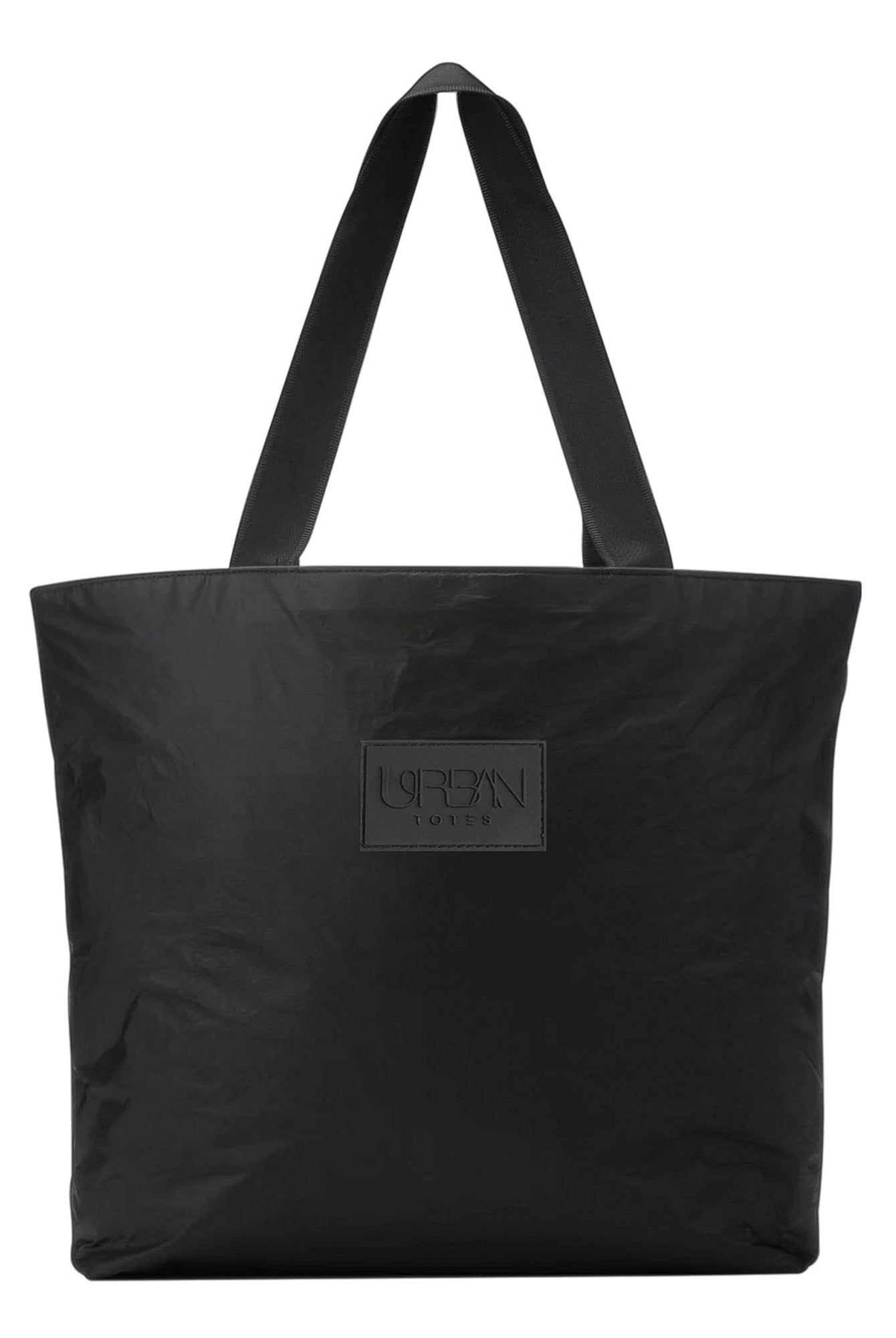
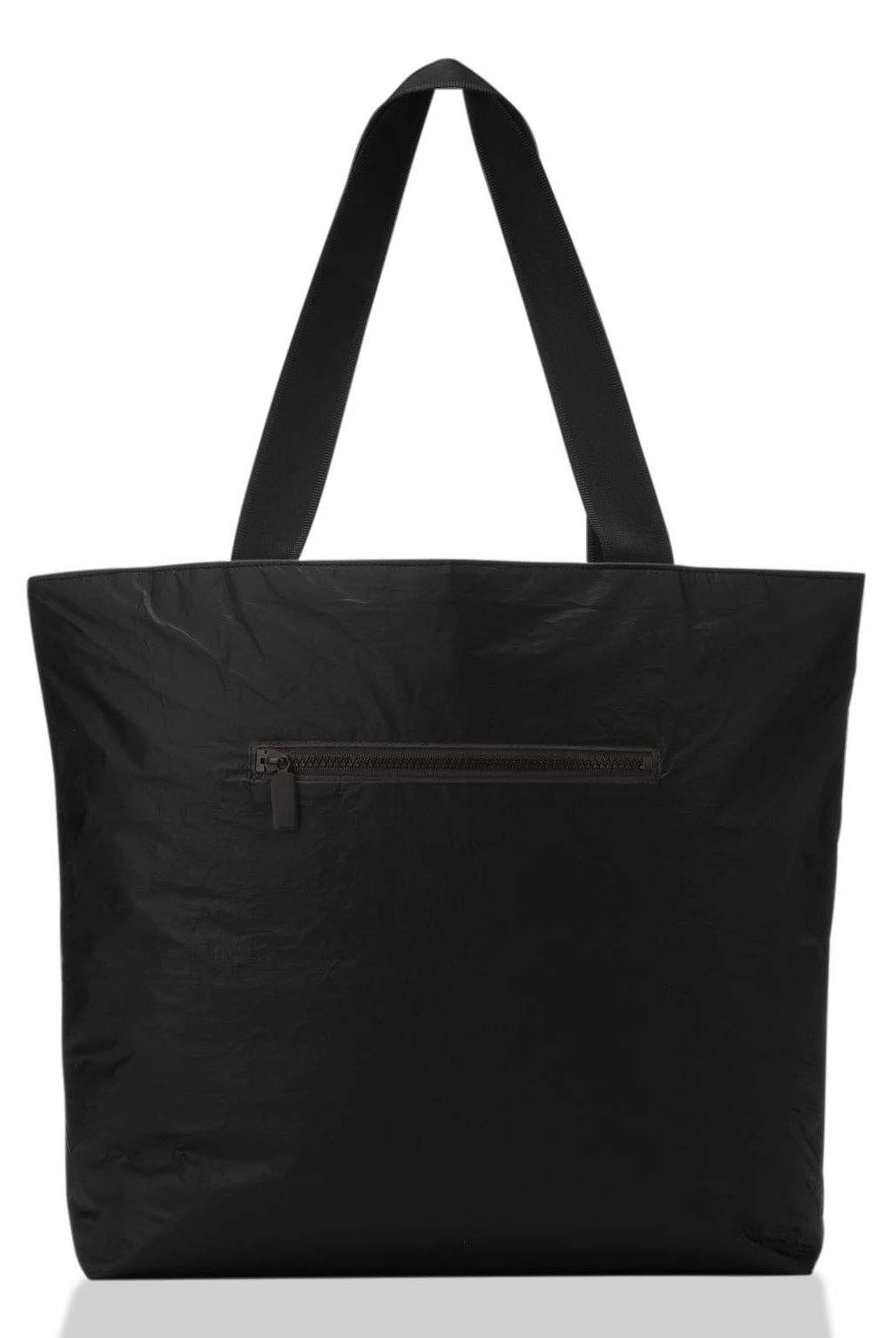
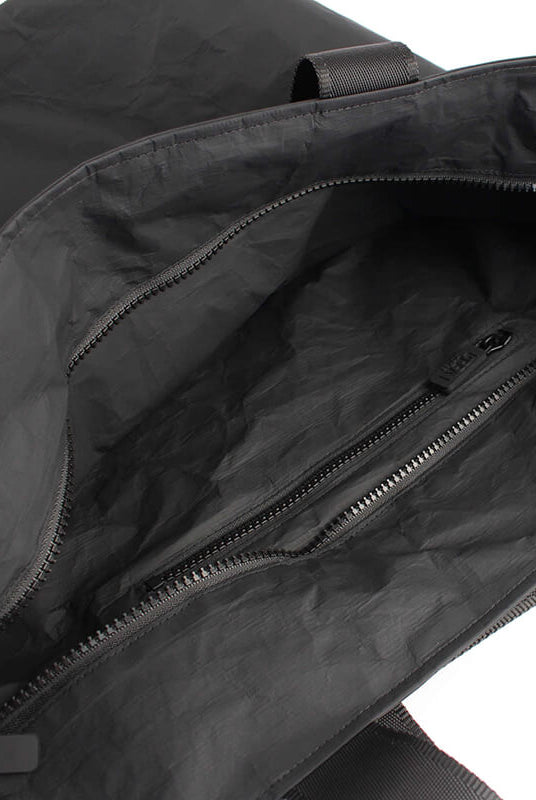
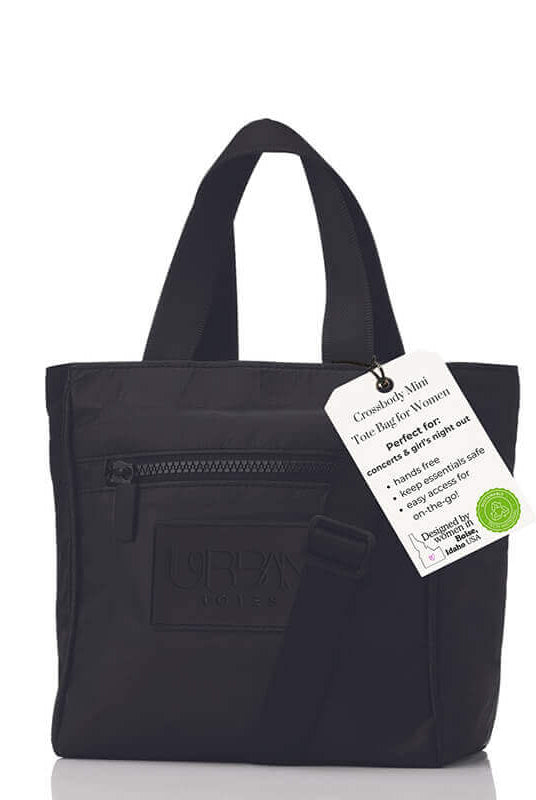
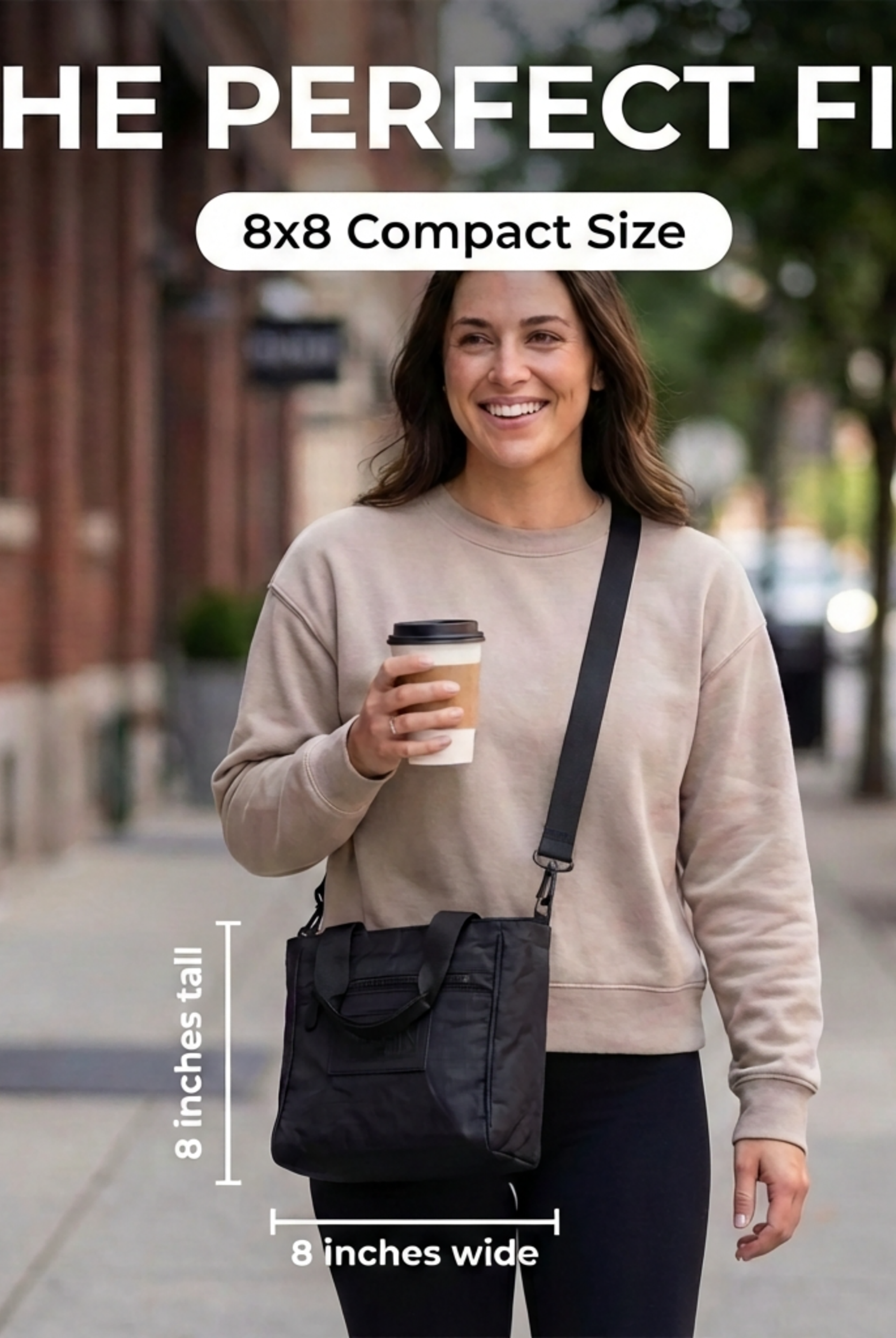
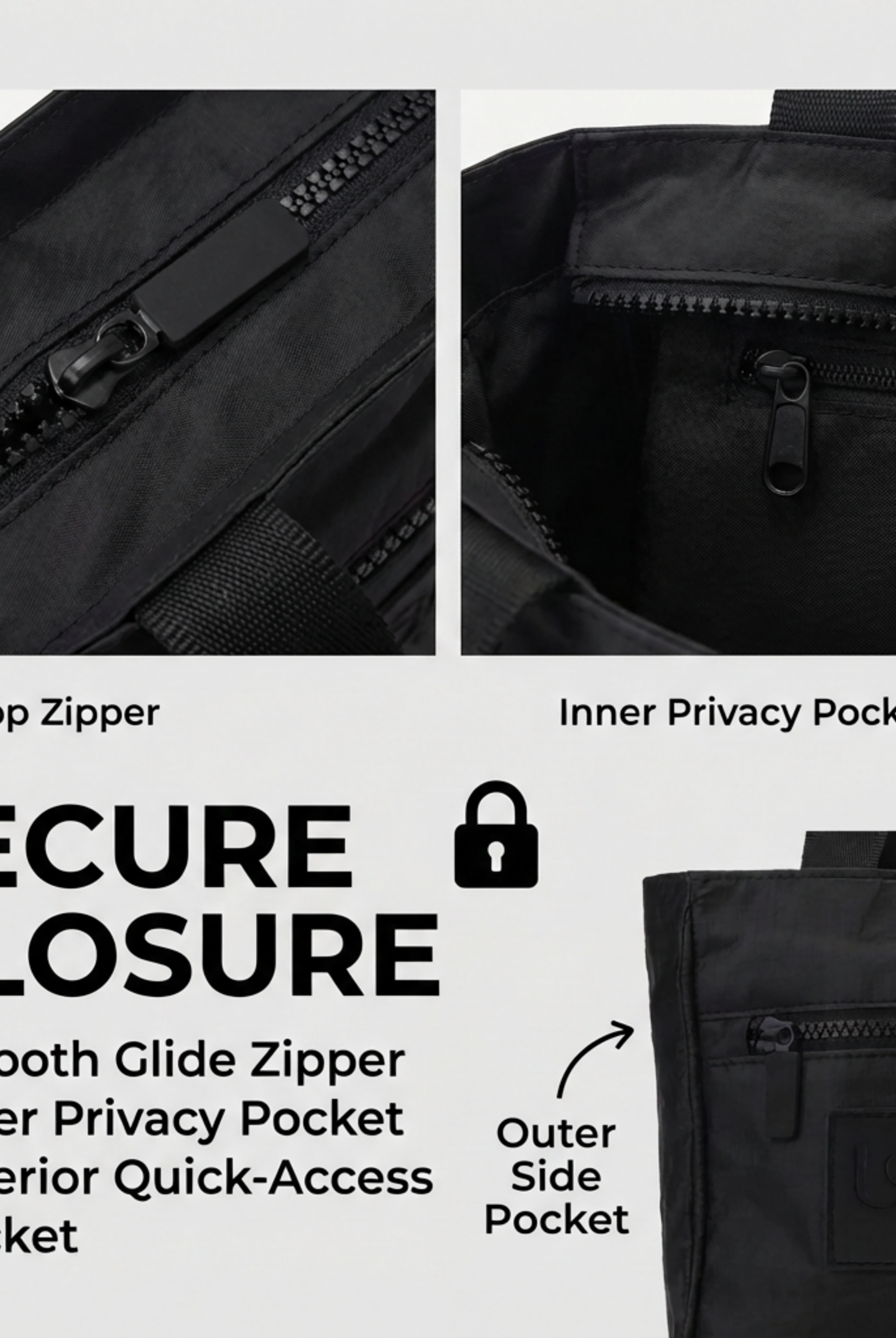
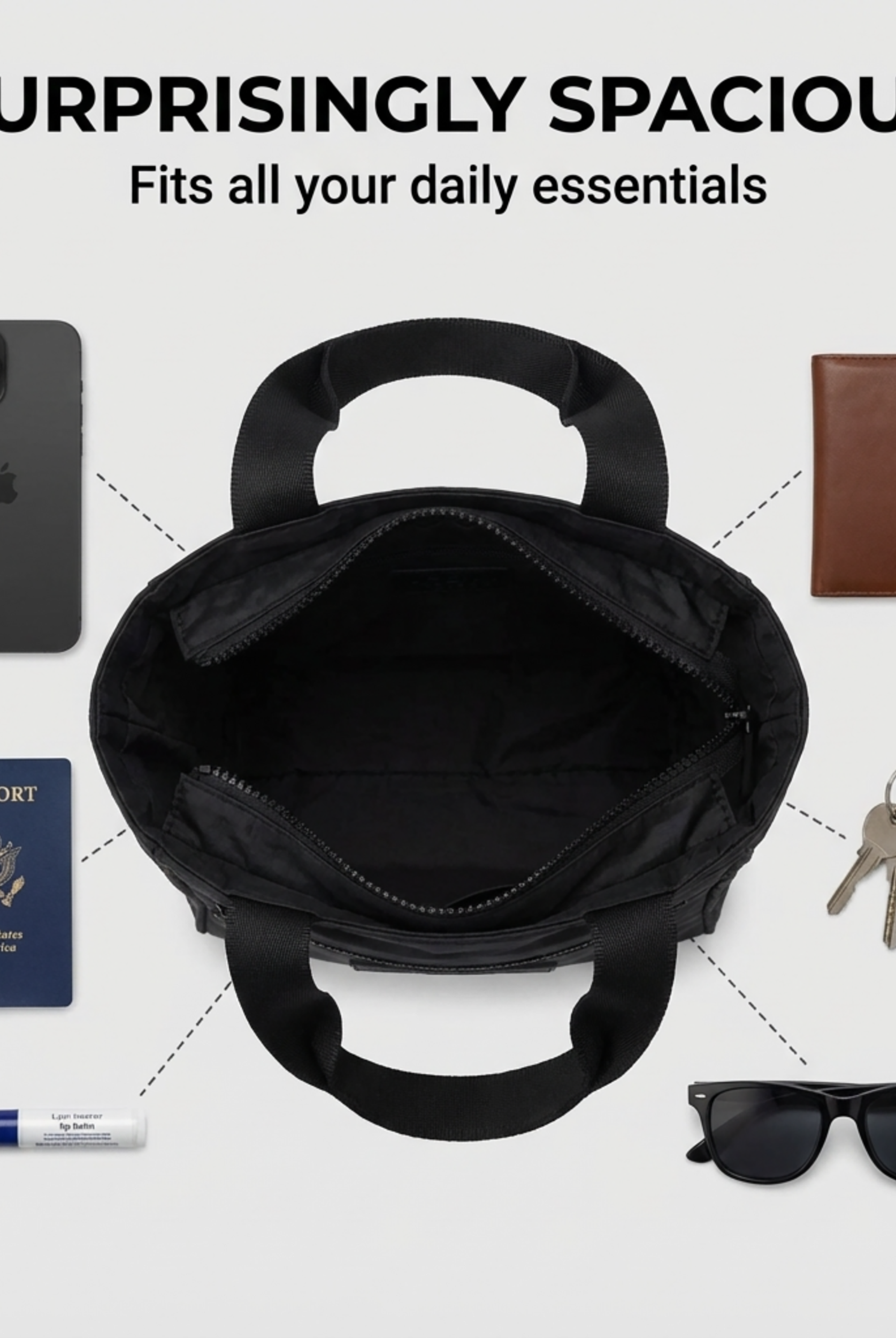
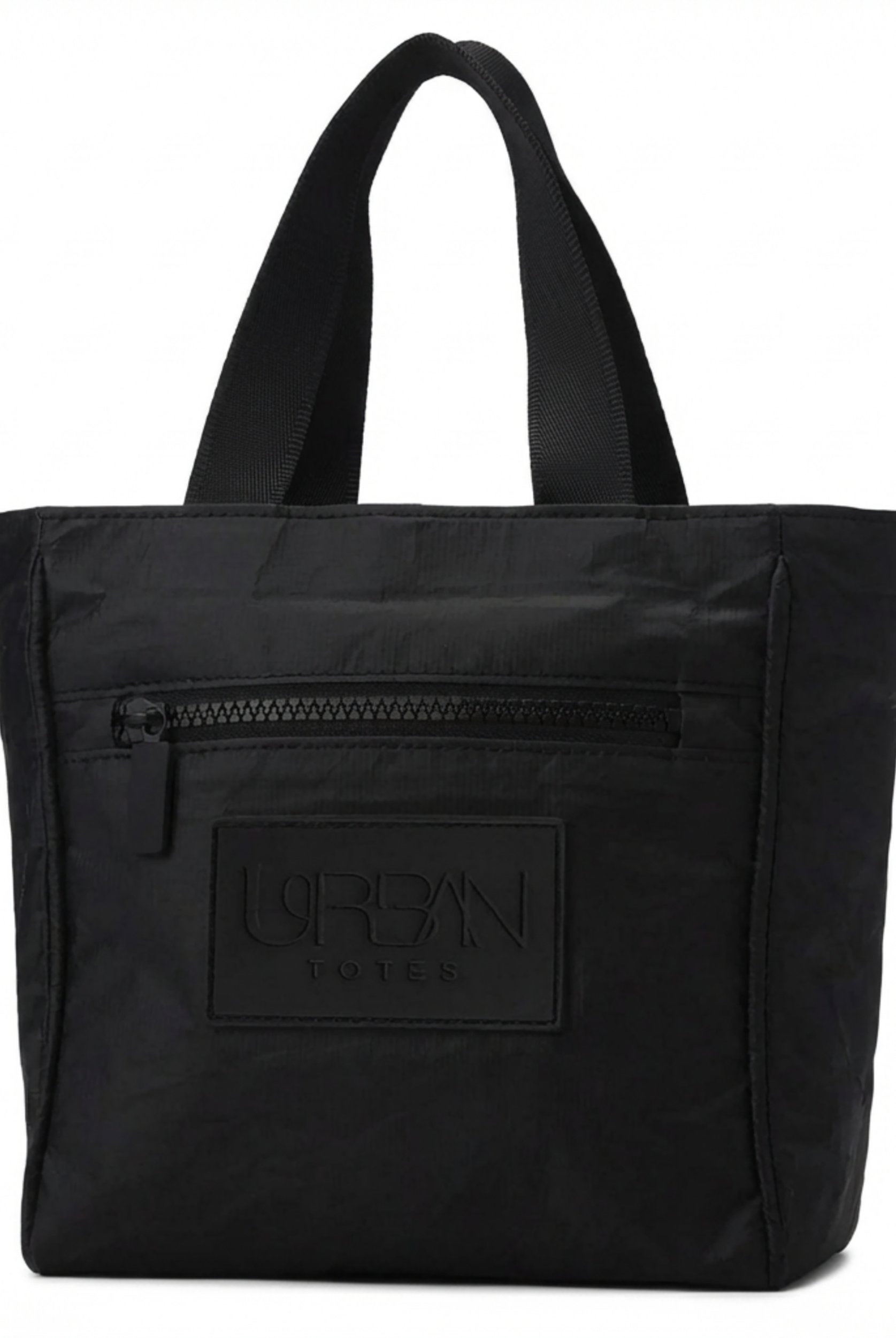
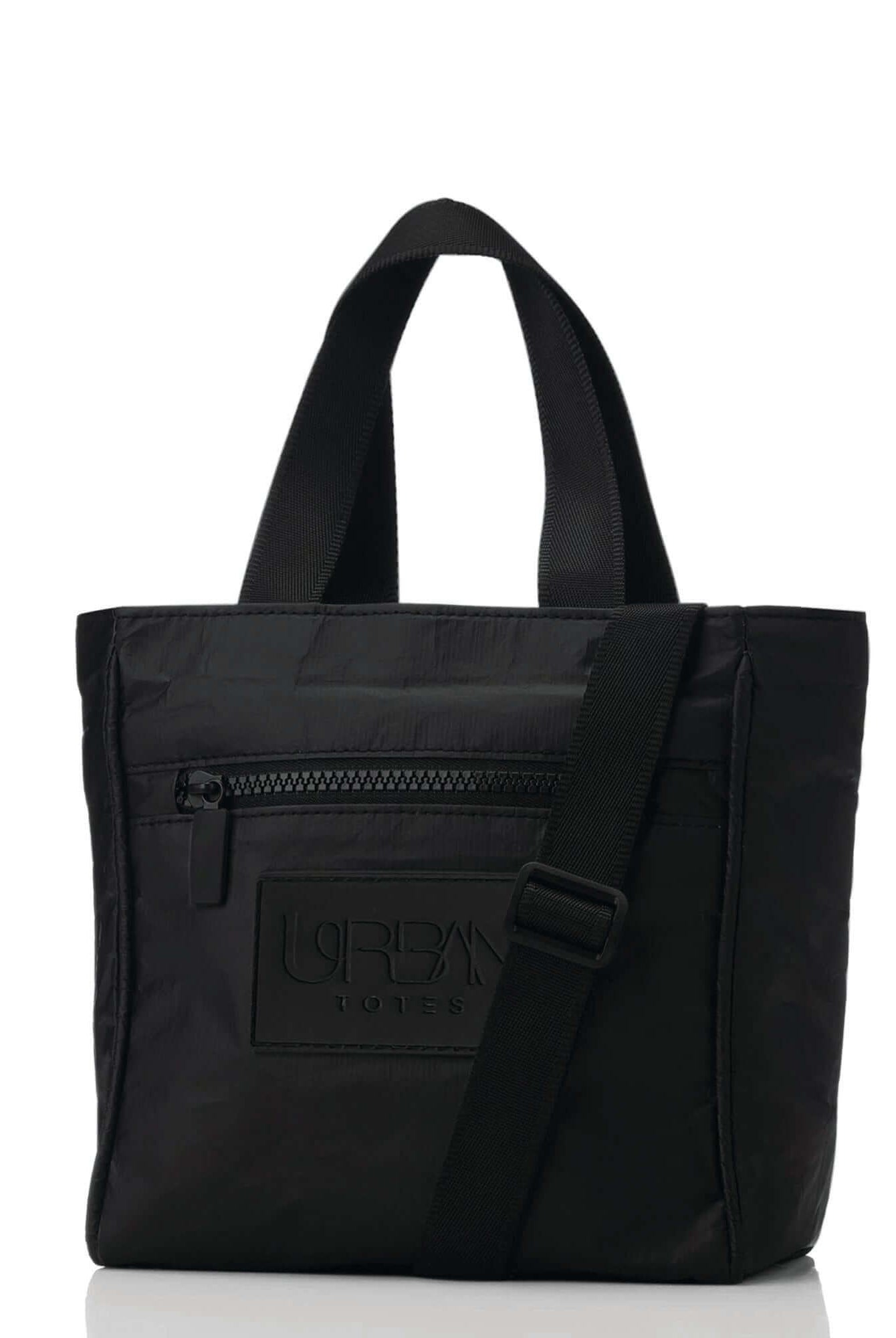
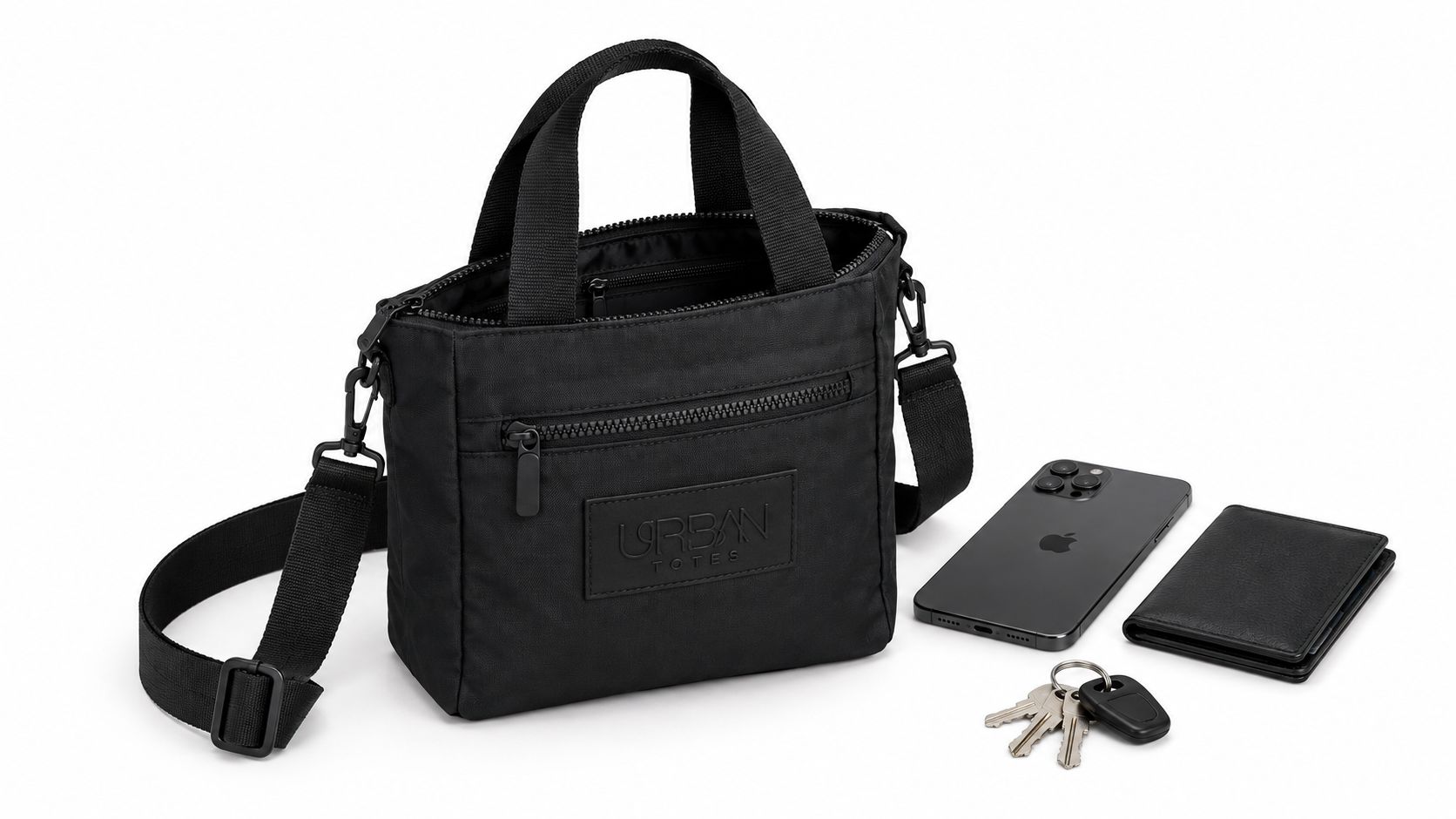
The Crossbody Tote Bag Mini Purse shows the kind of layout that works in daily life, with a zip-top closure, outside and inside zipper pockets, a compact size, and a structured feel that keeps essentials from sinking to the bottom. That's the kind of design language that makes a pouch useful instead of decorative.
Choosing the Right Size and Material
Size should match the mess you're trying to control. If you carry chargers, makeup, a slim notebook, or a tablet, a larger pouch makes sense. If you just need a place for snacks, wipes, tickets, or a few small extras, compact is easier to live with.
Pick size by job, not by habit
A pouch that's too big becomes a second tote inside your tote. A pouch that's too small turns into an overflow problem, which defeats the whole point. The sweet spot is the one that fits your real carry, not the fantasy version of your day when everything goes perfectly.
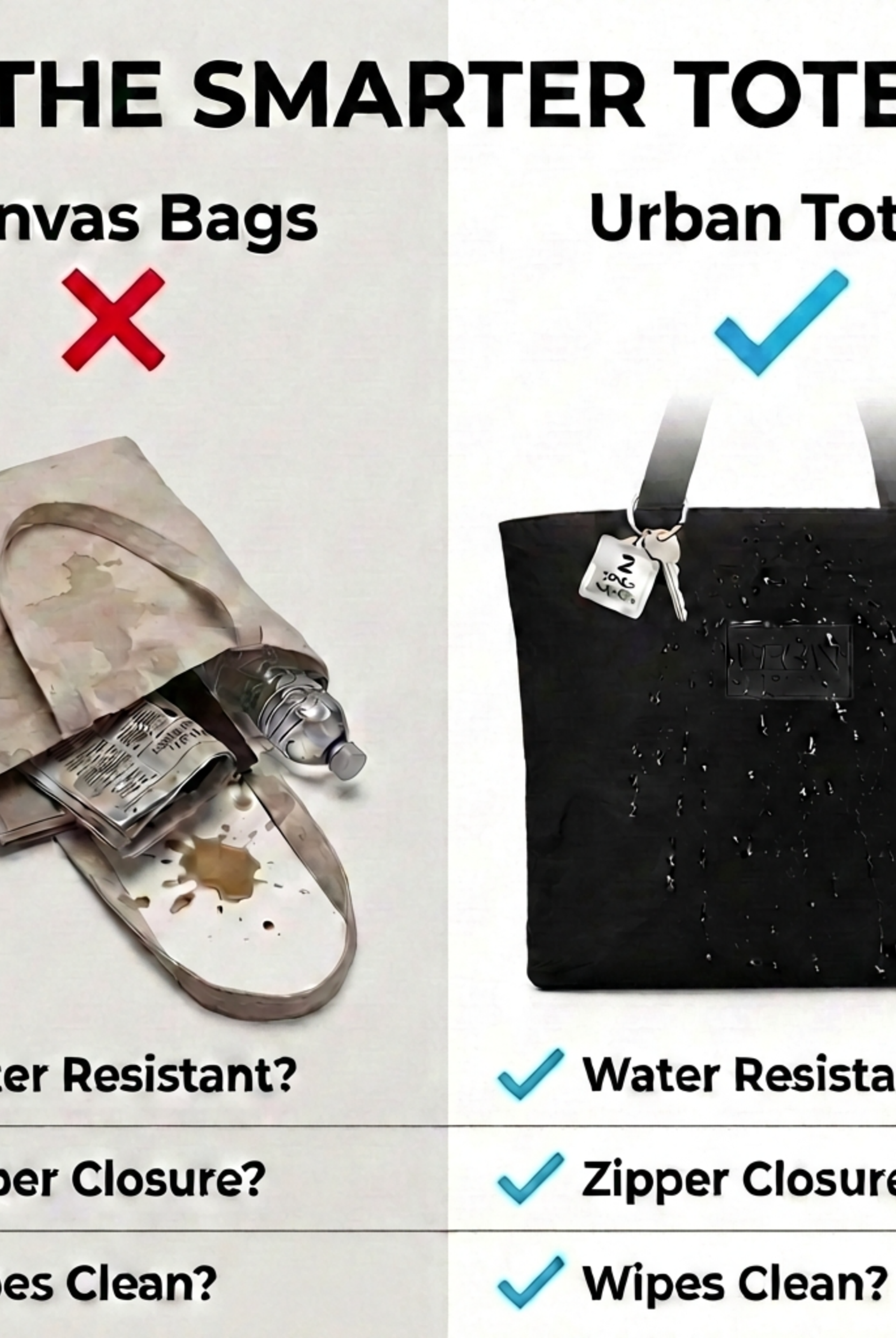
Material choice is just as practical. A lightweight, wipeable surface keeps the pouch from adding bulk, especially when it's tucked inside a larger everyday carry bag. If you're comparing fabric types for a tote system, Urban Totes' material guide is a useful place to compare what feels easy to carry versus what tends to get heavy fast.
Best fit test: hold the empty pouch in one hand, then imagine it packed with the items you actually carry every week. If it already feels awkward, it won't improve once you load it up.
For everyday life, I'd rather have a pouch that's slightly smaller and used often than one that looks impressive but stays half-empty. That's the piece people miss when they shop for organization. A pouch only helps if it fits the routine you already have.
Organization and Packing Strategies
The easiest way to stay organized is to stop mixing unrelated items. One pouch for tech, one for cosmetics, one for tickets or papers, and one for kid essentials keeps you from doing the same search twice in one day. That simple split also makes repacking faster after a busy stop.
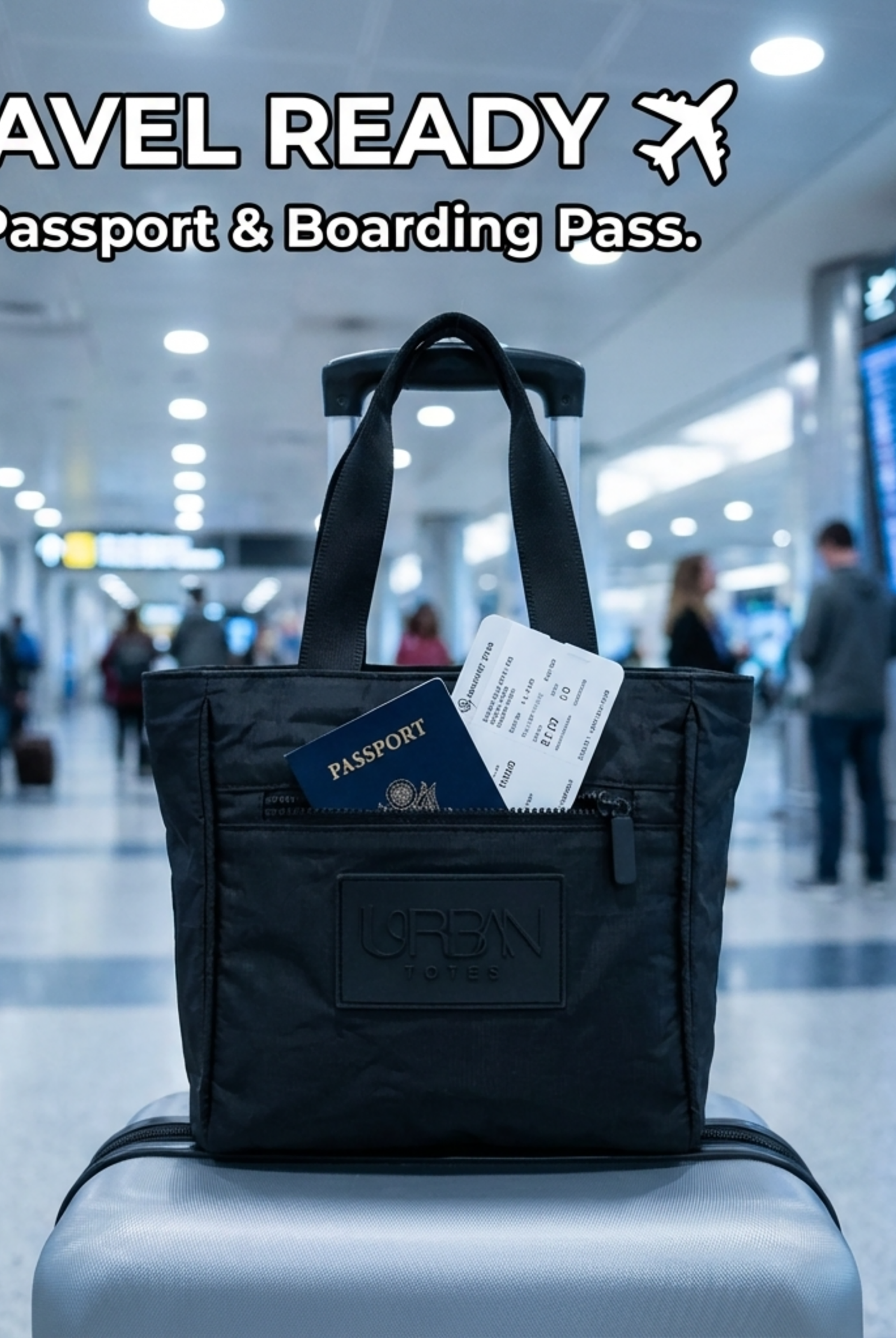
The travel version of this is even more useful. Keep liquids together in one removable pouch, and make the opening wide enough that screening doesn't turn into a full bag excavation. The TSA 3-1-1 liquids rule says each container must hold 3.4 ounces (100 milliliters) or less, all containers must fit inside one clear, quart-sized, zip-top bag, and each passenger may bring one such bag (TSA travel tips). A pouch built for that job saves time because you already know what comes out first.
Match the pouch to the day
- Tech pouch: chargers, cords, earbuds, and a power bank stay together, so you're not untangling wires at the bottom of your tote.
- Cosmetics pouch: makeup, lotion, and sensitive personal-care items stay contained, which helps protect the rest of the bag from leaks and crumbs. For additional travel-size care ideas, the sensitive care tips from Momotaro Apotheca are a useful reference point for keeping small toiletries separate.
- Snack pouch: kids' crackers, bars, or backup food are easy to reach without opening every compartment.
The right system depends on your day, not on how many pockets sound impressive. Too many tiny sections can slow you down and make repacking harder. A few clear zones usually work better than a bag that feels overcompartmentalized.
For more practical setup ideas, these bag organization ideas are a good companion read.
Care, Maintenance, and Longevity Tips
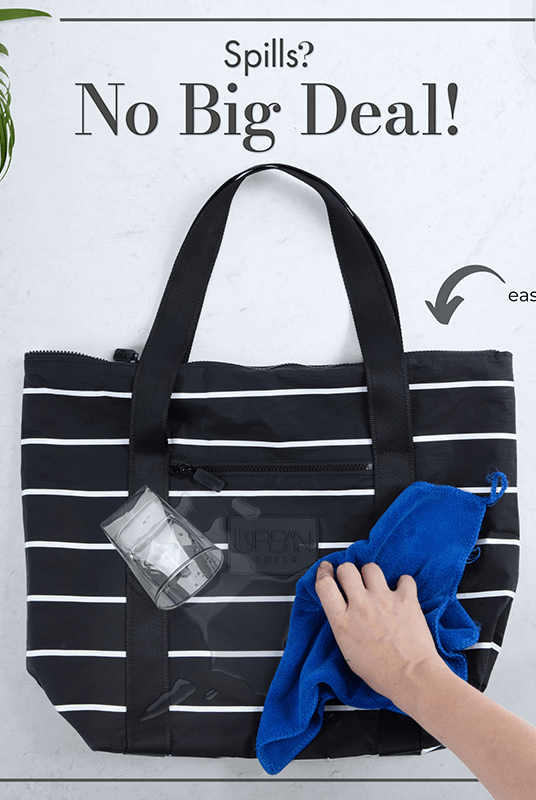
A pouch earns its keep when it still looks decent after coffee drips, sandy hands, and the usual daily scuffing. I treat mine like anything else I use constantly, which means quick wipe-downs, emptying it before grime builds up, and checking the zipper before it starts snagging. The easier it is to clean, the longer you will keep using it.
Durability also matters because the whole point is repeated use. The United Nations Environment Programme compilation of life-cycle assessments found that a cotton bag generally needed to be reused between 50 and 150 times to have less climate impact than one single-use plastic bag, while thick non-woven polypropylene needed about 10 to 20 uses to reach the same comparison point (UNEP compilation summary). That's a strong reminder that a pouch's value comes from how often it stays in rotation, not from the label alone.
Keep it useful for the long haul
- Wipe it soon: moisture, sand, and crumbs are easier to handle before they settle in.
- Don't overfill it: stuffing puts stress on seams and zippers.
- Let it dry fully: a damp pouch tucked into a tote can get musty fast.
- Check the stitching: corners and zipper edges show wear first.
The bigger lesson is simple. A pouch that's easy to maintain gets used more, and a pouch that gets used more pulls its weight better in everyday life. That's what makes the whole system feel worth it.
For care basics beyond the pouch itself, these tote maintenance tips are a smart next stop.
Final Tips for the On-the-Go Woman
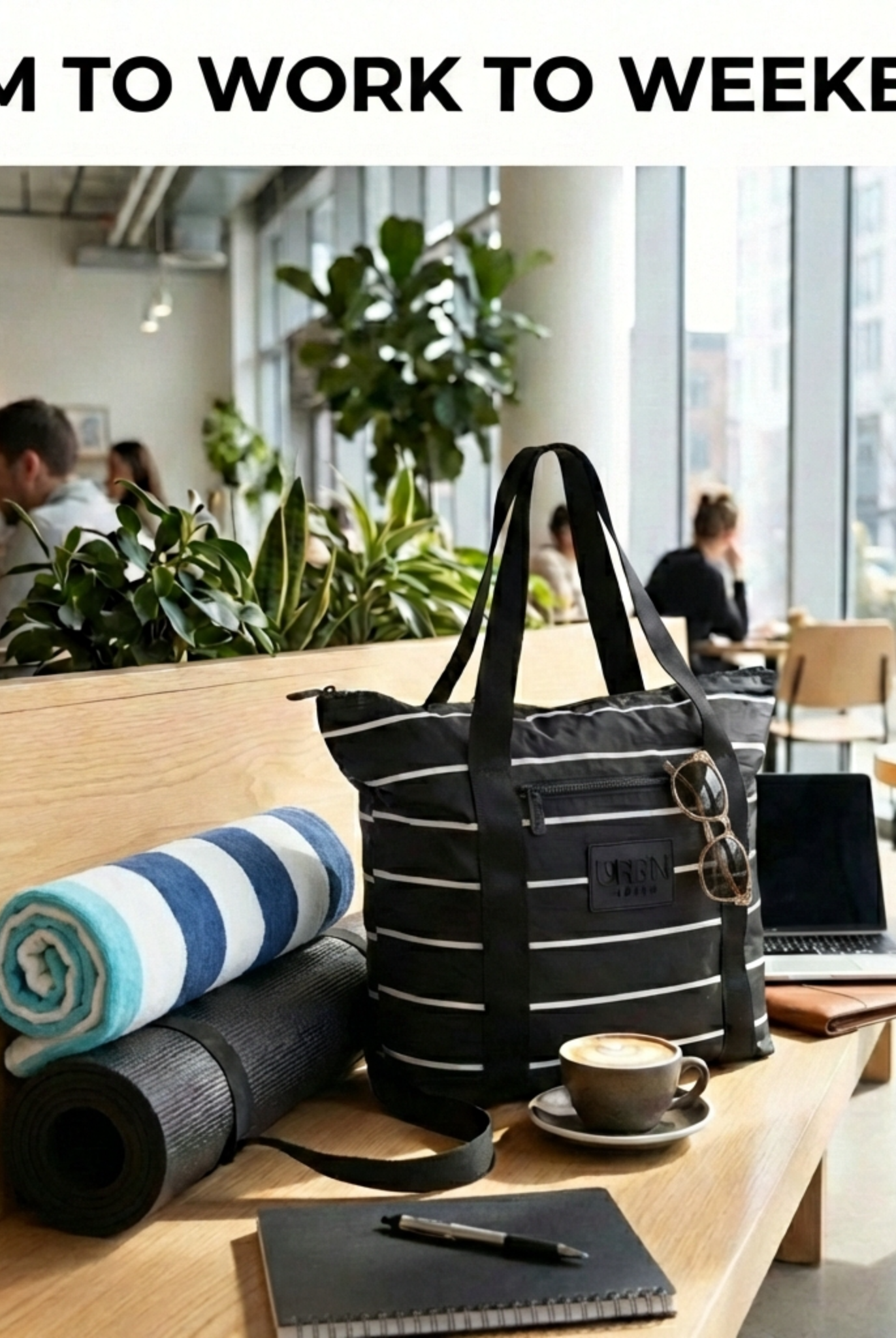
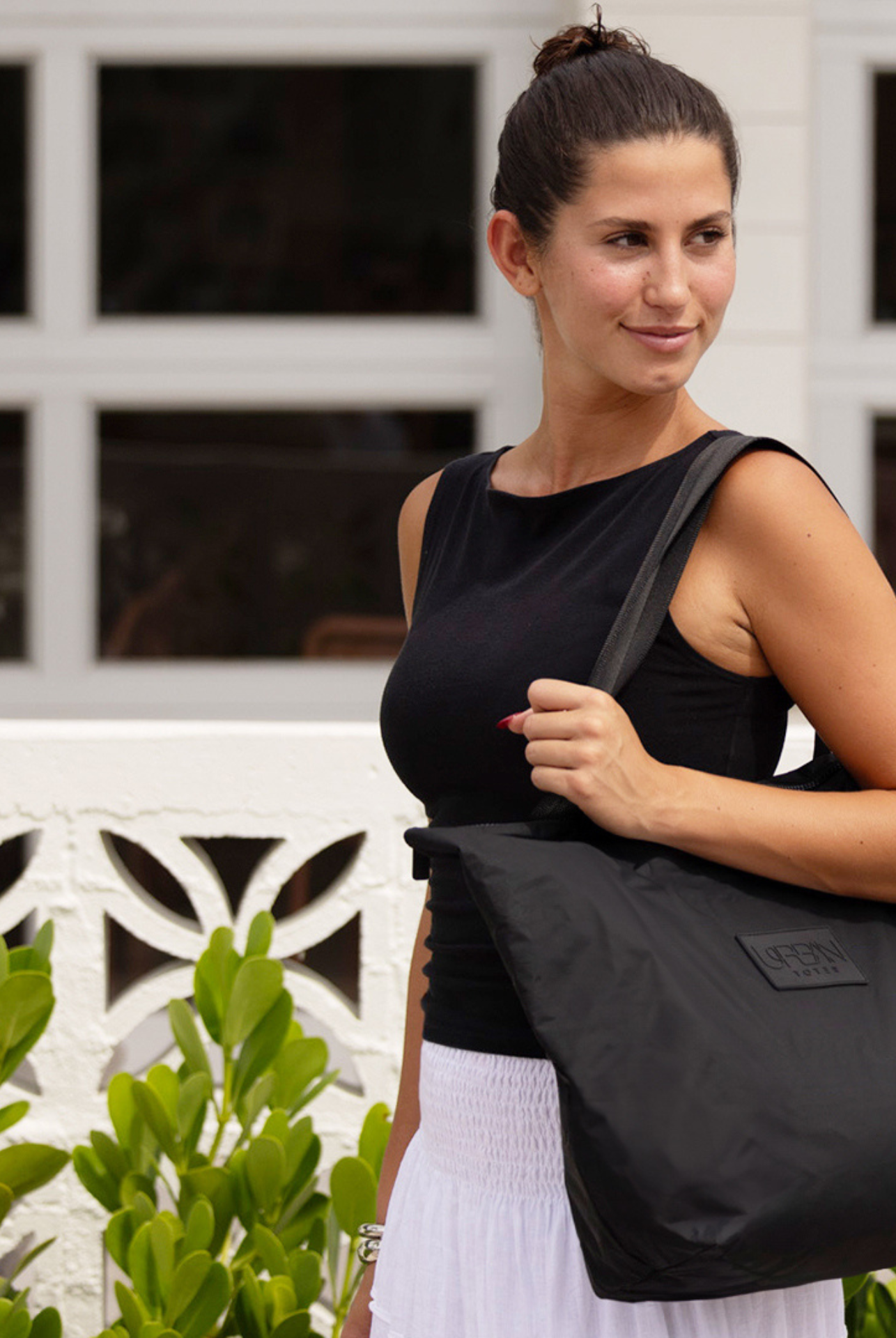
A good pouch system should make your life feel lighter, not more fussy. I like neutral colors for the main organizers because they move easily from work to school pickup to weekend travel, then I use one special pouch for family-specific items or quick-grab extras. That way I'm not repacking my whole bag every time my plans change.
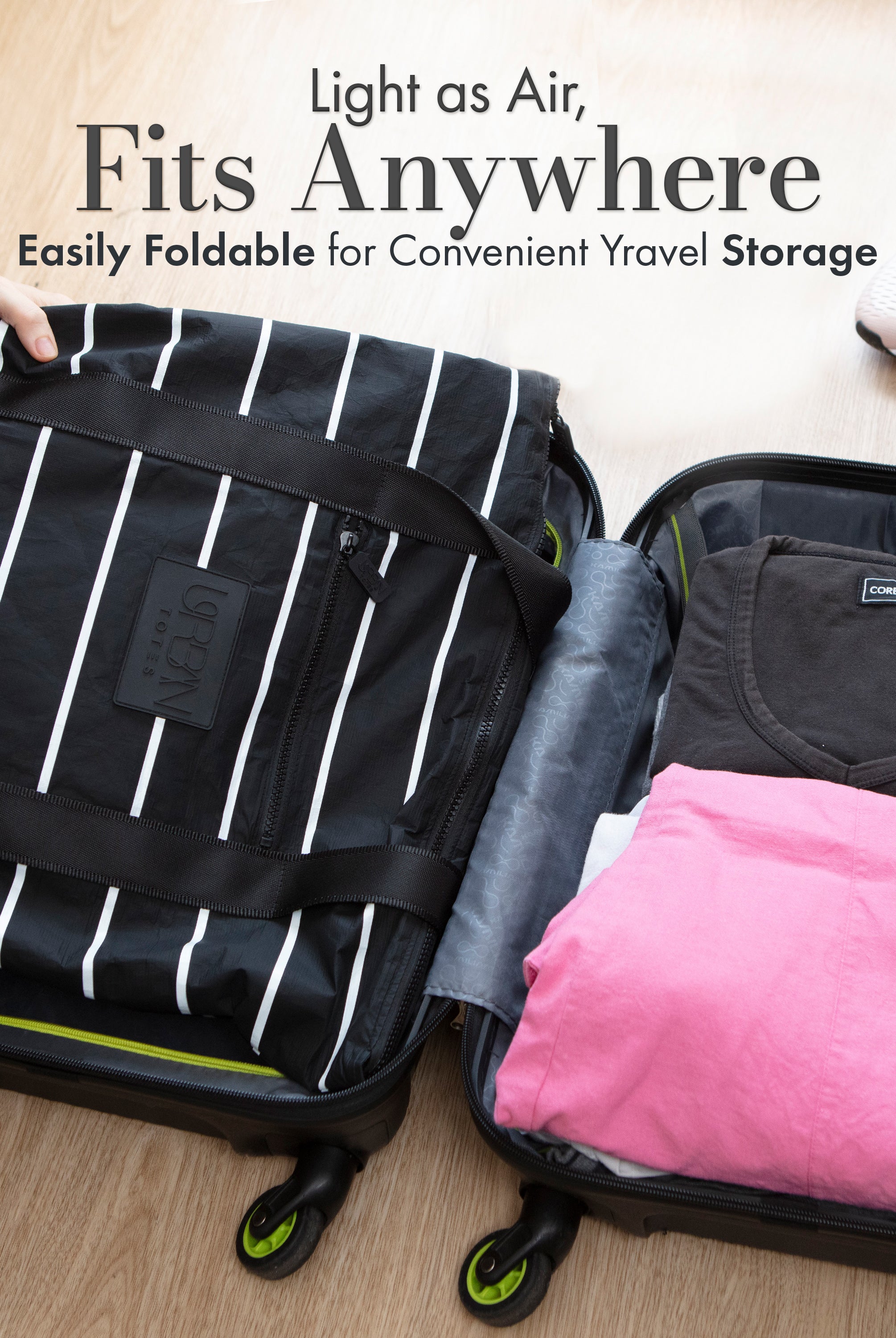
The smartest setup is the one you can keep up with when you're tired, rushed, or running late. A foldable emergency pouch in the car or desk drawer can save the day when you suddenly need to switch bags, and a consistent layout means your hands know where to go before your brain catches up. That's the win, not just “being organized,” but being able to stay calm while life keeps moving.
If you want your tote to work harder without feeling heavier, use pouches as your default system. They're flexible, easy to swap, and far better than digging through one oversized bag for the third time before noon. For more everyday-carry ideas, this guide to bag essentials is worth a look.
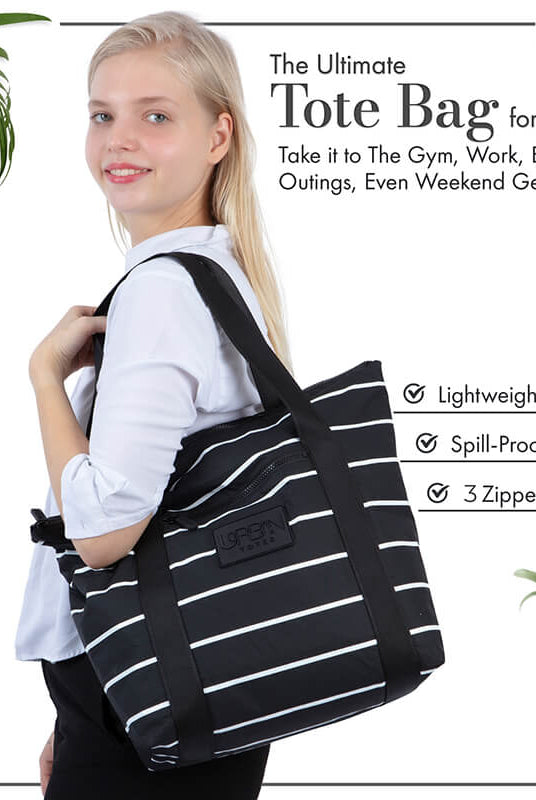
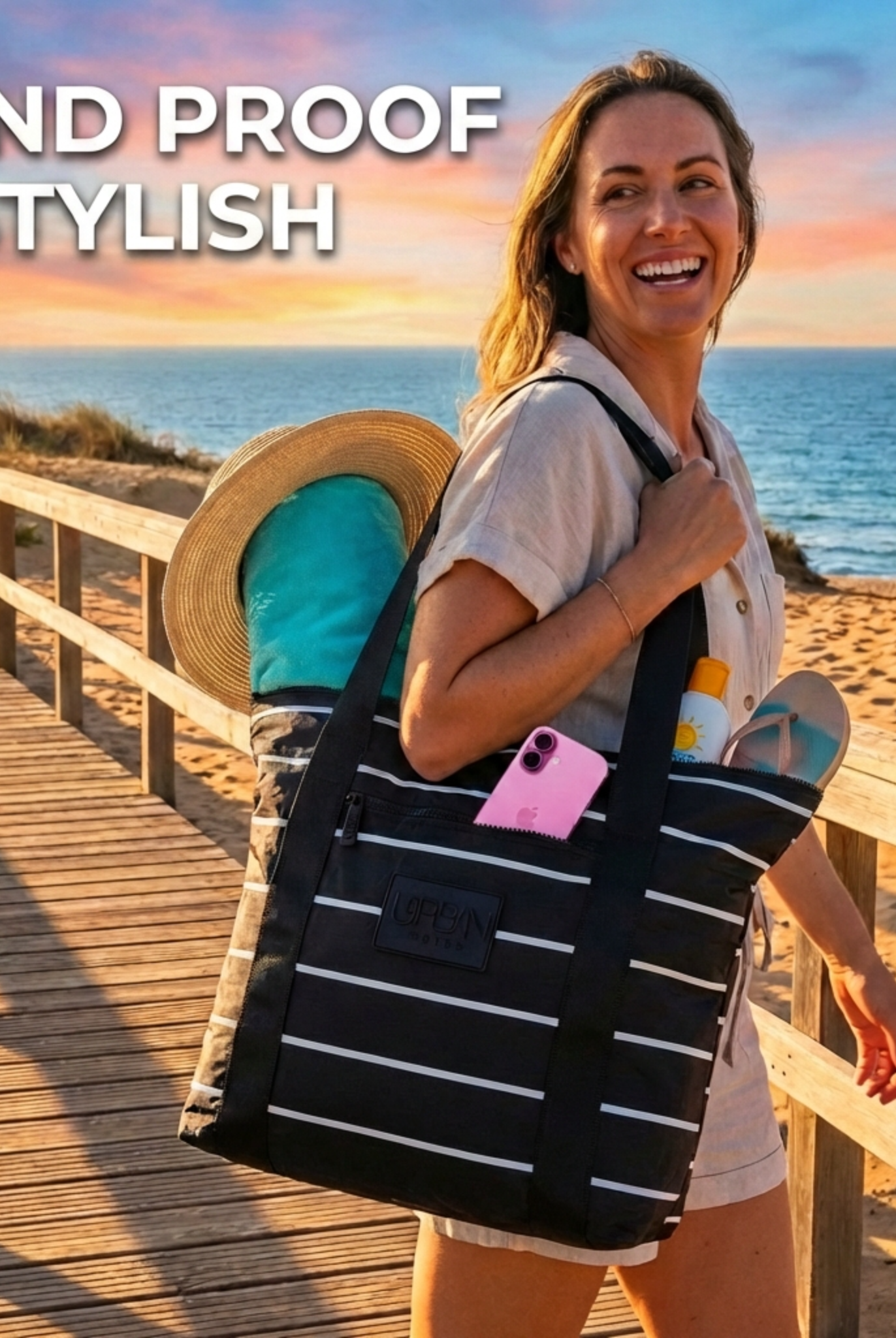
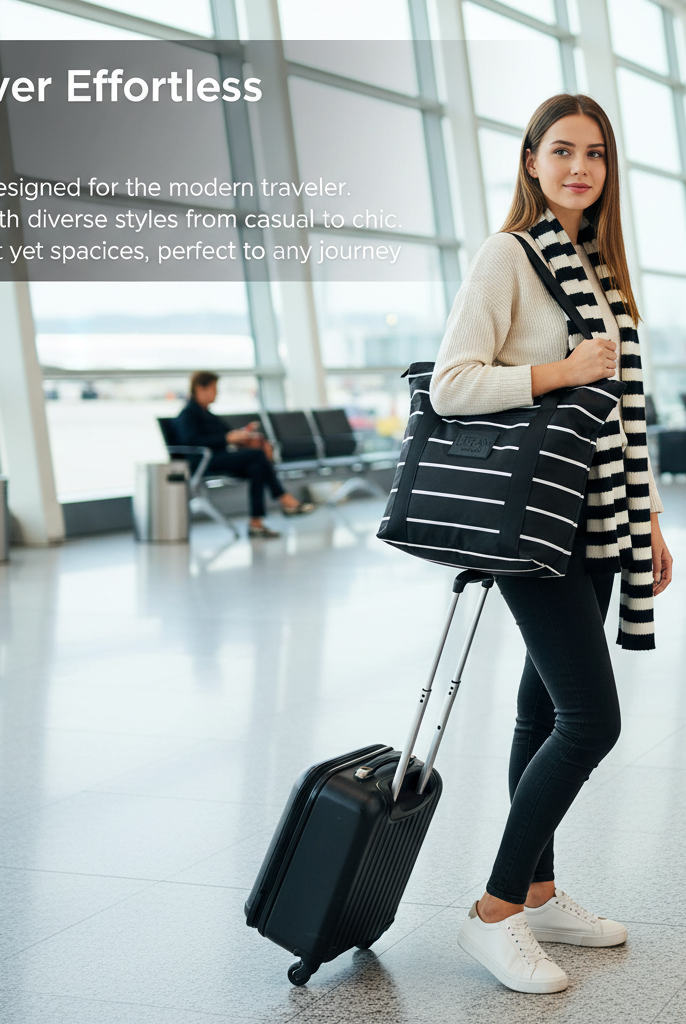
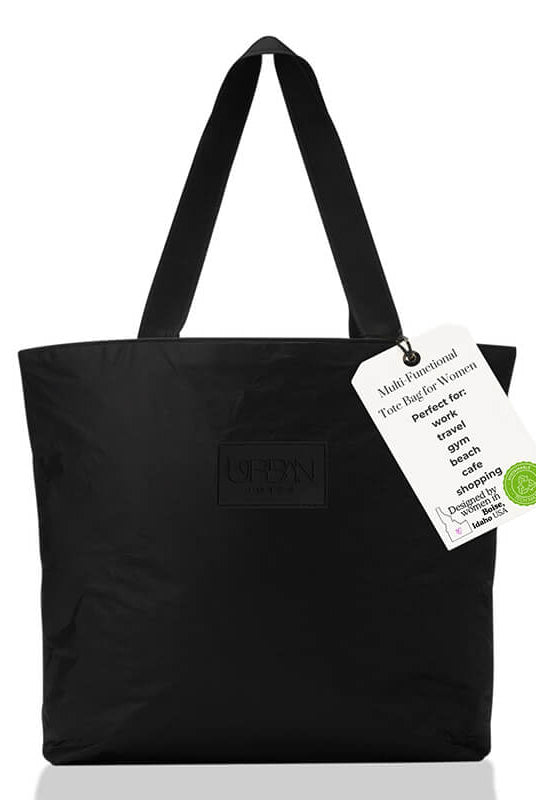
Urban Totes makes water-resistant, lightweight, packable, foldable bags with smart pockets, zipper closures, and everyday organization built in. If you want a go-anywhere setup that keeps your tote bag pouch system simple and stylish, visit Urban Totes and find the carry that fits your real life.