You're at school drop-off with one hand on the stroller and the other inside your tote, searching for keys that somehow vanished beneath a water bottle, yesterday's receipts, and a spare sweatshirt. Tomorrow, the same bag may need to hold a boarding pass, headphones, or gym clothes. The problem isn't always that you're carrying too much. It's that the contents shift, the pockets have no assigned purpose, and the bag doesn't match the day.
The most useful bag organization ideas create adaptable systems instead of demanding a perfect decluttered life. The seven approaches below combine compartments, pouches, layers, cubes, vertical packing, visual cues, and reset routines. Use one system or combine several, depending on your bag size, schedule, and whether you're heading to work, the beach, the gym, or a weekend away. For more ways to make busy gatherings easier to manage, explore these party hosting ideas.
Table of Contents
- 1. Multi-Compartment Organization System
- 2. The Essential-First Layering Approach
- 3. The Pouch-Within-a-Tote Method
- 4. Packing Cube and Insert Strategy
- 5. Vertical Stacking and Standing Organization
- 6. Color-Coding and Visual Categorization System
- 7. Seasonal Rotation and Checkpoint Auditing
- 7-Method Bag Organization Comparison
- Build the Bag System You Will Actually Use
1. Multi-Compartment Organization System
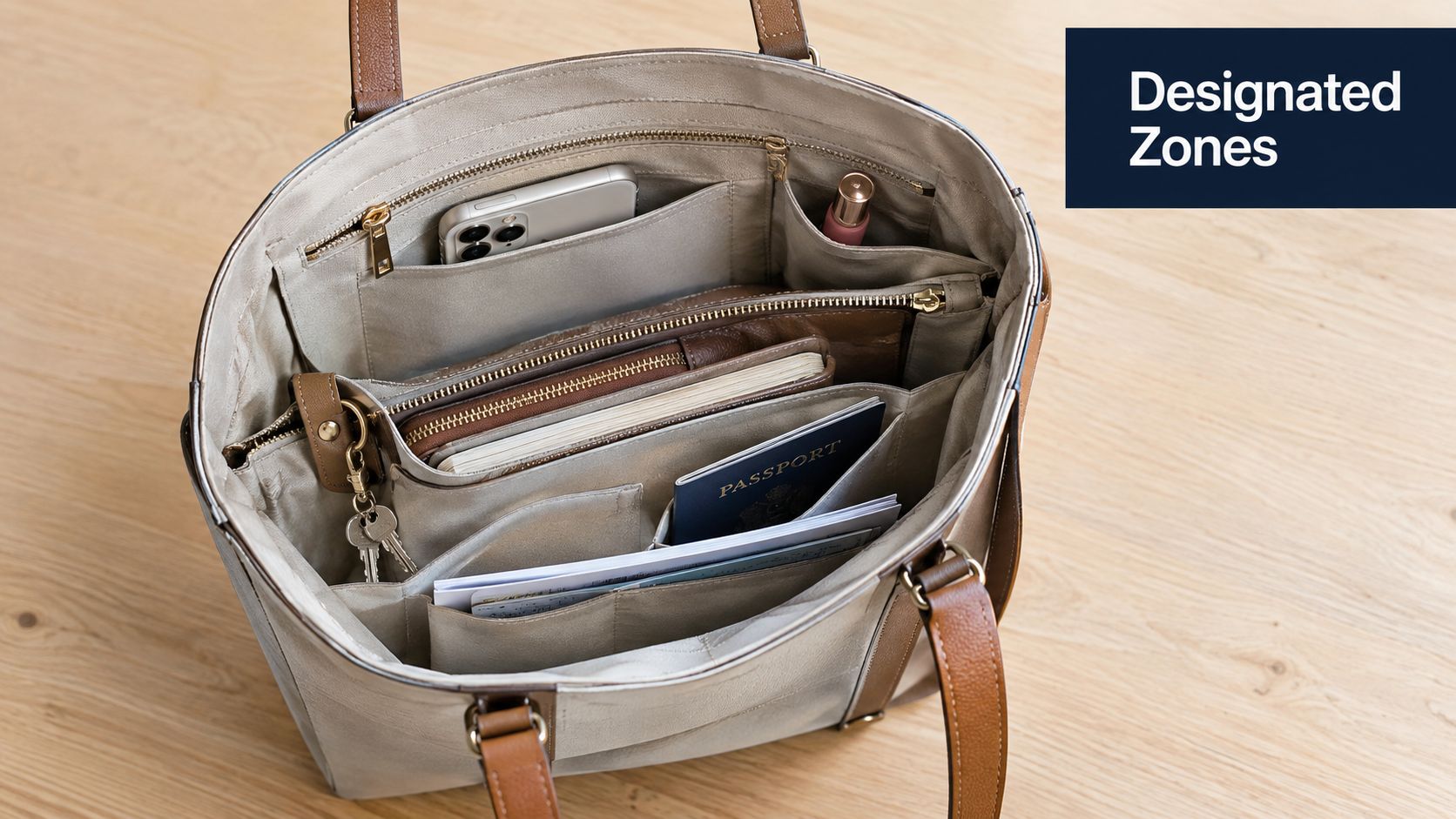
A multi-compartment system works best when every zone has a job. Use built-in sections and zipper closures to separate the things you reach for constantly from the items you only need occasionally. Your phone and keys might live in front pockets, work documents in a large zippered compartment, and cosmetics or personal care items in a smaller section.
The important distinction is between storage and retrieval. A bag can hold plenty while still making you dig. Assign each compartment according to access frequency, not just item type. Keep your most-used essentials closest to the opening or on the side you can reach while the tote is on your shoulder.
Give each zone a simple purpose
A commuter could place a laptop or folder in the largest central area, lunch in a separate zip section, and keys, cards, and jewelry in a secure small pocket. A traveler might reserve one compartment for a passport and documents, another for daily toiletries, and another for items used during transit. At the gym, a separate section can hold clothing or shoes while a zipper pocket keeps a phone and keys away from damp gear.
Practical rule: More pockets aren't automatically better. If you can't remember where an item belongs, the system is too complicated.
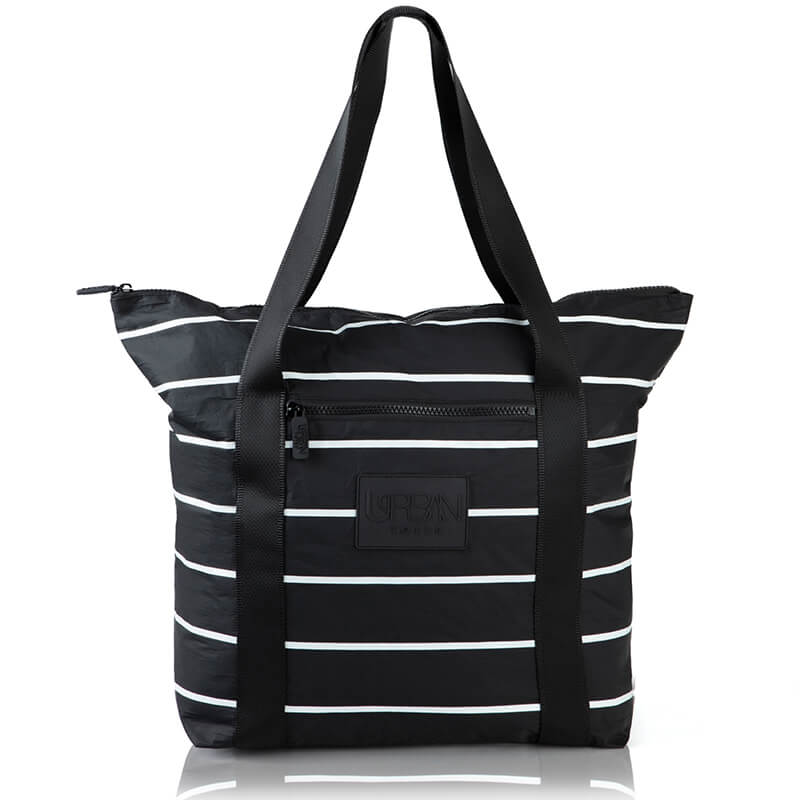
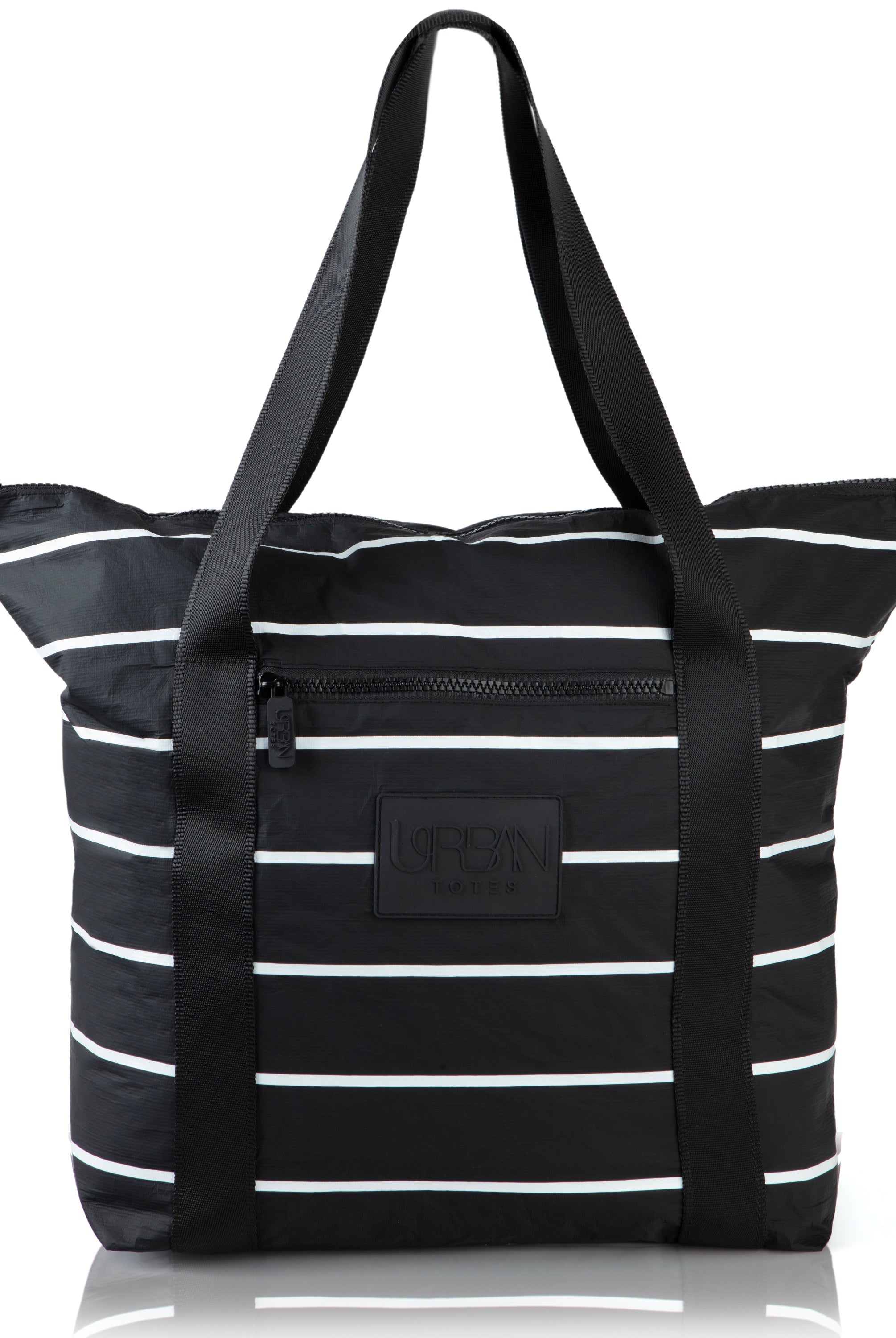
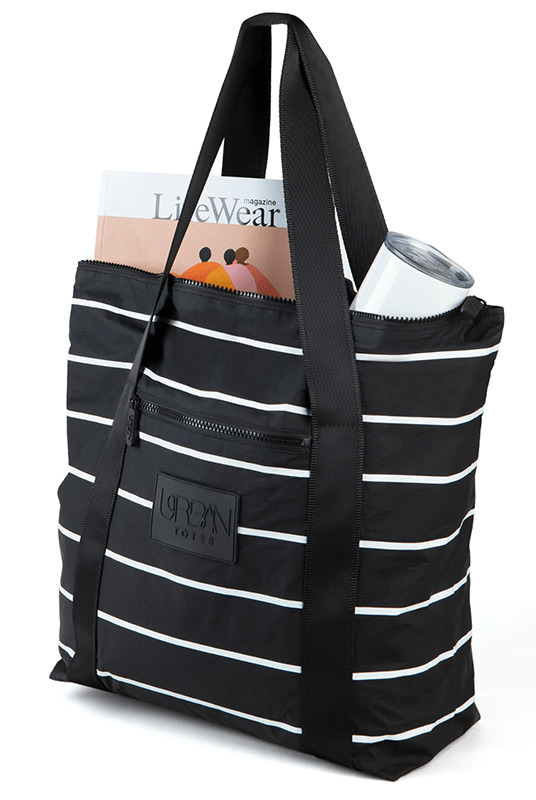
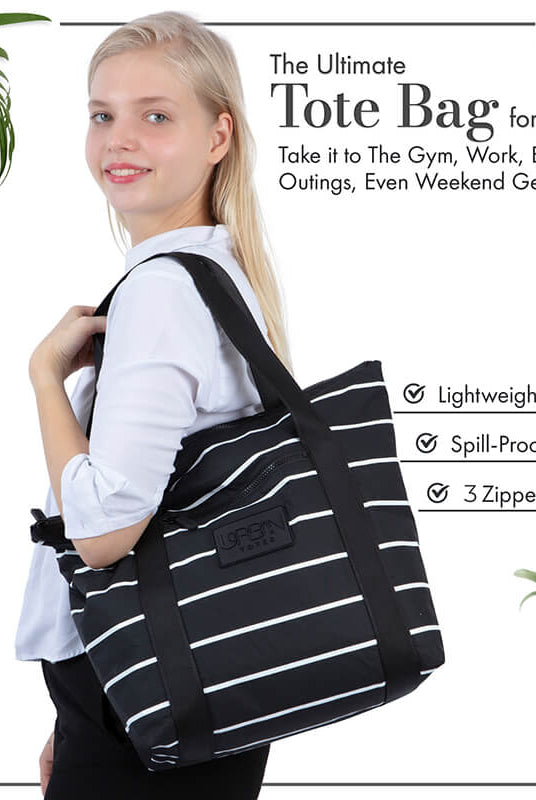
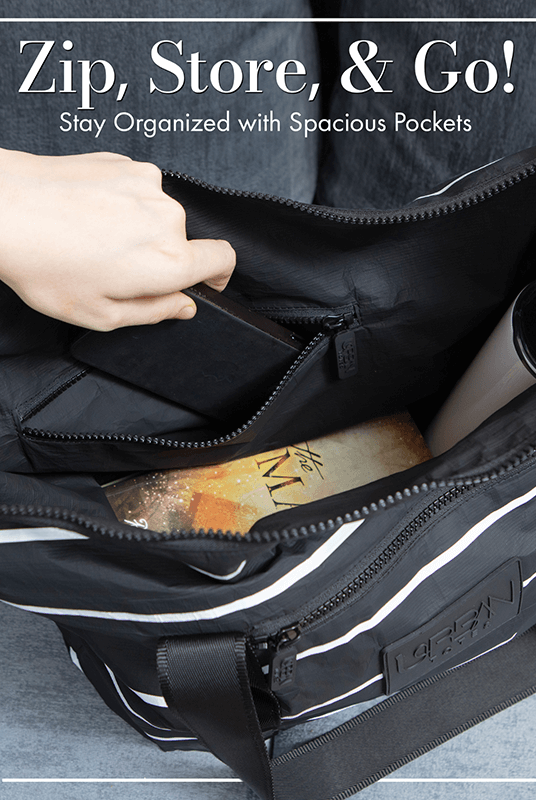
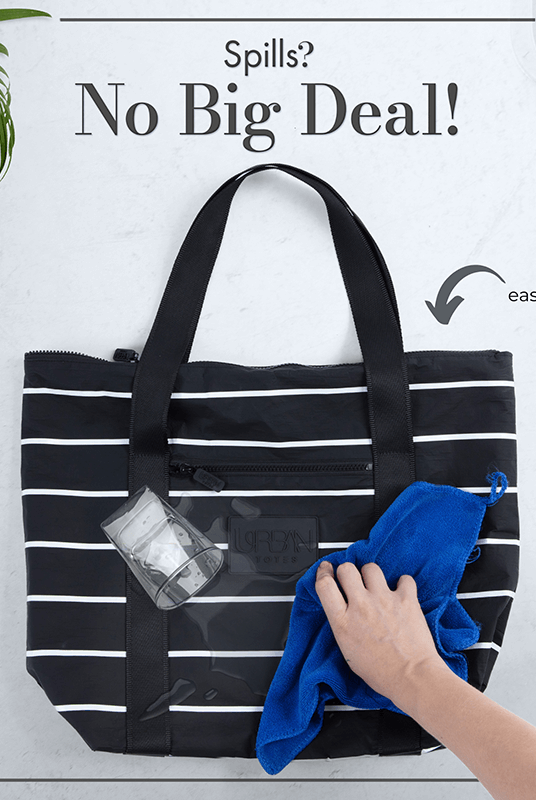
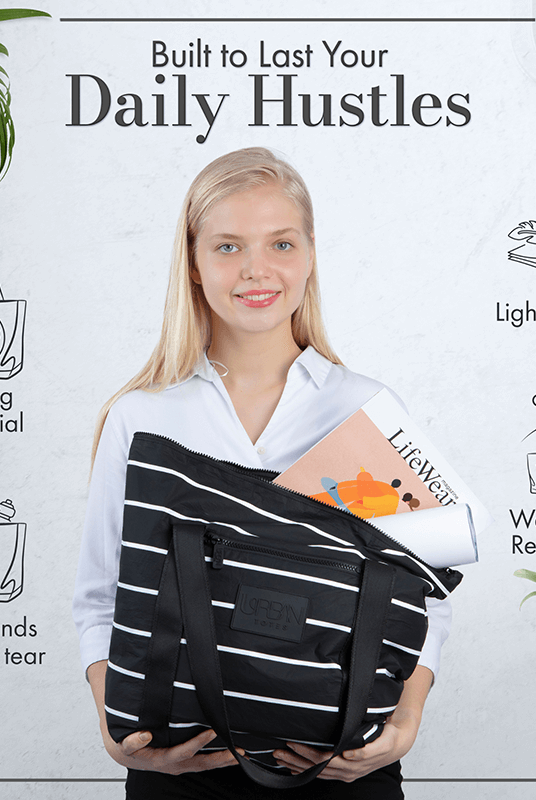
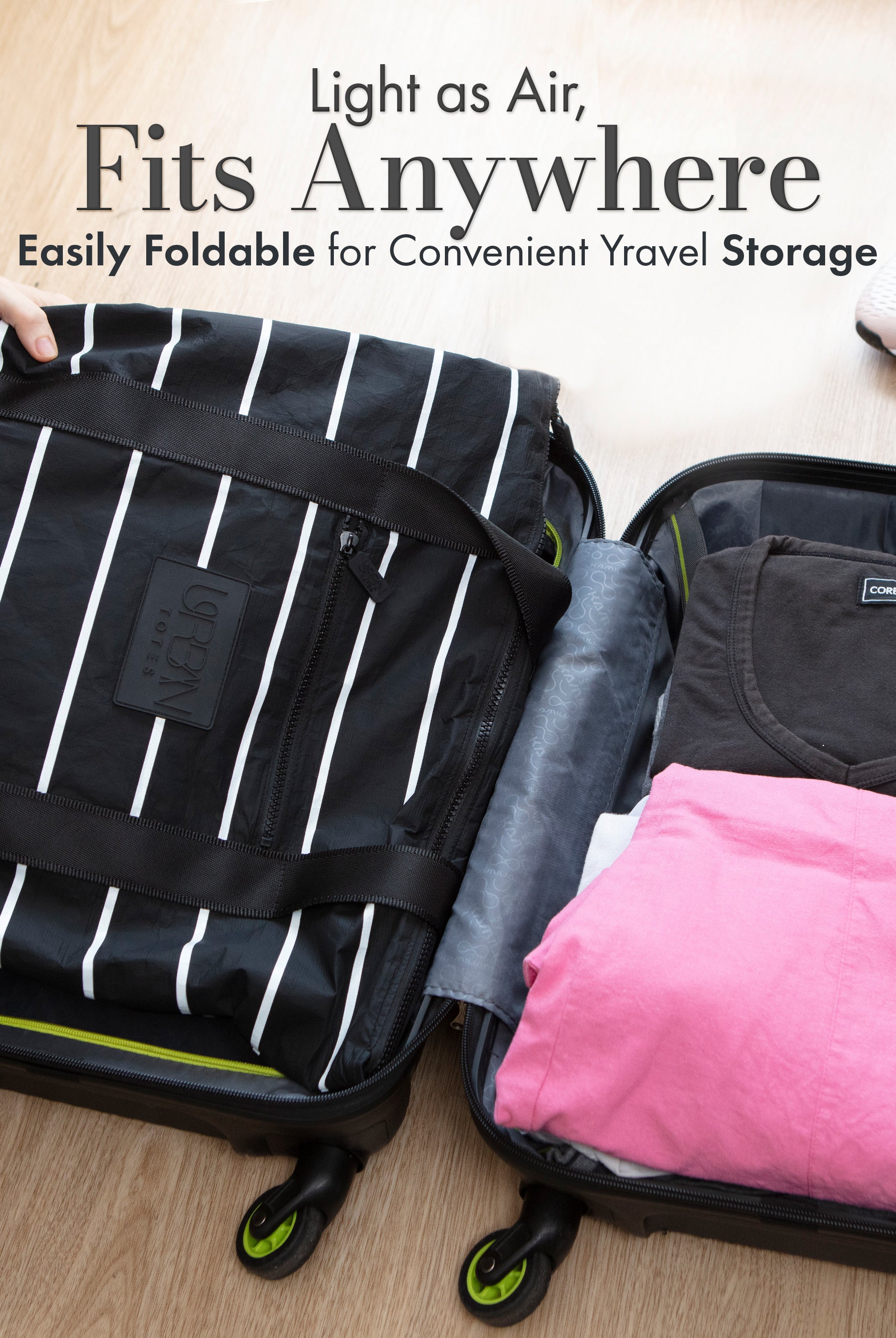
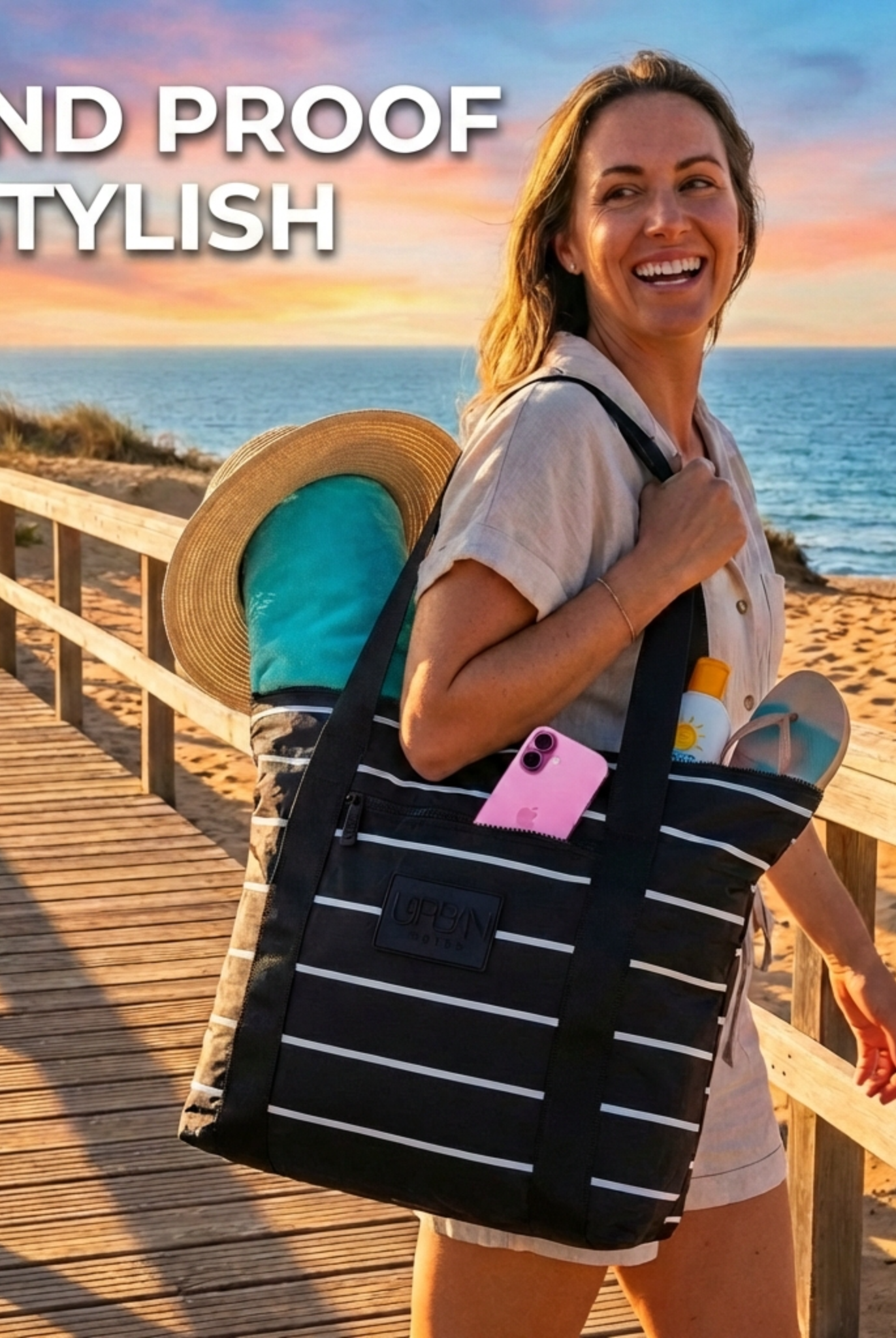
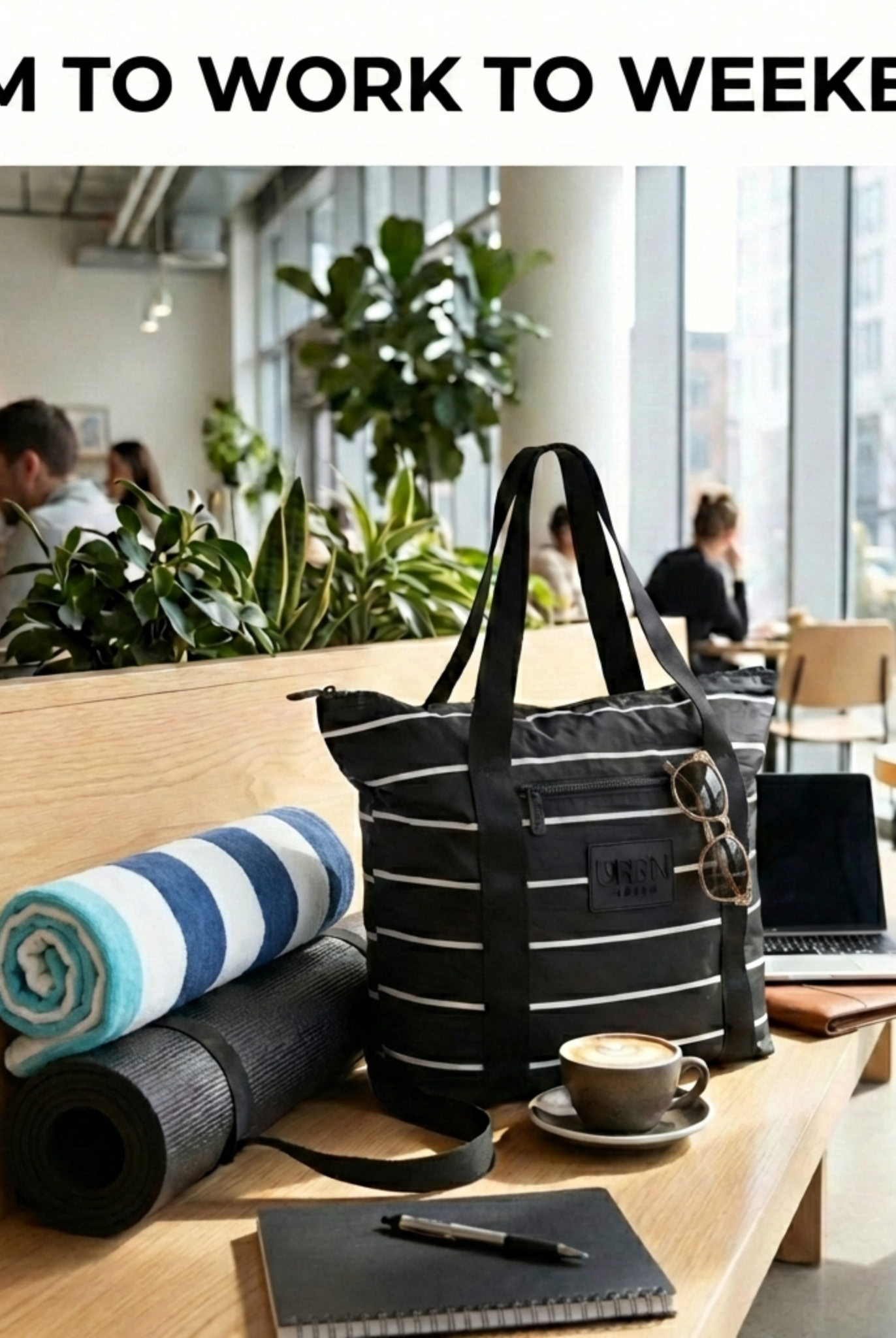
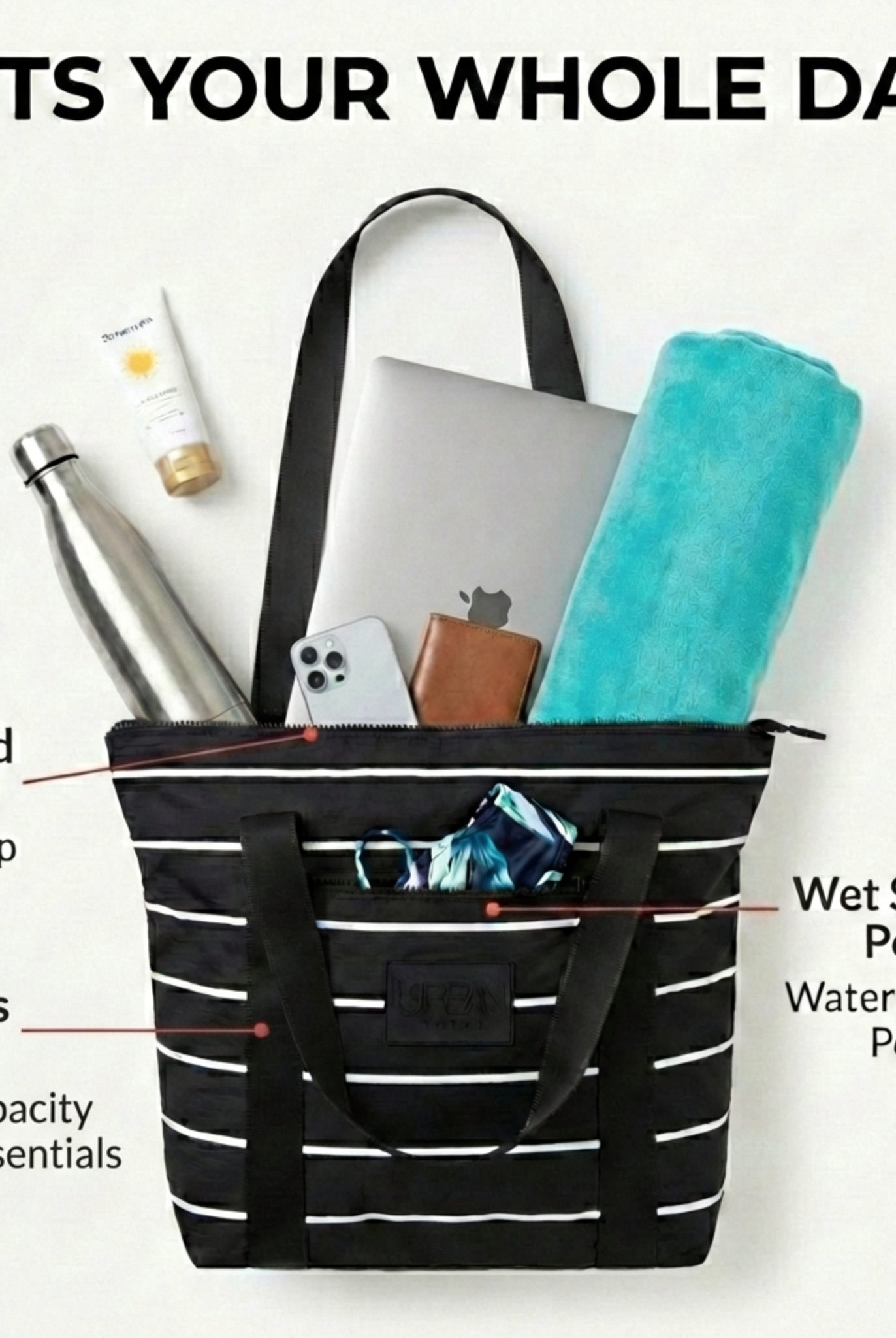
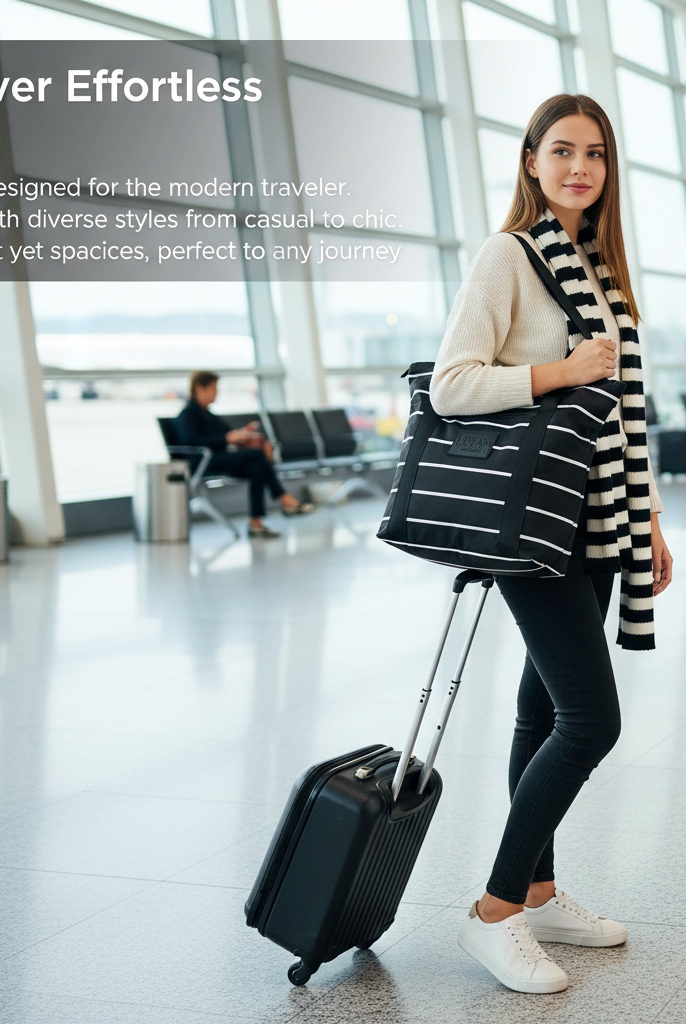
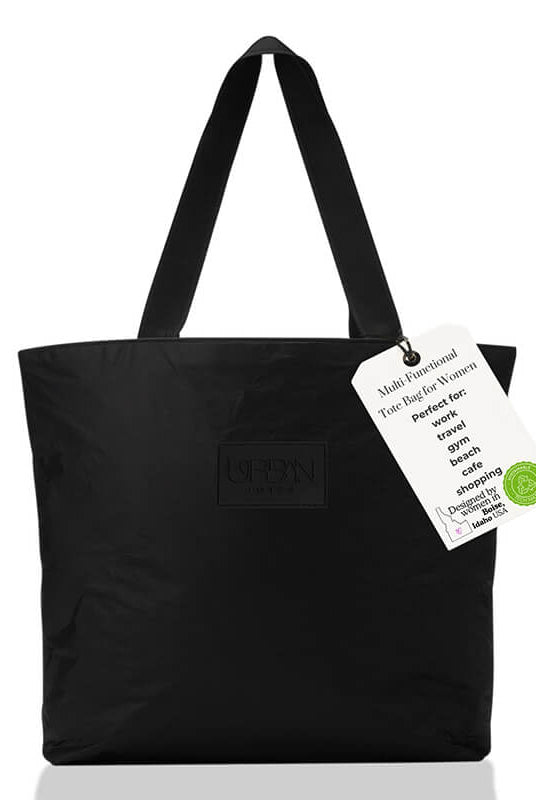
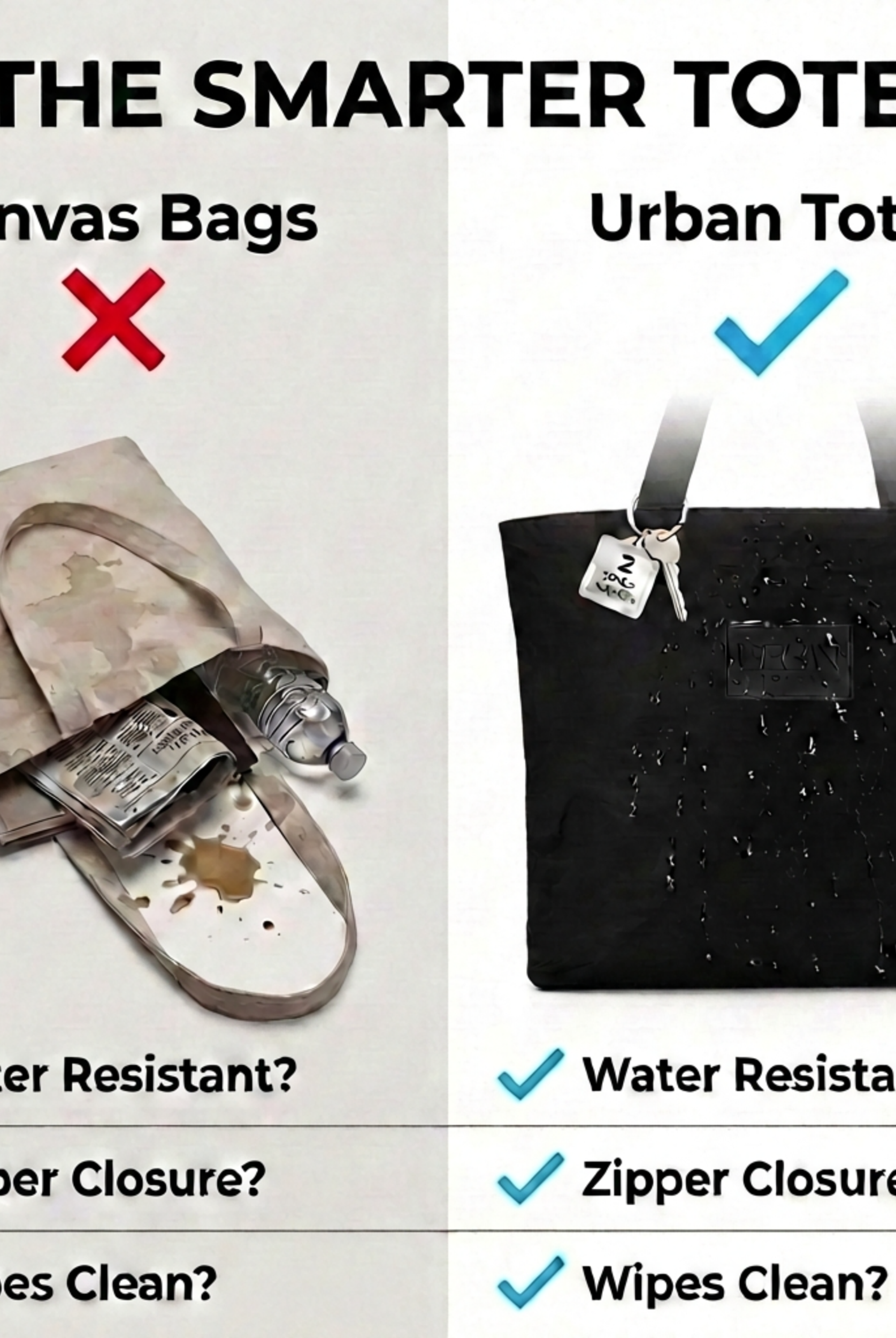
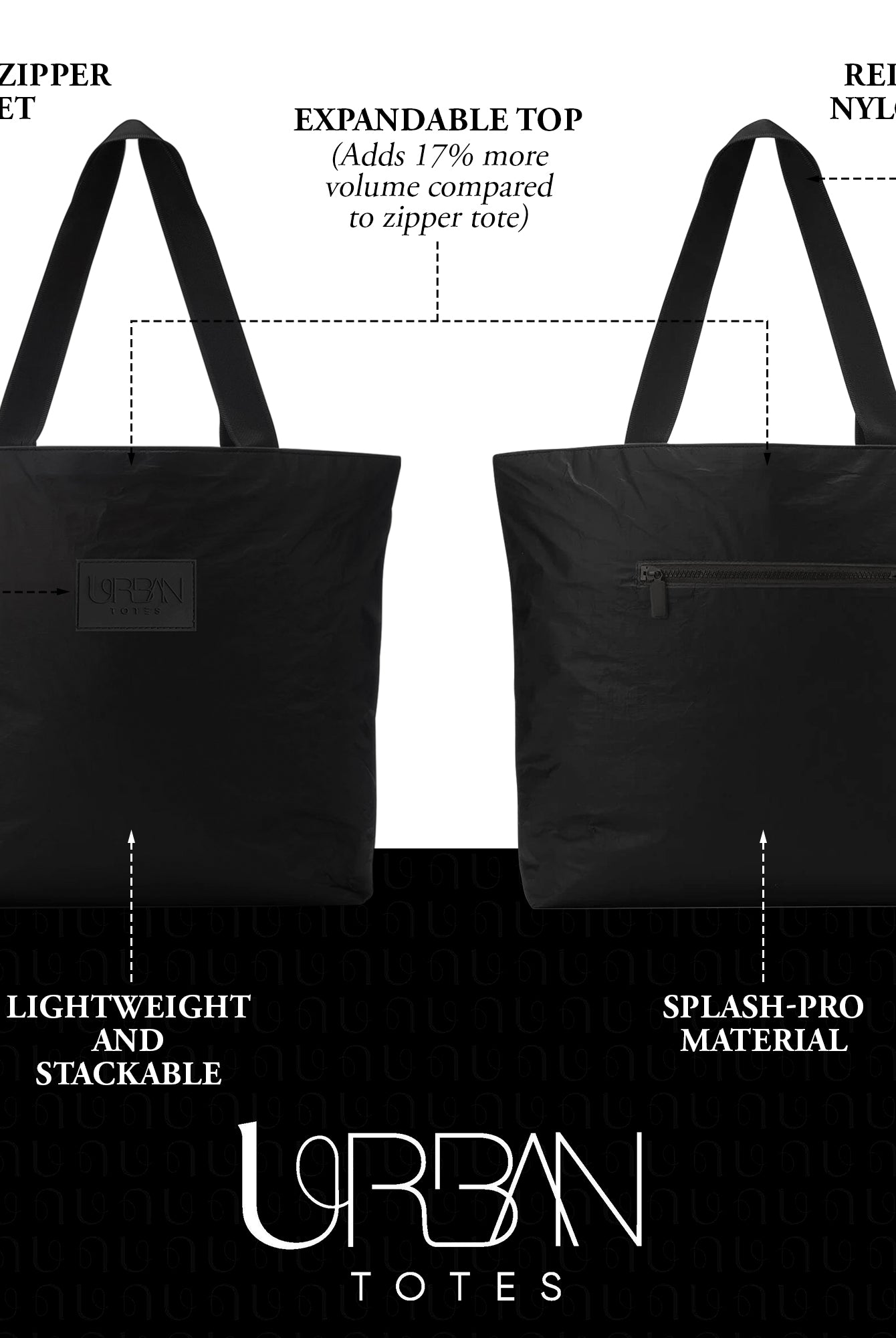
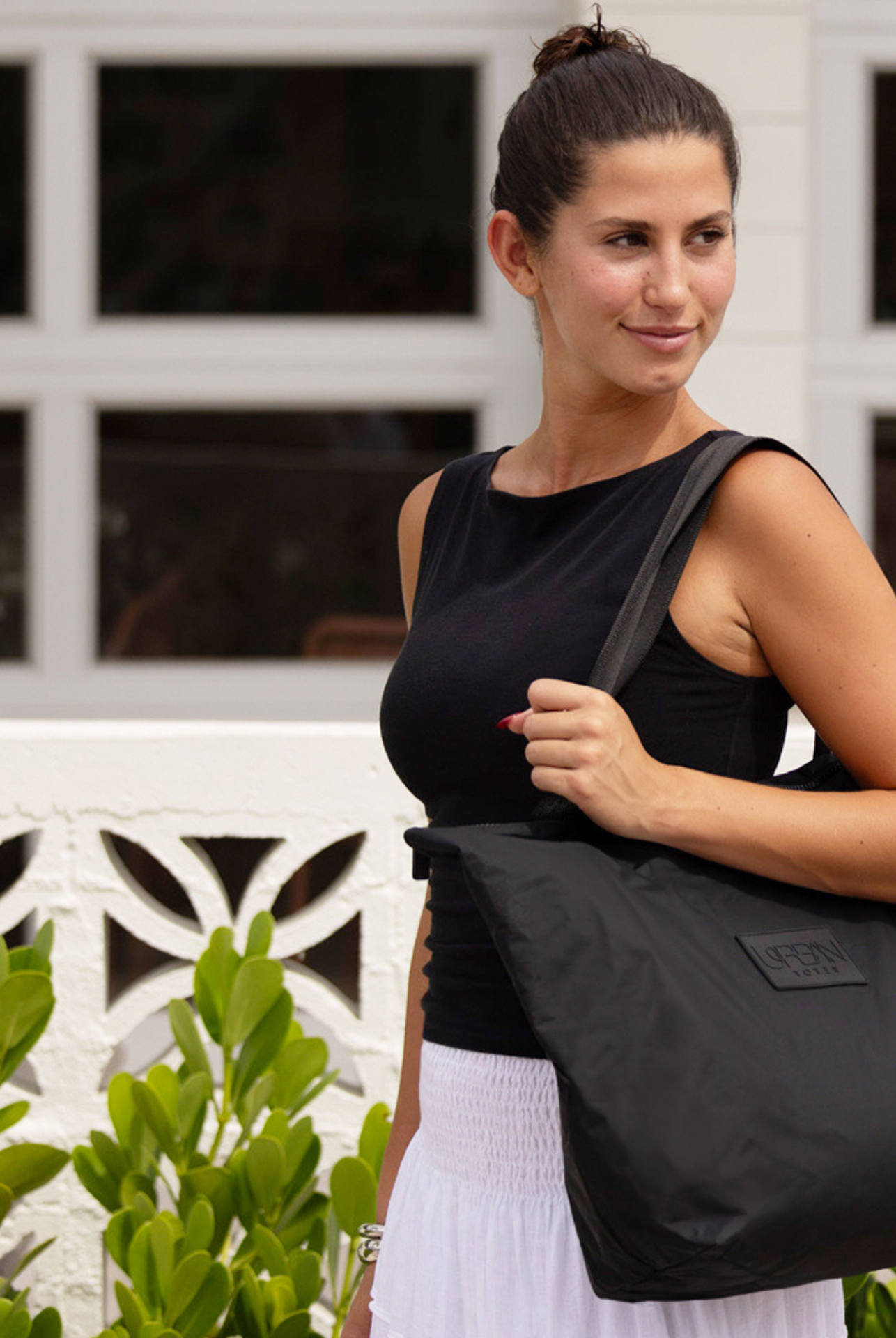
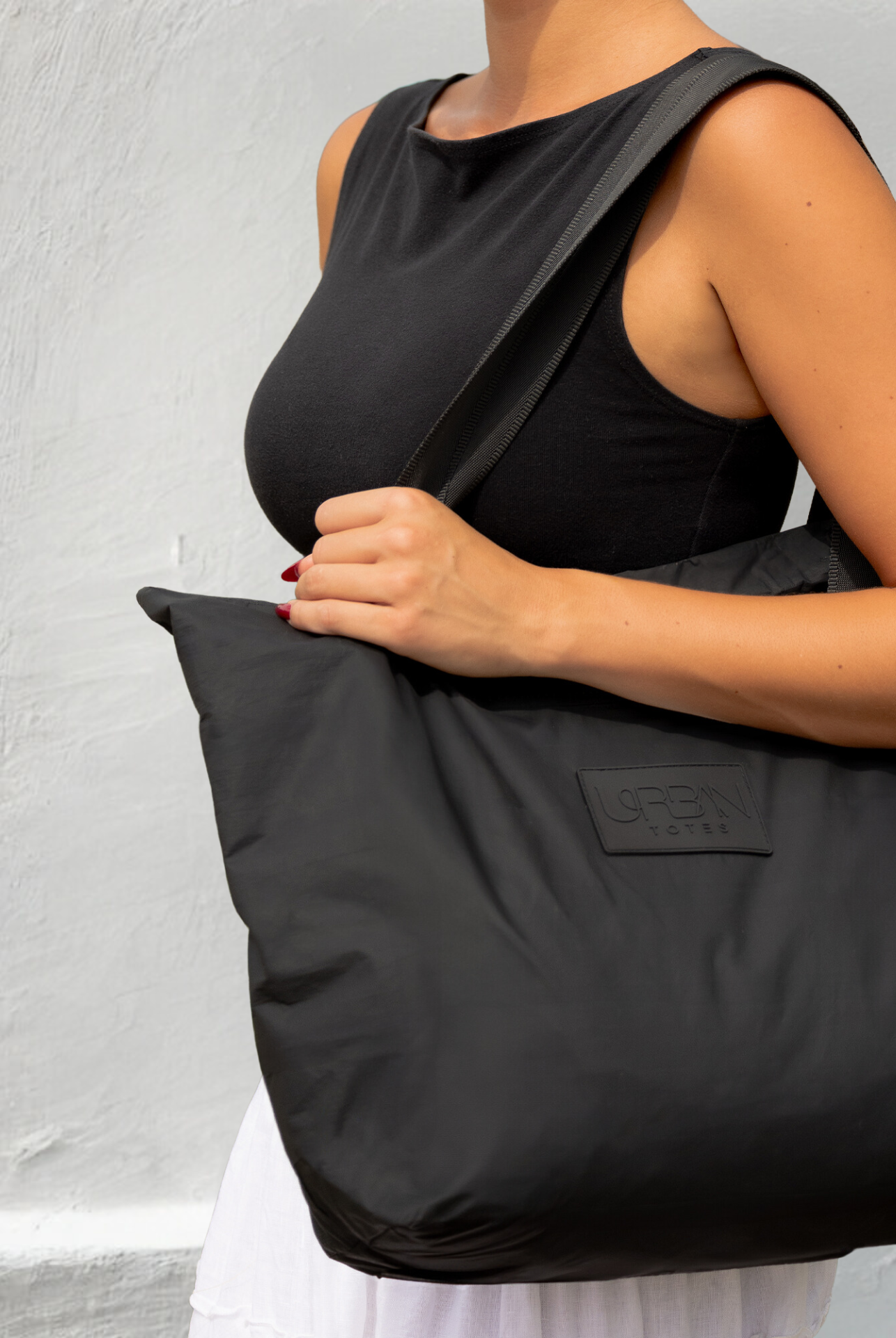
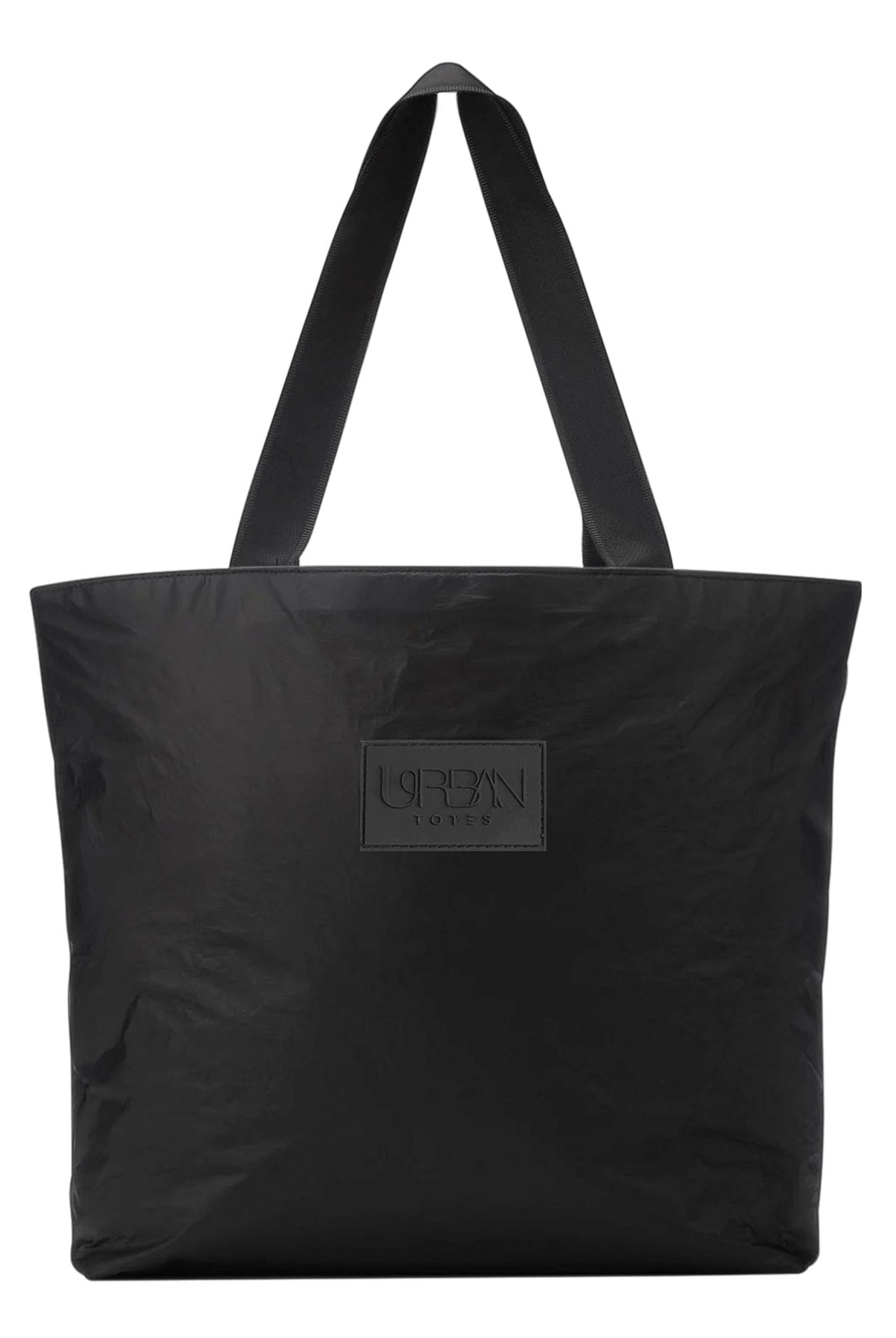
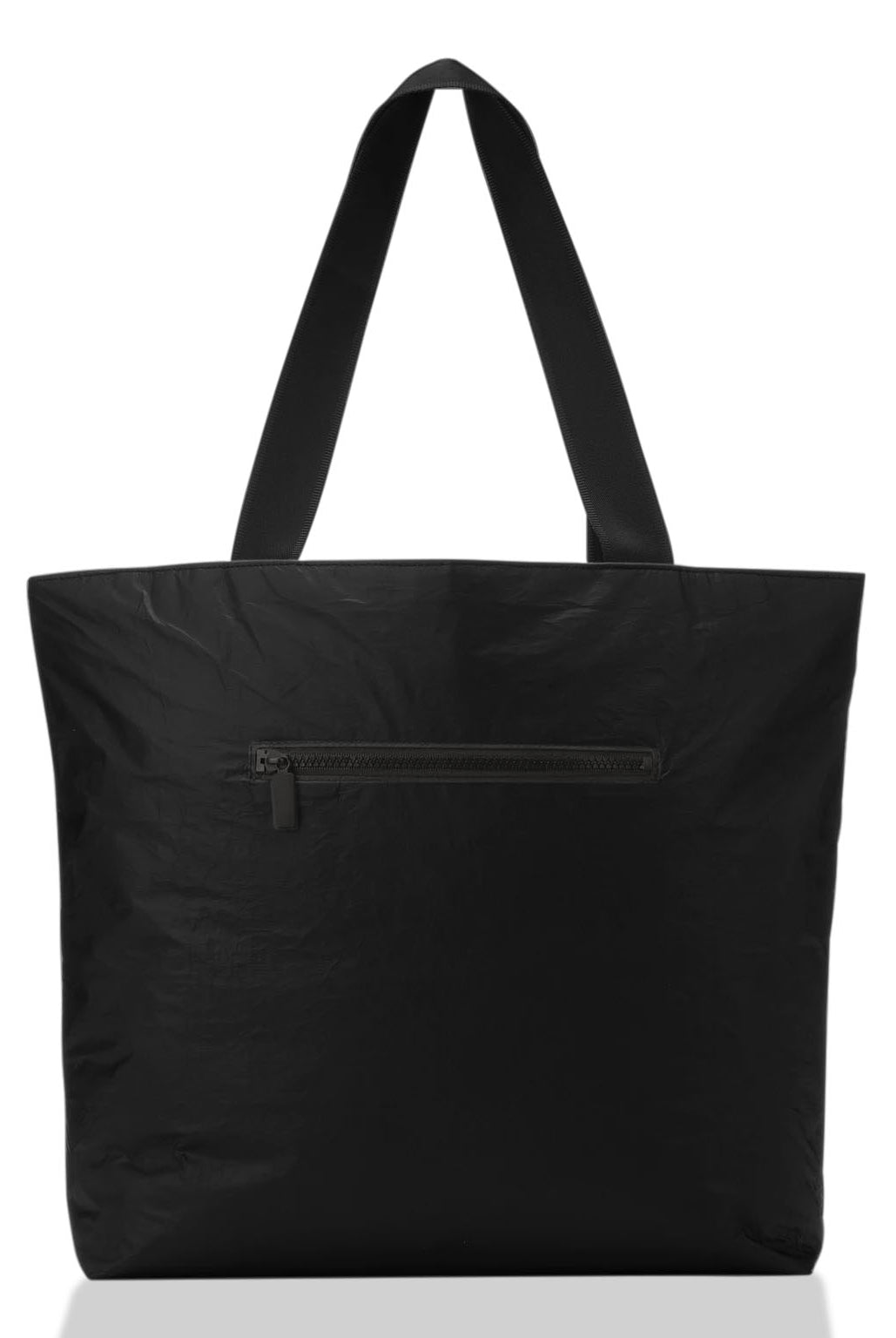
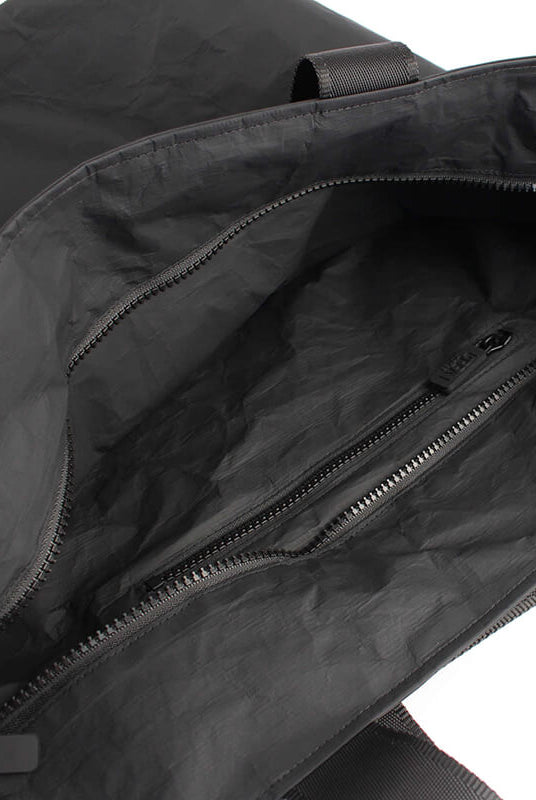
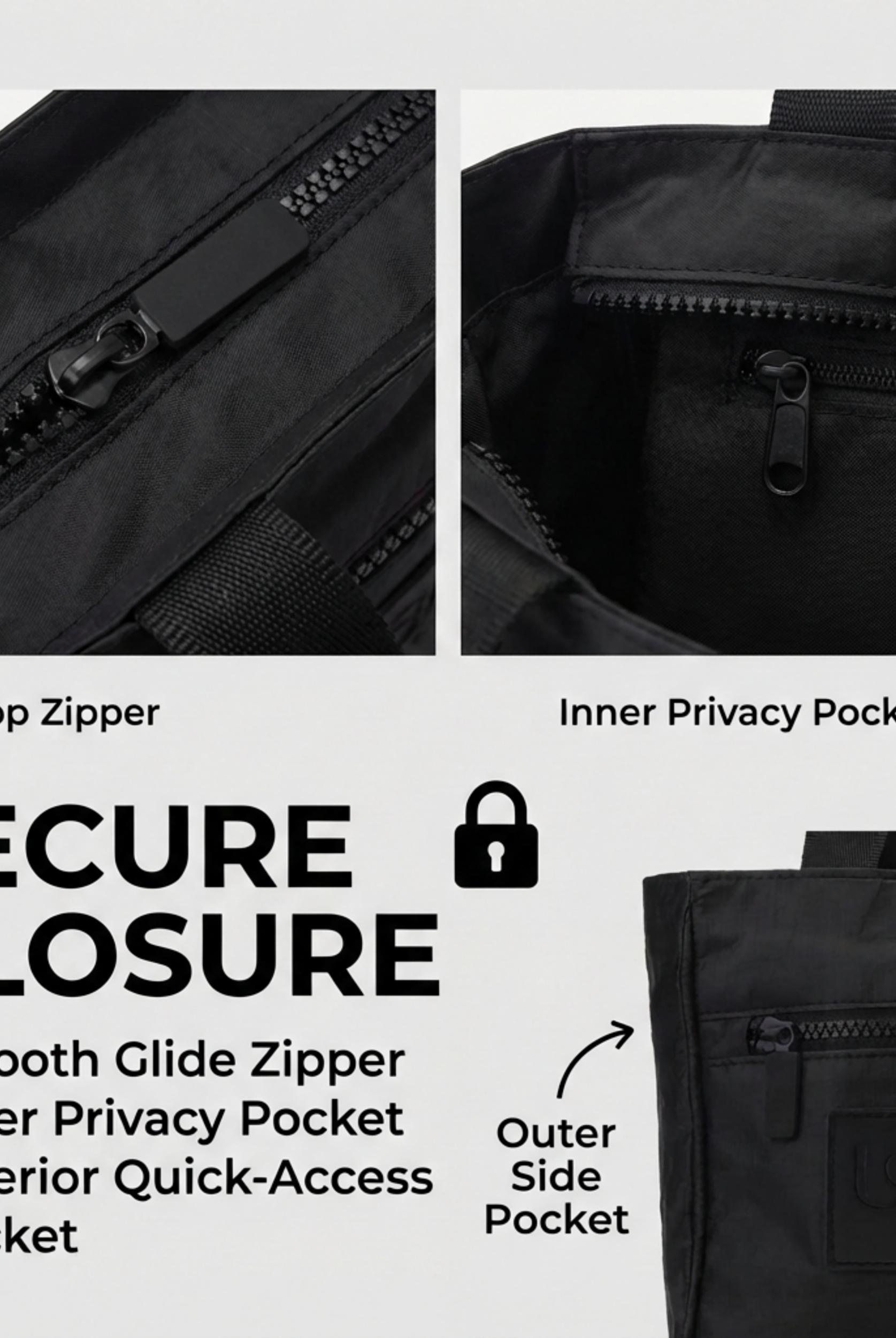
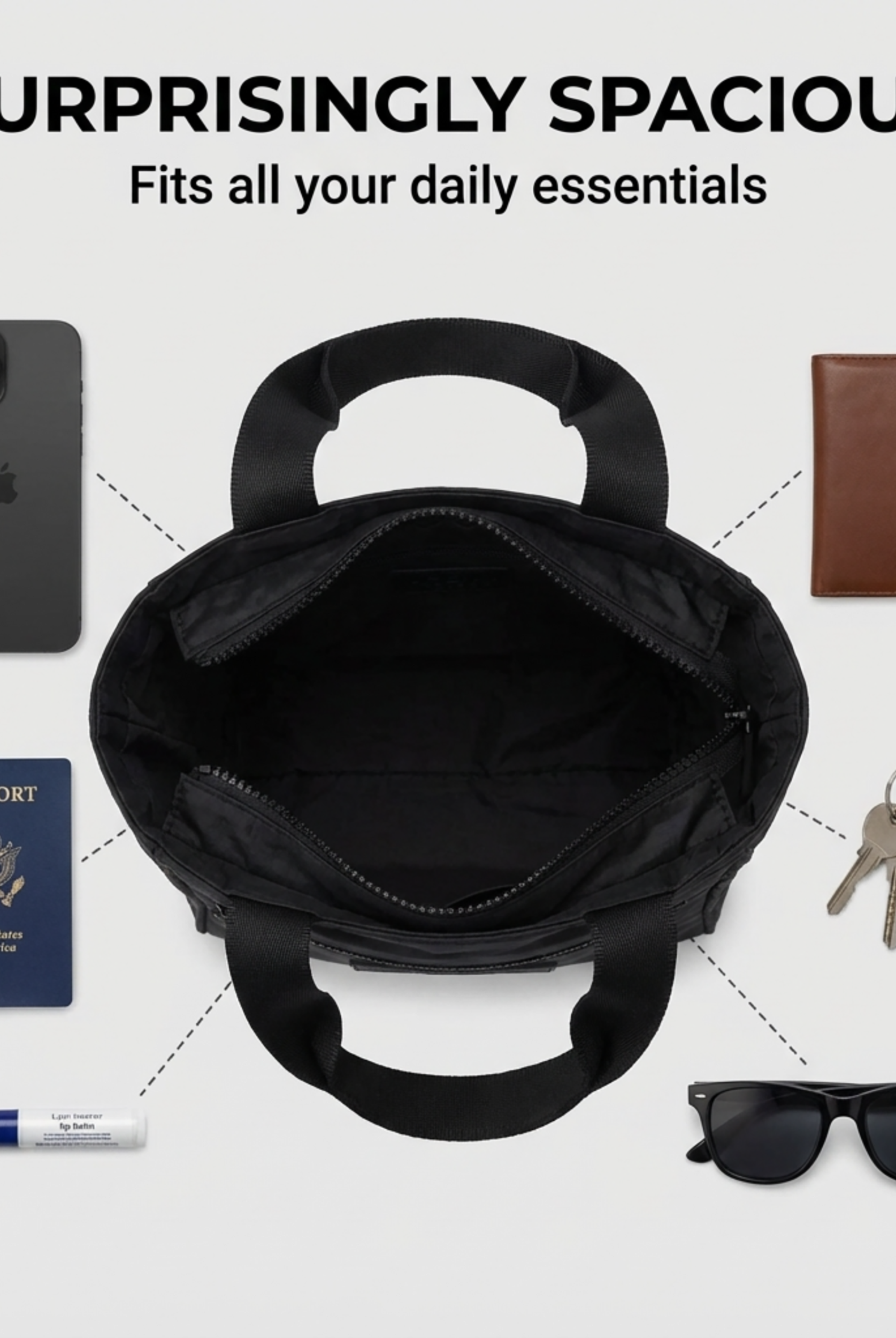
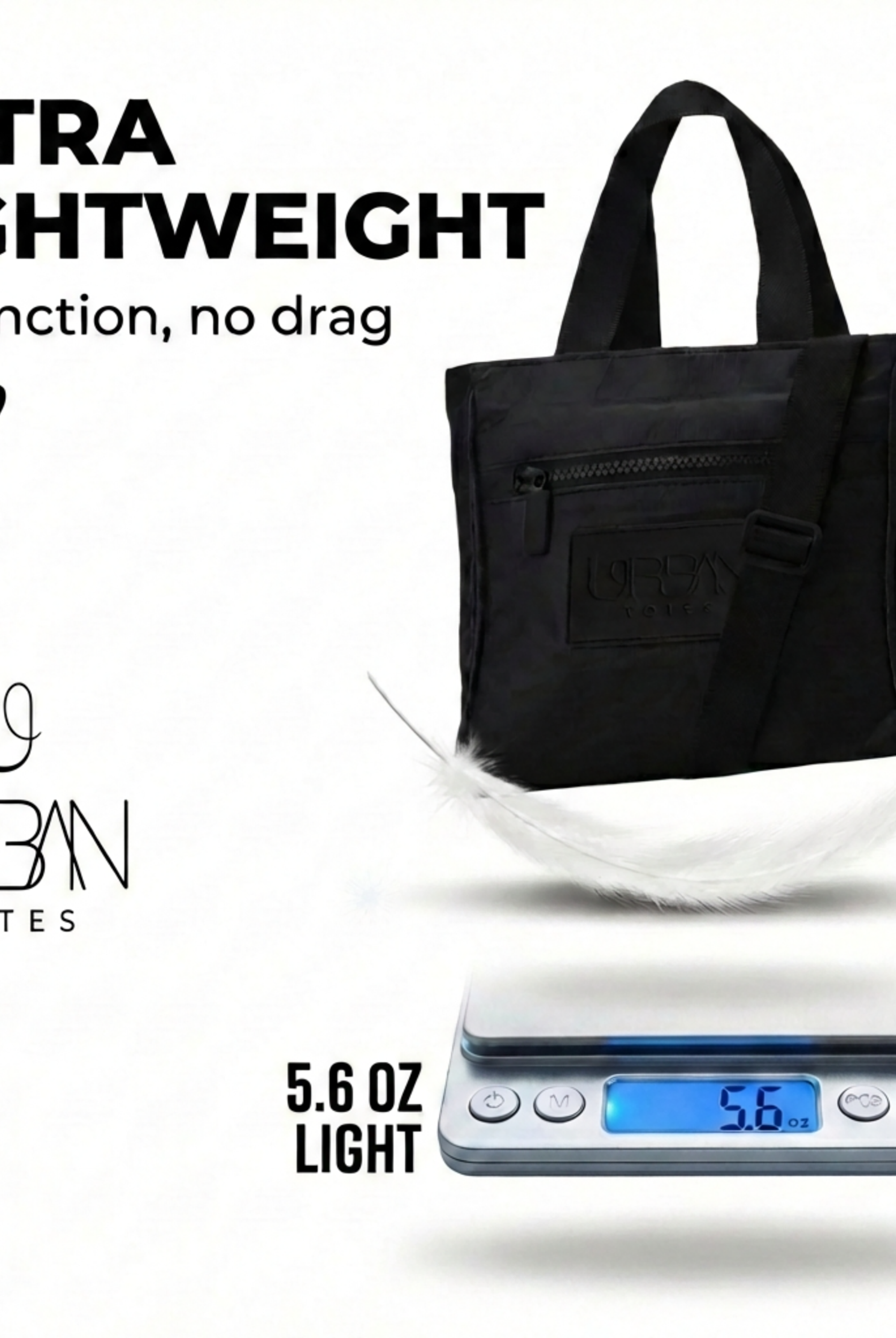
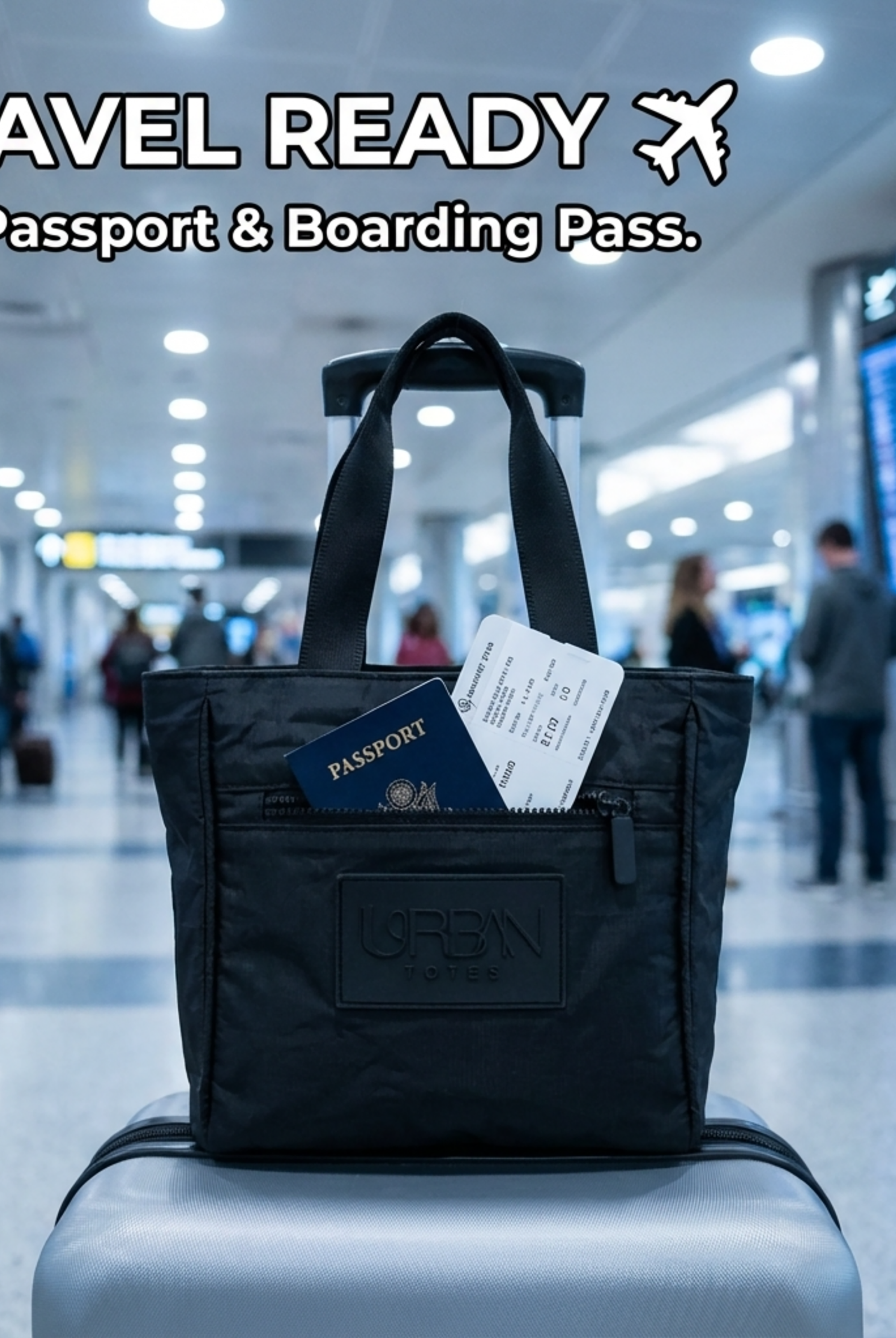
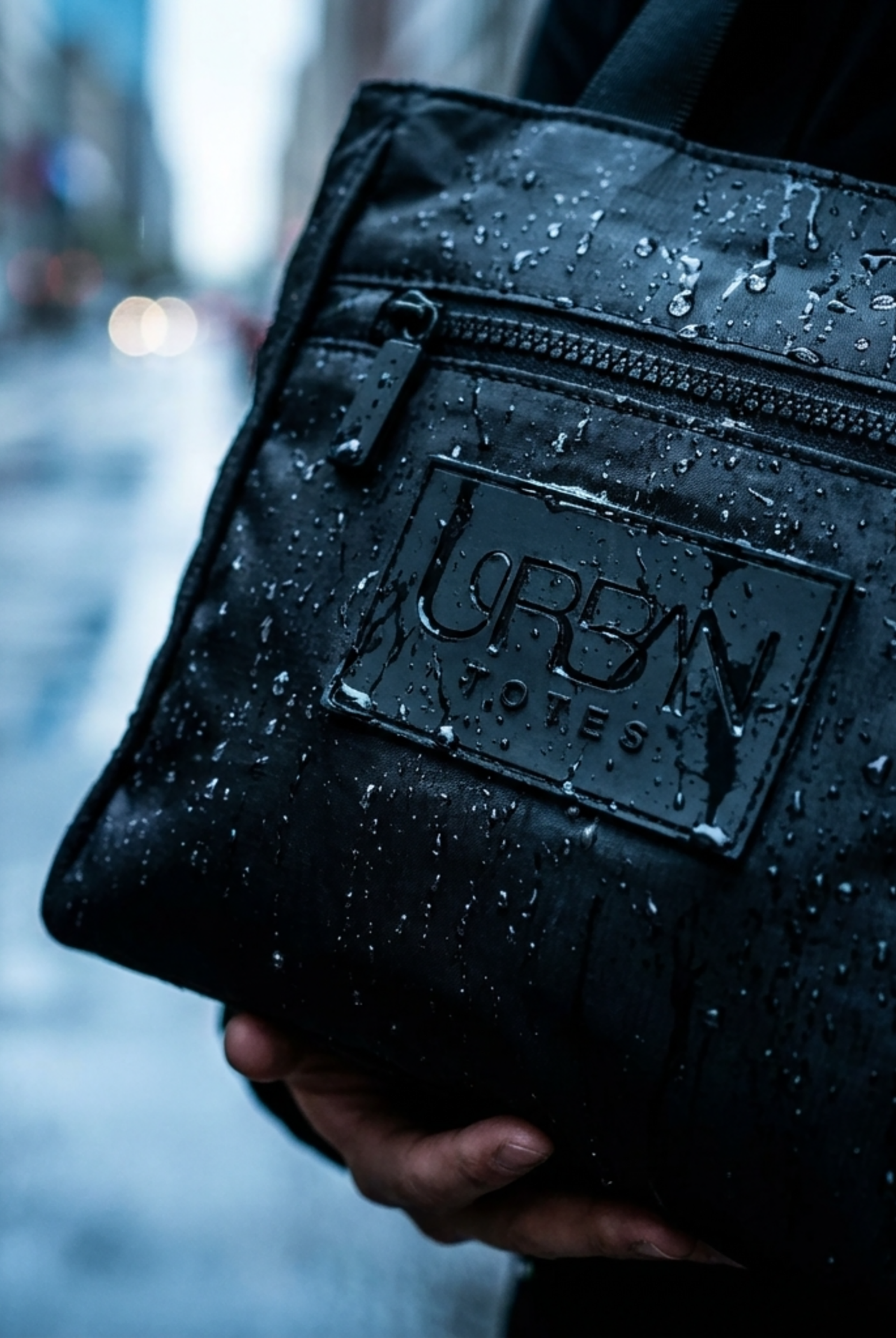
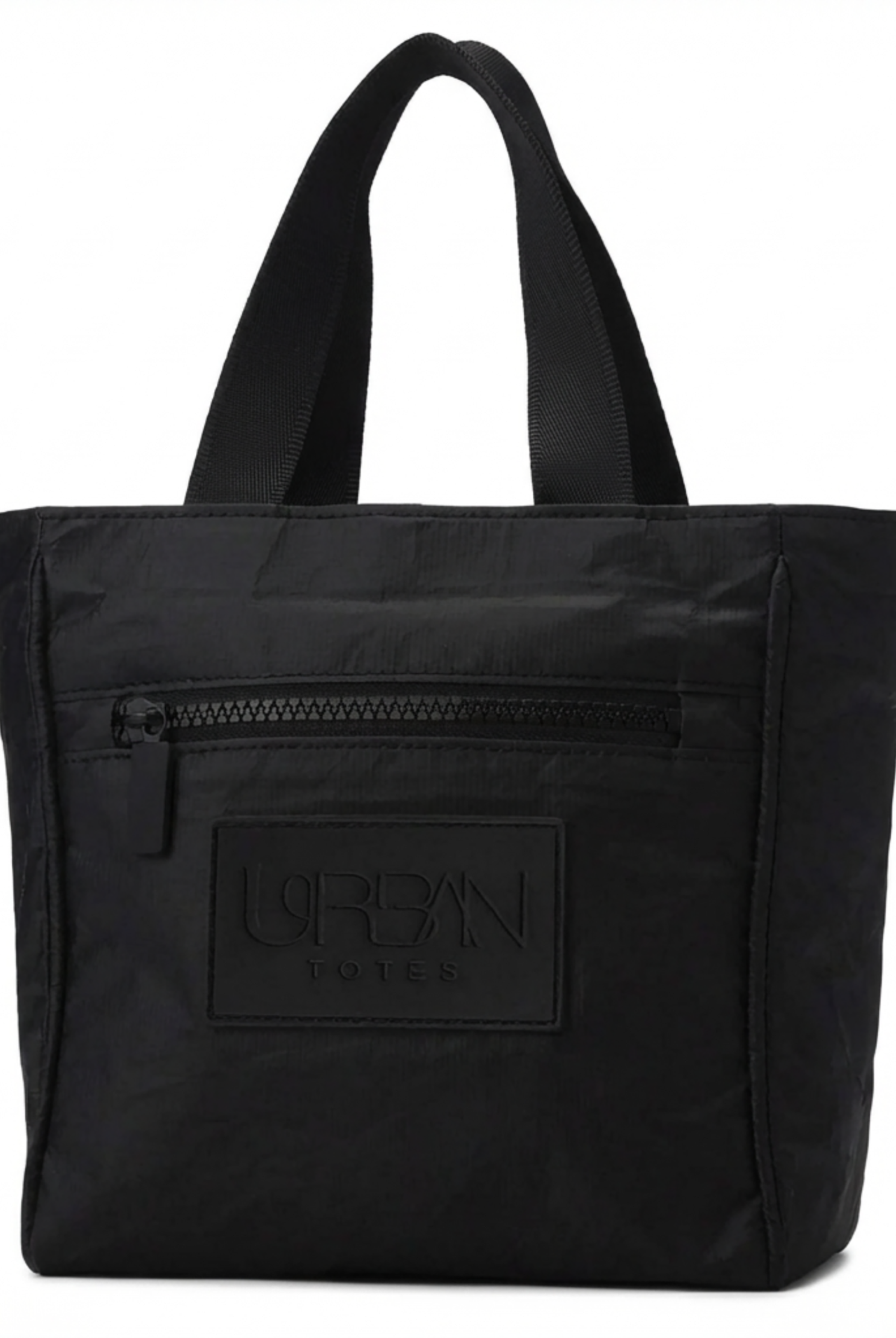
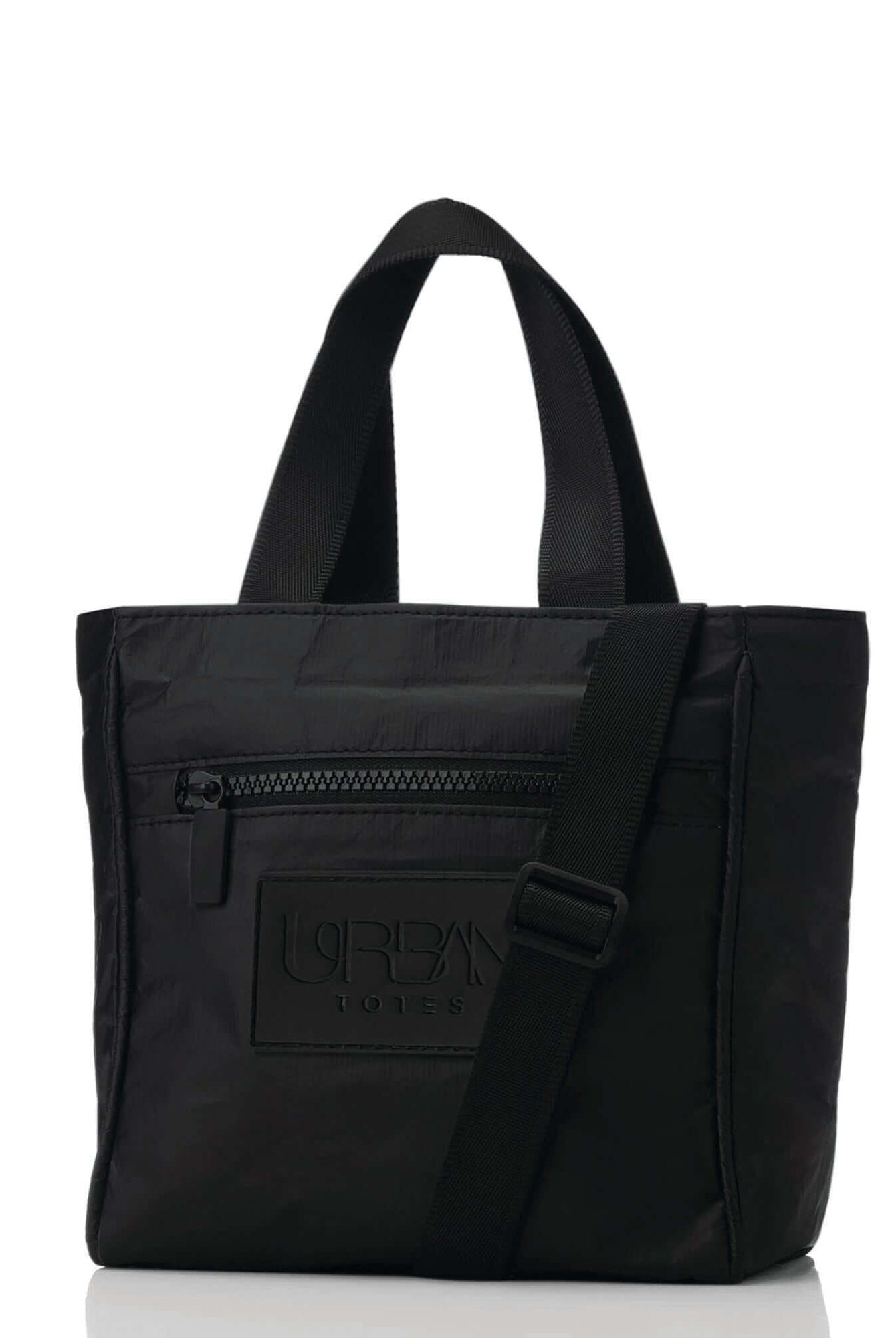
The multiple-compartment purse guide can help you think through zones before you start packing. The Go Anywhere Day Trip Tote Bag by Urban Totes uses three large zippered compartments along with specific pockets for an iPhone and keys. It's also described as lightweight, water-resistant, easy to clean, packable, and foldable, making the layout practical for commutes, errands, beach days, and travel. Review your zones regularly, especially after a move, a new work routine, or a change in caregiving responsibilities. You can also apply the same compartment logic when you protect your belongings during a move.
2. The Essential-First Layering Approach
Layering gives your bag a clear order from immediate need to occasional backup. Put the items you reach for most at the top or in the easiest pockets, place routine items beneath them, and keep emergency extras deeper in the bag but still identifiable.
Start by observing your real habits for a week. Notice what you search for at the pharmacy, airport gate, school pickup, or office entrance. Your top three essentials should be reachable without removing half the contents.
Pack from the outside in
A commuter might keep a phone and keys in a front zipper pocket, a laptop in the main compartment, and emergency supplies in a back section. A traveler can place a passport in a front pocket, toiletries in the middle, and backup cash in a less-visible interior section. For gym days, a water bottle belongs in a side pocket, clothing should remain easy to pull out, and snacks can sit beneath the items used during transit.
The tote bag organization guide offers another way to build a repeatable packing order. Keep the easiest pockets reserved for things you access while the bag is on your shoulder. That small adjustment matters during crowded commutes and one-handed errands.
Put convenience at the top, capacity in the middle, and preparedness at the bottom.
Revisit the arrangement as your life changes. A winter commute, summer outing, and airport day won't have the same priorities, so a good layering system should change with them.
3. The Pouch-Within-a-Tote Method
A large tote becomes much easier to transfer when its small contents live in portable sub-systems. Instead of moving lip products, charging cables, receipts, and hair ties one by one, place each category in a dedicated pouch, clutch, or wristlet.
This method suits women who move between roles during the day. A working parent might carry a gym pouch, an evening makeup pouch, and a compact tech pouch inside the same everyday tote. A traveler can separate electronics, cosmetics, and documents. A beach lover can place sunscreen and sunglasses in a water-resistant pouch, away from towels and loose sand.
Make each pouch easy to recognize
Choose pouches that compress or fold flat when empty. Clear or semi-transparent designs help when you need to identify contents quickly, while opaque pouches can keep personal items contained and visually calmer. The best pouch is not necessarily the biggest. Oversized organizers can become heavy, and they may create a second clutter zone inside the first bag.
Keep one pouch for items you grab on nearly every outing. Store it in the same location each time so reaching for it becomes automatic. A small daily pouch might hold cards, lip balm, earbuds, and keys, while a larger occasional pouch stays home unless the day requires it.
The zipper tote organizer approach is useful when you want containment without committing to a rigid insert. Pouches also make bag rotations easier. Move the daily essentials pouch into a smaller crossbody for dinner, then return it to the tote for the next morning.
4. Packing Cube and Insert Strategy
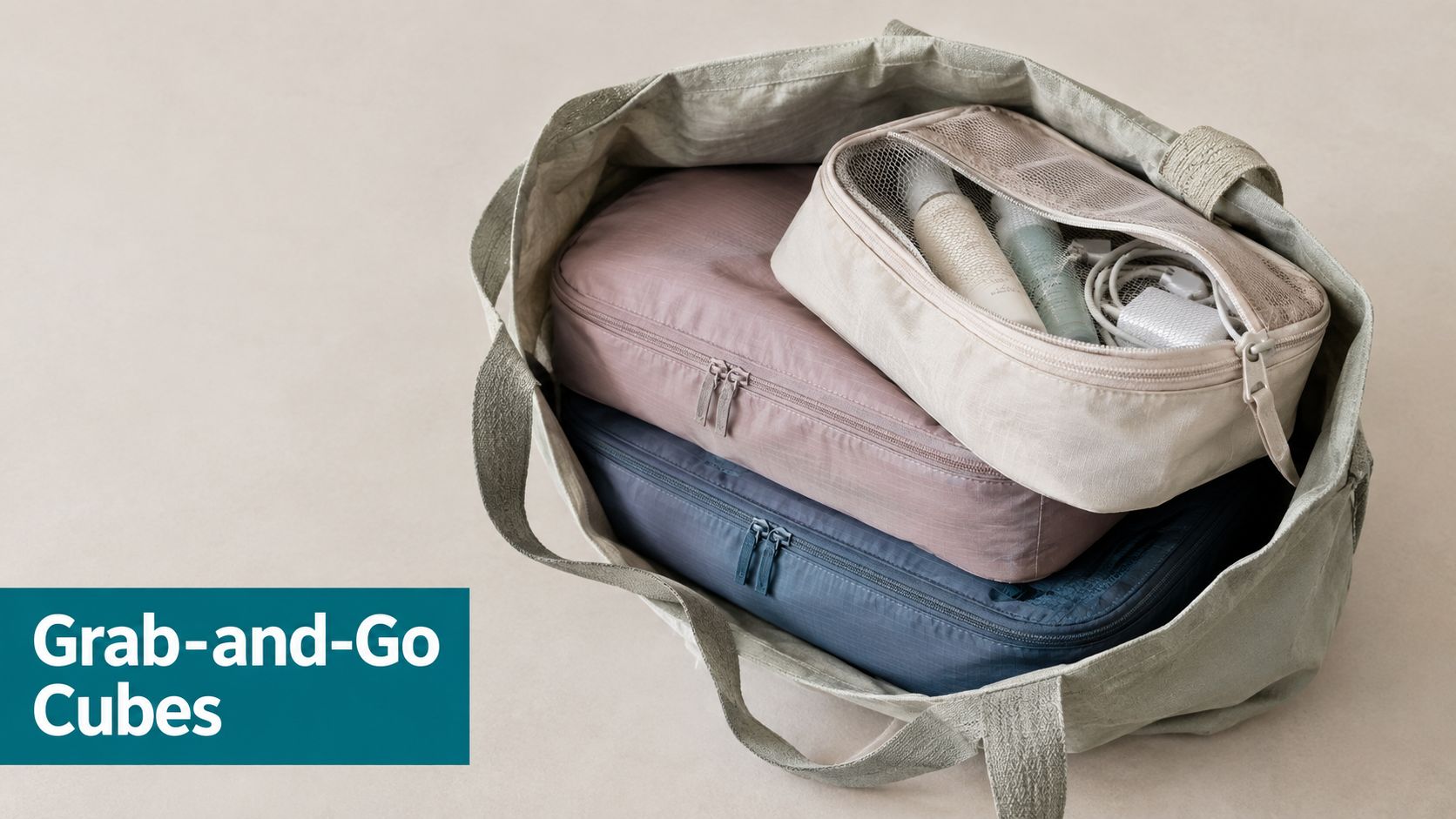
Packing cubes and soft inserts create micro-compartments without forcing every item into a separate pocket. They're especially useful when one tote needs to switch between weekend travel, gym gear, beach items, and everyday errands.
Use one cube for clothing, one for toiletries, and one for electronics on a short trip. At the beach, a water-resistant cube can separate damp or sandy items from clean clothes. At the gym, distinct cubes can hold workout clothing, shoes, and post-workout cosmetics. Students can use the same approach to move essentials between home, campus, and a dorm.
Keep the system proportional
A cube should fit the bag, not dominate it. One or two well-sized organizers usually make more sense than a collection of cheap, bulky pieces. Color-coding can help, with one shade for tech, another for cosmetics, and another for wellness items. If a cube is only partly full, compressible fabric keeps it from wasting space.
Keep one cube permanently packed with the supplies you use for spontaneous trips, such as travel toiletries or a change of clothes. That saves repacking time, but check it before leaving so used items don't remain inside.
For a detailed approach to transferring grouped items, see how to pack with packing cubes. The trade-off is flexibility. Cubes keep categories together, but they can reduce open space for irregular items, so leave room for a sweater, water bottle, or snack container when the day demands it.
5. Vertical Stacking and Standing Organization
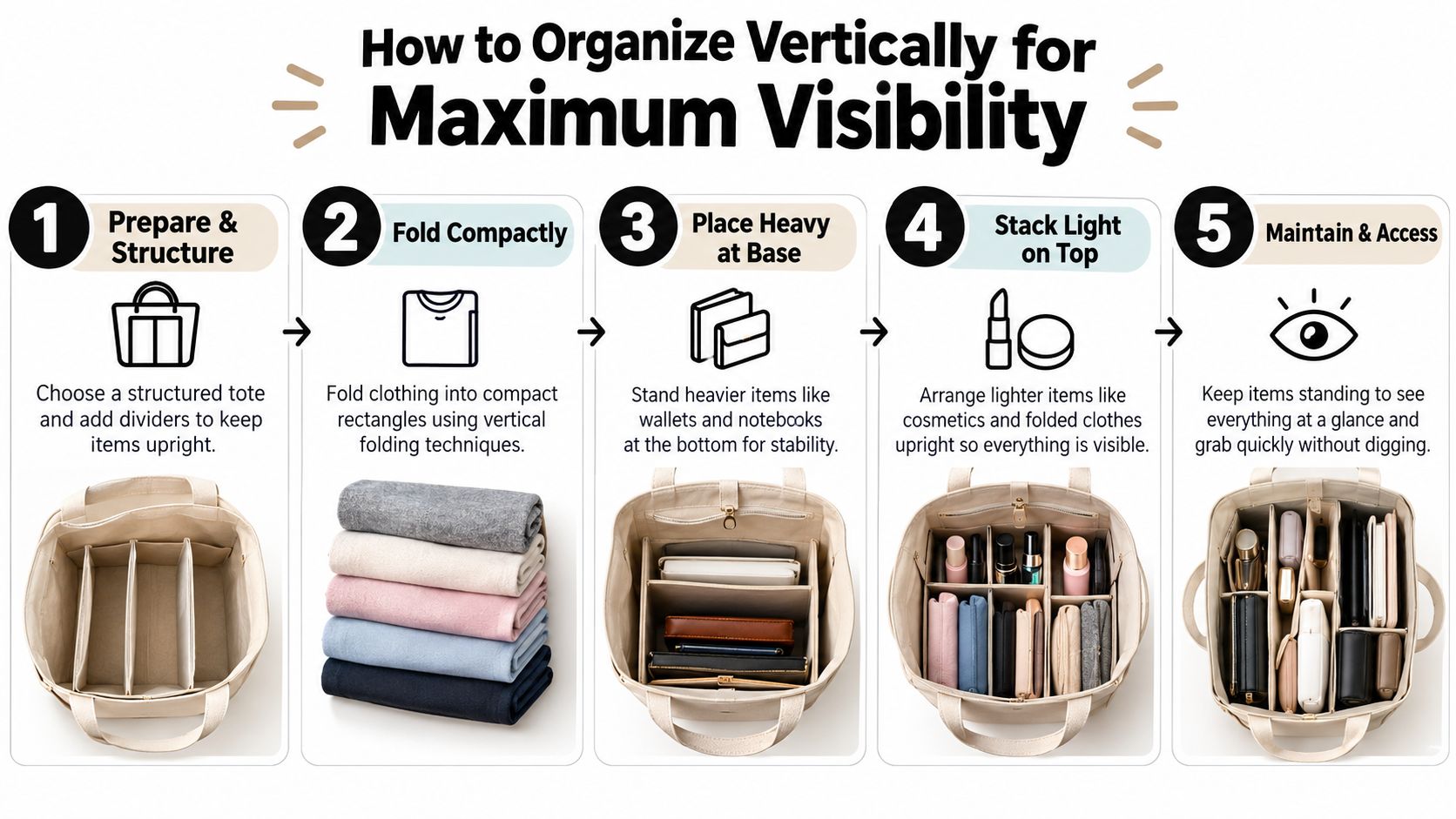
Loose items disappear when they lie flat beneath one another. Vertical packing changes the view. Stand wallets, notebooks, cosmetic pouches, folded clothes, and slim folders upright so you can see the top edge of each item when you open the bag.
This arrangement works particularly well in structured totes and weekenders. Fold clothing into compact rectangles, then place the pieces side by side instead of stacking them in a low pile. You'll be able to pull out one shirt without disturbing the rest. For a commuter, folders, personal care items, and a lunch container can stand in separate lanes.
Build from the base upward
Place heavier items at the bottom or nearest the center, then add lighter pieces above or alongside them. A divider or soft insert keeps upright items from tipping into one another. Smaller compartments can support wallets, notebooks, and cosmetics, while the main space holds larger clothing or gear.
A weekender packed this way feels more like a compact wardrobe than a deep bin. A gym tote can hold shoes at the base, folded clothes standing above them, and toiletries in a narrow side section. The method improves visibility, but it needs boundaries. Without dividers, soft items may slump, and a crowded bag can become difficult to close.
Vertical organization works when you can identify each category from the opening. If everything leans into one pile, you need fewer items or better support.
This system pairs naturally with a zipper closure because the upright contents remain contained during commutes, car rides, and airport transfers.
6. Color-Coding and Visual Categorization System
Color-coding replaces memory with recognition. Assign a small group of colors to the categories you carry most, then use those colors consistently across totes, pouches, and organizers.
A working parent might use navy for documents and work accessories, pink for children's items, and green for wellness or gym supplies. A commuter could choose black for tech, white for personal care, and gray for paperwork. A traveler might assign distinct colors to toiletries, clothing, electronics, and documents.
Keep the palette simple
Start with three or four categories, not a rainbow of labels. Too many colors create another system to remember. Add a small written label to each pouch until the associations become automatic, then remove the labels if you prefer a cleaner look.
Consistency matters more than the exact shades. If black always means tech, that meaning should stay the same whether the pouch moves from a tote to a weekender or a compact crossbody. Choose colors that work with your bag's aesthetic so the organization feels intentional rather than improvised.
This approach is useful during high-interruption days. When you're holding a child's hand at school pickup or standing in an airport queue, a recognizable green pouch is faster to locate than a generic black pouch hidden among several similar ones. The trade-off is that color only helps if categories remain stable. If one pouch contains tech on Monday and snacks on Tuesday, the visual cue loses its value.
7. Seasonal Rotation and Checkpoint Auditing
A bag that works in July may feel overloaded in January, and a school-year tote won't necessarily suit a beach day. Seasonal rotation keeps the contents aligned with the life you're living instead of preserving every possible scenario inside one heavy bag.
A beach-day mom might rotate in sunscreen, toys, and a wet-item pouch during summer, then switch to snacks, homework folders, and warmer layers during the school year. A commuter may replace winter accessories with a water bottle and lighter clothing as the weather changes. A traveler should audit the bag after every trip, removing used toiletries, receipts, and items that were packed “just in case.”
Turn maintenance into a checkpoint
Set a recurring phone reminder and use a short routine:
- Empty the tote: Start with a completely clear interior so hidden clutter doesn't remain.
- Review actual use: Separate items you used from items you carried without touching.
- Restock essentials: Replace snacks, tissues, toiletries, or other depleted items.
- Reset the zones: Return each pouch and item to its assigned compartment.
- Store off-season kits: Place unused seasonal pouches in a labeled bin for easy retrieval.
Keep a photo or simple list of each seasonal configuration. That makes the next transition faster and helps you avoid rebuilding the system from scratch. The day-trip packing list can support a final review before an outing.
The point isn't to carry every seasonal possibility. It's to keep a lightweight, organized, travel-ready setup that changes when your days change.
7-Method Bag Organization Comparison
| Method | Implementation complexity | Resource requirements | Expected outcomes | Ideal use cases | Key advantages |
|---|---|---|---|---|---|
| Multi-Compartment Organization System | Low–Medium (initial setup & packing habits) | Multi-compartment bag (no extra accessories if present) | Faster retrieval; reduced shifting; better protection | Daily commuters, travelers, gym users | Designated homes for items; improved security; item protection |
| The Essential-First Layering Approach | Medium (track usage; periodic tweaks) | Minimal (uses existing pockets/compartments) | Quick access to top items; streamlined daily workflow | Commuters, frequent errand-runners, efficiency seekers | Prioritizes accessibility; reduces wear; encourages lighter carry |
| Pouch-Within-a-Tote Method | Low (nest and swap pouches) | Multiple small pouches/clutches (purchase required) | Portable sub-systems; easy swapping; prevents small-item loss | Parents, travelers, shared bags | Modularity; fast reconfiguration; portable organization |
| Packing Cube and Insert Strategy | Medium (select sizes & packing habits) | Packing cubes/inserts (additional purchase) | Clustered items; easy transfer between bags; space efficiency | Weekend travelers, gym users, students | Transferability; visibility (mesh); compressibility |
| Vertical Stacking and Standing Organization | Medium (folding and arrangement discipline) | Structured tote or dividers for stability | Full visibility; efficient cubic use; even weight distribution | Weekenders, structured-bag commuters, those packing clothing | Instant visibility; maximizes space; reduces wrinkling |
| Color-Coding and Visual Categorization System | Low–Medium (assign colors; initial labeling) | Colored pouches or labels | Rapid visual recognition; consistent categorization | Families, multi-user bags, visual organizers | Fast retrieval; easy for others to use; aesthetically pleasing |
| Seasonal Rotation and Checkpoint Auditing | High (regular audits and seasonal swaps) | Time, storage for off-season pouches, reminders | Relevant, lightweight packing; less clutter; maintained system | Seasonal lifestyles, parents, frequent travelers | Keeps system current; reduces decision fatigue; extends bag life |
Build the Bag System You Will Actually Use
The best bag organization system is the one you can maintain while rushing through real life. If you carry a multi-pocket tote for work and errands, start with assigned compartments. Keep your phone, keys, and cards in quick-access zones, and give larger sections clear roles for documents, lunch, clothing, or gear.
Choose pouches when you switch between bags often. A daily essentials pouch, tech pouch, or beach pouch can move from a tote to a crossbody without a full repack. Choose cubes when travel, gym clothing, or family gear needs to stay grouped. Choose vertical packing when your bag has enough structure to keep notebooks, clothing, and personal care items standing where you can see them.
Color-coding can make retrieval faster when several people or categories share one bag, but it only works if the color meanings stay consistent. Seasonal audits matter just as much. A bag packed for every possible emergency becomes heavy and difficult to use, while a small rotation of current essentials stays practical.
Historical research helps explain why this matters. The Colibri handbag research found that 95% of women in developed countries own a handbag and that women spend an average of 76 days of their lives looking for items in their bags. Those figures make internal structure more than a style preference. A visible compartment or dedicated pouch can turn repeated searching into a simple reach.
Travel habits point in the same direction. In Cheapflights' survey of American packing habits, 77% of respondents said they plan or lay out clothing before a trip, 85% of women reported coordinating outfits in advance, and 57% said they try to avoid checking a bag. The same survey found that 70% prefer folding clothes rather than rolling them, while 55% said they don't typically wear everything they pack. Intentional zones and a realistic packing list can help you carry what you'll use, not everything you might imagine needing.
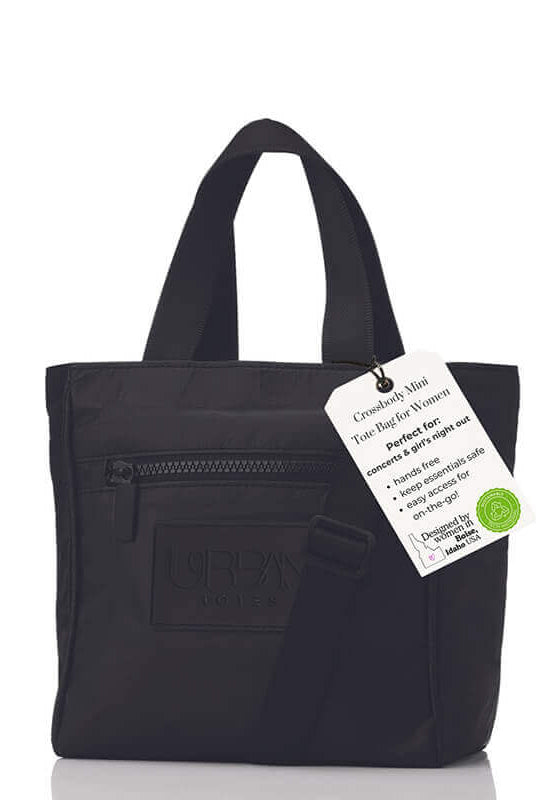
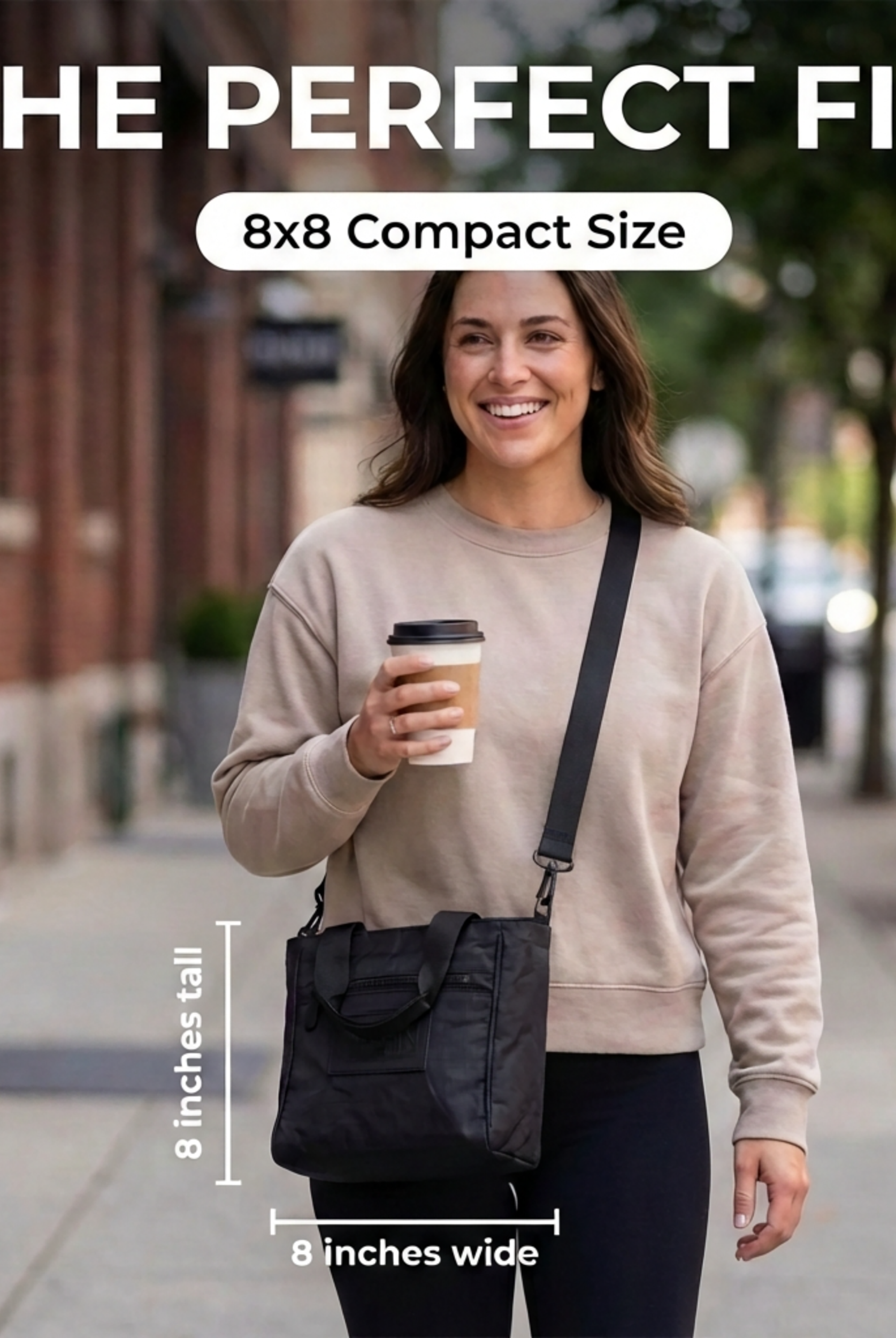
Urban Totes is a woman-owned brand based in Boise, Idaho, with lightweight, water-resistant, packable, and foldable styles designed for everyday carry, commutes, errands, gym sessions, beach days, and getaways. Its thoughtful organization features, including zipper closures and multiple compartments, fit naturally with the adaptable systems above.
Choose a lightweight, water-resistant tote with zipper closures and thoughtful compartments for your everyday carry, then add only the pouches or cubes your routine needs. Explore the versatile collection at Urban Totes and build a go-anywhere setup that's ready for work, travel, beach days, errands, and whatever comes next.