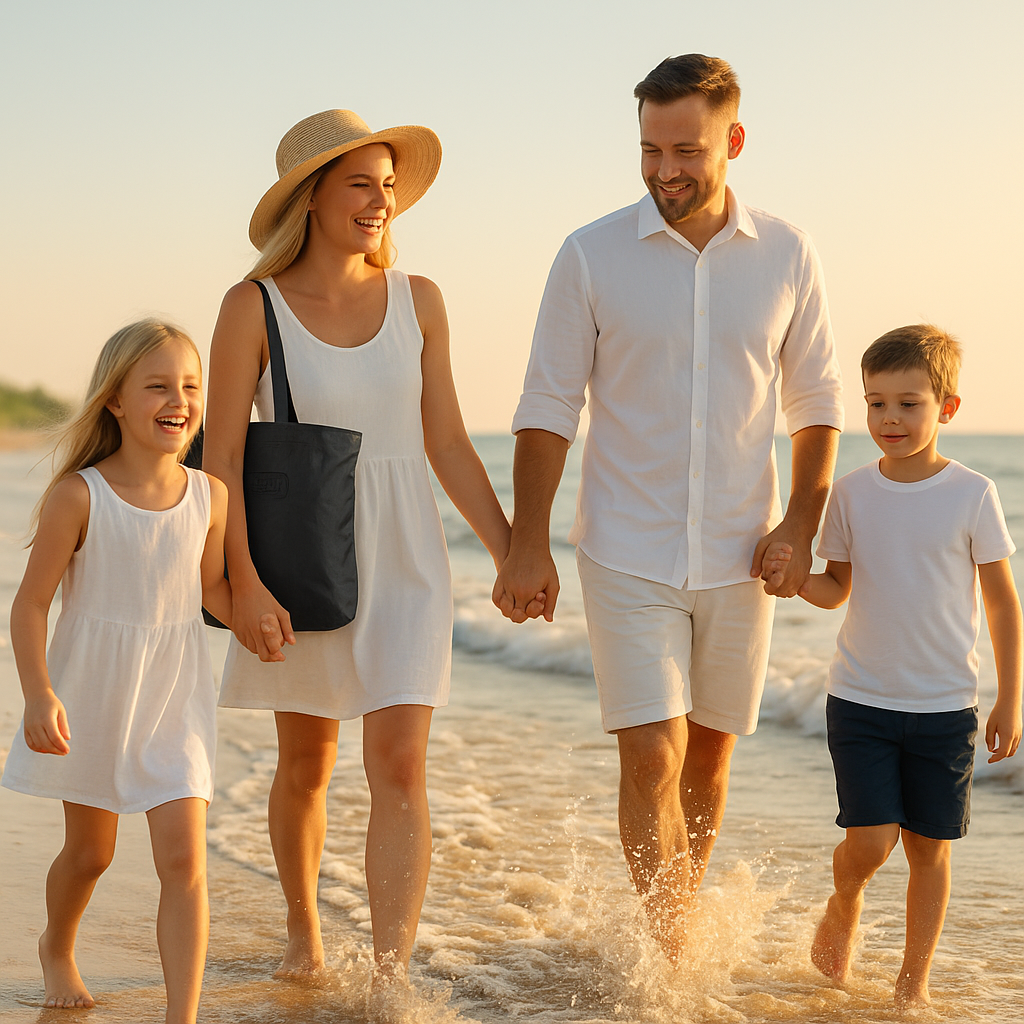
You've found the perfect stretch of sand, the kids are building a fort, and the water is calling. Your phone, wallet, keys, and perhaps a passport are tucked beneath a towel while you swim out past the breakers. For the next few minutes, relaxation competes with the nagging thought that someone could grab the entire beach bag and disappear.
That tension is exactly where a lockable beach bag earns its place. It can slow quick access, organize family essentials, and add a tethering layer that makes a casual grab harder. It can't turn an unattended tote into a bank vault, though. The smartest choice combines the right closure, practical materials, realistic expectations, and habits that keep your most valuable items close.
Table of Contents
- The Beach Day Security Problem You Already Know
- What a Lockable Beach Bag Actually Does
- Key Features That Hold Up at the Beach
- How Lockable Beach Bags Compare to Other Options
- Choosing the Right Lockable Beach Bag for Your Life
- What a Lock Cannot Do for You
- Care and Cleaning That Protects the Lock
- Finding Your Go-Anywhere Beach Bag
The Beach Day Security Problem You Already Know
Most beachgoers have tried the usual workarounds. One person stays behind while everyone else swims. Valuables get wrapped inside a shirt, pushed beneath a towel, or buried in the sand. Someone leaves a phone and wallet in the car, then spends the walk back wondering whether the car is a safer target.
Each solution solves one problem while creating another. Burying items makes them difficult to retrieve and exposes them to sand and moisture. Leaving one adult on watch means that person doesn't get a break. A car hides belongings from view, but it still leaves valuables inside an unattended vehicle. None of these approaches handles the practical reality of a family beach day, where people move constantly between water, snacks, bathrooms, shade, and the parking lot.
The risk isn't imaginary. A 2024 report on beach theft and loss said 2.7 million people lost items worth £438 million on beaches in the previous year. The same report said 4.2 million people reported losing possessions at the beach in 2023, with those items worth an additional £457 million. In a separate survey discussed by the report, 26% of British respondents said they leave belongings unattended while swimming or buying food, and a typical beach bag was estimated to contain £555 in valuables. Among respondents aged 18 to 24, 8% said their beach bag or items had already been stolen.
Practical rule: A locked bag should reduce opportunity, not replace judgment.
That distinction matters. A thief looking for a fast, quiet grab may move on when a zipper is locked and the bag is tethered. A determined person can still attack the fabric, cut the tether, or take the whole setup if the anchor is weak. Your goal isn't perfect protection. It's making your belongings a harder, less convenient target while keeping the day comfortable.
For more context on combining everyday carry with practical travel habits, see this guide to travel bag security.
What a Lockable Beach Bag Actually Does
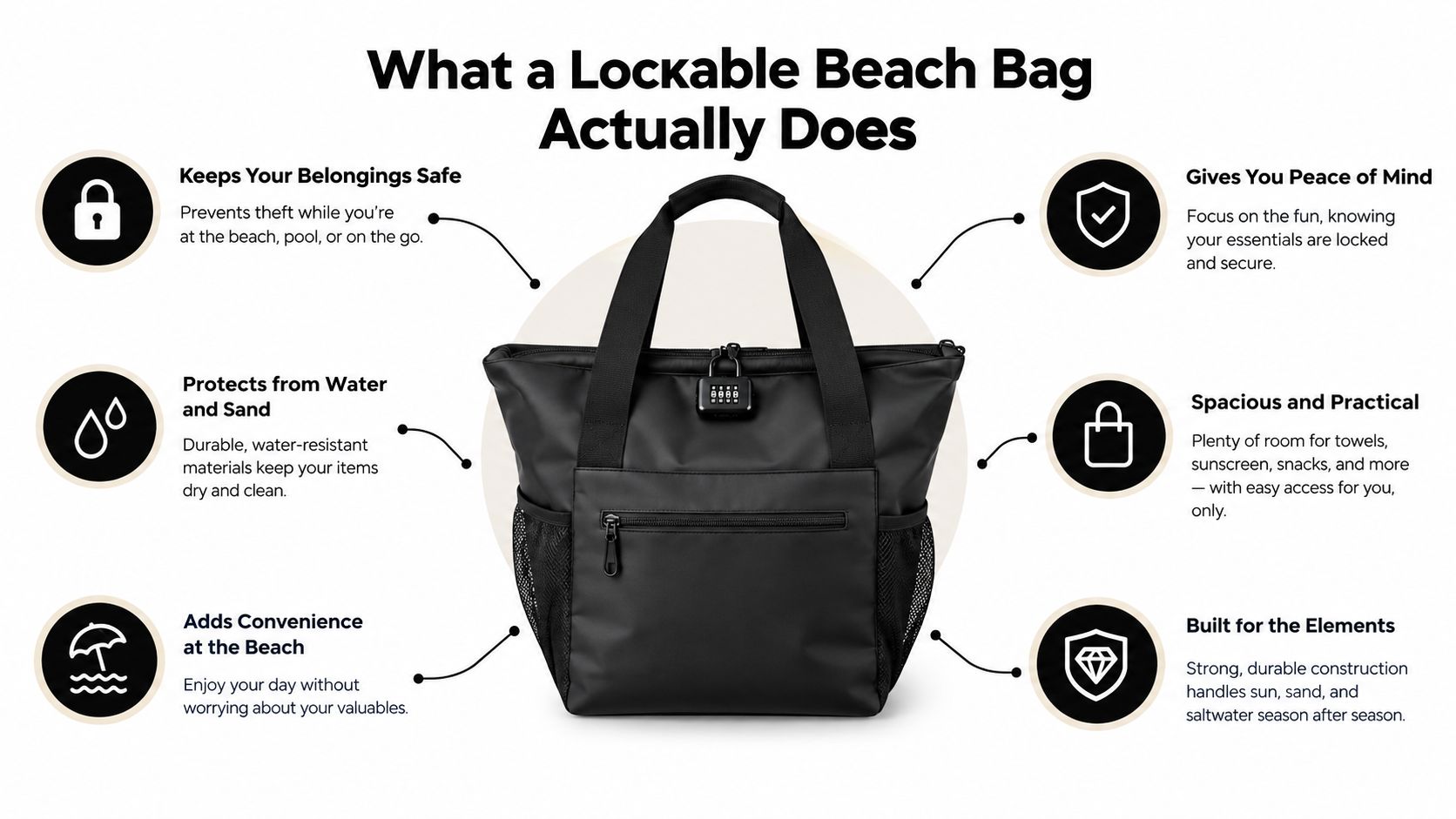
A real anti-theft setup has two separate layers. The first is the lockable closure on the bag. The second is an anchor, cable, or tether that connects the bag to something fixed, such as a sturdy chair frame, umbrella pole, railing, post, or cabana structure.
A zipper lock blocks immediate access to the main compartment. It won't stop someone from picking up the tote, but it removes the easiest route into the bag. A tether addresses that second weakness. Once the cable is looped around a stable object and locked, a thief can't lift the bag and walk away without dealing with the anchor.
Independent product documentation for anti-theft beach bags describes this as a two-step process, secure the zipper sliders first, then loop the steel or cable-style tether around a stationary object before stepping away. That makes a lockable beach bag a layered deterrent, not a standalone safe.
Match the closure to the threat
Combination locks are convenient for families because adults can share access without carrying a key. Keyed locks offer a clear physical barrier but create one more small item to lose in the sand. A magnetic snap cover can conceal a zipper and discourage casual rummaging, but it isn't a true lock. Drawstring toggles are useful for closing a compartment, though they should be treated as a basic deterrent rather than security hardware.
A small lock clipped onto ordinary zipper pulls is better than an open bag, but integrated hardware usually sits more securely and is harder to misplace. If the bag doesn't include an anchor point, you'll need a separate tether or another security method.
Know the boundary
The bag protects against quick opening and, when properly anchored, grab-and-go removal. It doesn't guarantee protection against cutting, force, a stolen chair, a weak umbrella stand, or a thief who has time and privacy. It also doesn't make wet electronics safe. A lock controls access. It doesn't create a waterproof compartment or protect valuables you leave outside the locked section.
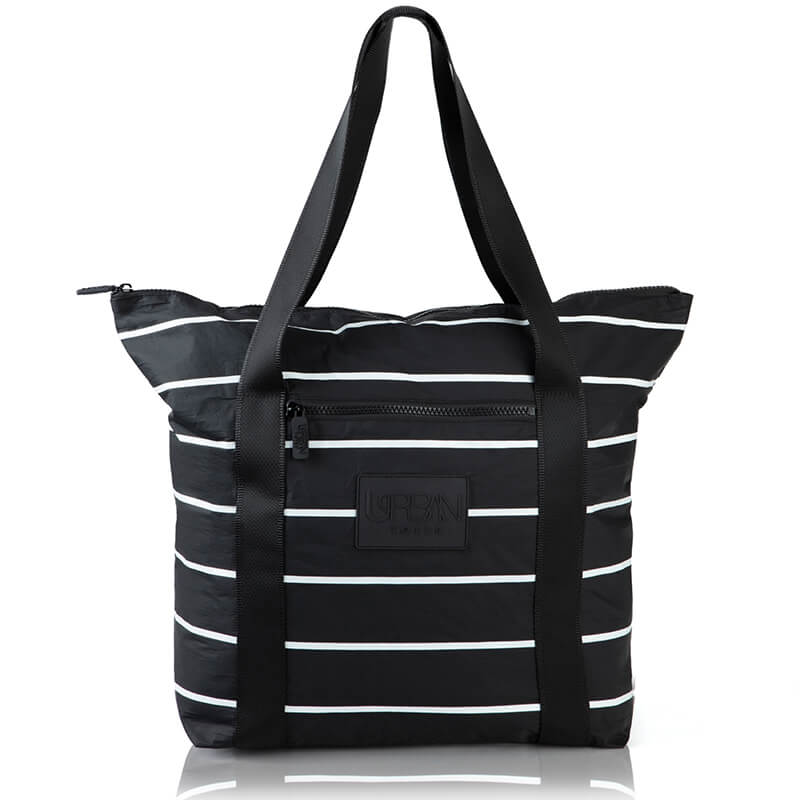
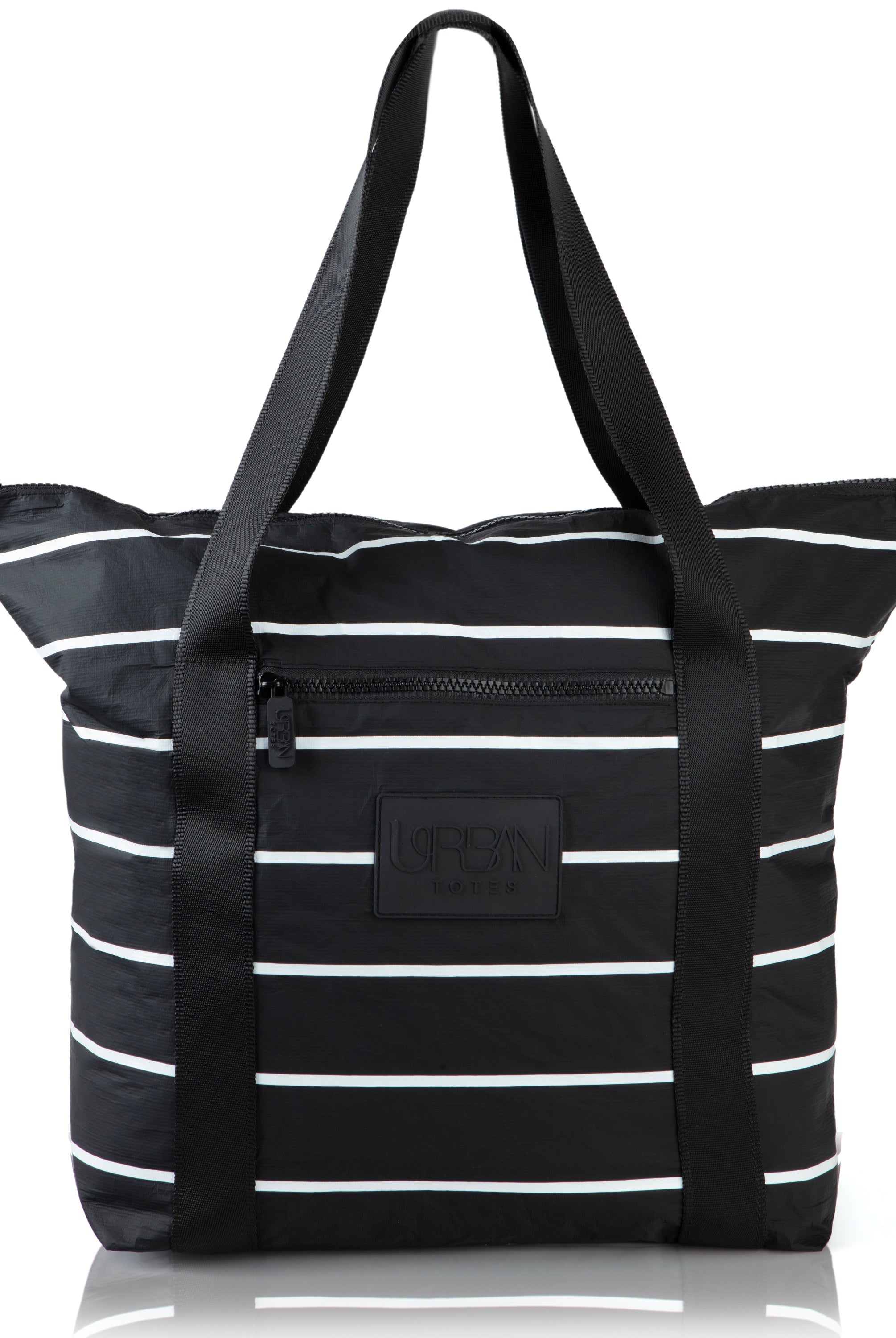
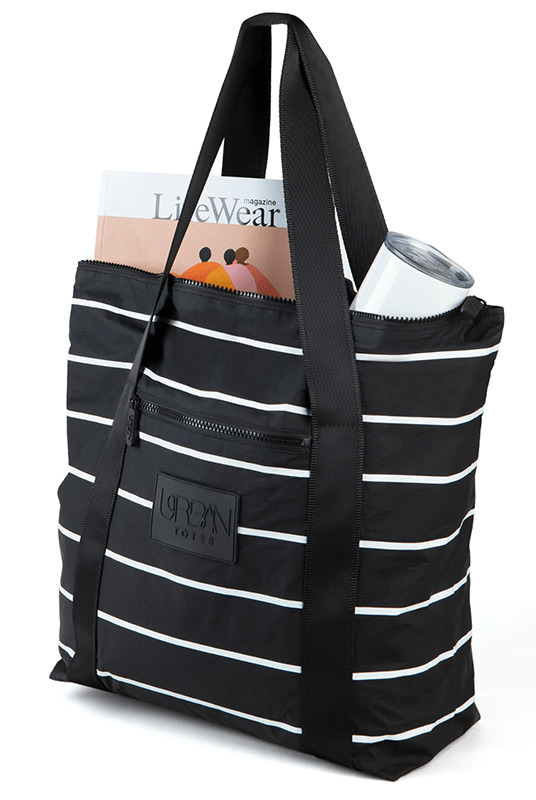
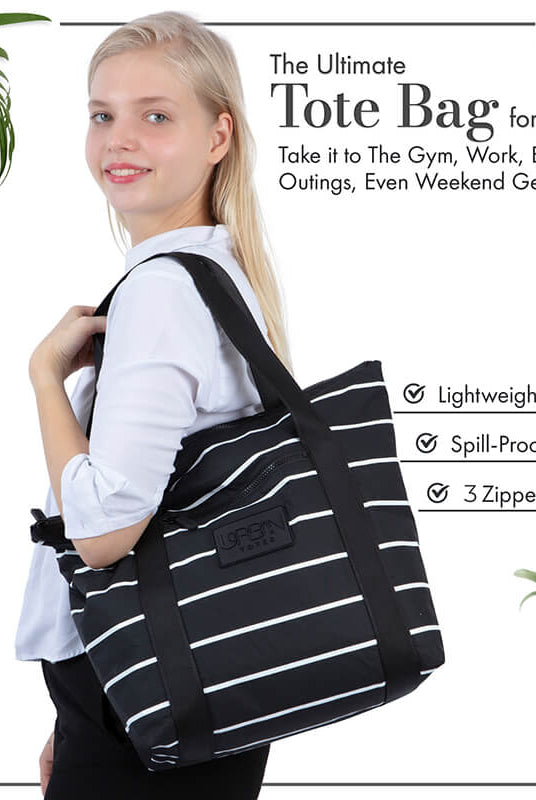
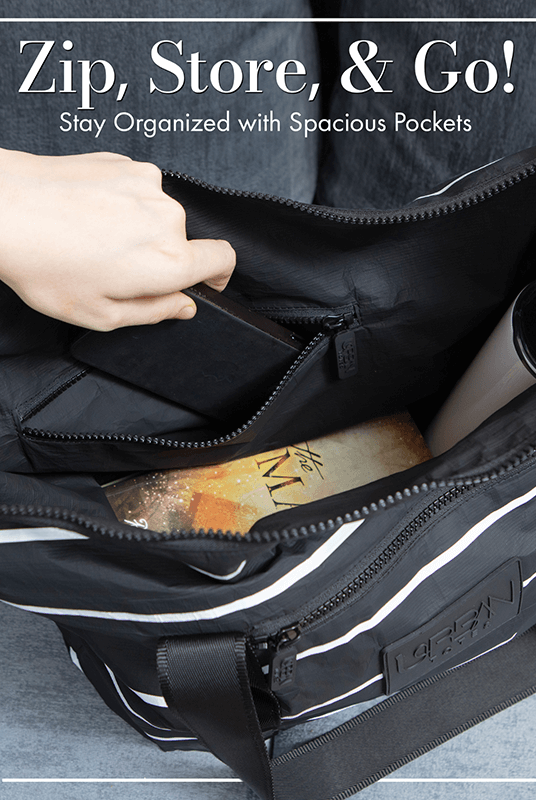
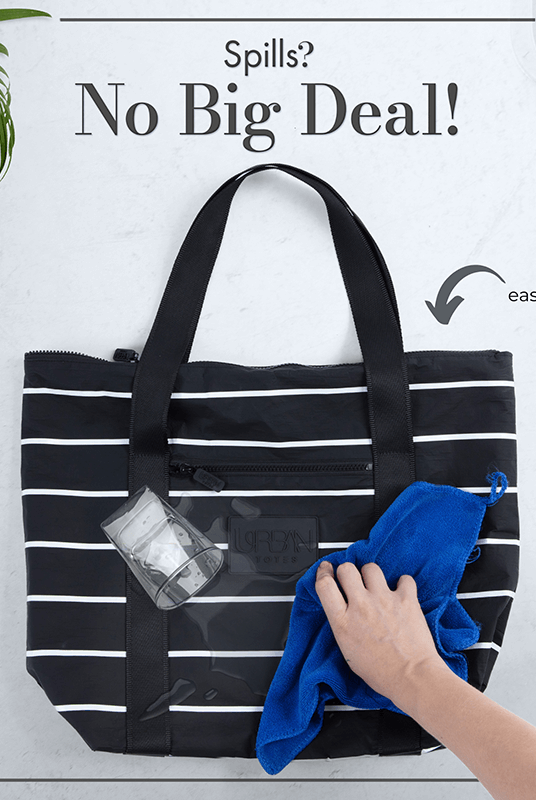
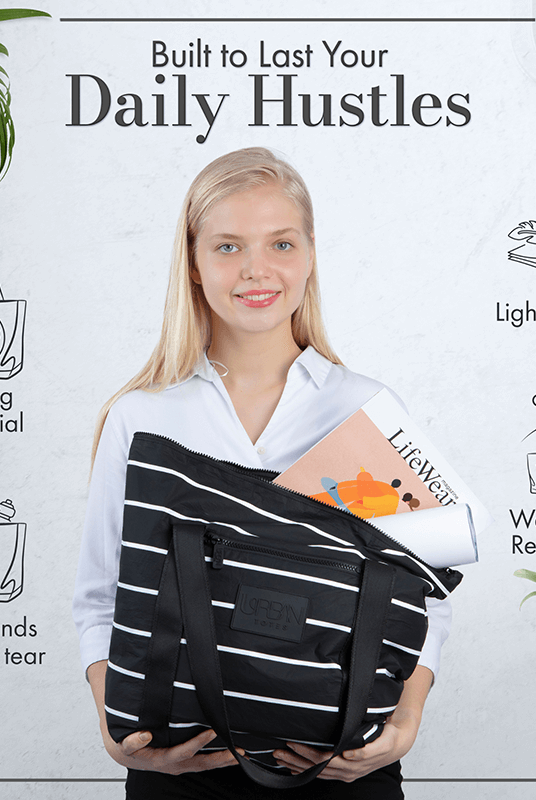
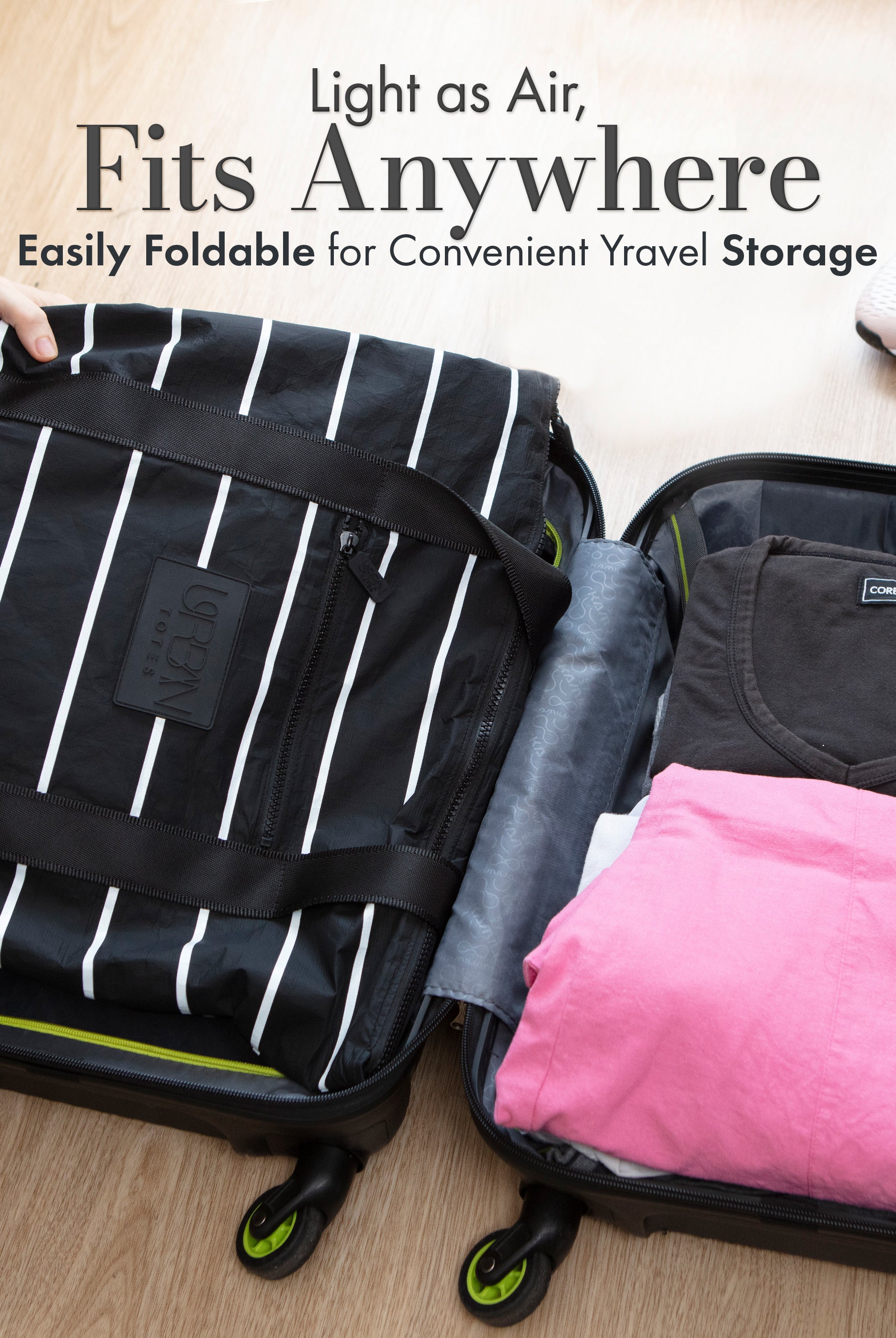
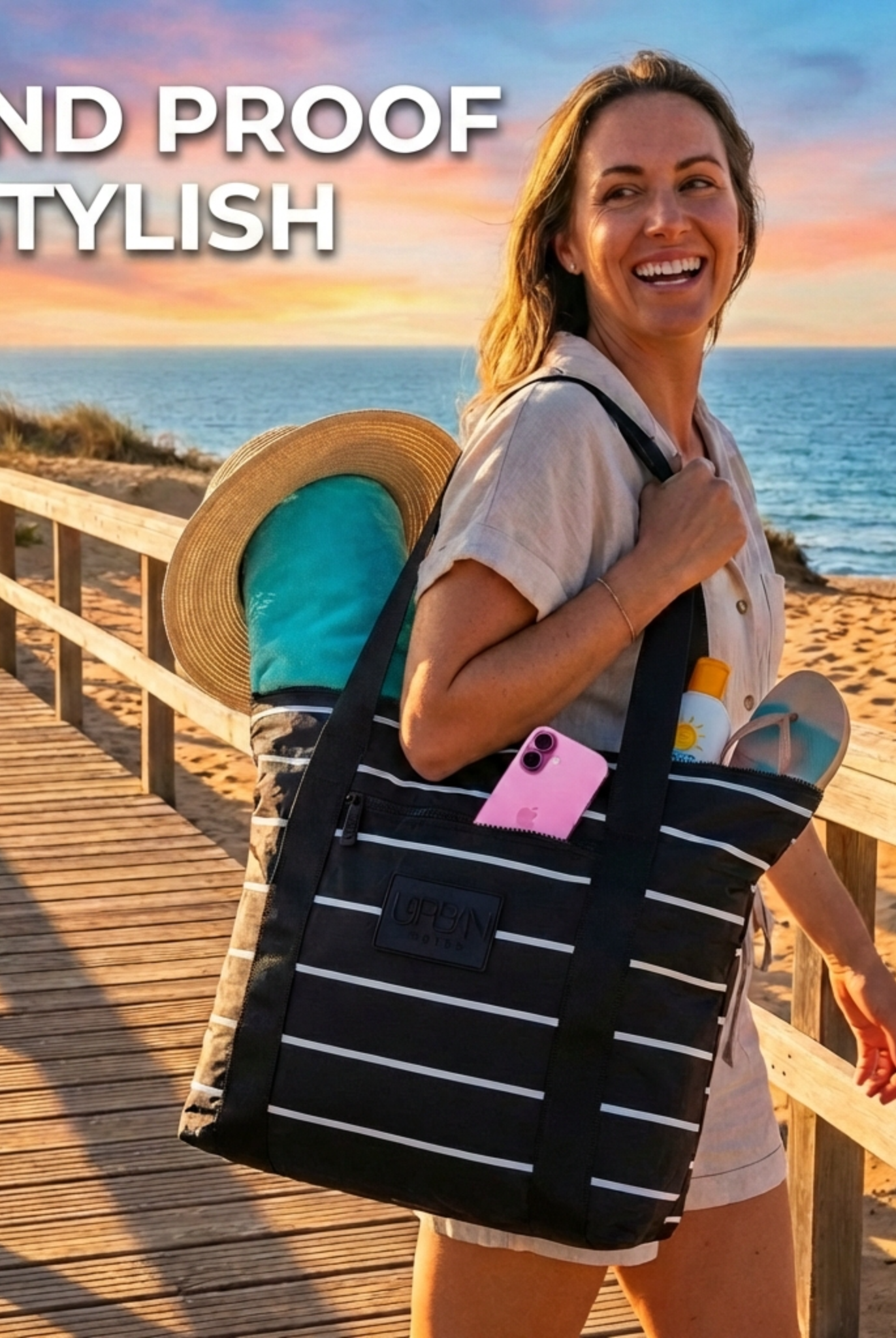
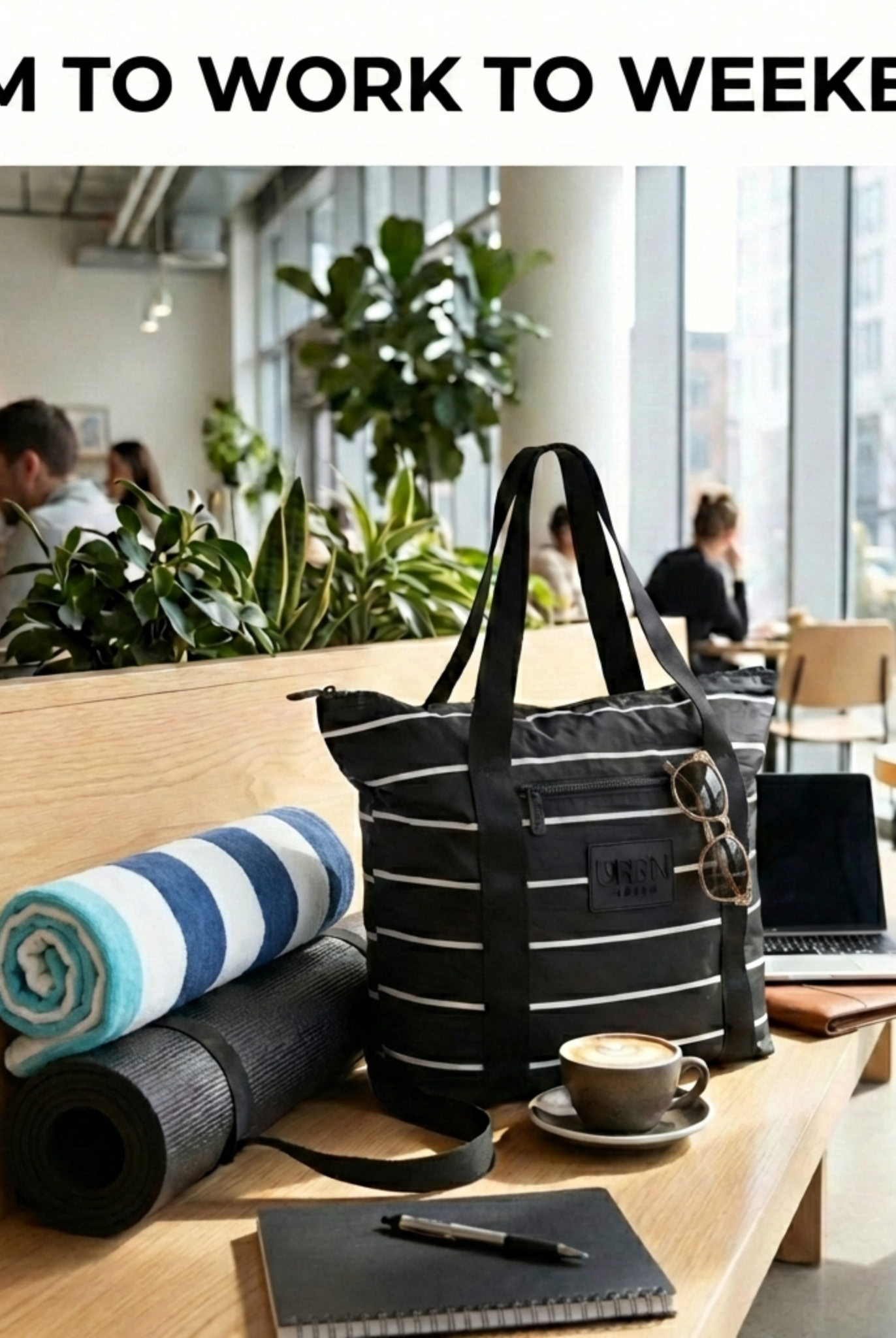
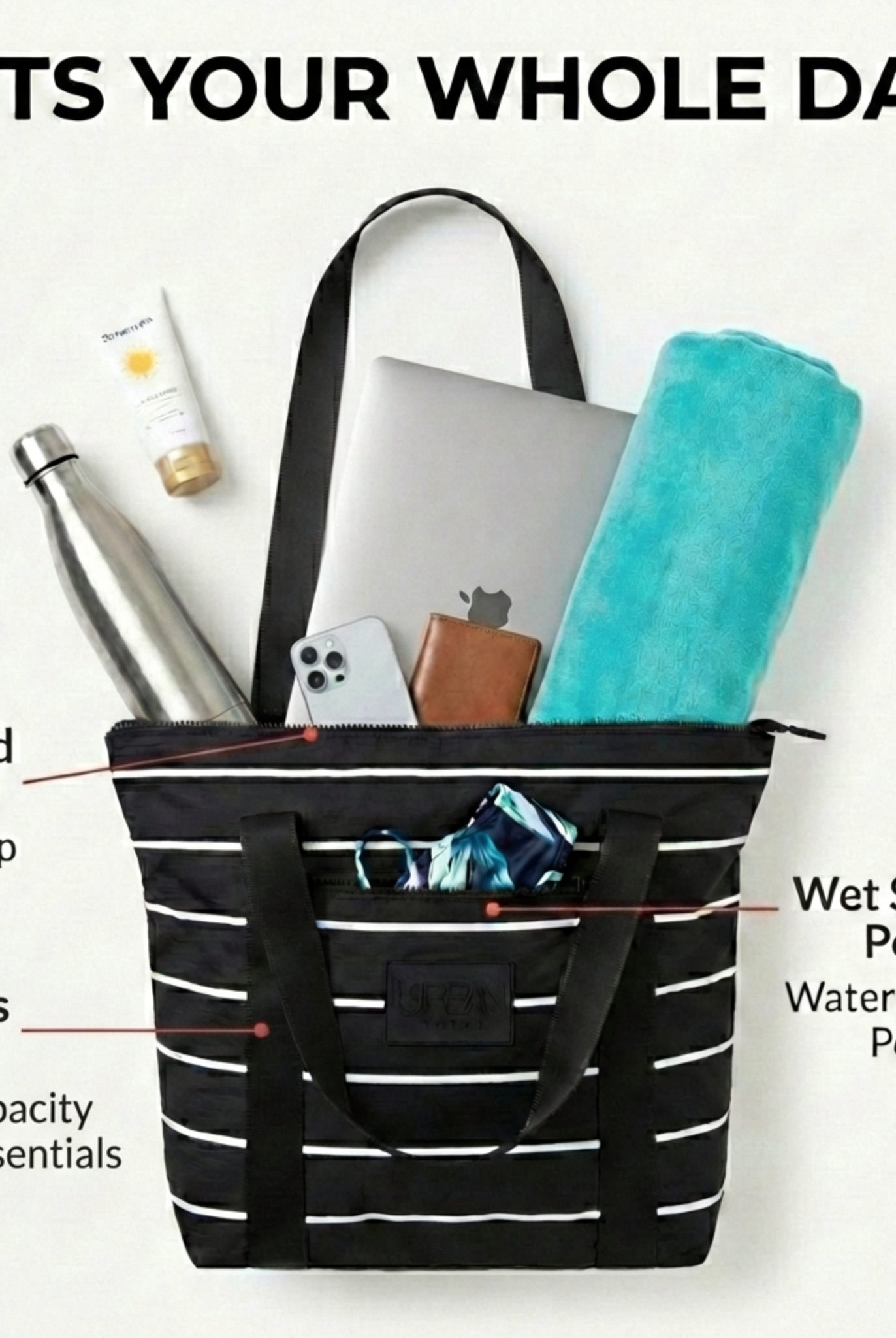
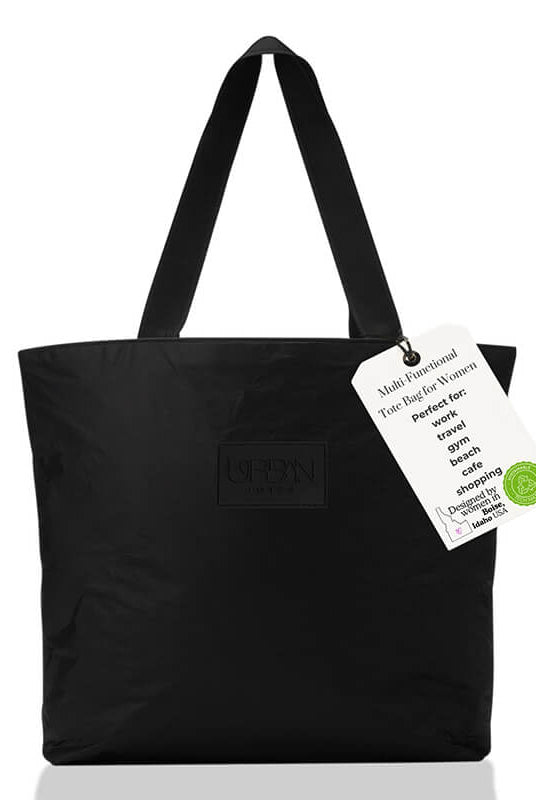
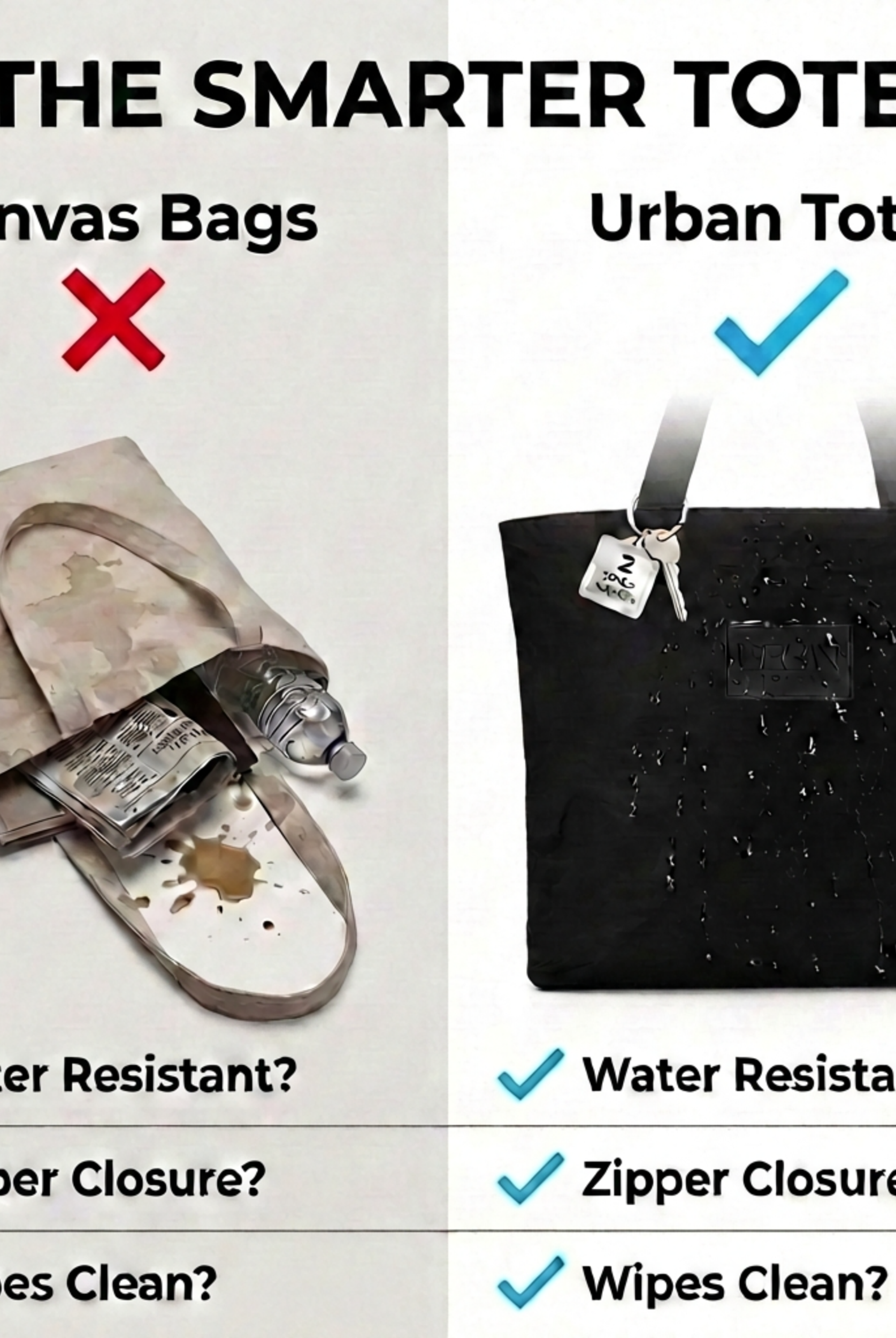
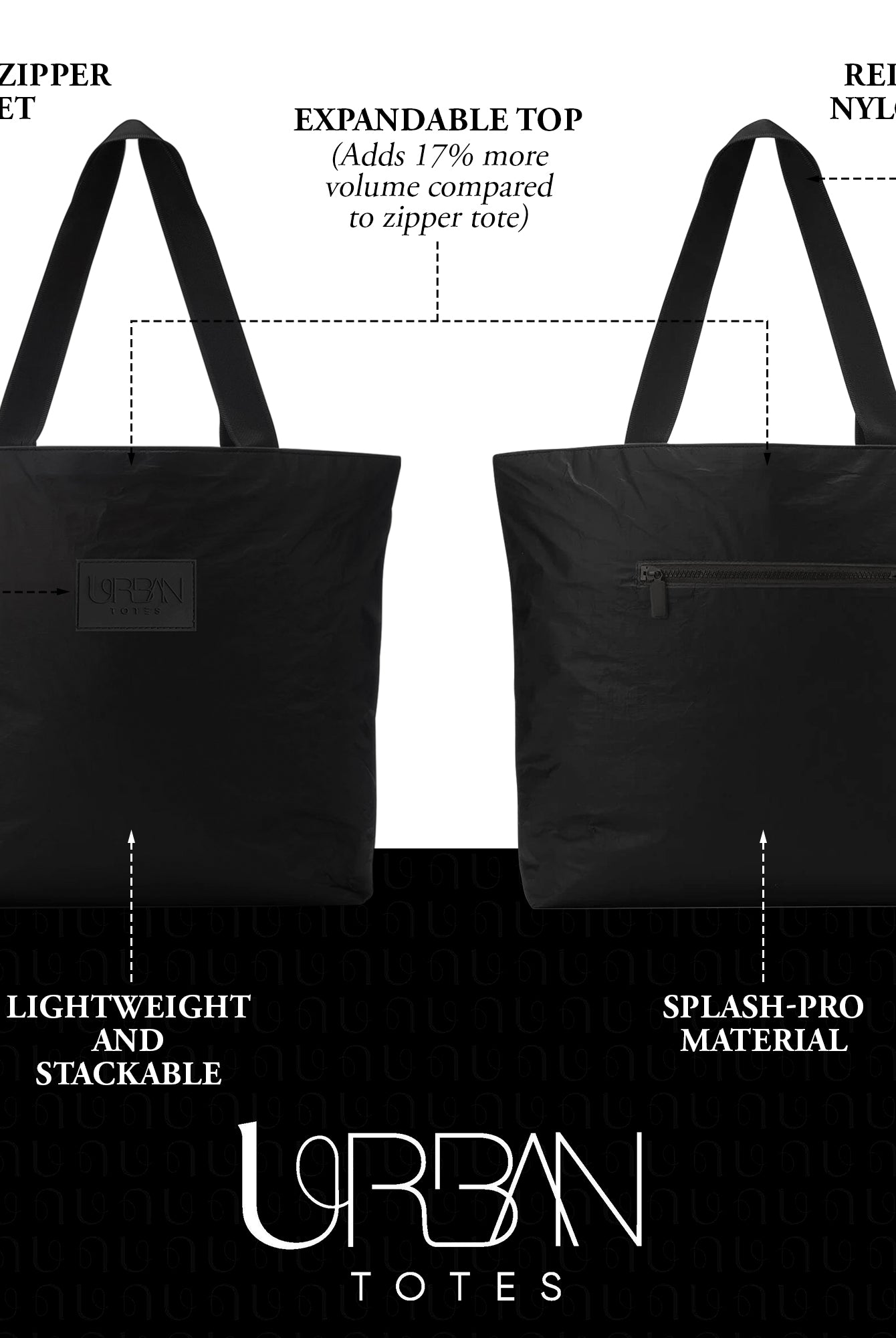
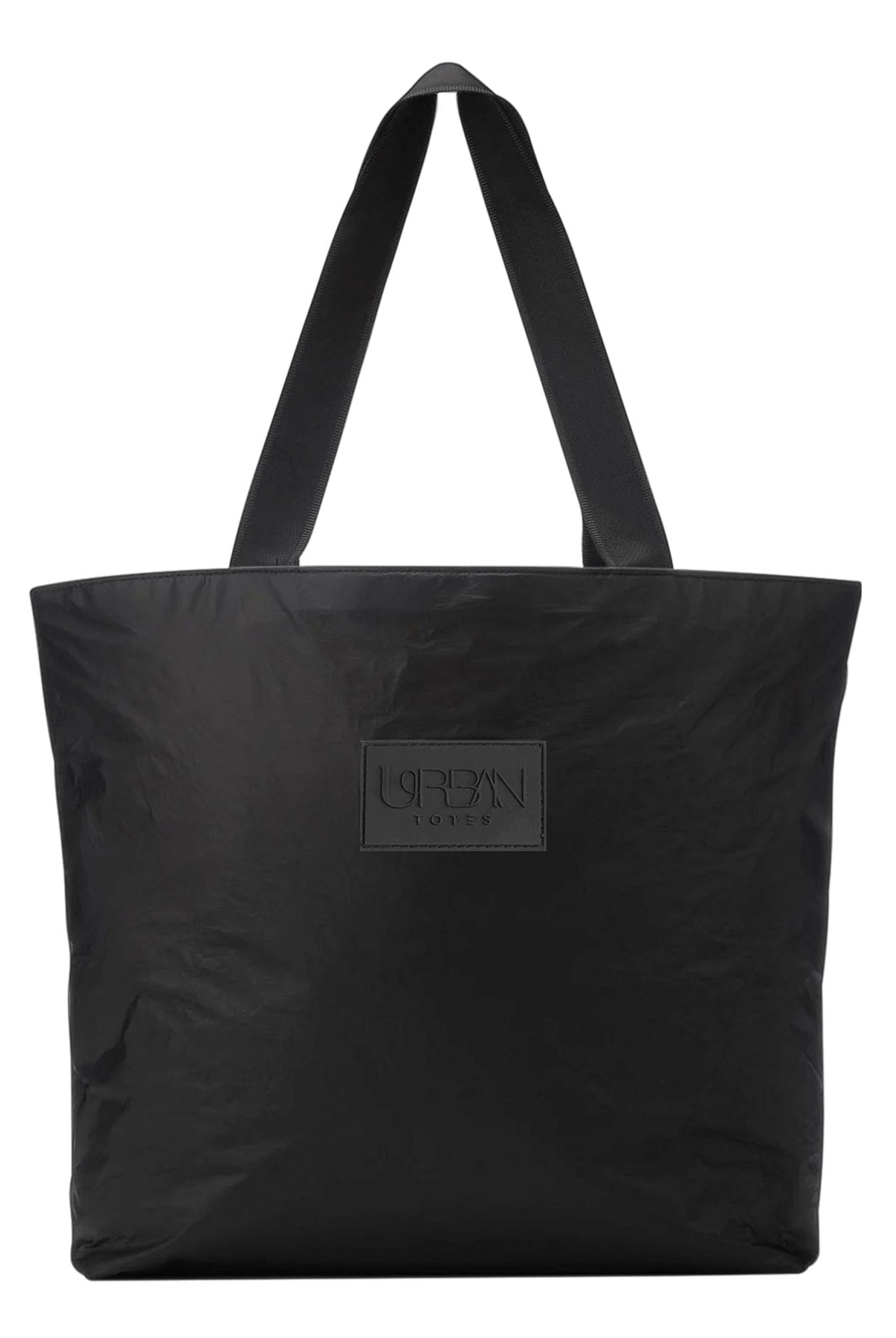
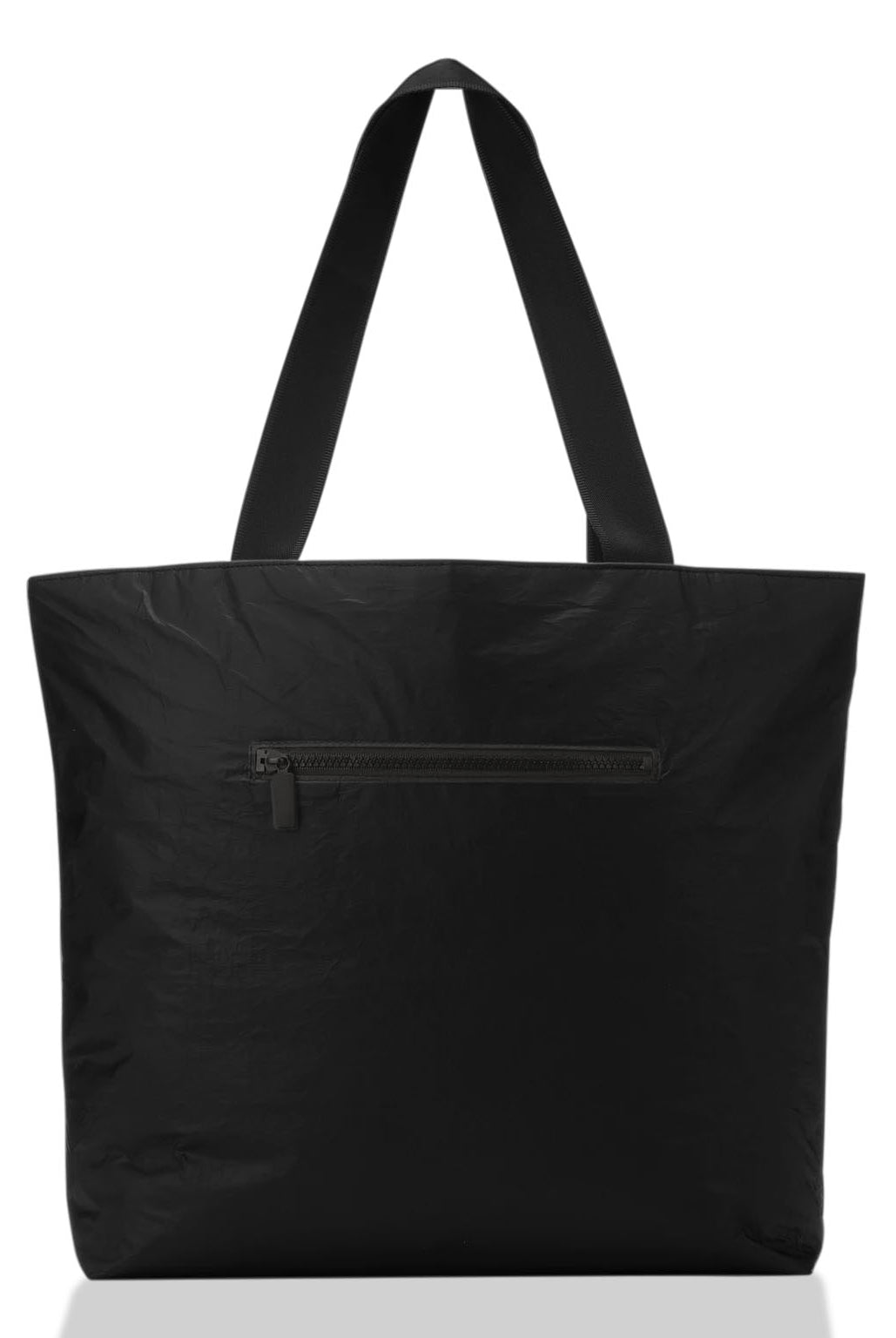
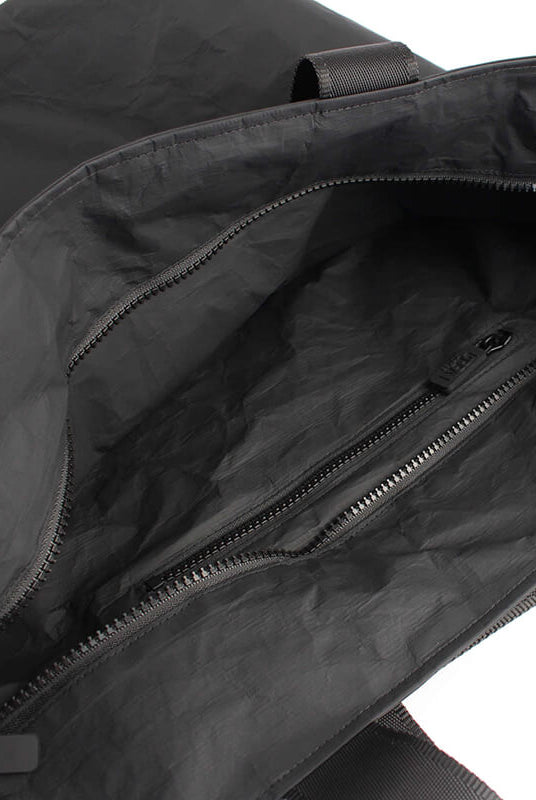
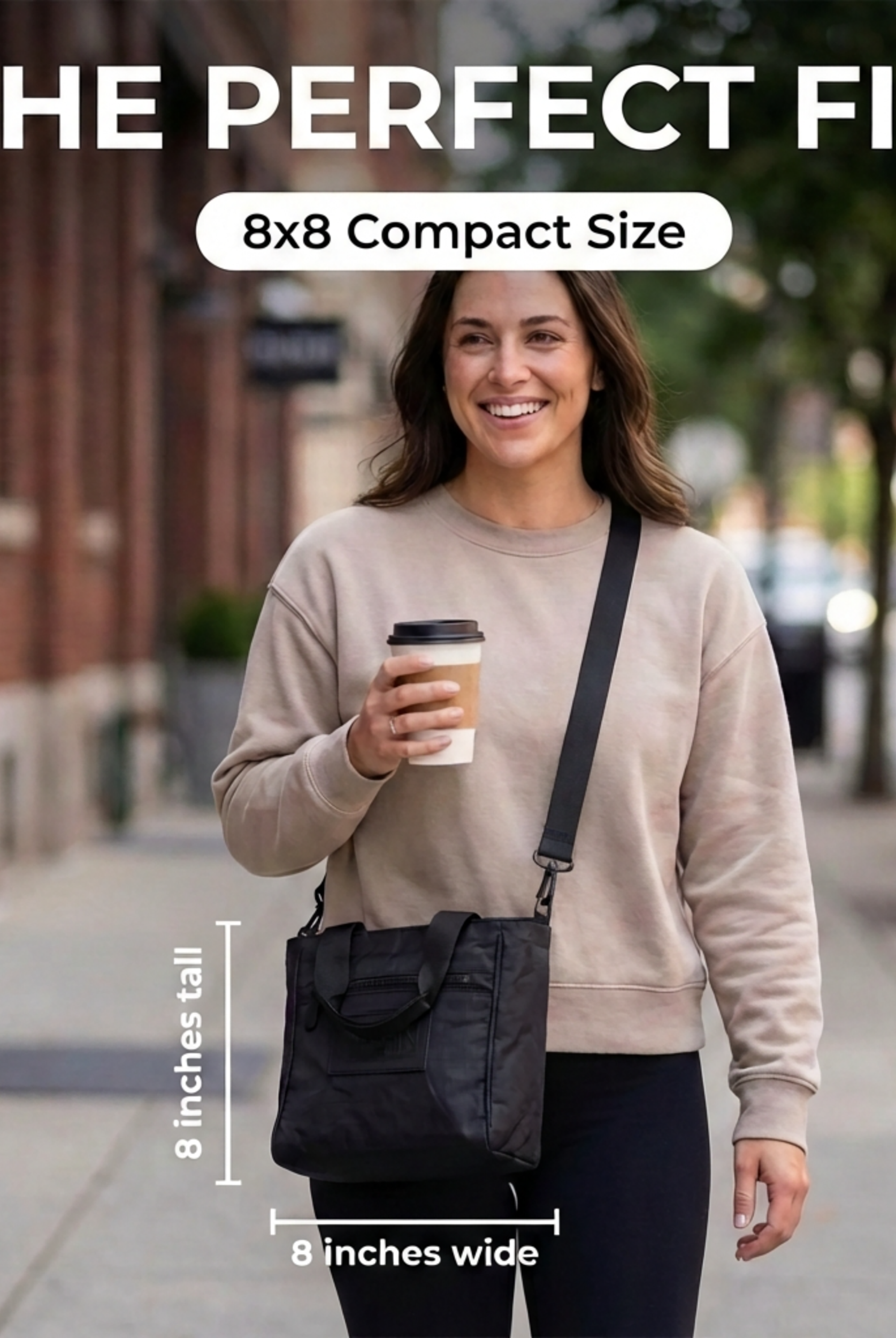
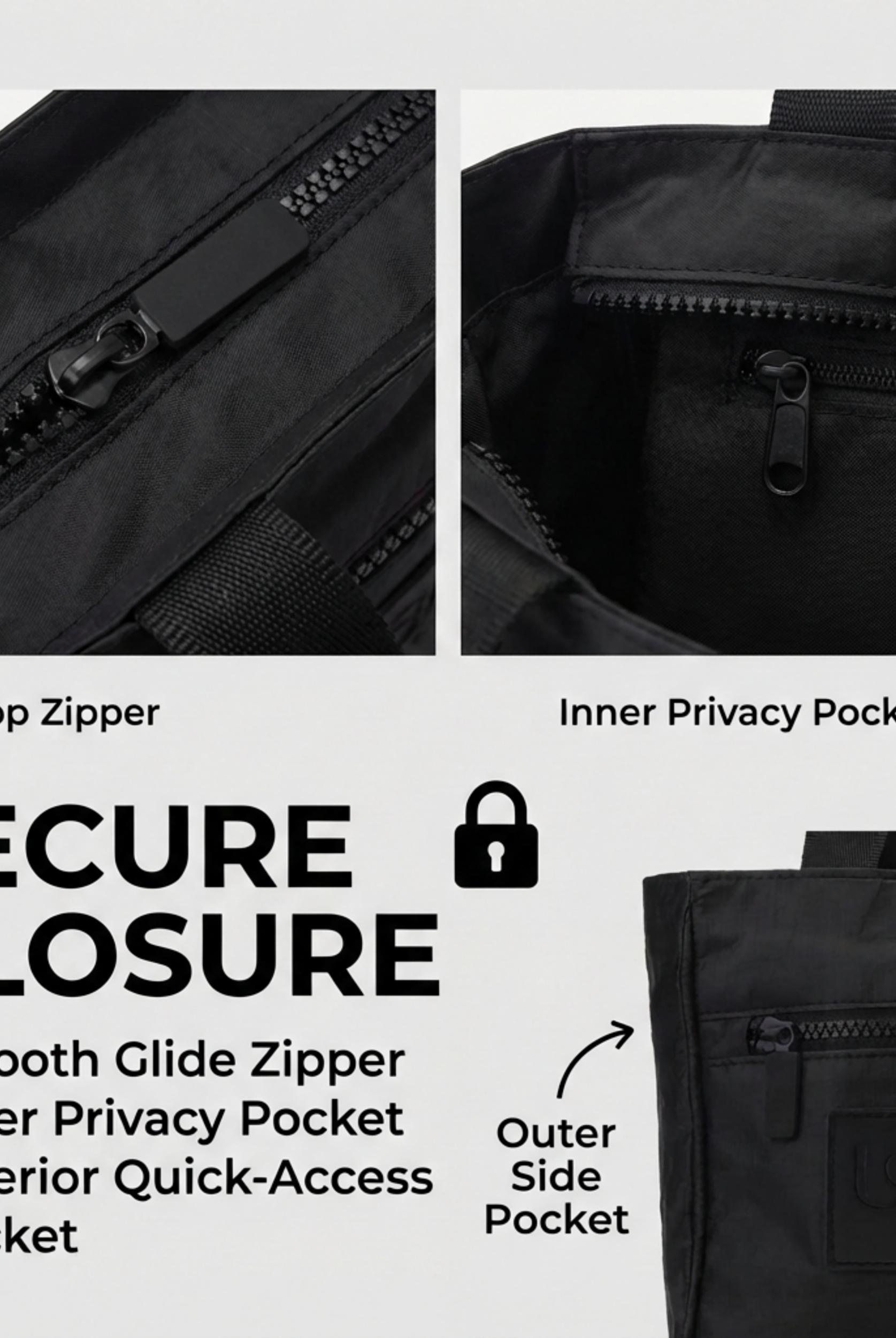
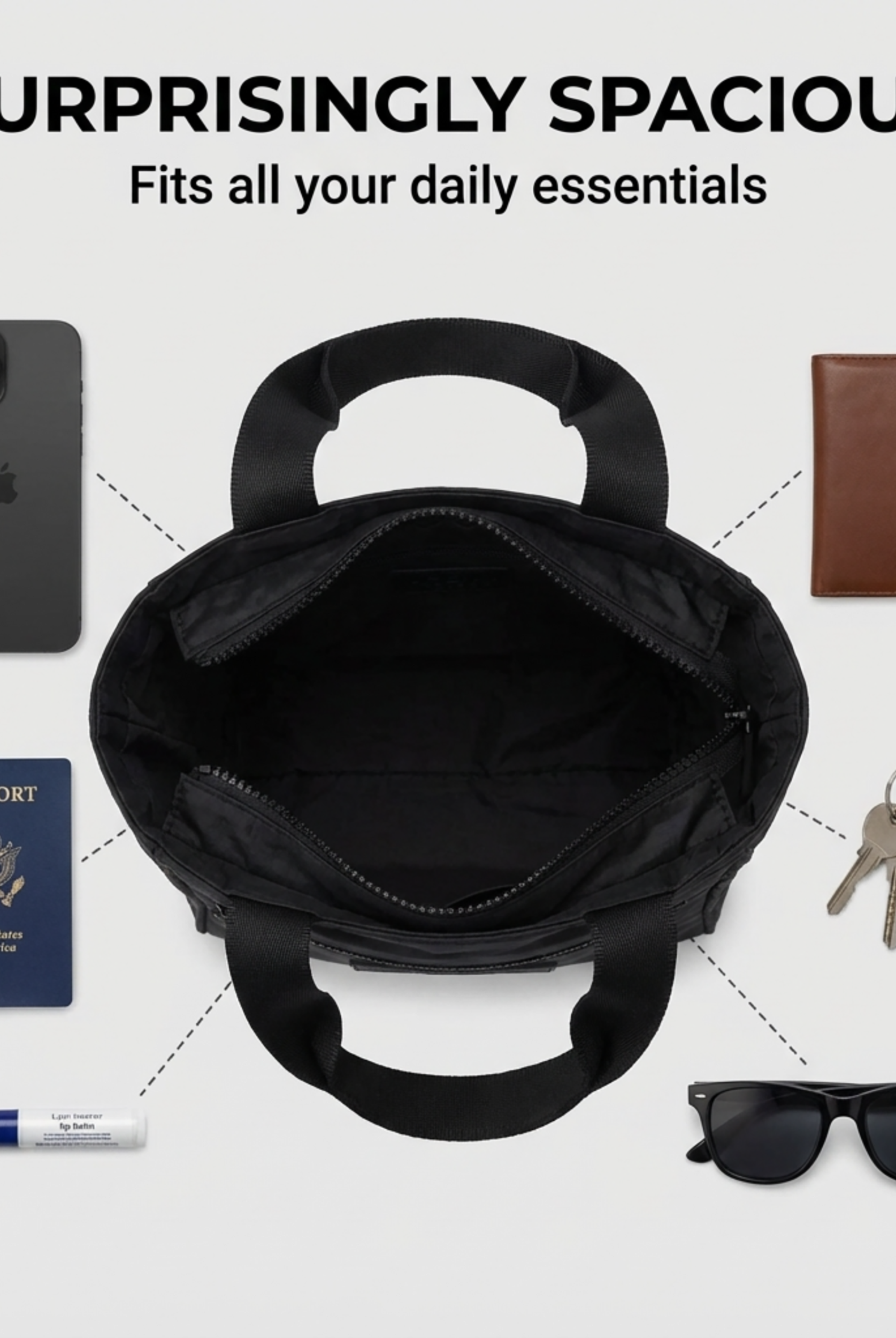
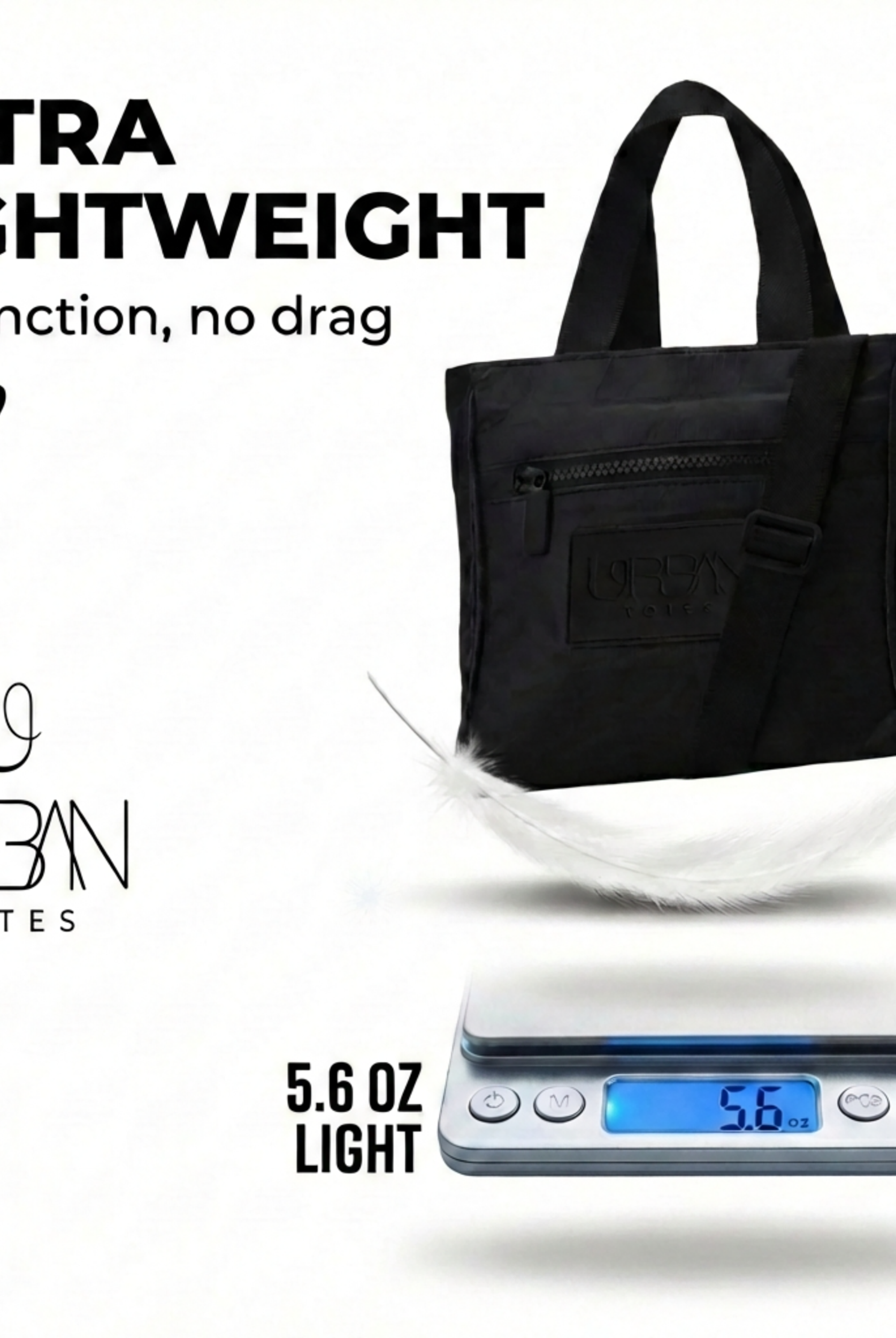
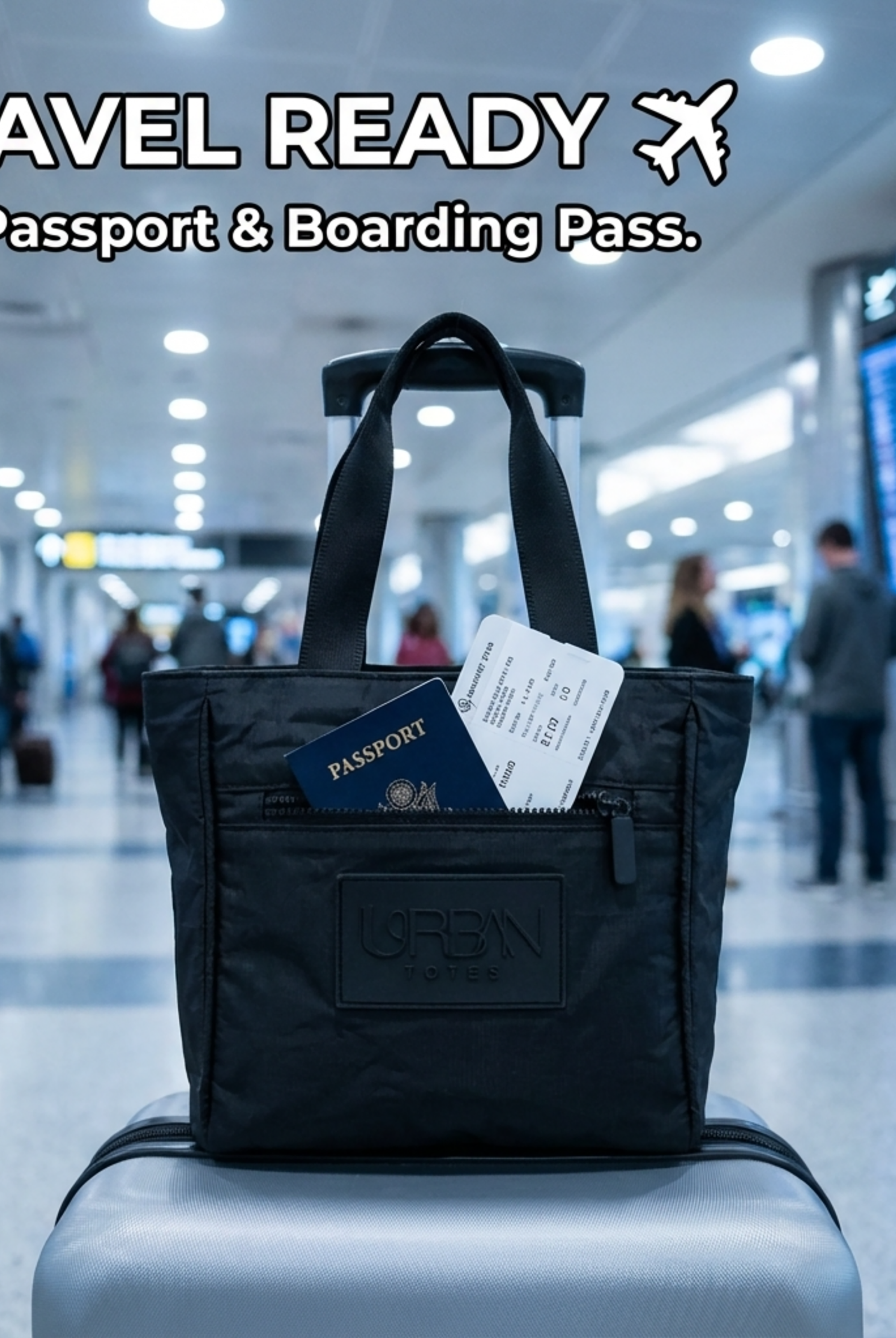
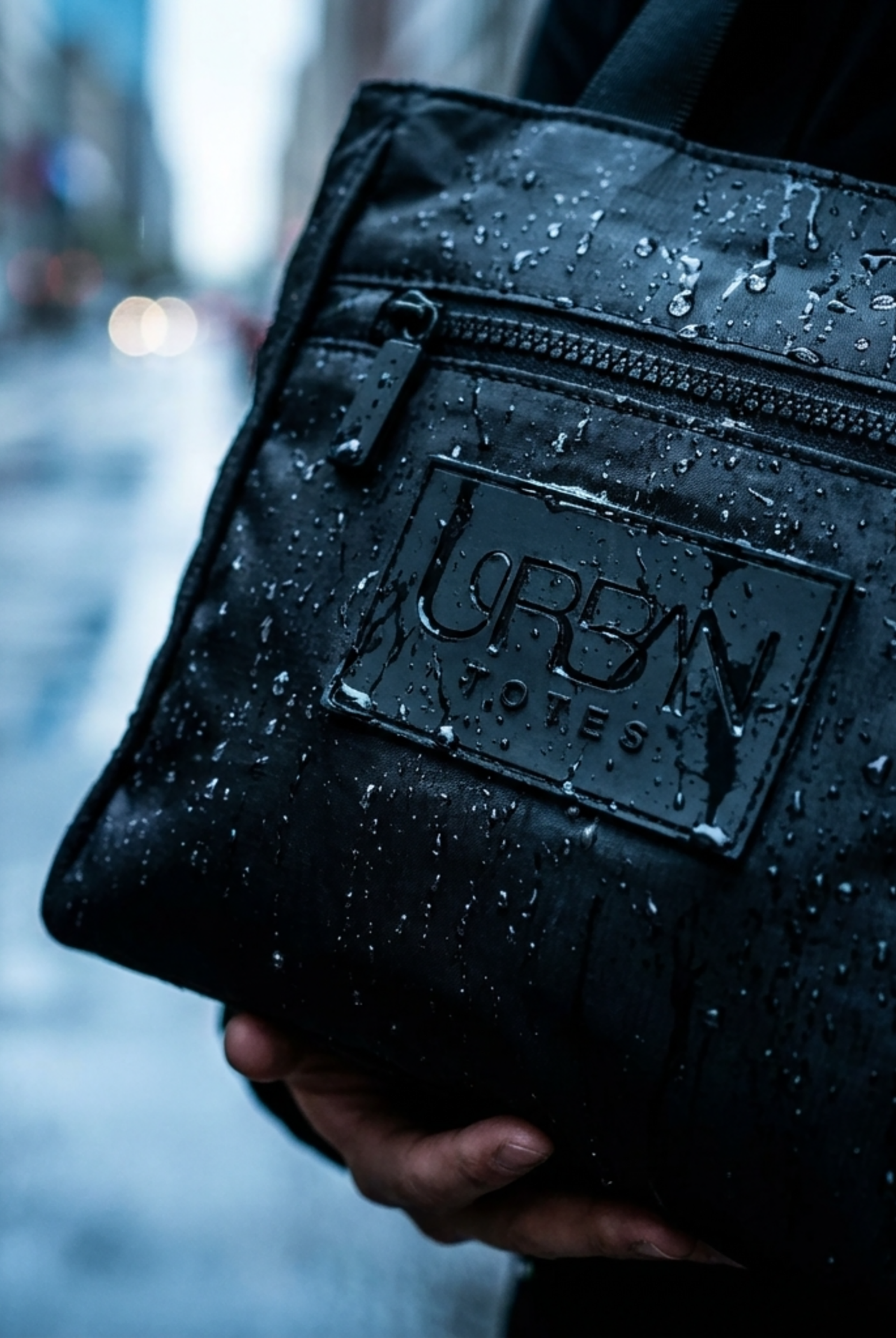
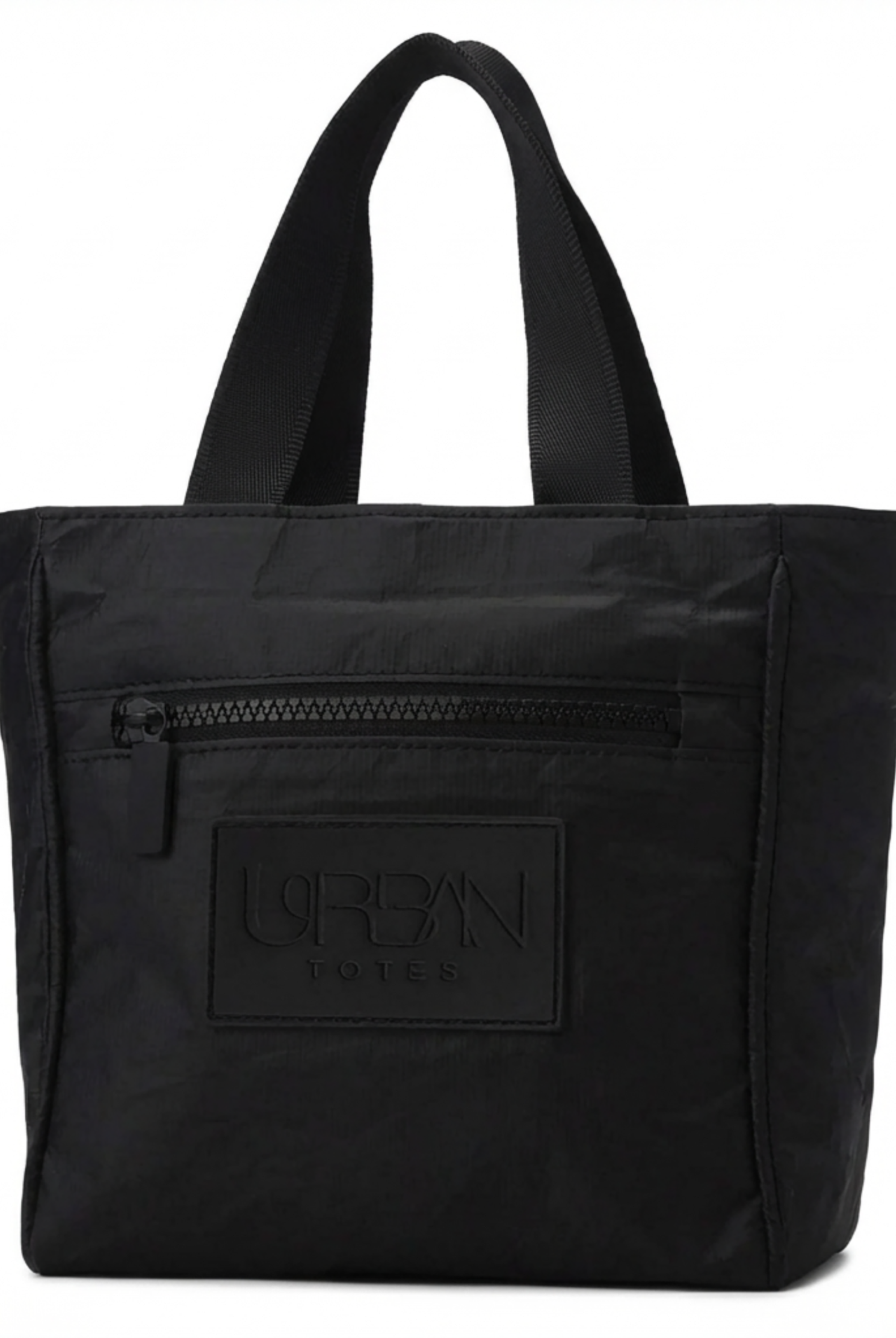
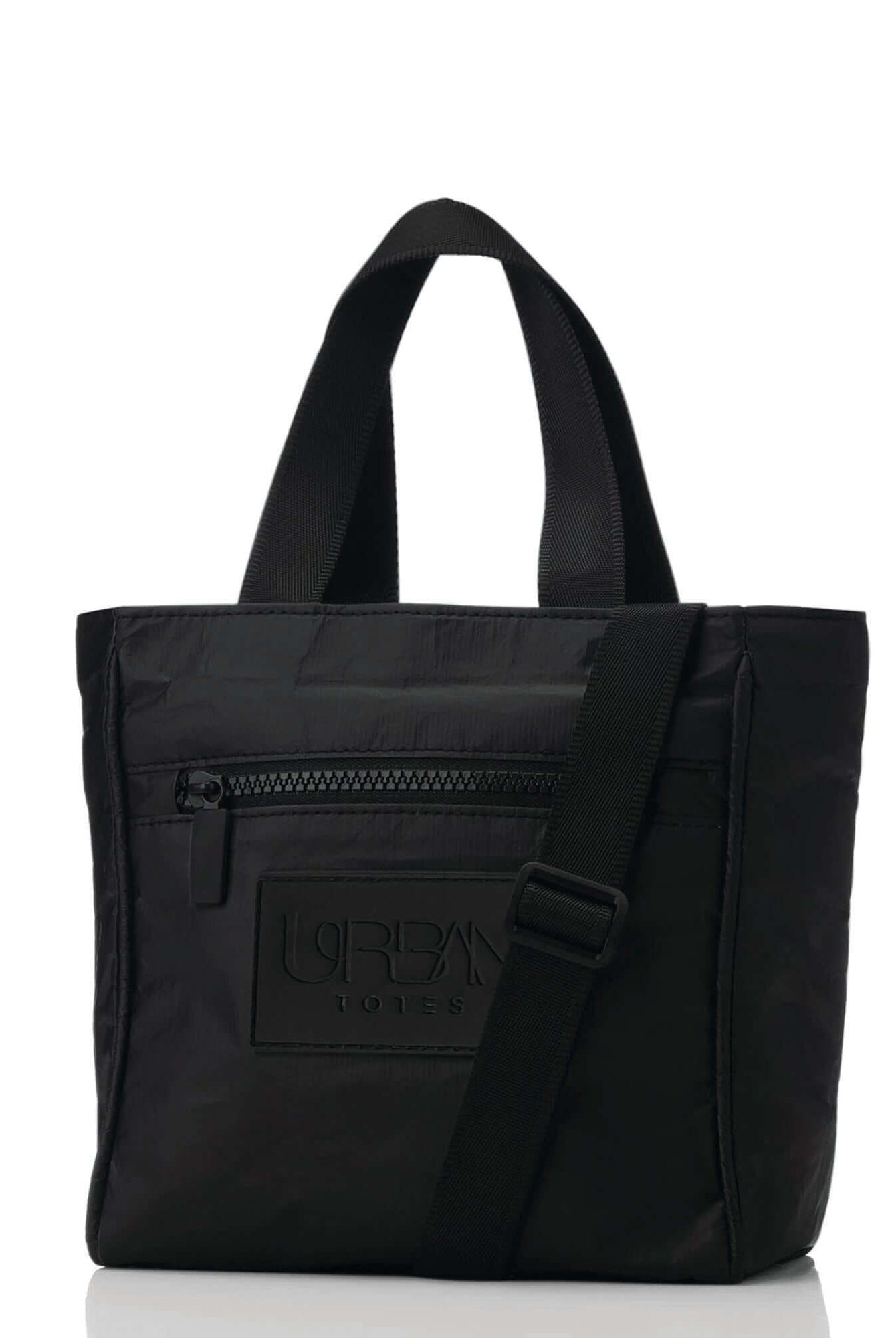
For a tote that emphasizes a zipper closure, organization, packability, and water-resistant construction, Elevate Every Adventure with The OG Zipper Tote Bag by Urban Totes is a practical everyday carry option, though it isn't presented as a tethered security safe. Its catalog description lists three large pockets, inside and outside zipper pockets, a lightweight foldable design, and room for wet swimsuits or workout gear in the side pockets.
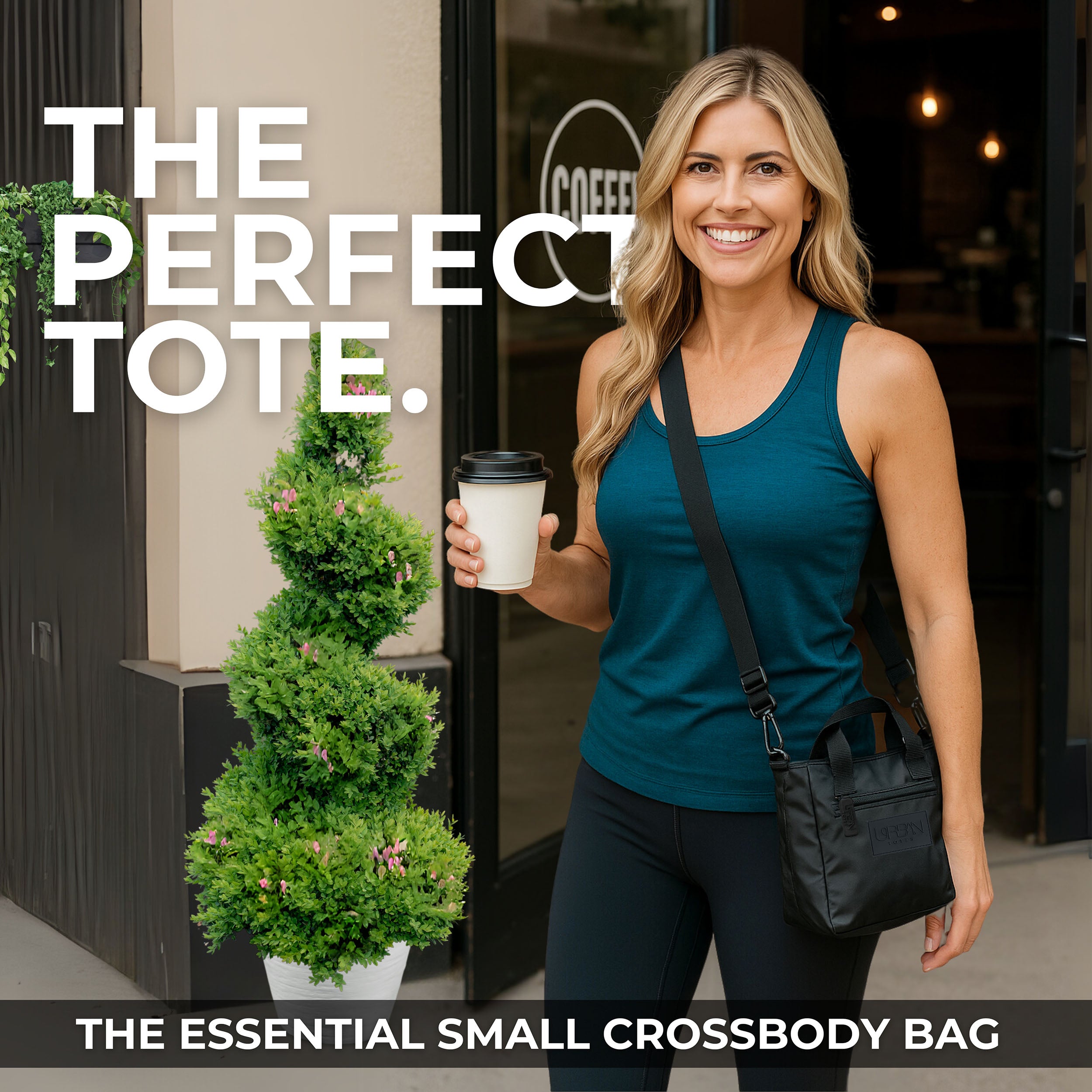
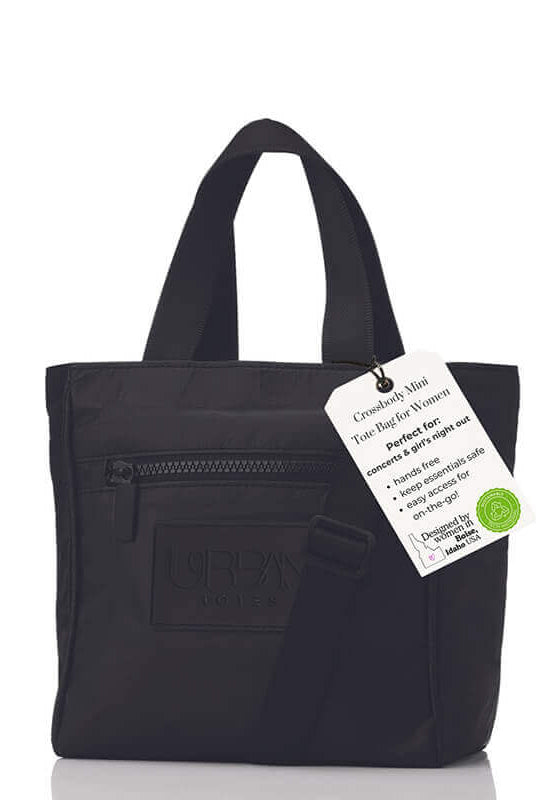
A compact anti-theft crossbody can also keep the phone, cards, and keys on your body, which is often the strongest choice for the items you can't afford to leave behind.
Key Features That Hold Up at the Beach
Beach conditions are rougher than a city errand. Sand gets into zipper tracks, salt residue sits on metal, sunscreen transfers to fabric, and wet hands make small sliders harder to operate. Choose hardware and construction for those conditions, not just for how secure the bag looks in a product photo.
Materials and outer construction
Coated canvas offers structure and a wipe-clean surface, but it can feel heavier once reinforced with security hardware. Ripstop nylon keeps the bag light and packable, while a cut-resistant layer adds more protection against slashing. Marine-grade vinyl handles splashes and wiping well, though it may feel less flexible. Neoprene is comfortable and cushioning, but it isn't automatically resistant to cuts or water through its seams.
Neutral anti-theft bag guidance points to cut-resistant or puncture-resistant fabrics, water-resistant coatings, and tamper-resistant metal zipper hardware as a practical combination. High-denier shells and reinforced zipper construction can reduce forced-entry risk compared with a standard soft tote, but the stitching and anchor attachment still matter.
Zippers, locks, and seams
A zipper with metal teeth generally feels more substantial than a lightweight coil zipper, but sand can interfere with either style. Look for zipper pulls large enough to operate with wet fingers and lock placement that doesn't force you to bend or twist the bag awkwardly.
Plastic-bodied combination locks may be light, but repeated exposure to saltwater can make them less dependable than stainless or brass hardware. A sealed zipper or storm flap helps limit water entry, while taped or welded seams can outperform ordinary stitched seams when a bag faces repeated spray. Don't confuse a water-resistant shell with a bag designed for submersion.
For a clear explanation of the difference between water-resistant and waterproof bags, check the manufacturer's stated construction rather than relying on a vague label.
Water ratings deserve attention
The International Electrotechnical Commission's IEC 60529 standard defines IPX ratings for water-ingress protection, as explained in this guide to IPX standards. Hydrostatic head is another useful measure. Industry guidance describes 5,000 to 10,000 mmH2O as excellent waterproof performance and ratings above 10,000 mmH2O as extreme waterproof performance, according to this waterproof bag testing overview.
Those figures describe material resistance, not the entire finished bag. The closure, seams, pockets, and zipper ends can still let water through. Independent testing guidance often matches light rain or an urban commute with IPX4 and around 3,000 mm of fabric resistance, while heavier exposure may call for IPX5 to IPX6 and around 5,000 mm or more. The bag protection testing guide also emphasizes that closure design is a mechanical part of water protection.
| Feature | How It Performs | Watch Out For |
|---|---|---|
| Coated canvas | Structured, wipe-clean, and useful for organized family packing | Added reinforcement can increase carry weight |
| Ripstop nylon | Lightweight, foldable, and convenient for travel | Basic nylon may not resist cutting |
| Metal zipper hardware | Better suited to repeated handling than flimsy plastic hardware | Sand can still jam the track |
| Combination lock | Easy for adults to share and use without a key | Salt and grit can affect small dials |
| Anchor cable | Helps prevent a tethered bag from being carried away | A weak chair or thin pole is a poor anchor |
| Sealed seams and protected closures | Improve resistance to spray and wet conditions | They don't guarantee dry contents during submersion |
| Mesh and wet compartments | Let wet gear breathe and separate it from dry items | Mesh doesn't protect phones or wallets from water |
Keep capacity realistic. A huge bag encourages overpacking, while a tiny security pouch won't handle towels, snacks, kids' toys, and a change of clothes. A lightweight, multi-pocket design with a separate wet area usually gives the best balance for a normal beach day.
How Lockable Beach Bags Compare to Other Options
No single setup wins every beach day. A family carrying towels and snacks needs a different solution from a solo traveler who only needs to protect a phone, passport, and keys.
A standard canvas tote paired with a small dry pouch is the budget-minded choice. The tote carries more and stays comfortable on the shoulder, while the pouch handles the items most vulnerable to water. The drawback is obvious, you have two pieces to remember, and the tote itself remains easy to pick up.
A portable safe, whether soft-sided or hard-shell, provides stronger grab-and-go deterrence when tethered correctly. It takes more time to set up and usually sacrifices room for towels and food. An anti-theft backpack can offer cut-resistant fabric and locking zippers, but its shape often prioritizes commuting over beach capacity.
The lockable beach bag sits between those options. It offers one carry solution, quick access, and family-friendly storage, but it won't necessarily match a purpose-built safe for slash resistance. If your beach day includes inflatables or water gear, this guide to finding a beach-friendly inflatable can help you plan the rest of your setup around saltwater and sand.
| Option | Sand & Salt Tolerance | Capacity | Access Speed | Theft Deterrent | Pack Weight | Cost |
|---|---|---|---|---|---|---|
| Lockable beach bag | Depends on coating and hardware | High | Fast after unlocking | Moderate, stronger when tethered | Moderate | Moderate |
| Canvas tote plus dry pouch | Tote tolerates routine beach use, pouch protects selected items | High | Fast for tote, slower for pouch | Low for the tote | Light to moderate | Low to moderate |
| Portable safe | Often easy to wipe, but hardware needs rinsing | Low to moderate | Slower because of setup and lock access | High when anchored | Moderate to heavy | Moderate to high |
| Anti-theft backpack | Often built for travel and urban wear | Moderate | Fast for organized access | Moderate to high, especially with cut-resistant construction | Moderate | Moderate to high |
A mesh-focused design can be sensible if ventilation matters more than lock strength. Explore this mesh beach bag guide when your priorities are wet towels, airy storage, and easy sand release.
Choosing the Right Lockable Beach Bag for Your Life
Start with your actual routine, not the most dramatic product description. Ask where you swim, how long the bag sits unattended, what you carry, and whether you'll handle the lock with wet or sunscreen-covered hands.
For solo travelers
Choose a compact bag with a built-in cable or a clear anchor point. A combination lock keeps access simple when you're moving between a lounger, café, and hotel. If the bag travels through airports, use a TSA-approved lock where the bag's design allows it. TSA doesn't require a lock on checked baggage, but a non-approved lock may be cut off if the bag is selected for physical inspection. TSA-approved locks are designed to let screeners open and relock them without damage, according to this TSA-approved luggage lock guidance.
For busy families
Prioritize capacity, organization, and adult-friendly access. A large main compartment, external mesh pockets, and a separate wet section make it easier to manage towels, snacks, goggles, and wet toys without opening every pocket. A lock that adults can operate quickly matters more than a complicated mechanism that children can't understand.
For pool and ocean users
Pool days favor quick-drying, water-resistant fabric and hardware that tolerates repeated wiping. Ocean swimmers should be stricter. Look for corrosion-resistant metal, protected zipper tracks, and a tether that won't rub against sharp chair edges. Rinse the hardware after saltwater exposure, even if the product is marketed for the beach.
For short trips and checked luggage
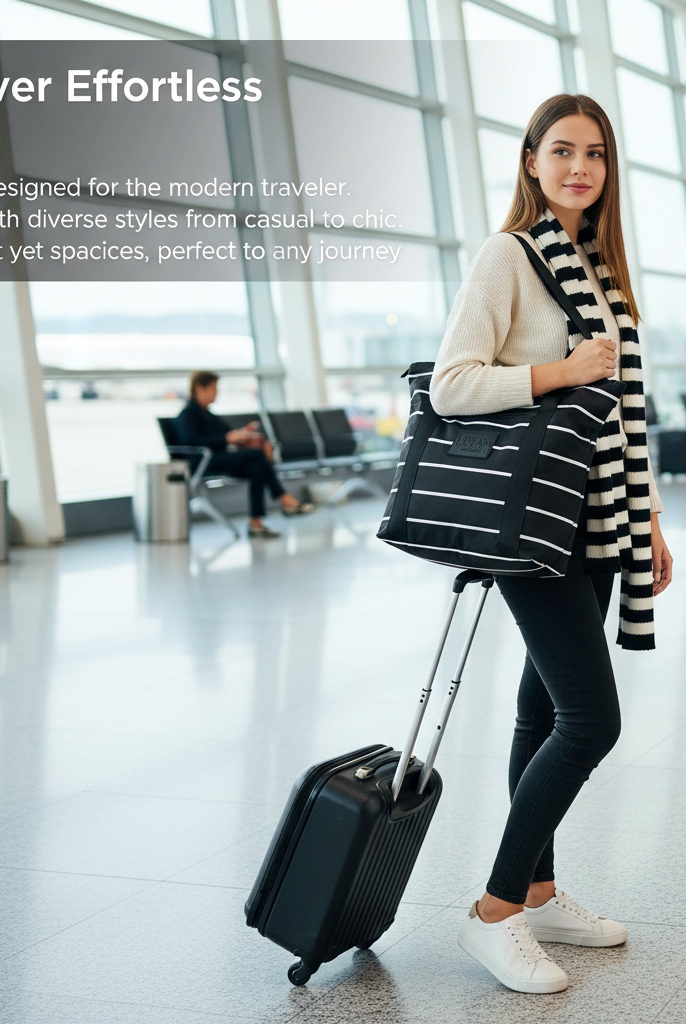
Frequent flyers should choose a lightweight, packable bag that folds flat and works as an everyday carry. A heavier waxed canvas style may suit travelers who check luggage and want more structure, but added weight is a poor trade for a bag you'll carry from the parking lot to the shoreline.
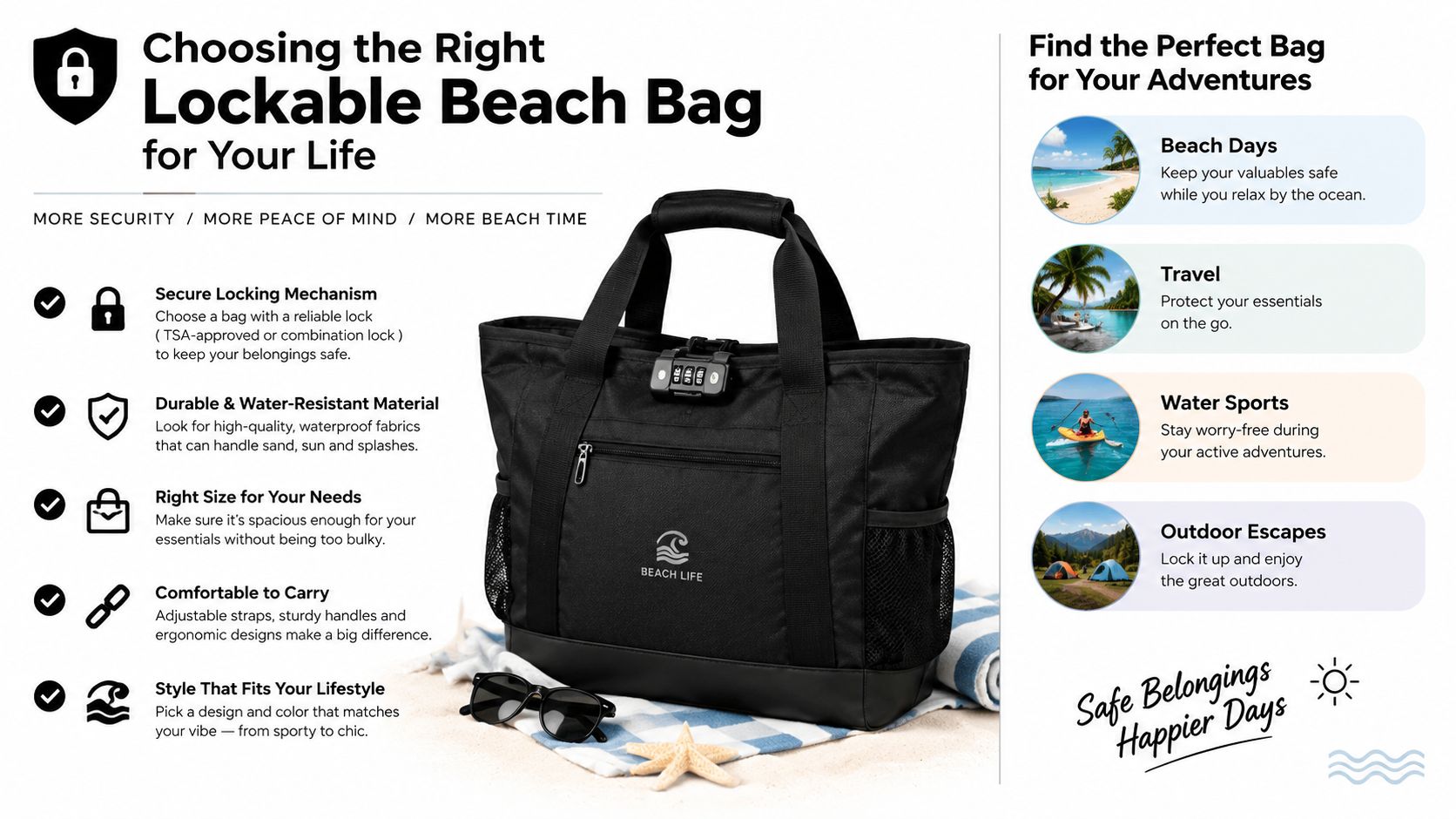
Use this quick filter before buying:
- Choose a combination lock for casual theft deterrence and shared family access.
- Choose a keyed lock if you prefer a physical mechanism and can keep the key secure.
- Choose a cable tether if you ever plan to leave the bag unattended on sand. It isn't optional for that use.
- Choose water-resistant construction for splashes and spray, then use an inner dry pouch for electronics.
- Choose multi-pocket organization if you carry family gear, so valuables don't end up loose at the bottom.
For more style and capacity ideas, browse this guide to the best beach bags for women.
What a Lock Cannot Do for You
A lock slows access. It doesn't make the bag impossible to steal.
That distinction is easy to forget when a product includes a combination dial, reinforced fabric, and a cable. A determined thief may cut the material, attack the tether, damage the zipper, or carry the entire bag away if it isn't anchored. Even the strongest closure depends on how and where you use it.
Treat the lock as a delay tactic for opportunistic theft. It can make a quick rummage less attractive and force a thief to spend more time in view of other beachgoers. It can't protect a bag that sits isolated behind a dune, attached to a flimsy chair, or packed with valuables that you've advertised by leaving the zipper open.
A portable lockable bag is a deterrent, not permission to stop paying attention.
Your habits still matter. Leave passports, excess cash, and expensive jewelry in a hotel safe or another secure location when possible. Carry only what the day requires. Keep your phone and payment card in a small pouch you can take with you, and choose a beach position where you can maintain some visual awareness from the water.
Salt and sand create another limitation. Small dials can become gritty, metal can corrode, and inexpensive shackles can weaken with poor care. The bag's protection also ends at its construction. A water-resistant exterior won't necessarily keep an electronic device dry if rain or spray reaches the zipper and seams.
The best purchase is the one that matches your threat model. If you need to deter a quick grab while you swim near your chair, a lock and anchor may be enough. If you're leaving a bag for a long period in a crowded location, carry fewer valuables or use a purpose-built portable safe instead.
Care and Cleaning That Protects the Lock
Beach maintenance takes a few minutes and prevents small problems from becoming locked zippers, corroded dials, and stained fabric.
Start by shaking out dry sand before you pack the bag into your car. Brush grit away from the zipper track and lock with a soft brush or an old toothbrush. Don't force a combination dial while it's gritty. Flush loose particles with fresh water, let the mechanism dry fully, then test the lock before storing anything important inside.
Salt and sunscreen residue deserve a fresh-water rinse. Wipe the exterior, rinse hardware gently, and dry the bag fully open in the shade. Direct heat can stress coated fabrics, while damp storage encourages mildew and hardware pitting. Avoid harsh detergents on waterproof linings, especially if the care label recommends hand cleaning.
A small amount of silicone-based lubricant on compatible metal lock components every few months can help keep movement smooth. Use sparingly, and avoid coating the fabric or zipper track in a way that attracts more sand. If a padlock has been used in salt air, rinse it with fresh water and allow it to dry before putting it away.
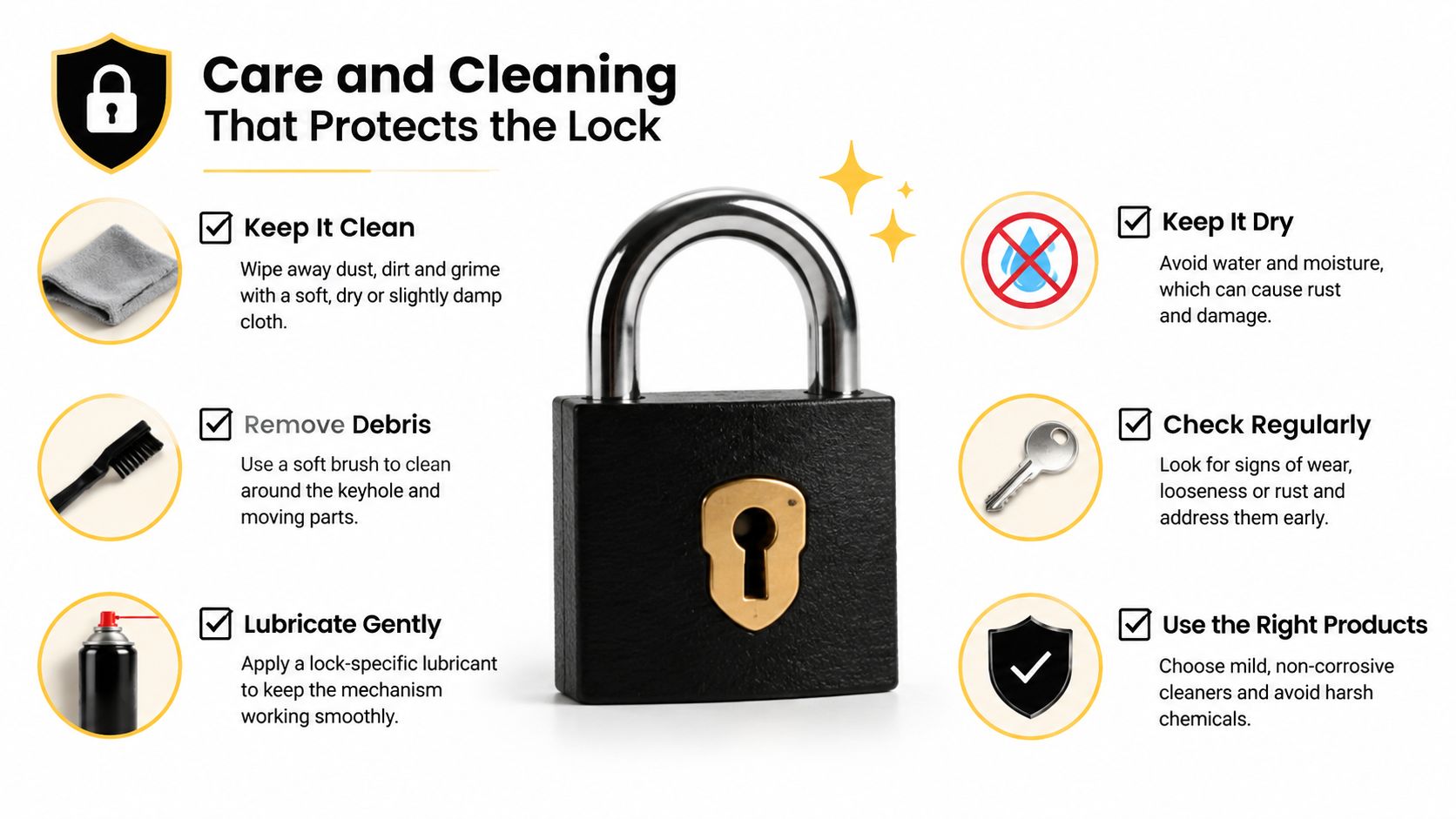
A simple seasonal checklist keeps the bag ready:
- Empty every compartment: Remove sand, wrappers, wet swimwear, and forgotten snacks.
- Rinse and dry: Use fresh water, then leave every pocket open until completely dry.
- Inspect attachment points: Check the tether loop, stitching, zipper pulls, and lock shackle.
- Test the combination: Confirm that the lock opens, closes, and resets before storage.
- Store it loosely: Keep the bag in a dry place without compressing damp lining or hardware.
If the day also leaves you with dry skin and salt residue, this after-sun care routine from ALODERMA offers a useful post-beach reset alongside cleaning your gear.
Finding Your Go-Anywhere Beach Bag
The right lockable beach bag depends on where you swim, what you carry, and how long you step away. Ignore claims that suggest one tote can handle every threat. A soft-sided bag with a zipper lock can be perfect for a short family swim near a busy chair area, while a tethered portable safe makes more sense when valuables must stay behind for longer.
The solo traveler
Choose a lightweight, foldable tote with a secure zipper, compact organization, and a cable that loops around a solid lounger or pole. Add a separate dry pouch for the phone and passport. This setup keeps the bag travel-ready without turning every beach trip into a hardware exercise.
The family at a busy resort
Choose reinforced canvas or a heavier mesh construction, a reliable tether, and protected seams. Multiple compartments should separate snacks, towels, sunscreen, and wet gear, while the lock should be easy for an adult to operate with one hand. Families need capacity first, but they shouldn't accept a bag that leaves the most important items exposed.
The pool-focused carrier
A lighter water-resistant nylon bag may be enough when the bag stays near you and the main concern is splashes, locker-room access, or casual rummaging. Choose wipe-clean surfaces and a zipper closure. Skip heavy anchoring hardware if you won't use it, because unused security adds weight without adding real protection.
The frequent ocean swimmer
Prioritize corrosion-resistant lock hardware, a tether attachment that won't pull against weak stitching, and a closure that handles wet hands. Saltwater care is part of the purchase. If you won't rinse and dry the bag after beach days, choose a simpler design with fewer small moving parts.
My buying rule: Pay for the lock and anchor only when your routine gives you a reason to use both.
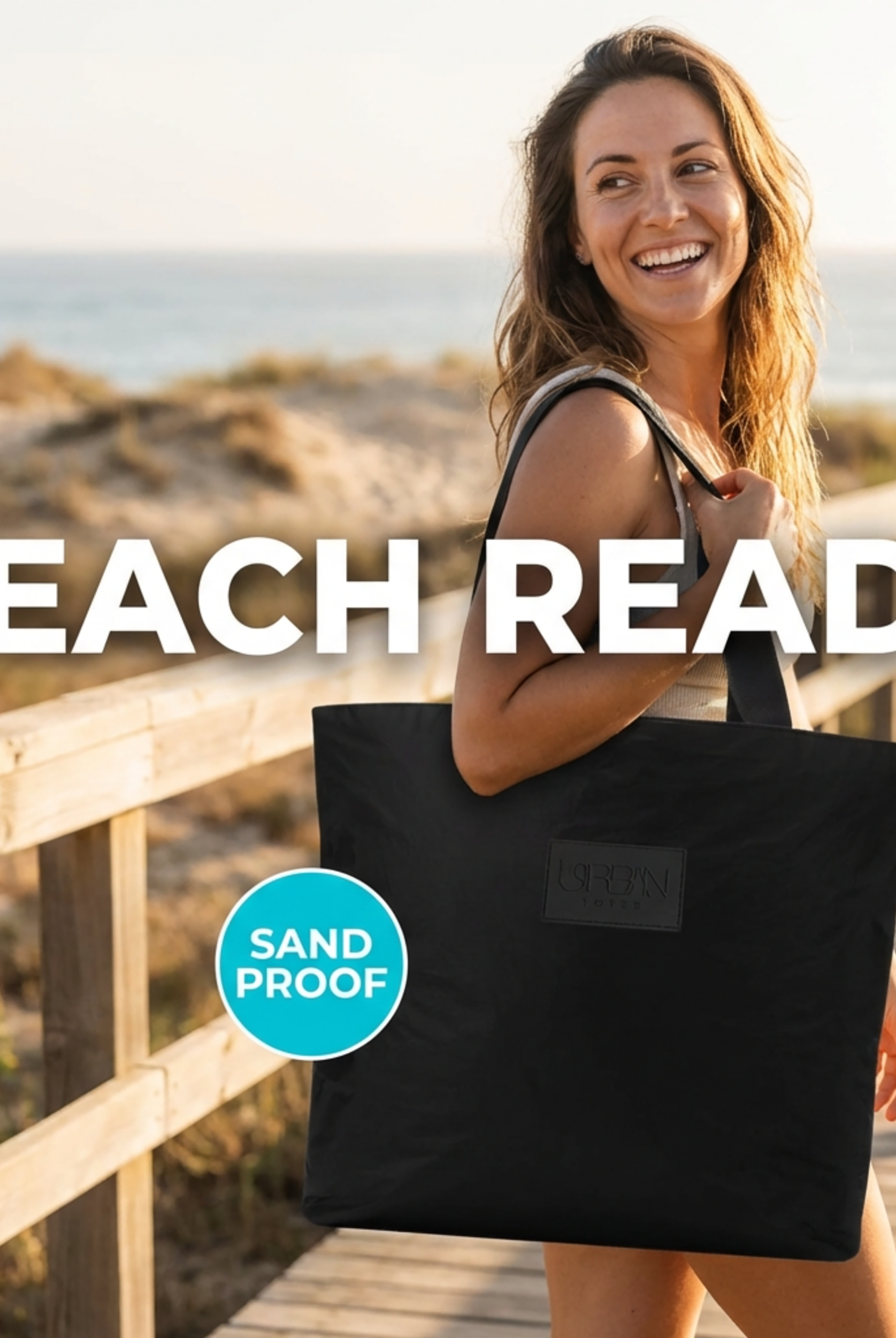
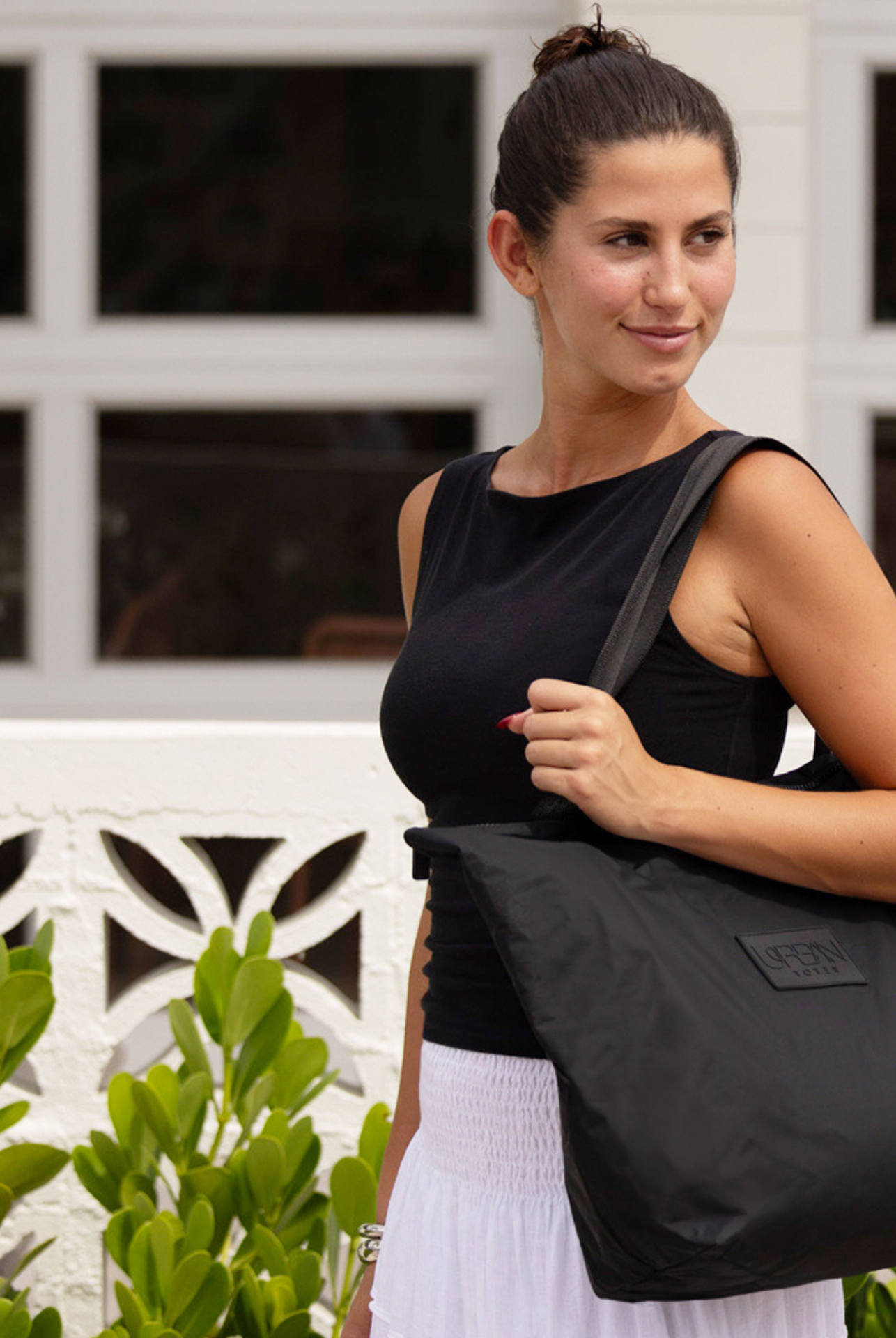
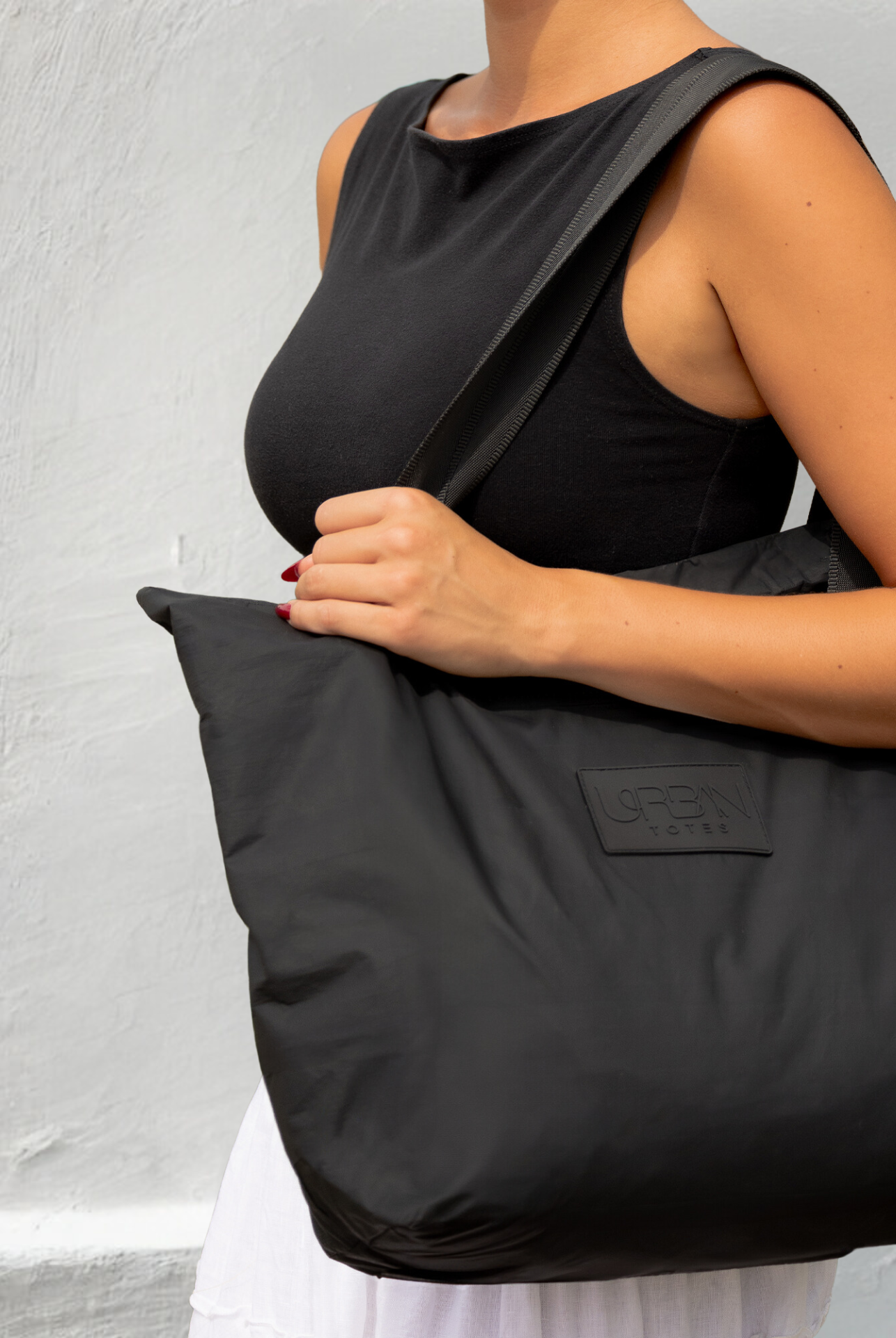
Urban Totes approaches the everyday side of this problem with water-resistant, lightweight, packable, foldable, multi-pocket bags and zipper closures designed for commuting, errands, travel, and beach days. That makes the brand's Boise-designed, woman-owned perspective especially relevant for women who need one organized carry solution rather than a specialized container for every activity. These bags can help keep daily essentials sorted, but shoppers should distinguish a water-resistant everyday tote from a purpose-built tethered anti-theft safe.
The trade-off stays simple. Solo travelers need compactness and a reliable closure. Families need capacity, compartments, and a usable tether. Pool users need low weight and easy cleaning. Ocean users need corrosion-resistant hardware and disciplined rinsing. In every case, the lock buys time and reduces opportunity. Pair it with situational awareness and modest valuables, and your beach day becomes easier to enjoy.
Urban Totes offers stylish, water-resistant, lightweight, and foldable tote and crossbody options with zipper closures and thoughtful compartments for beach days, travel, errands, and everyday carry. Visit Urban Totes to find a go-anywhere bag that keeps your essentials organized while your day keeps moving.