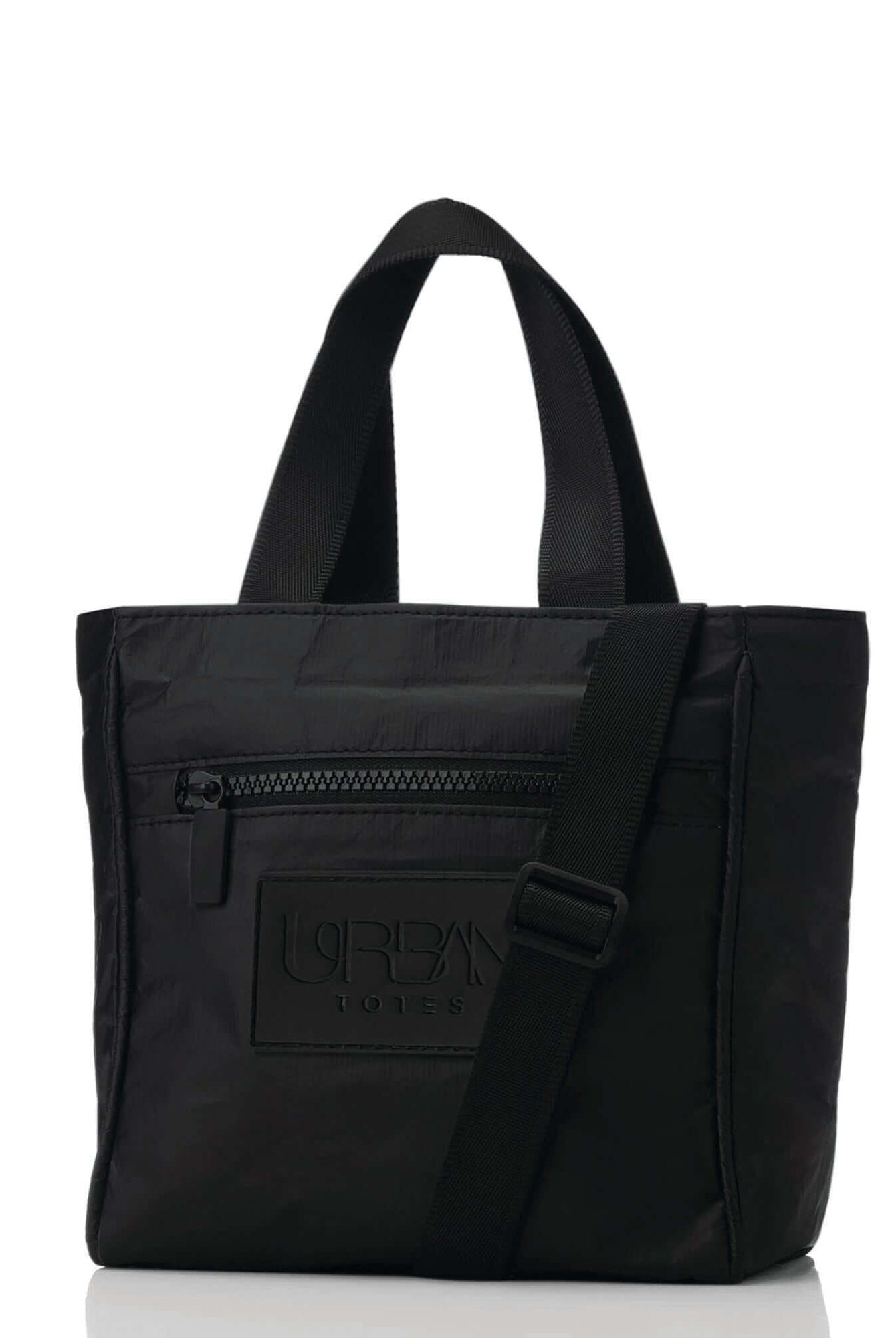
The tote is doing too much. It's holding your laptop, a water bottle, boarding documents, snacks, a cardigan, and the small items that somehow multiply between school drop-off and the airport gate. Then the bag tips, the bottle rolls toward your computer, and you spend the next few minutes retrieving receipts from the terminal floor. A travel tote bag with zipper can stop that particular mess, but it isn't automatically the right choice for every woman or every trip.
A zipper adds security and organization. It also adds friction, a little weight, and less freedom for bulky items. The smart buy depends on what you carry, how quickly you need to reach it, and whether your tote is headed to an airport, a beach chair, a commuter train, or the back seat for a weekend away.
Table of Contents
- The Travel Moment That Made Me Rethink My Tote
- What a Travel Tote Bag With Zipper Actually Does
- The Five Features That Matter Most
- Zippered Tote vs Open Tote
- Matching the Tote to Your Real Life
- How to Choose the Right One for You
- Care and Maintenance That Actually Work
- Your Go-Anywhere Tote Awaits
The Travel Moment That Made Me Rethink My Tote
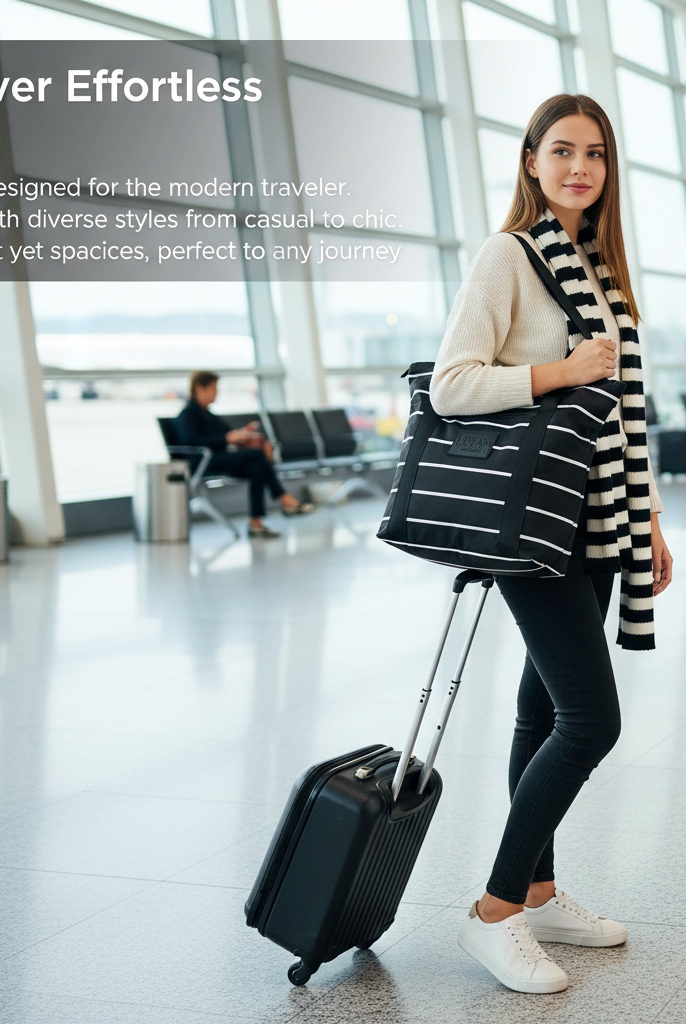
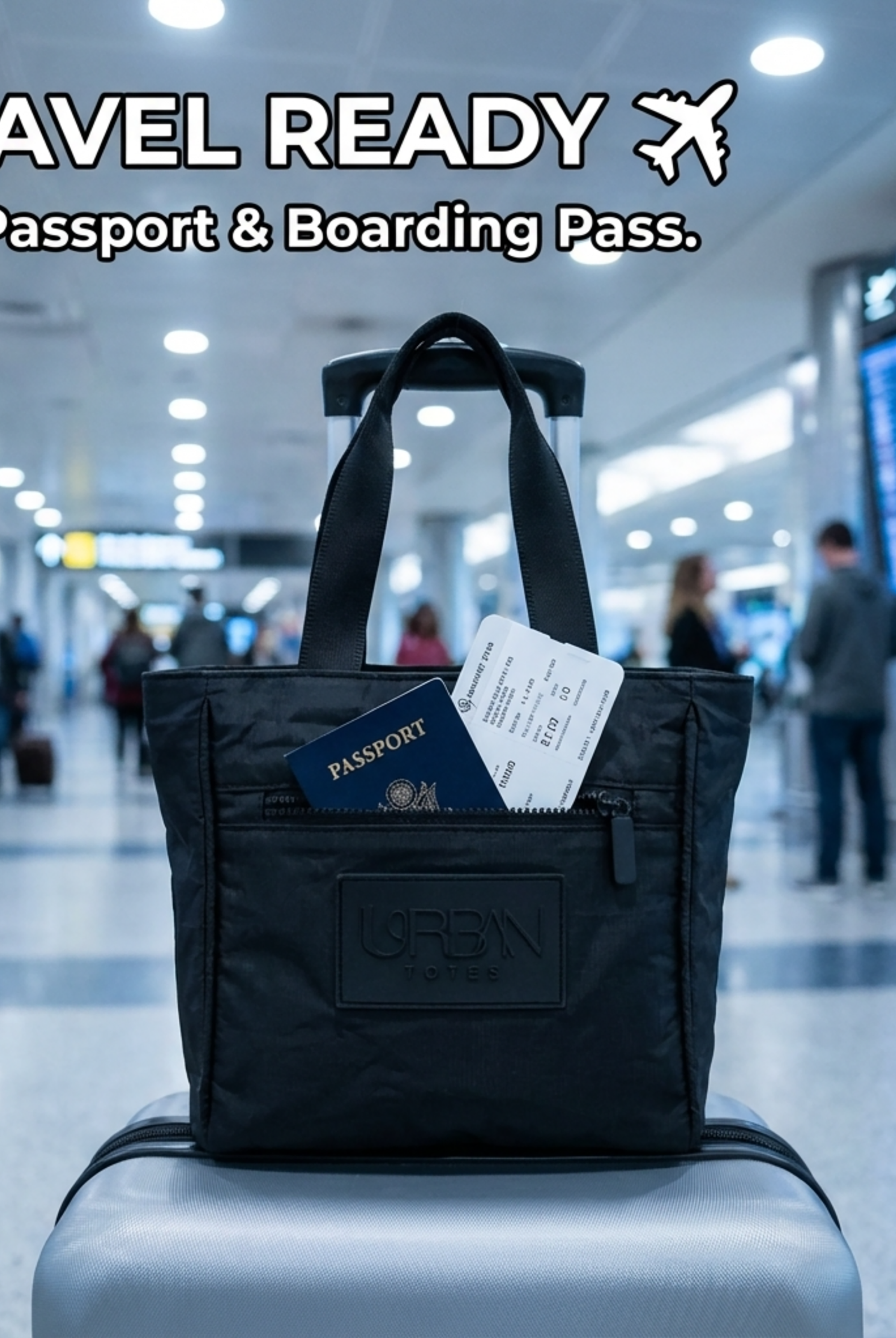
The airport was loud with rolling luggage, boarding announcements, and the sharp squeak of shoes on polished flooring. A traveler hurried toward her gate with an open tote hooked over one shoulder. Her water bottle tipped sideways, a handful of receipts slid toward the edge, and her laptop shifted beneath them. When a scarf slipped free, a nearby passenger caught it before it landed.
That was the moment she stopped wishing for a bigger tote and started wishing for a closed one. A zipper wouldn't have made the bag lighter, and it wouldn't have made airport walking less frantic. It would have kept the contents contained while she moved, waited, and reached for her boarding pass.

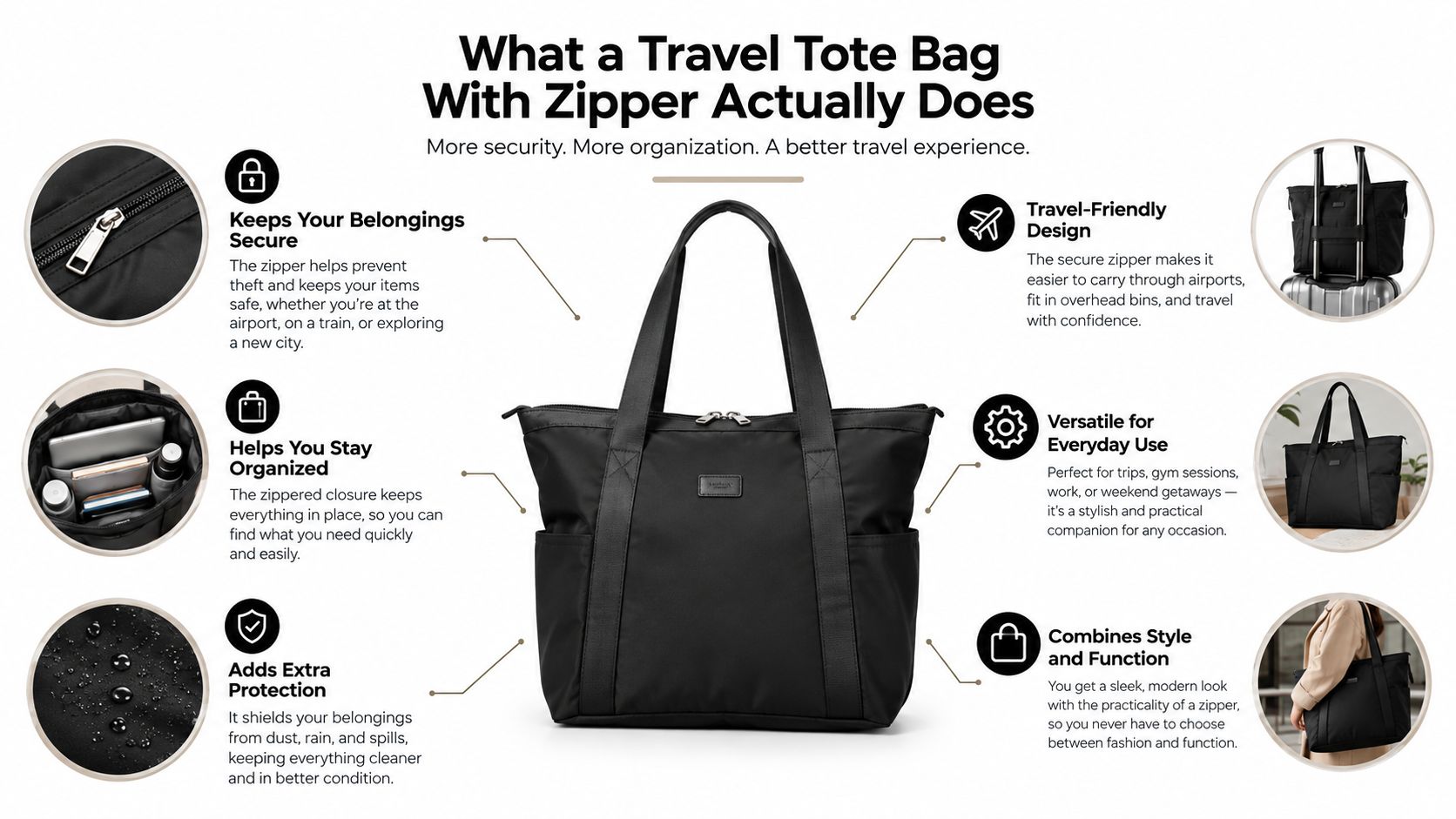
That's the honest case for a zipper. It helps prevent spills when the bag tips, limits casual access in crowded places, and gives light weather protection when the top is fully closed. It also makes the main compartment slower to open, less accommodating for tall or awkward objects, and somewhat more structured than an open tote.
The practical truth: a zipper isn't a personality upgrade for a bag. It's a trade, and the trade is worthwhile when containment matters more than instant access.
The zipper's commercial history also explains why it feels so natural on a modern travel bag. Whitcomb L. Judson patented an early zipper precursor in 1892, and B.F. Goodrich helped popularize the word “zipper” in 1923, according to the history of the zipper. More than a century of refinement has made secure, quick fastening an ordinary expectation in portable carry design.
If you're preparing for a day away, use the day-trip packing list as a starting point, then decide whether your contents need an enclosed compartment or the speed of an open top. The right answer may change between a train ride, a beach afternoon, and a flight.
What a Travel Tote Bag With Zipper Actually Does
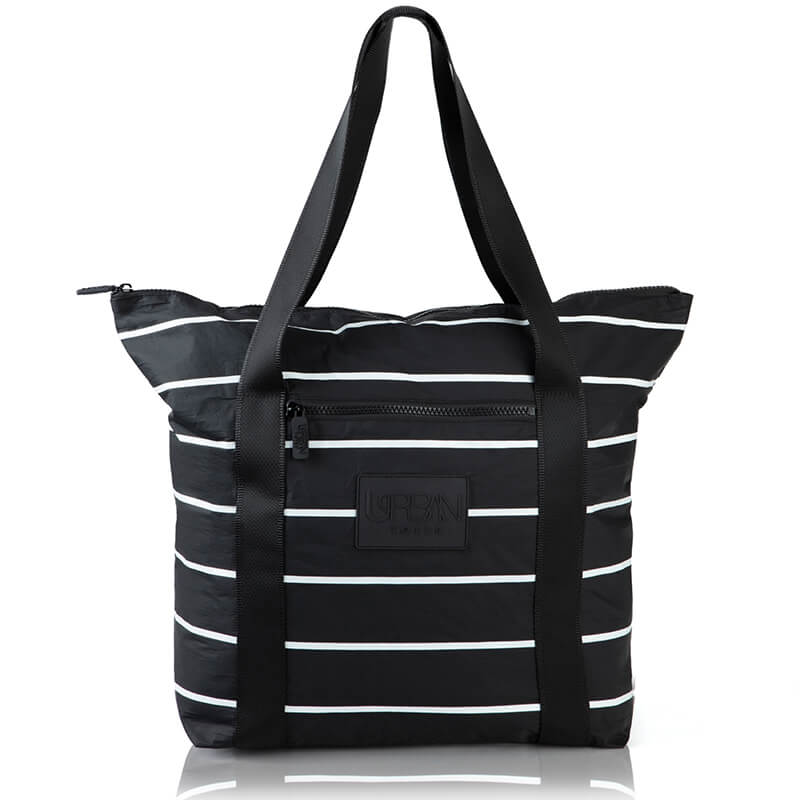
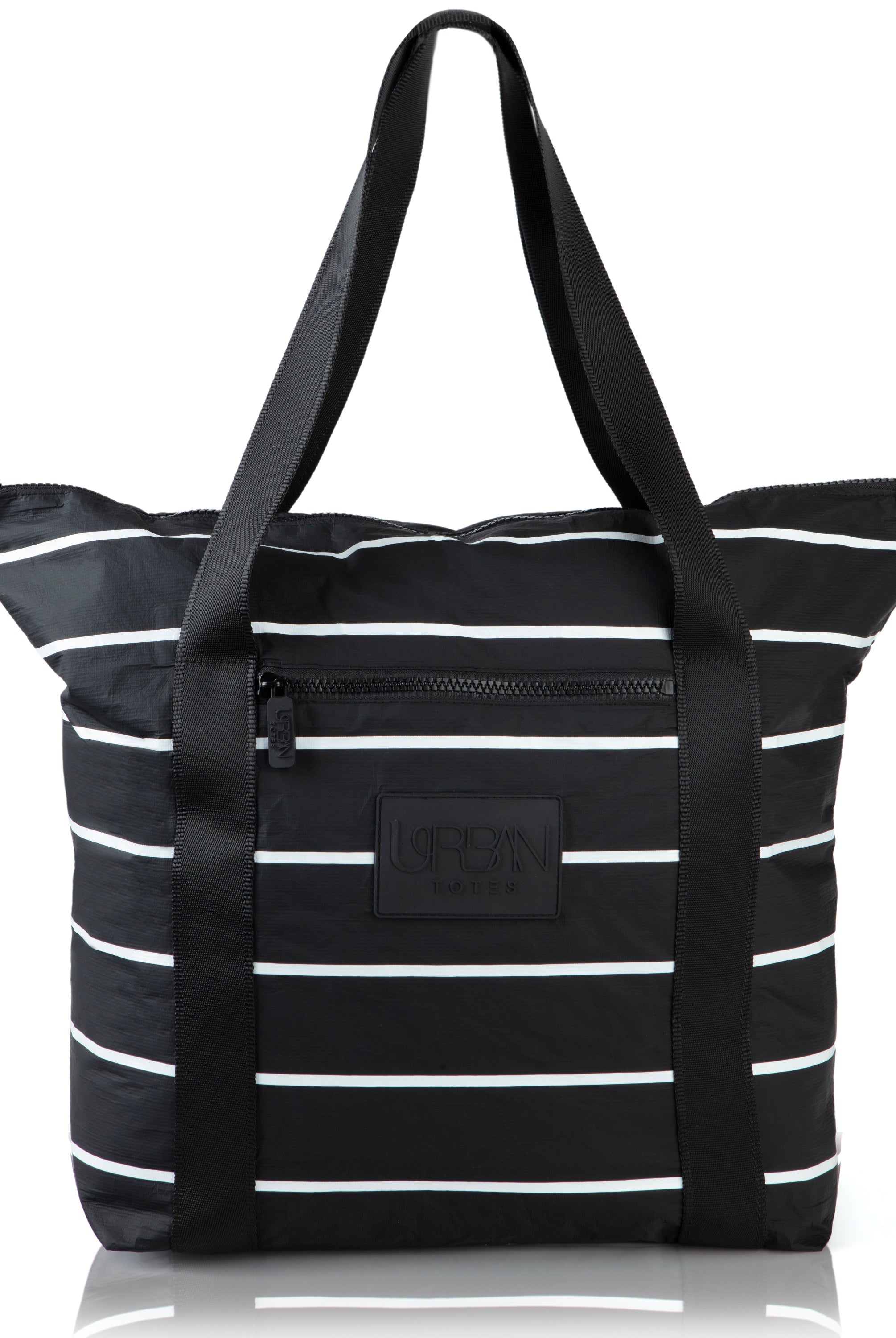
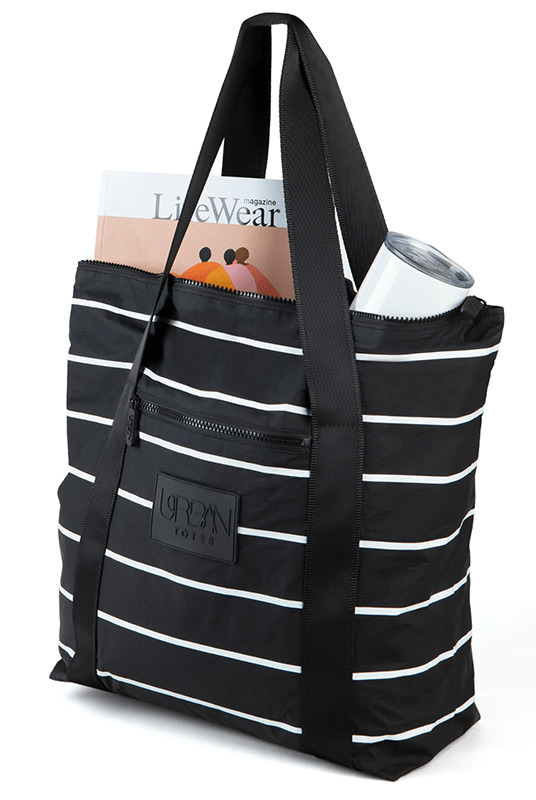
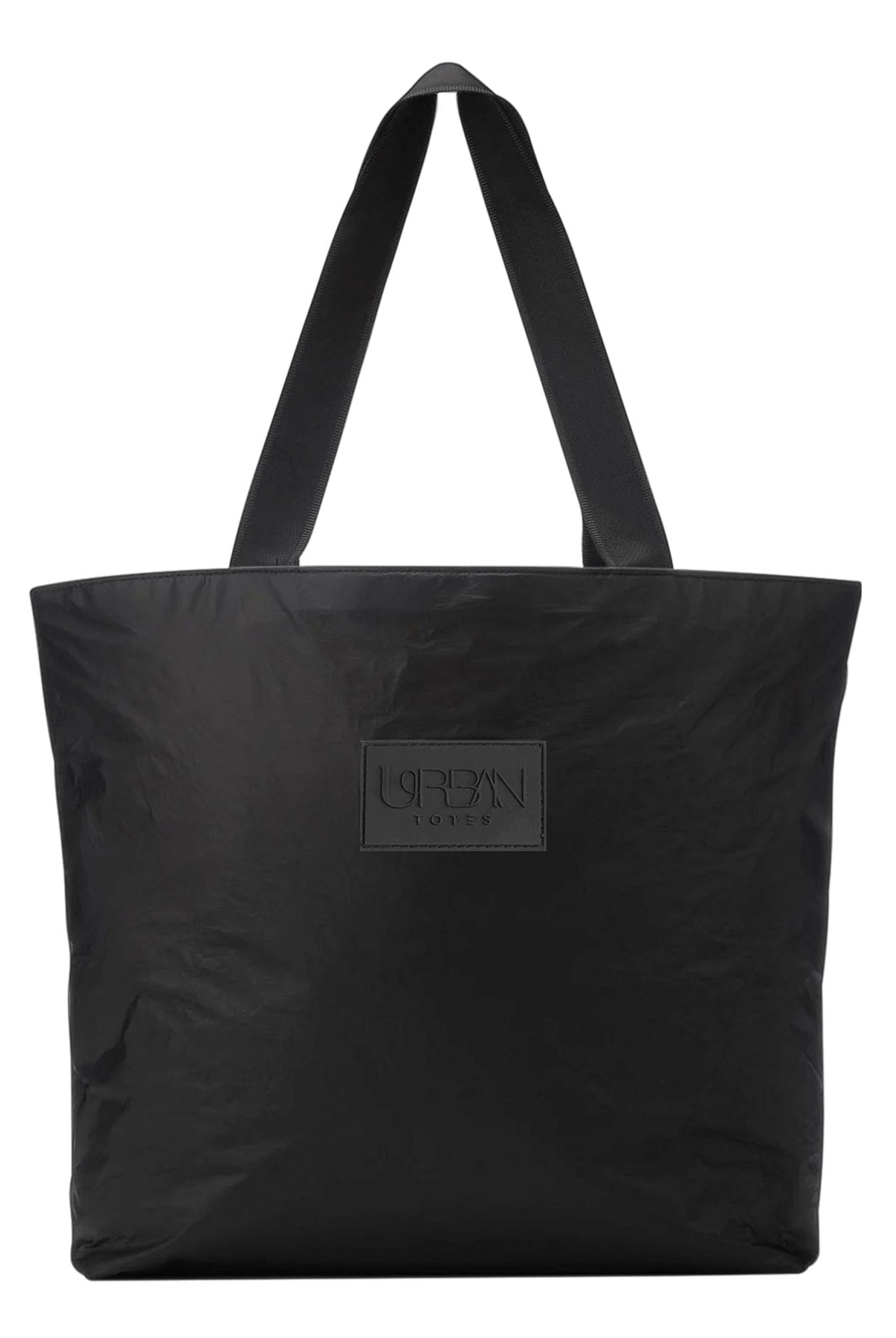
A zippered travel tote is a soft-sided carry bag with shoulder straps, a top zipper that closes the main compartment, and a base that may be flat or lightly structured. It sits between a small handbag and a weekender. The silhouette is usually slim enough for everyday carry, while the interior has room for technology, personal items, and travel essentials.
Think of an open tote as a pickup bed. You can toss in a jacket, a book, or a pair of sandals without adjusting anything. A zip-top tote works more like a car trunk. It keeps the load enclosed, but you have to open the lid before you can reach inside.
Loading changes first
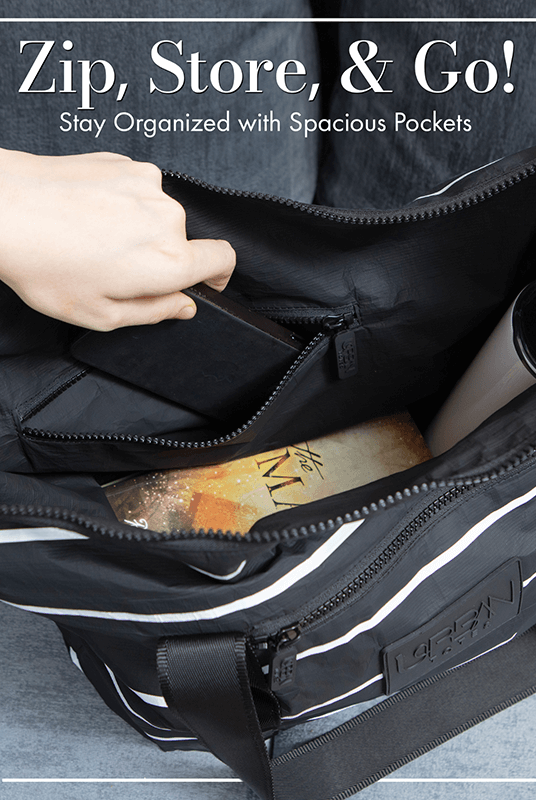
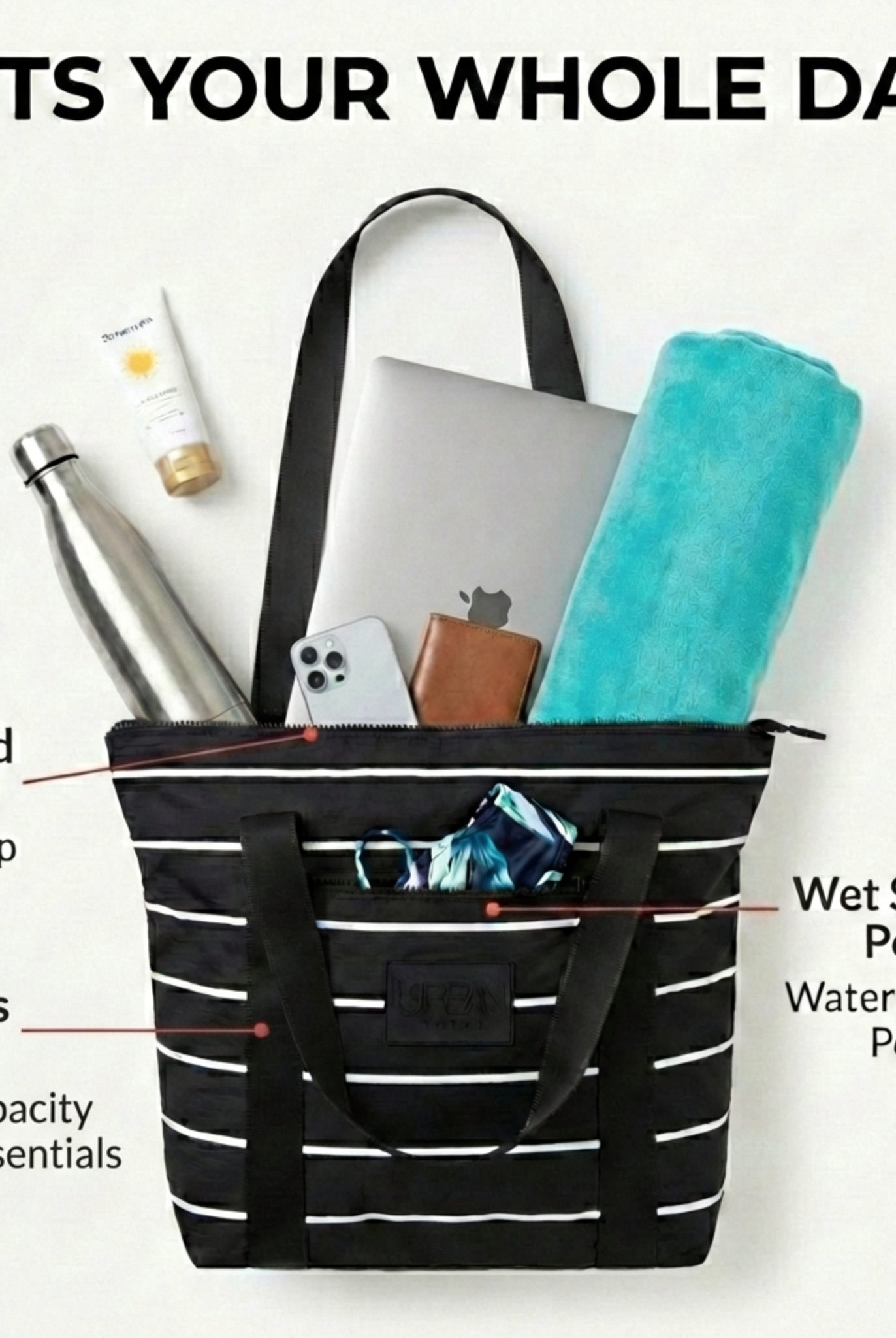
An open tote welcomes irregular objects. A zippered tote asks you to pack below the zipper line and close the top without forcing it. That makes the bag feel more organized, but it also rewards deliberate packing. Laptop sleeves, bottle pockets, and smaller compartments become more valuable because you can't reach into a wide, open cavity.
Access becomes more controlled
With an open tote, your phone may be available in seconds, but so is everything else. A zipper creates a clear pause before access. That pause is useful on a crowded bus or while walking through an airport, especially when your valuables are in an interior pocket rather than loose near the opening.
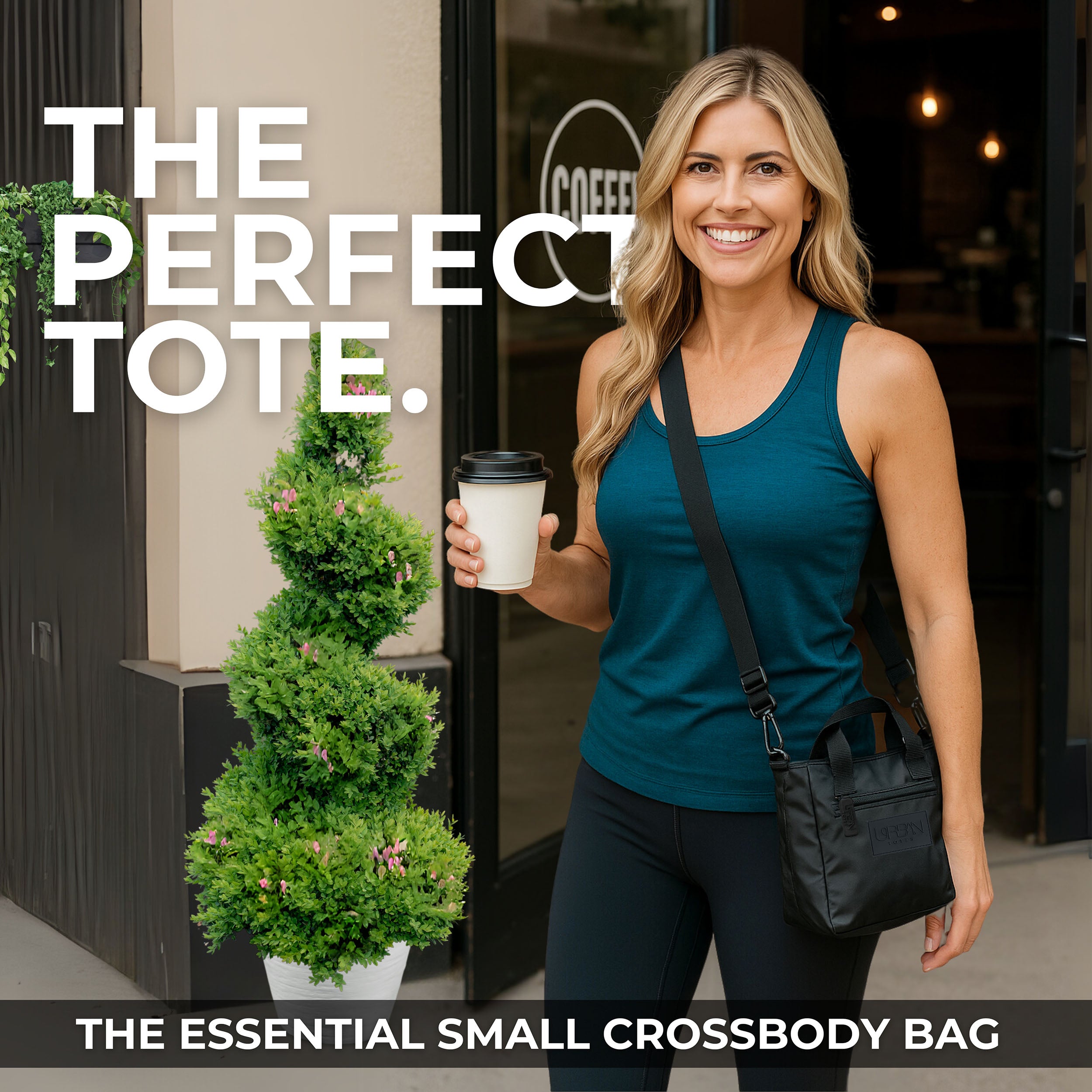
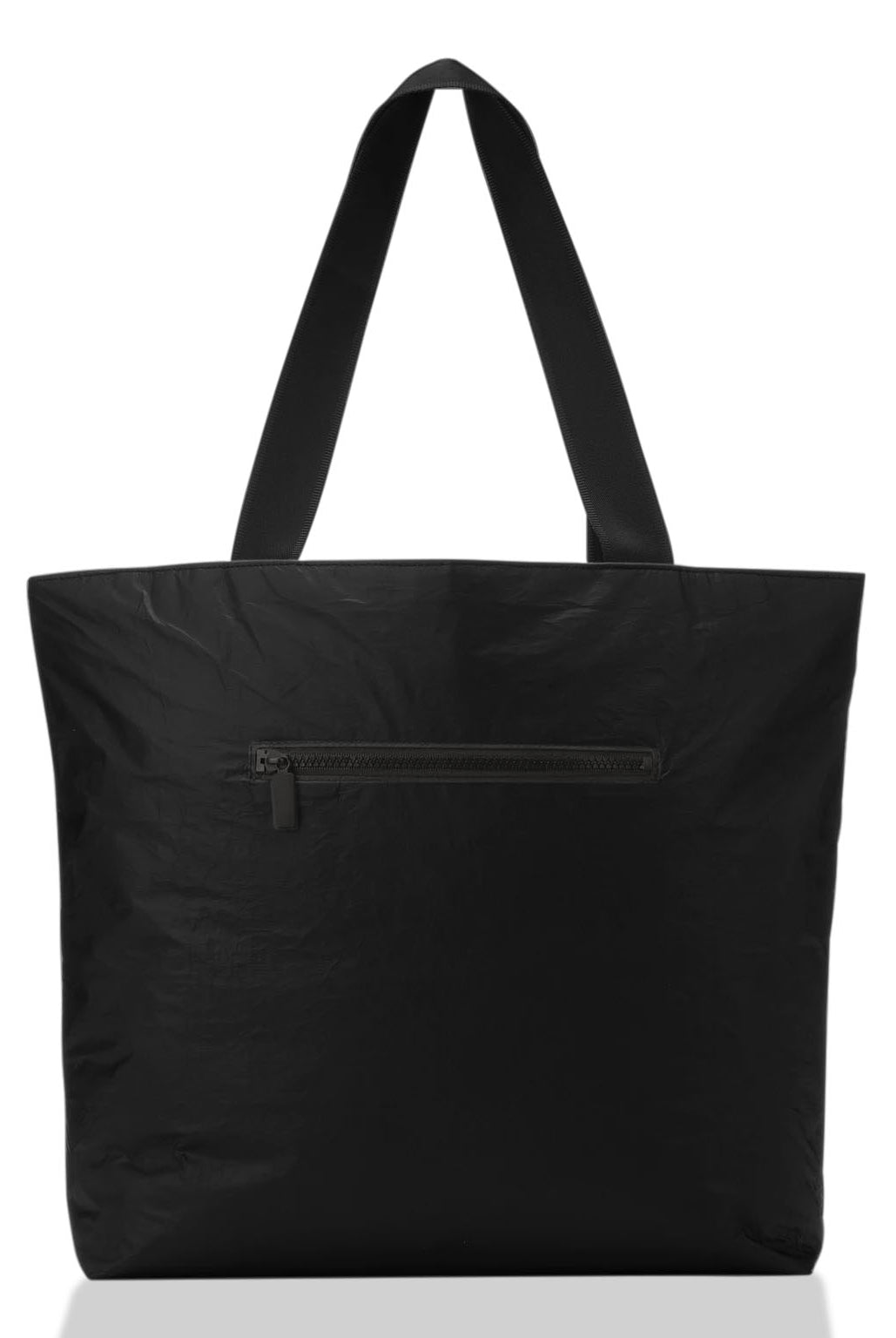
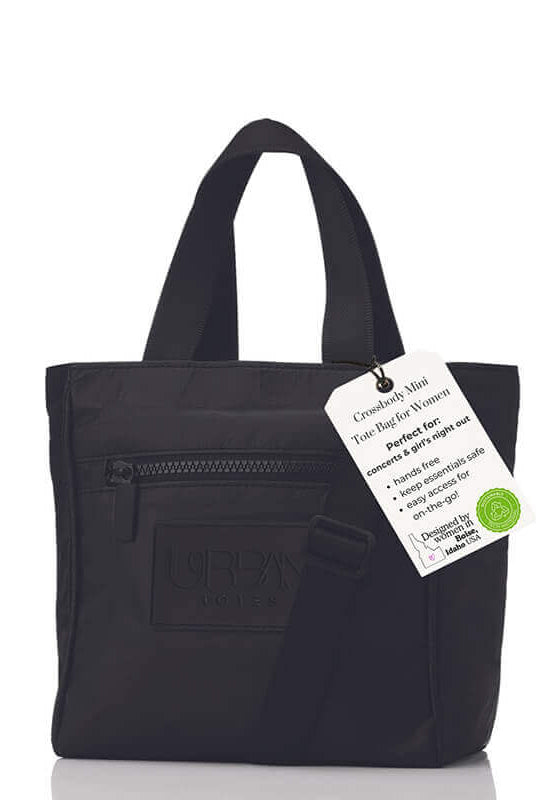
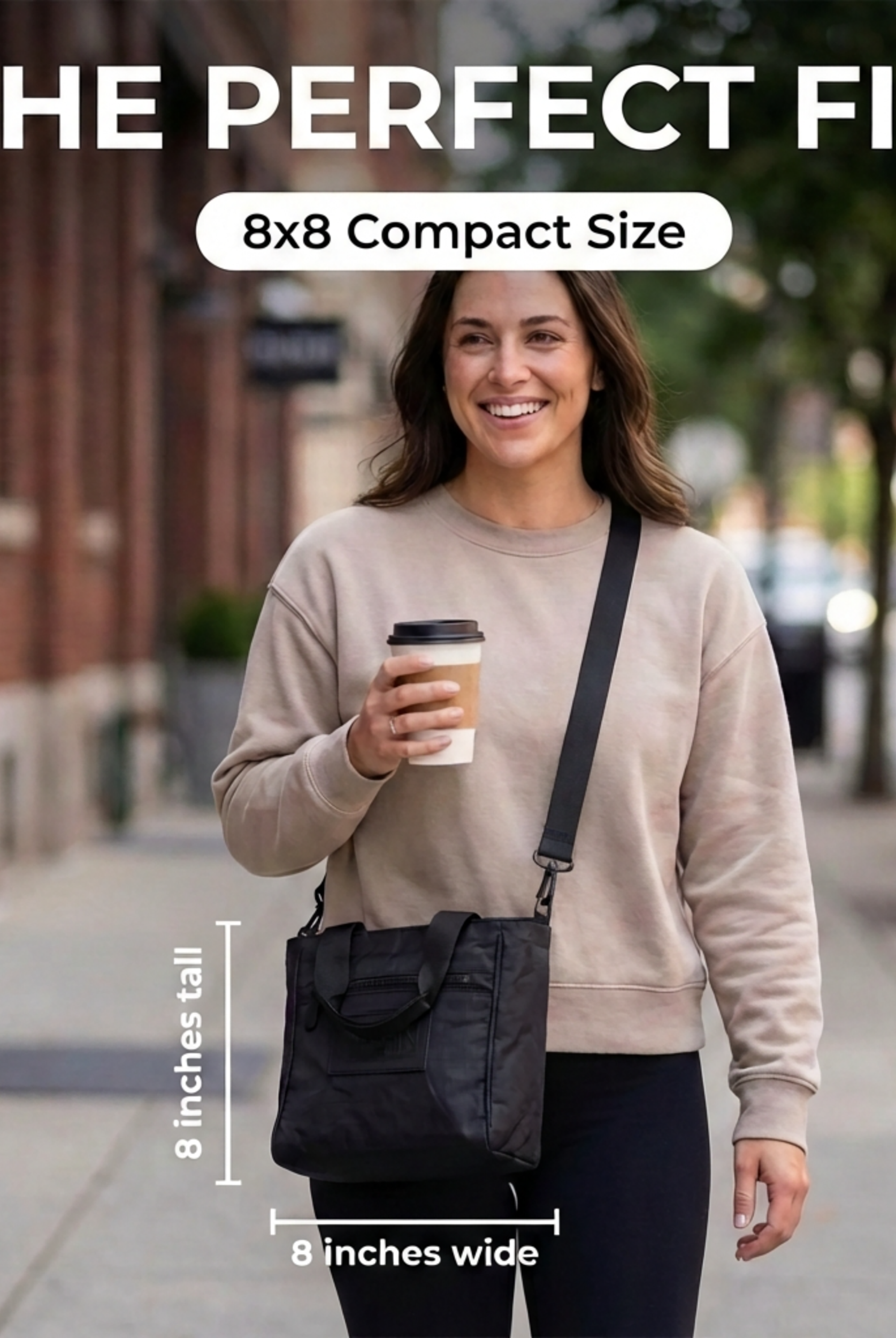
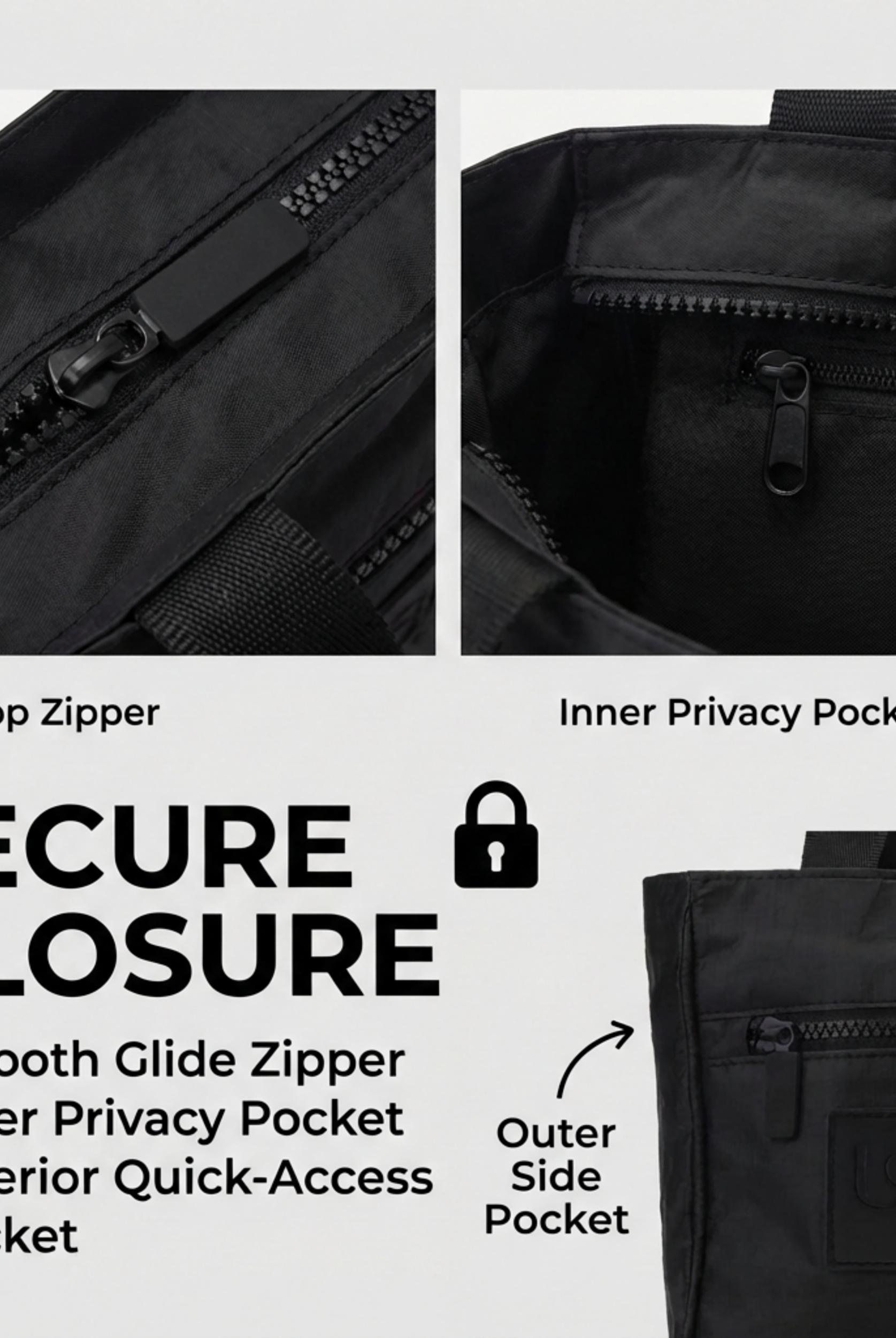
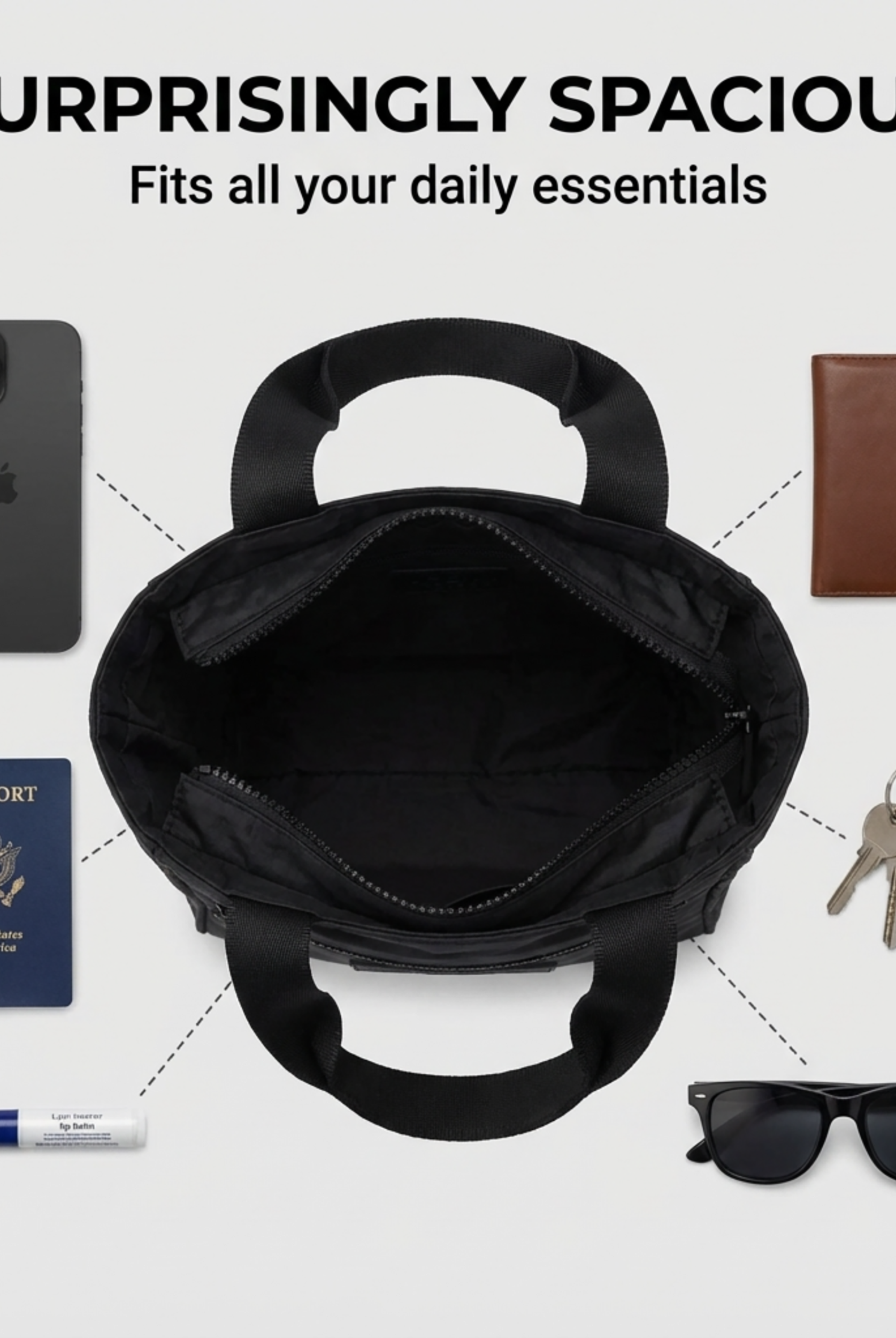
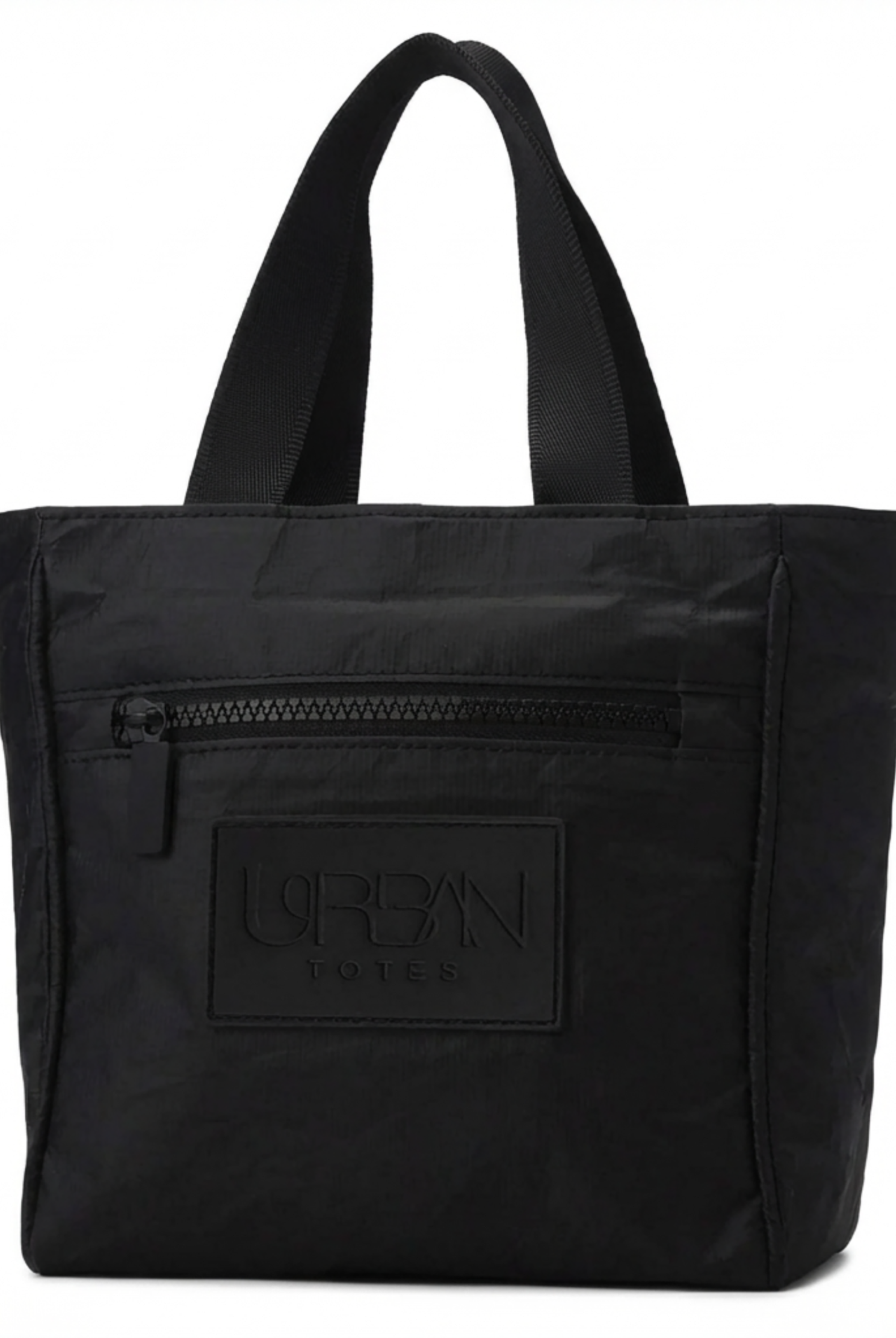
The Crossbody Tote Bag Mini Purse shows the same principle in a smaller format. It has a zip-top closure, an outside zipper pocket, an easy-access pocket, a black interior, and a removable crossbody strap. Its listed dimensions are 7.5 x 4 x 7.75 inches, with 1-inch-wide nylon straps and an adjustable strap extending to 53 inches, making it more suitable for compact essentials than a full travel load.
Protection improves, but isn't absolute
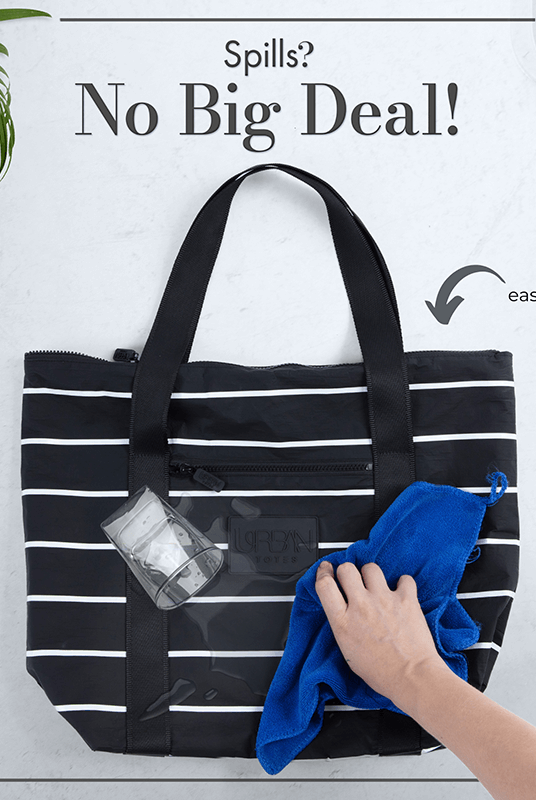
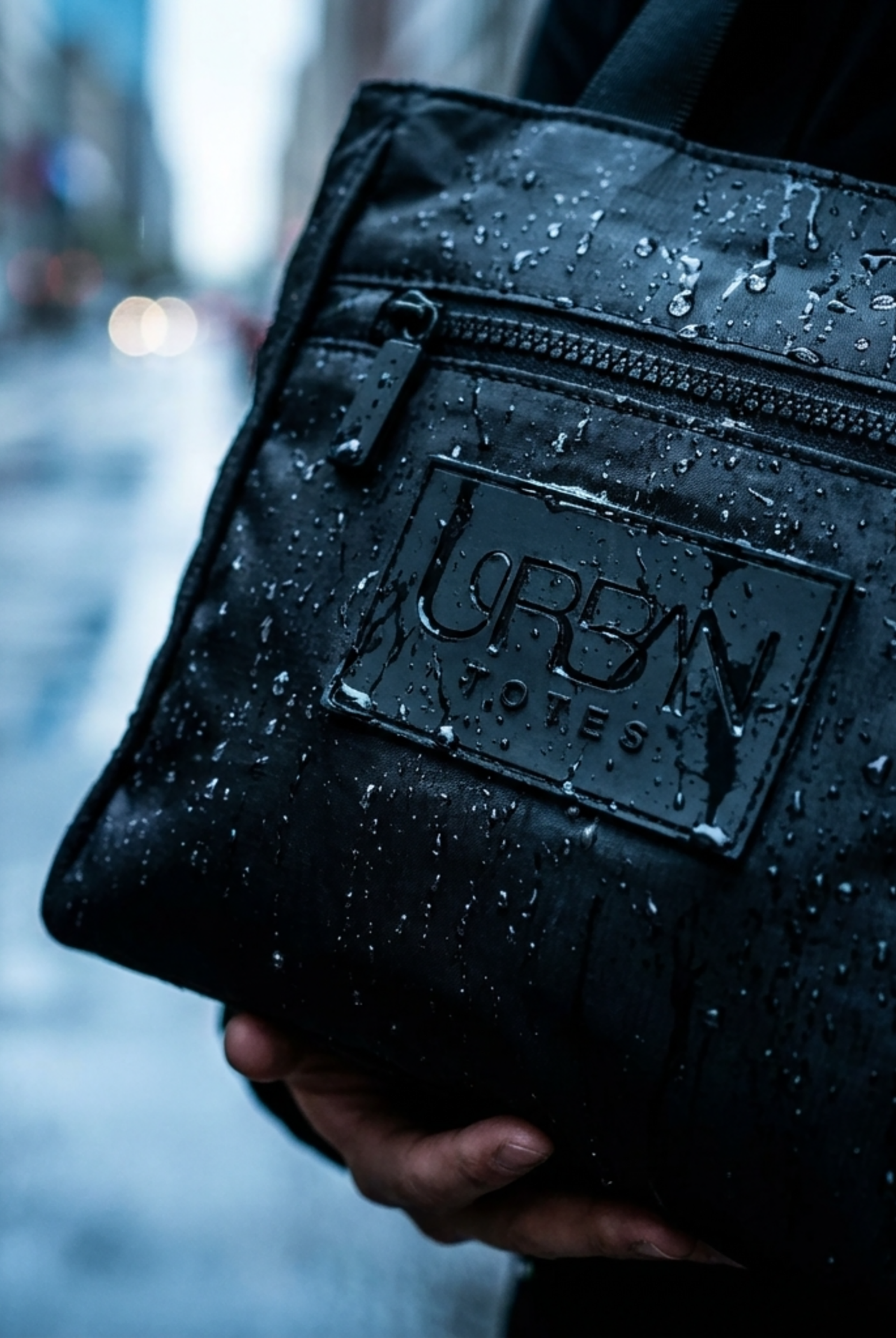
A closed top helps keep contents from tumbling out during jostling and can reduce exposure to light rain or splashes. It doesn't make the whole tote waterproof. Fabric, seams, zipper construction, and finishing all determine how much moisture reaches the interior.
A travel tote differs from a work tote, beach bag, or weekender by balance. It needs enough capacity for a meaningful day away, shoulder straps that work while walking, and a profile that doesn't feel like luggage when you reach your destination. For air travel, dimensions matter more than a vague promise that the bag is “carry-on friendly.” American Airlines says a carry-on must fit in the overhead bin or under the seat, fit the airport sizer, and stay within its stated limits, including handles and wheels, as explained in its carry-on baggage guidance.
The Five Features That Matter Most
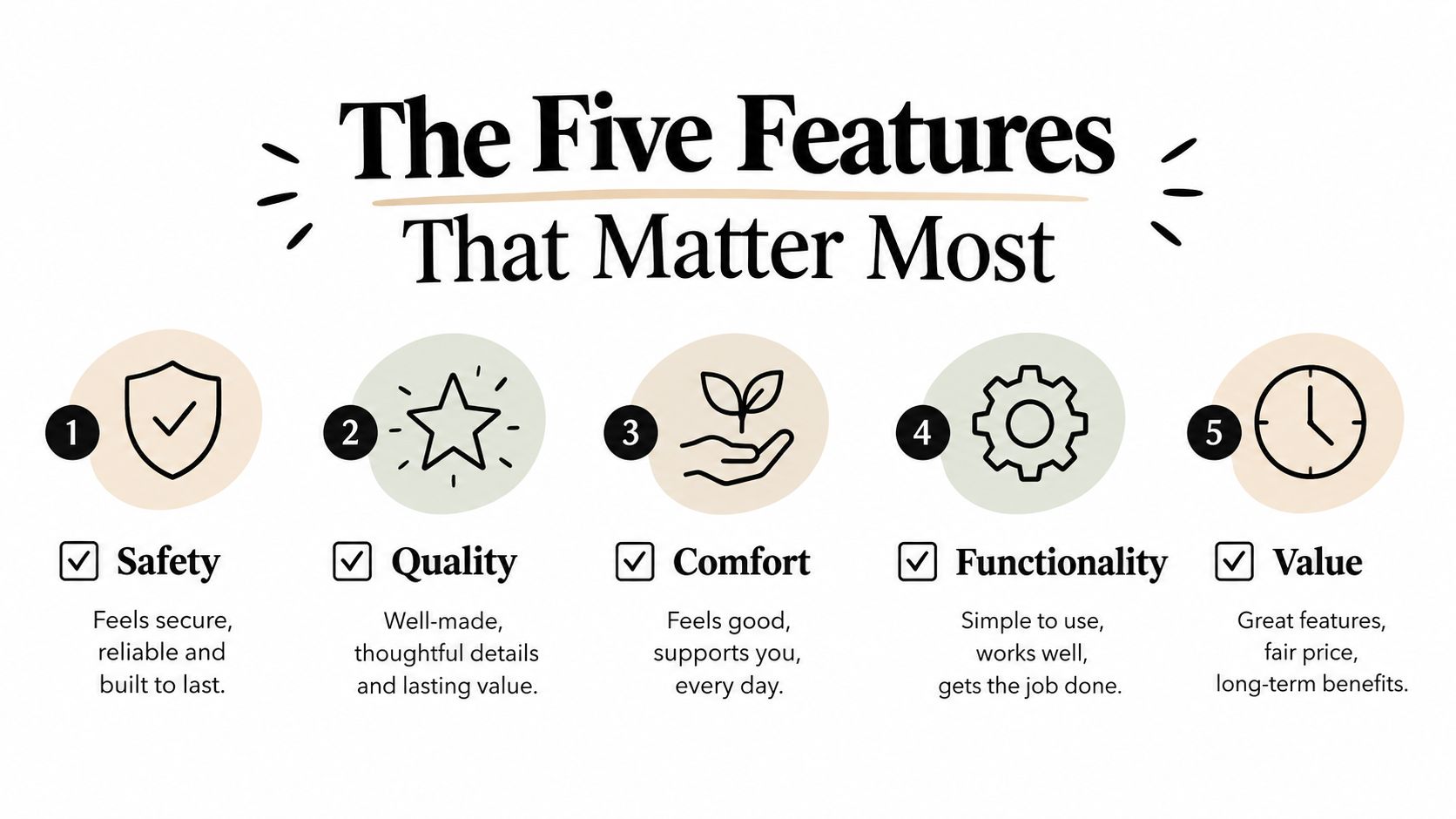
A zipper is only one part of a useful travel tote. The body, straps, pockets, and proportions determine whether the closure works smoothly or becomes a daily annoyance.
Size comes before style
For a personal-item-style tote, aim for a shape that stays compact when full. A practical editorial target is 18 to 20 inches wide and roughly 11 to 14 inches tall, but always compare the fully loaded bag with your airline's rules. American Airlines uses 22 × 14 × 9 inches as its carry-on benchmark, while United lists 9 × 14 × 22 inches, including handles and wheels, in its carry-on bag requirements. Travel + Leisure also notes that many airlines generally use around 22 × 14 × 9 inches, though carrier limits vary, in its airline carry-on size guide.
Compartments should match your routine
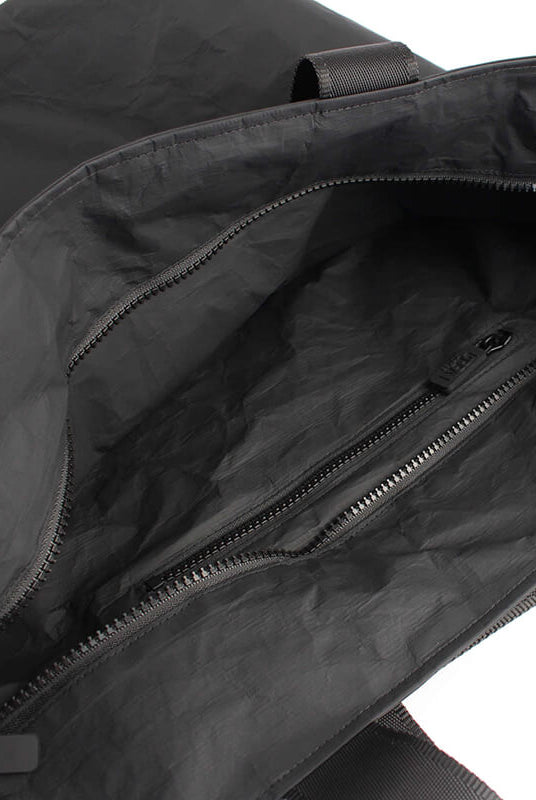
Don't count pockets just because they exist. Look for a zippered interior pocket for valuables, a key leash, a sleeve sized for your laptop, and at least one exterior pocket for a phone or boarding pass. A thoughtful layout saves you from emptying the main compartment at security or outside your front door.
The tote bag compartments guide is useful if you're deciding whether you need several small sections or one large space with only a few anchors. My preference is simple: keep the main compartment open enough for flexible packing, then use a small number of dedicated pockets for items that disappear easily.
Straps decide whether you'll carry it
A shoulder strap with a 10 to 12-inch drop generally gives room for a comfortable shoulder carry, but your height, coat thickness, and preferred position matter. A strap around 1.5 inches wide in cotton or webbing spreads pressure better than a narrow cord. Test the strap with a laptop and bottle inside, not while the bag is empty.
Material sets the mood and the maintenance
Coated canvas has a polished, substantial feel, but it can be heavier and less willing to collapse. Nylon is often lighter and more packable, with a practical attitude toward commutes and travel. Pebbled leather ages attractively, but it requires more care and usually makes the tote feel less casual.
For dense loads, buyer guidance commonly favors high-denier polyester, Cordura-type nylon, or ballistic nylon because they help preserve shape and resist abrasion. A stable body also helps the zipper track stay aligned under load, as discussed in this durability breakdown of luggage materials.
Packability earns its place
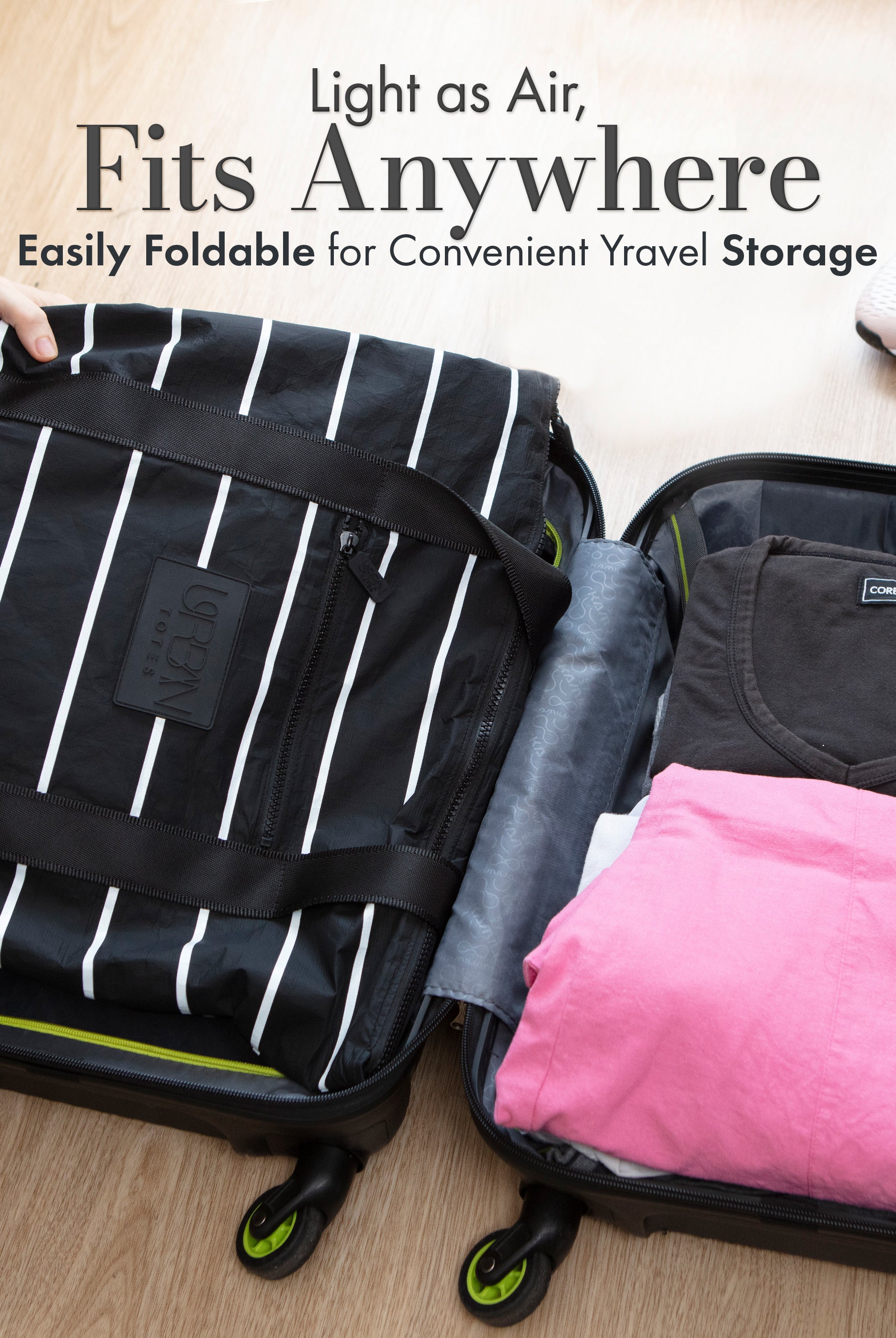
A foldable tote is useful when your return journey includes shopping, a jacket, or a bag you didn't need on the way out. Check whether the bag folds without damaging the zipper or permanently creasing a structured base. Packability matters most for women who want one dependable everyday carry without committing suitcase space to it.
Zippered Tote vs Open Tote
The zipper wins on containment. The open tote wins on speed and capacity. Neither closure is universally smarter, and anyone who tells you otherwise is ignoring how women use bags.
| Criterion | Zippered Tote | Open Tote |
|---|---|---|
| Security | Encloses the main compartment and makes casual access harder | Leaves contents visible and reachable |
| Access speed | Requires opening the zipper before reaching inside | Lets you grab items immediately |
| Capacity | Encourages packing below the closed top and can compress irregular loads | Accepts tall, soft, and awkward objects more easily |
| Weight | Adds closure hardware and can make the bag slightly heavier | Usually has fewer components |
| Weather | Helps limit exposure at the opening when fully closed | Leaves the top exposed to rain and spills |
| Aesthetics | Looks more finished and travel-ready | Feels relaxed, casual, and easygoing |
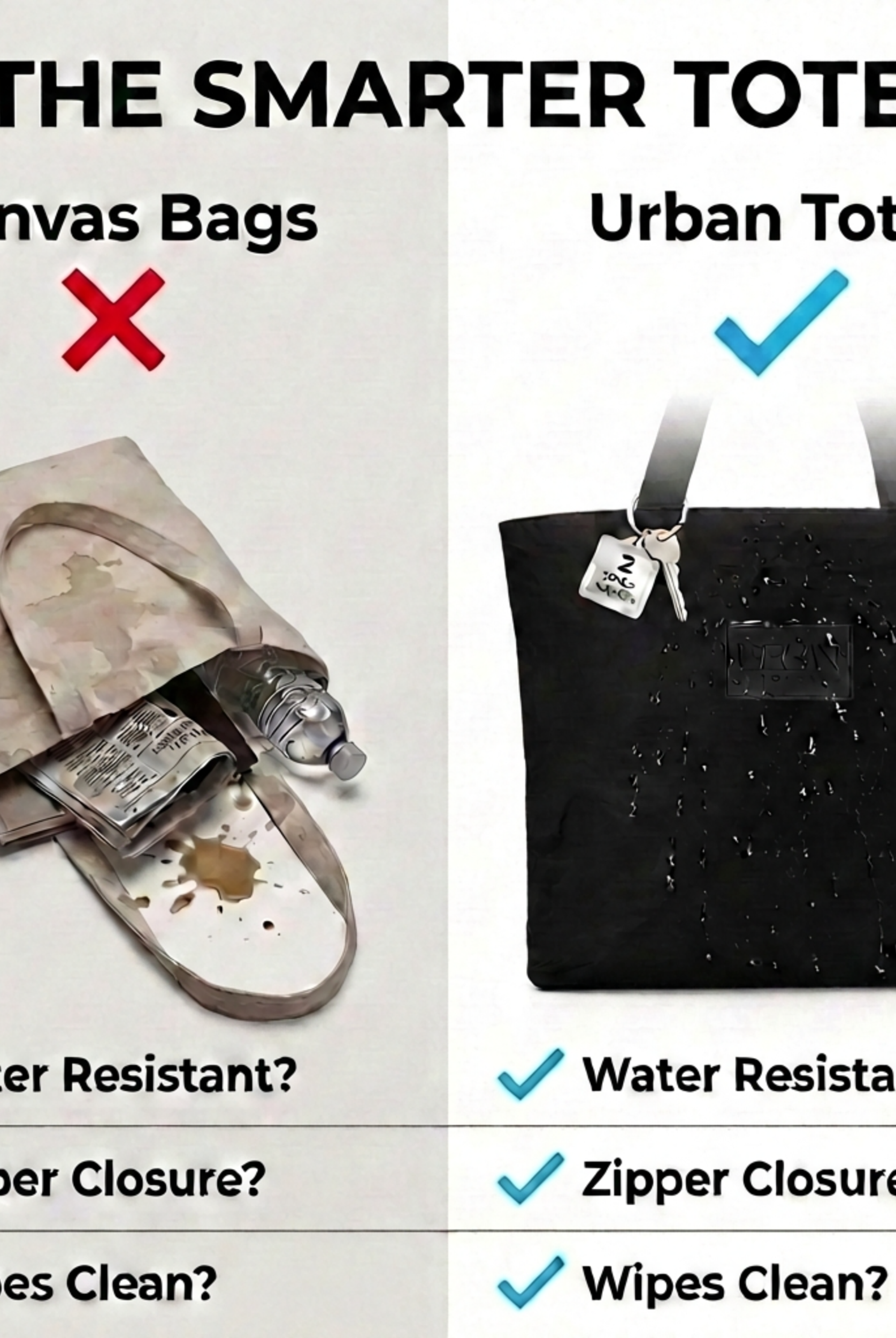
A zip closure can add a small weight and space penalty. Neutral tote guidance also identifies the practical downside clearly: a closed top helps prevent spills, but it can make tall items such as a baguette or ukulele harder to fit, as described in this tote bag FAQ. That tradeoff matters on beach days, farmers market runs, and errands where the contents don't arrive in neat rectangular shapes.
Open totes are excellent when you need rapid access to a cardigan, a snack, or a water bottle. They're less appealing on crowded transit, during sudden weather, or whenever the bag may tip. A zipper doesn't replace sensible packing, but it does keep shifting contents inside the bag instead of on the floor.
Choose the zipper when your day involves movement, valuables, weather, or a laptop. Choose the open top when speed and oversized capacity matter more.
For a closer look at closure styles and organization, compare the options in this guide to a bag with zippers. My verdict is direct: a travel tote bag with zipper earns its keep for airports and commutes, while an open tote is the faster pick for flexible, low-risk carrying.
Matching the Tote to Your Real Life
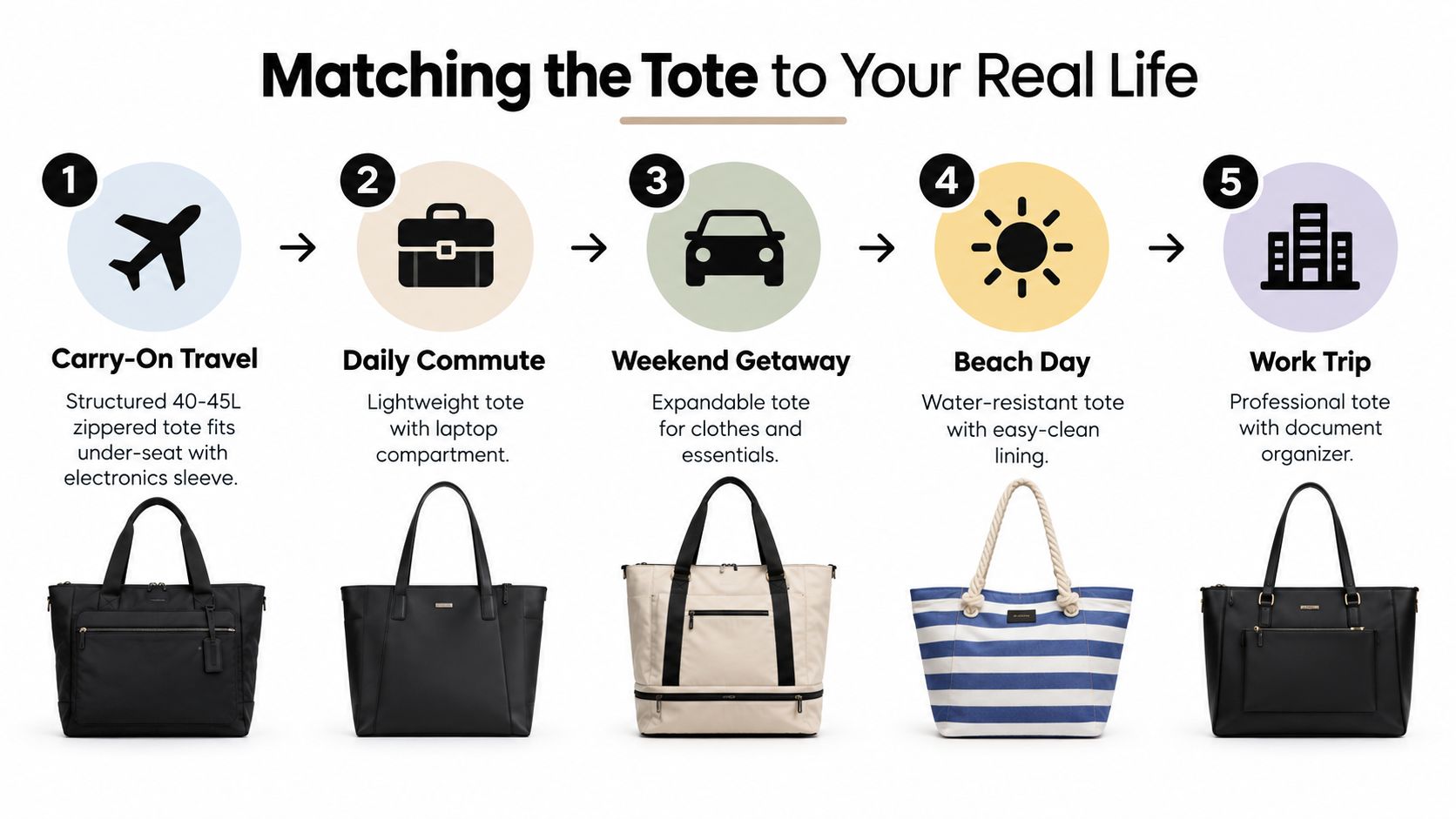
The dream bag usually imagines one glamorous weekend away. Your actual bag has to survive Monday morning, a wet swimsuit, a pharmacy stop, and a laptop that needs to come home every night. Match the tote to the routine you repeat most often.
Carry-on travel
For a flight-heavy routine, choose a structured zippered tote with a padded electronics sleeve and a base that keeps the bag upright. The plan notes for a 40 to 45L configuration can work for a larger carry-on concept, but don't assume that capacity guarantees under-seat compliance. Measure the packed exterior against your airline's rules, including straps and hardware.
The useful details are easy access for documents, a secure main closure, and a silhouette that doesn't collapse onto your laptop. If you travel with a pet or need additional planning for an extended journey, the senior solo travel guide from Global Pet Sitter offers broader travel preparation ideas beyond the bag itself.
Weekend trips
A softer 35 to 40L tote can suit rail travel or a short road trip because it flexes around clothing and compresses more readily than a rigid bag. Pick one with a full zip, sturdy handles, and an interior that won't turn into a fabric cave. Packing cubes help, but they won't fix a tote whose opening is too narrow for its body.
Daily commuting
A slim 18 to 25L tote with a laptop pocket and clean exterior is the better office choice. It should look natural with work clothes, sit comfortably on your shoulder, and hold the items you use every day without encouraging you to carry the whole house.
Beach days
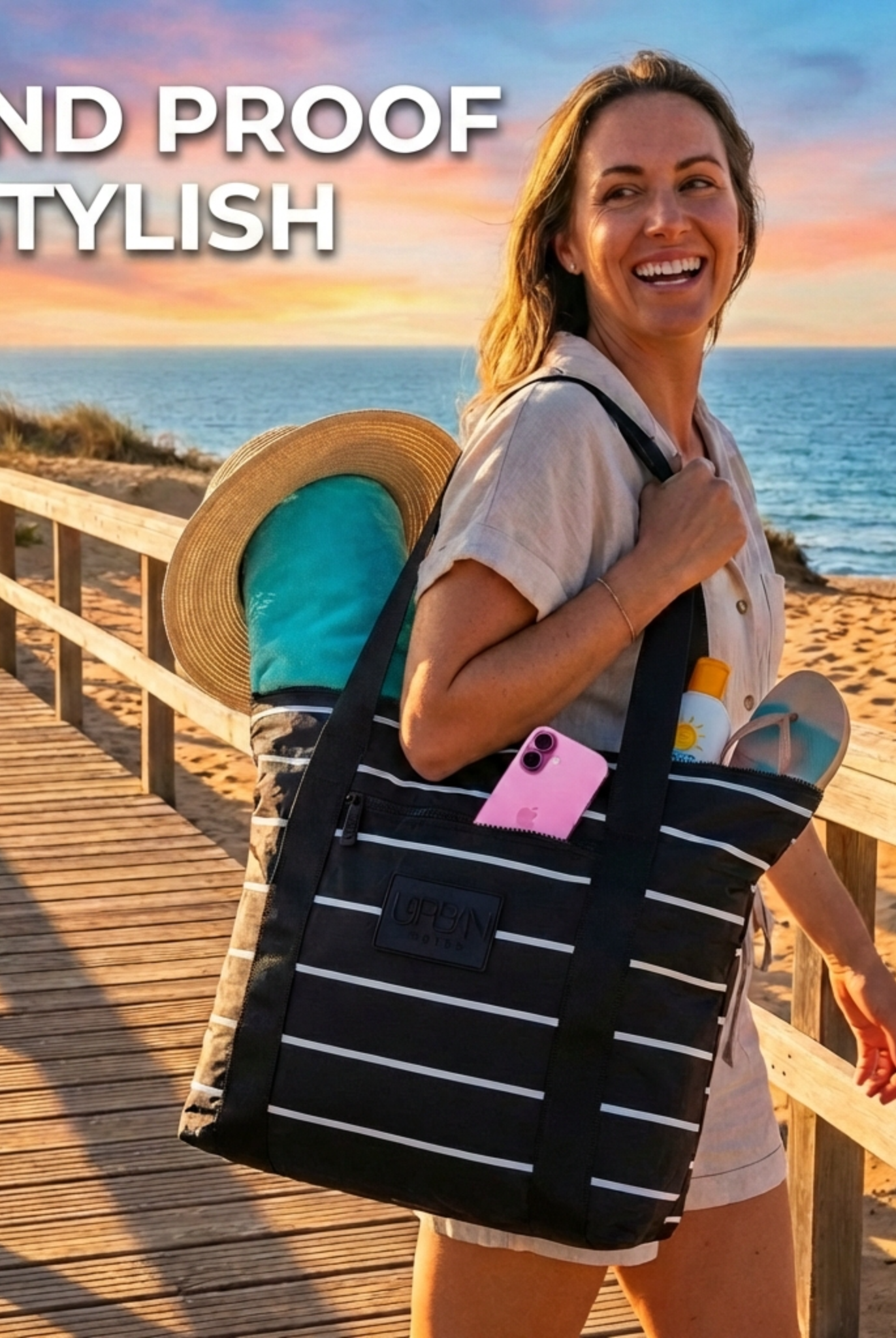
Choose water-resistant coated canvas or a similar easy-care fabric, then look for a hidden zip and an internal wet pocket. The separation matters when sunscreen, damp swimwear, and dry towels share one bag. A foldable design also earns its place in the car or suitcase.
Gym runs
A 25 to 30L tote with a ventilated shoe compartment keeps footwear and worn clothing away from clean items. Use a zipper that closes smoothly even when the compartment is full. If you go from school drop-off to the gym to the office, a multi-pocket layout will matter more than a fashion-forward shape.
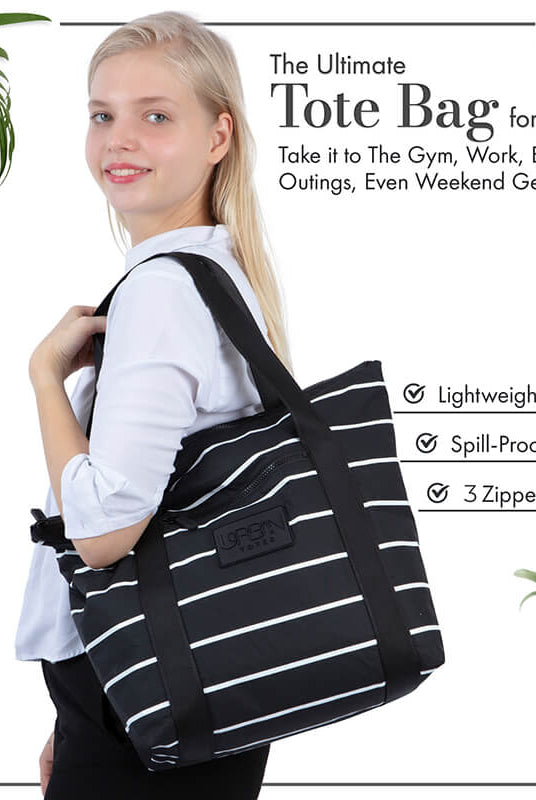
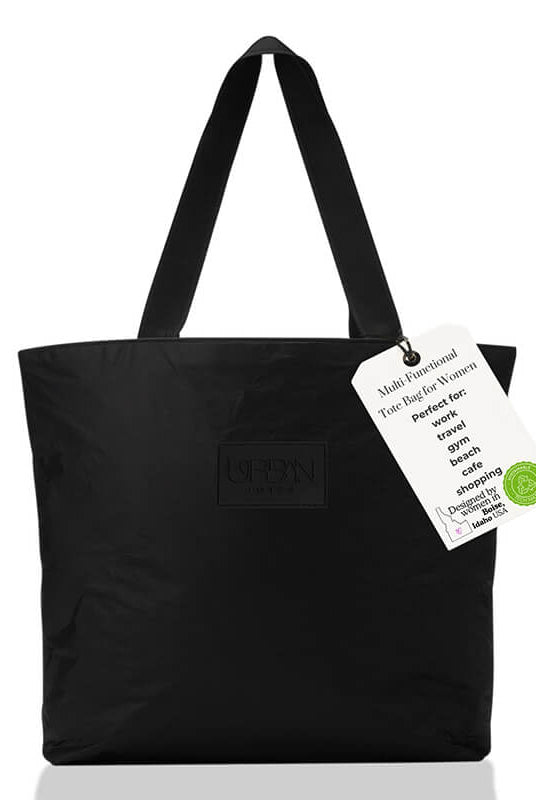
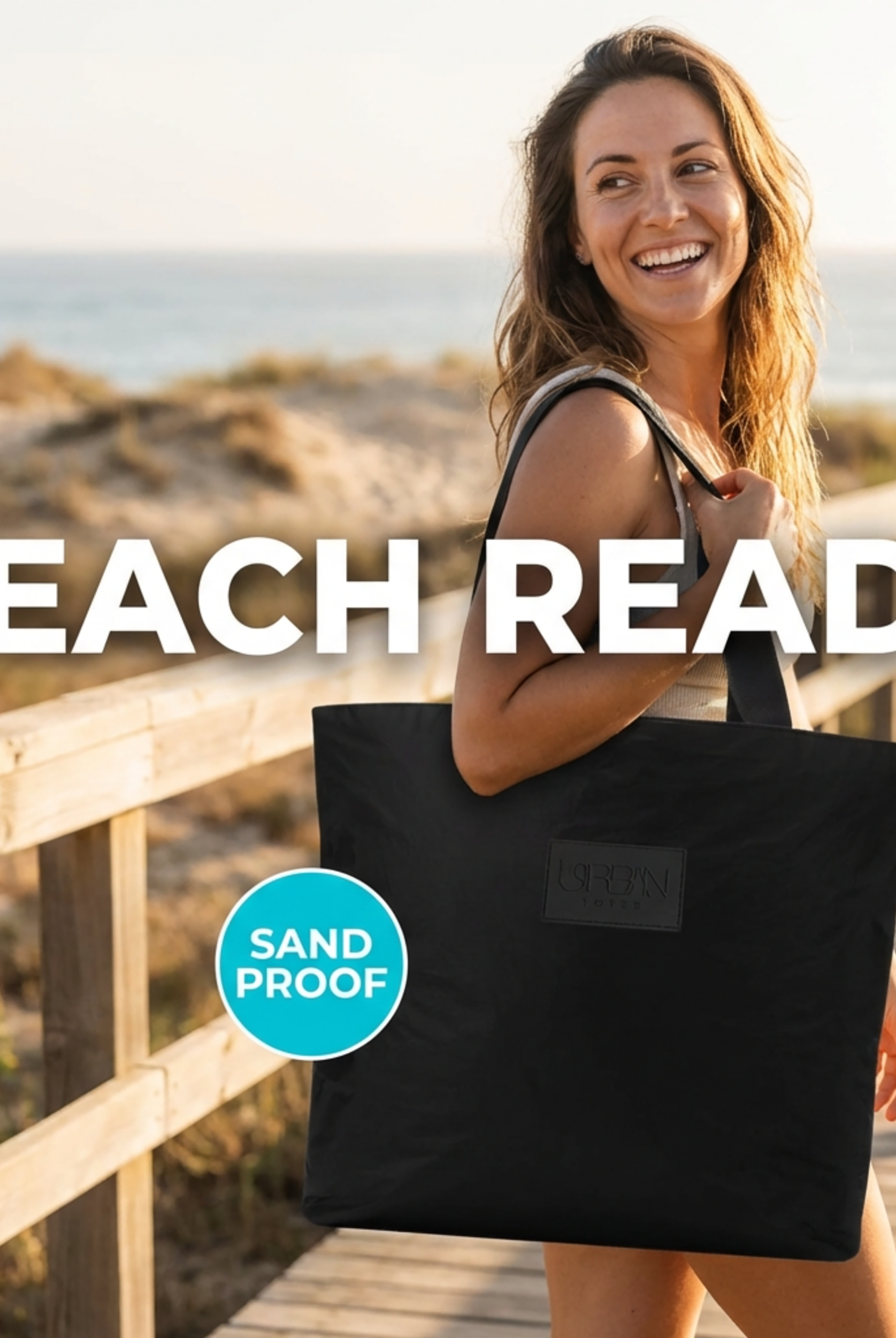
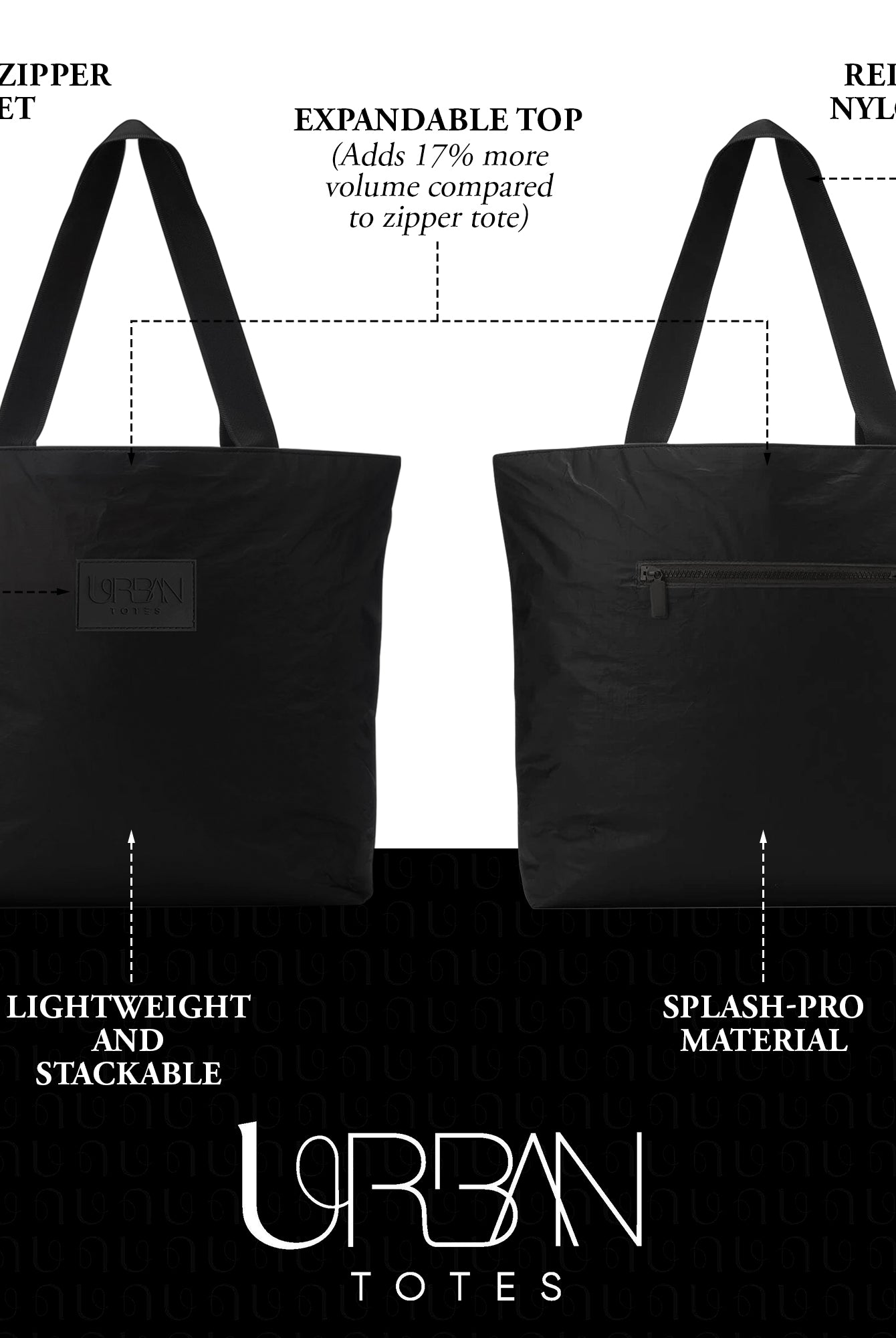
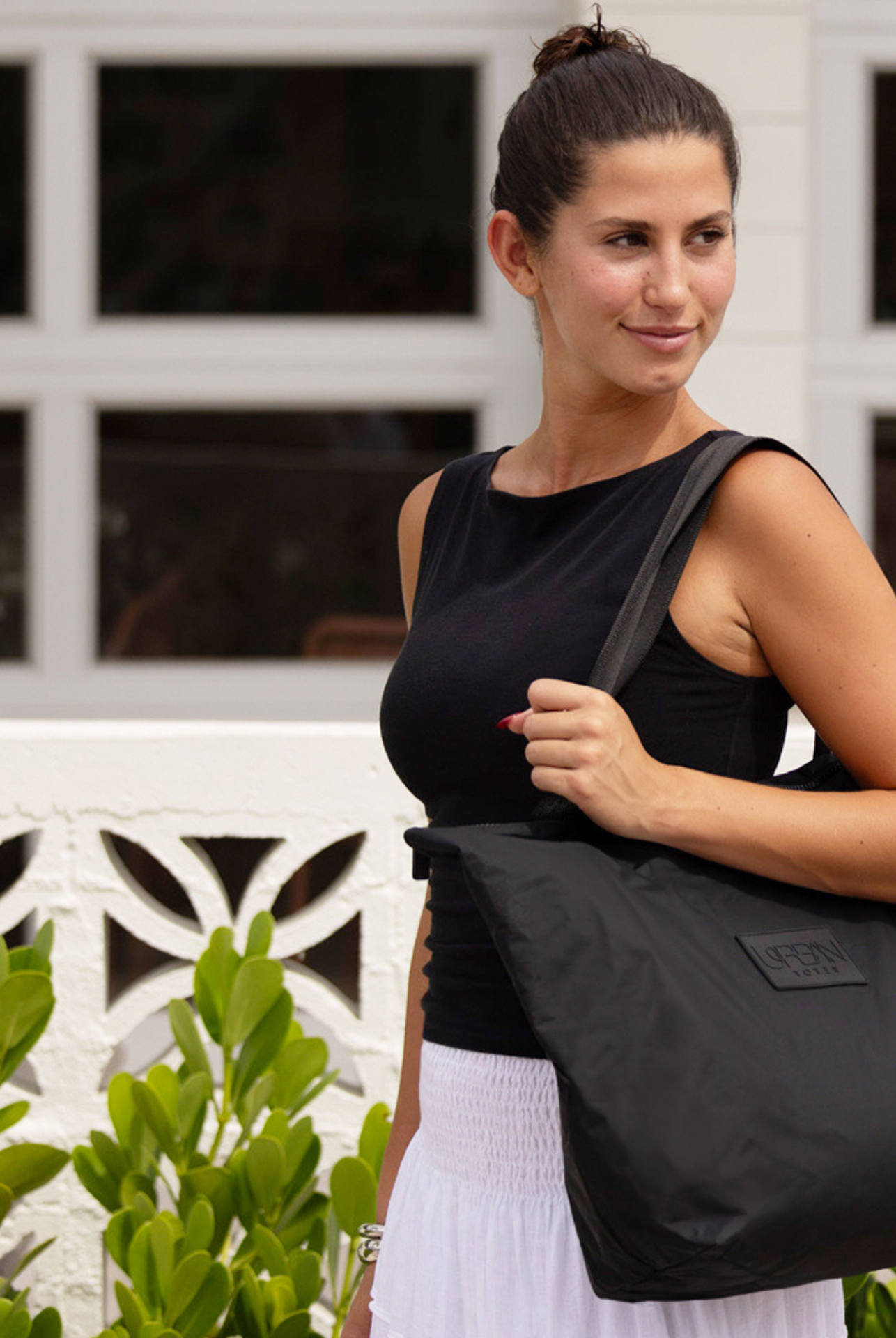
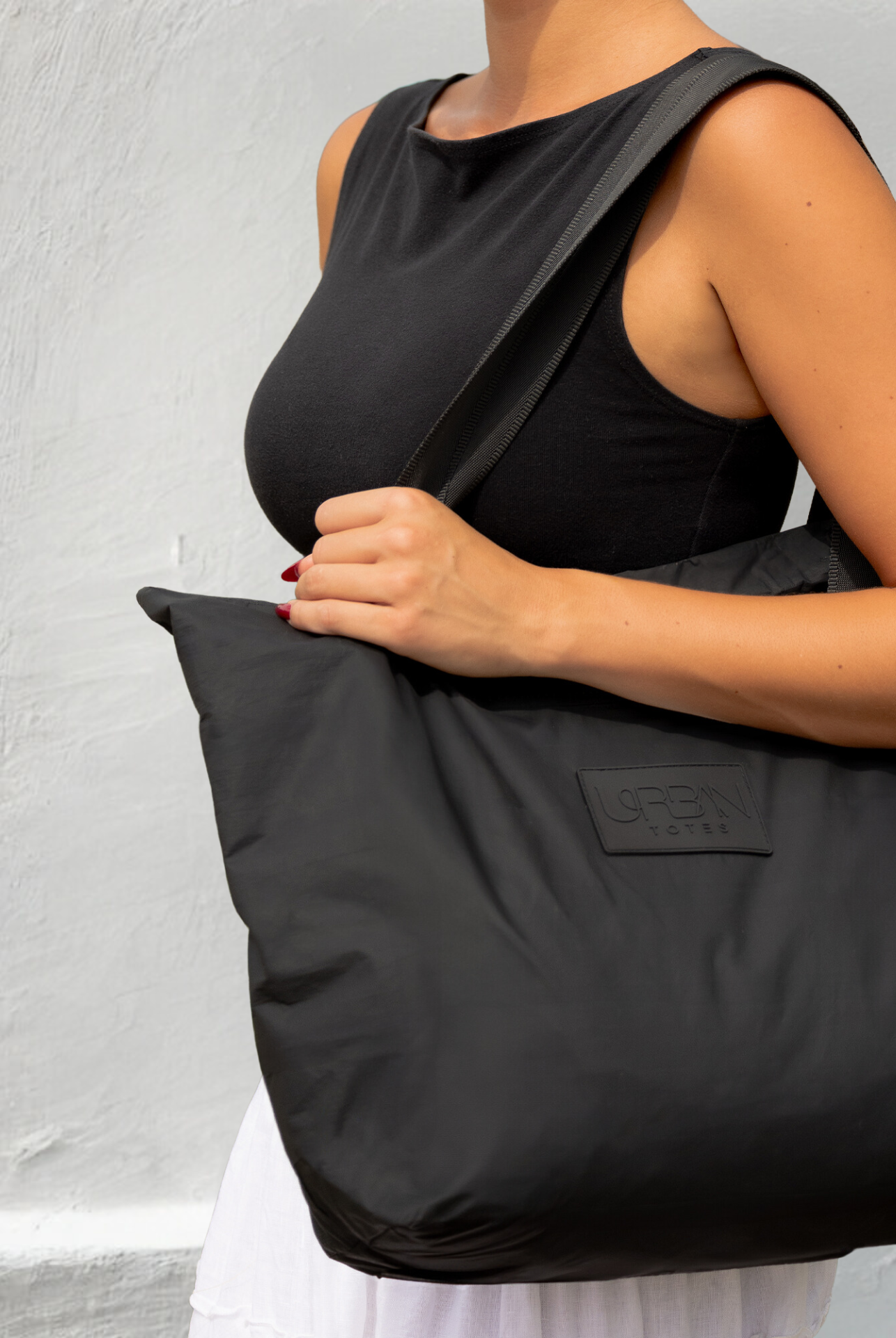
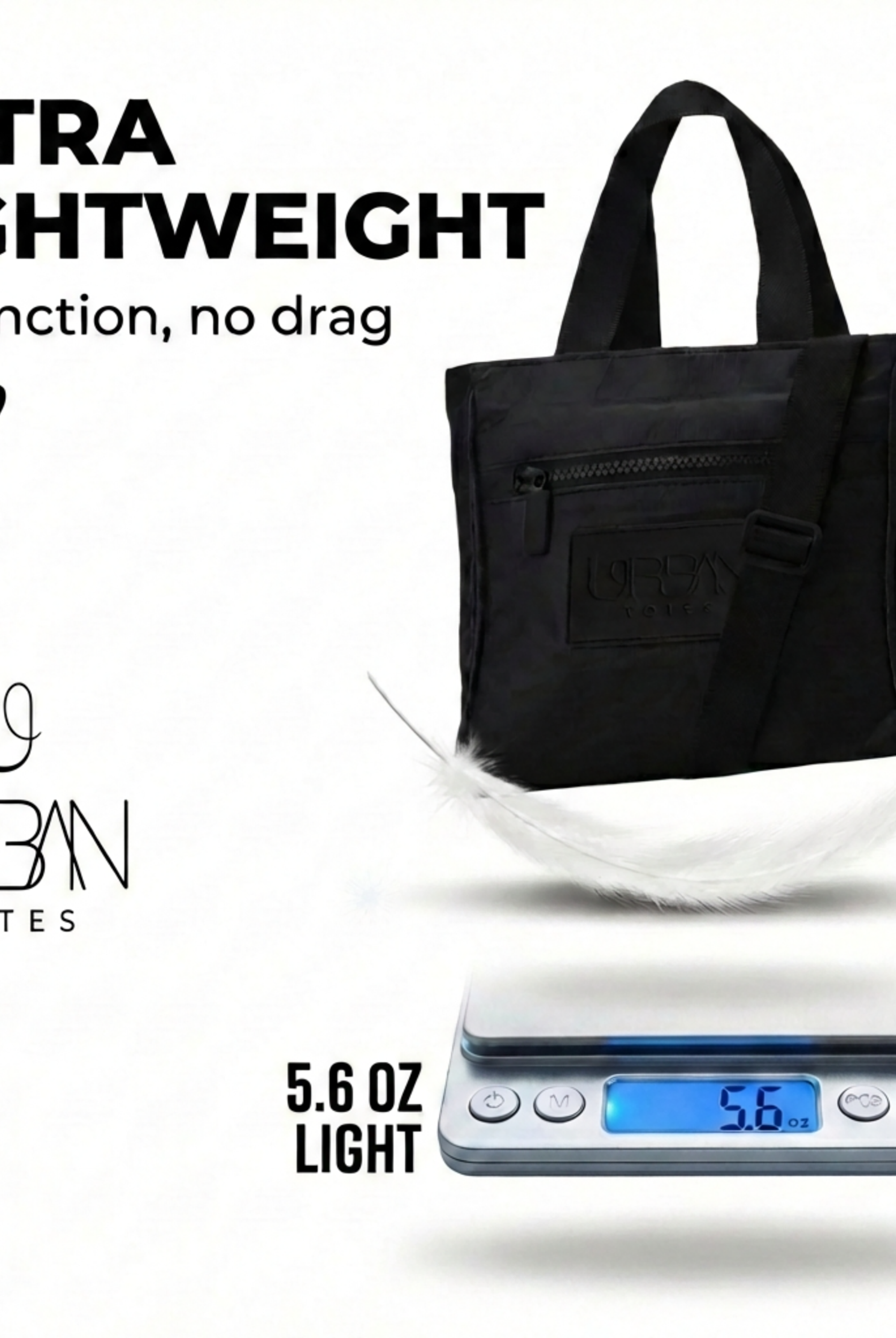
Urban Totes is a woman-owned Boise-made brand whose collection includes lightweight, water-resistant, packable, and foldable tote and crossbody styles with zipper closures and multiple compartments. That combination suits the woman whose “travel bag” also handles errands, beach days, and the daily commute.
How to Choose the Right One for You
You can narrow the field in under a minute if you answer three questions.
- How often do you travel? Frequent flyers should start with airline dimensions, a secure closure, and organized access. Occasional travelers can prioritize a foldable tote that spends most of its life in a closet or car.
- What do you carry daily? A laptop, bottle, lunch, and gym shoes require different space from a phone, wallet, and sunglasses.
- Do you need one-handed access? If you're holding a child's hand, a coffee, or a train ticket, an open top or exceptionally smooth zipper may matter more than maximum security.
Your answers determine the shape. Travel-heavy users should prioritize a stable base, laptop protection, and an exterior pocket for documents. Commuters should put strap comfort, clean styling, and a manageable daily load first. Beach and errand users can favor water resistance, easy cleaning, and flexible capacity.
Use this buying filter
- Pick the size: Confirm the packed dimensions against the airline or daily-use space.
- Choose structure: Select a structured tote if you need upright organization, or a soft packable one if it will travel inside another bag.
- Check the strap: Match the drop to your frame and test it with weight inside.
- Inspect the zipper: Look for a smooth double-slider or a higher-grade coil or molded zipper, with reinforced ends and a covered pull where possible.
- Count useful pockets: Prioritize a laptop sleeve, interior zip pocket, key attachment, and exterior quick-access pocket.
- Review care instructions: A travel tote that can't tolerate your normal routine may become an expensive inconvenience.
Zipper quality deserves attention because the main closure carries load and gets used repeatedly. Independent testing summaries report roughly 12,000 to 15,000 open-close cycles for premium systems such as YKK, compared with about 8,000 to 10,000 for lower-tier systems such as SBS. The same source reports cold-weather testing at −10°C, where YKK maintained about 18 to 22% higher engagement stability, as outlined in this zipper performance discussion.
For more ideas on matching capacity and design to your routine, use this best tote for travel guide. Don't buy the biggest tote because it looks useful. Buy the one you can close, lift, and carry without resentment.
Care and Maintenance That Actually Work
A zipper tote lasts longer when you treat the fabric, closure, and shape as separate parts. Start by wiping spills as soon as they happen, especially sunscreen, coffee, salt water, and anything oily. Sunscreen can leave a slick film on fabric and attract dirt, so use a damp cloth with mild soap, then blot rather than scrub aggressively.
Match cleaning to the material
Canvas usually responds well to spot cleaning, while nylon and recycled polyester often tolerate a damp wipe. Leather panels need a product made for leather and should not be soaked. Unless the care tag specifically allows it, don't machine wash a zippered tote. Washing guidance warns that zippers can snag, metal hardware can be damaged, and structured bottoms may lose their shape, as explained in this zipper tote care guide.
If the manufacturer permits washing, close the zipper fully first and use a gentle cycle. Air-dry the bag completely, away from strong direct heat, because heat can warp the zipper track and shrink the lining. Never store a damp tote, even if the outside feels dry.
Keep the zipper moving cleanly
Brush sand and grit away from the teeth or coil before forcing a stuck slider. For a zipper that drags, a small amount of beeswax or a graphite pencil can help lubricate the path. Apply lightly, work the slider back and forth, and remove residue so it doesn't transfer to clothing.
Zipper rule: don't yank through resistance. Clear the fabric or debris first, then move the slider gently.
Store it with intention
Stuff a structured tote lightly with clean paper to support its shape, then store it flat or upright in a breathable dust bag. Don't hang a loaded bag by its straps for long periods, since the attachment points can bear unnecessary strain. Fold a packable tote only when it is clean and fully dry.
For leather panels, condition them according to the maker's directions, with a twice-yearly routine as a practical starting point. Salt stains respond best to prompt wiping with a lightly damp cloth. For sunscreen smears, lift the residue with mild soap rather than adding oily conditioner to the affected fabric. More everyday maintenance ideas are available in Urban Totes' guide to tote bag care and maintenance.
Your Go-Anywhere Tote Awaits
A travel tote bag with zipper is worth the small compromises when your day includes a laptop, crowded transit, unpredictable weather, or a bag that will spend time tipped beside your seat. The closure slows access and may limit tall items, but it also keeps your contents together when the day gets busy.
An open tote remains the right choice for quick access, oversized beach gear, and relaxed errands. A zippered option makes more sense for carry-on travel, commuting, weekend rail trips, and any routine where organization matters more than reaching in without looking.
Choose for your real calendar, not an imaginary lifestyle. The right tote is the one that handles school drop-off, the airport terminal, the beach chair, and the Monday commute without asking you to switch bags every time your plans change.
Urban Totes offers lightweight, water-resistant, packable, and foldable totes with thoughtful organization and secure zipper closures for everyday carry, travel, errands, beaches, and gym days. Browse the versatile collection at Urban Totes and choose a go-anywhere bag that fits the rhythm you live.