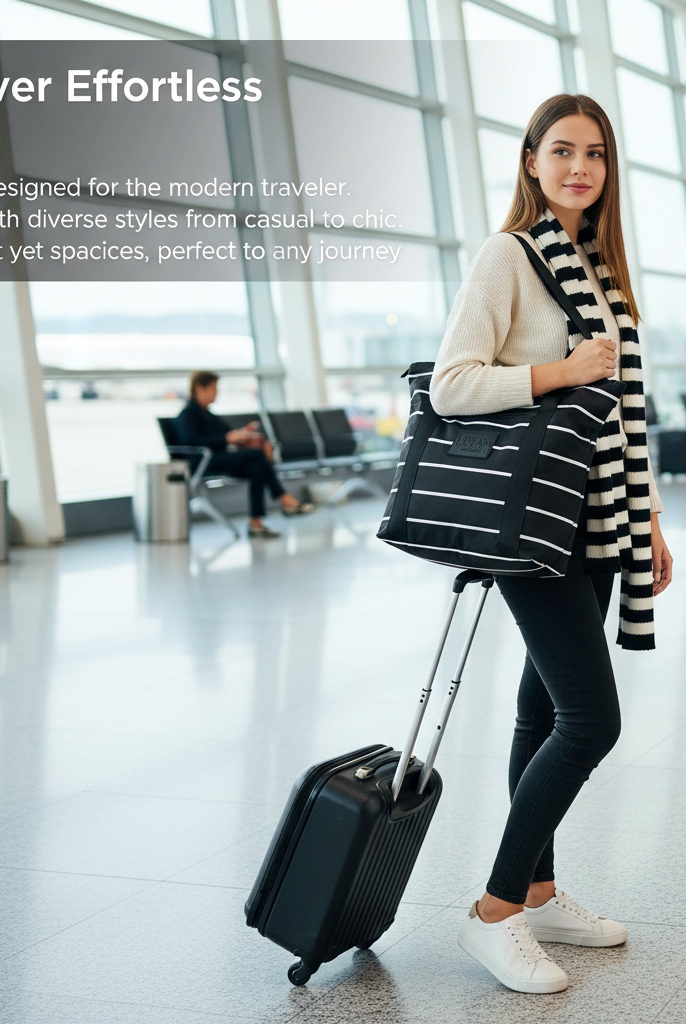
You're at gate B12 with a laptop bag sliding off one shoulder, a tote bursting open, and no overhead-bin space left. Your neck hurts, your phone has disappeared beneath a cardigan, and the bag you grabbed that morning was never designed for a flight, a two-night wardrobe, or the inevitable coffee stop on the way to the hotel.
The right weekender bag for women should make that scene easier, not more complicated. It needs enough room without becoming a black hole, straps that don't punish your shoulder, and a shape that looks intentional with jeans, a blazer, or sneakers. This guide focuses on the decisions that matter in real life, including airline dimensions, body comfort, packing volume, and the difference between a travel-ready bag and an oversized tote.
Table of Contents
- Why the Right Weekender Bag Changes Everything
- What Exactly Counts as a Weekender Bag
- The Six Features That Actually Matter
- Sizing for Carry-Ons Without the Guesswork
- Matching the Bag to the Woman Carrying It
- Packing Smart and Keeping It Looking New
- Styling It and Buying With Confidence
Why the Right Weekender Bag Changes Everything
You are leaving work for the airport, carrying a coffee, a laptop, and two nights of clothes. The right weekender keeps that load orderly, comfortable, and presentable from the terminal to dinner. It earns its place in your wardrobe because it works for a partner's home, a post-work gym stop, and a short trip without demanding a separate bag for each plan.

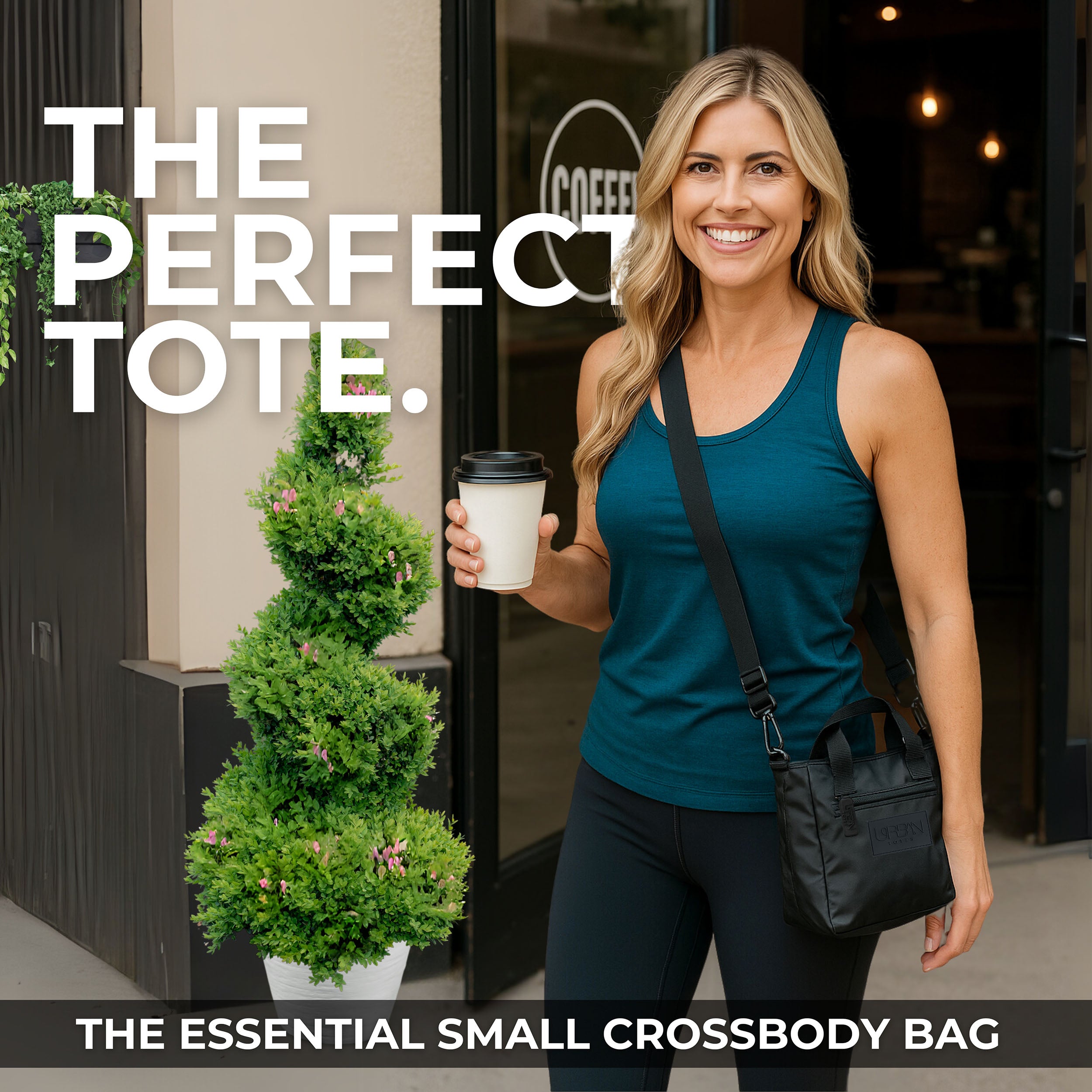
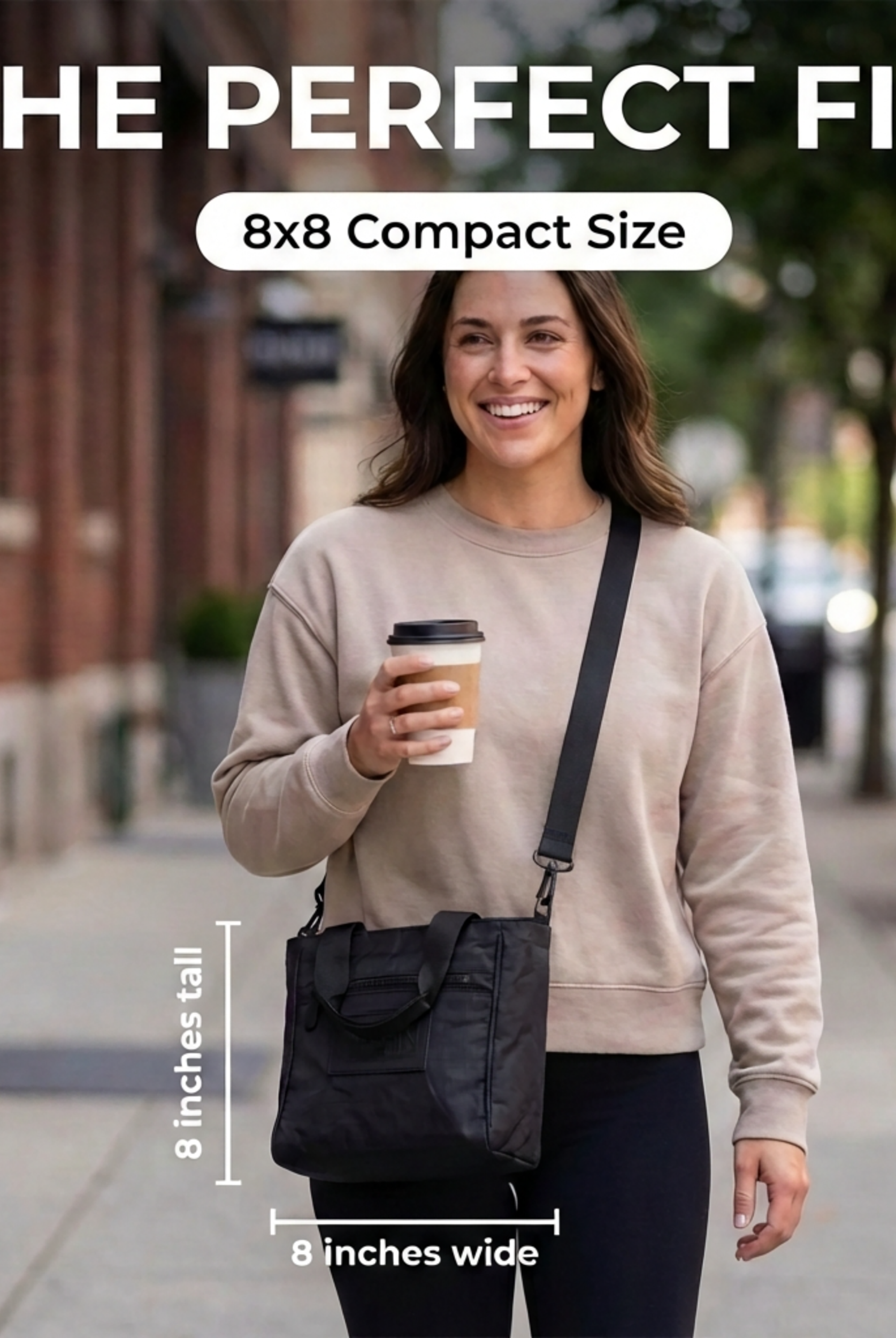
A tote handles errands well, but travel calls for better control. A full zipper closure keeps clothing inside, compartments keep chargers and keys visible, and a detachable crossbody strap leaves one hand free in a terminal. Those features become especially useful when you are tired, holding a coffee, or getting a child through security. A structured opening also makes it easier to find what you packed without emptying the entire bag.
Practical rule: Choose the bag for the most demanding trip you will actually take, then make sure it still feels natural on ordinary days.
The women's travel bag market has substantial commercial weight. One estimate places the global market at about USD 15.2 billion in 2023, with a projection of USD 16.64 billion by 2025 and an estimated 8.5% CAGR through 2034 (market estimate for women's travel bags). That figure does not make every bag a smart purchase. It does show why practical, versatile travel pieces have a lasting place in modern wardrobes.
Your itinerary should decide the bag's priorities. A destination guide such as couples weekend Tulum ideas can help you account for beach time, dinners, and the transitions between them. Choose one bag that supports those changes instead of forcing you to carry separate pieces for every activity. For a closer look at why a well-designed tote earns its keep, explore the benefits of a tote bag.
What Exactly Counts as a Weekender Bag
A weekender bag is a soft-sided travel bag built for roughly one to three nights away. The commonly cited capacity is about 30 to 45 liters (weekender bag capacity guidance), although the practical range depends on how lightly you pack, whether you carry shoes, and whether the bag needs to share space with a personal item.
The easiest way to identify one is by its combination of size and access. It usually has a wide opening, a secure top closure, handles for hand carry, and either a shoulder or crossbody strap. Common silhouettes include the barrel, square weekender, zippered tote, and soft holdall.
A tote generally has a more open, flexible shape and works best for daily essentials, beach items, or a personal item. A duffel is often longer and more cylindrical, with a casual, unstructured profile that can become awkward in an overhead bin. A roller suitcase uses a rigid frame and wheels, while a backpack distributes weight across two shoulder straps and keeps both hands free, though its proportions and access may not suit every traveler.
| Bag Type | Typical Capacity (L) | Structure | Best For |
|---|---|---|---|
| Weekender bag | 30–45 | Soft-sided, structured base or panels | One to three nights, flexible travel |
| Tote | Under 25 | Flexible, often open or lightly structured | Errands, beach days, daily carry |
| Duffel | Varies widely | Cylindrical or soft-sided | Gym use, road trips, casual travel |
| Roller suitcase | Varies widely | Rigid frame with wheels | Longer trips and heavier loads |
| Backpack | Varies widely | Two-strap, body-hugging structure | Hands-free commuting and travel |
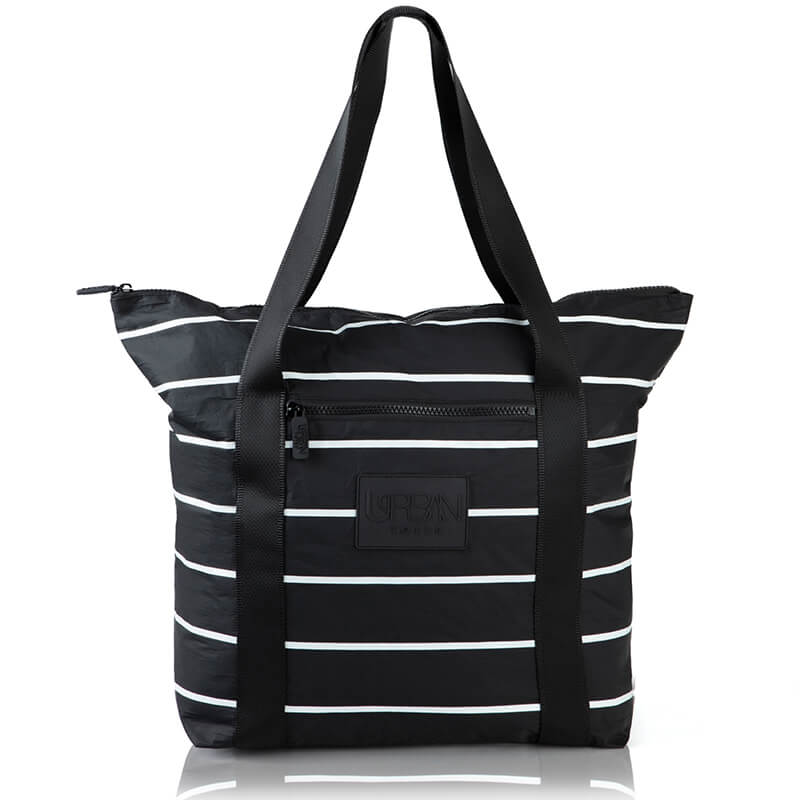
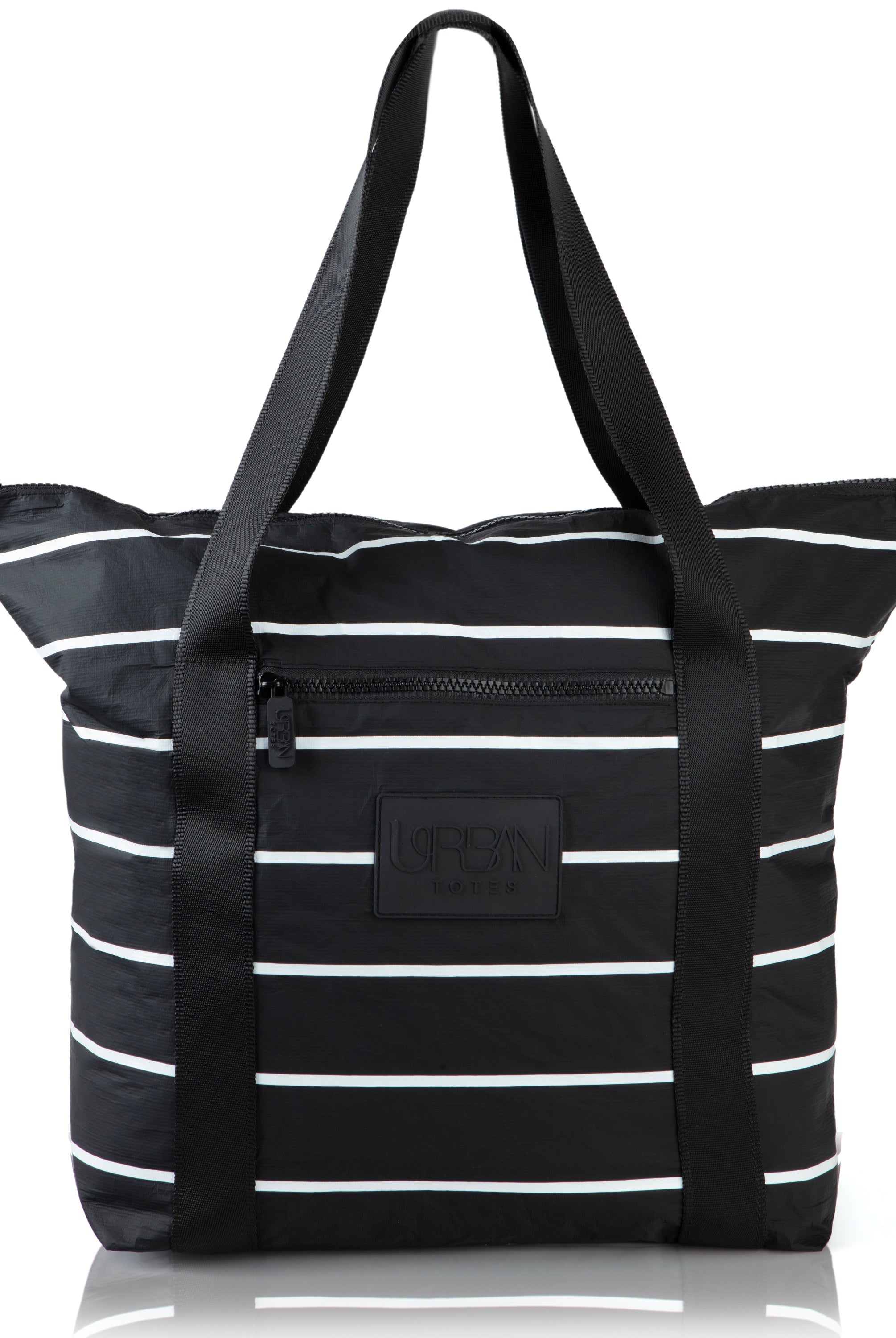
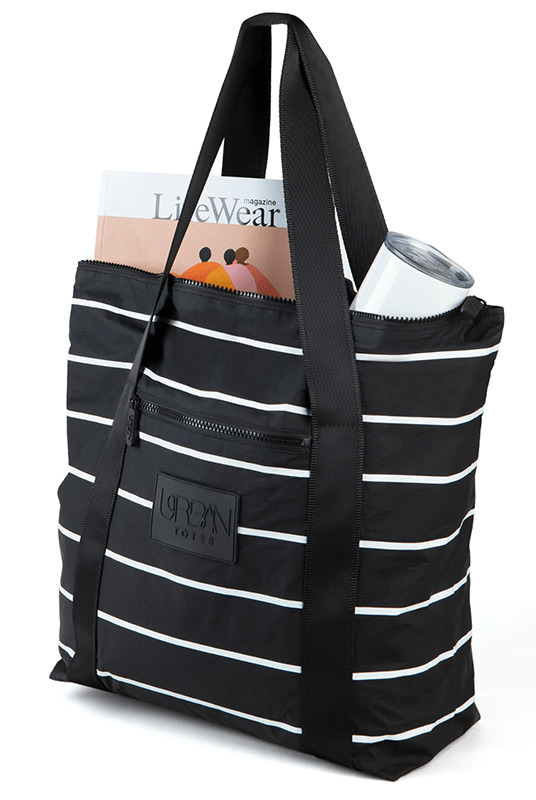
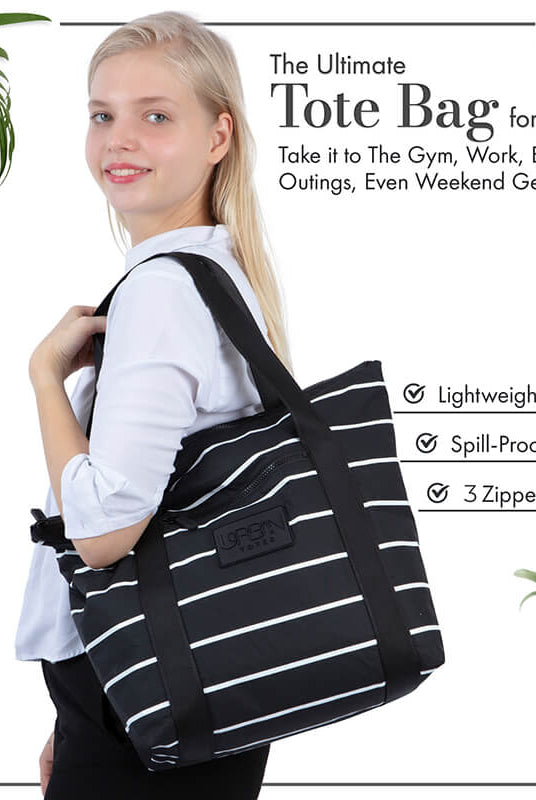
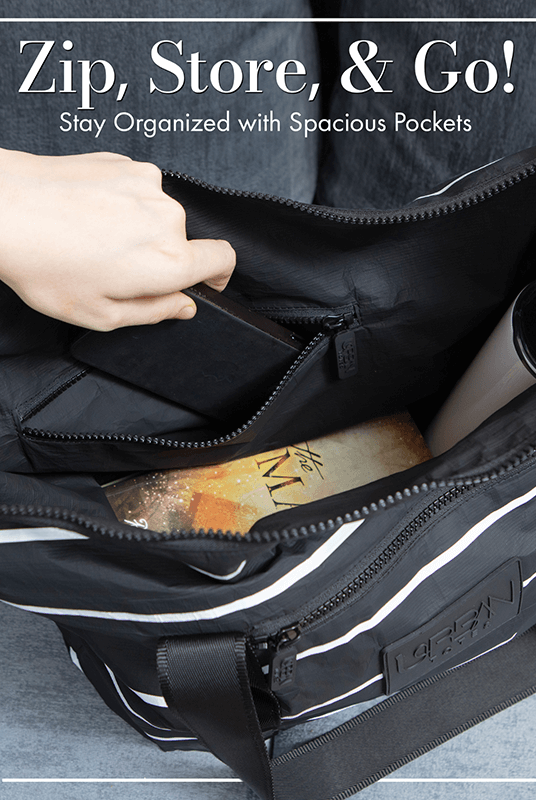
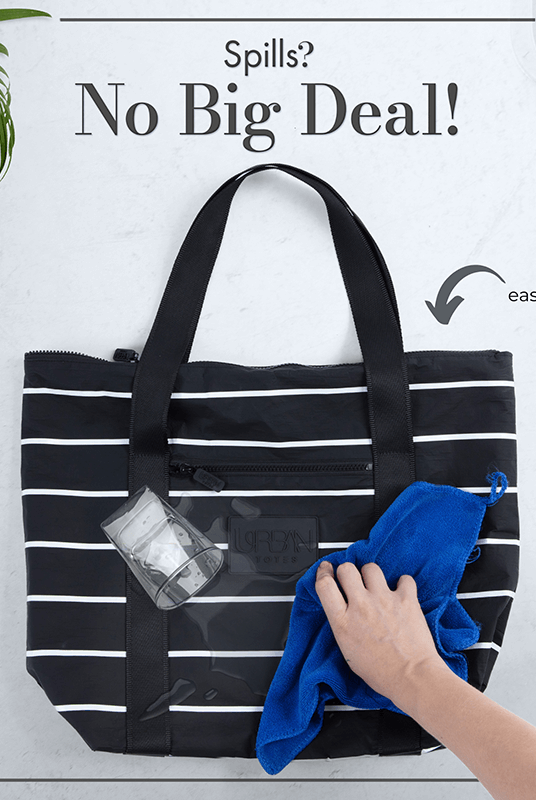
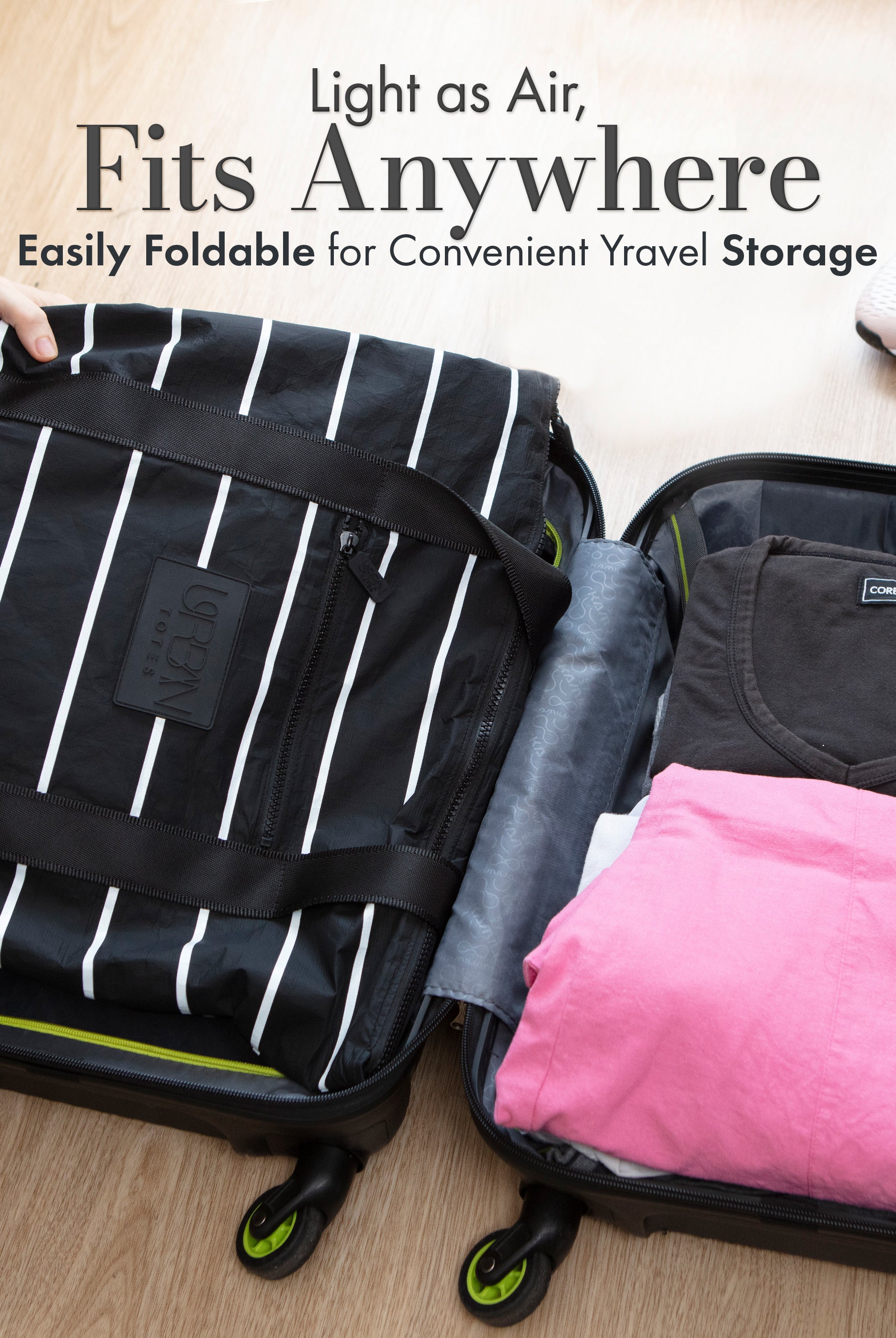
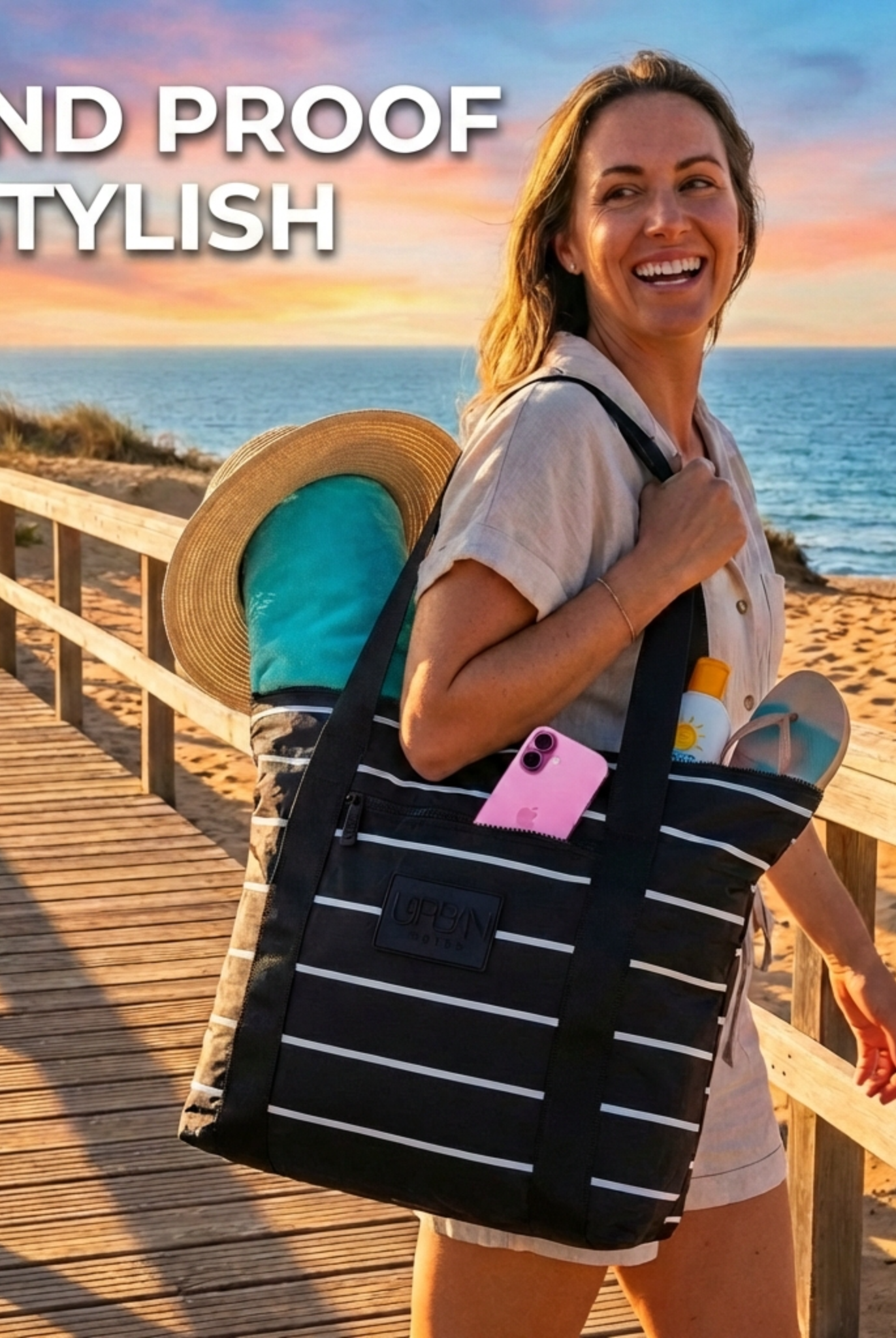
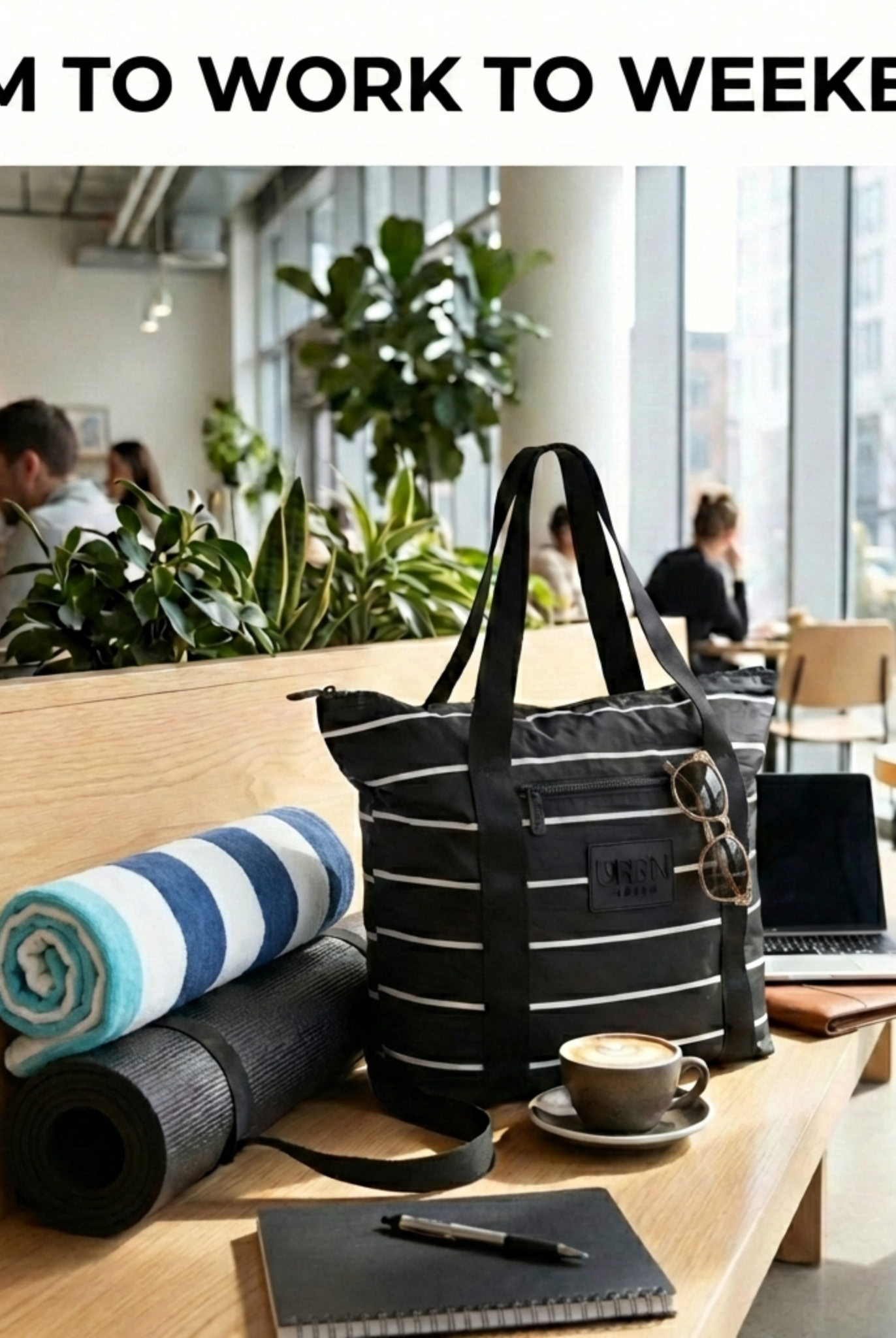
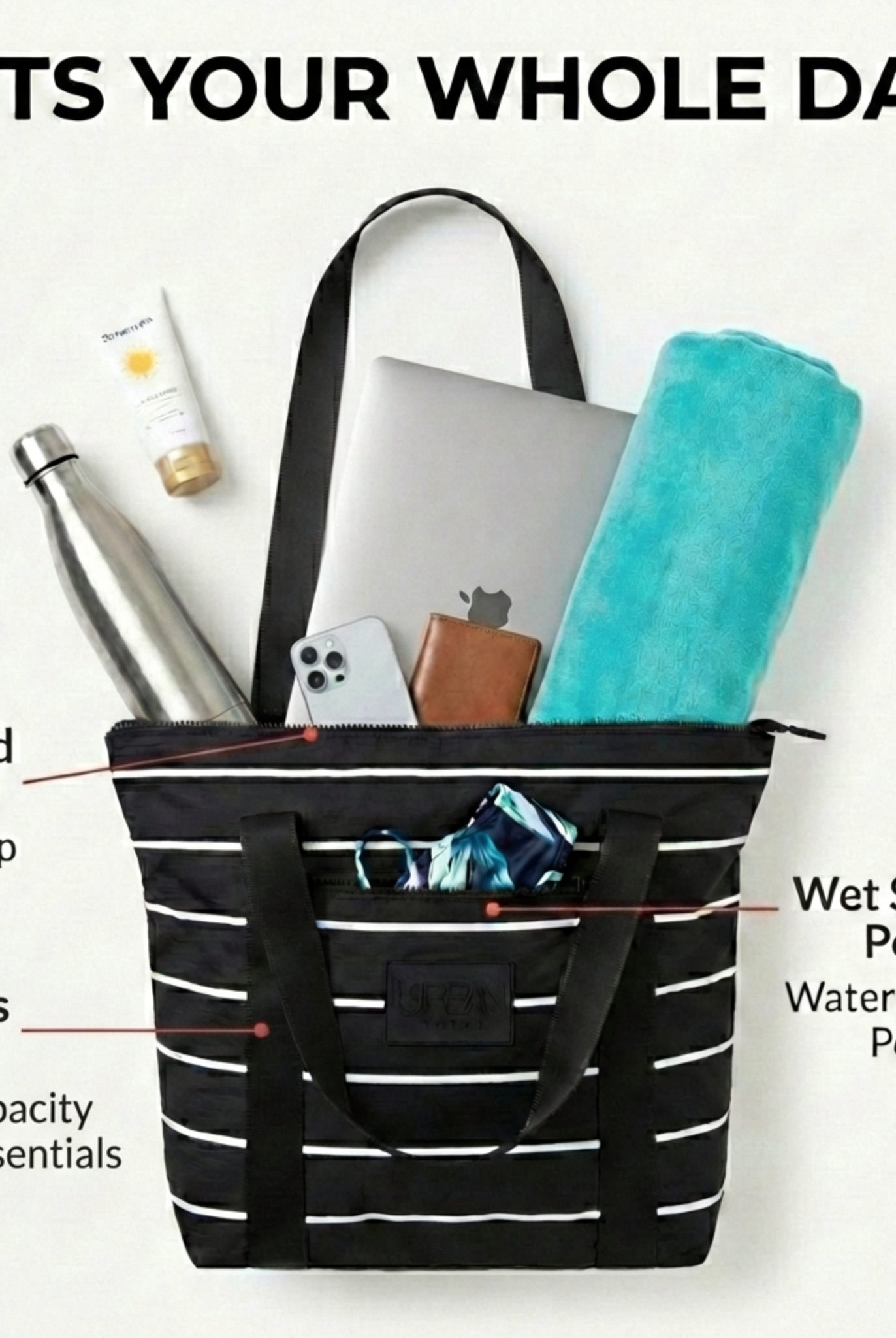
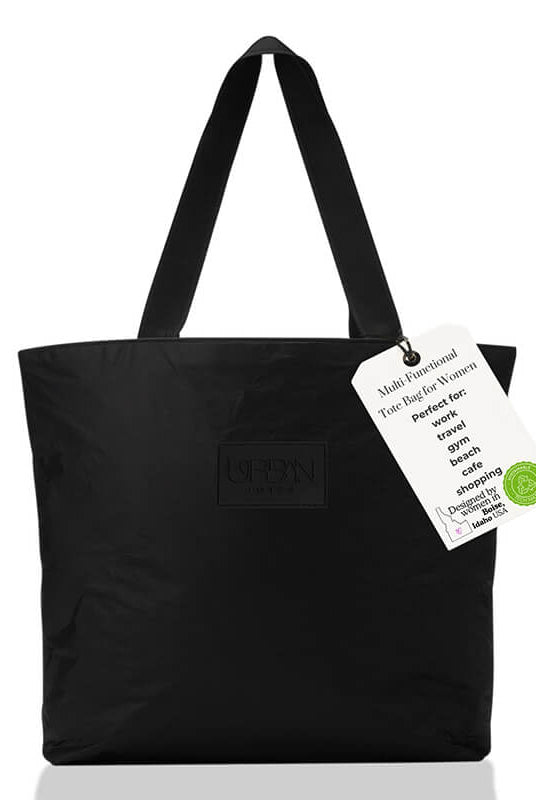
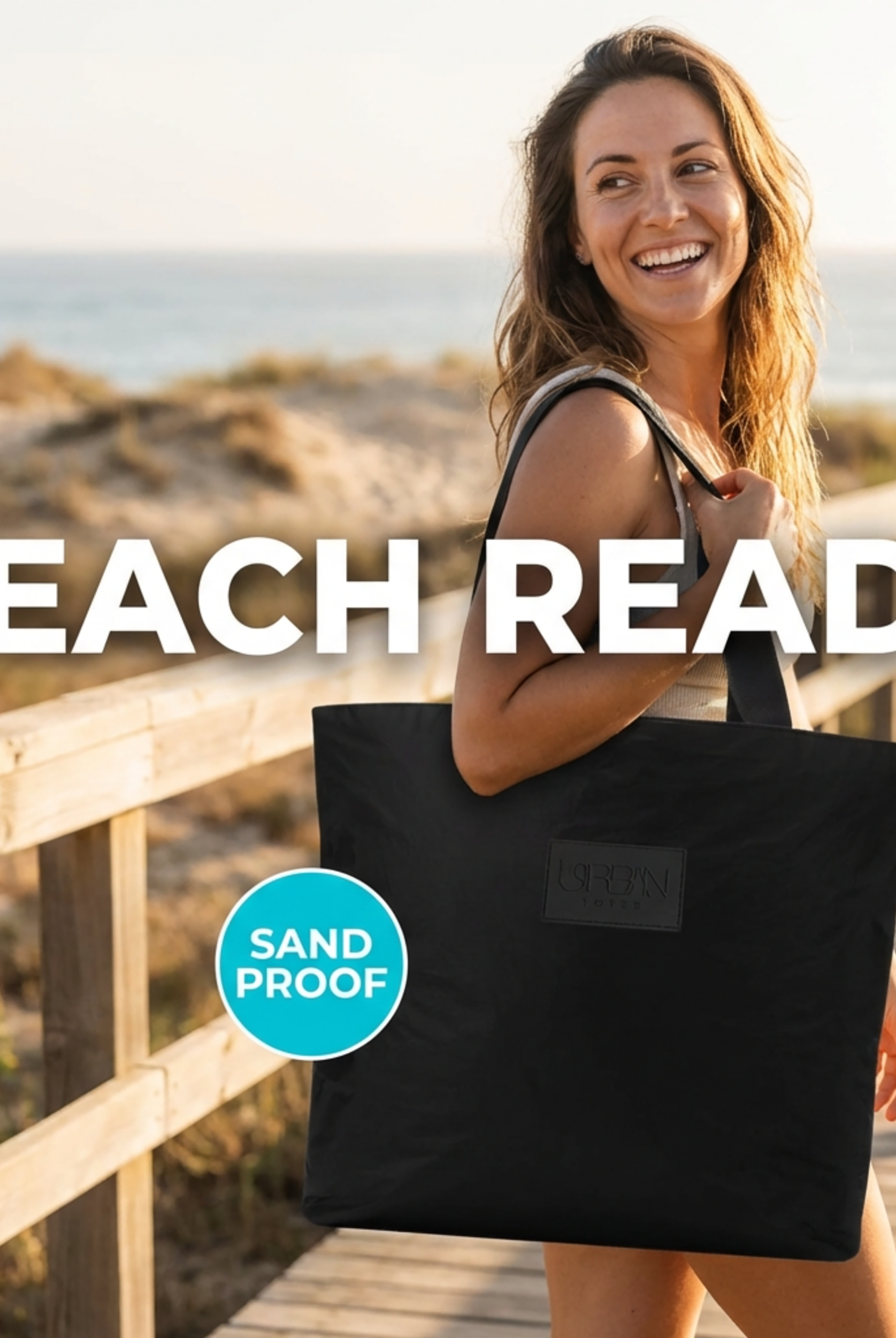
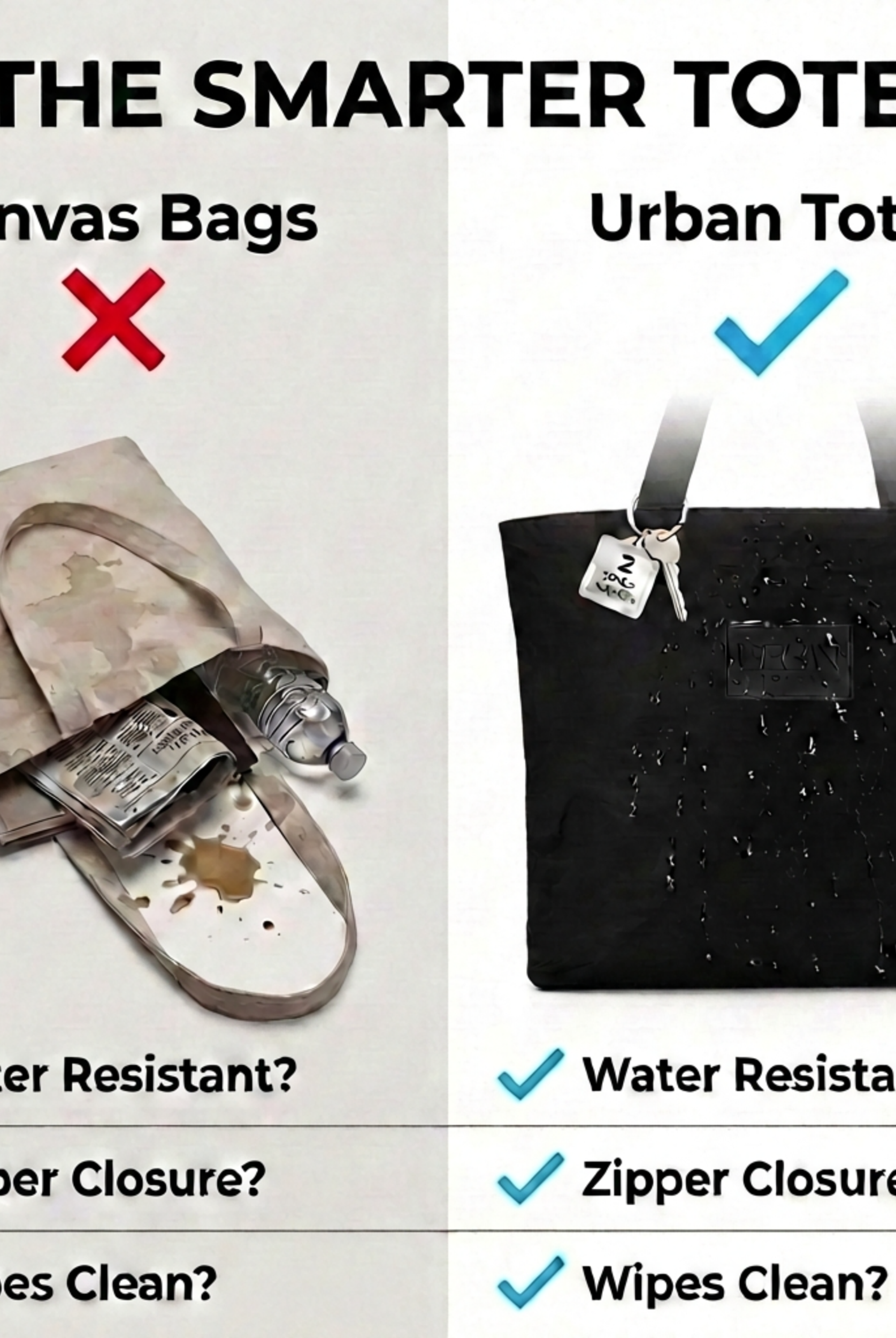
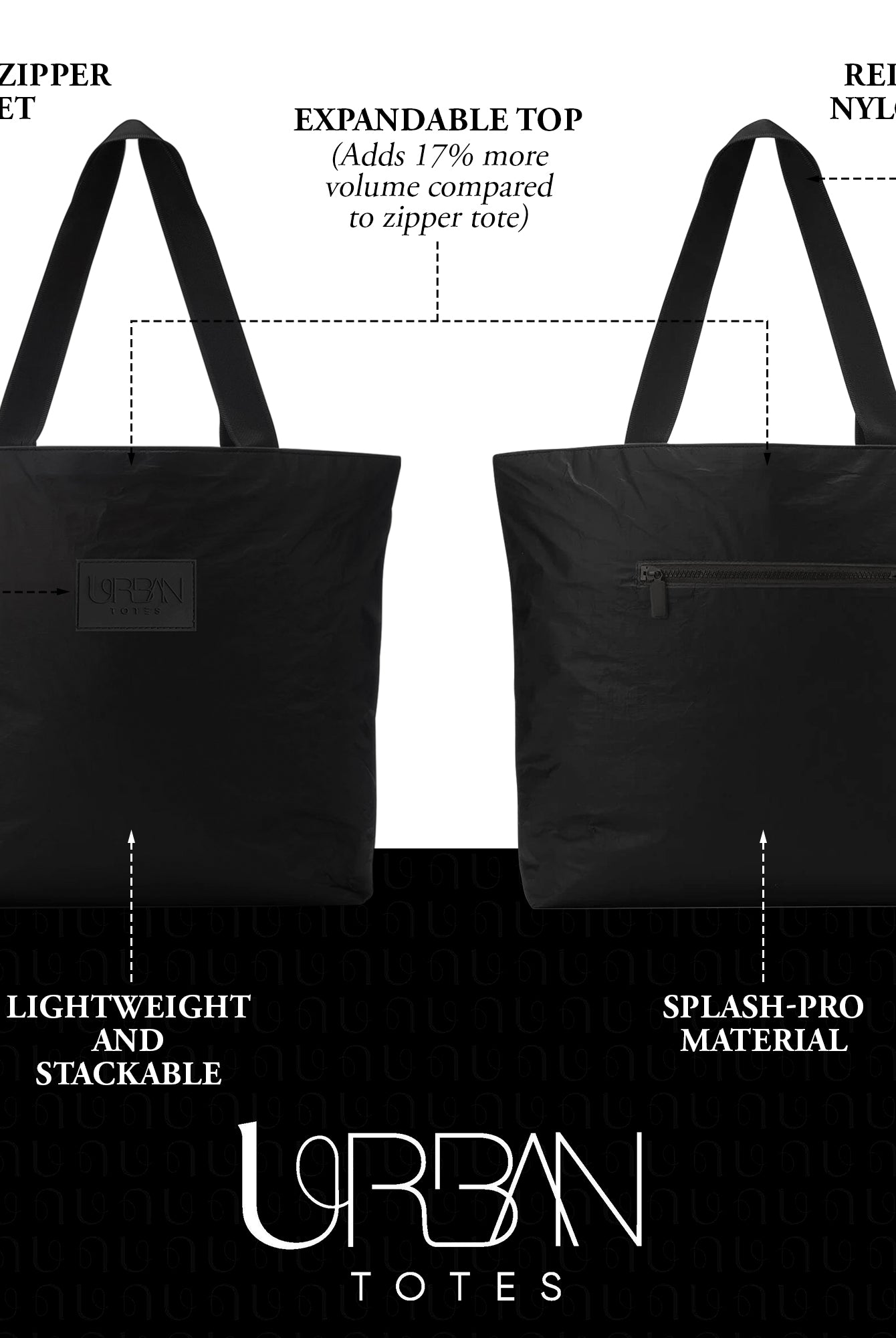
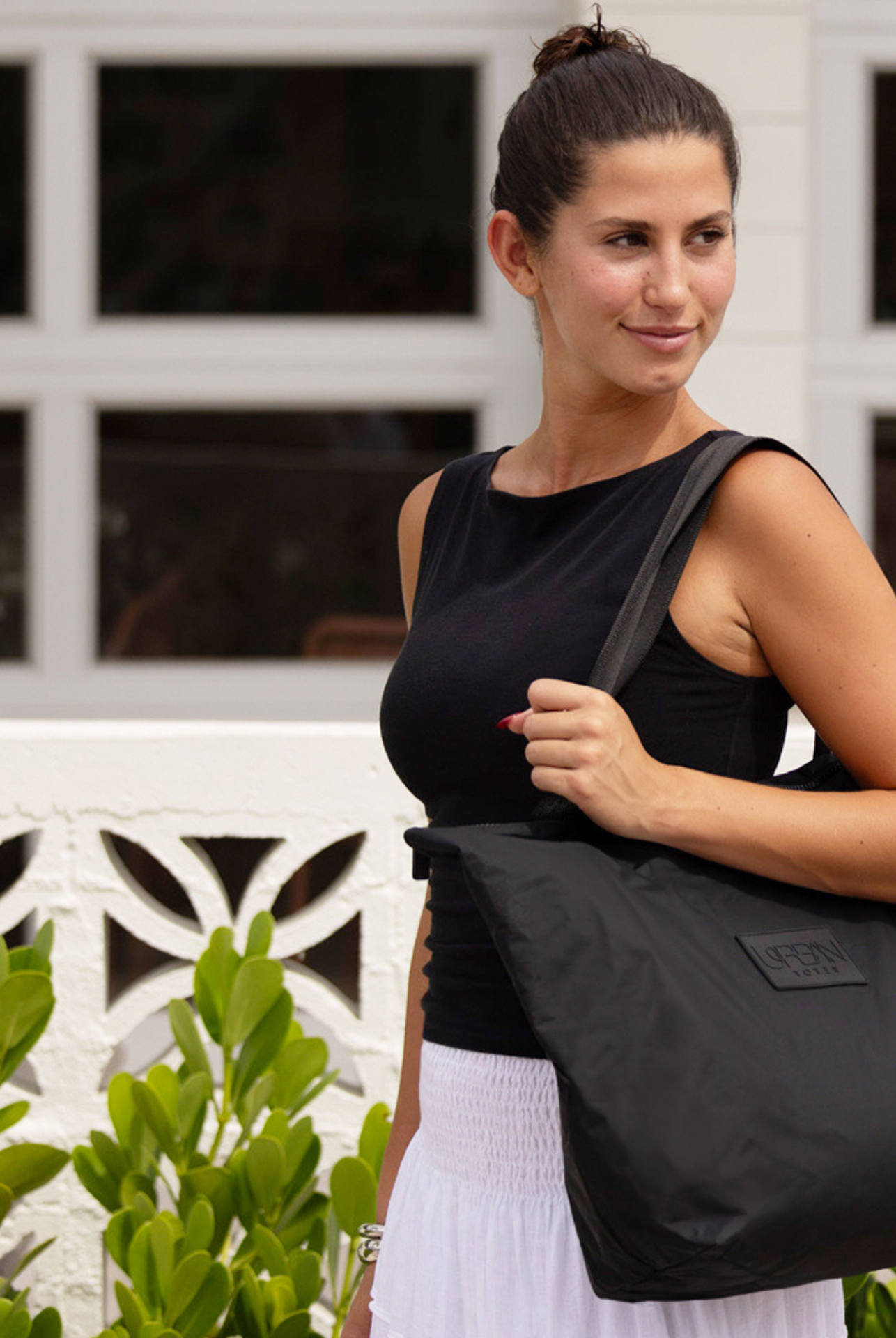
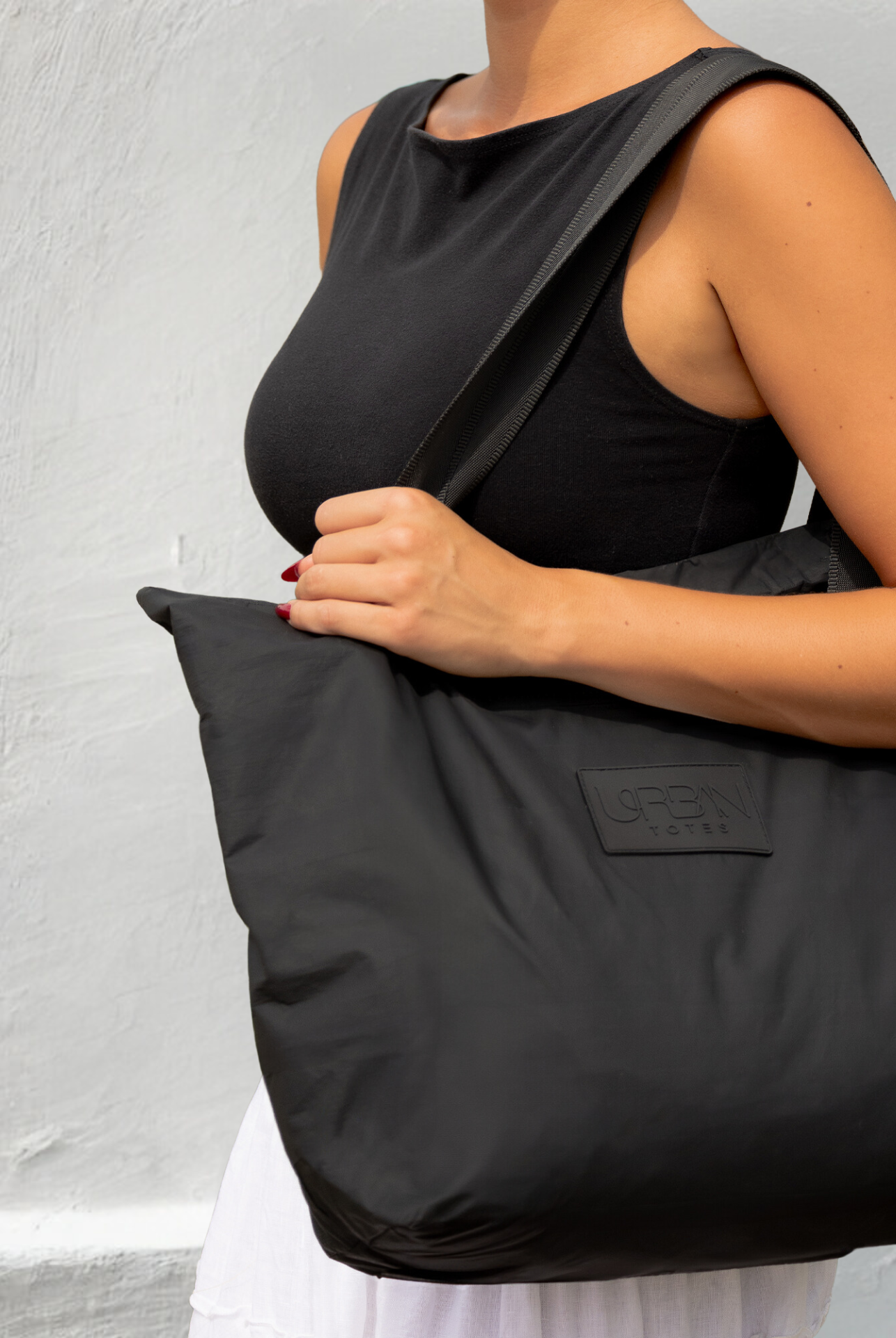
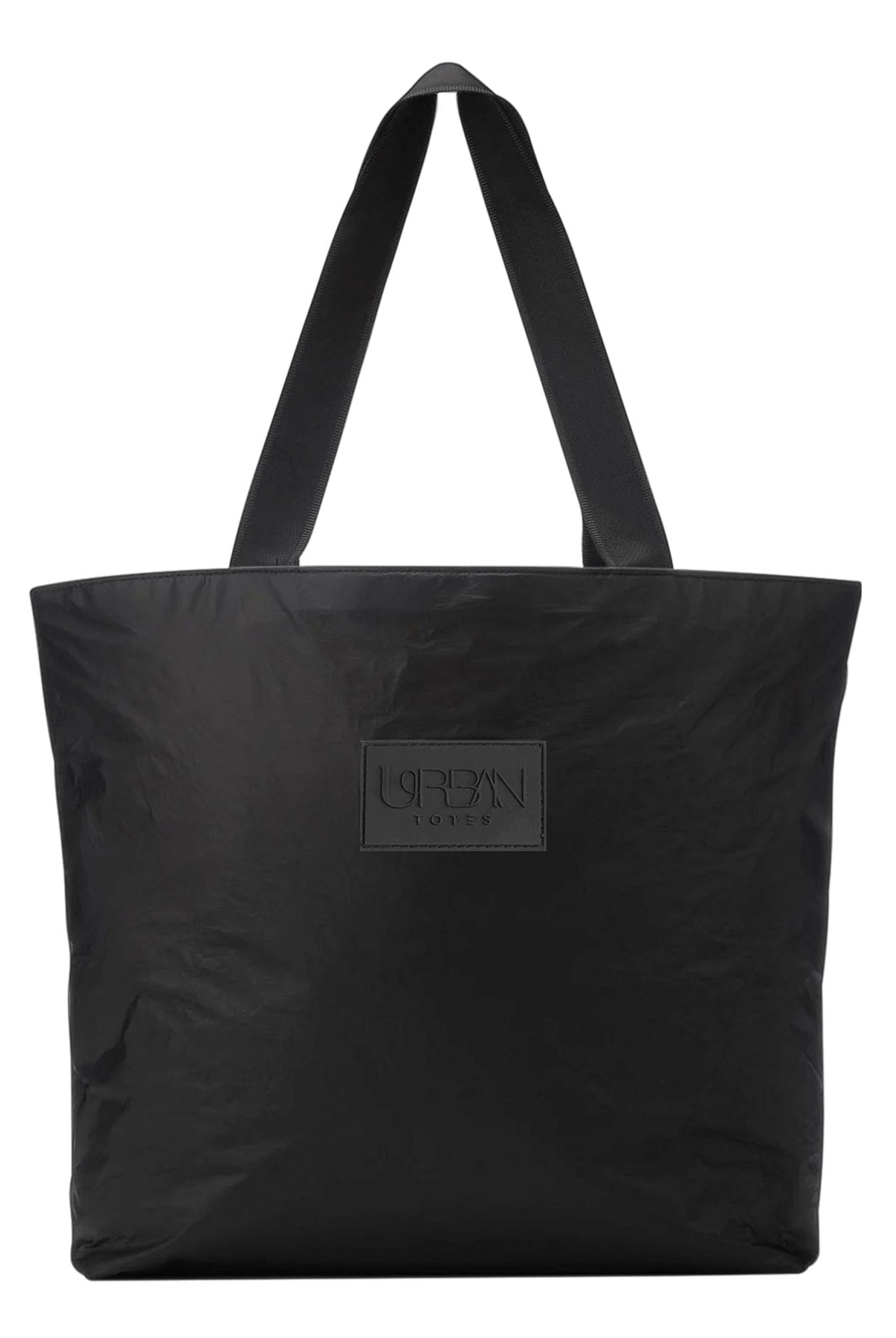
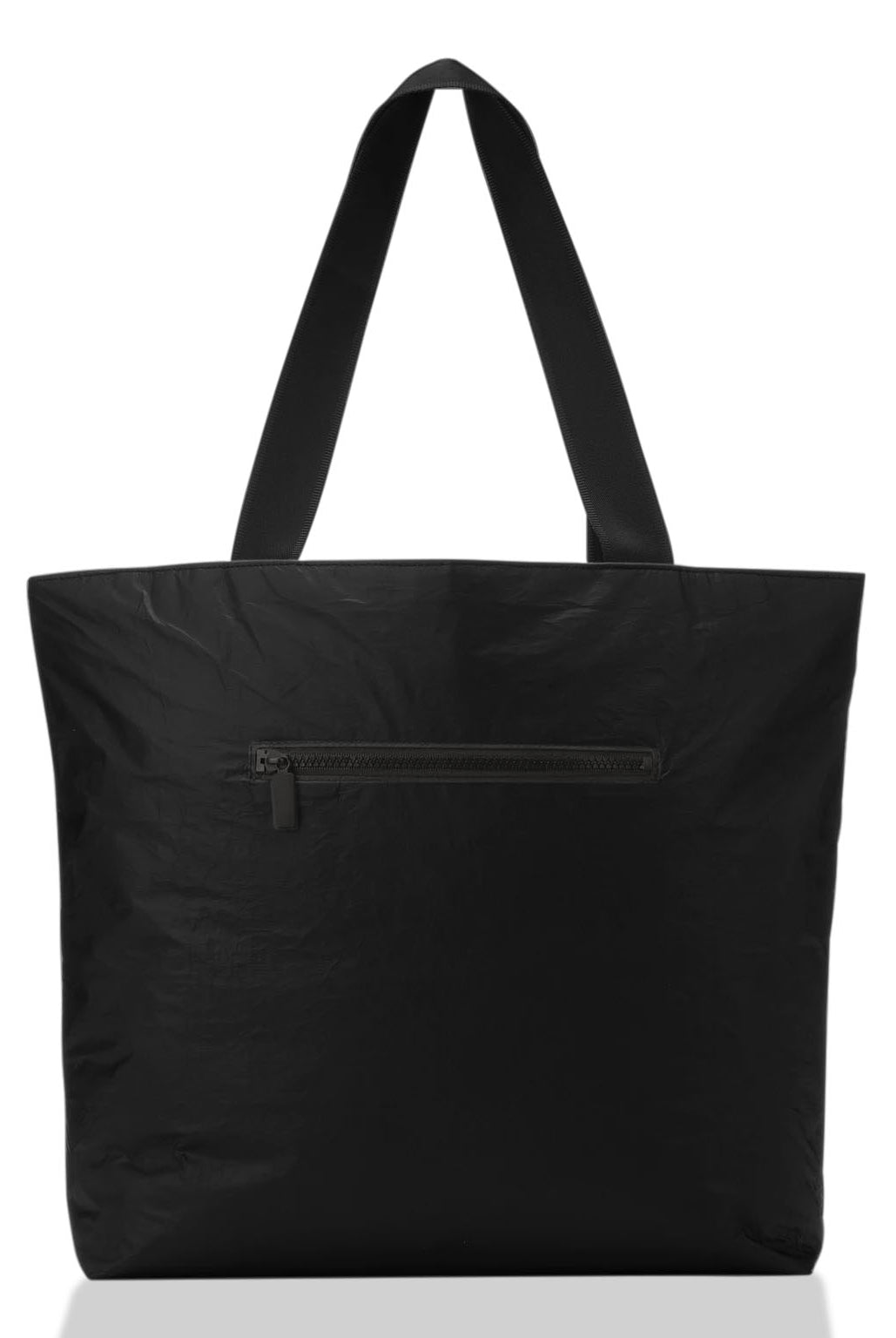
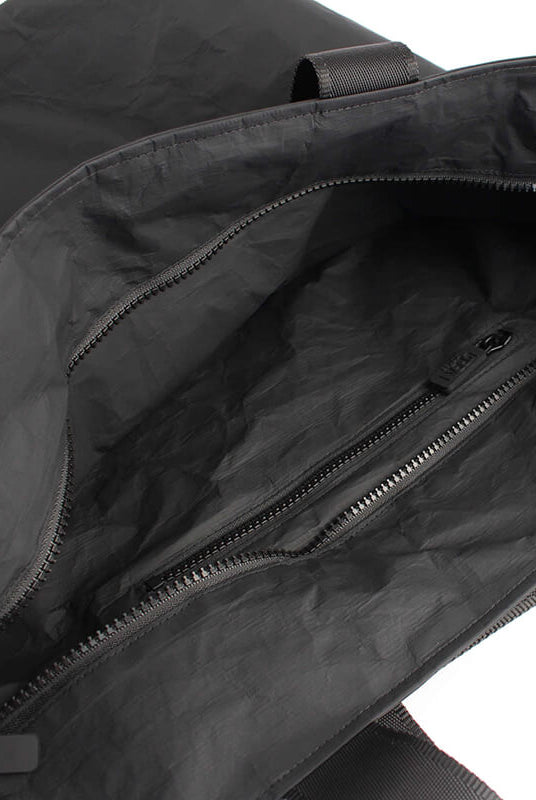
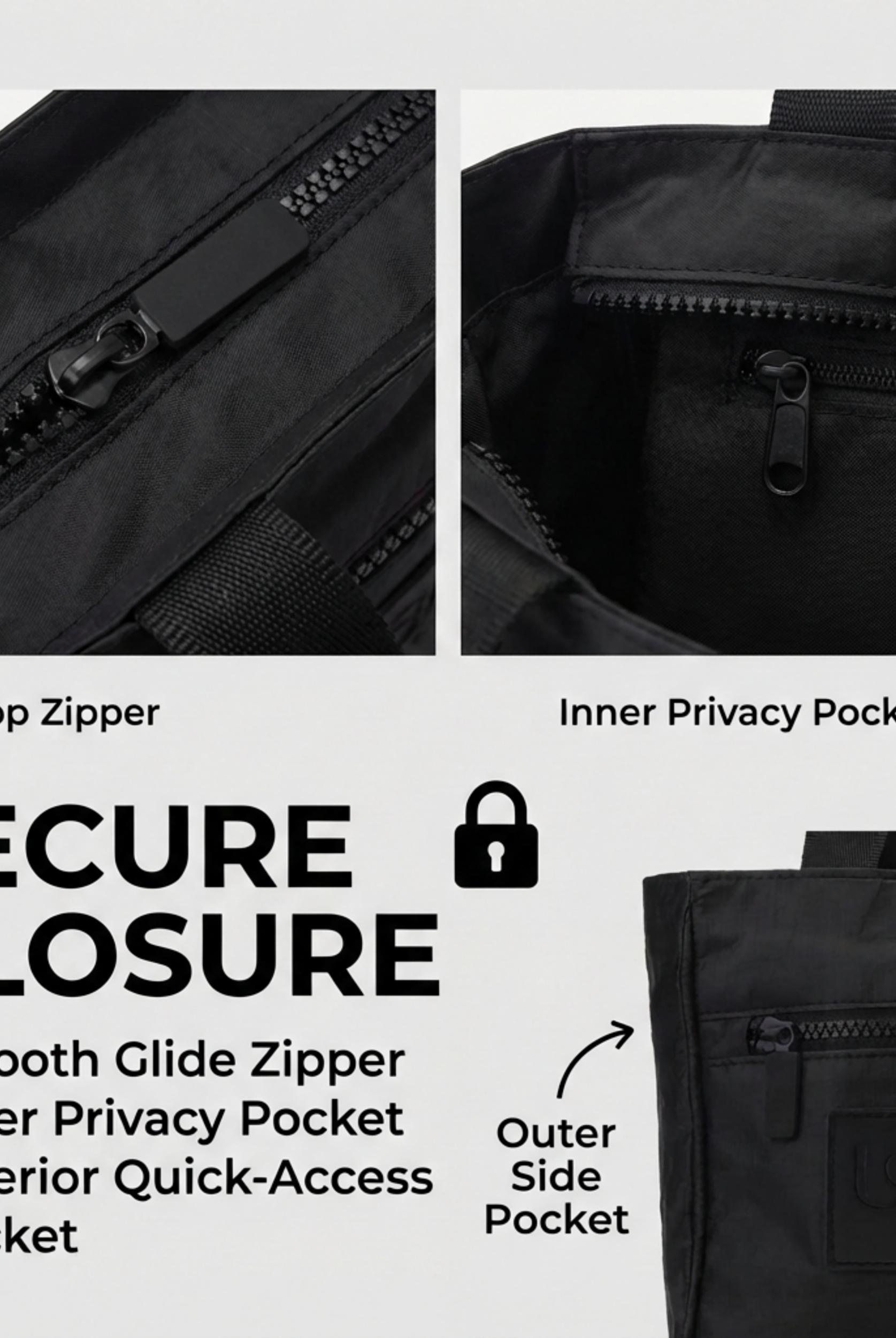
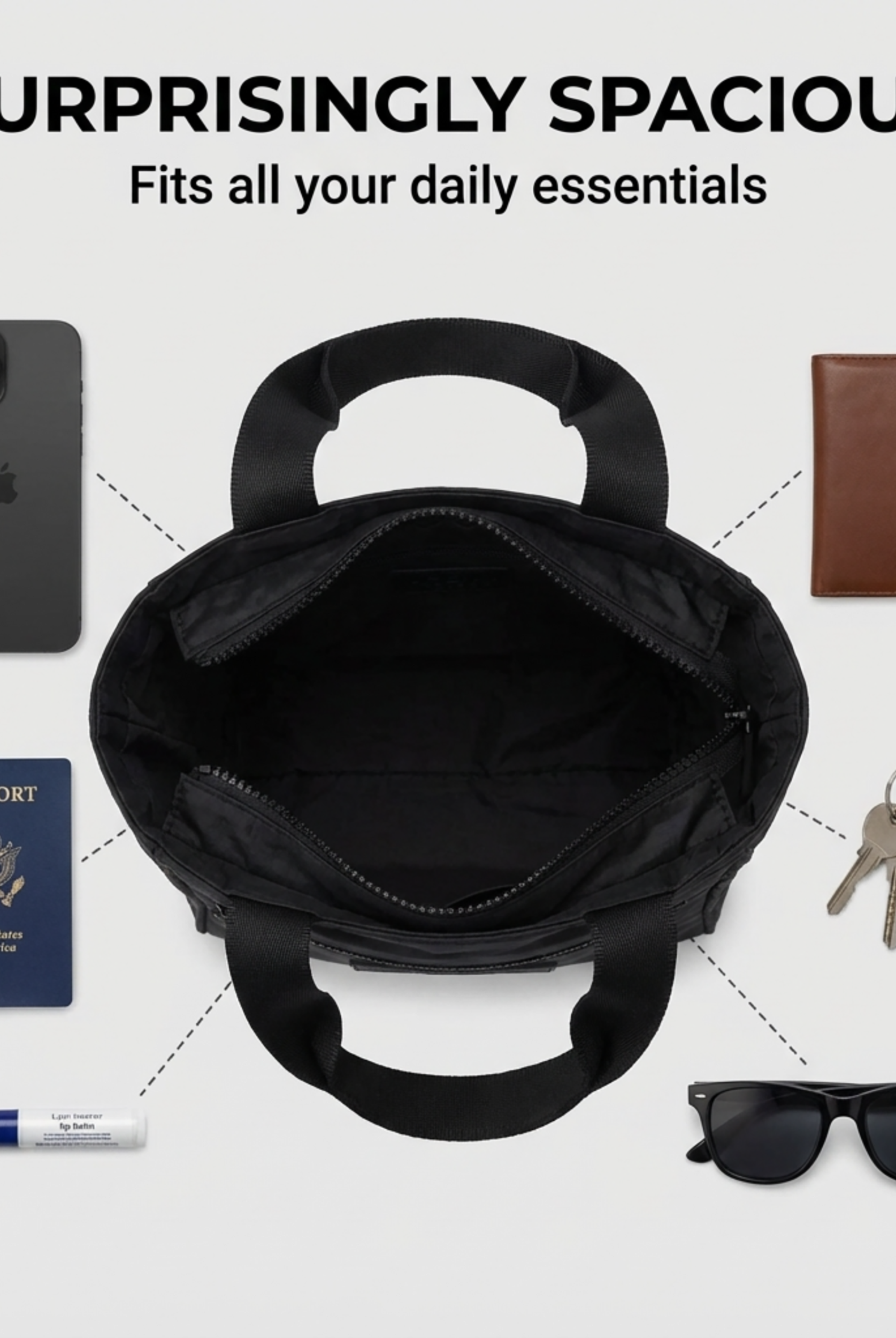
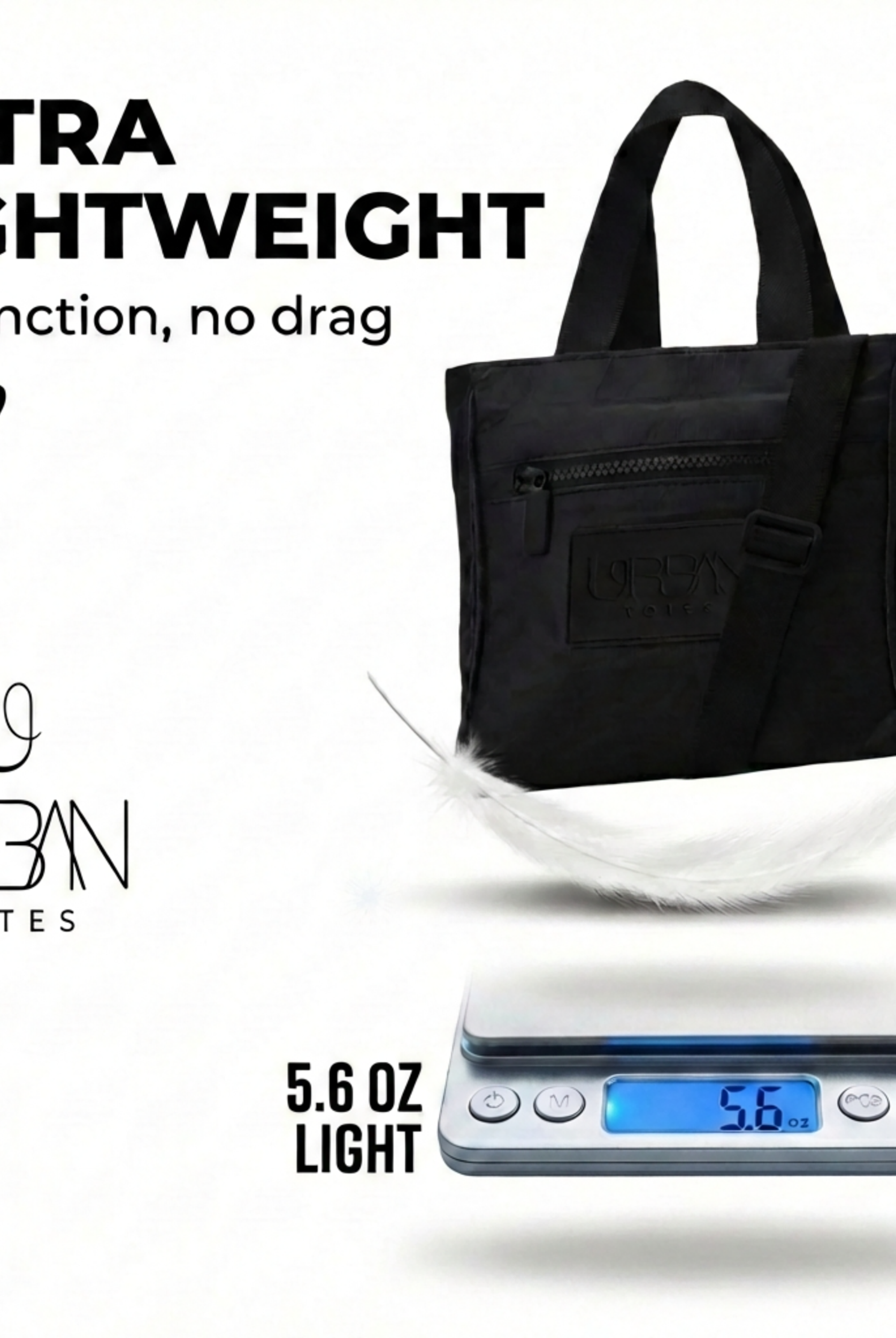
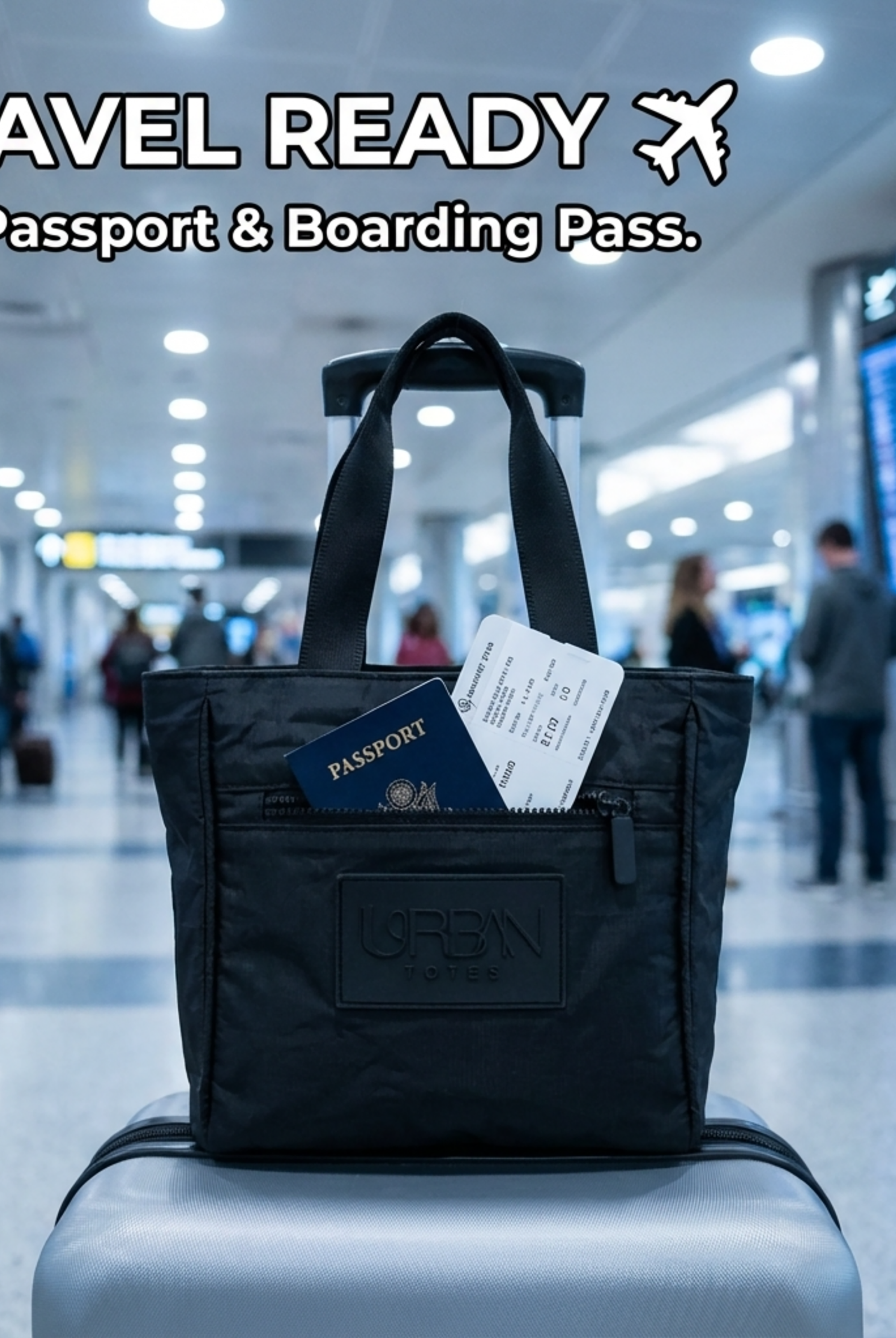
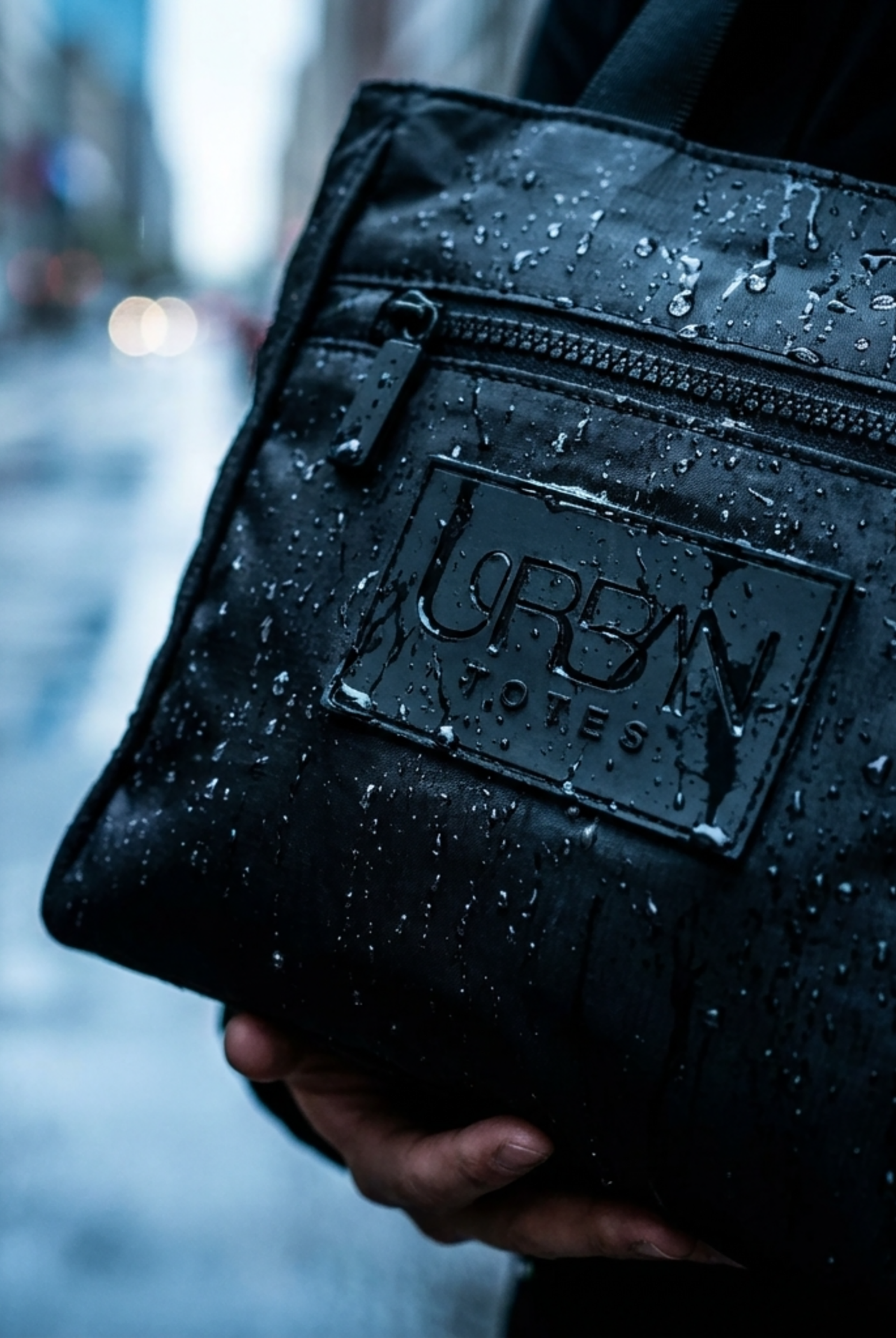
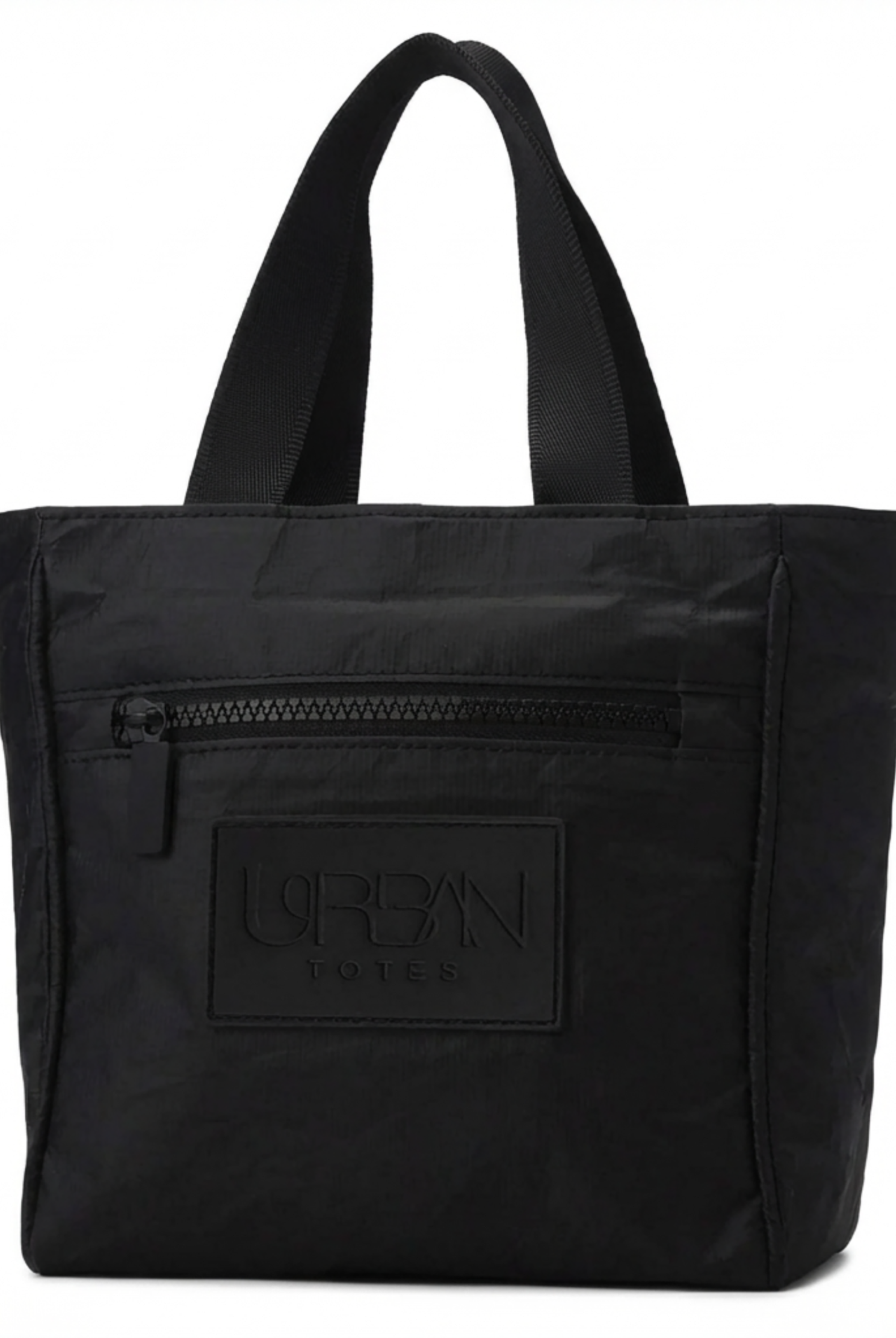
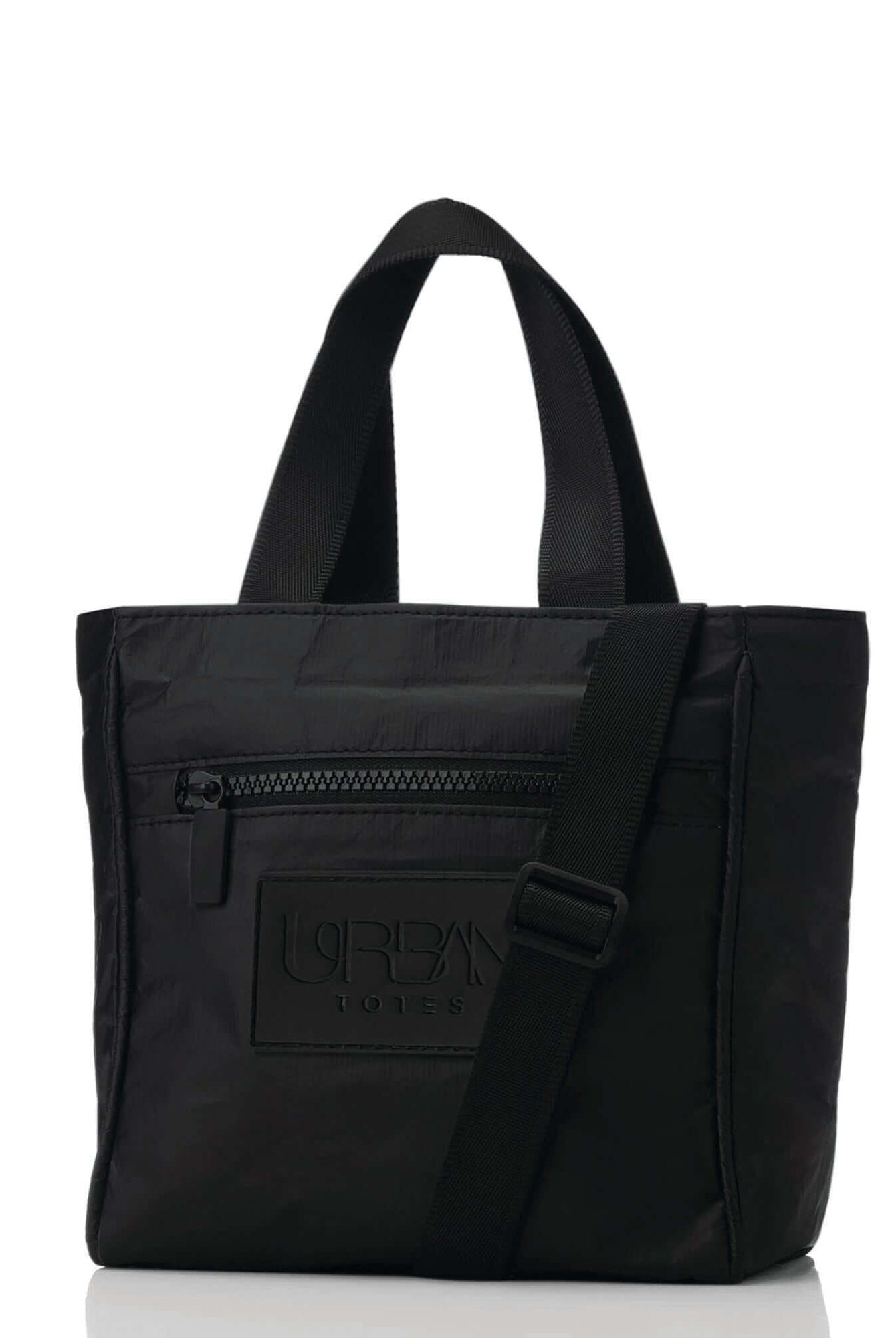
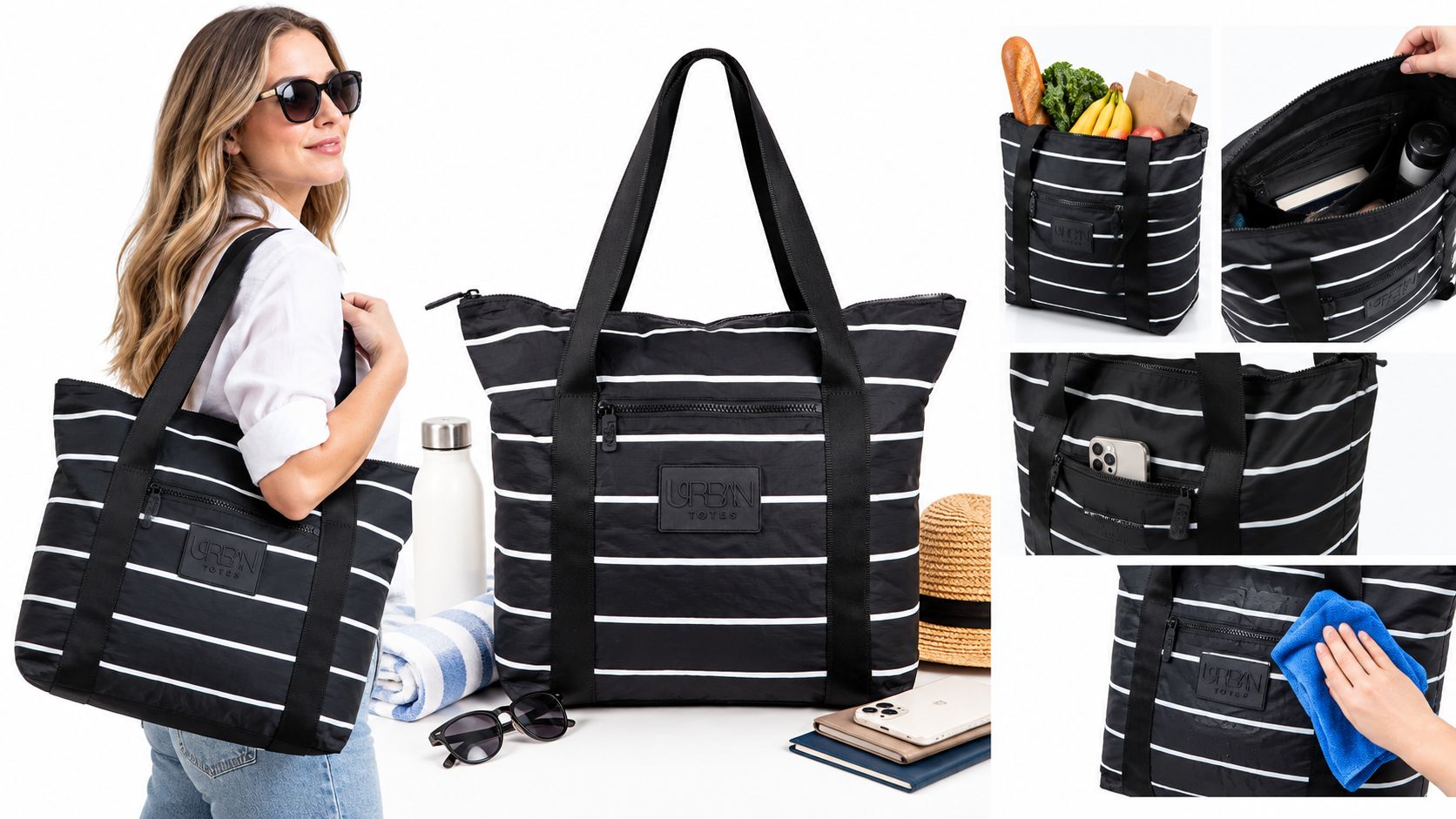
For a flexible tote-style option, Elevate Every Adventure with The OG Zipper Tote Bag by Urban Totes has a zipper closure, three large pockets, inside and outside zipper pockets, and a listed size of 19 inches wide by 14.5 inches high. Its water-resistant, lightweight, foldable design suits motherhood, beach getaways, quick city breaks, and daily carry, though shoppers should compare its dimensions with their airline's rules before treating it as a personal item or overhead bag.
My working definition is simple. If it holds a change of clothes, shoes, a toiletry pouch, and your essential electronics, then slides under an airline seat or into an overhead bin within that airline's limits, it's functioning as a weekender.
The Six Features That Actually Matter
A pretty exterior won't rescue a bag with poor access or uncomfortable straps. I'd judge a weekender in this order: capacity, organization, material, closure, carry comfort, and empty weight.
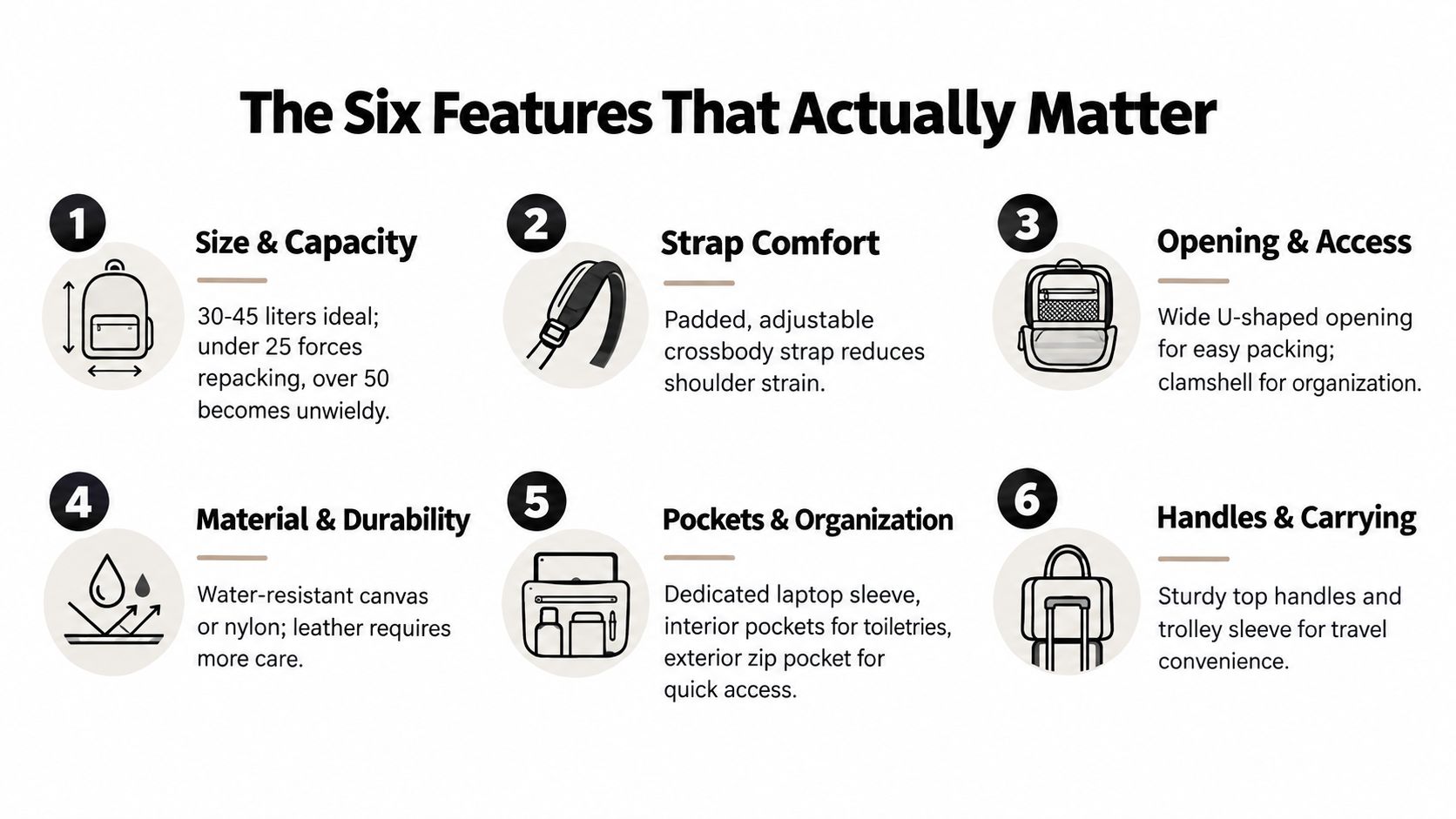
Size and capacity
For most women, 30 to 45 liters is the useful middle ground. A bag under 25 liters can force ruthless repacking, while a bag over 50 liters becomes harder to carry and easier to overfill. Capacity only helps if you can still lift and maneuver the finished bag.
Compartments that earn their space
The main cavity should handle clothing. Beyond that, prioritize a separate shoe sleeve, a zippered wet pocket for gym clothes or a swimsuit, and an exterior slip pocket for your phone, passport, or boarding pass. Too many tiny pockets waste volume, but a few well-placed zones prevent the hotel-lobby floor search for one cable.
The right tote bag compartments can make a soft bag feel much more organized without turning it into a rigid suitcase.
Materials and their trade-offs
Full-grain leather looks refined and develops character, but it adds weight and needs more care. Coated canvas and nylon are generally lighter and better suited to changing weather. Vegan leather can offer a polished finish, but inspect the lining, edge paint, and flexibility before buying. A water-resistant exterior is useful for drizzle and spills, but it isn't a promise that the entire bag is waterproof.
Closures
A full top zipper is essential for travel. Magnetic snaps are convenient for an open tote, but they don't contain a packed bag as securely when it tips, slides under a seat, or gets lifted into an overhead bin.
Straps and load distribution
Look for dual top handles plus a detachable, padded crossbody strap. The shoulder strap should sit flat, adjust easily, and spread the load rather than cutting into one point. Ergonomic evidence supports that choice. A backpack-loading study found the lowest shoulder interface pressure with 8 cm straps, while 5 cm straps produced the highest pressure (backpack-loading study). The same research area also identifies load weight, hip-belt use, and shoulder-strap length as important influences on shoulder tension and interface pressure.
Thin chain straps may photograph beautifully, but they're a poor choice for a packed weekender.
Empty weight
An empty bag over 3 pounds is already asking a lot before you add shoes, toiletries, or a laptop. Weigh it in the store or check the manufacturer's listed weight. Lightweight materials and modest hardware can leave you more usable carrying capacity without making the bag feel flimsy.
Sizing for Carry-Ons Without the Guesswork
A weekender can look compact online and still fail at the gate. Airlines set carry-on dimensions, not TSA, so check the operating carrier before buying with these airline carry-on size rules.
A widely used U.S. benchmark is 22 × 14 × 9 inches, or 56 × 36 × 23 centimeters, including handles and wheels. American Airlines publishes that same maximum and requires the bag to fit in the overhead bin or beneath the seat in front of you (American Airlines carry-on guidance). IATA lists a broader general reference maximum of 56 × 45 × 25 centimeters, or 22 × 18 × 10 inches, also including handles and wheels (IATA passenger baggage rules). Choose the narrower profile if you want fewer surprises across airlines.
| Airline Group | Carry-On Limit (inches) | Personal Item (inches) | Weight Limit |
|---|---|---|---|
| Common U.S. benchmark | 22 × 14 × 9 | Varies by airline | Varies by airline |
| IATA general reference | 22 × 18 × 10 | Varies by airline | Varies by airline |
| Other airline policies | Confirm before travel | Confirm before travel | Confirm before travel |
Measure the bag after packing, including handles, side pockets, and bulging compartments. Soft-sided construction can compress into a bin, but it cannot compensate for an overfilled exterior pocket or rigid base. A structured tote keeps its shape and makes stacking easier. A softer bag gives you more forgiveness when clothing needs to compress.
Weight limits deserve equal attention. Some airlines enforce cabin limits around 5 kilograms, or 11 pounds, as reflected in the IATA reference above. A heavy leather weekender may look polished while leaving little capacity for a second pair of shoes, a jacket, or a laptop.
For a two- or three-night trip, a 25 to 35 liter bag can suit light packers. Testing-focused guidance places practical weekender capacity in a 25 to 45 liter range (weekender carry-on guidance). Test the packed bag with a folded sweater, two pairs of jeans, three tops, and a toiletry pouch. If it stays within the airline's measuring box, it works for a real weekend, not just an attractive product photo. Check the weekender bag dimensions before committing to a specific shape.
Matching the Bag to the Woman Carrying It
The best bag depends on what your day asks you to carry. A mother heading through school drop-off needs different access than a commuter heading through a station, even if both women want a stylish weekender.
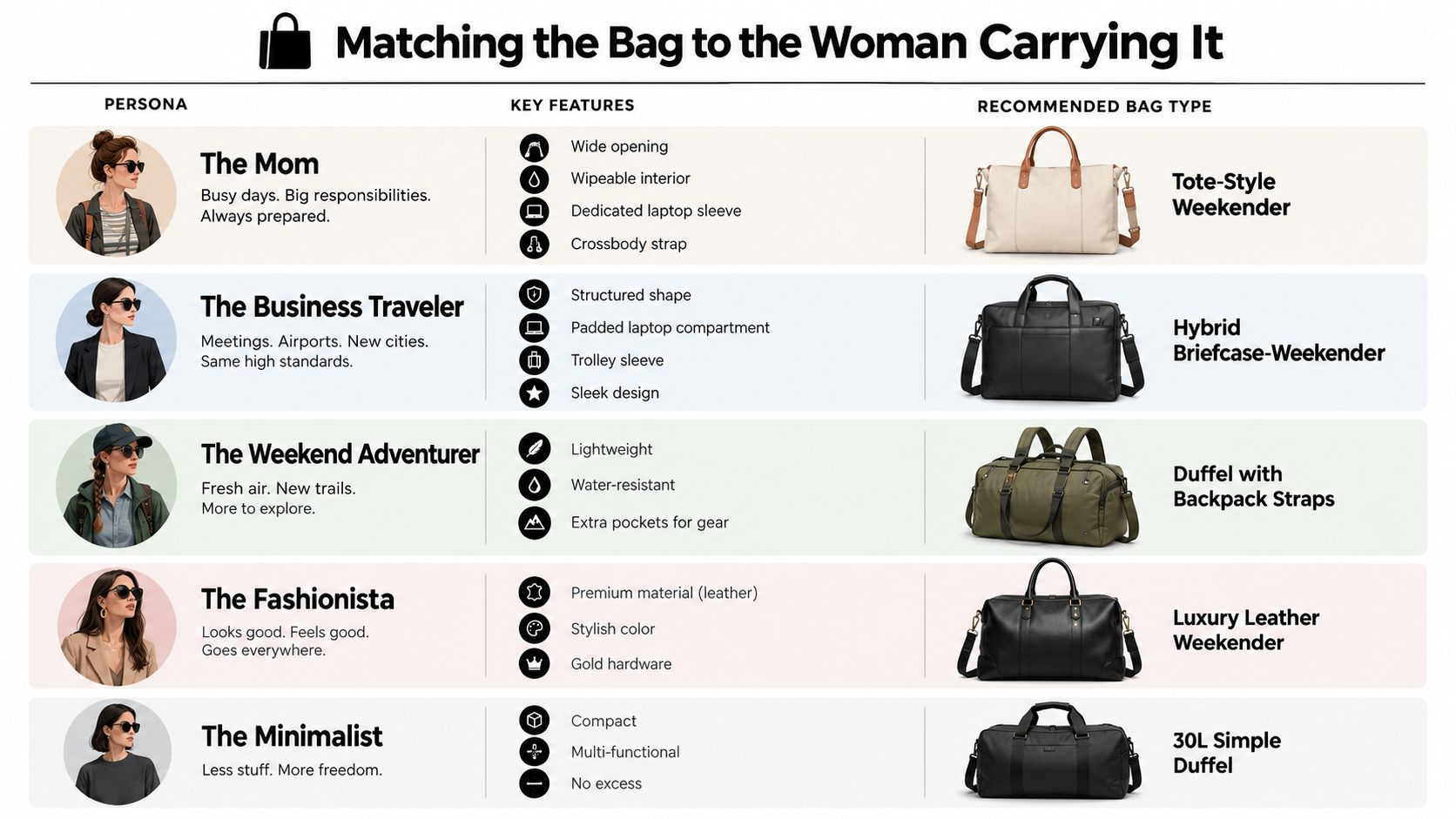
The mom on the move
You need a wide opening, a wipeable interior, and a crossbody strap that leaves both hands available for a stroller, snacks, or a small hand to hold. A dedicated laptop sleeve helps if the weekend starts after work, while exterior pockets keep wipes, keys, and a phone accessible.
Choose a tote-style weekender with a full zipper and flat shoulder straps. The feature to filter for is the hands-free carry option, not decorative hardware.
The daily commuter
A commuter's bag has to move from desk to train platform without looking like luggage. Prioritize a padded laptop compartment, a trolley sleeve for airport transfers, and a weather-resistant exterior that handles daily exposure to rain and crowded transit.
A structured hybrid briefcase-weekender works especially well if you carry work technology. Look for a strap that stays comfortable when the laptop, charger, lunch, and sweater are all inside.
The weekend traveler
For hotel check-in, dinner reservations, and airport transfers, a more structured silhouette looks composed. Dual carry handles, secure zipper pulls, and a balanced base keep the bag upright and easier to place on a counter or luggage rack.
Your filter should be shape retention plus secure access. A soft bag is fine, but it shouldn't collapse onto every surface or spill its contents when you open it.
The gym-goer
Sweaty leggings and clean clothes shouldn't share one undivided cavity. Choose a ventilated shoe compartment, a water-bottle pocket, and a washable or easy-to-wipe lining. A detachable shoulder strap helps when you're carrying a yoga mat, coat, and work bag at the same time.
The feature callout is a separate shoe or wet compartment. It's more useful than another small interior slip pocket.
The student
Students need a forgiving interior for textbooks, a laptop, chargers, and the stray water bottle. Canvas or recycled nylon can keep the bag flexible and lighter than heavy leather, while a secure zipper protects contents in crowded spaces. If budget is central, set a ceiling of $80 and focus on construction, compartments, and comfort before finish.
Filter for a roomy main compartment with a padded technology sleeve. A compact duffel can work, but only if its straps remain comfortable when the contents are dense.
Many women occupy two or three of these roles in the same week. If priorities collide, keep the features that solve your most frequent discomfort. A commuter who travels should choose laptop protection and a trolley sleeve before a dedicated shoe pocket. A mother who travels for leisure should choose hands-free carry and easy cleaning before a formal leather finish.
Packing Smart and Keeping It Looking New
A 48-hour trip doesn't need a stuffed bag. Start with two tops, one light layer, one bottom or second pair of jeans, sleepwear, underwear, a flat pair of shoes, and a compact toiletry pouch.
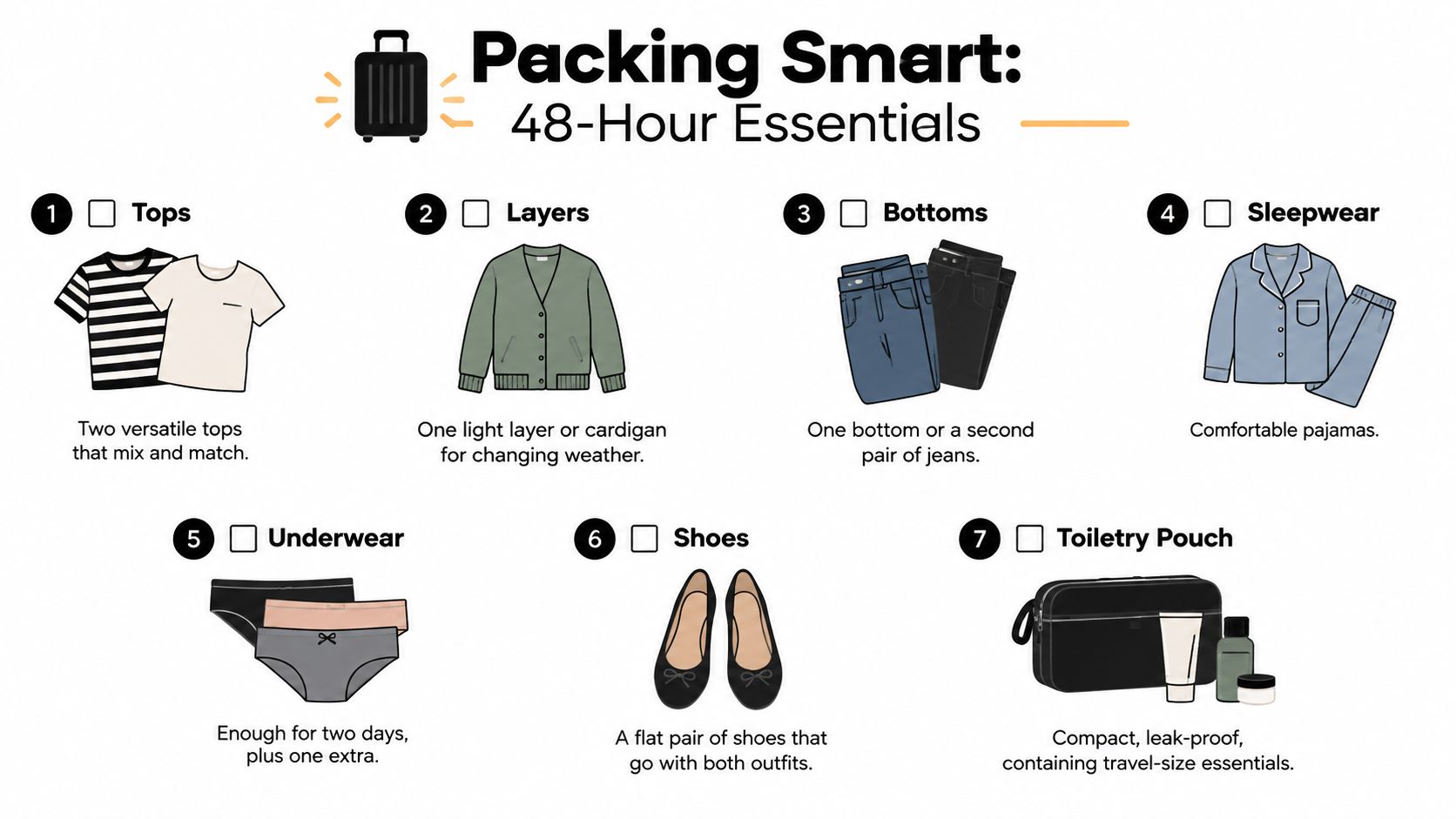
Packing cubes should match the shape of the bag's interior rather than leaving awkward empty corners. Roll knits and soft tops to use flexible space, but fold structured pieces such as blazers so they arrive with their shape intact. Put shoes in a separate sleeve or bag, then place heavier items low and close to the base.
A simple packing order works well:
- Base layer: Shoes, folded denim, and other dense pieces.
- Middle layer: Packing cubes with rolled tops, underwear, and sleepwear.
- Top layer: Blazer, cardigan, or anything you'll need first.
- Quick-access zone: Toiletries, chargers, identification, and medication.
Care depends on the material. Smooth leather benefits from occasional conditioning, while pebbled leather hides everyday scuffs more easily. Canvas can usually be refreshed with a damp microfiber cloth, and nylon or polyester can be spot-cleaned with mild soap. Always follow the care instructions for the specific bag before using water or cleaning products.
For washable or easy-care carry pieces, washable tote bag guidance can help you think through maintenance before a beach day or gym commute.
Store the bag loosely filled with bubble wrap or a pool noodle to help it hold its shape. Avoid plastic garment bags that trap moisture, and keep silica packets inside during humid months. Rotate the bag rather than leaving it crushed beneath other luggage. A well-made weekender can become a long-term wardrobe tool, but only if you treat the material and hardware as part of the investment.
Styling It and Buying With Confidence
A weekender earns its place when it works with the clothes you already wear. Pair a black or navy shape with a blazer and jeans for a travel day. For the gym or a quick drive, let a lightweight, water-resistant bag sharpen a monochrome athleisure set. On a coastal weekend, a soft neutral weekender looks natural with a knit dress and sneakers.
Hardware changes the mood. Silver feels crisp and urban, while warm metal adds a dressier note. Neutral colors tend to stay useful across seasons, and croc-embossed vegan leather can add texture without requiring a loud print. Limited-edition colors are fun, but choose them because they fit your wardrobe, not because they're difficult to replace.
The broader travel-bag market is expanding alongside demand for lightweight, organized, multipurpose carry solutions. One industry estimate valued the global travel-bag category at USD 18.78 billion in 2023 and projected USD 32.29 billion by 2030, with an 8.3% CAGR (travel-bag market estimate). Fashion coverage also reflects a split between sleek utility shapes and softer silhouettes, with recycled textiles, plant-based leather, canvas, and nylon appearing frequently in current style discussions (women's travel tote coverage). Treat those trends as styling context, not a substitute for checking construction.
Before you buy, run this checklist:
- Confirm dimensions: Compare the fully packed measurements with your most-used airline.
- Test the zipper: Open and close it with one hand while holding the bag by its handles.
- Check strap placement: The crossbody strap should lie flat without twisting.
- Inspect the lining: Look closely at seam stitching, pocket attachment, and the base.
- Consider your wardrobe: Review weekender bag aesthetics before choosing a finish you'll want to carry repeatedly.
- Read the specifications: Confirm material, closure type, pockets, dimensions, and care instructions before checkout.
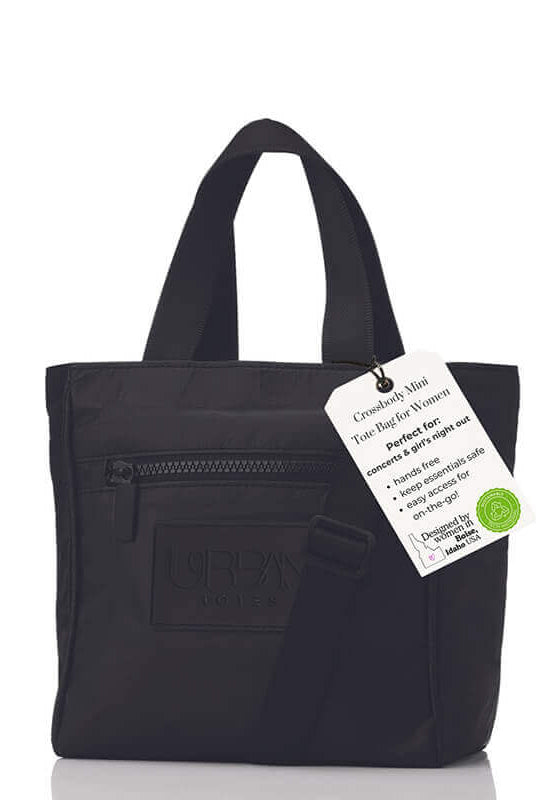
Urban Totes is a woman-owned, Boise-made brand offering water-resistant, lightweight, packable, and foldable bags with zipper closures and multiple compartments. Its everyday and travel-oriented styles are designed for commuting, errands, beach days, gym sessions, and spontaneous getaways, so the collection is a reasonable place to compare organization and carry format against your own routine.
Urban Totes offers thoughtfully designed, versatile bags for women who need one carry piece to move from school drop-off to the airport, beach, gym, or weekend away. Visit Urban Totes to compare water-resistant, lightweight, packable styles and choose the go-anywhere bag that finally fits your rhythm.