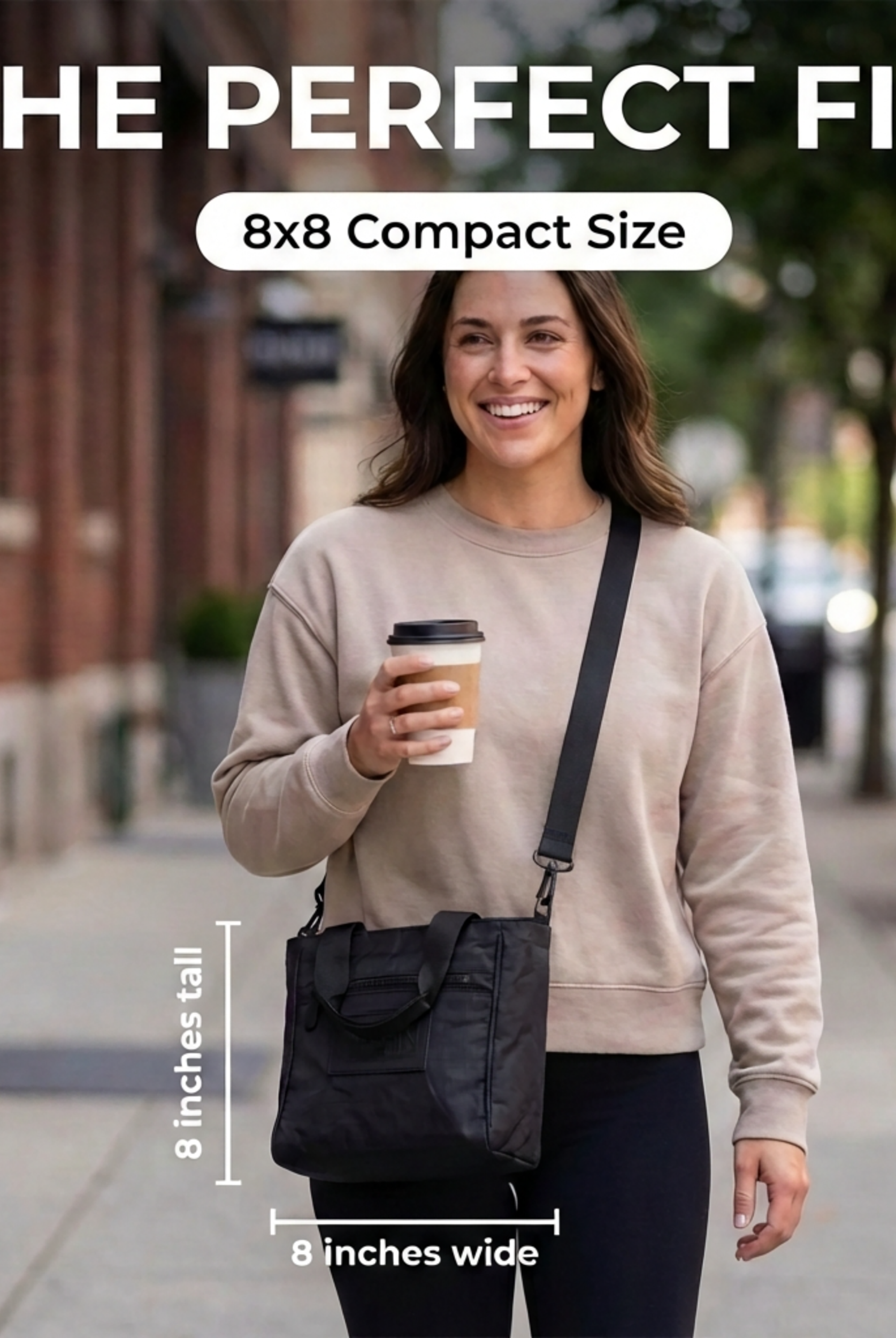
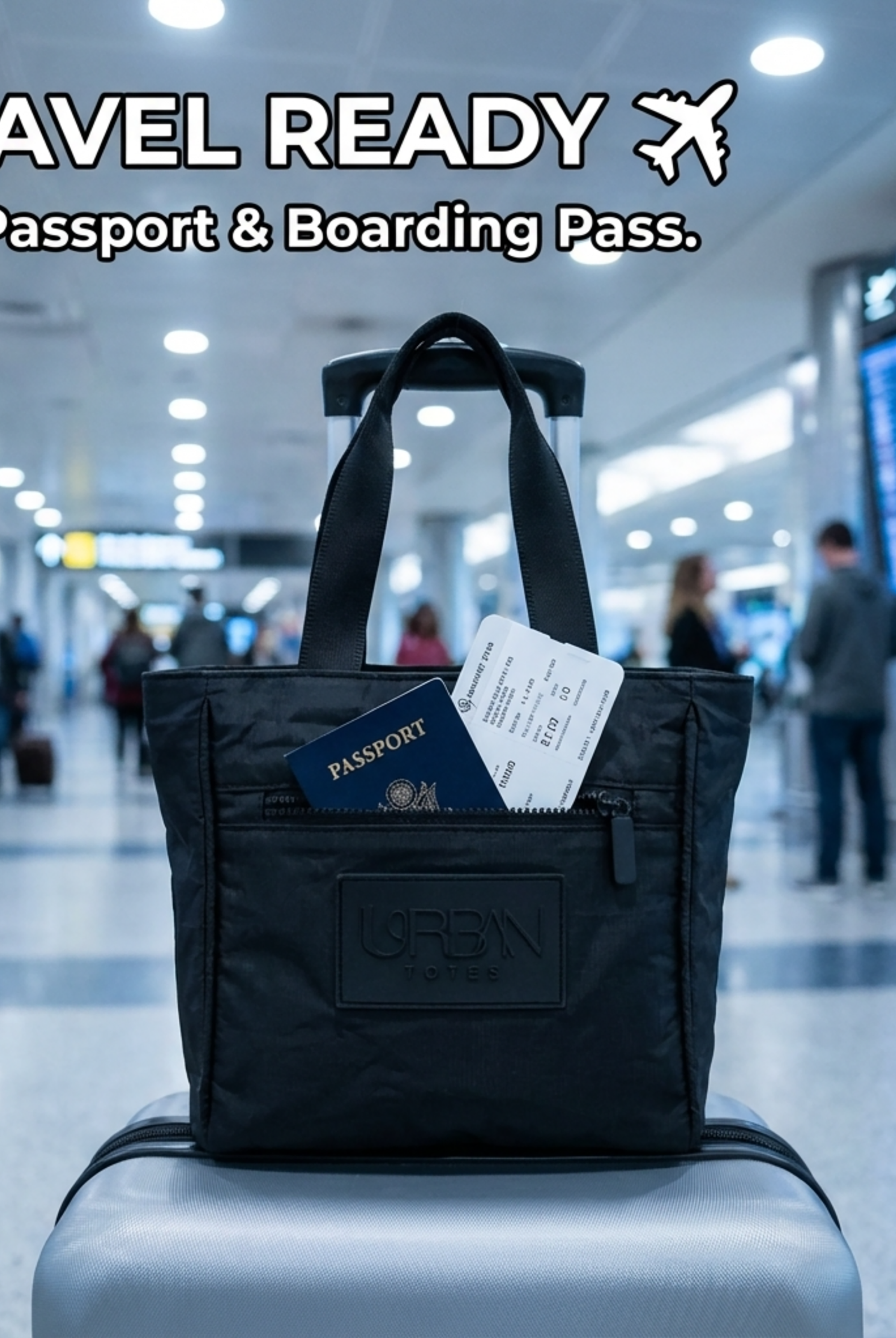
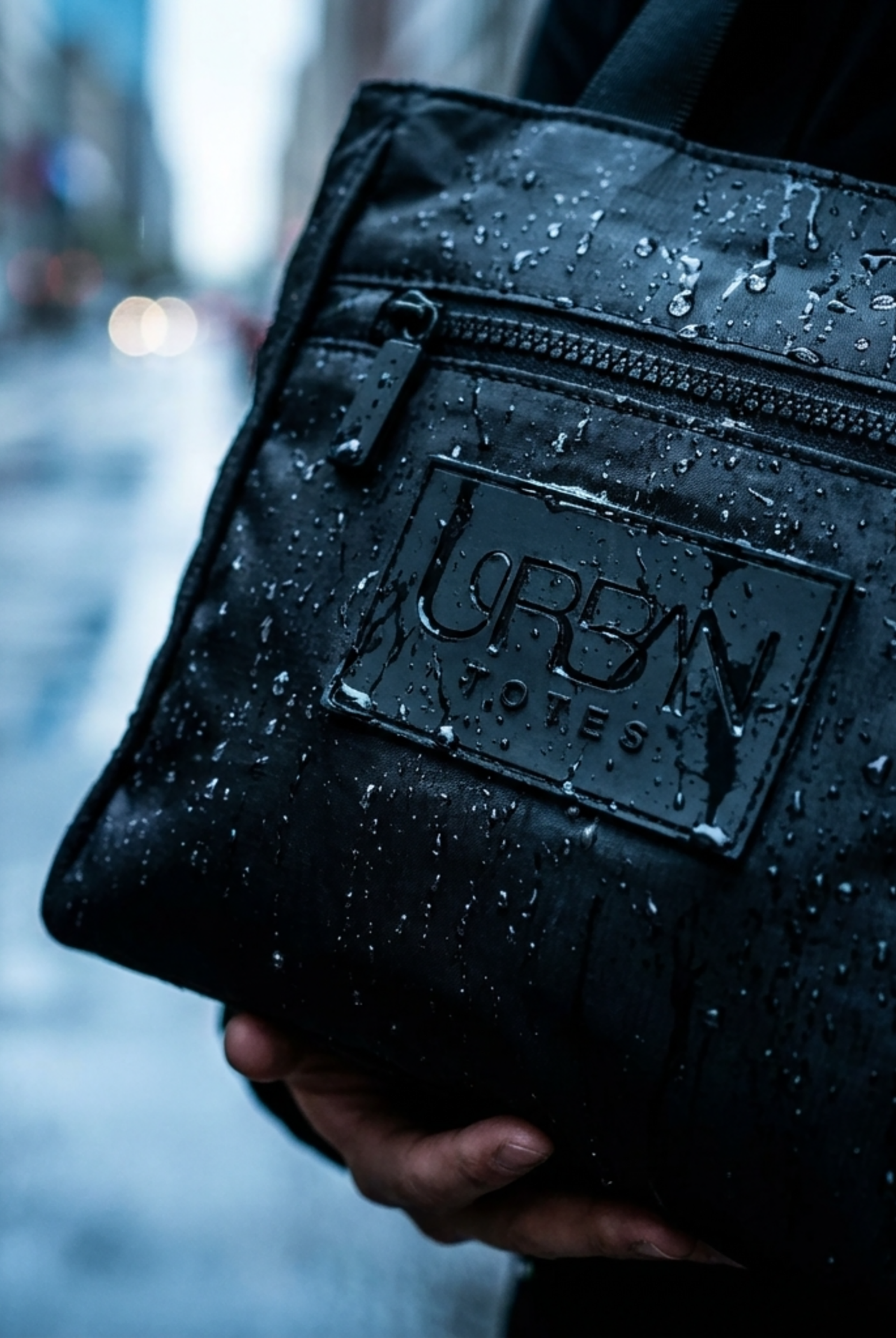
You're standing at school drop-off with a coffee in one hand, your phone buried under snacks, and a tote slipping off your shoulder. Then the rain starts. Or you're inching through an airport terminal while your laptop shifts toward the edge of an open bag. Or you're on a crowded train, holding a tote against your side and hoping your keys haven't disappeared into the bottom.
A tote bag with zipper closure changes those moments. It doesn't just keep belongings inside. It changes how you pack, where you place heavier items, how confidently you move, and whether your bag feels like a useful everyday carry or an oversized fabric bucket. For busy women, that distinction matters. The right tote should be lightweight, water-resistant, packable, organized, and stylish enough for the office, the beach, the farmers market, and the airport.
Table of Contents
- Why Your Everyday Tote Needs a Zipper
- Zipper Hardware and Water-Resistant Fabrics Explained
- Open Top vs Zippered Totes for Real Life
- Smart Packing Strategies for Busy Women
- Caring for Your Zippers and Technical Fabrics
- Finding Your Perfect Go-Anywhere Bag
Why Your Everyday Tote Needs a Zipper
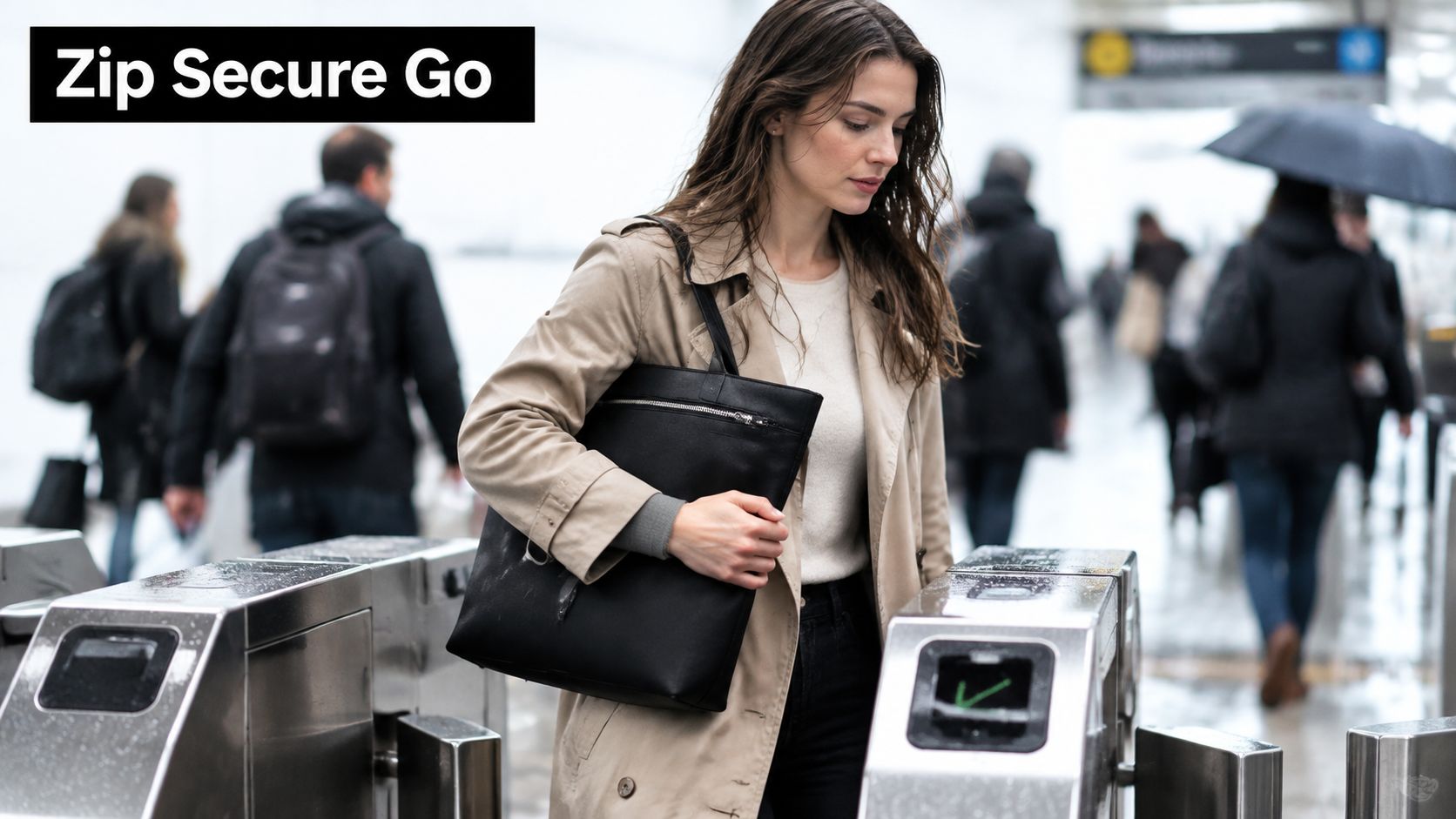
An open tote gives you instant access, but it also asks you to manage every item inside it. A turnstile catches the edge of your bag, a school pickup rush sends a water bottle rolling, or a sudden drizzle lands directly on the notebook you thought was protected. A zip-top design creates a defined boundary, so your belongings stay contained while you're walking, bending, commuting, or lifting the bag into an overhead compartment.
That enclosure also changes packing behavior. With an open top, you tend to stack items vertically and leave room around the opening for quick access. With a zipper closure, you can use more of the bag's interior because the contents aren't relying on gravity and careful balance to stay put. A laptop can sit against a supported side, a pouch can rest above it, and smaller essentials can stay in pockets rather than sliding toward the bottom.
The result feels less like carrying a sack and more like carrying a portable organization system. Urban Totes' guide to the practical benefits of tote bags makes the same lifestyle connection: a tote earns its place when it adapts to errands, work, travel, and the unpredictable parts of daily life.
Security is only the beginning
A zipper can help prevent items from falling out, and it makes a tote more practical for personal carry-on use, but it also introduces limits. A closed top adds structure and reduces the opening available for tall or bulky items, so you'll need to pack with more intention. That tradeoff is worthwhile for commuting, travel, and crowded environments, where an enclosed bag gives you better control over your belongings.
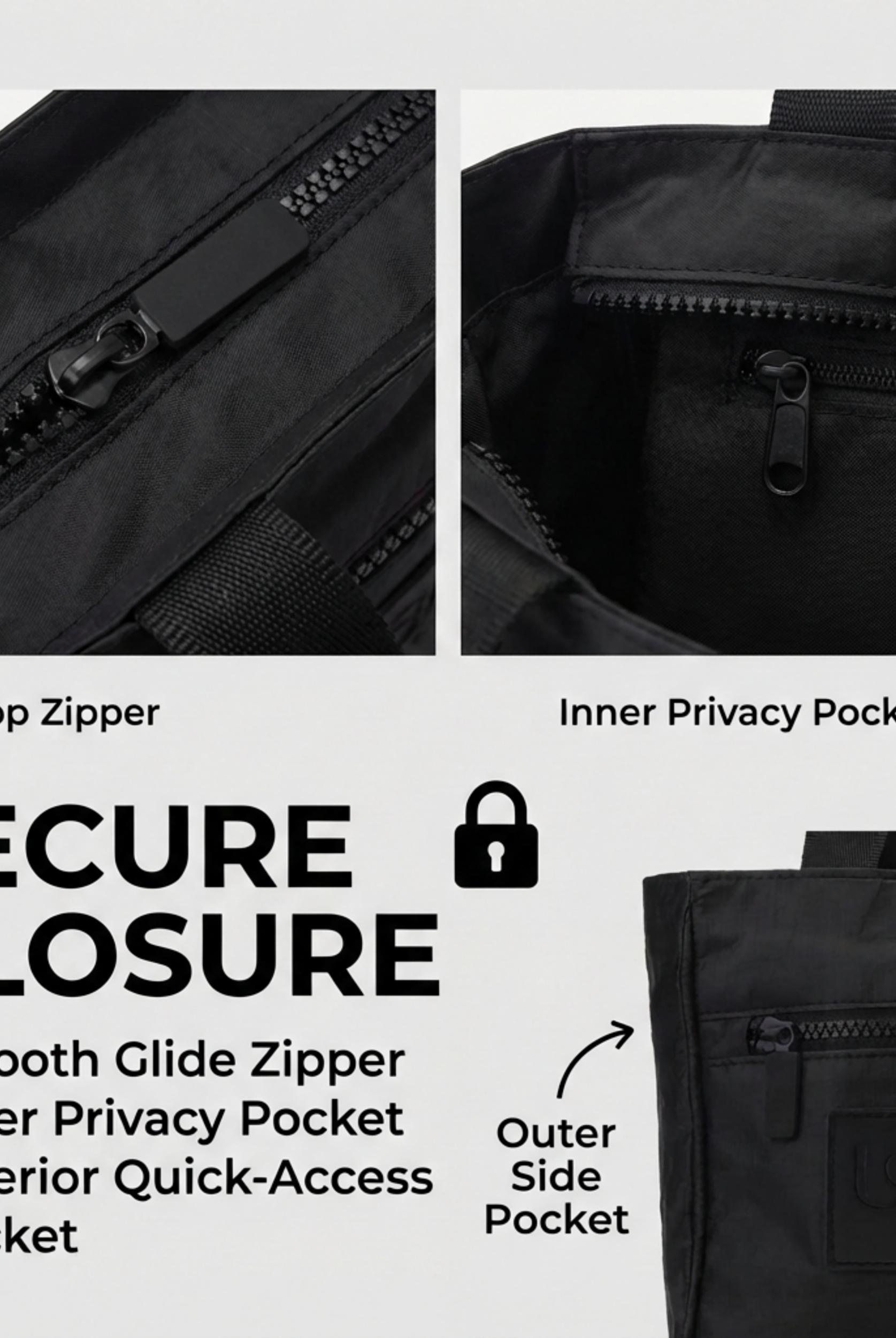
A zipper also helps with spill control. It won't make a tote waterproof, and it can't replace a water-resistant shell or supported seams, but it reduces the chance that contents will be exposed from the top during a quick shower or a bumpy ride. The zipper's value is greatest when it works as part of a complete design, with strong attachment stitching, practical compartments, and fabric suited to the way you carry.
Practical rule: Choose a zippered tote when your day includes movement, transit, weather, or valuables you can't afford to keep exposed.
A long engineering story in a small detail
The modern zipper didn't appear fully formed. Elias Howe patented an early continuous clothing closure in 1851, Whitcomb L. Judson patented the “clasp locker” in 1893, and Gideon Sundback's 1917 patent for the “separable fastener” is widely treated as the modern zipper breakthrough, according to YKK's history of the zipper. That progression took roughly 66 years from the first patent to the modern form.
The closure became broadly popular after B.F. Goodrich used it on rubber boots in 1923 and coined the word “zipper.” For tote bags, the significance is practical. The zipper helped move the everyday carry bag from an open transport sack toward a more enclosed companion for commuting, travel, and all-day use.
Zipper Hardware and Water-Resistant Fabrics Explained
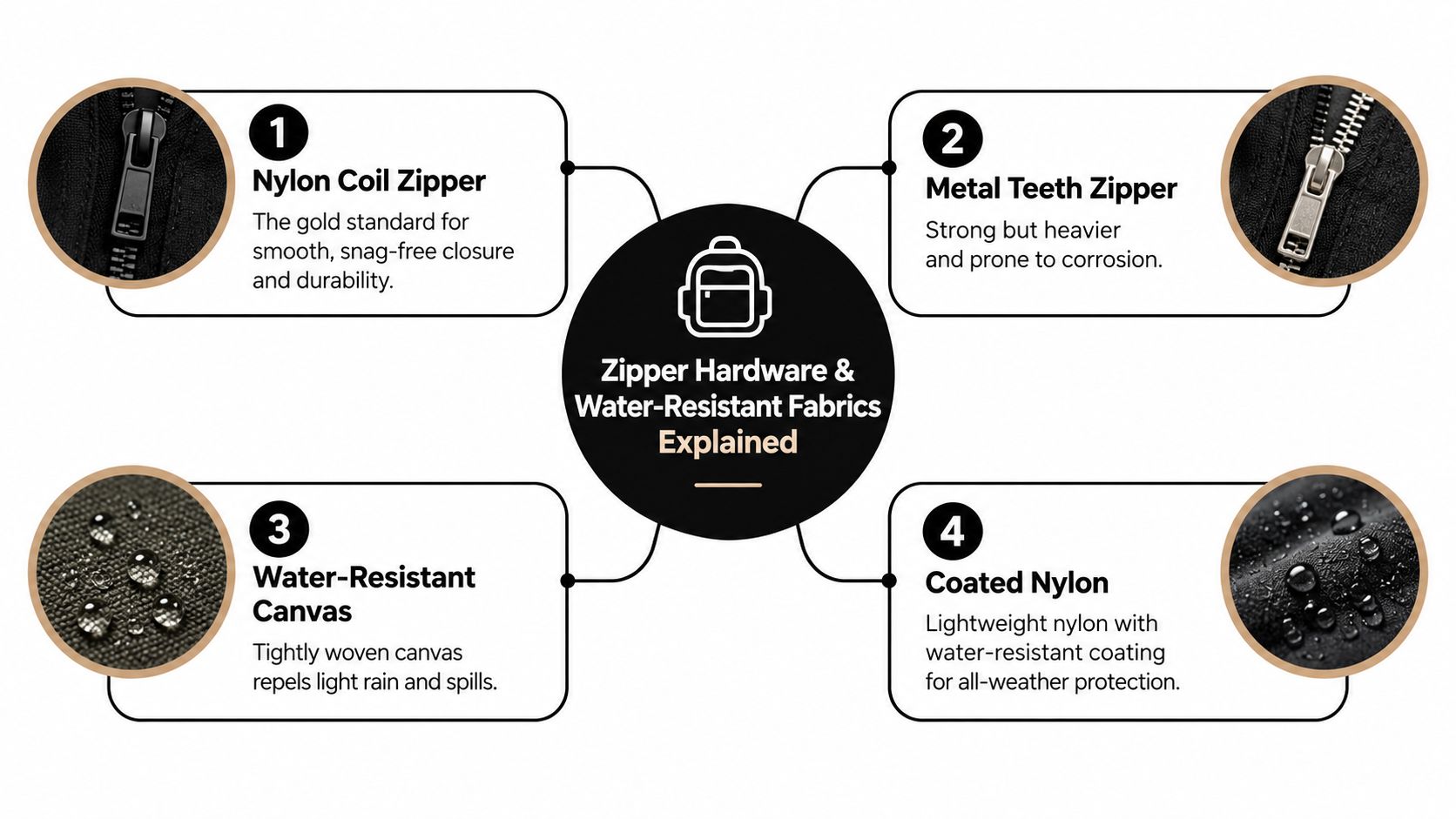
A tote's daily comfort depends on how its zipper hardware, fabric, seams, and load work together. The teeth attract attention, but the seam attaching the zipper tape to the bag body often carries the stress. Low thread tension, sparse stitching, or thread mismatched to the fabric weight can cause skipped stitches, tape separation, and a detached zipper, according to consumer zipper and seam inspection guidance.
Inspect the whole opening before buying. Run the slider slowly, check that the tape stays flat, and look for even stitching from end to end. A good zipper sits in line with the bag. It should not pull the top edge into waves when the tote is filled.
Match the zipper to the bag
Nylon coil zippers suit flexible, lightweight, water-resistant bags because they bend easily and handle abrasion. Molded-tooth zippers fit bags where alignment retention and longer cycle life matter more. For a main compartment used every day, technical comparisons of bag closure construction advise against specifying below a #5 coil-equivalent.
Test the closure with the tote loaded, not empty. Overstuffing distorts the fabric, pushes the teeth out of parallel engagement, and places extra force on the tape seam. A slider that feels smooth in the shop can still fail if you regularly force it around an overfilled bag. Zippered designs also change packing behavior. They encourage flatter layers and weight kept below the top line, which reduces tugging at the shoulders while you walk.
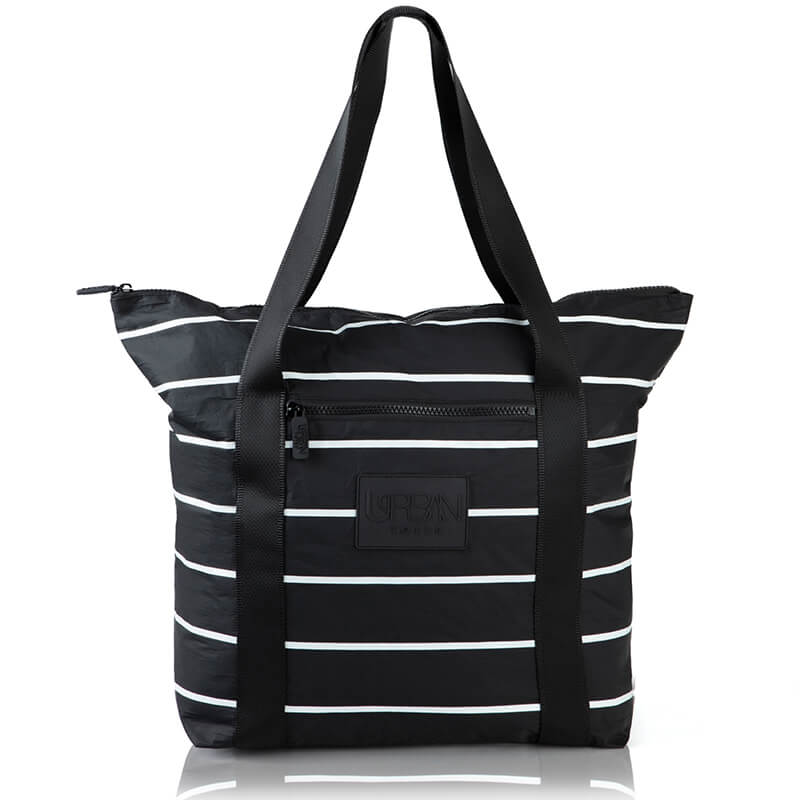
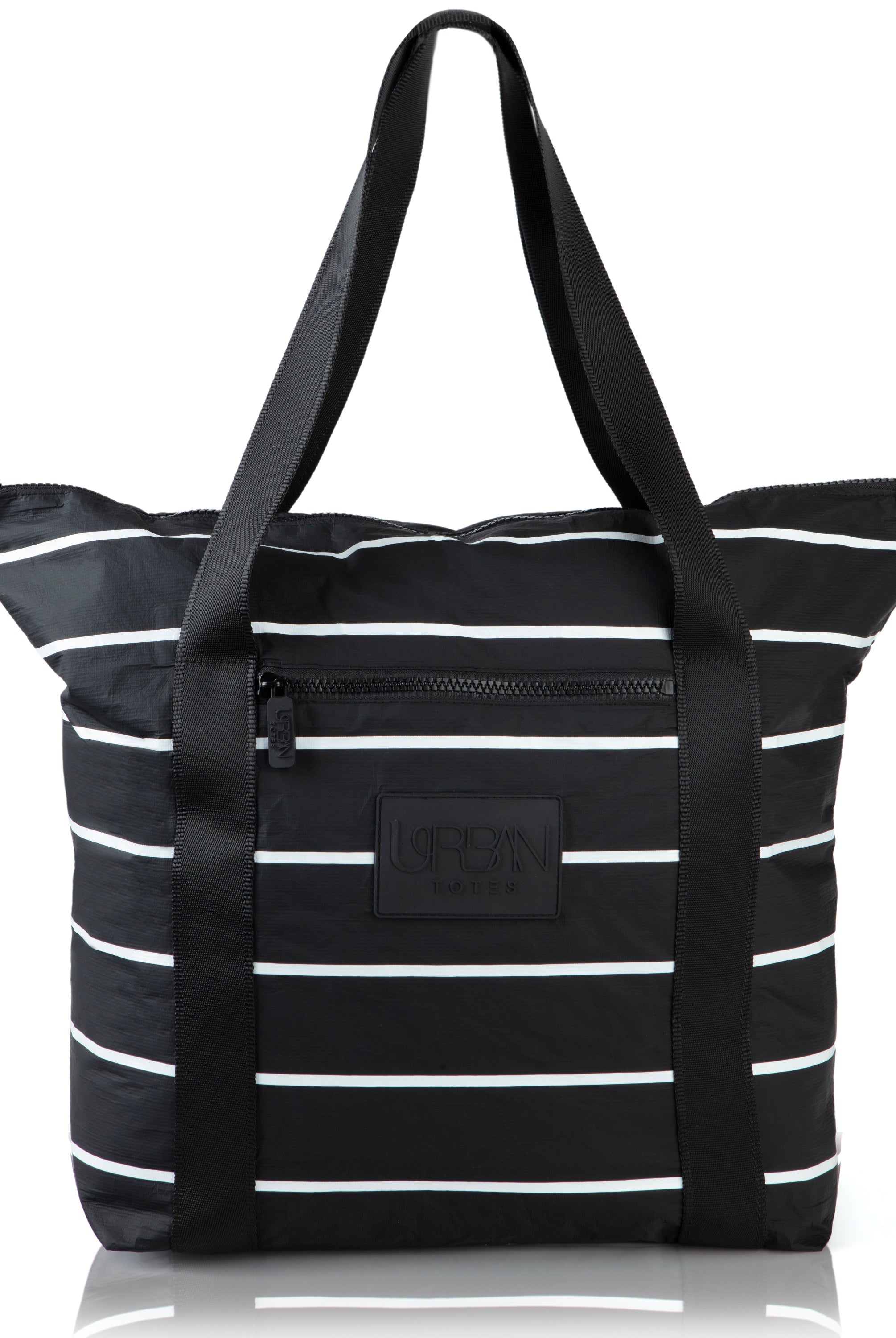
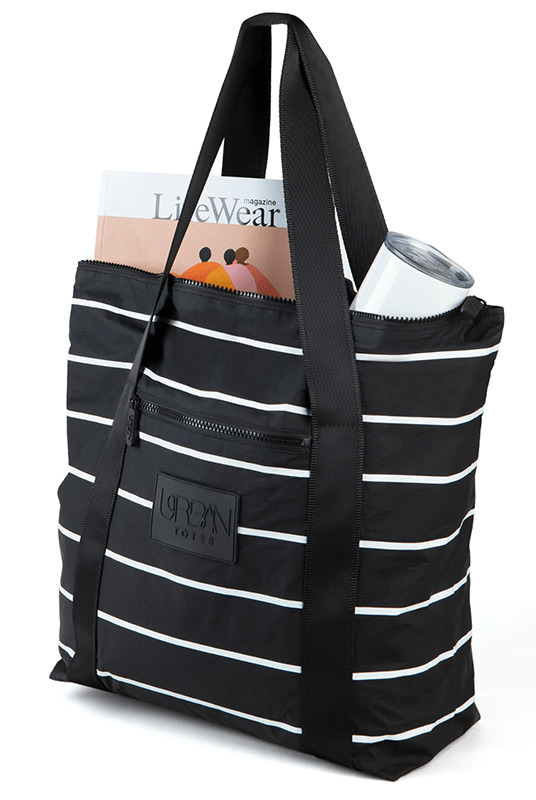
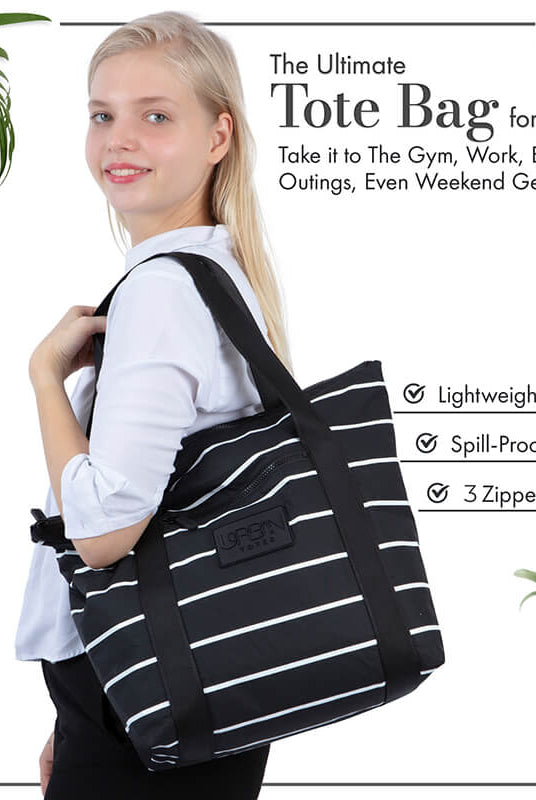
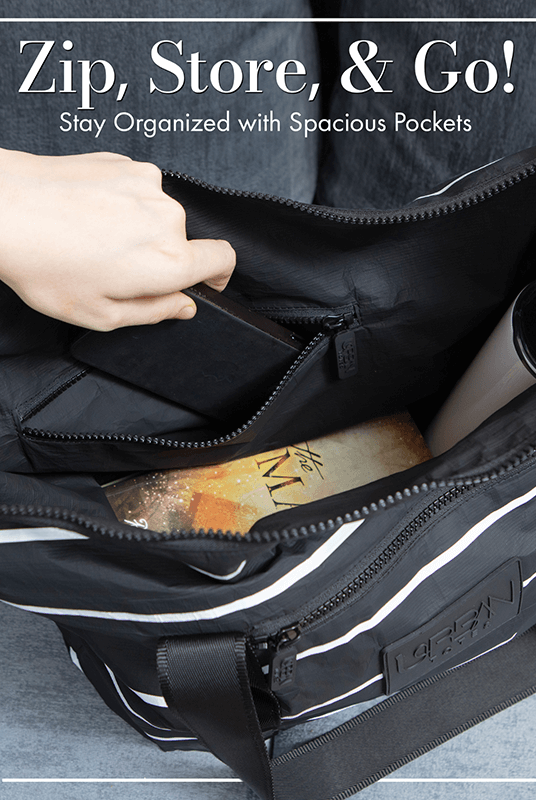
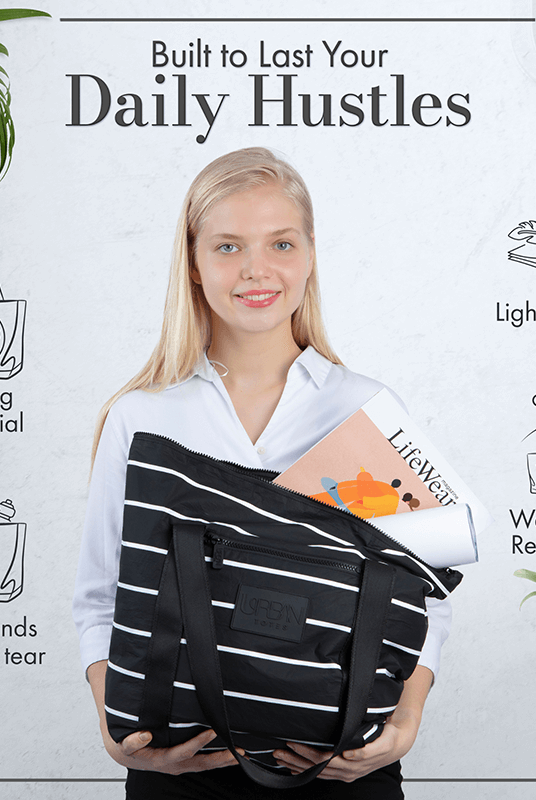
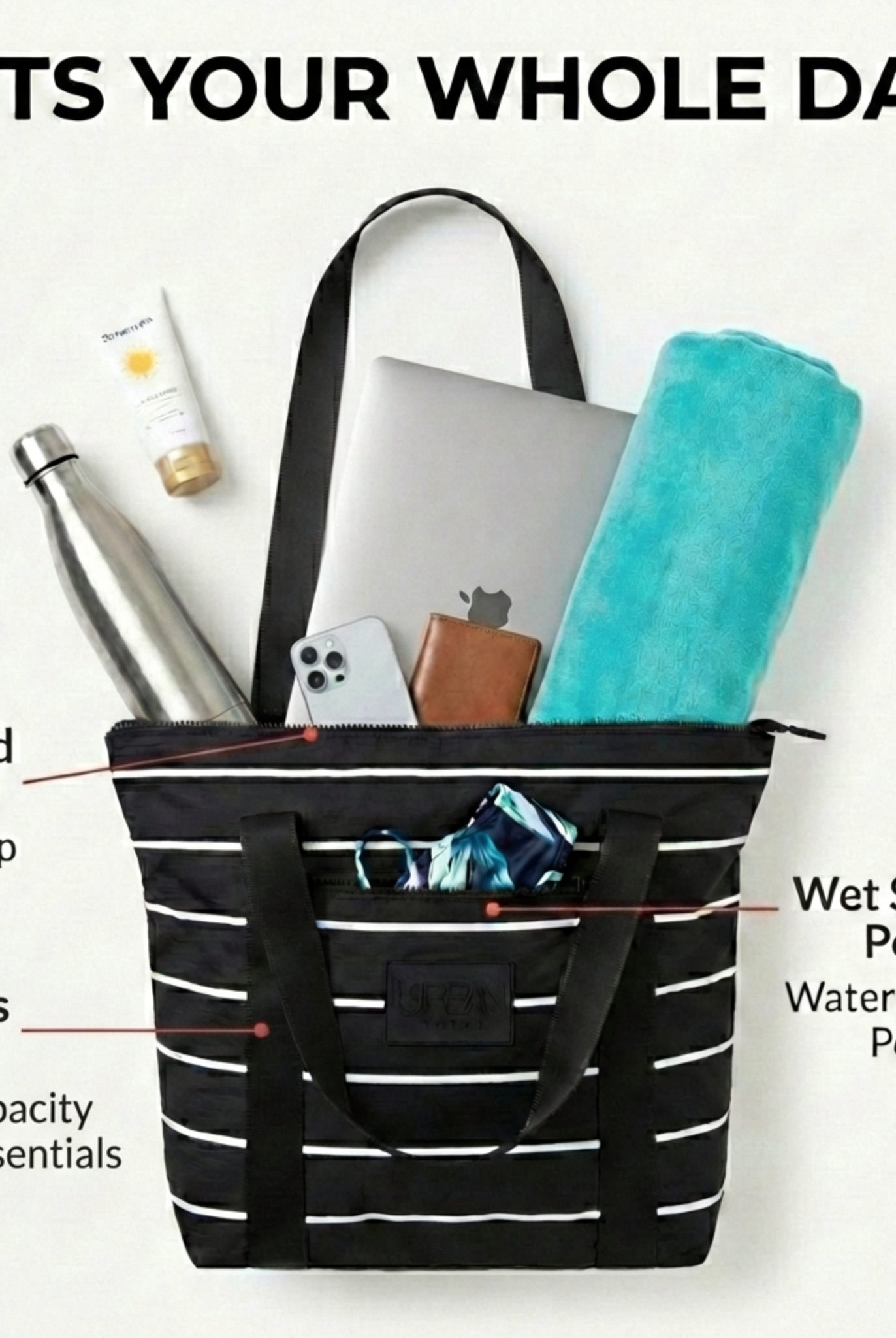
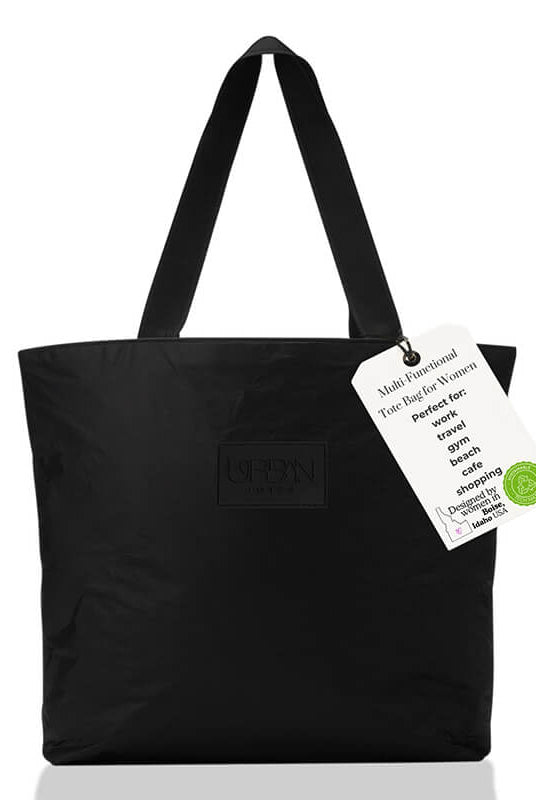
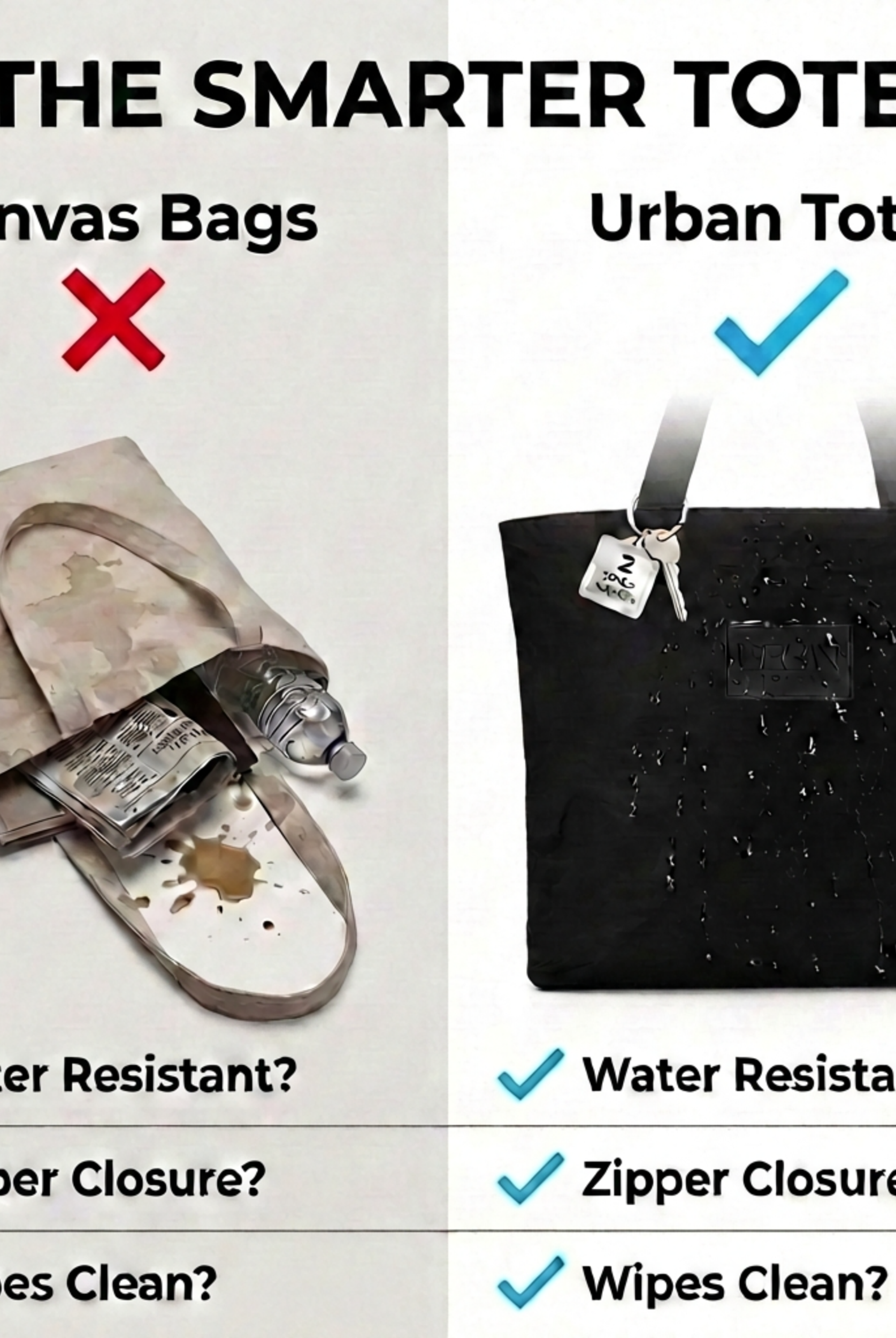
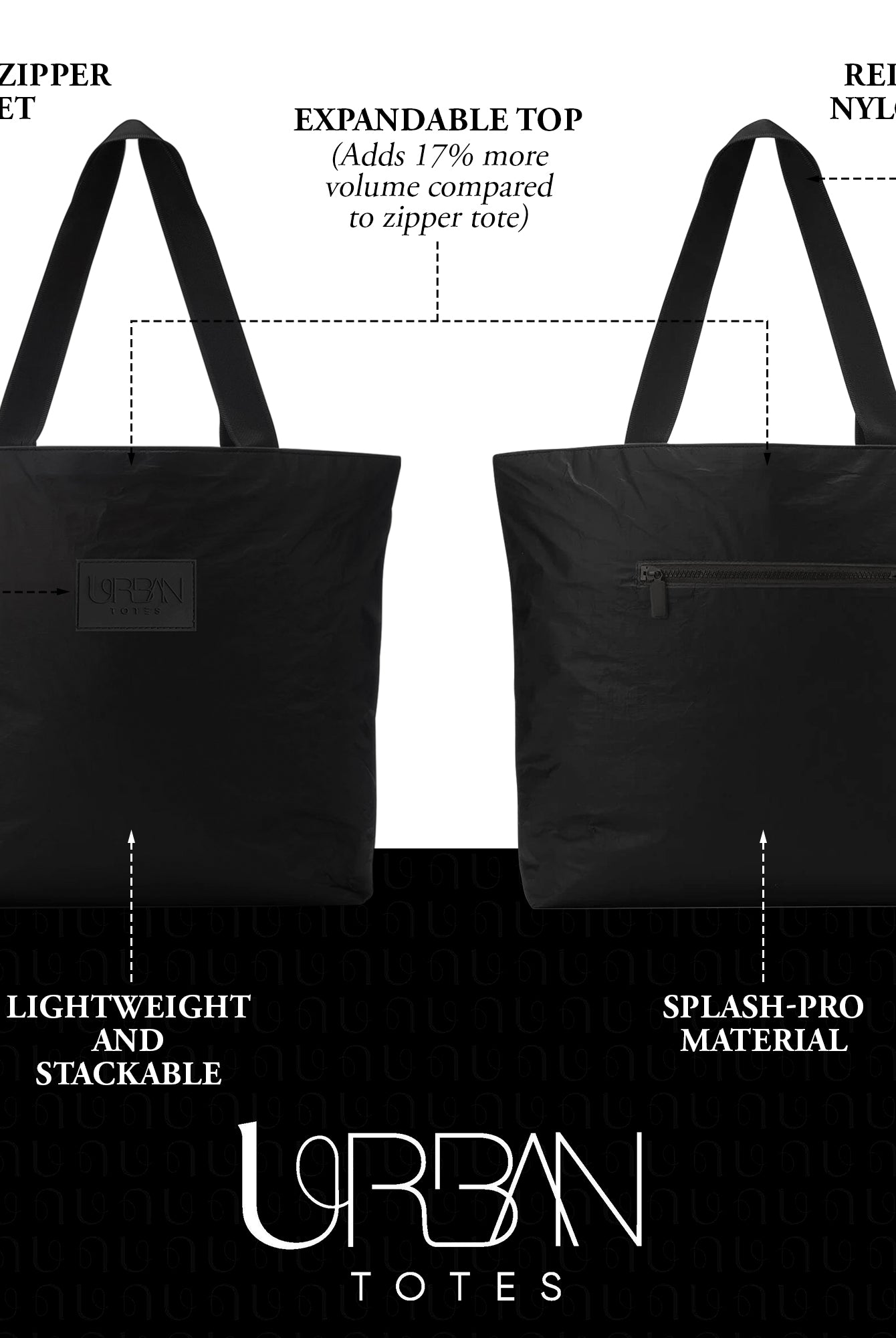
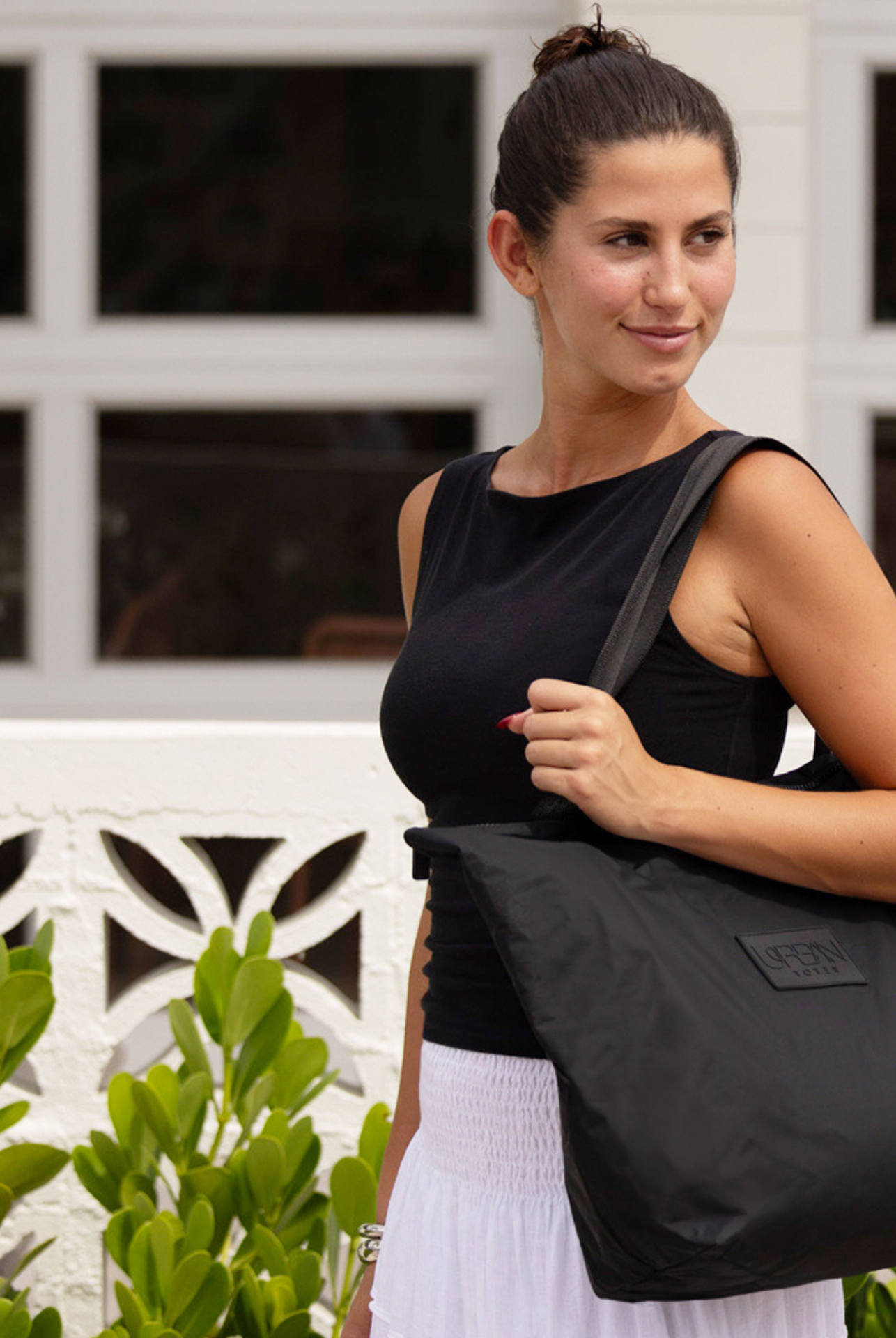
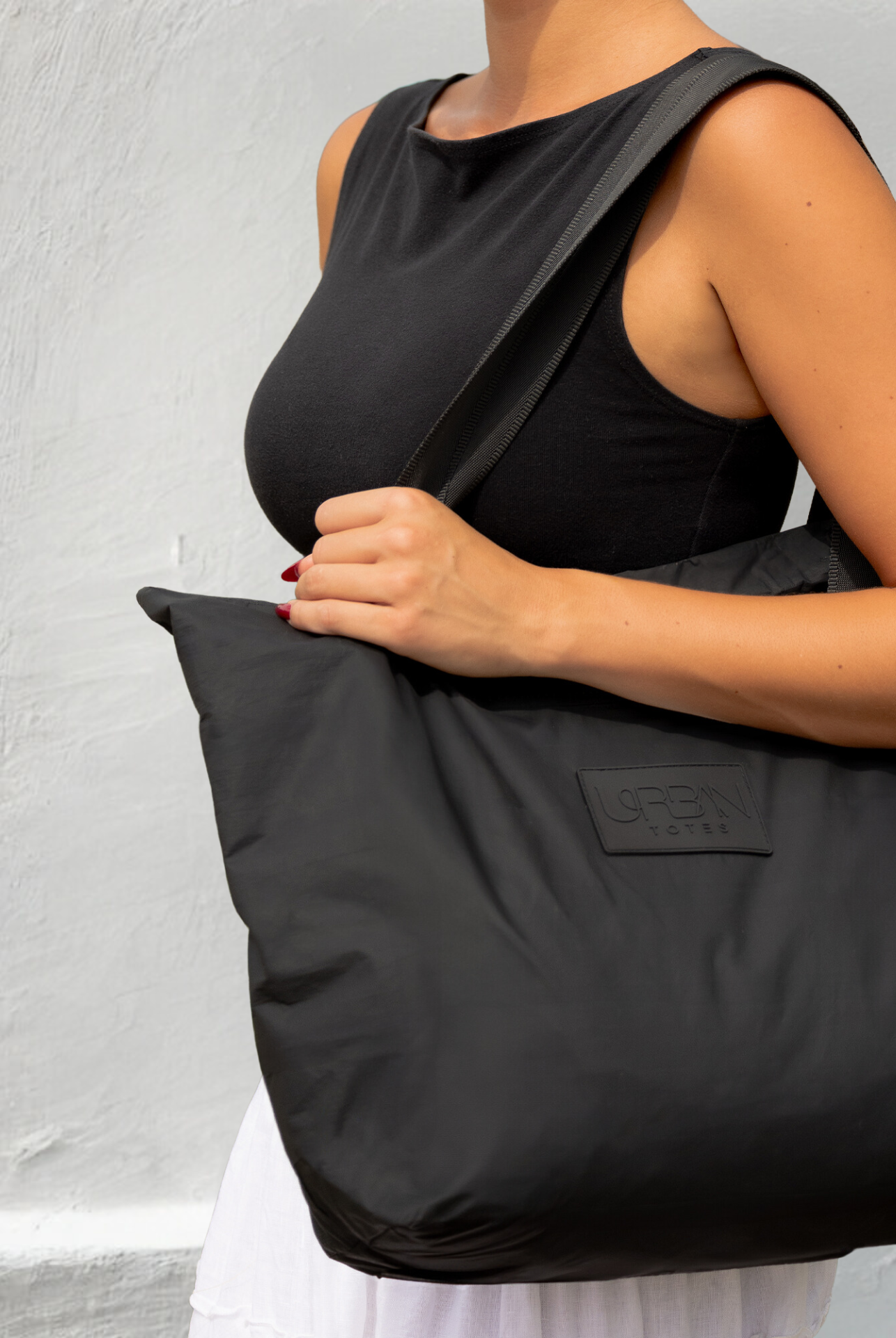
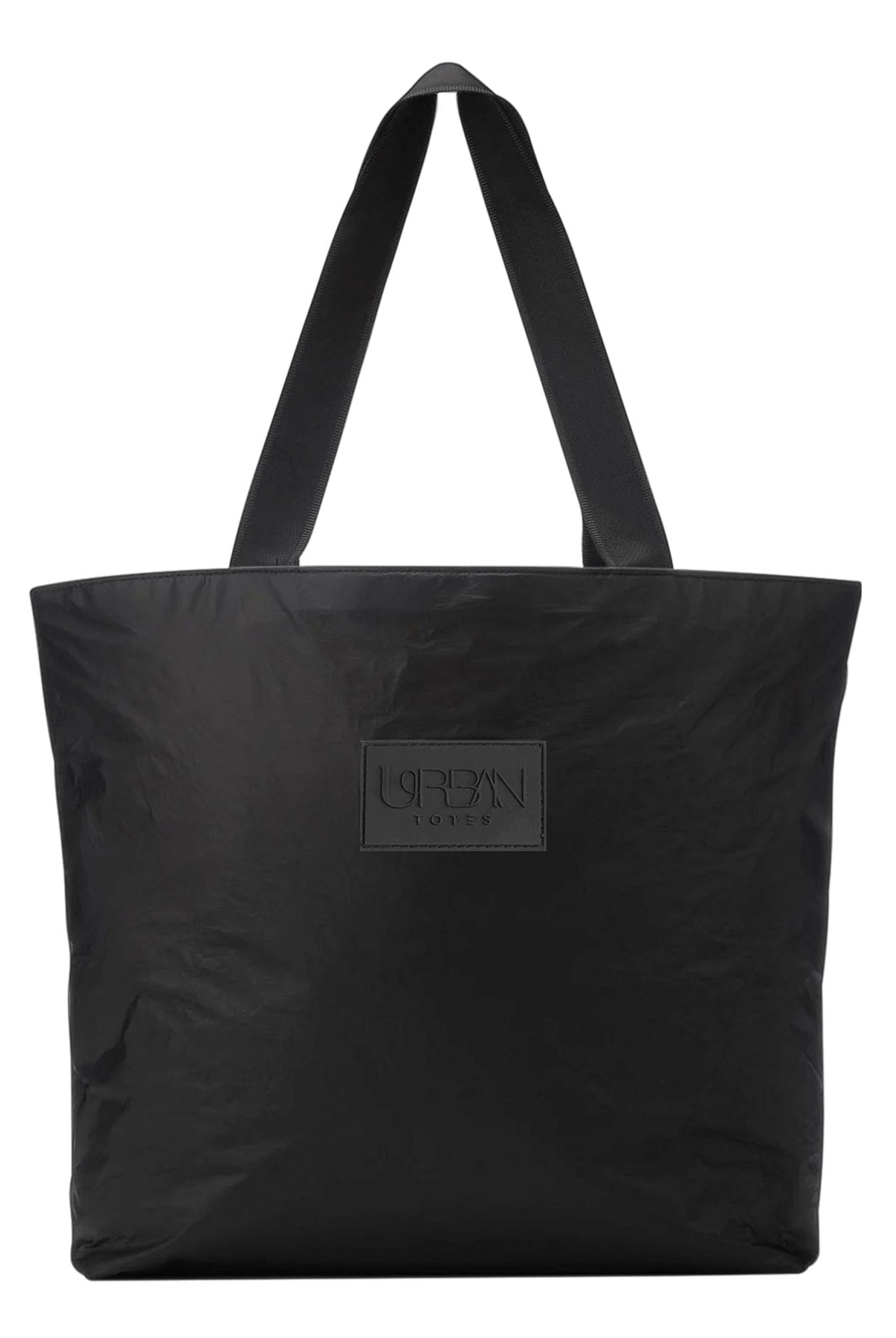
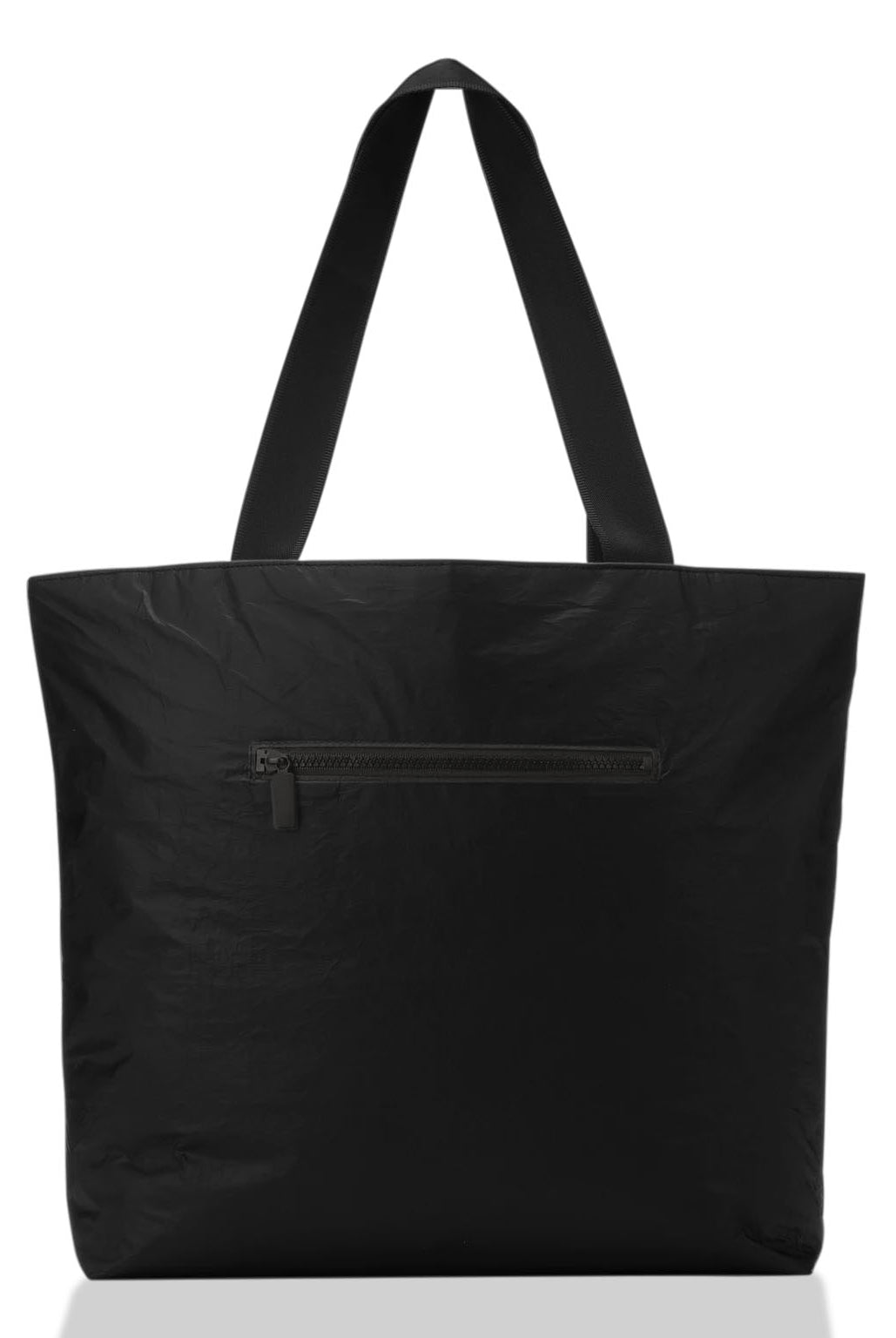
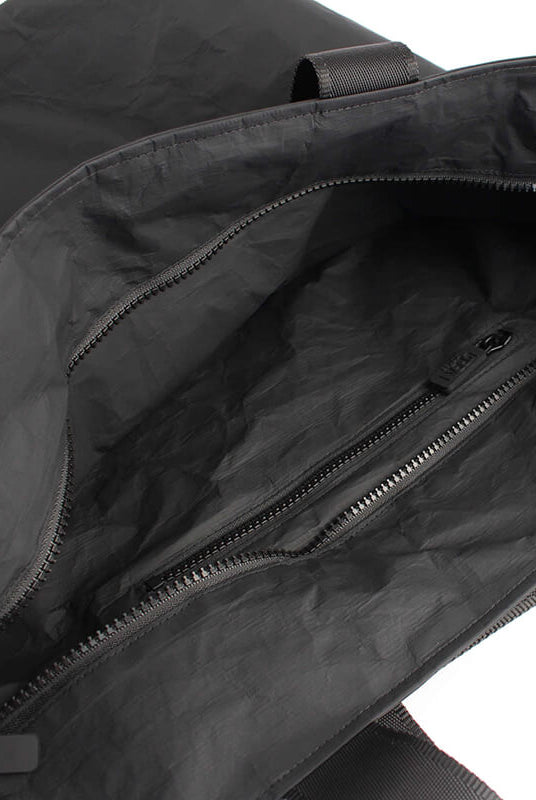
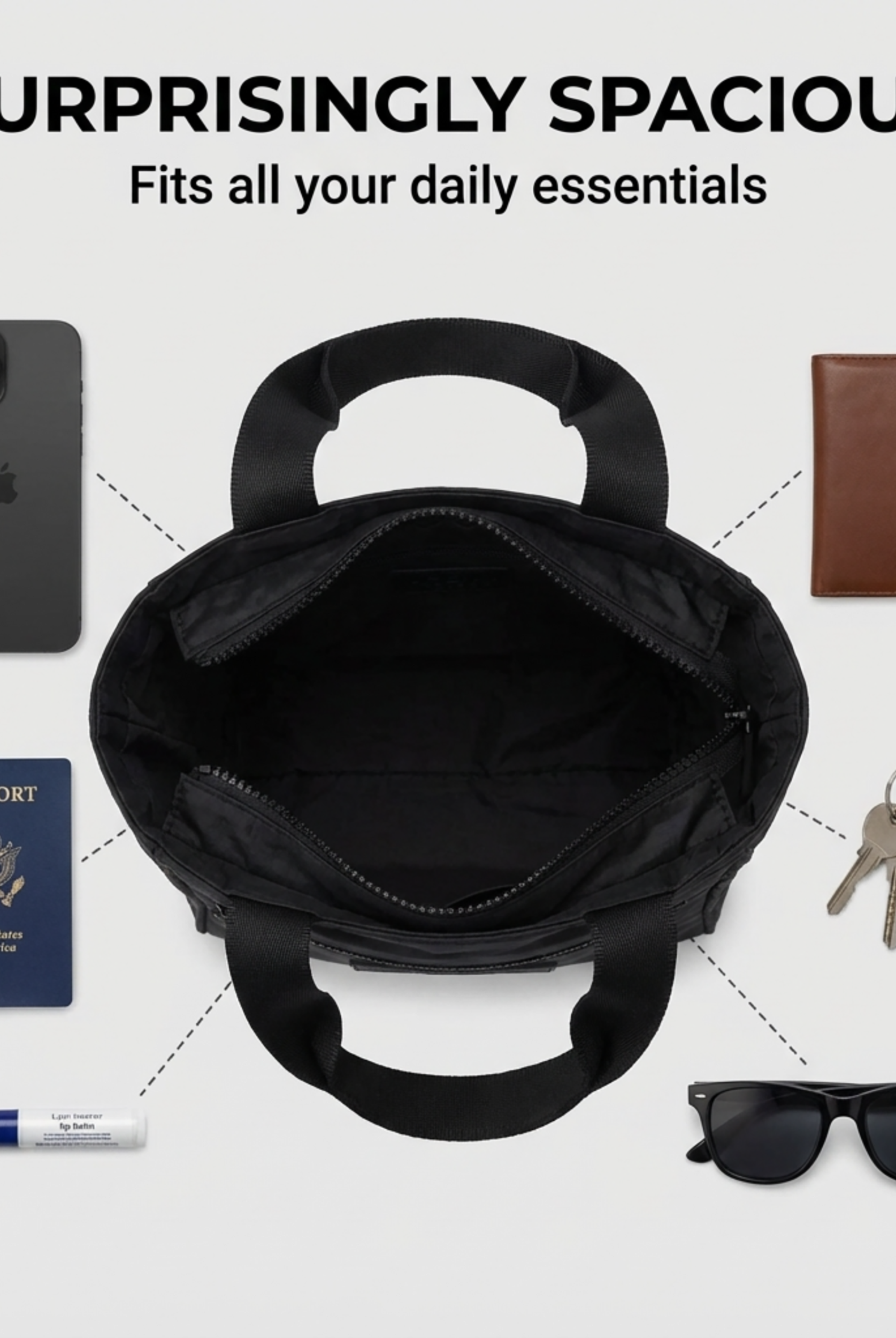
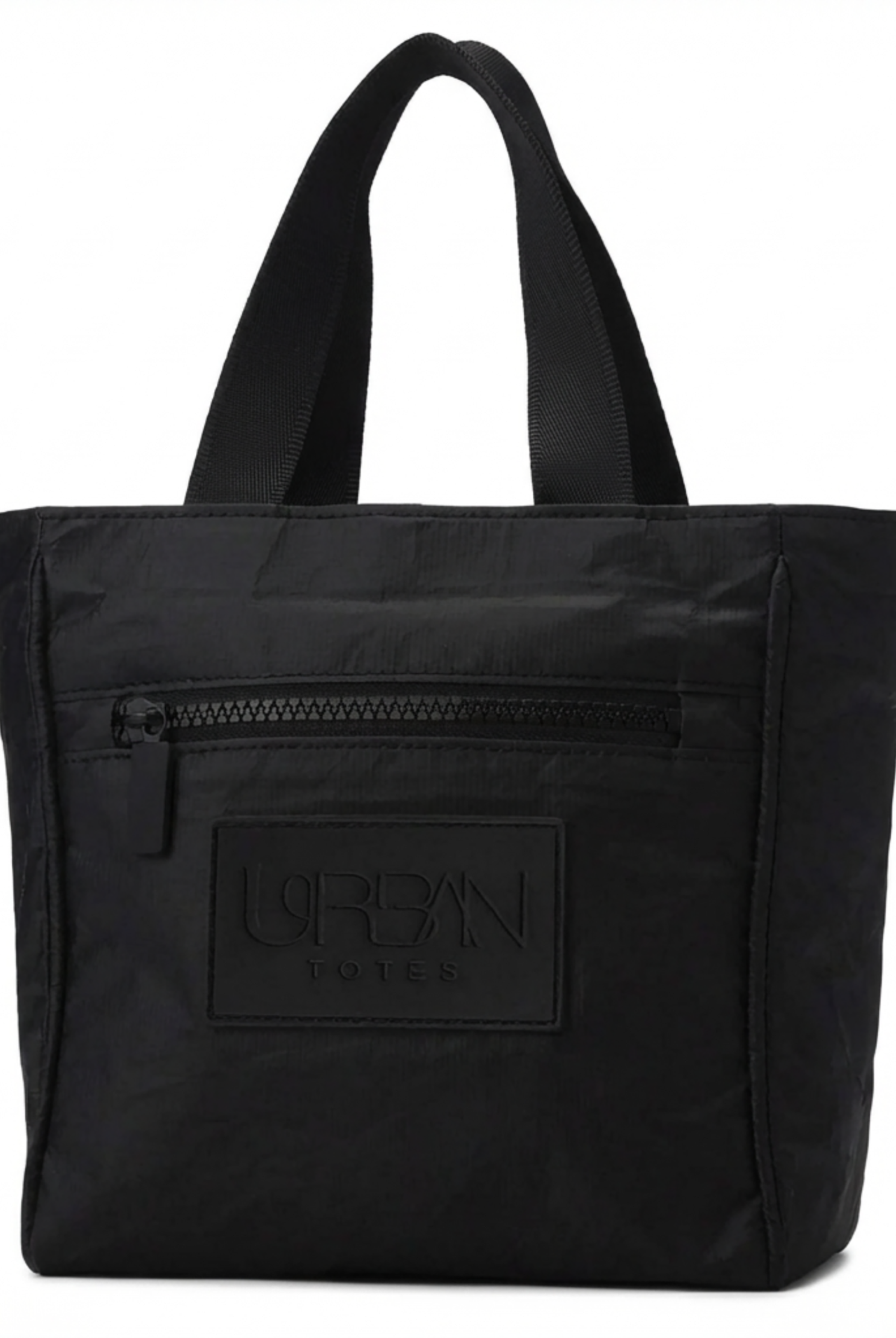
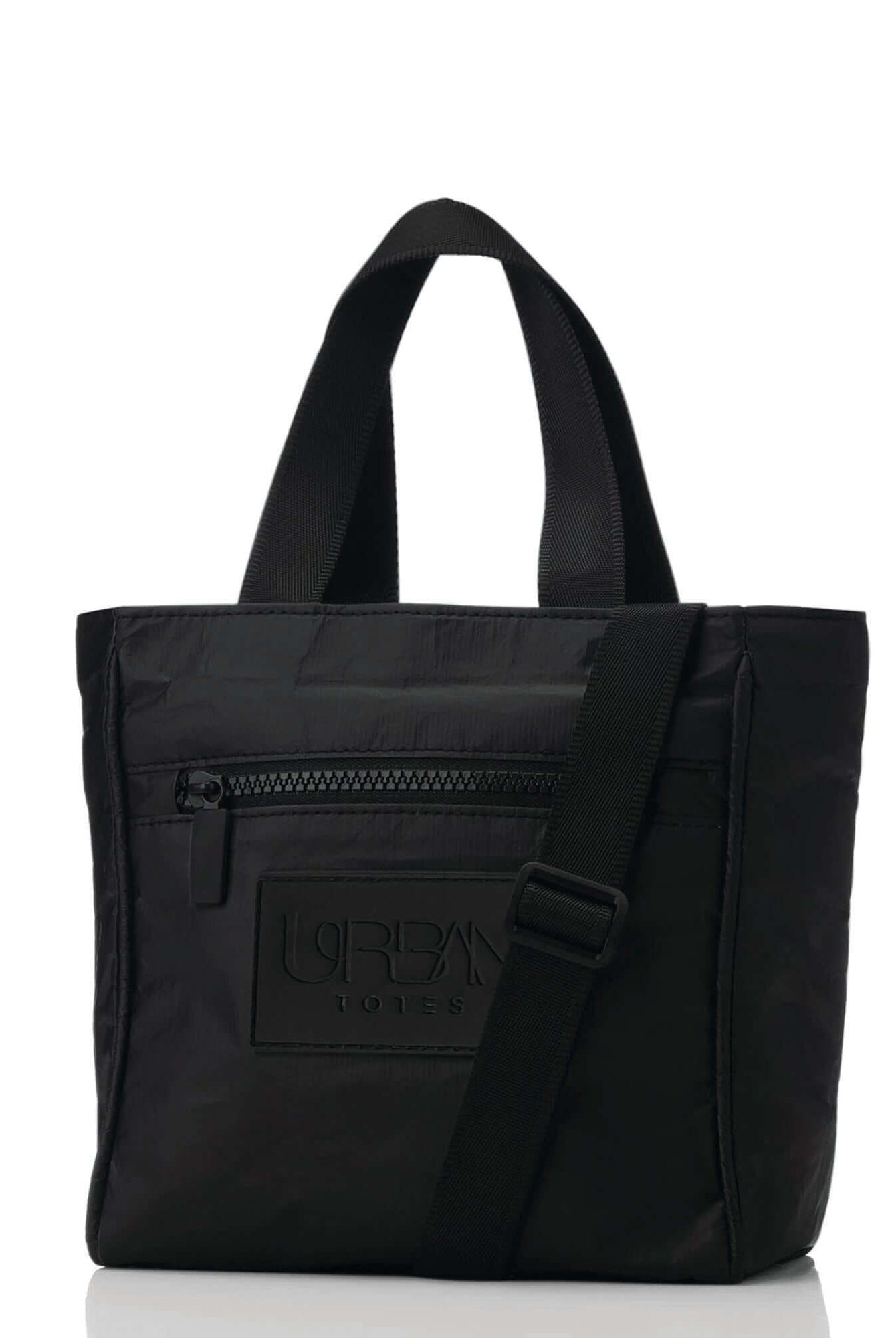
The OG Zipper Tote by Urban Totes, Elevate Every Adventure with The OG Zipper Tote Bag, is described as a lightweight, packable tote with a zipper closure, multiple pockets, a white interior, and water-resistant materials. Its listed dimensions are 19 inches wide by 14.5 inches high, with interior and exterior zipper pockets for smaller essentials.
For a closer look at how the shell, zipper, and seams work together, read our guide to water-resistant tote bags with zippers.
Understand water resistance before you buy
“Water-resistant” refers to a measurable fabric performance category. It does not mean every opening blocks every drop. ISO 811:2018 specifies a hydrostatic pressure method for measuring resistance to water penetration in fabrics intended to be water resistant, with or without a water-repellent finish, as outlined in the ISO 811 reference document.
The test increases water pressure against a clamped fabric specimen until leakage appears. That first leakage pressure becomes the result. In daily use, the shell may resist rain while a zipper opening, seam, or unprotected pocket still lets moisture inside.
SGS explains that 100 centimeters of water head equals 9.8 kilopascals, and that European rain-protection standards may specify hydrostatic head levels between 8 and 13 kilopascals, depending on fabric class, in its explanation of rain resistance testing. Regional references include ISO 811 in Europe, AATCC 127 in the United States, and JIS L 1092 in Japan, with results expressed in millimeters of water column or kilopascals, as summarized by this guide to textile water-resistance standards.
Open Top vs Zippered Totes for Real Life
The open-top tote wins when speed and capacity matter most. You can drop in a wide hat, a bulky sweater, a market purchase, or a beach towel without working around a closed opening. The zippered tote wins when you're moving through crowds, carrying a laptop, or dealing with a commute where the bag gets tipped, bumped, and pressed against your body.
The difference isn't just secure versus insecure. Closure type determines how you distribute weight and how much attention you need to give the bag. An open tote rewards loose, flexible packing. A zippered tote rewards zones, stable layers, and items that fit below the top line.
| Feature | Open Top Tote | Zippered Tote |
|---|---|---|
| Access | Fast, unrestricted access | Slightly slower, controlled access |
| Packing style | Suits tall or bulky items | Suits organized, contained layers |
| Movement | Contents may shift or fall out | Contents stay enclosed during movement |
| Weather exposure | Opening remains exposed | Top opening is covered when zipped |
| Crowd and transit use | Best when you can keep the bag close | Better for enclosed everyday carry |
| Weight | Usually lighter | A full-length zipper adds some weight |
| Best use | Quick errands and oversized loads | Commuting, travel, valuables, and daily carry |
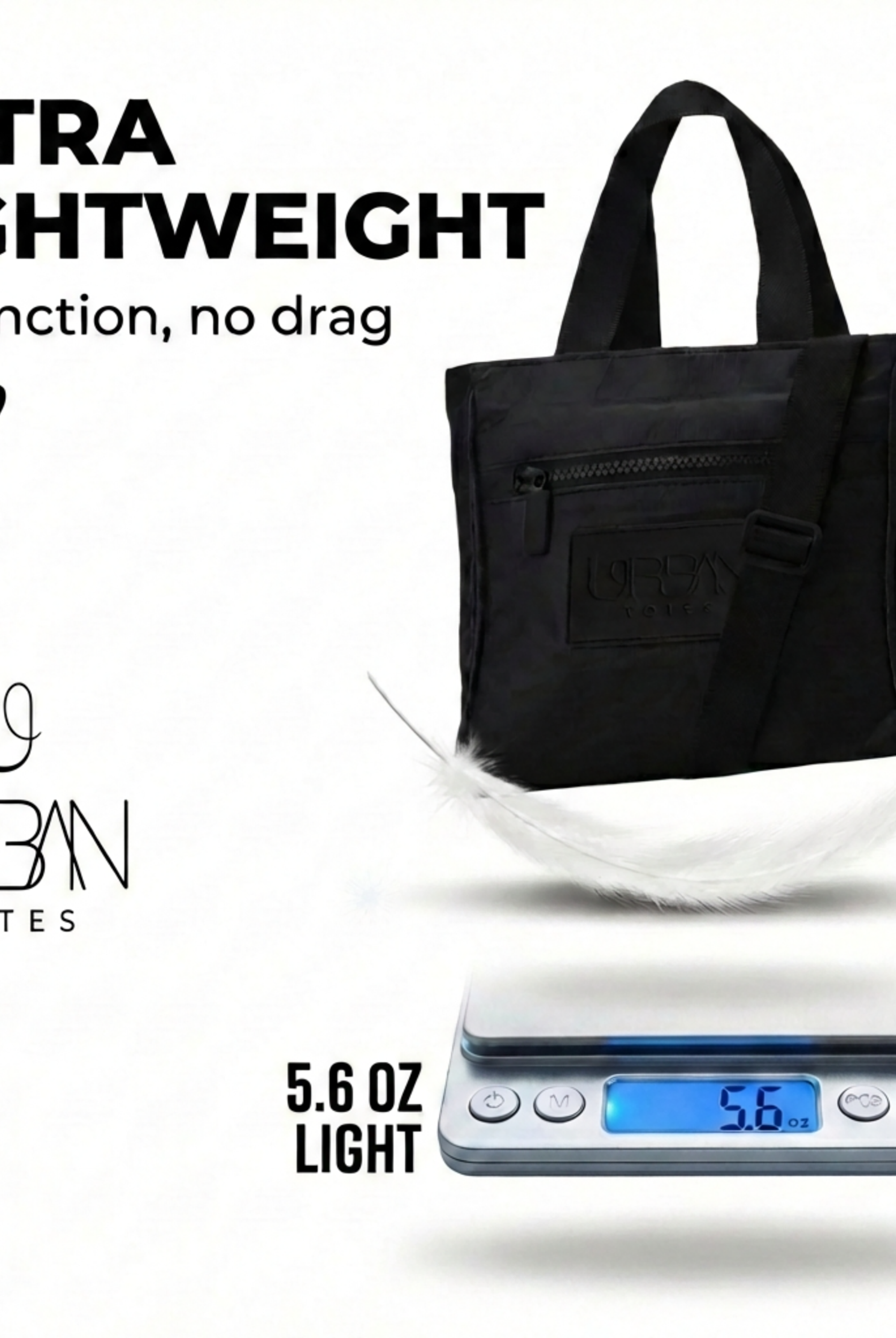
A lightweight-tote analysis estimates that a full-length YKK zipper adds about 0.15 to 0.2 pounds compared with an open top, while hidden interior zippered pockets add about 0.05 pounds, according to this lightweight tote analysis. That's a small burden for the spill control and enclosure a zipper provides on public transit, in airport lines, or during a bumpy car ride.
The same analysis states that nylon and ripstop polyester weigh about 30% to 50% less than equivalent canvas or leather. That helps explain why lightweight, packable totes often pair synthetic fabrics with secure closures. You get a bag that folds away when you don't need it without giving up the organization you want when the day gets busy.
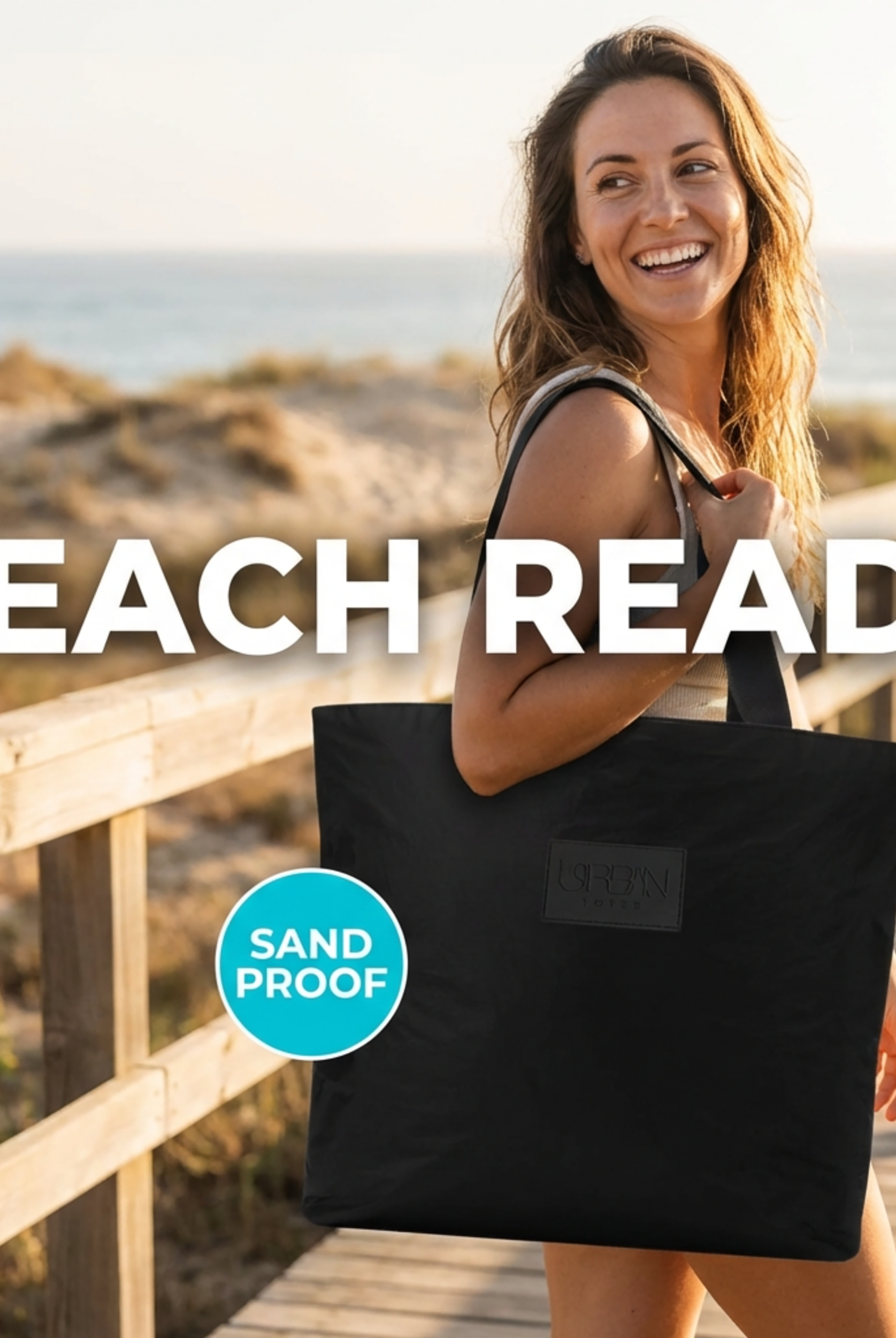
For a fuller travel-focused perspective, use this guide to choosing the best tote for travel. My recommendation is straightforward: choose open top for oversized, quick-load errands, and choose a zipper closure for laptops, valuables, flights, crowded commutes, and beach days where sand should stay outside.
Smart Packing Strategies for Busy Women
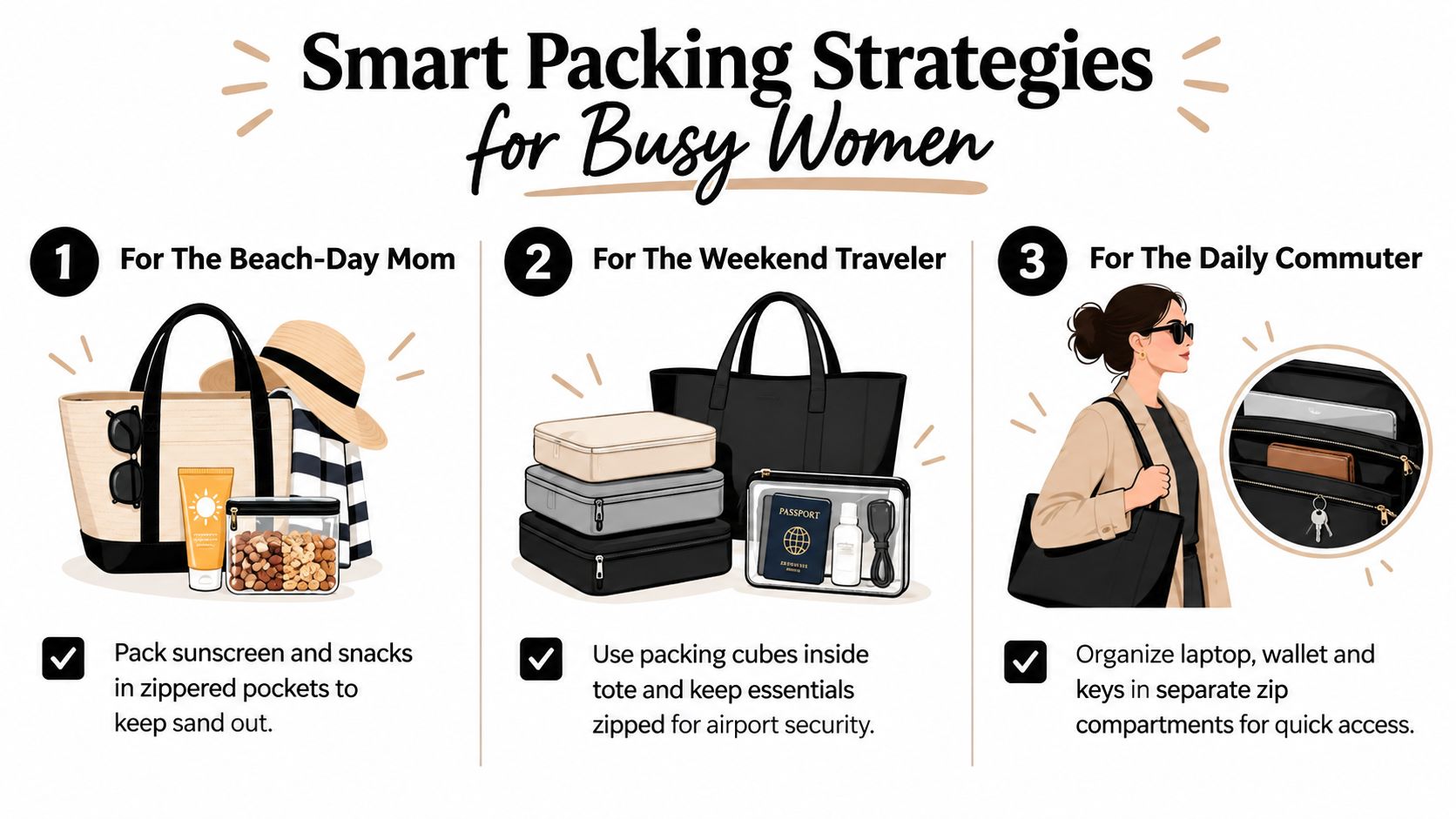
The easiest way to enjoy a zippered tote is to stop treating it like one large compartment. Divide the interior into zones, keep the heaviest objects closest to your body, and use the zipper pockets for items that would otherwise vanish under everything else.
Give every category a home
The beach-day mom needs a different setup from the daily commuter, but the principle is the same. Put items where your hand expects to find them.
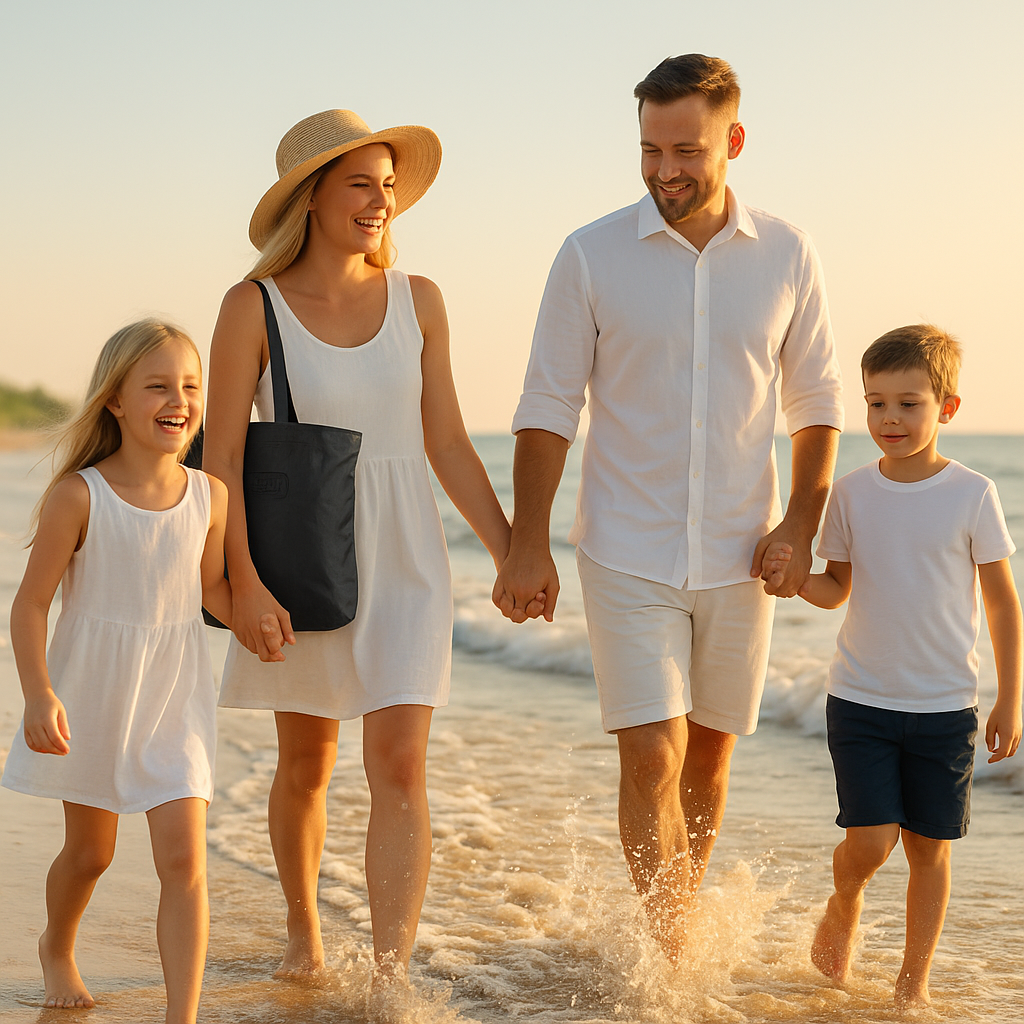
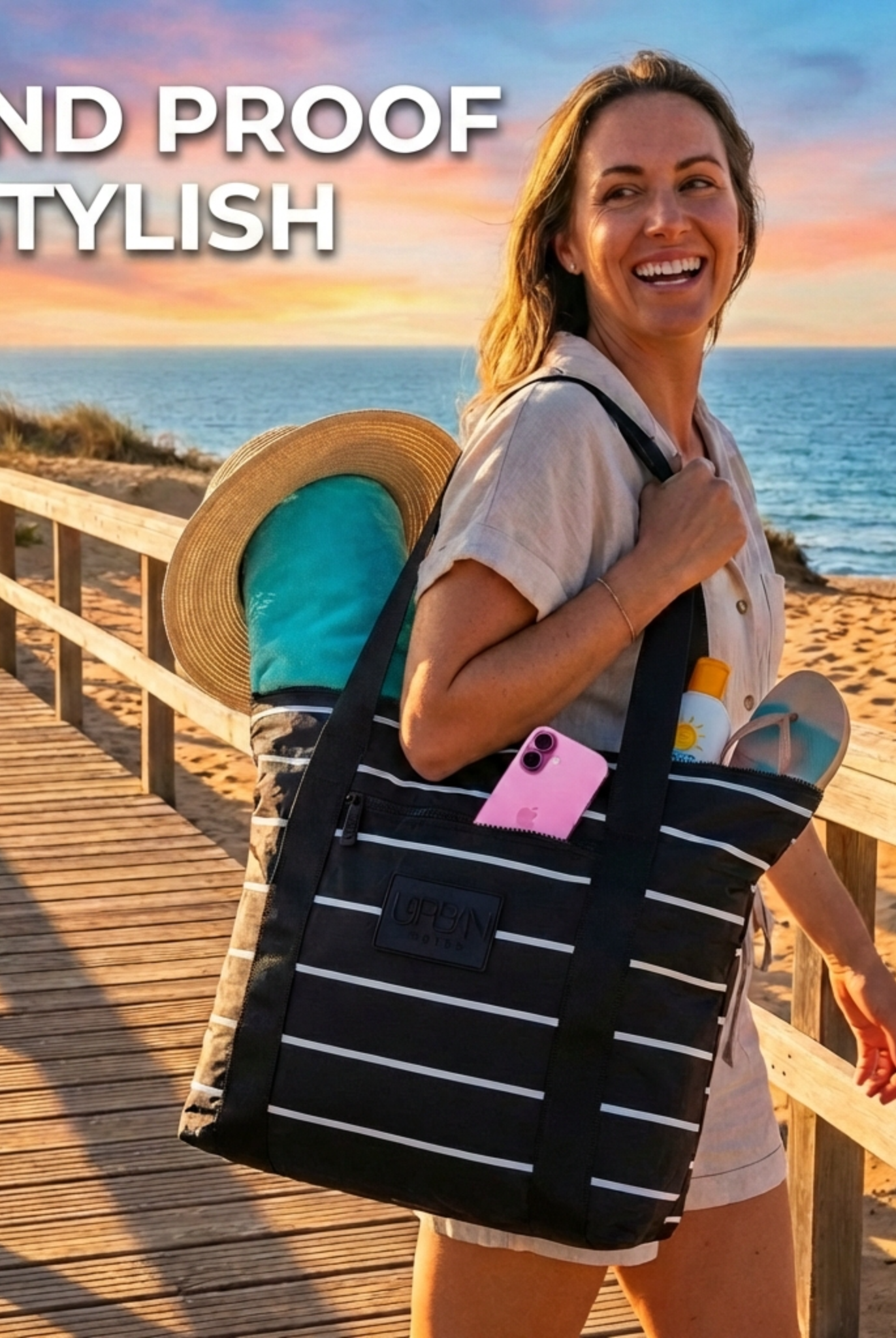
- Beach essentials: Keep sunscreen, keys, and snacks in zippered pockets where sand is less likely to reach them. Use a side pocket for a wet swimsuit or workout clothing so damp items stay separate from dry belongings.
- Weekend travel: Place a small pouch or packing cube inside the tote for chargers, toiletries, and cables. Keep identification, transit documents, and other small essentials in a zipped compartment rather than loose on top.
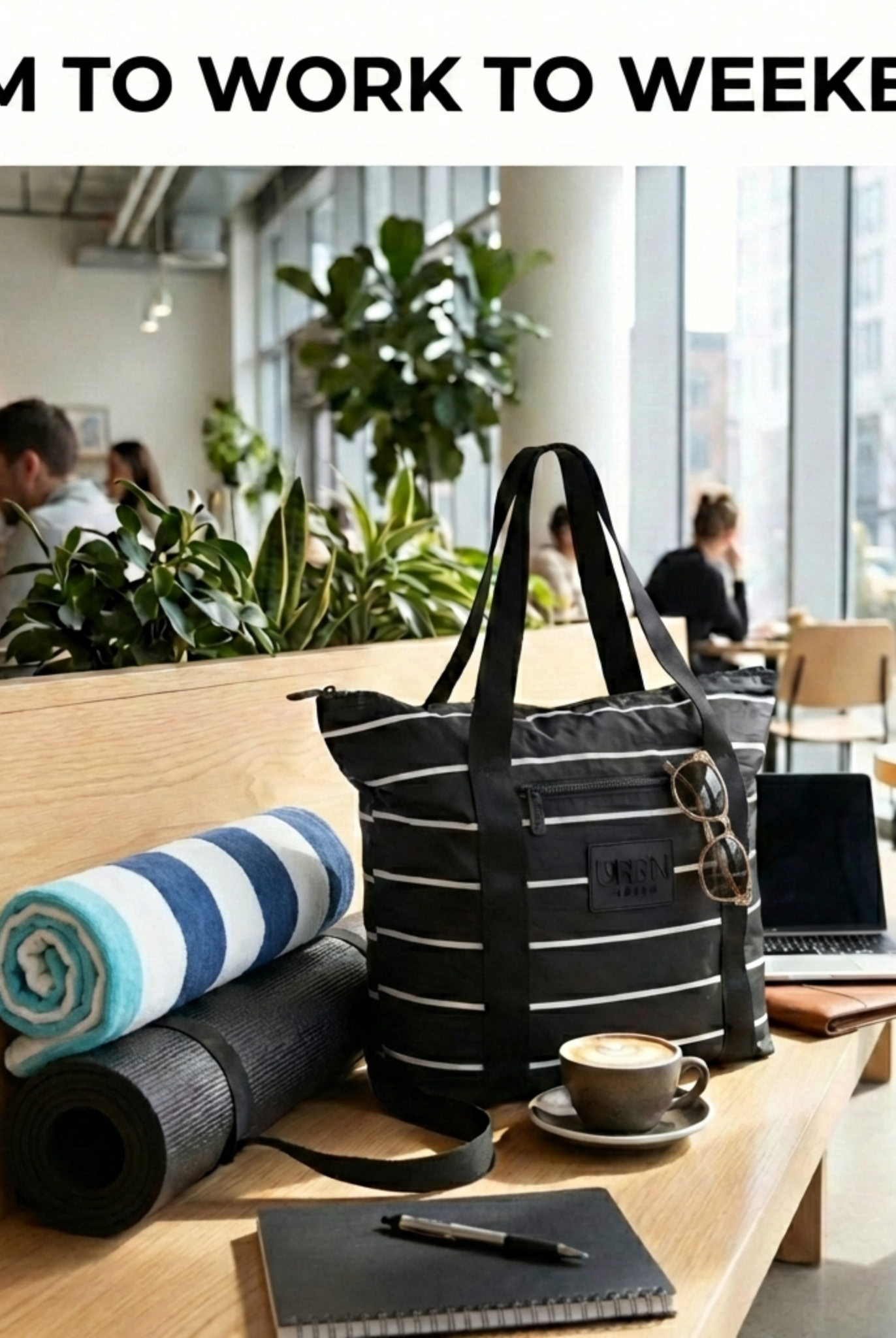
- Daily commute: Set the laptop against the interior wall, then place a notebook or slim pouch beside it. Reserve a quick-access pocket for your phone and an exterior zipper pocket for keys, transit cards, or a slim wallet.
A multi-pocket interior reduces the need to unload the whole tote at a café table or airport seat. It also helps distribute weight. Heavy tech should sit low and close to your body, while soft items such as a scarf or spare shirt can fill the outer spaces without creating a lopsided carry.
Pack for the zipper line
Don't fill the tote higher than the closure can comfortably cover. A zipper that closes without strain protects the bag's alignment and makes the handle or shoulder carry feel steadier. If you need to carry something tall, keep it in an open-top tote or choose a larger design rather than forcing the item diagonally under a closed top.
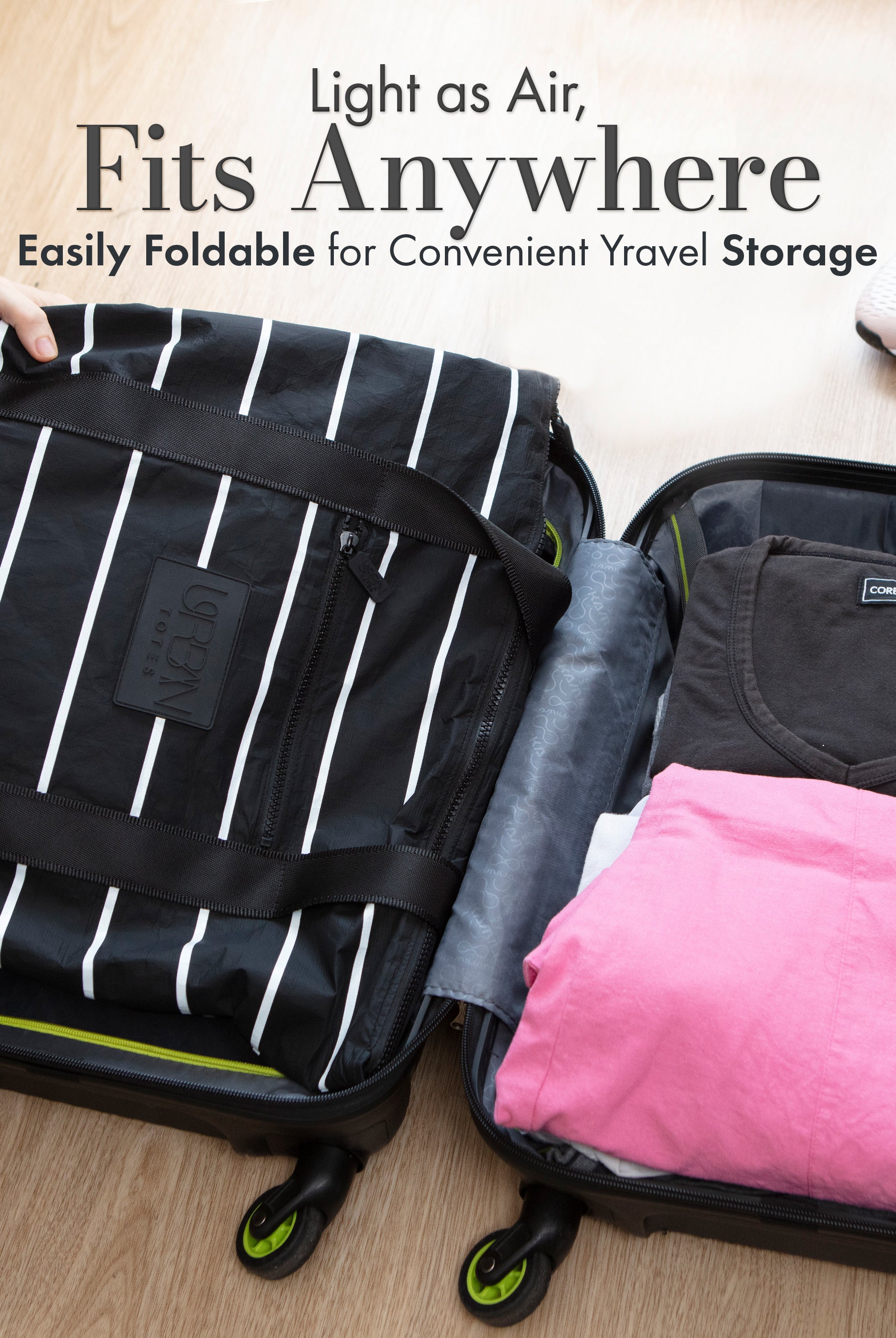
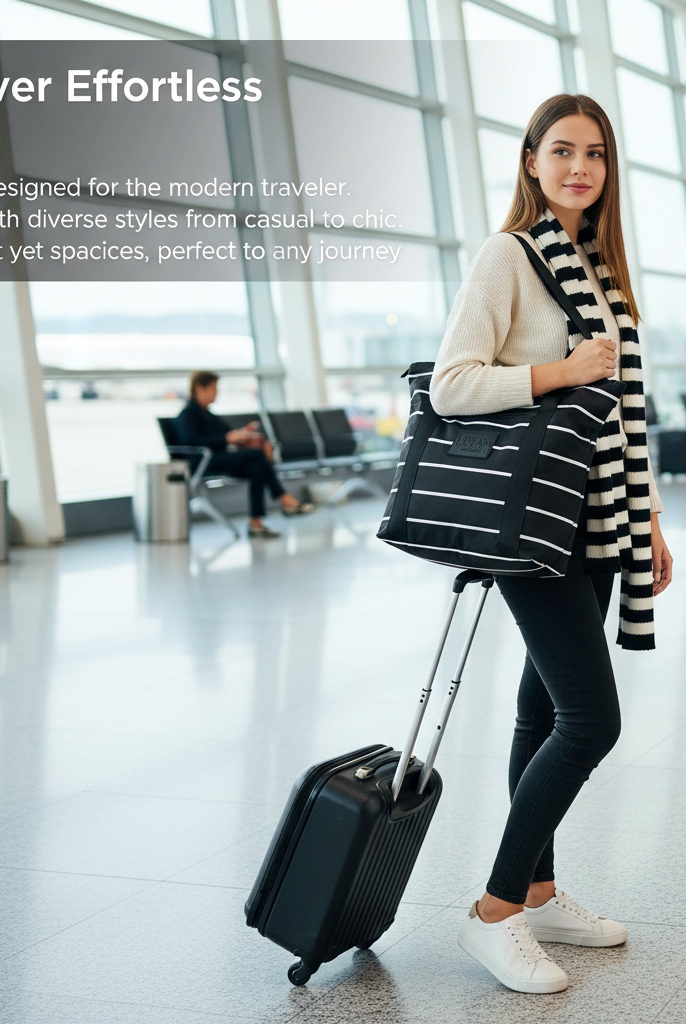
The bag's foldability matters, too. A packable, foldable tote can live inside a suitcase until you need an extra carry option, then collapse again when the trip is over. That versatility is especially useful for weekend travelers who want one travel-ready bag that can serve as an airport personal item, a market tote, or a beach companion.
For more organization ideas, see this guide to using a tote bag organizer with a zipper. The goal isn't to carry more. It's to make the things you already carry easier to locate, lift, and put away.
Caring for Your Zippers and Technical Fabrics
A water-resistant tote still needs ordinary care. Dust, beach sand, spilled coffee, and body oils can collect along the zipper tape and fabric folds, while overstuffing can pull the opening out of alignment. A short maintenance routine keeps the bag looking polished and helps the closure move as intended.
Start by emptying every compartment before cleaning. Shake out loose grit outdoors, then use a soft brush or dry cloth around the zipper track. Don't drag the slider through sand or dried debris. Clear the track first, because forcing the zipper can increase pressure on the teeth and the attachment seam.
Clean the fabric gently
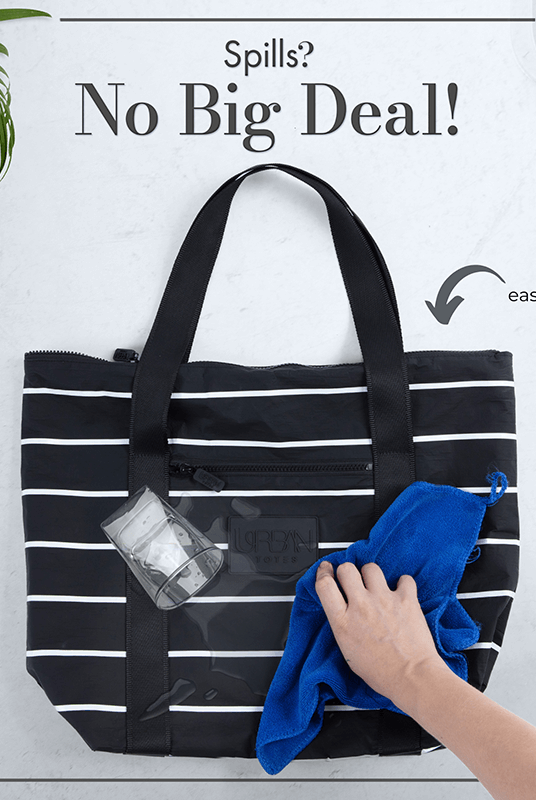
For a light spill, blot rather than scrub. Use a damp cloth and mild soap on the affected area, then wipe away residue with clean water. Aggressive scrubbing can roughen synthetic surfaces, disturb coatings, or spread a stain across a larger panel.
For beach days, rinse or wipe away salt and sand before folding the tote. Let the fabric dry fully with the zipper open so moisture doesn't linger inside pockets or along the tape. If the care label permits machine washing, secure the zippers and use the recommended cycle. If the label doesn't permit it, hand cleaning is the safer choice.
Care habit: Clean the zipper track before you reach for extra force. A clear track solves many stubborn closures.
Protect the closure during daily use
Pack the heaviest item against a supported side of the bag, not directly against the zipper tape. Keep sharp objects inside pouches, and don't allow pens, chargers, or metal accessories to press into the top edge. Close the zipper without pulling the two sides apart, and stop if the slider catches instead of yanking it forward.
The closure seam deserves a quick visual check from time to time. Look for loose threads, puckering, skipped stitches, or tape that's beginning to lift from the bag body. These early signs matter because seam failure can develop before the teeth show obvious damage, as detailed in these tote maintenance tips.
If the zipper feels dry or rough, follow the manufacturer's care guidance before applying any lubricant. Random oils can stain fabric and attract debris. The safest routine is simple, keep the track clean, keep the load reasonable, and store the tote dry and loosely folded.
Finding Your Perfect Go-Anywhere Bag
A good tote bag with zipper closure should earn its space in your wardrobe by solving several problems at once. It should carry enough for your real day without becoming heavy, protect contents from ordinary weather without pretending to be waterproof, and give you compartments that prevent your phone, keys, and charger from disappearing.
Use this buying checklist before you commit:
- Weight: Look for a lightweight construction, especially if you'll carry a laptop, water bottle, or family extras.
- Closure: Choose a smooth zipper with even tape, secure stitching, and enough structure around the opening.
- Fabric: Seek clear language about water resistance and care. If a brand references hydrostatic testing, that's more useful than a vague weather claim.
- Organization: Prioritize multi-pocket layouts, interior zipper compartments, and an exterior pocket for fast access.
- Flexibility: A foldable, packable design works harder for travel because it can become an extra carry bag when plans change.
- Comfort: Check handle length, shoulder clearance, and how the tote sits when loaded. A secure top doesn't help if the straps dig in.
- Maintenance: Confirm whether the fabric can be wiped clean or machine washed, and follow the care label for the actual bag.
A tote with a full zipper isn't automatically the right choice for every woman. If you regularly carry tall flowers, oversized beach gear, or bulky market finds, an open top may suit you better. If your day includes commuting, school runs, flights, crowded sidewalks, or weather that changes without warning, the enclosed design is the more practical recommendation.
Urban Totes is a woman-owned Boise-made brand focused on lightweight, water-resistant, foldable, packable bags with thoughtful organization features. Its approach fits the needs of women who move between work, errands, travel, fitness, and family life without wanting a separate bag for every scene. For larger, more expedition-style packing questions, this guide to what fits in a 70 liter duffel can help you distinguish a true high-capacity load from the everyday versatility a tote should provide.
Choose the bag that matches your movement, not the fantasy version of your schedule. A stylish, durable, organized tote should make the next transition easier, from school drop-off to the office, from the airport terminal to the beach chair, and from weekday errands to an unplanned weekend away.
Urban Totes offers lightweight, water-resistant, packable totes with zipper closures and practical compartments for everyday carry, travel, beach days, and busy family life. Visit Urban Totes to find a go-anywhere bag that helps you tote everything with less searching and more confidence.