At 6:40 a.m., the security line is moving and your tote isn't. Your laptop is sliding under a sweater, tangled earbuds are wrapped around a charger, a granola bar wrapper is stuck to your passport, and the boarding pass you need is somewhere beneath everything else. Add a water bottle that tipped onto a notebook, and a simple travel day turns into a series of tiny annoyances.
The problem usually isn't how much you're carrying. It's where each item lives. Once your tote has a pocket-by-pocket map, you can find your phone without digging, clear security without unpacking the whole bag, and move from airport to train platform with far less friction.
This is how to pack a tote bag for travel without turning it into a soft-sided junk drawer. The method works for a work commute, a school-run weekend, a beach day, or a flight where your tote needs to fit under the seat.
Table of Contents
- The Tote Bag Chaos Every Traveler Knows Too Well
- Choosing the Right Tote for the Way You Actually Travel
- A Pocket-by-Pocket Packing System That Actually Works
- Sample Packing Lists for Day Trips, Weekenders, and Carry-On Flights
- Packing Variations for Commuters, Parents, Gym-Goers, and Weekenders
- Security, Cleanliness, and Care Hacks for a Travel-Ready Tote
- Pack Smarter and Travel Lighter Starting Today
The Tote Bag Chaos Every Traveler Knows Too Well
An overstuffed tote creates the same problems whether you're traveling across the country or crossing town. The phone disappears beneath a cardigan. Keys settle into the deepest corner. Headphones catch on a notebook spiral. By the time you locate your wallet, the cashier, gate agent, or conductor has already asked for it twice.
Open-top bags make this worse because everything shares one large cavity. A soft tote may look roomy at home, but once you add a laptop, water bottle, sweater, snacks, toiletries, and documents, the interior loses all sense of order. Accessibility matters more than theoretical capacity.
Practical rule: If you can't retrieve an item with one hand while standing, it doesn't have a reliable home in your tote yet.
The most common packing failures come from mixing high-frequency items with soft goods. A passport beneath a change of clothes is technically packed, but practically misplaced. A charger floating beside a lunch container is available only after a search. Packing guidance also points to the value of a dedicated grab-and-go pouch for transit essentials, with bulky items kept below it so you can board or clear security without emptying the bag. This carry-on packing guide recommends that same separation, along with keeping liquids together and placing irreplaceable items in your carry-on rather than checked luggage.
A checklist helps, too. Travelers report forgetting an average of two essential items per trip, with toothbrushes and toothpaste left behind most often at 22%, followed by chargers at 19.1%. Packing statistics from Radical Storage also report that 72.9% of travelers make a packing list for each trip, while 77.1% say the list makes them less likely to forget things.
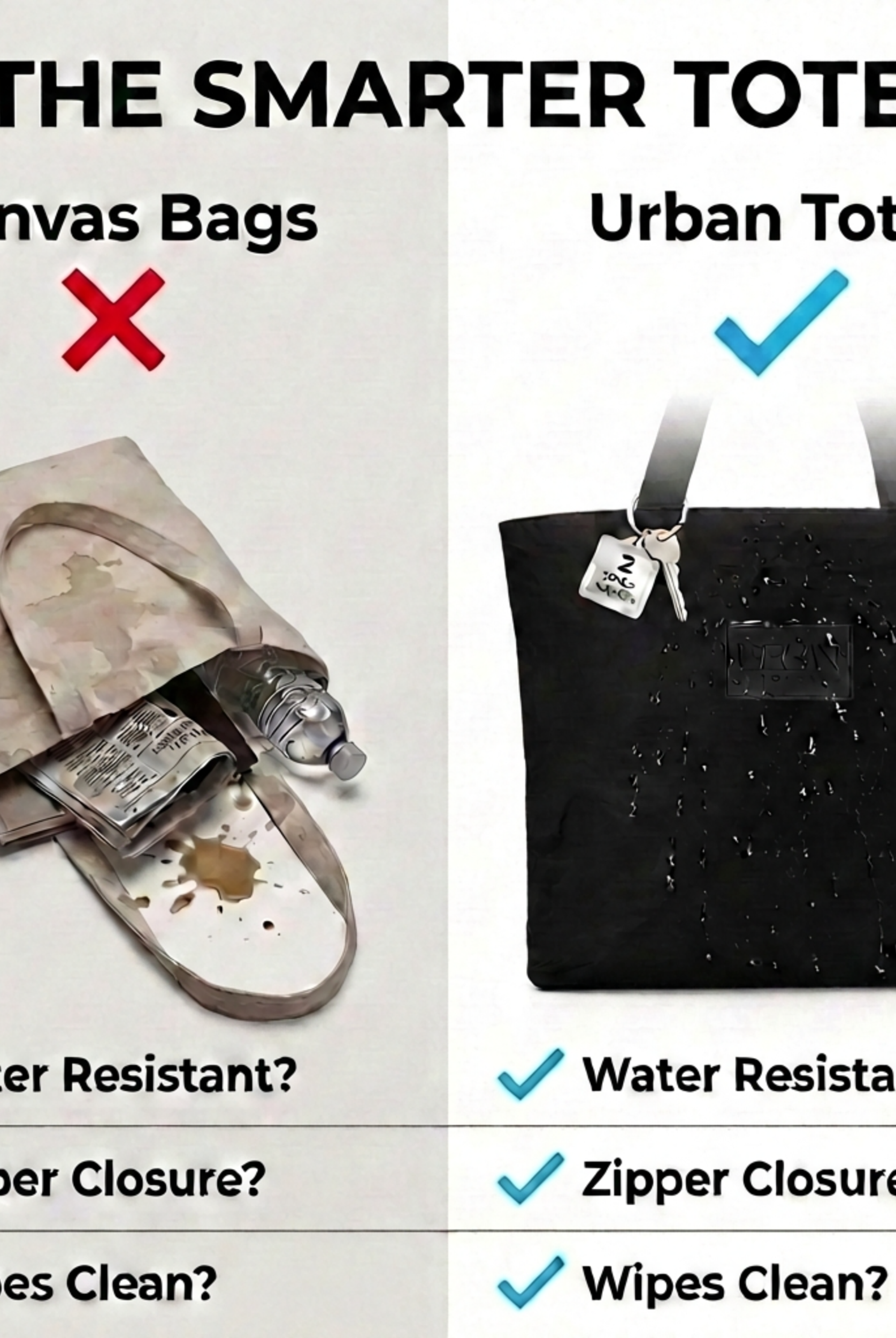
The reset is simple: assign every item one location, then return it there after use. You don't need minimalist wishful thinking. You need an organized, water-resistant, multi-pocket tote with a zipper closure and a system you'll repeat.
Choosing the Right Tote for the Way You Actually Travel
Before clothes go inside, make three decisions: how you'll carry the tote, where it will travel, and what it must hold.
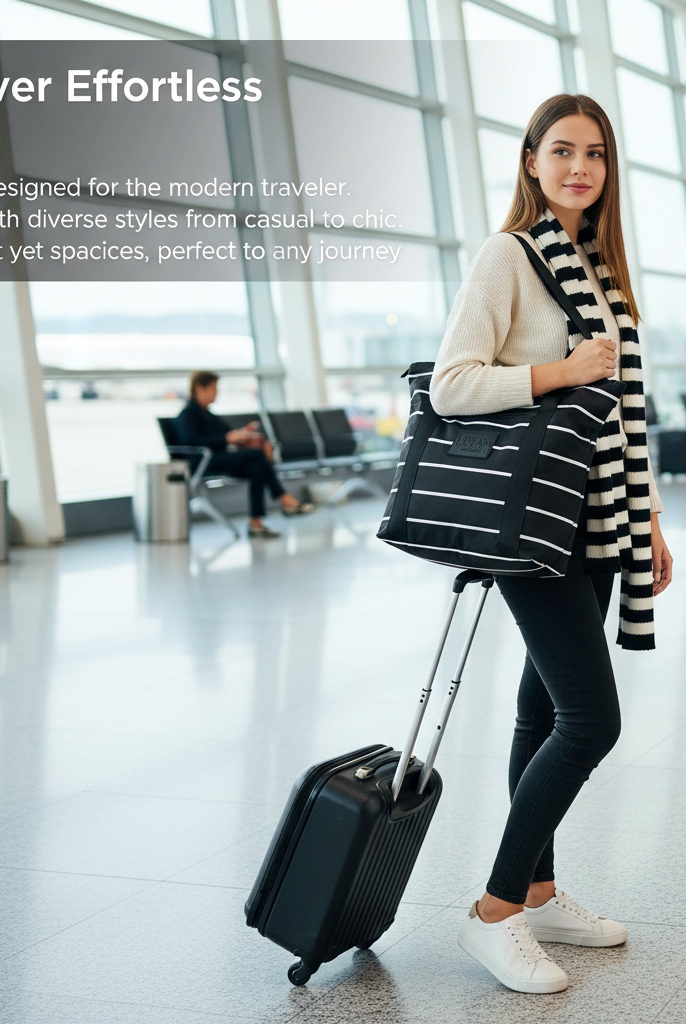
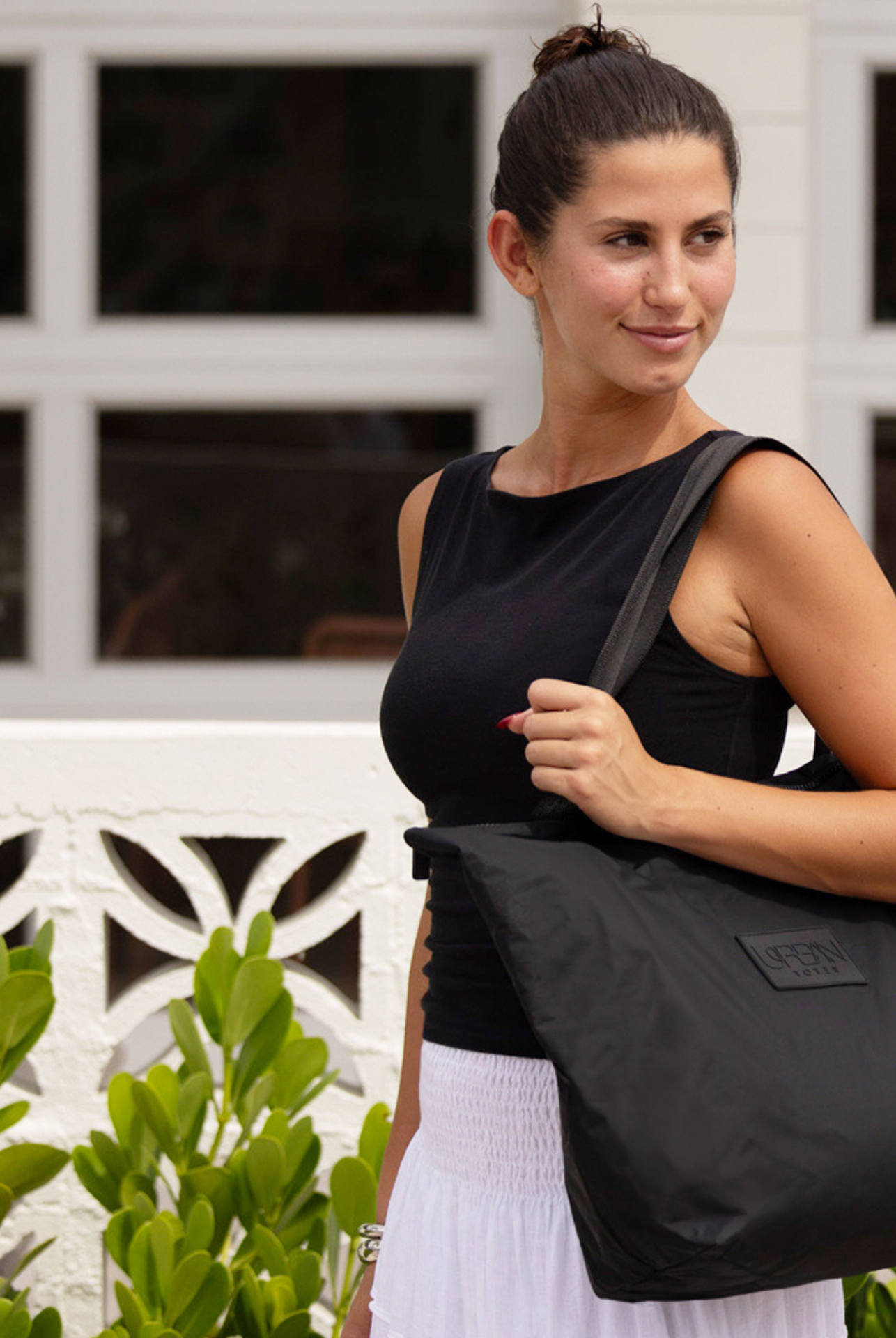
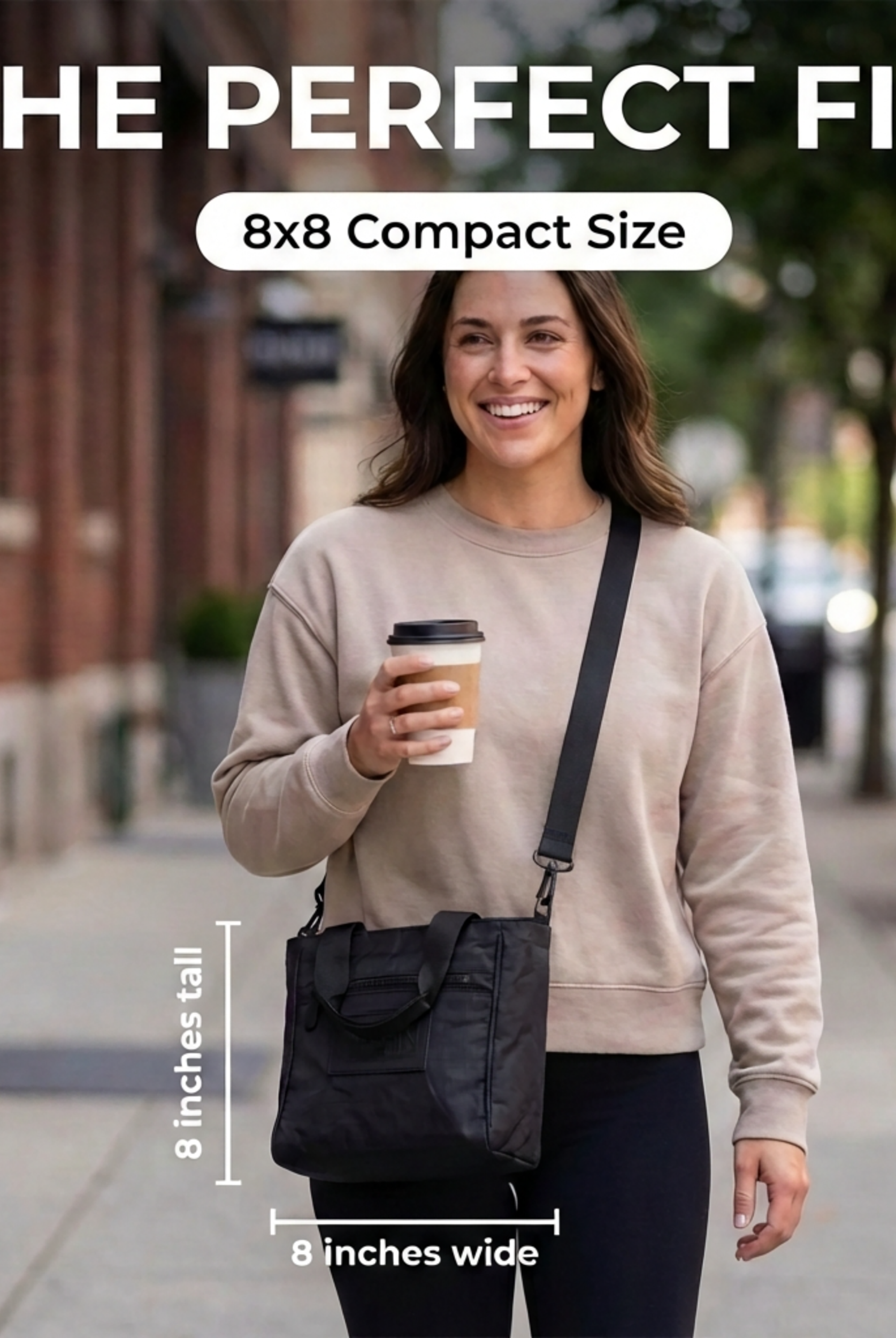
Start with the carrying position. A shoulder tote works well when you're moving between a car, airport lounge, and hotel, but a crossbody option leaves your hands free for coffee, a child's hand, or a rolling suitcase. Hand straps suit short transfers, while longer walks call for comfortable straps and a body that stays close instead of swinging into everyone around you.
Next, match the tote to the setting. A daily commuter may need a laptop sleeve, lunch space, and quick access to a transit card. A weekender needs room for a change of clothes and toiletries. A cabin tote must stay compact enough to slide under a seat or fit within airline cabin-bag expectations. The FAA describes a common carry-on ceiling of 45 linear inches total, while major U.S. carriers commonly allow a carry-on up to 22 x 14 x 9 inches, including handles and wheels. American Airlines' carry-on guidance provides the relevant airline reference, and Delta likewise states that carry-on items need to fit in the overhead bin or under the seat in front of you.
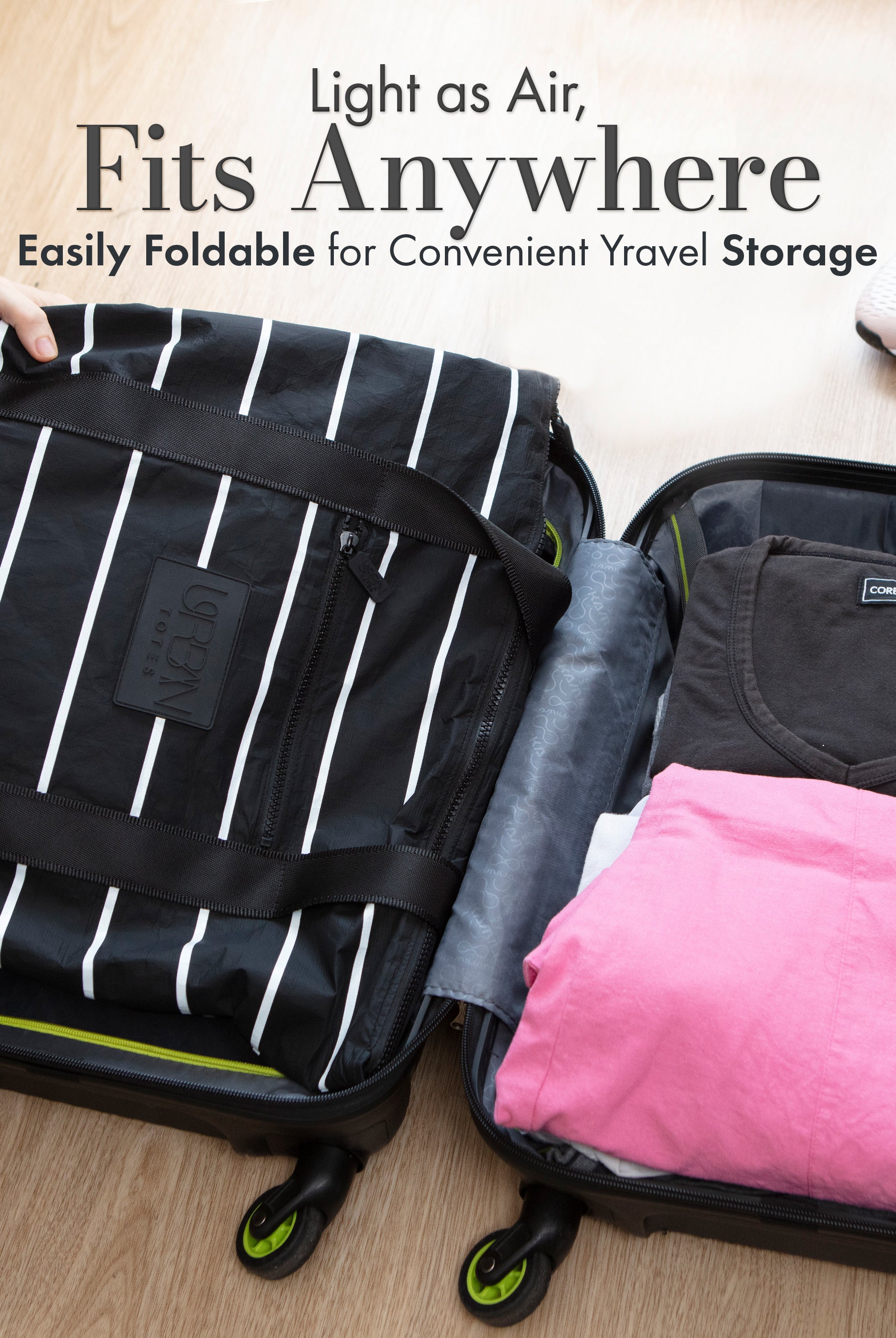
Structure changes how that space behaves. A very soft canvas tote can collapse around a laptop and make every pocket harder to reach. A structured base helps protect electronics from being crushed beneath shoes and lets the bag sit more neatly under a seat. On the other hand, excessive structure adds bulk when you want to fold the tote into a suitcase.
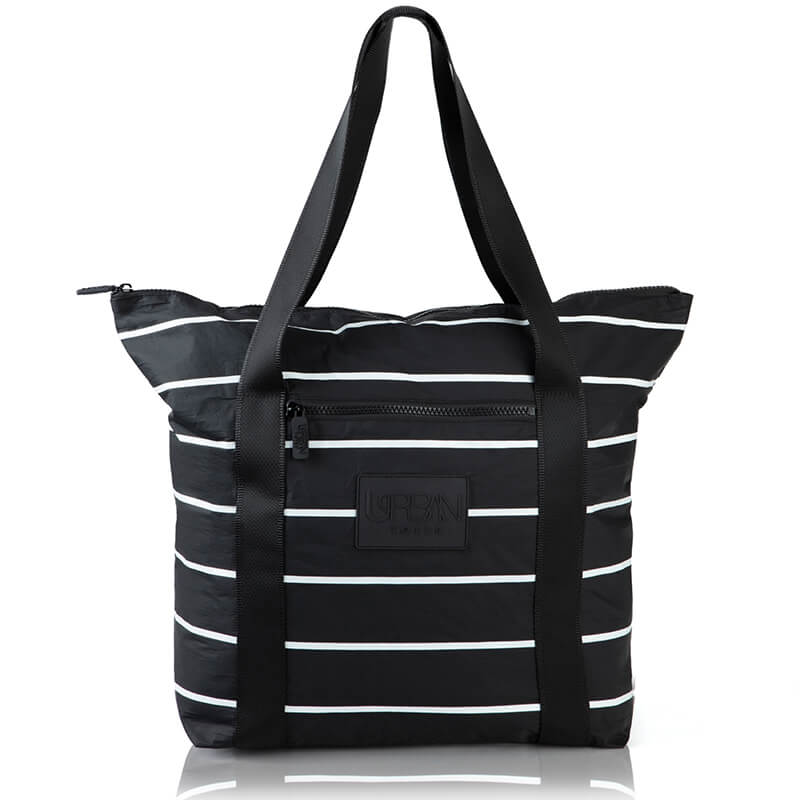
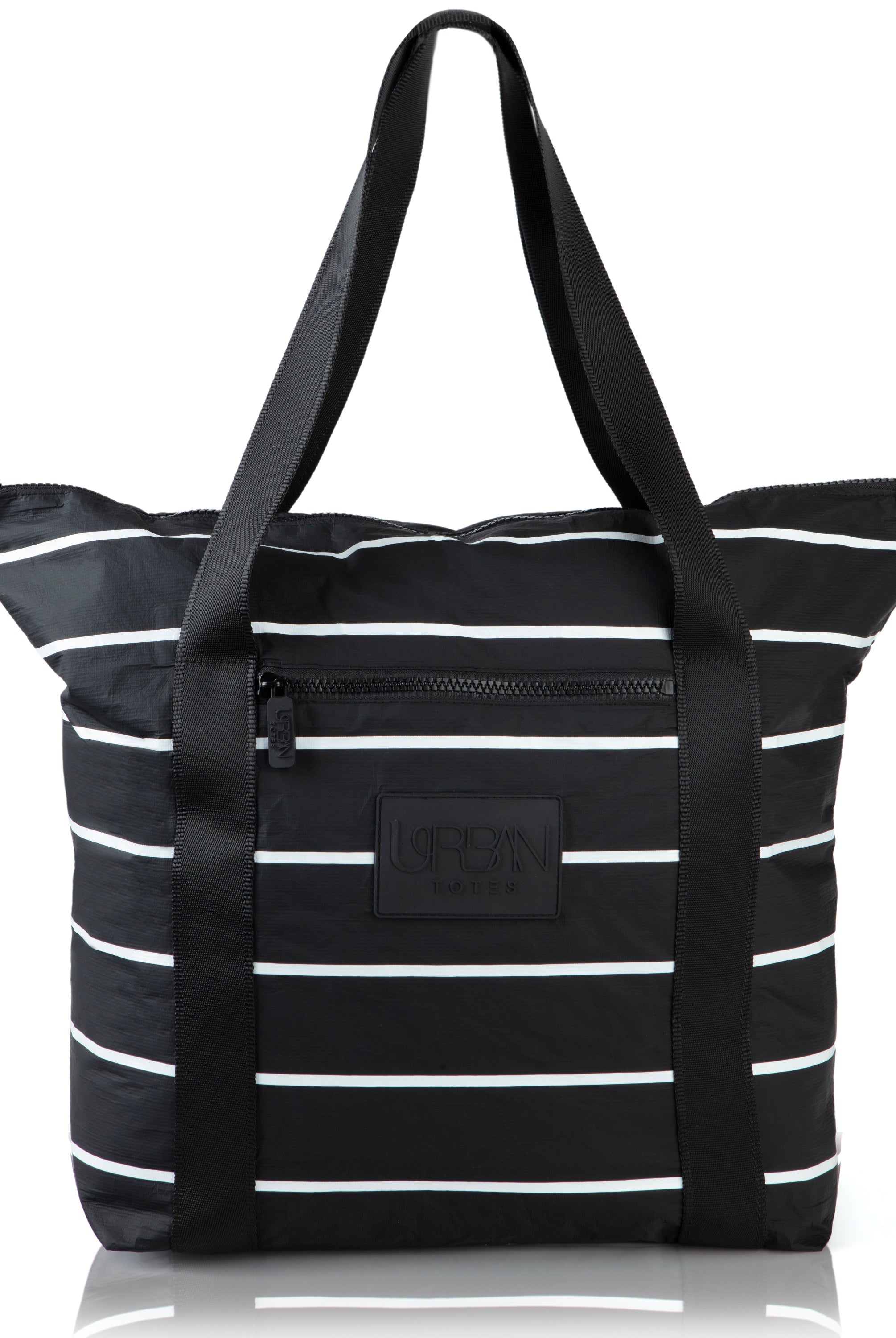
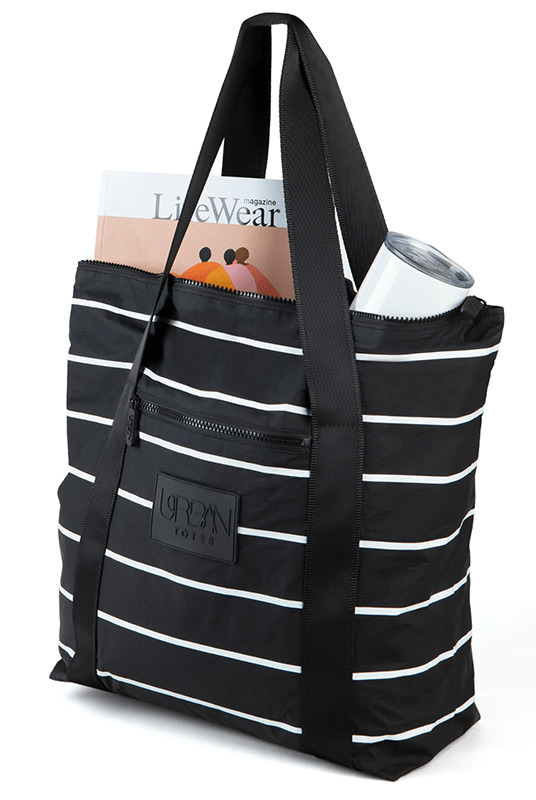
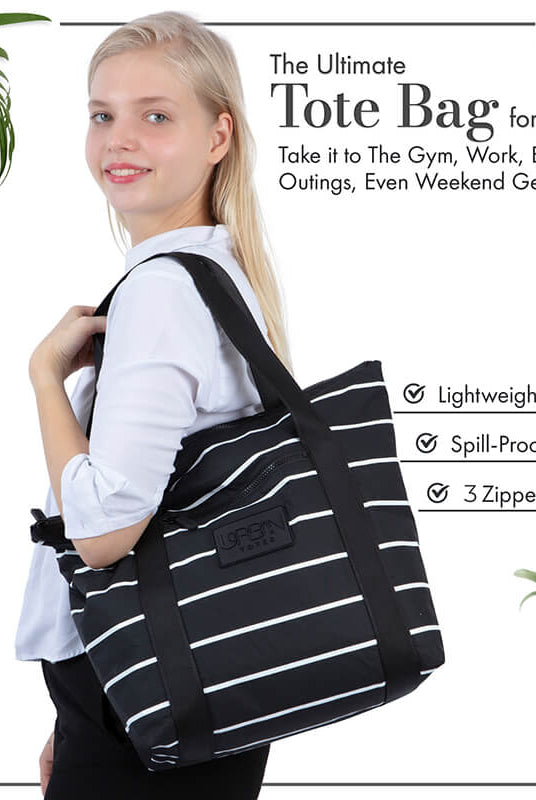
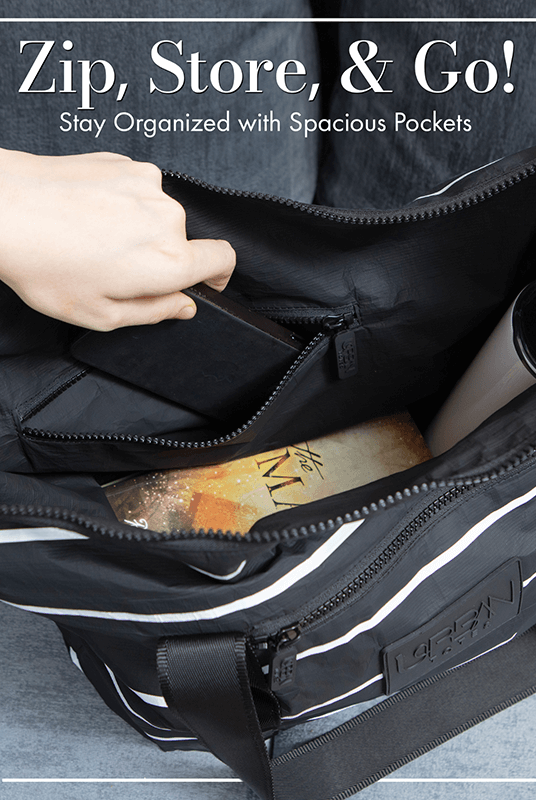
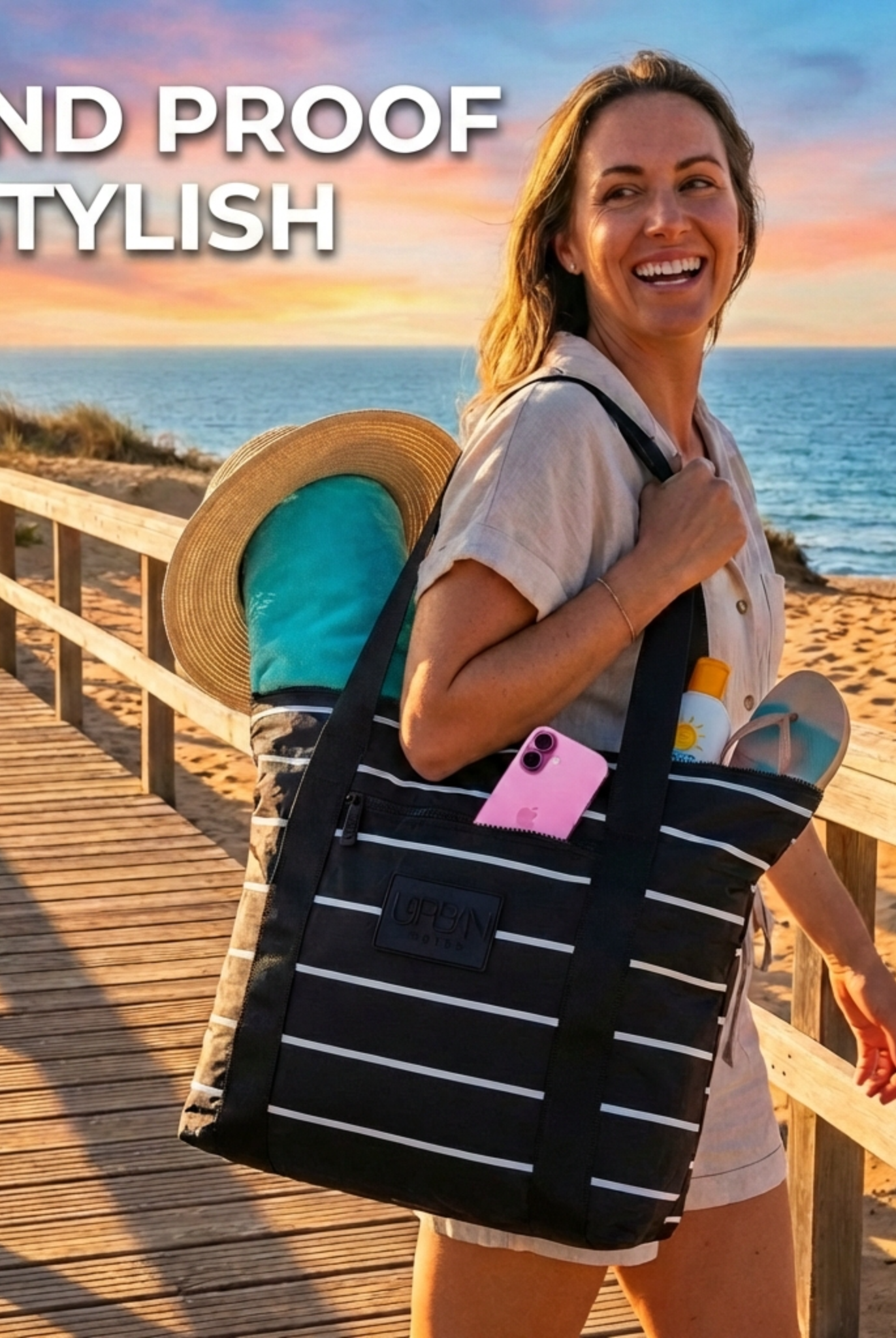
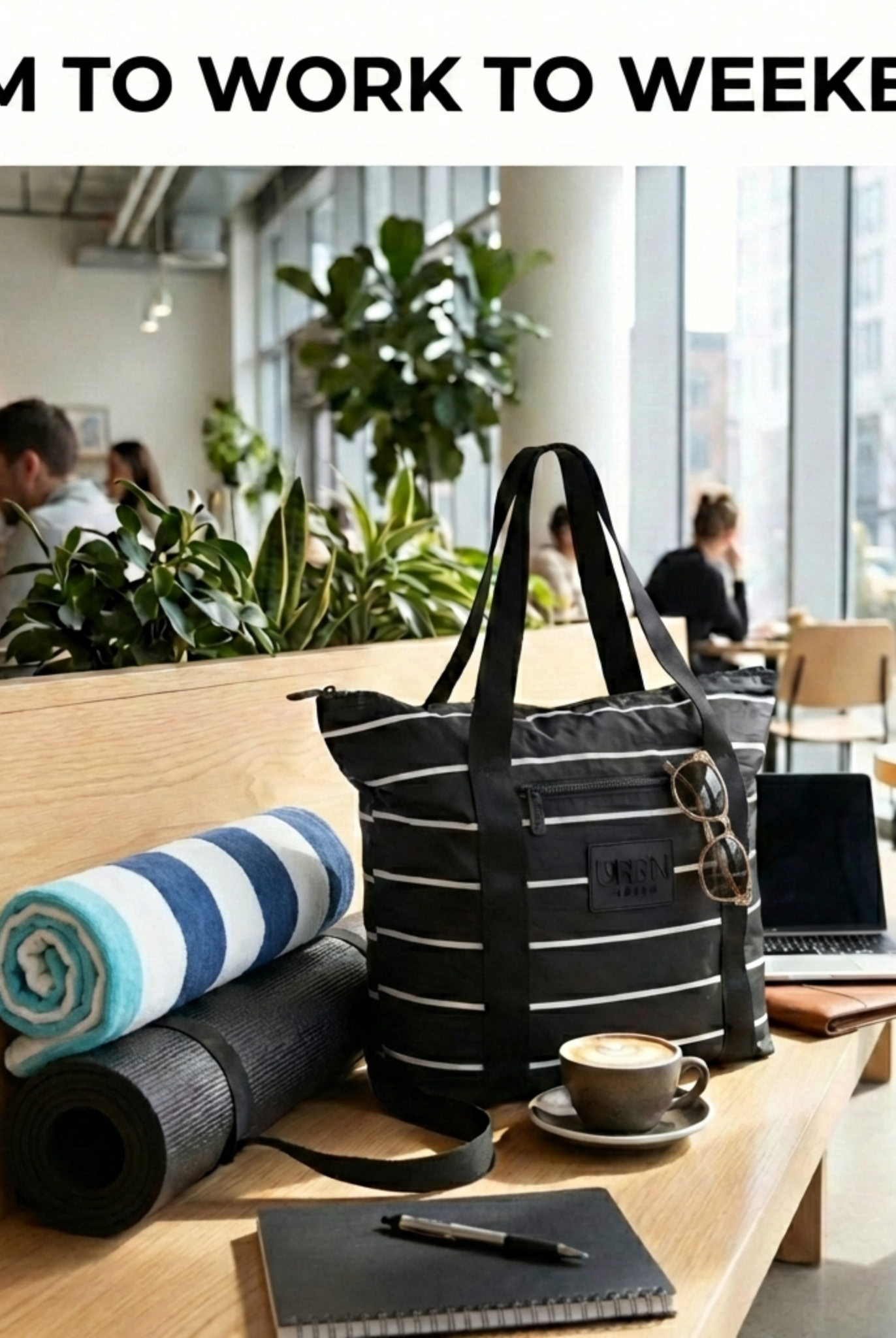
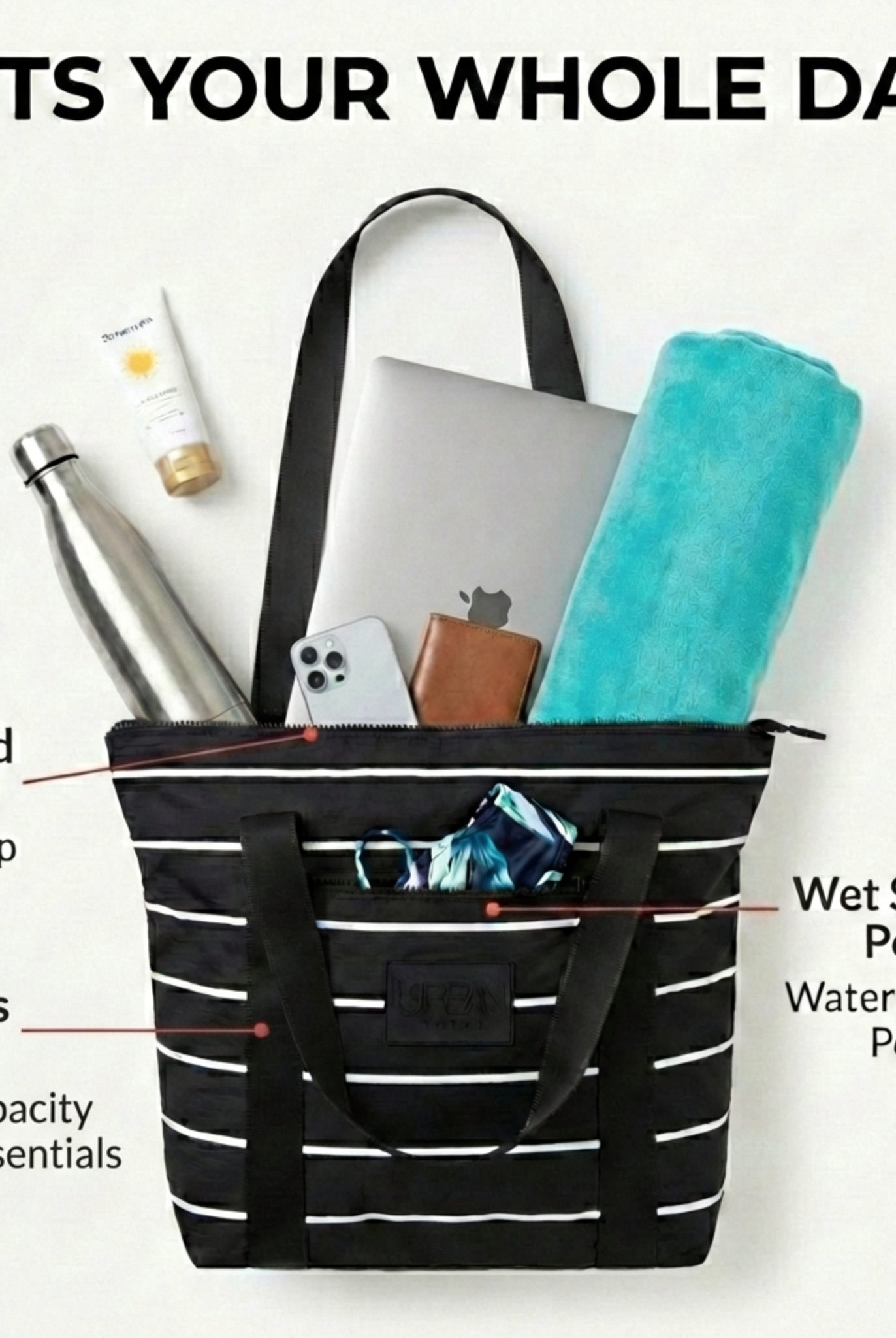
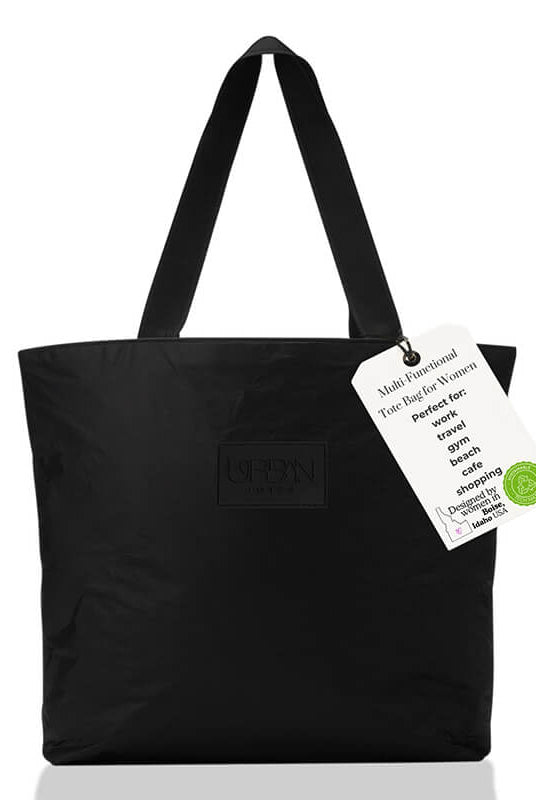
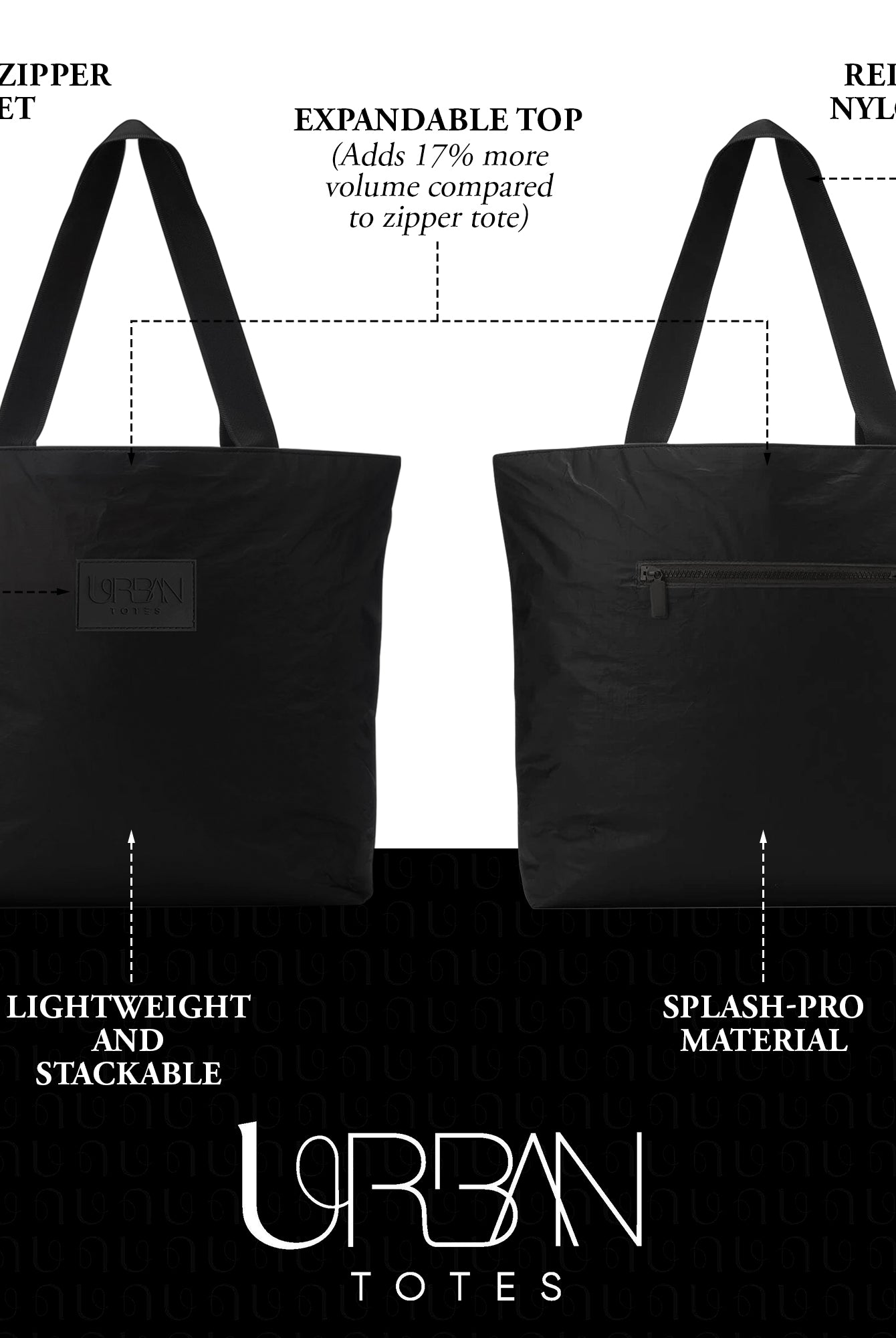
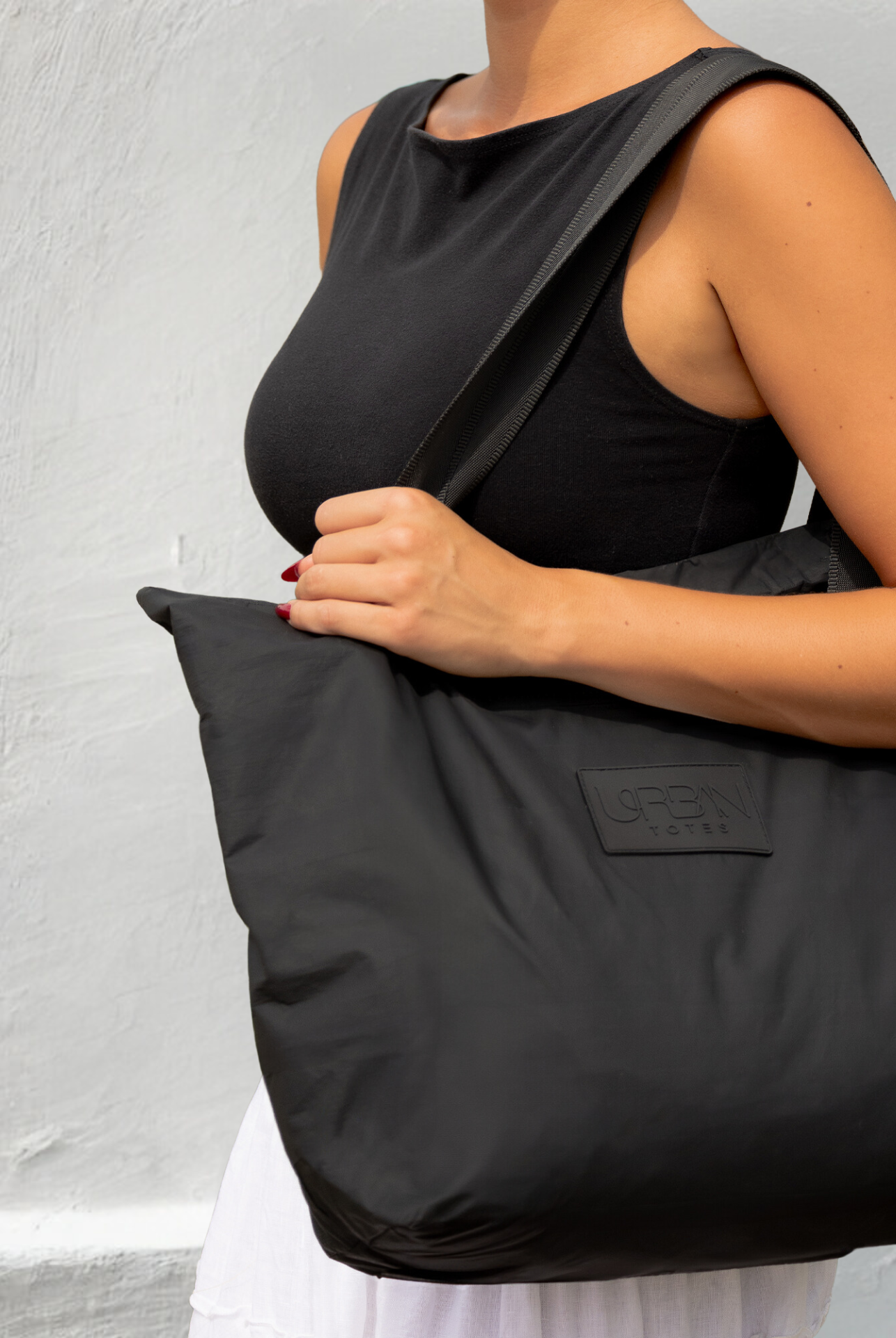
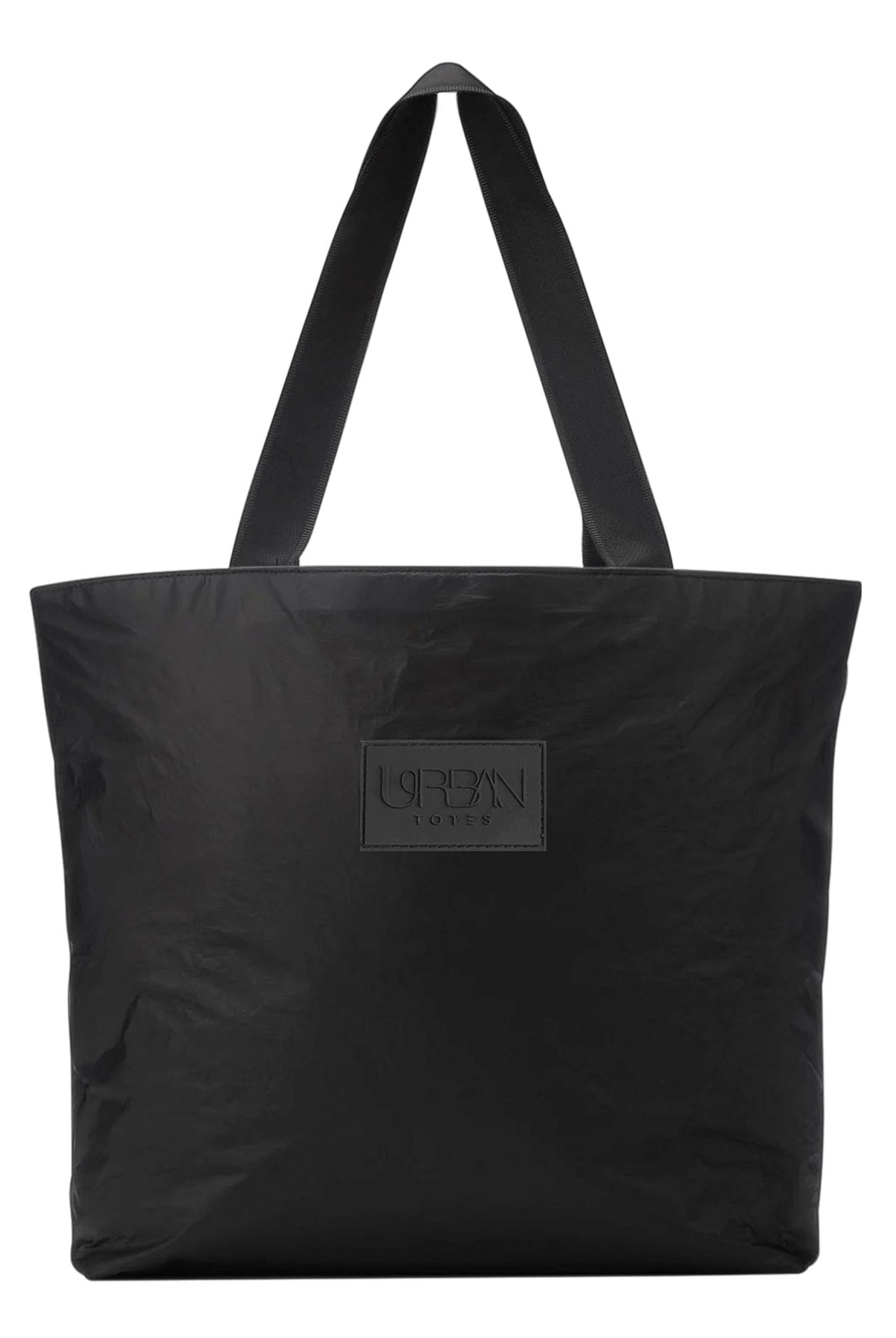
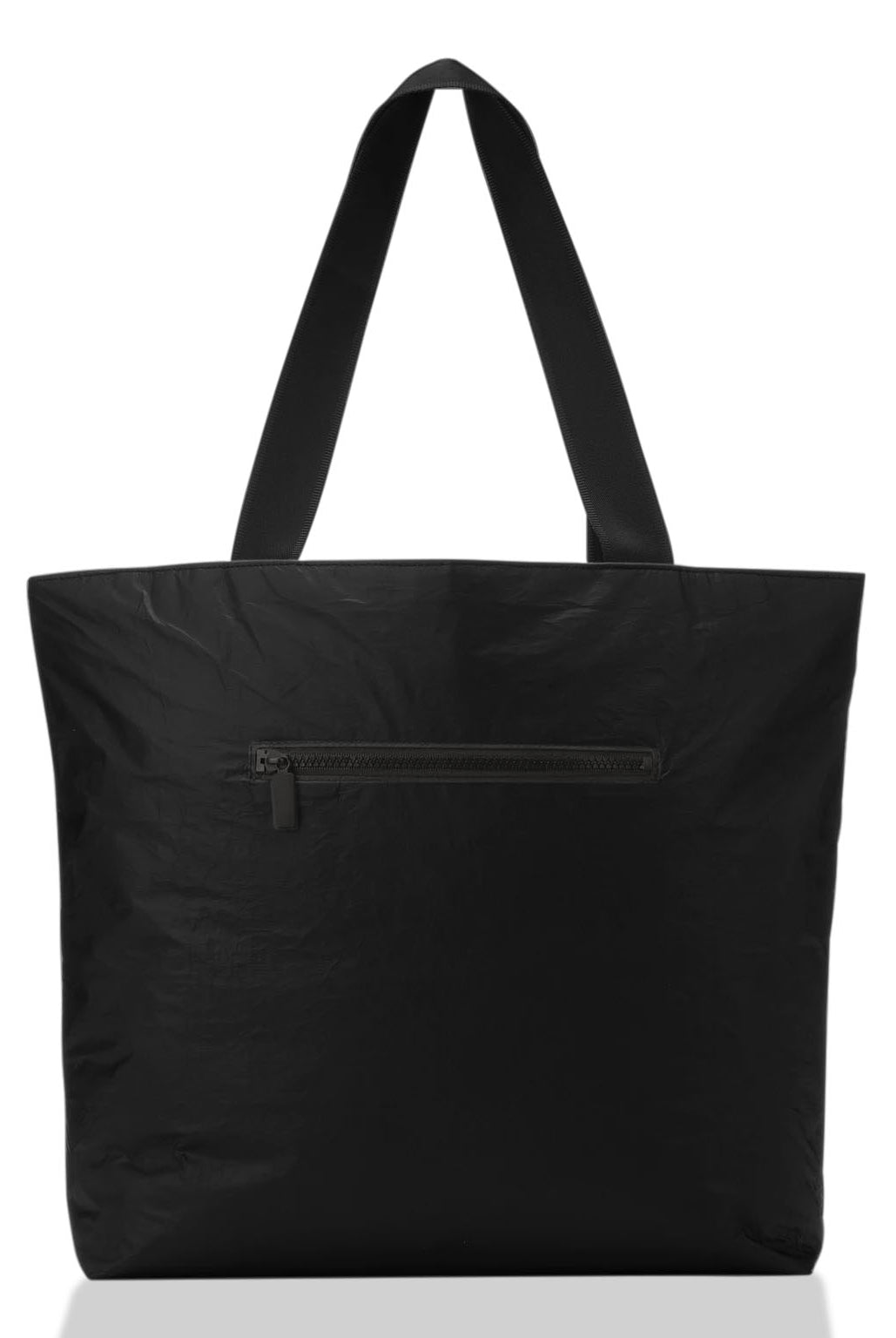
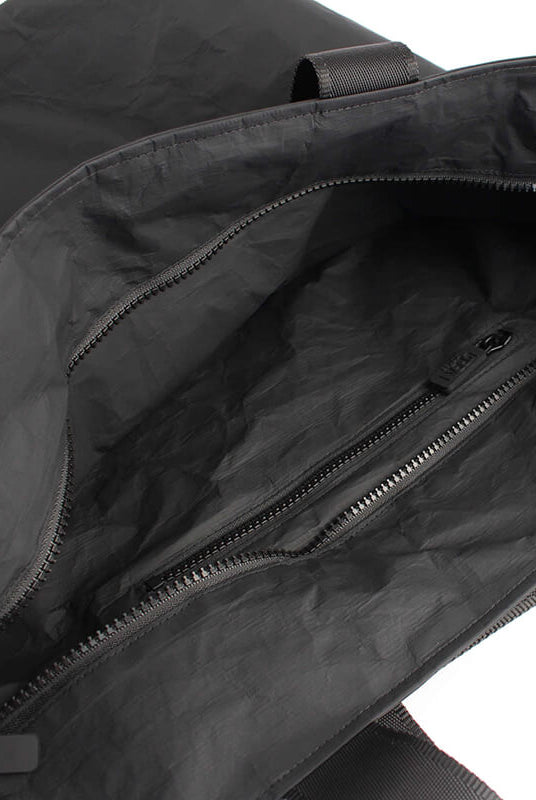
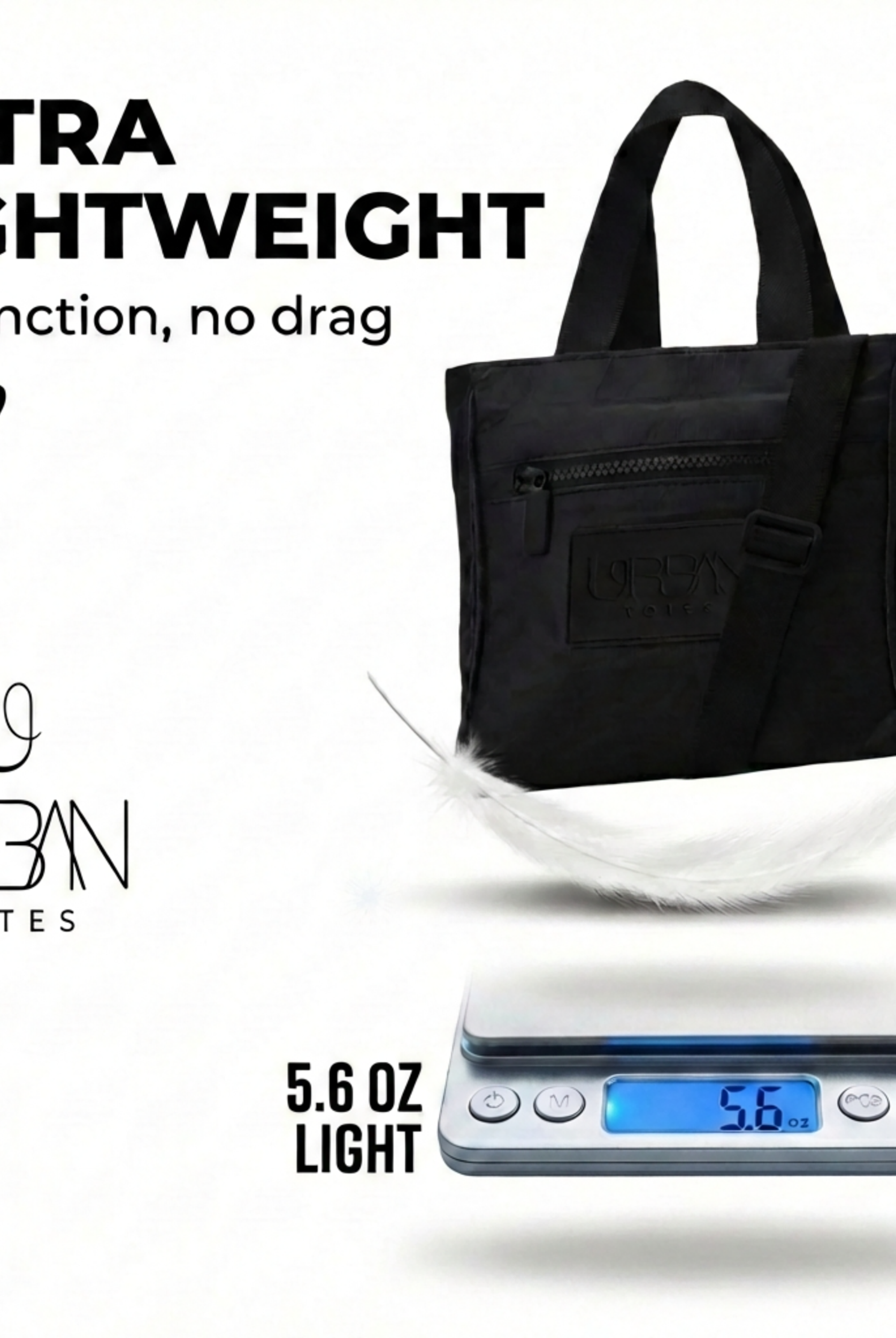
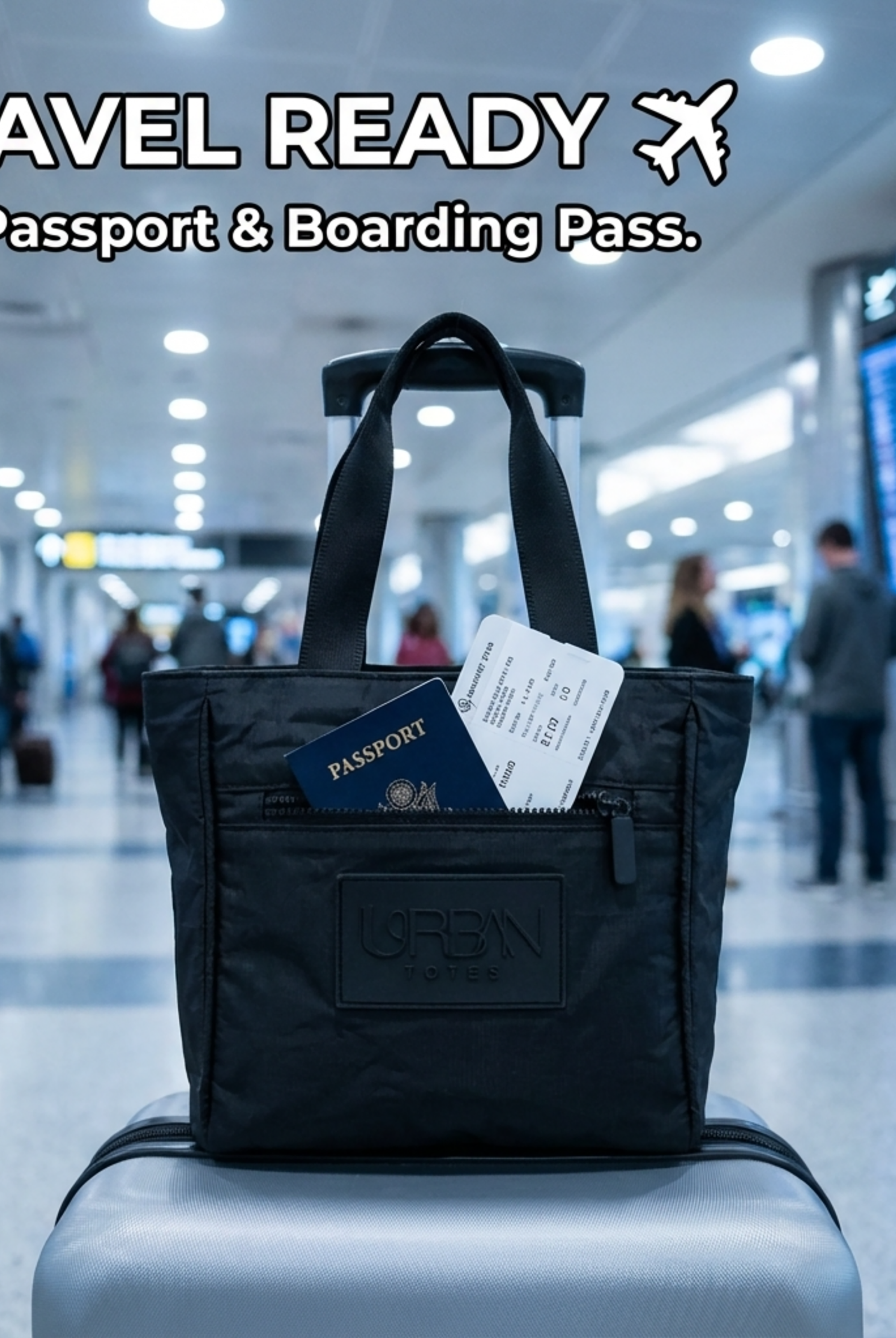
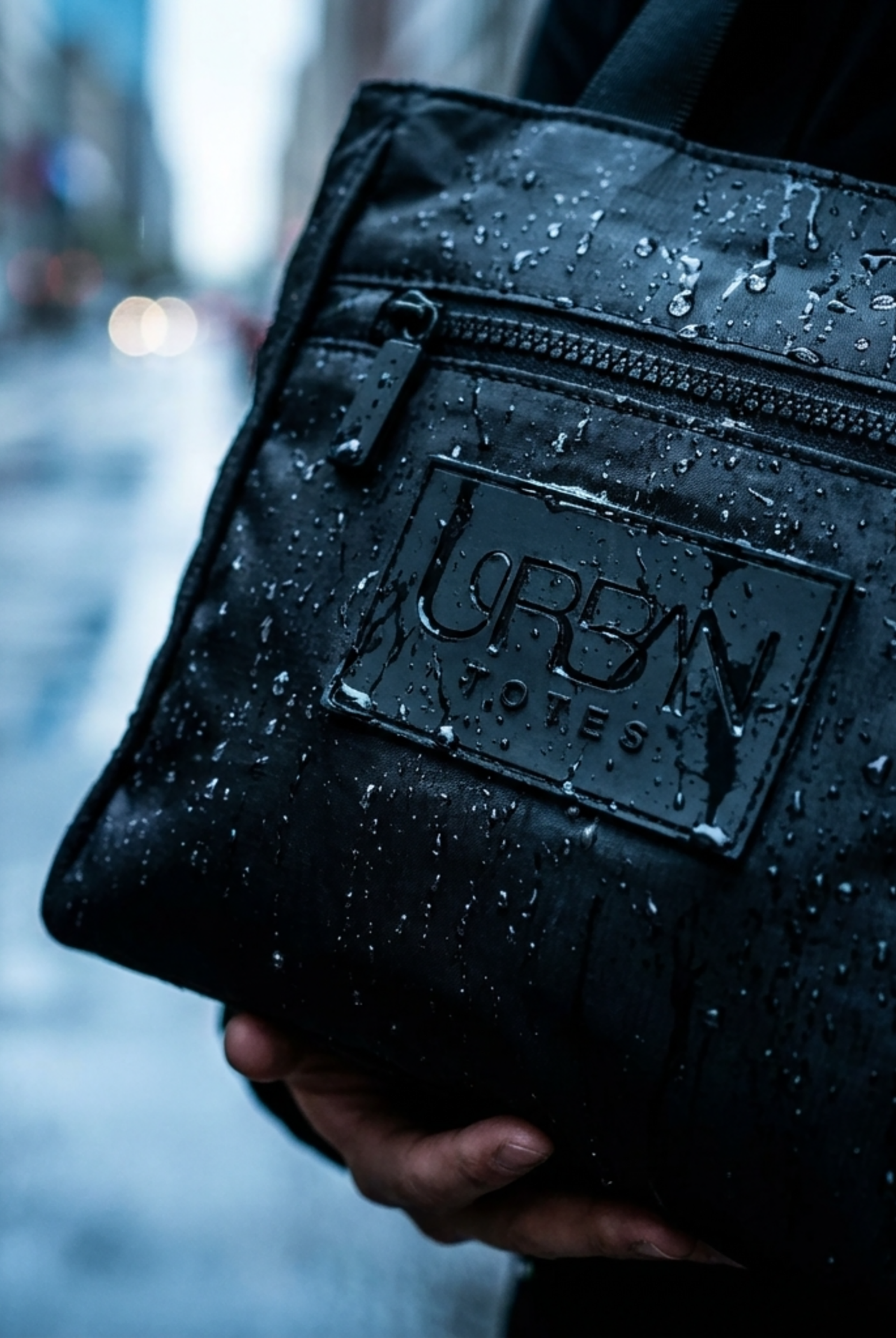
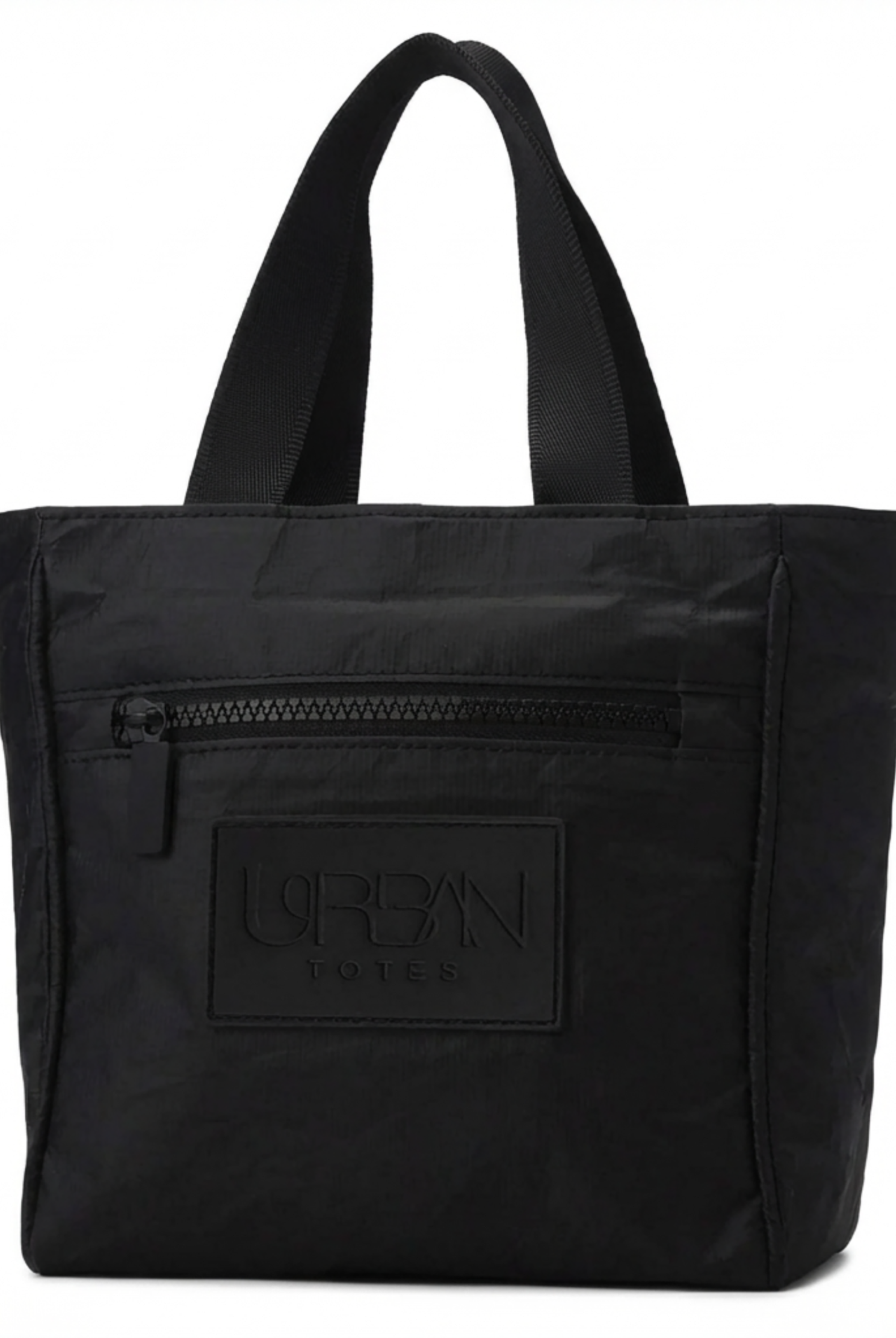
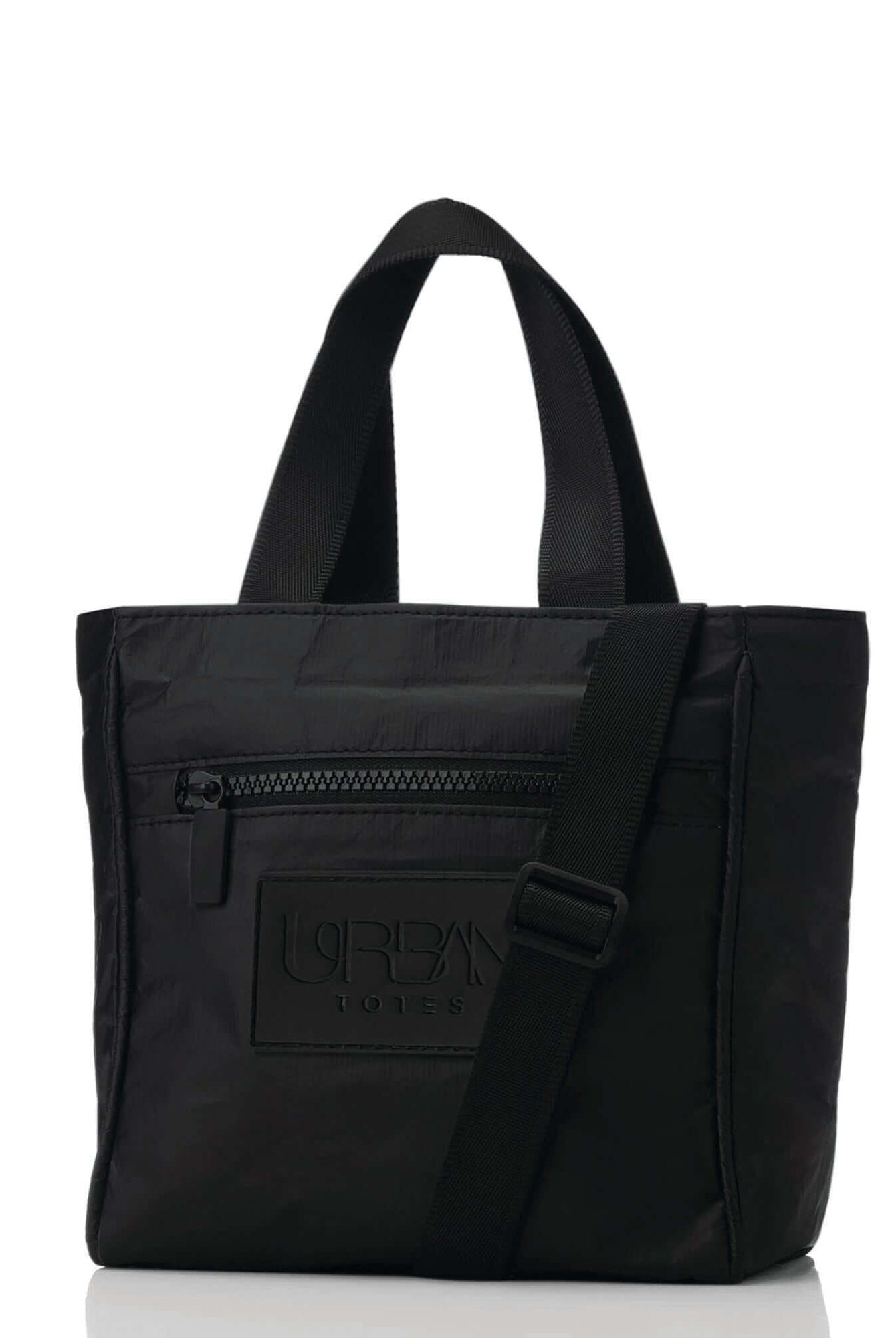
Urban Totes uses a practical middle ground as a design reference, with water-resistant, lightweight, packable, and foldable bodies, zipper closures, and multiple compartments. A dedicated laptop sleeve protects the computer from loose items, an exterior quick-grab pocket keeps a boarding pass visible, and a bottle holder separates a drink from documents. For a broader look at matching tote features to your itinerary, see this guide to the best tote for travel.
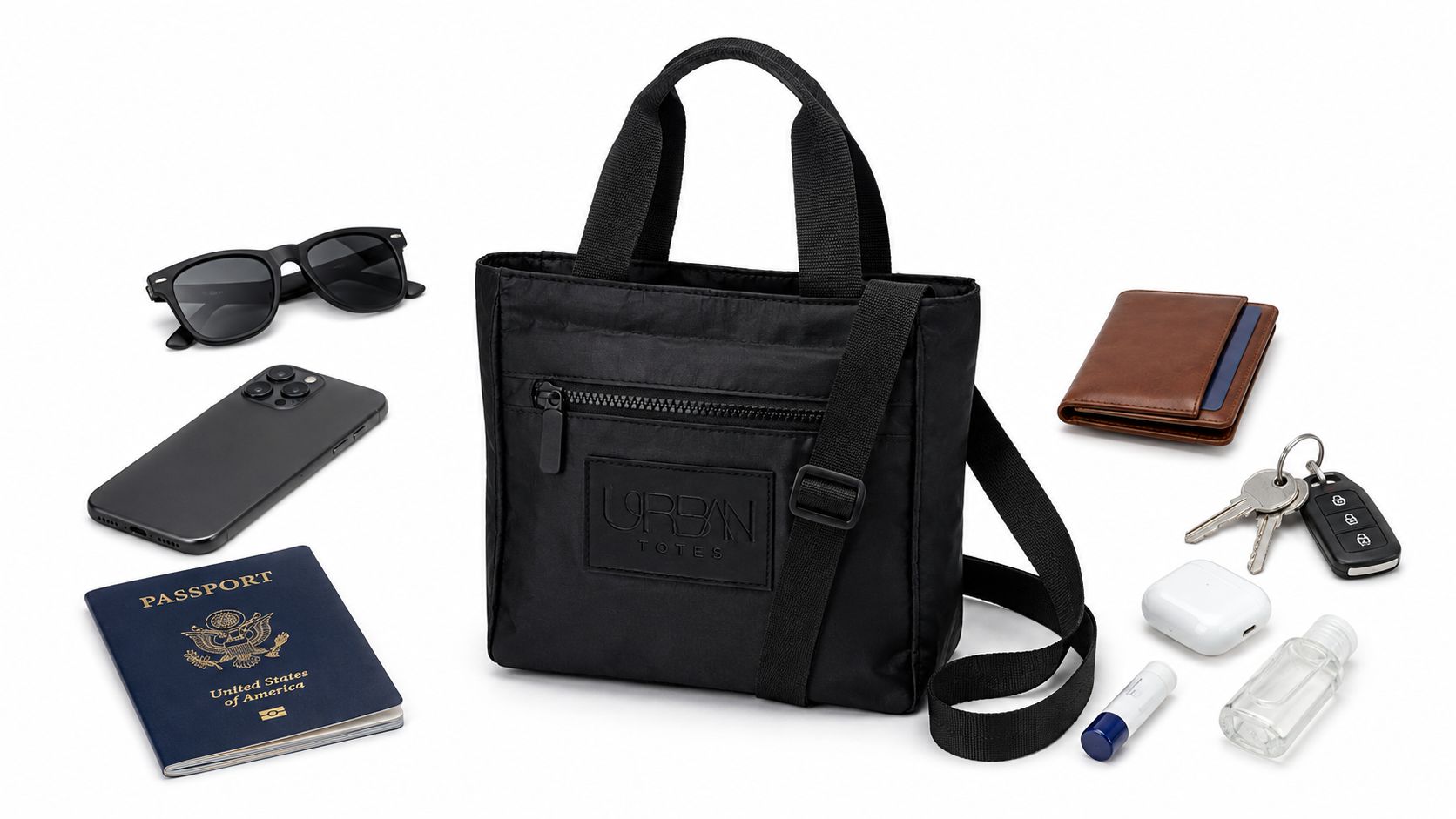
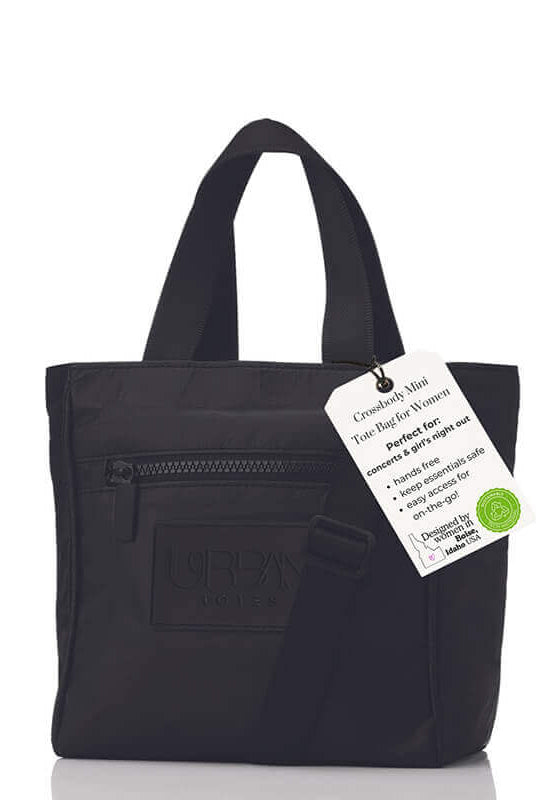
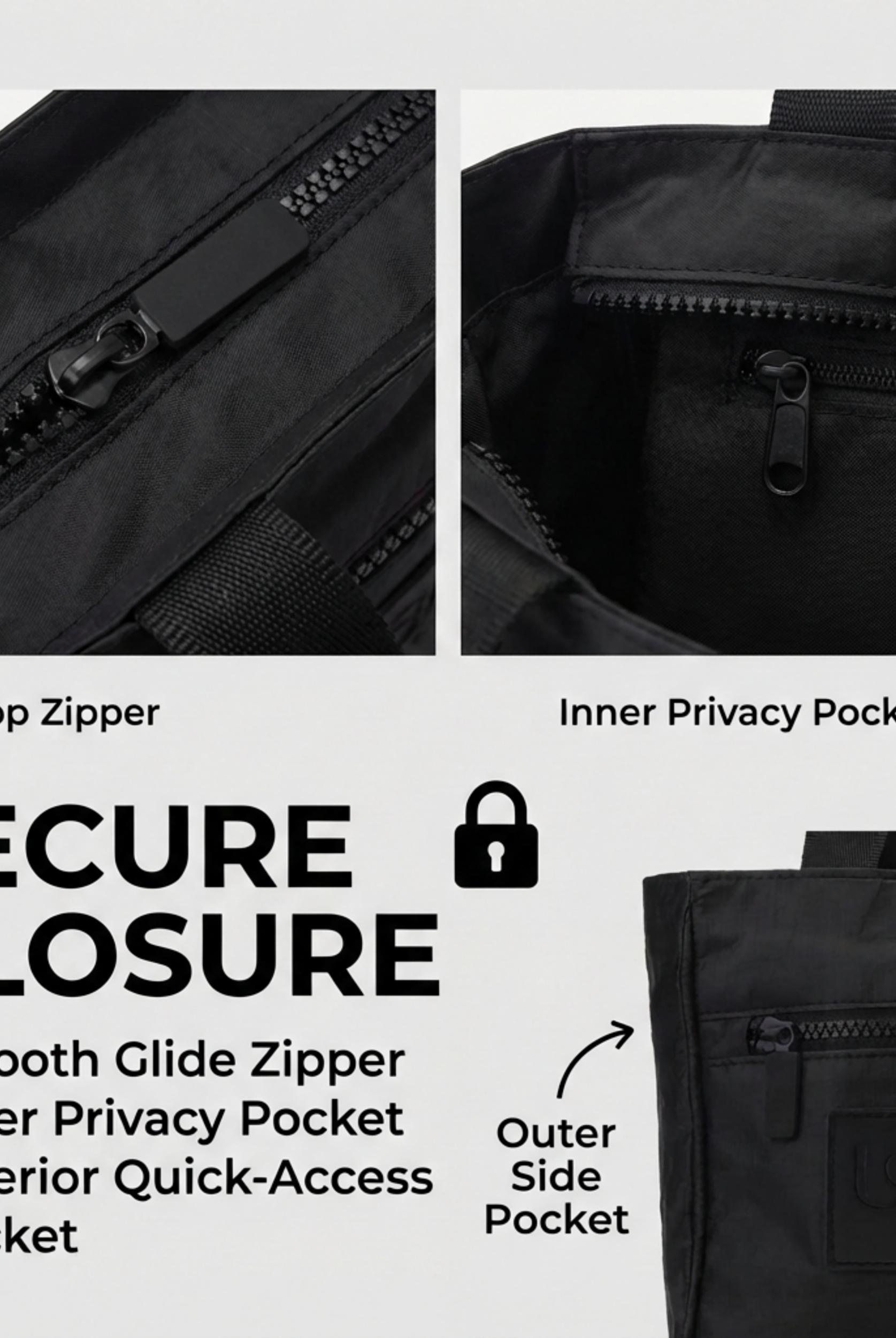
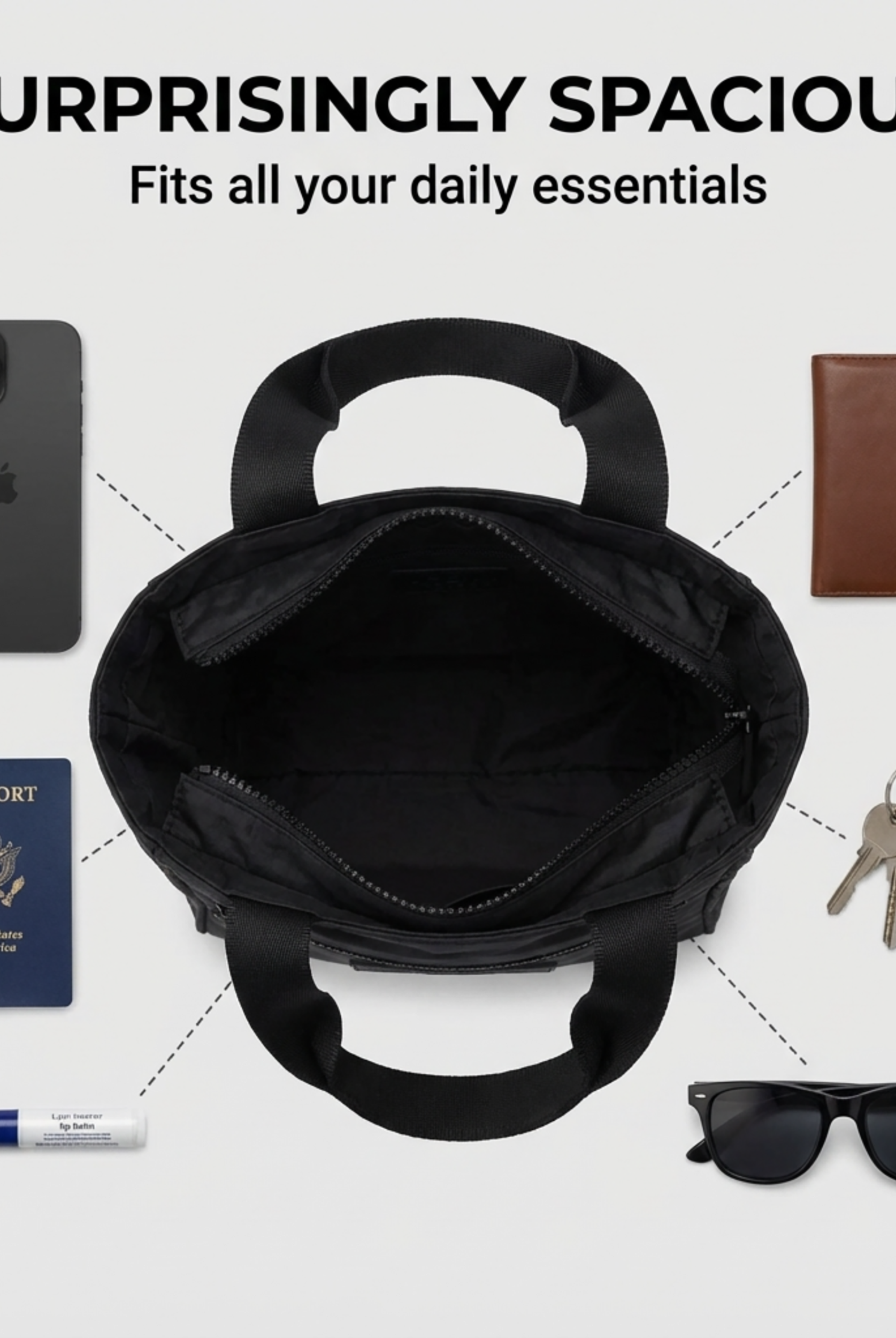
For lighter city travel, the Crossbody Tote Bag Mini Purse measures 7.5 x 4 x 7.75 inches, has a zip-top closure, an outside zipper pocket, an easy-access pocket, and a removable strap that extends to 53 inches. Its compact format suits phone, keys, and other small essentials rather than a full laptop-and-weekend load.
A Pocket-by-Pocket Packing System That Actually Works
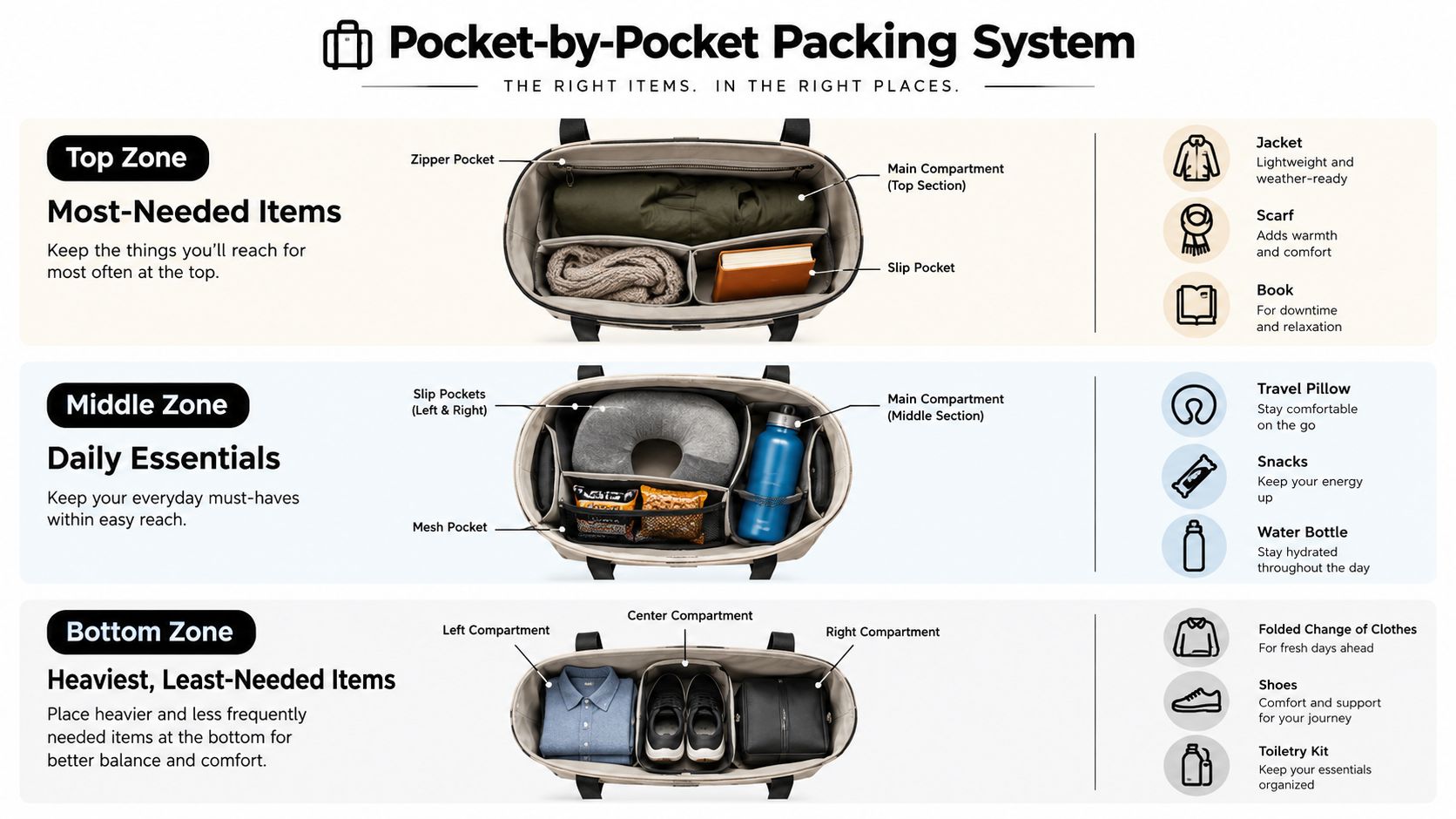
Think of your tote as a three-level filing cabinet. The bottom zone holds weight and items you won't need soon. The middle zone carries daily-use bulk. The top zone stays reserved for anything you may need while standing in a security line, boarding area, or crowded train.
Start at the base with a folded change of clothes, shoes inside a pouch, or a toiletry kit. Keep these items low and contained so they don't spread into every open space. Shoes belong in a dust bag or separate pouch, especially when they've walked through wet streets or station floors.
The middle should hold the largest flat items. Slide a laptop or tablet into the padded sleeve, then place a book, notebook, or packed lunch flat against the back panel. A refillable bottle belongs upright in its holder or along the side, never loose above electronics. If the tote has a broad central cavity, use a small cube or zip pouch to keep soft clothing from filling the entire opening.
The top zone is your daily-grab layer. Keep sunglasses, wallet, phone charger, scarf, and headphones where your hand naturally lands when you open the zipper. Exterior pockets are for items needed before you even sit down, such as a boarding pass, transit card, sanitizer, and keys. The smallest slip pocket should hold the smallest high-frequency item, not a random receipt.
Place your passport, medication, and anything that absolutely must not fall out in an interior zip pocket. When possible, use the pocket closest to your body. A tote bag organizer with a zipper can help if your tote lacks built-in separation, but avoid adding an organizer so large that it consumes the flexibility that made you choose a tote.
Liquids need their own removable unit. TSA allows liquids, gels, aerosols, creams, and pastes in containers of 3.4 ounces, or 100 milliliters, or less, and they must fit into one quart-sized, clear, resealable bag. TSA's liquids guidance is the rule to check before packing toiletries or makeup. A quart bag is roughly 7 x 8 inches, according to this travel liquid-bag guide, so use that footprint as a planning benchmark.
Every item gets one home and one only. That rule is what turns a soft tote into a dependable travel tool.
Sample Packing Lists for Day Trips, Weekenders, and Carry-On Flights
Use the trip itself to set the packing order. Lay everything out before leaving, then place items by reach frequency and by what would cause the biggest mess if it leaked, tipped, or disappeared.
For a day trip, keep your wallet and keys in the zippered pocket, your phone in the slip pocket, and sunglasses, sunscreen, a water bottle, snacks, and a book in the main compartment. Add a small foldable pouch for farmers market purchases or souvenirs. The pouch stays flat until needed, while the bottle remains upright instead of rolling against your paperback. For a fuller checklist, use this day trip tote packing list.
A weekender tote needs layers that can come out in order. Put pajamas and a change of clothes in a packing cube or soft pouch at the bottom of the main cavity. Place shoes in a dust bag against the lining, then keep a clear toiletry pouch near the top for quick access. Store the charger block and cable together in an interior zip pocket, where they cannot wind around clothing.
The packing test: Open the tote while standing and remove your documents, charger, and liquids without moving the clothing cube.
For a carry-on flight, use the tote as a personal item only when it fits completely beneath the seat in front of you. Common personal-item dimensions across airlines are around 16 to 18 inches long, 13 to 14 inches wide, and 6 to 8 inches deep, as summarized in this personal-item dimensions guide. Keep the laptop in its sleeve, headphones at the top, and a scarf folded over everything so it can serve as a light blanket. Empty a refillable bottle before security and refill it after screening. A folded reusable shopping tote takes little space and provides a second carry option at your destination.
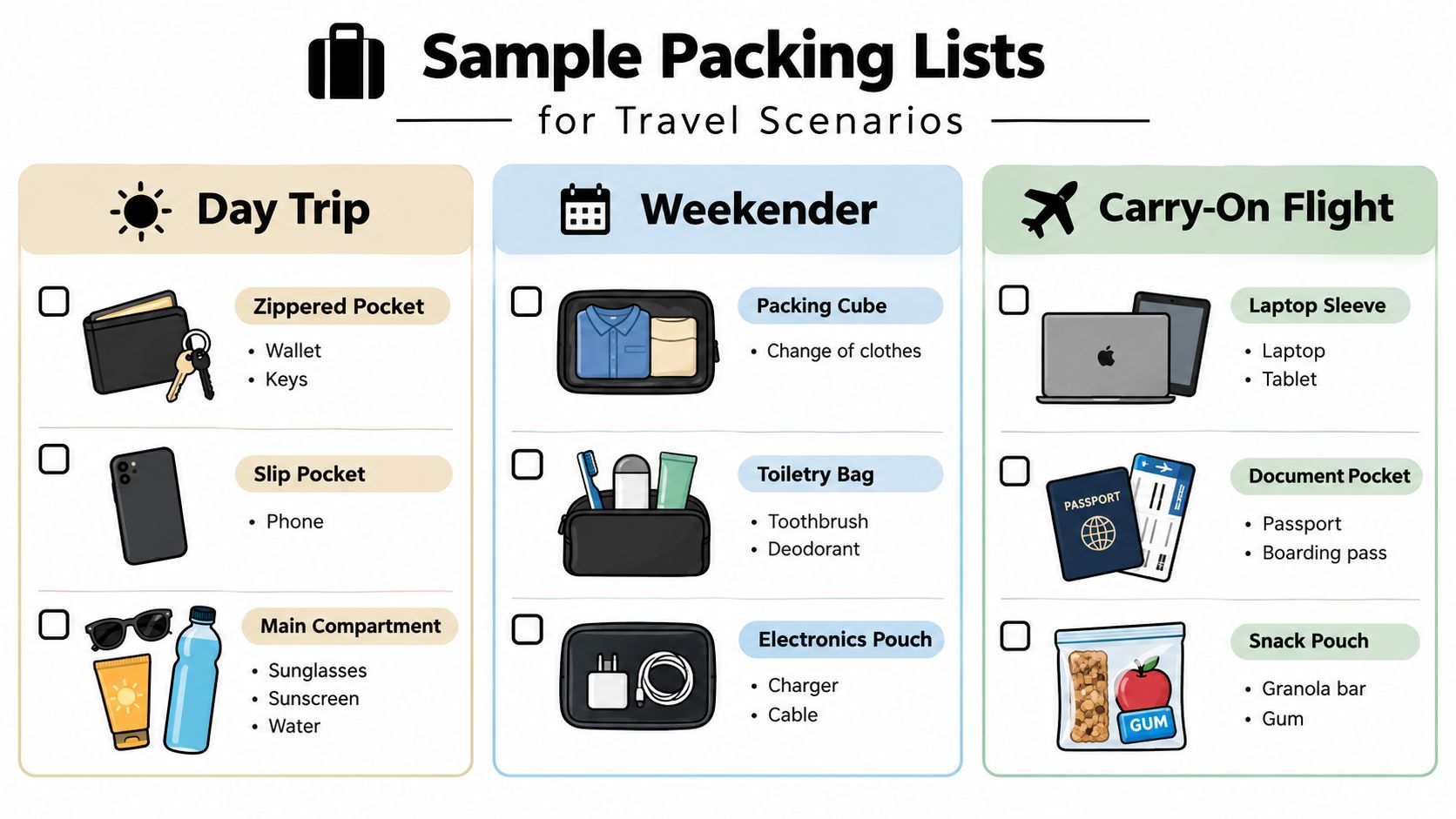
Before closing the zipper, check your phone, keys, wallet, charger, documents, medication, toiletries, and water bottle. A visible checklist catches the small omissions that force an inconvenient stop at your destination. Keep it beside the door or inside the tote so the check takes seconds.
Packing Variations for Commuters, Parents, Gym-Goers, and Weekenders
The same tote can serve four very different lives because the pocket assignments change while the overall logic stays consistent. A commuter needs access. A parent needs containment. A gym-goer needs separation. A weekender needs compression without losing visibility.
| Audience | Zippered Pocket | Slip or Quick-Access Pocket | Main Compartment | Side or Packable Pouch |
|---|---|---|---|---|
| Commuter | Wallet, charger, work credentials | Transit card, phone, keys | Laptop, notebook, lunch in an insulated pouch | Umbrella or foldable market bag |
| Parent | Medication, wallet, spare cash | Wipes, snacks, phone | Diapers, change of clothes, small comfort item | Foldable shopping tote |
| Gym-goer | Toiletries and locker essentials | Access card, headphones, lip balm | Fresh clothes and towel | Wet or dry shoe pouch, ventilated clothing pouch |
| Weekender | Passport, documents, chargers, adapters | Phone and travel confirmation | Clothing cubes, pajamas, light layer | Toiletry pouch or packable extra bag |
For the commuter, the laptop sleeve is the anchor. Put lunch in a separate pouch so a tipped container doesn't meet your notebook, and keep the transit card in the outer pocket where it can be tapped without opening the main zipper. An umbrella belongs along the side if the tote has space for it, because rainy-weather items are frustrating when buried.
Parents should create a contained caregiving kit rather than scattering supplies throughout the bag. A liner pouch can hold diapers and wipes, a dedicated zipper pocket can hold snacks, and a spare outfit can sit in the main compartment. A foldable shopping tote earns its place because school pickup, errands, and unexpected purchases rarely follow the original plan.
Gym-goers need a firm boundary between clean and used items. Put shoes low in a wet and dry pouch, sweaty clothes in a ventilated bag, toiletries in a separate zip pocket, and the fresh outfit and towel above them. Don't let damp gear share open space with electronics.
Weekenders get the most from clothing cubes layered in the main cavity. Keep documents flat in a zip pocket and chargers together in an interior organizer. The tote adapts because the pockets stay consistent, even when the contents change.
Security, Cleanliness, and Care Hacks for a Travel-Ready Tote
A well-packed tote should also be easy to secure and simple to clean. Keep your passport and boarding pass in an interior zip pocket positioned closest to your body, especially in crowded terminals and public transit. You'll retrieve them quickly without displaying every item in the bag.
Liquids should travel in one clear pouch that can be removed as a single unit at screening. Don't combine multiple travelers' liquid bags in one tote. TSA's rule applies per passenger, and each person's liquids need to follow the stated container and bag limits.
Use an interior loop or key leash for keys. A small clip can also hold earbuds or lip balm, but avoid attaching so many items that the loop becomes a jangling bundle. The goal is retrieval, not another pocket to untangle.
Security habit: Keep documents zipped, keep the zipper facing inward when you're walking, and keep high-value electronics in their designated sleeve.
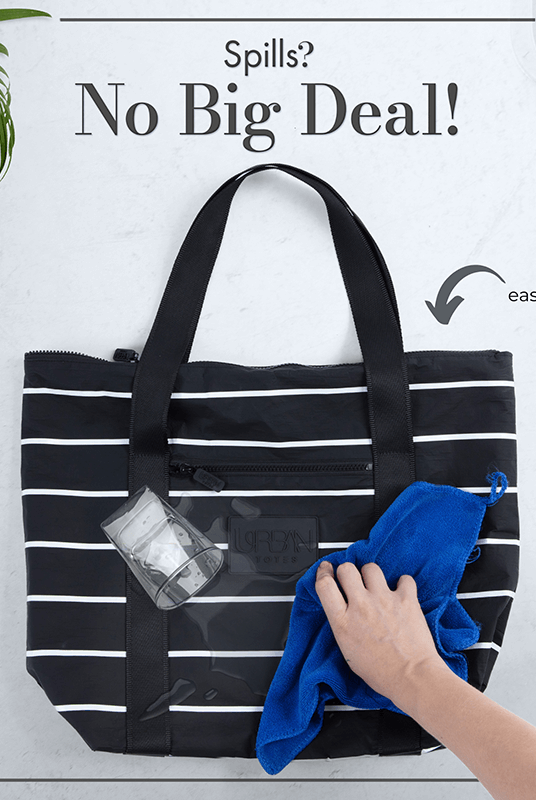
For weather flexibility, carry a folded rain cover or grocery tote in unused space near the top. It lies flat during the journey and becomes useful when the forecast changes or a wet swimsuit needs temporary separation. A water-resistant tote helps with ordinary drips and light weather, but it shouldn't be treated as waterproof storage.
Clean the interior lining with a damp cloth and mild soap, then let the bag air-dry fully before storing it. Treat exterior marks with a fabric-safe cleaner and follow the care instructions for the specific material. Avoid storing a damp tote closed, because trapped moisture can create unpleasant odors.
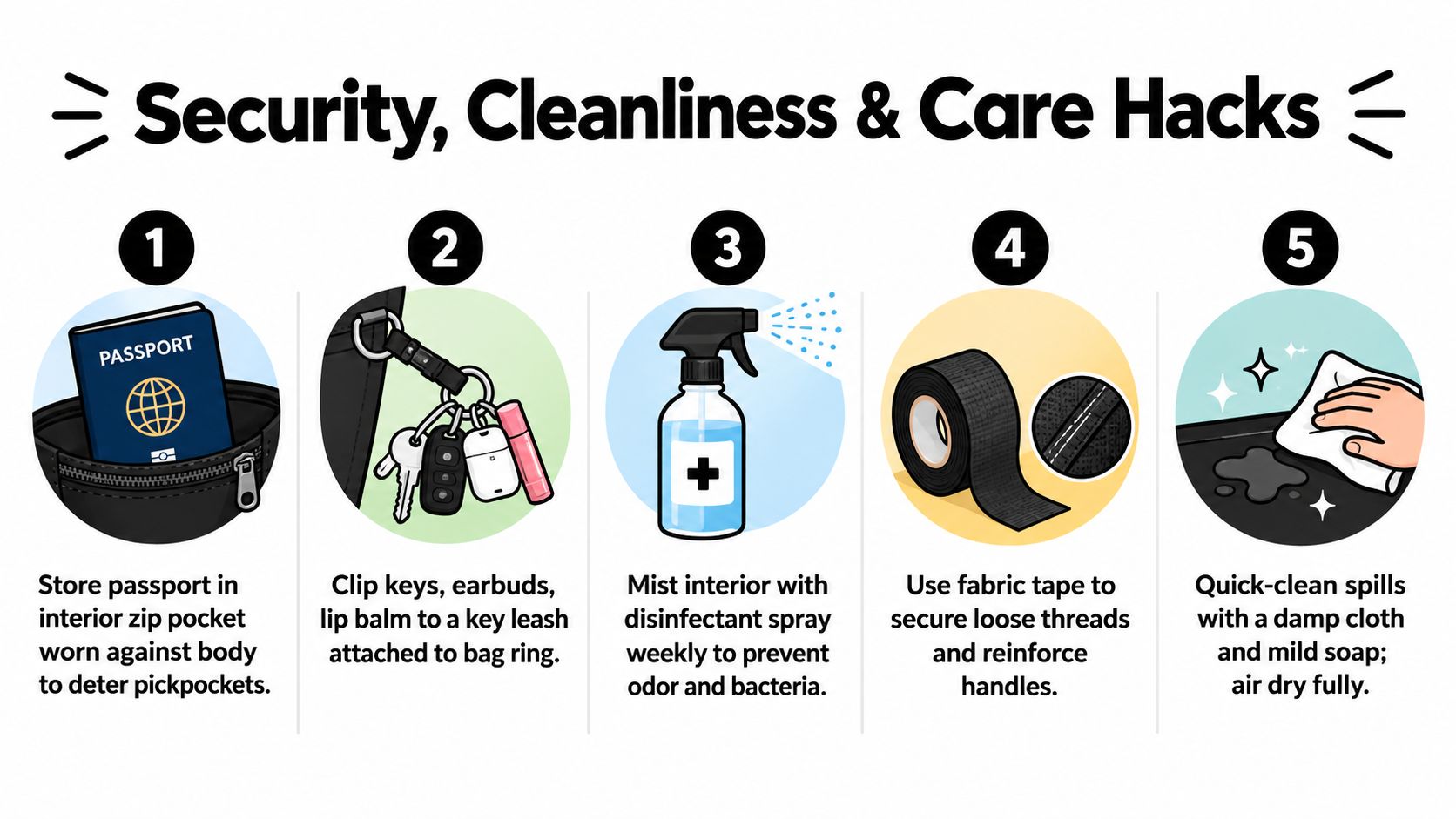
If the tote loses shape in storage, stuff it lightly with tissue instead of crushing it beneath other bags. For a sticking zipper, a small graphite rub can help the slider move more smoothly. More airport-focused organization ideas are collected in this guide to travel bag security.
Pack Smarter and Travel Lighter Starting Today
A pocket-by-pocket packing map pays off in moments that have nothing to do with aesthetics. You move through security faster because the liquid pouch and documents are ready. You switch seats more easily because your charger and headphones aren't buried. You step off a train without leaving your keys behind in the bottom of the bag.
The system also survives real life. A tote can carry a laptop on Monday, wet swimwear after a beach day, and a change of clothes for an overnight stay later in the week. Water-resistant fabric, lightweight construction, a foldable body, zipper closures, and purposeful compartments give you flexibility, but the repeatable placement is what keeps that flexibility from becoming clutter.
Use clothing cubes when they help, but don't force every item into one. This guide to packing with packing cubes is useful for soft goods, while documents, chargers, and high-frequency essentials still deserve their own fixed pockets. If you're planning an especially memorable escape, browse find luxury trip inspiration before you decide what your tote needs to support.
Pack your next bag by lifestyle. Commuters should prioritize electronics and transit access. Parents need contained caregiving supplies. Gym-goers need clean and used gear kept apart. Weekenders need clothing cubes, toiletries, and documents arranged for quick access. Choose a tote that matches your actual rhythm, then commit to returning every item to its assigned home.
Urban Totes offers water-resistant, lightweight, packable, and foldable totes with zipper closures and multiple compartments for commutes, beach days, errands, gym sessions, and travel. Visit Urban Totes to find a stylish, functional bag that helps you tote everything with less searching and more confidence.