Buying a tote labeled green, natural, or recycled feels like an easy win. You choose the right fabric, skip a disposable bag, and move on with your day. But an eco friendly tote bag that sits in a closet, loses a handle after a few trips, or becomes too awkward to carry has a weak environmental case, whatever the label says.
The more useful question is simpler: Will you reach for this bag often, and will it stay useful long enough to replace repeated single-use purchases? For a beach-day mom, commuter, traveler, or multitasking minimalist, sustainability has to survive school drop-off, a damp swimsuit, an airport terminal, and a crowded farmers market. The bag must be lightweight, organized, durable, and pleasant to carry.
That's the standard behind Urban Totes' “Go Anywhere. Tote Everything.” spirit. This guide looks past easy material claims and focuses on lifecycle impact, reuse frequency, construction, care, and the practical features that keep a tote in rotation.
Table of Contents
- Rethinking the Green Label
- The Lifecycle Math Behind Tote Bag Sustainability
- Comparing Materials for the Modern Multitasker
- Choosing the Right Tote for Your Daily Rhythm
- How Smart Design Extends Product Lifecycles
- Care and Maintenance for Maximum Longevity
- Navigating Common Sustainability Questions
Rethinking the Green Label
A bag's material matters, but it doesn't tell the whole story. Actual reuse is the deciding factor. A beautifully marketed cotton tote isn't automatically a better choice if you use it occasionally and replace it when the handles stretch or the fabric stains. A less glamorous technical textile may serve you better if it handles daily errands, folds into luggage, and stays in use for years.
The Danish Environmental Protection Agency's lifecycle assessment, published in February 2018, found that a conventional cotton tote could require at least 7,100 uses to offset its total environmental impact against a standard plastic bag reused once as a trash bag and then incinerated. For an organic cotton tote, the threshold rose to 20,000 uses, described in the analysis as roughly 54 years of daily use. The same assessment found a much lower break-even point when looking only at climate impact, about 52 uses for a conventional cotton bag. UNEP-aligned estimates place that climate-focused range at roughly 50 to 150 uses. The Danish tote-bag lifecycle analysis makes the central tradeoff clear: the bag needs enough useful life and repeated use to justify the resources involved in making it.
That doesn't mean cotton totes are useless. It means “reusable” isn't a complete sustainability strategy. A bag that replaces a disposable option again and again has a stronger practical case than one purchased for its appearance and forgotten in a drawer.
Utility is the green metric
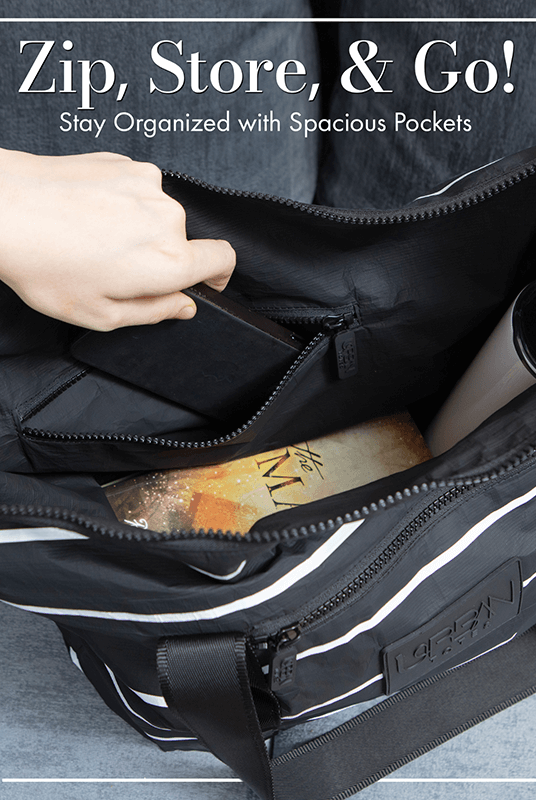
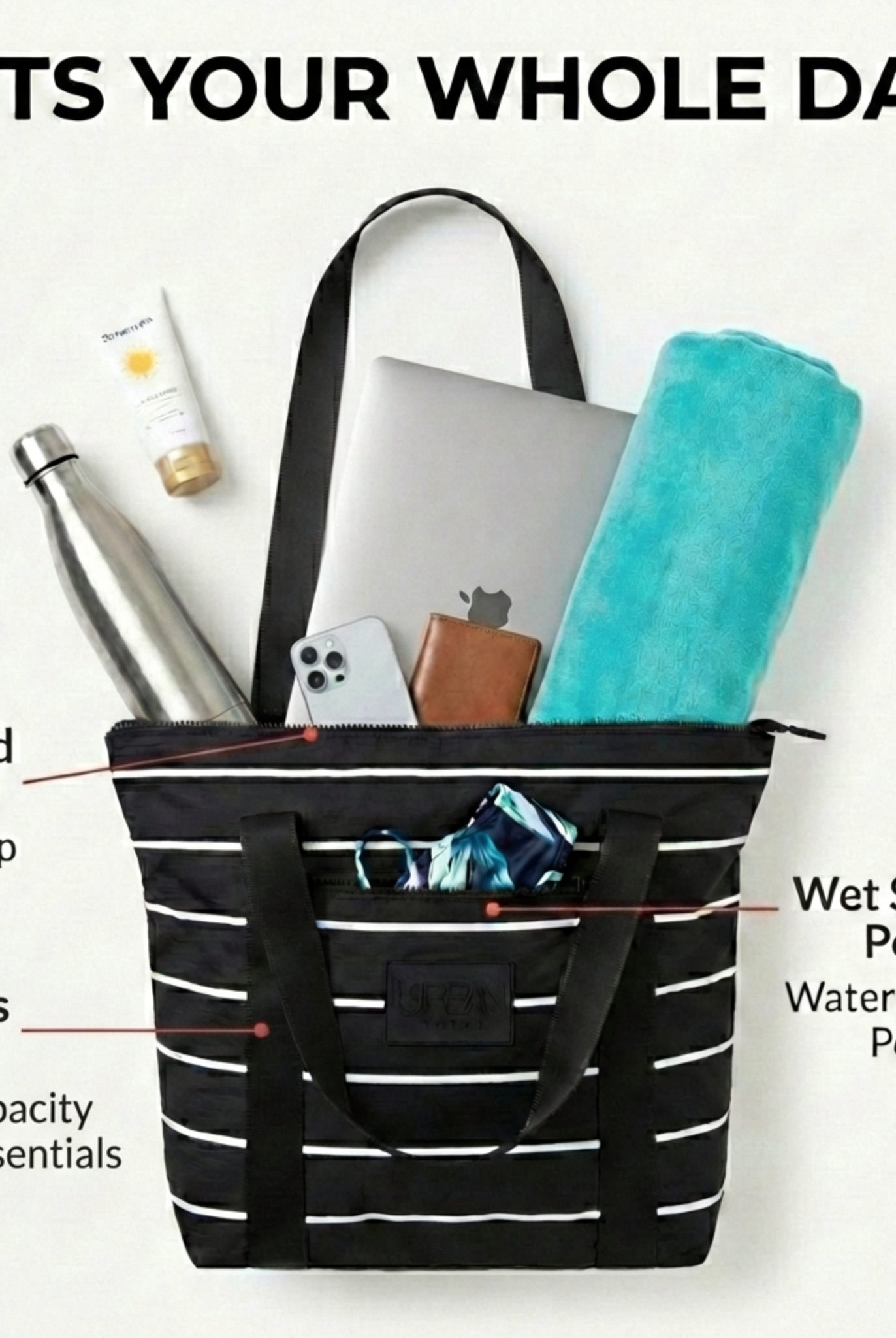
Start with your real routine. Do you carry snacks and sunscreen to the beach, a laptop and lunch to work, or groceries home after school pickup? A bag with the right capacity, secure compartments, comfortable straps, and a zipper closure earns more use because it removes friction from the day.
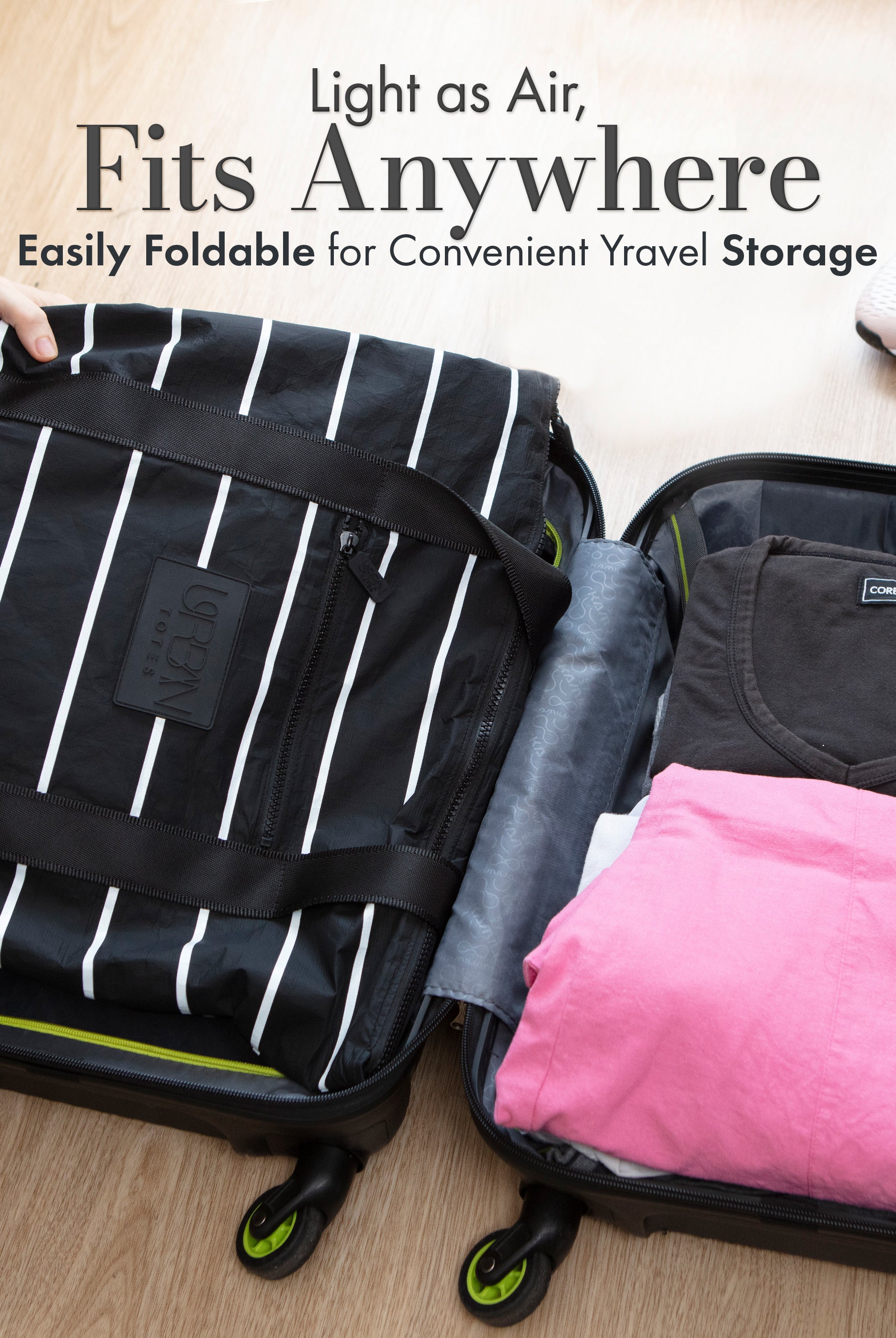
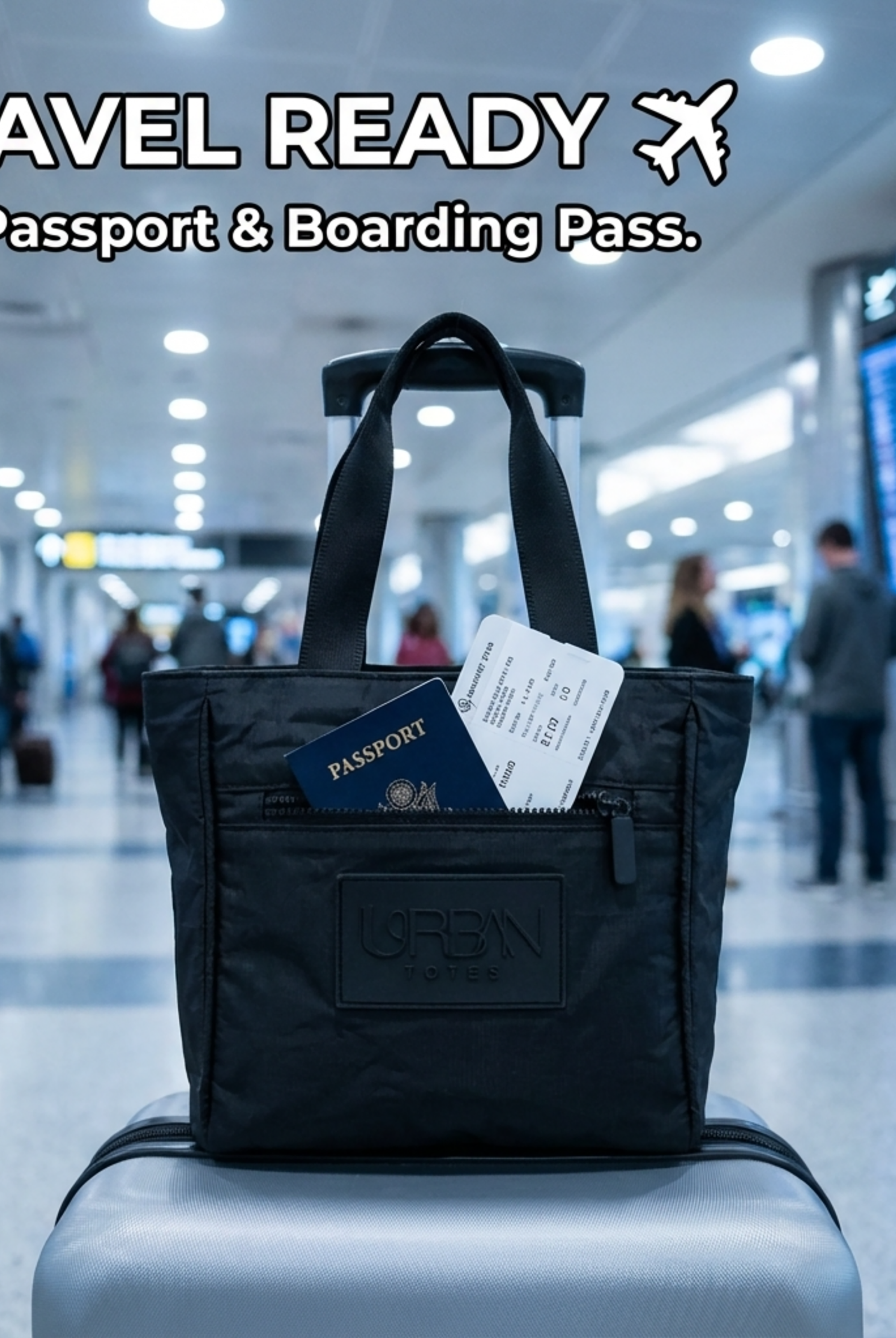
A tote that folds neatly into a suitcase can prevent the familiar travel mistake of accepting another disposable shopping bag at the destination. A water-resistant surface can make a beach or commuter bag easier to keep in service after spills and unpredictable weather. For a closer look at how recycled textiles fit into this decision, explore recycled material bags.
Practical rule: Choose the bag you'll carry repeatedly, not the bag with the most impressive material description.
Sustainability also has a lifestyle side. A planned kayaking day, a local market visit, or one of the PADL guided tours is more enjoyable when your essentials stay organized and your bag doesn't become another thing to manage. The best eco friendly tote bag is the one that fits naturally into those moments and keeps earning its place.
The Lifecycle Math Behind Tote Bag Sustainability
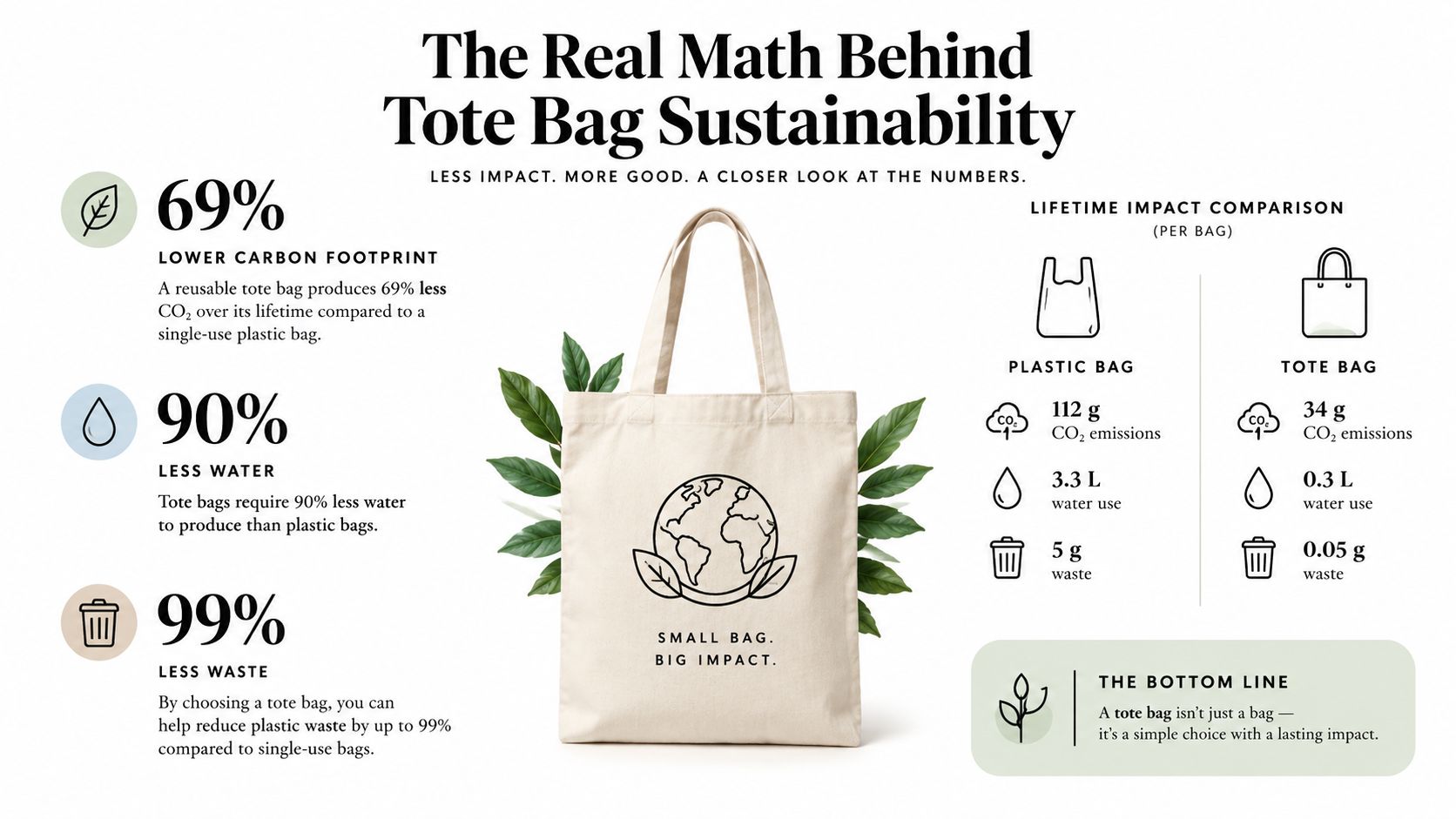
A tote does not become eco-friendly because its label says cotton or recycled. Its environmental case depends on the full lifecycle, including material production, manufacturing, transport, use, and disposal. A reusable bag may begin with a heavier footprint than expected, then improve its position through repeated use.
Cotton shows why material labels need context. The Danish analysis found that a conventional cotton tote required at least 7,100 uses to offset its total environmental impact against the specified plastic-bag comparison, while an organic cotton tote required 20,000 uses. For climate impact alone, the conventional cotton break-even point fell to about 52 uses, with UNEP-aligned estimates ranging from 50 to 150 uses. These figures use different impact boundaries, so they are not one universal tote-bag score. They answer different questions: which impact is being measured, and how often will the bag be used? The published analysis and its methodology provides the needed context.
Reuse changes the outcome
Other assessments report lower thresholds for some reusable formats. Policy and reuse research found that bans in five states and cities covering more than 12 million people were estimated to reduce single-use plastic consumption by about 6 billion bags per year. The same research cites an assessment in which reusable bags needed 22 to 34 uses to reach overall impacts comparable to single-use HDPE bags. The policy findings connect personal habits with market-wide change. A tote gains environmental value when people carry it consistently and systems make repeated use easy.
Material still affects the result, but it cannot rescue an impractical design. Recycled content can reduce demand for virgin fiber, while the finished fabric must still handle its intended work. One recycled-cotton example uses 100% recycled cotton, a 220 g/m² fabric weight, dimensions of 34 x 48 x 12 cm, and a finished weight of 136 g. Higher grammage generally supports structure, load handling, and abrasion resistance. Lighter fabric improves packability. This recycled-cotton specification gives a useful benchmark for weighing those trade-offs.
The useful calculation is not “Is this fabric green?” It's “How many real trips can this design handle before I replace it?”
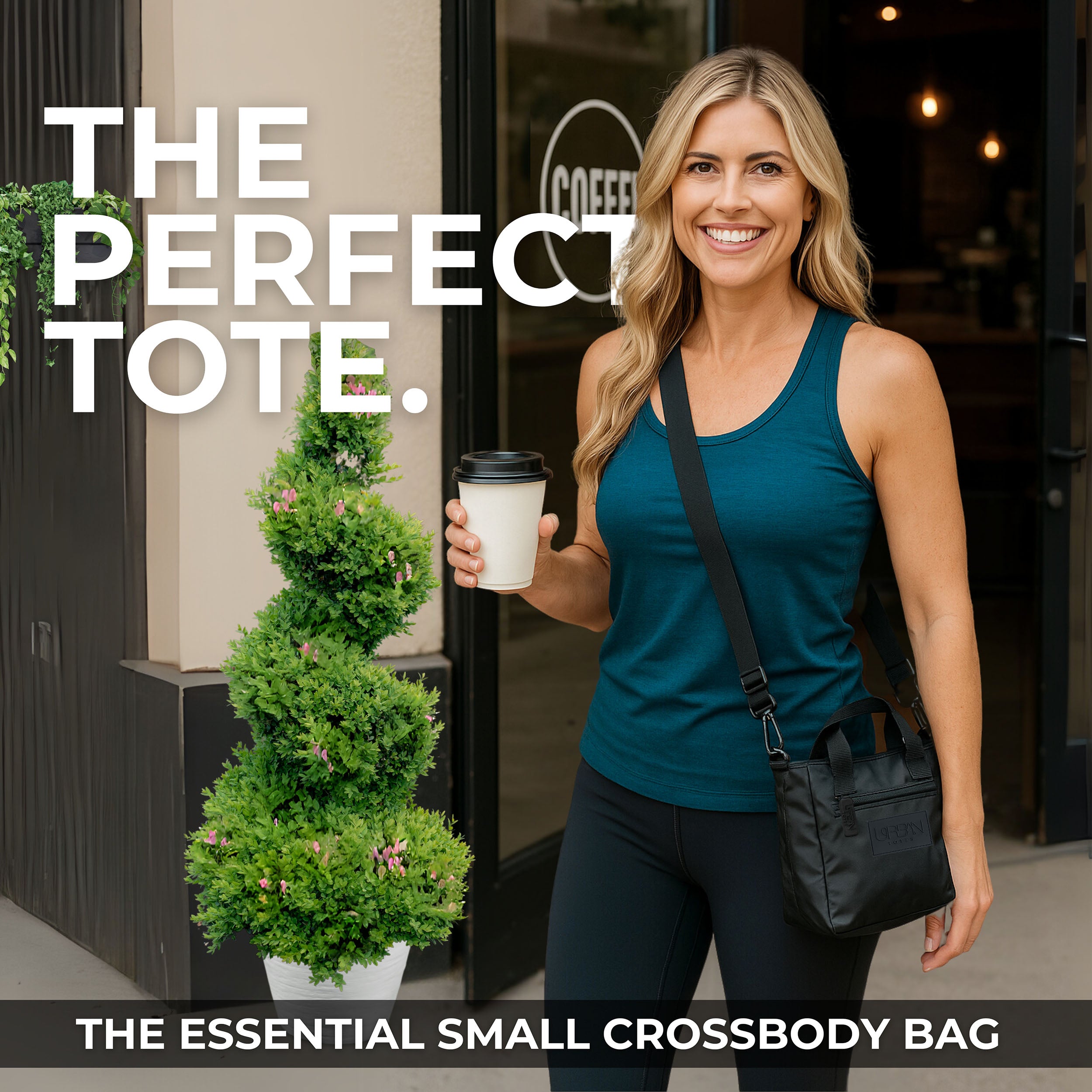
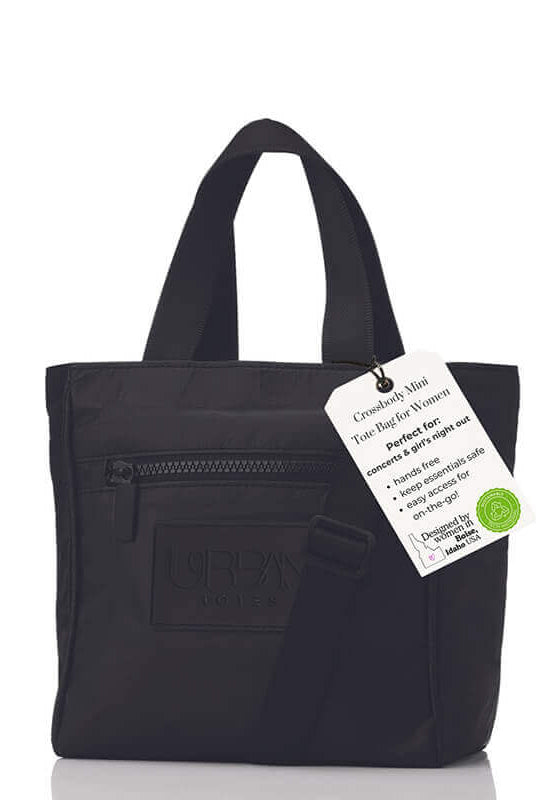
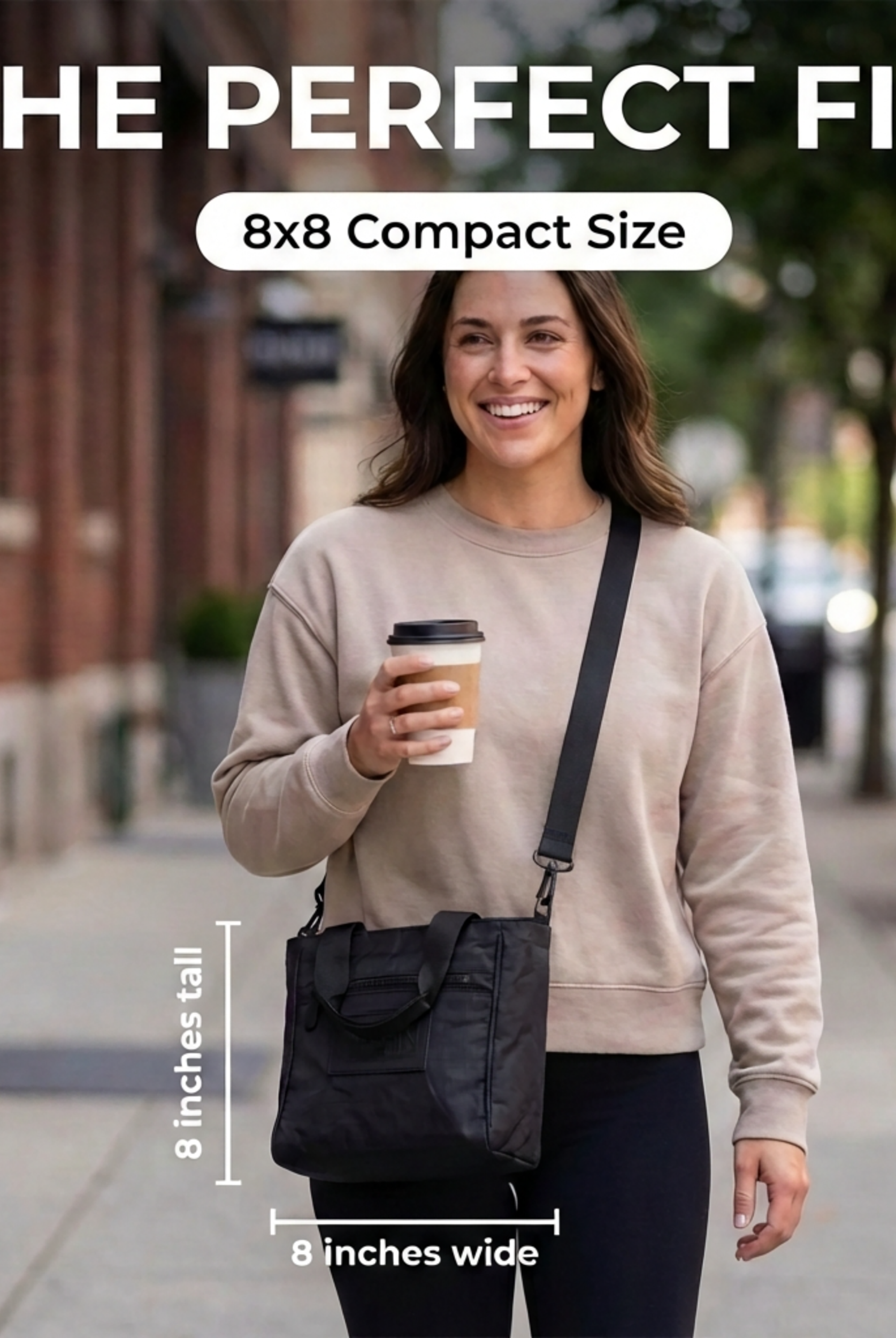
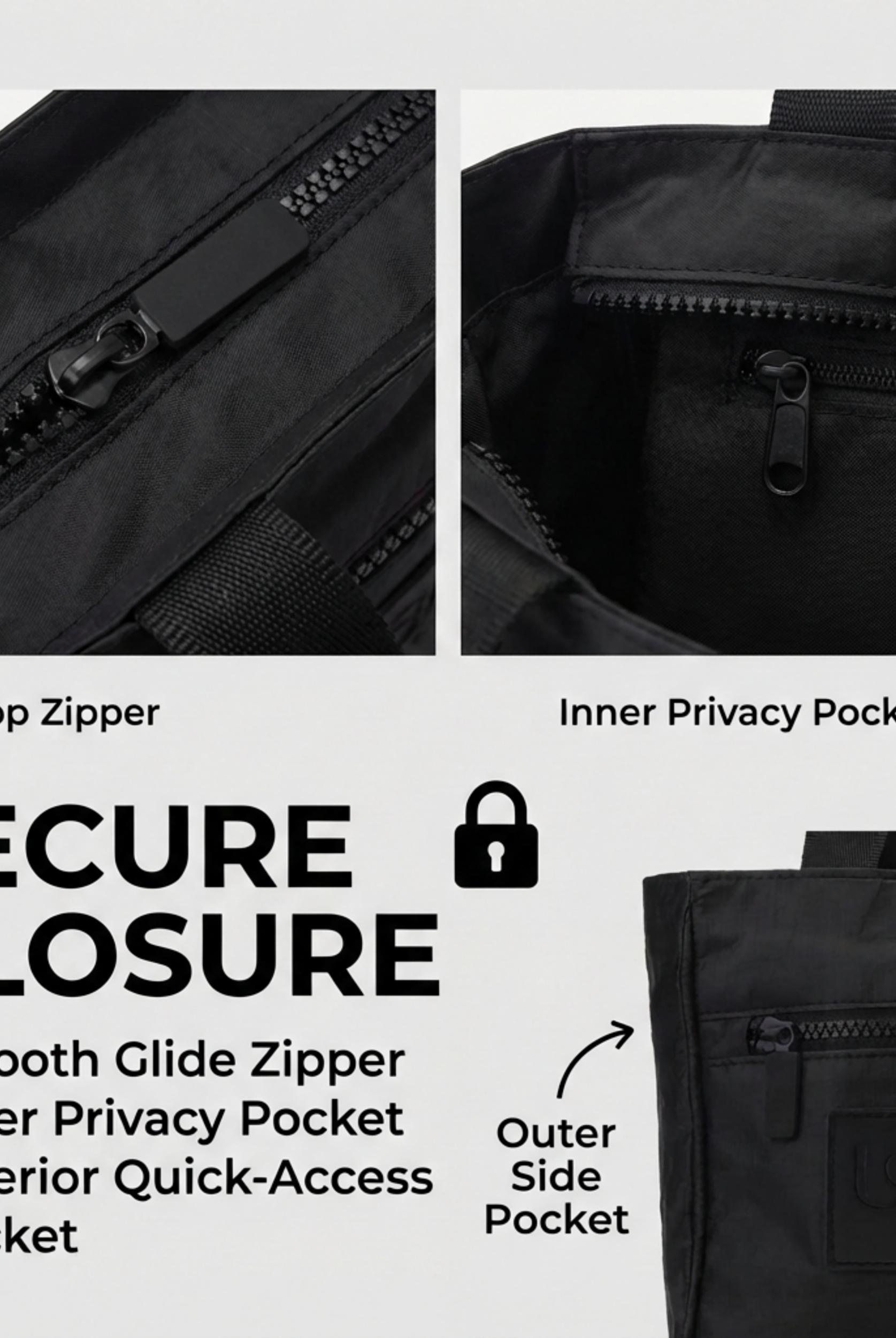
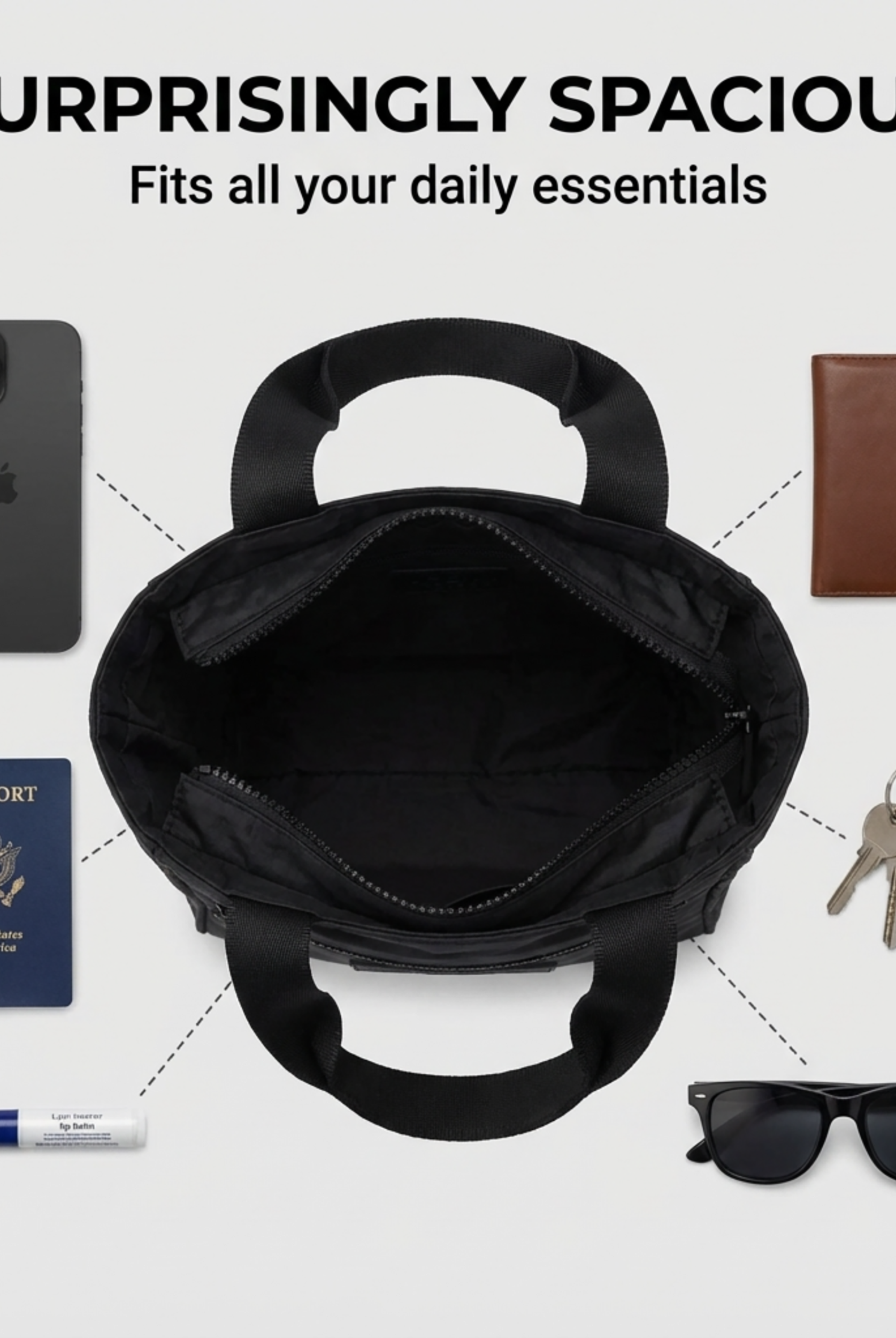
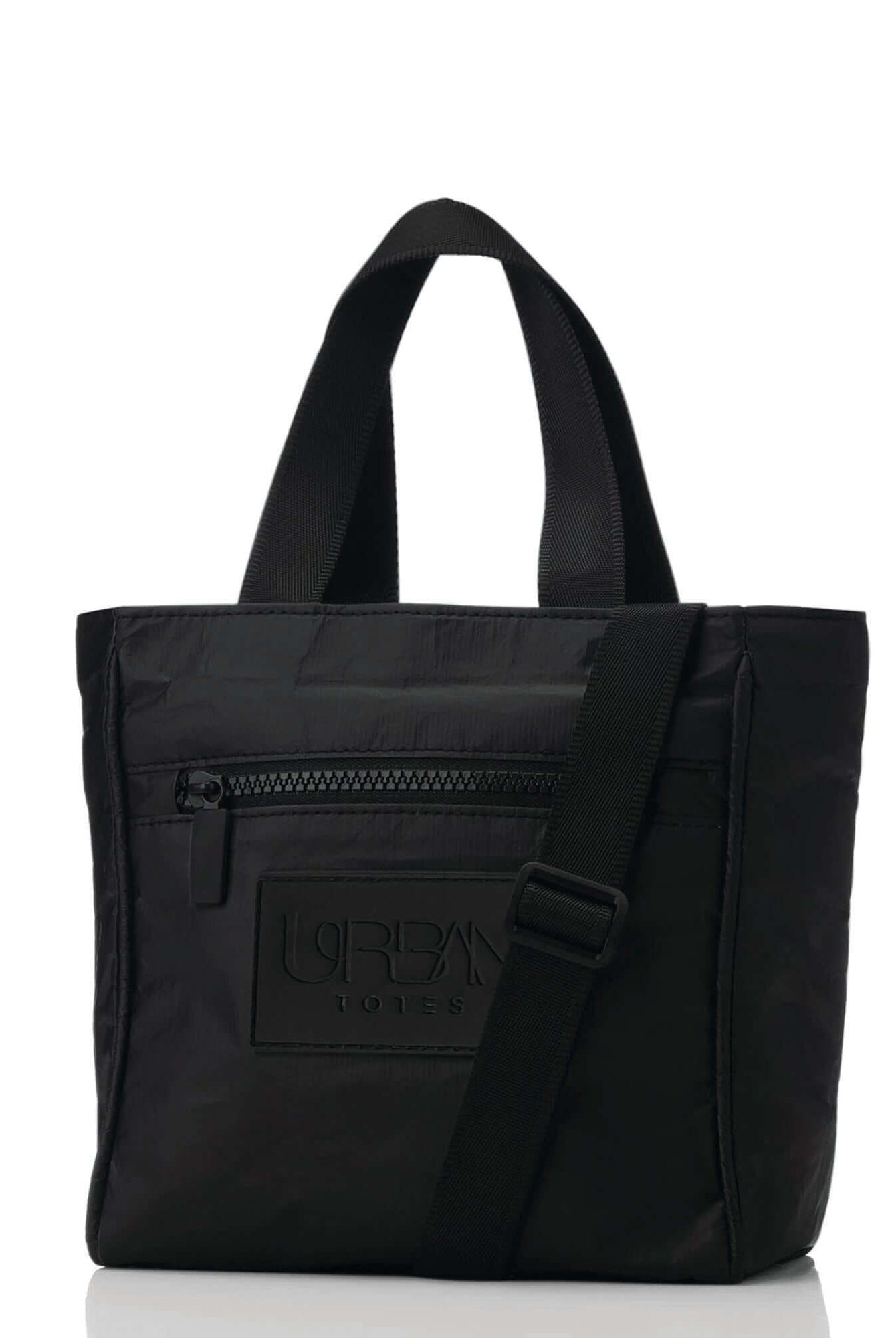
A compact option such as the Crossbody Tote Bag Mini Purse shows that regular reuse does not require a large carryall. Its zip-top closure, outside zipper pocket, easy-access pocket, water-resistant material, lightweight construction, and foldable format support hands-free daily use. A small bag carried constantly can make more environmental sense than a larger tote left at home.
For practical guidance, Urban Totes also explains facts about reusable bags. The conclusion is direct: buy fewer bags, choose one that solves a recurring problem, and keep using it.
Comparing Materials for the Modern Multitasker
Different materials create different experiences. Conventional cotton has a familiar hand feel and a natural-looking appearance, but its environmental break-even point can be demanding because cotton production uses substantial resources. Organic cotton changes the farming inputs, yet it doesn't erase the production burden. Recycled synthetics can be lightweight and resilient, though coatings, hardware, and blended construction may complicate end-of-life handling.
For a woman moving between coffee shops, school pickup, the office, and the airport, performance is part of the sustainability decision. A bag that collapses for a flight but feels too flimsy for groceries may not get enough use. A heavy canvas tote may carry more confidently but become the bag you leave behind because it's uncomfortable.
Tote Material Performance Matrix
| Material Type | Durability & Structure | Packability | Best Use Case |
|---|---|---|---|
| Conventional cotton | Can offer a familiar, structured feel, but construction quality, stitching, and handle reinforcement determine how well it manages repeated loads | Usually folds or rolls, though heavier fabric takes more room | Farmers markets, everyday errands, and simple carry needs |
| Organic cotton | Natural-fiber feel with the same practical need for durable seams, handles, and frequent reuse | Depends heavily on fabric weight and construction | Shoppers who prefer a cotton texture and plan to carry the bag often |
| Recycled cotton | Recycled content can reduce virgin-fiber demand, while midweight fabric can balance structure and comfort | Midweight versions offer moderate packability | Commuting, shopping, and regular everyday carry |
| Recycled synthetic textile | Often lightweight, water-resistant, and resistant to routine abrasion, depending on the textile and finish | Usually the strongest option for folding and travel packing | Airports, beach days, gym trips, and weather-prone commutes |
The table is a decision aid, not a promise that one fiber always wins. Fabric weight, seam design, handle attachment, lining, closures, and coatings can change the result. A thin bag may pack beautifully but struggle with heavy groceries. A structured bag may protect its contents better but take more space in a suitcase.
Match the fabric to the friction
Coffee spills and damp towels favor a surface that wipes clean. A sandy beach day favors a bag that doesn't punish you for brushing it out at the end of the afternoon. Travel favors low weight, foldability, and a shape that can wait inside another bag until needed.
Read tote bag material descriptions with those scenarios in mind. Don't choose organic cotton because “organic” sounds better, and don't choose recycled polyester because “recycled” sounds conclusive. Choose the material and construction that will keep the bag in active service.
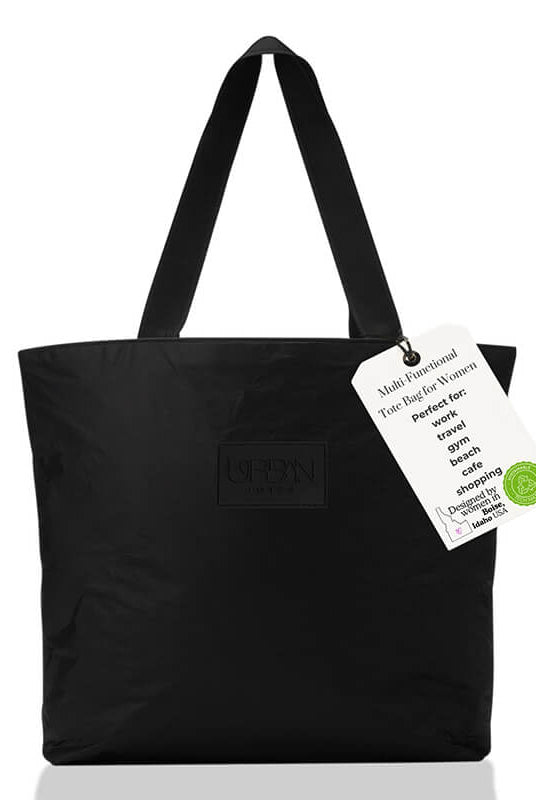
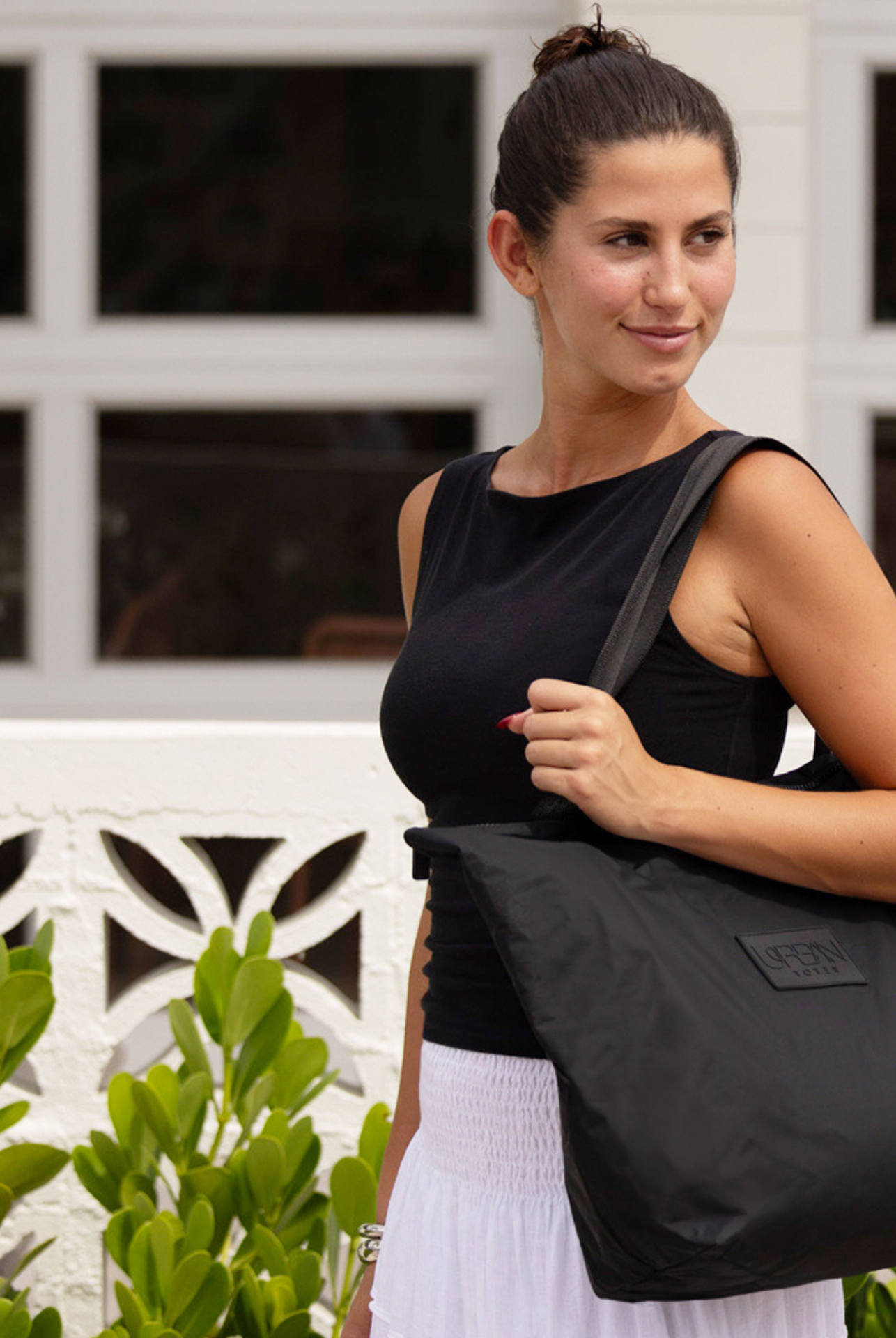
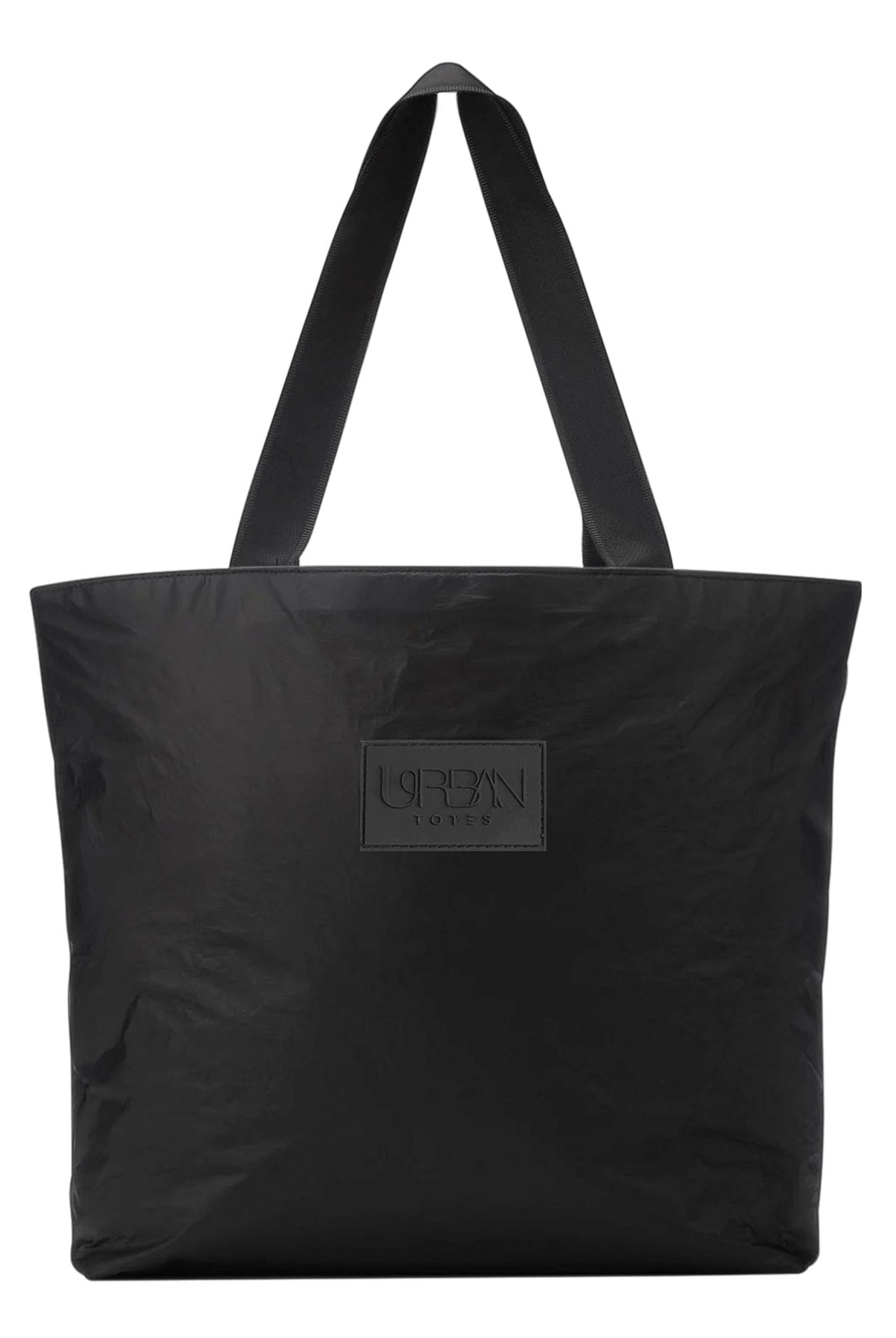
A style-conscious minimalist should also consider whether the bag works across outfits and settings. A versatile black tote with thoughtful organization may replace several niche bags. That kind of consolidation is more persuasive than collecting a different “eco” bag for every activity.
Choosing the Right Tote for Your Daily Rhythm
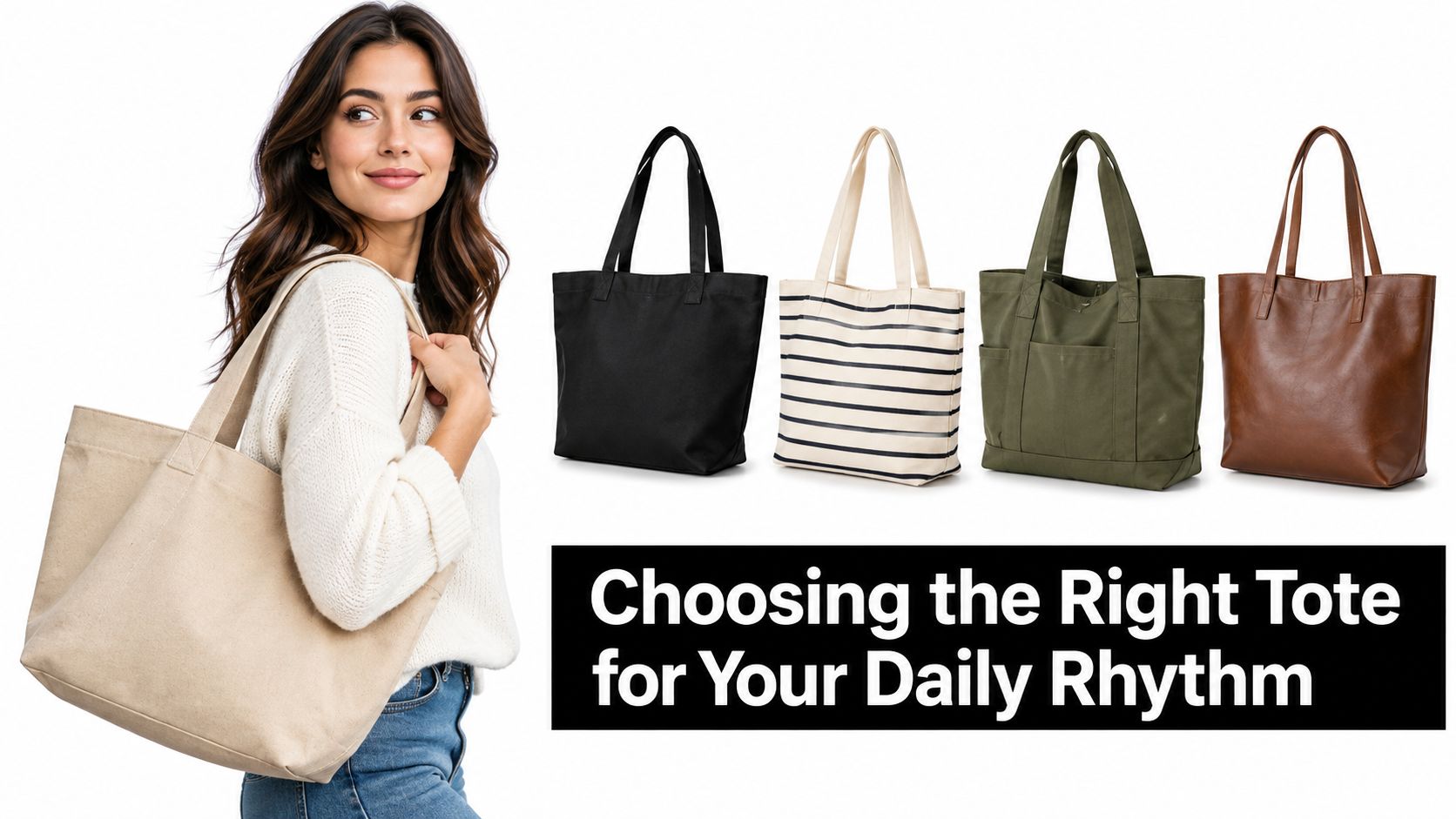
The right eco friendly tote bag should disappear into your routine in the best way. You shouldn't have to rethink how to carry it every morning, search for your phone at every stop, or worry that a splash will ruin the contents. Start with the moments that happen repeatedly, then select features that remove the specific annoyances.
For the beach-day mom
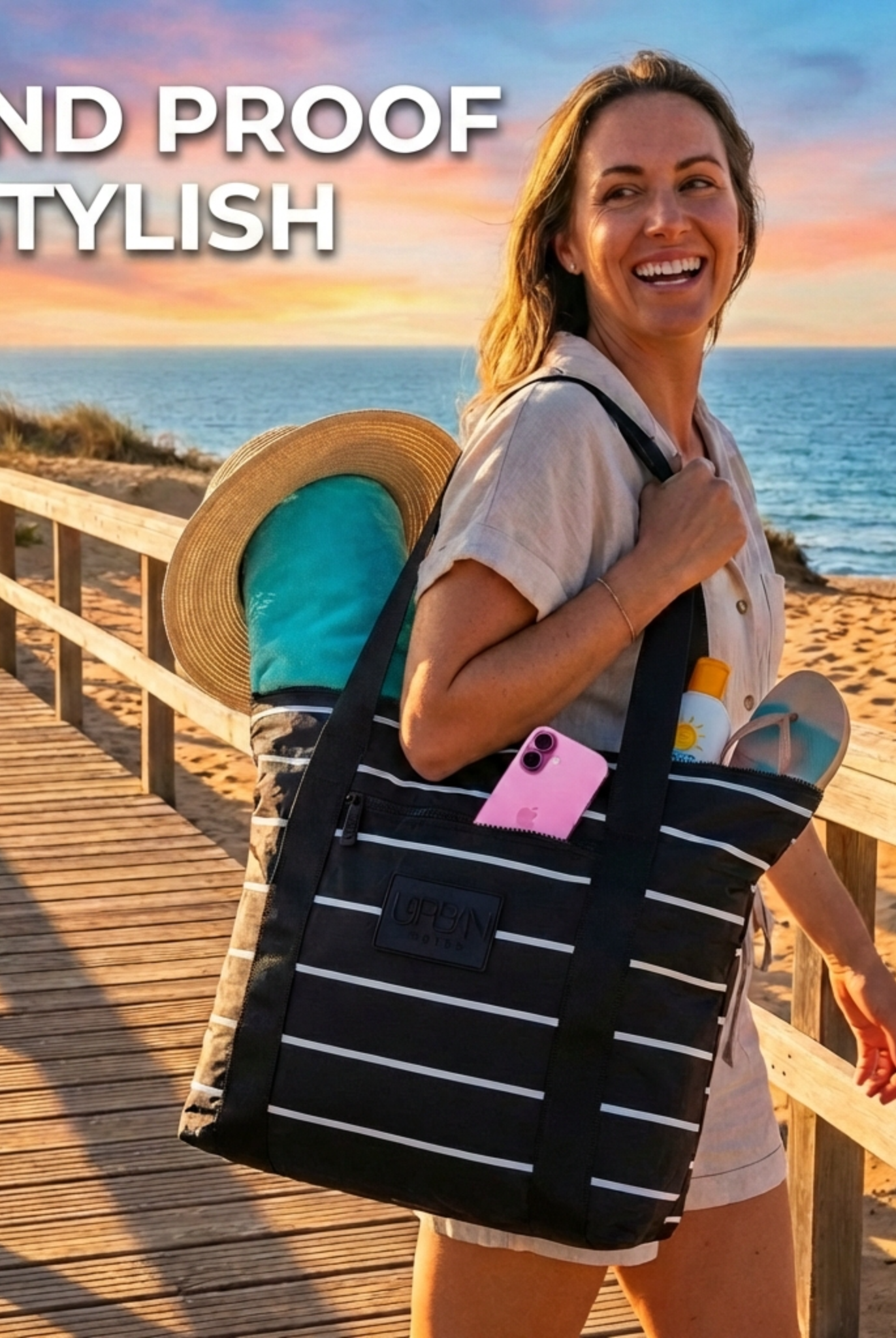
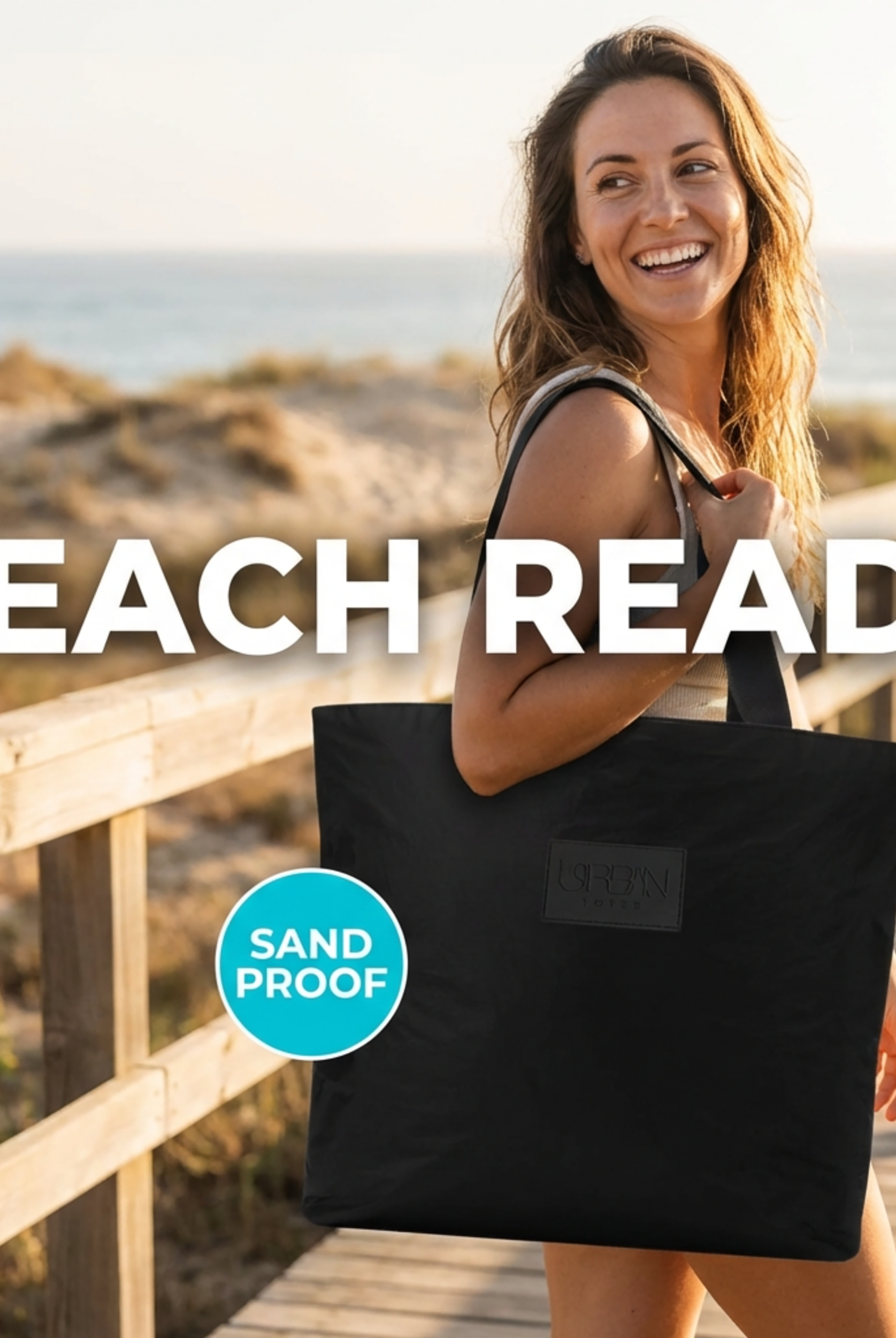
There's a beach chair under one arm, towels over the shoulder, and a child asking for sunscreen while you look for it. Choose a water-resistant, lightweight tote with enough room for towels, snacks, sunglasses, and a change of clothes. A zipper closure helps keep small items contained, while multiple compartments stop keys and cards from disappearing beneath the towel pile.
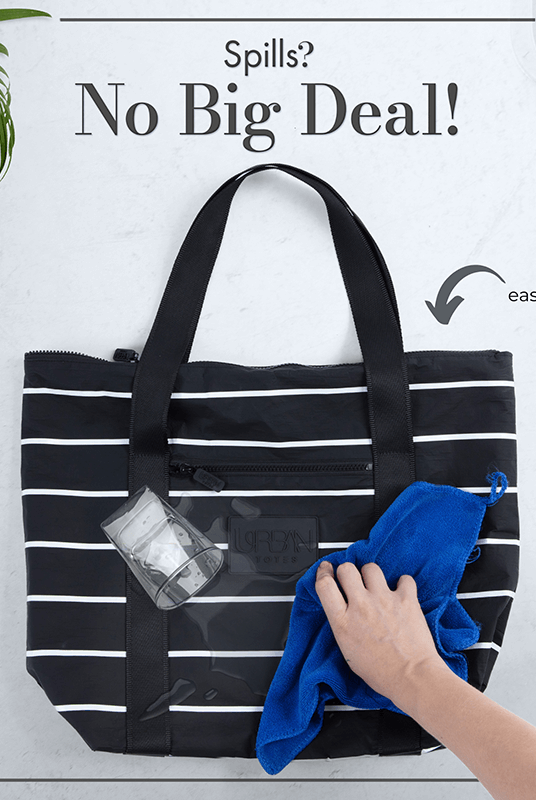
Easy cleaning matters here. Sand, sunscreen, and wet swimwear are ordinary parts of the outing, not unusual accidents. A bag that wipes down easily is more likely to return to the car, the laundry area, and the next beach day instead of being abandoned after one messy trip.
For the daily commuter
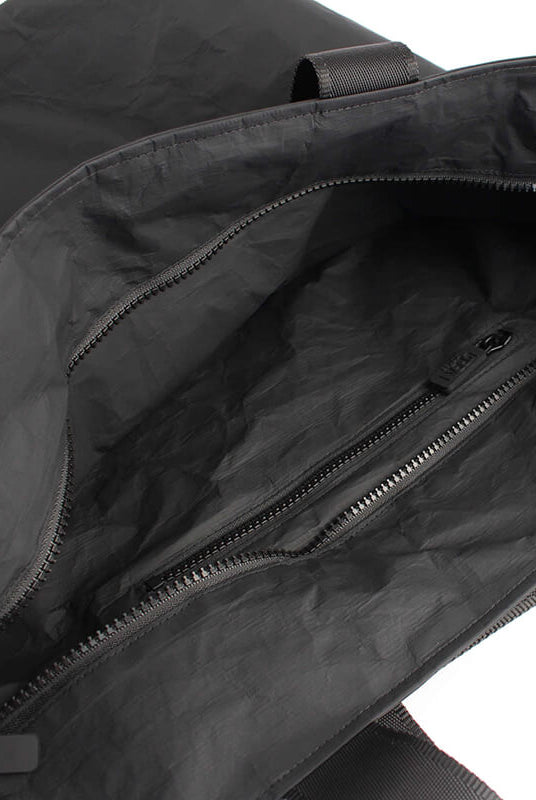
Your commute has different demands. A tote needs to hold a lunch container, notebook, charger, and personal essentials while staying composed beside a desk or on public transport. Look for multi-pocket organization, secure zippers, comfortable shoulder straps, and a structure that keeps the bag from collapsing into a heap.
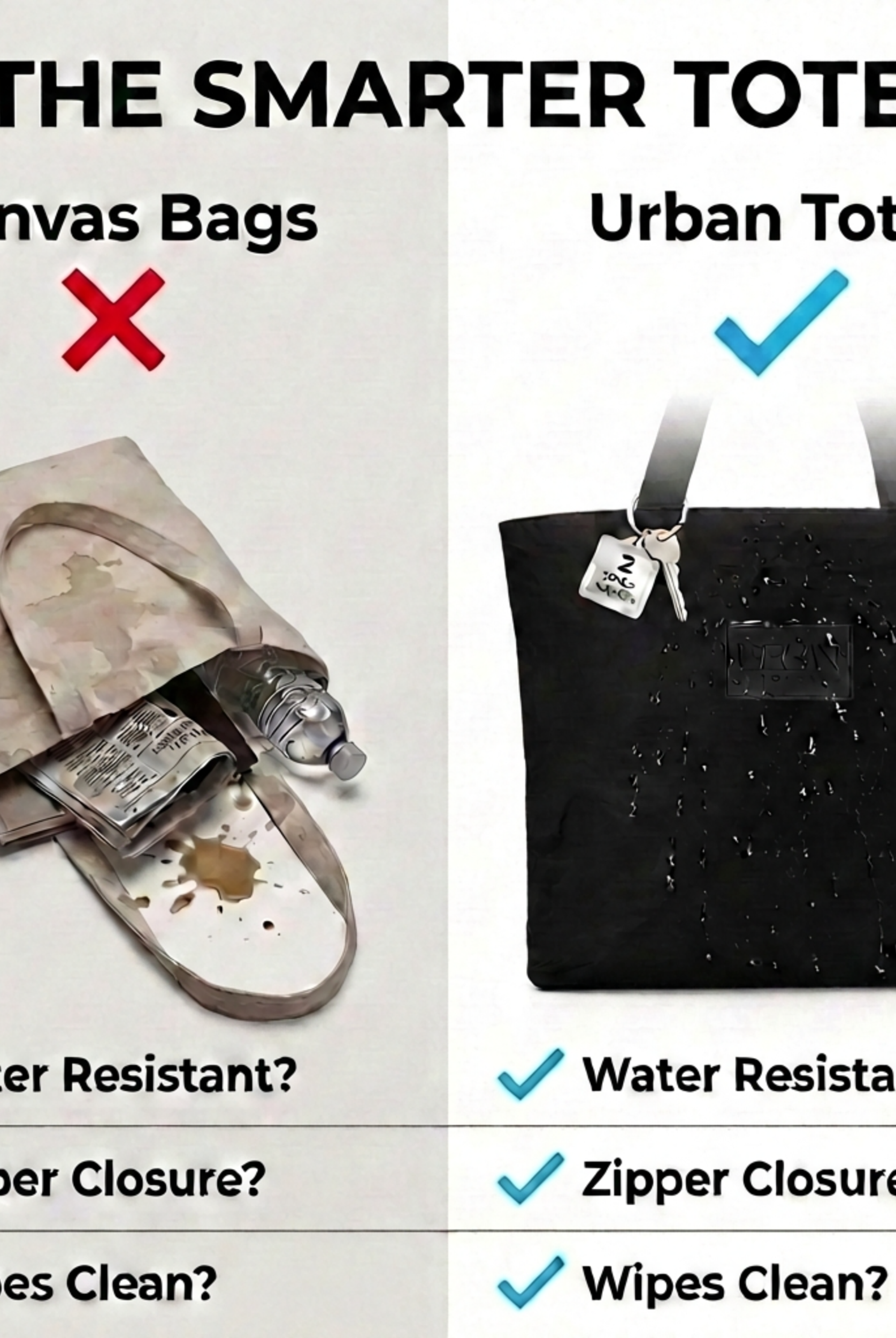
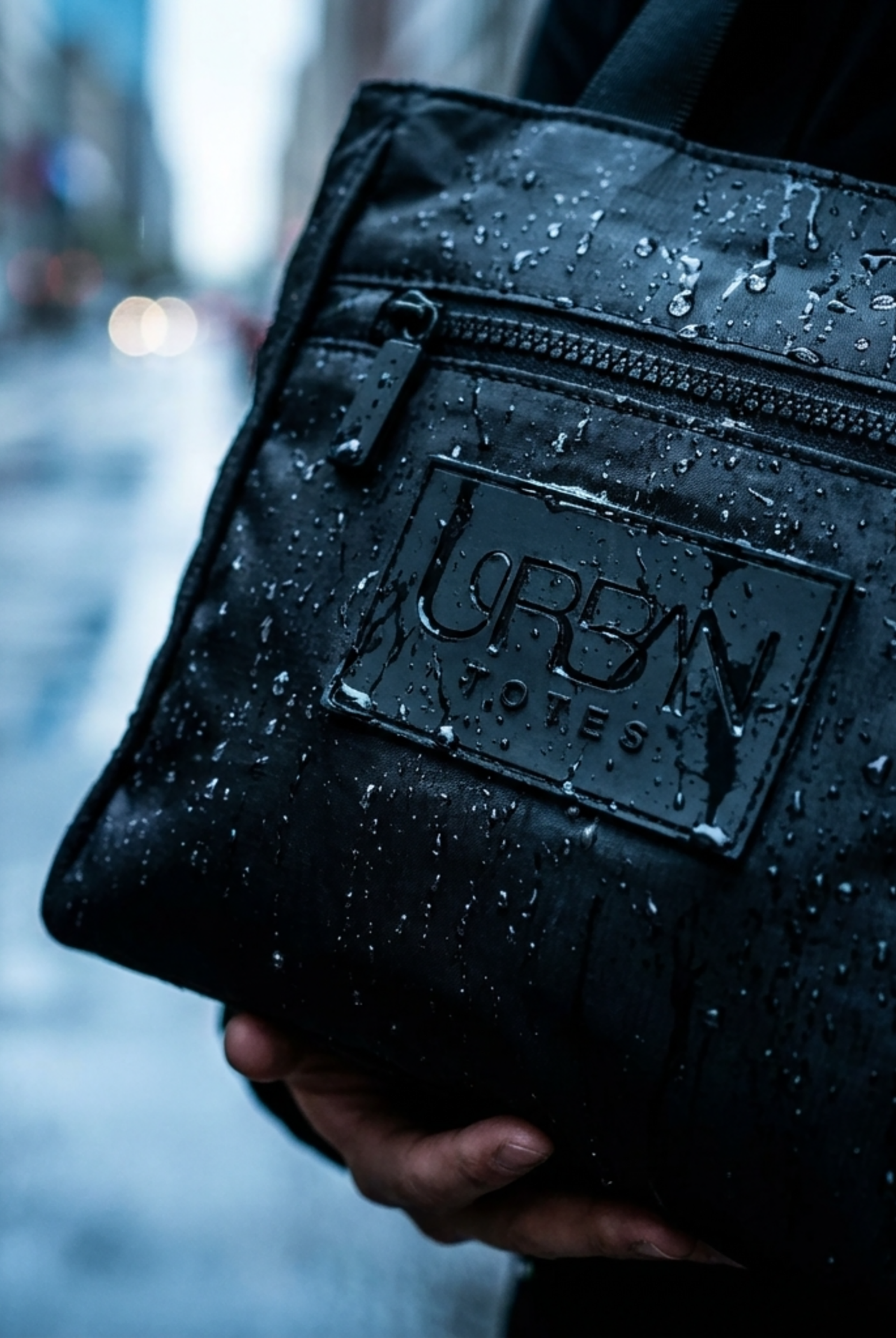
A water-resistant exterior is useful when the weather changes between leaving home and arriving at work. It doesn't make the bag invulnerable, so keep electronics in their own protective sleeves, but it can make ordinary splashes and spills easier to manage.
For the weekend traveler
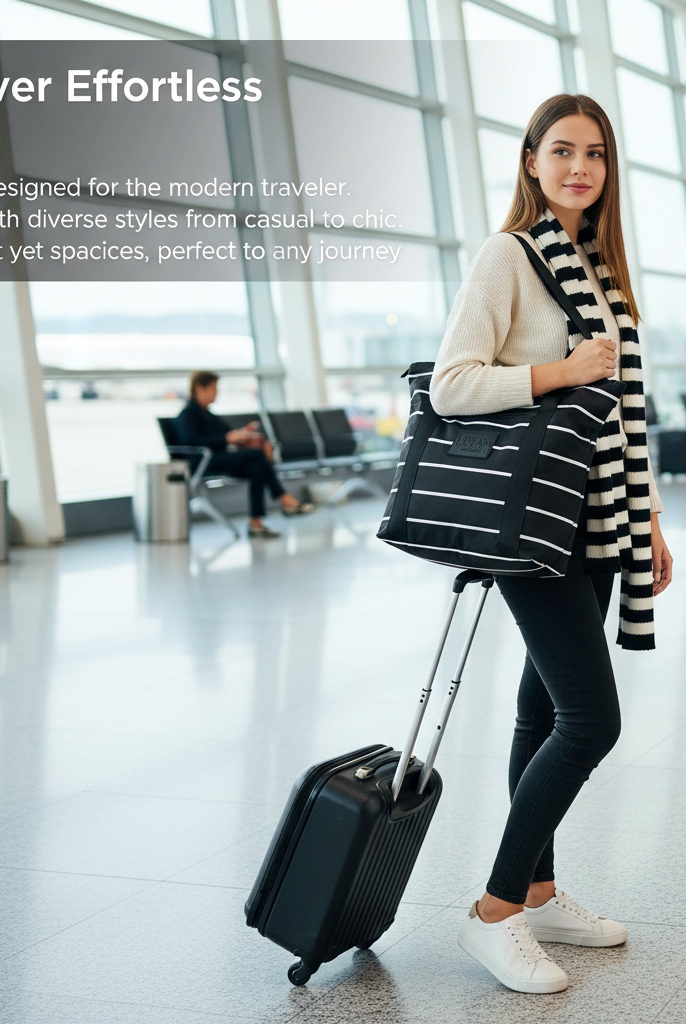
At the airport, packability earns its keep. A foldable tote can stay inside a suitcase until you need an extra carry-on for snacks, a layer, or purchases. Choose a design that remains lightweight when empty and offers a zipper closure when full.
Test the organization before buying:
- Phone access: Can you reach your phone without unloading the bag?
- Keys: Is there a dedicated pocket or secure zipper compartment?
- Travel flexibility: Does it fold flat without becoming difficult to reopen?
- Daily appeal: Would you carry it to coffee, errands, or school pickup?
For the gym enthusiast
Gym use rewards separation and easy maintenance. You'll want enough room for a change of clothes, water bottle, towel, and small essentials, plus a surface that tolerates regular wipe-downs. A bag that can move from the car to a yoga studio to a grocery stop has a better chance of becoming your everyday carry rather than a single-purpose accessory.
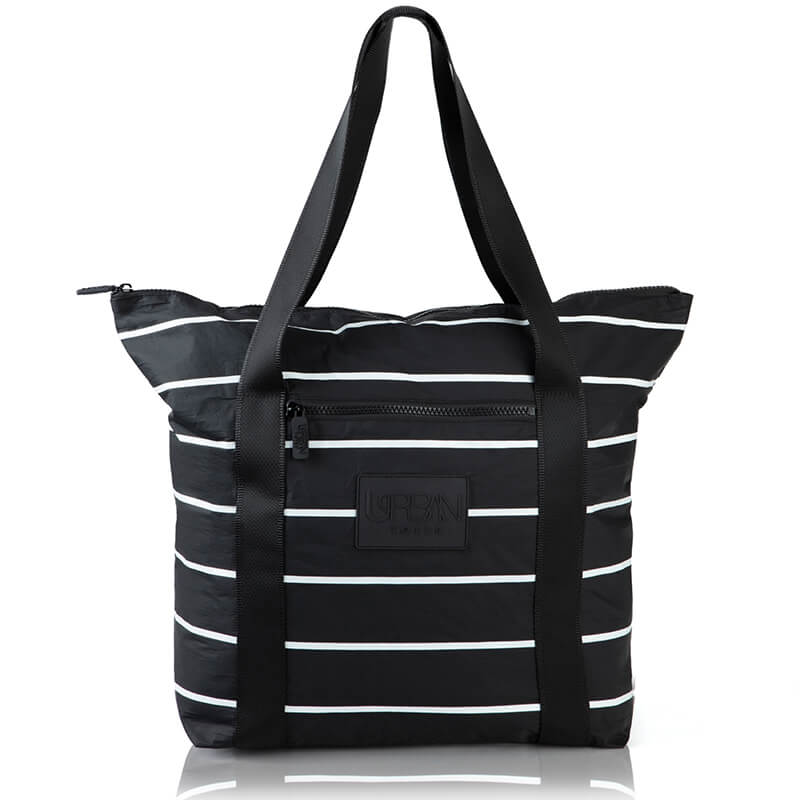
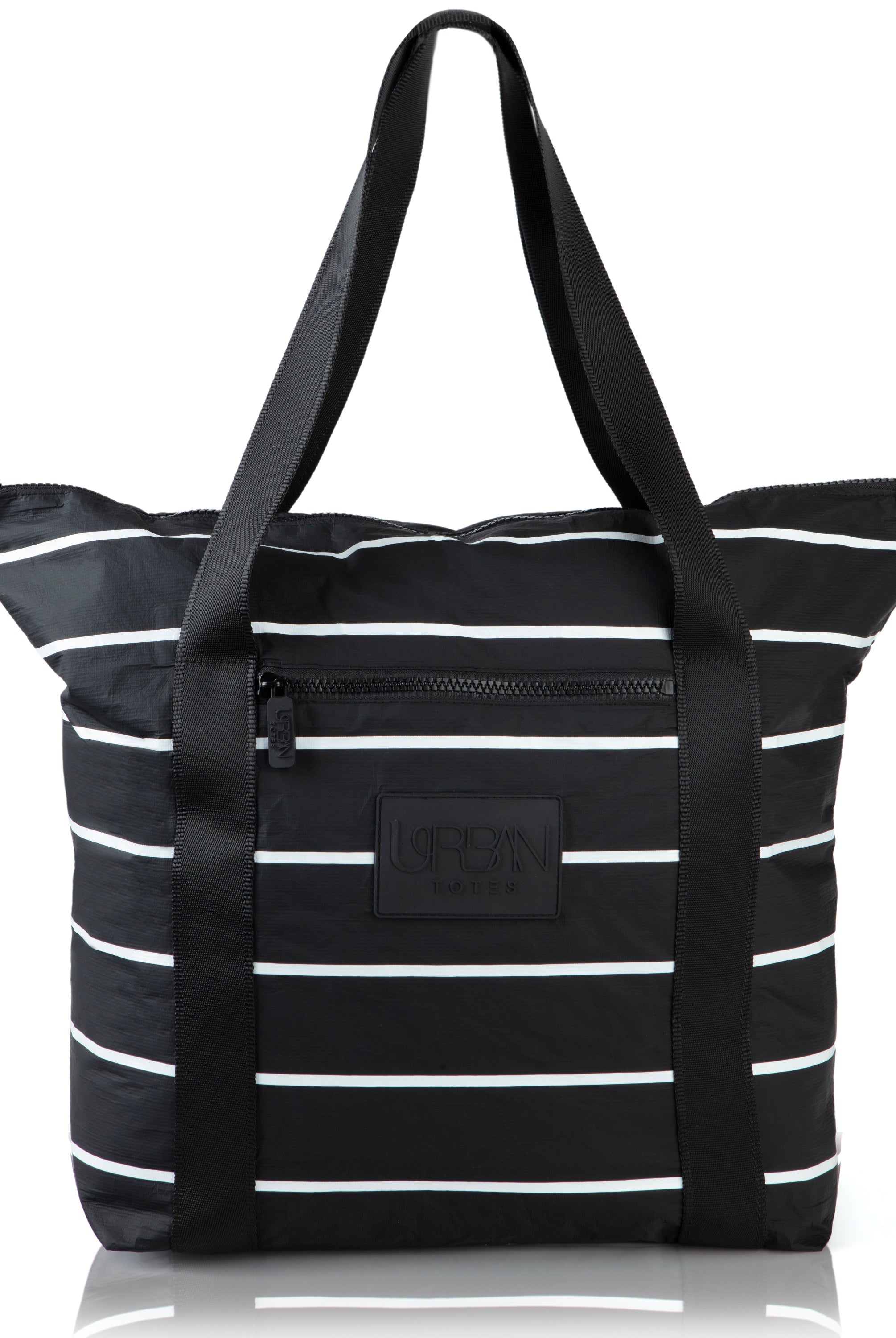
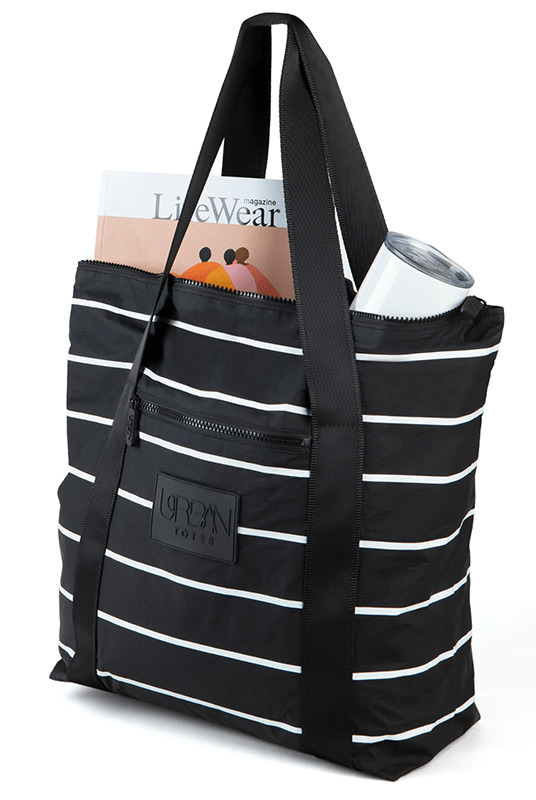
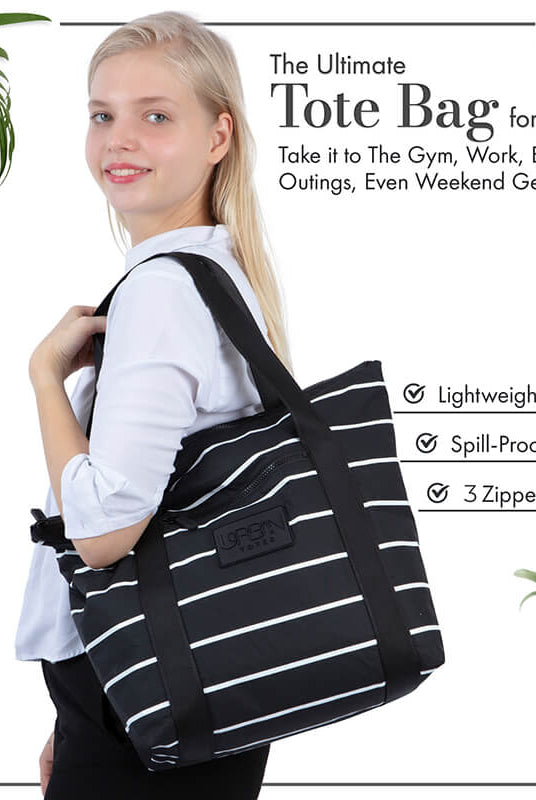
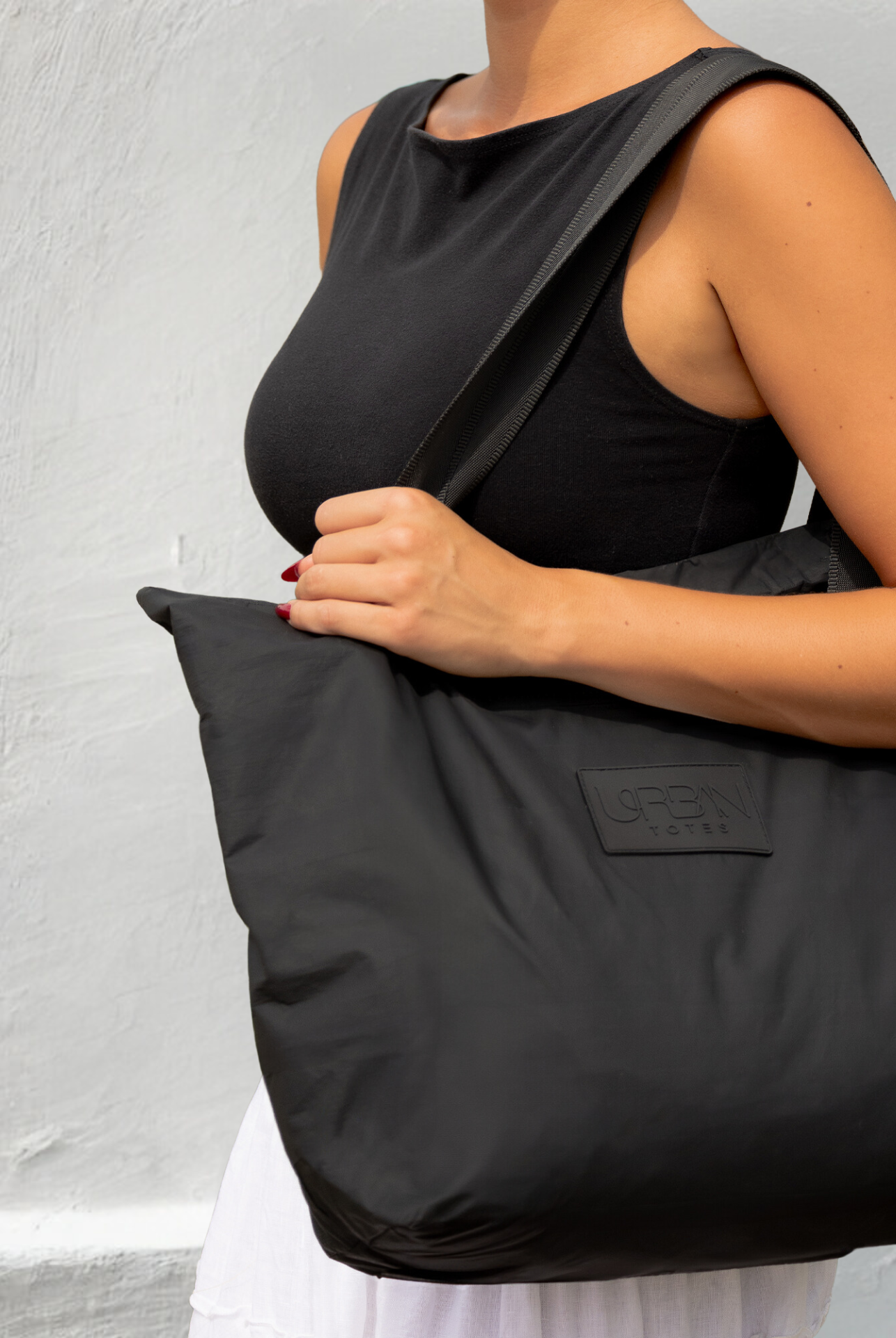
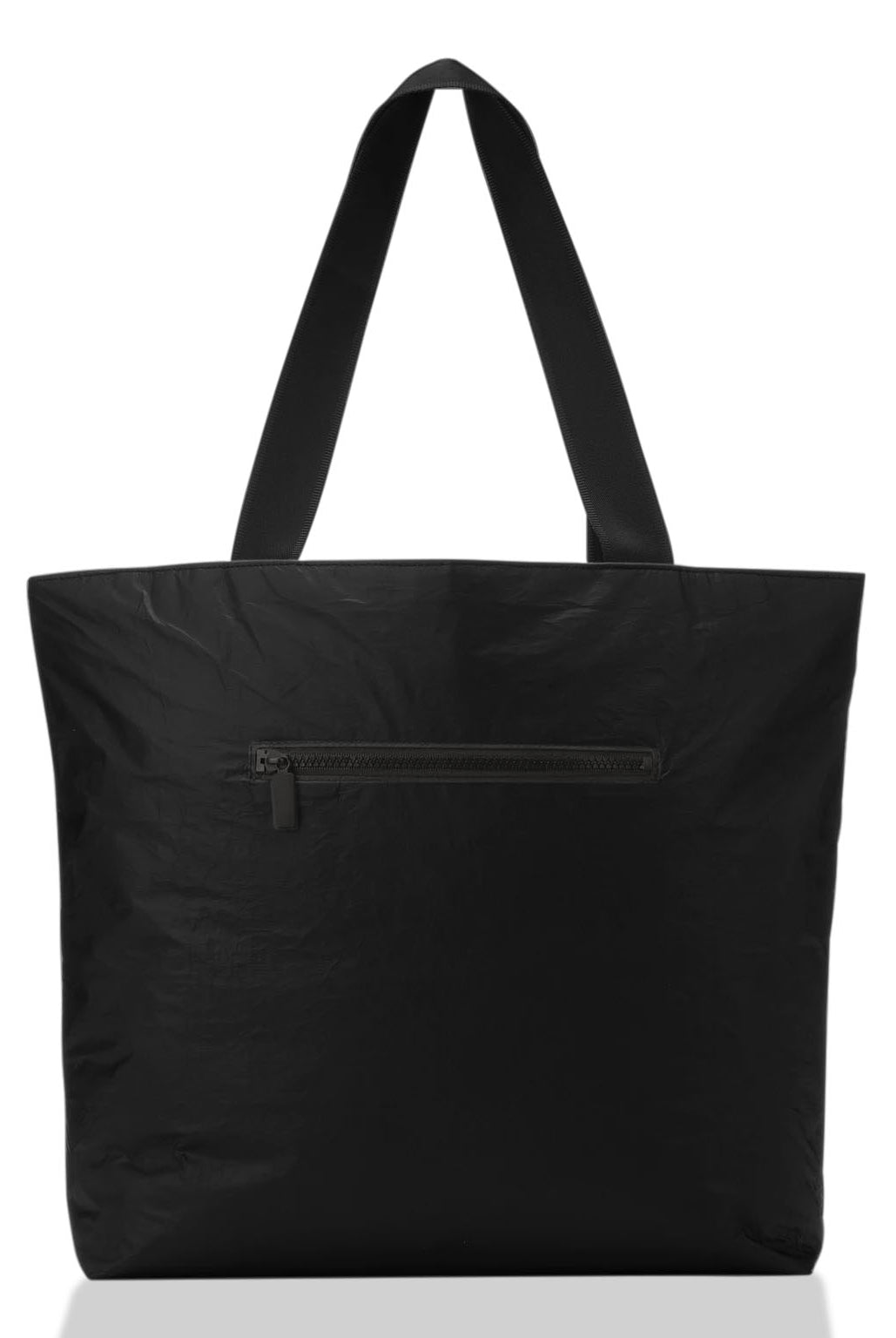
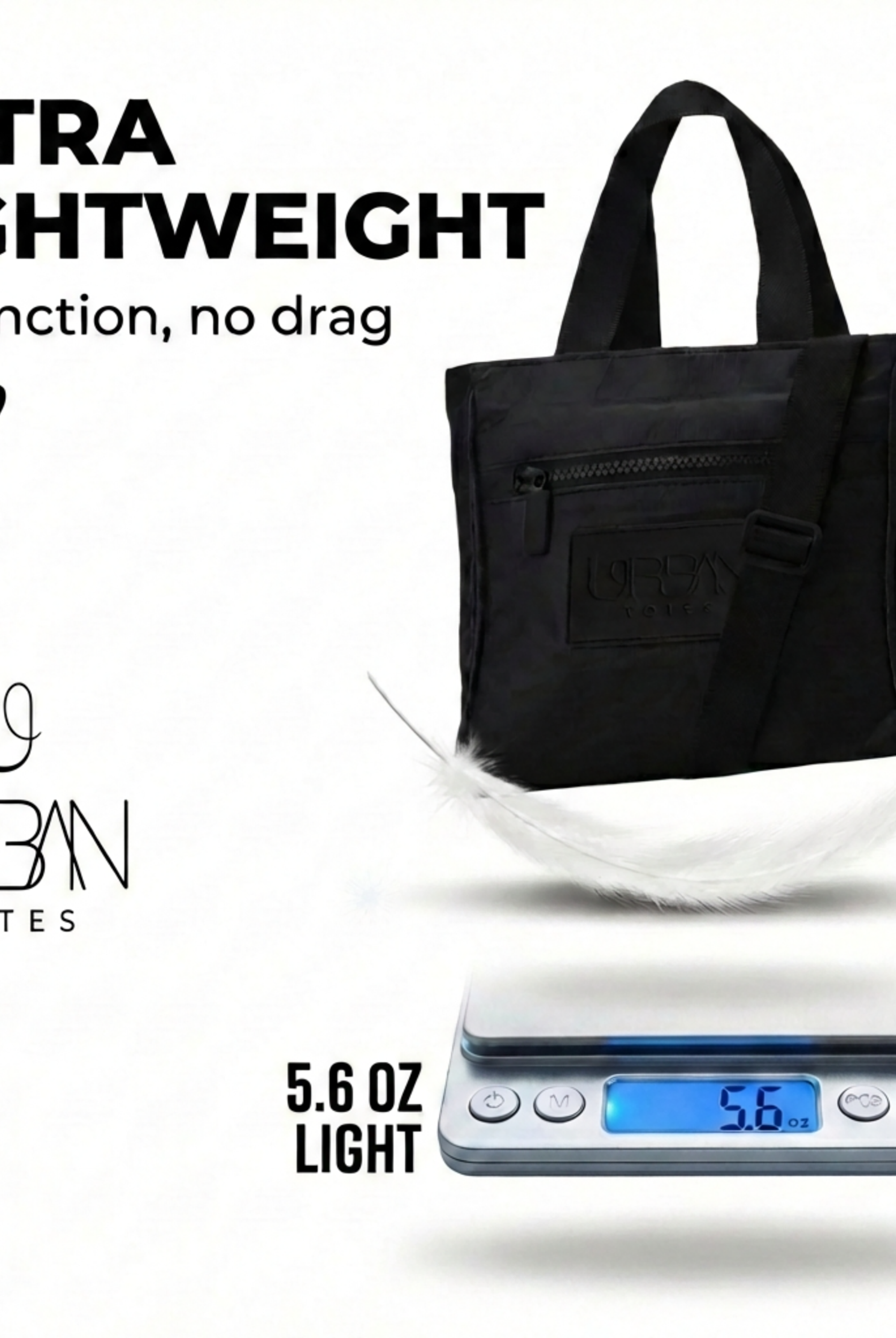
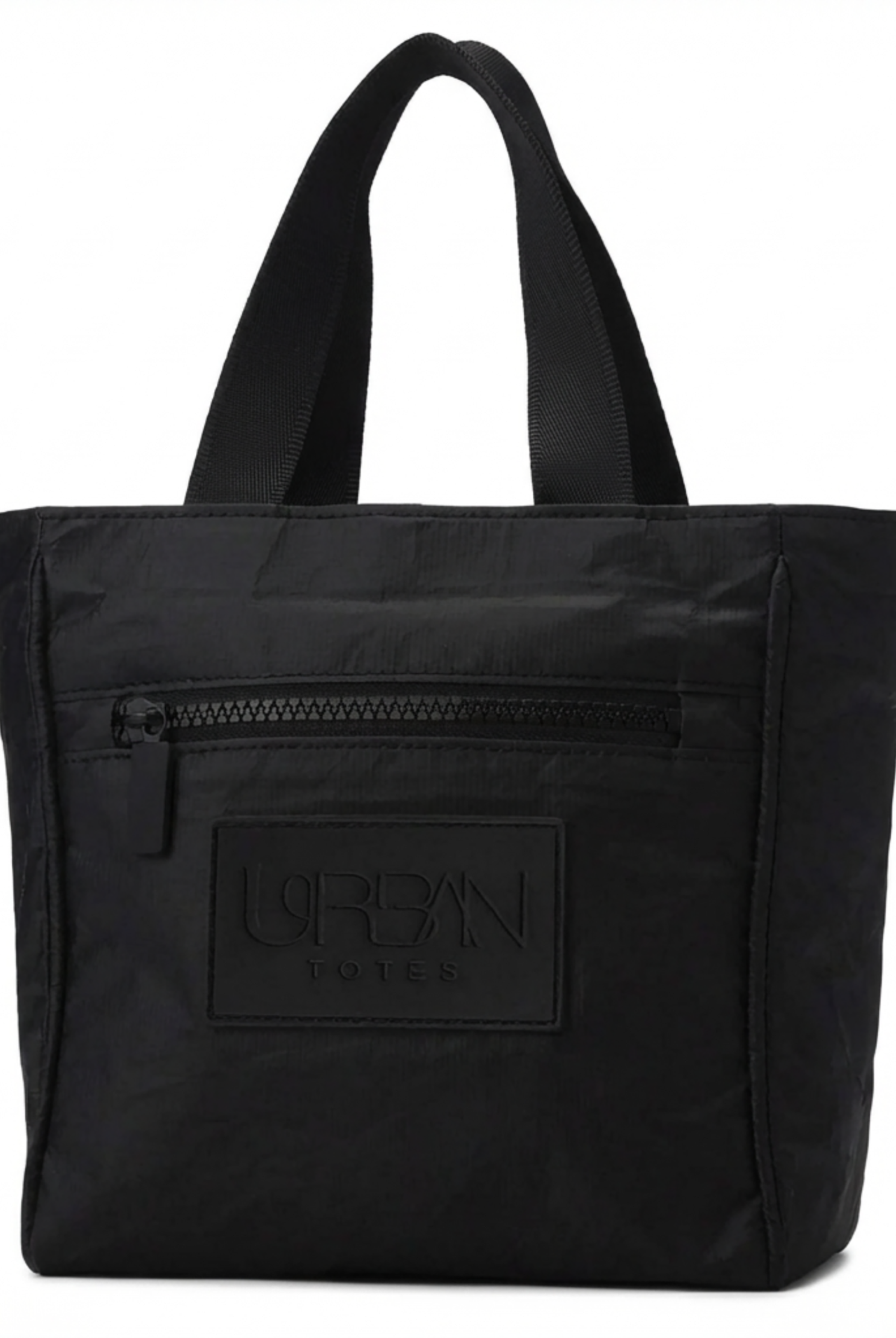
Urban Totes is a woman-owned Boise-made brand whose bags are positioned around lightweight, packable, foldable, water-resistant designs with zipper closures and multiple compartments. That combination fits shoppers who want one organized, travel-ready bag to cover several routines instead of buying a separate tote for each one.
How Smart Design Extends Product Lifecycles
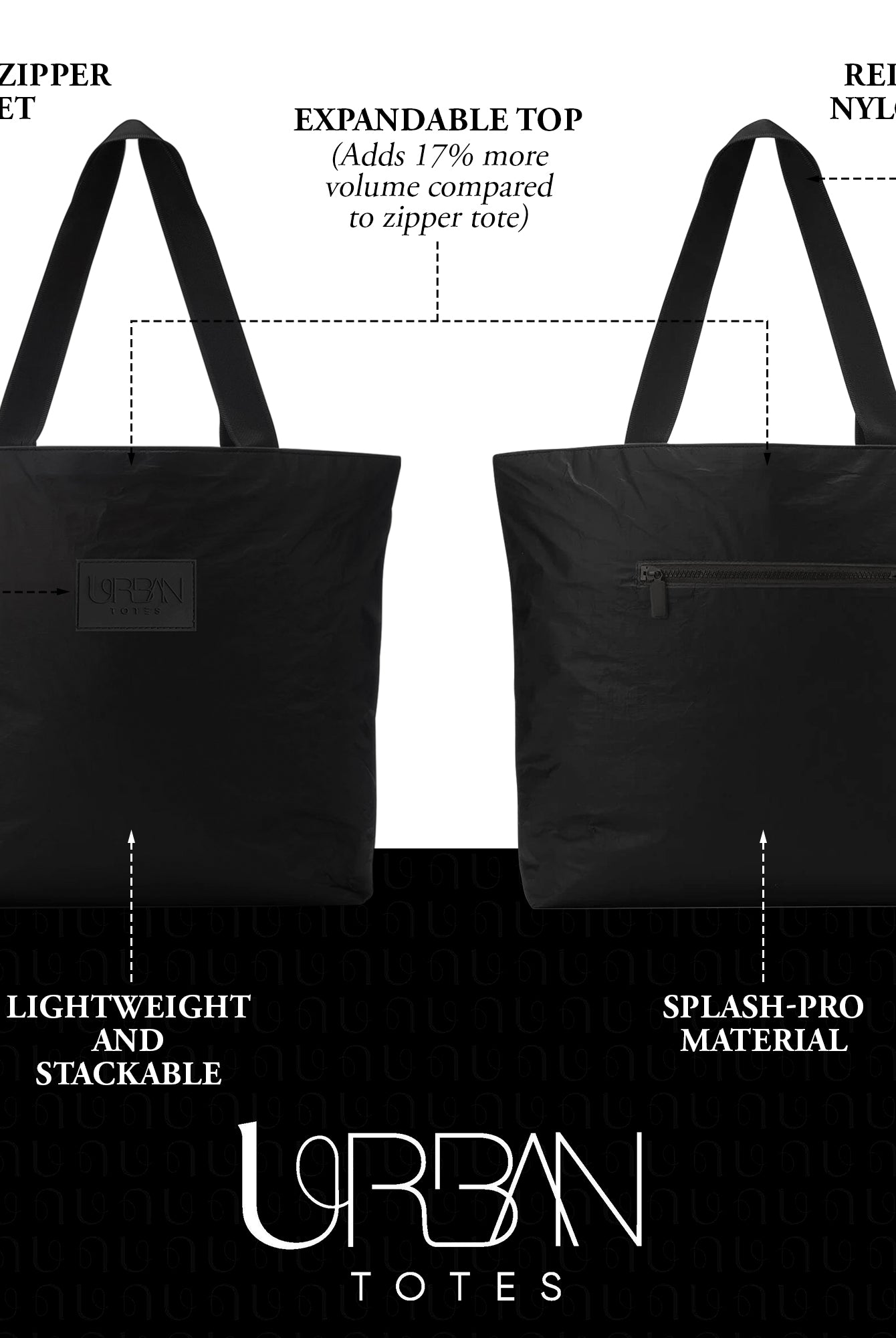
Durability doesn't begin with a slogan. It appears in the details you touch every day: reinforced stitching where handles meet the body, structured piping that helps a bag hold its shape, and closures that prevent contents from falling out. These features can keep a tote useful through more trips, which supports the reuse principle established by lifecycle research.
Water-resistant fabric also has a practical role. It helps a bag cope with light weather, coffee splashes, and the occasional damp item, making cleanup less dramatic. A lightweight, foldable shape adds another kind of longevity because the bag is easier to store in a car, suitcase, or entryway where you can remember to use it.
Performance features have tradeoffs
The sustainability picture becomes more complicated when a recycled textile receives a coating or is combined with zippers, piping, lining, and other materials. Those additions can improve everyday performance, but they may make sorting or recycling more difficult at end of life. A water-resistant bag can therefore reduce premature replacement while creating a more complicated disposal question.
That tradeoff isn't a reason to reject useful features. It's a reason to judge the whole lifecycle. Guidance on sustainable products emphasizes looking across raw materials, production, logistics, use, and end of life rather than treating one material claim as the complete answer. Lifecycle-focused material guidance also highlights why recycled fabrics and performance treatments should be considered together.
A coating is useful only if it helps the bag stay in service. Performance should earn its place by preventing avoidable replacement.
Choose durable construction over seasonal novelty. A neutral, stylish silhouette can work with office clothing, travel layers, beach cover-ups, and casual weekend outfits. That versatility increases the odds that you'll carry the same bag across settings rather than replacing it when your plans change.
The same logic applies to a small crossbody. Structured piping can protect its shape, a zipper top can make it easier to use in busy spaces, and an easy-access pocket can keep essentials from becoming lost clutter. Smart design is not decoration. It's the bridge between a product's intended lifespan and its actual lifespan.
Care and Maintenance for Maximum Longevity
A tote lasts longer when care is simple enough to become routine. Empty it after a busy day, shake out sand and crumbs, and deal with marks before they settle. Small maintenance beats waiting until the bag looks too worn to carry.
Clean gently and follow the material
For a technical water-resistant surface, start with a soft cloth and mild soap on the affected area. Avoid aggressive scrubbing, harsh solvents, and products that can affect the fabric finish. Urban Totes product guidance describes easy cleaning through wiping or washing for applicable designs, but you should always follow the care instructions for the specific bag.
A washable fabric tote may tolerate a machine cycle, while a structured or coated bag may need spot cleaning instead. This guide to washable tote bags is useful when you're deciding whether convenience belongs in your material and design checklist.
Dry and store with intention
Air-dry the bag completely before folding it. Trapping moisture inside a zipped compartment can leave the interior unpleasant and may encourage odors. Keep the tote away from prolonged direct sunlight when drying or storing, particularly if preserving color and surface finish matters to you.
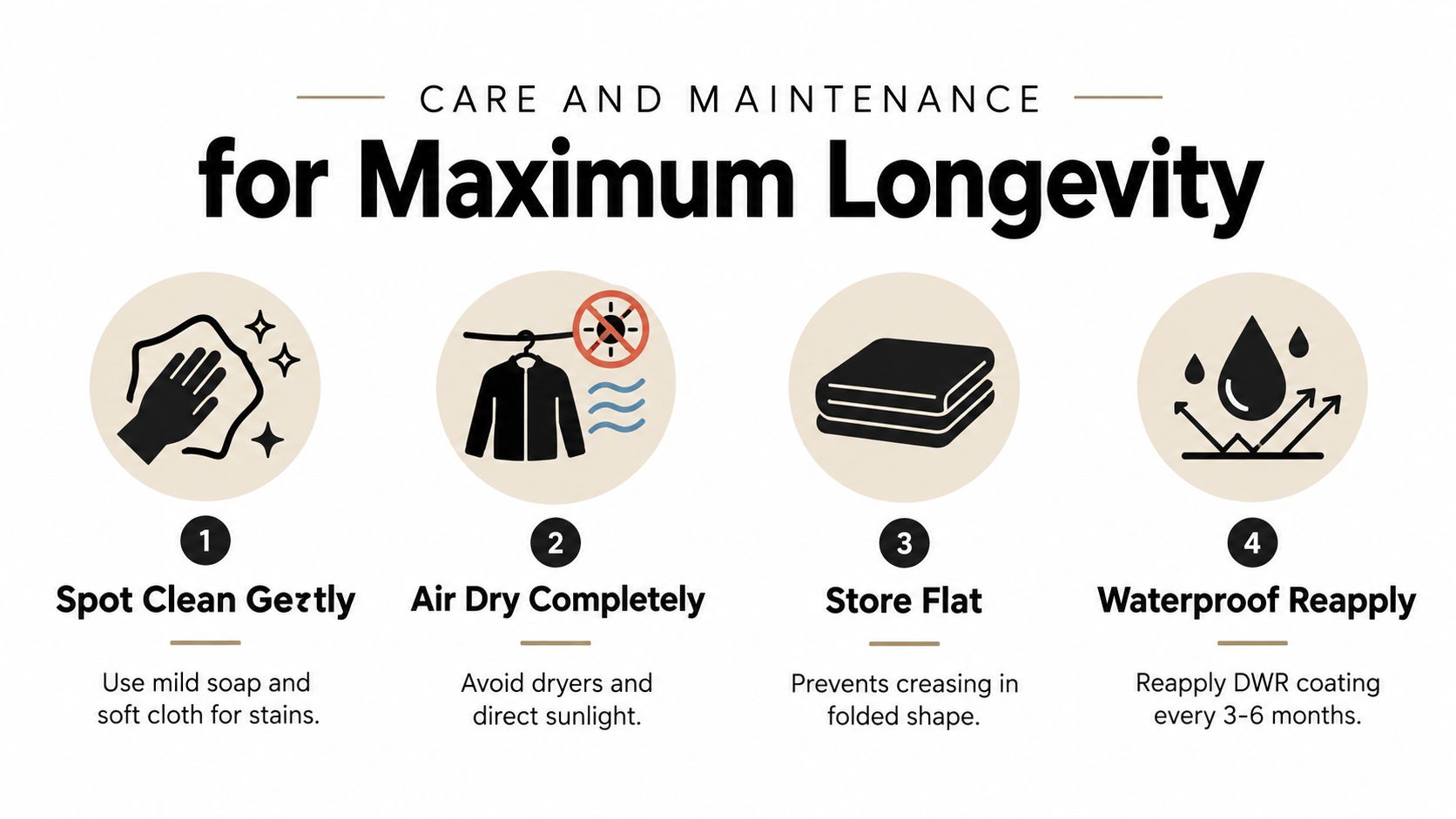
The four habits below are easy to remember:
- Spot clean gently: Use mild soap and a soft cloth for marks.
- Air dry completely: Let the bag dry naturally rather than relying on a dryer.
- Store flat: Keep a foldable tote flat or loosely folded to avoid unnecessary creasing.
- Check the finish: If the manufacturer provides care instructions for renewing a water-resistant treatment, follow those instructions rather than applying an unapproved product.
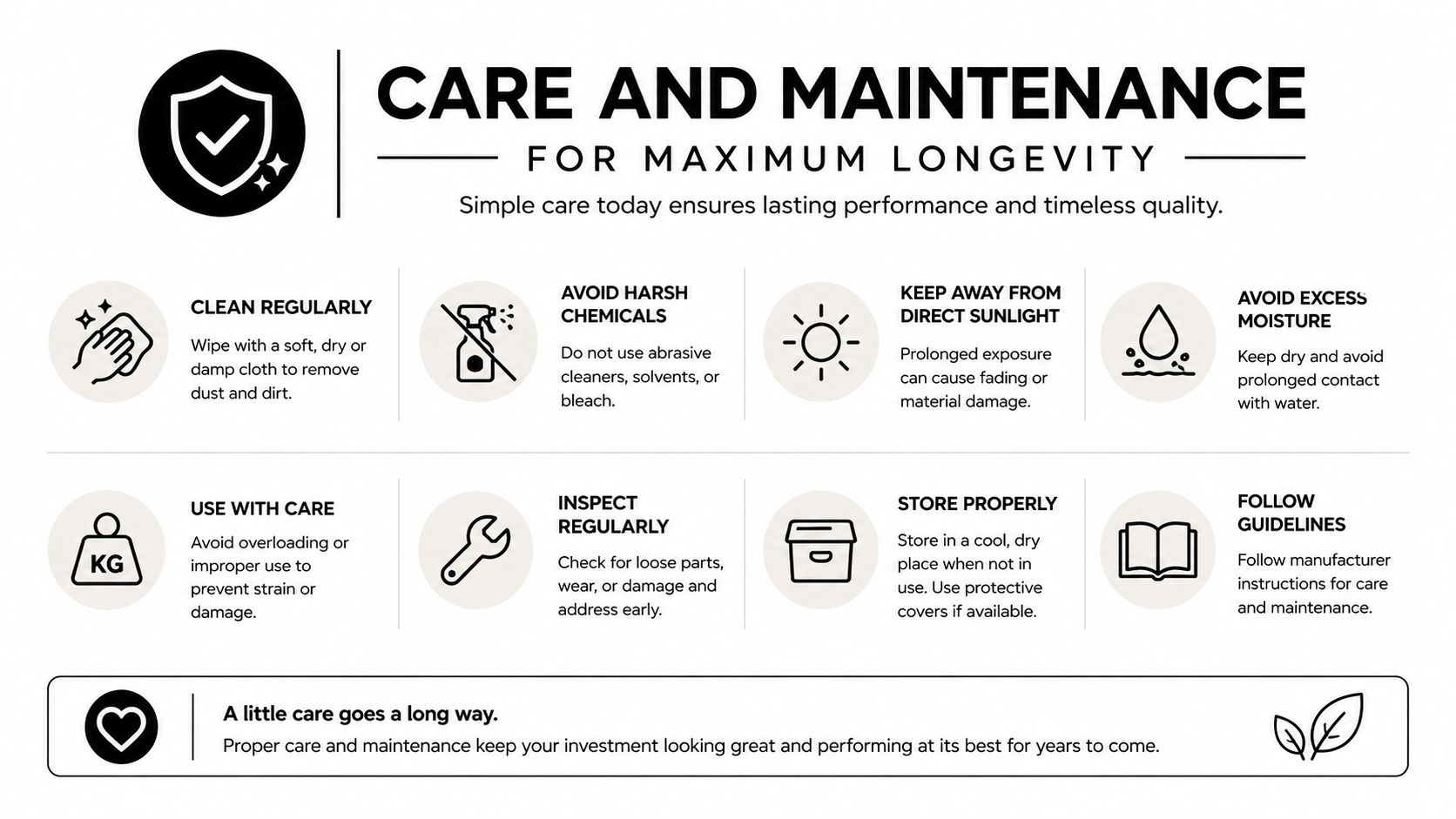
Don't overfill the bag because it has room. Excess weight strains handles, seams, and closures, while repeated overloading can shorten the useful life of even a well-made tote. Carry what the design is meant to carry, distribute the load across compartments, and repair a loose thread or handle attachment before the damage spreads.
Navigating Common Sustainability Questions
A cotton tote is not automatically the greener choice because it carries a natural-material label. If you buy one for grocery runs and use it only a handful of times, its production impact may outweigh the benefit of replacing occasional plastic bags. The relevant question is whether the bag's full lifecycle supports repeated use, especially for cotton.
Choose a tote that solves a recurring need. Keep one near the front door, another in the car if that matches your routine, or select a foldable design that stays inside luggage. Availability creates reuse. A durable bag that you remember to carry can make a greater difference than a supposedly greener bag left at home.
What does recycled mean?
Recycled content identifies the source of some material, not the performance or end-of-life options of the finished bag. Check whether the tote uses one material or combines fabric with coatings, lining, piping, zippers, and other hardware. These choices affect durability, cleaning, repair, and disposal.
For a clearer explanation of the terminology, read what recycled fabric means. Treat “recycled” as one factor in the decision. Then assess whether the bag is comfortable, organized, water-resistant where useful, and sturdy enough for your schedule. A material label cannot compensate for poor design or infrequent use.
What happens when the bag reaches end of life?
Repair comes first when it can restore function. A loose seam may be fixable, while a tote with cosmetic wear can still carry groceries, gym clothes, or beach supplies. If repair is no longer practical, check local textile, manufacturer, or municipal guidance before putting the bag in a recycling bin. Coatings, mixed fibers, zippers, and bonded components may make curbside recycling unsuitable.
Policy can influence behavior at scale as well. Research on bag restrictions estimated that bans in five states and cities covering more than 12 million people cut single-use plastic consumption by about 6 billion bags per year. The policy evidence supports a practical conclusion: personal habits work alongside infrastructure and rules.
Intentional living does not require a perfect purchase history. Buy thoughtfully, use what you own, maintain it, and retire it responsibly. The same standard applies to lower-waste gifts and everyday rituals, including soy candle gifts Australia, where usefulness and considered selection matter more than a superficial label.
Urban Totes offers water-resistant, lightweight, packable, foldable tote and crossbody styles with multi-pocket organization and zipper closures for commuting, errands, beach days, gym sessions, and travel. Visit Urban Totes to choose a bag suited to your routine, then carry it often enough to make its materials count.