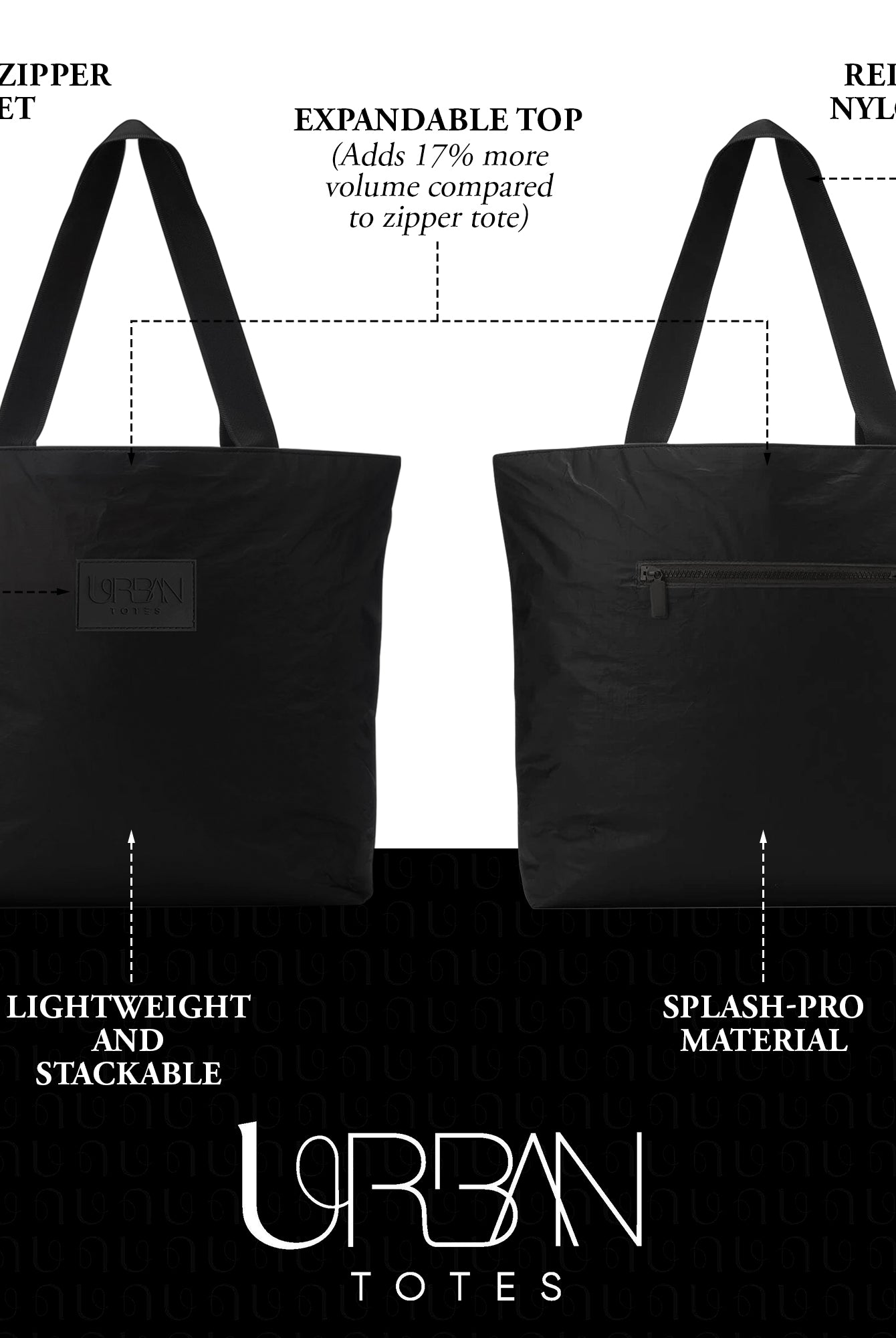
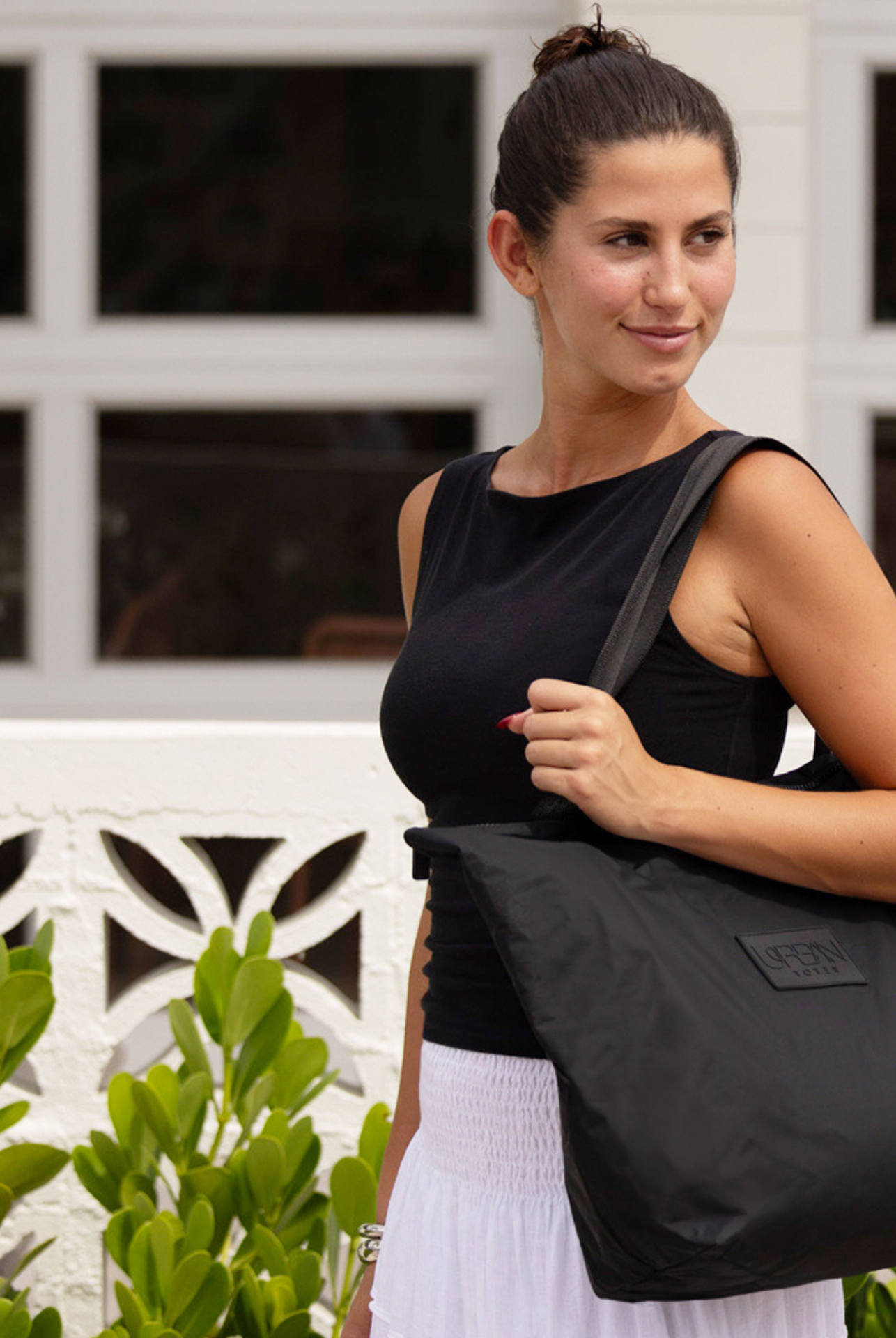
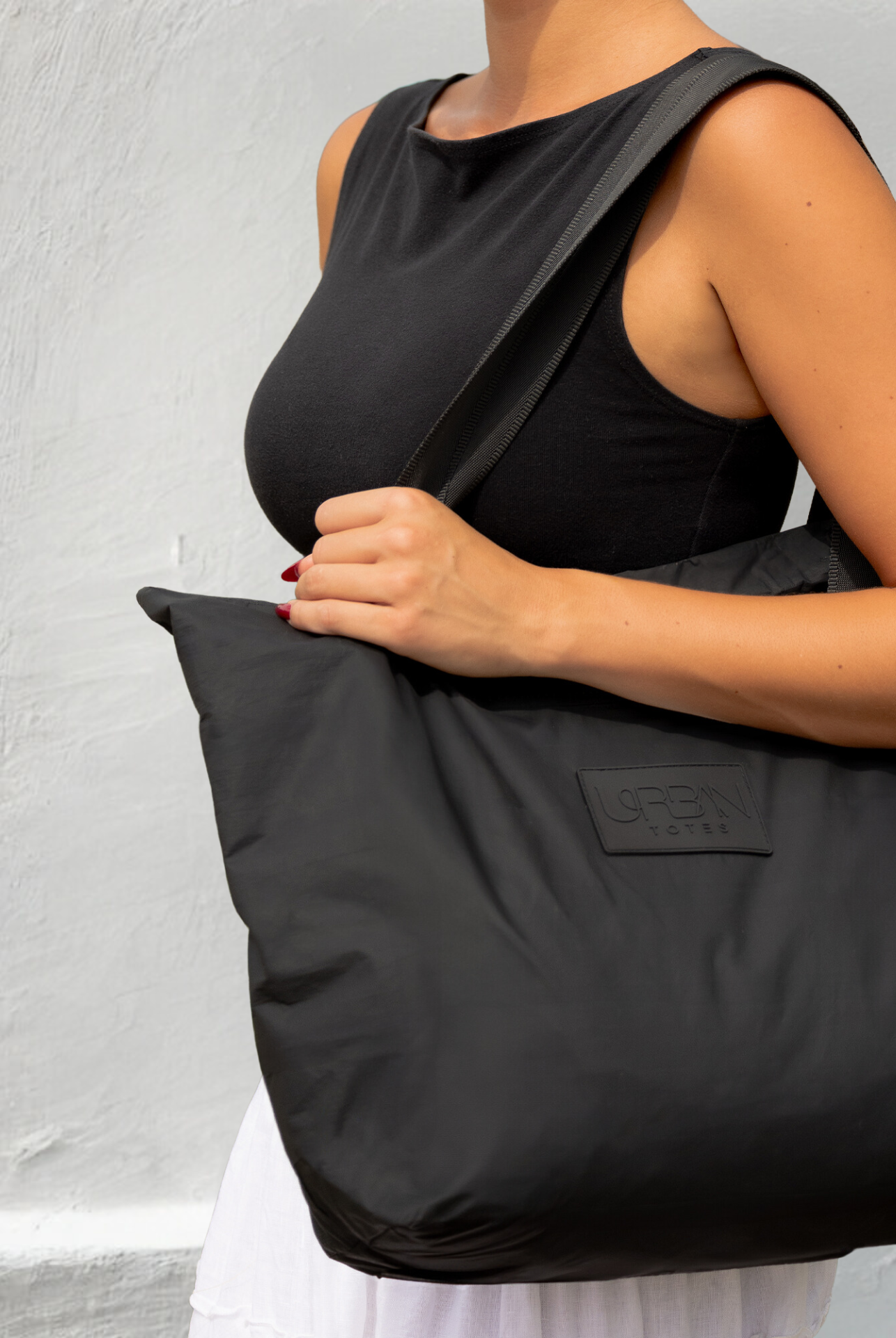
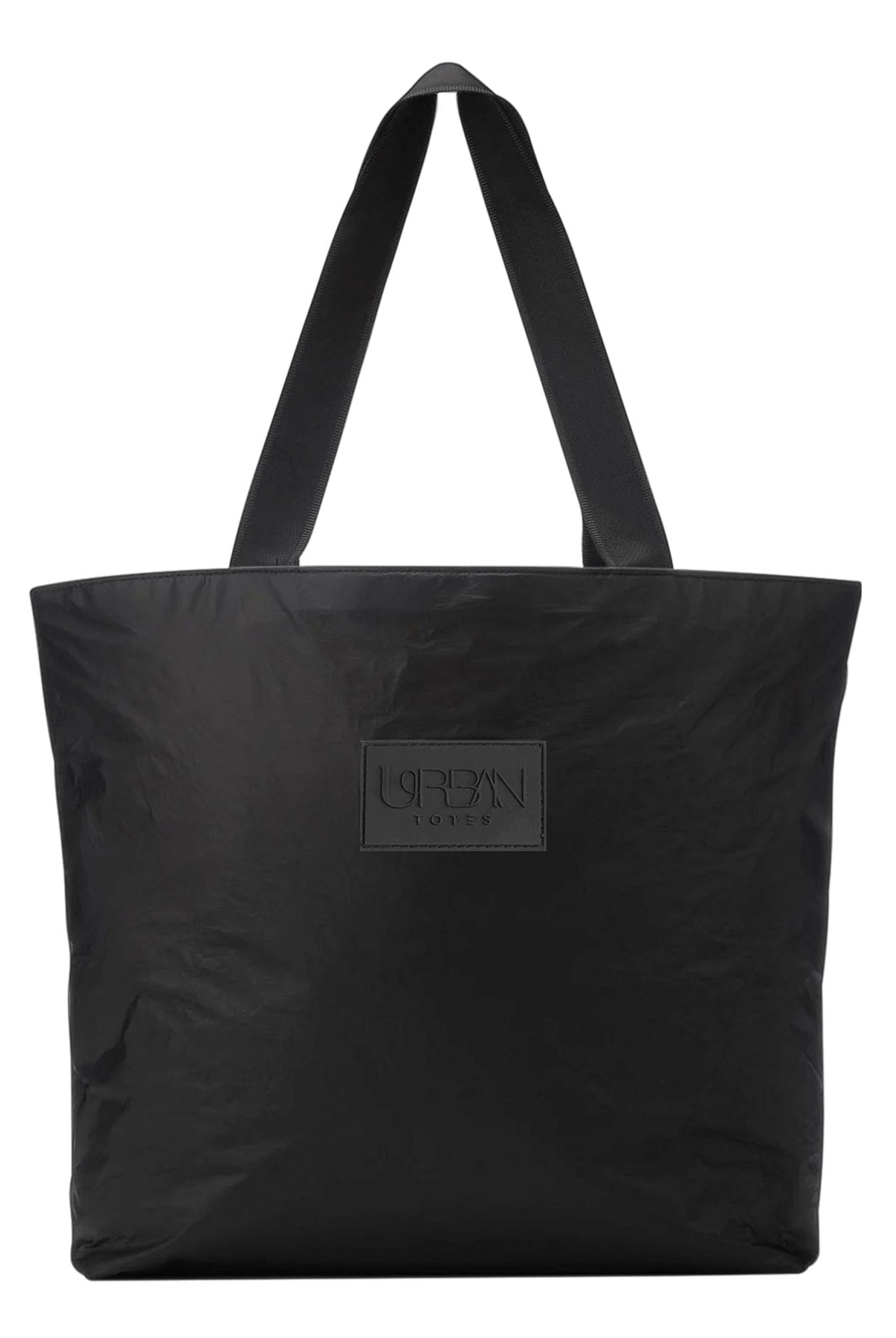
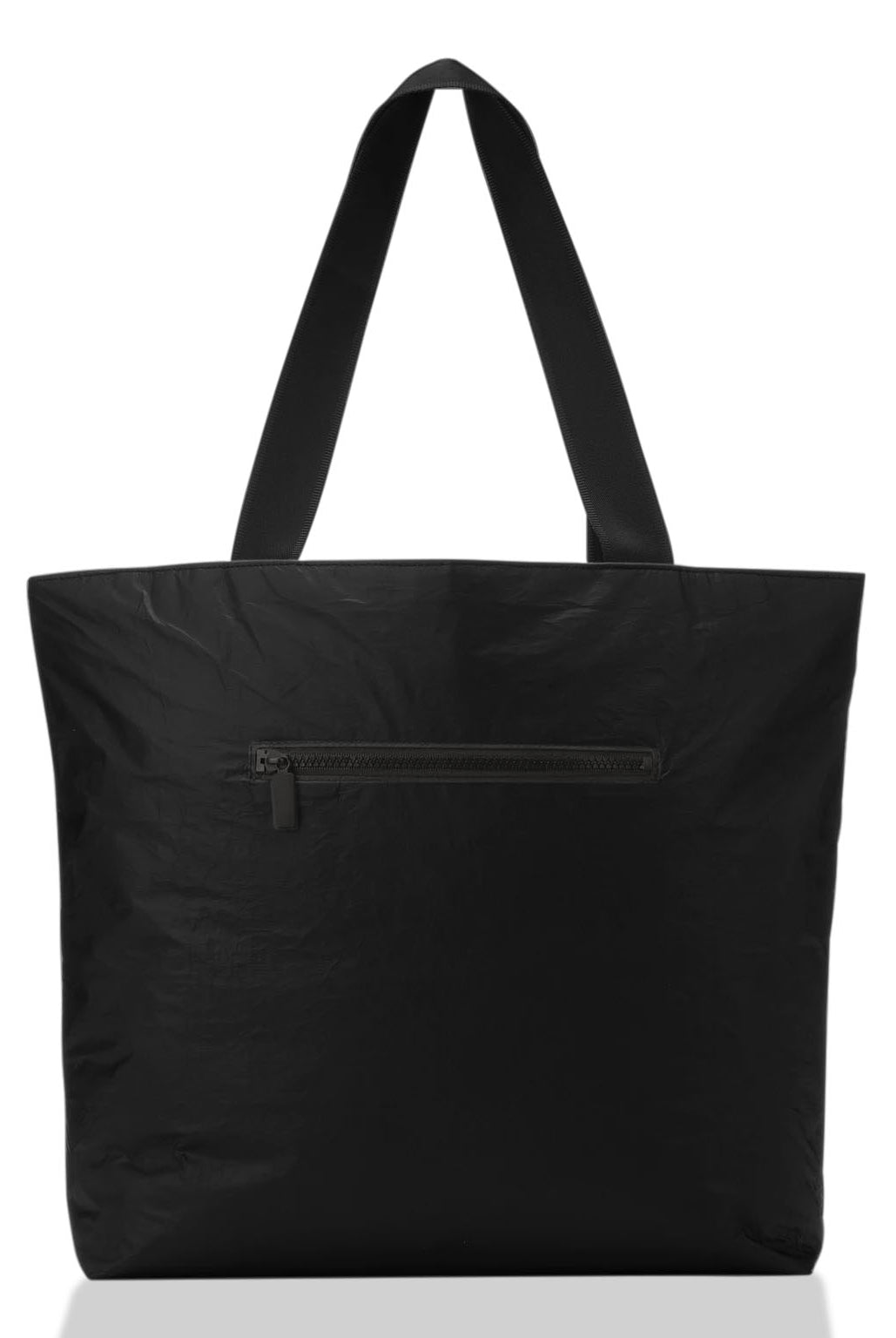
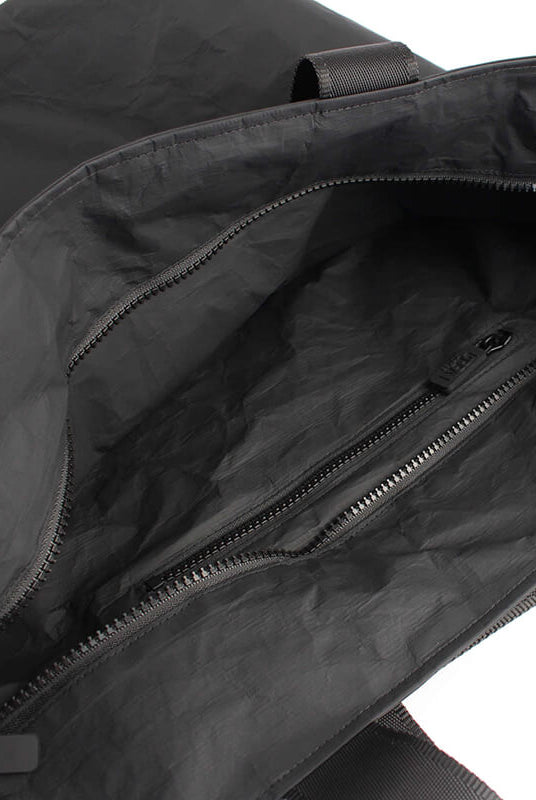
Washable doesn't mean clean whenever you feel like it. For grocery use, cloth and canvas bags should be washed every 1–2 uses or weekly, while daily-use bags may need a weekly spot-clean and a monthly deeper clean.
That distinction matters when your tote has carried sandy towels, sweaty gym clothes, produce, and your laptop in the same week. The right care routine keeps a bag water-resistant, durable, lightweight, and ready for real life, while unnecessary washing can wear down finishes and shorten its useful life.
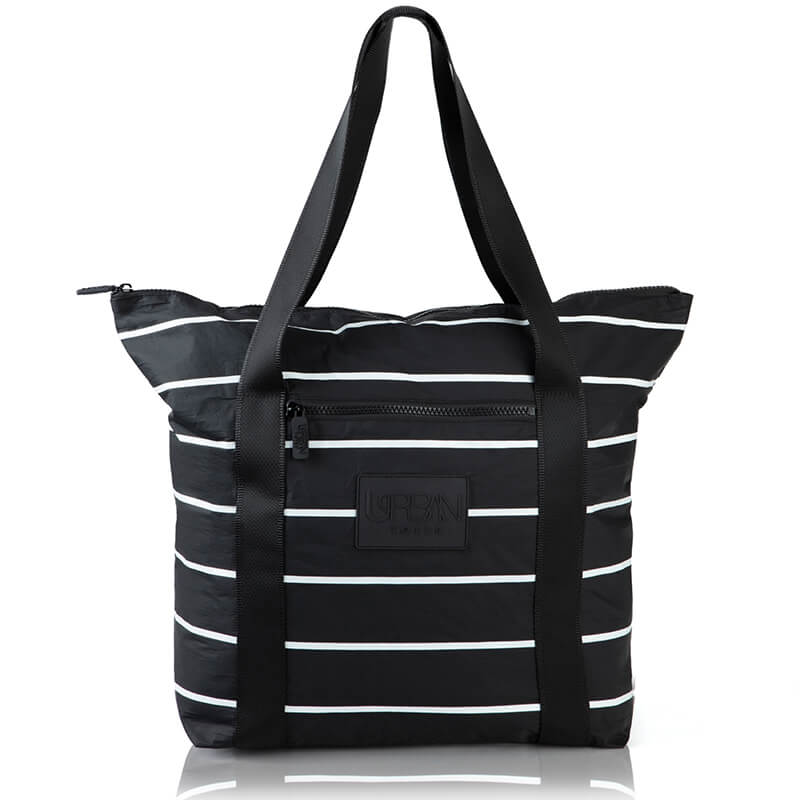
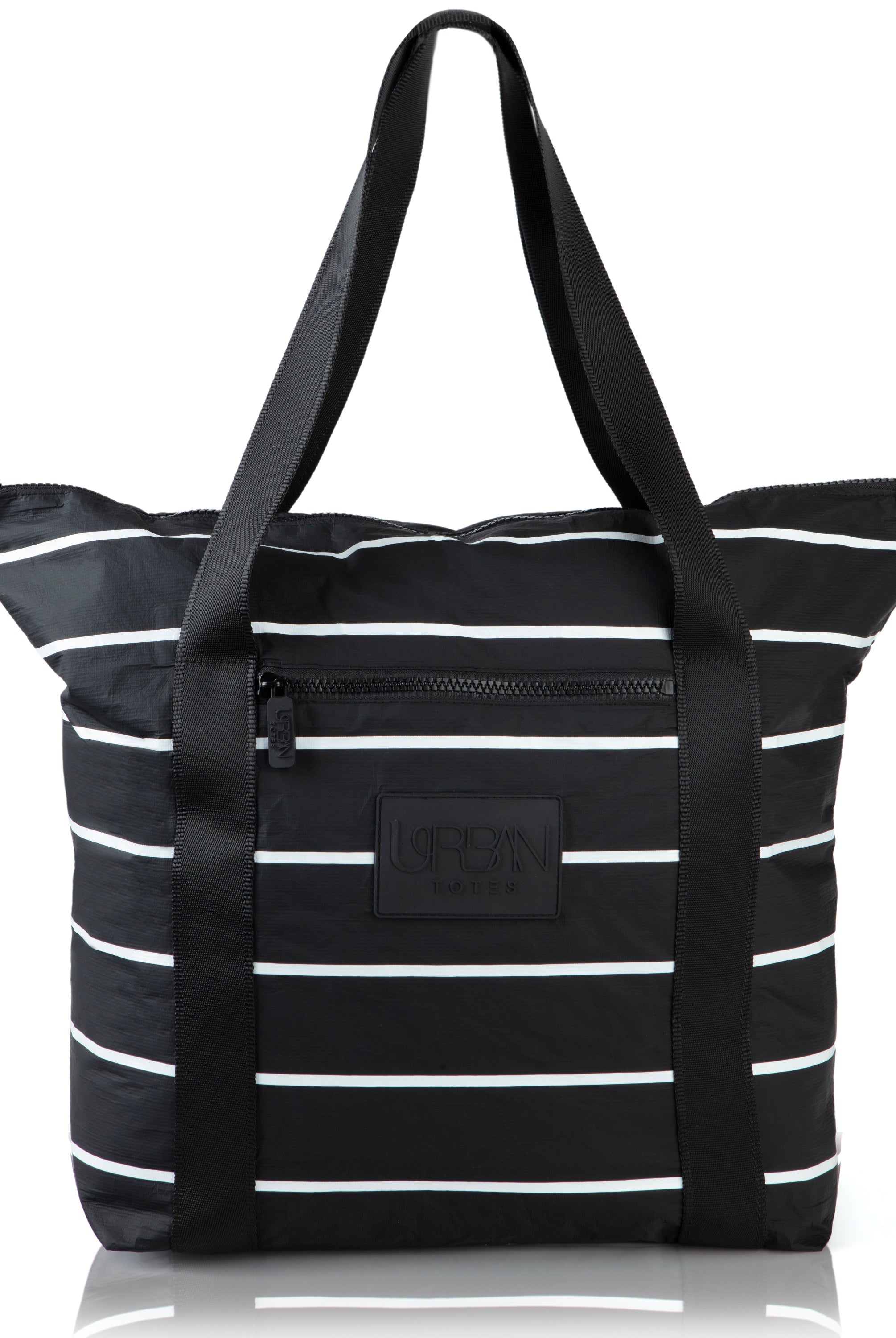
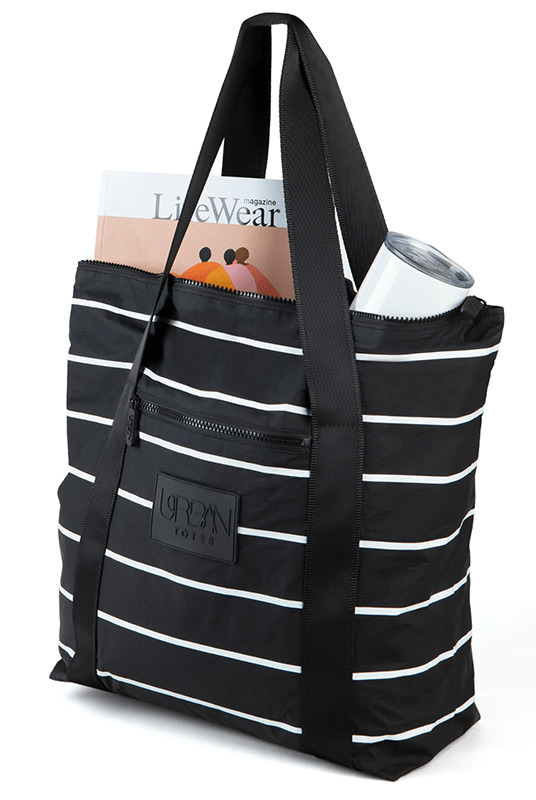
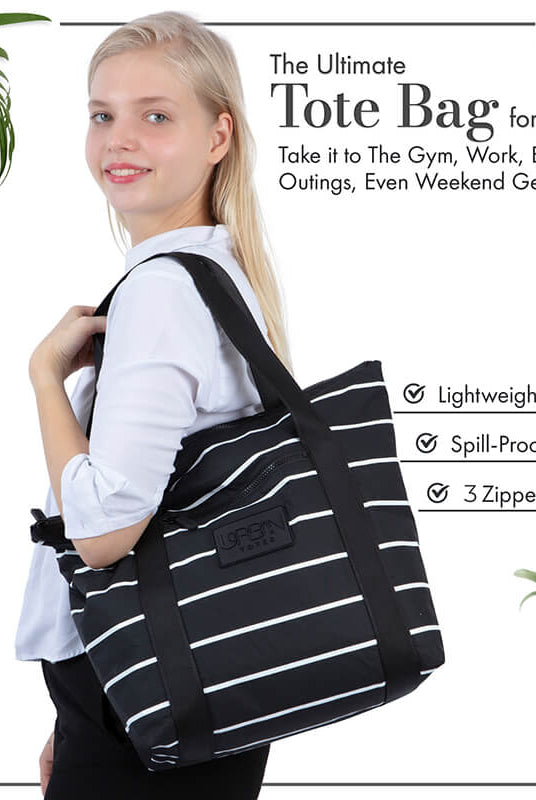
A tote that works at school drop-off, the farmers market, and the airport terminal needs more than a pretty exterior. It needs a material you can clean correctly, a construction that matches your routine, and enough organization to keep wet or messy items away from everything else. That's the practical promise behind the Boise-based, woman-owned approach at Urban Totes, where the guiding idea is simple: Go Anywhere. Tote Everything.
Table of Contents
- What Makes Washable Tote Bags Different
- Choosing the Right Material for Your Lifestyle
- Hand-Washing vs Machine Washing Methods
- Cleaning Schedules for Every Use Case
- Why Proper Care Extends Your Tote's Life
- Smart Buying Tips for Low-Maintenance Totes
What Makes Washable Tote Bags Different
You get home from the beach with a tote full of sand, a damp swimsuit, and a sunscreen mark near the zipper. Or you leave the gym with a bag that smells like yesterday's workout. Those situations make washable tote bags especially useful, but “washable” still isn't a universal instruction to use the washing machine.
The first step is checking the care label and identifying the construction. Nylon and polyester totes are generally durable, stain-resistant, and resistant to water damage, and many can go into a standard washing machine. Cotton and canvas may need a gentler approach, especially when they have structured panels, decorative details, or delicate linings. Leather should never be machine-washed. This guide to washing a tote bag offers a useful material-based distinction.

Washability depends on construction
A tote can be easy to clean without being designed for full immersion. A smooth synthetic exterior may respond well to a damp cloth, while a cotton body absorbs moisture and can change shape if it's washed aggressively. Zipper closures, bonded seams, piping, foam inserts, and coated interiors also influence the safest method.
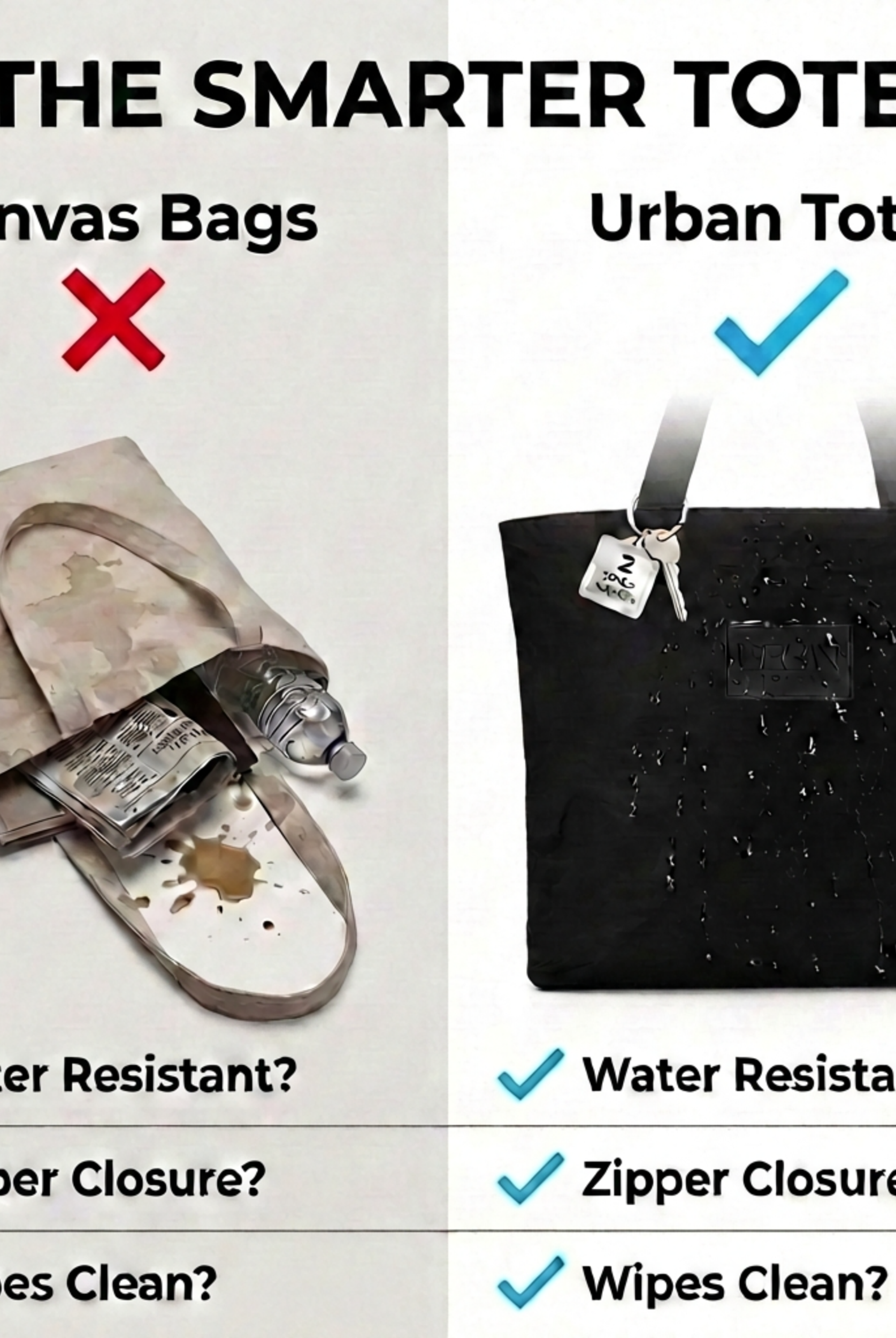
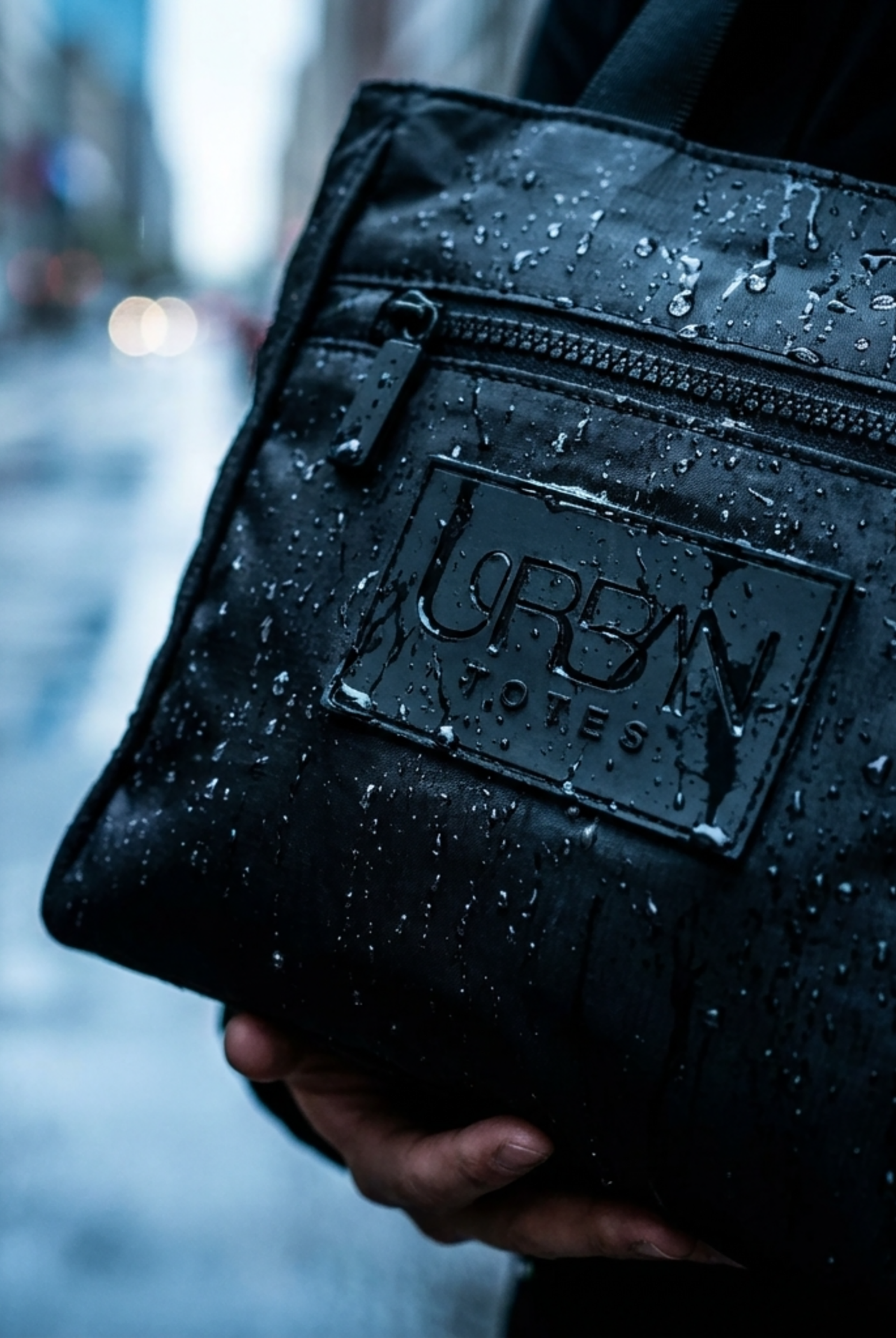
Water-resistant isn't waterproof. Water-resistant fabric helps with light rain, splashes, or brief contact with water. Waterproof construction is intended to prevent water from passing through, including during heavier exposure or submersion. You can read more about that difference in this explanation of water-resistant and waterproof bags.
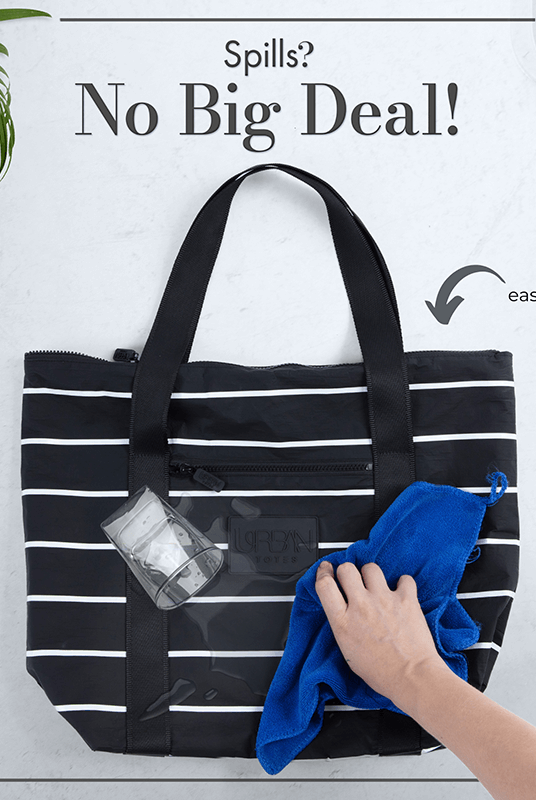
For most everyday messes, spot-cleaning is the best starting point. Empty every pocket, shake out loose debris, and dab spills rather than scrubbing them deeper into the fabric. If the bag needs a complete wash, use the gentlest method allowed by its materials and hardware.
Practical rule: Treat “washable” as permission to clean the bag, not permission to ignore the care instructions.
Choosing the Right Material for Your Lifestyle
Material choice determines whether your tote fits easily into your routine or becomes another item that needs special handling. A daily commuter who carries a laptop and coffee may value a smooth, water-resistant synthetic. A shopper who prefers a soft, breathable carryall may choose cotton or canvas and accept more careful cleaning.
Nylon and polyester are often the practical choice for travel, fitness, and wet-item exposure. They're described as exceptionally durable, resistant to stains and water damage, and commonly machine washable in standard cases. They also tend to dry more readily than absorbent natural fibers. That combination suits a lightweight, packable tote that moves from a locker room to a car trunk without demanding elaborate care.
Cotton and canvas offer a different feel. They're breathable and substantial, but they absorb moisture, so spills can spread into the fabric instead of sitting on the surface. Gentle hand-washing, careful rinsing, and air-drying are usually safer than heat or aggressive agitation. For a fuller look at how material affects structure, feel, and care, see this tote bag material guide.

DWR needs realistic expectations
Some textile bags use a durable water-repellent, or DWR, finish to encourage moisture to bead on the surface. That finish isn't permanent. Independent textile research reported that materials fell below an accepted minimum water-resistance grade after five wash cycles, showing why repeated laundering and abrasion must be considered when evaluating finish durability. The research is detailed in this study of hydrophobic textile performance after laundering.
That doesn't mean you should avoid washing a DWR-treated tote. It means you should wash only when the use case calls for it, avoid harsh chemicals, and understand that water resistance may lessen over time. A bag that's clean but no longer sheds splashes as readily may need a compatible re-treatment, if the manufacturer permits one.
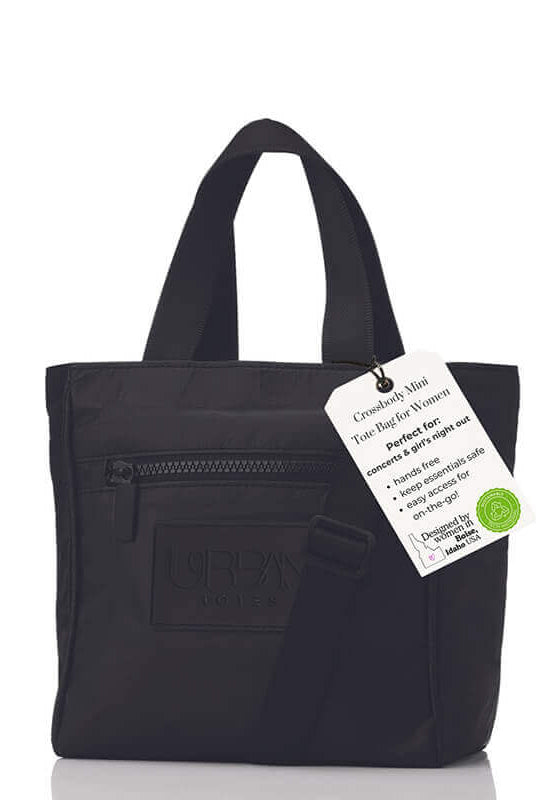
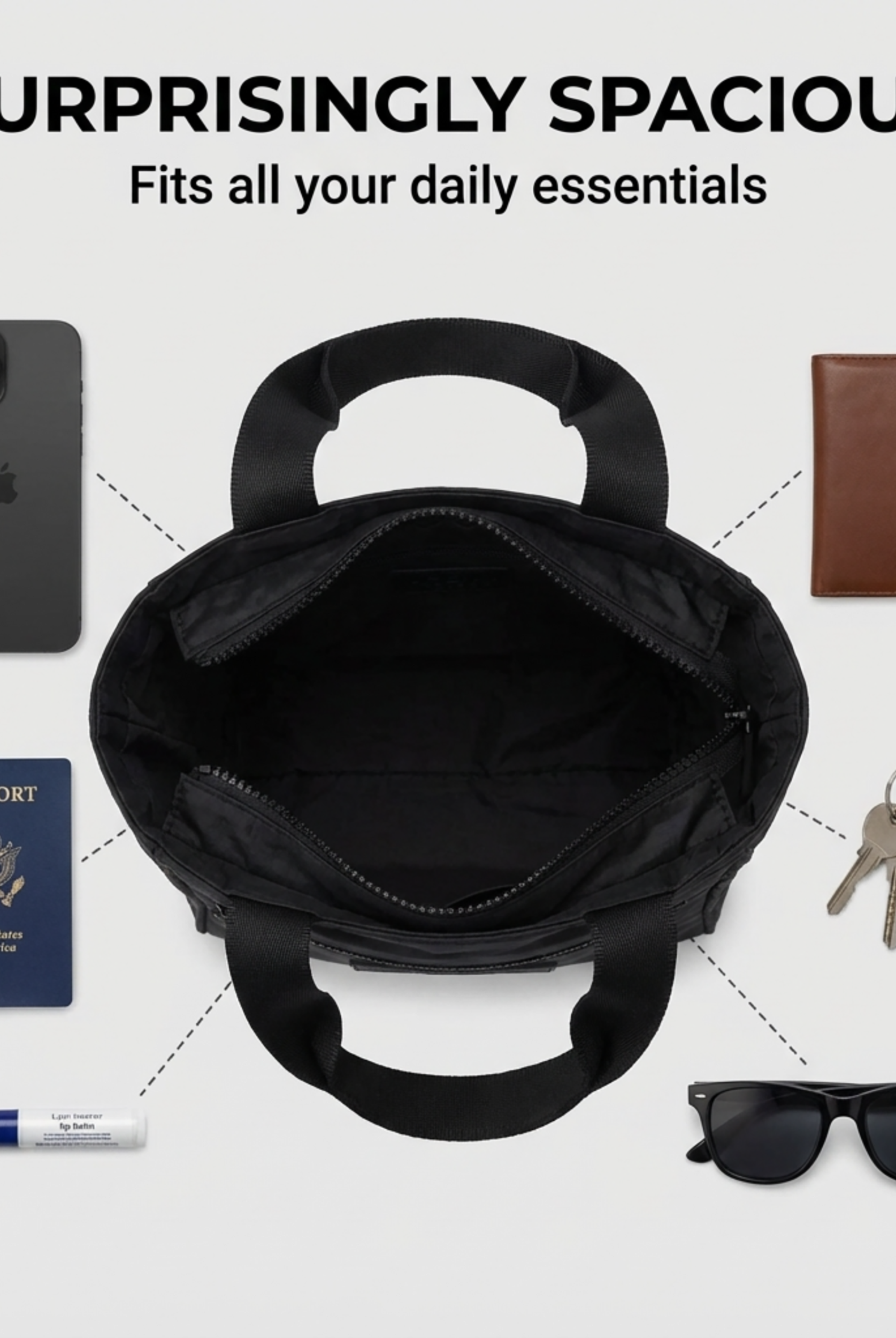
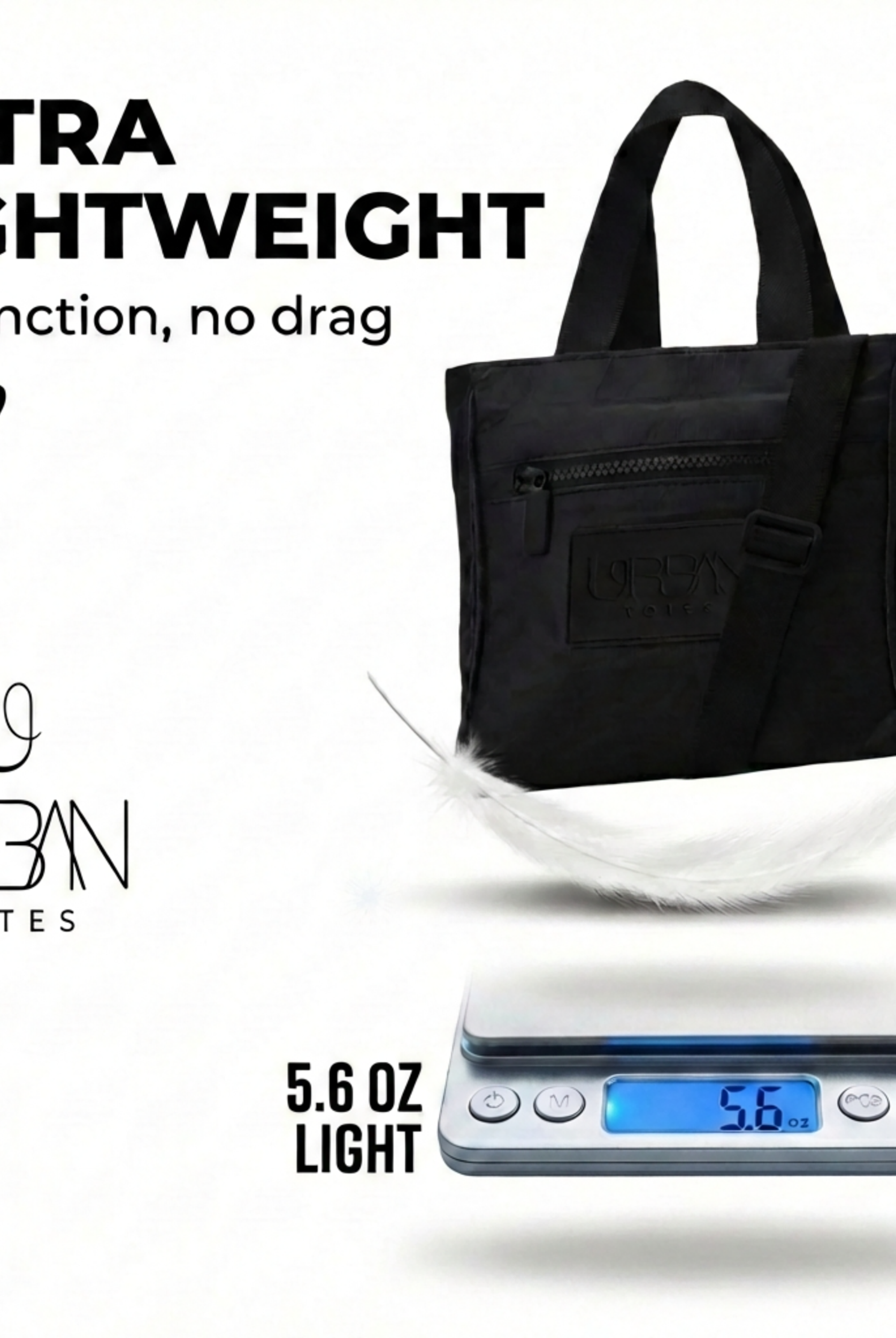
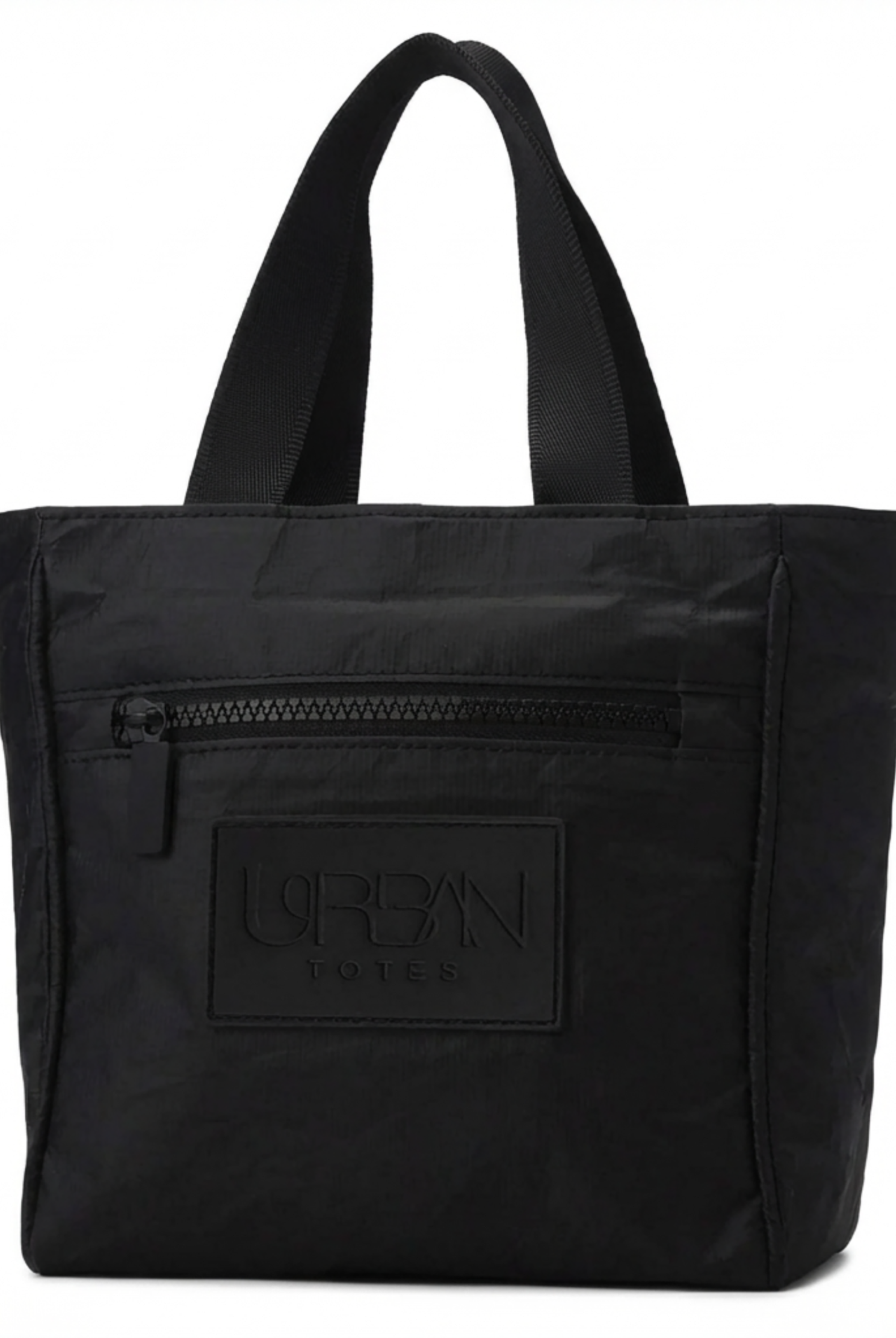
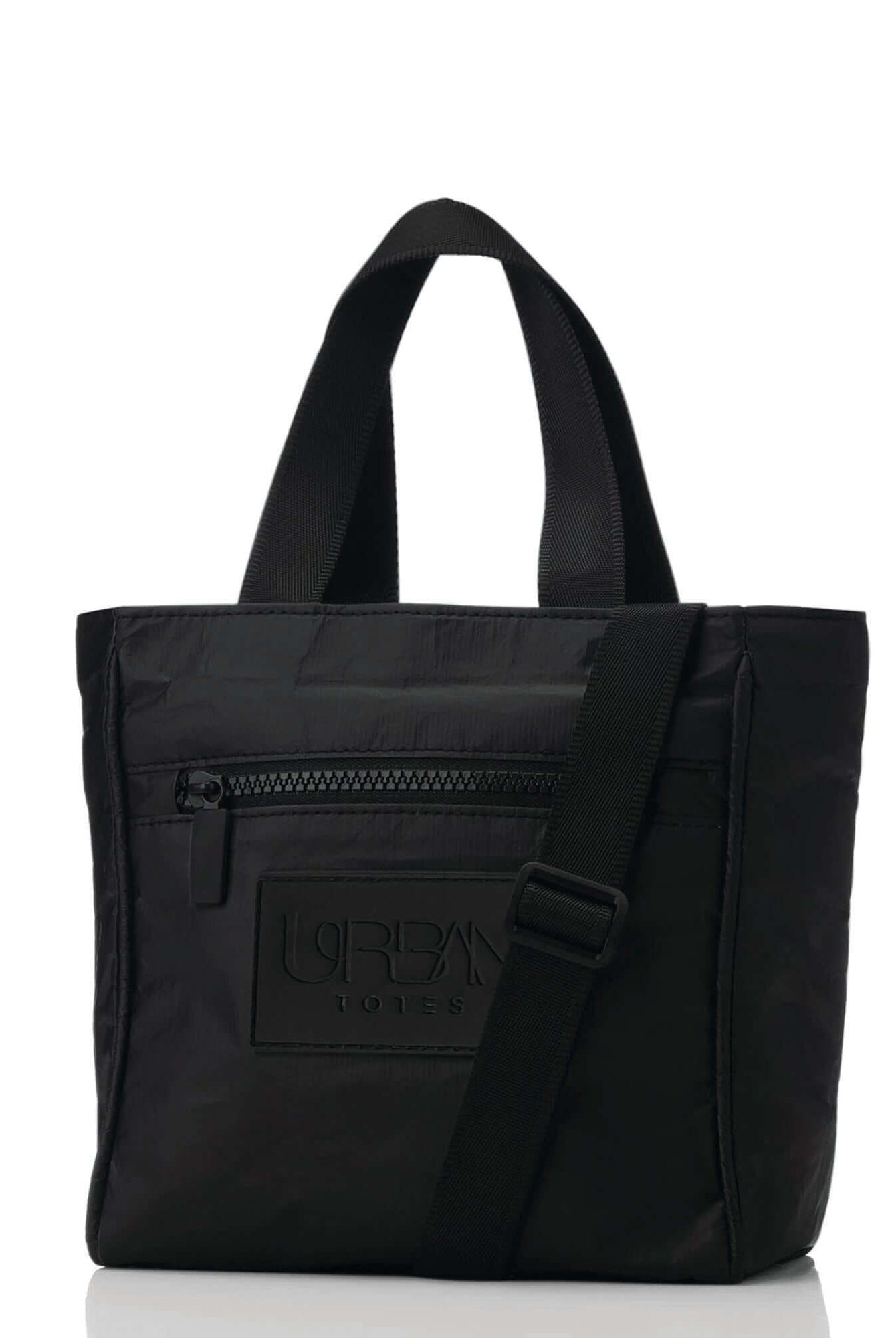
For a compact hands-free option, the Crossbody Tote Bag Mini Purse uses water-resistant technical materials, a zipper closure, exterior and interior pockets, and a foldable, lightweight format. Its stated dimensions are 7.5 x 4 x 7.75 inches, with a removable strap that extends to 53 inches, so it's suited to essentials rather than a full beach load.
Hand-Washing vs Machine Washing Methods
Start with the least aggressive method that solves the problem. A tote with a delicate lining or structured shape often needs hand-washing, while a sturdy, unstructured nylon bag may tolerate a gentle machine cycle if its care label allows it.
Hand-washing a structured tote
- Empty and vacuum the interior. Remove crumbs, sand, receipts, and anything caught beneath the lining. Pay attention to zipper tracks and corner seams.
- Test a hidden area. Use cool water and a small amount of mild detergent on an inconspicuous section. Check for color transfer or changes in the finish.
- Clean with a soft cloth or sponge. Work from the outside of a mark toward the center. Don't saturate padded sections or leather trim.
- Rinse lightly. Use a clean, damp cloth to lift detergent rather than soaking the whole bag.
- Air-dry fully. Open every compartment, support the tote in its natural shape, and keep it away from direct high heat.
For a small wipe-down cloth, it helps to follow a detailed resource on washing microfiber cloth properly, since residue left in a cloth can transfer back onto your bag. Avoid bleach, alcohol-based products, and abrasive brushes unless the manufacturer specifically approves them.
Machine-washing a sturdy synthetic
If the label permits machine washing, close all zippers, remove detachable straps, and place the tote in a protective laundry bag or pillowcase. Choose cold water and a gentle cycle with mild detergent. Don't overload the machine, because twisting and compression can stress seams and hardware.
Skip fabric softener and bleach. When the cycle ends, reshape the bag immediately and air-dry it with the compartments open. A tumble dryer can shrink some fabrics, distort structured parts, or affect coatings, so it's rarely the sensible default.
Waterproof bags require a different approach. Guidance for waterproof constructions commonly warns that machine washing can damage coatings, zippers, and seams, so wipe the bag with a damp cloth and mild soap instead. The same caution applies to laminated linings and sealed-seam designs. For a separate example of careful spot care, see this guide to cleaning a structured tote.
Cleaning Schedules for Every Use Case
The right schedule follows what touched the bag, not a rigid calendar. A tote that carried a laptop and lip gloss through the office doesn't need the same treatment as one that held raw groceries, sweaty clothing, or wet towels.
A daily commuter can usually spot-clean visible marks each week and deep-clean monthly, provided the bag stays dry and free of food residue. Shake out crumbs, wipe the base and handles, and clean the interior pockets where makeup, pens, and snacks collect. If coffee spills inside, deal with it immediately instead of waiting for the next scheduled wash.
A grocery tote deserves closer attention. Independent laundry guidance recommends washing cloth and canvas bags every 1–2 uses or weekly when they're used for groceries. Raw food contact, leaking containers, and produce residue justify a deeper clean, especially before the bag returns to regular food-carrying duty. More reusable-bag context is available in these facts about reusable bags.
Use the exposure test
- Office or commute: Spot-clean weekly, then deep-clean monthly when needed.
- Beach day: Shake out sand promptly, wipe sunscreen marks, and wash after damp towels or swimwear have been carried.
- Gym or yoga: Clean after sweat-soaked gear or shoes have shared the main compartment. Don't let damp clothing sit inside overnight.
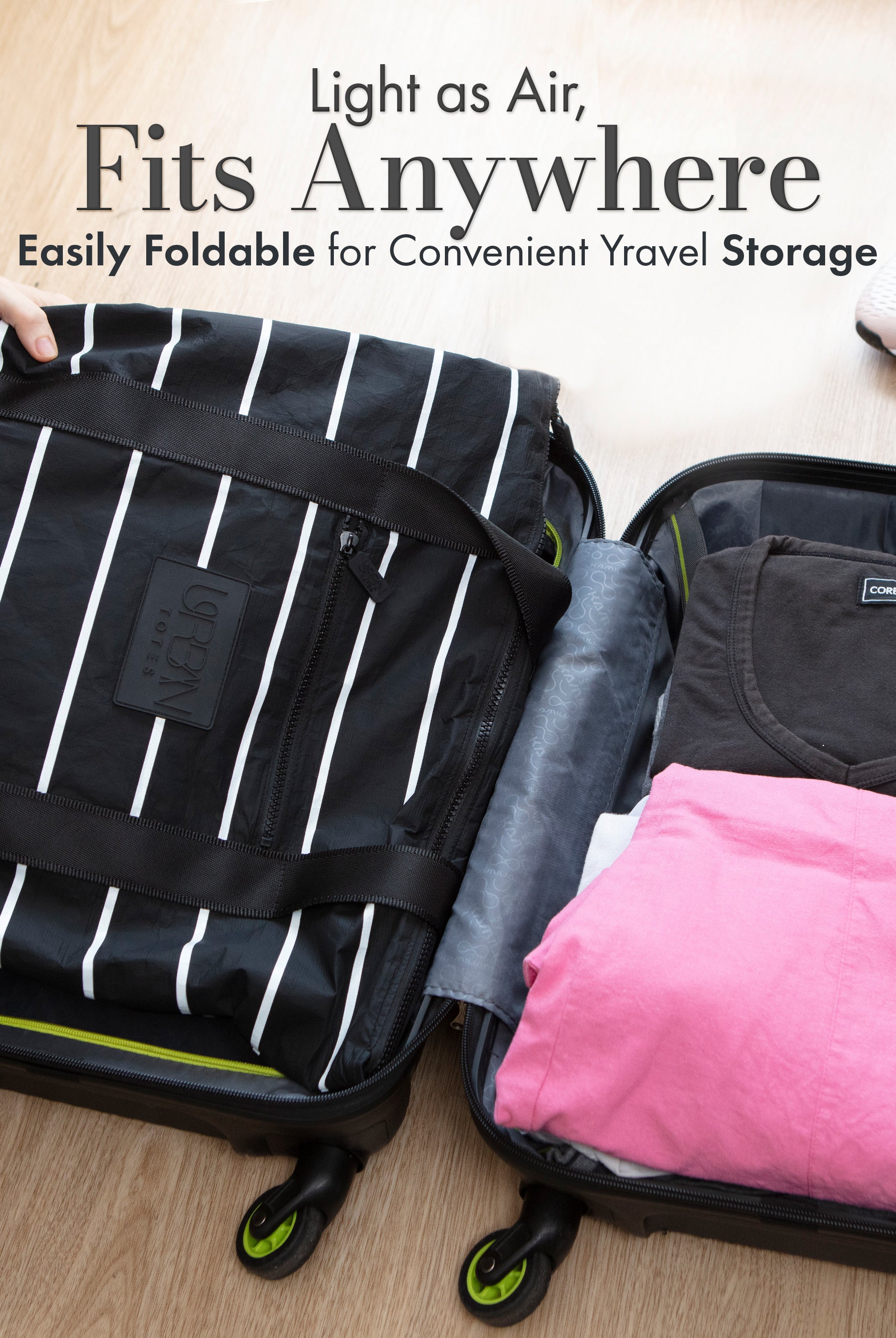
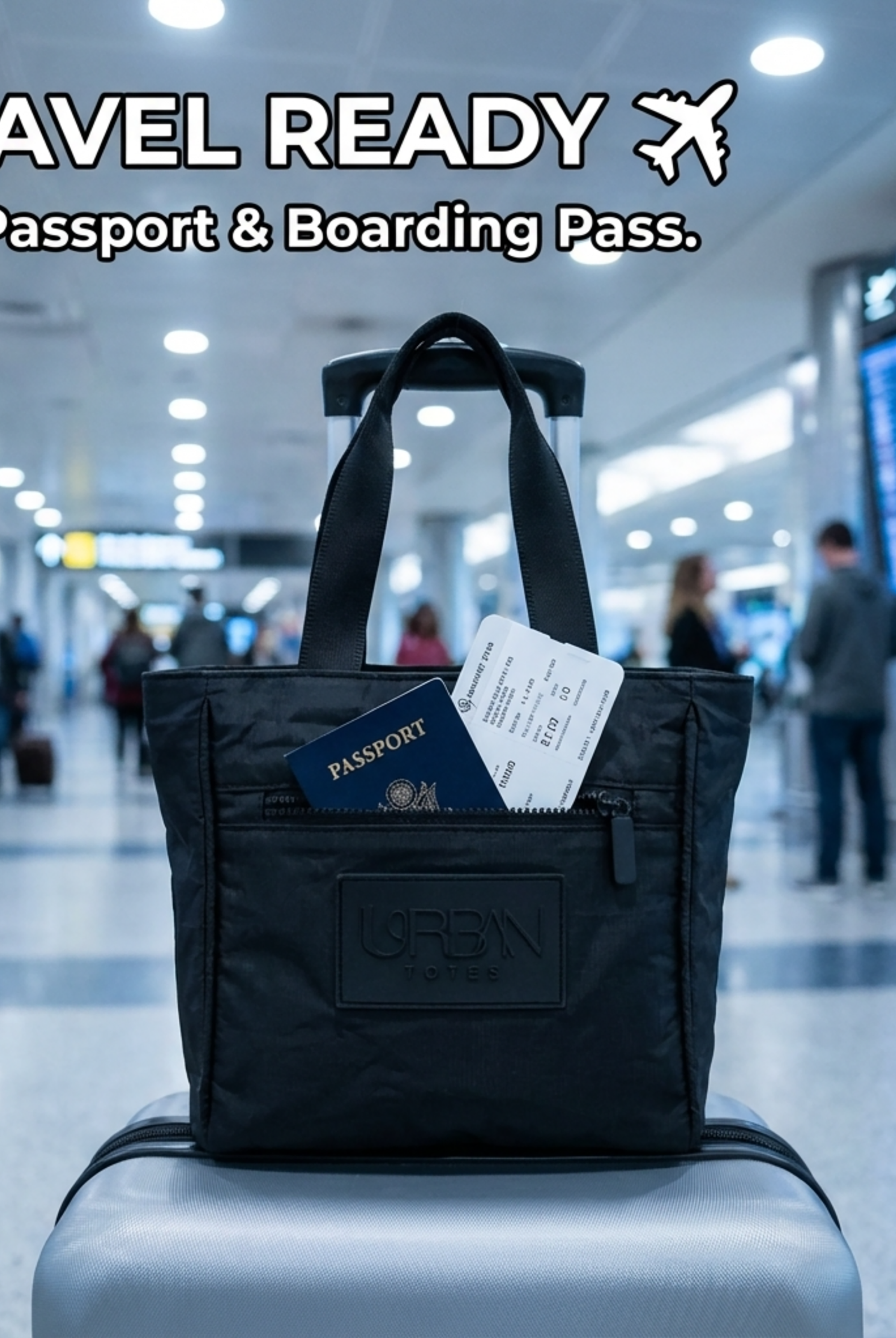
- Travel: Empty every pocket after a trip, remove crumbs and receipts, and clean any spill before folding the tote for storage.
Hygiene deserves direct attention. A public-health study summarized by TIME found that washing reusable bags by hand or machine reduced bacterial contamination by more than 99%, while another cited study found over 30% of tested bags showed bacterial contamination before cleaning. Those findings support deeper cleaning after food, sweat, or spills, not endless washing after every uneventful outing.
Why Proper Care Extends Your Tote's Life
A well-cared-for tote does more than look presentable. It stays easier to organize, more comfortable to carry, and more dependable when you're moving from a Boise coffee run to an airport gate or a yoga studio.
Drying is where many otherwise good cleaning routines fail. Leaving a damp bag closed can trap odor and moisture around seams, pockets, and linings. Open the zipper, separate the compartments, and let air circulate until the interior and exterior feel completely dry before folding or storing it.

Gentle care protects performance
Harsh chemicals can fade fabric, weaken fibers, and affect water-resistant finishes. Strong scrubbing can also roughen the surface, making it more likely to hold dirt. Mild soap, cool water, a soft cloth, and patient air-drying solve most daily problems without putting unnecessary stress on the bag.
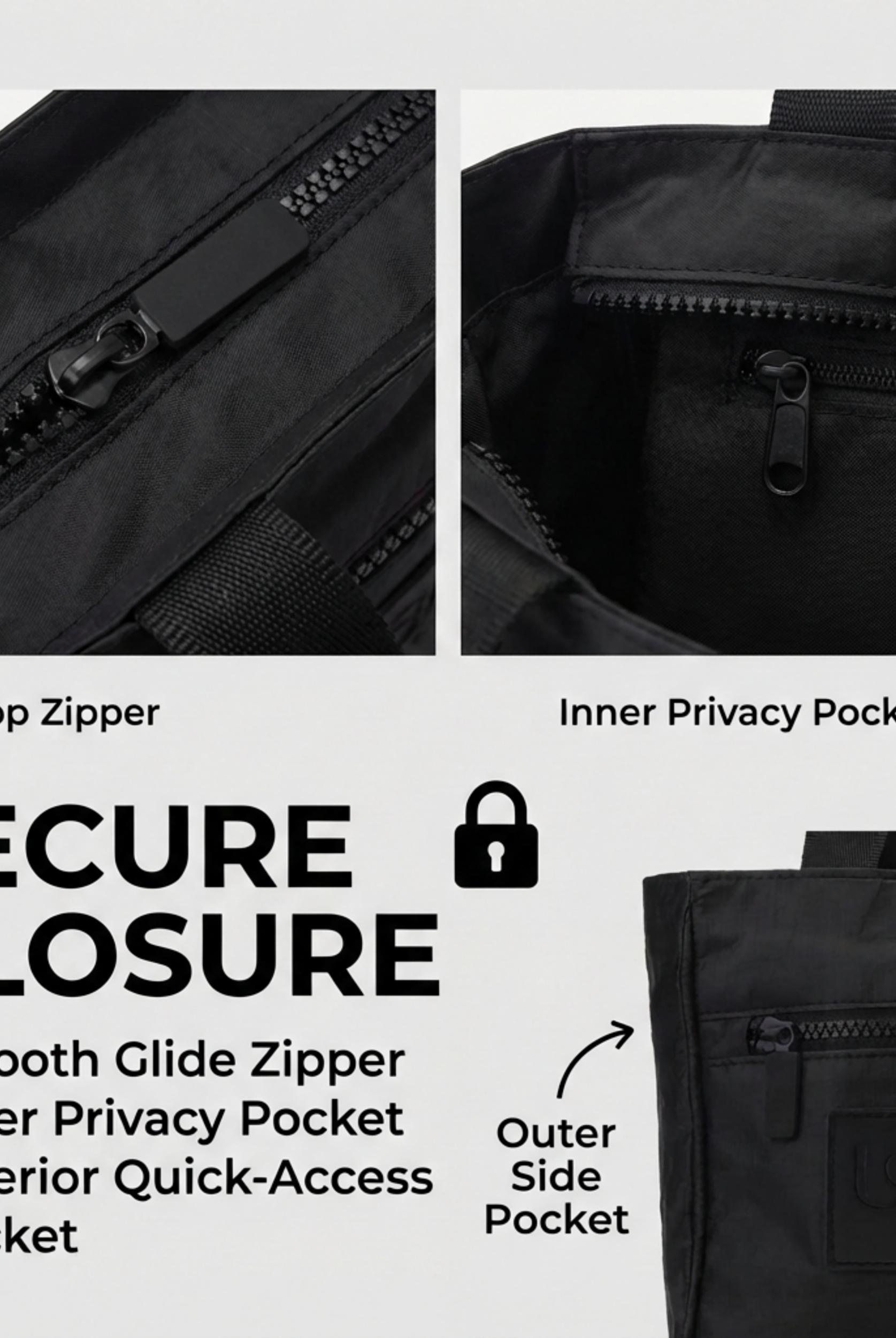
Regular care also protects the features that make a tote functional. A multi-pocket interior, a secure zipper closure, and a lightweight foldable body are useful only when zippers stay clean and compartments remain free of residue. Proper maintenance gives you the confidence to pack a tote for a beach chair, a school pickup, or a weekend away without treating it like a precious accessory.
A washable tote earns its place in your rotation when it can be cleaned, dried, folded, and put back to work without drama.
Smart Buying Tips for Low-Maintenance Totes
The easiest bag to maintain is the one whose construction matches your habits. Before buying, look beyond color and silhouette. Ask how the exterior, lining, seams, pockets, and closures will behave after a real coffee spill or a damp gym towel.
Use this checklist:
- Choose a clear care label: You should know whether the tote is hand-washable, machine-washable, or wipe-clean only.
- Look for smooth interiors: A wipeable lining makes crumbs, makeup, and small spills easier to remove.
- Prioritize secure closures: A zipper closure helps keep sand, receipts, and loose debris from spreading through your bag.
- Match fabric to exposure: Nylon and polyester suit wet items and frequent cleaning, while cotton and canvas call for gentler handling.
- Inspect stress points: Reinforced handles, stable stitching, and clean seam finishing matter more than decorative extras.
- Consider packability: A lightweight, foldable tote is easier to store in a car, suitcase, or larger everyday carry.
- Build in organization: Multiple compartments and dedicated pockets reduce the chance that a leak reaches everything else.
A water-resistant tote still needs honest care expectations. Surface treatments can lose performance after repeated laundering, and a waterproof bag may require wiping rather than machine washing. This guide to lightweight waterproof tote bags can help clarify which construction suits your intended use.
For busy women, the best choice usually isn't the bag with the most features. It's the versatile, stylish, travel-ready tote whose material and cleaning method fit the life you already lead.
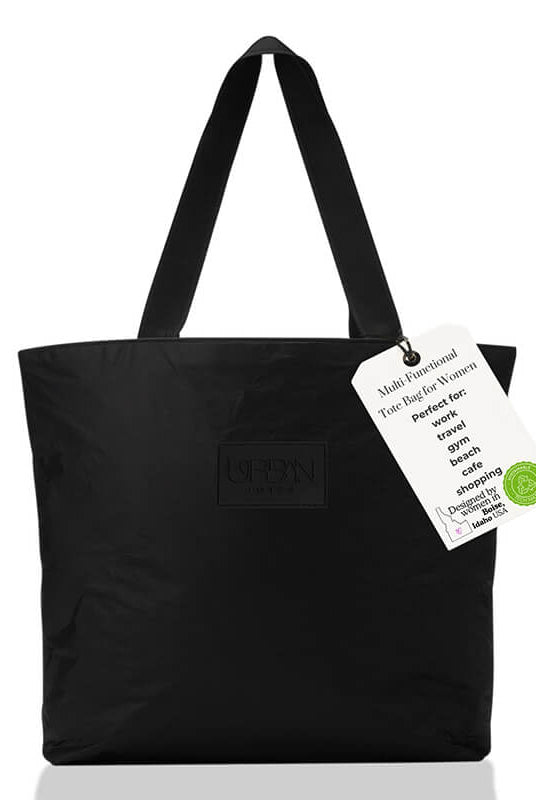
Urban Totes offers lightweight, packable, foldable bags with water-resistant materials, zipper closures, and thoughtful multi-pocket organization for commutes, errands, beach days, gym sessions, and travel. Choose a tote that fits your routine, care for it according to its construction, and visit Urban Totes to find your go-anywhere everyday carry.