You're standing at school drop-off with one hand on a coffee, the other holding a child's jacket, and your keys have disappeared into the bottom of your tote. Later, you'll head straight to work, then the gym, then the grocery store. Your laptop barely fits, the water bottle rolls sideways, and the strap starts digging into your shoulder before the day has properly begun.
A large capacity tote bag should solve that problem, not create a larger version of it. More room only helps when the bag stays lightweight, keeps its shape, protects your belongings, and makes the things you reach for easy to find. The right design can move from an airport terminal to a beach chair, a farmers market, or a quick overnight without looking like luggage.
This guide focuses on the practical details that style-first coverage often skips, including usable capacity, strap design, weight distribution, closures, compartments, and smart packing. The goal is simple: help you choose a versatile, organized tote that carries your real life without becoming a burden.
Table of Contents
- Why Your Everyday Bag Is Failing You
- What Defines a Large Capacity Tote Bag
- Key Features That Actually Matter
- Real-Life Use Cases for Every Lifestyle
- Smart Packing Strategies for Maximum Space
- How to Care for Your Tote Bag
- Choosing the Right Large Capacity Tote for You
Why Your Everyday Bag Is Failing You
Maya leaves home with a laptop, lunch, a water bottle, gym clothes, a charger, sunglasses, snacks for her daughter, and a small toiletry pouch. Her current tote looks polished, but it has no zipper closure and one undivided interior. At school drop-off, she digs through receipts and tangled cables for her keys. By the time she reaches the train, the narrow handles have twisted, and the bag is pulling away from her body.
That kind of frustration usually comes from one of three mismatches. The bag is too small for the day, too open to keep essentials organized, or too flimsy to handle repeated loading. A tote can look spacious on a product page and still waste room if its opening is narrow, its base collapses, or its interior lacks structure.
A larger bag isn't automatically a better bag. If it has excessive depth, everything sinks to the bottom. If the straps are thin, the extra contents become uncomfortable quickly. If the fabric and attachment points aren't built for friction and repeated loading, the corners and handles become the first failures.
Practical rule: Buy for your fullest ordinary day, not for the few minutes the empty bag looks perfect in a mirror.
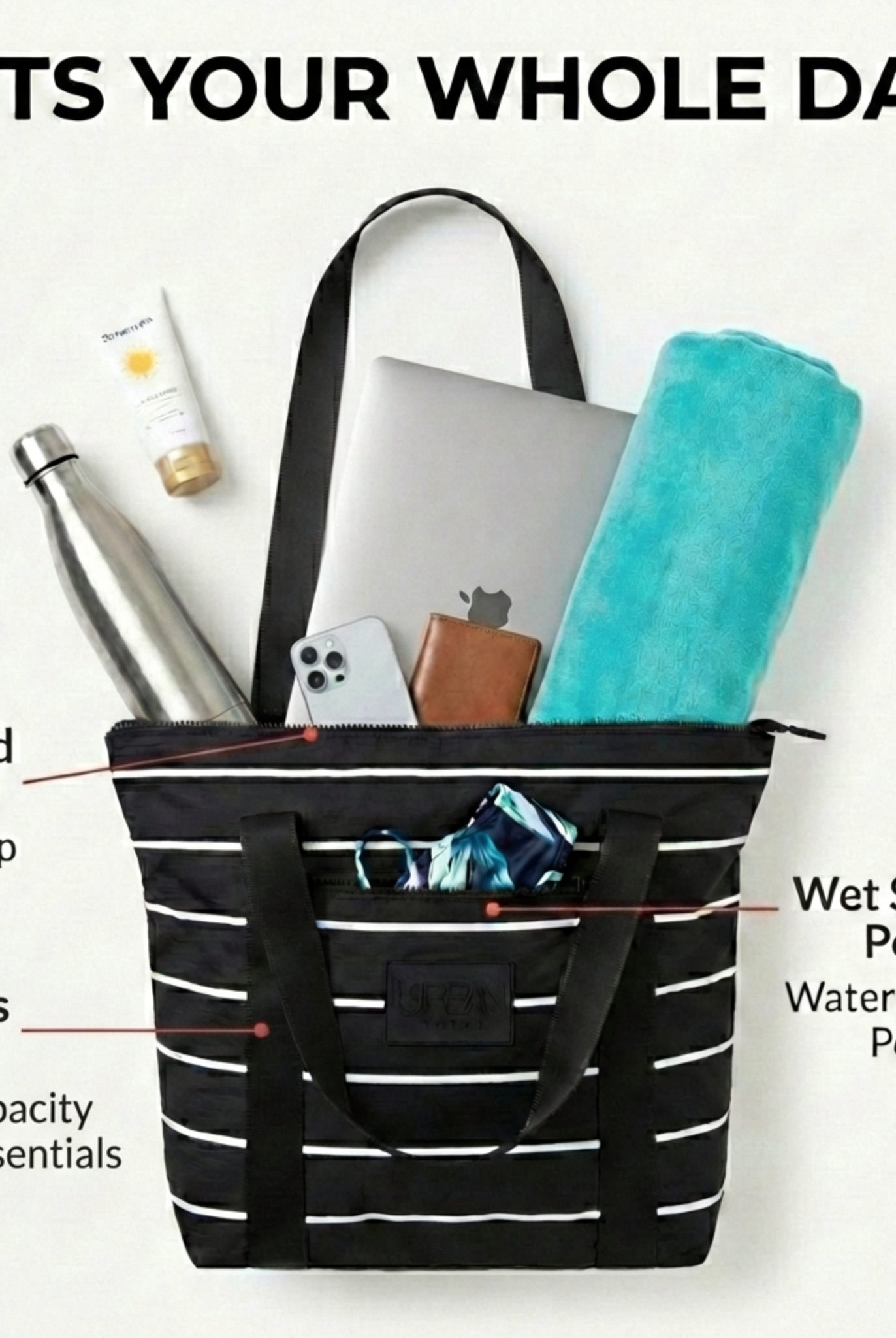
A well-designed large capacity tote bag gives each item a place. Your phone belongs in a quick-access pocket. Your wallet and keys need a secure compartment. Wet swimwear or sweaty gym clothes should stay apart from a laptop and clean clothing. A zipper closure matters when your bag sits under an airplane seat, beside a café chair, or in a busy entryway.
Urban Totes approaches this everyday problem from a woman-owned, Boise-made perspective, with bags positioned around practical movement rather than occasional styling. Its broader everyday carry guidance also emphasizes choosing essentials around your actual routine, as described in this everyday carry bag essentials guide.
The right tote won't eliminate everything you carry. It will stop your belongings from competing for space, protect the items that matter, and let you move from one responsibility to the next without a constant search at the bottom of your bag.
What Defines a Large Capacity Tote Bag
A large capacity tote bag is defined by usable volume, not an oversized silhouette alone. Width gives you room for laptops, folded clothing, towels, or lunch containers. Height determines whether those items can stand upright. Depth creates stacking space, but too much depth moves the load farther from your torso and can make the bag harder to control.
Ergonomics guidance for large tote-style shoulder bags recommends keeping the bag close to the body and limiting it to roughly 30 to 38 cm wide, 24 to 32 cm high, and no more than 15 cm deep. That guidance is based on the mechanical effect of depth. As a bag gets deeper, its load sits farther from the torso, increasing the shoulder moment arm and encouraging more strain during repeated carry. See the detailed handbag ergonomics guidance for the reasoning behind these dimensions.
Capacity means usable space
Liter measurements help, but they don't tell the whole story. A bag's stated capacity may include areas blocked by seams, a curved top, thick padding, or a narrow opening. Look for a wide mouth, a stable base, and enough structure to keep the interior accessible while you're packing.
A standard tote often has a flat body, simple handles, and little internal organization. A true large-capacity design usually adds a gusset or structured base, stronger stitching at handle attachments, wider straps, and a secure closure. Those features don't merely add visual polish. They help the bag support a full load without collapsing into an awkward bundle.
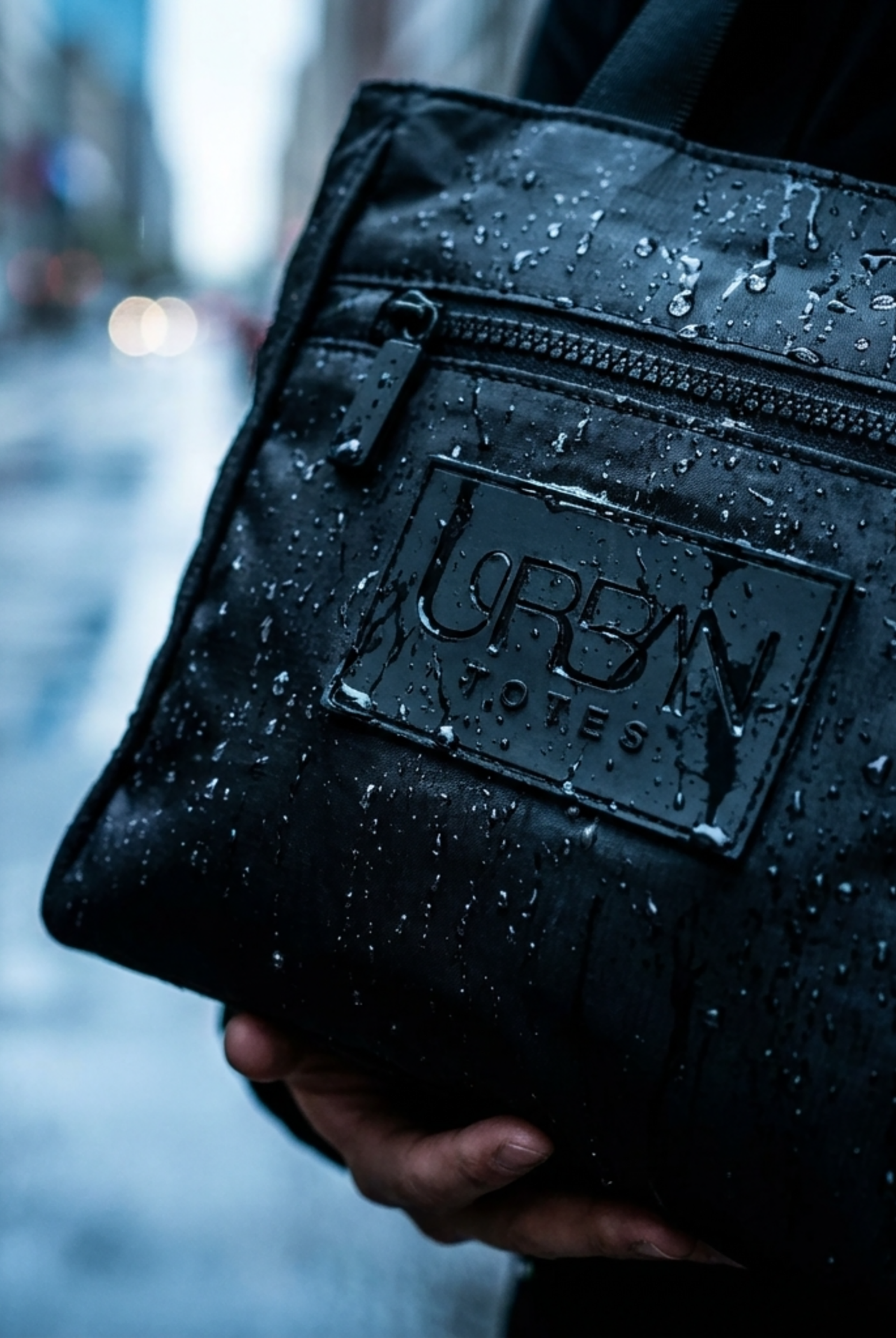
The 35L water-resistant zip tote described by Nordstrom illustrates what practical capacity can look like in use. Its design includes a large front zip pocket, a smaller quick-access zip pocket, two side slip pockets, interior pockets, and a water-resistant TPU coating, giving the volume a clear organizational purpose. The listing is available through this 35L water-resistant zip tote description.
Match size to carry duration
Use a smaller large tote for a commute or daily errands when you need a laptop, lunch, bottle, and a light layer. Choose a roomier weekender-style format for travel, beach days, or overnight clothing. The larger the intended load, the more important the base, strap placement, and closure become.

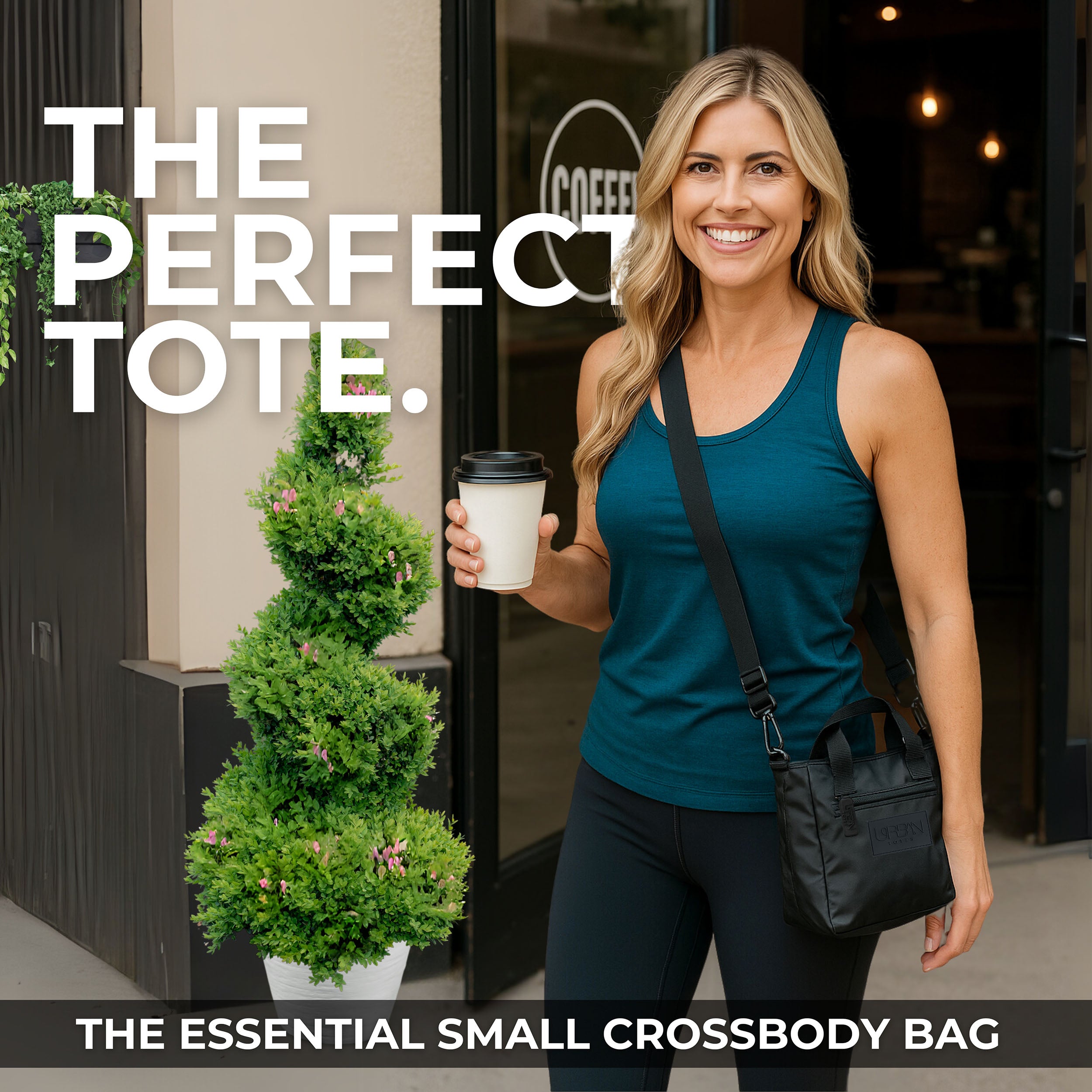
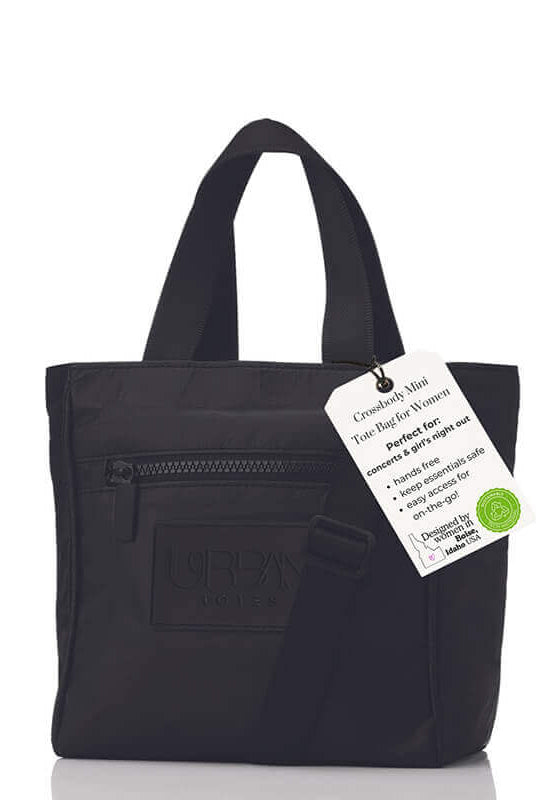
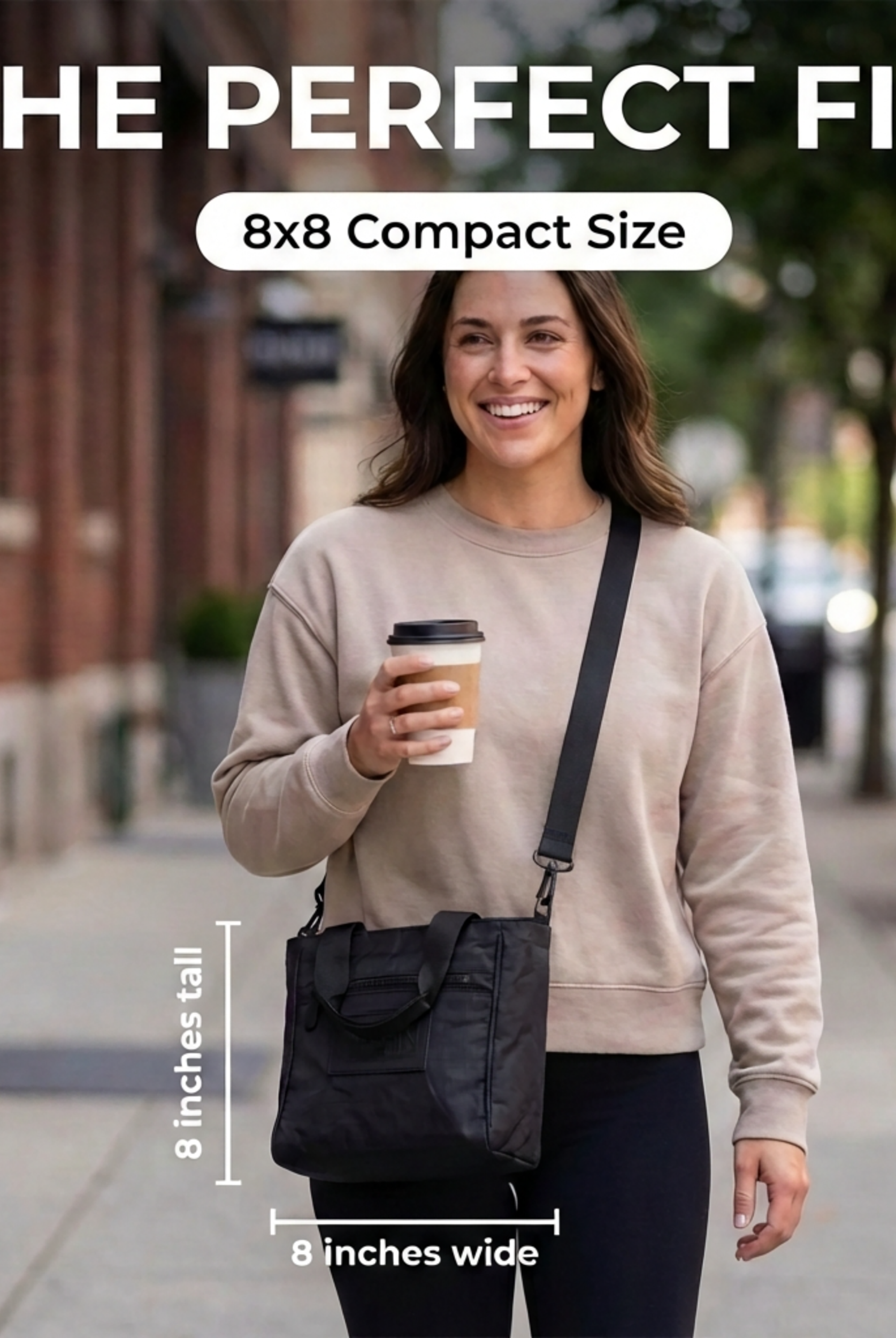
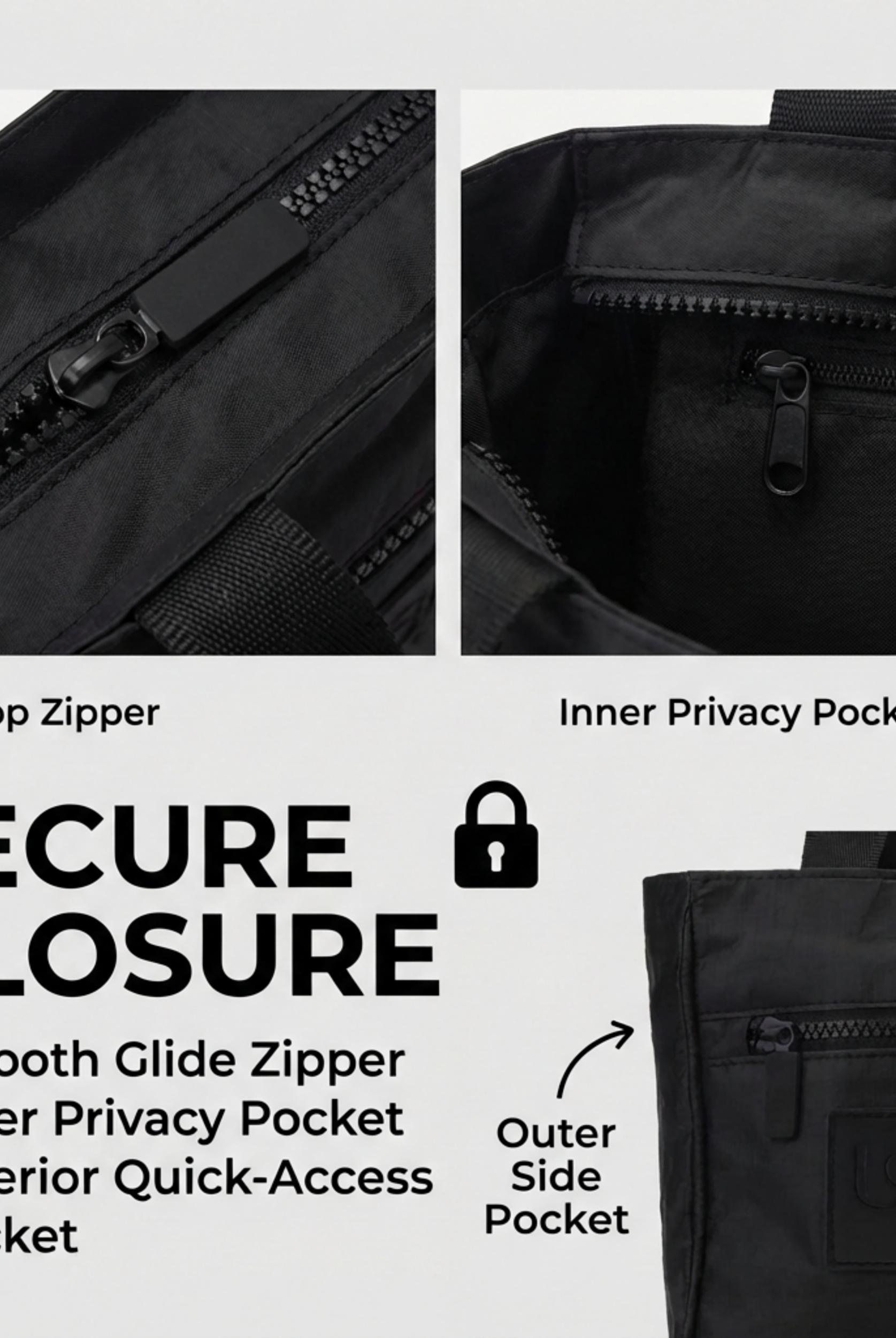
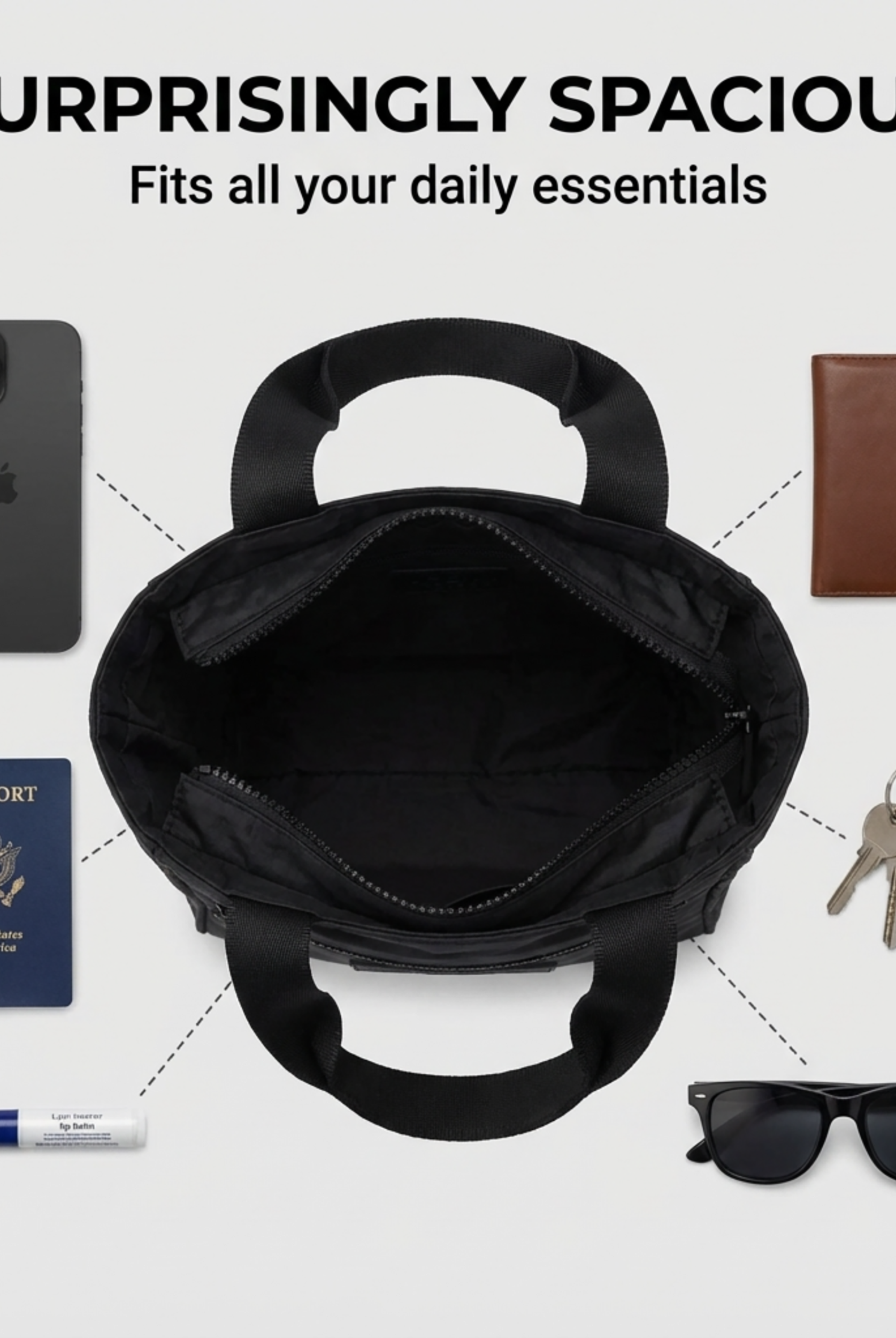
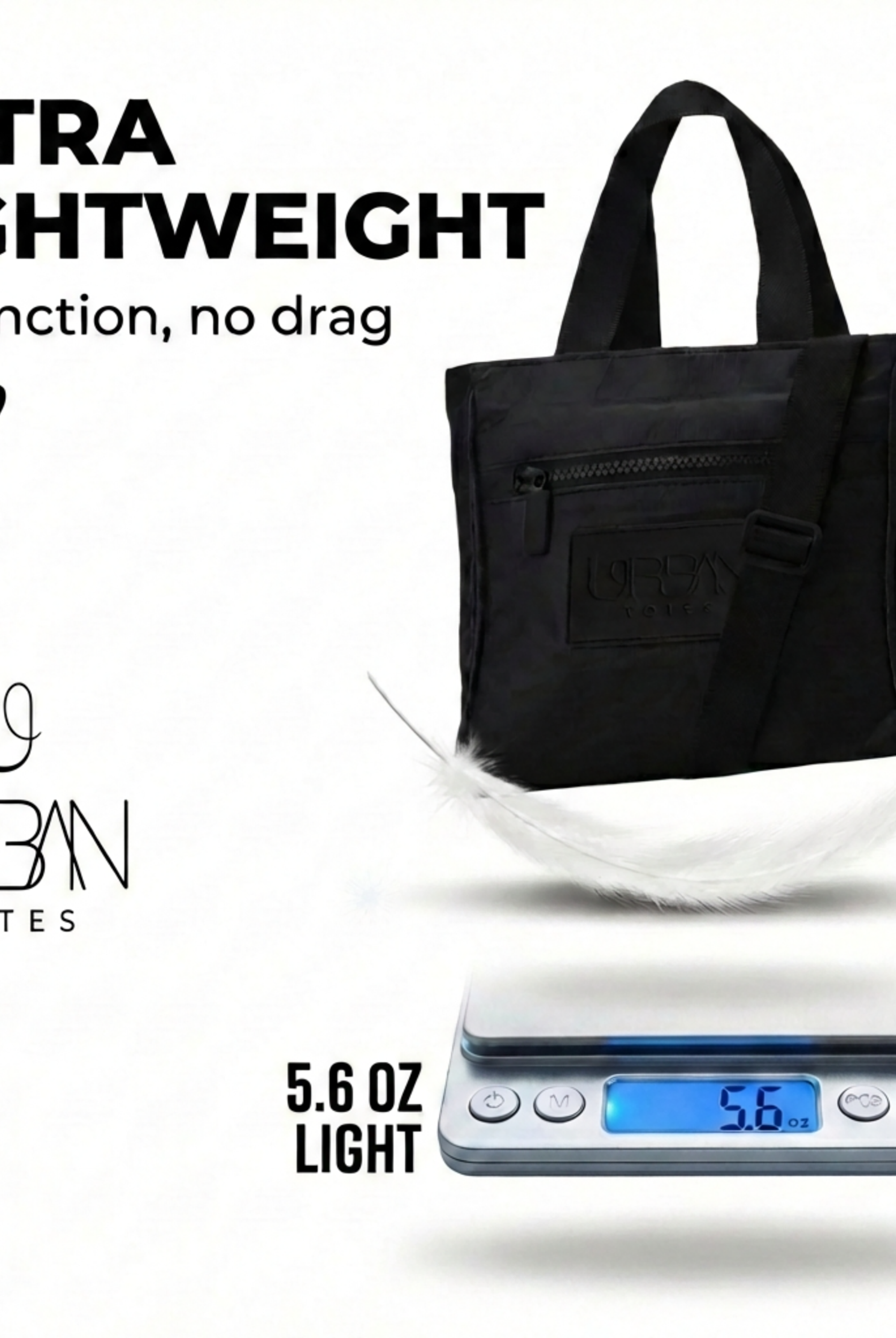
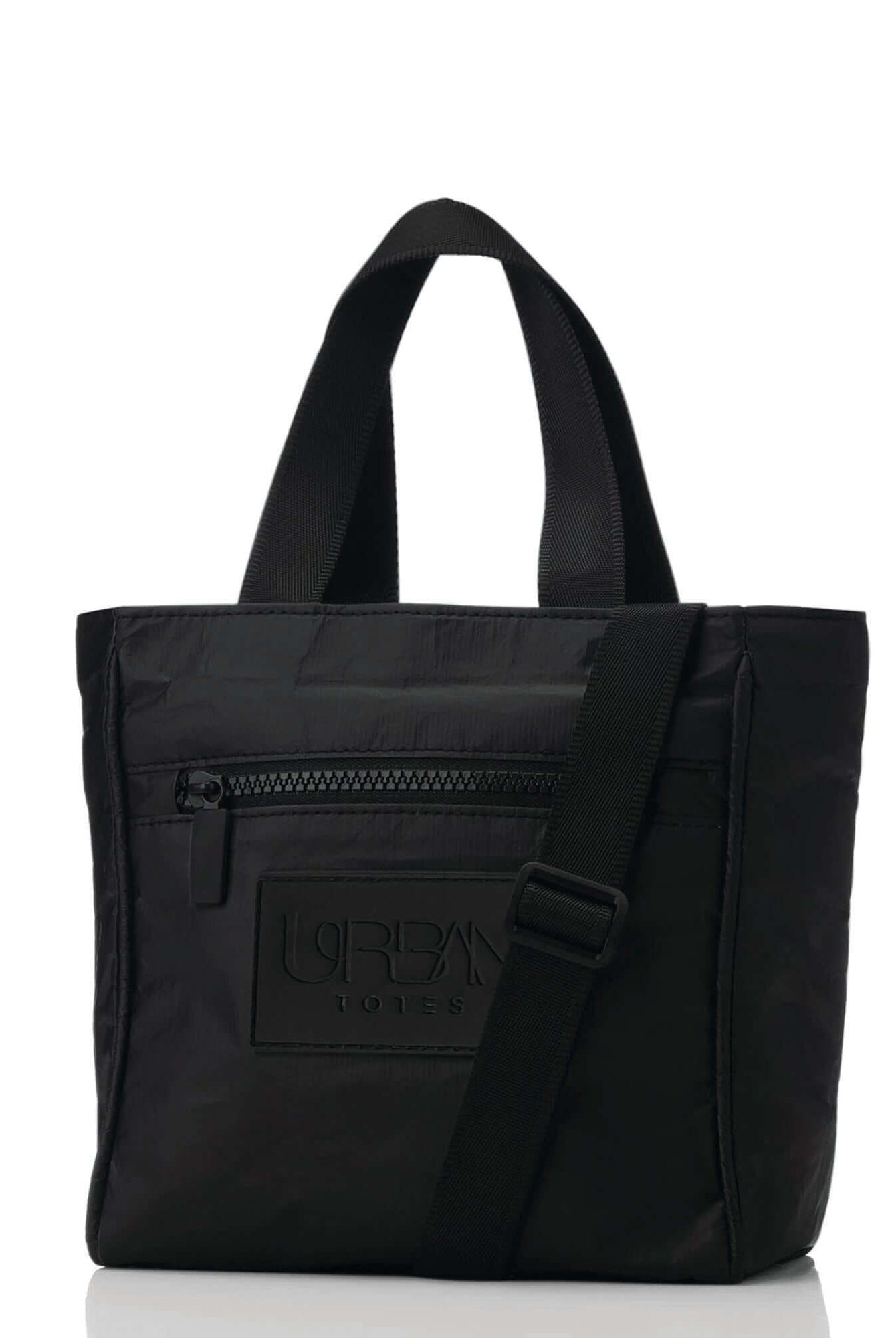
Not every useful tote needs maximum volume. The Crossbody Tote Bag Mini Purse measures 7.5 x 4 x 7.75 inches and uses a zip-top closure, an outside zipper pocket, an easy-access pocket, and 1-inch-wide nylon straps. It's a compact option for essentials when a full-size large capacity tote would encourage overpacking.
Key Features That Actually Matter
The best large tote is built around the way you carry it. Start with the fabric, then inspect the construction, closure, pockets, and straps. A beautiful color can't compensate for a bag that sags, shifts, or forces you to unload everything onto the floor to find a pen.
Start with the outer material
Choose a water-resistant, lightweight fabric when your tote will move through commutes, errands, travel, beach days, or gym sessions. Recycled polyester, often called rPET, is made by melting post-consumer PET plastic, commonly discarded bottles, into new yarn. The resulting fabric retains polyester characteristics including tensile durability, moisture resistance, quick drying, and colorfastness, according to this overview of recycled polyester tote fabric.
Abrasion resistance matters just as much as weather resistance. Textile research comparing weave structures found that plain weave had the highest abrasion resistance, followed by twill, while satin performed worst before coating treatment. For a bag that rubs against car floors, airport seats, gym lockers, and clothing, a dense weave and reinforced stress points are sensible choices. The textile research on weave structure and abrasion explains why construction affects wear.
Use a simple shopping checklist
- Inspect the base: A reinforced or structured bottom helps the tote stand and keeps stacked items from pressing directly against the lowest seams.
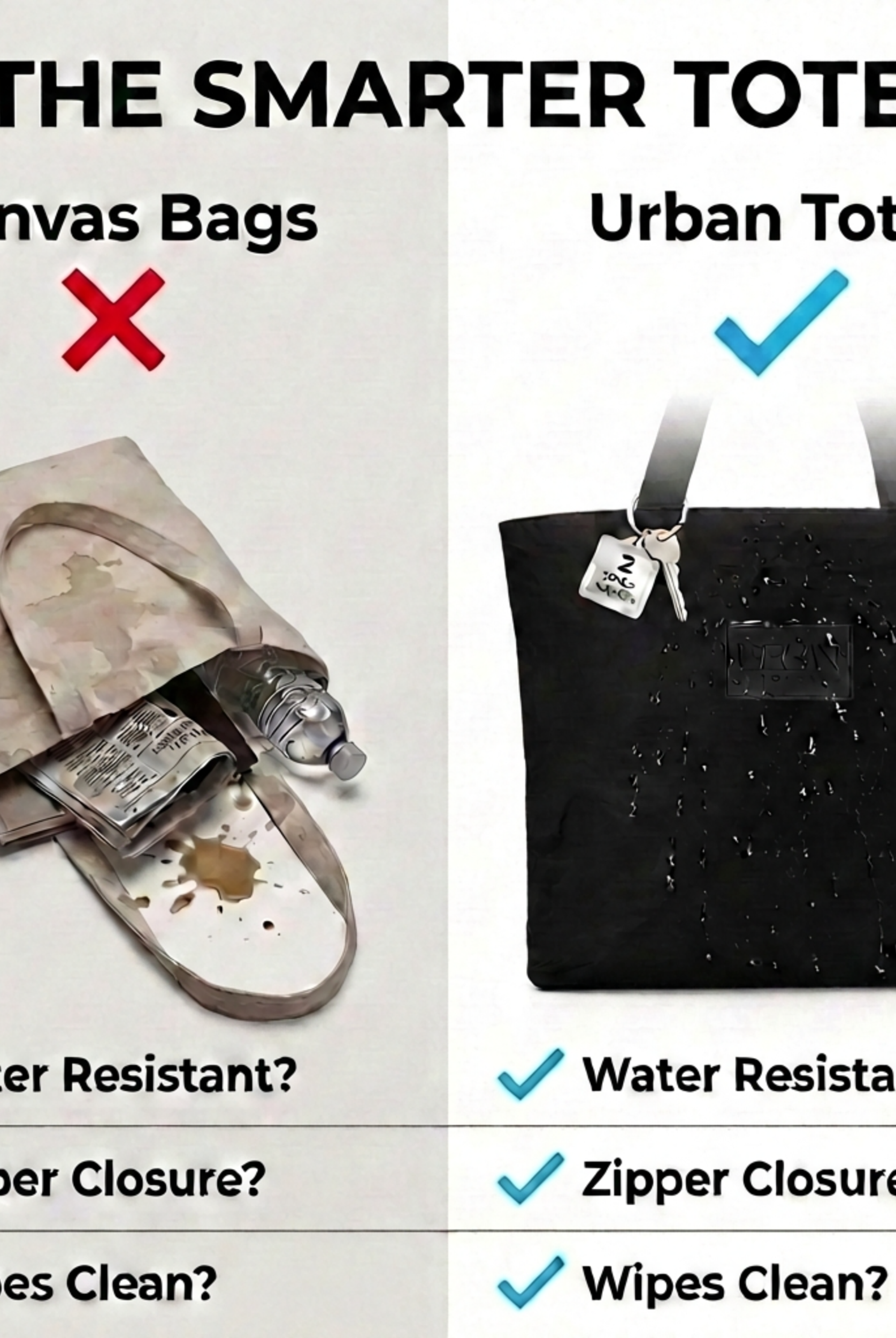
- Test the closure: A zipper closure offers more control than an open top when you're commuting, traveling, or carrying the bag beside you.
- Count useful pockets: Look for a dedicated phone zone, a zippered valuables pocket, and larger sections for bottles, chargers, or pouches.
- Check the straps: Wide, padded, adjustable straps spread pressure over more shoulder area and make the carry easier to adapt to different clothing.
- Look at the attachment points: Stitching should be reinforced where the handles meet the body, because those areas receive repeated pulling.
- Assess the empty weight: A large bag that starts heavy leaves less room for the things you need.
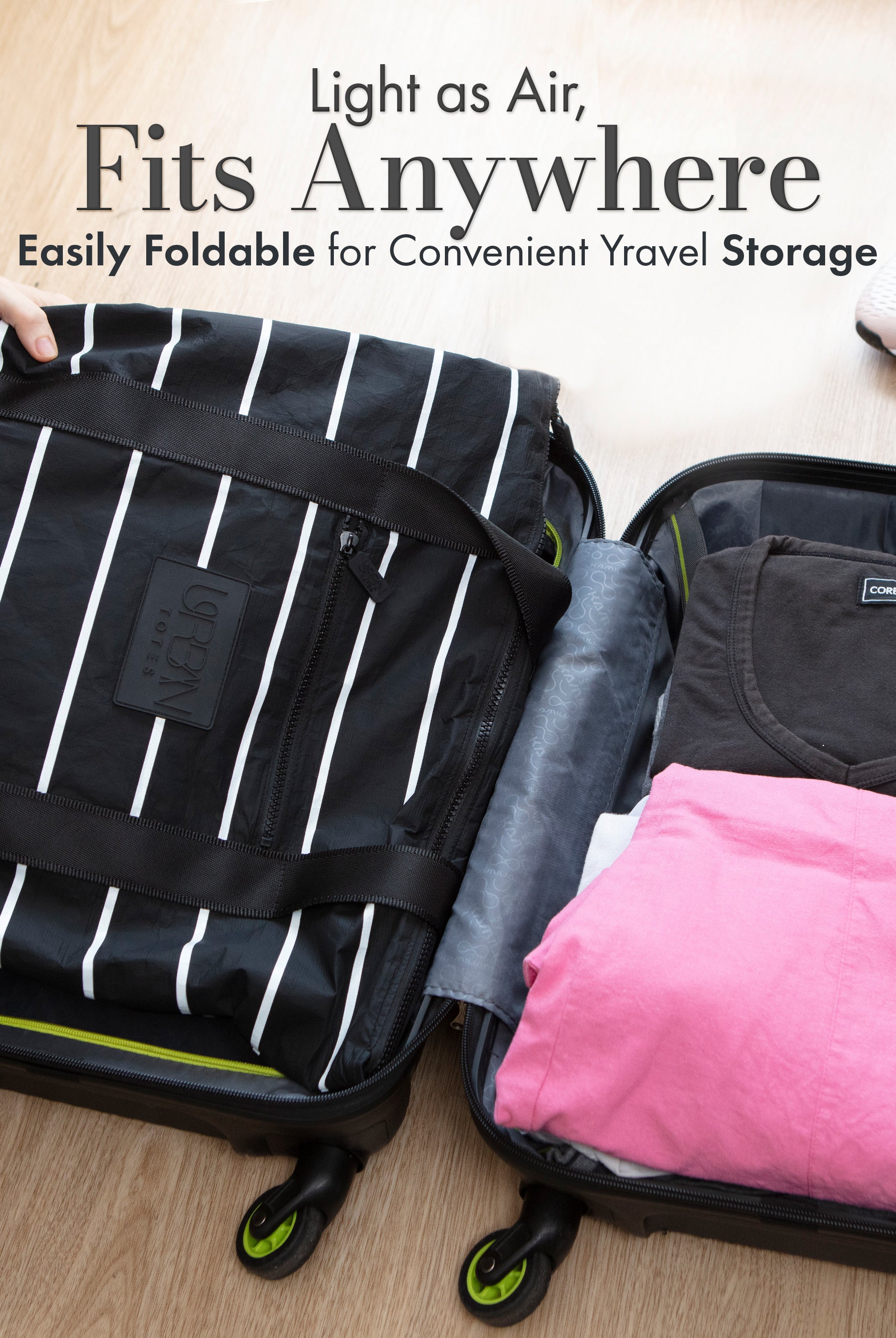
- Consider packability: A foldable tote earns its place in a suitcase, car, or desk drawer because it can become a backup without taking over your storage.
- Match the organization to your routine: A parent may need exterior access for snacks and keys, while a commuter may prioritize a protected laptop zone and secure interior storage.
A multi-pocket layout should reduce searching, not add visual clutter. Read the practical breakdown in this guide to tote bag compartments and think in categories, not just pocket count.
A pocket earns its place when you can name what belongs there before you leave home.
Real-Life Use Cases for Every Lifestyle
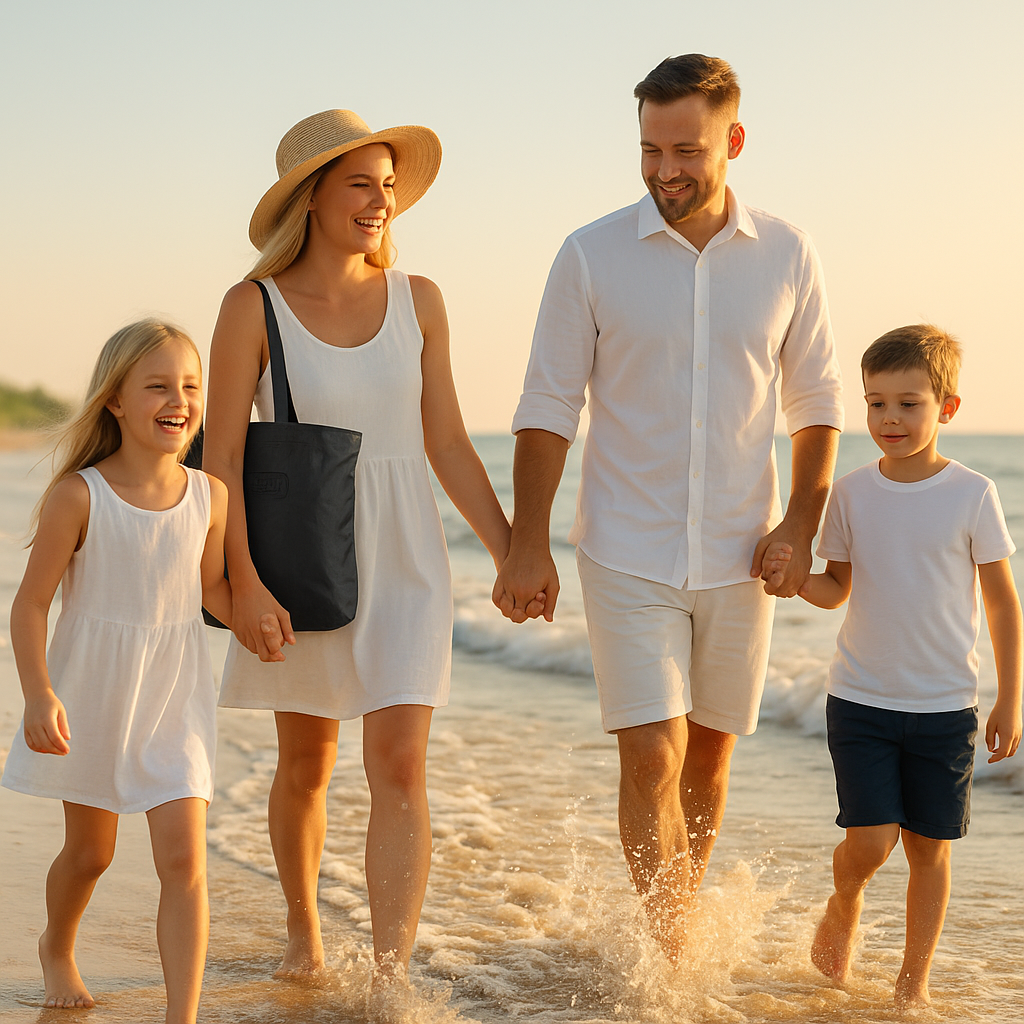
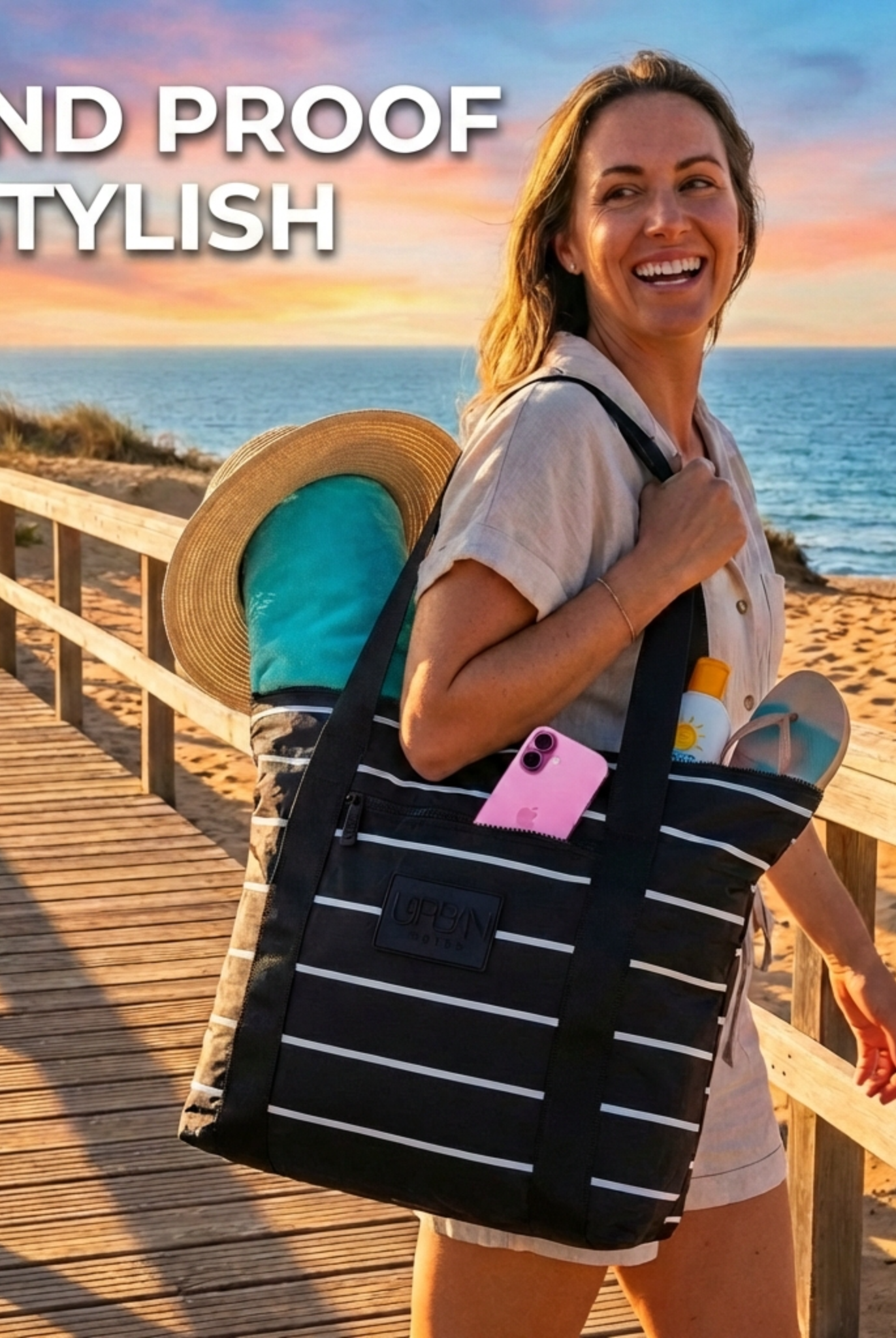
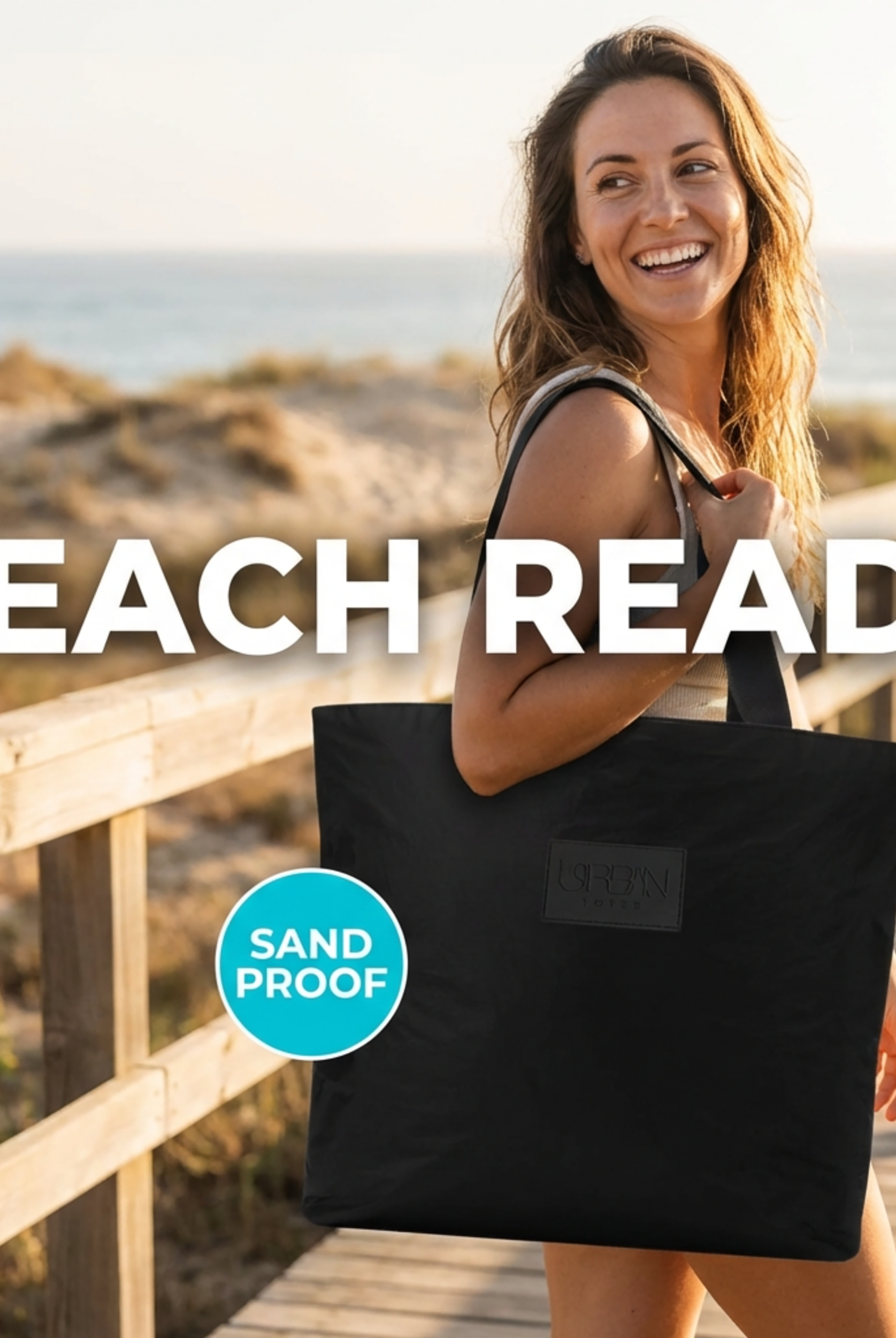
At the beach, the useful tote is the one that keeps the day moving. A beach-day mom can place towels and a change of clothes in the main compartment, sunscreen and sunglasses in an exterior pocket, and snacks in a separate pouch. A zipper closure keeps small items from spilling when the bag tips beside a beach chair, while side pockets can separate damp swimwear from dry belongings.

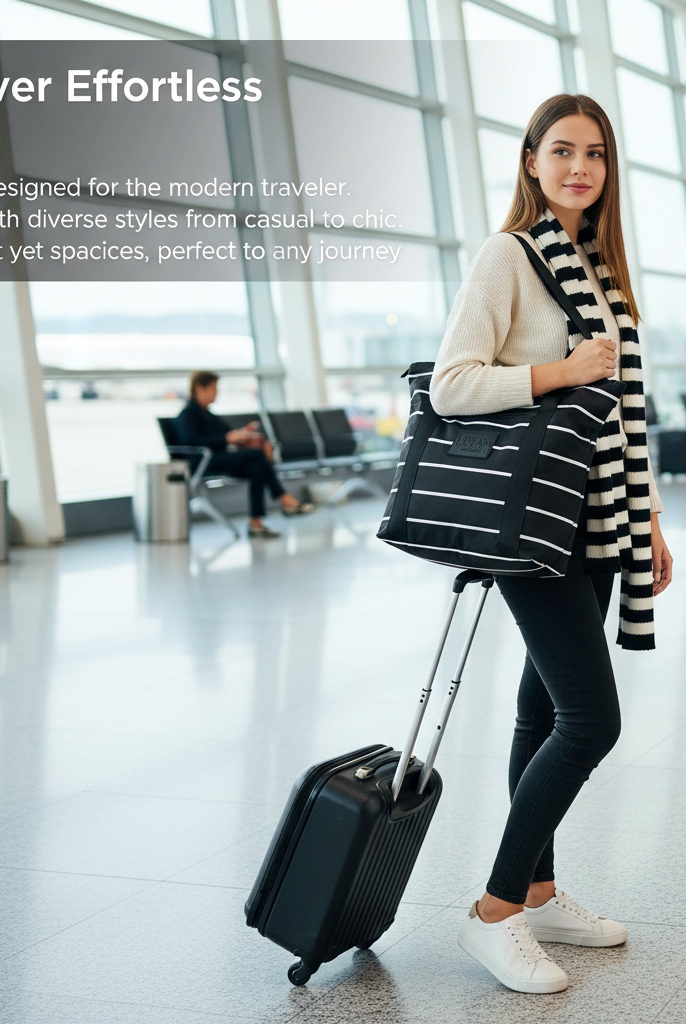
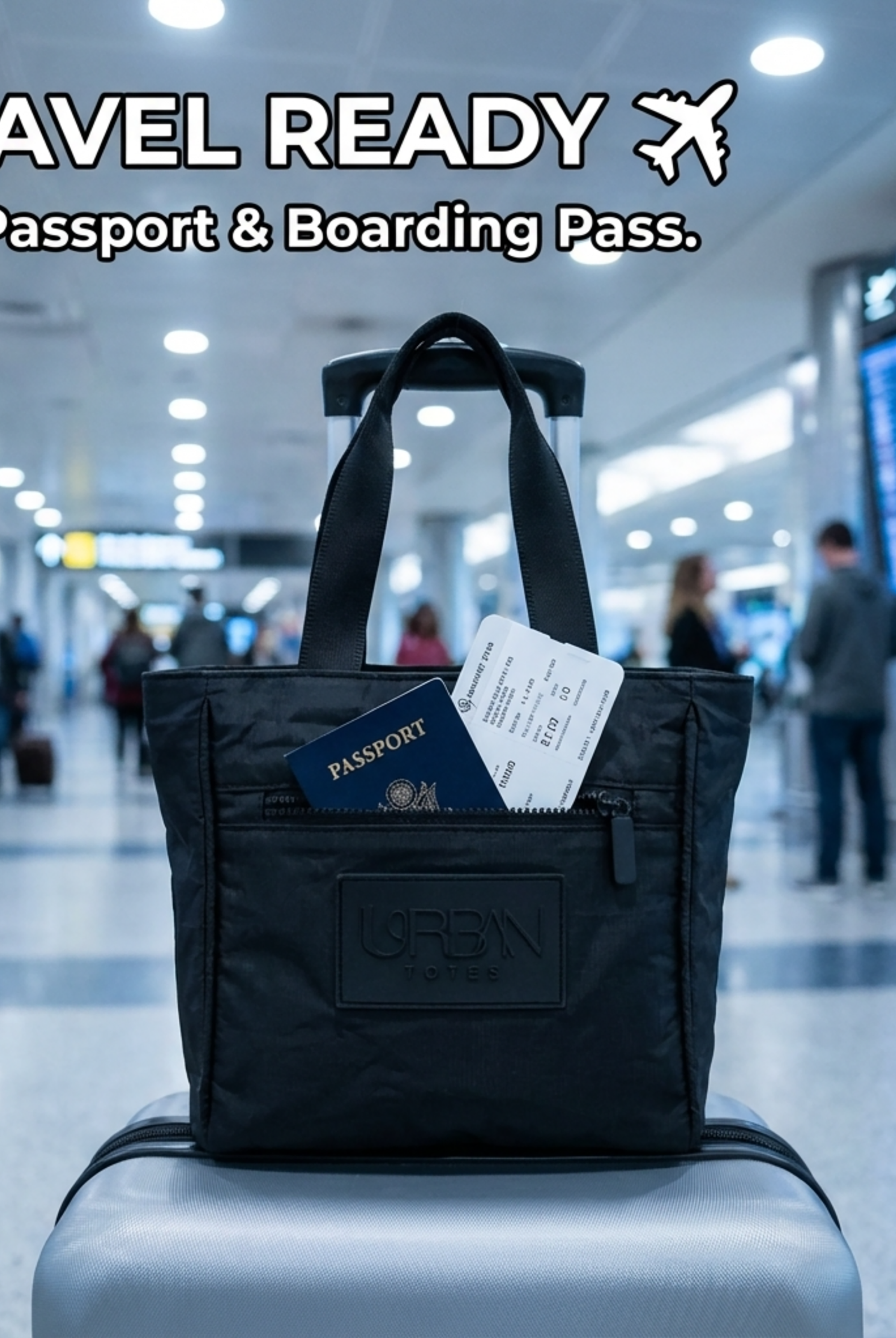
The weekend traveler needs a different kind of convenience. Roll a change of clothes into the main compartment, place toiletries in a washable pouch, and reserve the quick-access pocket for identification, keys, and a phone. A lightweight, foldable tote can also travel inside a suitcase and come out for a market walk, hotel breakfast, or the journey home.
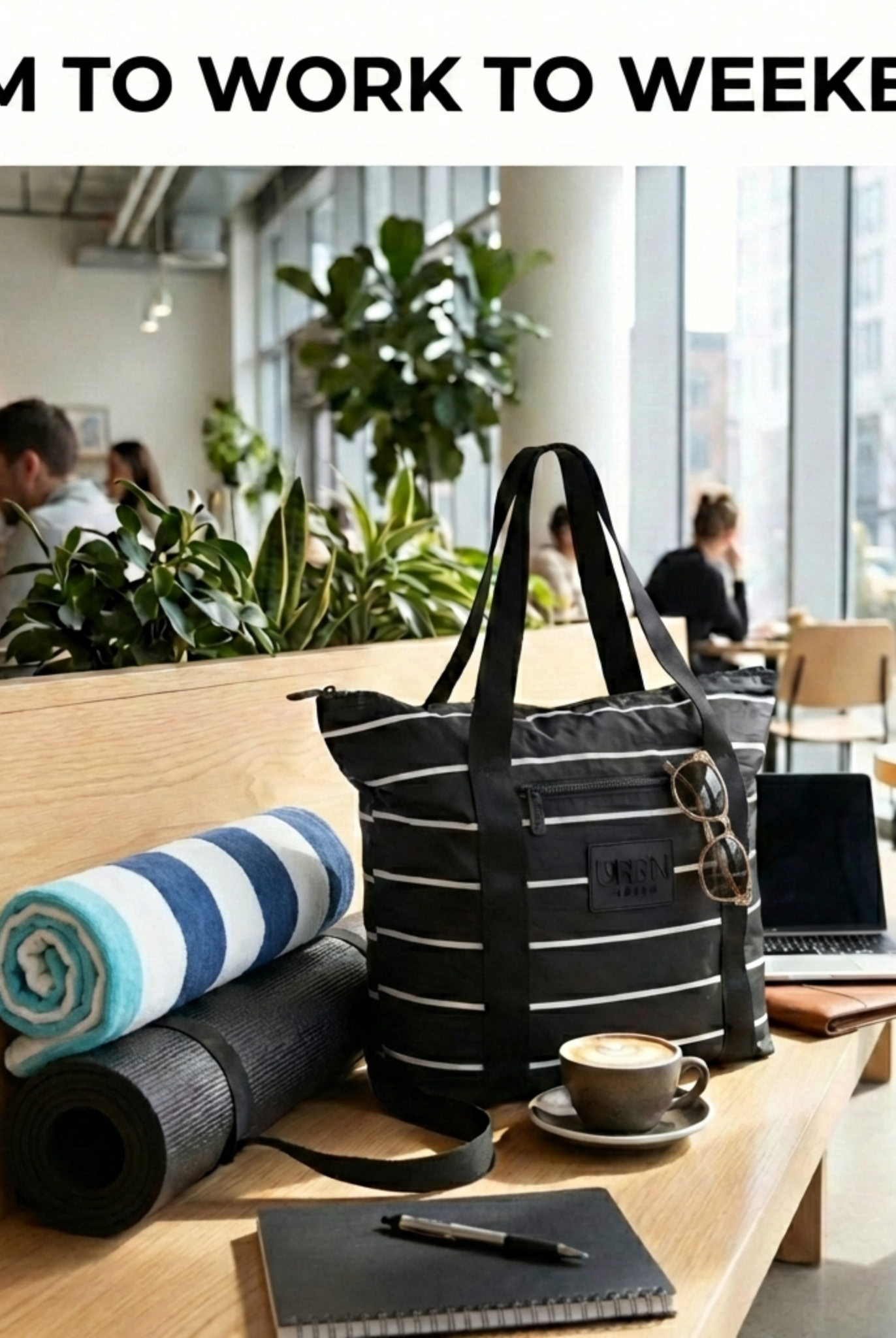
For the daily commuter, organization matters more than maximum size. A laptop should sit upright against the most stable side of the bag, while a water bottle belongs in a side slip pocket if available. Lunch, a cardigan, and a charger can share the central compartment without burying smaller essentials. The bag should close securely when you're walking through a station or setting it beneath a desk.
The gym-goer benefits from separation. Workout clothes and shoes can occupy the main body, while a side pocket holds a damp towel or used clothing. A zippered compartment protects earbuds, cards, and keys from the larger gear. This arrangement lets you pack once in the morning and avoid repacking between work and exercise.
Caregivers often need the most flexible setup. Snacks, wipes, a spare layer, and a small activity can fill the central space, but quick access remains when a child needs something immediately. The best large capacity tote bag for this lifestyle has a broad opening, stable straps, and compartments that keep emergency items visible.
A stylish minimalist may use the same capacity more selectively. One laptop, a notebook, a bottle, and a small pouch can fill the structure without making the bag feel crowded. That versatility is the point. The tote should adapt to your day rather than dictate how much you carry.
Smart Packing Strategies for Maximum Space
A full tote becomes easier to carry when every item has a position. Start with a firm base: place a laptop sleeve, book, or packed pouch low and on the torso side. Keep softer, lighter items above it so they fill gaps without pressing against your back or shoulder.
Build zones inside the bag
Match each zone to how often you reach for its contents:
- Bottom layer: Place heavier, flat objects low and close to the side nearest your torso.
- Central compartment: Roll clothing, keep a lunch container upright, and add items needed later.
- Side pockets: Reserve them for bottles, umbrellas, wet items, or anything that needs separation.
- Exterior quick-access pocket: Store your phone, transit card, keys, or sunglasses where you can reach them without emptying the tote.
- Zippered interior pocket: Keep cards, lip balm, chargers, and other small items from disappearing among larger belongings.
Rolling clothes reduces loose folds and leaves fewer dead zones. Packing cubes or pouches also turn several small objects into one manageable unit. Follow this guide to packing with packing cubes when you need a repeatable system for clothing and accessories.
Keep the load balanced
Dense items should sit on opposite sides of the tote. A lopsided bag twists while you walk, shifts its contents, and feels heavier than an evenly packed one. Fill the remaining gaps with soft clothing or a lightweight scarf.
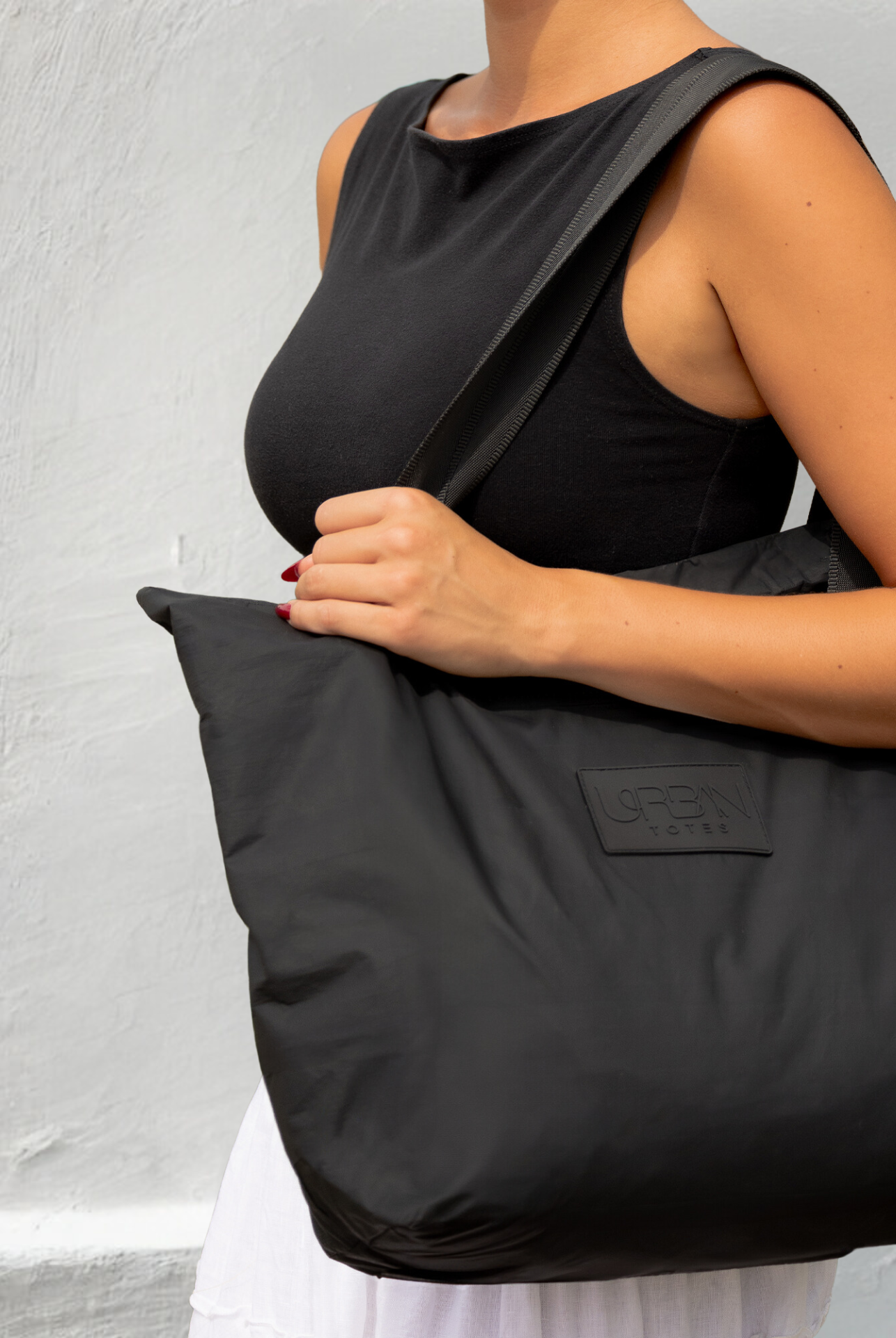
For frequent use, keep the total load around 5 to 10% of body weight. Choose wide, padded, adjustable straps, and use internal pockets to limit movement inside the bag. This setup reduces the need to compensate with your shoulder or posture, as outlined in this ergonomics reference for shoulder bags.
Test the tote before leaving home. The zipper should close without force, the base should stay stable, and the bag should remain comfortable against your body as you walk. If one shoulder starts carrying the effort, remove or relocate the densest item. Large capacity should give you room to adapt, not a reason to fill every corner.
How to Care for Your Tote Bag
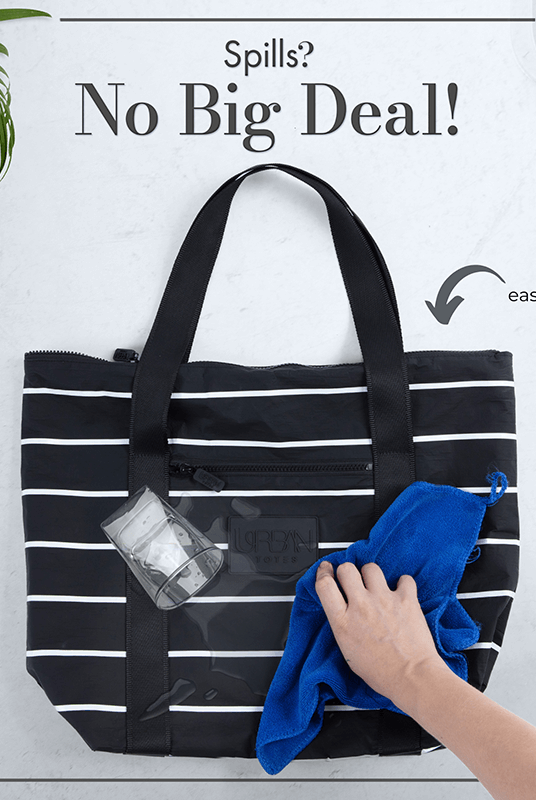
A water-resistant tote is easier to live with when you clean small messes before they become permanent. Empty every pocket, shake out crumbs, and wipe the interior and exterior with an alcohol-free wipe when the fabric picks up coffee, sunscreen, or dirt. Follow the specific care label before using a washing machine, even when the fabric is described as washable.
For regular maintenance, keep zippers free of sand and grit. Beach debris can work into the teeth, while overstuffing can put unnecessary pressure on the zipper tape. Close the bag gently, avoid pulling at an angled seam, and don't force a full load through a narrow opening.
Foldable and packable totes should be stored clean and completely dry. Fold them loosely rather than crushing them under heavy items, especially if the bag has structured piping or a shaped base. A dry storage spot also helps prevent stale odors after gym sessions or beach use.
Use separate pouches for damp swimwear, shoes, or used workout clothes. That simple barrier protects the main lining and limits odor transfer. If the bag develops a smell, air it out fully before storing it and clean the affected area according to the manufacturer's directions.
Inspect handle attachments and high-friction corners occasionally. Early fraying deserves attention before the threads pull farther into the seam. The broader routine in this tote bag care and maintenance guide can help you create a repeatable cleaning habit.
Choosing the Right Large Capacity Tote for You
Choose your tote around the day you repeat most often. A commuter needs a secure closure, stable base, laptop-friendly organization, and straps that stay comfortable over a blouse or coat. A beach-day mom needs flexible volume, water-resistant material, separate compartments, and a pocket for quick access. A weekend traveler needs low weight, packability, and enough structure to keep clothing and toiletries from collapsing into one tangled pile.
Material affects comfort, durability, and cleanup. A dense, abrasion-resistant weave suits daily friction, while water-resistant fabric handles unpredictable weather and messy routines better. Read this tote bag material guide before choosing by color or texture alone.
Compare the formats
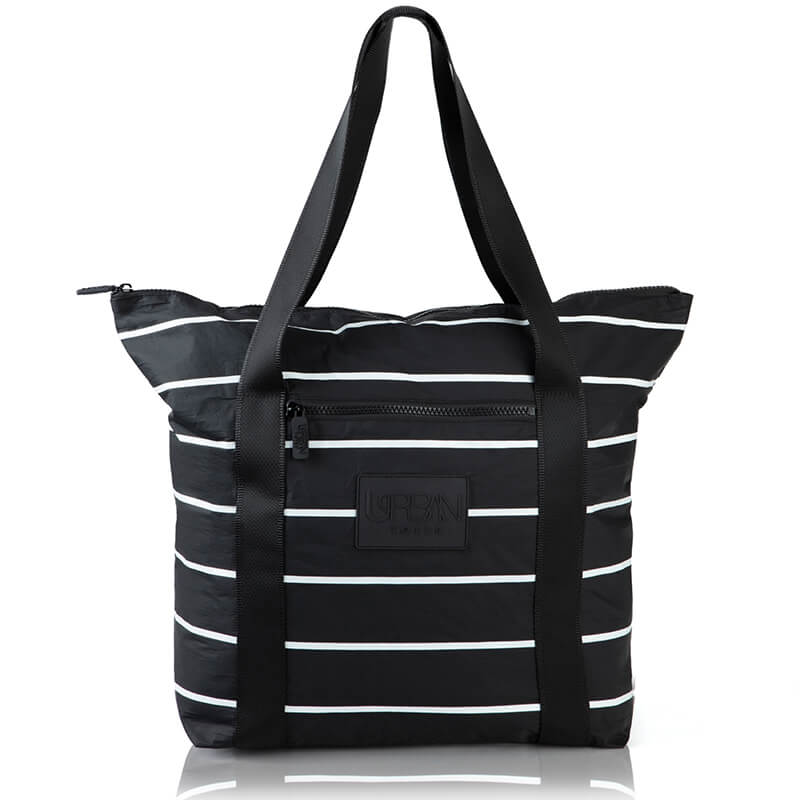
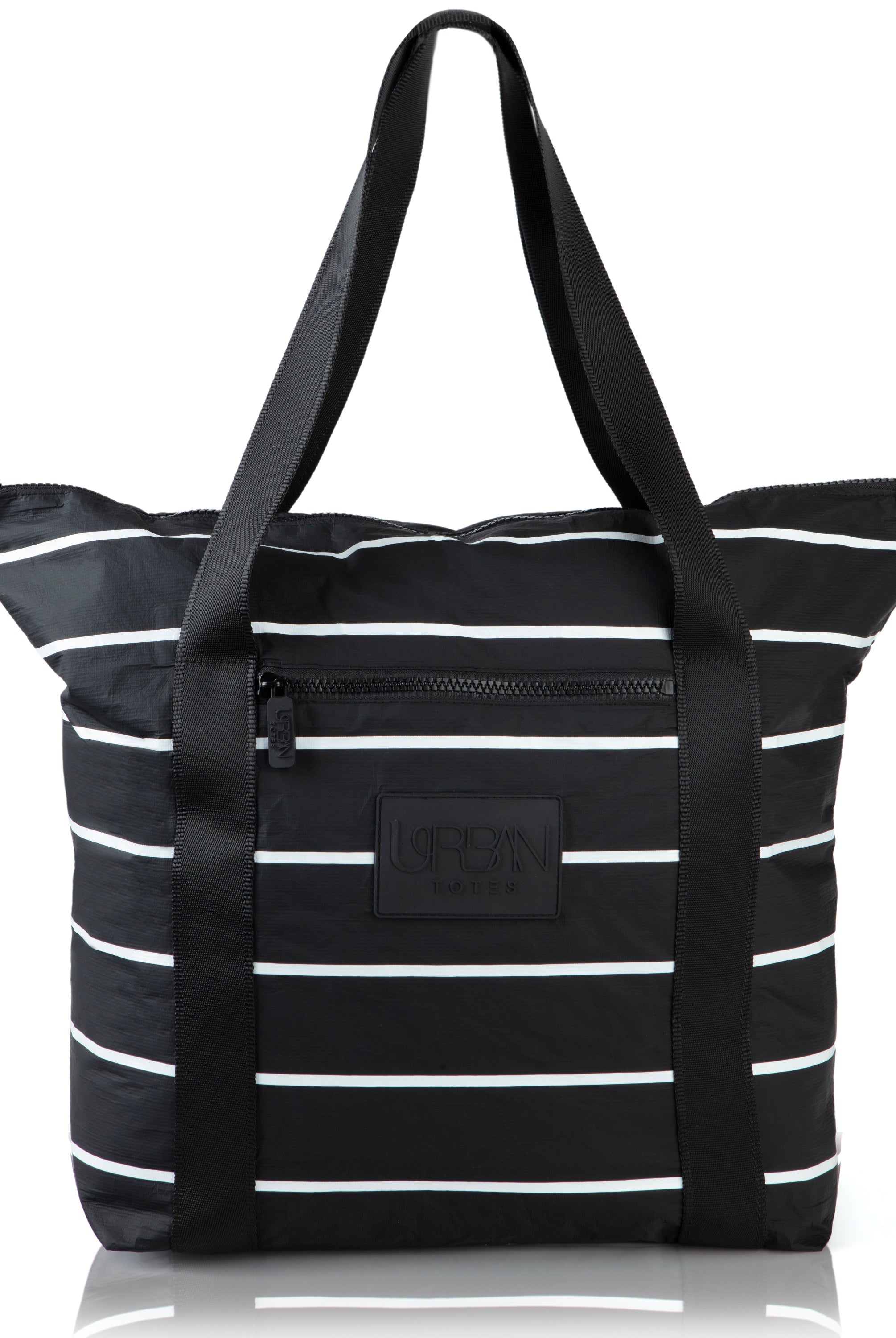
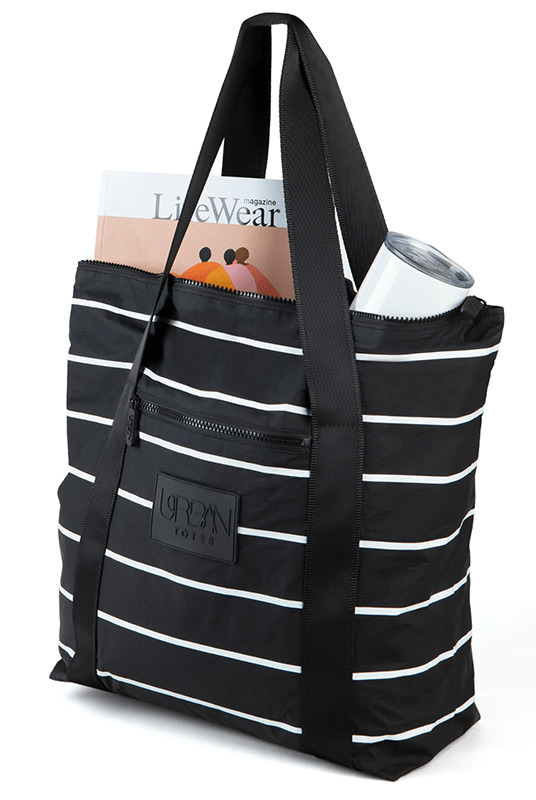
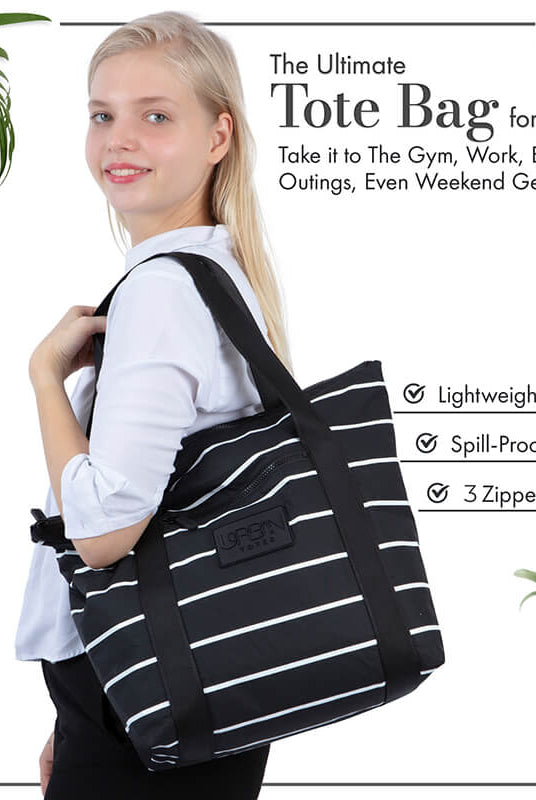
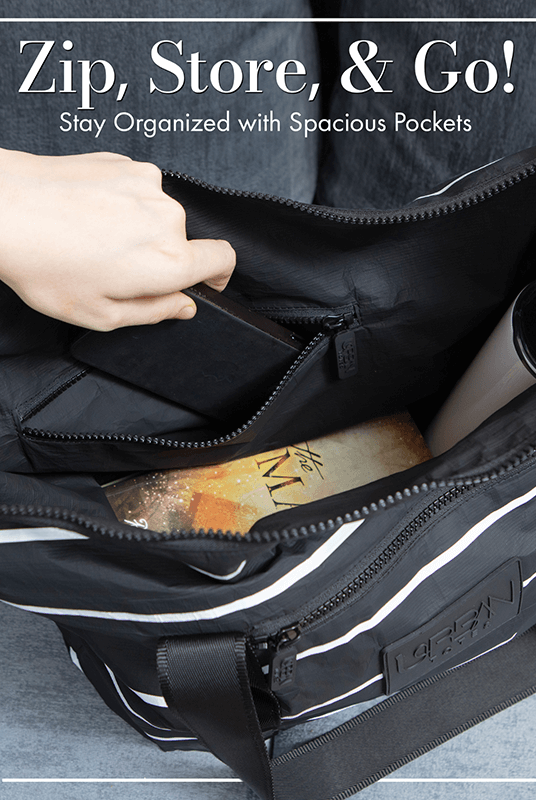
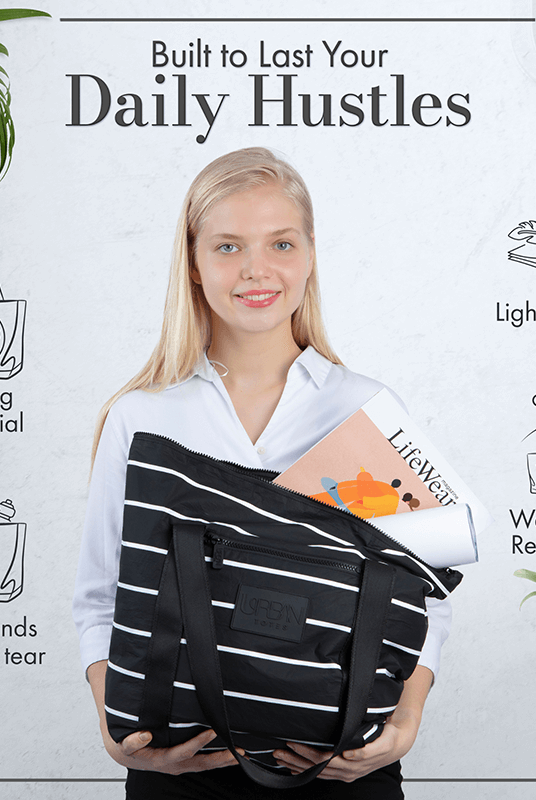
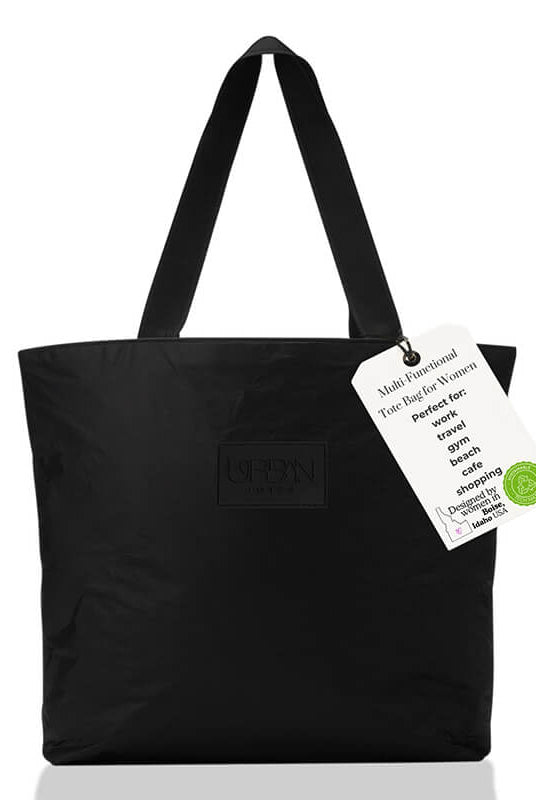
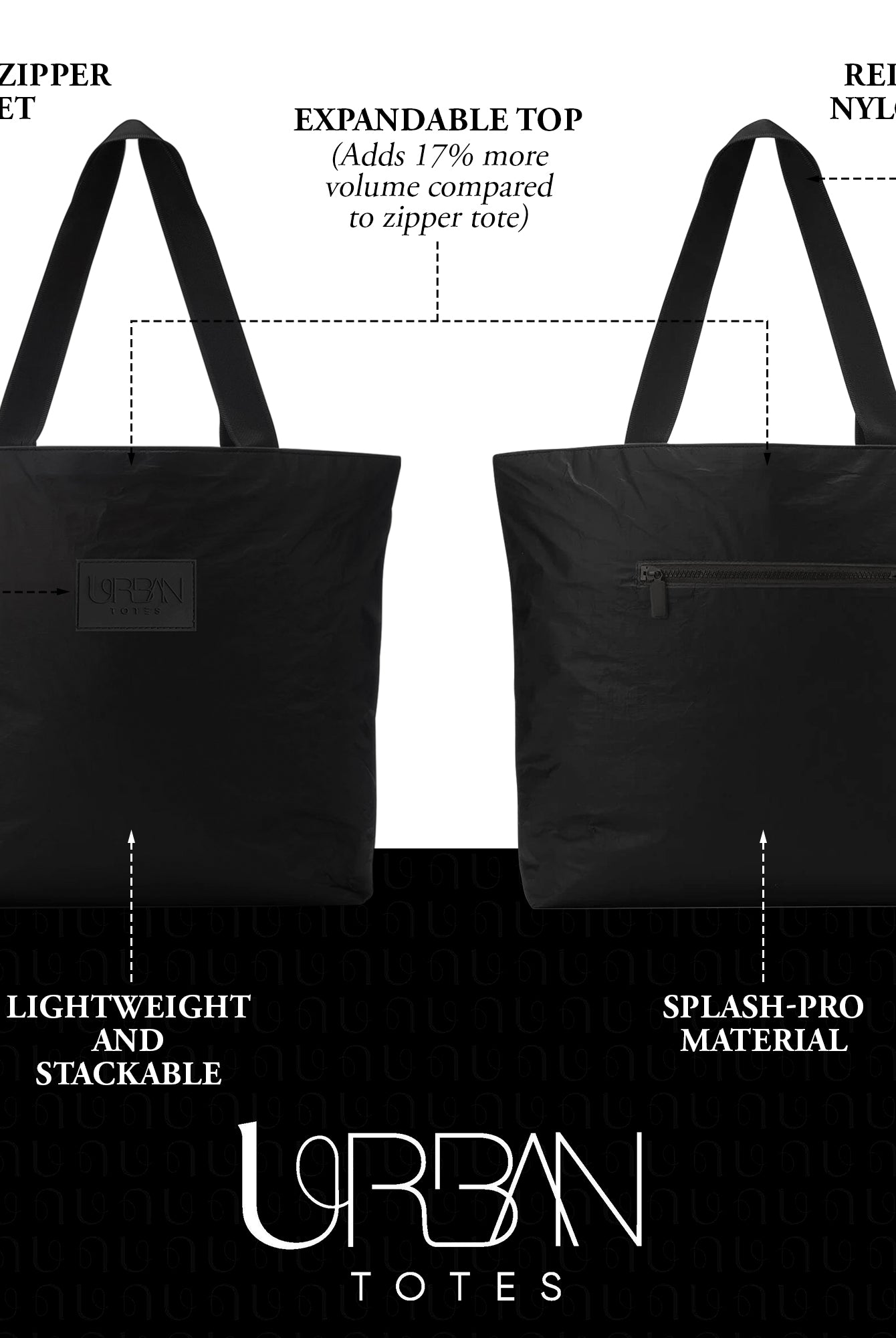
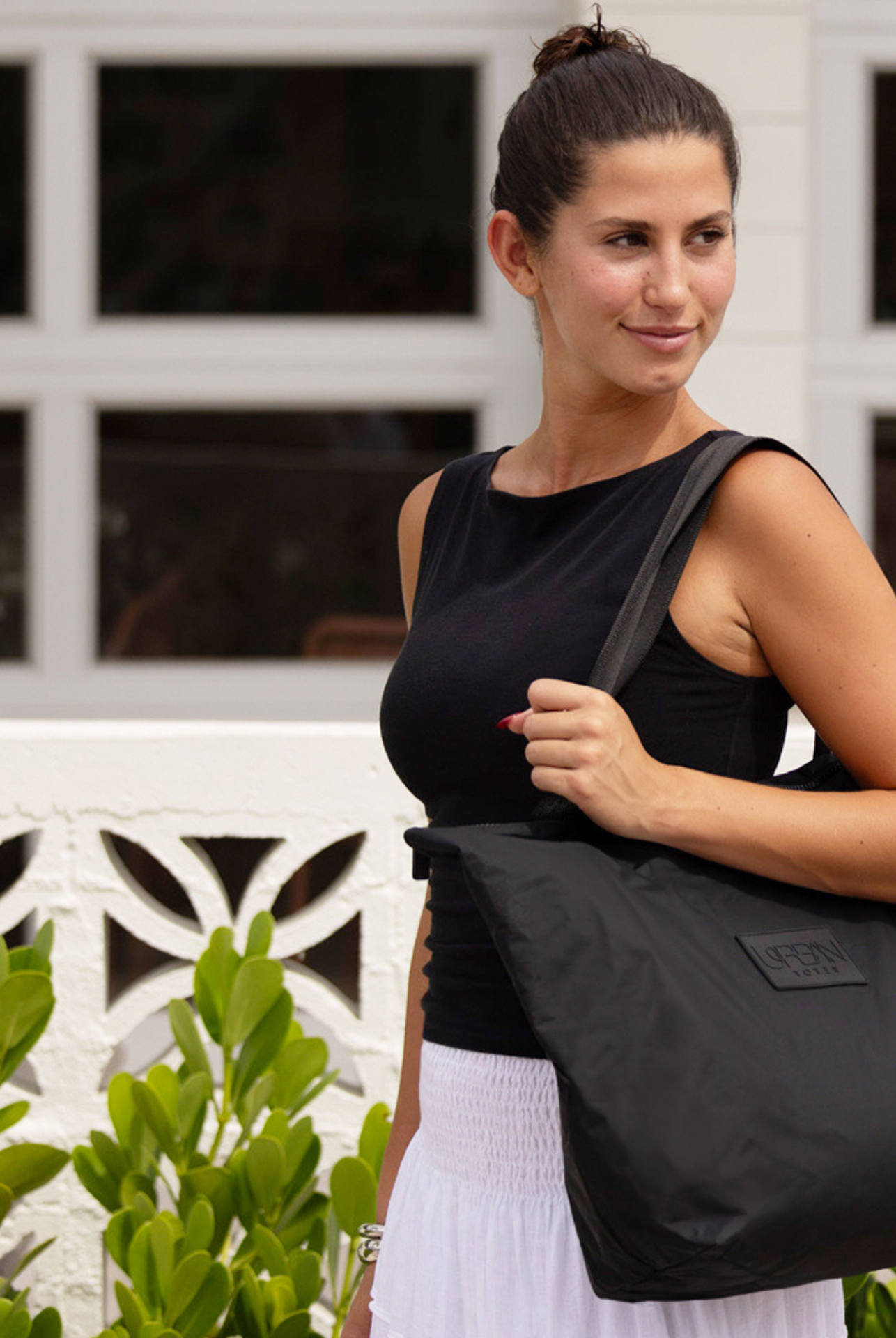
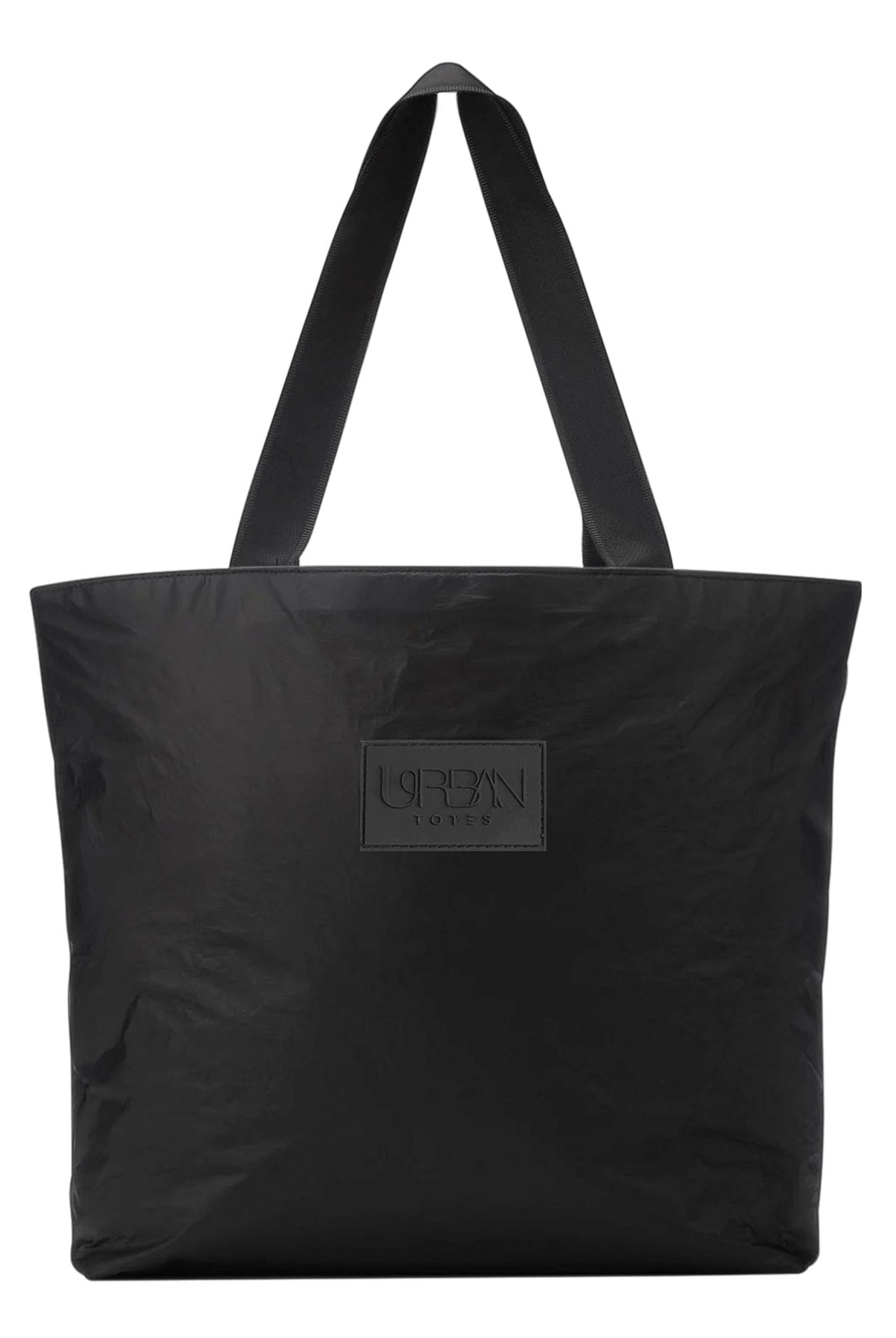
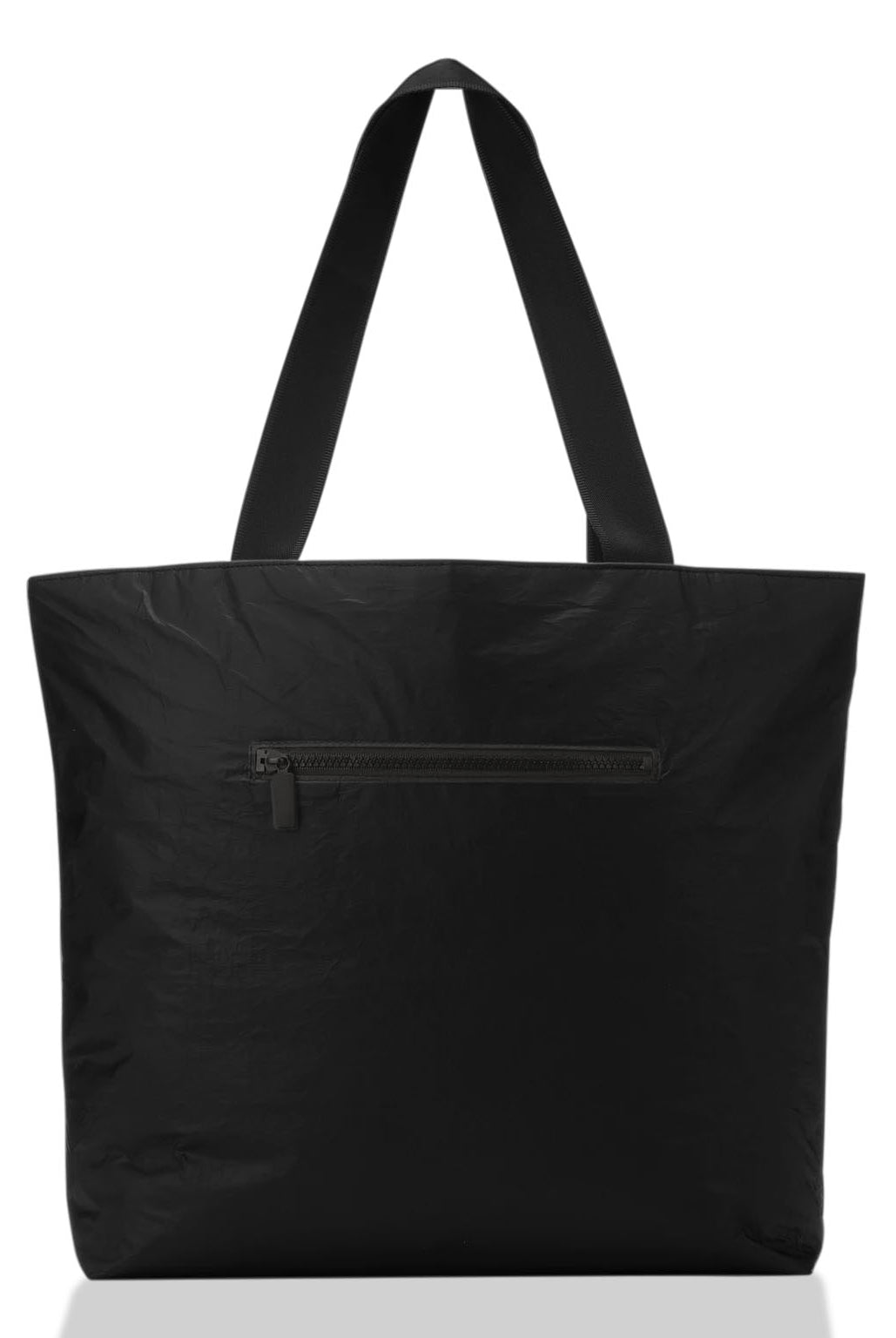
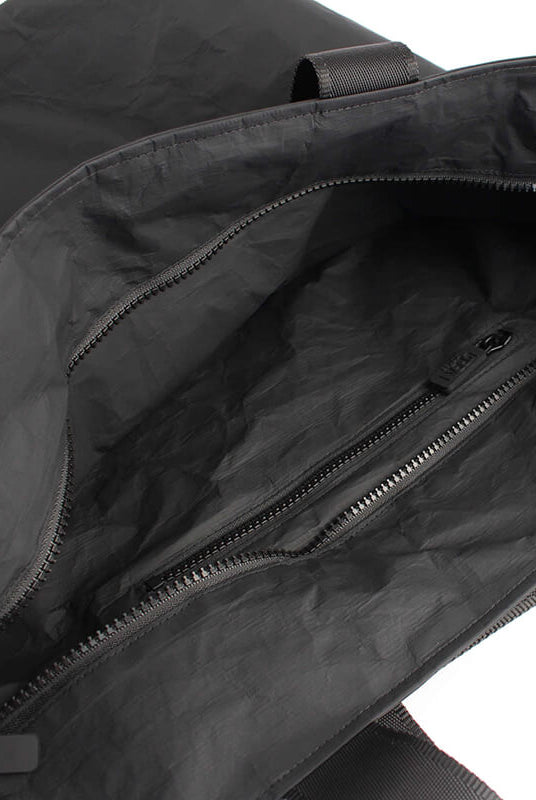
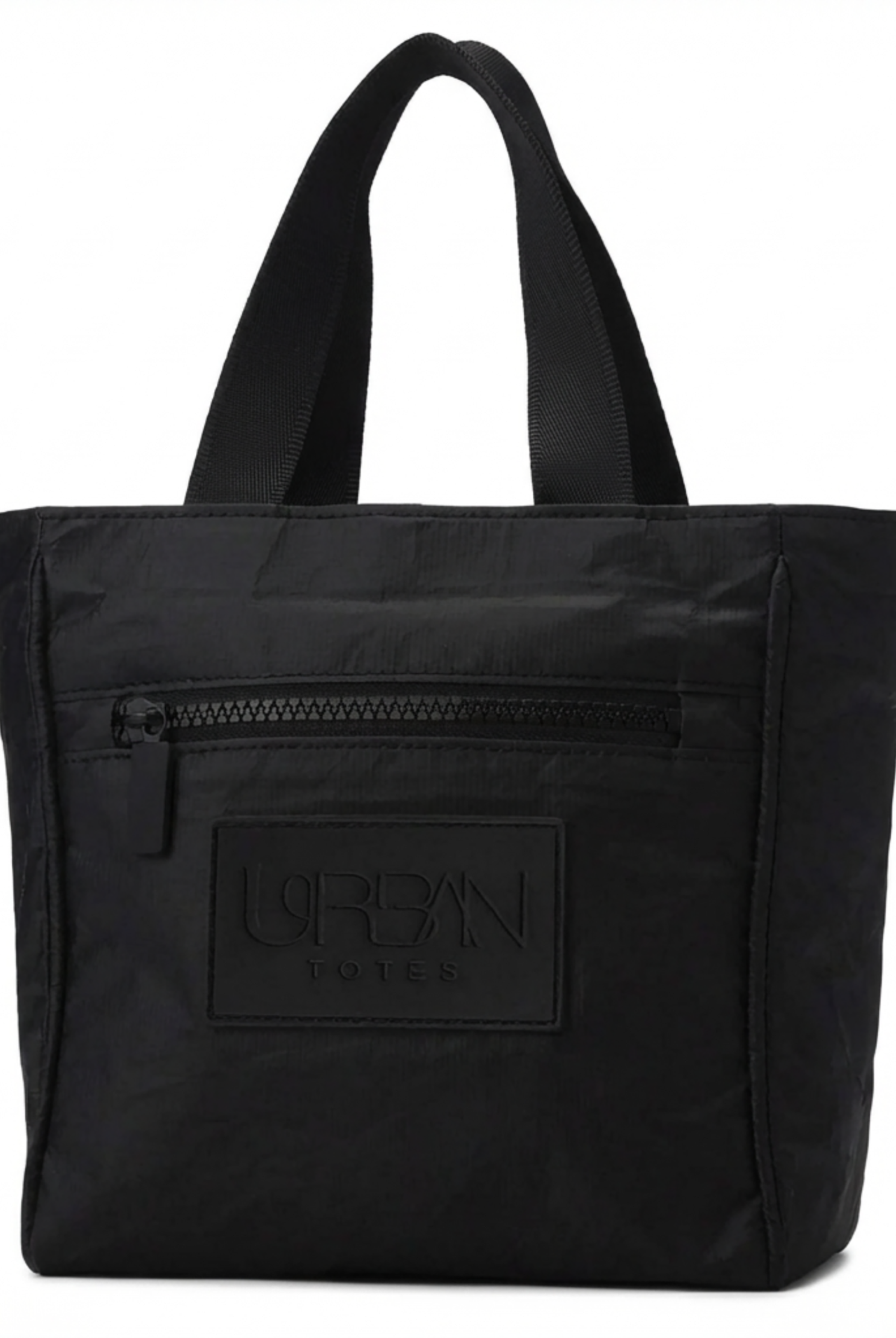
The Urban Totes OG Zipper Tote is a lightweight, packable, water-resistant carry-all with a zipper closure, inside and outside zipper pockets, and three large pockets. At 19 inches wide by 14.5 inches high, it fits errands, travel, beach use, and fitness carry when you need flexible space. Once fully loaded, pack heavier items close to your back and keep the load centered. That setup reduces shoulder pulling and makes the tote easier to control while walking.
The Weekender serves a different purpose. Choose it for a larger travel load, an overnight change of clothes, or flexible personal carry-on use. For a compact, hands-free option, the crossbody format described earlier fits a small set of essentials better than a large tote.
Urban Totes is a woman-owned brand designed in Boise, Idaho, with lightweight, water-resistant, foldable, and organized bags for everyday carry, travel, errands, gym sessions, and beach days. Its tagline, “Go Anywhere. Tote Everything.”, reflects a practical standard: the bag should handle real transitions, not only match one outfit.
Before buying, list what you carry on a normal busy day. Include your laptop, bottle, lunch, clothing layer, keys, and pouch if those items regularly travel with you. Choose structure and compartments when the load is mixed and heavy. Choose a flexible tote when you need room for beach gear or travel items, then check the base, strap drop, closure, and separation for wet or dirty belongings.
Find a water-resistant, lightweight, packable tote for commuting, beach days, errands, and weekends. Visit Urban Totes to choose a go-anywhere bag for your daily routine.