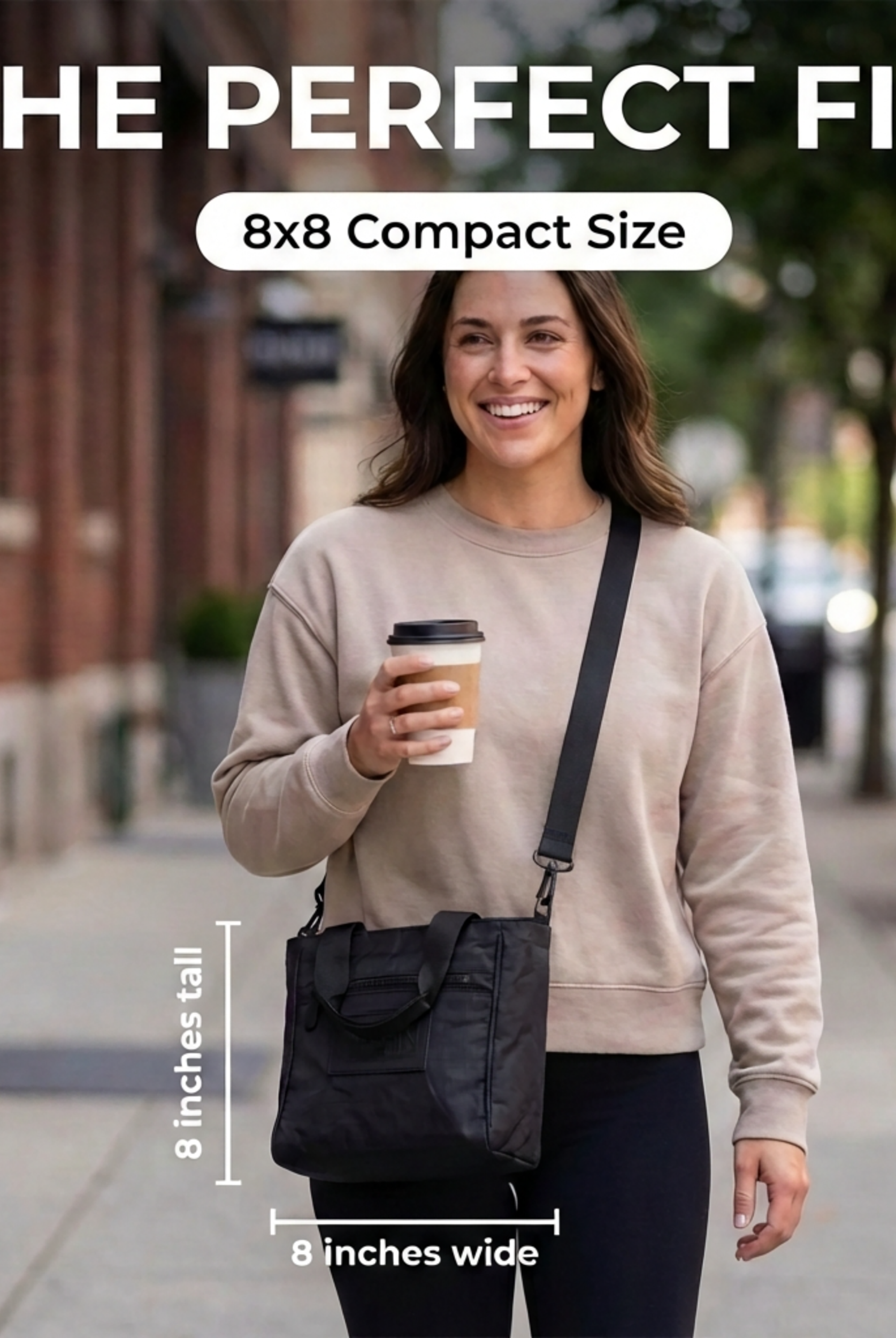
You're at school drop-off with one hand on a coffee, a child's sweatshirt over your shoulder, and a phone that's already buzzing about the next appointment. By lunchtime, you'll need your laptop. Later, there may be groceries, a gym change of clothes, or a damp swimsuit tucked into the same carryall. The wrong bag turns those transitions into a daily hunt for keys, chargers, and the one thing that slid to the bottom.
A zippered tote bag works differently. It treats your carry as a small daily system, combining an open, roomy tote shape with a closure, compartments, and materials chosen for movement. The right design won't just match your outfit. It'll help you move through real life with less rearranging, less digging, and fewer bag swaps.
Table of Contents
- What a Zippered Tote Bag Does for a Busy Day
- Defining the Zippered Tote and Why Closure Matters
- Key Features That Make the Difference
- Matching the Bag to Your Real Life
- Packing and Organizing Like a Quick Daily System
- Materials, Water Resistance, and Care You Can Trust
- What to Check Before You Buy and Common Myths
- Finding the Tote That Moves With You
What a Zippered Tote Bag Does for a Busy Day
At 7:40, a mother leaves school drop-off with a water bottle in one side pocket, snacks in another, and a laptop resting flat against the base. The zipper closes before she reaches the train platform, so a sudden turn or crowded carriage doesn't send loose items rolling onto the floor. By late afternoon, the same bag holds a light layer and a pair of training clothes, while the essentials remain in their usual places.
That continuity is the core value. A well-designed tote absorbs transitions that might otherwise require a purse, a work bag, and a gym bag. It becomes the quiet infrastructure of the day, present but not demanding attention.
The category has a practical history behind it. Swedish-American engineer Gideon Sundback perfected the modern zipper form in 1913, replacing a bulky hook-and-eye arrangement with a meshed-tooth slider fastener. The B.F. Goodrich Company coined the term “zipper” in 1922, and Elsa Schiaparelli helped turn the closure into a visible fashion detail by using decorative colored zippers in 1935. This progression is outlined in the history of zipper bags.
The bag becomes part of your routine
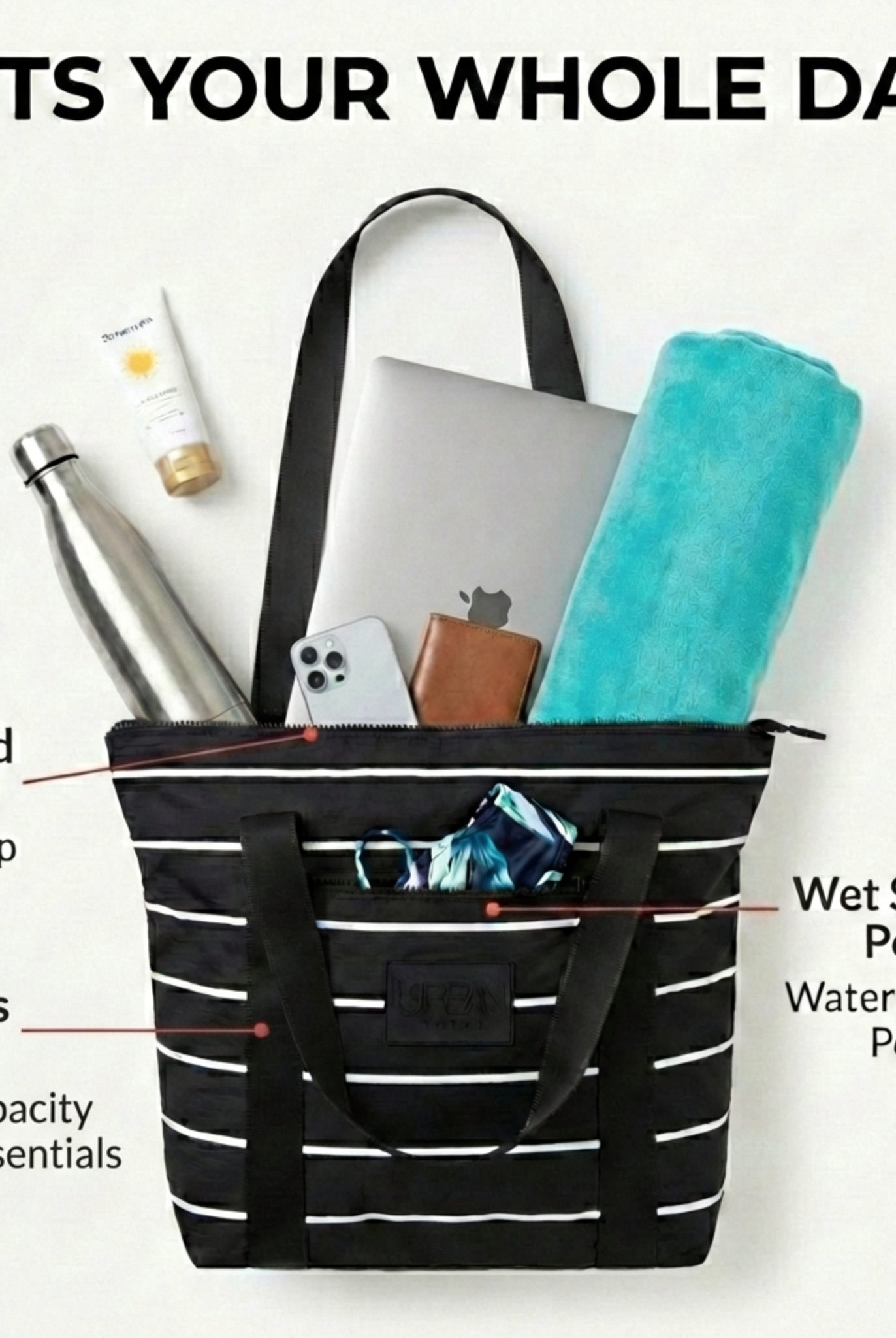
A commuter might use the main compartment for a computer and cardigan, the inside pocket for transit cards, and an exterior slot for a phone. A parent may reserve one side pocket for wipes and the other for a bottle. A traveler can keep documents and small electronics behind the closed top while using the larger body for a layer and travel essentials.
The tote market's commercial growth reflects this broad utility. Independent forecasts place the global tote bag market at US$3.1 billion in 2026 and US$4.4 billion by 2033, with a projected 5.2% annual growth rate from 2026 to 2033, while other estimates also describe mid-single-digit growth through the period covered in their forecasts (Persistence Market Research tote bag market data). Those figures don't tell you which bag belongs in your closet, but they do point to sustained interest in reusable, everyday carry.
Your routine should make that decision. Think about the moments when you're walking quickly, reaching with one hand, setting the bag down, or moving from indoors to outdoors. Those moments reveal whether a tote is genuinely useful.
Defining the Zippered Tote and Why Closure Matters
A zippered tote is an open-top tote silhouette with a full-width or partial zipper closure across the main compartment. The simplest way to understand it is to think of the tote as an open box. The zipper acts like the box's lid, keeping the contents inside when the bag tips, swings, or rests against another surface.
An open tote depends on stillness. Its contents can be easy to reach, but the bag offers less control when you lean over, place it beneath a seat, or carry it through a crowded terminal. A crossbody keeps the load closer to your body and often supports hands-free movement, but it usually gives up some capacity and the broad, easy-loading opening that makes a tote useful for larger daily items.
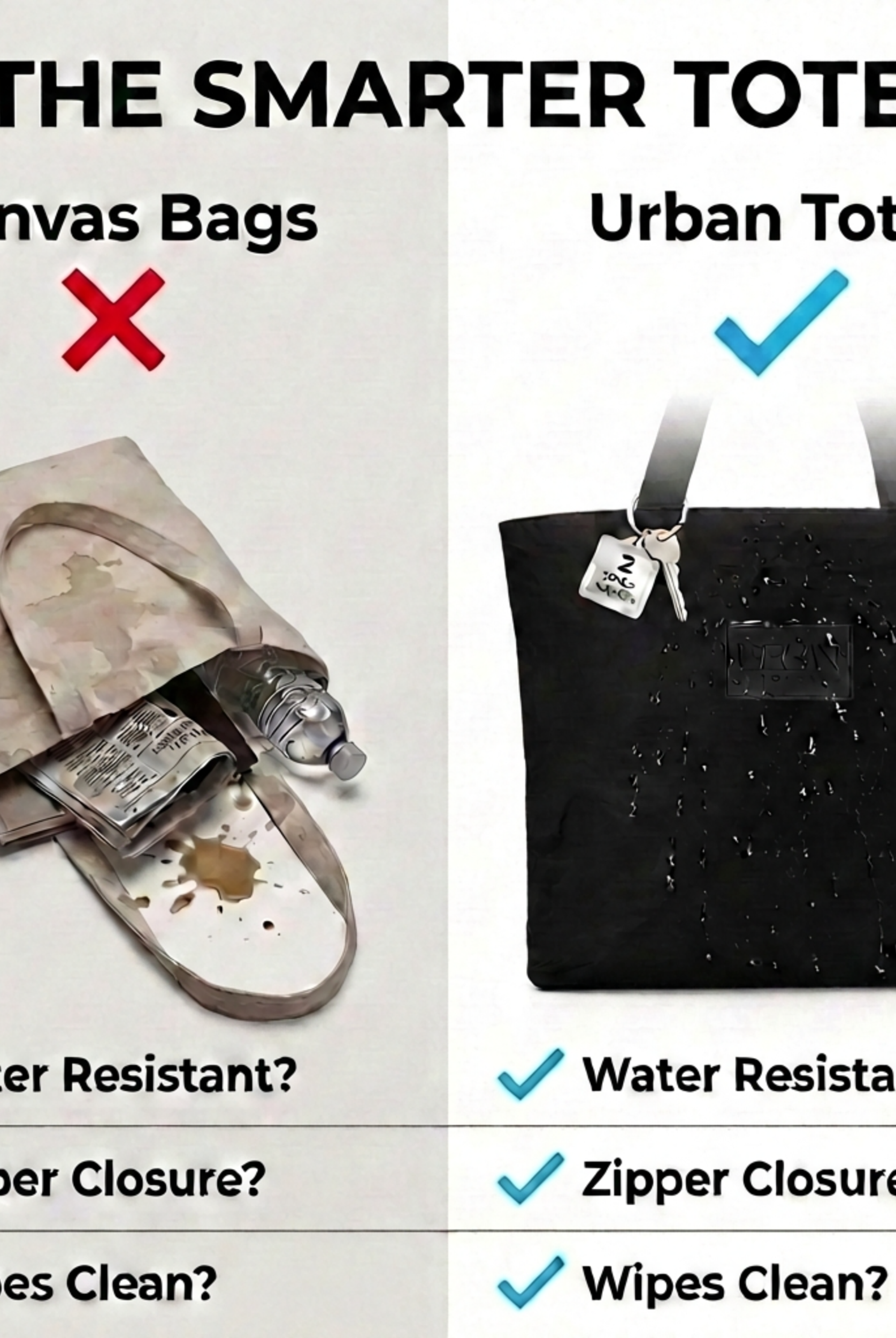
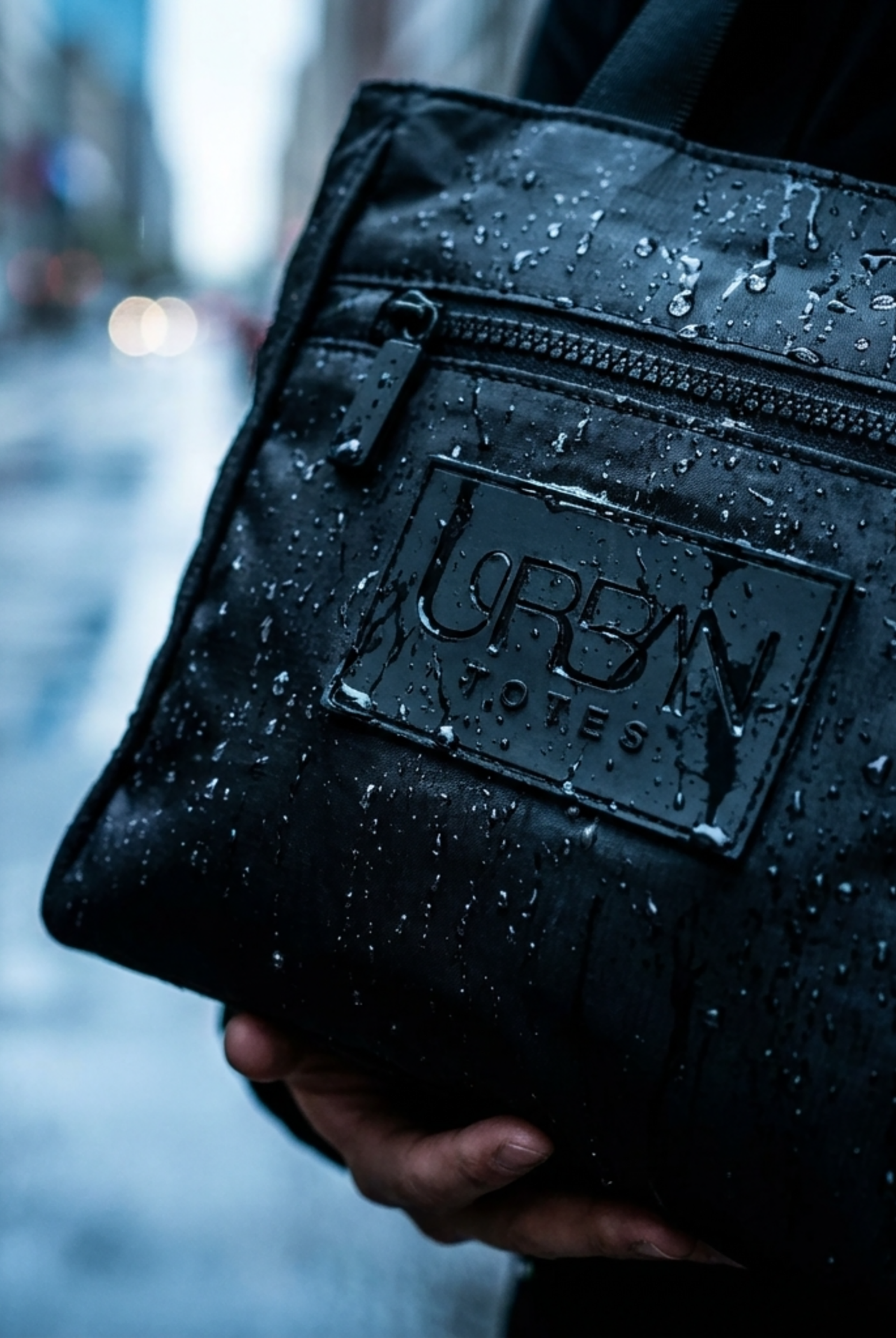
The closure affects more than security. A closed top can help you feel more comfortable placing the bag beside a stroller or chair, and a water-resistant exterior paired with a zipper can offer more confidence during light rain. It still isn't theft-proof or a substitute for awareness. The zipper is one physical barrier, not a guarantee.

Choose closure behavior, not just closure presence
A top zipper is usually the most direct option. It closes the main opening without adding a second flap, so it's suitable for commuting and travel when you need a clear seal. A hidden zipper can create a cleaner appearance, while a wraparound design may open more widely but requires more movement from the slider.
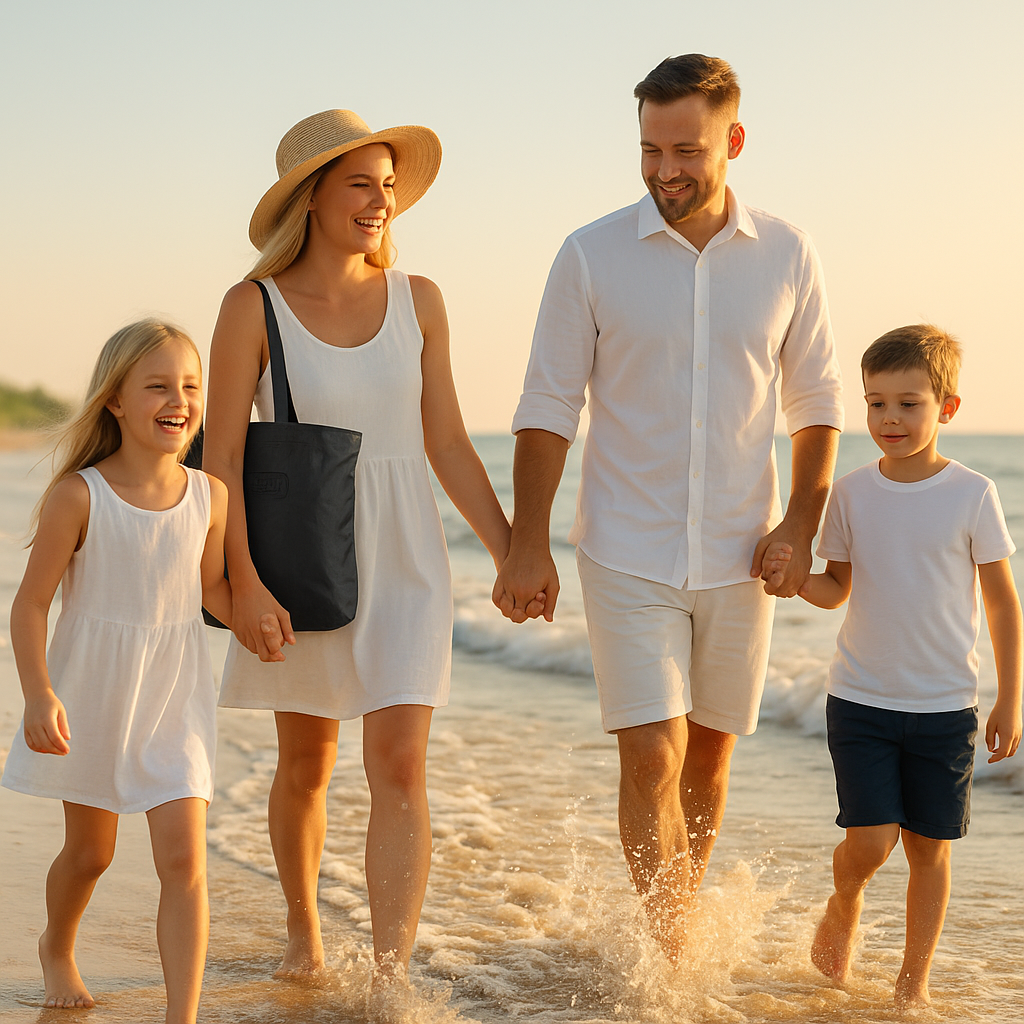
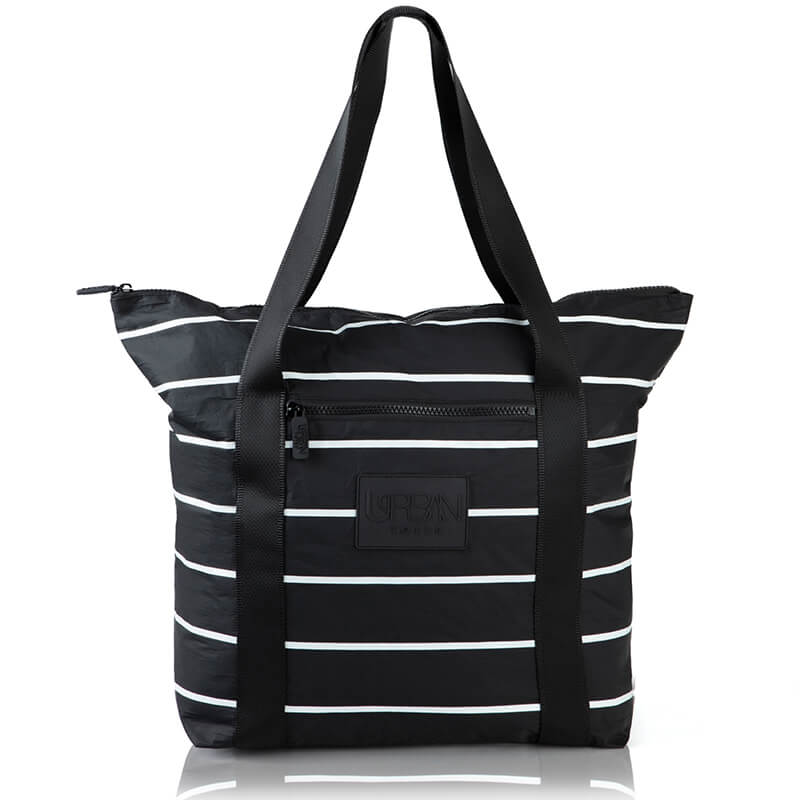
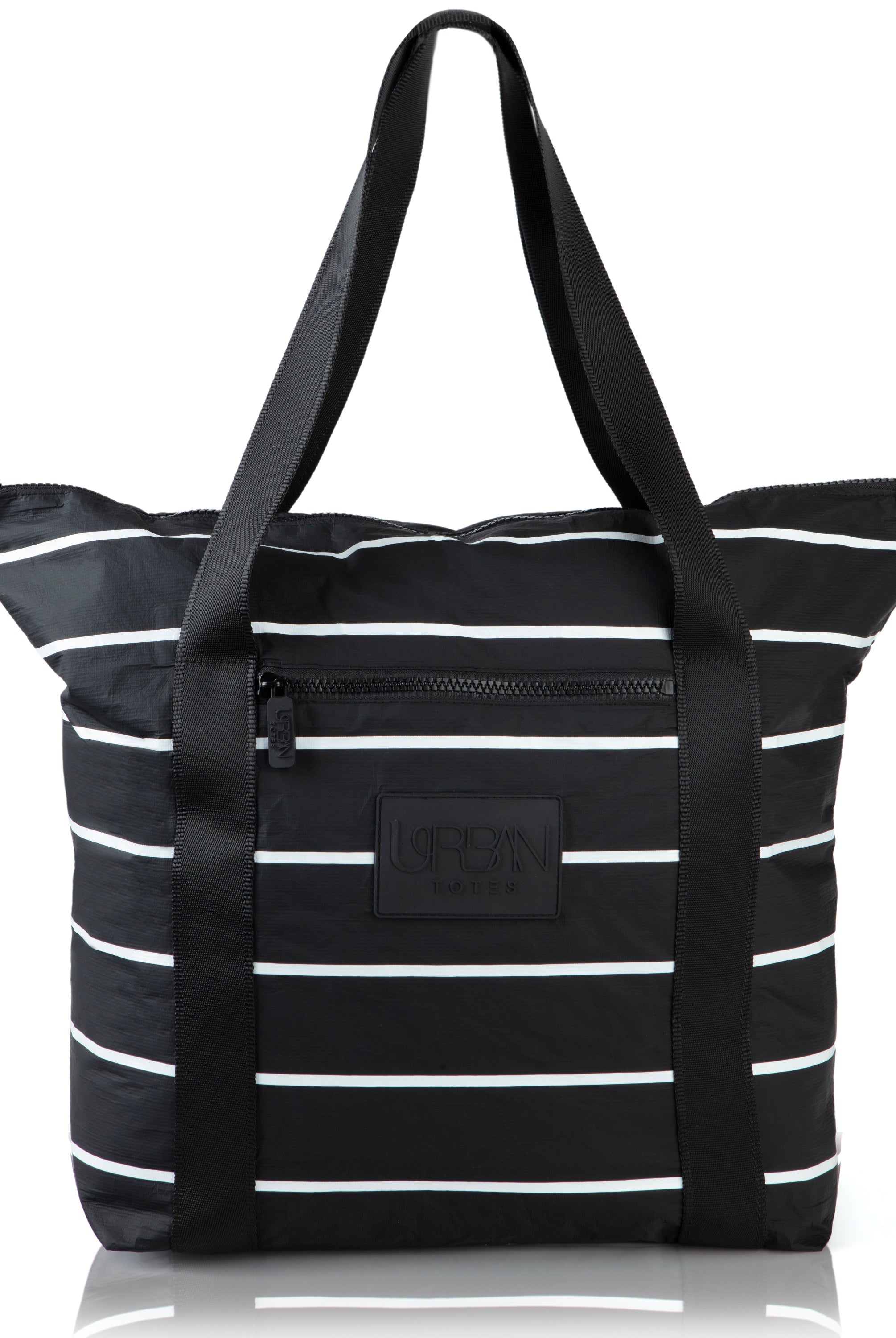
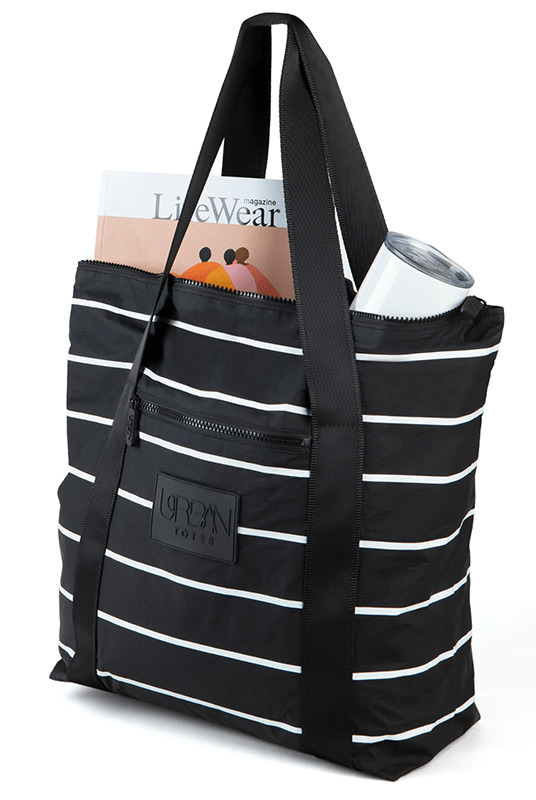
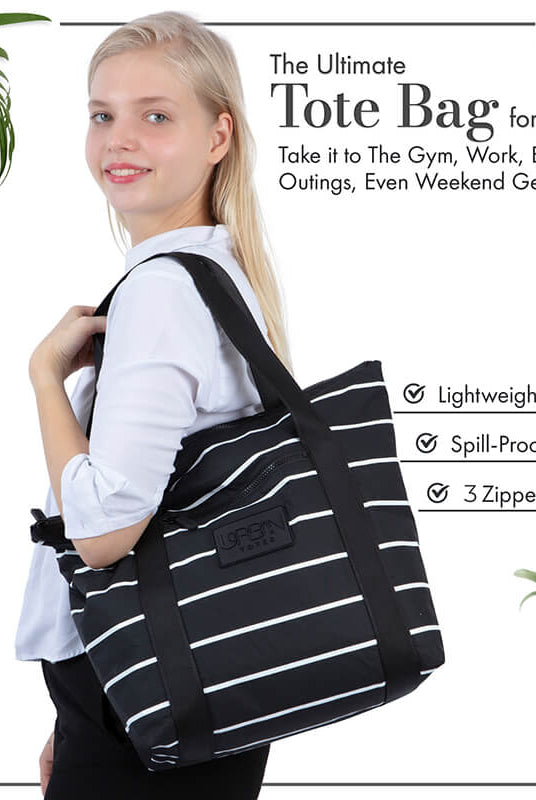
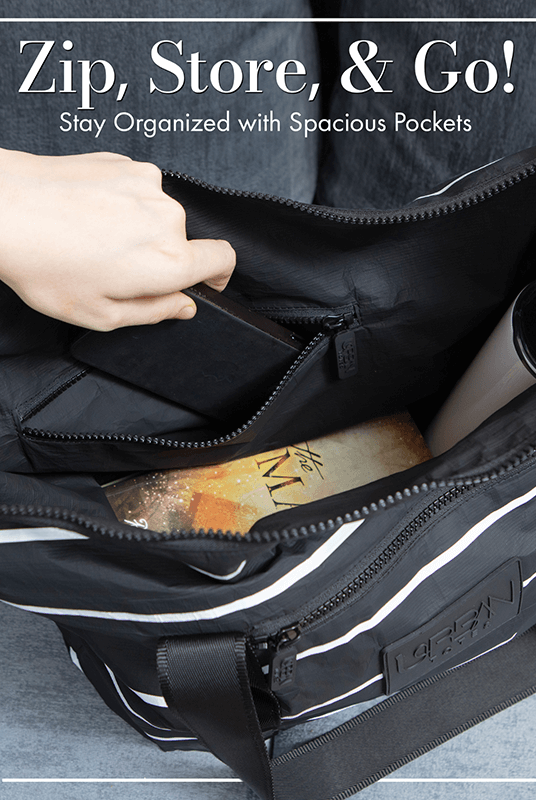
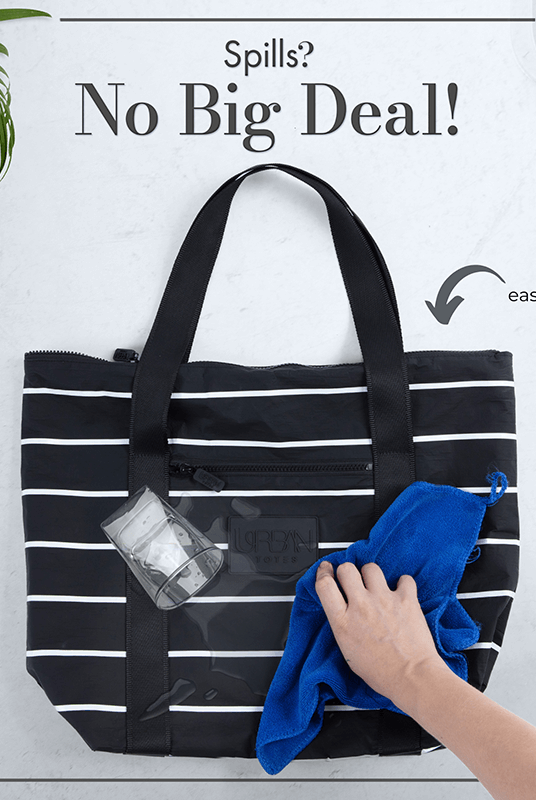
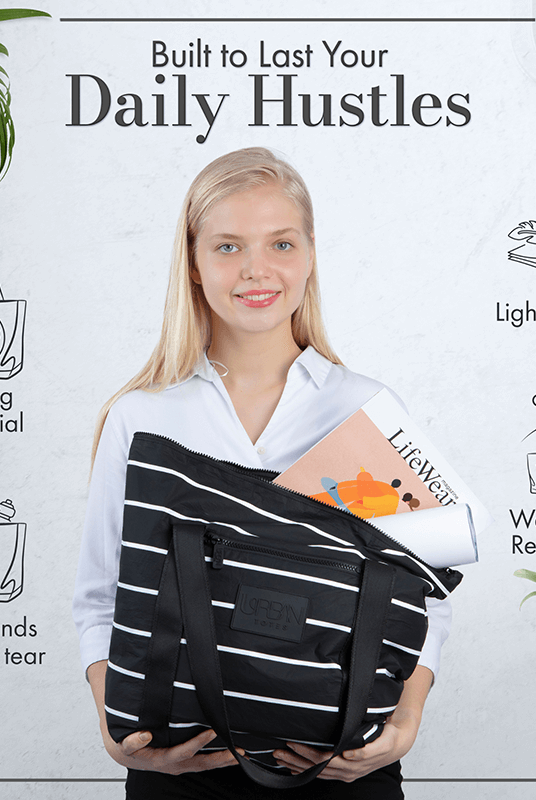
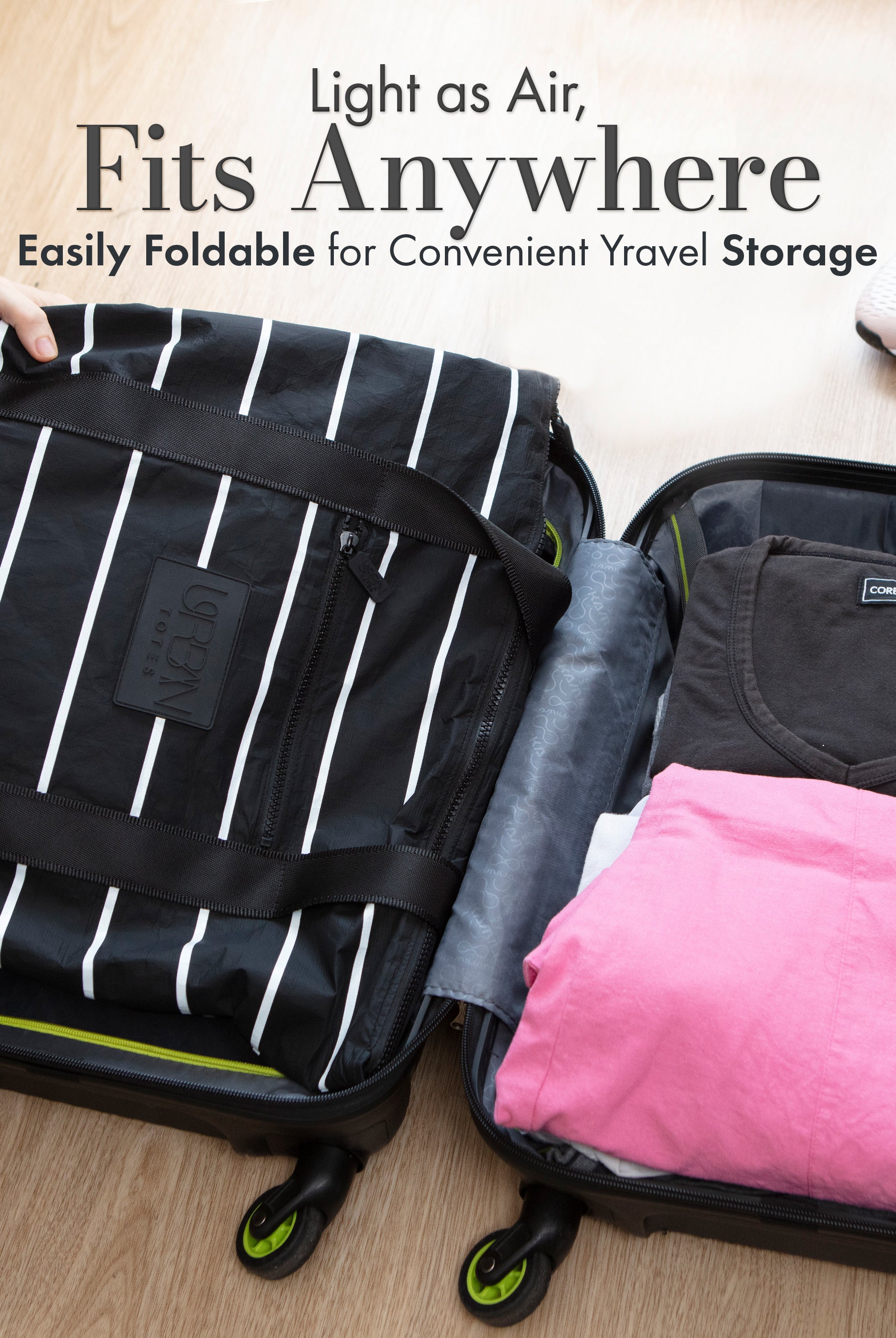
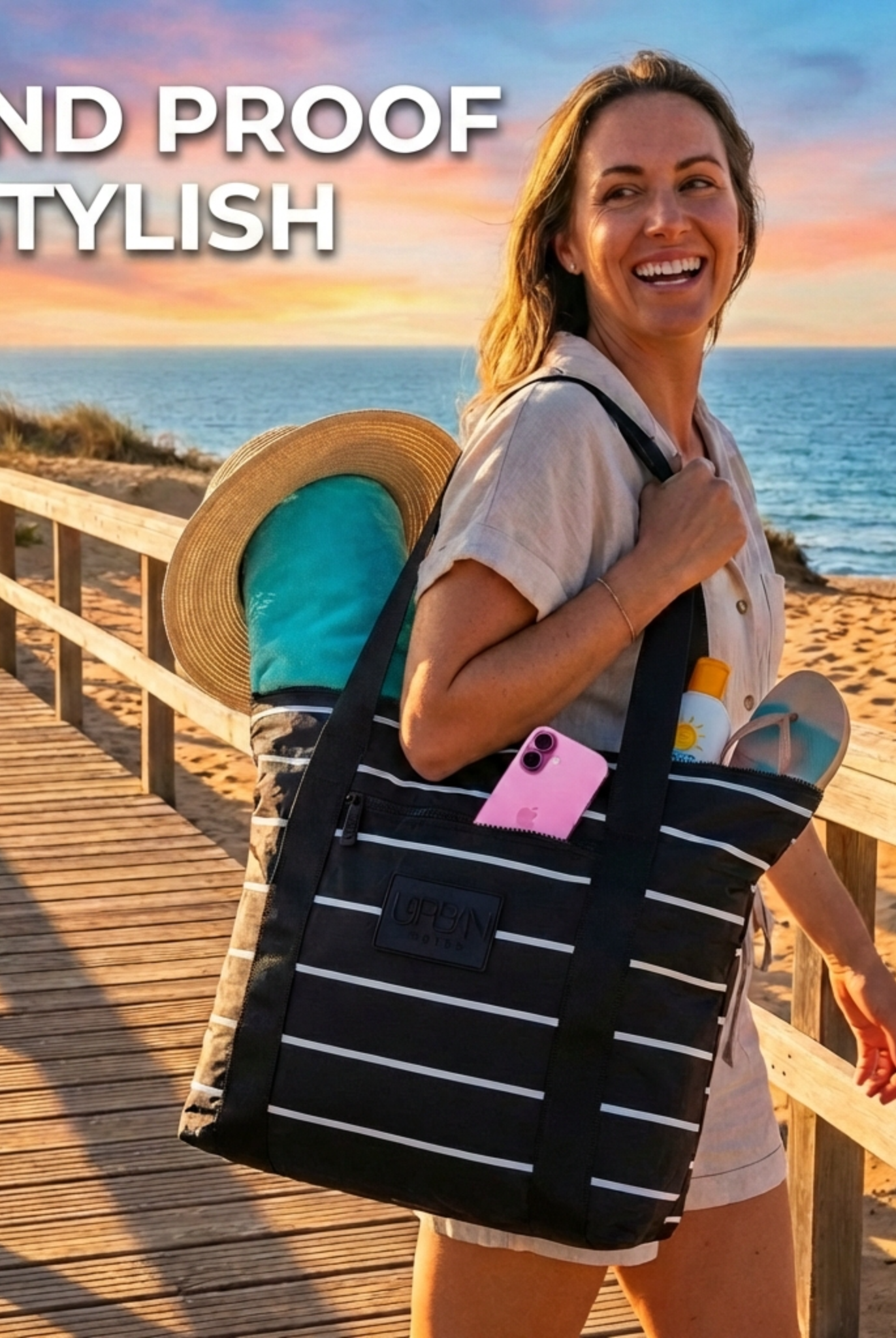
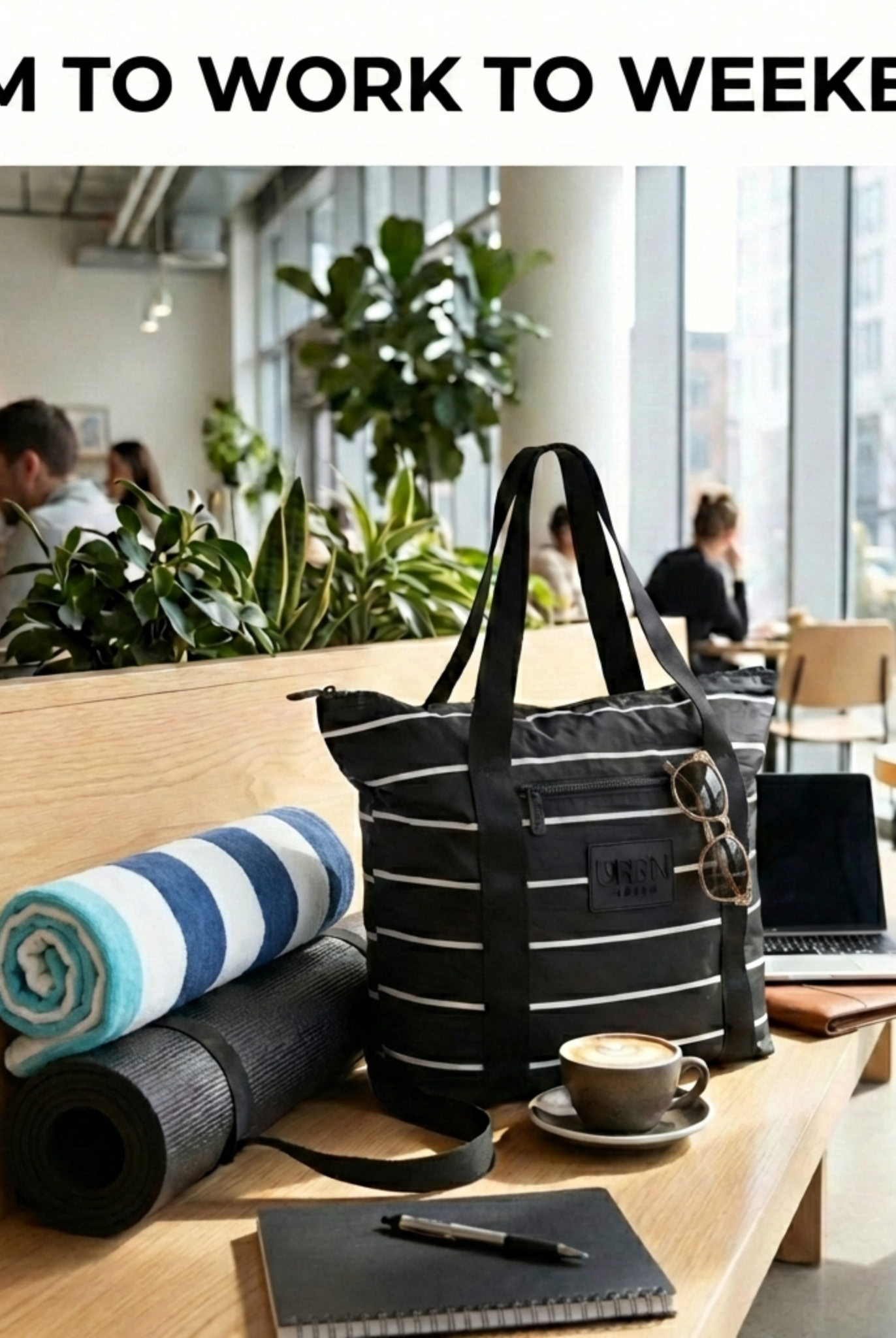
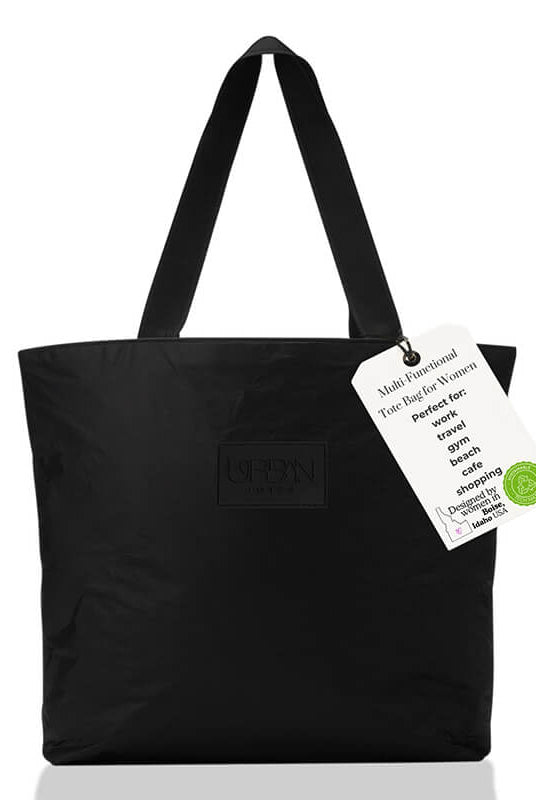
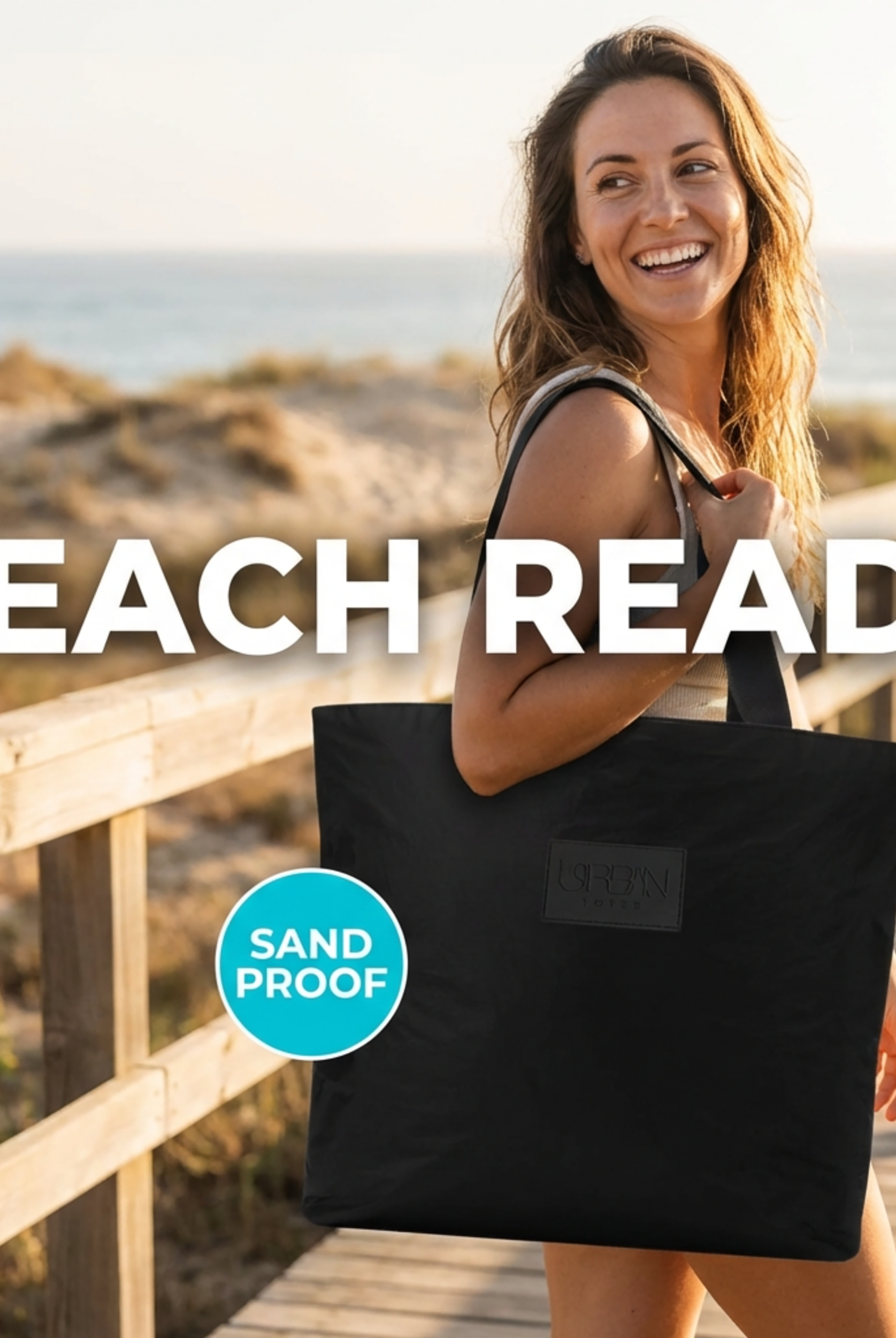
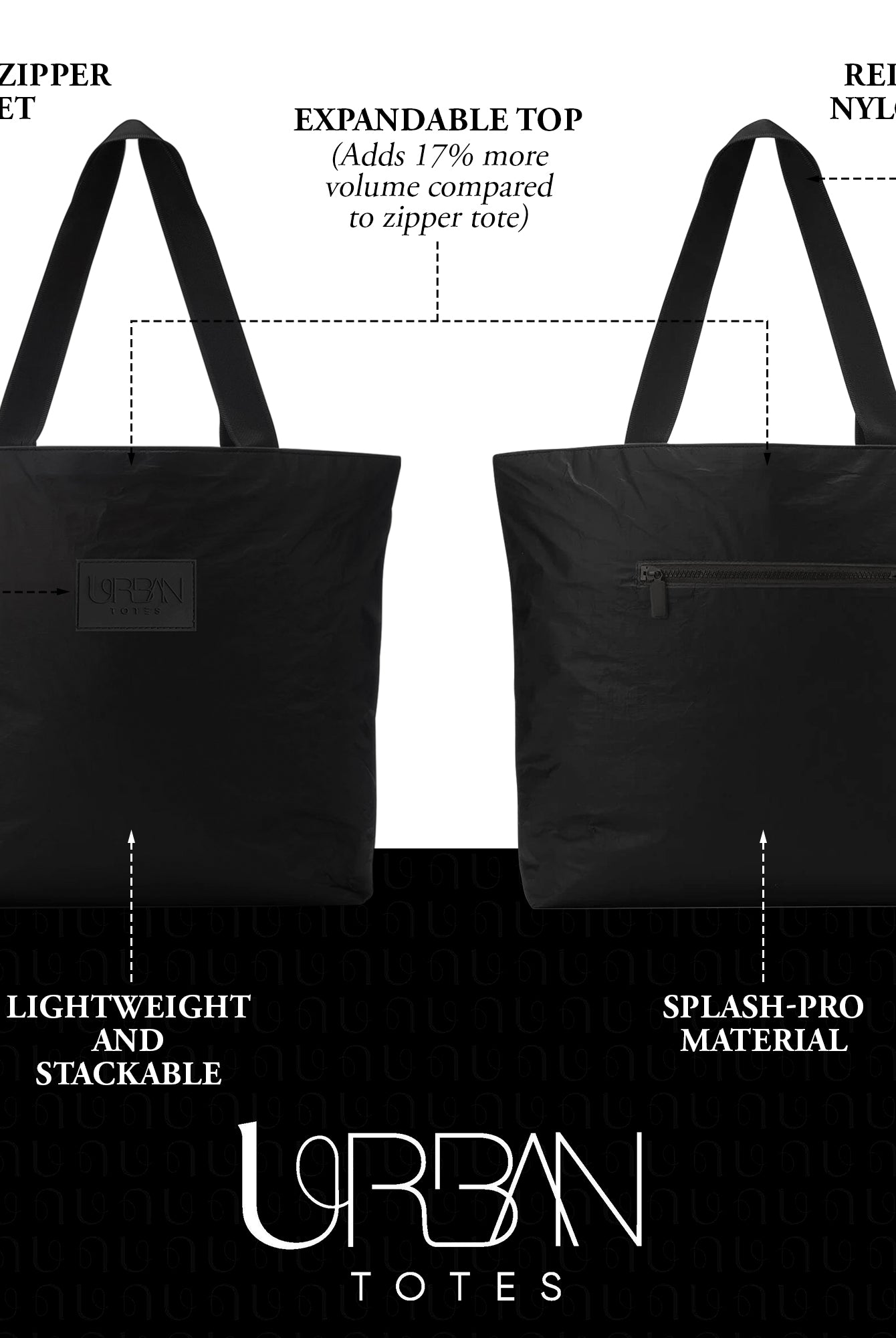
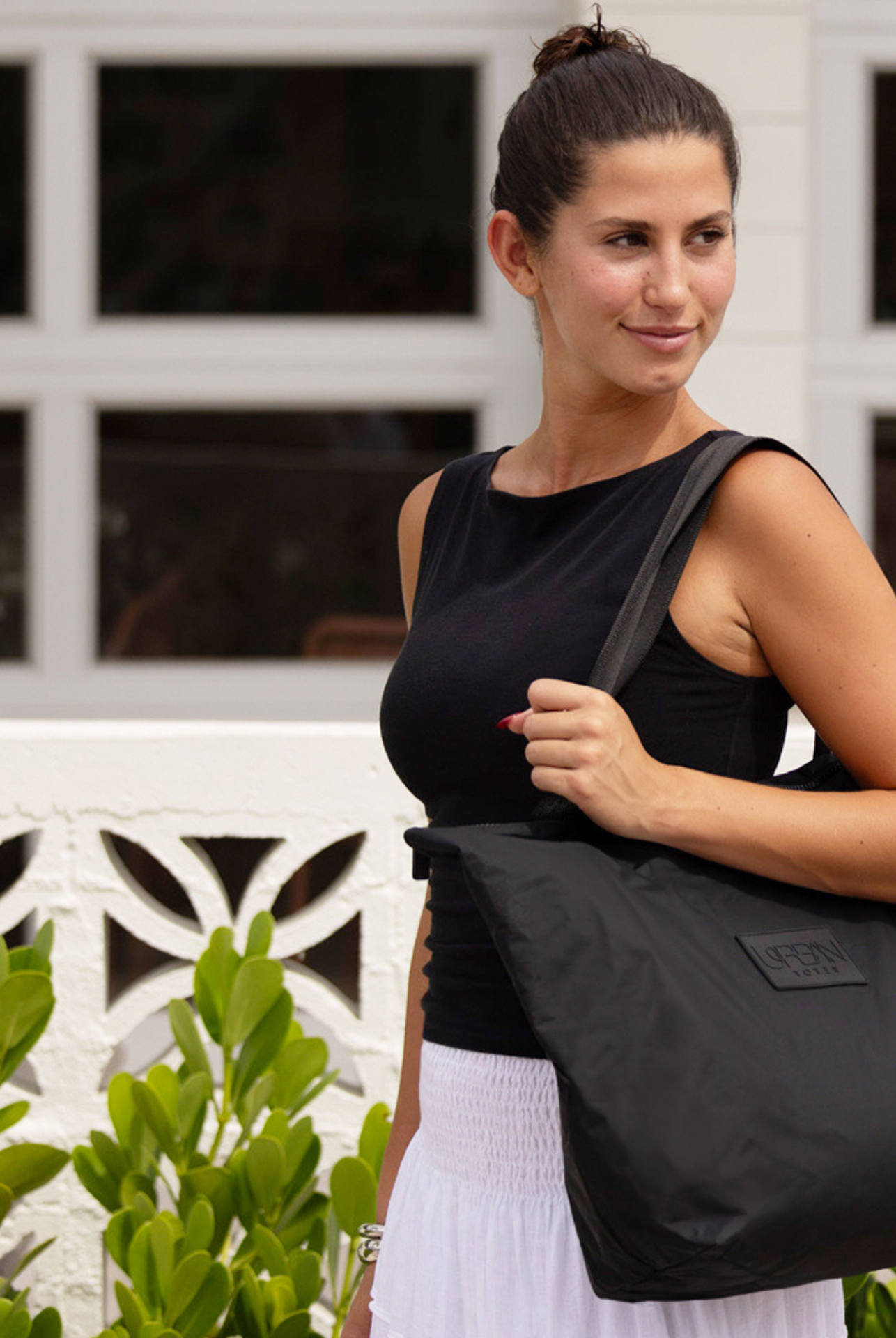
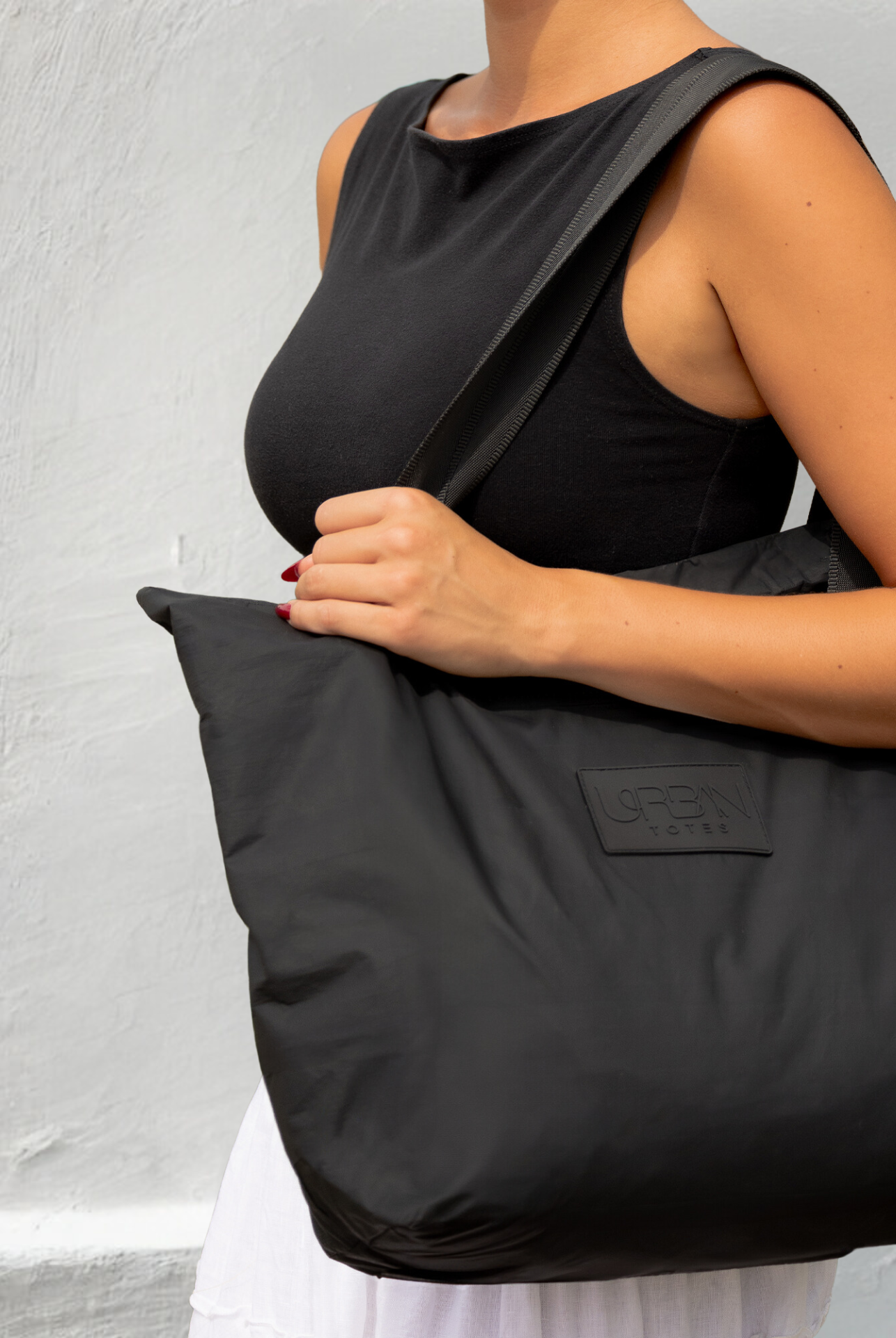
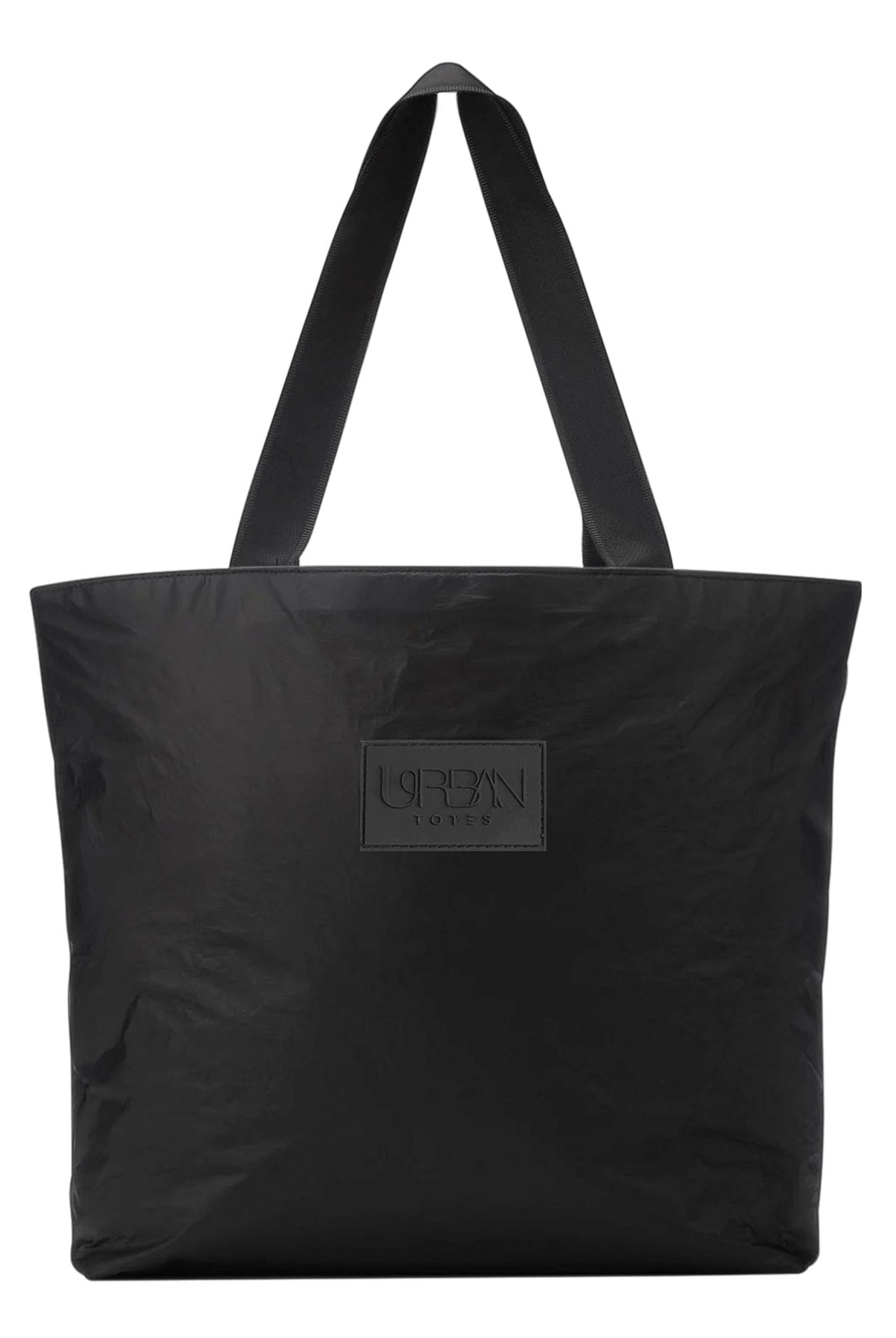
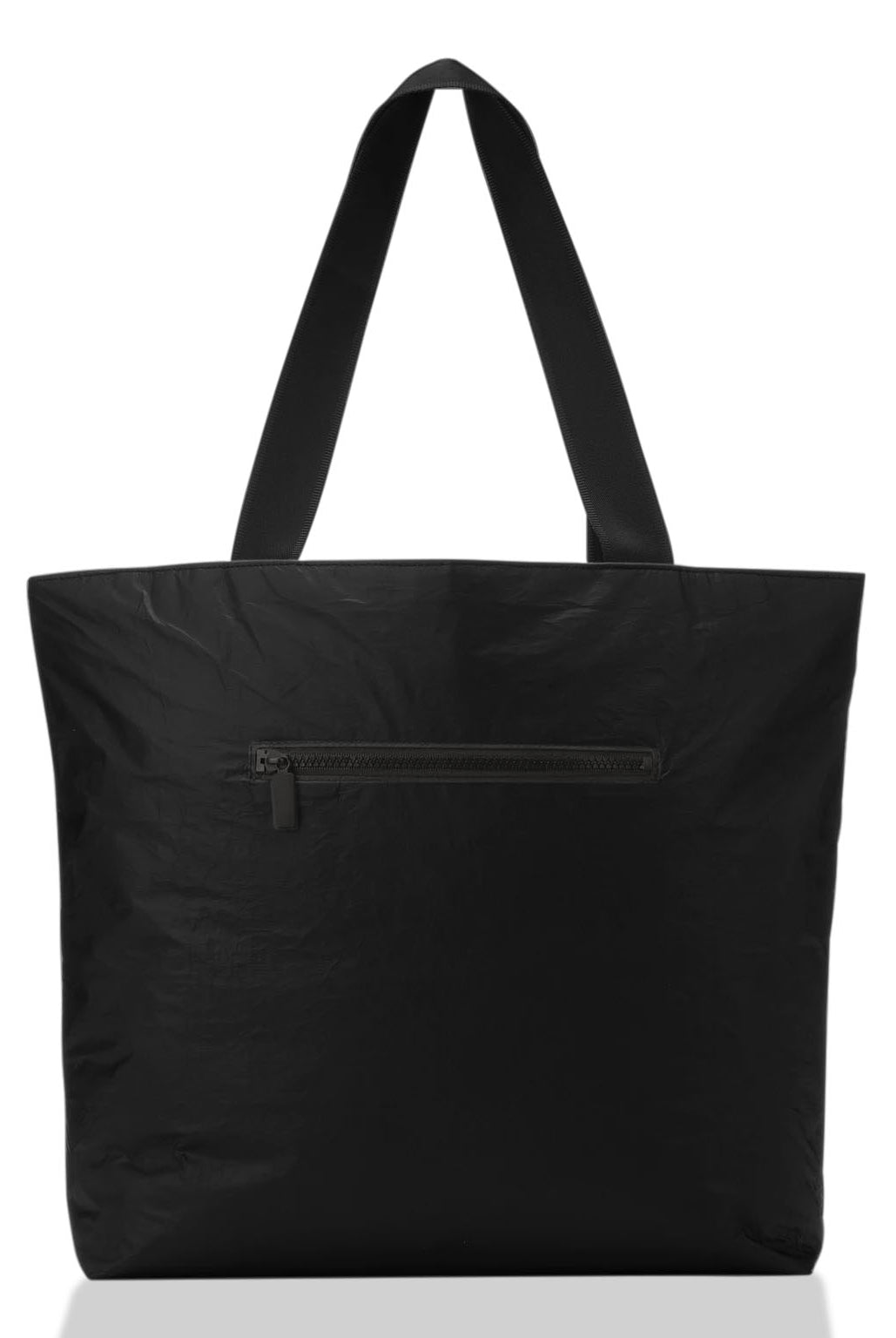
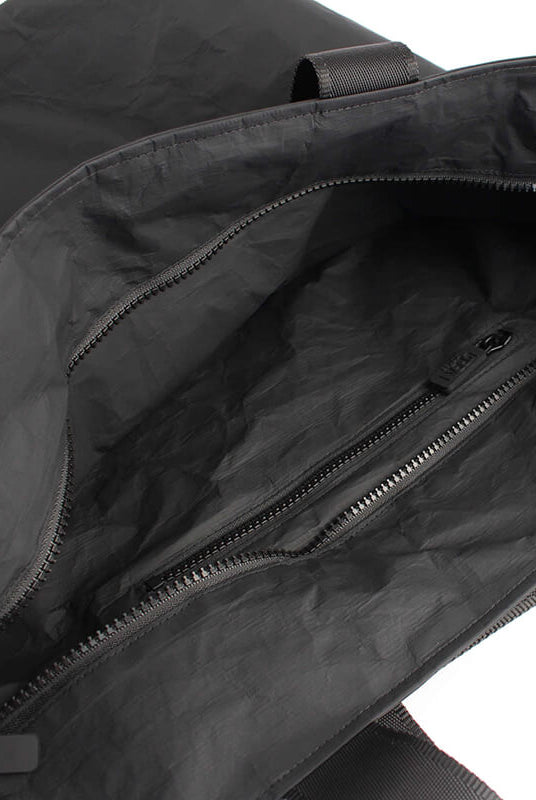
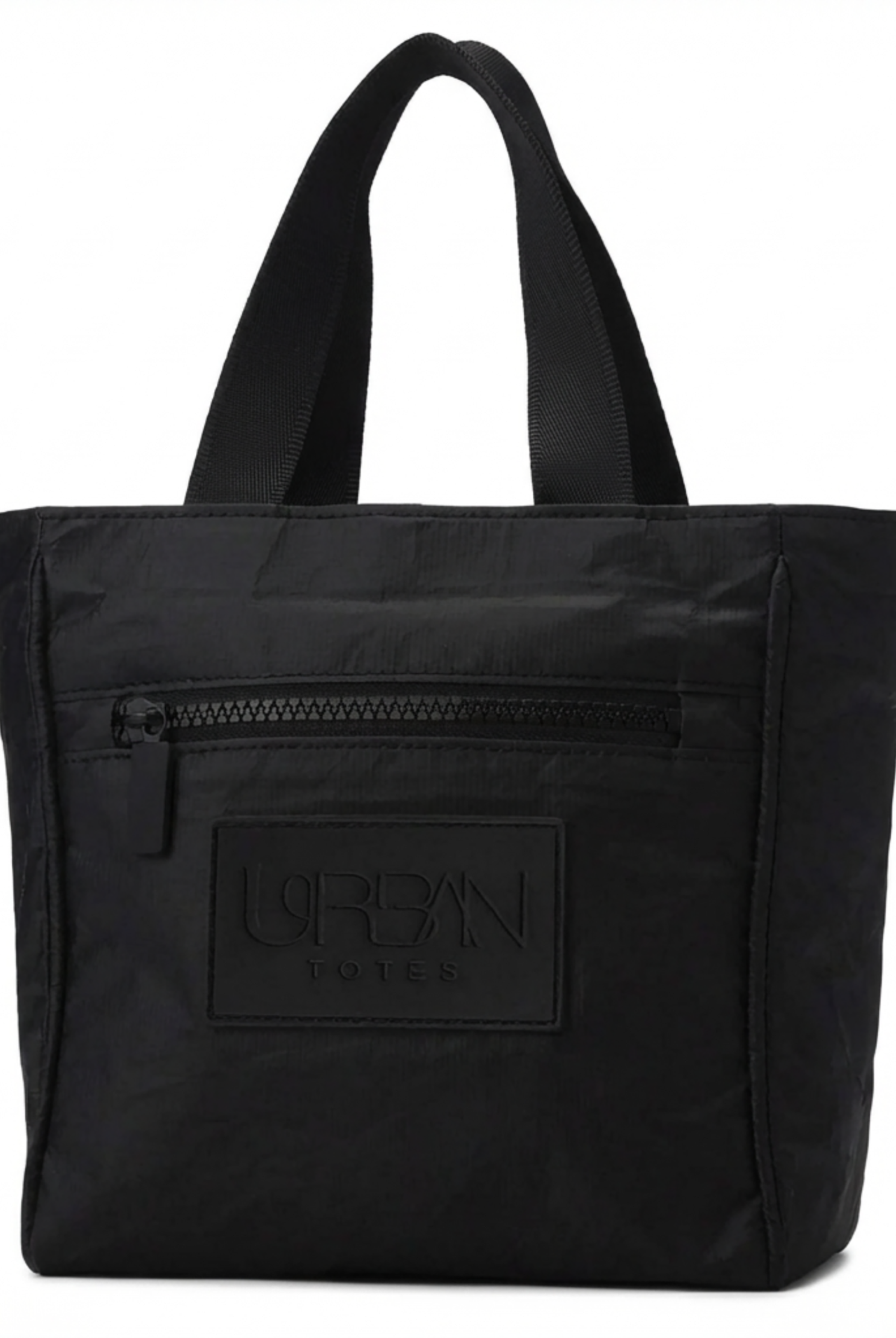
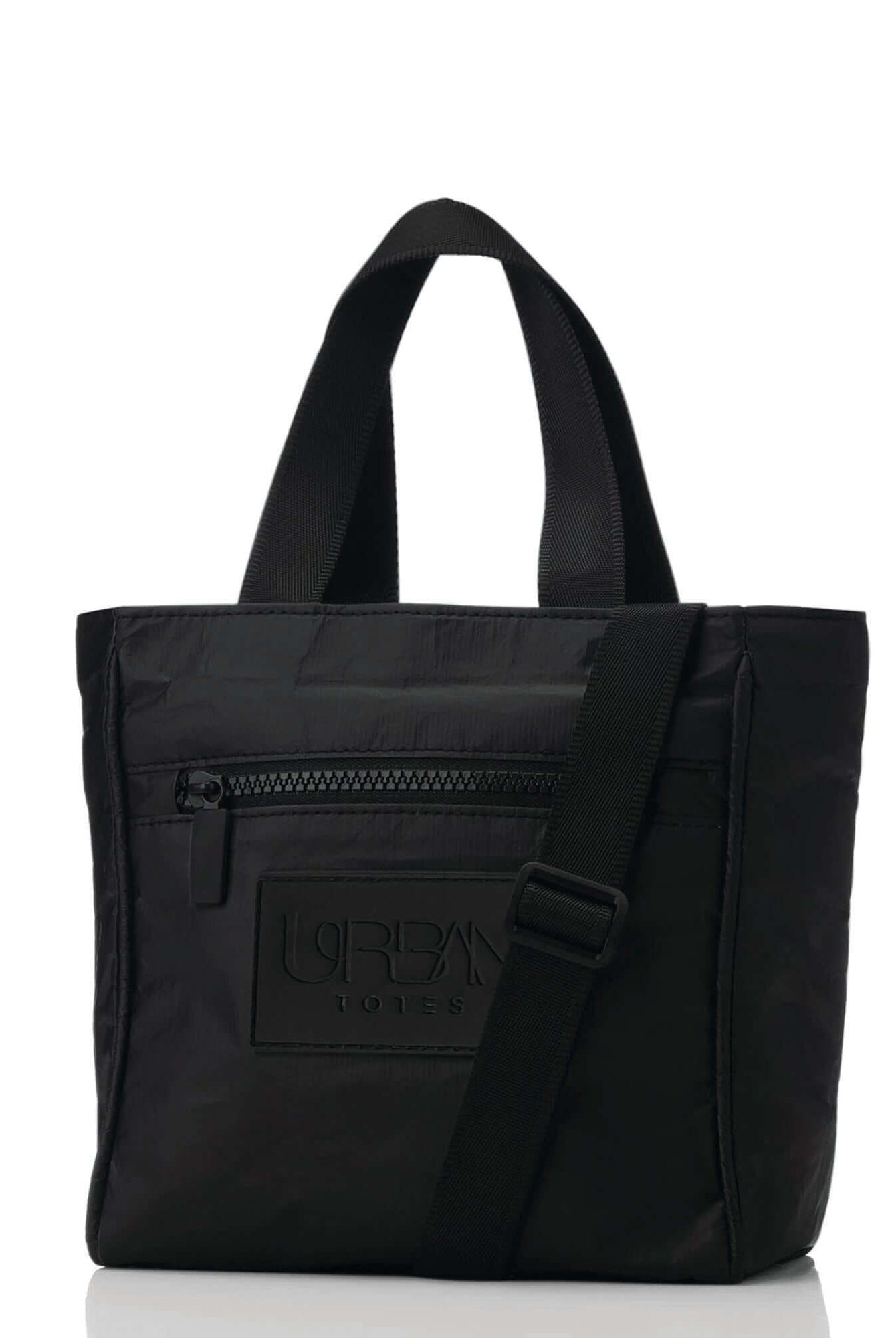
The Elevate Every Adventure with The OG Zipper Tote Bag by Urban Totes illustrates this daily-carry approach with inside and outside zipper pockets, three large pockets, a lightweight packable construction, and a water-resistant exterior. Its stated dimensions are 19 inches wide by 14.5 inches high, making it a carry-all format for errands, beach days, quick city breaks, and travel.
Before choosing, ask one practical question: will you close the bag every time you enter a crowded space, step outdoors, or set it down? If the answer is yes, the zipper earns its place. If you mainly want instant access to tall, awkward items, an open tote may feel more natural.
Key Features That Make the Difference
A zipper alone doesn't make a tote work. The experience depends on how the closure interacts with the straps, pocket layout, and base. Evaluate the bag as a system, because a strong feature can be undermined by a poor companion feature.

Start with the top
Run the slider from end to end. It should feel steady rather than wobbly, and the pull should give you enough room to operate it while the bag is on your shoulder. A closure that opens only partway may preserve structure, but it can make larger items frustrating to remove.
Repeated use creates its own demands. A zipper-cycle protocol for assembled zippers tests the slider under approximately 2 kilograms of lateral tape tension on each side, moves it at 300 millimeters per minute, and inspects the assembly every 500 cycles. In that protocol, a pull-force increase above 25% is treated as a soft failure, while target pull force should remain below 150% of its initial value (zipper cycle testing guidance). You don't need a test rig at home, but the principle matters. Look for smooth operation under the kind of side pressure a full tote creates.
Let the strap carry comfortably
A narrow strap can dig into your shoulder when the bag is full. A short drop can force the tote into your elbow instead of allowing a natural shoulder position. Check whether the strap stays in place over a coat or smooth top, and whether the attachment points look reinforced.
Use pockets as memory aids
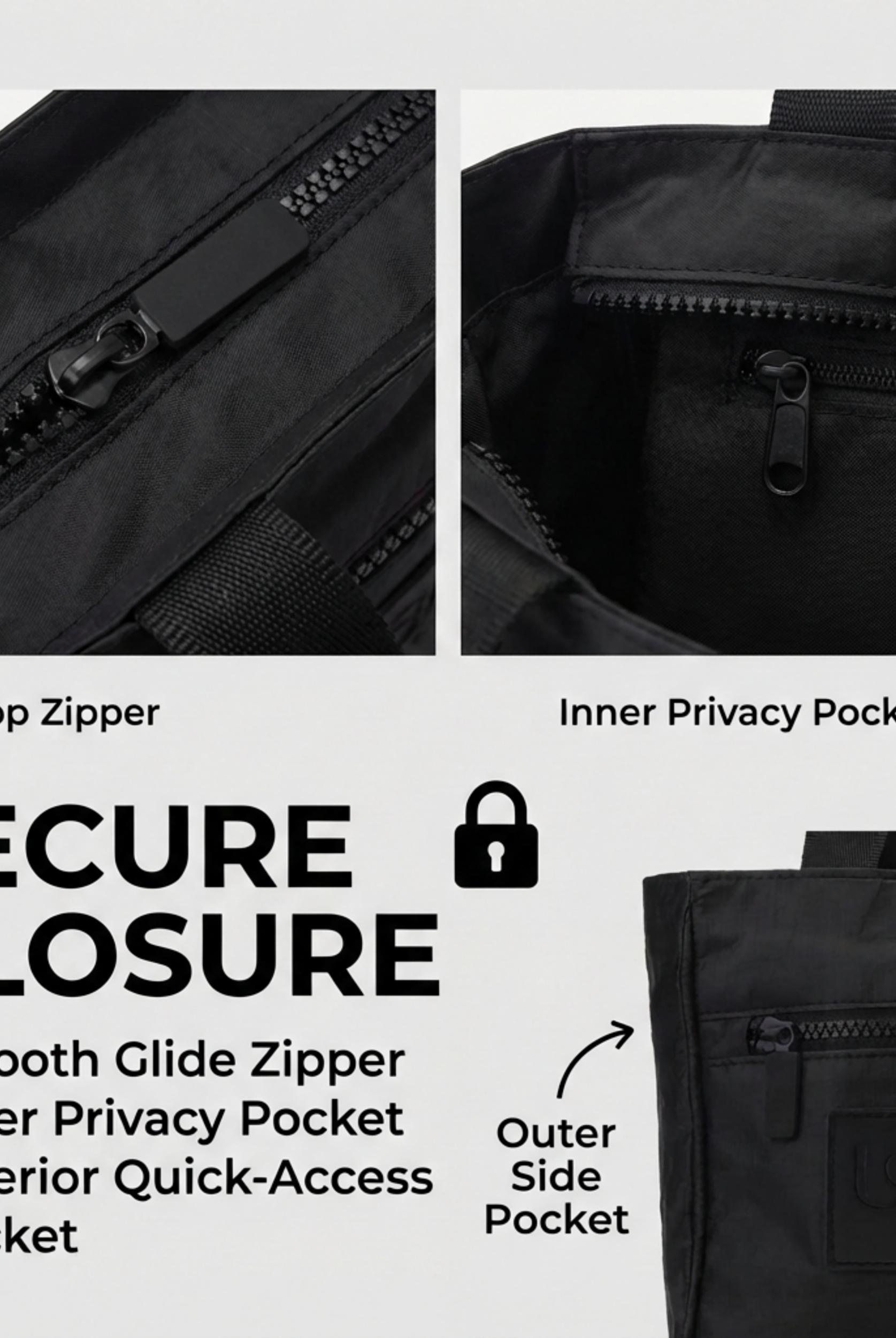
Interior slip pockets suit items you reach for often. Interior zipper pockets give small valuables a contained space. Exterior pockets work well for a phone, transit card, or bottle, provided they don't make the bag swing or pull away from your body.
For a deeper look at how compartments influence the everyday experience, see this guide to tote bag compartments.
Give the base a job
A flat or reinforced base keeps a laptop from sliding into a corner and helps the tote stand while you pack it. A softer base folds more easily and may feel lighter, but it can collapse when loaded. Neither choice is automatically better. Match the base to whether you value packability, structure, or both.
A bag-level testing guide evaluates zipper operation and adjustable components for 50 cycles, then examines bags loaded by size class at approximately 9.1 kilograms, 13.6 kilograms, or 22.7 kilograms, including repeated lifting and a 4-hour hang (bag-level load and fatigue testing). These procedures show why strap stitching, seams, and base construction deserve as much attention as the teeth.
Matching the Bag to Your Real Life
The best tote for a train commute may not be the best tote for a beach afternoon. Start with the scene that repeats most often, then decide which compromises you're willing to make.
The commuter
You're moving through a station with one hand on a rail and a coffee in the other. Look for a zipper that opens smoothly with the tote on your shoulder, a padded or comfortably wide strap, and an interior sleeve that keeps a laptop upright. An exterior quick-access pocket can save time, but important items should still have a closed compartment when you're in a crowd.
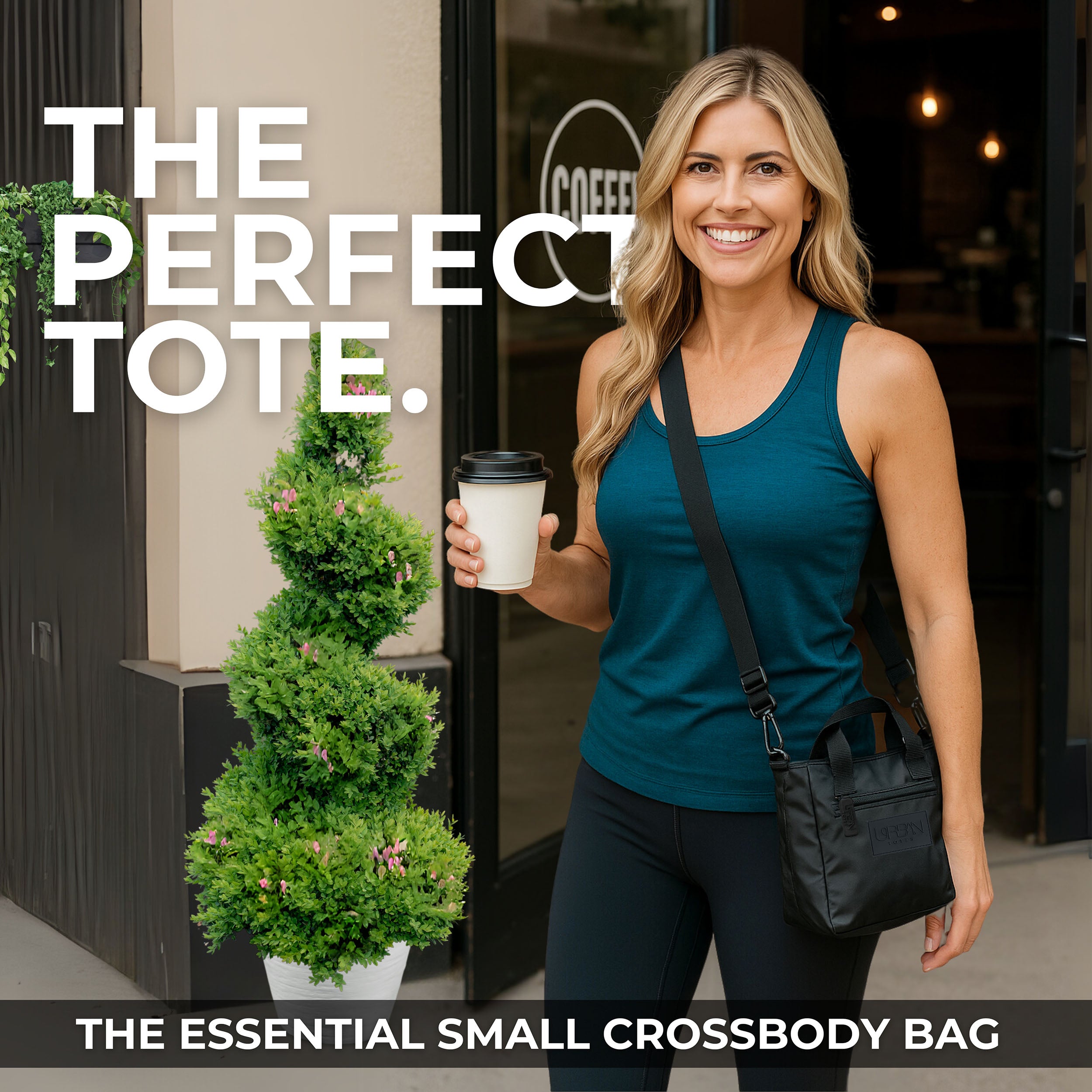
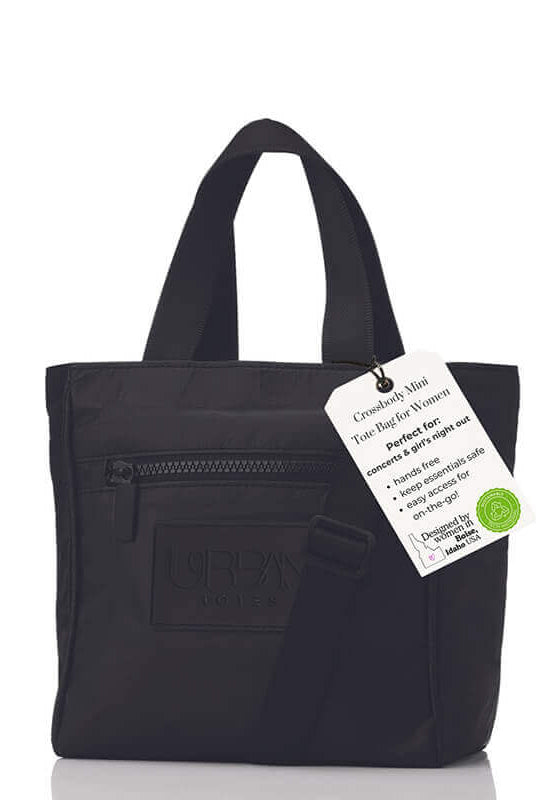
A crossbody option may suit days when posture and hands-free movement matter more than capacity. A tote with a longer, adjustable strap can offer some flexibility without abandoning the broad opening.
The traveler
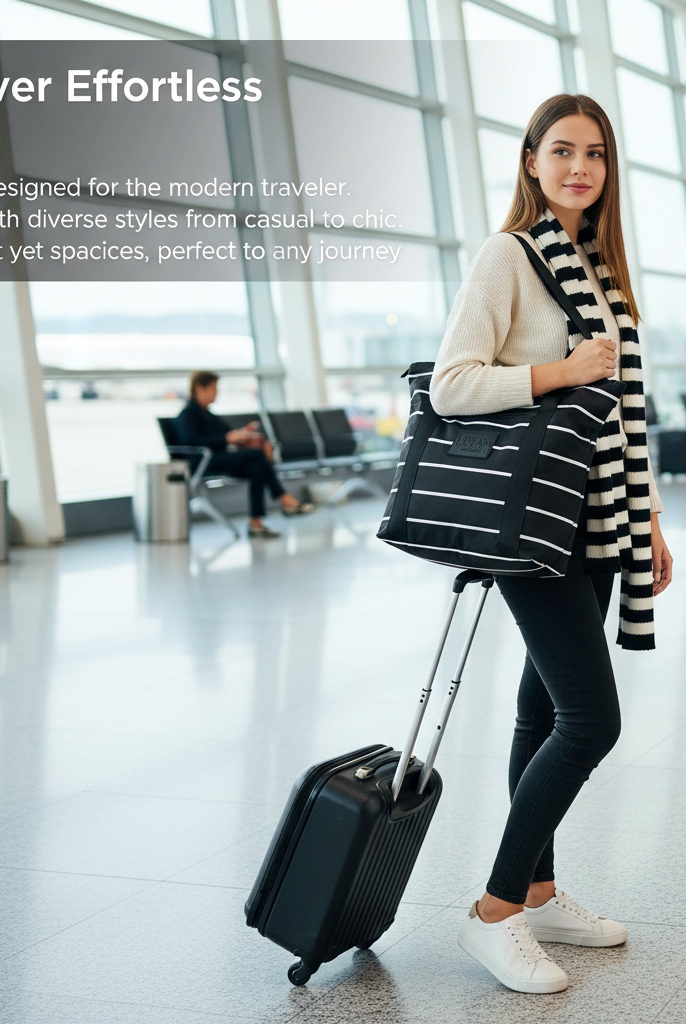
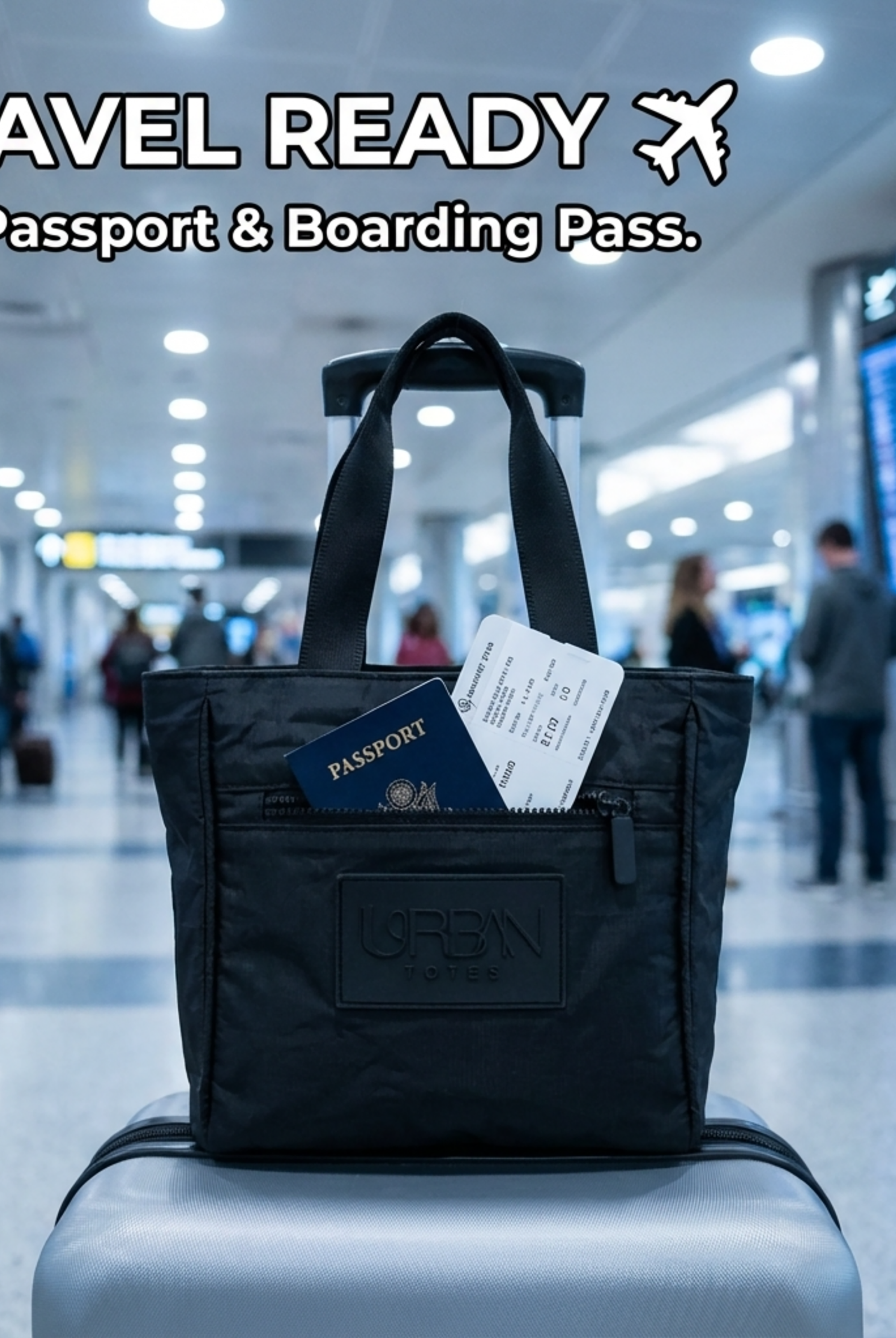
At an airport, you need visibility and containment. A trolley sleeve can keep the bag stable on rolling luggage, while interior key clips and a secure zipper reduce the number of loose pieces you need to track. A packable construction also helps when the tote starts the trip folded and becomes the extra carry on the return journey.
Think about access during security lines and boarding. The closure should protect your contents, but it shouldn't require two hands and a wrestling match to reach a passport or charging cable.
The gym visitor
Gym use introduces separation problems. A wet swimsuit or sweaty clothing shouldn't sit against a laptop, book, or clean layer. Look for side pockets or a dedicated wet-and-dry arrangement, plus enough ventilation if the design includes a shoe or clothing compartment.
A soft, lightweight body can work well here because it accommodates changing loads. The zipper should still run cleanly when the tote is full, since overpacking can distort the opening.
The parent on the move
Parents often need fast access and reliable containment at the same time. A wide opening helps with diapers, snacks, and spare clothing, while exterior bottle pockets keep drinks upright and reachable. A wipe-clean lining can make ordinary spills less disruptive.
A useful test is to pack the bag for a normal Tuesday rather than an imaginary adventure. Include the items you carry, then try opening the zipper, lifting the tote, and finding your keys without emptying it.
Packing and Organizing Like a Quick Daily System
A zippered tote becomes easier to live with when every pocket has a repeatable role. You're not trying to create a perfect arrangement. You're creating a familiar map, so your hands know where to go while your attention stays on the school gate, platform, or checkout line.
Build from the bottom up
Place flat, heavier items at the base. A laptop or tablet should rest against the most stable side, ideally with padding or a dedicated sleeve. This keeps the weight from shifting and prevents fragile electronics from rubbing against keys, chargers, or water bottles.
Use the middle layer for soft, flexible pieces. A sweater, scarf, or pouch can fill gaps without pressing hard against the device. If you carry a lunch container, keep it upright and separated from electronics whenever the pocket layout allows.
Reserve the top and exterior spaces for items you reach for repeatedly:
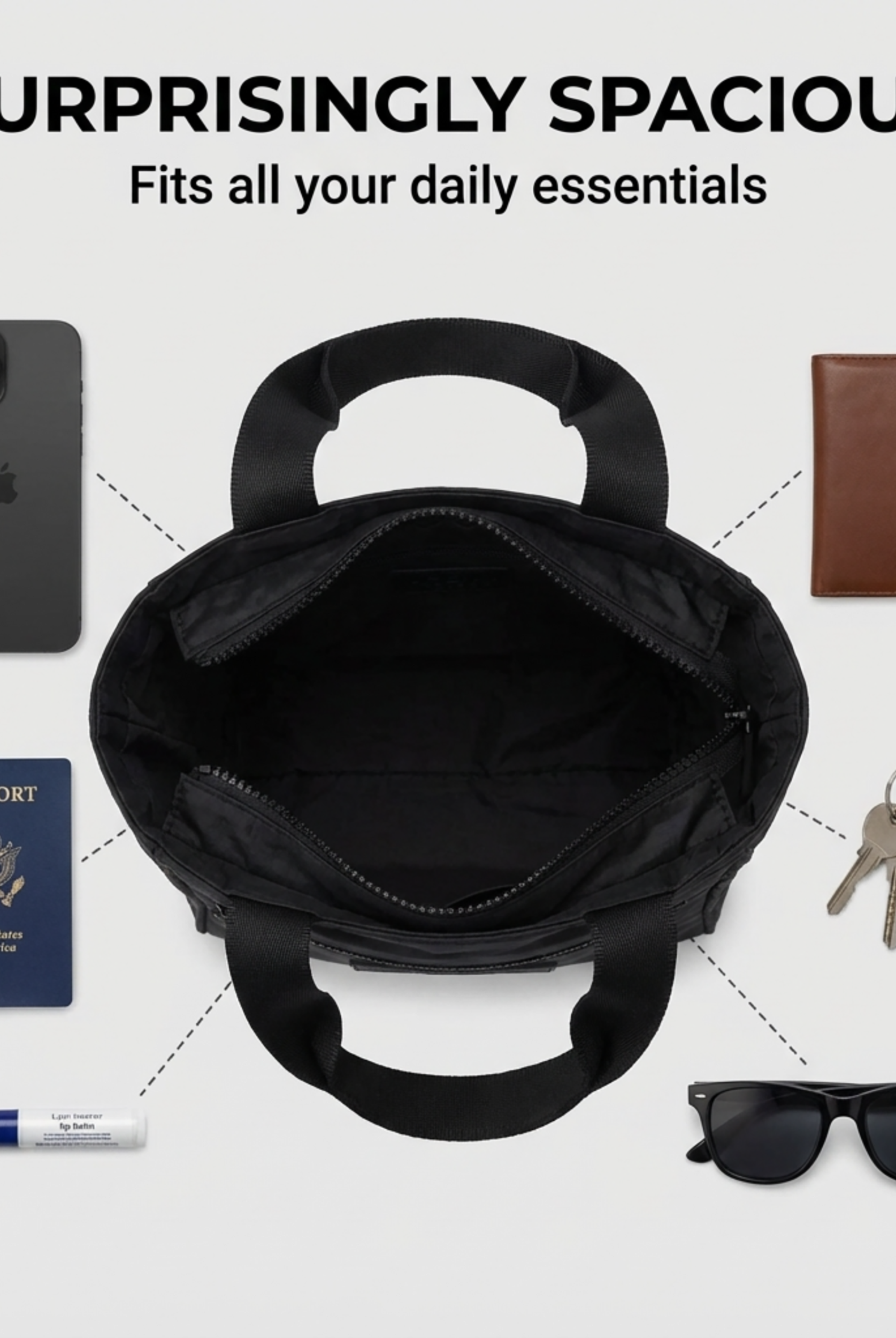
- Interior zipper pocket: Keep cards, keys, and small valuables contained.
- Interior slip pocket: Store sunglasses, a small notebook, or hand cream.
- Exterior quick-access pocket: Place a phone or transit card where you can reach it without opening the main compartment.
- Side pocket: Use it for a water bottle or a change of clothes that needs separation from the main load.
The tote bag organizer with zipper guide can help you think through insert-style organization when a bag's built-in pockets don't match your routine.
Create a portable reset
Keep small essentials in one pouch that can move from work tote to weekend bag. Chargers, lip balm, pens, and small personal items then travel together instead of scattering across several interiors. A key leash can serve the same purpose for the item that disappears most often.
Close the zipper before lifting the tote from the floor. That small habit keeps the top from gaping as the contents settle and gives you a quick visual check that nothing is protruding.

Organization should reduce friction, not add chores. If a pocket is too narrow for the item it's meant to hold, stop forcing the system and assign that pocket a better job.
Materials, Water Resistance, and Care You Can Trust
Material changes how a tote feels before you ever fill it. Recycled polyester, recycled nylon, coated canvas, and treated leather each bring a different balance of weight, abrasion resistance, structure, and care.
Recycled polyester, often called rPET, is commonly made by melting post-consumer plastic bottles and re-spinning them into yarn. Industry guidance describes the resulting fabric as retaining polyester's tensile durability and moisture resistance while using a recycled feedstock (recycled polyester tote material guidance). That doesn't mean every recycled fabric feels identical. Weave, coating, lining, and construction still determine the finished bag.
| Material | Water Resistance | Durability | Care |
|---|---|---|---|
| Recycled polyester | Often moisture-resistant, depending on weave and finish | Useful for lightweight everyday carry and travel | Wipe or wash only as the care label allows |
| Recycled nylon | Commonly light and resistant to abrasion | Suits foldable, travel-ready designs | Gentle cleaning, avoid high heat |
| Coated canvas | The coating can resist light moisture and stains | More structured hand-feel, with weight varying by build | Spot clean and protect the coating |
| Treated leather | May handle light moisture when properly treated | Can develop character, but trims need attention | Condition as directed and avoid soaking |
Water resistance is specific, not magical. A tote example made from 900D recycled PET pairs a water-resistant exterior with a water-resistant zipper closure (weather-resistant recycled PET bag example). That can be useful during a drizzle or damp beach setup, but water-resistant fabric doesn't automatically make seams fully waterproof.
Care protects the useful features
Spot clean coated fabrics instead of scrubbing aggressively. Technical synthetics may tolerate a gentle machine cycle when the maker permits it, but high heat can weaken coatings or distort shape. Leather trims need different treatment, and prolonged soaking can mark or stiffen them.
If you're planning a cruise or a beach-heavy itinerary, a guide to a compact tote for cruise luggage offers useful context for thinking about folded storage and secondary carry. For a closer look at construction choices, explore tote bag material options.
What to Check Before You Buy and Common Myths
A zipper makes a tote harder to open casually, but it doesn't make the bag theft-proof. Product analysis also notes that repeated zipping and unzipping can wear the teeth over time, while a zipper remains a physical barrier rather than an absolute security solution (zippered versus open-top tote security analysis).
The better question is whether the whole closure assembly is suited to your use. Look at the zipper gauge, slider construction, tape, and the stitching around the ends. A smooth pull is encouraging, but the surrounding seams must also hold their shape when the tote is filled.
A two-minute inspection
Use this quick sequence in a shop or when an order arrives:
- Run the zipper: Open and close it several times. Notice catching, uneven resistance, or a slider that twists.
- Inspect the lining: Look for clean seams and a lining that doesn't pull away from the top edge.
- Check the base: Look for feet, reinforcement, or a bottom panel that suits how you set the tote down.
- Test the straps: Gently pull each strap near its attachment point. The stitching shouldn't look sparse, puckered, or loose.
- Study the hardware: Check whether rings, clips, and zipper pulls have a consistent finish without rough edges.
Don't confuse weight with quality
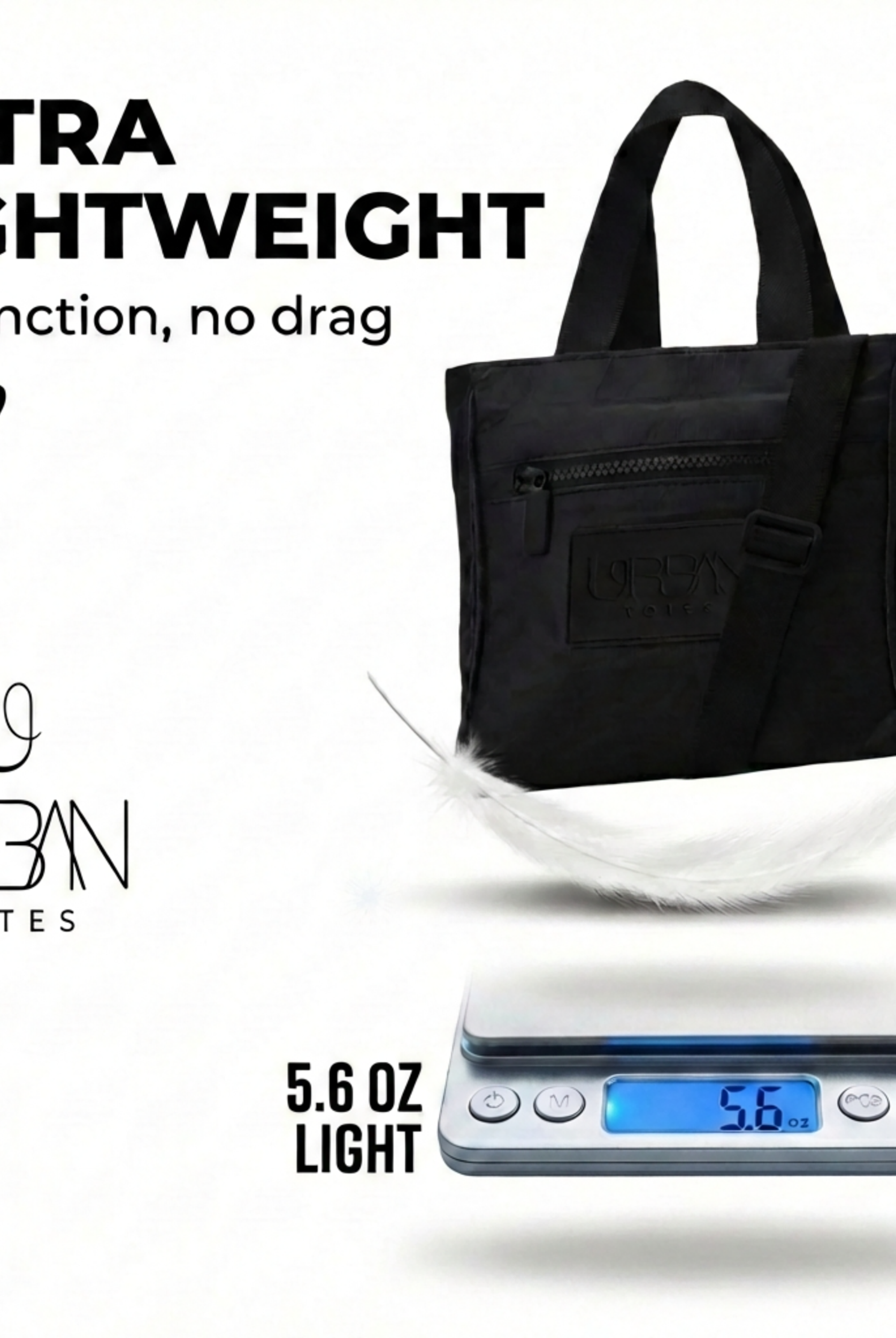
A heavier fabric can feel more substantial, while a lighter technical textile may deliver the packability you need. A stated 600D fabric generally reads more sturdy than a thin 300D fabric, but denier alone doesn't determine the finished product. Weave, coating, seam work, lining, and pattern design all matter.
Coated nylon doesn't automatically look or feel cheap. Vegan leather can be durable in the right construction, while a large tote can become inconvenient when its extra capacity encourages overpacking. For a plain-language explanation of the difference between water resistance and waterproofing, read is water-resistant the same as waterproof.
Finding the Tote That Moves With You
A zippered tote earns its place through repetition. It handles the Tuesday that begins with school drop-off, continues through a commute, detours into errands, and ends with a gym session or dinner. If you have to empty it, shift the straps, or fight the closure each time the setting changes, the design isn't supporting your routine.
Three decisions deserve the most attention.
First, choose closure behavior for your environment. Crowded trains, airport terminals, and stroller-side errands favor a zipper you can operate confidently and close fully. Open access may matter more for a beach chair, farmers market, or day when you're carrying tall items.
Second, match the material to your climate and habits. A water-resistant, lightweight, foldable textile suits changing weather and travel storage. Recycled polyester can retain polyester's tensile durability and moisture resistance, while the finish and construction still determine how the complete tote performs. A structured coated canvas or treated leather may better suit a polished work wardrobe, but each requires its own care routine.
Third, make the pockets mirror your day. A phone slot belongs where your hand naturally reaches. Keys need a dependable home. Electronics need a stable position, and damp or bulky items deserve separation. A bag feels organized when its architecture matches your movements, not when it contains many compartments.
For days when you want to adjust how the tote sits on your shoulder, an adjustable shoulder strap can change the carry experience without changing the rest of your system.
Urban Totes is a woman-owned Boise-made brand focused on versatile, modern bags with water-resistant, lightweight, packable, foldable construction and thoughtful organization for commuting, errands, gym sessions, beach days, and travel. Visit Urban Totes to find a go-anywhere tote that helps you tote everything with less daily friction.