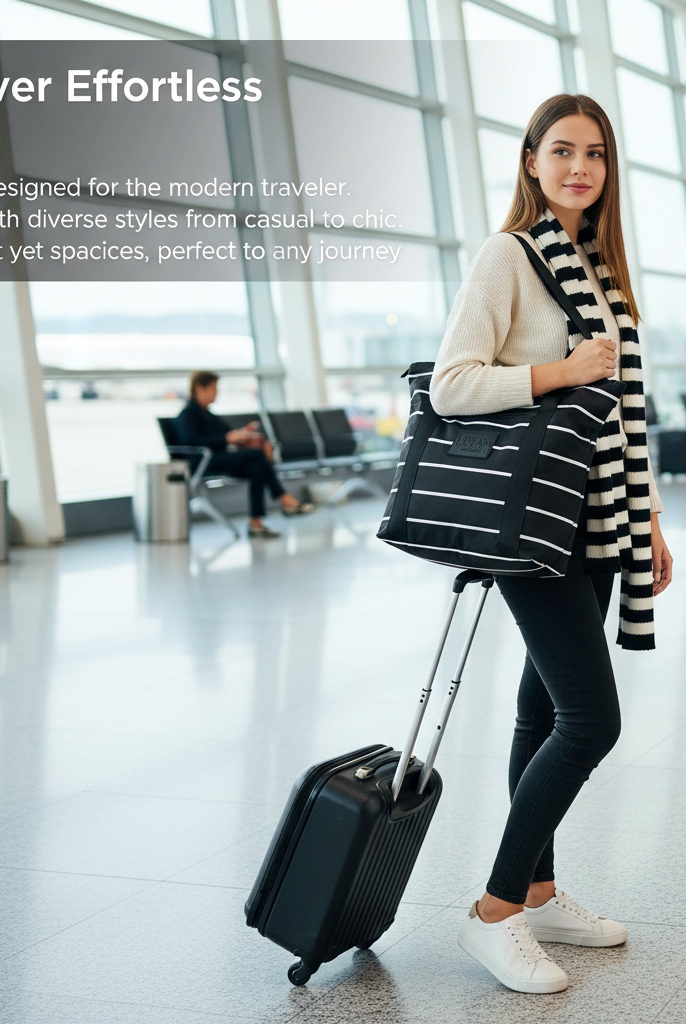
You're halfway through the airport when your phone disappears beneath a water bottle, your passport slips under a scarf, and the strap starts digging into your shoulder. At security, the bag is too full to close neatly. At the gate, you're wondering whether it fits beneath the seat or whether you'll need to rearrange everything while a line forms behind you.
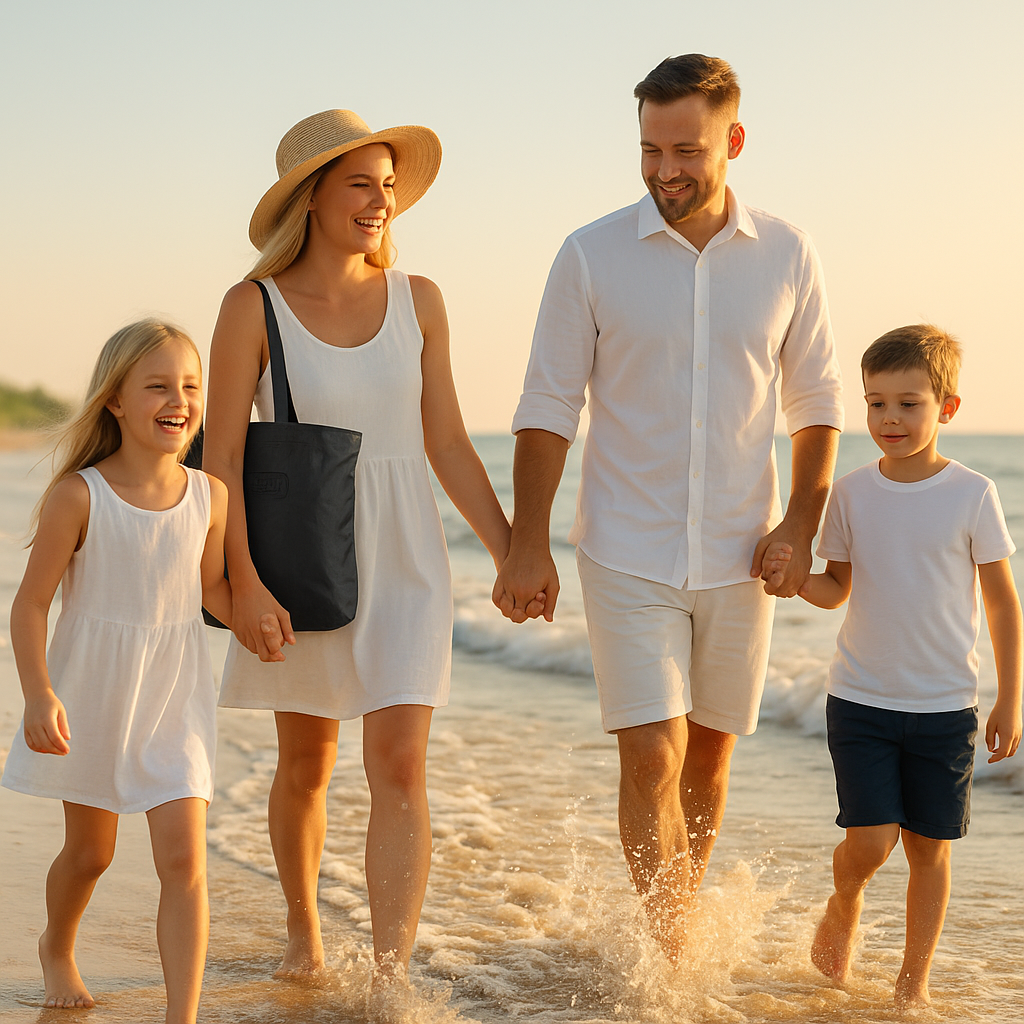
The right travel handbag for women removes that friction. It should move from school drop-off to the airport, from a farmers market to a beach chair, without becoming heavy, chaotic, or awkward. Style matters, but airline practicality, organization, material performance, and all-day comfort matter more.
Table of Contents
- The Reality of Traveling with the Wrong Bag
- Essential Features Every Travel Handbag Needs
- How to Choose a Bag for Your Travel Style
- Tote vs Crossbody vs Weekender
- Smart Packing and Organization Strategies
- Understanding Materials and Durability
- Finding Your Perfect Go-Anywhere Companion
The Reality of Traveling with the Wrong Bag
A poorly chosen handbag turns an ordinary travel day into a series of small problems. The open tote that looked effortless in a hotel mirror becomes a deep fabric pit at the boarding gate. Your keys settle beneath receipts, your charger tangles around sunglasses, and your passport ends up in the one pocket you can't reach while holding coffee.

The physical burden adds up, too. A handbag can feel manageable when you leave home, then become uncomfortable after a long terminal walk, a train transfer, and an afternoon of sightseeing. A single shoulder strap concentrates the load, especially when the bag has no structure and heavier items drift away from your body.
The airport test: If you can't find your passport, phone, and keys without unpacking the bag, the design is working against you.
Airline rules create another common failure point. A personal item and a carry-on aren't interchangeable, and a spacious handbag can become a problem if it can't fit under the seat or close securely. Before choosing a style, compare the bag's dimensions with the airline's current rules and use this practical guide to understand the difference between a carry-on bag and a personal item.
A travel handbag is a load-bearing everyday tool, not merely an accessory. It carries documents, electronics, snacks, cosmetics, and small items you need immediately. The best design keeps those belongings protected and findable while still looking appropriate with a blazer, denim, swimwear, or a casual weekend outfit.
That's why I judge a travel handbag by four questions: Can it close? Can it organize? Can you carry it comfortably? Can it handle the conditions you'll encounter? A bag that answers yes to all four will serve you far better than one chosen only for its silhouette.
Essential Features Every Travel Handbag Needs
Women aren't a niche audience in the bag category. The global bags market was valued at USD 91.02 billion in 2025 and is forecast to reach USD 125.18 billion by 2031, with a 5.52% CAGR from 2026 to 2031, according to Mordor Intelligence's bags market data. Women represented 57.14% of global market value in 2025, which helps explain why travel totes, crossbody bags, and carry-on handbags now need to satisfy serious everyday demands rather than function as occasional fashion pieces.

Start with closure and organization
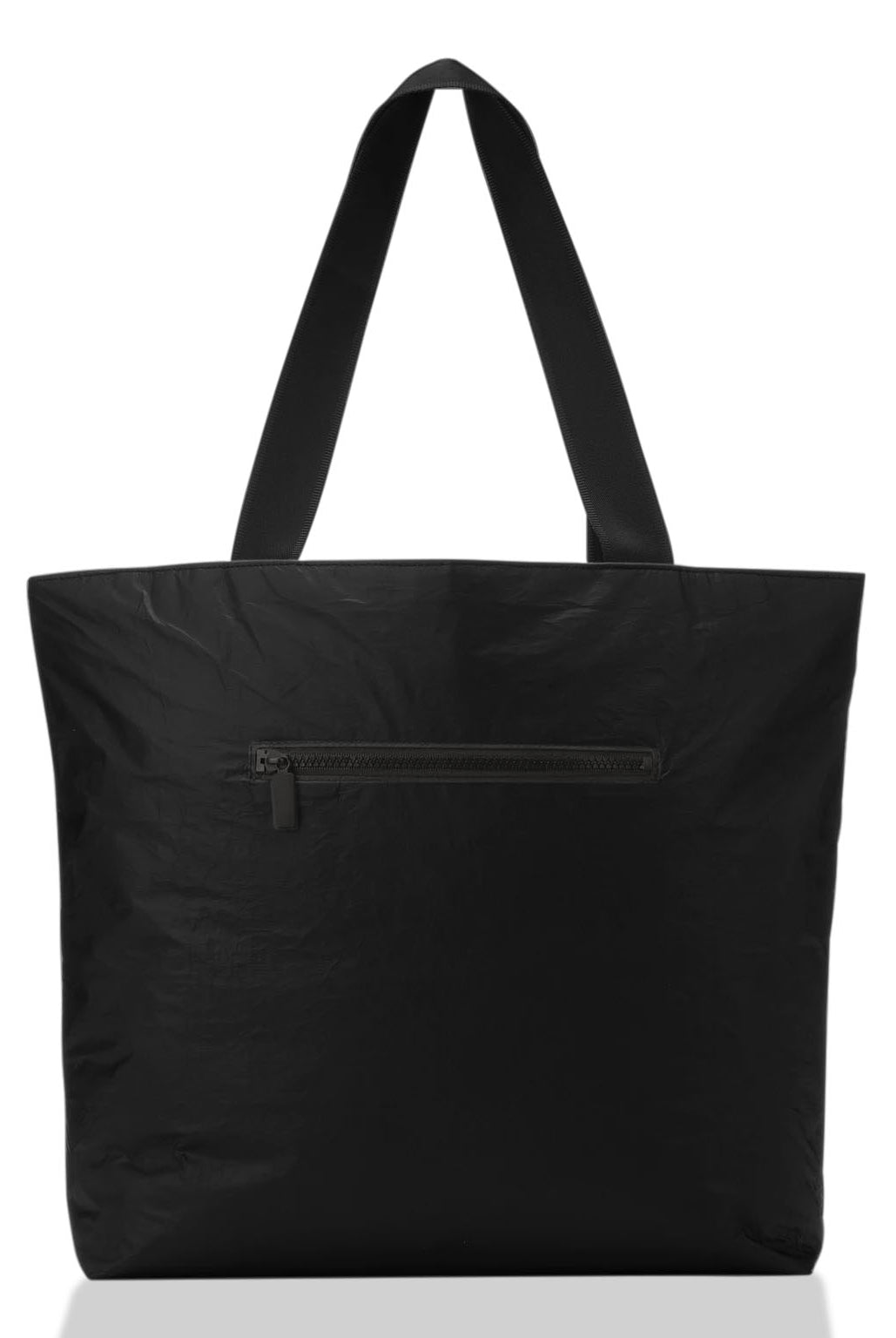
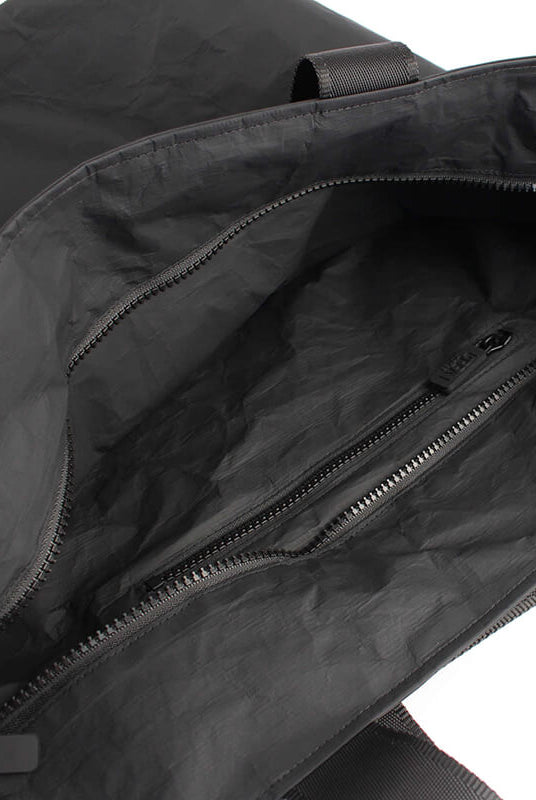
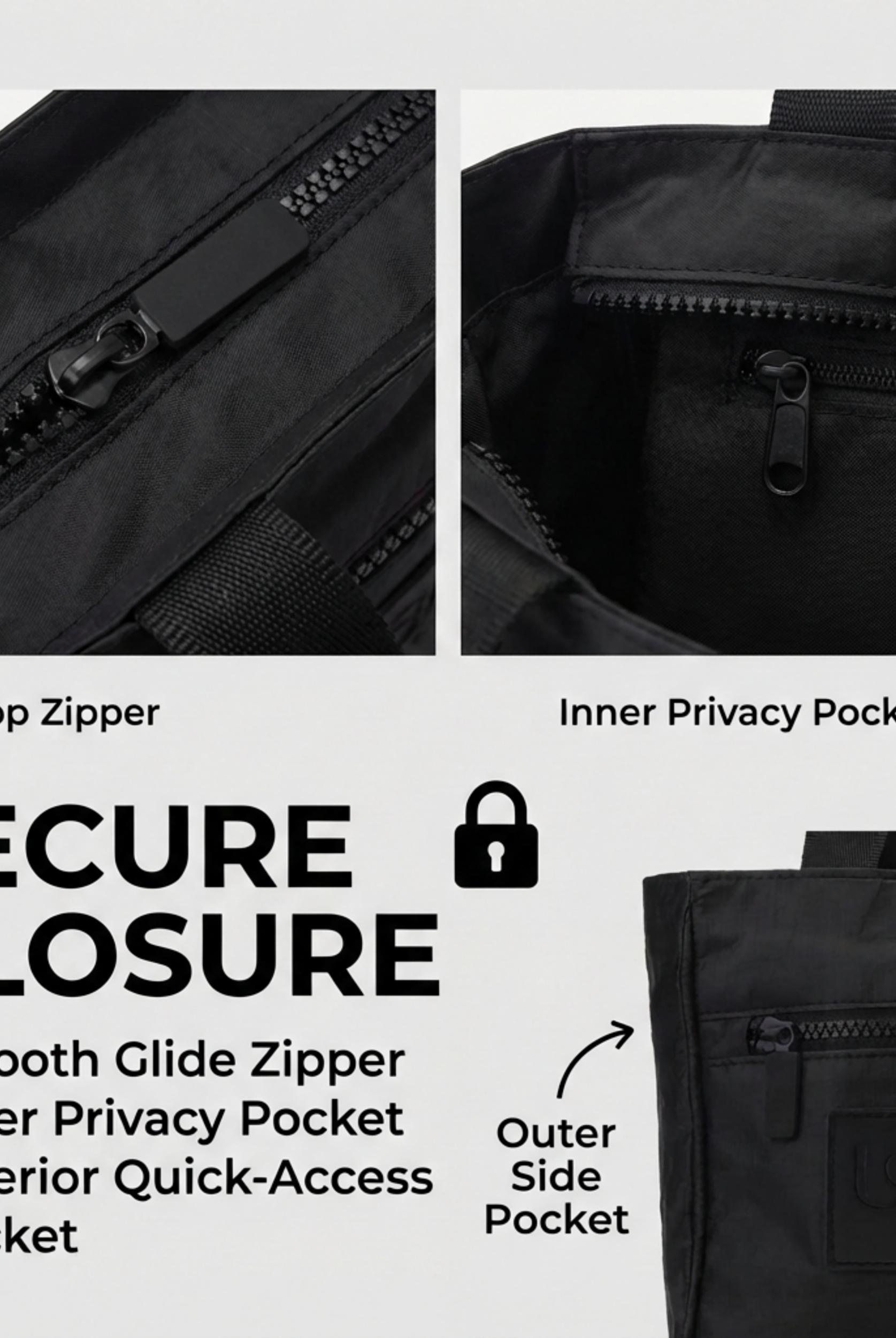
A zipper closure is my baseline for travel. It keeps the contents contained when you place the bag beneath a seat, set it beside a café chair, or move through a crowded terminal. Open-top designs can look elegant, but they demand more vigilance and make it easier for small essentials to escape.
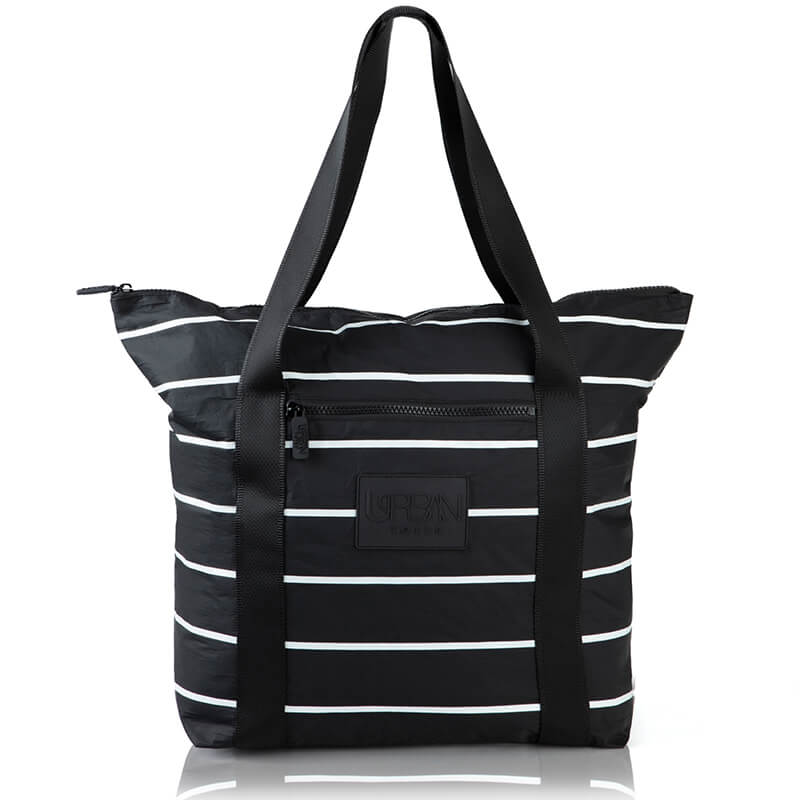
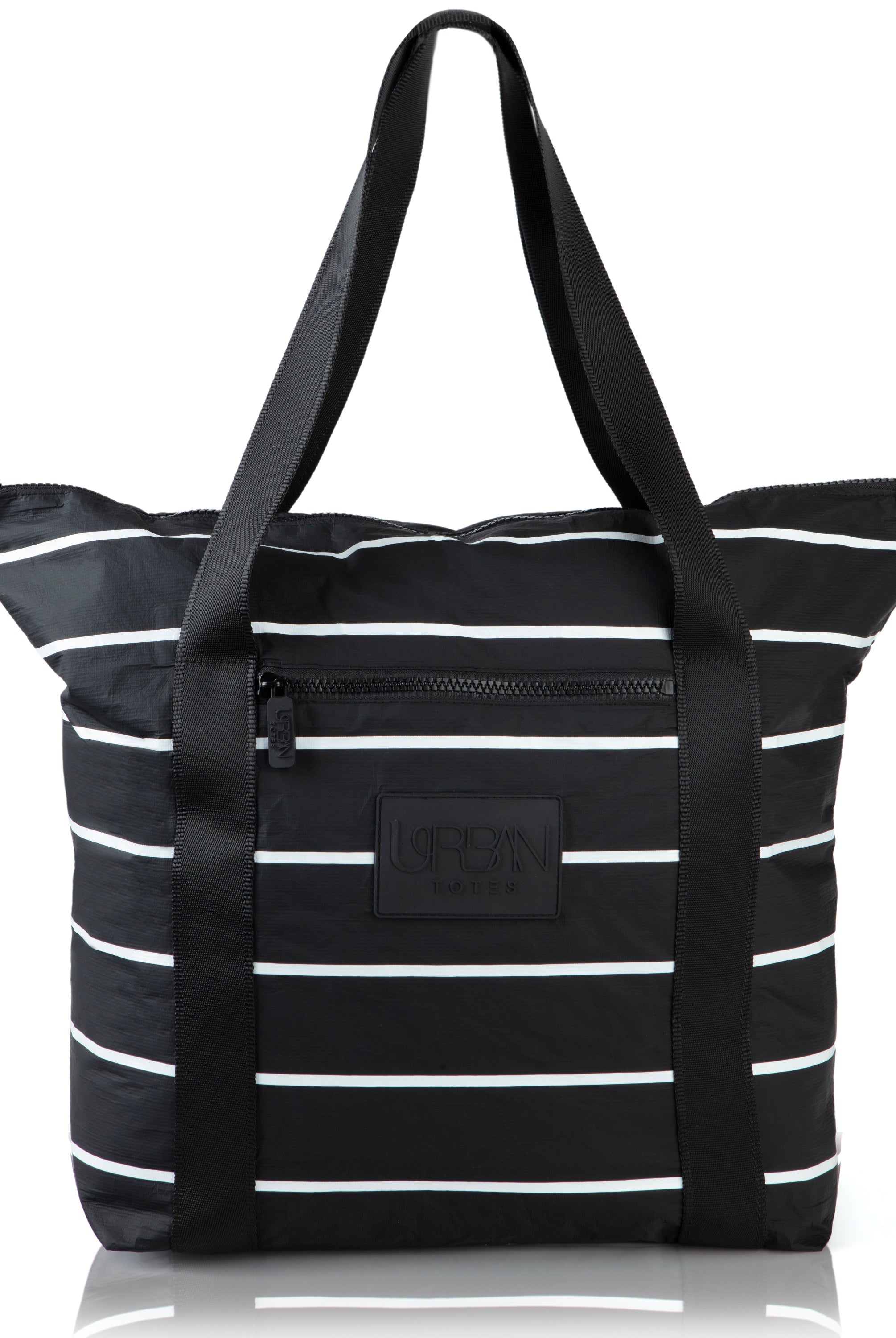
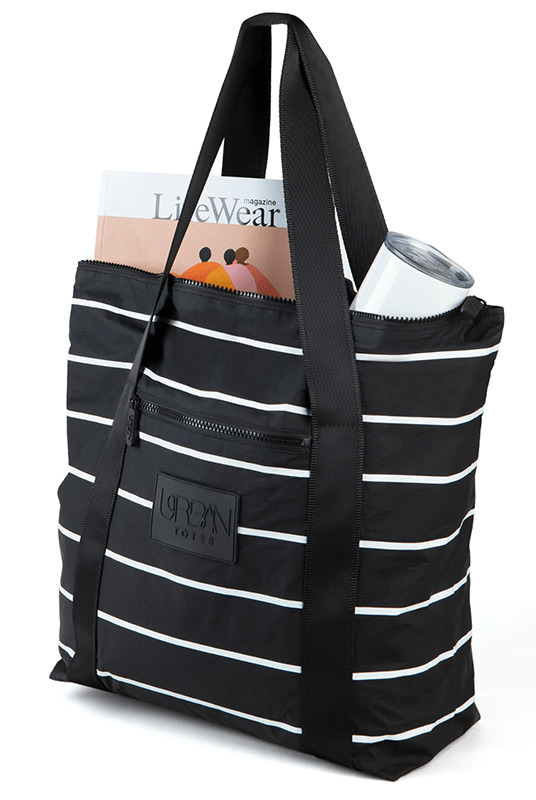
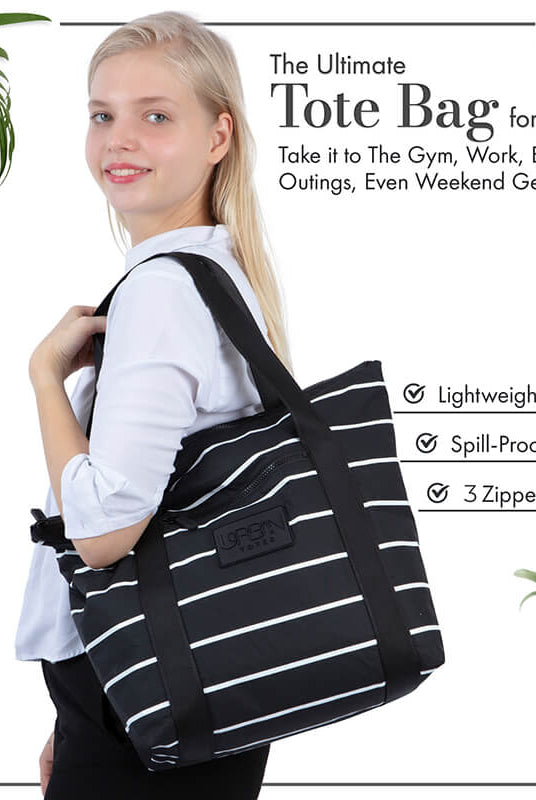
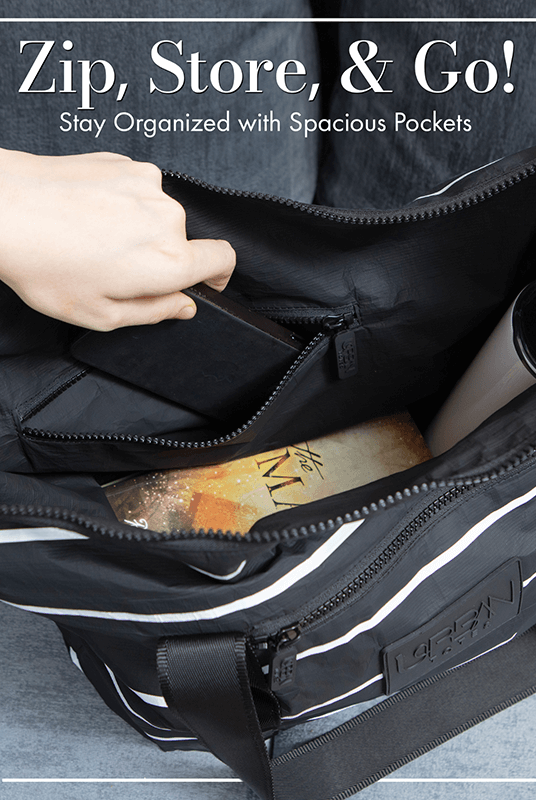
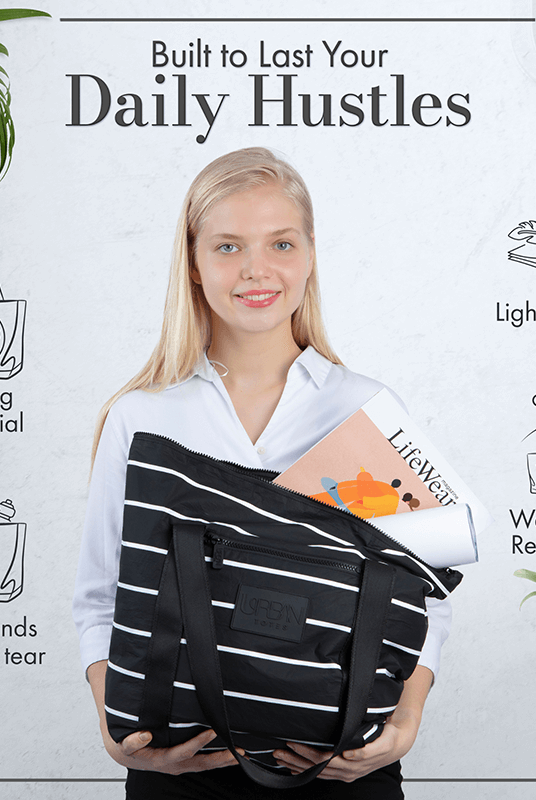
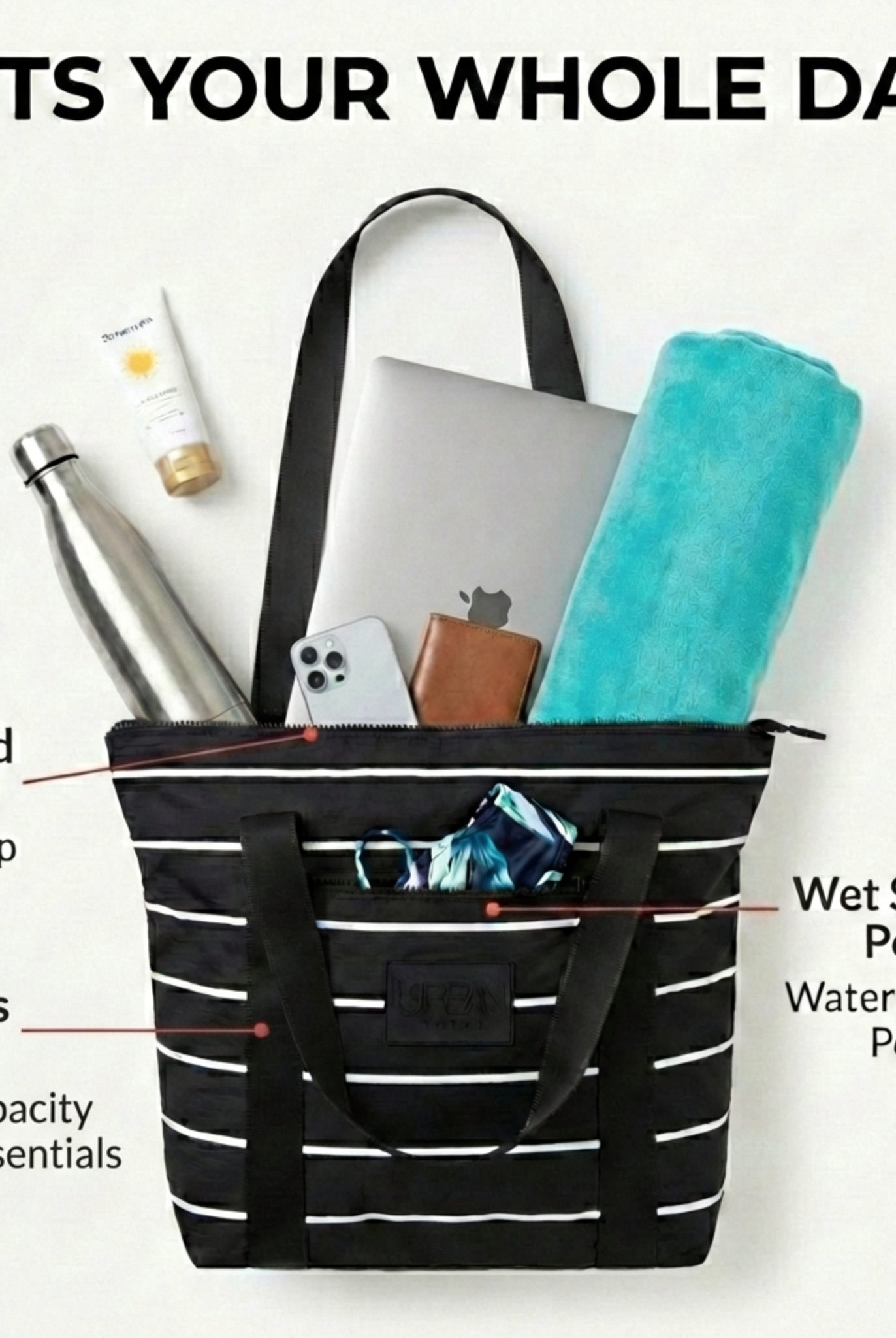
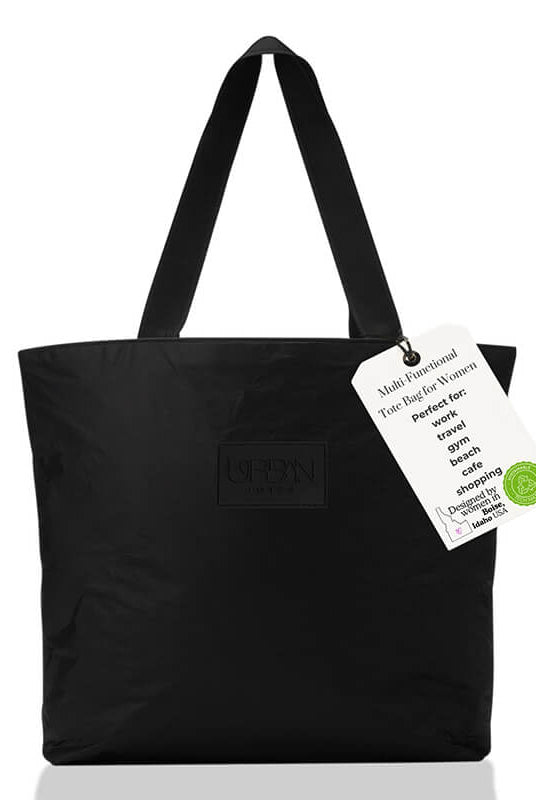
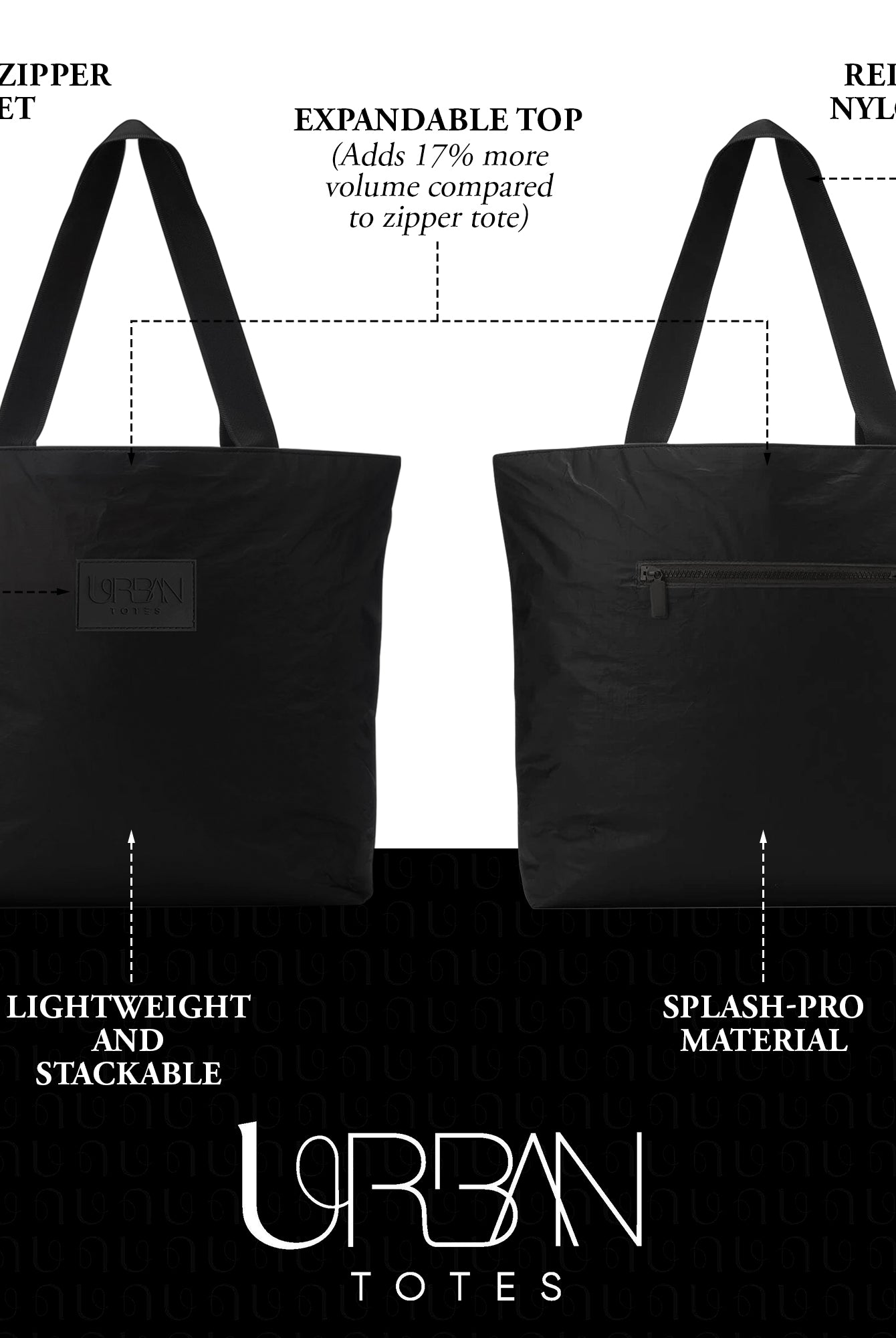
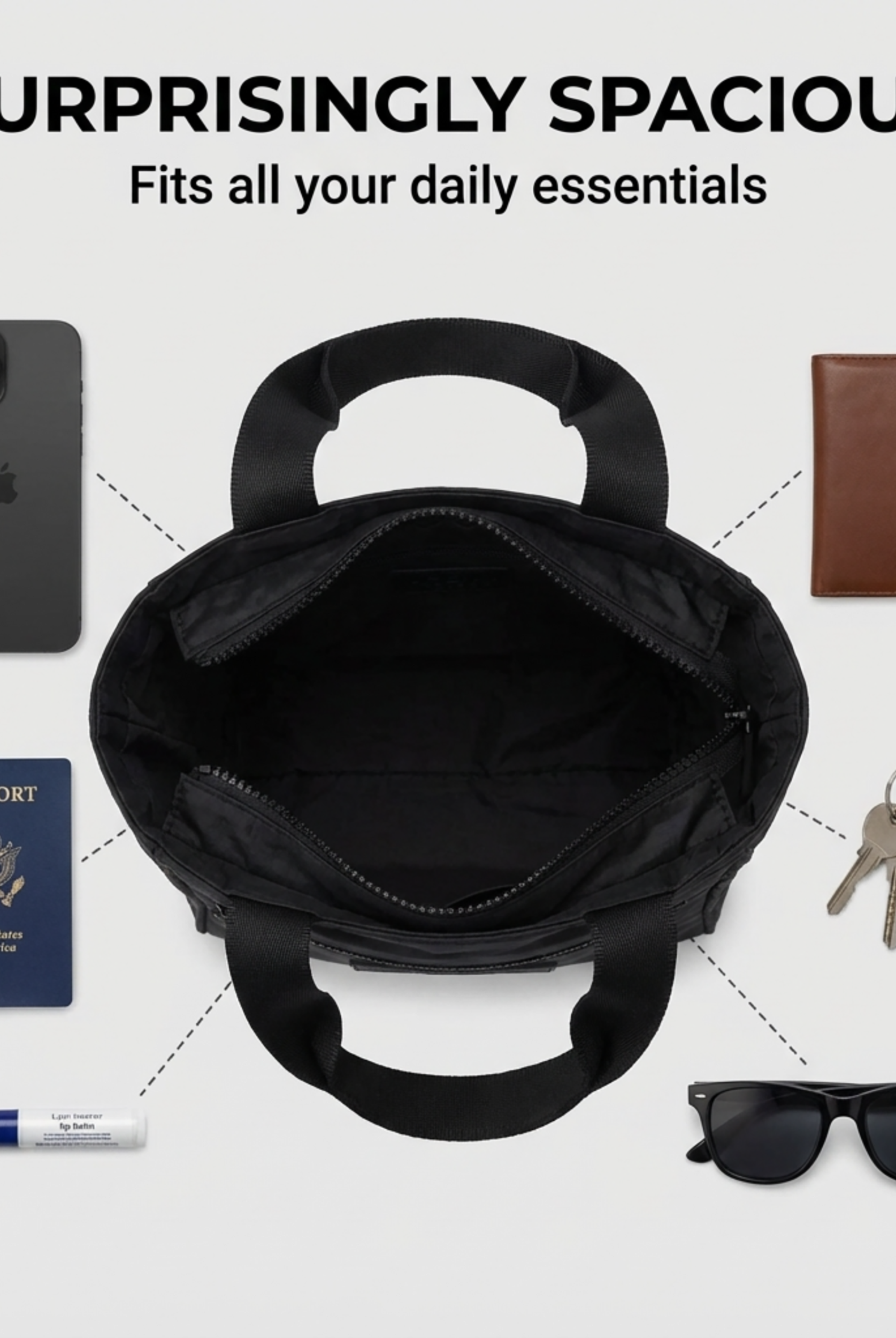
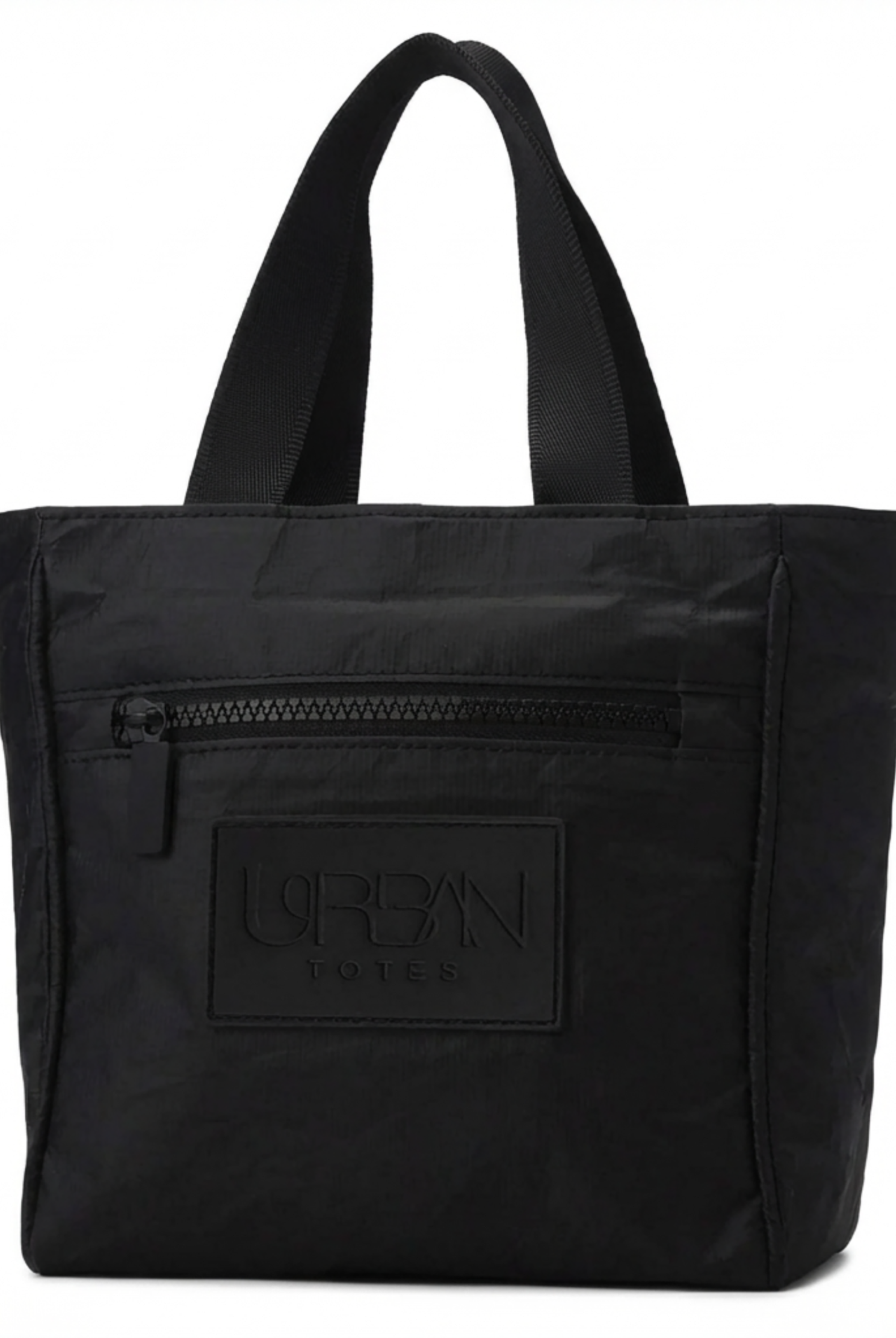
Multiple compartments matter just as much. Look for a dedicated phone pocket, an exterior quick-access pocket, and at least one zippered interior section for passports, cards, and chargers. A bag with useful separation lets you create zones instead of piling everything into one cavity. Urban Totes' travel tote bag with pockets reflects this practical approach with organization designed around real movement.
Treat water resistance as daily equipment
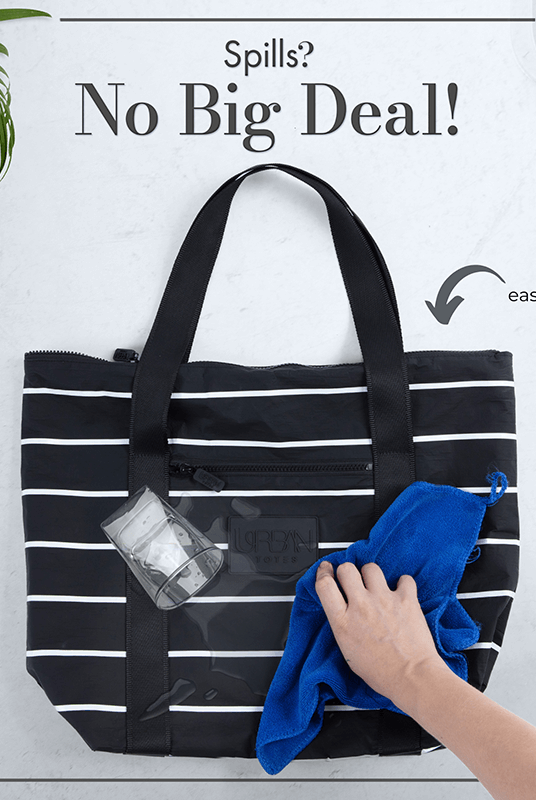
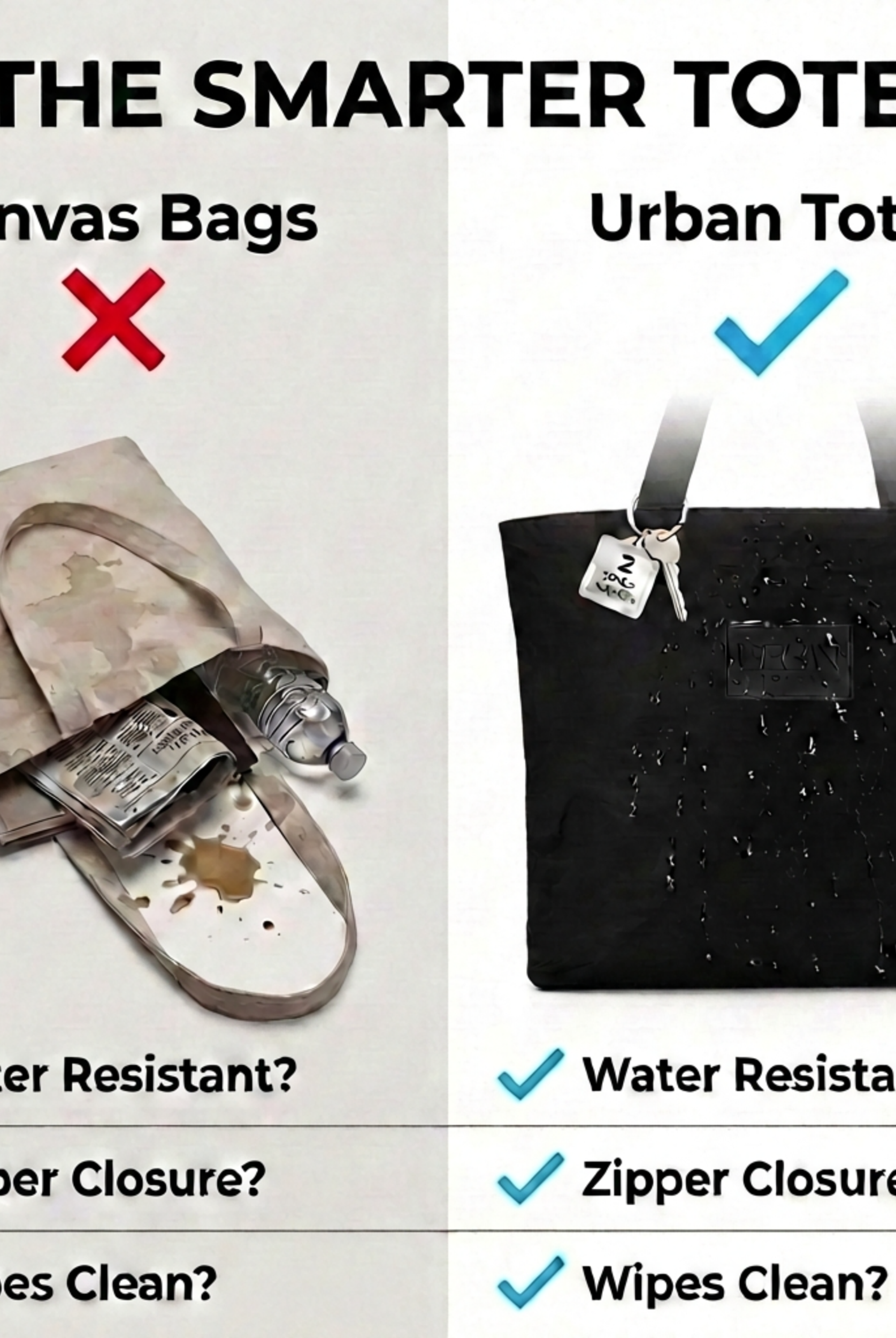
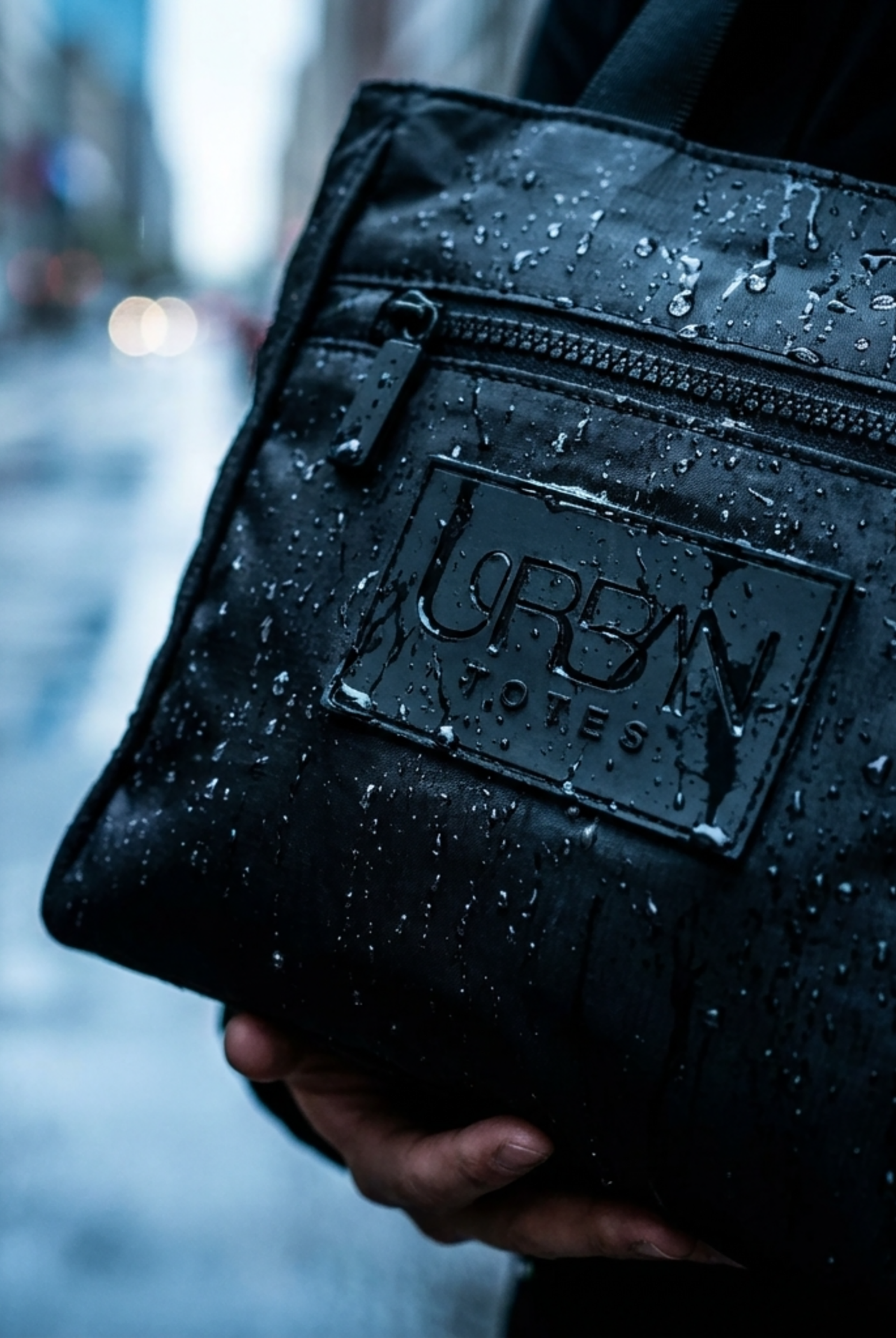
Travel exposes a bag to more than rain. There are spilled drinks, damp pool towels, wet umbrellas, sunscreen, and the occasional airport coffee mishap. Water-resistant fabric gives you a helpful buffer against splashes and drizzle, while a wipeable surface makes maintenance simpler.
The label still matters. Water-resistant doesn't mean waterproof. It describes material that resists or repels water to a degree, not fabric that completely prevents penetration, as explained in this guide to water-resistant, water-repellent, and waterproof materials.
Keep the load close and controlled
The European Union Aviation Safety Agency's passenger-and-baggage survey measured women's carry-on luggage at an average of 5.9 kg, compared with 6.7 kg for men, while a separate overall figure from the survey gives a mean carry-on mass of 6.9 kg. The survey is useful because it shows that carry-on bags carry a meaningful load in real travel planning, not just a few decorative essentials. Read the EASA passenger and baggage weight survey for the underlying measurements.
Ergonomic guidance recommends keeping a single-shoulder or crossbody bag around 5% to 8% of body weight, while symmetrical packs can accommodate roughly 10% to 15%, according to bag and wallet ergonomics guidance. Put heavier objects closest to your body. That shortens the distance and reduces the pulling sensation created when weight hangs far from your torso.
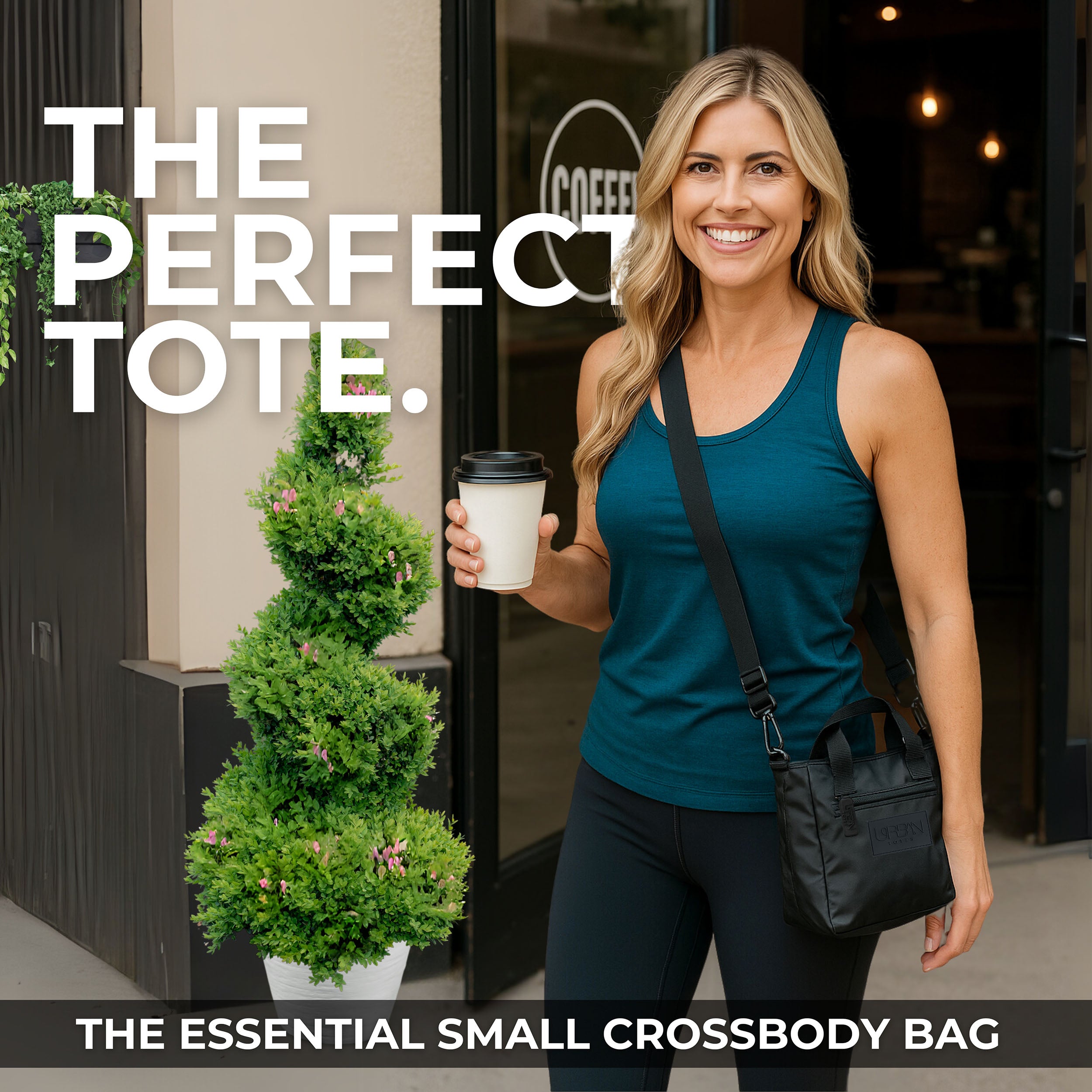
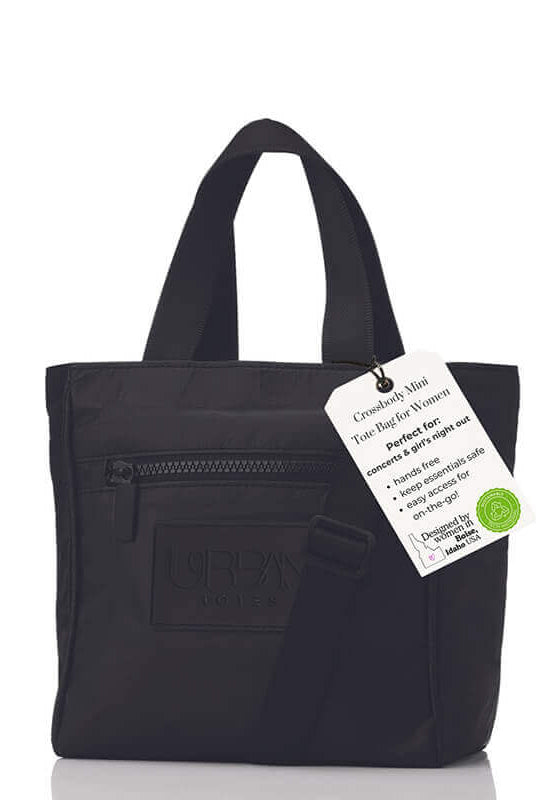
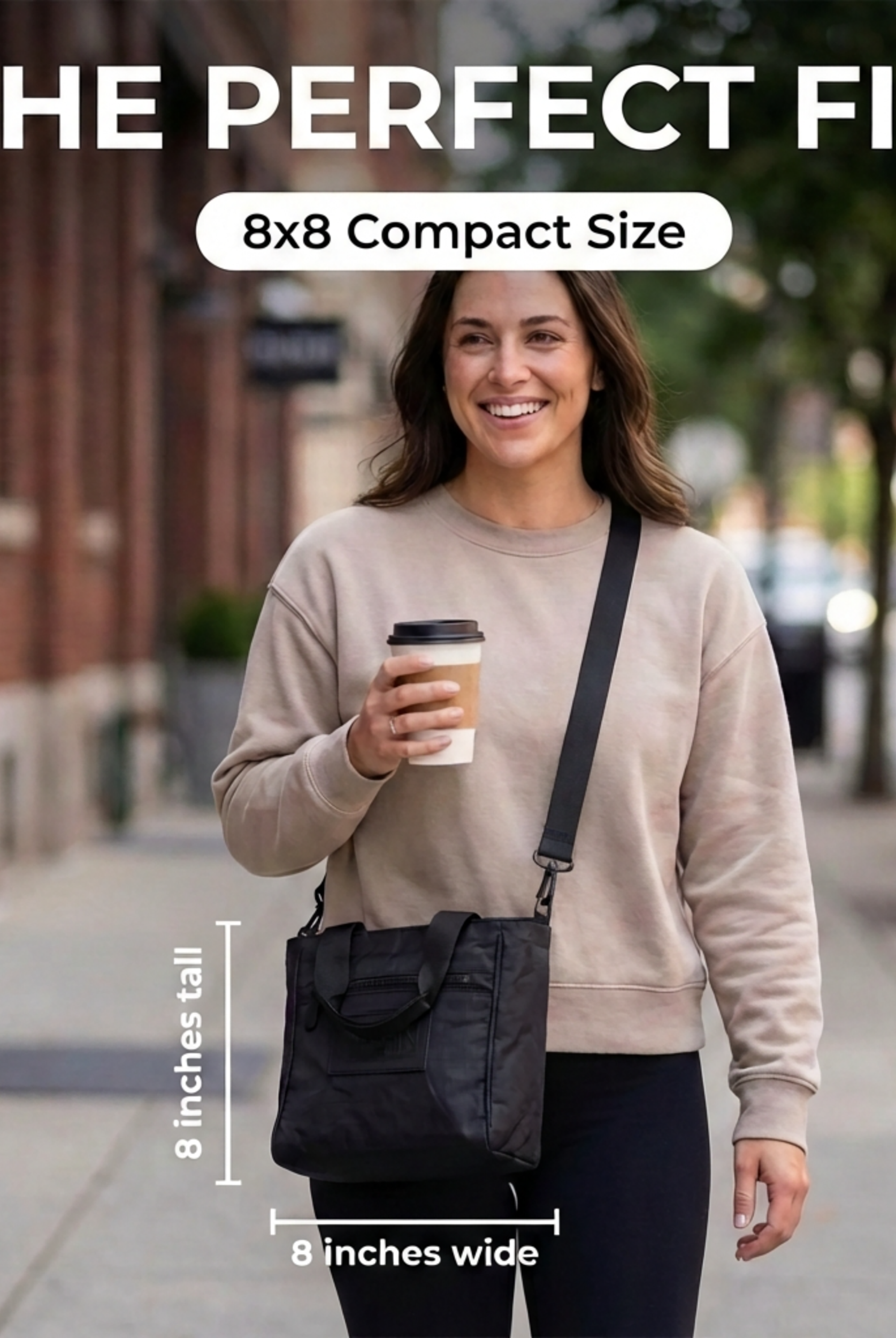
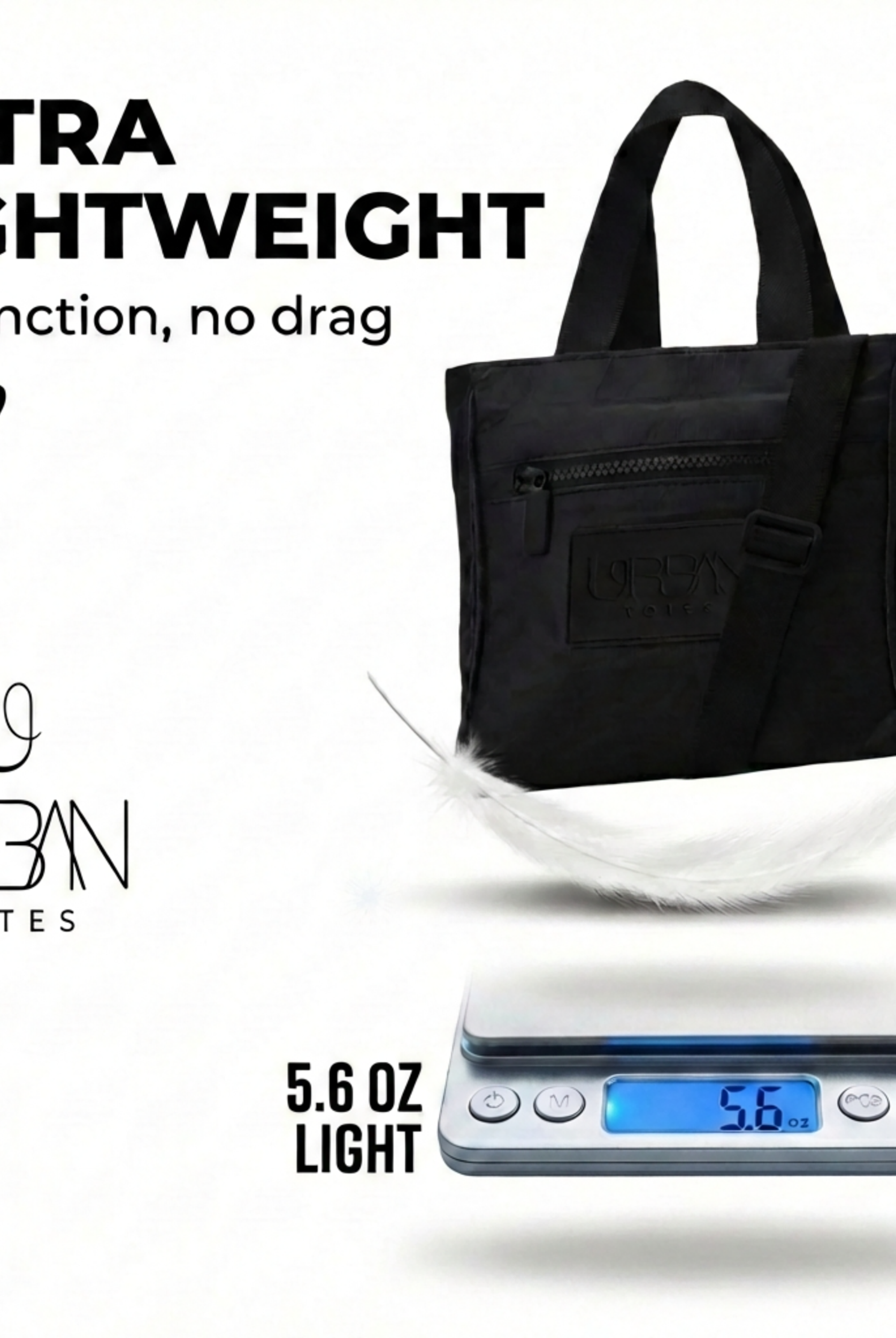
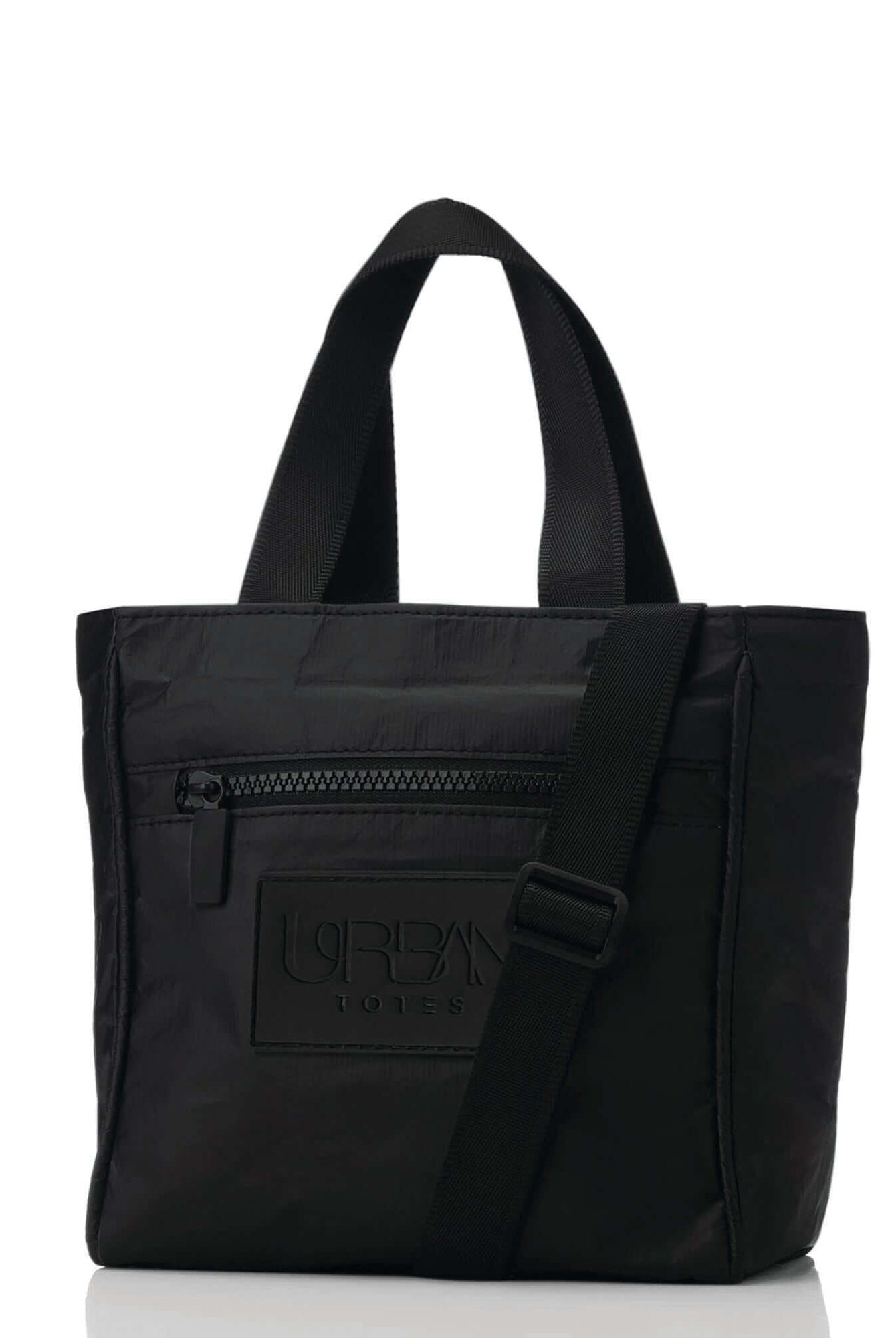
For a compact hands-free option, the Crossbody Tote Bag Mini Purse measures 7.5 x 4 x 7.75 inches, has a zip-top closure, an outside zipper pocket, an easy-access pocket, a black interior, and a removable crossbody strap extending to 53 inches. Its technical material is described as water-resistant, lightweight, and foldable, making the format suitable for essentials rather than a full packing load.
How to Choose a Bag for Your Travel Style
Choose your bag by the day you live, not the fantasy itinerary you wish you took more often. A woman commuting with a laptop has a different problem from a parent carrying snacks and spare clothes, even if both need a travel-ready handbag.
Match the bag to your primary routine
The daily commuter needs structure and fast access. Prioritize a secure top, a compartment that accommodates your work device if the dimensions fit, and an exterior pocket for transit cards, keys, and a phone. A polished, restrained shape works harder here than a highly seasonal silhouette because it can travel from office meetings to an evening train without looking out of place.

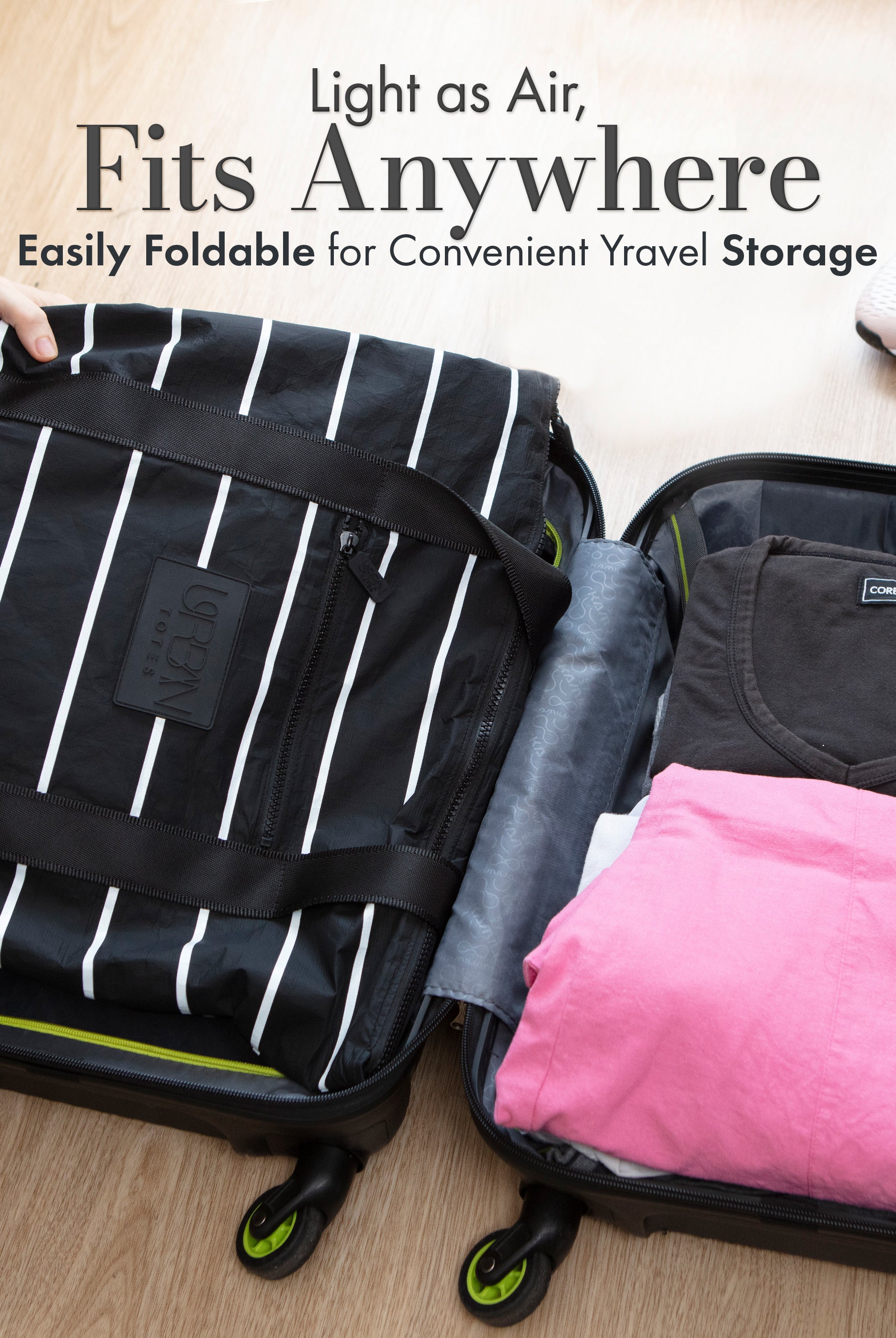
The weekend traveler should look for a lightweight, packable design with enough capacity for a change of clothes, toiletries, and travel documents. Foldability is valuable when your main luggage expands during the return trip. Multiple carry options also help when you're moving from car trunk to train platform to hotel lobby.
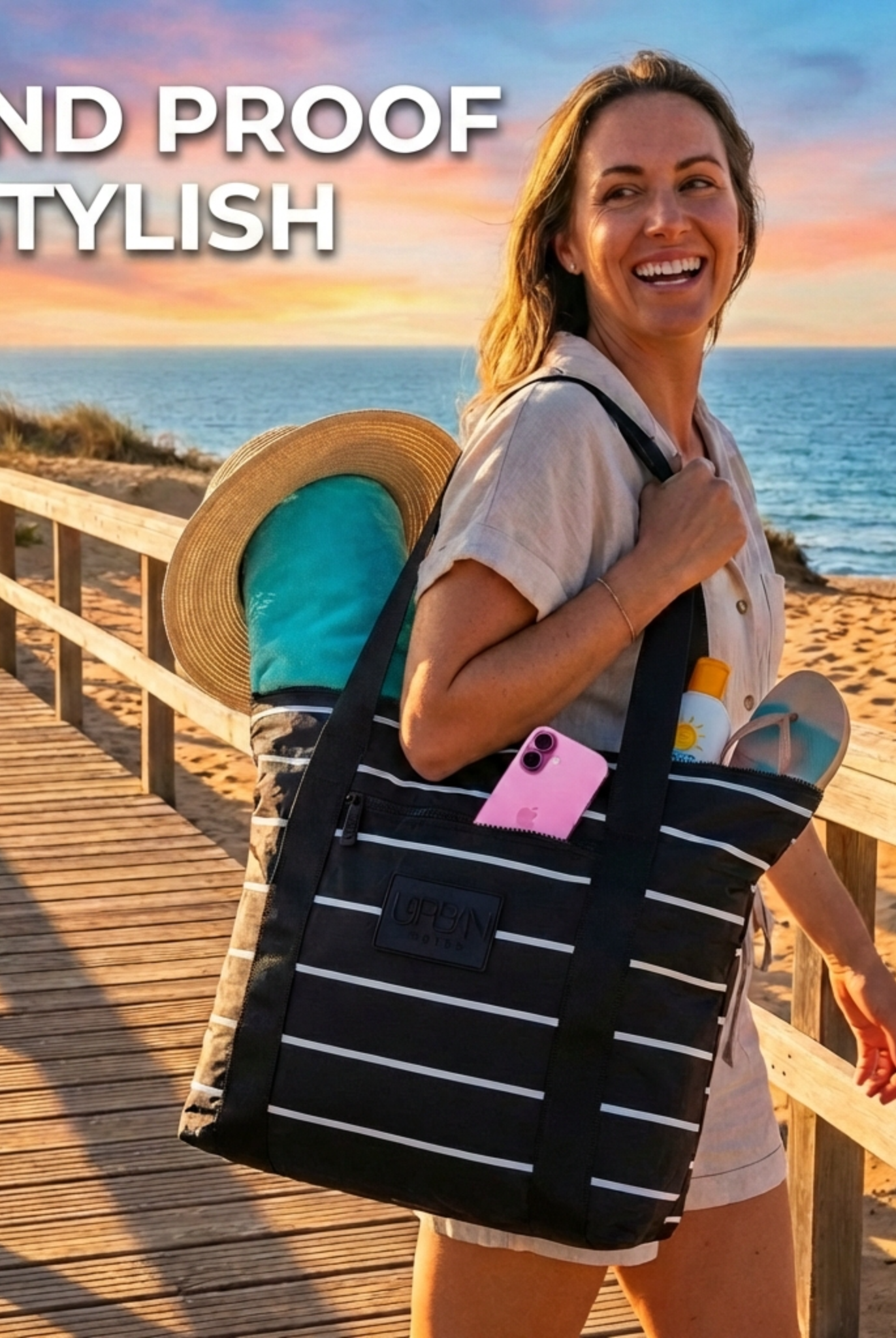
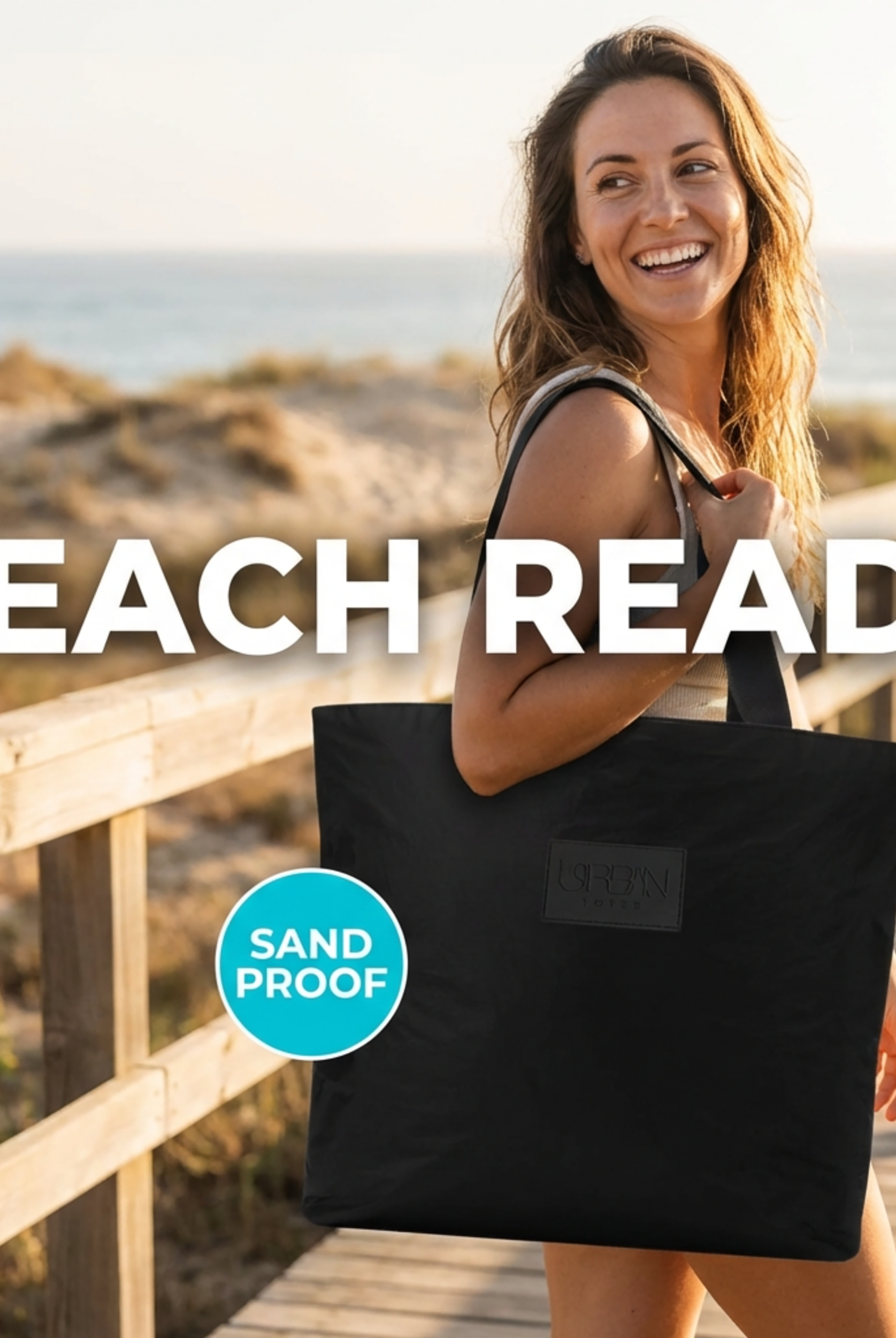
The beach-goer needs a water-resistant exterior, a surface that's easy to wipe, and room for sunscreen, sunglasses, a book, and a layer. A zipper closure keeps loose items together while you're carrying a chair or setting up near the water. Don't choose a bag so deep that your phone and keys vanish beneath towels.
The busy parent needs multi-pocket organization more than maximum volume. Separate zones for snacks, wipes, small toys, personal items, and quick-grab documents make the bag easier to use while one hand is occupied. A lightweight body matters because the contents already add weight.
Apply the five-minute selection test
- Load the bag mentally. Name the items you carry every day, then add the items required for your most common trip. If the bag only works when packed perfectly, it isn't versatile enough.
- Check access. Reach for the phone pocket, open the main closure, and locate the interior zipper. A travel handbag should support one-handed routines.
- Check the carry method. Walk with it on one shoulder, across the body, or by the handles. The bag should stay close rather than swing heavily with each step.
- Check the airline role. Decide whether it's intended as a personal item, a carry-on companion, or a day bag after arrival. Then verify the airline's rules before departure.
- Check the empty weight and foldability. A bag that contributes little weight and packs flat gives you more flexibility for the rest of your luggage.
Tote vs Crossbody vs Weekender
These silhouettes solve different travel problems. Choosing the wrong one usually means carrying too much structure, too little space, or the wrong access pattern.
| Bag Style | Best For | Key Advantage | Airline Compliance |
|---|---|---|---|
| Tote | Commuting, airport essentials, beach days, errands | Flexible capacity and easy visibility into the main compartment | Can work as a personal item if its packed dimensions meet the airline's rules |
| Crossbody | Sightseeing, transit, concerts, hands-free days | Keeps essentials close while leaving both hands available | Usually suited to a compact personal-item role, subject to airline limits |
| Weekender | Overnight trips and short getaways | Larger storage for clothing, shoes, and toiletries | May qualify as a carry-on or personal item only if packed size and weight comply |
Choose a tote for flexible capacity
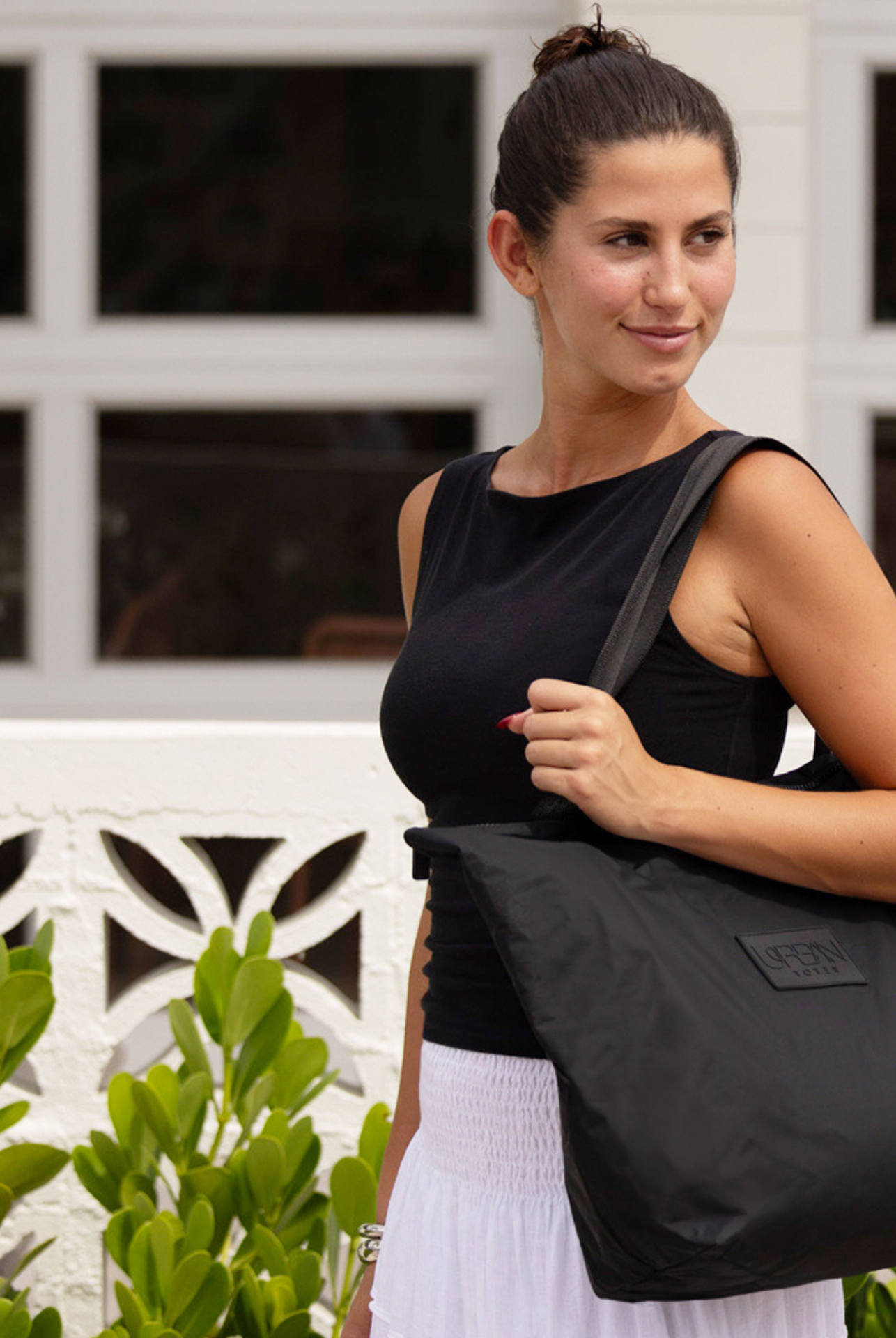
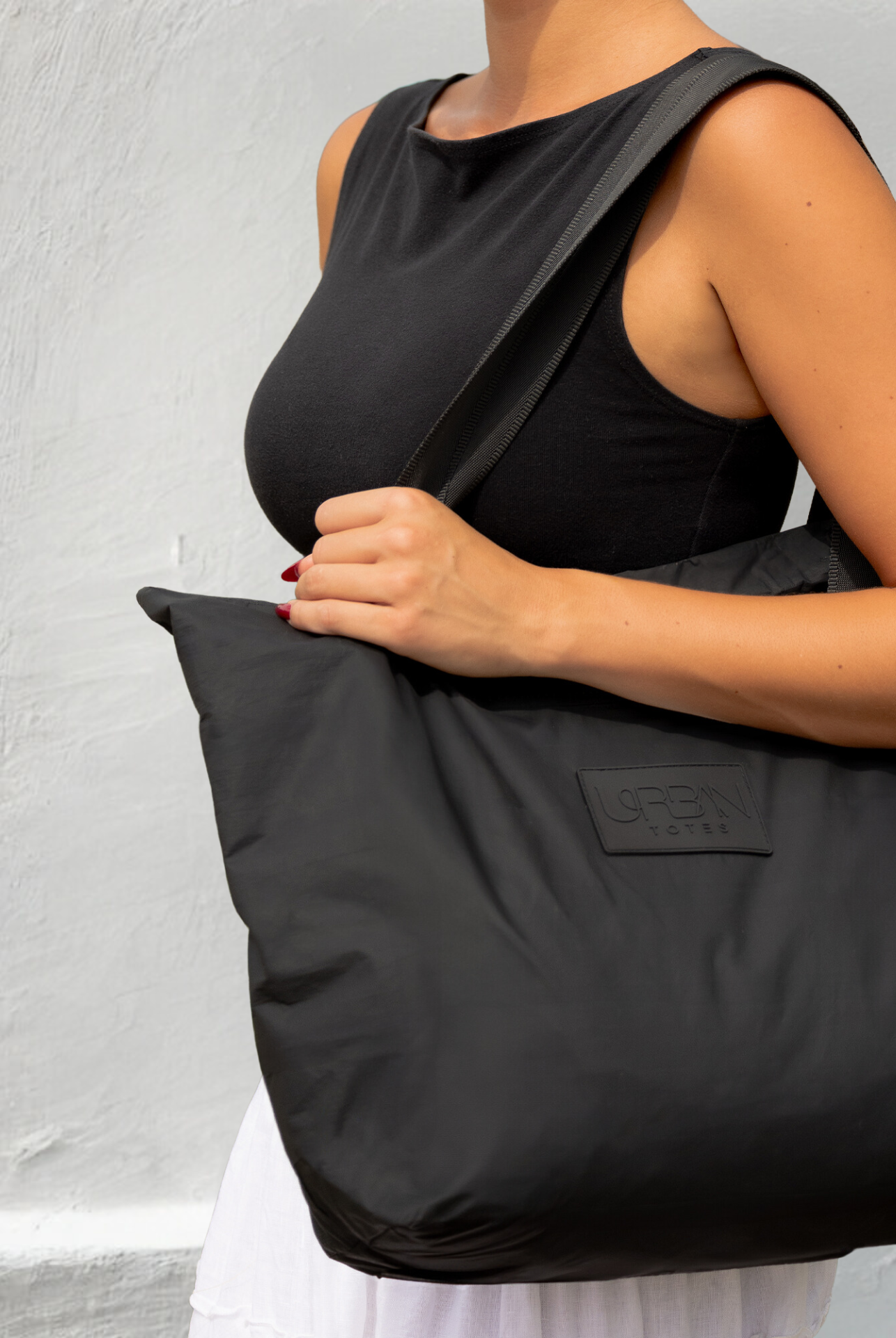
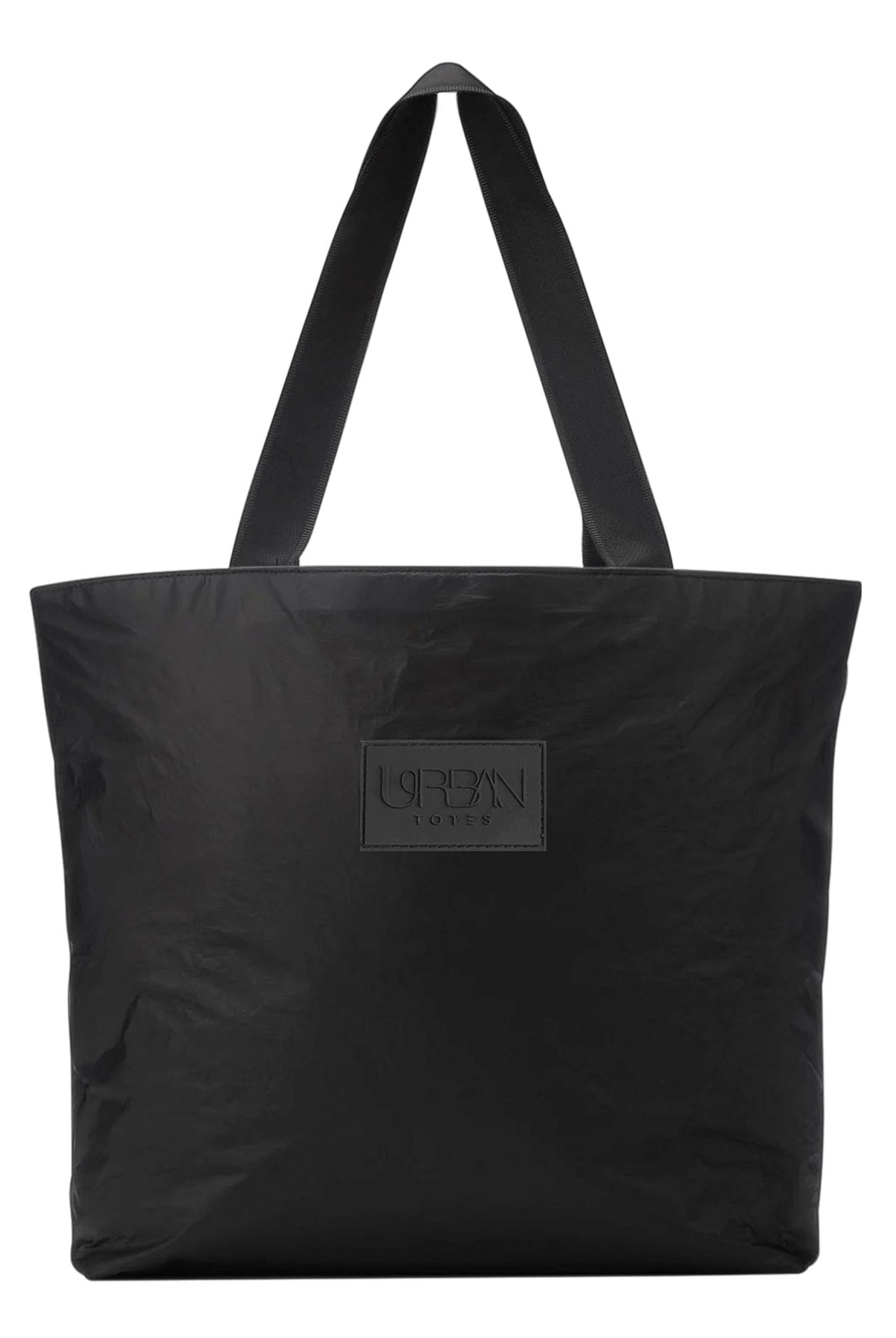
A tote is the most adaptable option for women who move between roles. It can hold a tablet, cardigan, water bottle, snacks, and travel documents, then transition into a work or beach bag once you arrive. The trade-off is that totes invite overpacking, so a zipper closure and internal compartments are not optional extras.
A structured tote looks polished, but it can take up more space when empty. A lightweight, foldable tote is easier to stow inside luggage, though it may offer less upright structure. Decide whether you value shape retention or packability for the trip ahead.
Choose a crossbody for controlled access
A crossbody is my choice for city days, airport transfers, and any itinerary involving queues or walking. The bag stays close to your torso, your hands remain free, and your phone or passport can sit in a dedicated quick-access pocket. The limitation is capacity. A crossbody should carry essentials, not become an overloaded substitute for a suitcase.
Choose a weekender for an overnight load
A weekender makes sense when you need clothing, shoes, toiletries, and a little room to spare. It offers the most storage of the three, but it also creates the biggest temptation to overfill. Before buying, learn what a weekender bag is, then check whether the handles, shoulder strap, and packed weight suit your actual travel habits.
The best choice isn't universal. It's the silhouette that matches your load, your movement, and the airline role you need it to play.
Smart Packing and Organization Strategies
A well-designed handbag still needs a packing system. I use zones, not guesswork. The aim is to make every essential visible or reachable without emptying the entire bag onto an airport bench.

Build three access zones
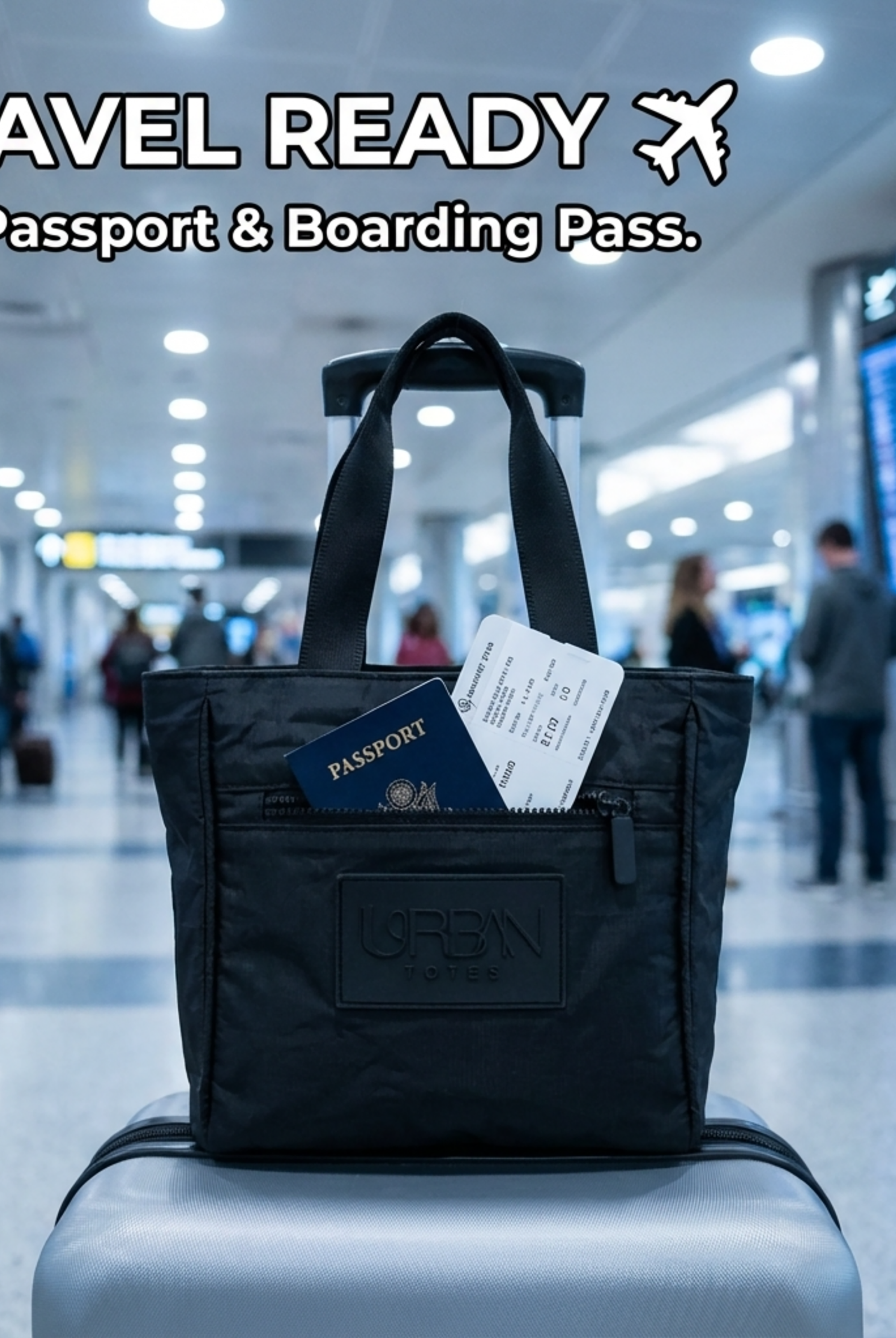
Zone one is immediate access. Put your phone, boarding pass, keys, and lip balm in an exterior pocket or an easy-access compartment. These are the objects you reach for repeatedly, so burying them guarantees frustration.
Zone two is protected access. Use a zipper compartment for your passport, cards, spare battery, and other valuables. Keep lithium batteries and important travel documents in hand luggage, where they remain available during transit. A secure section also prevents small items from sliding into the lining.
Zone three is the main cavity. Place a light layer, headphones, snacks, and a small pouch here. If the tote is large enough for clothing, roll garments instead of folding them into a flat stack. Grouping similar pieces inside pouches keeps the main compartment usable.
Packing rule: Put the heaviest item closest to your body and the base of the bag. Keep frequently used items near the opening.
Use a pouch for cords and small electronics, another for cosmetics, and a slim sleeve for documents. If you're packing for a solo hostel trip, this packing advice for solo hostel trips offers useful guidance on keeping essentials compact and accessible.
Balance matters. Don't place every dense object on one side of a crossbody or tote. Distribute weight across the base, then keep soft items around harder objects to stop them shifting. When the bag stays balanced, it feels calmer in motion and is easier to set down without spilling.
A dedicated phone pocket is especially valuable because it creates a consistent home for the item you use most. For larger bags, continue refining the system with these ways to pack a weekender tote for travel, then remove anything you won't use before leaving home.
Understanding Materials and Durability
Material language can mislead shoppers, so read it closely. Water-resistant fabric helps repel splashes, drizzle, and damp conditions. It isn't waterproof, and it shouldn't be treated as protection for prolonged immersion or heavy exposure. For everyday travel, water resistance is usually the more useful target because it addresses the situations most handbags encounter.
Lightweight technical fabrics make sense for a travel handbag because the bag itself shouldn't consume the carrying capacity you need for your belongings. A packable, foldable body can stay in a suitcase until you reach the destination, then become a day bag for sightseeing, errands, or a beach walk.
Inspect construction, not just appearance
Look closely at the points that receive stress:
- Stitching: Seams should look even and secure, especially where handles or straps connect to the body.
- Hardware: Zippers should move smoothly and close fully without catching the fabric.
- Straps: The attachment points should feel integrated rather than lightly anchored to the outer material.
- Interior finish: A clean lining and defined pockets make the bag easier to maintain and organize.
- Base and piping: Structured edges can help the bag retain its shape when loaded.
Durability should be assessed with more than a quick visual inspection. Standardized abrasion tests, including Martindale and Taber-style methods such as ASTM D4966, ASTM D3884, and ISO 12947, help quantify fabric wear. Water performance can be evaluated through hydrostatic-pressure or spray-based standards such as ISO 811, AATCC 127, and IEC 60529, as summarized in this bag fabric testing guide.
You don't need to turn handbag shopping into a laboratory exercise. You do need to avoid vague performance promises and look for clear material descriptions, sensible construction, and care instructions. Urban Totes' tote bag material guide is a useful reference when comparing fabric choices and maintenance expectations.
For real life, I favor a bag that's water-resistant, wipeable, lightweight, and easy to fold. It should look polished enough for an office but never feel too precious for sunscreen, school pickup, or a spontaneous change of plans.
Finding Your Perfect Go-Anywhere Companion
The strongest travel handbag balances style, function, and comfort. Choose the silhouette according to your routine, verify its airline role, keep the weight controlled, and insist on organization that makes your essentials easy to reach. Trend coverage may spotlight structured totes, bowling bags, top-handle styles, and east-west shapes, but your best purchase is the one that performs from office to airport to destination.
For more real-world inspiration before your next adventure, explore these LuminAID explorer stories. A versatile, water-resistant, packable bag should earn its place in your everyday carry, not sit in the closet waiting for a special trip.
Urban Totes offers water-resistant, lightweight, packable, foldable, multi-pocket bags with zipper closures designed for commuting, beach days, errands, and travel. Visit Urban Totes to find a go-anywhere companion that keeps your essentials organized wherever the day takes you.