You come home from the beach with sand in every pocket, sunscreen smeared across the strap of your crossbody, and a tote bottom marked by the car floor. Or maybe brunch left a coffee splash on your weekender just before you had to catch a flight. Nylon feels nearly indestructible in those moments, but it still collects salt, body oils, makeup, food, and dye transfer.
The trick is knowing how to clean nylon without treating a structured bag like a plain shirt. A tote, backpack, or weekender may combine nylon fabric with padding, coatings, zipper tape, metal hardware, leather trim, and reinforced panels. Harsh detergent and heat can damage those parts, while avoiding cleaning altogether lets grime settle into seams and coatings. The smarter approach is targeted spot-cleaning when possible, gentle washing when necessary, and patient air-drying. Your bag's reset is easier than it looks.
Table of Contents
- The Moment Every Nylon Bag Needs a Reset
- Prep Every Nylon Item Before Water Touches It
- Hand-Washing Nylon the Safe and Simple Way
- Machine-Washing Nylon Without Damaging It
- Stain Removal by Type for Real Life
- Drying, Storage, and Long-Term Care
- Your Go-Anywhere Nylon Care Cheat Sheet
The Moment Every Nylon Bag Needs a Reset
A nylon bag rarely announces that it needs cleaning. The warning signs arrive subtly: a gray line along the base, a dull patch where your hand grips the strap, or a sticky spot beside the zipper. After school drop-offs, airport terminals, farmers markets, and gym runs, those marks can become the bag's new surface.
Nylon is heat-sensitive, so use cool-to-lukewarm water, mild detergent, gentle agitation, and air-drying as your cleaning baseline. Keep wash temperatures at a maximum of 30°C, especially when a structured tote, crossbody, weekender, or backpack includes padding, coatings, or mixed-material trim. Hot water can weaken fibers, cause shrinkage, or warp the bag. Whistles' nylon care guide provides the benchmark I follow when the label leaves room for interpretation.
Why bags need accessory-level care
A garment moves freely through water. A structured bag carries hardware, foam panels, zipper tape, reinforced corners, and sometimes a coating or leather trim. Metal parts can scratch nearby nylon, foam can retain moisture, and aggressive scrubbing or heat can reduce a coating's performance. Zipper closures and multi-pocket interiors also trap sand and detergent residue.
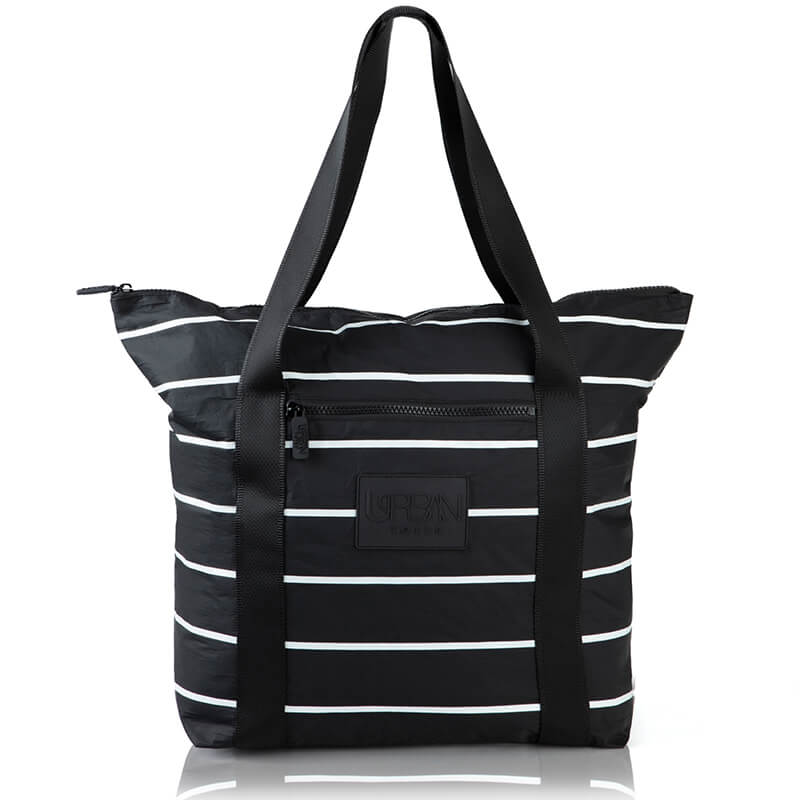
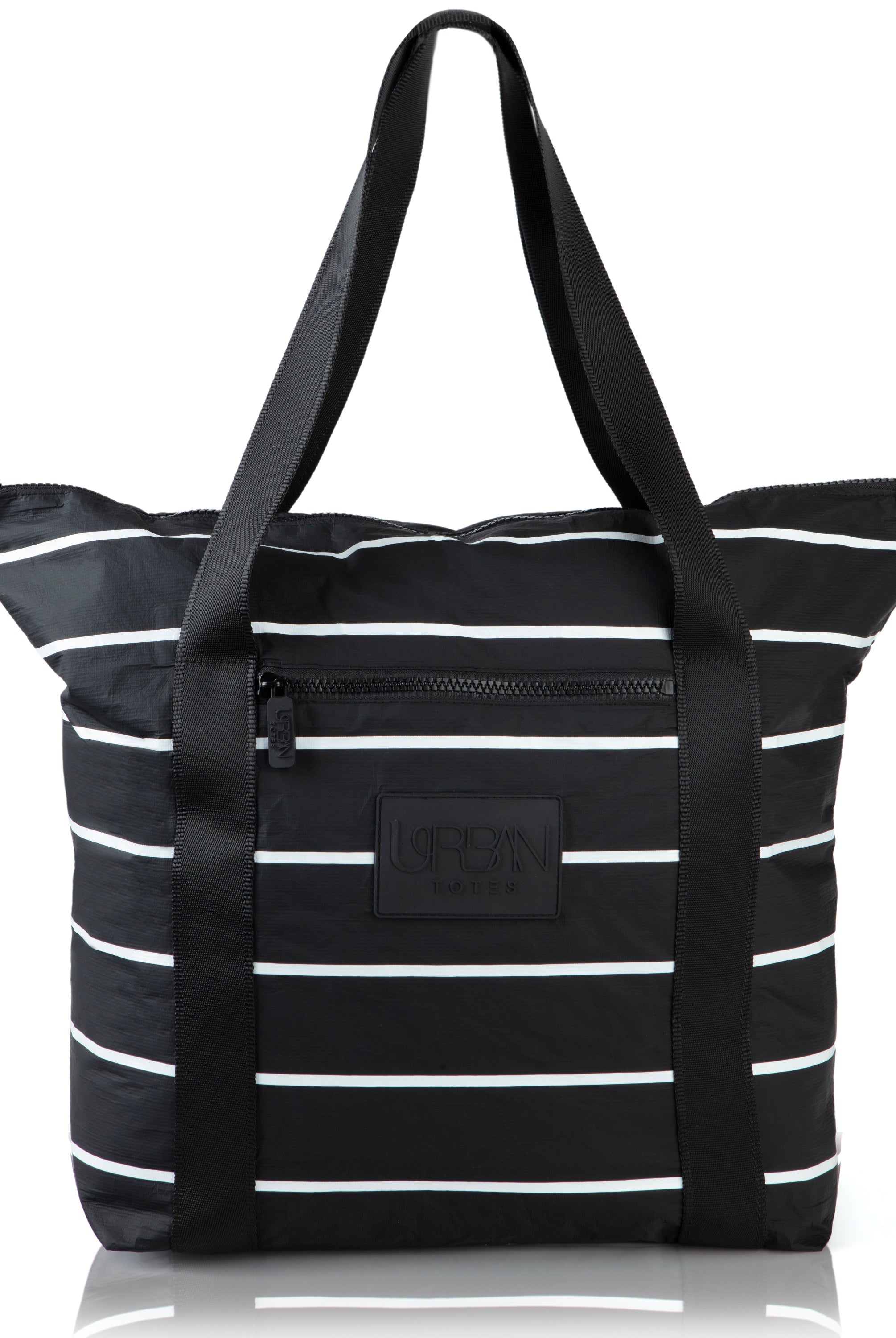
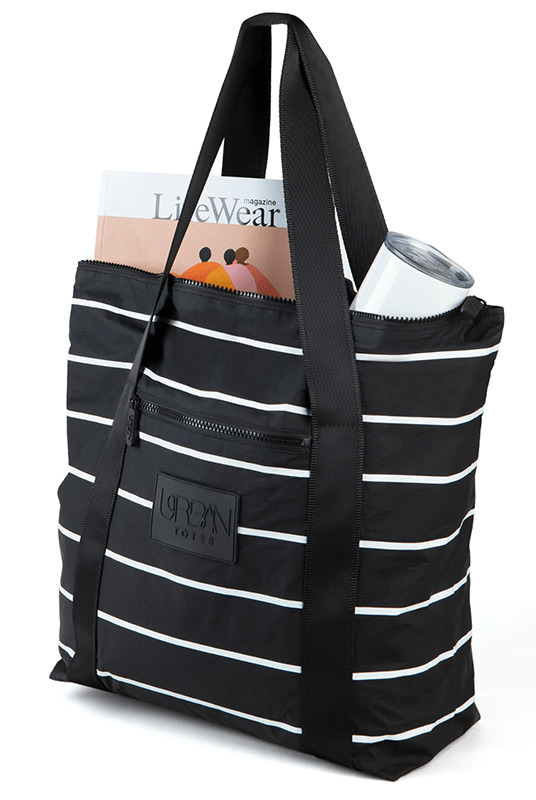
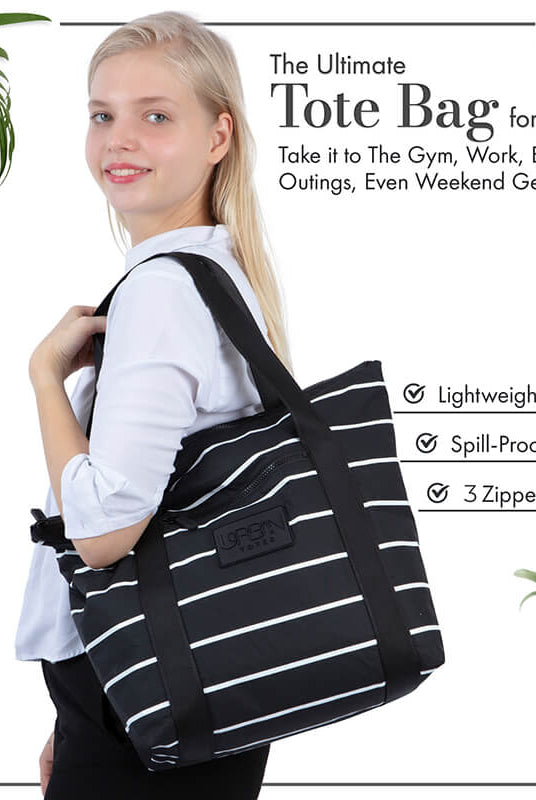
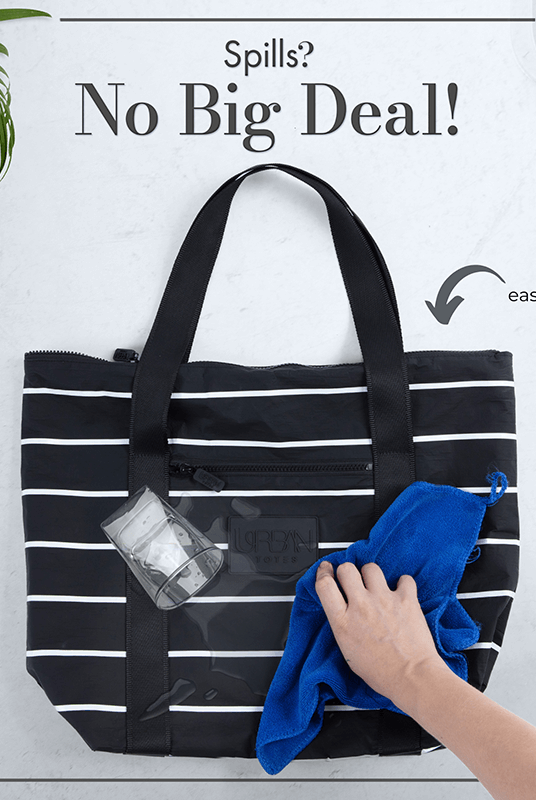
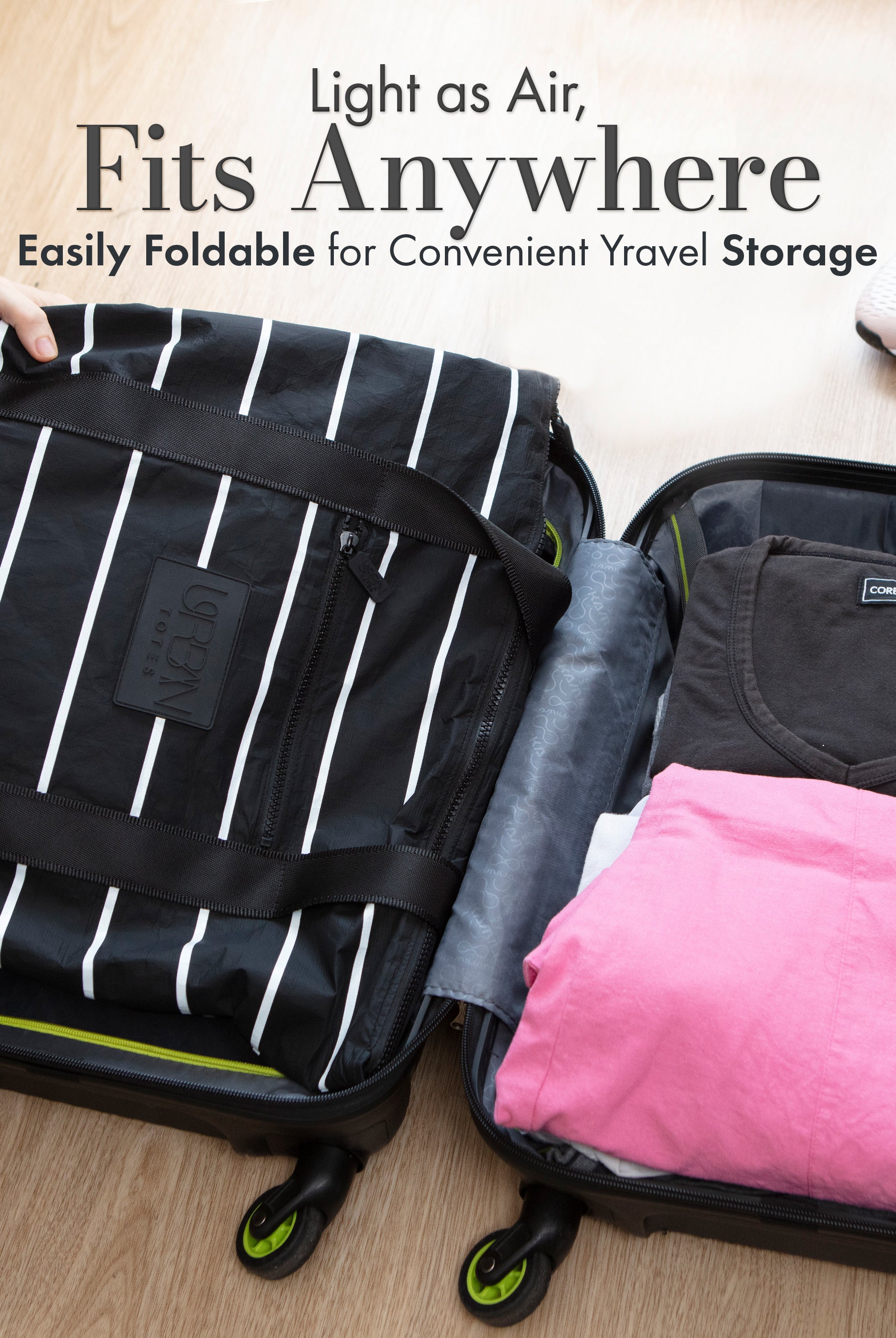
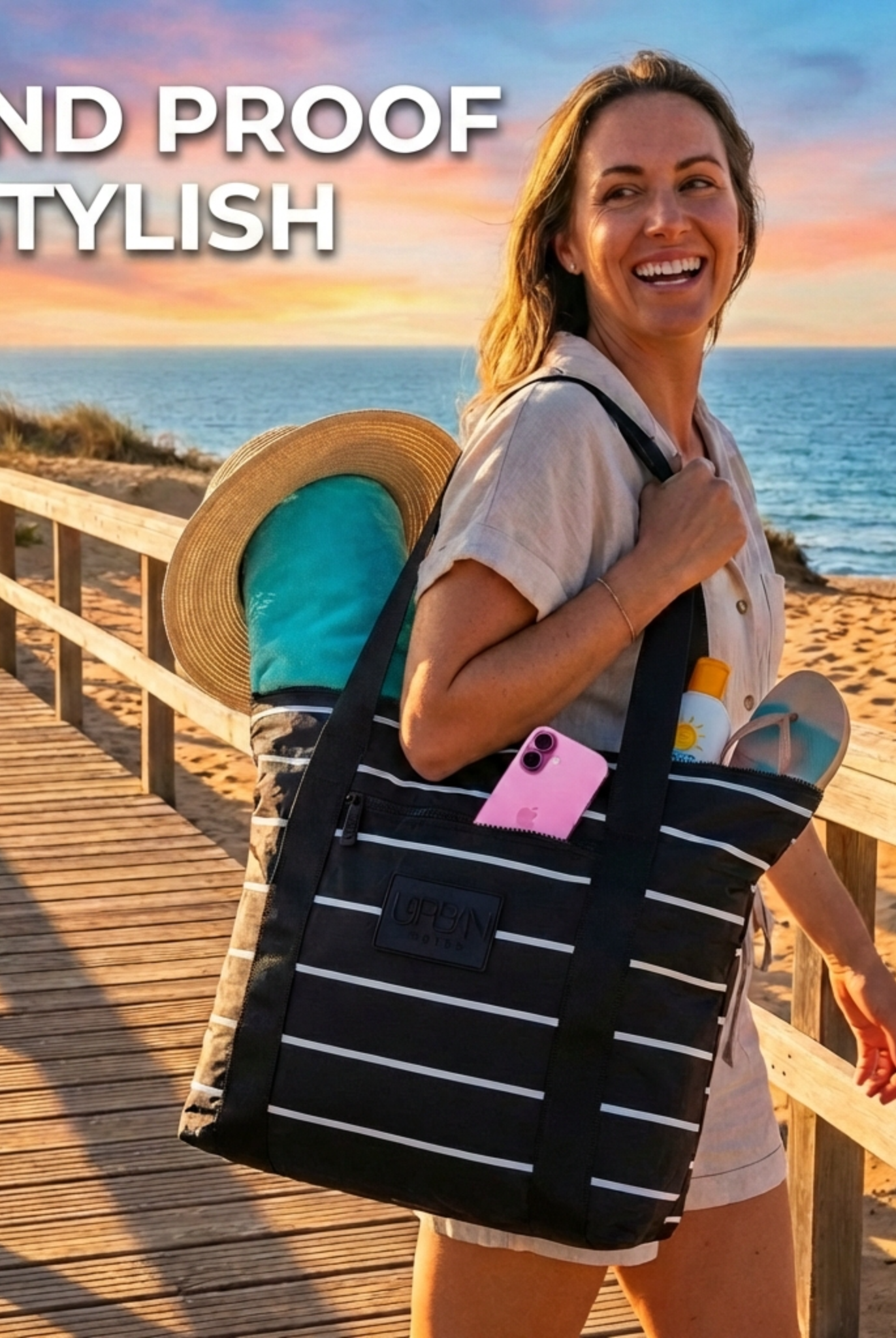
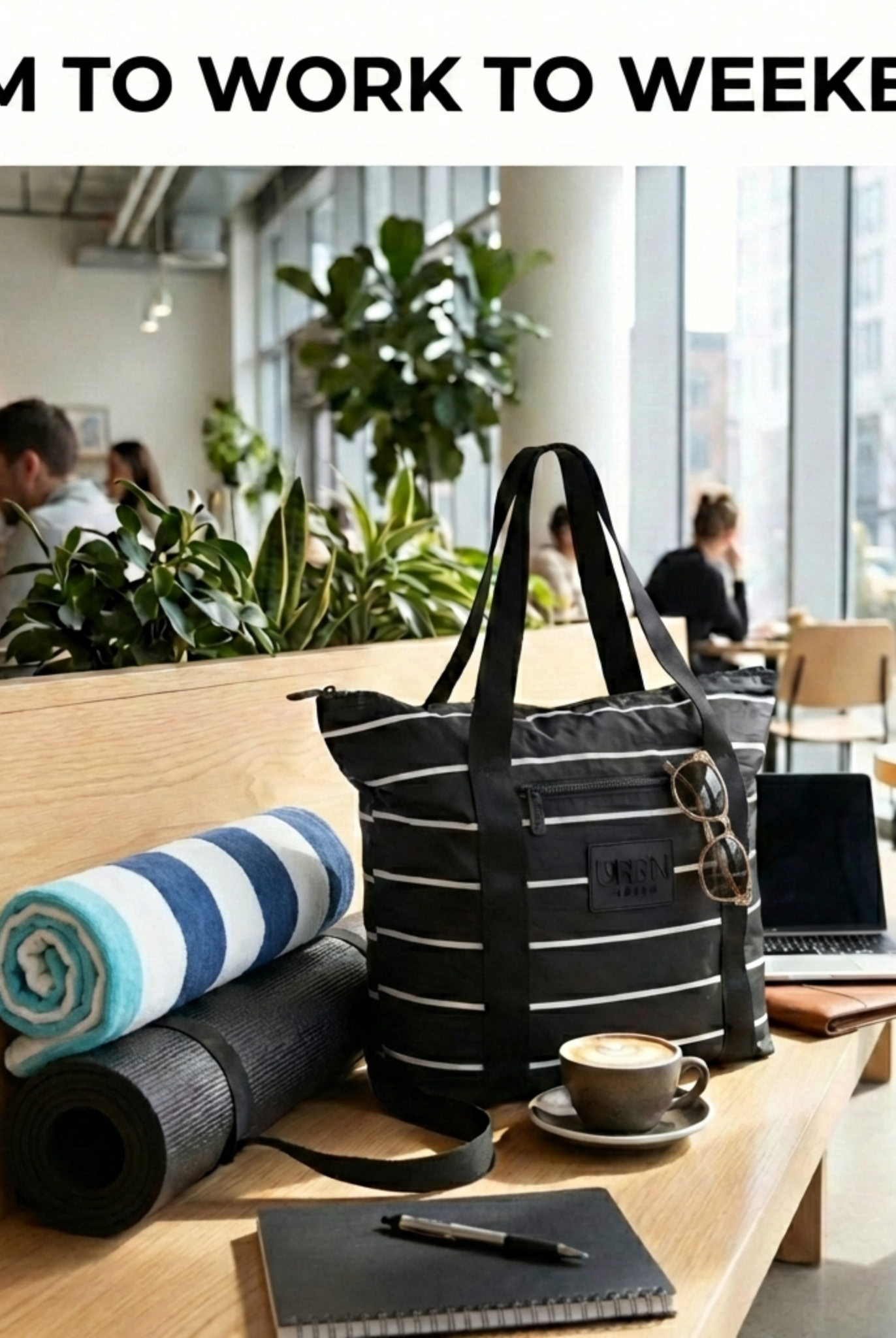
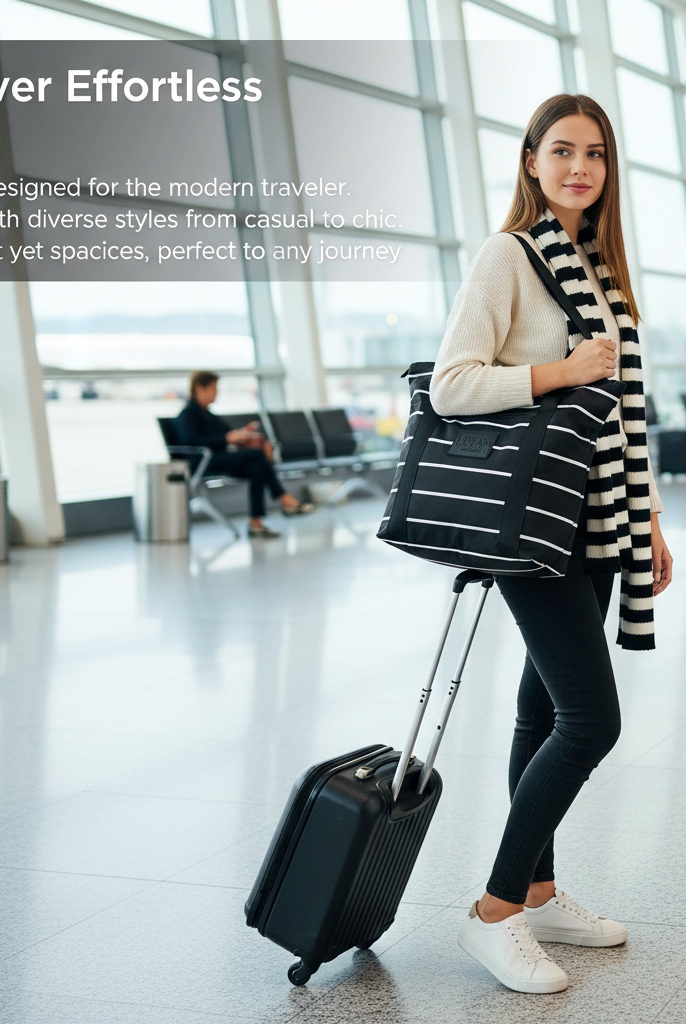
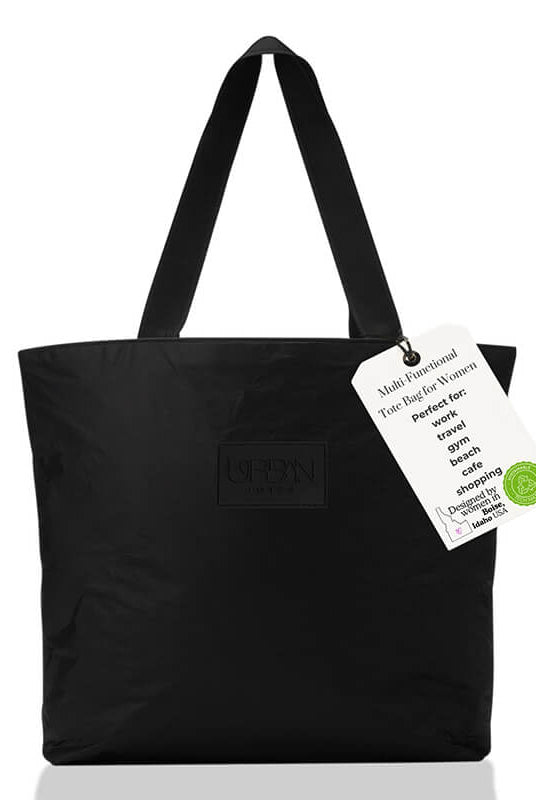
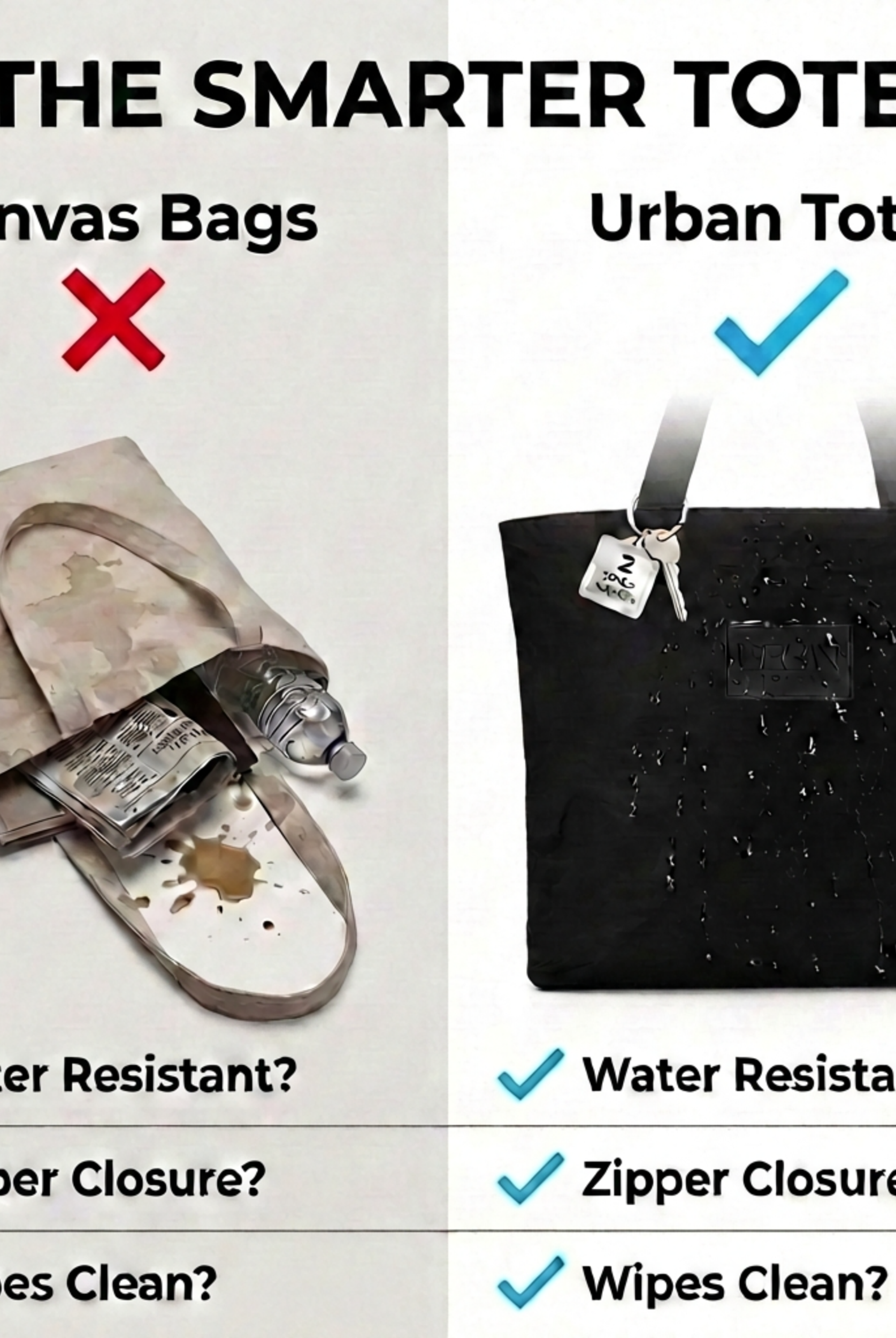
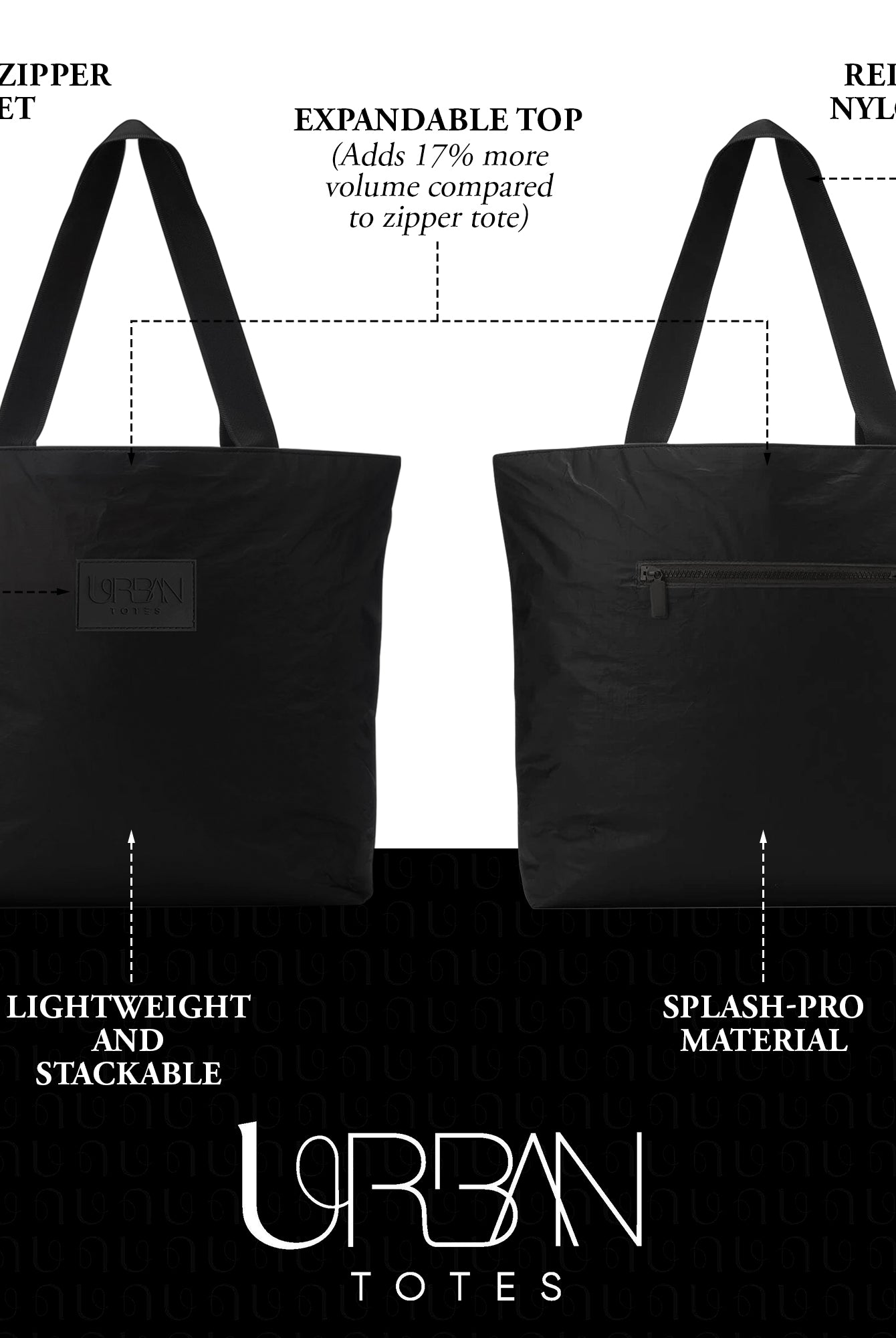
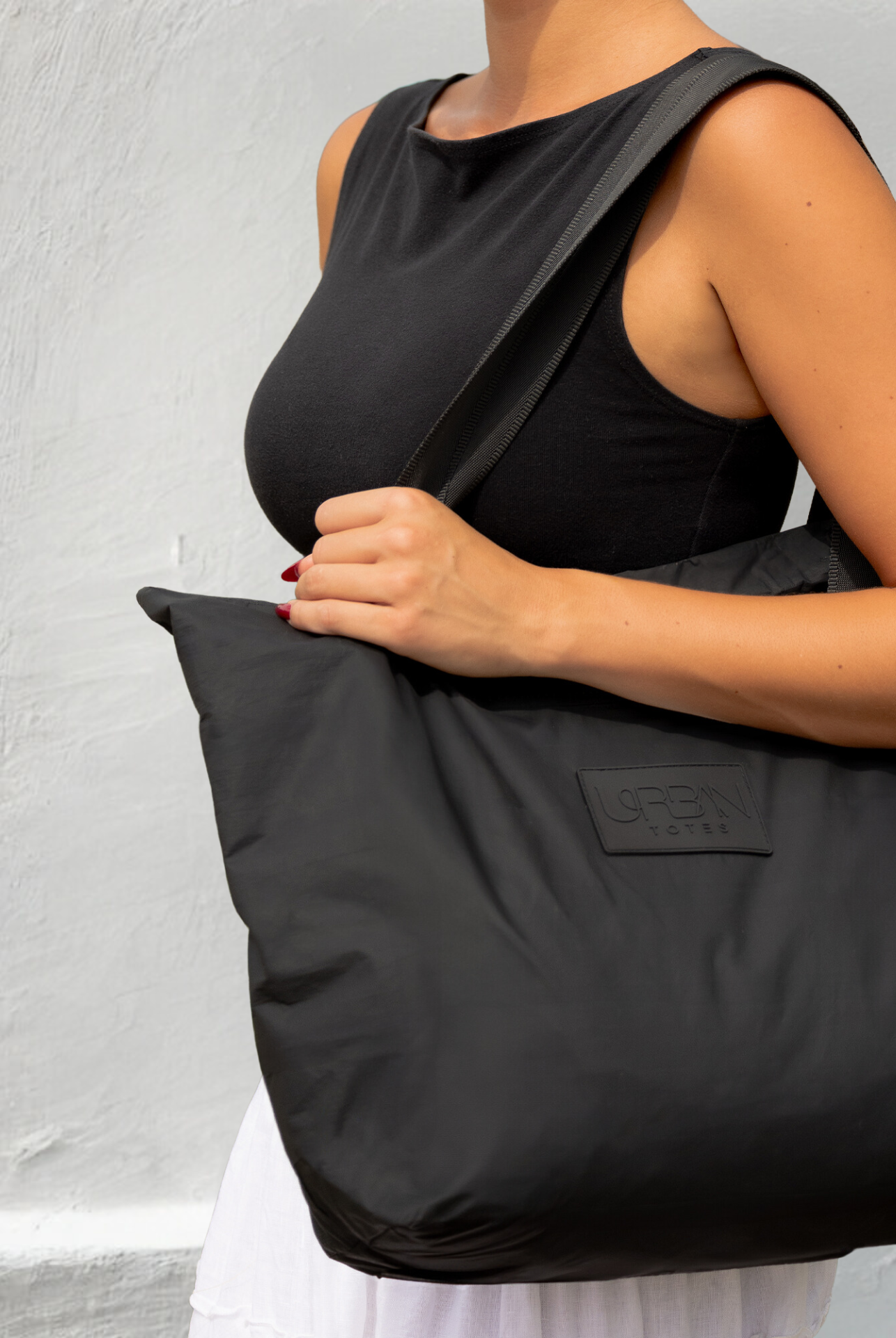
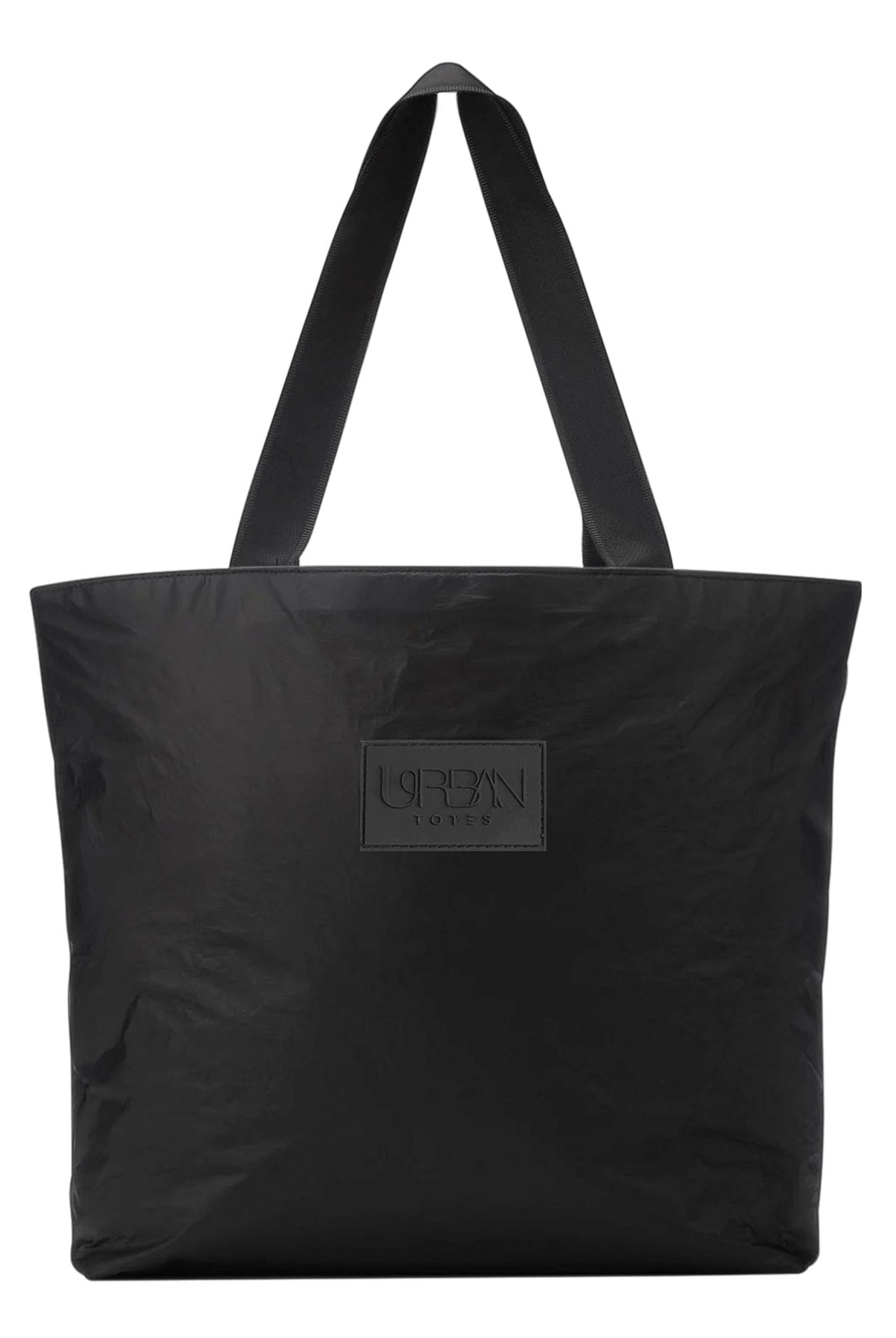
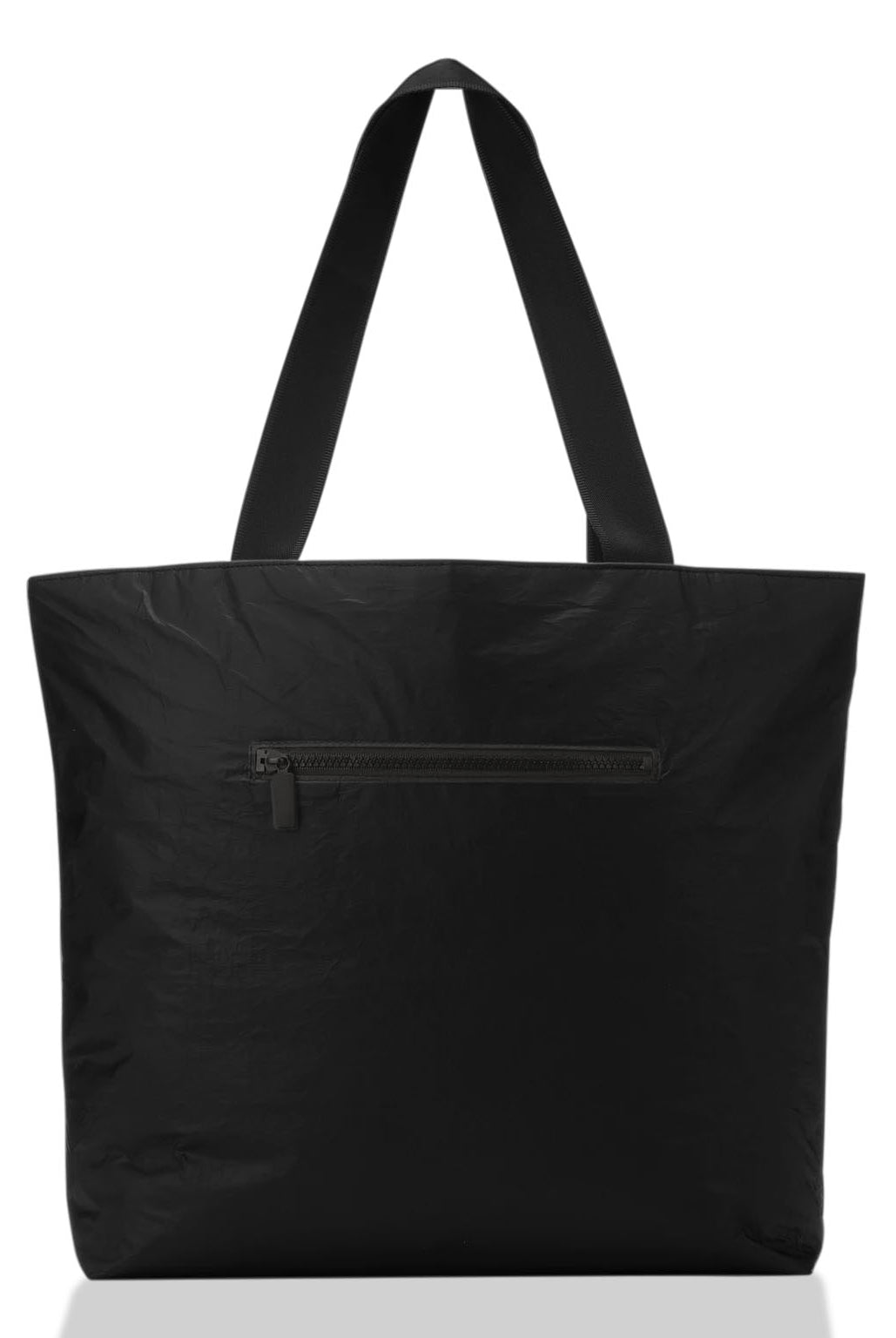
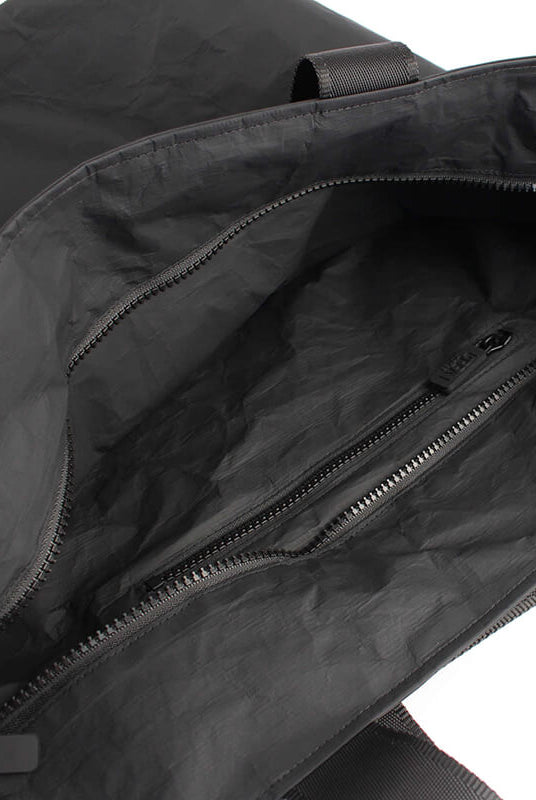
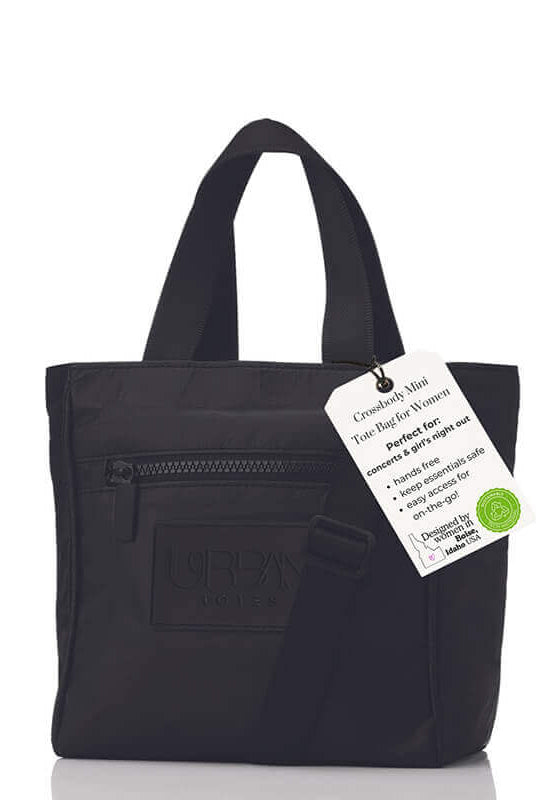
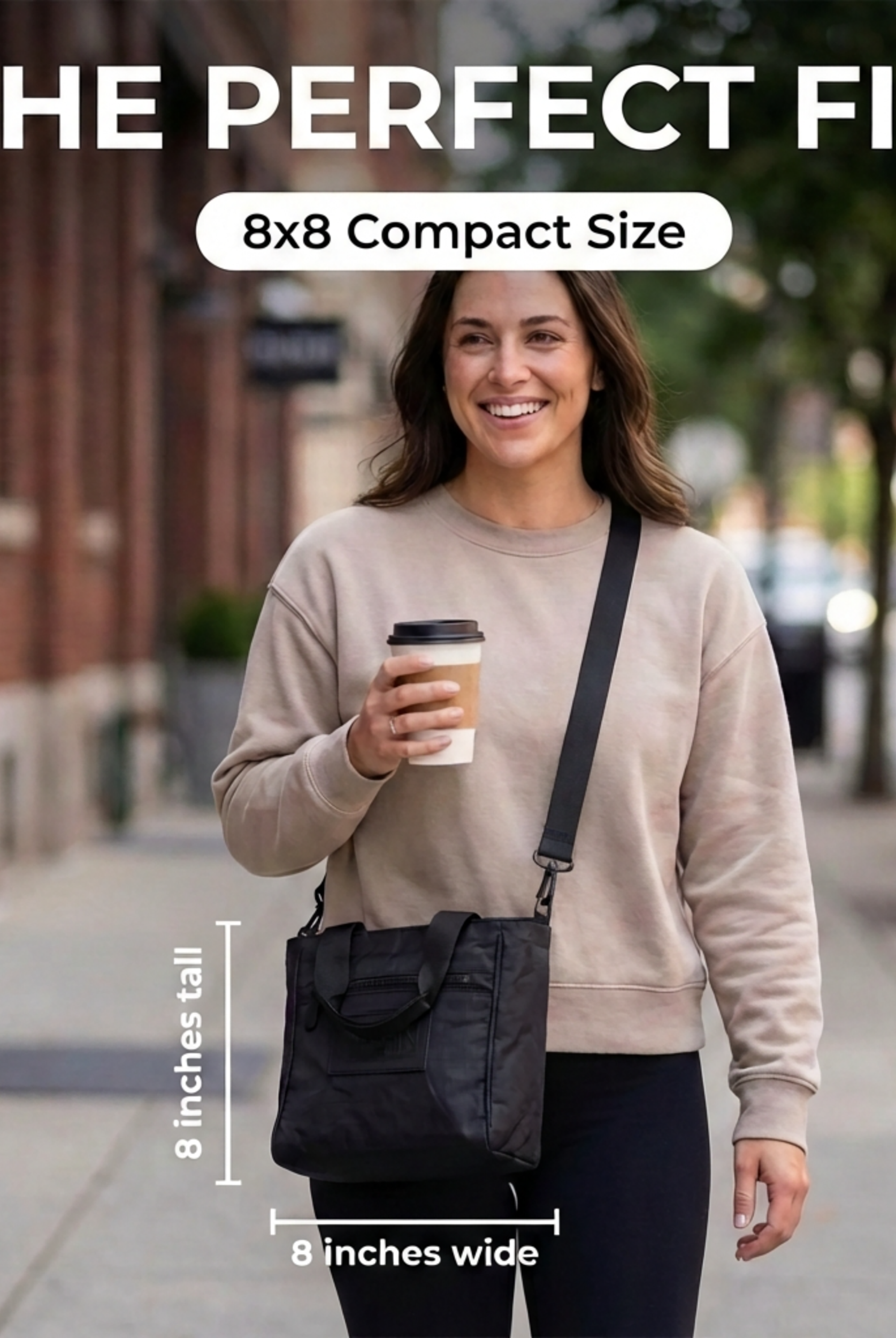
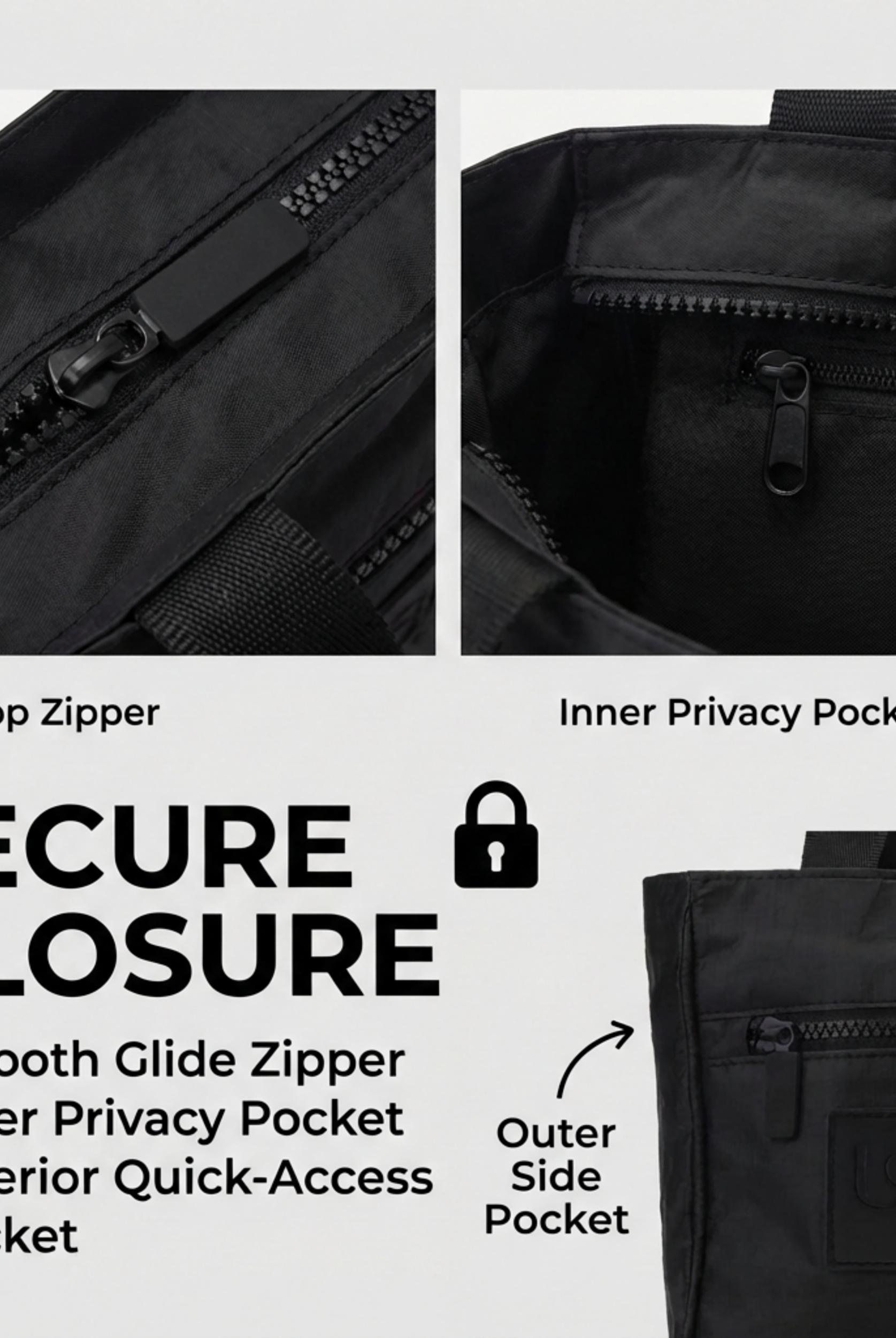
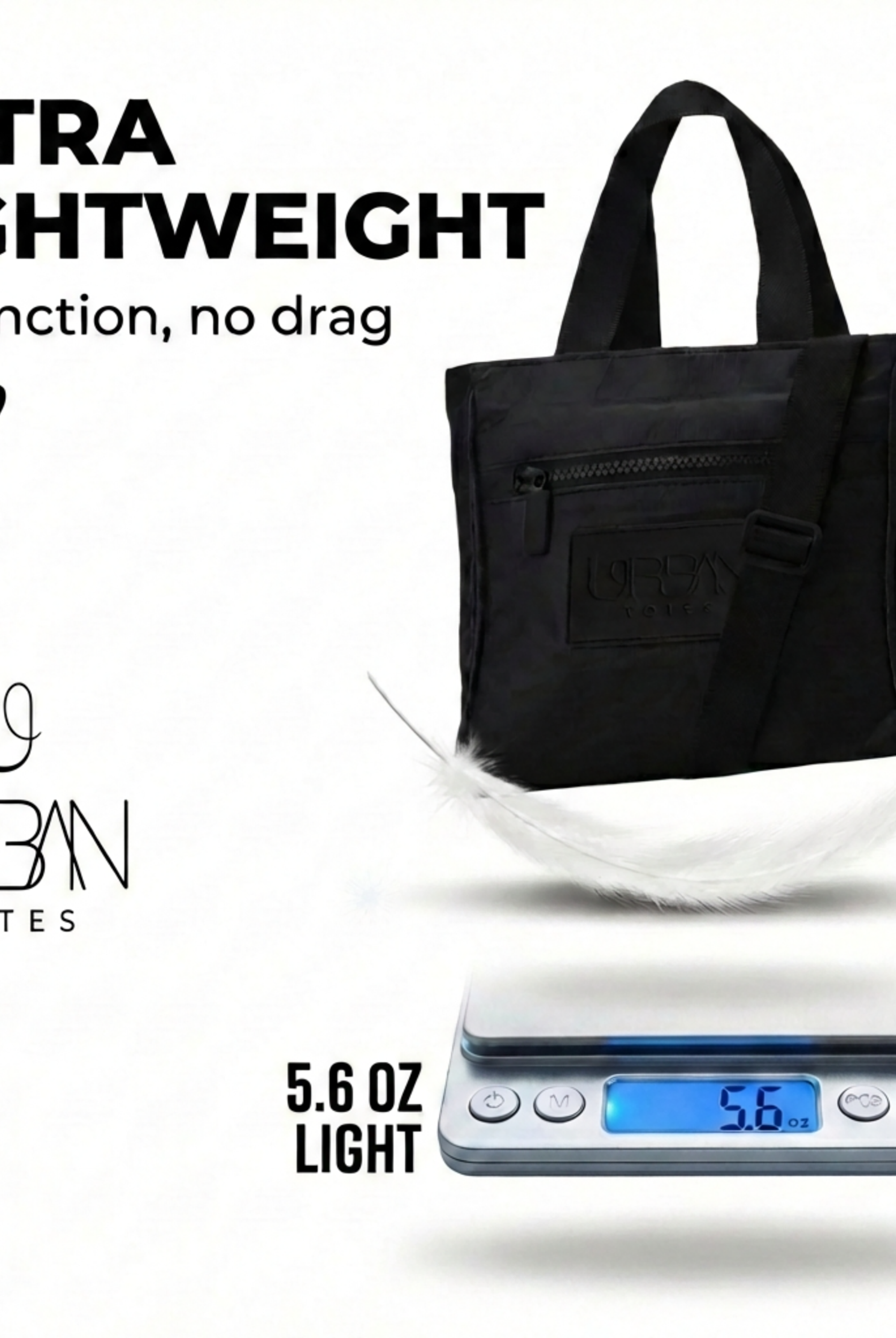
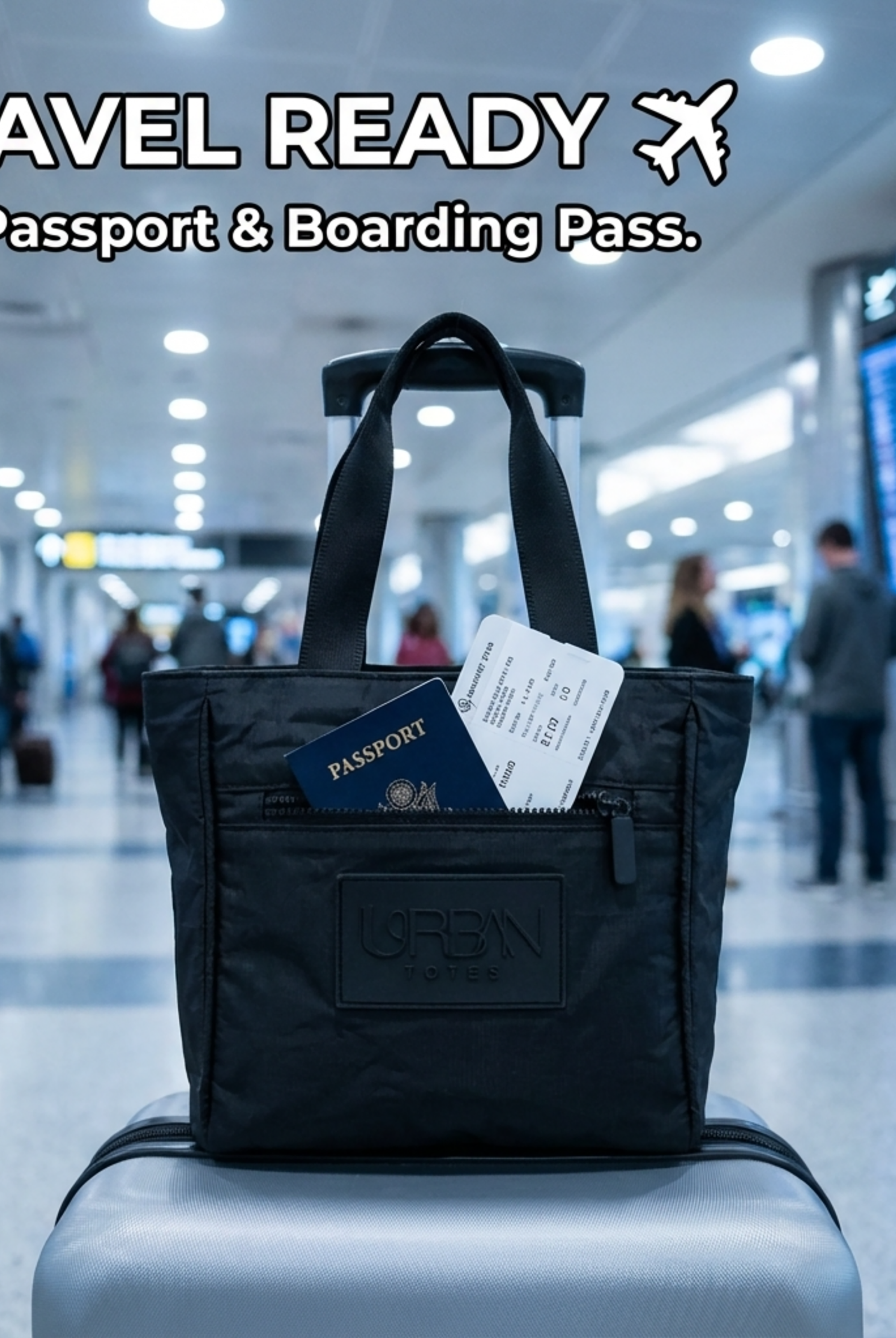
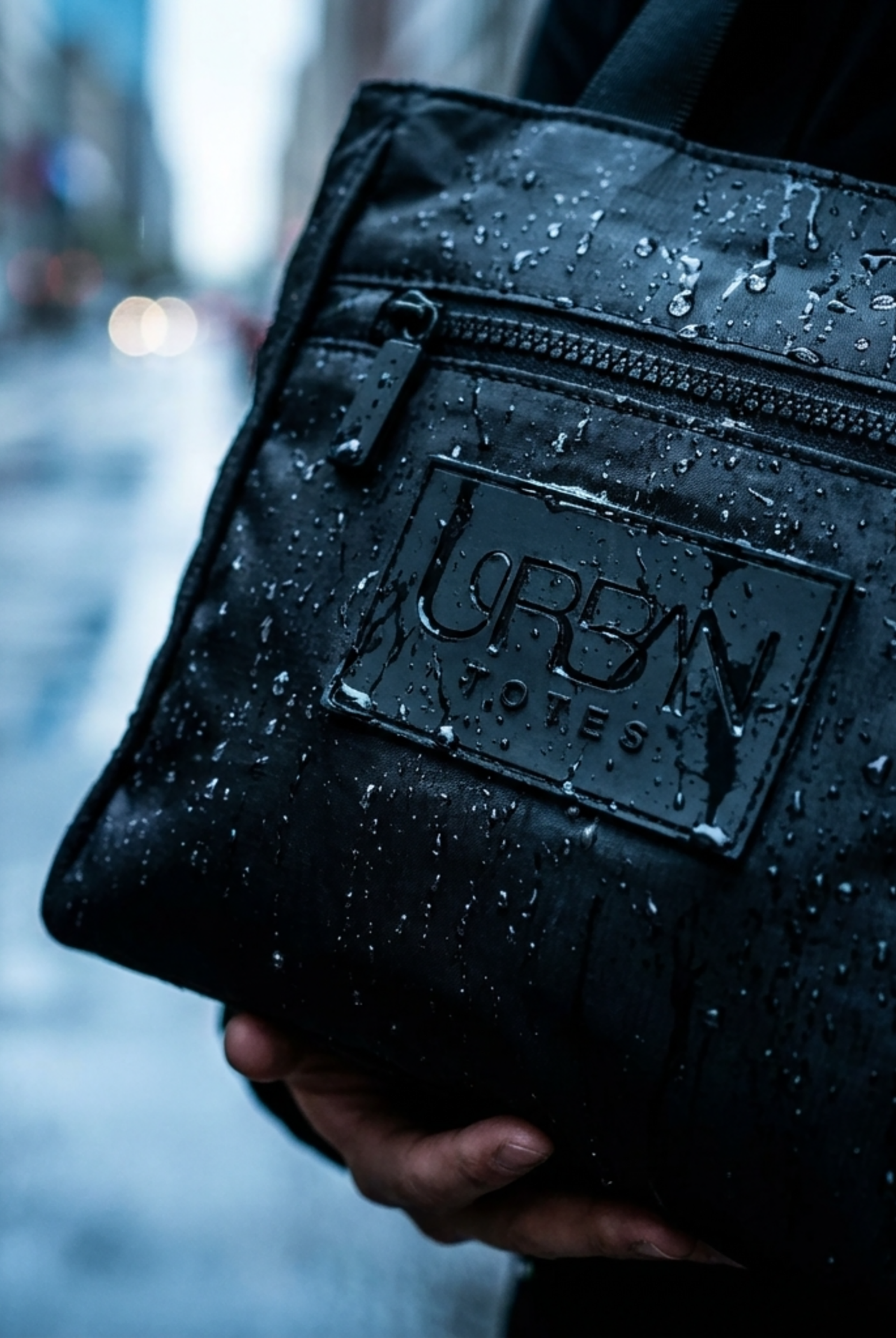
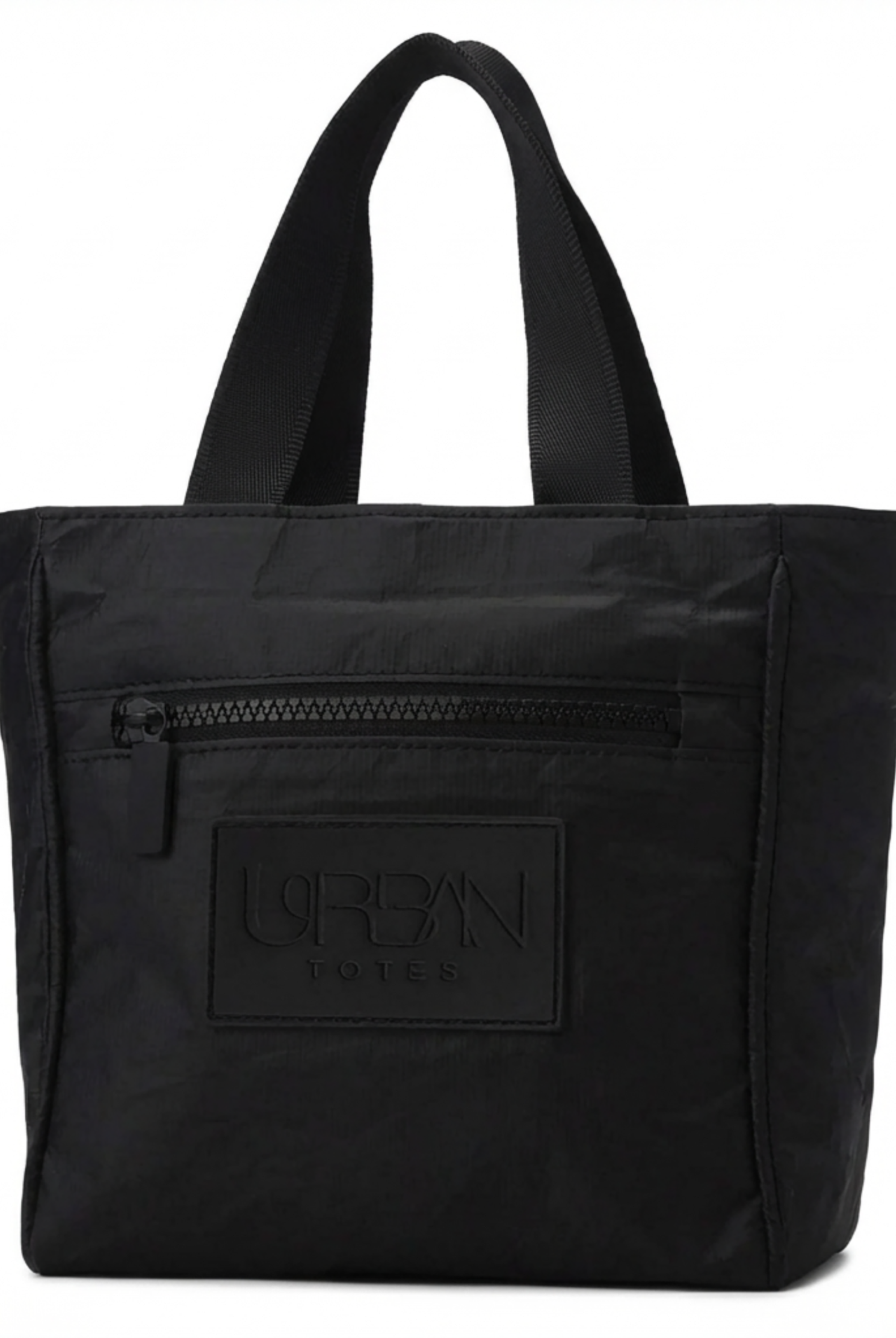
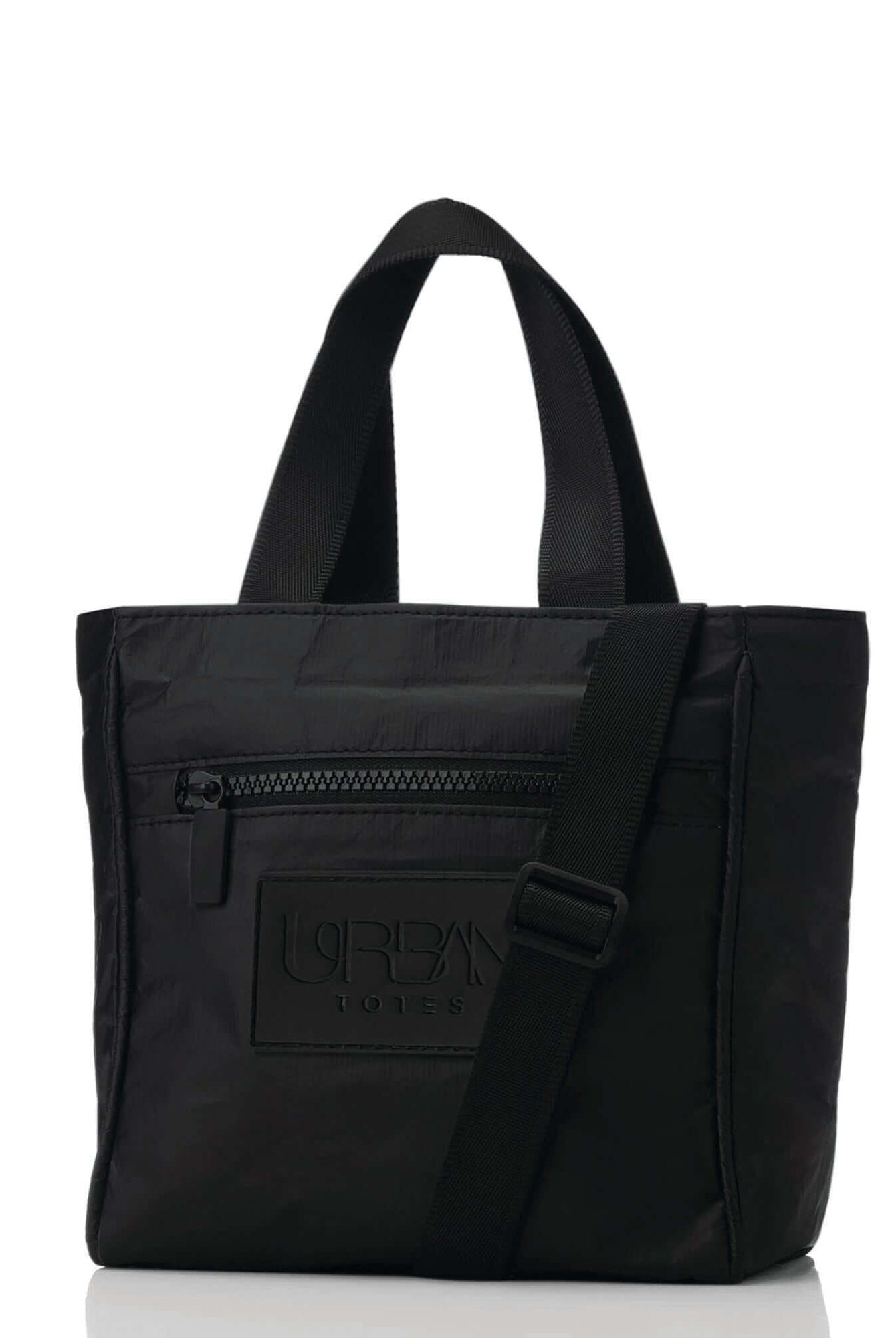
Urban Totes makes water-resistant, lightweight, packable, and foldable bags for everyday carry. Their zipper closures and multiple compartments help with organization, but they also call for cleaning around hardware instead of dropping the whole bag into a sink without inspection. These tote bag maintenance tips offer a useful reference for keeping an everyday carry in rotation.
My rule: If the bag still has its shape, padding, coating, or mixed-material trim, treat it like a garment and an accessory at the same time.
A fresh spill usually needs a targeted wipe, not a full wash. An overall refresh calls for careful hand-washing. Machine washing belongs only to unstructured pieces with a clear machine-safe label. Choose the least aggressive method that matches the mess, and your bag's shape, coating, and zipper have a much better chance of staying intact.
Prep Every Nylon Item Before Water Touches It
A sandy beach day or a wine spill at brunch can make a nylon tote look ready for a full wash. Start with preparation instead. Structured nylon bags combine fabric with hardware, padding, coatings, and compartments, so loose grit and trapped residue can cause damage once water and soap enter the picture.
Start with the bag, not the stain
Read the care label before choosing a method. Check for hand-wash instructions, machine-wash permission, cold-water limits, dry-clean-only wording, and warnings about coatings or mixed fibers. Labels mentioning PU, DWR, TPU, leather, glued seams, or special recycled fibers call for extra care. A dry-clean-only label rules out an improvised sink wash.
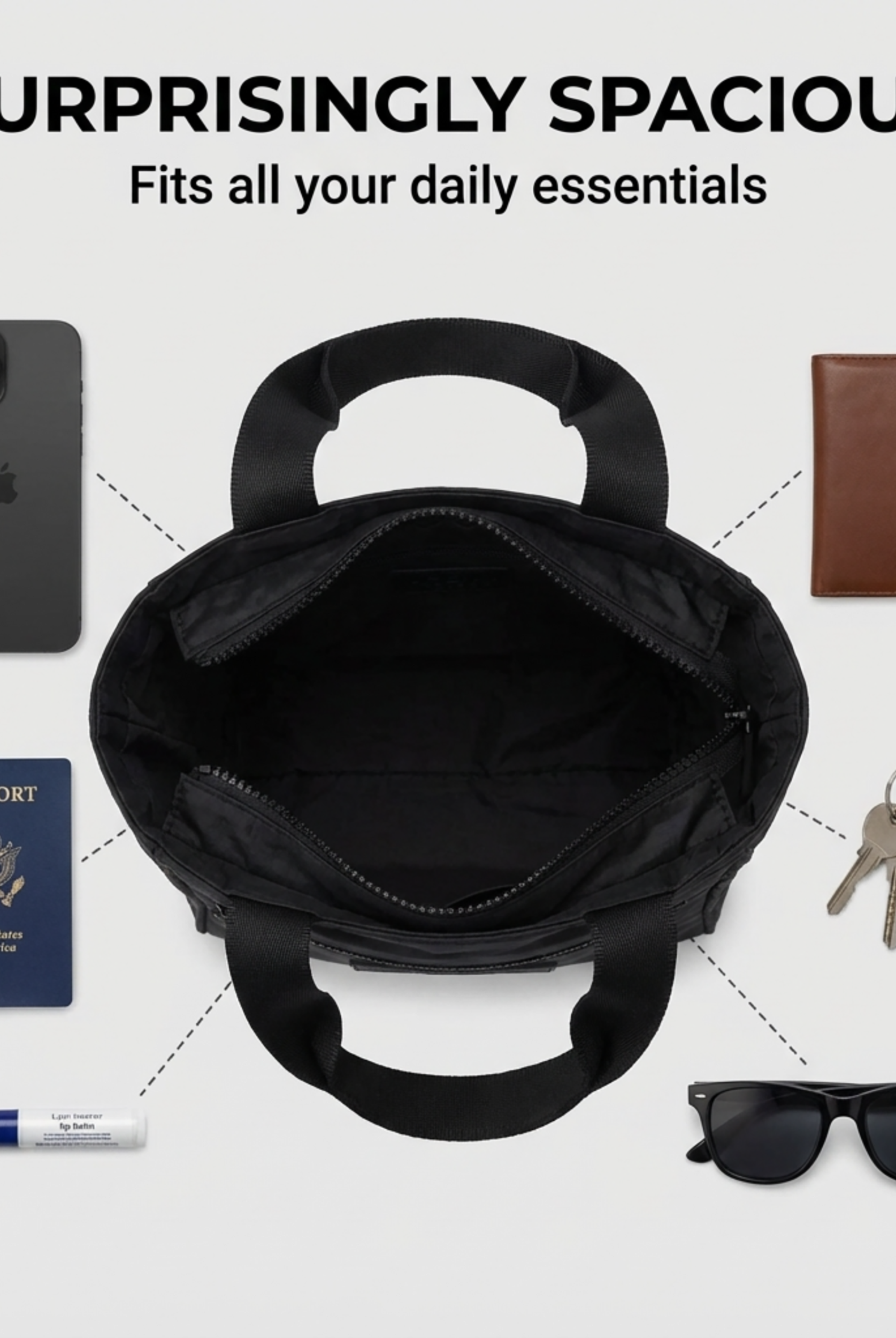
Empty every pocket, compartment, laptop sleeve, and interior pouch. Open the zipper closure, and turn the bag inside out only if its construction allows it. Shake out sand, crumbs, lint, and grit outdoors, then lift remaining debris with a lint roller or soft-bristle brush.
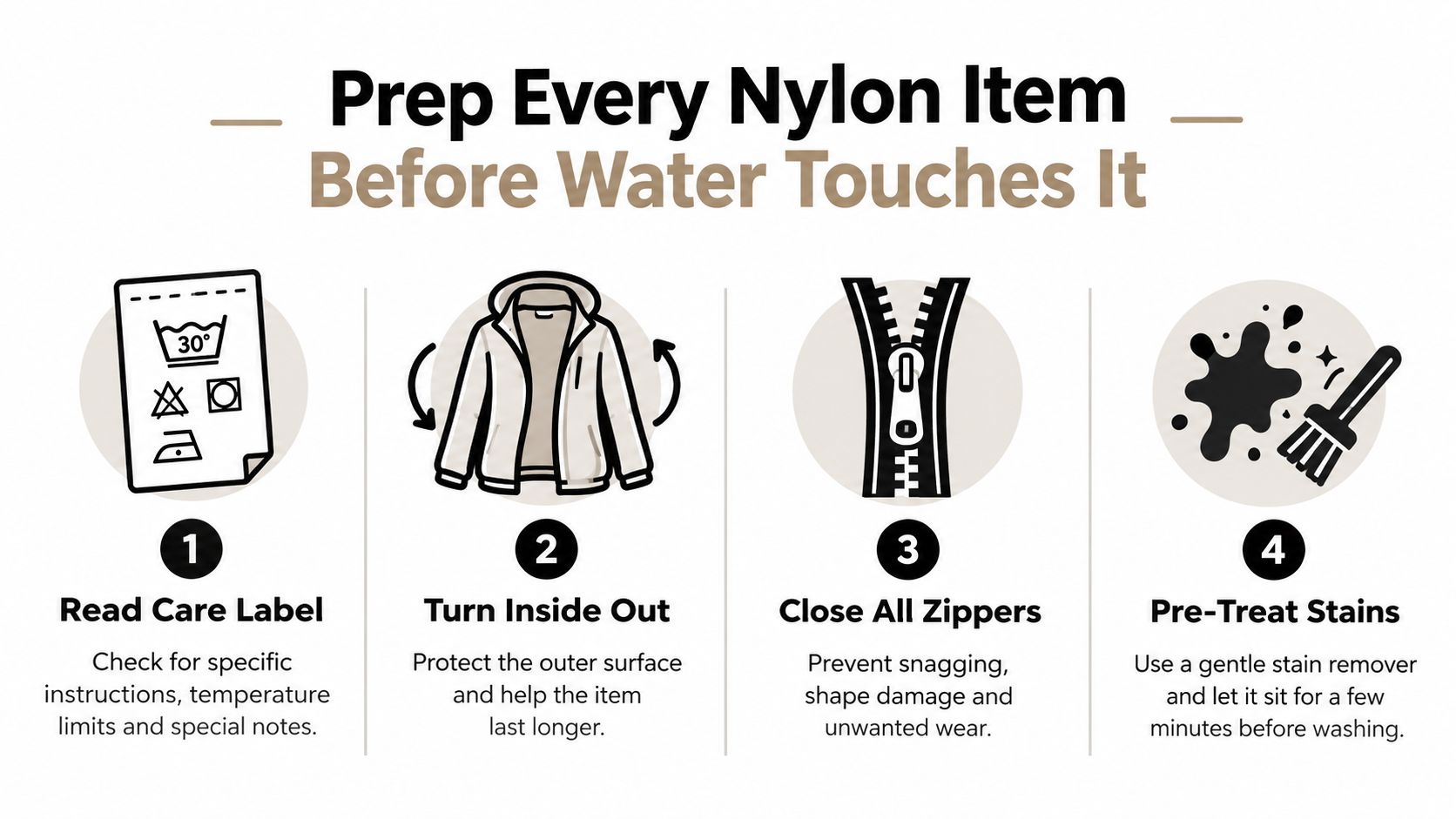
Inspect the vulnerable zones
Brush lightly along seams, strap stitching, zipper tape, base corners, and the underside of handles. These spots collect sunscreen, body oils, and dust, and often need targeted cleaning rather than a full soak.
Check metal rings, feet, sliders, and zipper pulls for tarnish or loose parts. Keep leather trim and coated panels away from standing water unless the label permits immersion. For bags with a water-resistant material, protect the finish by starting with a damp cloth and gentle pressure. Around hardware, wipe instead of scrubbing across the surface.
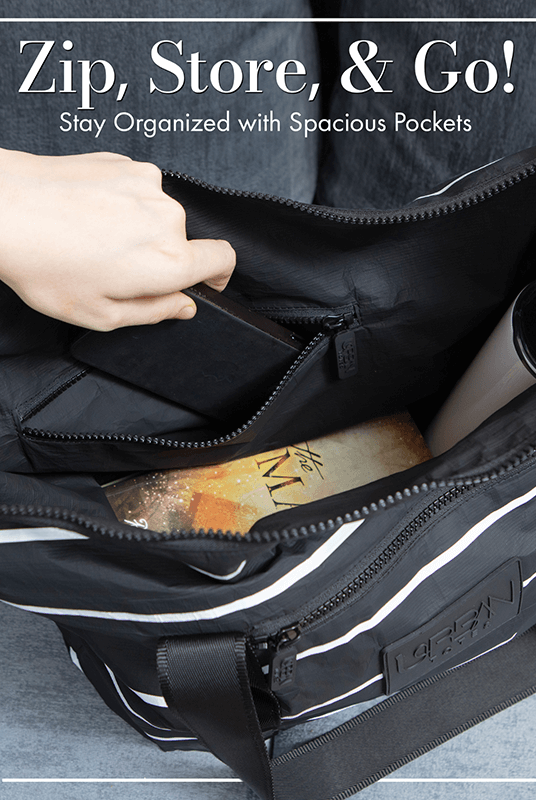
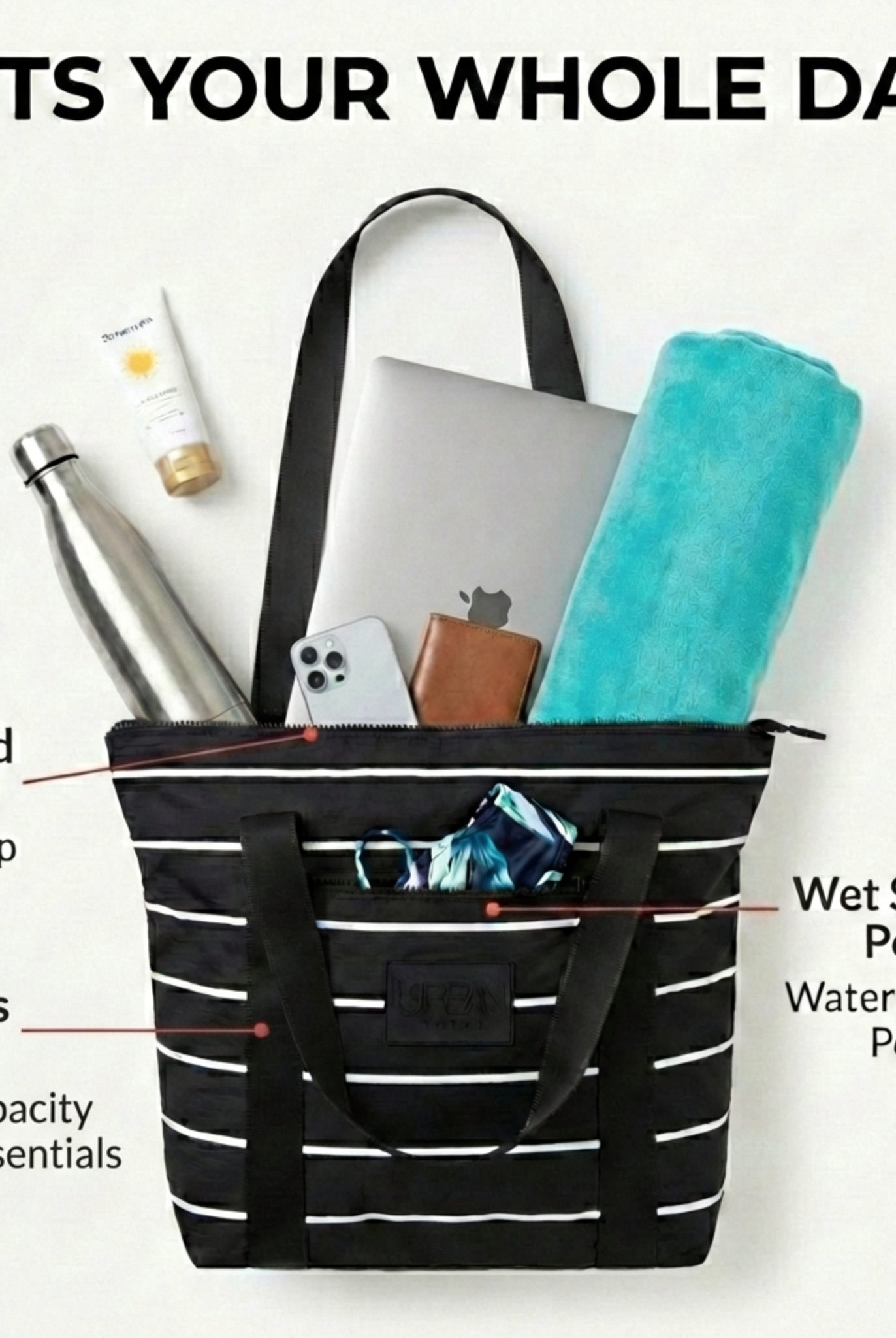
The Urban Totes Day Trip Tote Bag shows why this inspection matters. Its three large zippered compartments, phone pocket, and key pocket can all hide sand or crumbs, so emptying every section is part of cleaning, not an optional extra. Its water-resistant, lightweight, packable, and foldable construction suits everyday use, but inspect seams and closures before choosing a wipe-down or wash.
For delicate textiles that are too large or specialized for home care, curtain cleaning services may be more suitable. A nylon bag should leave this inspection ready for controlled spot treatment or hand-washing.
Hand-Washing Nylon the Safe and Simple Way
After a sandy beach day or a wine spill at brunch, a structured nylon tote, crossbody, backpack, or weekender needs controlled cleaning. Hand-washing is my default for these hybrid garment-and-accessory pieces because you can manage pressure, water exposure, and hardware without tumbling padded panels, zipper tape, or shaped corners.
Fill a clean basin or sink with lukewarm water, keeping it no hotter than 30°C, or 86°F. Add a small amount of mild liquid detergent, such as a delicate fabric wash. For a greasy exterior, diluted gentle dish soap can work, but use very little. Excess soap leaves residue, attracts dirt, and can make a water-resistant finish look dull.
Use controlled agitation
Submerge only the nylon portion if the care label allows it. Swish gently for two to three minutes, focusing on visible soil. Use a soft microfiber cloth or soft-bristle brush with small circular motions and light pressure. Keep the brush away from seams, printed details, and coated panels, where aggressive scrubbing can weaken stitching or change the finish.
Clean around the hardware rather than soaking it. Wipe metal feet, rings, zipper teeth, and pulls with a damp cloth, and keep leather trim above the waterline. Support a padded base or structured side panel with your hand instead of folding or crushing it. This protects the bag's shape while you clean the fabric.
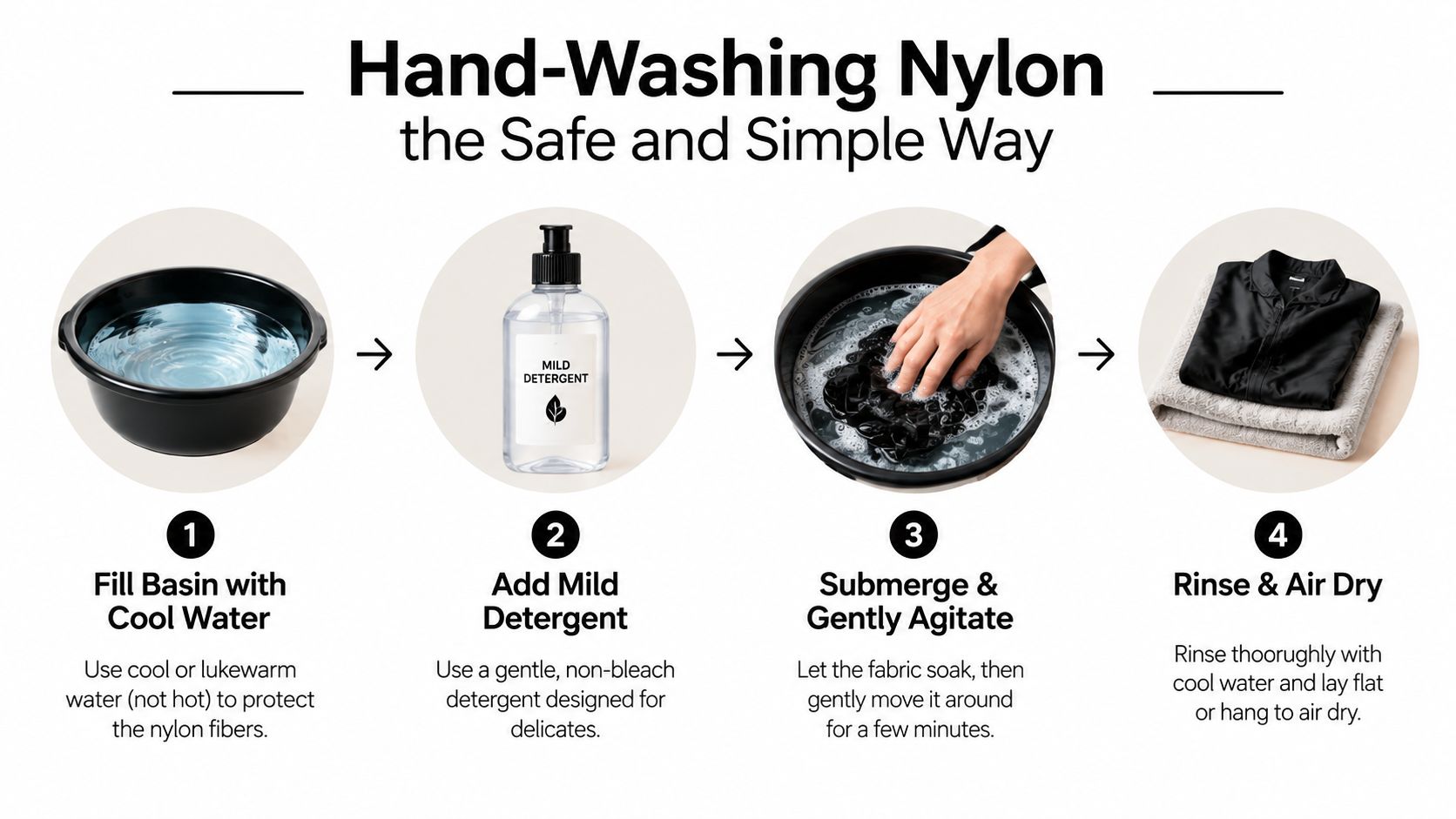
Rinse under cool running water until it runs clear and the fabric no longer feels slippery. Residual detergent attracts fresh dirt and may affect the bag's finish. Skip bleach and fabric softener, and never wring nylon. The Laundress nylon guidance supports mild detergent and gentle handling for this material.
Remove water without twisting
Place the clean bag between towels and press down. Do not twist, wring, or sharply fold it. Pressing removes excess water without stressing the weave, straps, or internal structure.
For a washable textile item rather than a shaped bag, follow these washable tote bag care notes before selecting a machine cycle. A structured bag with hardware deserves controlled hand-washing whenever the label permits it.
Machine-Washing Nylon Without Damaging It
Machine washing suits only certain nylon pieces. A removable lining, polyfill pillow insert, or unstructured tote shell without leather trim or substantial hardware may qualify, but the care label makes the decision. A sturdy-feeling fabric alone is not permission to use the drum.
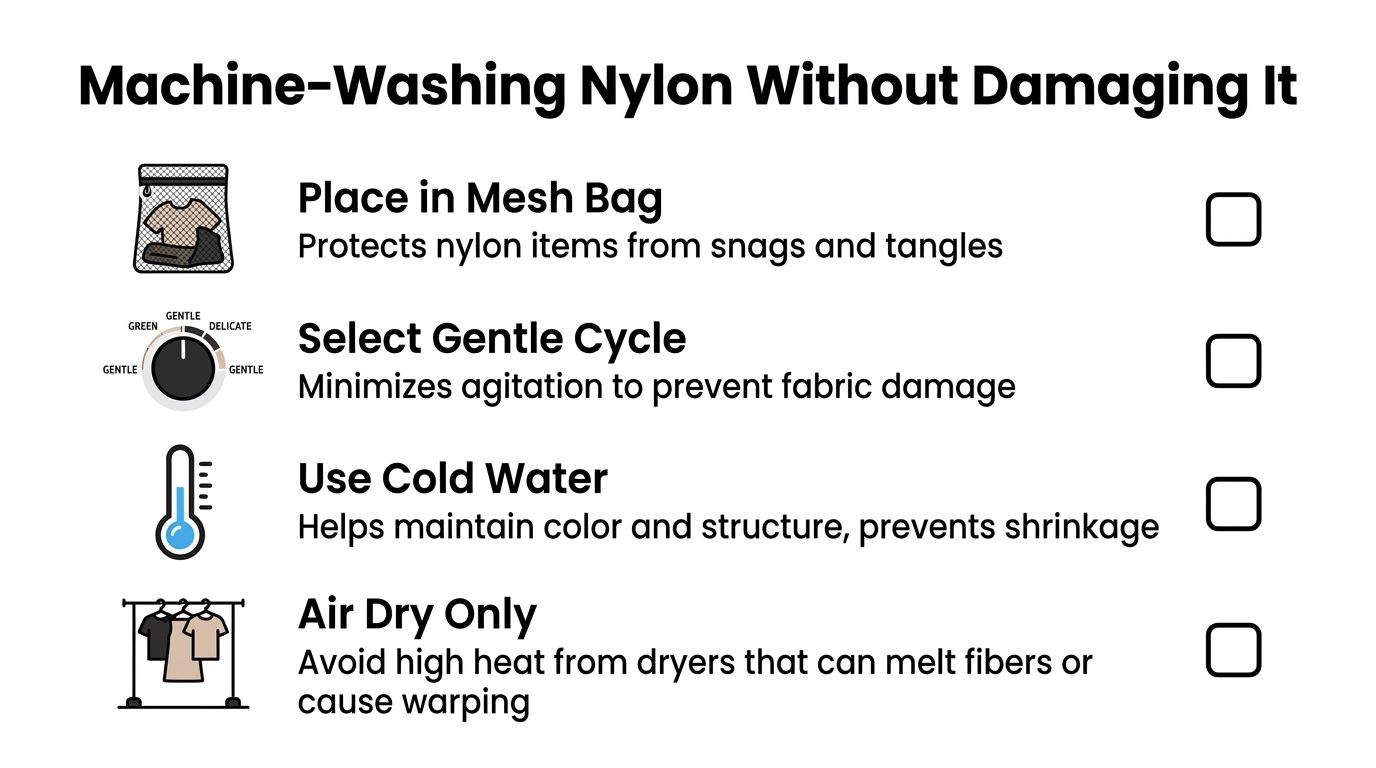
Before loading, empty every compartment and close all zippers and fasteners. Put the item in a mesh laundry bag so straps do not tangle and zipper teeth do not catch on other textiles. Select the delicate or gentle cycle, use cold water, and keep the temperature at 30°C, or 86°F, maximum. The Spruce also recommends cooler washing and the lowest permitted drying heat. Air-drying is the safer choice.
The machine-safe shortlist
Use the machine only when the construction can tolerate tumbling:
- Unstructured nylon shells: With little internal shaping, they are less likely to distort.
- Removable linings: Wash them separately when the label permits.
- Polyfill inserts: Place them in a mesh bag and leave room in the drum.
- Clearly labeled machine-wash items: Follow the listed cycle and temperature exactly.
Choose mild liquid detergent. Skip powder, bleach, and fabric softener. Set the lowest spin option available to reduce creasing and strain on straps. Keep hardware from rubbing against the drum by securing loose pulls inside the mesh bag.
Keep these out of the drum
Leave coated waterproof nylon, DWR-treated or PU-backed material, TPU-backed panels, leather-handled bags, metal-footed bags, glued seams, structured weekenders, and structured backpacks out of the machine. Tumbling can warp panels, stress adhesives, disturb coatings, and leave a shaped bag uneven. Around zippers, rings, and other hardware, controlled hand-cleaning remains the safer method.
Take the item out as soon as the cycle ends. Reshape it while damp, open every compartment, and air-dry it promptly. The same rule applies to other washable gear. If you need to dry a yoga mat after washing, drying position and airflow matter just as much as the wash.
For a product-specific comparison, these Longchamp bag cleaning notes help assess material, structure, and hardware before choosing a cycle. If the label is unclear, hand-wash instead.
Stain Removal by Type for Real Life
A wine spill at brunch, sunscreen on a beach tote, or sand ground into a backpack needs a targeted response. Nylon bags combine fabric, lining, padding, coatings, and hardware, so one aggressive scrub can create a bigger problem than the original stain. Blot fresh spills, test every treatment on a hidden seam, and keep liquid away from leather trim and untested coated panels.
Match the treatment to the stain
Oil-based stains, including sunscreen, makeup, salad dressing, and body oil, need mild grease-cutting action. Mix a small dot of mild dish soap with cool water. Dab the solution onto the mark with a soft cloth or fingertip, working from the outside toward the center. Rinse the spot, then clean it with mild detergent. Skip hot water, which can set oily residue more firmly.
Dye stains, such as wine, coffee, and berry juice, respond best to immediate flushing. Rinse the reverse side with cool running water, directing the pigment out of the fabric instead of pushing it farther through. For a fresh mark, spread on a baking soda paste for 15 minutes, then rinse and wash. GuideGrove's nylon cleaning protocol recommends immediate blotting, reverse-side rinsing, mild pretreatment, and avoiding heat-setting.
Protein stains, including blood, sweat, and food residue, require cold water. Rinse first, then use an enzyme-based cleaner only if the care label and finish permit it. Apply it with a cloth around zippers, rings, and stitched pockets rather than soaking the whole structured bag. Keep enzyme products away from leather, printed details, and untested coatings.
Odors from smoke, mildew, or a gym bag need airflow before stronger treatment. On a washable, uncoated nylon area, apply one part white vinegar to three parts cold water and let it sit for 30 minutes before washing. Never combine vinegar with bleach, and skip vinegar on leather or coated panels.
| Stain Type | Examples | Pre-Treatment | Water Temp |
|---|---|---|---|
| Oil-based | Sunscreen, makeup, salad dressing | Dot of mild dish soap in cool water | Cool |
| Dye | Wine, coffee, berries | Reverse-side rinse, then baking soda paste for 15 minutes | Cold |
| Protein | Blood, sweat, food | Cold rinse, then suitable enzyme cleaner | Cold |
| Odor | Smoke, mildew, gym-bag smell | One part vinegar to three parts cold water for 30 minutes | Cold |
Know when to stop
Old stains may need more than one gentle pass. Apply the matching treatment, rinse completely, clean the area, and inspect it only after drying. Repeated hard scrubbing can strip color, roughen the weave, or disturb a water-resistant finish. If a faint shadow remains after a couple of careful passes, leave it alone.
Avoid chlorine bleach, harsh stain sticks, strong solvents, and undiluted acids. These products can discolor nylon, weaken fibers, or affect coatings and recycled synthetic finishes. For broader material-matching guidance, the executive carpet cleaning 2026 playbook offers a useful comparison, but a structured nylon bag still calls for controlled spot-cleaning around its hardware and coated surfaces.
Drying, Storage, and Long-Term Care
Heat is the nylon-care rule I will not bend. High heat can damage the fiber, so air-dry your bag whenever possible. Use a dryer only on its lowest setting when the care label specifically allows it. Laundry guidance for nylon supports this approach.
After rinsing, press the bag between clean towels instead of wringing it. Fill the interior with clean white towels or unprinted paper to hold the tote, crossbody, weekender, or backpack in shape. Stand it upright in a well-ventilated spot away from direct sunlight. After a few hours, rotate or flip the bag so moisture under the base, inside pockets, and around the hardware can escape.
Let the structure recover naturally
Skip the hair dryer. Concentrated heat can warp panels, soften adhesives, and affect coated surfaces. A hot tumble dryer can spread that damage across the whole bag.
Nylon items may need 12 to 24 hours to dry, depending on humidity. Do not store the bag just because the outside feels dry. Check the lining, base, padding, and areas beneath pockets.
Drying rule: If any part still feels cool or damp, the bag is not ready for storage.
When the bag is completely dry, stuff it with acid-free tissue to prevent collapse and permanent creases. Choose a breathable cotton dust bag over plastic, which can trap moisture. Store structured pieces upright whenever possible, with reinforced corners supported rather than crushed. These tote bag storage ideas can help you arrange a closet without pressing bags against one another.
Maintain the details
Check the care label before applying a spray-on water repellent to a bag that originally had a water-resistant finish. Guidance commonly places finish refreshes at 6 to 12 months, but the product maker's instructions must control the timing and surface compatibility. Test any coating product on a hidden area first, and never spray coated panels, leather trim, or metal hardware without confirming that the product suits them.
For a dragging zipper, rub a graphite pencil lightly along the teeth. A tiny amount of candle wax can work too, but excess wax attracts lint. Keep either lubricant away from nylon panels and the lining, then wipe around the zipper so residue does not collect sand or dust.
Your Go-Anywhere Nylon Care Cheat Sheet
After a sandy beach day or a wine spill at brunch, reset a nylon bag in this order:
- Check the label first. Confirm whether the tote, crossbody, weekender, or backpack is hand-wash only, machine-safe, or dry-clean only.
- Default to hand-washing. Use cool-to-lukewarm water, no hotter than 30°C, or 86°F, and mild liquid detergent. This approach gives structured bags better protection around coated panels, seams, and hardware.
- Skip heat. Air-dry whenever possible. Use a dryer only at its lowest setting when the care label clearly permits it.
A screenshot-friendly checklist
- Fresh spills: Blot immediately instead of rubbing, then rinse the reverse side with cool water.
- Sunscreen and makeup: Dab with a small amount of mild dish soap diluted in cool water before washing.
- Wine and coffee: Flush from the inside out, then apply a baking soda paste for 15 minutes.
- Sweat and food: Keep the water cold and use a compatible enzyme pretreatment.
- Odor: On suitable uncoated nylon, soak with one part white vinegar and three parts cold water for 30 minutes. Avoid this on coated fabric, leather trim, or uncertain finishes.
- Structured bags: Clean by hand around panels, seams, zipper tape, leather trim, and metal hardware. Keep water and detergent from pooling beneath fittings.
- Machine-safe pieces: Place the item in a mesh laundry bag. Choose a gentle cycle with cold water and mild liquid detergent, and skip fabric softener.
- After washing: Press between towels, reshape immediately, stuff the bag, and air-dry it upright. Check the lining, base, padding, and pockets before calling it dry.
- Before storage: Make sure every compartment is fully dry. Use acid-free tissue and a breathable dust bag, then store structured pieces upright.
- When to stop: If a ghost shadow remains after careful treatment, stop scrubbing. Protecting the color and coating matters more than chasing a faint mark.
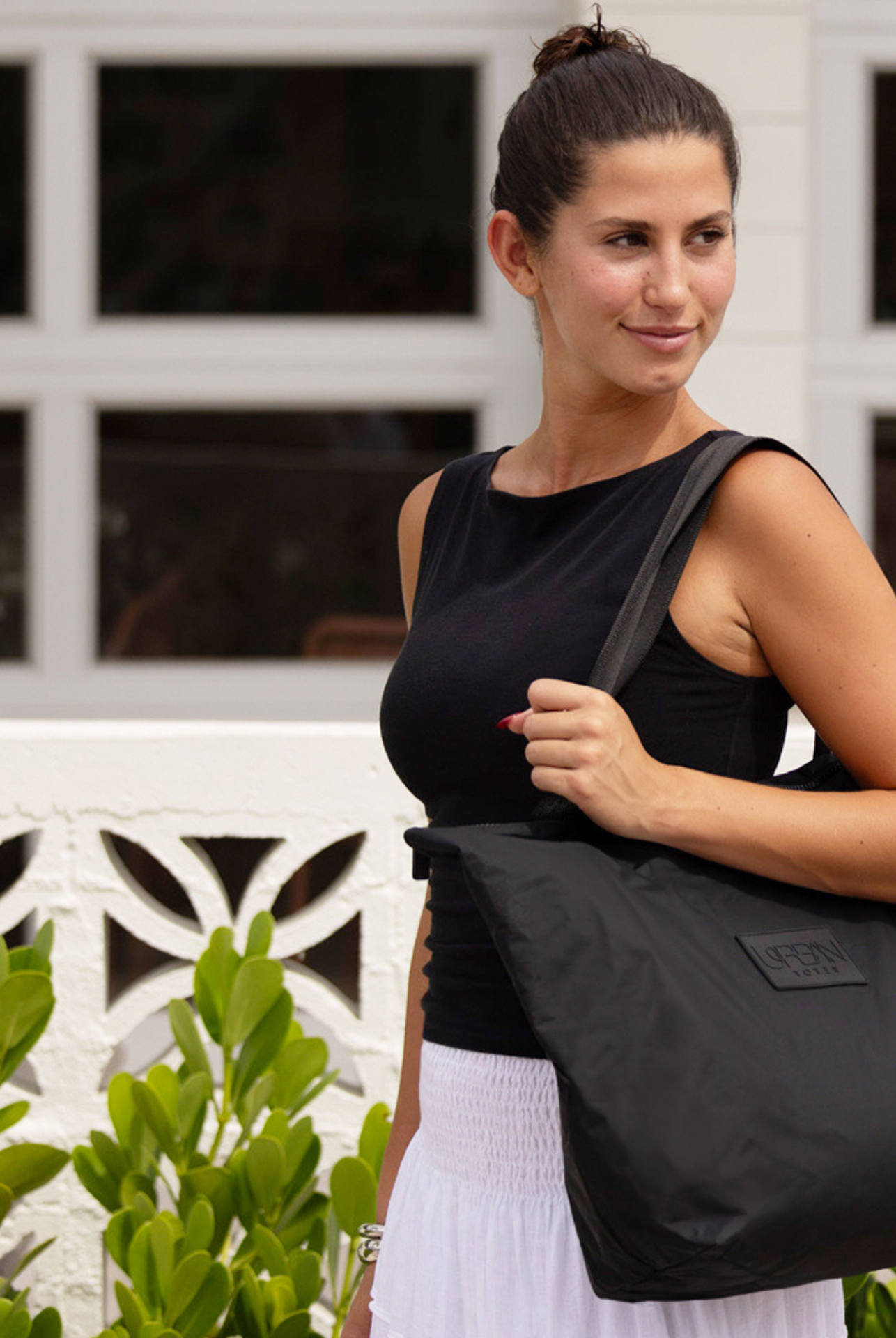
Nylon suits busy days, from school drop-off to the airport and a beach chair, but rough treatment still damages its finish and shape. Urban Totes is a woman-owned, Boise-made brand focused on thoughtfully designed, stylish, functional carry for real life. Clean the tote you already love before deciding it needs replacing.
Urban Totes offers water-resistant, lightweight, packable, and foldable totes and crossbody styles with organized compartments and zipper closures for everyday carry, travel, errands, and beach days. Visit Urban Totes to find a go-anywhere bag ready for the day ahead.