At 7:42 a.m., one hand is holding coffee, the other is fastening a child's jacket, and your laptop is balanced against your hip. Your tote is open on the passenger seat, but your keys have disappeared beneath a charger, a water bottle, and yesterday's snack wrappers. By the time you reach school drop-off, you're already wishing your work bag had been designed for your daily life.
The best work tote bag isn't just the largest or most fashionable option. It's the one that keeps your laptop, lunch, personal essentials, and unexpected extras organized without making every commute feel like a workout. The right combination of water-resistant fabric, secure closures, useful compartments, lightweight construction, and comfortable straps can take a hectic morning from frustrating to manageable.
Table of Contents
- Why Choose the Best Work Tote Bag
- Understanding Key Features of Work Tote Bags
- Choosing the Right Size and Compartments
- Maximizing Comfort with Materials and Straps
- Secure Packability and Easy Care
- Packing Examples for Every Lifestyle
- Decision Checklist and Urban Totes Advantages
- Next Steps to Tote Smarter
Why Choose the Best Work Tote Bag
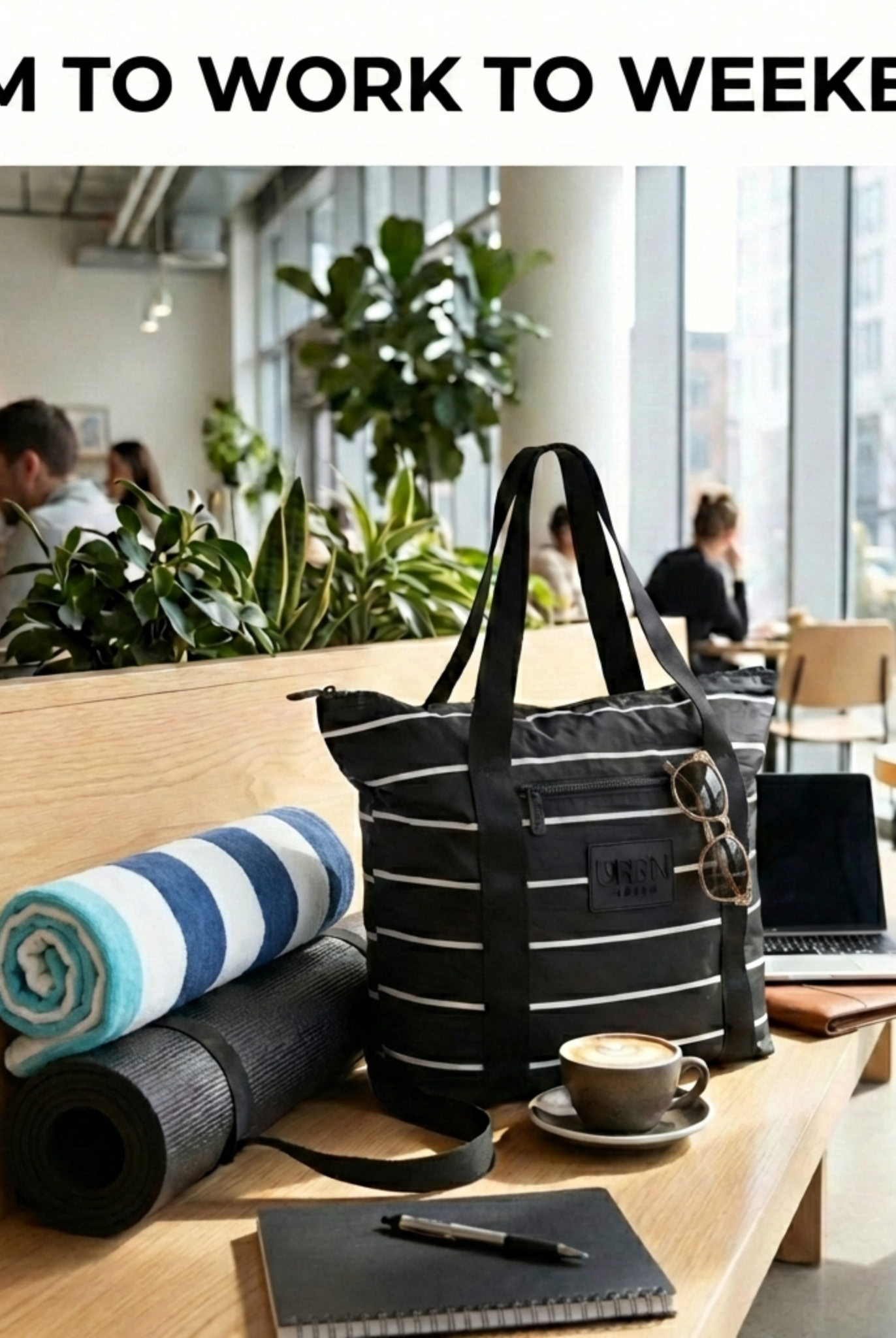
A good work tote earns its place during the small transitions that fill a busy day. You set it beside the classroom door, pull out your phone without moving the laptop, and find your keys in the same pocket where you left them. Later, it moves from the office floor to the coffee shop, then into the car for a quick grocery stop.
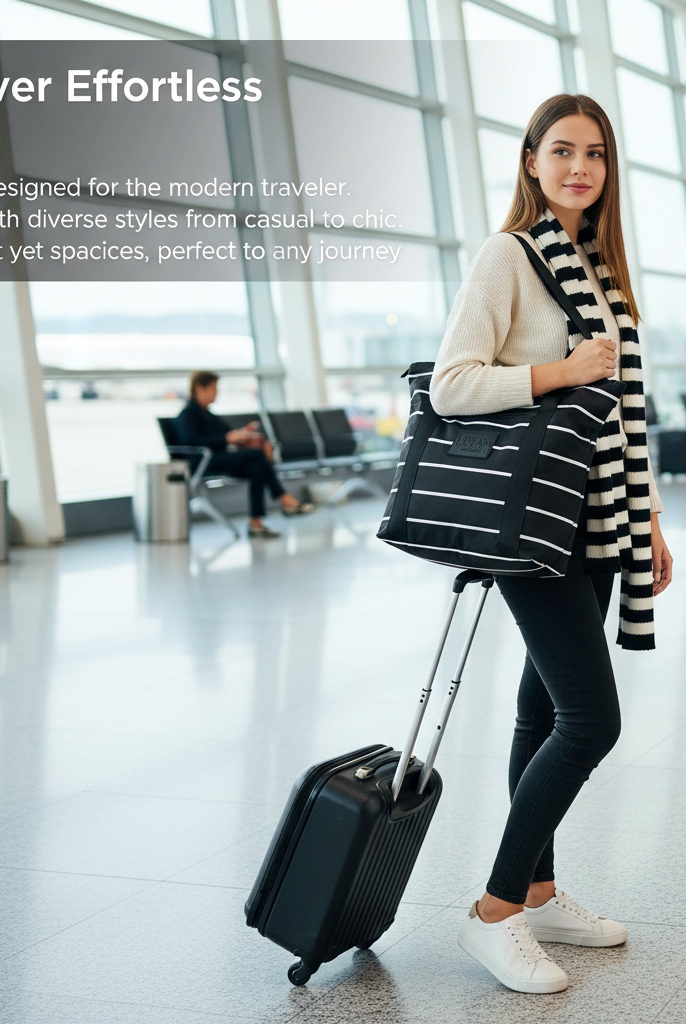
That ease matters when a bag is carrying more than office supplies. A professional mother may need a laptop and notebook beside children's snacks. A commuter may add a water bottle and gym shoes. A traveler may use the same tote as a personal carry-on, then fold it away once the suitcase is unpacked.
The global tote bag category reflects this broad usefulness. One market report estimates the market at USD 5.84 billion in 2025, with a projection of USD 7.8 billion by 2030 at a 6.0% CAGR, while another forecasts growth from USD 2.75 billion in 2024 to USD 3.94 billion by 2032 at a 4.60% CAGR. These projections, reported by Data Bridge Market Research, point to a category shaped by practical daily carry as much as personal style.
For a closer look at how a tote can support commuting, errands, and everyday organization, explore these tote bag benefits. The right bag won't remove every demand from your schedule, but it can remove the daily search, spill, and repacking routine that makes those demands harder.
Understanding Key Features of Work Tote Bags
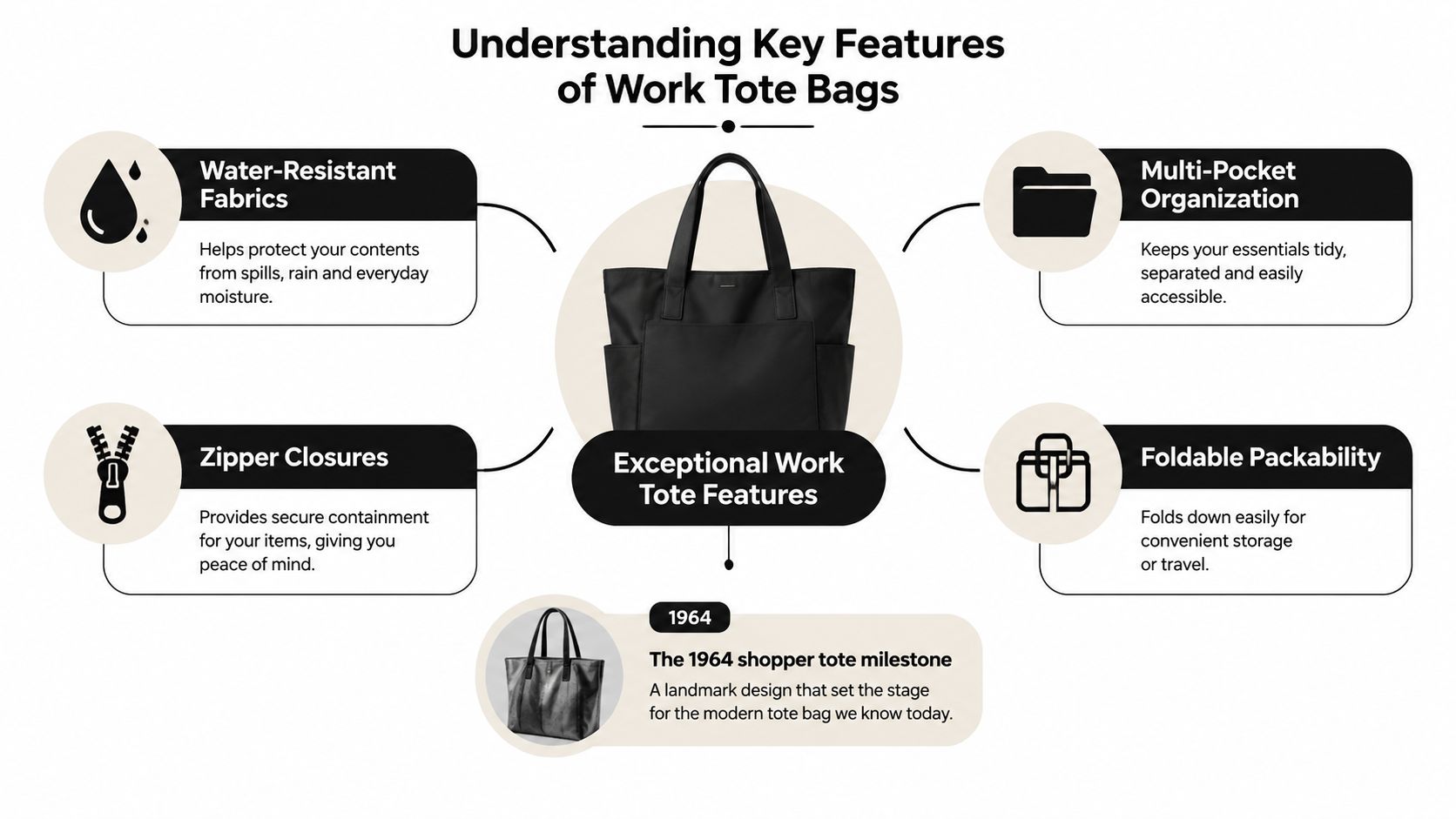
The modern work tote has a practical history. Fashion coverage traces commuter bags to the 1940s Rosie the Riveter era, when women's work and travel needs helped push functional bags into everyday womenswear. In 1964, designer Bonnie Cashin introduced her acclaimed shopper tote, a milestone that helped connect American sportswear with generous capacity and easy access. Fashionista's history of commuter work bags shows why those priorities still define the format.
Four details that earn their place
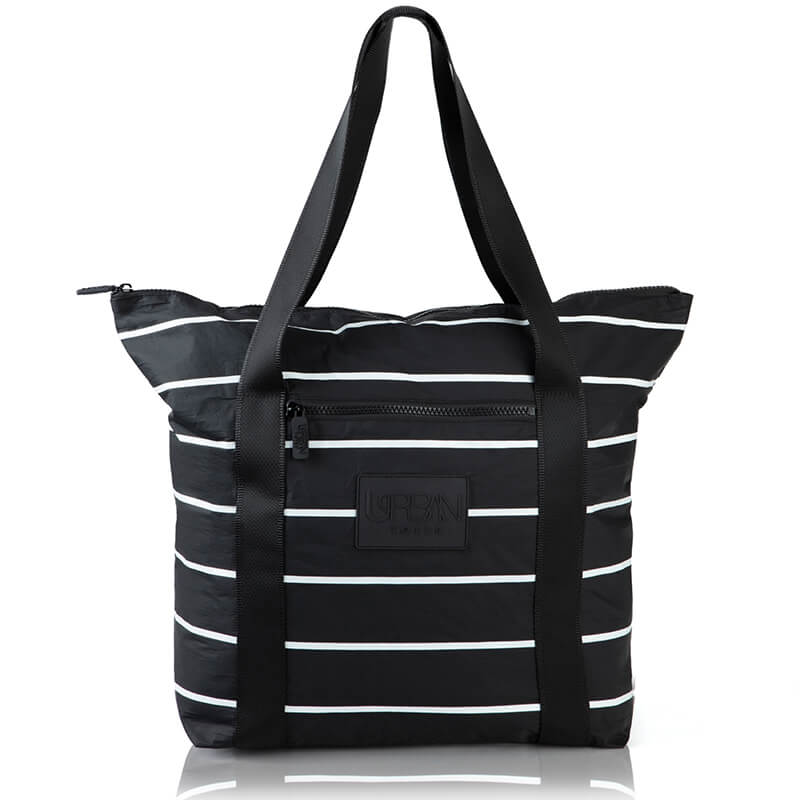
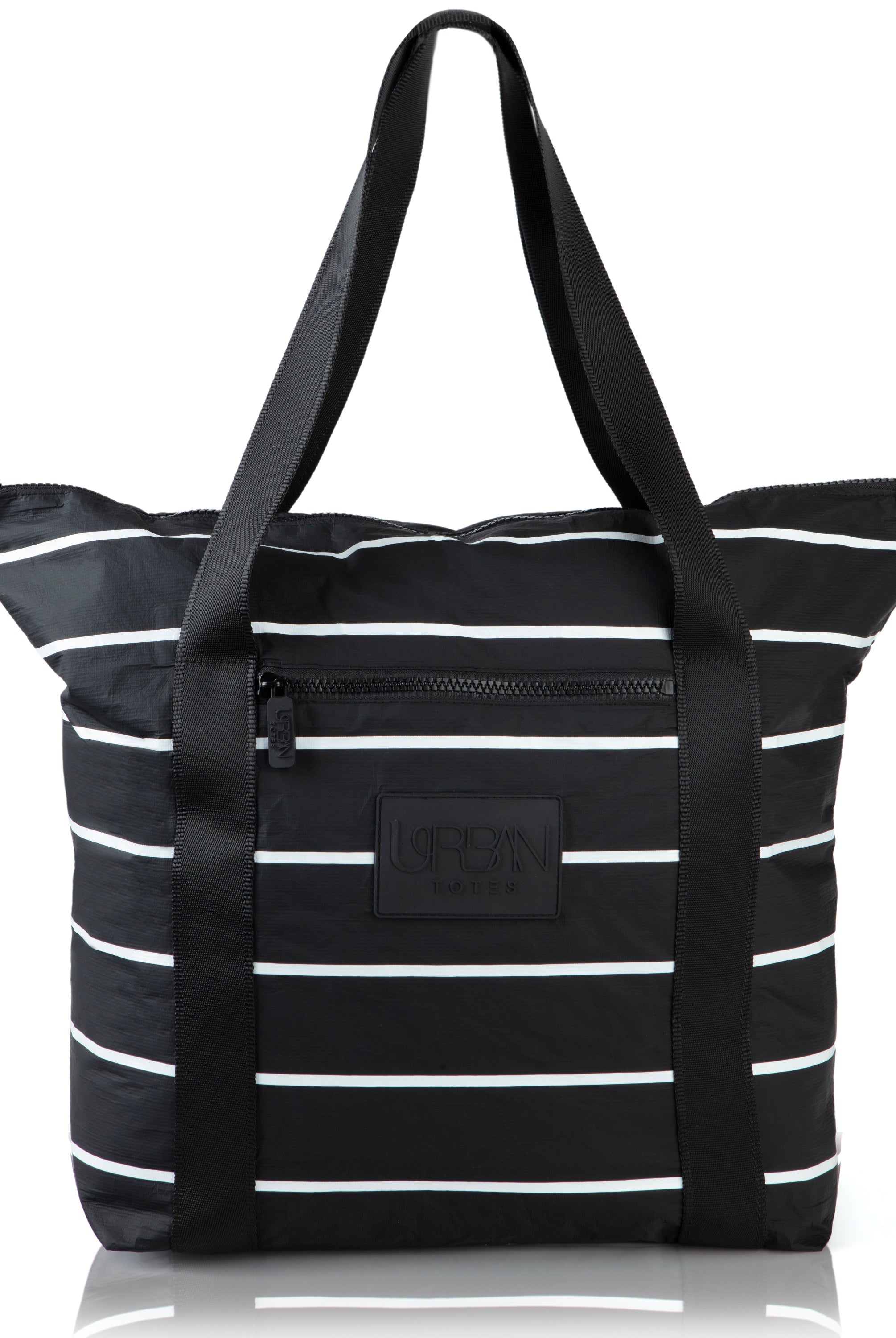
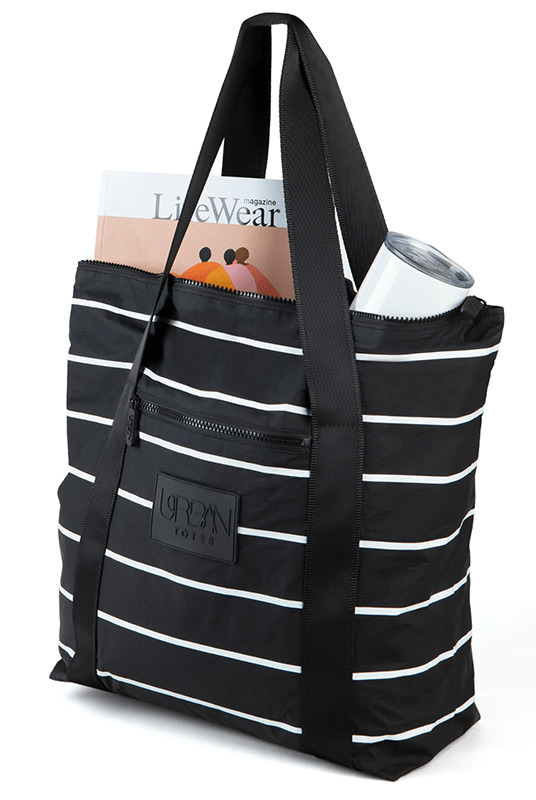
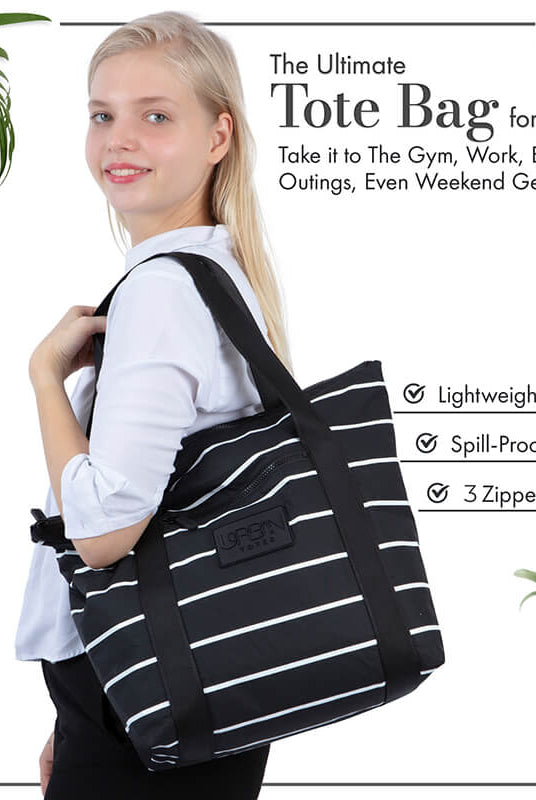
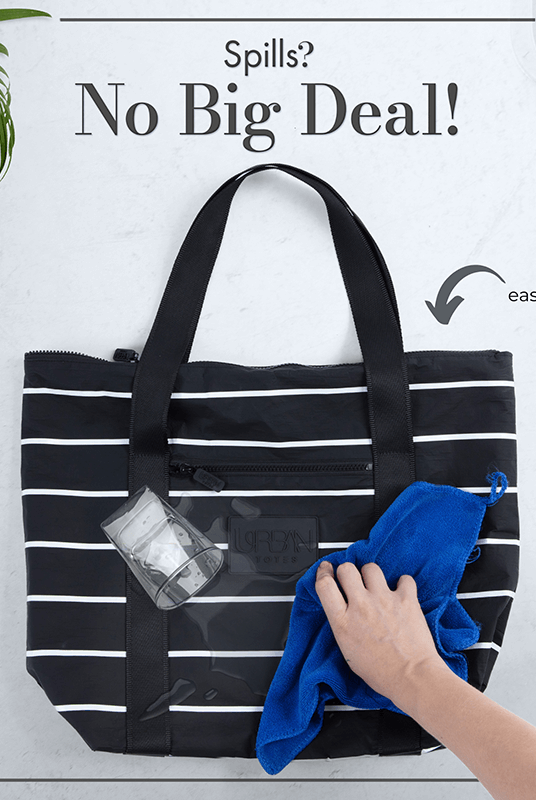
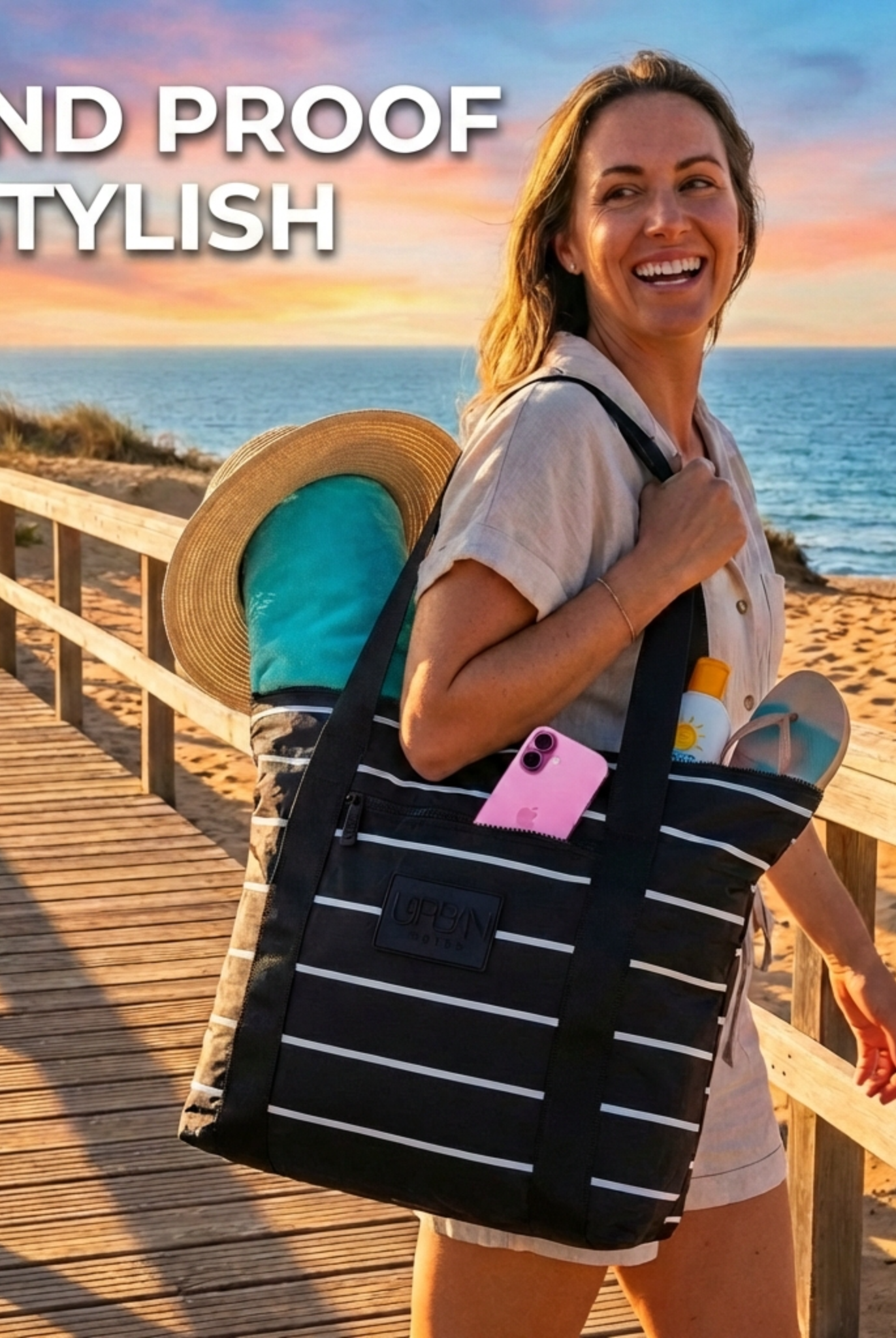
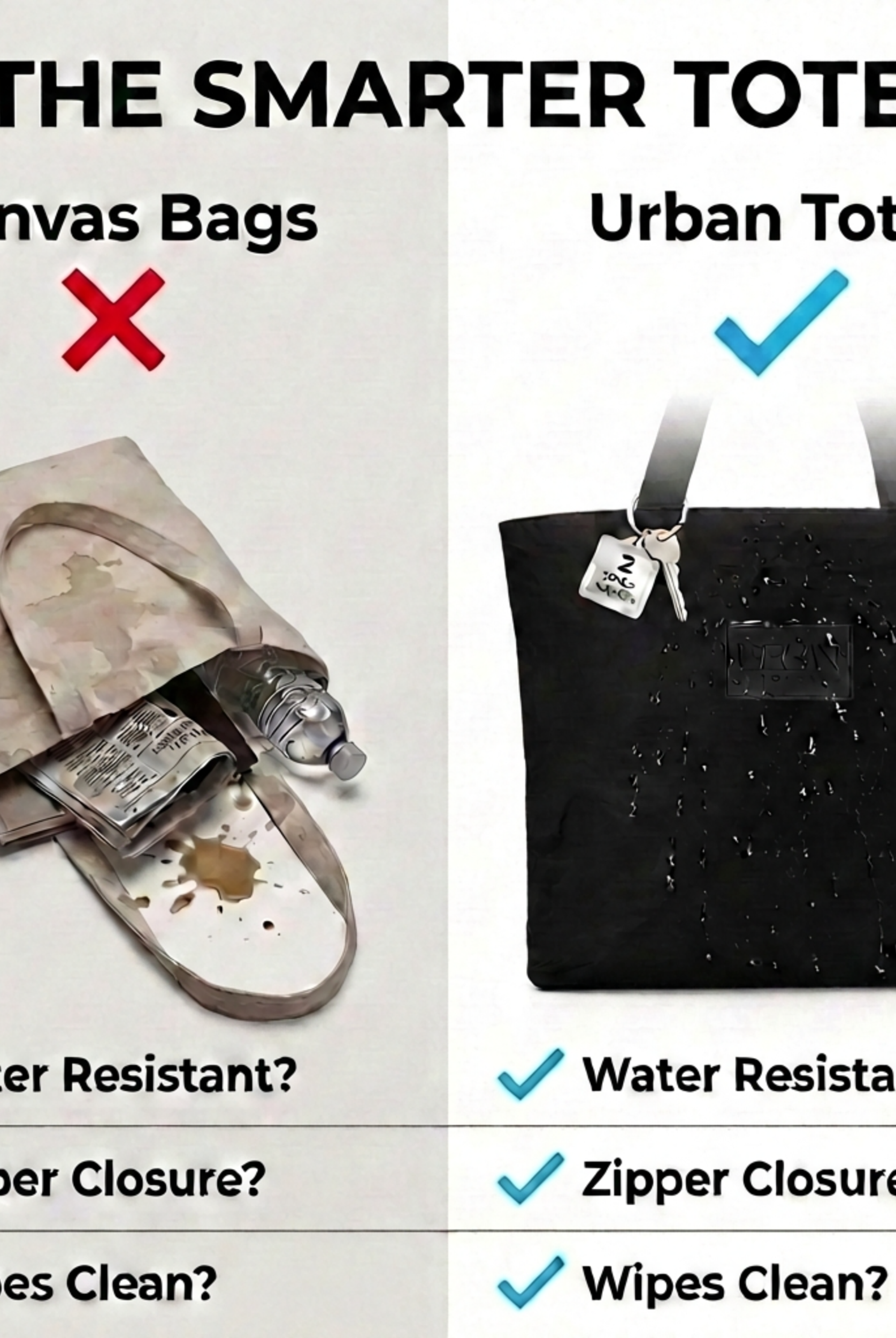
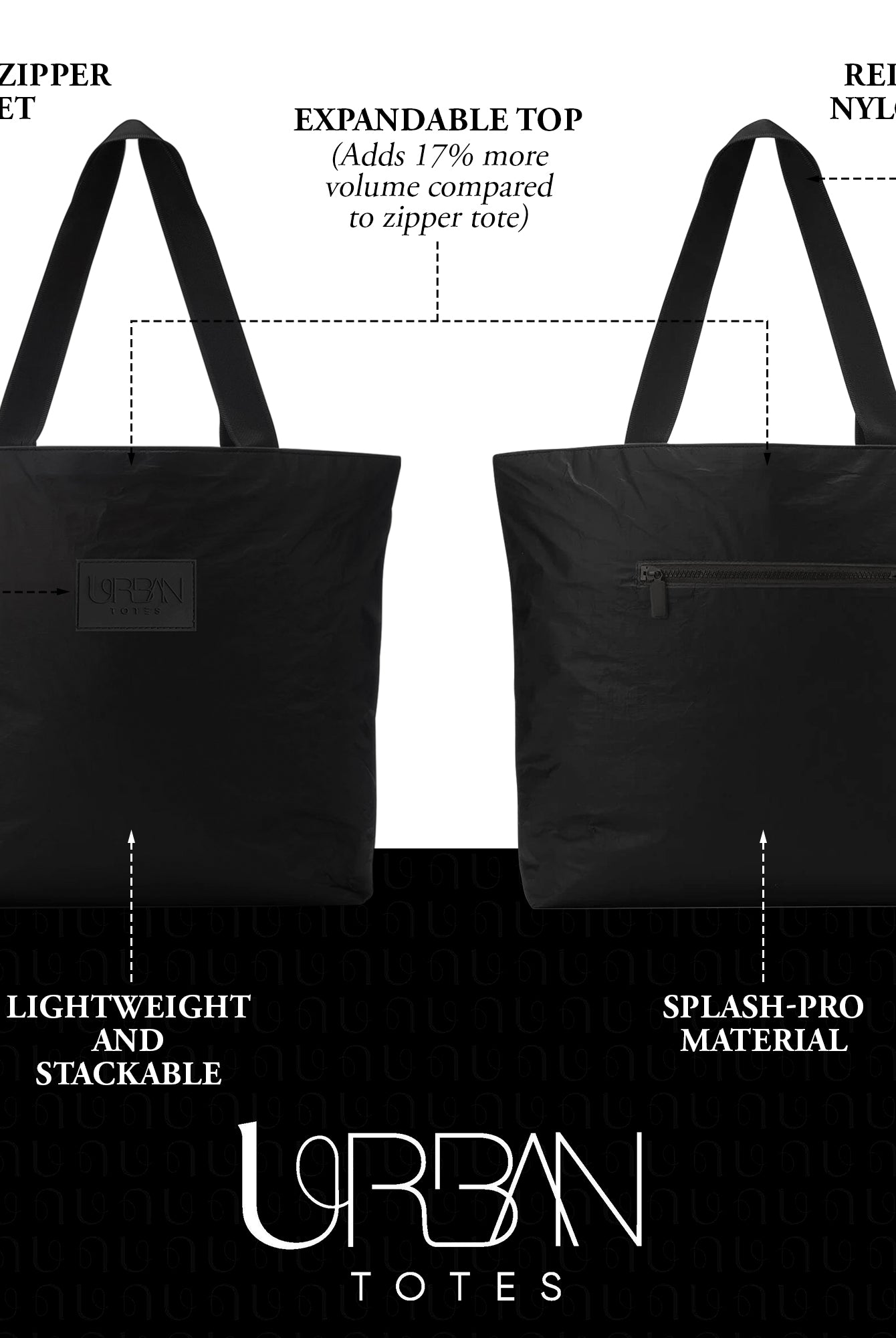
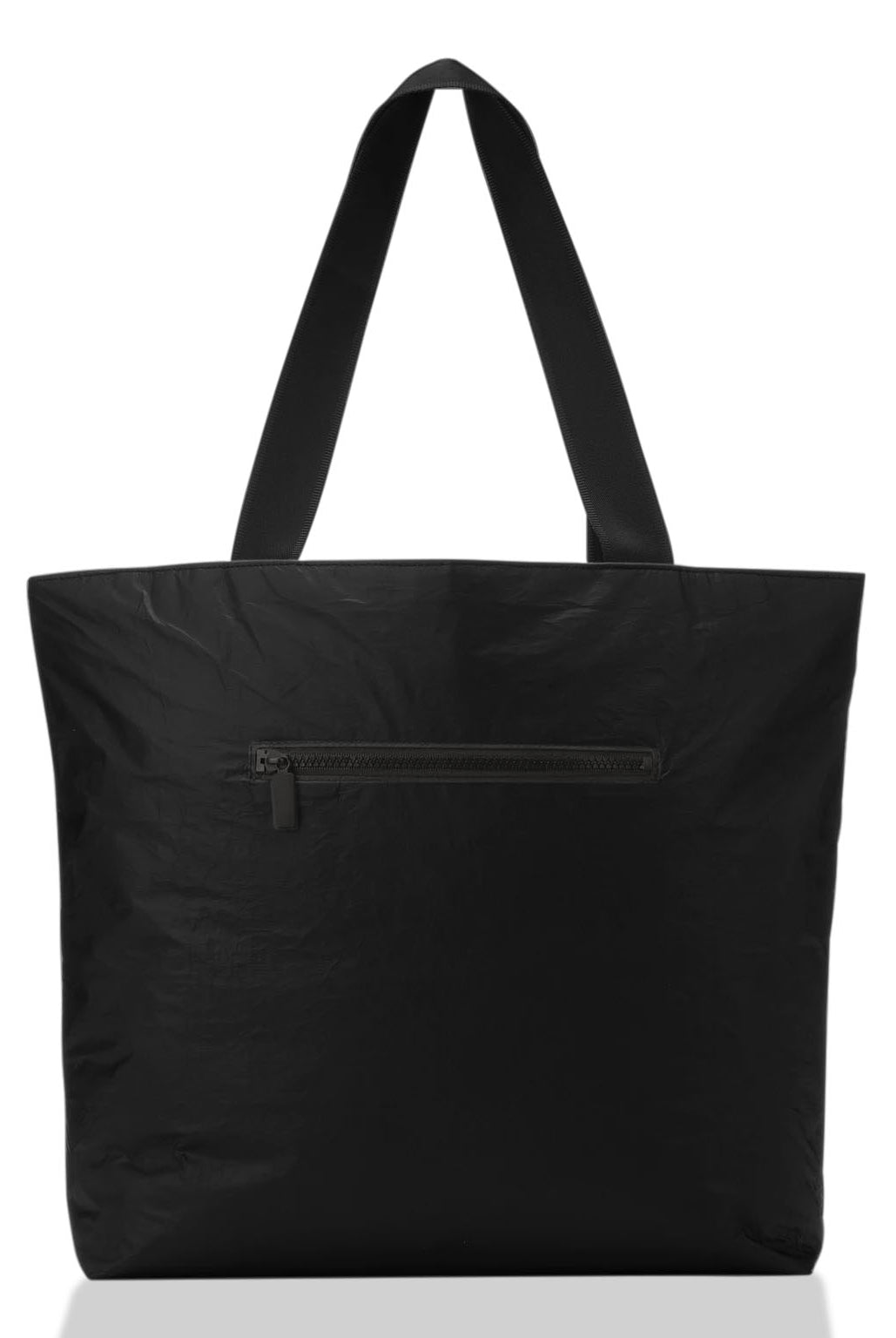
Water-resistant fabric helps a tote handle ordinary uncertainty, such as a damp bench, a light drizzle between the car and office, or a bottle that wasn't tightened properly. It doesn't mean you should treat the bag as waterproof, but it adds useful protection for everyday contents.
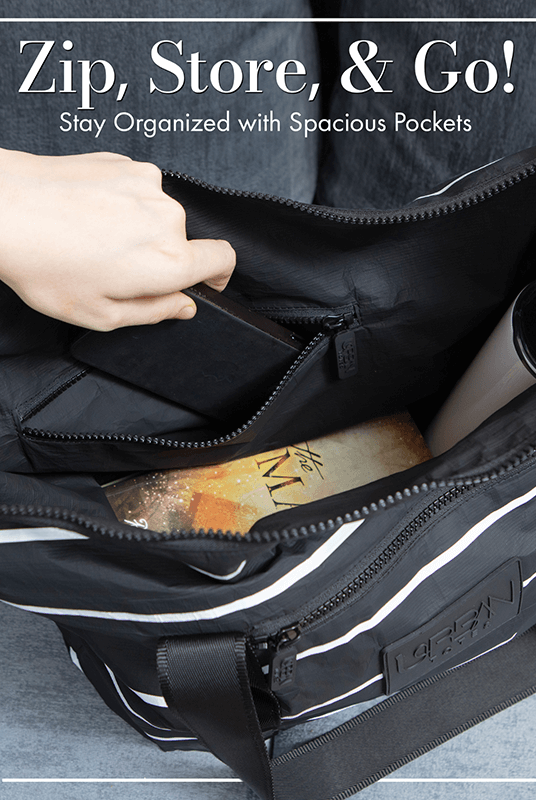
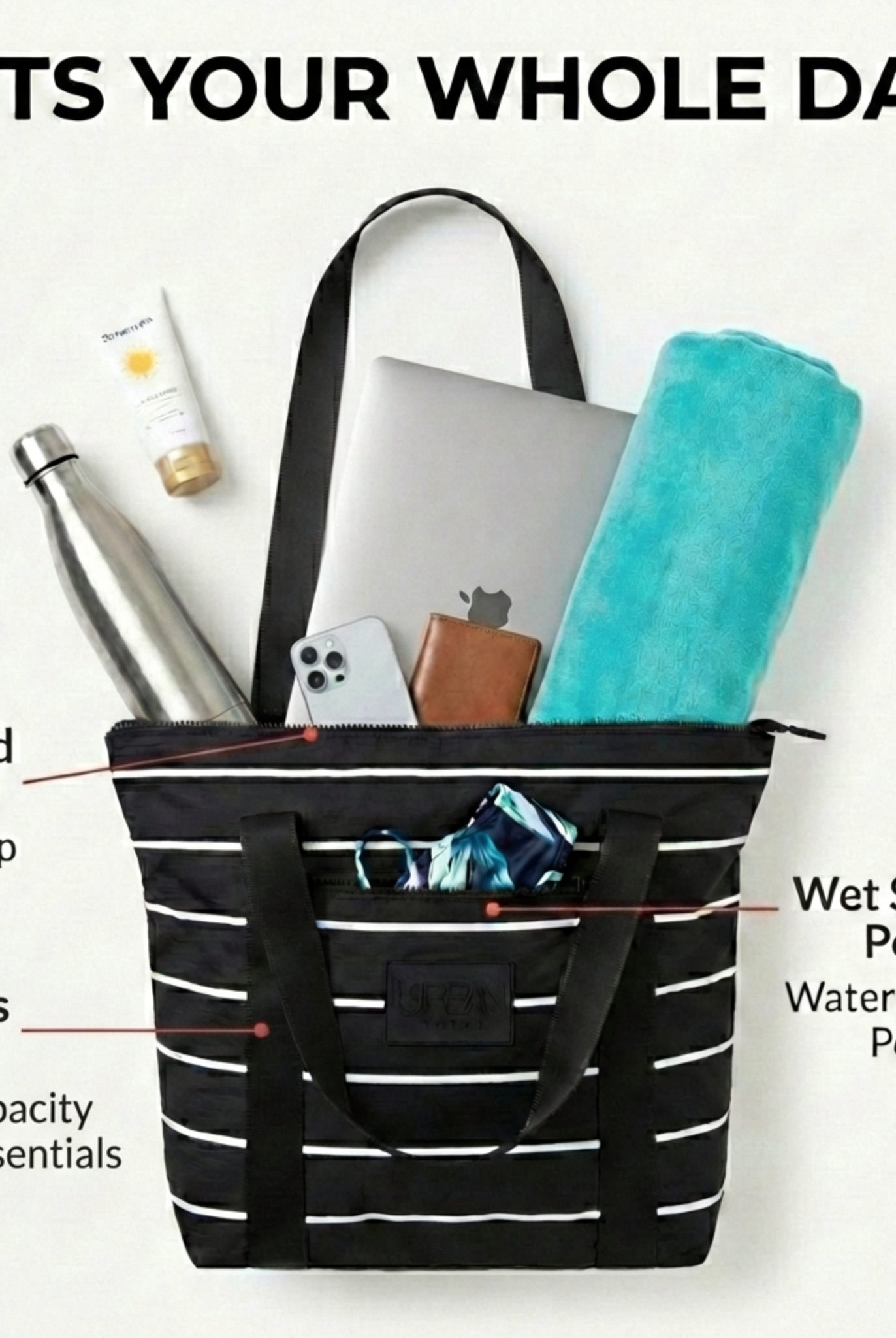
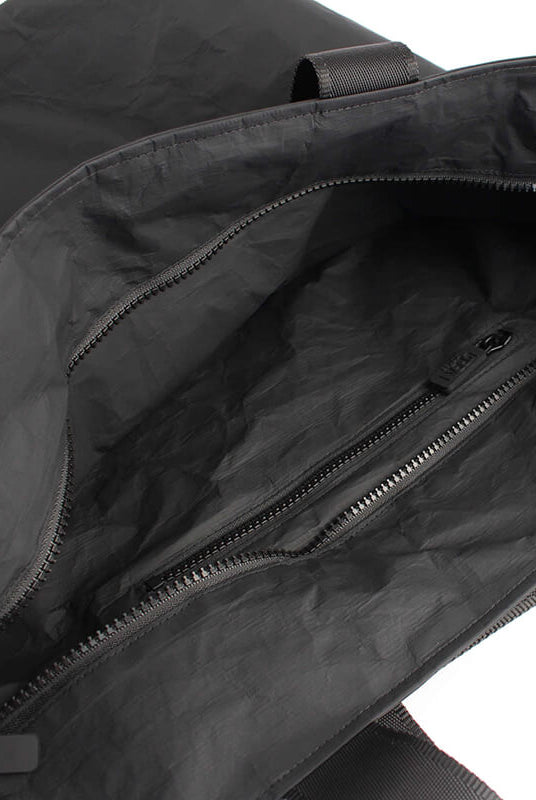
Multi-pocket organization changes how the bag feels in motion. A phone pocket should be reachable without opening the main compartment. A key clip prevents the familiar bottom-of-the-bag search. Separate zippered sections can keep chargers, cosmetics, and small personal items from mixing with notebooks and lunch containers.
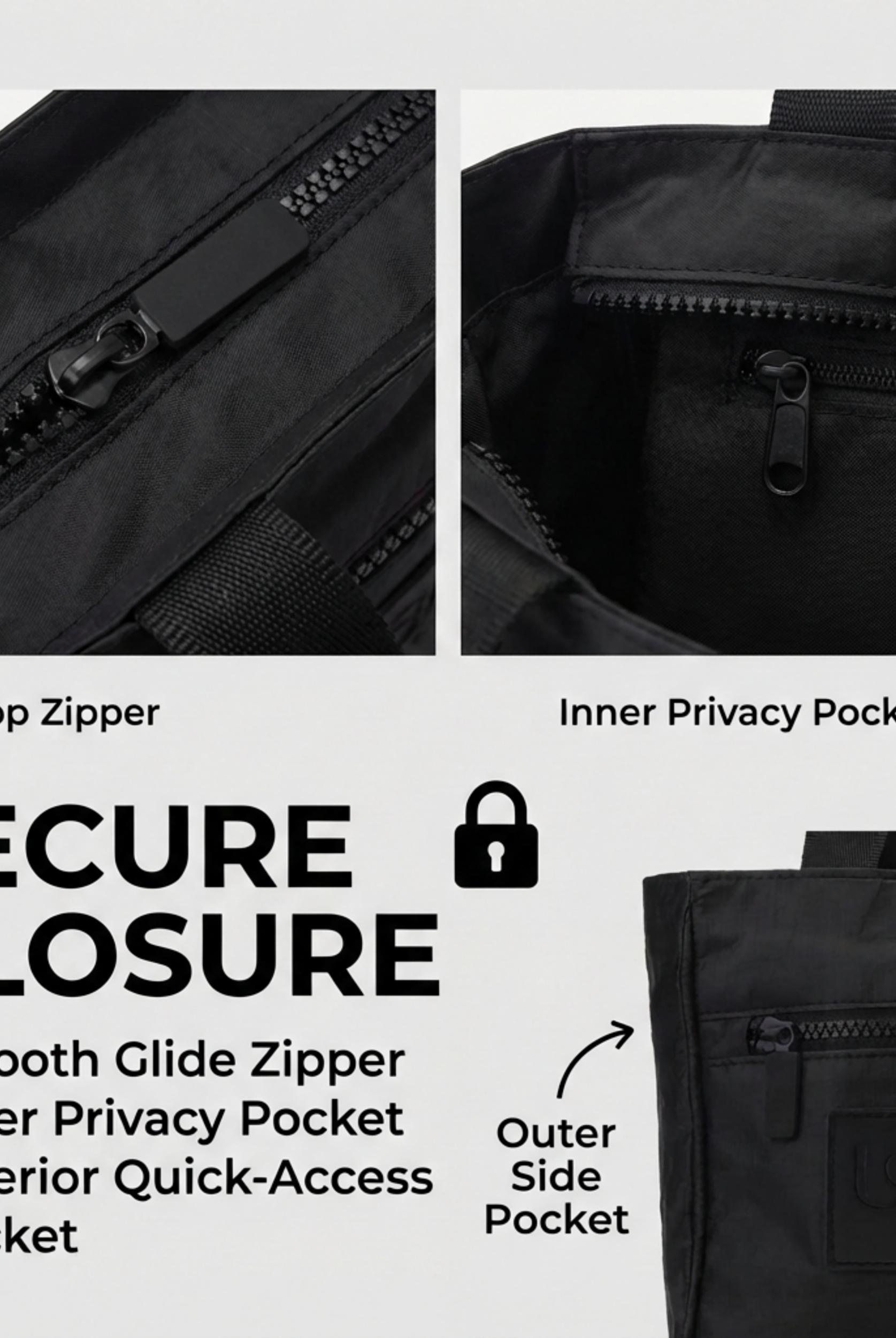
A zipper closure gives the main compartment a defined finish. It helps contain belongings when the tote tips beside a train seat or rests under an airplane seat. Open access is convenient, but a secure top keeps that convenience from turning into loose contents.
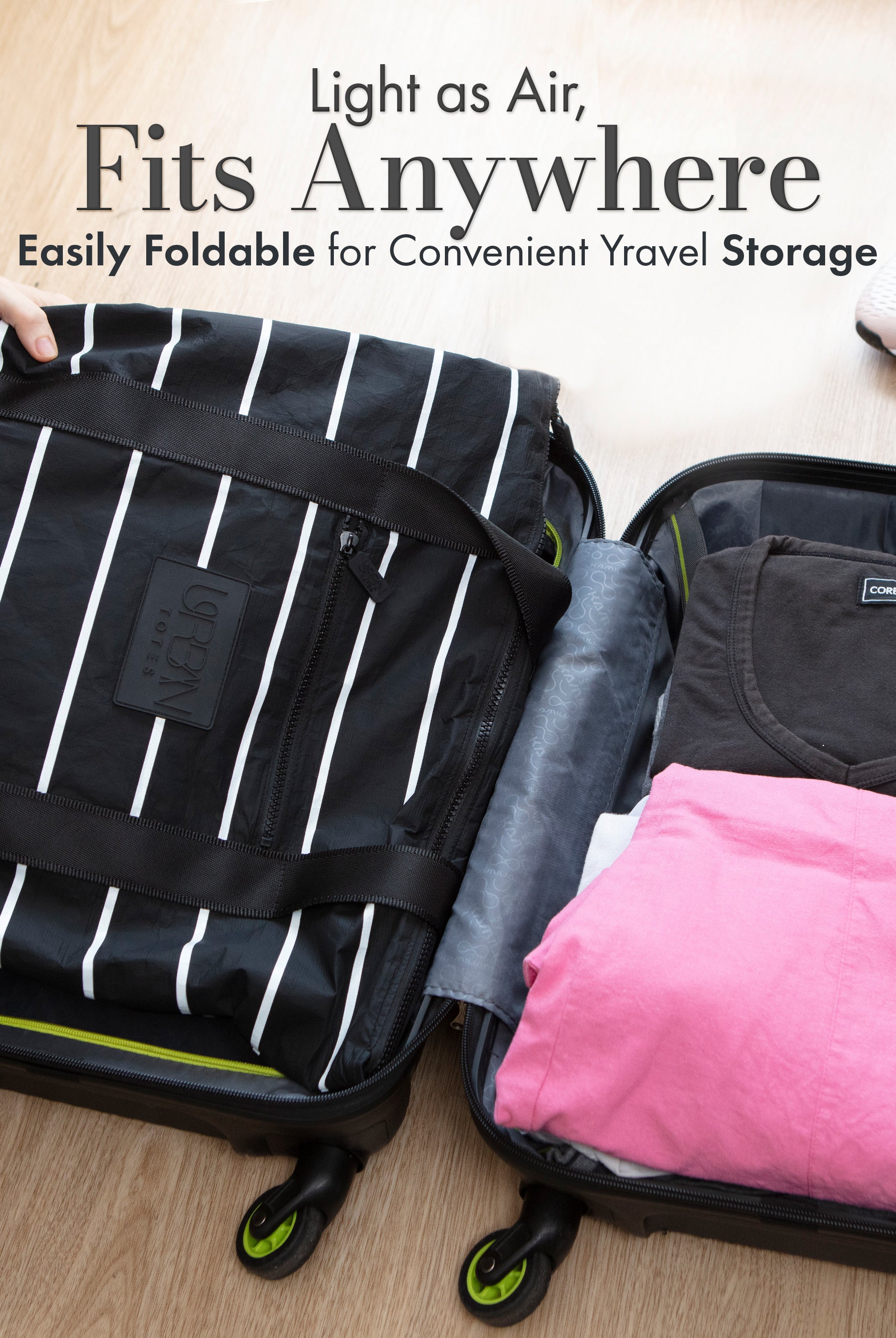
Foldable packability makes a larger tote more versatile. It can travel flat inside a suitcase, wait in a desk drawer, or become a spare carryall after an unexpected farmers market stop.
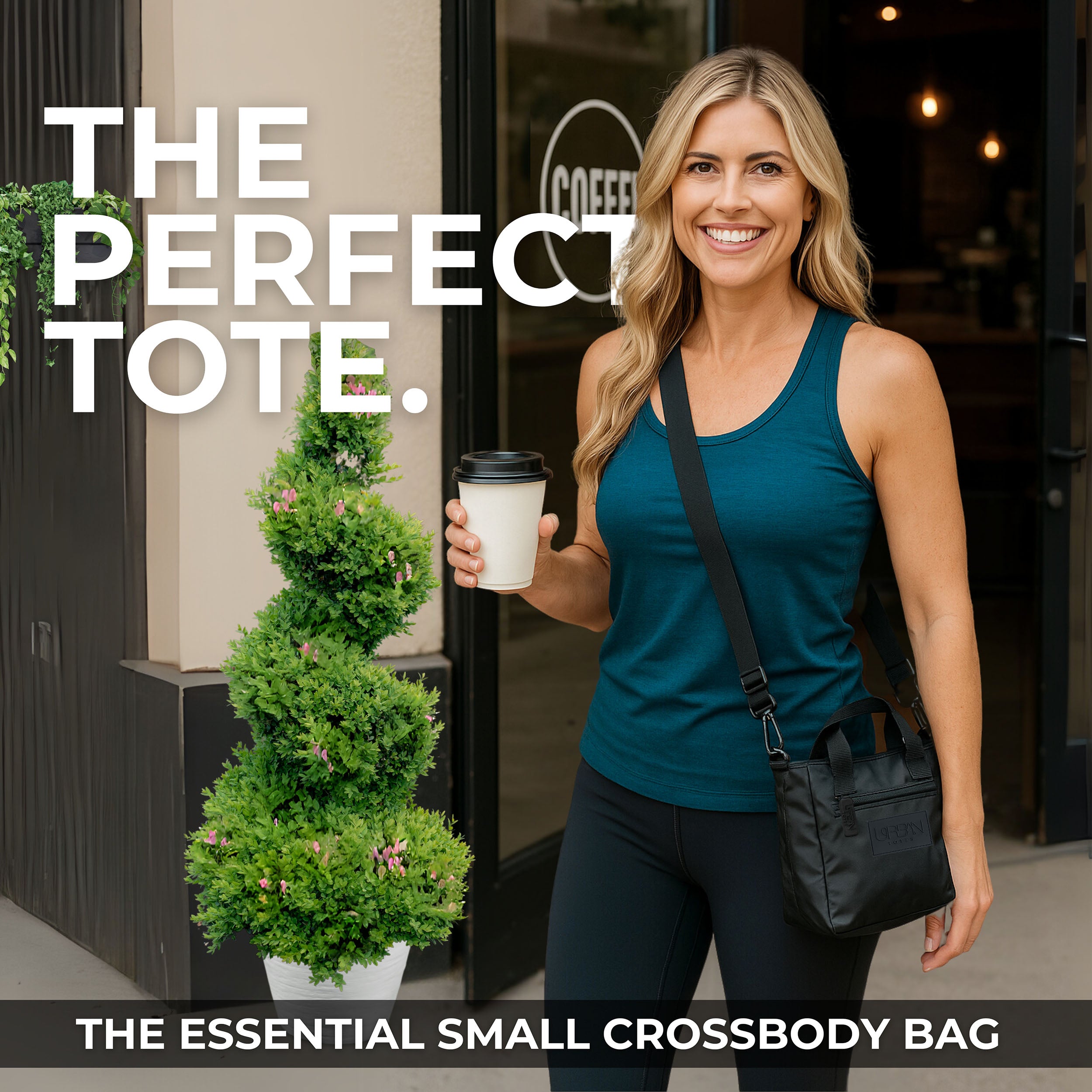
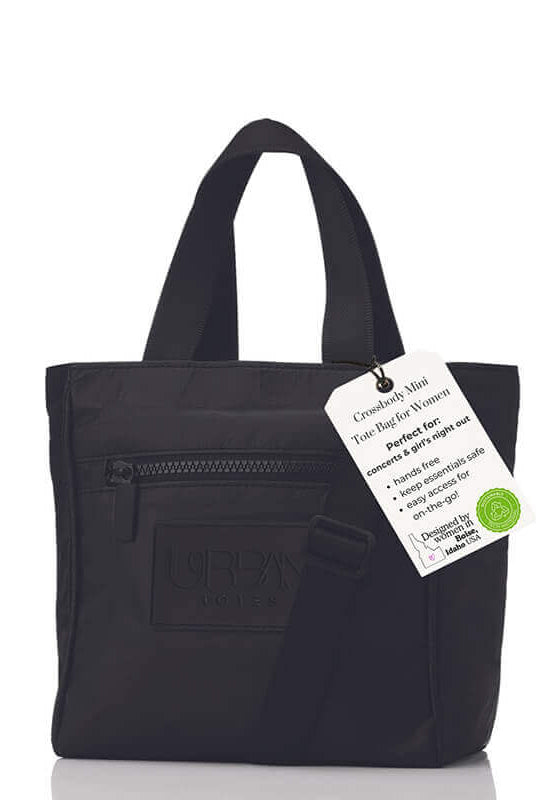
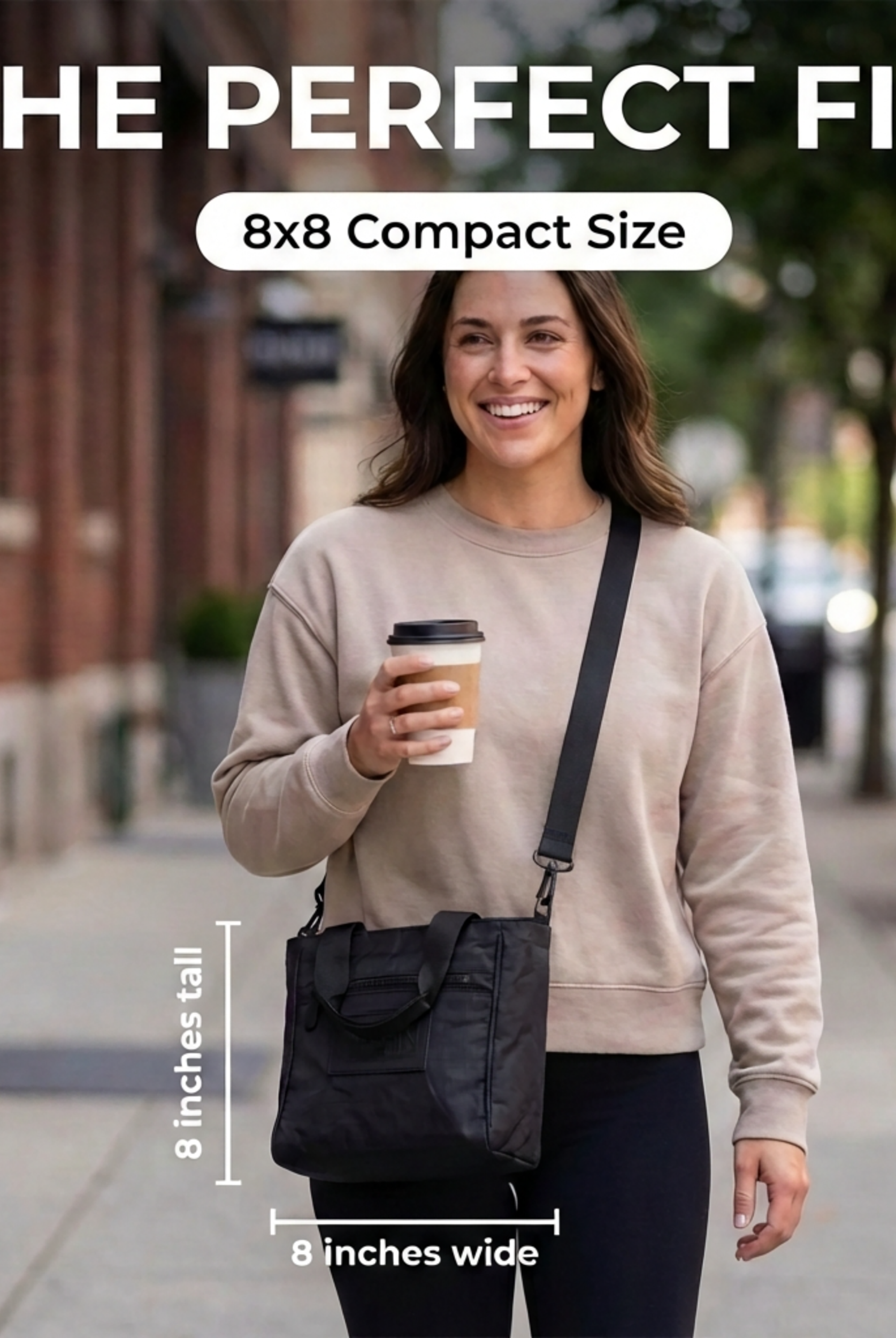
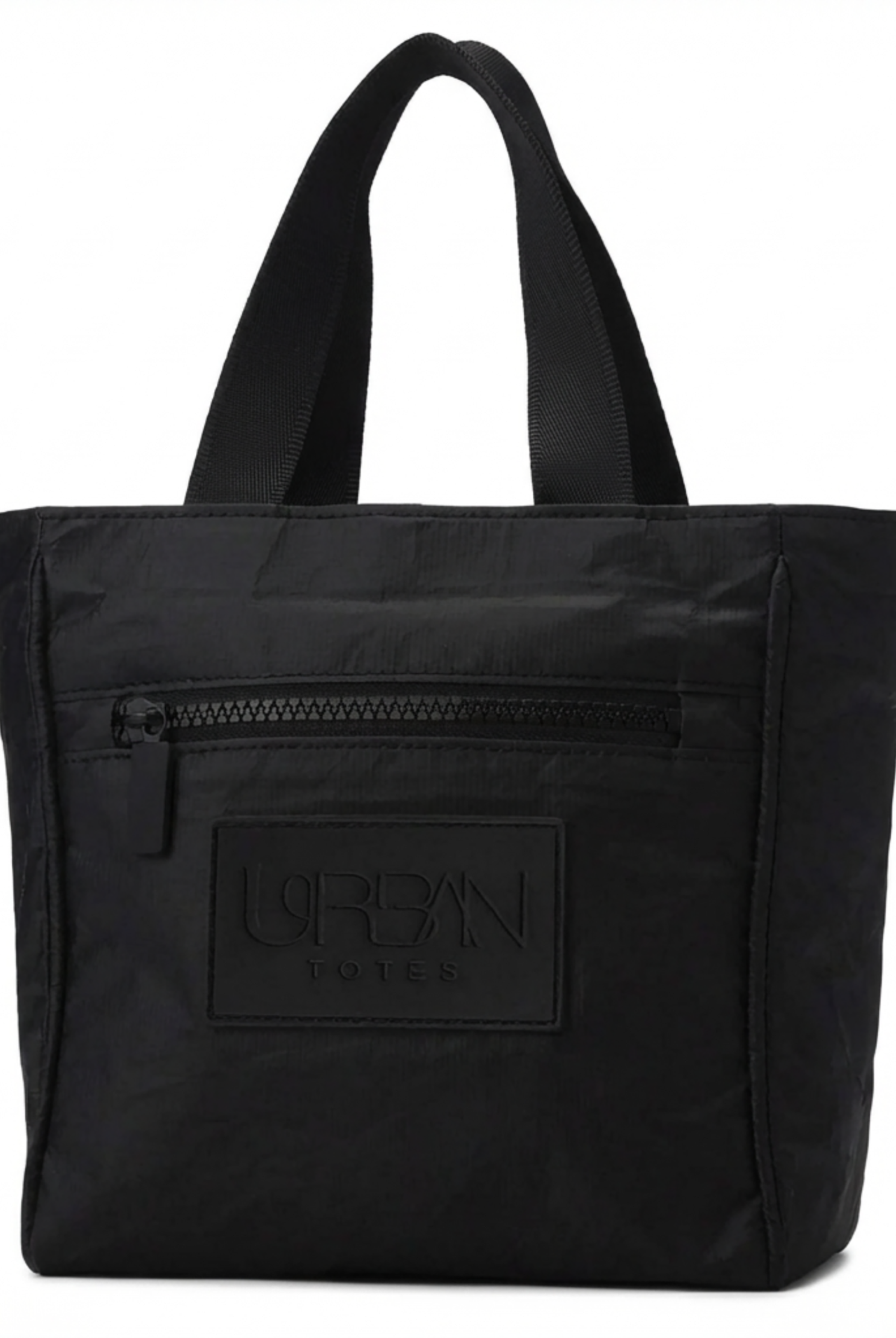
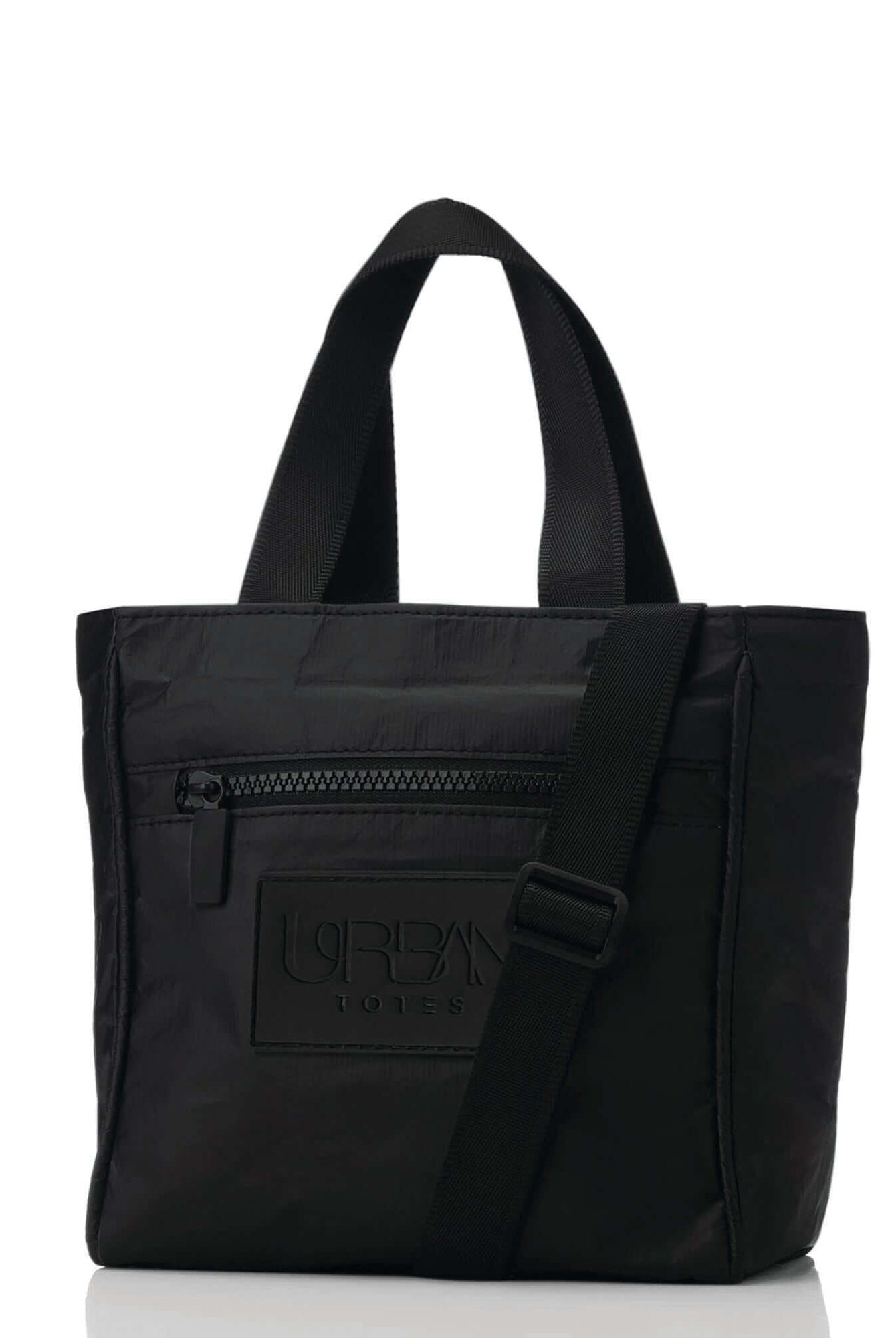
A compact example is the Crossbody Tote Bag Mini Purse, which uses a zip-top closure, an outside zipper pocket, an easy-access pocket, and a removable crossbody strap. Its listed dimensions are 7.5 x 4 x 7.75 inches, making it better suited to essentials than a full laptop load.
Choosing the Right Size and Compartments
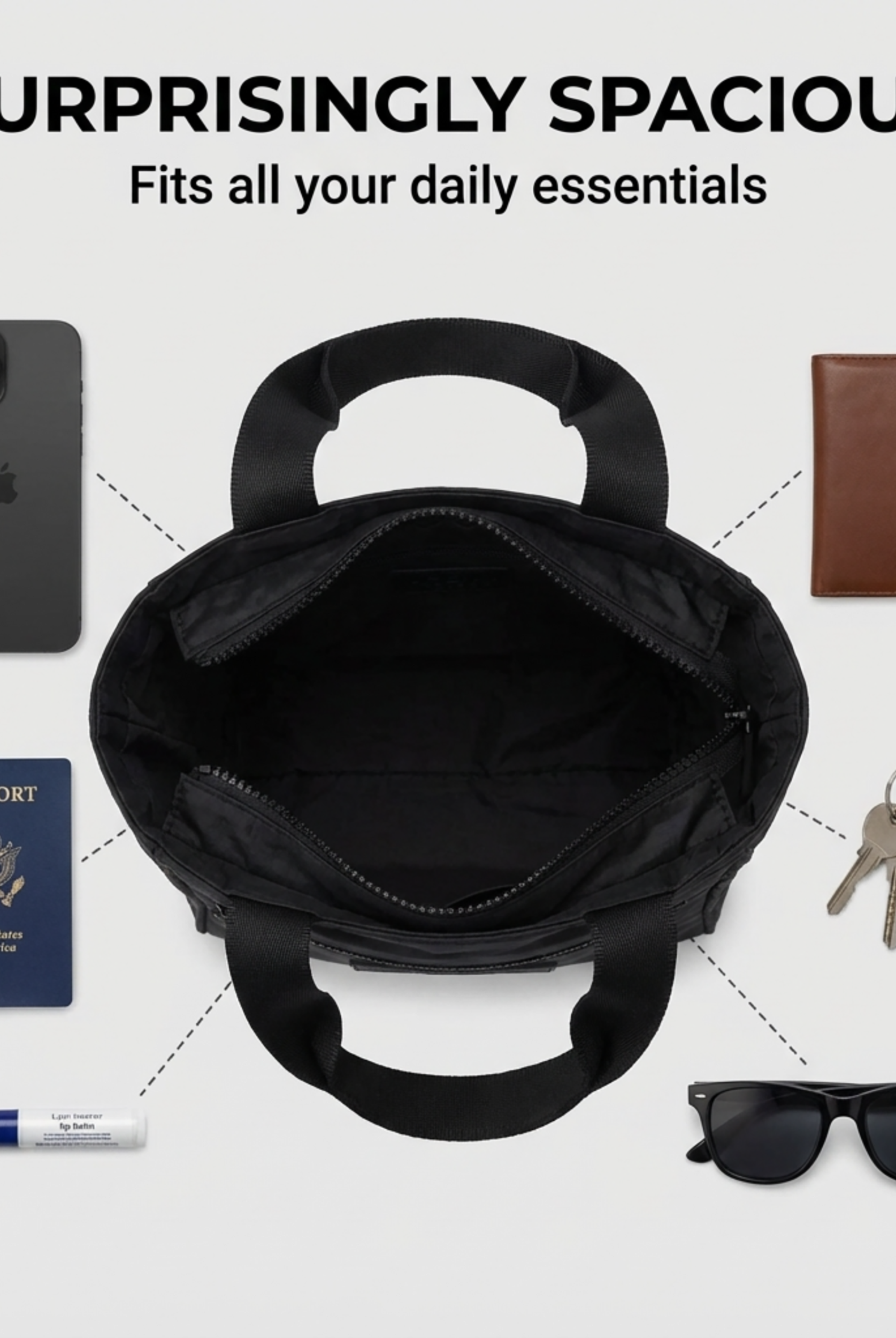
Start with what you carry, not the tote's appearance on a product page. Measure your laptop, including its protective sleeve, then lay out the items that travel with it on a normal weekday. Add your notebook, charger, lunch container, water bottle, wallet, sunglasses, and any school or fitness extras.
A tote should hold your routine without forcing every item into one crowded cavity. Check whether the laptop sits flat, whether the zipper closes without strain, and whether the bottle can stand upright. If you carry gym shoes or a change of clothes, look for a wide base and enough depth to keep soft items from pressing against your electronics.
Match the layout to your day
Dedicated small-item storage is especially useful during transit. A phone pocket lets you answer a call before boarding. A key clip keeps your keys from sinking below a lunch container. An external zipper section gives you a place for an identification card, transit pass, or lip balm without opening the main compartment.
Many current tote designs use one external and three internal zippered pockets plus a key clip, a layout documented in this multi-pocket bag design example. The exact arrangement can vary, but the principle is consistent: organize by frequency of use.
| Dimension (inches) | Ideal For | Compartments |
|---|---|---|
| Compact, personal-item size | Phone, wallet, keys, and small daily essentials | One main area plus quick-access pocket |
| Medium work-tote size | Laptop, notebook, charger, lunch, and bottle | Main compartment, laptop area, and small-item pockets |
| Roomy carryall size | Caregiving supplies, gym gear, travel layers, or shared family items | Main compartment, external zipper section, and several interior pockets |
Use this tote bag compartments guide when comparing pocket layouts. A larger bag isn't automatically more useful. If the interior has no structure, extra room can create a deeper place for essentials to get lost.
Practical rule: Choose the smallest tote that fits your complete daily load with the closure comfortably shut.
Maximizing Comfort with Materials and Straps
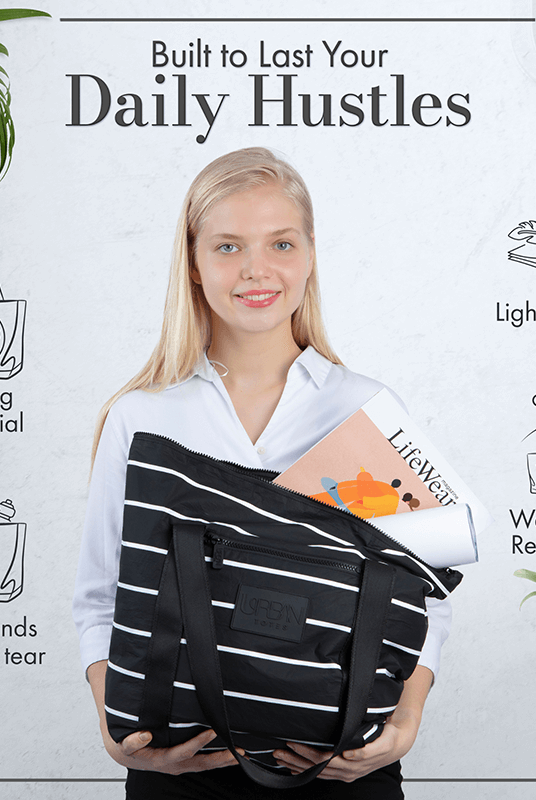
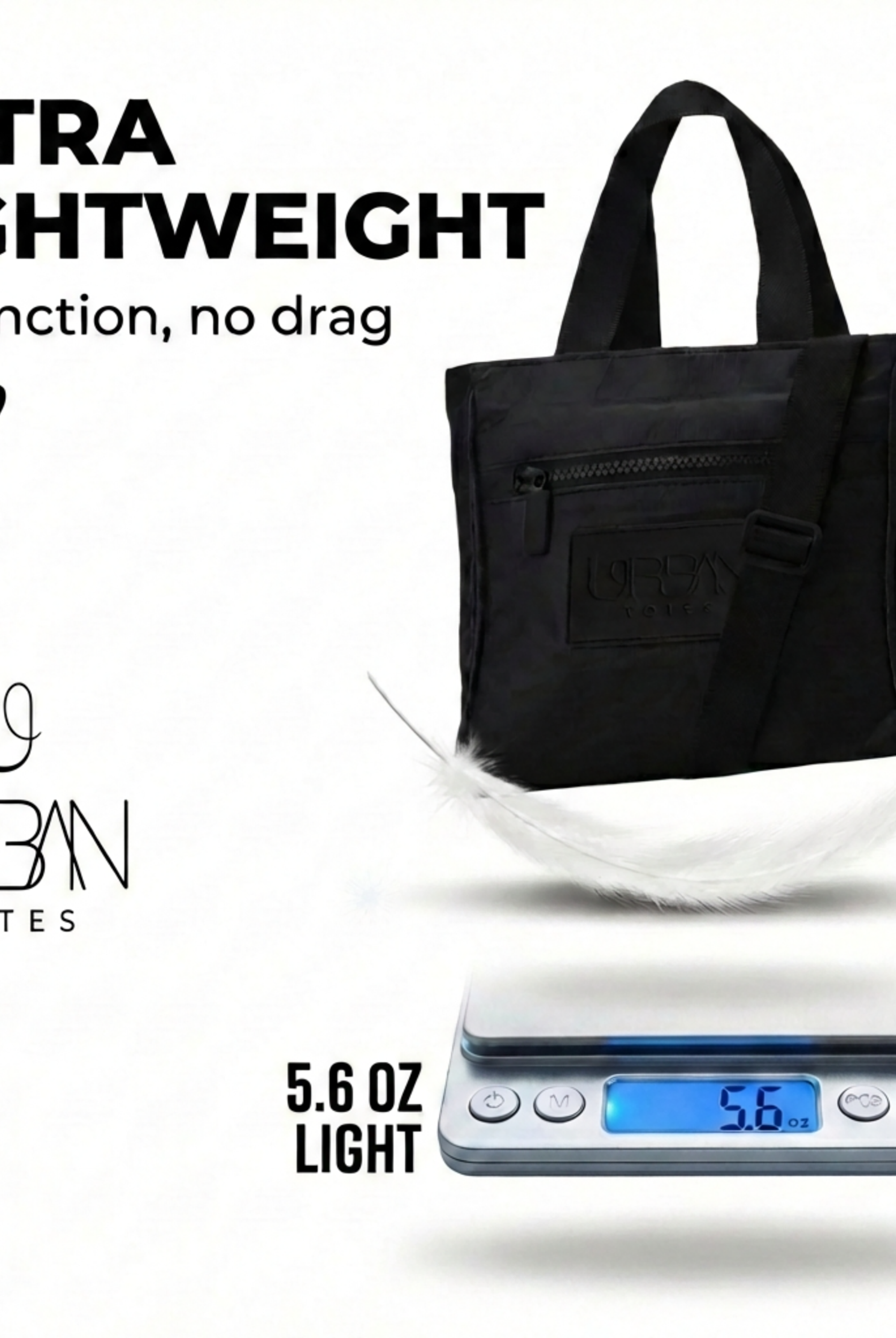
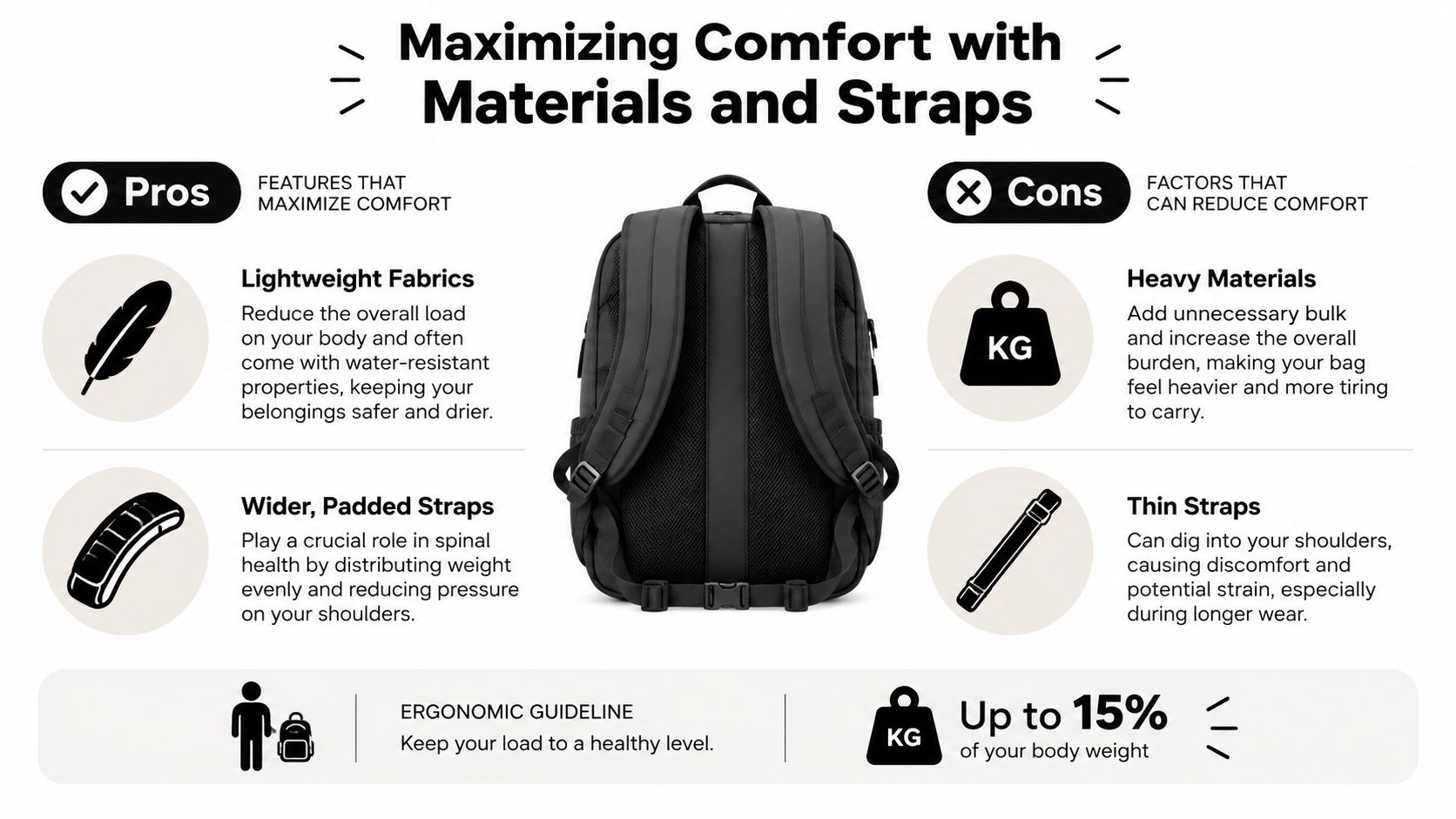
A tote can look spacious on the shelf and feel excessive after a full commute. Lightweight fabric helps keep the bag's empty weight manageable, while water-resistant material suits days that move between sidewalks, parking lots, playgrounds, and office doors.
Nylon is often a practical choice for a lightweight, travel-ready carry. Polyester can offer a structured feel while remaining easy to handle. Coated canvas may create a more substantial look and body, though the material and construction can affect the overall weight. Compare the fabric, lining, hardware, and strap design together rather than judging the material name alone.
Treat the load as part of the design
Occupational guidance recommends keeping a carried load below 10–15% of body weight and choosing wider straps to reduce concentrated pressure and improve distribution during all-day carry, as explained in this bag and wallet ergonomics guidance. That range isn't a target to fill. It's a reminder to consider whether a tote is still the right format when your contents become unusually heavy.
A controlled study found that shoulder bags loaded to 15% of body weight increased flexion and reduced lumbar lordosis, while handheld bags produced postural deviations across multiple planes. The study authors linked asymmetrical carrying with added stress and strain on spinal structures, as reported in this PubMed study on bag carrying and posture.
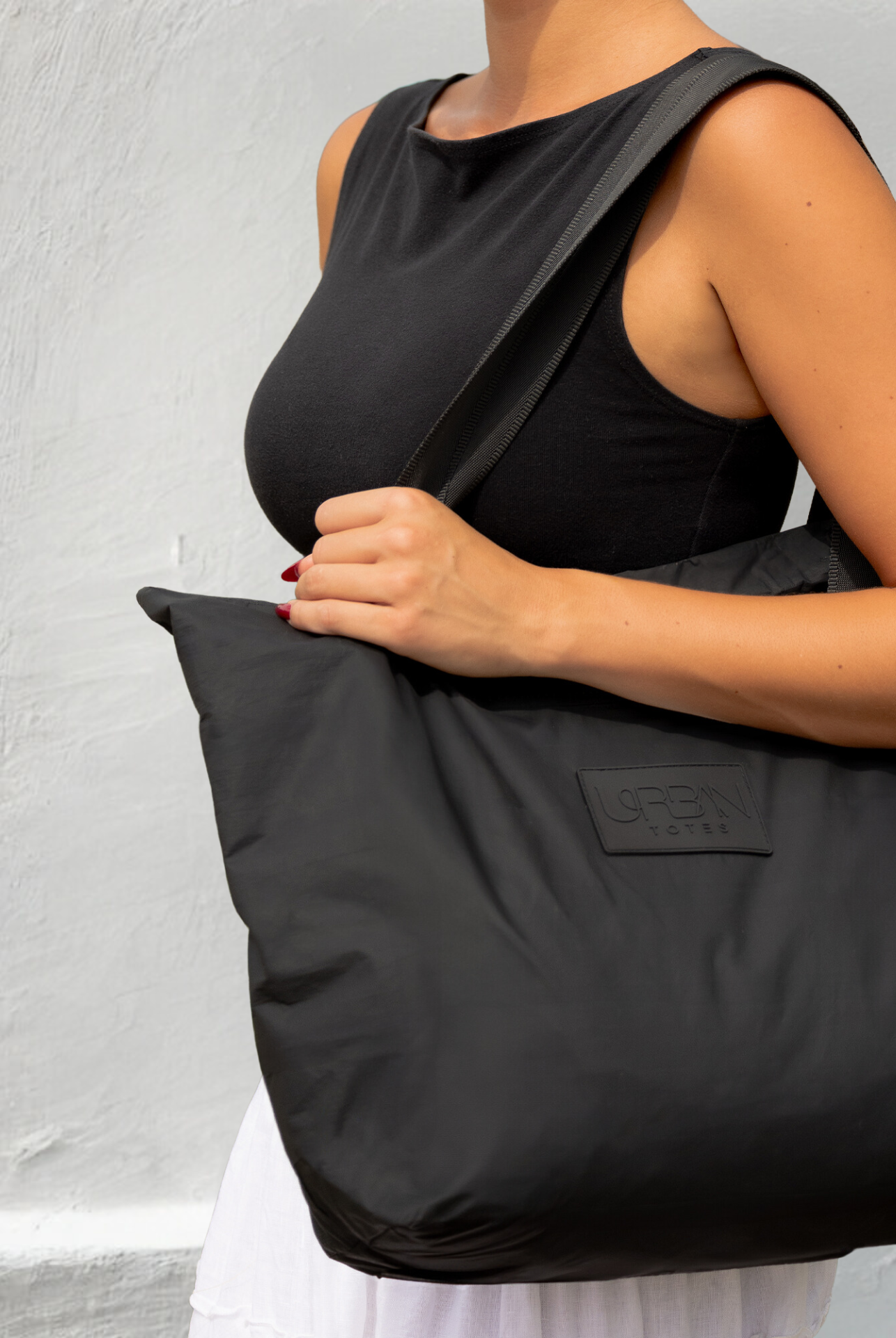
Place heavier items closest to your body, such as a laptop in a snug sleeve against the back panel. Put lighter, softer items toward the outside. A broad strap spreads contact across more area than a thin strap, and an adjustable option can help you find a position that keeps the bag from pulling away from your side.
For more guidance on getting the most from your carry setup, see this adjustable shoulder strap resource. If your commute includes a long walk, cycling, or a substantial caregiving load, compare a tote with a backpack or crossbody rather than assuming more tote volume is the answer.
Secure Packability and Easy Care
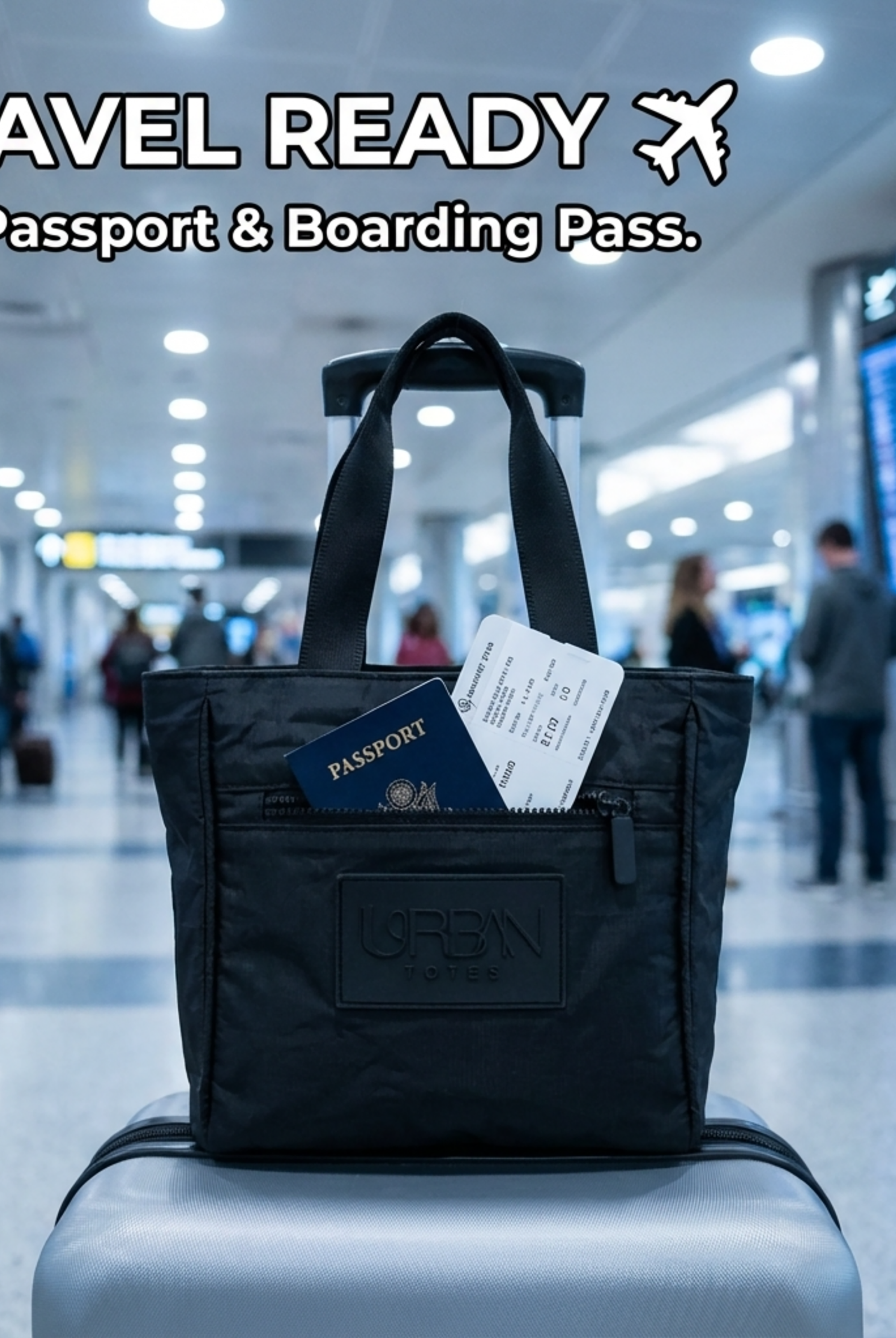
Your work tote needs to protect the transition between places. A secure top zipper helps contain a laptop charger, passport, or keys when the bag is placed on the floor. Magnetic snaps can offer quick access, but a zipper closure is the more dependable choice when you expect the tote to tip, travel, or share space with other bags.
Packability adds a second kind of convenience. A foldable tote can stay in a suitcase until a conference, beach visit, or shopping stop calls for extra space. At home, it can slide into a drawer instead of occupying a chair or taking over the entryway.
Use a simple care routine
Before cleaning, empty every pocket and check the care instructions for the specific material. For an everyday mark, a gentle wipe may be enough. Avoid harsh products unless the manufacturer specifically recommends them, and allow the bag to dry fully before folding it away.
A practical routine looks like this:
- Empty and shake out the interior: Remove receipts, crumbs, and small debris before wiping.
- Treat spills promptly: Blot rather than rubbing the area aggressively.
- Protect the shape: Let the tote dry naturally and avoid storing it while damp.
- Fold only when clean: Packability works best when the bag is ready for its next use.
A dedicated zippered tote bag guide can help you compare closure styles and everyday use cases. A tote that moves from beach chair to board meeting still needs a little care, but it shouldn't require a complicated maintenance ritual.
Packing Examples for Every Lifestyle
The most useful tote is the one that matches a real day. A commuter's packing list won't look like a caregiver's, and a weekend traveler needs flexibility that a student may not. Sort items by function, then place the things you reach for most often in exterior or upper pockets.
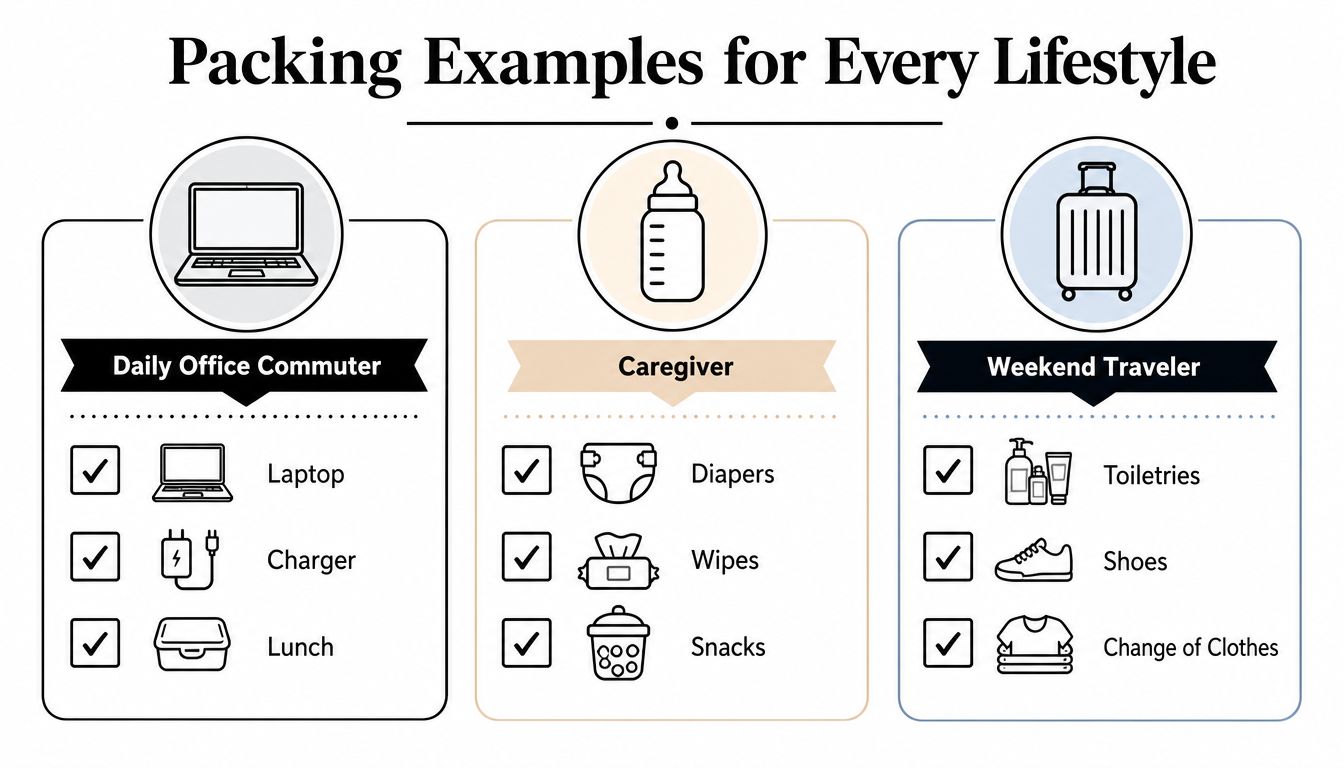
Daily office commuter
The morning train is easier when lunch isn't wedged beneath your laptop and your charger isn't tangled around your keys.
- Work device: Laptop
- Power: Charger
- Midday meal: Lunch
- Personal essentials: Phone, wallet, and keys in quick-access storage
Use the laptop as the anchor. Place it closest to your body, then add the lunch container and charger so they don't shift around the device. If you carry a bottle, keep it upright and separate from papers.
Caregiver on the move
School pickup, a playground stop, and a pharmacy visit can all happen before the workday is finished.
- Changing supplies: Diapers
- Clean-up: Wipes
- Quick food: Snacks
- Personal items: Wallet, phone, and keys
Keep the items you'll need outside the home in an accessible pocket. Soft supplies can fill the outer edges, while personal essentials belong in a secured interior section.
Weekend traveler
A compact tote can become a flexible second bag when your itinerary changes.
- Personal care: Toiletries
- Footwear: Shoes
- Clothing: Change of clothes
- Travel essentials: Wallet, phone, and documents
Use pouches for small items so the main compartment stays legible. Fold the tote flat when it isn't needed, then open it for a market visit or an extra layer on the way home.
Student and campus carry
A student often needs a balance between books and technology.
- Course materials: Textbooks
- Device: Tablet
- Hydration: Water bottle
- Daily basics: Charger, notebook, and keys
The everyday carry bag essentials checklist can help you build a repeatable routine. Pack the same categories in the same locations each day, so leaving for class doesn't begin with an excavation.
Decision Checklist and Urban Totes Advantages
Before choosing a work tote, run through the features that affect your actual routine:
- Dimensions: Does it fit your laptop and daily items without forcing the zipper?
- Organization: Are your phone, keys, charger, and personal essentials easy to separate?
- Straps: Are they wide enough and comfortable enough for your commute?
- Closure: Can the top secure your belongings when the tote tips or travels?
- Packability: Will it fold into luggage or storage when you don't need it?
- Care: Can you clean ordinary marks without a complicated process?
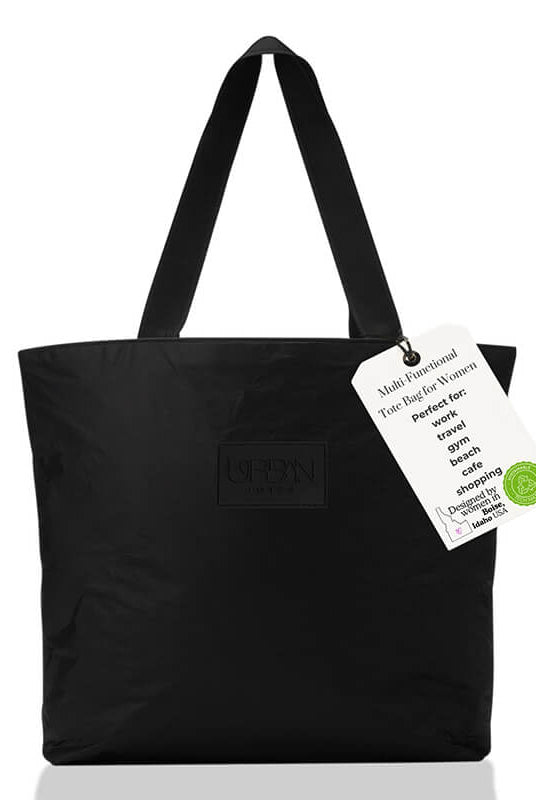
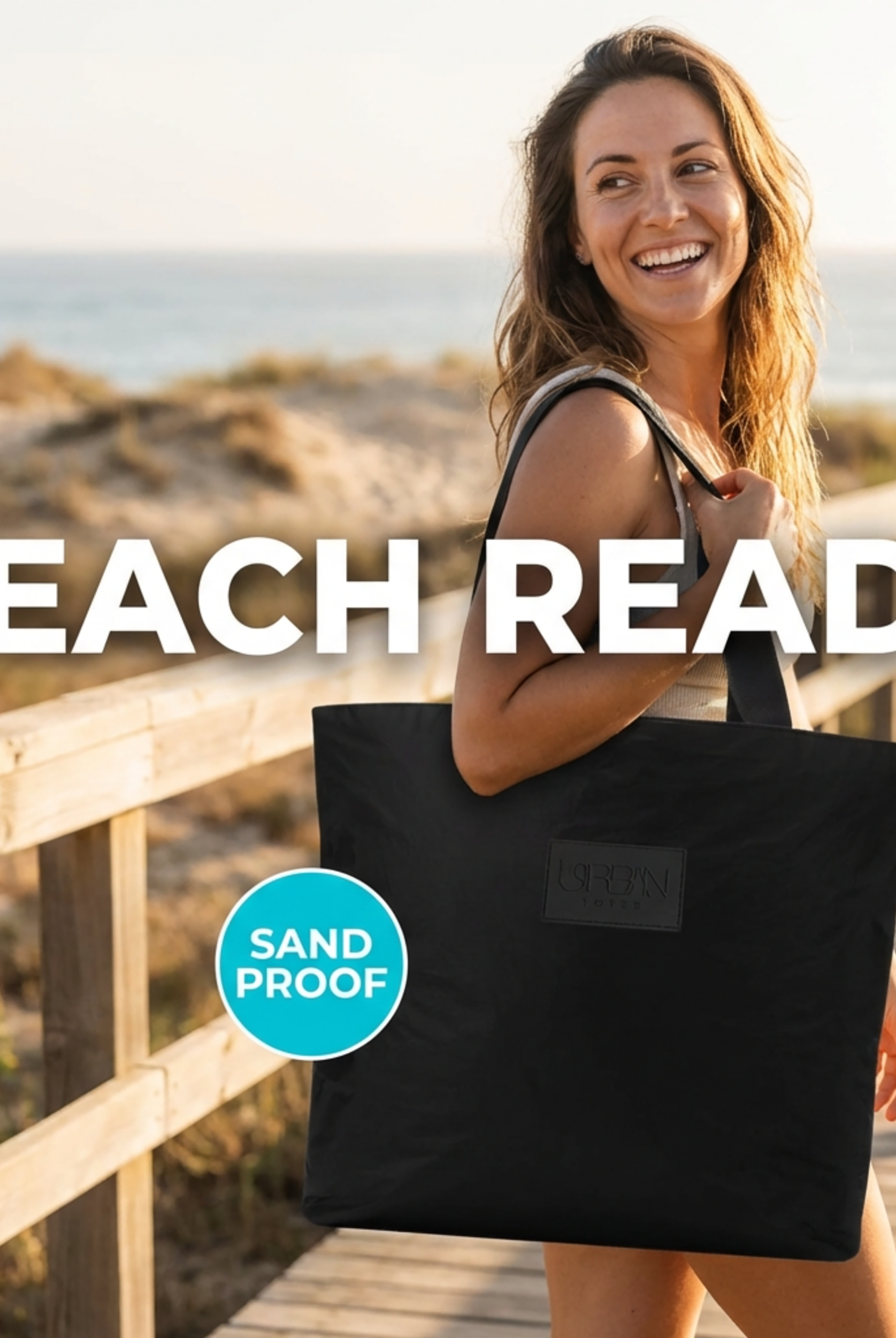
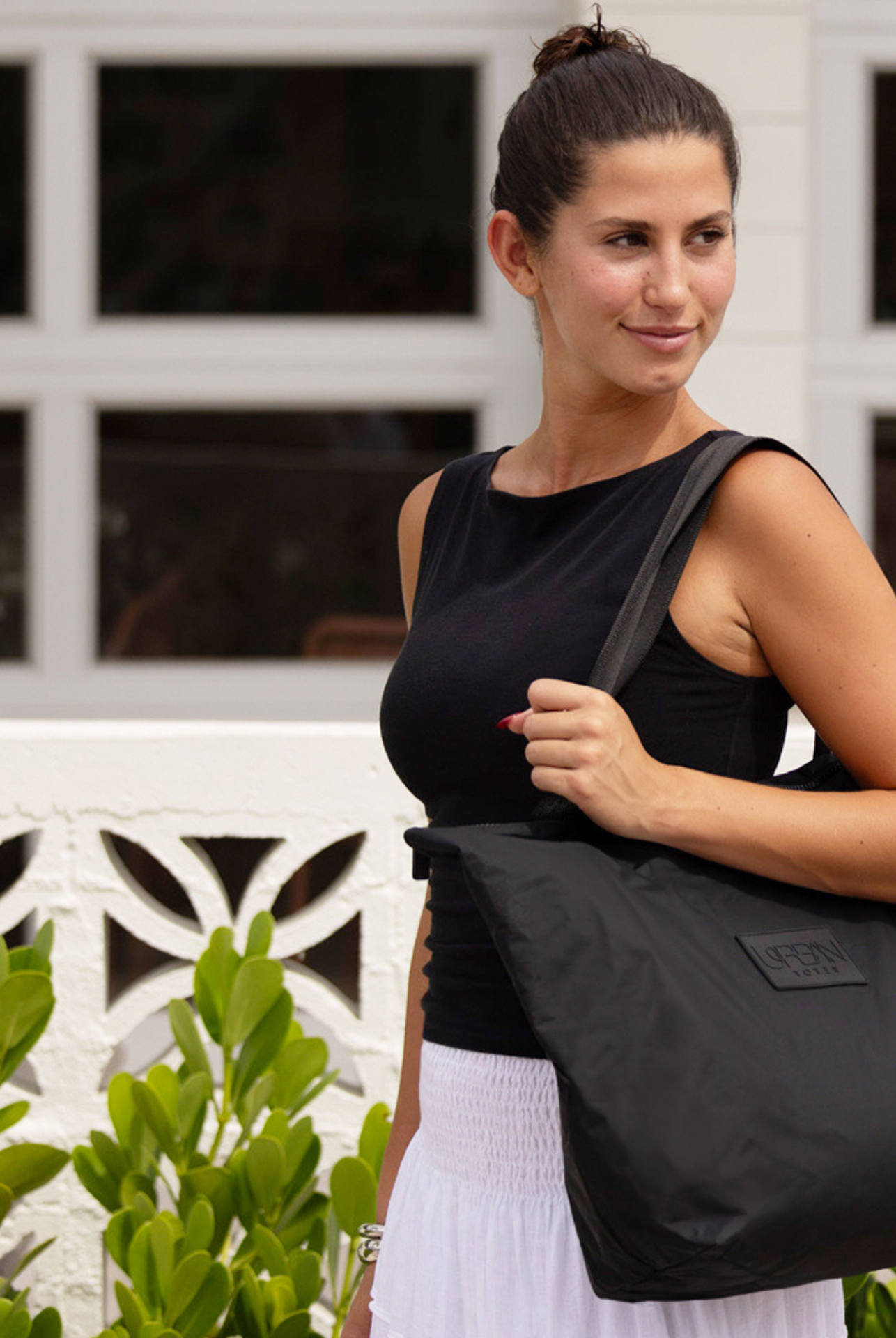
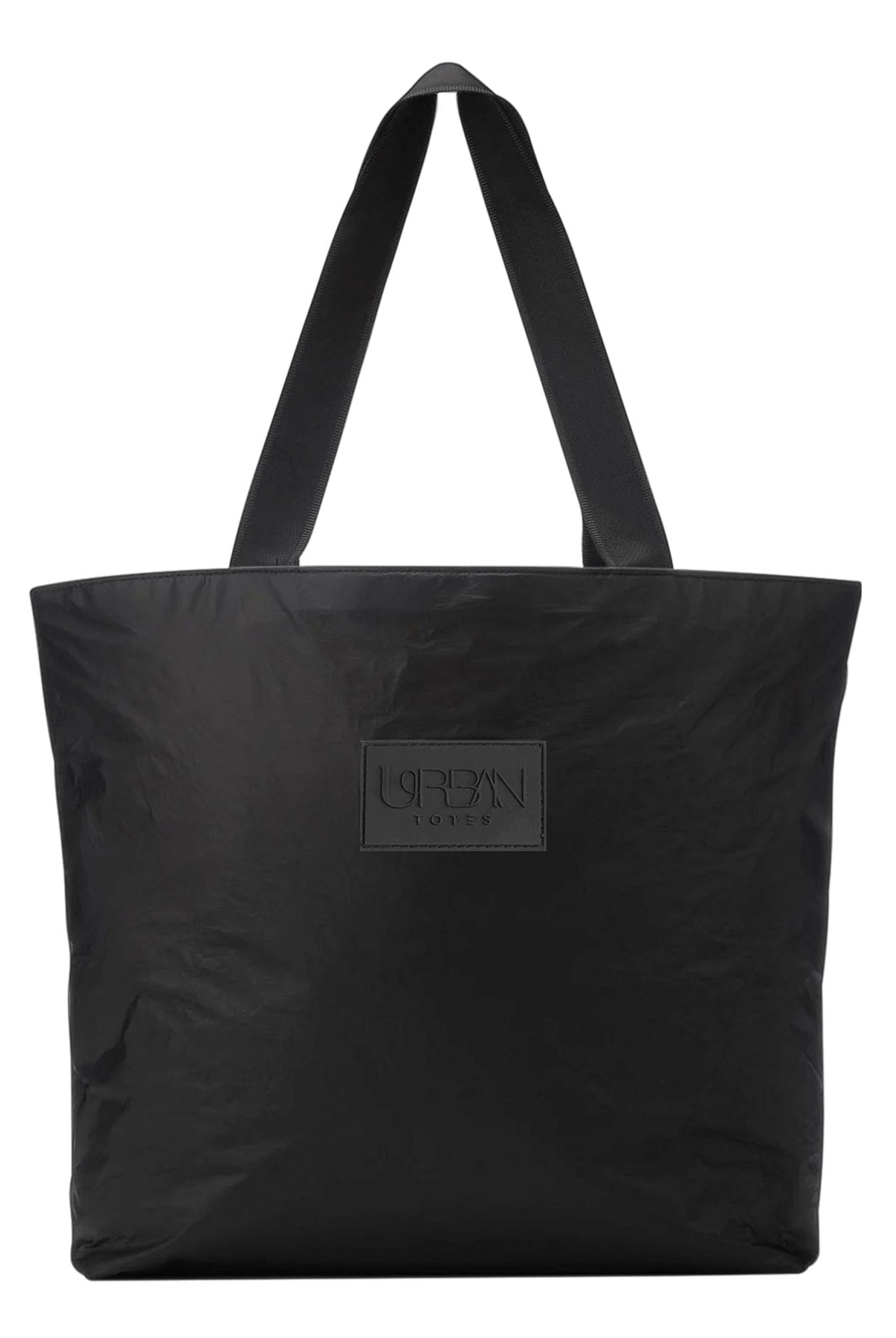
Urban Totes is verified as a woman-owned small business based in Boise, Idaho, a local identity documented through Boise women-owned business listings. Its bags are positioned around water-resistant, lightweight, packable, foldable, and multi-pocket designs, with zipper closures and compartments intended for commuting, errands, beach days, and travel.
The brand's practical angle also suits caregivers who need more than a pretty open compartment. For a separate perspective on organizing family supplies, Hiccapop's diaper bag guide offers a useful reminder to group essentials by the moment they'll be needed. That same habit works for work totes, whether the contents are diapers and snacks or chargers and lunch.
Next Steps to Tote Smarter
The best work tote bag balances capacity with comfort. Choose dimensions that fit your real load, keep heavier items close to your body, use organized pockets for essentials, and select a secure closure for transit. A lightweight, water-resistant, foldable design gives you flexibility when the day stretches from office to errands, beach, gym, or airport.
Urban Totes brings that go-anywhere spirit to everyday carry with thoughtfully designed tote and crossbody options. Find your perfect go-anywhere bag at urbantotes.com, and tote everything life brings your way.
Urban Totes offers water-resistant, lightweight, packable bags with zipper closures and organized compartments for workdays, travel, errands, and beach plans. Visit Urban Totes to find a versatile carry designed to keep up with your next full day.