At the crosswalk, the coffee lid wobbles every time the light changes. Rain ticks against the curb. One hand grips a flimsy grocery sack, another steadies a laptop sleeve sliding out of a shoulder bag, and a half-zipped purse keeps catching on a coat strap while a phone buzzes somewhere inside. Then the grocery bag tears.
The familiar problem isn't that there are too many things to carry. It's that every item has been assigned to a different, mismatched carrier. A tote bag brings those loose jobs together. It gives groceries, work essentials, school supplies, beach layers, and travel items one roomy home that's easy to reach and simple to carry. The question, what is a tote bag used for, has a practical answer: almost any everyday situation where you need a reusable, adaptable carryall.
Table of Contents
- A Morning That Already Needs Three Bags
- What a Tote Bag Actually Is
- Everyday Features That Make a Tote Work Hard
- Where a Tote Shows Up in Real Life
- From Airport to Errands in One Bag
- Smart Ways to Pack, Carry, and Care for It
- How to Pick the Right Tote for You
- Closing the Loop on a Smarter Carry
A Morning That Already Needs Three Bags
The torn sack leaves a dark streak of rainwater across the pavement. A baguette pokes through the split, the laptop sleeve scrapes against the sidewalk, and the coffee lid finally gives a soft plastic click. The woman at the crosswalk shifts everything against one hip while the signal counts down and a school pickup reminder vibrates again.
A roomy tote changes the choreography. Its wide opening lets a phone, keys, or transit card come out quickly, while a deeper body holds a laptop beside a loaf of bread instead of forcing both into separate bags. Two parallel handles sit on the shoulder, and a flat or reinforced base keeps the contents from folding into an awkward pile.
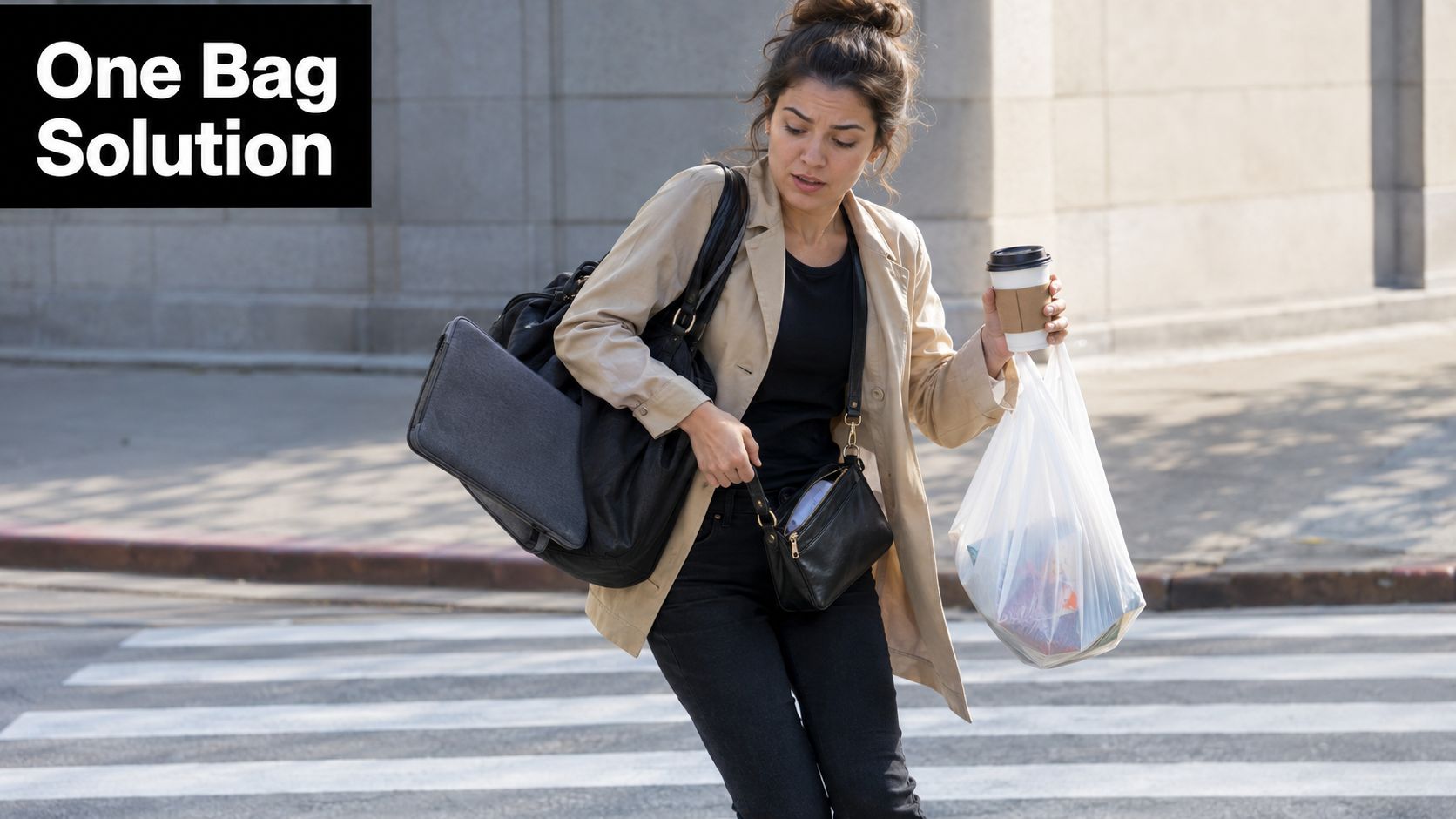
She moves the wallet, charger, groceries, and laptop into one canvas tote. The purse is empty. The grocery sack goes into the recycling. The shoulder bag becomes a folded layer at the bottom of the stroller basket, and suddenly one hand is free for the coffee.
That's the everyday appeal of a tote. It doesn't ask you to redesign your morning. It gives the morning one organized place to land.
What a Tote Bag Actually Is
A tote bag is a reusable carryall built around two parallel handles and a broad main compartment. Its top may stay open for quick access at a market, or close with a zipper when a laptop and travel documents need more protection. A flat, lightly gusseted, or reinforced base helps it hold its shape, placing the tote between a handbag and a weekender in size and purpose.
The name comes from carrying, and the modern form became widely recognized as an open-top utility bag during the twentieth century. Historical accounts connect early versions with L.L.Bean's Original Boat and Tote and its later adaptation for everyday use. That lineage fits the bag's familiar appearances at grocery stores, on campuses, and in airport terminals. The Tote Bags of Bat Trang Museum places the modern tote's rise around the 1940s and notes broader consumer use by the early 1960s.
A backpack shifts weight onto the back and leaves both hands free. A purse is generally smaller and more structured. A crossbody uses a diagonal strap for a compact load. The tote carries in front of the body or at the side, and its wide mouth accepts a book, sweater, groceries, or a laptop without much reshaping.
For a side-by-side look at these and other silhouettes, see this detailed glossary of bag types:
- Backpack: hands-free carry with weight distributed across the back.
- Purse: compact storage for personal essentials.
- Crossbody: diagonal carry for a smaller daily load.
- Tote: an open, adaptable carry system for groceries, books, clothing, laptops, and day-trip layers.
That last category is why packing changes by scene. A tote might assign its main body to market food, a side pocket to keys, and the space beside a laptop to a light jacket.
Everyday Features That Make a Tote Work Hard
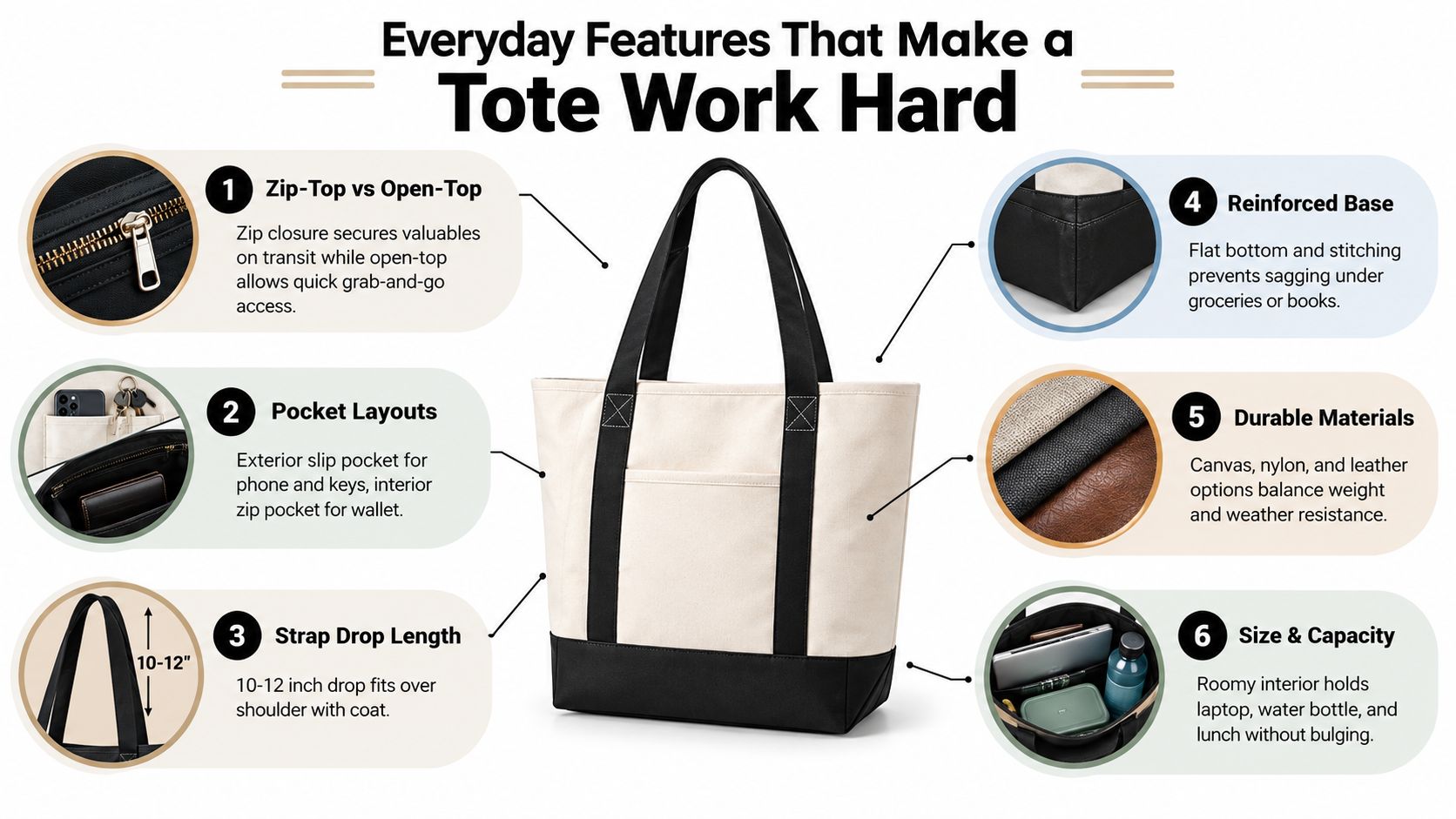
A tote becomes a daily workhorse through small construction decisions. The right closure, pocket placement, material, handle drop, and base can turn a loose fabric sack into an organized everyday carry.
Closure and pocket logic
An open-top tote is fast. At the farmers market, you can lower a carton of berries straight inside without pausing to find a zipper. That convenience comes with less protection for valuables on crowded transit. A full zipper takes an extra moment, but it helps keep a wallet, tablet, or travel documents inside when the bag tips or rides beside you.
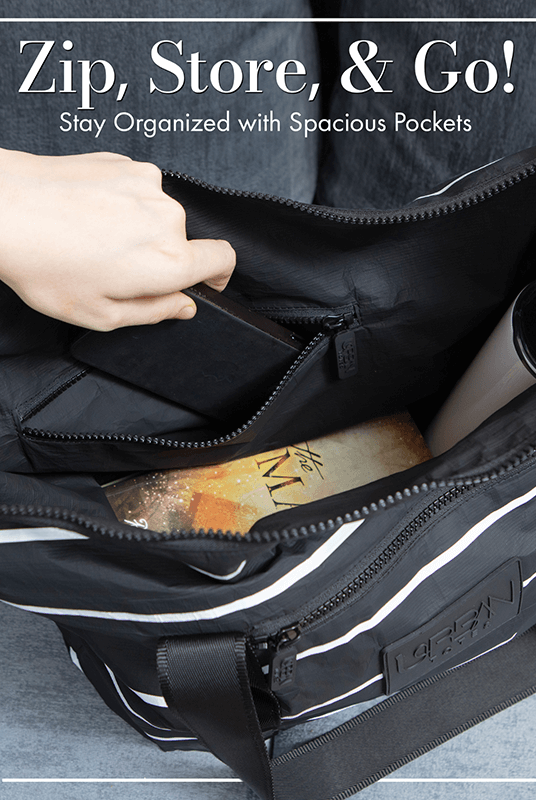
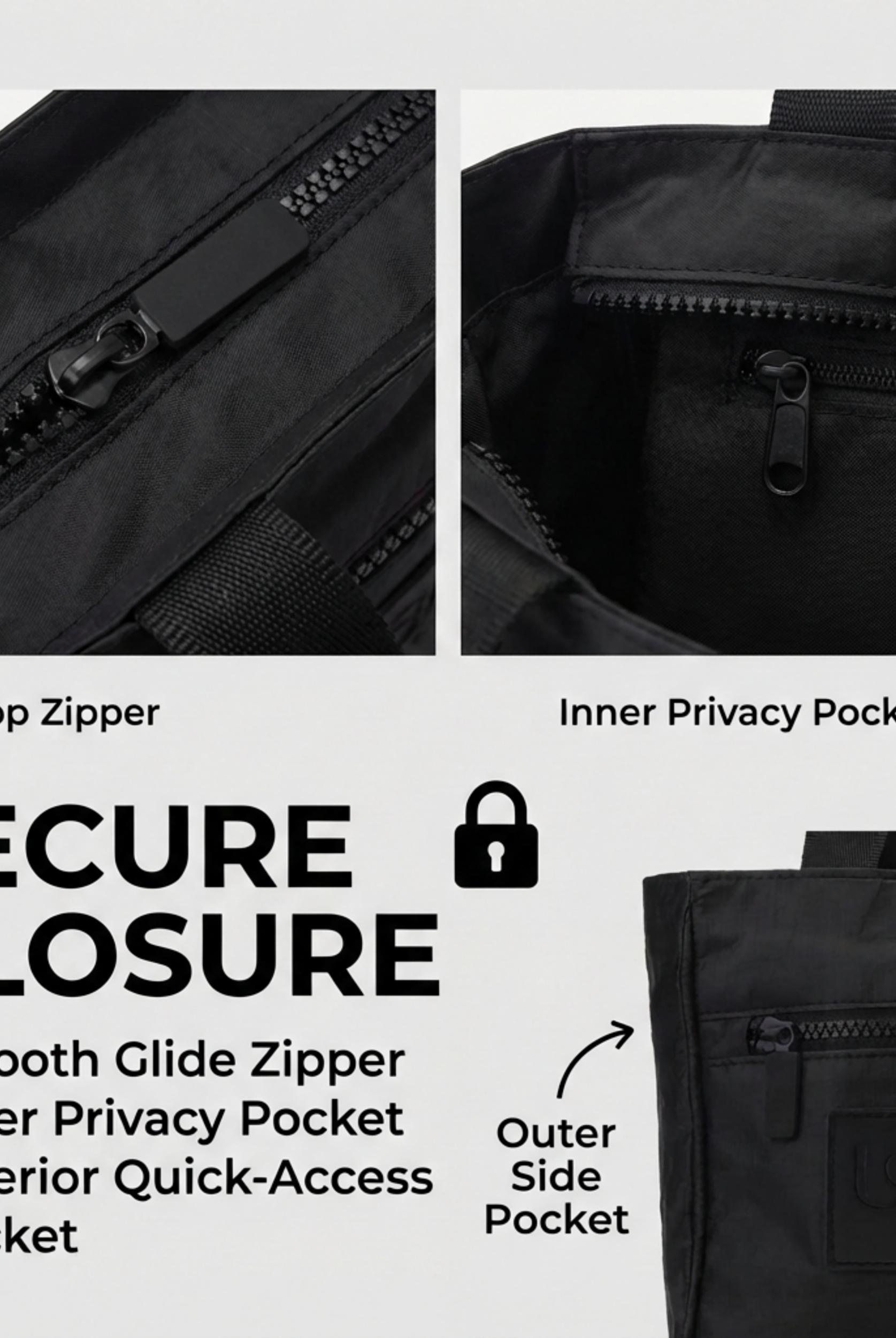
Pocket layout determines whether the tote feels calm or chaotic. An exterior slip pocket gives a phone or transit card a predictable landing place. An interior zipper pocket protects keys and a wallet from disappearing below a sweater. A dedicated laptop sleeve keeps a computer from sliding against a water bottle, while a bottle sleeve gives wet or cold containers their own boundary.
Materials and carrying comfort
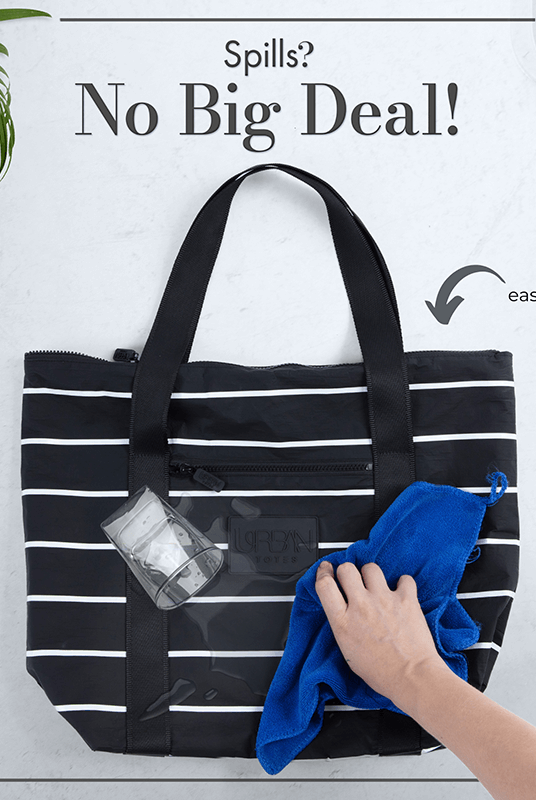
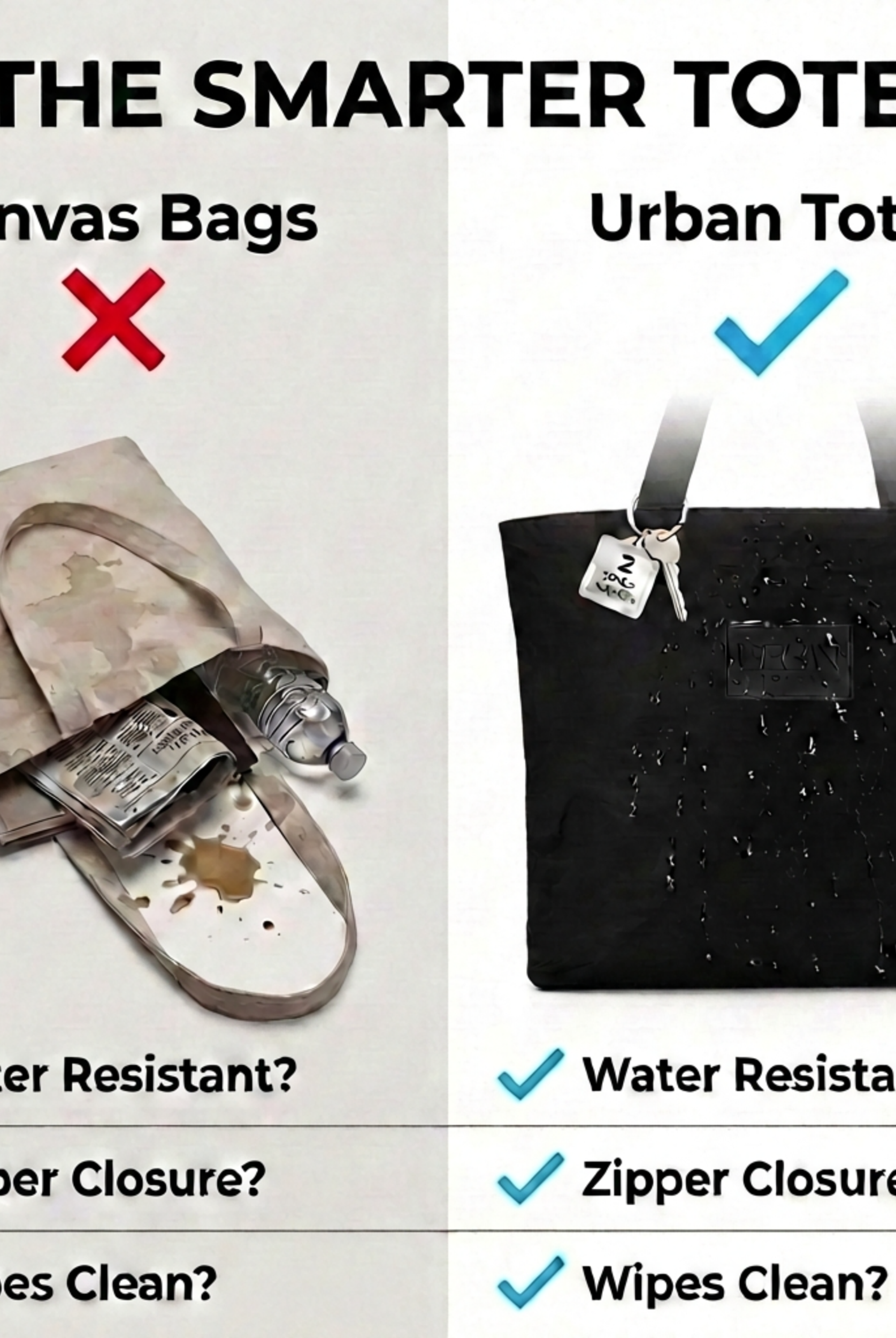
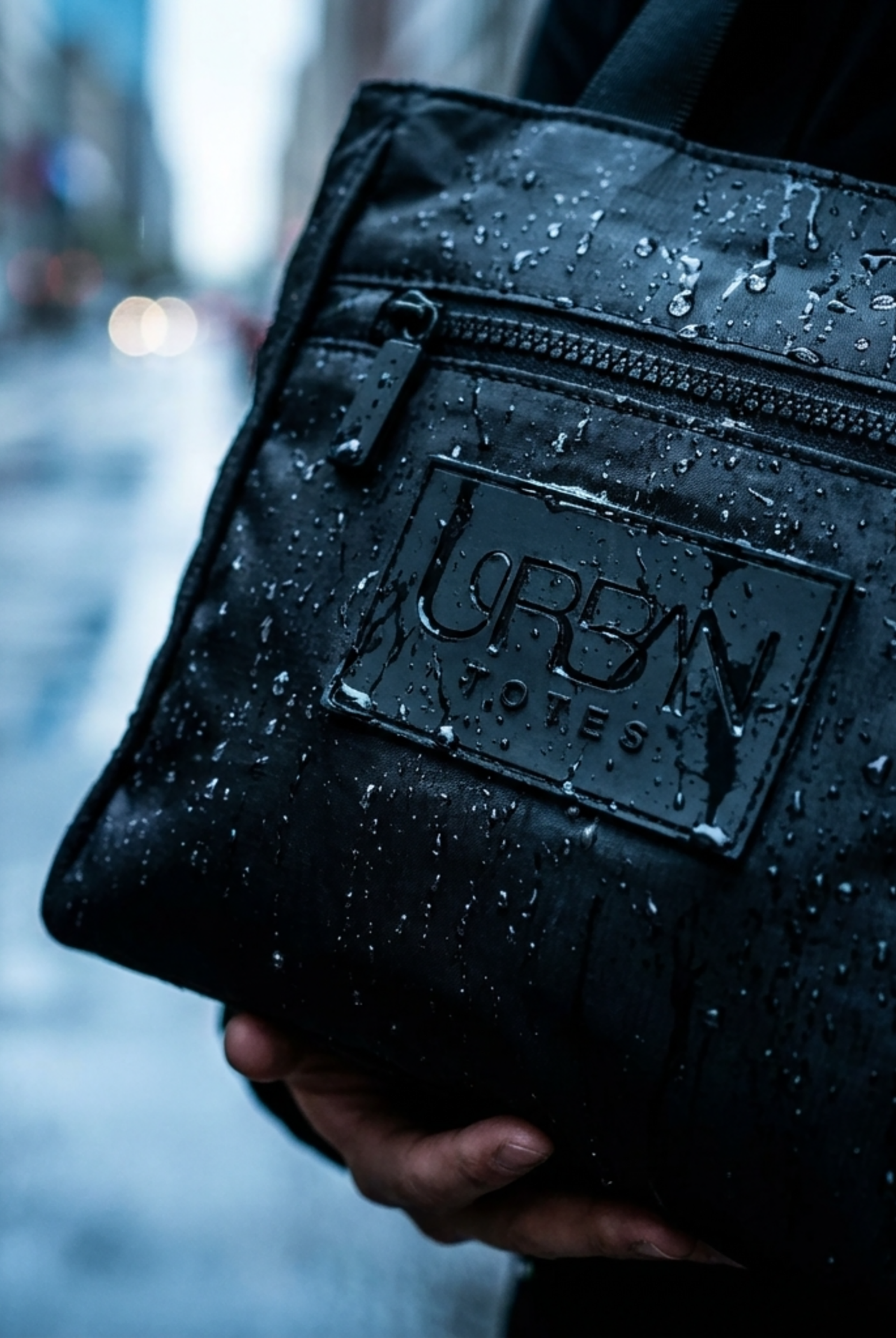
Water-resistant coatings, waxed canvas, or laminated linings can help shield groceries, gym clothes, and electronics from a sudden drizzle. They don't make every tote fully waterproof, so seams, closures, and the base still matter. For performance-focused bags, recycled polyester is also relevant because independent textile testing has recorded some bag fabrics exceeding 50,000 Martindale abrasion cycles in abrasion testing. The recycled polyester performance investigation also distinguishes water-related testing from abrasion performance, which is a useful reminder to look for both rather than assuming one proves the other.
Handle length changes the experience. A longer drop can fit over a coat, while shorter handles suit hand carry. Reinforced stitching at the handle attachment and a stable base help the bag stay comfortable when the load includes books or groceries. Carrying style still matters. Biomechanical evidence indicates that asymmetric carrying becomes more demanding as a bag approaches or exceeds about 10% of body weight, with around 15% of body weight associated with greater lumbar stress in the reviewed research. The biomechanics review of bag carrying supports keeping a tote moderate, close to the body, and balanced.
Packability for the extra errand
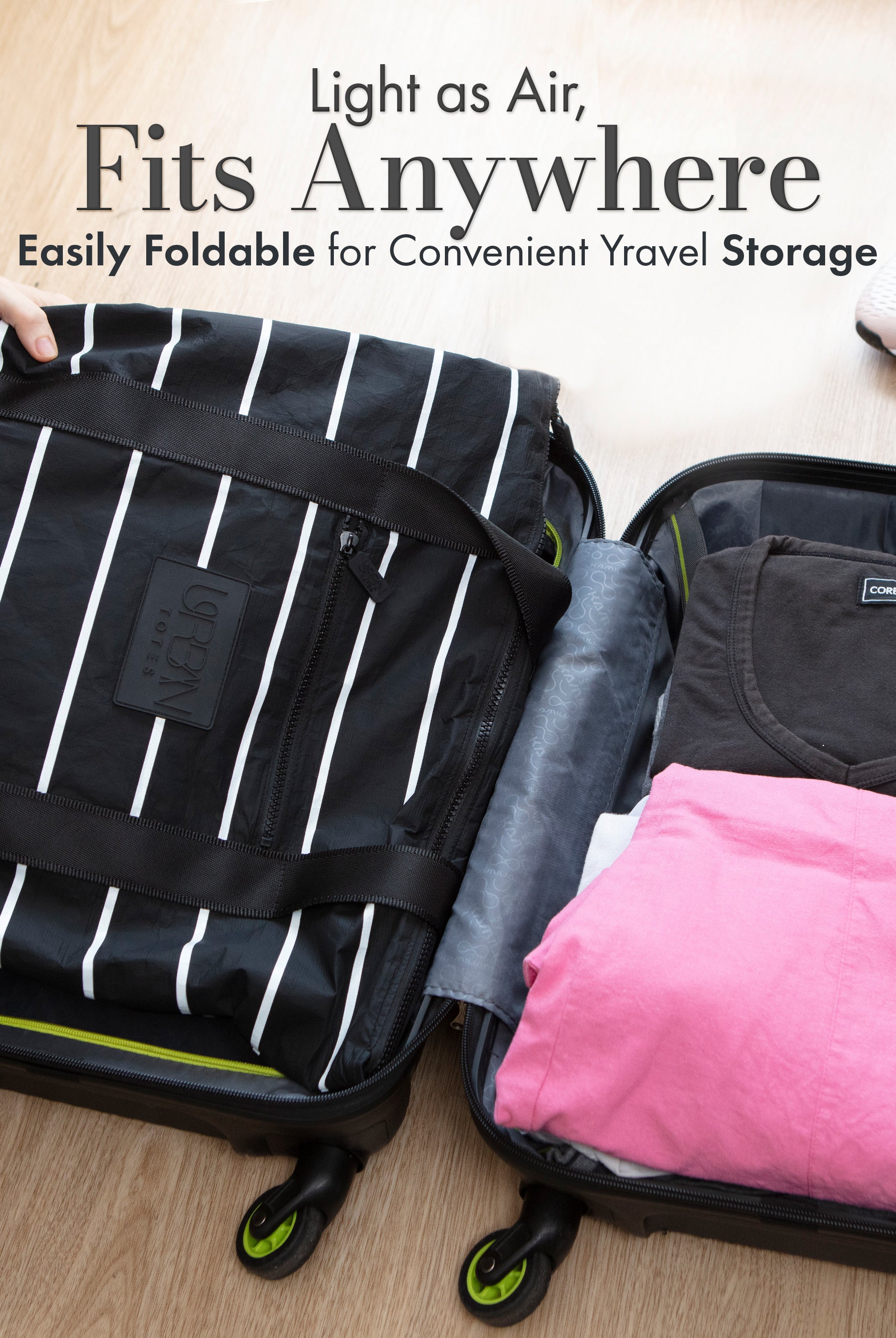
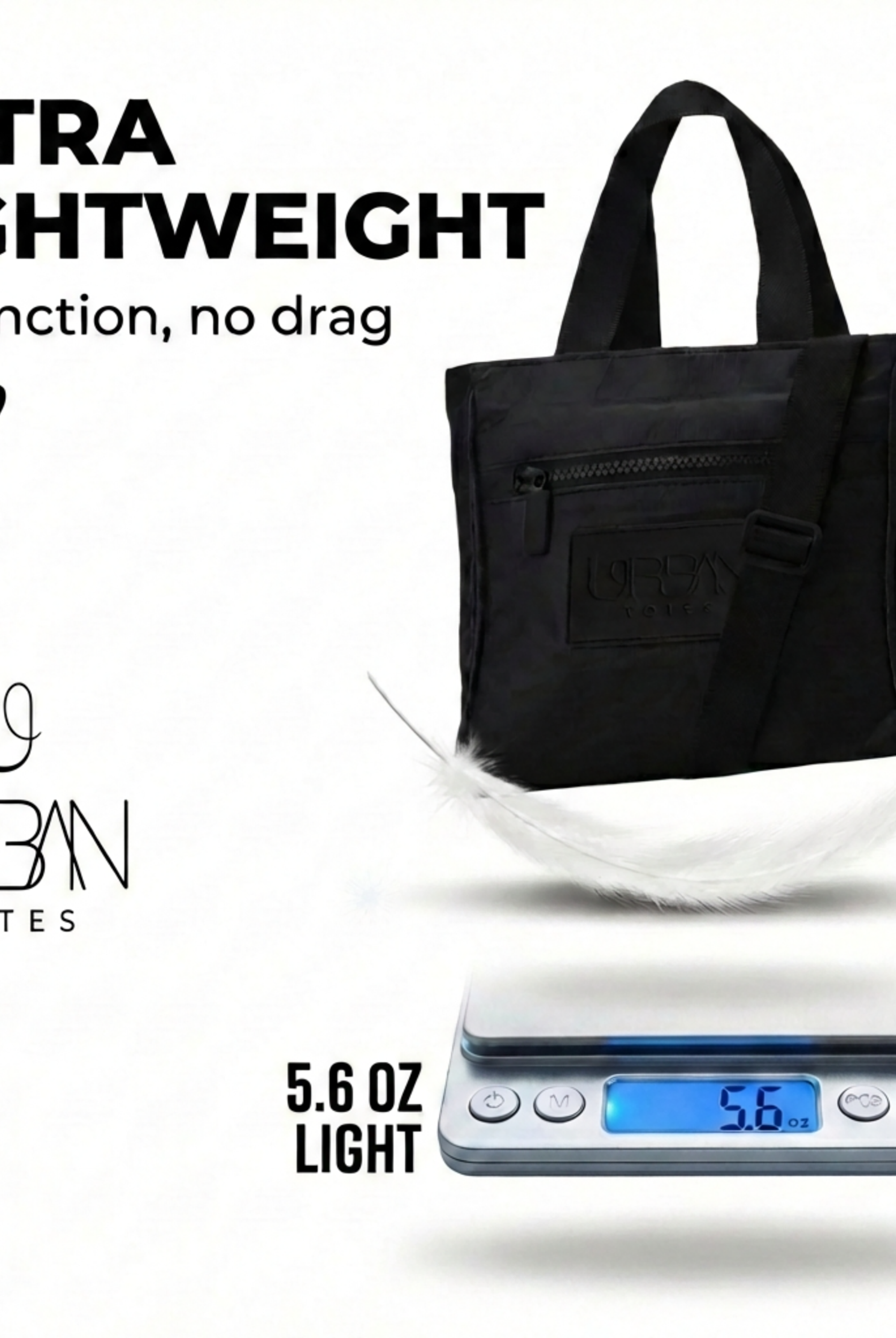
A lightweight, foldable tote earns its place before you need it. It can live in a suitcase, stroller basket, or larger work bag until an unexpected bookstore stop or grocery run calls for more room.
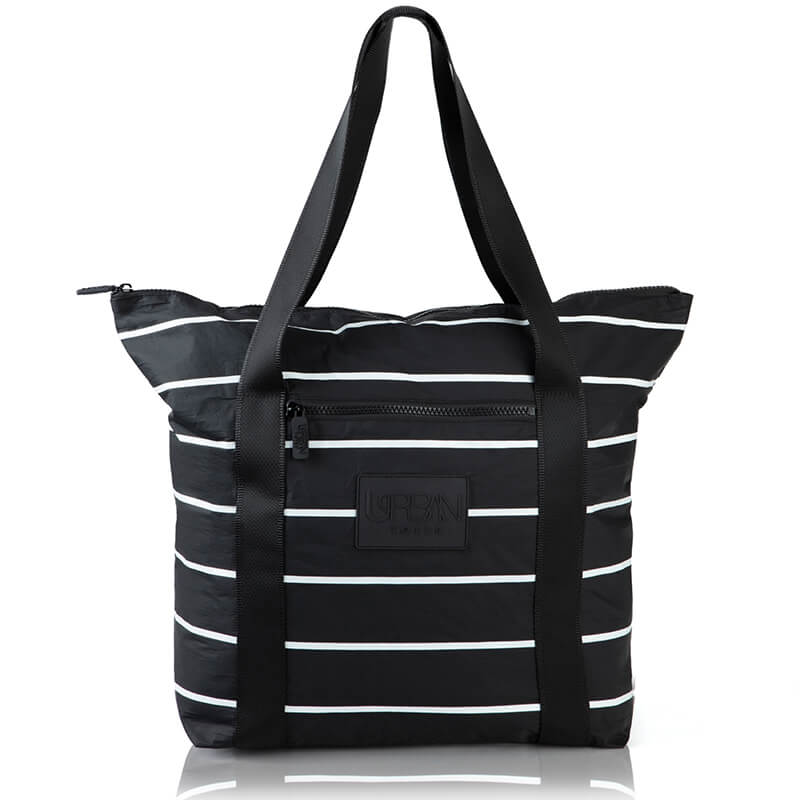
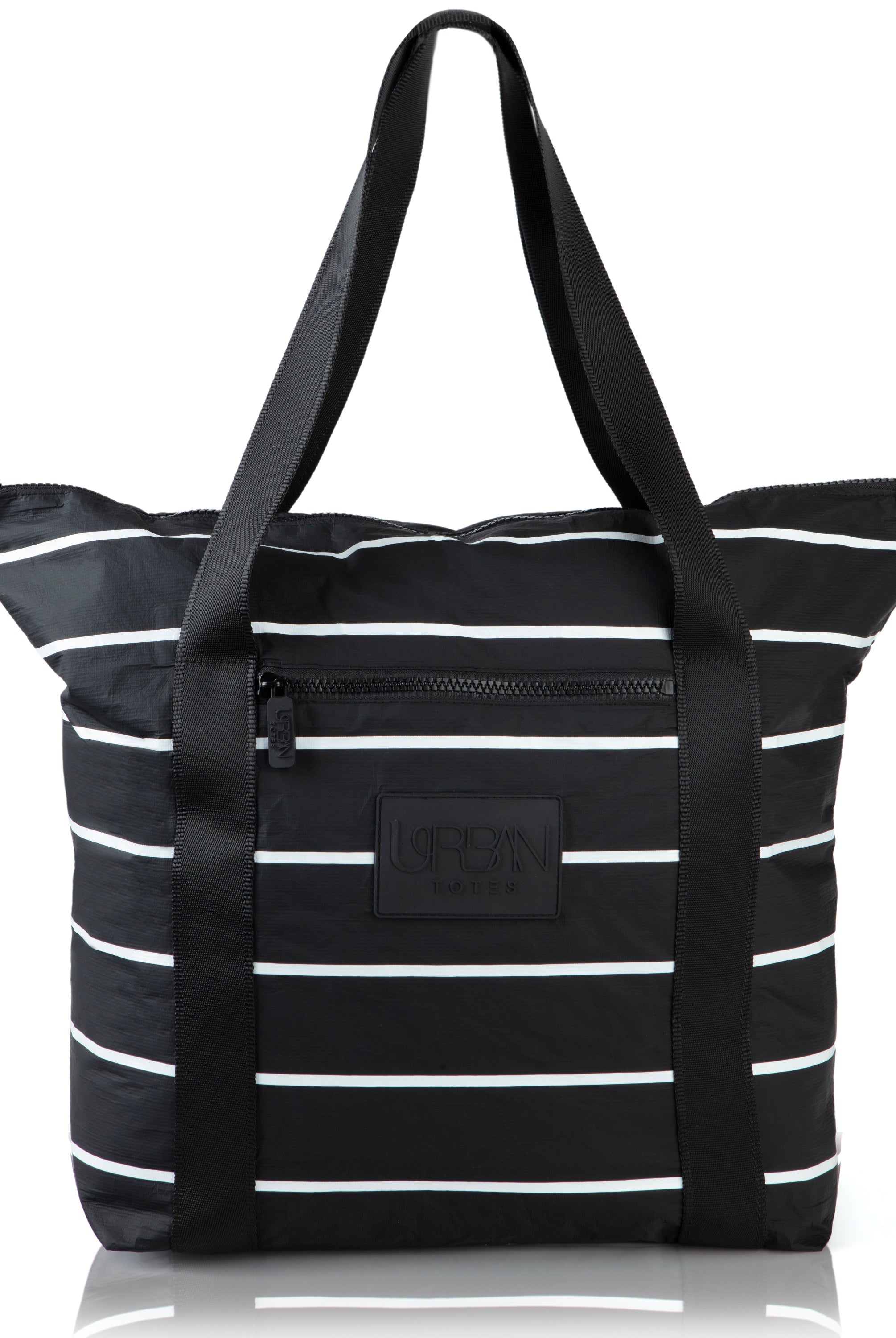
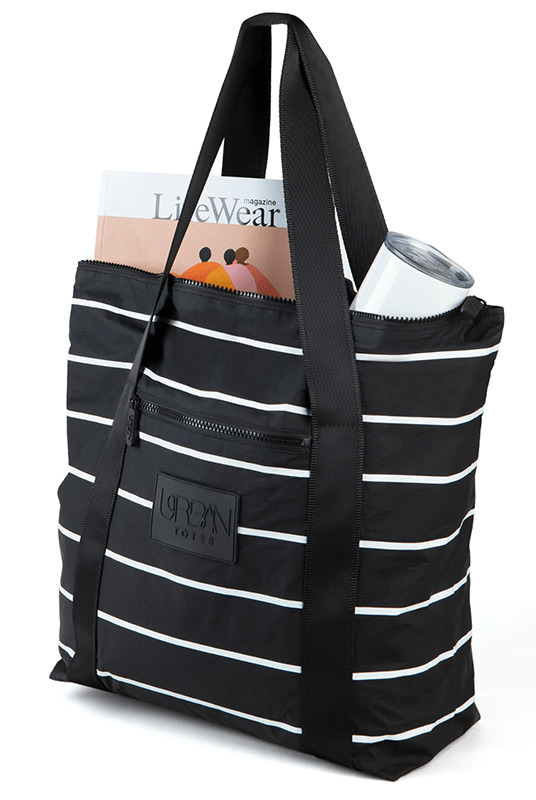
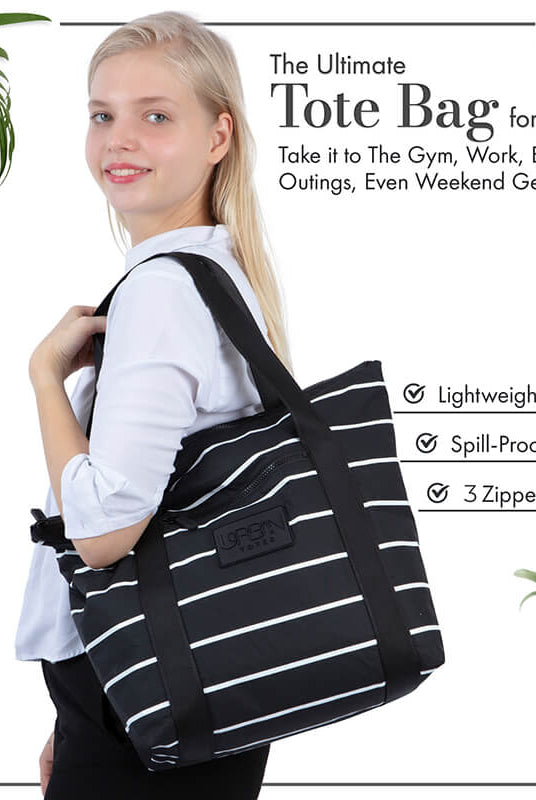
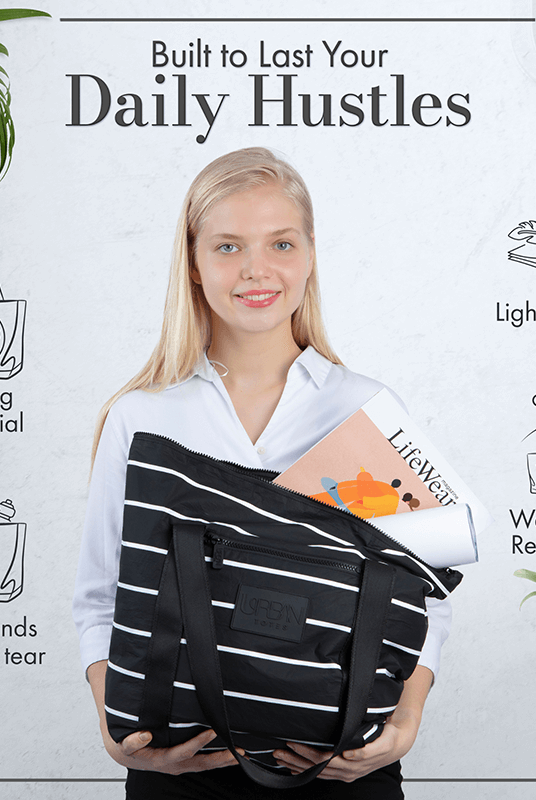
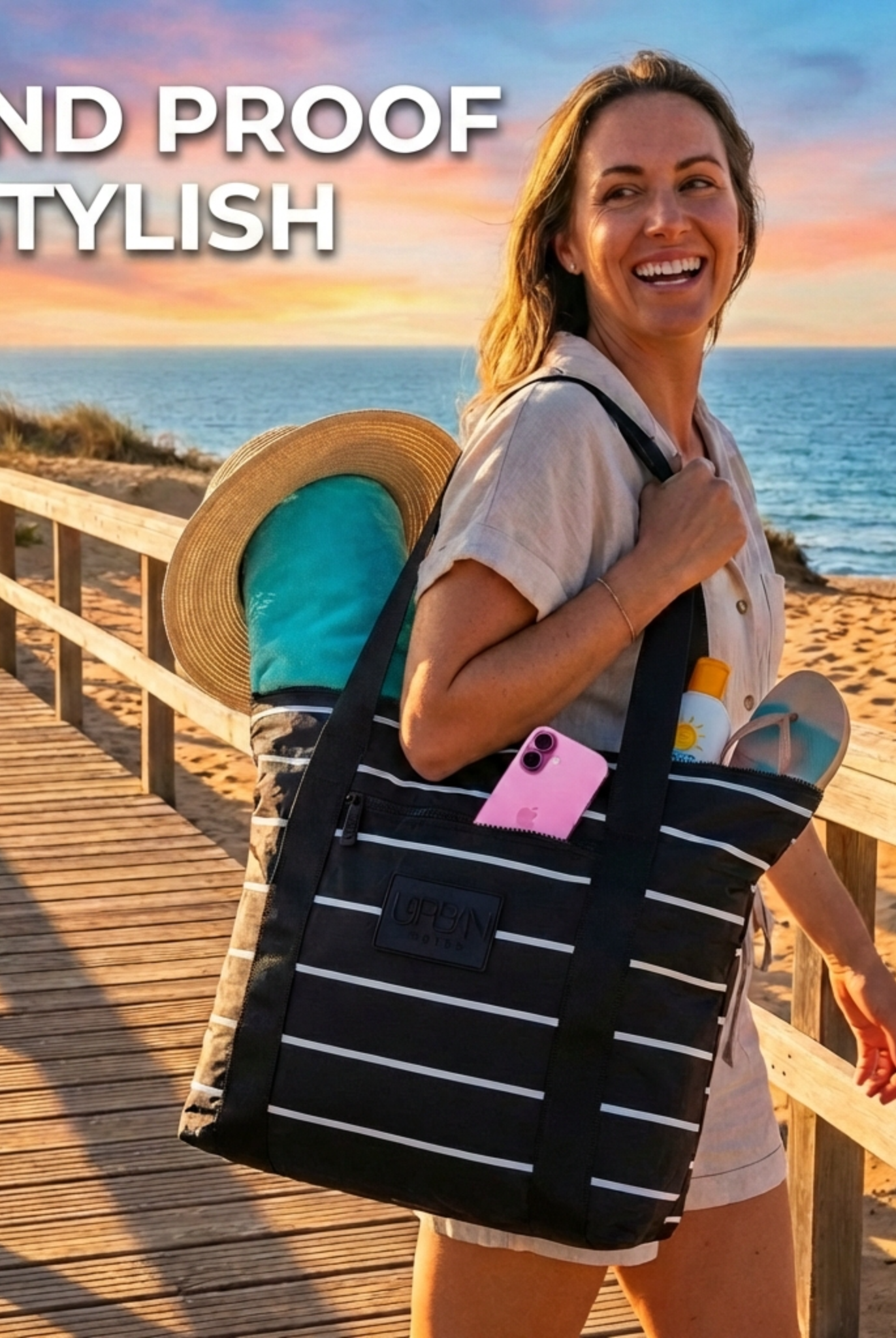
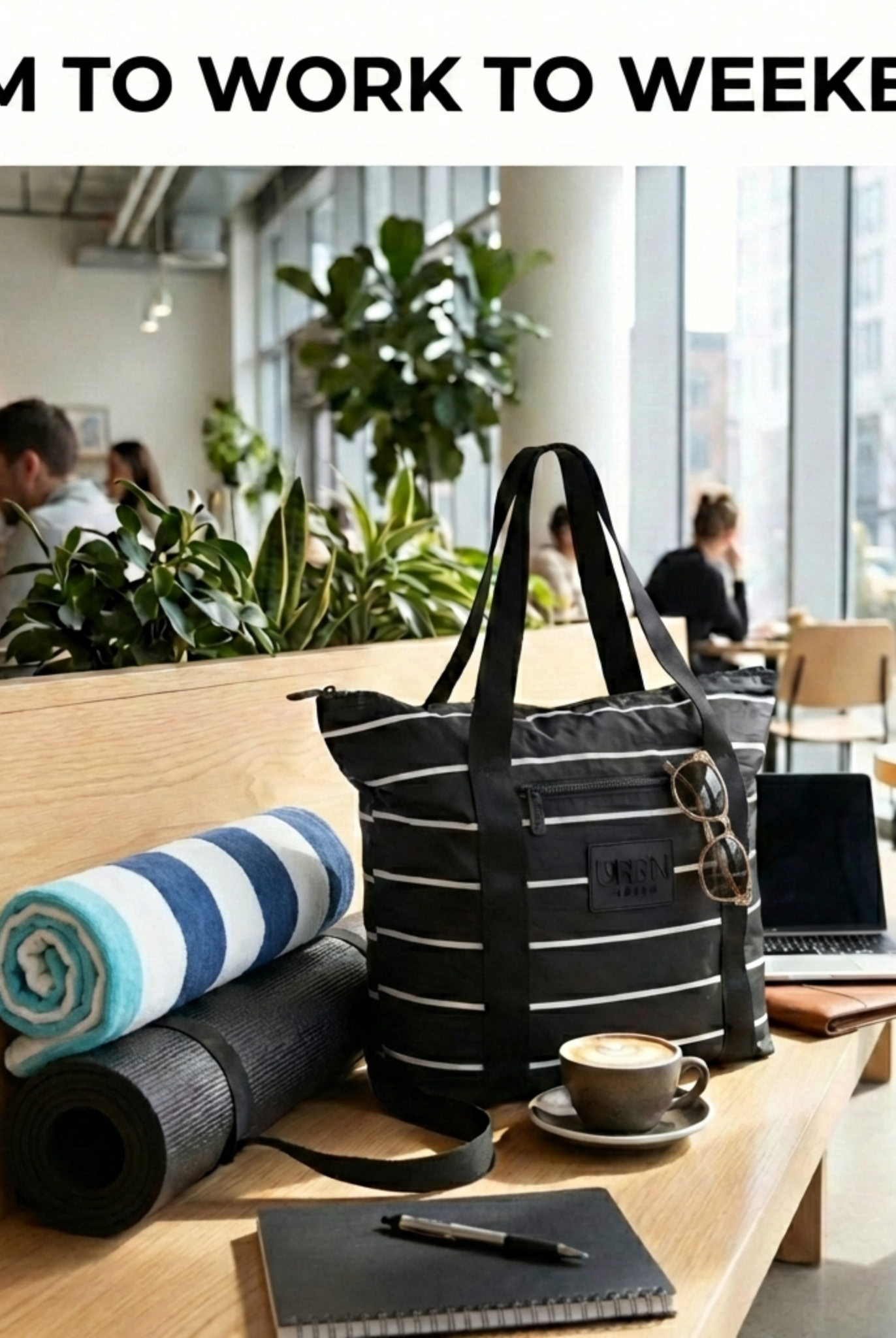
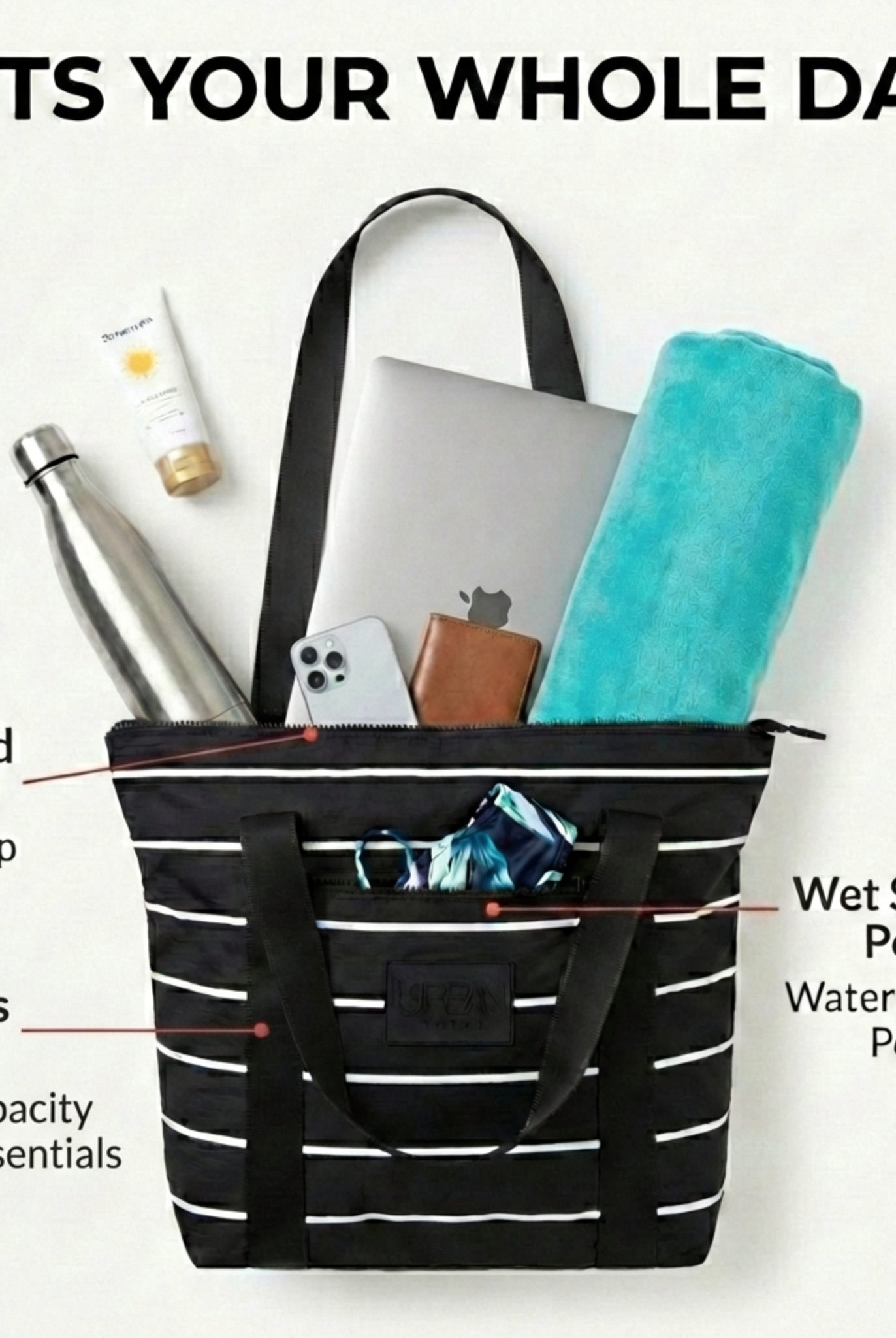
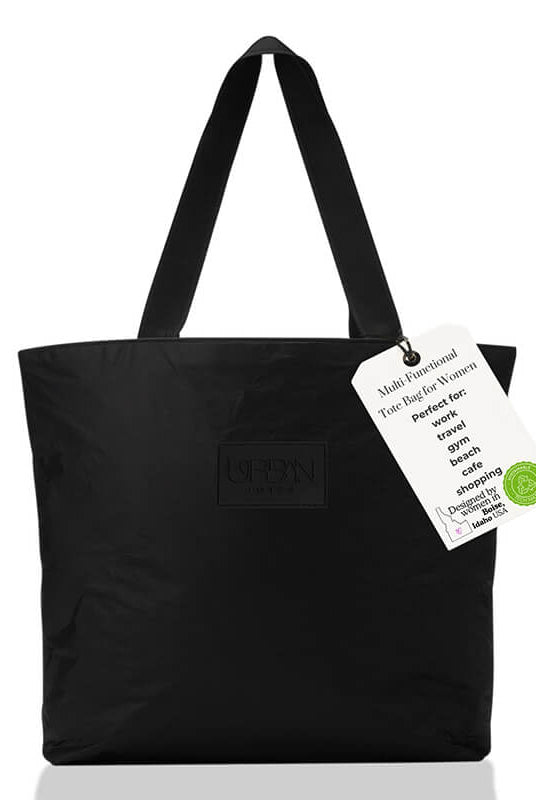
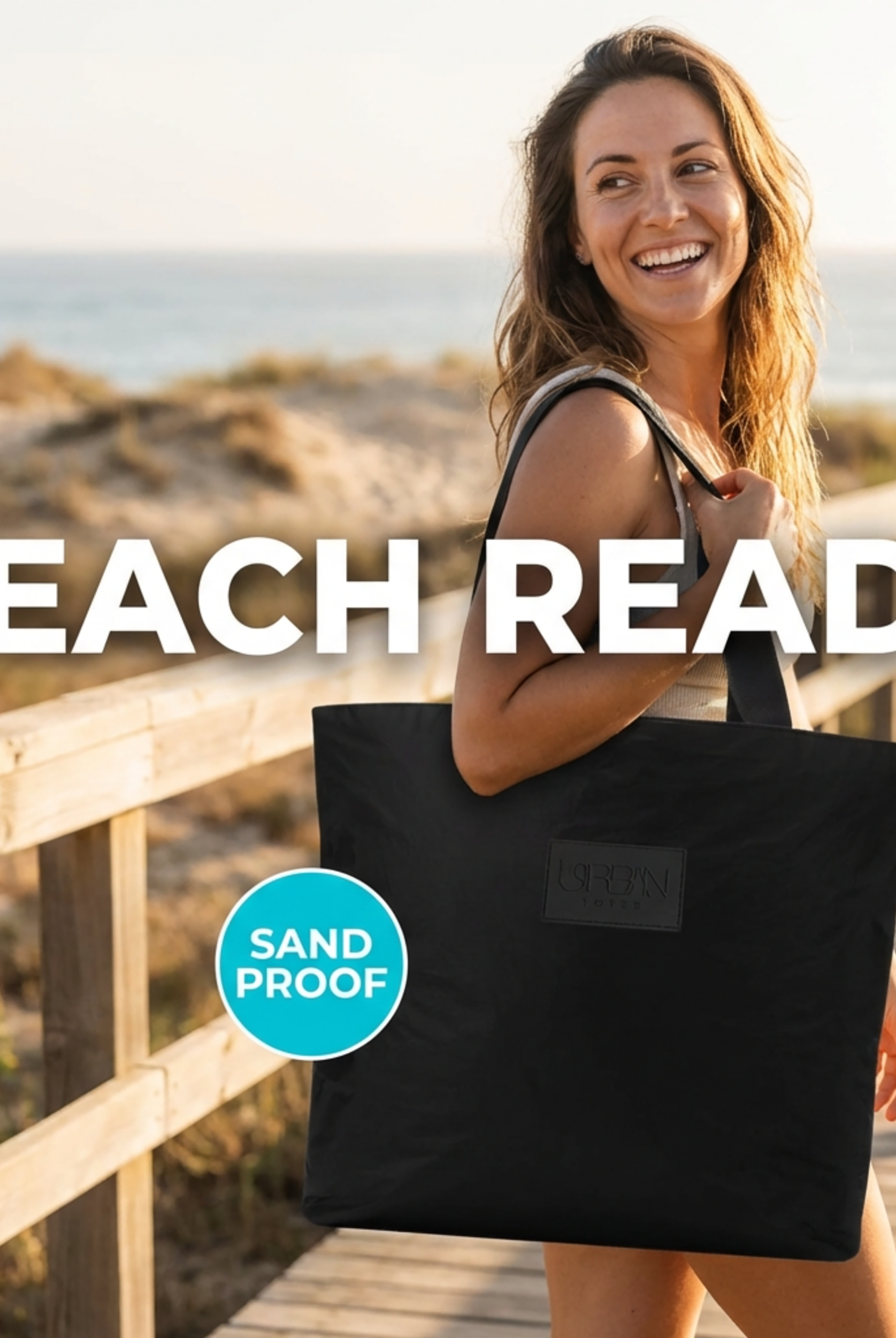
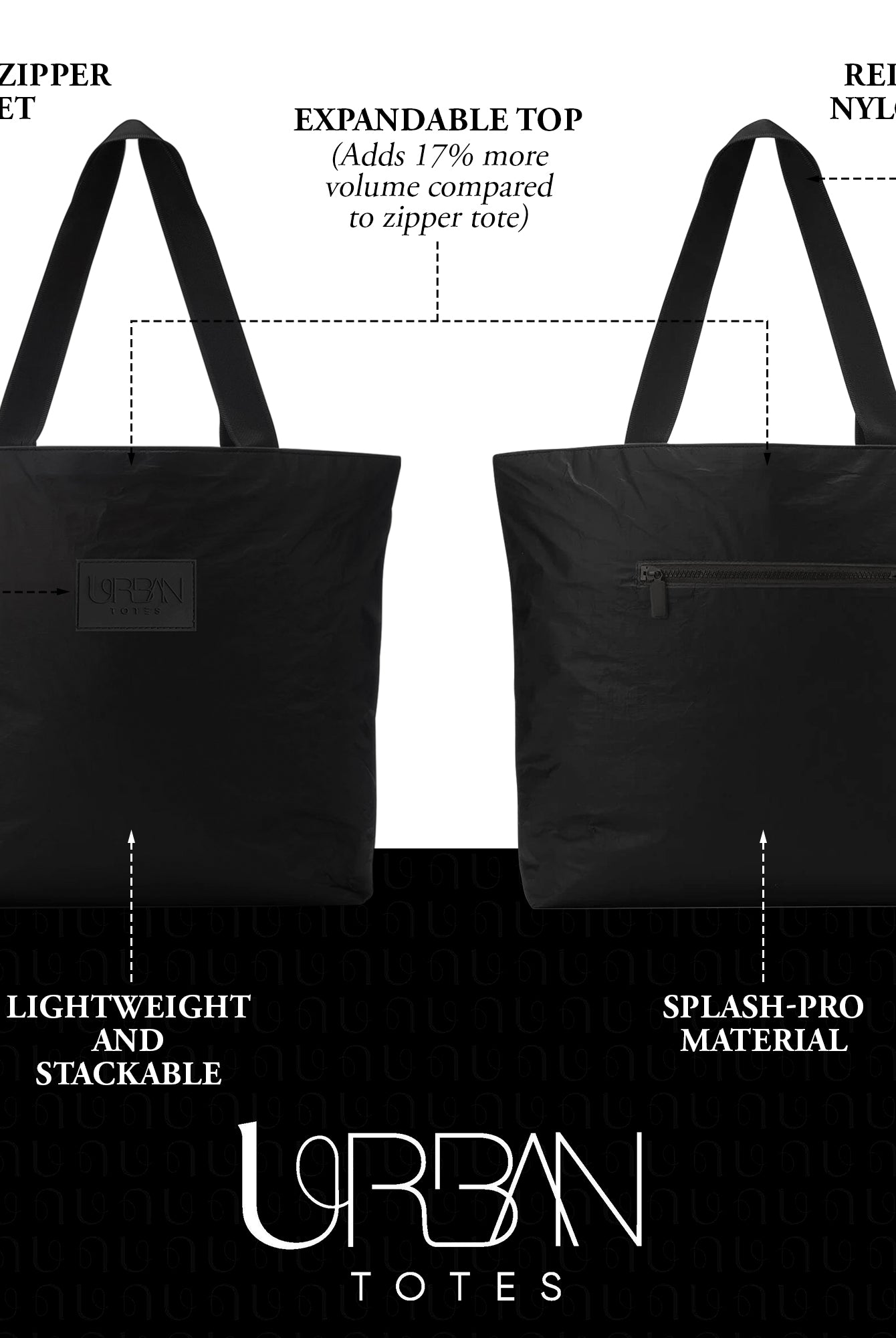
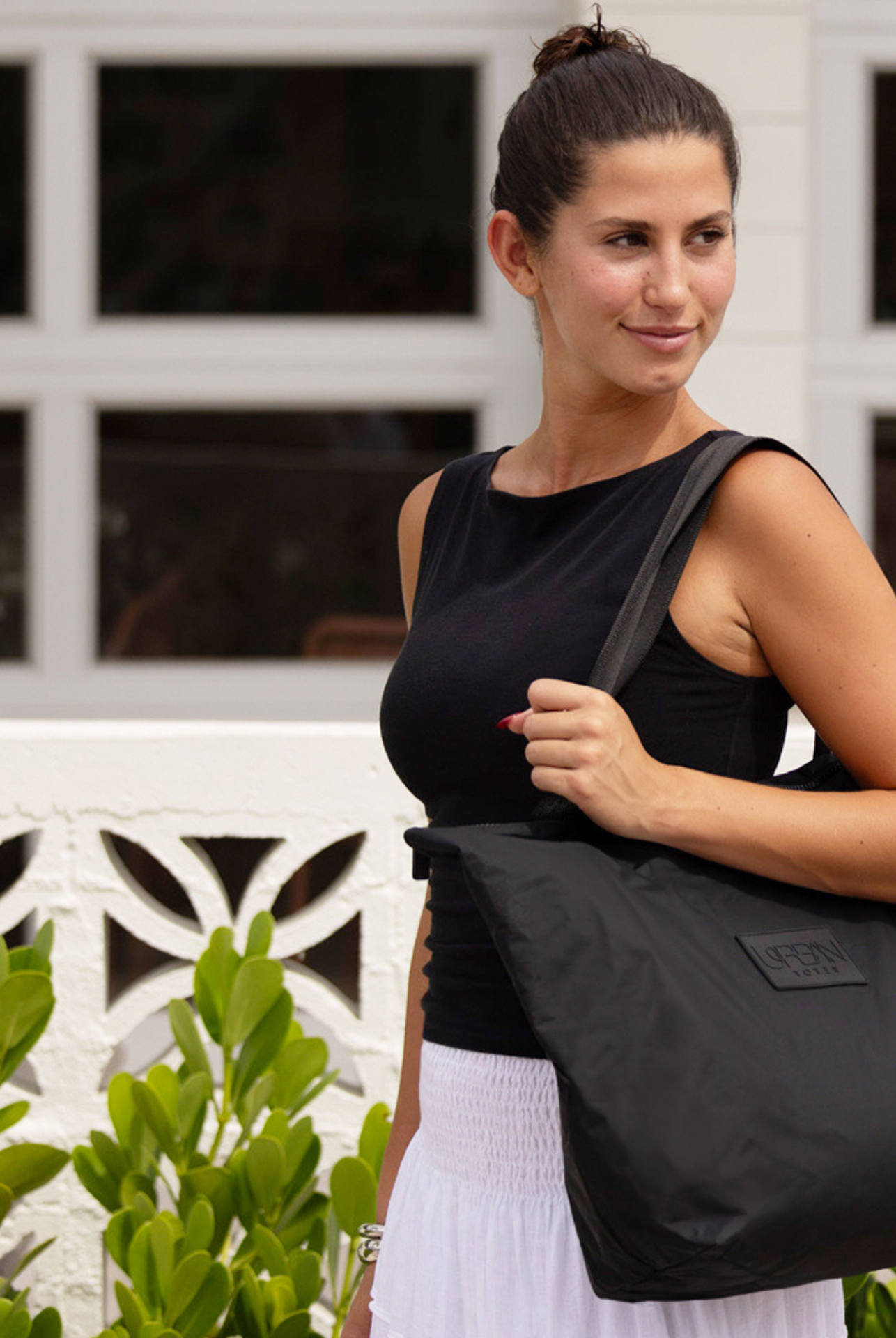
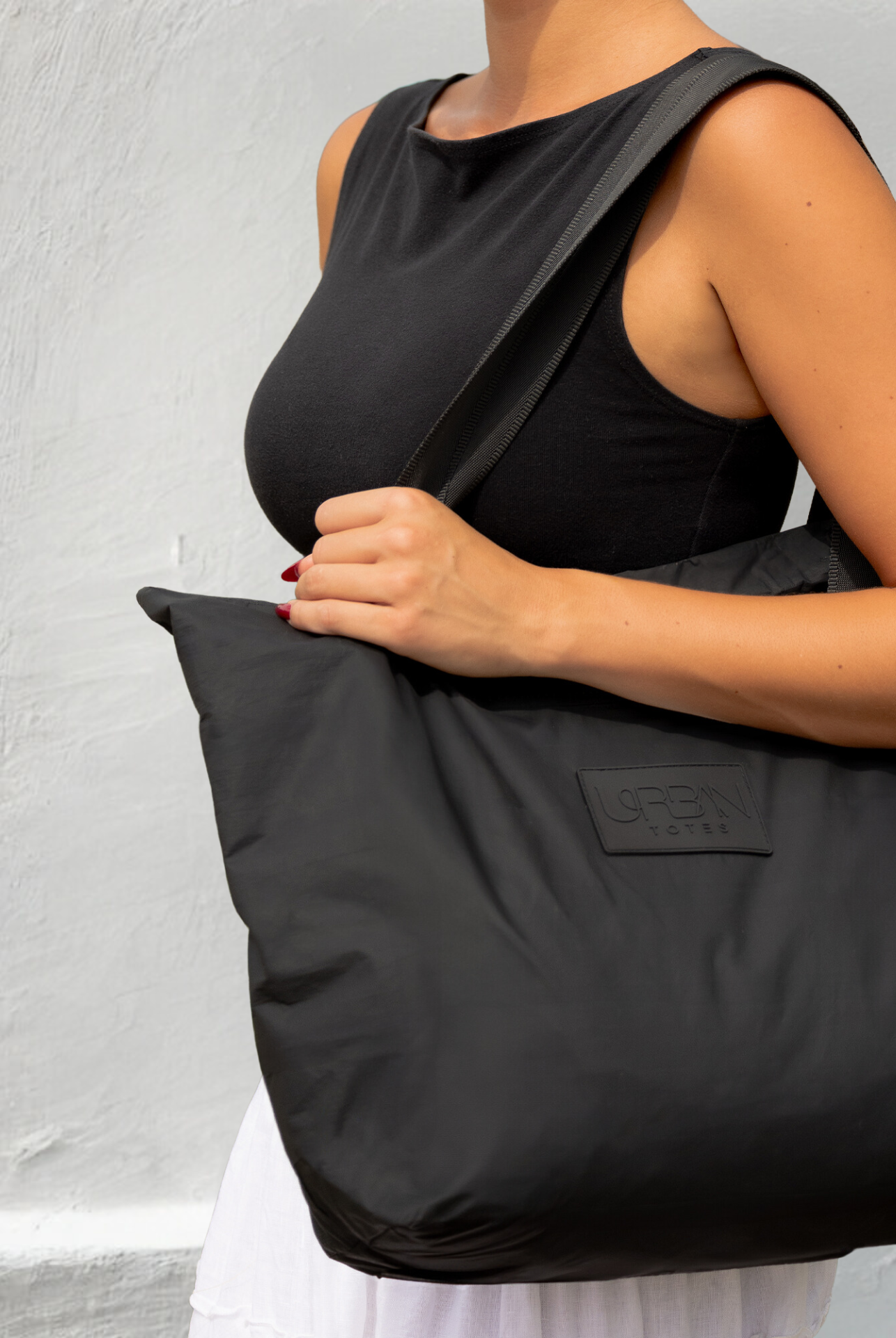
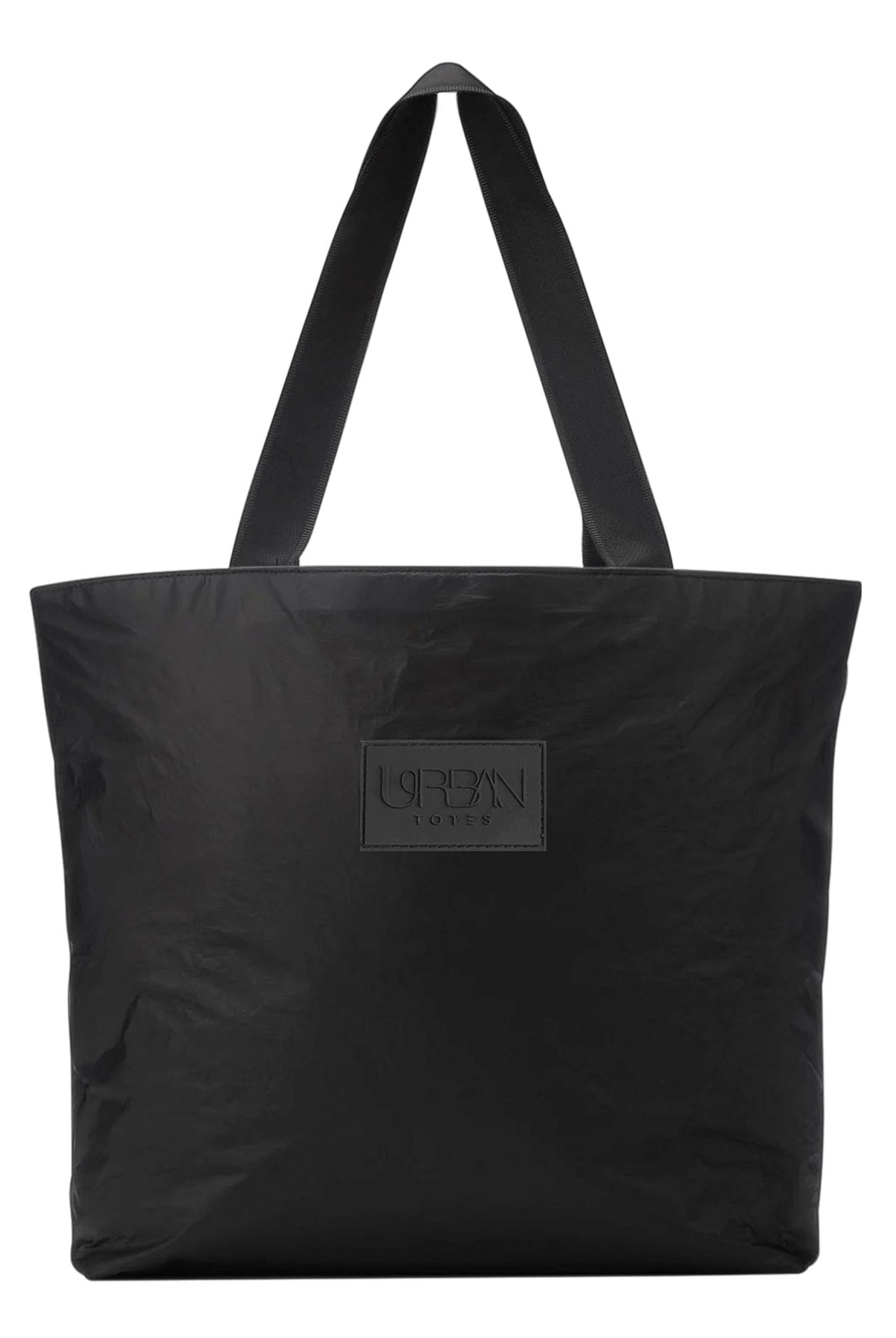
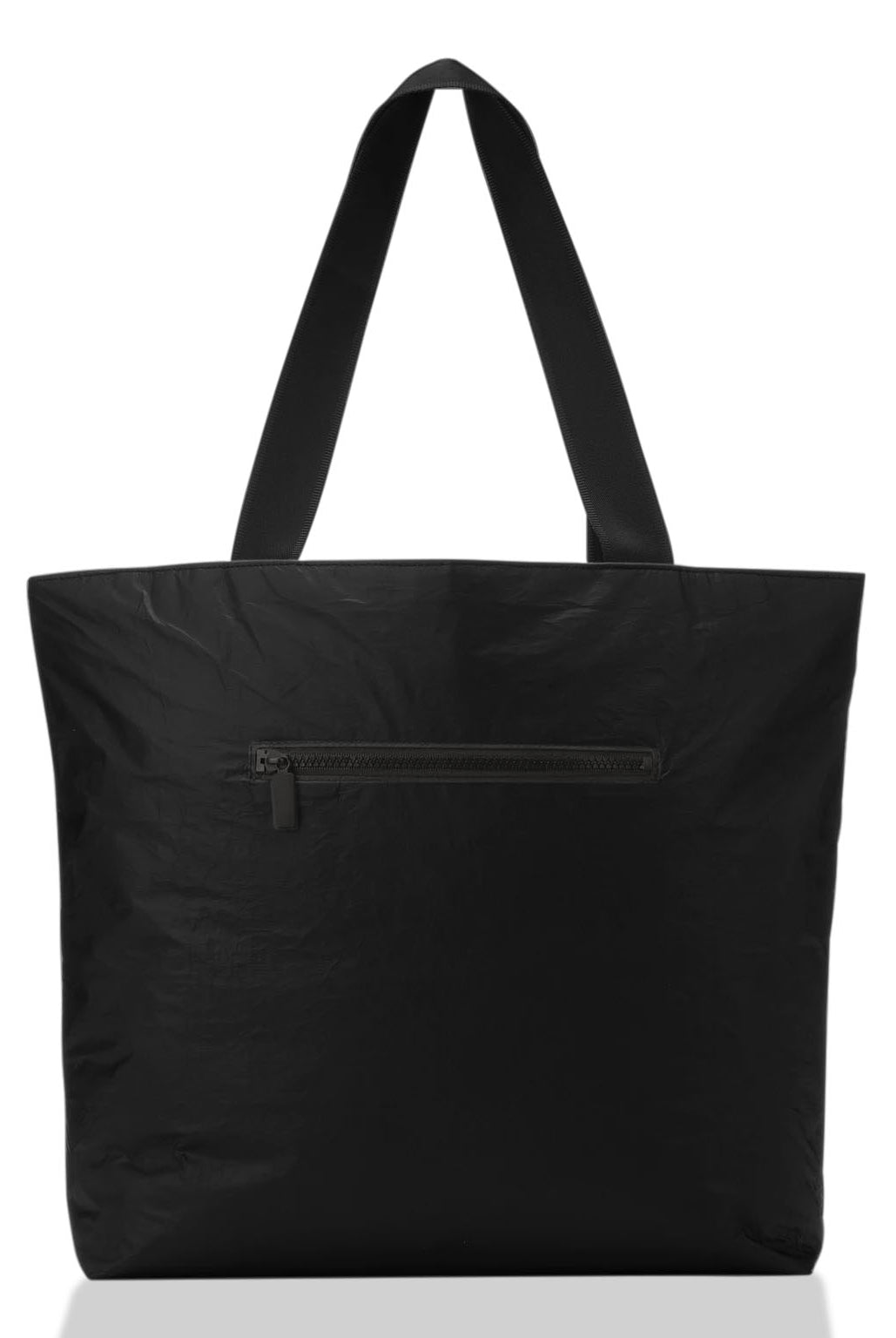
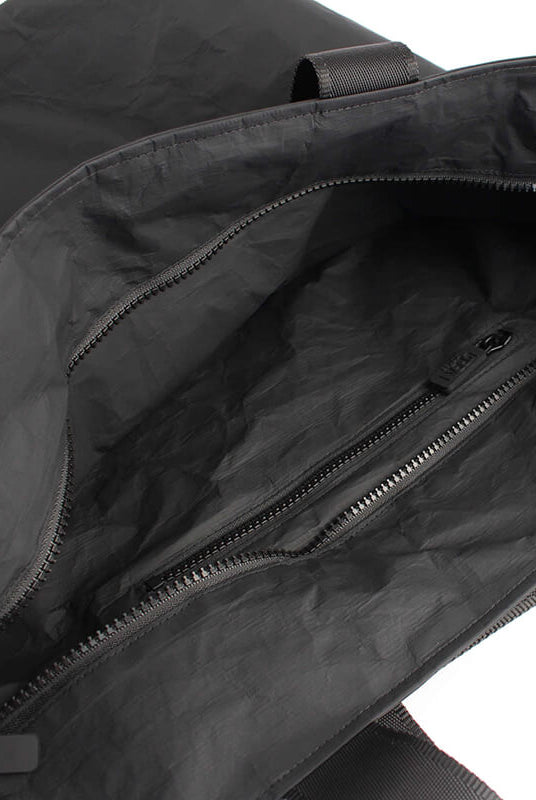
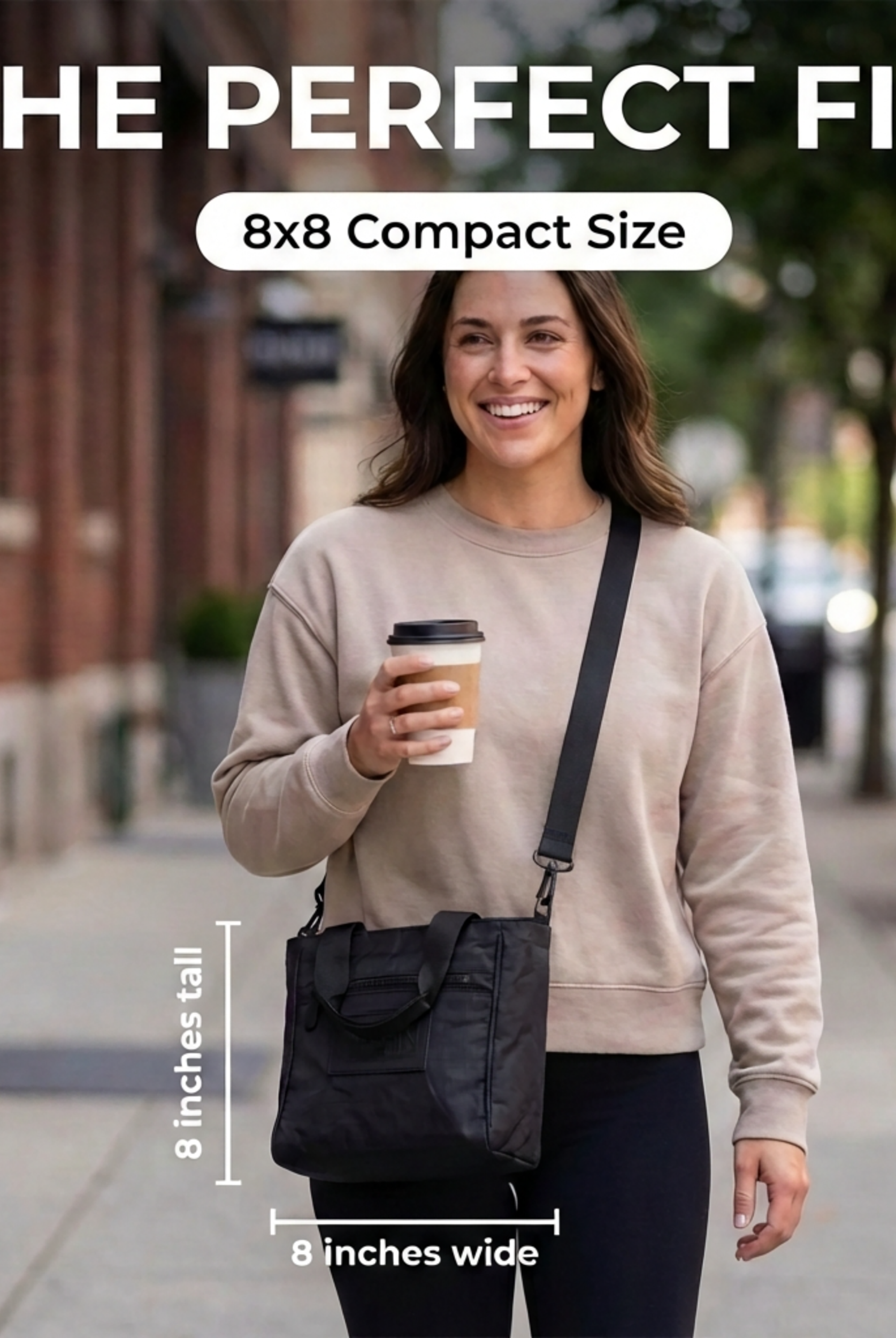
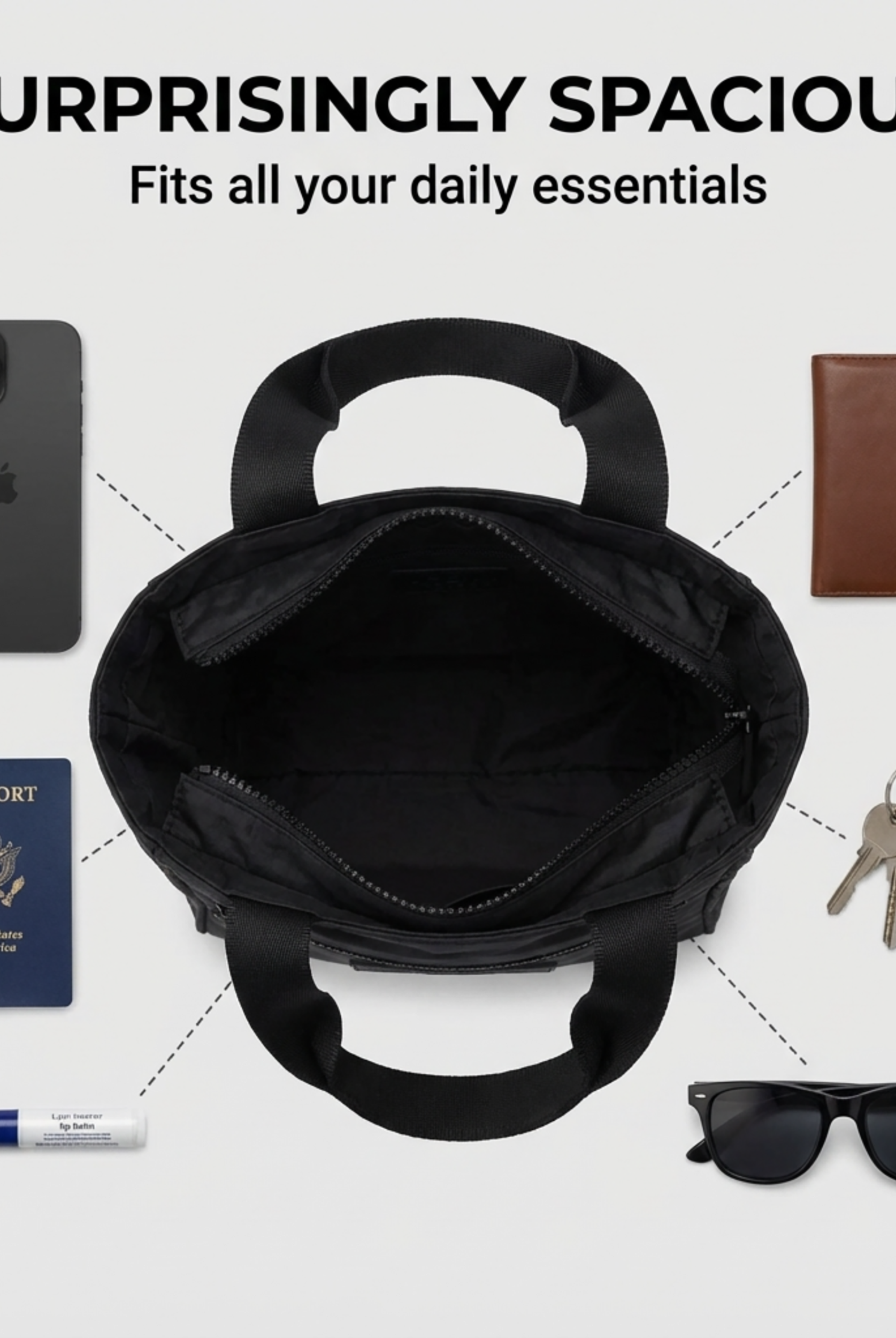
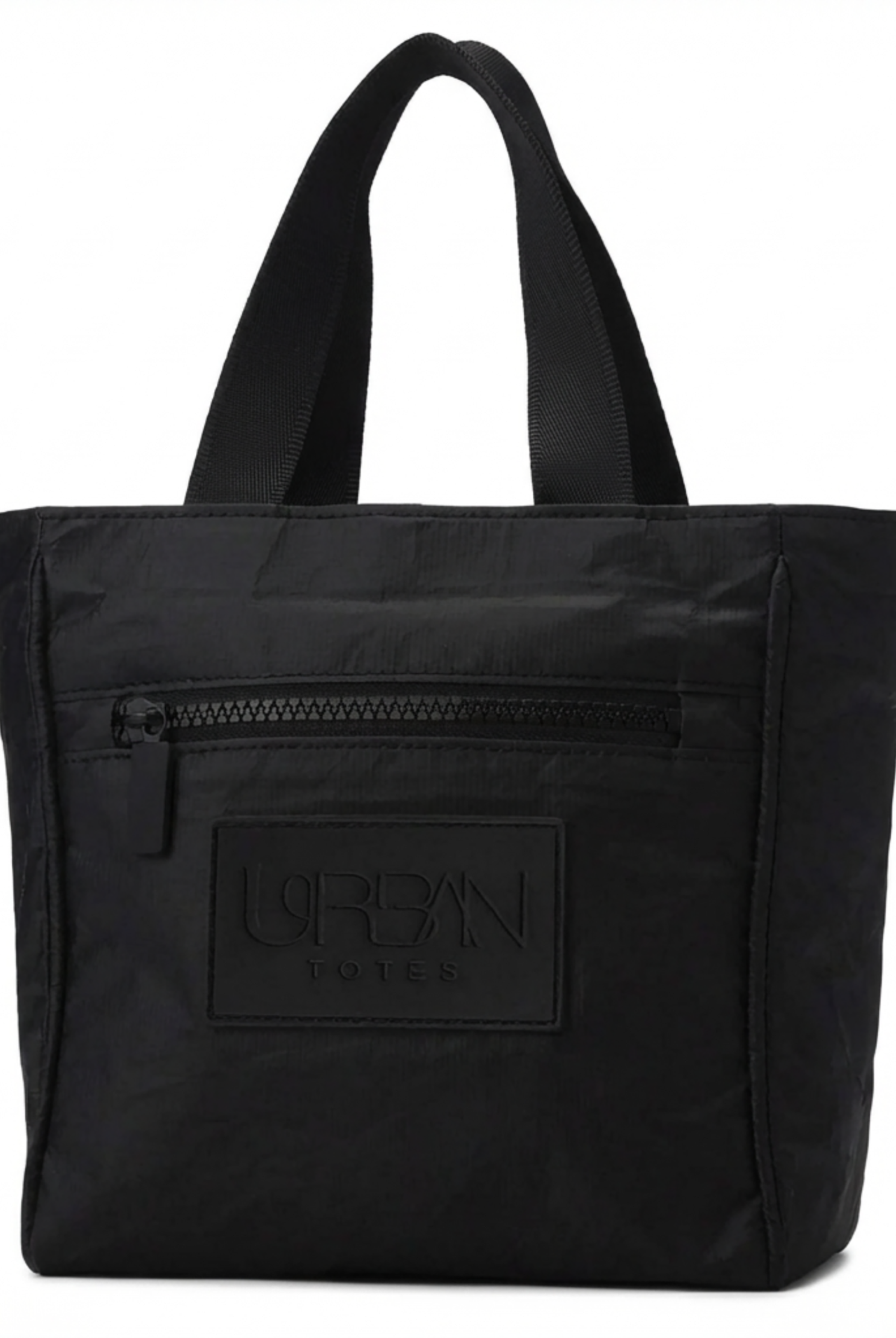
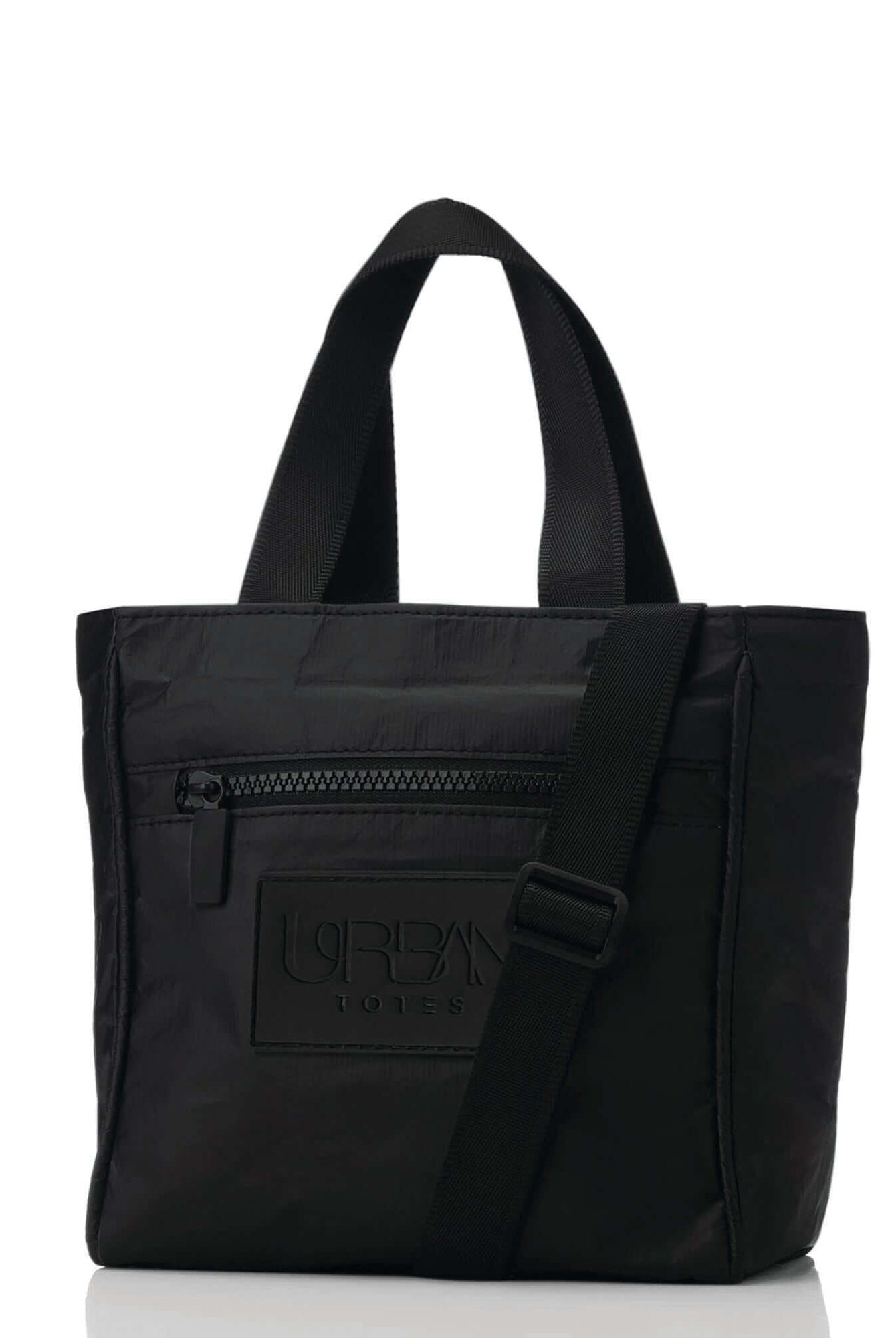
The Elevate Every Adventure with The OG Zipper Tote Bag by Urban Totes is described as a lightweight, packable, water-resistant carryall with inside and outside zipper pockets, three large pockets, and a stated size of 19 inches wide by 14.5 inches high. Its listed use cases include motherhood, travel, beach days, and fitness, with side pockets intended for wet swimsuits or workout clothing.
Where a Tote Shows Up in Real Life
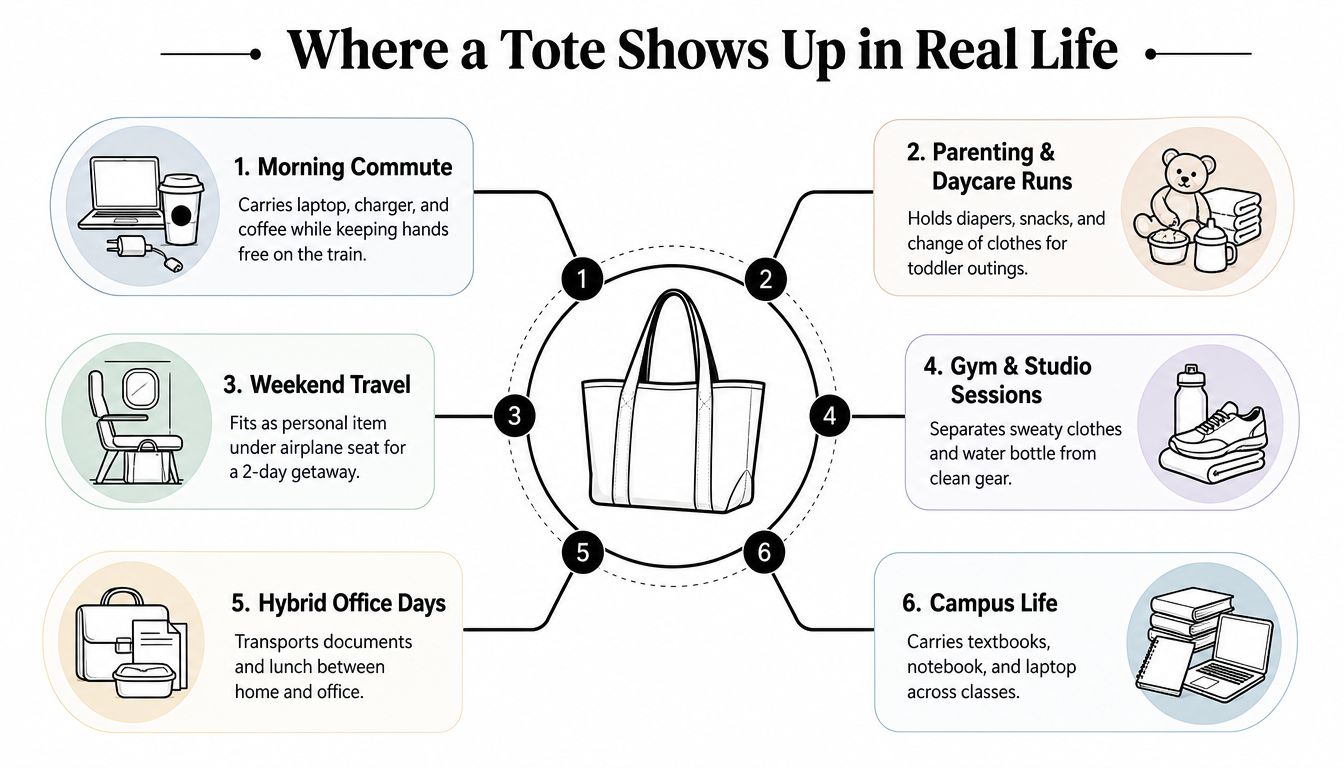
A tote earns its keep when the same basic shape handles different scenes without making you repack your whole life. The contents change, but the organizing principle stays steady: heavy items low, frequent-access items near the top, and damp or small pieces contained separately.
The morning commute
The subway doors open with a gust of warm air, and you have seconds to step aboard. Place the laptop in a padded sleeve, the charger in an interior compartment, and the transit card in an exterior slip pocket.
Packing list: laptop, charger, notebook, water bottle, lunch, sunglasses.
Pocket map: transit card outside, wallet in the interior zipper pocket, laptop against the back panel, lunch upright at the base.
Daycare and toddler outings
A school pickup line can turn into a snack emergency before you reach the car. Keep wipes and snacks high enough to reach with one hand, while a changing kit and spare clothes sit lower in the main compartment.
Packing list: wipes, snacks, changing kit, spare outfit, small book, water bottle.
Pocket map: wipes in the quick-access pocket, changing kit in a flat pouch, clothes at the base, snacks near the opening.
Weekend travel
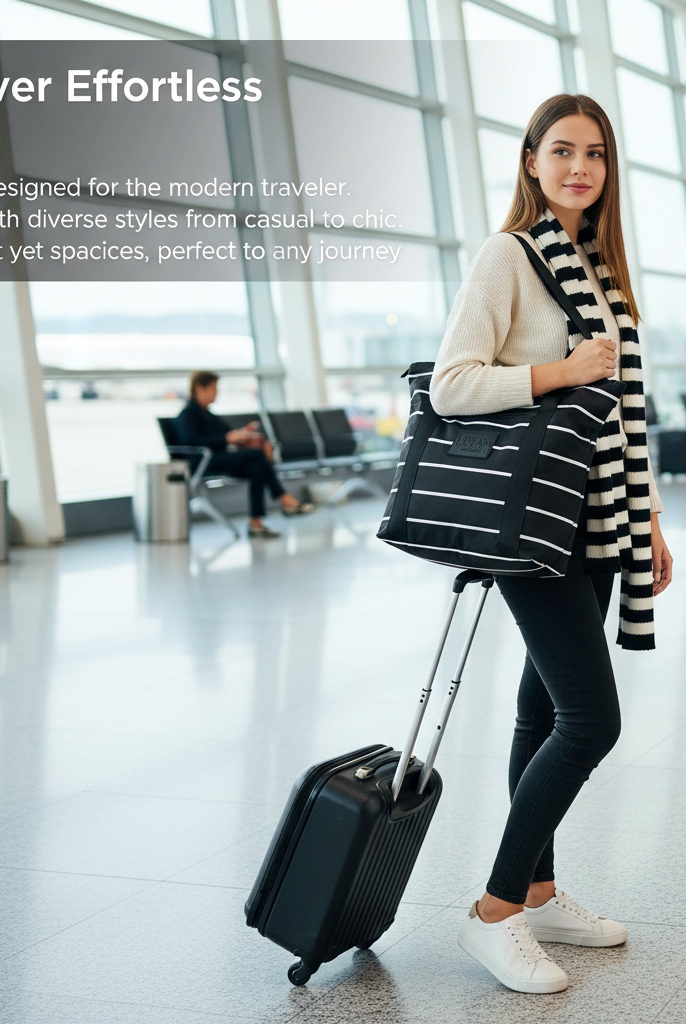
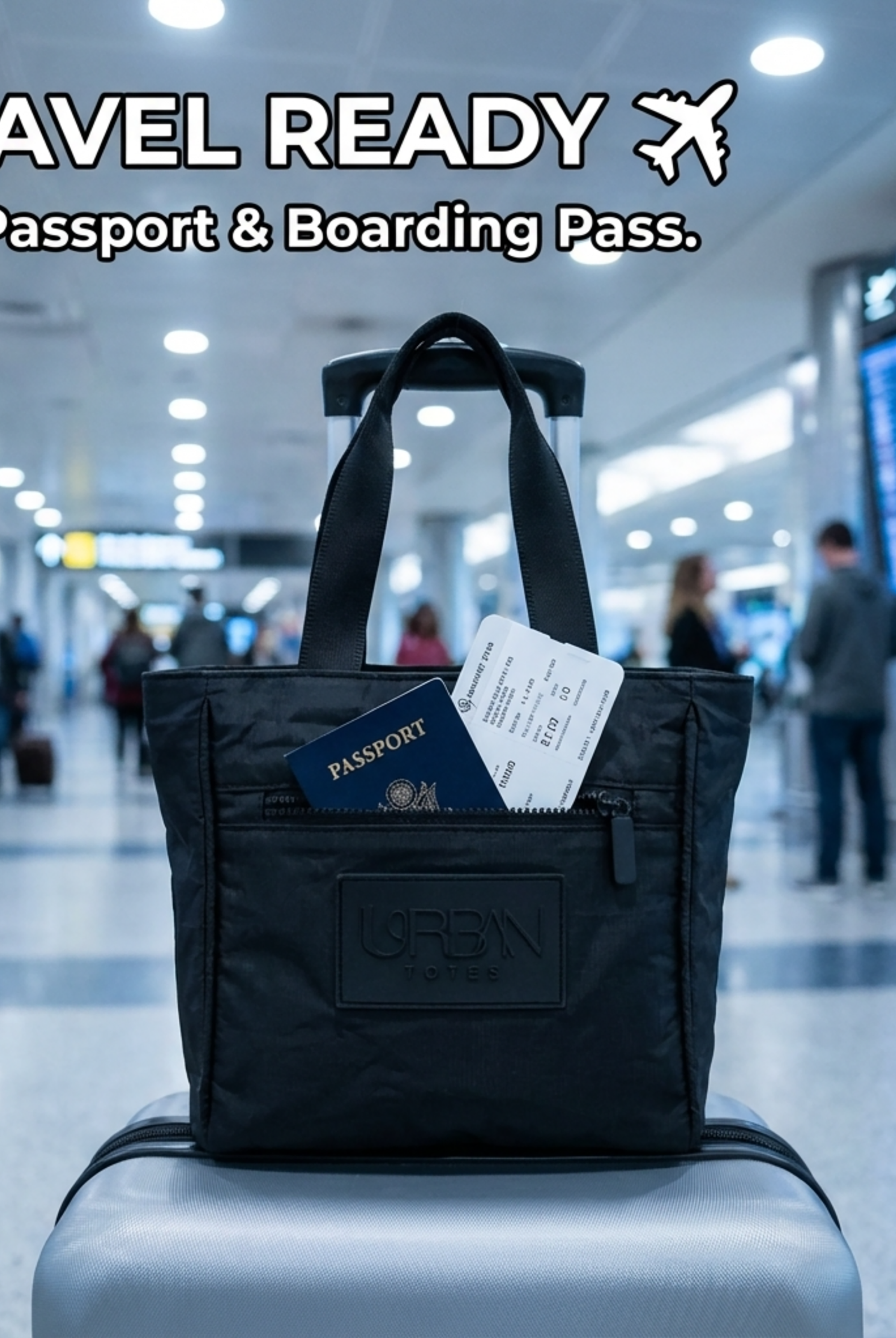
For a short flight, a tote can serve as a personal item if it fits beneath the seat. American Airlines lists a personal-item limit of 18 x 14 x 8 inches, and the bag must fit the airport sizer and remain within the under-seat profile. American Airlines carry-on guidance is the final check before you leave home.
Packing list: passport, charger, tablet, headphones, snack, light layer.
Pocket map: passport in the zipper pocket, charger in a flat pouch, tablet against the interior wall, jacket folded across the top.
Gym and studio sessions
The locker-room floor is no place for loose socks or a damp swimsuit. Use a wet/dry shoe sleeve or separate liner for sweaty clothing, then keep the towel rolled along the side so it doesn't crush smaller items.
Packing list: towel, water bottle, shoes, clean clothes, toiletries, resistance band.
Pocket map: shoes and wet items in a separate sleeve, bottle upright in its holder, toiletries in a zipper pouch, clean clothes above the towel.
Hybrid office days
You leave a planner on the kitchen counter, turn back for it, and still arrive with time to spare. A tote with a defined document section or interior sleeve keeps the planner, laptop, and lunch from merging into one soft stack.
Packing list: laptop, planner, pen, lunch, charger, badge.
Pocket map: badge and keys in the zipper pocket, pen in a loop or narrow sleeve, documents flat against the back, lunch in a washable pouch.
Campus life
Between lectures, notebooks collect quickly. A wide main compartment lets you lay notebooks flat while a laptop sleeve keeps the computer separate from the lecture-hall floor and the occasional water bottle wobble.
Packing list: textbooks, notebooks, laptop, charger, pencil case, water bottle.
Pocket map: laptop against the back, textbooks upright in the center, pencil case in an inside pocket, bottle in an exterior sleeve.
For more ideas on organizing these daily transitions, the guide to tote bag benefits offers a useful companion to the scene-by-scene approach.
From Airport to Errands in One Bag
Friday night starts at the airport. A compressible tote slides beneath the seat with a tablet, headphones, snack, and packable jacket clipped to a key loop. The bag stays small enough to move through the terminal, but its soft structure leaves room for the last-minute water bottle and paperback that always appear before boarding.
At the hotel, the same tote changes roles. The travel layer comes out, and a folded outfit, small toiletry kit, and book take its place for the walk to the lobby. Nothing needs to be transferred into a different day bag because the pockets already give each item a place.
Saturday afternoon adds a farmers market. The tablet sleeve is empty now, so the main compartment accepts produce and a bakery box. A water-resistant lining can be useful around condensation or a damp vegetable bundle, provided wet items are contained and the tote isn't treated as a fully waterproof container.
A tote works best as a flexible system, not a bottomless container. Change the contents between scenes, but keep the pocket assignments consistent.
By dinner, the market layer is gone. A sweater, card wallet, and lipstick sit inside the clean silhouette, and the bag reads less like luggage and more like an easy evening carryall. That shift is the advantage. The shape stays the same while the role moves from personal item to hotel companion, market bag, and dinner accessory.
Before a flight, compare your bag against the airline's own requirements. For broader planning around this kind of weekend, use the best tote for travel guide as a practical reference.
Smart Ways to Pack, Carry, and Care for It
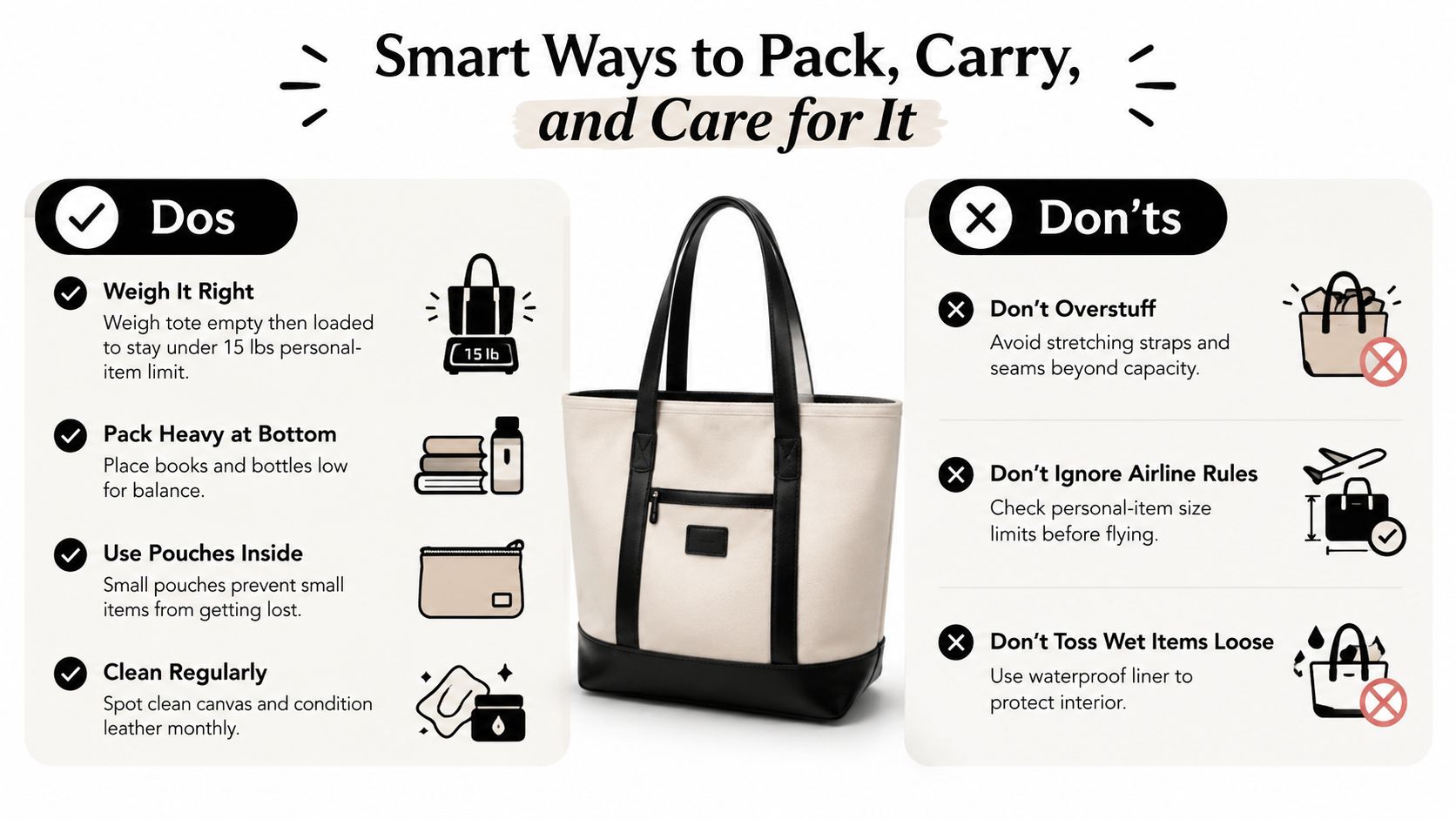
The same tote needs different packing maps for different scenes. Before a red-eye flight, measure it rather than guessing. A tote may qualify as a personal item if it fits beneath the seat, but airline policies differ, and the usual personal-item profile is smaller than an overhead carry-on. One reference places personal items around 18 x 14 x 8 inches and overhead bags around 22 x 14 x 9 inches, including handles and wheels. Airline personal-item and carry-on sizing guidance explains the distinction.
For a grocery run, assign the base to books, bottles, or canned goods, the center to lighter packages, and an inner pouch to keys and receipts. StopWaste specifications offer a useful utility benchmark: a compliant reusable bag includes at least 15-liter volume and carries at least 22 pounds. StopWaste compliant-bag specifications provides those requirements, while your tote's construction and stated capacity should set the actual load.
Pack with balance in mind
- Weigh it right: Check the empty tote, then the loaded weight if you're flying and your airline publishes a limit.
- Load heavy items low: Keep books, bottles, and groceries near the base and close to your body.
- Use pouches inside: Give liquids, chargers, and small personal items separate places so they do not disappear beneath clothing.
- Protect damp contents: Use a liner or pouch for wet produce rather than placing it directly against the fabric.
- Respect the closure: Do not stretch an open-top tote past its seam line or ask thin straps to carry a heavy grocery load.
After a wet market, empty crumbs and receipts before they settle into the corners. Spot-clean fabric with mild soap, then air-dry it away from direct sun. Leather handles need material-specific care, so condition them according to the instructions instead of waiting for cracks. Follow this tote bag care routine when the bag moves between errands, travel, and school pickup.
A reusable tote can replace disposable carrier bags during shopping. In Wales, 74% of people reported using their own bags most or all of the time for grocery shopping, and 83% reused bags from home or the car for their last large shopping trip. The Welsh national survey on recycling and shopping bags records this as part of ordinary shopping routines.
How to Pick the Right Tote for You
Choose by your most frequent scene, not by the prettiest empty bag.
Start with capacity. A bag that must carry a laptop, lunch, and charger needs more structured room than a compact errands tote. For groceries or a beach day, prioritize a broad base and a body that won't collapse when filled with irregular items.
Then check the handle drop. If you carry it over a coat, test the shoulder clearance. If you prefer hand carry, shorter handles may feel more controlled. A strap that fits your body matters more than a generic promise of comfort.
Choose the closure for your habits. Open-top designs suit quick market stops and school runs. Magnetic snaps offer a middle ground. A full zipper makes more sense for transit, travel, and valuables.
Match the fabric to the weather. Coated canvas or nylon suits damp commutes and active days. Leather brings a polished appearance but requires more specific care. Recycled polyester can be relevant when abrasion resistance matters, especially for a travel-ready bag.
Finish with pockets. At minimum, look for one interior zipper pocket for keys and a wallet, plus a slip pocket for a phone or bottle. Useful extras include a key leash, luggage sleeve, reinforced base, and a foldable design that can stay inside another bag.
Closing the Loop on a Smarter Carry
The crosswalk scene feels different once the bag has a place for everything. The coffee stays upright, the laptop stays protected, and the groceries share one roomy carrier instead of competing with a purse and a torn sack.
A tote can move through the commute, daycare run, weekend flight, gym, office, and campus without changing its basic job. Reuse also makes practical sense when one durable bag replaces a stream of disposable carriers, and this overview of why switch to reusable products offers broader context for that habit.
Identify your three most common carry situations. Match them against capacity, handle drop, closure, fabric, and pocket layout, then choose a go-anywhere bag that can flex across all three. For more material and design considerations, explore this guide to sustainable tote bags, and keep the care routine simple: empty it, wipe it, air-dry it, and return it to the door.
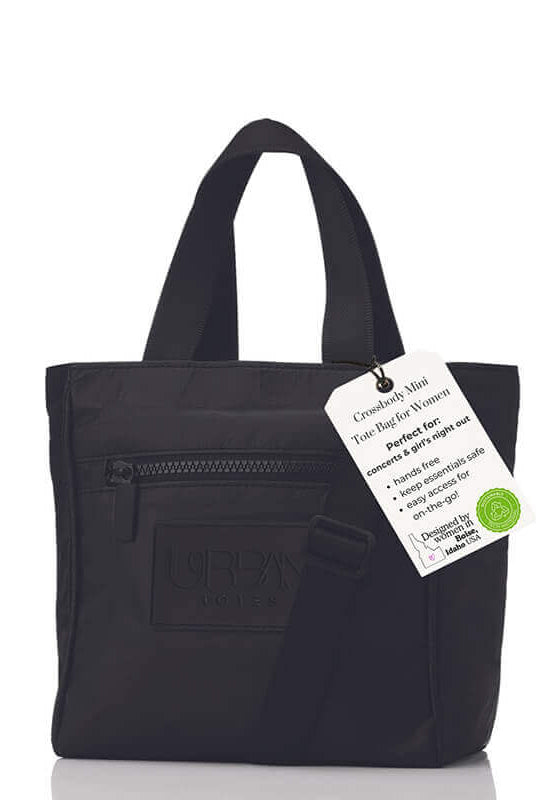
Urban Totes offers water-resistant, lightweight, packable, and thoughtfully designed totes with zipper closures and organized compartments for errands, commuting, travel, beach days, and everyday carry. Explore the woman-owned Boise-made brand at Urban Totes, and find a stylish, functional bag ready to go anywhere and tote everything.