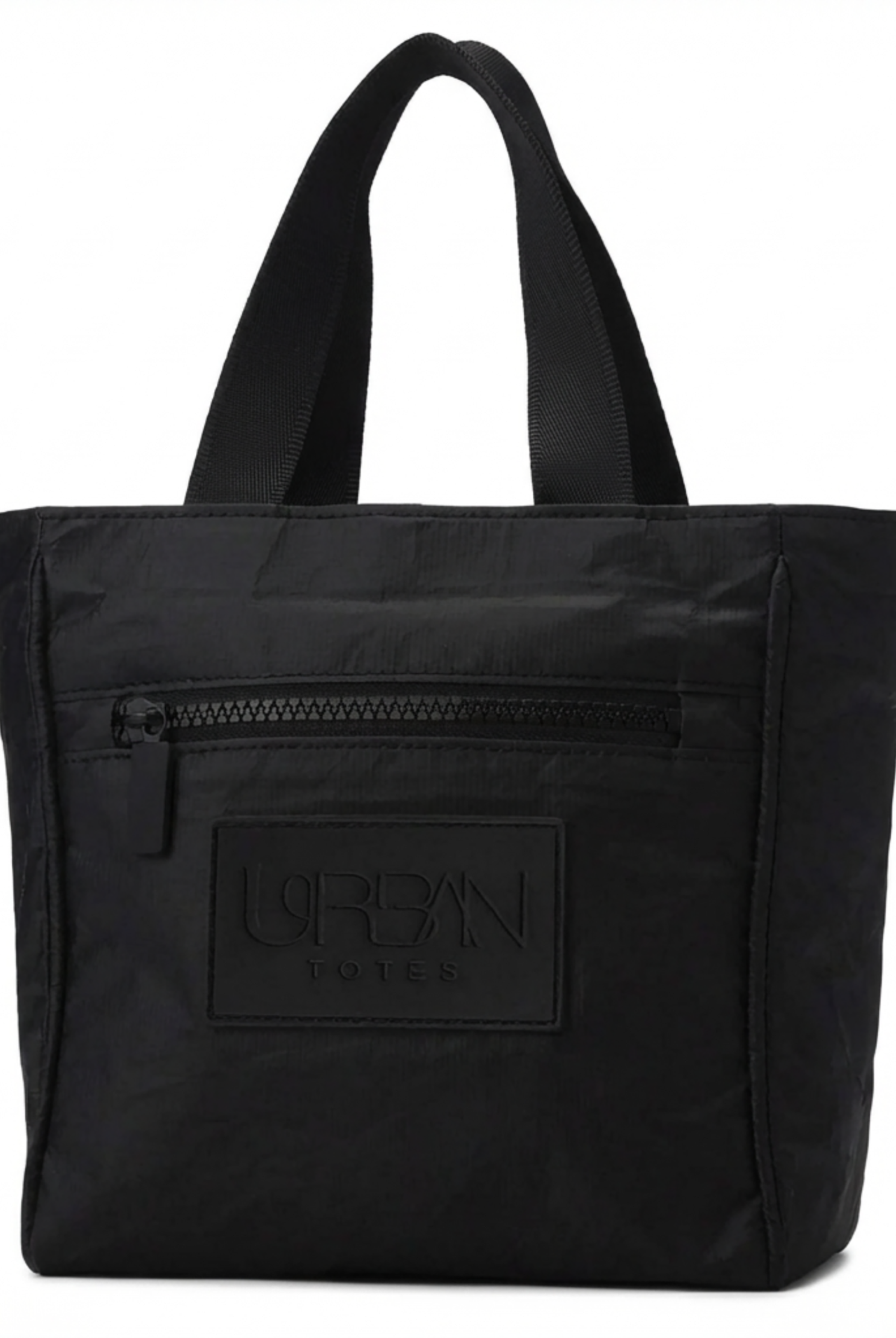
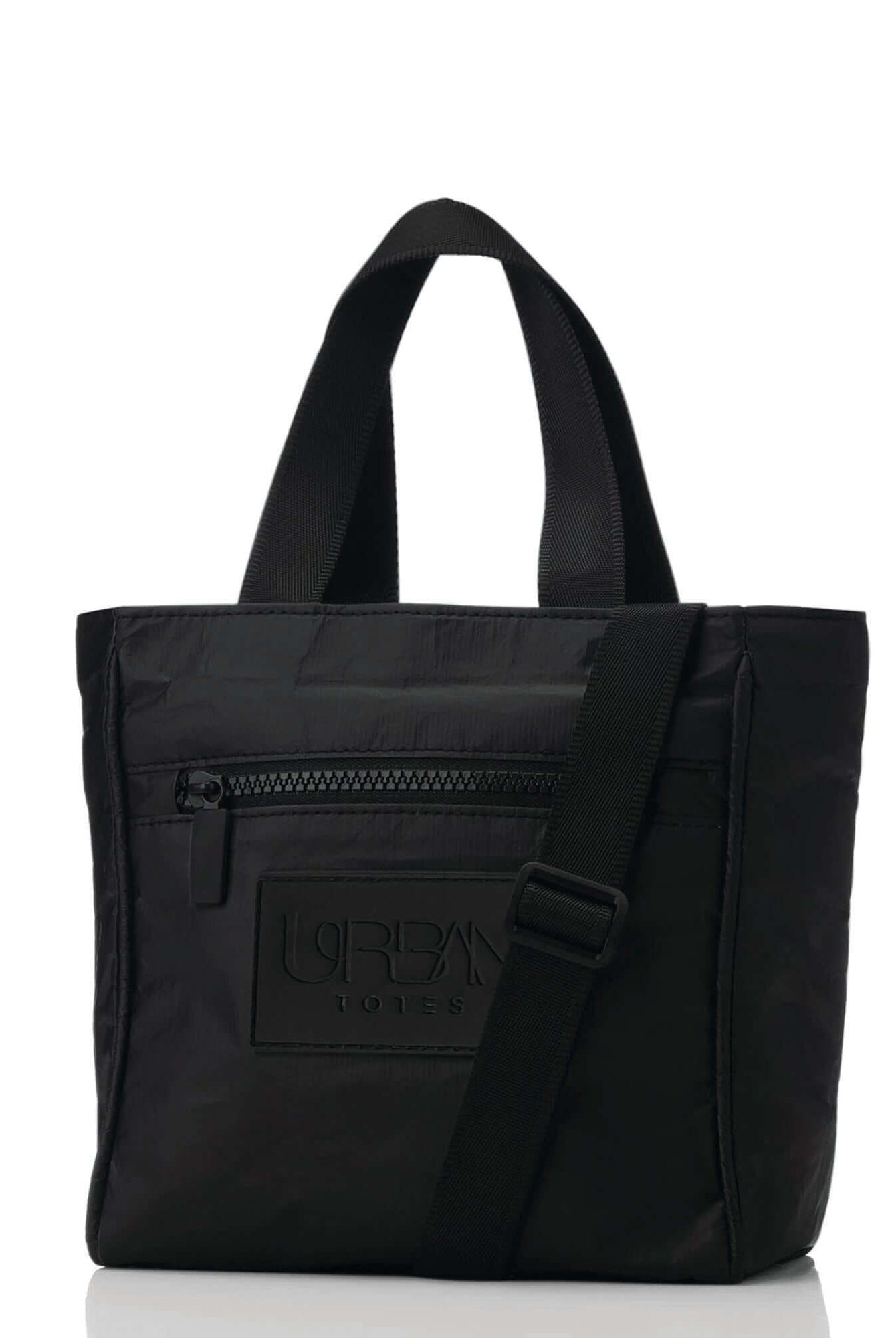
The best carry-on bag essentials are the items that keep travel documents, liquids, power, comfort, hydration, and personal needs accessible without overloading a lightweight tote. Start with a bag that works with the 22 x 14 x 9-inch benchmark, then pack compact pouches and only what you'll use.
The airport terminal is already asking enough of you. You're balancing coffee in one hand, a boarding pass and phone in the other, while your tote slips down your shoulder and the security line moves faster than expected. Then your keys disappear beneath a sweater, your charger tangles around a snack wrapper, and the toiletry pouch you need is buried at the bottom.
A practical carry-on setup fixes that friction before you reach the gate. This guide organizes carry-on bag essentials around tote and crossbody realities, including fast-access pockets, compact pouches, balanced weight, foldability, TSA reminders, and quick variations for parents, commuters, gym-goers, and business travelers. The aim isn't to fill every inch. It's to make your most important items easy to find while keeping your bag lightweight, versatile, and comfortable from airport terminal to hotel lobby.
Table of Contents
- 1. A Lightweight, Organized Carry-On Tote with Multiple Compartments
- 2. A TSA-Friendly Toiletries Pouch or Packing Cube
- 3. Travel-Size Medications and a Basic First-Aid Kit
- 4. Portable Phone Charger and Charging Cables
- 5. Travel-Size Copies of Important Documents and a Digital Backup
- 6. Reusable Water Bottle and Travel Snacks
- 7. Comfort Items
- 8. Portable Charger Cord Organizer or a Small Toiletries or Tech Pouch
- Carry-On Bag Essentials: 8-Item Comparison
- Pack Your Tote for Wherever the Day Leads
1. A Lightweight, Organized Carry-On Tote with Multiple Compartments
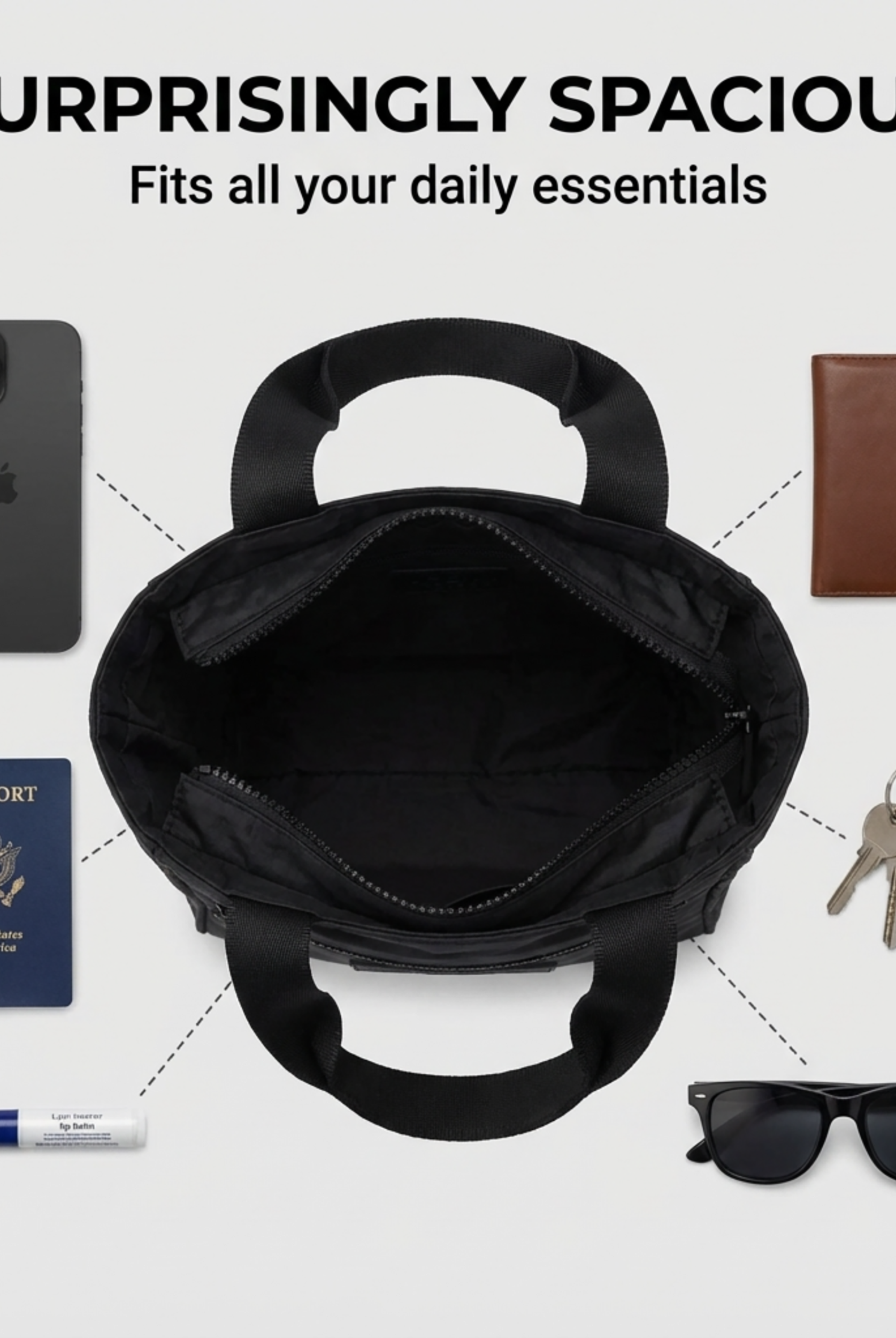
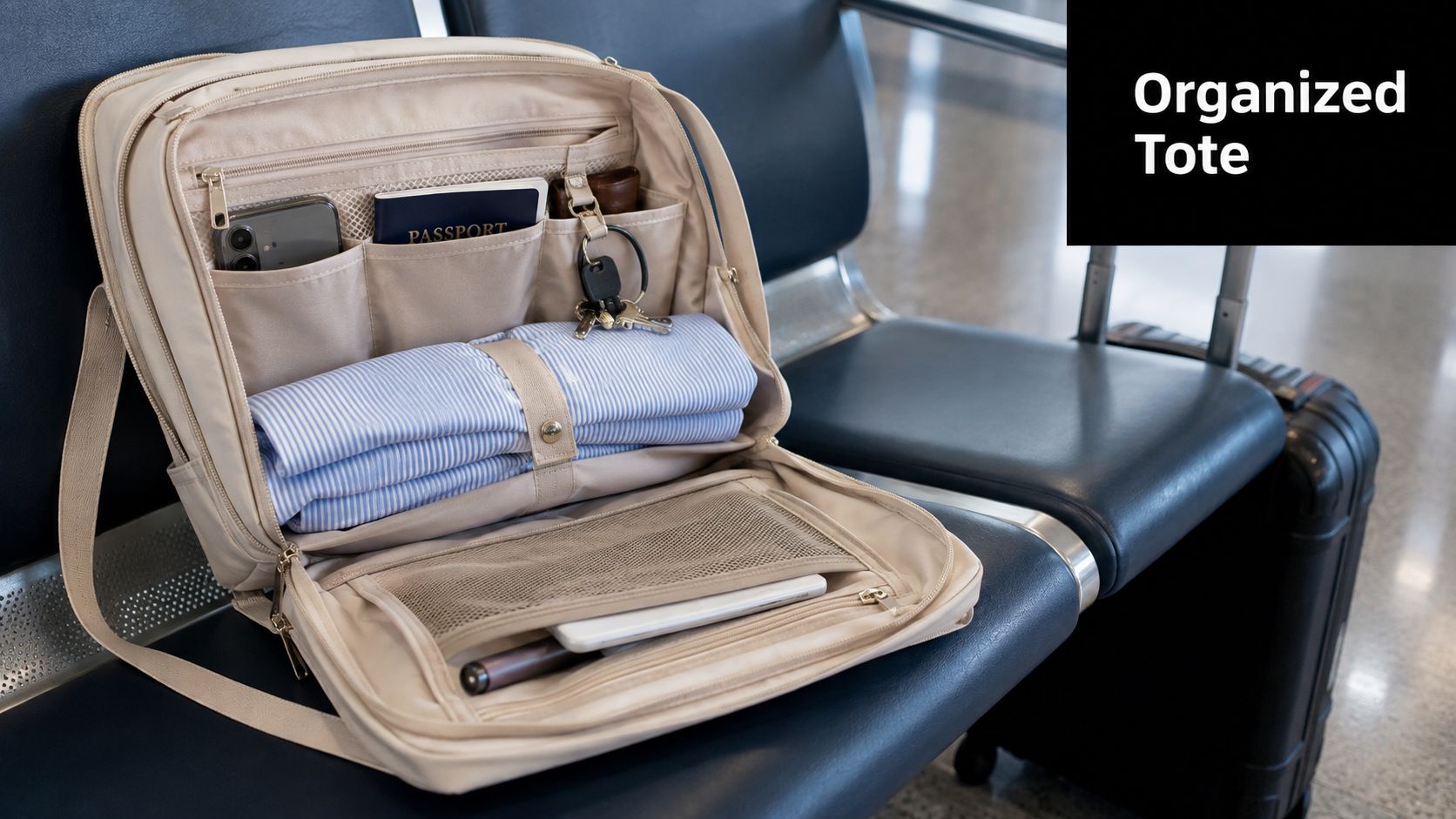
Your bag is the foundation of every other packing decision. A tote or crossbody that's lightweight, water-resistant, packable, foldable, and divided into useful sections can keep a laptop, change of clothes, documents, and daily essentials from becoming one dense, frustrating pile.
Airline rules aren't identical. A 2026 comparison of 19 airlines found 11 different carry-on size limits, and the most common limit, 22 x 14 x 9 inches, applied to 7 airlines, all U.S. carriers, according to the airline carry-on size comparison. American Airlines also lists 22 x 14 x 9 inches, including wheels and handles, as its carry-on limit on the airline's baggage guidance. Check the operating airline and route before you leave, especially if your tote will be placed in an overhead bin or used as a personal item.
Practical rule: Pack to the smallest relevant airline limit, not the most generous one.
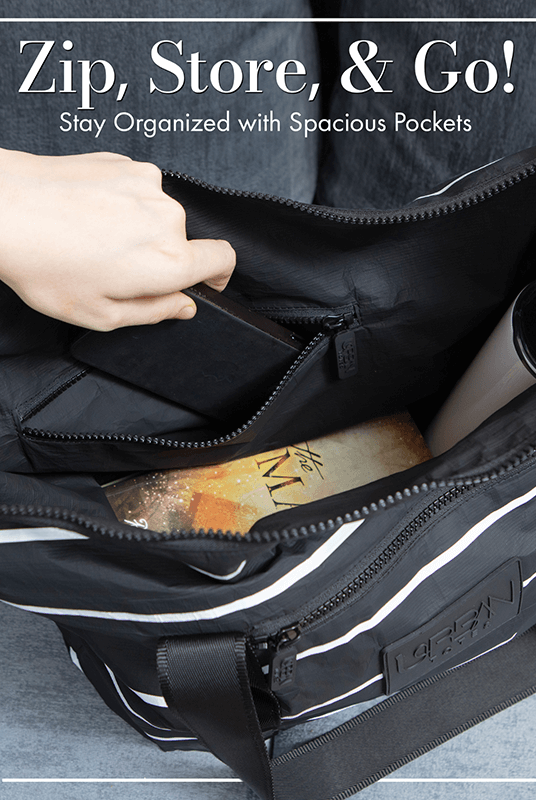
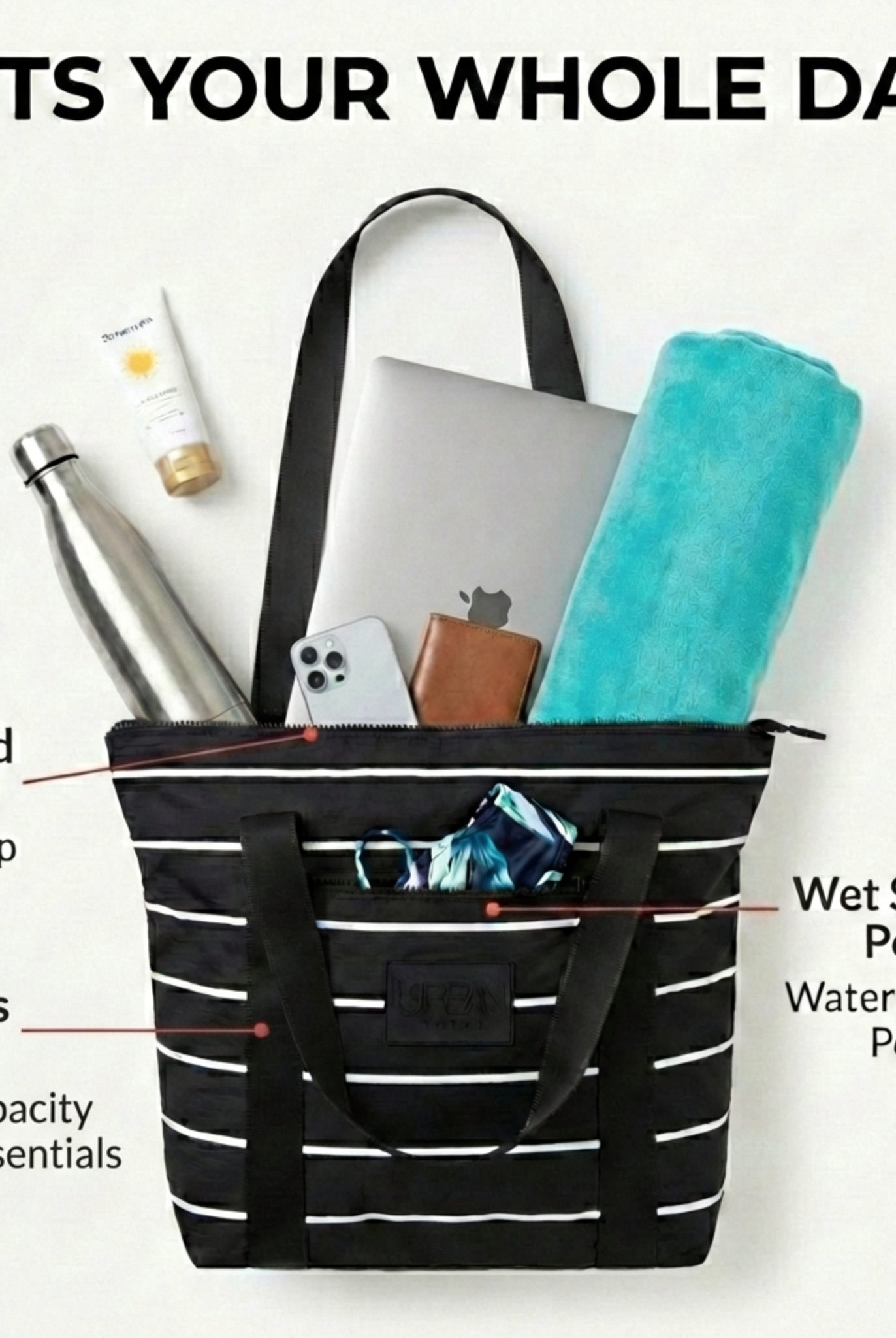
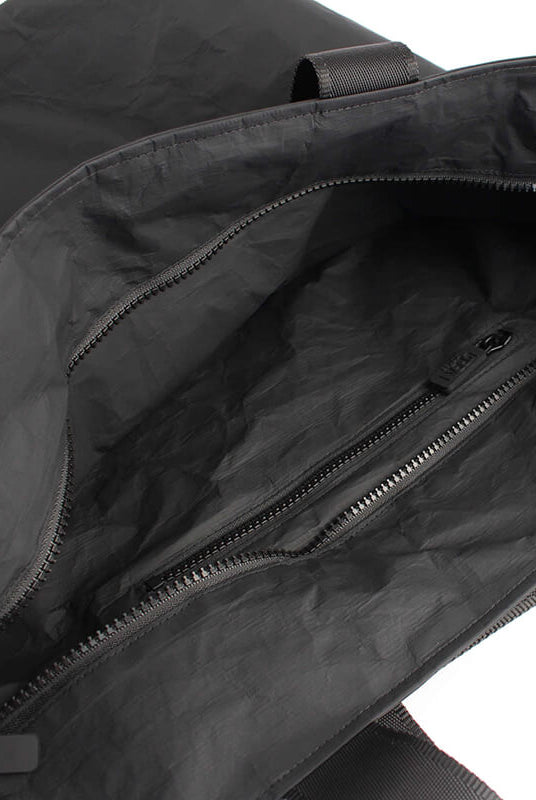
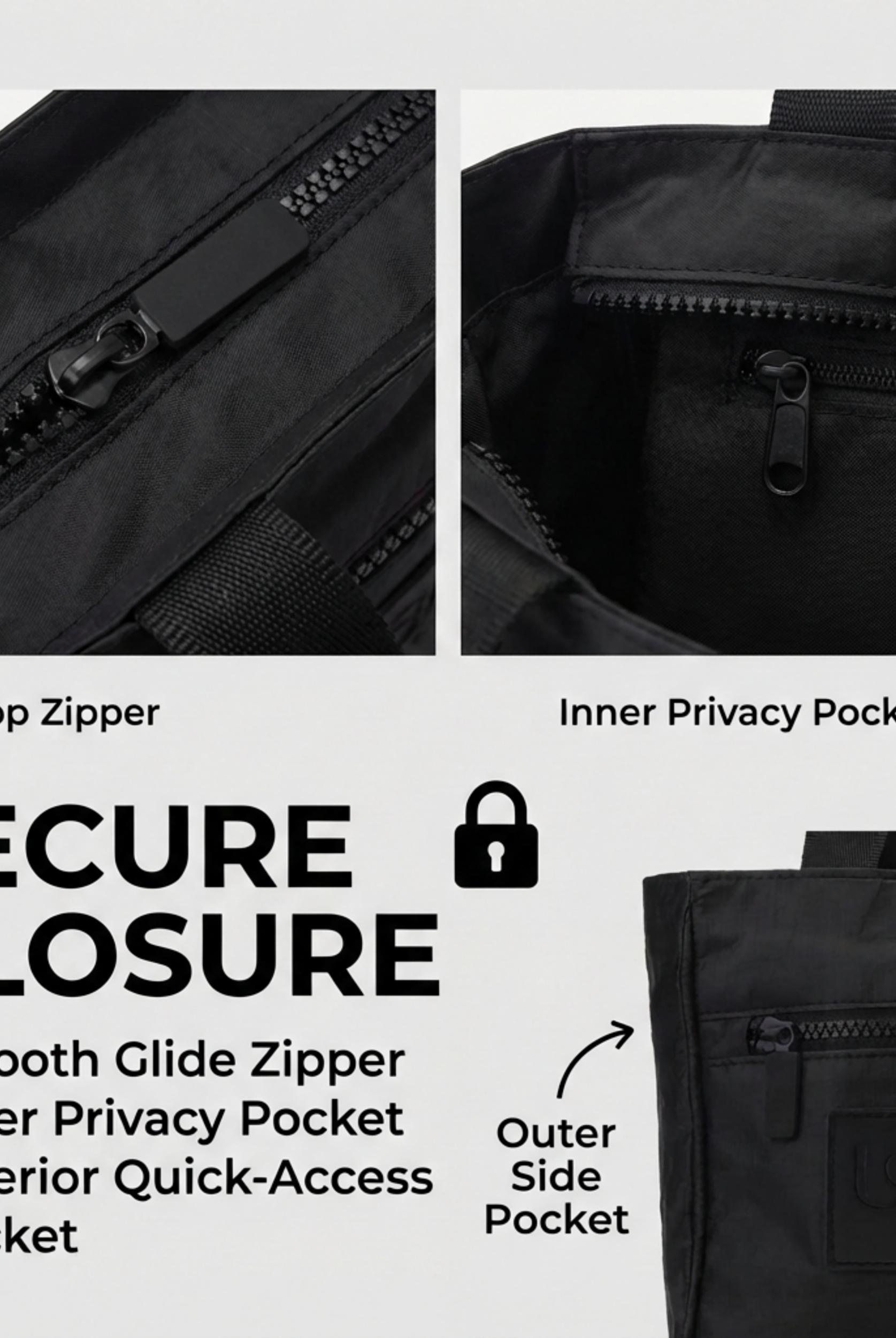
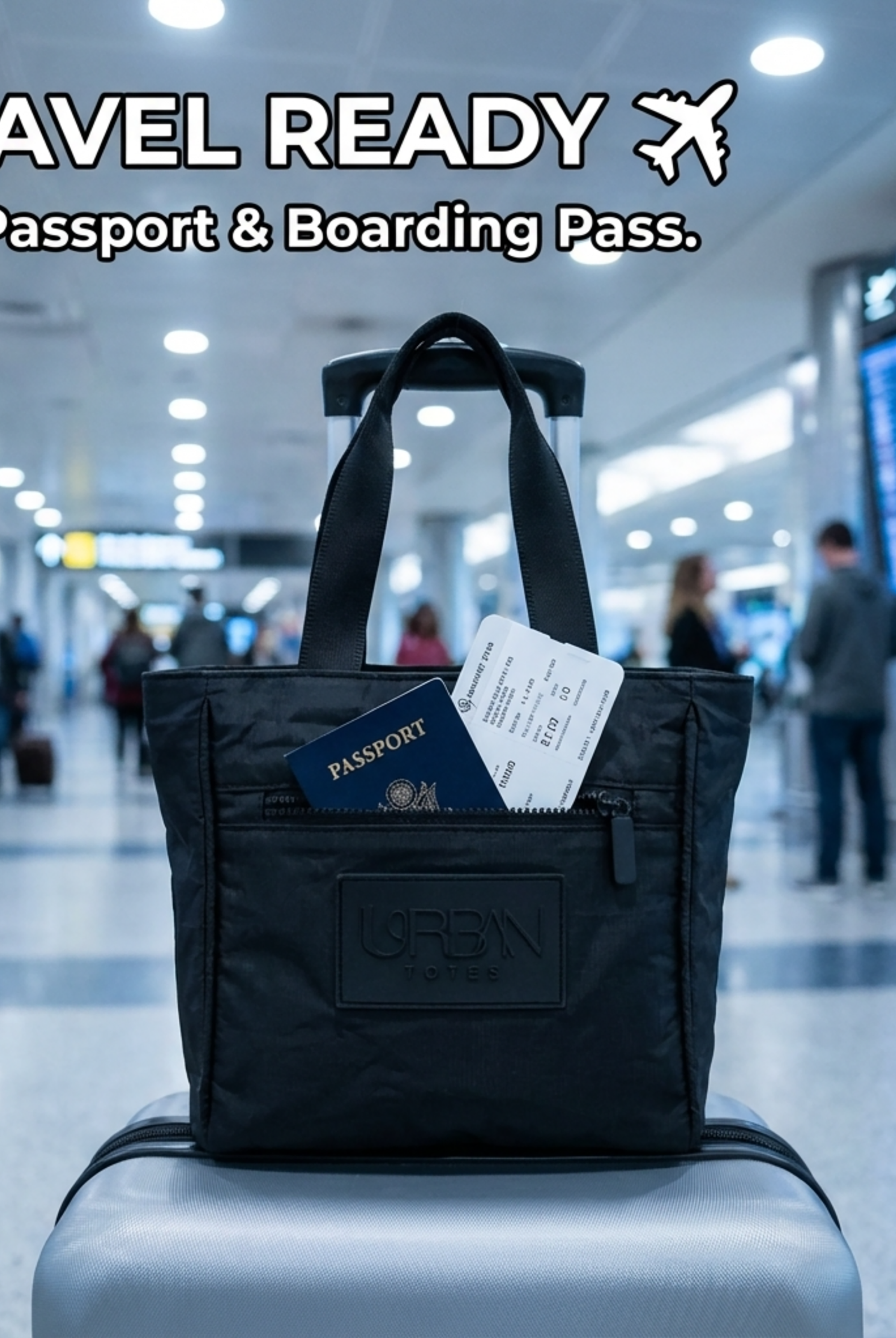
Choose a bag with secure zipper closures and dedicated pockets for your phone, keys, passport, and wallet. Put documents and valuables in the fastest-access compartments, clothes in the main section, and toiletries in a separate zippered pouch. Heavier items belong low and close to your body, while lighter layers can sit on top.
For example, a parent can place a laptop in the main compartment, a child's change of clothes in another, and snacks in an outside pocket. A business traveler can keep a passport, eyeglasses, and phone accessible without opening the entire bag. Guidance on using tote bag compartments can help you assign each section a job instead of letting every pocket become a miscellaneous drawer.
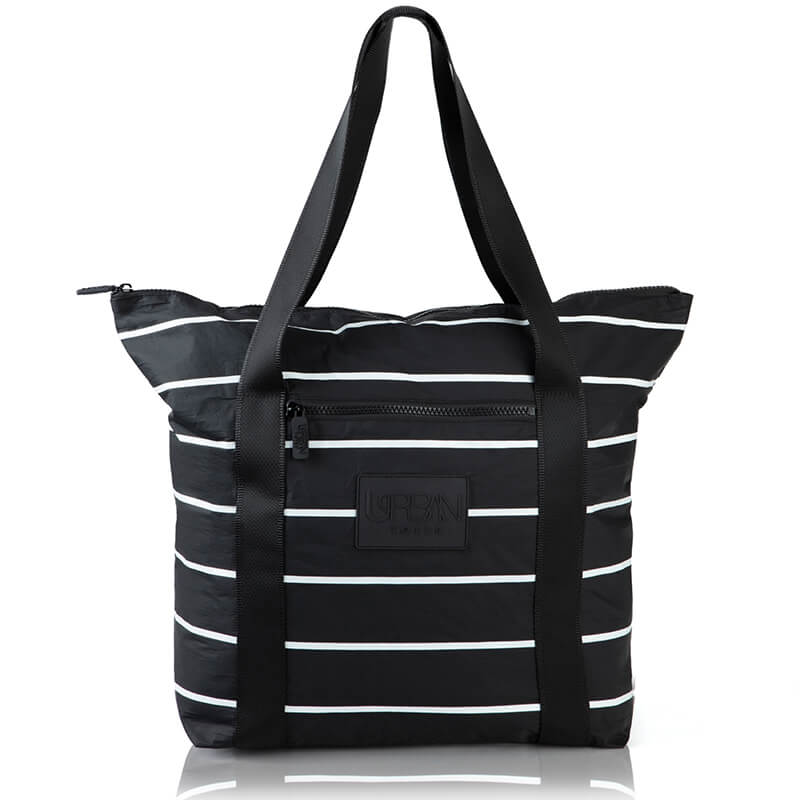
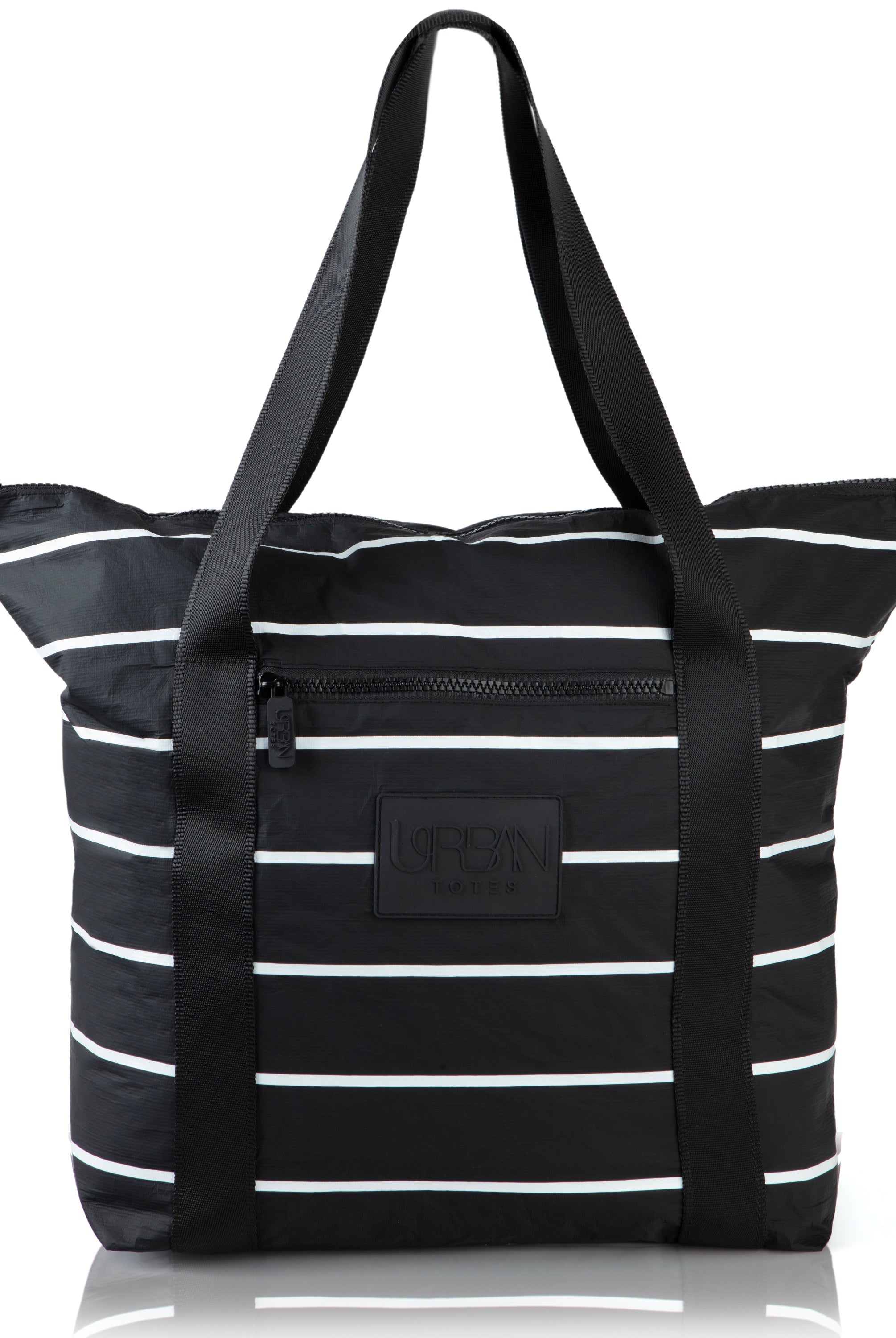
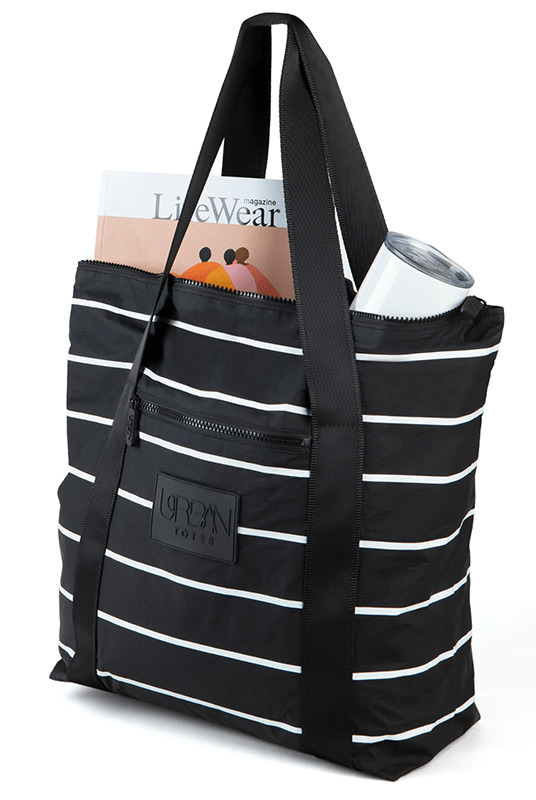
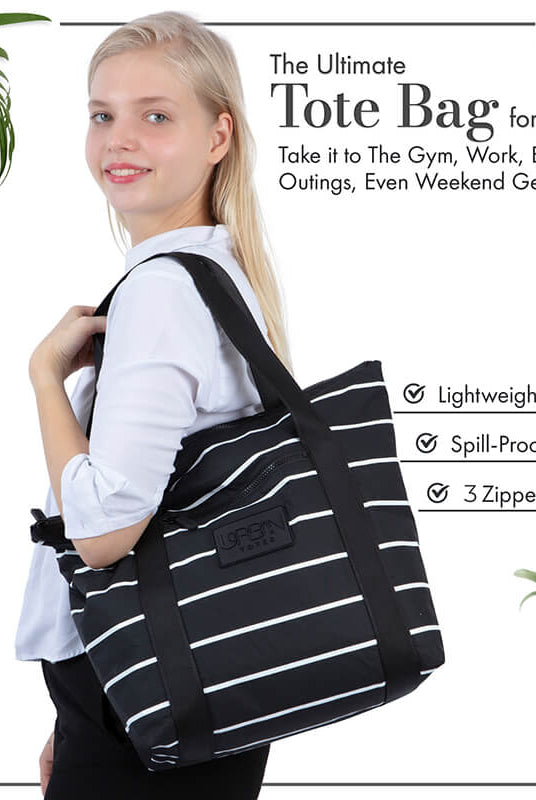
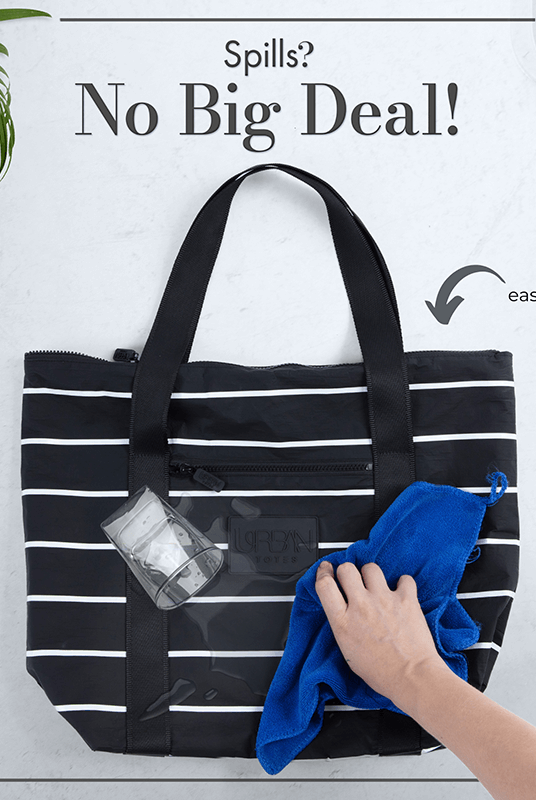
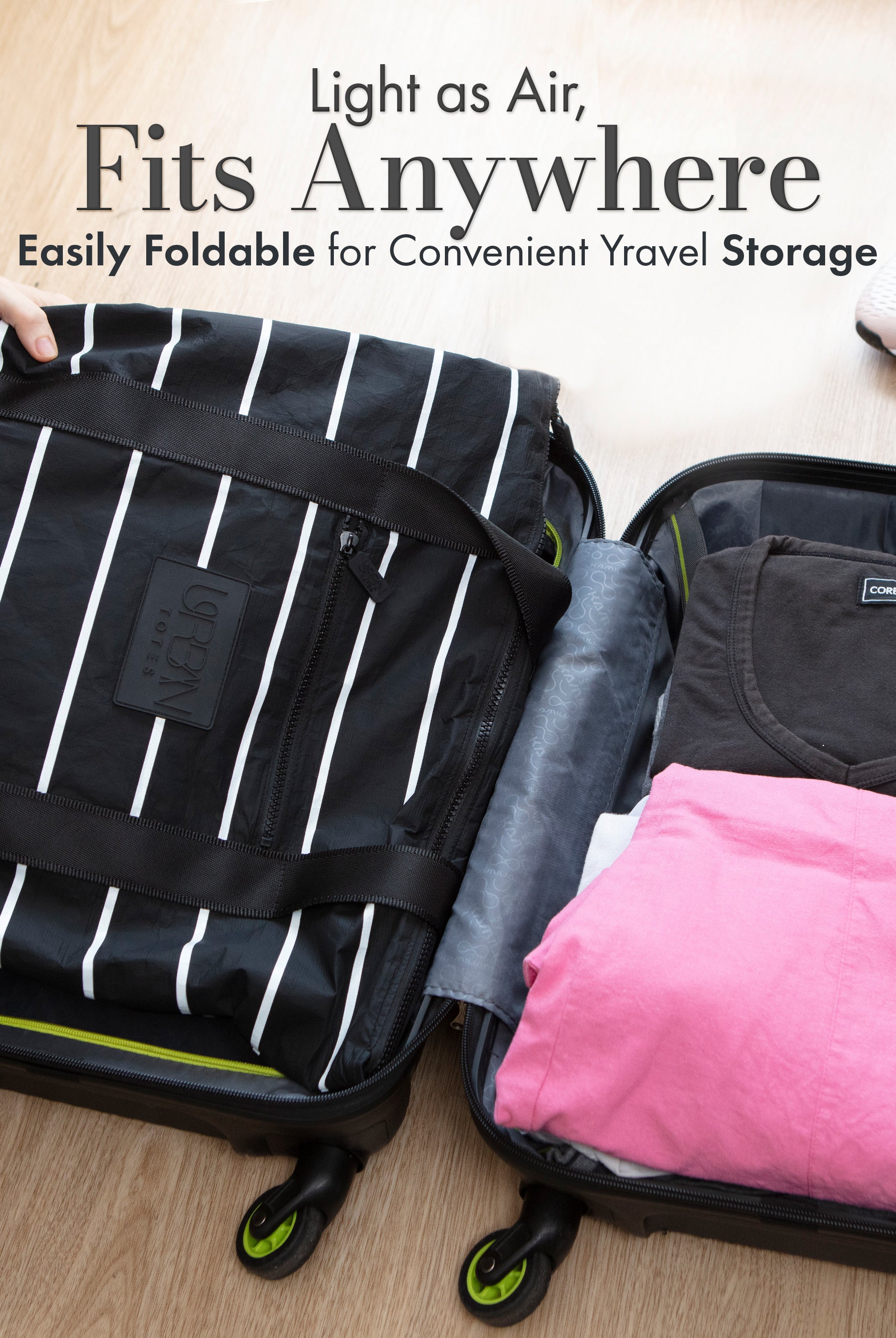
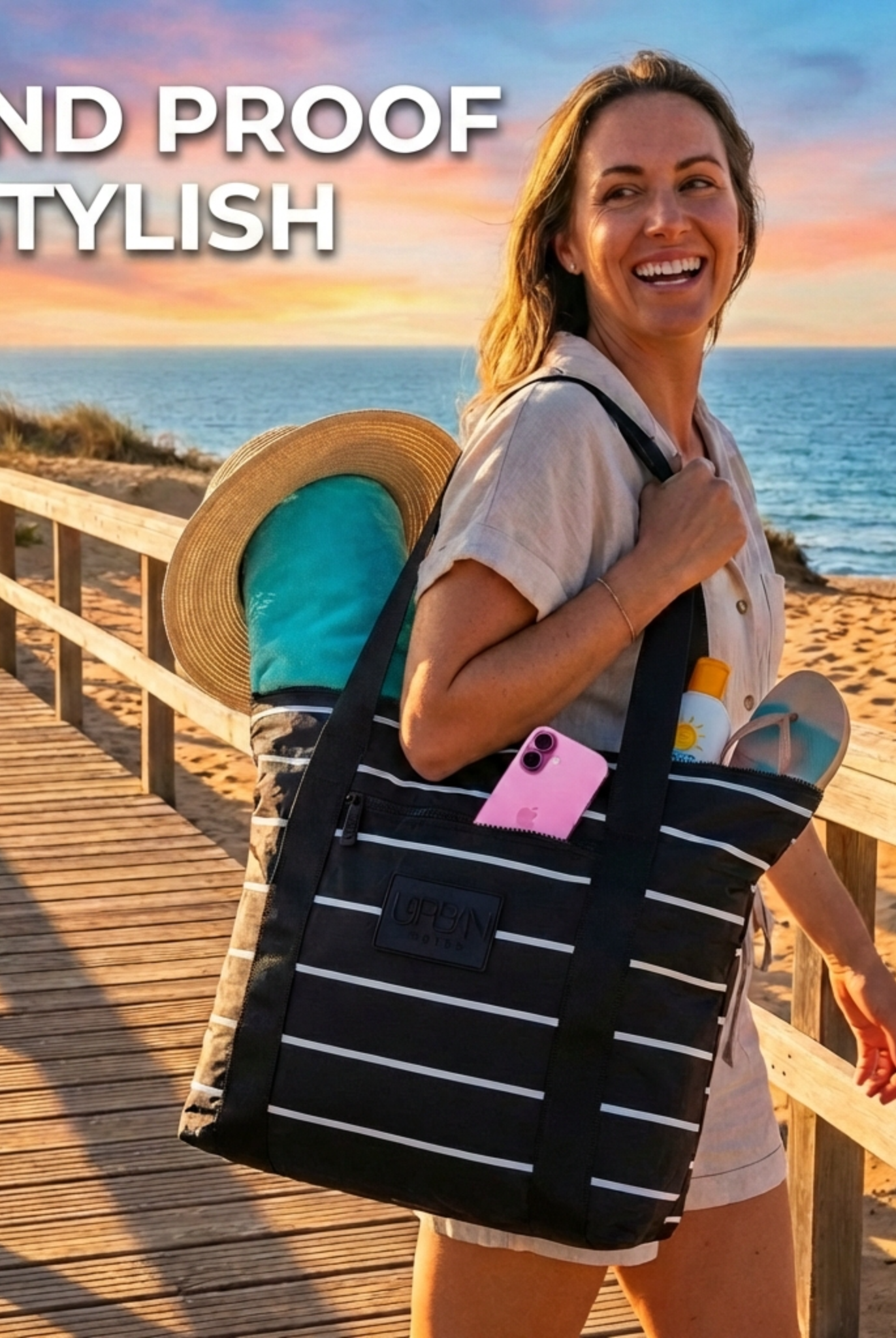
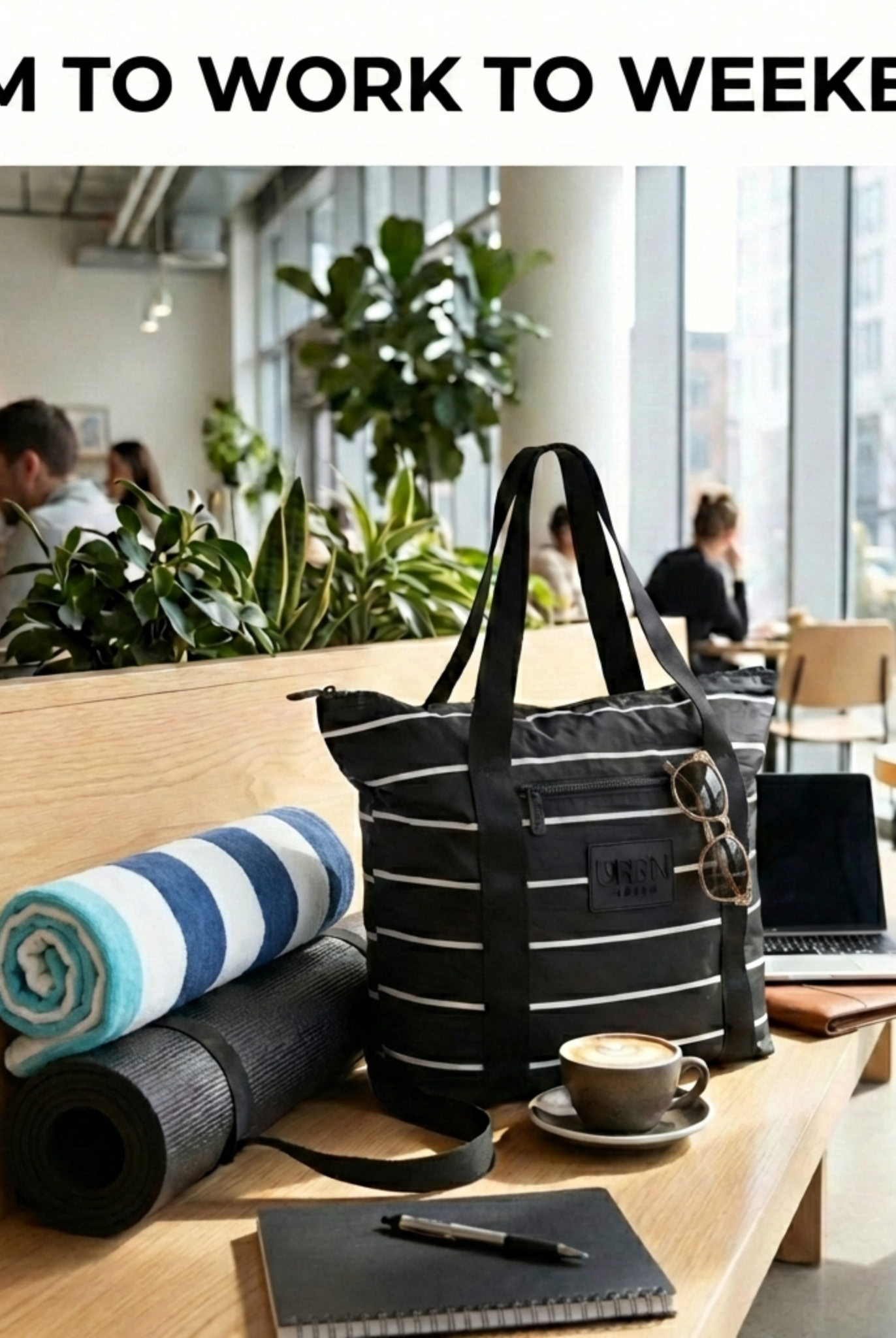
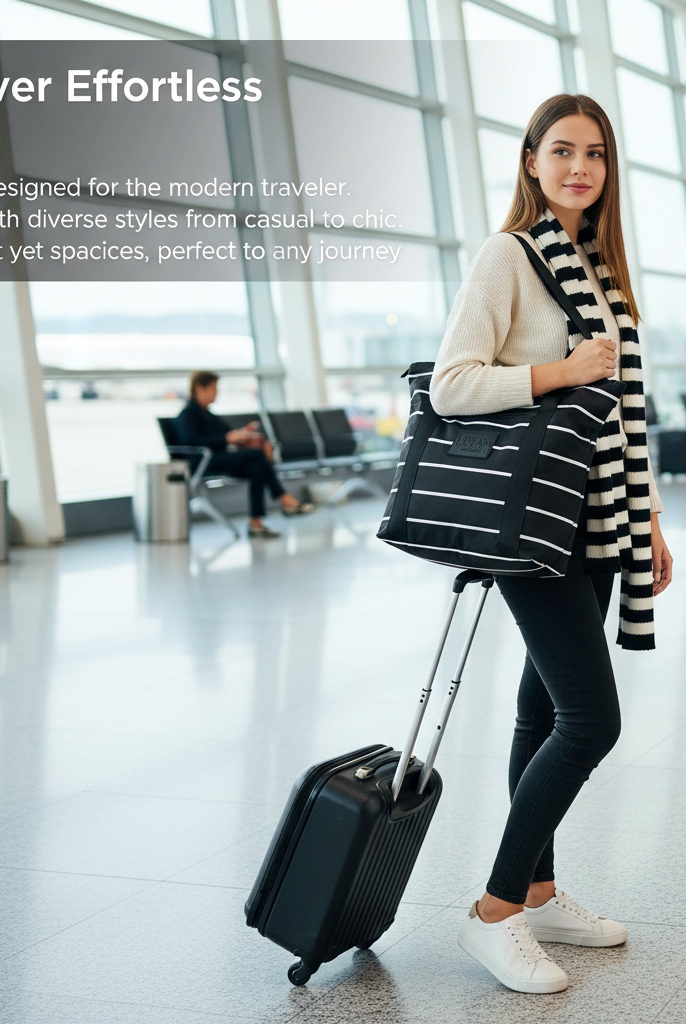
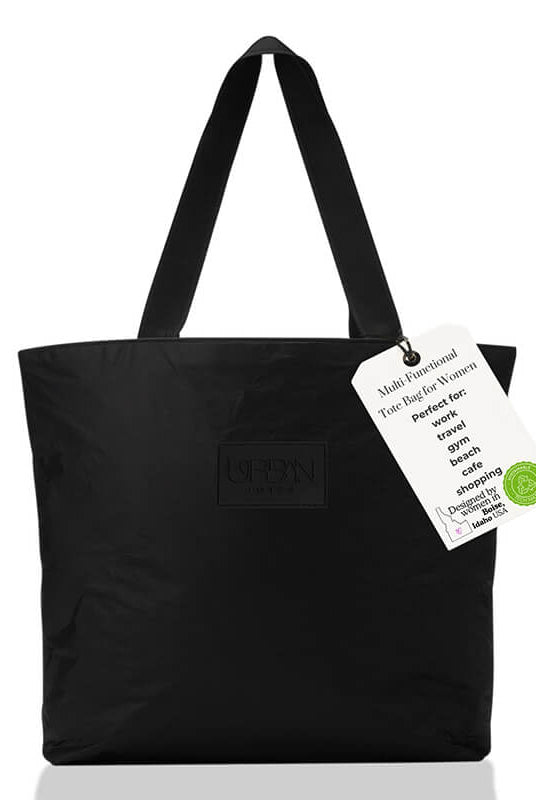
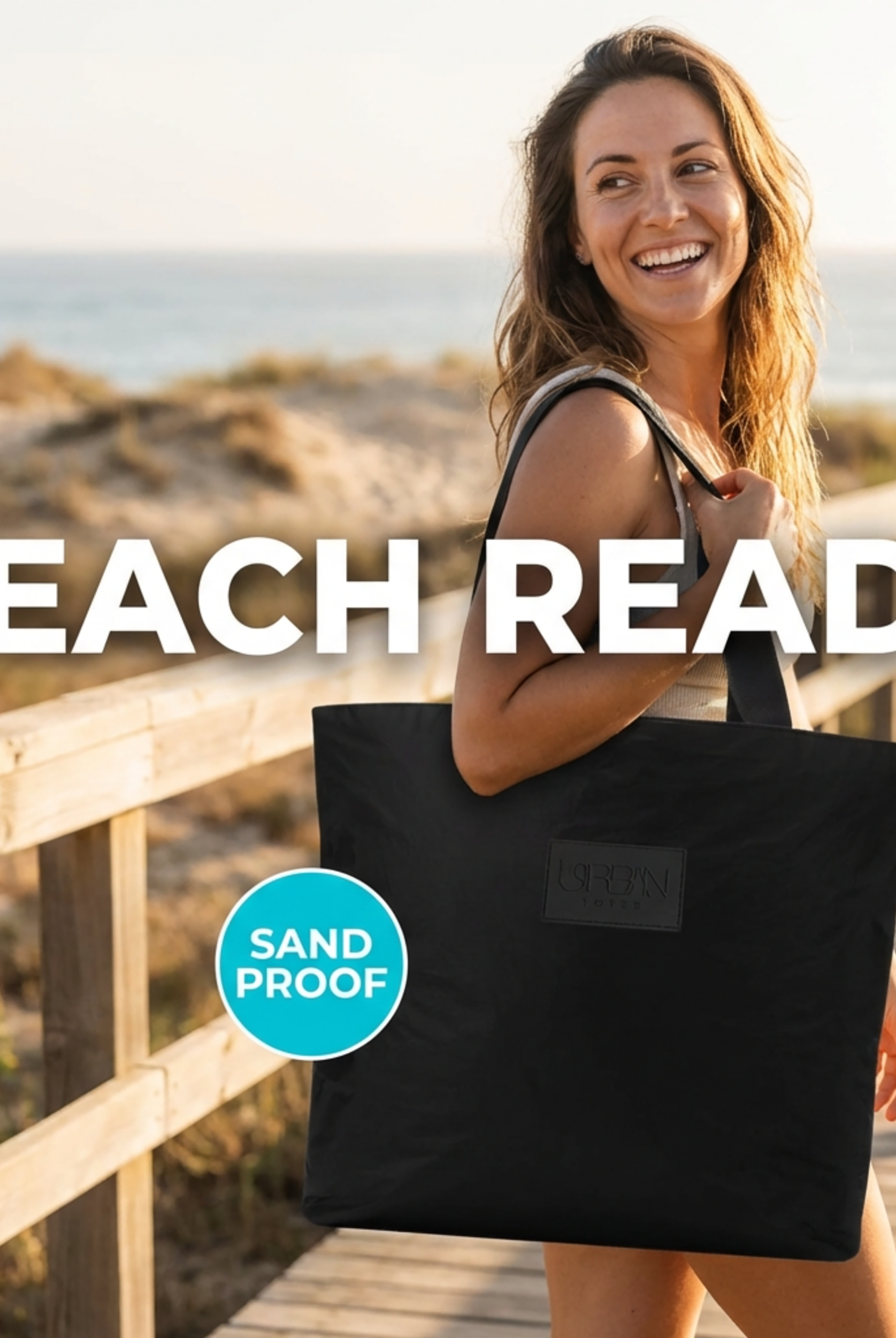
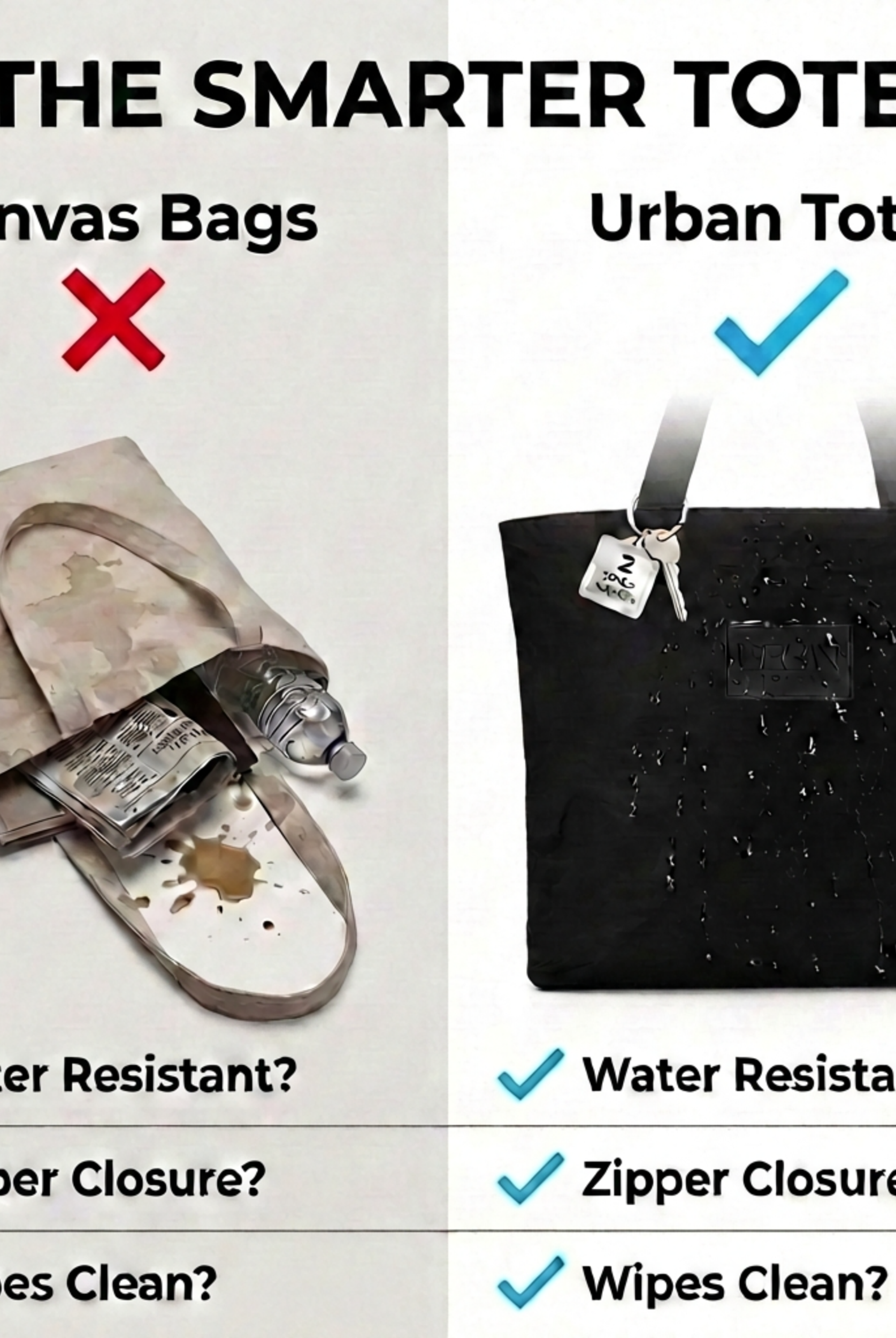
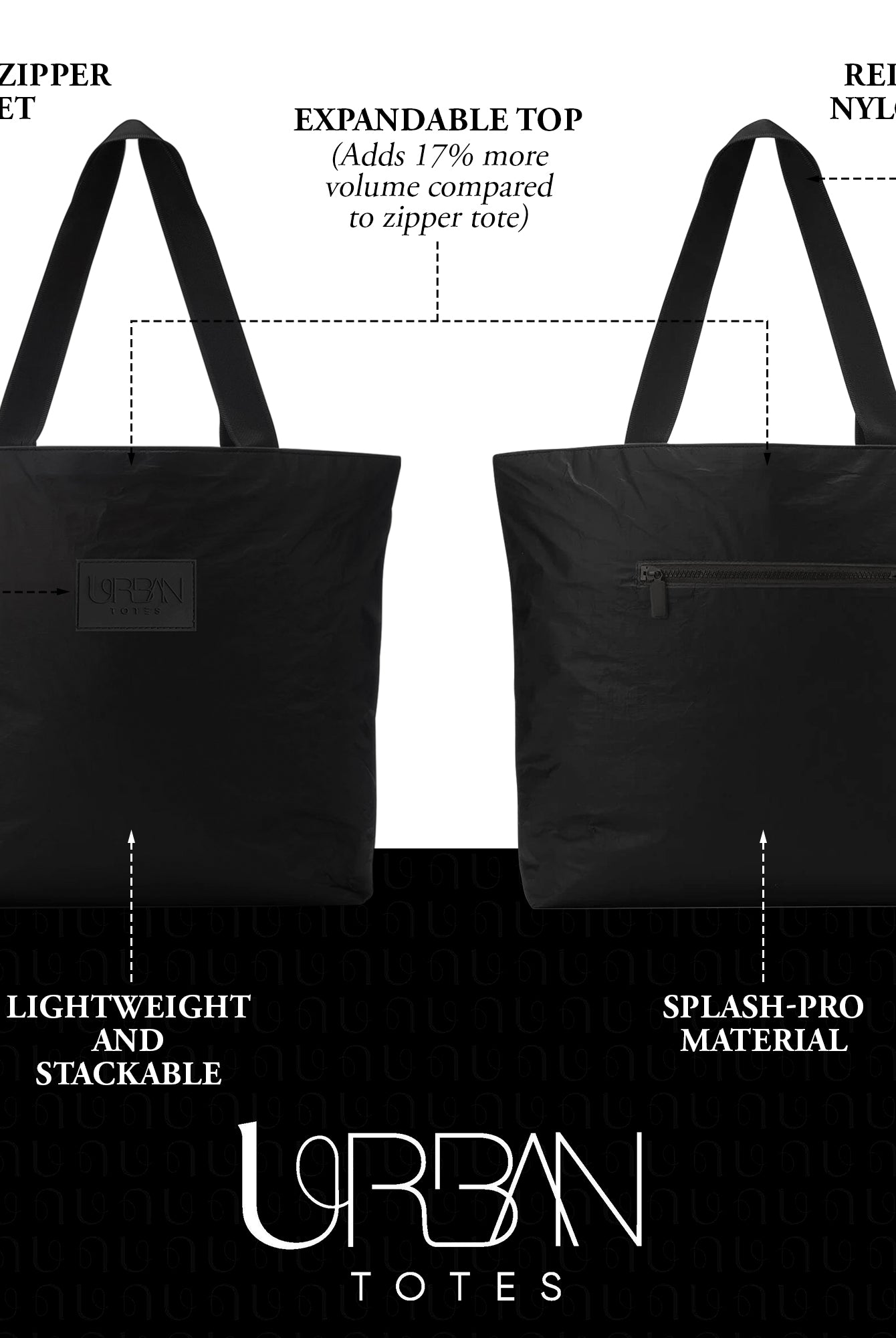
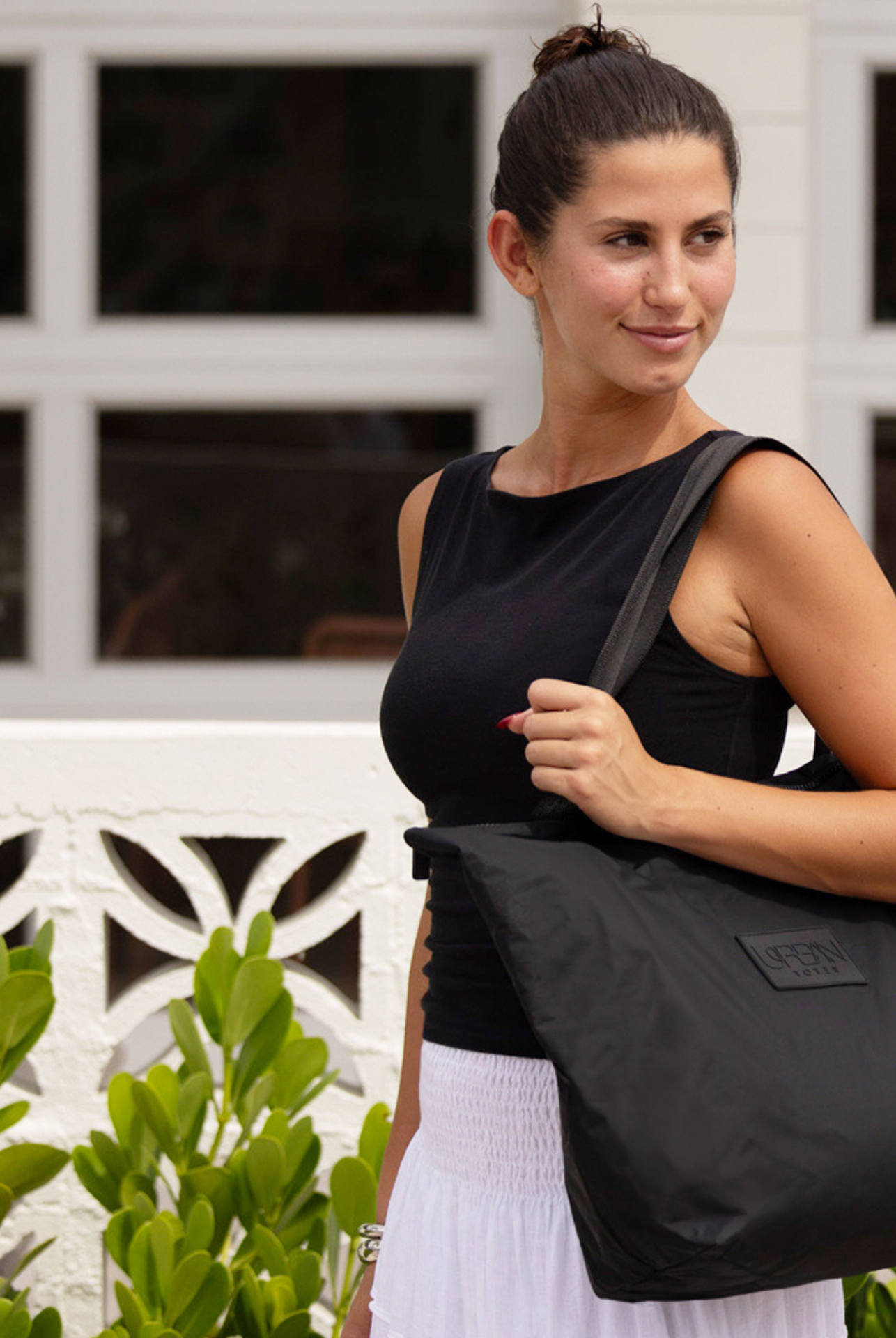
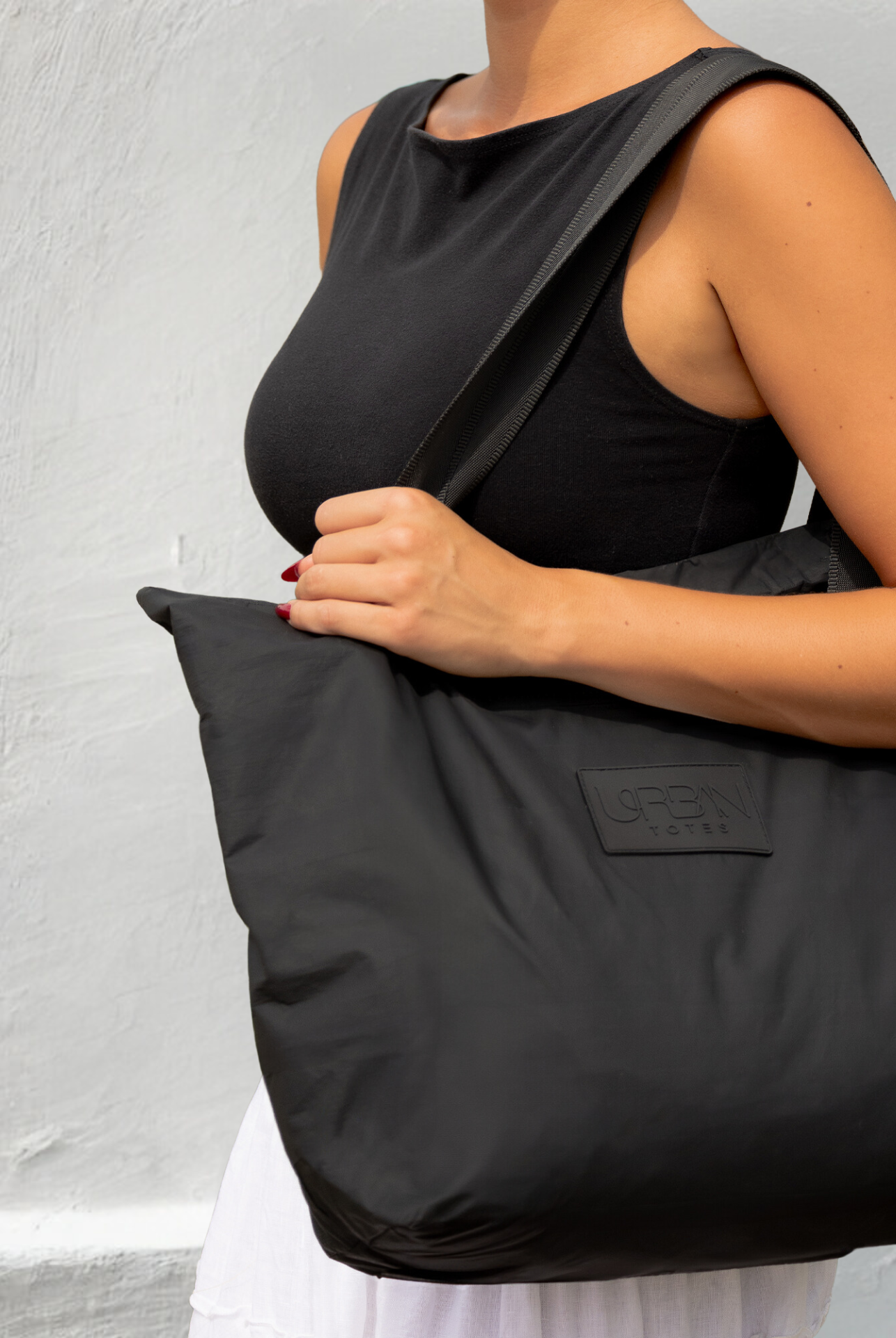
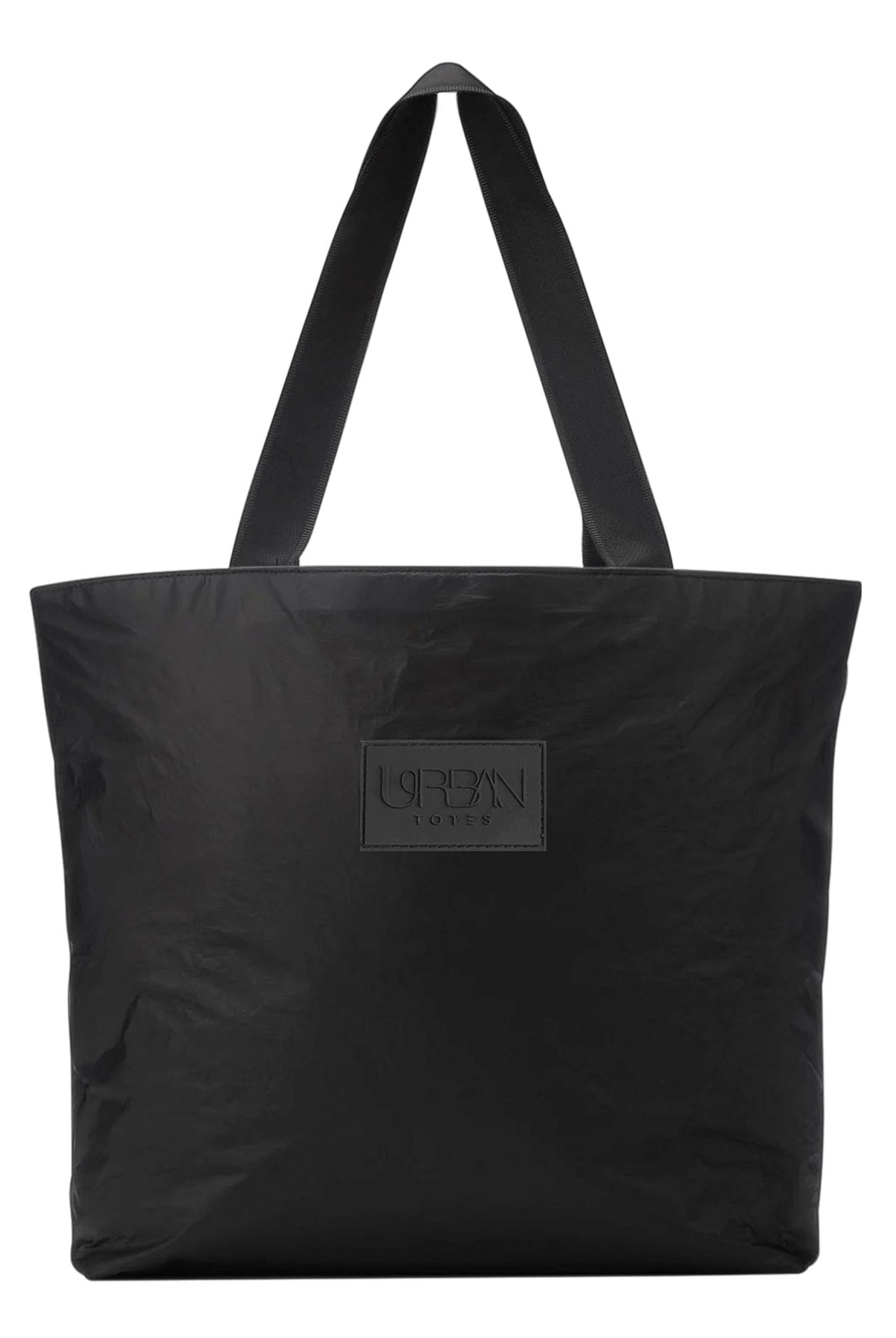
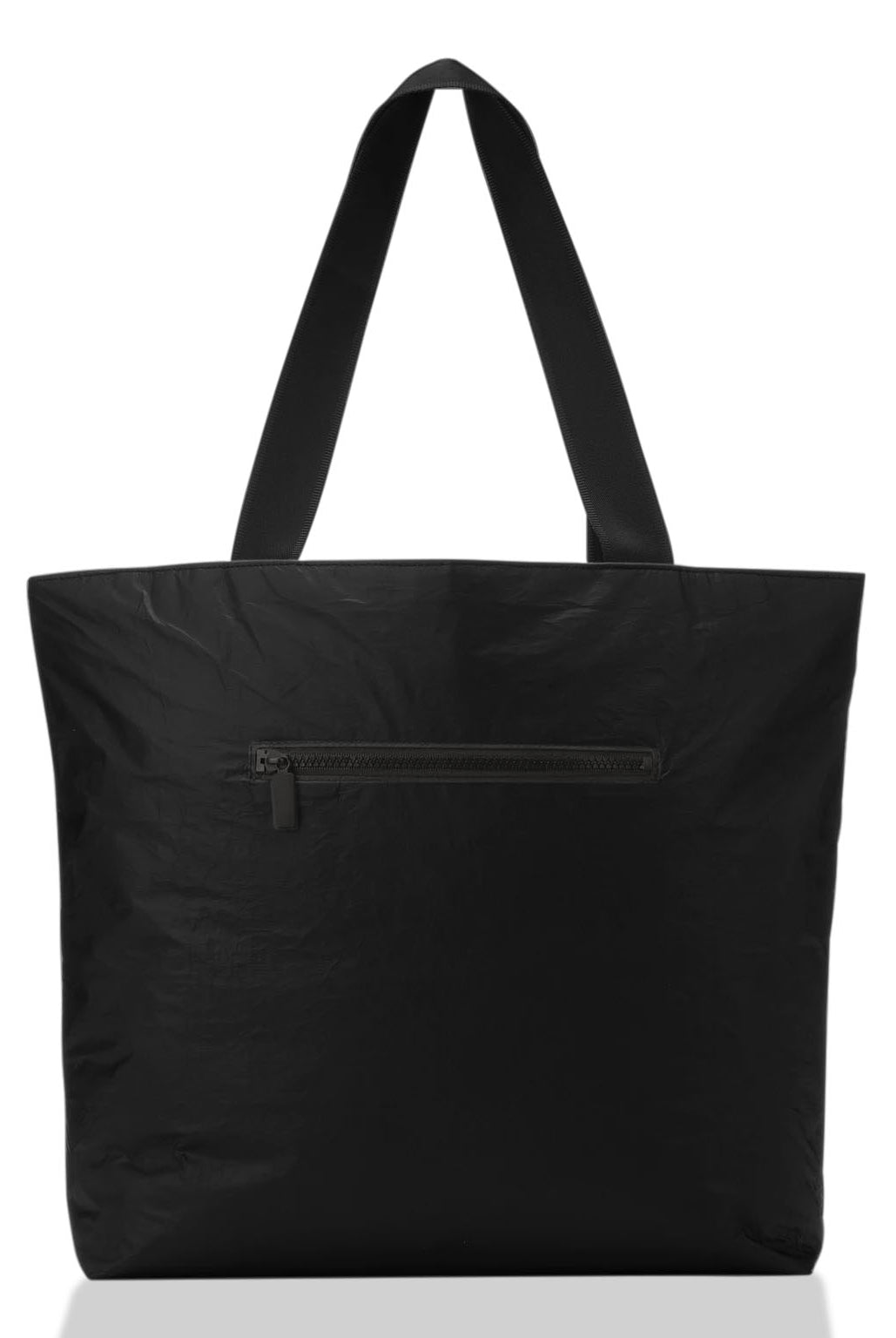
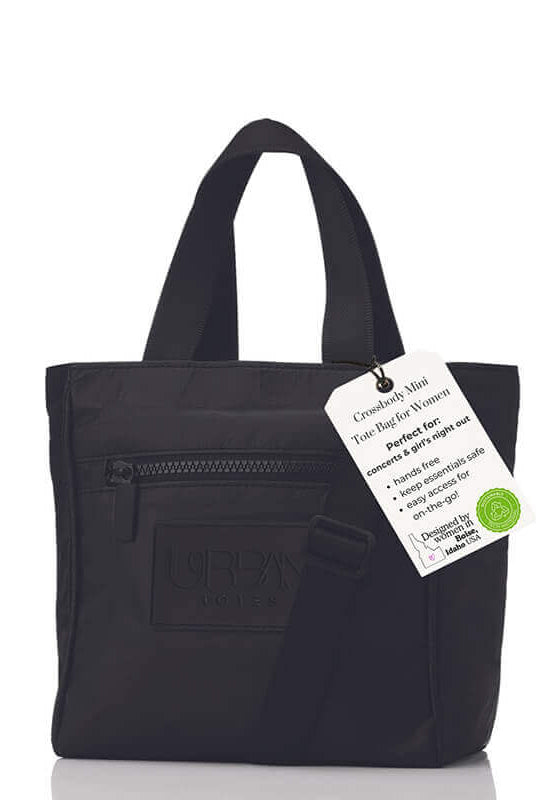
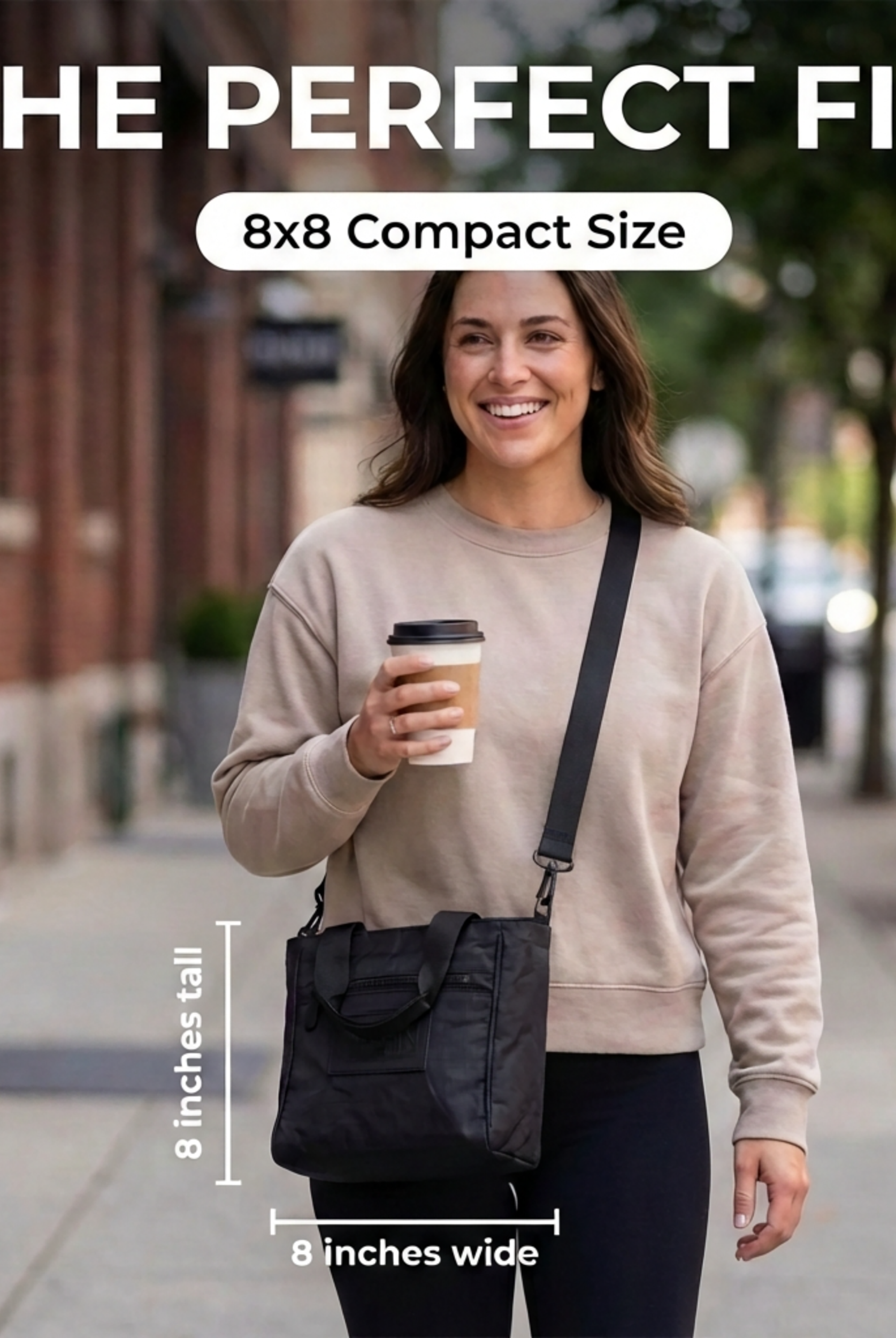
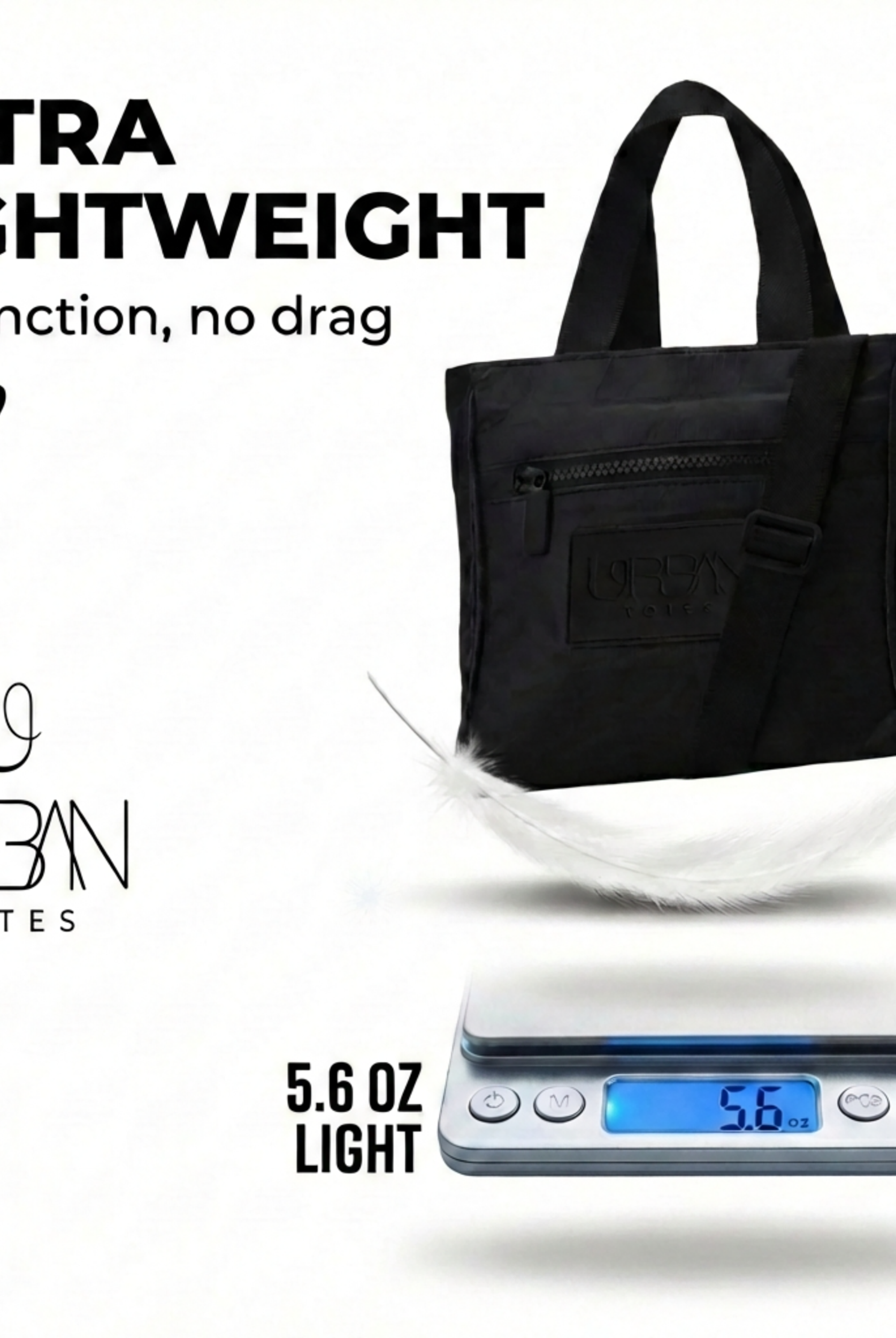
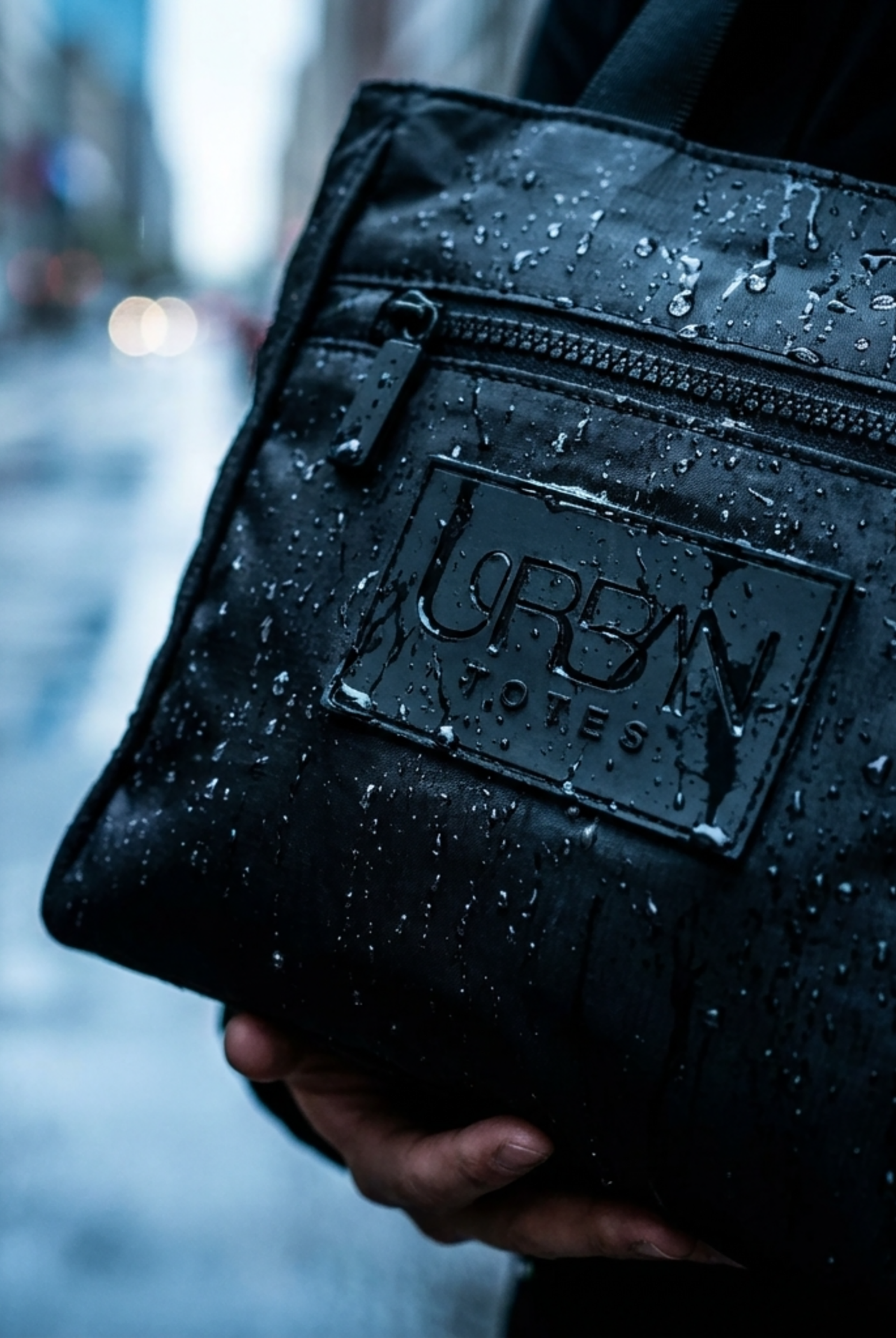
The Go Anywhere Day Trip Tote Bag by Urban Totes has three large zippered compartments, specific pockets for an iPhone and keys, comfortable silky straps, and a water-resistant, easy-to-clean, packable, foldable design.
2. A TSA-Friendly Toiletries Pouch or Packing Cube
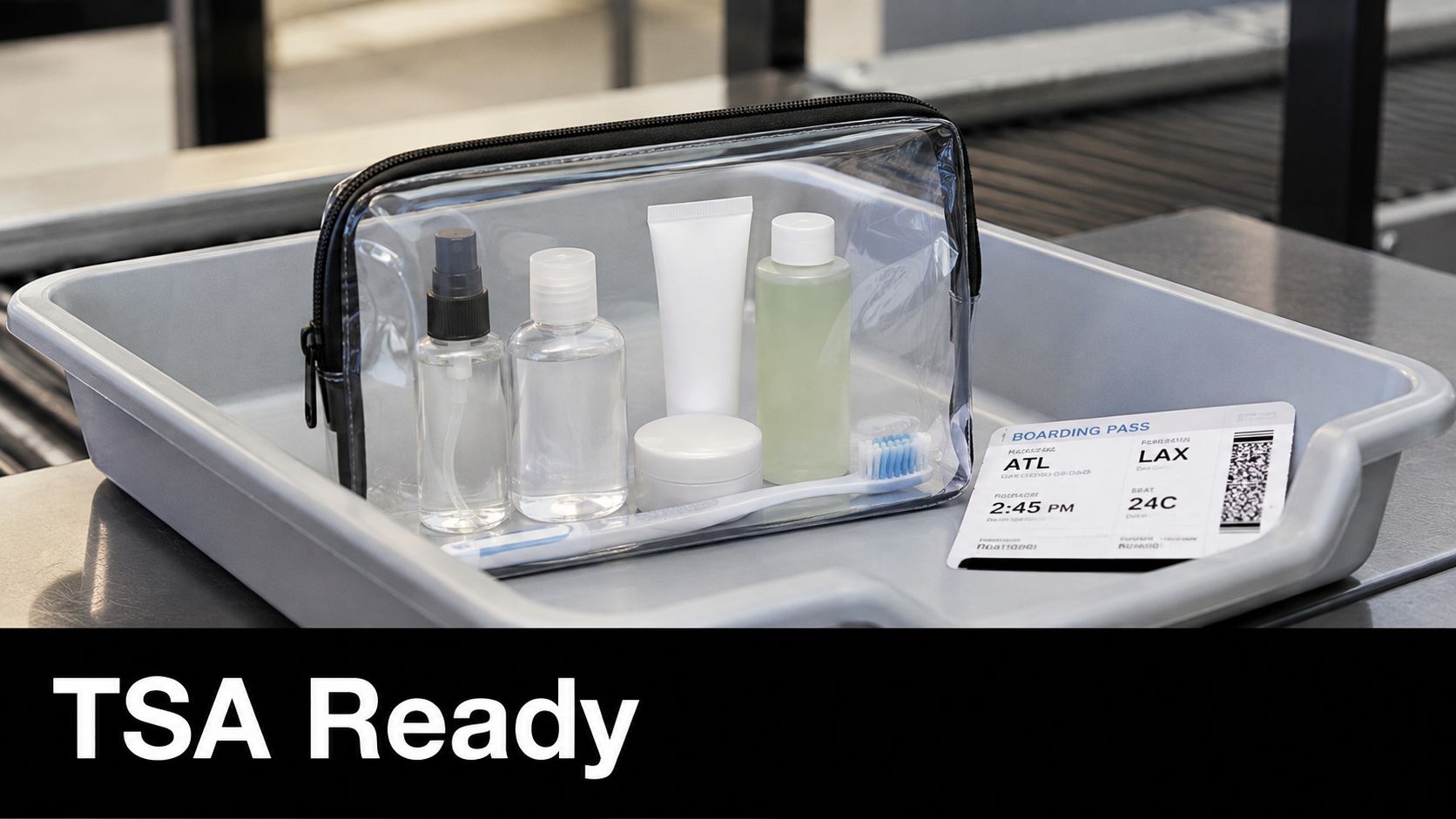
A toiletry pouch earns its space by preventing three common travel problems, leaking skincare, slow security screening, and frantic searching for a toothbrush after a late arrival. Keep your liquids, creams, gels, aerosols, and pastes together in a compact, easy-access container rather than scattering them through your tote.
The TSA's 3-1-1 liquids framework requires each container to hold 3.4 ounces, or 100 milliliters, or less. All containers must fit in one quart-sized bag, and each passenger gets one bag, according to TSA's liquids, aerosols, and gels guidance. The same limit is widely recognized outside the United States as the 100 ml rule, so it's a useful planning cue for international trips too.
A clear pouch can make the contents easier to present at security. Soft-sided options work well when your tote is nearly full because they compress into gaps and add less rigid bulk than a hard case. A separate packing cube is better for dry items such as a microfiber hair towel, toothbrush, hair ties, or a sleep mask.
Pack the pouch by access, not by product category
Put dense items at the bottom, and keep anything you'll need before or immediately after security near the top. Decant preferred products into compliant travel-size containers before leaving home, but don't assume a large bottle is acceptable just because it's partly empty. The container itself needs to meet the limit.
A business traveler might pack face wash, moisturizer, and travel-size makeup in one visible pouch. A beach-day mom may add sunscreen, lip balm, and hair essentials, while a parent traveling with a teenager can give each person a small labeled section for deodorant, a toothbrush, face wash, and a retainer case.
For a more deliberate approach to separating skincare and small personal items, use this guide to a clear cosmetic case. Keep the pouch in a front compartment of your carry-on tote so it can come out without a full unpacking.
3. Travel-Size Medications and a Basic First-Aid Kit
Medication belongs in your carry-on, where you can reach it during a delay, a connection, or a long stretch between hotel check-in and dinner. A small, clearly labeled pouch prevents loose tablets from disappearing into the lining and keeps first-aid basics separate from electronics.
Build the pouch around your personal needs. It might include prescribed medication, pain relievers, allergy medication, antacids, anti-diarrheal tablets, bandages, antibiotic ointment, and pain-relief cream. Don't add products just because a generic list mentions them. The best kit is compact, current, and relevant to your destination and activities.
Keep prescriptions in their original labeled containers, particularly when traveling internationally. Before departure, check destination rules for medication and confirm that supplies are within their expiration dates. A waterproof pouch or clear bag can protect the contents from a spilled drink while making them easier to identify.
Make personal medication the first priority
A traveler who experiences occasional migraines should keep her prescribed medication immediately accessible, not in a checked bag or buried beneath clothing. Someone heading toward hiking trails may prioritize bandages and ointment for blisters or minor injuries. A business traveler might prefer a very small wellness pouch containing personal prescriptions, an antacid, and a pain reliever.
Keep medication separate from the “just in case” items. Personal prescriptions and anything you may need during the journey get the easiest access.
Use a consistent compartment in your tote every time you travel. That habit matters when you're tired, helping a child in the terminal, or searching for something under a dim airplane seat. A practical overview of travel bag essentials can help you combine medication, comfort items, and daily necessities without turning one pouch into an overcrowded catchall.
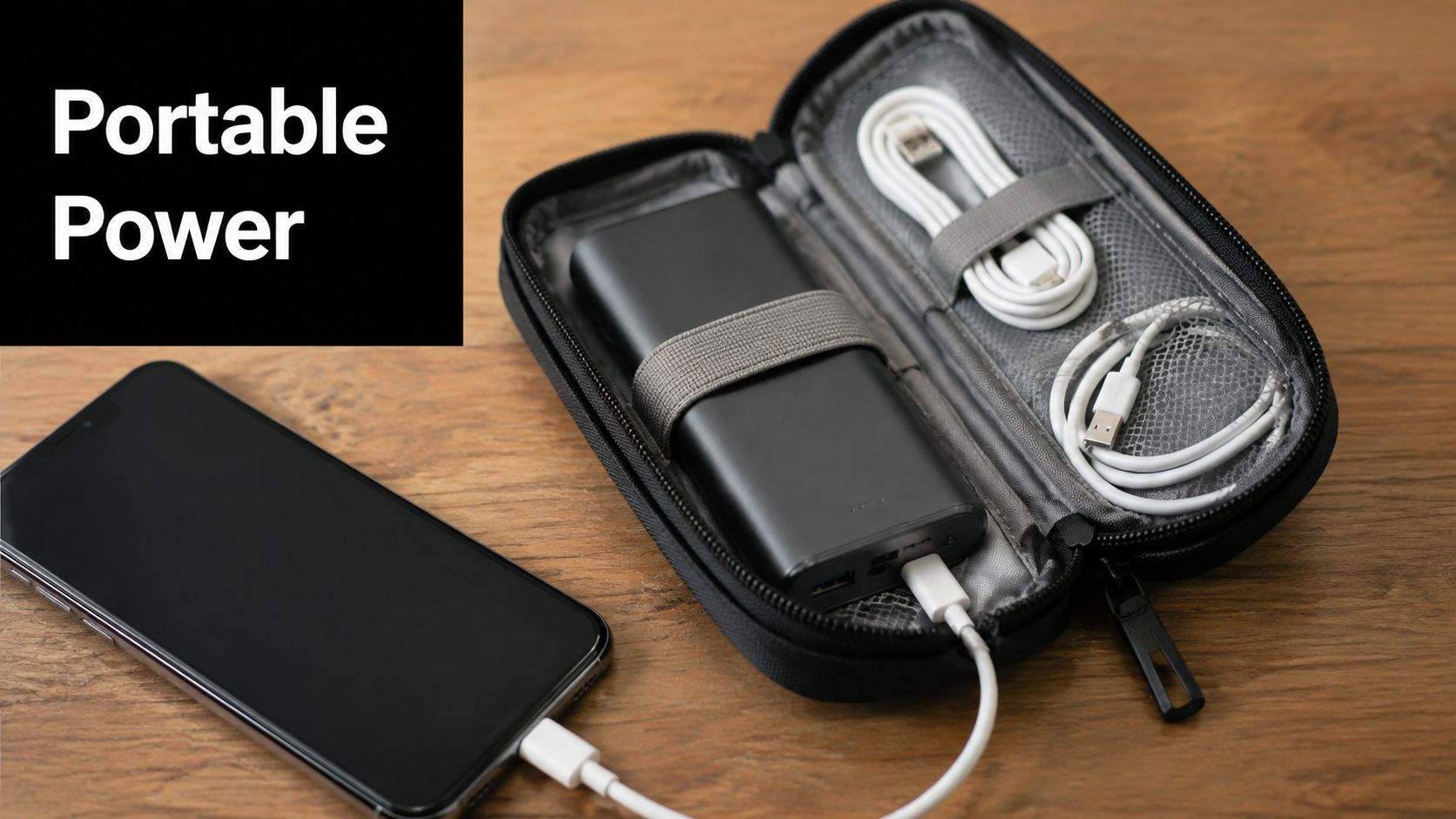
4. Portable Phone Charger and Charging Cables
A dead phone can disrupt navigation, boarding information, family communication, work calls, and access to digital reservations. A compact power bank and the correct cable deserve a fast-access pocket, not the bottom of a packed tote.
Choose a charger that suits your device and travel style. A 10,000 mAh power bank is typically sufficient for one full phone charge, but the exact result depends on the phone and the charger's efficiency. Pack the cable that matches your device, whether that's USB-C, Lightning, or another connection, and charge the power bank fully before leaving home.
A multi-port charger can make sense for a business traveler carrying a phone, earbuds, tablet, or laptop. It can also create a weight penalty and cable clutter, so it isn't automatically the better choice for a minimalist weekend trip. If you carry several devices, label or separate the cables so you don't have to test each one at the gate.
Build a power pocket
Keep the power bank in one zippered compartment and the cable in a small organizer or elastic loop. Storing the charger separately from your phone gives you a better chance of having one powered device if you forget to recharge the other. An LED indicator is helpful because it gives you a quick visual reminder that the power bank needs attention.
A commuter can keep the charger ready for a long train ride and a full day of calls. A parent can recharge a phone after taking photos and using entertainment apps with children. A solo traveler can protect the battery needed for maps and communication while exploring a new city.
For travelers carrying prescriptions alongside electronics, this travel guide offers another reason to keep the tech pouch and medication pouch physically distinct. Your charger should be reachable without disturbing personal medical supplies.
5. Travel-Size Copies of Important Documents and a Digital Backup
Your passport, identification, payment cards, reservations, and insurance information should never depend on one physical wallet. Keep originals secure, then create a separate paper backup and a protected digital copy that you can retrieve from your phone if the original is lost or damaged.
Make clear copies of the information page of your passport, both sides of your driver's license, travel insurance cards, and other documents relevant to the trip. Place the copies in a labeled envelope or water-resistant pouch inside your tote, but don't store them in the same wallet as the originals. Separation gives you a fallback instead of one single point of failure.
Digital backups should be stored in a secure account you can access while traveling. Organize files by destination or trip so you're not scrolling through a crowded photo library in an airport lounge. Use strong, unique passwords and update the folder whenever plans, reservations, or insurance details change.
Keep access quick and private
A business traveler may need to confirm hotel details while moving between meetings. A parent traveling with teenagers may carry copies of each child's identification and relevant family documents. If a passport goes missing, copies can help you communicate with the appropriate authorities and begin replacement steps more efficiently.
Don't leave document photos exposed in a public album or an unprotected notes app. Use a password-protected system, and avoid announcing the contents of your backup folder while standing in a crowded terminal.
For additional organization ideas, review this guide to travel bag security. Give the document envelope its own interior pocket, separate from snacks, toiletries, and loose receipts, so it remains flat and easy to identify.
6. Reusable Water Bottle and Travel Snacks
A reusable water bottle and a small snack pouch solve the mid-journey slump that arrives between security, boarding, and a delayed departure. Choose a lightweight or collapsible bottle when space is tight, and keep snacks low-mess, non-perishable, and easy to share.
Empty the bottle before airport security, then refill it after screening at a fountain or ask a café to fill it. Keeping it in a dedicated pocket protects the rest of your tote and makes hydration easier to remember. A bottle that rolls or collapses after use takes up less space on the return journey.
Good carry-on snacks include nuts, seeds, dried fruit, granola bars, crackers, and individually wrapped chocolate. Avoid foods that create crumbs, stains, or strong odors in a crowded cabin. Packaging can be useful when you're sharing with children, but portioned items can also take up more room, so choose based on the length of the journey and who you're feeding.
Give snacks their own zone
A weekend traveler may need only a protein bar and a refillable bottle. A business traveler can keep almonds, dried fruit, or another preferred snack ready between meetings rather than relying on whatever is available in the terminal. A parent may want a wider mix that accommodates different preferences, but the pouch still needs to stay compact.
Empty before security, refill after security, and keep snacks where you can reach them without unpacking your work items.
A tote with a water bottle holder can keep the bottle upright and separate from documents. For more ideas that suit different eating preferences, browse these plant-based snacks for travel.
7. Comfort Items
A neck pillow, eye mask, and noise-canceling earbuds can turn an awkward airplane seat into a more manageable personal space. They don't need to dominate your tote. The trick is choosing compact versions and storing them together in a pouch you can reach as soon as you board.
An inflatable neck pillow is easier to compress, while memory foam may feel more supportive but take up more room. Test the eye mask at home before packing it. If it presses uncomfortably or slips during movement, it won't become useful just because the flight is long.
Charge earbuds before leaving and keep them in their case. A mom may use them for an audiobook or a quiet break while traveling with children. A business traveler can use a pillow and eye mask on a red-eye before arriving for meetings, while a solo traveler may use all three to make a long international flight feel less disruptive.
Pack comfort for the moment you need it
Place the pouch in an exterior zipper compartment or at the top of the main section. You shouldn't have to pull out clothes, toiletries, and snacks while other passengers are boarding. Use the items early rather than waiting until you're already exhausted.
A small sleep aid may be appropriate for some travelers, but medication decisions are personal. Consult your doctor before using melatonin or another sleep product, particularly if you take other medication or have an upcoming international itinerary. Comfort gear should make the journey easier without adding a complicated routine to your carry-on.
8. Portable Charger Cord Organizer or a Small Toiletries or Tech Pouch
Cables become difficult to manage when they share a compartment with receipts, lip balm, and loose change. A small tech pouch gives each adapter, cord, earbud case, and memory card a home, so you can find what you need without emptying your tote at the gate.
Use separate sections for phone, tablet, laptop, and universal cables. Store cords loosely coiled and secure them with silicone organizers or hook-and-loop ties. Tight, repeated bends can make cables harder to use over time, while a loose coil keeps the pouch orderly without taking much space.
International business travel may call for a voltage adapter in a clearly labeled section. A photographer might need room for memory card readers and multiple device cables. A parent can use color-coded pouches for each family member, which makes it easier to hand over the correct charger without sorting through everyone's belongings.
Keep tech and wellness apart
Don't mix medication, eye drops, and lip balm with electronics. A separate wellness pouch prevents a leaking personal-care item from reaching a charger and keeps personal items private. Before every trip, remove cables and accessories you no longer use. A pouch filled with outdated cords is still clutter, even when the pouch itself is beautifully organized.
Place the tech organizer in a front or upper compartment. Your phone cable may be needed before you reach the hotel, and your earbuds may be the first item you want after takeoff. The right system isn't the one with the most compartments. It's the one that lets you identify the correct item in a few seconds.
Carry-On Bag Essentials: 8-Item Comparison
| Item | Implementation complexity | Resource requirements | Expected outcomes | Ideal use cases | Key advantages |
|---|---|---|---|---|---|
| Lightweight, organized carry-on tote | Low, purchase and arrange contents | Moderate one-time purchase; choose size/quality | Better organization, easier airport navigation | Weekend trips, commuting, short flights | Hands-free carry, multiple compartments, water-resistant, packable |
| TSA-friendly toiletries pouch / packing cube | Low, choose TSA-compliant size | Low cost; quart-size clear or semi-transparent pouch | Faster security checks, leak containment | Short flights, gym/beach days, overnight trips | TSA-ready visibility, spill protection, compact |
| Travel-size medications & basic first-aid kit | Medium, planning, prescriptions, labeling | Low weight; periodic refresh of meds; small pouch | Ability to treat minor ailments, peace of mind | Hiking, international travel, family trips | Preparedness, cost savings, immediate care |
| Portable phone charger & charging cables | Low, buy and keep charged | Moderate (power bank + cables); observe battery limits | Reliable device power, uninterrupted connectivity | Long travel days, navigation, events | Mobile power, fast charging, multi-device support |
| Travel-size copies of documents + digital backup | Medium, scan, organize, secure storage | Low cost (printing/cloud); secure passwords needed | Quick recovery from loss; access to bookings | International travel, business trips, families | Low-weight insurance, remote accessibility, faster resolution |
| Reusable water bottle & travel snacks | Low, pack and refill post-security | Low cost; collapsible bottle saves space | Hydration, sustained energy, saved expenses | Long flights, road trips, family outings | Cost-effective, eco-friendly, readily available energy |
| Comfort items: neck pillow, eye mask, noise-canceling earbuds | Low, purchase, charge earbuds | Moderate (quality items recommended) | Improved rest, reduced travel fatigue | Red-eye flights, long-haul travel, trains | Better sleep/comfort, light/noise blocking, compact |
| Charger cord organizer / small tech pouch | Low, select and maintain organization | Low cost; small multi-compartment pouch | Reduced tangles, faster packing/unpacking | Business travel, photographers, family travel | Protects cables, easy identification, tidier tote |
Pack Your Tote for Wherever the Day Leads
A good carry-on reset takes only a few deliberate decisions. Put your passport, identification, boarding information, wallet, and phone in the fastest-access pockets. Keep liquids together in the TSA-friendly pouch, place medication where you can reach it, and store charging equipment separately from the phone so one empty battery doesn't take everything offline.
Before security, empty your water bottle and move the pouch you'll need into an easy-to-remove position. After security, refill the bottle and return the pouch to its assigned compartment. This small routine prevents the familiar airport shuffle where you're holding a coffee, searching for a charger, and trying to remember which pocket contains your documents.
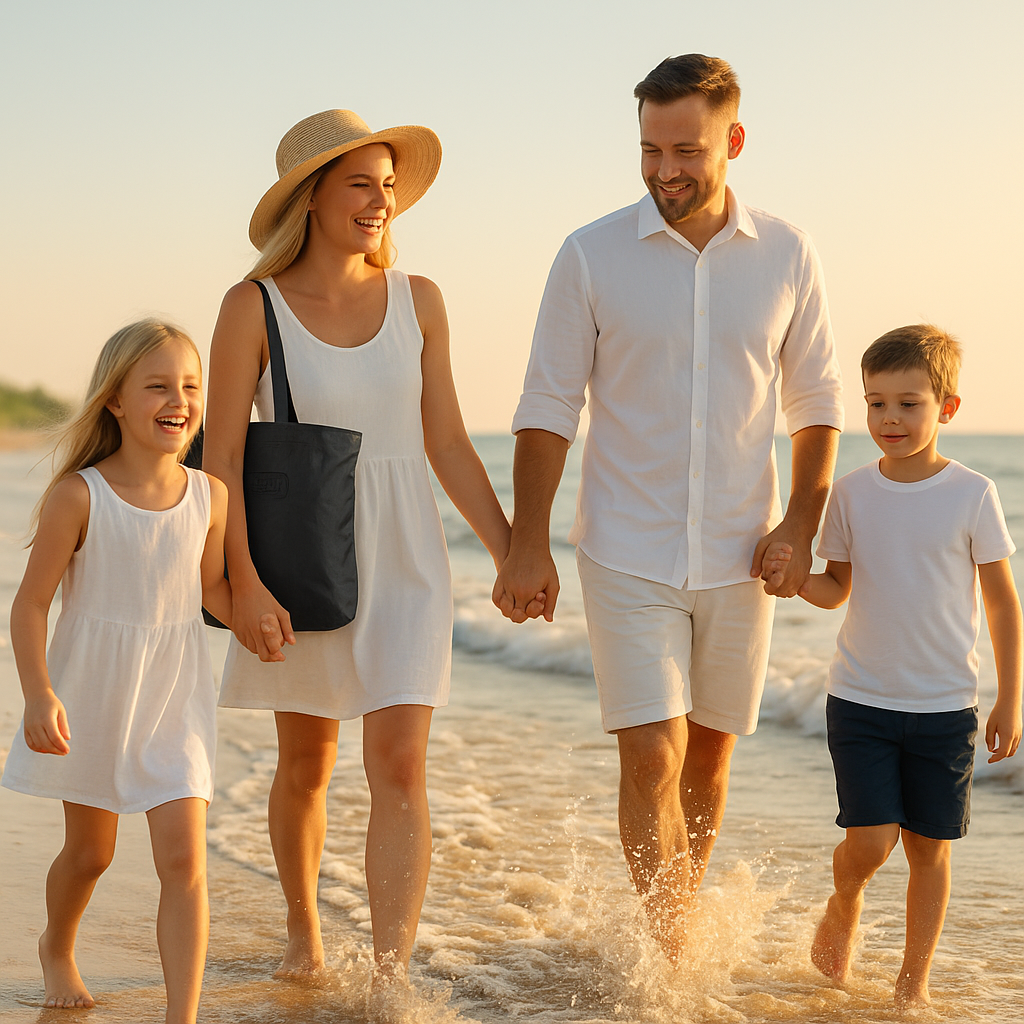
Remove anything that doesn't serve the specific trip. A beach day may need sunscreen, a towel, sunglasses, a water bottle, and a compact personal pouch, but not a full work setup. A weekend traveler may prioritize a foldable tote, one clothing cube, toiletries, medication, documents, and power. Carrying less makes every item easier to find and keeps the bag more comfortable on your shoulder.
Adjust the essentials for your day
Parents and caregivers: Prioritize snacks, wipes, a change of clothes, medication, comfort items, and a pouch for each child's small necessities. Put the items you'll use during boarding in an outer zipper compartment, not beneath your own clothing.
Commuters: Keep a laptop or tablet, charger, headphones, water bottle, and compact toiletry pouch organized for the transition from office to errands. A lightweight, water-resistant tote is practical when the day includes a walk between transit, school pickup, and the grocery store.
Gym-goers: Give shoes, activewear, toiletries, and a water bottle separate zones. A foldable bag can also work as a secondary option when your plans change from work to a workout or an overnight stay.
Business travelers: Put documents, tech, medication, and comfort items first. A crossbody-style option can keep your passport and phone close while leaving your hands free for coffee, a suitcase handle, or a conference badge.
The broader travel accessories market reflects ongoing demand for bags and accessories that improve portability and storage. One 2026 industry estimate places the market at US$64.14 billion and projects US$94.12 billion by 2033, at a 6.6% CAGR, with travel bags projected to lead the product categories at 20.3% share in 2026, as reported in the travel accessories market estimate. For everyday travelers, the practical takeaway is simple. Organization matters because your tote may need to move from flight to work, family logistics, the gym, or a spontaneous overnight plan.
Packing cubes are useful when they reduce searching rather than merely compressing fabric. Consumer Reports found that the best packing cubes could fit all items for a three-day trip while remaining easy to organize and access, a benchmark discussed in its packing cube testing coverage. Use that principle when choosing pouches and compartments. A system that saves time at the security bin, hotel room, or school pickup is more valuable than one that lets you squeeze in another item.
Urban Totes, a woman-owned Boise-made brand, designs lightweight, water-resistant, packable, foldable tote and crossbody options with thoughtful organization, zipper closures, and multiple compartments. That combination suits women balancing travel, work, family, beach days, errands, and everyday movement. For ideas that extend beyond flights, this guide to luggage essentials for motorhome trips offers another useful reminder to choose essentials around how you move.
The best carry-on bag isn't the one you fill completely. It's the one that keeps your documents, liquids, power, comfort, hydration, and personal needs accessible while remaining lightweight enough to carry confidently through the whole day.
Choose a water-resistant, lightweight, packable, and foldable tote or crossbody from Urban Totes to organize your carry-on bag essentials with secure zipper closures and thoughtfully placed compartments. Visit Urban Totes to find a go-anywhere bag designed for airport days, commutes, family movement, beach plans, and whatever comes next.