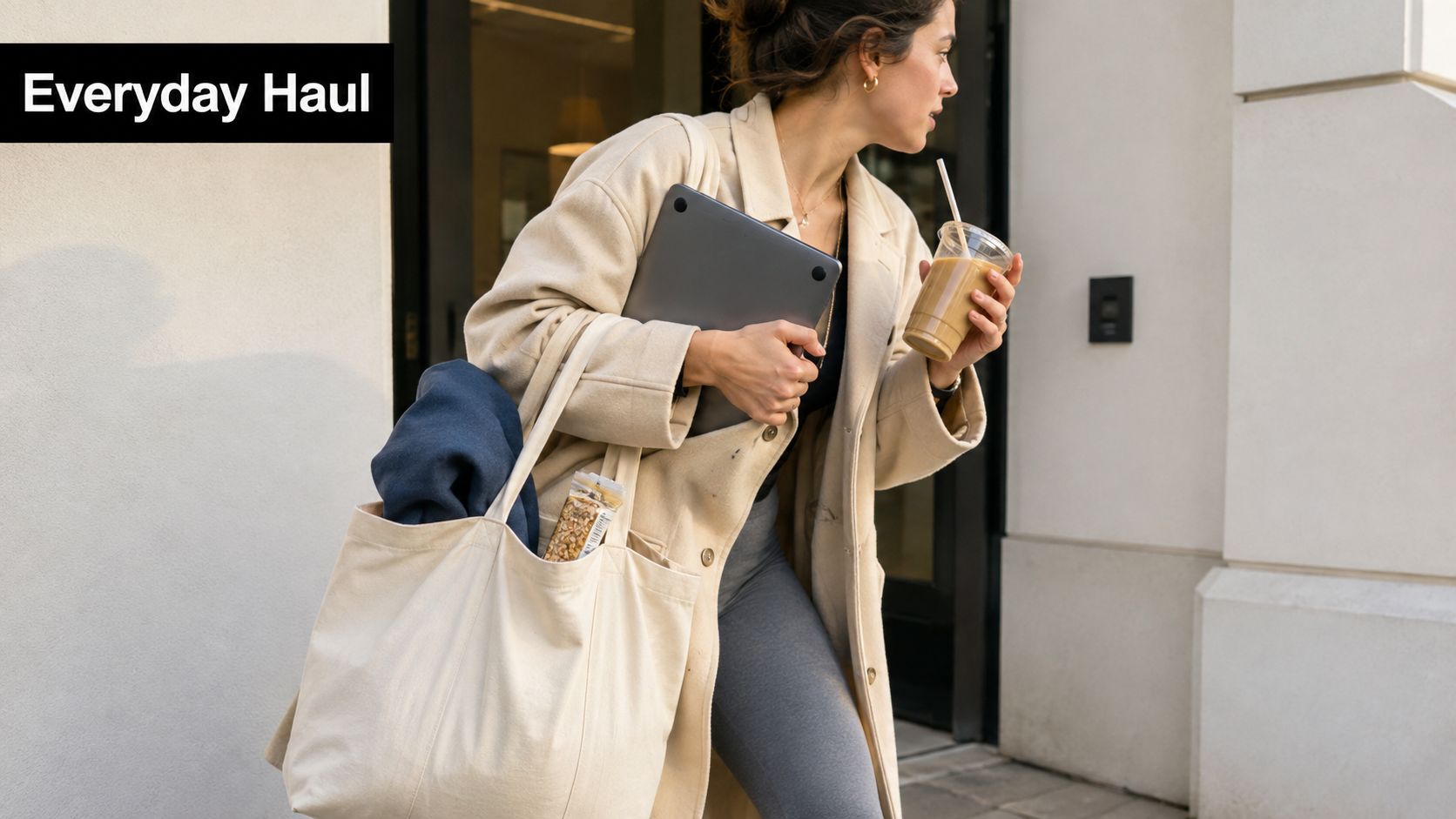
At 7:42 a.m., your laptop is sliding under one arm, iced coffee is tilting toward your coat, a child's half-eaten granola bar is hiding in a pocket, and gym leggings are balled up at the bottom of an overstuffed tote. You're not carrying a handbag. You're carrying a commute, a workday, school pickup, and whatever happens after five.
That's the true test of tote bag work. The bag has to handle changing loads, constant reach-ins, weather, and movement without turning every transition into a small wrestling match. After trying totes across office commutes, school runs, beach days, and airport terminals, I've learned that the right choice starts with how you carry, not how impressive the bag looks empty.
Table of Contents
- The Workday Reality Your Tote Has to Handle
- Sizing and Organization That Actually Works
- Materials and Build Quality Worth Your Money
- Why a Smaller Tote Often Beats a Bigger One
- Packing Checklists for Work, Family, and the Gym
- Styling and Security Across Different Settings
- Care, Travel Hacks, and Your Next Tote
The Workday Reality Your Tote Has to Handle
A work tote lives a demanding life. It gets set beside a café chair, pushed under a desk, carried through a parking lot, opened one-handed at school pickup, and packed again before a flight. A beautiful silhouette won't compensate for a laptop sleeve that pinches, straps that slide, or one giant compartment that swallows your keys.
The modern tote's commercial story helps explain its staying power. The form is generally traced to L.L.Bean's 1944 introduction of a rugged ice-carrying bag in Maine, designed as a sturdy, water-resistant canvas carrier for moving ice from a car to an ice chest. It later moved beyond utility and became mainstream in the 1960s and 1970s, when people adopted totes as everyday carry items, as outlined in this history of the tote bag. The format survived because its core design still makes sense: two handles, useful volume, and easy access.
Three people, three different loads
- The daily commuter needs a protected laptop space, comfortable handles, secure closures, and organization that works while standing on a train platform.
- The caregiver needs fast access to wipes, snacks, spare clothing, and small essentials, often while holding a child's hand or opening a car door.
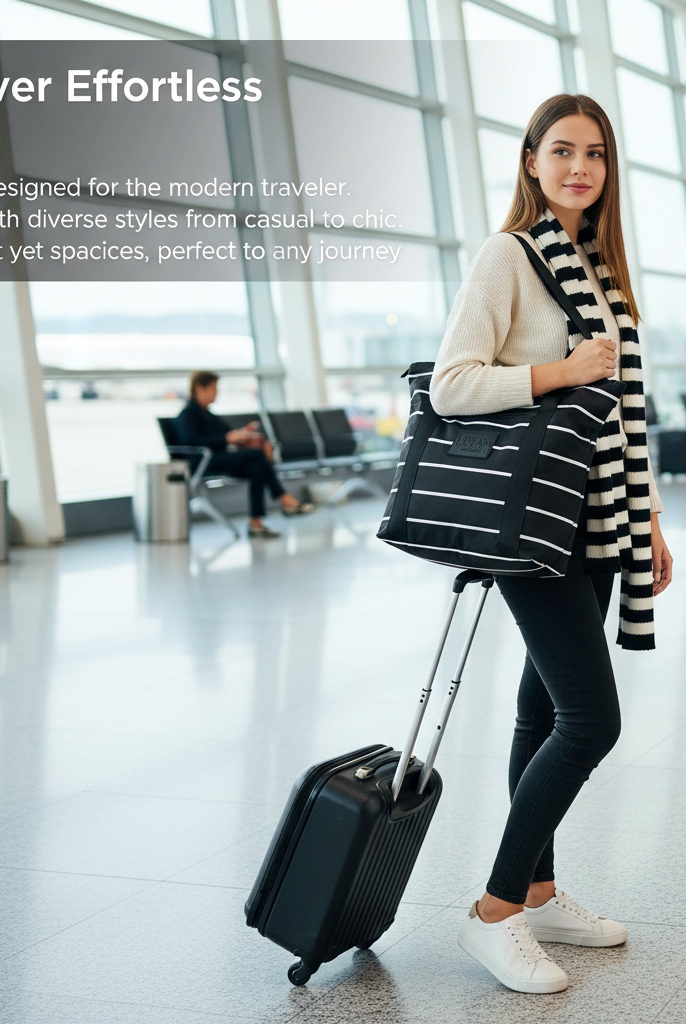
- The traveler needs a lightweight, packable, water-resistant bag that can shift from personal item to sightseeing tote without taking over the whole suitcase.
Those profiles overlap, but they shouldn't be treated as interchangeable. A caregiver may value open access and exterior pockets, while a traveler may care more about a zipper closure, packability, and weather resistance. A commuter walking several blocks with a laptop and water bottle may need a different carry method entirely.
The practical question: What will you carry, how far will you carry it, and how often will you need to reach inside?
Answer those questions before you get attached to a color or oversized shape. Your best tote should absorb the parts of your day that need one bag, while making it obvious when a backpack or structured crossbody would serve you better.
Sizing and Organization That Actually Works
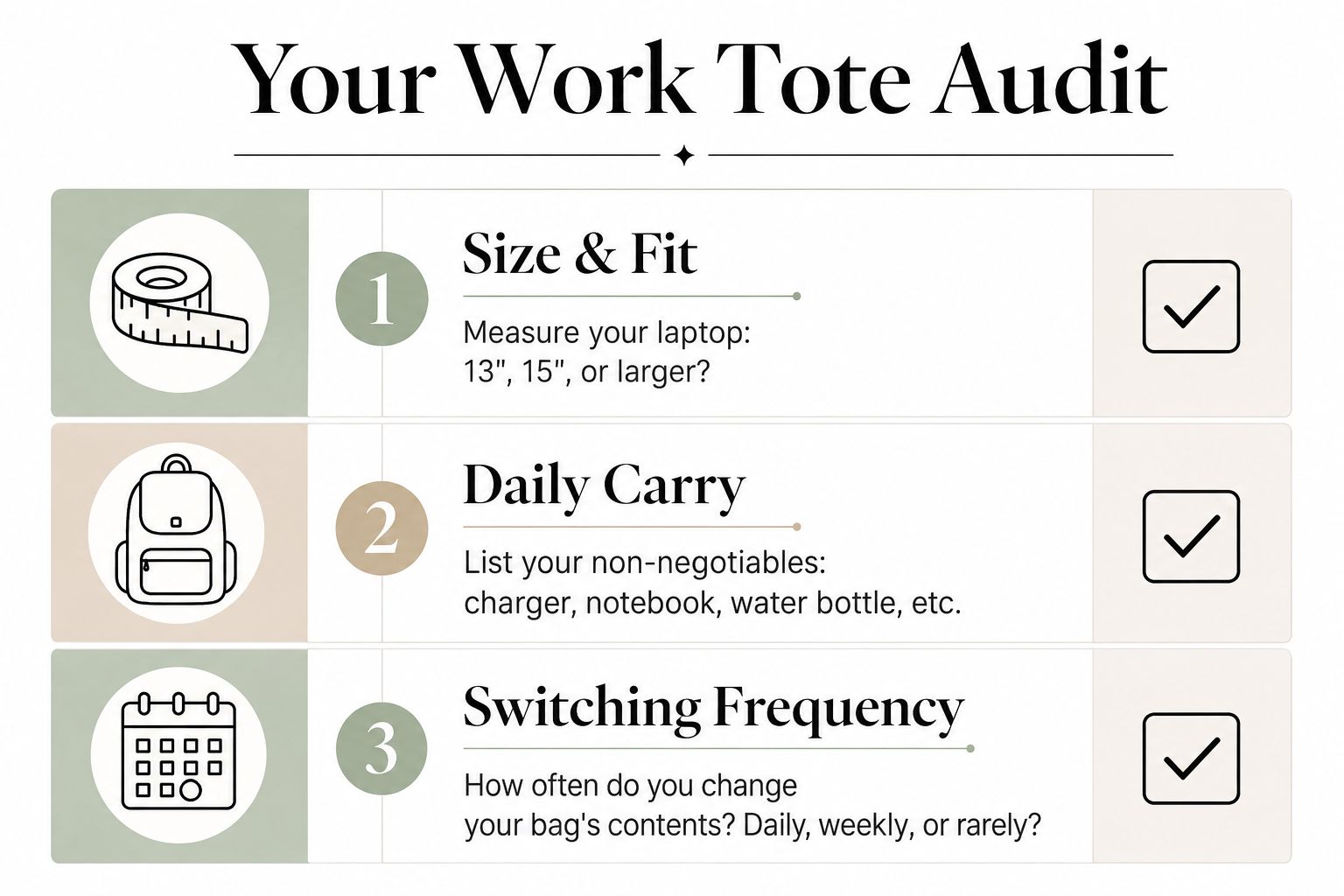
Start with an audit, not a shopping tab. Empty your current bag onto a table and separate the items you carry every day from the objects that only tag along because there's room. Measure your laptop, identify your essentials, and notice how often you switch between work, family, gym, and travel setups.
Your target size should follow your real load. For a light workday, a compact tote under 12 pounds of packed weight may be enough. A medium load falls between 12 and 18 pounds, while a heavy load reaches 18 pounds or more. Those ranges are useful editorial benchmarks for deciding whether a tote remains practical, but they aren't a universal prescription. If your bag feels awkward, your shoulder rises, your torso leans, or discomfort appears after several minutes, reduce the load or change the carry method.
Build the interior around reach frequency
A work tote earns its keep through access. Look for:
- A padded laptop sleeve that keeps the computer upright instead of letting it slide beneath softer items.
- A quick-access phone pocket placed where your hand naturally reaches.
- A zippered valuables pocket for cards, keys, and small items that shouldn't disappear into the main cavity.
- Two open-top sections for a water bottle, snacks, or sunglasses.
- Exterior slip pockets for transit cards and keys you need before the bag is fully open.
Pocket count matters more than empty volume for daily tote bag work. A tote with three useful compartments can feel larger in practice than a cavernous bag with one opening, because you spend less time digging and less time repacking.
Before buying, answer these five questions:
- Commute mode: Are you driving, walking, cycling, or using public transit?
- Caregiving needs: Do you need one-handed access while helping a child?
- Gym frequency: Will workout clothing ride in the tote regularly or only occasionally?
- Travel use: Does the bag need to fold flat or move easily through an airport?
- Dress code: Should it look polished in a formal office, or relaxed enough for errands and school pickup?
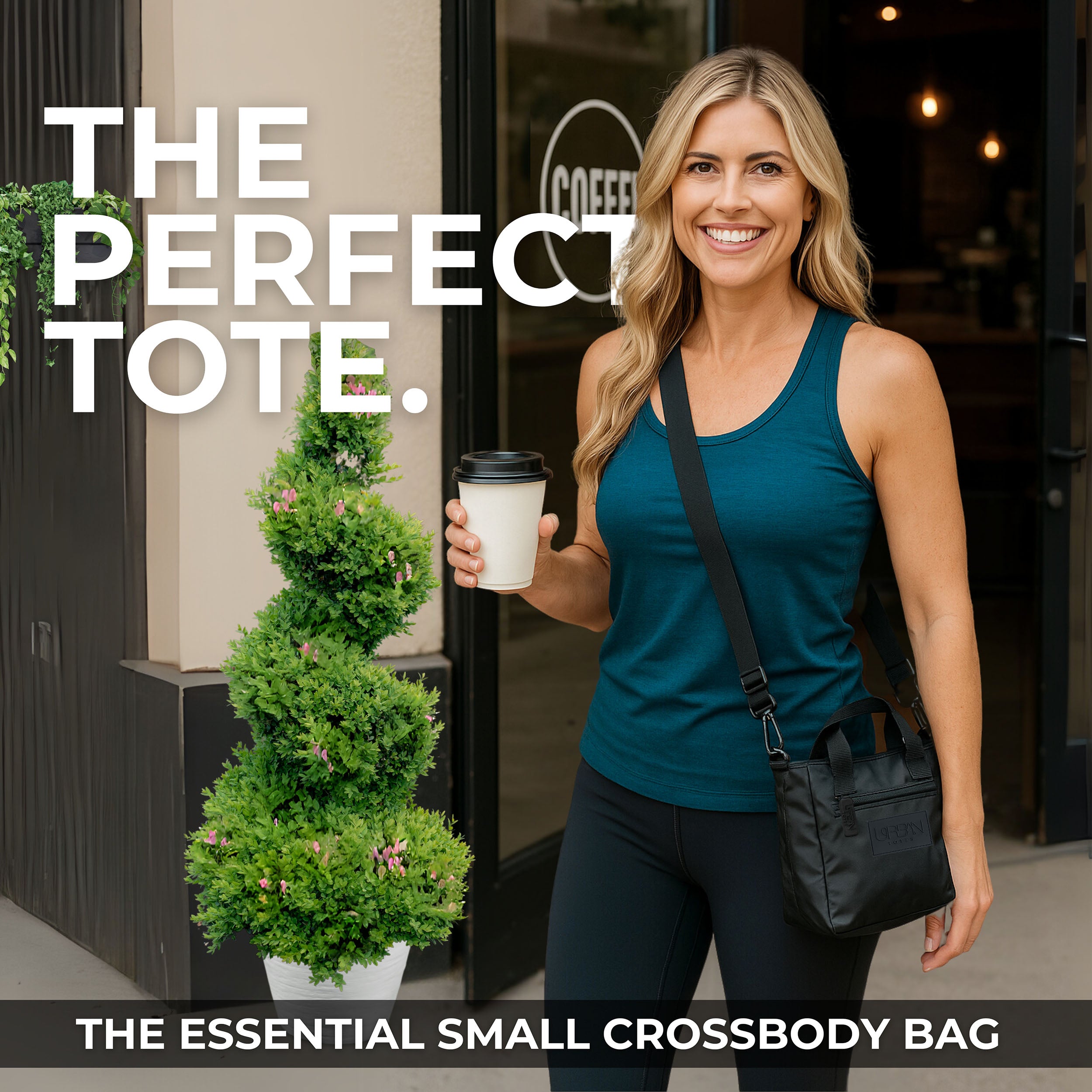
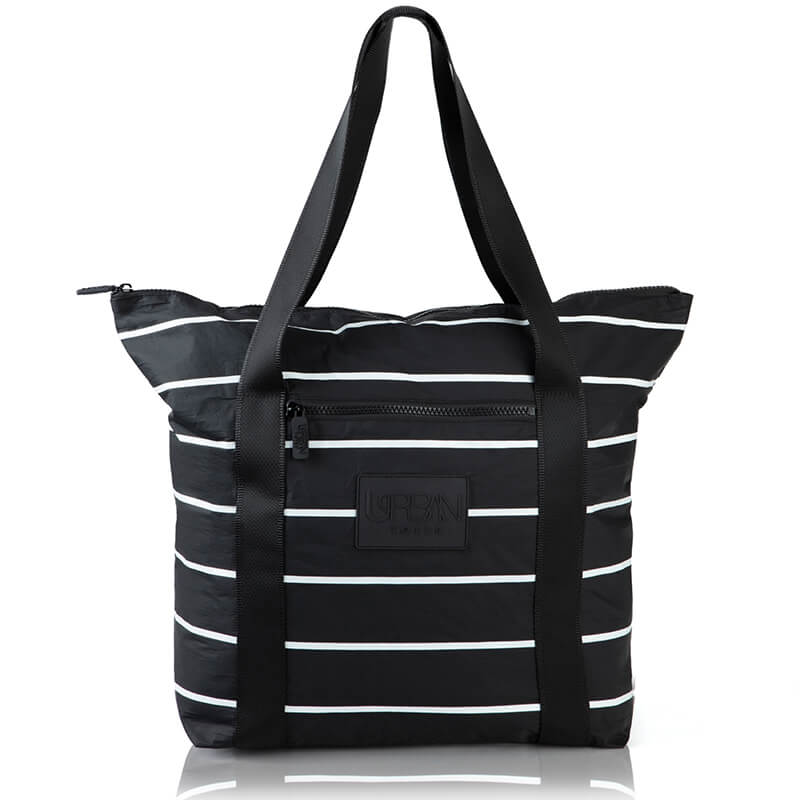
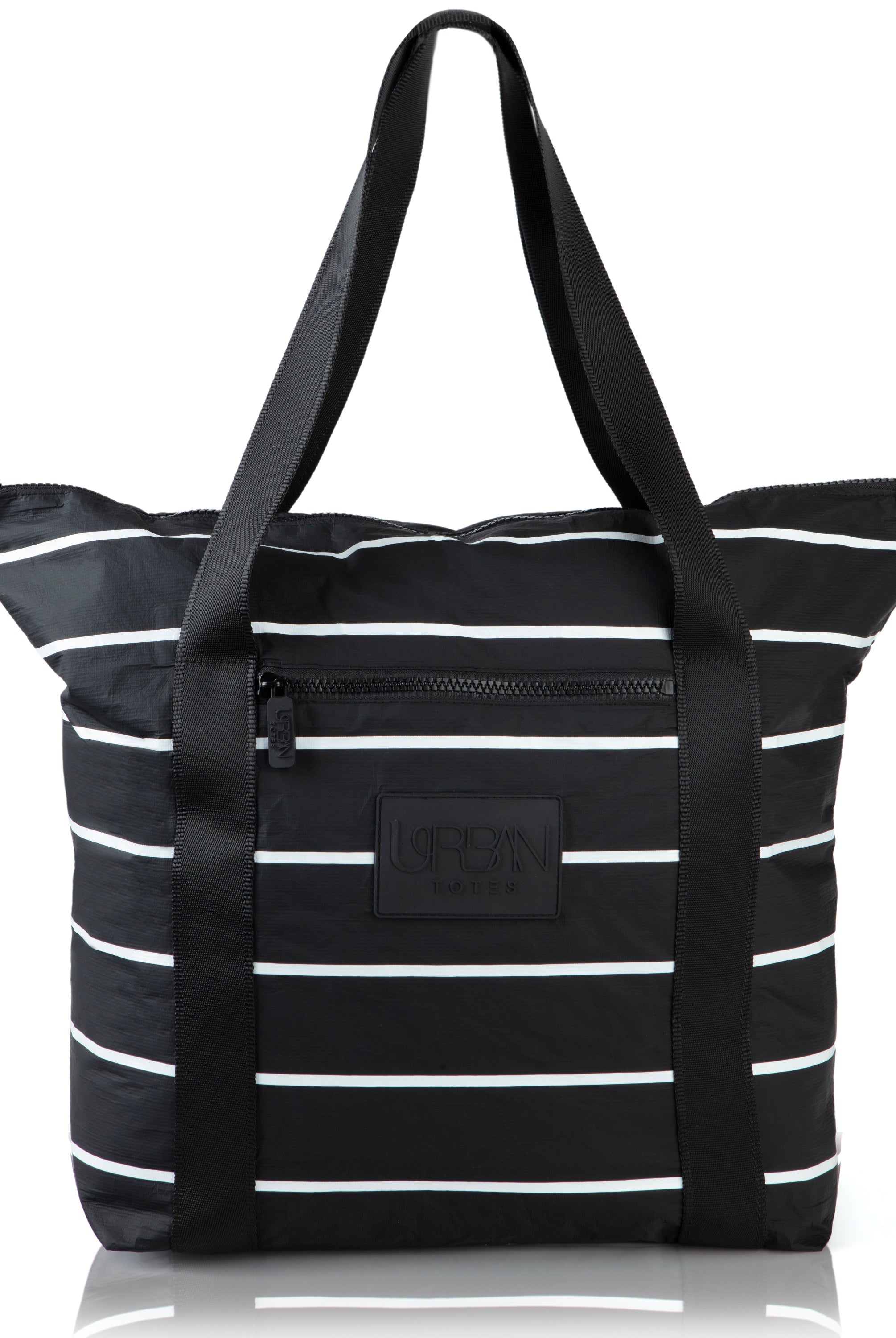
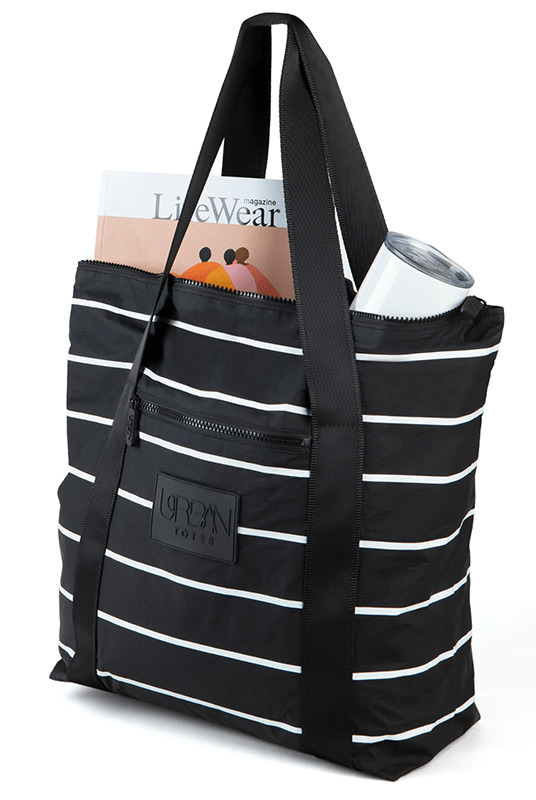
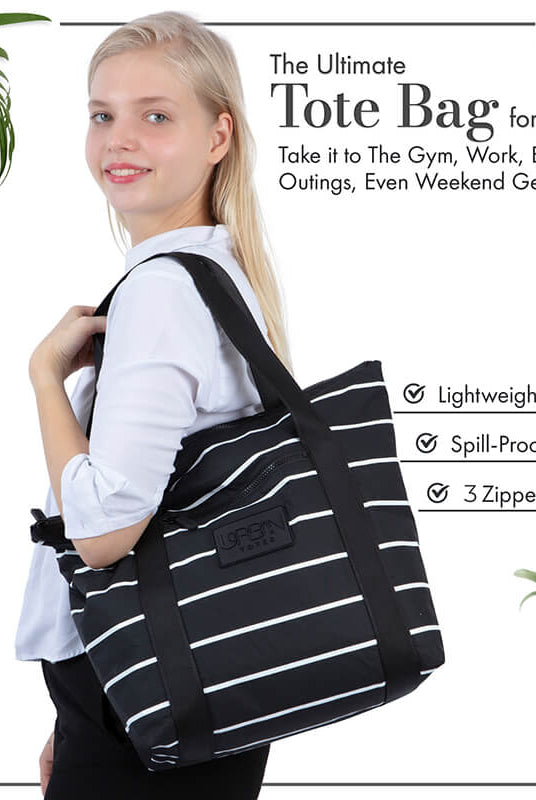
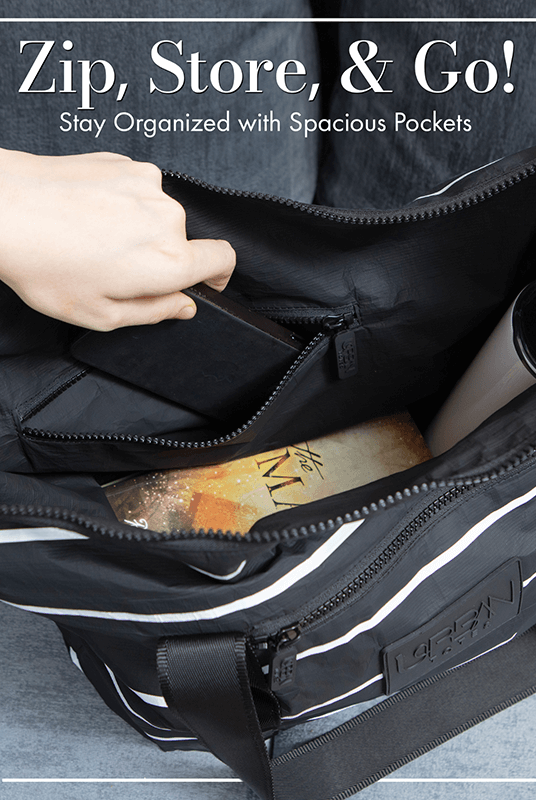
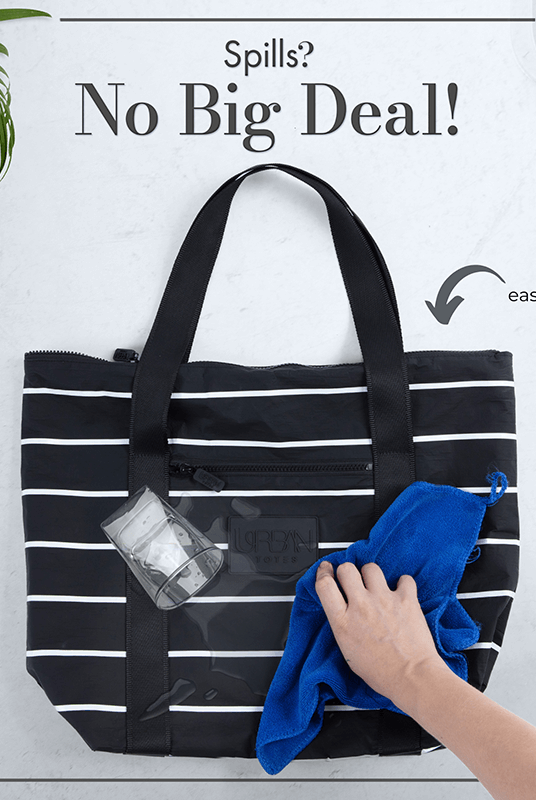
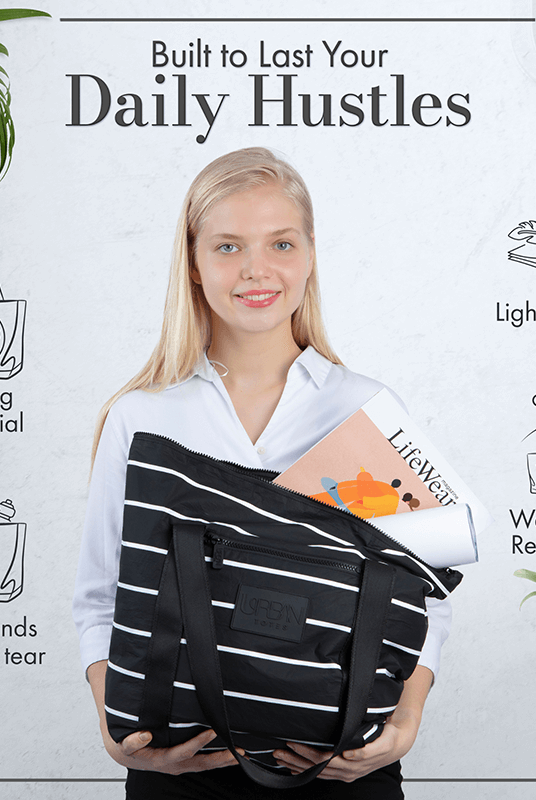
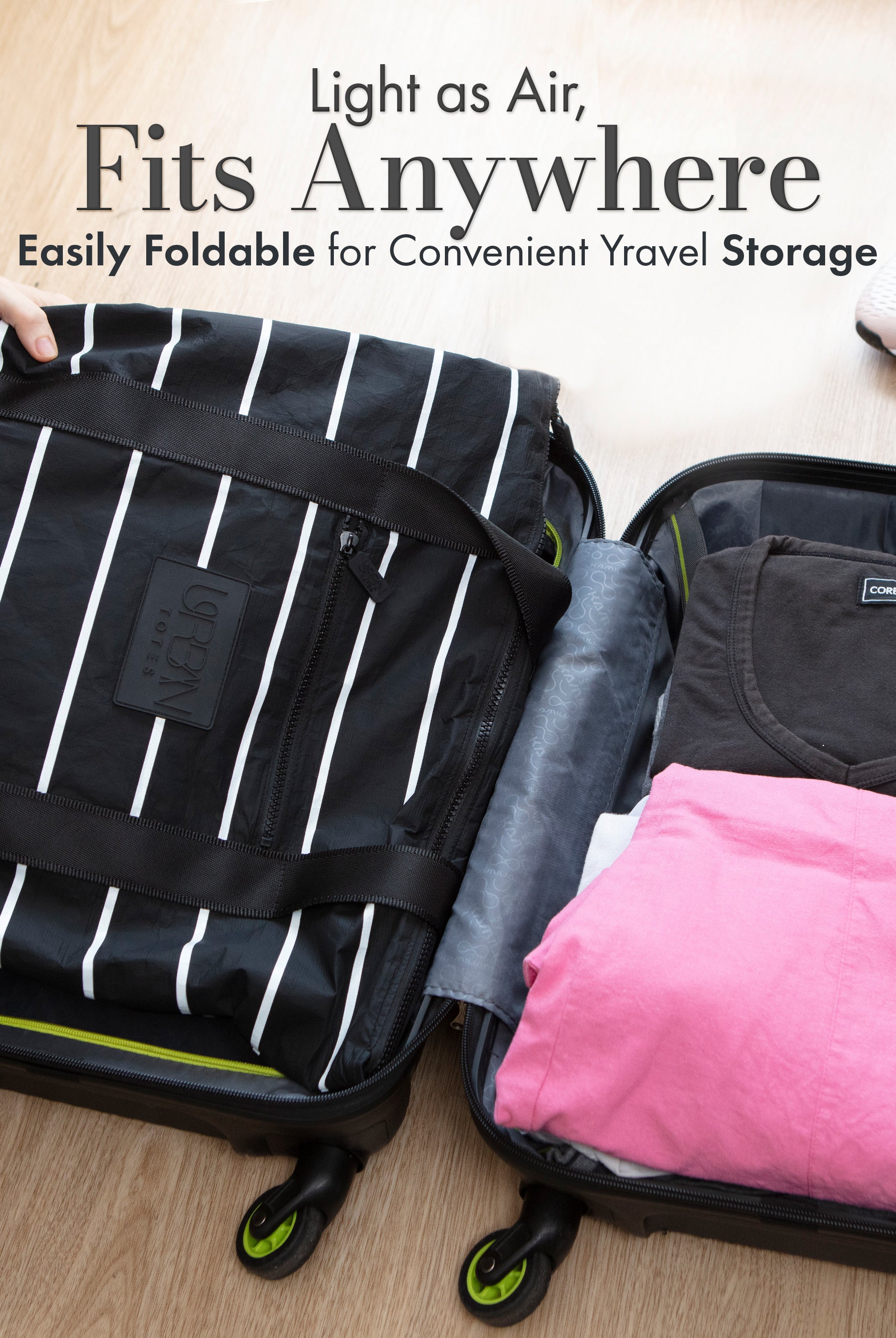
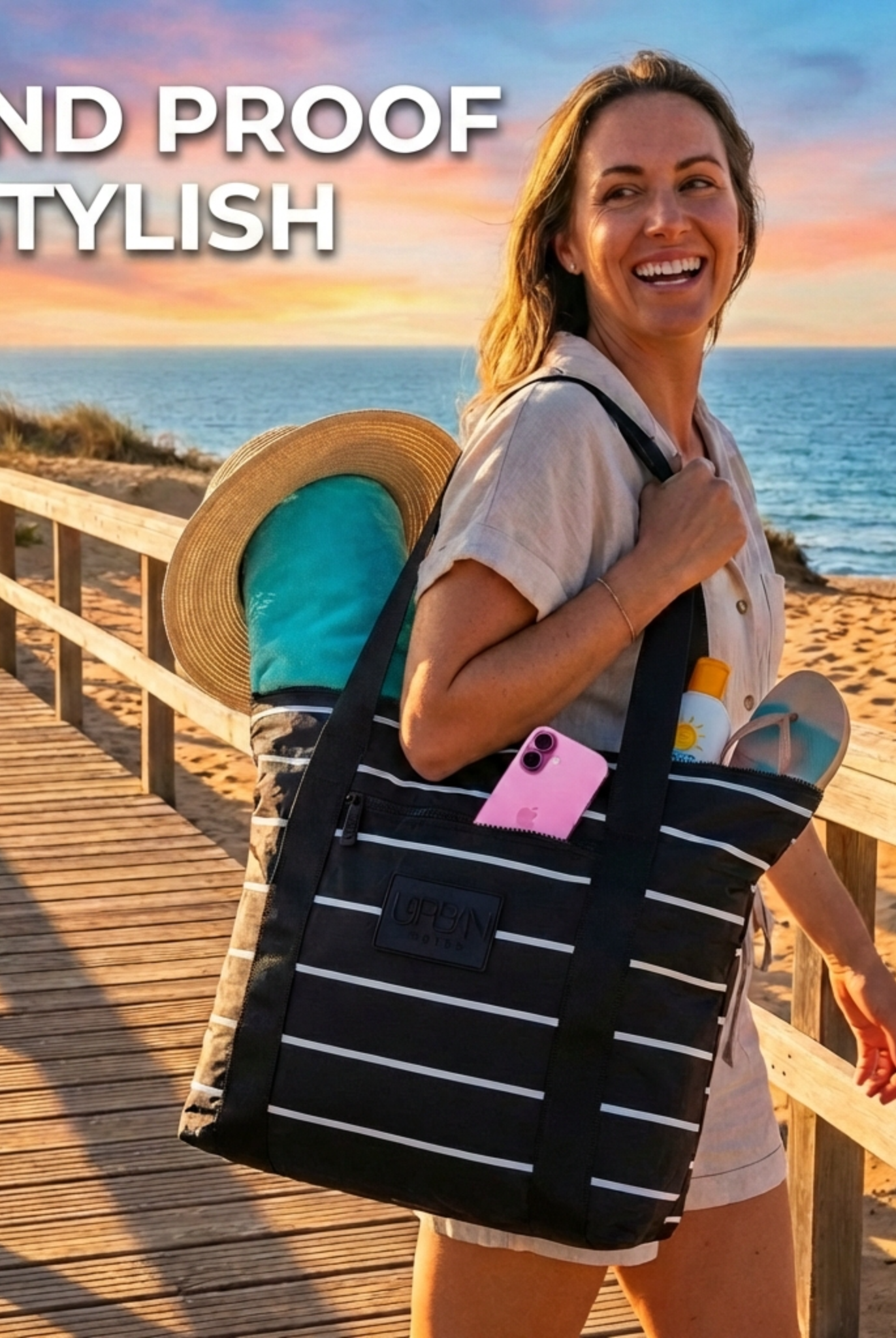
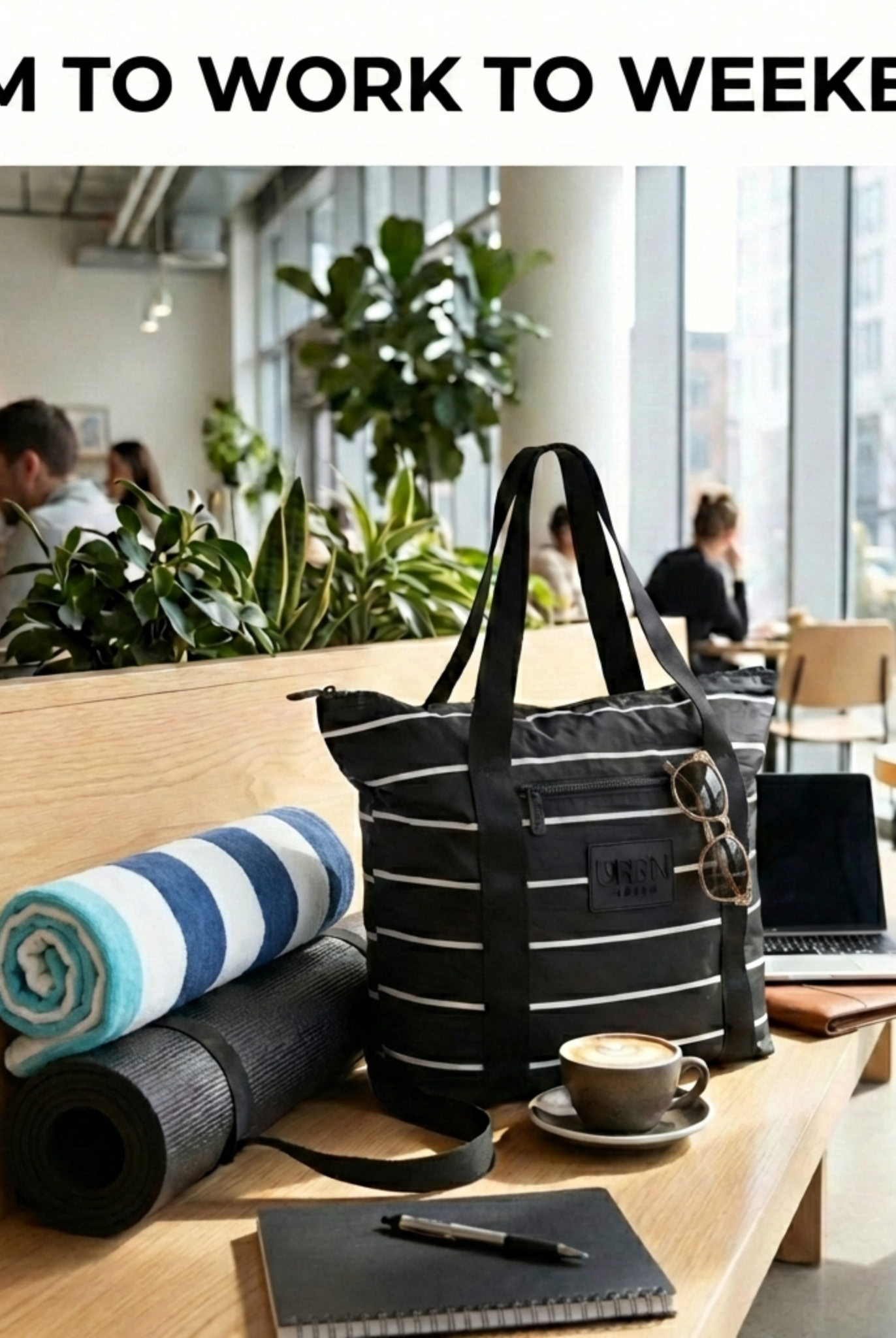
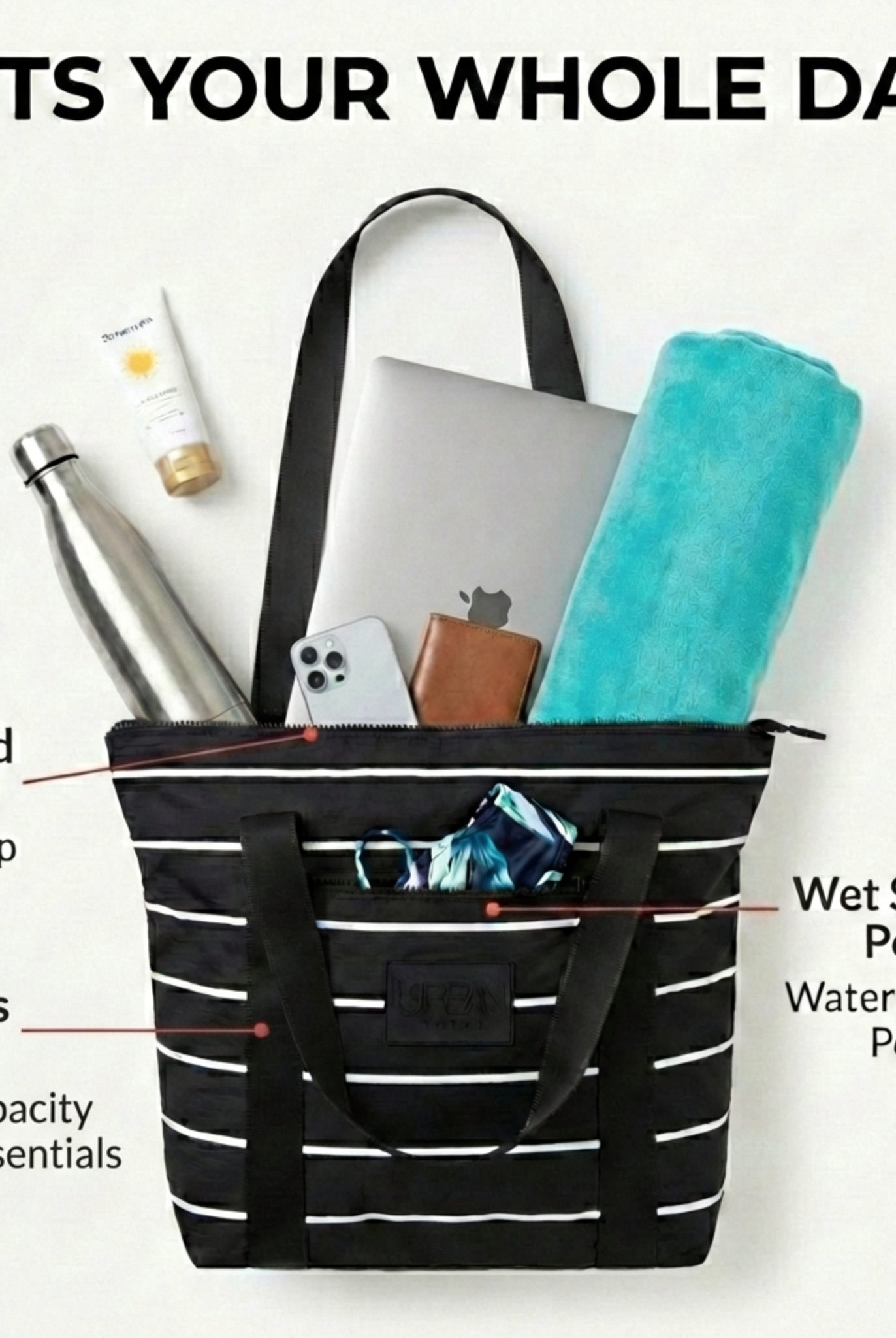
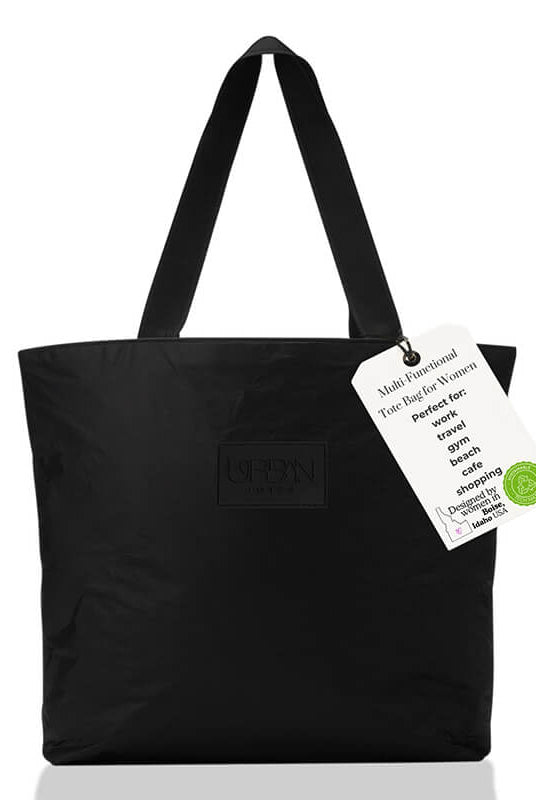
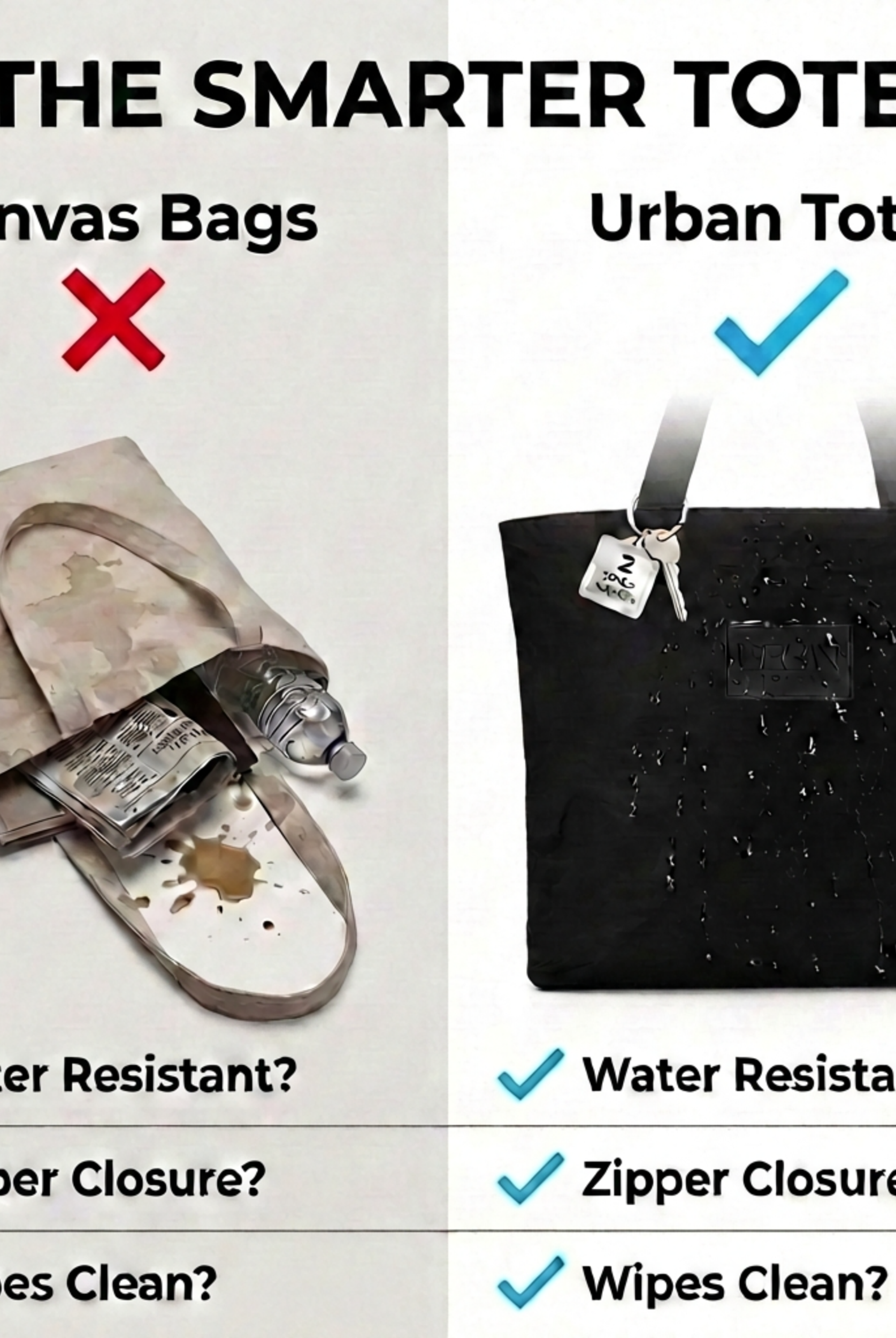
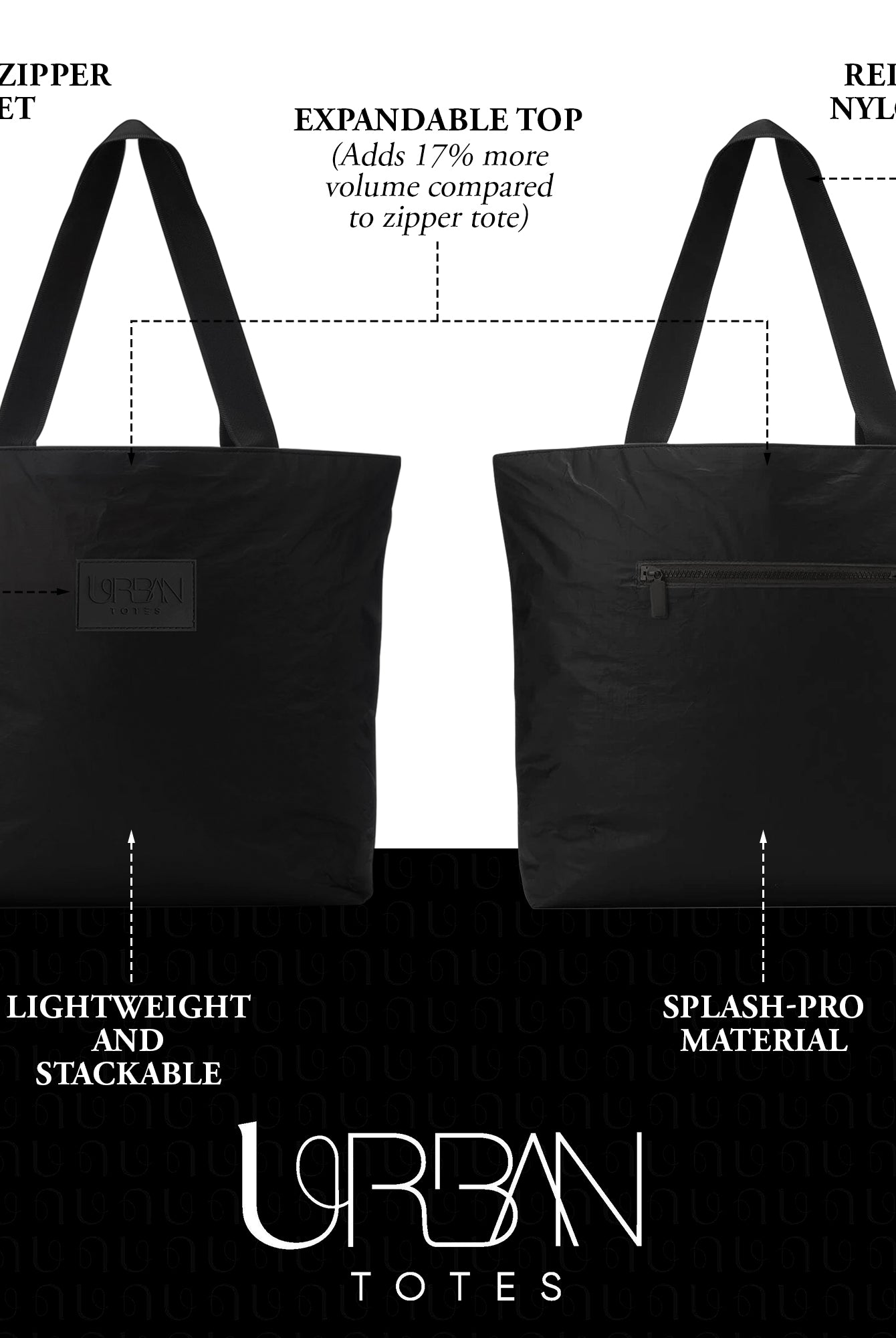
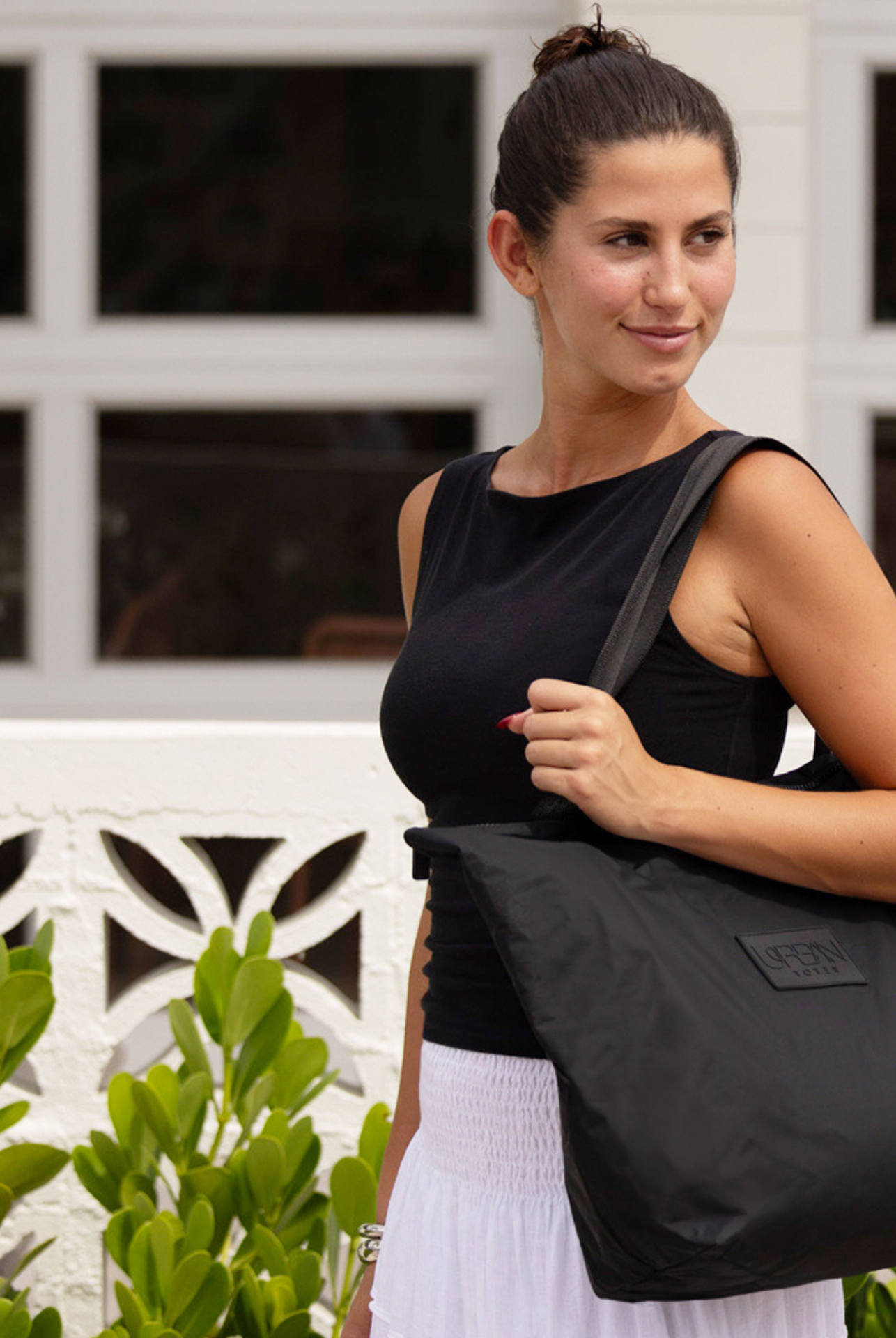
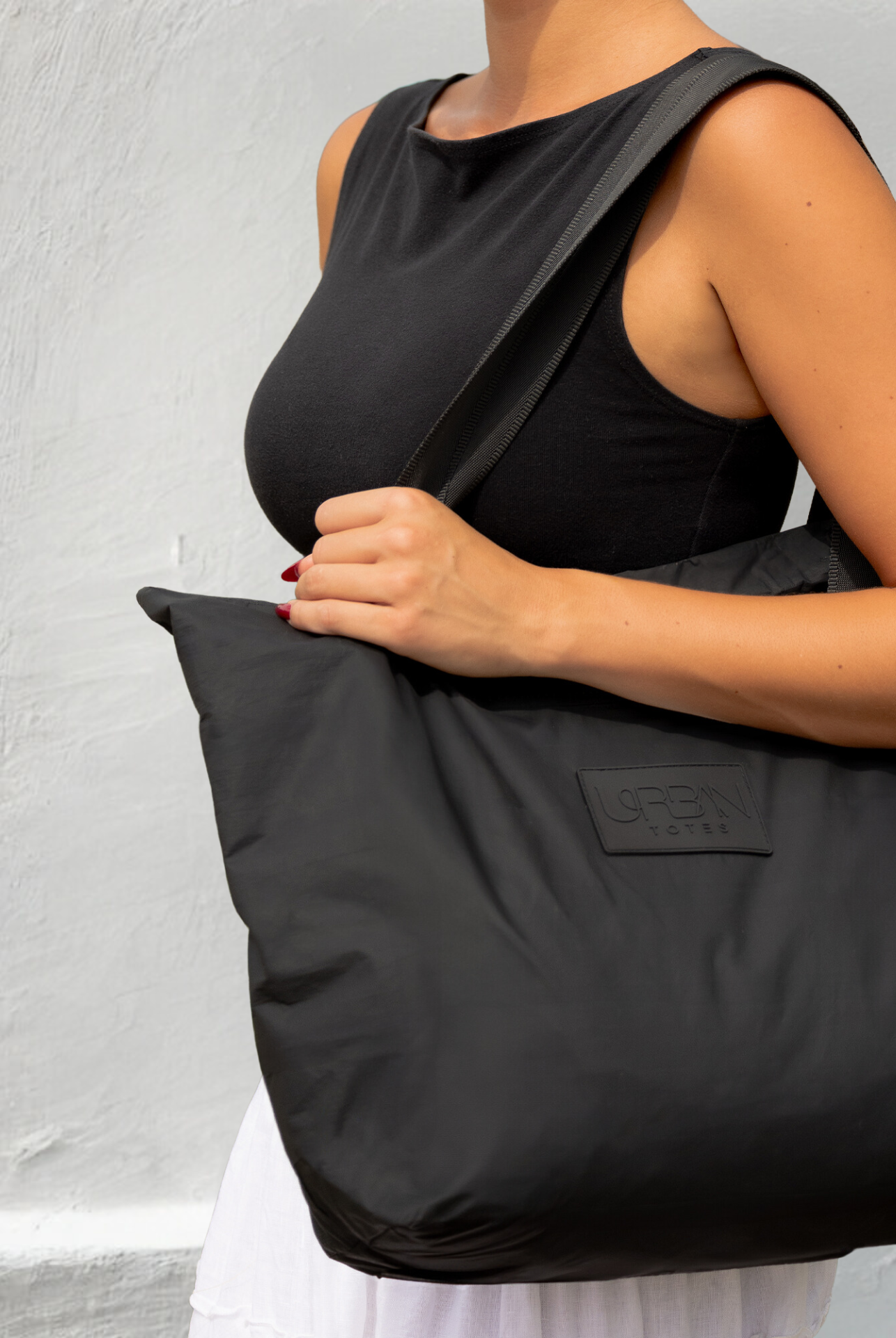
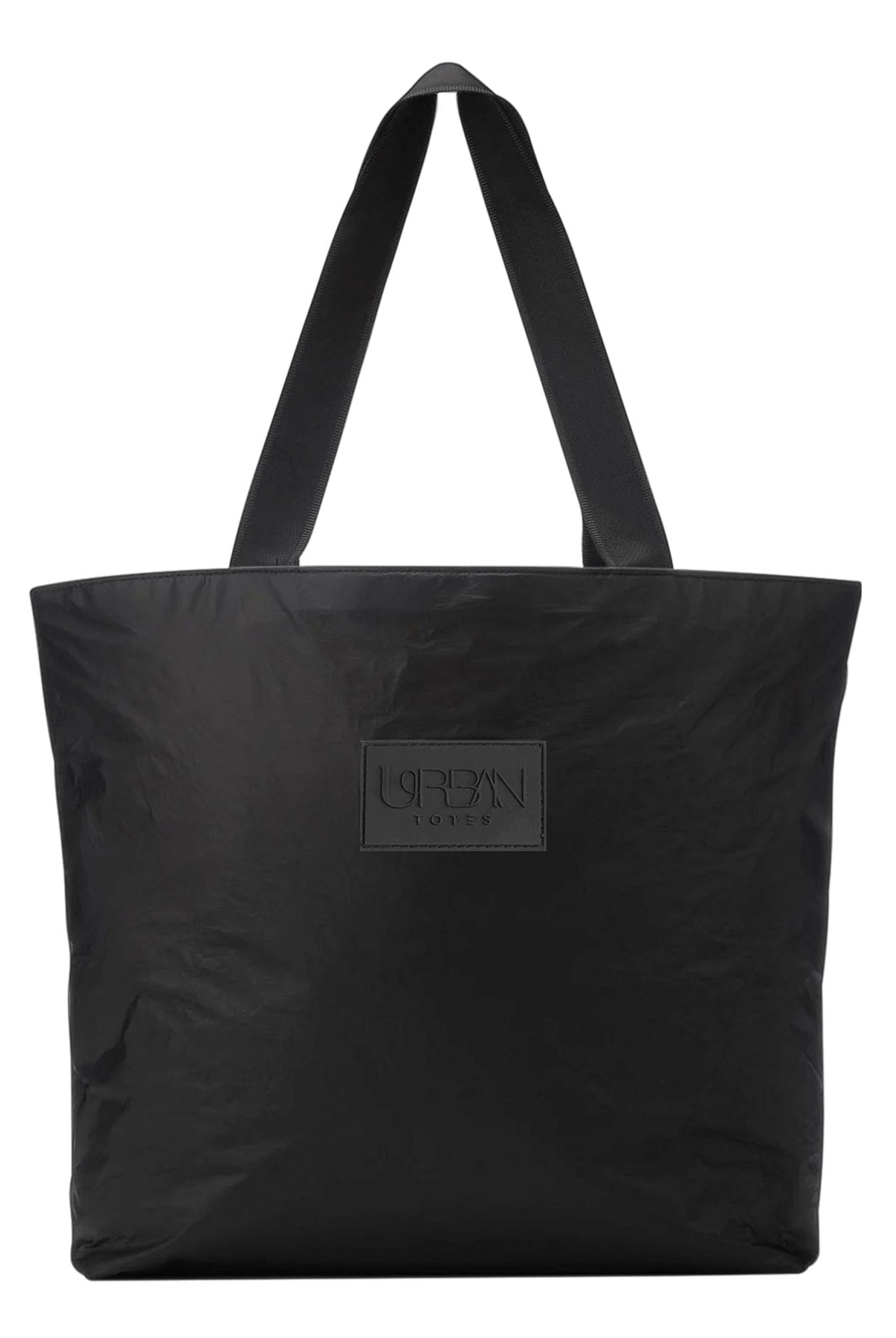
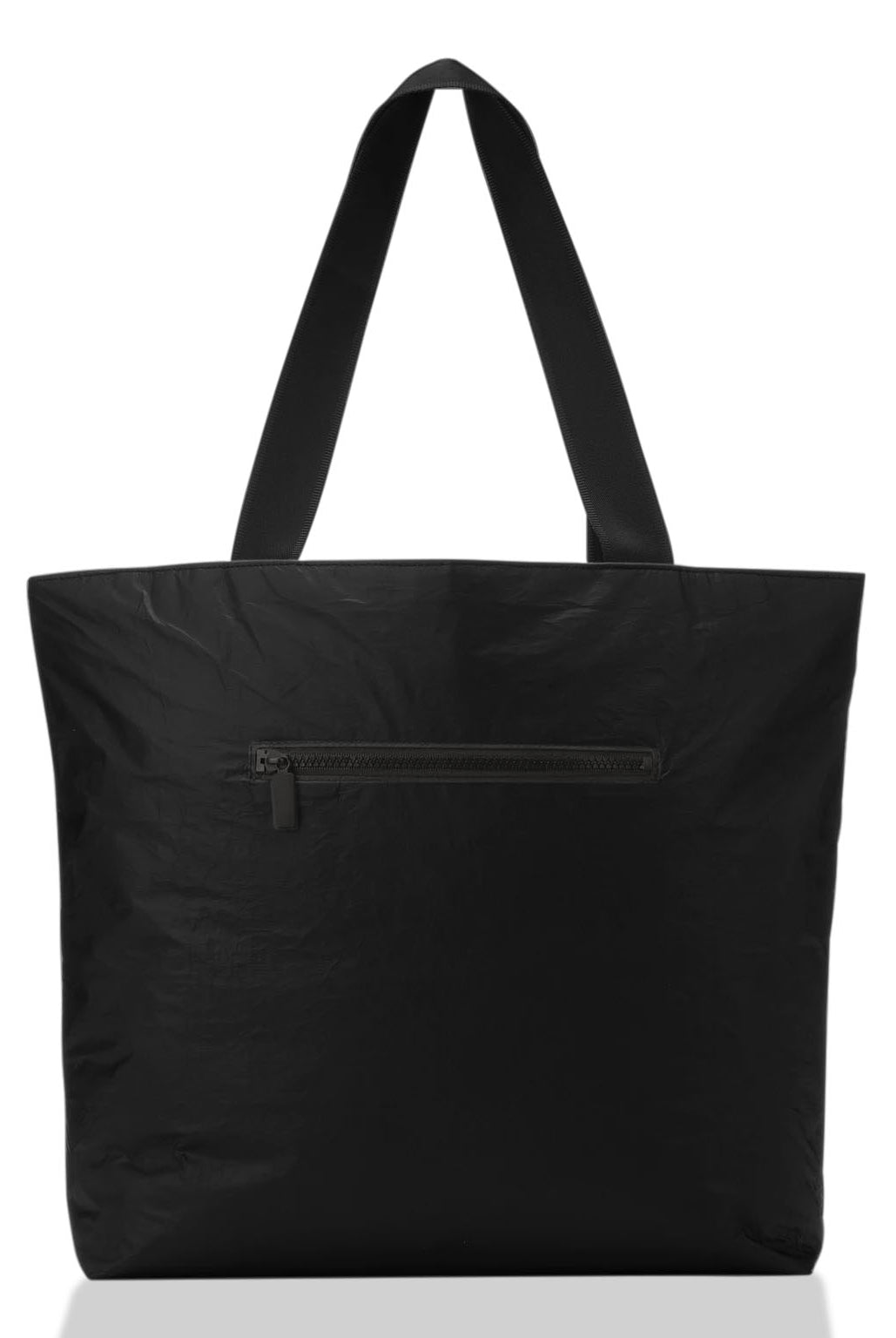
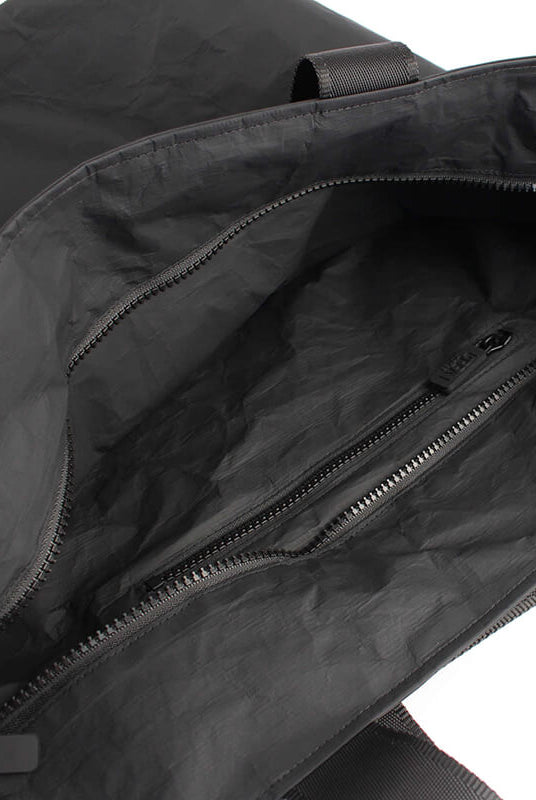
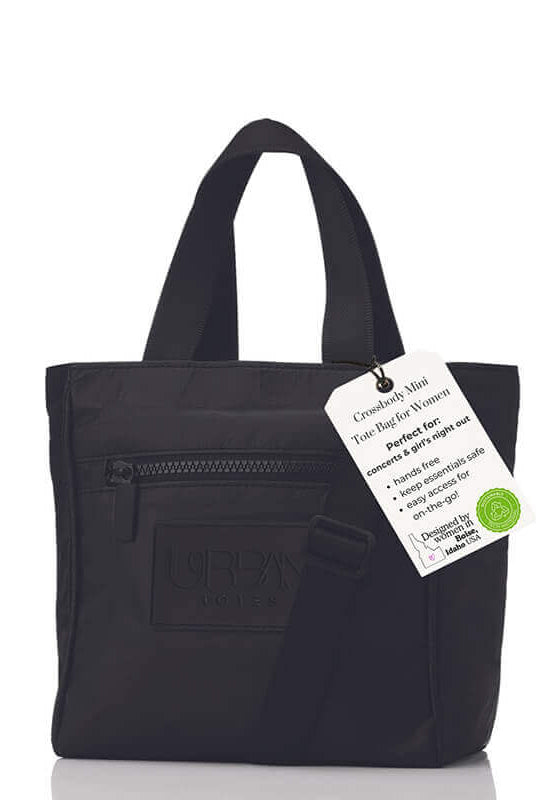
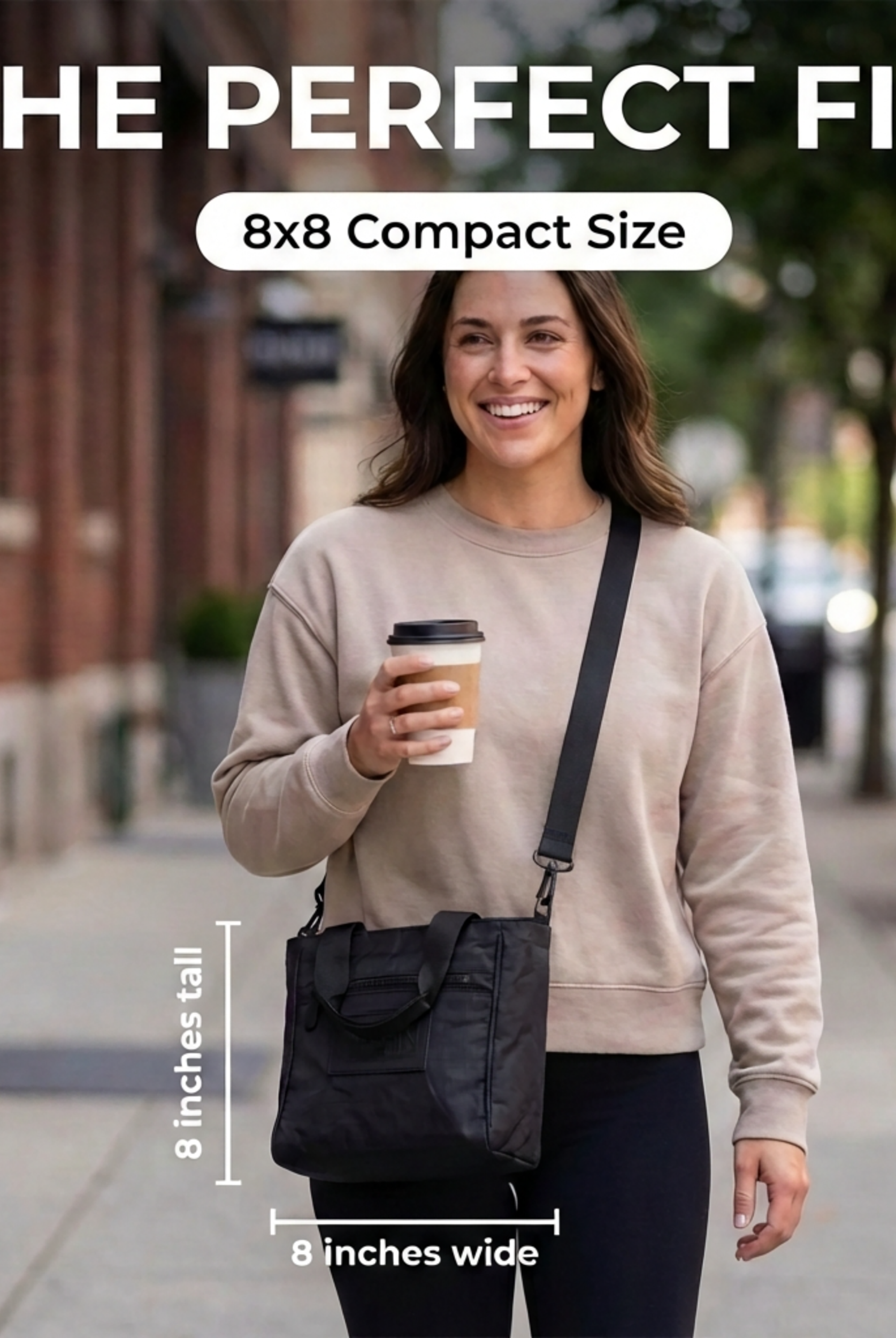
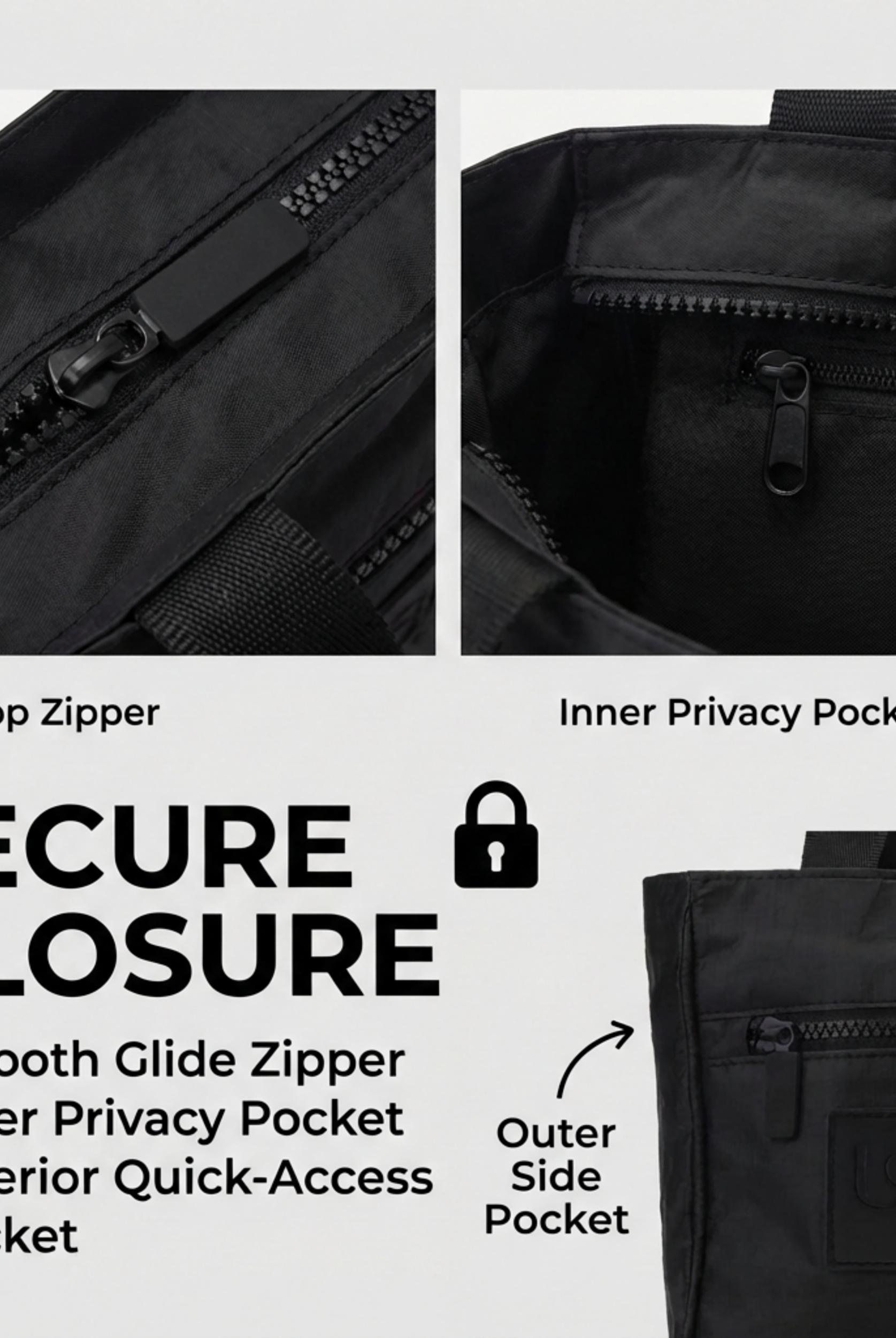
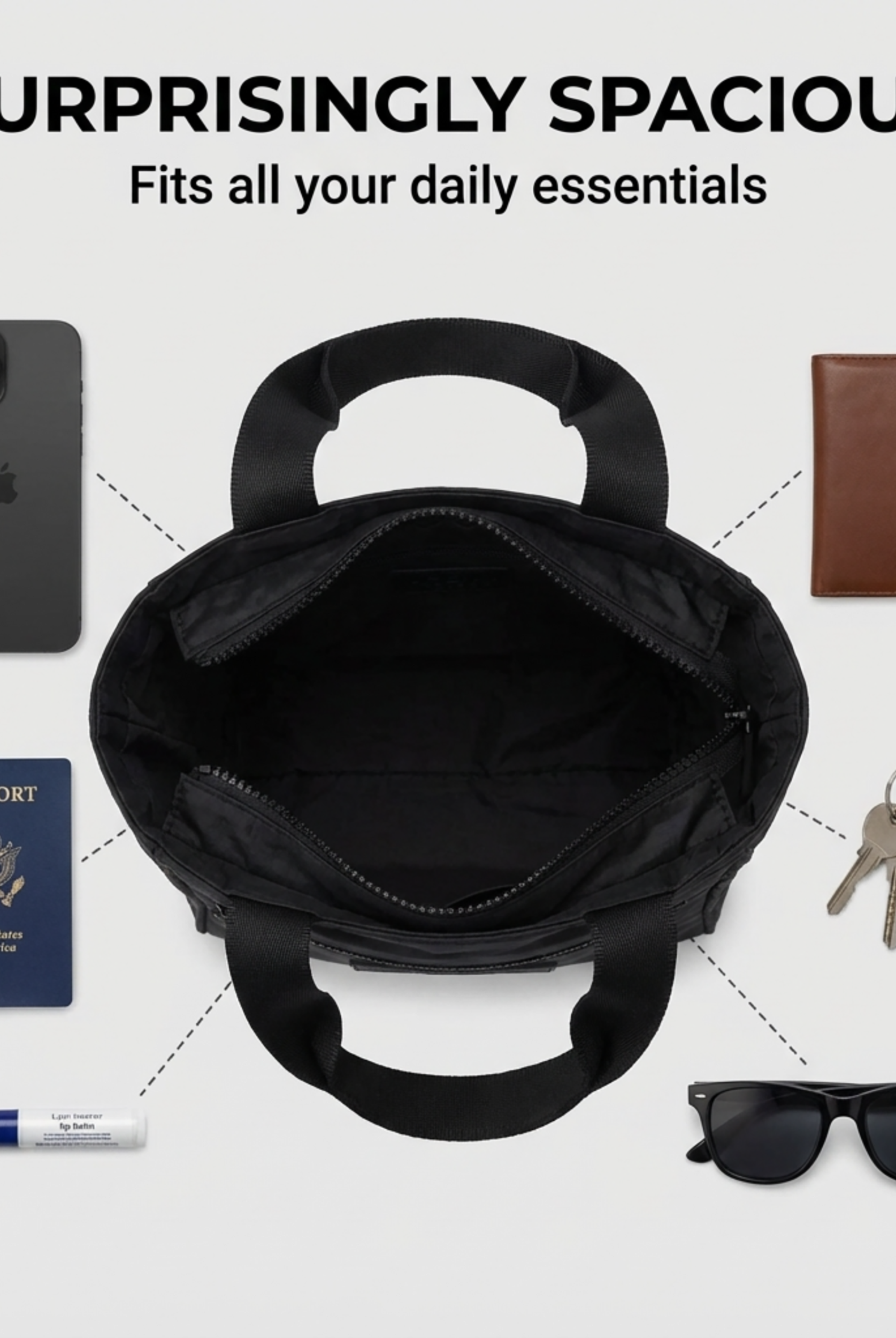
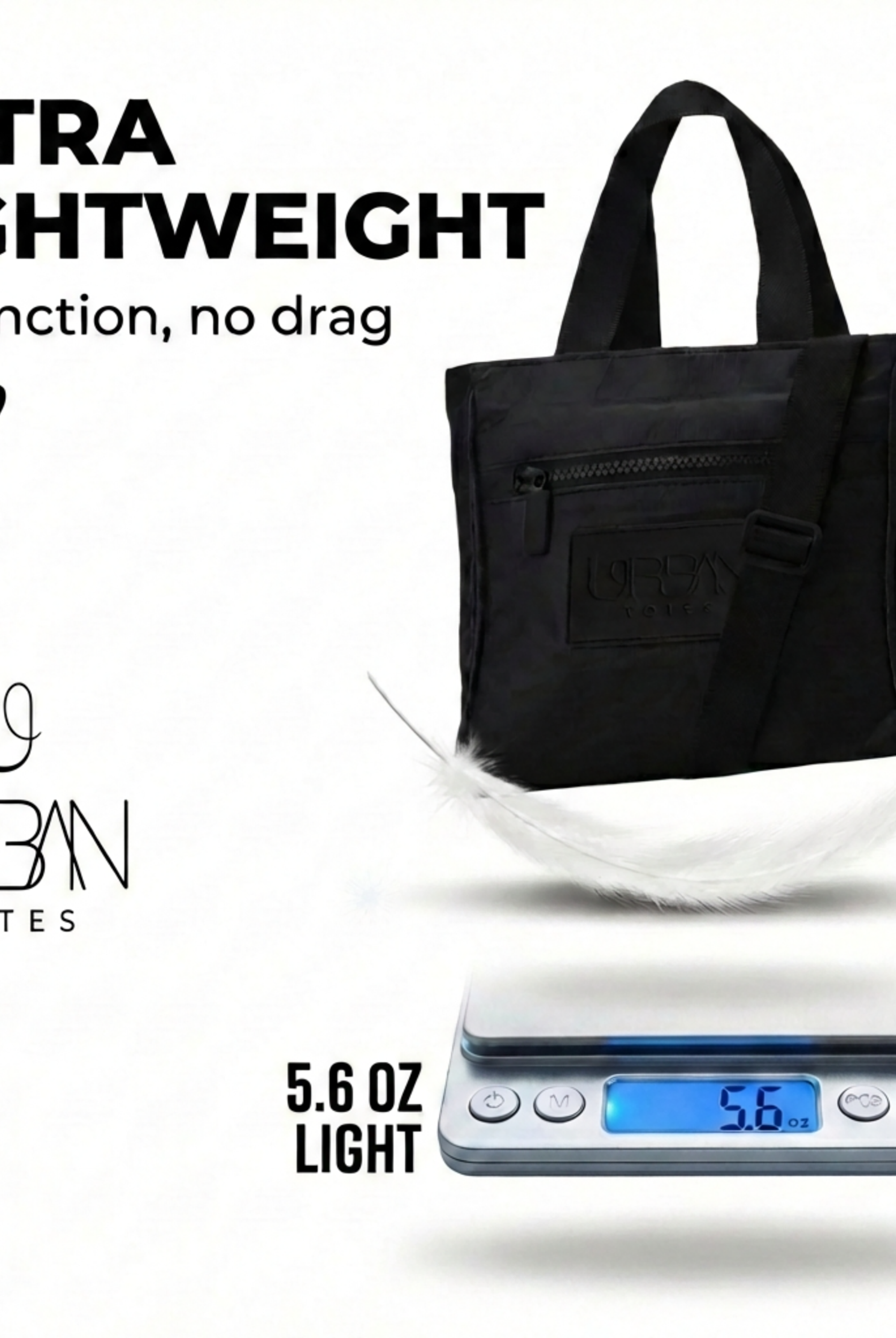
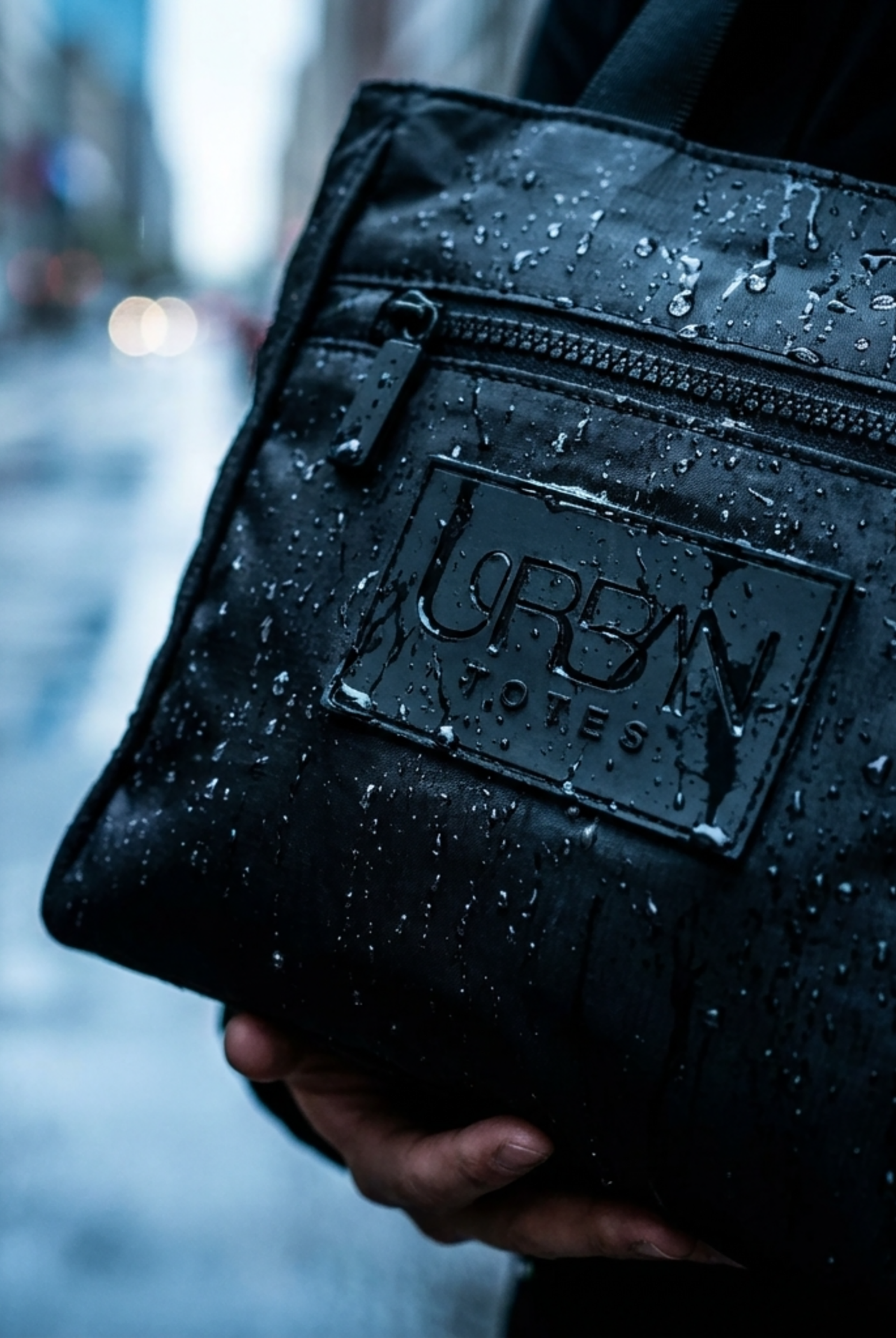
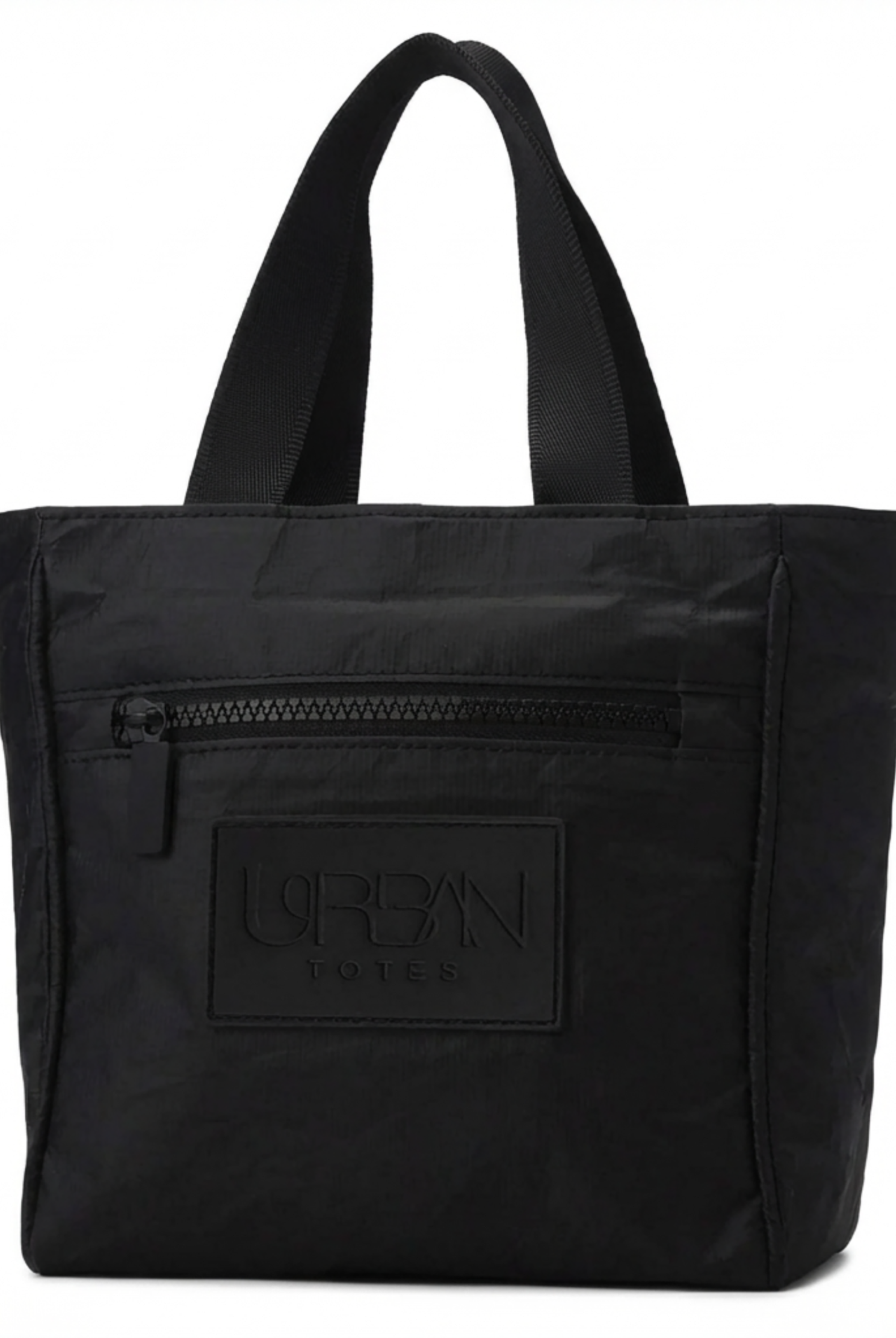
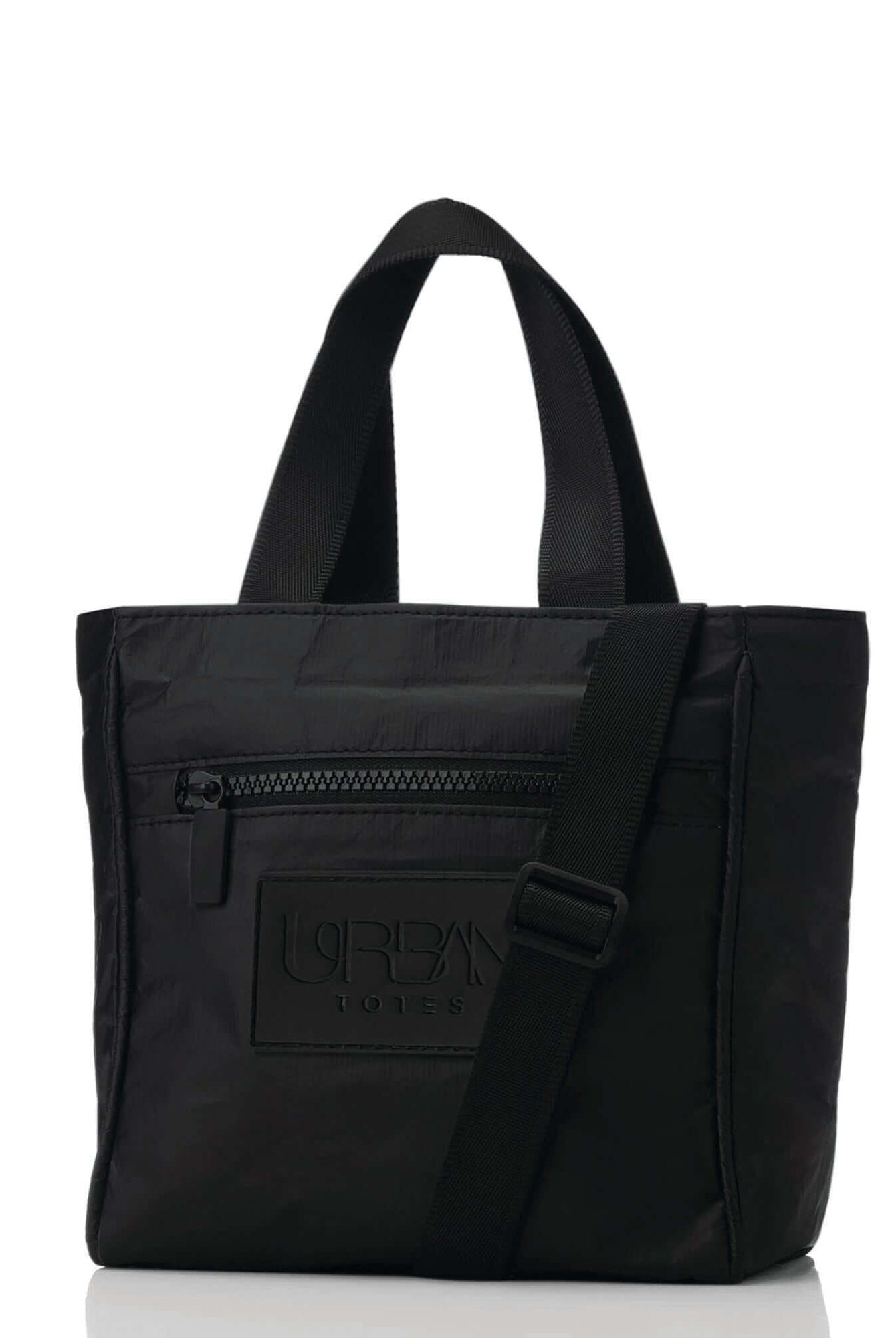
For more laptop-specific considerations, this guide to a work bag with a laptop compartment is a useful companion. The Go Anywhere Day Trip Tote Bag by Urban Totes fits the organization brief with three large zippered compartments and specific pockets for an iPhone and keys. Its listed design is lightweight, water-resistant, easy to clean, packable, and foldable, with zipper closures and silky straps.
Materials and Build Quality Worth Your Money
Material changes the daily personality of a tote. Leather can look polished and age with character, but it may feel heavy before you add a laptop. Coated canvas handles light moisture well and offers structure, though creases and surface scuffs can become part of its look. Ballistic nylon is a practical choice for abrasion resistance and travel, while cotton canvas feels familiar and sturdy but can absorb moisture and show grime.
Recycled polyester and high-density nylon deserve attention for work totes because material guidance identifies them as useful combinations of water resistance, abrasion resistance, and shape retention. Recycled polyester is described as retaining strength comparable to virgin polyester, resisting mildew and abrasion, and drying quickly in this recycled polyester bag guide. Dense recycled nylon constructions are described as elastic, tear-resistant, and better suited to wind and water resistance.
Compare the tradeoffs before you compare colors
| Material | Durability | Empty Weight | Water Resistance | Care Level |
|---|---|---|---|---|
| Full-grain leather | Strong with distinctive aging | Often heavier | Limited unless treated | Regular conditioning |
| Coated canvas | Structured and abrasion-resistant | Medium | Good for light moisture | Wipe and spot-clean |
| Ballistic nylon | Tough and travel-oriented | Light to medium | Good in dense or coated builds | Low maintenance |
| Recycled polyester | Lightweight and durable for everyday use | Light | Often water-resistant | Wipe or follow label |
| Cotton canvas | Sturdy, casual, and easy to understand | Medium | Limited without treatment | More frequent spot-cleaning |
Don't confuse water-resistant with waterproof. Fabric can help with light rain and spills, but secure zipper closures and protected seams matter more when a laptop is inside. A tote bag material guide can help you compare construction choices, but inspect the actual stress points yourself.
Look closely at stitch density, reinforced strap anchors, finished edges, lining, zippers, feet, and D-rings. Thin webbing, single-stitched seams, and glued-only bottoms are common failure points. A tote that feels weightless and costs less than a week's lunches may be fine for occasional use, but I wouldn't expect it to survive sustained daily work without showing stress.
Why a Smaller Tote Often Beats a Bigger One
Oversized totes encourage optimistic packing. You start with a laptop, lunch, and notebook, then add a cardigan, spare shoes, a water bottle, receipts, and yesterday's mail because the space is available. By the time you reach the office, the bag has become a soft-sided storage bin hanging from one shoulder.
A smaller structured tote creates a useful boundary. A 14-inch laptop, packed lunch, and notebook can sit upright in a 12-liter structured tote, while the same items may disappear inside a 25-liter bag. Those capacity examples illustrate the difference in behavior, not a promise that every bag with those measurements will carry the same way.
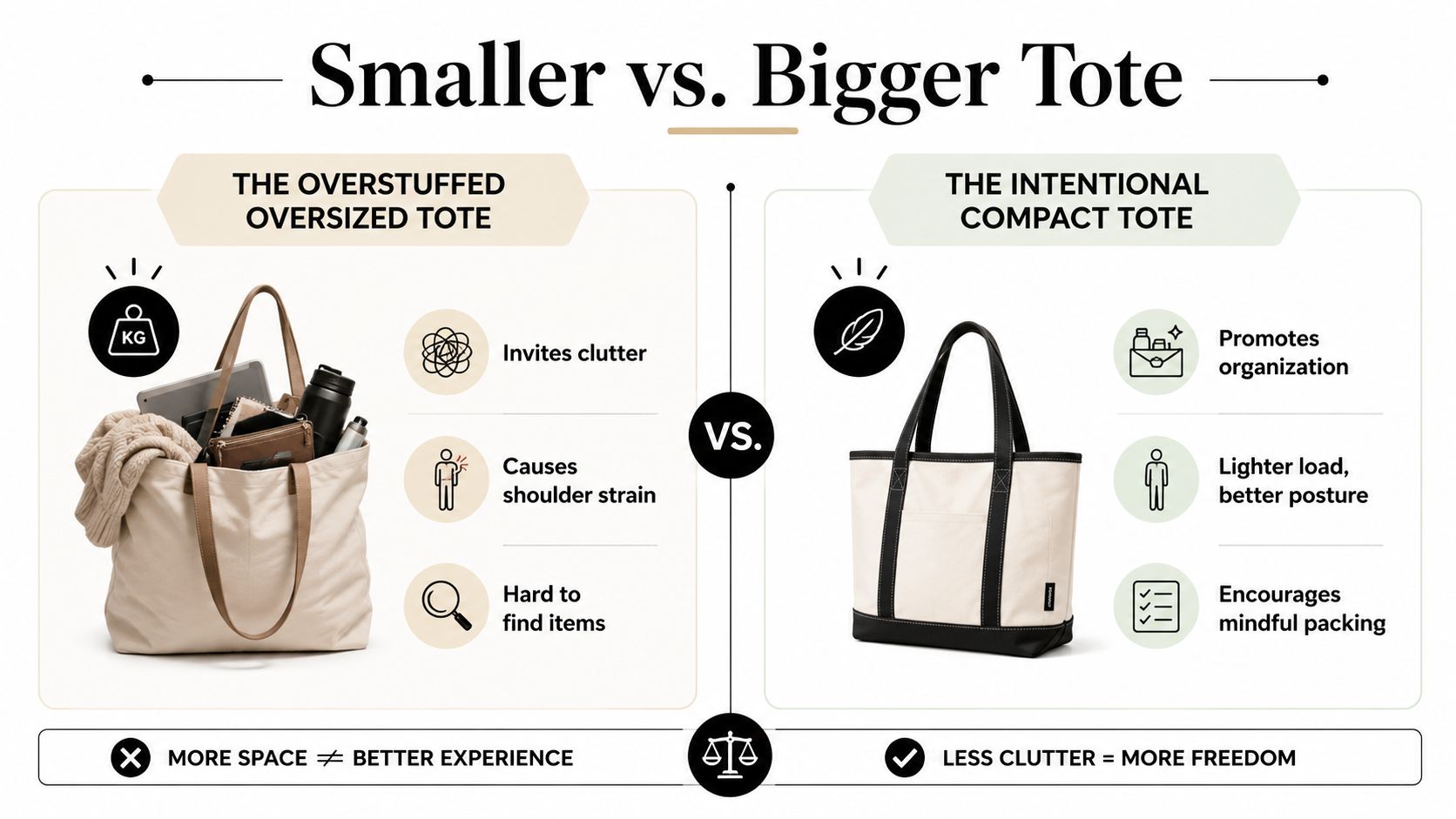
The carry method matters. Ergonomic guidance for shoulder bags recommends keeping carried weight at or below 10 to 15 percent of body weight, because spinal stress rises noticeably around 15 percent, and one-shoulder carrying creates more spinal pressure than symmetric backpack carrying, as explained in this shoulder-bag load methodology. Biomechanical research also describes greater muscle force and spinal stress with unbalanced shoulder-bag and handbag carrying, while backpacks create the least lumbar and paraspinal burden in the cited comparison of bag-carrying styles.
Use the bag's shape as a control
A moderate strap drop keeps the tote close without crowding your arm. A stable base stops a laptop from leaning into a water bottle, and balanced packing prevents dense items from collecting on one side. For commuters walking more than a few blocks, a backpack or structured crossbody may be the better choice once the tote starts changing your posture.
Load test: Weigh the fully packed tote, walk with real work items, climb stairs, and watch for shoulder elevation, trunk lean, or discomfort after several minutes.
Don't size up until you know your actual daily load. The right tote should disappear into your routine, not dominate your shoulder.
Packing Checklists for Work, Family, and the Gym
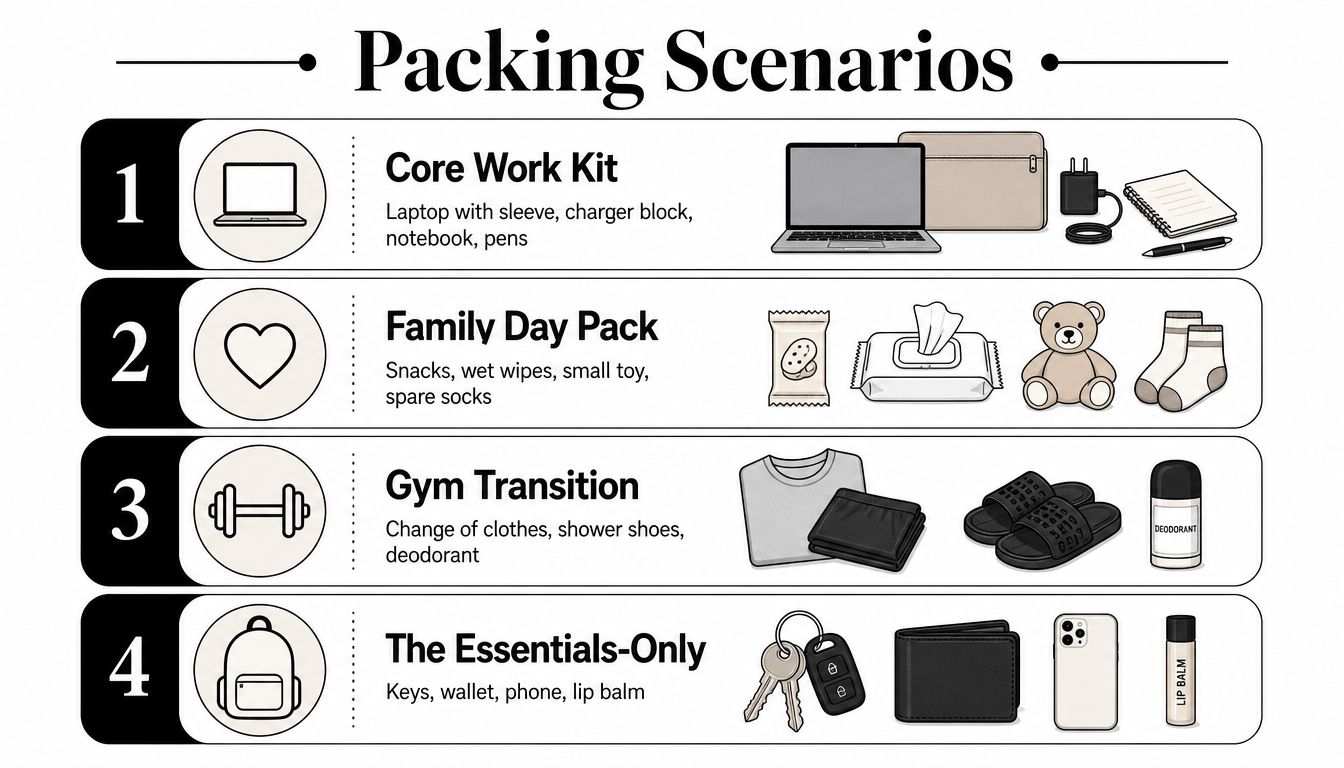
The best packing system is repeatable. I use a base layer for dense items, interior pockets for frequent reach-ins, and one outer pocket for keys, phone, and transit card. That arrangement keeps the tote stable and prevents the familiar sidewalk excavation when you're already late.
Keep the core work kit compact
- Work hardware: Laptop with sleeve, charger block, and two cables.
- Desk basics: Notebook and pen.
- Daily fuel: Water bottle and snacks.
For a more detailed approach to how to organize office supplies, separate items by how often you reach for them. Cables belong together in a slim pouch, not loose beneath your lunch.
Add family items without surrendering the whole bag
- Care supplies: Wipes pack and hand sanitizer.
- Clothing backup: A change of clothes.
- Distraction: Small toy.
- Food: Labeled snack container.
Keep the snack container upright near an open-top section and place spare clothing in a soft pouch. That way, a caregiver can reach the essentials without removing the laptop or unpacking the work kit.
Make the gym layer removable
- Folded shoes in a thin pouch
- Two workout tops
- Shorts
- Resistance bands
- Dry shampoo
Packable organization helps. If the gym gear doesn't come home with you, remove the pouch before the next workday rather than letting it become permanent bag weight.
Build a travel-ready stack
- Passport
- Compact toiletry pouch
- Headphones
- Eye mask
- Foldable tote for overflow
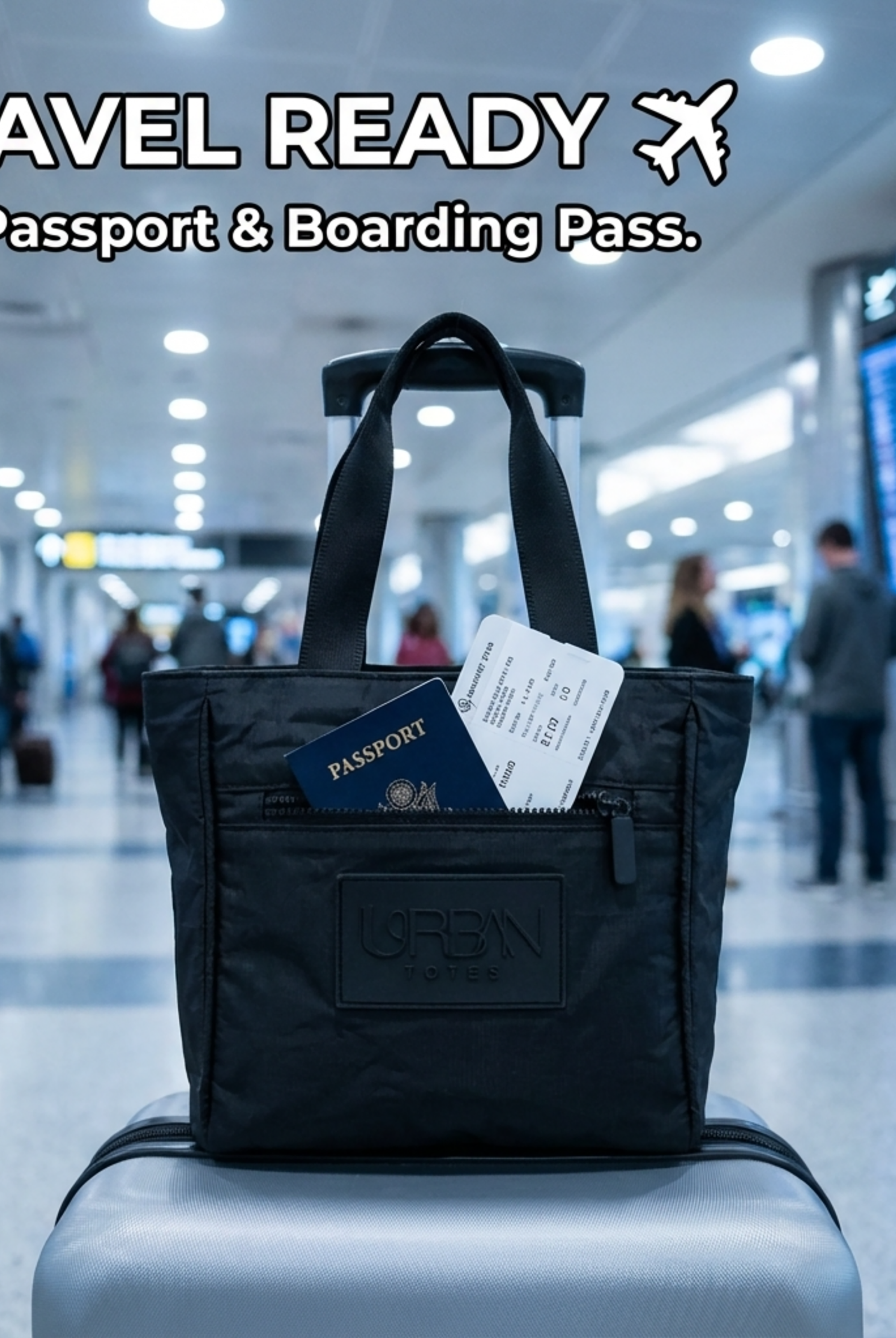
The travel section on bag essentials for travel is helpful when you're refining this setup. For airport movement, keep the passport and headphones in a secure inner pocket, with the foldable tote near the top.
Photograph your ideal layout once. Save the image on your phone and use it as a packing template after laundry day, school pickup, or a rushed hotel departure. A good system should survive a busy morning, not depend on perfect memory.
Styling and Security Across Different Settings
A work tote should look intentional at the office and behave sensibly everywhere else. That doesn't mean choosing a bland bag. It means matching the shell, closure, and pocket design to the setting instead of asking one dramatic tote to solve every problem.
For the office, clean lines and a structured silhouette usually read more polished than a soft, collapsing shape. Neutral leather or coated canvas can transition from a meeting to an evening reservation without looking like gym luggage. Match the hardware finish to the watch or belt you wear most often, and the whole outfit will feel coordinated without extra effort.
School pickup has different requirements. Darker fabrics hide sticky fingerprints better than pale finishes, reinforced strap stitching matters when a child grabs the handle, and a zip-top closure keeps contents from spilling during a kneeling hug. You don't need a separate “mom bag” if the work tote can handle these practical moments without looking overly specialized.
Travel needs more than a pretty exterior
For commuting and travel, look for hidden zipper closures, slash-resistant body panels, RFID-blocking interior pockets for cards and passports, and a luggage pass-through strap that slides over roller handles. These features aren't universal, so treat them as a checklist rather than assuming a tote includes them.
If you need hands-free movement in crowded places, compare the carry logic with an anti-theft crossbody. A tote may be ideal for laptop access and volume, while a crossbody can make boarding, ticket checks, or a school run less awkward.
Style rule: Choose a tote that looks at home in your most formal setting, then use inserts to adapt the interior for errands, travel, or family days.
Rotate bag inserts seasonally and clean the shell before storage. The result is a more organized interior and less wear concentrated in the same pockets.
Care, Travel Hacks, and Your Next Tote
A tote lasts longer when you treat maintenance as part of packing, not as a rescue mission after a spill. I do a quick weekly check: empty every pocket, remove crumbs, wipe the exterior with a suitable cloth, and inspect the base and strap anchors. For leather, follow the maker's care guidance and condition it on a regular schedule. For canvas, blot spills quickly and spot-clean rather than scrubbing the whole surface.
The detailed routine in this tote bag care guide is useful when you're unsure which cleaning method suits the material. Recycled polyester and technical fabrics are often convenient for everyday carry because guidance describes them as lightweight, durable, and water-resistant, but the care label still wins.
Pack for movement, not just capacity
Nest smaller pouches inside the tote so toiletries, cables, and family supplies stay contained. Keep a packable daypack available for moments when a shoulder tote becomes the wrong tool. A small carabiner can help keep zipper pulls together, but it shouldn't replace a proper secure closure.
Before placing the tote in an airline overhead bin, close every compartment, move fragile items into the padded sleeve, and keep the bag's most valuable contents away from the outer wall. A foldable tote is especially useful when the return journey creates overflow, but don't let extra space become an excuse to carry an unnecessary load.
Replace a work tote when straps fray, zippers repeatedly fail, odors persist after cleaning, or the silhouette stays stretched even when empty. Those signs affect usability, not just appearance.
Five habits that keep a tote working
- Audit weekly: Remove items that no longer belong in your everyday carry.
- Pack by access: Put dense items low, frequent items in inner pockets, and keys or transit cards in an outer pocket.
- Check the load: Weigh a full tote when your contents change, then switch carry methods if it alters your posture.
- Protect the shell: Clean spills promptly and follow material-specific care instructions.
- Rotate intelligently: Give a work tote, travel tote, or crossbody the job it suits instead of forcing one bag to handle every load.
Try the system on your next commute. If the bag stays organized, closes securely, and feels manageable after the walk, you've found a carry routine that can keep up with real life.
Urban Totes offers lightweight, water-resistant, packable, and foldable totes with zipper closures and thoughtful compartments for work, errands, beach days, gym transitions, and travel. Visit Urban Totes to choose a go-anywhere bag that helps you tote everything with more intention.