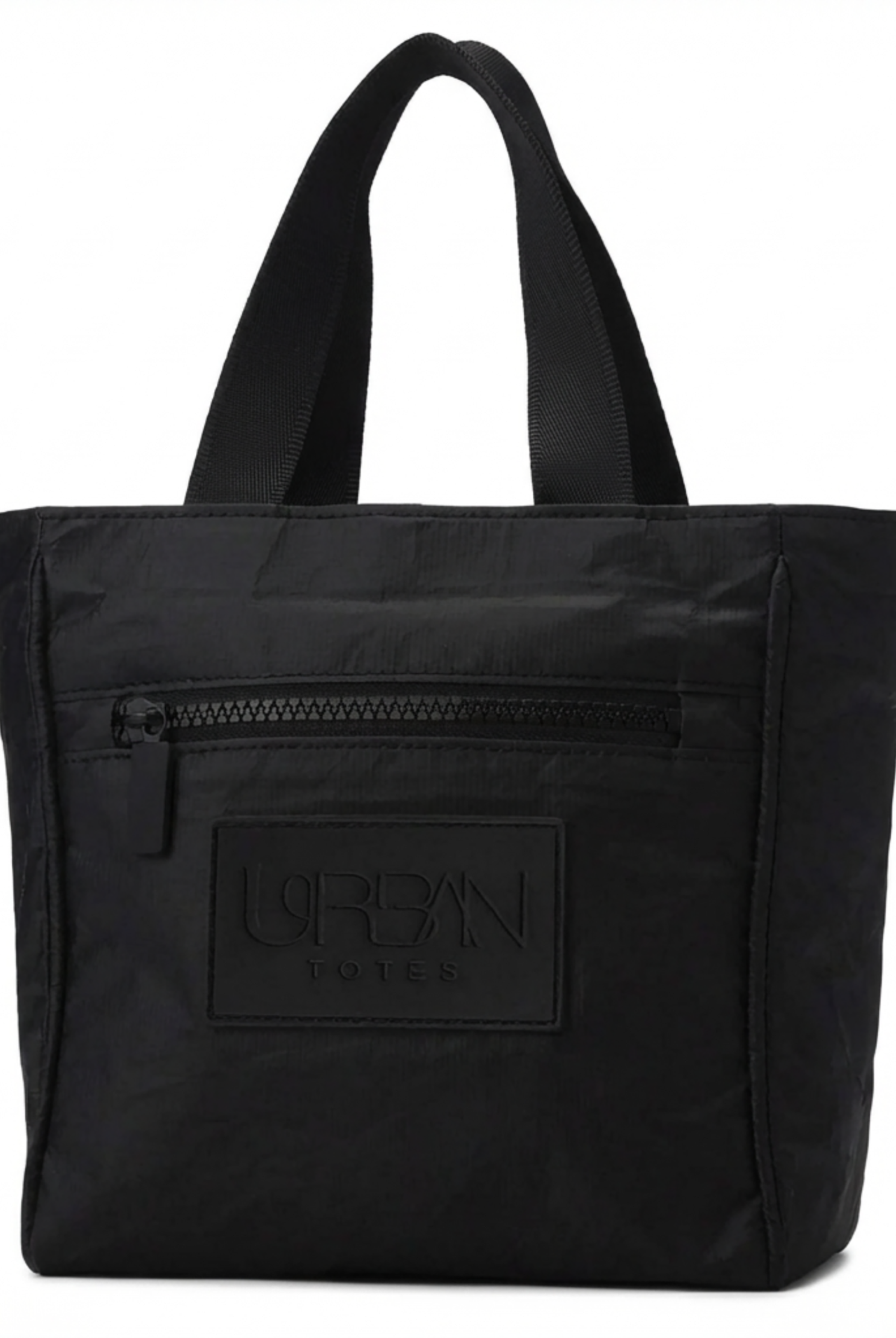
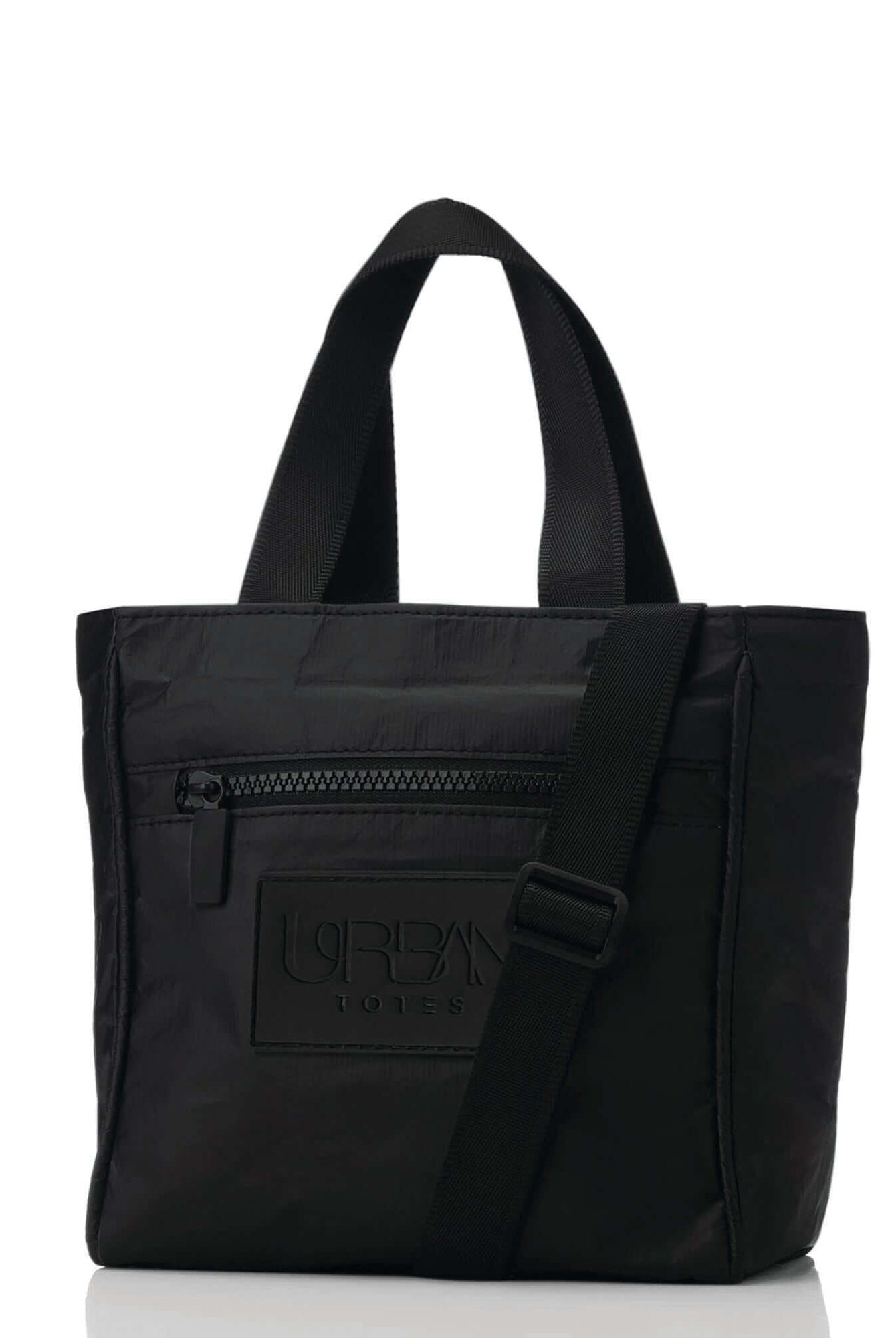
You're balancing a coffee, a laptop, and a phone that won't stop buzzing. Your keys have disappeared into the bottom of your tote, your charger is tangled around a lip balm, and the gym clothes you packed this morning are now pressed against an important document. The problem isn't that you carry too much. It's that your travel bag essentials don't have assigned places.
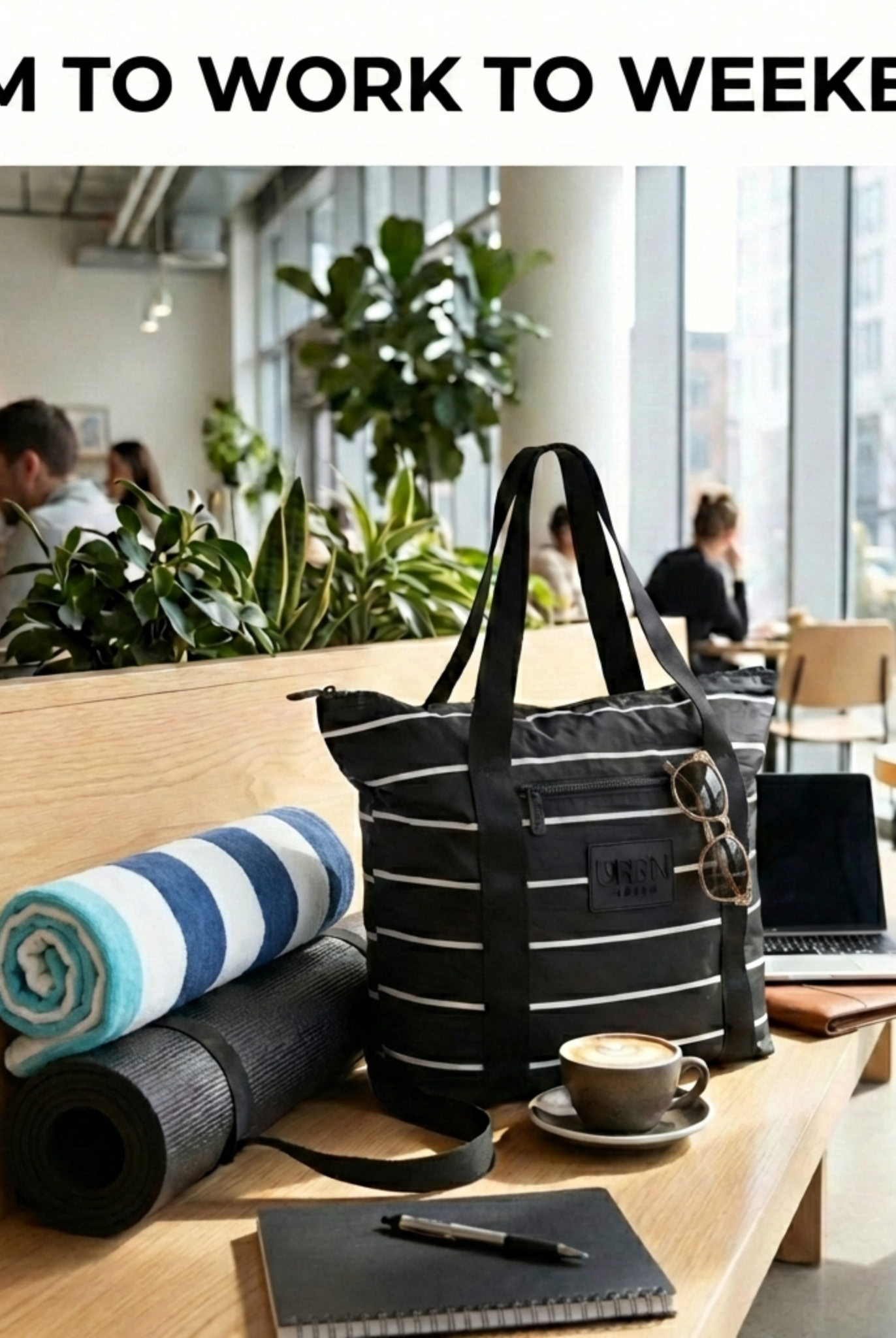
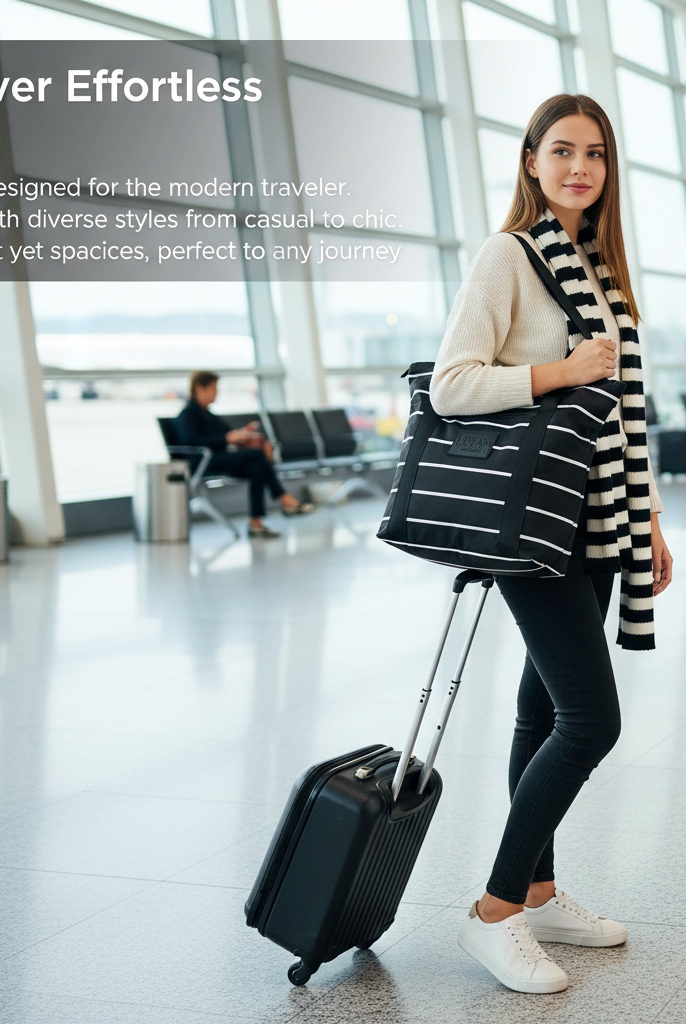
A better setup can move with you from school drop-off to the office, from a workout to errands, or from an airport terminal to a weekend rental. The right lightweight, water-resistant, multi-pocket bag becomes less like a container and more like a portable system. Urban Totes brings that practical, go-anywhere spirit to modern totes and crossbody styles, with the tagline “Go Anywhere. Tote Everything.”
Table of Contents
- Why Your Bag Setup Changes Everything
- How to Prioritize What Truly Belongs in Your Bag
- Packing Lists for Every Kind of Day
- Mastering Compartments and Packing Order
- Navigating Airport Security and Bag Care
- Quick Checklists and Your Next Steps
Why Your Bag Setup Changes Everything
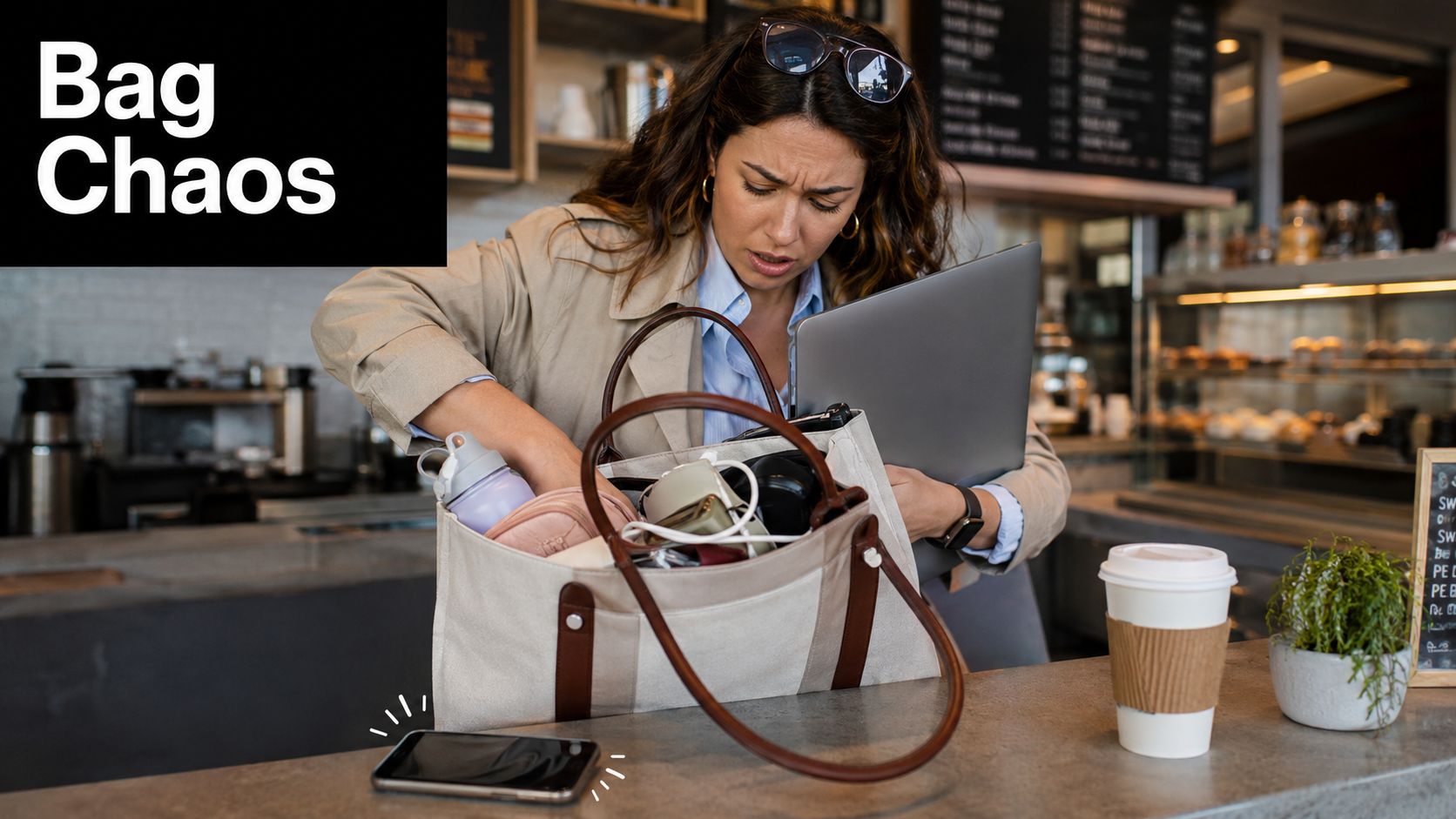
A disorganized bag turns small delays into a full-day nuisance. You're at a coffee shop counter with your laptop balanced on one arm, searching for your wallet while meeting reminders stack up on your phone. Your sunglasses get scratched beneath a water bottle, lotion finds its way onto your papers, and your keys vanish just when you need them in a dim parking garage.
That chaos has a practical cost. One travel-packing survey found that people forget an average of two essential items per trip, while toothbrushes or toothpaste were left behind by 22% of travelers and chargers by 19.1%. The same survey found that 72.9% of respondents make a packing list, and 77.1% said a list makes them less likely to forget something, according to travel-packing statistics from Radical Storage.
Treat compartments like a daily operating system
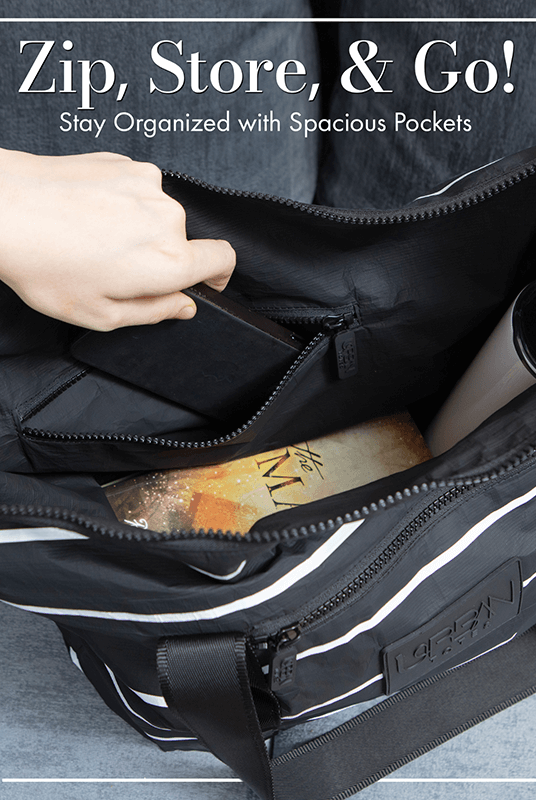
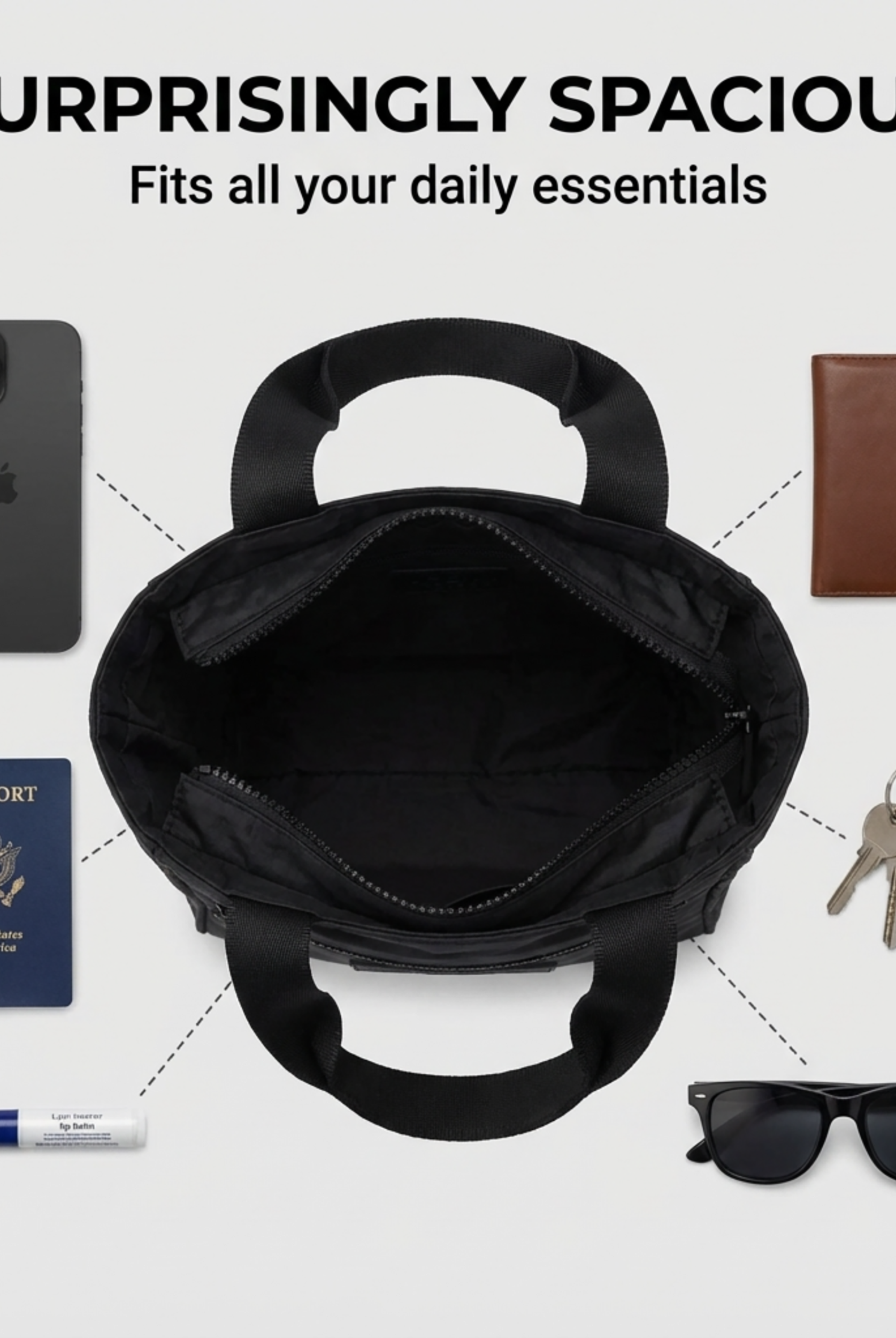
Your phone, wallet, keys, charger, and documents shouldn't float together in one deep cavity. Give each item a home based on how often you reach for it and how costly it is to lose. Exterior pockets should handle quick-grab items, while zipper compartments should protect valuables and private essentials.
That arrangement matters even more when your day changes shape. A daily commuter may need a laptop and transit card in the morning, gym clothes by late afternoon, and a small errand kit before heading home. A weekend traveler may need the same phone pocket and wallet pocket, plus a compact clothing pouch and a clear toiletry kit.
Practical rule: If you reach for an item repeatedly, it belongs in the easiest pocket to access.
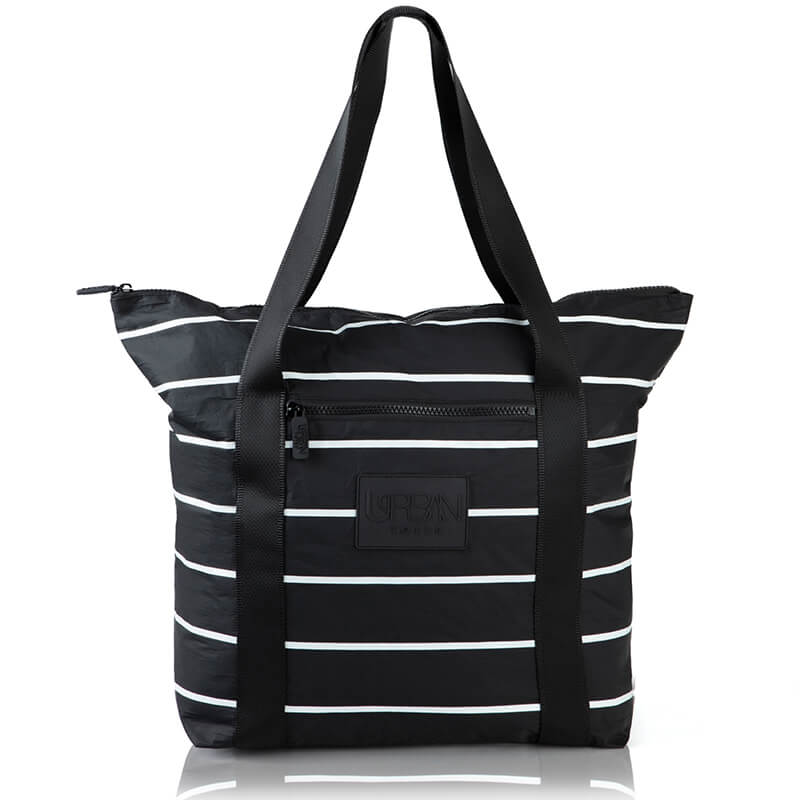
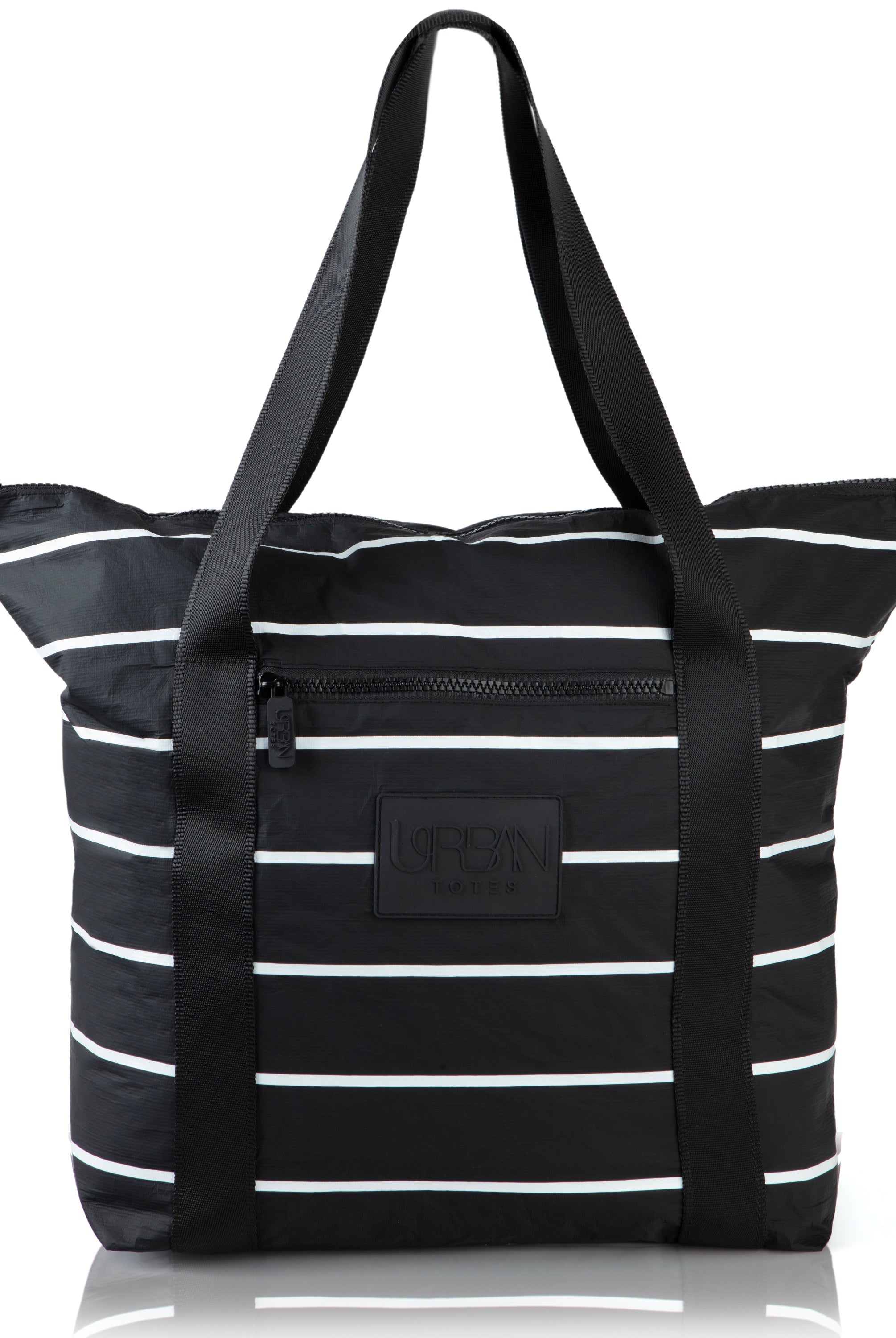
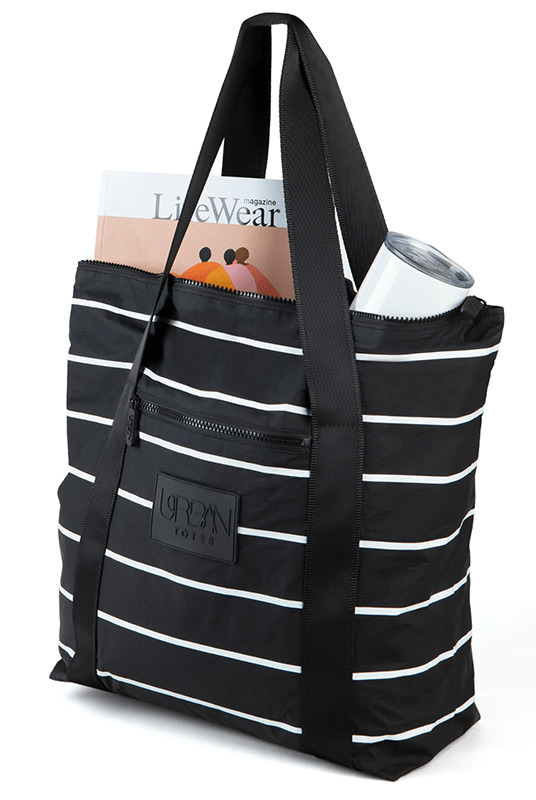
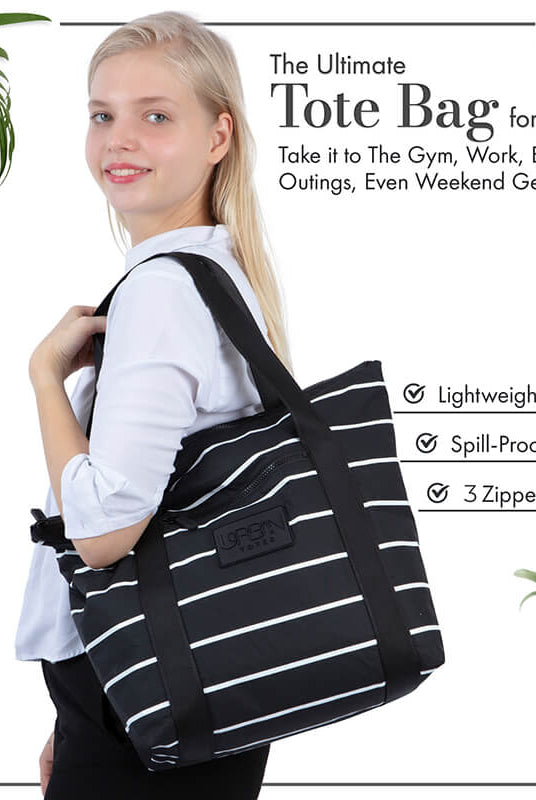
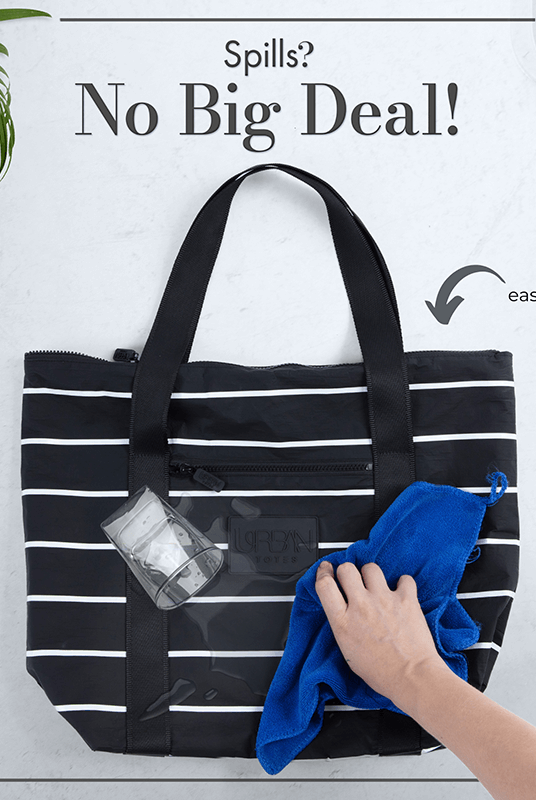
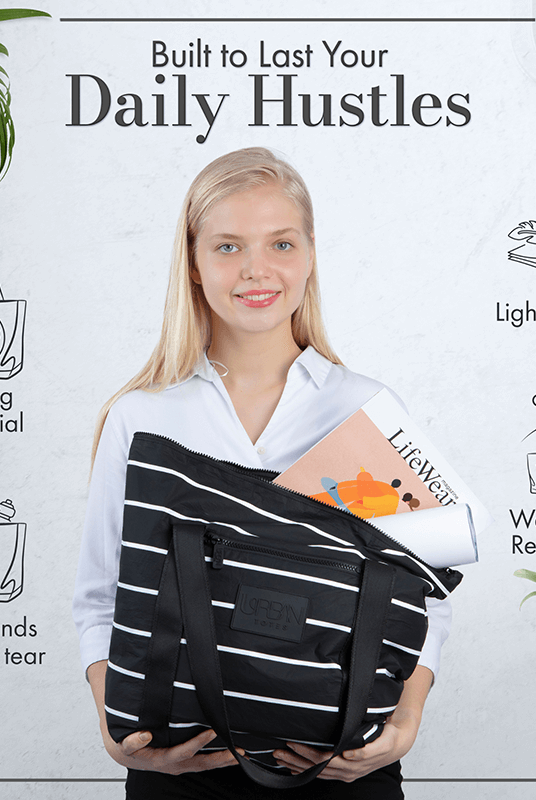
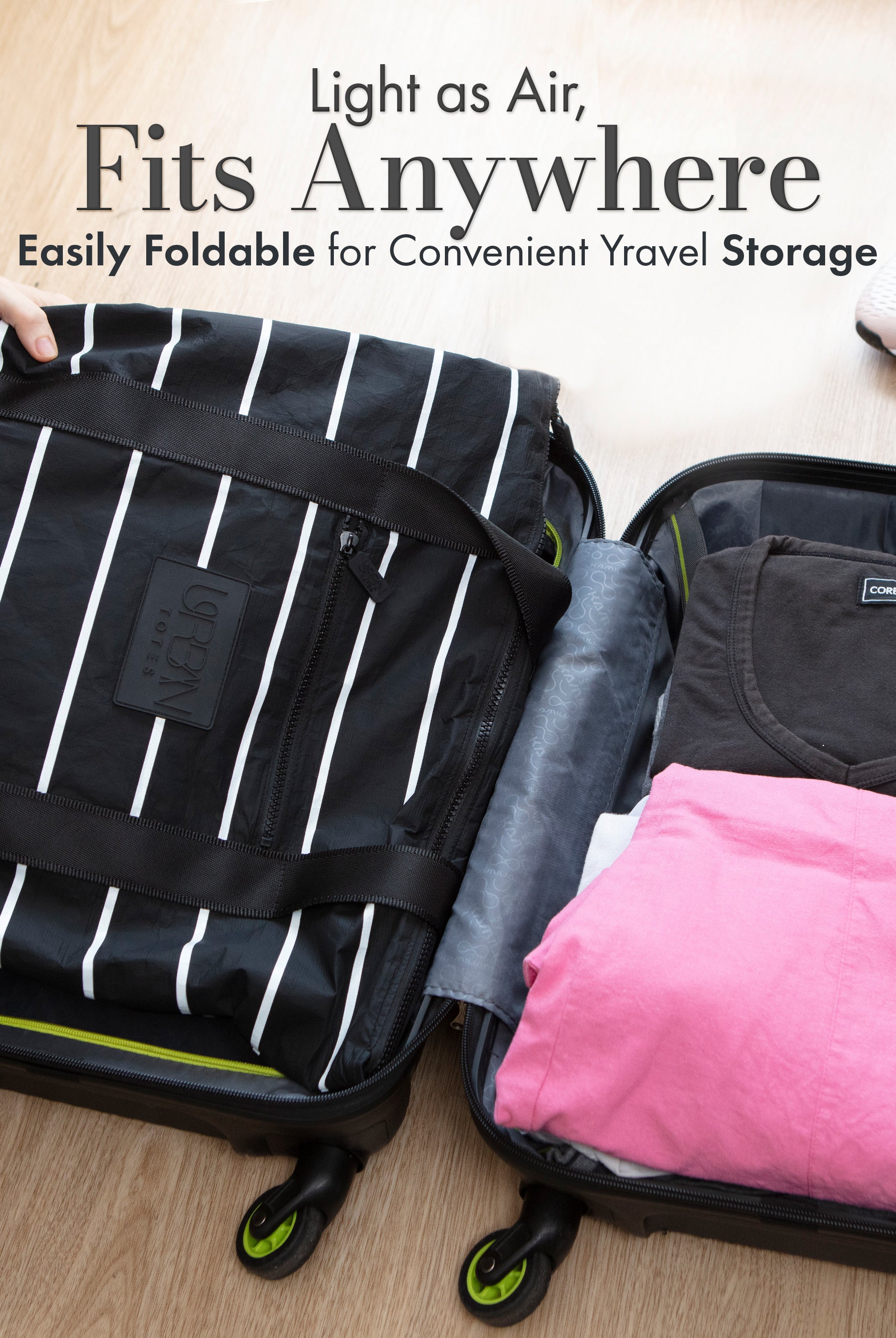
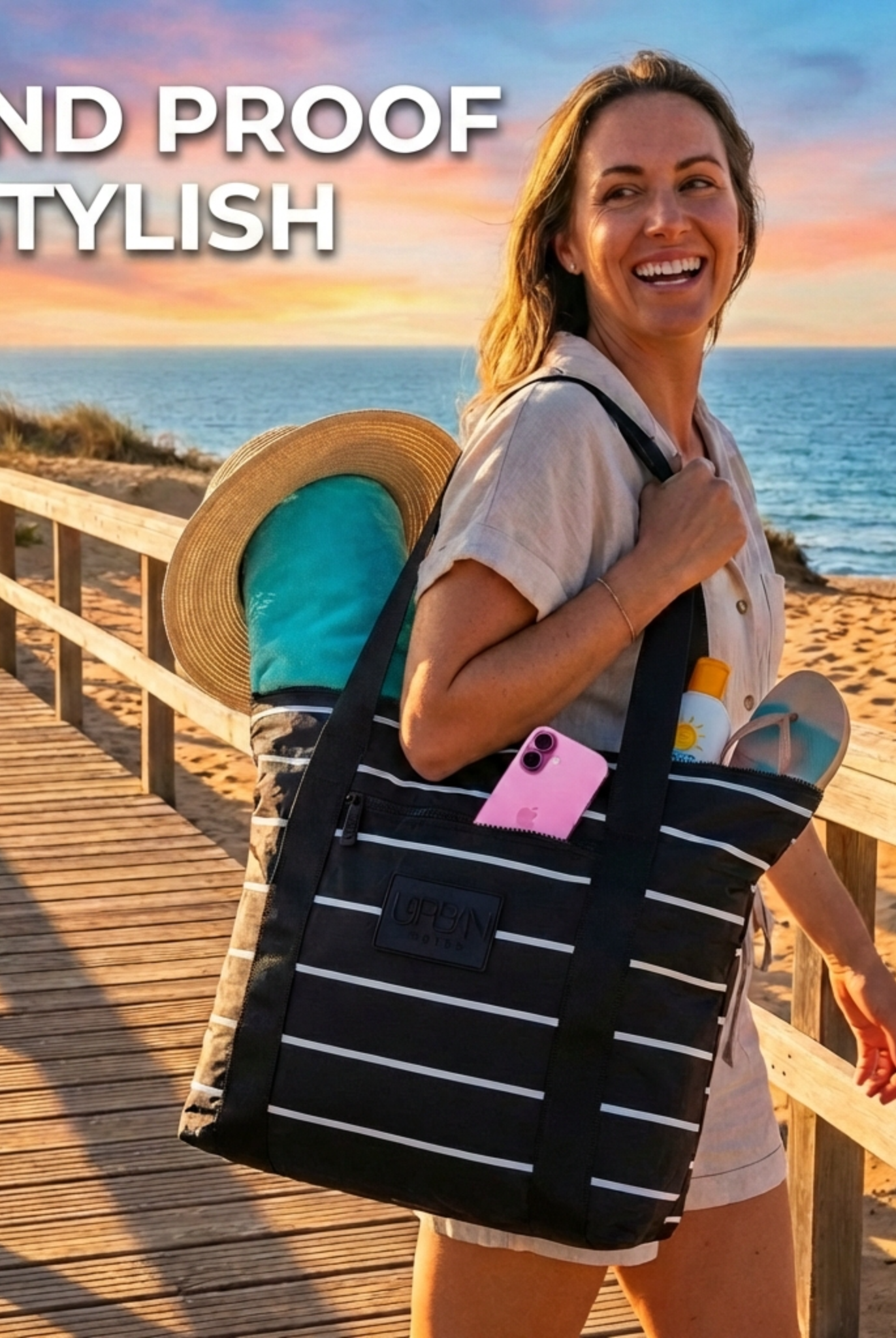
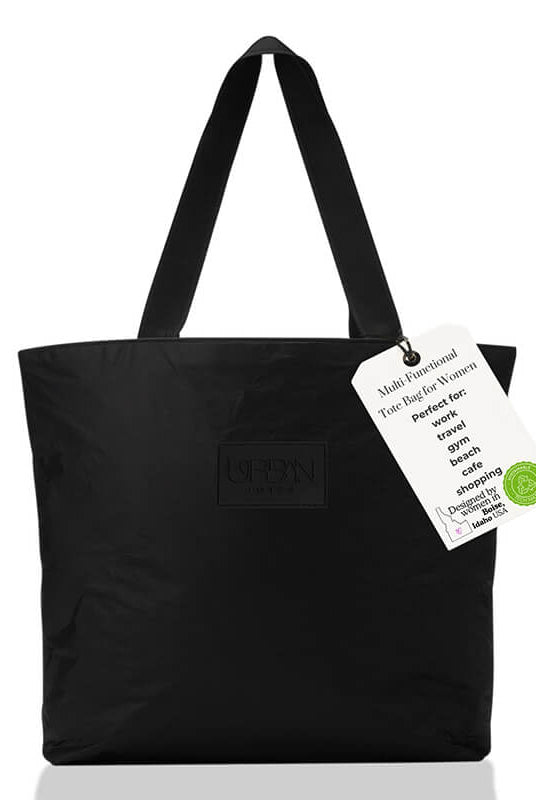
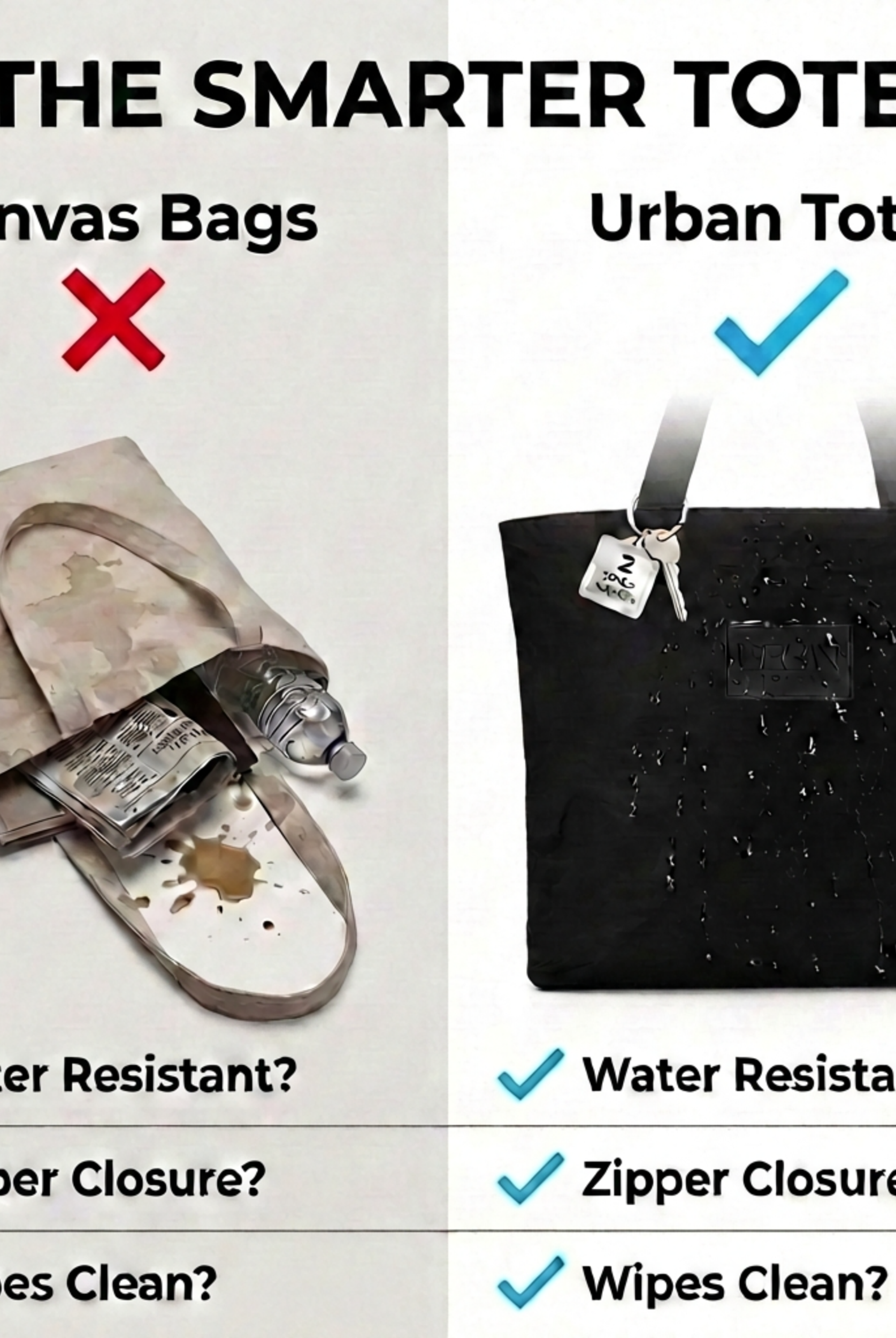
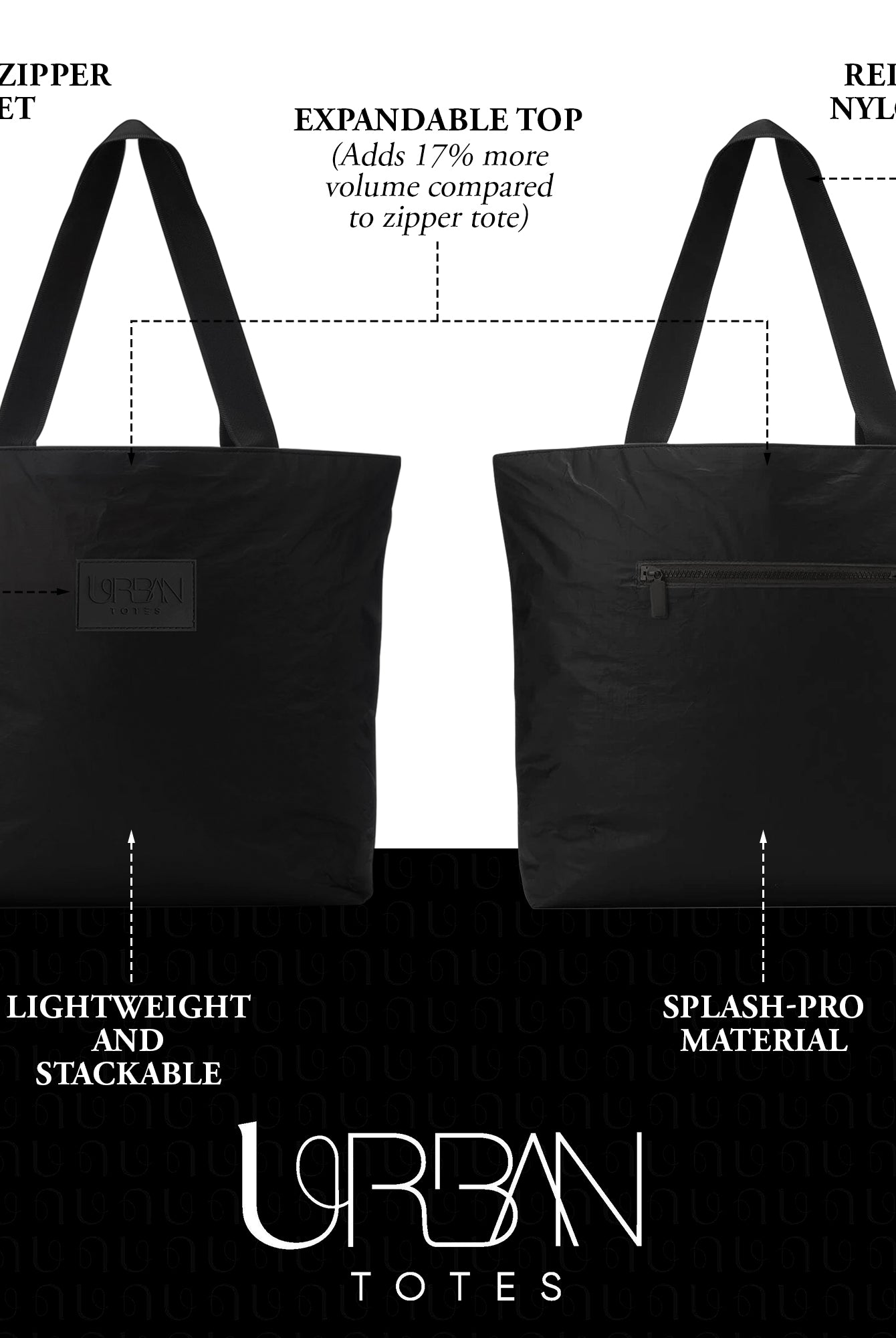
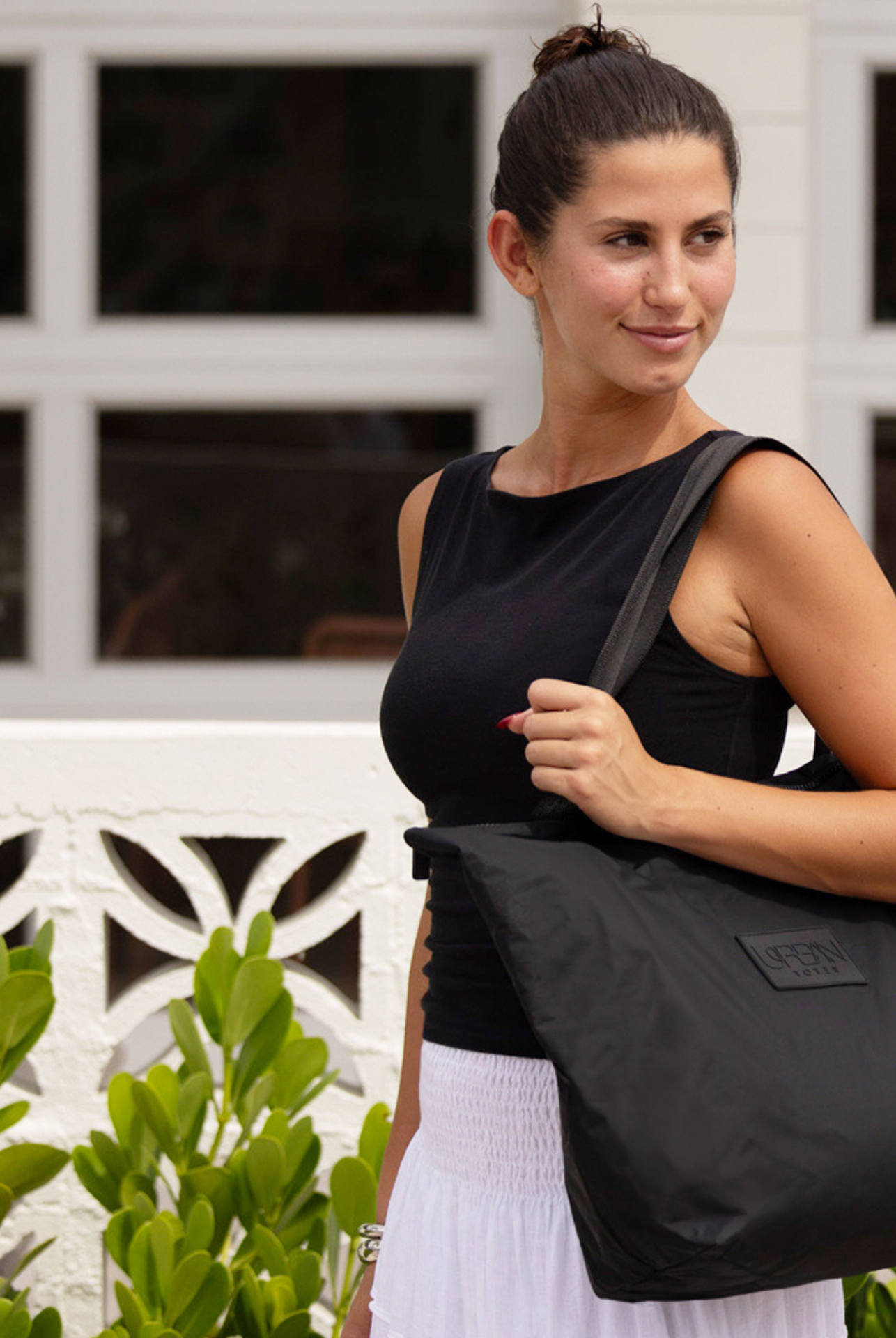
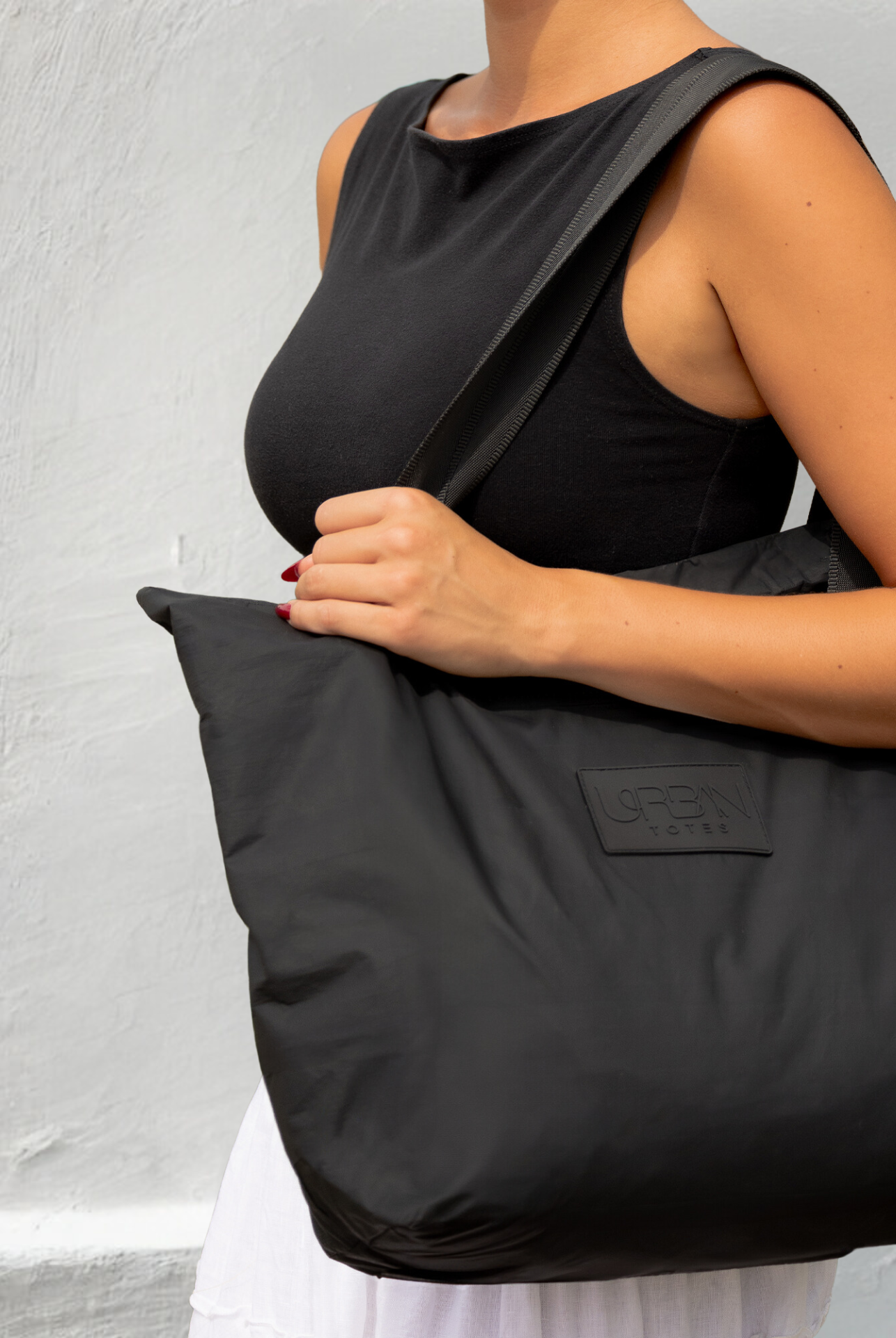
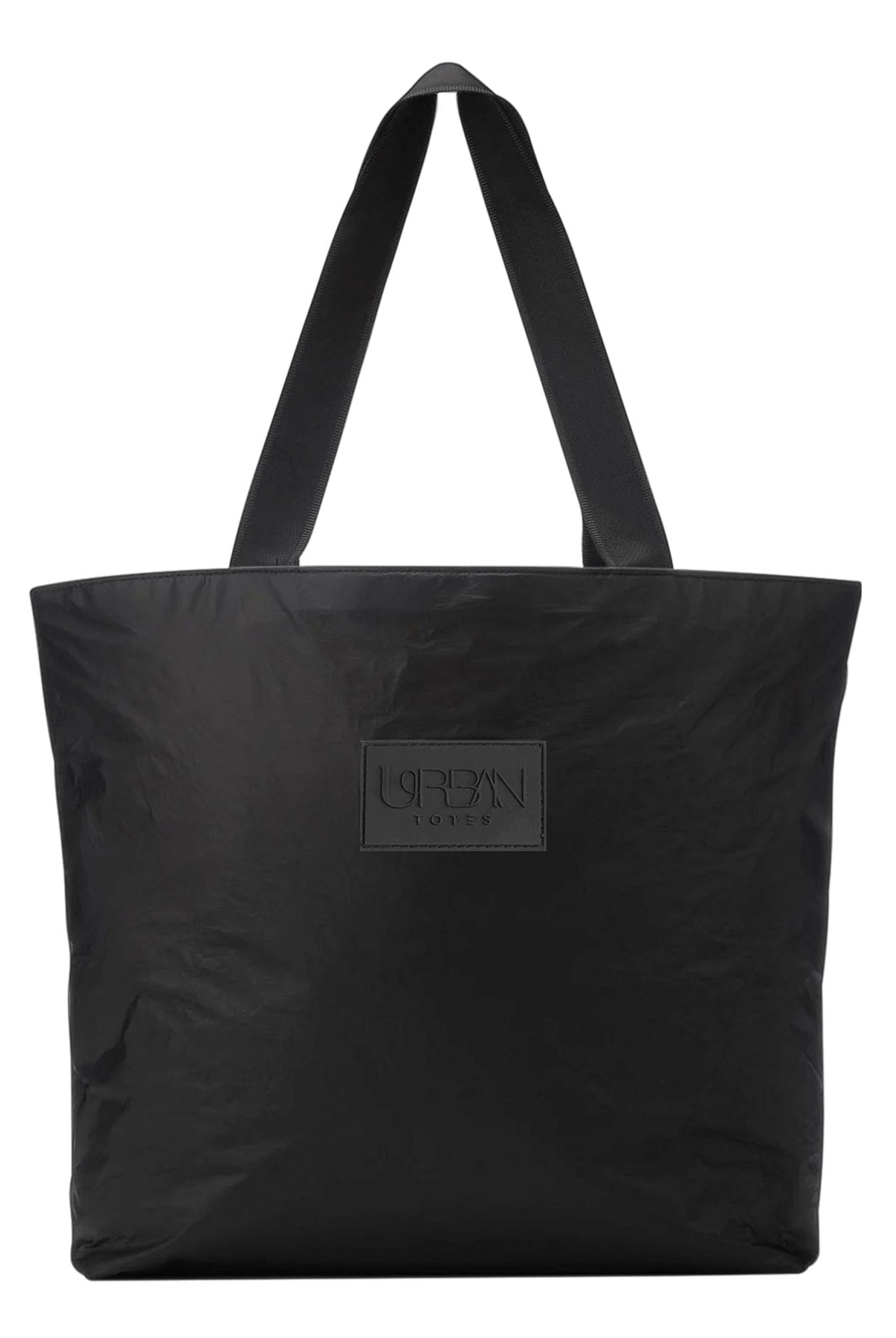
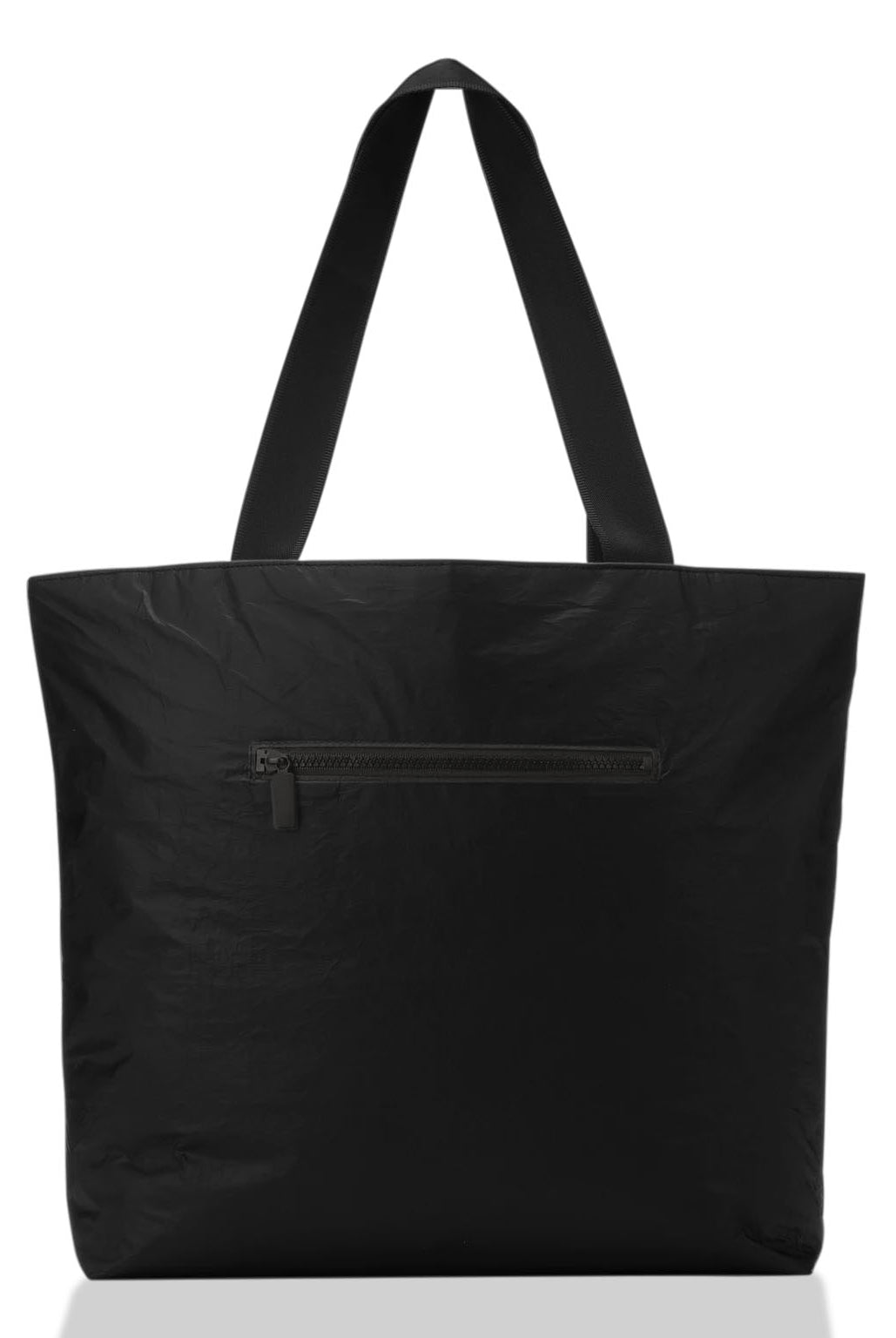
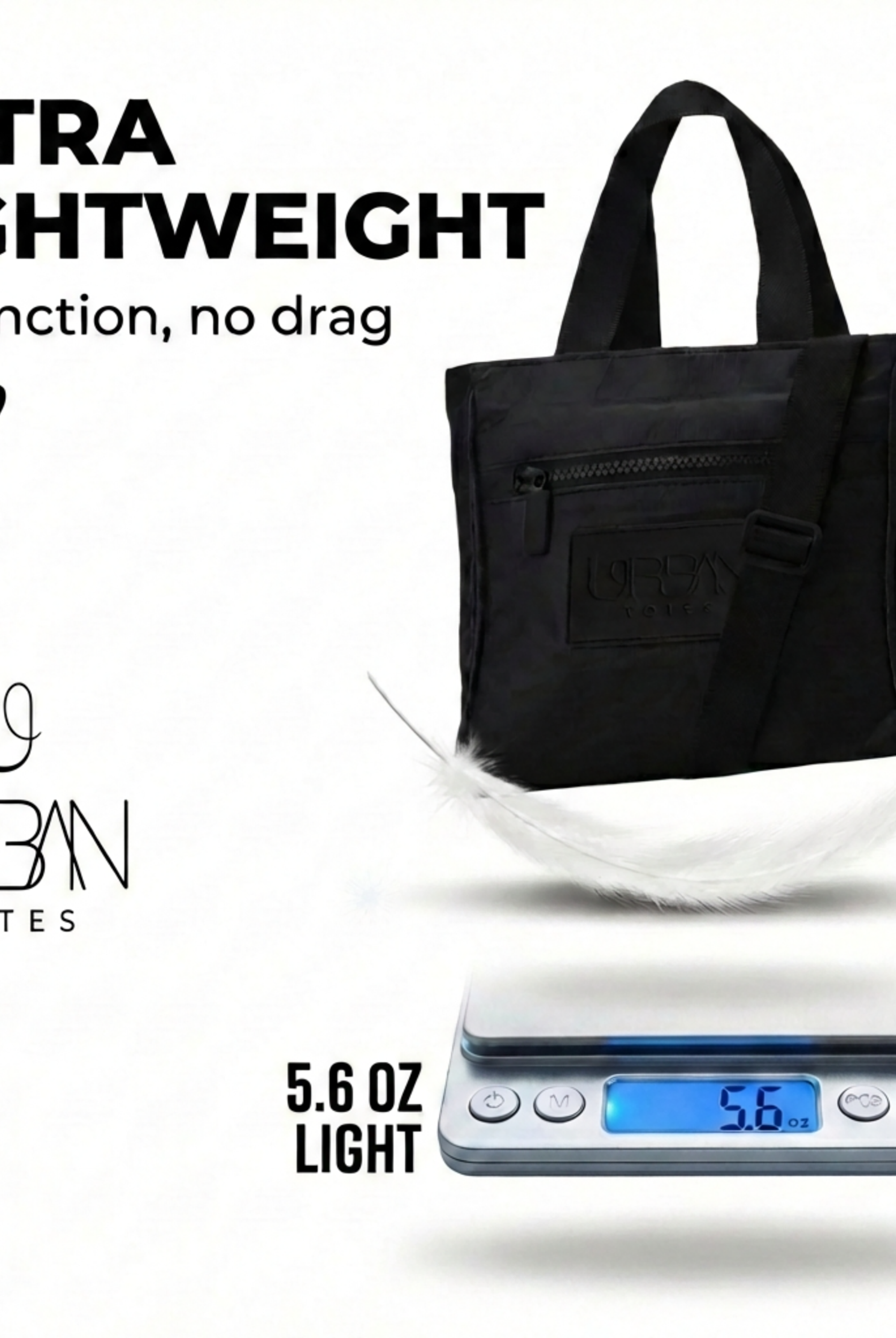
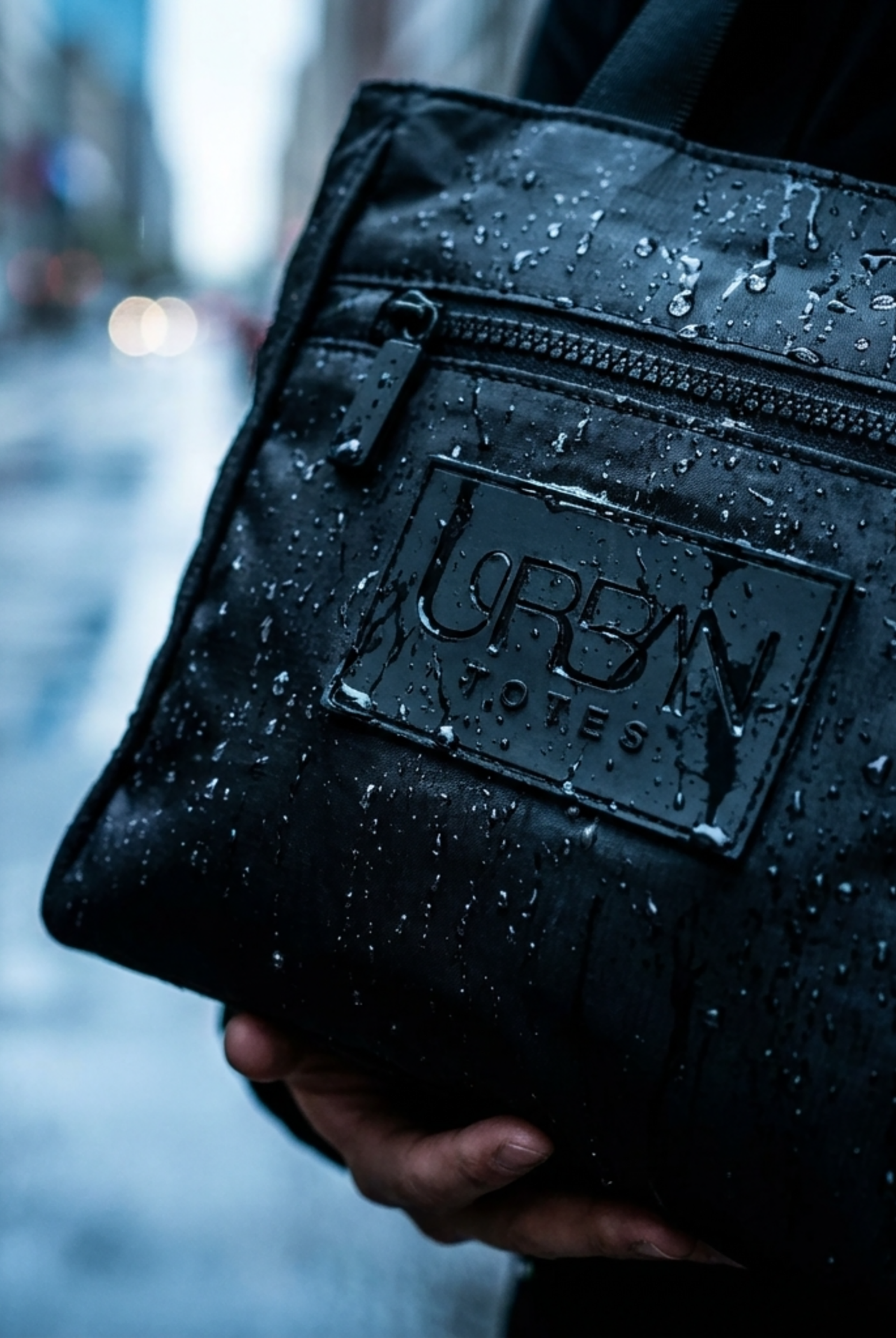
A thoughtfully designed tote can eliminate the daily repack. Look for zipper closures, multiple compartments, a dedicated phone pocket, and a lightweight structure that holds its shape without becoming cumbersome. Urban Totes is a woman-owned, Boise-made brand, and its water-resistant, packable, foldable bags are designed around this kind of practical movement.
For more guidance on choosing a tote that can handle changing plans, use this guide to the best tote for travel. The aim isn't to carry every possible solution. It's to make the items you already need visible, protected, and easy to reach.
How to Prioritize What Truly Belongs in Your Bag
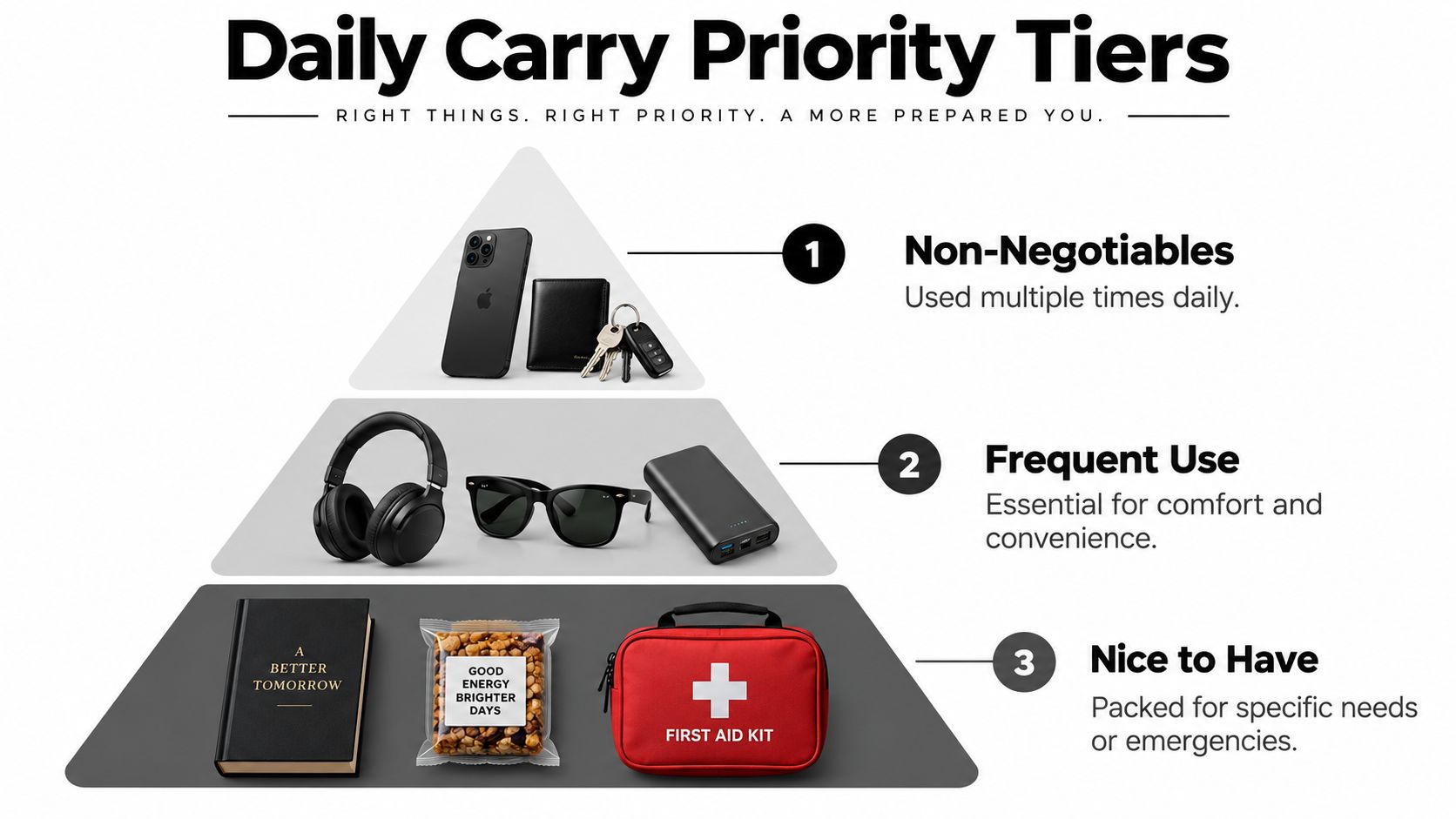
Before a commute, gym stop, errands, or a flight, empty your bag completely. Clear out crumbs, receipts, old wrappers, loose hair ties, and mystery cables. Then sort what remains into three priority tiers, using frequency of use and the consequences of being without each item.
Tier one holds the essentials
These are the items you use repeatedly or must have with you: phone, wallet, keys, identification, and any medication you've planned to carry. Put them in secure, easy-to-reach locations, such as an interior zipper pocket or dedicated exterior phone pocket.
Group them by function rather than size. Your phone and transit card can share a quick-access pocket, while your wallet and keys stay behind a zipper closure. You will find what you need faster, whether you are boarding a bus, catching a train, or getting into a rideshare.
Tier two changes with your role
Tier two supports the role you are stepping into next. On an office day, that means a laptop and charger. For a work-to-gym transition, add workout clothes, a sports bra, socks, and a small towel. Sunglasses, headphones, a portable charger, or a notebook belong here when the day's schedule calls for them.
Keep this tier in removable modules. A gym pouch can leave the bag on rest days, while a compact tech pouch can move in before a remote-work session. This setup keeps one bag ready for several roles without forcing you to repack everything each morning.
Tier three needs a challenge
Nice-to-have items create unnecessary weight quickly. Extra snacks, an unread book, backup cosmetics, and “just in case” accessories often stay packed long after the situation that prompted them has passed.
Put the Tier 3 pile on a scale. The point is not a precise target. Seeing the accumulated burden makes the decision clearer. Ask: Is this for the day I've planned, or for a hypothetical day I probably won't have?
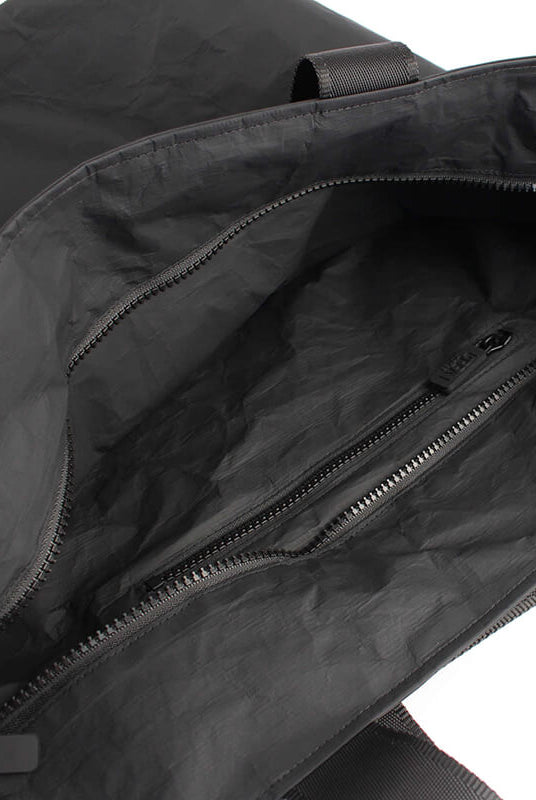
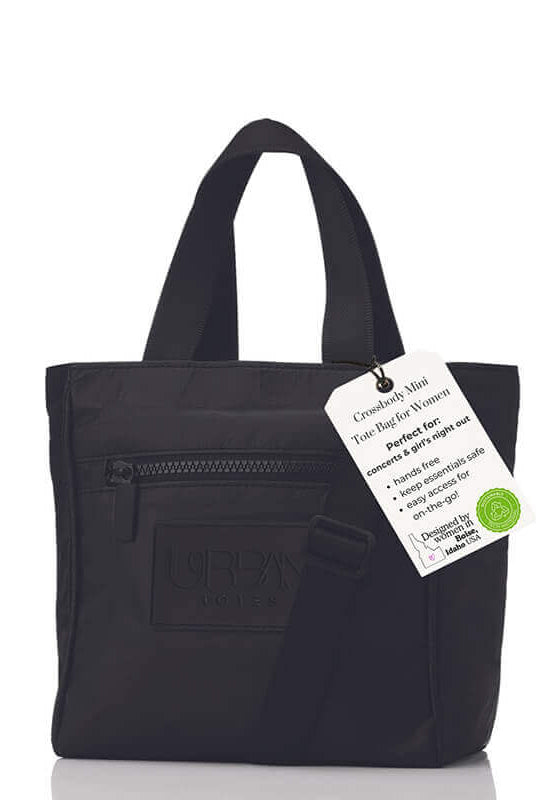
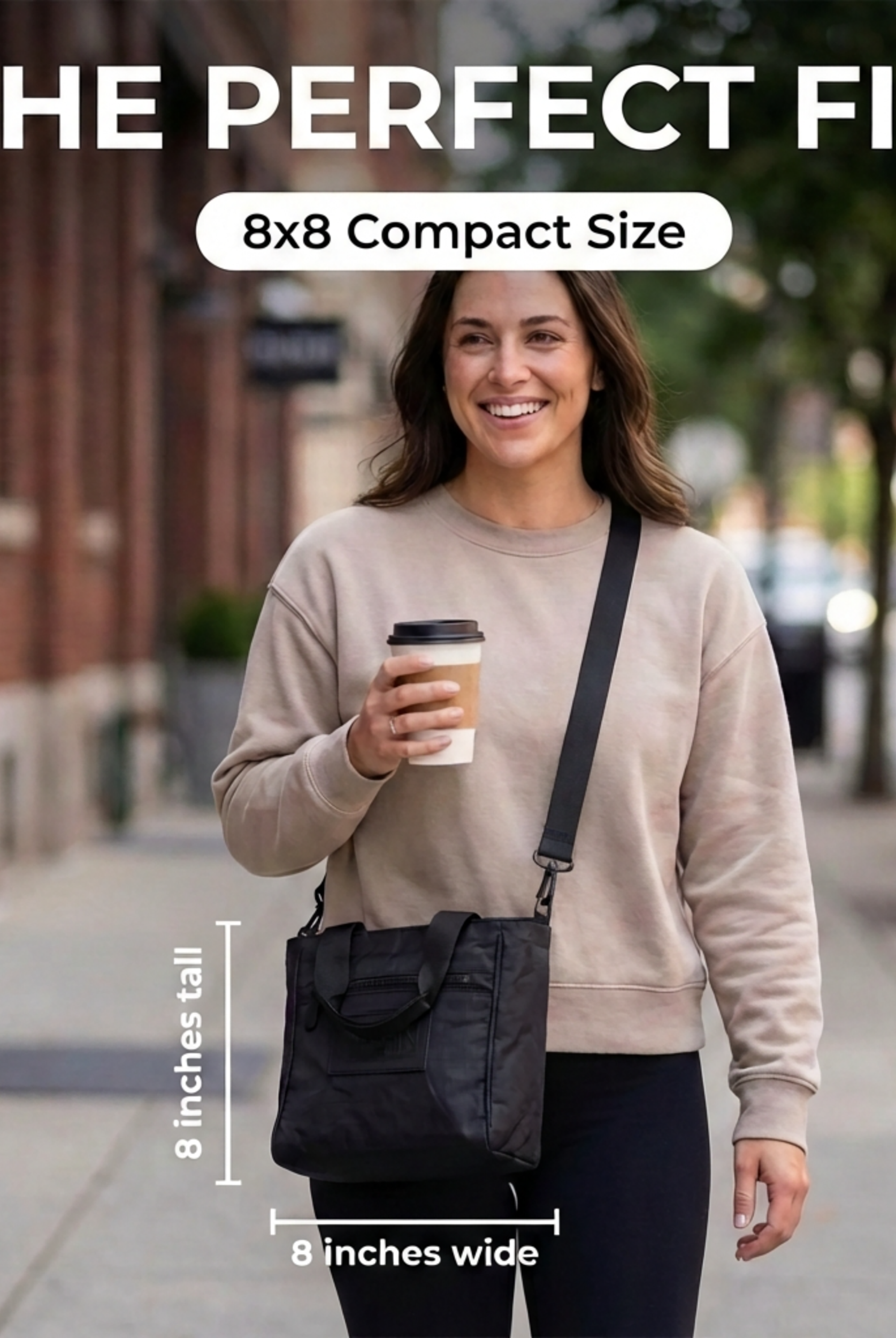
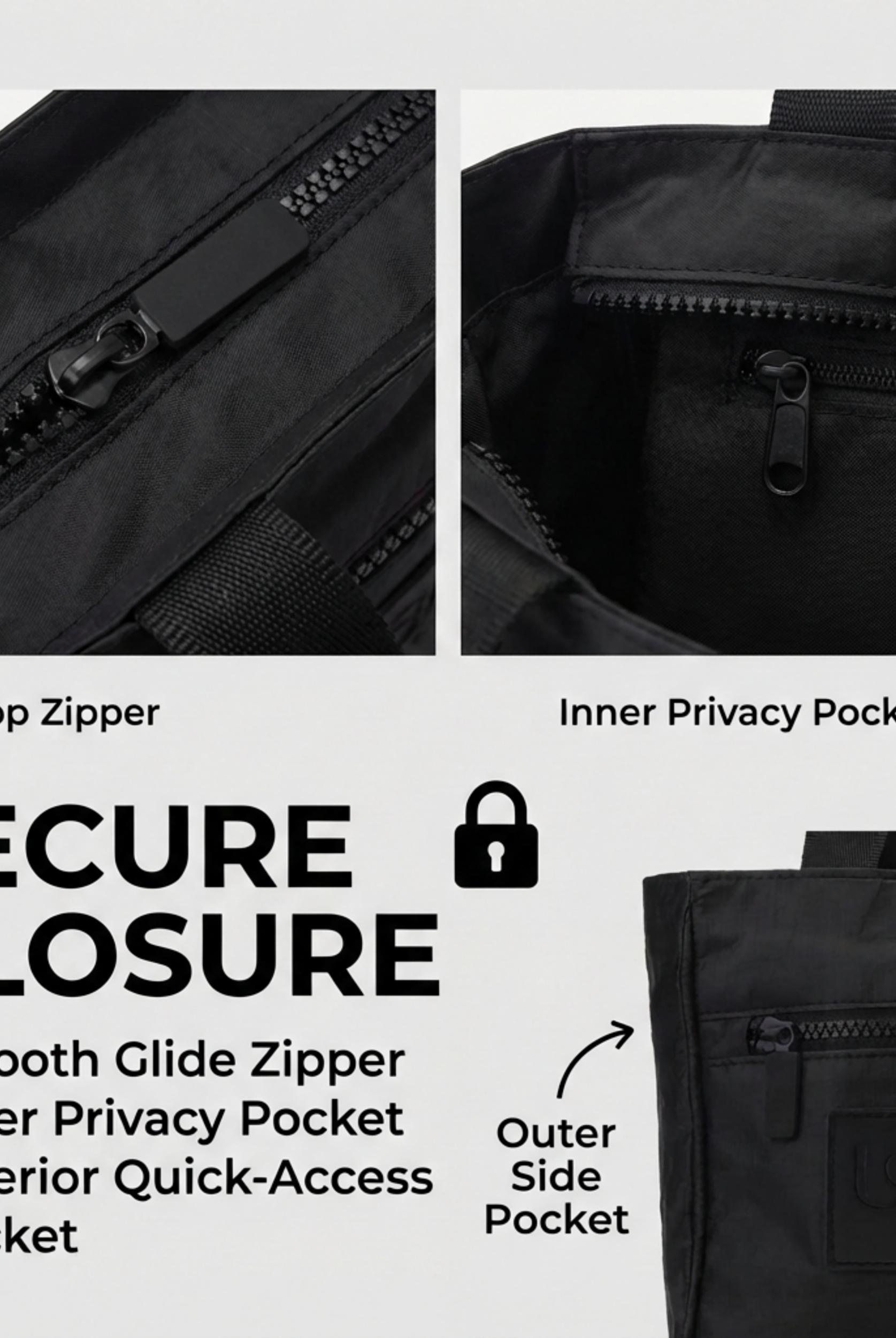
A compact option such as the Crossbody Tote Bag Mini Purse supports an essentials-only setup. Its zip-top closure, outside zipper pocket, easy-access pocket, and removable crossbody strap work well when you need to move hands-free.
Packing Lists for Every Kind of Day
A generic packing list fails because a commute, gym transition, errand marathon, and weekend getaway place different demands on the same bag. Duration, clothing needs, technology, moisture, and access all change. Pack by scenario, then assign each category to a compartment before you leave.
A broader resource such as the Approved Experiences Traveler packing checklist can help you remember destination-specific items. For a multi-role day, though, your bag needs a tighter filter.
Daily commute
Carry your laptop or tablet in the most protected central area, with its charger in a dedicated cable pouch. Keep your transit pass, phone, and keys in quick-access pockets. A compact lunch should sit inside a sealed container or separate pouch, away from documents and electronics.
The mistake is treating the commute like a miniature vacation. You don't need every comfort item you own. You need the tools that support work, movement, and the trip home.
Day trip or errand marathon
Use layered preparedness: phone, wallet, keys, portable charger, an empty reusable water bottle, foldable tote, sunglasses, and a minimal first-aid kit. The day-trip packing list from Urban Totes is useful when you're planning several stops and want to avoid carrying an oversized load.
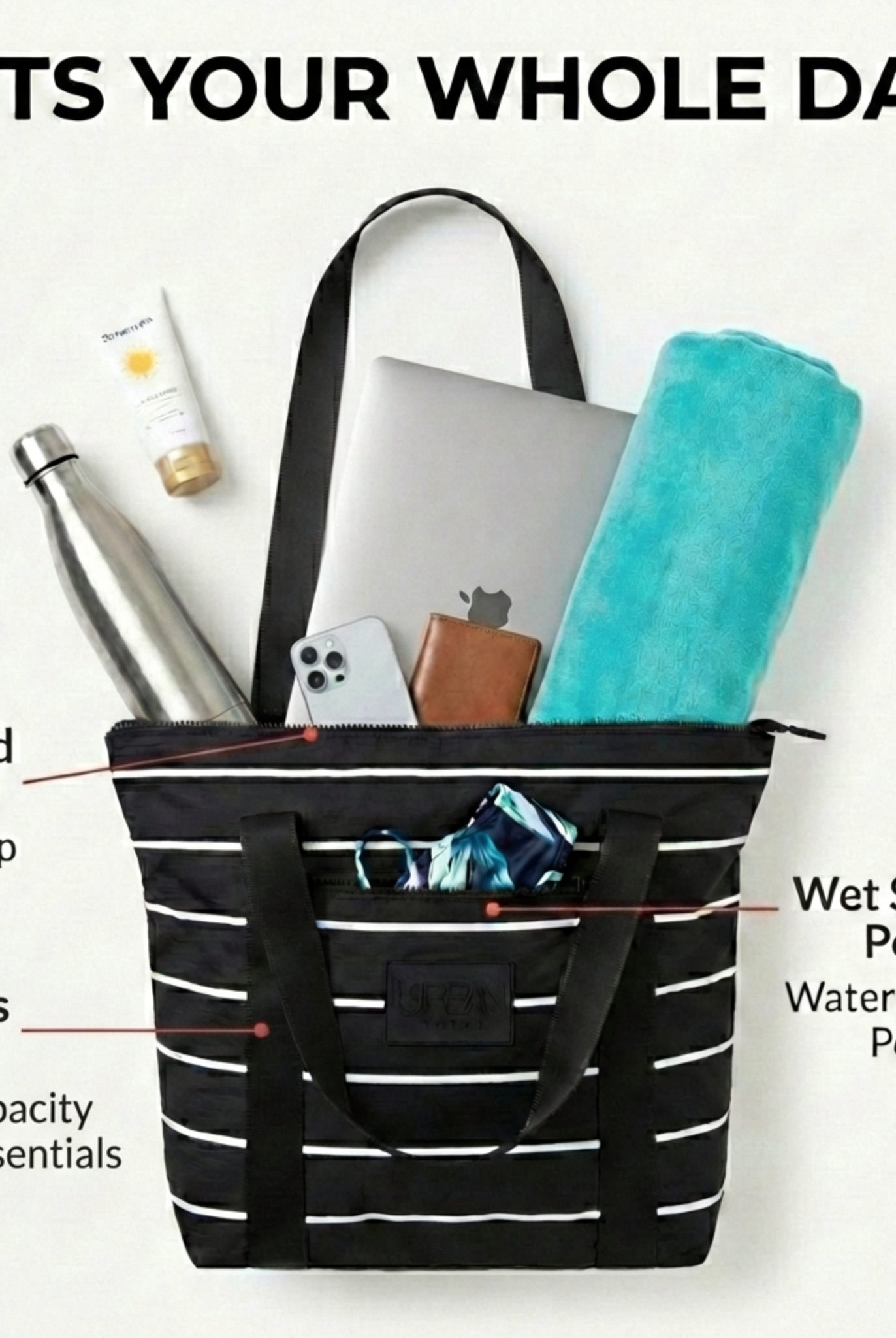
A fitting option is The Go Anywhere Day Trip Tote Bag by Urban Totes. It has three large zippered compartments, dedicated iPhone and key pockets, zipper closures, and a lightweight, water-resistant, packable, foldable design.
Gym to office
Separate clean work items from workout gear. Put leggings, a top, socks, and shoes in a washable pouch or dedicated side compartment. Use a second pouch for toiletries, and keep your laptop, documents, and lunch away from anything damp.
The common mistake is packing gym clothes loose in the main cavity. That makes the entire bag feel used and cluttered before the workout even begins.
Weekend getaway
Use a capsule wardrobe. Choose pieces that combine into several outfits, roll soft clothing, and place each outfit group in a packing cube or pouch. Keep documents, chargers, and toiletries in their assigned compartments so you can access them without unpacking clothing.
| Trip Type | Top 5 Essentials | Key Compartment Strategy | Common Mistake to Avoid |
|---|---|---|---|
| Daily commute | Laptop, charger, transit pass, lunch, keys | Protect tech centrally, place transit items near the opening | Letting lunch sit loose beside documents |
| Day trip | Portable charger, empty water bottle, foldable tote, sunglasses, first-aid kit | Keep quick-grab items outside and extras in a zippered section | Packing every possible “just in case” item |
| Gym to office | Workout clothes, shoes, toiletries, laptop, lunch | Use separate pouches for clothing and toiletries | Mixing damp gear with work items |
| Weekend getaway | Capsule clothing, documents, toiletries, charger, wallet | Use modular cubes and reserve a secure pocket for valuables | Bringing outfit duplicates that don't combine |
The best bag for these transitions is organized, versatile, and lightweight, with enough structure to prevent a full-day load from collapsing into one pile.
Mastering Compartments and Packing Order
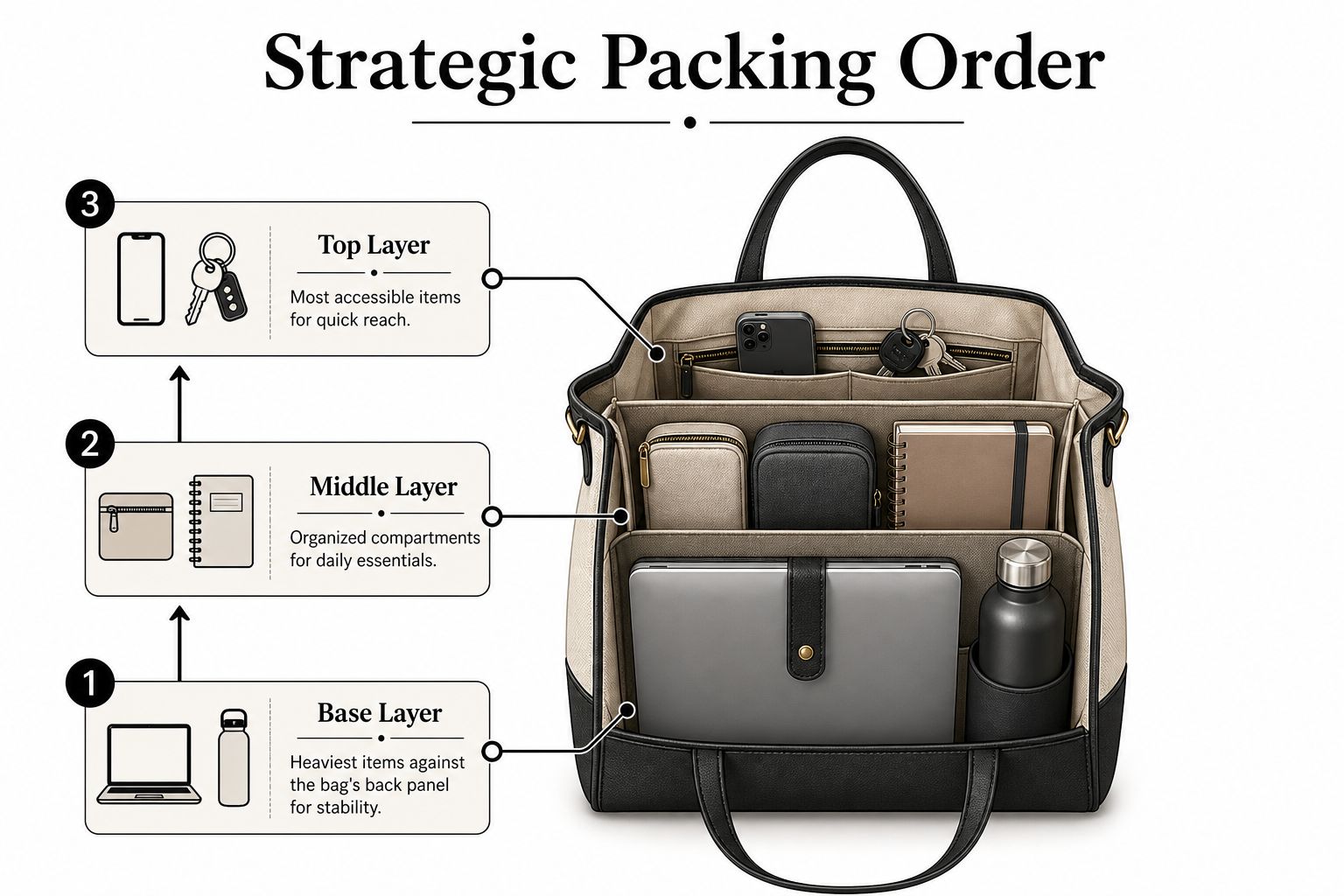
Packing order affects comfort as much as capacity. Put the heaviest items closest to your body and near the base or back panel. In a work tote, that usually means the laptop sits upright against the protected side, while a water bottle rests low and securely so it doesn't roll into smaller items.
Build from the base upward
The base layer holds heavier, stable pieces: laptop, water bottle, packed lunch, or shoes in a contained pouch. Keeping them low prevents the bag from becoming top-heavy and reduces the urge to dig through lighter items.
The middle layer is for modular organization. Add a pouch for chargers, another for cosmetics or toiletries, and a slim notebook or planner. You can replace a gym pouch with a weekend clothing cube without disturbing the phone, keys, or wallet pockets.
Keep quick-grab items on top
Your phone, keys, transit card, sunglasses, and lip balm should be reachable without removing anything else. Exterior slip pockets work well for items you use in public, while interior zip pockets are better for your wallet, identification, and small valuables.
Choose one home for your charging cable pouch and use it every time. That simple habit prevents cords from winding around pens, cosmetics, or headphone cases. It also makes the pouch easy to transfer between a tote, crossbody, or suitcase.
For a more detailed approach to modular organization, use these packing cubes tips. Packing cubes aren't only for long vacations. They let you move between roles without dismantling your entire everyday carry.
Reset before tomorrow
Remove receipts, wrappers, empty bottles, and used tissues. Put keys, wallet, charger, and other daily items back in their assigned zones, then restock anything you used.
This reset takes little effort, but it protects your next morning from avoidable searching. A bag that's ready before bedtime makes school drop-off, commuting, and airport departures feel far less frantic.
Navigating Airport Security and Bag Care
Airport security rewards a bag organized for quick access. For air travel, each liquid, gel, aerosol, cream, or paste container must be 3.4 oz or 100 mL or less, and all such containers must fit in one clear quart-sized zip-top bag per passenger, according to the TSA liquids rule and our carry-on luggage liquid limit guide.
Check the container itself before packing. A partly empty bottle still fails if its capacity exceeds the limit. Decant products into compliant containers, choose solids such as shampoo bars or toothpaste tablets, and confirm that the clear bag seals fully. Drinks, toothpaste, sprays, contact lens solution, gels, and some foods can also fall under liquids guidance, so inspect more than shampoo and lotion.
Rules vary by departure airport. U.S. TSA guidance remains specific, while UK guidance says most airports use the 100 mL limit, though some permit containers up to 2 litres because of CT scanners, as summarized by CNBC's airport-security coverage. Check the airport you leave from, not only your destination.
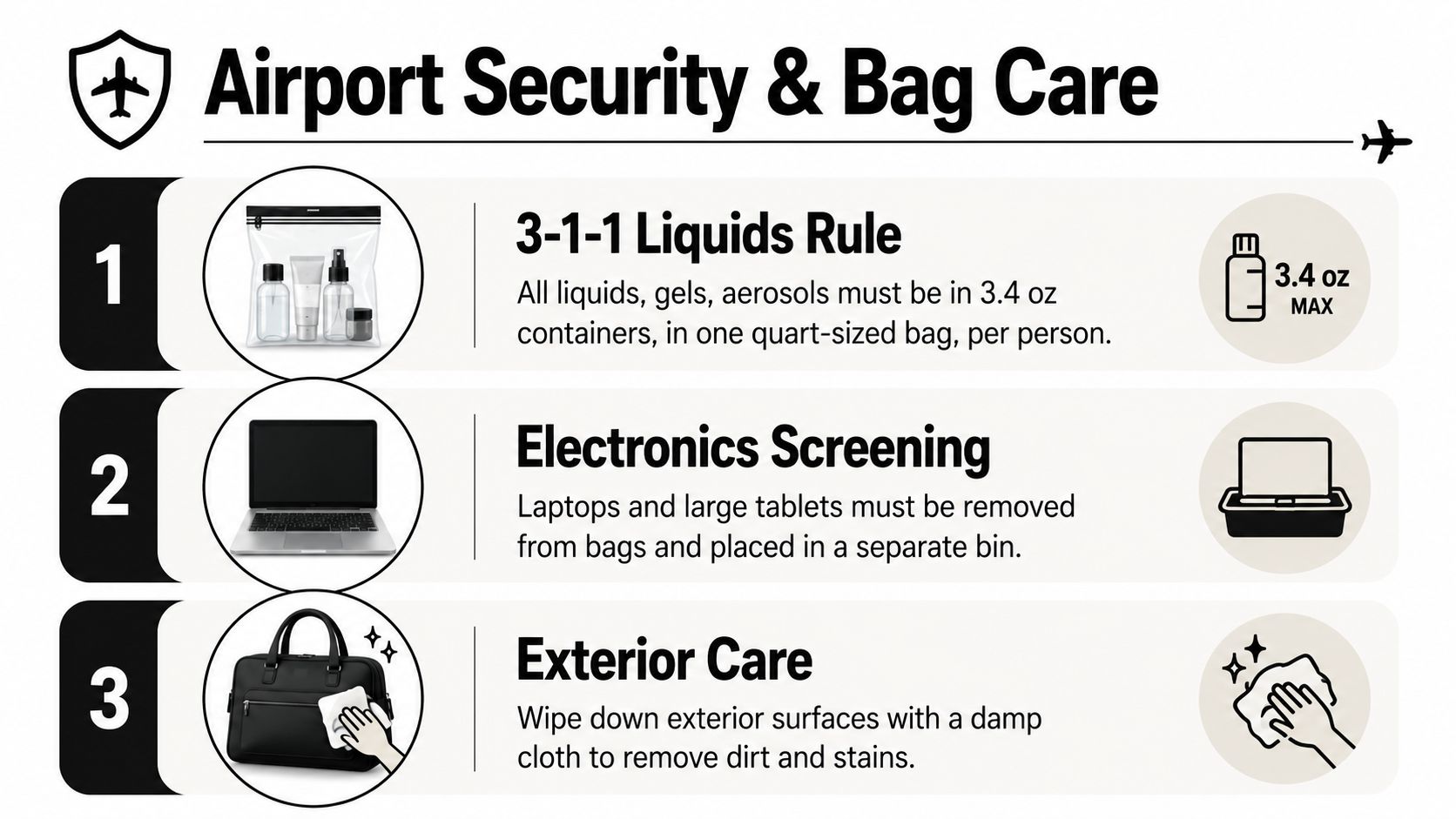
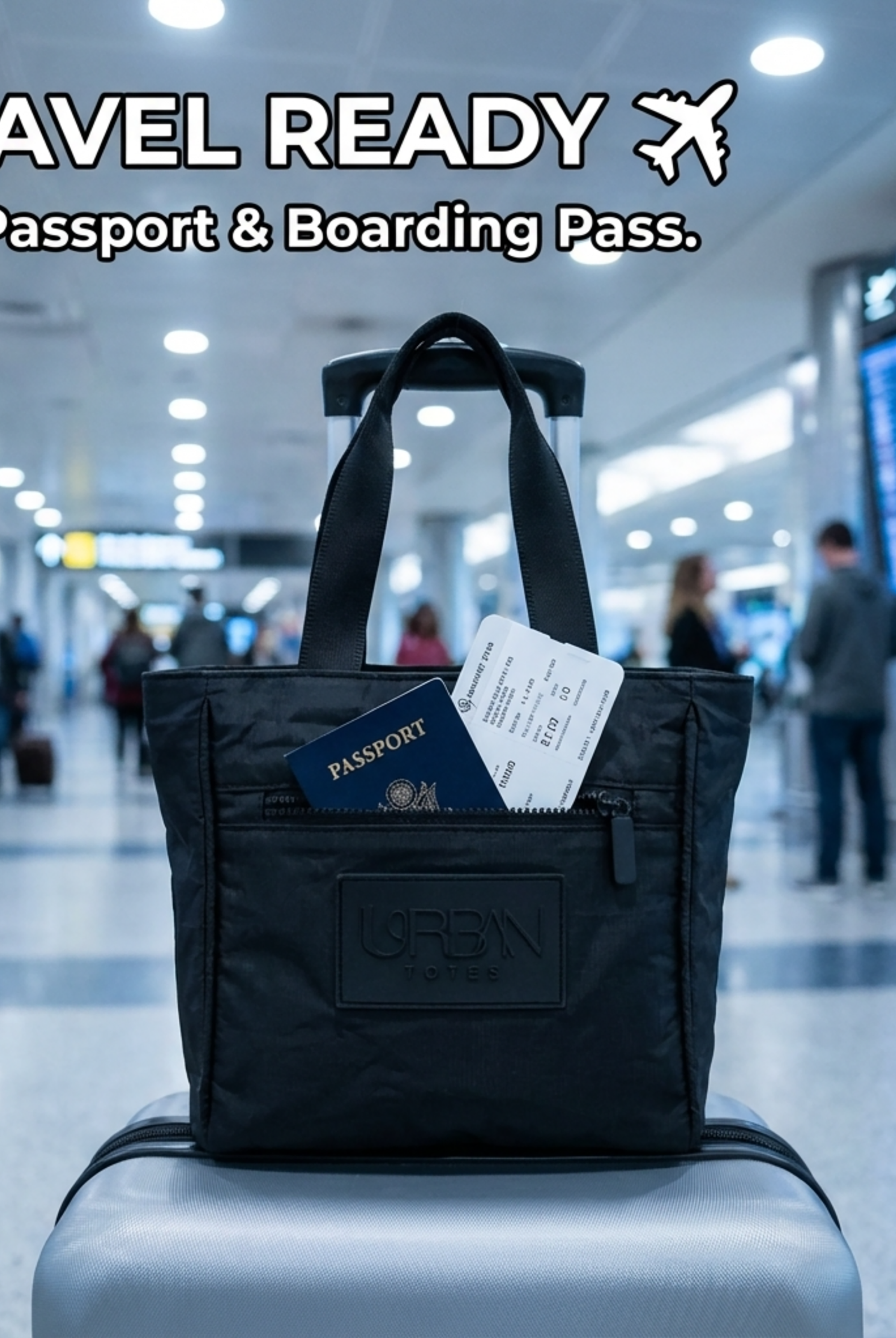
Assign each security item to a specific compartment. Keep the liquids kit in an outer zipper pocket, place your laptop or large tablet where you can remove it quickly, and store metal accessories in a small pouch. That setup matters when you are moving from a commute to a flight, especially with gym gear or work materials sharing one bag. An empty hard-sided reusable water bottle can pass through airport security, as explained in AFAR's guidance on the TSA liquids rule.
A bag used as a personal item should match the airline's published dimensions without bulging. A common carry-on reference is 56 × 45 × 25 cm, or 22 × 18 × 10 inches, while IATA notes that some airlines begin weight limits at 5 kg, or 11 lb. In the United States, several major carriers commonly publish 22 × 14 × 9 inches as a carry-on maximum, according to carry-on size guidance from TheSize.
Care for the bag after each demanding day. Wipe water-resistant fabric with a suitable damp cloth and follow the product's cleaning instructions. Avoid overloading, since excess pressure strains seams and zipper closures. Store tissue inside if the bag needs help retaining its shape, and contain wet gym gear or swimwear so moisture does not sit against the lining.
For toiletries, use this practical guide to packing a travel dental kit. A dedicated kit transfers easily between your work tote, gym bag, and carry-on.
Quick Checklists and Your Next Steps
Keep these short enough to read from your phone while you're standing at the door.
Daily commute
- Work tech: Laptop or tablet, charger, and cable pouch
- Quick access: Phone, wallet, keys, and transit pass
- Food: Compact sealed lunch
- Personal basics: Identification, sunglasses, and lip balm
Gym to office
- Workout kit: Clothing, socks, and shoes
- Separation: Clothing pouch and toiletries pouch
- Work essentials: Laptop, documents, and charger
- Refresh items: Deodorant and a small towel
Day trip
- Power: Portable charger and charging cable
- Hydration: Empty reusable water bottle for flights and terminals
- Flexibility: Foldable tote for unexpected purchases
- Comfort: Sunglasses and lip balm
- Small backup: Minimal first-aid kit
Weekend getaway
- Clothing: Capsule outfits rolled into a packing cube
- Documents: Identification, reservations, and payment cards
- Toiletries: Compliant liquids kit or solid alternatives
- Tech: Phone, charger, and headphones
- Organization: Dedicated pouches for valuables and cables
Always carry
- Power: Phone charger
- Comfort: Lip balm
- Clean hands: Hand sanitizer
- Flexibility: Reusable bag
- Practicality: Pen
Before your next trip, empty your current bag and assign every item a pocket. If your tote lacks secure zipper closures, useful compartments, or enough structure for your changing roles, compare it with the practical guidance in these packing suitcases tips. The right system adapts to your day, not the other way around.
Urban Totes offers water-resistant, lightweight, packable, foldable totes and crossbody bags with thoughtful compartments for commuting, gym transitions, beach days, errands, and travel. Visit Urban Totes to find a stylish, organized everyday carry that helps you go anywhere and tote everything.