You're in the middle of a normal day, and your bag is already making it harder than it should. The laptop is wedged in awkwardly, the strap is cutting into your shoulder, the zipper keeps drifting open, and every time you bend down for keys or lip balm, the whole thing turns into a rummage session. A good laptop tote bag for women should make that day easier, not add another problem to carry.
The right tote does more than hold a computer. It keeps your essentials organized, protects your tech, and still looks polished when you're walking into a meeting, school pickup, a coffee shop, or an airport line. That's the test, not how cute it looks in a product photo.
Table of Contents
- Why Your Laptop Tote Bag Matters More Than You Think
- Essential Features Every Laptop Tote Bag Needs
- Getting the Right Size and Laptop Compatibility
- Choosing a Tote for Your Specific Lifestyle
- Materials and Construction That Actually Last
- Styling Tips and Smart Packing Strategies
- How Urban Totes Solves Real Carry Problems
Why Your Laptop Tote Bag Matters More Than You Think
A tote can look perfect on a site and still fail the minute you leave the house. You sling it over one shoulder, squeeze onto a train or into a crowded elevator, and suddenly the bag feels heavier, the opening feels too loose, and the laptop shifts every time you move. That's when small design flaws turn into a miserable commute.
The bigger issue is friction. A bag that slips, digs, or swallows everything in one open cavity forces you to babysit your own stuff all day. That's exhausting, and it gets worse when your charger, notebook, keys, and water bottle all end up fighting for space.
Practical rule: if a tote makes you stop and reorganize it three times a day, it's not working for real life.
This is why the laptop carry market matters. The global laptop carry case market was estimated at USD 1.68 billion in 2022 and is projected to reach USD 2.78 billion by 2030, a 6.5% CAGR from 2023 to 2030, according to the market report on laptop messenger bags from MarketIntelo. Backpacks held over 50% of revenue in 2022 in that same report, which tells you people still want structured, protective carry formats that work.
The takeaway is simple. A laptop tote isn't just an accessory choice, it's part of your daily system. If it fights you, everything else in the day feels a little harder too. See how a tote can support the rest of your routine in this guide to tote bag benefits.
Essential Features Every Laptop Tote Bag Needs
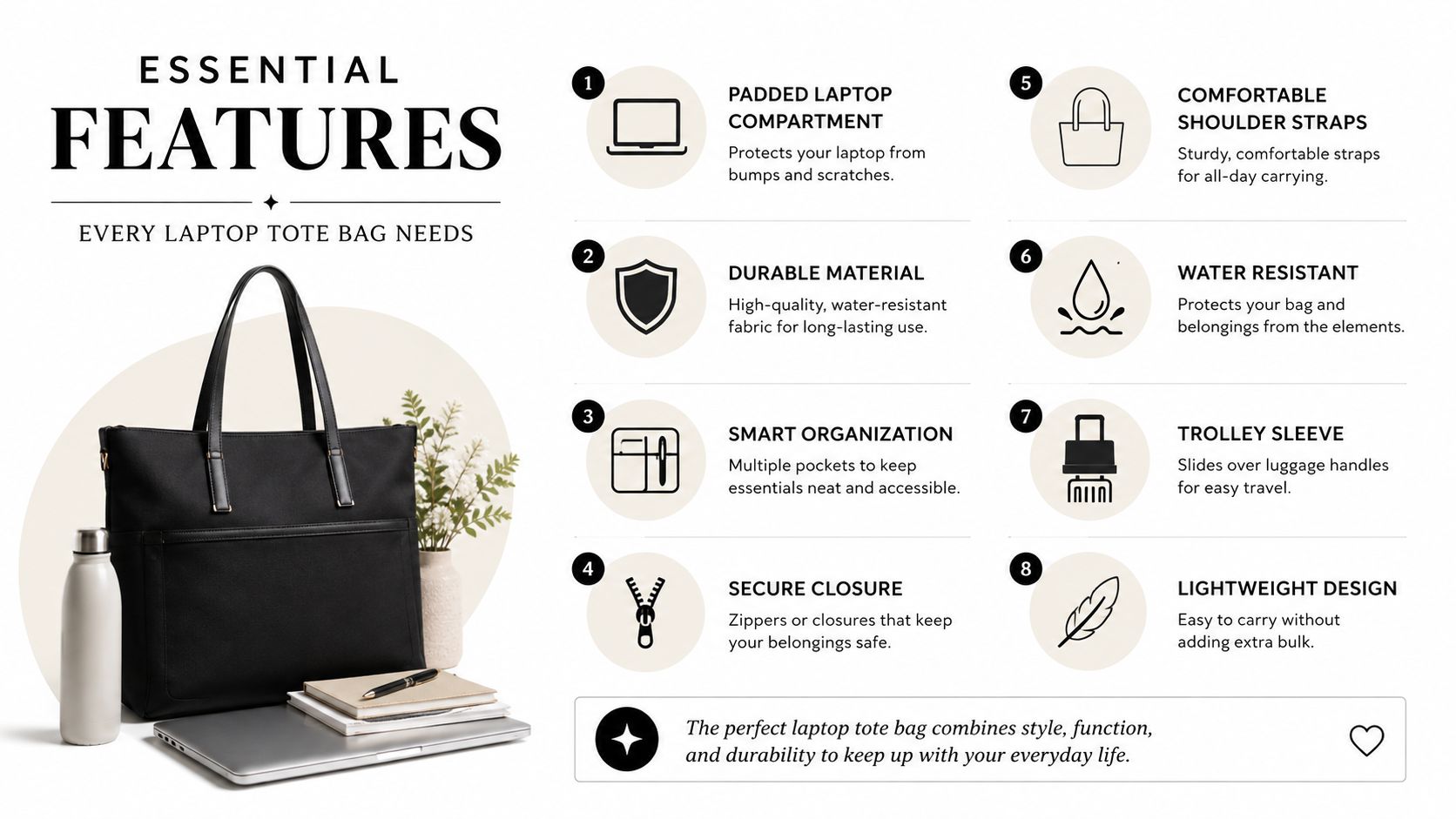
A functional tote starts with the laptop compartment. Don't settle for a soft divider and hope. Look for padded protection, a secure fit, and enough depth so the device slides in cleanly instead of forcing the compartment to bulge.
What to check before you buy
- Laptop padding: Press the compartment wall between your fingers. It should feel dense, not flimsy or papery.
- Closure type: A zipper closure beats a magnetic snap if you carry a computer, charger, and daily extras.
- Straps: Wide, reinforced straps matter because a skinny strap concentrates pressure on one spot and gets uncomfortable fast.
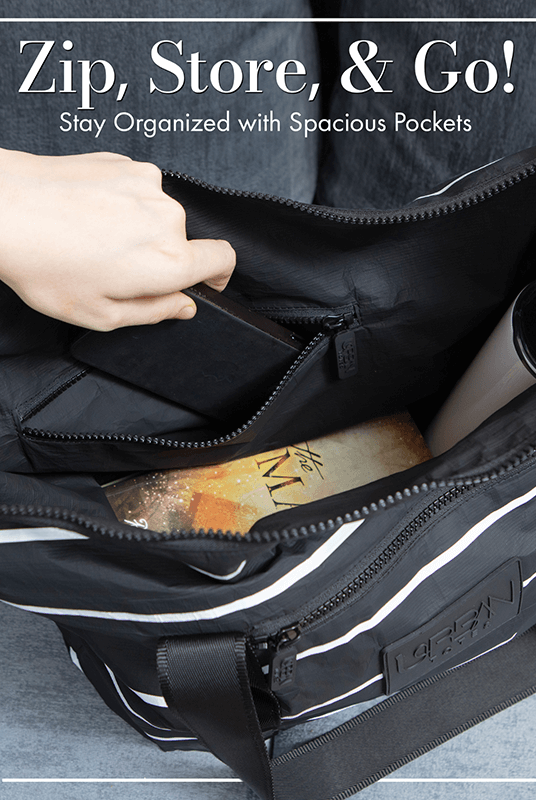
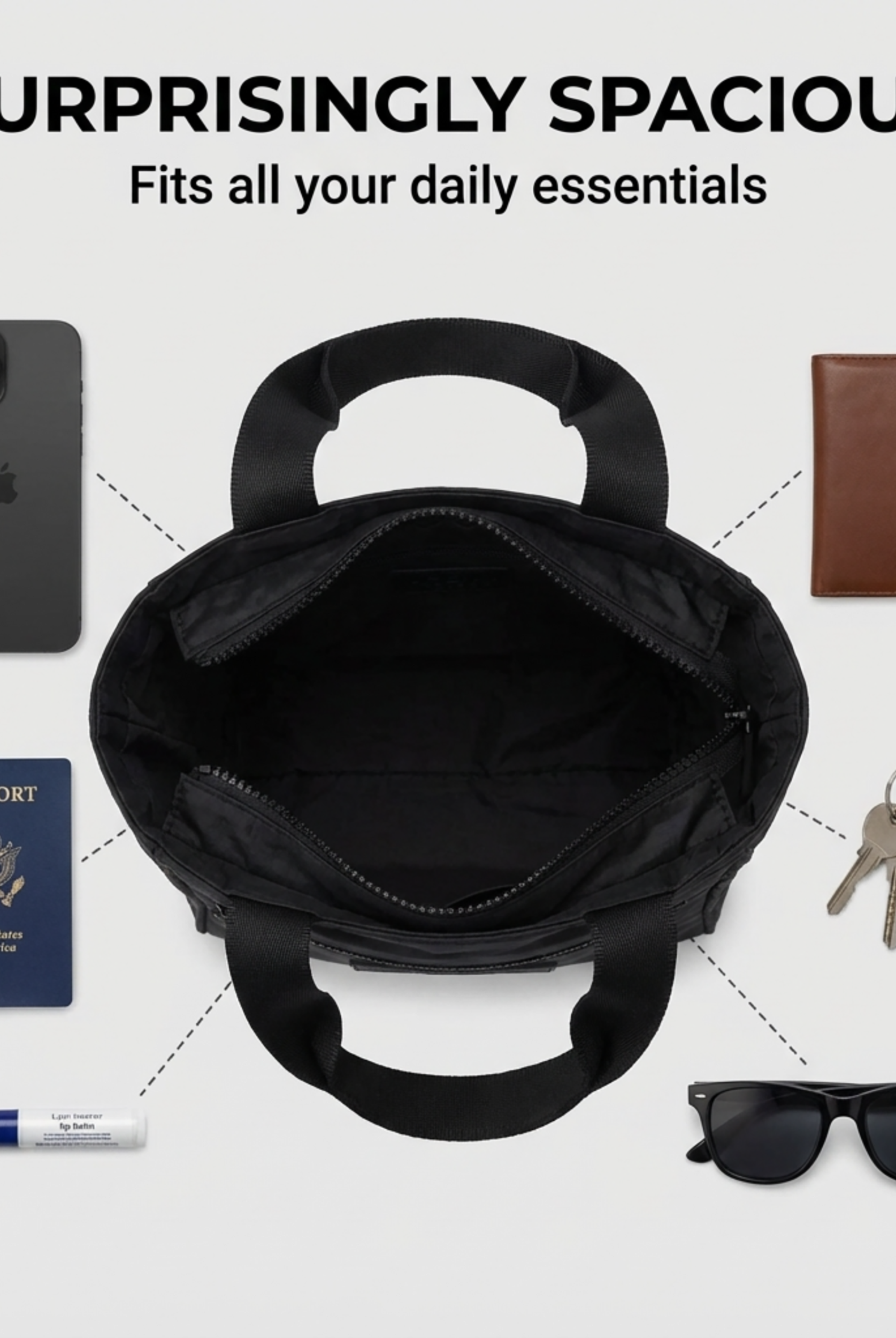
- Organization: Multiple pockets keep the bag from becoming a black hole. A key leash, pen slot, and phone pocket save time every day.
For shoppers who want a deeper breakdown of pockets and layout, the bag with compartments guide is the right place to compare organization styles without guessing.
The other detail people skip is pocket logic. A tote with decent space can still feel useless if the charger, mouse, notebook, and cosmetics all end up stacked together. That's where a clean interior layout matters more than cute branding.
Digital strain matters too, even though it's not a bag feature. If you work long hours on screens, a pair of blue light glasses for digital strain can be part of a better daily setup, especially when your tote is already carrying the rest of your workday.
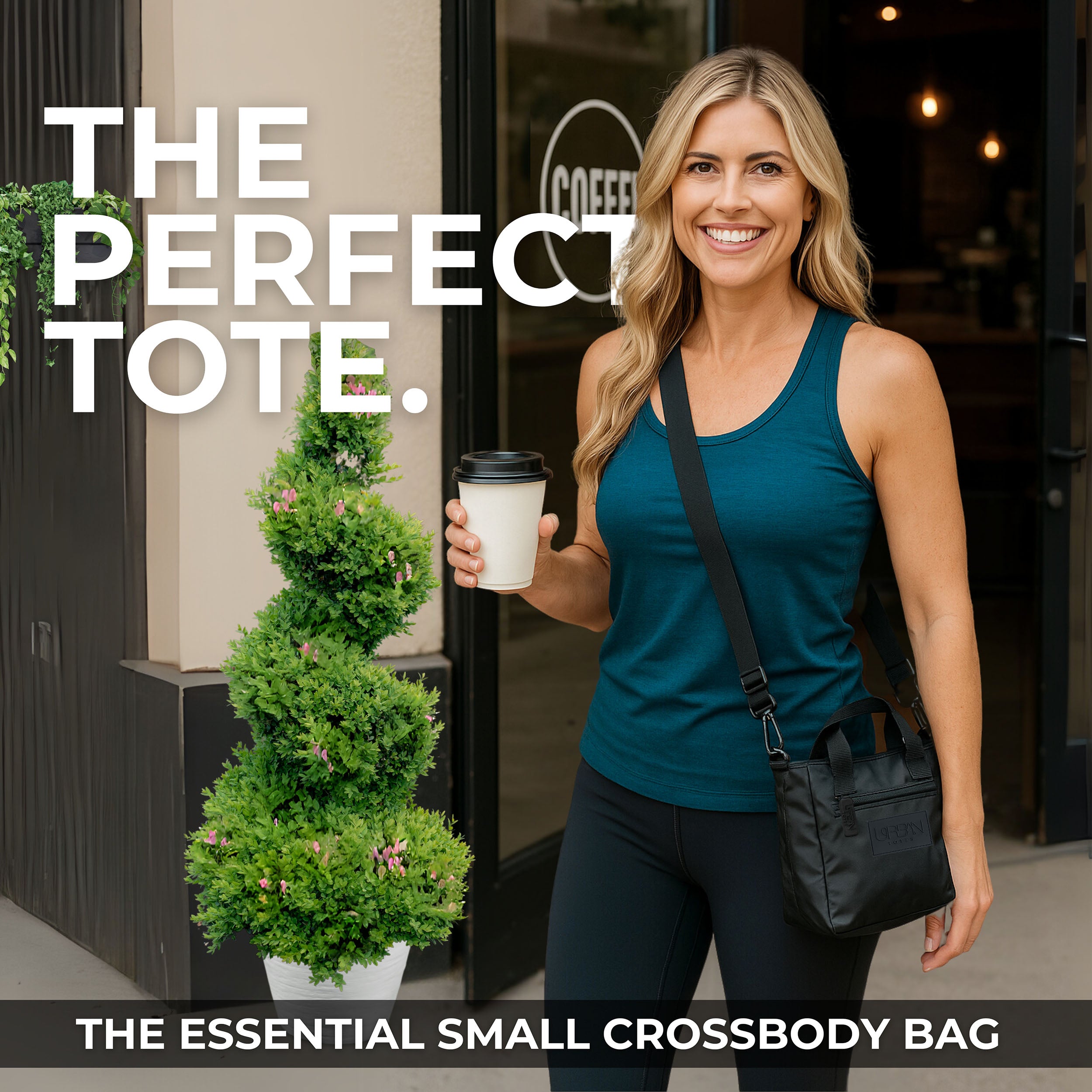
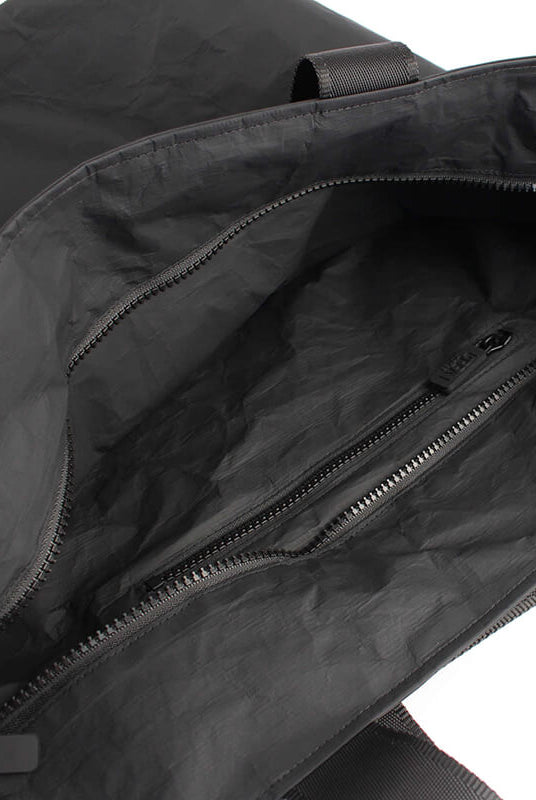
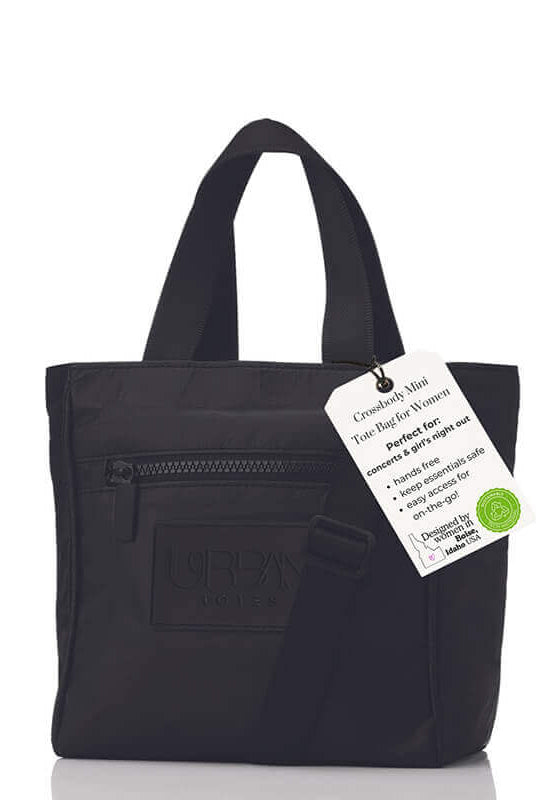
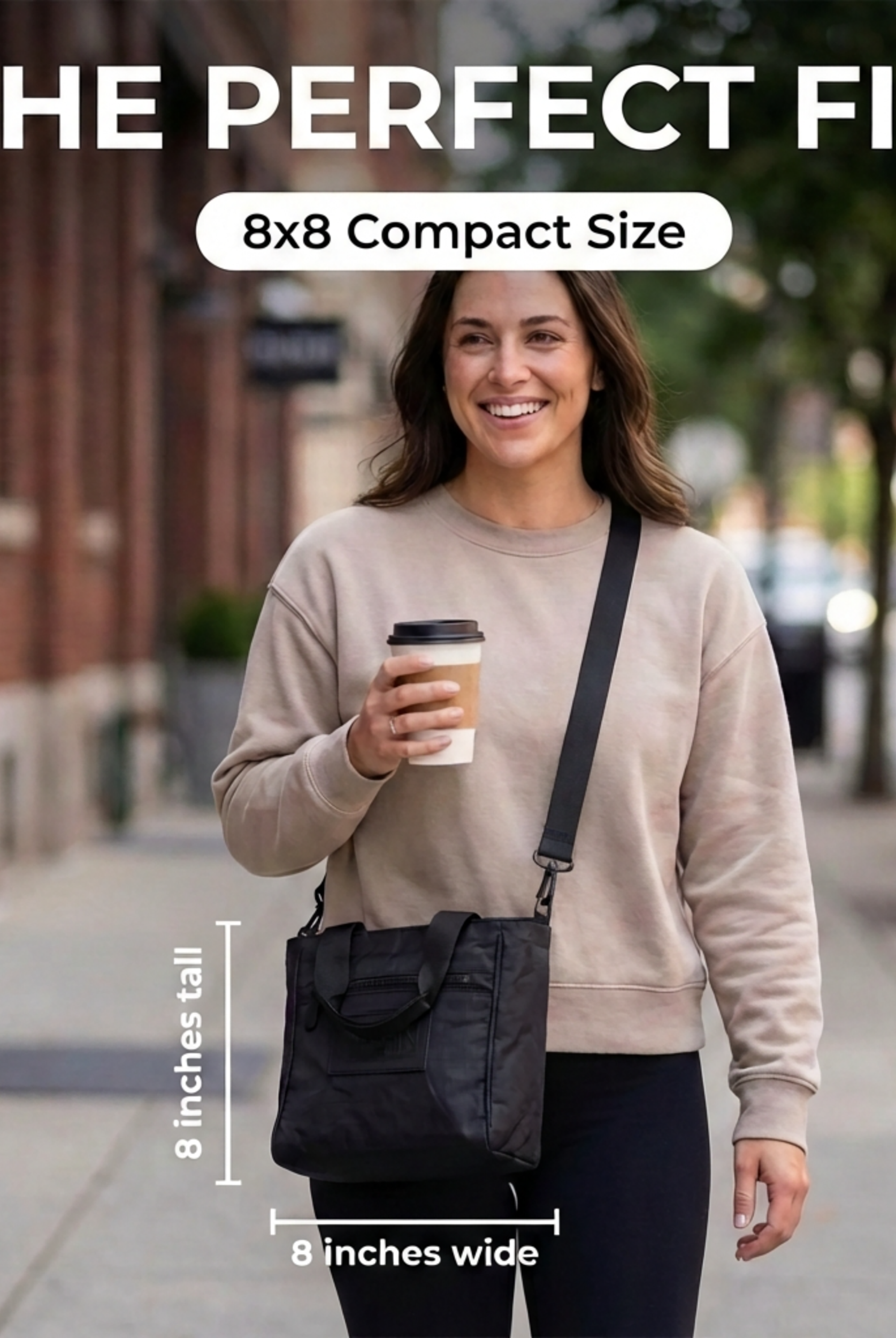
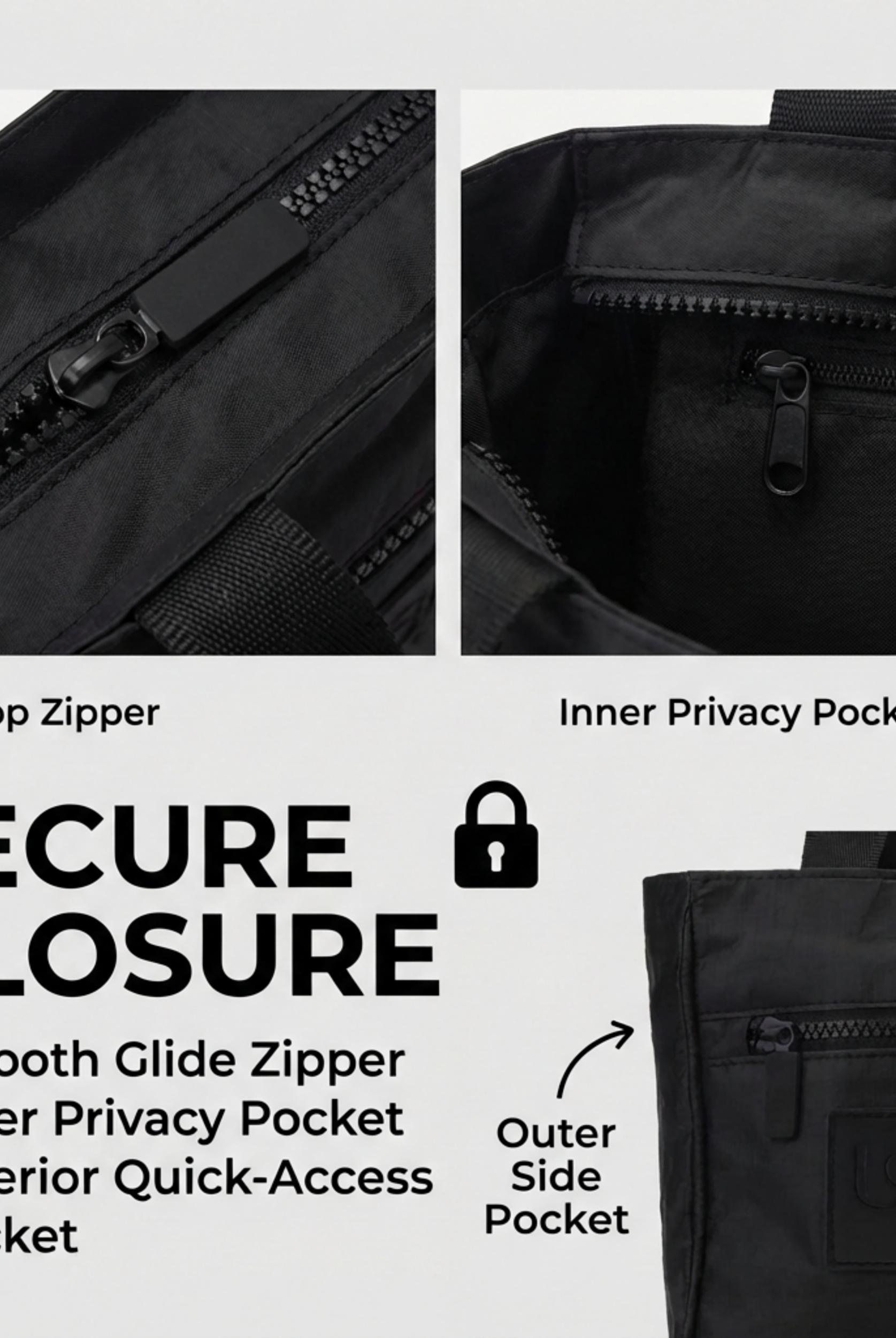
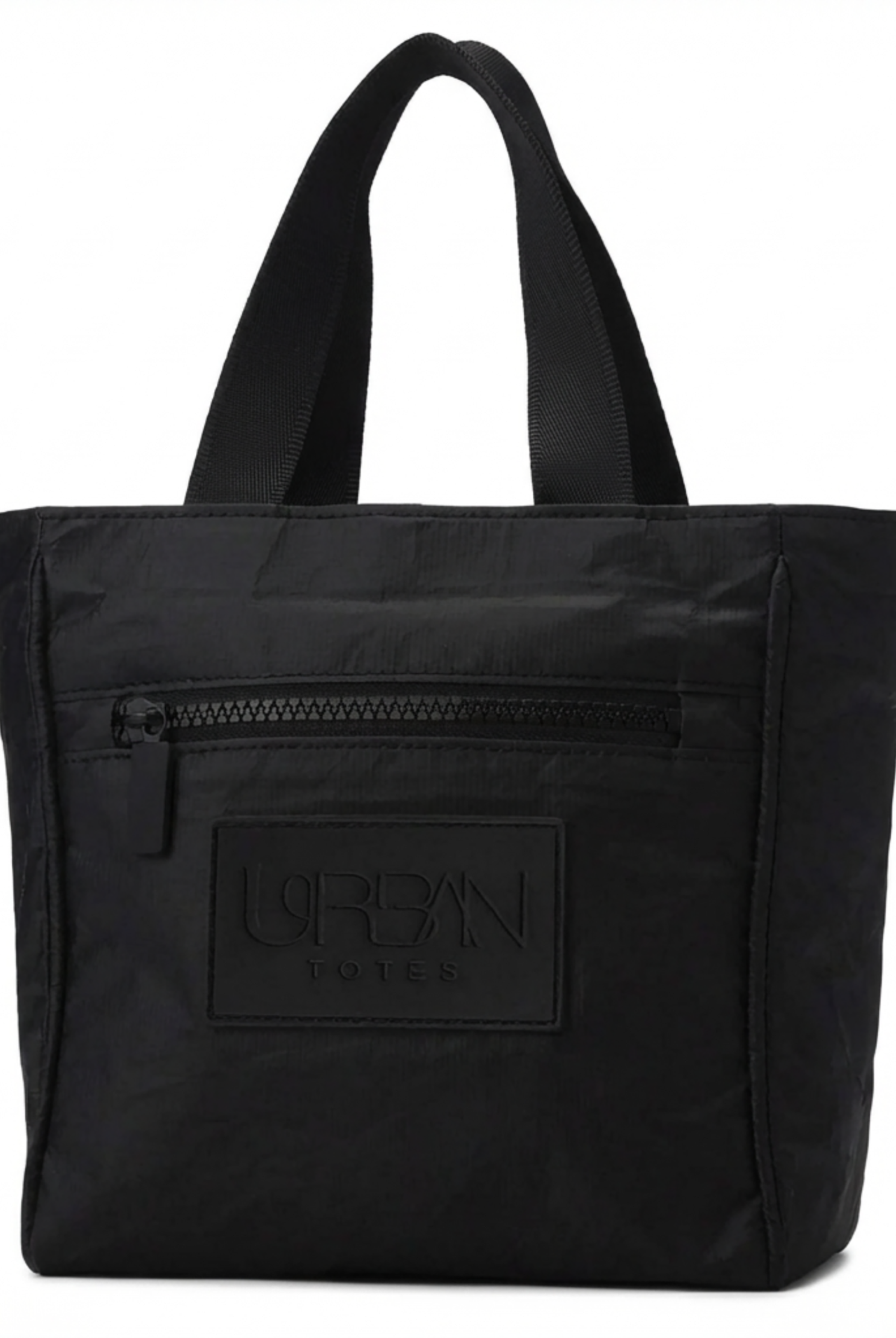
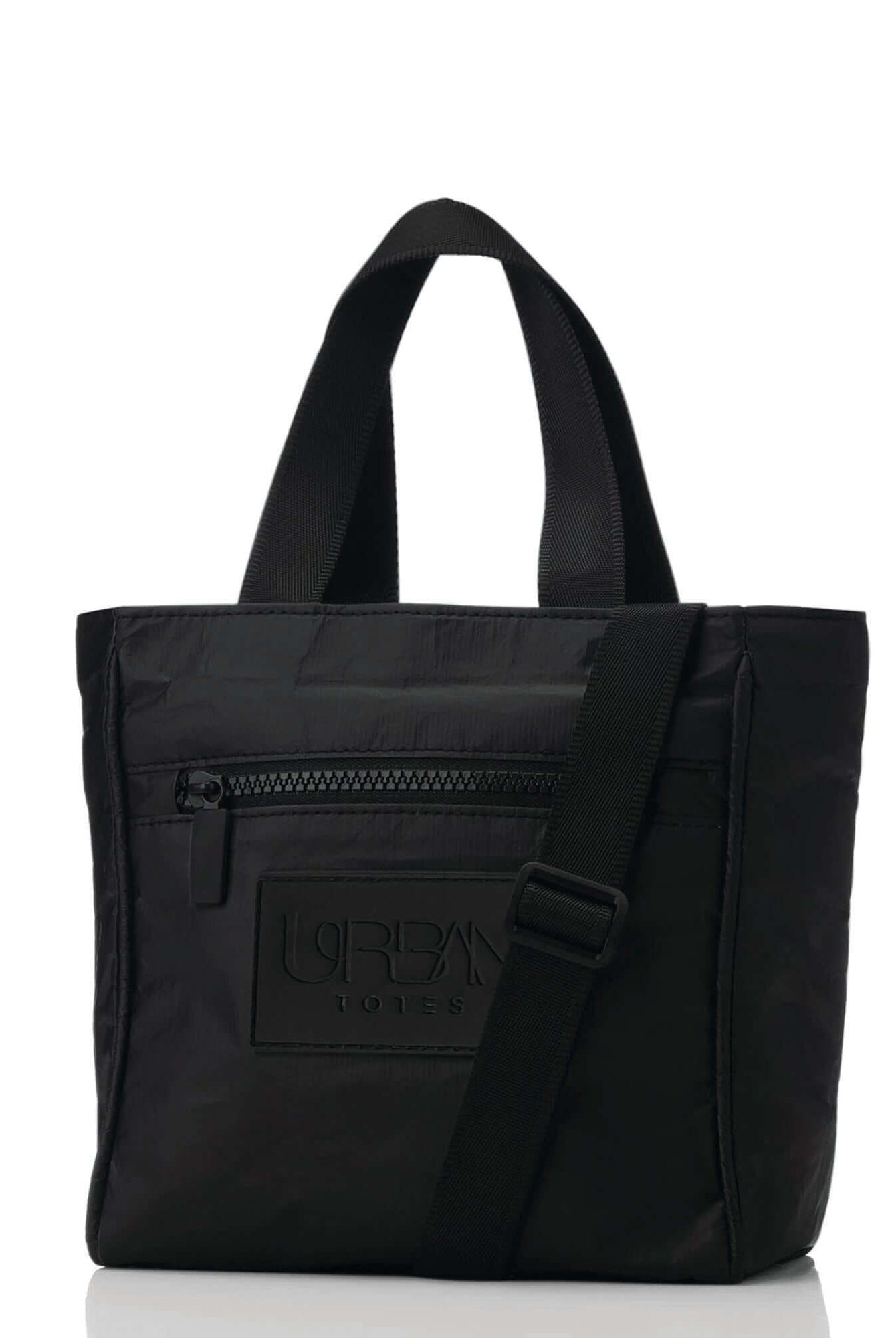
A compact example is the Crossbody Tote Bag Mini Purse, which uses a zip-top closure, outside zipper pocket, and easy-access pocket for phone and keys, along with a water-resistant build and lightweight feel. It's not a laptop tote, but it shows the kind of organization-first thinking that separates useful bags from pretty ones.
Getting the Right Size and Laptop Compatibility
The biggest sizing mistake is trusting the label. A tote that says it fits a 15-inch laptop might still be too tight if your device has a thicker body, a protective sleeve, or a chunky charger stored nearby. Measure the actual laptop, not just the screen size.
For a 15 to 15.6 inch device, the internal laptop compartment should typically be about 36.8 to 38.6 cm long and 25.4 to 27.4 cm wide, with about 2.5 to 3.0 cm of depth allowance, according to the fit guidance from FLW Bag. That extra space matters because many 15.6-inch laptops don't match the screen label in their outer dimensions.
Laptop Size Compatibility Guide
| Laptop Model | Dimensions (L×W×H) | Min. Compartment Size |
|---|---|---|
| 13-inch ultrabook | Qualitatively smaller body, thin profile | Room for the laptop plus a slim sleeve |
| 15-inch everyday laptop | Measure length, width, and thickness before buying | Internal space with clear side and top clearance |
| 15.6-inch work laptop | Measure the body, not the screen label | About 36.8 to 38.6 cm long and 25.4 to 27.4 cm wide, with 2.5 to 3.0 cm depth allowance |
| 16-inch workstation | Usually needs a larger, more generous compartment | Larger than the typical 15.6-inch fit range |
A tote with tapered sides can look roomy from the outside and still feel cramped inside. That's why product photos can mislead you. The usable space matters more than the silhouette.
If you want a broader reference point, the internal sizing notes in the 17-inch laptop tote guide help you think through oversized devices before you commit.
Choosing a Tote for Your Specific Lifestyle
A commuter bag and a parenting bag can't be judged the same way. One needs speed and low weight. The other needs reach, wipeability, and enough structure to survive being dropped on the floor, the bench, or the stroller basket.
| Use Case | Must-Have Features | Nice-to-Have | Skip It |
|---|---|---|---|
| Daily commuting | Lightweight build, secure zipper closure, quick-access pockets | Crossbody strap option, slim profile | Oversized open tops |
| Business travel | Structure, organized interior, easy slide-under-seat shape | Luggage pass-through, extra exterior pocket | Soft, floppy sides |
| Gym to office | Water-resistant lining, separation for clean items, easy cleanup | Ventilated side pocket, shoe storage | Delicate interiors |
| Parenting on the go | Wide opening, wipeable lining, durable base | Extra pockets for snacks and small items | Fussy closures that need two hands |
Commuters should care about the fastest reach points first. If you're standing on transit with one hand on a rail and the other on coffee, you need a tote that opens cleanly and doesn't force a full dig for your phone or transit card.
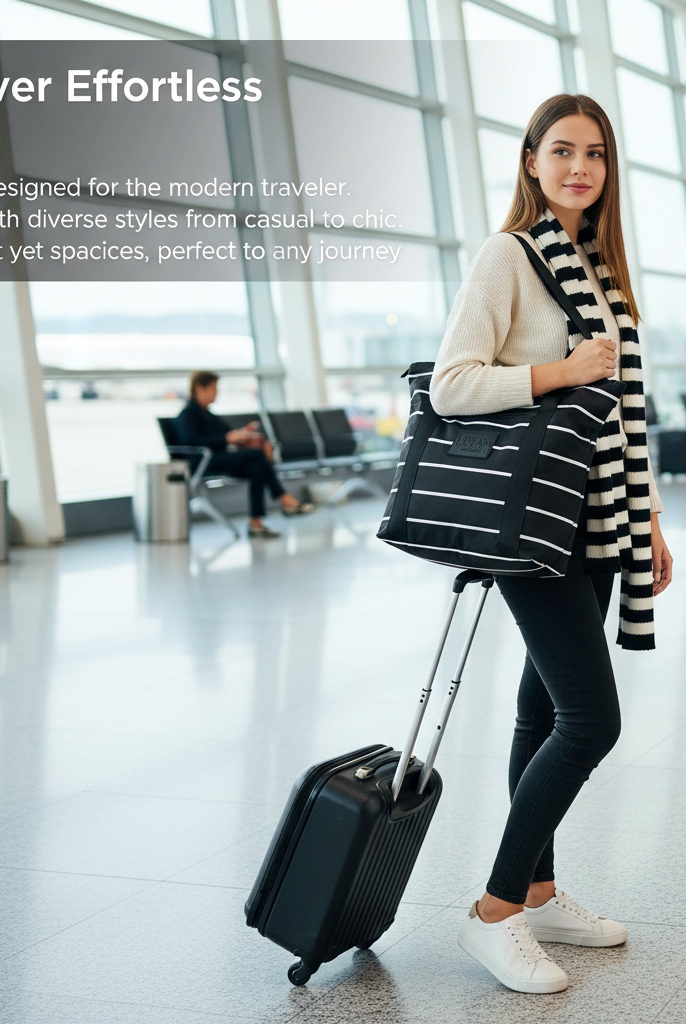
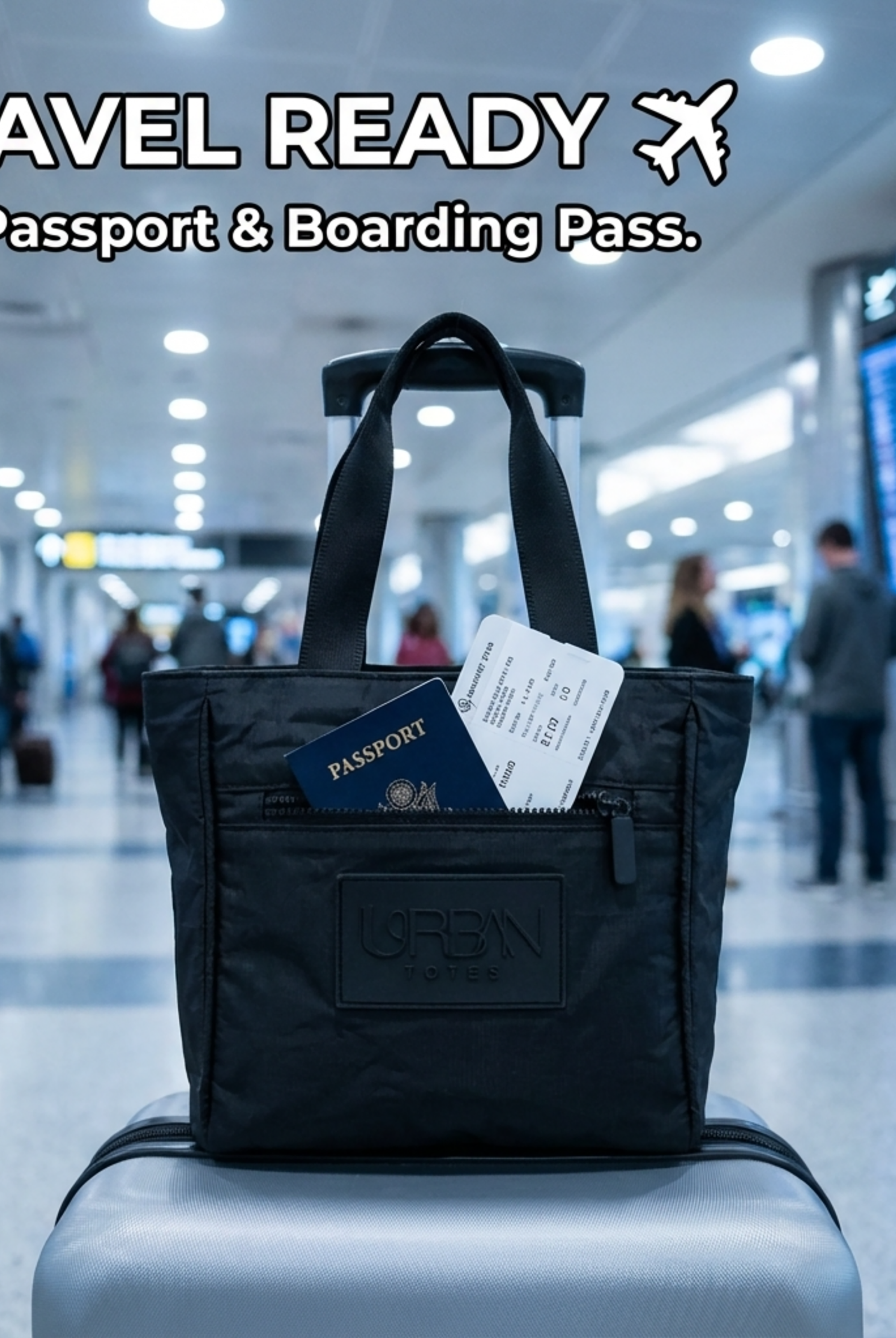
Travelers need security and shape. A bag that slouches too much can be annoying under an airplane seat, and a loose top is a bad match for crowded terminals. Parents need the most forgiving interiors because real life means sticky fingers, wet wipes, and one-handed access.
A tote that only works when your day is perfectly organized is a bad tote.
The best choice is the one that matches your actual routine, not the fantasy version where you only carry a laptop and a notebook. If your day shifts between office, errands, and pickup duty, choose for transition, not just appearance.
Materials and Construction That Actually Last
The material conversation is where marketing gets noisy and reality gets clear. A beautiful bag that collapses, scuffs badly, or starts fraying at the strap junction won't feel beautiful for long. Construction details decide whether a tote can handle repeat use.
Materials worth taking seriously
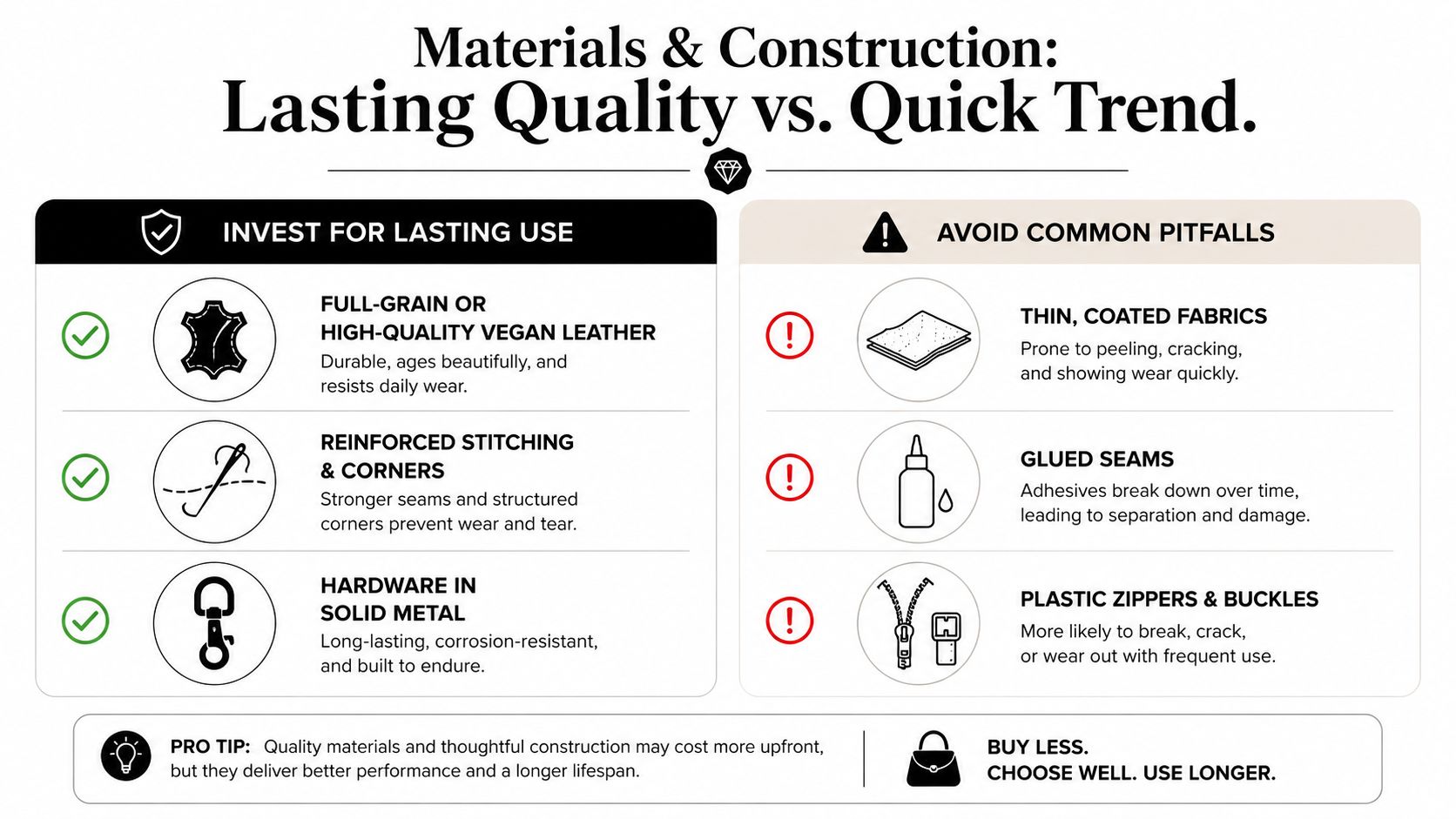
Full-grain leather has a different feel and aging pattern than coated fashion materials. Ballistic nylon and waxed canvas usually make more sense when you want a lighter, everyday carry bag with a more casual edge. Interior linings matter too, because cheap cotton blends tend to show spills and pen marks faster than tougher coated fabrics.
If you want a clean contrast in construction choices, the tote bag material guide is a useful companion. It helps you compare materials before you get distracted by colorways and styling.
Durability clues are in the seams and hardware. Look for reinforced stress points, double stitching at the strap anchors, and metal hardware where the bag needs repeated movement. Plastic zipper pulls and loose seam finishes are usually the first signs of a bag built for photos, not a full season of daily carry.
For a different carry format that still shows the value of light construction, the lightweight 15.6-inch laptop backpack is a useful comparison point. It highlights how much comfort can come from smart weight management, not just the type of bag.
The same principle shows up in recycled fabrics. Recycled bag materials are often made from pre-consumer or post-consumer waste, including industrial scrap and PET bottles, and performance-grade recycled fabrics go through sourcing, yarn reconstruction, finishing, and testing before use in travel bags, according to the material notes from Totally Boise. A lightweight, travel-oriented tote can also use 100% recycled polyamide in the main fabric, lining, and reinforced base, as shown in the product material example from Totally Boise.
Styling Tips and Smart Packing Strategies
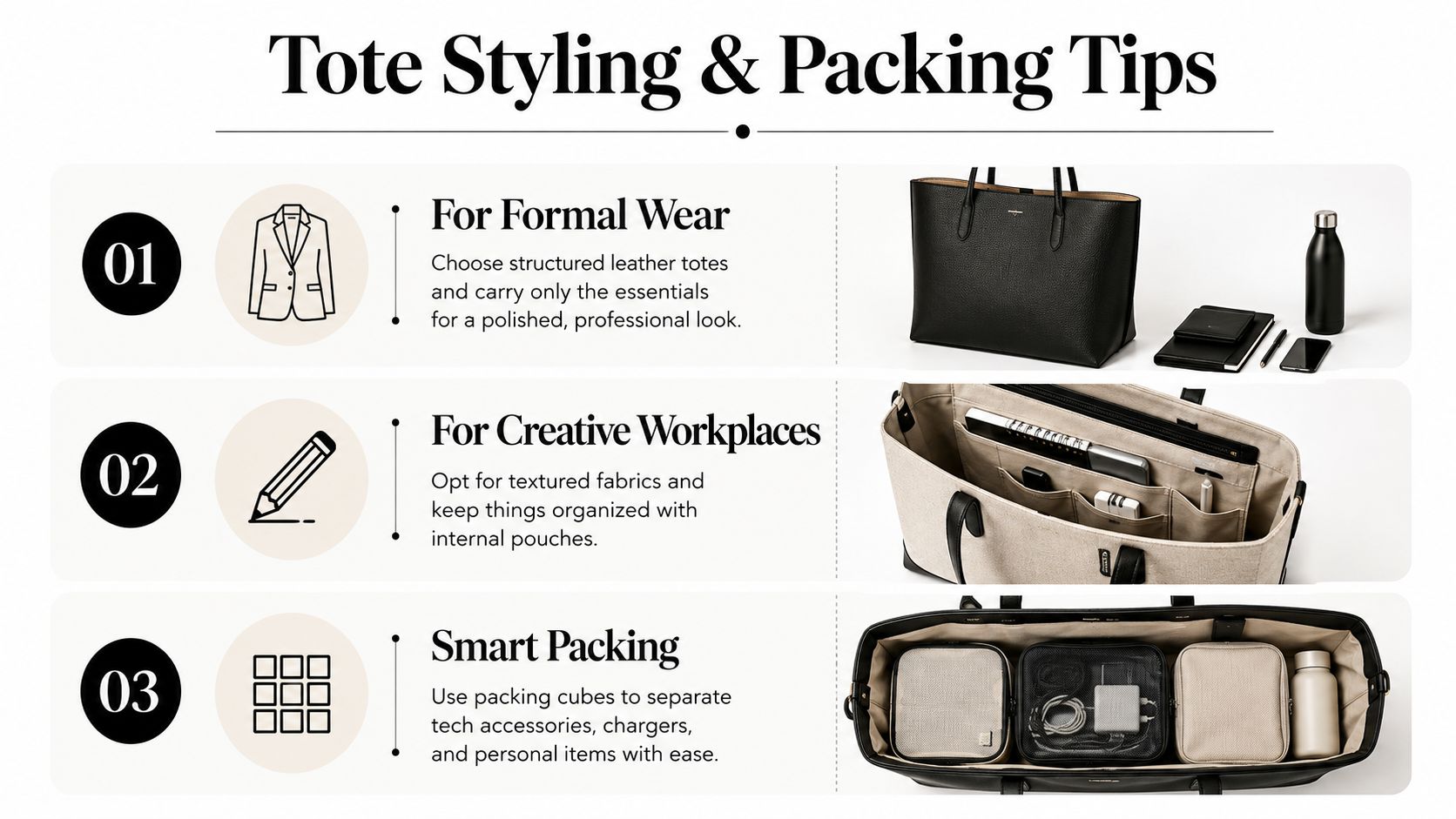
The easiest way to make a tote look polished is to stop overfilling it. A bag that's packed well sits better on the body, holds its shape, and looks intentional instead of stuffed. That matters whether you're headed to the office or grabbing a late lunch between errands.
Styling by dress code
A structured tote pairs cleanly with tailoring, loafers, and a simple coat. A softer canvas or nylon version works better with relaxed denim, knitwear, and sneakers. Keep the base color neutral if you want the bag to move across outfits without obvious effort.
Pack in layers, not in chaos
Start with the laptop against the padded sleeve. Put tech accessories in a slim pouch so cords don't spread through the whole bag. Keep daily-use items, like sunglasses and hand cream, in the easiest pocket to reach.
Packing rule: heavy items belong near your body, not floating at the outer wall of the tote.
That single move helps the bag sit better and keeps it from swinging awkwardly. It also makes the interior easier to scan, which means fewer mid-day searches for keys or earbuds.
If your bag already has multiple compartments, use them with intention. Don't let every pocket become a random stash zone. The more consistent your packing pattern, the faster your bag works for you.
How Urban Totes Solves Real Carry Problems
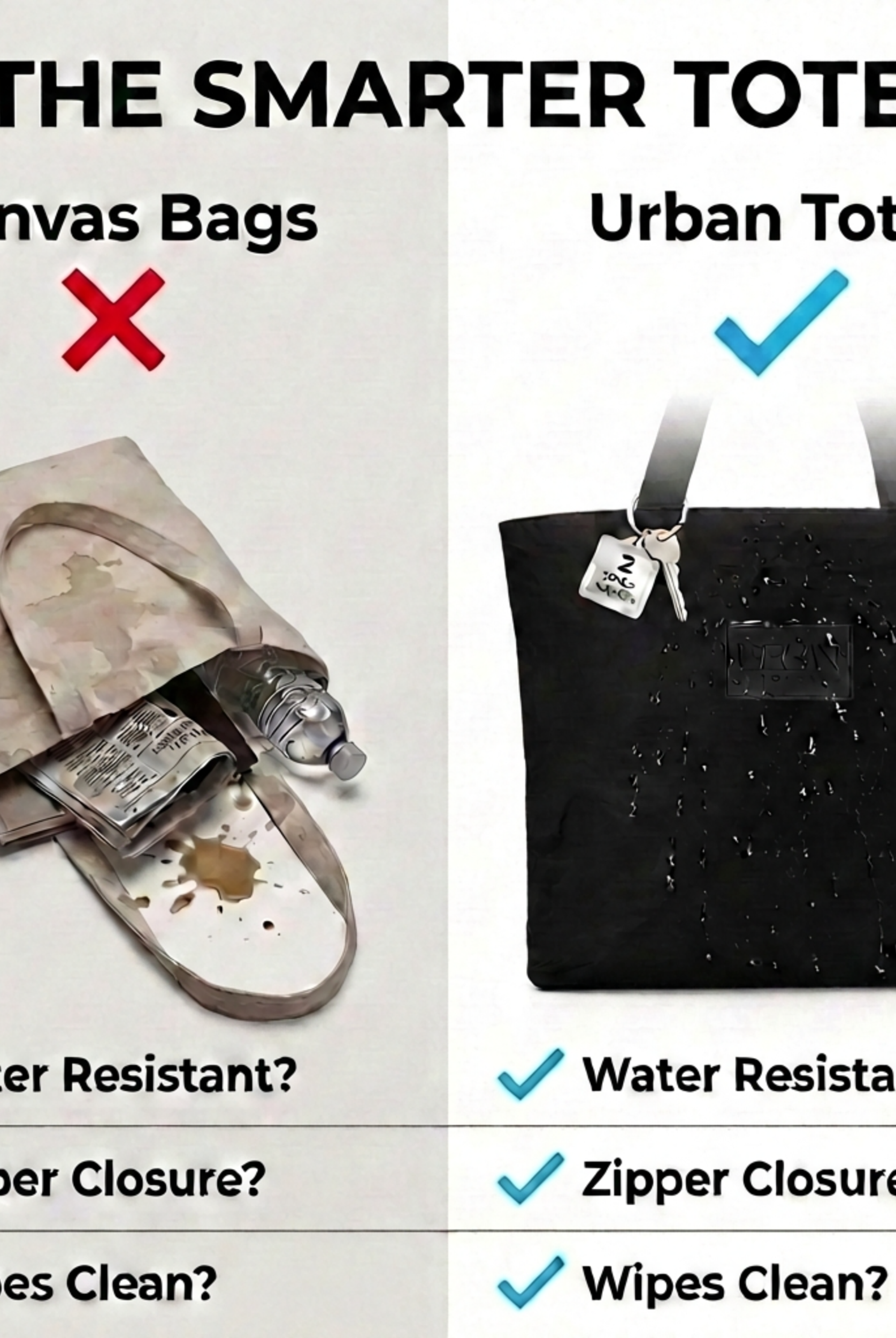
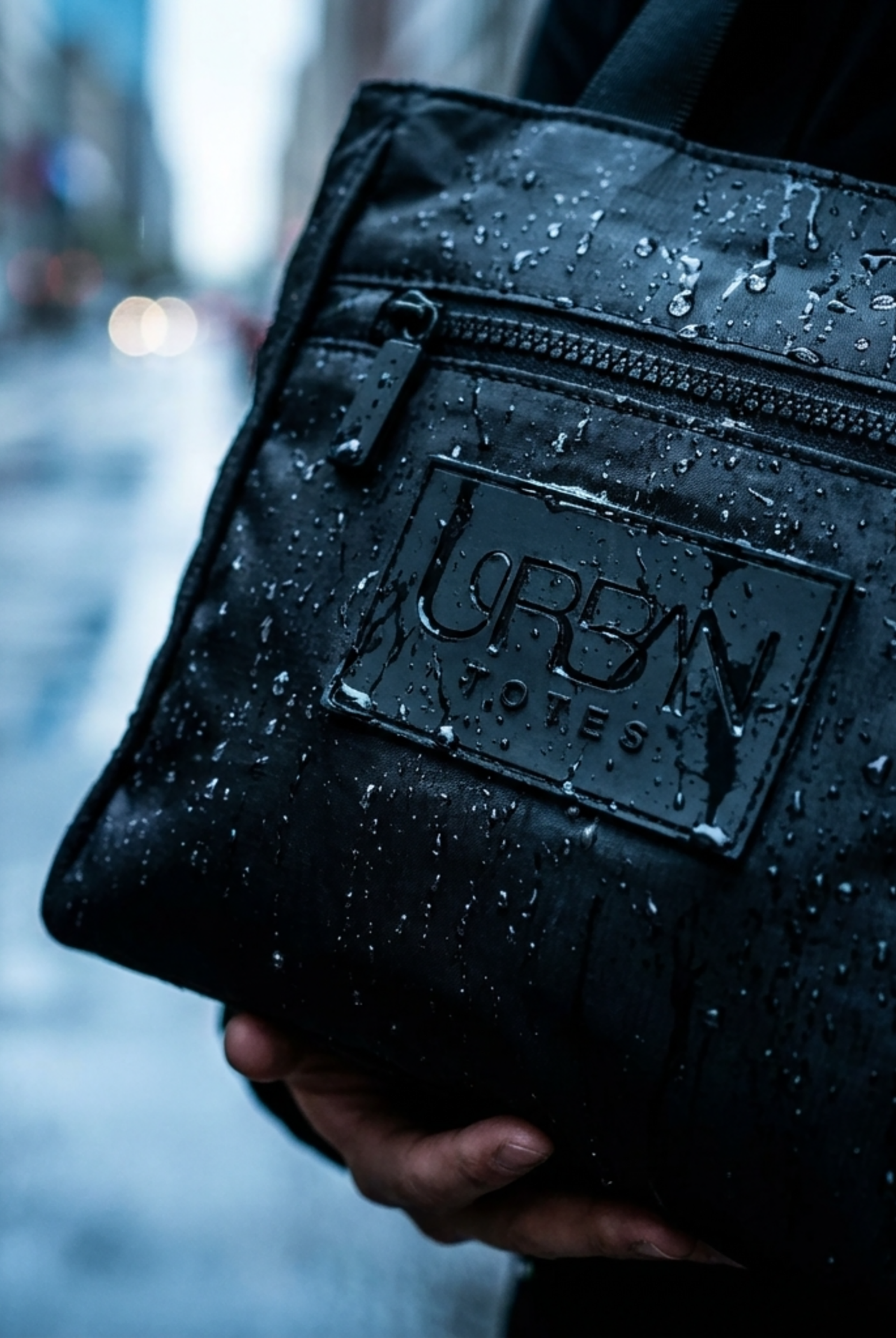
A tote has to pass four tests at once. It needs a padded laptop compartment that fits your device, water-resistant materials, organized storage for daily extras, and a shape that still looks polished after hours of use. Miss one, and you end up carrying a compromise all day.
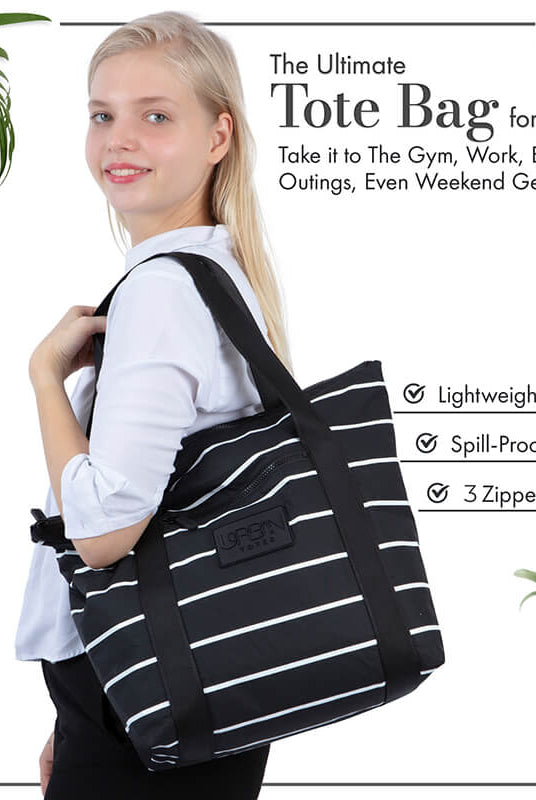
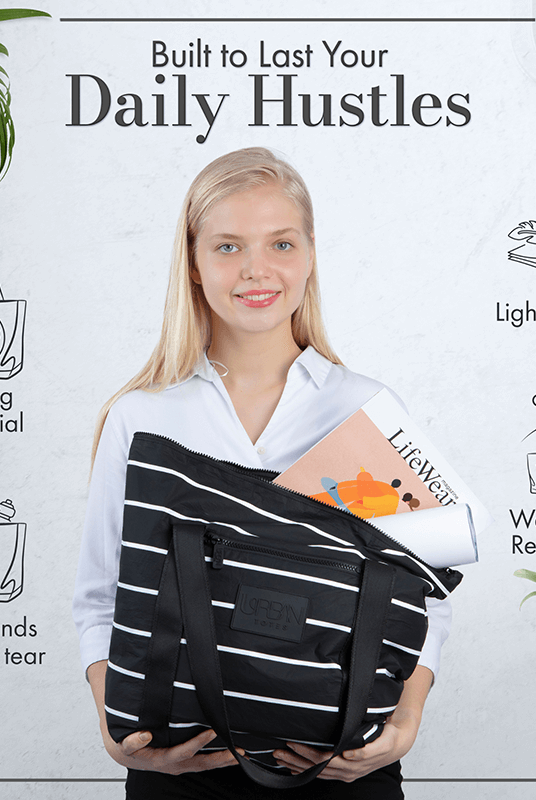
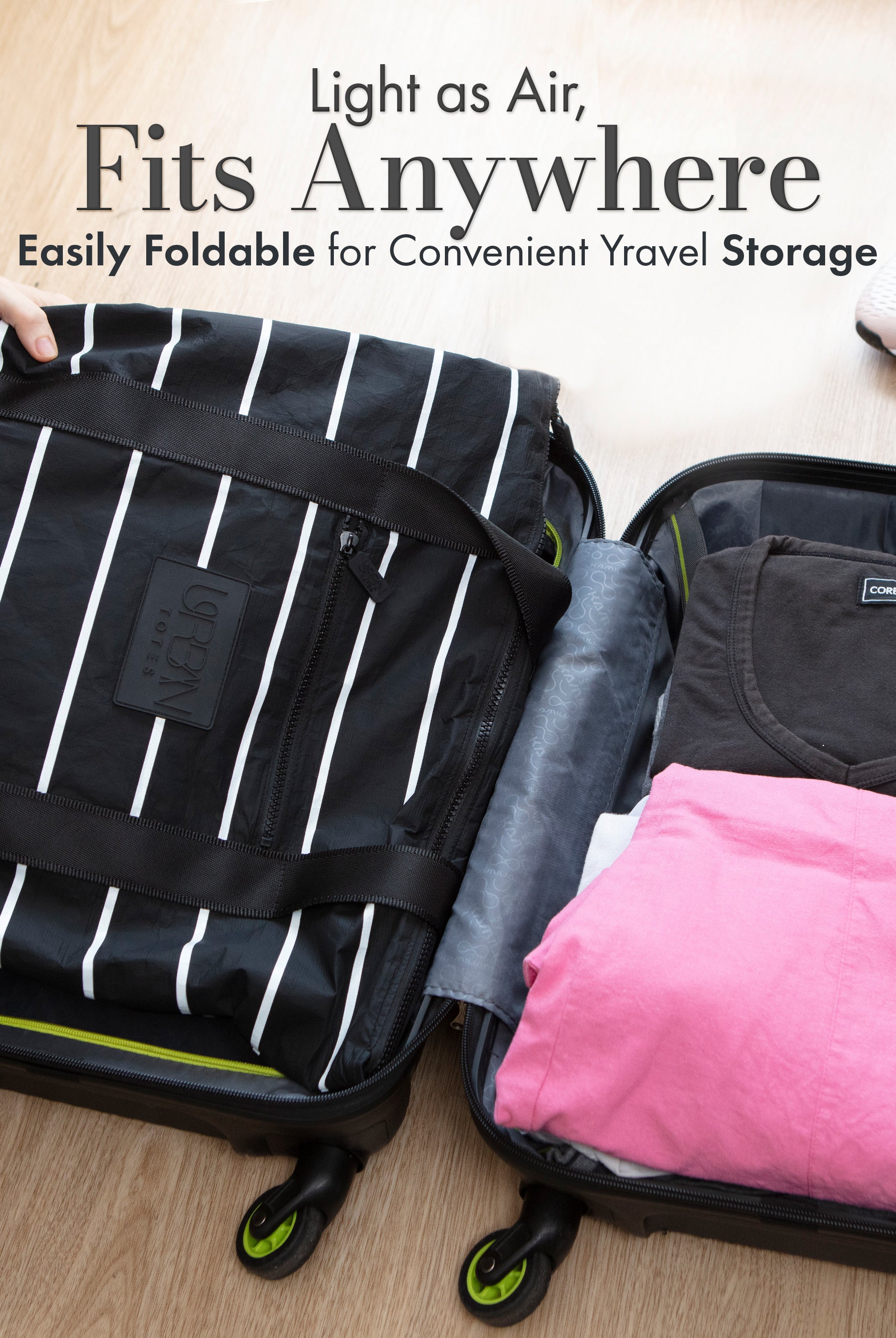
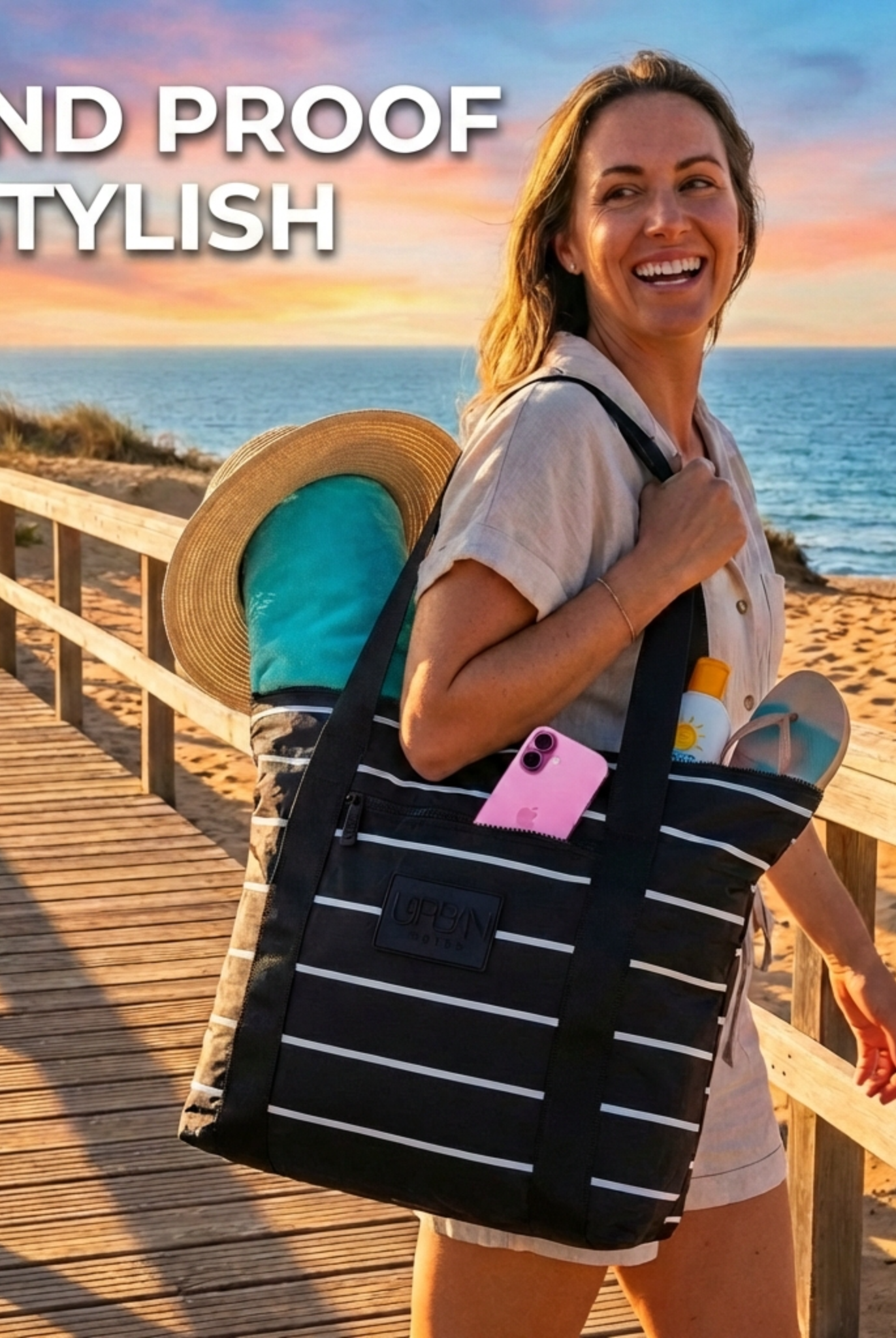
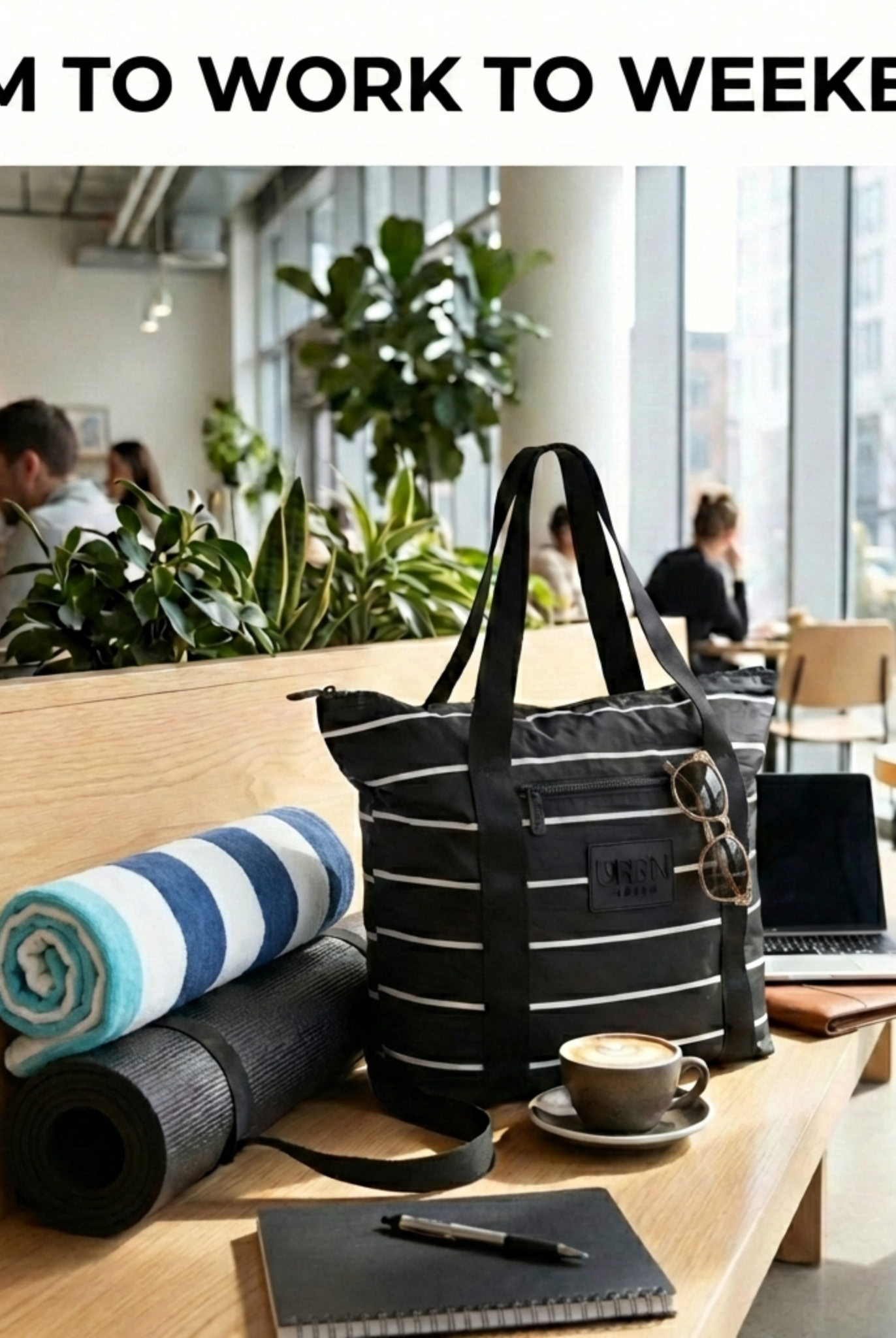
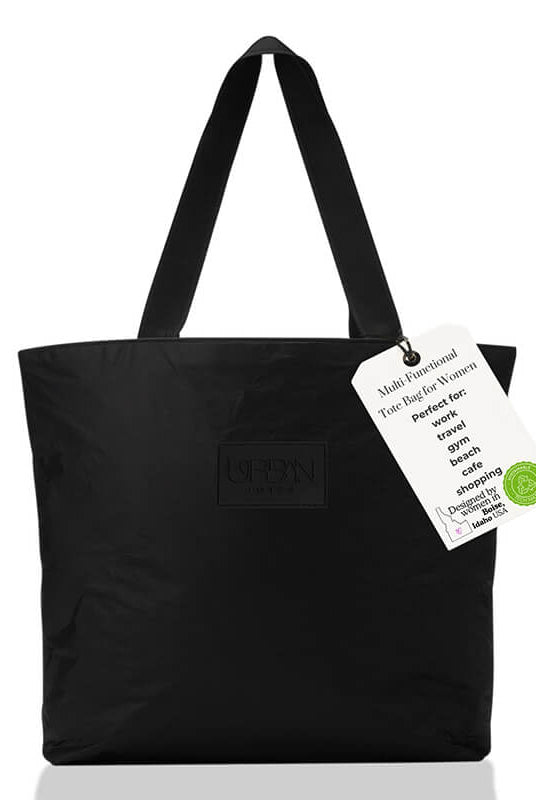
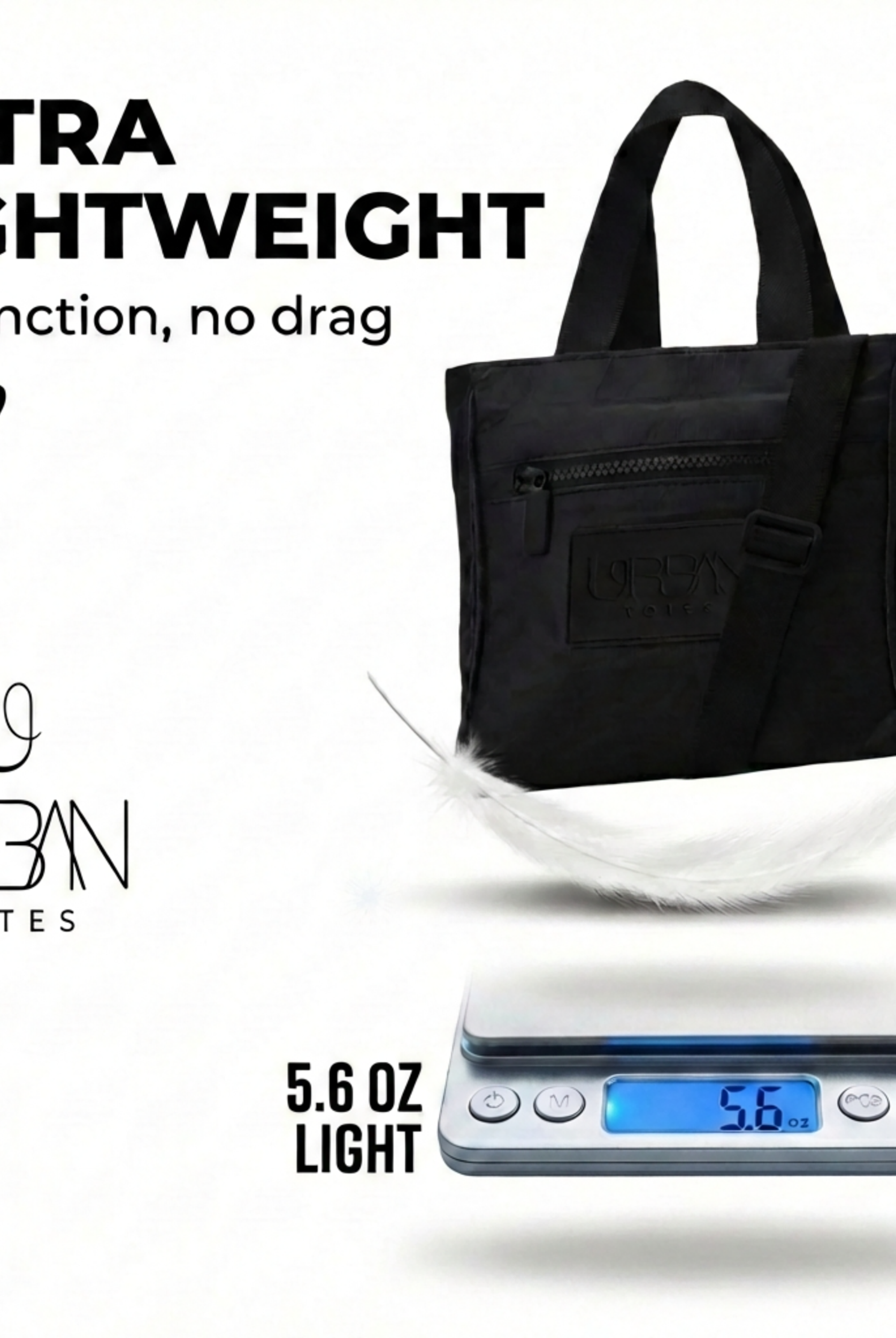
Urban Totes is a woman-owned Boise-made brand that chooses practical carry over fashion-only design. Its bags are built to be lightweight, packable, foldable, and water-resistant, with zipper closures and multiple compartments for commuting, errands, beach days, travel, and everyday carry. That mix matters because the same tote should handle a school drop-off, a train platform, and a weekend trip without forcing you to switch bags.
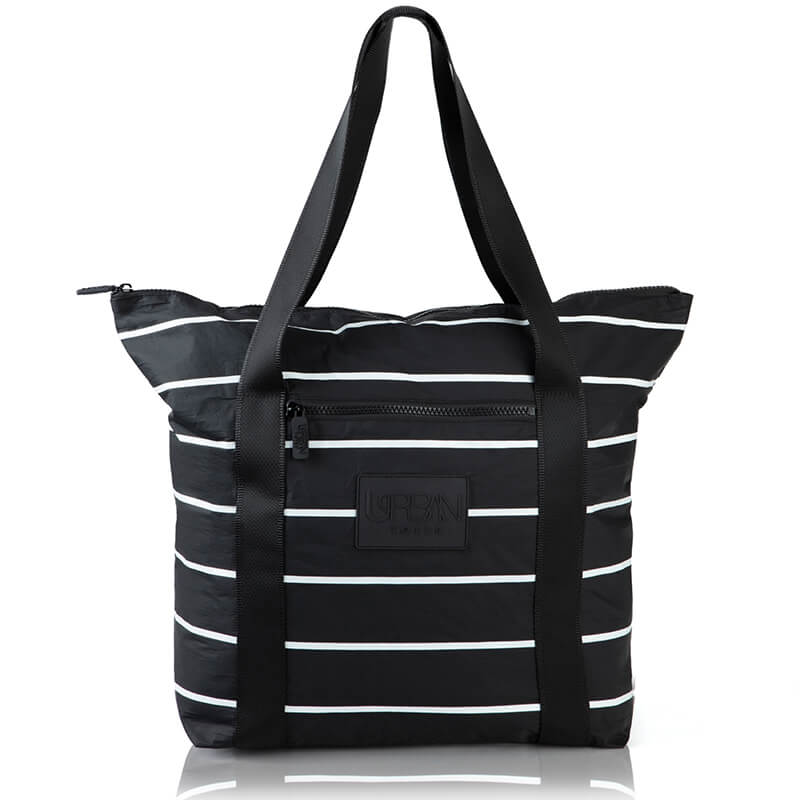
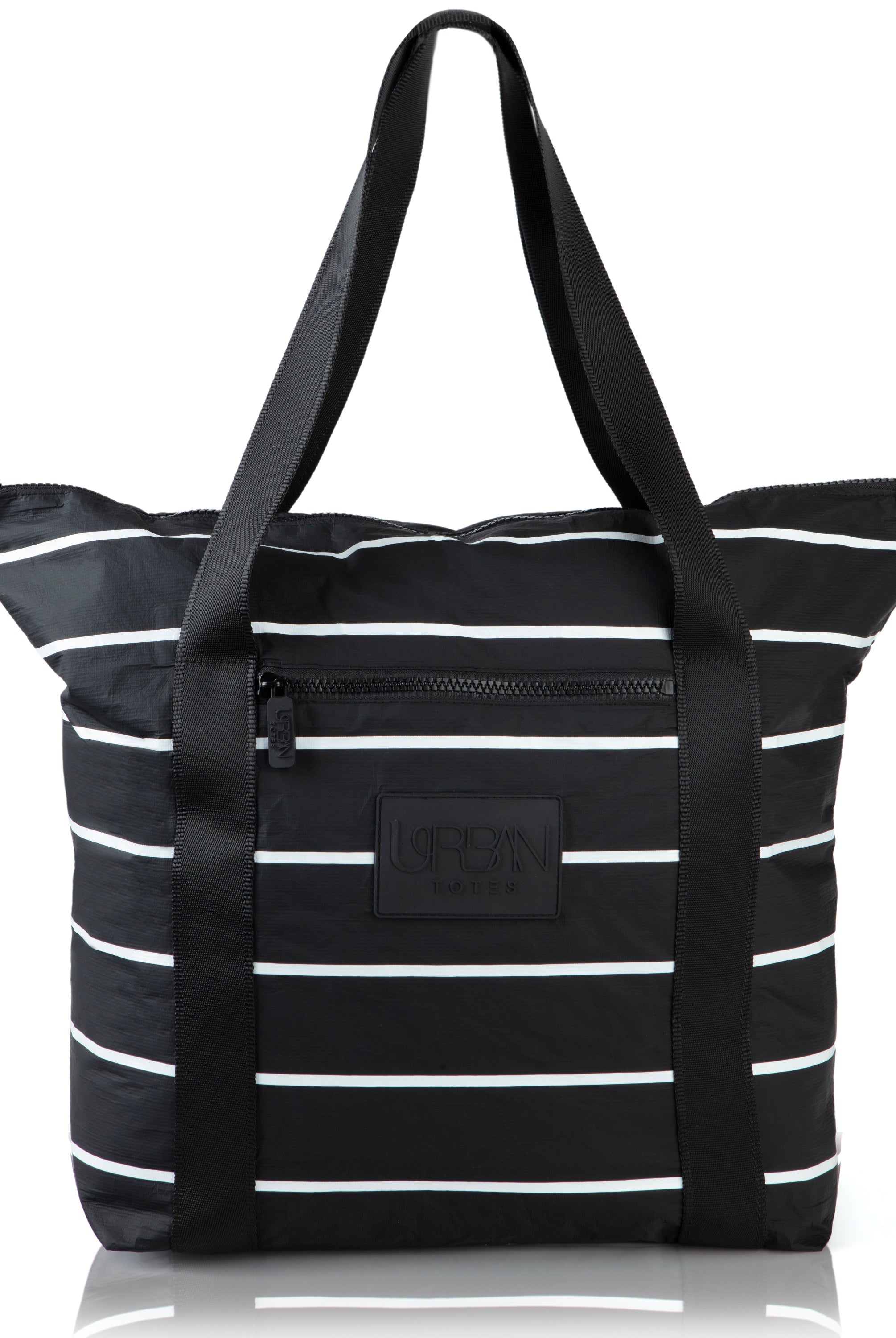
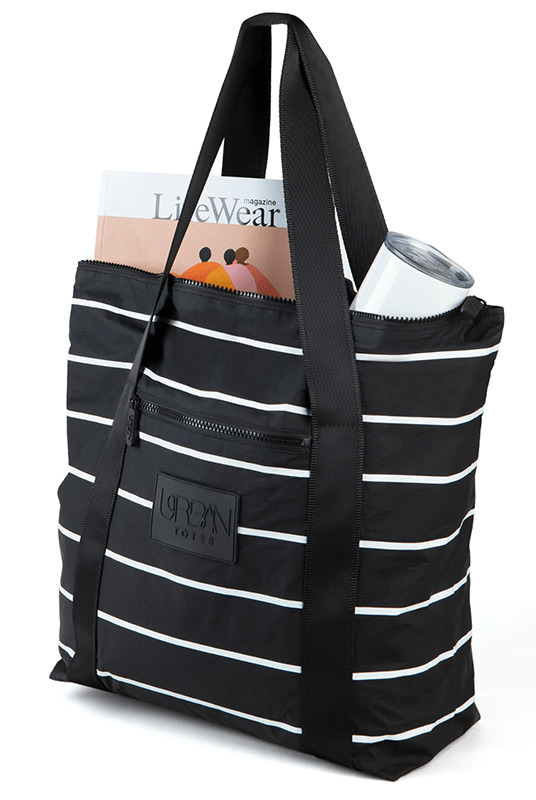
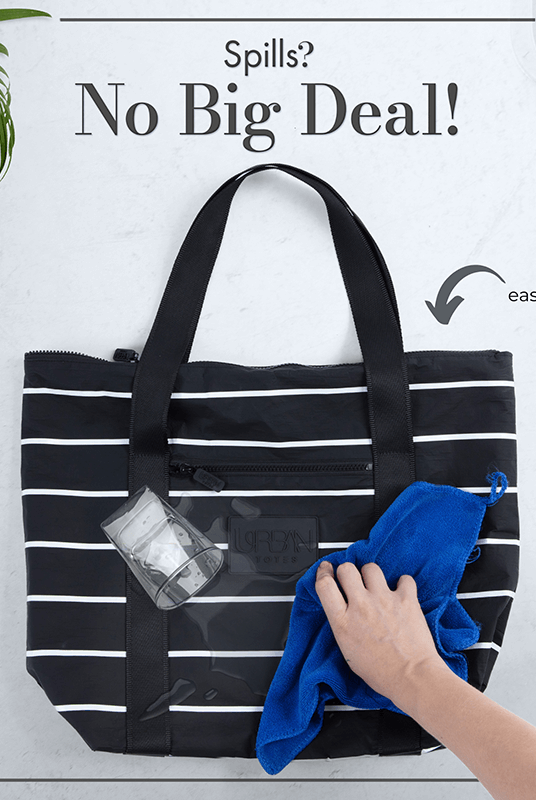
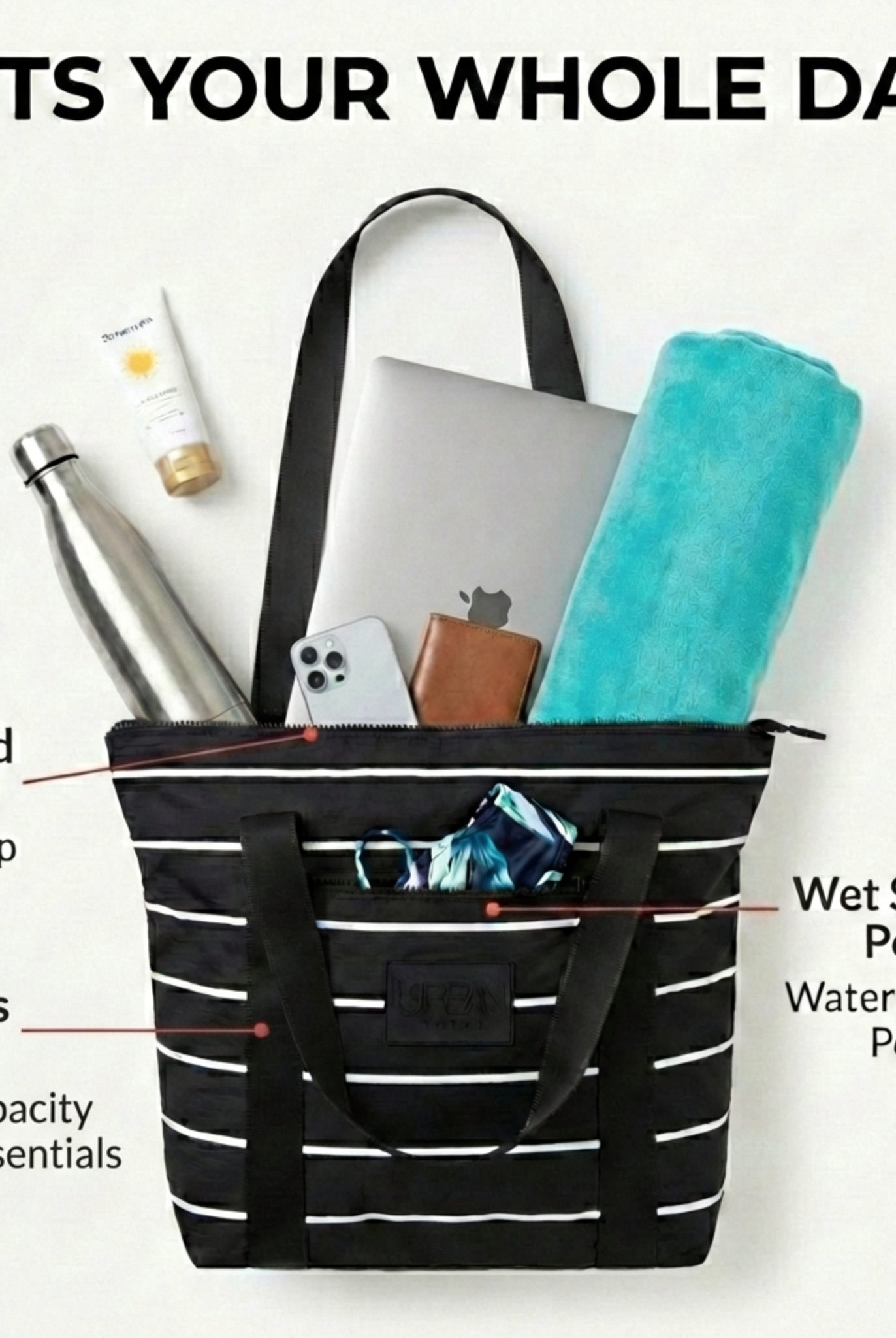
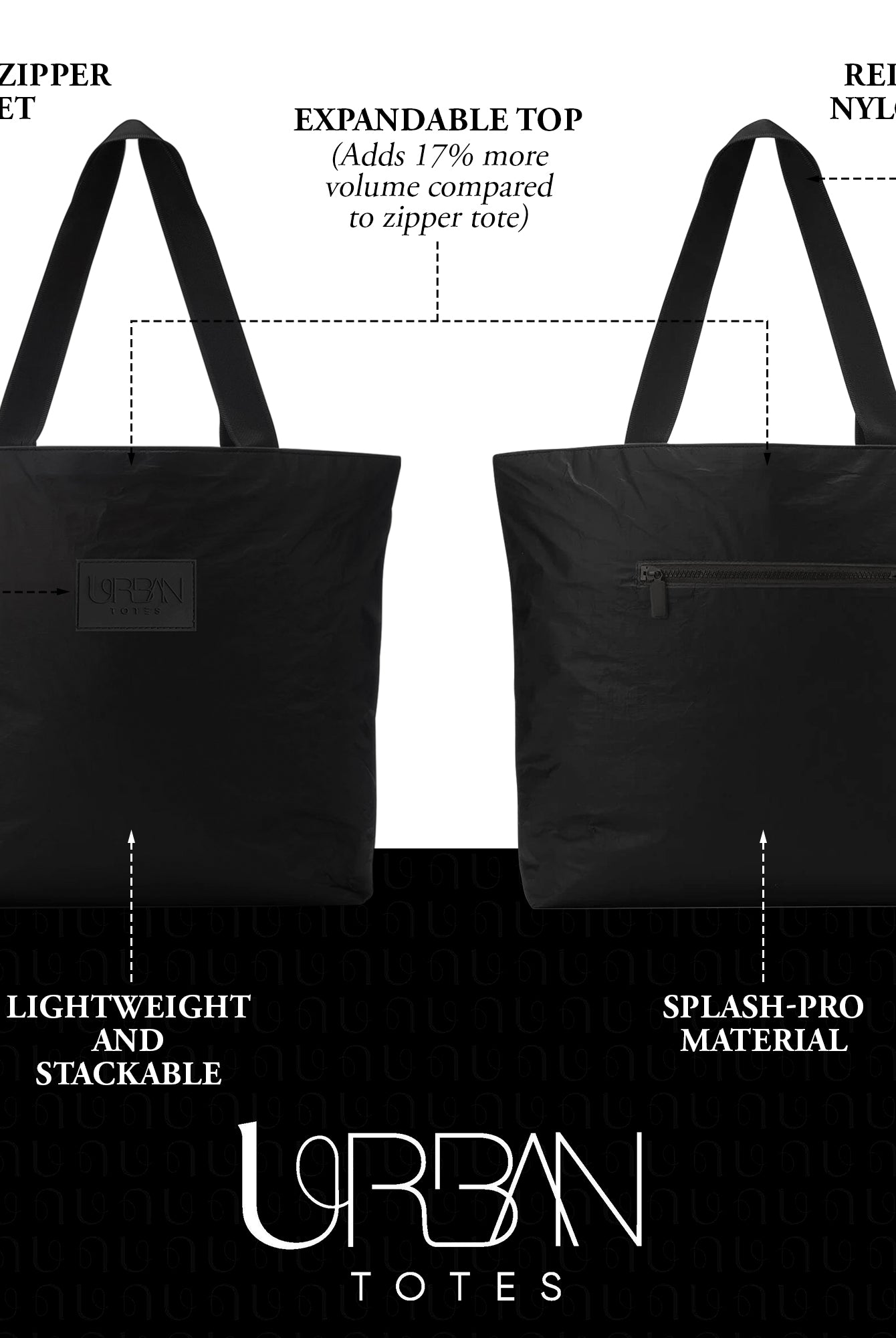
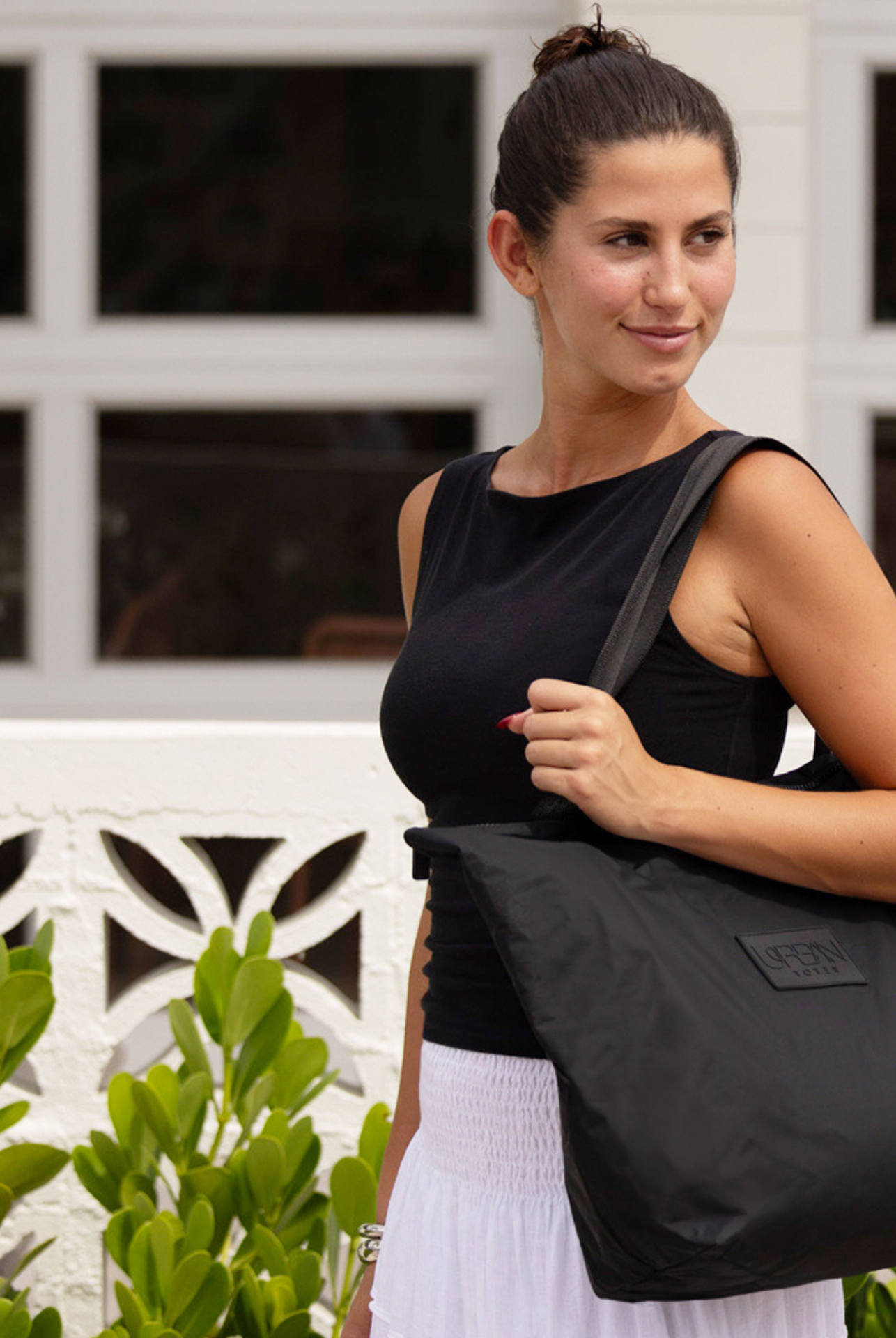
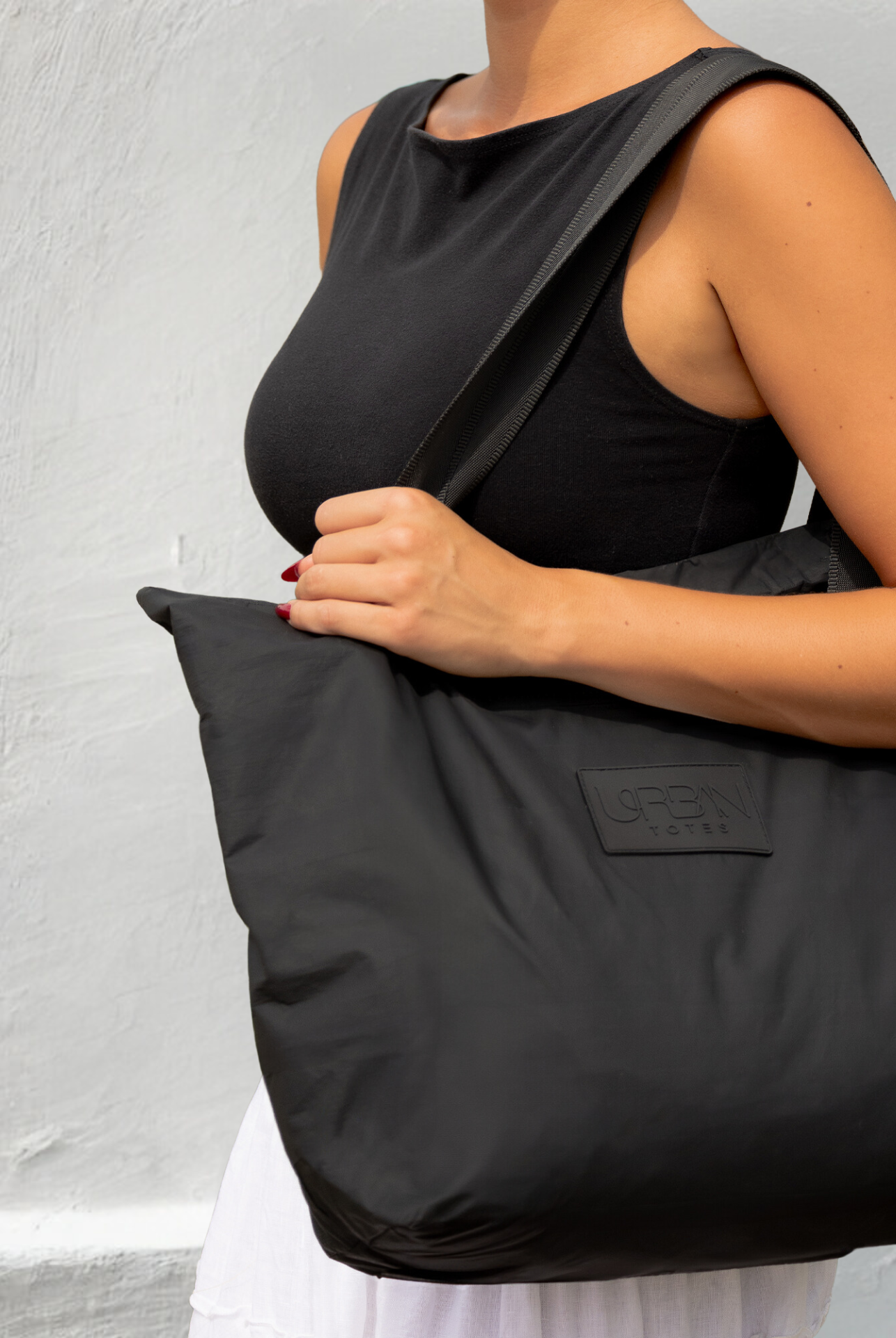
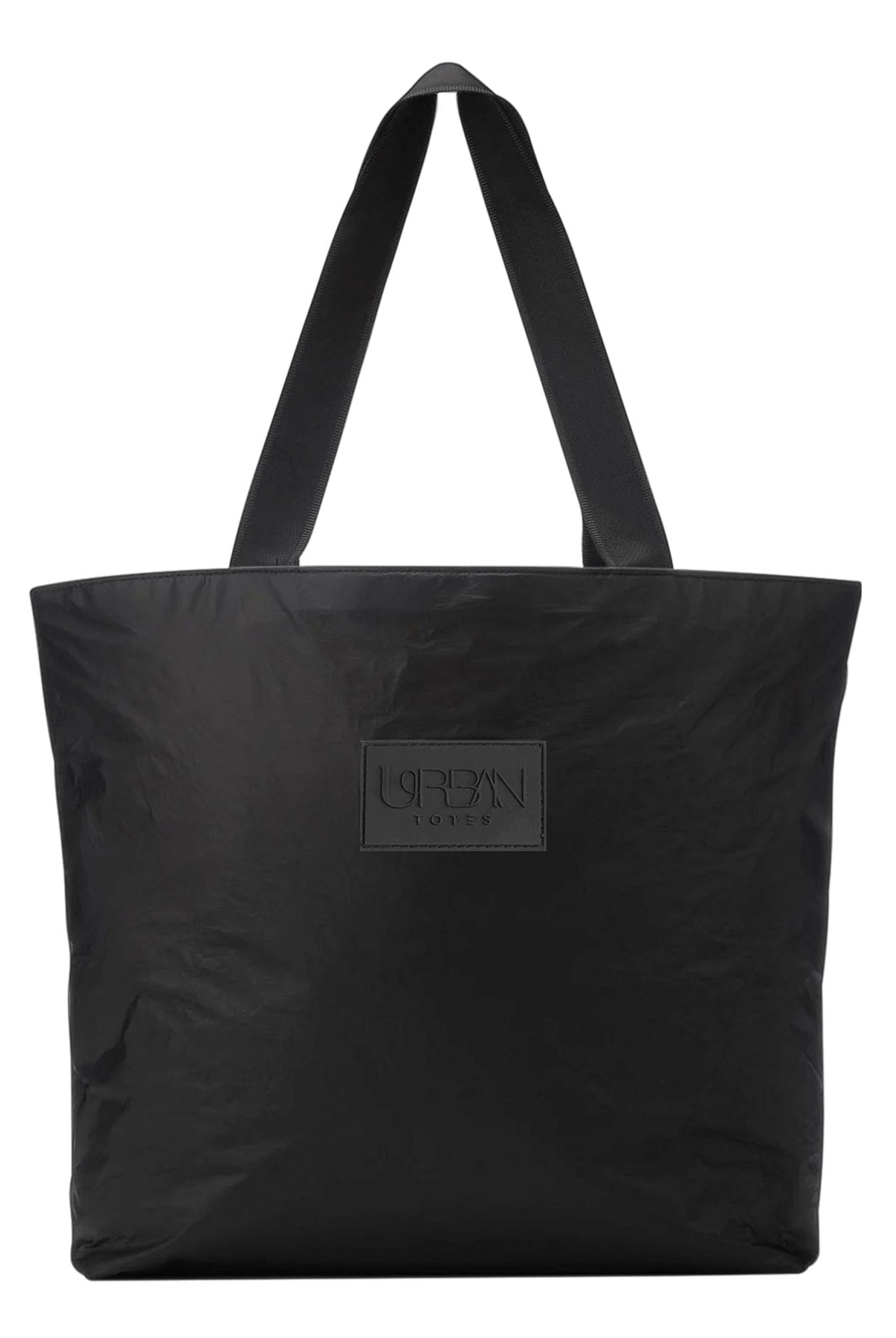
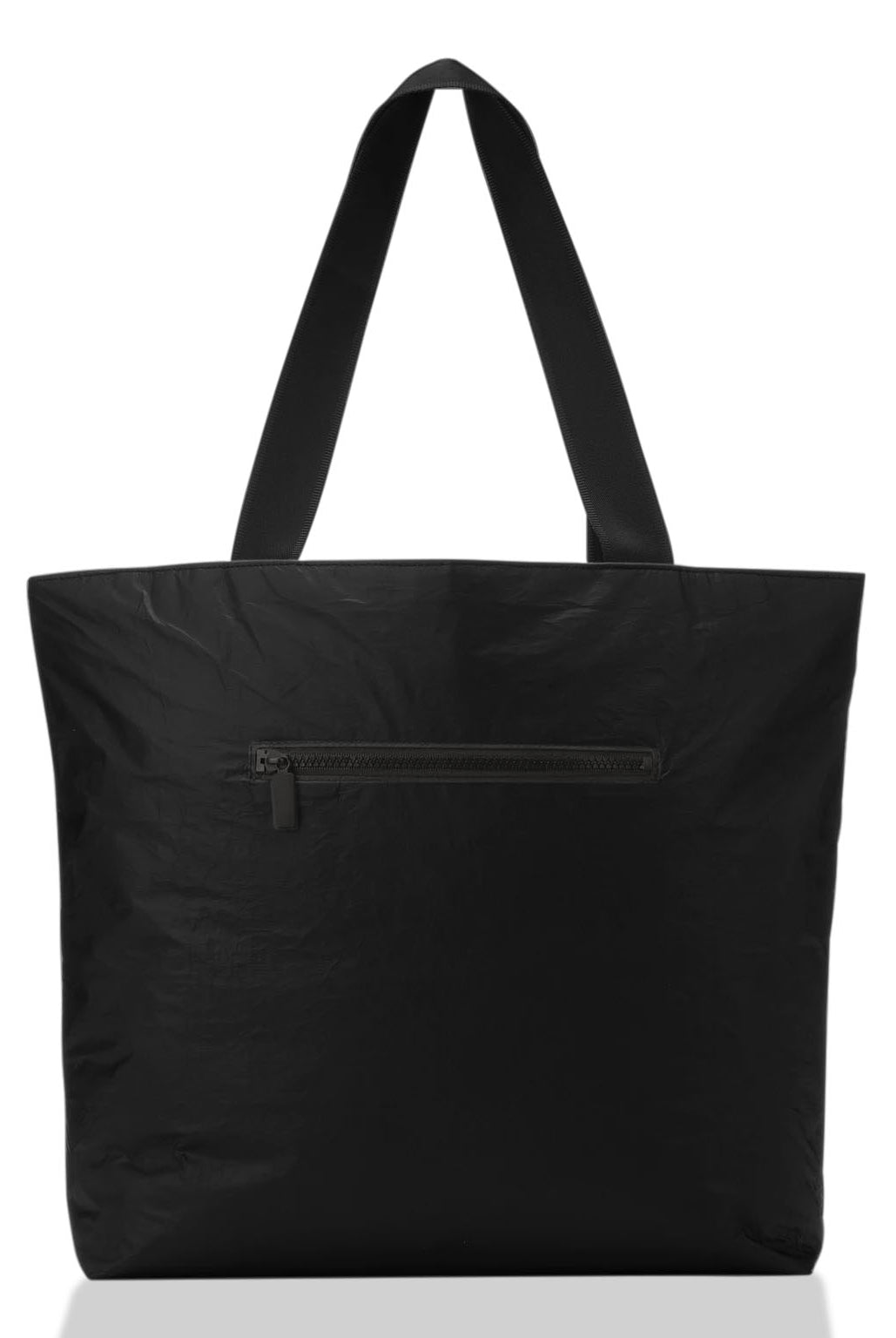
The brand's own collection, including The OG Zipper Tote Bag, shows the point clearly. Inside and outside zipper pockets, a lightweight build, and a packable, water-resistant structure make it easier to carry what you need without turning the tote into a black hole.
If you want the same materials-and-construction logic in a wider tote lineup, the Urban Totes collection is where that approach shows up most clearly.
The goal is simple. Choose a bag that keeps your laptop close, your essentials organized, and your shoulders less irritated by the end of the day. If it still looks good with the rest of your life, it's doing the job.