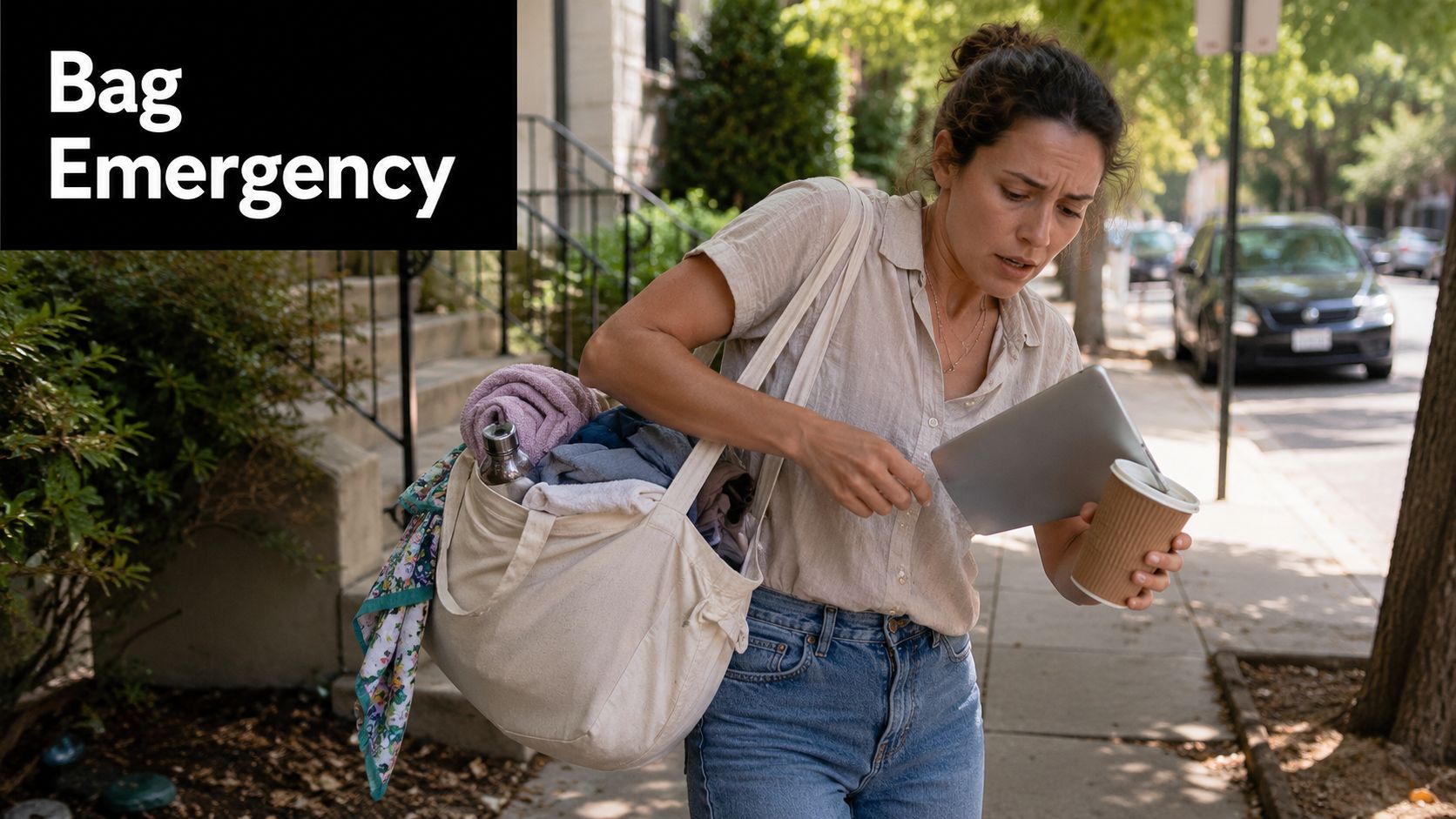
You're five minutes late, balancing coffee, a laptop, and a wet swimsuit while trying to get everyone out the door. Your tote smells faintly like yesterday's gym clothes, the laptop keeps sliding toward the open coffee lid, and a library book is taking on water from the towel your child shoved inside. A pretty open-top bag stops feeling charming and starts feeling like one more problem.
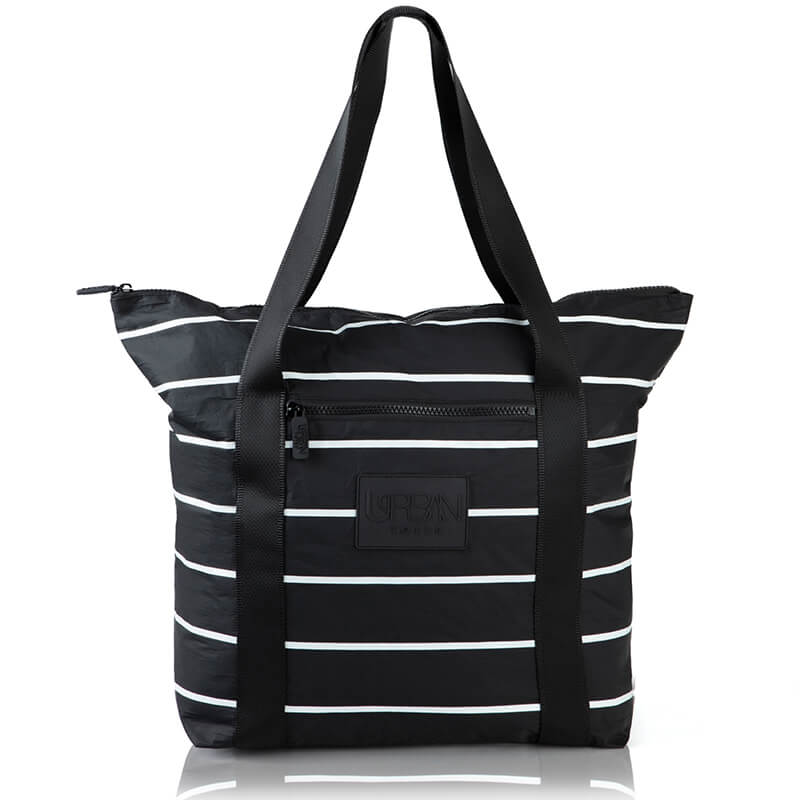
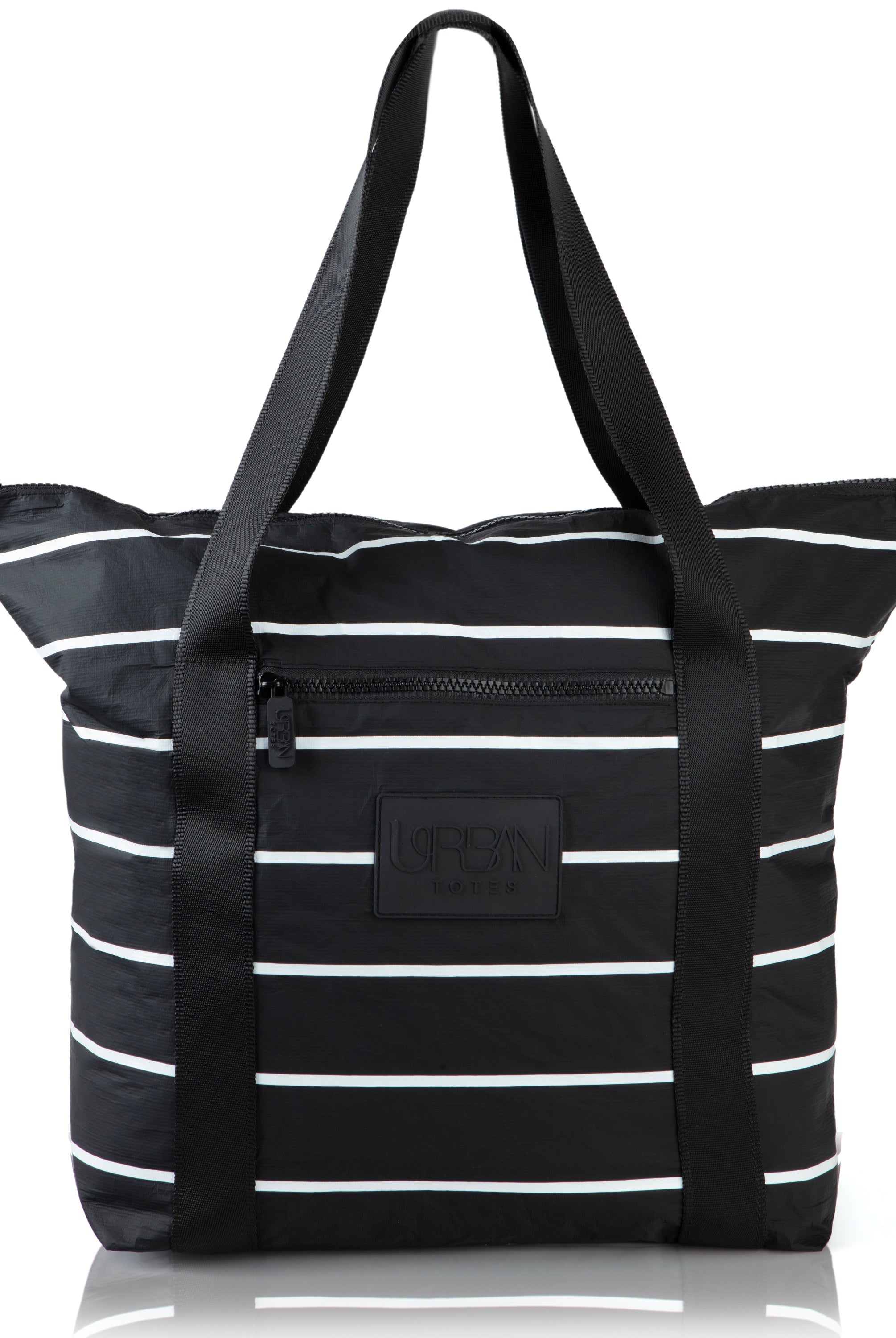
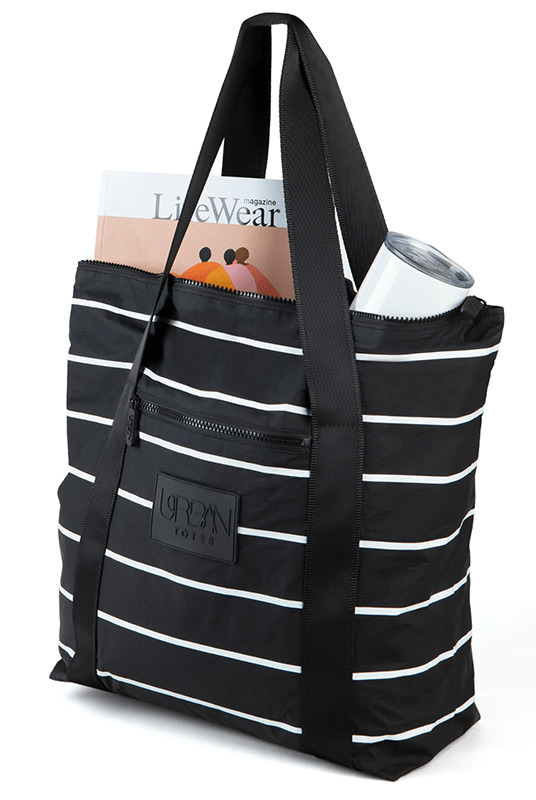
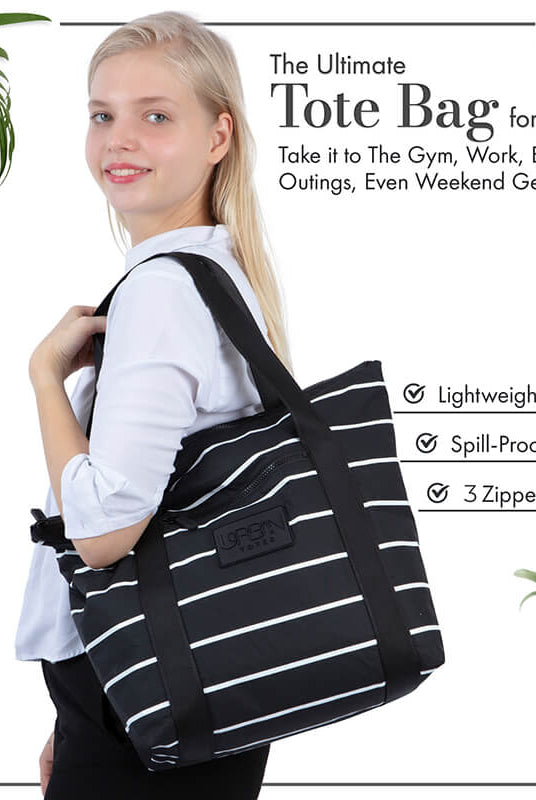
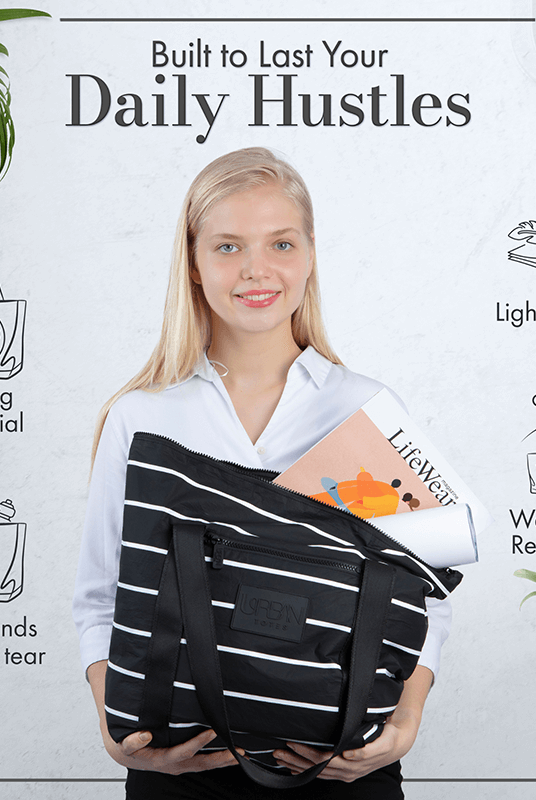
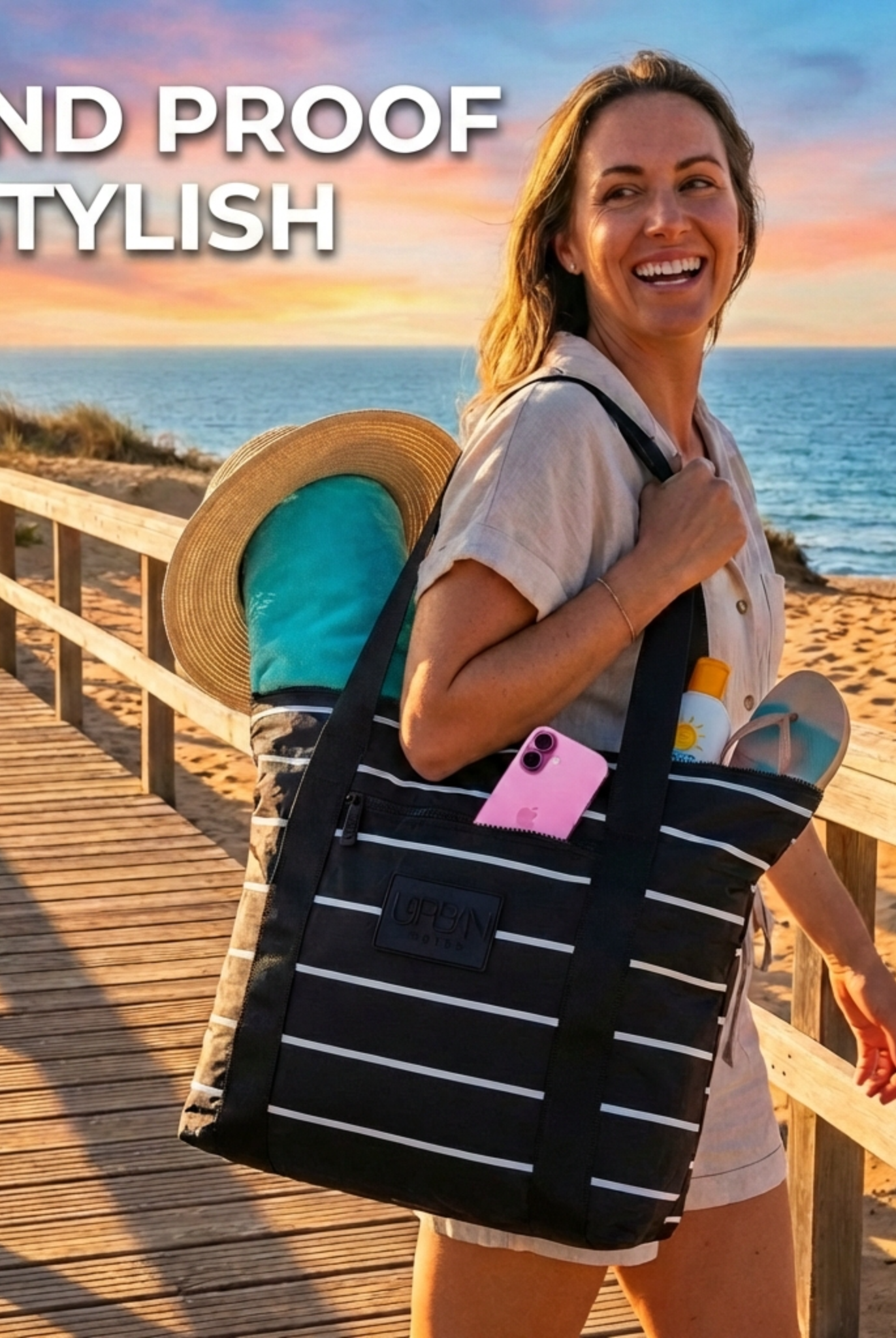
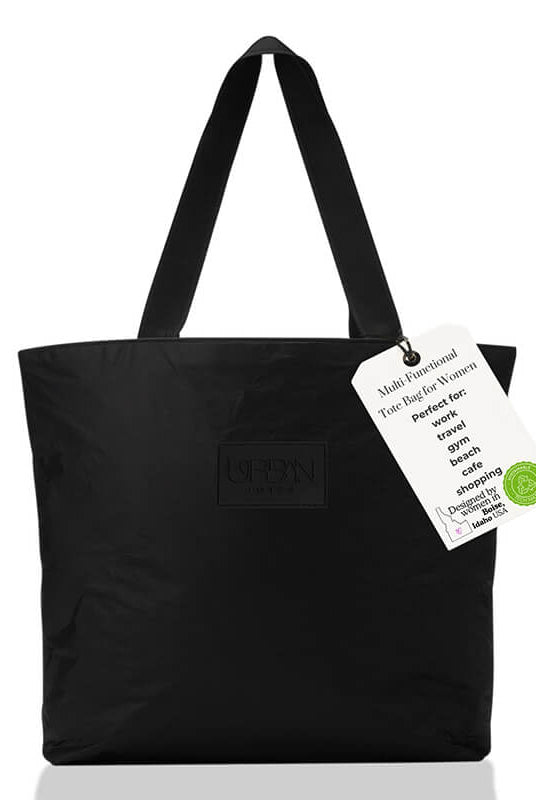
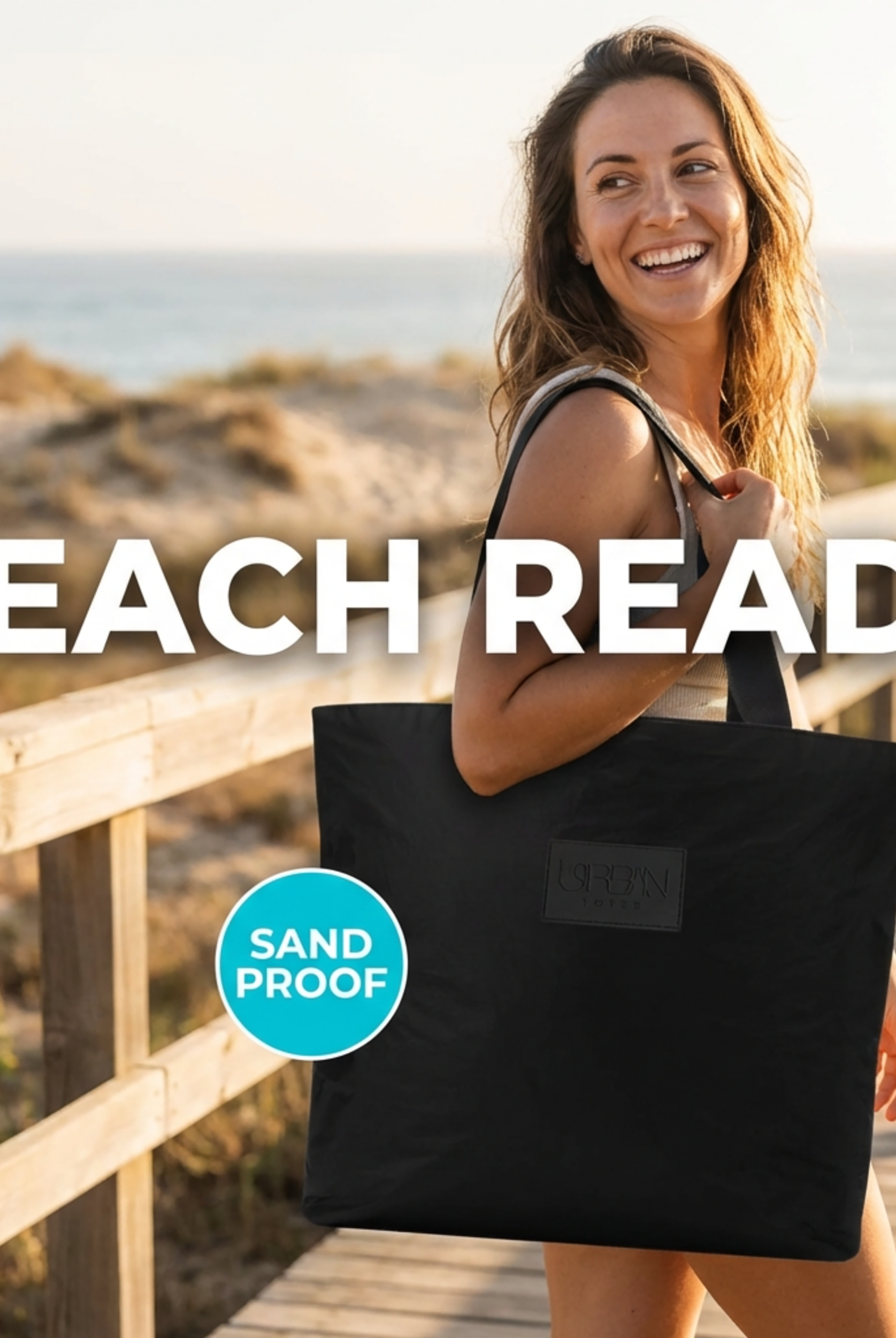
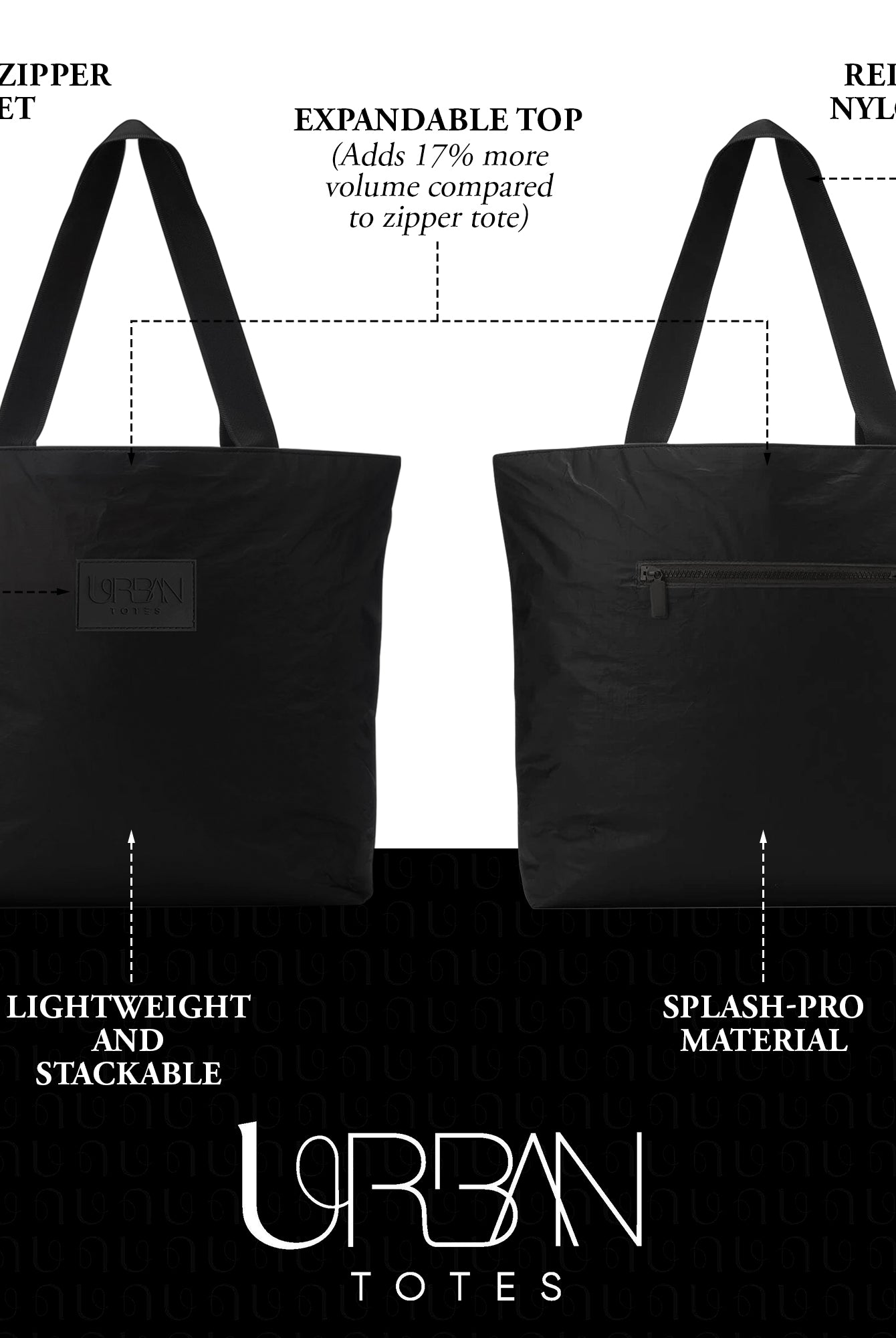
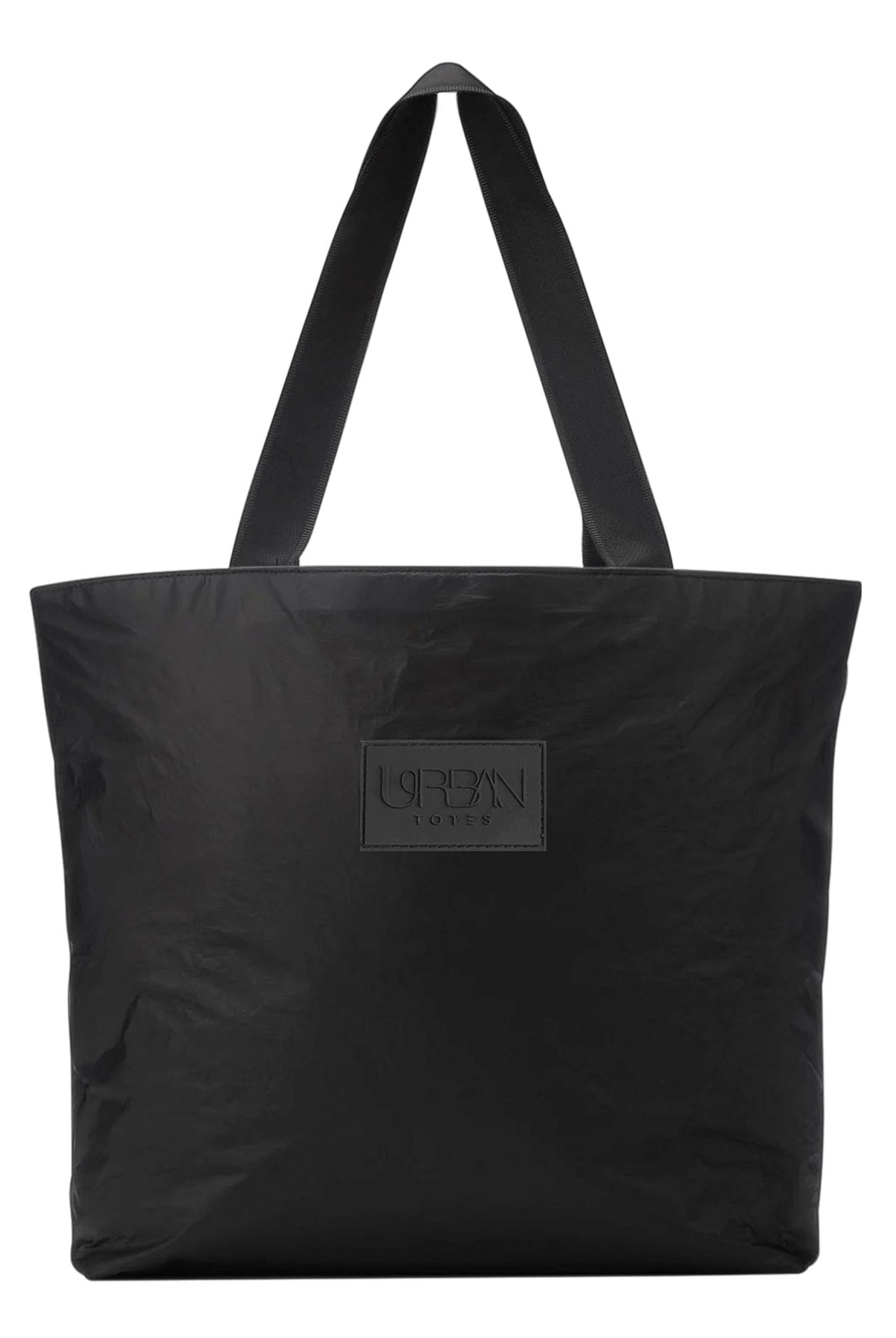
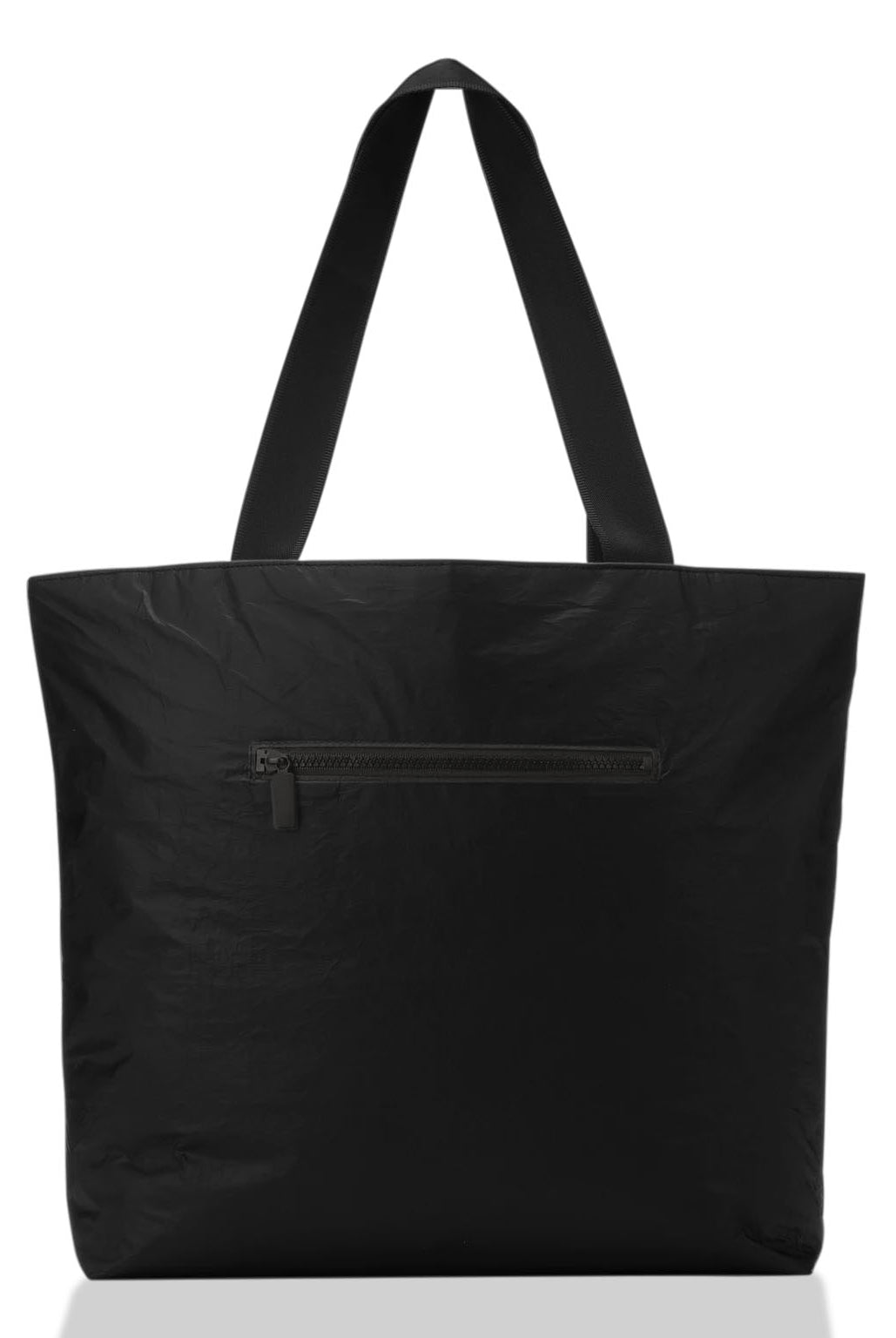
An on-the-go tote bag should move through the whole day without demanding a bag swap. It should be water-resistant, lightweight, packable, foldable, organized, and versatile, with enough structure for work and enough flexibility for the beach, farmers market, airport terminal, or school pickup. Urban Totes captures that practical mood with its tagline, “Go Anywhere. Tote Everything.”
Table of Contents
- The Morning That Sold Me on a Better Tote
- What Makes a Tote an On the Go Tote
- The Five Features That Actually Matter
- Matching the Right Tote to Your Day
- Packing Smart and Keeping It Clean
- Why One Well-Built Tote Beats Three Cheap Ones
- Quick Answers and Where to Find Your Fit
The Morning That Sold Me on a Better Tote
The breaking point came at the curb. One hand held a coffee, the other held a toddler's hand, and the tote was wedged against my hip. I snapped a wet towel into the nearest pocket, then realized there wasn't a nearest pocket. The towel landed beside my laptop, the swimsuit dripped onto a library book, and my keys disappeared beneath a water bottle and a notebook.
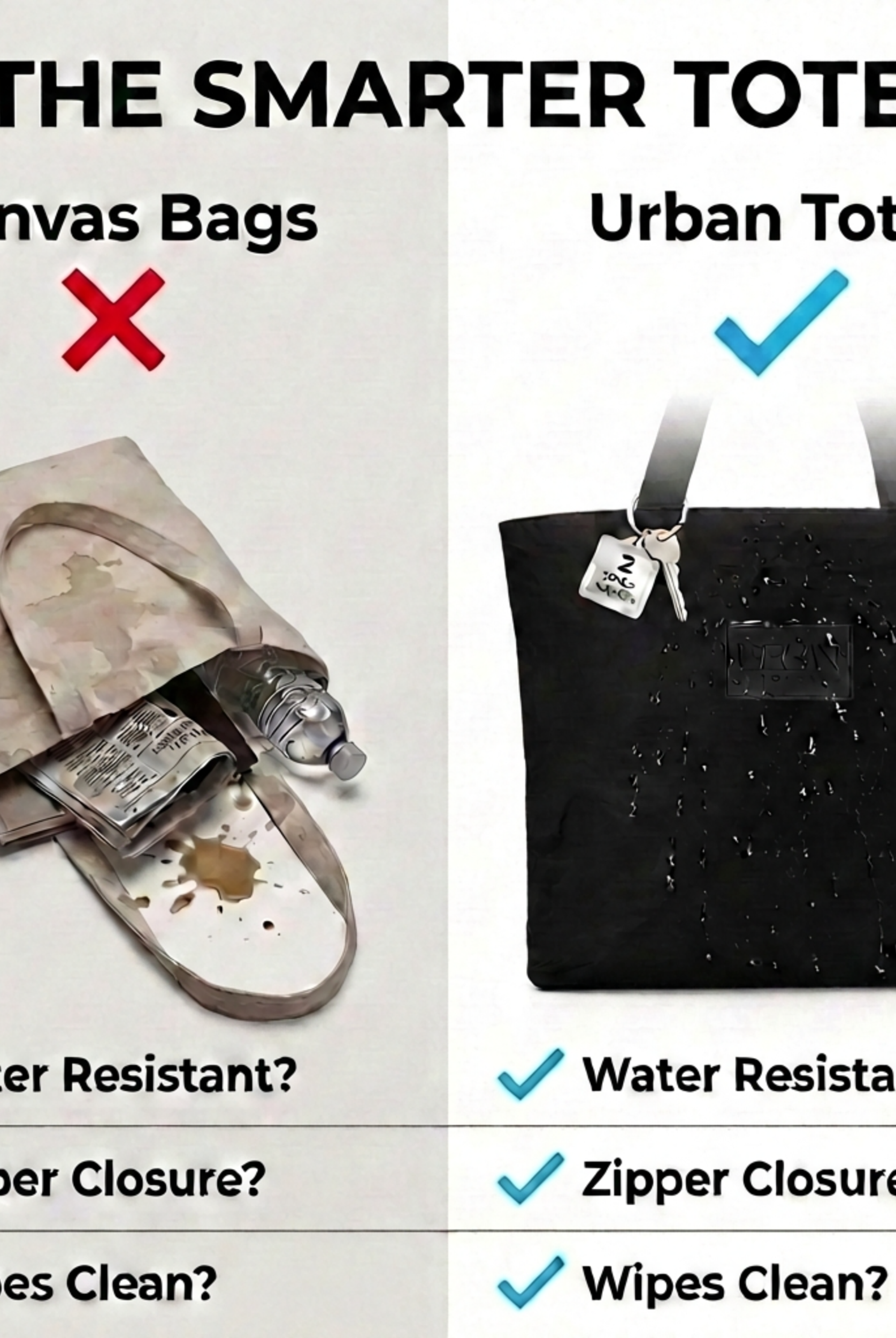
A regular tote can look perfect on a quiet afternoon. It has room, soft handles, and a simple shape that works with almost anything. But a rushed morning exposes the gaps quickly: no water-resistant interior, no zipper closure, no quick-access pocket, and no way to wipe down the fabric after a spill. An untreated cotton bag absorbs the evidence and keeps the smell.
The real test is the transition
The best bag isn't the one that looks good hanging on a hook. It's the one that handles the awkward handoff between activities. A beach morning becomes a grocery stop. A school drop-off becomes a workday. A gym visit turns into dinner with friends.
That's why I'm picky about a tote's small details. A zipper closure keeps contents contained when the bag tips in a crowded car. Multiple compartments stop keys from hiding under snacks. A wipeable, water-resistant surface makes a wet swimsuit or leaking bottle manageable instead of catastrophic.
Practical rule: If you can't name where your keys, laptop, bottle, and wet items will go before you leave home, the bag isn't organized enough for your day.
The rest of this guide focuses on the features that matter in motion. Capacity matters, but so do empty weight, strap comfort, moisture handling, cleaning, and the ability to fold the bag away when you're not using it. A tote should make a chaotic morning feel handled, not add another item to manage.
What Makes a Tote an On the Go Tote
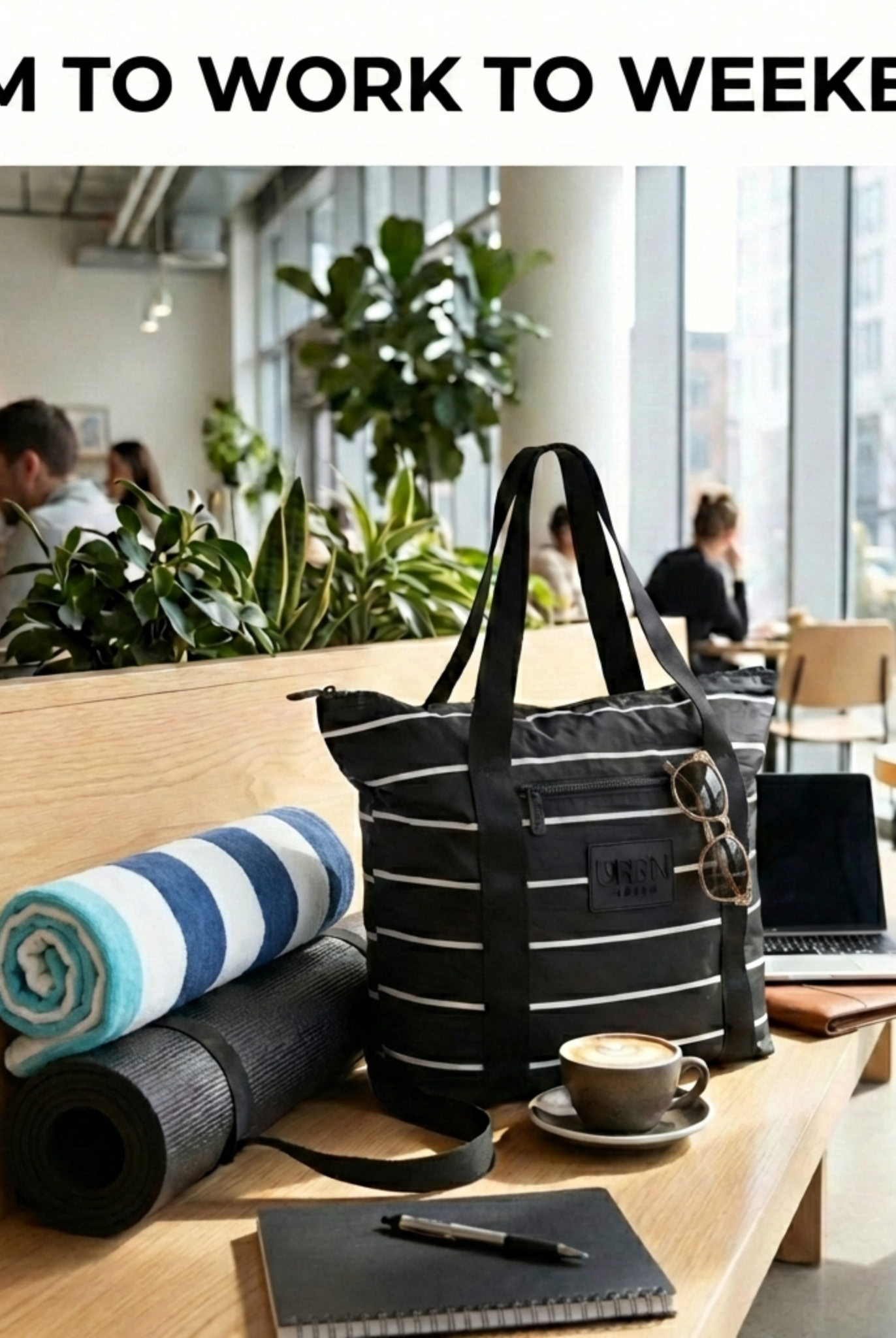
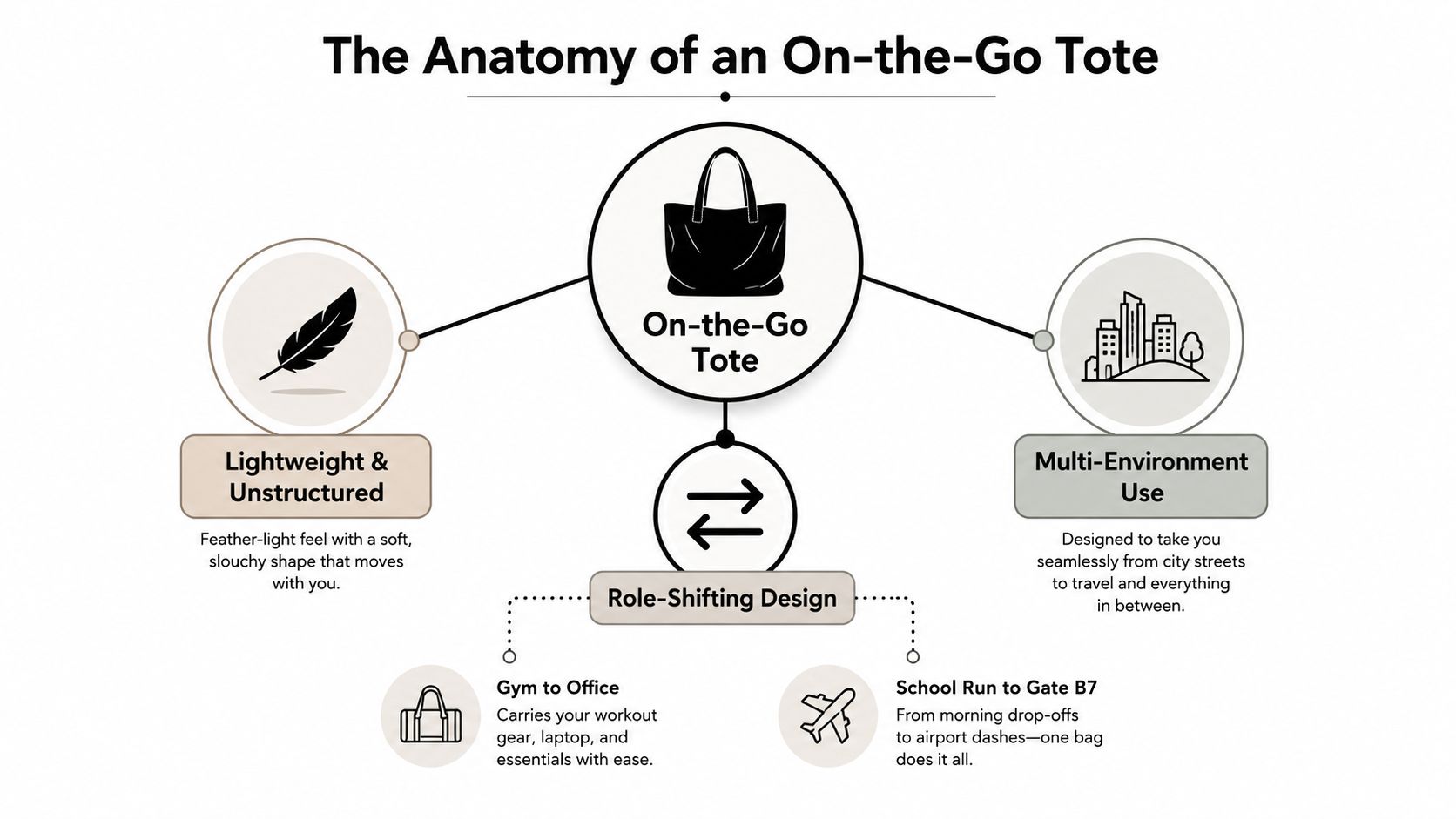
An on-the-go tote bag is a lightweight or semi-structured carryall built to shift roles during a single day. It might hold a tablet in the morning, a water bottle and cardigan at lunch, then farmers market finds on the way home. It sits between a stiff leather work tote and a floppy beach bag, offering flexibility without surrendering organization.
Four traits separate it from a regular tote
First, it needs to handle moisture. A surprise shower, wet towel, or condensation-covered bottle shouldn't immediately threaten everything else inside. Water-resistant technical fabric, coated canvas, or recycled-plastic construction gives you more breathing room than untreated cotton. A study of recycled plastic tote materials describes these bags as adaptable, durable, and water resistant or waterproof, supporting the practical case for recycled-plastic constructions in everyday carry (recycled plastic tote material research).
Second, it must transition quickly. You shouldn't need one bag for the classroom, another for the airport, and a third for errands. A neutral, stylish exterior and thoughtful compartments let the same tote move from leggings to office clothes without looking out of place.
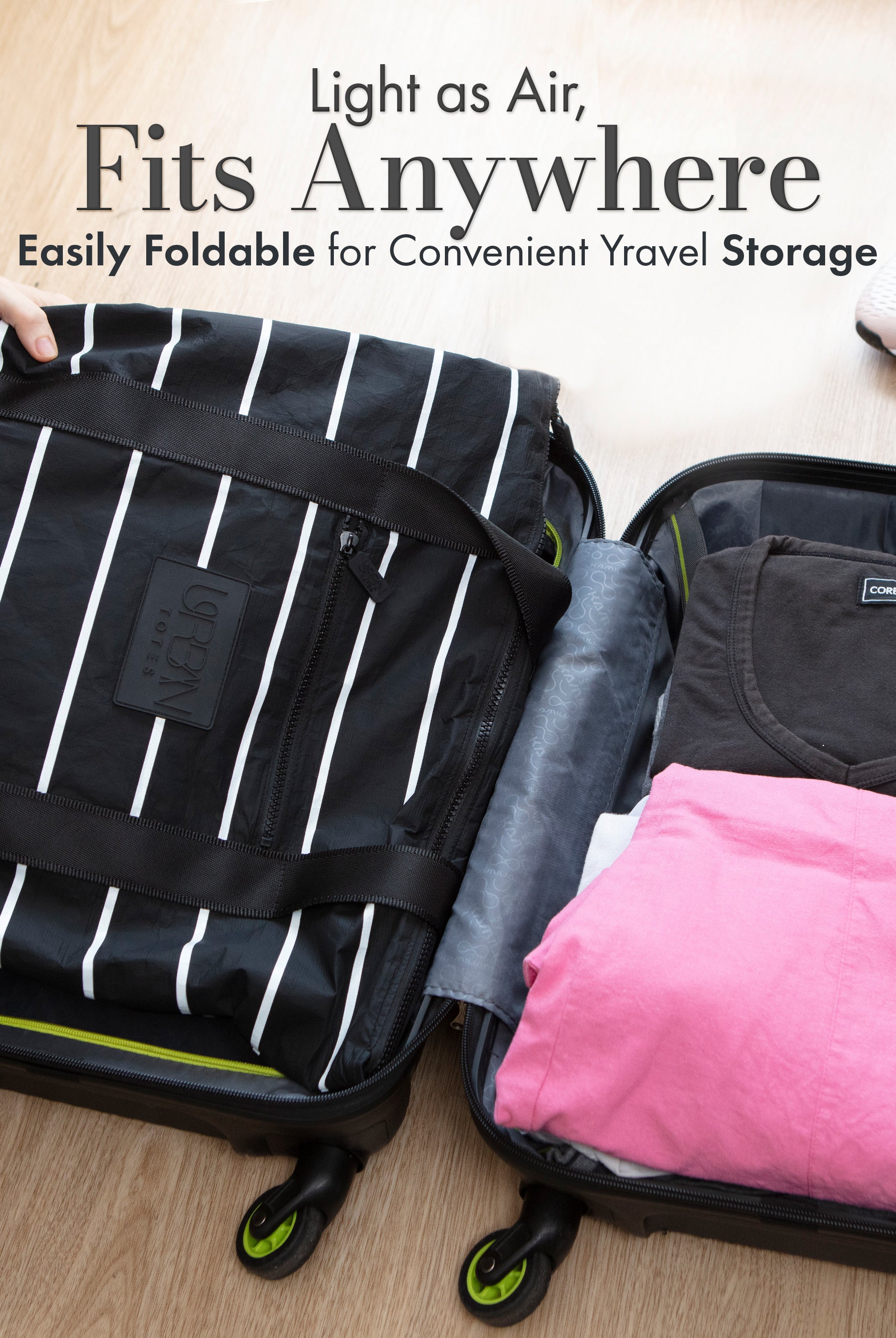
Third, it should pack flat. A traveler can fold an empty tote into a carry-on. A teacher can keep one in a classroom closet. A parent can leave one in the car without sacrificing much space.
Fourth, it needs a secure technology zone. A laptop or tablet shouldn't slide beneath loose items or sit beside a damp towel. Look for a padded sleeve, a protected back panel, or a dedicated compartment that keeps devices upright.
Choose the middle ground
A stiff leather work tote usually holds its shape beautifully, but it can feel excessive at the beach or awkward inside a suitcase. A floppy beach bag handles towels well, yet it often leaves keys, chargers, and a laptop loose at the bottom. The on-the-go version combines lightweight portability, role-shifting design, and multi-environment use.
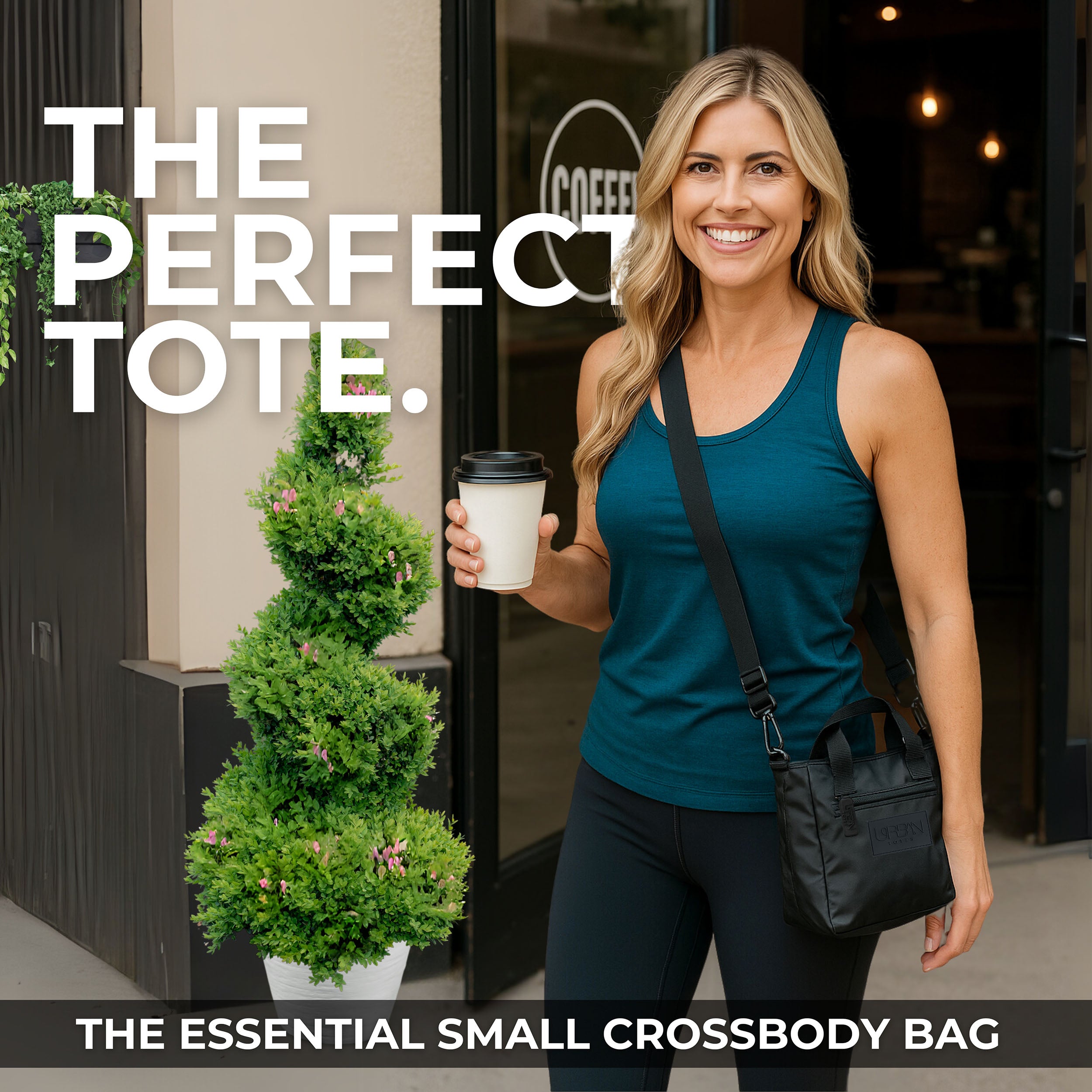
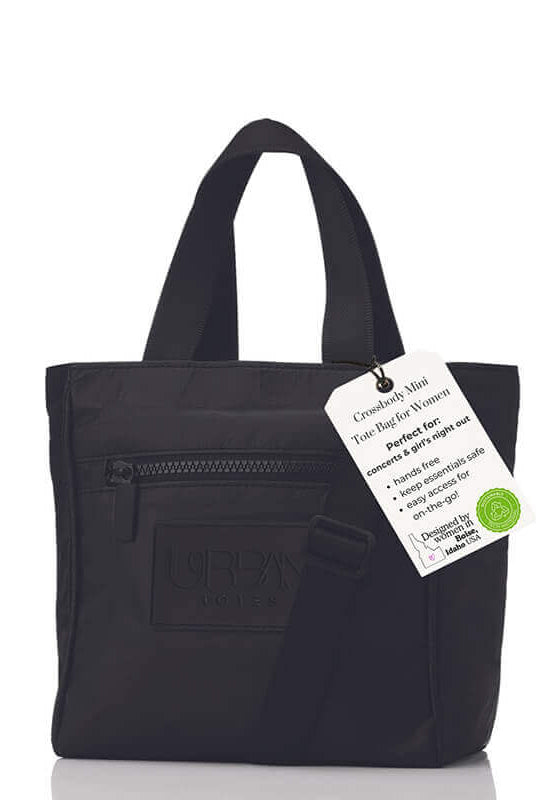
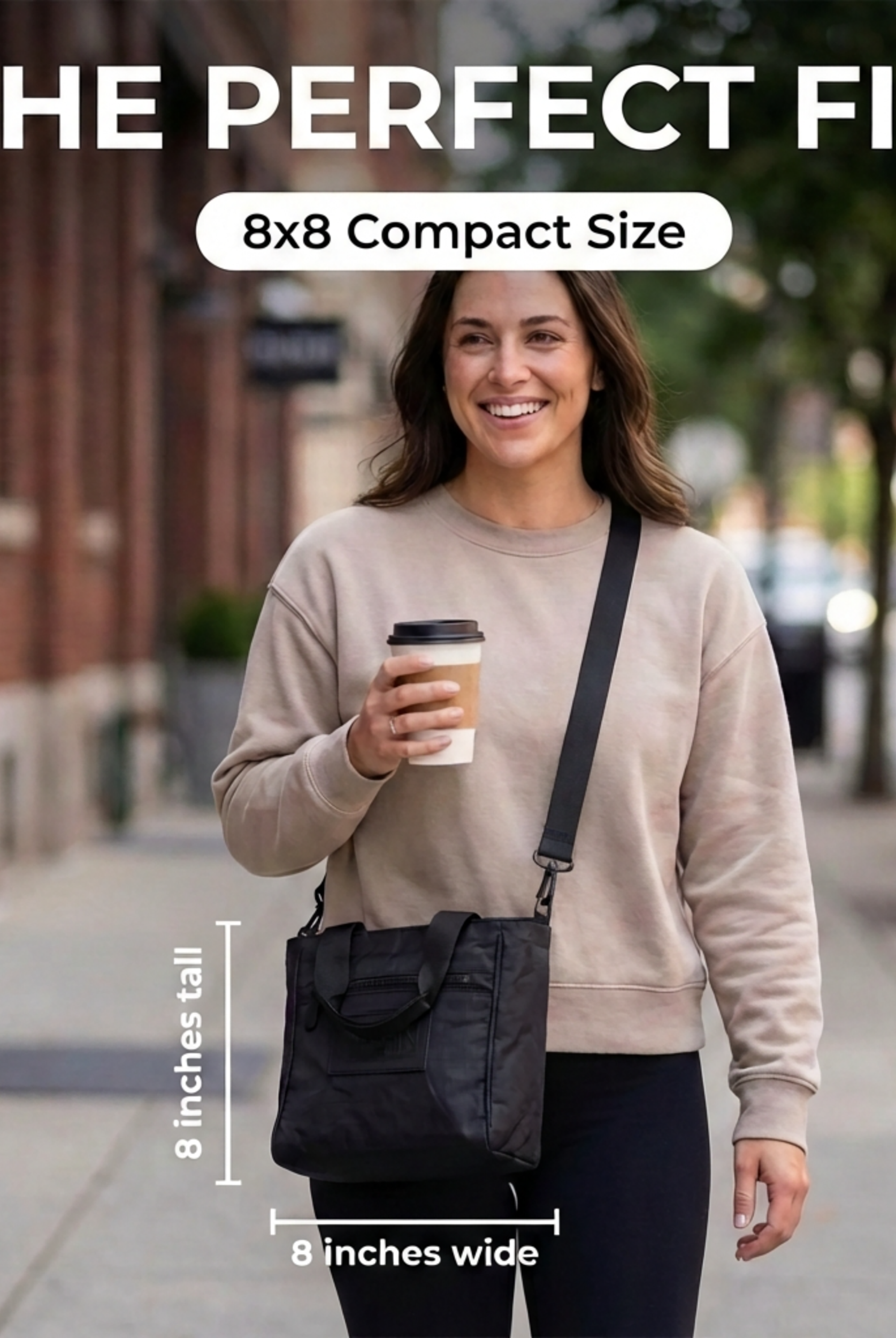
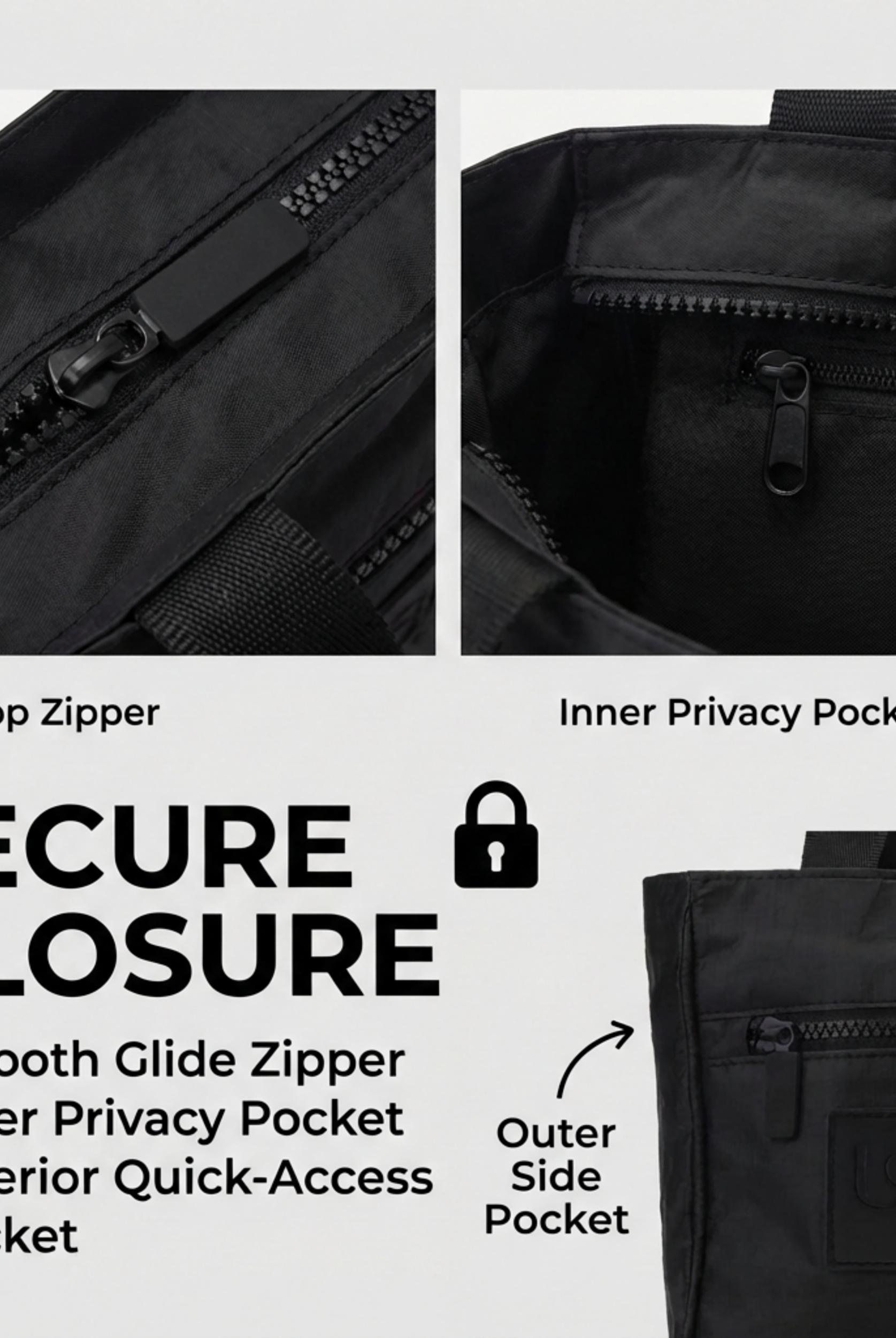
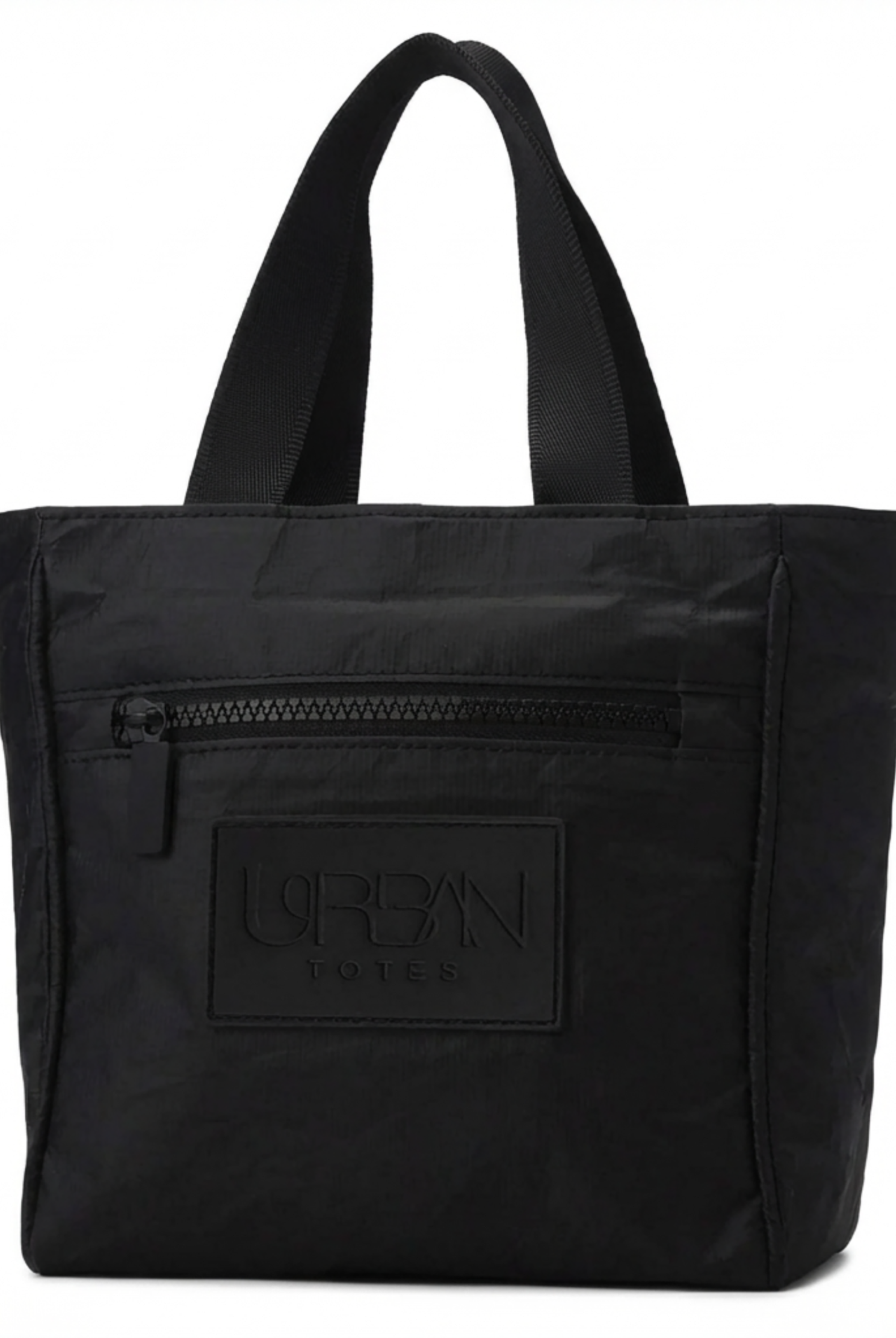
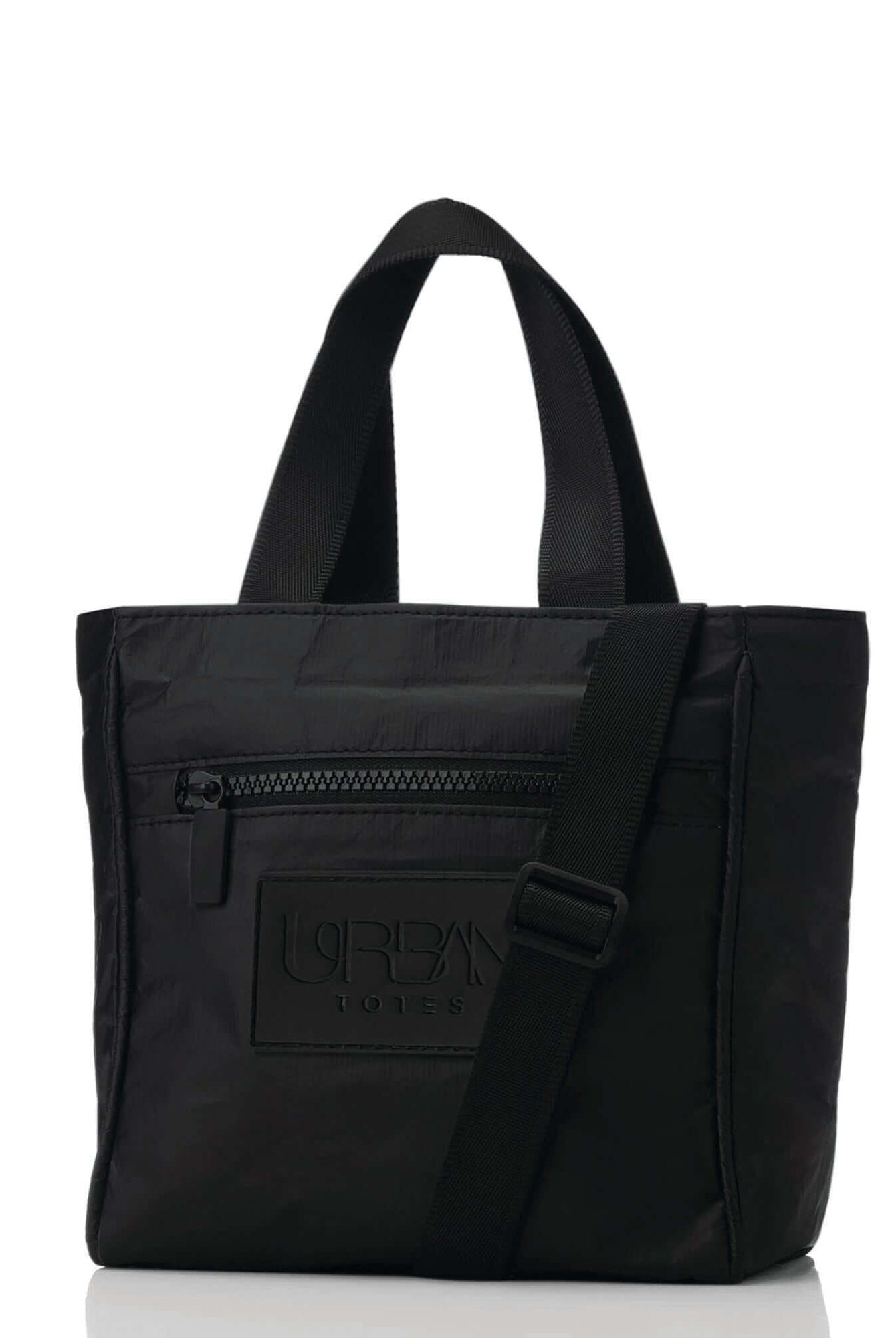
Material choice affects that balance, and the tote bag material guide is useful when you're comparing coated canvas, nylon, recycled polyester, and other constructions. For a smaller, hands-free option, the Crossbody Tote Bag Mini Purse uses a zip-top closure, outside zipper pocket, easy-access pocket, water-resistant material, and a foldable design. Its listed measurements are 7.5 x 4 x 7.75 inches, with a removable strap that extends to 53 inches.
The Five Features That Actually Matter
Marketing language gets noisy around tote bags. I rank the essentials by how often they rescue a real day, not by how attractive they sound on a product page.
1. Material and moisture handling
Start with the surface. Coated canvas, ripstop nylon, and recycled polyester are practical choices when you're carrying bottles, gym clothes, groceries, or beach gear. They're easier to wipe clean and more useful in changing weather than untreated cotton.
Hydrostatic head is the engineering measure behind fabric water resistance. A rating of 1,000 mm indicates resistance to a 1-meter water column, while 5,000 mm indicates resistance to a 5-meter water column. Standard Oxford-style fabrics may measure about 1,000 to 3,000 mm, which is generally suited to light rain rather than sustained downpours, so coated or laminated fabric constructions offer stronger protection (hydrostatic head reference).
2. Empty weight
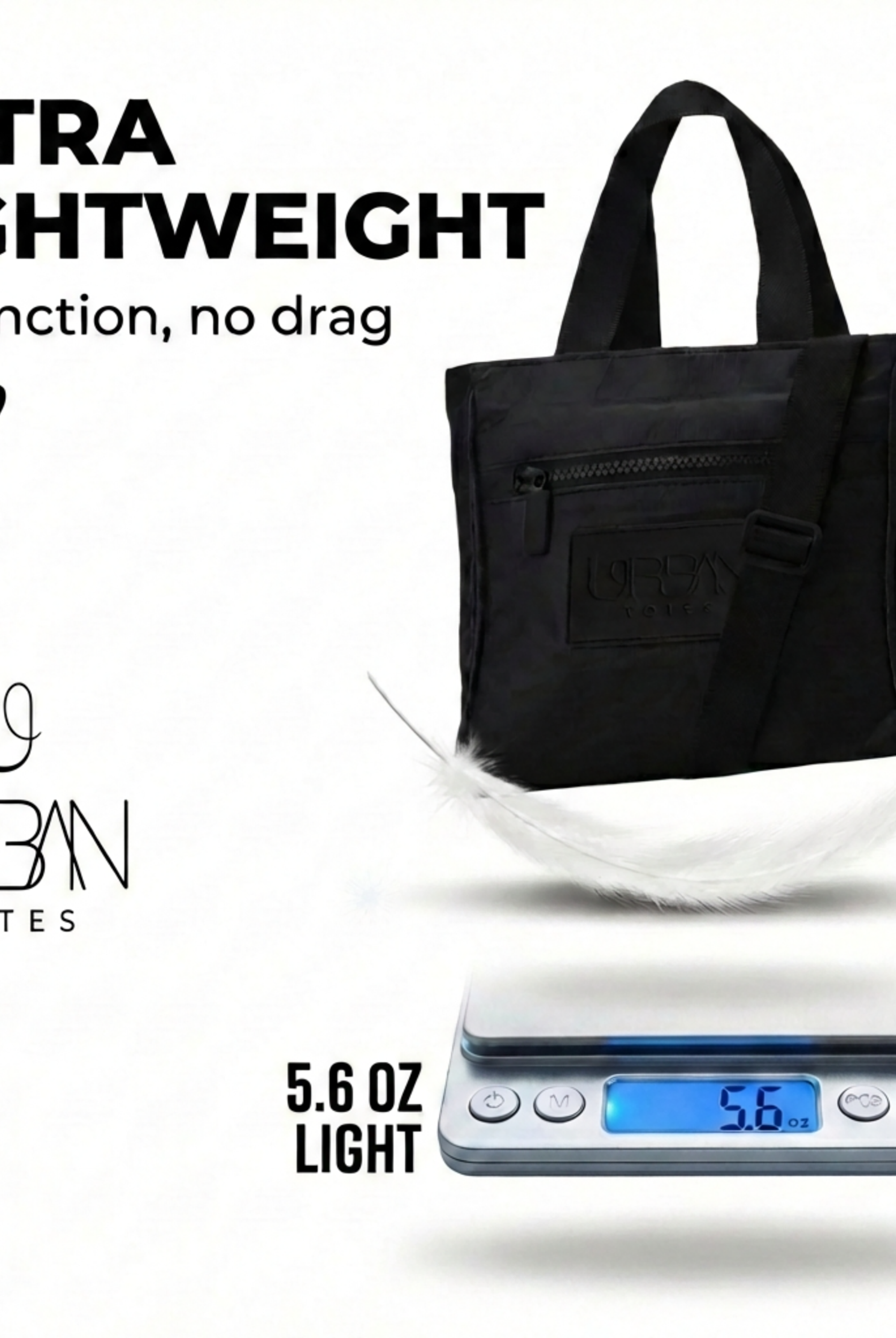
A bag that starts heavy leaves less room for the things you need. I prefer an empty tote under one pound when possible, especially for commuting, school runs, and travel days.
Load matters because shoulder pressure rises as the bag gets heavier. A biomechanics study found that a load equal to 15% of body weight increased overall shoulder pressure by about 70%, with strap tension and interface pressure contributing most to discomfort. Clinical guidance in the same verified data recommends keeping the bag near 10% of body weight, and lower for repetitive commutes (biomechanics study).
3. Closure
An open tote is easy to reach into, but it's also easy to spill. A zipper closure is my default recommendation for crowded trains, airport security lines, and car floors. Magnetic snaps work for lighter loads, while drawcords suit soft, casual bags.
4. Straps
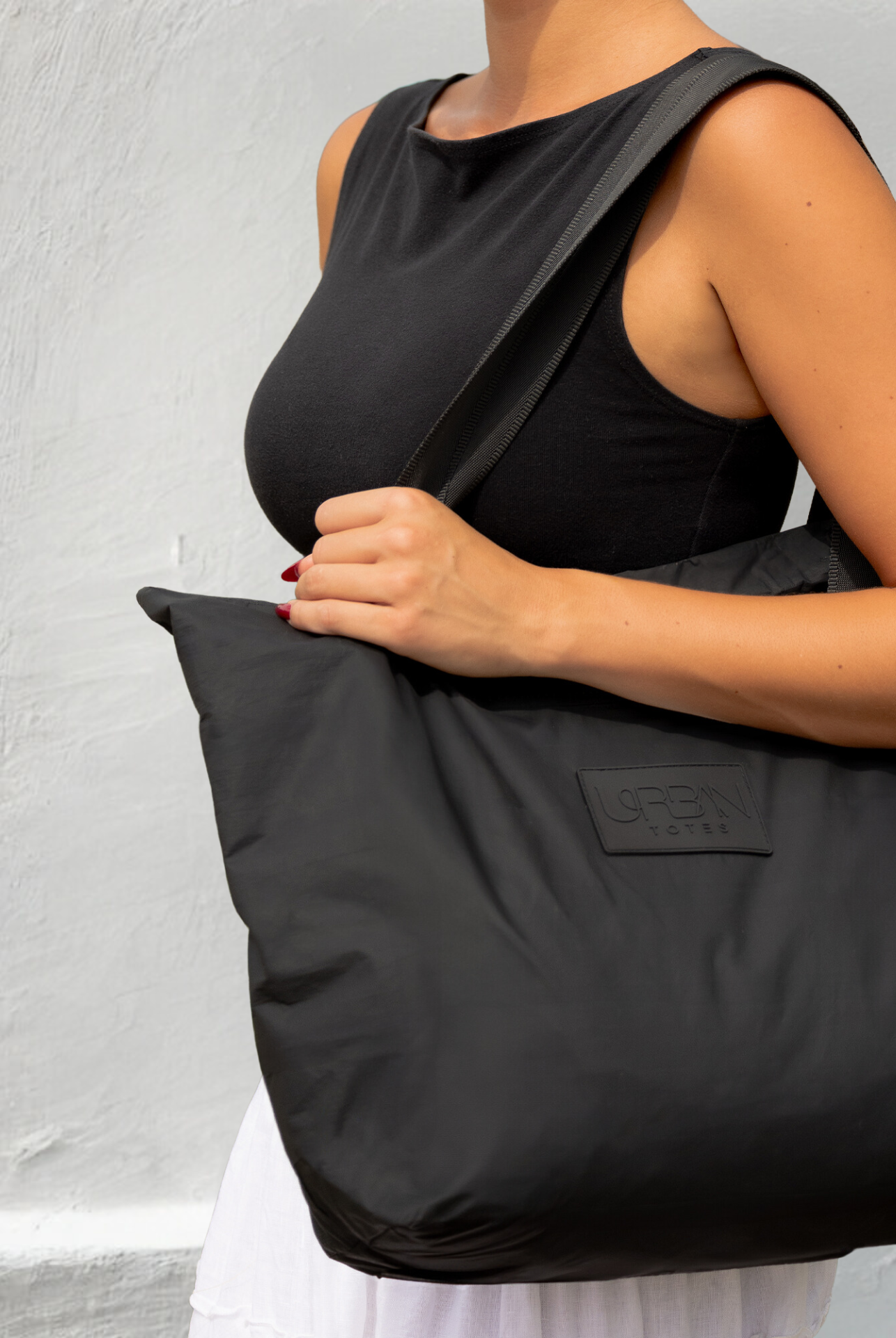
Straps should match the way you carry. Reinforced shoulder straps work for a standard commute. A crossbody strap is better when you're holding a child, rolling luggage, or carrying groceries. Padding helps, but strap width, attachment strength, and a comfortable drop matter just as much.
5. Pockets
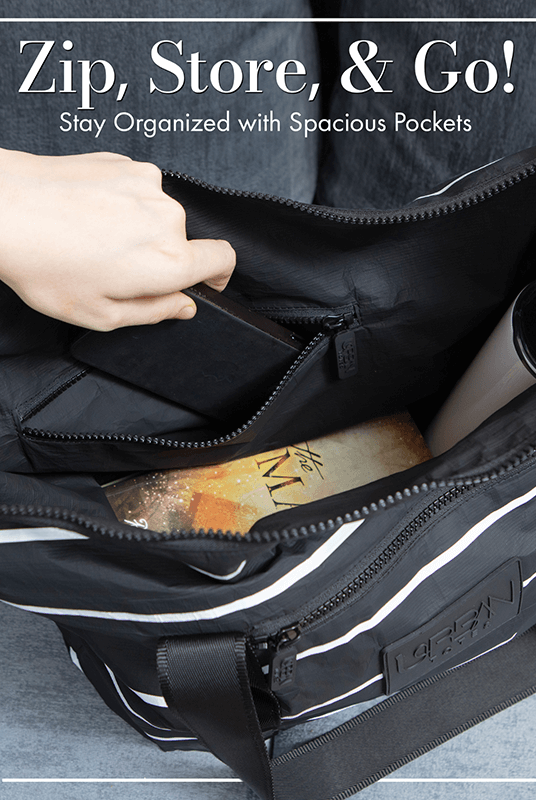
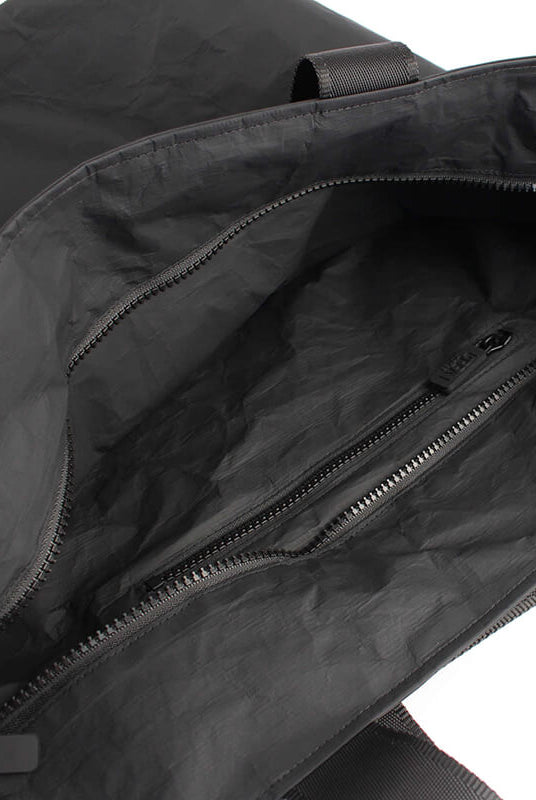
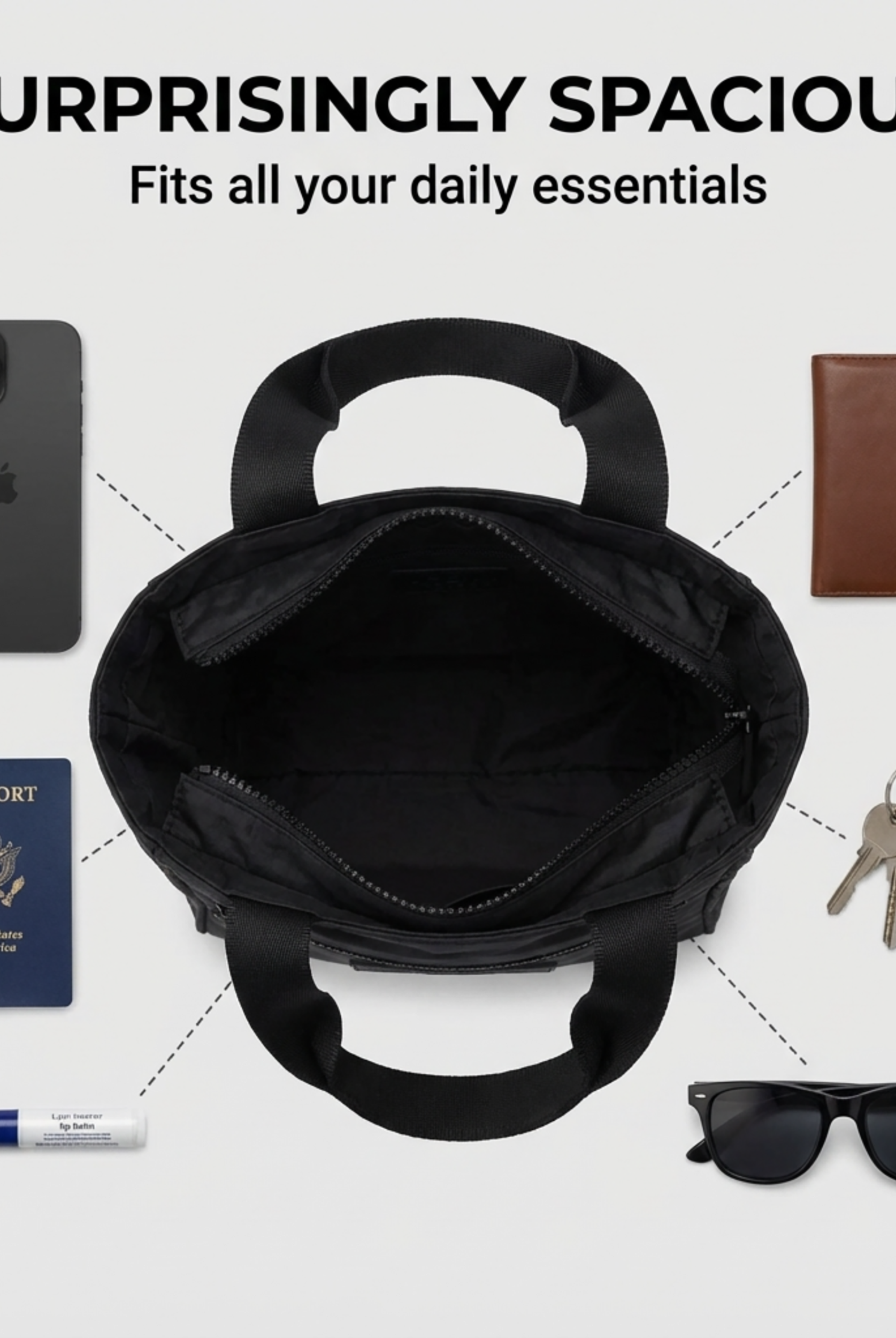
Organization earns its place every day. Look for a padded laptop sleeve, a bottle pocket, a zippered compartment for valuables, and a quick-access pocket for keys and a phone. The tote bag compartments guide can help you compare layouts before you buy.
| Rank | Feature | Why It Matters | Watch Out For |
|---|---|---|---|
| 1 | Material | Helps manage rain, spills, and damp items | Untreated cotton that absorbs moisture |
| 2 | Empty weight | Preserves carrying capacity for your actual belongings | Heavy hardware and thick lining |
| 3 | Closure | Keeps contents inside when the tote tips | Decorative closures that don't secure the opening |
| 4 | Straps | Supports shoulder, hand, or hands-free carrying | Narrow straps that dig into your shoulder |
| 5 | Pockets | Prevents keys, chargers, and small items from disappearing | Many shallow pockets with no useful main compartment |
The trade-off I'll accept is a zippered top instead of a completely open tote. I won't spend much energy debating vegan leather versus real leather if both options perform the same way for your routine. Function comes first.
Matching the Right Tote to Your Day
Choose your tote around the stretch of day that tests it most. The school run, farmers market, terminal gate, and commute each demand a slightly different setup, even when one bag handles all four.
| Persona | Recommended Size | Must-Have Feature | Best Closure |
|---|---|---|---|
| Daily commuter | Medium to large | Padded laptop sleeve and bottle pocket | Full zipper |
| School-run parent | Large carryall | Multi-pocket layout and wipeable interior | Zipper or secure snap |
| Weekend traveler | Medium, foldable | Flat-pack body and quick-access pocket | Zipper |
| Gym-to-office mover | Large but lightweight | Separate wet-item space and durable straps | Full zipper |
The commuter
If your morning starts on public transit and ends at a café, choose a padded laptop sleeve, upright structure, and enough shoulder drop to clear a jacket. A dedicated device area stops your laptop from sinking beneath notebooks, while a zipper keeps chargers and papers inside when the tote rests beside your seat. For a closer comparison of laptop-friendly designs, see this guide to best laptop tote bags.
The school-run parent
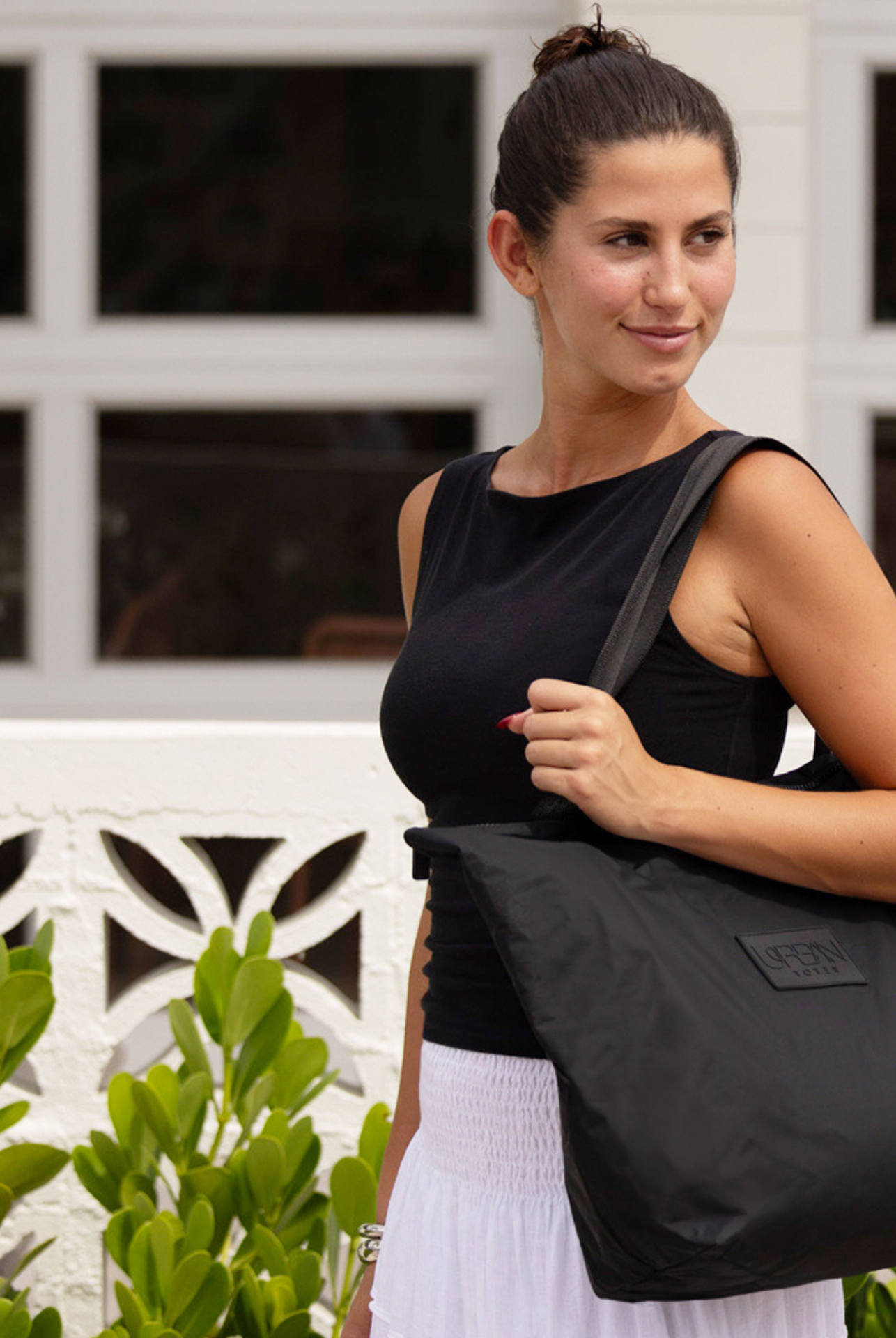
Fast access matters more than a perfectly symmetrical interior. Pick a large tote with useful zippered compartments, a bottle pocket, and a wipeable surface for snack spills. Urban Totes' water-resistant, packable design suits the trip from car seat to playground to grocery aisle, especially when you want one bag instead of a rotating pile.
The weekend traveler
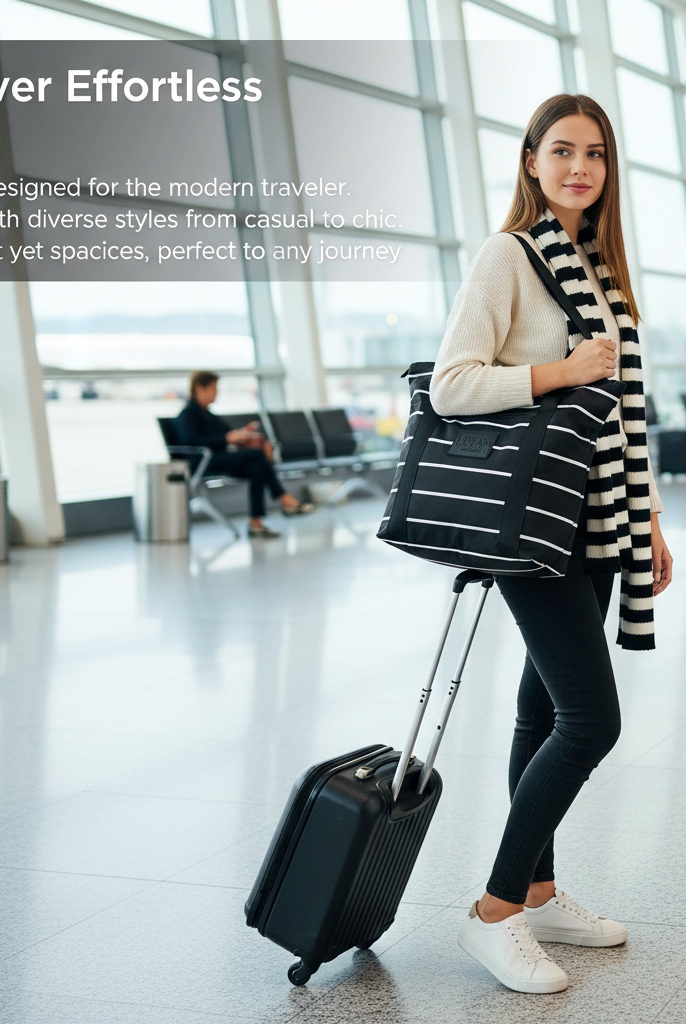
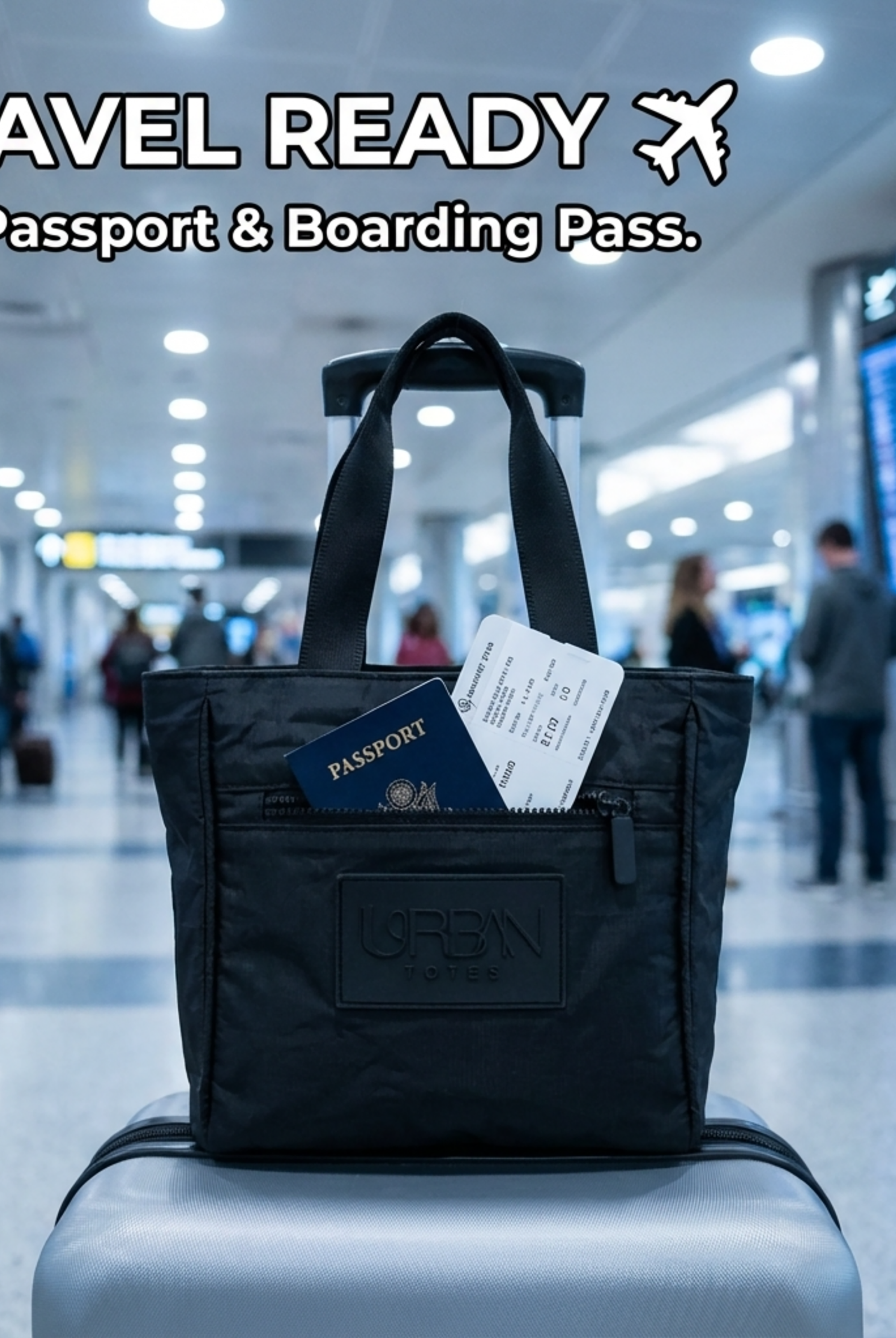
A travel tote should flatten when the carry-on has room, then open quickly when the cabin gets crowded. Look for a foldable body, secure zipper, comfortable handles, and a pocket for boarding essentials. For trips involving heavier weather or wet surroundings, browse waterproof gear bags and compare their construction with a standard everyday tote.
The gym-to-office mover
Give damp gear its own boundary. A wet towel or workout clothes need a designated pocket or pouch, while your tablet, notebook, and clean layer stay protected in the main compartment. Choose durable straps and enough structure to keep the bag upright from locker room to desk.
Start with the commute persona, then work backward from what you carry most. That usually points to the right size, closure, and organization for the rest of your day.
Packing Smart and Keeping It Clean
A good tote becomes much more useful when you pack it in zones. The goal isn't to fill every inch. It's to keep hard, wet, soft, and frequently reached-for items from competing with each other.
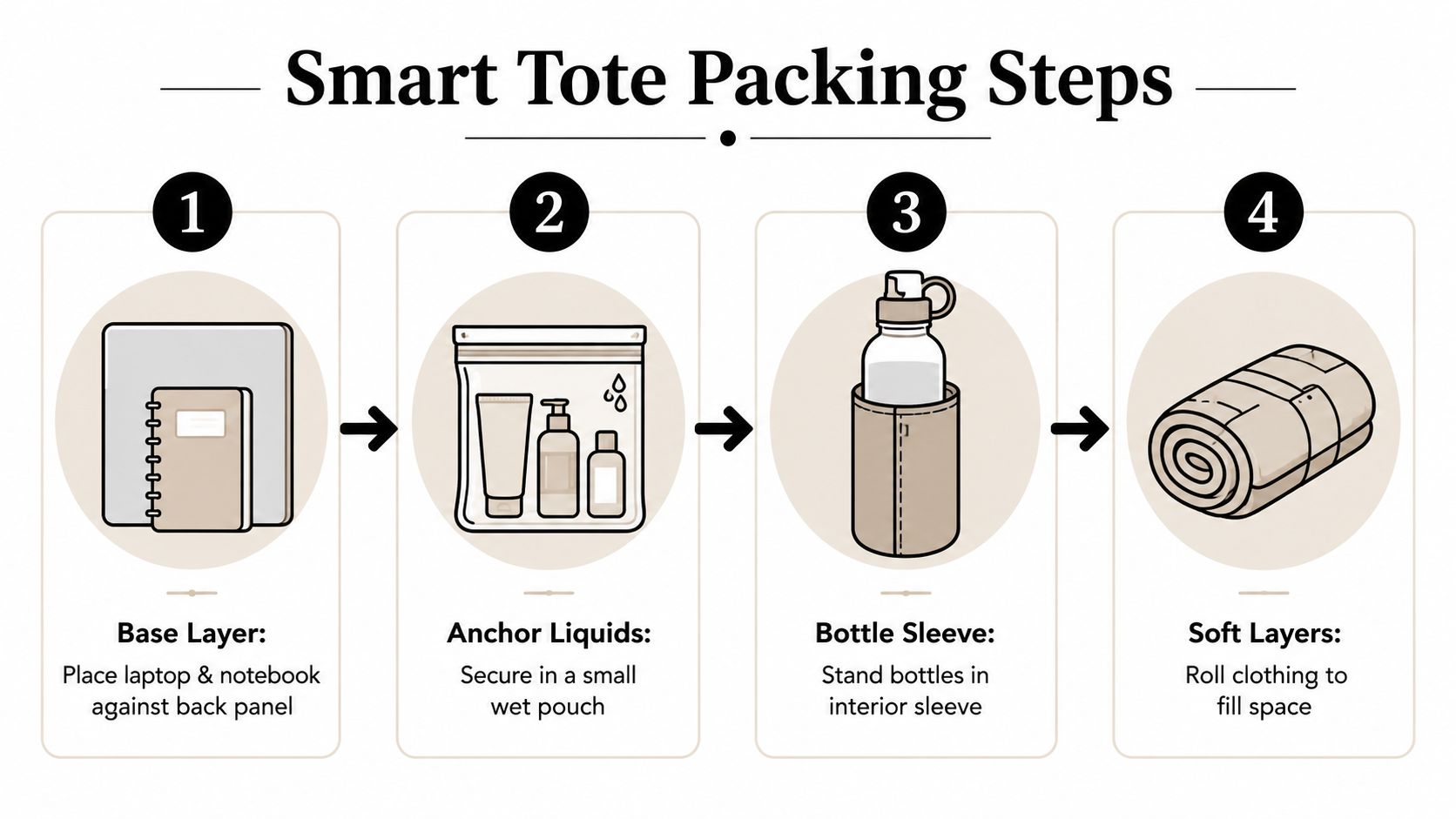
Pack from the back panel outward
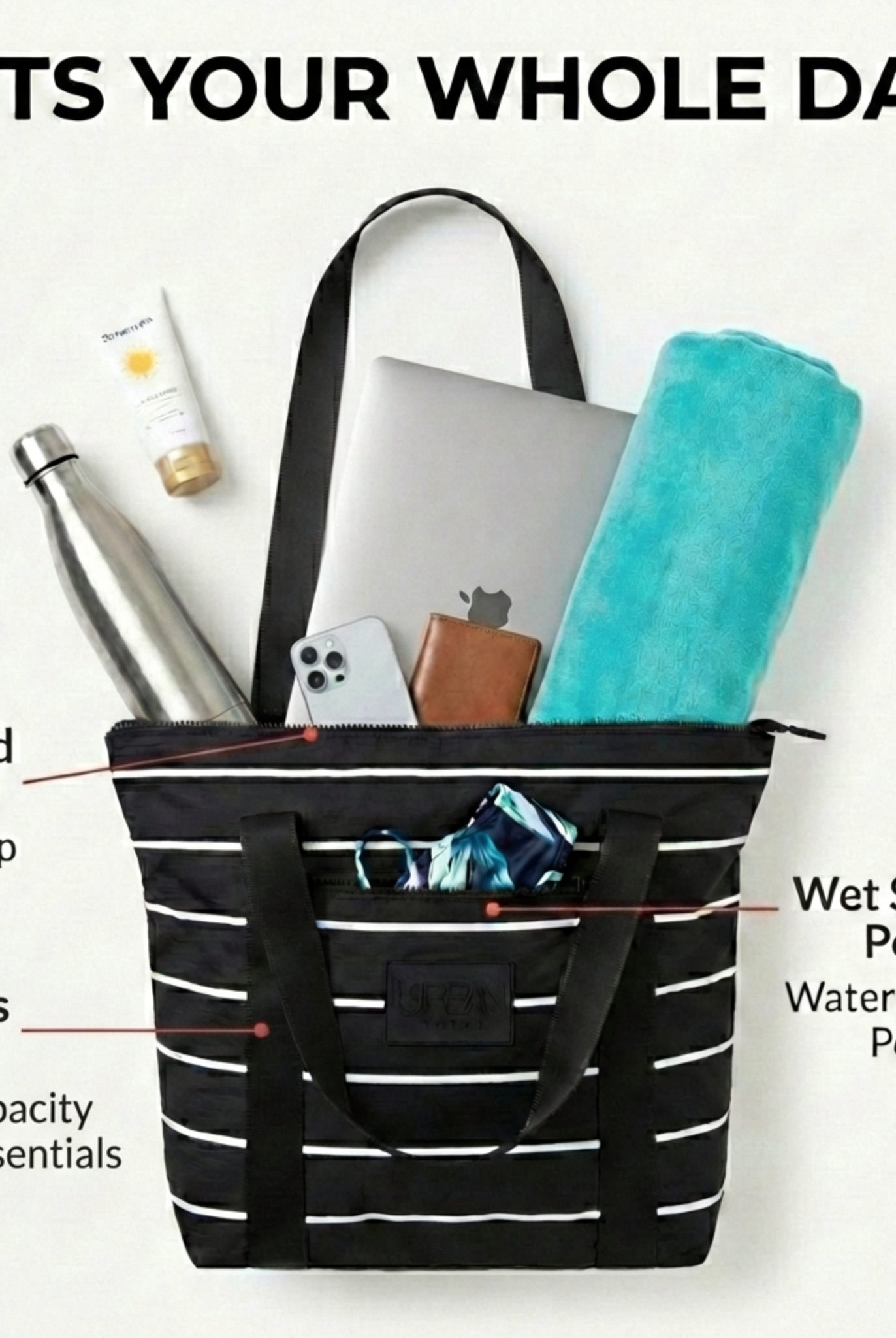
- Build the base. Place your laptop and notebook flat against the back panel. This creates a stable layer and keeps rigid items from pressing into smaller belongings.
- Contain liquids. Put sunscreen, toiletries, snacks with loose lids, and damp items into a small wet pouch. A pouch adds a barrier inside the bag, but it doesn't replace a water-resistant exterior or a secure bottle pocket.
- Stand bottles upright. Use the interior sleeve when available. An upright bottle is easier to find and less likely to roll into your laptop.
- Fill the gaps softly. Roll a cardigan, light cover-up, or spare shirt on top. Soft layers cushion the contents and make use of the remaining space without creating a tangled pile.
Fold it before you need it
Empty the tote, flatten the sides, and fold the handles inward. Place it in a carry-on, glove box, or larger suitcase so it's ready for an unexpected grocery stop, beach visit, or overflow at the airport. Packing cubes can make the same system easier to repeat, especially when soft layers and wet-item pouches travel together. This guide to packing with packing cubes offers a useful method for keeping flexible bags orderly.
Keep the surface in good shape
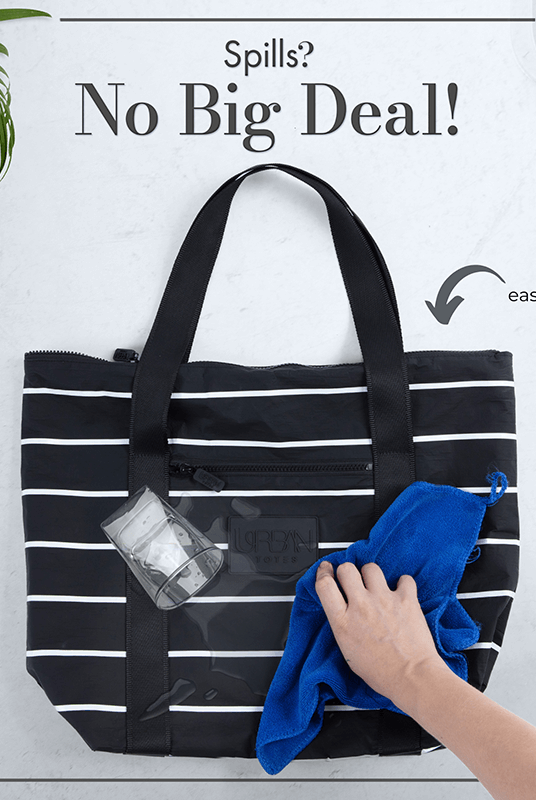
Shake out crumbs each week, then wipe nylon with mild soap and a microfiber cloth. Air dry it away from direct sun, and machine-wash only when the care tag allows it. Harsh cleaners, high heat, and aggressive scrubbing can affect coatings and finishes, so gentle cleaning is the better long-term habit.
Don't store the tote while it's damp. Open every compartment, remove wet items promptly, and let the interior dry fully before folding it away.
Why One Well-Built Tote Beats Three Cheap Ones
The math is simple. A $40 tote replaced three times across two years costs $120, while one $80 tote that lasts five years costs $80, based on the example in this buying framework. The cheaper purchase only looks cheaper at checkout, and that comparison doesn't include the hassle of broken zippers, torn straps, or stains that never quite disappear.
A dependable tote also reduces the small decisions that drain your attention. You know where the laptop goes. You don't have to move chargers from the work bag to the travel bag. The same shape works with jeans, a swimsuit cover-up, or a blazer, so your everyday carry becomes a routine instead of a daily reshuffle.
Look for a repeatable ritual
One versatile bag can serve the school run, farmers market, terminal gate, beach chair, and office lobby. That doesn't mean every tote should carry every possible item. It means the bag should support your recurring transitions without forcing you to start from zero each morning.
My buying filter: Choose the tote you'll reach for on an ordinary Tuesday, not the one that only makes sense for a special trip.
Urban Totes is a woman-owned small business based in Boise, Idaho, a positioning supported by Boise business directories and local listings that identify women-owned companies and their locations (Boise woman-owned business directory, Boise women-owned businesses). That founder perspective matters when a product is designed around real routines, including carrying laptops, kids' supplies, gym gear, and travel essentials in the same week.
The point isn't owning fewer bags for its own sake. It's owning a bag with enough organization, water resistance, and carrying flexibility that it earns a permanent place by the door.
Quick Answers and Where to Find Your Fit
Will an on-the-go tote bag hold up to daily use?
Durability depends on fabric, stitching, strap attachment, closure quality, and how heavily you load it. Look for reinforced stress points, strong seams, a secure zipper, and straps that feel anchored rather than merely sewn onto the outer layer.
Can I machine-wash it?
Only if the care tag allows it. For routine maintenance, spot-cleaning with mild soap and a microfiber cloth is the safer default, especially for coated or laminated materials.
Will it protect my things from rain?
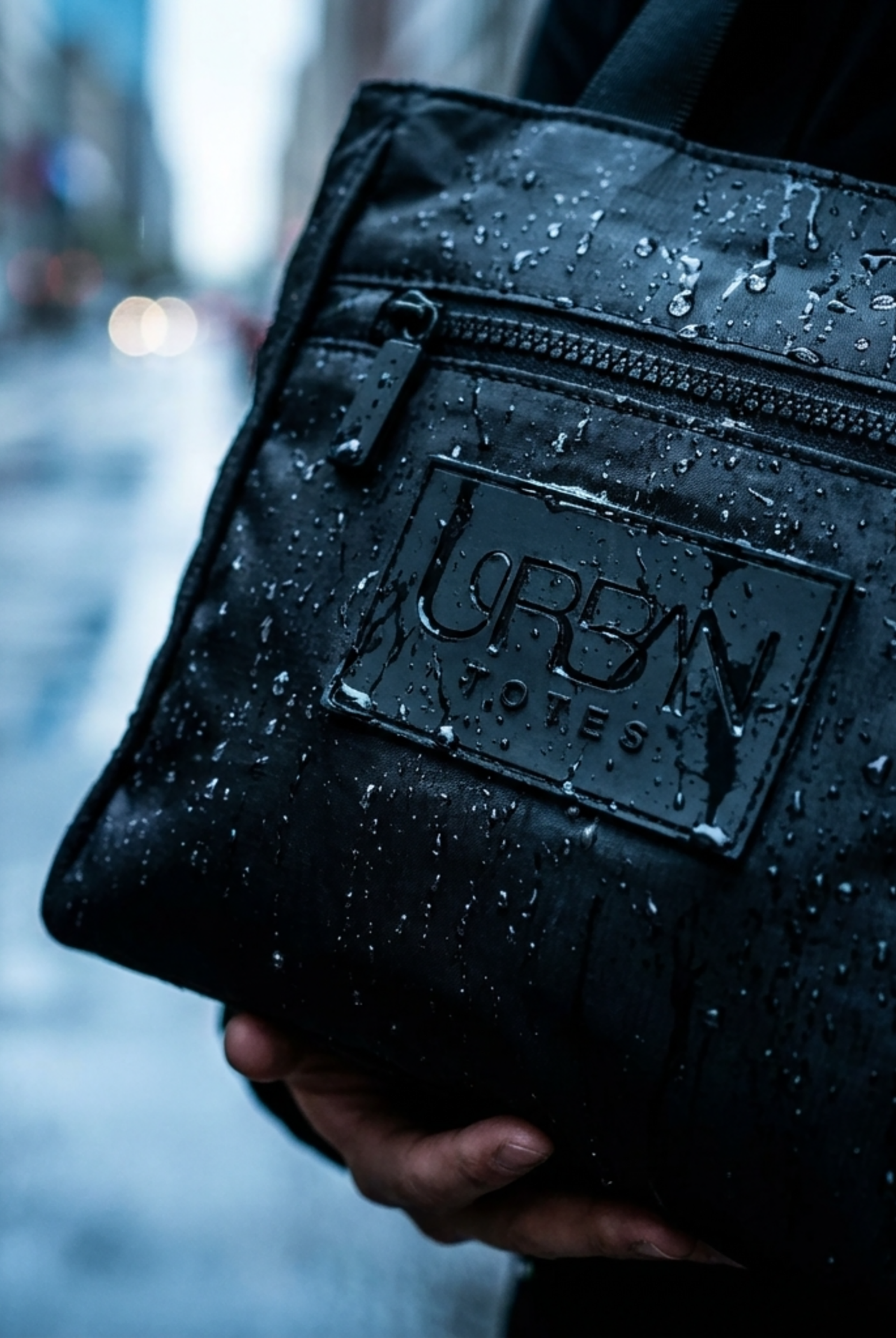
Water-resistant fabric can help with light rain and spills, but it isn't the same as a sealed waterproof bag for sustained downpours. Hydrostatic head, coating, seams, and closure design all affect how much weather protection you get.
Does it fold flat for a suitcase?
A lightweight, foldable tote should flatten when empty, making it useful as a backup bag inside a carry-on. Check whether pockets, piping, or a structured base limit how compactly it folds.
Are the straps comfortable with a laptop inside?
Comfort depends on the total load, strap width, length, and how the bag sits against your body. A padded sleeve protects the device, but it doesn't make an overloaded tote comfortable, so keep the load practical and choose crossbody carrying when you need both hands free.
Where should I start?
Use the best carry-on tote bags guide to compare travel-ready features, then match the layout to your actual rhythm. Urban Totes is a woman-owned Boise-made brand offering water-resistant, lightweight, packable, foldable totes and compact crossbody styles with zipper closures and multiple compartments.
Urban Totes offers thoughtfully designed bags for commutes, school runs, beach days, errands, and travel, with water-resistant, lightweight construction that fits real life in motion. Visit Urban Totes and choose the go-anywhere tote that's ready for your next full day.