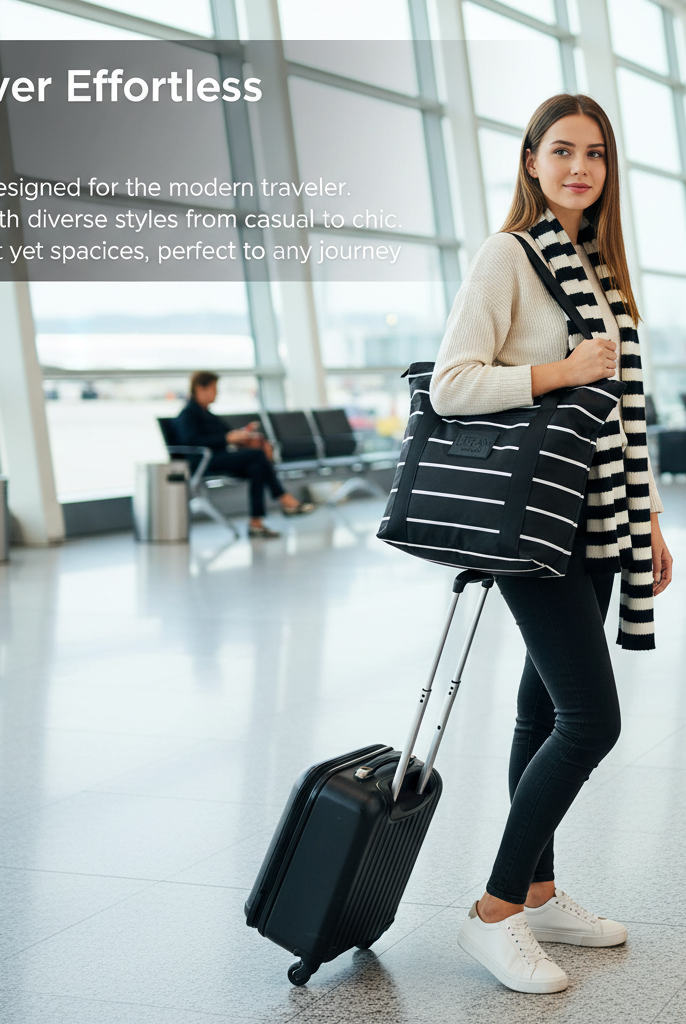
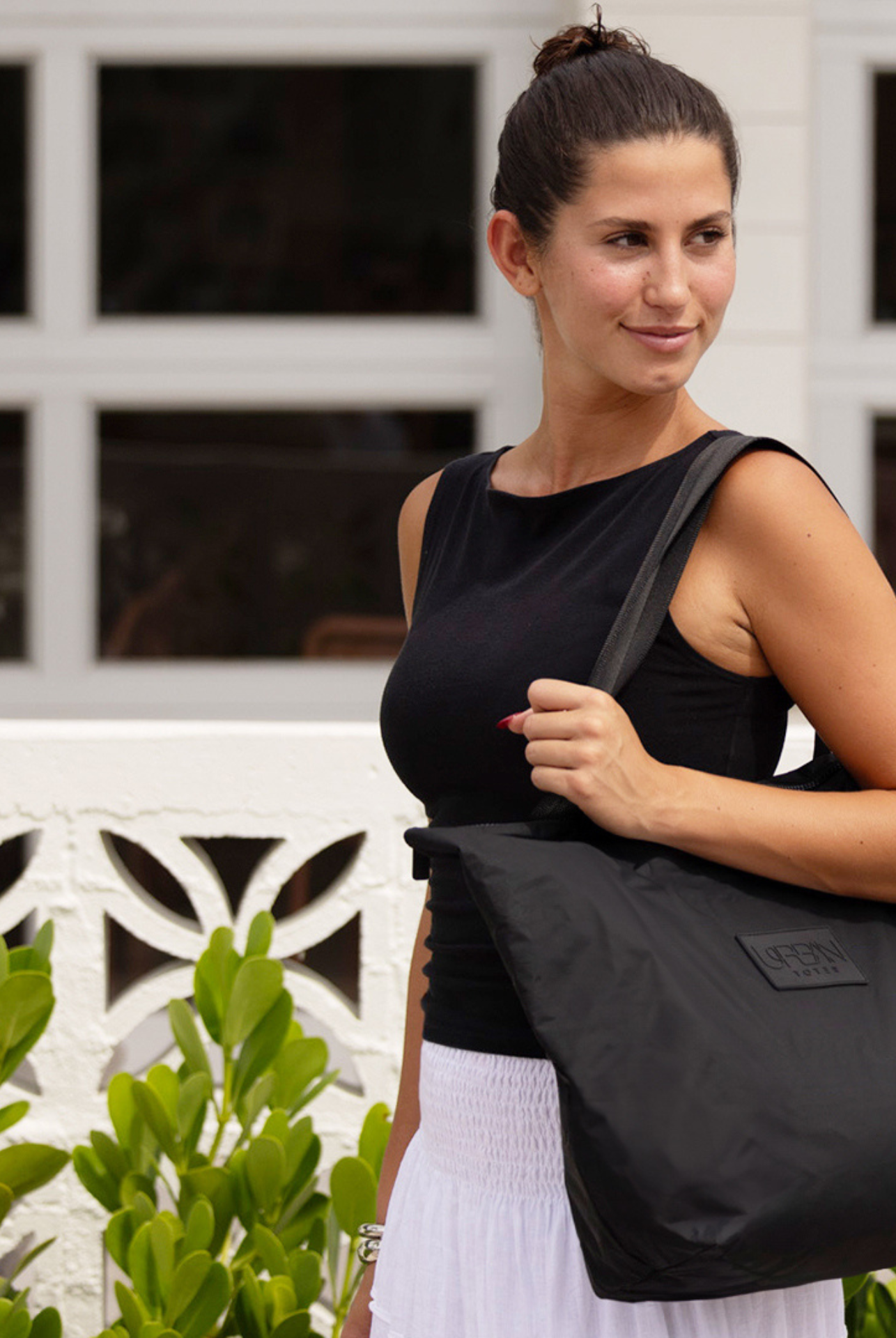
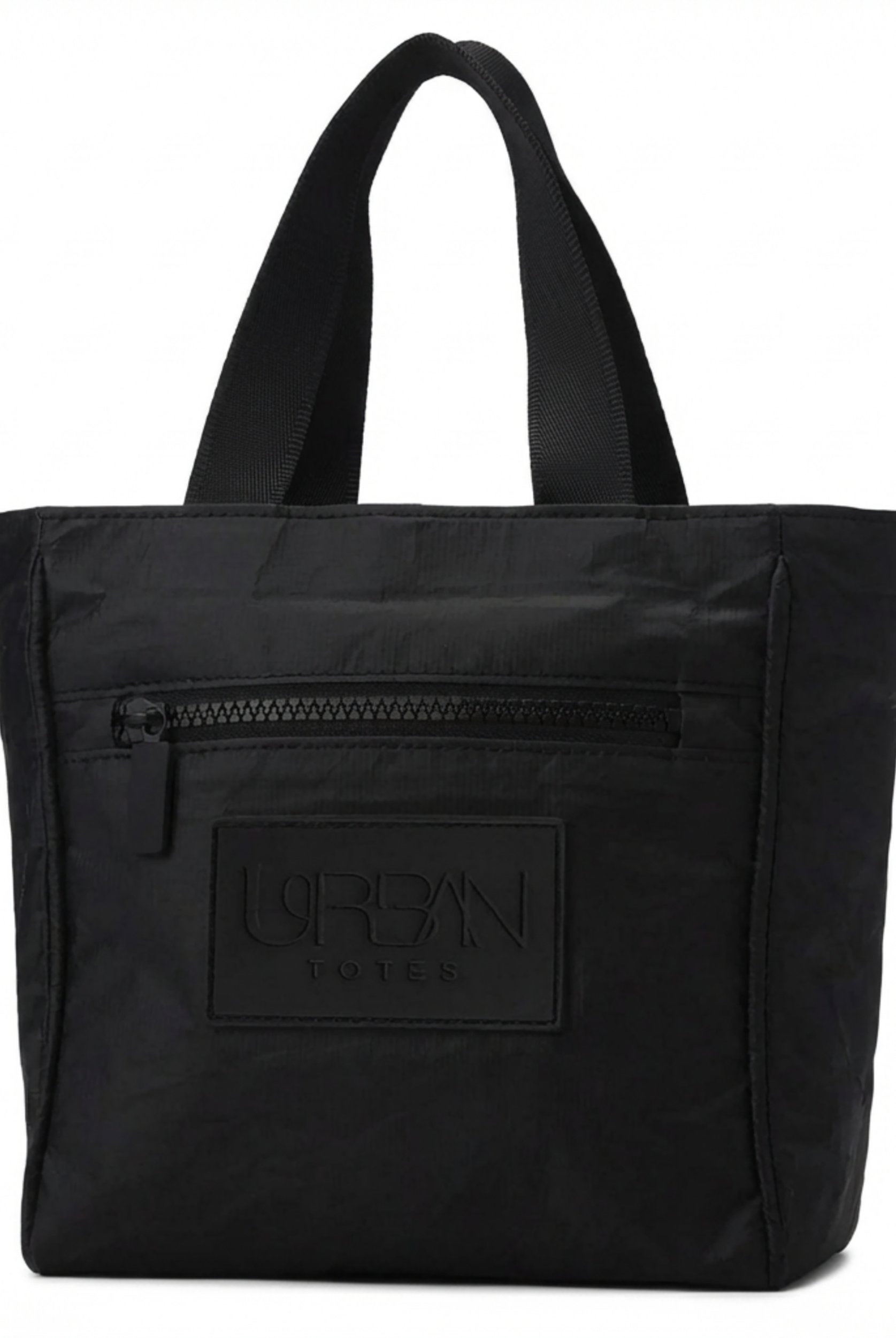
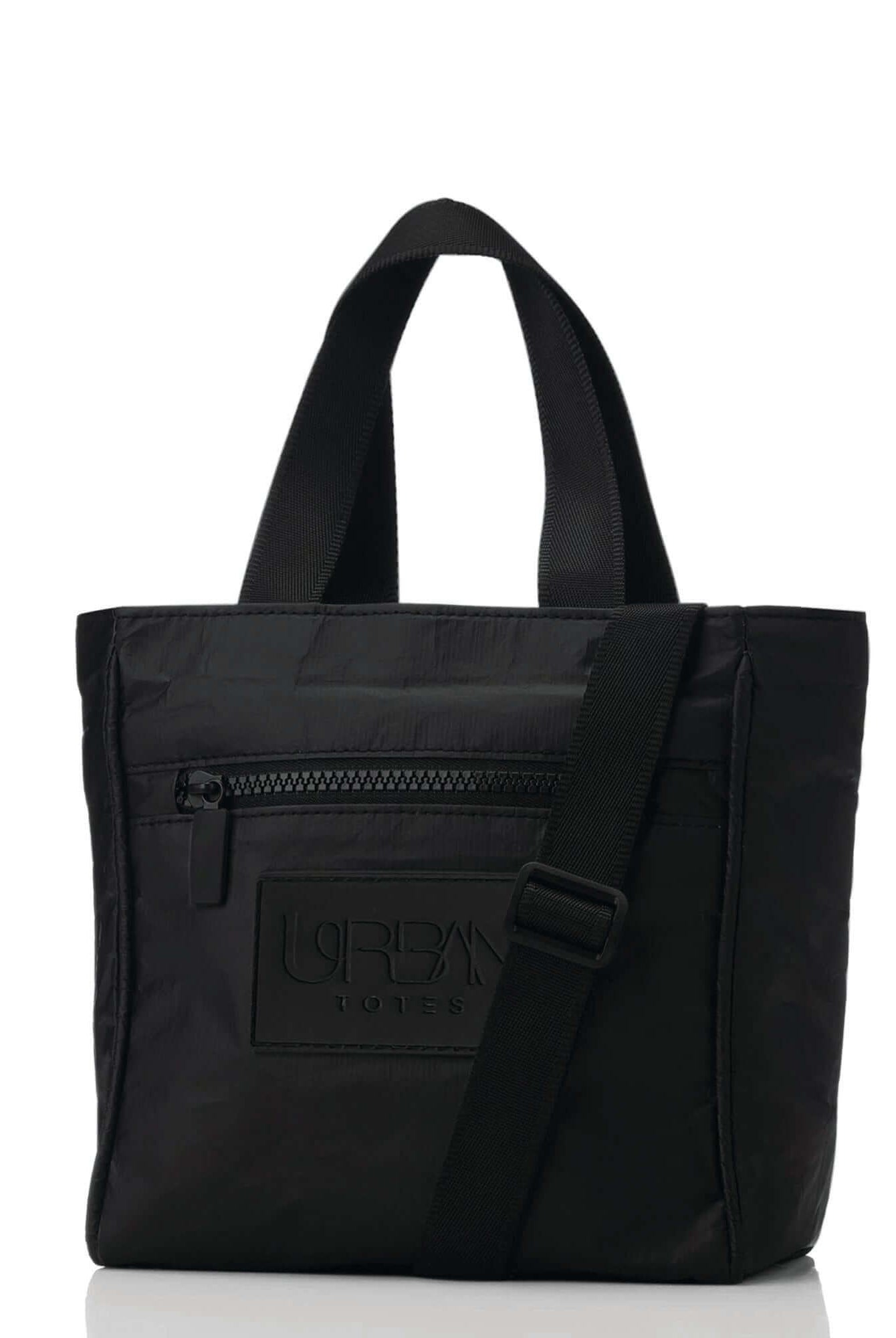
You're standing at the door with coffee in one hand, your phone buzzing in the other, and the train or car is already waiting. The school run ran a little long, your laptop is tucked somewhere, and you need a bag that won't slow you down the second you leave the house.
That's where a commuter tote bag earns its place. It's not just something that looks polished on your shoulder, it's the bag that has to move through real life with you, from kitchen counter to transit platform to office desk and back again.
A good one feels easy from the start. It holds what you carry, stays comfortable when the day stretches out, and keeps the essentials close without turning every stop into a lummage session.
Table of Contents
- A Morning Commute That Actually Feels Easy
- What Makes a Commuter Tote Work Day After Day
- How to Choose Straps Size and Materials
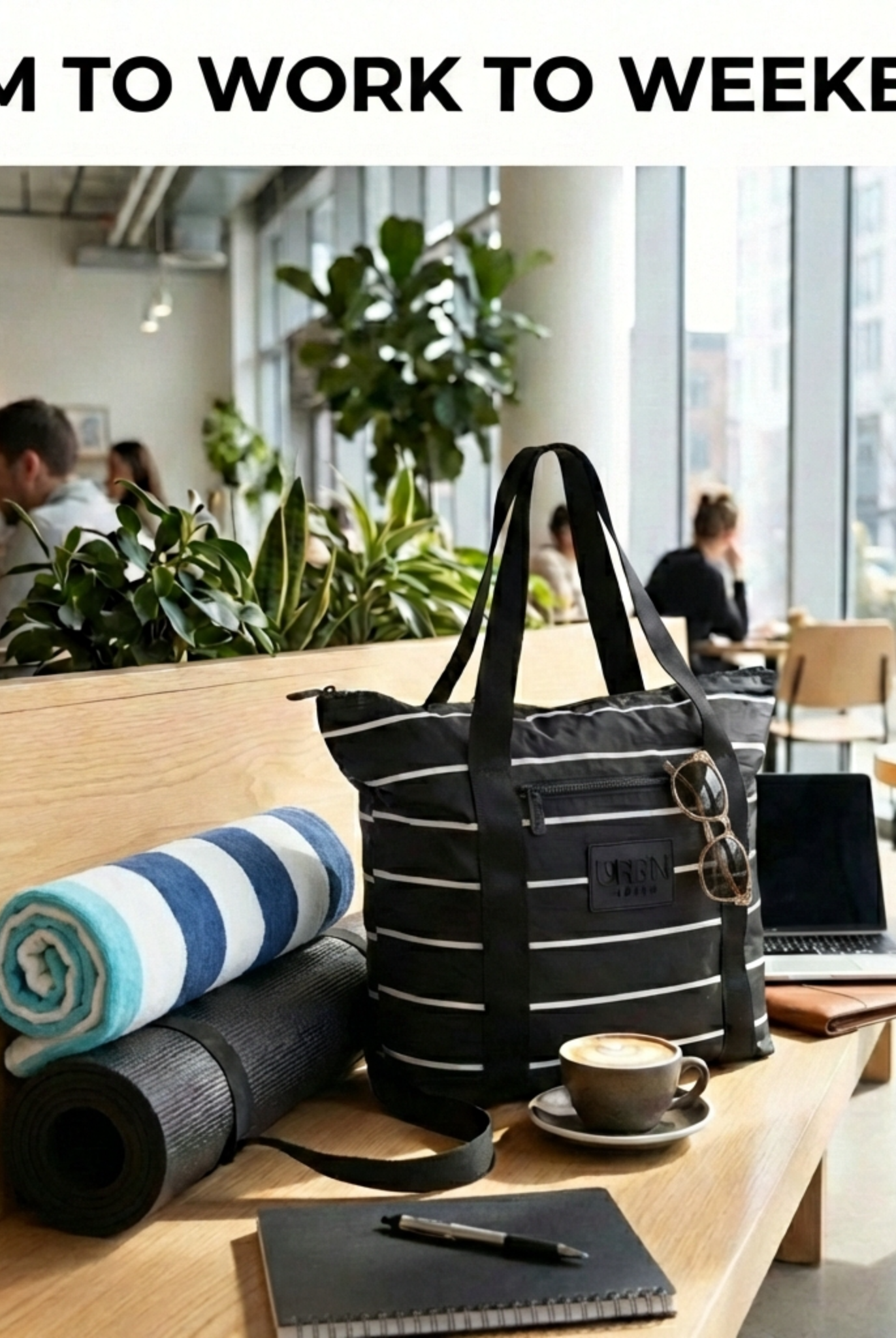
- One Tote for Office Days Errands and Getaways
- Simple Daily Packing System That Saves Time
- Carry Comfortably and Keep Your Tote Fresh
- Find Your Perfect Go Anywhere Commuter Tote
A Morning Commute That Actually Feels Easy
The train doors are closing, your coffee is balanced in one hand, and your tote is already telling you whether the day will feel smooth or messy. If the bag swings too much, digs into your shoulder, or hides your keys at the bottom, the whole morning feels heavier than it should.
That's not a small problem. U.S. workers aged 16 and older who did not work from home averaged 27.2 minutes of one-way commuting in 2024, compared with 25.0 minutes in 2006, which equals roughly 54 minutes of commuting on a typical workday before school drop-offs, grocery stops, or gym visits source. In other words, your bag gets used in the middle of a very full day, not just on the ride itself.
Why the daily carry matters
A commuter tote bag has to behave like a small system, not a pretty accessory. It should make the transition from kitchen to transit to desk feel smoother, especially when your day shifts from office hours to errands or a quick workout.
A simple mental check helps. Ask yourself whether the bag is comfortable on your shoulder, whether you can reach the things you use most, and whether the contents stay protected when you're moving fast.
Practical rule: if a bag only works when you're standing still, it's not really built for commuting.
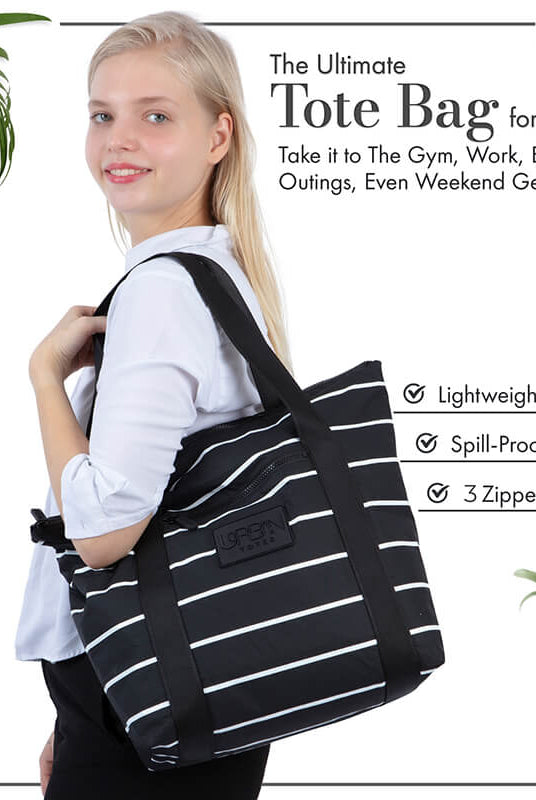
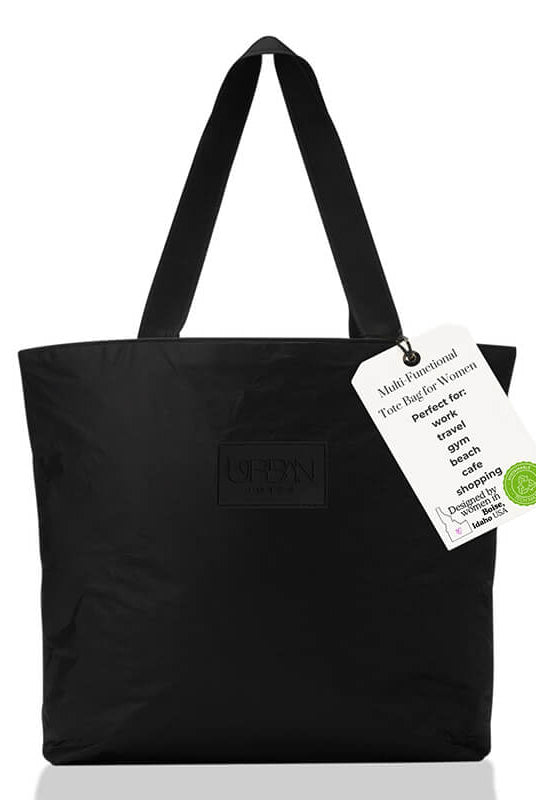
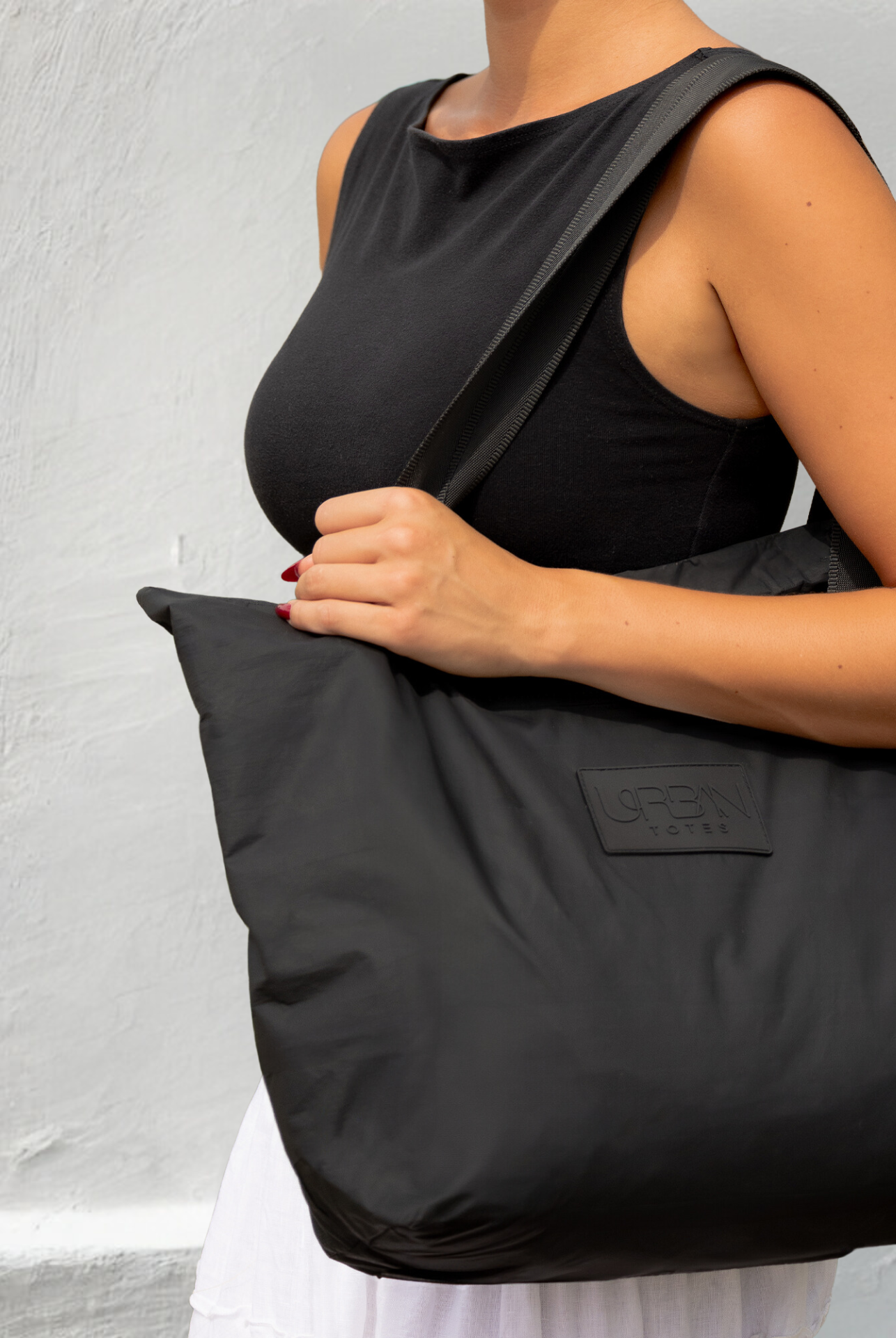
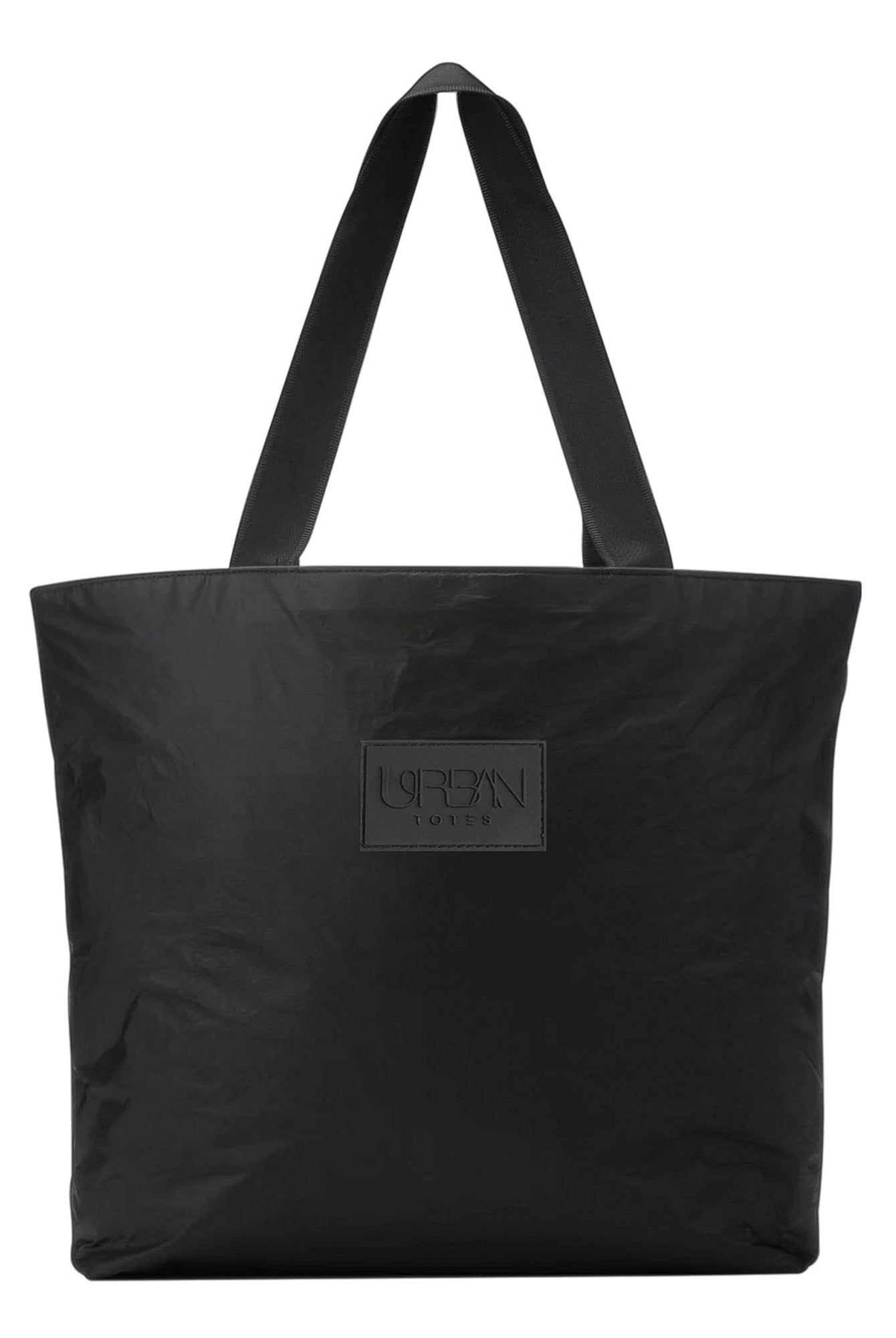
Urban Totes leans into that everyday reality with a woman-owned approach and a Boise-made brand mindset, which fits the kind of functional, no-fuss carry busy women need. If you want to see how material choice affects that feel, the guide to tote bag material is a useful place to start.
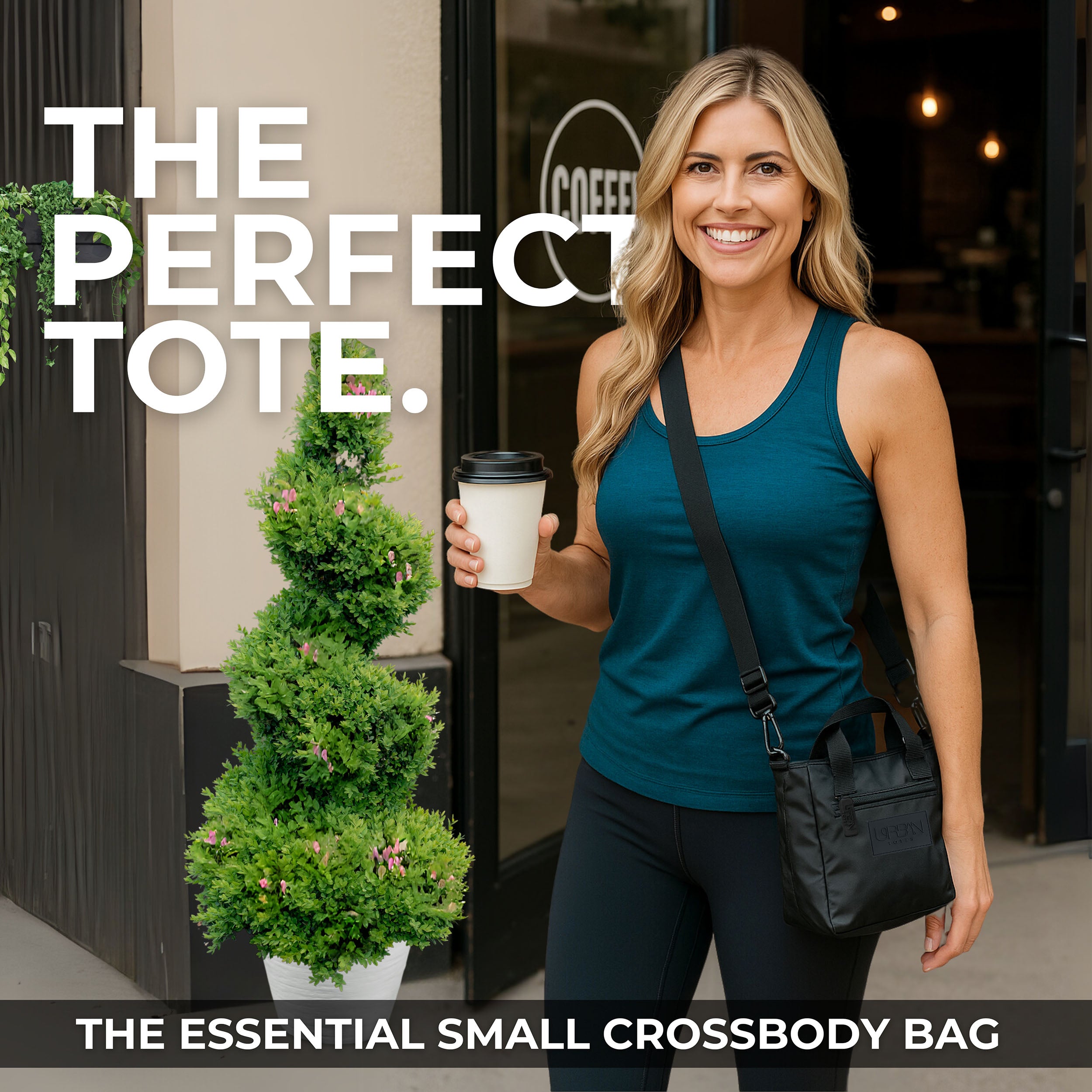
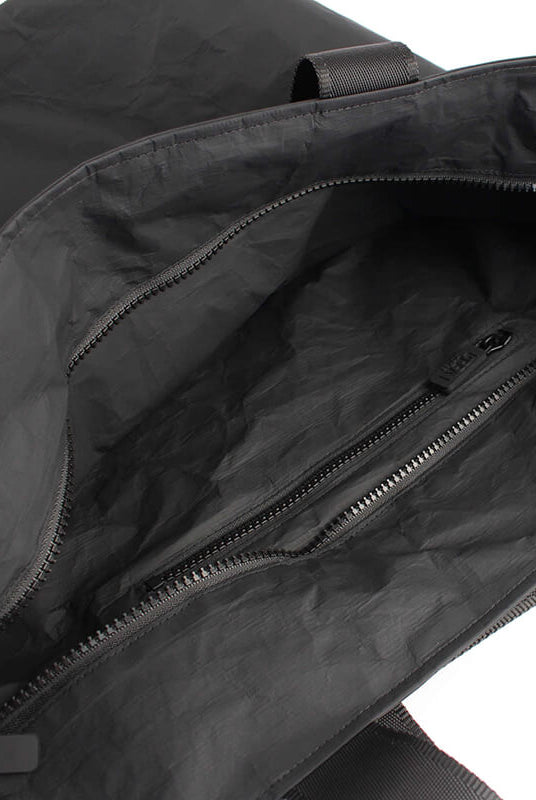
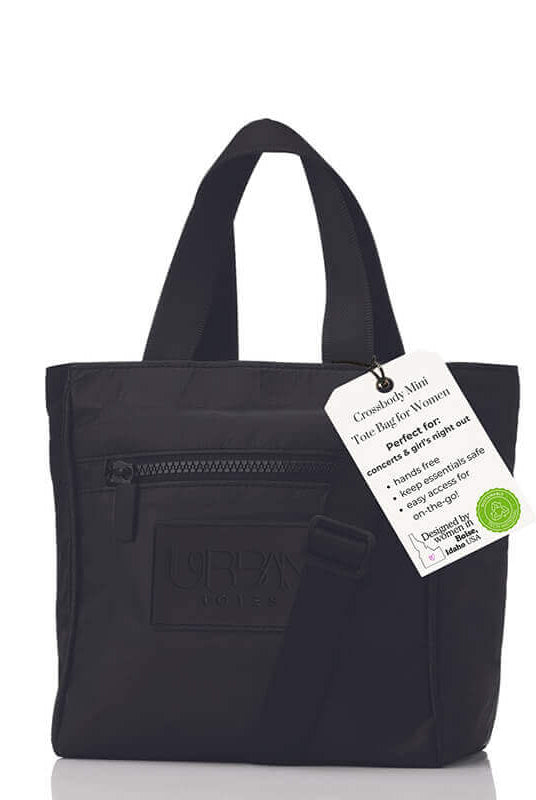
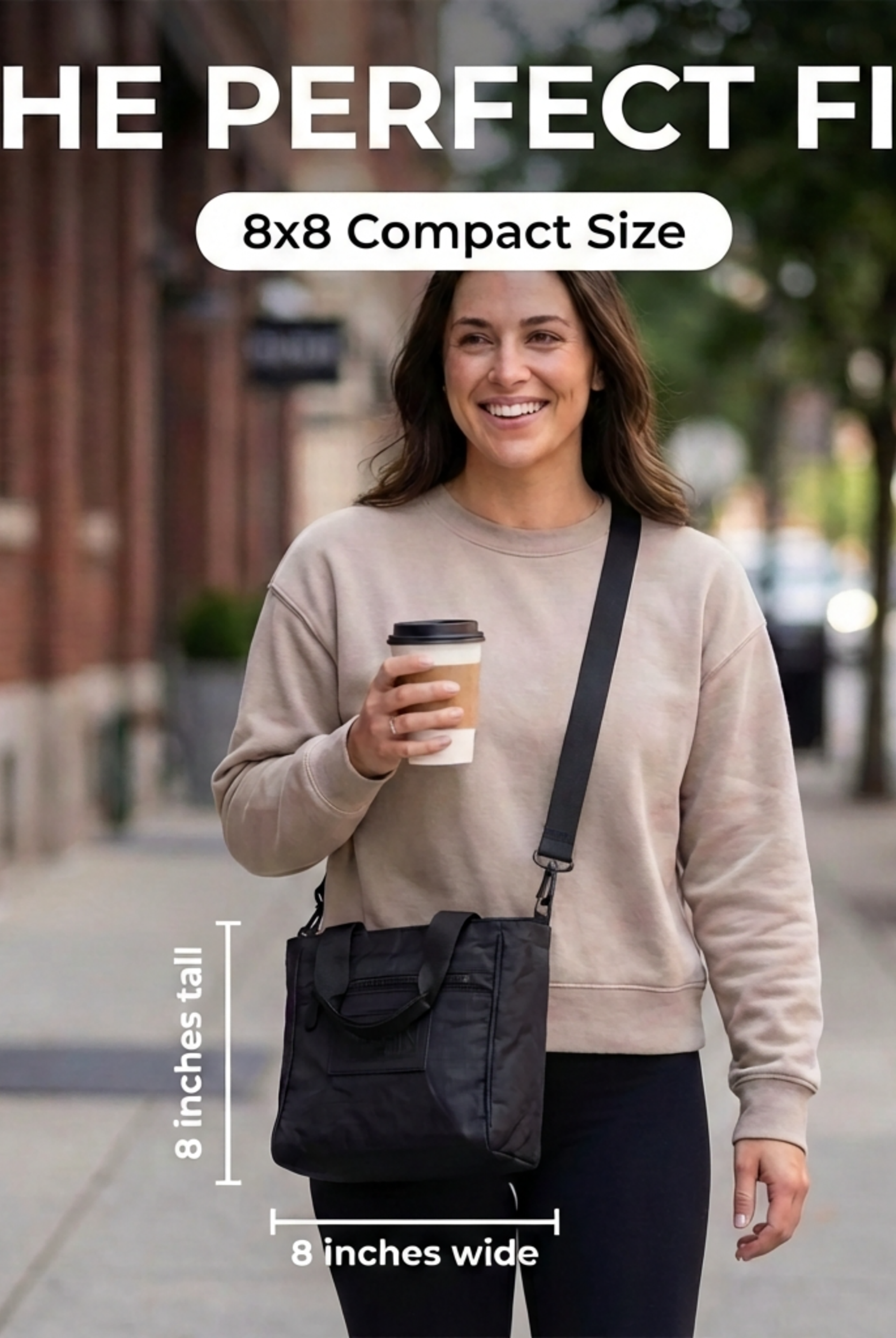
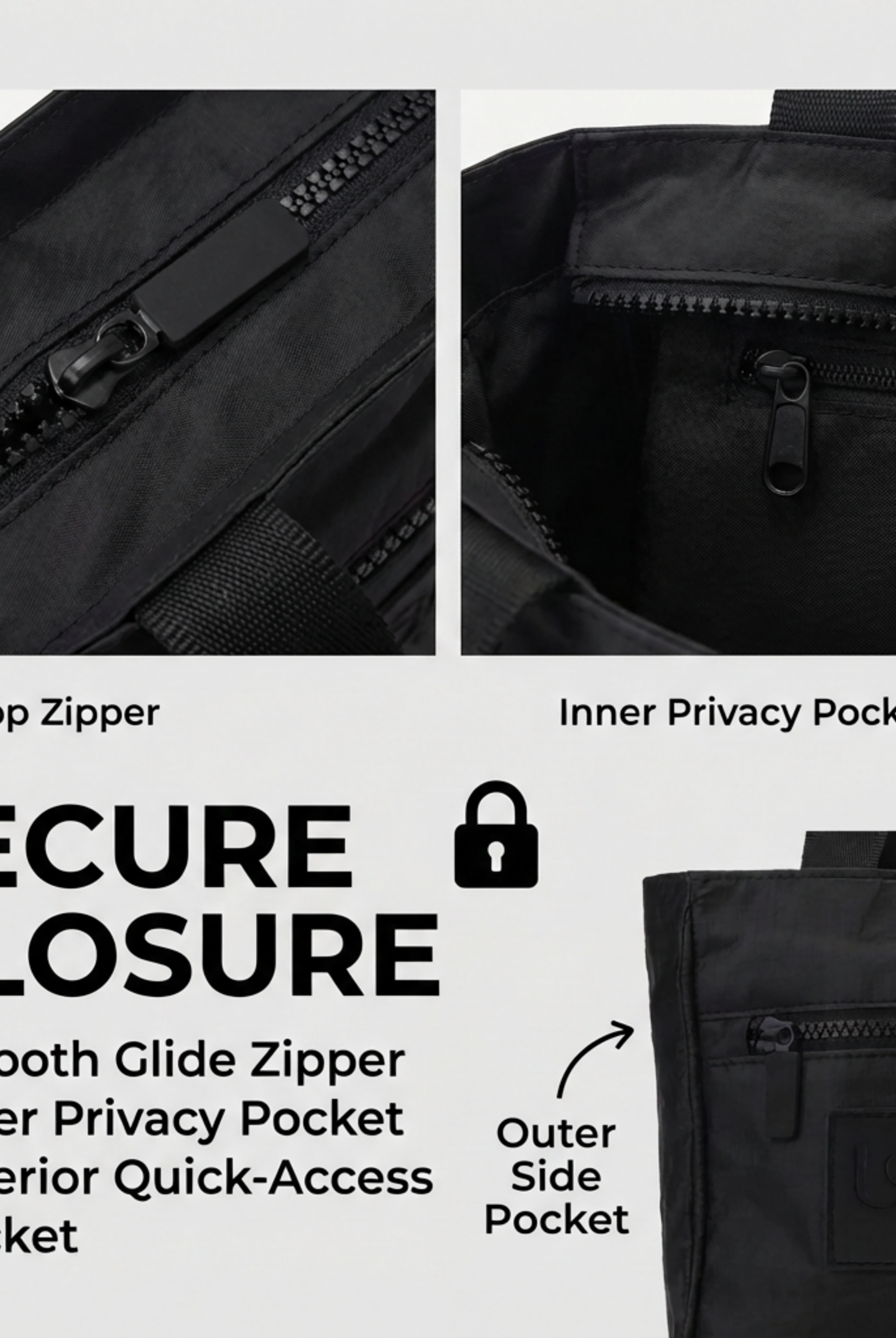
Even a compact option like the Crossbody Tote Bag Mini Purse shows how a zip-top closure, easy-access pocket, and lightweight build can support a faster morning. It's a smaller format, but the logic is the same, keep the load contained and the essentials easy to reach.
What Makes a Commuter Tote Work Day After Day
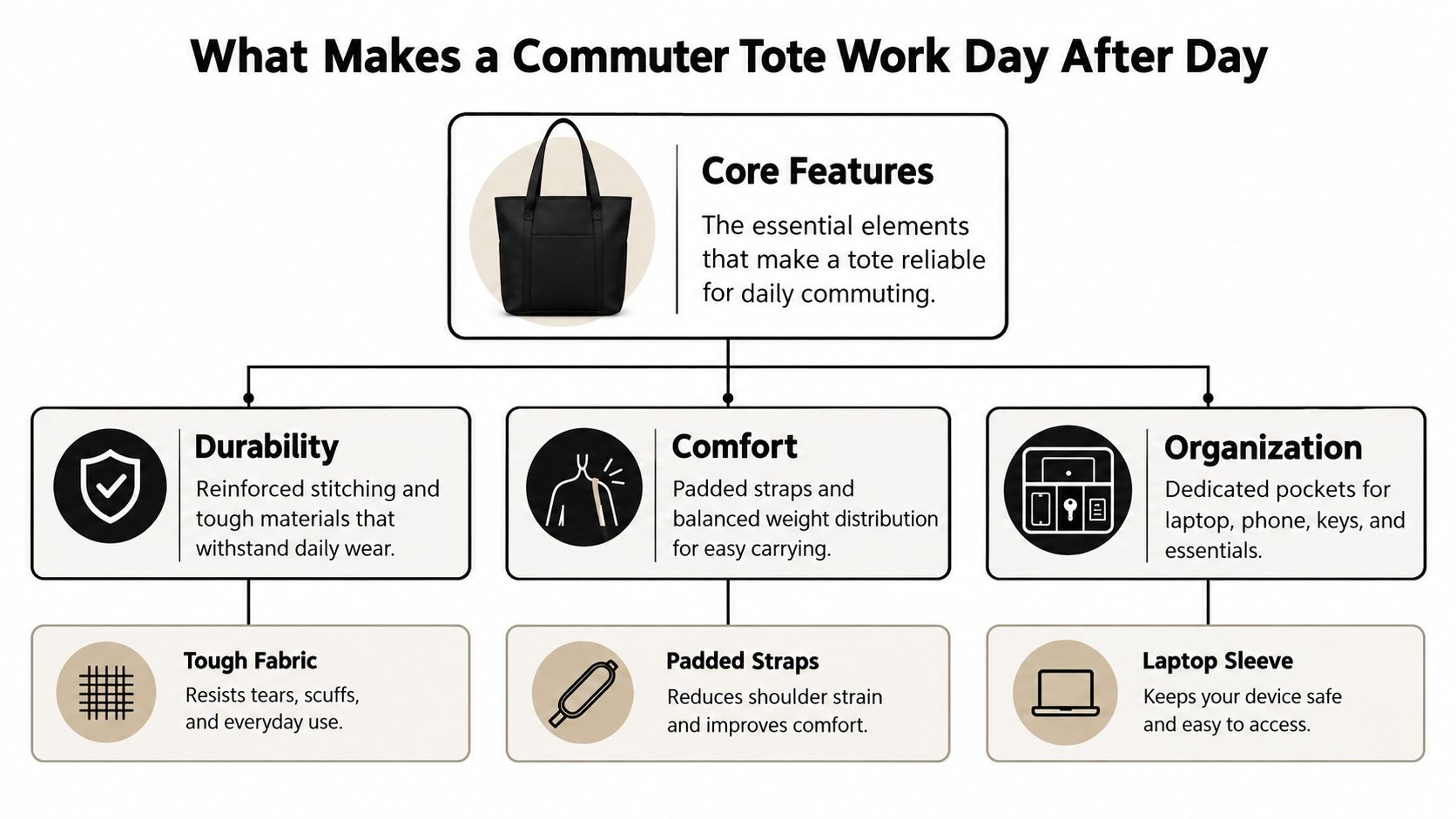
A bag feels “good” for about five minutes. A true commuter tote bag still feels good after crowded platforms, curbside pick-ups, and that last walk from the parking lot to the office.
Start with carry comfort
The first test is how the bag sits on your body. A tote should stay close, feel balanced, and avoid the sloppy swing that happens when the load shifts every time you move through a crowd.
That matters because commuting isn't one single movement. It's stairs, doors, a quick stop for coffee, then another walk to a bus or elevator. A bag that stays put makes all of that feel less chaotic.
Then look at closure and organization
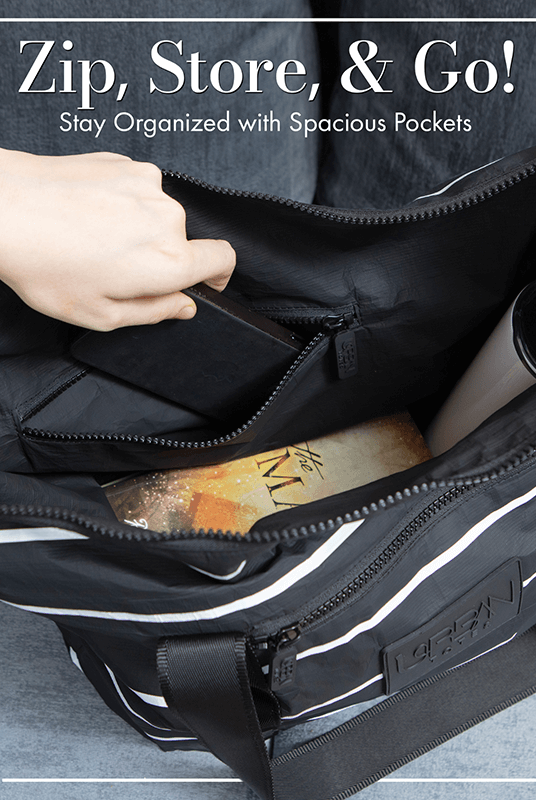
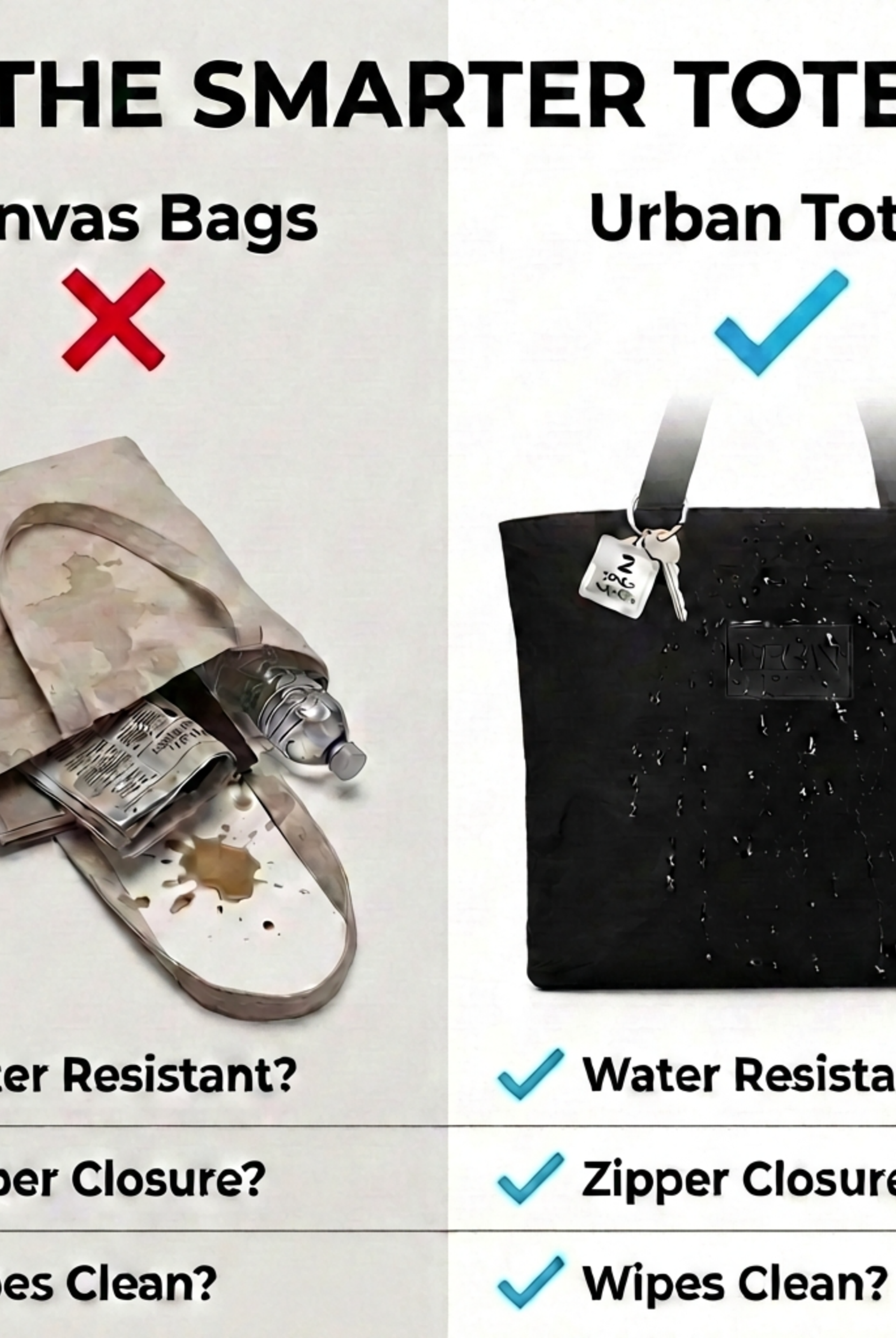
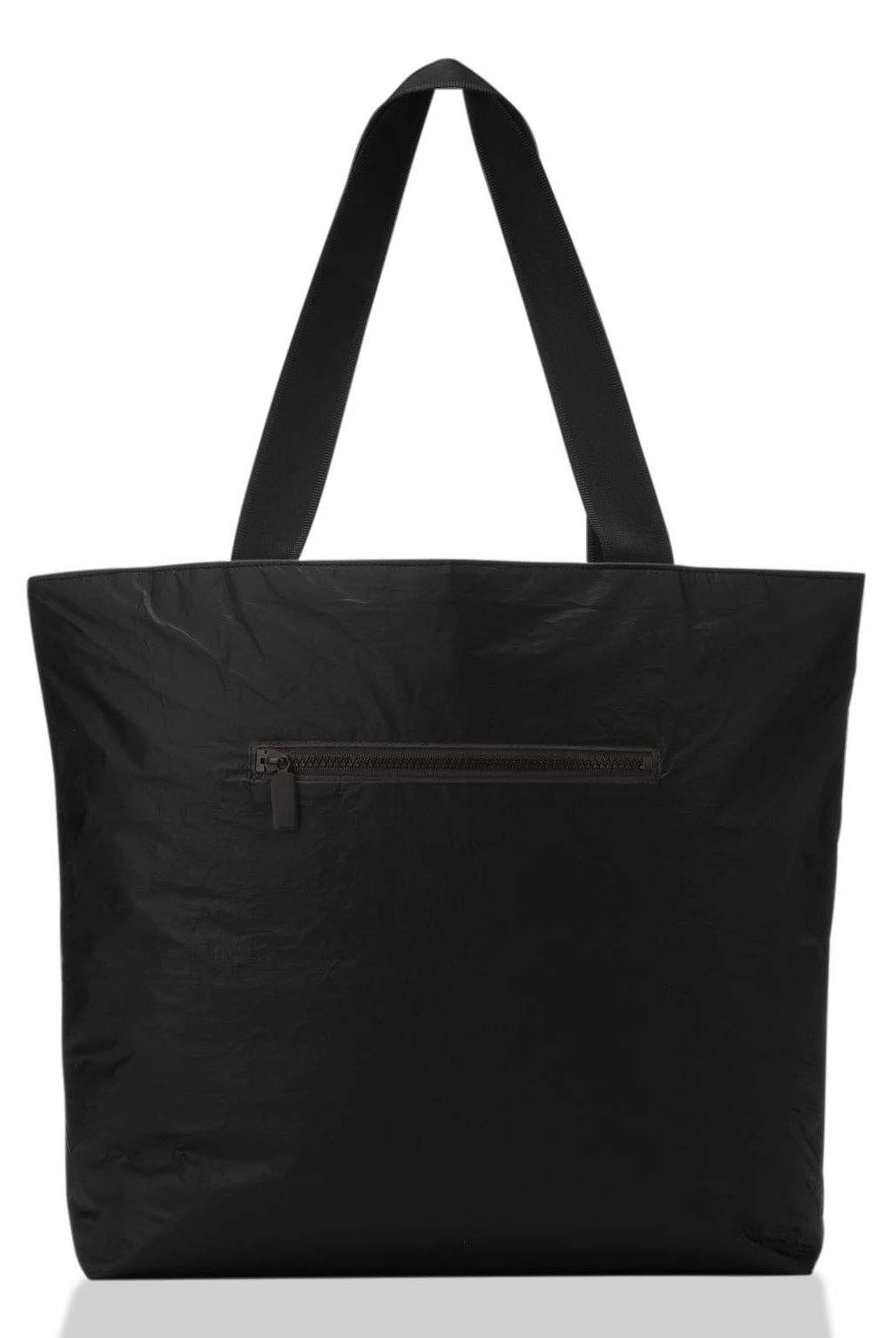
A zipper closure is the difference between a bag that feels casual and one that feels ready for transit. It keeps things from spilling out when you set the tote down, and it gives you more confidence when the bag is beside you on a busy ride.
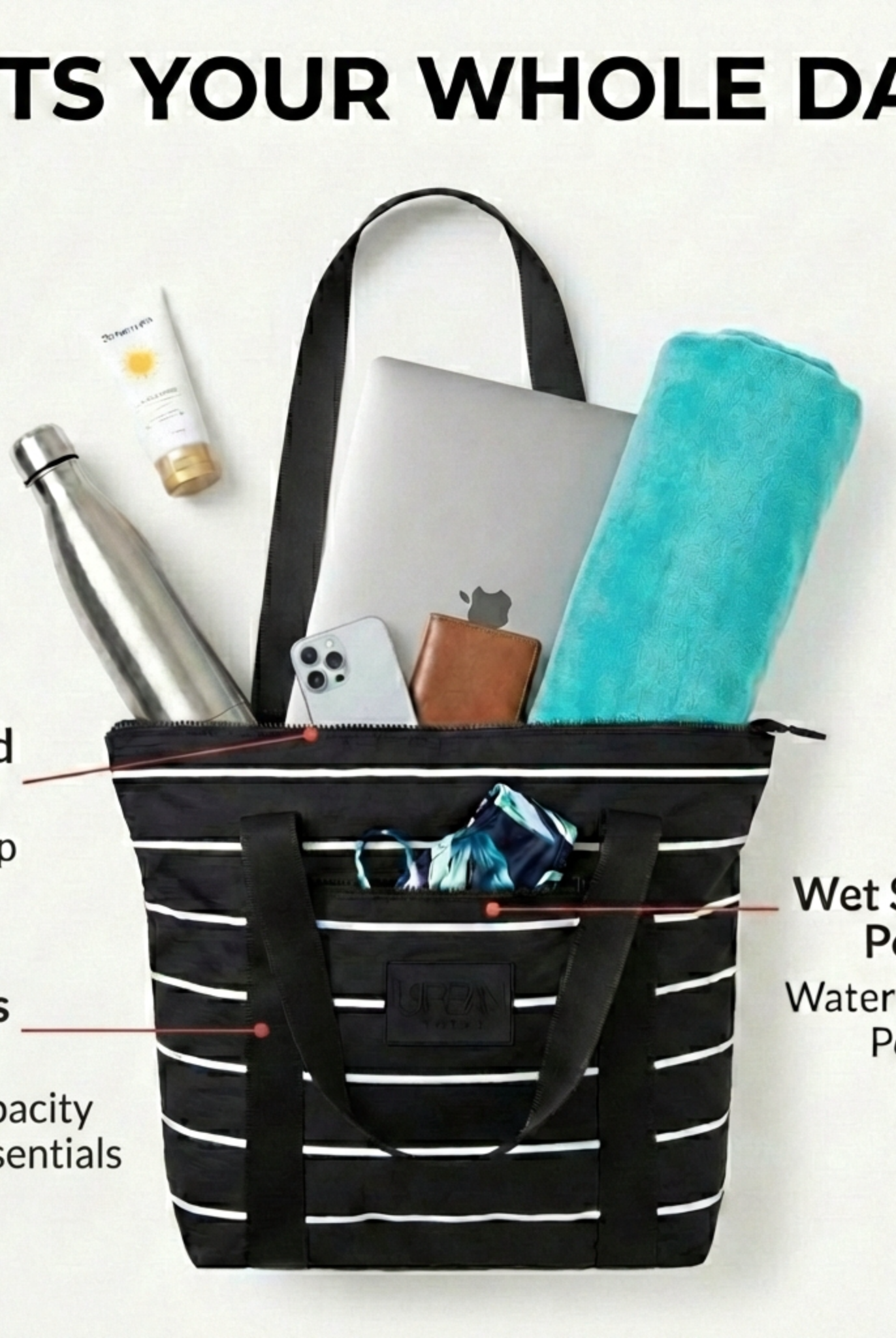
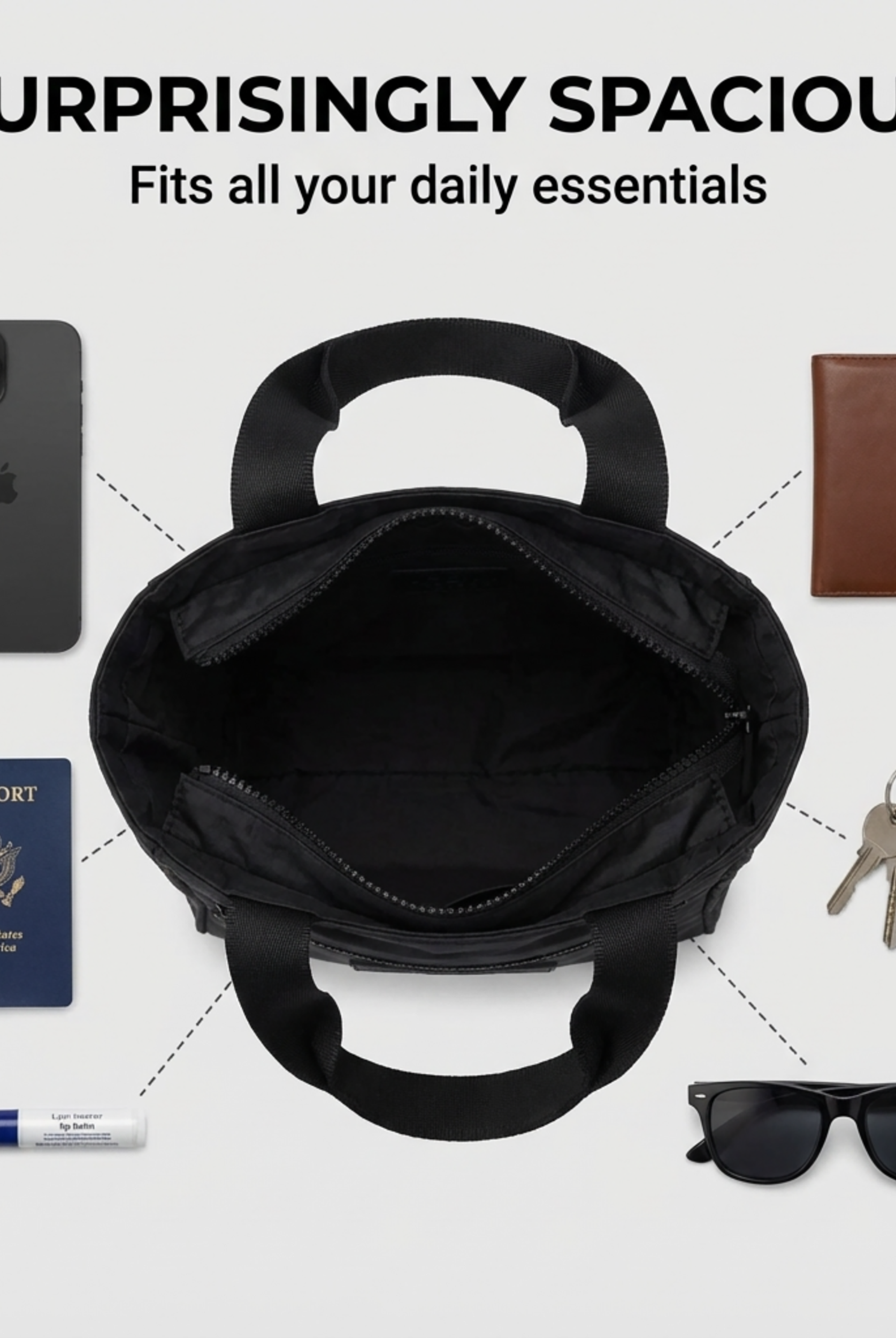
Inside, multi-pocket organization does the heavy lifting. A phone pocket, a place for keys, and a separate spot for work items mean you're not emptying the whole bag to find one thing.
Don't ignore weather and weight
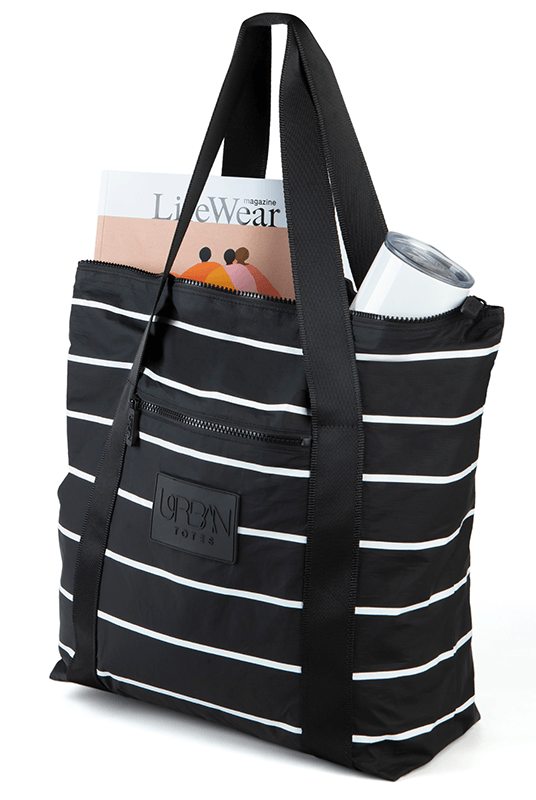
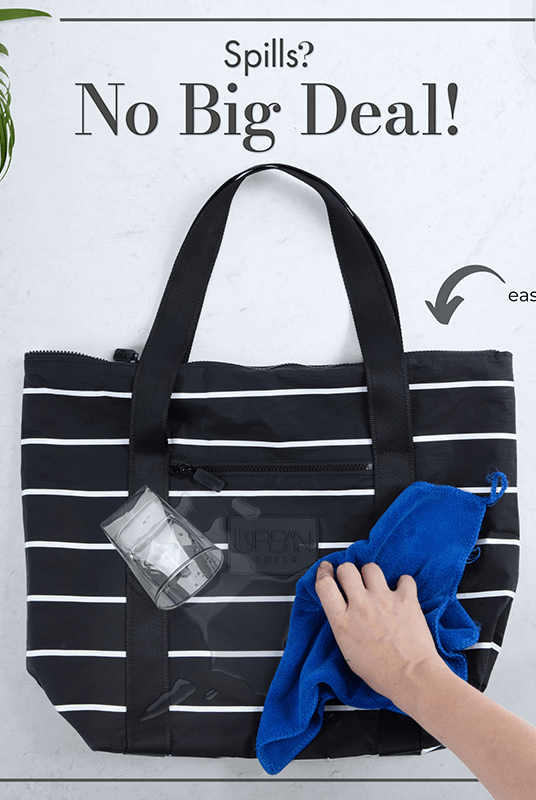
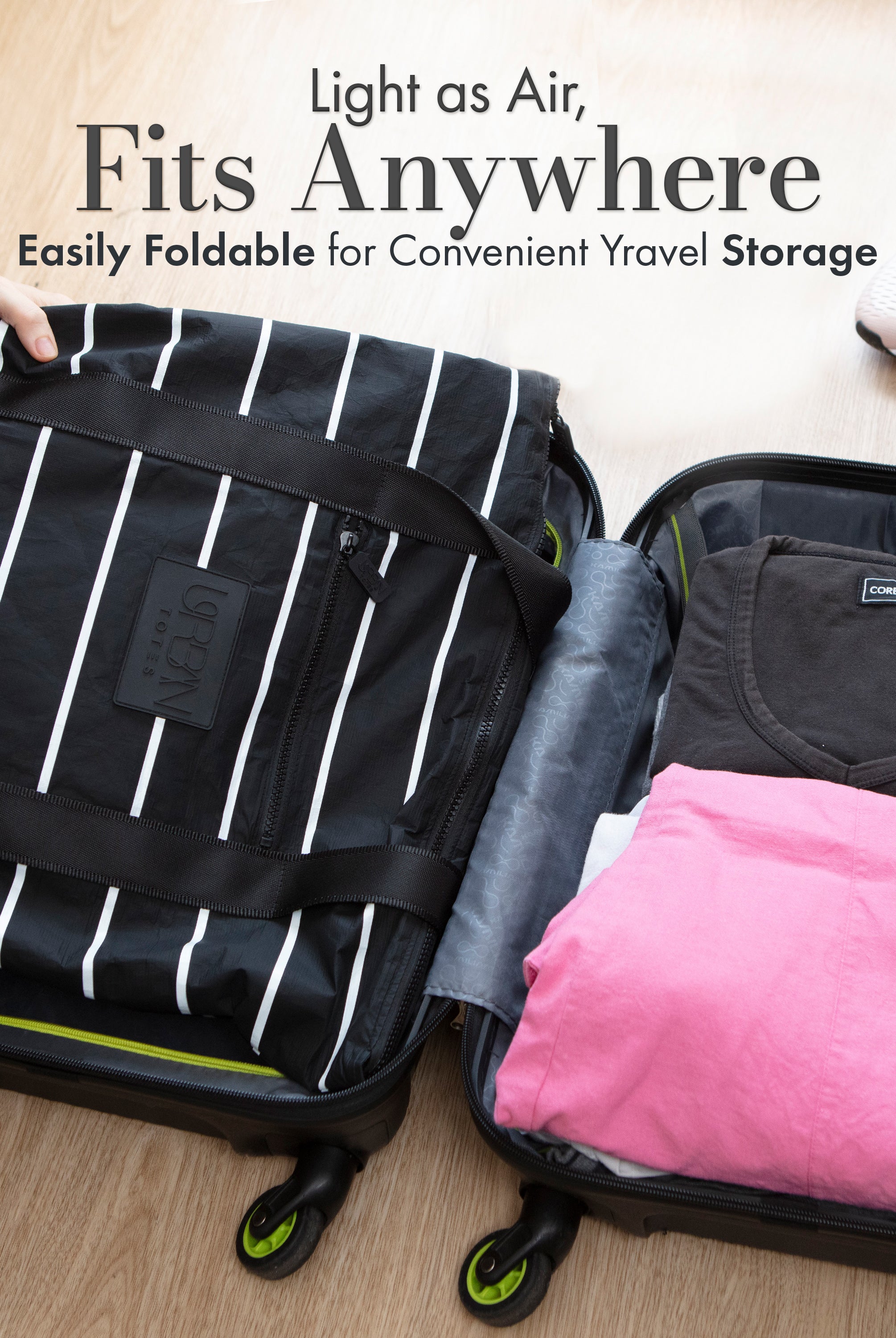
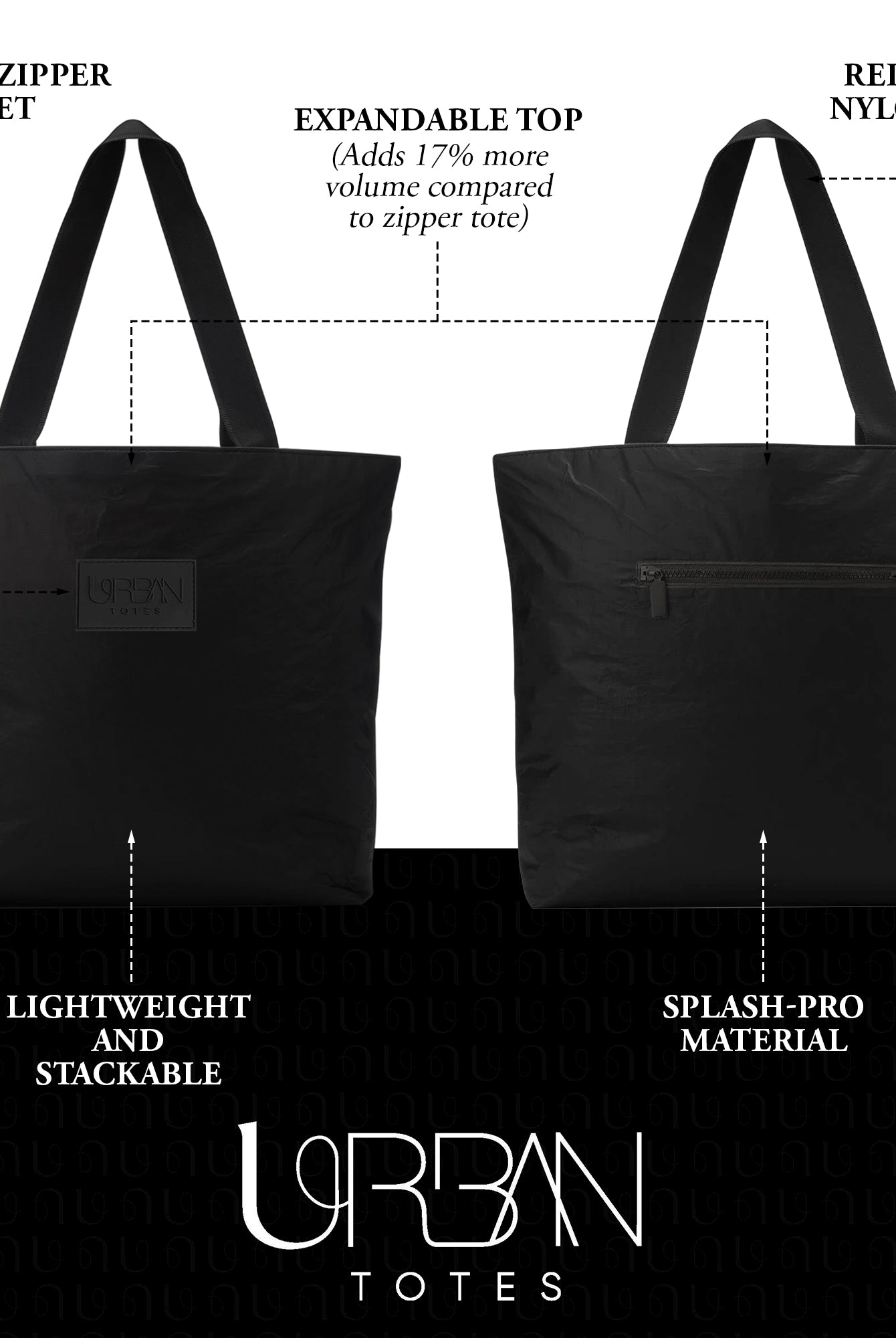
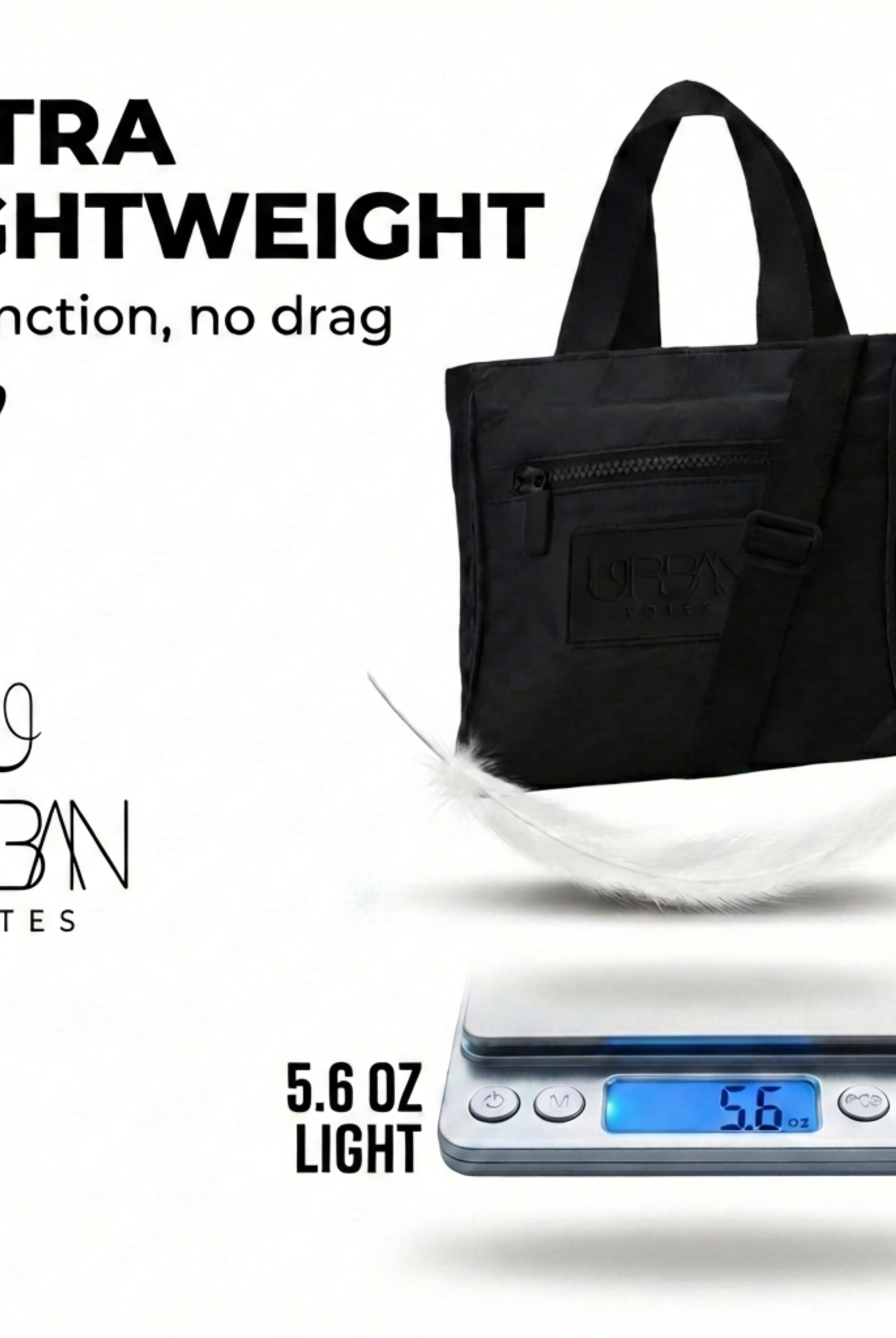
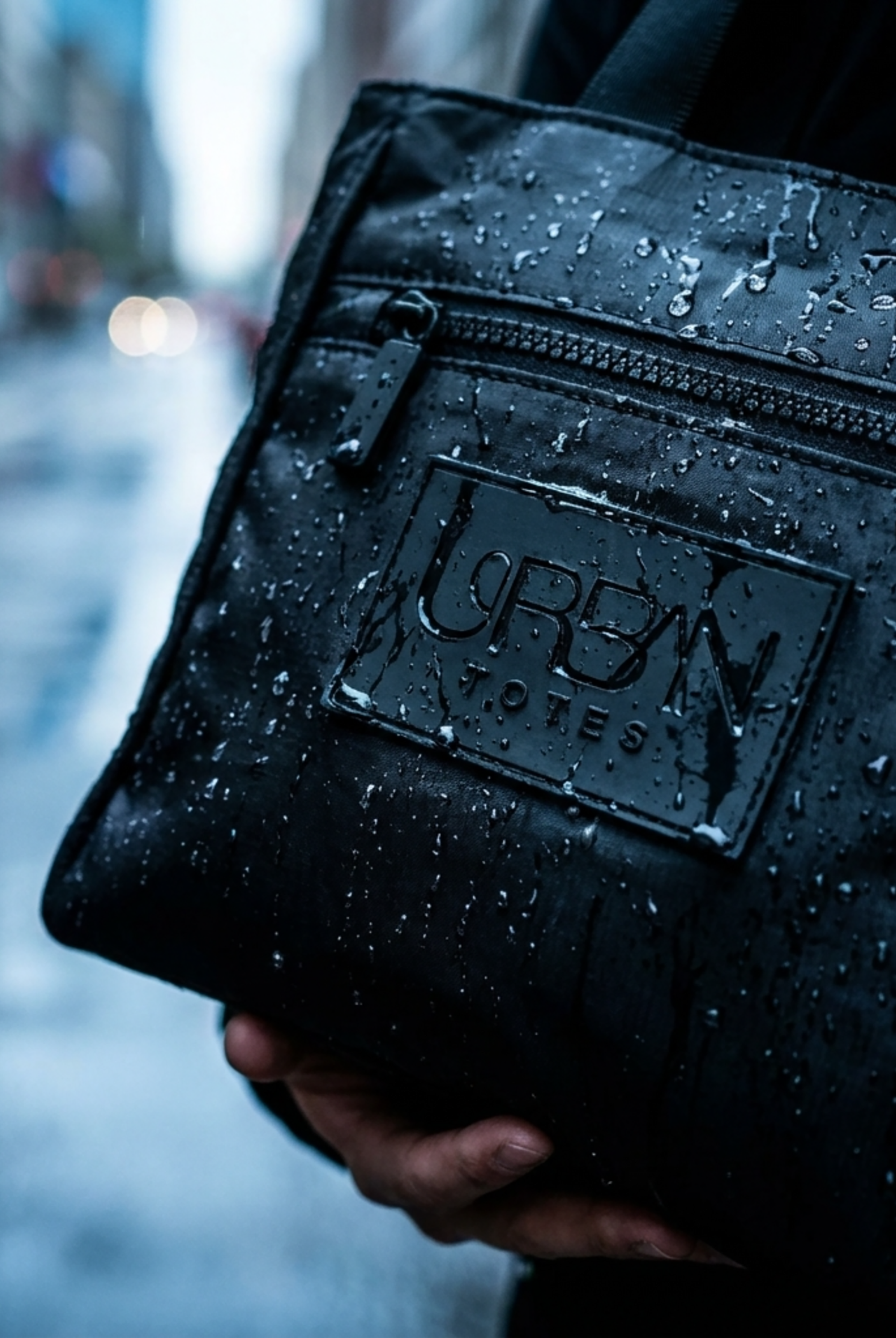
A water-resistant, lightweight, packable, and foldable tote is easier to live with because it doesn't become a burden on the days you're carrying more. That kind of construction matters when the bag has to shift from office mode to errands to a last-minute dinner stop.
For a material-focused look at how those choices affect daily use, the adjustable shoulder strap guide is a helpful companion. It's especially useful if you're comparing shoulder carry to handle carry and trying to figure out what will feel best over time.
A simple way to judge any tote
- Comfort first: If the straps pinch or slide, you'll stop reaching for the bag.
- Closure second: Zippers matter when the bag rides on a train seat or in a car footwell.
- Organization third: Pockets should match the things you grab most often.
- Weight last: A tote that starts heavy rarely feels better by evening.
Bottom line: function comes before style, because the most stylish tote is the one you'll actually keep using.
How to Choose Straps Size and Materials
Different commutes ask for different carry styles. The right tote for a rail-heavy city day won't always be the right tote for a car commute, a walk-heavy route, or a bike transfer.
Commuter tote bags serve a broad travel market because commuting looks different from city to city. Tokyo is transit-oriented, with 65% of commuters using trains and only 13% using their own cars, while about 83% of commuters in Los Angeles use their own cars at least three times per week, and 36% of Londoners primarily use public transportation while 23% walk or cycle source.
Match the carry to the commute
A shoulder tote works best when you want quick on-and-off access. If you're moving through stations or doing a lot of standing and walking, wide straps help the bag sit more comfortably without making it disappear into your shoulder.
A shorter-handled tote can feel neat in the car or at your desk, where you're lifting it more than wearing it. The key is to think about what happens most often in your day, not just what looks polished in the mirror.
Compare features by commute style
| Commute style | Strap and carry pick | Size and pocket pick |
|---|---|---|
| Train or bus | Comfortable shoulder carry with a secure, stable feel | Medium size with a zipper closure and easy-access pockets |
| Car-heavy day | Hand-carry or shoulder carry that's easy to grab fast | Structured interior for work items, lunch, and a water bottle |
| Walk-heavy route | Lightweight straps that stay comfortable during movement | Organized layout so essentials don't sink to the bottom |
| Mixed-mode day | Flexible straps and a bag that doesn't feel bulky | Multi-pocket design with room for layers and daily extras |
Materials should fit real repetition
For daily wear, lightweight and durable matter together. A tote that's easy to carry is more likely to get used, and a tote that holds up to repeat handling is more likely to stay in rotation.
If your commute changes a lot, choose a bag that won't feel wrong on the days you're not at your desk. A commuter tote should be able to move between office, errands, and travel without asking you to repack your life every time.
One Tote for Office Days Errands and Getaways
Some days ask for a laptop, a lunch container, and a charger. Other days ask for wipes, a water bottle, a spare cardigan, and a snack you forgot to eat in the car. A single tote can handle both if it's chosen with the day type in mind.
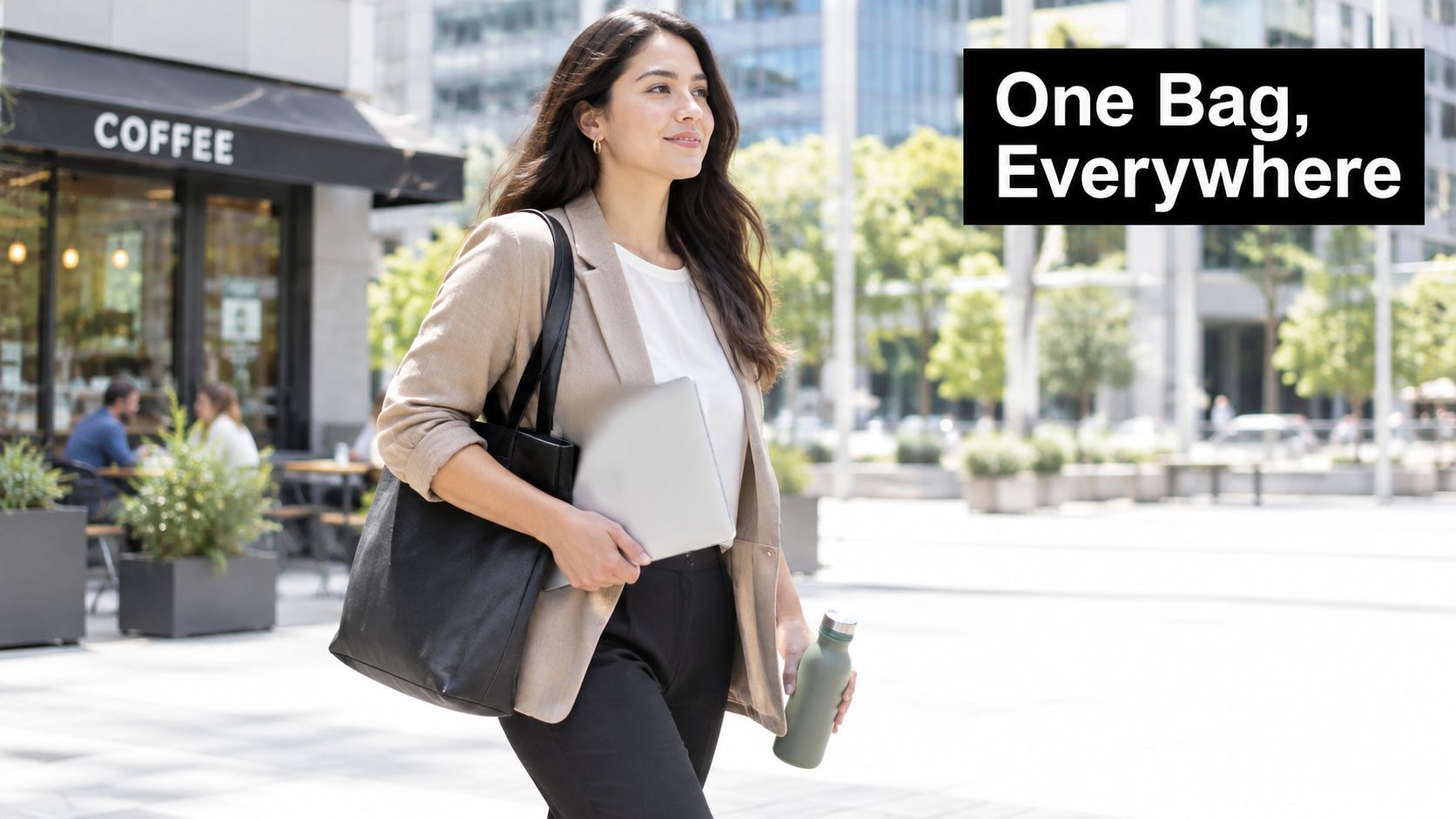
In the Washington, D.C., Maryland, and Virginia region, 48% of workers teleworked in 2025, hybrid employees averaged 2.3 telework days per week, and 88% of hybrid teleworkers still worked remotely at least once weekly source. That kind of schedule changes what “enough space” really means, because the tote has to work for office days, home days, and the in-between errands that pile up fast.
Office day
On a straight office day, the tote should keep your laptop, charger, notebook, and keys separated so you can move fast at security, in a lobby, or at your desk. A zipper closure helps the bag feel settled, even when it's stuffed with work gear.
School drop-off or caregiver day
The bag earns its keep here. You need room for your own items plus a few extras, but you don't want a giant open tote that turns into a catch-all.
Gym stop or late errand run
When the bag holds sneakers, a water bottle, and a clean top, the interior needs to stay organized. If everything falls into one pile, the tote starts to feel like a chore instead of a helper.
Weekend trip or overnight add-on
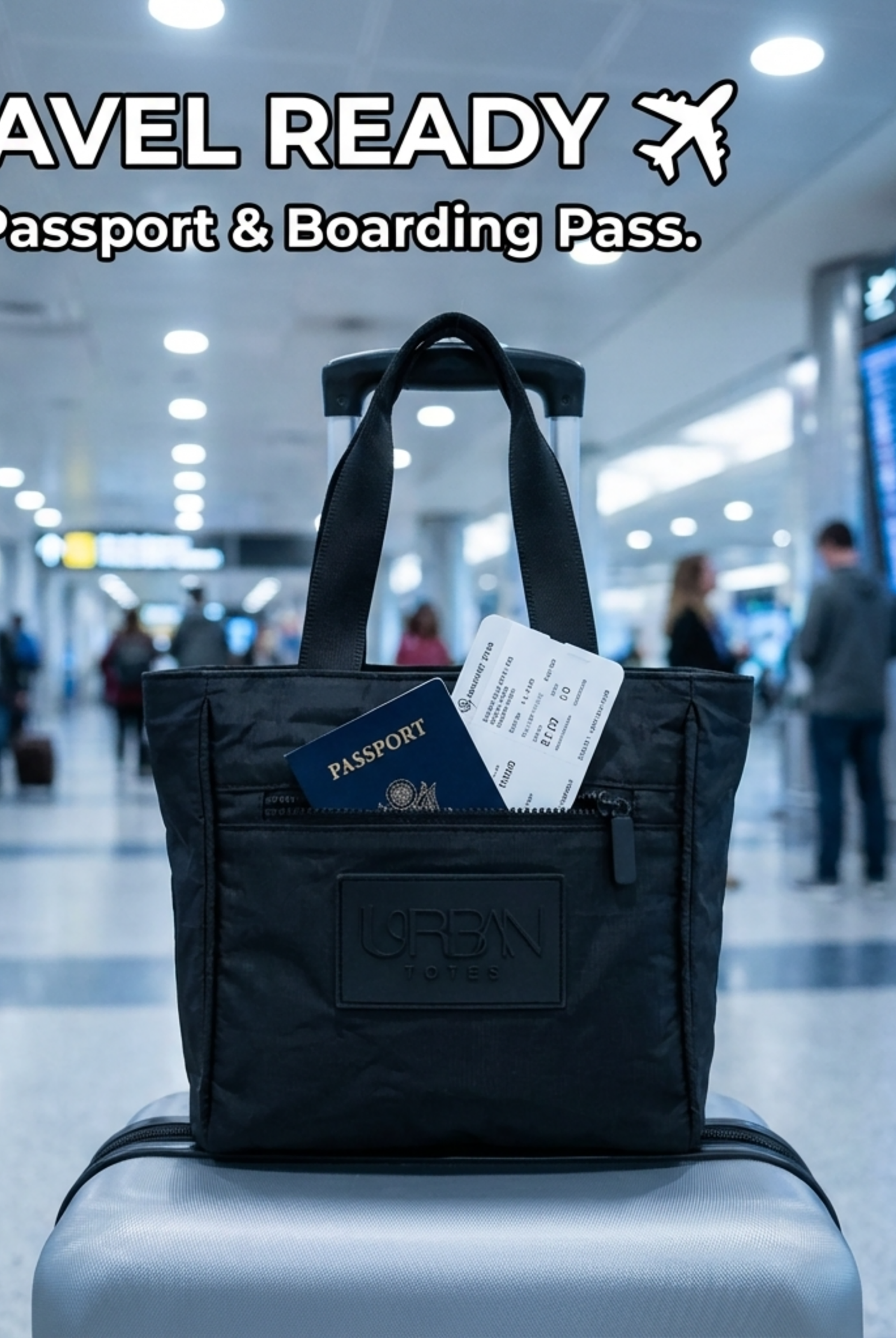
The best commuter tote doesn't have to stop at commuting. A packable and foldable style can tuck away when you don't need it, then come back out for a flight, a road trip, or a hotel night.
If you bike or mix biking with transit, the practical advice in Rider 18 biking gear advice is worth a look, because carry stability matters even more when your day includes motion on two wheels.
Simple Daily Packing System That Saves Time
The easiest commuter routine is the one you can repeat without thinking. A tote works better when it has zones, because your brain doesn't have to rebuild the bag every morning.
Build the bag in layers
Start with the biggest item first, then stack the rest around it. That usually means laptop or tablet at the bottom, smaller work items in a protected pocket, and quick-grab pieces near the top.
A simple layout keeps the bag from turning into a jumble. It also makes the tote easier to reset at night, which is the difference between a calm morning and a ten-minute search for your phone.
Keep the things you reach for most often in the easiest spot, not buried under the bulky ones.
Use three zones
Tech zone. Put your charger, laptop, earbuds, and work gear together. If the bag has a padded sleeve or interior zip pocket, use it for the items that deserve a little extra separation.
Quick-access zone. Wallet, keys, transit pass, and phone belong in the places you can reach without digging. That matters most when you're standing on a train, standing in line, or balancing groceries.
Flexible middle zone. Lunch, a cardigan, a snack, or a small gym pouch can go here. It gives the tote flexibility without making it feel overstuffed.
The organization guide at how to organize tote bags pairs well with this kind of daily reset. It's the kind of system that saves time when your schedule keeps shifting.
A quick security habit helps too
Recent UK research found that 86% of public-transport users experienced antisocial behavior that made them feel less safe during the previous year, 14% experienced threats, violence, intimidation, verbal abuse, or attempted theft, and 35% witnessed theft, attempted theft, violence, intimidation, or assault against another person source. That doesn't mean every ride feels risky, but it does mean a tote should let you keep valuables close and reduce random rummaging in public.
A secure bag isn't just about the closure. It's also about where the pockets sit, how quickly you can reach your essentials, and whether the inside stays orderly when you're moving through a crowd.
Carry Comfortably and Keep Your Tote Fresh
By late afternoon, a tote can hold a laptop, lunch, a cardigan, and the day's small purchases. If it starts tugging at your shoulder before you reach the train, comfort depends on more than a soft strap. Weight, balance, and the way the bag sits against your body all matter.
A biomechanical study found that lumbar-disc and upper-lumbar-segment stress increased linearly with bag weight for shoulder bags, while stress increased exponentially for handbags source. It also found no significant measured biomechanical differences among carrying styles when bag weight stayed below 10% of body weight.
Keep the load close and sensible
Place heavier items near your body, where they create less outward pull as you walk. A laptop or full water bottle should not hang at the far edge of the tote, turning each step into a small counterweight exercise.
Comfortable straps can improve stability, but they cannot compensate for a bag packed beyond its useful capacity. Use a smaller day-type load when you are heading straight home, and reserve extra room for office-to-gym or errands days. If the tote grows heavier throughout the week, remove items that no longer serve that routine.
Clean it the easy way
A water-resistant tote stays easier to live with when you follow its care instructions and wipe away surface dirt before it settles. The EPA explains that synthetic clothing can shed tiny plastic fragments called microfibers during washing and defines microplastics as plastic pieces smaller than 5 millimeters source.
Simple upkeep protects the fabric and keeps cleaning manageable. Spot-clean small marks, wash only when the care label allows it, and let the tote dry fully before packing it again. For a broader routine, the how to care for your tote bag maintenance tips and tricks guide offers practical reminders.
For cyclists and transit commuters comparing ways to keep a bag stable, the best e-bike bags guide adds another useful carry perspective.
Find Your Perfect Go Anywhere Commuter Tote
The right tote starts with your day, not with a trend. If you move between office, errands, transit, and maybe the gym, look for a bag that matches your real load, keeps your essentials organized, and feels comfortable enough to reach for again tomorrow.
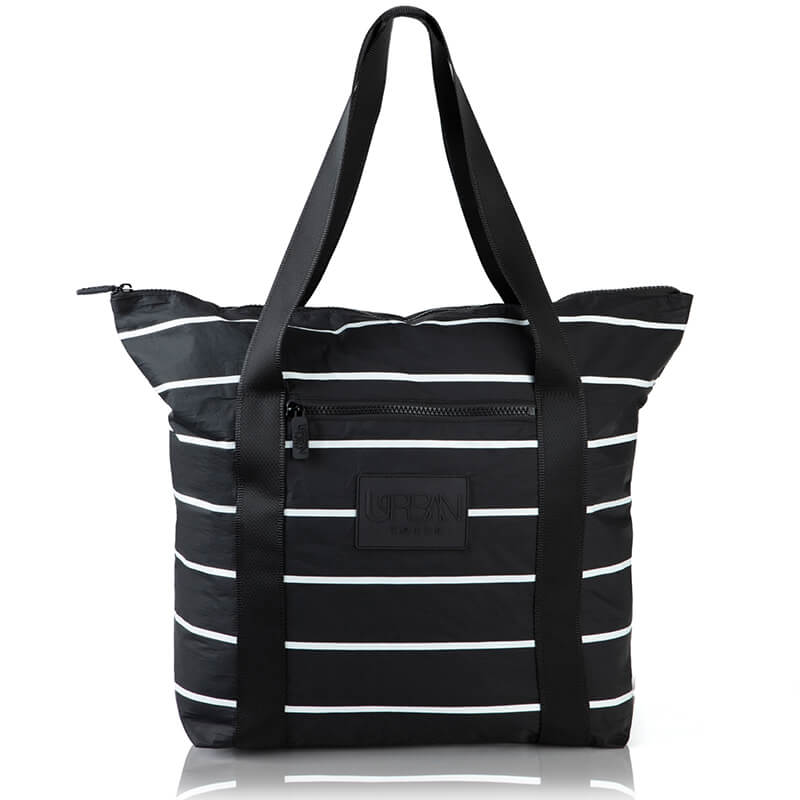
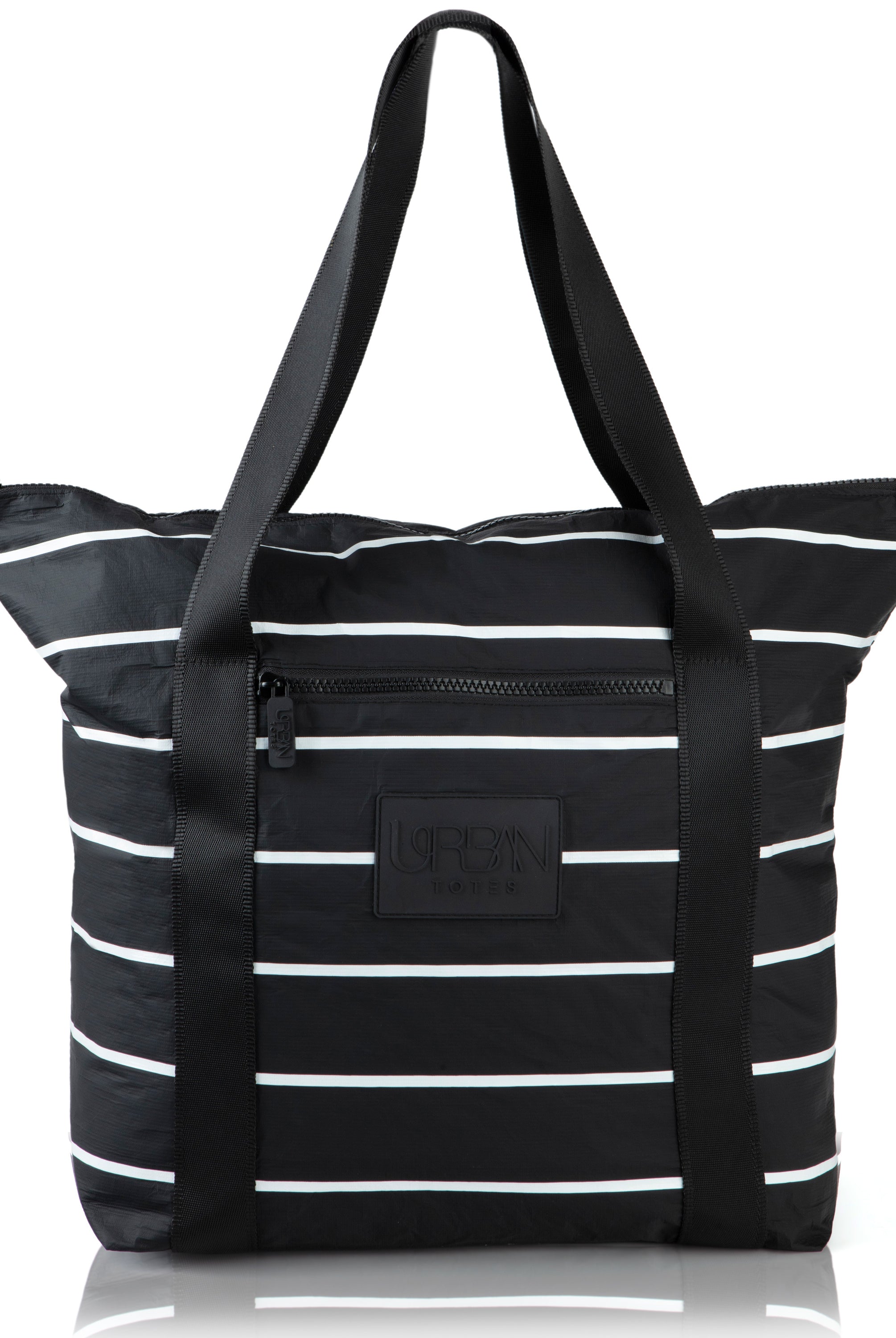
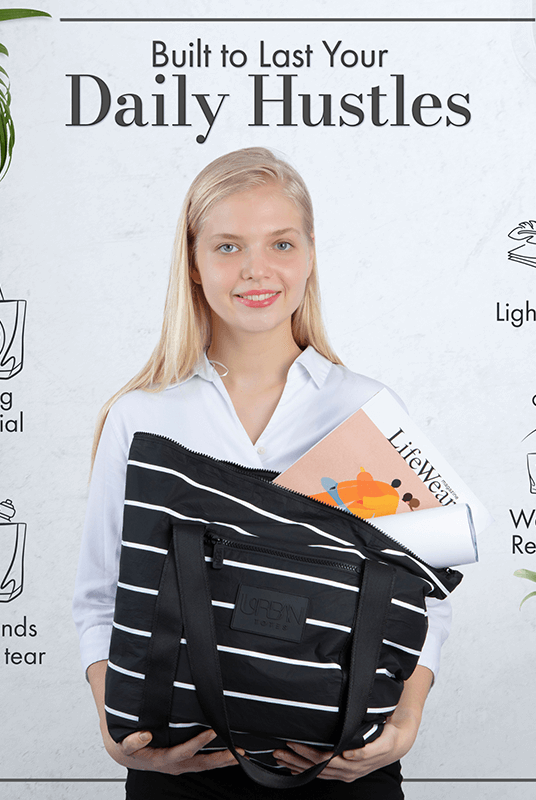
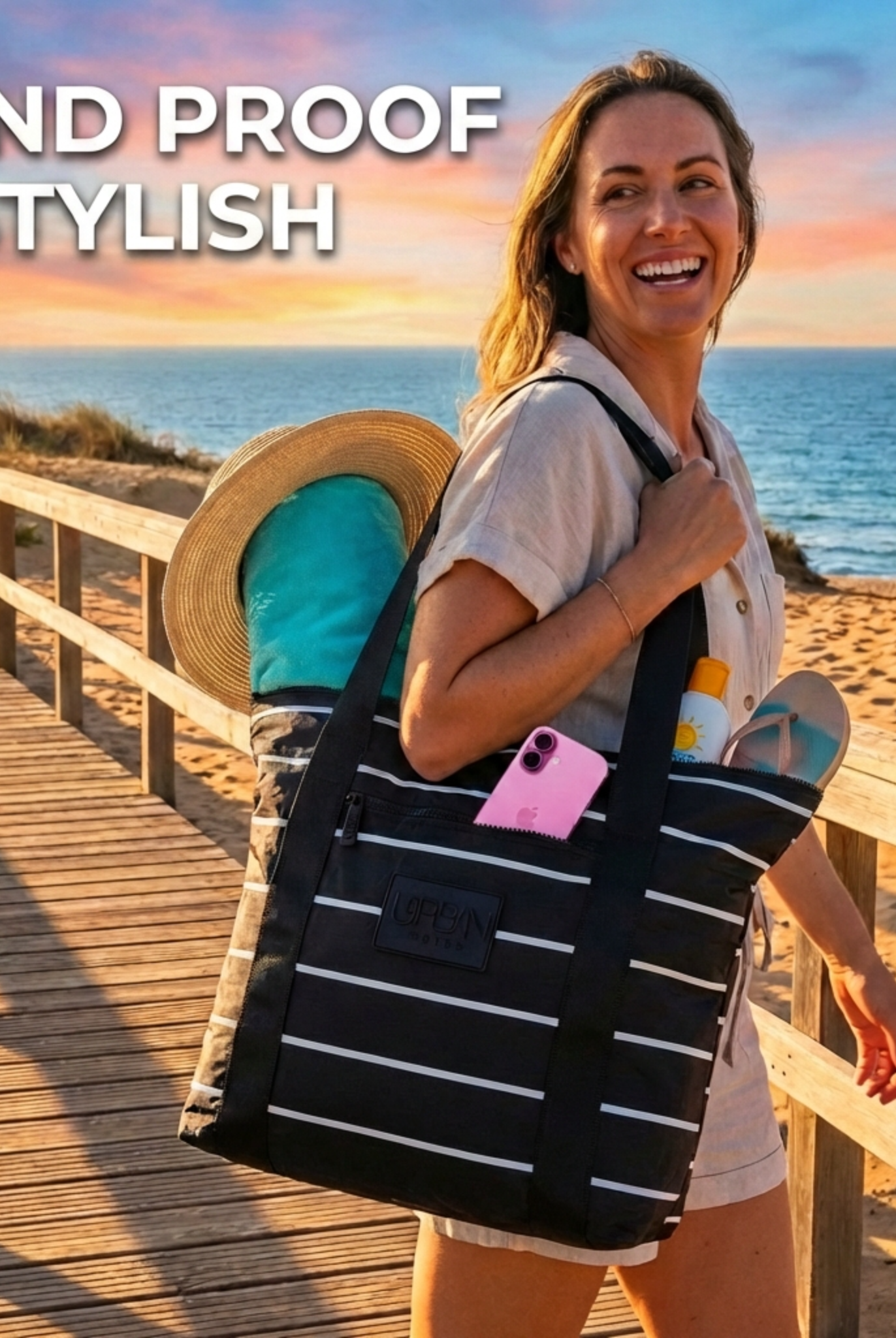
Urban Totes fits that kind of routine with water-resistant, lightweight, packable, and foldable designs, plus multi-pocket interiors and zipper closure details that make daily carry feel more controlled. It's a warm, functional fit for women who want one bag that can keep up with commuting, travel, beach days, and the stop-and-go pace of real life.
If you're narrowing things down, the easiest questions are simple. Does the bag match your commute style, does it handle your normal load, and does it keep your phone, keys, and work essentials in easy reach?
For a deeper look at laptop-friendly options, the best laptop tote bags guide can help you compare what matters most. When you're ready to choose your own go-anywhere carry, focus on the features that make the day easier, not the bag that asks for more attention than you have to give.
Find a tote that moves the way you do. Explore the full collection at Urban Totes and choose a bag that feels ready for commuting, errands, and whatever comes next.