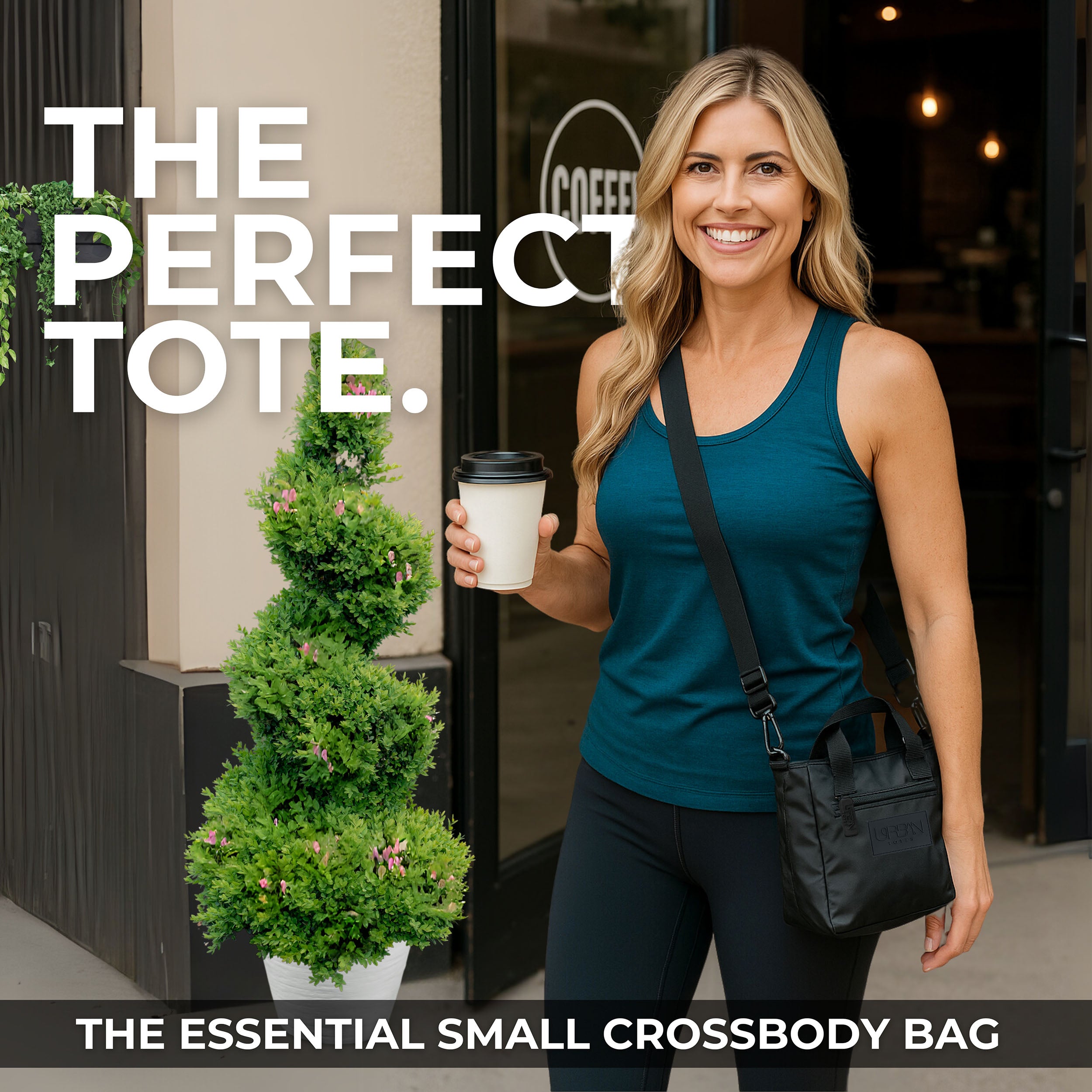
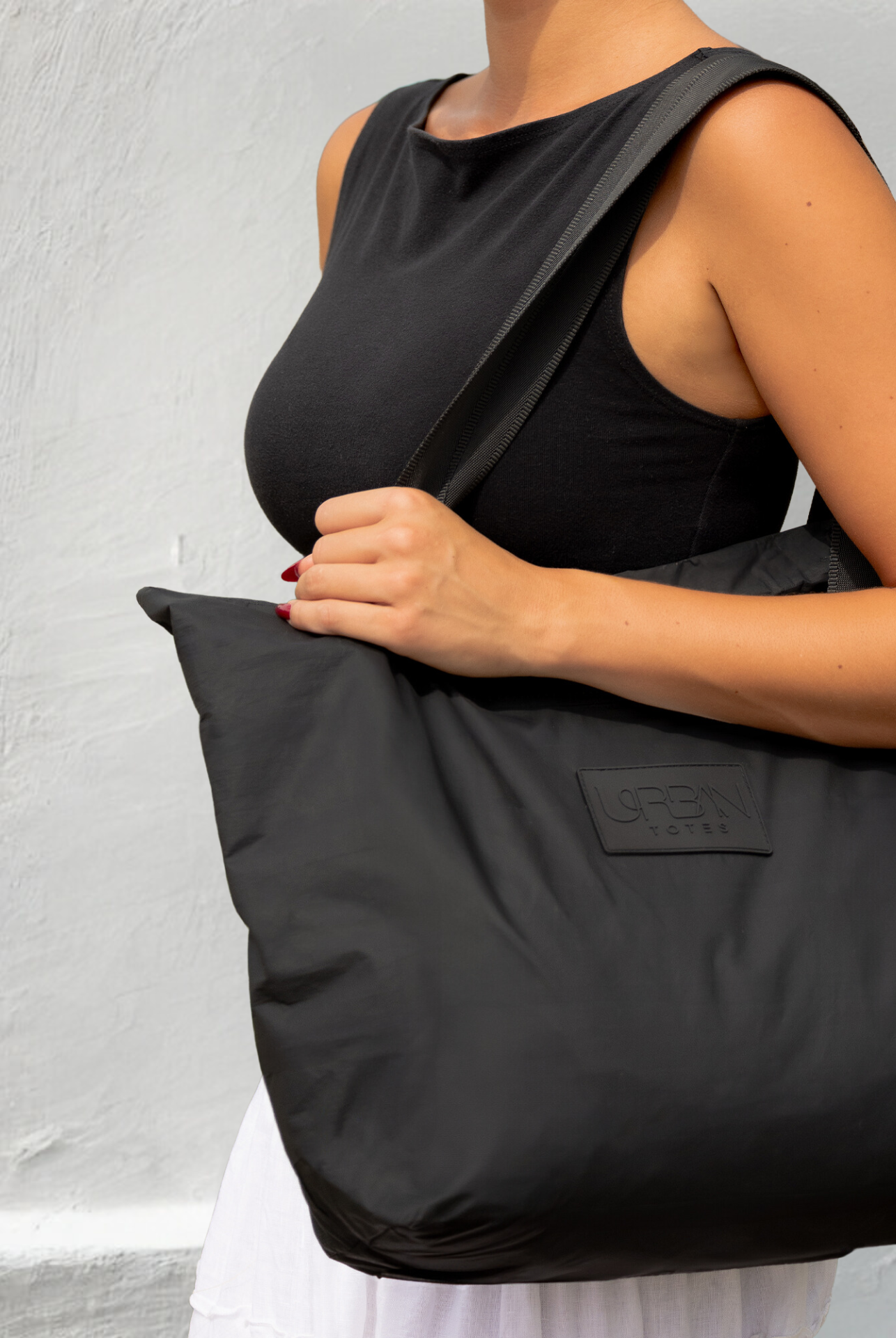
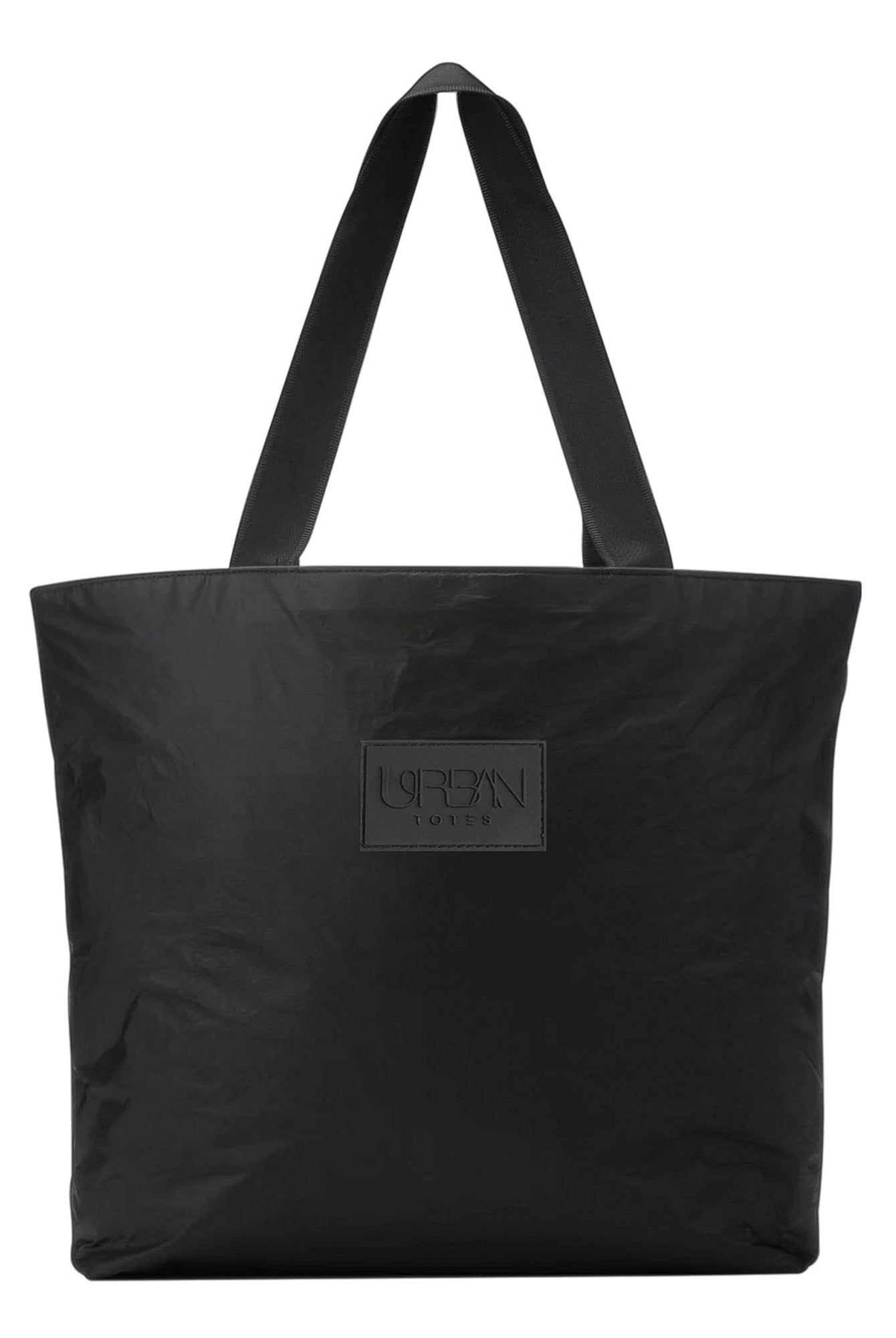
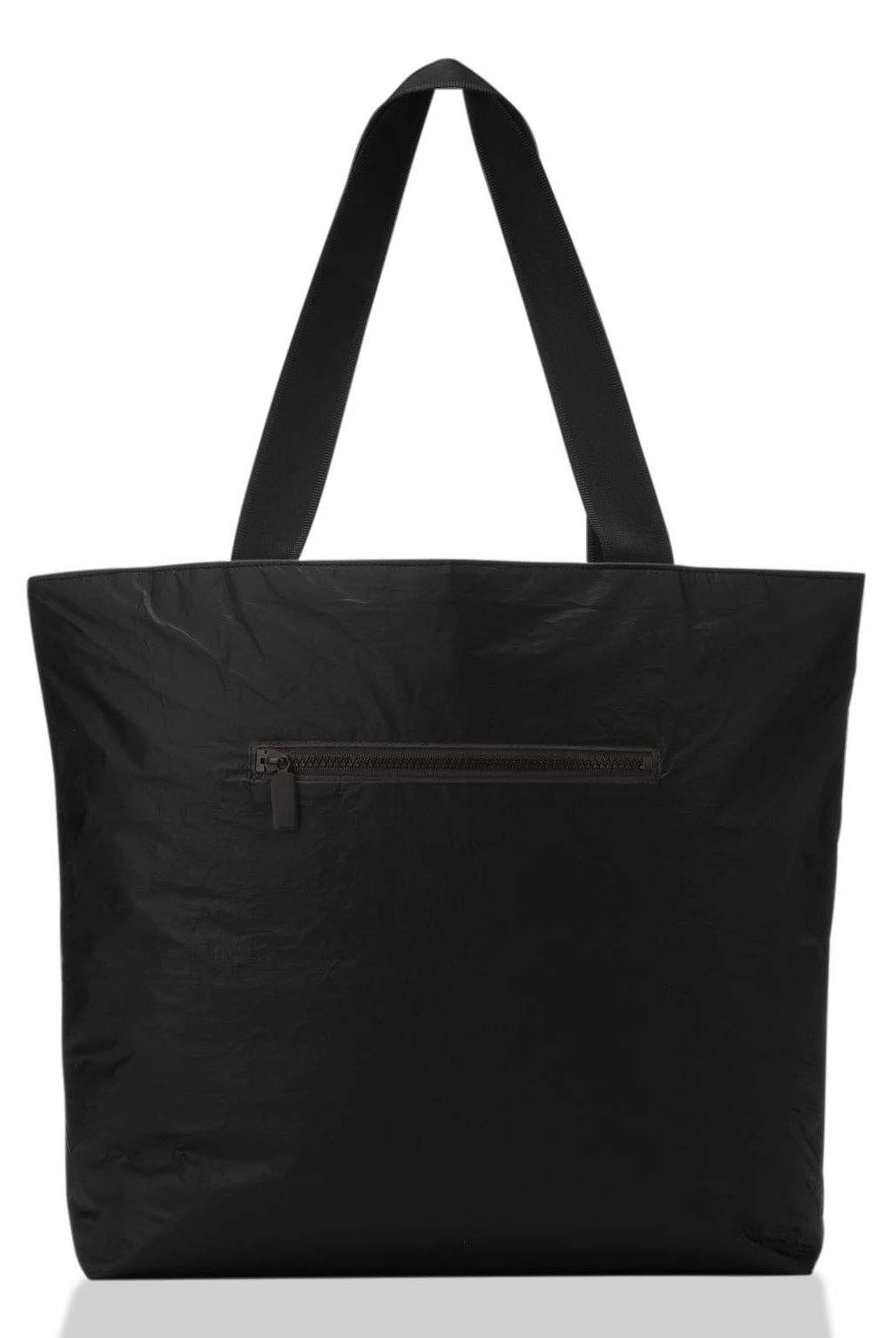
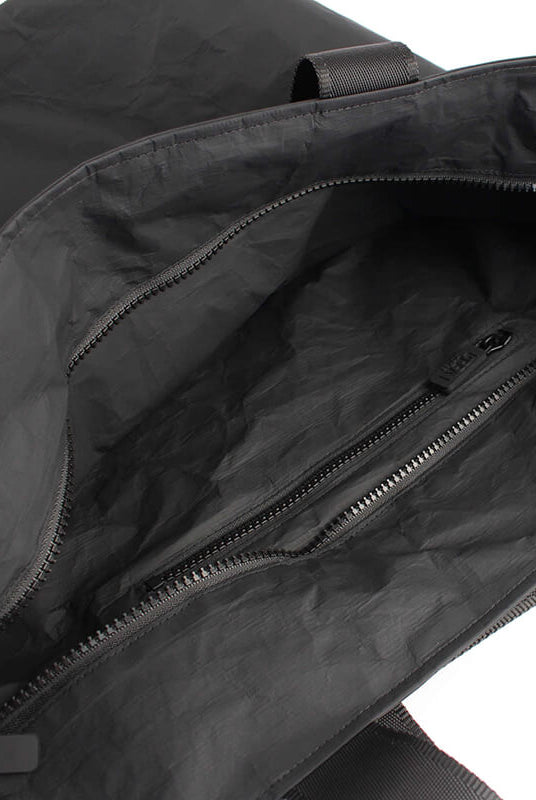
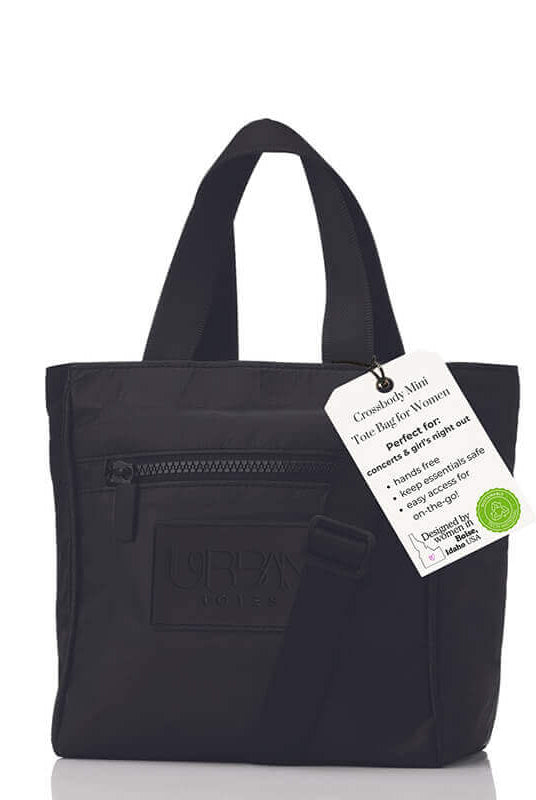
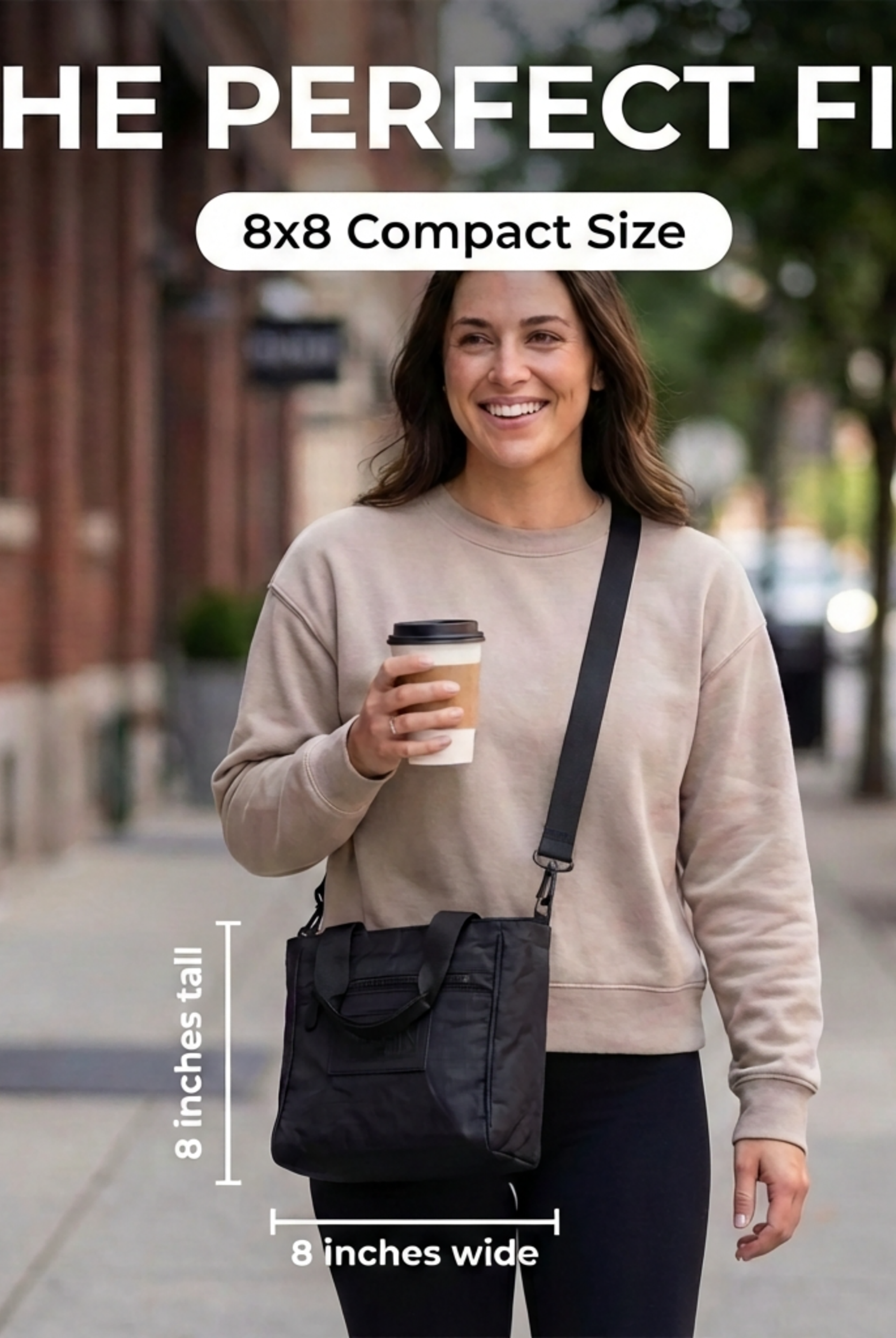
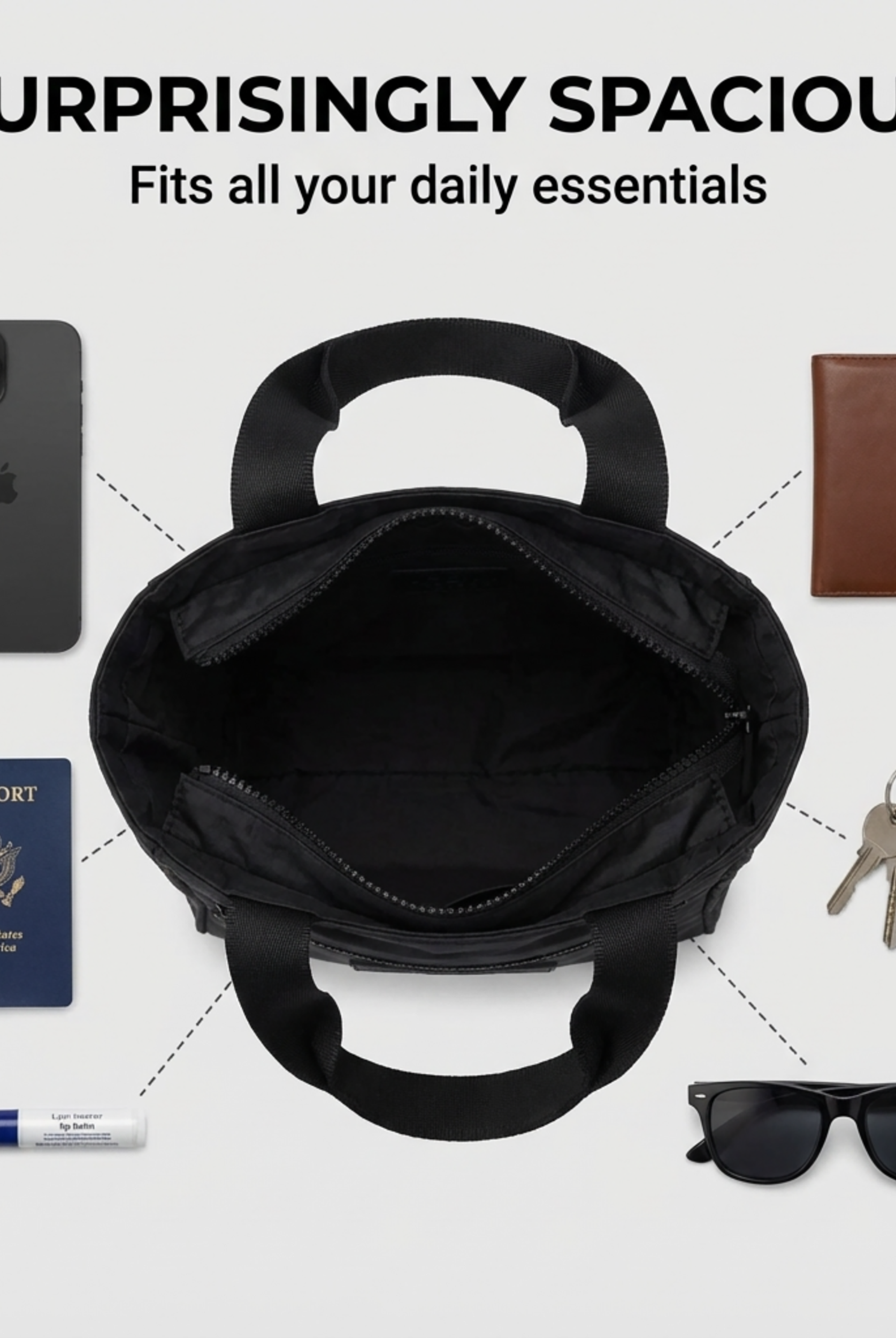
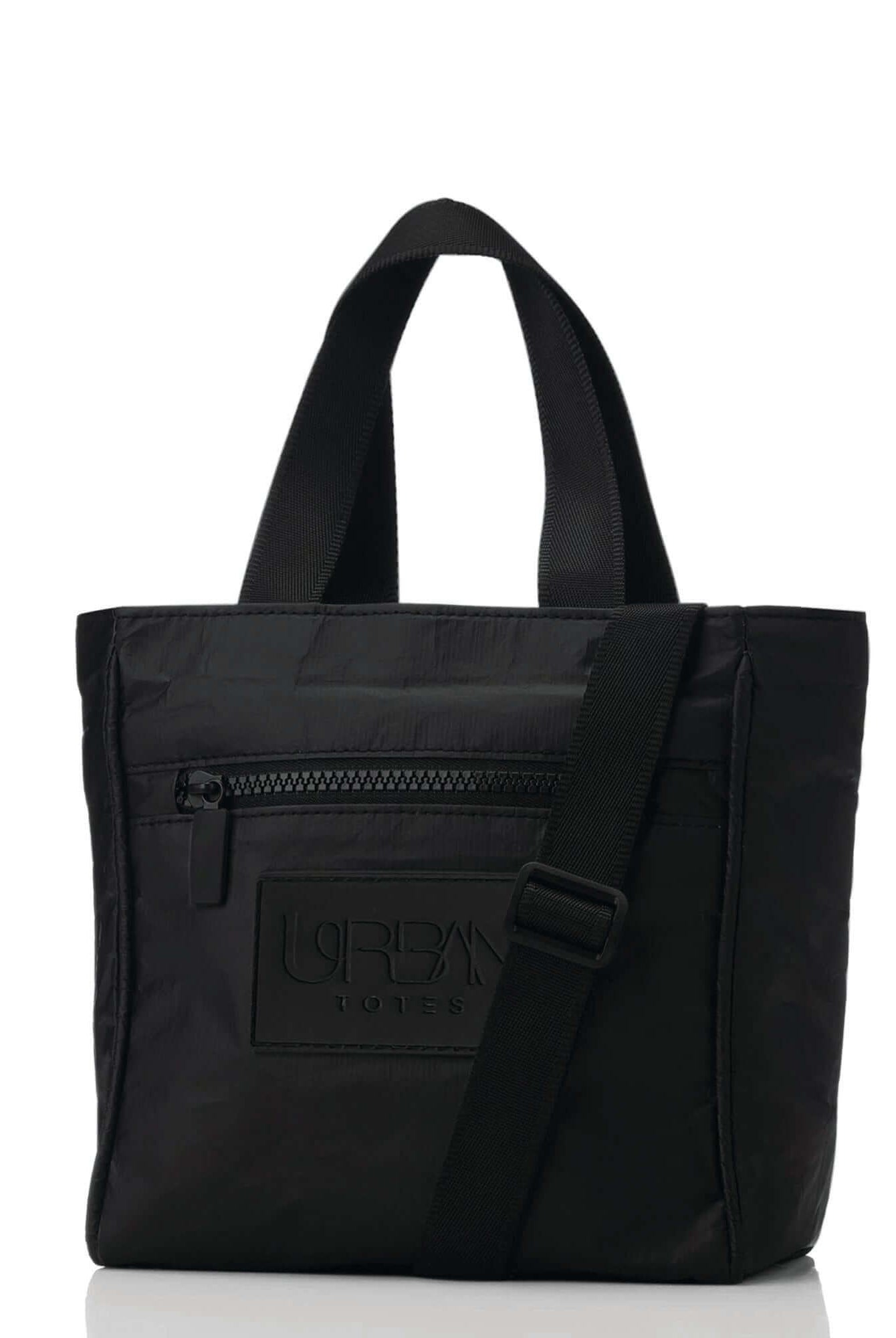
You know the moment. You're in the school-dropoff line, one hand on the wheel, the other diving into a beautiful tote that's become a black hole for receipts, lip balm, a charger, and the one thing you needed, your keys. A women's tote bag with compartments fixes that specific kind of morning chaos, because the bag stops being a pile and starts acting like a system.
That's the promise behind a good compartmented tote. It helps you move faster at checkout, board the train without fishing, and grab the one item you need without emptying the whole bag onto a seat. If you want the bigger picture on why totes work so well for daily carry, start with Urban Totes' take on tote bag benefits, then come back here for the part that changes your routine.
Table of Contents
- The Daily Dig and Why Your Tote Needs Real Compartments
- How Women's Carry Bags Got So Complicated
- The Four Pocket Layouts Worth Knowing
- Pack by Weight to Keep the Bag Working for You
- Three Real Days, Three Tote Setups
- When More Pockets Becomes the Problem
- Style, Care, and Finding Your Go-Anywhere Tote
The Daily Dig and Why Your Tote Needs Real Compartments
The worst tote is the pretty one that eats your phone. You toss in a wallet, a snack for the kid, a charger, maybe sunglasses, and suddenly the bottom of the bag feels like a junk drawer with straps. By noon, you're twisting your wrist around a receipt pile and thinking the same thing every woman thinks at least once a week, where are my keys?
Compartments change the way your day moves
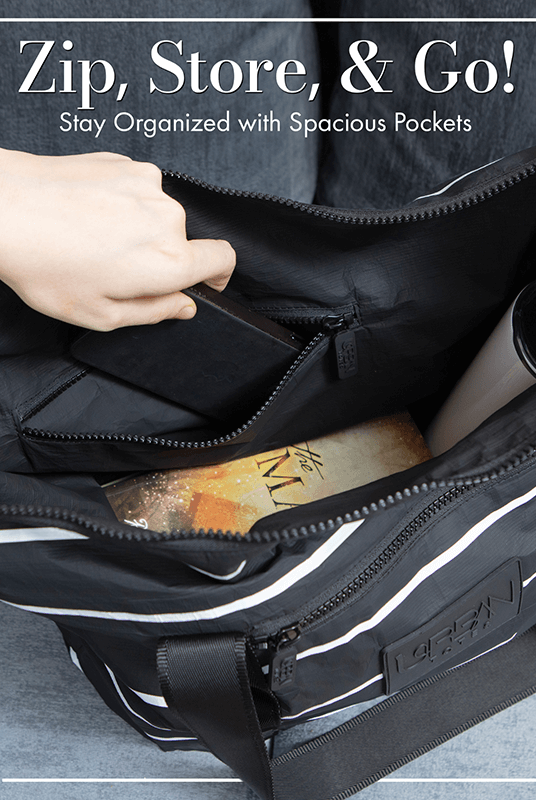
A compartmented tote doesn't just hold more things, it gives each thing a home. That means your phone doesn't slide under a water bottle, your wallet isn't buried under a cardigan, and your charger isn't tangled around your headphones. A key clip ends the digging, and a dedicated phone sleeve means you're not holding up the line at the coffee counter.
Practical rule: if you reach for the same item every hour, it deserves its own pocket.
That's why the layout matters more than the idea of “storage” in the abstract. A tote with a zipper closure, a phone pocket, and a few divided sections can support commuting, errands, and school runs without turning into a mess by lunch. For Urban Totes' go-anywhere energy, that's the whole point of Go Anywhere. Tote Everything.
What organized actually feels like
Organized isn't a buzzword here, it's a time-saver. You tap your transit card faster, you check out at the market without setting the bag on the counter, and you stop doing the full-bag shake every time you want gum. That's the difference between carrying a tote and managing one.
The best part is that compartmentalization doesn't box you into one lifestyle. It gives a commuter, a caregiver, a traveler, or a gym user a bag that can flex from morning to night without becoming a rabbit hole. If your day changes shape every few hours, the bag should too.
How Women's Carry Bags Got So Complicated
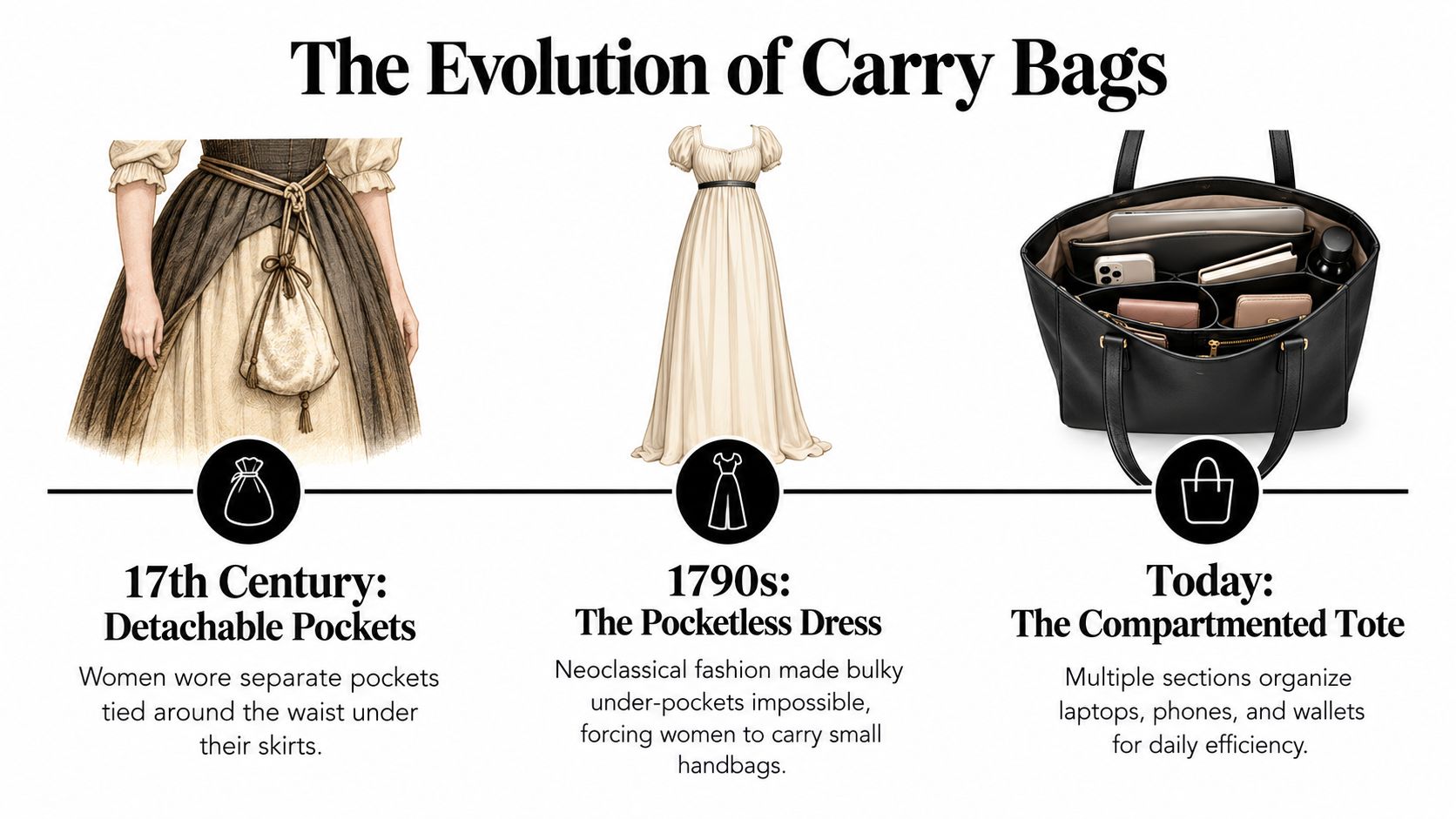
Women's bags didn't get more complicated by accident. They changed because women's clothes changed, mobility changed, and daily carry got more demanding. In seventeenth-century Europe, women commonly used detachable pockets tied around the waist and reached through openings in skirts, which tells you everything you need to know about how the bag started, it was built around movement and access.
From hidden pockets to visible carry
By the 1790s, slimmer Neoclassical clothing made those concealed pockets less practical, so small drawstring reticules took over. Then the nineteenth century brought railway travel, and women needed bags that could keep money, tickets, papers, and other essentials close while larger luggage stayed separate. Every shift pushed the bag toward better access and smaller, smarter organization.
That history matters because it shows compartmentalization isn't a trend chasing itself around the internet. It's the latest version of a very old answer to a very old problem, too many essentials, not enough hands. The zippered pocket you use without thinking is part of that lineage.
Why the modern tote makes sense now
By the twentieth century, women's public and professional lives had expanded, and handbags had to carry notebooks, cosmetics, documents, and personal effects all at once. That's why a modern compartmented tote feels so natural in a commute, on a trip, or at a grocery run. The interior has become more specialized because the day has become more varied.
Urban Totes' bag-type glossary is useful if you want to compare tote shapes with other carry styles, but the takeaway here is simple. Women have always needed a bag that keeps essentials close and movement easy, and compartments are the cleanest modern answer.
The Four Pocket Layouts Worth Knowing
A compartmented tote only works if the layout fits the way you move through the day. One setup keeps weight steady, another keeps small items from disappearing, and a third makes one-handed access realistic when you are juggling coffee, keys, or a child's hand. Pocket count matters less than how the interior handles load, reach, and balance.
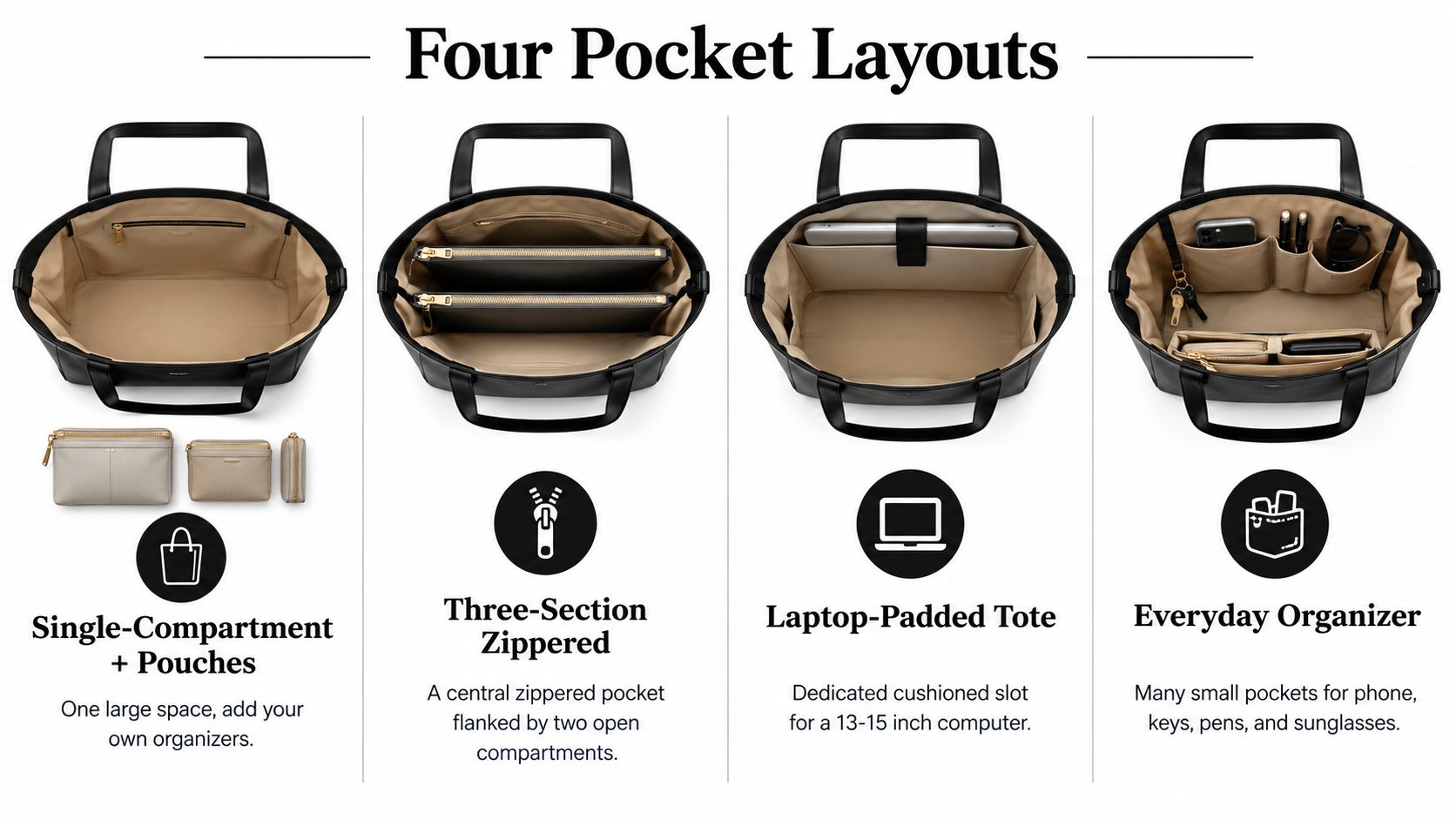
Four layouts that show up in real life
| Layout | Best For | Phone & Key Access |
|---|---|---|
| Single-compartment + pouches | People who like to rearrange their own system | Good only if you're disciplined |
| Three-section zippered tote | Market runs, errands, mixed daily carry | Fast and reliable |
| Laptop-padded commuter tote | Workdays, train rides, office carry | Strong, especially when the phone pocket is outside |
| Crossbody-meets-tote hybrid | Stroller walks, quick outings, hands-free days | Very fast, because the bag stays close |
The three-section zippered tote is the layout I'd choose for most women who want order without fuss. Produce goes in one section, wallet and receipts in another, and the rest of the day can stay separated instead of turning into one mixed-up pile. The laptop-padded commuter layout wins when your tote has to protect a device and still leave room for the rest of your life.
What each layout gives up
A single-compartment tote with add-on pouches gives you freedom, but you have to maintain the system yourself. That works if you already use packing cubes or cosmetic bags and do not mind sorting every time you switch bags. A hybrid tote gives you hands-free ease, but you may lose some interior volume or openness to get that carry style.
Use this test: if you cannot grab your phone and keys with one hand while carrying coffee in the other, the layout is working against you.
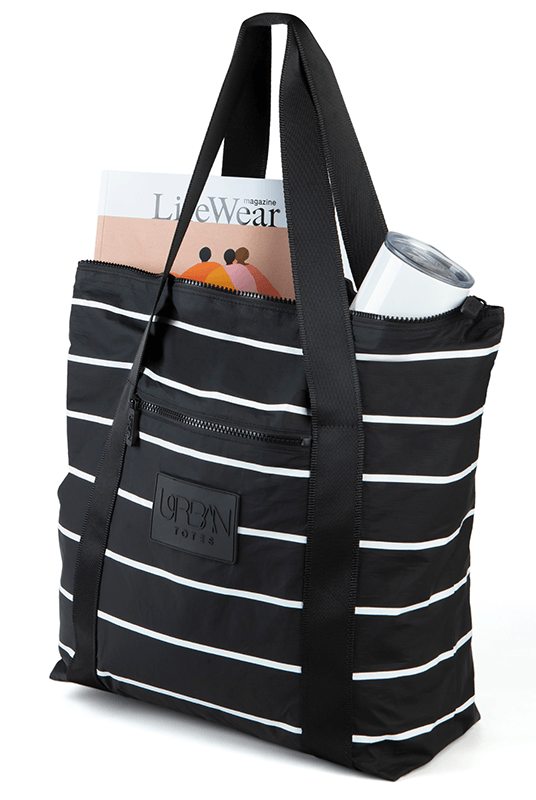
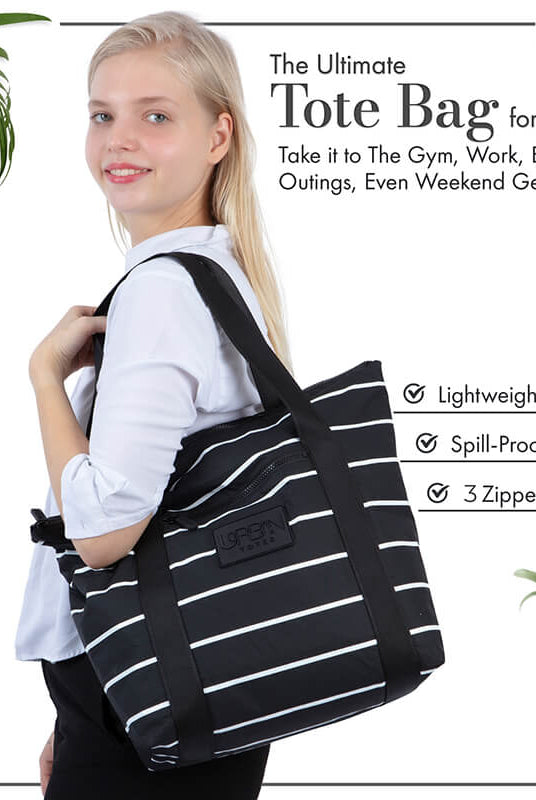
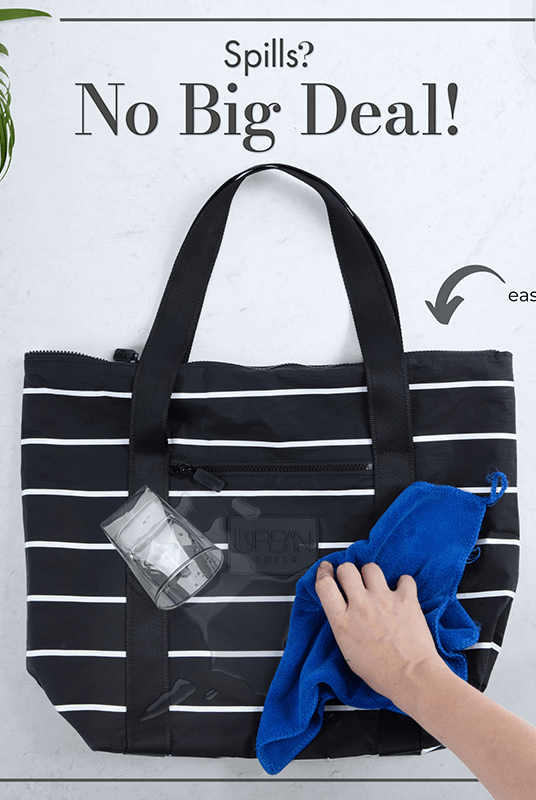
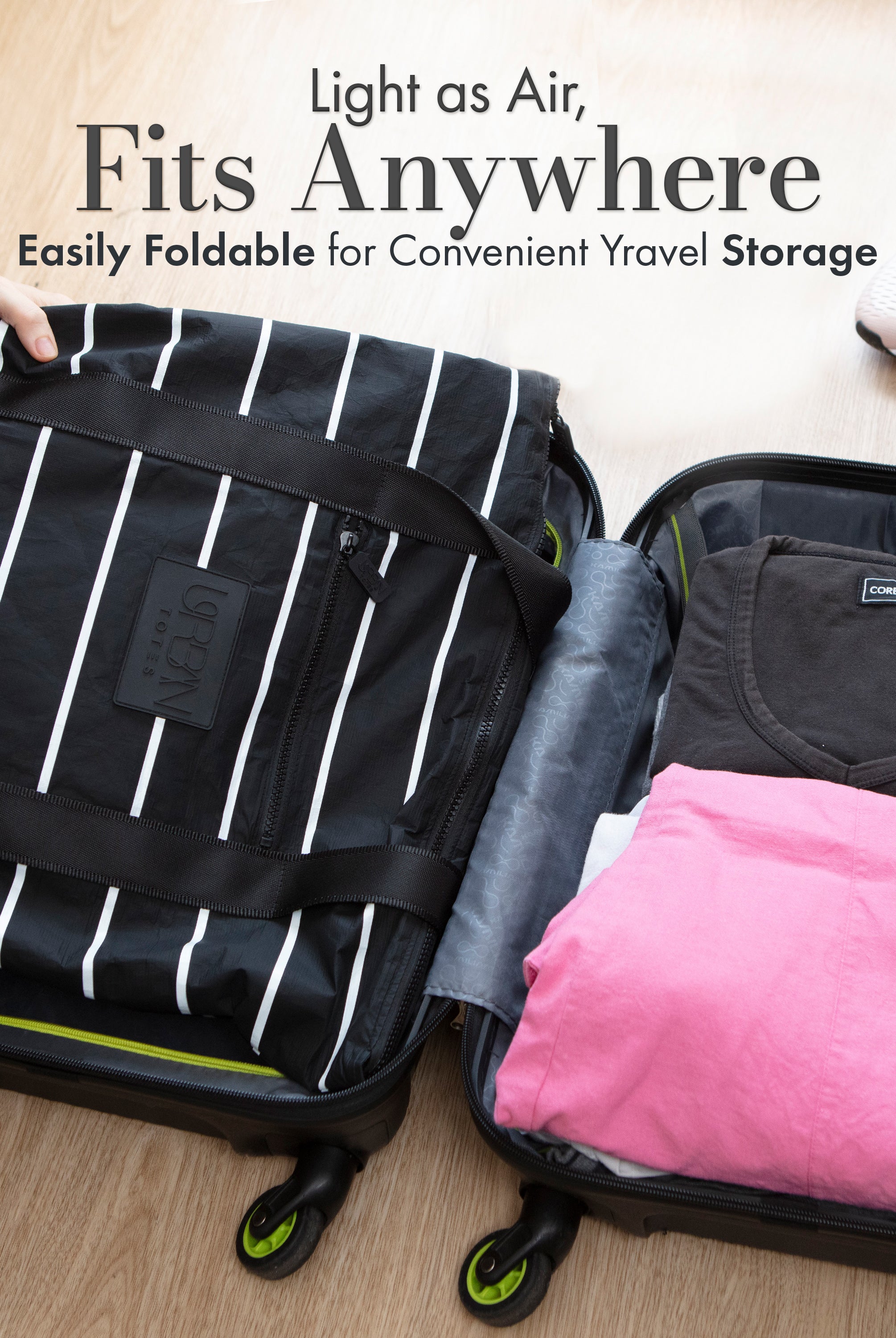
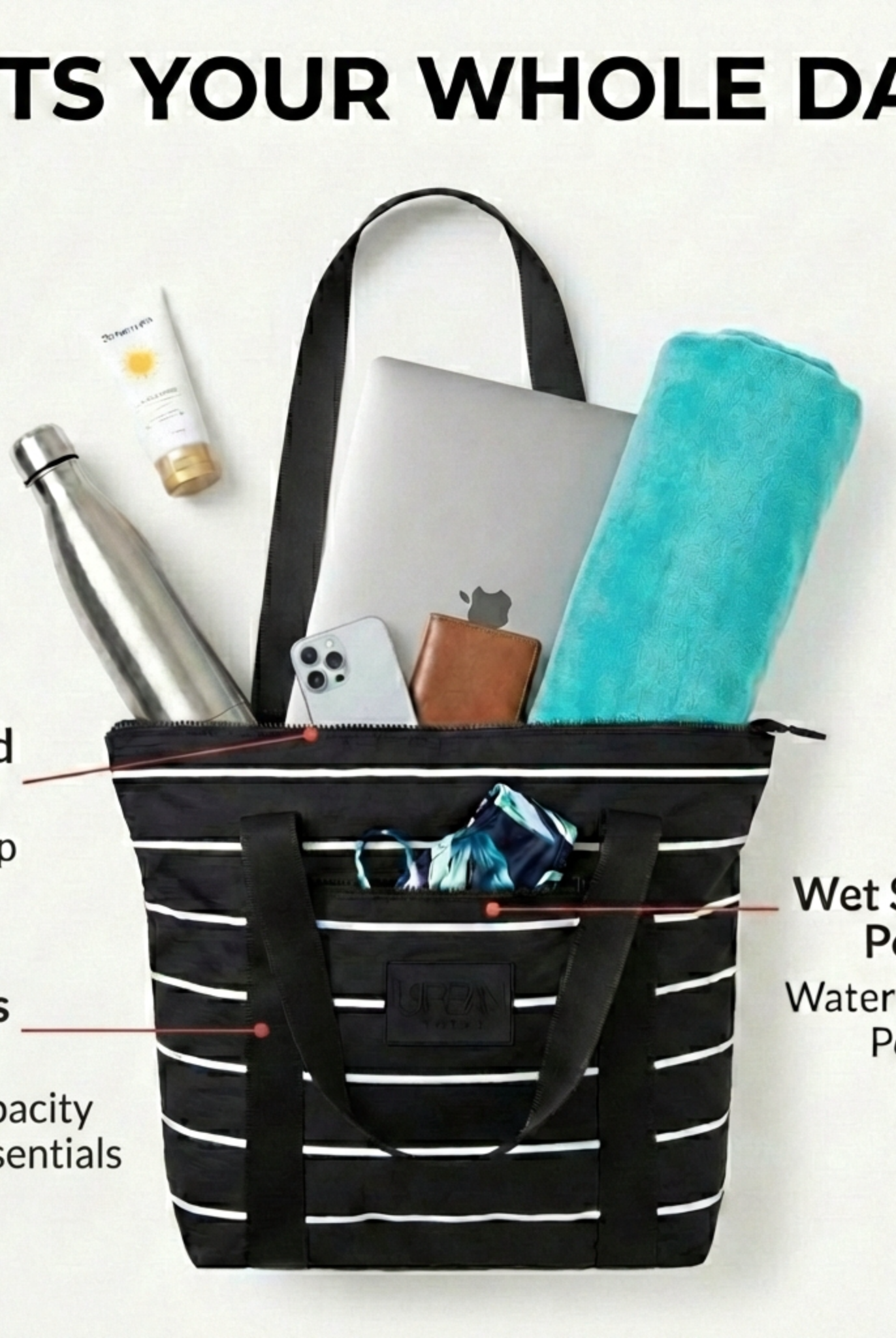
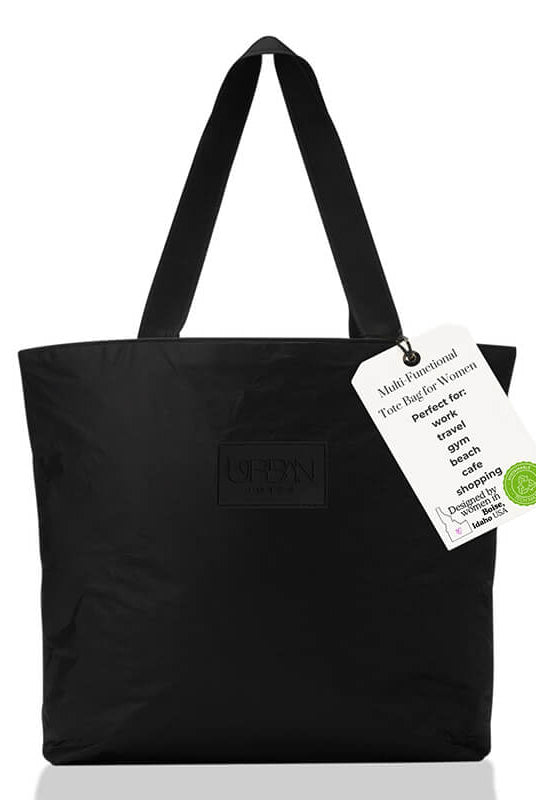
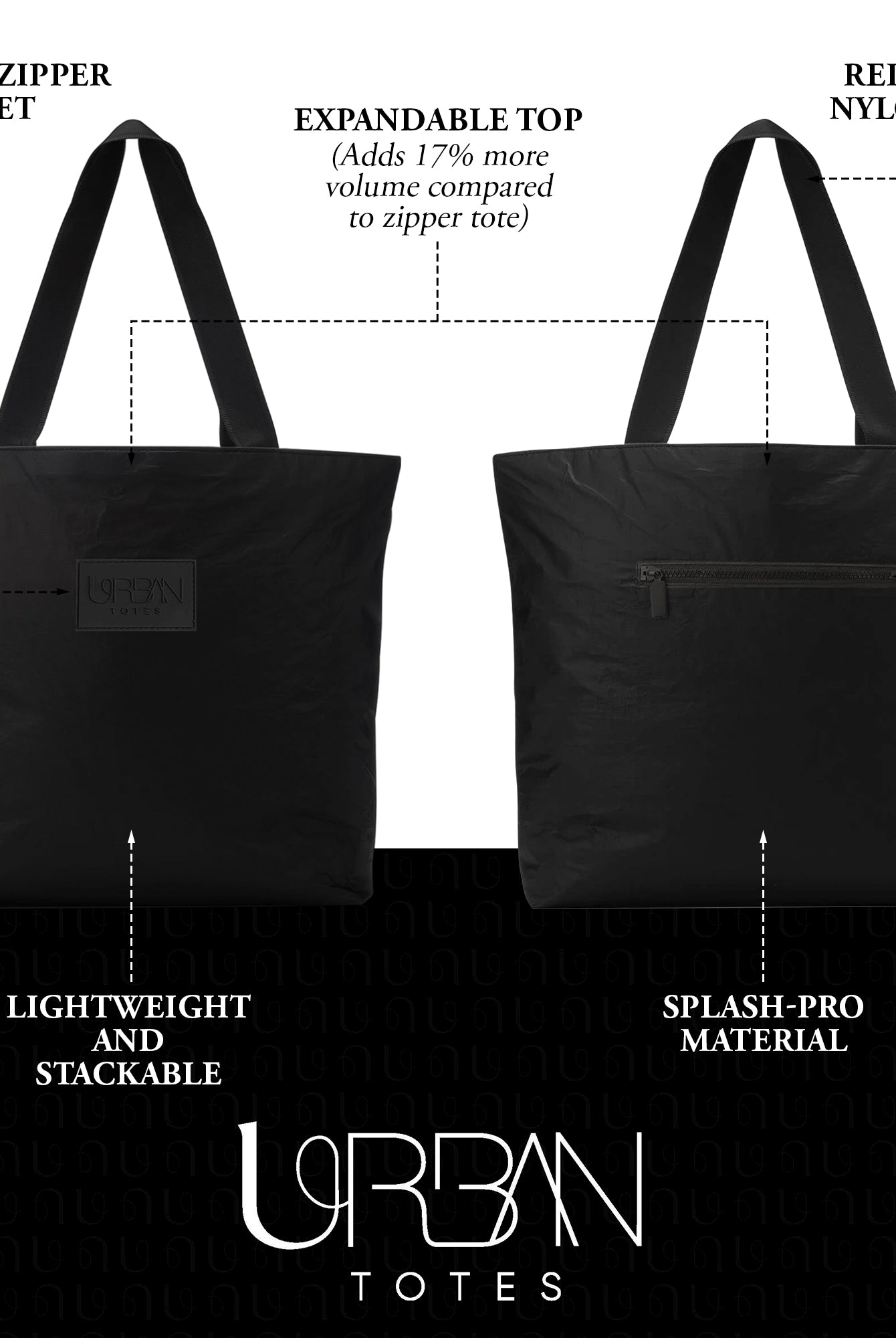
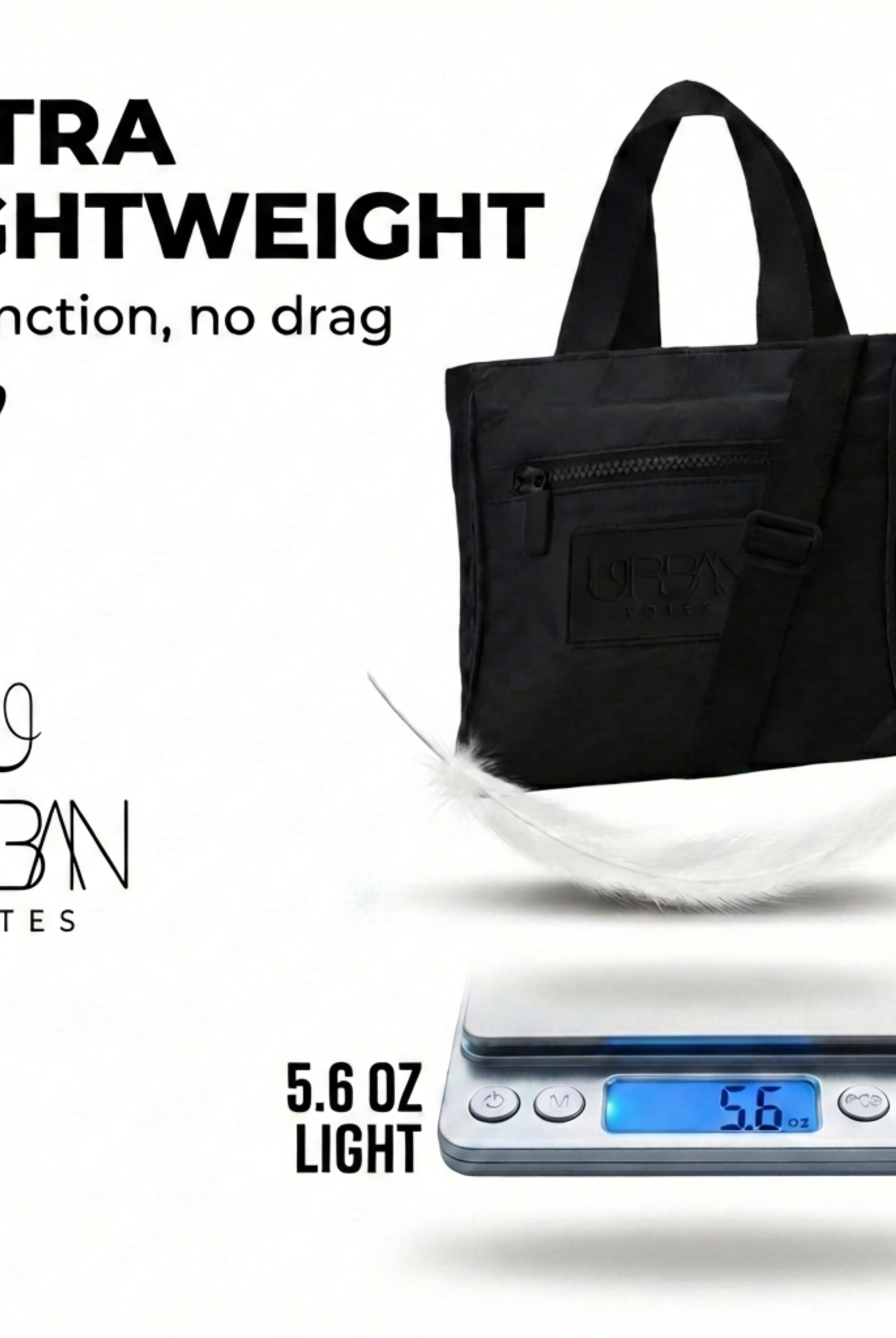
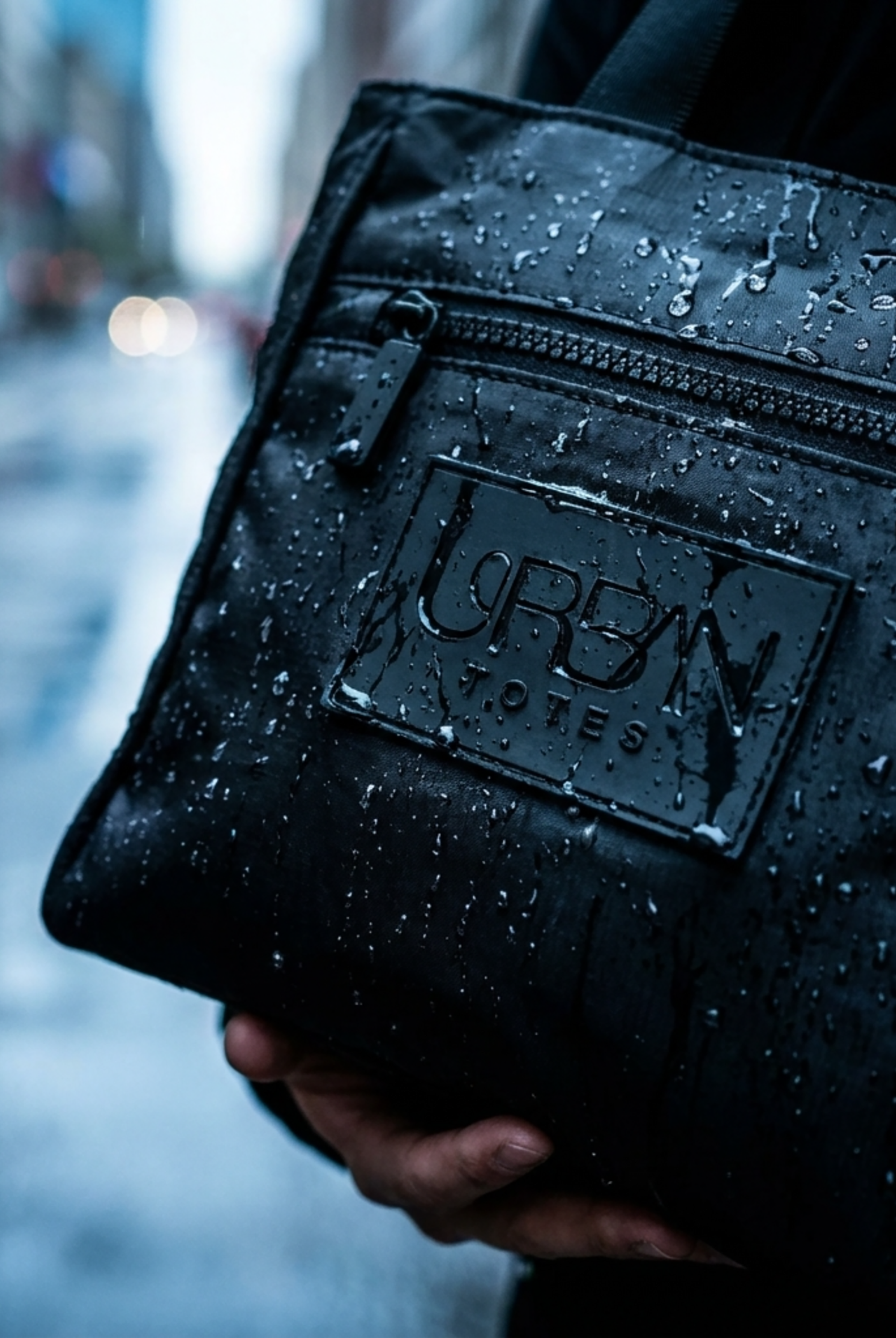
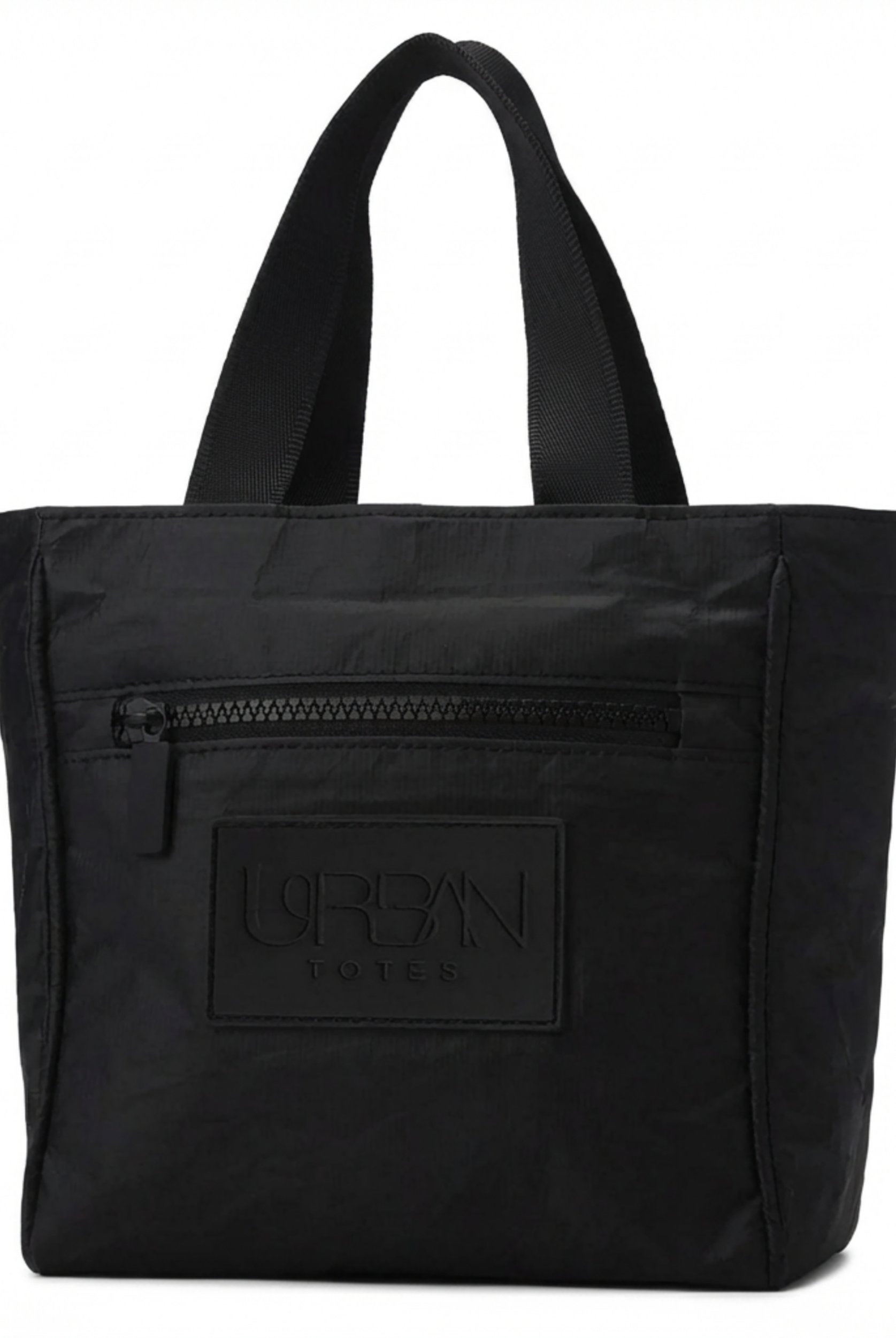
If you want a concrete example, see Urban Totes' guide to tote bag compartments. The Go Anywhere Day Trip Tote Bag by Urban Totes is built around three large, zippered compartments with pockets for an iPhone and keys, plus a water-resistant, packable, foldable build. That kind of layout makes sense for people who move between work, errands, and travel in the same week.
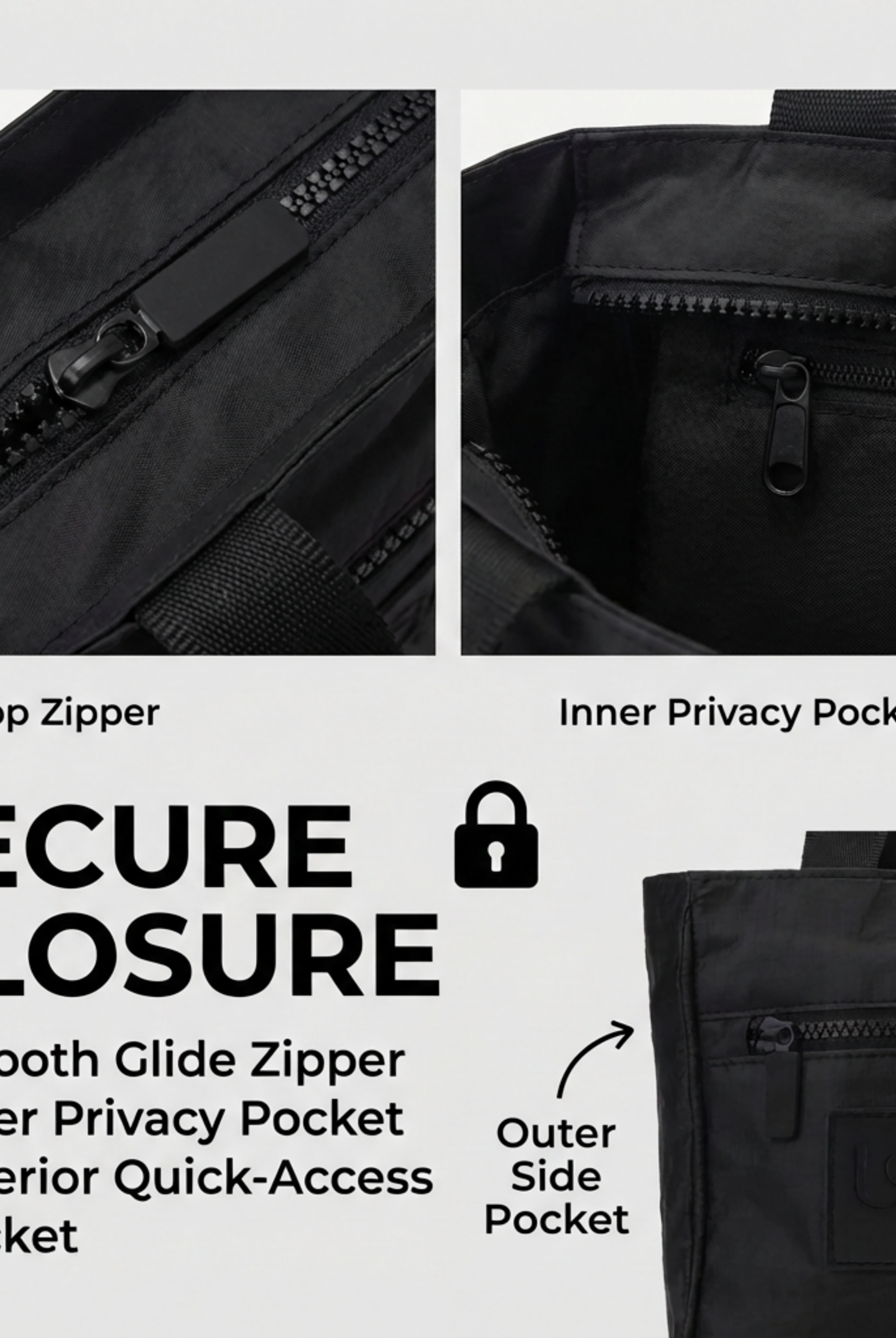
The features to look for are straightforward. Zipper closures keep loose items from spilling, a dedicated phone sleeve saves time, a key clip stops the key hunt, a water-bottle pocket keeps the center from bulging, and a padded laptop sleeve protects heavier gear. Pick the parts that match your routine, not the ones that just sound nice in a product listing.
Pack by Weight to Keep the Bag Working for You
The best compartmented tote does not just give you more places to stash things. It puts weight where your shoulder can handle it. Heavy items belong in compartments closest to your body, because that keeps the bag from pulling outward and dragging your posture with it. Leave the laptop, a full water bottle, or a packed lunch too far from your torso, and you feel the tote fighting you by midmorning.
Load placement beats pocket count
The rule is simple, keep dense items close, lighter items farther out, and fast-grab items in the easiest pocket. Your phone and transit card should live where your hand finds them fast. Snacks, a scarf, and a backup charger can sit deeper in the tote because you do not need them every ten minutes.
For longer carries, Shoulder bag ergonomics guidance commonly puts the total bag load, including the bag itself, at roughly 10% of body weight. Treat that as a practical ceiling. If your tote starts changing how you stand, it is too heavy.
What belongs where
A tote works best when the interior has a job for each zone. Here is the cleanest packing logic:
- Body-adjacent compartment: laptop, tablet, notebook, or anything heavy that needs support.
- Central compartment: lunch, cardigan, a small cosmetic pouch, or chargers.
- Fast-access pocket: phone, wallet, transit card, keys.
- Lower or side pocket: water bottle, if the tote has one designed to hold it upright.
A 4 to 5 cm-wide strap can reduce pressure better than a narrow strap, and a cross-body configuration generally spreads force more evenly than one-shoulder carry, according to the same ergonomics guidance. That is why a tote with a padded strap and clear compartment layout feels easier on a long day than a pretty bag with no structure.
When the tote stops being the right tool
Some days are backpack days. If you are carrying gym shoes, a big water bottle, a full laptop plus textbook stack, or enough gear to feel like you are hauling half your life, the tote starts losing the argument. Long travel days do the same thing, especially when you need both hands for tickets, luggage, and kids.
Urban Totes' guidance on how to wear a tote bag fits this thinking because the way you wear the bag matters as much as what is inside it. A good tote supports the load. It does not force you to compensate for bad packing all day.
Three Real Days, Three Tote Setups
A tote earns its keep when it can switch roles without drama. The same bag that handles a Tuesday commute should also survive a beach day and still feel usable on a Friday-to-Sunday trip. That's where compartments stop being a nice-to-have and start being the reason you reach for the bag again and again.
Tuesday, Saturday, and Friday night
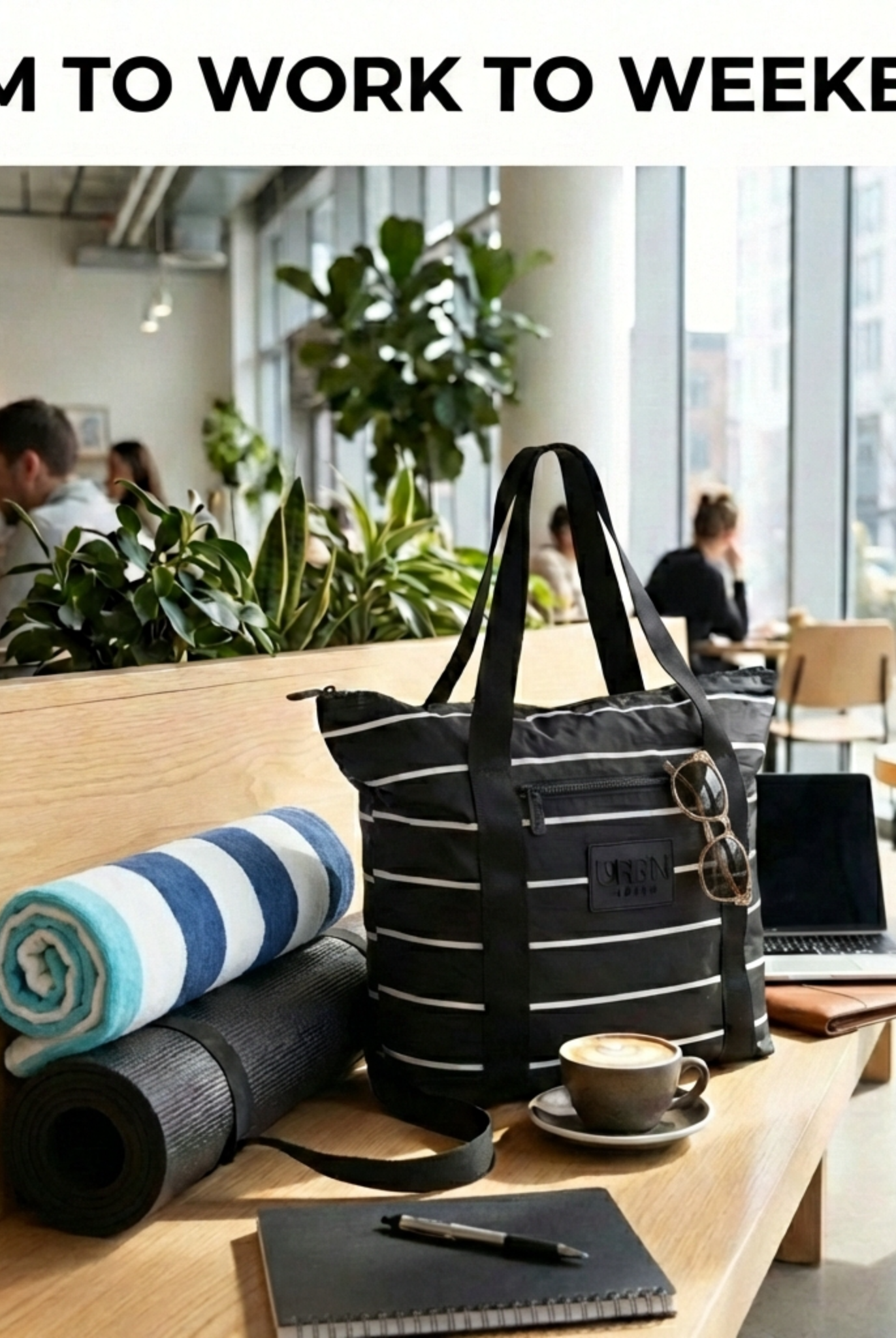
Commuter Tuesday: laptop in the body-adjacent compartment, phone in the dedicated sleeve, wallet in the middle zippered pocket, snack and charger at the top of the main section. This setup keeps your work gear stable and your essentials fast to reach when you're moving between train, desk, and coffee.
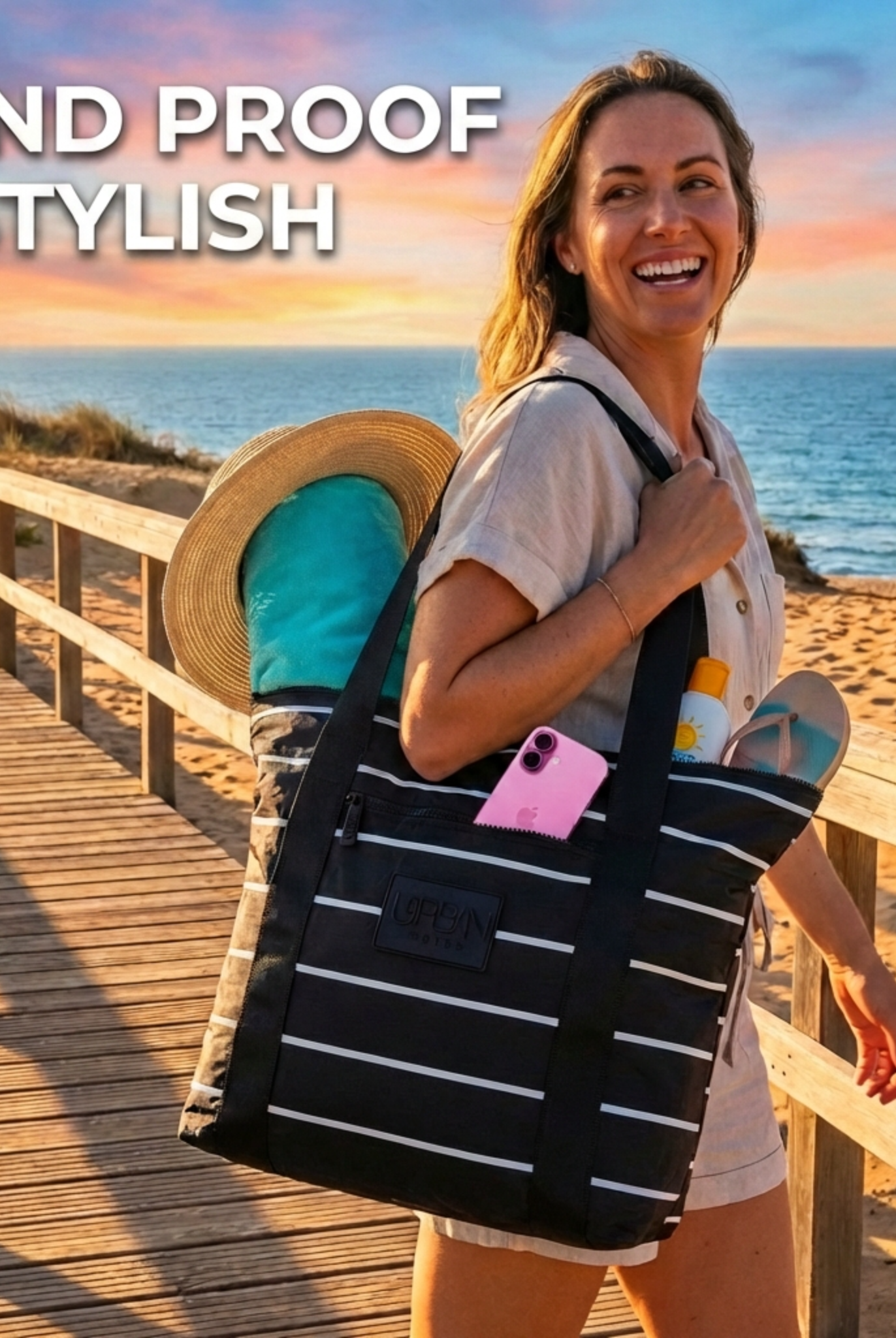
Beach-day Saturday: wet swimsuit isolated in a side or exterior pocket, dry towel and book in the center, sunscreen in an upper pouch. That separation matters because nobody wants a damp suit touching their phone or a sandy towel rubbing against cosmetics.
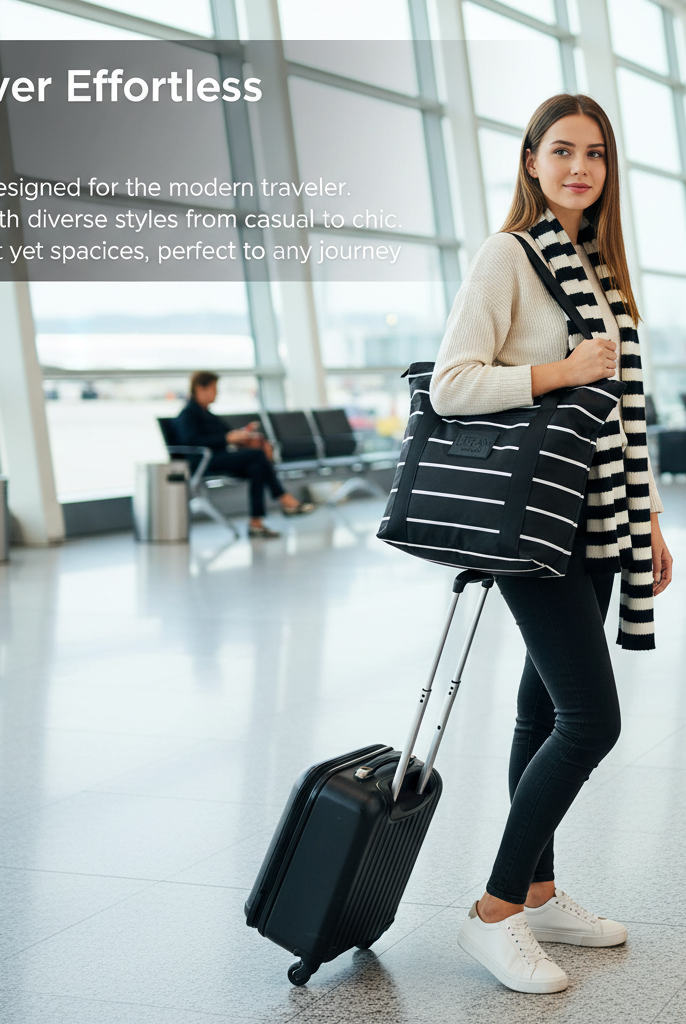
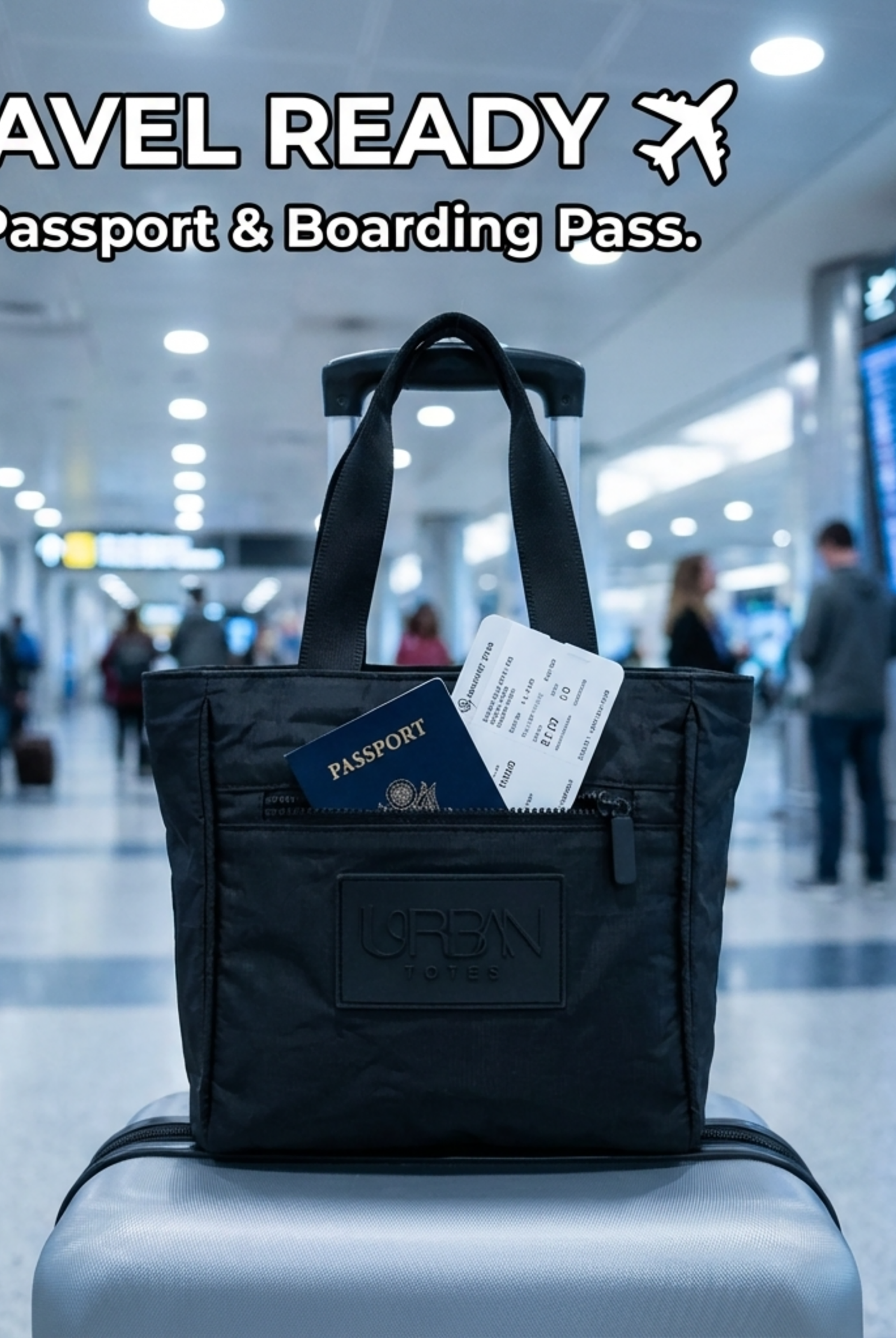
Weekender Friday-to-Sunday: clothes rolled in the deep main section, toiletries in an interior zippered pocket, phone and passport in the outer zip pocket for airport access. That puts the high-stakes items where you can grab them quickly without opening the whole bag at security or at the gate.
Why the same bag works in all three
The trick is not cramming everything into one void. It's giving each day its own packing logic so you can change modes without changing bags. A compartmented tote is useful because it turns into a different carry system depending on what you need that day.
My rule for travel: if the bag needs a re-pack every time you change location, it's not organized, it's just large.
A structured layout also cuts down on the little failures that make a bag annoying. You're less likely to dig for your phone, less likely to bury a clean shirt under sandals, and less likely to dump the whole tote on a hotel bed just to find a passport. That's what makes a tote feel travel-ready instead of merely spacious.
If you like a bag that already builds this logic in, Urban Totes' Day Trip Tote uses three zippered compartments and phone-and-key pockets to keep the day from collapsing into one open heap. The point isn't to carry everything, it's to carry the right things in the right places.
When More Pockets Becomes the Problem
More pockets sound better until they don't. A tote with seven tiny pouches and no real main compartment can be a worse bag than a clean three-section layout, because it turns everything into fragments. A folded jacket, a tablet, or a kid's library book doesn't care how many little slots you have if none of them fit the actual object.
The signs the layout is wrong
You already know when a bag is fighting you. You keep unloading it to find one item. It tips over when you set it down. The strap digs because the contents are lopsided. Those aren't random annoyances, they're layout problems.
A bag that splits space too aggressively can also encourage overpacking. People see pockets and assume each one needs to be filled, which turns a tote into a heavy, awkward grid instead of a useful carryall. That's why compartment design should support balance and access, not just visual order.
What to change first
If your tote feels chaotic, fix the structure before you blame yourself. Move heavy items closer to the body, empty duplicate pouches, and give the phone and keys one repeatable home. If the bag still tips or feels cramped, the problem is probably the shape, not your packing habits.
A simpler layout can be smarter than an overbuilt one. And some days, a backpack or a rolling carry-on is just the right answer, especially for longer walks, heavier loads, or travel with a lot of gear. A tote should make life easier, not turn you into the bag's assistant.
Style, Care, and Finding Your Go-Anywhere Tote
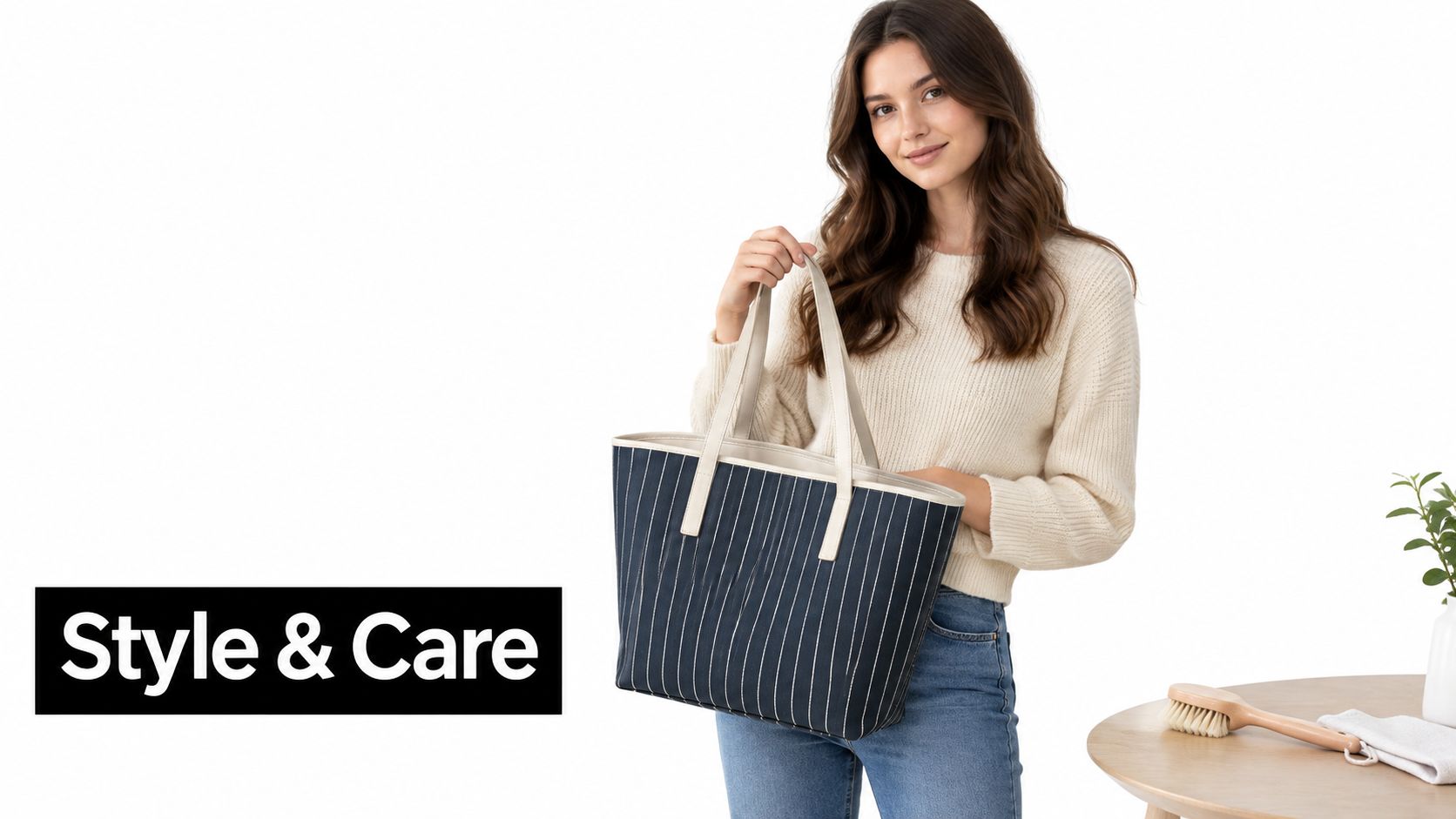
A compartmented tote should fit your closet as easily as it fits your day. That means it has to play nicely with jeans, a blazer, sneakers, and a beach cover-up without looking like you borrowed it from a different life. The best one disappears into the routine because it works with everything you already wear.
Keep the bag looking good and working hard
If your tote has a light interior, empty crumbs and loose bits weekly so the inside doesn't turn into a catchall for old receipts and granola dust. Rotate which pocket holds your phone when you start noticing wear in one spot. And store the bag flat instead of hanging it by one strap, because that keeps the shape from getting pulled out over time.
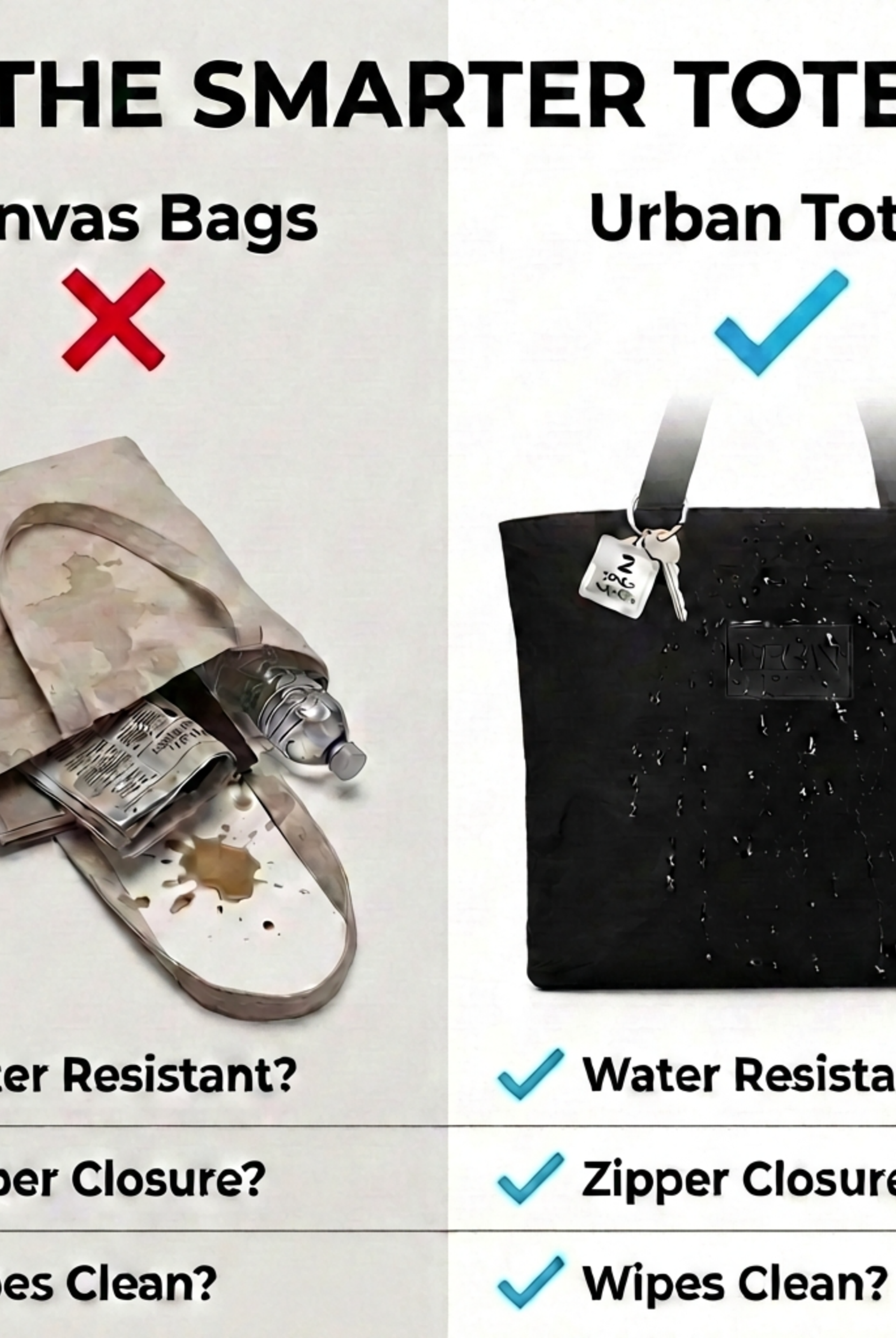
For cleaning and upkeep, Urban Totes' care guide is the kind of practical reference worth saving. A water-resistant, lightweight, packable tote is easier to maintain when you stay ahead of mess instead of waiting until the lining looks tired.
Style should follow function, not compete with it
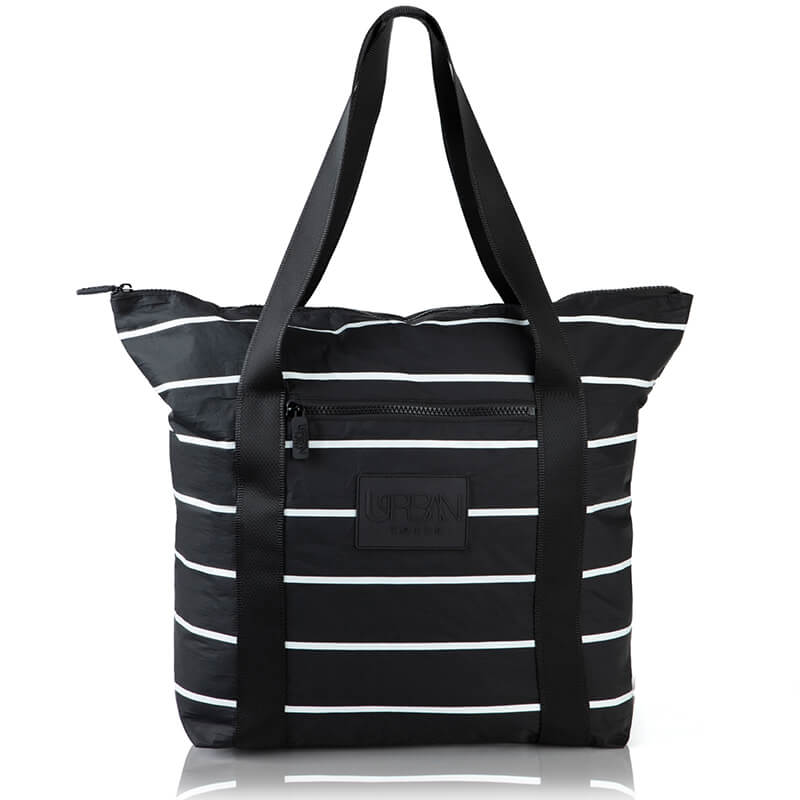
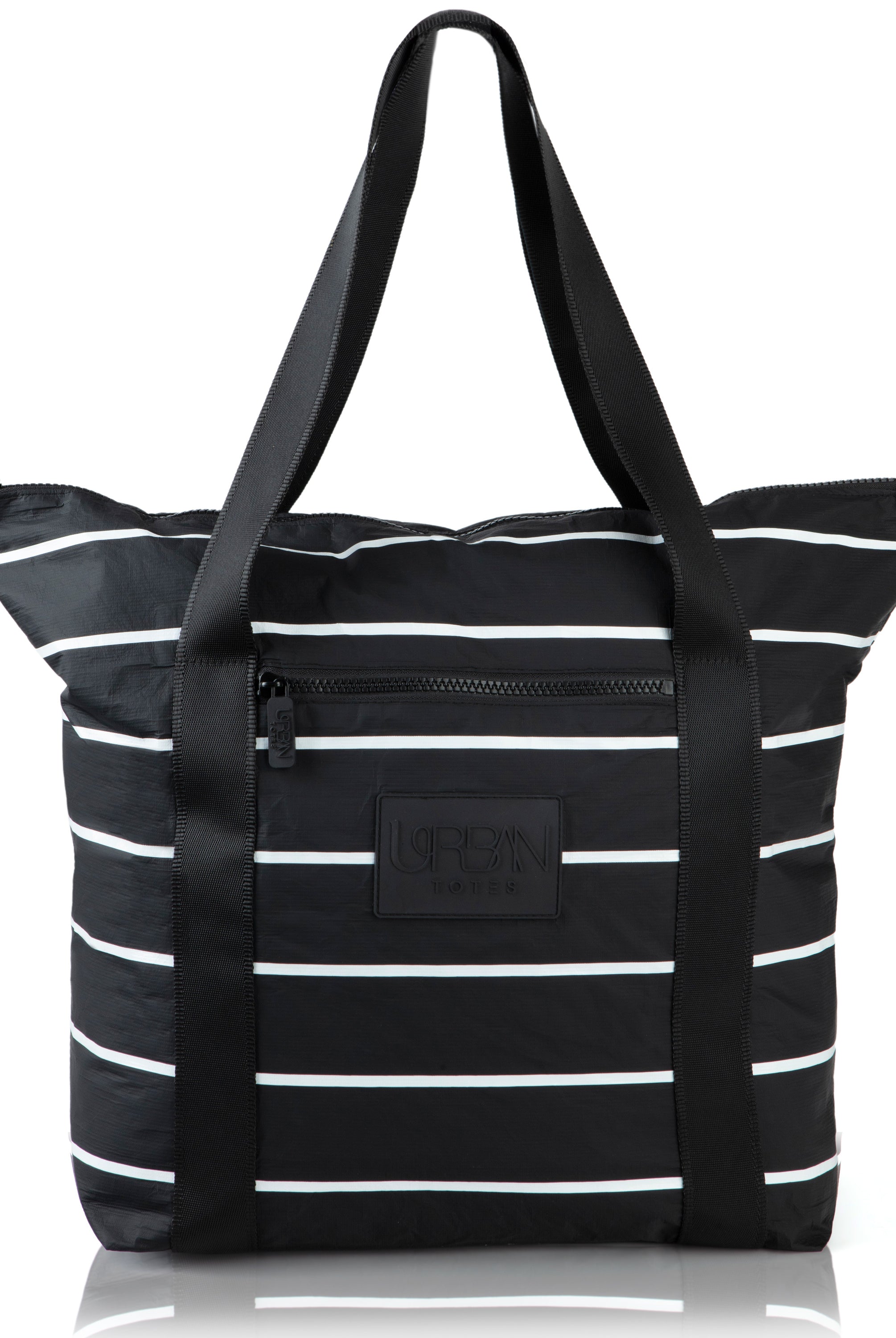
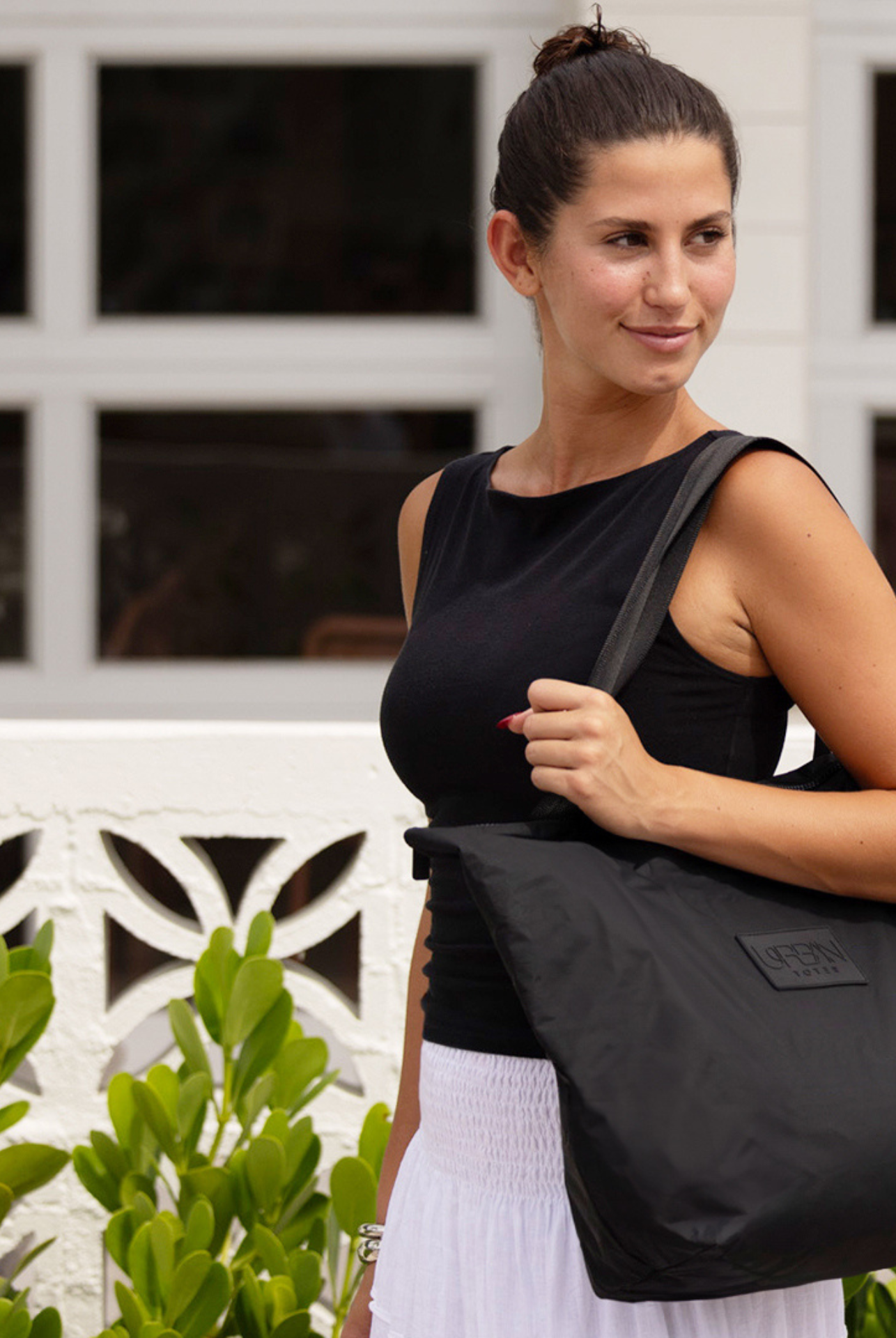
A black-on-black or striped tote can move from school pickup to dinner without changing the rest of your outfit. That's the appeal of a thoughtfully designed tote from a Boise-made, woman-owned brand, the shape is useful, the styling is calm, and the whole thing is built to be lived with instead of protected like a museum piece. A bag like that earns its keep because it keeps pace.
The great tote is the one you never have to think about. It carries what you need, stays organized when the day gets messy, and still looks right when you set it on a café chair. Shop the full Urban Totes collection and choose the go-anywhere tote that matches the way you live, commute, travel, and move through your day.