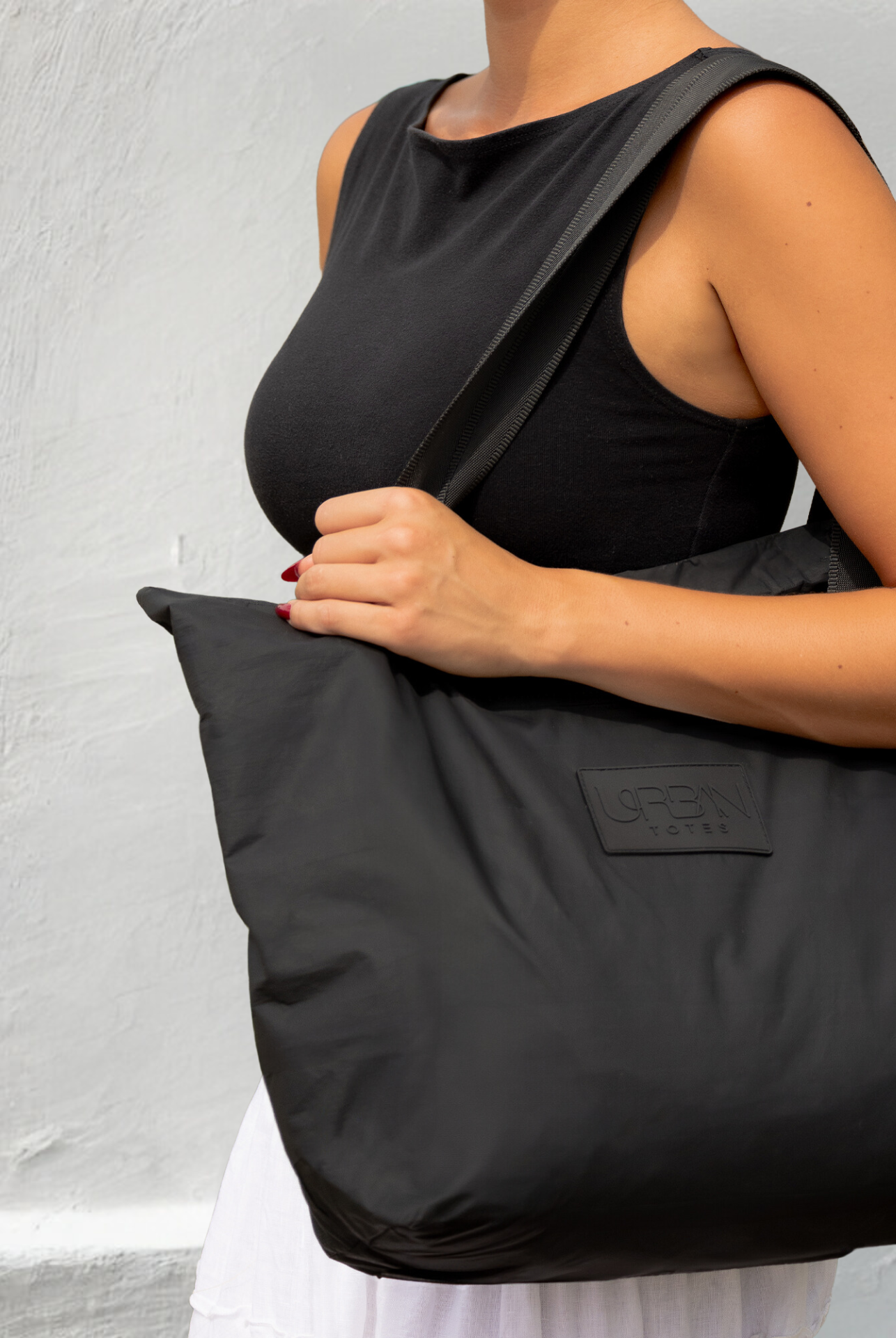
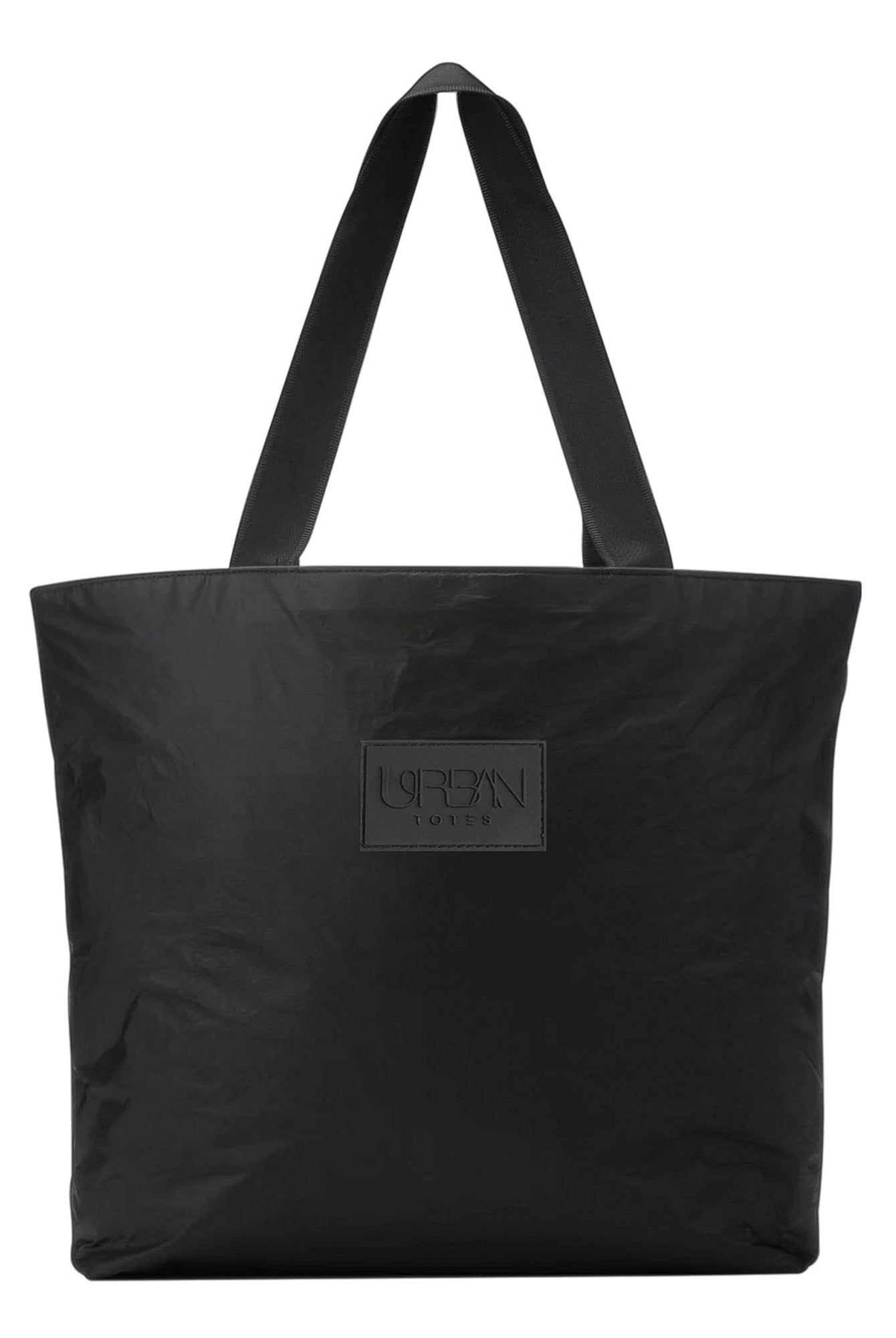
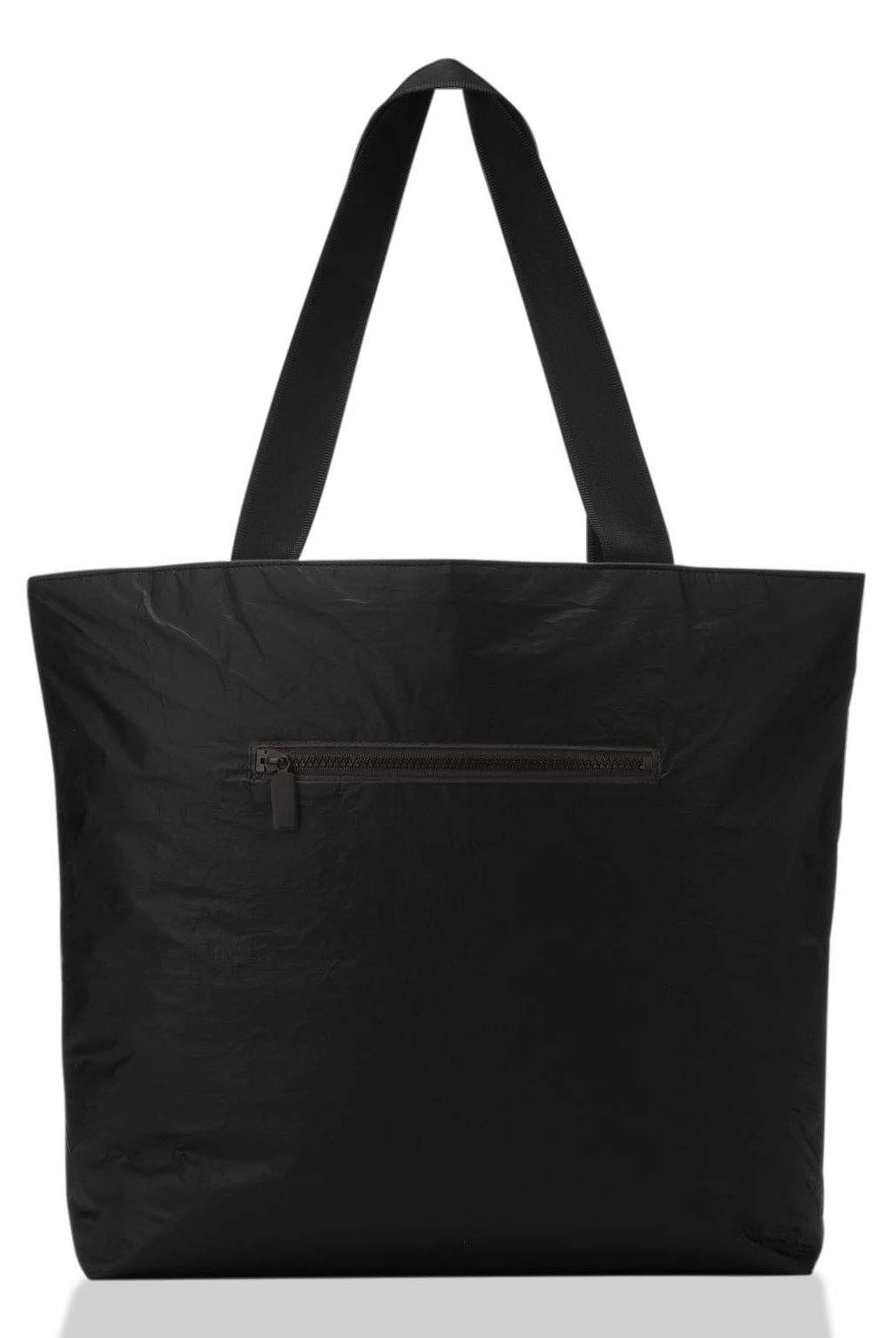
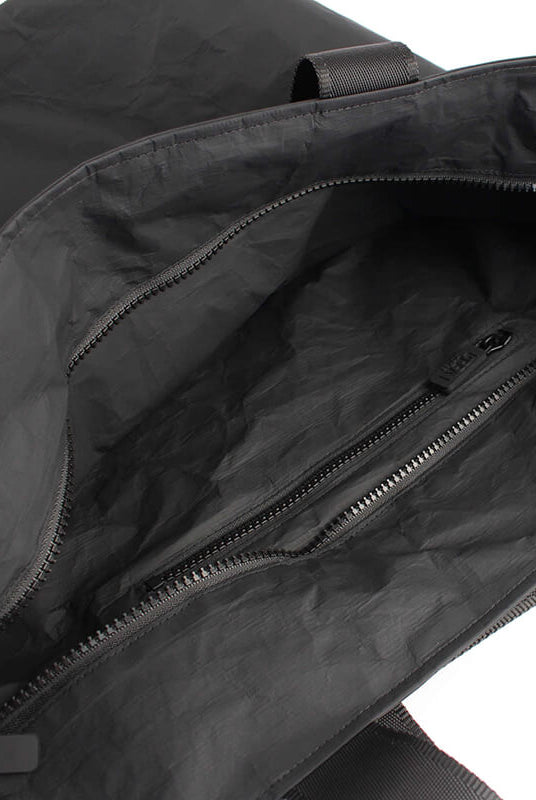
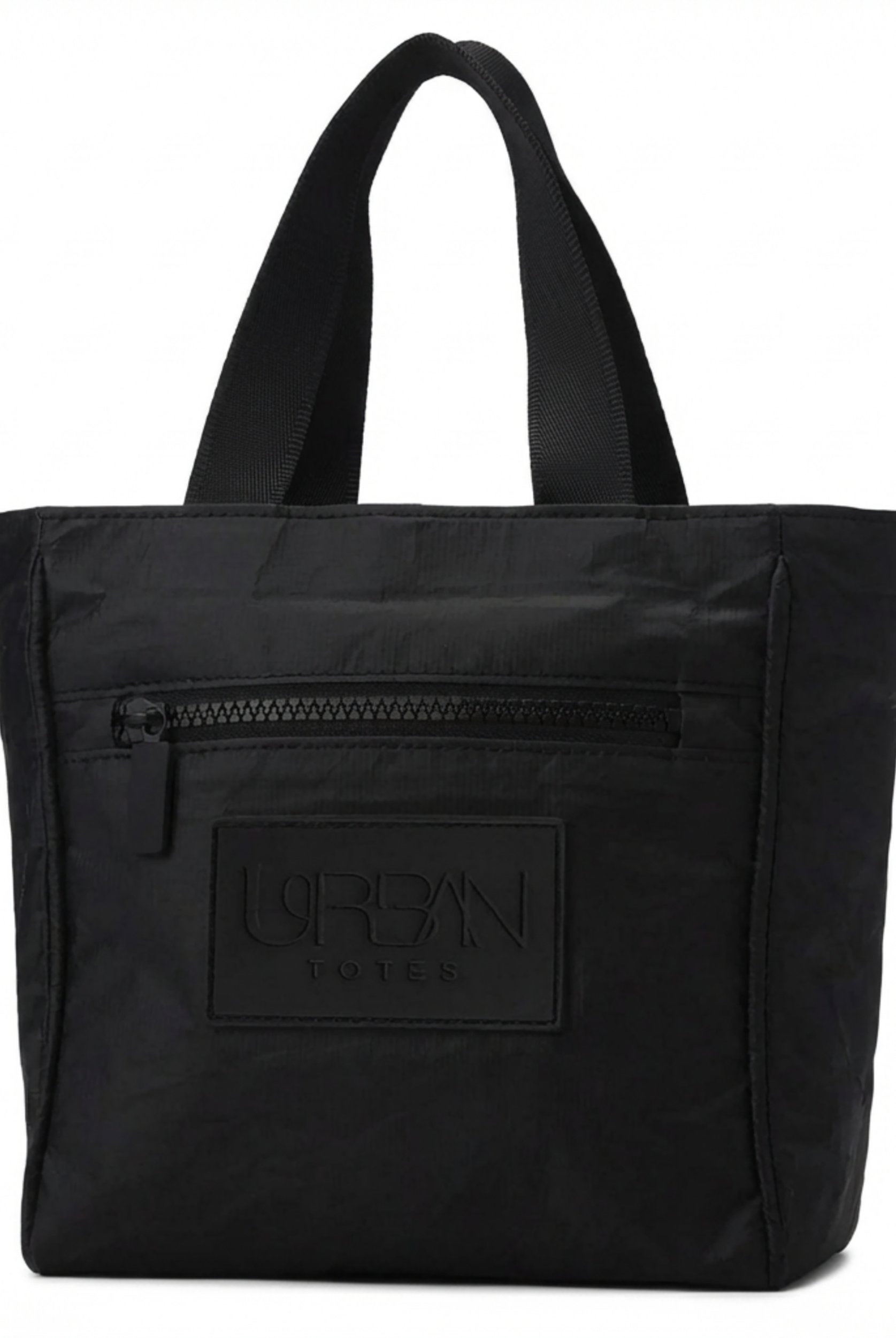
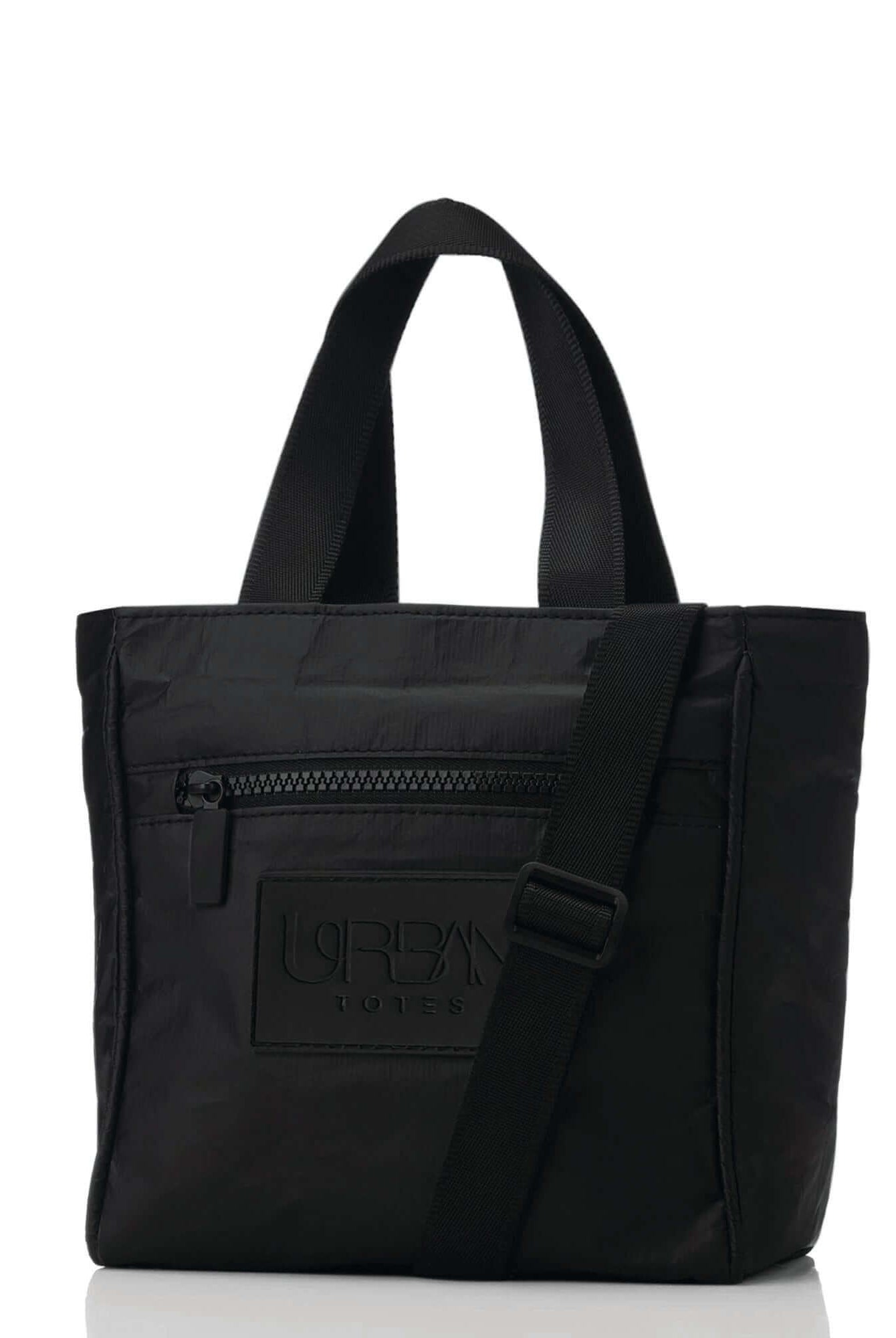
You know the moment. The beach bag is still damp from the car ride home, there's sand in the zipper teeth, your sunscreen bottle leaked near the seam, and now the tote that carried everything all day smells a little like a gym locker. That's usually when people scrub too hard, reach for the wrong cleaner, or shove the bag in a closet before it's fully dry. For how to clean neoprene without wrecking the finish, the trick is gentleness, patience, and getting the drying step right.
Table of Contents
- Why Neoprene Needs a Different Cleaning Approach
- Everyday Habits That Keep Your Bag Fresh
- The Gentle Hand Wash Method
- Spot Cleaning and Stain Removal
- Drying and Storage the Right Way
- Quick Care Checklist and Final Tips
Why Neoprene Needs a Different Cleaning Approach
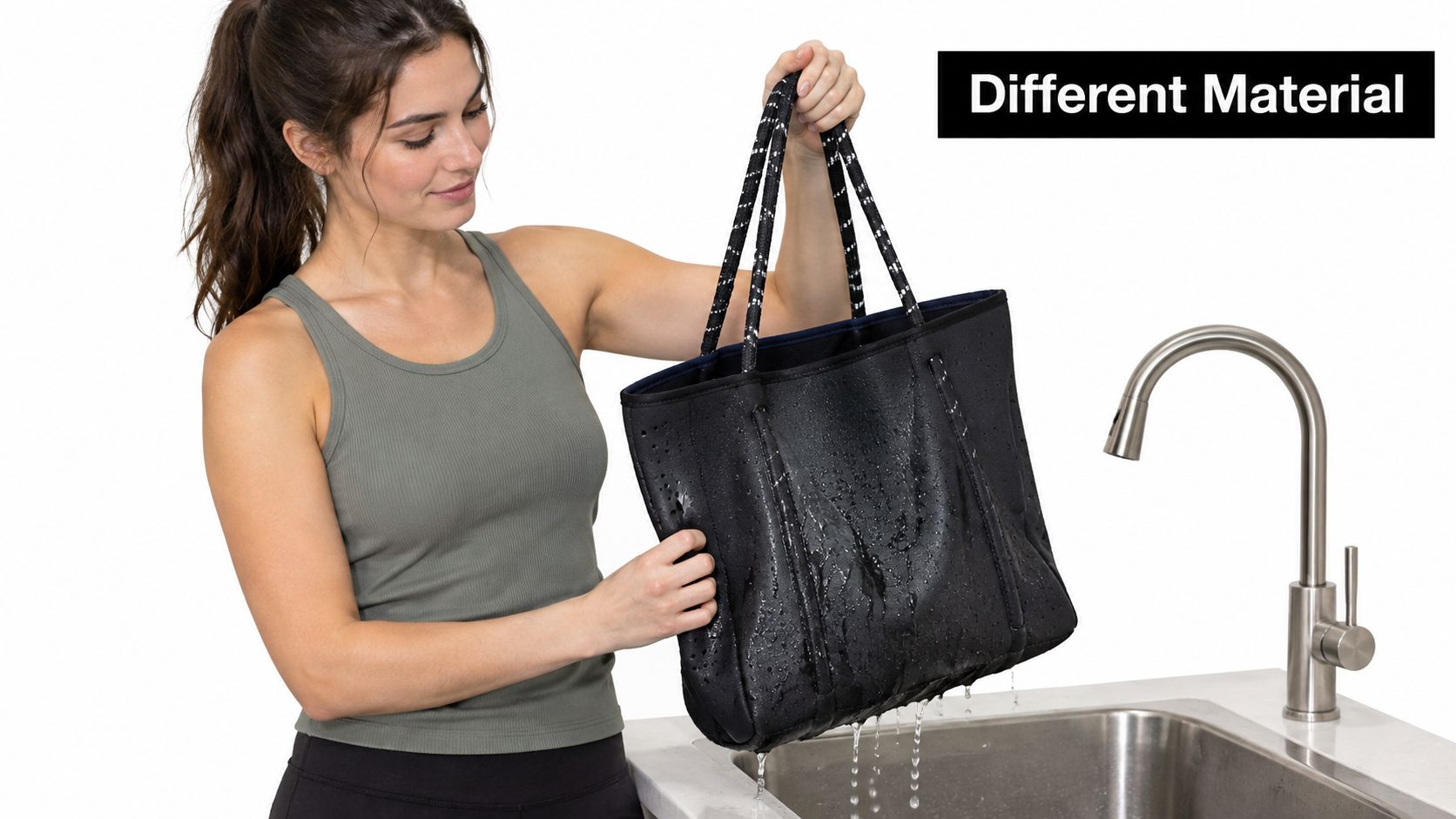
Neoprene looks simple from the outside, but it doesn't behave like cotton canvas or woven nylon. It's a synthetic rubber known scientifically as polychloroprene, first developed by DuPont scientists in 1930 with large-scale production beginning in 1932, and it's valued for resistance to weather, oil, chemicals, and heat. That history matters because a neoprene bag often includes more than rubber, it can also include fabric laminates, dyes, adhesives, coatings, foam, zippers, and linings with very different tolerances, so one aggressive wash can hit all those layers at once (neoprene background).
A beach-day tote makes the problem obvious. Sand sticks to the surface, sunscreen clings to the handles, and the lining may hold onto damp towels or a wet swimsuit. The base material can handle a lot, but the surrounding parts may not, which is why the safest approach starts with the product label, a hidden-area test, and a bias toward water-based cleaning instead of harsh solvents.
Practical rule: treat neoprene like a mixed-material bag, not a single-fabric bag. The cleaner you choose has to protect the rubber, the seams, and the trim at the same time.
That's also why you'll see so much emphasis on cool or lukewarm water, mild detergent, and air-drying away from heat. The material itself has a lot of stretch and a low glass-transition temperature, but those strengths don't protect glued edges, printed surfaces, or nearby textiles from damage. If your tote is a daily carry, especially one with a zipper closure and multiple compartments, gentle care keeps it organized and presentable without turning cleaning day into a repair job.
Learn more about tote materials here
Everyday Habits That Keep Your Bag Fresh
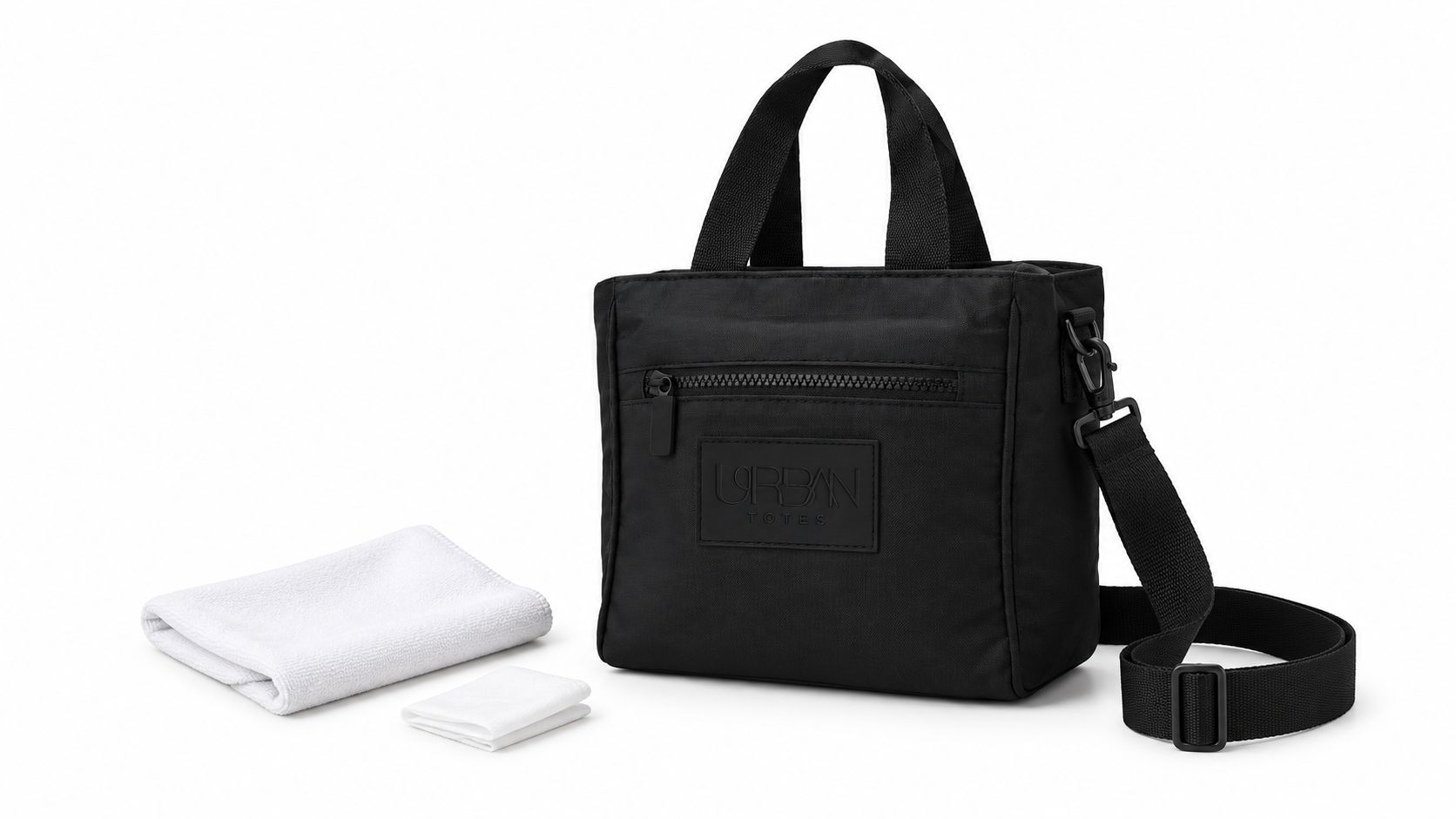
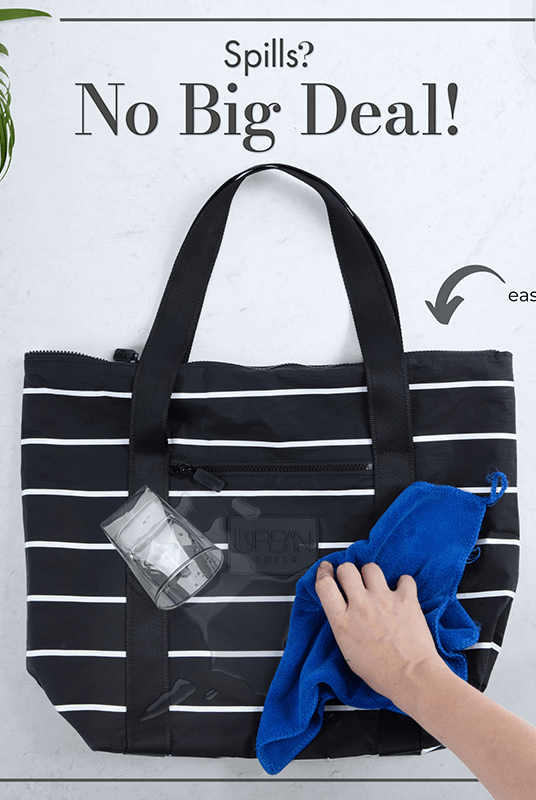
The easiest way to keep neoprene looking clean is to deal with residue before it settles in. After a beach day, shake out the sand before you toss the bag in the trunk. After a sweaty gym session, give the outside a quick rinse instead of letting sweat dry into the surface. After a coffee spill, blot it right away so it doesn't migrate into seams or lining edges.
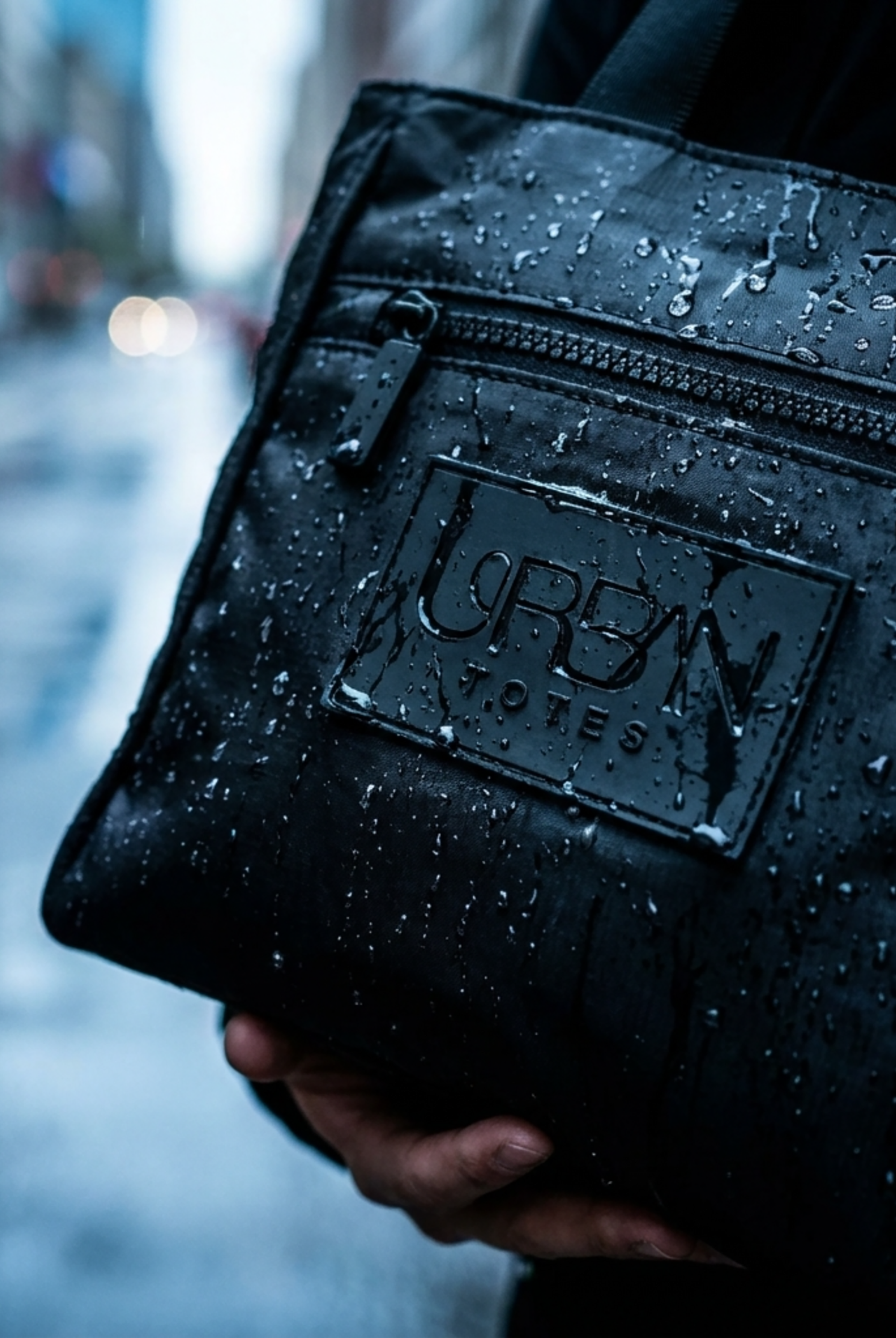
Fresh, cold water is the shortcut that saves a lot of trouble later. O'Neill specifically advises rinsing neoprene with fresh, cold water after every use to remove salt, chlorine, sweat, and other residues, and warns against hot water because excessive heat can damage both neoprene and adhesive layers, reducing stretch, flexibility, and durability (O'Neill care guidance). That advice fits everyday bags too, especially if you're using a water-resistant tote for errands, school drop-off, or pool pickup.
For routine life, think in tiny habits instead of deep cleans. A quick wipe at the car door beats scrubbing dried sunscreen off later, and a fast rinse after a damp workout bag comes home beats trying to remove odor from layered fabric the next day. If you want another practical reference point for maintaining carry items, Bowling Gear Reviews' cleaning bag recommendations offer a useful example of how routine cleaning products are chosen for durability and convenience.
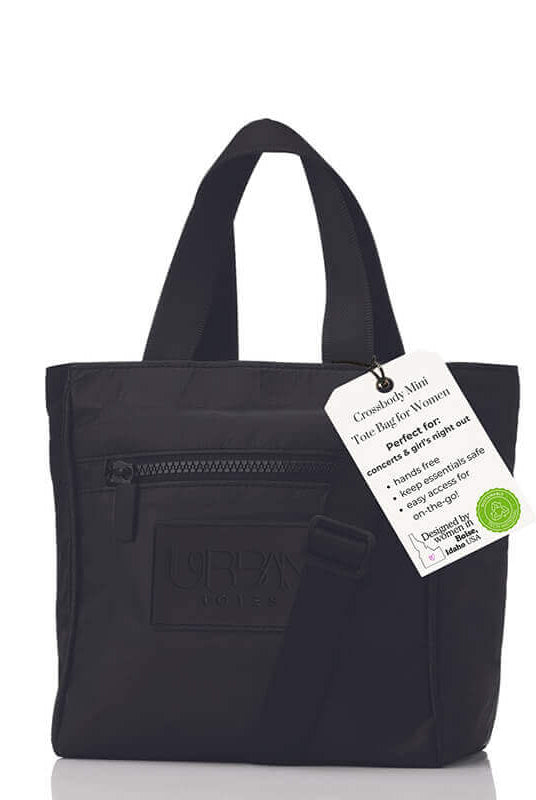
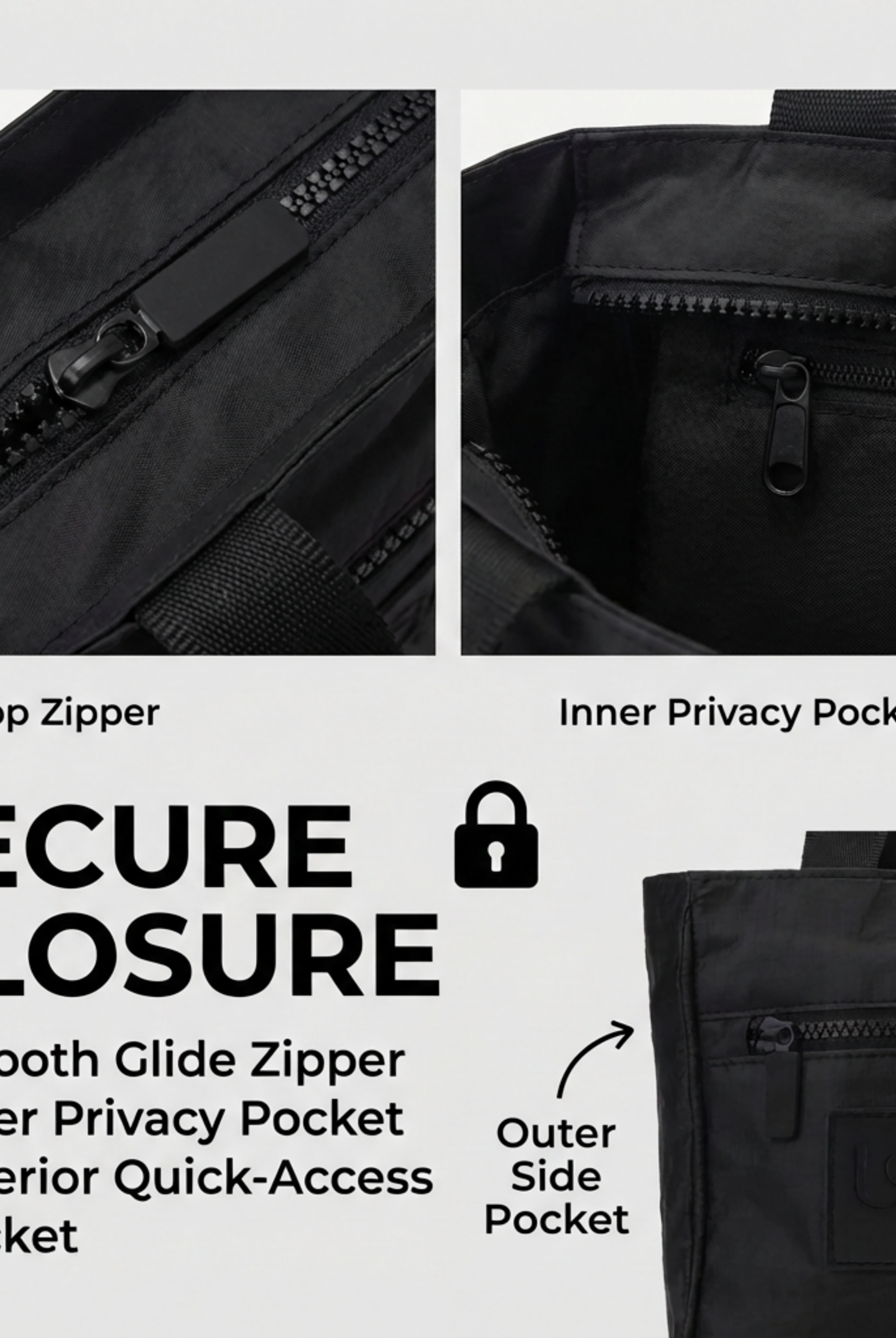
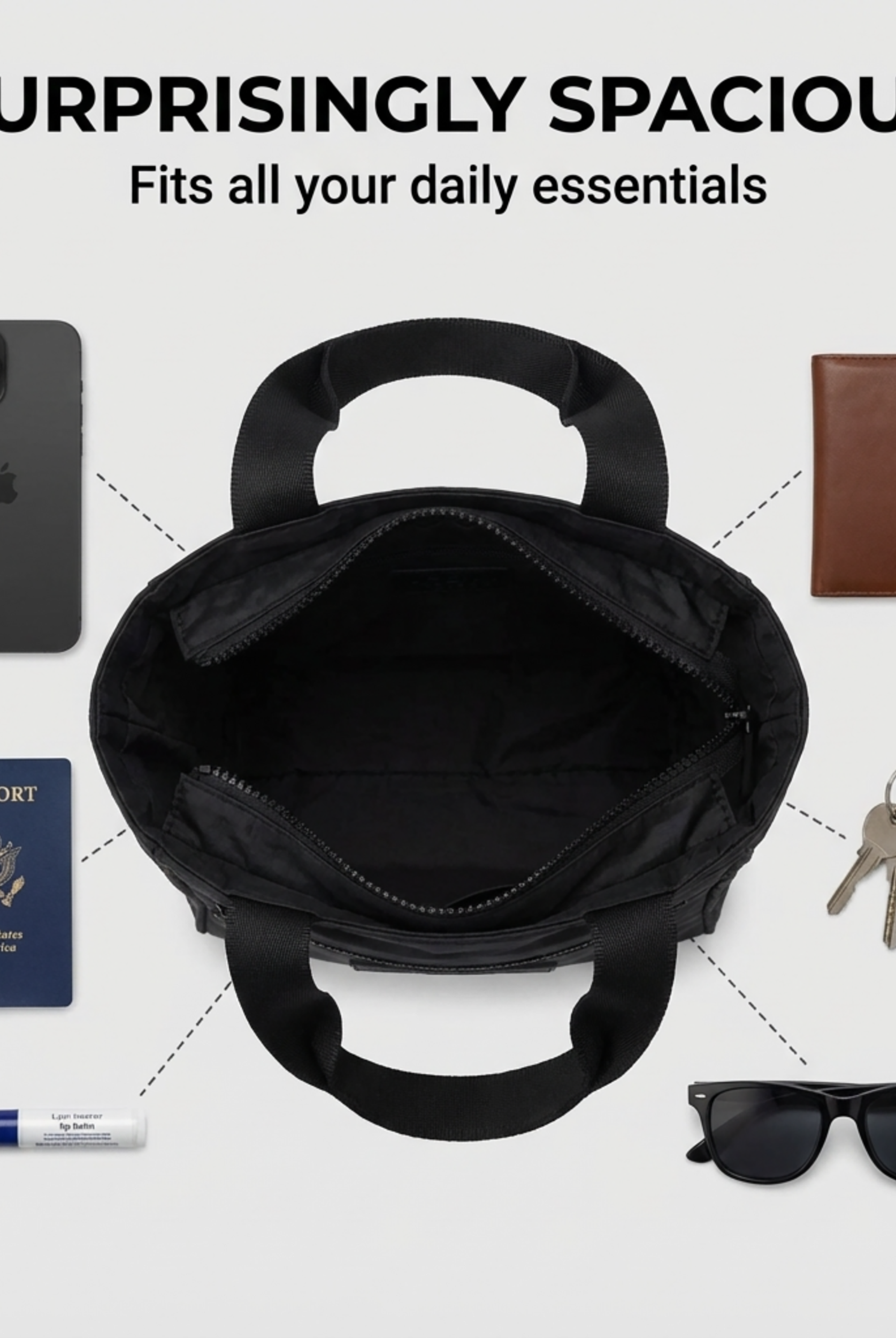
The same logic applies whether you're carrying a compact commuter bag or a roomy Crossbody Tote Bag Mini Purse, which uses a zip-top closure, outside pocket, easy-access pocket, and water-resistant materials in a lightweight, foldable format. Small, regular cleanups keep the whole thing from becoming a weekend project.
The Gentle Hand Wash Method
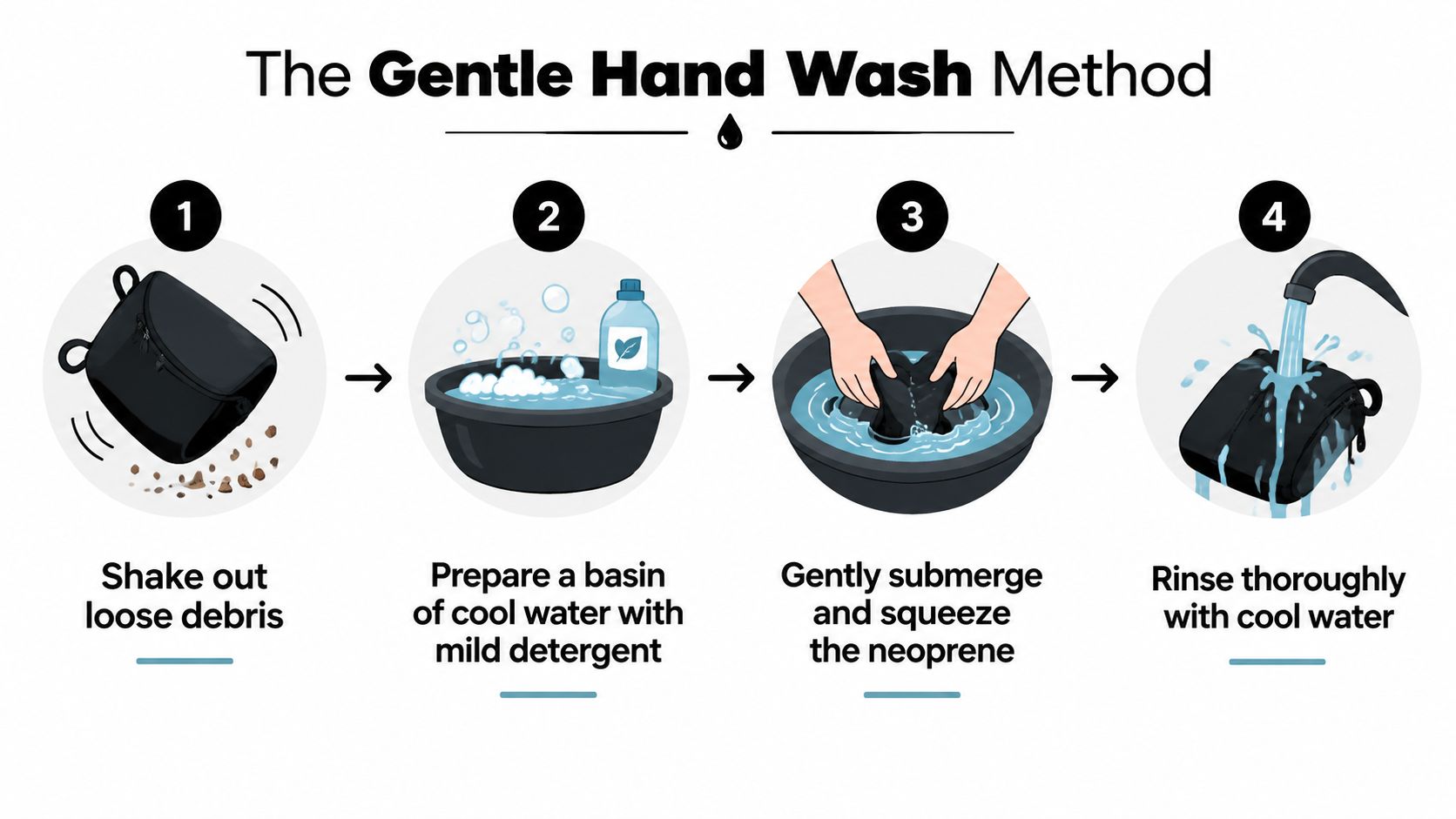
A full wash works best when the bag is already empty and free of grit. Shake out sand from corners, zipper tracks, and lining folds first, then rinse with cool or lukewarm water so loose debris does not get dragged around once soap goes in.
Wash with control, not force
Fill a basin with cool or lukewarm water and add a small amount of mild, fragrance-free detergent. Gently agitate or squeeze the bag for about 3 to 5 minutes, paying extra attention to handles, seams, and lining interfaces, then drain and refill with clean water for 2 to 3 rinse cycles until the surface no longer feels slippery (controlled hand-wash process). That rinse matters more than people think, because leftover detergent can attract soil and may interfere with coatings or adhesives.
Squeeze, don't scrub. If the fabric bunches under your hands or you need to lean into the motion, ease off.
Skip twisting, wringing, abrasive brushes, bleach, fabric softener, strong solvents, and hot water. Those choices can weaken, discolor, or deform the elastomer and bonded components, and they are the fastest way to turn a simple wash into avoidable damage. A washing machine creates the same kind of trouble through drum agitation and abrasion, which is why it is usually a bad fit for neoprene.
For readers who keep cleaning supplies organized in the utility room, janitorial products for plant managers show how much easier care gets when the tools match the material. If you need a bag with simpler upkeep, see tote care tips for washable styles. For neoprene, the right setup is a basin, mild soap, clean water, and patience.
Spot Cleaning and Stain Removal
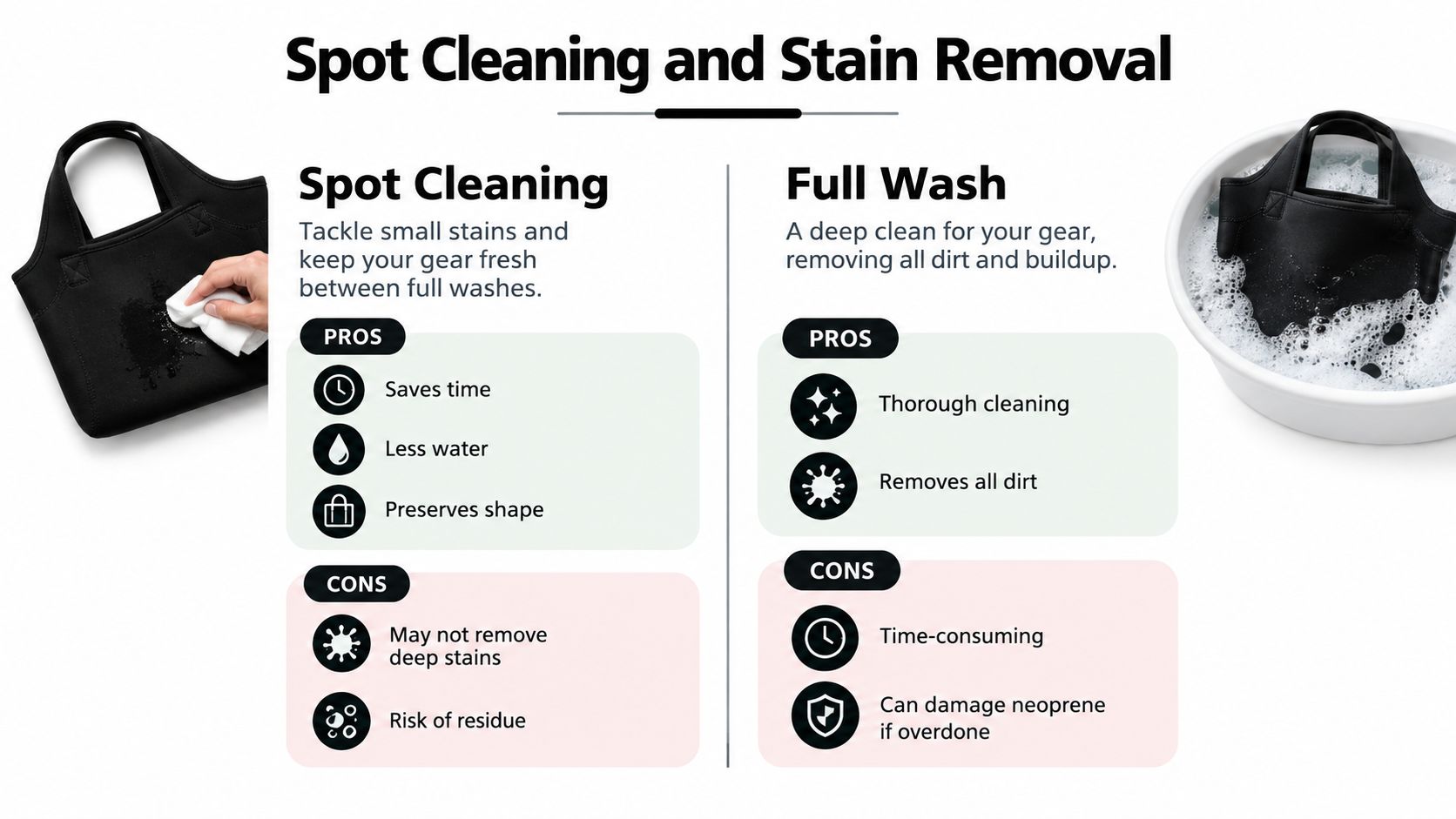
Not every mark deserves a full wash. Sunscreen smears, foundation transfer, a little ink from a leaky pen, or a random discoloration near a pocket can usually be handled with a targeted clean, which saves time and keeps the bag from getting overhandled. The main rule is simple, test first on a hidden interior area before you touch the visible surface.
Use the lightest touch that works
For small stains, use a soft cloth with a little pH-neutral soap and blot instead of rubbing. Orca's care sequence is straightforward, apply the soap, rub the neoprene panels lightly, and rinse thoroughly until no soap remains (Orca cleaning guidance). That approach works because it removes everyday grime without attacking coatings, prints, or adjoining trim.
The cleaners you should skip are just as important:
- Bleach can discolor and weaken the surface.
- Acetone is too aggressive for bonded parts and finishes.
- Alcohol-heavy cleaners can be rough on coatings and adjacent materials.
- Petroleum solvents can cause damage that's hard to reverse.
If you're choosing between spot cleaning and a full wash, spot cleaning is usually the better first move for small messes because it limits moisture and preserves the bag's shape. When the stain is widespread, or when odor has seeped into the lining, that's when the deeper hand-wash method earns its place. For more material-specific guidance on other fabrics, how to clean nylon is a useful comparison point, since nylon and neoprene respond very differently to cleaners and agitation.
Drying and Storage the Right Way
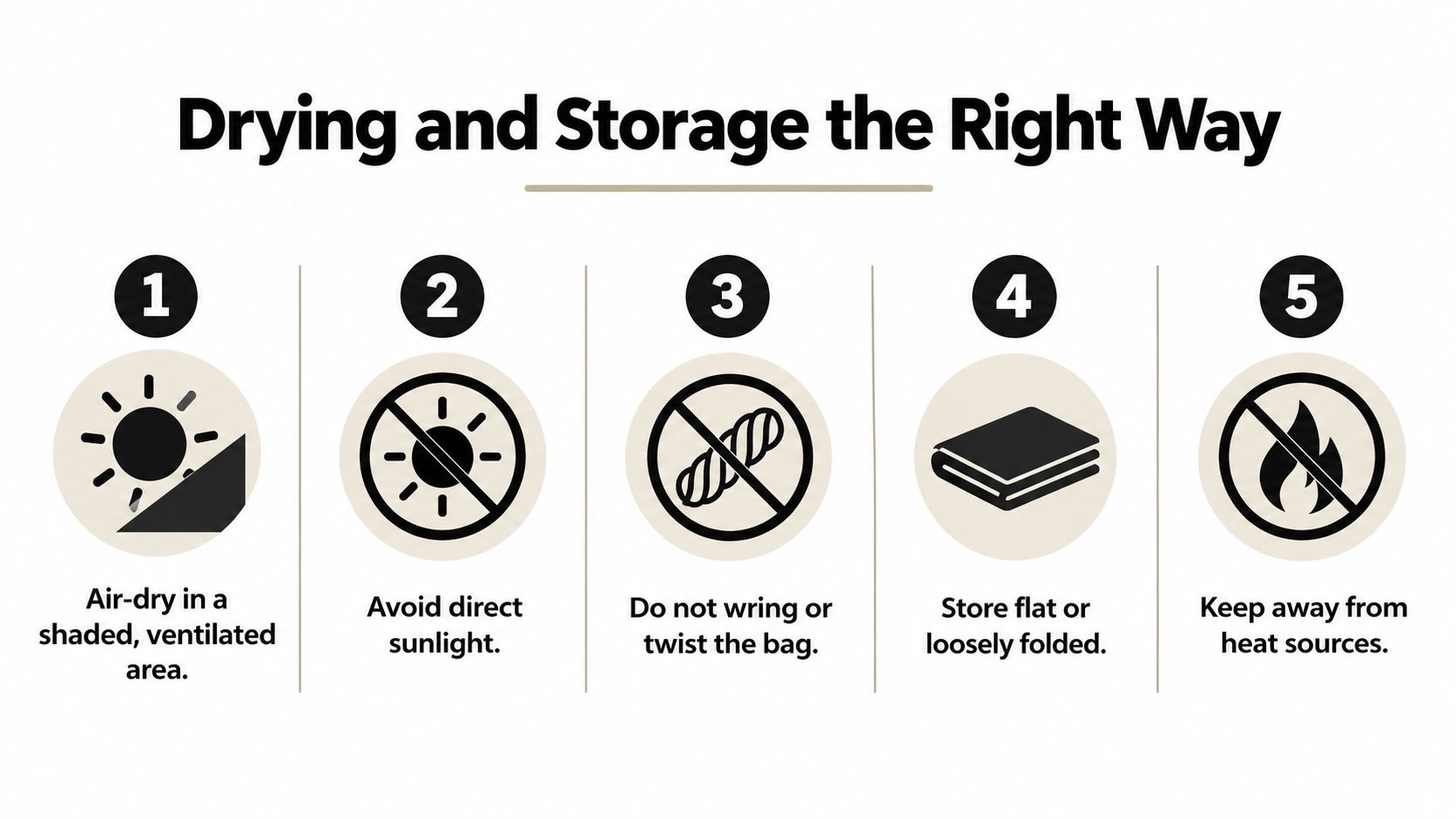
This is the part that gets skipped most often, and it's usually the part that decides whether the bag smells fresh next week or musty by Friday. Wash promptly after sweaty or wet use, clean both the outer surface and lining, rinse detergent completely, and dry the item fully in an open, shaded, ventilated area before storage (drying and storage guidance). Incomplete drying, not insufficient soap, is often the practical cause of recurring odor.
Air-dry like the shape matters
Lay the bag flat or gently press it back into shape while it dries. Don't wring it, twist it, or hang it in a way that pulls hard on the straps. Direct sun and heat sources can be hard on the surrounding materials, and they can also make a clean bag age faster than it should.
If a musty smell shows up, don't panic and don't immediately reach for the strongest product under the sink. A cautious diluted vinegar treatment is one option some care sources mention, but the safer move is to test any treatment on a hidden area first and stop if the finish reacts. If mildew has worked into foam or bonded layers, professional advice is the smarter call than repeating a home treatment that only treats the surface.
For storage, think cool, dry, and breathable. A clean, fully dry neoprene tote should never be sealed damp in a closet or gym bag overnight, because that's how odor and mildew start. If your bag is part of a daily routine, tote bag storage tips can help you build a cleaner habit around where the bag lives between uses.
Quick Care Checklist and Final Tips
A neoprene bag stays easier to live with when you treat care as part of the routine, not a rescue mission. Keep this checklist handy:
- Spot test first on a hidden area before any cleaner touches the visible surface.
- Use cool or lukewarm water with a small amount of mild soap.
- Rinse thoroughly so residue doesn't attract new dirt.
- Air-dry away from heat and direct sun in a shaded, ventilated spot.
- Store only when fully dry, never when the lining still feels damp.
If you're building a household rhythm around bags, shoes, and gear, a simple checklist for Miami homes shows how much calmer cleaning feels when the steps are clear and repeatable. Neoprene care works the same way, steady habits beat aggressive fixes every time.
A well-maintained neoprene tote stays lighter to carry, cleaner to open, and easier to grab for beach days, errands, airport runs, and gym detours. If you want a bag that's made for real life, shop the full collection at Urban Totes and choose a go-anywhere style that fits your day, your commute, and your next weekend away.