You're halfway to the train station when the tote strap slips off your shoulder. Your laptop is pressing against a water bottle, your keys have disappeared beneath a charger, and the forecast has changed from “light clouds” to rain. By the time you reach the office, the bag that looked fine at home has become one more problem to manage.
An eco-friendly work bag should do more than carry a sustainability-minded label. It should protect your everyday essentials, stay comfortable through a long day, and keep working after the novelty wears off. The most responsible choice is often the bag that lasts, gets used repeatedly, and fits the way you actually move through work, errands, school drop-off, travel, and weekends.
Table of Contents
- Why Your Everyday Carry Matters
- Understanding Sustainable Materials
- Essential Features for the Modern Work Bag
- Choosing the Right Bag for Your Lifestyle
- Maintaining Your Eco-Friendly Bag
- Finding Your Go-Anywhere Companion
Why Your Everyday Carry Matters
A work bag earns its place in your life during ordinary moments. It's there when you're balancing coffee and a phone at school drop-off, walking from the parking garage to a meeting, or standing on a crowded platform with one hand free for a rail. A flimsy tote can spill open, stretch at the handles, or leave your notebook exposed to a sudden shower. A thoughtful design removes those small frustrations before they become part of your routine.
I've learned to judge a bag by what happens after the first busy week. Does the zipper still glide when the bag is full? Can you find your keys without emptying everything onto the passenger seat? Does it fold away for a trip, then recover its shape when you need it again? Those details matter more than a vague material claim printed on a product page.
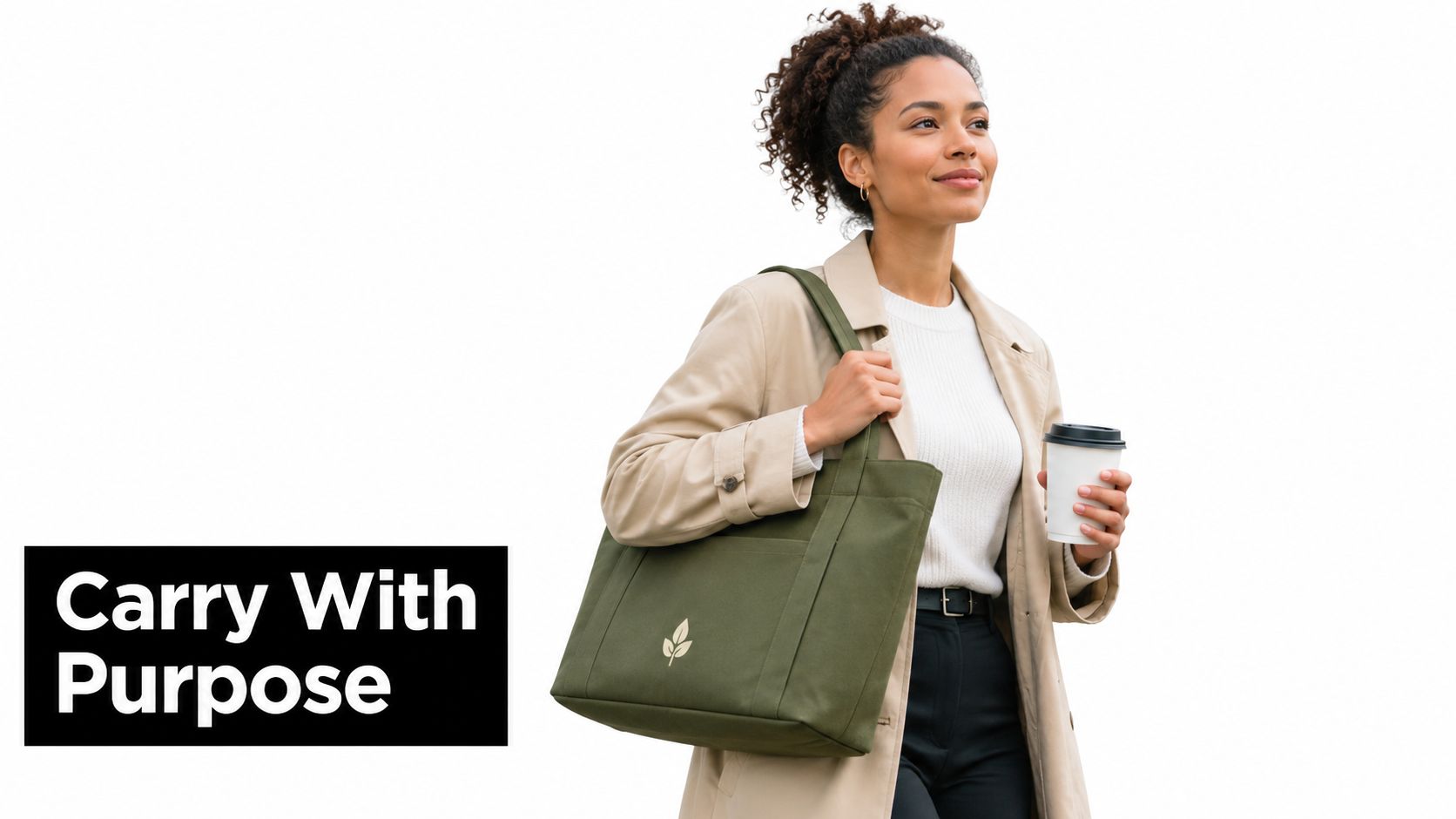
Look beyond the label
The case for choosing a reusable daily bag is practical as well as environmental. A life-cycle assessment from Singapore found that 10 reusable bags used over a year were equivalent to 1,248 plastic or degradable bags, or 520 paper bags in the reported comparison. The lesson isn't that every reusable bag performs identically. It's that repeated use gives a well-made bag a meaningful role in reducing dependence on disposable carry options.
That role only works if the bag survives real life. A tote that fails early may need to be replaced, while one with a secure closure, sensible compartments, and a comfortable carry system can become the bag you reach for without thinking.
For a more detailed packing checklist, keep this guide to everyday carry bag essentials close by. It helps separate the items you genuinely use from the clutter that makes any tote feel unmanageable.
Practical rule: Choose the bag you'll carry repeatedly, not the one that sounds most impressive in a product description.
Understanding Sustainable Materials
Material choice affects how a work bag handles rain, abrasion, cleaning, and repeated loading. It also affects the environmental story behind the product, but no single fabric wins every category.
Recycled polyester, or rPET, is made from post-consumer plastic bottles such as water bottles, soda bottles, and food jars. It has become a mainstream material in the category. A 2026 academic analysis of 104 brands found that recycled polyester was the most prevalent material in current sustainable-bag offerings, with 136 of the 233 recorded sustainability claims referring to recycled content in the sampled products.
rPET also makes sense for commuting because its performance can be close to virgin polyester while requiring fewer upstream resources. One independent comparison reports roughly 75% lower carbon emissions and about 90% lower water use versus virgin polyester, while another reports about 59% less energy use for recycled polyester. Those figures describe material production comparisons, not the performance of every finished bag. The final result still depends on the weave, coating, seams, and hardware.
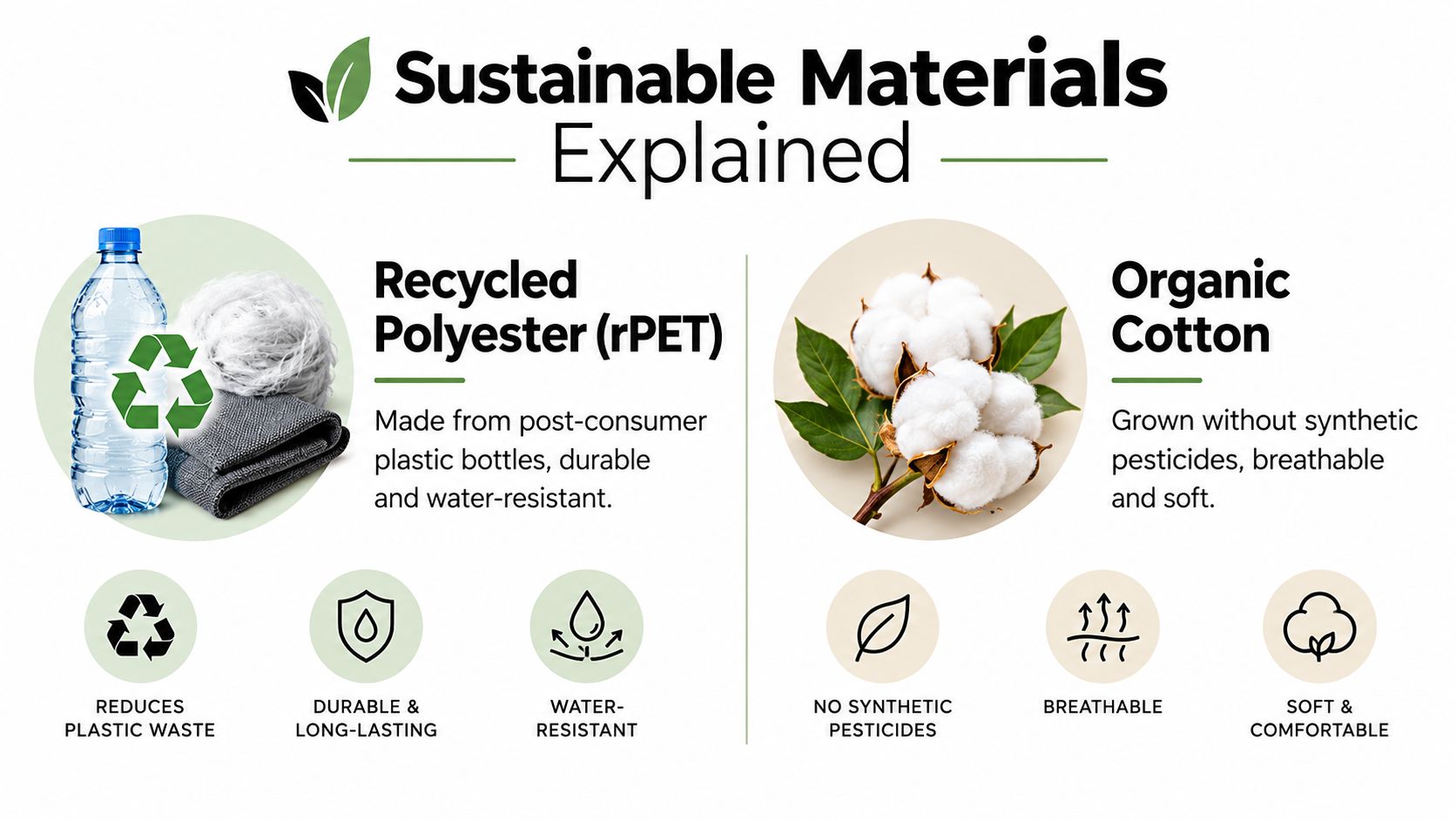
Compare the trade-offs
Recycled nylon is another strong option for a work bag that sees frequent friction. It's valued for strength and abrasion handling, although the actual result depends on the fabric specification and construction. For a commuter, a tightly woven recycled synthetic with reinforced seams may be more useful than a softer fabric that absorbs moisture and loses shape.
Organic cotton offers a natural hand feel and a relaxed appearance, but it isn't automatically the better choice for wet commutes or heavy daily loads. Cotton can work beautifully in a structured canvas tote, especially when the design prioritizes comfort and simplicity. It may need more care than a finished synthetic when spills and rain are part of your routine.
A useful reminder from another materials-focused field is that material selection can affect the final experience in unexpected ways. This discussion of how coffee accessory materials affect taste offers a helpful parallel: the material matters, but so does the way it interacts with the product and the conditions around it.
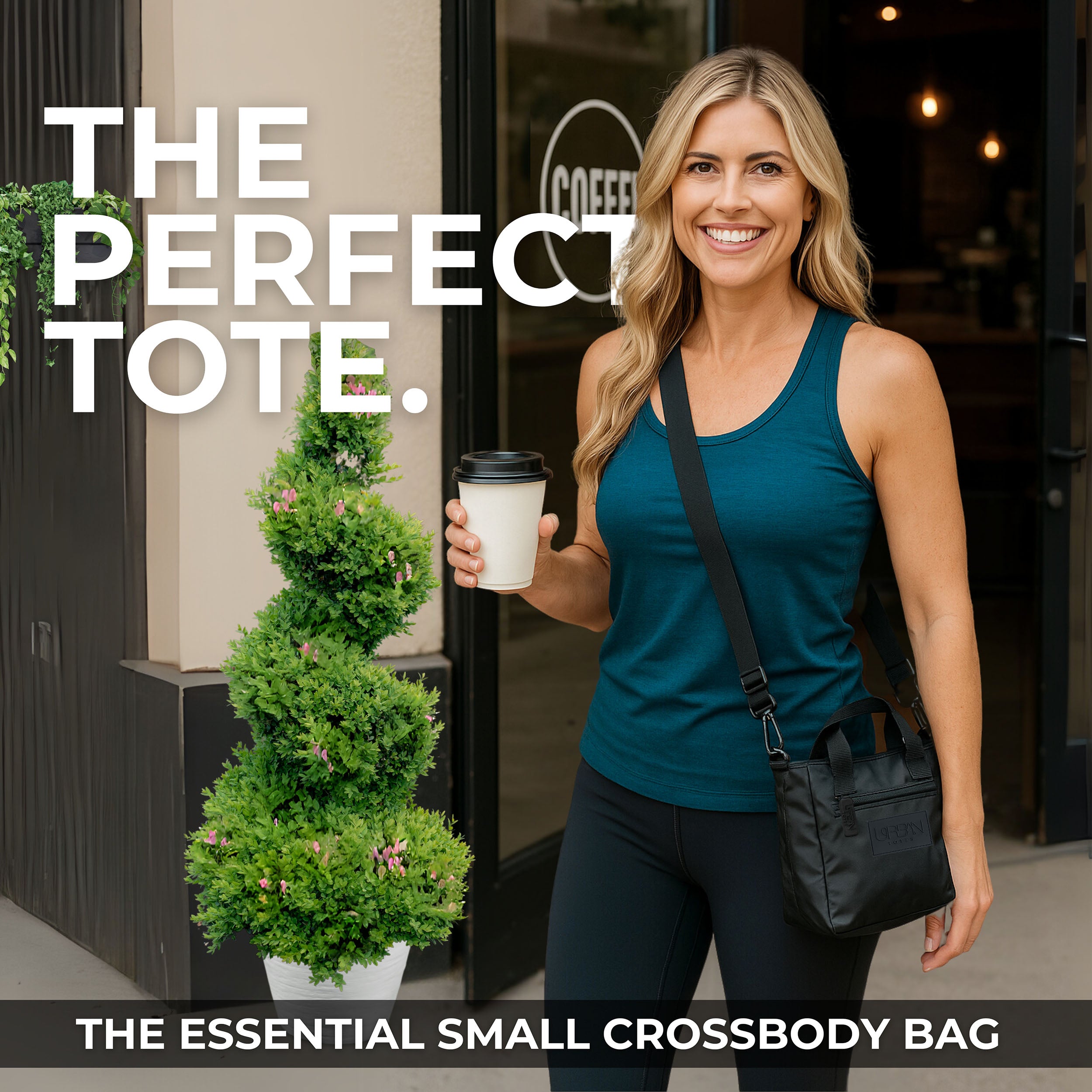
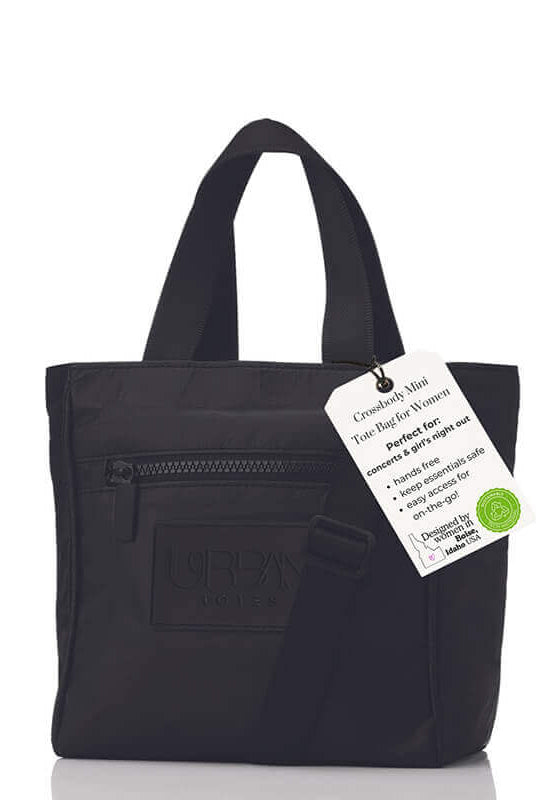
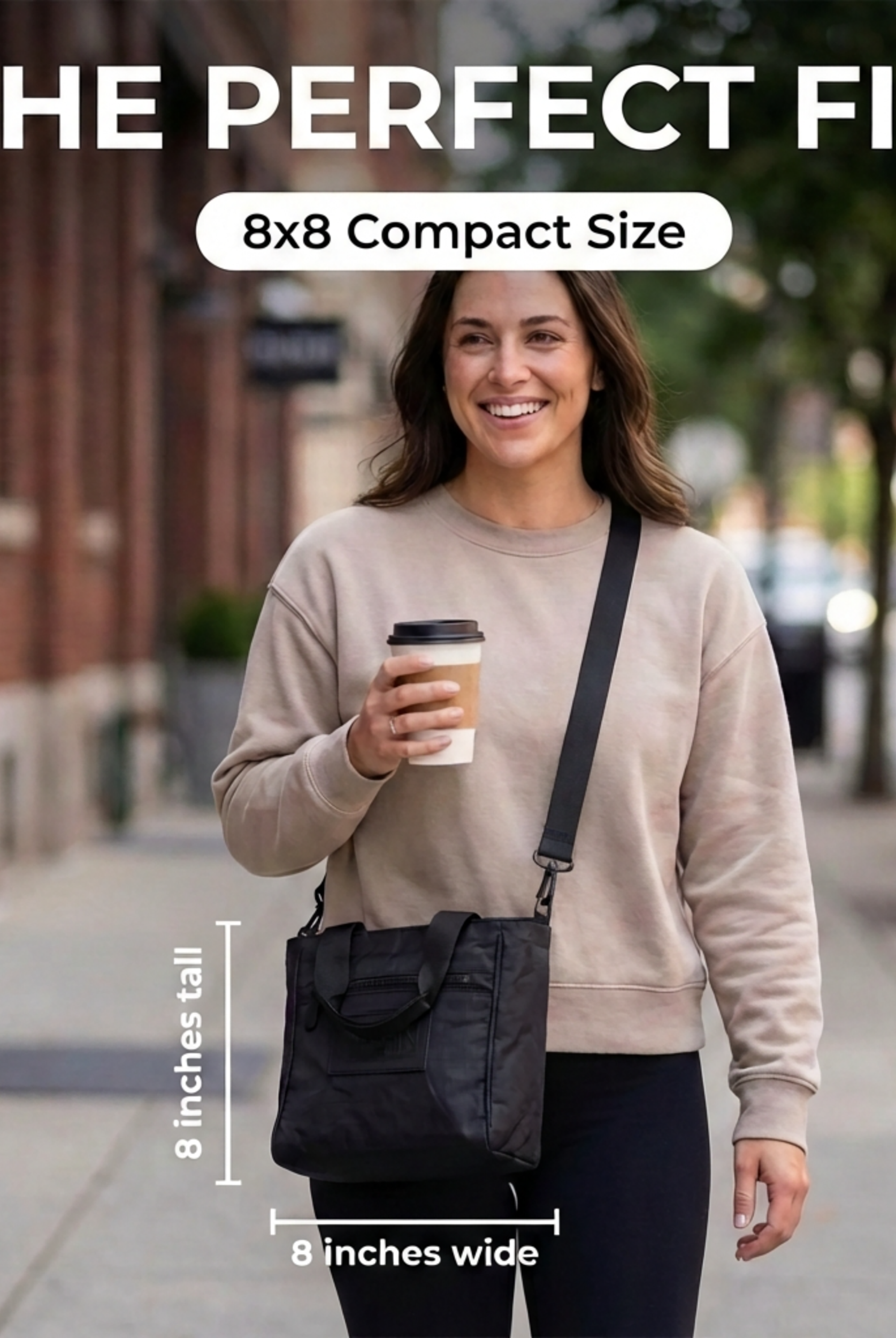
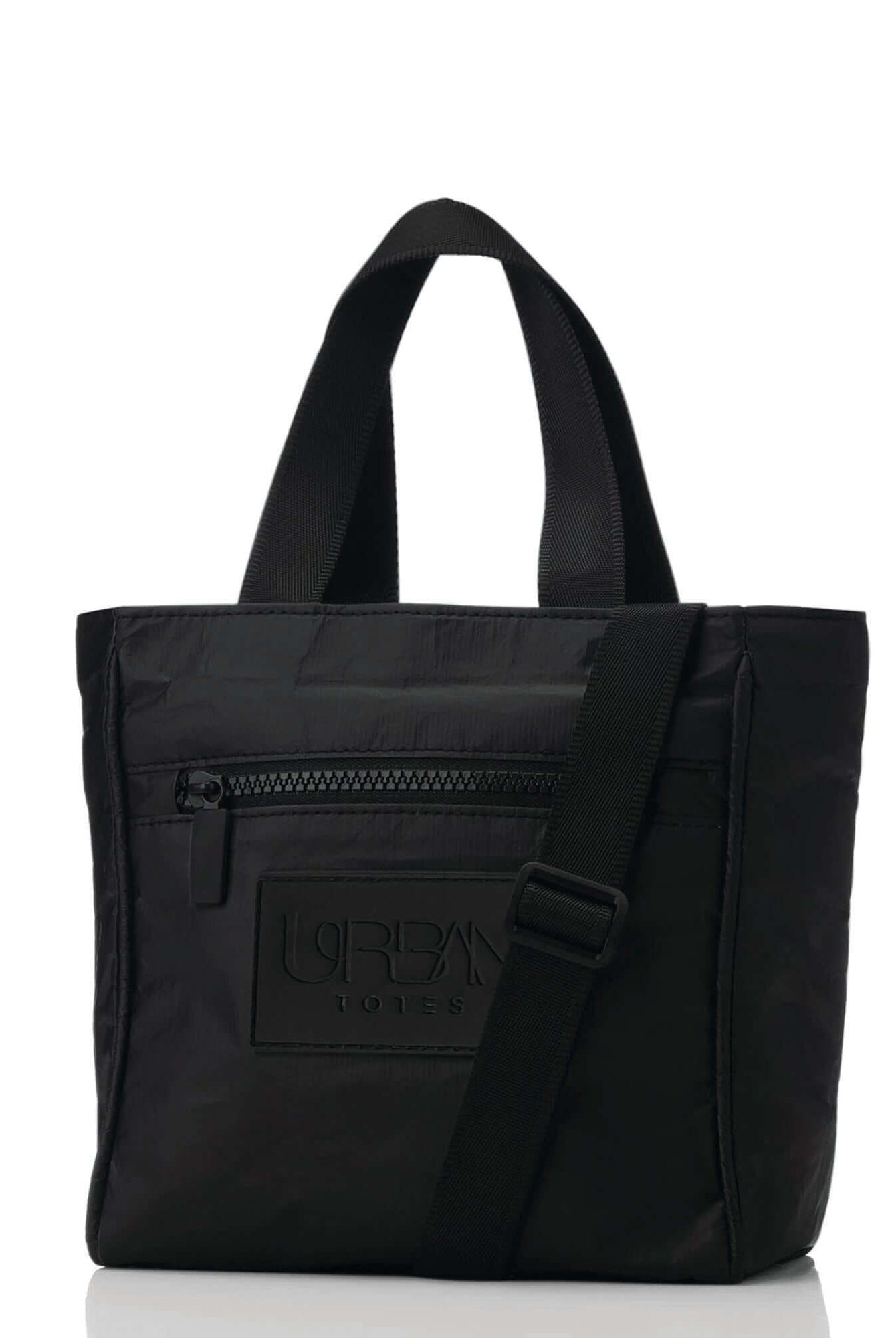
For a plain-language explanation of recycled textiles, see what recycled fabric means. If you need a compact, hands-free option rather than a full laptop tote, the Crossbody Tote Bag Mini Purse uses water-resistant technical material, a zipper top, multiple pockets, a foldable design, and a removable strap.
Essential Features for the Modern Work Bag
The right fabric can't rescue a bag with poor organization or uncomfortable handles. Before buying, test the design against the way you pack on a normal Tuesday, not an imaginary minimalist morning.
Organization should reduce decisions
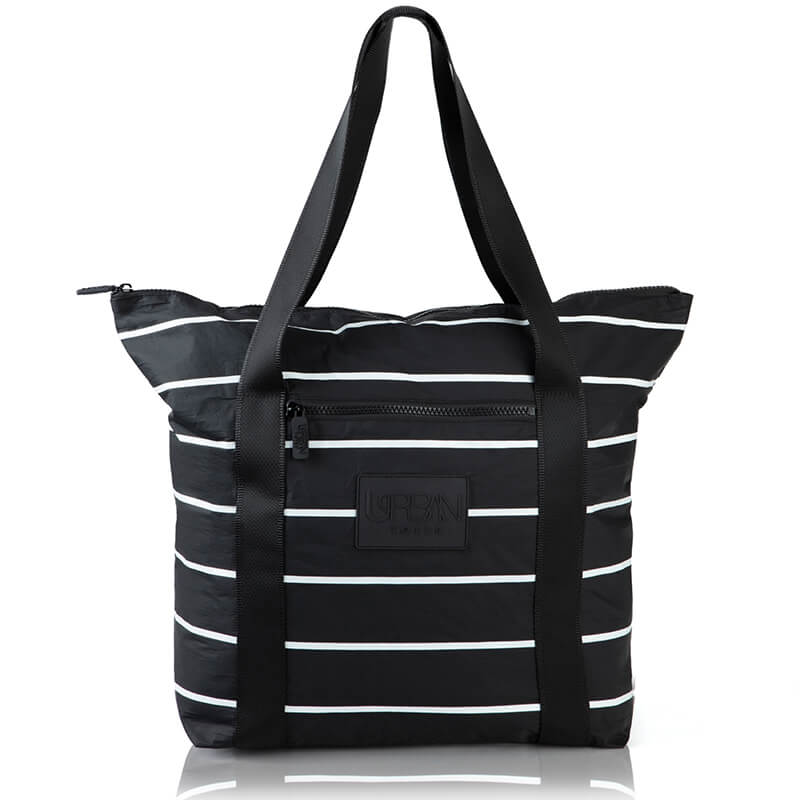
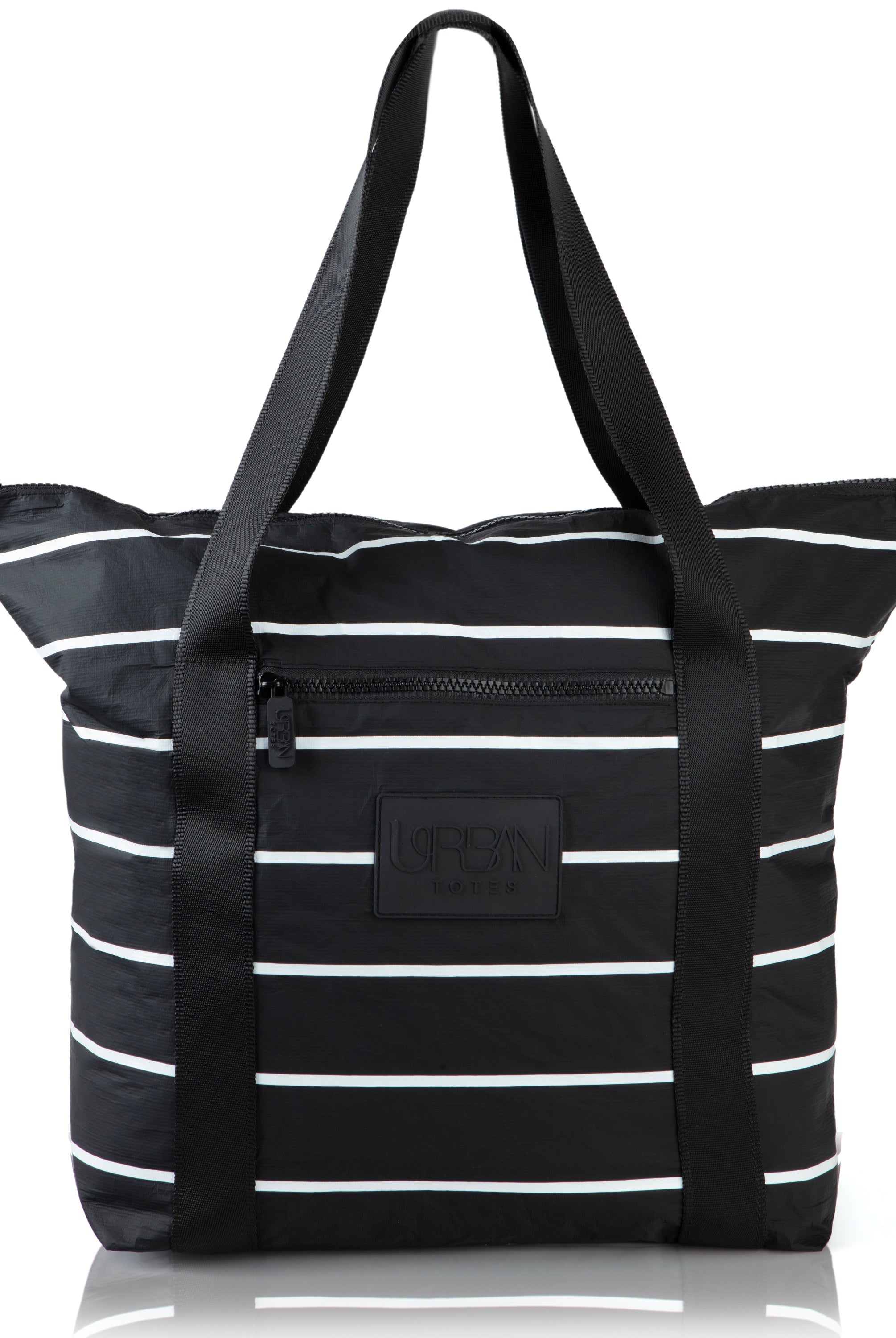
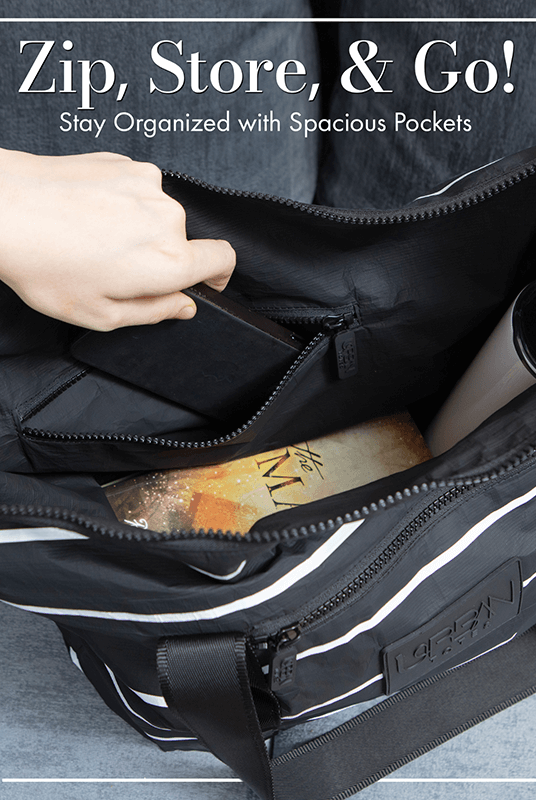
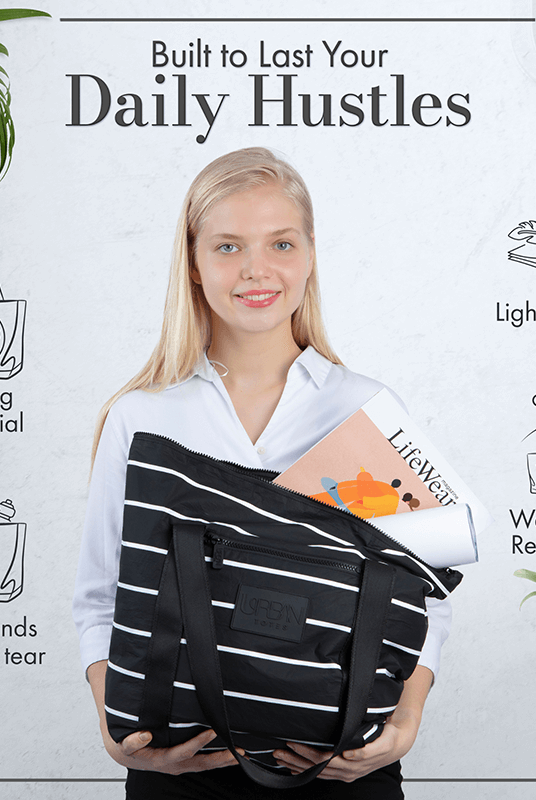
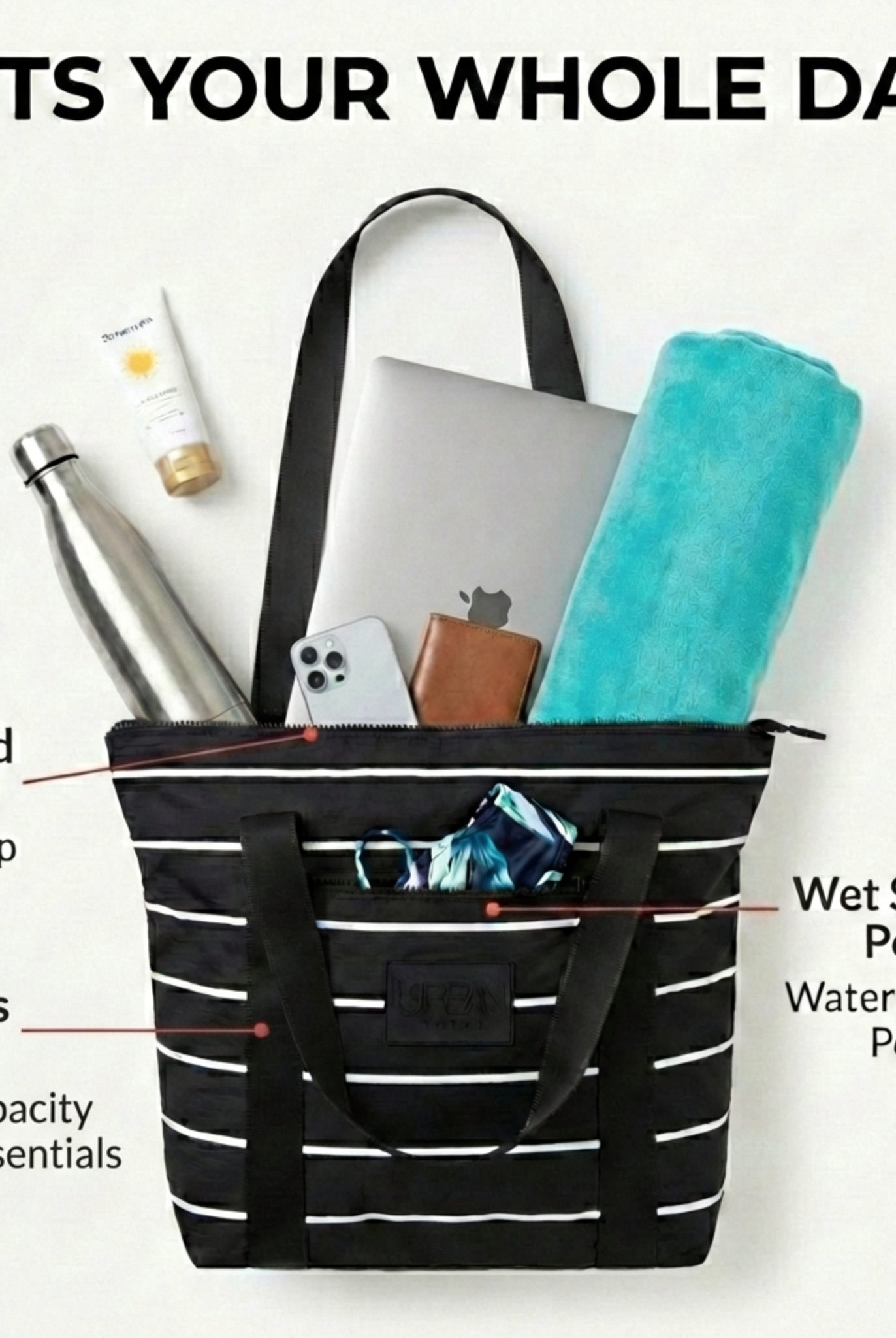
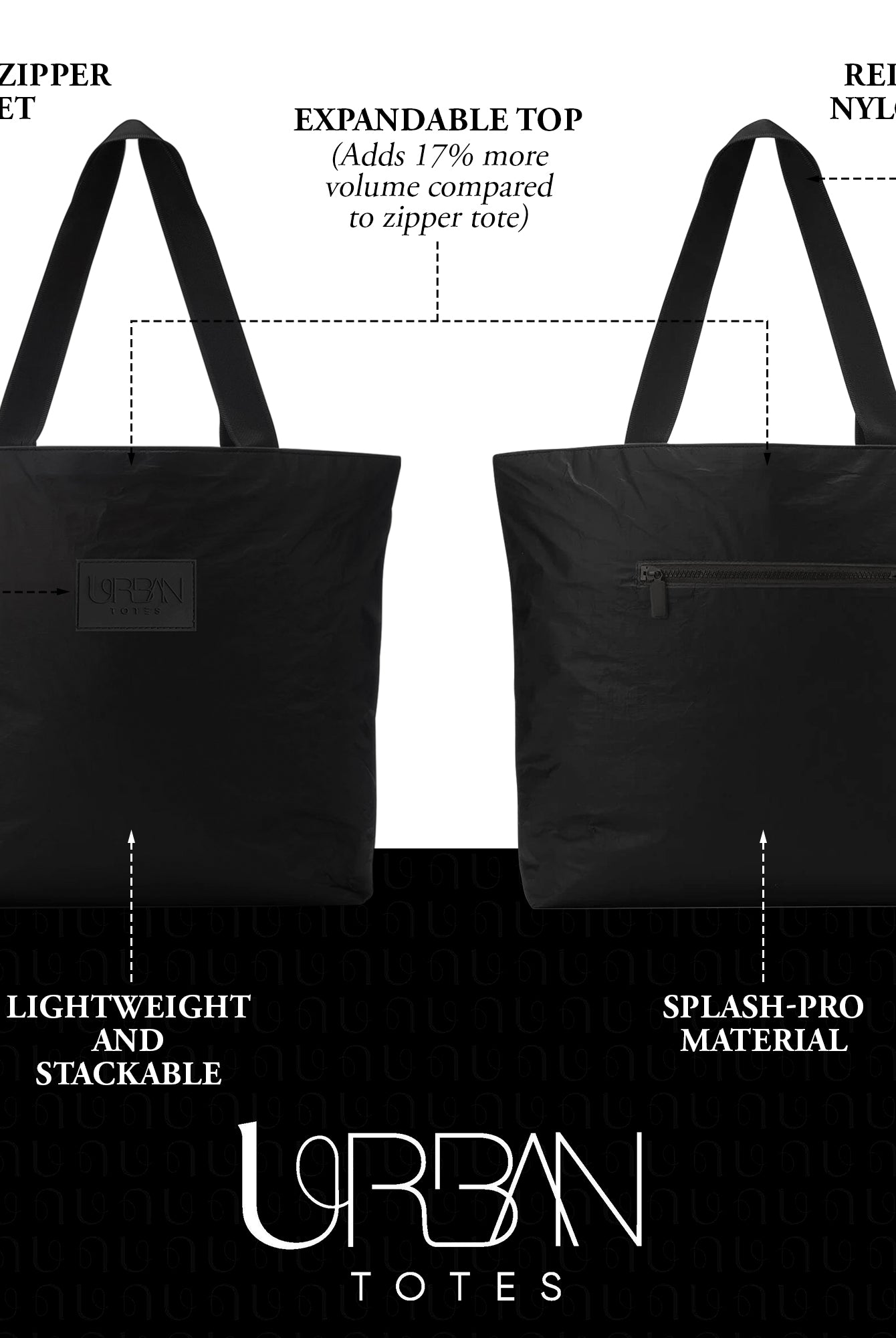
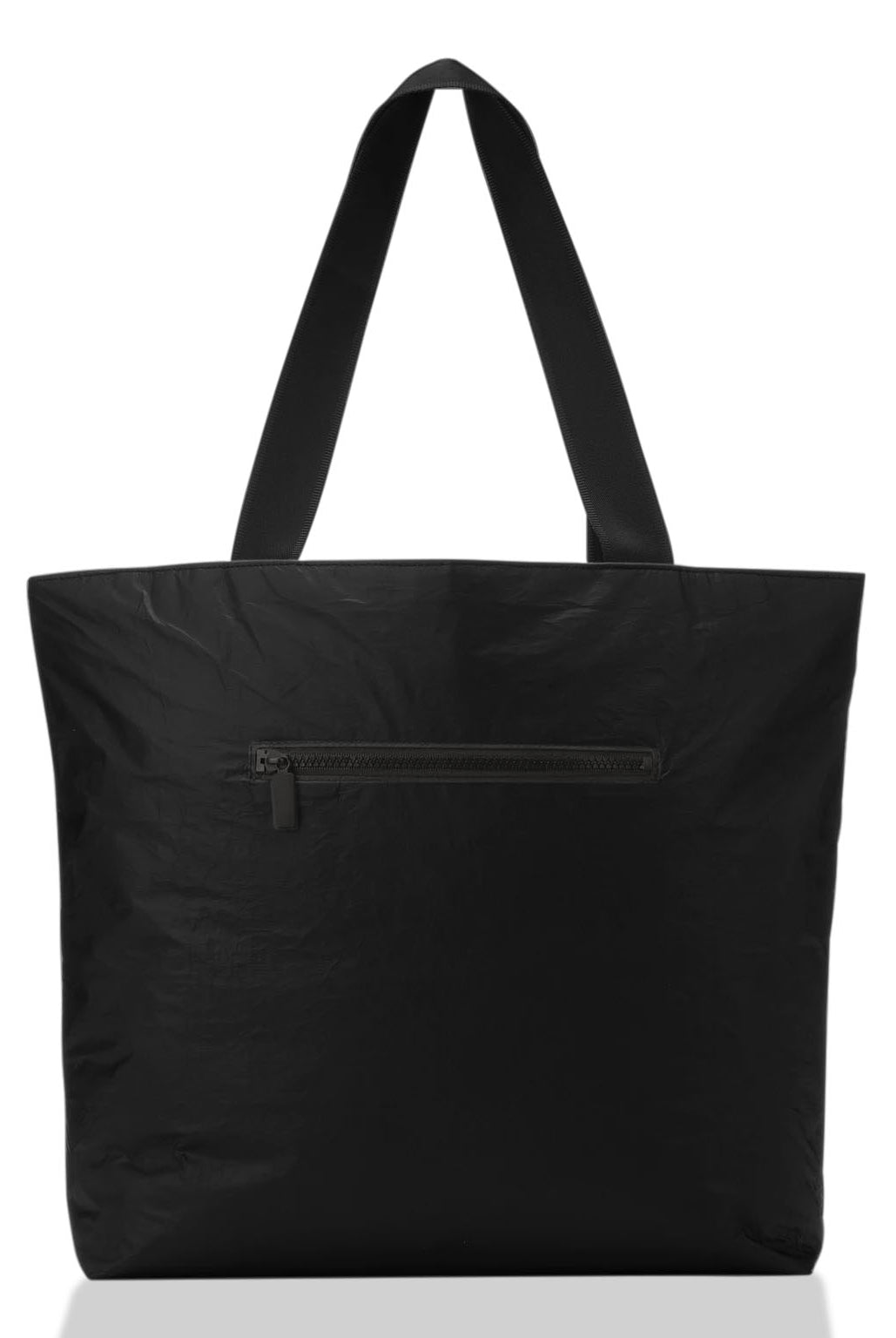
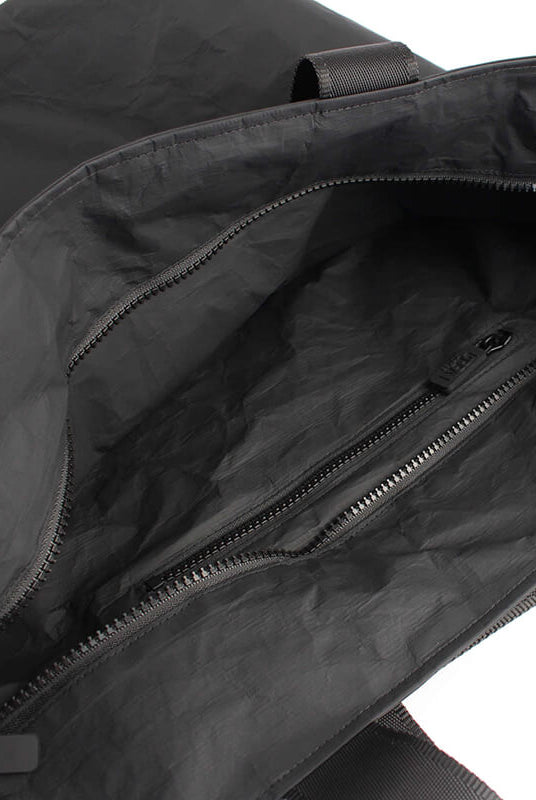
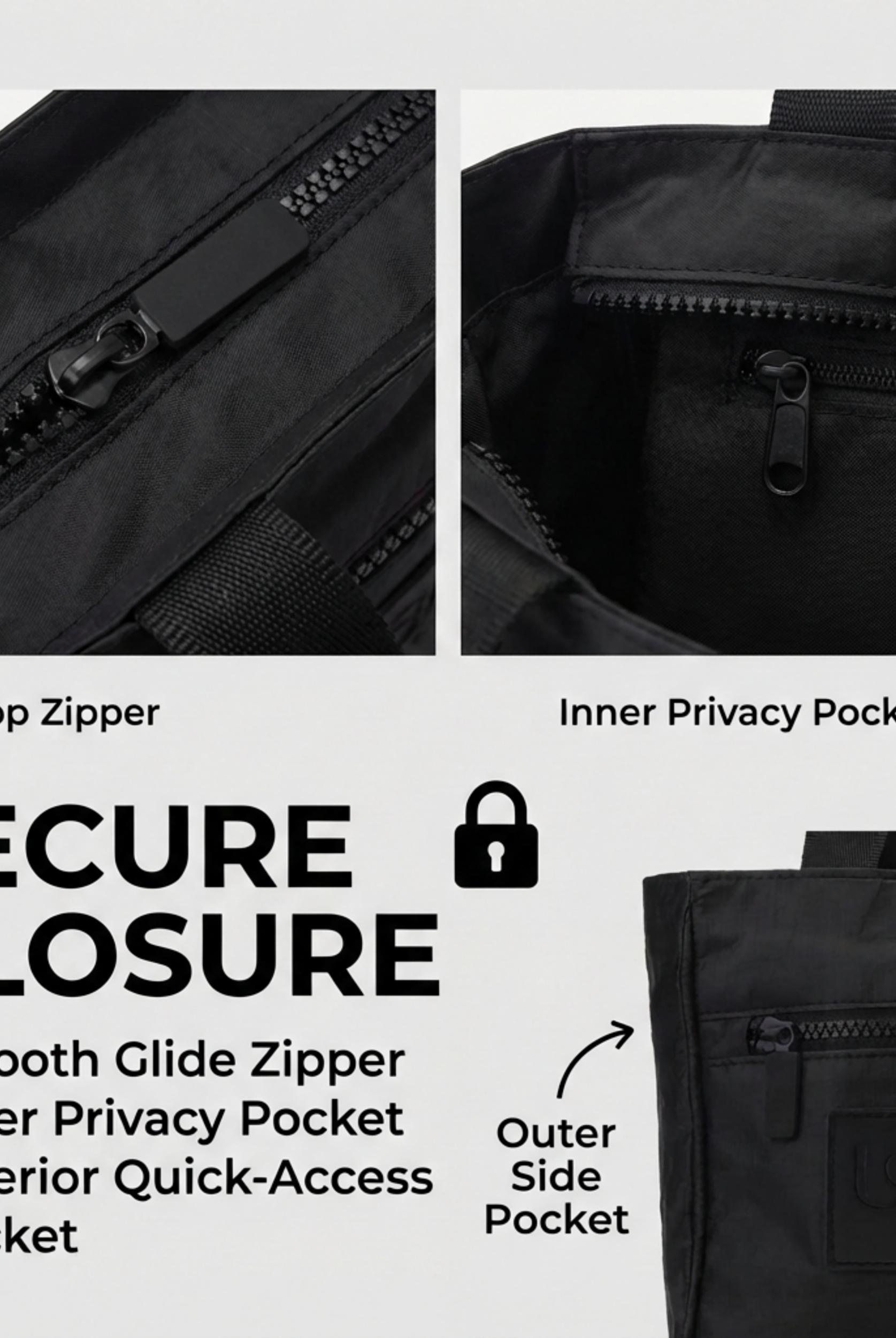
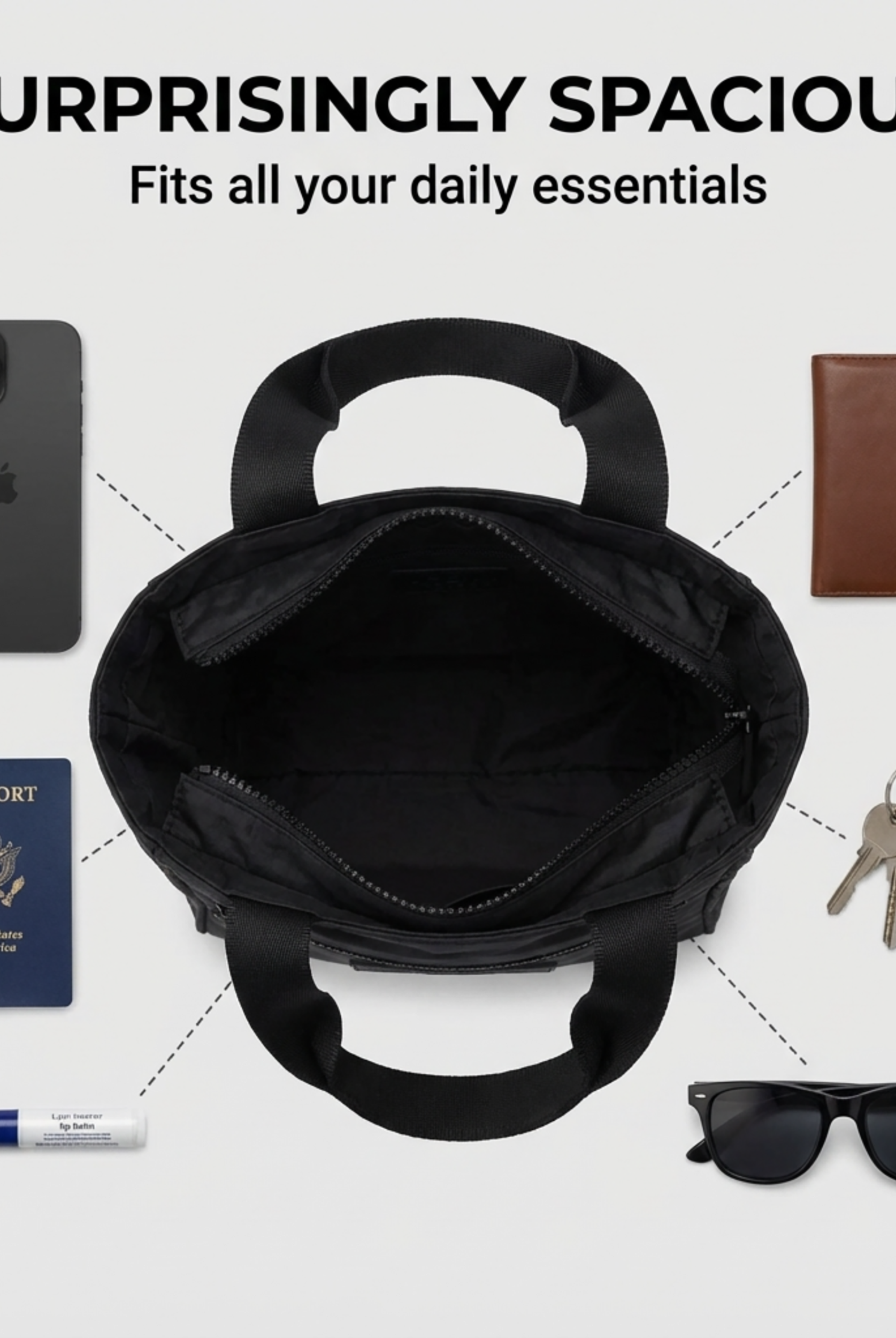
A multi-pocket interior gives regular items a home. Look for a dedicated place for your phone, keys, charger, and smaller accessories, plus a larger compartment for a notebook, sweater, or lunch. A zipper closure matters because it keeps the contents inside when you bend down, place the bag under a seat, or move through a crowded terminal.
The best layout depends on your habits. If you're constantly reaching for your phone, an easy-access exterior pocket may save more time than a beautifully divided interior. If you carry documents or a tablet, a structured sleeve can stop them from sliding into the bottom of the bag.
Durability lives at the stress points
Inspect the handle attachment, corners, base, zipper tape, and areas where the fabric folds. These locations take the punishment when you overfill the bag, set it on rough pavement, or pull it from a car several times a day. Reinforced stitching and well-finished edges are more meaningful than a fabric name by itself.
One technical reference reports that rPET bag fabrics commonly reach roughly 30,000 to 50,000 Martindale abrasion cycles, compared with typical bag lifespans of about 5,000 to 10,000 cycles in the same discussion of abrasion and product life. This is a useful benchmarking concept, not a promise that every rPET bag reaches those levels. Ask whether the manufacturer provides fabric or construction details, especially if you'll carry a laptop and other heavy items.
Weight and weather resistance complete the test
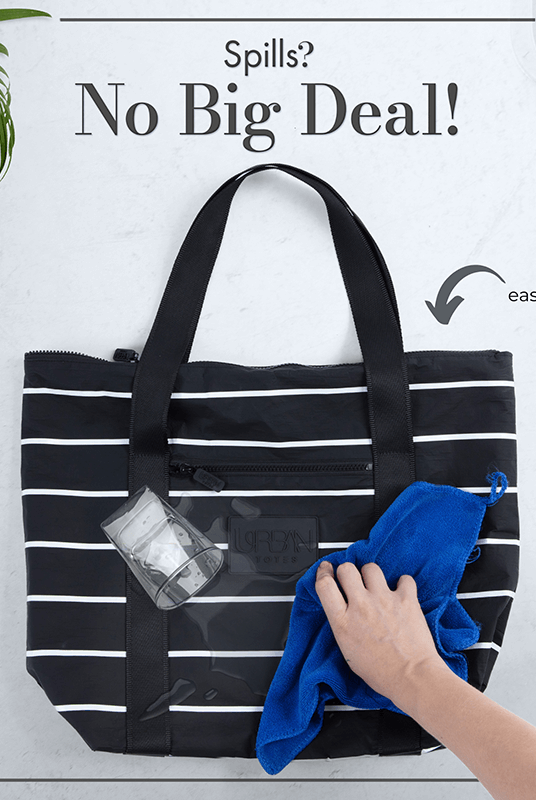
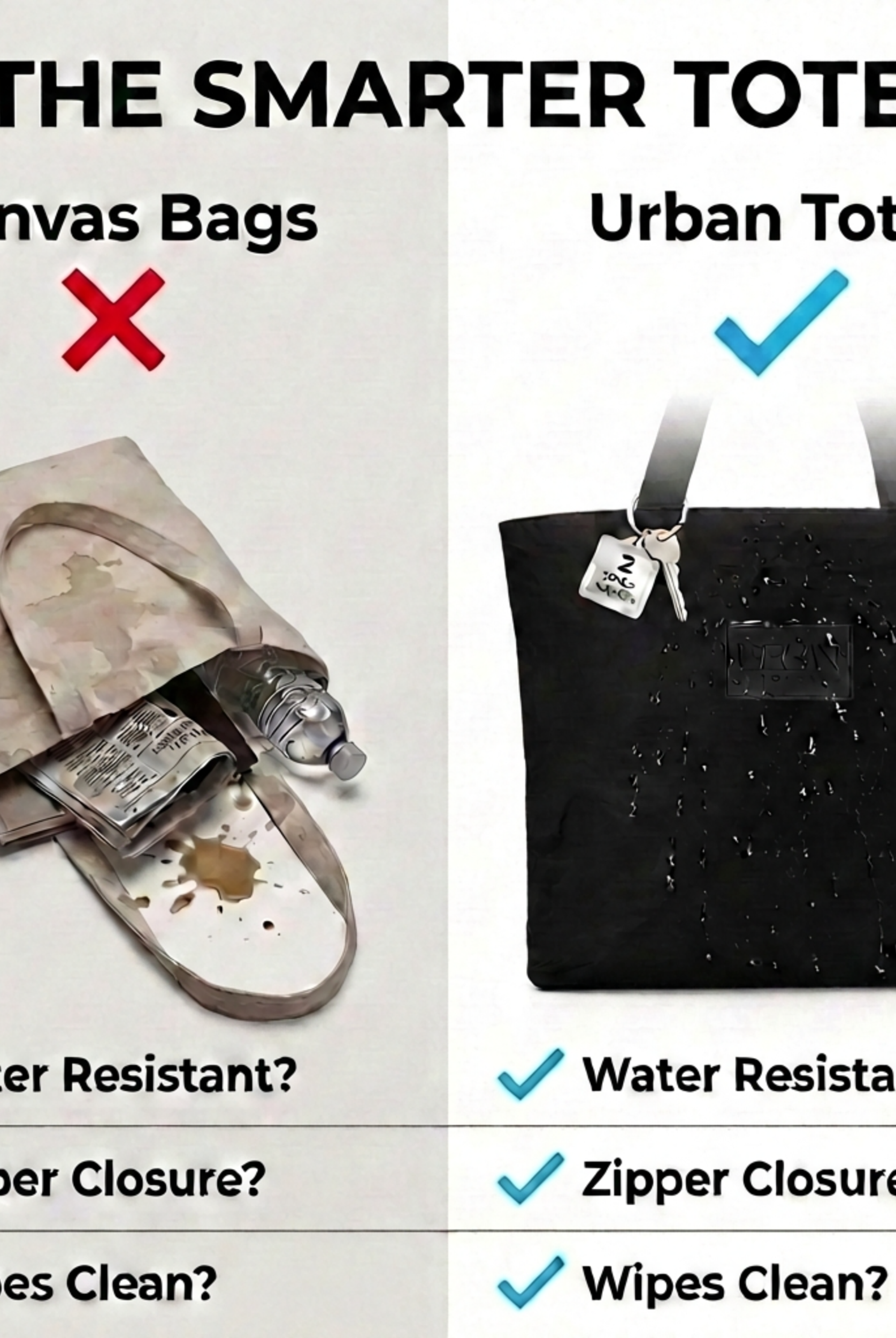
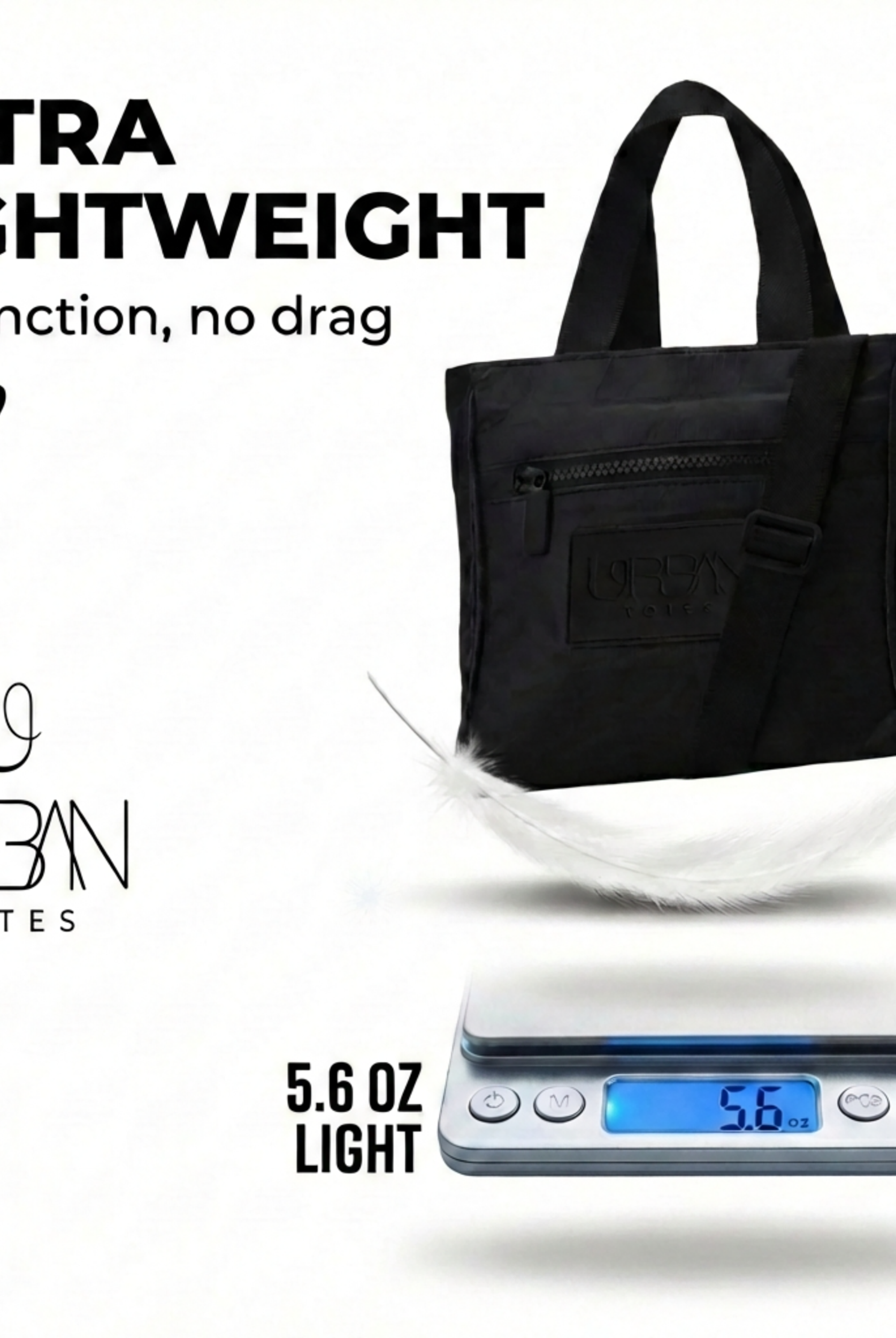
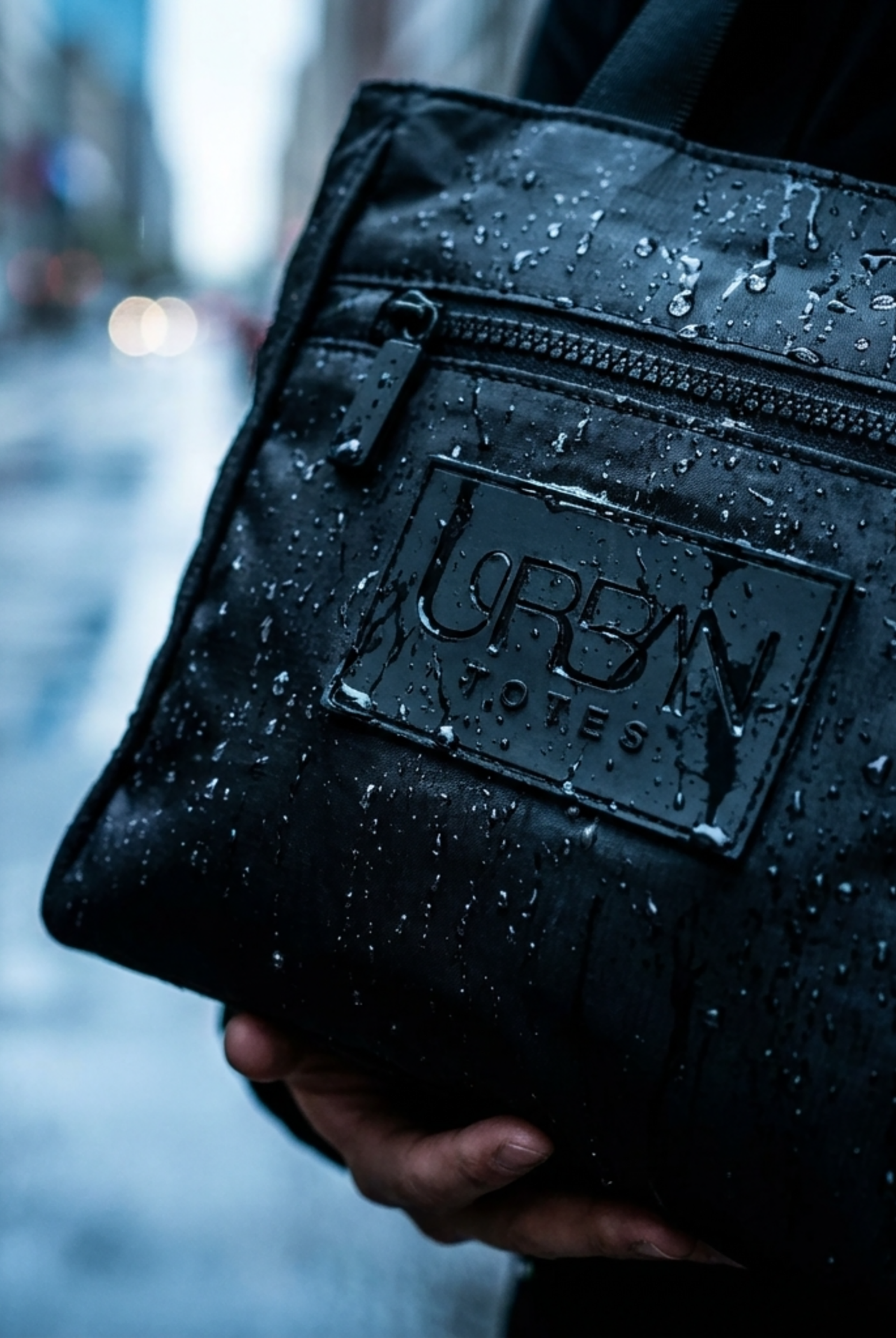
A lightweight bag stays pleasant when it's full. Water-resistant fabric can help with light rain and everyday splashes, but construction determines how well the bag performs. Dense fabric, protected zippers, and carefully finished seams all matter.
For a closer look at work-bag organization, use this guide to work bags with laptop compartments. It's a practical way to compare protection and access before you decide on a tote, crossbody, or backpack.
Choosing the Right Bag for Your Lifestyle
A bag that works for a train commute may be awkward at the farmers market. The right choice begins with your route, your load, and the moments when you need both hands free.
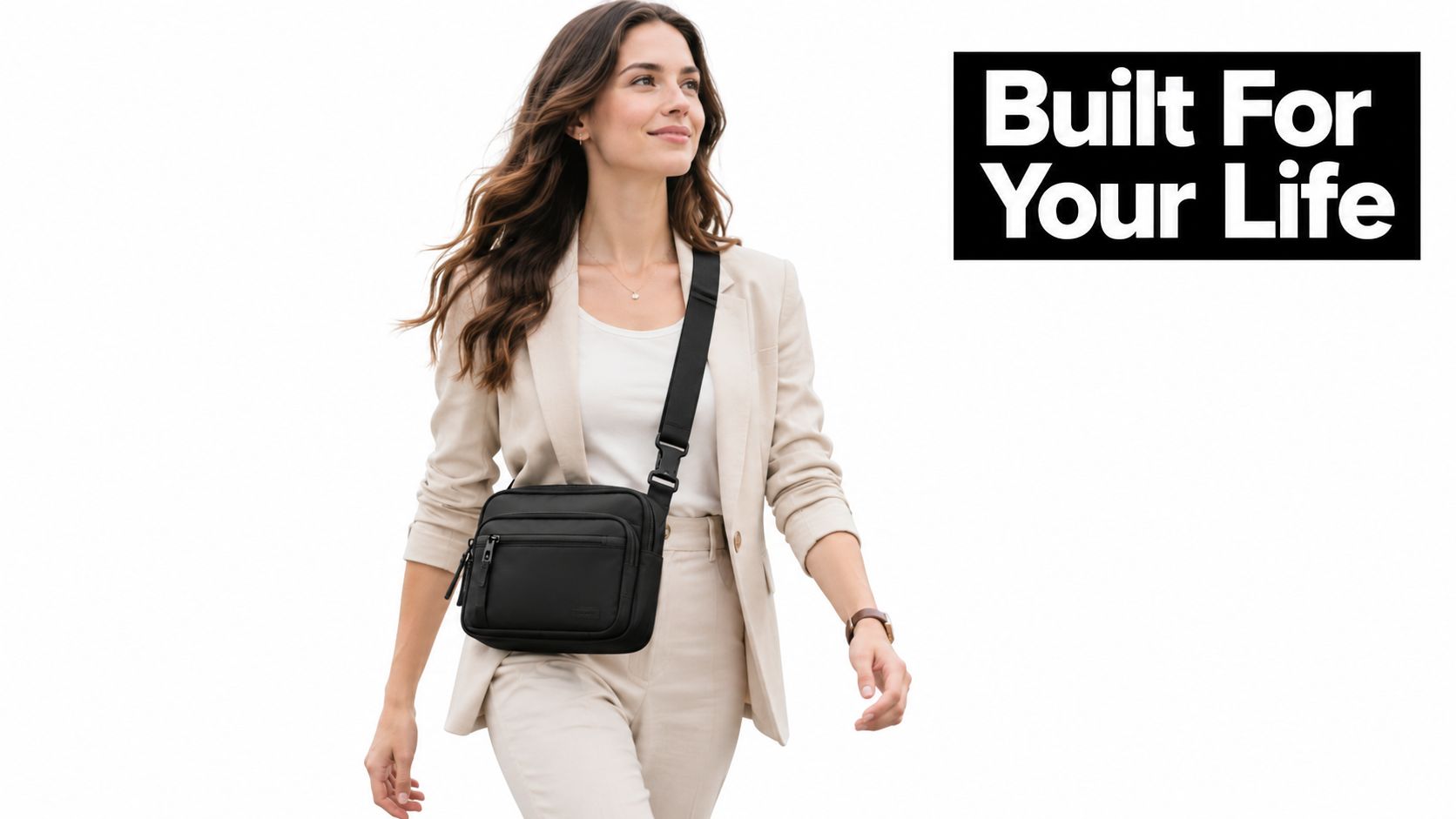
Daily commuters
If you're moving through public transit or busy streets, prioritize a secure zipper closure, comfortable straps, and pockets that keep essentials accessible without exposing the entire contents of the bag. A structured tote can look polished for the office, while a crossbody offers hands-free convenience between the station, café, and workplace.
Consider how you set the bag down. A stable base and durable exterior are useful when the tote rests beneath a desk or beside a chair. If you carry tech, check the actual dimensions of the protected compartment rather than assuming a bag will fit your device.
Travelers and weekenders
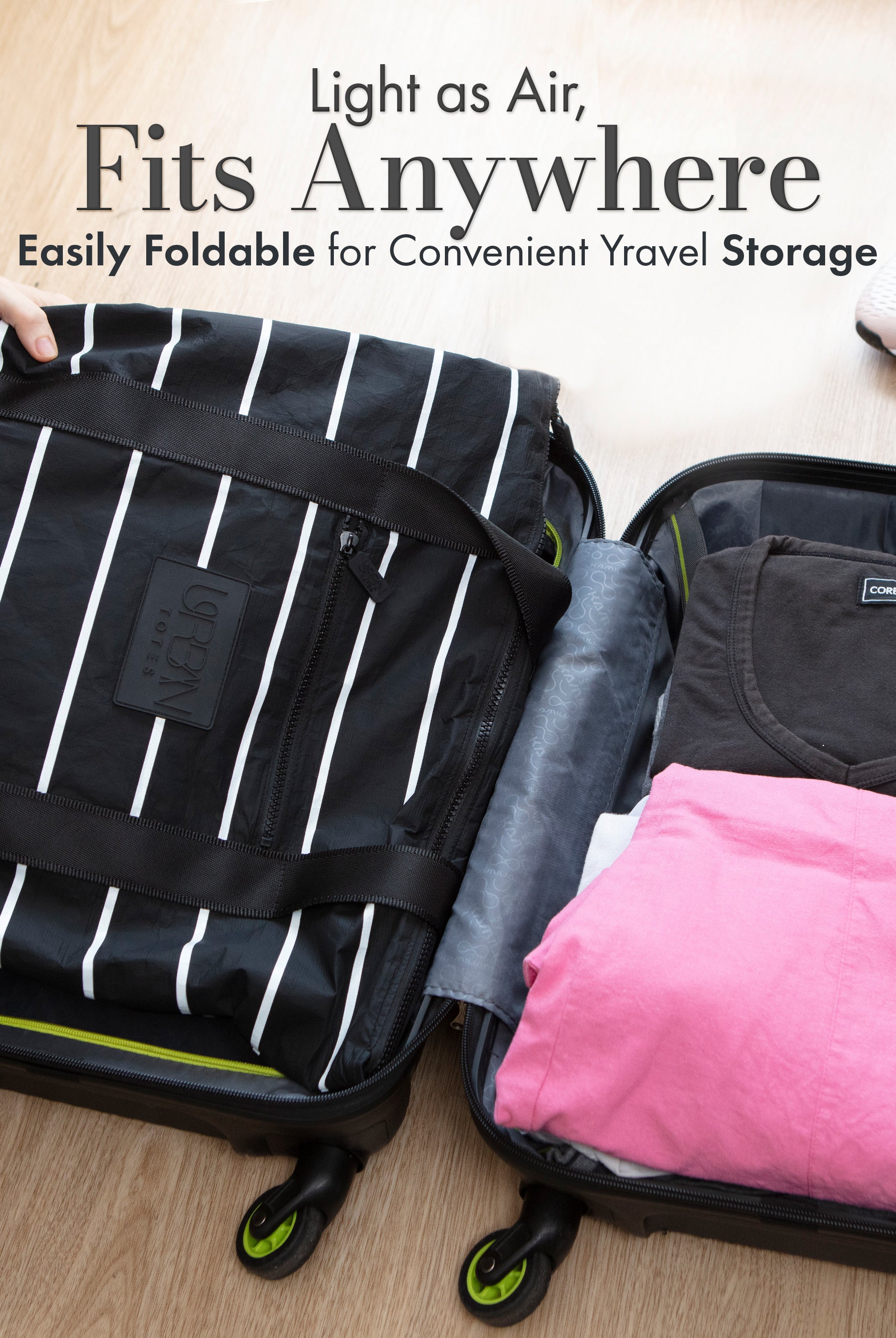
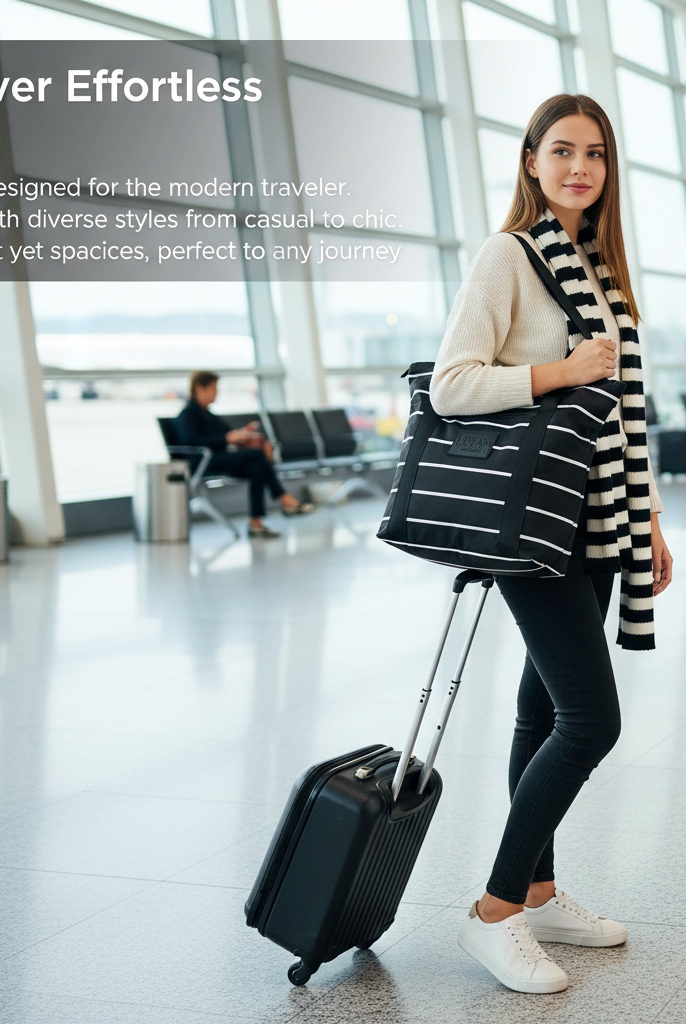
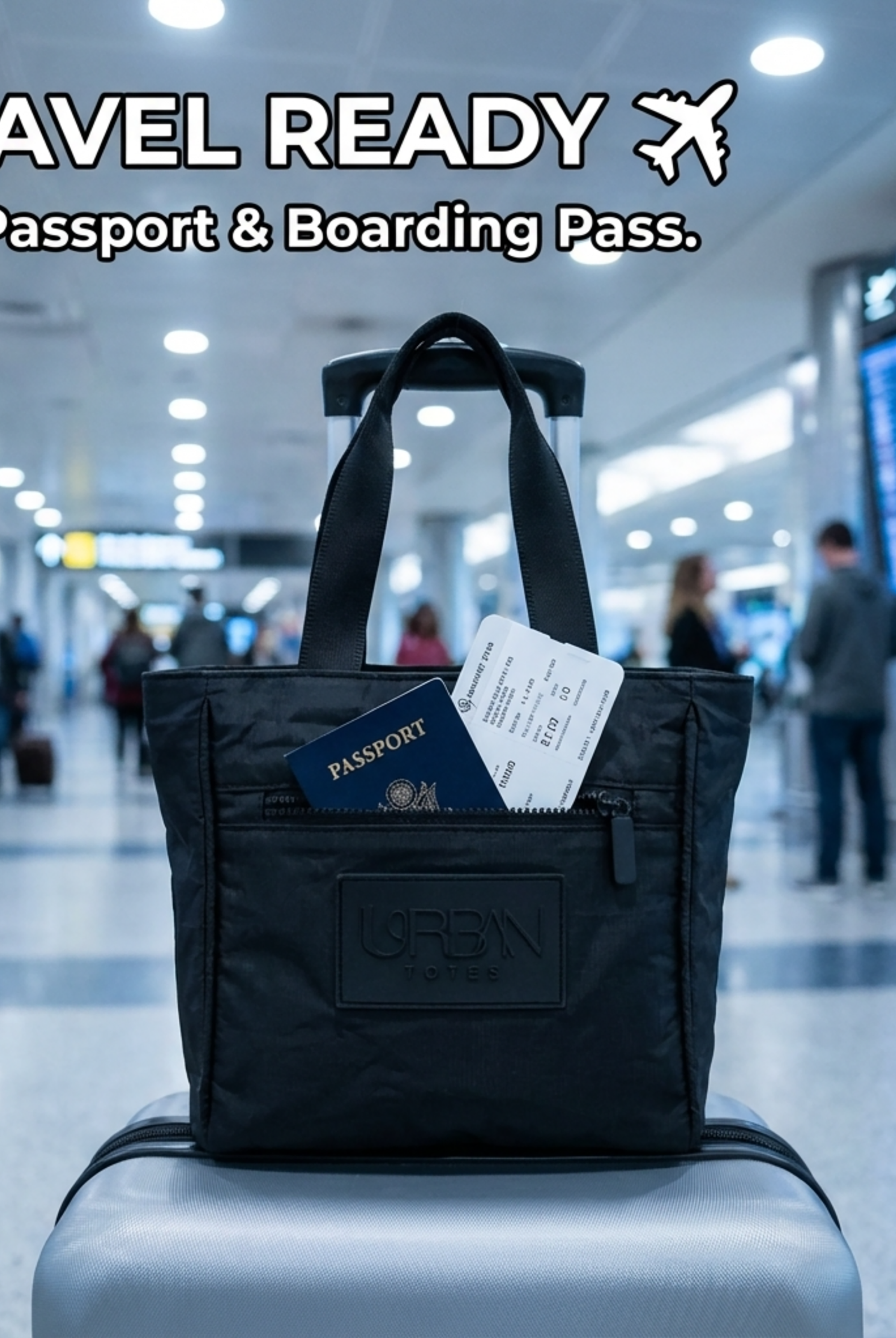
A travel-ready bag should earn its space when it's not in use. Packable and foldable construction lets you keep it in a suitcase, car, or entryway without adding bulk. Once expanded, it should still offer enough organization for a charger, water bottle, light layer, and travel documents.
A zipper tote can work as an airport personal item or an extra carry bag for a short getaway. The goal is versatility, not endless capacity. An oversized bag often encourages overpacking and becomes uncomfortable long before the day ends.
Parents, caregivers, and students
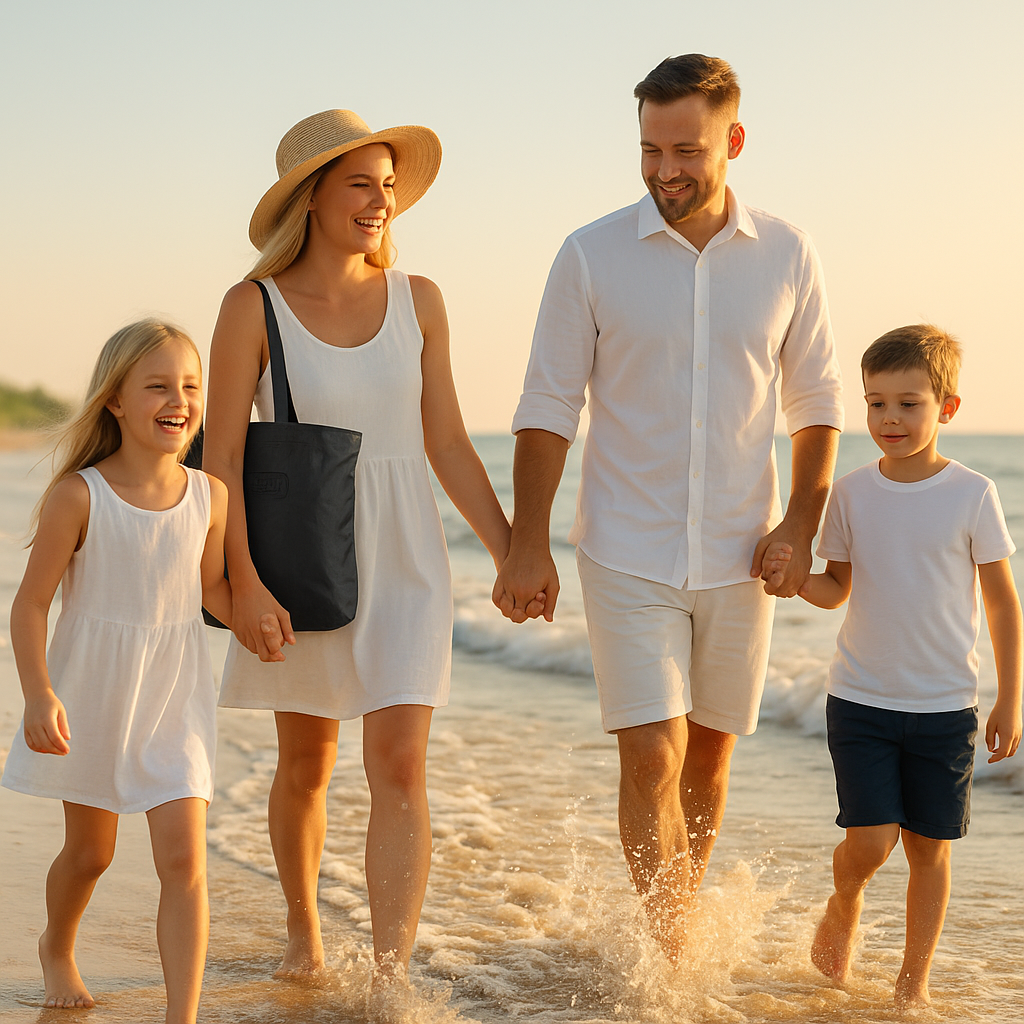
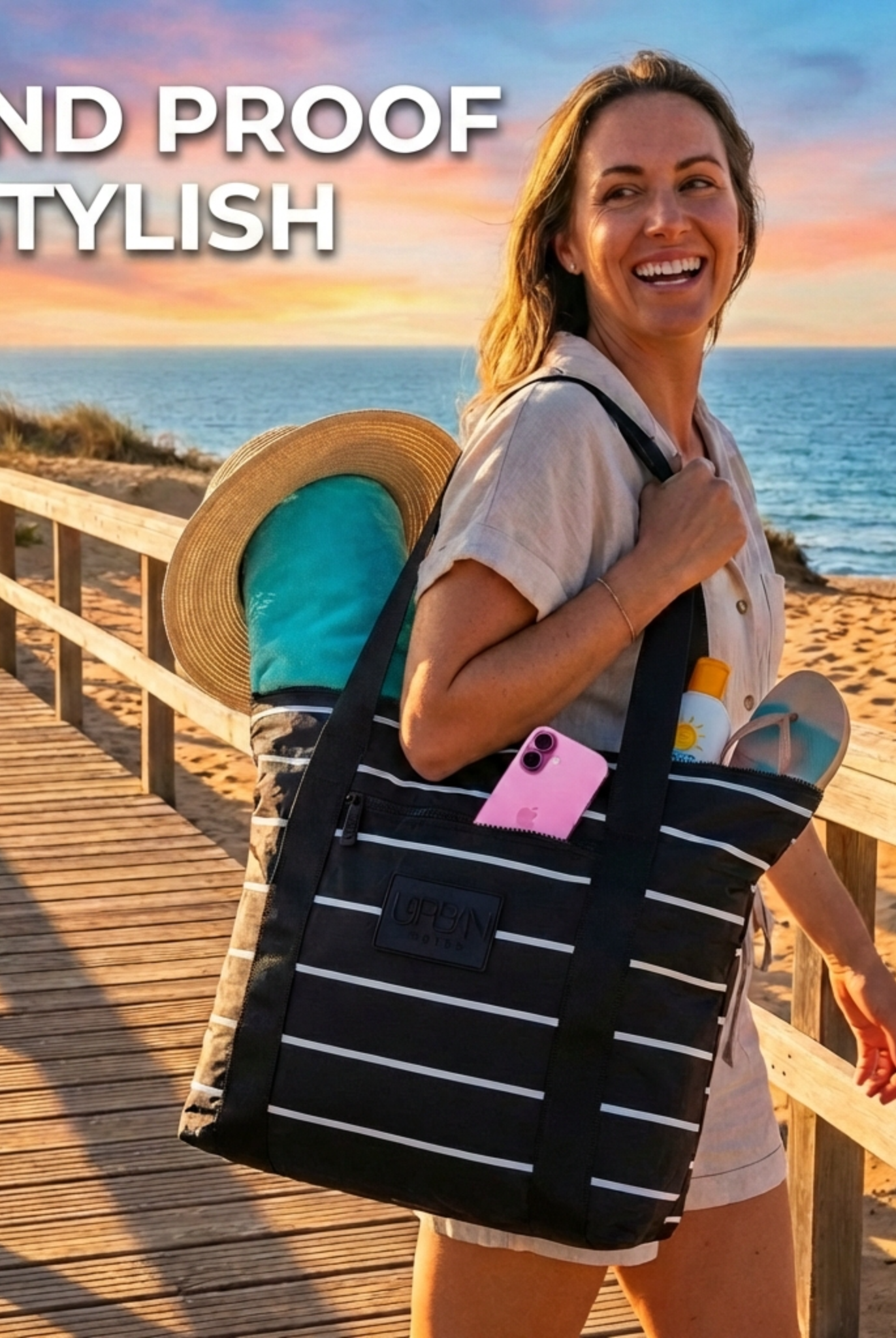
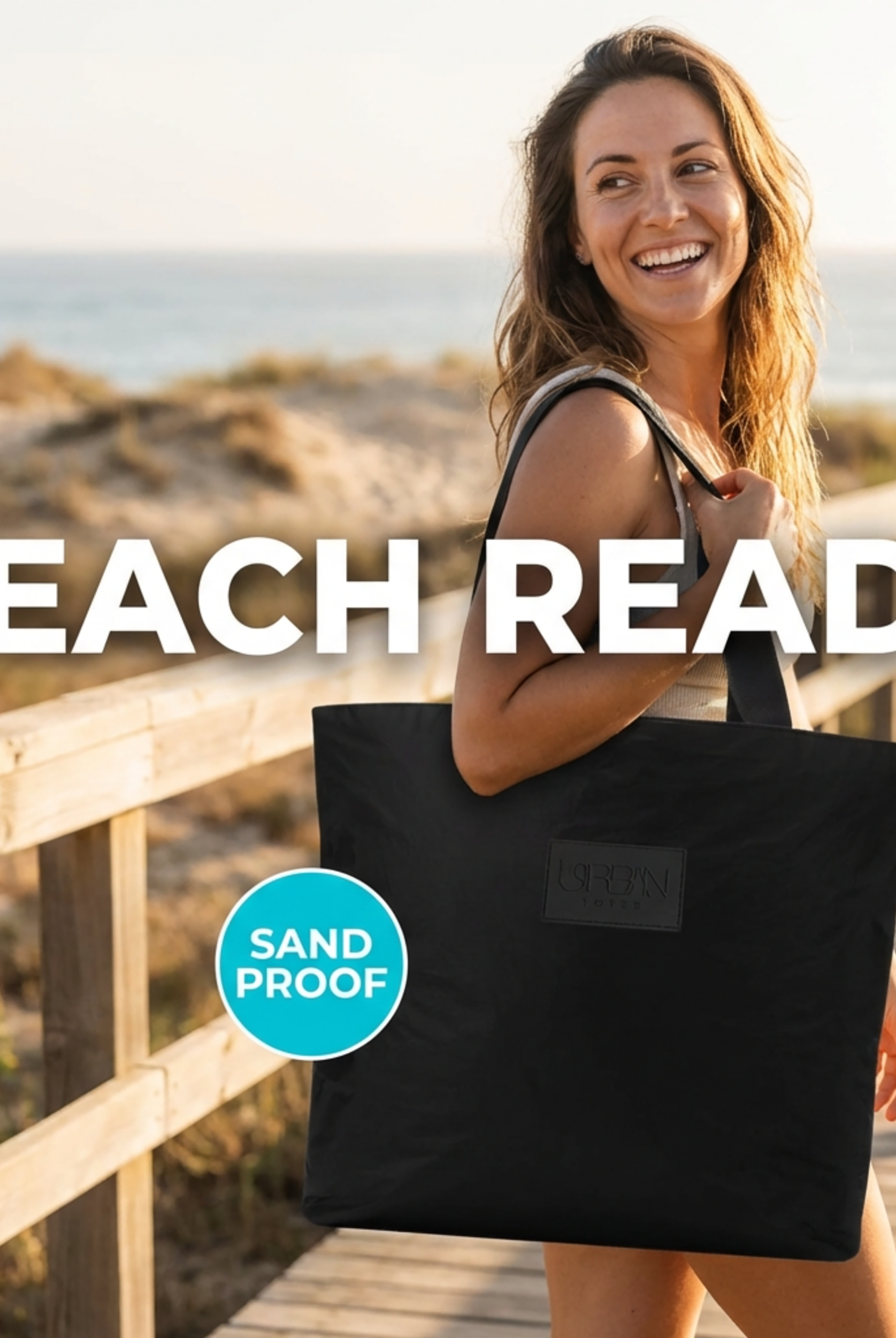
For a beach-day mom or caregiver, easy-clean material and quick-access pockets can matter more than a formal silhouette. Snacks, sunglasses, wipes, and a damp swimsuit need separate places, especially when the bag moves from school pickup to errands.
Students and style-conscious minimalists may prefer a compact crossbody that transitions from class to dinner. A smaller bag can be the smarter option when you're carrying only a phone, wallet, keys, and a few personal essentials. Review this guide to the best work tote bag features before choosing a style based on appearance alone.
Maintaining Your Eco-Friendly Bag
The most effective way to lower the impact of any frequently used bag is to keep it in service. Maintenance doesn't need to become a weekend project. A few simple habits prevent stains, odors, and small problems from turning into reasons to replace it.
Clean according to the material
Start with the care label. For many finished synthetic bags, a damp cloth can remove everyday dust and light marks. If the manufacturer permits it, use a gentle, alcohol-free cleaner and test it on an inconspicuous area first. Don't assume a machine-washable claim applies to every part of the bag, especially structured panels, coated fabrics, or removable straps.
Empty every compartment before cleaning. Shake out crumbs, unzip hidden pockets, and let the bag air dry completely before storing it. Heat, bleach, and harsh solvents can affect color, coatings, and adhesives, so avoid them unless the care instructions specifically allow their use.
Understand rain protection
Water-resistant isn't the same as waterproof. Water-resistant fabric can repel light to moderate rain, while waterproof construction is intended to keep water out under more demanding conditions. Waterproof performance usually relies on coatings or membranes such as PU, PVC, or TPU, along with details such as sealed seams and protected zippers as explained in this comparison of water-resistant and waterproof bags.
Hydrostatic pressure testing measures fabric water resistance in millimeters. Common bag-industry ratings include 1,000 mm, 3,000 mm, 5,000 mm, and 10,000 mm, indicating the water-column pressure the material can withstand before leakage in the testing guide. A rating describes the fabric test, not necessarily the complete finished bag, so seams and closures still deserve attention.
For additional cleaning and storage guidance, use these tote bag maintenance tips. When a bag finally reaches the end of its useful life, check whether the maker offers a take-back or recycling route. If the bag is still clean and usable, donating it can give the material and design another chapter.
Finding Your Go-Anywhere Companion
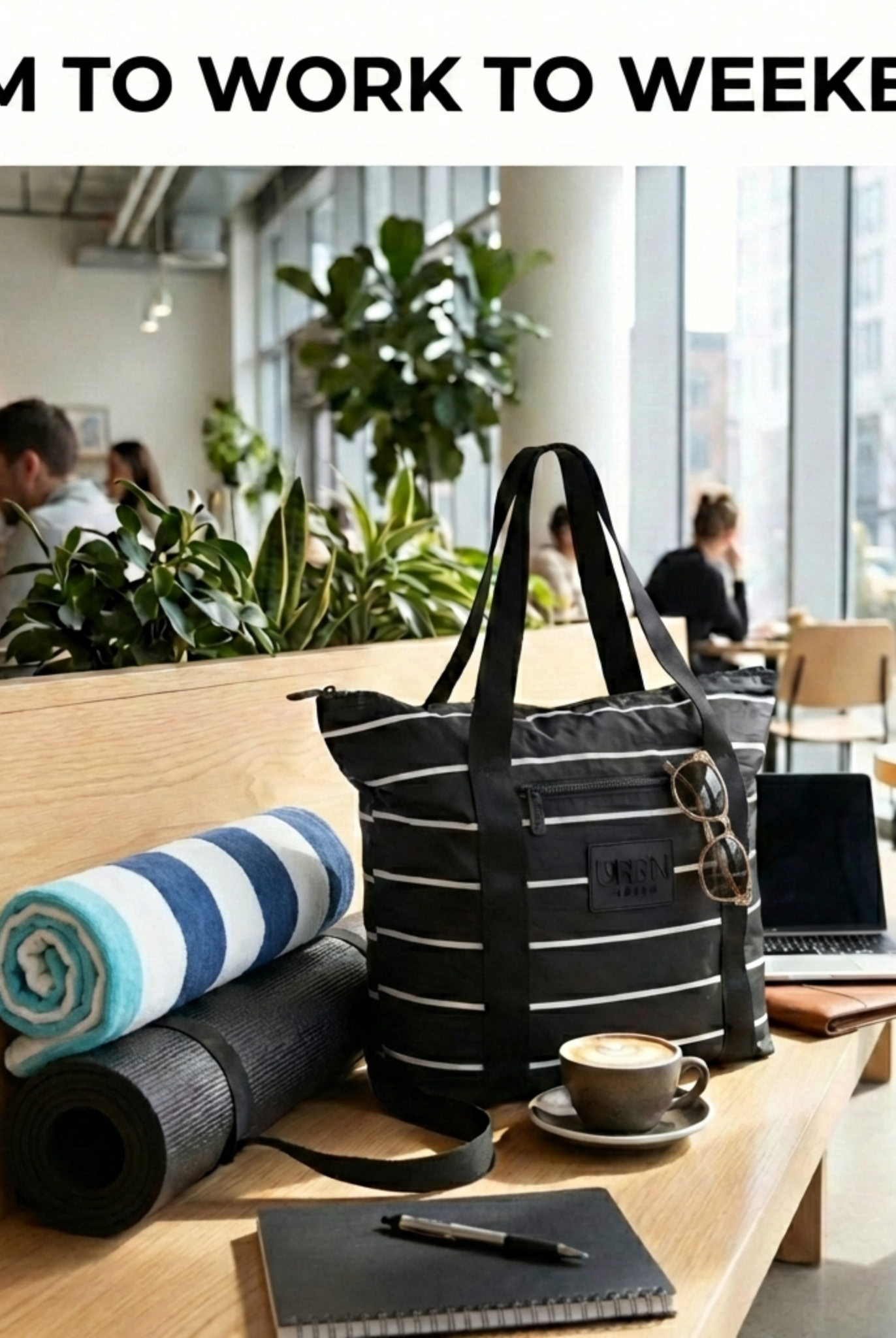
The most convincing eco-friendly work bag is the one that fits naturally into your routine. It should look comfortable beside a blazer, hold its own at the beach, fold into luggage for a weekend away, and stay organized when the day changes plans.
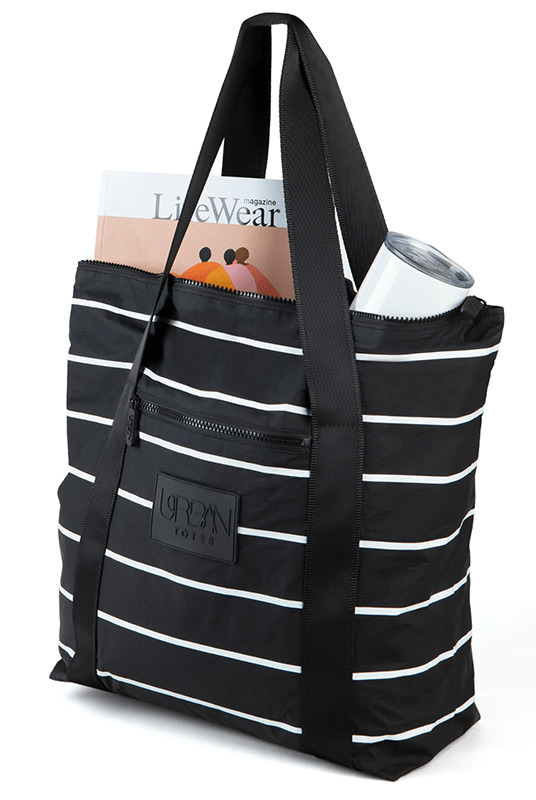
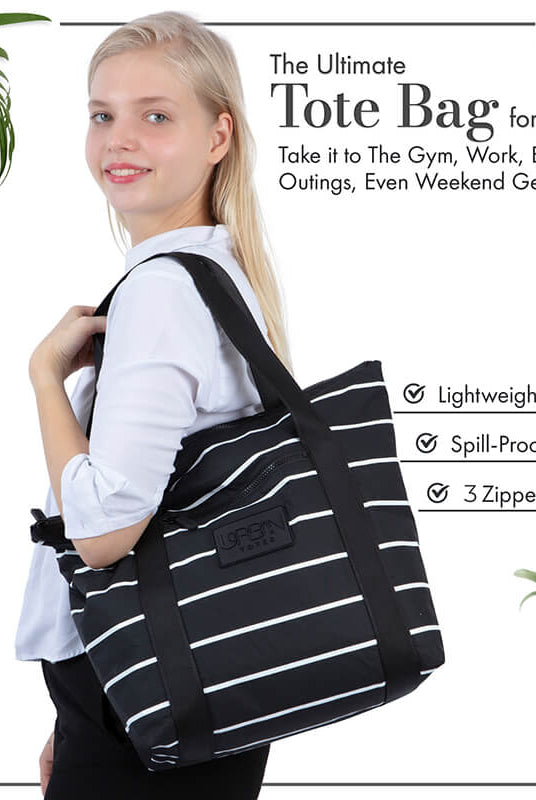
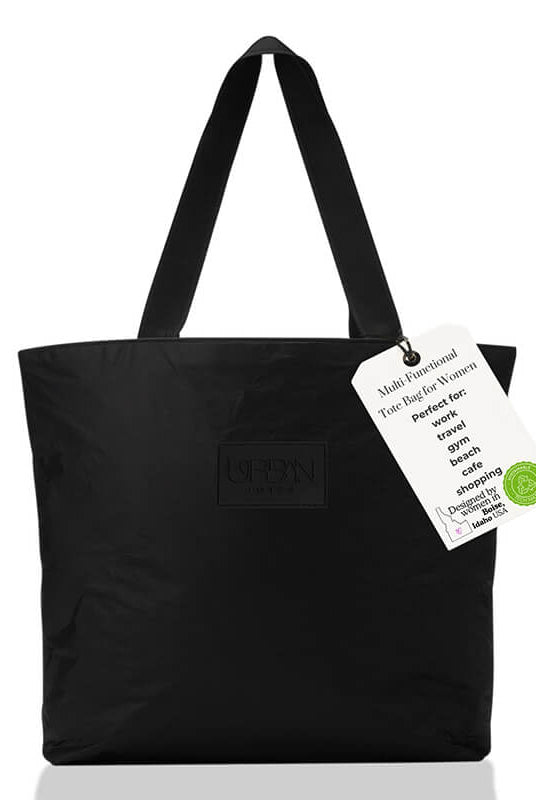
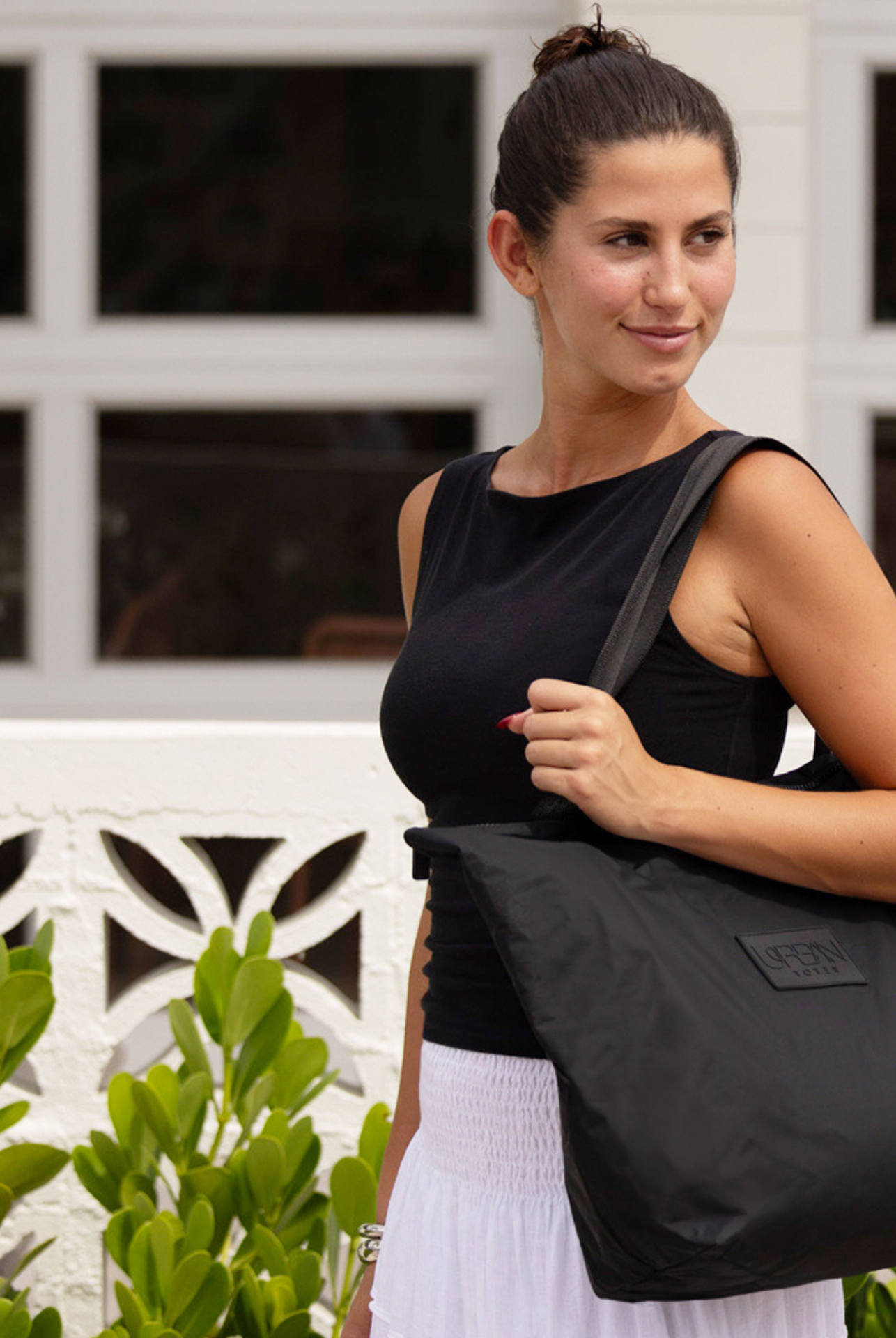
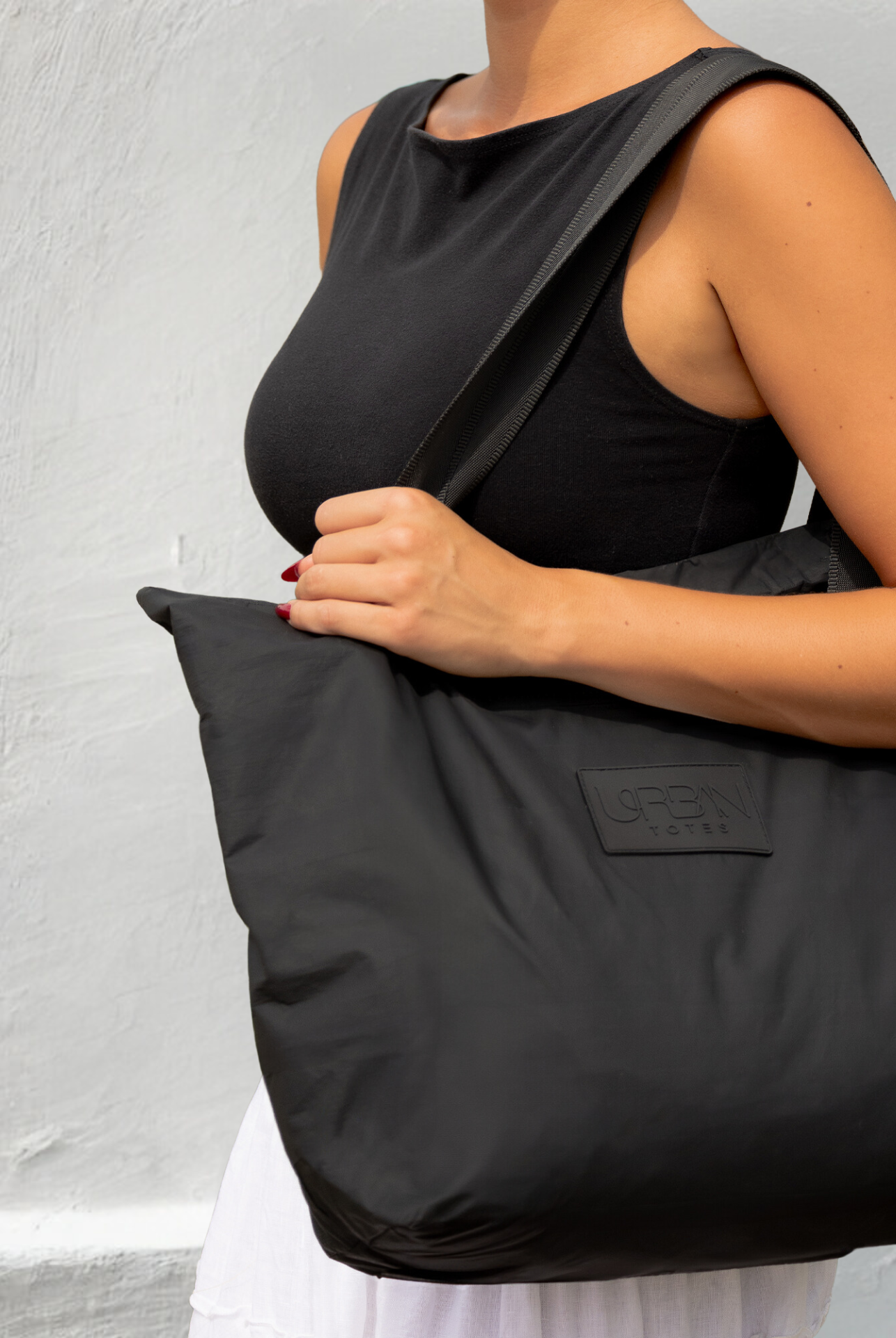
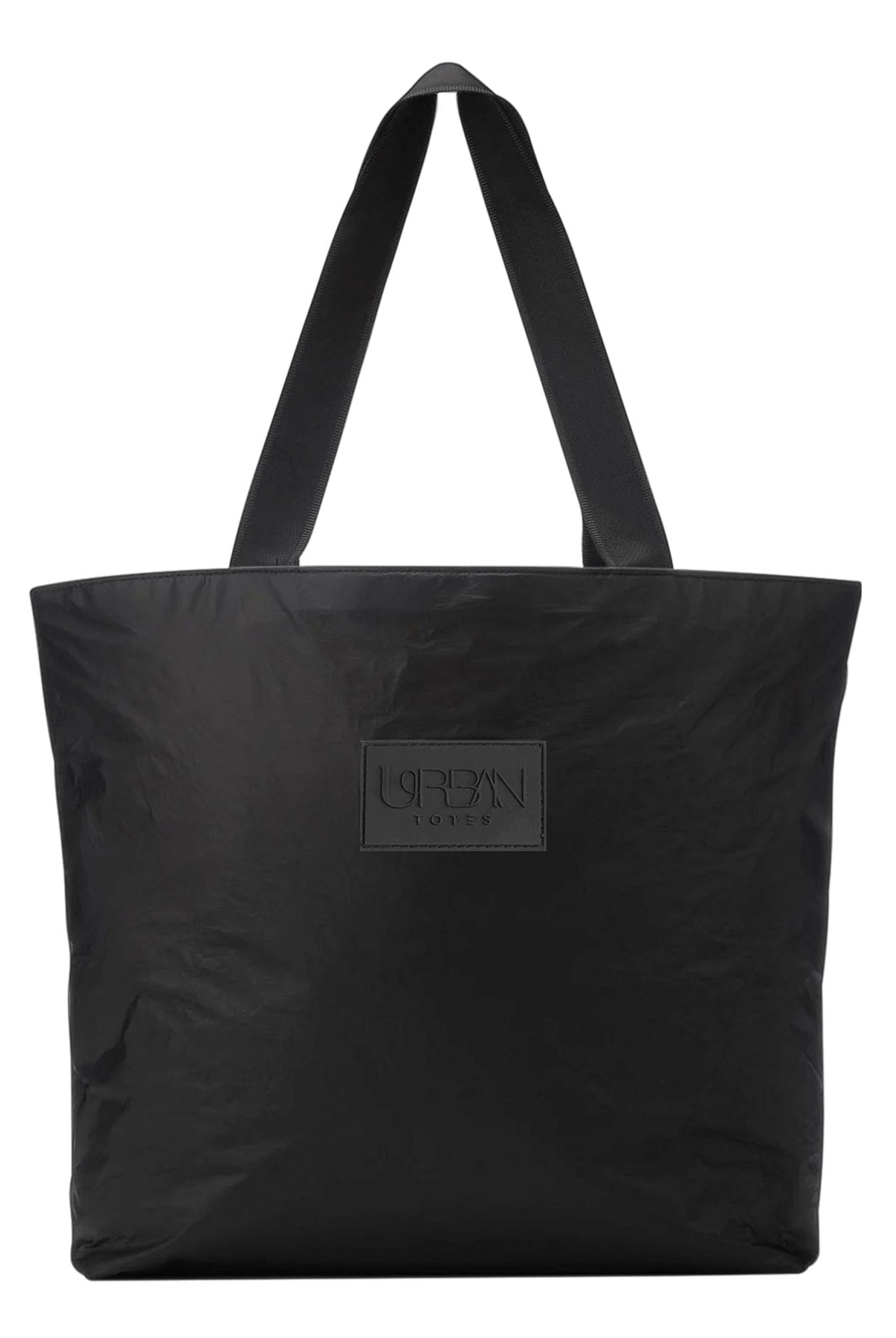
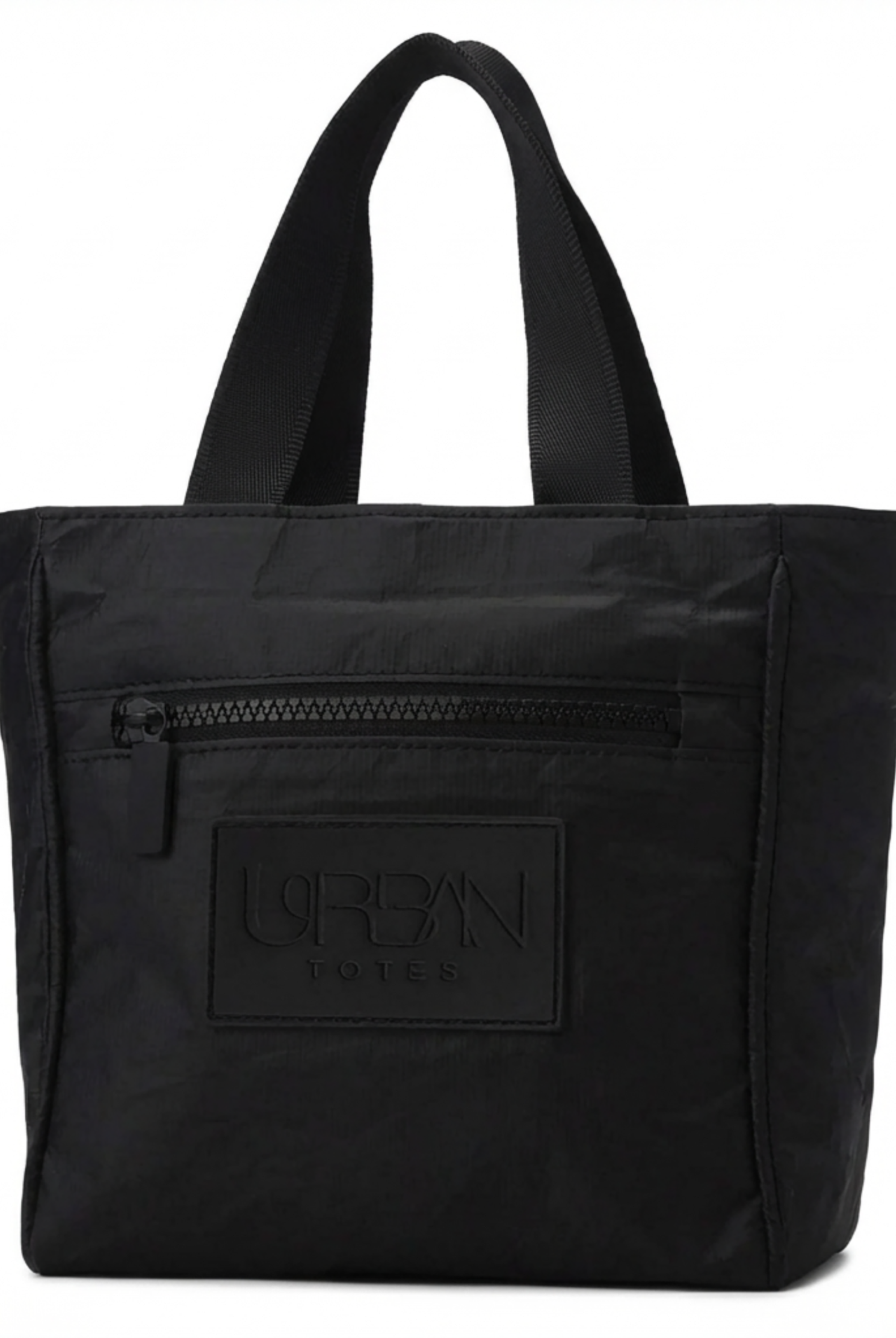
Urban Totes is a woman-owned brand based in Boise, Idaho, with bags designed around practical movement. Its collection includes tote and crossbody styles with water-resistant, lightweight, packable, and foldable designs, along with organization features such as multiple compartments and secure zipper closures. Those details suit the daily commuter, the beach-day mom, the traveler, and the woman who leaves home for one errand and somehow ends up handling six.
The brand's positioning is straightforward: “Go Anywhere. Tote Everything.” That idea works best when paired with realistic expectations. Water-resistant means useful protection for everyday weather, not a guarantee against every condition. Lightweight means easier carrying, not permission to overload the bag. And recycled or high-tech material still needs solid construction and regular care to become a long-lasting choice.
Choose for the life you already have
Start with your most demanding day. If that means a laptop commute, look for secure closure, comfortable carry, and organized storage. If it means school pickup followed by a grocery run, prioritize easy-clean fabric and accessible pockets. If it means an airport terminal followed by a beach afternoon, a foldable and versatile tote may earn more use than a formal office bag.
That's the true test of a thoughtful bag. It doesn't ask you to become a different kind of person. It supports the way you already move, while helping you carry less disposable clutter and replace your everyday essentials less often.
Urban Totes offers lightweight, water-resistant, packable totes and crossbody bags with practical pockets and secure zipper closures for workdays, errands, travel, and weekends. Visit Urban Totes to find a go-anywhere bag that keeps your everyday carry organized and ready for whatever comes next.