The workout is over, but your day isn't. You're standing in the locker room with a damp towel, sweaty clothes, a water bottle that has left a small puddle, and a laptop that needs to survive the commute home. You toss everything into one bag, zip it shut, and hope your clean blouse and phone won't absorb the entire afternoon.
That familiar rush is why choosing a water resistant gym bag isn't only about rain. The right bag manages moisture, separates wet gear from dry essentials, stays comfortable on a crowded commute, and keeps small items from disappearing into a dark bottomless compartment. For busy moms, daily commuters, travelers, and anyone who goes from one obligation to the next, organization is part of performance. A useful everyday carry should protect your routine, not create another problem. These everyday carry bag essentials make the difference between a bag that supports your day and one that makes you rummage through it.
Table of Contents
- Why Your Post-Workout Bag Strategy Matters
- Water Resistant vs Waterproof: Matching Protection to Your Routine
- The Best Materials for Active Lifestyles
- Smart Organization and Moisture Management
- How Urban Totes Elevates Your Everyday Carry
- Care and Cleaning for Long-Lasting Performance
- Common Questions About Gym Bag Performance
Why Your Post-Workout Bag Strategy Matters
A gym bag can look perfectly fine at breakfast and become a completely different object by late afternoon. Your shoes carry locker-room grime. Your towel stays damp. Your workout clothes hold sweat, and a leaking bottle adds moisture to the mix. If the bag has one large unlined compartment, everything touches everything else.
The problem isn't just unpleasant. A closed bag with damp clothing and poor airflow can become an odor trap, especially when you still have errands, school pickup, or a train ride ahead of you. A water-resistant exterior won't solve that by itself. It may keep light rain away from your belongings, but it can't separate a wet swimsuit from a phone or stop used shoes from sitting against a clean sweater.
Treat moisture as a packing problem
A better strategy starts with three zones:
- Wet gear: Put towels, swimsuits, and sweaty clothing in a dedicated wet pouch or isolated compartment.
- Dirty footwear: Use separate shoe storage so soles don't touch clean items.
- Dry essentials: Keep your phone, laptop, wallet, and fresh clothes in protected pockets away from damp fabric.
This approach makes a tote or duffel work harder without making it heavier. You aren't asking the exterior fabric to do a job that only internal organization can handle.
Recent gym-bag guidance has increasingly focused on wet pouches, separate shoe storage, and vented or antimicrobial compartments because buyers need more than basic weather protection. The practical issue is separating wet gear, damp surfaces, and sweaty clothes before they contaminate the rest of the bag, as discussed in expert gym-bag recommendations.
Practical rule: If you can't identify where damp clothing goes before you buy the bag, assume it will end up against something you wanted to keep dry.
Build a repeatable routine
Pack a lightweight pouch inside the bag before you leave home. After your workout, place the towel and clothing inside it, close the zipper, and leave the main compartment available for clean items. If you won't be home soon, choose a pouch or compartment that allows some airflow rather than sealing wet fabric in a completely airtight space for the rest of the day.
That small habit changes the entire experience. Your bag stays more organized, your laptop has a safer place to ride, and you won't have to perform a locker-room excavation every time you need your keys. Water resistance matters, but moisture management is the feature you'll notice every day.
Water Resistant vs Waterproof: Matching Protection to Your Routine
A damp towel, a leaking bottle, and a wet locker-room floor are ordinary gym-bag problems. The short trip from the gym to your car or office rarely calls for a dry bag built for full immersion. It calls for light weather protection, sensible storage, and enough separation to keep wet gear from spreading moisture and odor through the rest of your daily carry.
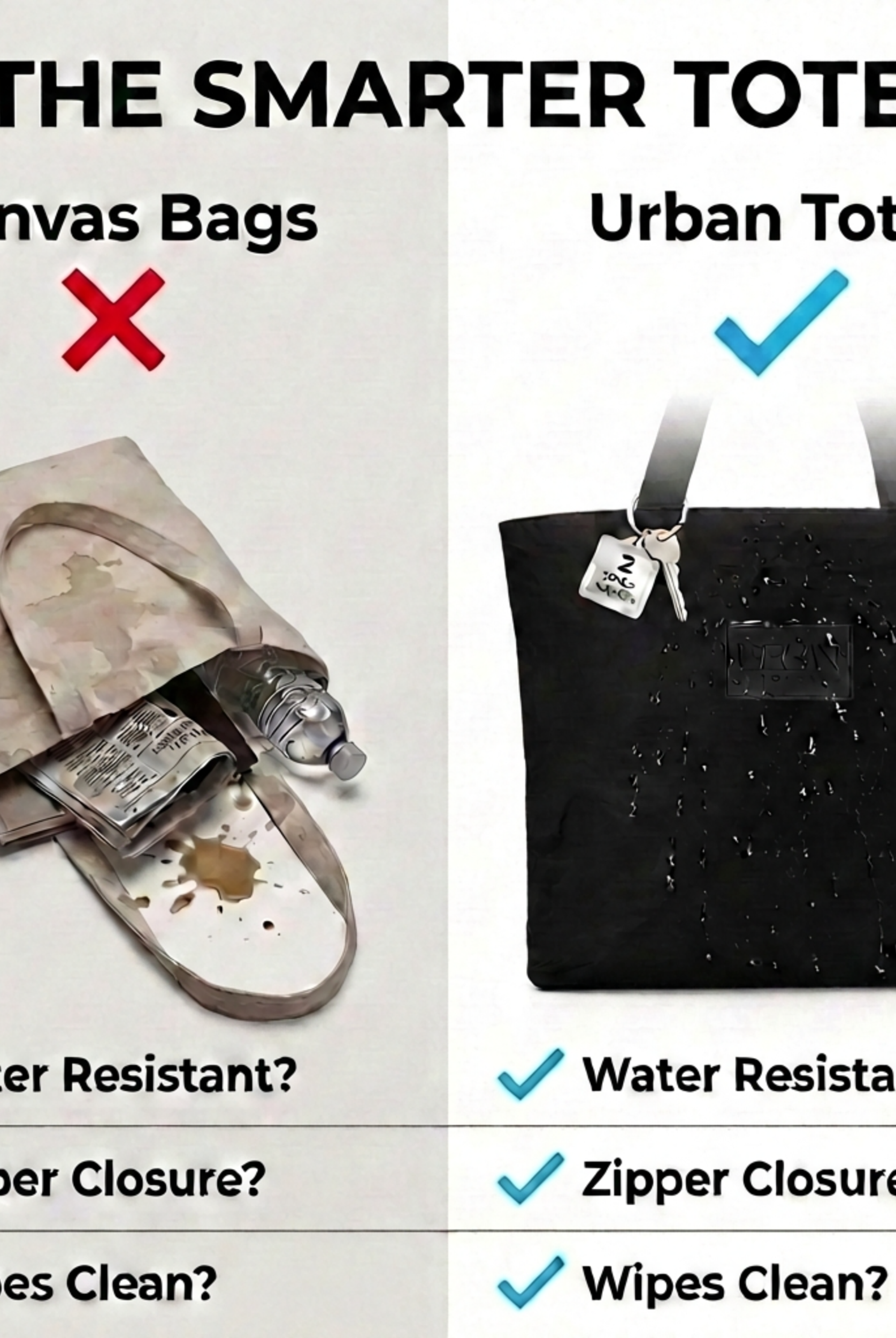
The distinction between water resistant and waterproof comes down to construction. Water-resistant fabrics often use a DWR finish, or Durable Water Repellent treatment, which makes droplets bead and roll away from the surface. This handles light rain and brief contact with moisture. Waterproof bags use a continuous TPU or PVC barrier, with stronger protection when manufacturers add welded or sealed seams and waterproof zippers. Surface treatment, barriers, seams, and zipper design all affect performance, as explained in This gym-bag materials guide.
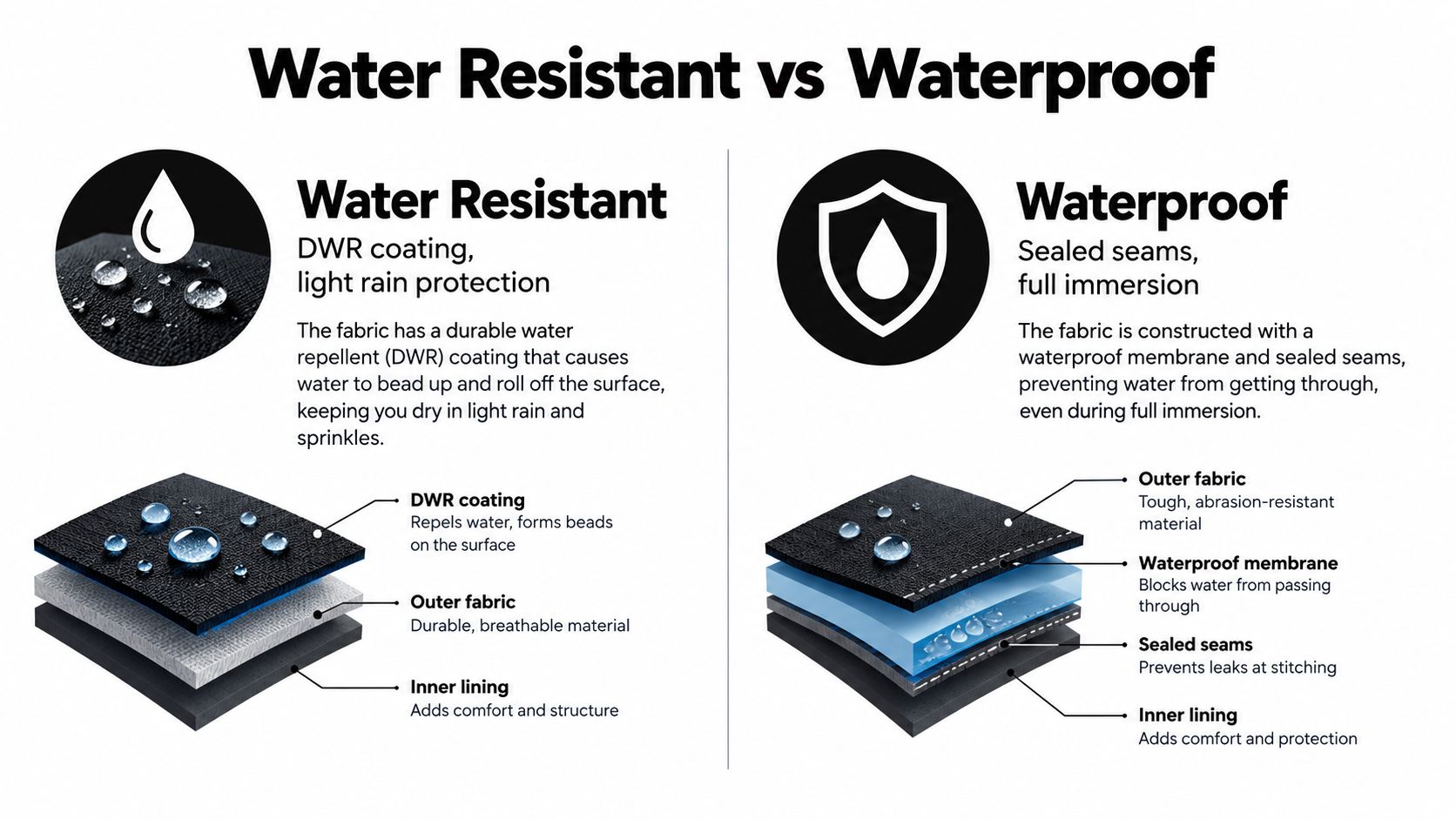
Match protection to your routine
For commuting, regular workouts, and gym-to-office days, choose a DWR-treated water resistant gym bag. It should cover:
- Light rain: Protection for walks between the gym, car, office, or transit stop.
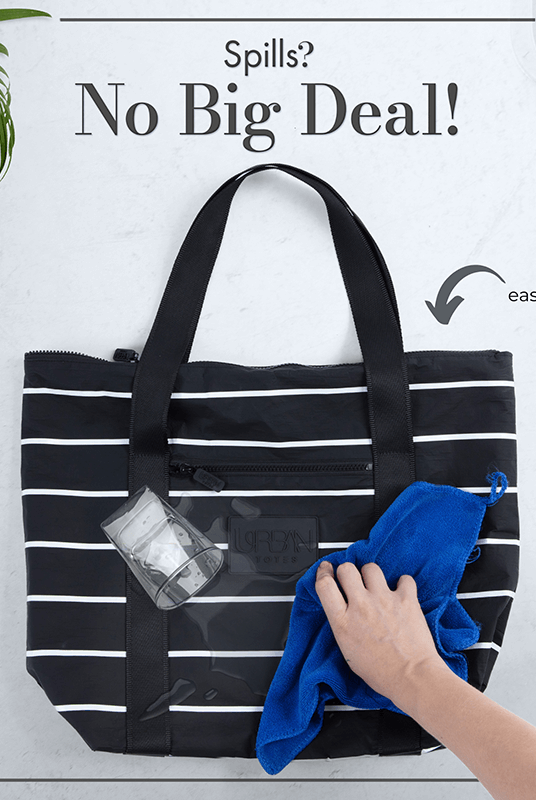
- Brief spills: A useful barrier when a bottle tips over or a toiletry leaks.
- Sweat and damp towels: Enough protection when wet items stay in their own pouch or compartment.
- Easy carrying: Coated polyester and nylon can remain lighter and more flexible than heavily sealed materials.
For a deeper breakdown of the trade-offs, read our guide on water resistant vs waterproof bags.
Waterproof construction suits sustained wetting, pressure, or conditions where submersion could damage your gear. The barrier may add stiffness and weight, while sealed seams and specialized zippers can make access less effortless. Choose waterproof construction only when you need sealed protection, and accept that you may be carrying a bag that is more technical than your routine requires.
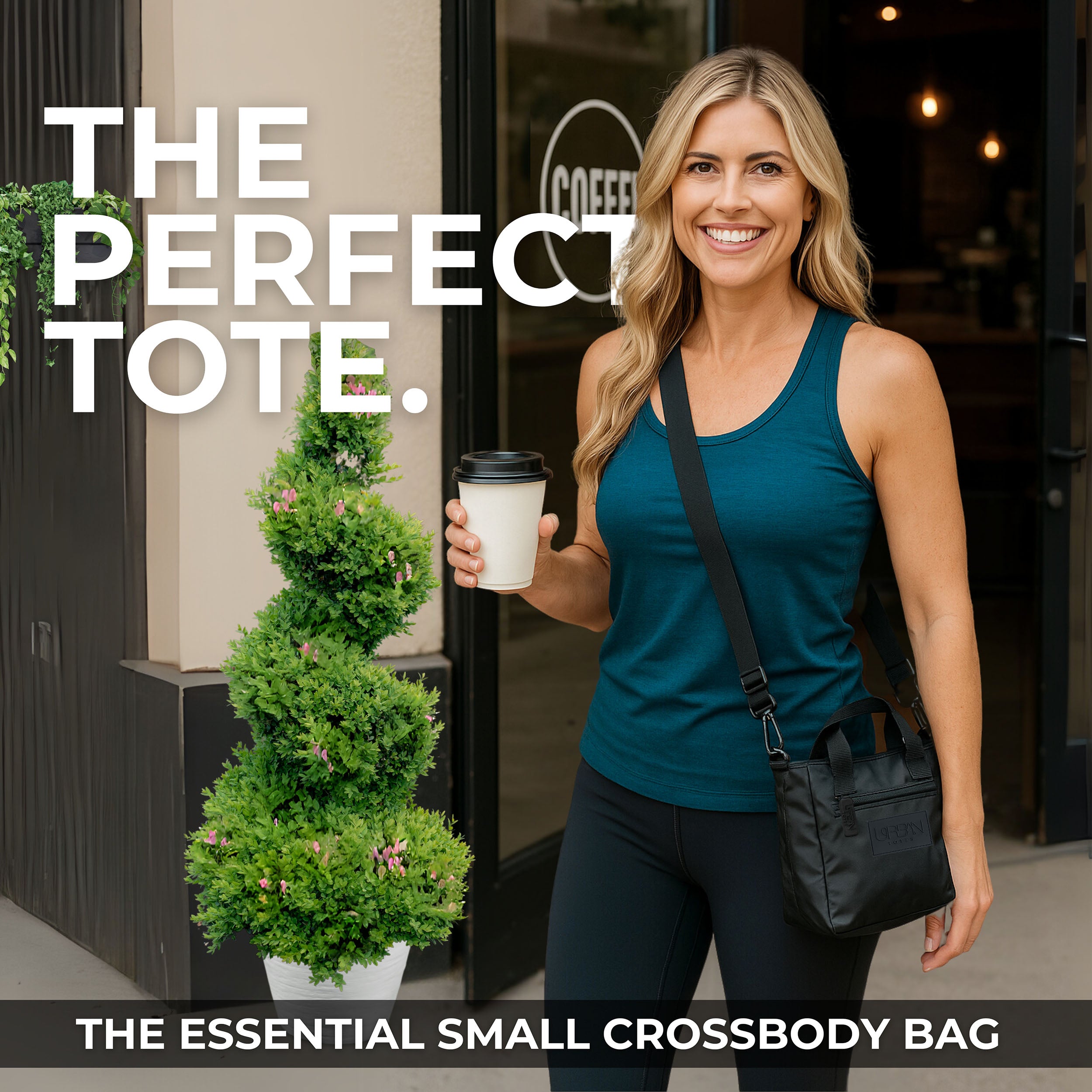
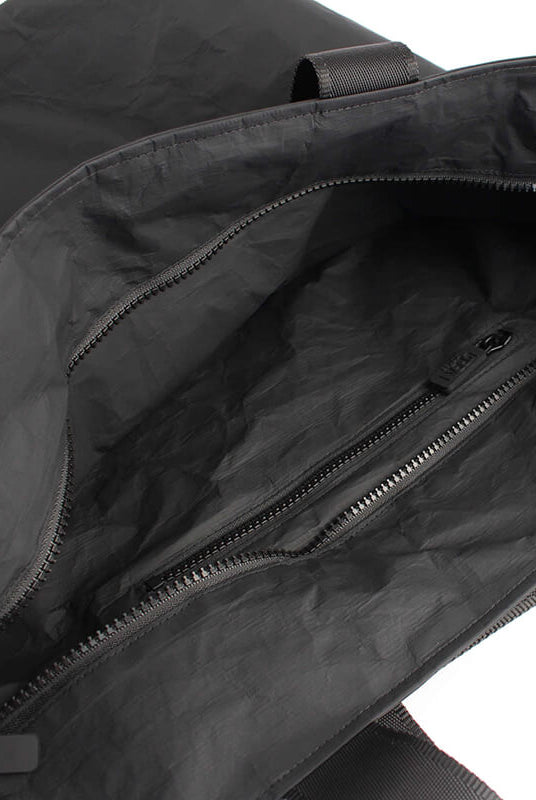
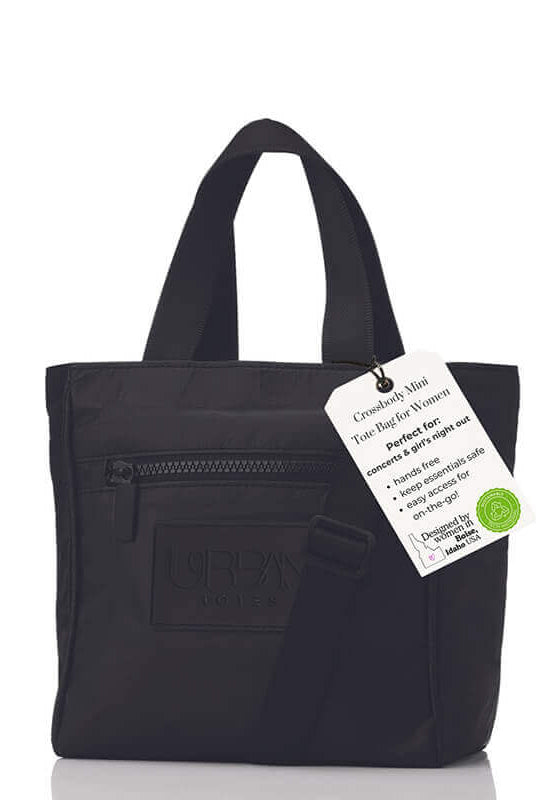
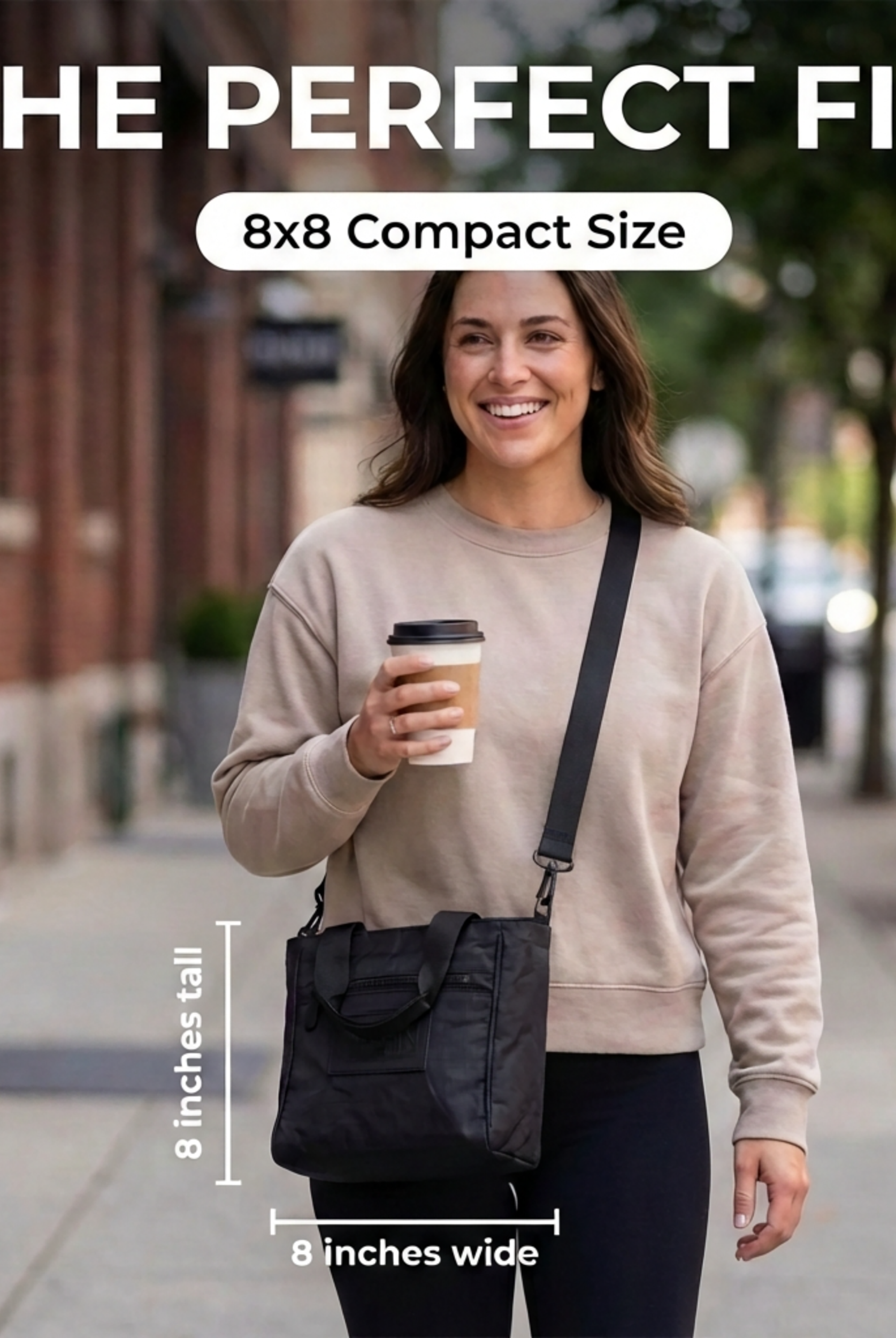
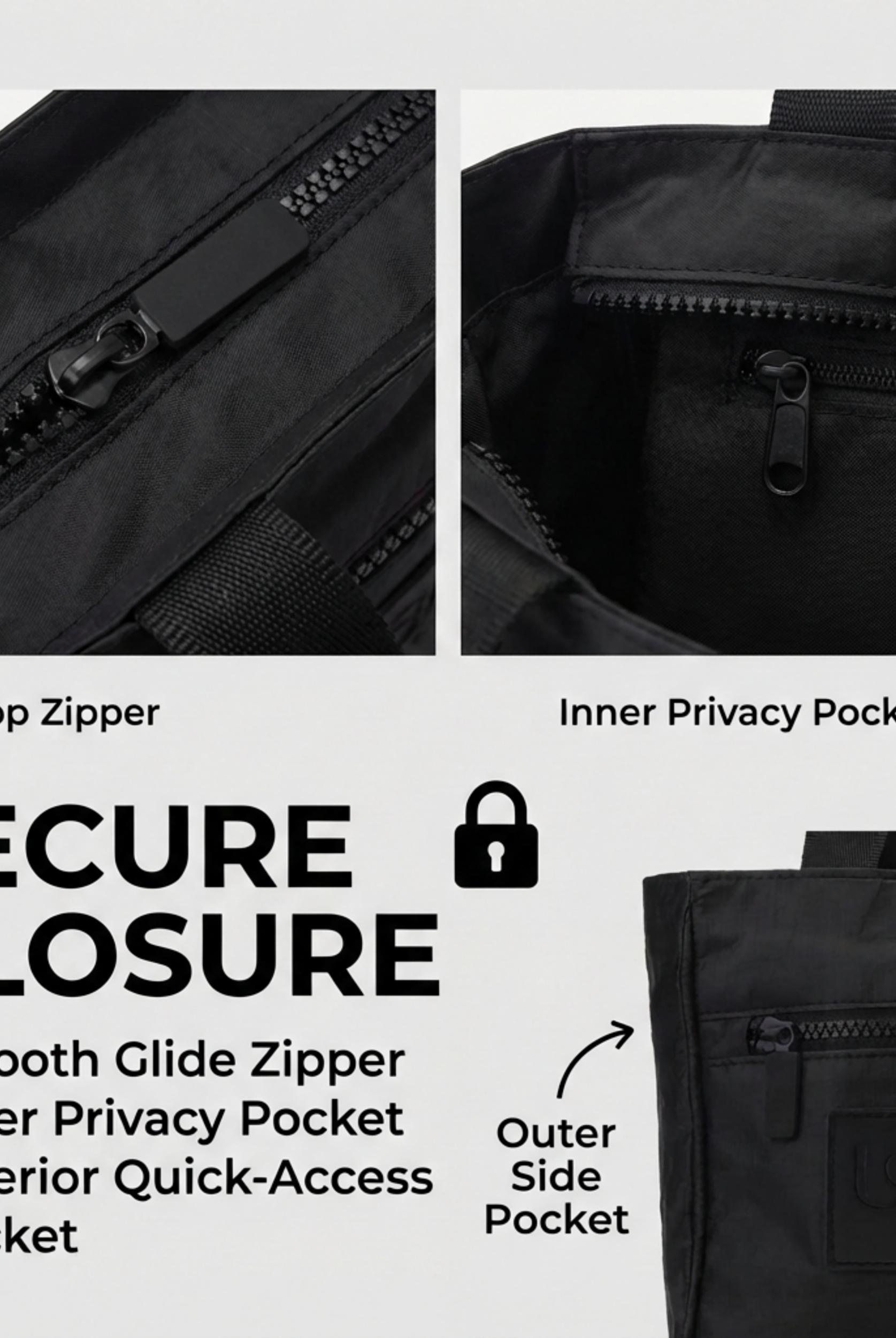
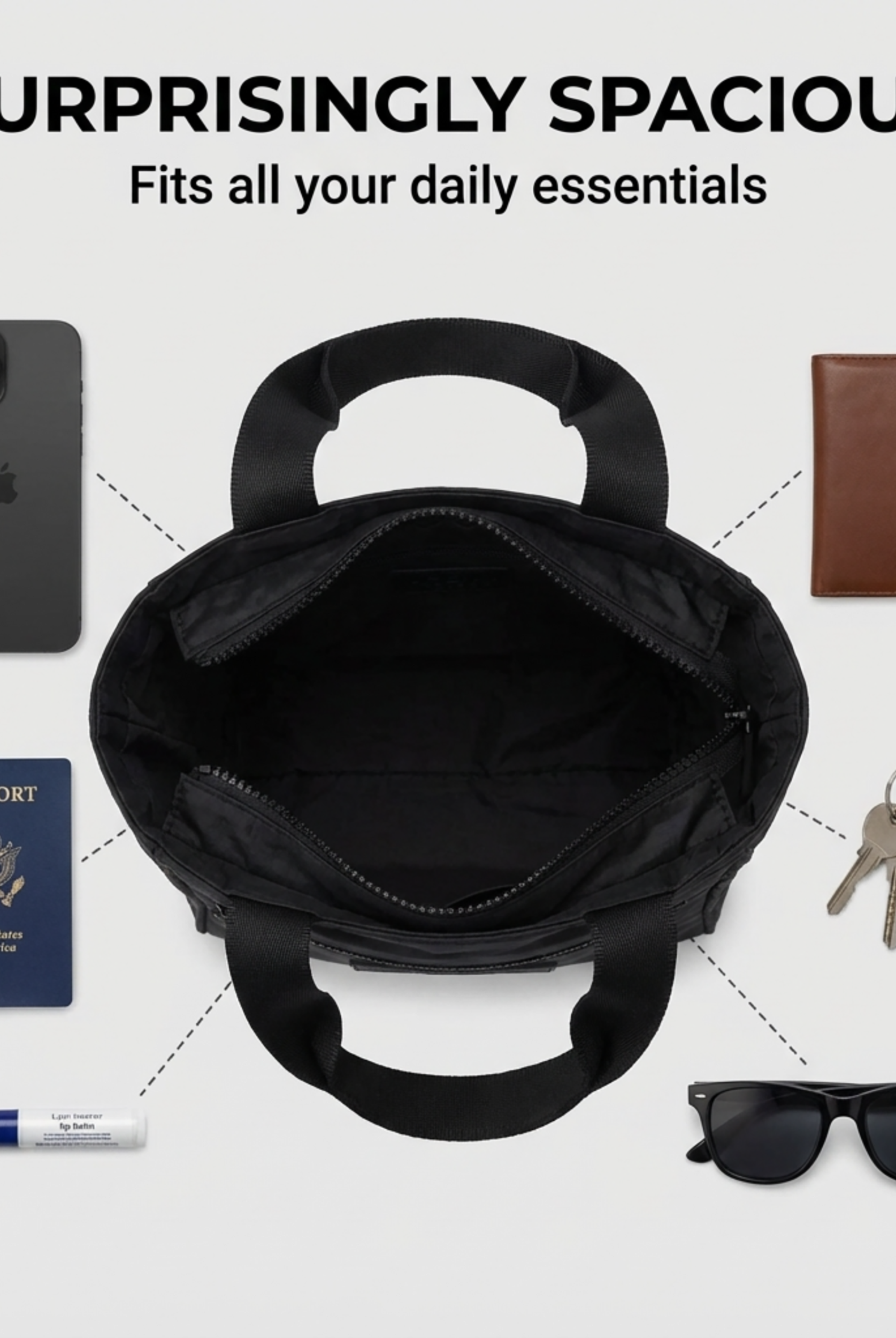
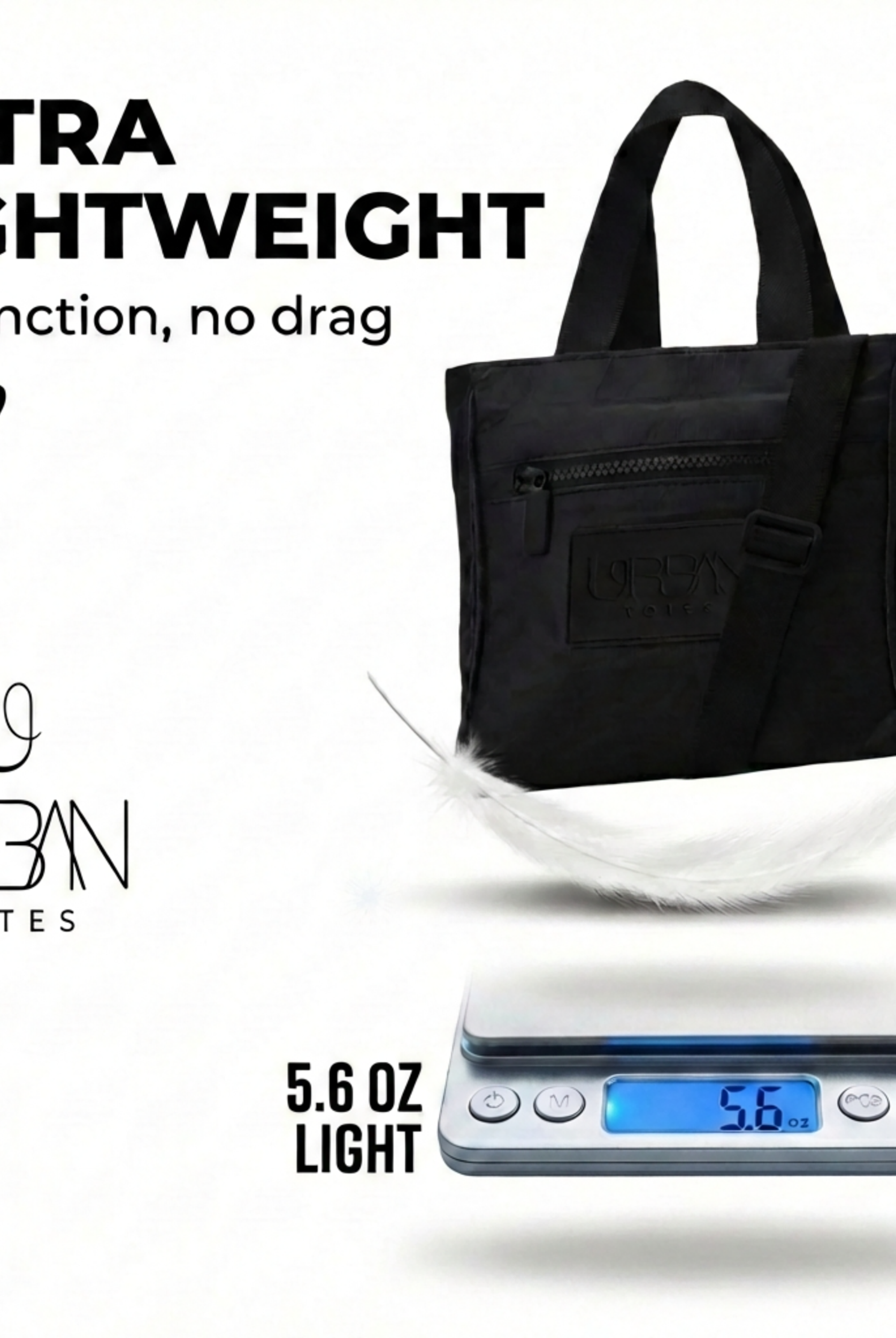
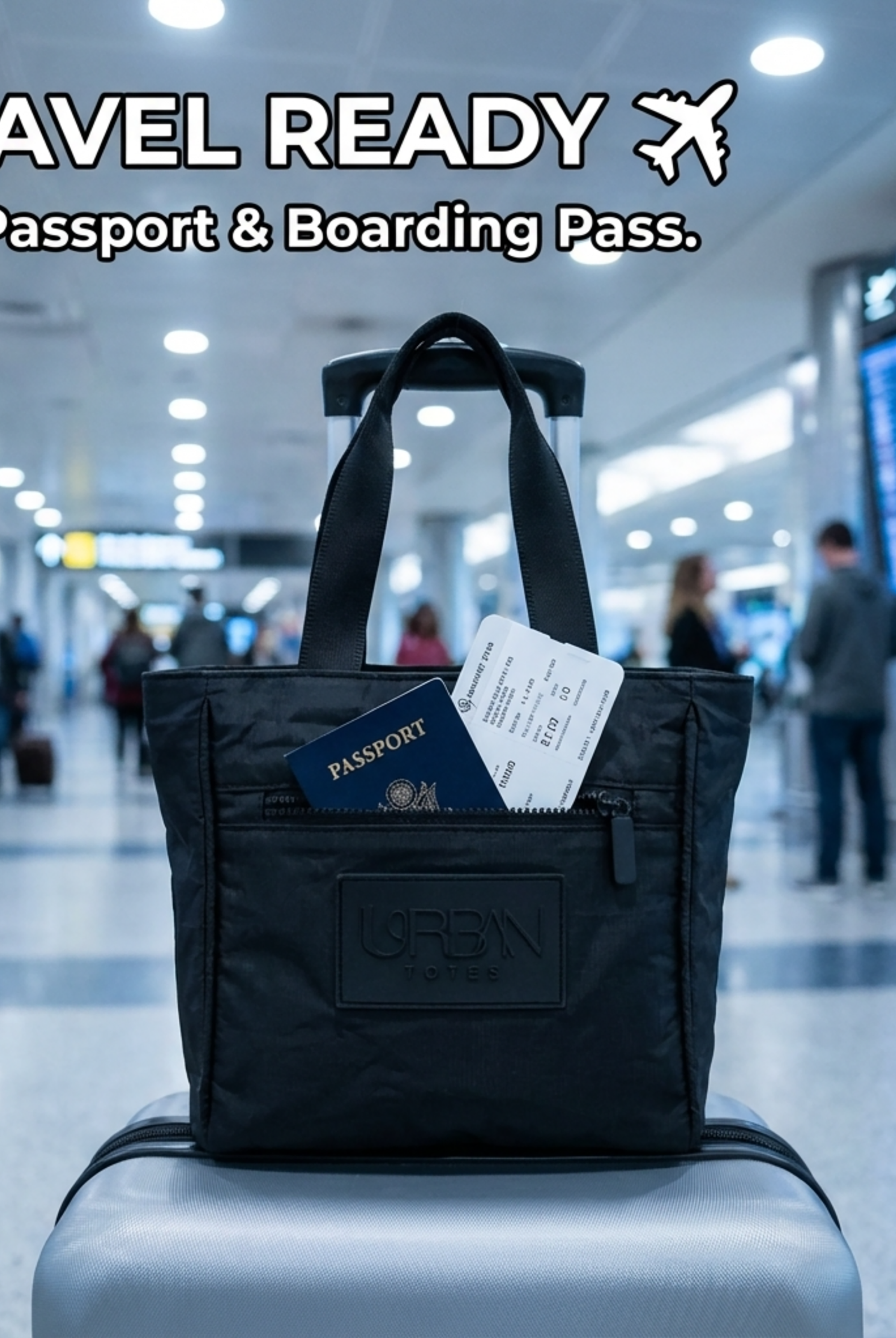
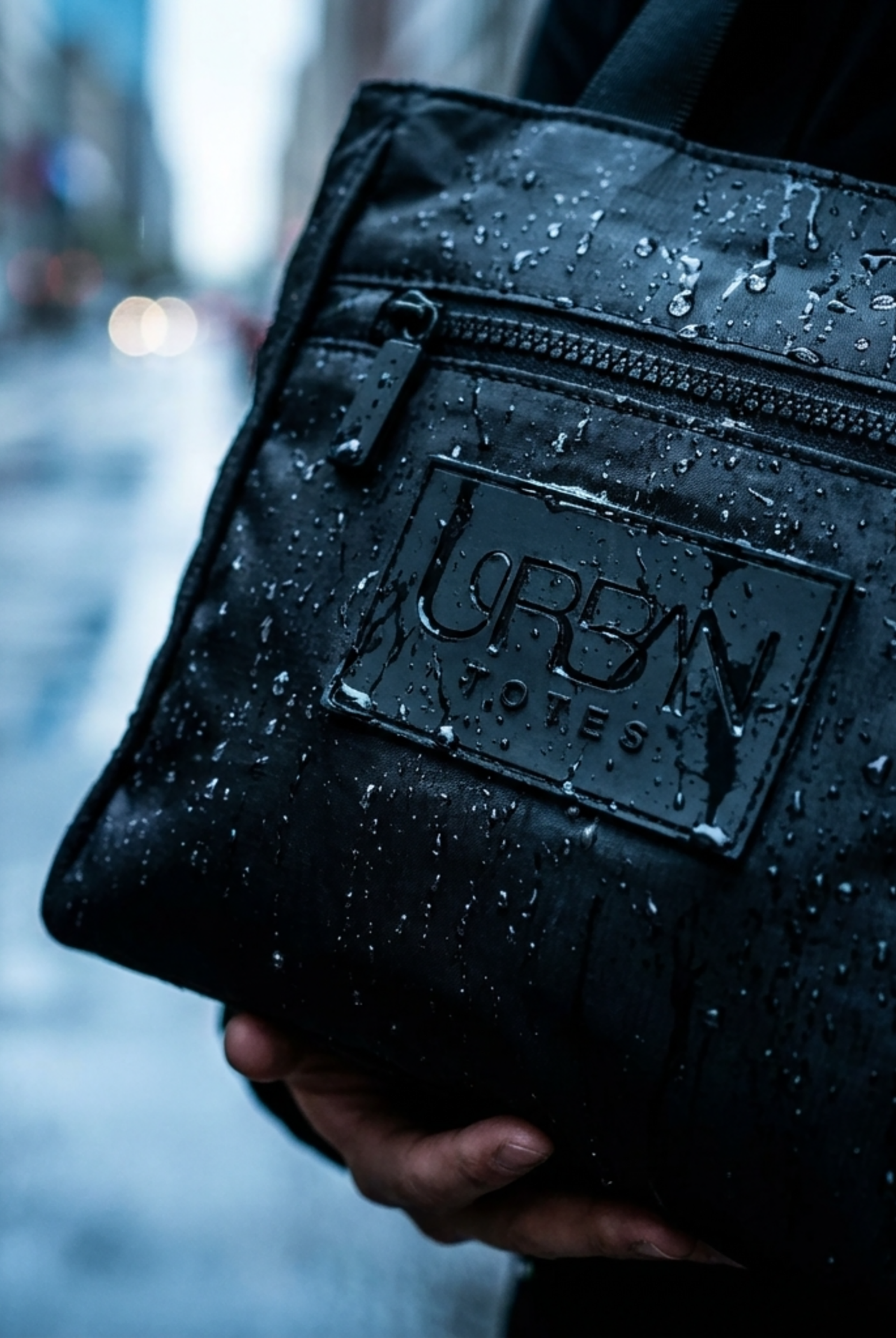
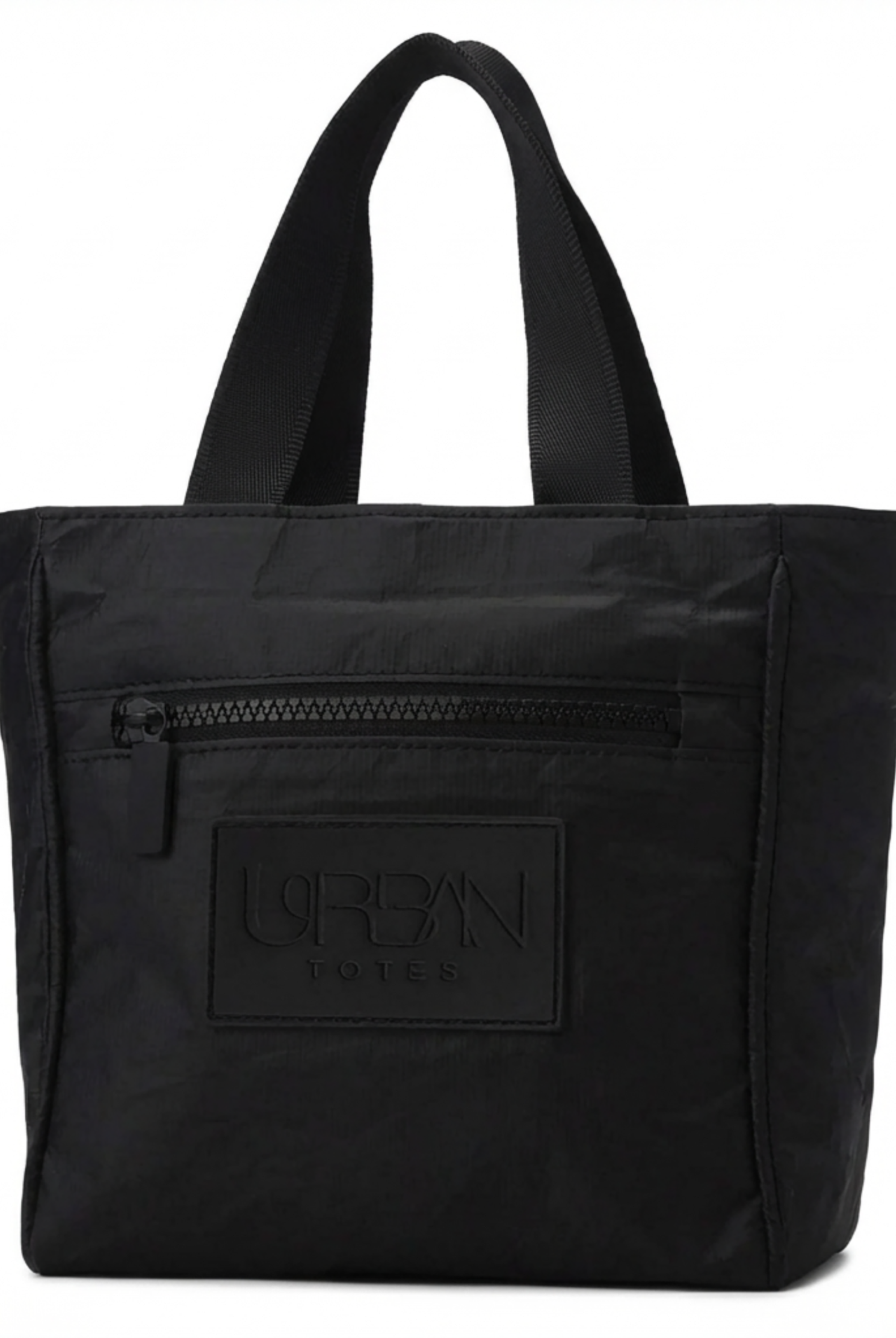
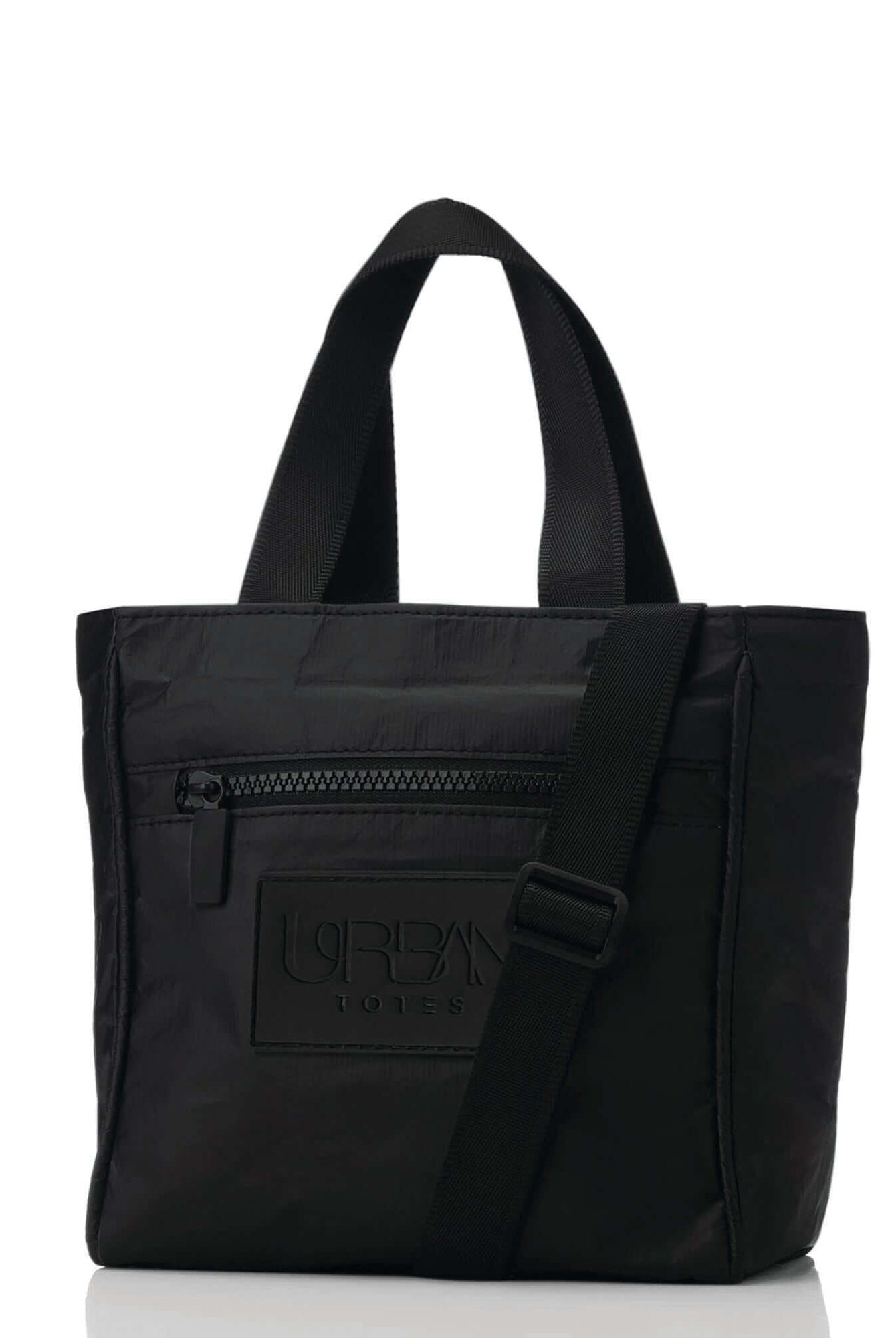
The Crossbody Tote Bag Mini Purse shows the same practical logic in a smaller format. Its water-resistant material, zip-top closure, outside and inside pockets, and foldable lightweight design support compact daily carry. It cannot replace a full gym bag, but it demonstrates how material choice and compartmentalization can work together to keep everyday items more orderly.
Read the pressure test correctly
Manufacturers and testers often assess fabric water resistance with a hydrostatic head test. Water pressure increases against the material until droplets appear, and the pressure at the third penetration point is recorded as the fabric's hydrostatic head under ISO 811. SGS explains the test method, including the conversion that 100 centimeters of water head equals 9.8 kilopascals.
That result describes fabric performance under one test condition, not the finished bag. Stitching creates needle holes, zippers create openings, and an unsealed seam can leak even when the fabric resists water. Judge the complete construction, then match it to your daily exposure.
Choose water resistant construction for ordinary workouts, commuting, errands, and travel. Choose waterproof construction for sustained wet conditions or sealed protection. In either case, pair the material with a separate place for damp gear, because keeping moisture contained protects hygiene as well as belongings.
The Best Materials for Active Lifestyles
Material labels tell you a lot, but only when you know what they mean. Polyester, nylon, coated fabric, ripstop, laminate, and recycled polyester each affect the bag's weight, texture, cleanability, and moisture performance.
Polyester holds the largest material share in sports bags because it combines durability, affordability, and water-resistant performance, according to market-focused sports bag guidance. In one industry guide, polyester accounts for 34.7% of the category and nylon for 29.3%, while PVC and tarpaulin represent under 5% and are used when fully waterproof performance matters more than lightness. These figures are reported in this sports bag materials guide.
Polyester for everyday practicality
Polyester is the sensible choice for a busy daily bag. It is light enough for commuting, generally easy to clean, and works well with coatings that improve moisture resistance. It isn't waterproof on its own, though. A polyester bag needs a finish or laminate, such as DWR, polyurethane, PVC, or TPU, to offer stronger protection against moisture. Independent polyester guidance makes that distinction clear.
Look for coated polyester when you want a soft, flexible bag that handles ordinary weather and gym mess without feeling overly technical. Recycled polyester can also receive water-resistant finishes, so the important question is not only what the fiber is made from. Check how the finished fabric is constructed and treated.
Nylon for strength with less weight
Nylon is often the better pick when abrasion resistance and strength-to-weight performance matter. It suits commuters who set their bags on rough floors, travelers who squeeze them under seats, and active users who carry shoes, towels, and gear every day.
Coated nylon can offer stronger moisture protection than untreated fabric, but a coating alone isn't a promise of full waterproof performance. Examine the seams and closures as well. A water-resistant body paired with an exposed zipper may protect less effectively than the material label suggests.
Synthetic fibers became standard for sports and gym bags as they replaced heavier traditional fabrics with materials that were lighter, easier to clean, and more resistant to moisture. That shift still makes sense for modern routines. You want a bag that can move from the gym floor to an airport terminal without becoming a burden.
Laminates and recycled options
TPU-laminated fabrics add a barrier that can improve moisture protection, while recycled polyester can provide a familiar textile feel with a finished surface designed for water resistance. Examples of recycled polyester bag materials show how recycled polyester can be paired with TPU coatings or recycled laminates.
A useful tag-reading checklist looks like this:
- Fiber: Polyester keeps the bag light and practical. Nylon emphasizes strength and abrasion resistance.
- Finish: DWR helps droplets bead. TPU or PVC creates a more substantial barrier.
- Construction: Sealed or welded seams and water-resistant zippers matter when moisture exposure is prolonged.
- Maintenance: Choose a surface you can wipe clean and a care method you will follow.
If you also carry chalk or other dry training accessories, custom chalk bag design tips offer useful context on pockets, closures, and material choices for small active-gear storage. For a broader look at how different fabrics feel and perform in daily use, compare the guidance in this tote bag material guide.
Smart Organization and Moisture Management
The exterior keeps weather at a distance. The interior determines whether your clean clothes stay clean.
Start by planning the order in which you use your gear. Shoes come off first, sweaty clothes come off next, and your phone or work items need to stay accessible throughout. A thoughtfully designed bag follows that sequence instead of forcing you to unpack everything on a bench.
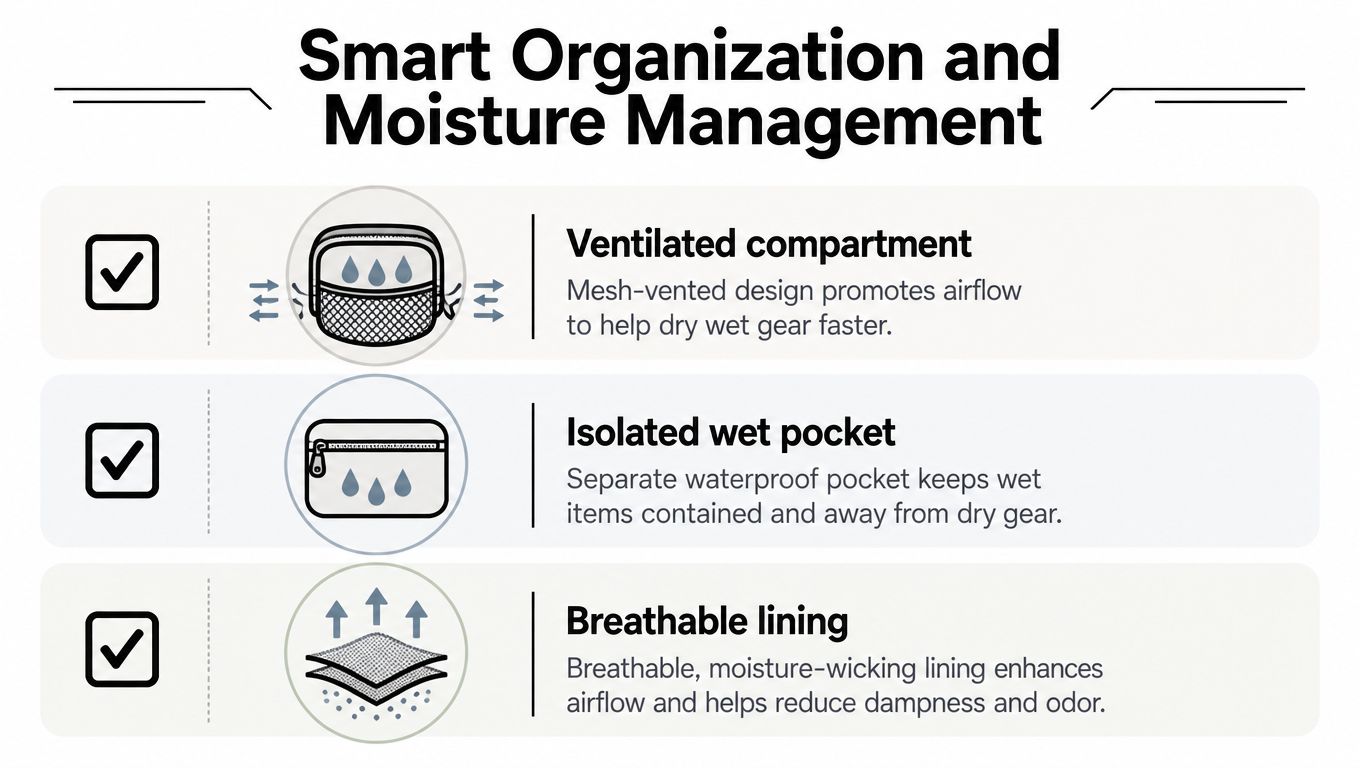
Choose compartments with a job
A large main compartment is useful, but it shouldn't be the only storage area. Look for a layout that gives each category of item a home:
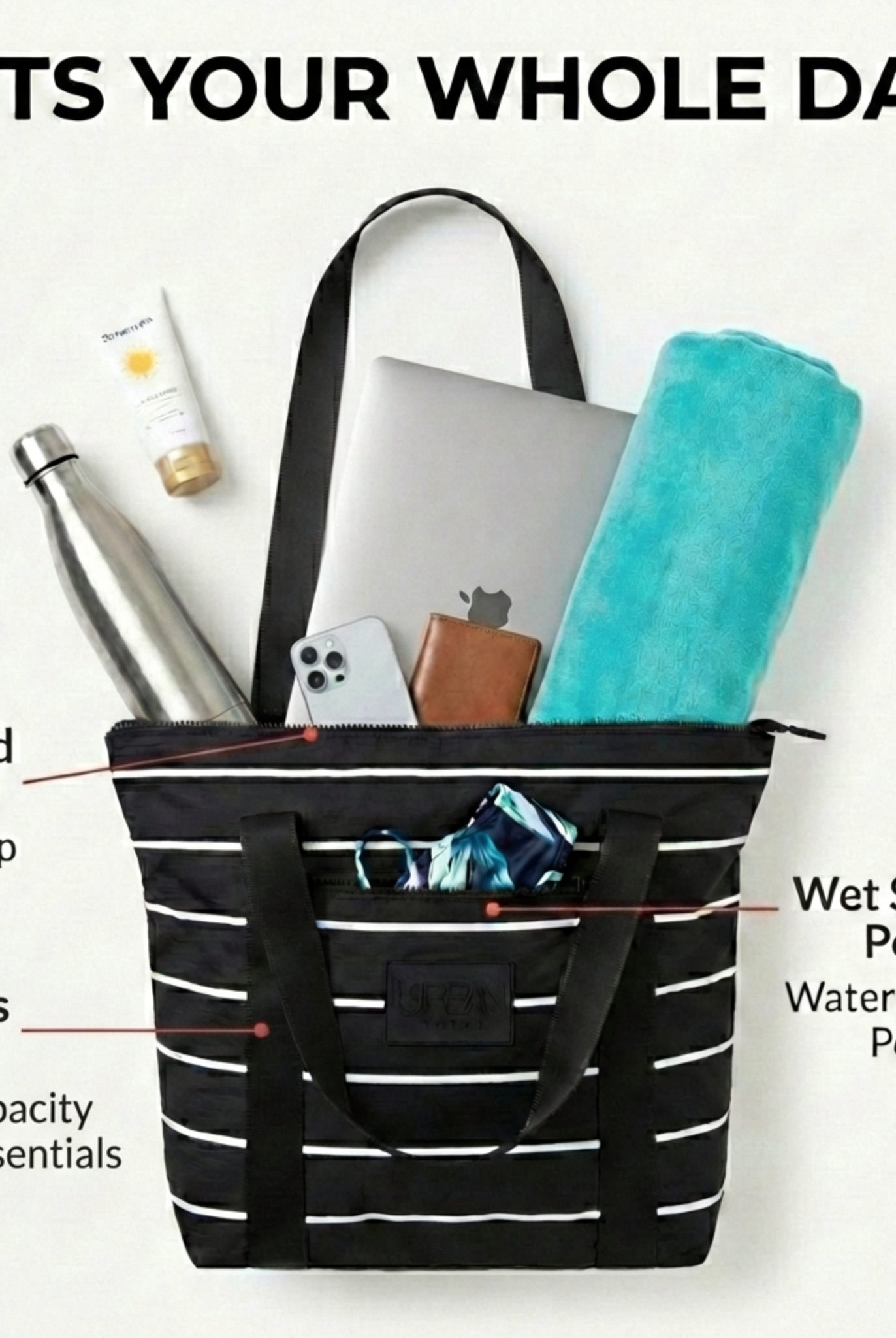
- Wet pocket: This holds a damp towel, swimsuit, or used workout top away from dry clothes. A wipe-clean lining is especially practical.
- Shoe compartment: This keeps dirty soles from touching your laptop sleeve or fresh clothes. Ventilation is helpful when shoes are still warm from exercise.
- Tech zone: A protected interior pocket gives your laptop, tablet, or e-reader a more predictable place to ride.
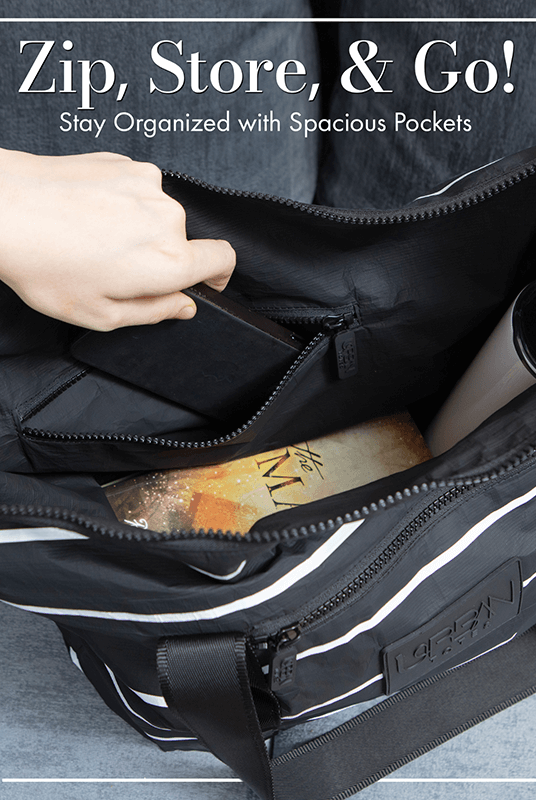
- Exterior access pocket: Phone, keys, transit card, and lip balm should be reachable without opening the main compartment.
- Roomy central space: Keep this area flexible for a change of clothes, towel, bottle, and light layers.
A multi-pocket design isn't automatically organized. Pockets need to be placed where your habits require them. A tiny shoe pocket won't help if you carry bulky trainers, and an open pocket won't protect small essentials during a crowded commute.
Pay attention to closures and structure
A zipper closure keeps contents inside when you place the bag under a seat or swing it into a car. It also gives you more peace of mind than an open top when rain begins. Structured piping can help a tote hold its shape when you set it on a damp locker-room floor, making the contents easier to reach and reducing the temptation to place the bag on its side.
Don't confuse compartmentalization with odor prevention. A separate pocket limits contact, but damp gear still needs to come out of the bag and dry properly. Empty the wet compartment as soon as you get home, open the bag, and wipe any lining that feels damp.
A water-resistant fabric protects the bag's contents. A smart interior protects the way you live with the bag.
Use the bag organization ideas approach to assign pockets before your first commute. Put the items you reach for most in exterior access storage, reserve the cleanest interior area for dry essentials, and keep wet gear isolated from both.
For a woman moving from school drop-off to a workout and then to work, this layout removes friction. You don't need to search through shoes for your keys or balance a laptop on top of a damp towel. The bag becomes a small, reliable system that keeps the day moving.
How Urban Totes Elevates Your Everyday Carry
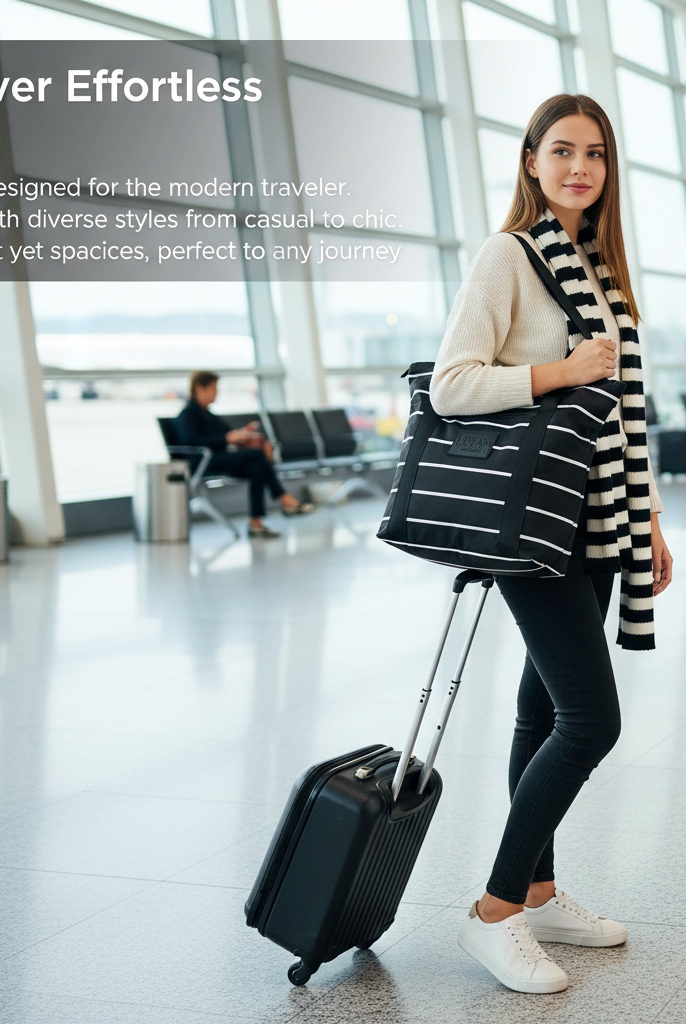
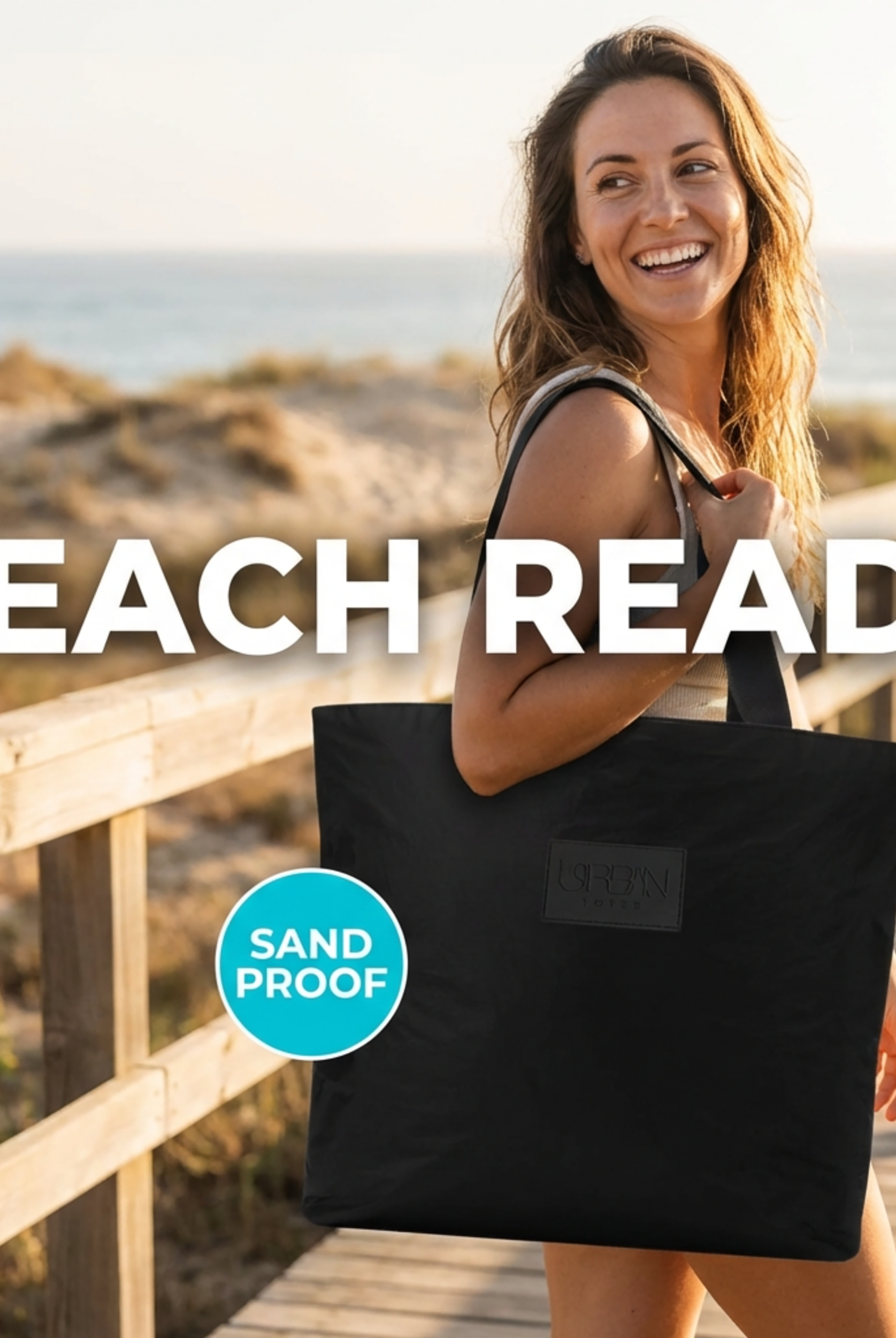
The best bag for an active lifestyle doesn't look trapped in one category. It should work beside a beach chair, under an airport seat, in the passenger footwell during school pickup, and next to your desk after a morning class.
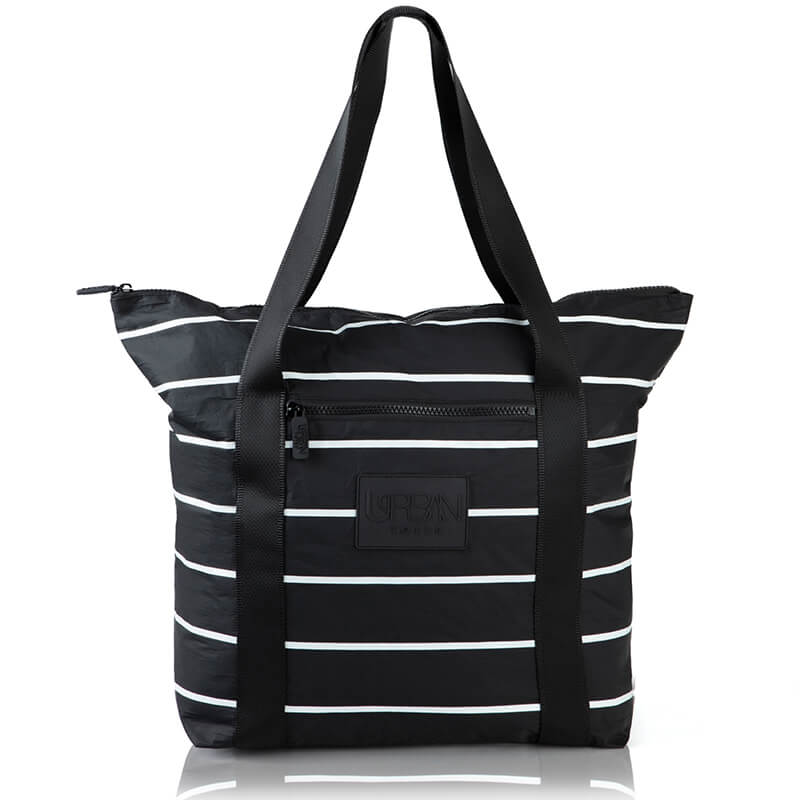
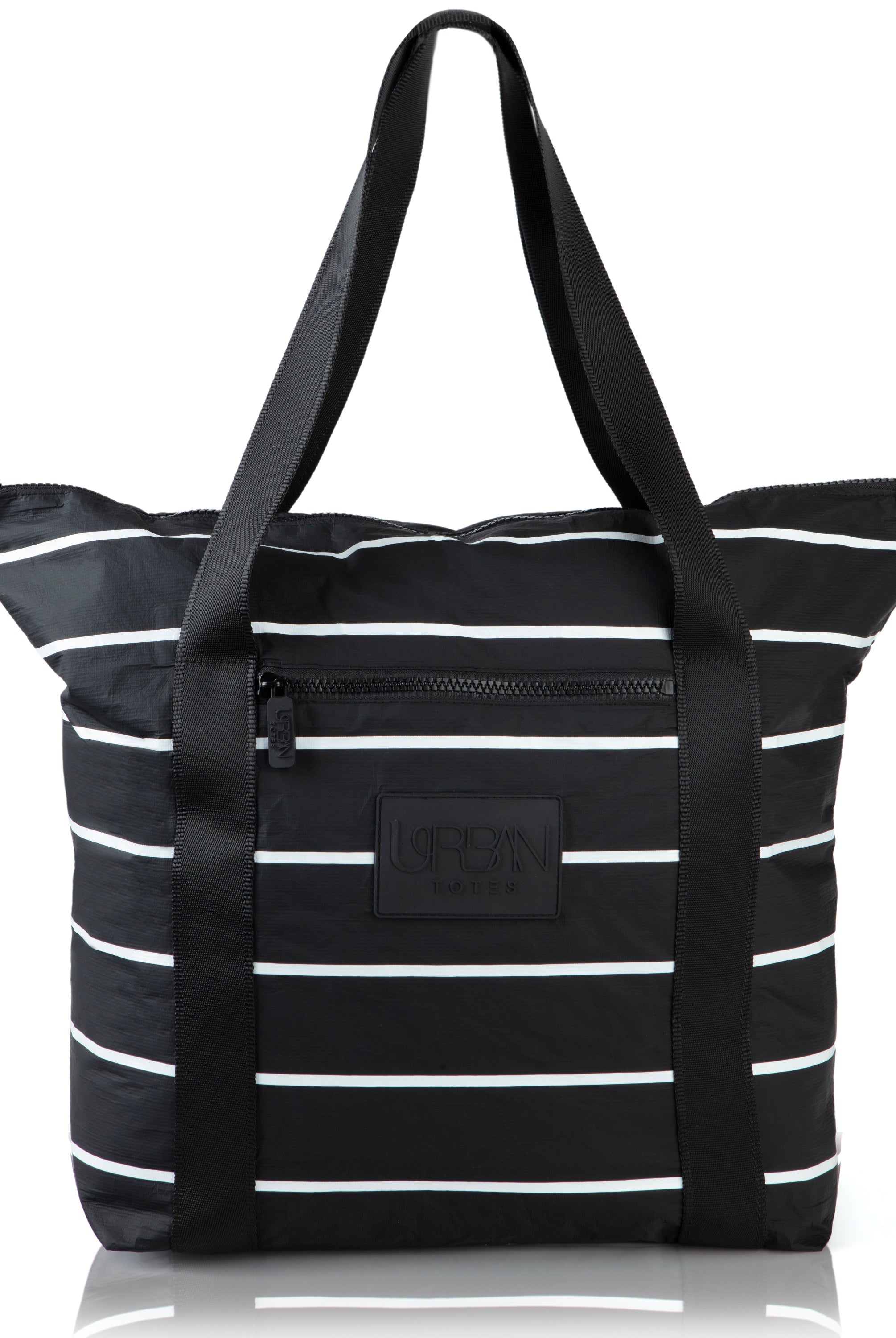
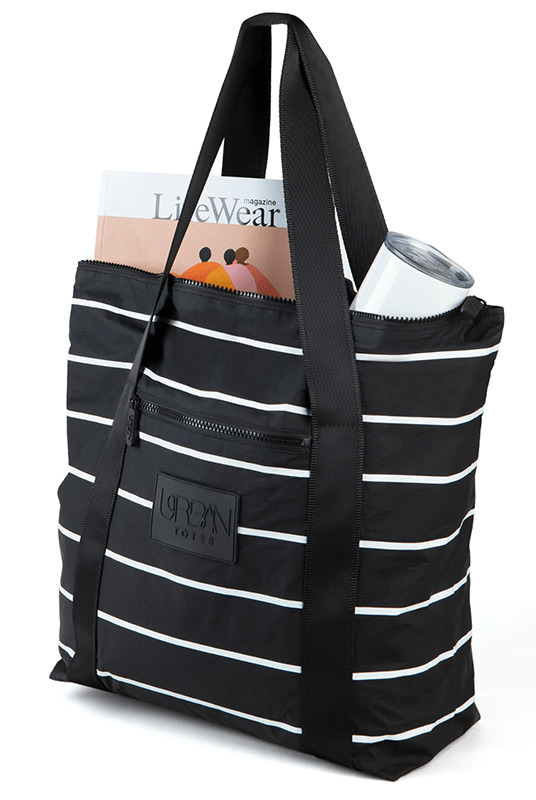
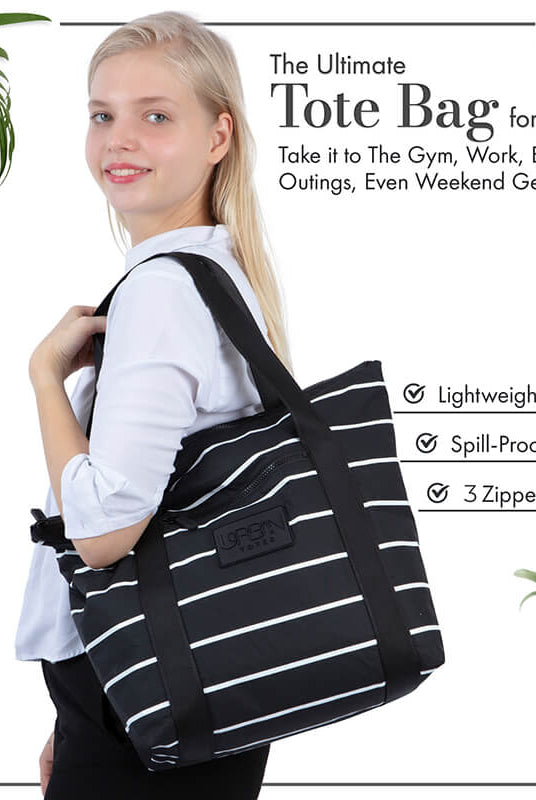
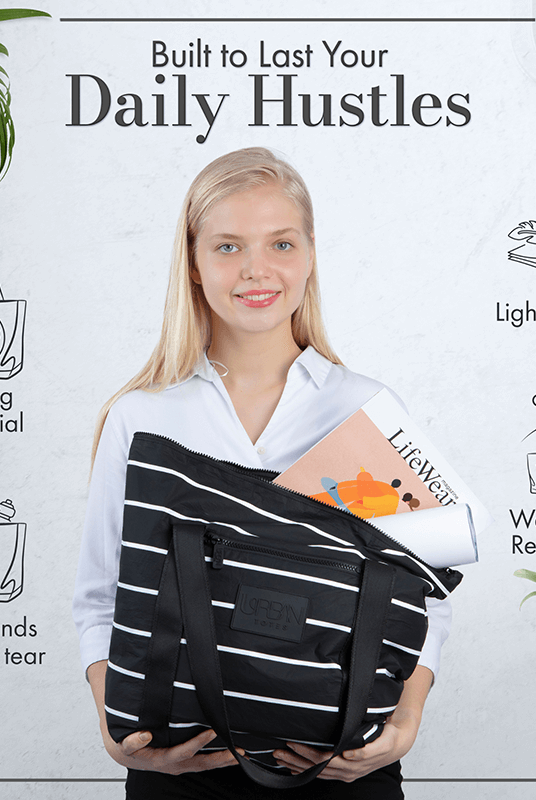
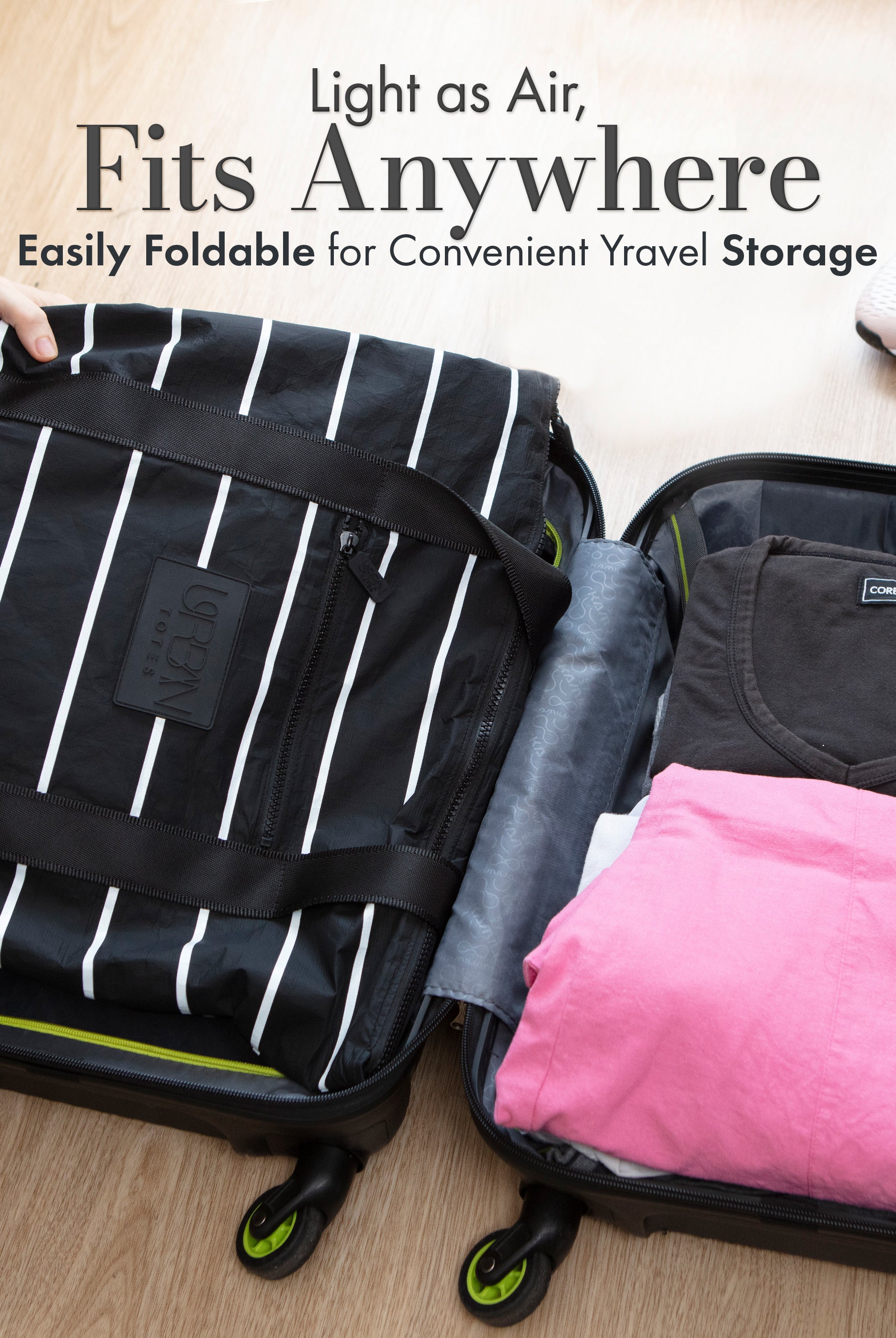
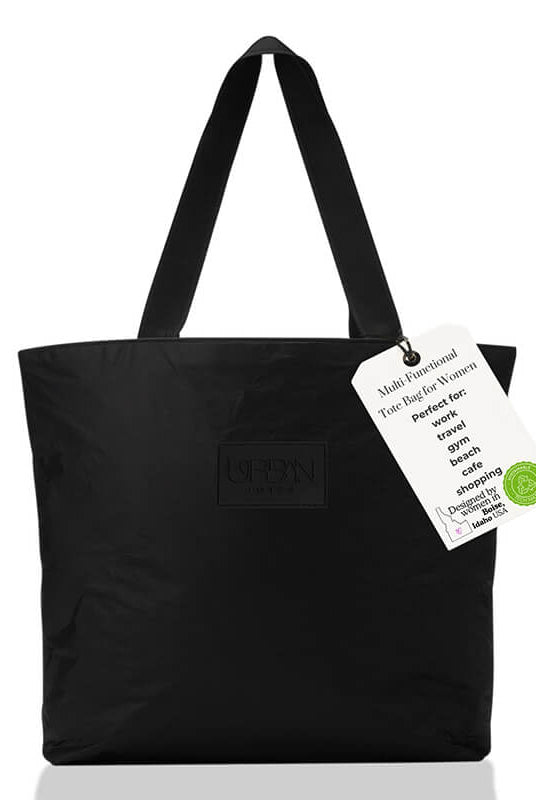
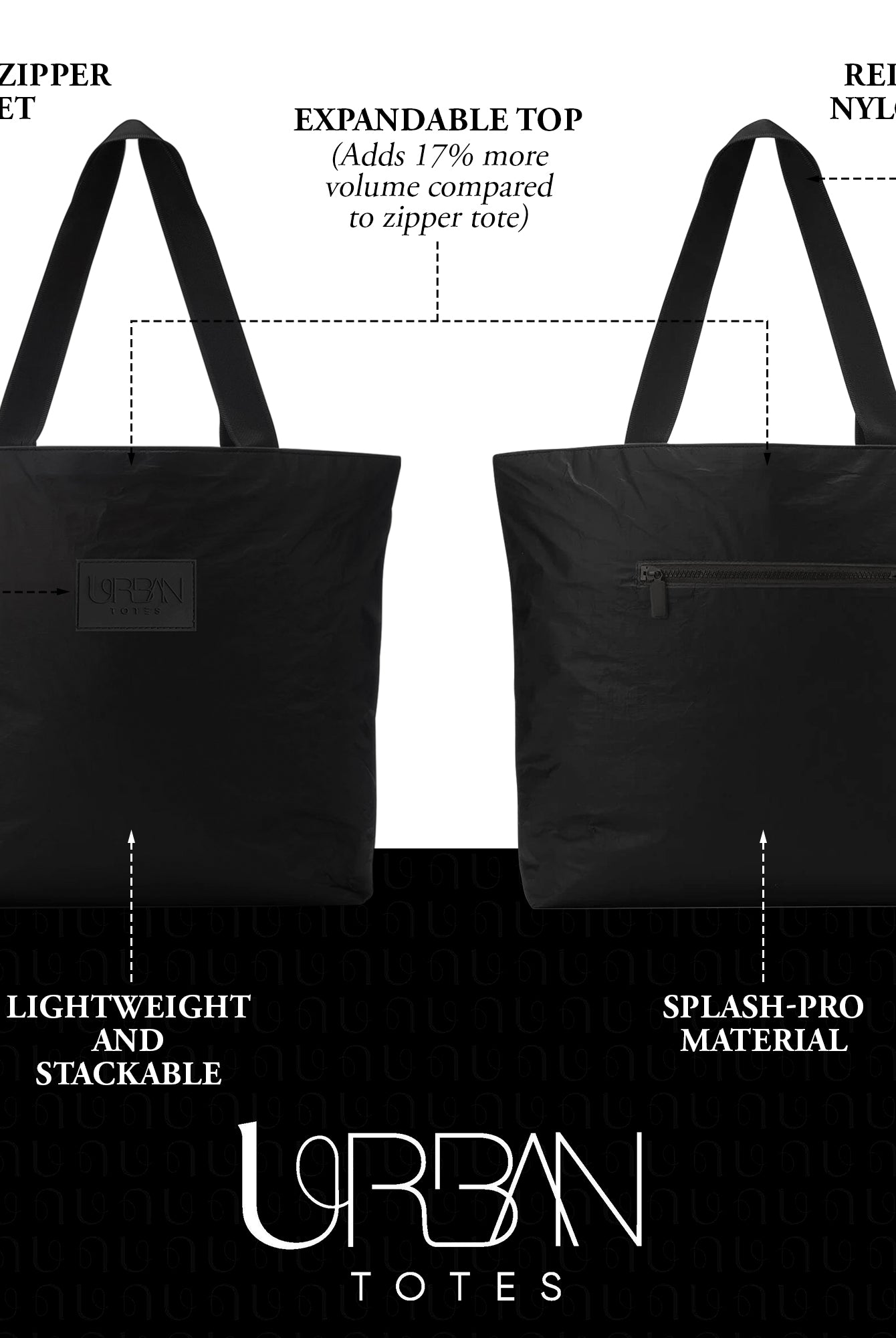
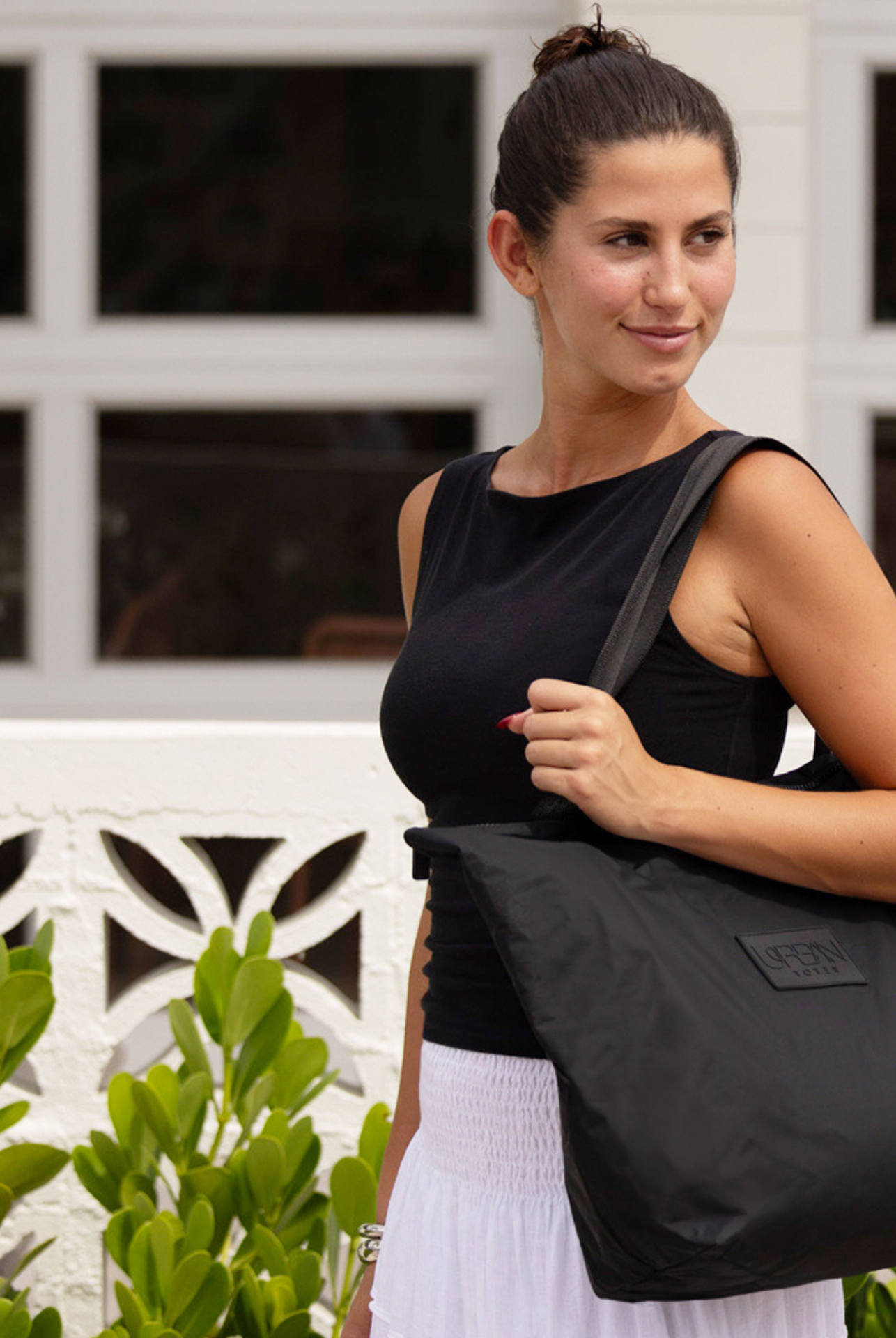
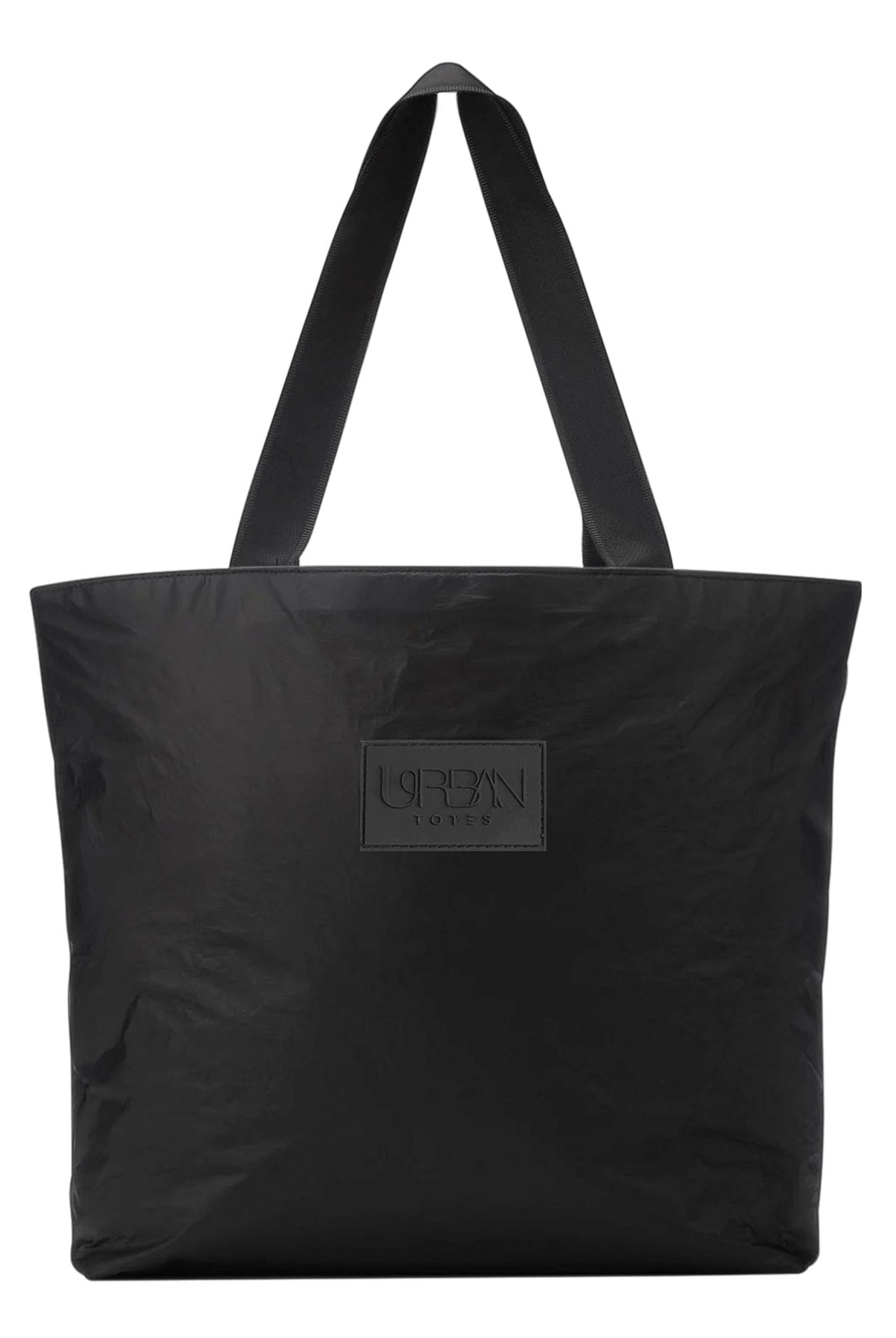
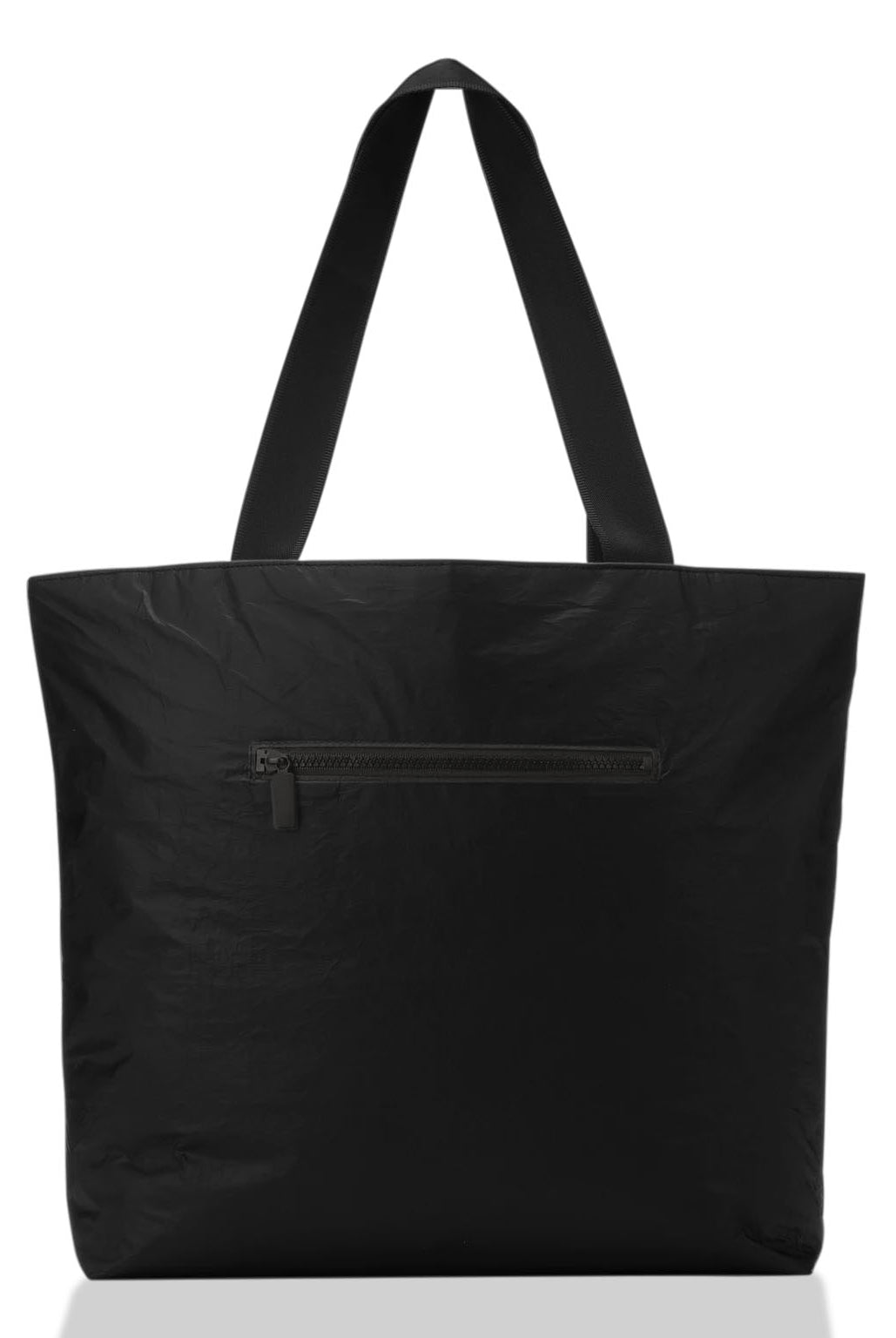
Urban Totes is a woman-owned, Boise-made brand with a practical point of view: bags should be stylish enough for daily life and functional enough for travel, errands, beach days, and workouts. Its designs emphasize lightweight, packable, foldable construction, secure zipper closures, and multiple compartments rather than a bulky technical silhouette.
Follow the day, not a dress code
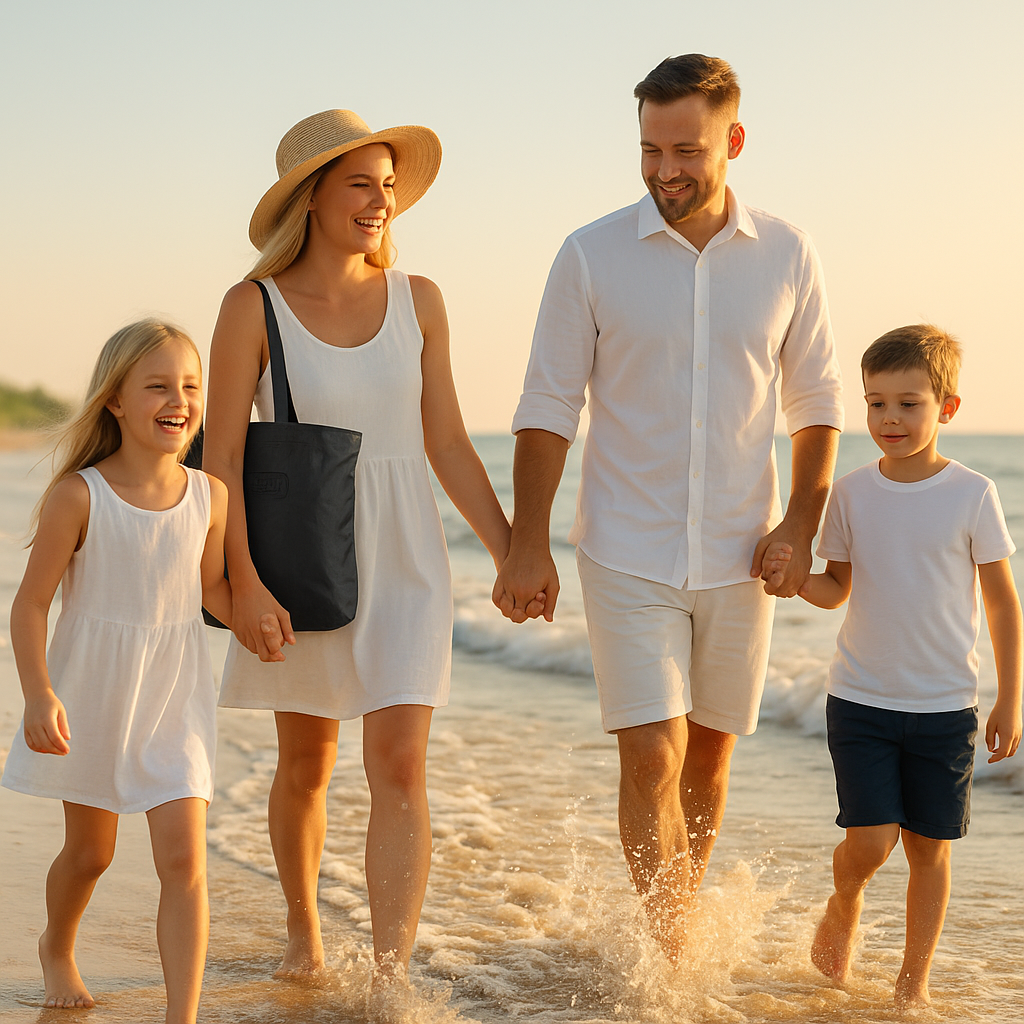
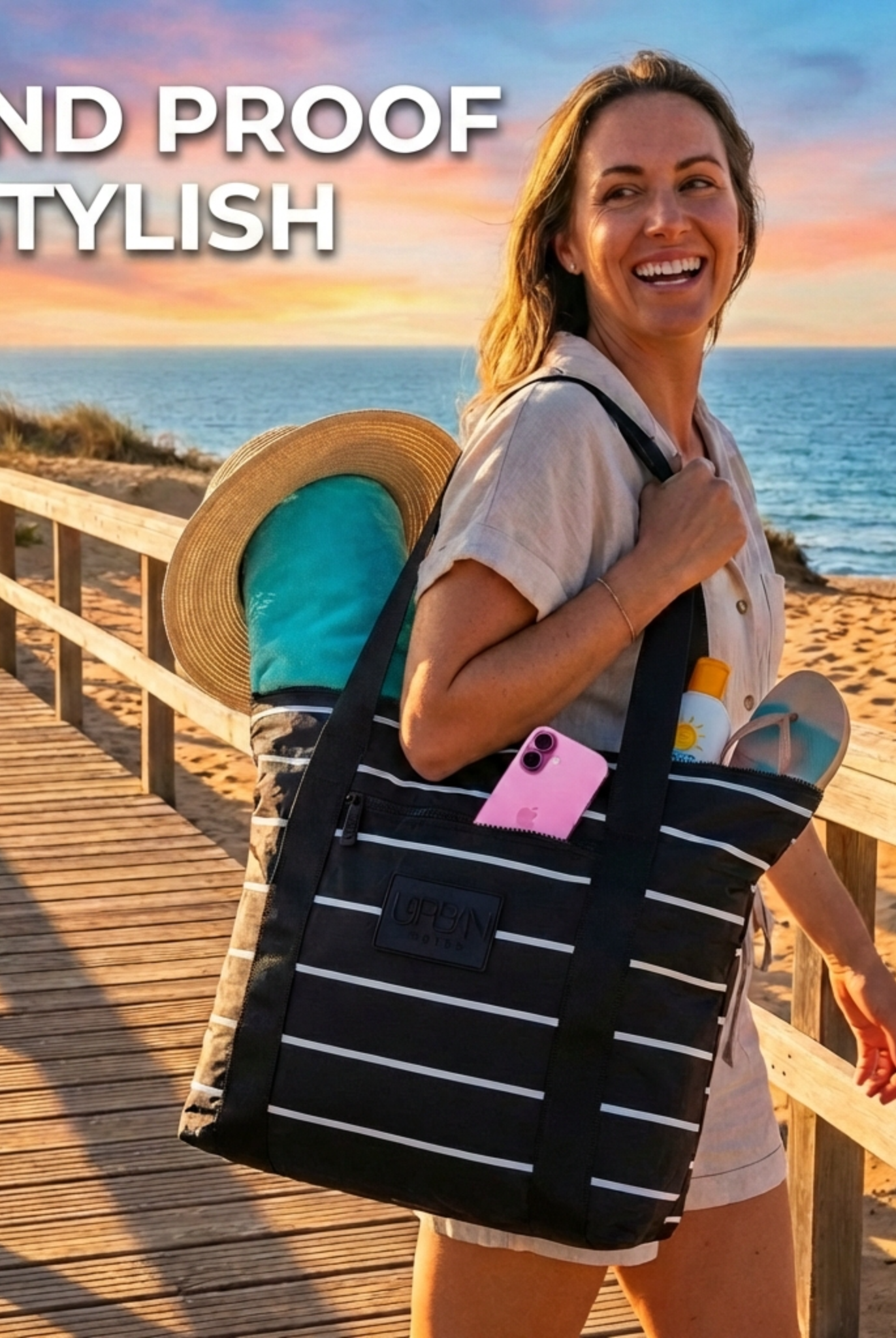
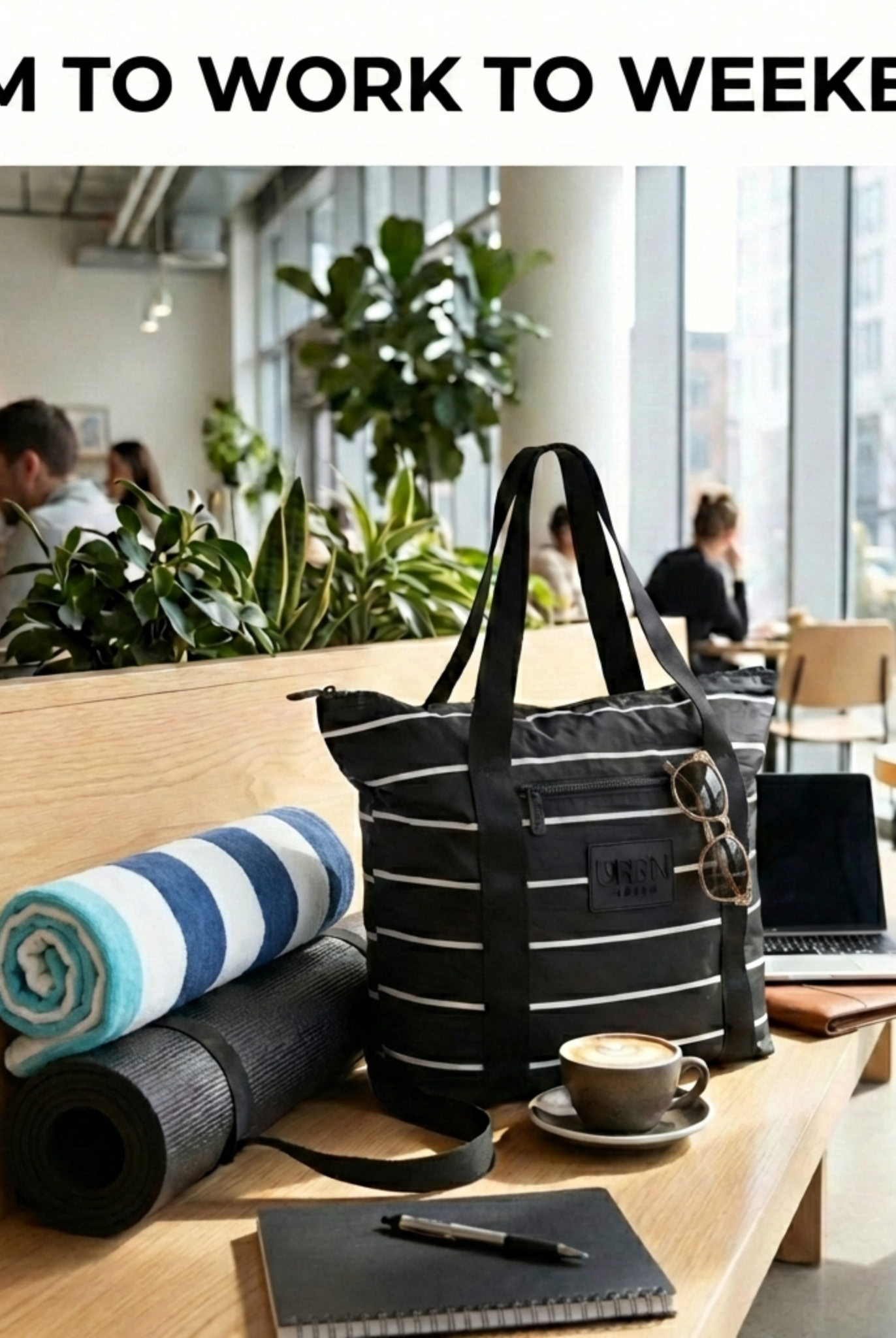
Consider the beach-day mom carrying sunscreen, towels, a change of clothes, and wet swimsuits. She needs a water-resistant exterior, a zipper closure, and pockets that separate damp items from everything else. A commuter needs the same logic for a different reason. Her bag may carry gym clothes in the morning, a phone and keys at lunch, and work essentials on the ride home.
The weekend traveler wants a bag that folds down when empty and expands into a useful carry-all when plans change. The style-conscious minimalist wants a clean shape without sacrificing internal organization. These aren't separate needs. They often belong to the same person on different days of the week.
Make the features earn their space
A thoughtful everyday carry should provide:
- Lightweight construction: The bag doesn't become the heaviest item in your routine before you've added your gear.
- Packable storage: A foldable design can live in a suitcase, car, or larger travel bag until you need it.
- Organized interiors: Multiple pockets keep phones, keys, clothing, and accessories from blending into one cluttered pile.
- Water-resistant materials: The exterior helps manage light rain, spills, and everyday moisture.
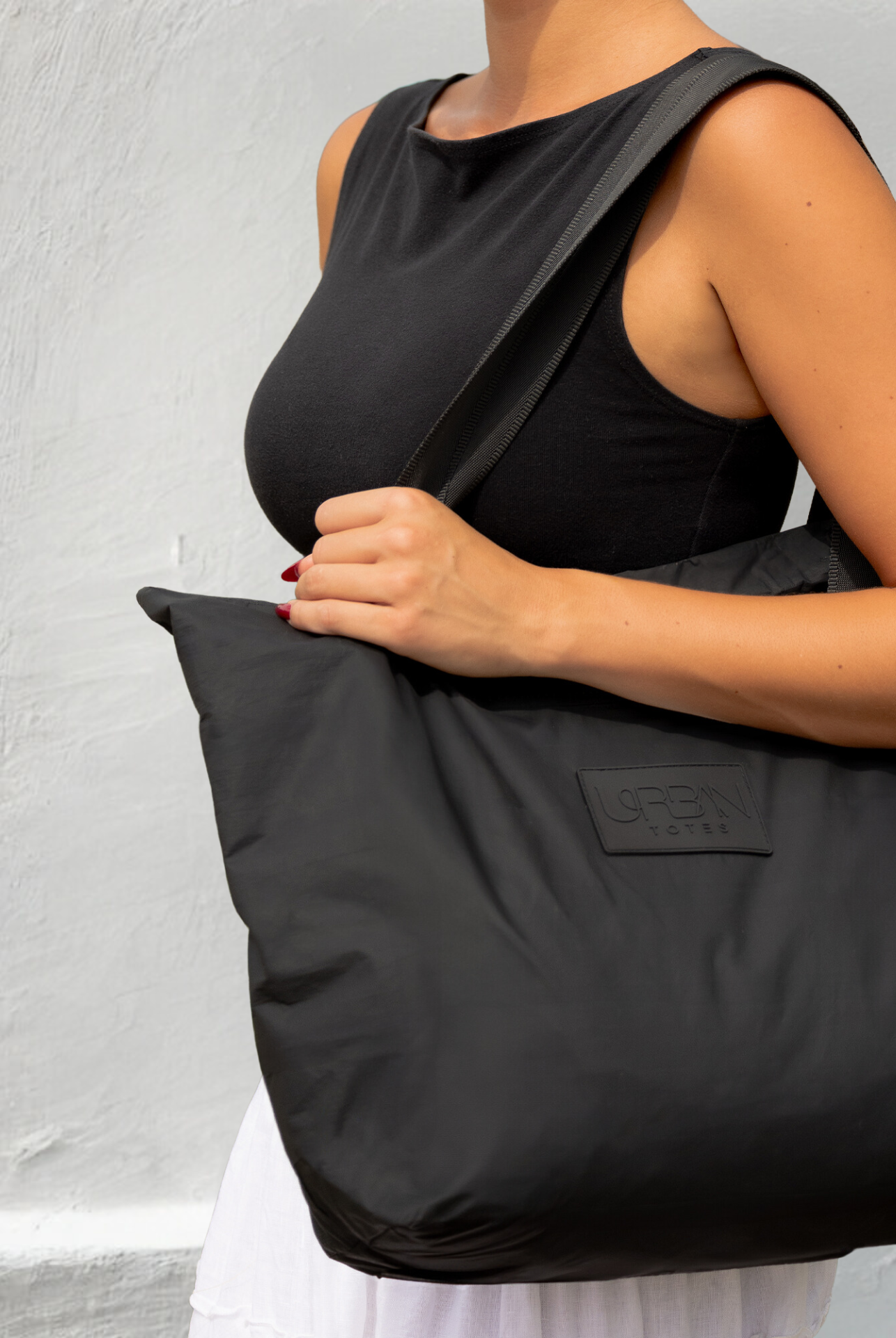
- Versatile styling: A polished, minimalist shape can move from a workout to an errand run without looking out of place.
The founder perspective matters here. A woman-owned small business built around real-life carry understands that the same bag may need to hold a child's essentials in the morning, gym gear after work, and travel items on the weekend. That kind of versatility is more useful than a feature list designed for a single activity.
The result is a go-anywhere, functional carry that treats organization as part of style. You get a bag that looks intentional on the shoulder, stays manageable when full, and fits the unpredictable rhythm of an active life.
Care and Cleaning for Long-Lasting Performance
A water-resistant bag still needs care. Sweat, sunscreen, locker-room grime, food crumbs, and spilled drinks all leave residue, and residue can make a clean bag feel old before its time.
Start with the least aggressive method. Empty every pocket, shake out debris, and wipe the exterior with a soft damp cloth. For a small spill, clean it as soon as possible instead of letting it dry into the surface. Use a mild soap solution only when plain water isn't enough, then remove any soap residue with a clean damp cloth.
Keep the routine simple
A quick post-use reset works better than an occasional dramatic deep clean:
- Empty it: Remove damp clothes, towels, bottles, and food containers as soon as you get home.
- Air it out: Leave the main compartment open so moisture doesn't linger in the lining.
- Wipe contact points: Clean handles, base panels, zipper pulls, and pockets that touch gym floors or sweaty hands.
- Dry it naturally: Let the bag dry fully away from intense heat, which can affect coatings and finishes.
- Inspect the seams: Check for loose stitching, fraying, or a zipper that no longer closes smoothly.
If the care label allows machine washing, use the recommended gentle cycle and a mild detergent. Avoid assuming that every water-resistant bag can go into the washer. Heat, aggressive agitation, bleach, and harsh solvents can affect coatings, color, structure, and trims. A wipe-clean design is often the most practical choice for a busy schedule.
For broader advice on keeping sports gear fresh during hot, sweaty months, find summer hygiene tips at WipesBlog.com. The same principle applies to your bag: don't leave damp items inside, and don't wait for odor before cleaning.
Protect the finish
DWR finishes can wear with friction, repeated washing, and harsh cleaning products. You don't need a complicated maintenance kit. You need gentle cleaning, complete drying, and realistic expectations about the bag's role.
Water resistance is not permanent armor. If droplets stop beading as they once did, inspect the care instructions before applying any after-market treatment. Use the tote bag maintenance guidance as a practical reference, then follow the specific instructions attached to your bag.
A little consistency keeps the fabric looking better, the interior more hygienic, and the zipper operating cleanly. The best care routine is the one you can complete between dinner and tomorrow morning.
Common Questions About Gym Bag Performance
Will a water resistant gym bag work in humid weather?
Yes, for ordinary carry, but humidity changes how quickly damp items dry. A coated exterior can handle light moisture while the inside still holds sweat and condensation. Use a separate wet pouch, remove damp clothing promptly, and leave the main compartment open when you get home.
Humidity also makes ventilation more valuable. A sealed pocket can isolate wet gear from clean items, but it shouldn't become a permanent storage space for wet fabric.
Can I carry a laptop with gym clothes?
You can if the bag has a dedicated, protected tech compartment and enough separation between the laptop and damp gear. Don't place a laptop directly beside a wet towel just because the exterior is water resistant. Use the tech pocket for the computer, the wet compartment for clothing, and keep a bottle upright in a secure location.
If the bag doesn't have a laptop sleeve, use a separate protective case and avoid overpacking the main compartment. Pressure from shoes, bottles, and hard accessories can be as inconvenient as moisture.
How do I spot wear on zippers and seams?
Run the zipper from end to end before buying or after regular use. It should move without catching, separate from the fabric, or leave a visible gap when closed. Examine high-contact seams around handles, corners, pockets, and the base, where repeated lifting and setting down create stress.
A loose thread doesn't always mean the bag has failed, but it deserves attention. Stop carrying unusually heavy loads if the stitching is opening, and repair small issues before the seam pulls farther apart.
Is a tote enough for a longer trip?
A tote suits a workout, beach day, commute, or short outing when you want quick access and flexible packing. A weekender-style bag makes more sense when you need multiple outfits, toiletries, shoes, and more substantial travel organization. The decision depends on the amount of gear and the length of the trip, not on whether one shape is automatically better.
For a daily active lifestyle, choose the bag you'll carry comfortably and organize consistently. A compact, water-resistant tote with a zipper closure can be more useful than an oversized bag that encourages clutter and becomes awkward to lift.
What matters most in the final decision?
Start with your messiest realistic day. If that means a damp towel, dirty shoes, a sudden drizzle, and a laptop in the same commute, prioritize compartments, washable surfaces, secure closures, and a lightweight construction. Material matters, but the way the bag separates wet and dry items matters more than a waterproof label alone.
Urban Totes offers lightweight, packable, foldable bags with water-resistant materials, zipper closures, and thoughtful pockets for active everyday carry. Visit Urban Totes to find a stylish, go-anywhere bag for workouts, commutes, beach days, errands, and spontaneous getaways.