The gate agent is already calling your zone, your coffee is cooling, and your tote has somehow become a jumble of chargers, snacks, socks, and receipts. You're carrying too much, but you're still not sure you packed what matters. That's the familiar tension of travel: wanting less baggage without leaving behind the medication, backup outfit, child's essentials, or small comforts that make a delayed connection manageable.
Learning how to travel with just a carry on isn't about owning less for the sake of minimalism. It's about building a fail-safe, organized system that works at the airport, in a hotel room, on a beach chair, and during an unexpected change of plans. Pack versatile clothing, protect your essential care items, and choose bags that adapt to real life. The result feels lighter without making you feel unprepared.
Table of Contents
- Choosing the Right Bag and Knowing the Rules
- Building a Versatile Travel Wardrobe
- Mastering Packing Techniques for Maximum Space
- Navigating Toiletries and Essential Care Items
- Breezing Through Security and Boarding
- Embracing the Go Anywhere Lifestyle
Choosing the Right Bag and Knowing the Rules
You're halfway through the terminal when you notice the problem. Your bag fits comfortably on your shoulder, but it looks fuller than it did at home, and the boarding announcement mentions a strict cabin-bag check. This is not the moment to discover that your airline measures wheels and handles, or that your connection uses a different carrier with tighter limits.
Start with the operating airline
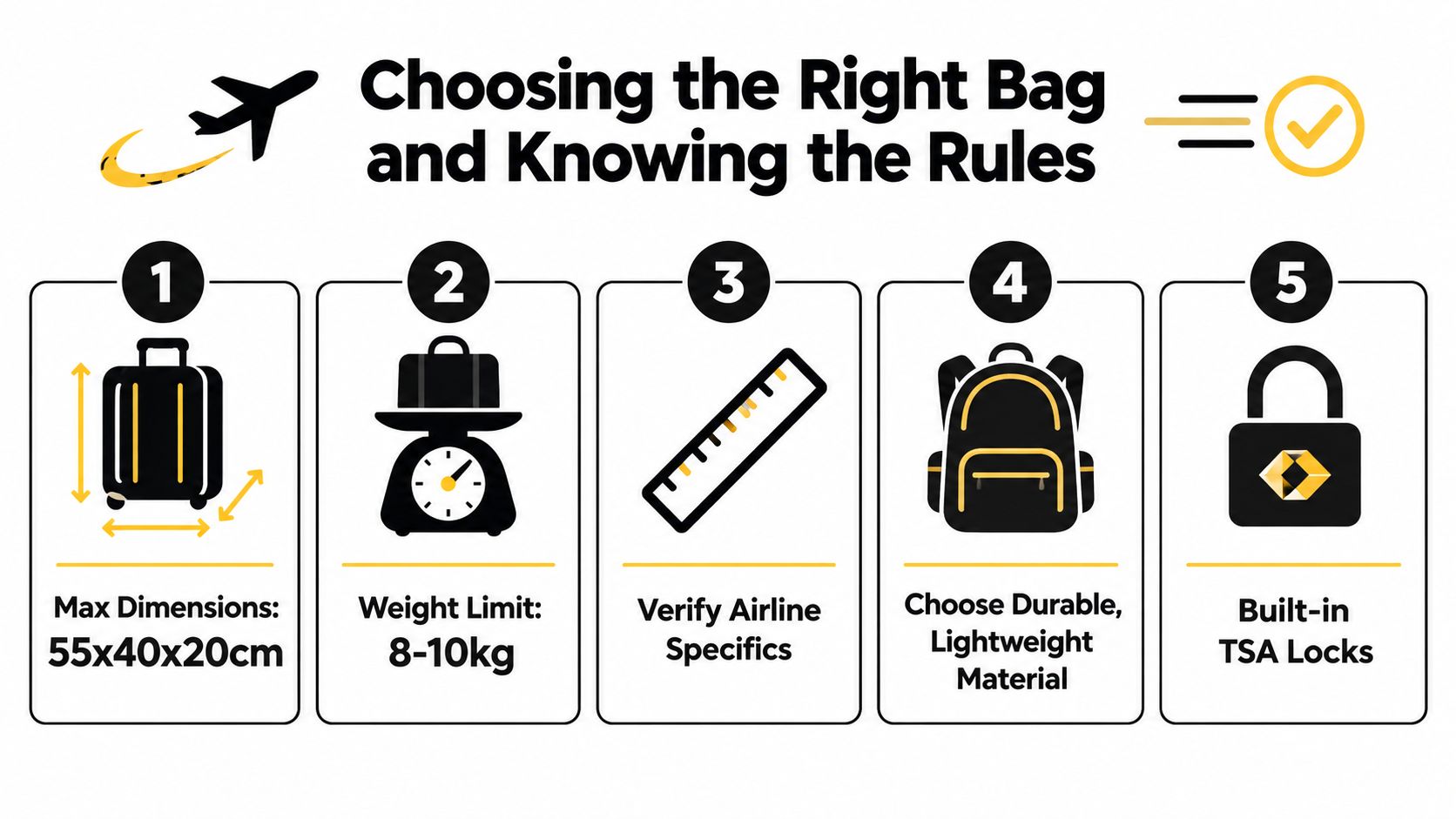
There isn't one universal carry-on standard. The International Air Transport Association's passenger baggage guidance explains that allowances vary by airline, cabin class, and aircraft type. It identifies 56 × 45 × 25 centimeters, or 22 × 18 × 10 inches, including wheels and handles, as a common reference size, while some airlines impose weight limits beginning at 5 kilograms, or 11 pounds.
Check every operating carrier on your itinerary, not only the airline that sold the ticket. On a multi-airline journey, use the strictest allowance as your working limit. The operating carrier sets the rules, and an oversized bag can be transferred to the hold.
Practical rule: Measure the bag after packing, not just when it's empty.
Keep dimensions and weight separate in your mind. A bag can meet the height and width requirements while still exceeding the weight allowance. Choose a lightweight, structured bag, pack it fully, and check its measurements before leaving home. Leaving roughly 10% of the internal volume unused gives you breathing room for expansion, enforcement at the gate, or a small souvenir.
Choose flexibility with structure
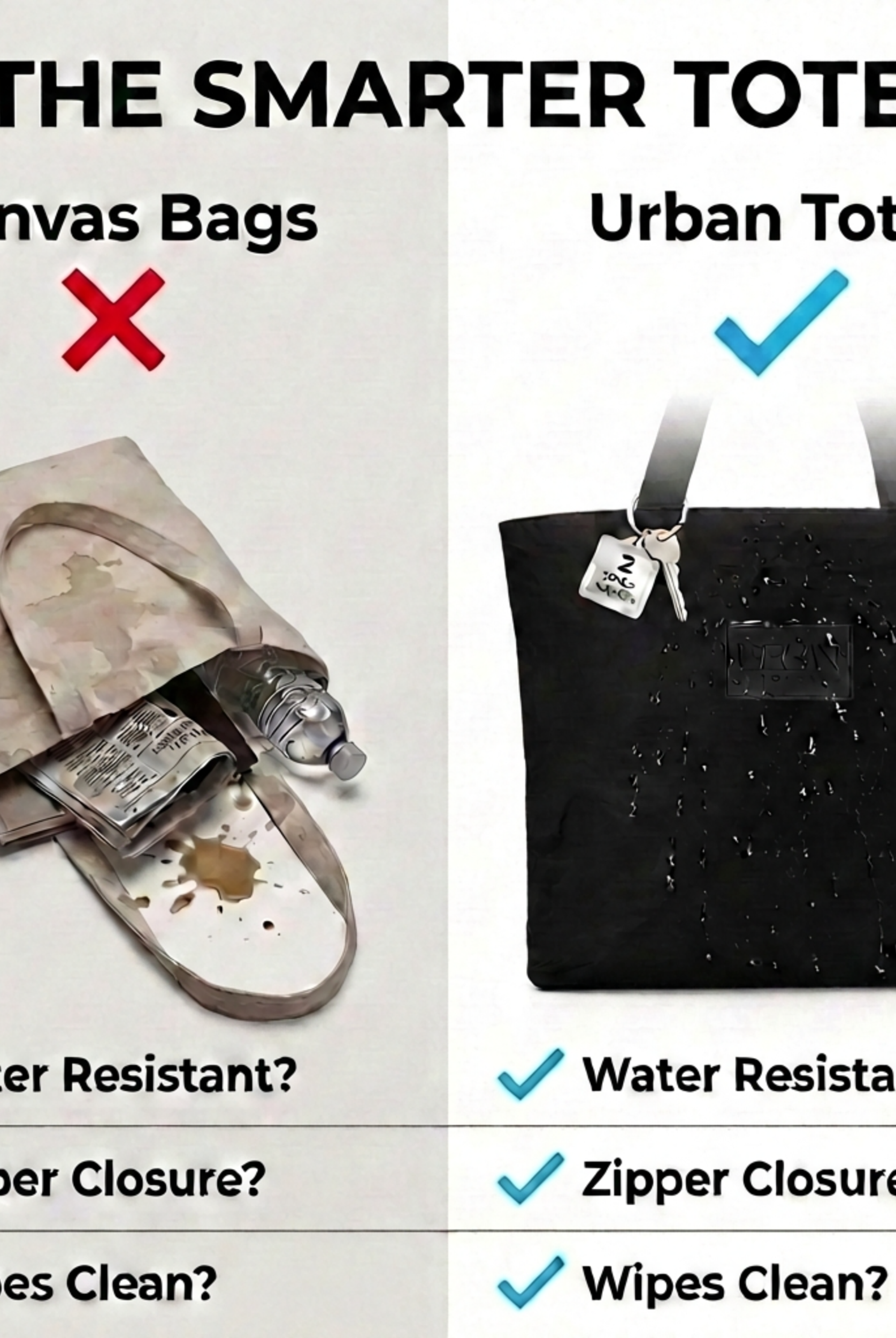
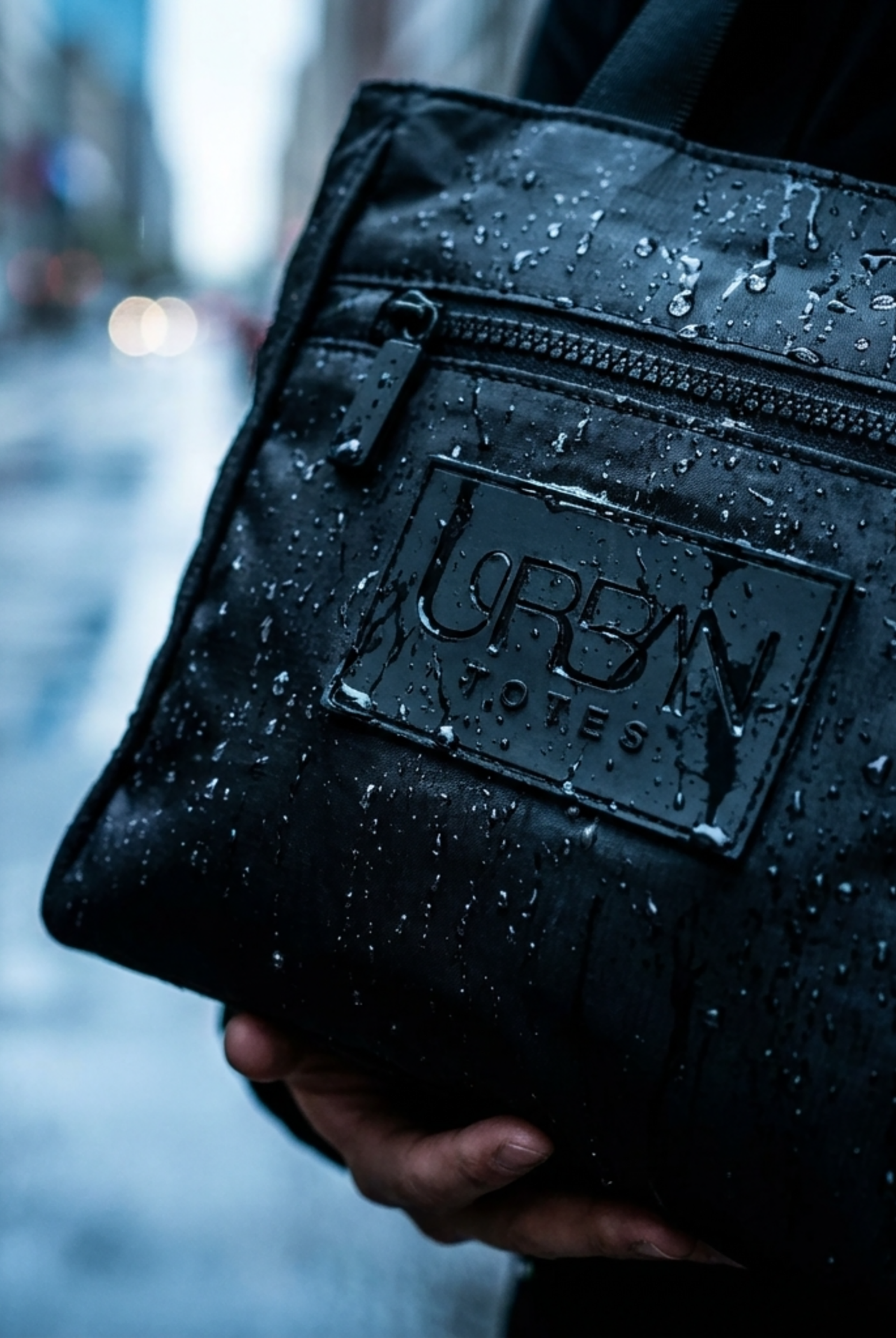
Hard-shell luggage gives you a defined shape, but a soft-sided or partially compressible bag can make better use of awkward spaces. Look for a secure zipper closure, reinforced handles, and multiple compartments that stop your belongings from shifting into one heavy lump. Water-resistant materials are particularly useful when you're crossing a rainy terminal, carrying a damp swimsuit, or dealing with a leaky toiletry bottle.
A lightweight, foldable tote also earns its place beyond the flight. It can hold a farmers market haul, beach layers, or the extras you remove from your main bag during a gate check. For a detailed explanation of how cabin luggage differs from an under-seat personal item, see this carry-on bag versus personal item guide.
The most useful bag isn't the one with the most dramatic capacity. It's the one you can lift, close, measure, and carry comfortably after packing. Your goal is travel-ready organization within a fixed volume and weight envelope, not a bag that invites you to fill every available inch.
Building a Versatile Travel Wardrobe
A carry-on wardrobe should behave like a small collection, not a pile of individual outfits. The airport outfit needs to become a sightseeing look, then a dinner layer, then something comfortable enough for a slow morning at a café. Every garment should work with several others before it earns space.
Start with a quiet color palette. Choose a base of two neutrals, then add one accent color that makes the whole group feel intentional. A white button-up can cover a tank top, dress up trousers, or soften a casual skirt. A lightweight cardigan can handle a cool cabin, an over-air-conditioned restaurant, or a chilly evening walk.
Edit by function, not fantasy
Pack for the weather you're likely to encounter, but don't build an imaginary life around the trip. If you never wear uncomfortable shoes at home, you won't suddenly enjoy them after a day of walking. If you're traveling somewhere with changing temperatures, layer a thin long-sleeve top under a sweater instead of bringing several bulky alternatives.
A useful wardrobe usually includes:
- One polished base outfit: Wear your bulkiest shoes and outer layer in transit.
- Several interchangeable tops: Favor wrinkle-resistant fabrics and shapes that work tucked, loose, or layered.
- A small selection of bottoms: Pick silhouettes that can move from errands to dinner.
- One lightweight layer: A cardigan, overshirt, or scarf adds warmth without swallowing space.
- A simple sleep and lounge option: Comfort matters, especially during delays.
- Shoes with distinct jobs: Bring pairs that serve different settings rather than minor variations of the same style.
Don't pack for every possible photograph. Pack for the woman who will walk, eat, rest, sweat, and carry her things through a station. A capsule wardrobe succeeds when each piece has more than one role and the colors already cooperate.
Leave room for real life
Souvenirs, a scarf bought at a market, or a child's damp clothes need somewhere to go. The carry-on bag essentials guide is useful when you're editing the final list and deciding what belongs in the cabin bag versus the personal item.
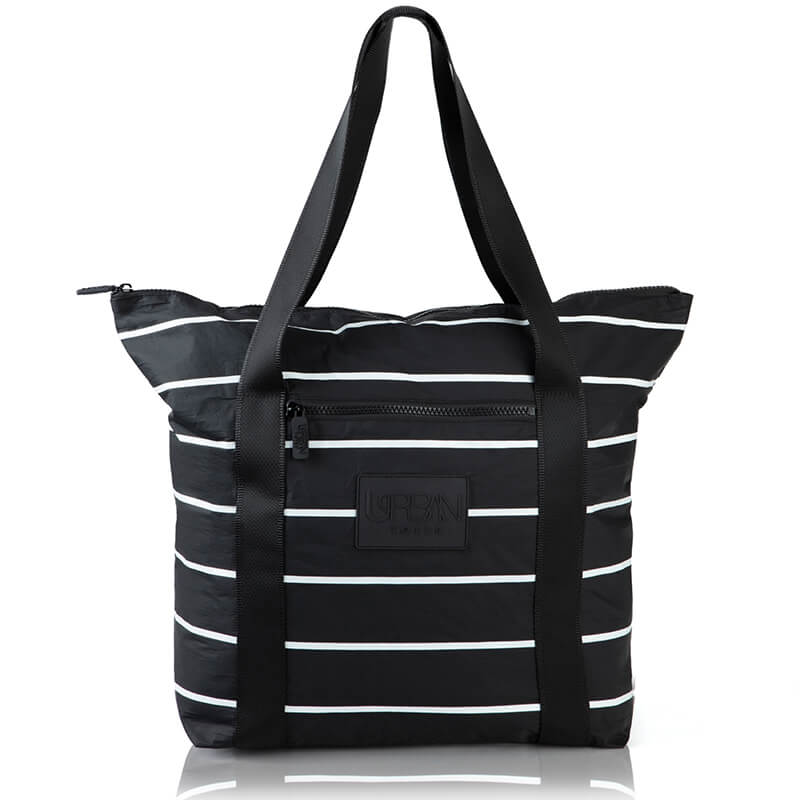
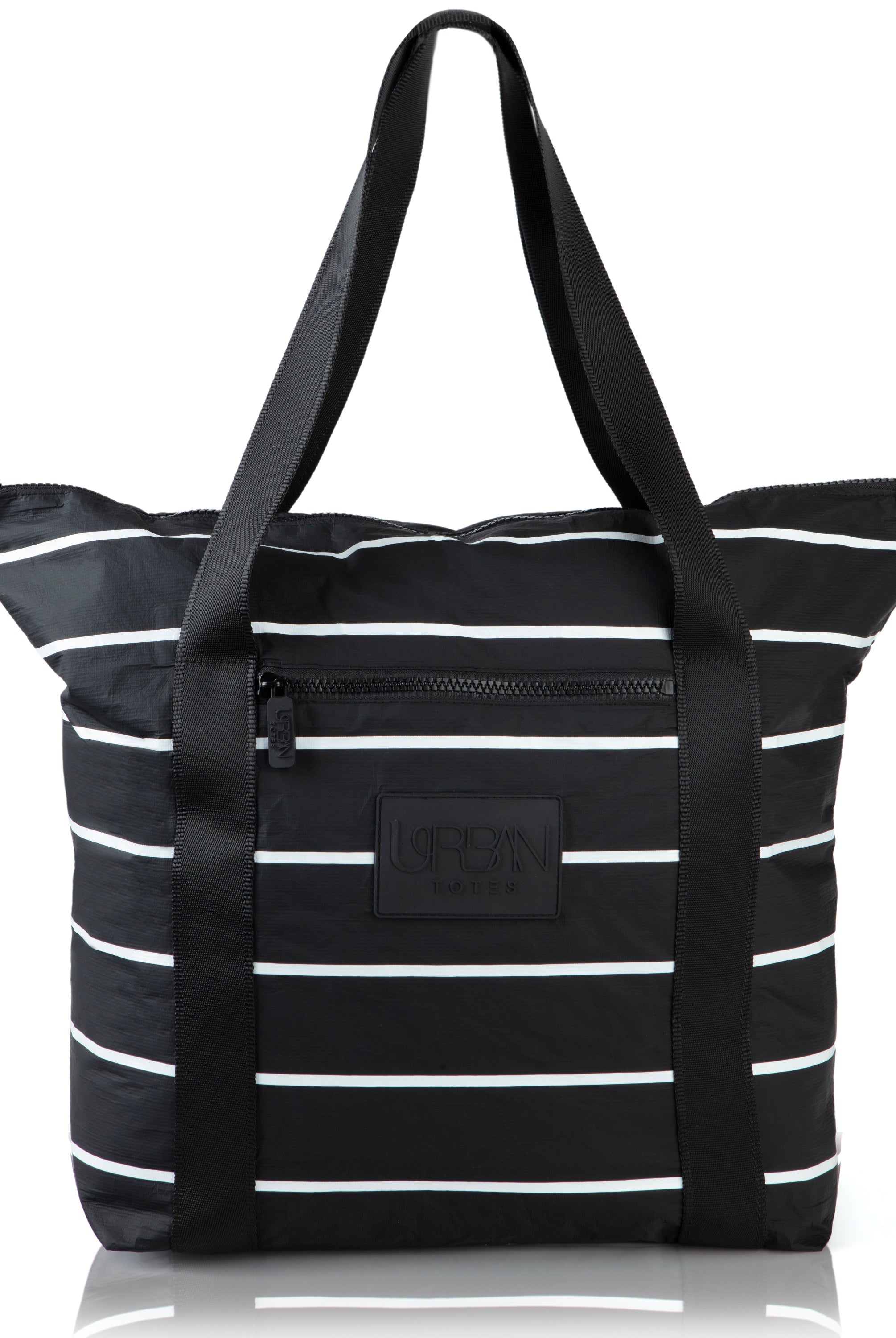
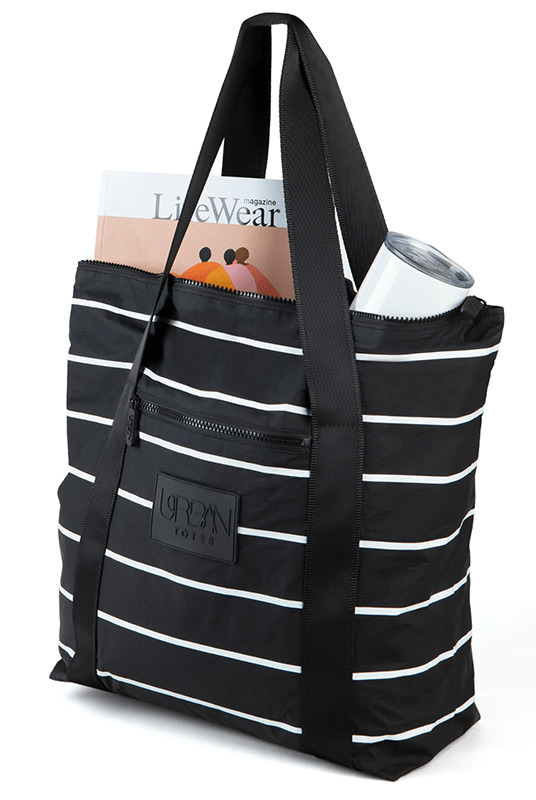
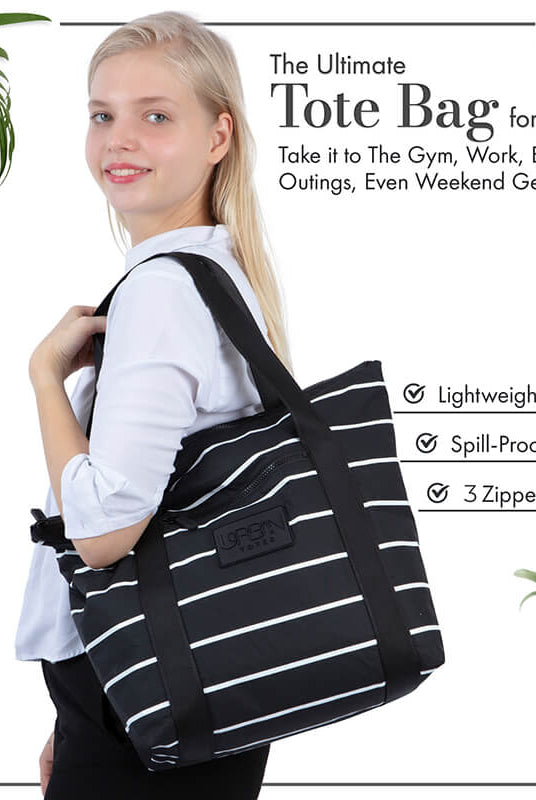
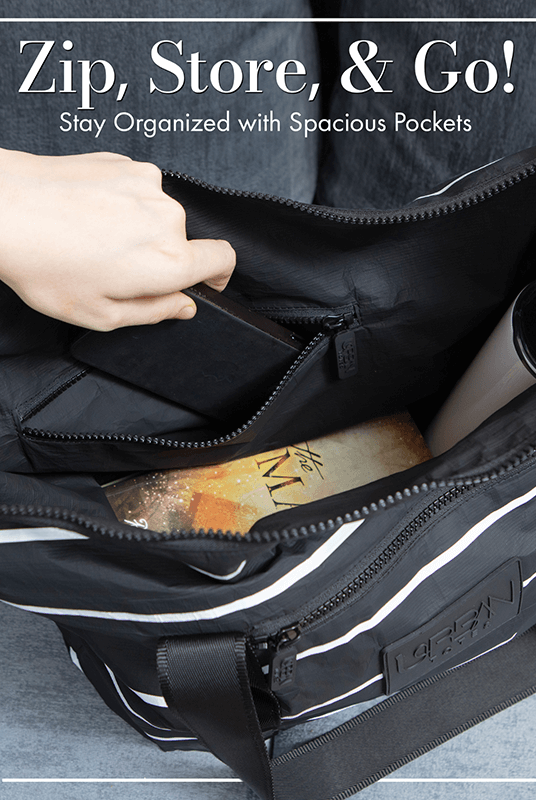
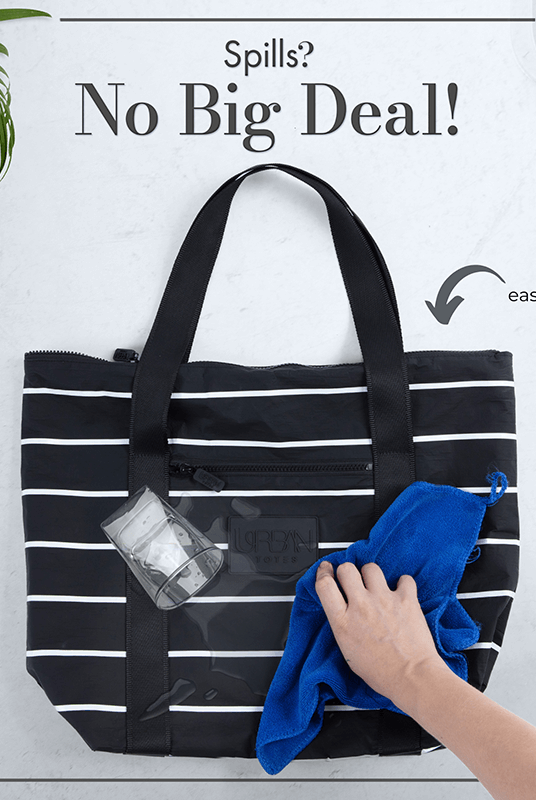
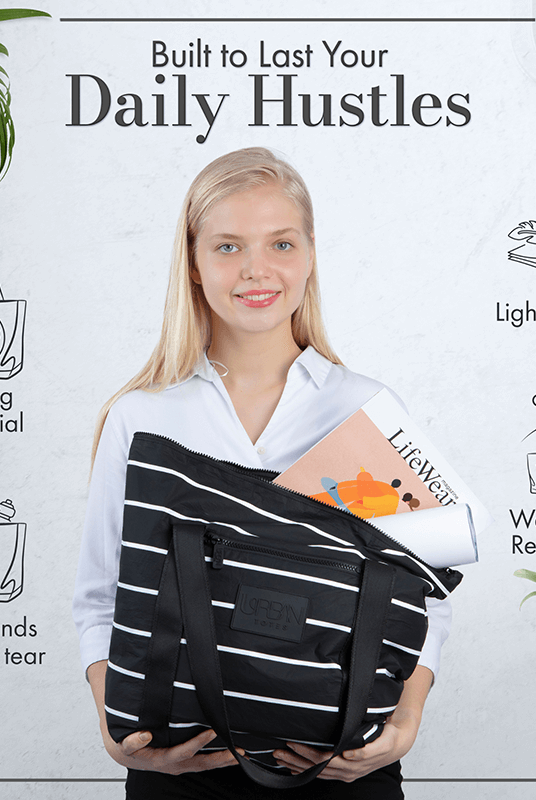
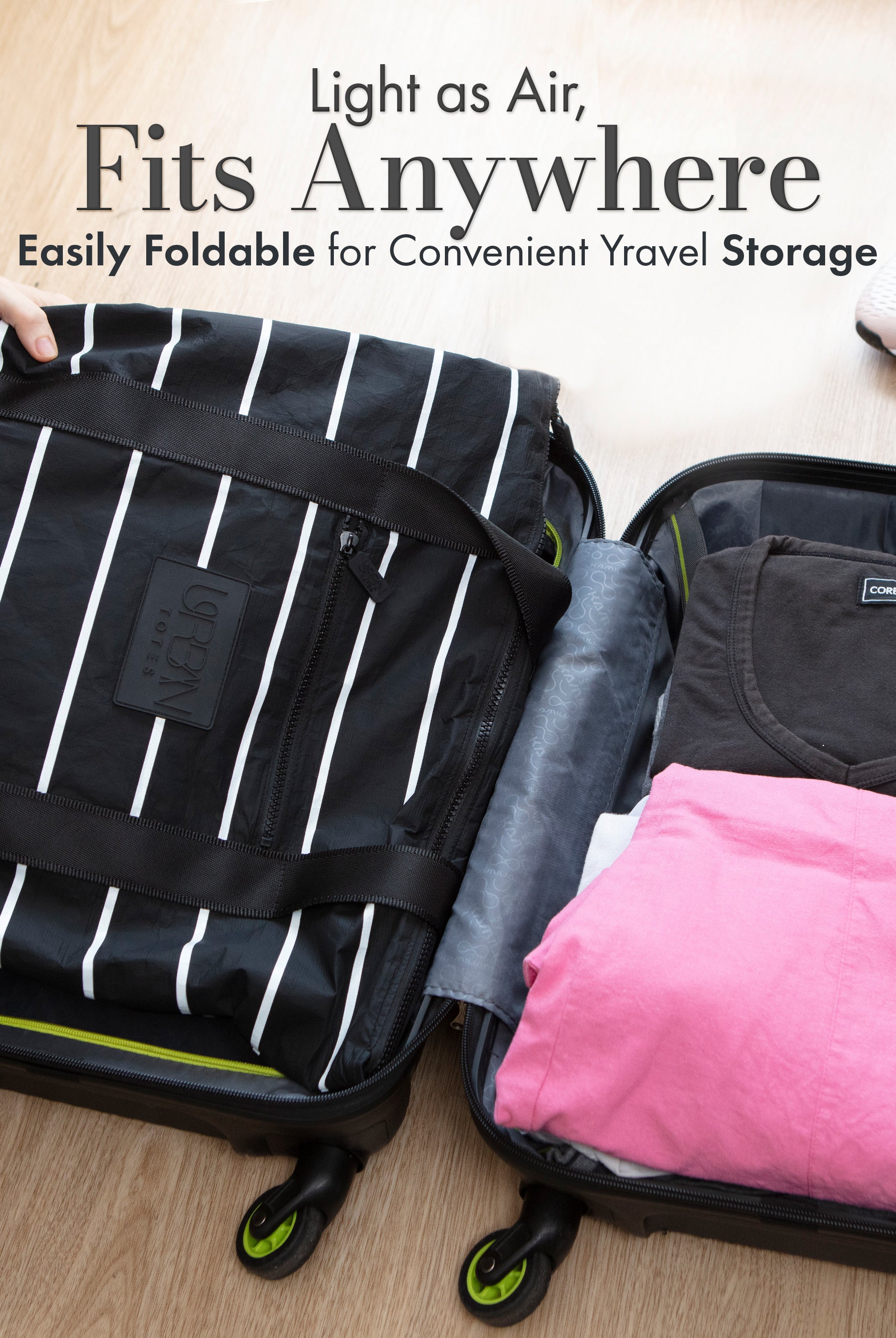
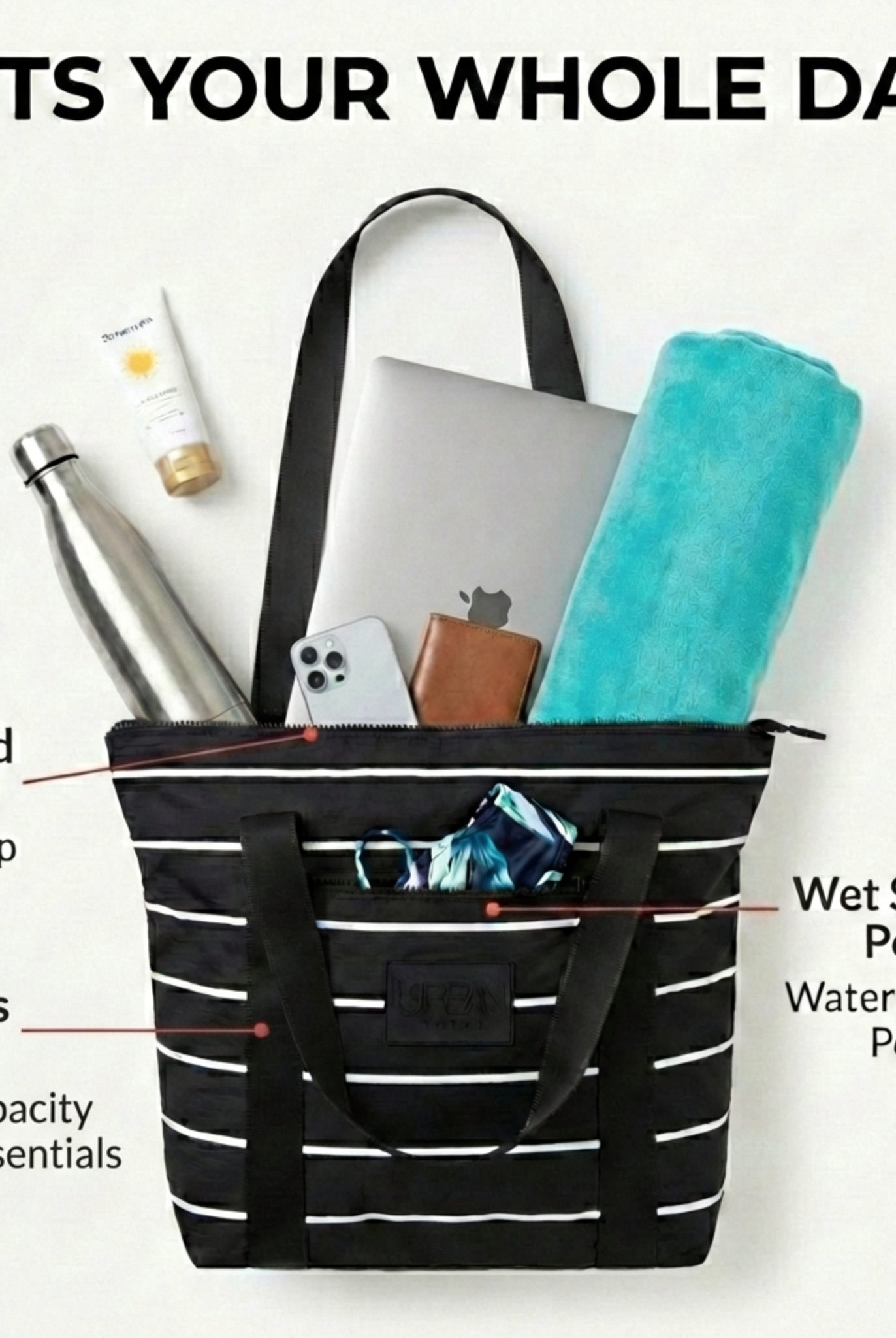
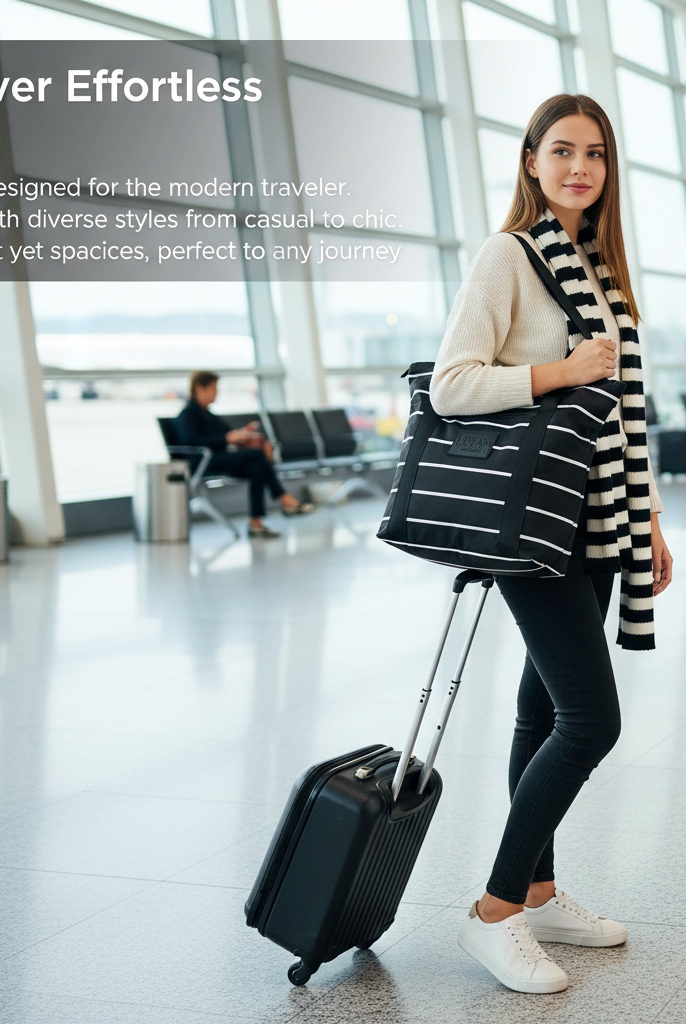
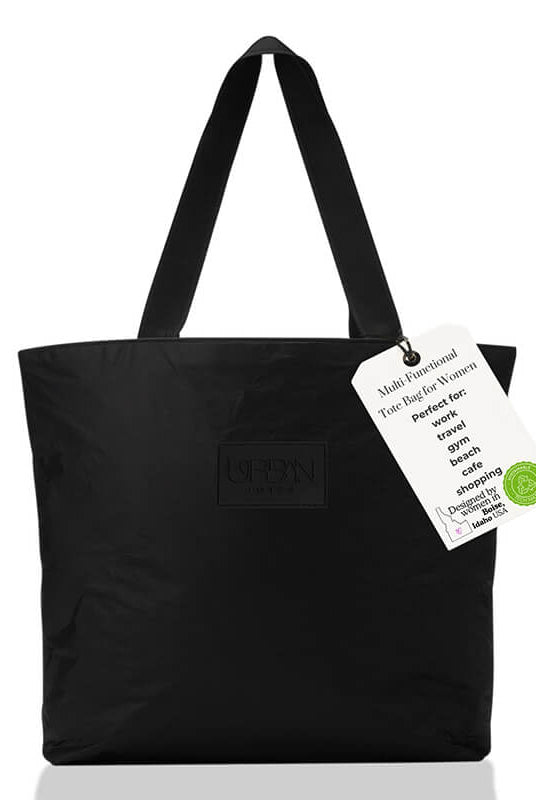
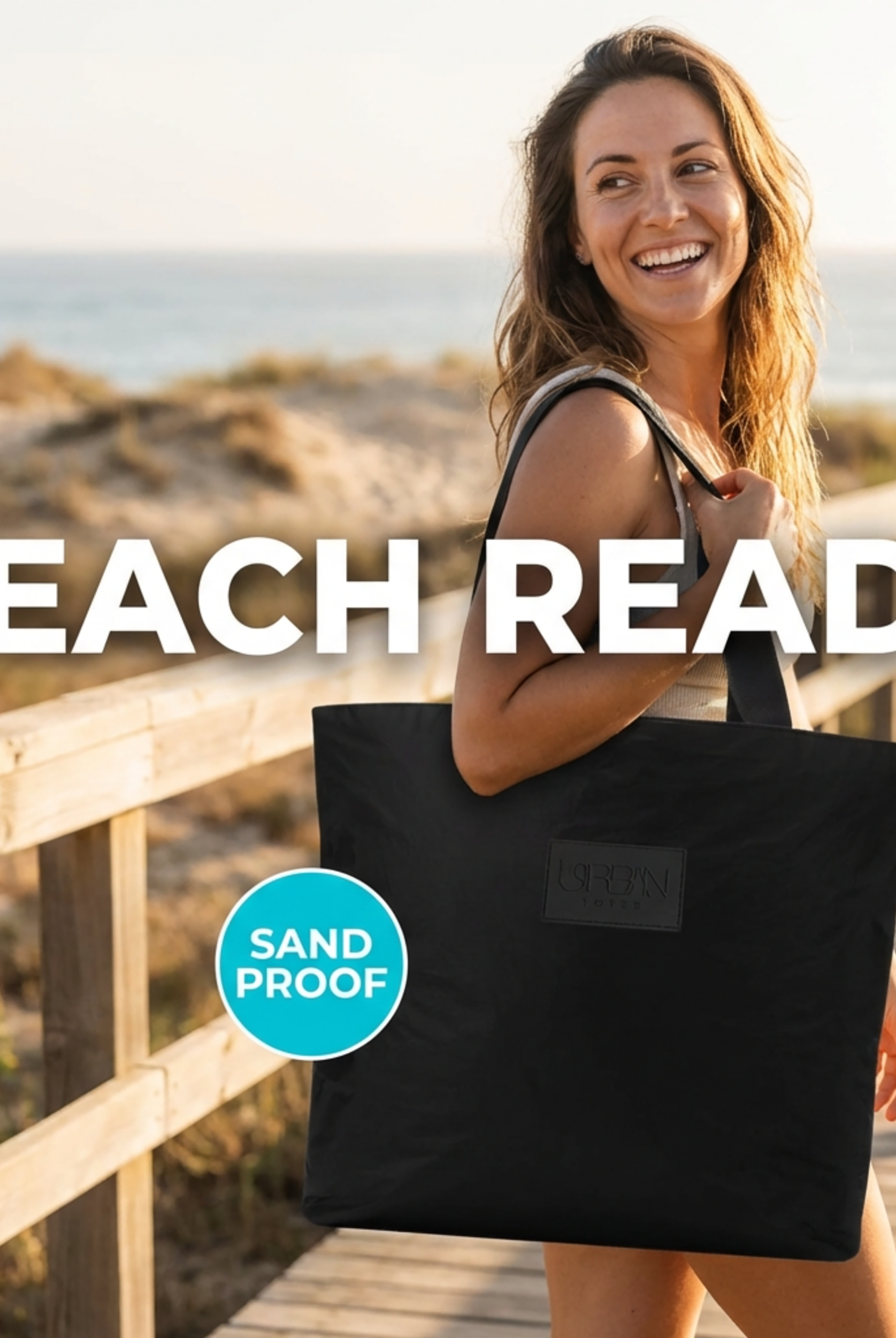
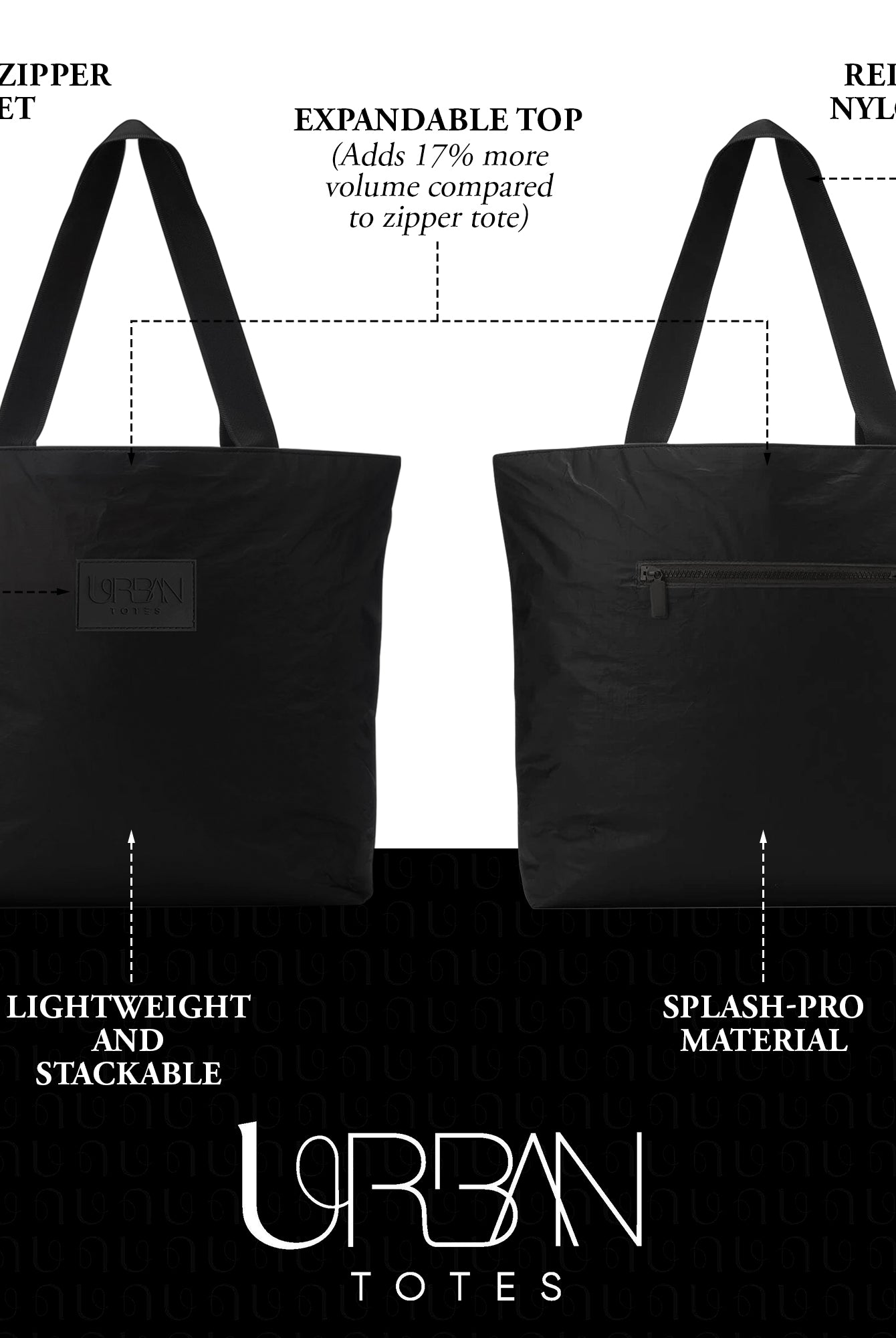
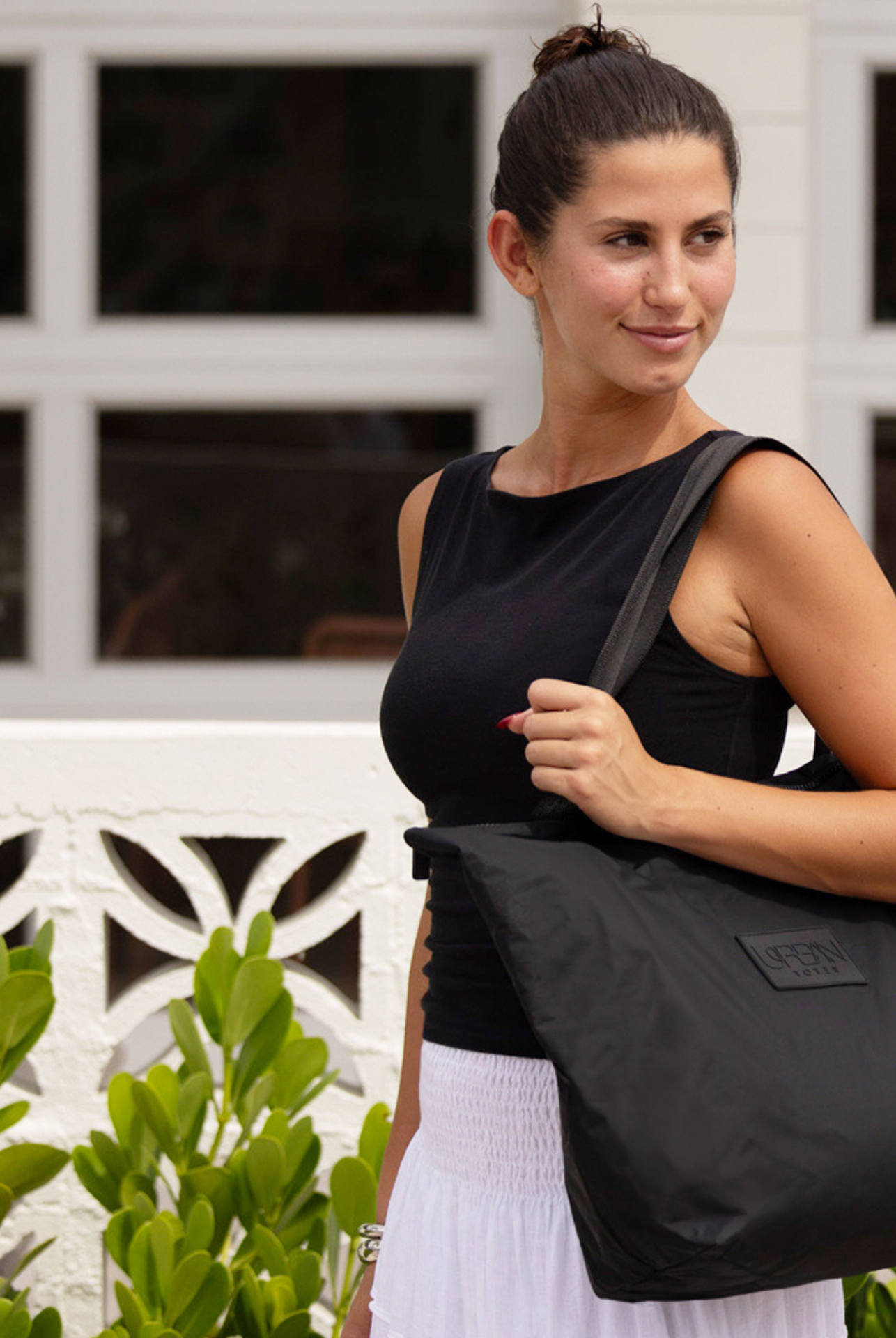
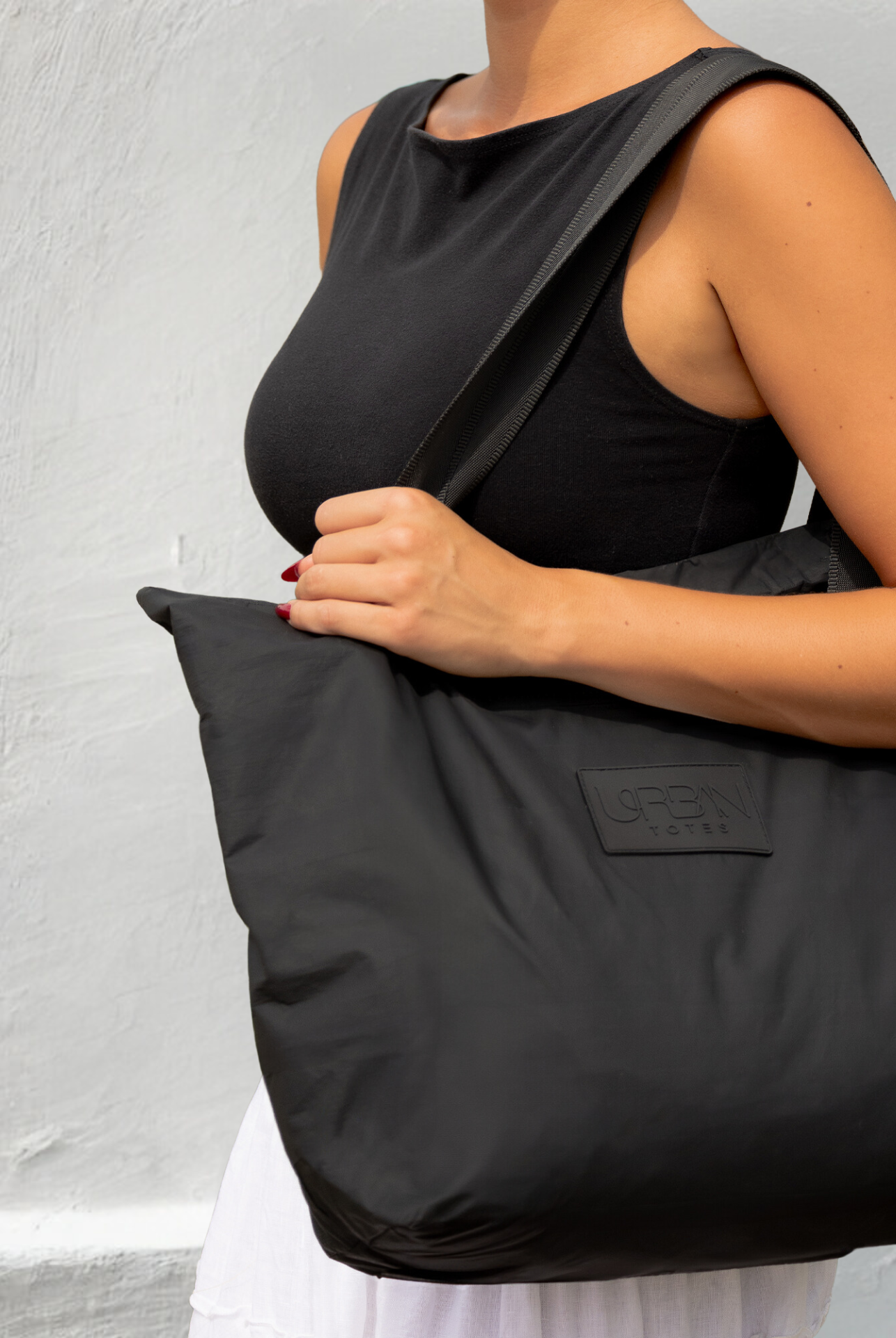
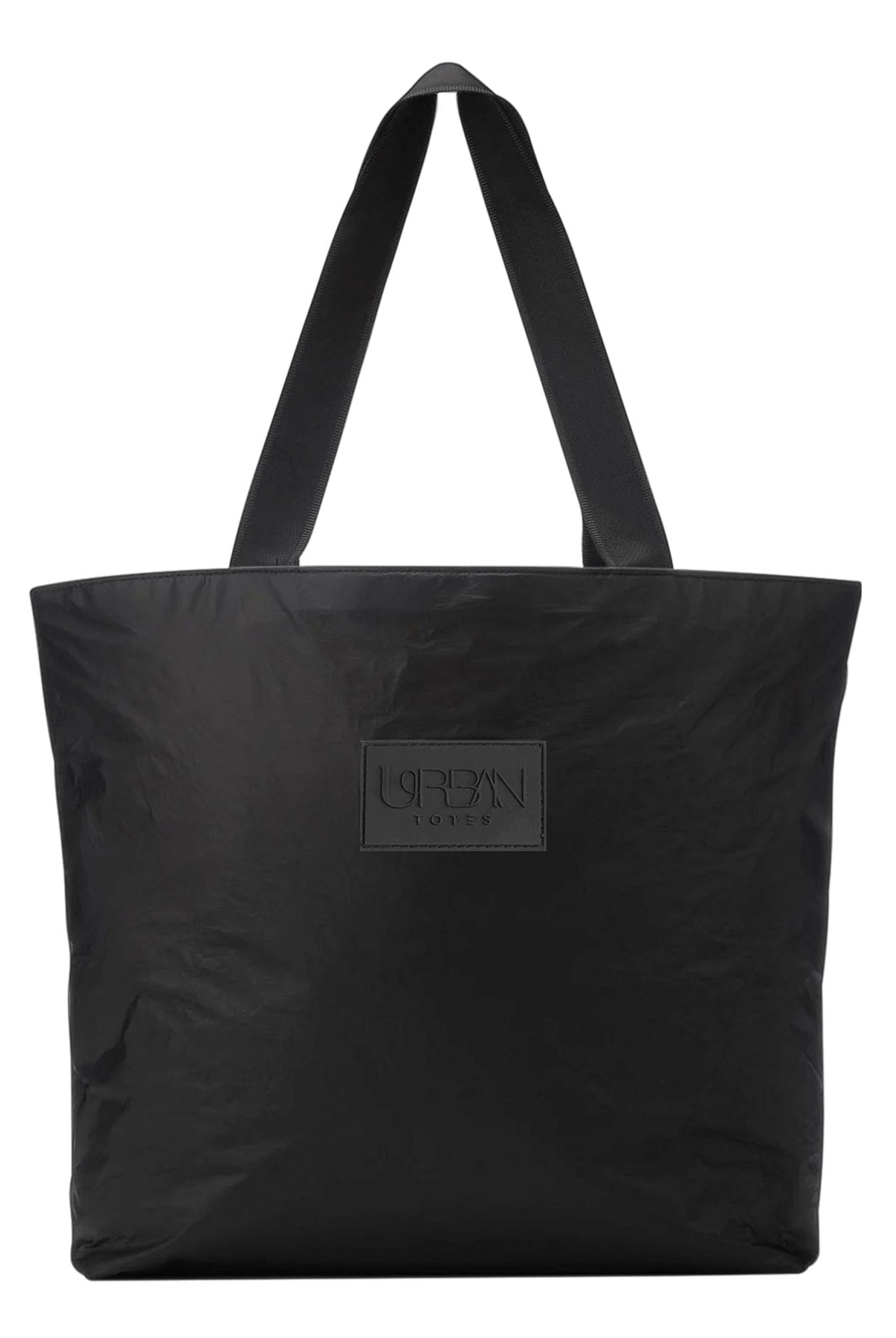
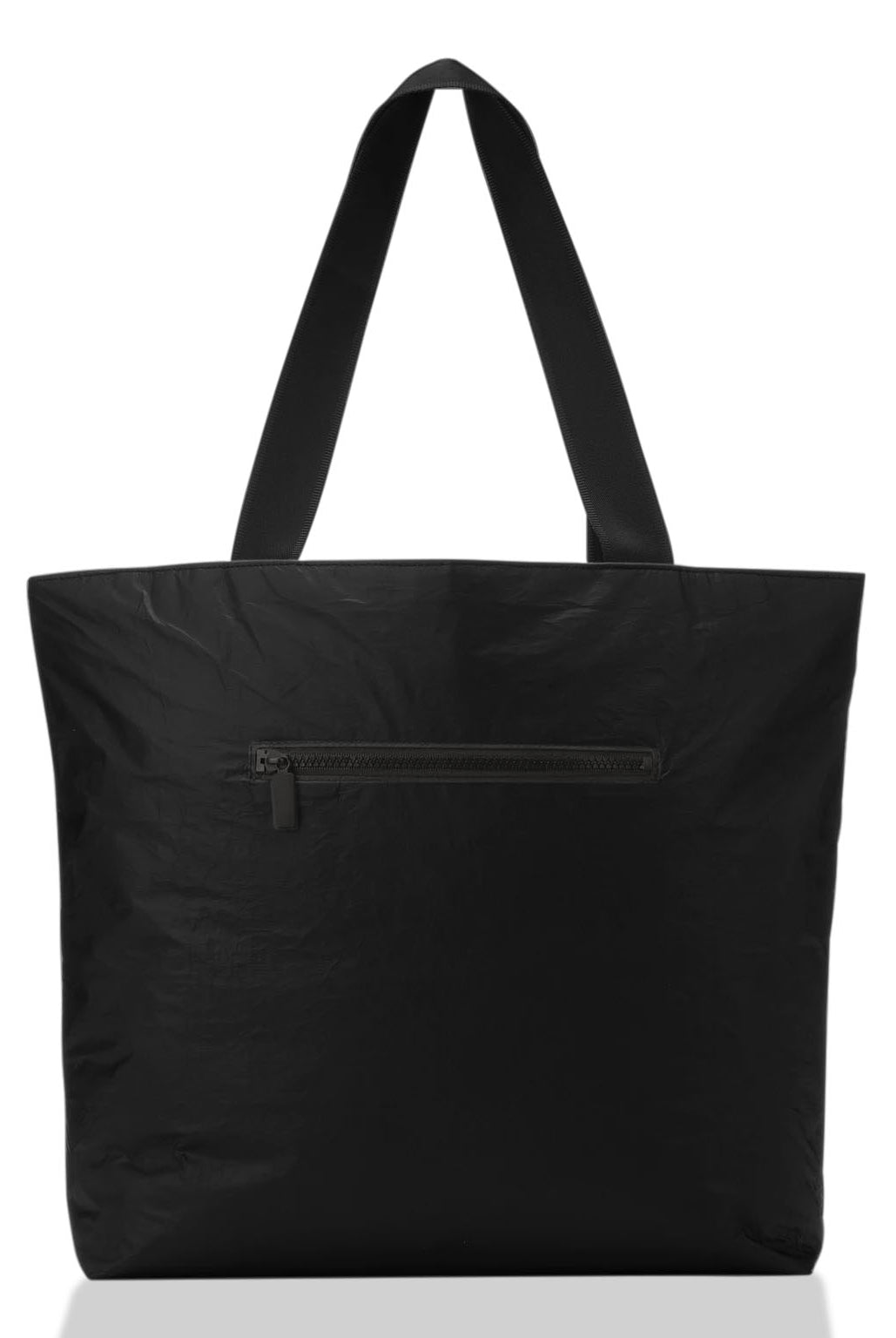
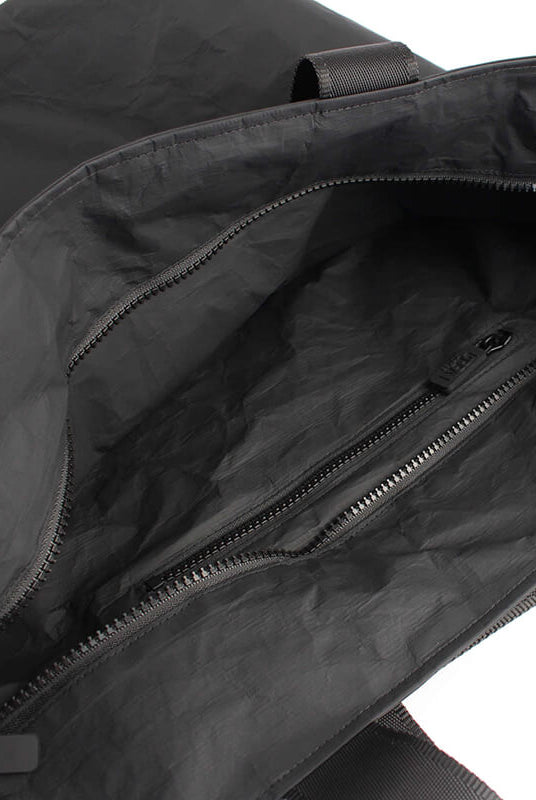
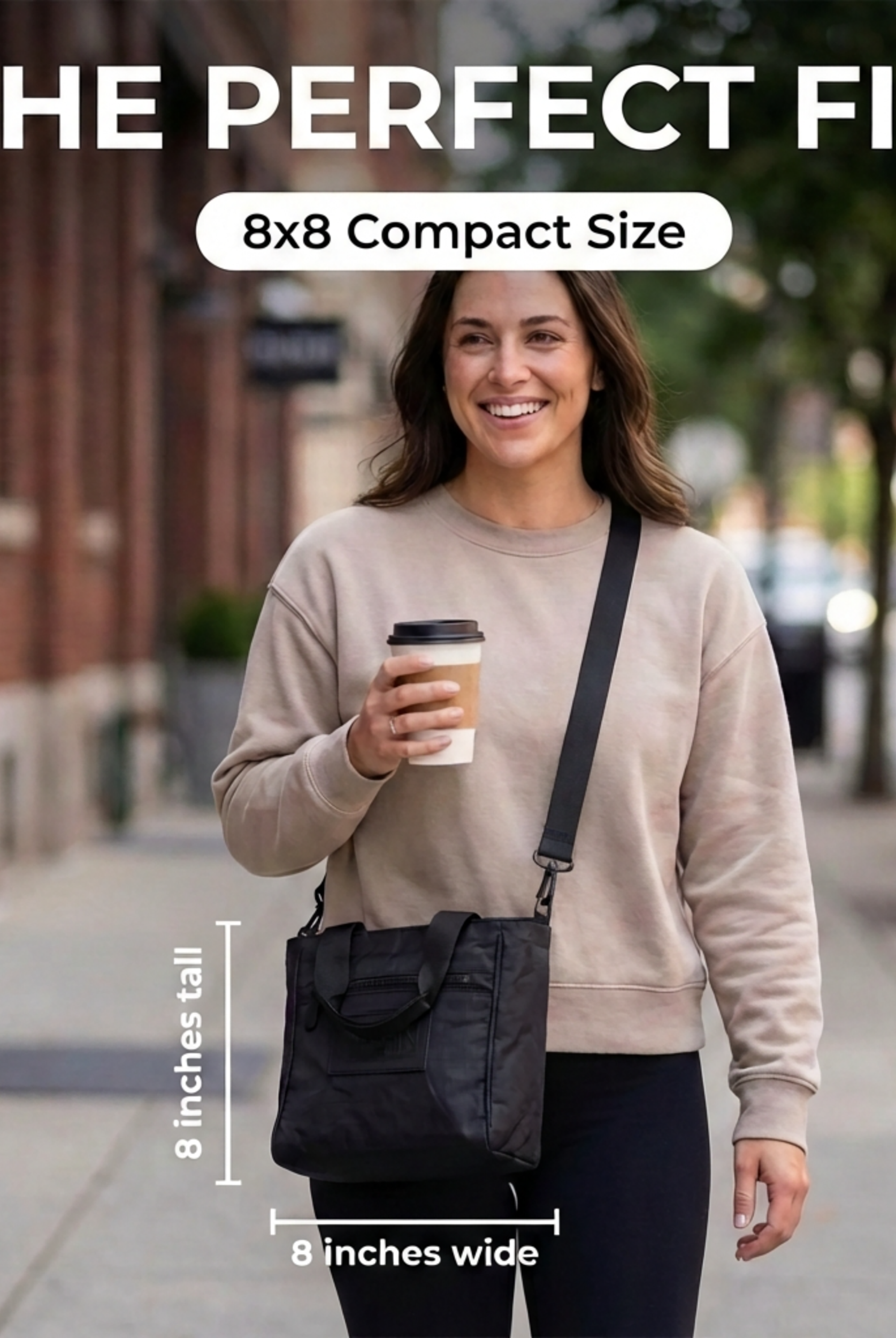
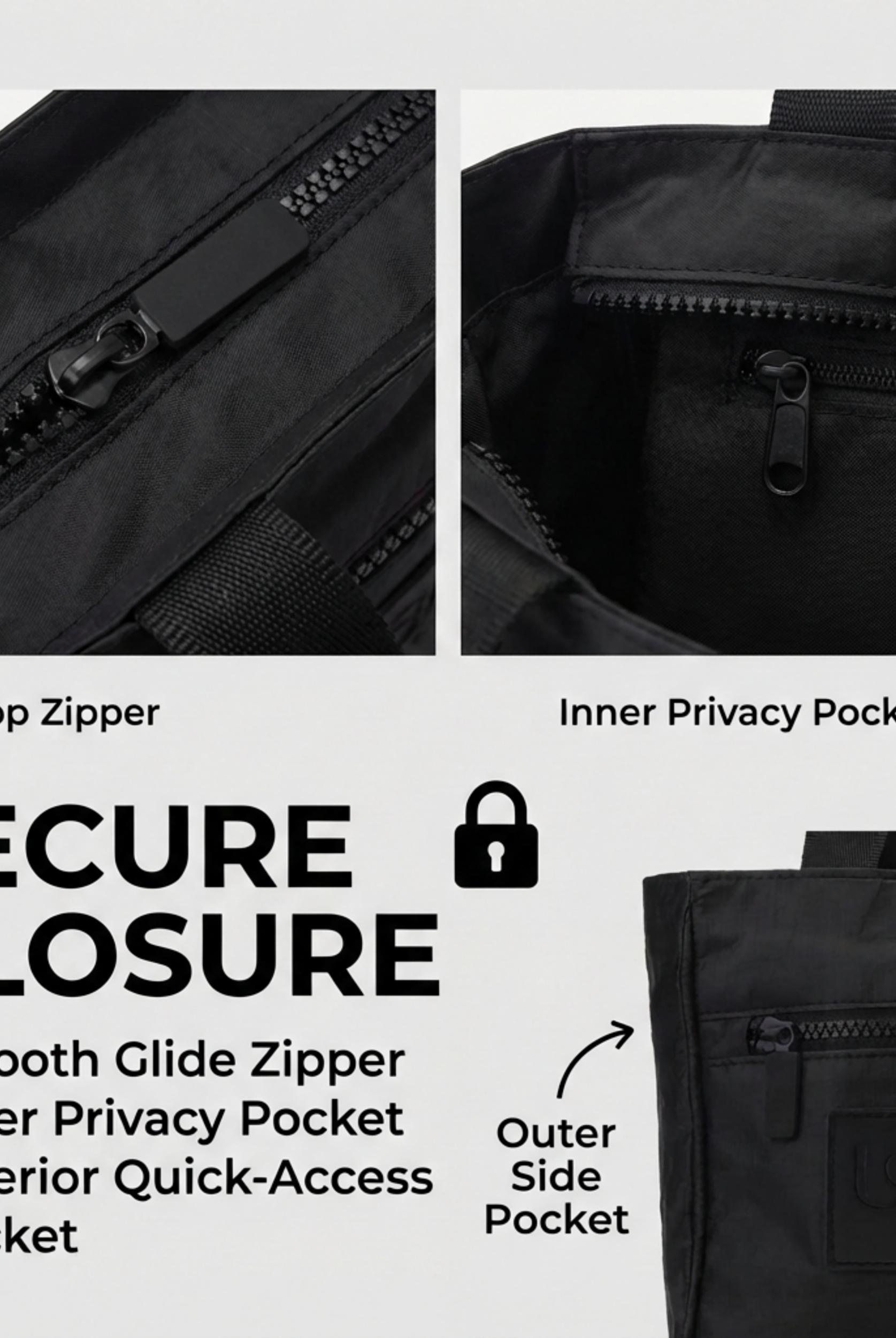
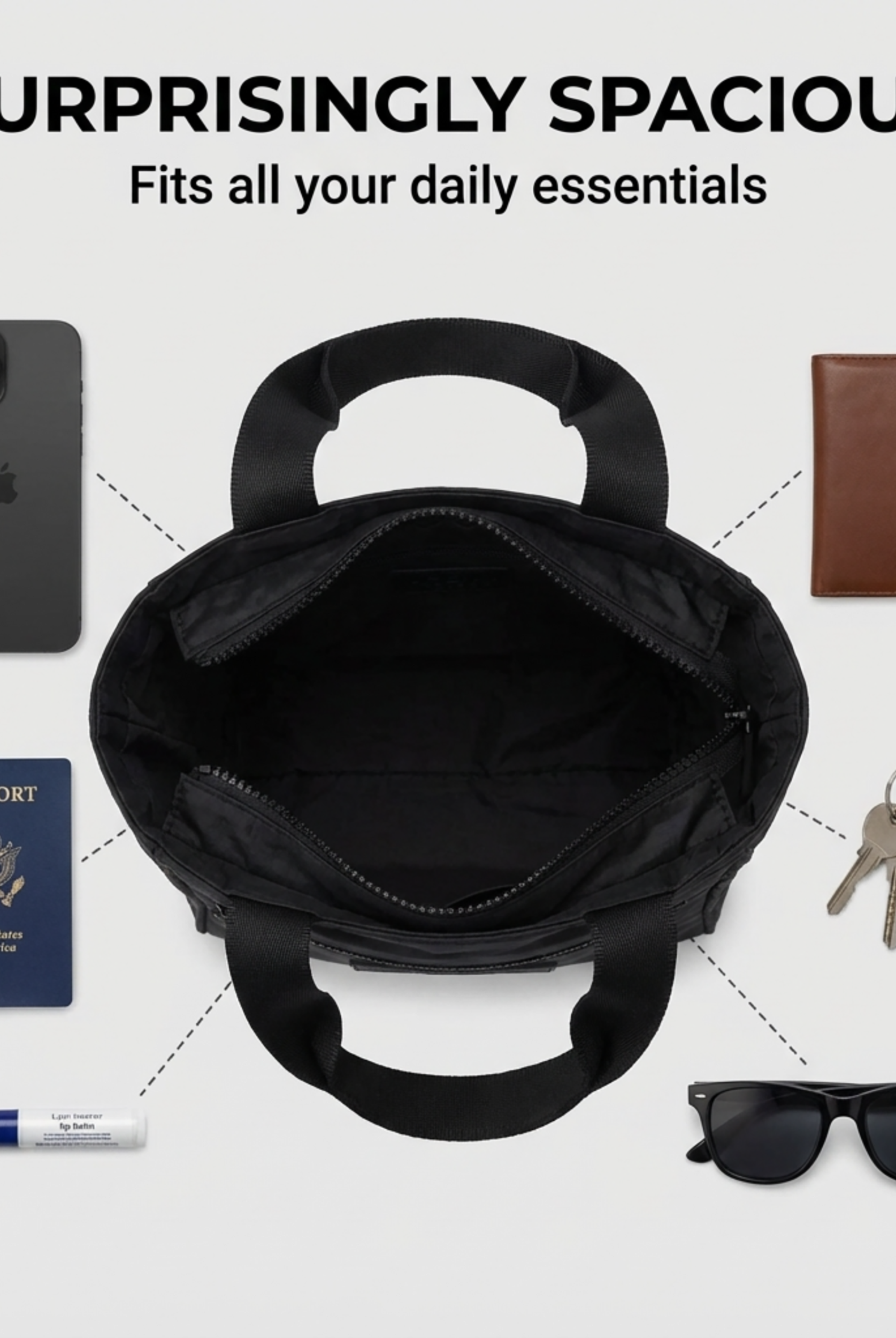
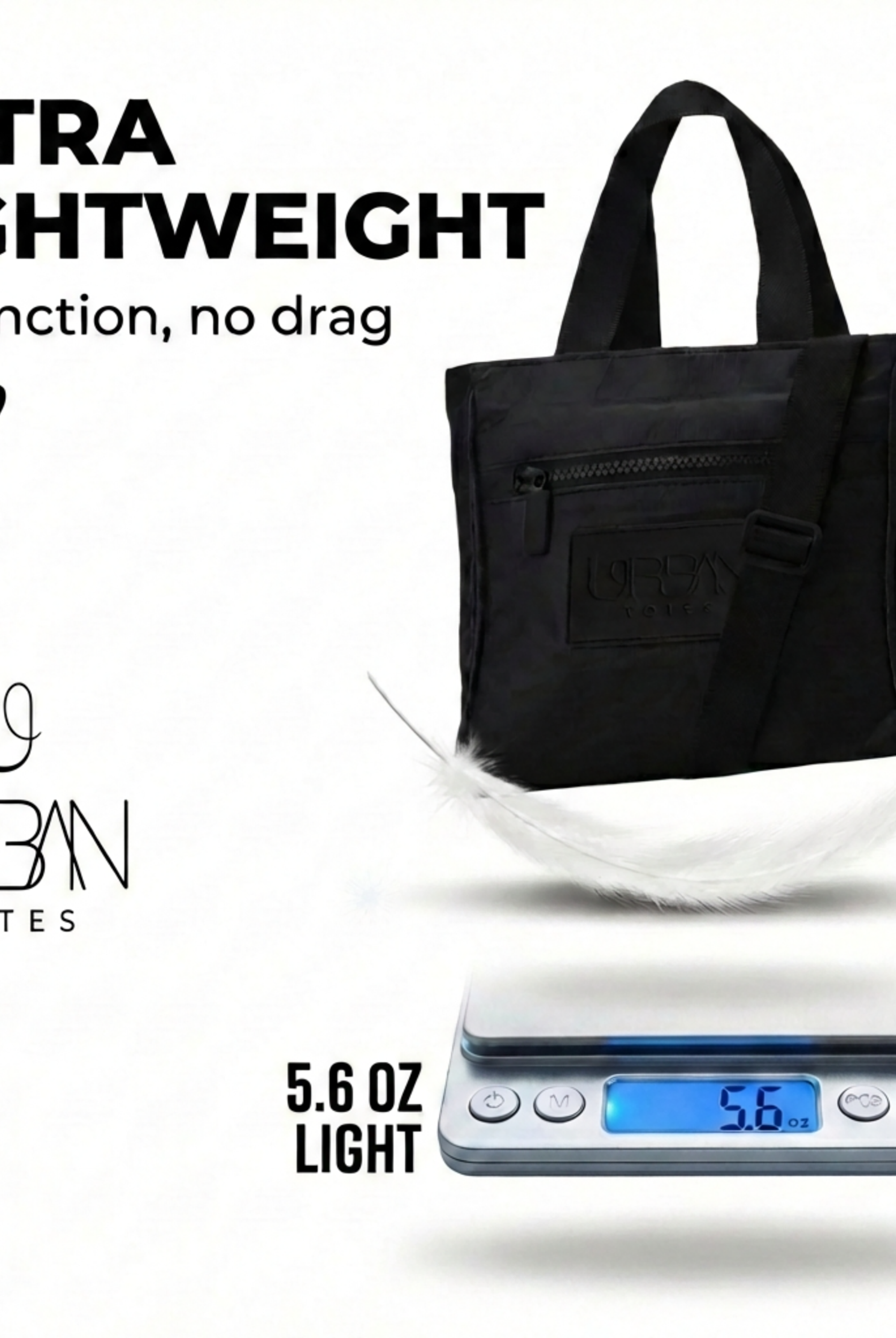
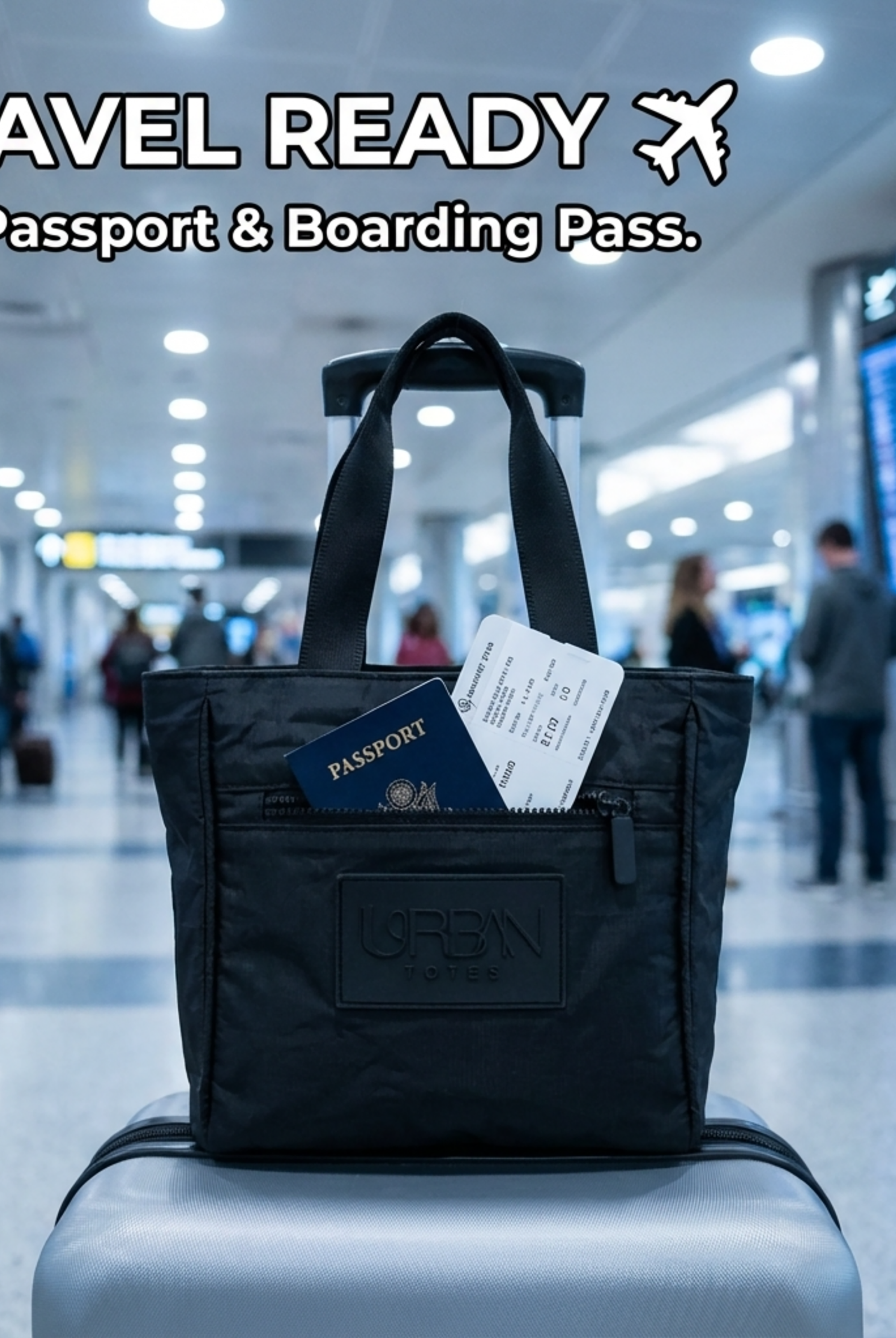
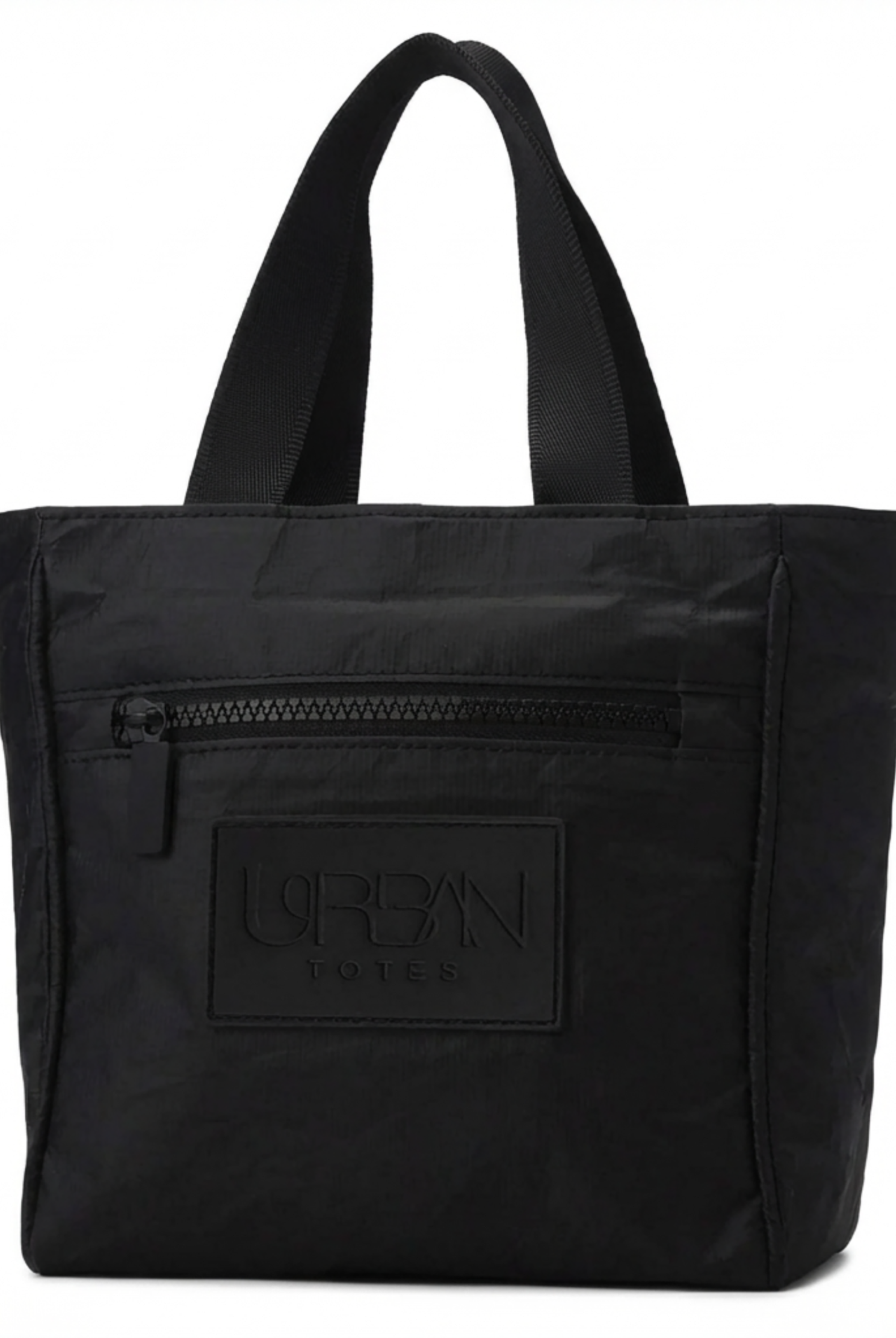
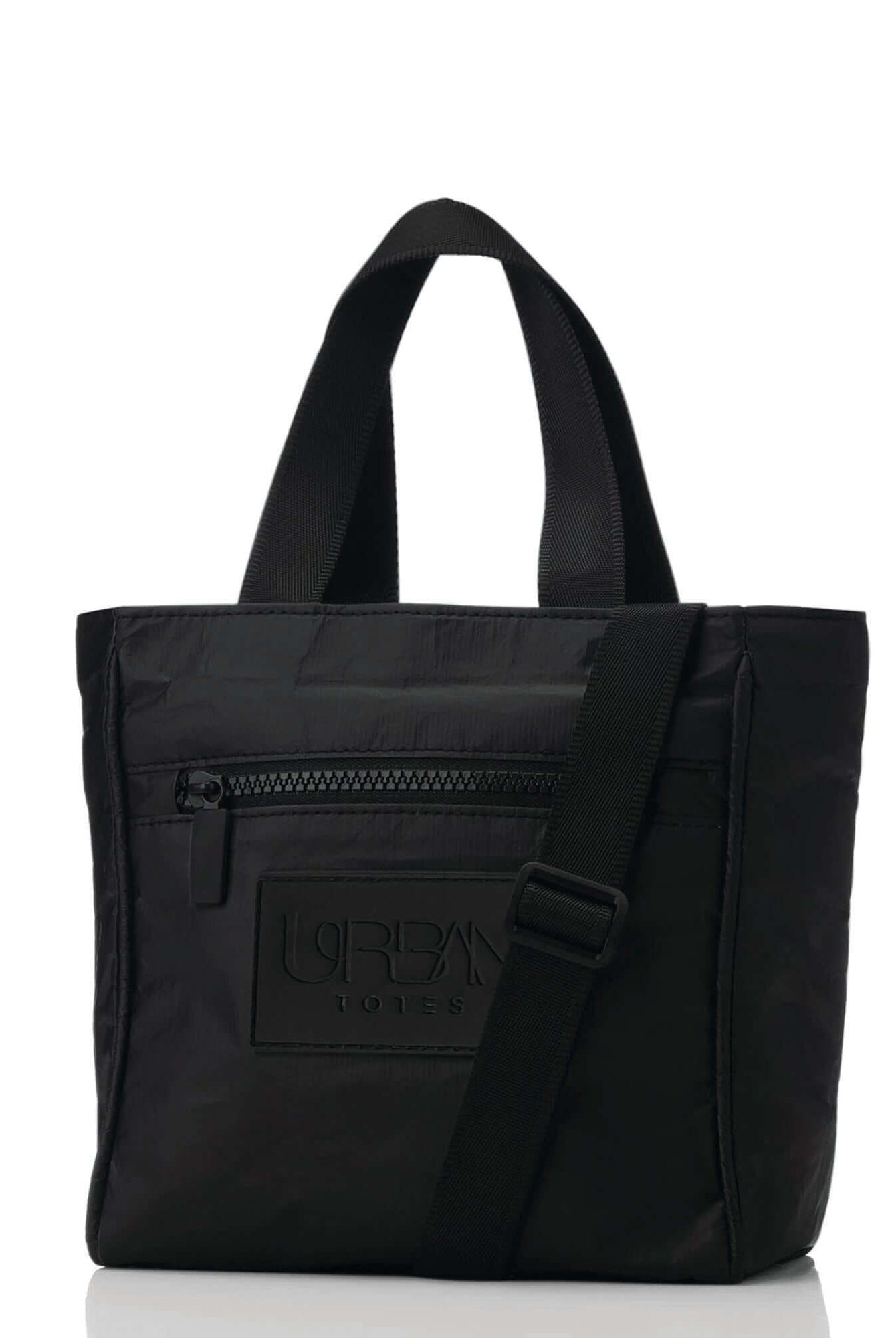
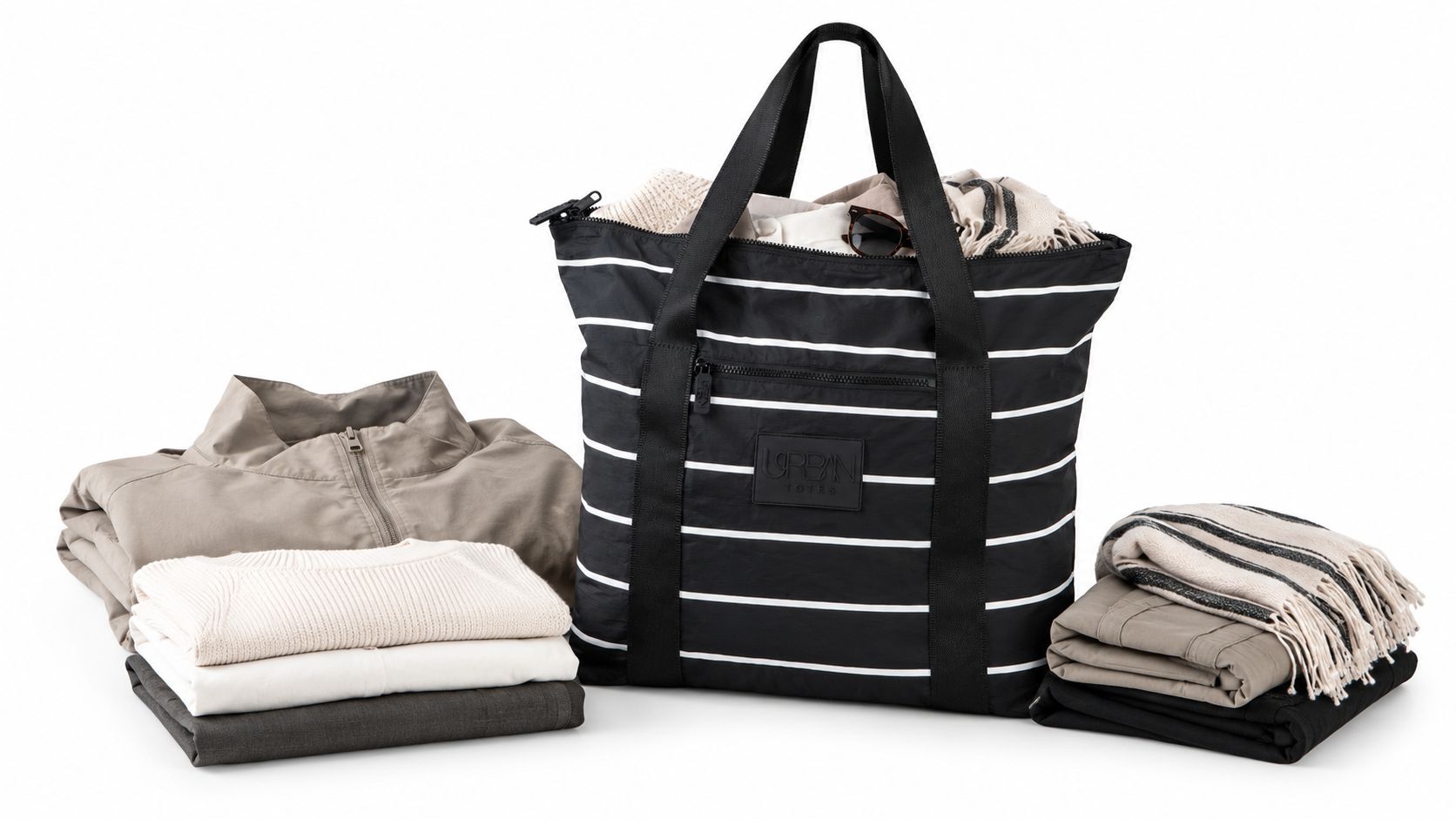
The Elevate Every Adventure with The OG Zipper Tote Bag by Urban Totes fits naturally into this system as a lightweight, packable, water-resistant tote with a zipper closure, inside and outside zipper pockets, and three large pockets for items such as an iPhone, slim ridge wallet, and tech gear. Its listed dimensions are 19 inches wide by 14.5 inches high, and its side pockets can separate wet swimsuits or workout clothing from the rest of the contents.
Think of clothing as a coordinated toolkit. When every piece works hard, you get more outfits, less indecision, and a bag that still closes without a wrestling match.
Mastering Packing Techniques for Maximum Space
The best packing list can fail if you load it carelessly. Start by placing dense items low and close to the wheels, or at the bottom of the tote where the weight rests against your body. Lighter pieces should sit above them, and anything you'll need during transit should stay in a separate, accessible compartment.
Rolling works beautifully for soft pieces such as T-shirts, leggings, sleepwear, and lightweight knits. Smooth the item flat, fold in the sides, and roll from the hem toward the neckline. Keep the roll firm but not tight enough to stretch the fabric. Stack similar rolls together so you can remove one category without disturbing the rest.
Use a method for each material
Folding is better for structured shirts, trousers, and pieces that crease easily when rolled. Button the shirt, fold the sleeves inward, and fold it into a compact rectangle. Place a scarf or thin layer between delicate pieces if you want a little separation.
Bundling works when you have several garments that need to remain relatively smooth. Lay the largest item flat, place smaller pieces across the center, then fold the outer garment around the group. It creates one soft package rather than a dozen loose layers, though it's less convenient when you need only one shirt.
Packing cubes and pouches can help, but they're not magic space-makers. Their value comes from category control. Use one for clothing, one for underwear and socks, and a slim pouch for cables. Avoid filling every cube until it becomes rigid. A flexible bundle can fit around shoes and corners more efficiently.
Create a retrieval map
A multi-pocket bag becomes useful only when each pocket has a job. Try this arrangement:
- Main compartment: Folded or rolled clothing, organized by type.
- Interior zipper pocket: Jewelry, spare keys, or small items that disappear easily.
- Exterior zipper pocket: Passport, boarding pass, and other documents you'll reach for repeatedly.
- Side pocket: Water bottle, snack, or a small pouch that needs quick access.
- Personal item: Medication, chargers, valuables, glasses, and anything essential if the larger bag is gate-checked.
Use the packing cubes guide from Urban Totes for a more detailed approach to grouping belongings. The principle is simple: pack by access frequency, not only by item type. Your phone charger belongs where you can reach it in the seat. Your spare outfit belongs where you can retrieve it without emptying the bag.
A tidy bag is less about perfection than knowing exactly where your next thing is.
Before you zip the bag, lift it. If one side pulls heavily, move dense items toward the center and distribute the load again. Comfortable carrying is part of packing light, particularly when you're moving through a terminal, boarding a train, or managing a child's hand at the same time.
Navigating Toiletries and Essential Care Items
Toiletries create a space problem, but caregiving essentials create a planning problem. Shampoo can be decanted. A child's feeding supplies, temperature-sensitive medication, spare glasses, or backup clothing may not have a convenient substitute. That's why extreme minimalism can become poor travel strategy.
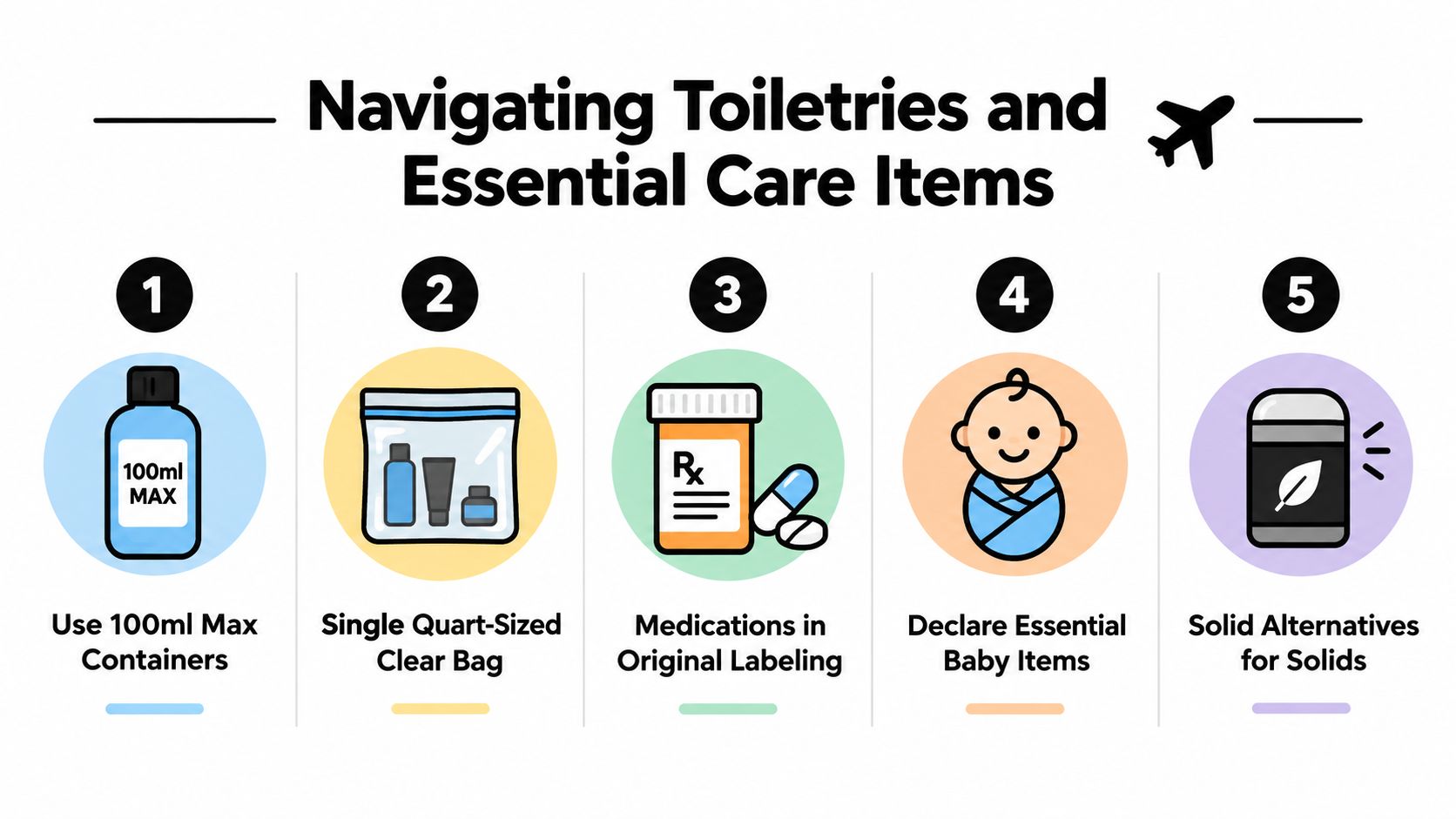
For flights departing from the United States, the TSA's travel guidance limits liquids, aerosols, gels, creams, and pastes in carry-on baggage to containers holding 3.4 ounces, or 100 milliliters, or less. Those containers must fit inside one clear, quart-size, zip-top plastic bag per passenger. Everyday products such as toothpaste, shampoo, lotion, conditioner, and mouthwash all count.
European airports use a closely related metric rule. The European Commission's passenger security information states that each liquid container may hold no more than 100 milliliters, and qualifying liquids must fit in one transparent, resealable plastic bag with a capacity of no more than one litre per passenger. The rule includes gels, aerosols, pastes, lotions, soups, perfumes, shaving foam, and liquid-solid mixtures.
Build a small liquid system
Choose solid soap, solid shampoo, and powder cosmetics where they genuinely suit your routine. For liquids you'll keep, use reliable travel containers and pack them together in a clear pouch that can be removed quickly. Don't assume a new scanner means you can bring larger bottles. The European Commission's update on liquid screening restrictions states that, effective September 1, 2024, airports using certain explosive-detection systems reverted to the standard maximum of 100 milliliters per individual liquid container.
Medication deserves a separate category. St. Jude's travel guidance explains that medicines don't have to follow the 3.4-ounce-per-item rule or go inside the standard clear plastic bag. Keep prescriptions accessible, in original packaging, with medication leaflets and any relevant documentation. Store temperature-sensitive supplies according to the advice you've received, rather than burying them in checked luggage.
Make the personal item a care kit
Treat the under-seat bag as your continuity plan. It should hold the items you can't afford to lose access to during a delay or gate check:
- Medication and documentation: Keep prescriptions, leaflets, and necessary supplies together.
- Childcare essentials: Pack feeding items, snacks, wipes, and a spare layer according to the trip.
- Personal backups: Include spare glasses, identification, valuables, and a change of clothes when disruption would be difficult.
- Technology basics: Carry your phone, charger, headphones, and any work-critical device where you can reach them.
A clear organizer, such as the system described in this clear cosmetic case guide, can keep liquid items visible and contained. The goal isn't to remove every backup. It's to make the essentials modular, identifiable, and easy to move if the airline asks you to place your larger cabin bag in the hold.
Breezing Through Security and Boarding
You arrive at security with one hand on your coffee, one eye on the queue, and a child asking for a snack. The traveler in front of you is still searching for a laptop and a bag of liquids. You don't need a complicated trick to move smoothly. You need to have packed for the checkpoint before you reach it.
Keep your clear liquids pouch near the top of the bag. Place electronics in a dedicated compartment rather than wrapping chargers through your clothes. Wear shoes and layers that won't turn undressing into a production, and keep identification in an exterior zipper pocket that closes securely.
A calm airport sequence
At home, do a quick rehearsal. Open the bag, remove the liquid pouch, locate the laptop or tablet, and return everything without digging. If you're traveling with children, give each person a small responsibility, such as holding a jacket or placing shoes in the tray.
At the checkpoint, follow the airport's current instructions. Screening procedures can differ by location and equipment, so don't rely on a routine from your last trip. The Urban Totes guide to travel bags and security offers another practical way to think about accessible compartments and secure closures.
Once you clear security, stop somewhere out of the traffic flow and repack properly. Don't leave liquids loose in an outer pocket just because you're rushing. A few quiet seconds now prevents a spilled bottle, missing passport, or loose charger later.
Prepare for a gate check
Airlines may ask passengers to transfer a cabin bag to the hold, particularly when overhead space is limited. Your personal item should already contain the items that must remain with you. That includes:
- Documents and money: Identification, payment cards, and travel records.
- Medication and care supplies: Anything needed during the journey.
- Valuables: Jewelry, keys, glasses, and irreplaceable personal items.
- Work and communication tools: Phone, charger, headphones, and essential devices.
- One comfort layer: A scarf, cardigan, or change of clothes can make a long delay easier.
Keep the larger bag light enough to lift confidently and organized enough to hand over without panic. A foldable, water-resistant tote with a secure zipper closure can also serve as a personal item after boarding, a shopping bag at the destination, or a place to separate family essentials.
Boarding feels easier when your hands are free and your essentials have a home. Put the coffee down before the scanner, keep your boarding pass accessible, and let the organization do its quiet work.
Embracing the Go Anywhere Lifestyle
Traveling with just a carry-on changes the rhythm of a trip. You walk past baggage reclaim instead of waiting beside the carousel. You can move through a station without dragging a second case behind you. When a connection changes, you're managing your itinerary, not wondering where your suitcase is.
The operational benefit matters because checked baggage still creates meaningful exposure to delays and delivery problems. SITA's 2024 baggage report recorded 33.4 million mishandled bags worldwide in 2024, with airlines spending about $5 billion addressing baggage problems. SITA reported a global mishandling rate of 6.3 bags per 1,000 passengers, down from 6.9 in 2023, and noted that delayed bags represented 74% of mishandled baggage.
The risk was higher on international journeys in that report, with 11.2 mishandled bags per 1,000 passengers on international flights, compared with 1.9 on domestic flights. Carry-on-only travel doesn't eliminate delays, security screening, or crowded boarding areas. It does remove your dependence on the baggage-reclaim system and keeps your most important belongings close.
Pack for freedom, not deprivation
The right philosophy is carry on only, but fail-safe. You can pack less without stripping away every backup that supports your real life. A mother may need feeding supplies and a spare outfit. A caregiver may need clearly labeled medication and documentation. A commuter may need a laptop, charger, notebook, and polished layer. Those needs aren't packing failures. They're the reason your system should be modular.
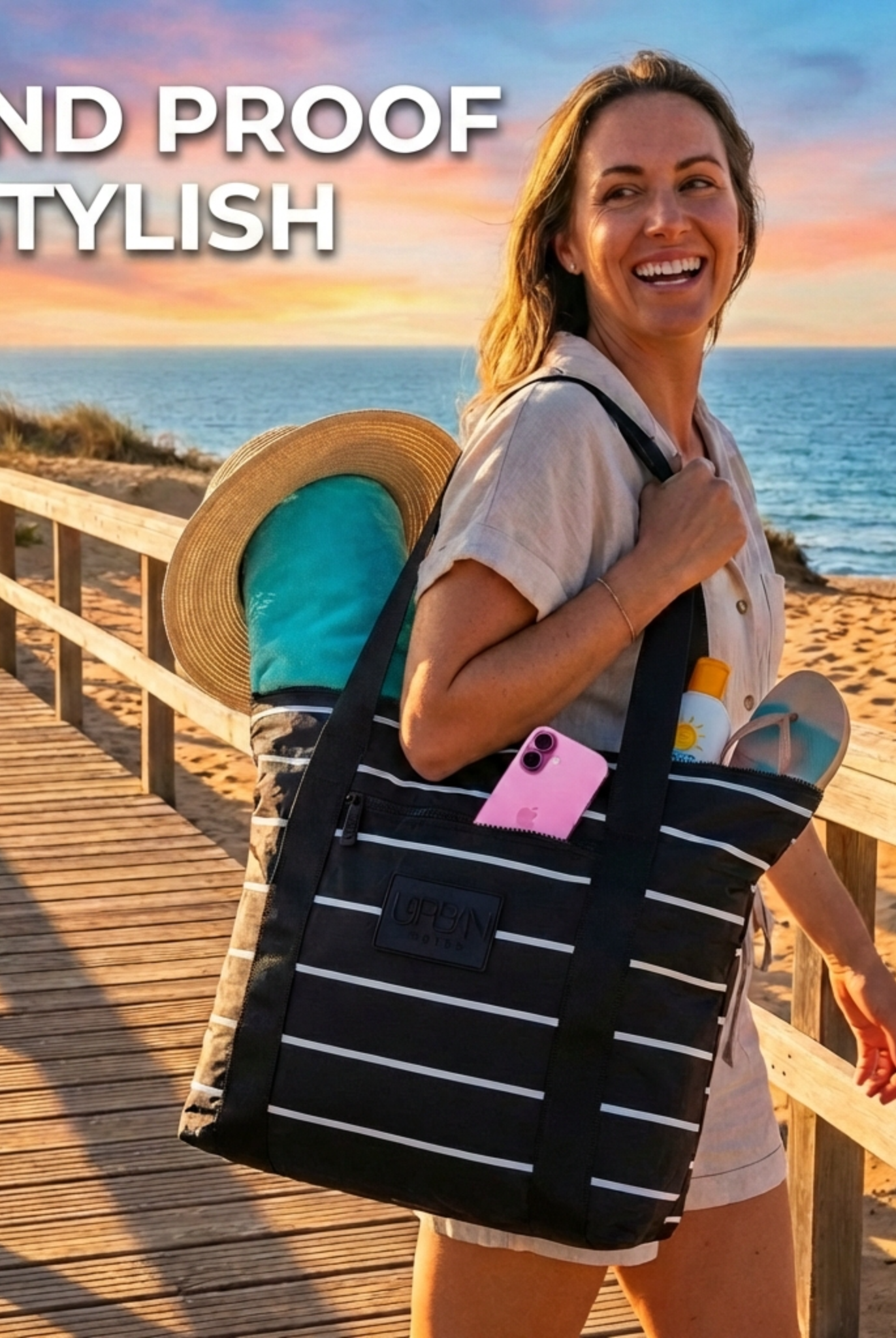
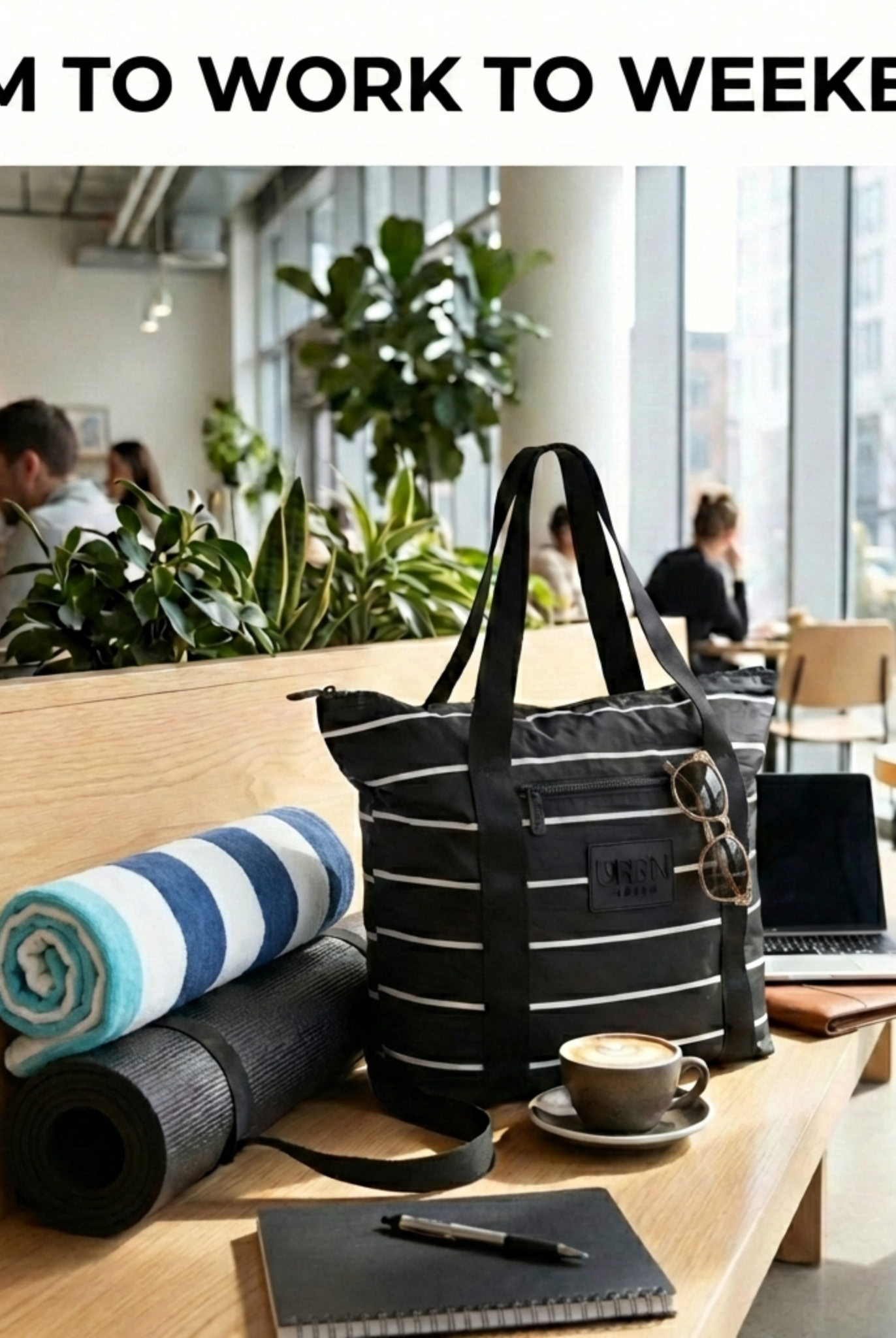
A well-designed, water-resistant, lightweight, packable, foldable, multi-pocket bag can move through several versions of your day. It can sit beside a beach chair, carry produce from a farmers market, organize school-drop-off supplies, or hold your essentials under an airplane seat. Look for secure zipper closures, comfortable straps, and compartments that keep your everyday carry easy to manage.
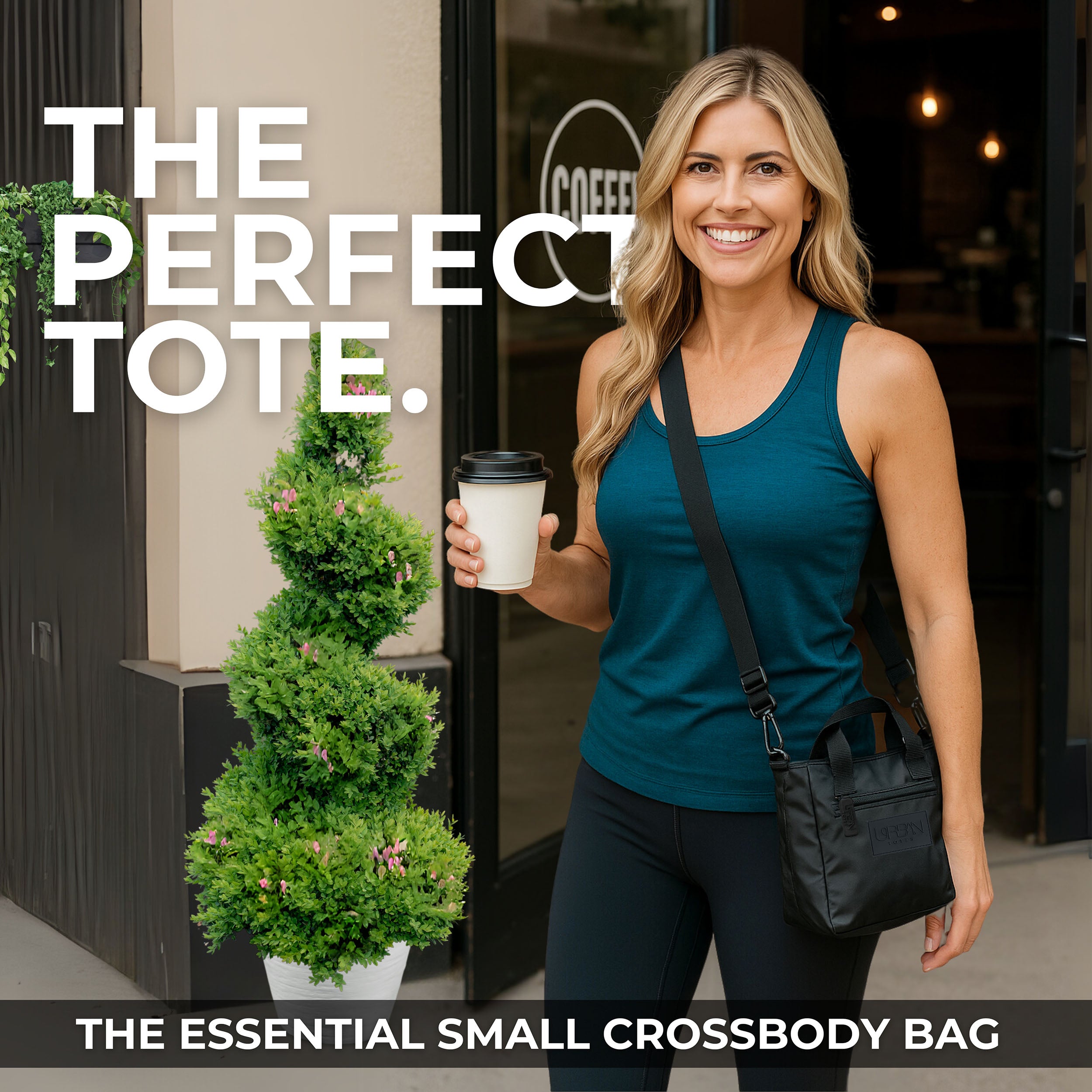
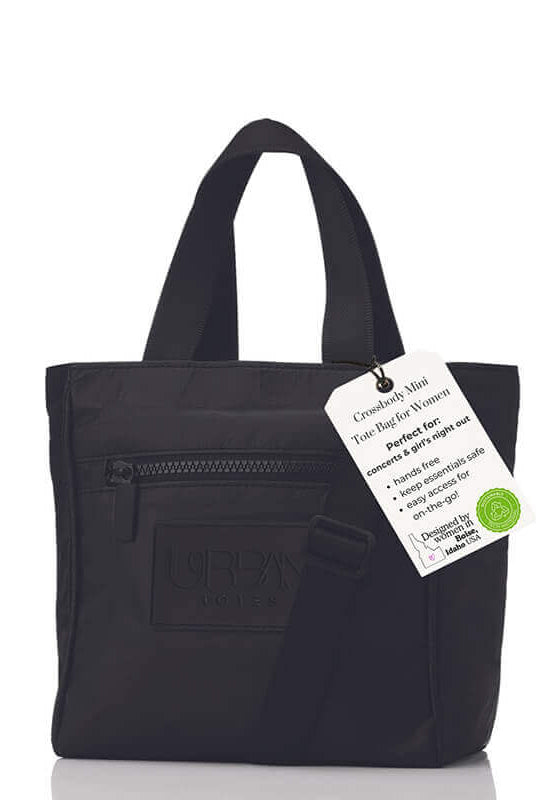
Urban Totes is a woman-owned Boise-made brand whose bags are positioned around this intersection of stylish and functional use. Its travel-ready tote and crossbody styles feature organization, zipper closures, water-resistant materials, and packable or foldable designs for commuting, errands, beach days, and getaways. That practical versatility is the point. Your bag should keep pace with the woman you are at the airport, at work, on the school run, and somewhere new.
For clothing, care items, and travel accessories that complement a compact system, you can also browse travel essentials from Nuage Wears. Choose pieces that earn their space, then keep them arranged so you can reach them without unpacking your entire life.
The best carry-on routine feels almost invisible once it's established. You check the strictest airline rule, edit your wardrobe, separate your care kit, distribute weight, and leave a little space for the unexpected. Then you get to enjoy the part that mattered all along, moving through the world with both hands available and your essentials exactly where you expect them to be.
Urban Totes offers lightweight, water-resistant, packable, foldable, and thoughtfully designed totes and crossbody bags for travel, commuting, beach days, errands, and everyday carry. Visit Urban Totes to find an organized, stylish bag that helps you travel with less stress and tote everything your real life requires.