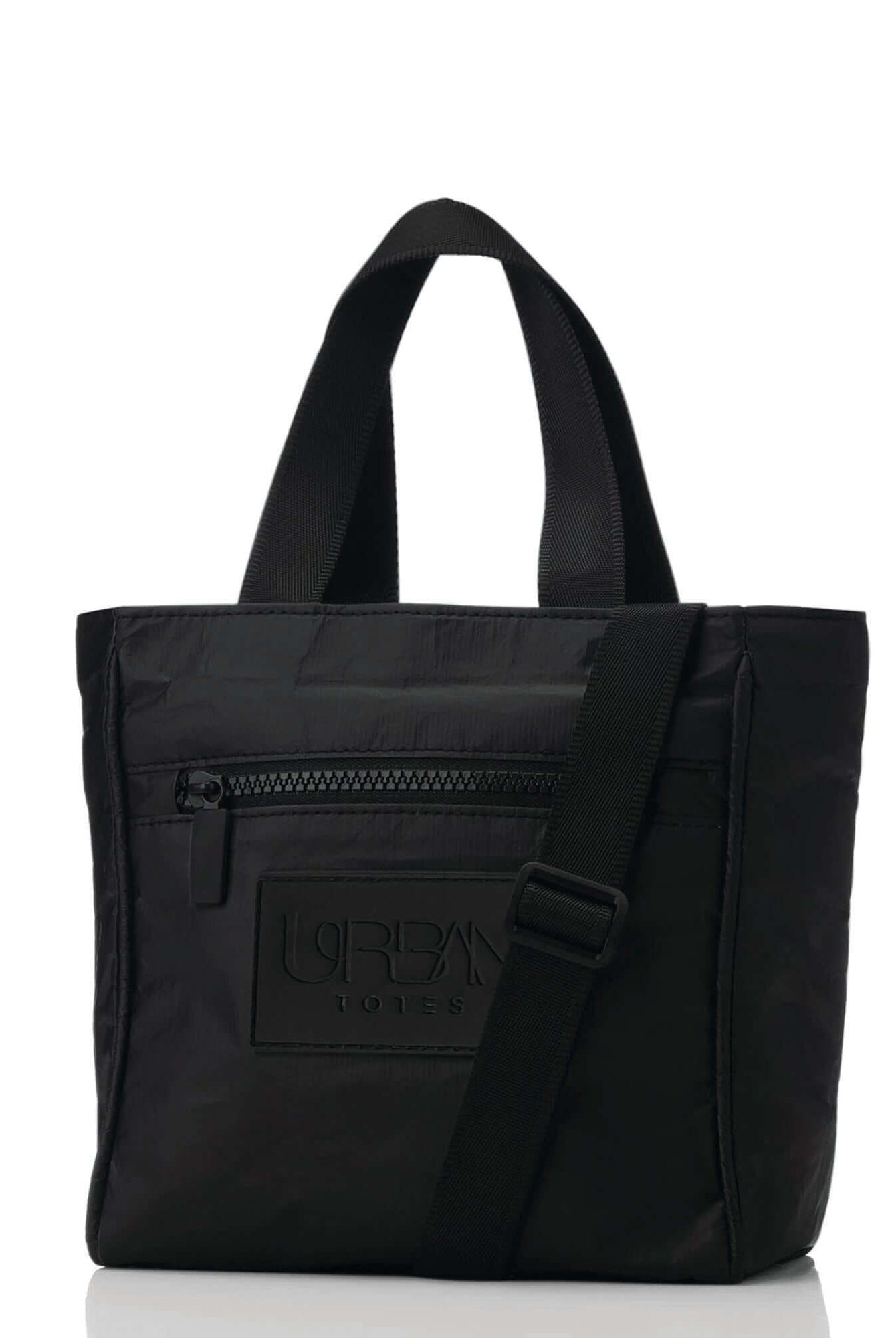
A damp beach towel, a laptop with a cracked corner, and a half-eaten granola bar should not share one cavernous tote. Yet there you are at school drop-off, digging past gym shoes to find a charger while your phone slips beneath a wrinkled change of clothes.
That daily scramble is why duffel bags with compartments have become more useful than simple open-capacity carryalls. They keep the things you reach for first separate from the things you only need later, whether you're heading to the airport, the gym, the beach, or the office. The right design doesn't give you endless pockets. It gives every category of your life a sensible place.
Table of Contents
- The Daily Chaos a Compartmentalized Duffel Actually Solves
- Anatomy of a Duffel Bag with Compartments
- Common Compartment Layouts and Who Each One Is For
- Materials, Zippers, and What Water Resistance Really Means
- Sizing, Weight, and How to Pack Without Bulging Past the Rules
- Packing Checklists for Commuters, Travelers, Gym-Goers, and Parents
- When More Pockets Becomes a Problem
- Choosing the Right Compartment Layout for Your Life
The Daily Chaos a Compartmentalized Duffel Actually Solves
The problem isn't that you carry too much. It's that unrelated things keep landing in the same space. A water bottle tips beside your paperwork. A snack gets crushed beneath a sweatshirt. Damp workout clothes sit against a laptop sleeve, and the one item you need immediately is always at the bottom.
A compartmentalized duffel changes the rhythm. Gym shoes go into their own zone. A child's extra shirt stays with the wipes and snacks. Your laptop slides into a protected sleeve, while your keys and phone stay in a quick-access pocket. You stop unpacking your entire day just to find one small thing.
Practical rule: Organize by access priority, not by the number of pockets a product page lists.
The category has moved well beyond the single-volume carryall. Market research estimates that duffel bags represented nearly 16% of the global travel-bag market, while soft-sided luggage accounted for 67.90% of global travel-bag revenue in 2025, largely because it is lightweight, expandable, and generally more affordable than rigid luggage, according to Fortune Business Insights' travel-bag market analysis. That flexibility only helps if the interior still lets you find what you packed.
Four kinds of chaos usually drive the purchase:
- The commuter's shuffle: tech, lunch, documents, and personal items fighting for the same space.
- The gym bag problem: shoes, towels, clean layers, and damp clothing mixing together.
- The weekend squeeze: clothes, toiletries, chargers, and footwear competing inside one cavity.
- The parent's bottomless bag: snacks, wipes, spare outfits, and small toys disappearing between errands.
The best duffel handles these situations without making you learn a complicated packing system. It should feel natural at airport check-in, beside a beach chair, and in the passenger seat during a busy afternoon. Think of it as a small map for your belongings, with the main compartment for bulk, secondary zones for separation, and quick-grab areas for the things you reach for constantly.
The rest of this guide treats compartments as a packing strategy, not a feature-count contest. A bag with four useful zones can beat a bag with eight awkward ones if it matches the way you move.
Anatomy of a Duffel Bag with Compartments
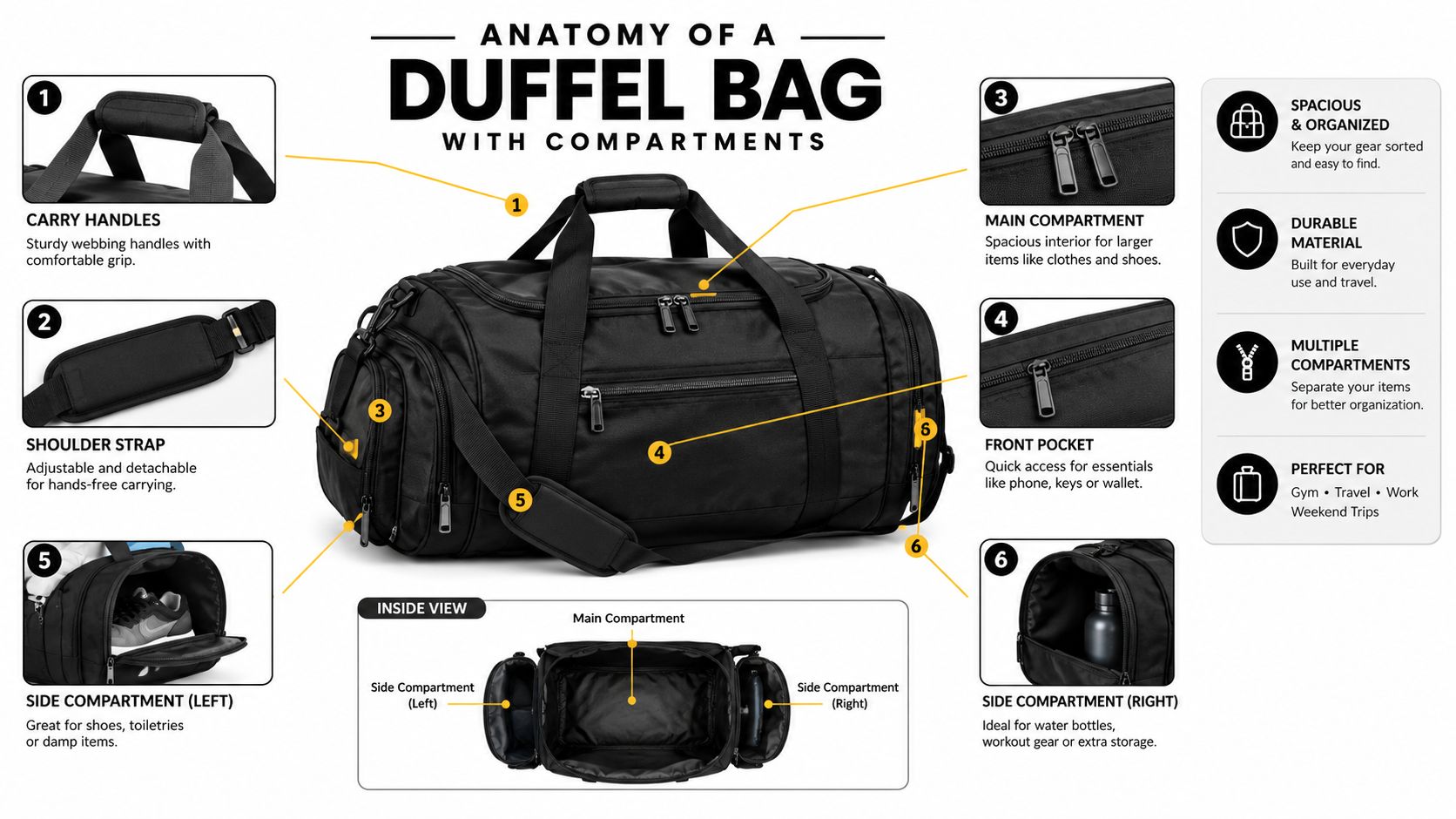
A product page can sound confusing until you know what each feature is supposed to do. Start with the main compartment. This is the flexible center of the bag for clothing, towels, a lunch container, or other soft items. It should open wide enough that you can see the contents without emptying everything onto the floor.
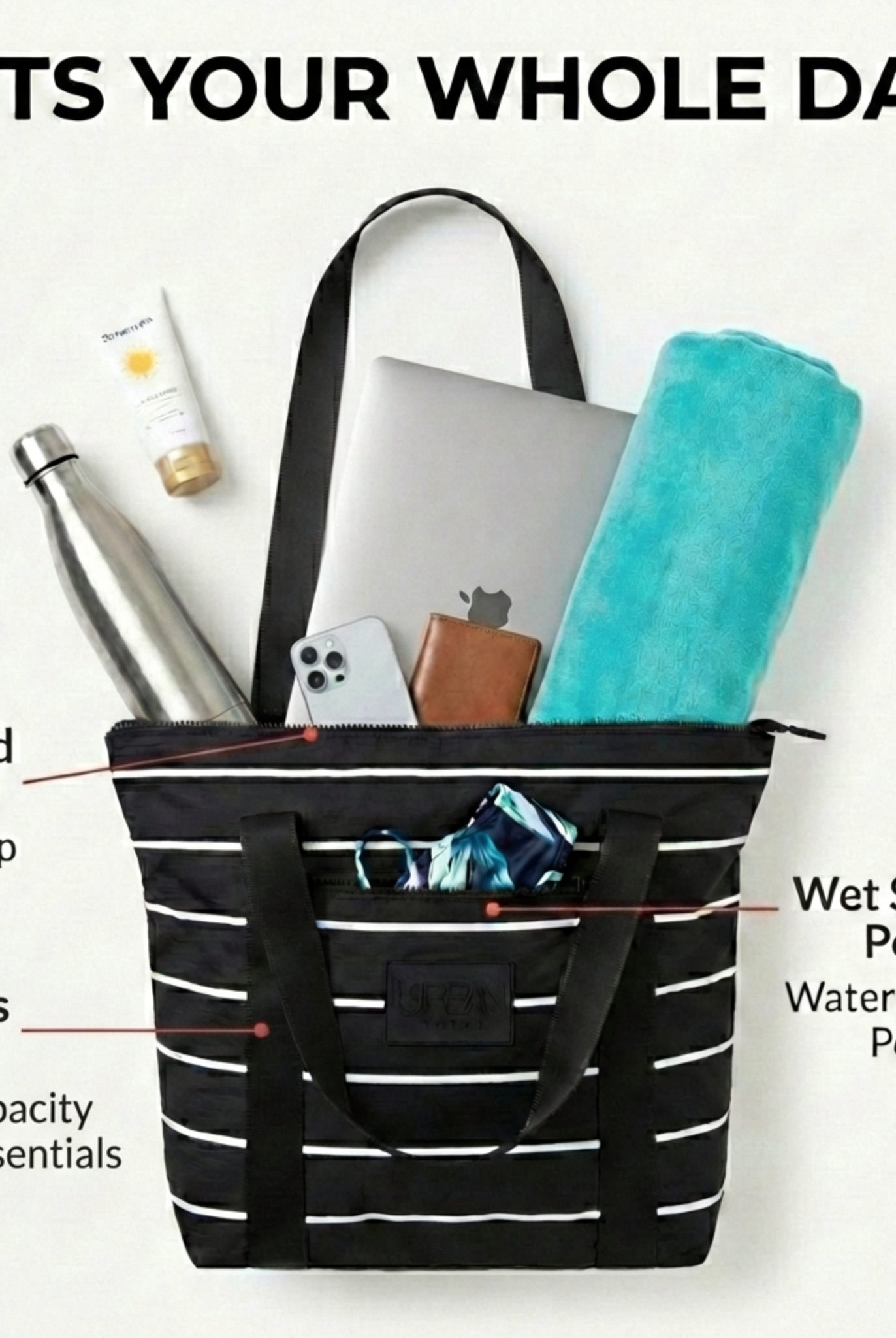
A shoe or wet pocket sits apart from the main cavity. It isolates sneakers, sandals, swimsuits, or a damp towel. A tech sleeve protects a laptop or tablet from rubbing against shoes and hard objects. Open sleeves are fast to use, while zippered compartments contain small items more securely. Mesh pockets add visibility and airflow, but they don't offer the same enclosure as a full zipper pocket.
The small features matter when they solve a real annoyance:
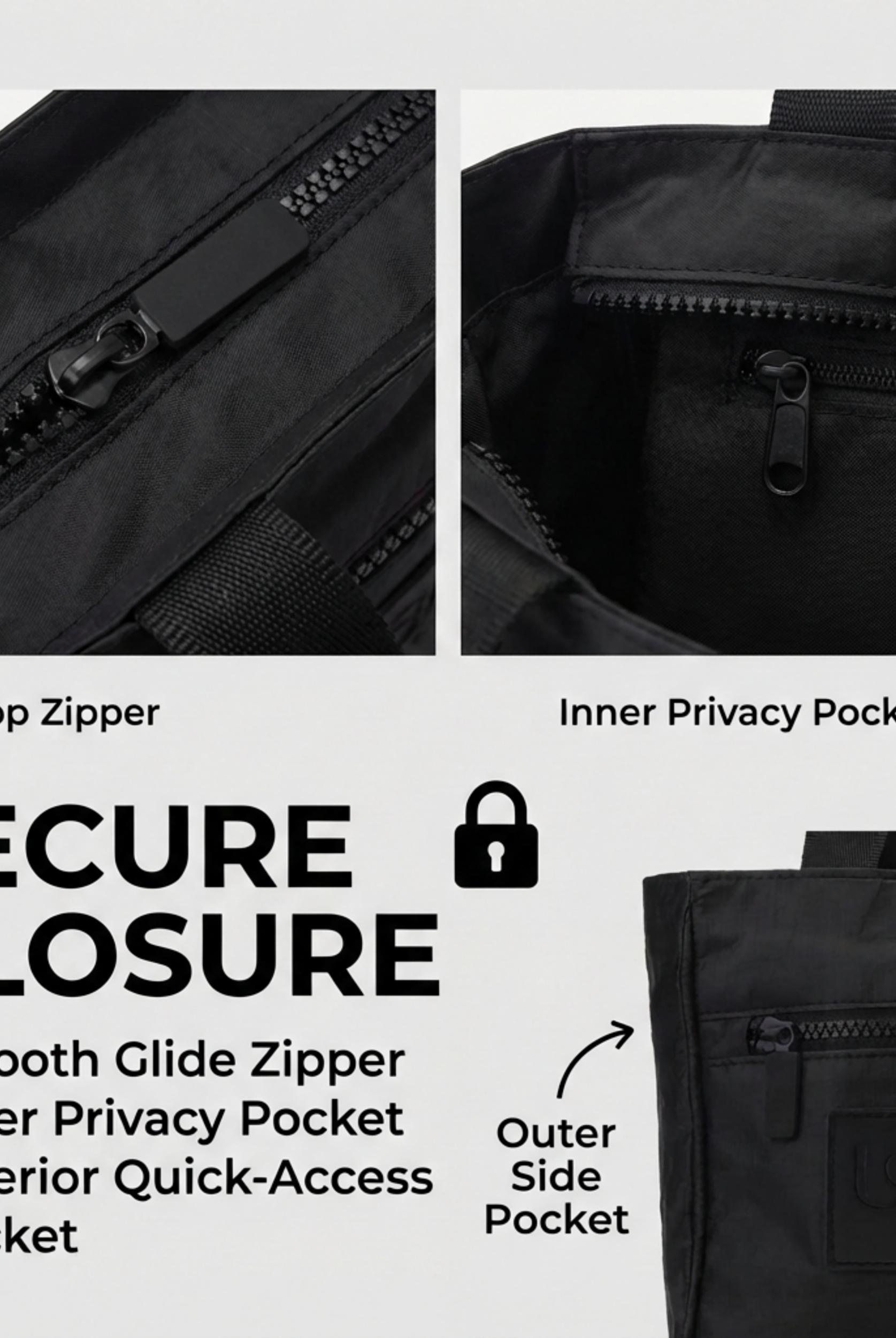
- Quick-access top pocket: Keeps a phone, boarding pass, keys, or sunglasses within reach.
- Side bottle pocket: Gives a water bottle a defined home instead of letting it roll through the main compartment.
- Front organizer panel: Holds chargers, pens, cards, and other small essentials.
- Key leash: Prevents keys from dropping into the bottom of a dark bag.
- Trolley sleeve: Slides over the handle of wheeled luggage during airport transfers.
- Padded base: Adds a buffer beneath electronics and helps the bag hold its shape.
- Strap systems: Shoulder straps, crossbody straps, and handles each change how the load feels during movement.
Compression panels pull soft items inward and can help the bag stay neater. A U-shaped opening gives better visibility than a narrow top zipper. The best designs also route straps around zippers instead of directly over them, so the hardware remains accessible and the strap doesn't block the opening.
For a first purchase, look for three practical zones:
- Main: Clothing, towels, food containers, and other flexible bulk.
- Secondary: Shoes, wet items, tech, or toiletries that need separation.
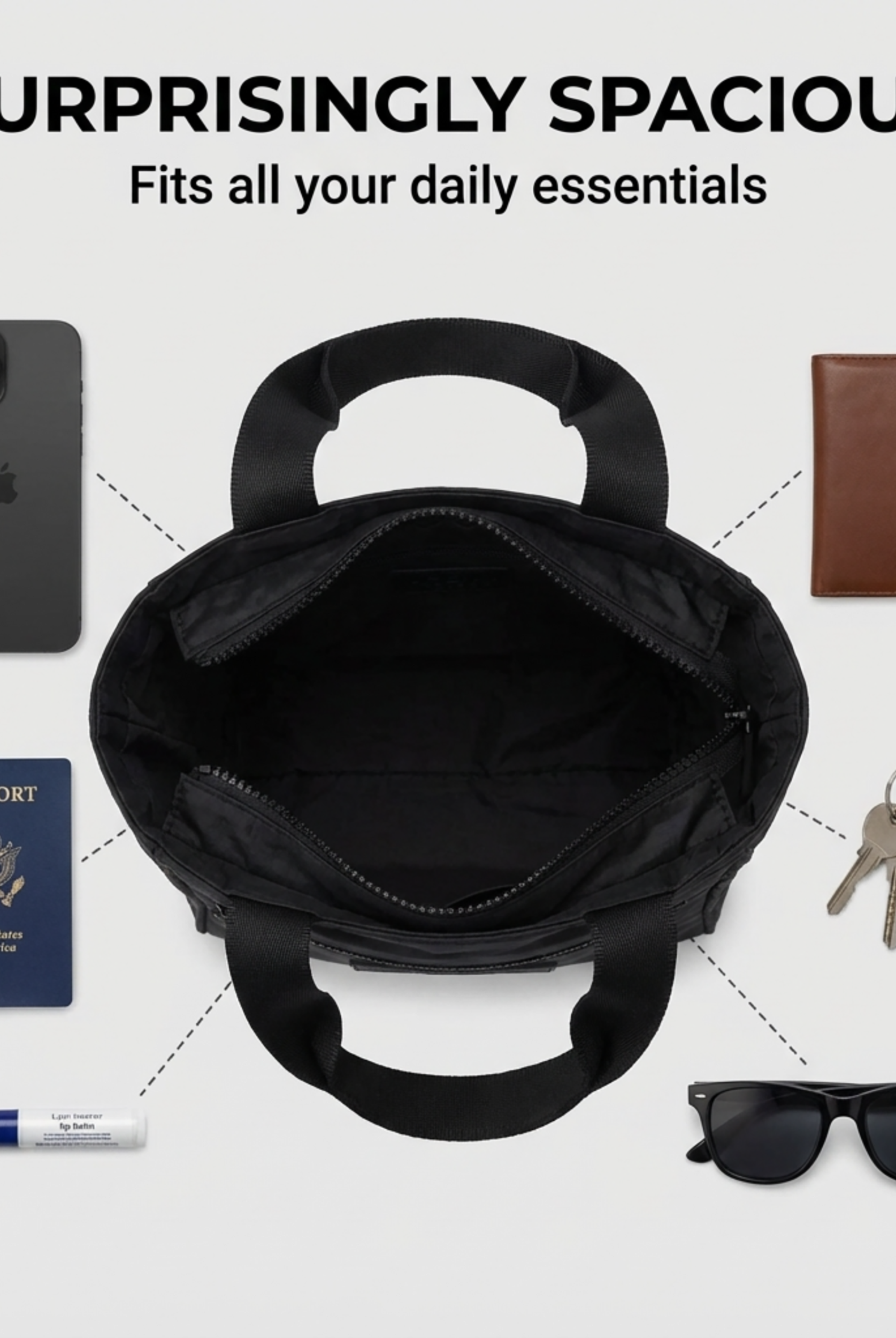
- Quick-grab: Phone, keys, wallet, transit card, and travel documents.
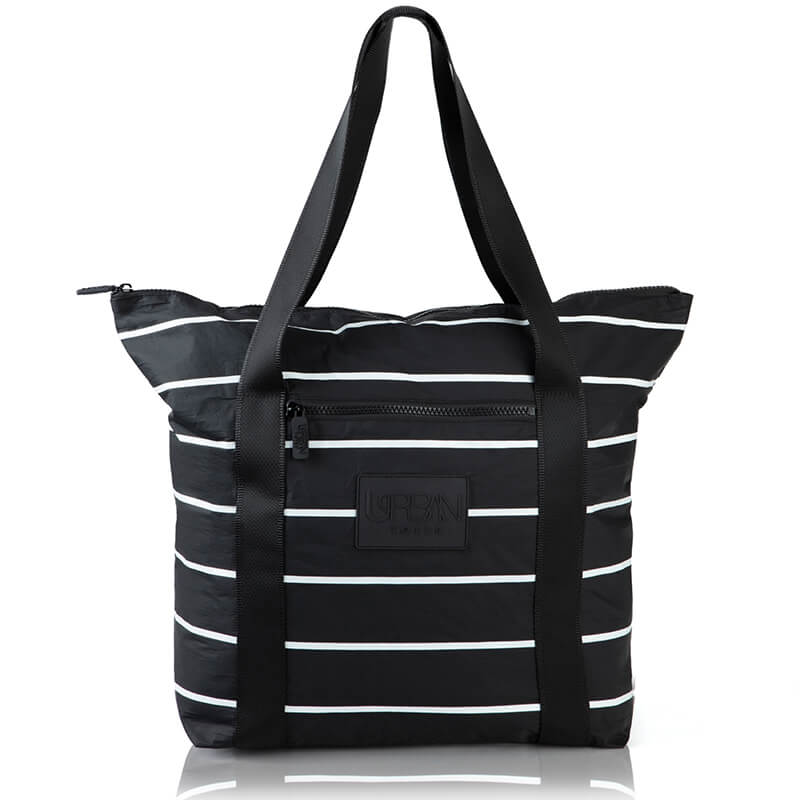
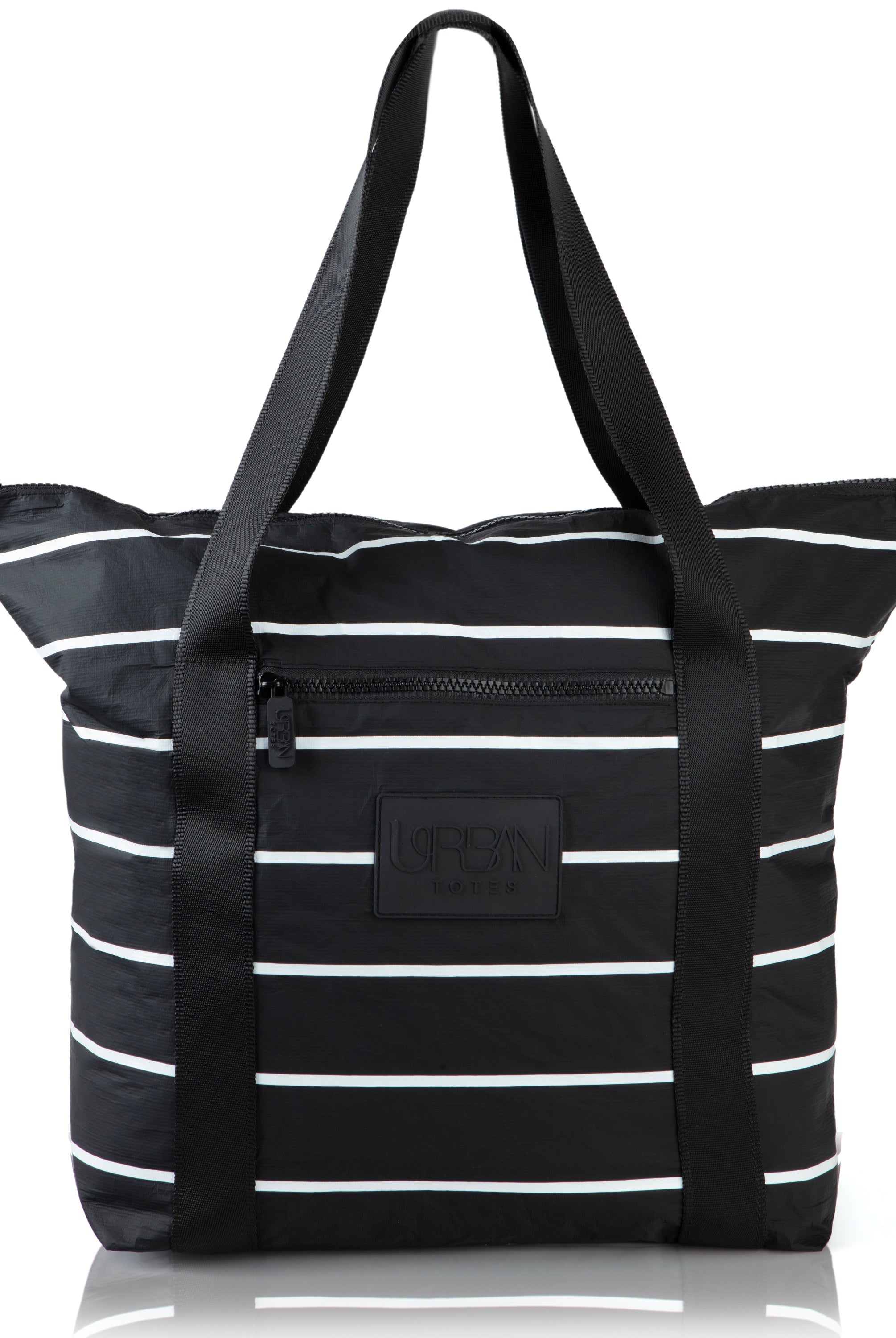
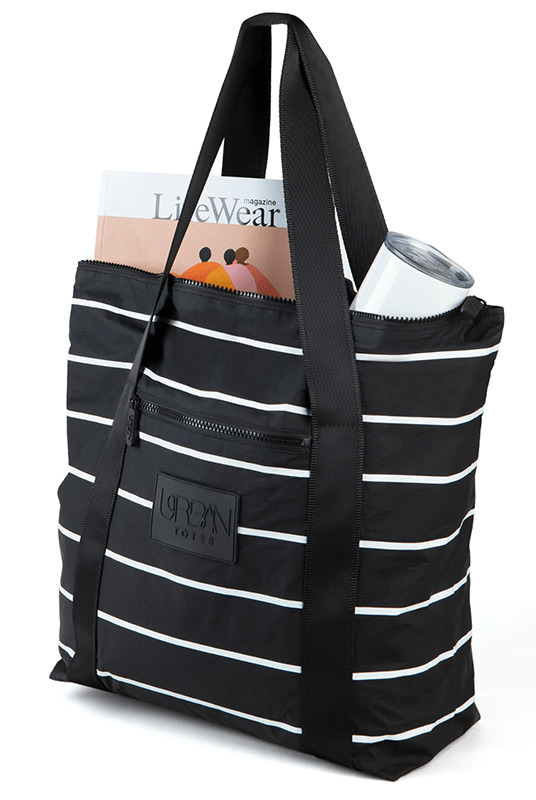
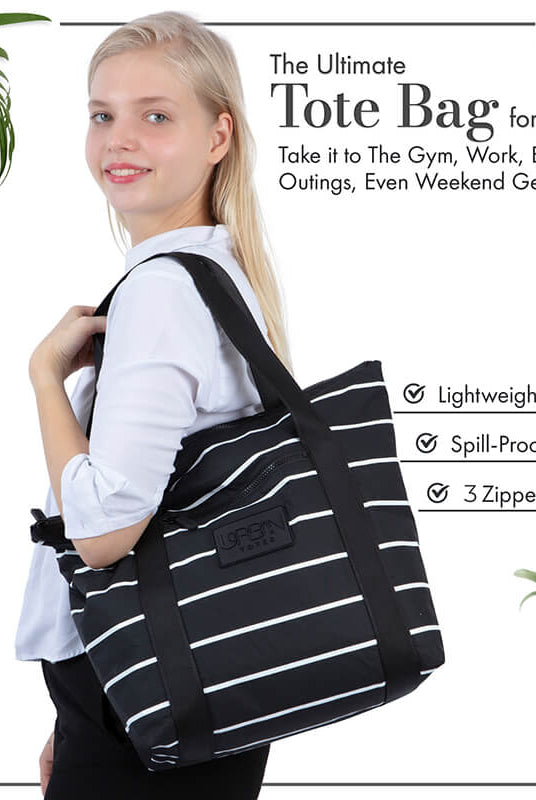
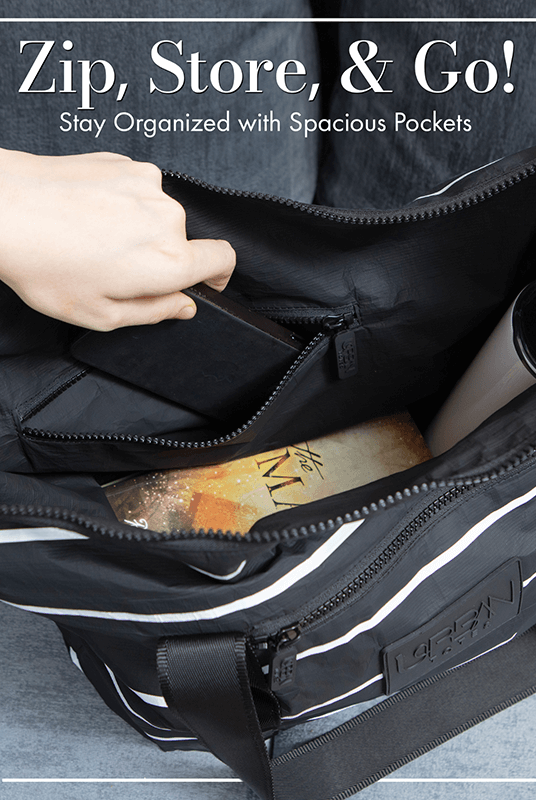
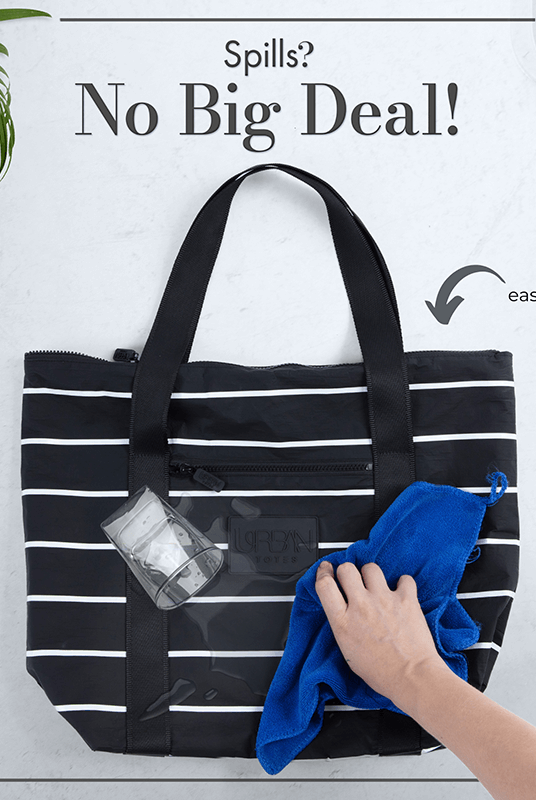
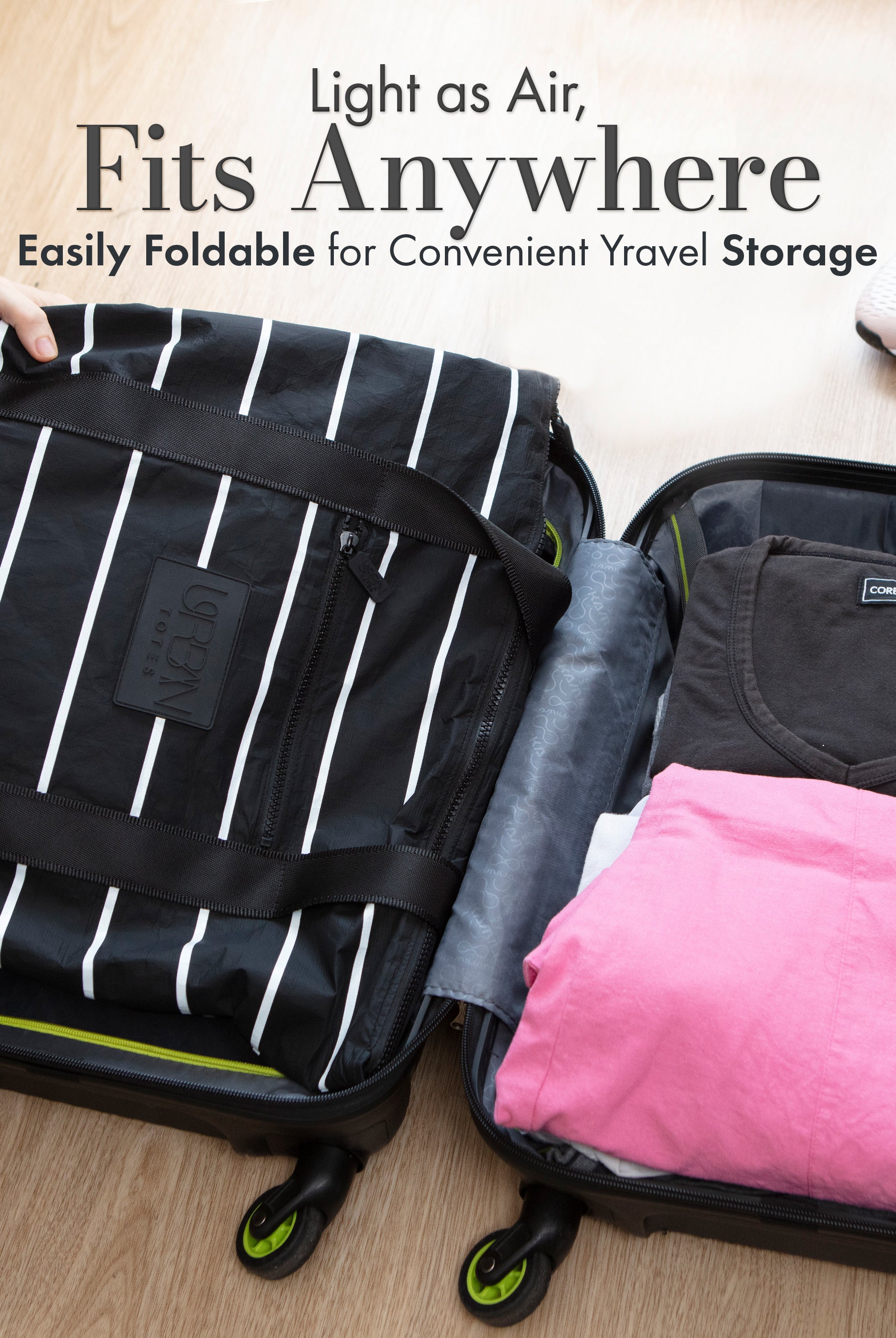
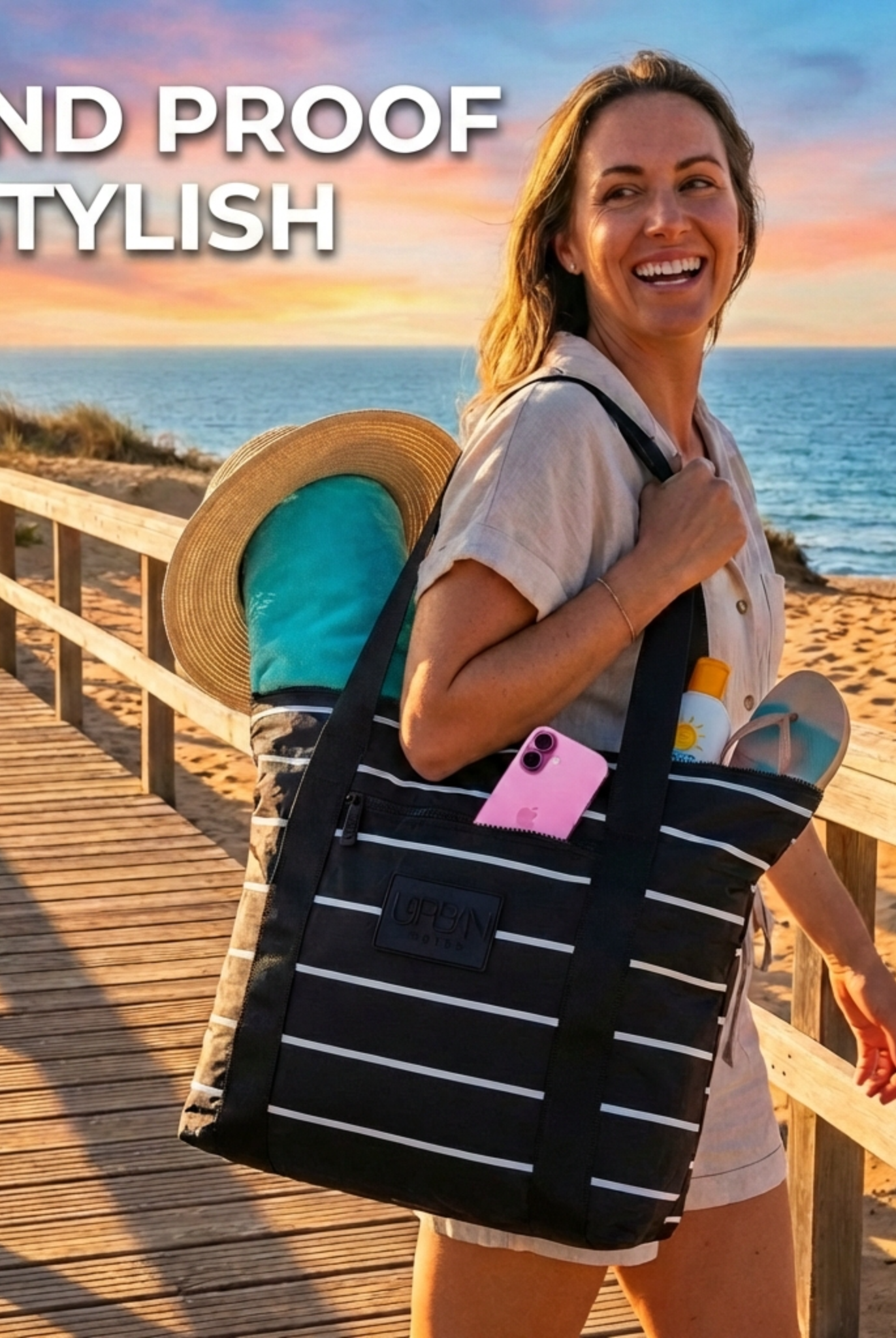
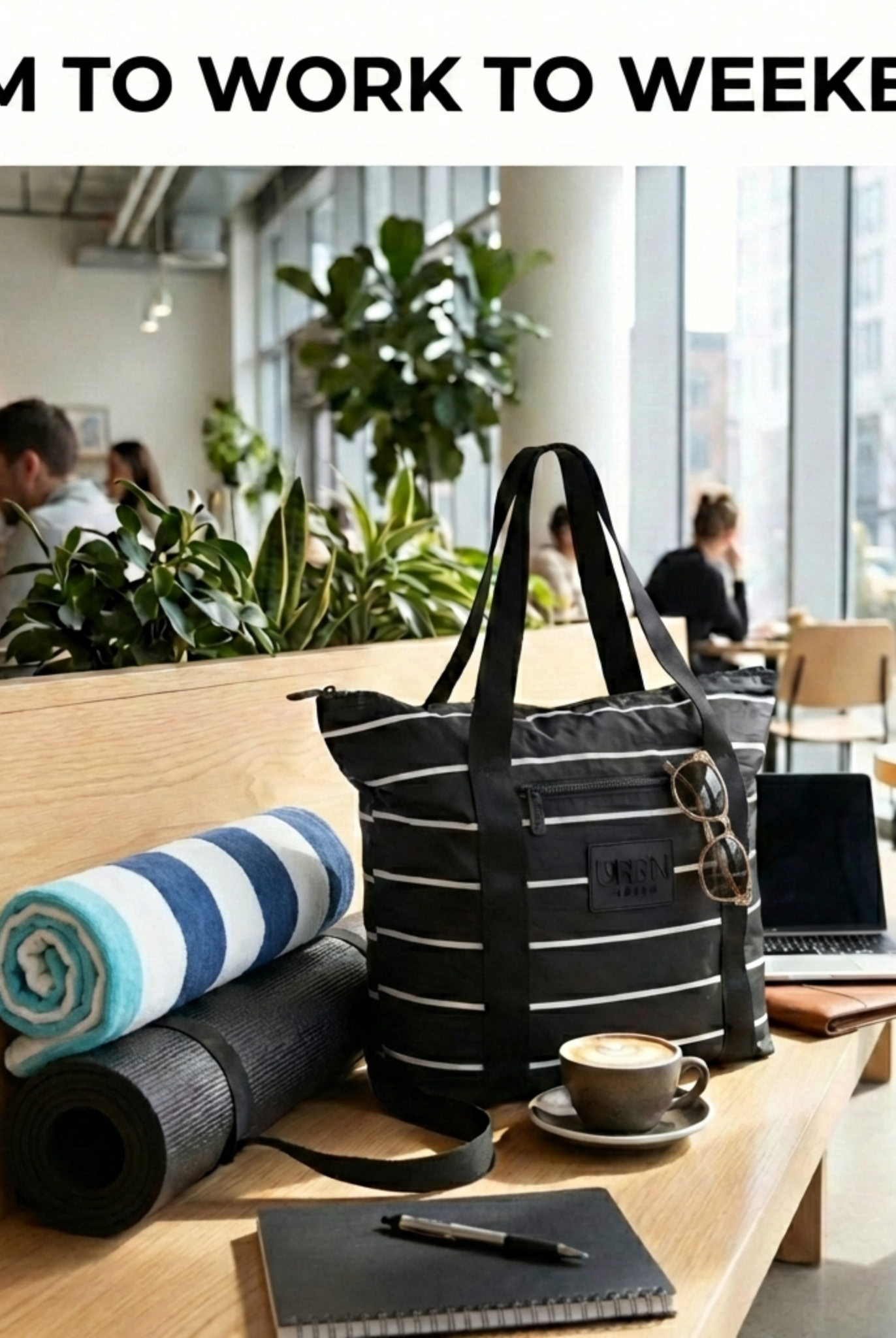
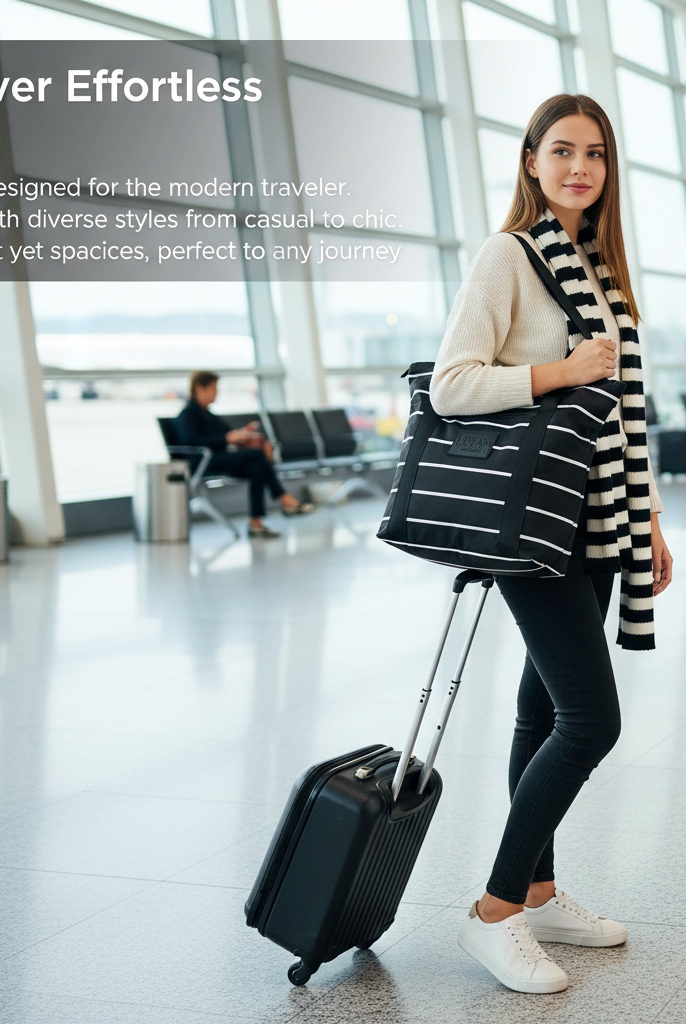
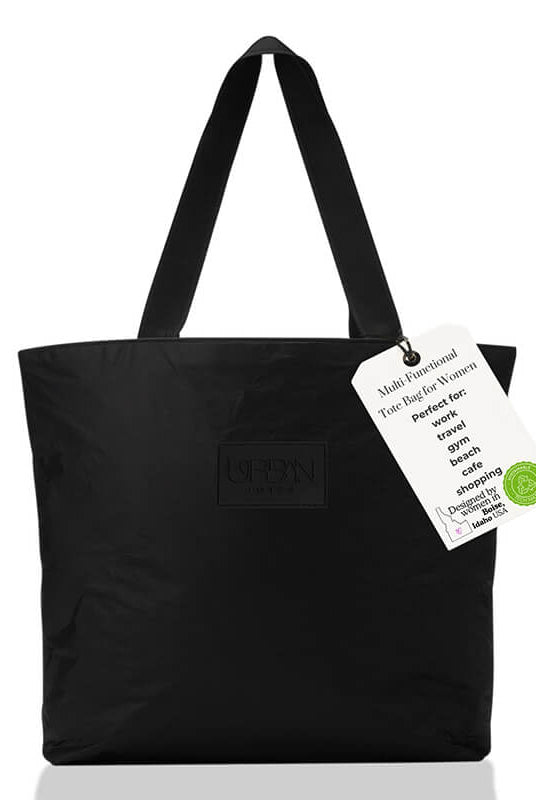
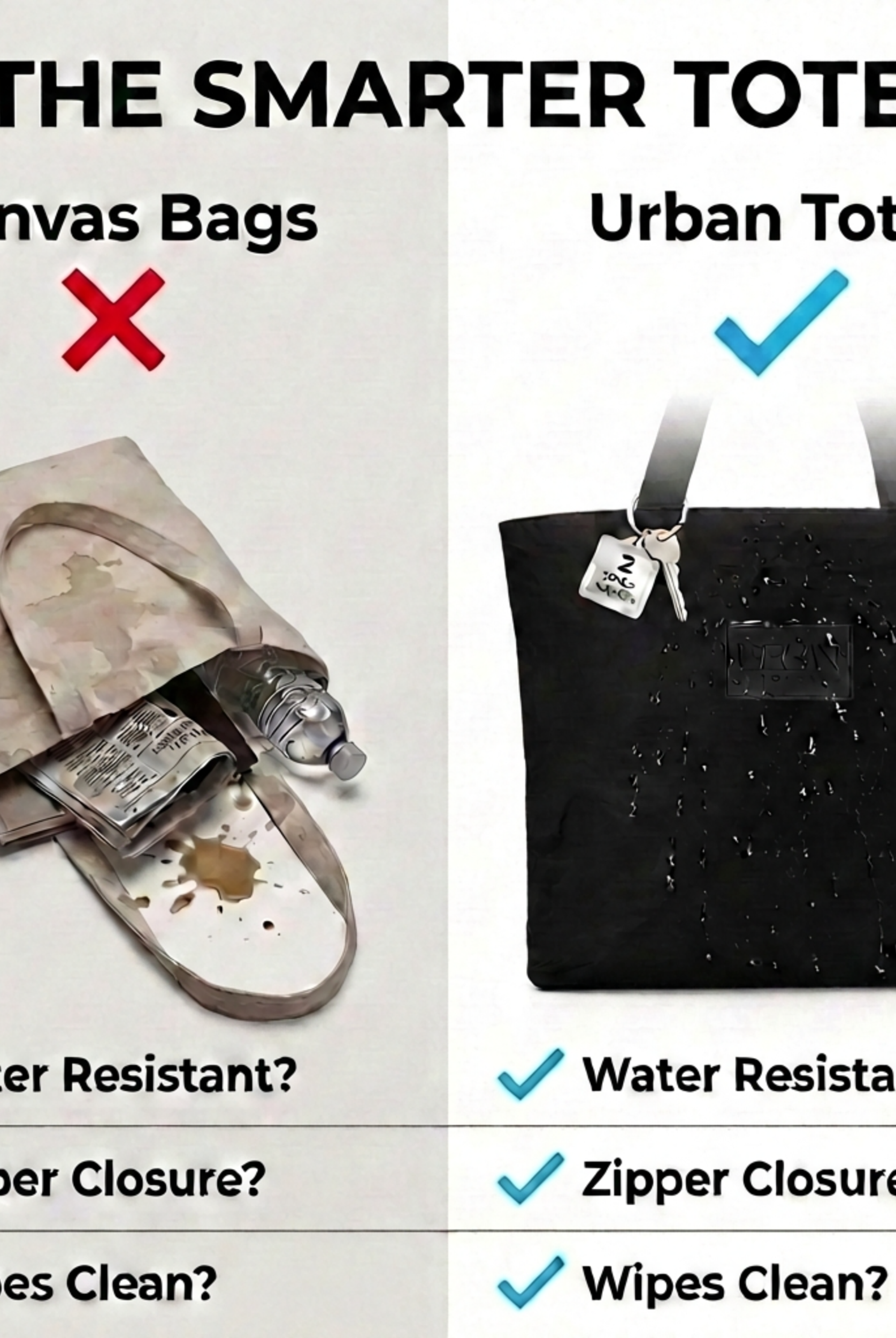
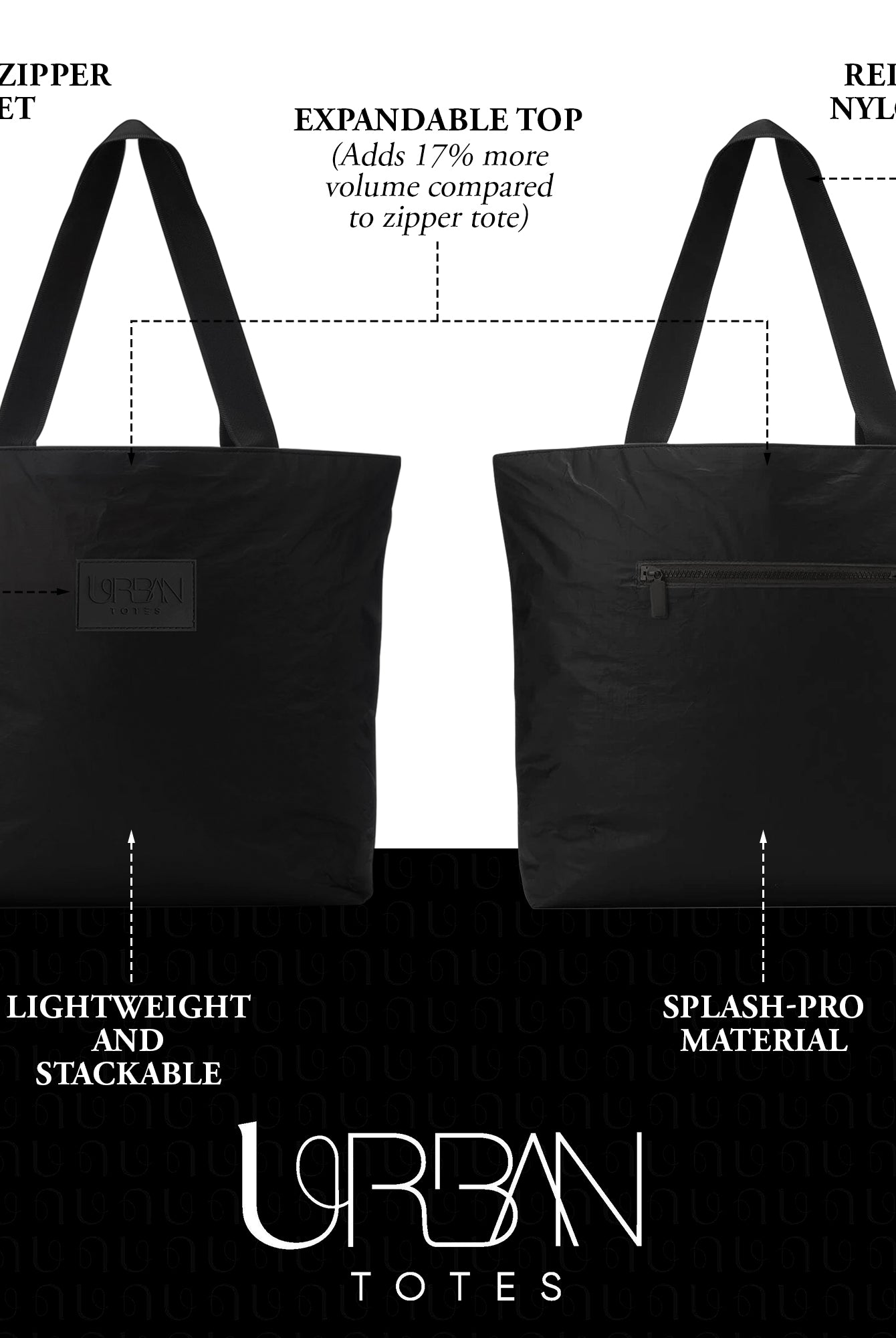
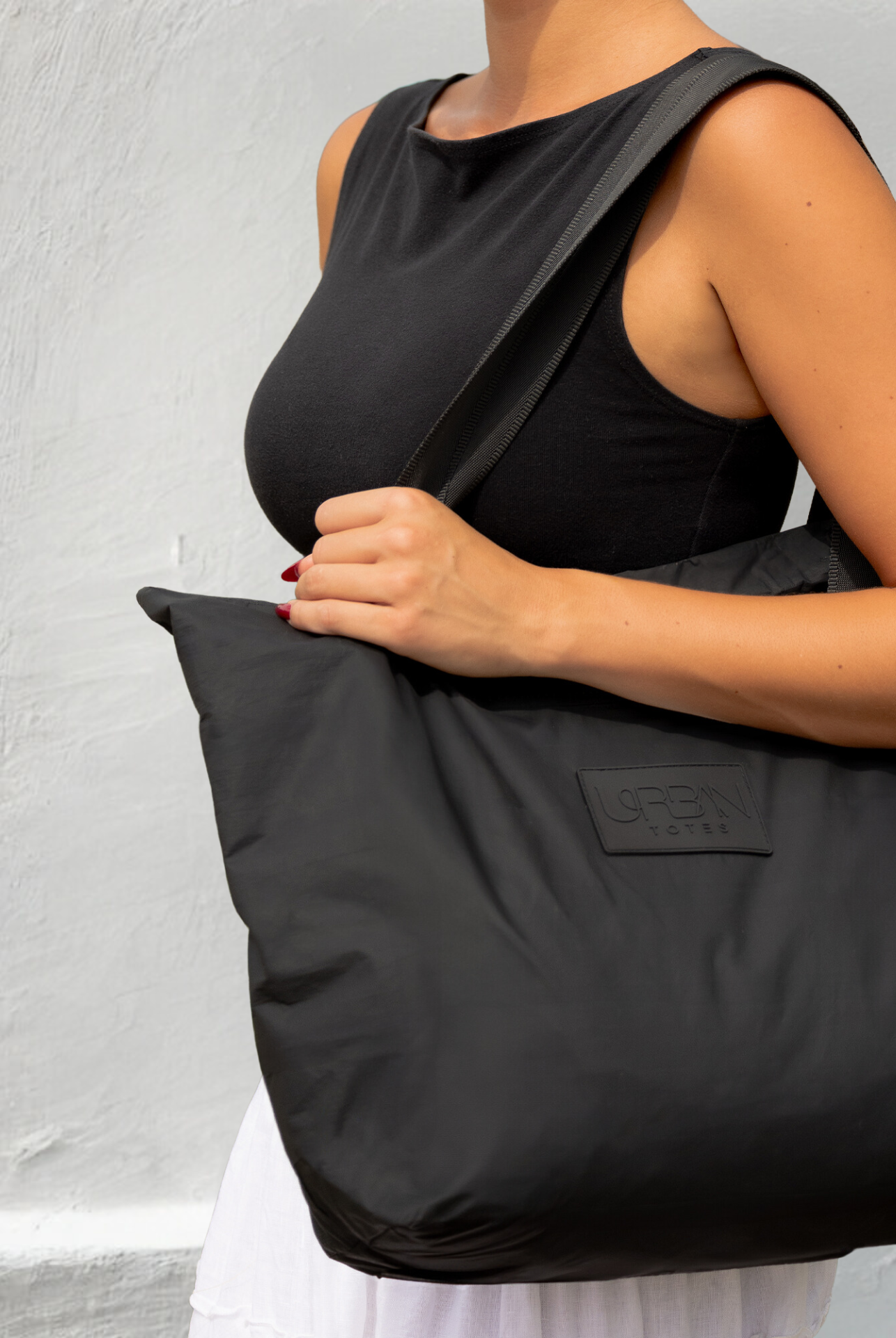
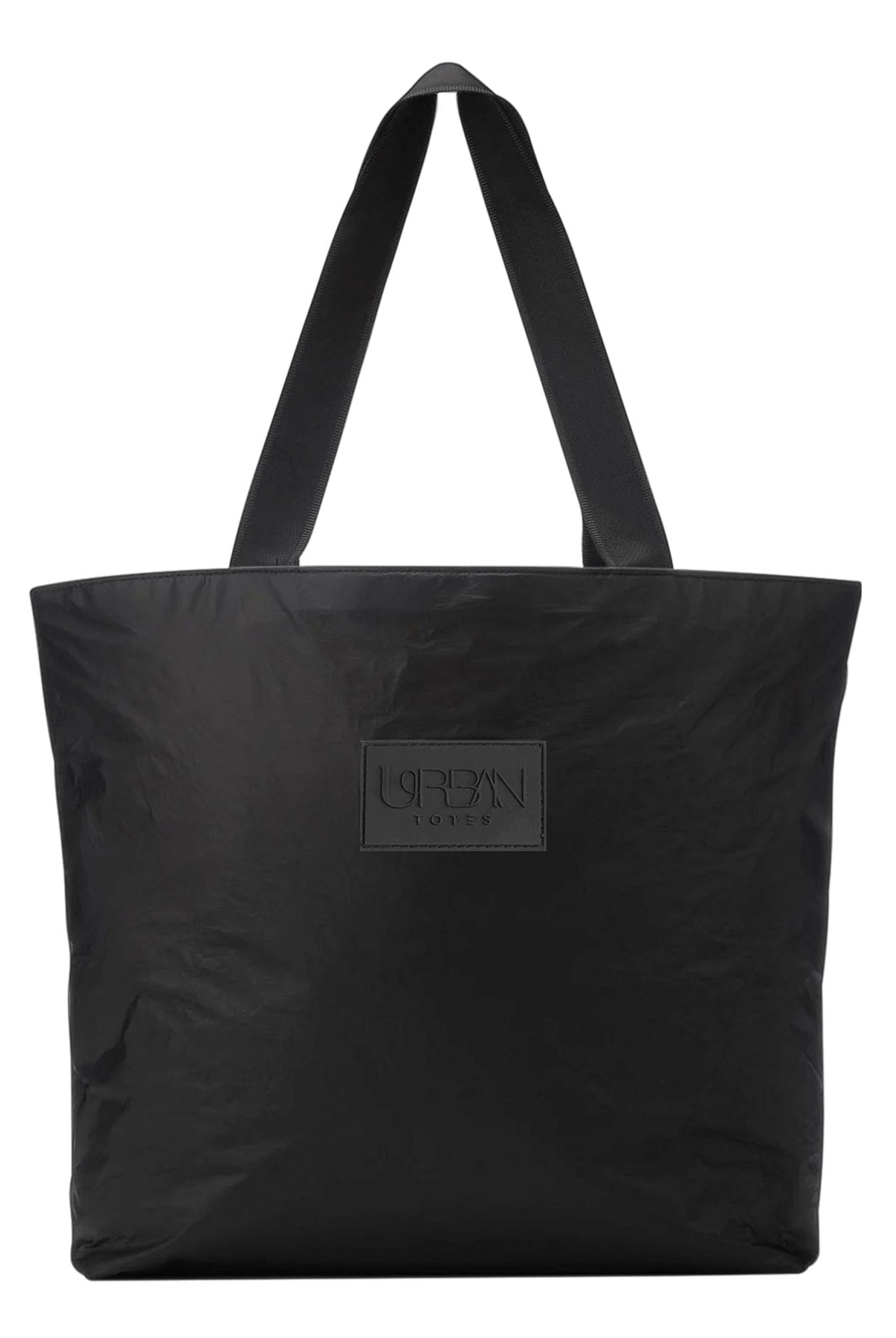
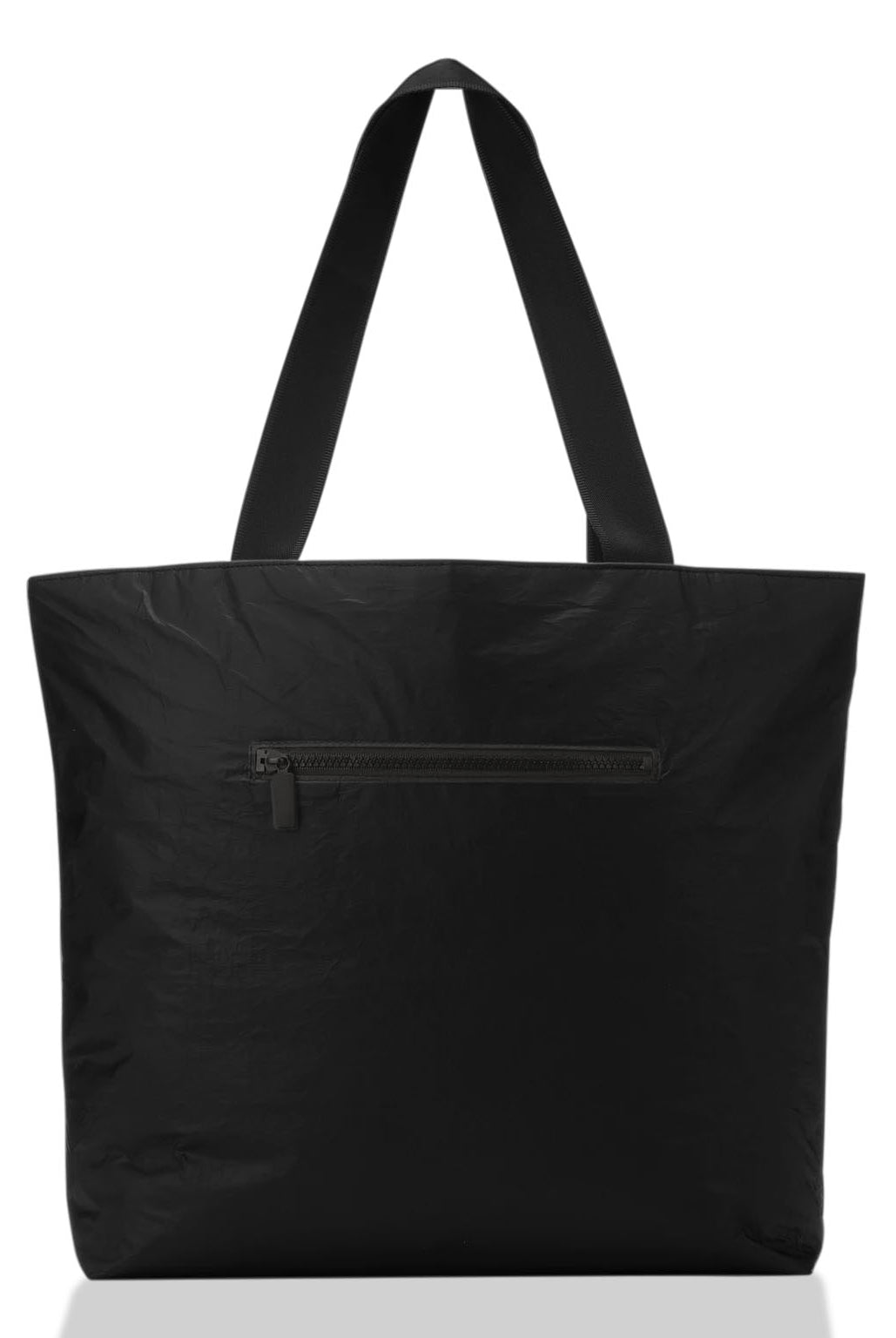
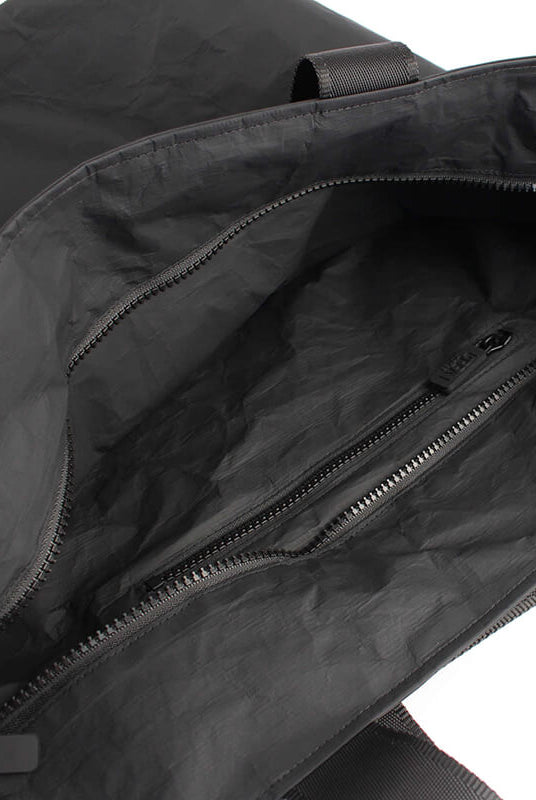
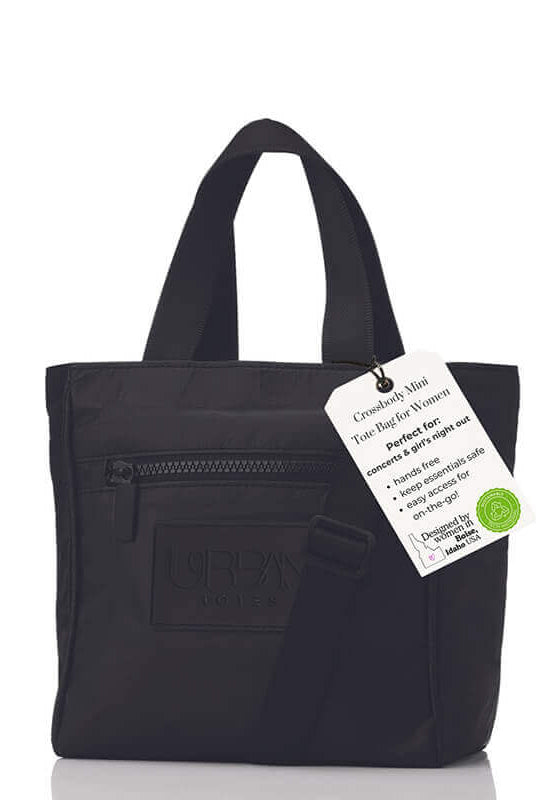
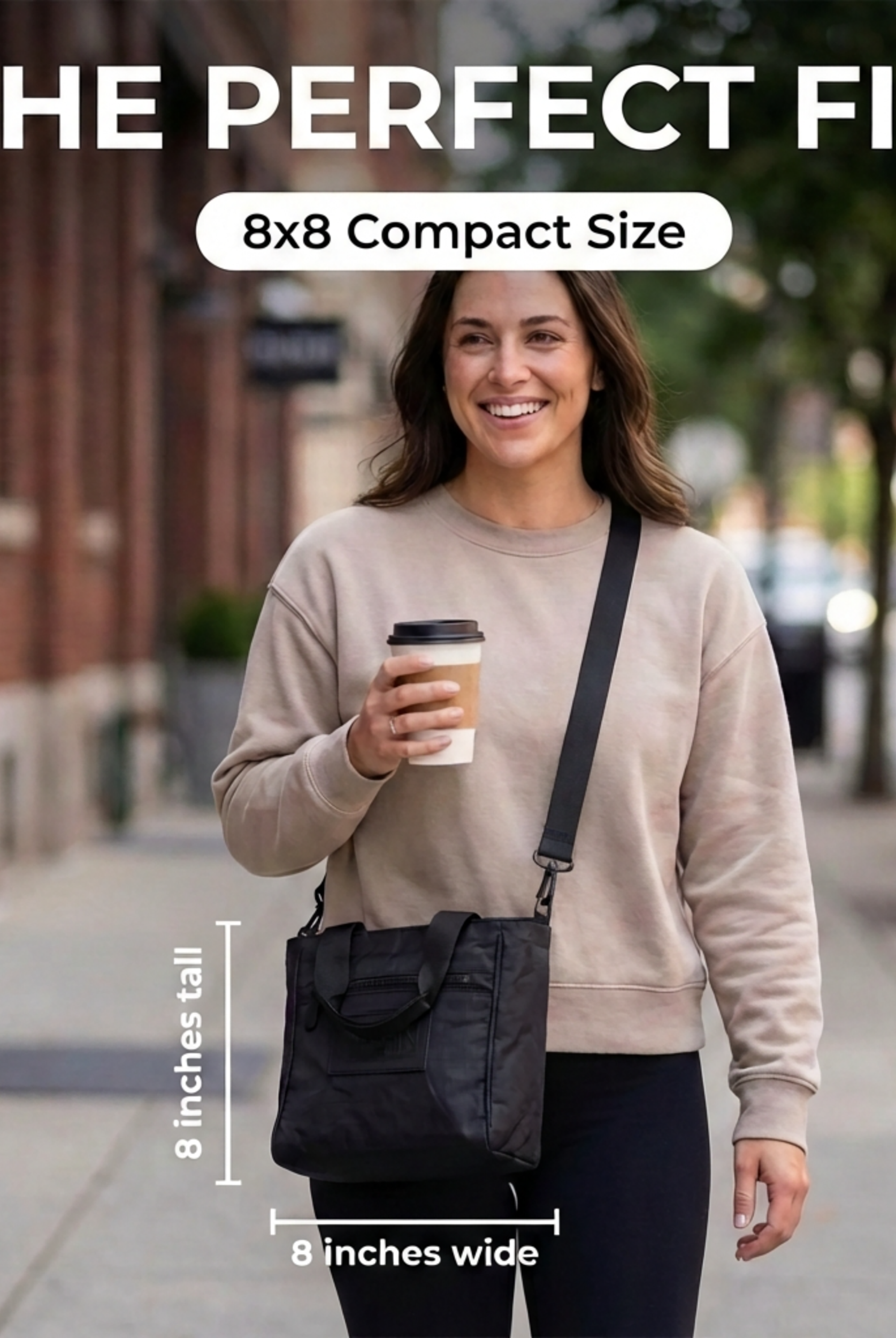
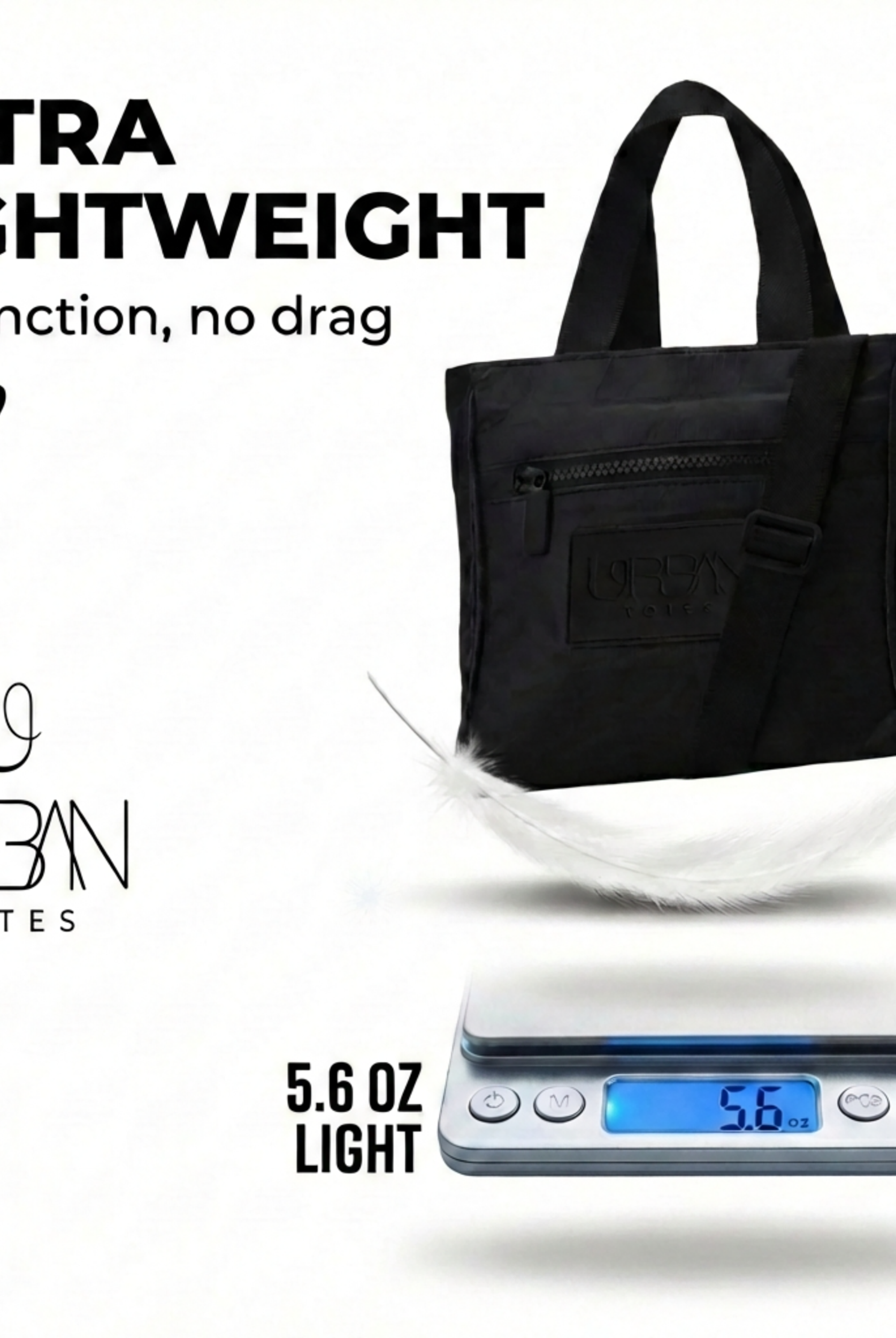
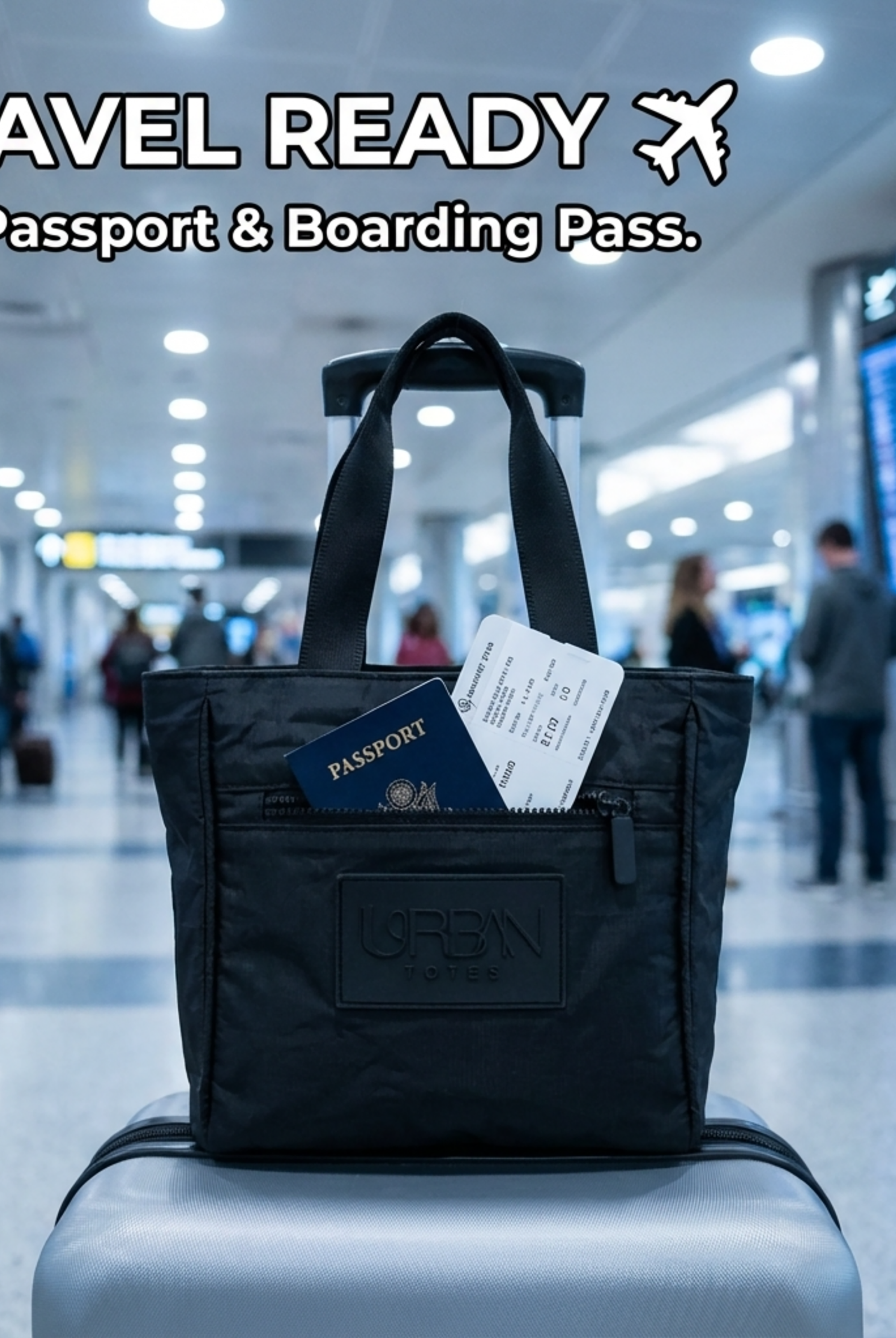
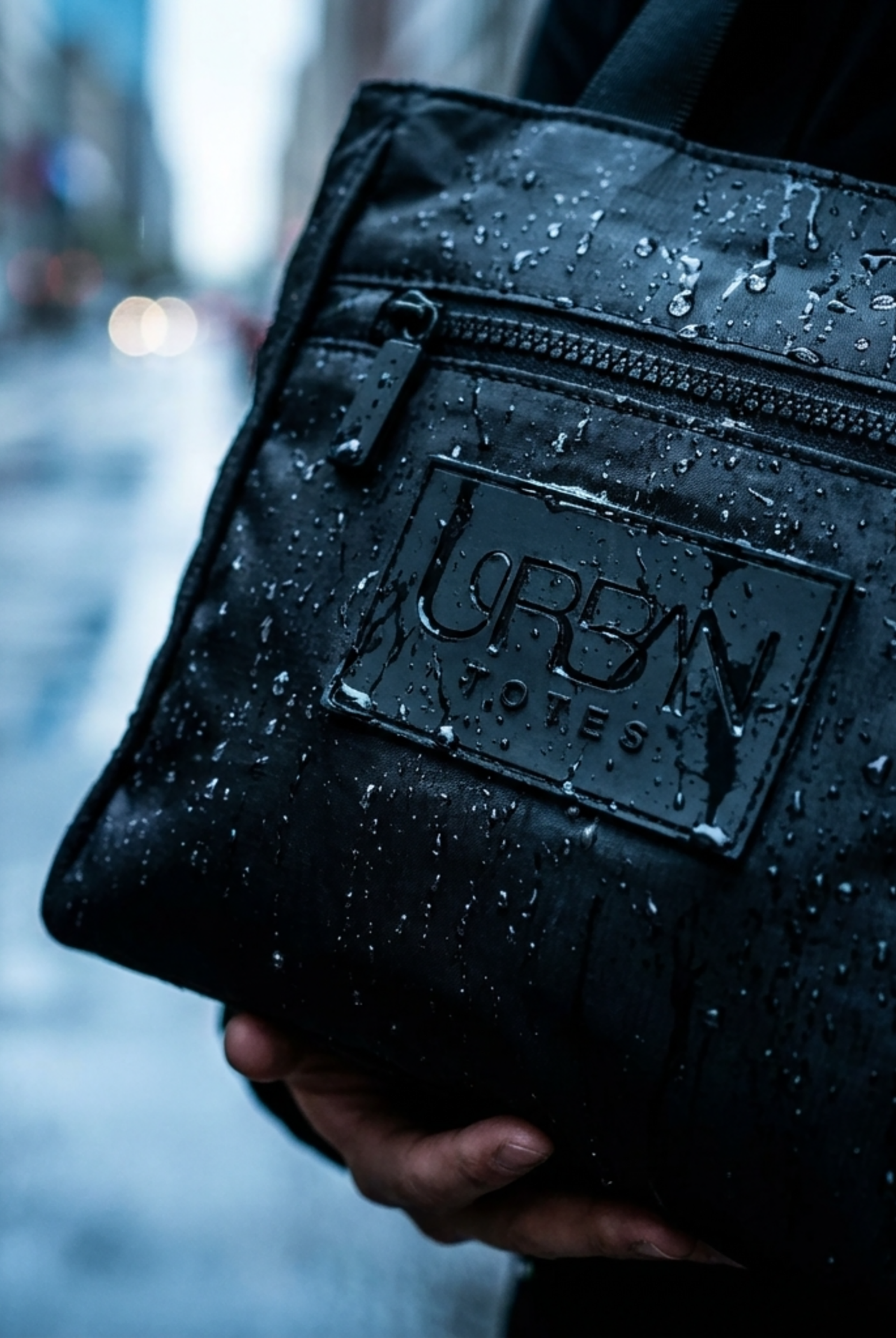
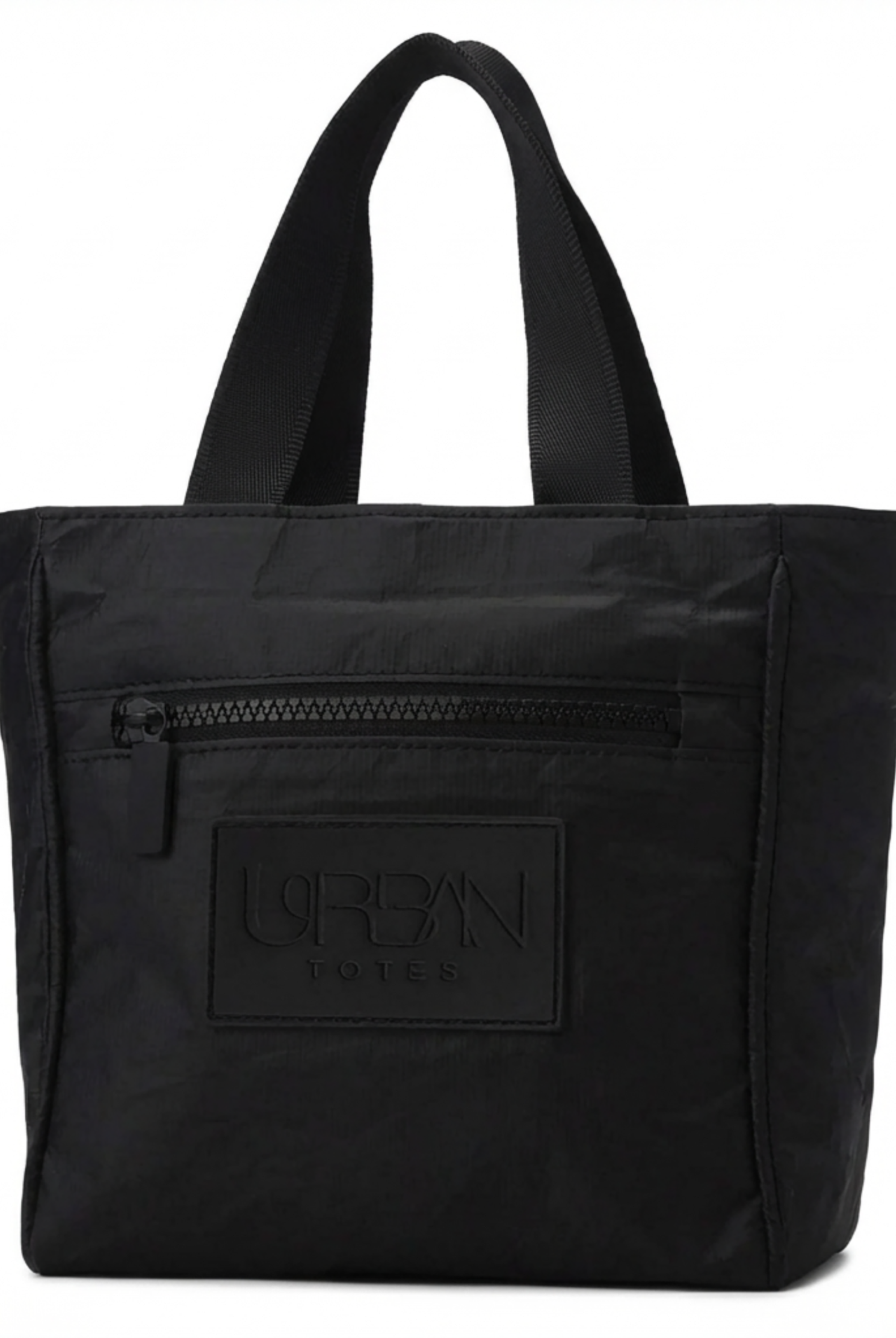
A shopper comparing a duffel with a tote may also find Elevate Every Adventure with The OG Zipper Tote Bag by Urban Totes, a lightweight, foldable option with a zipper closure, inside and outside zipper pockets, and three large pockets. Its catalog description positions it for motherhood, beach getaways, fitness gear, and quick city breaks, with a water-resistant exterior and a stated size of 19 inches wide by 14.5 inches high.
For a visual comparison of color, shape, and everyday styling, Urban Totes also offers this guide to a blue duffle bag. The same principle applies in every color: a compartment earns its place when it protects, separates, or speeds up access.
Common Compartment Layouts and Who Each One Is For
The smartest layout depends on what you carry repeatedly. A weekend traveler needs a different internal map from a woman who moves from office to gym every afternoon. Use the table below as a starting point, then choose the arrangement that mirrors your routine.
| Layout | Best For | Key Compartments | Main Trade-off |
|---|---|---|---|
| Main and shoe pocket | Overnight trips and casual travelers | Large main cavity, separated shoe or end pocket | The shoe zone reduces flexible central space |
| Tech-forward commuter | Office workers and students | Padded laptop sleeve, organizer panel, quick-access pocket | Dividers can make bulky clothing harder to pack |
| Gym-ready wet and dry | Fitness, yoga, and beach use | Ventilated shoe section, wet pocket, bottle holder | Extra fabric and hardware can add structure |
| Travel-trolley layout | Frequent airport travelers | U-shaped main zipper, end pockets, trolley sleeve | Seams and exterior pockets can complicate packed dimensions |
The classic main-and-shoe arrangement
This is the easiest layout to live with. Put folded or rolled clothes in the center and shoes at one end, preferably inside a compartment with a wipeable lining. It works well for an overnight stay, a child's activity bag, or a casual weekend away where you don't need extensive tech protection.
The compromise is obvious. The shoe section takes up space that could otherwise flex around a jacket or a soft toiletry pouch. Still, if clean clothes and footwear shouldn't touch, that loss is worth accepting.
The commuter layout
A padded laptop sleeve, charger pocket, front organizer, and top quick-access pocket serve the daily commuter better than a large shoe tunnel. Your laptop stays upright and protected, your power bank and cables remain visible, and your transit card doesn't disappear beneath lunch.
This same duffel can work for a short trip, but you'll pack less freely. The internal dividers favor small, structured items and can make a bulky sweater or pair of casual shoes feel awkward.
The gym-ready layout
A ventilated shoe compartment and wet-dry separation earn their keep after a workout. Shoes go low and away from clean clothing. A damp swimsuit or towel gets its own zone, while a fresh layer stays dry in the main compartment. Add a bottle holder only if you carry a bottle every session.
The trade-off is weight and cleaning. More panels and zippers create more surfaces to wipe down, and a rigid divider may limit how flat the bag folds.
The travel-trolley design
Frequent travelers benefit from a wide U-shaped zipper, an exterior pocket for documents, and a trolley sleeve that sits securely over rolling luggage. End pockets can hold toiletries or shoes, but they must remain low-profile if the bag will go into an aircraft sizer.
Pick the layout that answers your normal day. The highest pocket count isn't a travel strategy. The right arrangement keeps your most important items accessible and the items that need separation contained.
Materials, Zippers, and What Water Resistance Really Means
Fabric labels are clues, not performance guarantees. Ballistic nylon, canvas, coated fabric, and recycled polyester can indicate how a duffel is built, but none proves how the finished bag will handle abrasion, rain, or a heavy load. Judge the material alongside the compartments it supports. A shoe section, wet pocket, or rigid divider adds stress at seams and may need stronger construction than the main body.
Look for evidence about the finished product. Abrasion testing can measure outcomes such as cycles to rupture, mass loss, thickness loss, or reduced breaking strength. ASTM textile testing information explains why different bag areas deserve separate attention. The shell, lining, divider fabric, and base face different wear patterns. A shoe compartment puts different pressure on seams than a flexible main compartment.
Zippers need a close look too. Choose smooth-running teeth, covered zipper garages that keep out grit, and bar-tacked stress points where handles or straps pull against the fabric. A metal D-ring may feel sturdier than a plastic hook, but the fabric, stitching, and full attachment area decide whether the hardware will hold.
Water-resistance language decoded
| Claim | What It Really Means | Best For |
|---|---|---|
| Water-repellent | The surface encourages light moisture to bead or roll away | Brief drizzle and minor splashes |
| Water-resistant | The material resists some water penetration under stated conditions | Commuting, markets, and beach days |
| Waterproof | A stronger construction claim that requires details about the whole bag | Wet conditions when the product documentation supports it |
| Seam-sealed | Seams receive added treatment to reduce water entry | More demanding exposure, if zippers and openings are also addressed |
Use this water-resistant vs waterproof explanation before treating a marketing label as a guarantee. Water resistance does not make a bag sealed. ISO 811's textile water-penetration method tests fabric resistance under hydrostatic pressure, but the result does not establish how the zippers, seams, or complete finished duffel perform.
Match the construction to the job. For gym sweat, choose a lining you can wipe clean. For weekend drizzle, use a water-resistant shell with covered openings. For repeated handling, select abrasion-conscious fabric, reinforced strap joins, and a base that stays stable around hard corners. Compartments should support that routine, not add surfaces you will avoid cleaning.
Treat broad environmental language with the same scrutiny. Testing summarized by Changing Markets Foundation's fibre-shedding report found that, within a sample of 23 products, recycled polyester items released about 12,000 fibres per gram on average, compared with 8,028 fibres per gram for virgin polyester, approximately 55% more in that sample. The finding concerns fibre shedding, not a complete lifecycle assessment. Check care instructions, repairability, coating chemistry, durability, and how long you expect to use the bag before choosing a material.
Sizing, Weight, and How to Pack Without Bulging Past the Rules
Choose capacity by trip type, then check the packed exterior. A small gym duffel needs room for shoes, clothing, a towel, and personal items. An overnight bag needs a little more space for a change of clothes and toiletries. A longer trip or family share-bag may need a larger checked format rather than an overstuffed cabin bag.
Don't treat a printed volume figure as the final answer. A duffel can have generous internal capacity and still become difficult to carry or impossible to fit into a sizer once the shoe pocket, bottle pocket, and main compartment are full.
For many U.S. flights, a commonly used carry-on benchmark is 22 × 14 × 9 inches, equal to 45 linear inches, as explained in this carry-on duffel sizing guide. Handles, rigid pocket structures, straps, and bulging compartments can push a soft-sided bag beyond that envelope.
Run a packed-bag audit
- Pack normally: Include the shoes, toiletries, electronics, and exterior-pocket items you'd take.
- Measure the outside: Use a tape measure across the longest, widest, and tallest points, including bulges and handles.
- Check the weight: Set the loaded bag on a bathroom scale, then compare the result with the operating airline's allowance.
- Test the shape: Press the sides gently. A soft bag may compress, but a rigid divider or overfilled pocket may prevent it from fitting cleanly.
- Remove expansion before flying: Expandable sections are useful at your destination, not when you're trying to pass a sizer.
IATA notes that cabin allowances vary by airline, cabin class, and aircraft type. Its general reference for many airlines is 56 × 45 × 25 centimetres, or 22 × 18 × 10 inches, including handles and wheels, while some airlines impose weight limits beginning at 5 kilograms, or 11 pounds, according to IATA passenger baggage rules. Check the operating airline rather than relying on a generic label.
Roll soft clothing when it helps you see layers. Fold structured items flat. Use packing cubes to create manageable groups, but don't let them turn the bag into a rigid block. Leave breathing room around the zipper and distribute dense items through the center instead of loading one end.
For a practical comparison of dimensions across short trips and longer weekends, use this weekender bag dimensions guide. The best packing rule is simple: buy the layout that holds your normal load without forcing the zipper, the seams, or the airline rules to do extra work.
Packing Checklists for Commuters, Travelers, Gym-Goers, and Parents
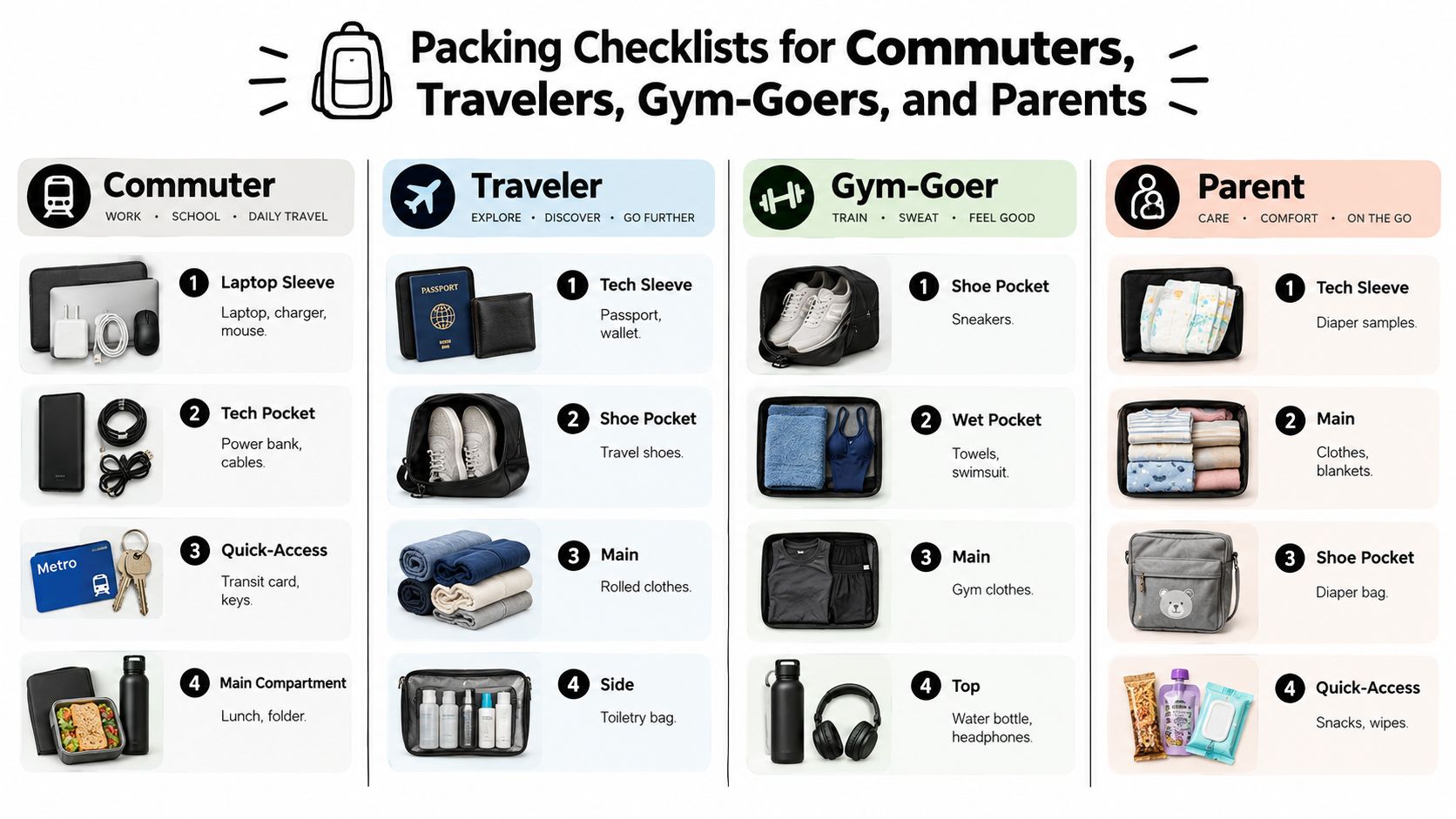
A compartment only works when you assign it a job before you start packing. The easiest method is to decide what must be protected, what must stay separate, and what you'll reach for while standing up.
The daily commuter
Put the laptop in the padded sleeve, with the charger and mouse in a nearby tech pocket. Keep a transit pass, keys, and phone in the quick-grab area. Lunch belongs in a stable side or interior pocket where it won't crush papers, and a folder can lie flat against the main compartment wall.
This setup replaces the loose combination of laptop case, lunch bag, and small purse that often fills a commuter's hands. A zipper closure keeps the whole arrangement contained during a crowded train ride.
The gym regular
Use the ventilated shoe section for sneakers. Put a towel or swimsuit in the wet pocket, and keep clean leggings, a fresh top, and a light layer in the main compartment. The bottle holder should stay upright, while headphones and a locker key belong in the top pocket.
A gym-ready duffel becomes much easier to reset when you return home. Empty the wet zone, wipe the lining, and restock the clean layer without disturbing the rest of the bag.
The weekend traveler
Create three packing groups inside the main space: clothing, sleepwear, and a dirty-laundry liner. Keep toiletries in a pouch near the opening, shoes in the separated end compartment, and your passport, wallet, and charger in the tech or quick-access zone.
For a bigger family trip, this family cruise packing must-haves guide can help you identify shared essentials before assigning them to the bag. The goal isn't to pack every possible item. It's to prevent the small necessities from scattering across several loose bags.
The parent on the move
Give snacks and wipes the easiest-to-reach pocket. Put a change of clothes in a labeled pouch, keep diapers or kid-specific supplies in a separate area, and use end pockets for items two children may need to share. Your own wallet and documents deserve a secure zipper pocket that isn't mixed with crackers and toys.
That arrangement can replace a purse, snack bag, and spare-clothes pouch for a school run or day trip. It also makes handoff easier. Another caregiver can find the wipes without asking you to excavate the entire bag.
The same duffel can serve all four people if its zones remain flexible. A commuter may use the tech sleeve today and the parent may use it for a change-of-clothes pouch tomorrow. That versatility matters more than a permanently assigned pocket for every object.
For a lighter outing with fewer supplies, this day trip packing list offers a useful way to trim the load. Pack according to the day ahead, not according to every pocket the bag happens to contain.
When More Pockets Becomes a Problem
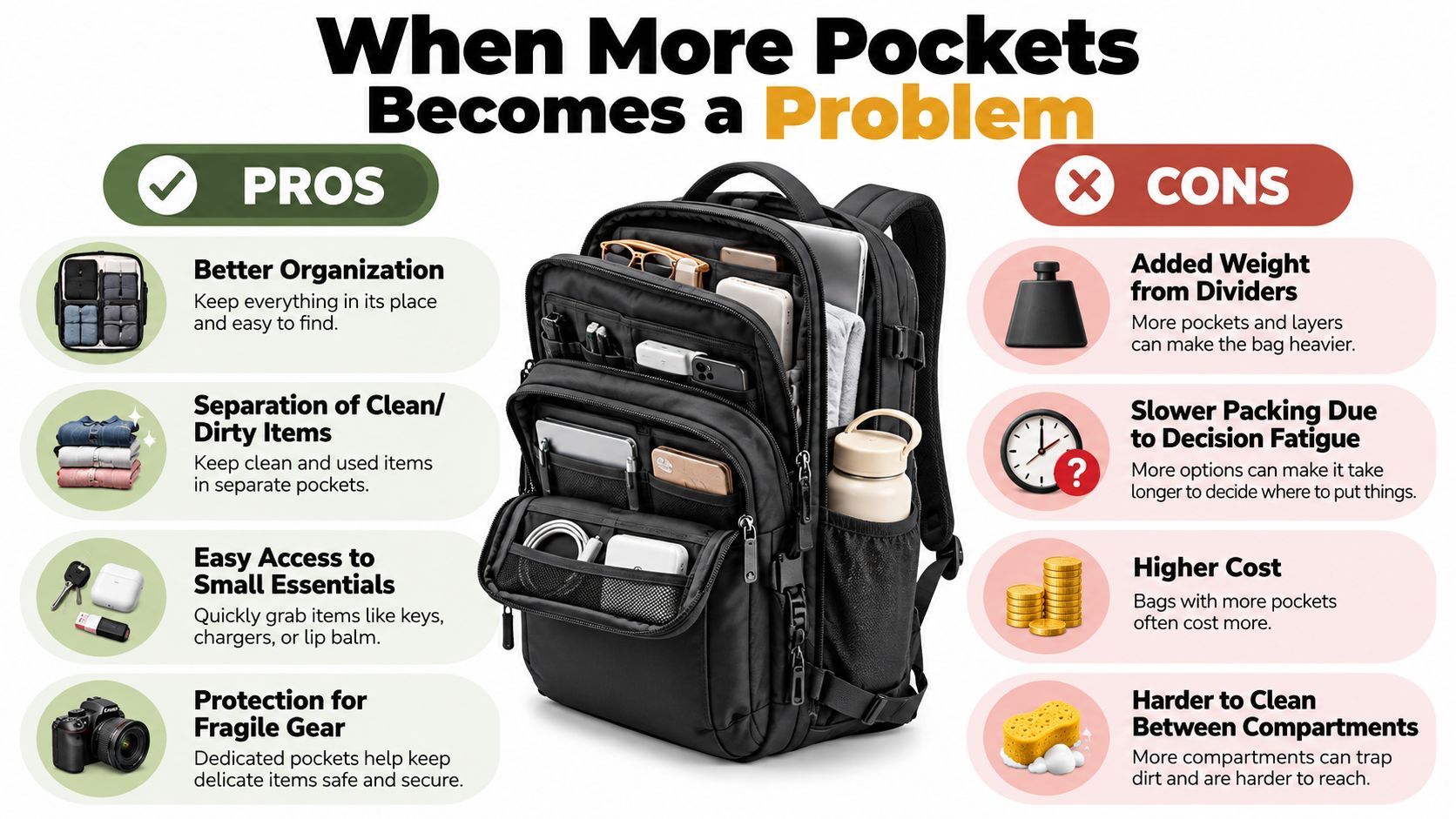
More compartments sound helpful until they start dictating the shape of your belongings. A divider that protects a laptop can be valuable. A thin sleeve that forces a jacket into an awkward fold may not be. Every panel occupies space, adds seams, and creates another surface where sand, crumbs, and moisture can collect.
Excess structure also changes how a duffel carries. If you fill one side pocket with shoes and the other with a bottle, the center may sag between them. That uneven load pulls against shoulder seams and makes the bag swing as you walk. A single flexible cavity can sometimes carry irregular items more comfortably than a heavily segmented interior.
Airline compliance is where the pocket-count problem becomes especially clear. IATA baggage guidance says the operating airline sets the size, weight, and piece limits, and measurements include wheels, handles, and side pockets, as stated in its interline baggage standards guidance. A side pocket isn't free space if filling it makes the exterior wider.
The useful question isn't “How many pockets does it have?” It's “What needs to stay separate, and what needs to be reachable?”
There are maintenance costs too. More zippers mean more hardware to clean and more potential failure points. More seams give grit and dampness additional places to hide. Stiff internal walls can keep the bag from compressing beneath a seat or inside a crowded car trunk.
The practical answer is to choose two to four intentional zones before adding anything else. A main compartment, a protected tech or document area, a separate shoe or wet zone, and one quick-grab pocket cover most real routines. If a pocket doesn't protect an item, separate a messy category, or speed up access, it probably doesn't need to be there.
For another example of how compartment logic applies outside travel, see this guide to a multiple compartment purse. The same restraint applies to duffels. Organization should reduce decisions, not create a new filing system.
Choosing the Right Compartment Layout for Your Life
Start with three questions:
- What do you reach for first? Phone, keys, transit card, wipes, or passport?
- What must stay separate? Shoes, damp clothing, lunch, tech, or personal documents?
- How do you carry the bag most days? Over one shoulder, across the body, by hand, or on a trolley?
Your answers point to the layout more reliably than a product photo. A commuter should prioritize a padded laptop sleeve, a charger pocket, and a quick-access top pocket. A gym-goer needs a ventilated shoe area, wet-dry separation, and a washable or wipeable section for post-workout items. A weekend traveler benefits from a wide-opening main compartment, packing-cube flexibility, a flat tech sleeve, and a low-profile exterior.
Parents need a different kind of access. An insulated bottle slot, wipeable snack pocket, change-of-clothes pouch, and secure parent-only zipper area are more useful than decorative mini sleeves. A beach lover may prefer a lightweight, packable, foldable bag with a zipper closure and a water-resistant exterior over a heavily structured travel case.
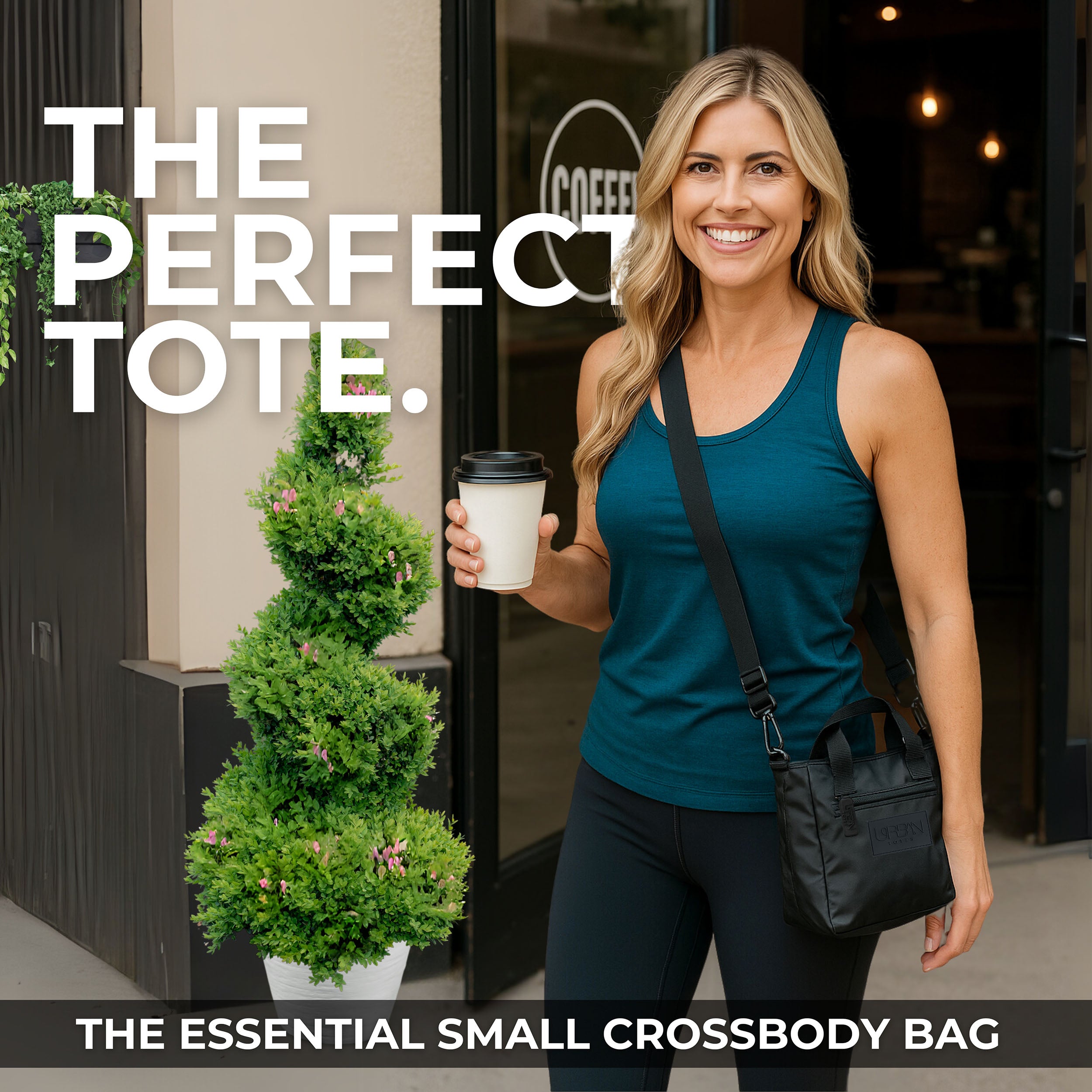
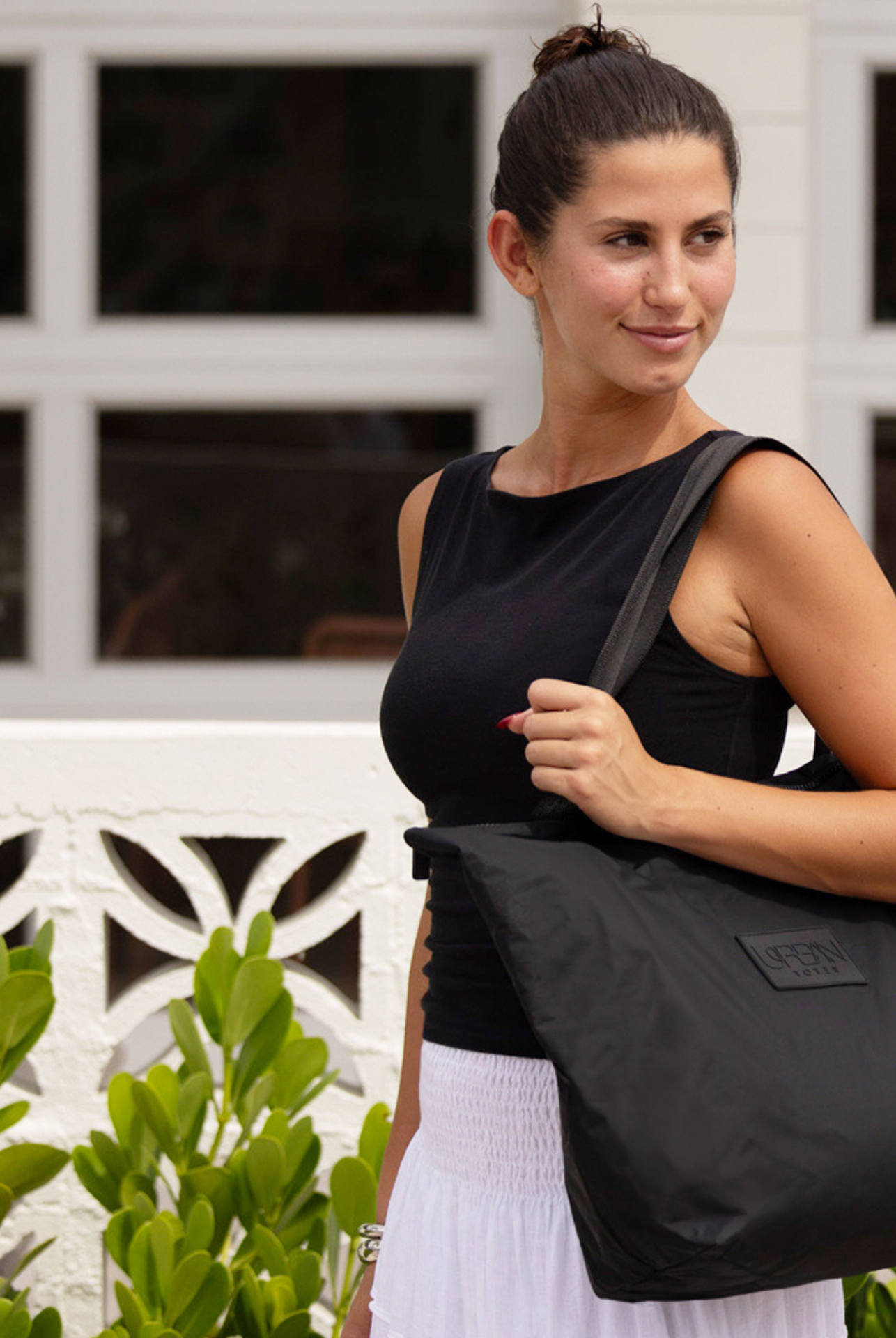
Urban Totes is a woman-owned Boise-made brand whose collection includes lightweight, packable, foldable bags with water-resistant materials, zipper closures, and multiple compartments for commuting, errands, gym sessions, beach days, and short trips. That style of bag suits someone who wants fashion and function in the same everyday carry, without turning every outing into a packing exercise.
Choose the smallest layout that solves your actual friction. You don't need a pocket for every item. You need a bag that lets you grab the charger, isolate the shoes, protect the laptop, and keep moving.
Shop the Urban Totes collection for lightweight, water-resistant, thoughtfully designed bags that fit busy commutes, beach days, gym sessions, and travel. Start with the compartment layout that matches your life, then choose the go-anywhere style you'll want to carry every day.