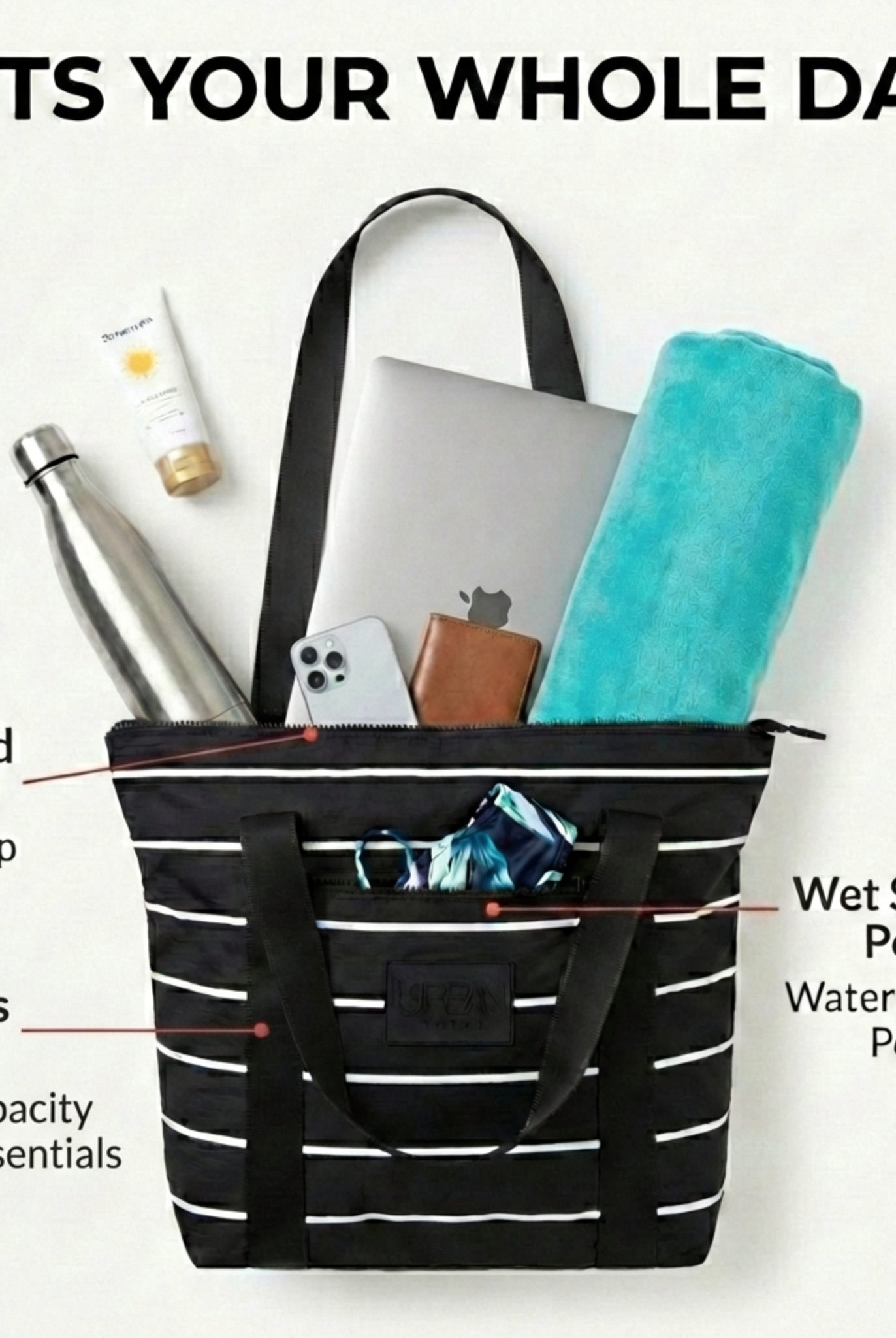
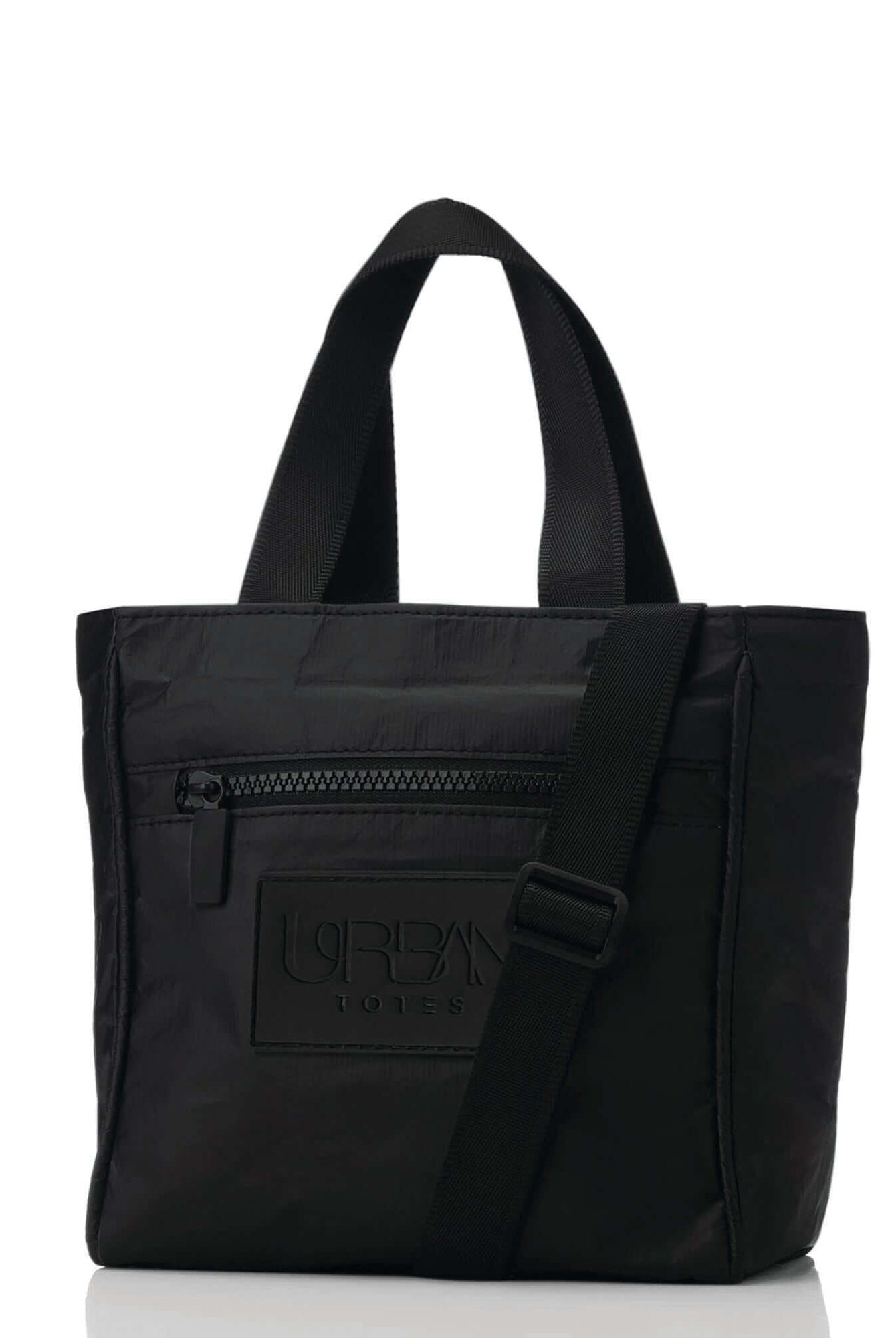
You're standing in the hallway with a half-packed weekender, a coffee going cold on the counter, and a child asking where the sunscreen is. Your old suitcase feels too bulky for a quick trip, but your everyday tote turns into a black hole the second you toss in a charger, sandals, snacks, and a sweatshirt.
That's exactly where a blue duffle bag earns its place. It gives you the flexibility of a soft-sided carry-all, the polish of a stylish everyday piece, and the kind of practical organization that makes a busy day feel less chaotic. For women who move from school drop-off to the airport, from a beach chair to a hotel check-in, the right bag isn't just nice to have. It changes how the day flows.
Table of Contents
- The Stylish and Functional Blue Duffle Bag
- What Size Blue Duffle Bag Do You Need
- Decoding Materials for Durability and Style
- Essential Features for an Organized Life
- Styling Your Blue Duffle for Any Occasion
- Your Go-Anywhere Packing Checklists
- The Urban Totes Difference and Caring for Your Bag
The Stylish and Functional Blue Duffle Bag
A blue duffle bag works because it sits in that sweet spot between polished and practical. It doesn't feel as rigid as a hard-shell suitcase, and it doesn't leave you digging through one giant open compartment the way an unstructured tote often does. For a spontaneous overnight, a gym run squeezed between errands, or a family day by the water, that balance matters.
Blue also does something subtle that black and beige don't always manage. It looks classic, but it still has personality. Navy reads clean and travel-ready. Bright blue feels sporty and fresh. Softer shades lean relaxed and beachy. You can carry one into an airport terminal, toss it in the car for a weekend away, or set it next to a stroller without it feeling out of place.
The appeal isn't just personal style. Demand for versatile travel bags is growing, and the global duffel travel bag market is forecast to grow from USD 3,947.84 million in 2026 to USD 6,492.13 million by 2035, driven by rising disposable incomes and demand for high-end, versatile travel bags, according to Industry Research on the duffle travel bag market.
Why it fits real life
A good blue duffle bag handles the messy middle of daily life.
- Weekend escape: It swallows outfits, toiletries, and a pair of shoes without making you feel like you're hauling luggage for a week.
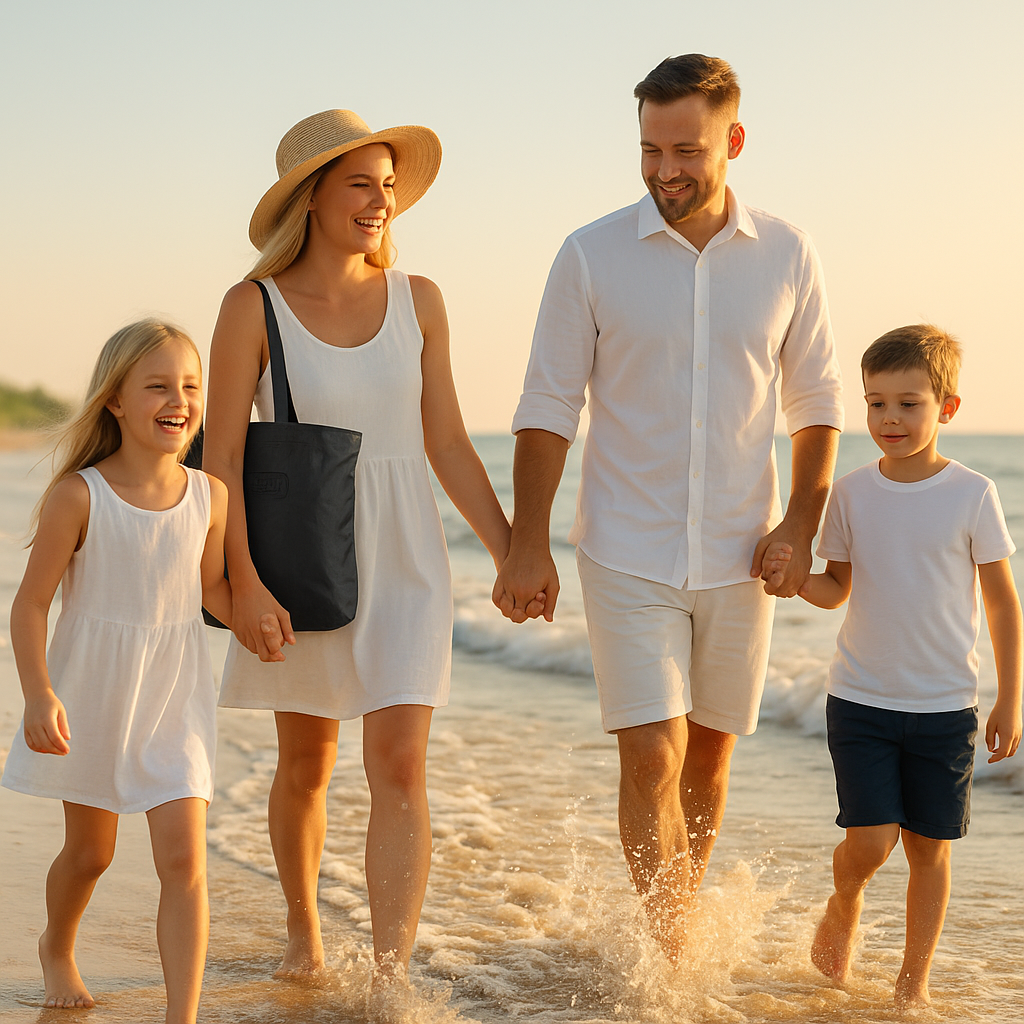
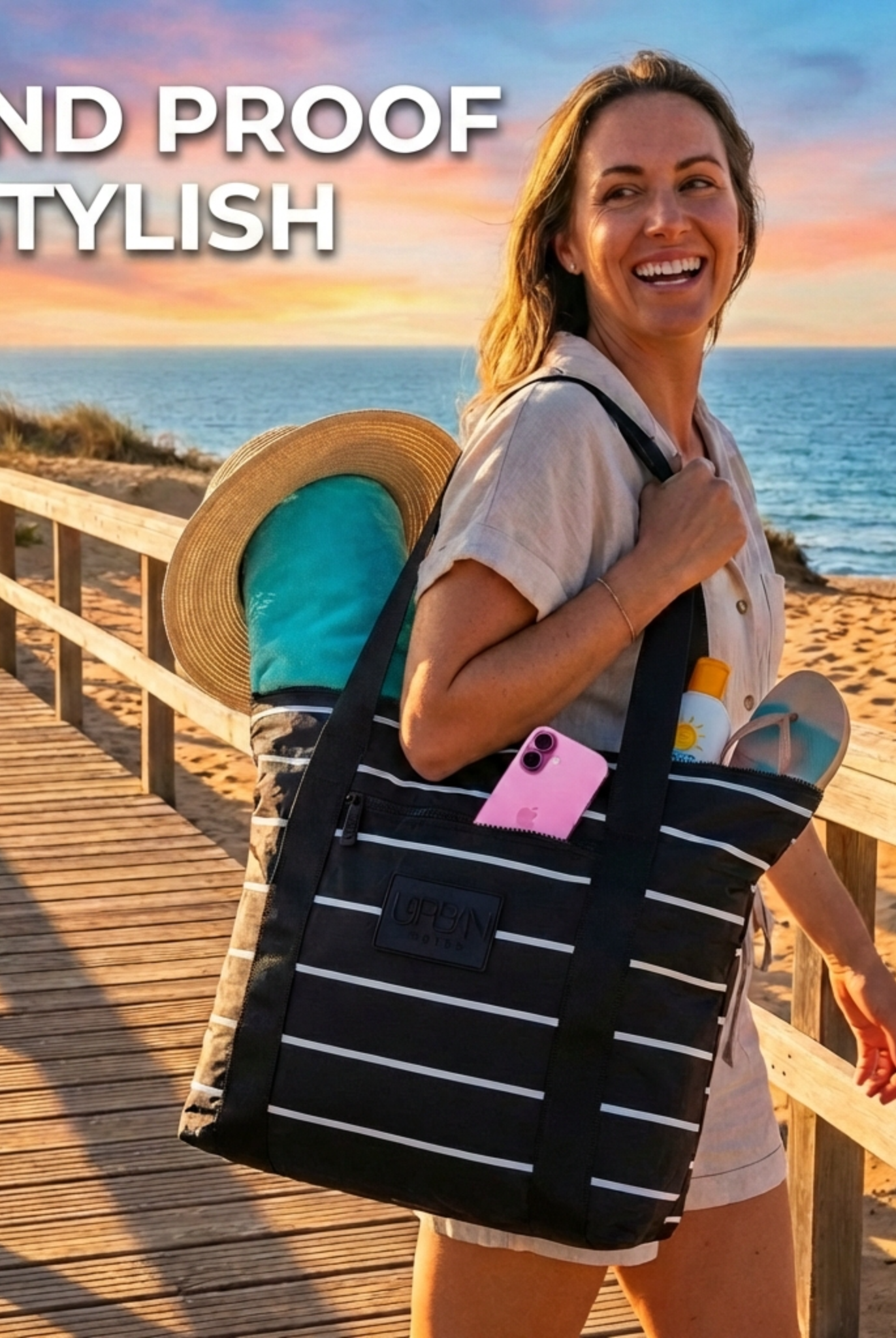
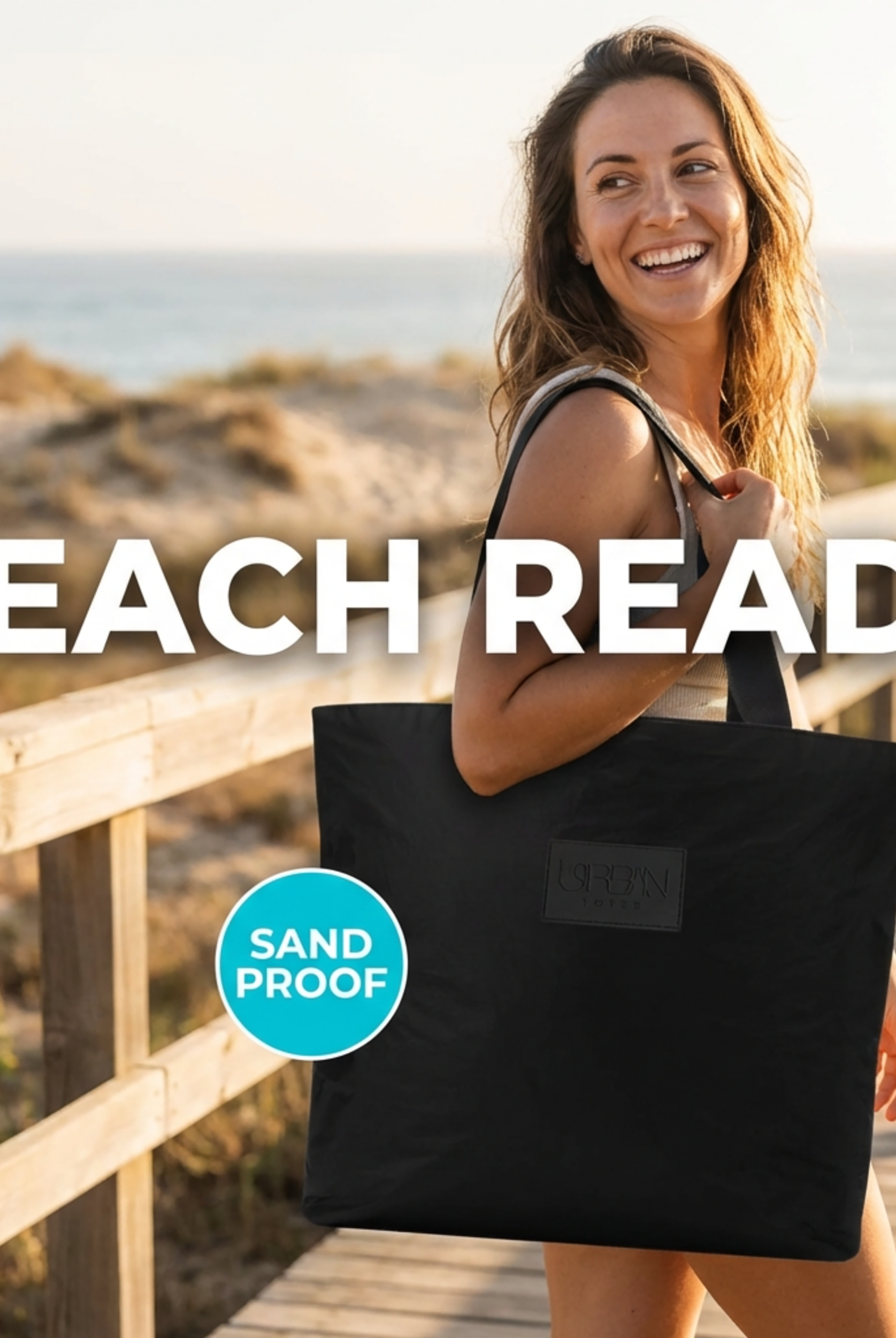
- Beach day: It's roomy enough for towels, snacks, and a change of clothes, but still soft and lightweight enough to carry one-handed.
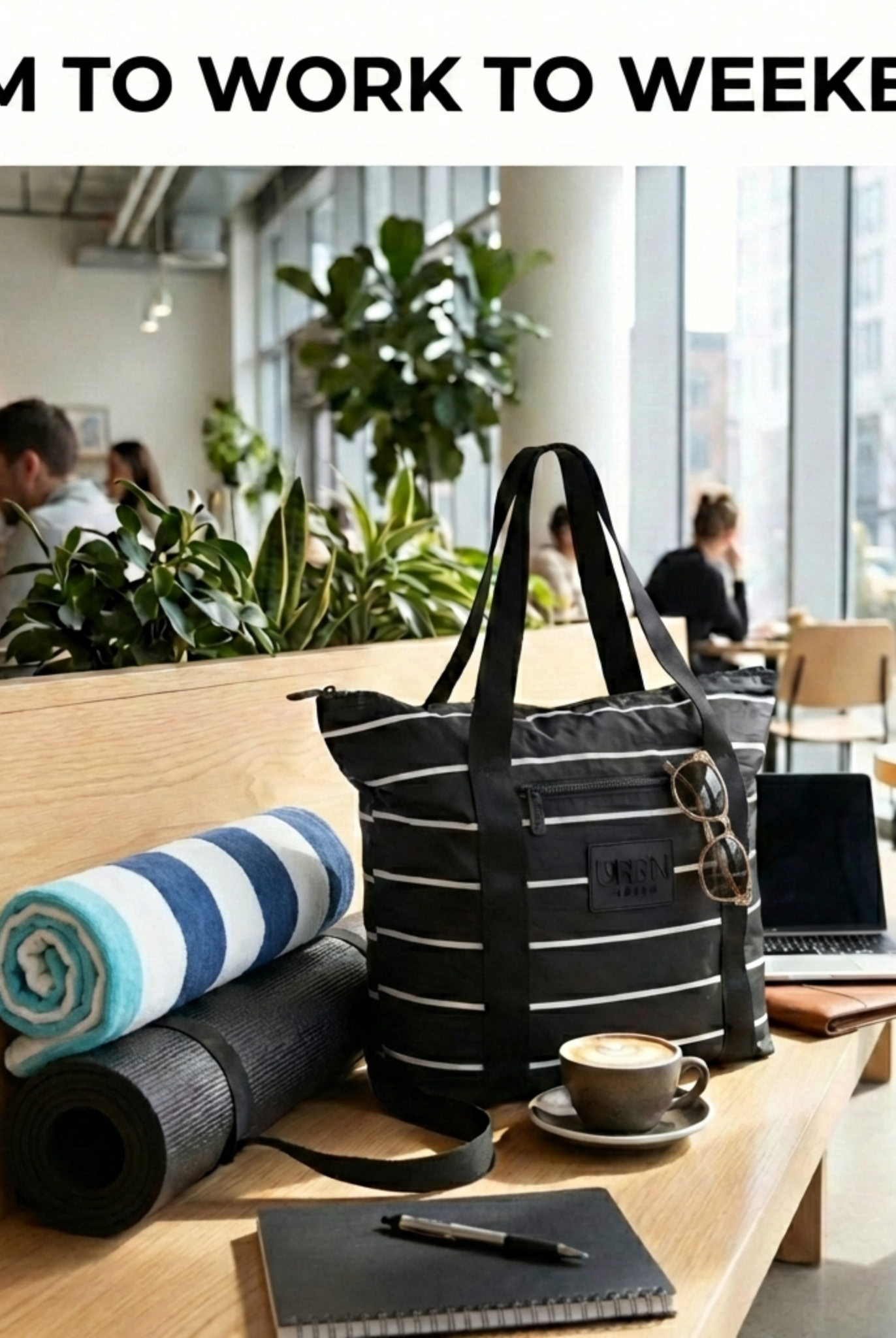
- Everyday carry: It looks more intentional than a random gym bag and more functional than a fashion tote with no zipper closure.
A bag earns repeat use when it solves two problems at once. It has to look good enough to carry anywhere and work hard enough that you don't have to think about it.
What doesn't work
Some duffle bags miss the mark fast.
A bag that's too floppy sags and dumps everything to the bottom. A bag without compartments turns into a rummaging exercise. One that looks cute but feels heavy before you've packed it won't make it past a few real outings.
The smartest choice is a blue duffle bag that feels lightweight, organized, durable, and travel-ready. That's the version you'll reach for on the rushed mornings and the fun days too.
What Size Blue Duffle Bag Do You Need
Size is where individuals often misjudge. They buy for the fantasy trip, not the life they live. Then the bag ends up either too small to be useful or so oversized that it becomes annoying before you even zip it.
The duffel category keeps expanding because people use these bags across commuting, fitness, and travel. The global duffel bags market was estimated at approximately USD 5.5 billion in 2023 and is projected to reach USD 8.9 billion by 2032, which reflects how useful versatile sizing has become across everyday routines, as noted by Dataintelo's global duffel bags market report.

Small, medium, or large
Think in terms of moments, not just liters.
| Size | Best for | What it feels like in real life |
|---|---|---|
| Small | Daily essentials, gym, overnight | Easy to grab, easy to store, doesn't overwhelm your shoulder |
| Medium | Weekend trips, short business travel, family day bag | The most versatile option for women who want one bag to do a lot |
| Large | Longer travel, bulkier packing, extra shoes or kids' gear | Great when you need the space, less ideal for everyday carry |
If you're comparing proportions for short trips, this guide to weekender bag dimensions is useful because it helps translate size into actual use, not just product labels.
Match the bag to your routine
A beach-day mom usually needs room for snacks, extra layers, sunscreen, and one or two “just in case” items. That points to a medium or large bag, especially if towels are coming along.
A weekend traveler usually does best with medium. You want space for outfits, toiletries, and a pair of shoes without carrying a bag that feels oversized in a hotel lobby or overhead bin line.
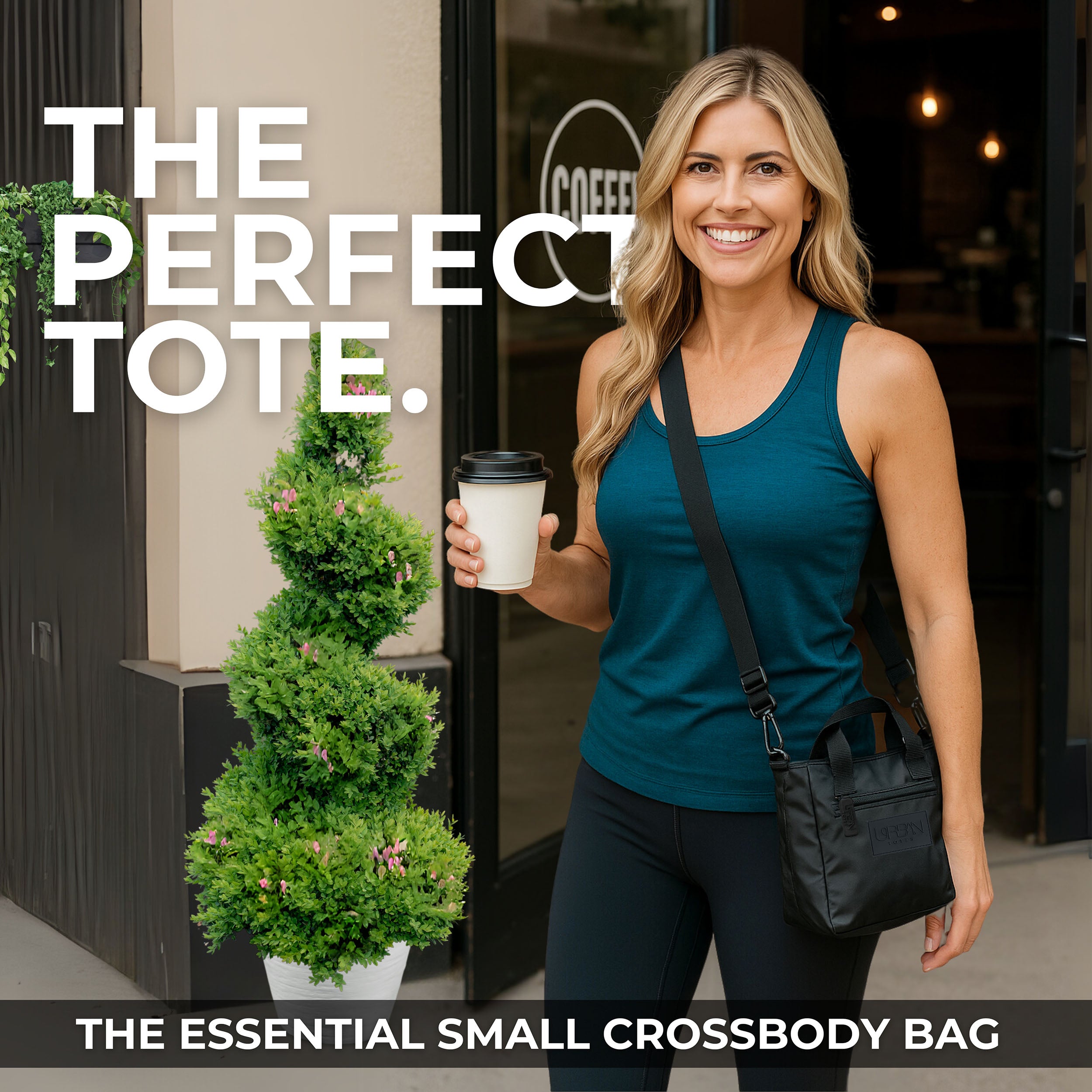
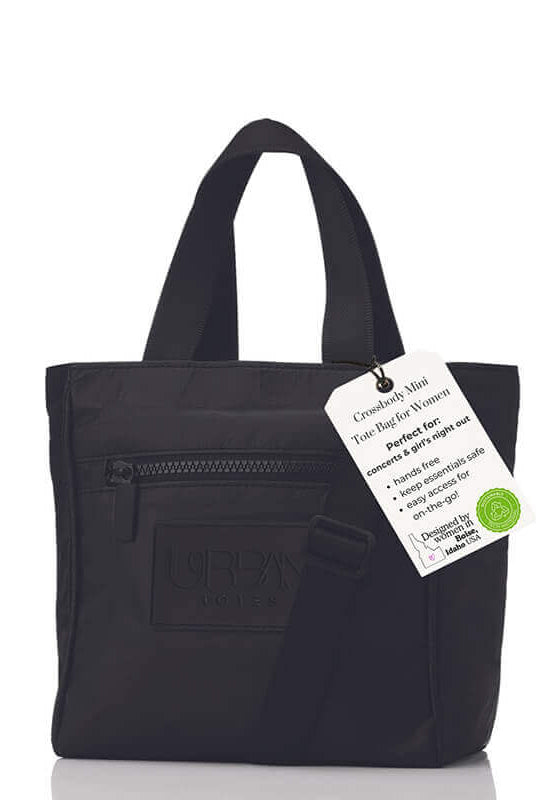
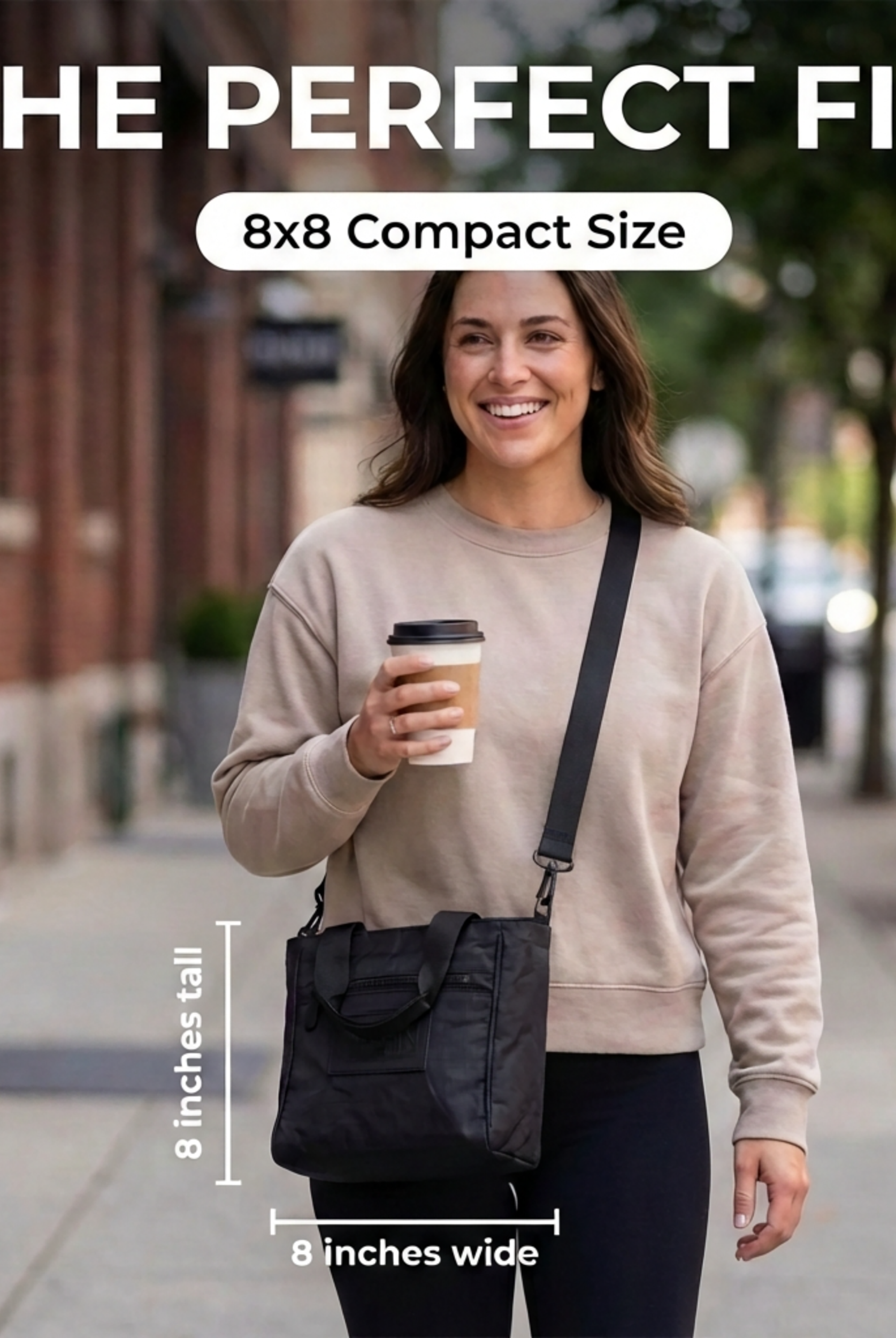
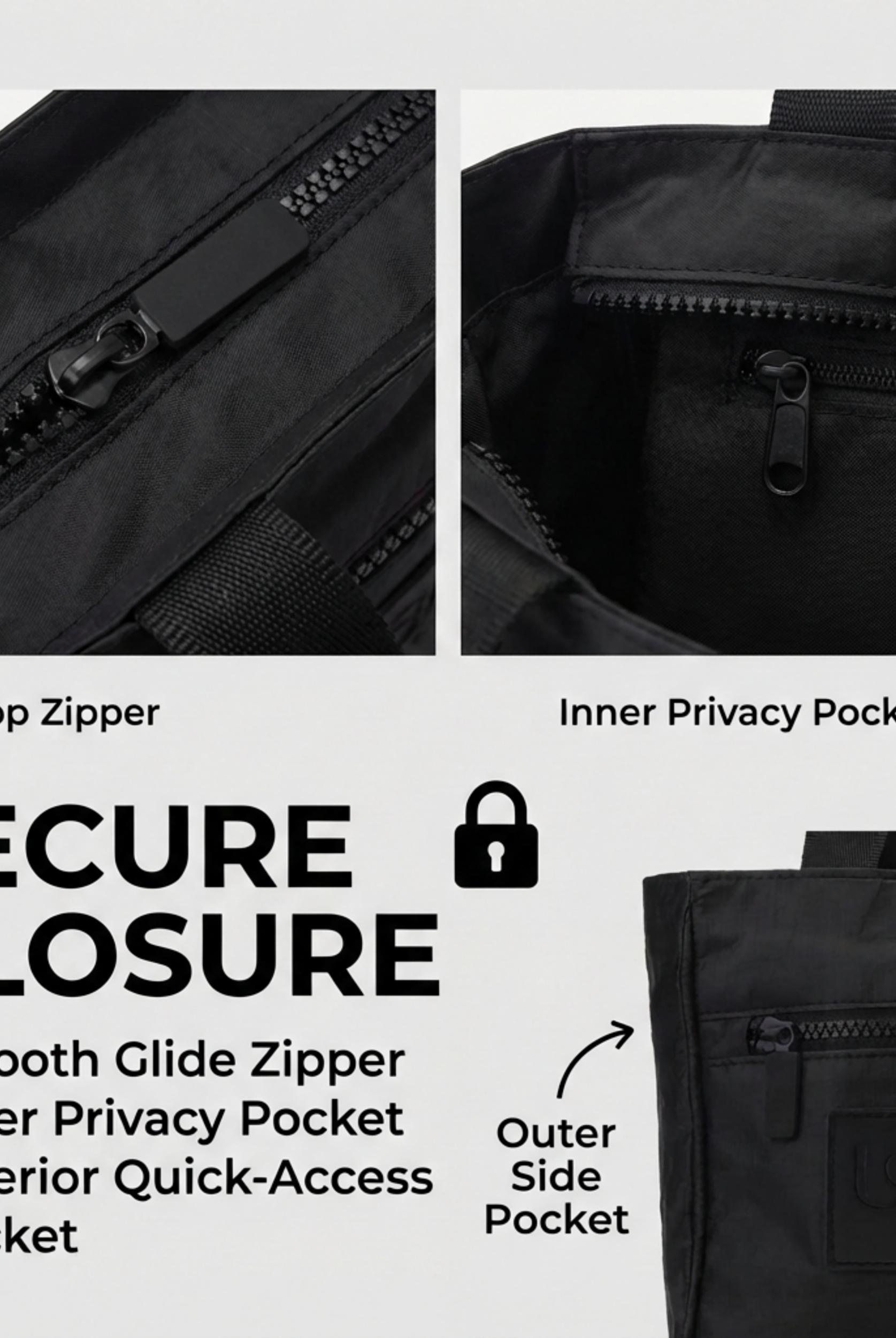
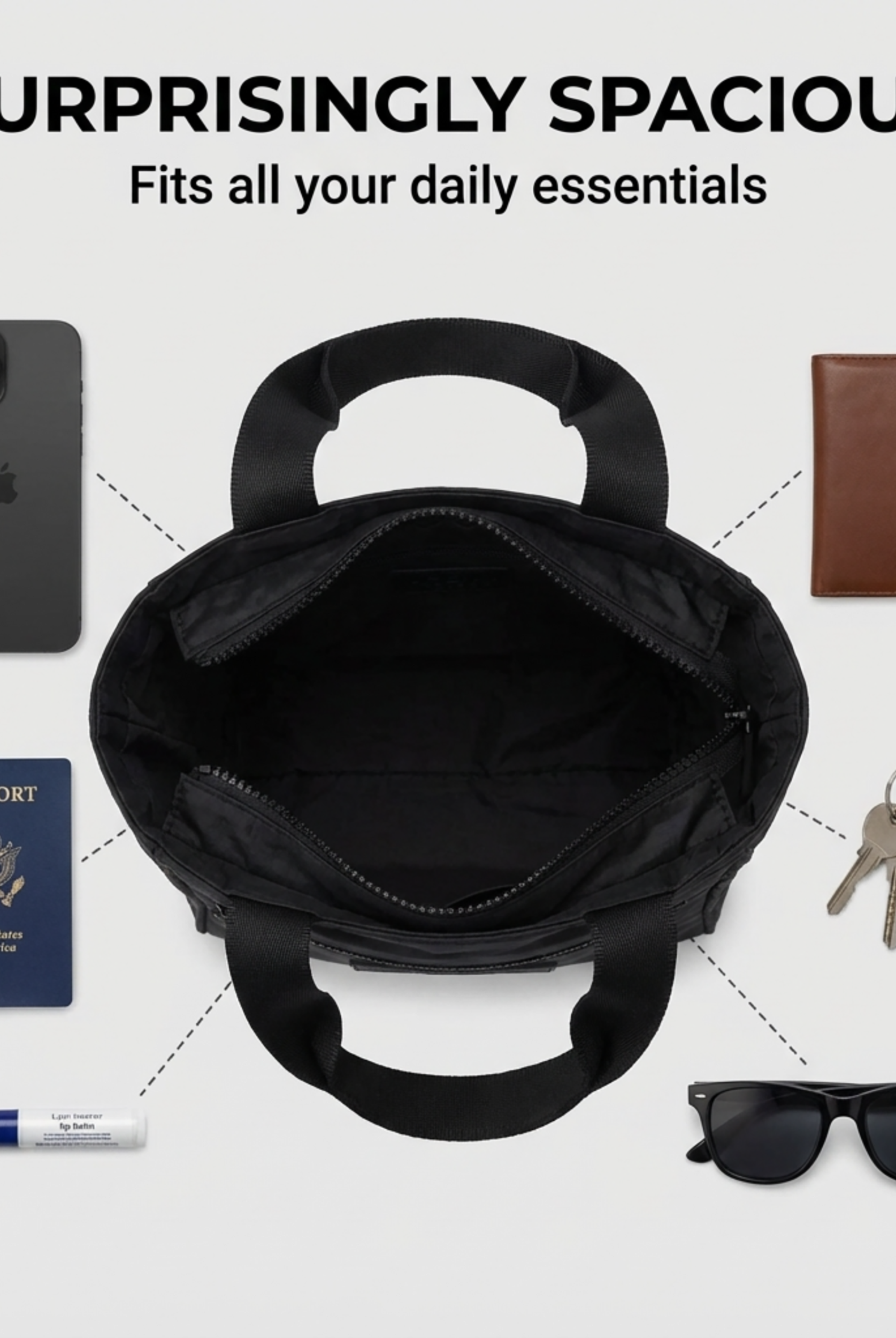
A daily commuter or errand-runner often needs less than she thinks. If your bag mostly carries a water bottle, notebook, cardigan, tech pouch, and wallet, a smaller duffle or compact companion makes more sense. In that lane, the Crossbody Tote Bag Mini Purse is a factual example of a smaller hands-free option with a zip-top closure, an outside zipper pocket, an easy-access exterior pocket, and dimensions of 7.5 x 4 x 7.75 inches.
Practical rule: Buy the smallest size that comfortably fits your real routine. Extra empty space sounds helpful, but it usually creates clutter and makes the bag harder to carry.
A quick decision filter
Use this before you choose:
- Count your essentials: Shoes, toiletries, towels, tech, kid extras.
- Be honest about frequency: If you travel once in a while but commute every day, optimize for daily use.
- Check where you carry it: Car trunk, shoulder, locker, overhead bin, stroller handle. The setting matters as much as the packing list.
The right size makes a blue duffle bag feel effortless. The wrong size makes even a lovely bag feel like work.
Decoding Materials for Durability and Style
Material decides whether your bag still looks polished after real life gets hold of it. That means wet pool decks, gritty parking lots, crumbs, makeup smudges, and the occasional rush through the rain.

High-performance duffle bags often use 840D TPU Nylon Laminate. In plain language, 840D refers to a high yarn density that improves tear strength, while TPU coating adds a water-resistant barrier that helps protect contents in changing weather, based on the product details for an expedition-style duffle bag in blue.
What those material terms actually mean
Think of denier as fabric toughness. A higher denier fabric generally feels more substantial and stands up better to abrasion, scraping, and repeated use. That matters if your bag gets dragged from the back seat, slid under an airplane seat, or dropped on concrete at soccer practice.
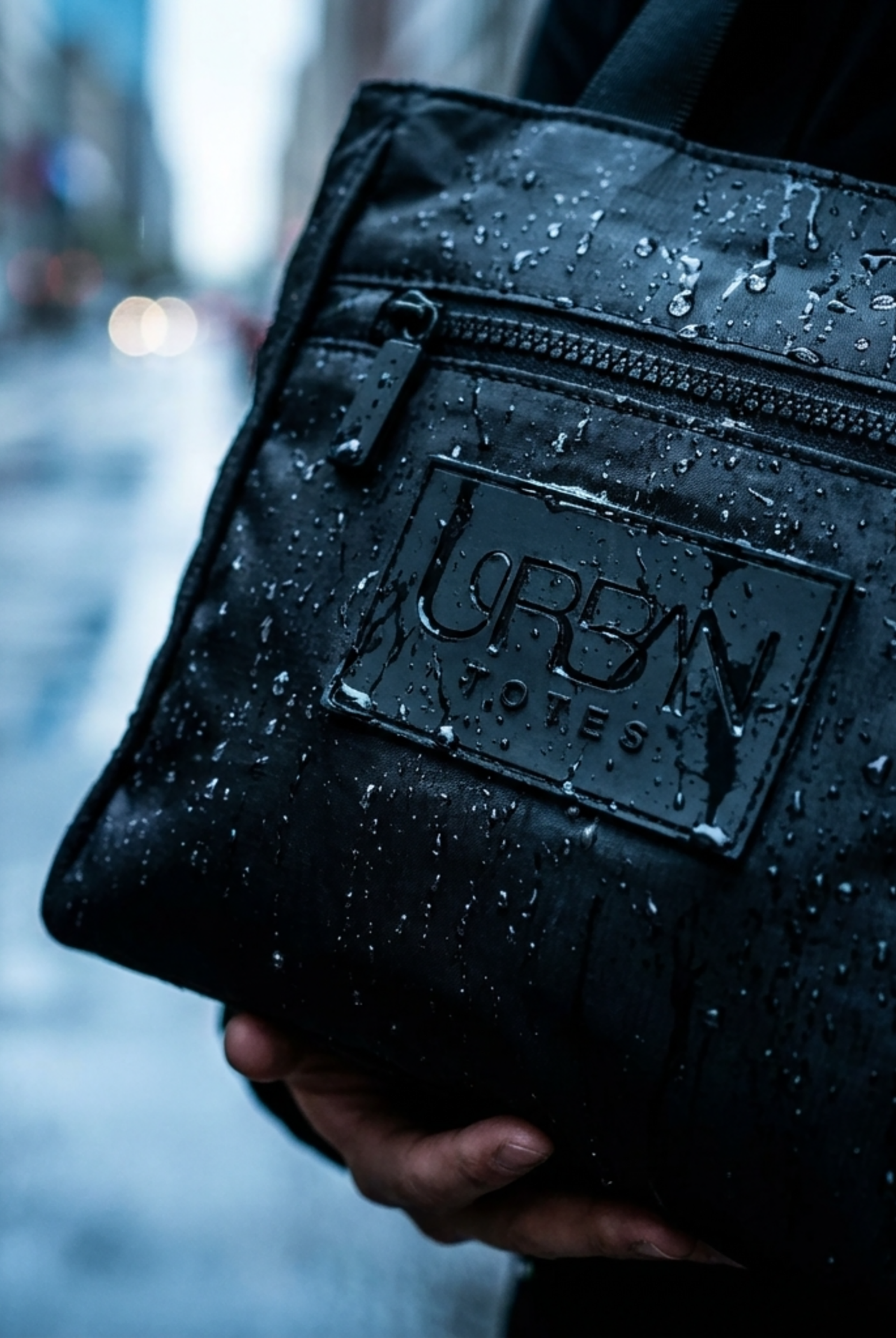
TPU coating is about day-to-day protection. It won't make a bag magical, but it does help when you're caught in a drizzle or setting the bag near damp surfaces. For a woman juggling beach towels, a tablet, and a change of clothes, that's useful peace of mind.
If you want a deeper look at common bag fabrics and finishes, this primer on tote bag material options helps decode the trade-offs.
The feel test matters too
Not every durable fabric feels good to carry. Some heavy-duty materials can be stiff or bulky, which is fine for expedition gear but less ideal for everyday carry. For most women, the winning combination is:
- Water-resistant enough for daily messes
- Lightweight enough for all-day use
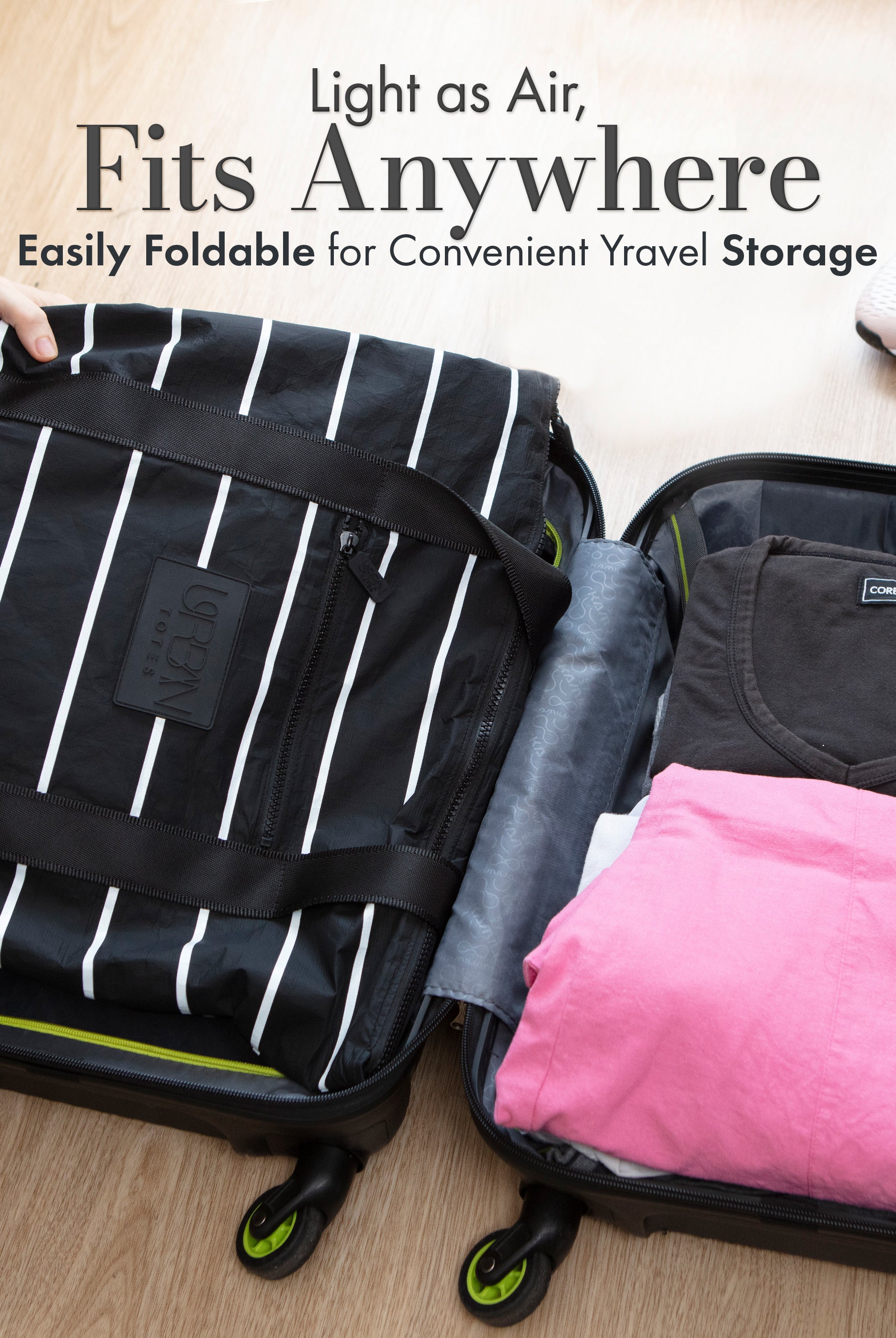
- Packable or foldable enough for storage and travel
- Structured enough to keep its shape
That's why lifestyle bags do better when they balance toughness with softness. You want a bag that can handle a messy trunk and still look stylish at lunch.
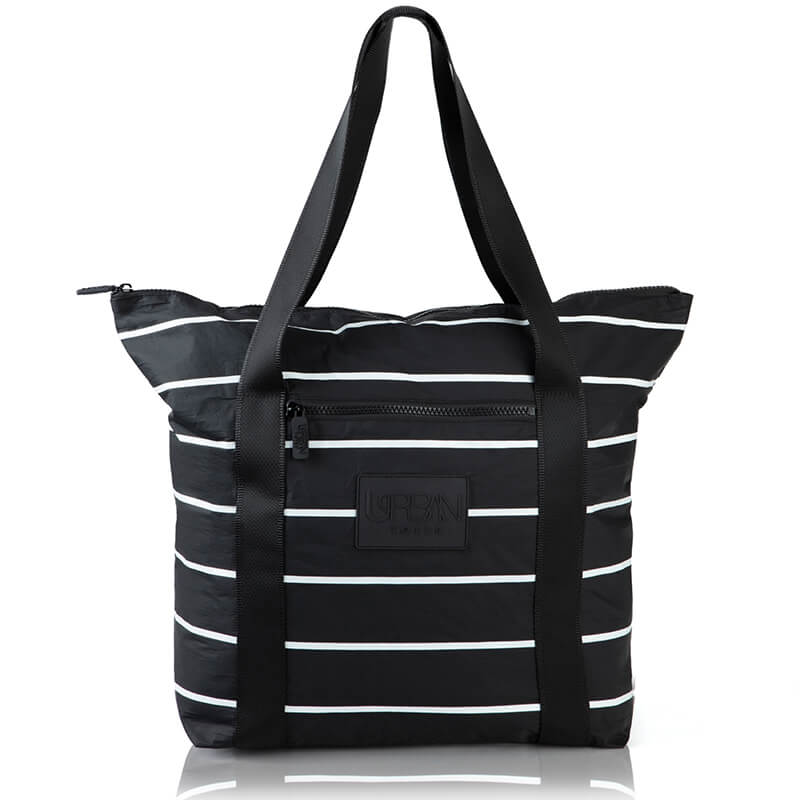
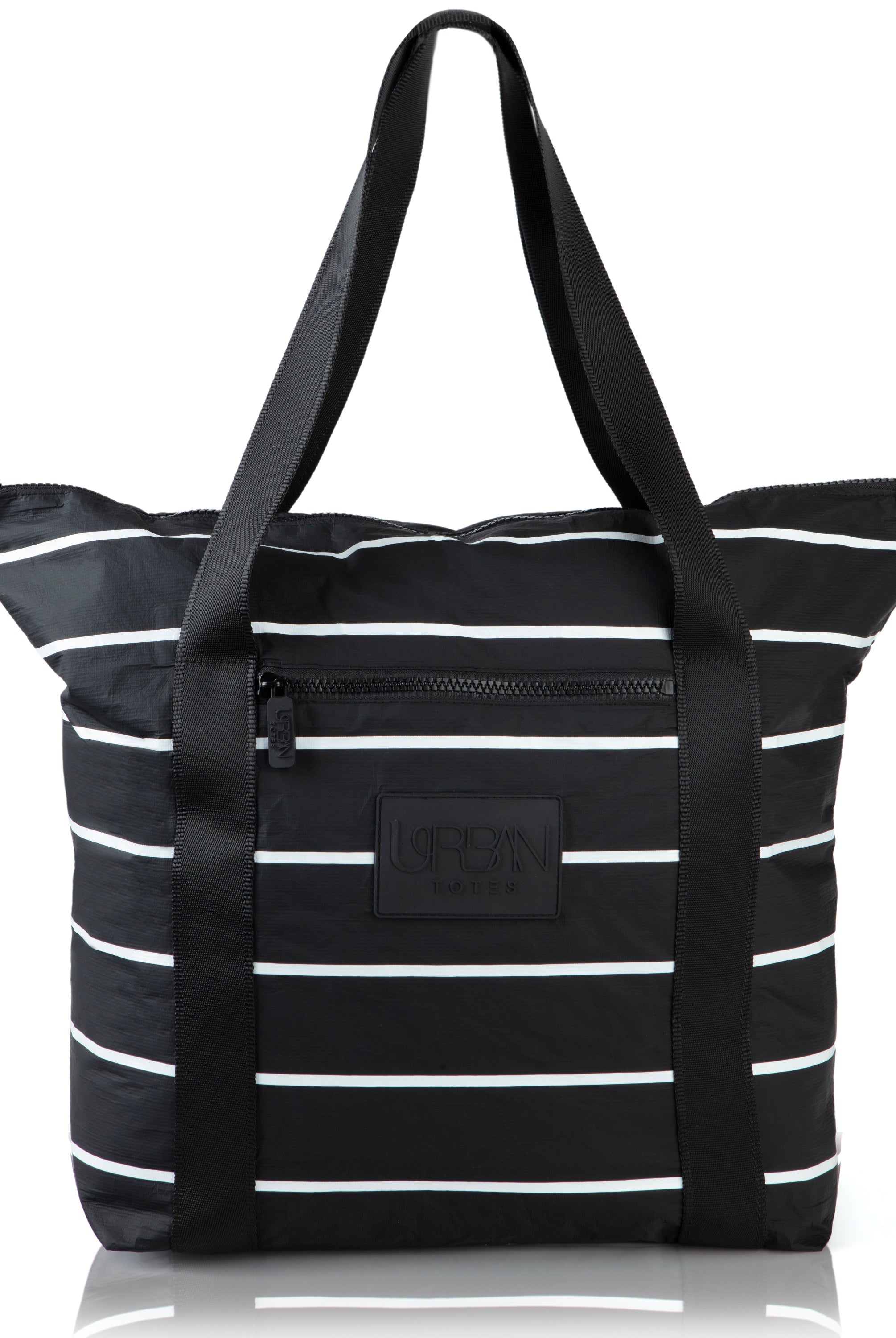
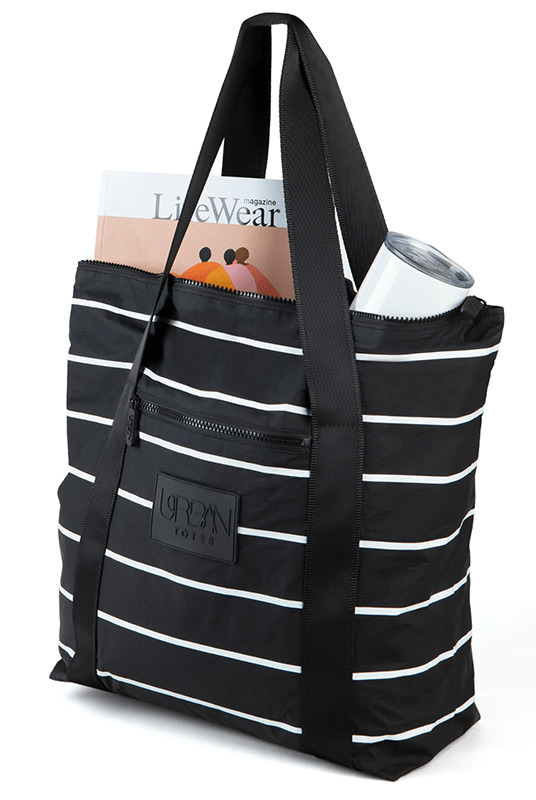
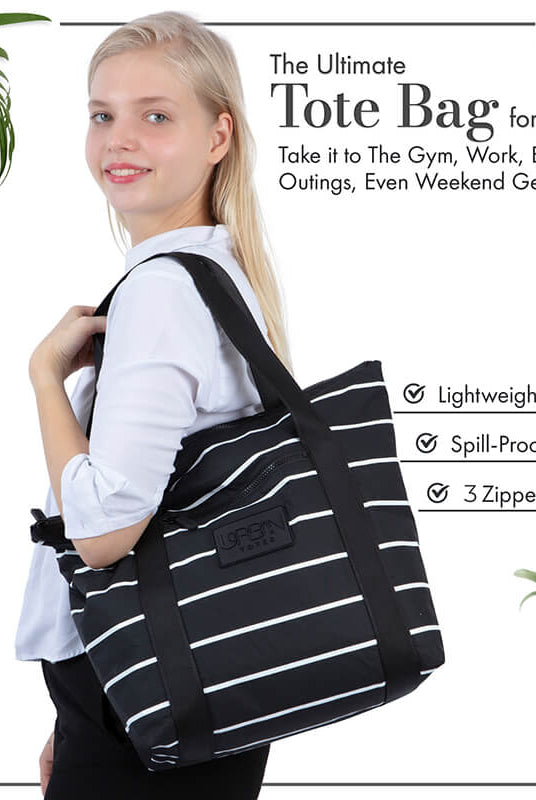
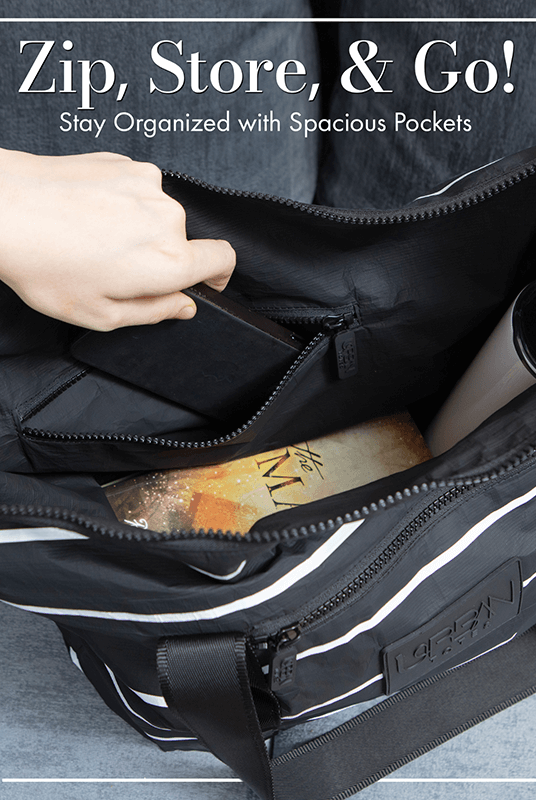
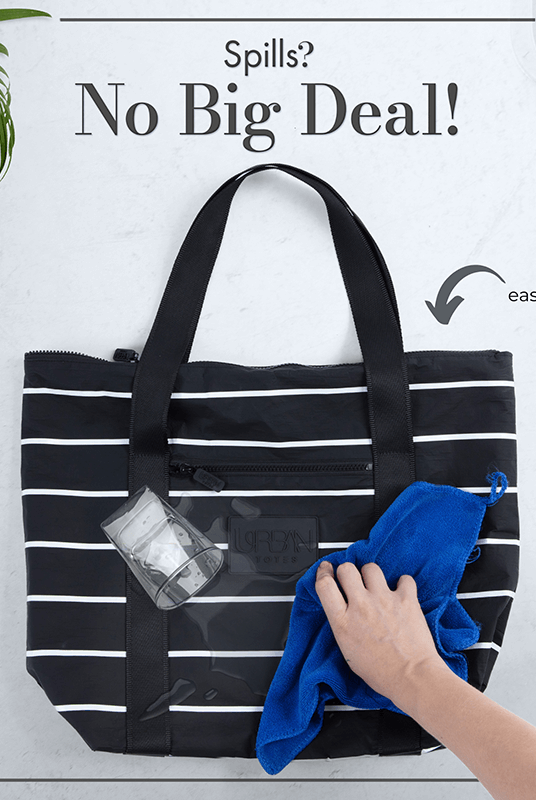
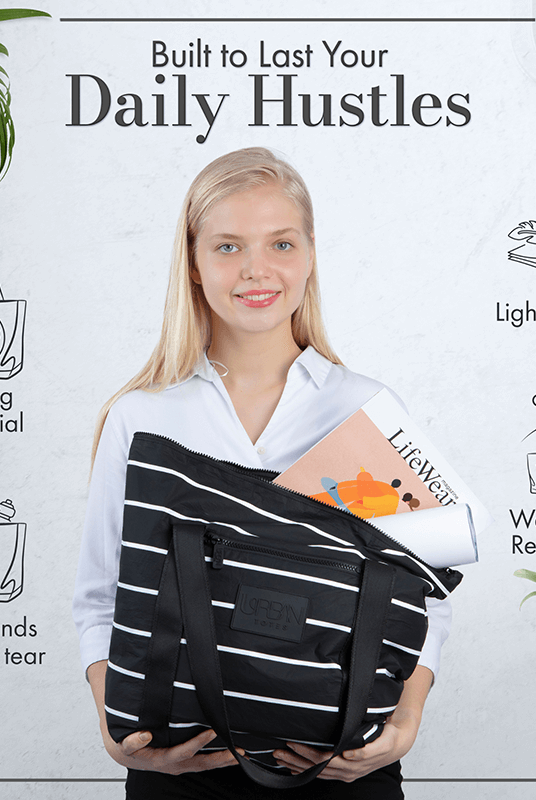
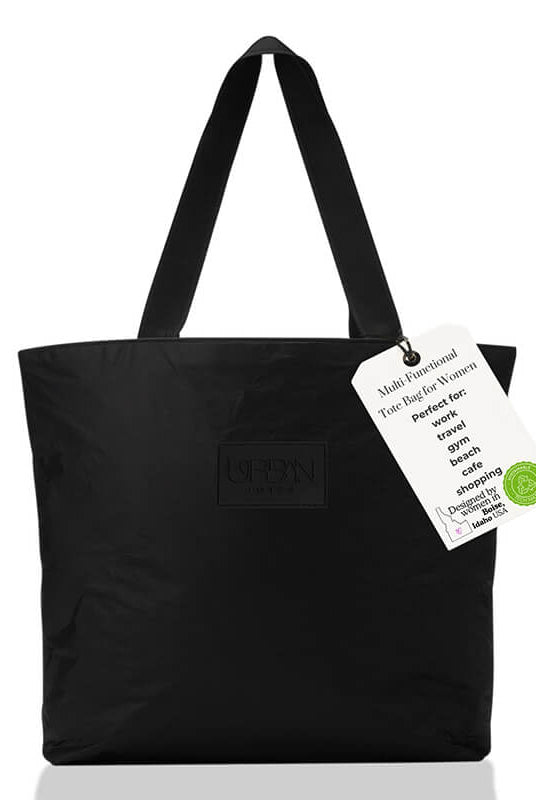
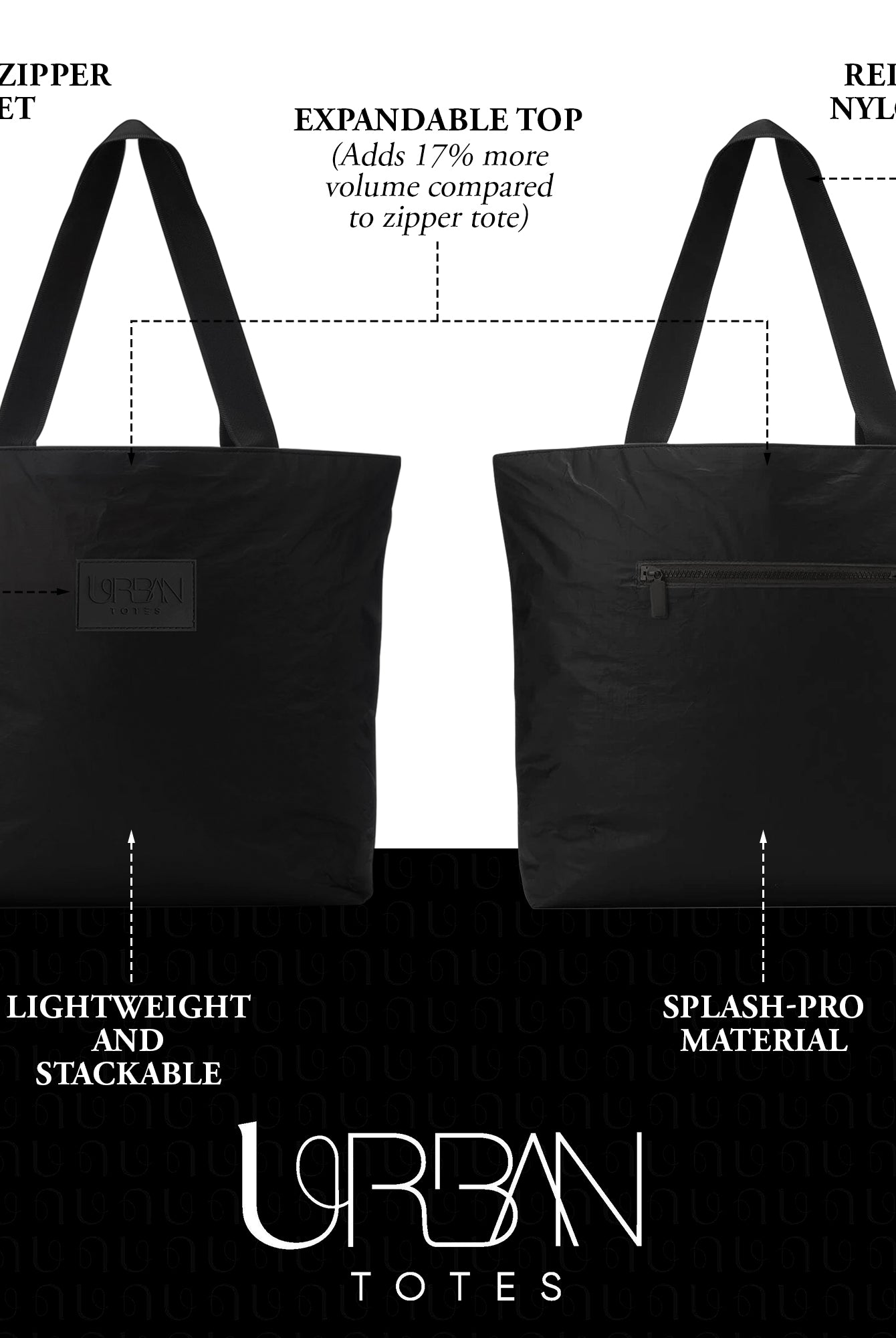
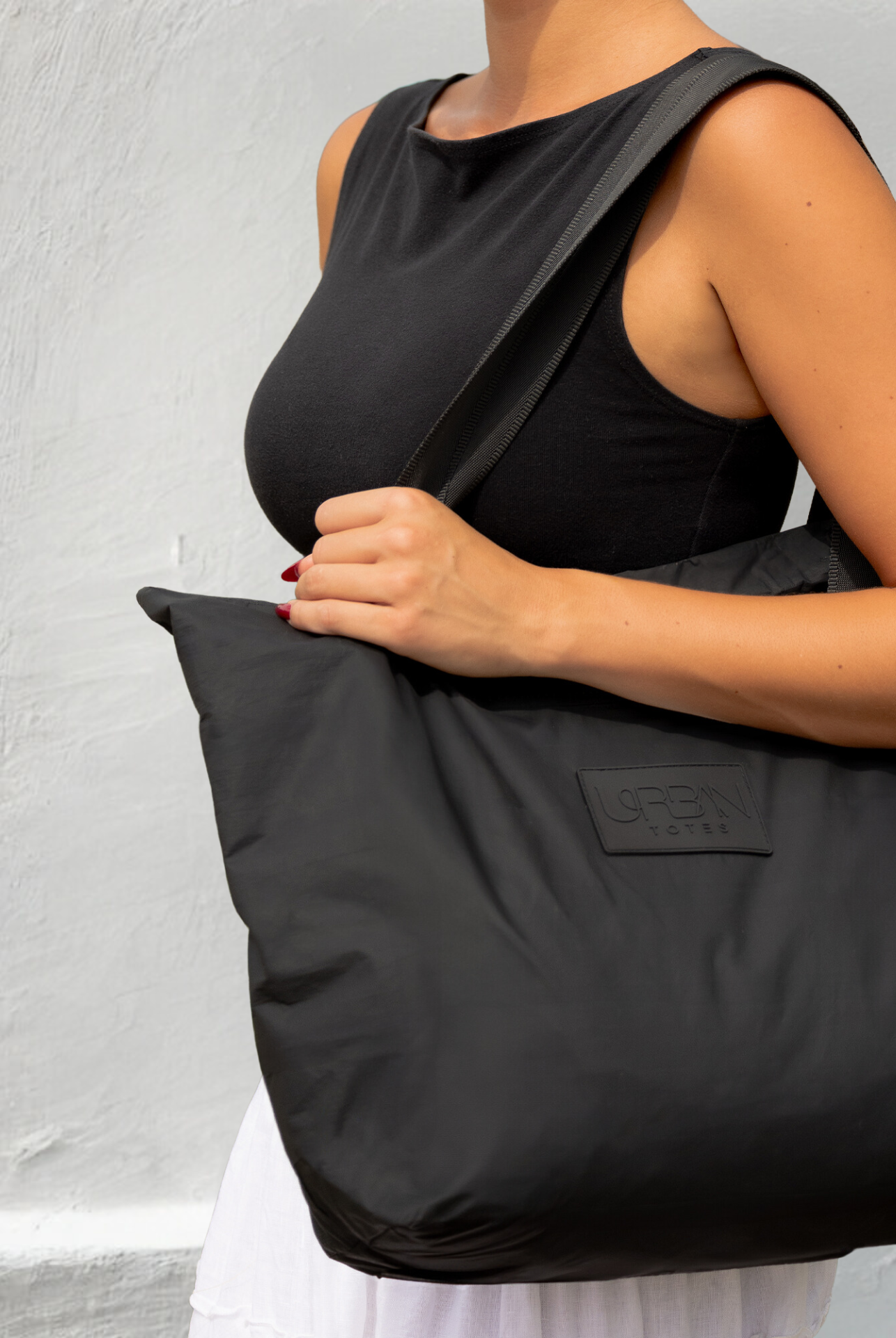
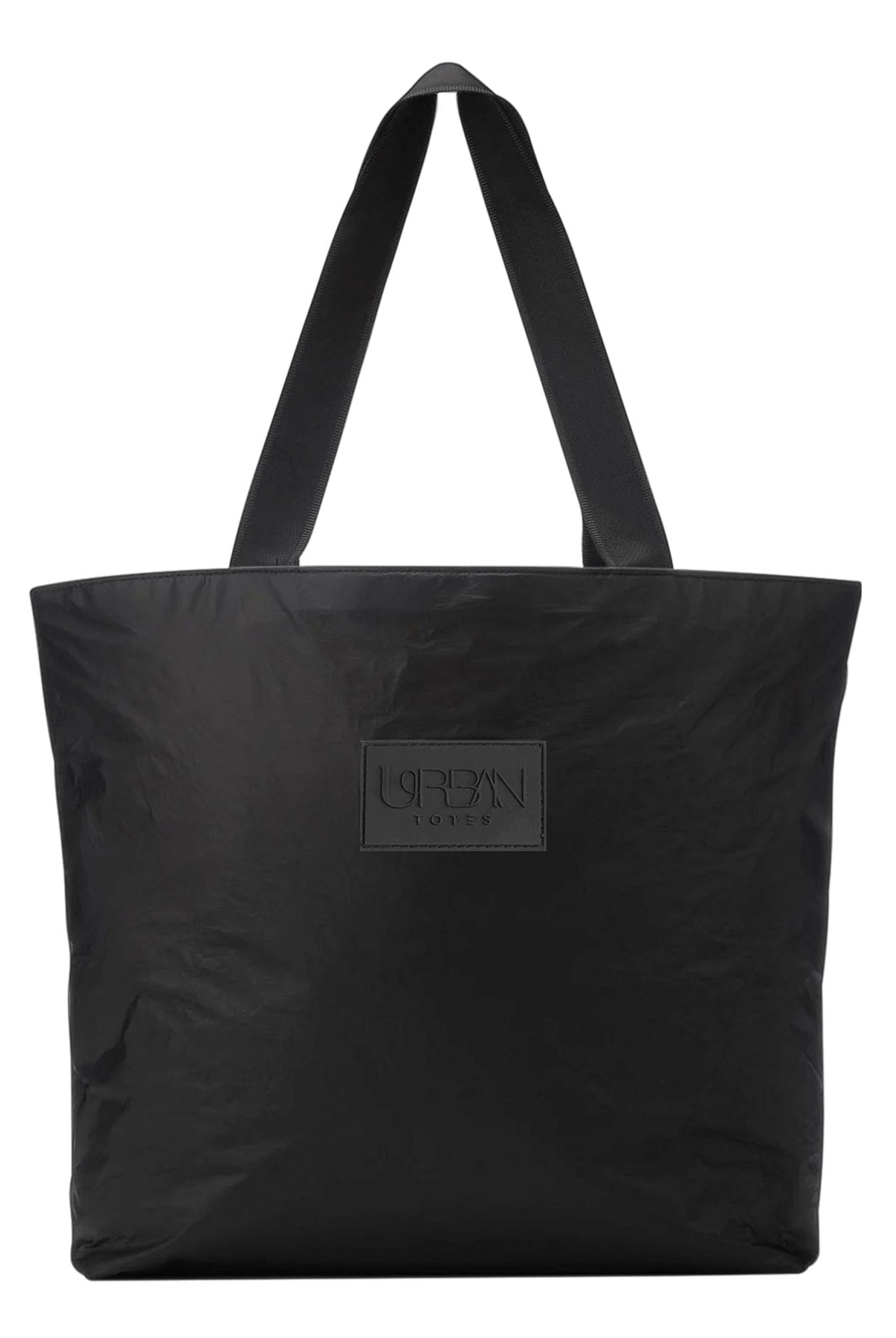
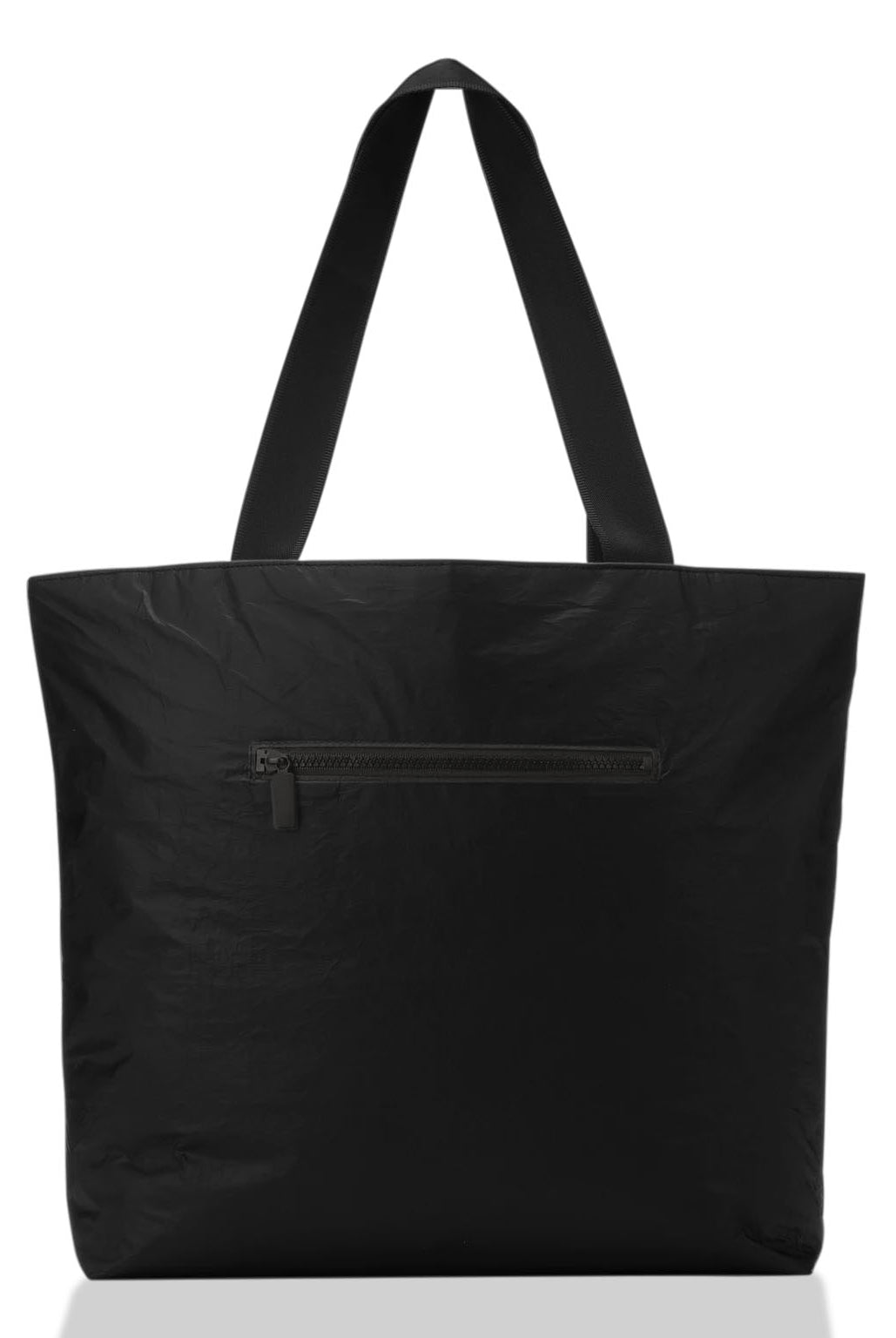
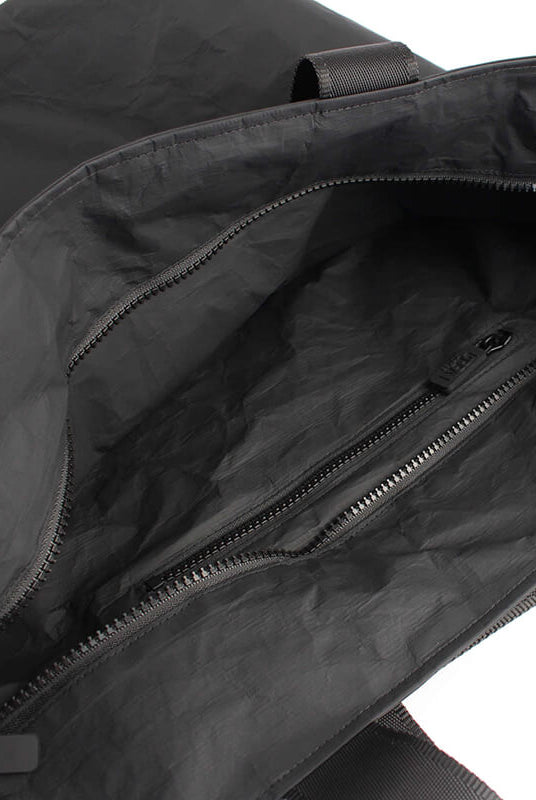
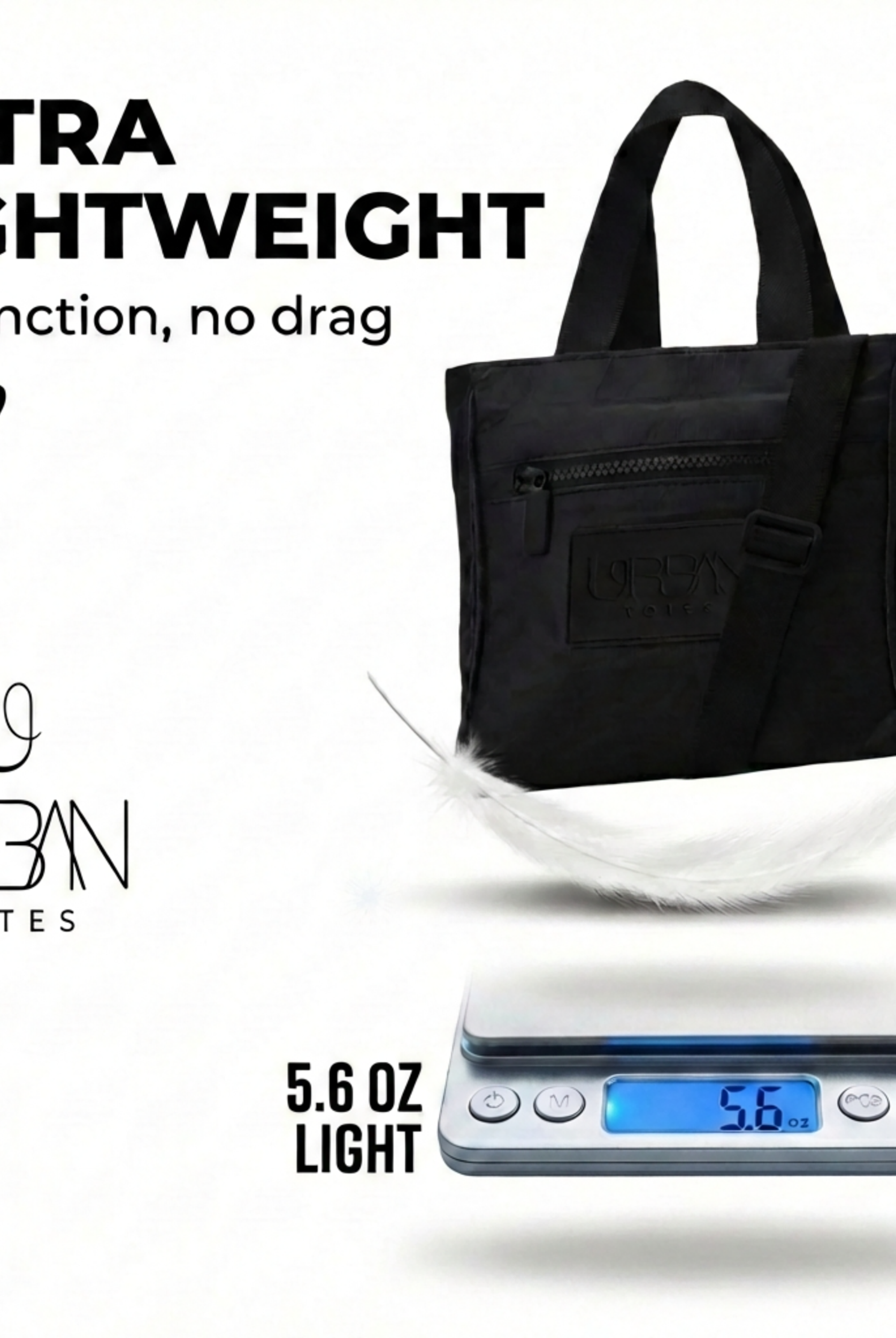
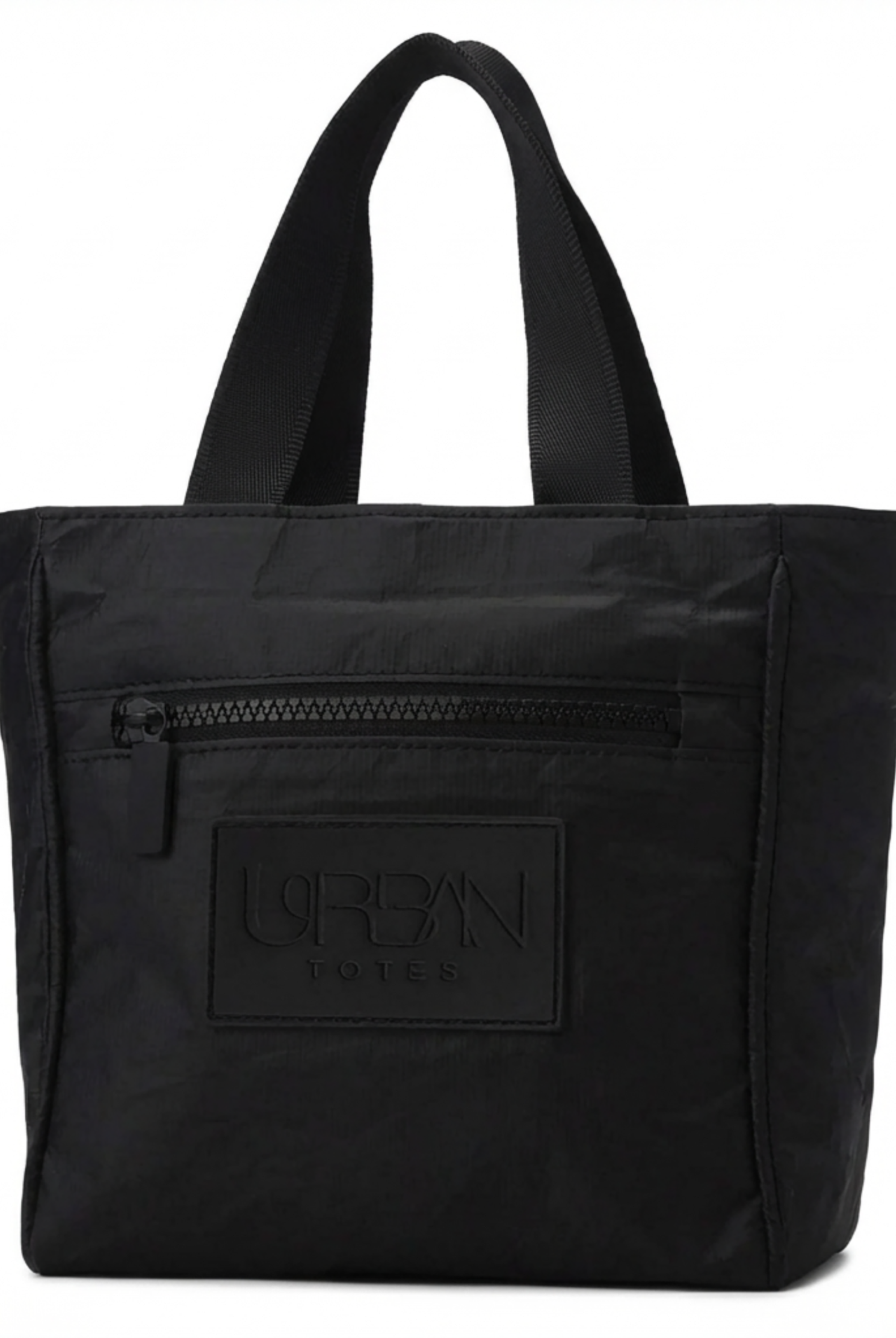
A factual example from the Urban Totes catalog is the Elevate Every Adventure with The OG Zipper Tote Bag by Urban Totes, which is described as lightweight, packable, water-resistant, and equipped with inside and outside zipper pockets. It's also listed at 19" W x 14.5" H, which gives a sense of its carry-all scale.
If your bag feels heavy and rigid while empty, it usually won't become more lovable once it's packed.
Essential Features for an Organized Life
The difference between a bag you use constantly and one you abandon in the closet usually comes down to organization. Not the flashy kind. The kind that lets you find your keys while balancing a coffee, a phone, and a child's jacket.

Features that pull their weight
A zipper closure is essential for me in any travel-ready or everyday carry bag. Open-top bags look breezy until they tip over in the car or spill in the airport security line.
The next must-have is compartment logic. Not endless tiny pockets you forget about. Thoughtfully designed zones that keep categories separate.
A useful breakdown looks like this:
- Main compartment: For bulkier items like clothing, towels, or packing cubes.
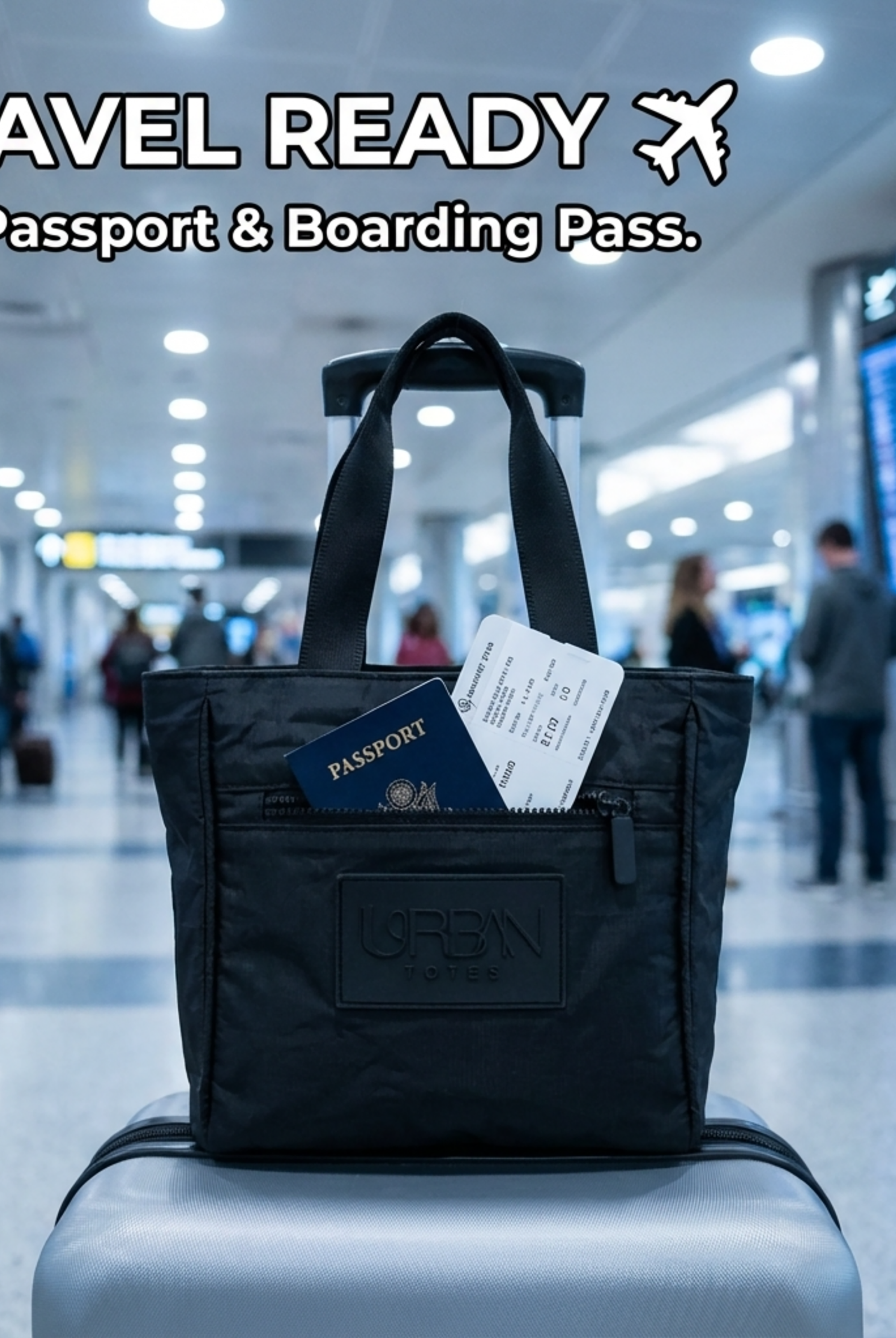
- Quick-access pocket: For phone, keys, lip balm, and boarding pass.
- Interior zip pocket: For wallet, cards, or anything you don't want floating loose.
- Side or separate compartment: Helpful for shoes, damp items, or snacks you want isolated.
If you're comparing layouts, this guide to tote bag compartments is a practical reference point.
Why construction matters
Organization doesn't help much if the bag gives out under load. Quality duffles often rely on box stitching at high-stress corners, which distributes tension and helps prevent seam failure under a typical 50-pound carry capacity, according to Public Lands' duffel bag buying advice.
That detail matters most when the bag is fully packed. Shoulder straps, handle attachments, and corner seams take the most abuse. If those areas aren't reinforced, the bag can start to distort or wear unevenly.
Choose features that reduce friction. The right pocket in the right place saves more daily stress than an extra trendy detail ever will.
The features I'd skip
Some bags add gimmicks that sound useful but don't help much in practice.
| Feature | Works when | Doesn't work when |
|---|---|---|
| Lots of tiny pockets | You carry many small items and use each pocket consistently | You forget what went where |
| Soft unstructured body | You want a relaxed, packable bag | You need the bag to stand up and stay organized |
| Minimal hardware | You want a lighter feel | You need strong grab points for heavier loads |
The best blue duffle bag feels calm inside. You unzip it, and what you need is right there.
Styling Your Blue Duffle for Any Occasion
A blue duffle bag earns extra points because it doesn't look trapped in one category. It can lean sporty, polished, coastal, or casual depending on the shade and what you pair with it.
Airport, but make it pulled together
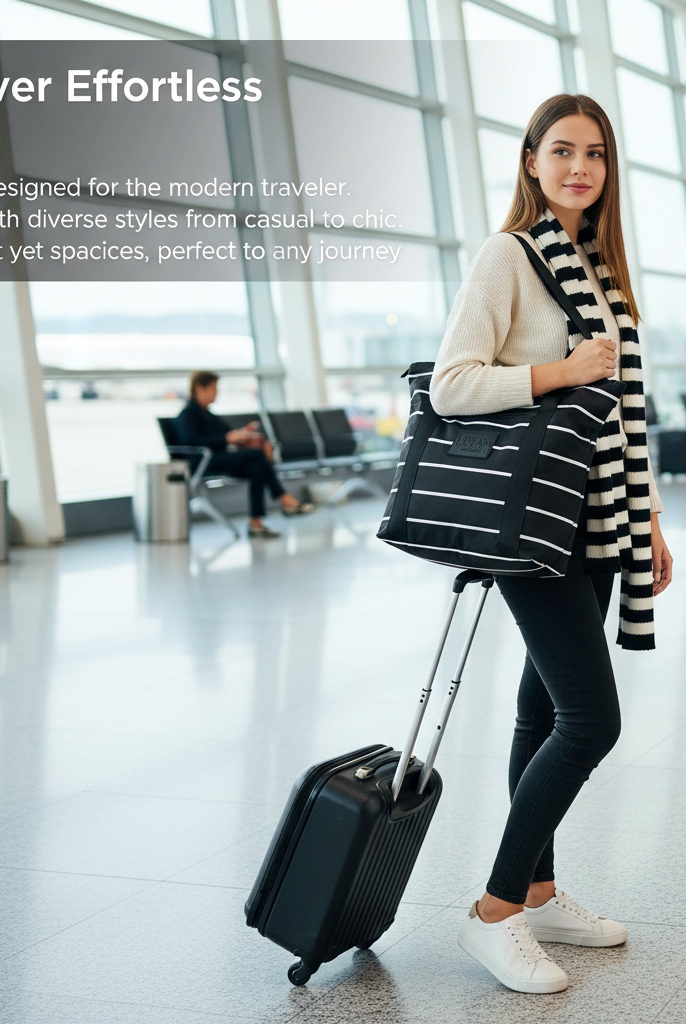
A navy duffle with a white button-down, straight-leg jeans, and clean sneakers looks crisp without trying too hard. Add oversized sunglasses and a soft knit for the plane, and the bag reads intentional instead of purely practical.
For work travel or a quick overnight, darker blue usually feels the most polished. It blends easily with black, camel, white, gray, and denim, so you don't have to overthink the rest of your outfit.
Casual days that still feel styled
Bright cobalt works beautifully with an all-black athleisure look. Leggings, a black zip jacket, and white trainers get an instant lift from that hit of color. It says gym bag, but in a chic way.
A softer sky blue feels right at home for spring errands, beach afternoons, or a farmers market run. Pair it with linen, a striped tee, or a lightweight matching set and it looks easy, not overdone.
- For beach days: Blue plays naturally with whites, sand tones, and straw textures.
- For city errands: Try navy with a trench, dark leggings, and a sleek sneaker.
- For family weekends: Medium blue works well with denim, casual dresses, and cozy layers.
Your bag doesn't need to disappear into the outfit. A good blue can act like a neutral while still giving the look some life.
The style trade-off to know
Very bright blue can be fun, but it's less subtle if you want one bag for everything. Deep navy gives you more wardrobe flexibility. Lighter blue feels fresher and softer, but it may show dirt more visibly depending on the fabric.
That's the ultimate style decision. Not whether blue works. It does. The question is which blue works for your actual routine.
Your Go-Anywhere Packing Checklists
Packing gets easier when you stop reinventing it every single time. A blue duffle bag works best when you give each trip type its own repeatable list. That cuts down on forgotten chargers, missing sunscreen, and the weird overpacking that happens when you're rushing out the door.
If you're planning a longer outdoor trip too, this essential camping gear checklist is a helpful add-on for items that go beyond a simple day bag.
For shorter outings, I like building around one base list and then adjusting by destination. This roundup of day trip packing list ideas is a useful starting point if you want a simple framework.
Duffle Bag Packing Checklist
| Item Category | Weekend Getaway | Beach Day |
|---|---|---|
| Clothing | 2 to 3 outfits, sleepwear, underwear, extra layer | Swimsuit, cover-up, dry change of clothes |
| Shoes | Sandals or sneakers, optional second pair | Flip-flops or easy slip-ons |
| Toiletries | Toothbrush, skincare basics, hairbrush, medications | Sunscreen, lip balm, hand wipes |
| Tech | Phone charger, power bank, earbuds | Phone, charger, portable speaker if wanted |
| Food and drink | Reusable water bottle, snacks | Water bottle, snacks, cooler pouch if needed |
| Extras | Book or e-reader, wallet, keys | Towel, sunglasses, hat, wet bag |
| Kid essentials | Small activity kit, wipes, comfort item | Swim diapers if needed, extra snacks, sand toys |
Two packing habits that help
- Group by use, not by item type: Keep beach things together and travel-night essentials together. You'll unpack faster.
- Use the quick-access pocket well: Put the things you reach for in transit there. Phone, keys, card case, lip balm.
A duffle bag doesn't organize itself. But with a simple checklist, it gets very close.
The Urban Totes Difference and Caring for Your Bag
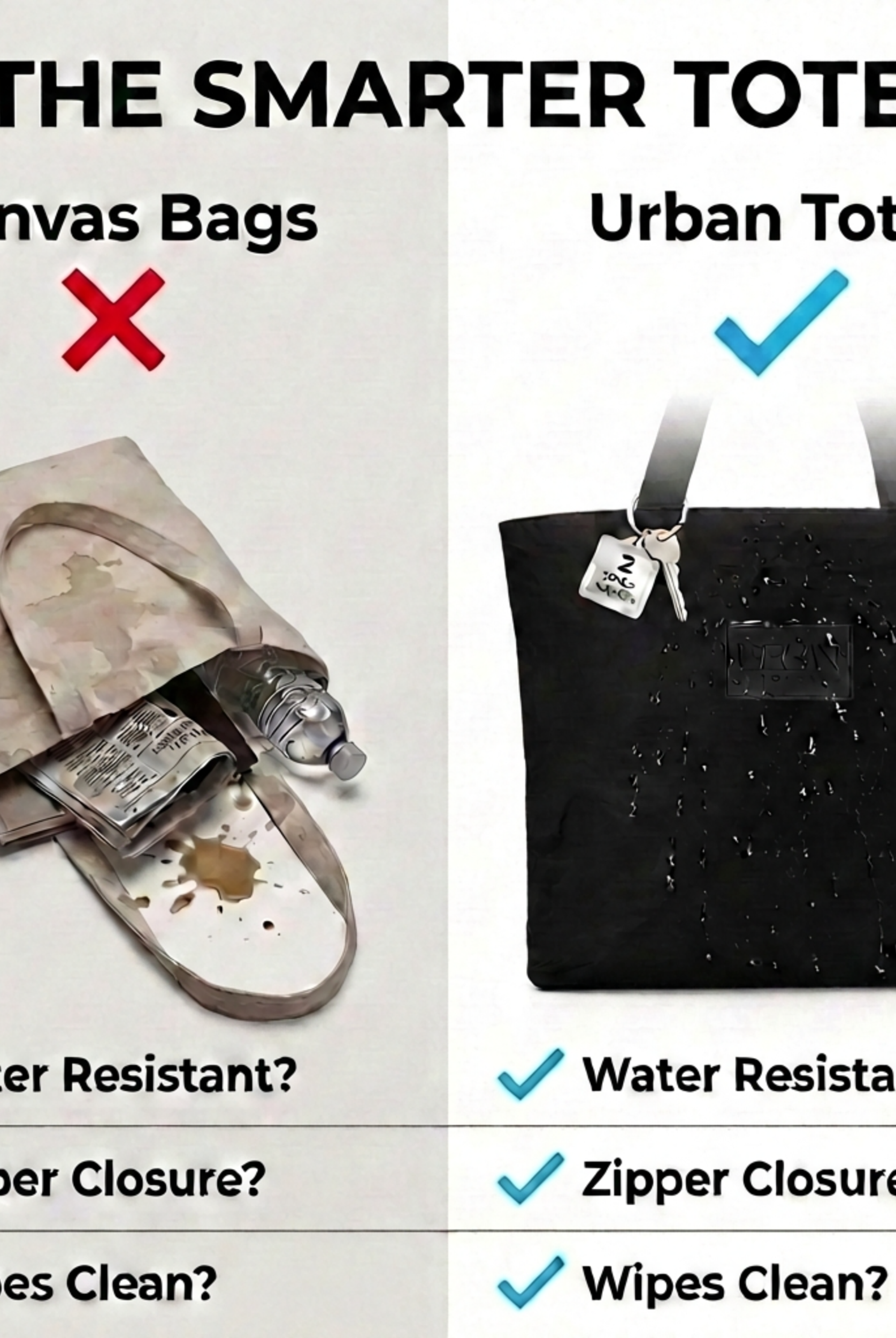
The right bag for a busy life needs to do more than look stylish on day one. It has to handle the school run, a quick overnight, the beach, the gym, and all the small messes in between. That's why the strongest bag choices usually combine lightweight construction, water-resistant materials, zipper closure, and organized compartments in one practical design.

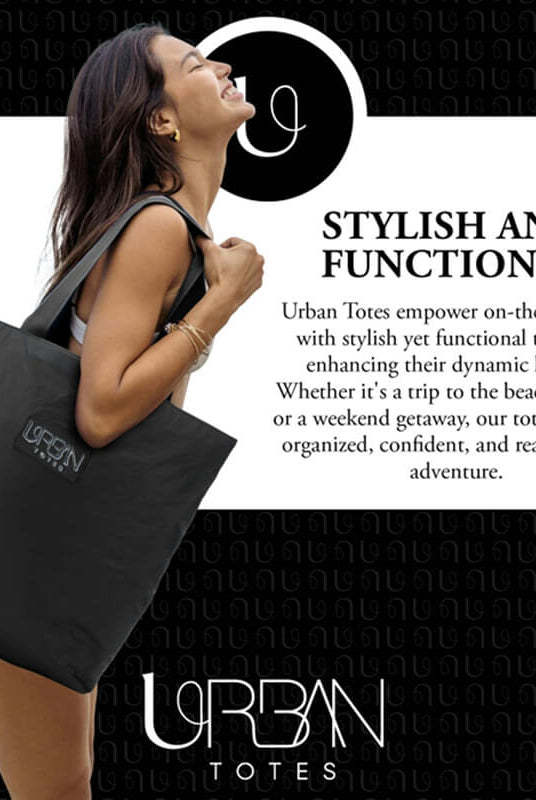
Urban Totes fits naturally into that conversation because it's a woman-owned small business headquartered in Boise, Idaho, founded to create a functional companion for the multitasking mom, drawing from real-world travel and daily life, as shared on the Urban Totes about page.
What that means in everyday use
The most useful bags from a lifestyle perspective aren't trying to be everything to everyone. They're thoughtfully designed for women who need one bag to move through multiple settings in a single day. That means details like foldable construction, multi-pocket layouts, easy-clean surfaces, and secure zippered storage matter more than flashy extras.
If you already own a bag you love, a little maintenance goes a long way. These tote bag care and maintenance tips are a smart reference for keeping a favorite bag looking fresh.
Simple care habits that work
- Empty it fully once a week: Crumbs, receipts, and loose hair ties build up fast.
- Wipe the interior and handles regularly: Especially after beach days, snacks, or makeup spills.
- Store it dry and unzipped for a bit after damp use: That helps the bag air out before you fold it away.
- Don't overload it beyond its intended use: Even a durable bag lasts longer when seams and handles aren't constantly stressed.
A well-chosen blue duffle bag makes life easier because it meets you where you are. Busy, mobile, stylish, and carrying a lot.
Find your perfect go-anywhere bag at Urban Totes. Shop the full collection and take on whatever the day brings.