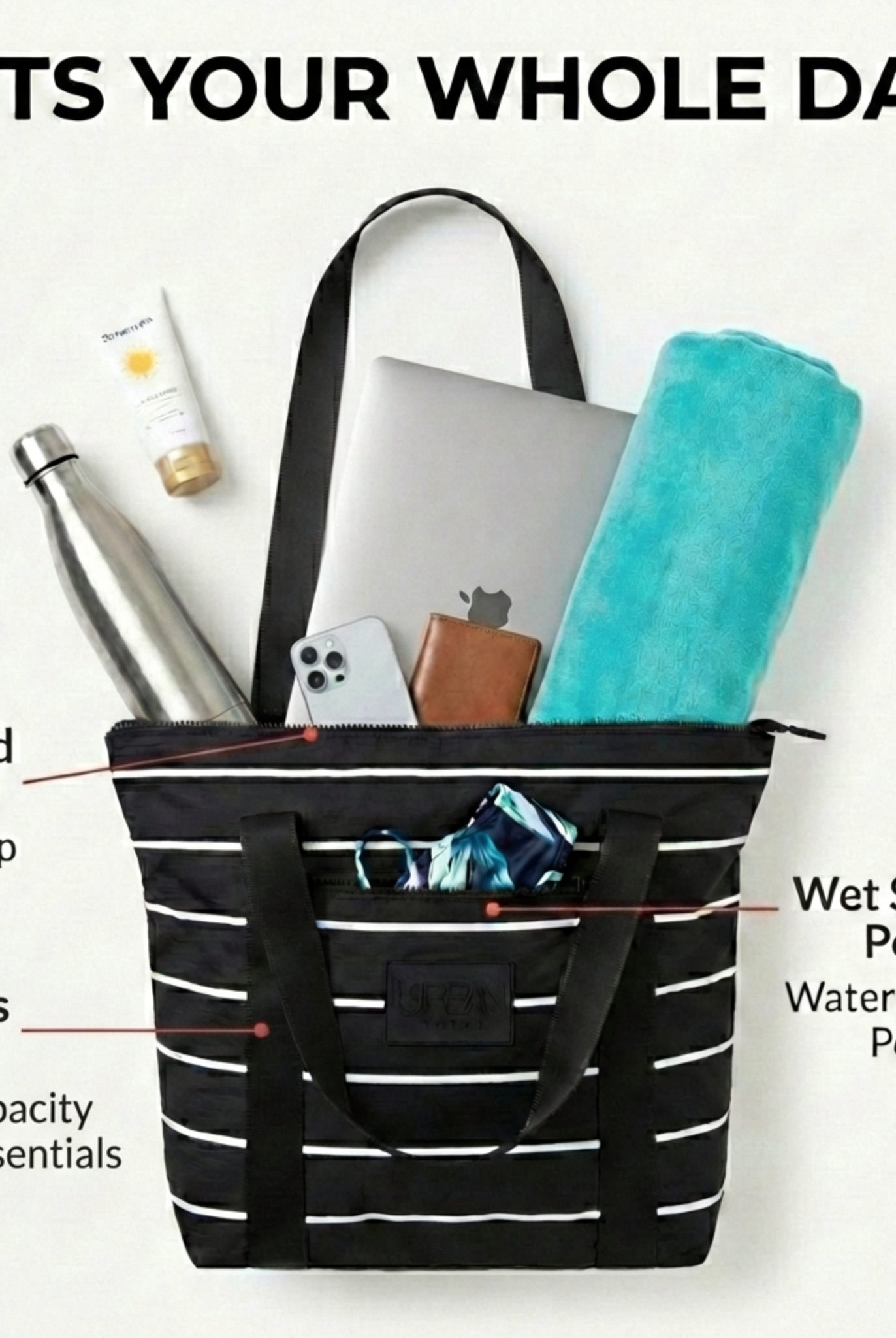
The school-drop-off clock is ticking. One hand holds coffee, the other searches for keys, while your phone slides toward the bottom of an oversized tote. By the time you reach the car, your shoulder is tired and your essentials are still hiding beneath a water bottle, cardigan, and yesterday's receipts.
At the airport, the same problem takes a different shape. A bulky bag catches on the security bin, a small purse feels too limiting, and your hands are already full of a boarding pass and travel mug. A foldable crossbody bag fills the useful middle ground, giving you hands-free access, light storage, and a compact backup that can travel inside a larger bag when you don't need it.
Table of Contents
- Why Your Daily Routine Needs a Foldable Crossbody Bag
- The Real Advantages of Packable and Lightweight Designs
- Mastering Organization With Smart Pockets and Zippers
- How to Pack and Fold Your Bag for Smooth Travel
- Styling Your Crossbody for Every Occasion
- Choosing Durable Materials and Maintaining Your Bag
- Finding Your Perfect Go-Anywhere Companion
Why Your Daily Routine Needs a Foldable Crossbody Bag
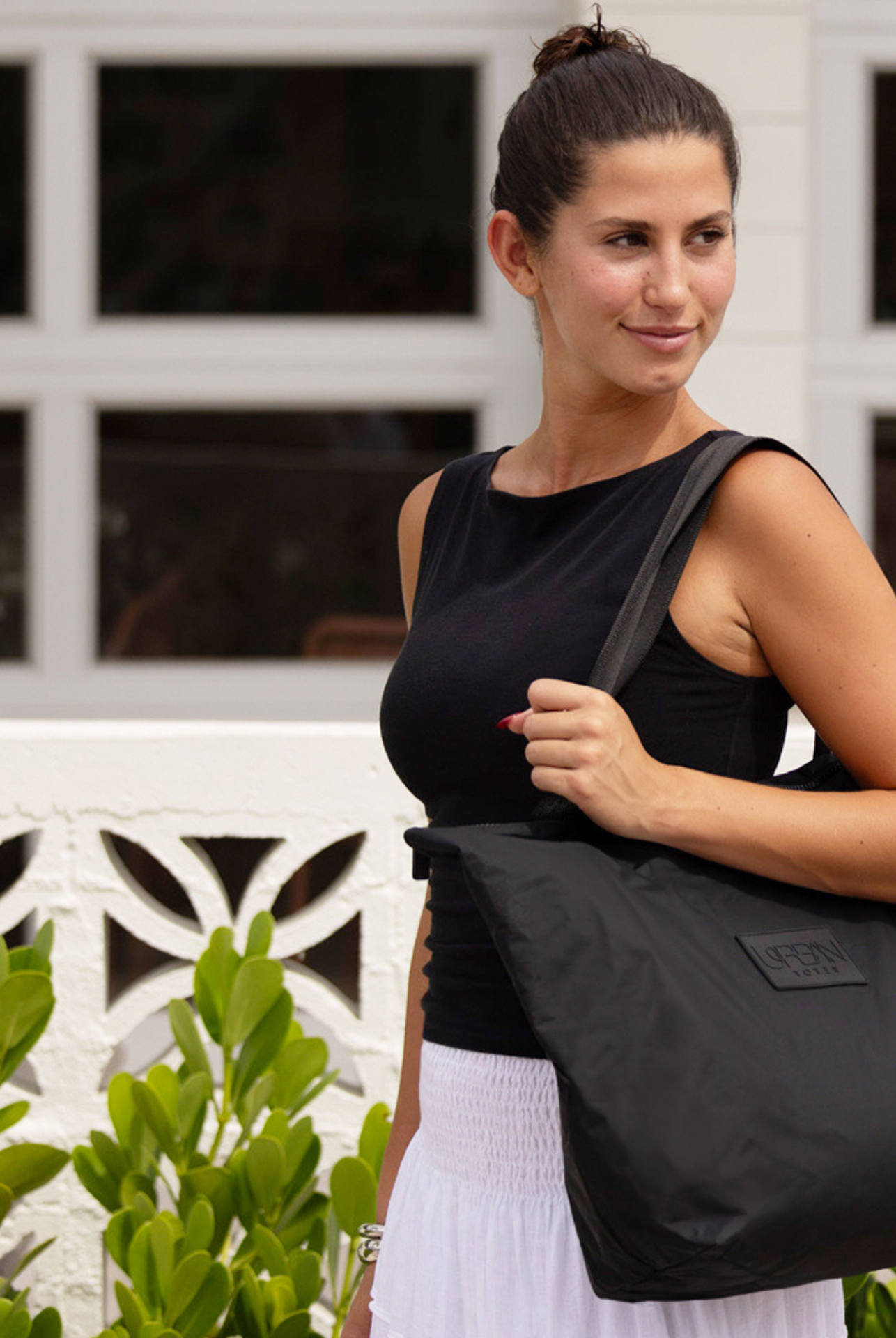
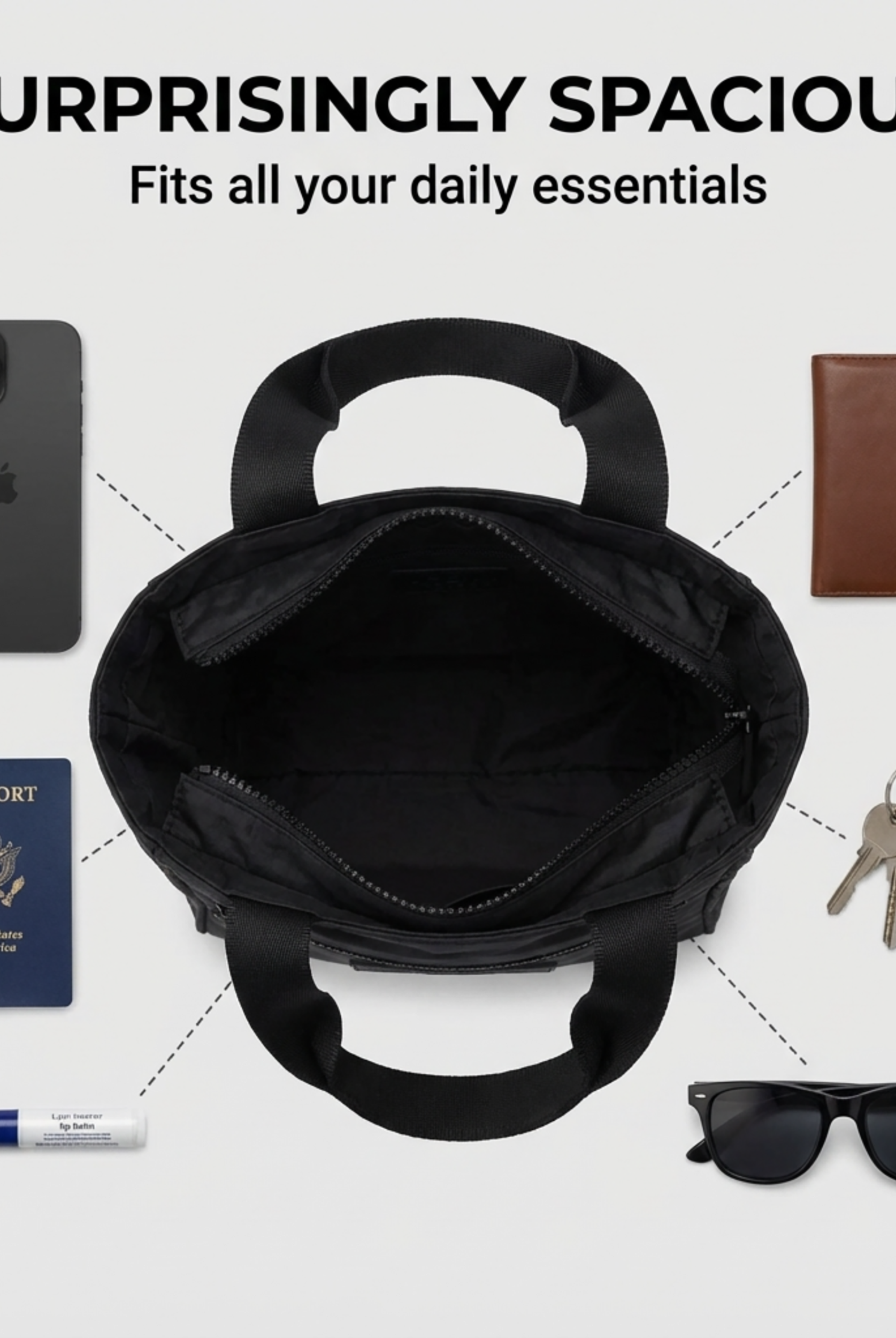
Maya's Saturday starts at a farmers market, moves to a playground, and ends with an unplanned coffee date. She doesn't need a large tote for every stop, but she does need her phone, keys, cardholder, sunglasses, and lip balm close by. A crossbody keeps those essentials within reach while both hands stay available for a stroller, a produce bag, or a toddler who has decided the sidewalk is lava.
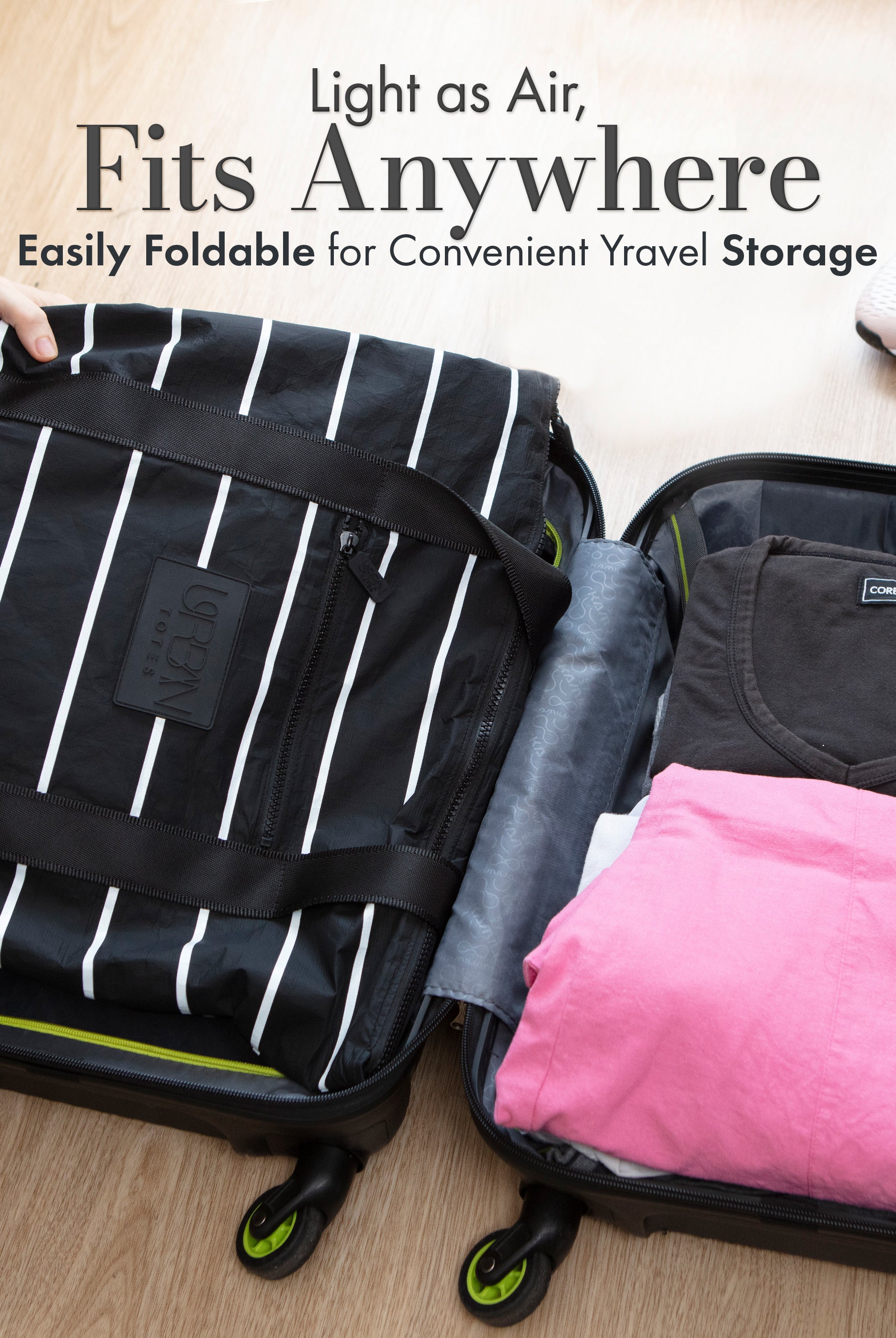
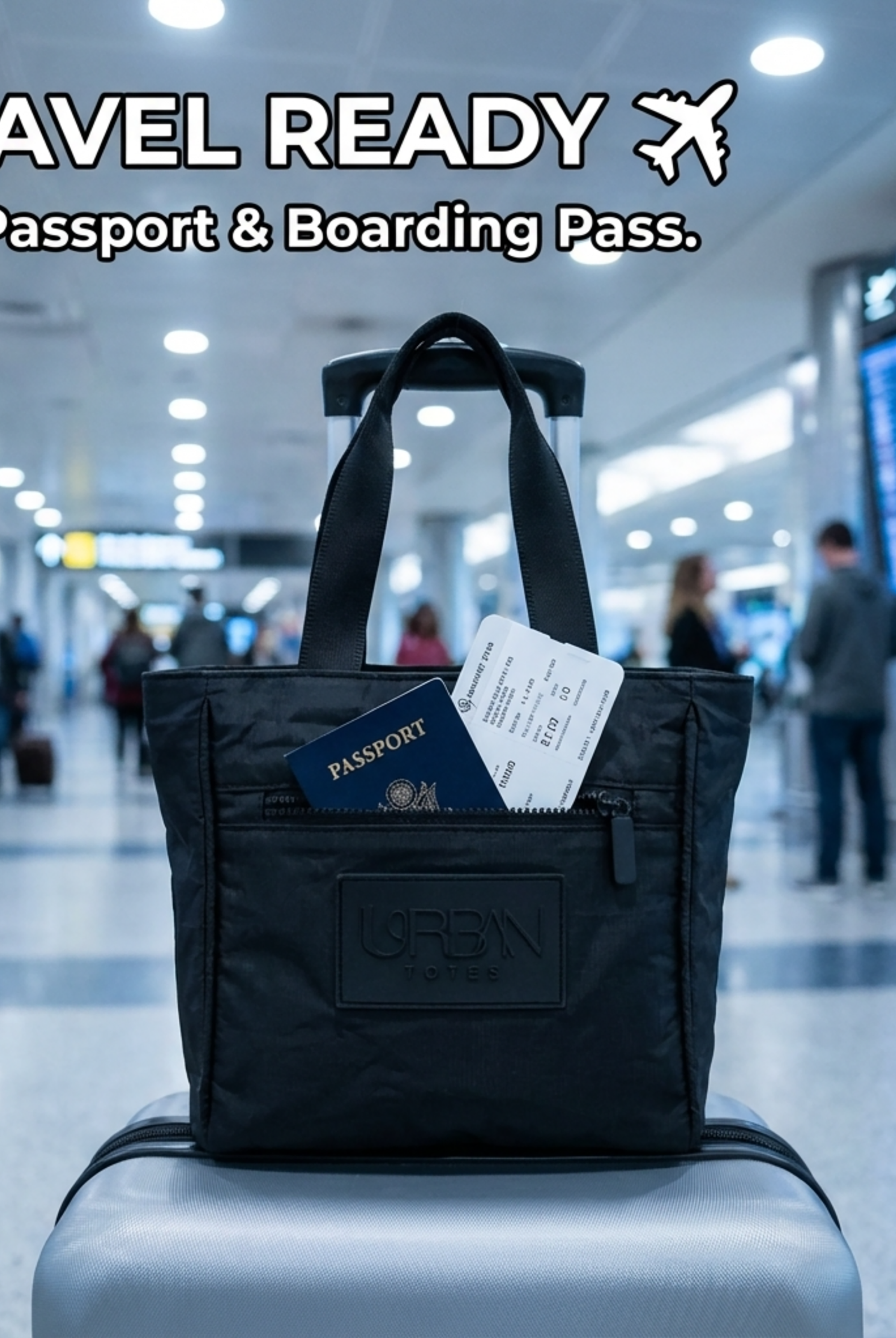
The same format works in an airport terminal. A lightweight, packable crossbody can sit flat in a weekender during the journey, then come out when you want a smaller everyday carry at your destination. It bridges the gap between a minimalist evening purse and a bulky travel bag without asking you to change your entire routine.
The broader category has become a substantial part of accessory shopping. The global crossbody bag sales market was valued at USD 14.8 billion in 2025 and is projected to reach USD 26.3 billion by 2034, with a projected 6.6% CAGR from 2026 through 2034, according to Dataintelo's crossbody bag market report. The report also identifies women aged 25 to 44 in developed markets as buying about 1.8 crossbody bags per year on average, while the USD 50 to USD 300 mid-range accounted for 41.7% of global revenue in 2025.
Practical rule: If your bag regularly becomes a container for everything you might need, replace volume with a deliberate place for the essentials you actually use.
A crossbody also changes how you move. Instead of setting a tote down at school pickup or shifting it from shoulder to shoulder while commuting, you keep the bag close and your hands free. For a clear explanation of the silhouette and how it differs from other everyday bags, this guide to what a crossbody bag is offers a helpful starting point.
The Real Advantages of Packable and Lightweight Designs
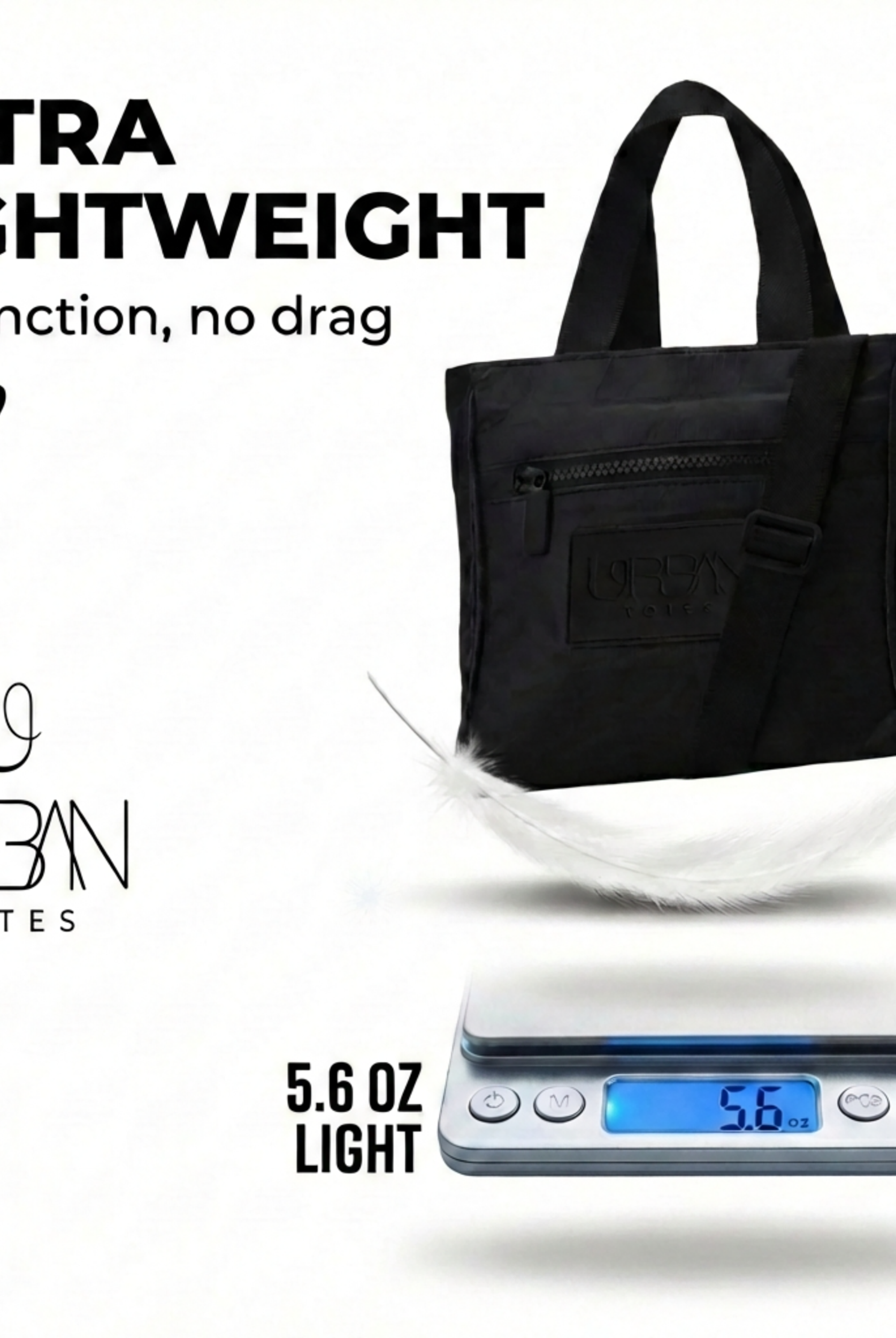
A packable bag earns its place by doing two jobs well. It needs to disappear into a suitcase or weekender without taking up much room, then return to daily service with enough organization to prevent a frantic search for your keys. That balance depends on more than a thin fabric. It comes from the relationship between the textile, the seams, the closures, the strap, and the amount of structure built into the body.
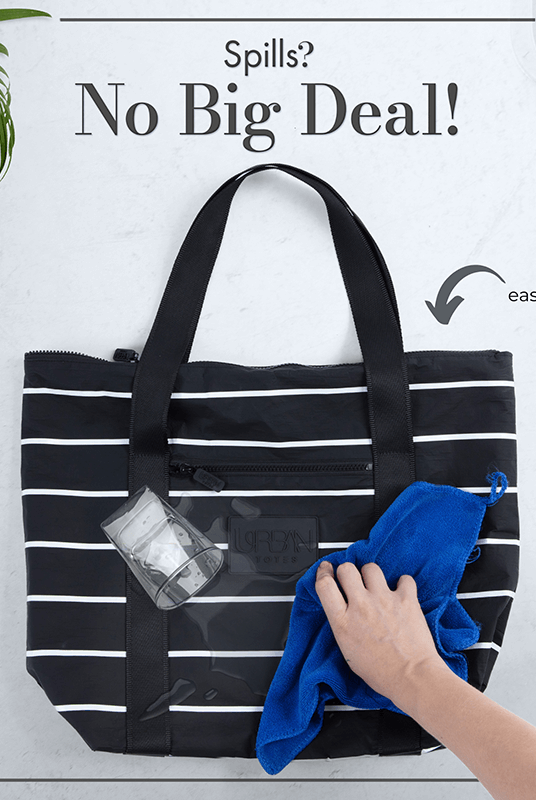
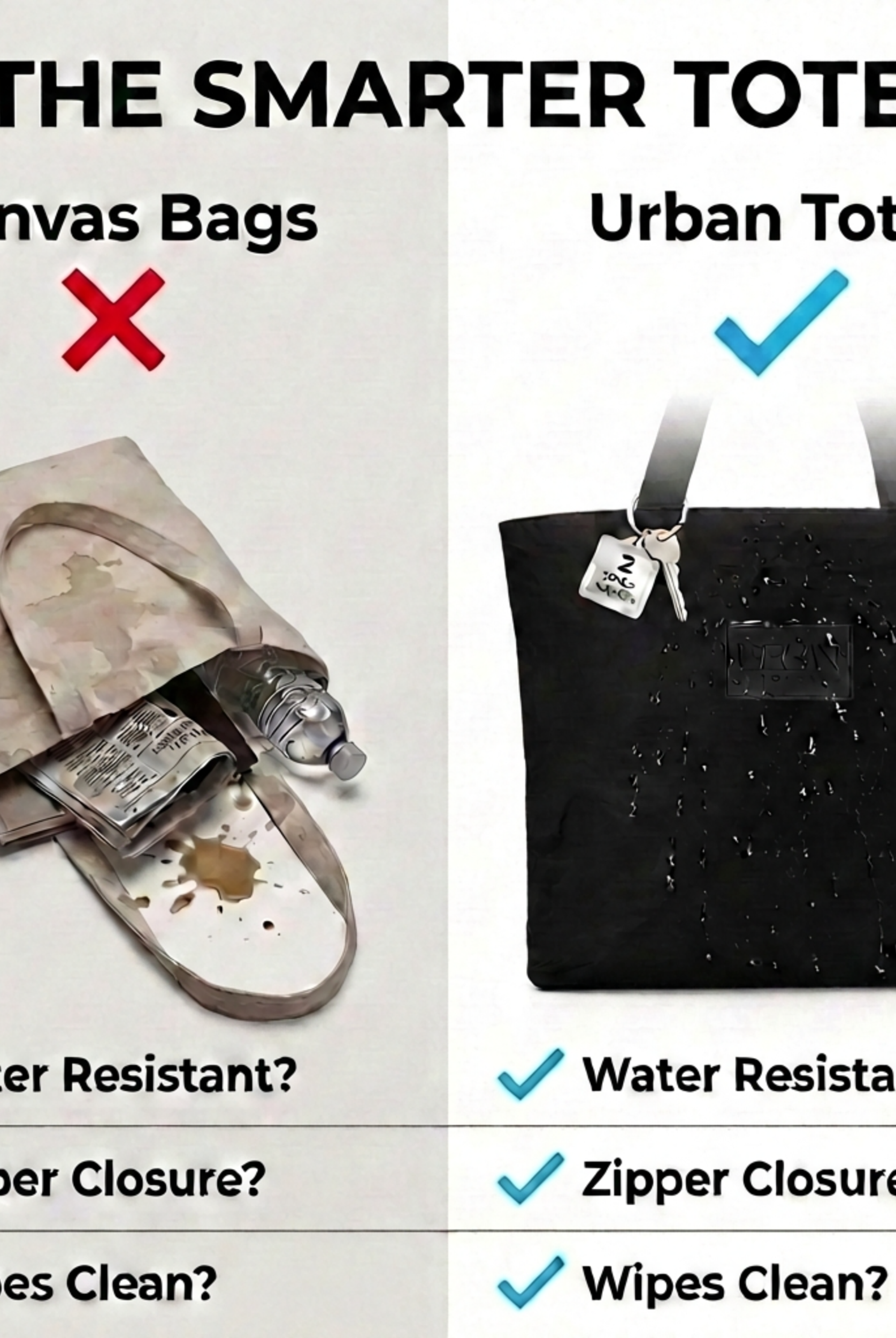
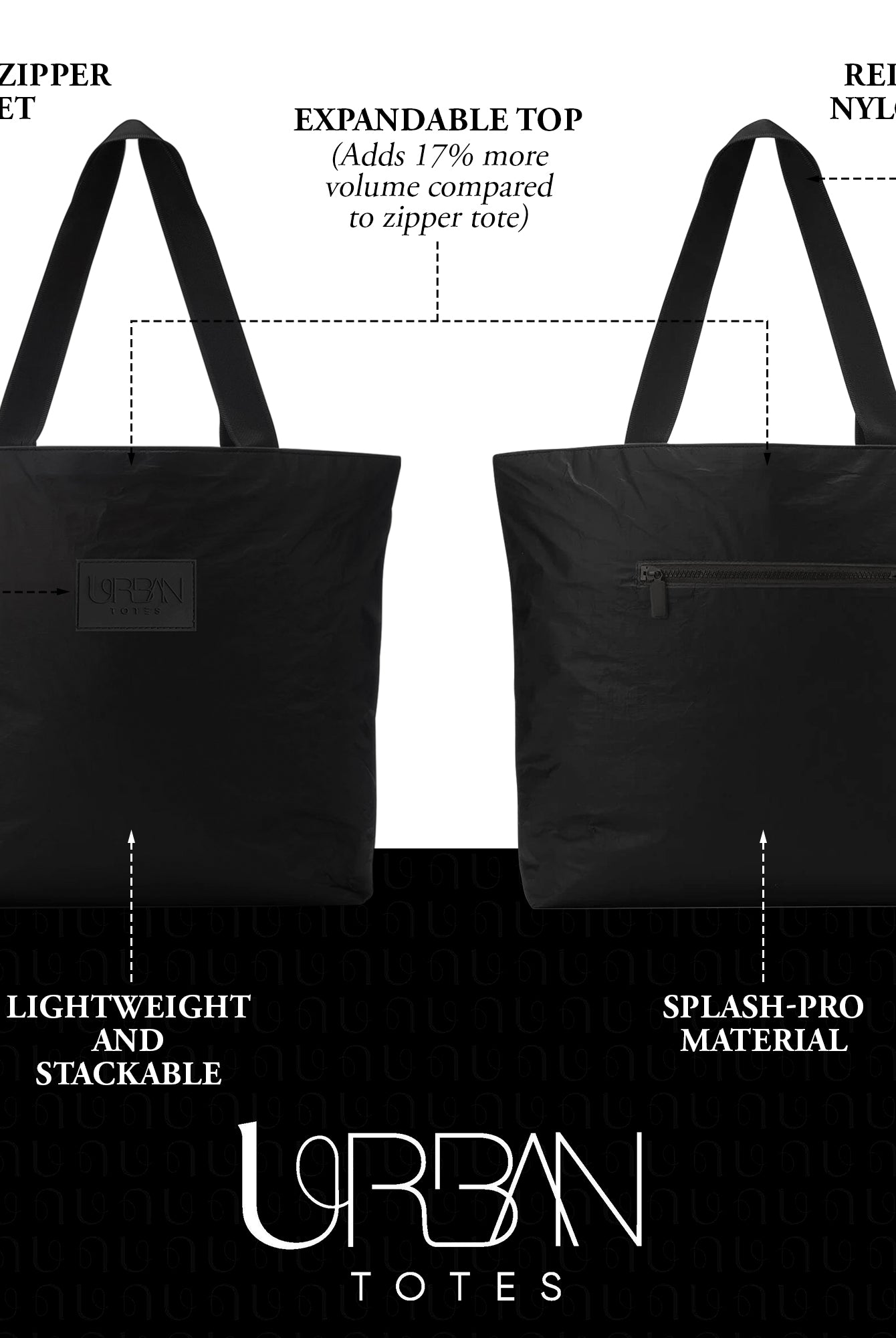
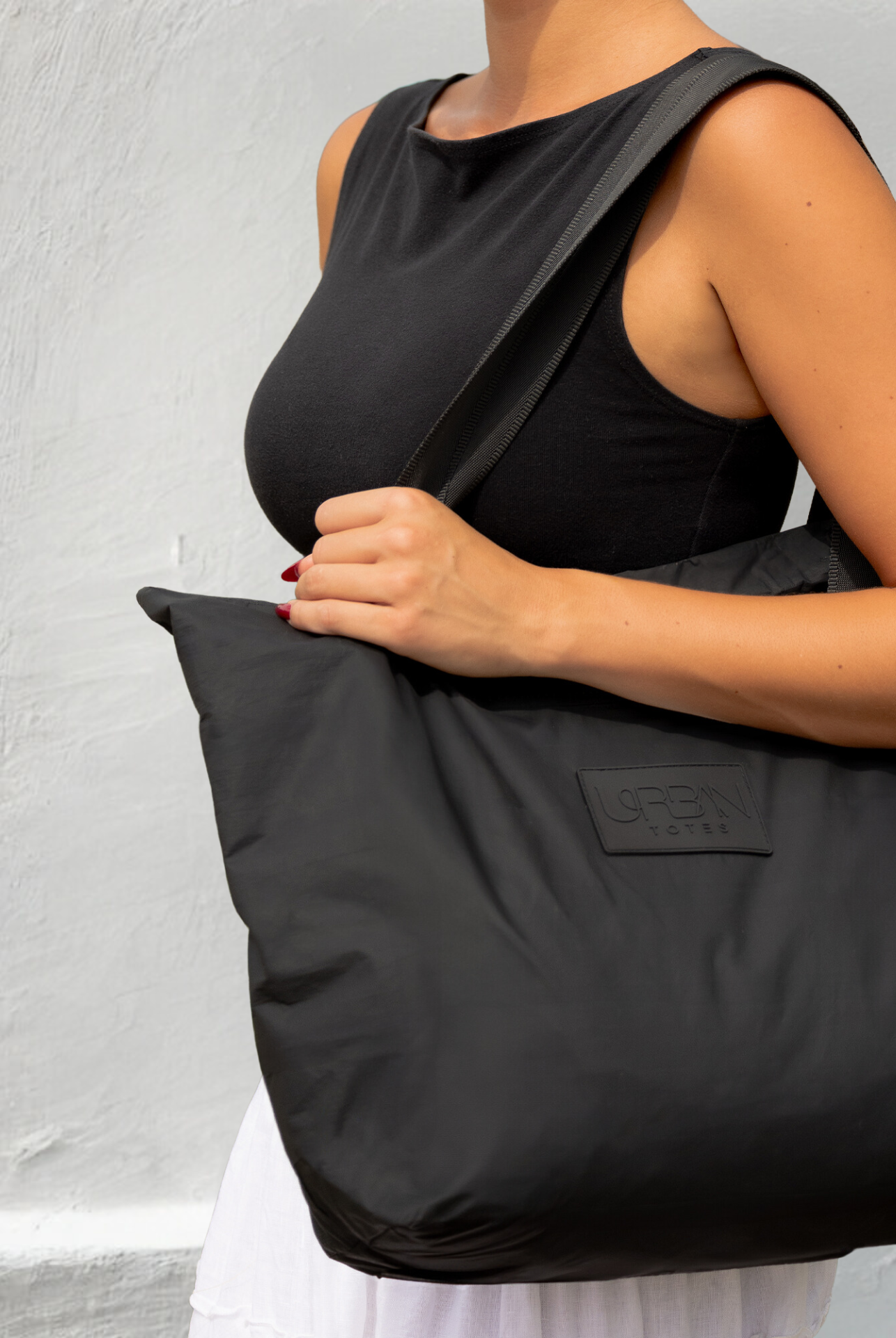
Water-resistant technical materials are useful for ordinary disruptions, such as a light shower, a tipped drink, or damp items coming home from the beach. Structured piping can help the bag hold its shape when it isn't full, which makes pockets easier to access and stops the interior from collapsing into a soft pile. A wide nylon strap spreads the load more comfortably than a narrow cord, while a removable strap gives you another way to store or carry the bag.
What the market says about hands-free carry
The demand isn't limited to occasional travel. An Amazon US analysis recorded 149,400 crossbody bag units sold in July 2026, with estimated revenue of USD 2,447,514 across the top 50 search-ranked listings. The same Amazon US crossbody bag analysis reported a 6.6% month-over-month decline from the previous month, but the category still showed substantial monthly activity.
That pattern makes sense in real life. A commuter wants a compact bag that doesn't compete with a laptop tote. A beach-day mom needs a hands-free option that can handle sunscreen, cards, and a phone. A weekend traveler wants a small day bag without adding another rigid item to the suitcase.
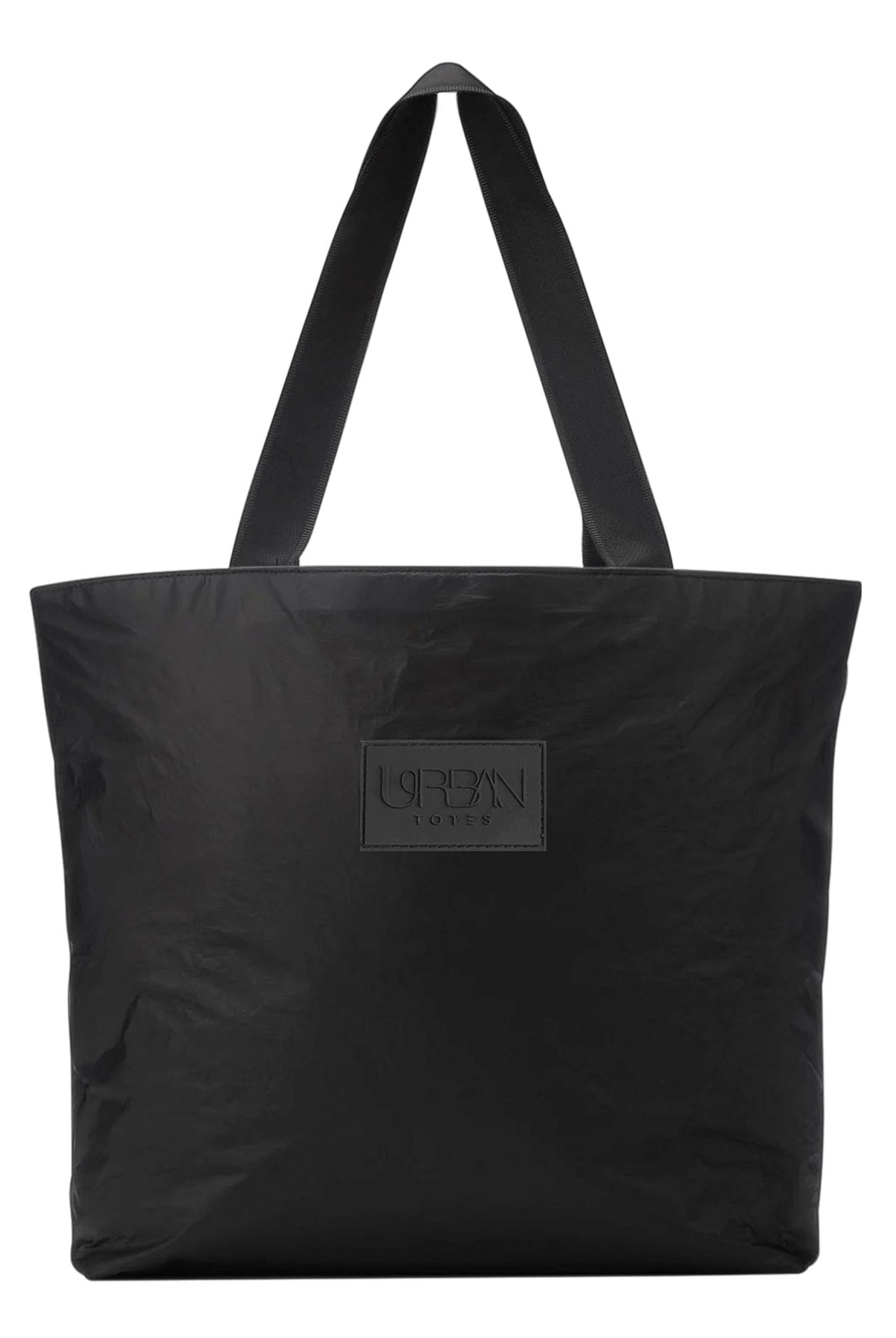
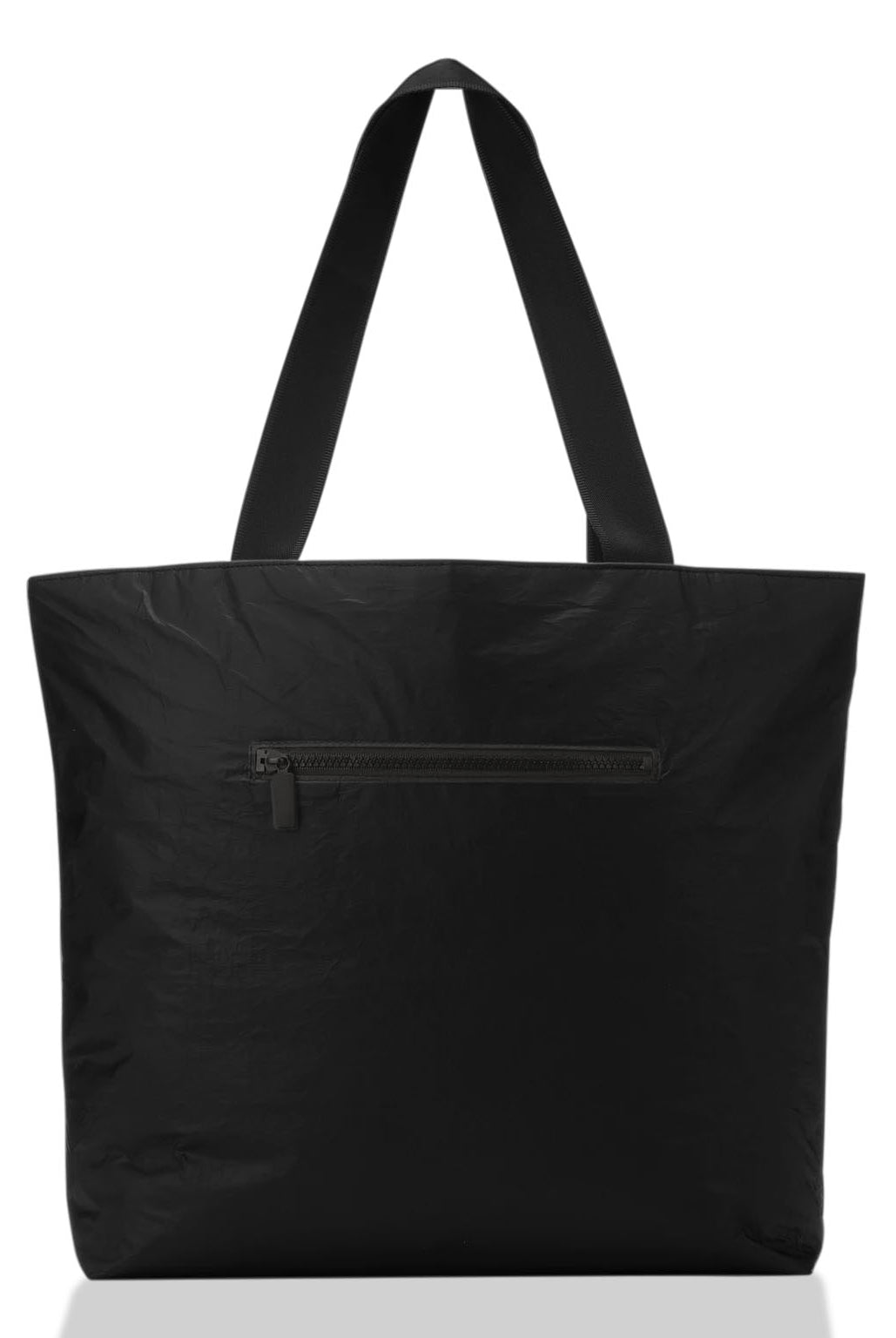
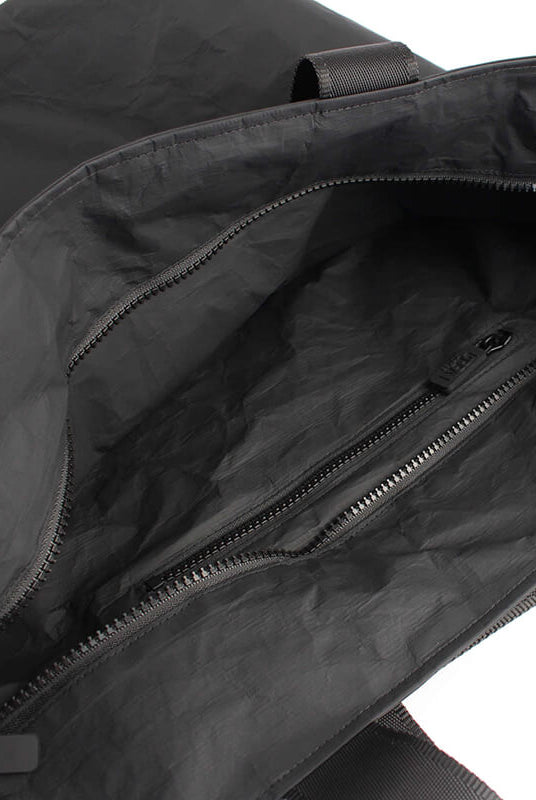
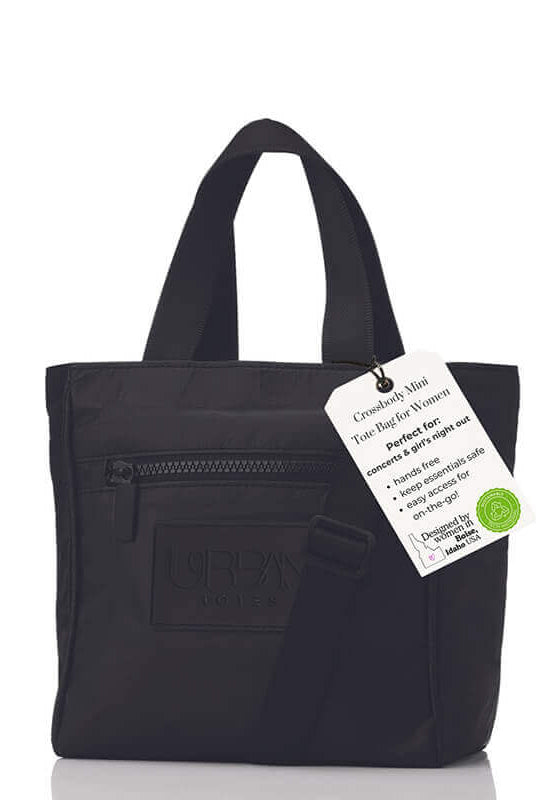
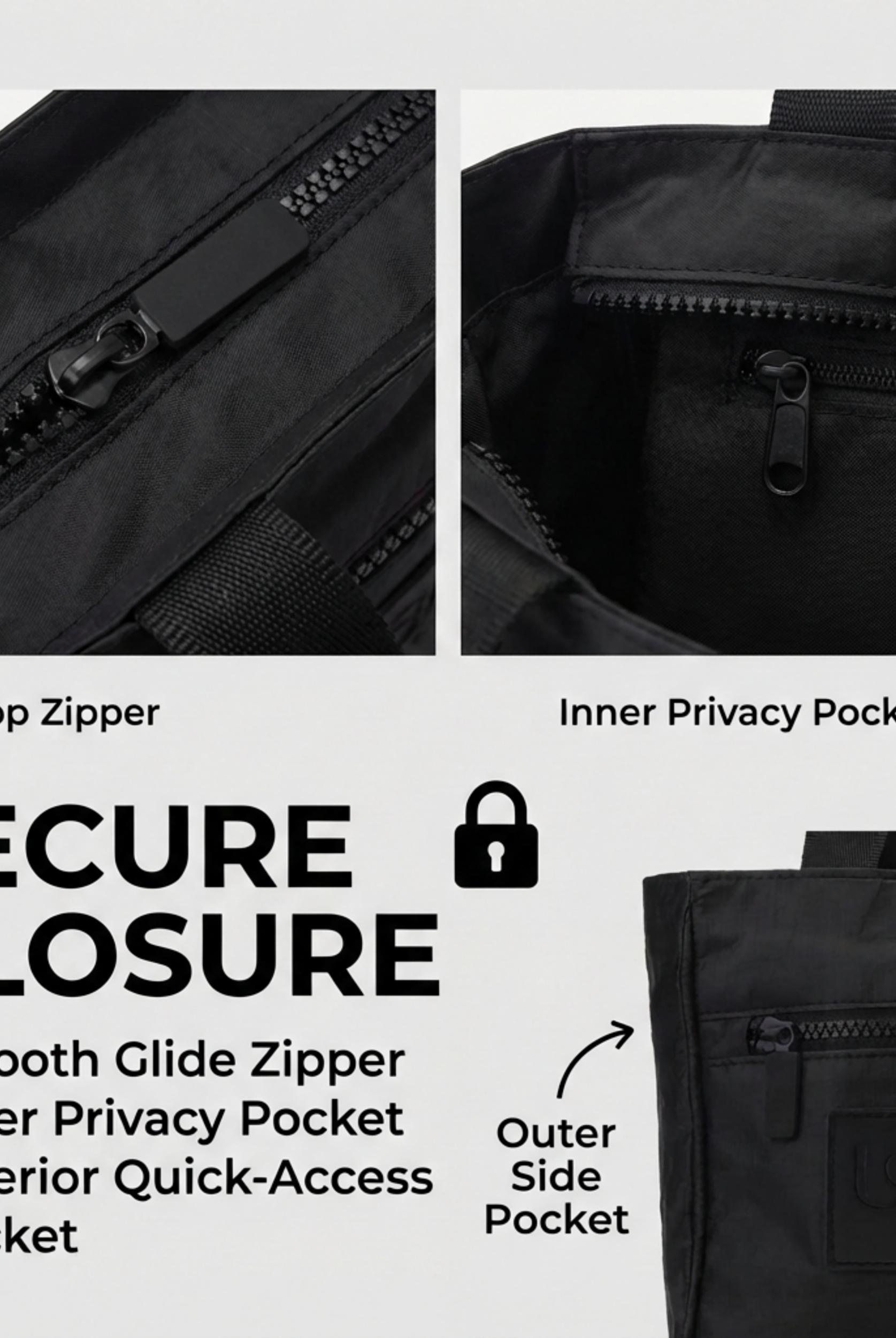
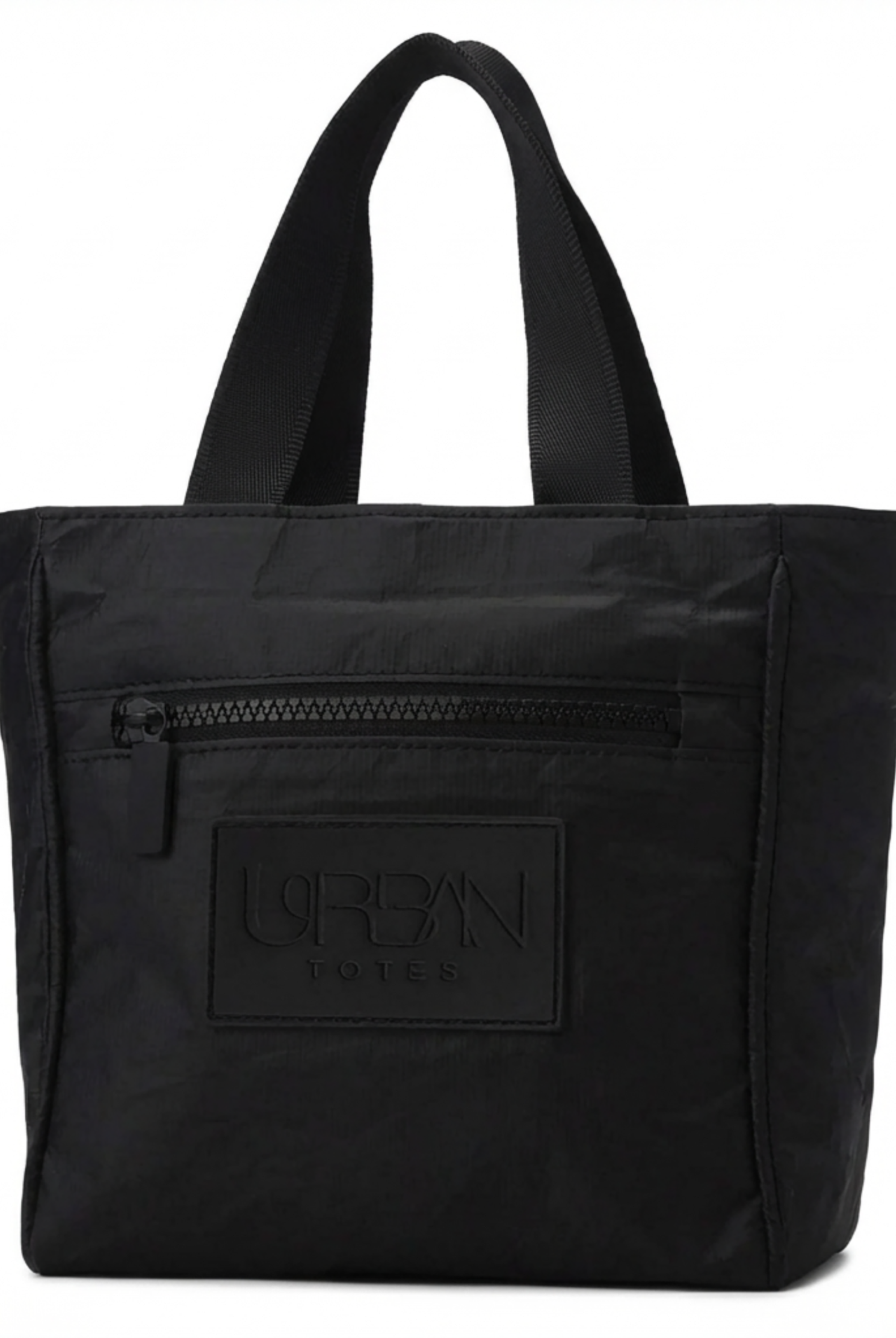
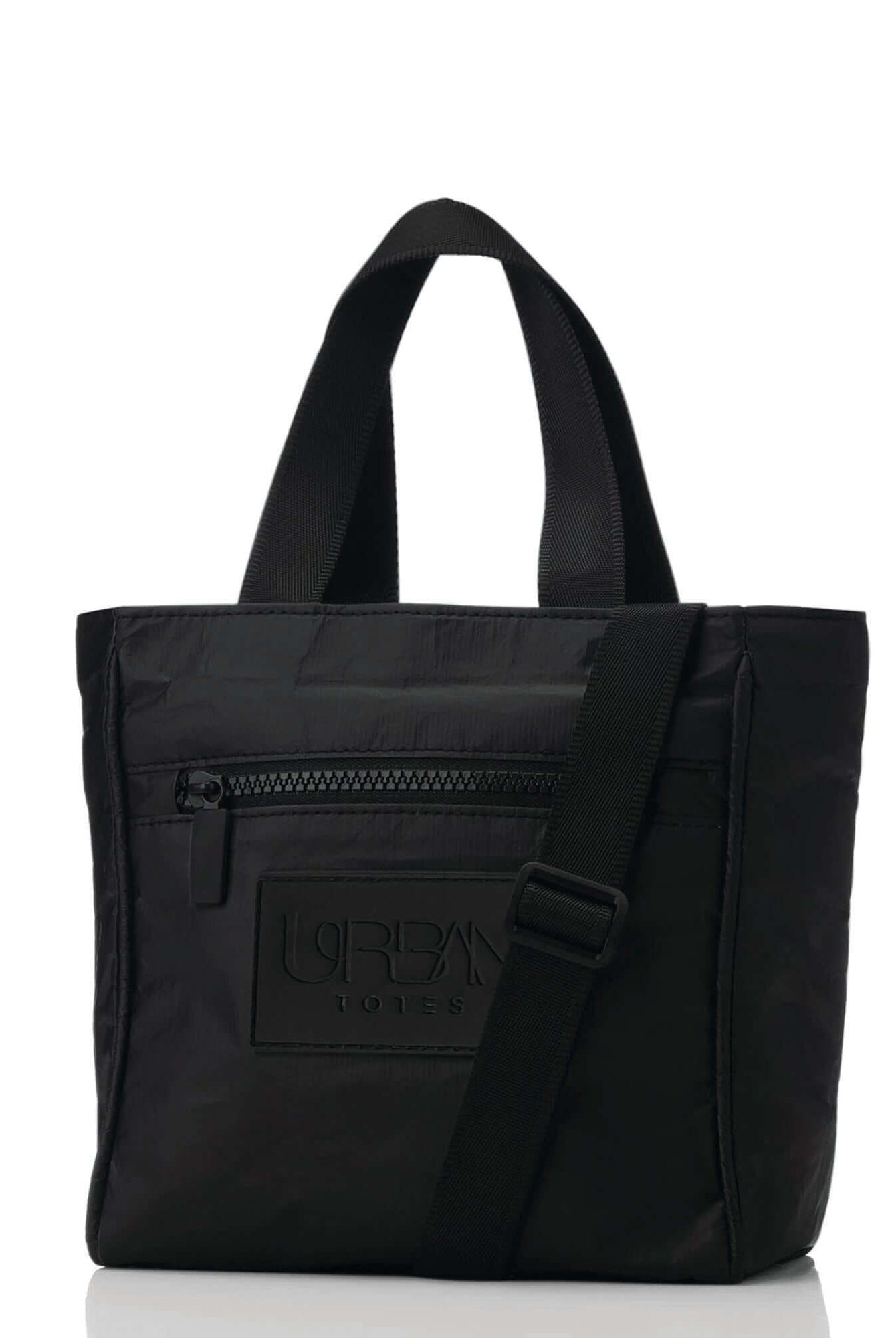
The Crossbody Tote Bag Mini Purse illustrates this compact format with a zip-top closure, an outside zipper pocket, an easy-access pocket, a black interior, and one-inch-wide nylon straps. Its listed measurements are 7.5 x 4 x 7.75 inches, with a removable crossbody strap that extends to 53 inches and handles measuring 11 inches.
The structure test
A foldable crossbody shouldn't be judged only by how small it becomes. Check whether the piping stays smooth after unfolding, whether the zipper opens without pulling the fabric out of alignment, and whether the strap attachments look reinforced. Those details determine whether the bag feels like a functional everyday purse or a temporary pouch.
For a deeper look at how foldability works in travel accessories, explore this guide to a foldable travel tote bag. The best choice for your routine is the one that gives up only the bulk, not the access and organization you rely on.
Mastering Organization With Smart Pockets and Zippers
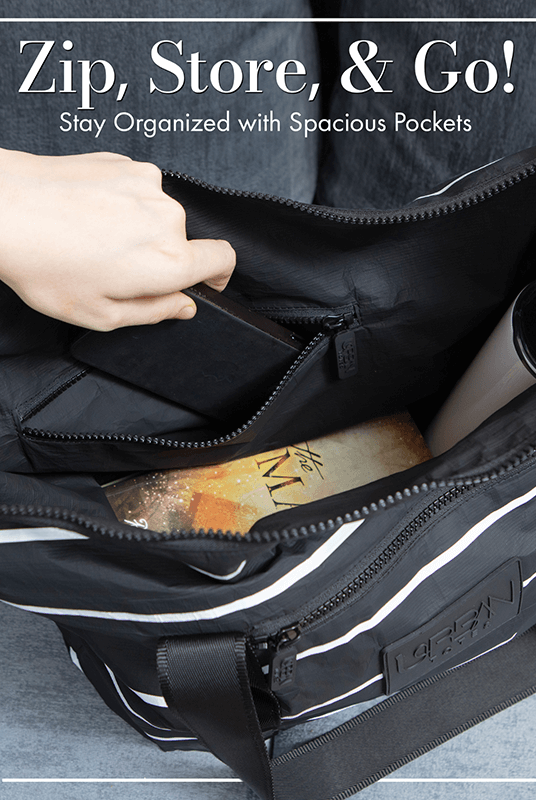
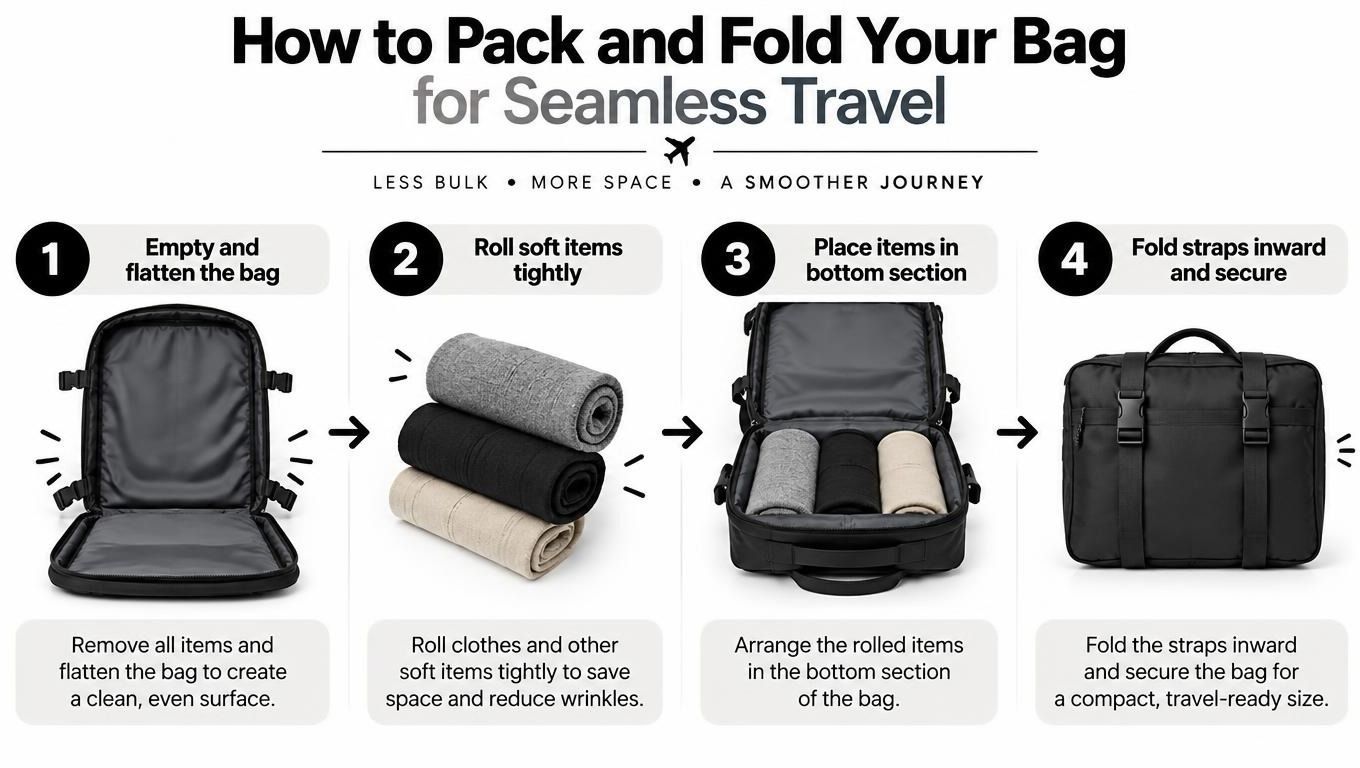
A well-designed interior turns a foldable bag into a reliable everyday system. Without compartments, your phone, keys, cardholder, and lip balm gather at the bottom. With them, each item has a home, so you can reach for what you need while standing in a checkout line or walking through a crowded terminal.
Start by assigning zones according to how often you reach for each item.
- Keep immediate essentials near the opening. Your phone, transit pass, and lip balm belong in an exterior quick-access pocket or an easy-access section. You shouldn't have to unzip the main compartment every time your phone rings.
- Place valuables behind a zipper. A cardholder, passport, or spare key deserves an interior zippered pocket. Industry guidance for multi-compartment crossbody bags commonly recommends zipper closures for everyday containment and concealed zippers for passport storage, as outlined in this crossbody compartment and closure guide.
- Use the main compartment for soft, irregular items. Sunglasses in a case, a small notebook, or a folded scarf can share the central space. Keep the heaviest item nearest your body so the bag hangs flat rather than swinging away from you.
- Leave a little room. A full compartment becomes difficult to search, even when the layout is thoughtful. Pack only what belongs to the day's plan, then let the zipper close without strain.
How to spot a useful layout
Open every pocket before you buy. A pocket that looks generous but narrows sharply at the base may hold less than expected. Run the zipper from end to end, check whether the pull is easy to grip, and look for a closure that stays shut when the bag moves.
A multi-pocket crossbody should also make sense from the outside. One visible pocket for a phone or keys is convenient, while a secure inner zone keeps small valuables from mixing with loose items. The practical value isn't the number of pockets. It's whether you can remember what belongs in each one.
Use this crossbody bag with pockets guide when comparing layouts. A simple system you follow every day will outperform a complicated interior you ignore.
How to Pack and Fold Your Bag for Smooth Travel
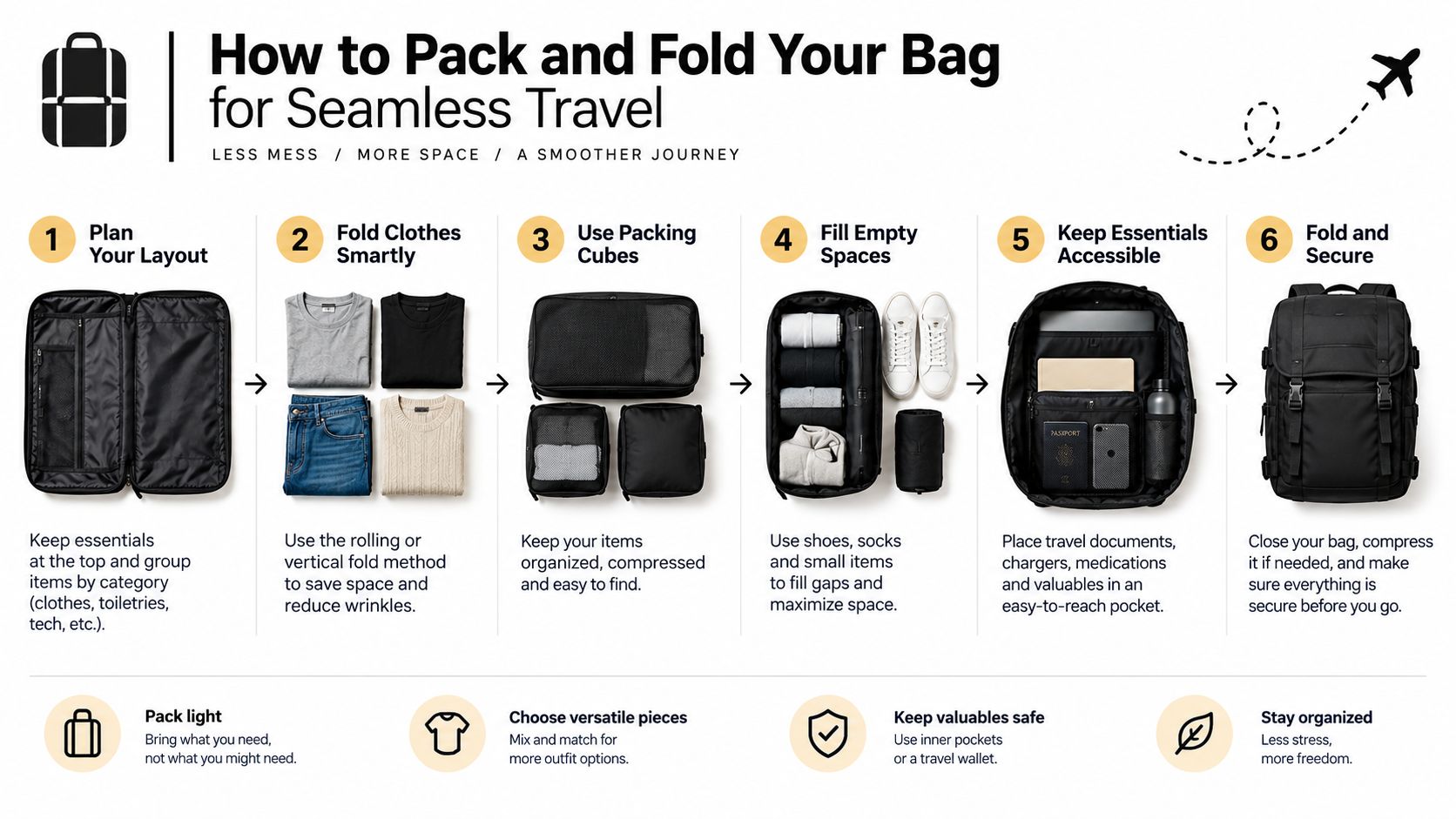
At the airport, a foldable crossbody can move from carry-on backup to everyday purse in minutes. At home, it may hold the same daily essentials. On a trip, it becomes a day bag, airport organizer, or spare carry option. Pack it with care, and it can feel structured without taking up structured-bag space. The goal is to balance the load while keeping folds away from the zipper and strap hardware.
Start with an empty bag. Remove receipts, loose coins, and anything that could form a hard lump during compression. Wipe away sand and surface dirt, especially after a beach visit or market stop.
A repeatable travel method
Step 1: Flatten the body gently. Close the zippers, place the bag on a clean surface, and smooth the fabric by hand. Let structured piping keep its natural shape instead of forcing it into a sharp crease.
Step 2: Roll soft items separately. If you will use the bag during the journey, roll a scarf, lightweight cardigan, or soft pouch. These rolls fill space without creating pressure points or a lumpy base.
Step 3: Build from the bottom up. Place less-used items at the bottom and daily essentials above them. A small packing pouch can hold cords, cosmetics, or period supplies together, while your phone and keys stay easy to reach.
Step 4: Balance the load. Keep heavier items close to the side resting against your body. A balanced bag hangs flat. An uneven one twists and can pull the strap out of place.
Step 5: Fold the strap inward. Lay a removable strap inside the flattened body rather than wrapping it tightly around the outside. This protects the hardware and prevents the strap from forming a hard ridge.
Step 6: Secure without crushing. Fold along the bag's natural panels, close the main zipper if appropriate, and place it near the top of a carry-on or weekender. Keep it above shoes and dense packing cubes.
A longer trip benefits from the same small systems that keep a day bag orderly. Use this guide to prepare for an unforgettable adventure while deciding what belongs in your crossbody and what should stay in larger luggage.
When you arrive, shake the bag open and run your fingers along the piping. Check that the strap is not twisted, then return each item to its assigned place. For more ideas on arranging a flexible bag, see this guide on how to pack a tote bag for travel.
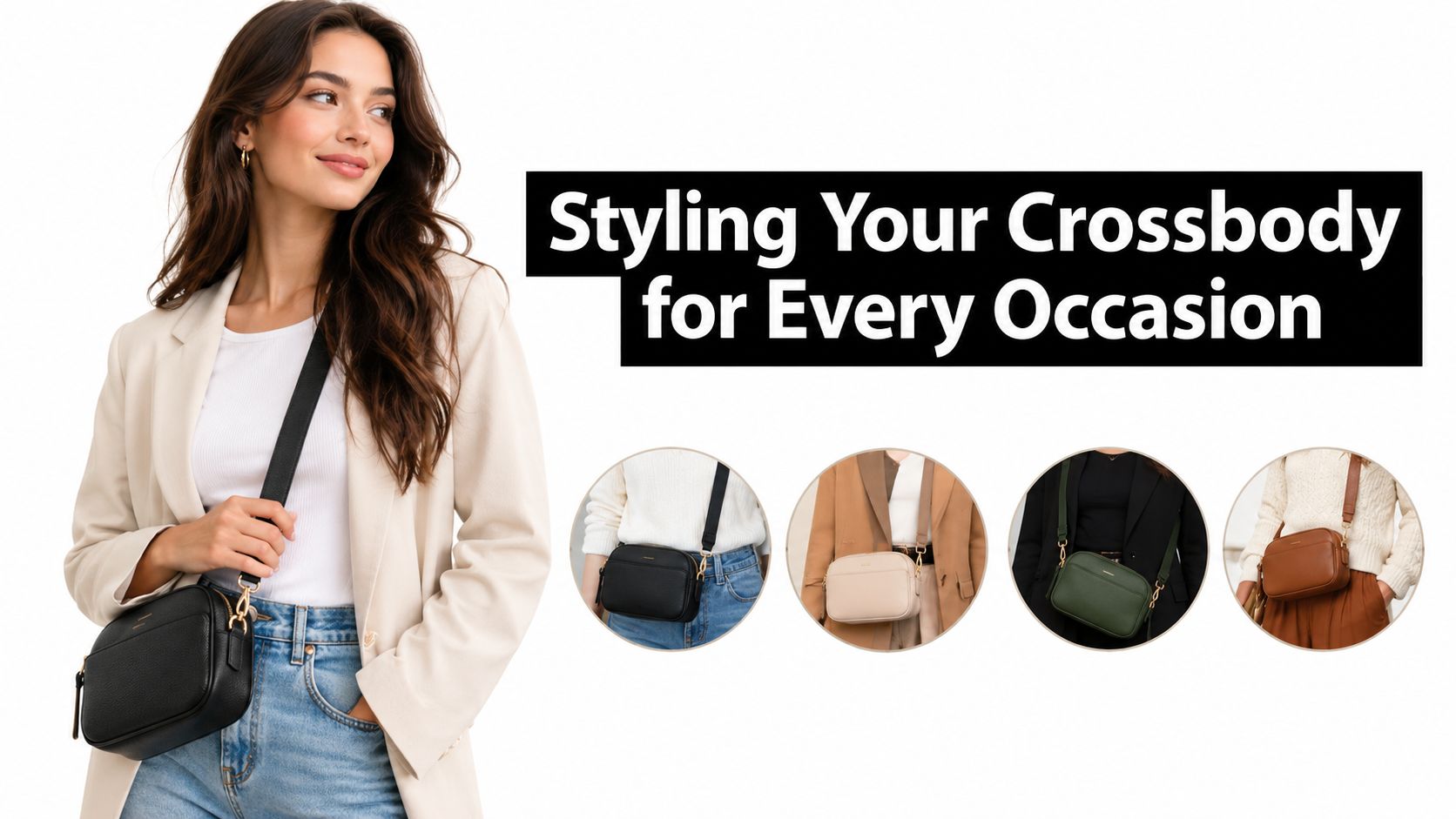
Styling Your Crossbody for Every Occasion
At school drop-off, Lena wears her bag high against her torso over a light jacket. The shorter strap keeps it close as she opens car doors and carries a lunchbox. At the farmers market, she adjusts the length slightly, leaving room for a relaxed drape while keeping the bag easy to reach.
The same black crossbody takes on a different mood at the airport. Worn close, it sits neatly beneath a coat and doesn't swing into neighboring passengers. Later, at dinner, the strap can hang lower over a simple knit dress, creating an easy silhouette that looks intentional rather than purely practical.
Adjust the drop to suit the moment
A shorter drop works well when you want a close, secure feel in a crowded city street, concert queue, or busy market. A longer strap creates a softer line with jeans, a loose shirt, or a weekend layer. Adjust it before leaving home, then check that the bag rests where your hand naturally reaches it.
Minimalist, gender-neutral shapes are especially easy to style because they don't compete with the rest of an outfit. A dark interior also makes small items easier to identify, while a clean exterior can move from beach cover-up to office trousers without looking out of place.
A foldable design doesn't require a casual wardrobe. Pair it with sneakers and linen for errands, a blazer for commuting, or a simple dress for an evening concert. The visual goal is balance: let the bag support the outfit, not dominate it.
For more guidance on strap placement and proportions, explore how to wear a crossbody bag. The right adjustment can make the same bag feel sporty, polished, or relaxed within minutes.
Choosing Durable Materials and Maintaining Your Bag
Fabric is the central engineering tradeoff in a foldable crossbody bag. Lighter packable constructions commonly use 70D to 210D nylon or polyester, while higher-denier 600D to 1000D polyester or nylon offers greater abrasion and puncture resistance with more weight and less packability, according to this foldable travel bag material guide.
Nylon generally offers stronger tear and abrasion resistance than polyester at the same denier, which matters around corners, zipper edges, and strap attachment points. A lighter fabric may be the better choice for a backup travel bag that spends most of its time folded. A heavier fabric may suit a daily commuter who places the bag on rough floors and uses it constantly.
| What you prioritize | Material direction | What to accept |
|---|---|---|
| Small packed size | Lighter nylon or polyester | Less resistance to rough abrasion |
| Frequent daily use | Higher-denier fabric | More weight and a firmer fold |
| Softer, easy-carry feel | Lightweight construction | Less structure when heavily loaded |
| Hard-wearing contact points | Stronger fabric at stress zones | A less compressible body |
Care that protects the finish
Empty the bag before cleaning, then remove grit from seams and zipper tracks with a soft brush or dry cloth. For surface marks on technical materials, an alcohol-free wipe can be a convenient option. If the care instructions allow machine washing, use the stated cycle and let the bag dry fully before folding it.
Don't compress a damp bag. Moisture trapped in a folded crease can leave an unpleasant smell and may affect the finish over time. Don't overfill the bag, either. Repeated pressure on zippers, piping, and strap anchors can shorten the useful life of any packable design.
Recycled nylon is commonly made from discarded fishing nets, industrial nylon waste, carpet fiber, or textile scraps. Materials guidance describes it as strong, lightweight, abrasion-resistant, and water-resistant for daily use, as explained in this overview of recycled performance fabrics for travel bags. Whatever fabric you choose, regular cleaning and gentle folding matter more than forcing the bag into the smallest possible shape.
Finding Your Perfect Go-Anywhere Companion
The right foldable crossbody depends on the day you want it to handle.
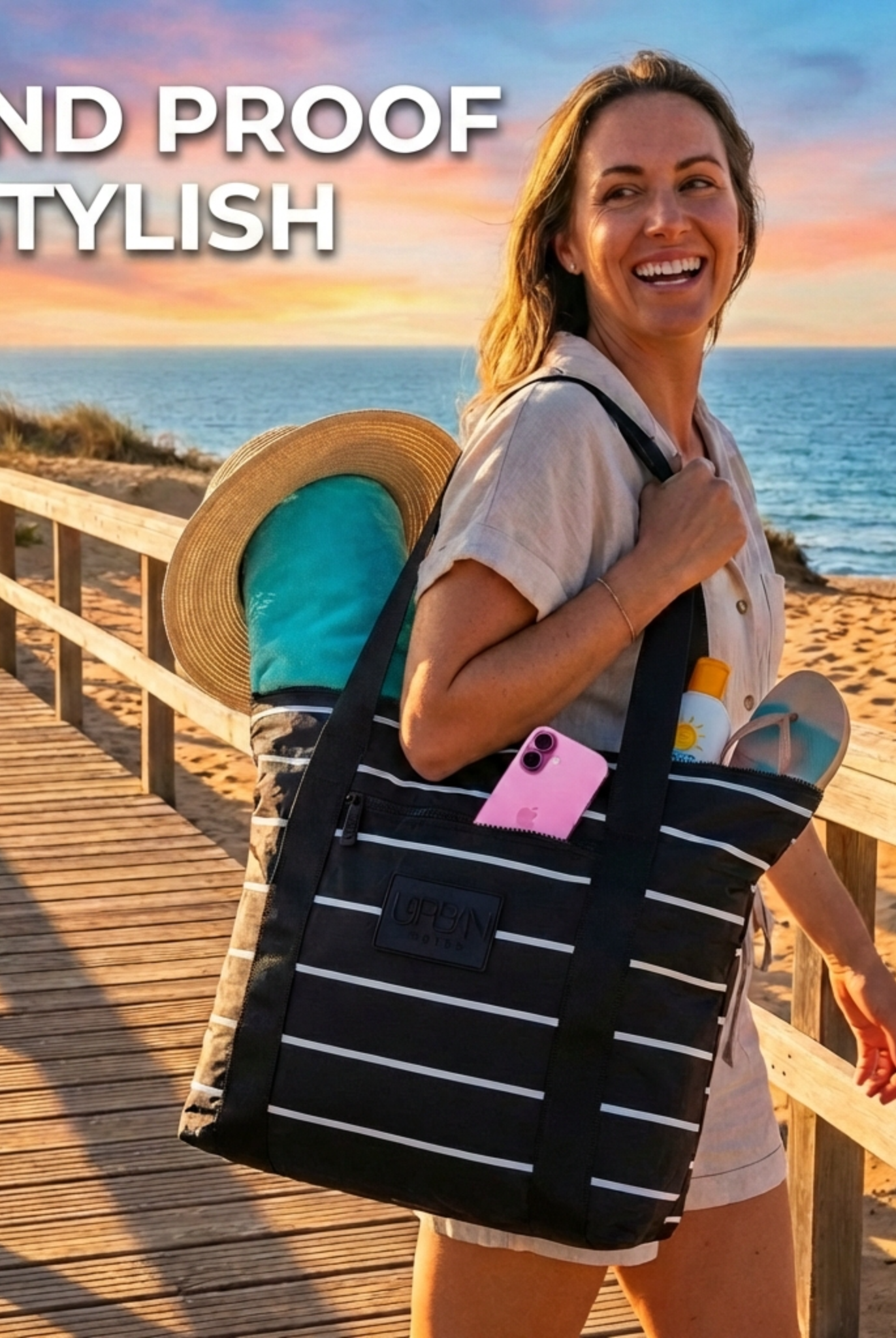
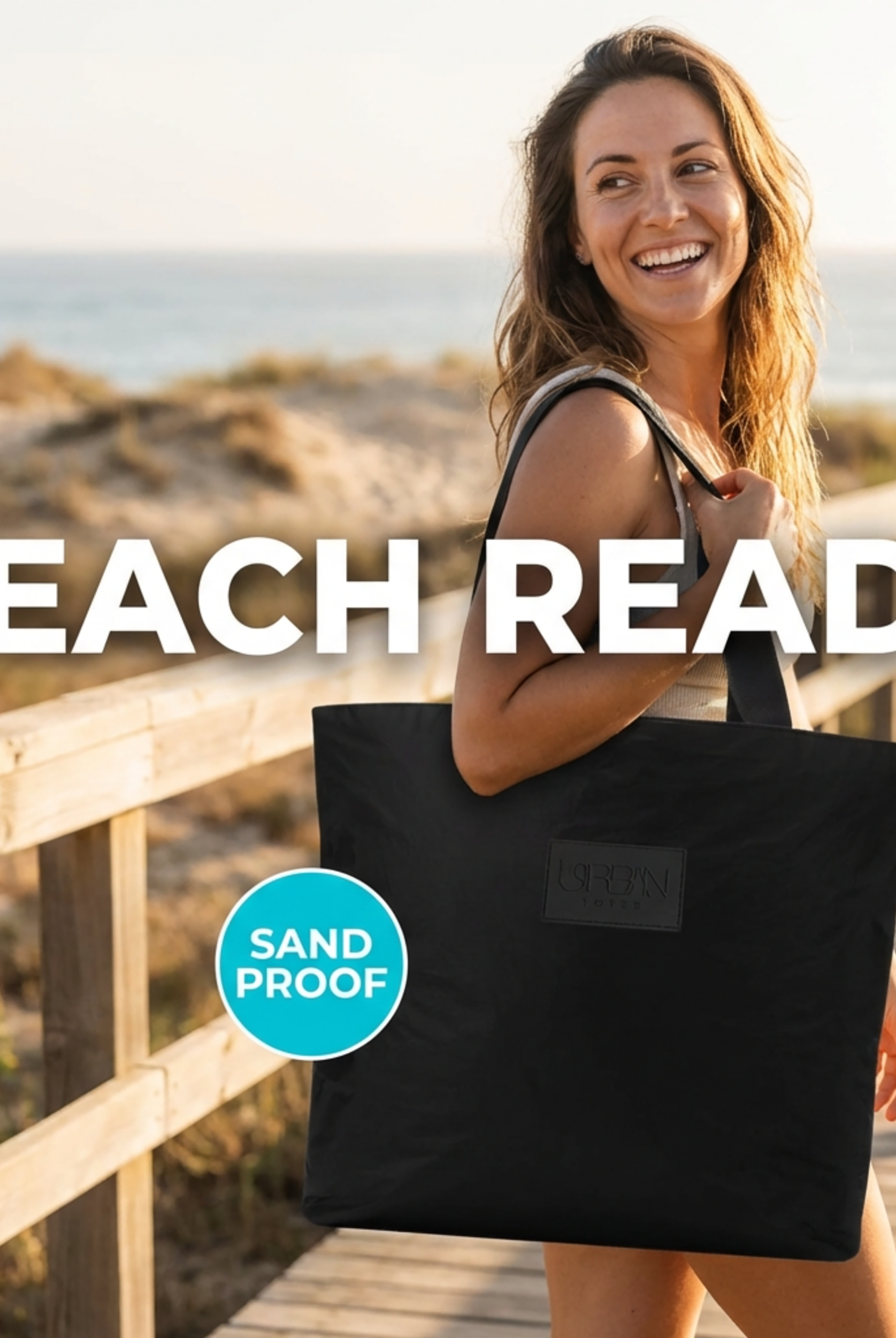
- For the beach-day mom: Choose water-resistant material, a secure zipper closure, and an exterior pocket for a phone or keys. Keep sunscreen and a small towel in a separate tote, so the crossbody stays light.
- For the weekend traveler: Prioritize packability, a removable strap, and an interior zippered section for travel documents. A compact refillable toiletry option, such as compact Fillaree refillable bottles, can help keep small liquids contained.
- For the daily commuter: Look for structured piping, a comfortable nylon strap, and enough separation to prevent your cardholder and earbuds from disappearing into the main compartment.
The best choice won't try to replace every bag in your wardrobe. It will give you a lightweight, organized, water-resistant everyday carry for the moments when a tote feels excessive and a small purse feels limiting. That is the practical promise of a well-made foldable crossbody: less bulk, easier movement, and a place for the essentials you reach for most.
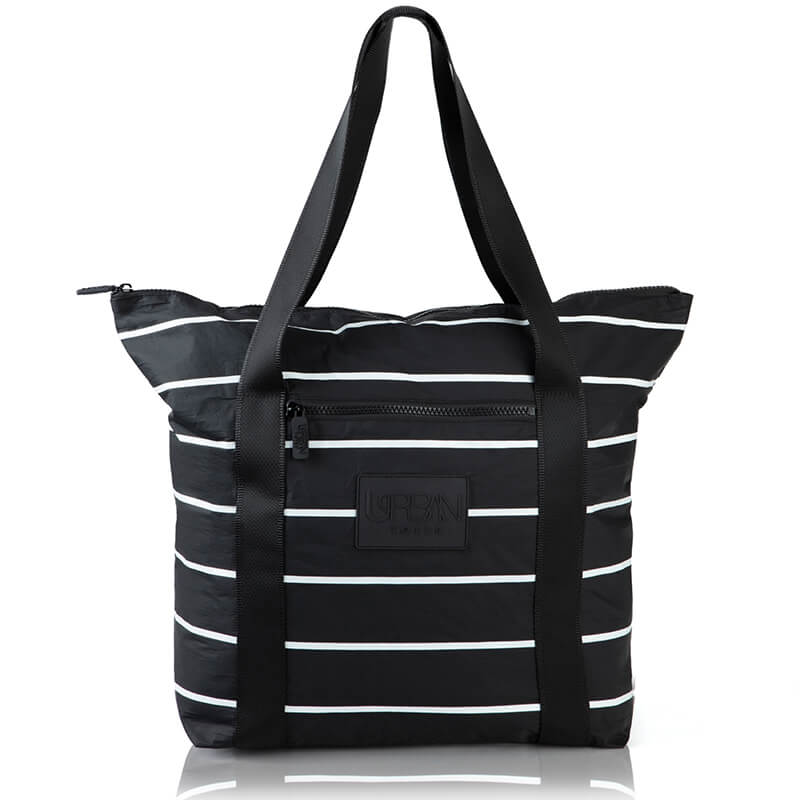
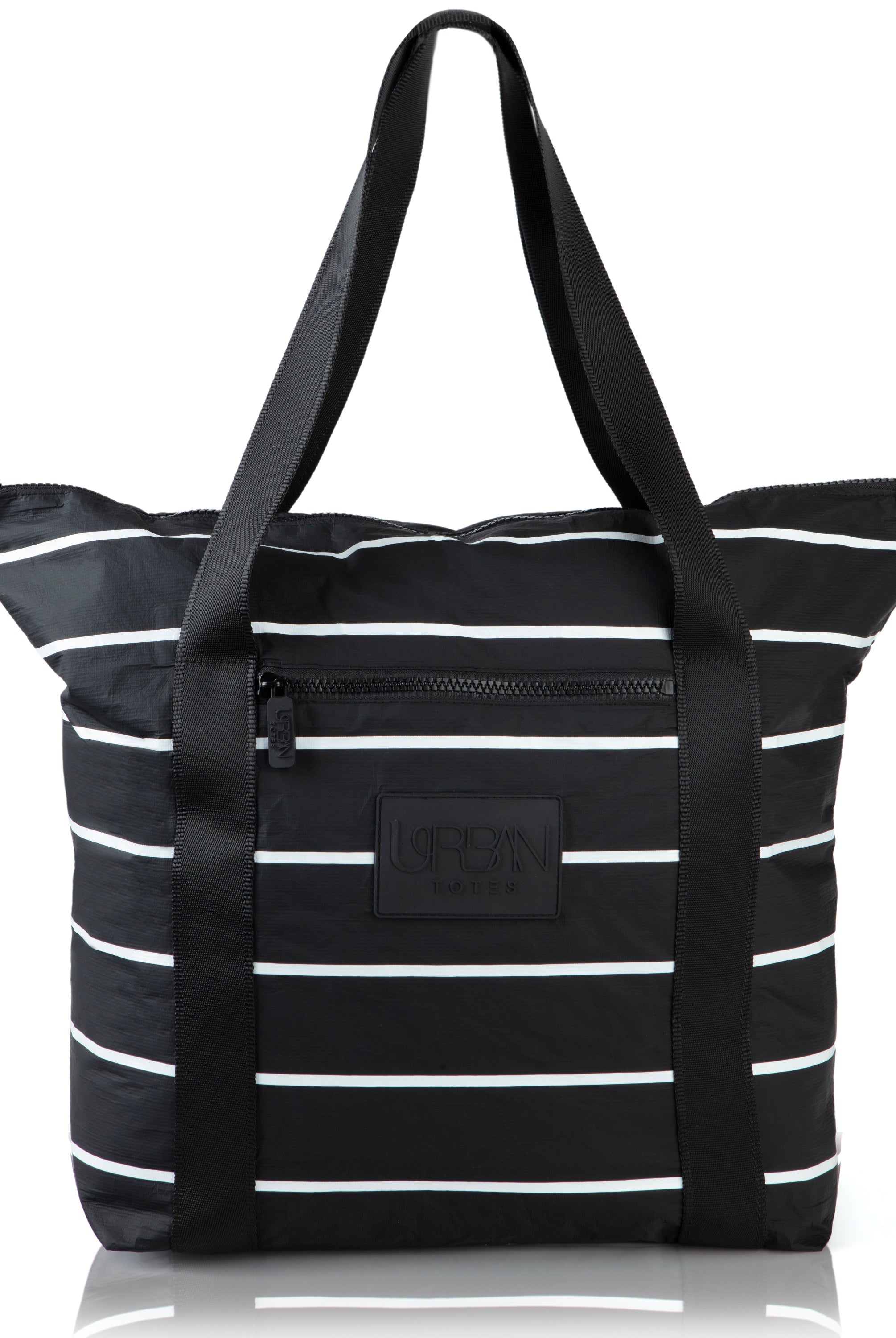
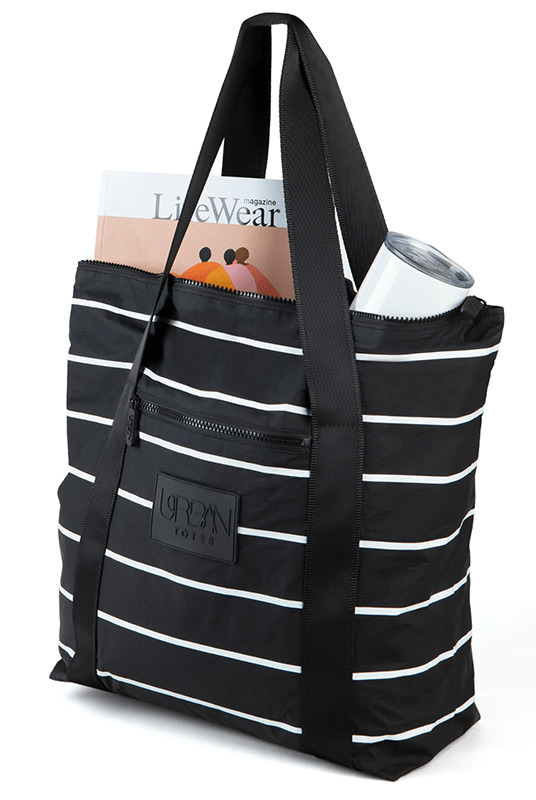
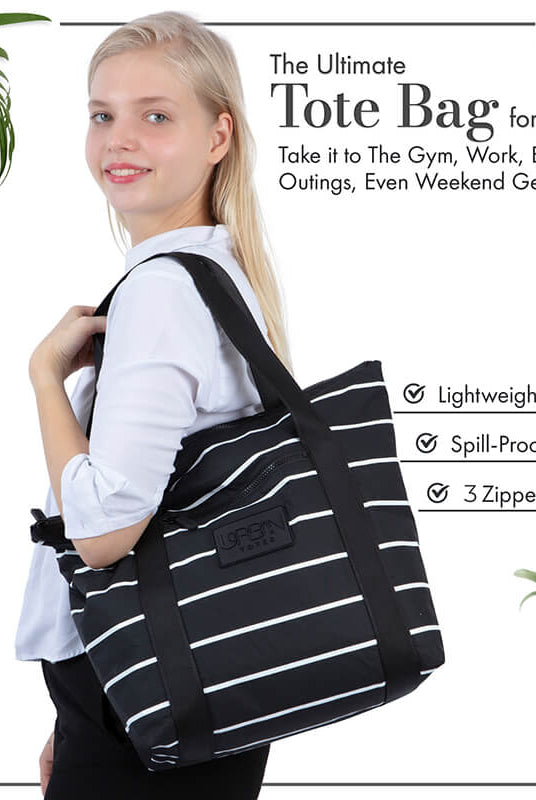
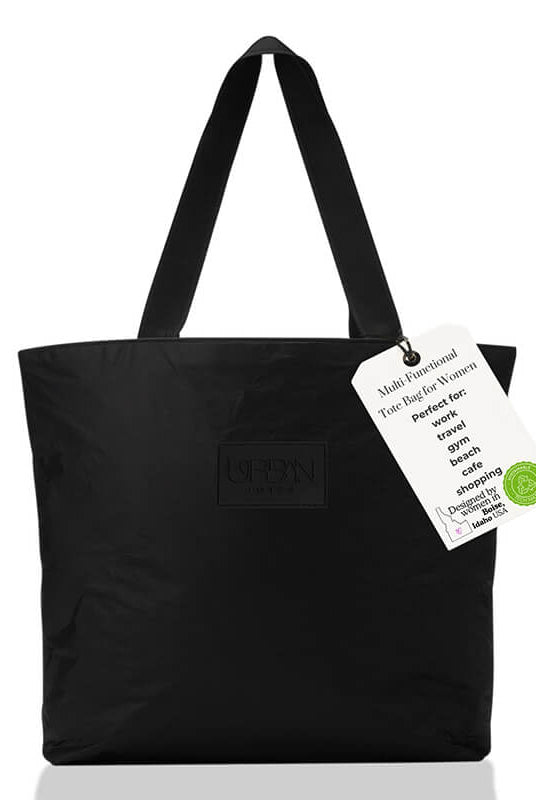
Urban Totes offers lightweight, packable, water-resistant tote and crossbody styles with thoughtful compartments and secure zipper closures for commuting, travel, errands, and beach days. Explore the Urban Totes collection to find a go-anywhere companion that helps you tote smarter and move through the day hands-free.