You're halfway through a farmers market, balancing a paper cup, a tote of peaches, and a child's hand, when your crossbody bag starts sliding around to your hip. The strap twists into your neck, the bag bumps into the person behind you, and your keys disappear into the wrong pocket. The bag isn't necessarily the problem. The way you're wearing it is.
A crossbody should make movement easier, not create another thing to manage. The right strap length, a stable bag height, sensible weight placement, and a security-minded position can change how it feels at school drop-off, in an airport queue, on a commuter train, or while you're reaching for tomatoes at the market. Here's exactly how to wear a crossbody bag so it stays comfortable, organized, and stylish from the first errand to the last stop.
Table of Contents
- The Small Wearing Mistakes You Probably Make Daily
- Getting the Strap Length and Bag Height Right
- Positioning for Security in Crowded Places
- Loading Your Crossbody So It Feels Lighter
- Outfit Pairings for Casual, Work, and Evening Looks
- Common Fit Problems and Quick Fixes
- Why a Thoughtfully Designed Crossbody Makes It Easy
The Small Wearing Mistakes You Probably Make Daily
At the market, you push the bag behind you while waiting to pay. That seems harmless until the zipper faces the crowd, the pouch swings when you turn, and you have to twist your whole torso to find your wallet. Earlier, you adjusted the strap over a light shirt, but today you're wearing a cardigan. The extra layer changes where the bag lands, so the strap creeps toward your neck.
These are small habits, not dramatic mistakes. Still, they can make a lightweight bag feel awkward. A strap that twists concentrates pressure in one spot. An overloaded outer pocket pulls the bag sideways. A pouch that hangs too low gathers momentum every time you walk, pivot, or lift a child into a car seat.
Research on carrying methods found that a bag worn diagonally across the trunk can change thoracic kyphosis and lumbar lordosis, while the authors concluded that even a small load can alter body posture depending on how it's carried. The same summarized evidence reported lower activity in the right trapezius and left erector spinae during crossbody carrying than during same-sided carrying, which supports the basic diagonal position rather than a one-shoulder drape. The ergonomic comparison of carrying methods provides the useful takeaway: the strap needs to cross your torso, not just sit on one shoulder.
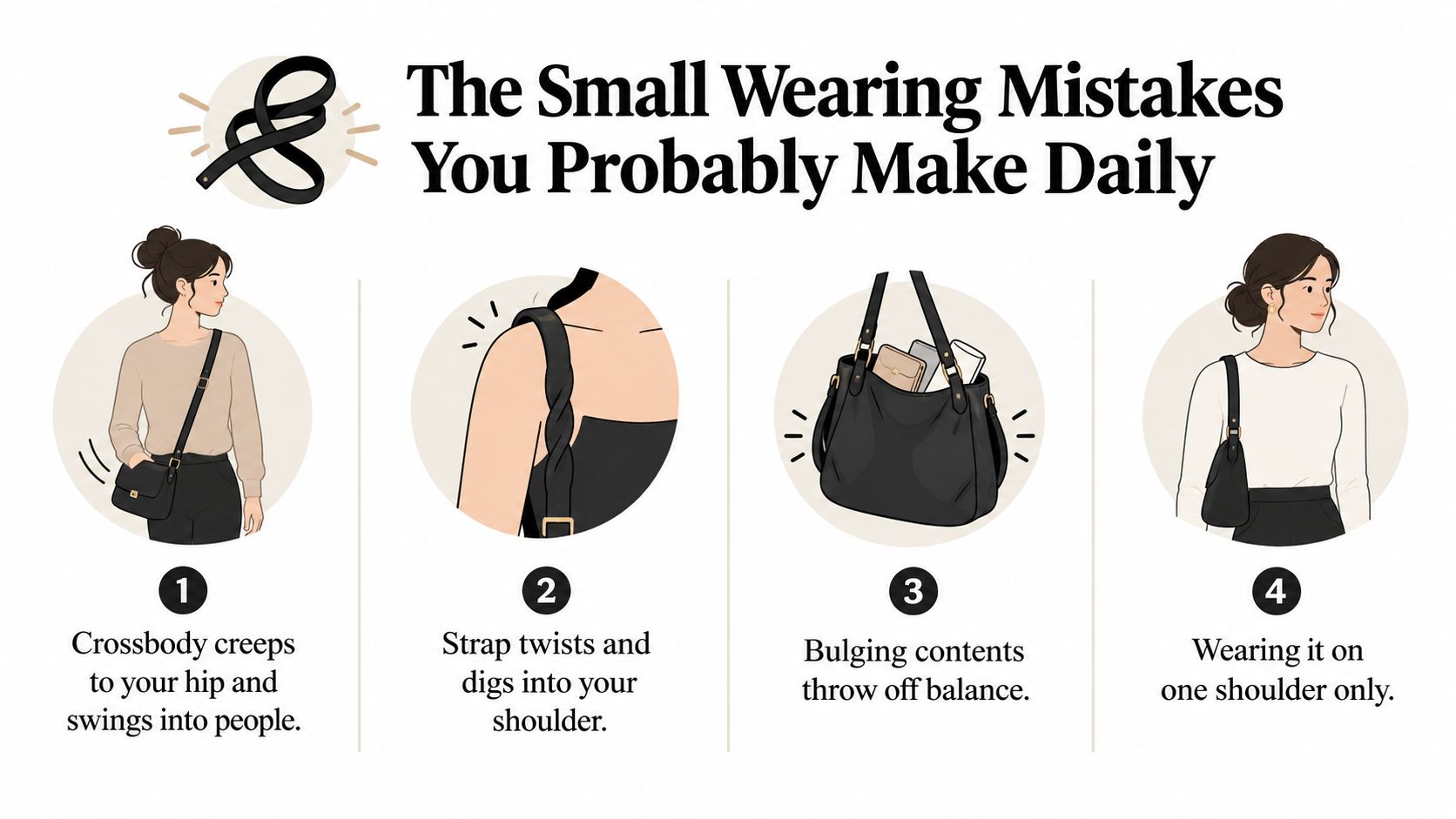
Before you leave the house, make these quick corrections:
- Retune the strap: Adjust for a winter coat, blazer, or thick sweater instead of relying on yesterday's setting.
- Bring the bag forward: Keep the zipper and opening where you can see and reach them, especially in a line.
- Edit the pockets: Remove the receipt pile, duplicate lip balm, and anything you haven't used all week.
- Check the diagonal: The strap should travel smoothly from shoulder to opposite hip without curling or digging.
Your mirror only shows the outfit. A proper fit check happens while you walk, reach, sit, and turn.
Getting the Strap Length and Bag Height Right
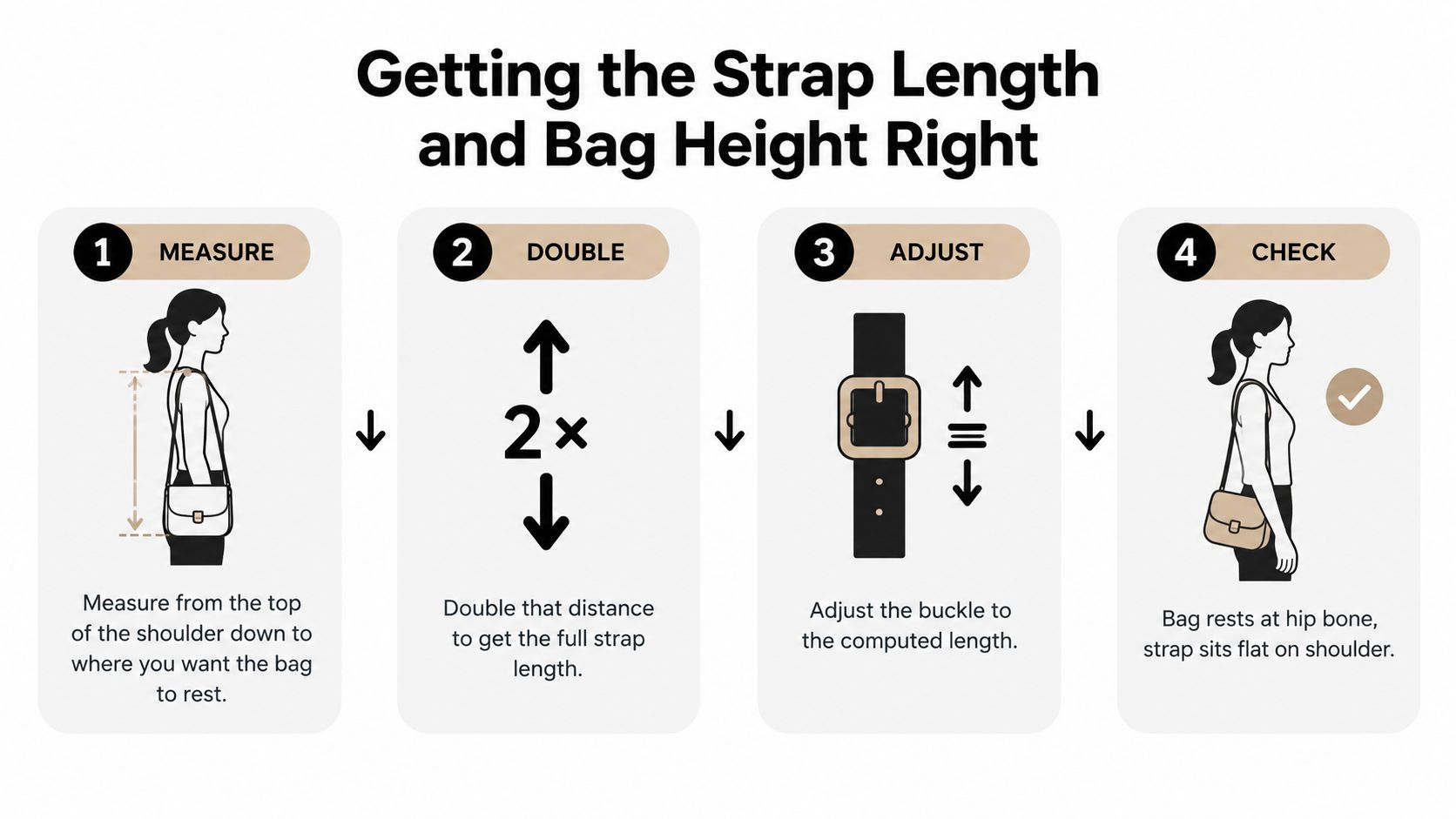
Set the strap before you judge the bag. Stand naturally, place the top of a tape measure at your shoulder, and measure down to the center of the spot where you want the pouch to sit. Double that shoulder-to-bag distance to estimate the full strap length. Add about 2 to 4 extra inches for a winter coat or thick sweater, following this crossbody strap measurement guide.
Choose the height that suits the day
High hip is my pick for school runs, farmers markets, and active errands. The pouch stays close to your body, the outline looks neat, and the bag is less likely to hit your thigh when you turn.
Choose the upper thigh for a longer commute or travel day when you want easier access without carrying the pouch high across your chest. Keep it close enough to prevent bouncing below the hip line.
Just below the waist creates a cleaner outfit shape. It works especially well with a fitted blazer or simple dress, as long as the bag stays stable and the strap does not press into your armpit.
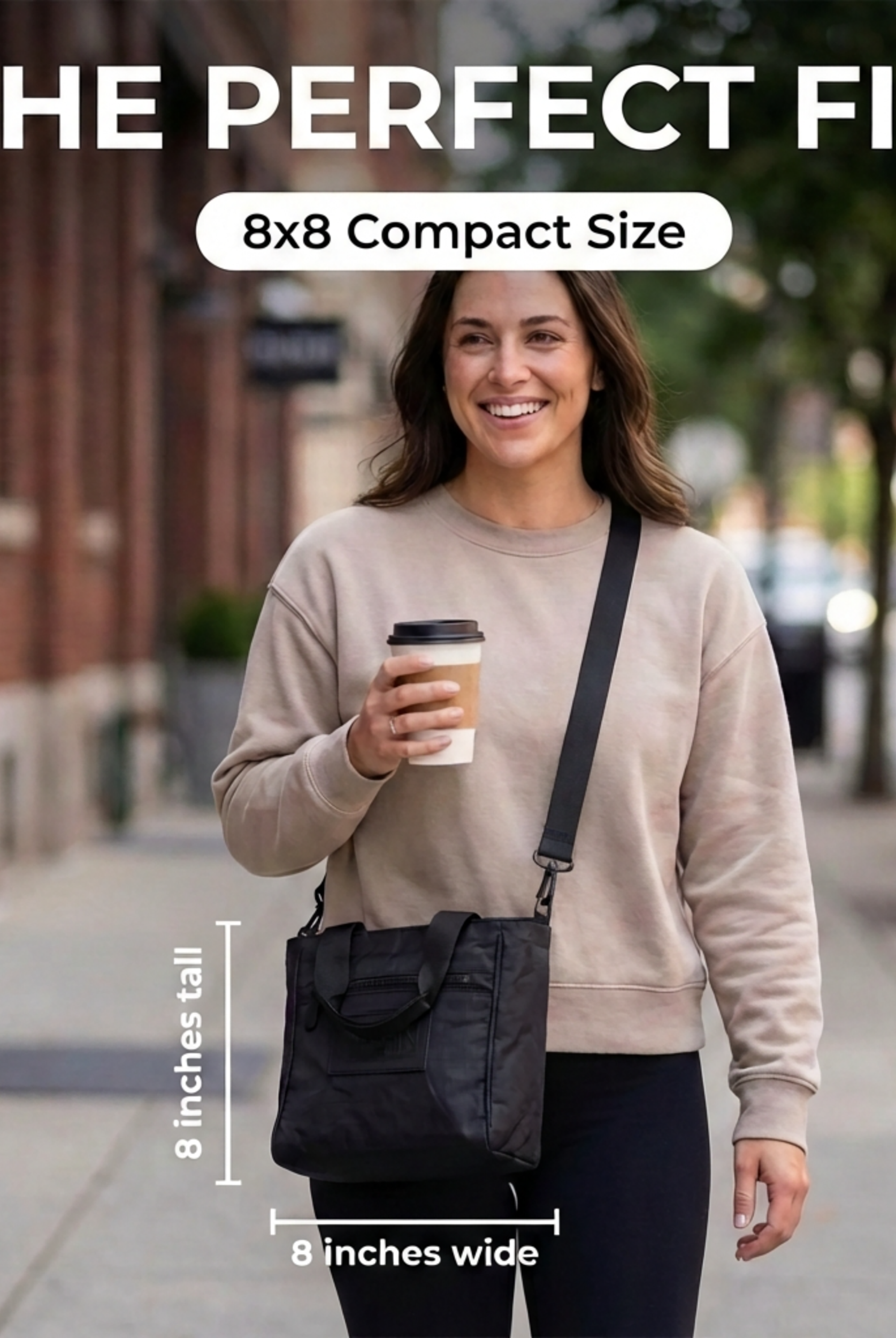
For most outfits, aim for at or just above the hip bone, also called the iliac crest. That height keeps the load close and gives your arm room to move. This fit and comfort guidance also recommends checking the strap while walking and reaching, not only while standing in front of a mirror.
Practical rule: If the bag swings when you pivot, it's too low or too loose. Shorten the strap until the pouch settles near your hip without restricting your arm.
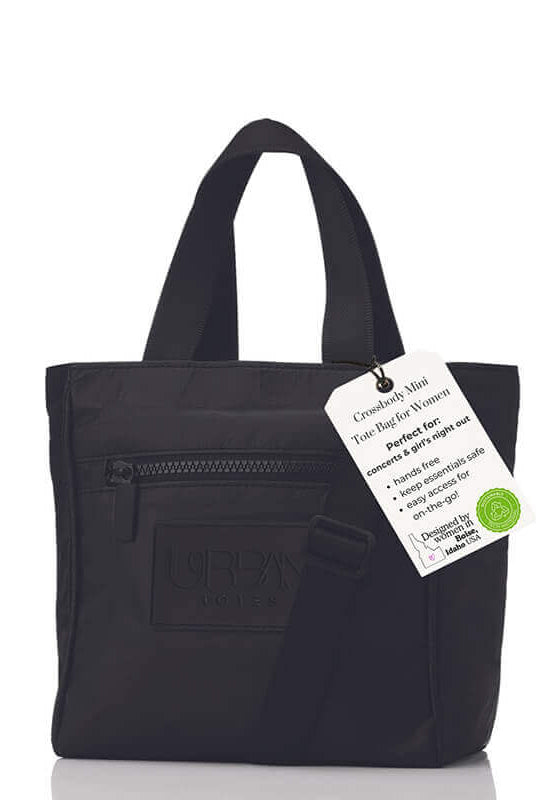
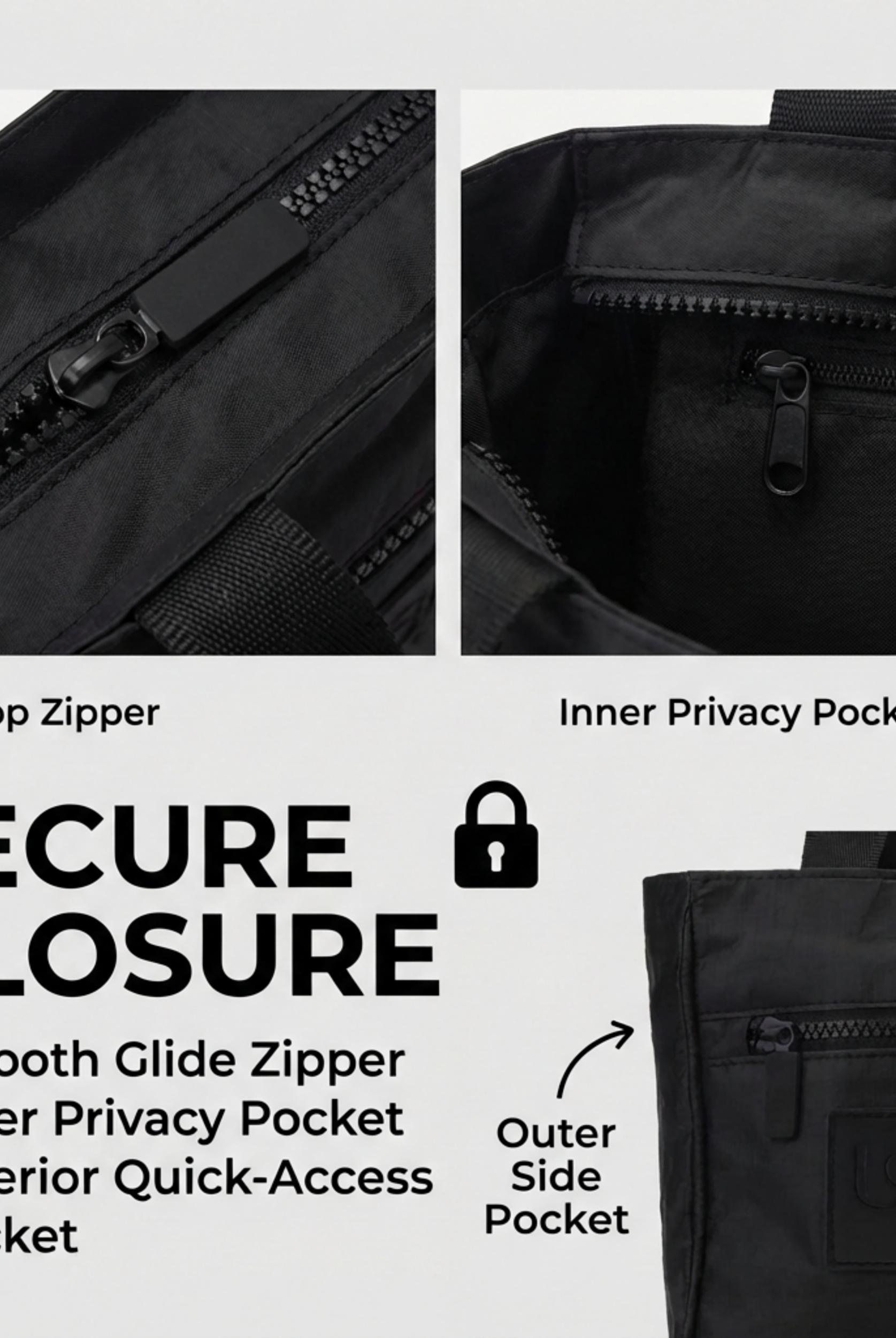
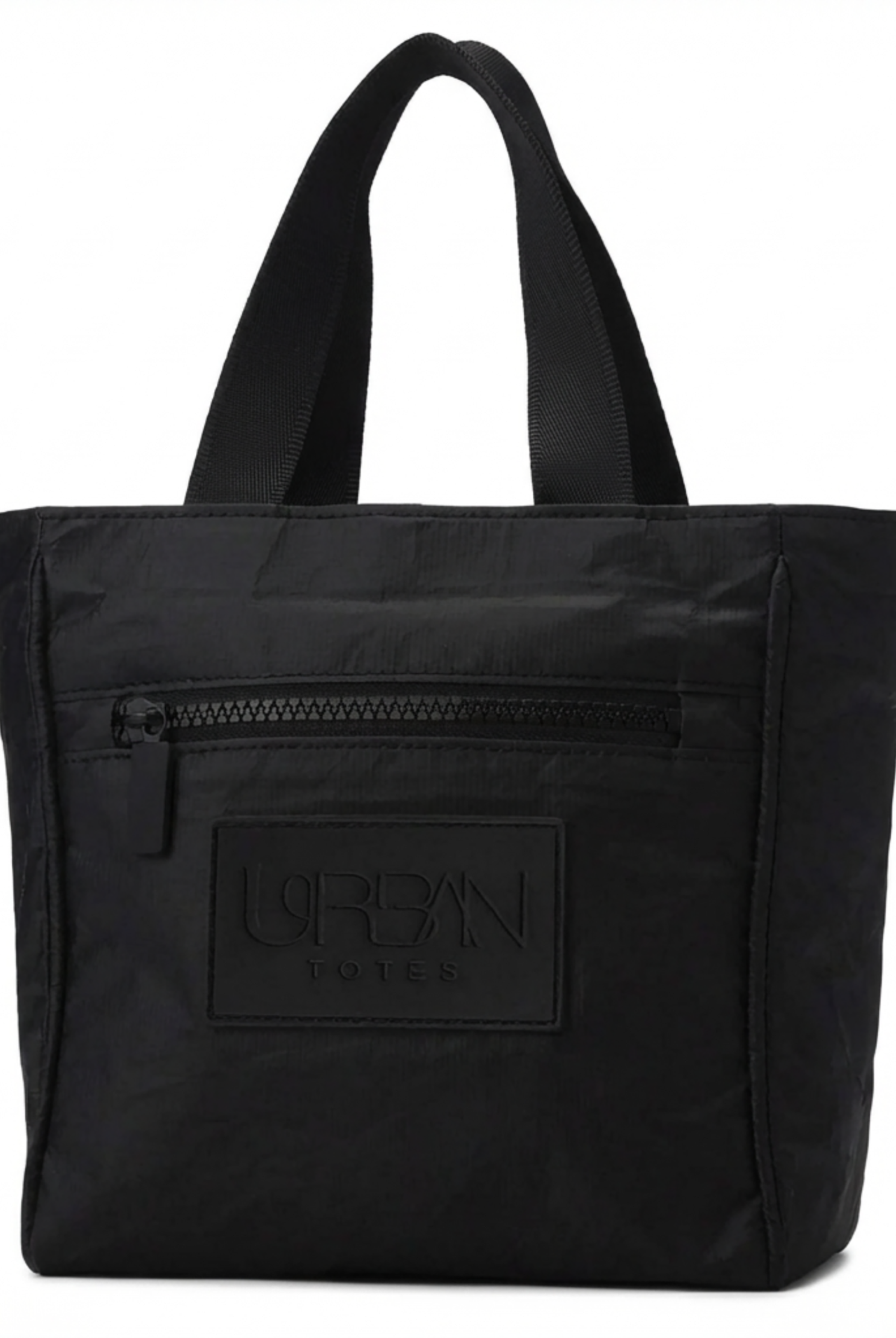
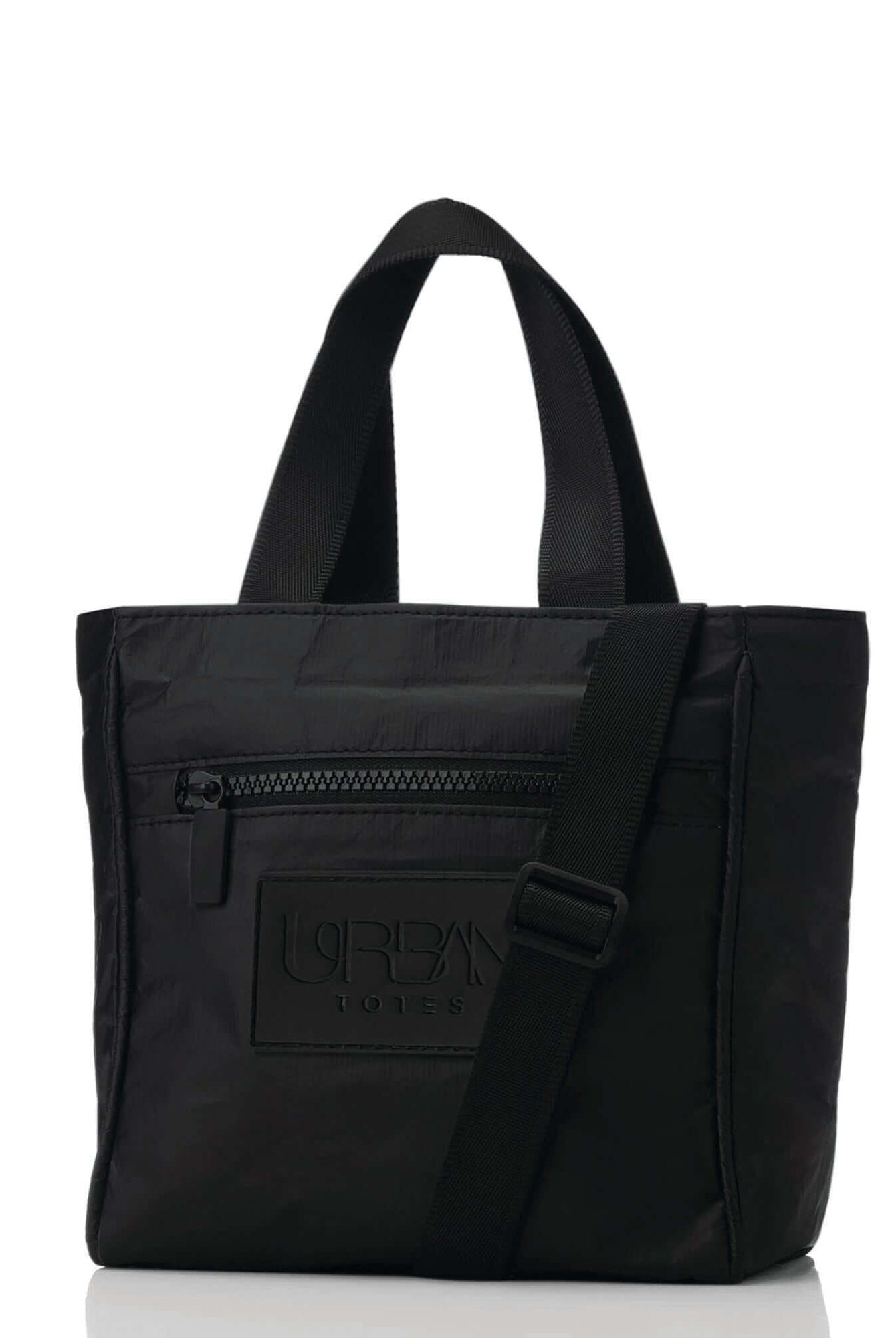
For a compact option, the Crossbody Tote Bag Mini Purse has a removable strap extending to 53 inches, along with a zip-top closure, outside zipper pocket, easy-access pocket, and 1-inch-wide nylon straps. Its 7.5 x 4 x 7.75 inches dimensions suit an essentials-only carry, not a stuffed commuter load. For more ways to set the length, use Urban Totes' guide to crossbody bags with adjustable straps.
Positioning for Security in Crowded Places
Crowded places reward deliberate positioning. On an airport shuttle, wear the strap diagonally and rotate the bag to your front hip. Keep the zipper opening toward your body, where you can see and control it. For bag features that support this positioning, see our guide to anti-theft crossbody bags. Never let the pouch rest behind you in a dense crowd.
At a farmers market, school pickup line, or busy station, rotate the bag fully across your stomach for a few minutes. That placement keeps the opening visible and lets you reach inside without giving nearby strangers a clear view of the contents. Keep one hand free, and close the zipper before you start walking again.
Crowded-market theft often relies on distraction, open compartments, loose zippers, or bags worn out of sight. This comparison of anti-theft crossbody habits supports front-facing visibility, closed zippers, and a snug fit. Treat those habits as a routine, not a guarantee. A lockable zipper only helps when you relock it after checking your phone or wallet.
| Setting | Bag Position | Security Focus |
|---|---|---|
| Airport queue or transit platform | Diagonal across the torso, pouch at the front hip | Keep the zipper closed and facing your body |
| Crowded market or school pickup | Rotated fully to the front of the stomach | Keep the opening visible and the bag close |
| Café or outdoor seating | Slightly to the side, angled away from the chair | Keep the strap on your body and avoid leaving the pouch against the chair |
| Open sidewalk | Diagonal with the back panel close to your torso | Reduce dangling movement and keep the bag under visual control |
Choose the shoulder that gives you the quickest, most natural control. Before entering a dense crowd, test the position with your arm relaxed. If a quick grab would pull the bag out of your sight, move it forward and shorten any excess strap movement. At a café, keep the strap over your body instead of placing the bag on the chair beside you.
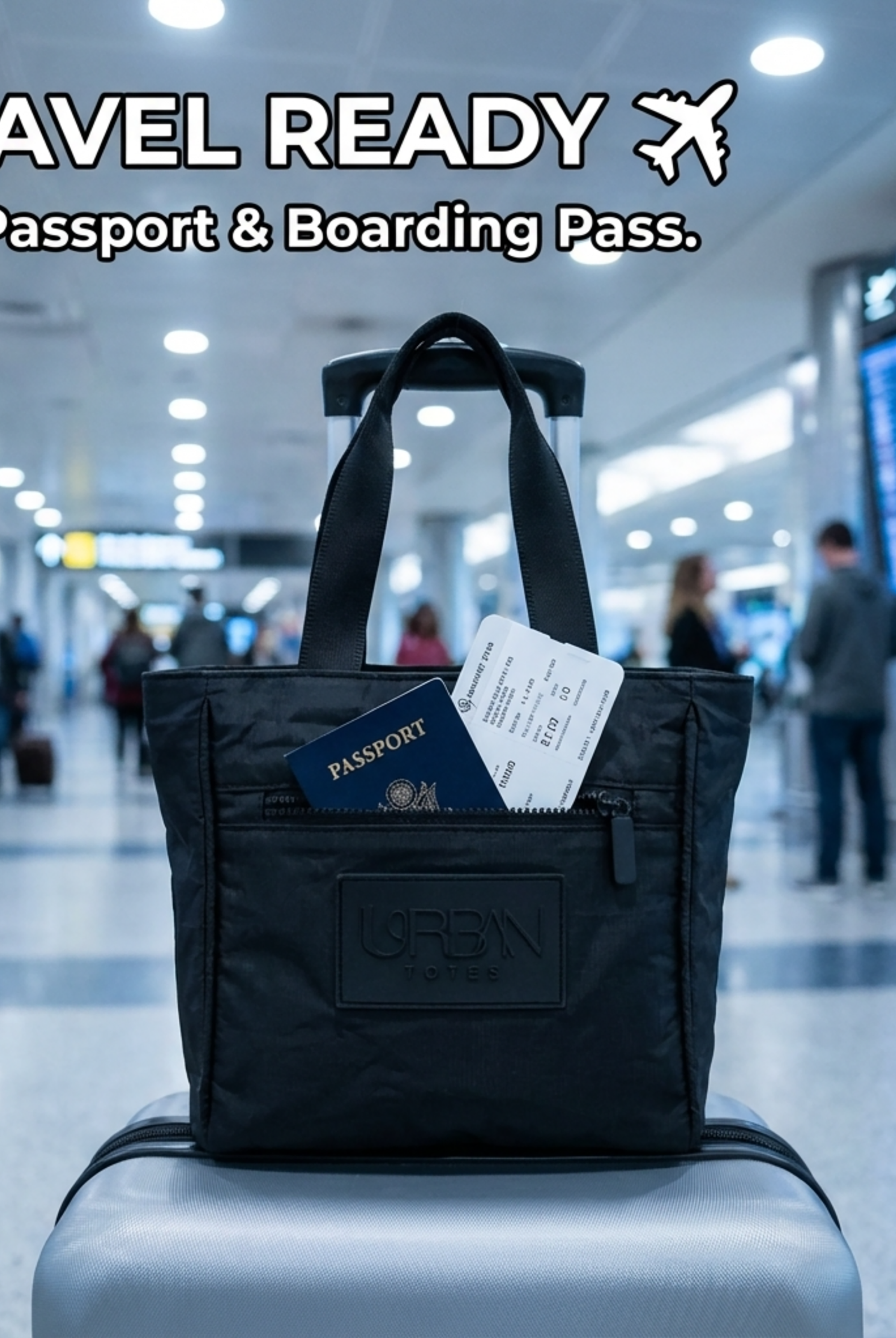
For travel, wear the crossbody over your base clothing but under a jacket, with the bag toward the front, as described in this travel crossbody guide. That setup keeps the pouch covered while preserving access when you need it.
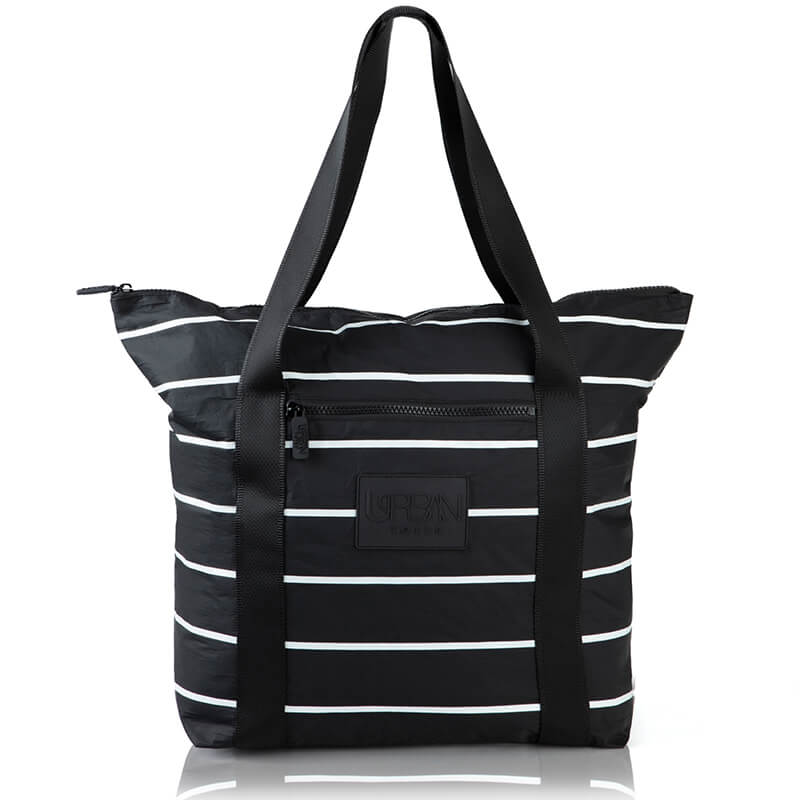
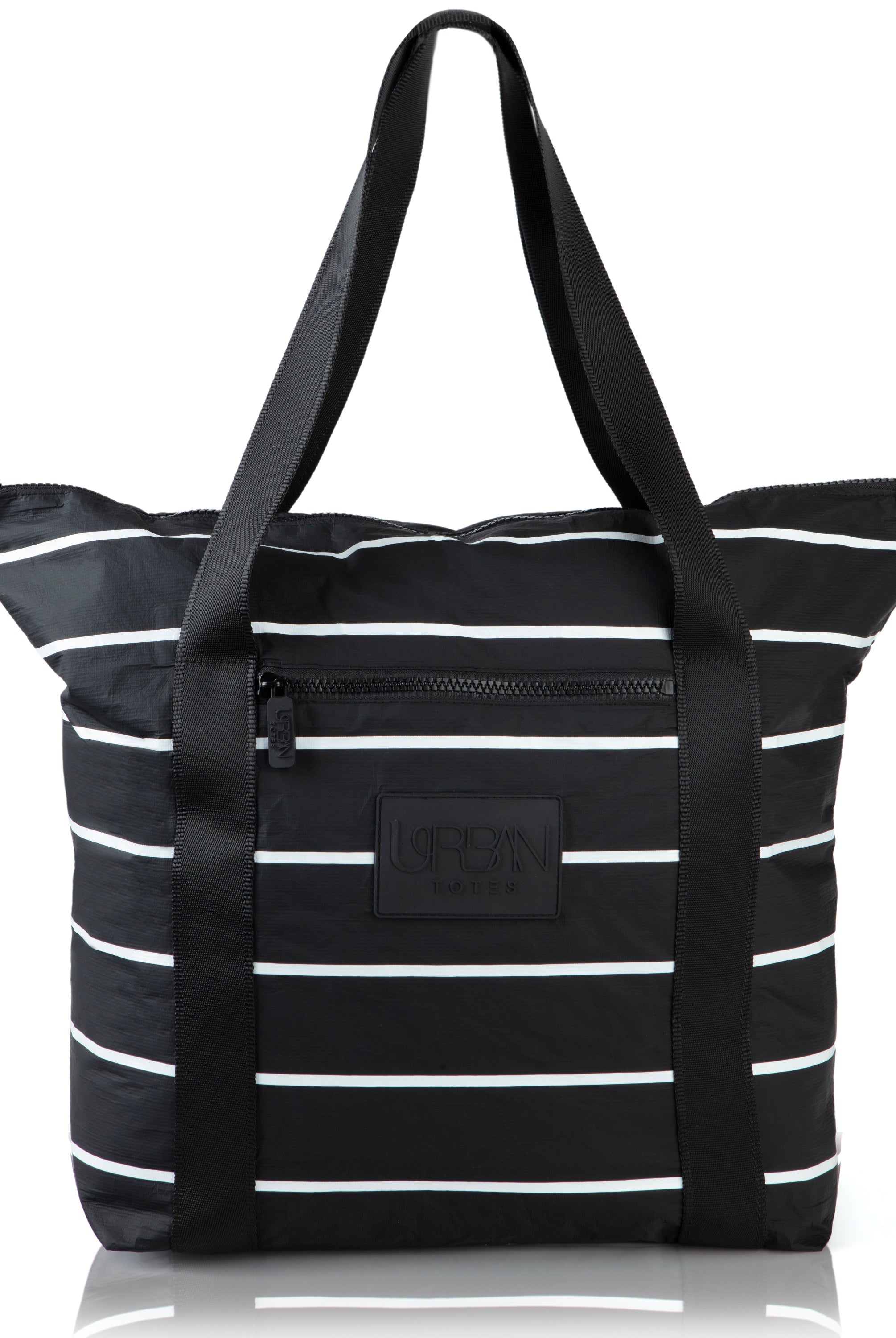
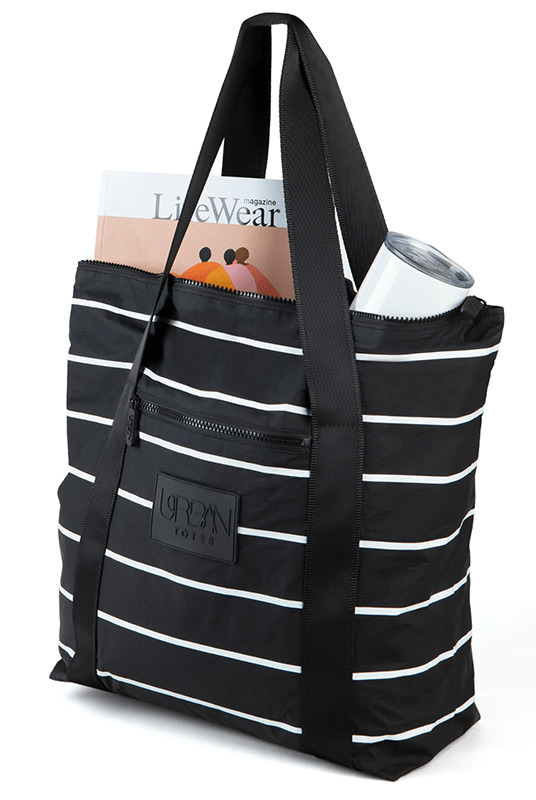
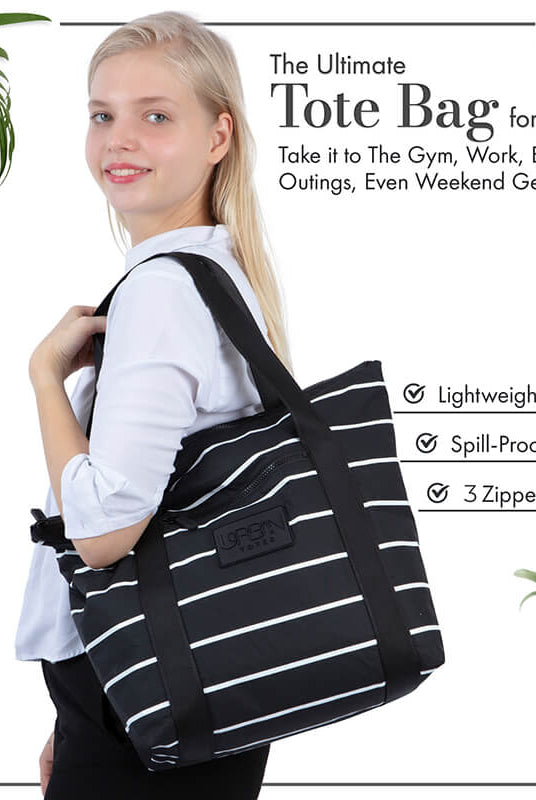
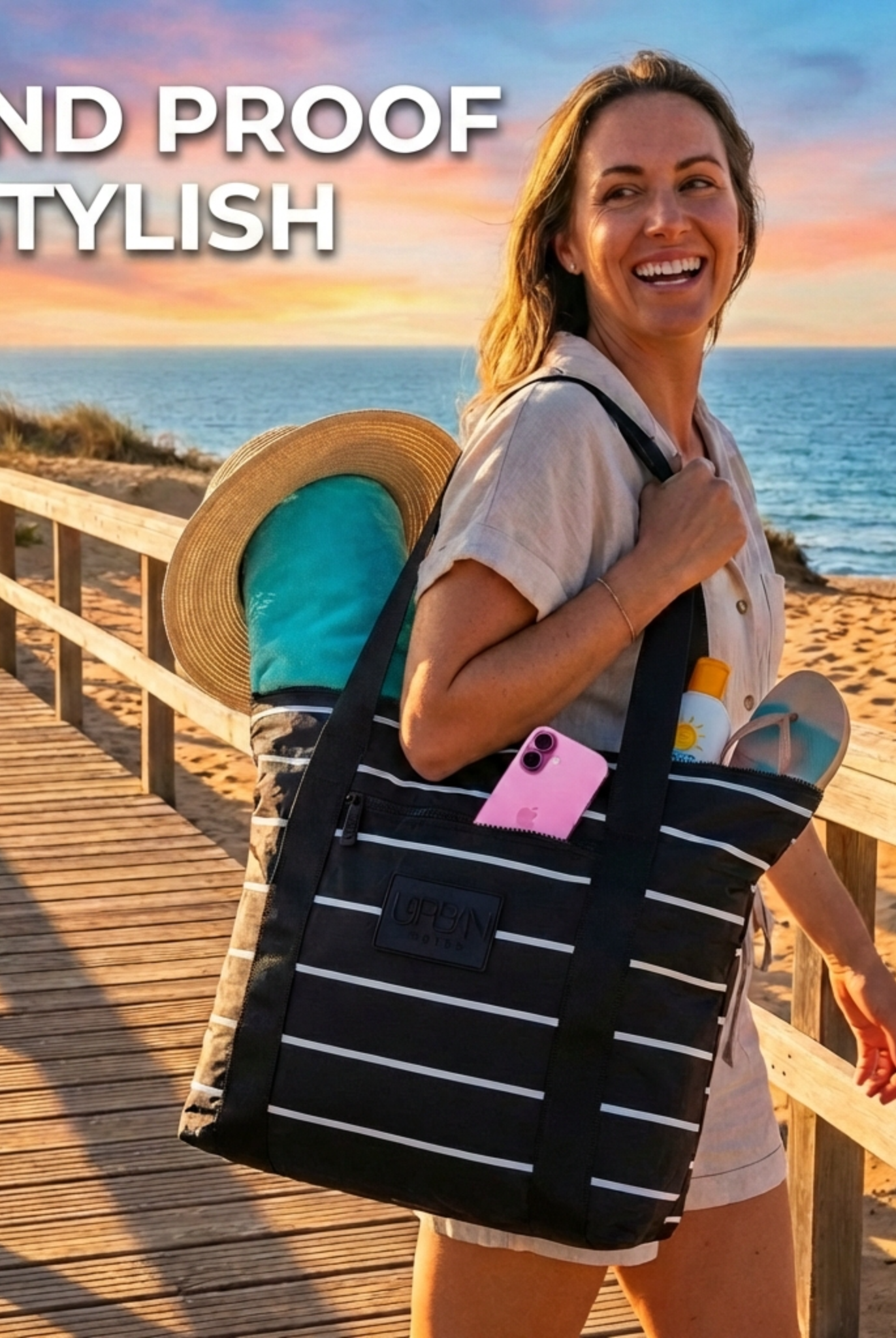
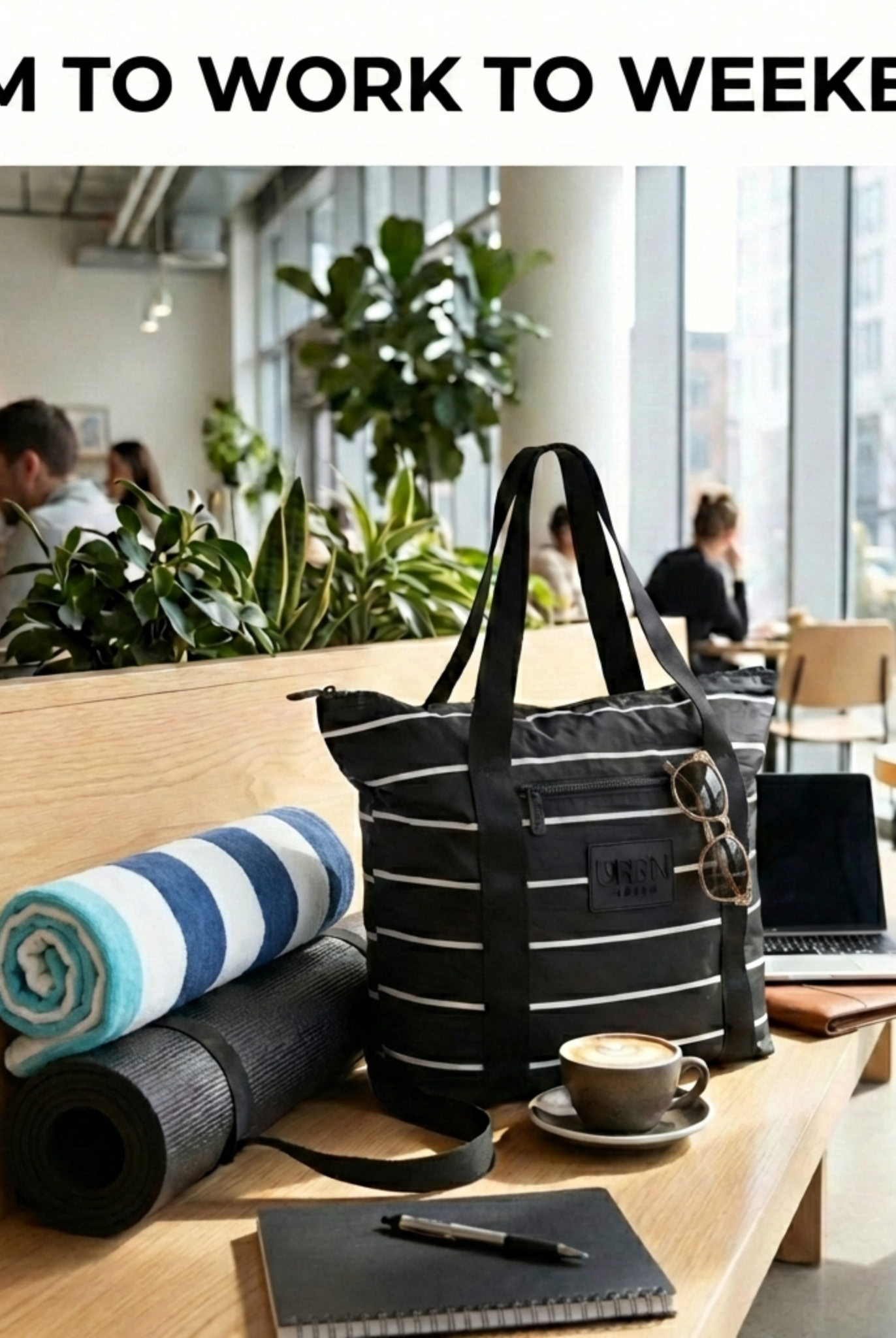
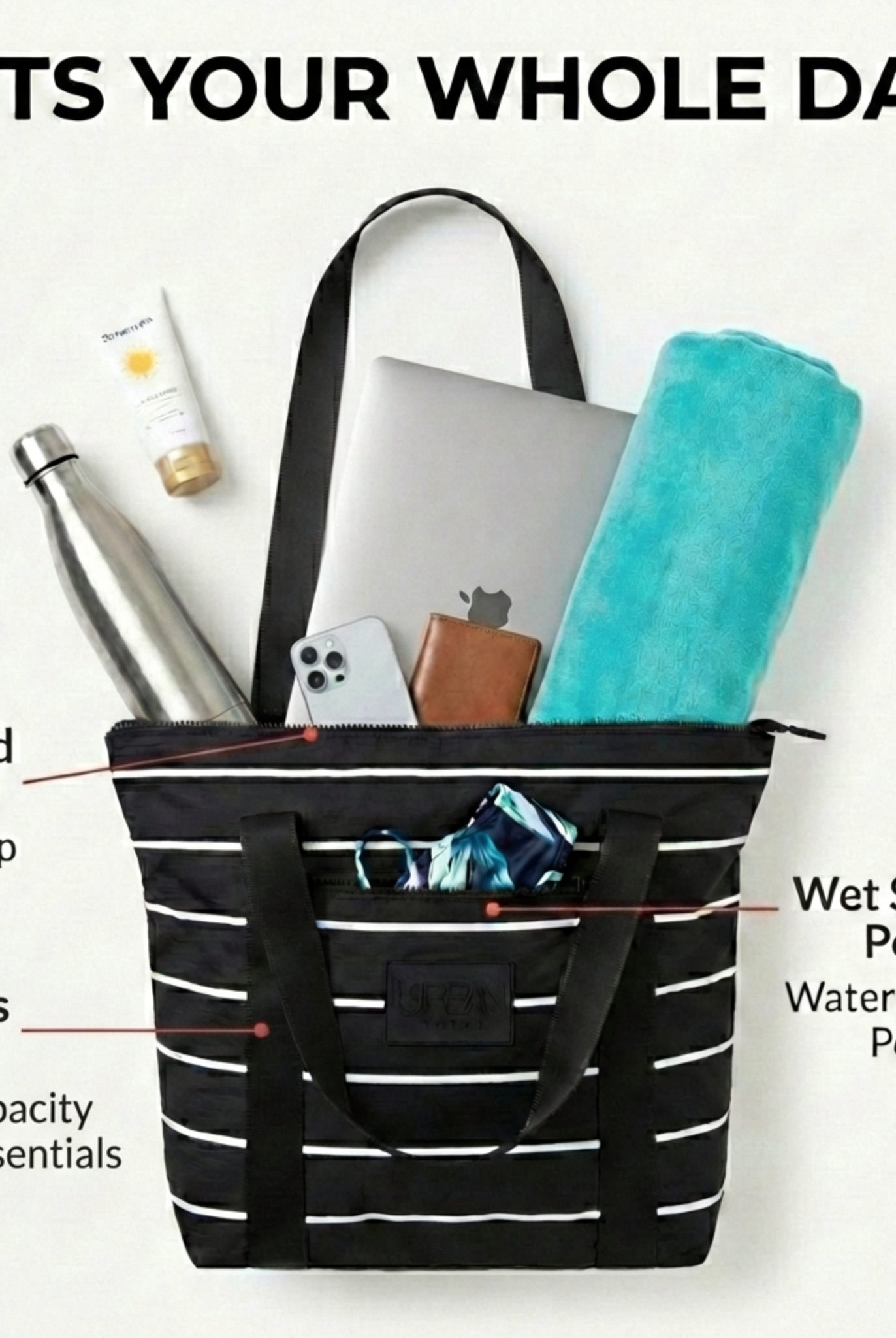
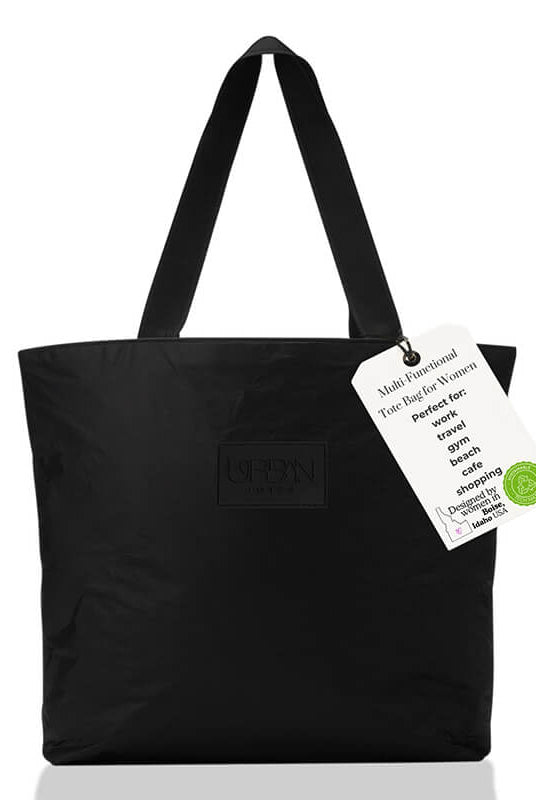
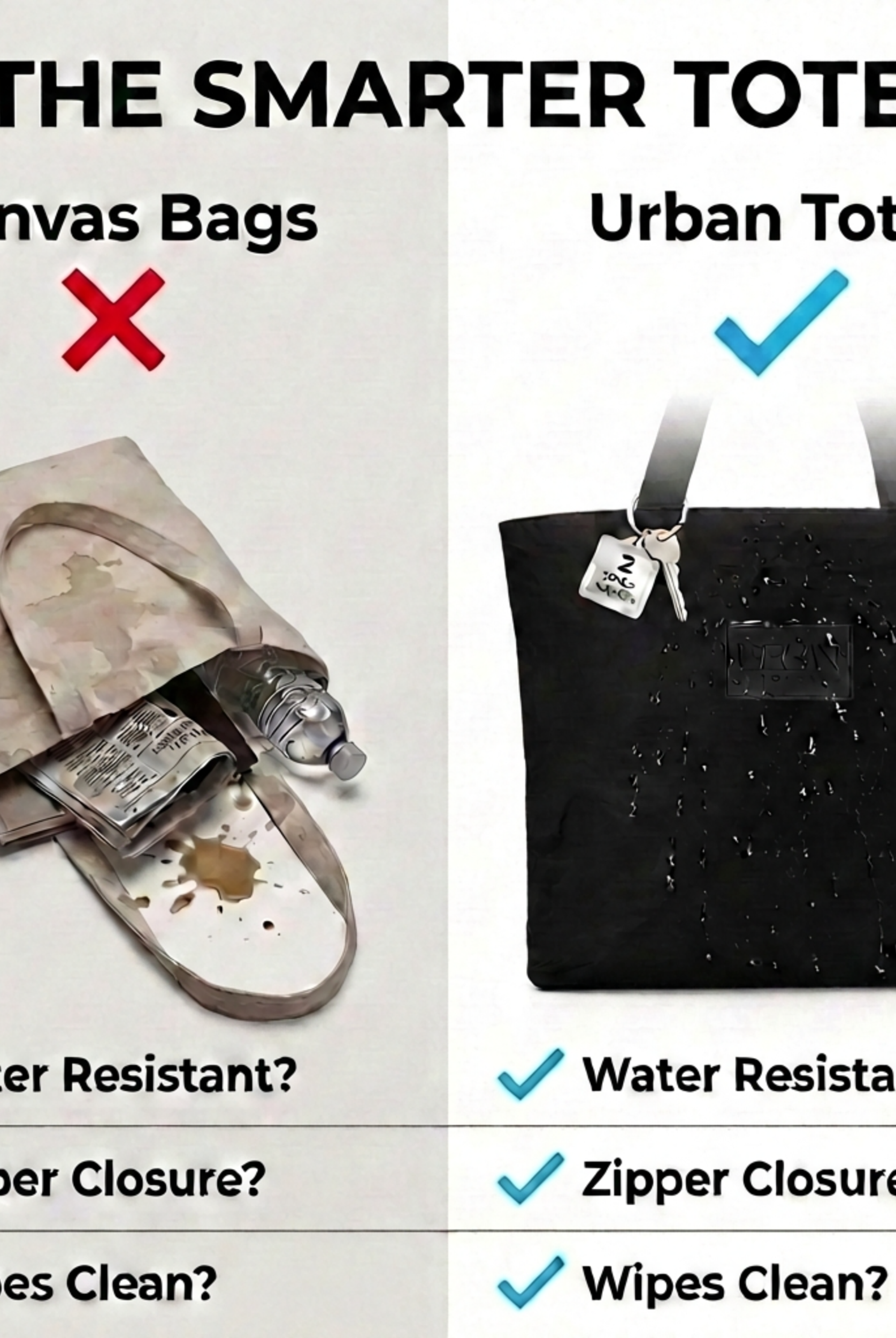
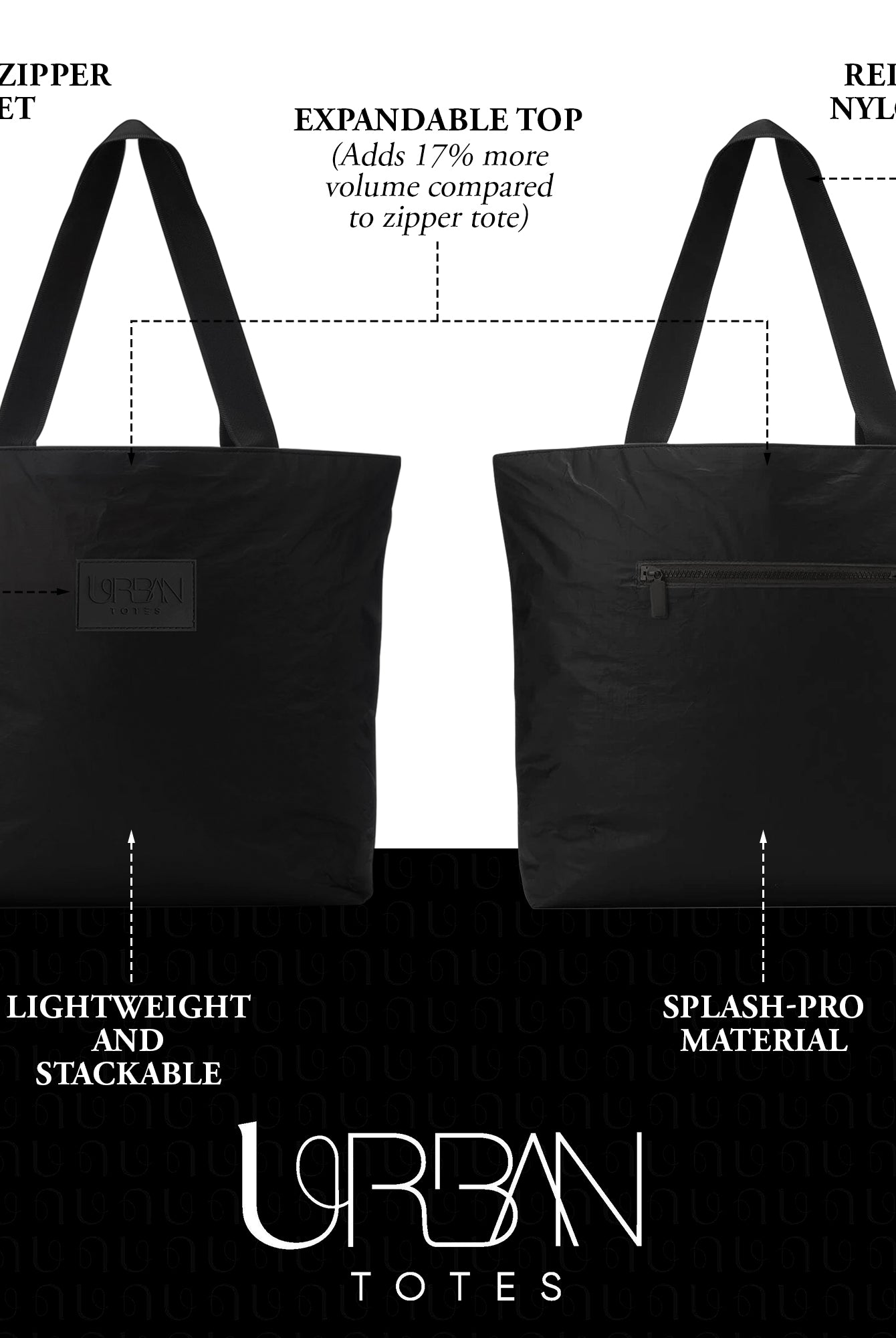
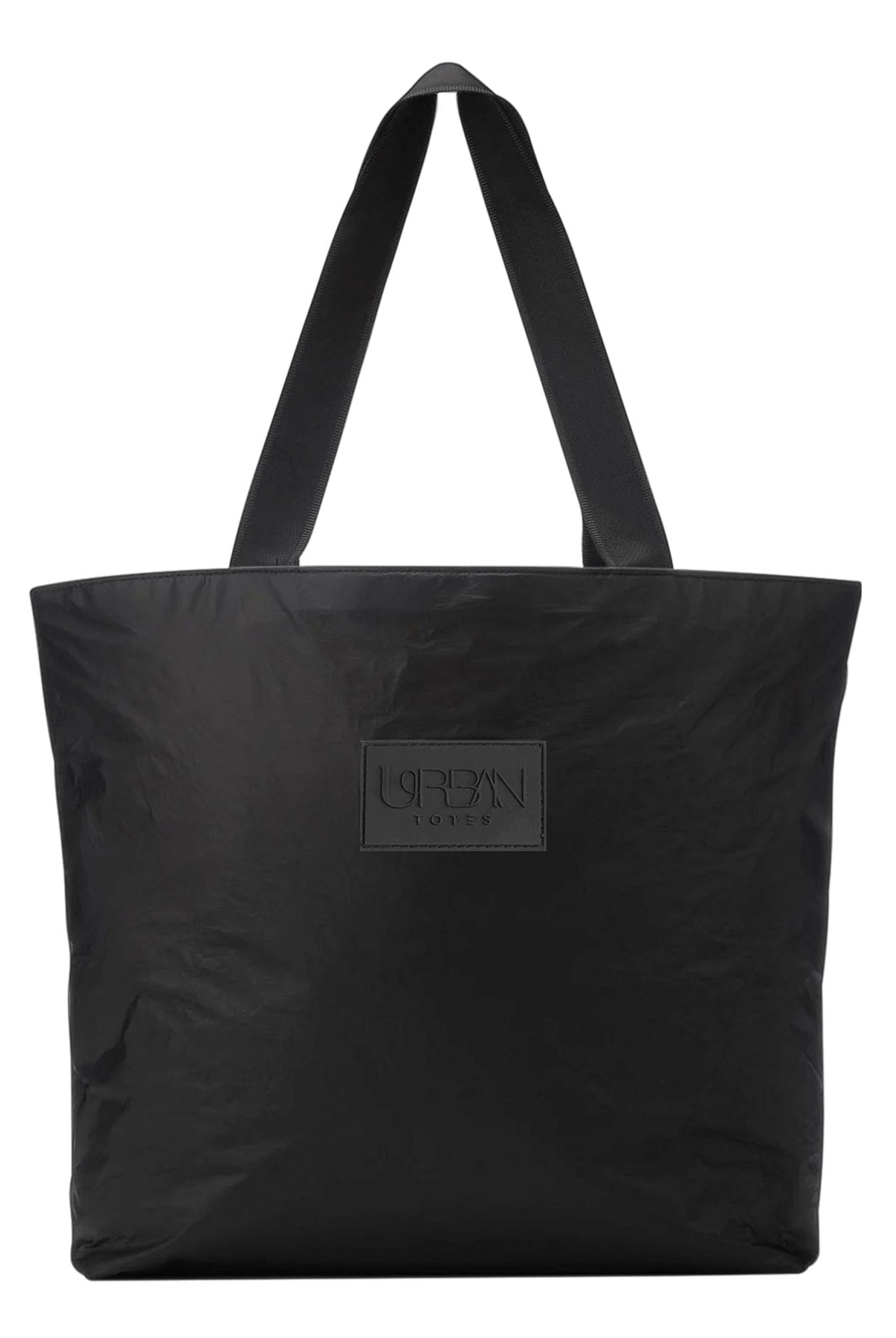
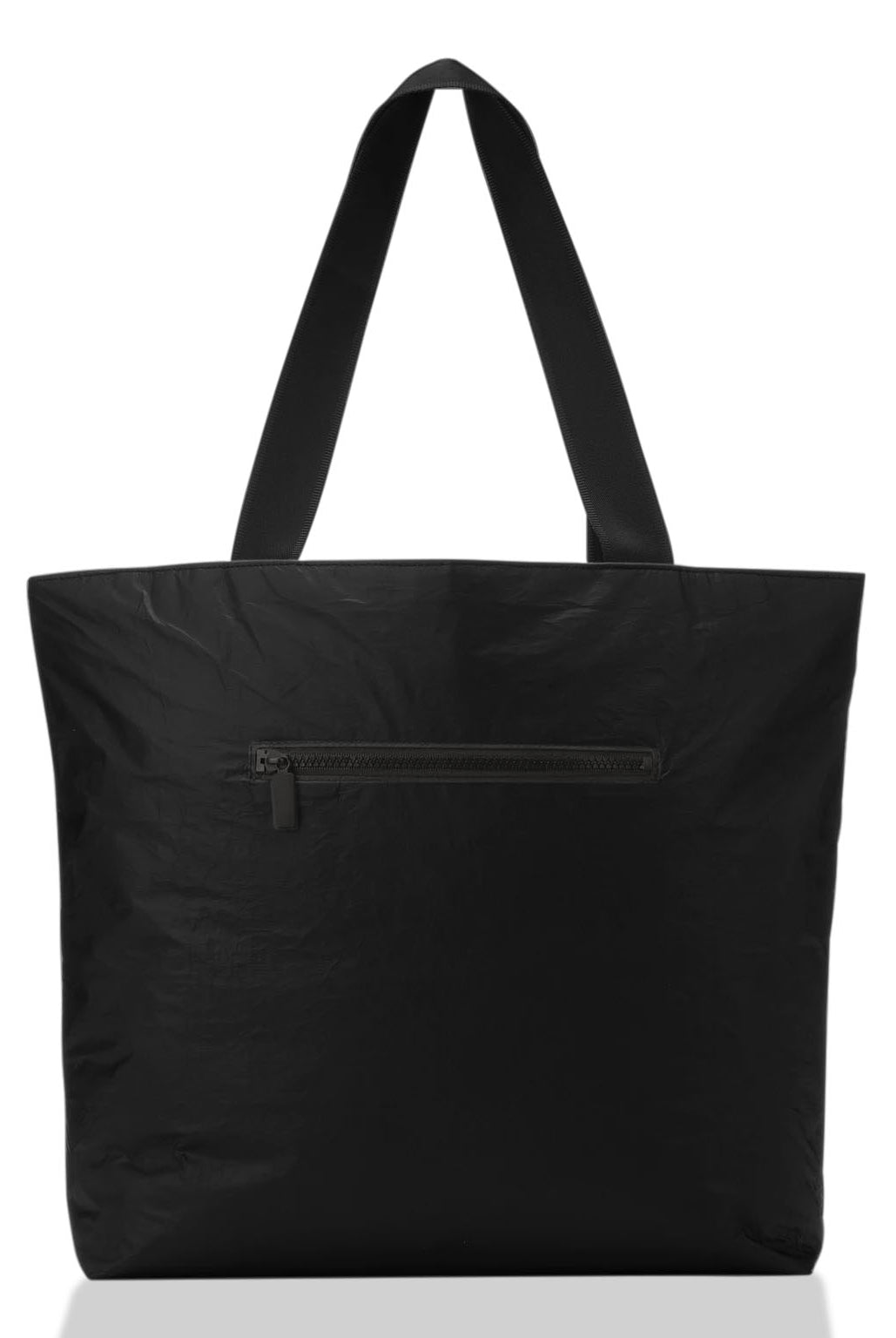
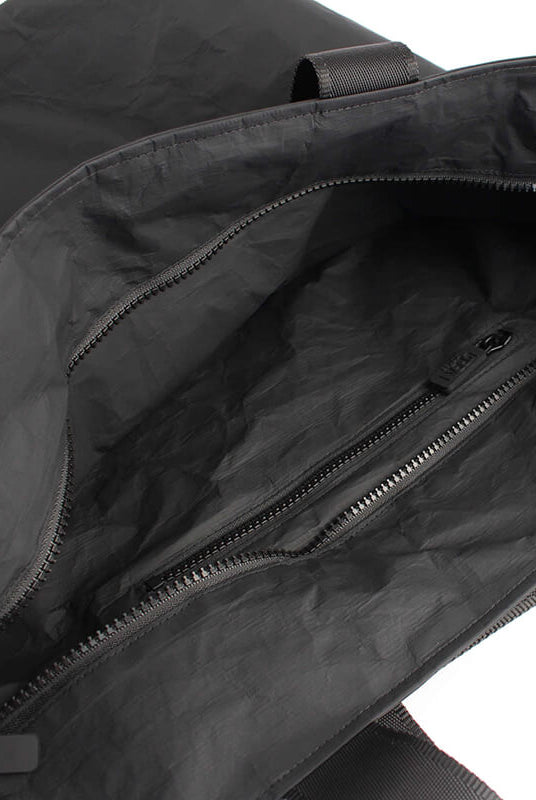
For a larger carryall, Elevate Every Adventure with The OG Zipper Tote Bag by Urban Totes has inside and outside zipper pockets, three large pockets, and a water-resistant, packable design. It is a tote rather than a compact crossbody, so use it for beach or family essentials when you can keep the closure facing you.
Loading Your Crossbody So It Feels Lighter
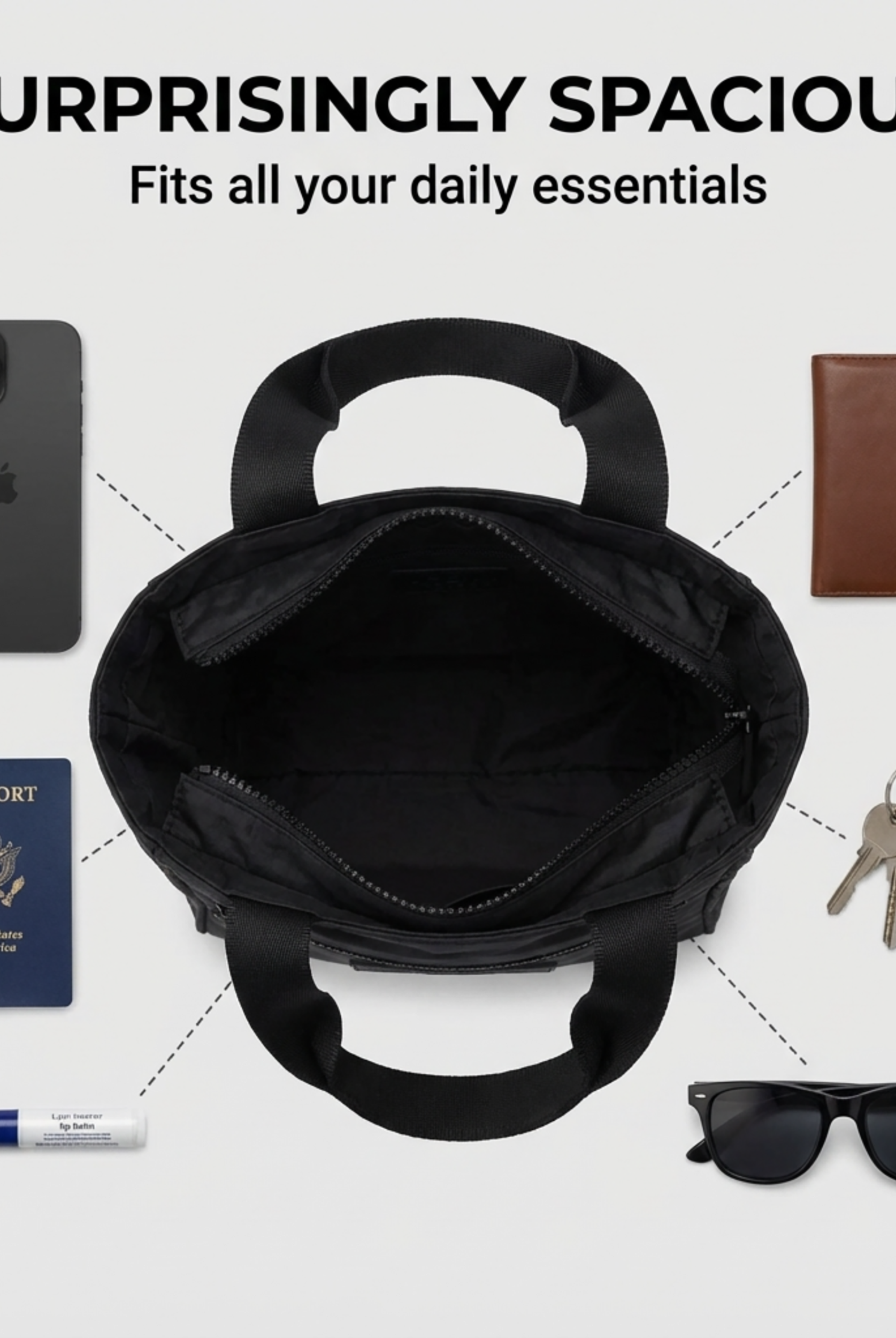
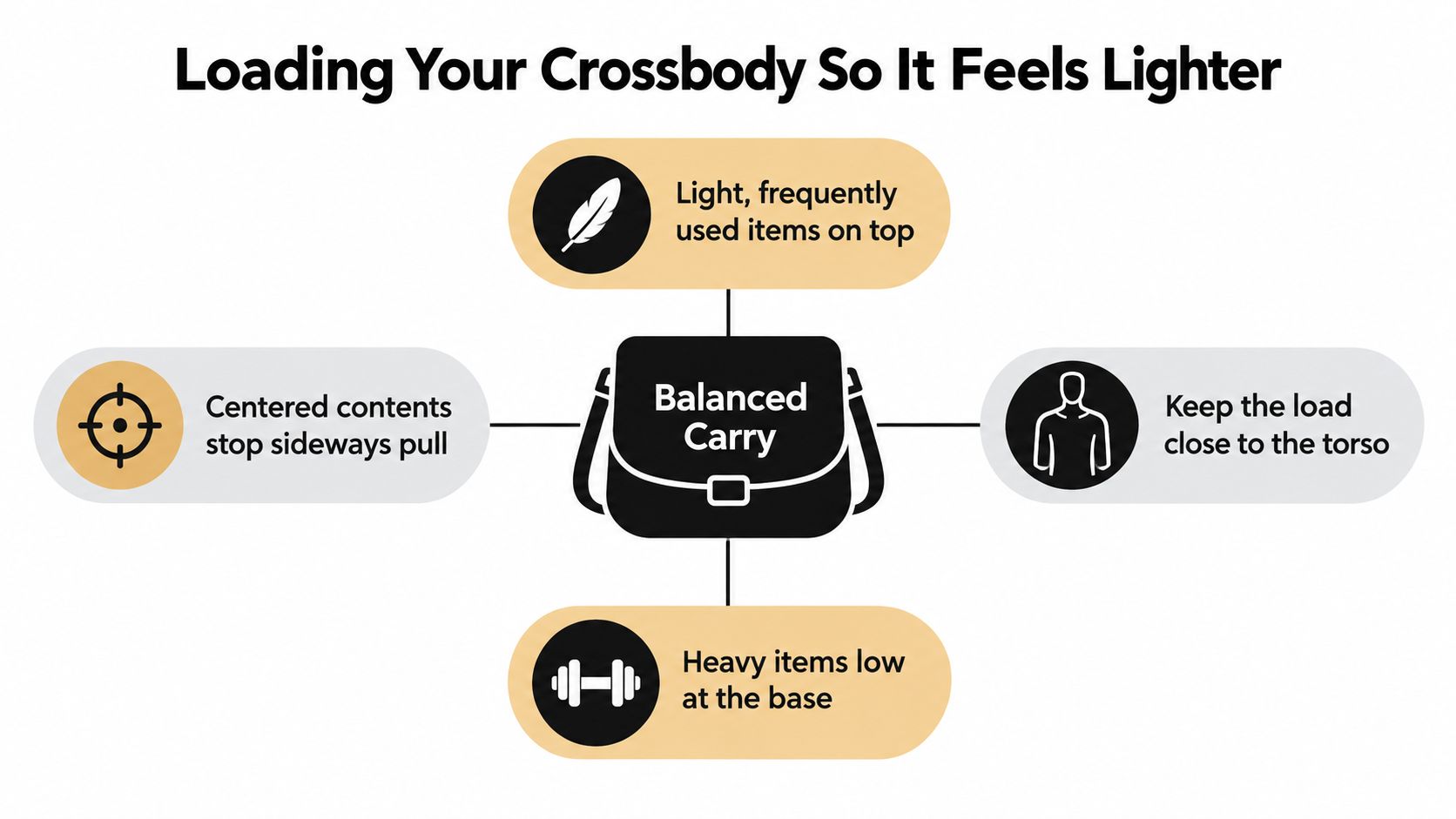
A crossbody can feel awkwardly heavy even when the bag itself weighs very little. Pack it for balance first. Place the densest item low and against the back panel, close to your torso. A water bottle, compact power bank, or small wallet creates less outward pull there than it does floating at the top.
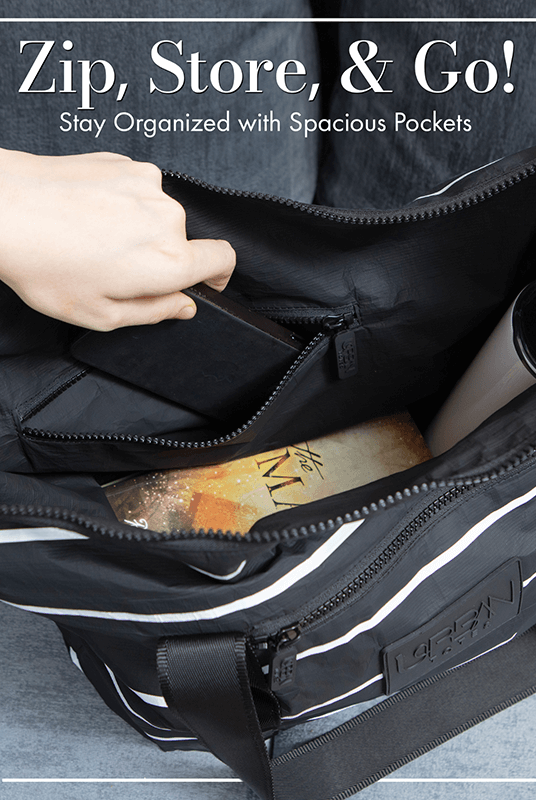
Layer flat, light items above the heavier pieces. Keep your phone, sunglasses, tissues, and lip balm in the easiest-access pocket. Put keys in a small pouch or clip, so they do not bounce through the main compartment or make you dig while walking. That setup saves time at an airport, during a school run, or at a farmers market.
Use this packing order:
- Place the dense items first: Set them at the base and against the side closest to your back.
- Center the load: Do not stack everything in the outside pocket or on one side.
- Keep daily items accessible: Put lightweight pieces you reach for often on top.
- Settle the bag before tightening: Move it slightly forward, then adjust the strap so it stays there as you walk.
Keep the total load light enough that the strap does not dig into your shoulder after ten minutes of walking. If the bag starts pulling, remove “just in case” items before changing the strap. For a larger carry, choose broader straps or split the load between bags instead of asking one shoulder to manage everything. This load and shoulder comfort guidance offers another practical reference for keeping the load close to your body.
The Urban Totes bag with compartments guide applies the same everyday logic: compartments give your phone, keys, and other items a fixed place. The Go Anywhere Day Trip Tote Bag has three large zippered compartments, dedicated pockets for an iPhone and keys, and lightweight, water-resistant, packable construction. Better organization helps you leave clutter behind, which is often the quickest way to make a crossbody feel lighter.
Outfit Pairings for Casual, Work, and Evening Looks
A crossbody should finish an outfit, not compete with it. The strap position changes the proportions, so I choose the height after I choose the clothes. A bag that looks polished at the hip with jeans may look too casual or too low with a slip dress.
| Look | Bag Choice | Outfit Pairing | Strap Position |
|---|---|---|---|
| Casual day | Tan or olive soft leather crossbody | High-rise straight-leg jeans, tucked linen tee, white sneakers | High enough to sit near the hip and read as an accessory |
| Office-ready | Structured black or cognac crossbody | Slip skirt, fine-knit sweater, loafers | Just below the hipbone for a tailored line |
| Evening | Small metallic or smooth leather crossbody | Slip dress, minimal jewelry | Short, with the bag resting near the upper rib |
For a relaxed day
A soft leather crossbody in tan or olive looks especially clean with high-rise straight-leg jeans, a tucked linen tee, and white sneakers. Keep the bag high enough that it follows the waistline rather than dropping toward the thigh. This is the difference between a considered casual outfit and the visual impression that you're carrying luggage.
For the office
Choose a structured silhouette in black or cognac with a slip skirt, fine-knit sweater, and loafers. Let the bag sit just below the hipbone, where it adds shape without breaking the line of the skirt. If you want more ideas for warm neutrals, this guide to cognac crossbody bags offers useful color and styling context.
For evening
Switch to a smaller crossbody in metallic or smooth leather. Wear it higher, near the upper rib, against a slip dress with minimal jewelry. Match the bag hardware to at least one other metal you're wearing, such as a watch, belt buckle, or earring. That tiny repetition makes the whole look feel intentional.
Common Fit Problems and Quick Fixes
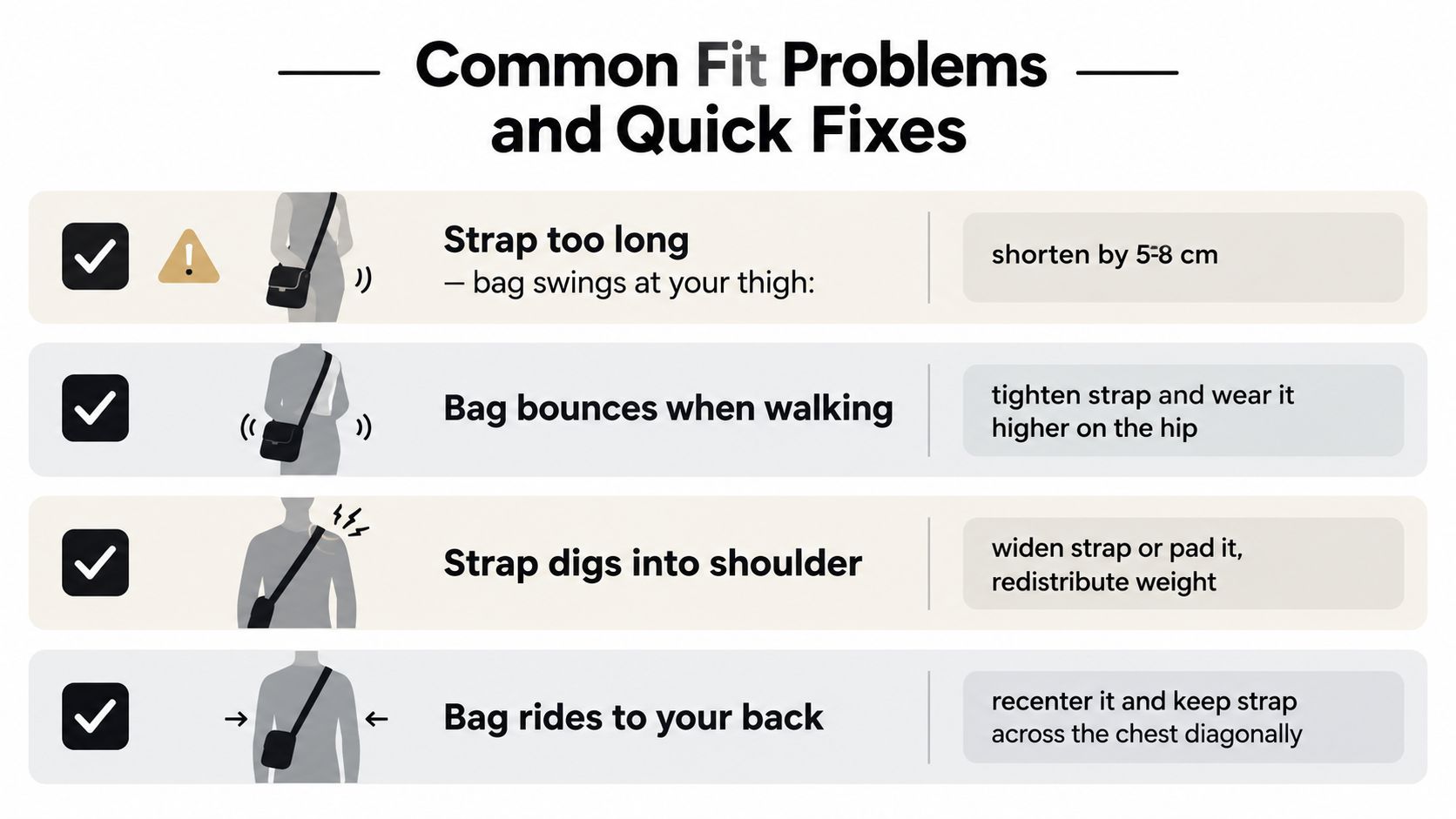
Most fit problems have a visible cause. If the bag is thumping your thigh, the strap is too long. If it keeps migrating behind you, the pouch needs to rotate forward or the strap needs to sit more firmly across your chest. If one pocket bulges, the load needs editing, not another adjustment.
The bag swings at your thigh
Shorten the strap until the bag rests at hip or upper-thigh level and stays close as you walk. A long strap increases movement and makes the pouch catch on chairs, counters, and passing people. If you're wearing a coat, loosen it only enough to clear the extra fabric.
The bag keeps riding to your back
Recenter it across your torso before you enter a line or crowded shop. Wearing the bag behind you forces a repeated twist whenever you need your phone, and it puts the zipper outside your natural field of view.
The strap digs into your shoulder
First, remove unnecessary weight and move dense items toward the back panel. Then check the strap width. Guidance on ergonomic crossbody construction recommends wider or padded straps to spread pressure instead of concentrating it in a narrow section. This practical guide to adjusting bag straps is useful when the buckle keeps slipping or the strap won't lie flat.
One side always feels more tired
Switch shoulders during a long outing, especially if you've been carrying the same arrangement for hours. A postural study summarized in this ergonomic carrying guide found improved lower-extremity weight distribution when right-hand-dominant participants carried a bag from the left shoulder to the right hip. Your own comfort decides the final position, but alternating sides keeps you from repeating the same one-sided load all day.
Before leaving, take a two-second mirror check. Is the strap flat? Is the bag close? Are the zippers closed? That tiny pause catches most problems before they follow you out the door.
Why a Thoughtfully Designed Crossbody Makes It Easy
A well-designed crossbody handles the small mechanics in the background. The strap should adjust smoothly and hold its setting. The body should sit flat against the torso instead of sagging away from it. A broader strap distributes pressure across more surface area, while a structured base keeps the pouch from collapsing into a lopsided shape.
Organization matters just as much. A single phone sleeve, a key clip, and a slim wallet pocket encourage a lighter everyday carry because each item has a clear home. A zipper closure keeps the contents contained, and a front-facing or body-facing opening lets you decide whether access or privacy matters more in the moment.
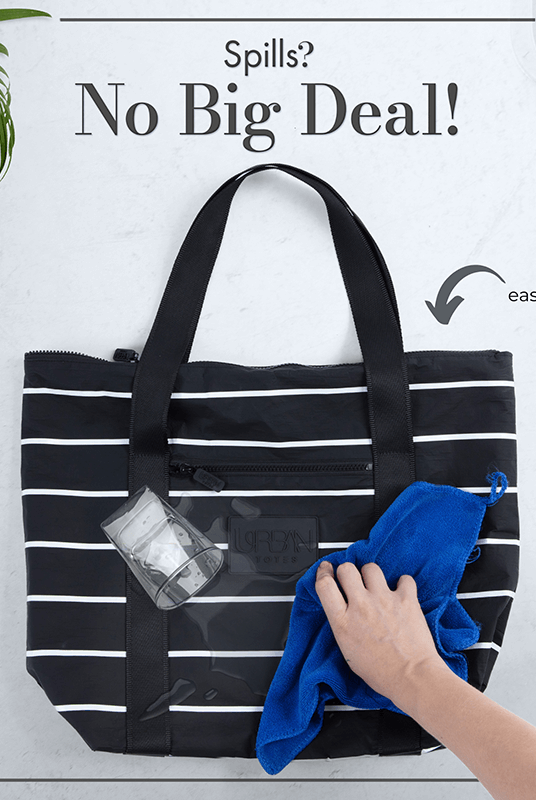
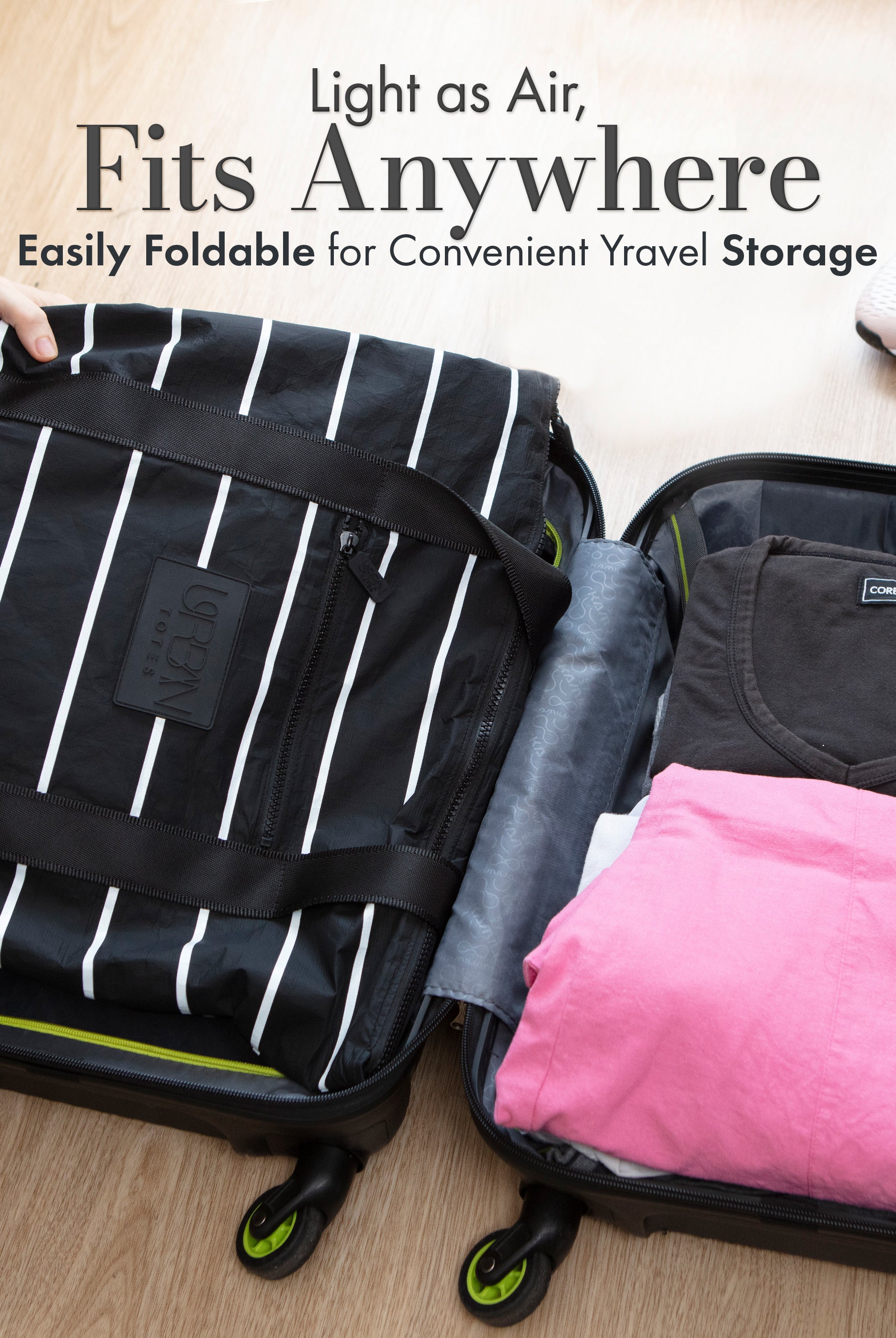
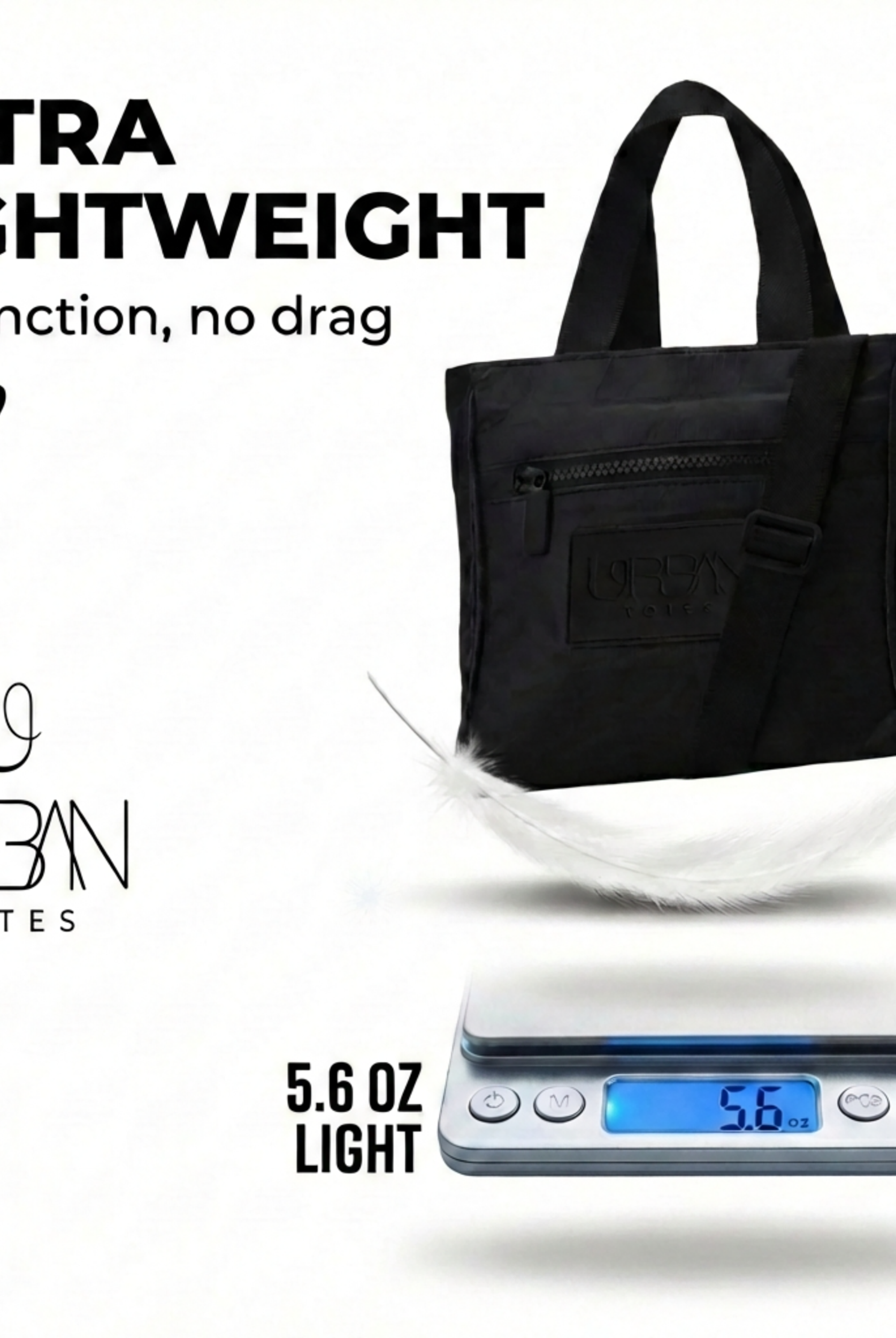
Material changes the experience, too. A water-resistant, lightweight, foldable body works for an airport terminal, a beach chair, or a sudden drizzle on the school run. A treated finish is practical for a bag that moves between errands, travel, and everyday carry, while clean lines keep it from looking like outdoor equipment with a nicer outfit.
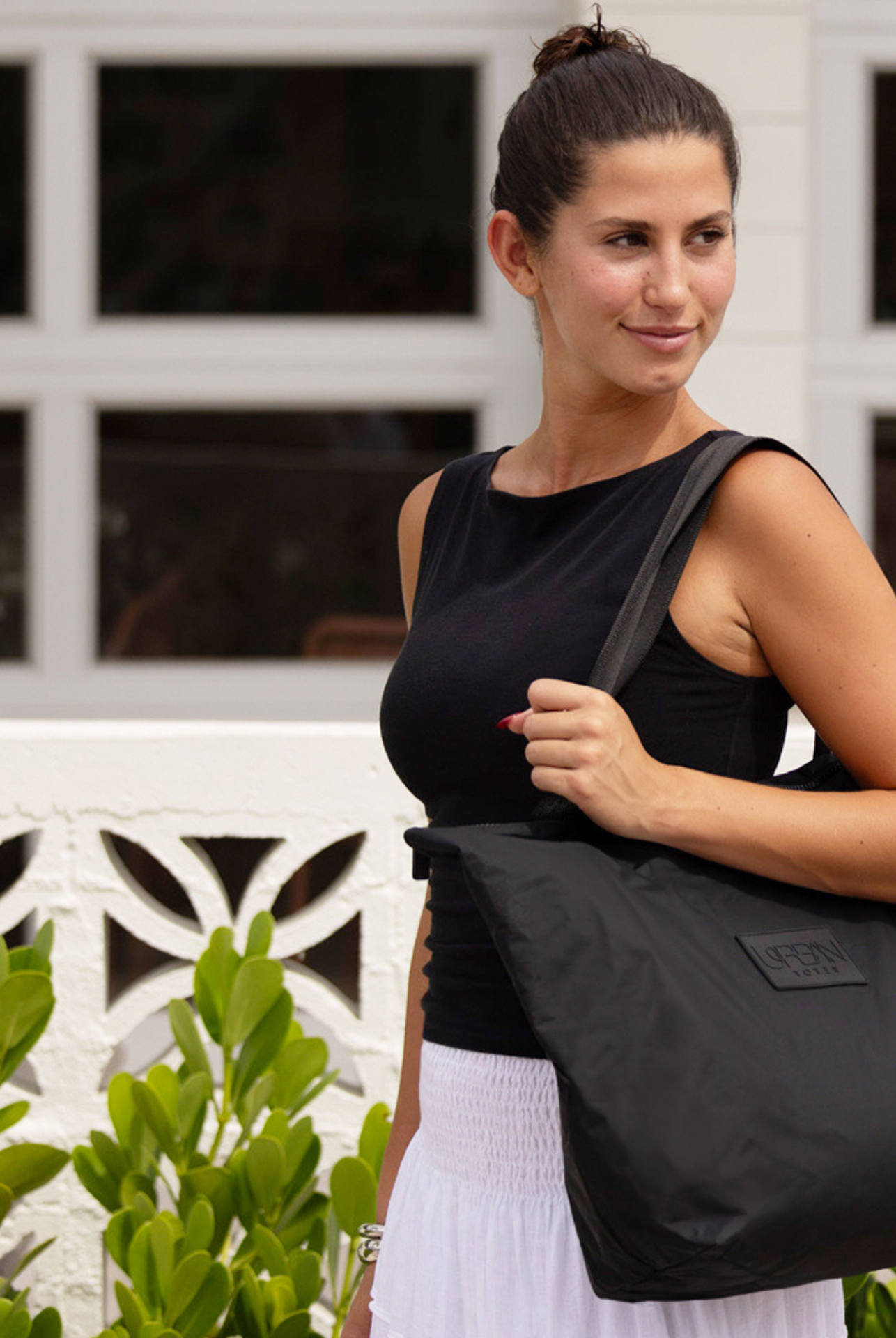
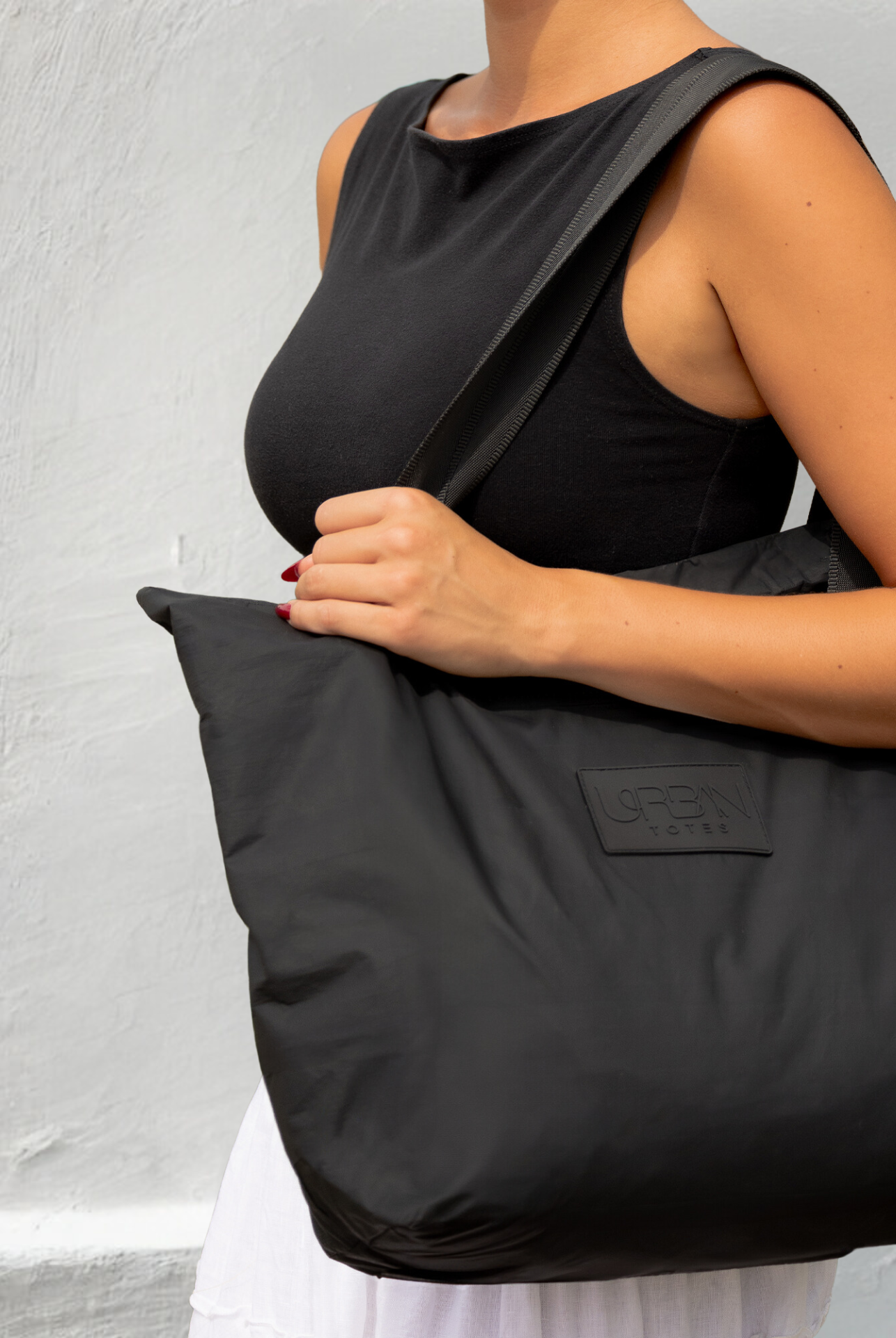
That's why I like the logic behind the Urban Totes Crossbody Mini. Its compact shape, adjustable strap, zip-top closure, outside zipper pocket, and easy-access pocket support the wearing rules above without making the bag feel fussy. The black interior, lightweight technical material, structured piping, and foldable construction give it a clear place in a go-anywhere wardrobe. Urban Totes is a woman-owned Boise-made brand, and its collection is built around water-resistant, packable organization for women moving between commutes, beach days, errands, and travel.
The final test is wonderfully simple. Put the bag on, fill it with only what you need, walk across the room, reach for your keys, and sit down. If the strap stays flat and the pouch stays close, you've found the fit.
Urban Totes offers lightweight, water-resistant, packable bags with zipper closures and thoughtfully organized compartments for everyday carry, travel, beach days, and busy family routines. Visit Urban Totes to choose a go-anywhere style that keeps your essentials close and your hands free.