You're standing at checkout with one hand holding your coffee and the other digging through a cavernous tote for your keys. A lip balm appears, then an old receipt, then a tangled charging cable. The keys are still hiding. At school drop-off, in an airport terminal, or on the way to the farmers market, a bag that carries everything can make the one thing you need hardest to find.
The answer isn't another oversized carryall. The right small bags for purse use give you a lighter, more organized everyday carry without asking you to sacrifice personal style. The trick is choosing compact dimensions, practical compartments, a comfortable strap, and materials that can handle real life.
Table of Contents
- Why Small Bags Are the Ultimate Everyday Carry Solution
- Exploring the Best Types of Small Bags for Daily Life
- The Ergonomics of Carrying Compact Bags Comfortably
- Choosing Durable and Water-Resistant Materials
- How to Organize Your Essentials Without Overpacking
- Finding Your Perfect Go-Anywhere Companion
Why Small Bags Are the Ultimate Everyday Carry Solution
A large tote encourages “just in case” packing. You add sunglasses, backup cosmetics, receipts, snacks, a notebook, and items you meant to put away days ago. The bag gets heavier, the interior gets harder to search, and your morning routine starts with an unnecessary scavenger hunt.
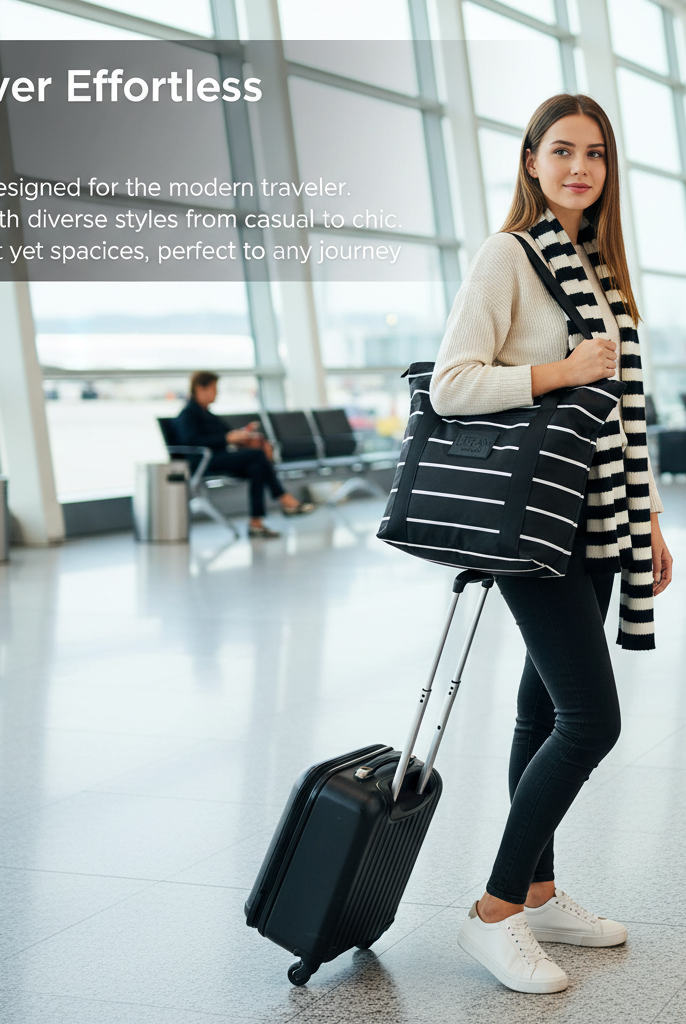
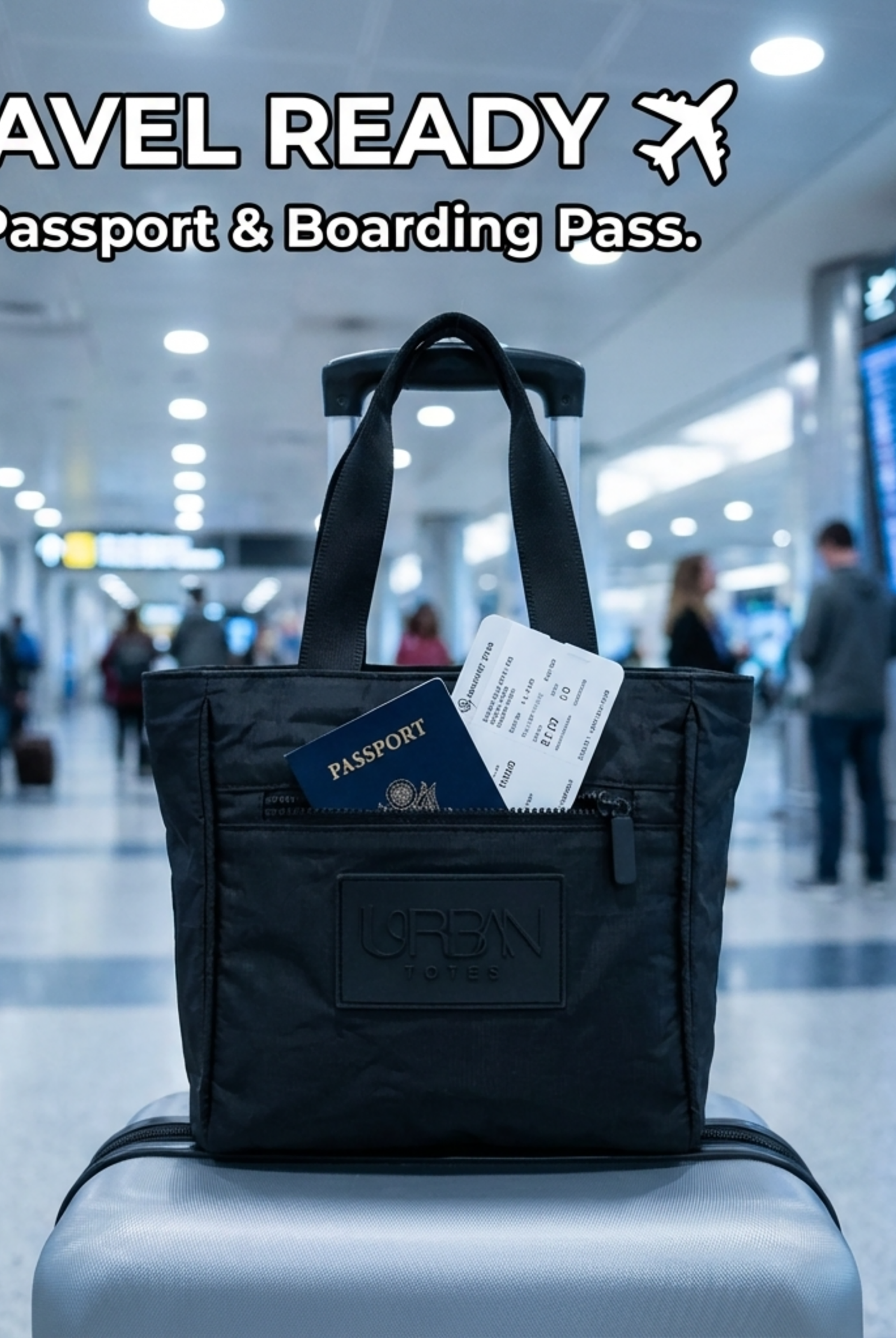
A compact purse creates a useful boundary. Your phone, wallet, keys, and a few small personal items have a clear place, so you can move from a commuter train to a coffee counter without carrying your entire home. For a busy mom, that can mean keeping your own essentials separate from children's snacks and toys. For a traveler, it can mean having a lightweight, hands-free bag that stays close while you make your way through a terminal.
A handbag-focused research report says 95% of women in developed countries own a handbag and claims women spend an average of 76 days of their lives looking for items in their bags. Those figures come from a handbag-focused industry report, not a government source, but they illustrate a familiar design problem: interior organization matters. The report's discussion of handbag habits supports a simple editorial conclusion, a small bag only works when every essential has a sensible home.
A smaller footprint creates more freedom
The best compact purse isn't a miniature version of a tote. It's an edited system. You decide what deserves space, then choose a design that keeps those items accessible rather than burying them beneath extras.
Practical rule: Pack for the day you're actually having, not every possible emergency.
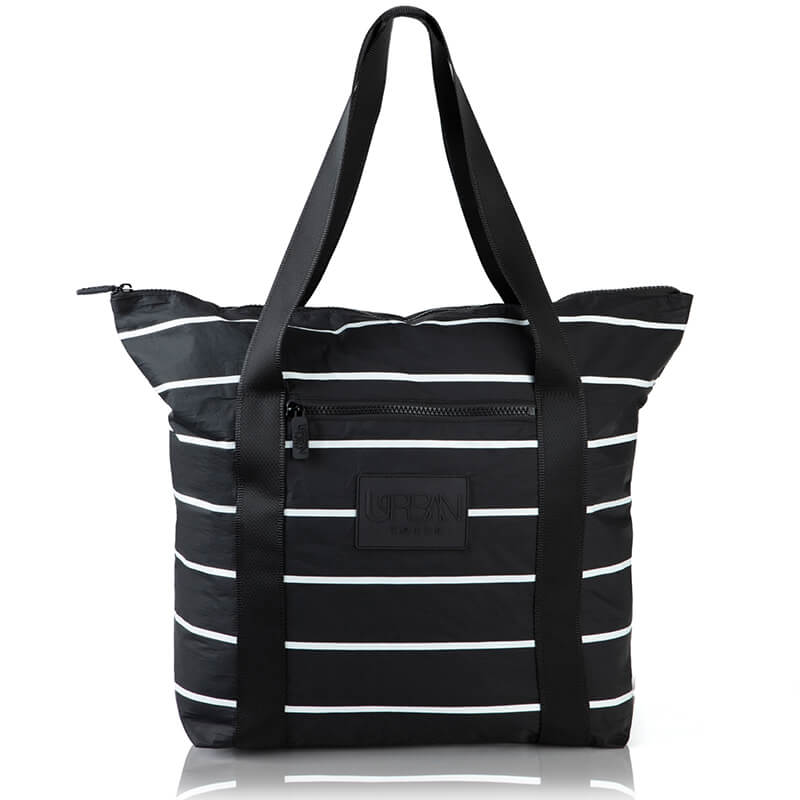
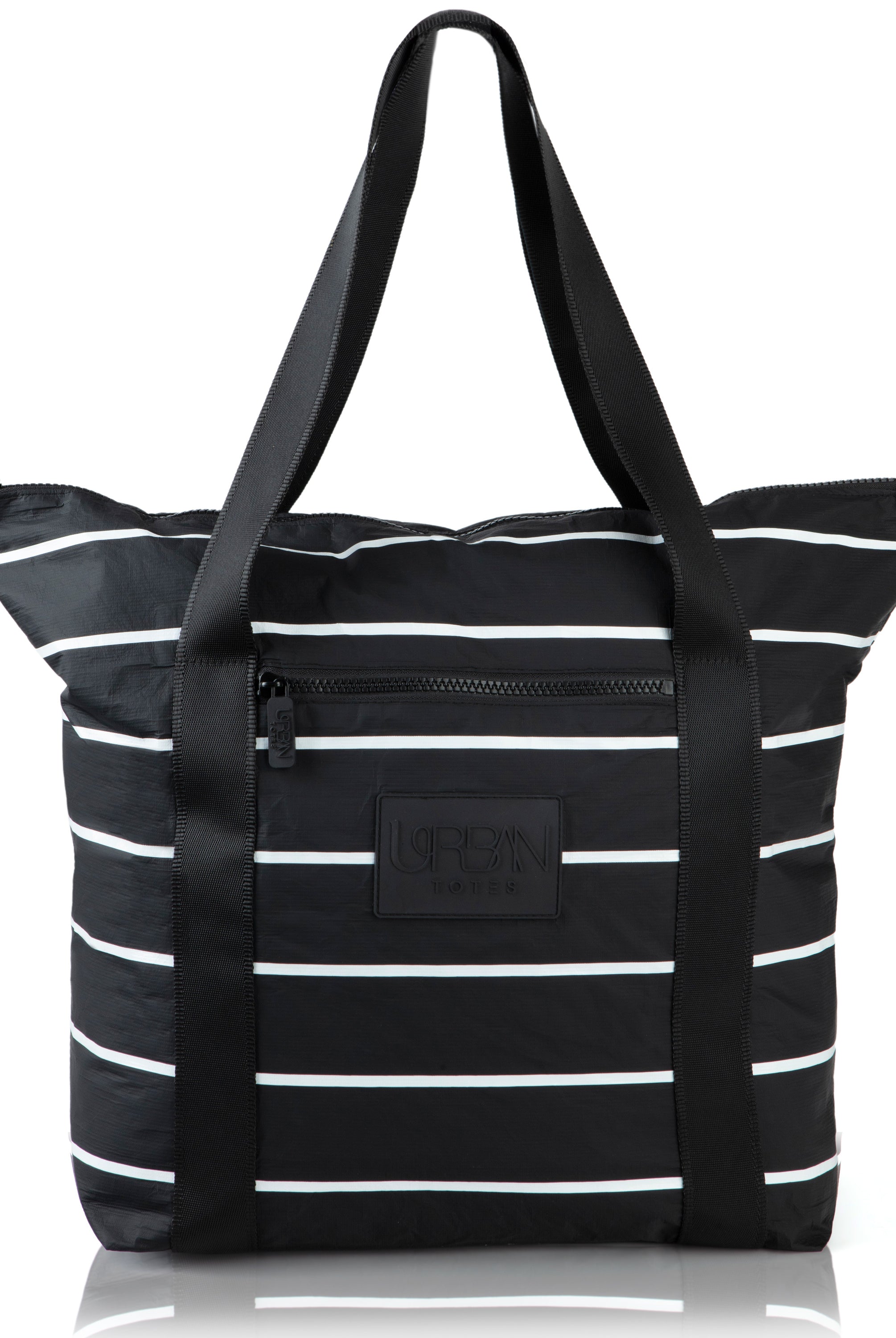
That doesn't mean small bags are suitable for every outing. A beach day with towels, sunscreen, and children's supplies calls for a larger packable tote. A quick dinner, school pickup, or city walk usually calls for something more focused. The smartest wardrobe includes both, so you can switch based on the day instead of forcing one bag to do every job.
Exploring the Best Types of Small Bags for Daily Life
Running from school drop-off to a coffee meeting calls for quick access, a secure closure, and enough room for the items you use. Compact bags come in several formats, so choose one for your routine rather than treating every small bag as the same fashion accessory.
Interest in mini bags continues to grow. Global mini-bag value was estimated at USD 10.74 billion in 2025 and is projected to reach nearly USD 22.98 billion by 2035, according to Global Growth Insights' mini-bag market overview. Popularity does not decide the right format for you. Your daily movement, security needs, and load should.
Compare the silhouettes before you buy
| Bag Type | Best For | Key Feature to Look For |
|---|---|---|
| Mini crossbody | School drop-off, commuting, errands, concerts | Adjustable strap, zipper closure, easy-access phone pocket |
| Structured card wallet | Evening plans, minimal carry, use inside a larger purse | Separate card slots and a secure coin section |
| Coin pouch | Keys, cards, small personal items | Zipper closure and a compact shape |
| Organizer pouch | Tech cables, cosmetics, chargers, or a purse insert | Multi-pocket interior and flexible, packable construction |
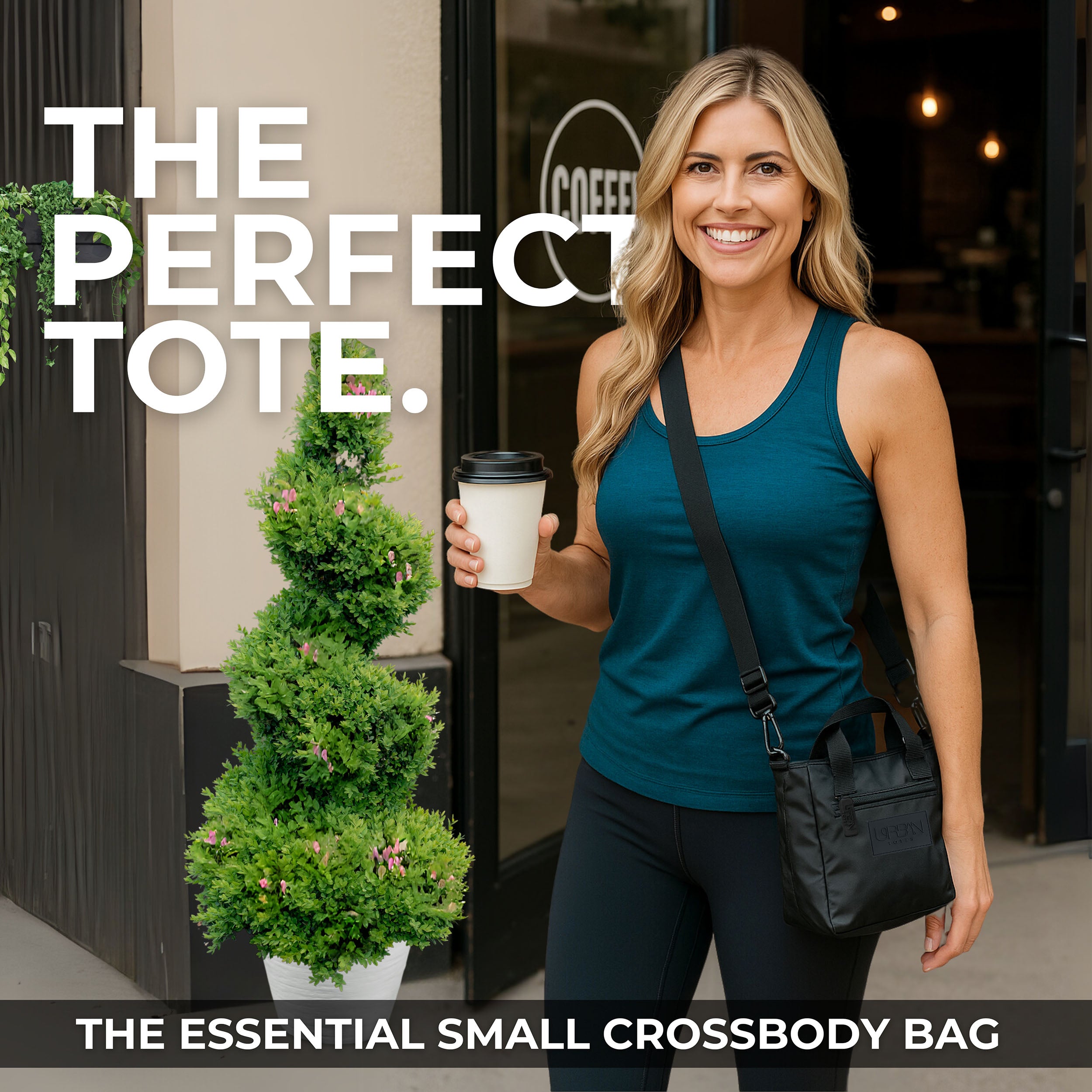
Choose a mini crossbody for the widest range of everyday tasks. It leaves both hands free for coffee, a child's hand, or a market basket, while keeping your phone, keys, and wallet close. This guide to what a crossbody bag is explains the format and its typical use.
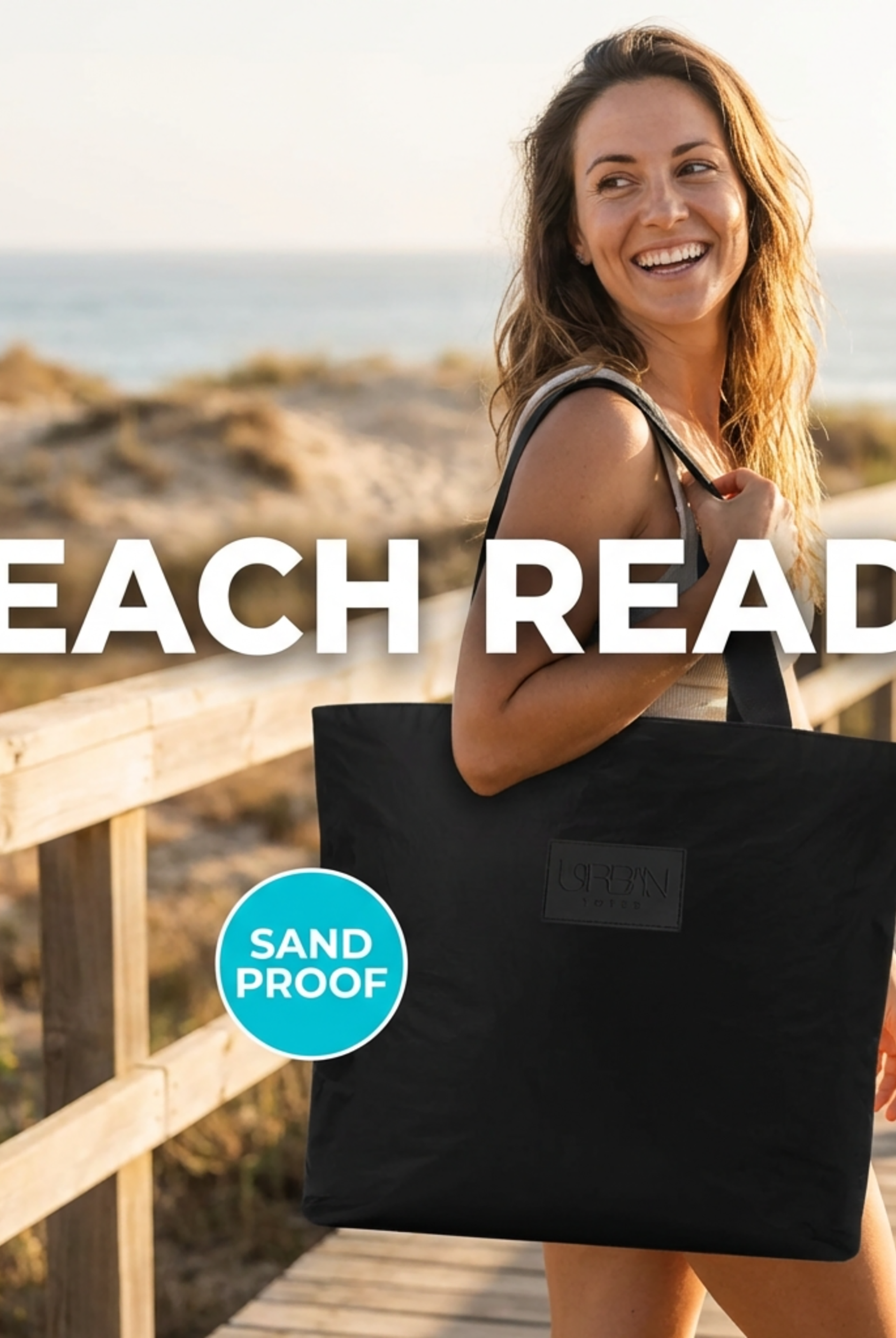
Match the smaller options to specific outings. A beach-day mom can keep cards, keys, and sunscreen in a water-resistant pouch while a larger tote carries towels. For a concert, a style-conscious minimalist may need only a phone, card wallet, and keys. During a weekend trip, an organizer pouch can sort cables, cosmetics, or chargers inside a tote, then serve as a compact dinner bag.
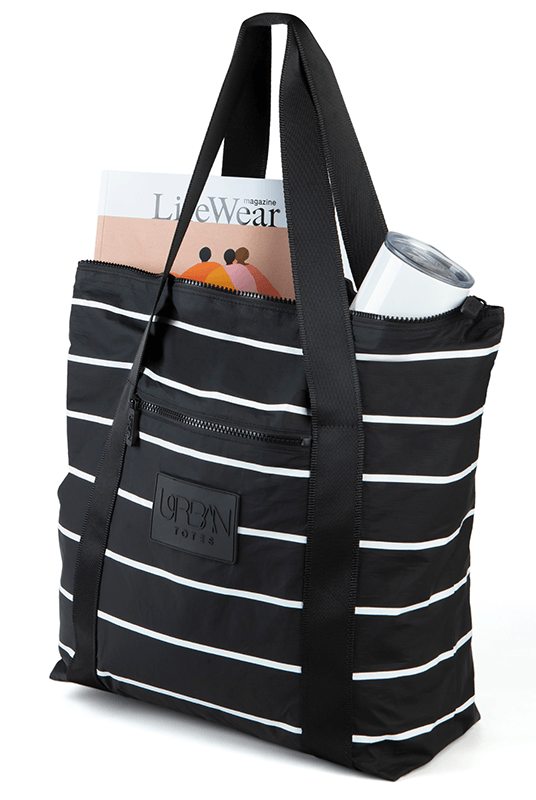
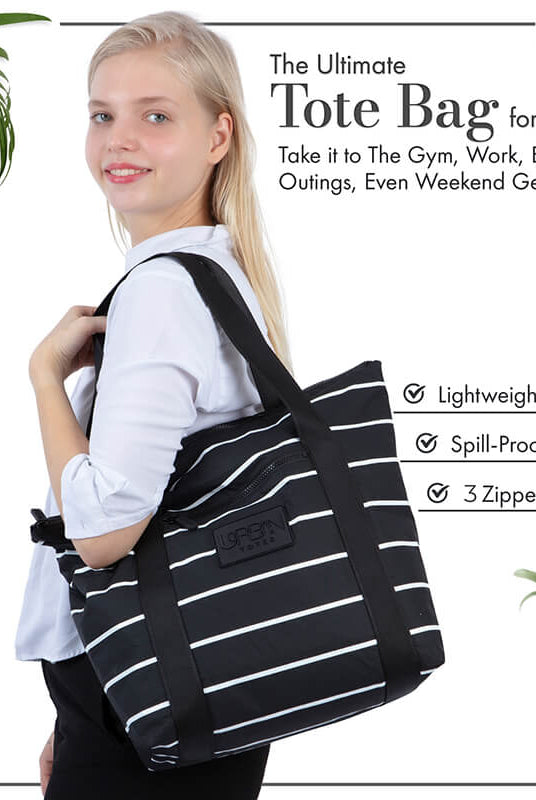
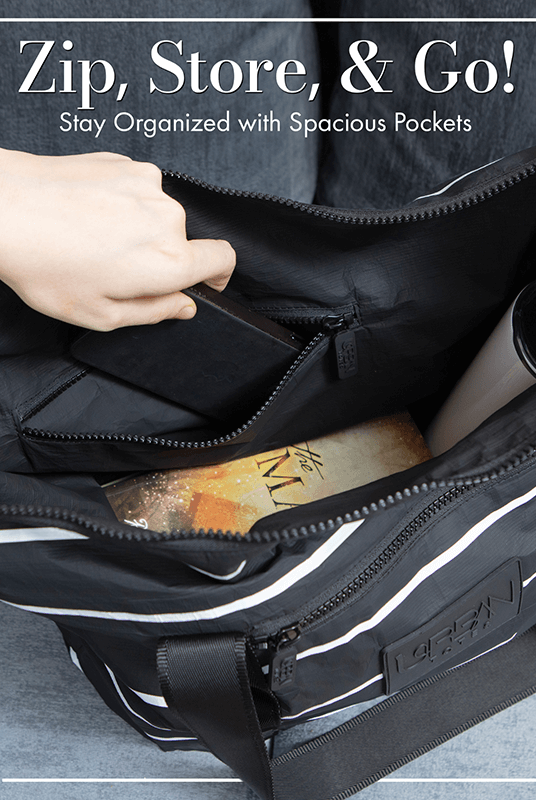
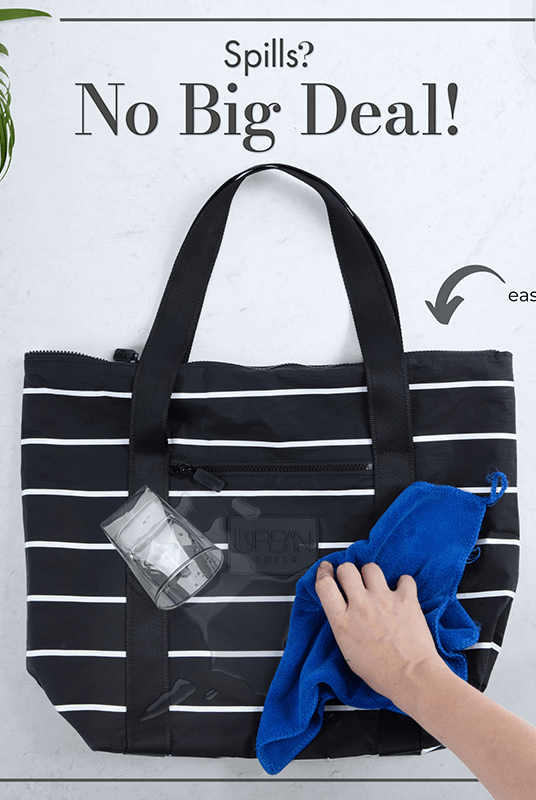
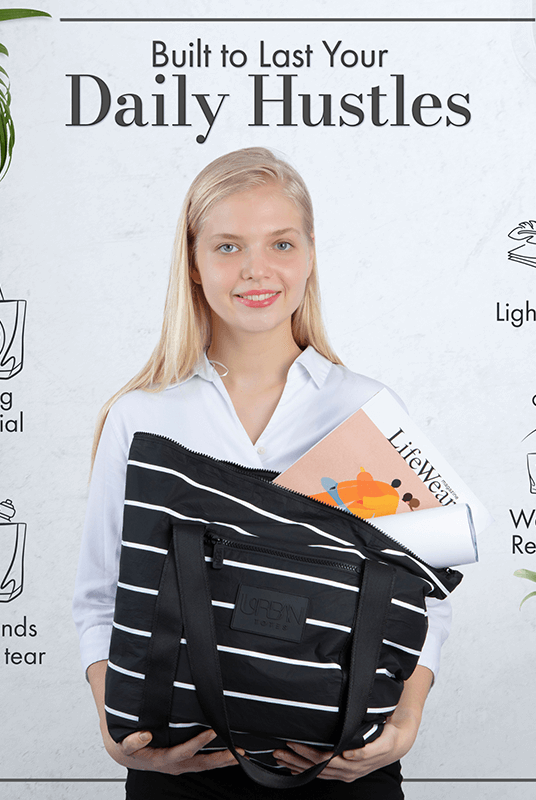
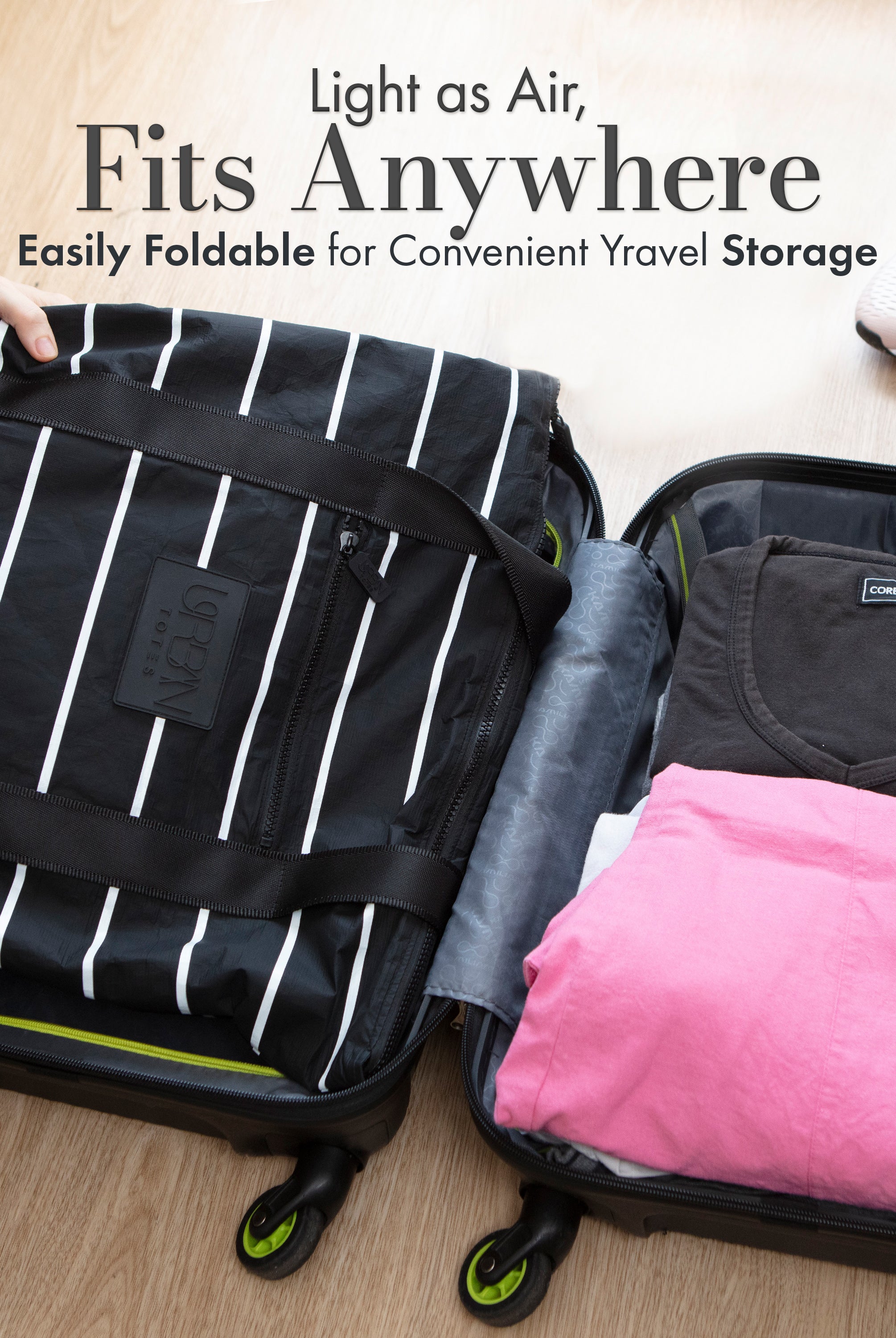
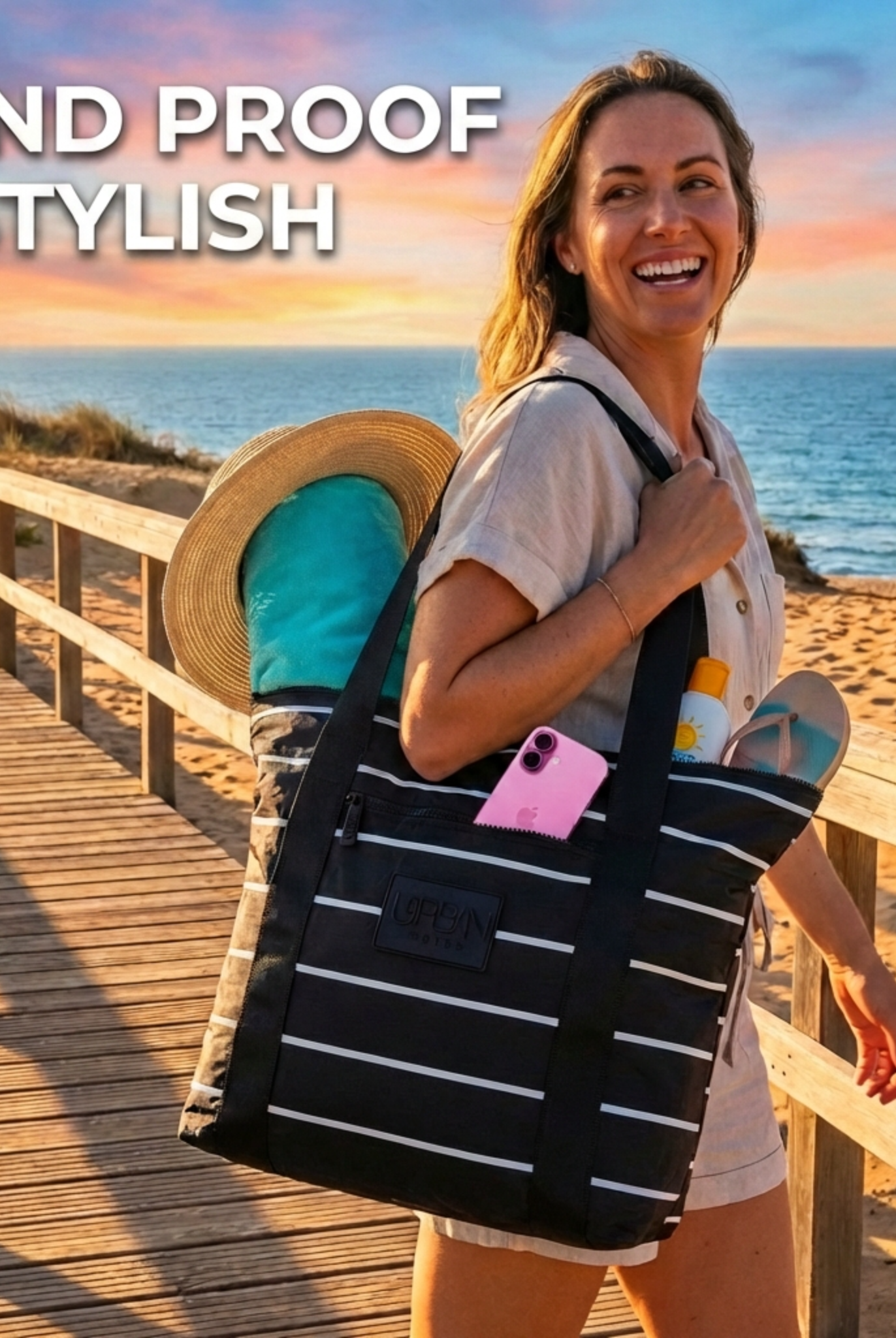
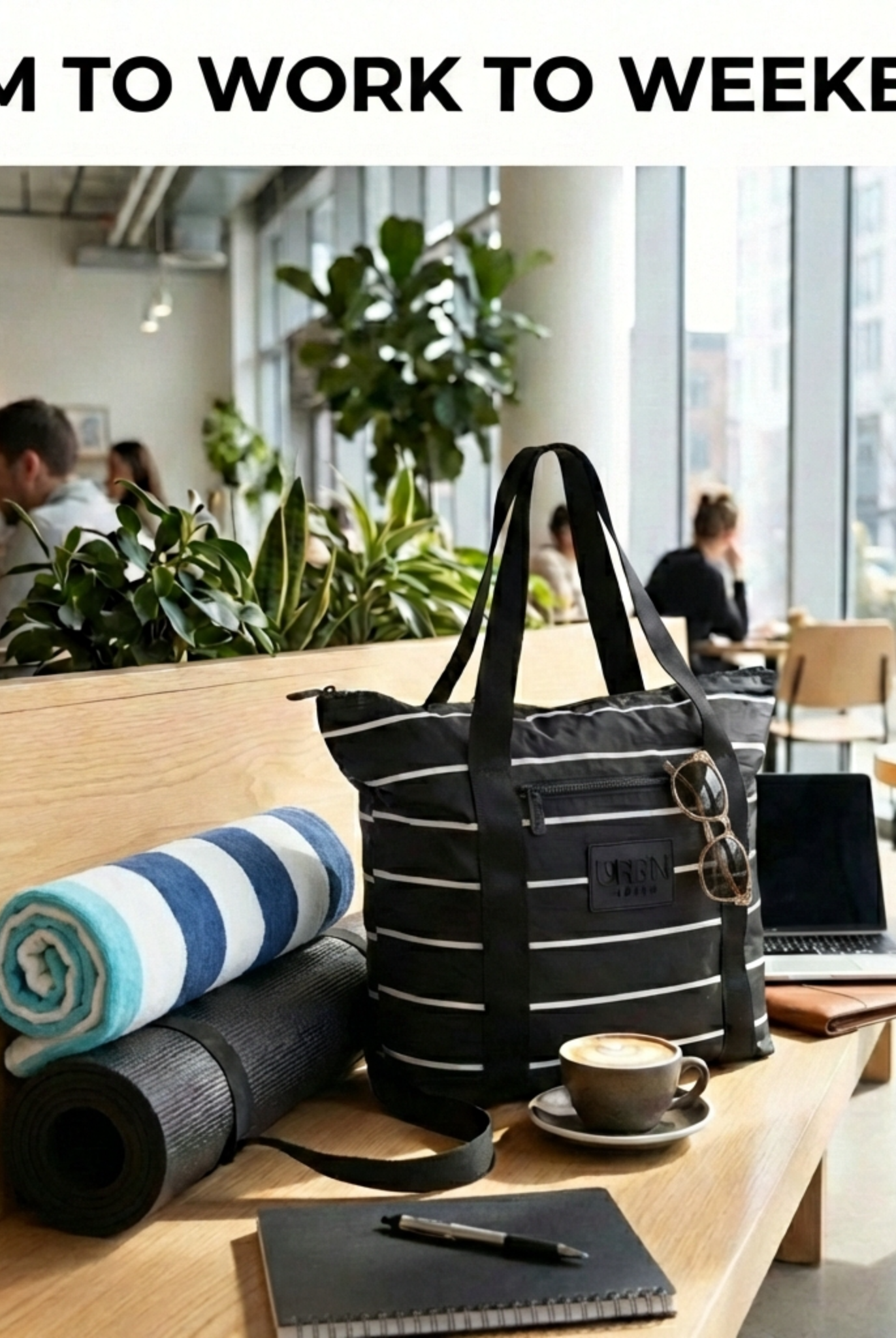
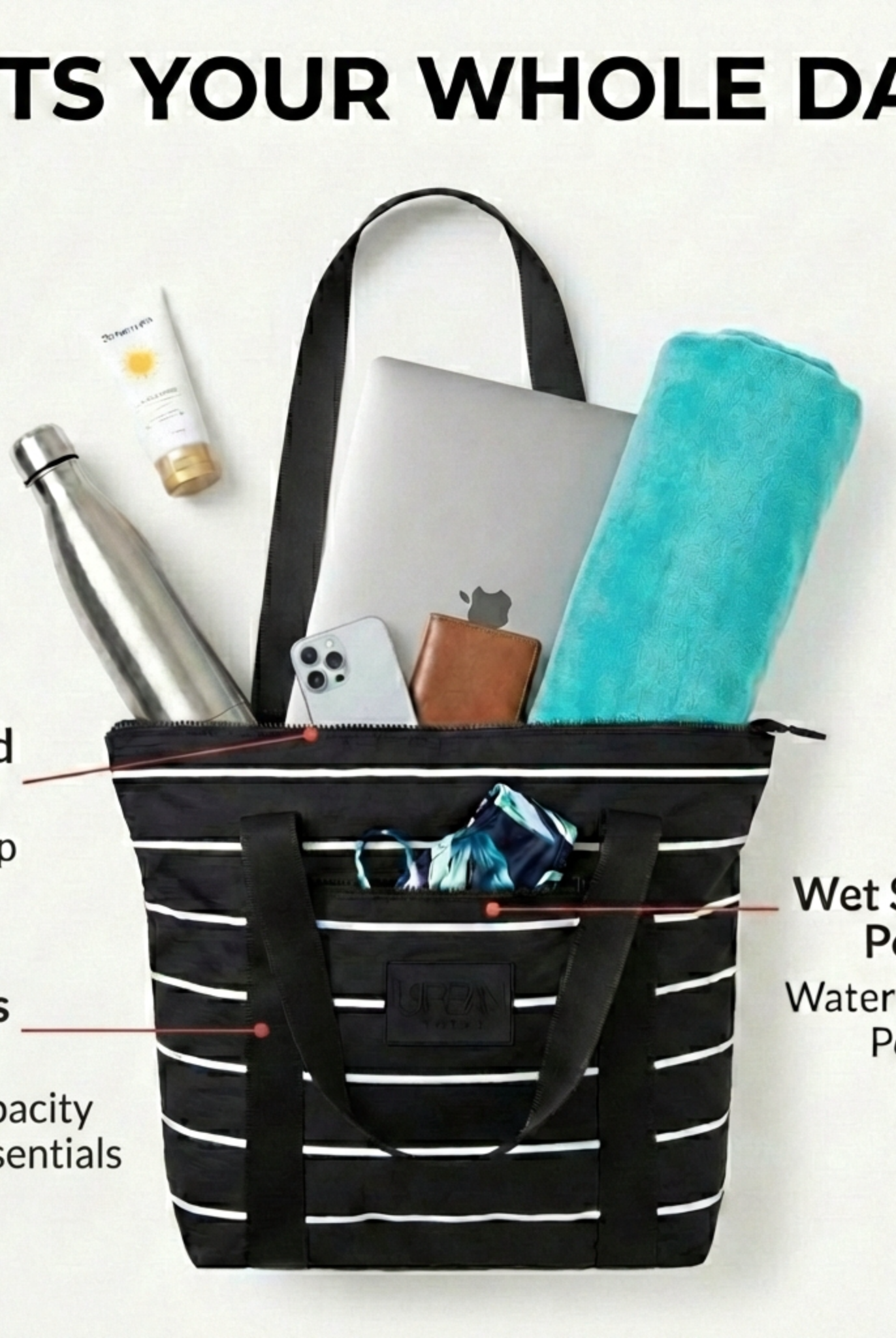
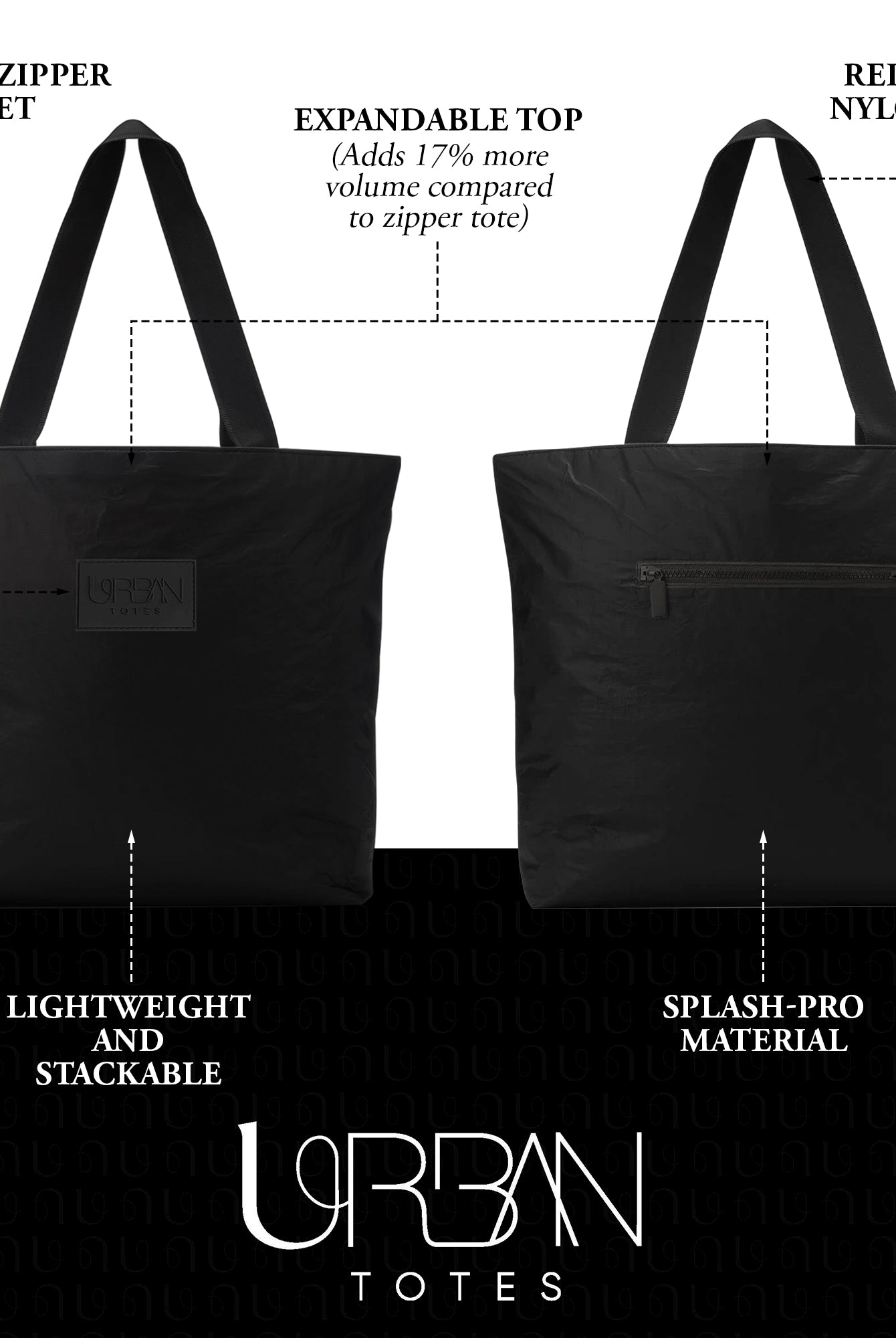
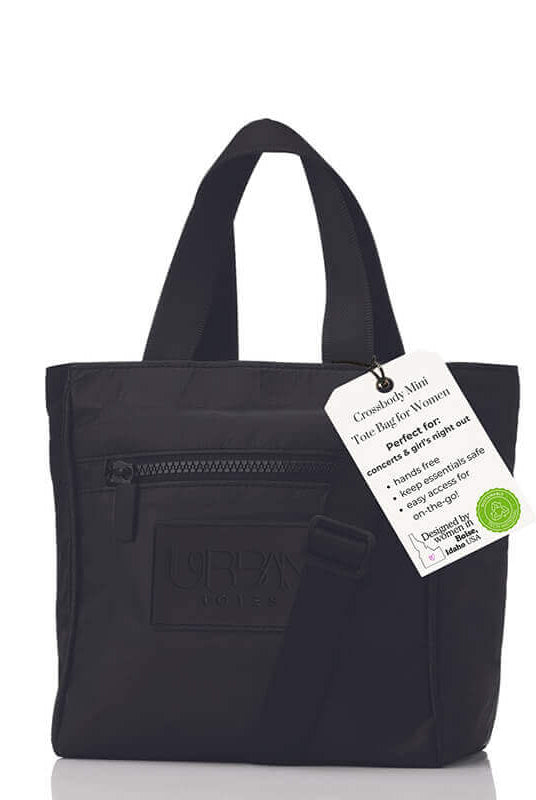
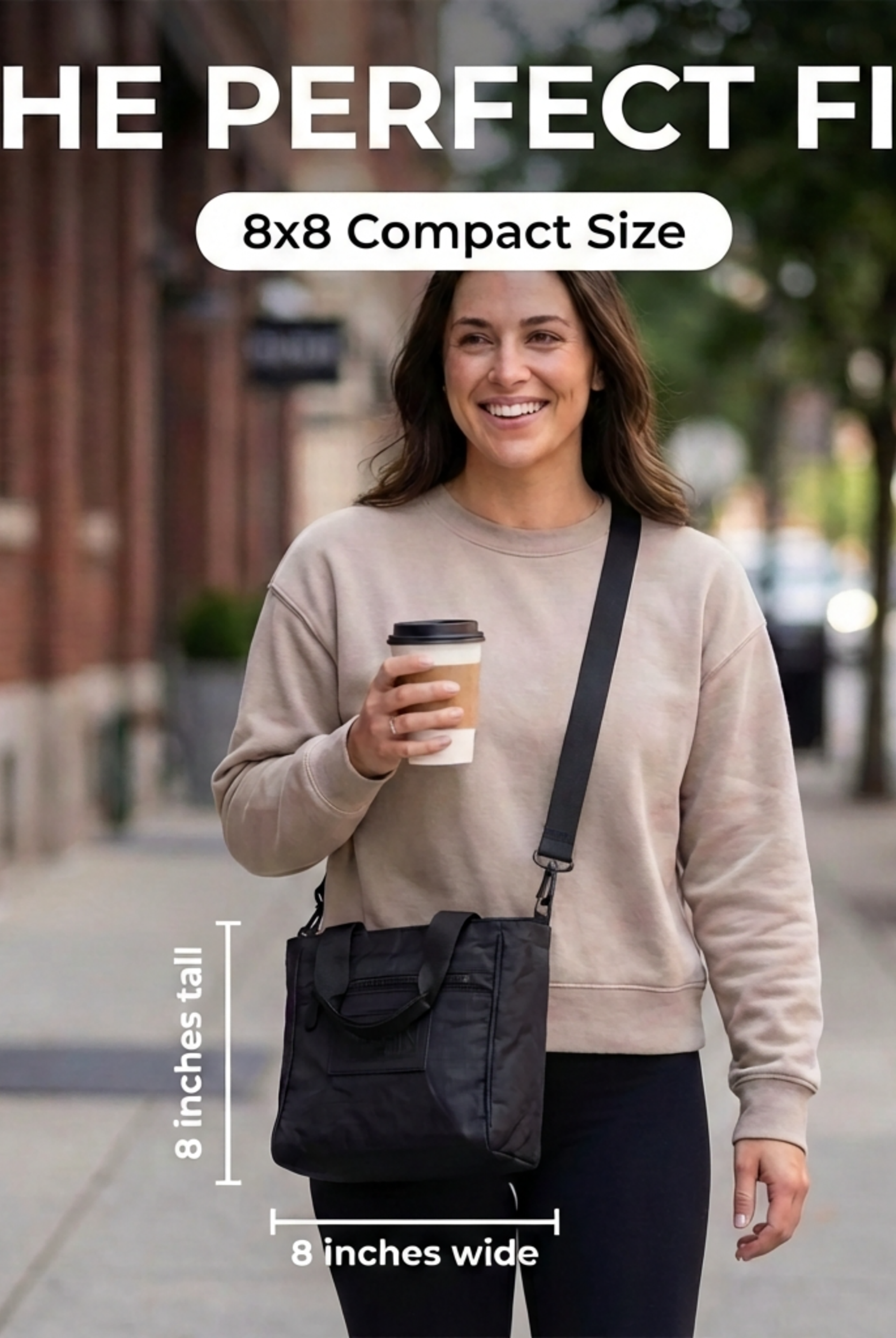
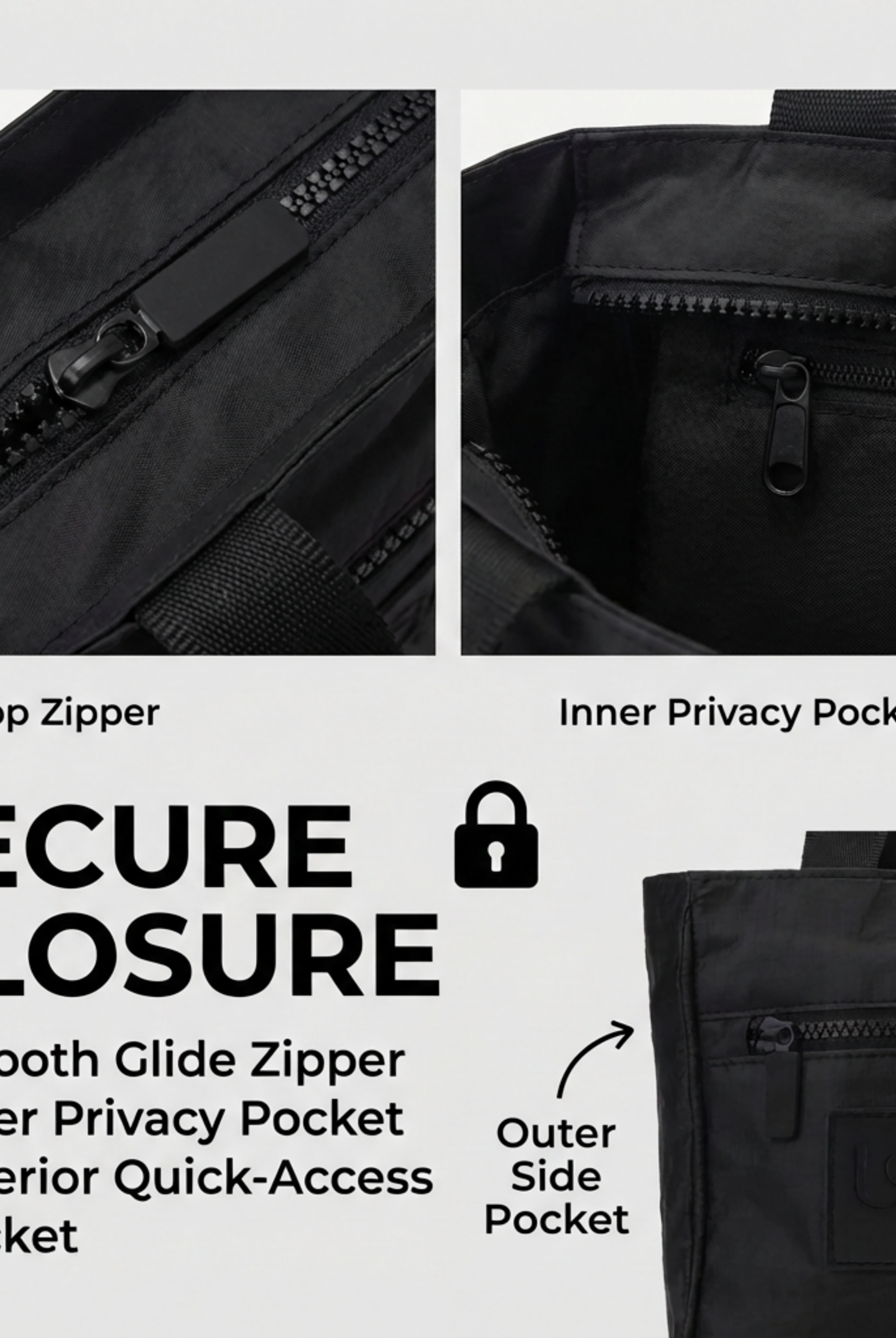
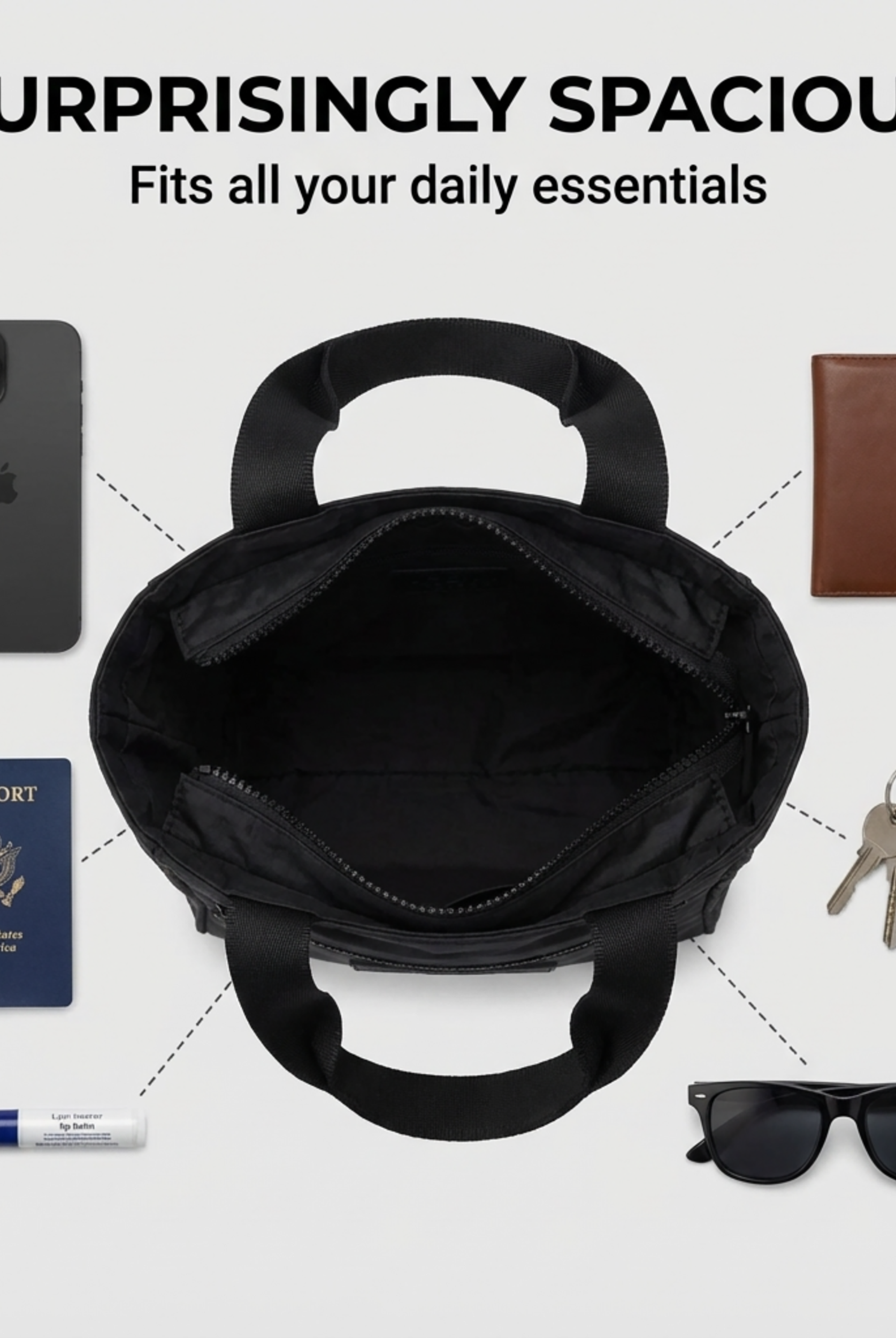
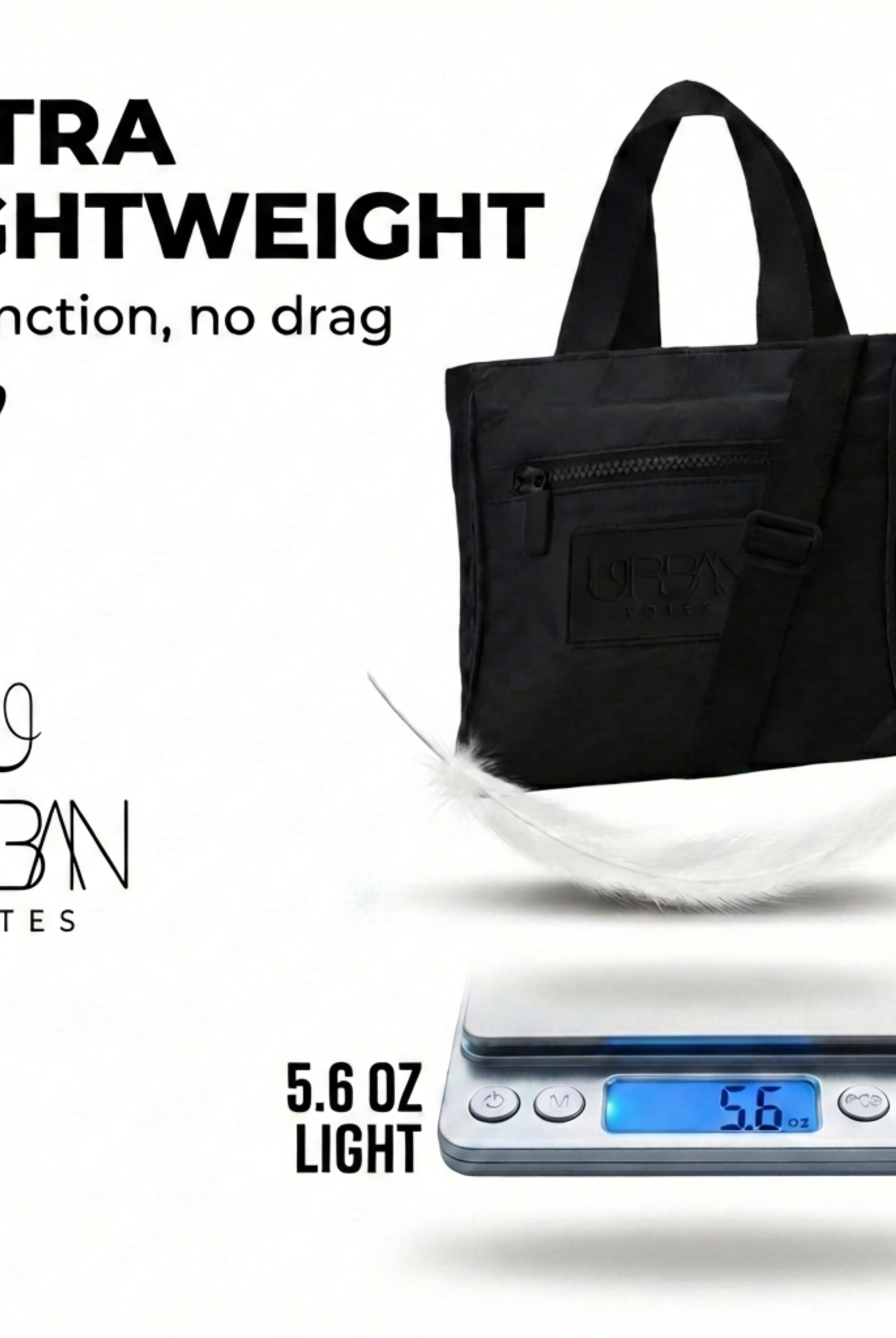
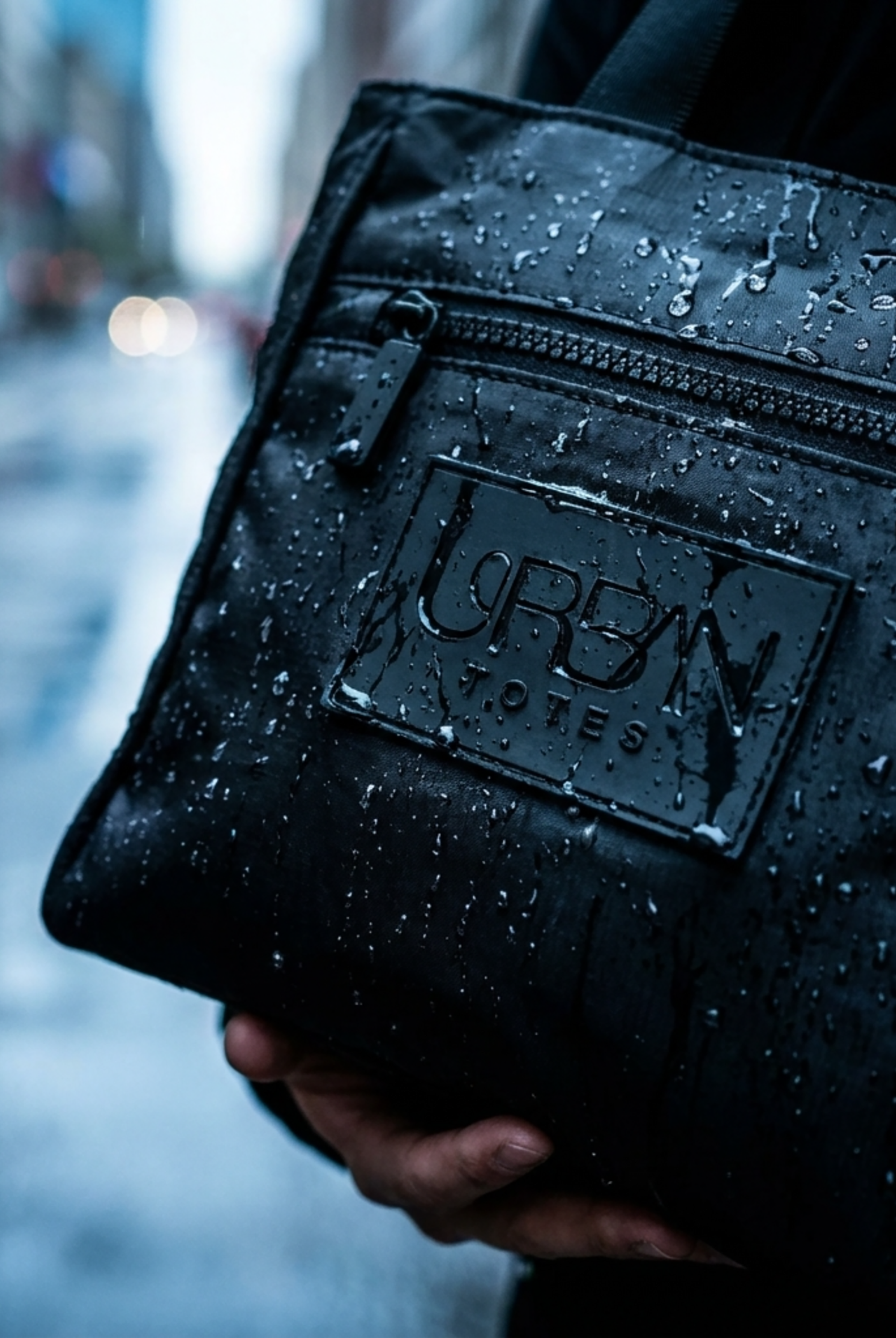
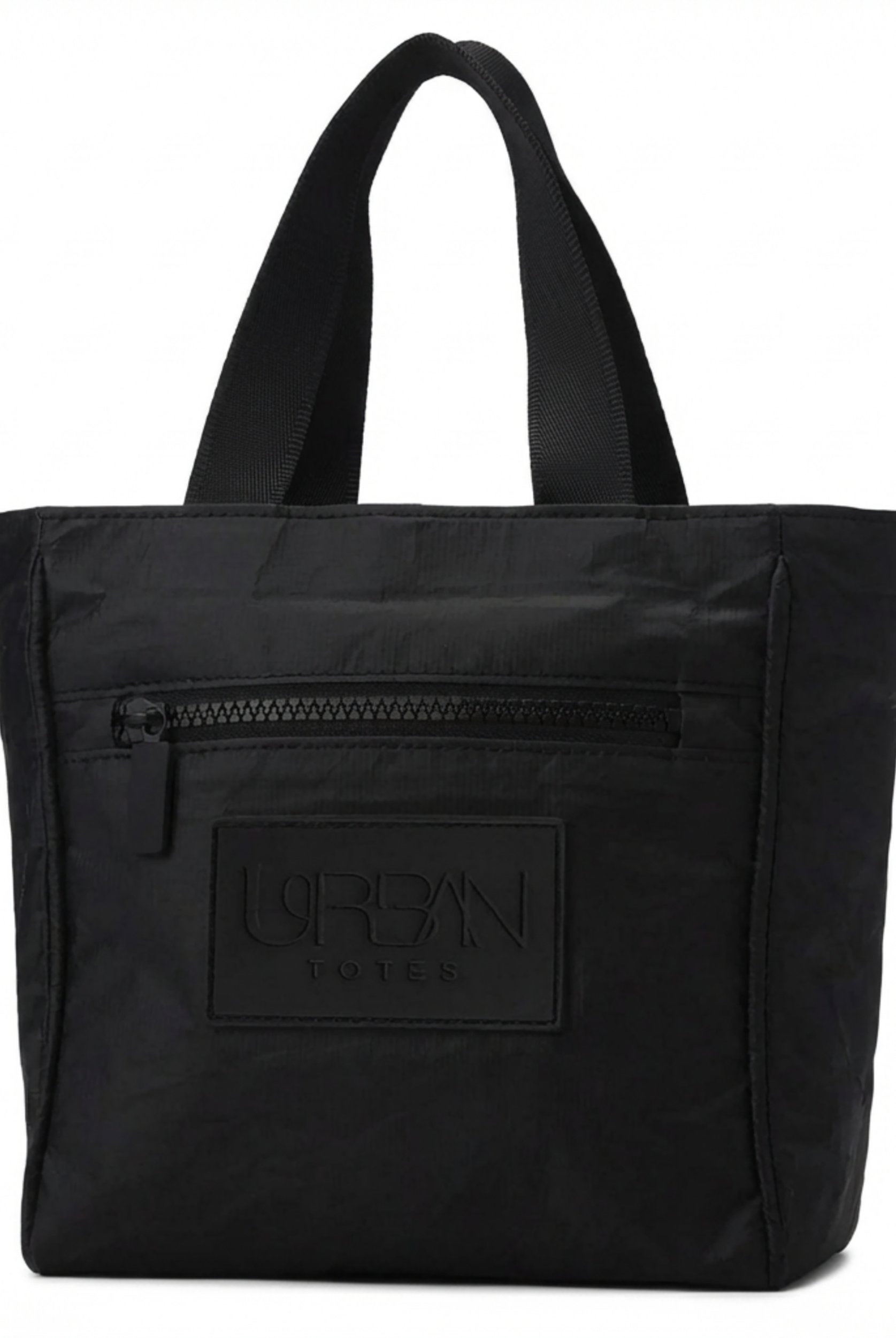
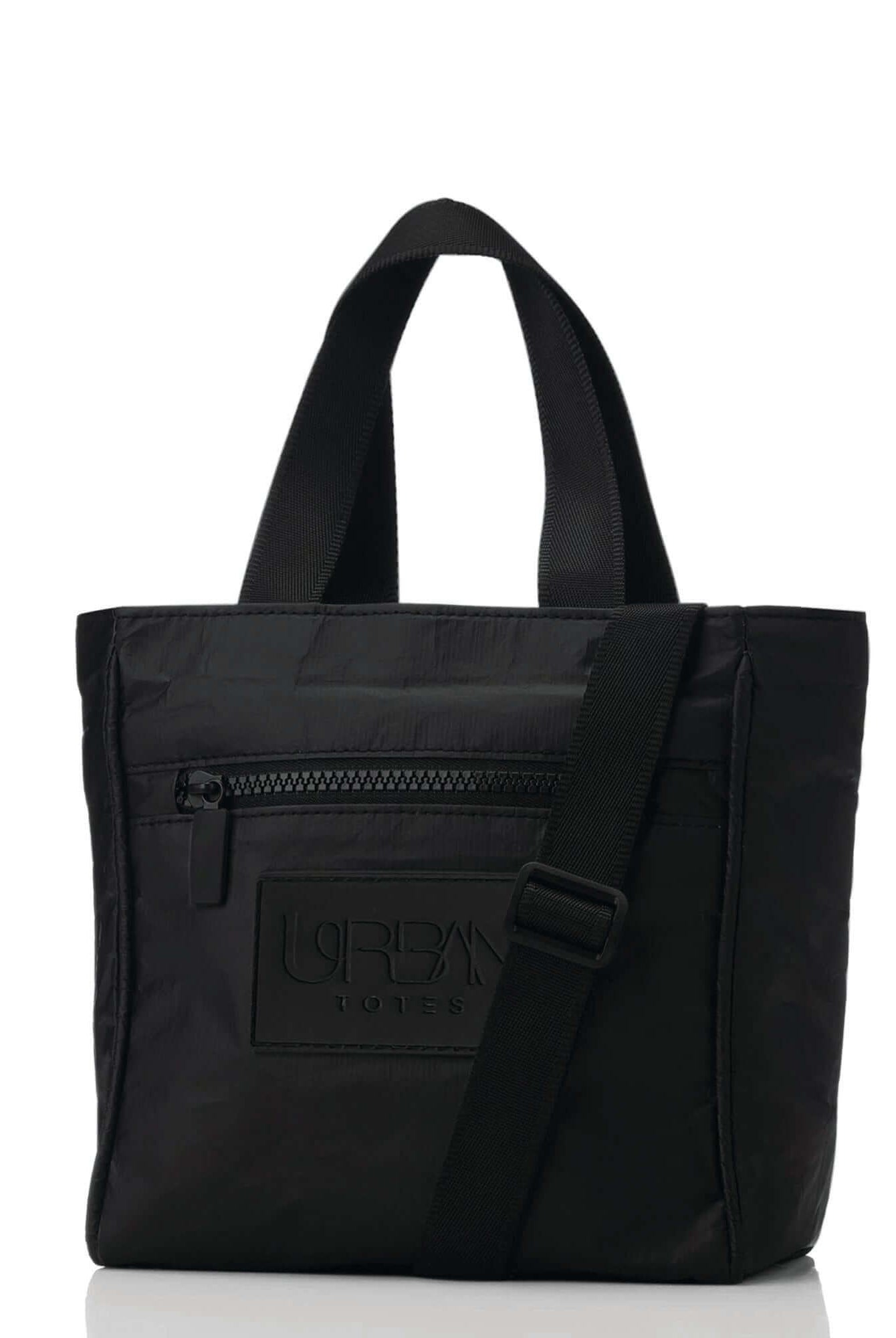
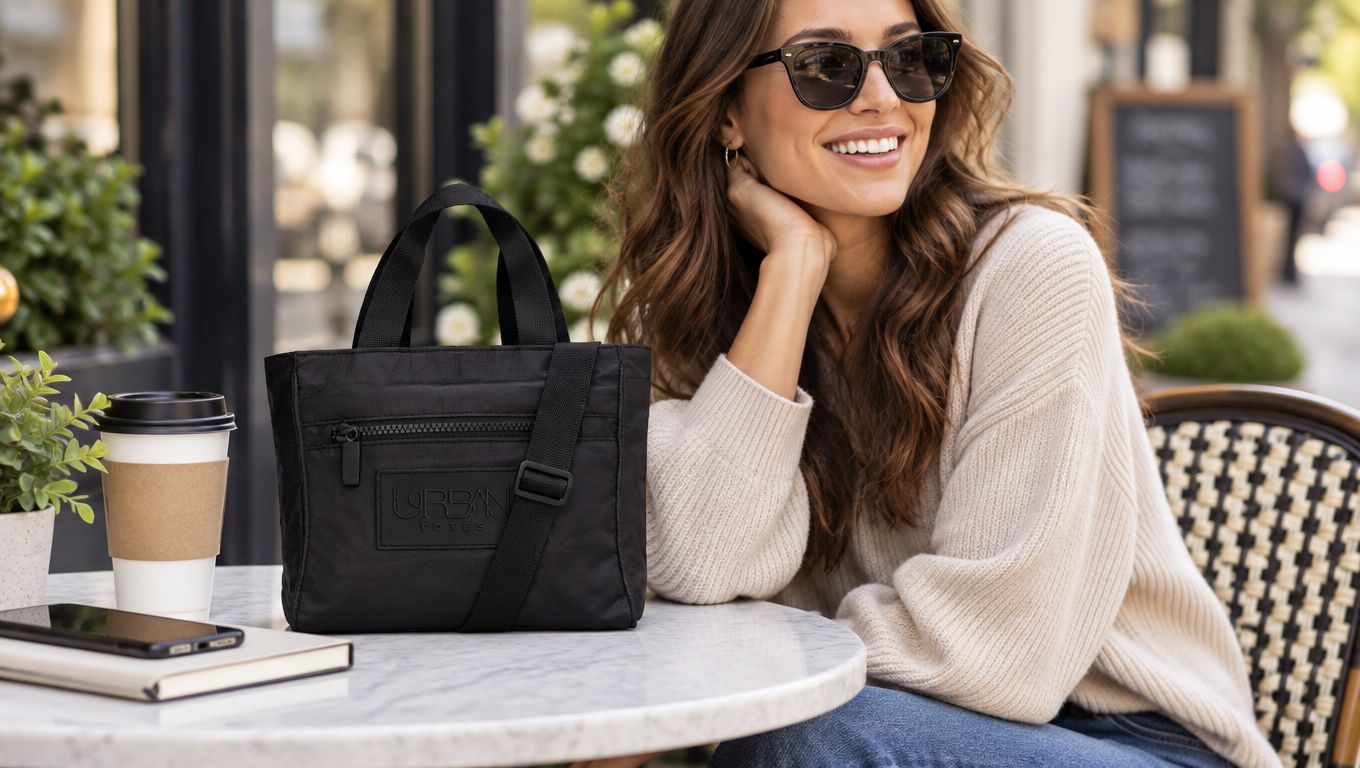
The Crossbody Tote Bag Mini Purse combines a zip-top closure, outside zipper pocket, easy-access pocket, black interior, and removable strap extending to 53 inches. Its 7.5 x 4 x 7.75-inch size keeps the load focused for phone, wallet, and small personal items. The 1-inch-wide nylon straps and 11-inch handles offer two carrying options, while structured piping helps it hold its shape. Its foldable, water-resistant construction also suits errands when you need a compact bag that can handle changing conditions.
The Ergonomics of Carrying Compact Bags Comfortably
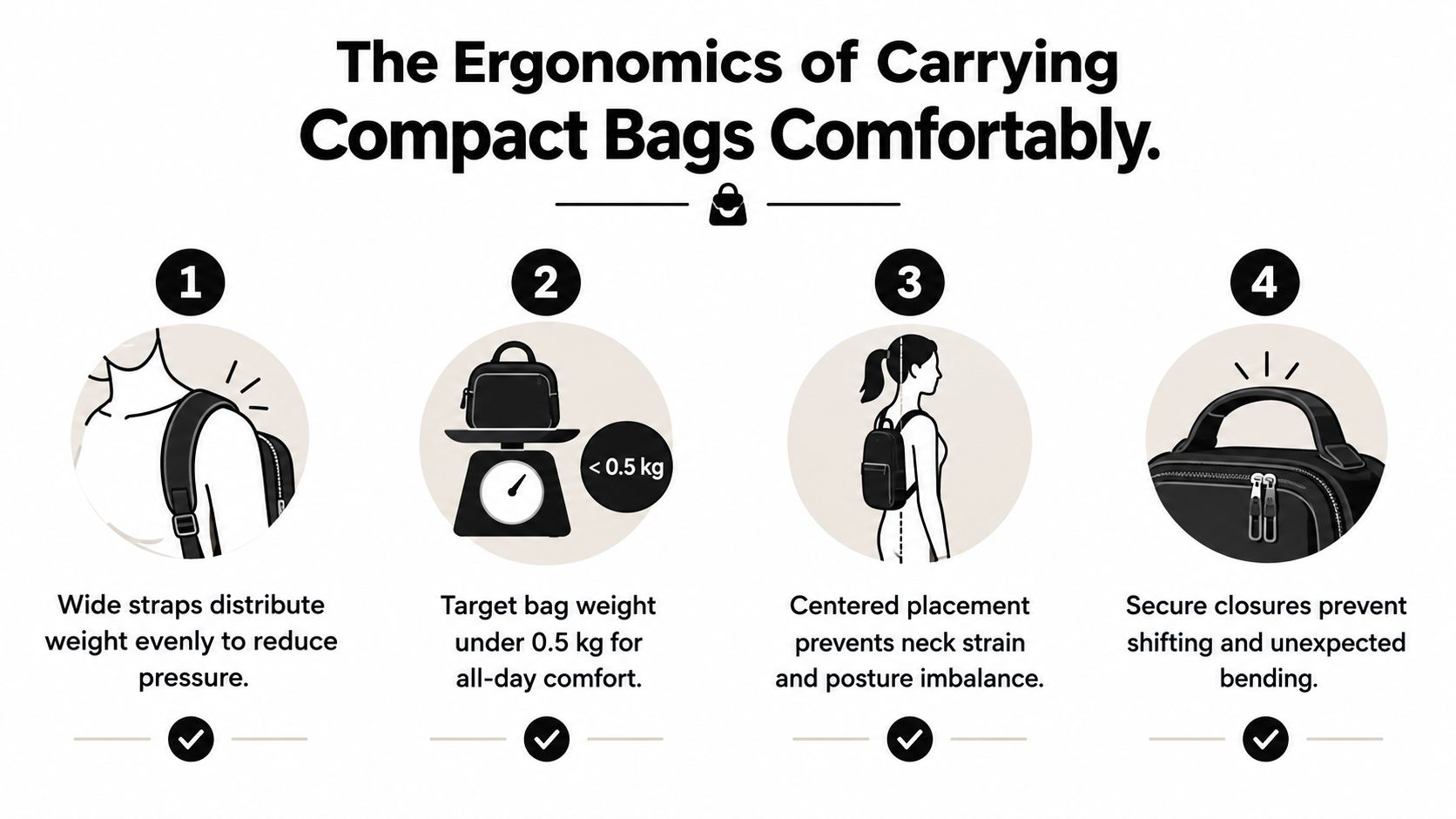
Small doesn't automatically mean comfortable. A poorly positioned compact bag can swing while you walk, pull on one shoulder, or force you to reach awkwardly for your phone. Comfort depends on the relationship between strap length, load placement, empty bag weight, and what you put inside.
A crossbody resting around the hip typically uses a strap in the 45 to 55 inch range, while formats around 7 to 10 inches wide keep the load compact enough for essentials, according to crossbody sizing guidance from Home to Sight. A bag that sits close to the torso generally feels less bulky than one that hangs far away and swings with every step.
Use the strap as a fit tool
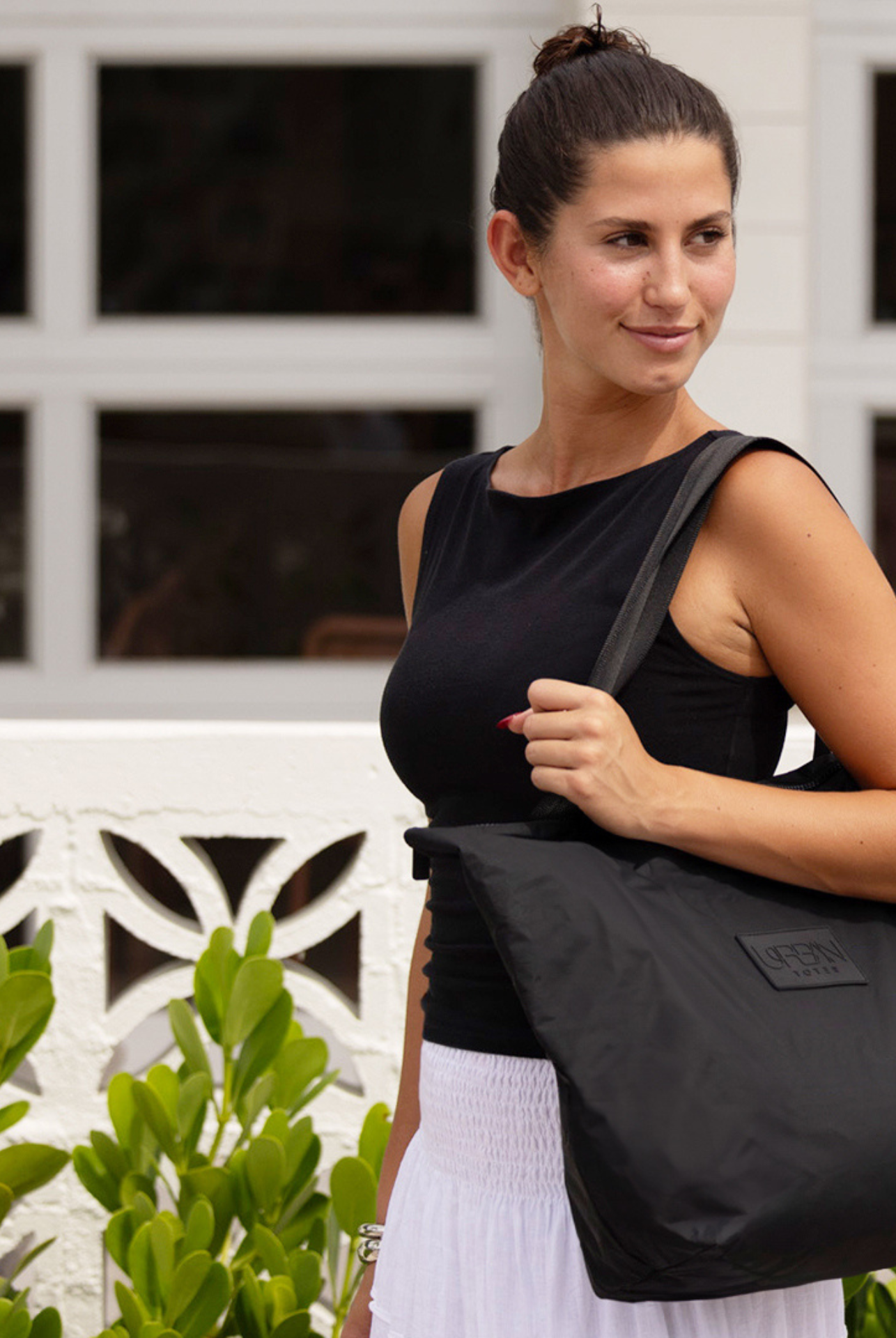
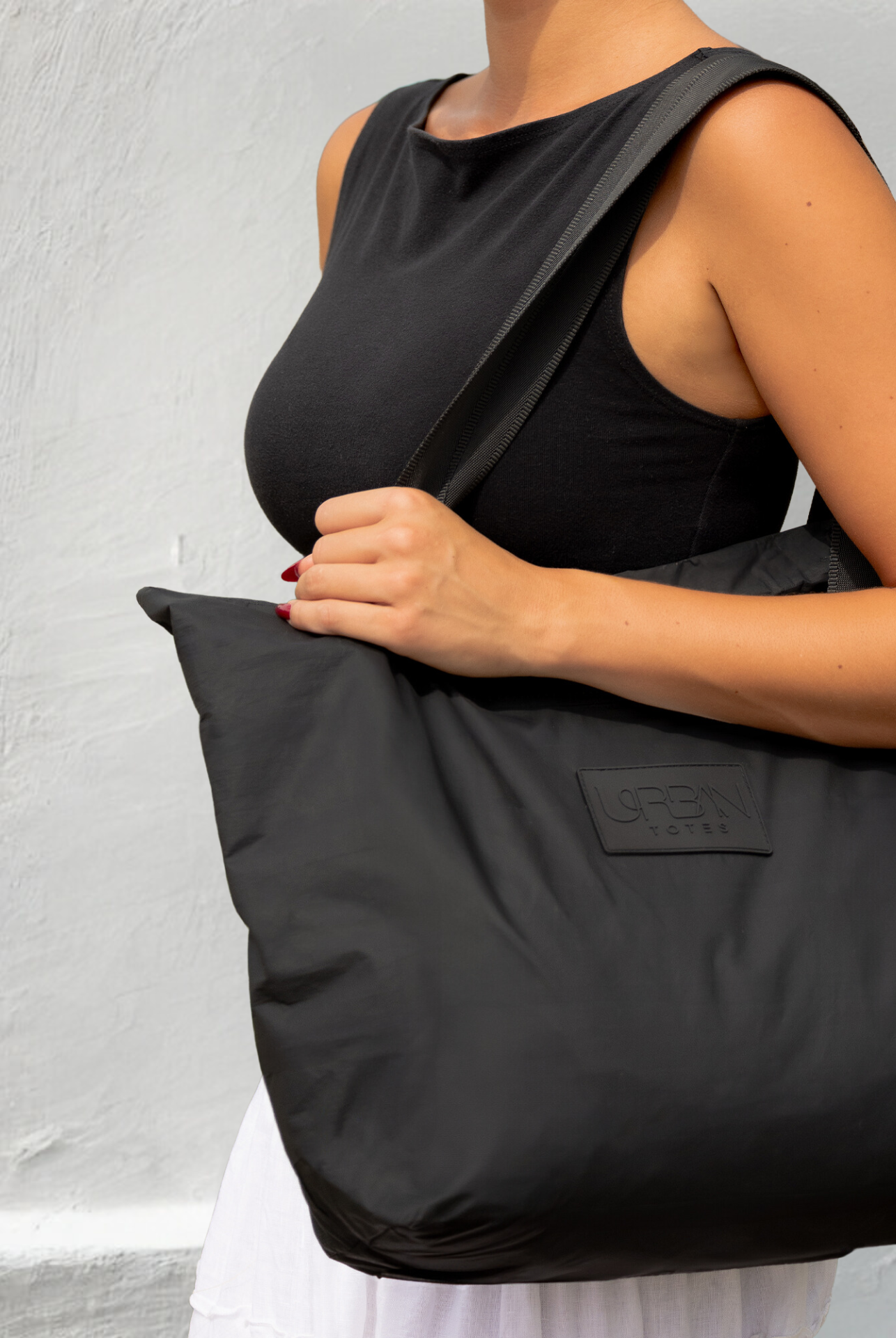
Start with the bag resting near your hip or slightly above it. Walk normally and notice whether it swings, presses into your side, or makes you shorten your stride. An adjustable strap lets you change the position for a winter coat, a light outfit, or a crowded transit ride.
A strap with some width can feel more stable than a narrow cord, especially when the bag contains a phone, wallet, keys, and personal items. Secure hardware and a reliable closure also matter because shifting contents can change how the bag hangs. For practical fitting guidance, use this guide to adjusting bag straps.
Audit the load, not just the bag
Handbag-carry research indicates that continuously carrying a handbag above 10% of body weight can contribute to musculoskeletal problems. The occupational health research points to a sensible packing habit: keep the empty bag lightweight and remove items you aren't using.
Try this quick audit before leaving home:
- Empty the entire bag: Remove receipts, duplicate cosmetics, and anything you haven't used recently.
- Keep high-priority items together: Phone, wallet, keys, and essential personal items should be reachable without digging.
- Test the bag in motion: Walk, sit, bend, and reach. If the bag shifts constantly, adjust the strap or reduce the contents.
- Choose closure security: A zipper closure helps keep contents contained when you're moving through busy spaces.
Comfort is part of style. A bag that looks polished but makes you rearrange your shoulder all afternoon won't become a reliable everyday carry.
Choosing Durable and Water-Resistant Materials
A compact purse often sits beside a beach chair, under an airplane seat, or on a café table. It needs to handle light rain, a coffee spill, and the general friction of errands without becoming precious or difficult to maintain.
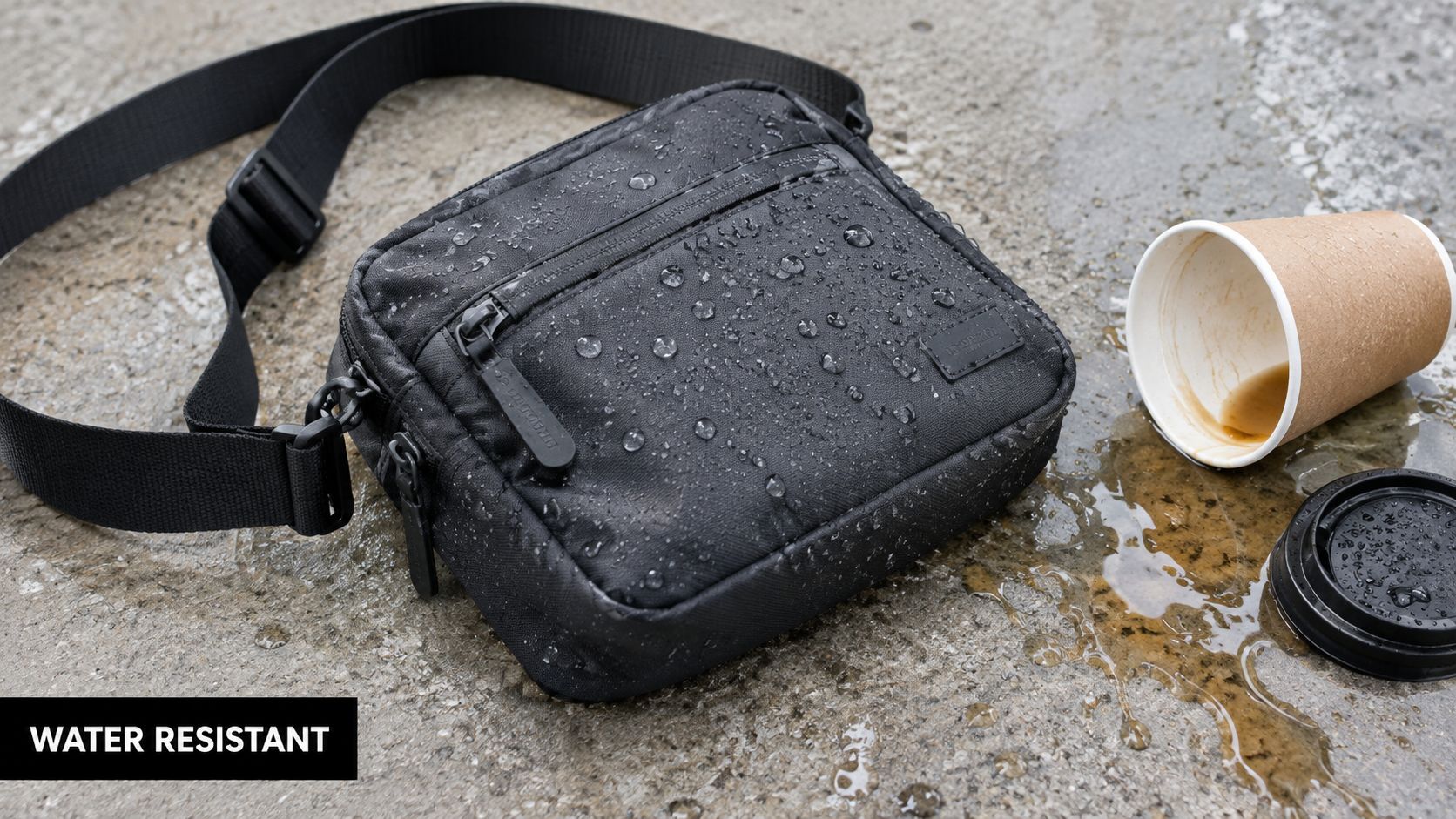
Start by understanding the label. Water-resistant is not waterproof. Water-resistant material can repel moisture for a while, but water may eventually pass through, especially at seams and zippers. Carryology's explanation of water-resistant versus waterproof construction makes the distinction clear, and it's the distinction shoppers should use when deciding where a bag belongs.
Inspect the construction details
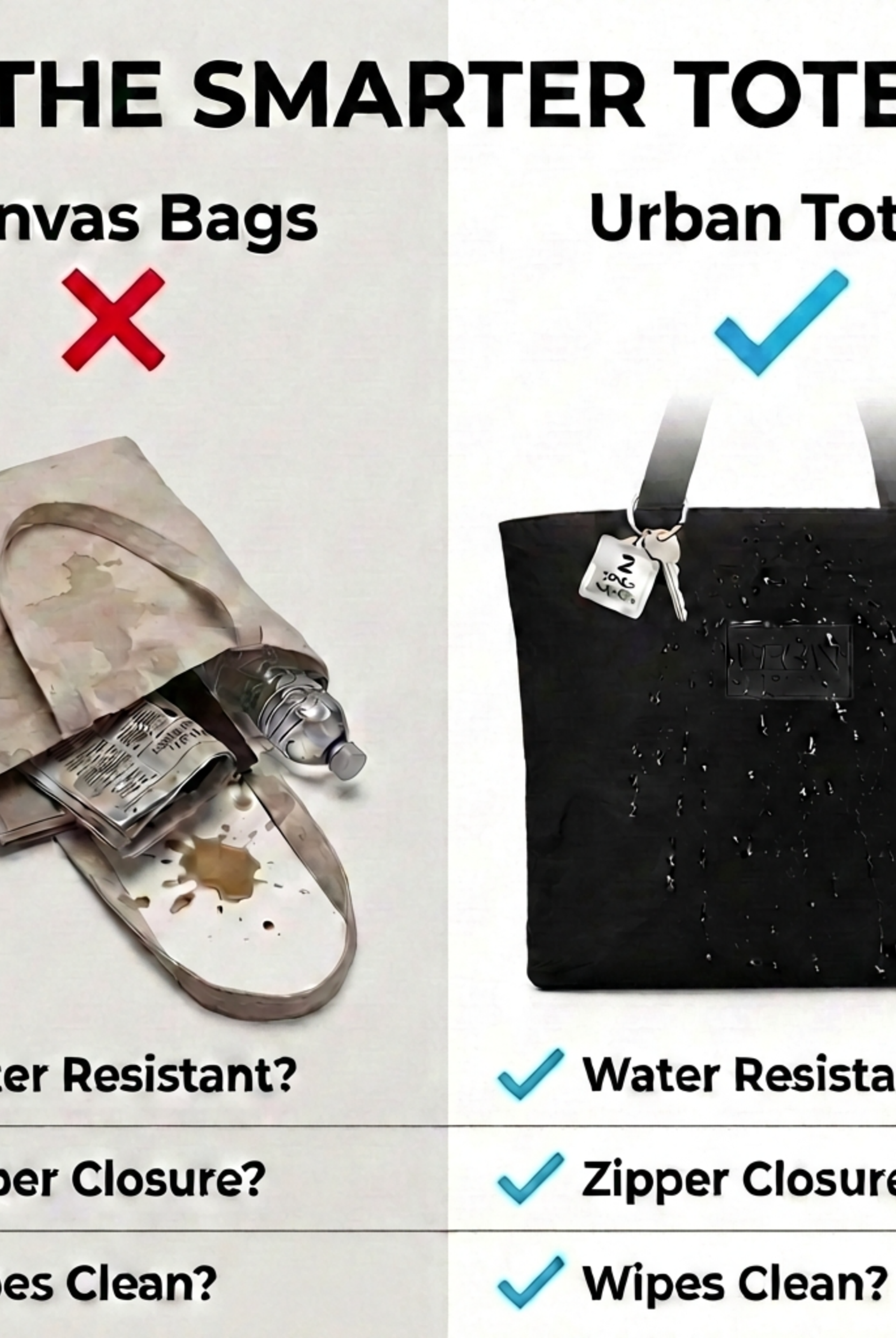
For everyday use, look for lightweight nylon or polyester, a coated exterior, clean stitching, and a closure that runs smoothly. Structured piping can help a small bag hold its shape, which makes pockets easier to access and prevents the interior from collapsing around your essentials.
Zippers deserve special attention. Check whether the top zipper closes fully, whether the outside pocket also closes securely, and whether the zipper pull is easy to operate with one hand. Seams and zipper tracks are common weak points, so don't assume a water-resistant fabric makes the entire bag waterproof.
A guide to water-resistant materials can help you compare fabric descriptions without confusing water resistance with protection against prolonged exposure. For beach days or sudden drizzle, water-resistant, lightweight, packable construction is practical. For submersion, use a purpose-built dry bag instead of a standard purse.
Match durability to the setting
A commuter may prioritize a secure zipper closure and wipe-clean exterior. A weekend traveler may care more about foldability and a removable strap. A caregiver may want several compartments so personal essentials stay separate from snacks, wipes, or small toys.
Choose durable, travel-ready construction that fits your routine. You don't need a technical expedition bag for a farmers market, but you do need materials that won't make you nervous every time the weather changes.
How to Organize Your Essentials Without Overpacking
A rushed morning exposes a poorly organized small purse fast. Start with an edit before anything goes inside. Lay out what you need for the day, then assign each item a fixed place. Consistent placement lets you find keys by touch and keeps security easier to manage in crowded spaces.
Use this order:
- Phone and wallet: Put your phone in the fastest-access pocket and your wallet in a secure interior section.
- Keys: Give keys a dedicated pocket or clip. Loose keys scratch other items and disappear beneath cosmetics.
- Personal items: Choose only the lip product, compact, medication, or other small item you will use.
- Optional extras: Add sunglasses, earbuds, or a small charger only when the day calls for them.
A 7 to 10 inch wide format leaves just enough room for a phone, slim wallet, and keys. Anything larger invites duplicates, so remove backup products and “just in case” items before they take over.
Build a modular system
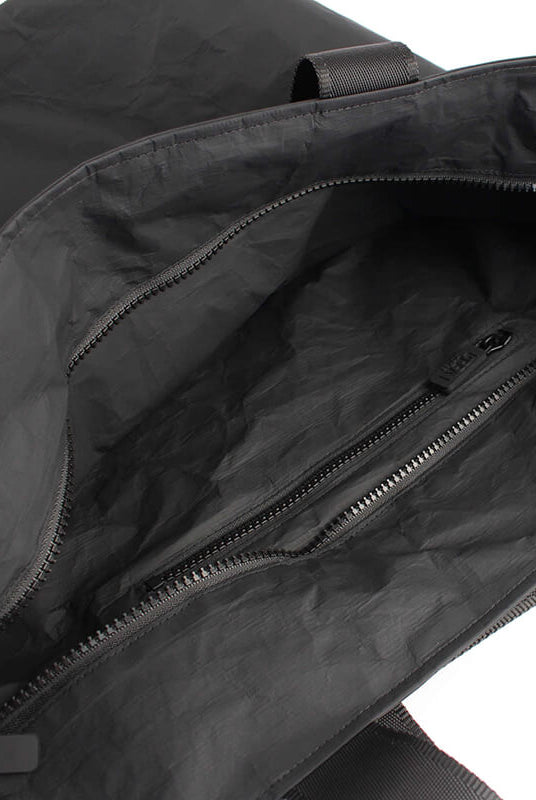
Assign every pocket a category. Keep cards and cash together, place cables in a slim organizer pouch, and reserve the outside pocket for items you reach for repeatedly. A lightweight, foldable pouch can move from a work tote to a small evening bag without requiring you to repack each item.
Use these bag organization ideas to separate categories without adding bulk.
The two-minute reset: Empty the bag, remove rubbish, return each item to its assigned pocket, and stop when the closure still moves easily.
That reset matters more than a perfectly curated interior. Repeatable access keeps your hands free and prevents a compact bag from becoming a cluttered, uncomfortable load.
Know when to change bags
A mini crossbody should handle personal essentials for a short outing. If you need a laptop, a change of clothes, children's supplies, or a complete beach setup, switch to a larger packable tote and place the compact pouch inside it.
Use the small bag for your own daily items and the larger bag for shared or activity-specific gear. This separation protects the small bag's organization, reduces digging, and makes it easier to leave unnecessary weight at home.
Finding Your Perfect Go-Anywhere Companion
The right compact bag brings four decisions together: comfortable placement, useful organization, weather-aware materials, and a silhouette you'll really wear. Ignore any one of those and the bag may sit in your closet, no matter how attractive it looked online.
Think about your real calendar. A daily commuter needs hands-free access and a secure zipper closure. A weekend traveler needs a lightweight, foldable piece that can move from airport terminal to dinner. A beach-day mom needs a water-resistant option for personal essentials while the larger tote carries the group's gear.
A Circana consumer survey found that more than 60% of women age 35 and older always carry a handbag for activities other than work or school, compared with 39% of women age 18 to 34. Circana's consumer discussion shows why everyday carry deserves more than trend-based advice. The bag has to fit the person, the activity, and the pace of the day.
For help choosing a silhouette that complements your wardrobe, explore this guide on how to match a bag to your style. Then compare practical options in this overview of the best everyday bags for women.
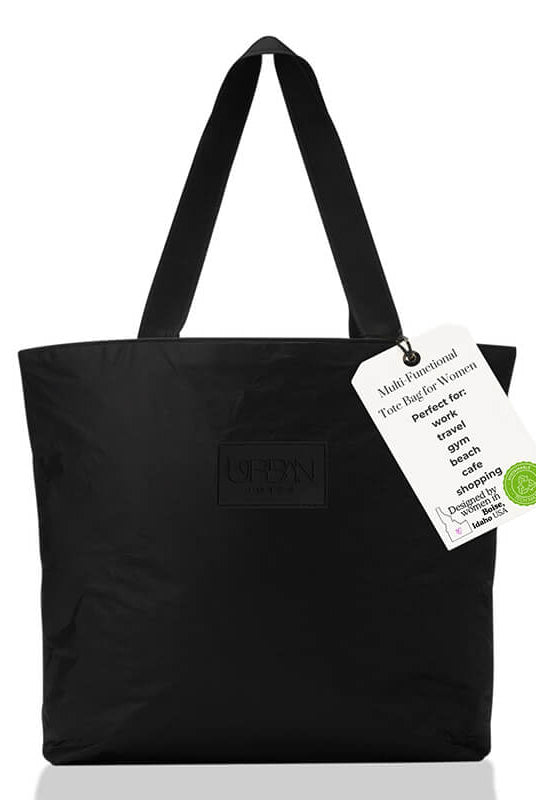
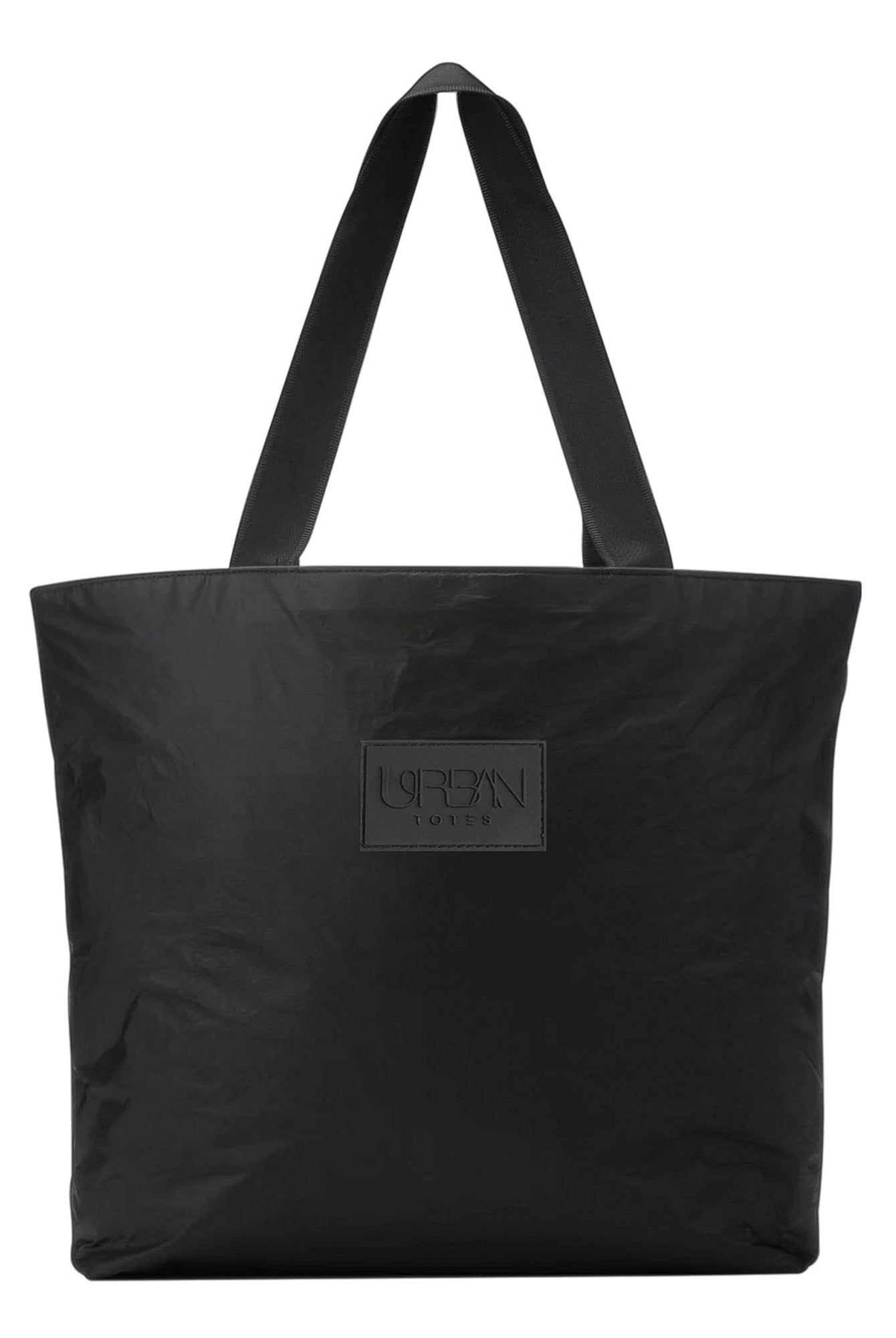
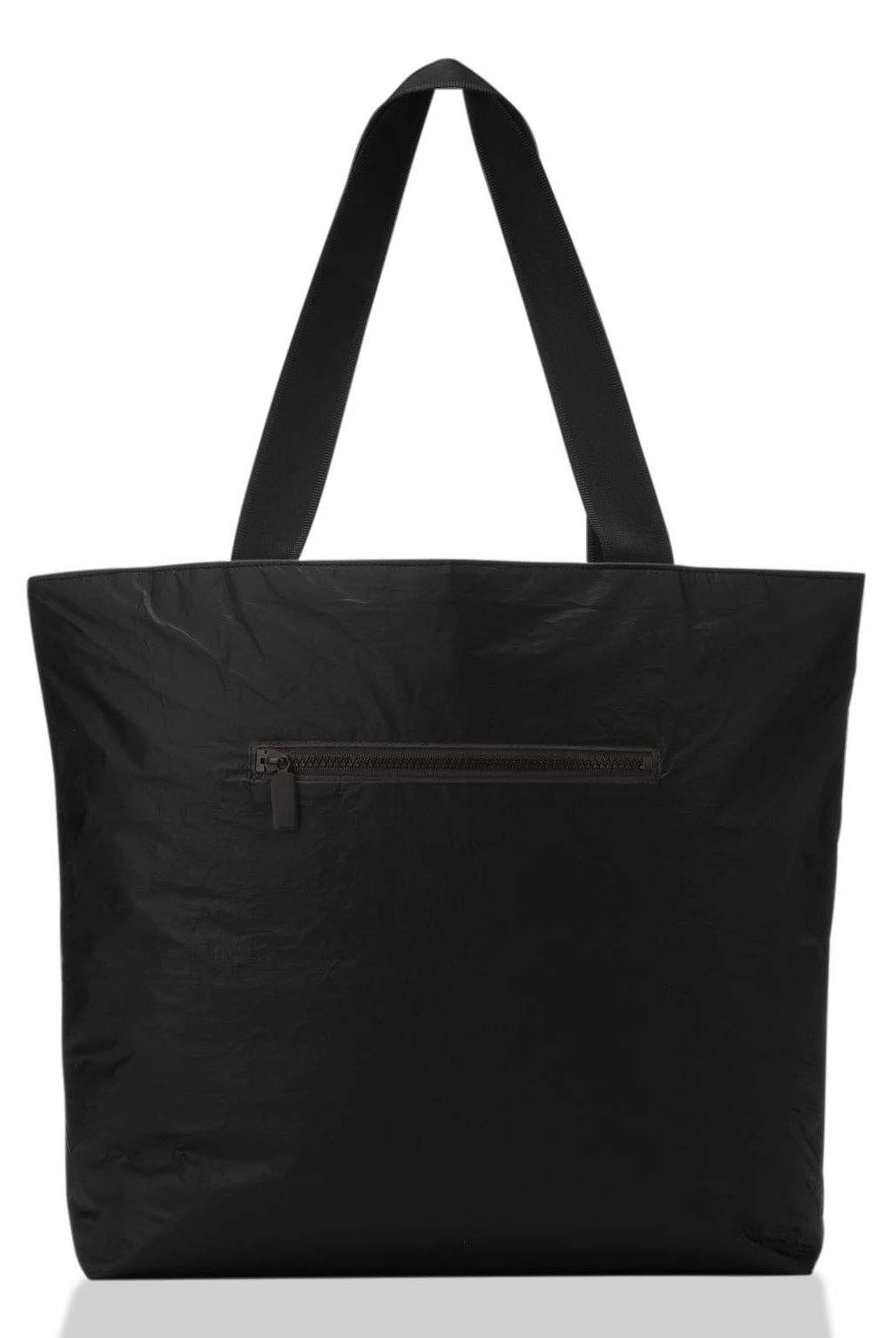
Urban Totes is a woman-owned, Boise-made brand focused on versatile, modern bags with water-resistant, lightweight, packable, foldable construction and thoughtful organization. That combination suits women who need one compact companion for commuting, errands, travel, beach days, and spontaneous plans.
Shop Urban Totes for stylish, functional bags with multi-pocket organization, zipper closures, and lightweight designs made for everyday carry. Visit Urban Totes to find a go-anywhere companion that helps you carry what matters and move through the day with ease.